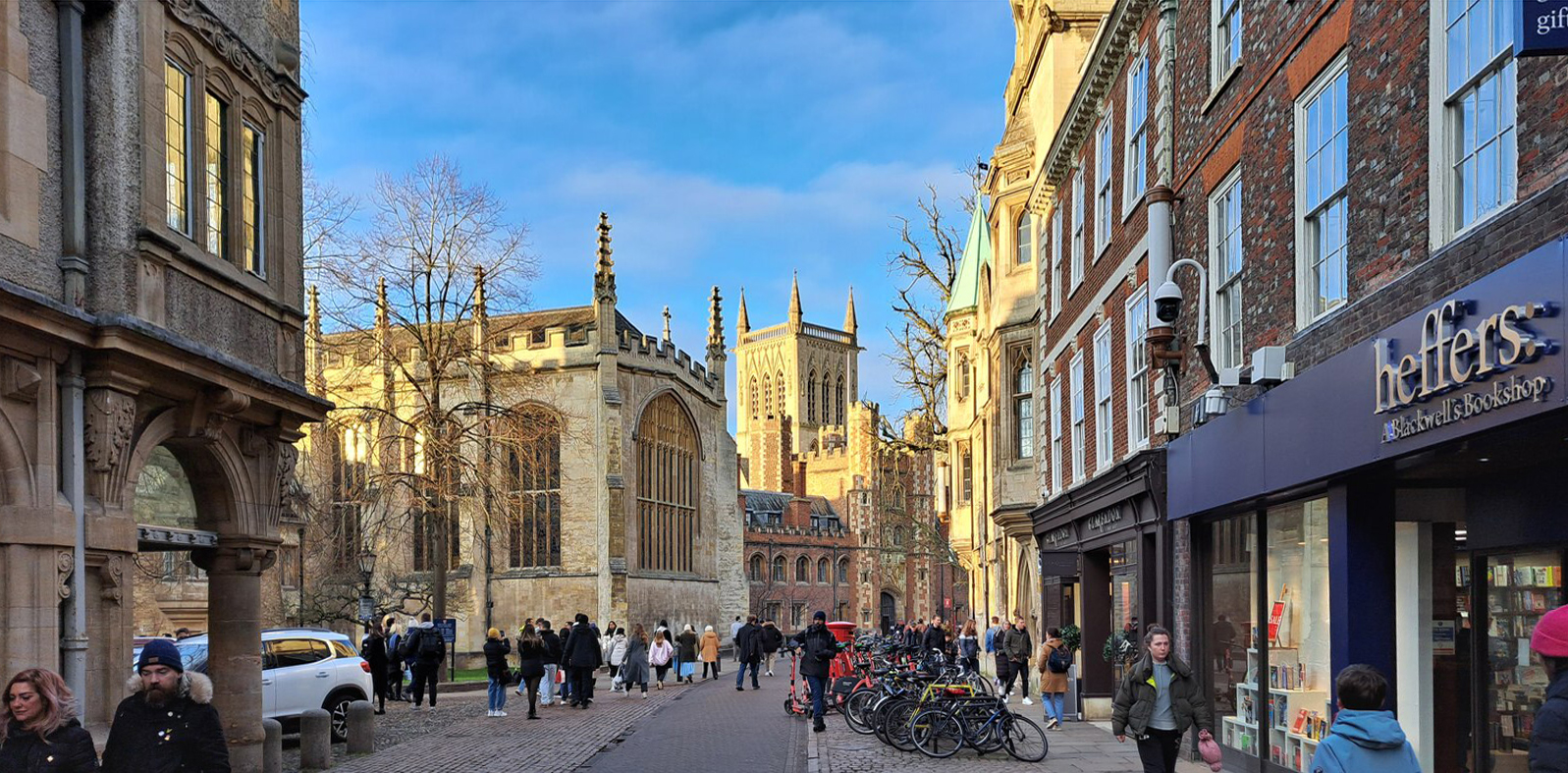


Finally, Cambridge keeps a good deal of its history in its pubs and street names rather than in its monuments.
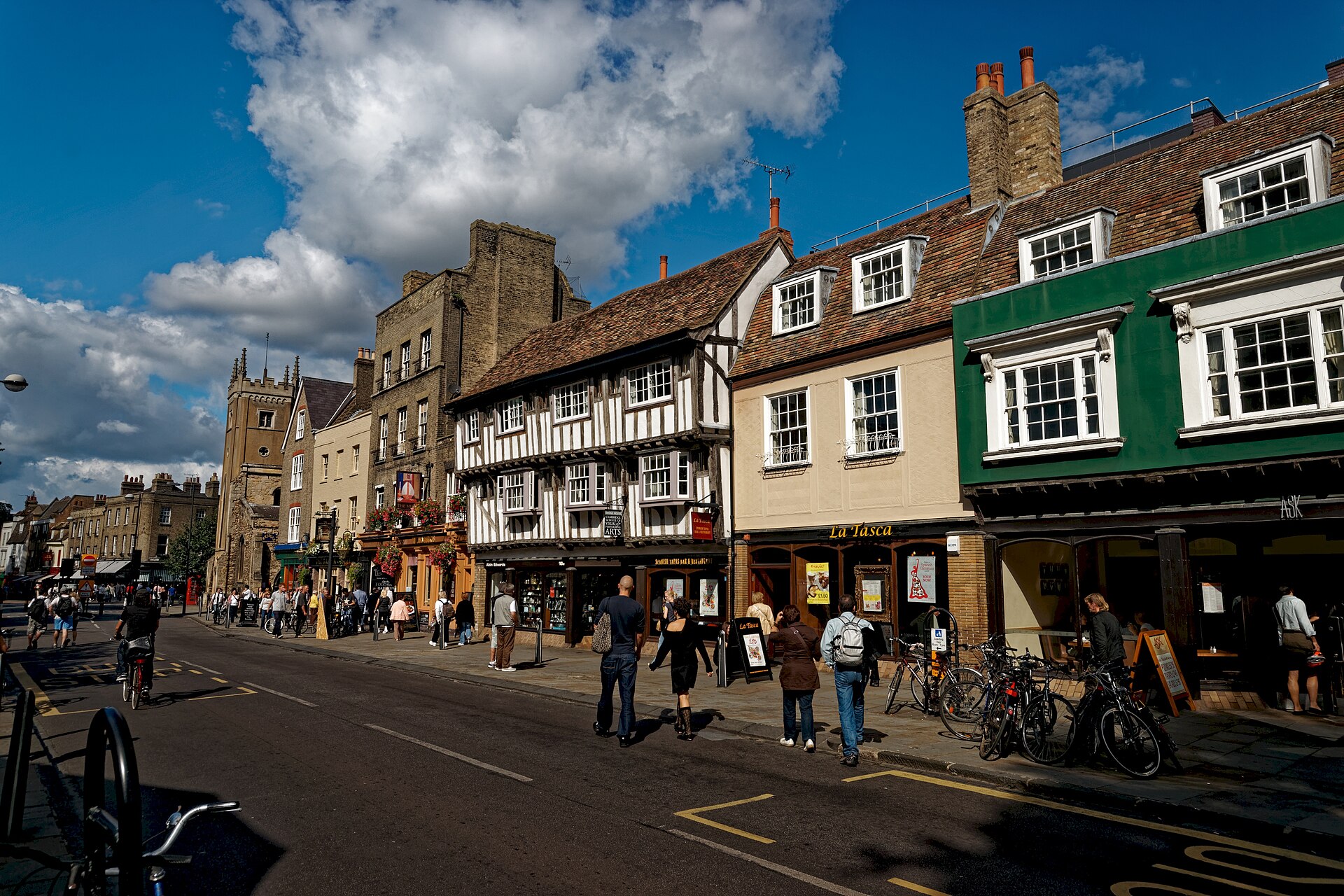
Bridge Street is the old Roman road and the crossing that gave the town its name.
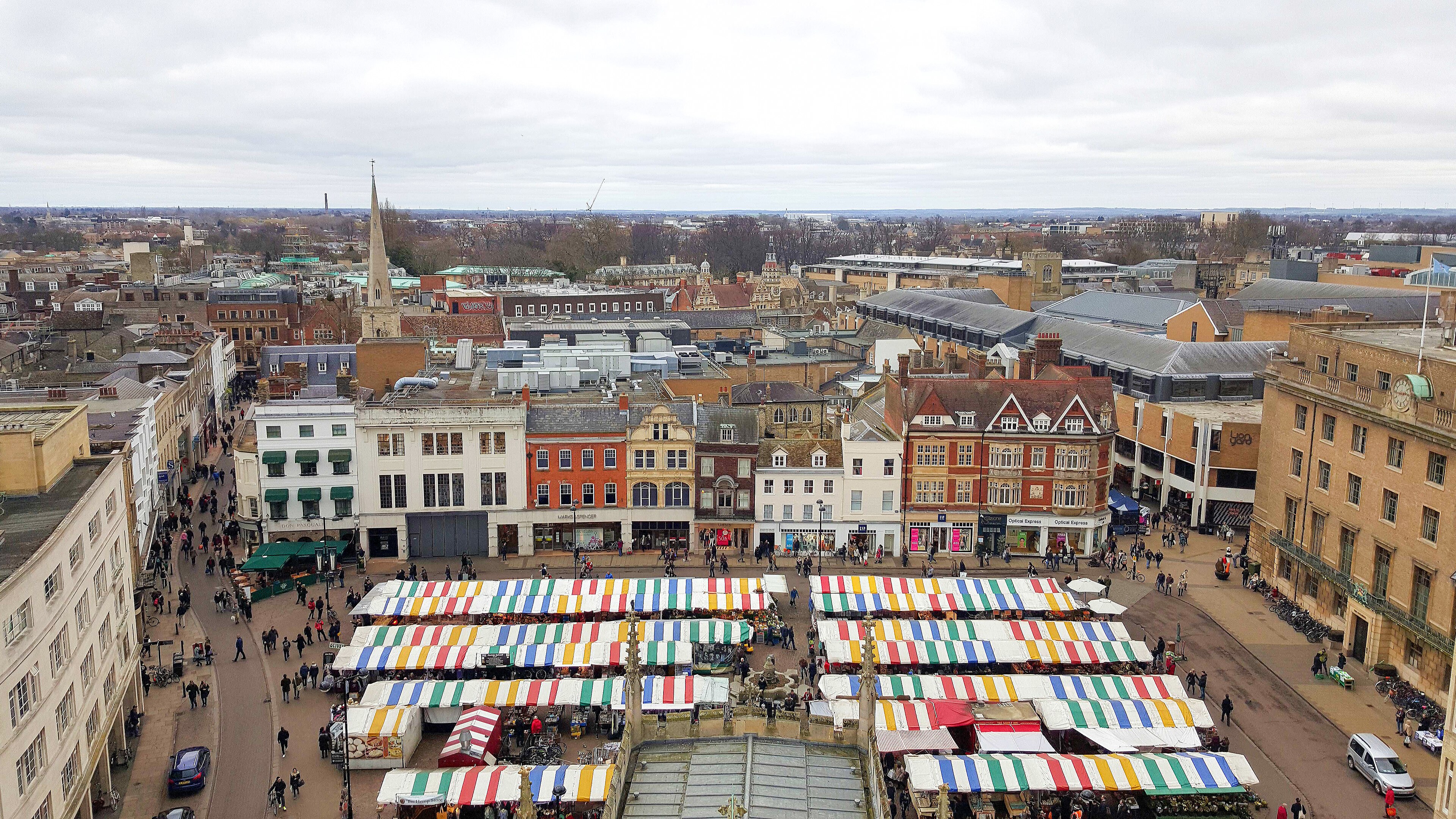
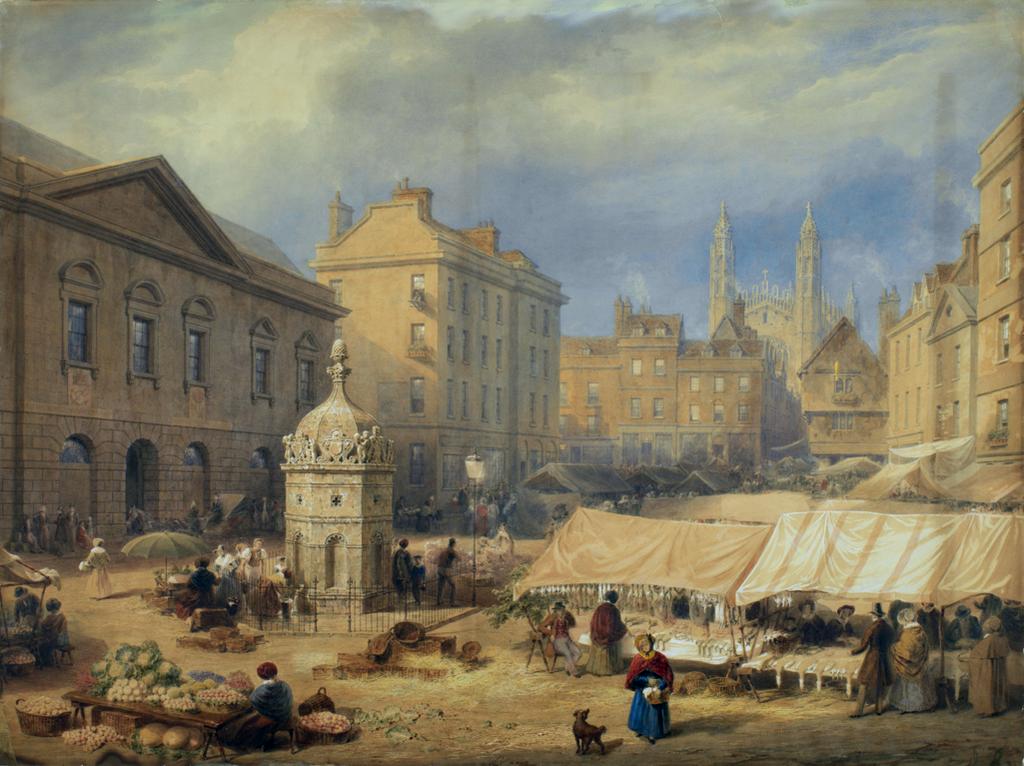
Market Square has been the centre of town since the Middle Ages, and still holds a market every day - though it was also where the stocks and the gallows stood, and where the town came to watch justice done.
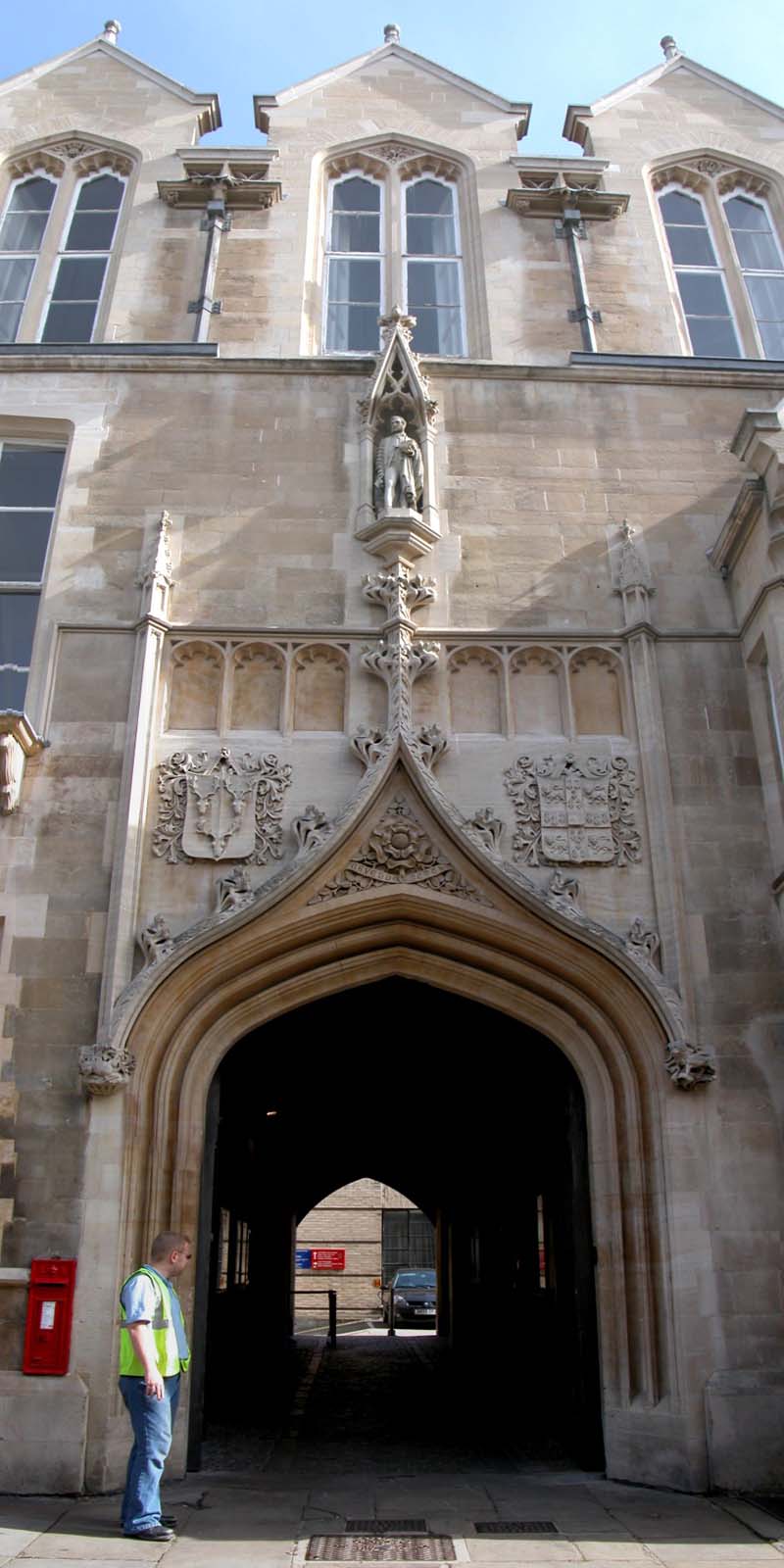
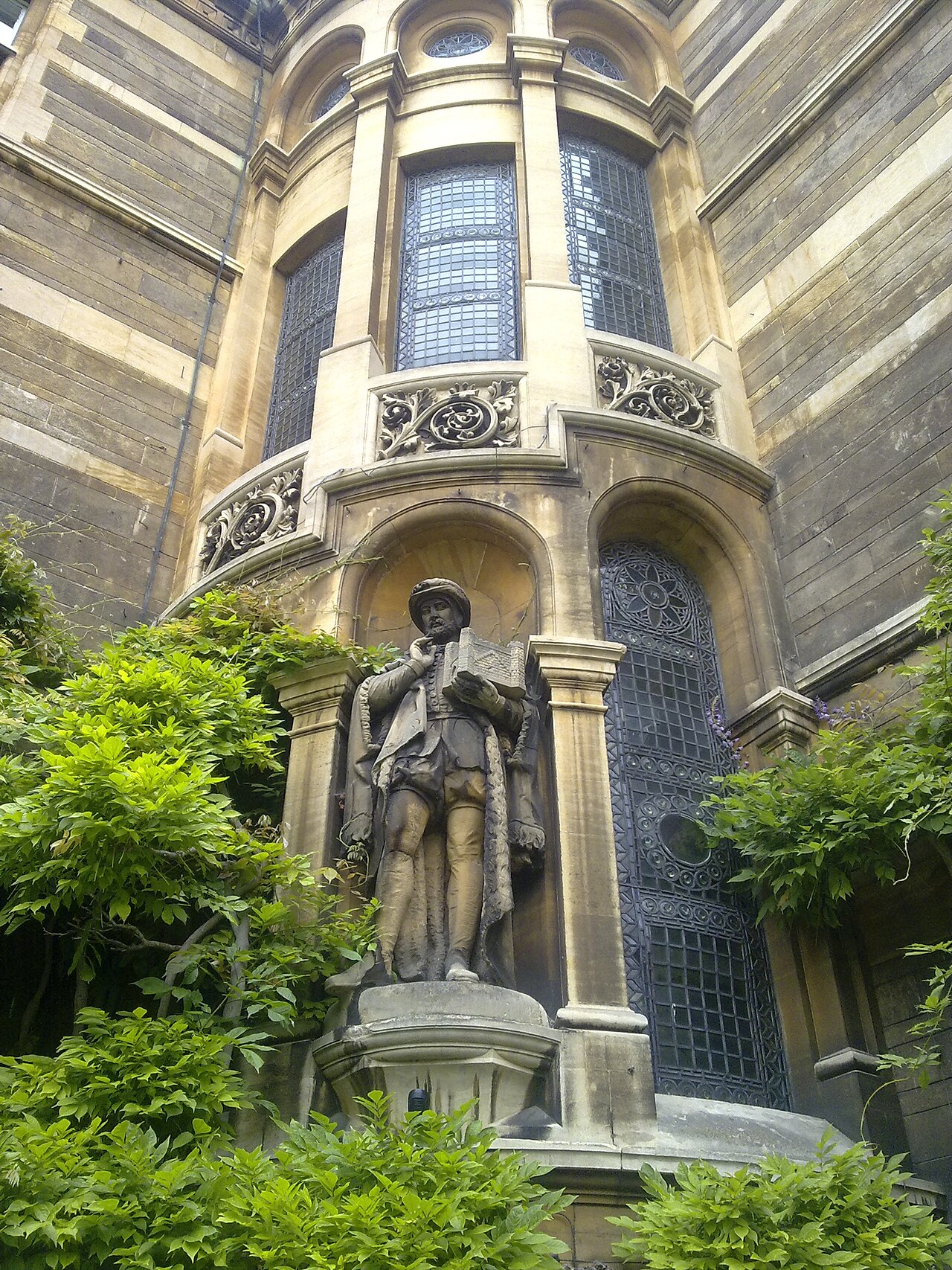
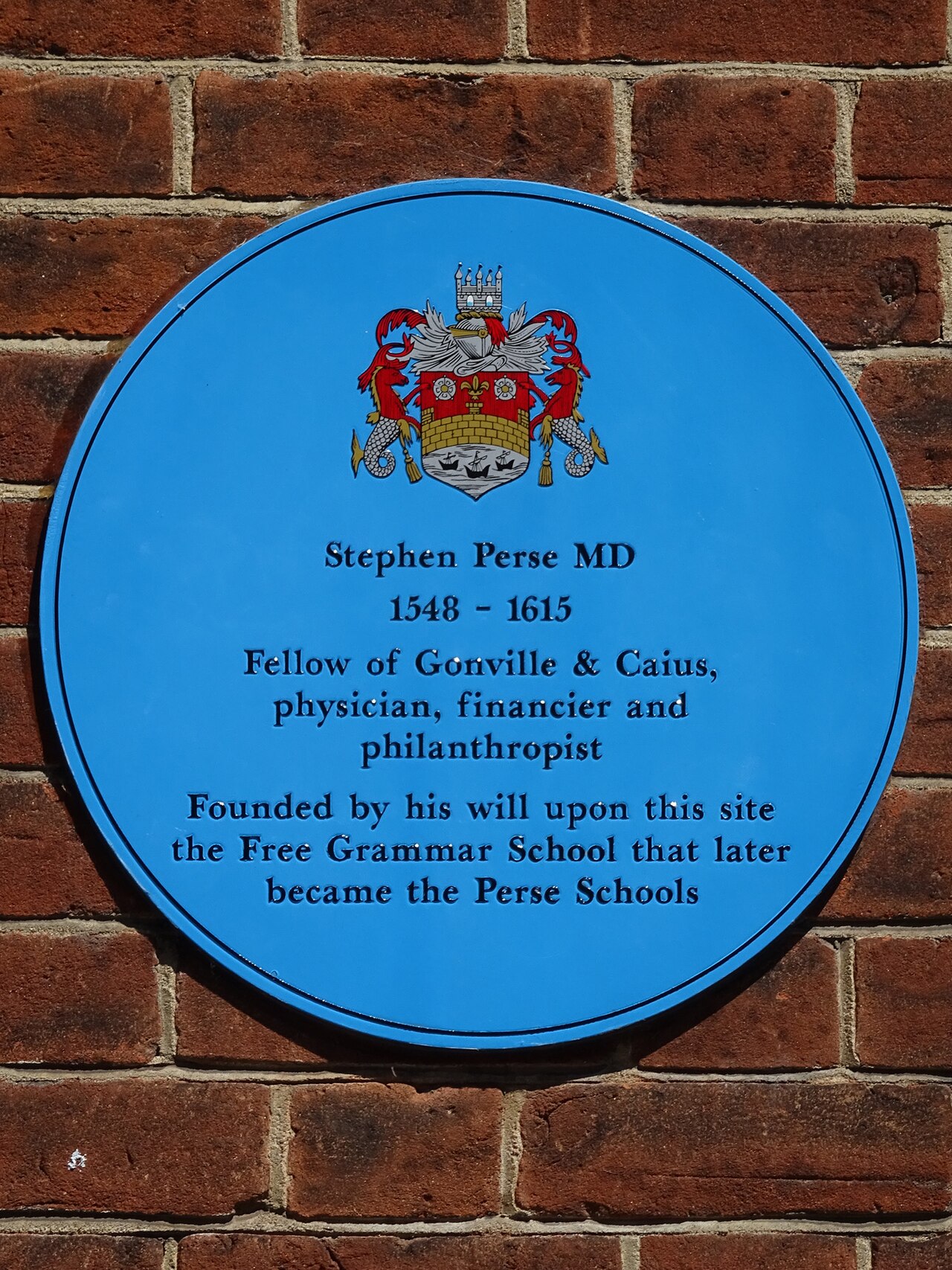
Free School Lane takes its name from the free grammar school founded there in 1615 by Stephen Perse, a Fellow of Gonville and Caius, for talented boys who could not otherwise afford one.
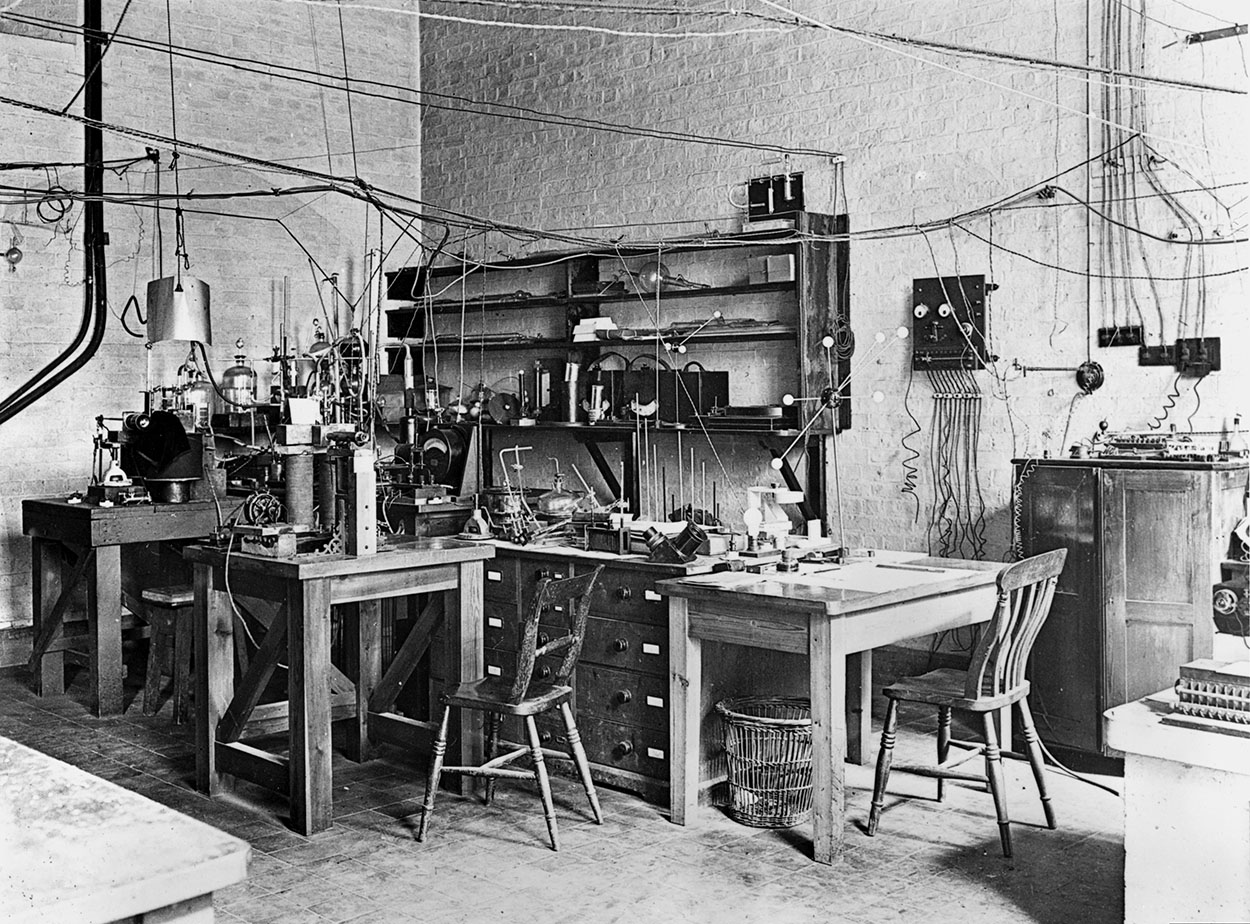
It is where the Cavendish Laboratory stood for a century before moving to the West side of Cambridge because of the lack of space.
This site saw the discovery of the electron (1897), the neutron and the first splitting of the atom (1932) and the discovery of the structure of DNA (1953).
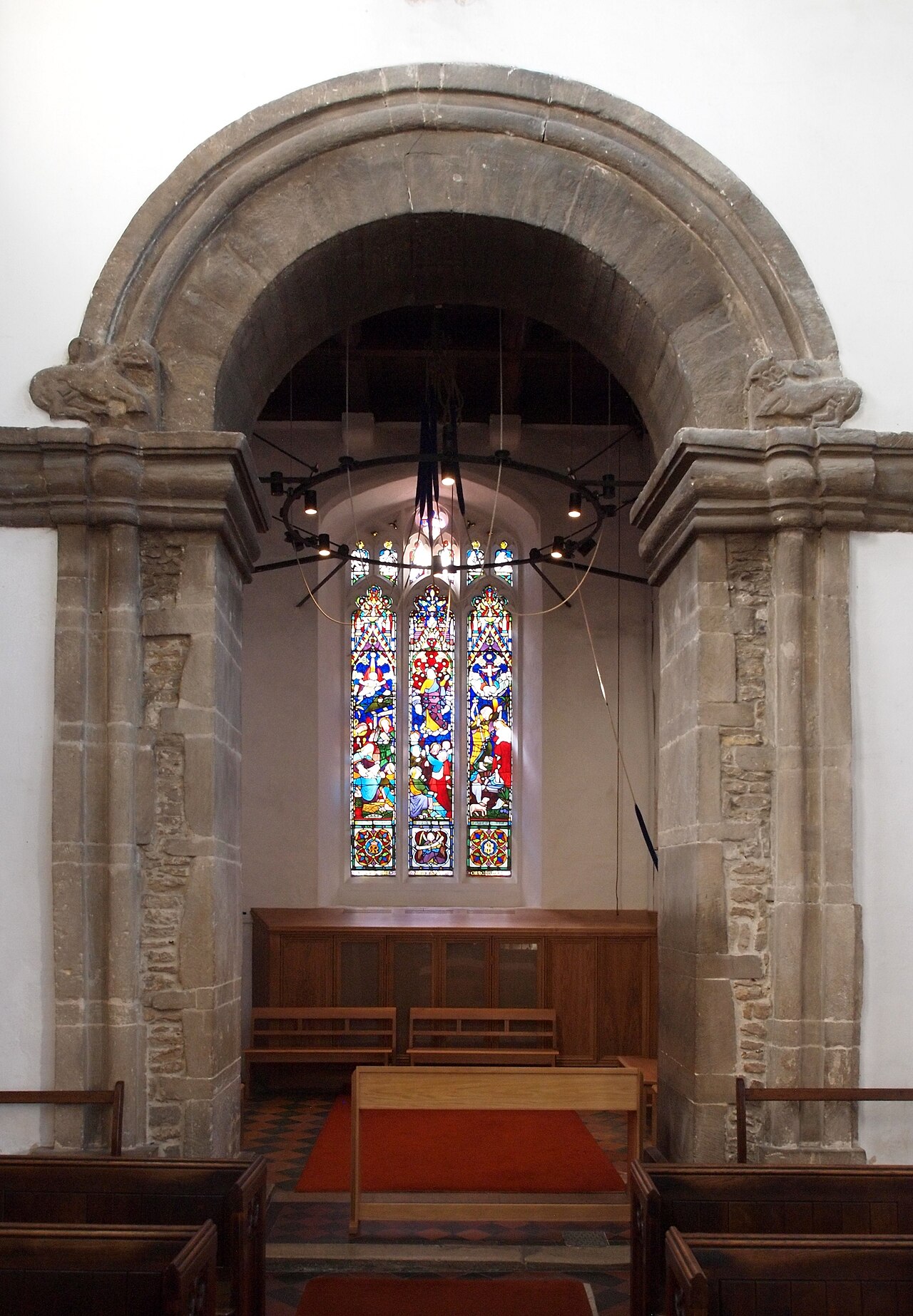
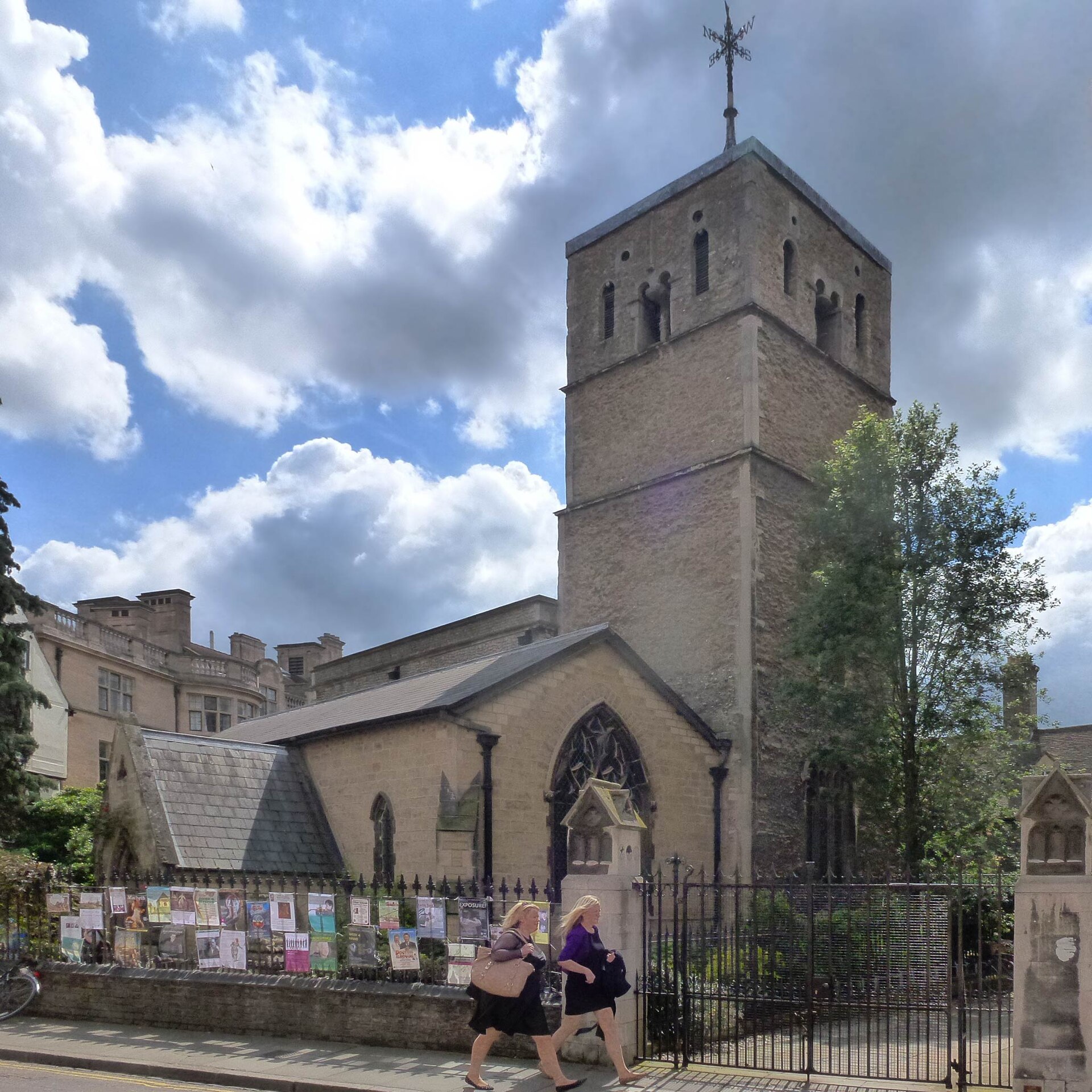
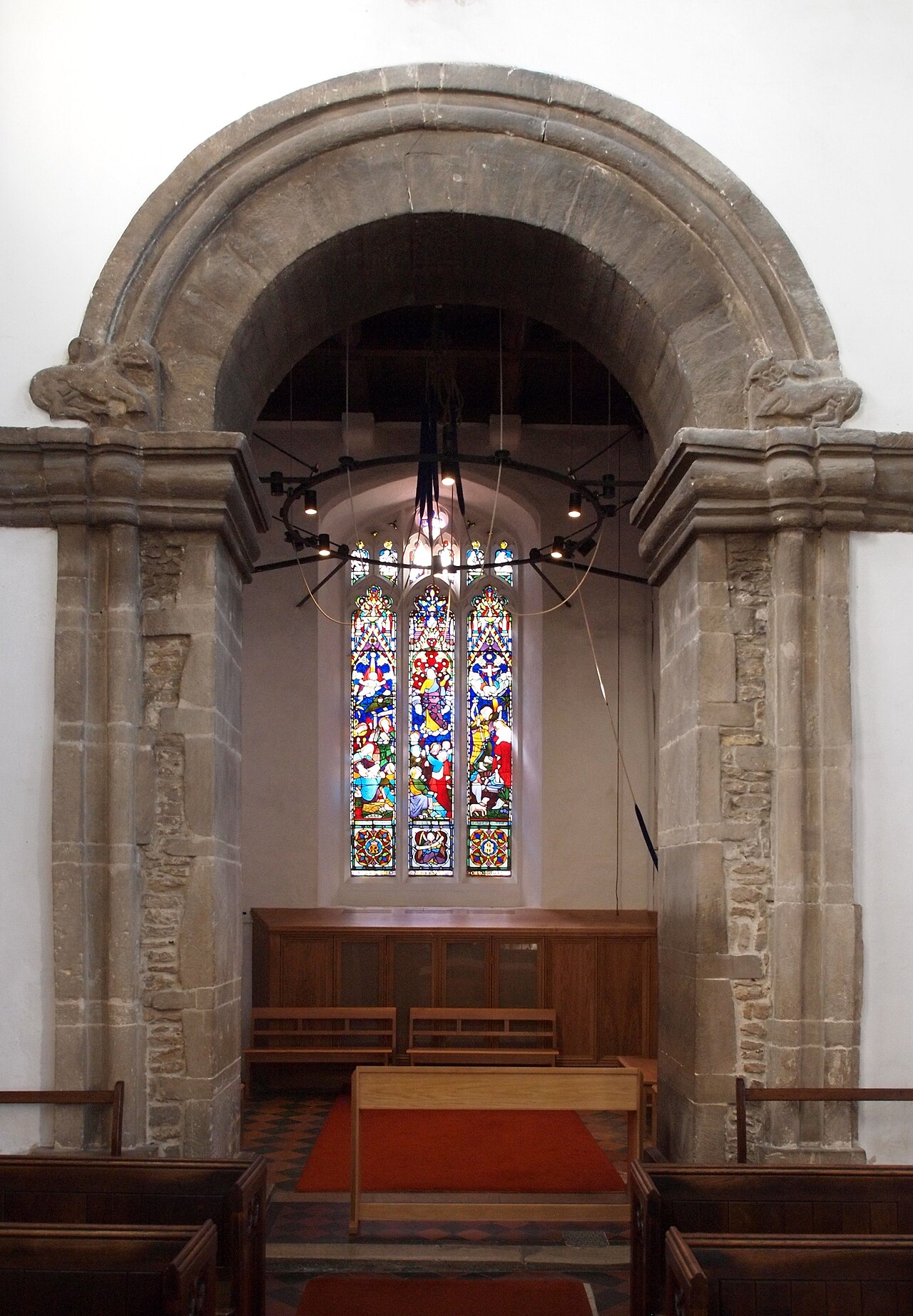
Bene't Street takes its name from St Bene't's, the oldest building in Cambridgeshire.
Its Anglo-Saxon tower went up around 1020, under the Danish king Cnut, and it served as the chapel of Corpus Christi for the college's first 200 years, until Corpus built its own in the 16th century.
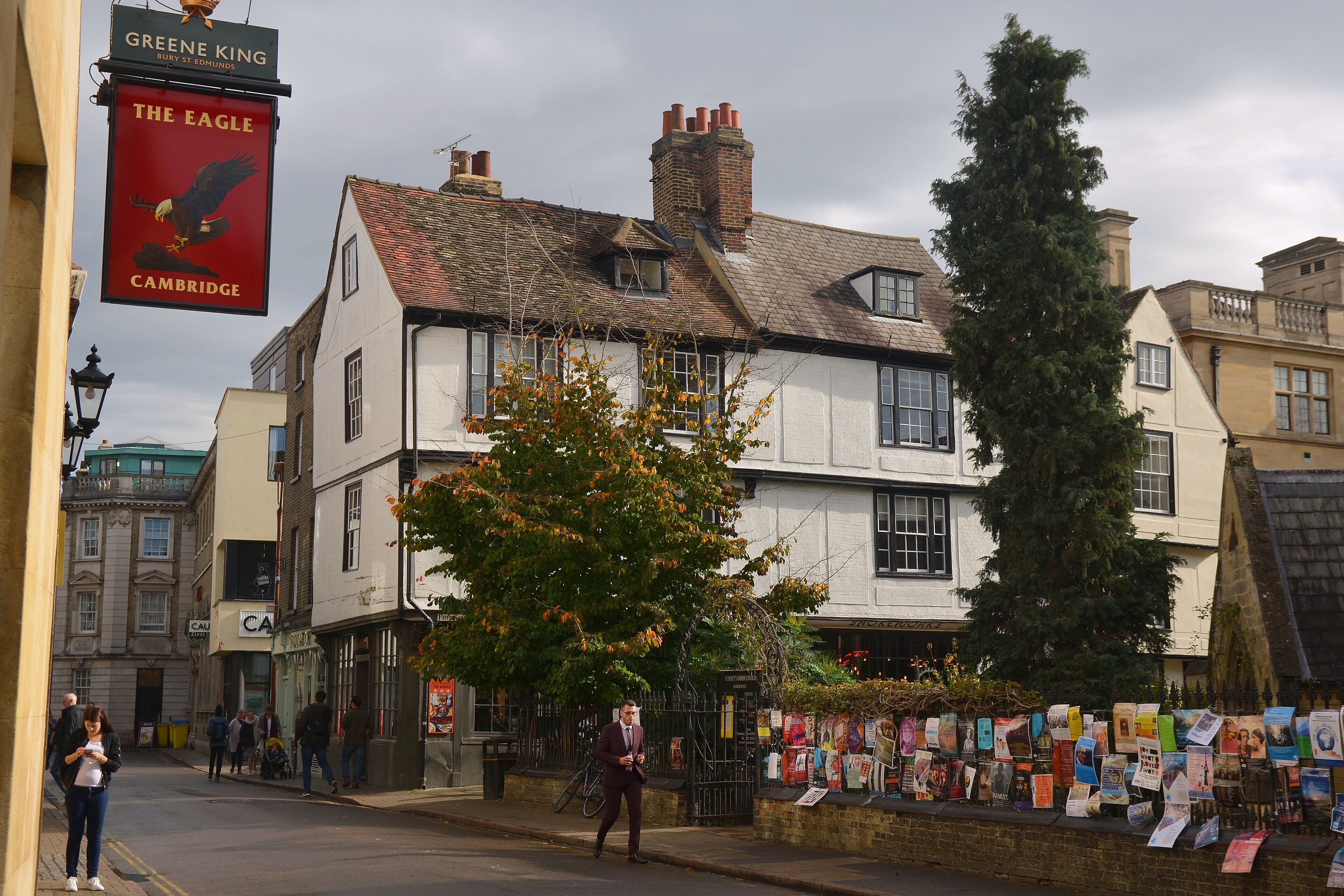
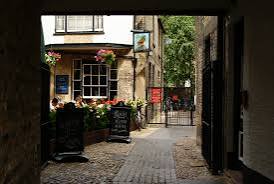
The Eagle, on Bene't Street, opened in 1667 as a coaching inn and is the second-oldest pub in the city, after the Pickerel Inn on Magdalene Street.
Its front dates from around 1600, with a galleried 19th-century wing behind it.
It is owned by Corpus Christi College - the college in Cambridge that the townspeople founded for themselves.
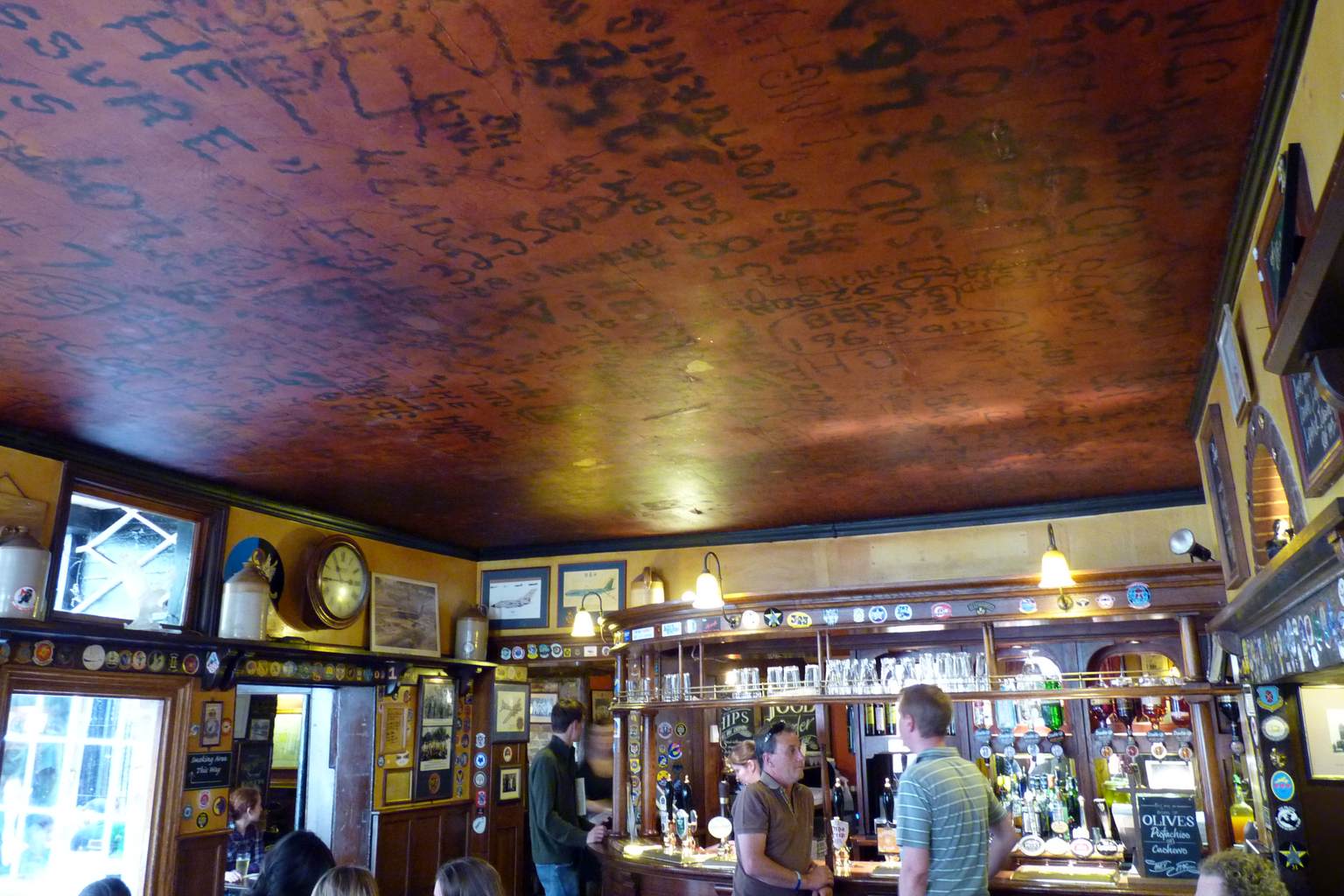
Fun fact : during the Second World War, Allied airmen drinking in the Eagle started writing their names, squadron numbers and assorted doodles onto the ceiling of the back room, using wax candles, petrol lighters and lipstick.
The room is now known as the RAF Bar.
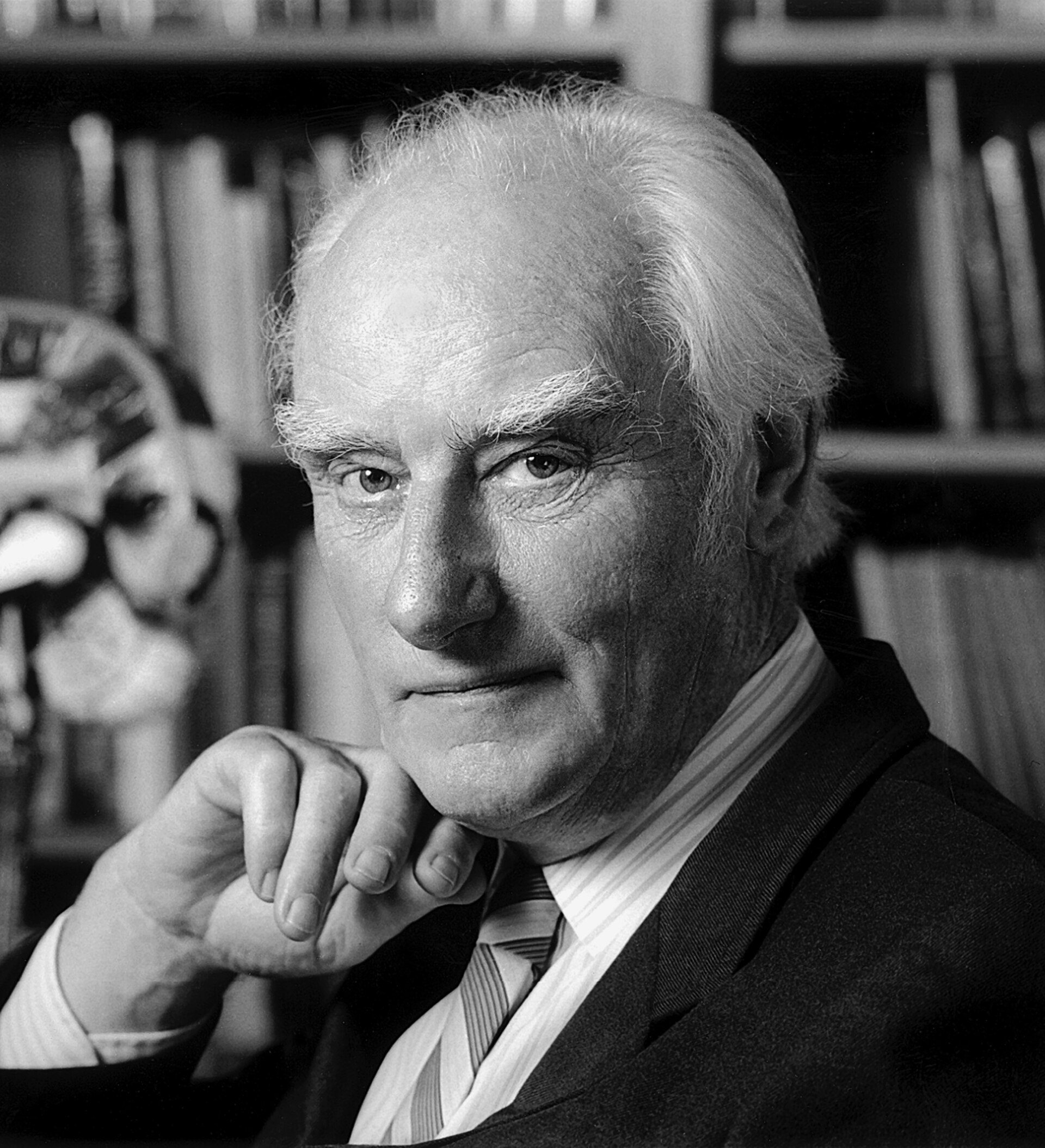
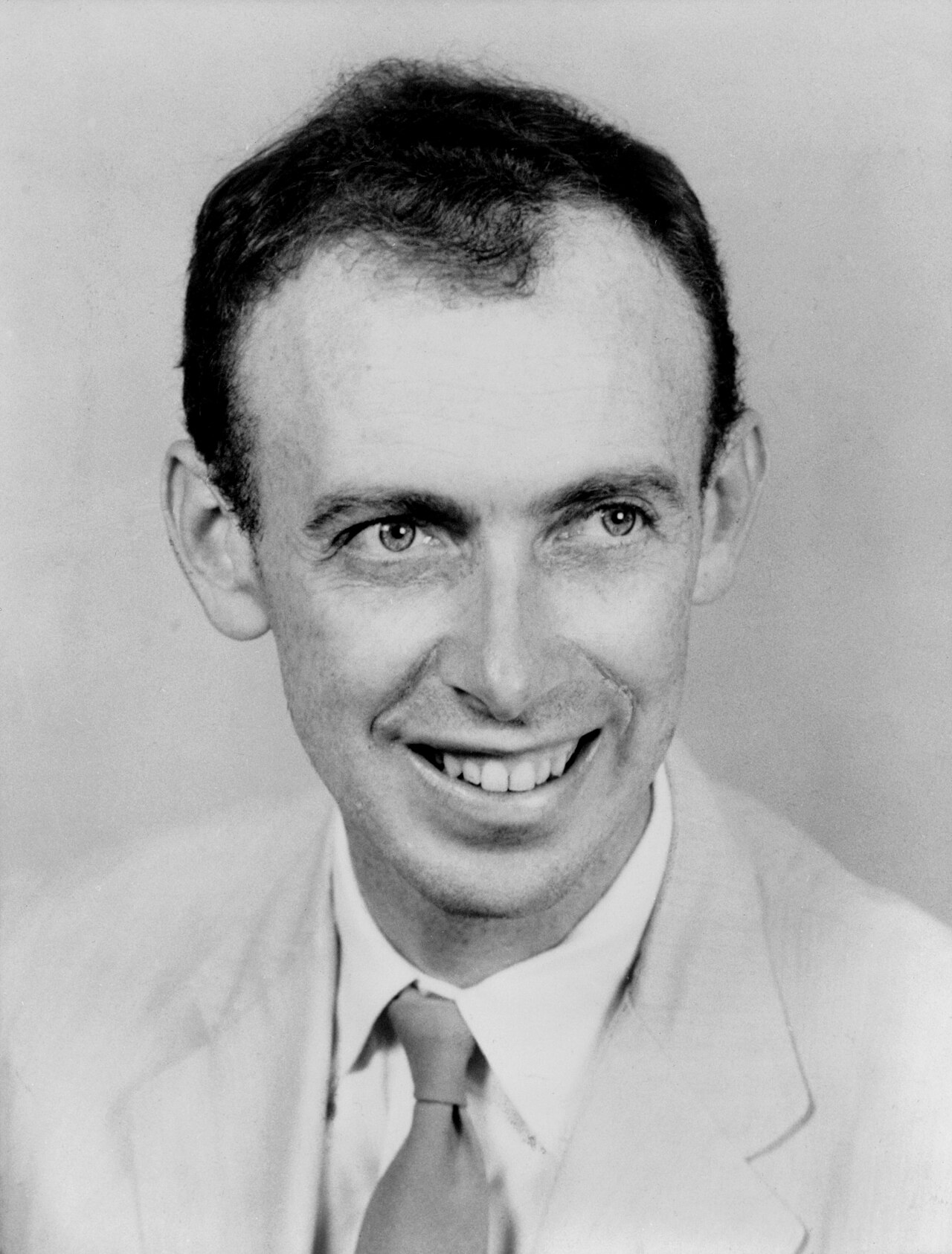
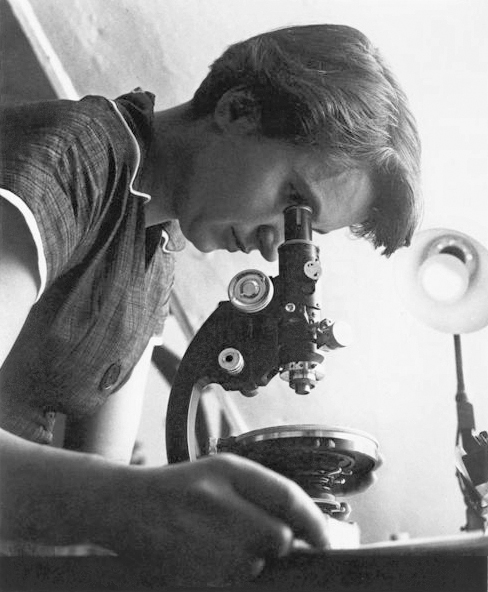
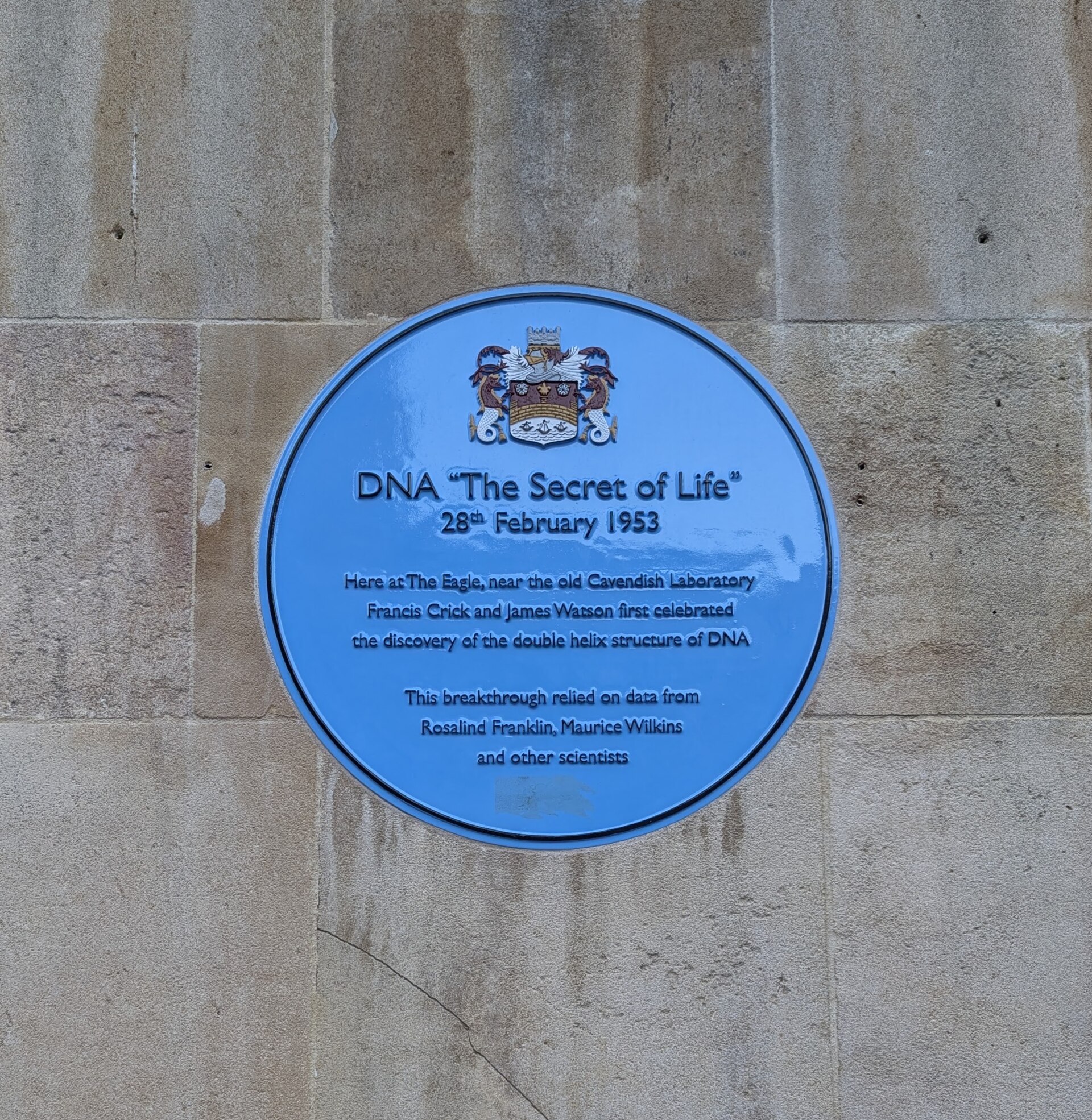
Other fun fact : one lunchtime in 1953, Francis Crick ran into the Eagle from the Cavendish Laboratory nearby to announce he and James Watson had discovered "the secret of life" - working out the structure of DNA, resting substantially on the X-ray work of Rosalind Franklin at King's College London.
There is now a blue plaque by the door and two more inside, beside the table where the pair usually ate.
Comments
Loading comments...