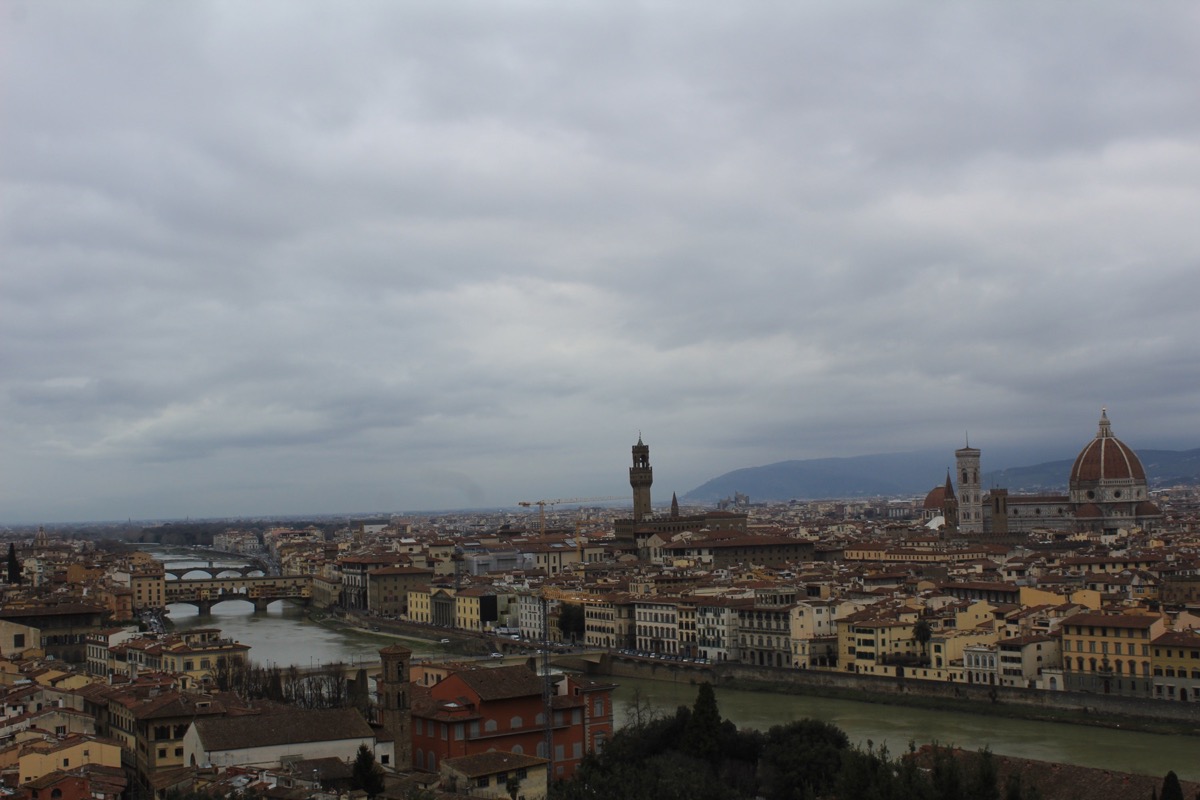
Florence as Capital of Italy


After the Risorgimento unified Italy, Florence became the capital of the new Italian state from 1865 to 1871.
Ministries occupied the Uffizi and Palazzo Pitti, and the city was convulsed by modernisation.
Then Rome was captured and the capital moved south. Florence went back to being Florence.
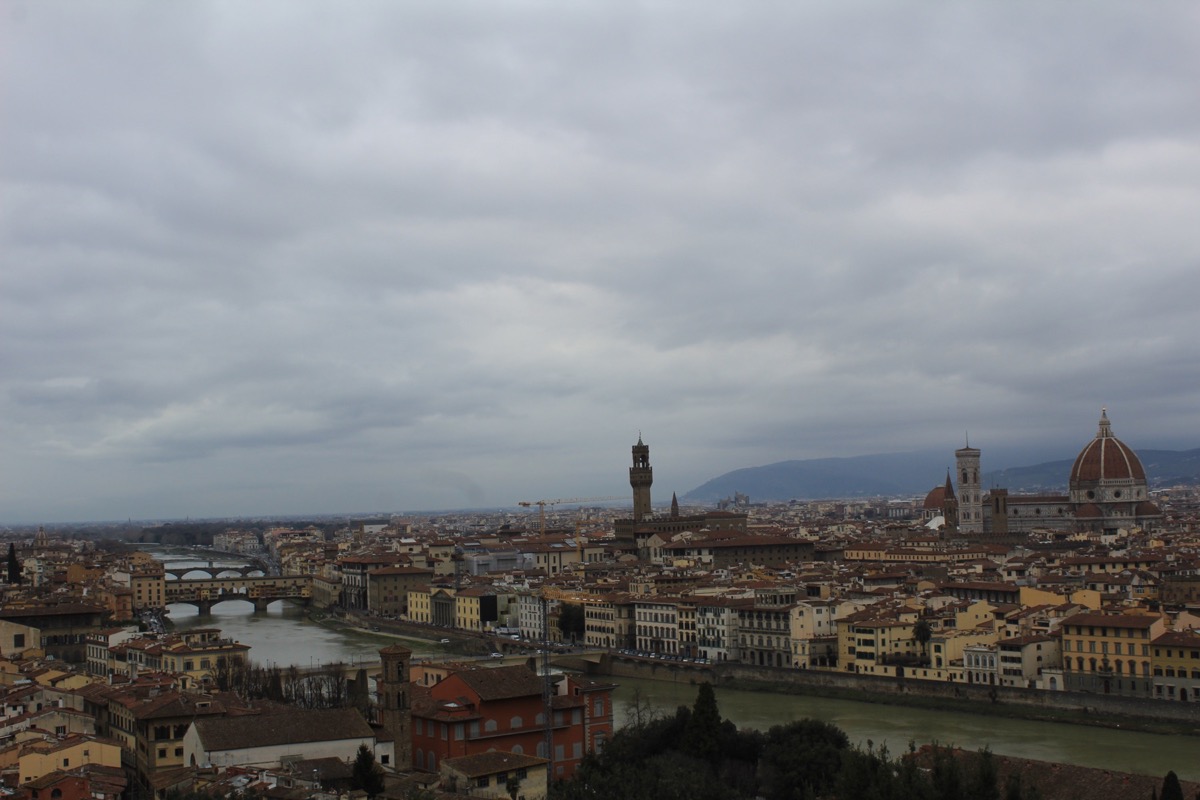
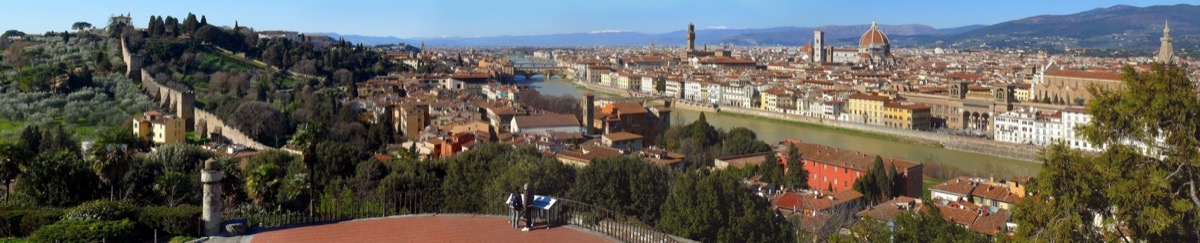
Baron Giuseppe Poggi laid out the ring roads, built the Piazzale Michelangelo, and extended the city beyond its medieval walls.
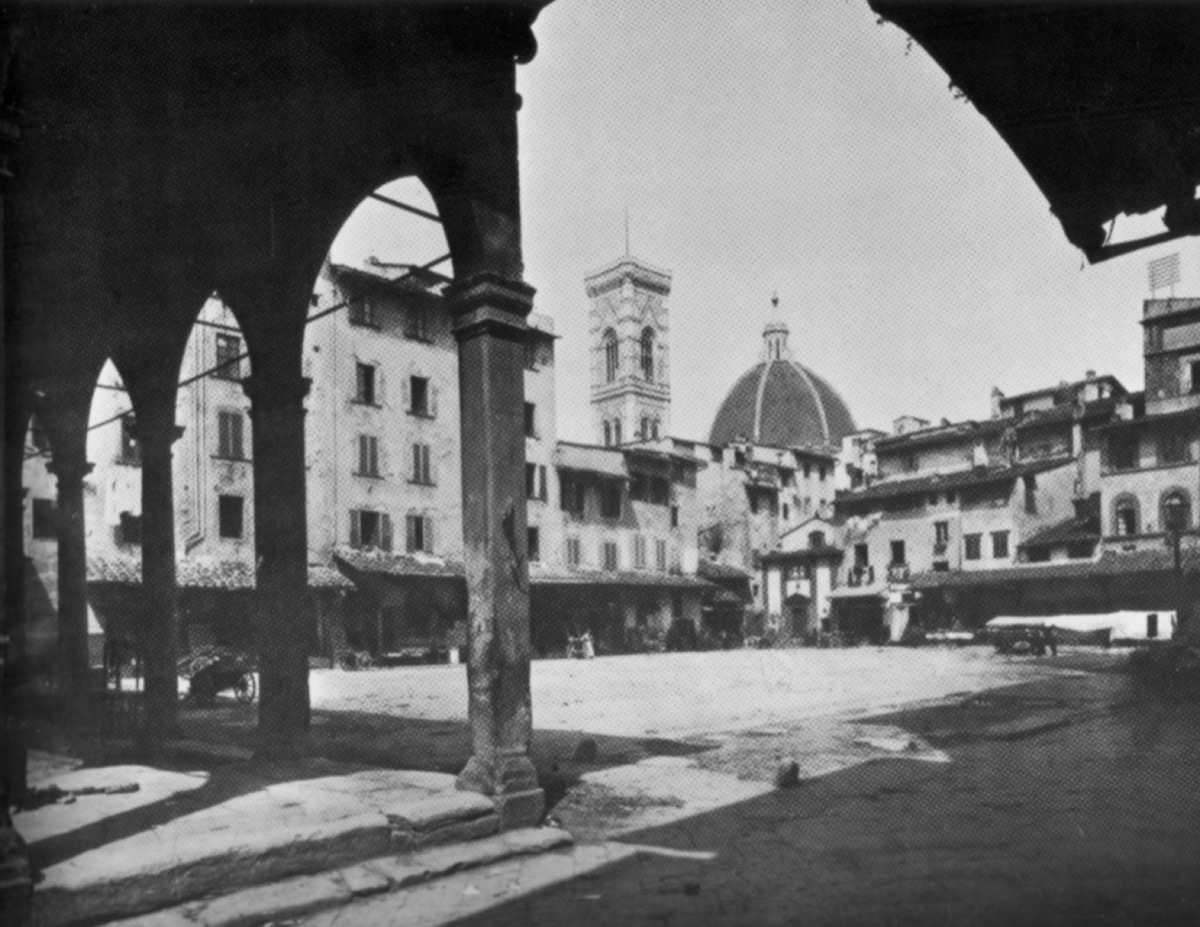
The old market - the Mercato Vecchio - and the Jewish Ghetto were demolished to create what is now Piazza della Repubblica.
Florentines still argue about whether it was an improvement.
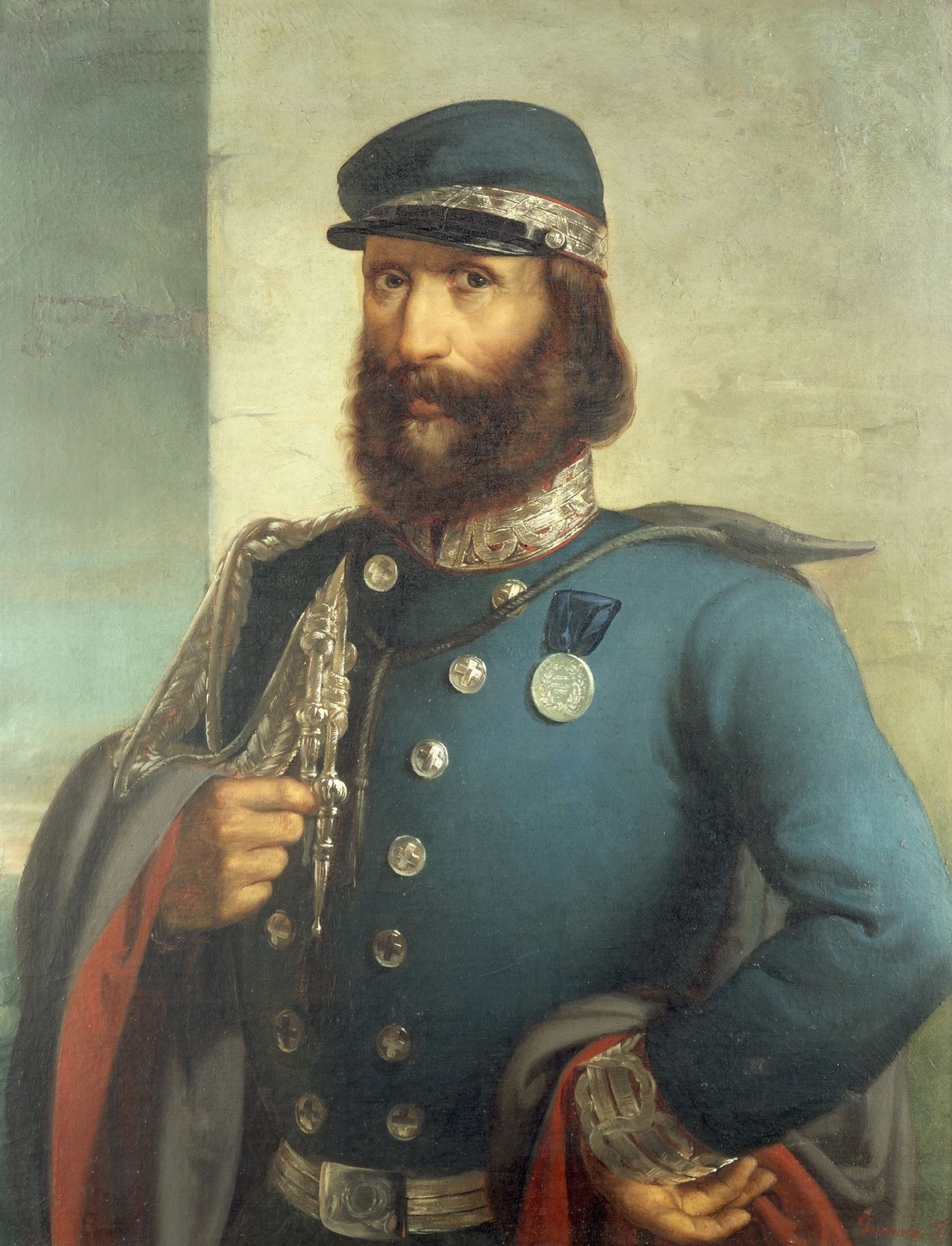
Florence today receives more tourists each year than it has permanent residents - about 400,000 people live here, while 16 million visit annually.
Florence manages it with varying degrees of grace.
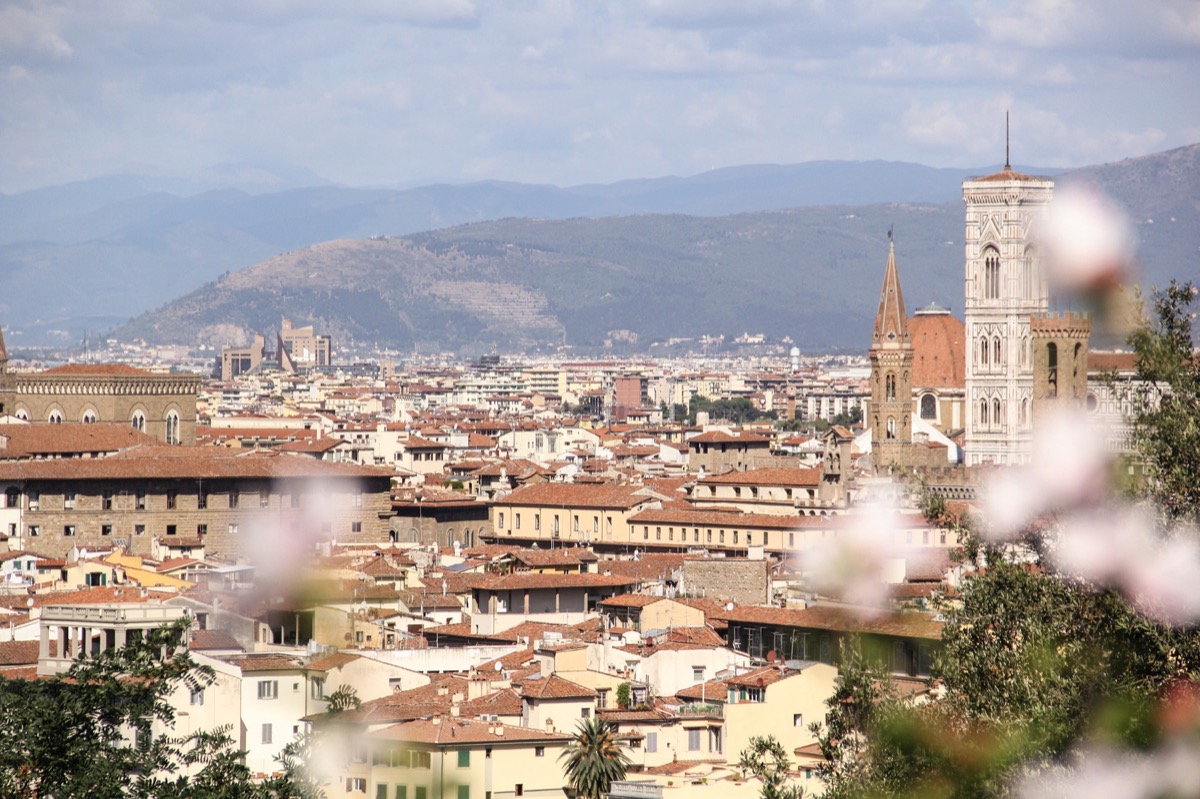
Fun fact: you are standing on the site of the Roman forum that began this walk.
You've covered two thousand years of history in a square that is, architecturally, from 1895.
The Romans would have recognised the spot.
They would not have recognised the café.
Comments
Loading comments...