

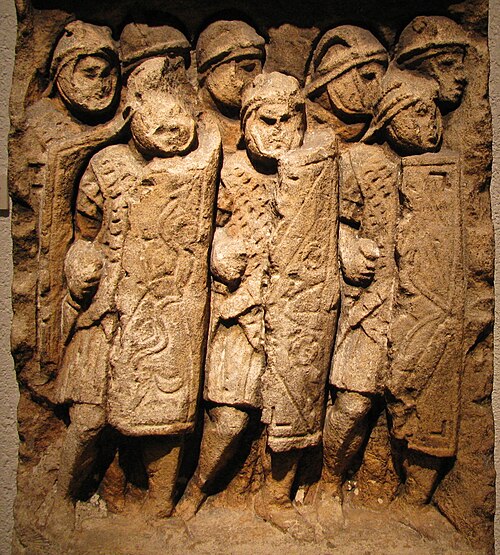
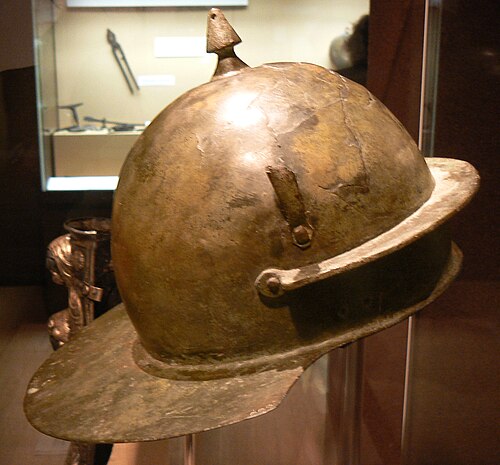
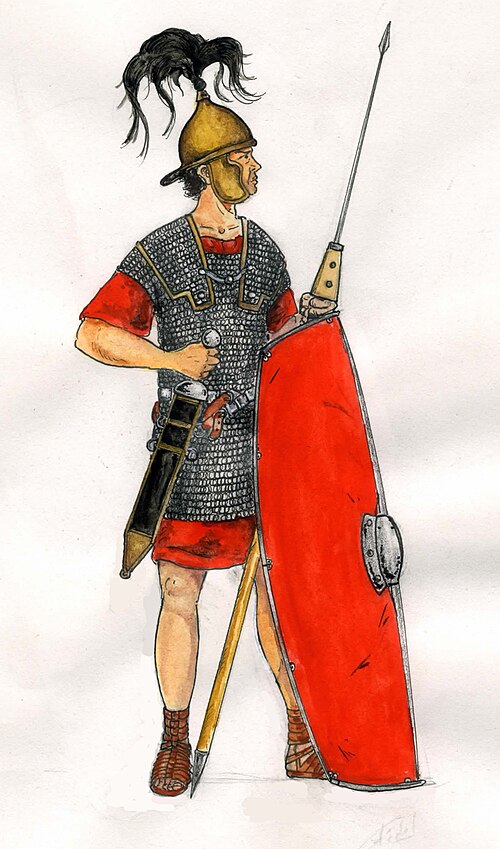
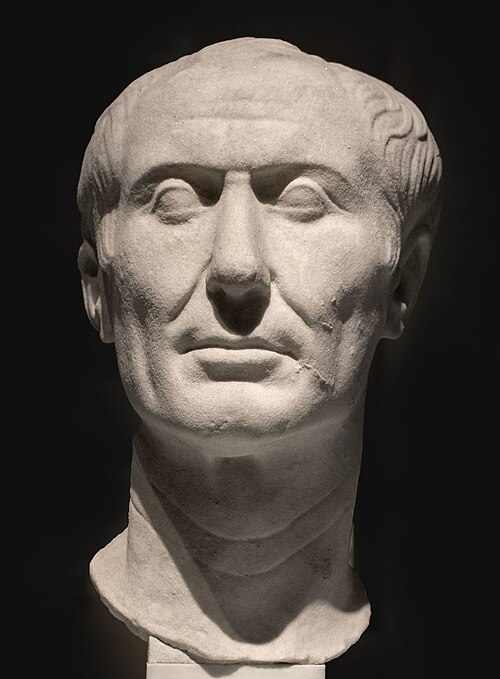
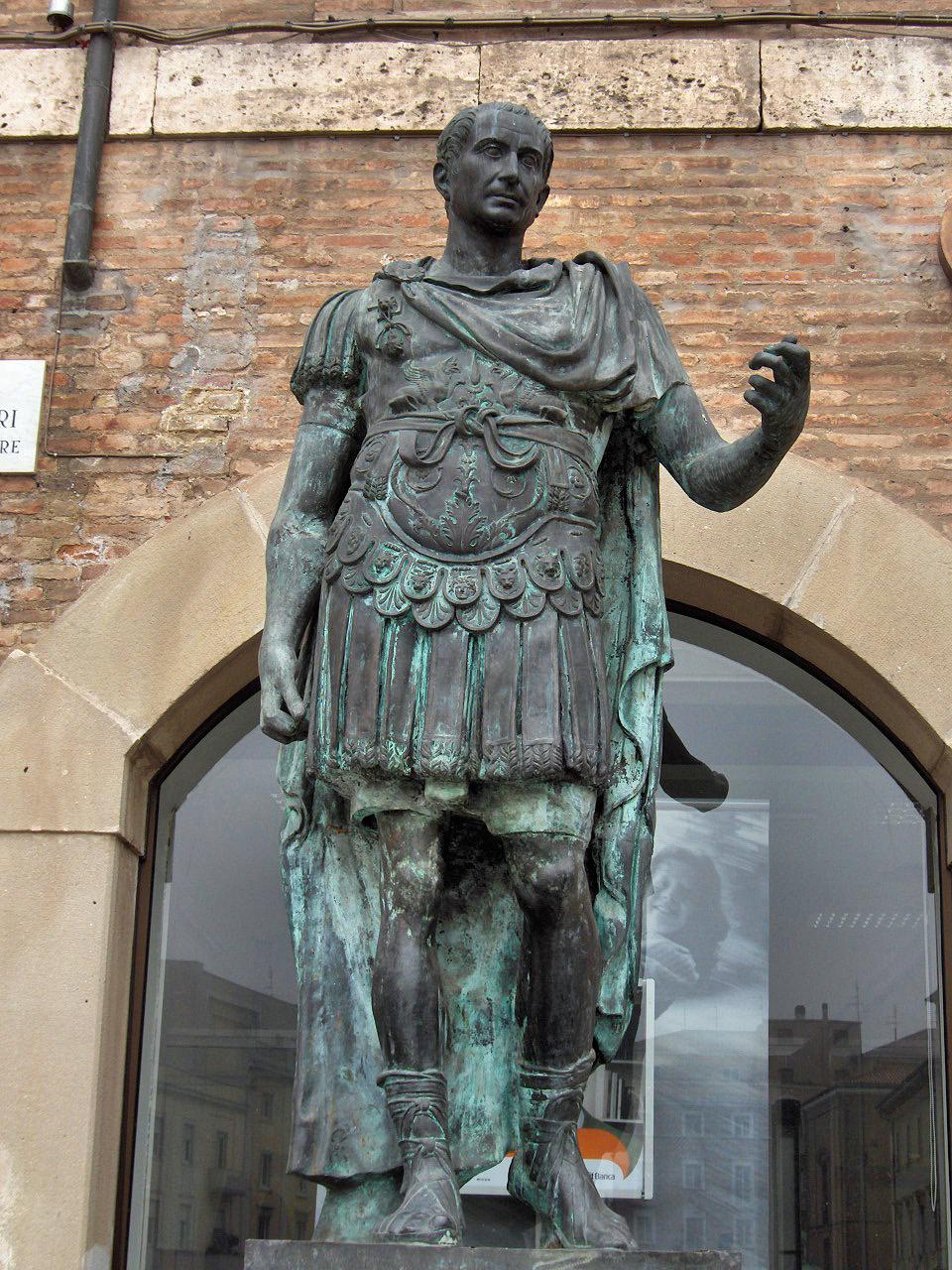
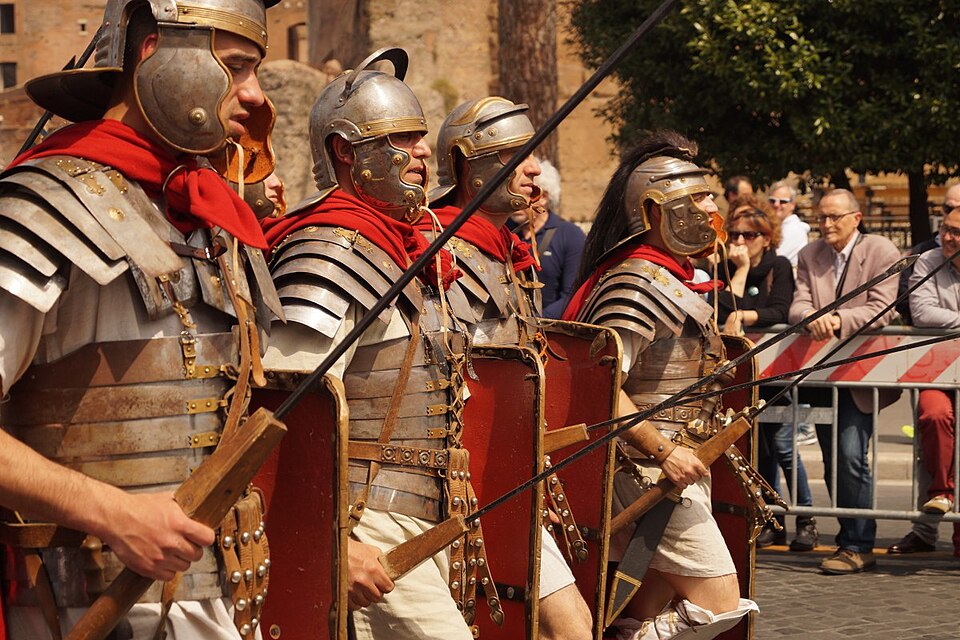
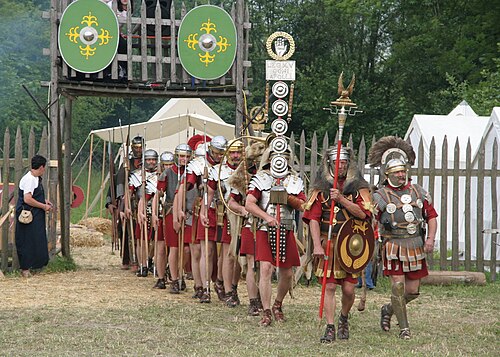
Julius Caesar's veterans needed somewhere to retire. Rome gave them Florence.
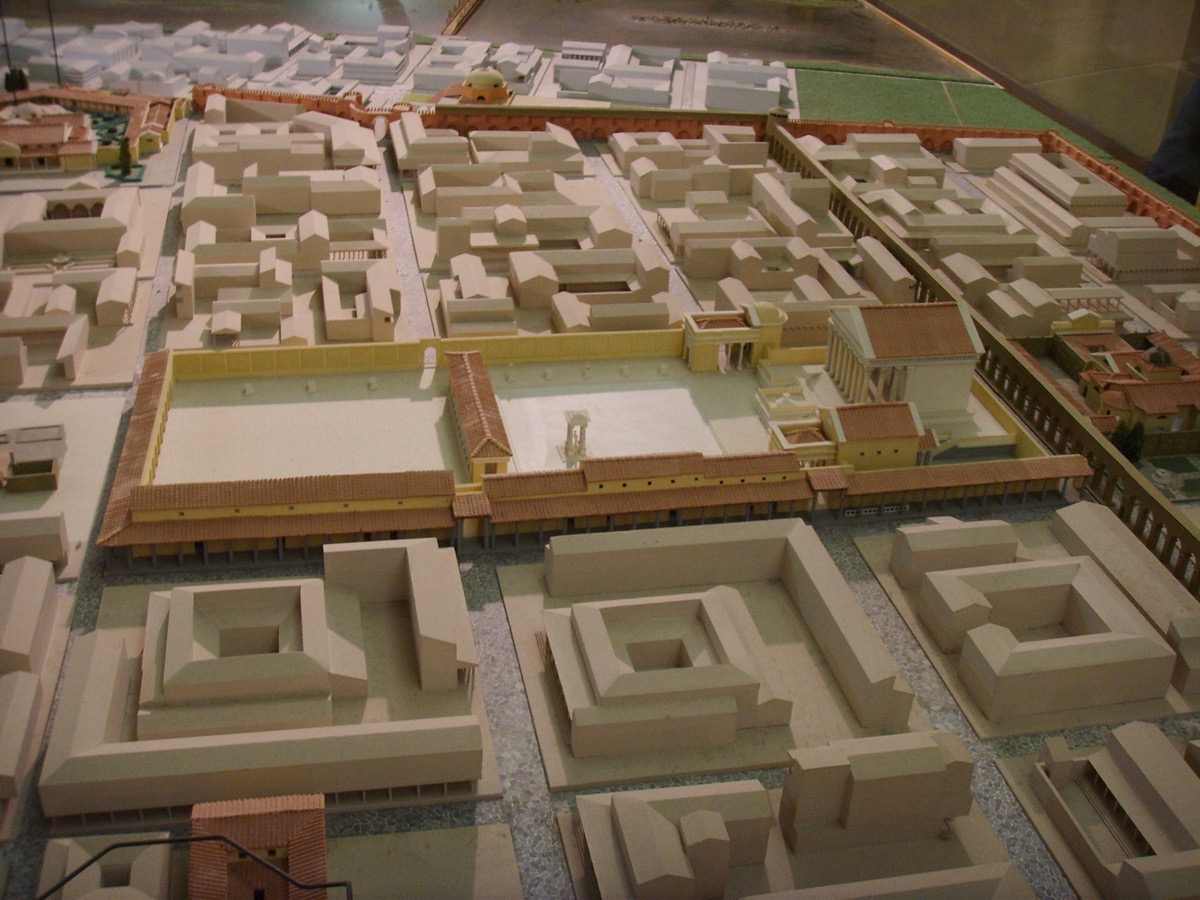
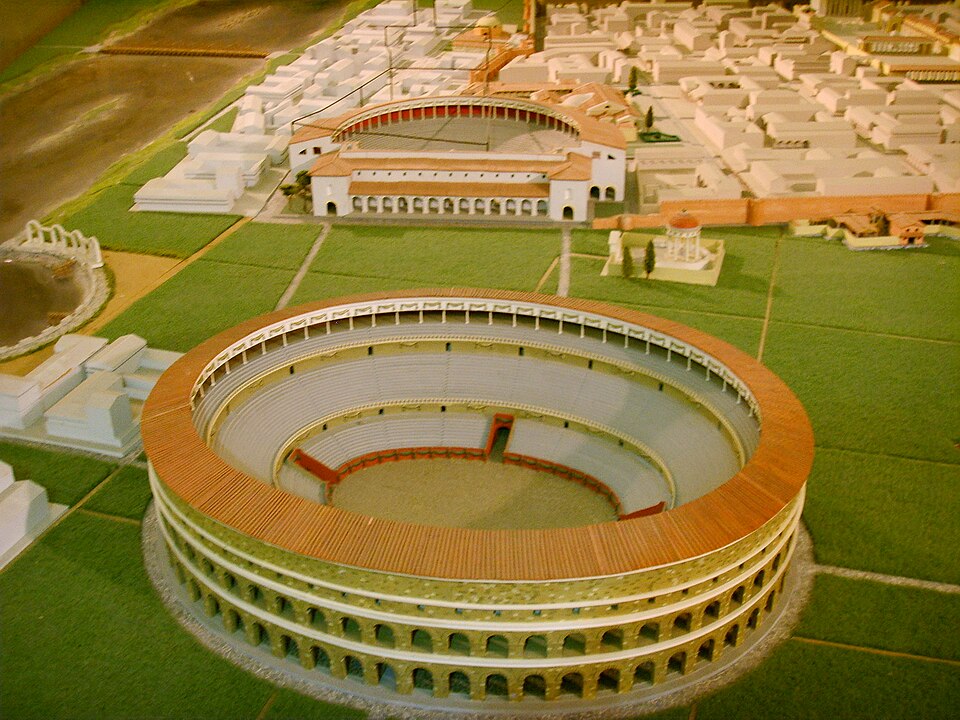
Founded in 59 BC as Florentia, the city was laid out on the Roman grid - the main streets are still there today, just under different names.
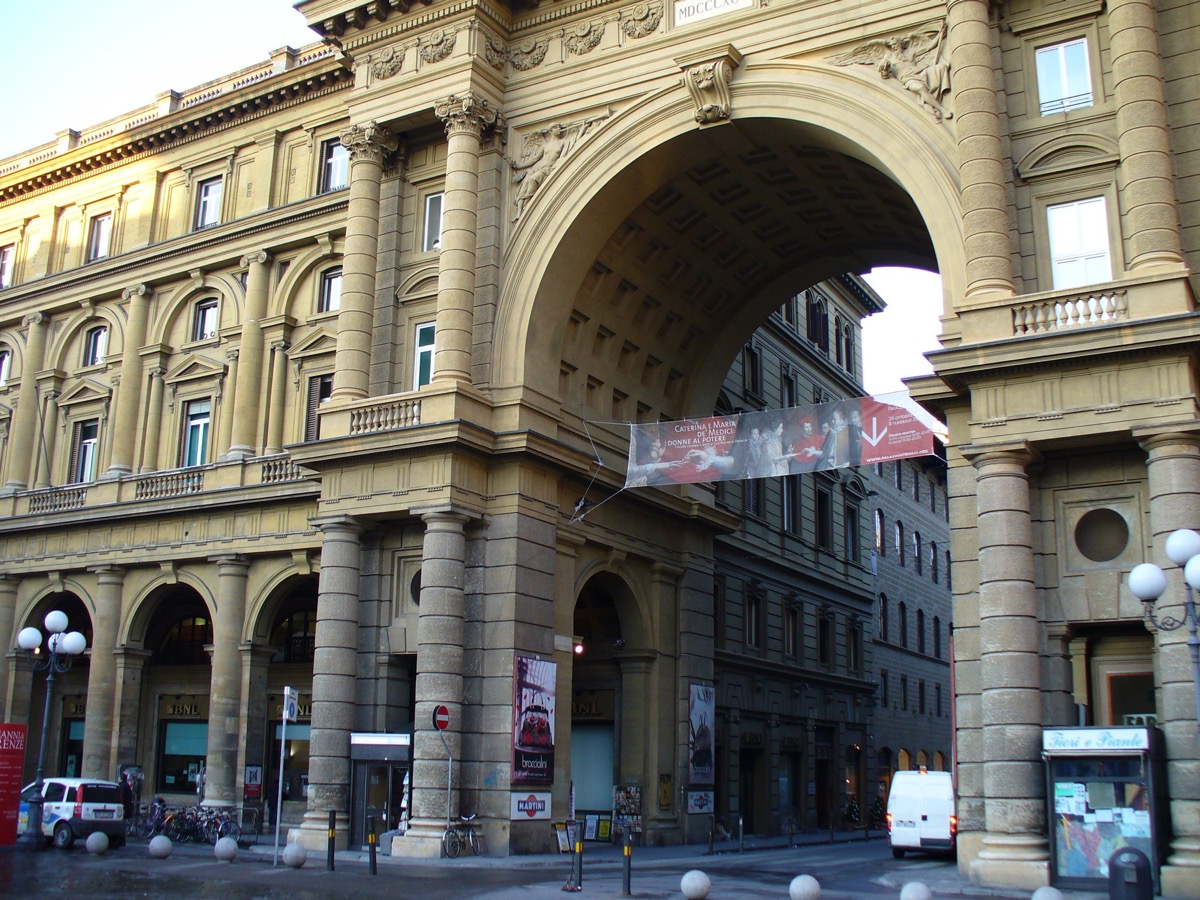
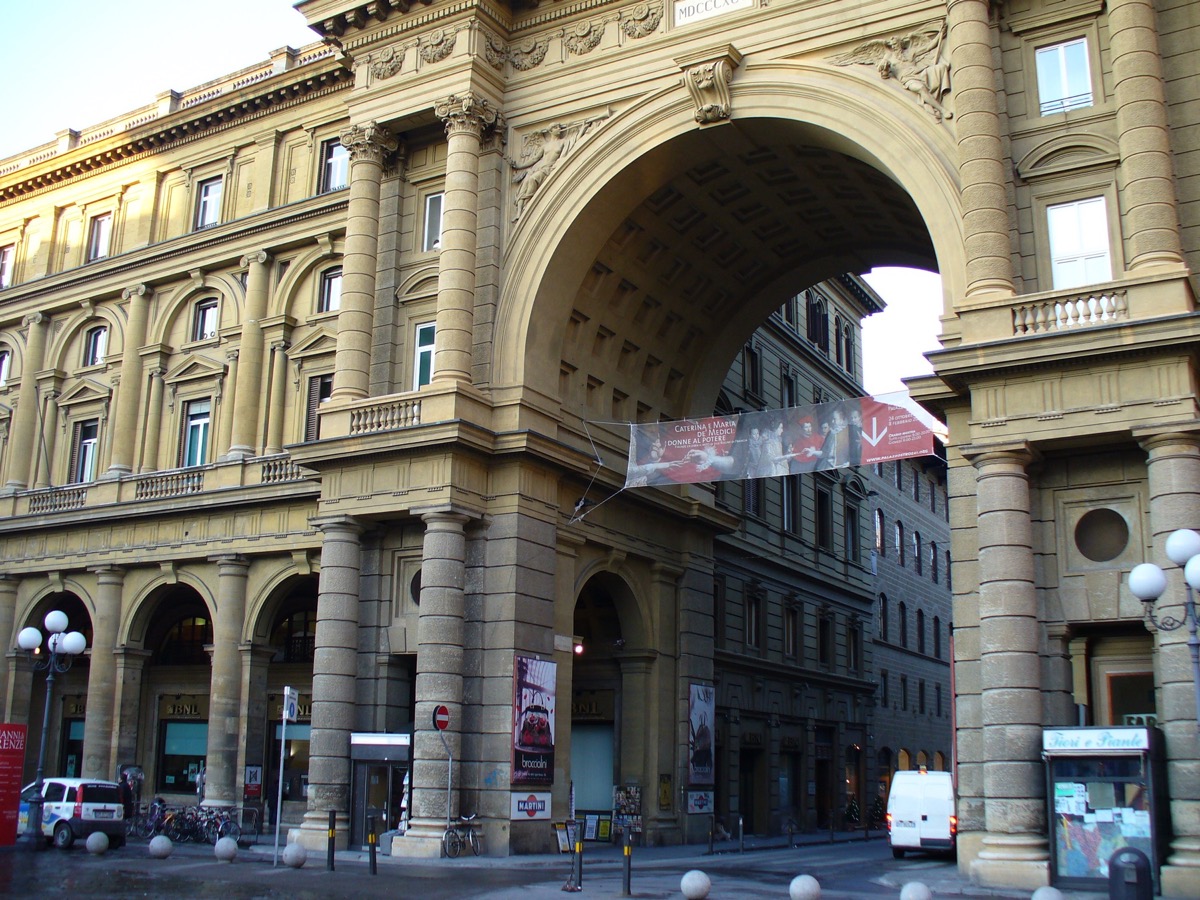
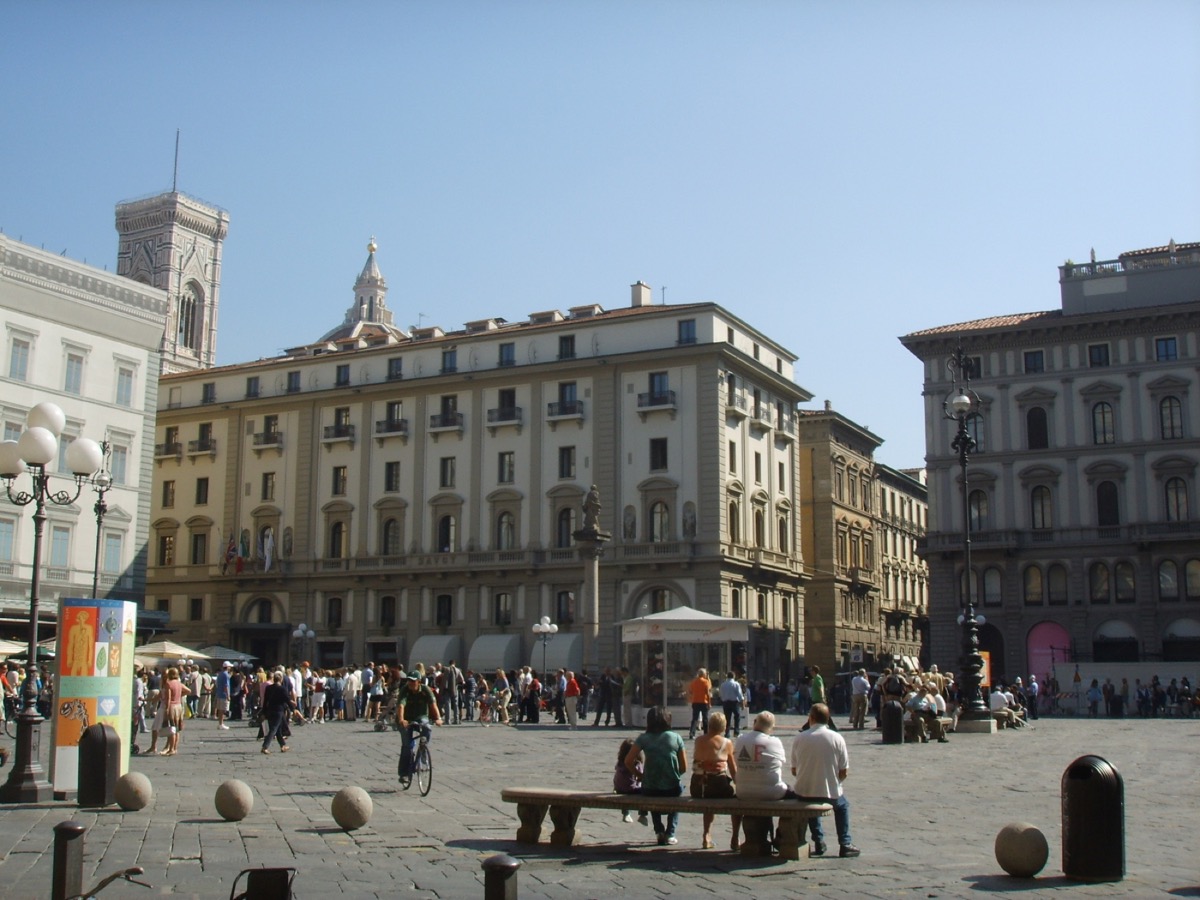
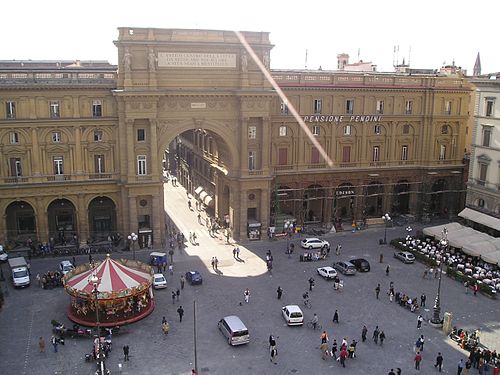
The forum sat precisely where Piazza della Repubblica stands today.
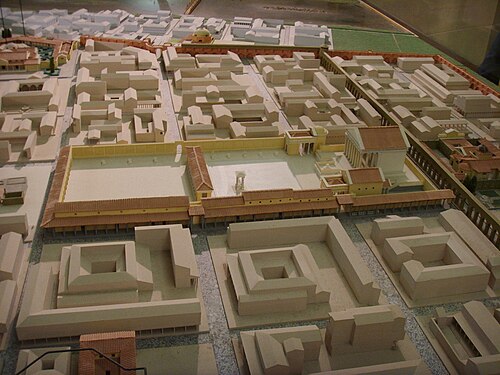
Florence in the 1st century was modest - about 10,000 people, a day's march from Fiesole on the hill above, with a small theatre, public baths, and a modest temple.
Nothing about it suggested it would become the birthplace of the Renaissance.
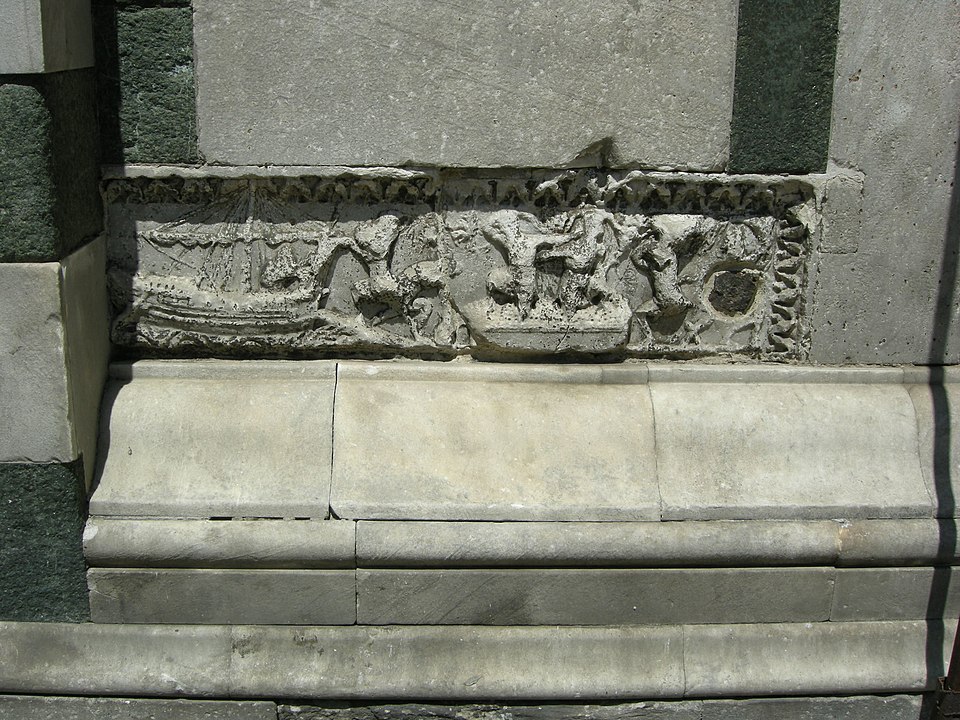
The Arno, prone to flooding, was both the city's artery and its recurring catastrophe - a relationship that has continued uninterrupted for 2,000 years.
Rome's engineers bridged it, but they never tamed it.
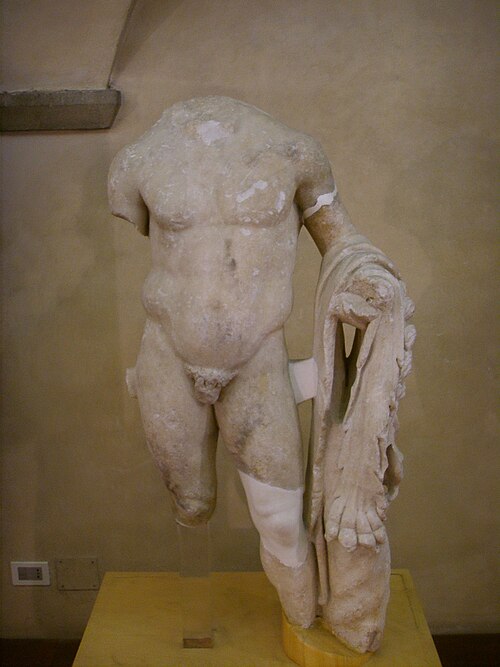
Fun fact: excavations beneath Piazza della Repubblica in the early 20th century found extensive Roman remains. Archaeologists also uncovered evidence of even earlier settlement - Etruscan and Italic peoples had lived in the Arno valley long before Caesar's veterans arrived. The Romans built their grid on top of an already old place.
Comments
Loading comments...