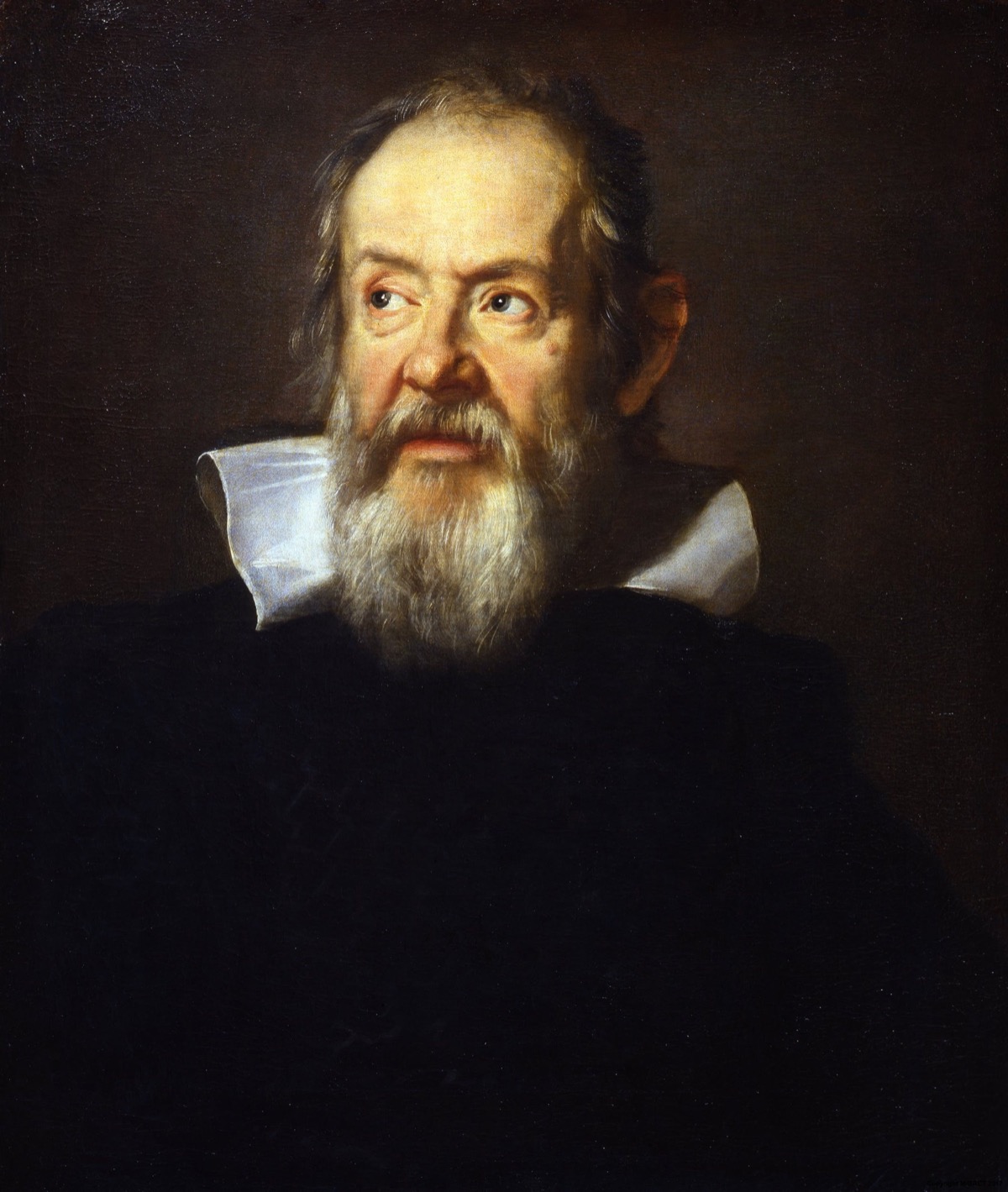
Galileo and the Museo Galileo


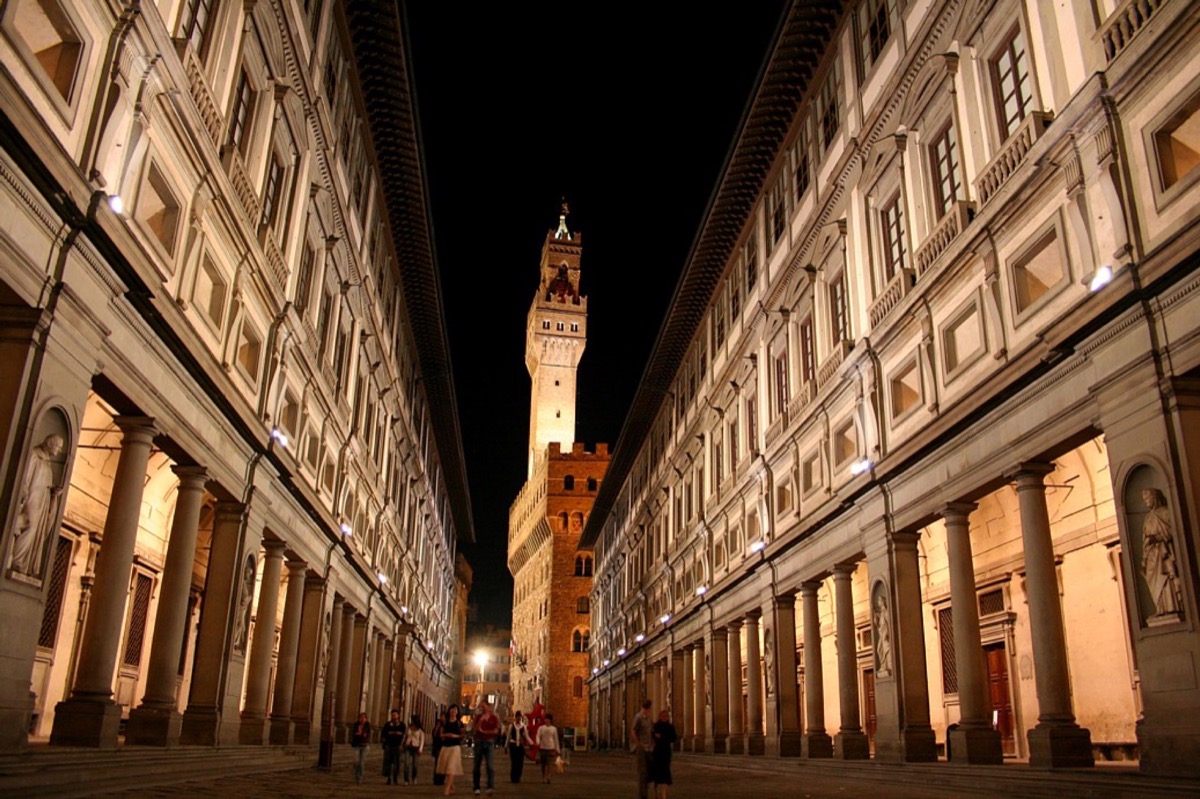
Galileo was born in Pisa but Florence was his world.
He was appointed mathematician and philosopher to the Medici court in 1610 - the patronage that enabled his most important research.
From his villa at Arcetri above Florence, he observed the moons of Jupiter, developed the laws of falling bodies, and made the telescope into a scientific instrument.
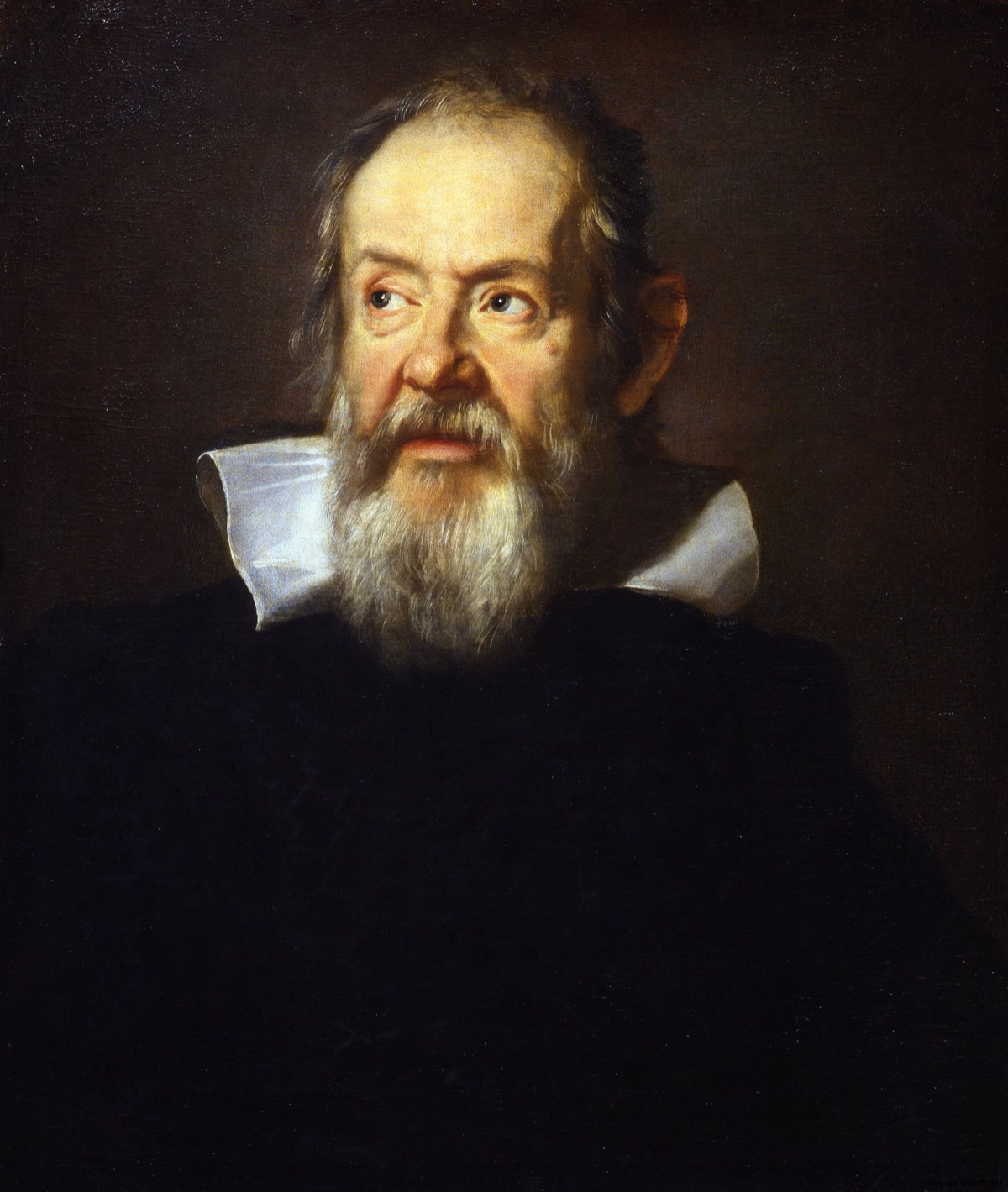
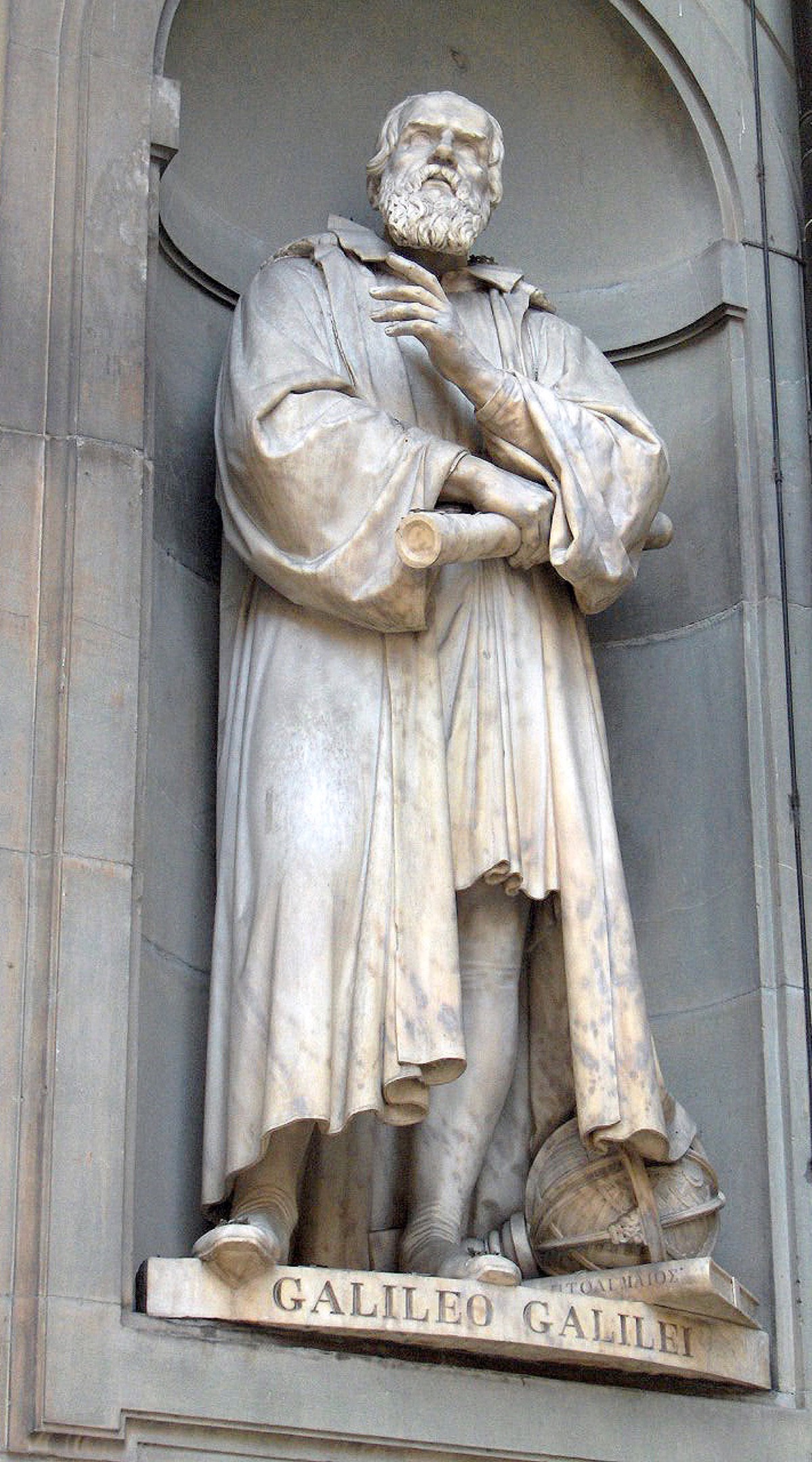
The Church convicted him of heresy in 1633 for defending the heliocentric model.
He was placed under house arrest at Arcetri, where he remained until his death in 1642.
According to legend he muttered 'and yet it moves' after recanting before the Inquisition.
He almost certainly didn't say it. But it's a good line.
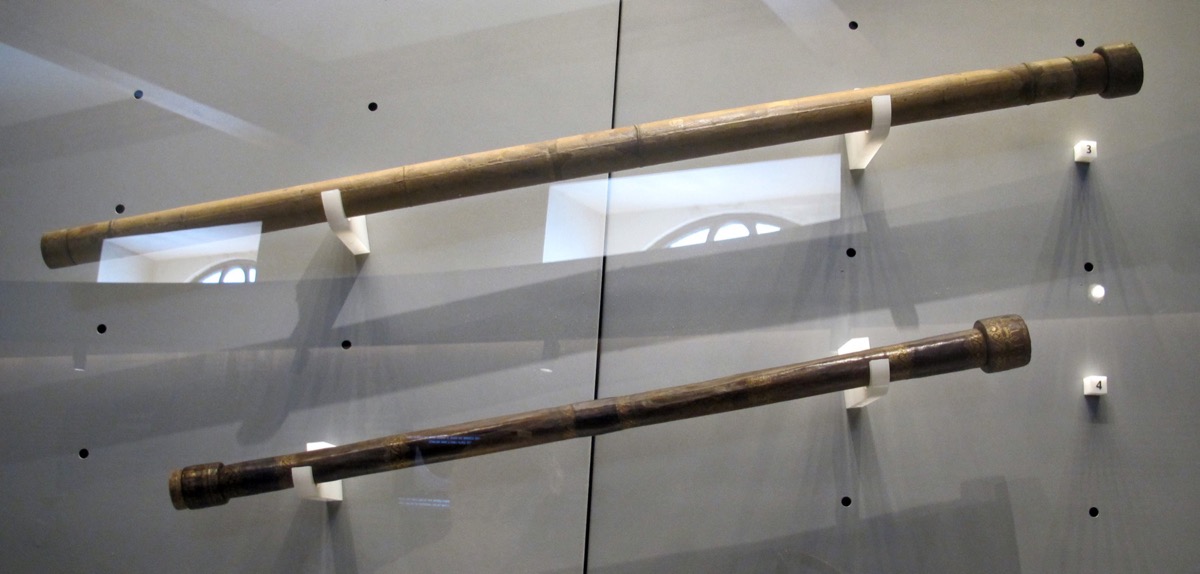
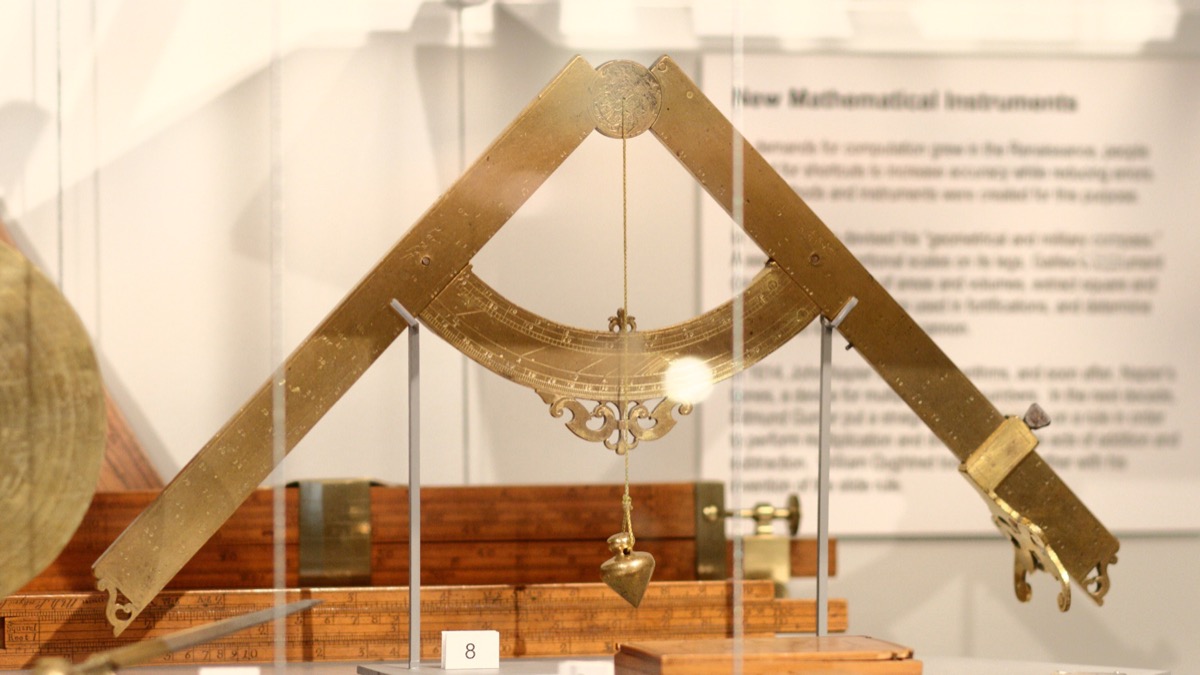
Florence's Museo Galileo holds the largest collection of Renaissance scientific instruments in the world - including two of Galileo's own telescopes and, in a small reliquary, the middle finger of his right hand.
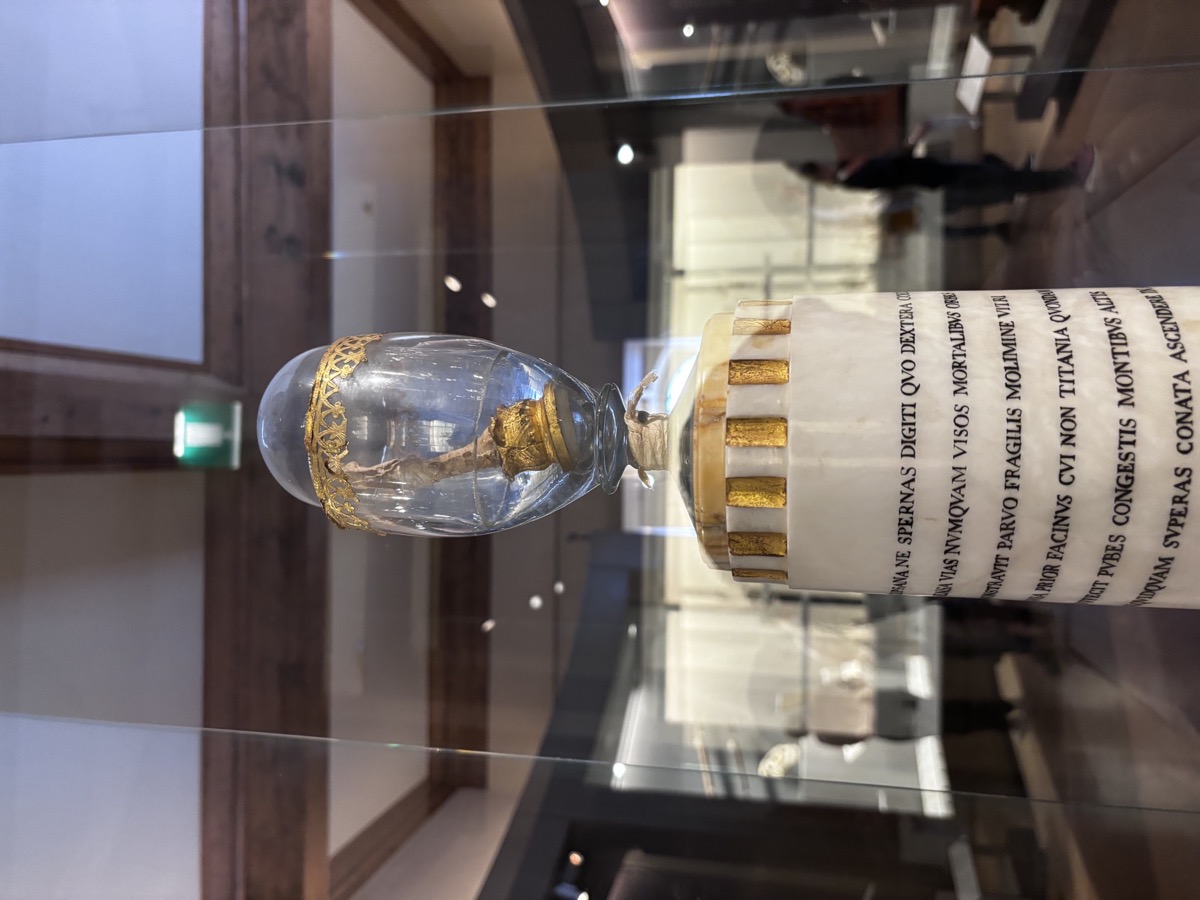
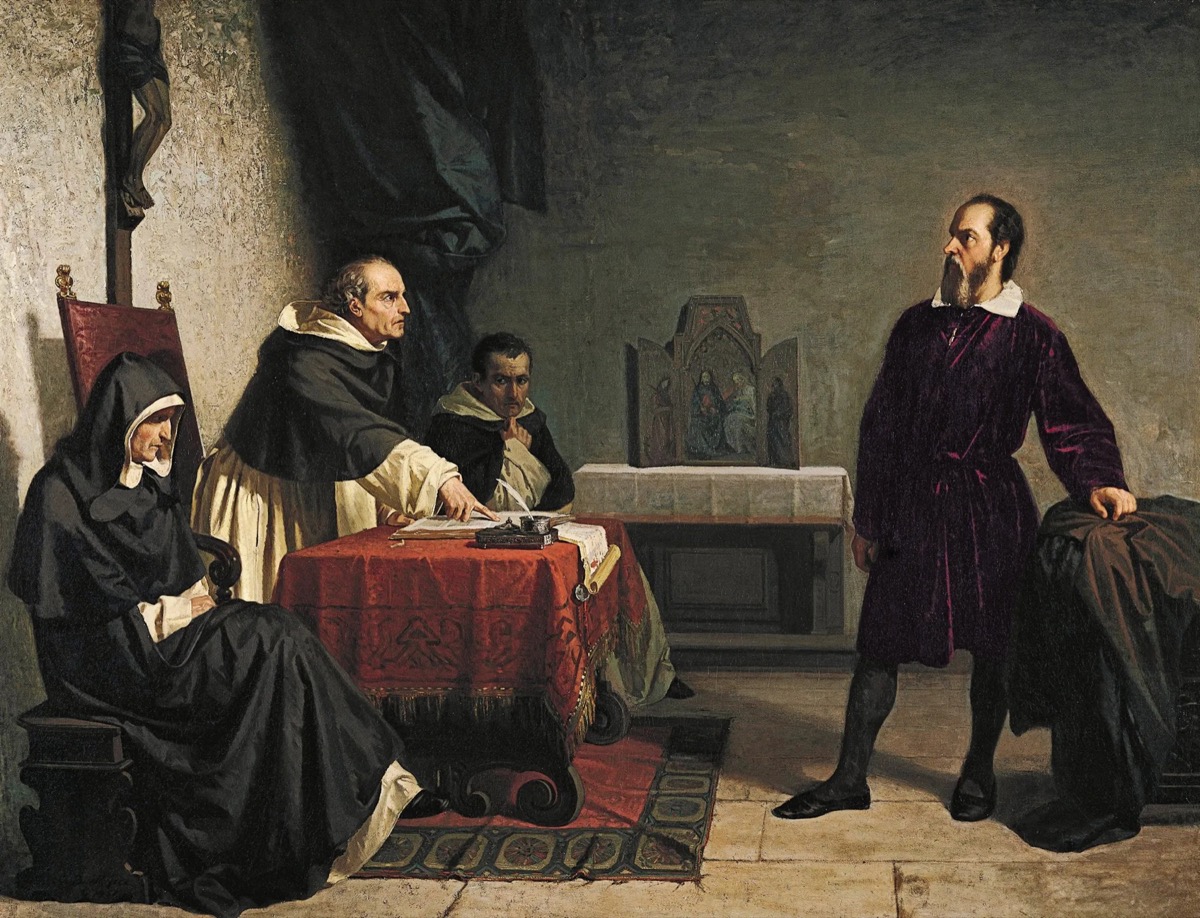
Fun fact: the finger was removed when he was reburied in Santa Croce in 1737, bought at auction, and passed through several private collections before arriving at the museum.
It points upward, in what curators describe as an appropriately defiant gesture.

Comments
Loading comments...