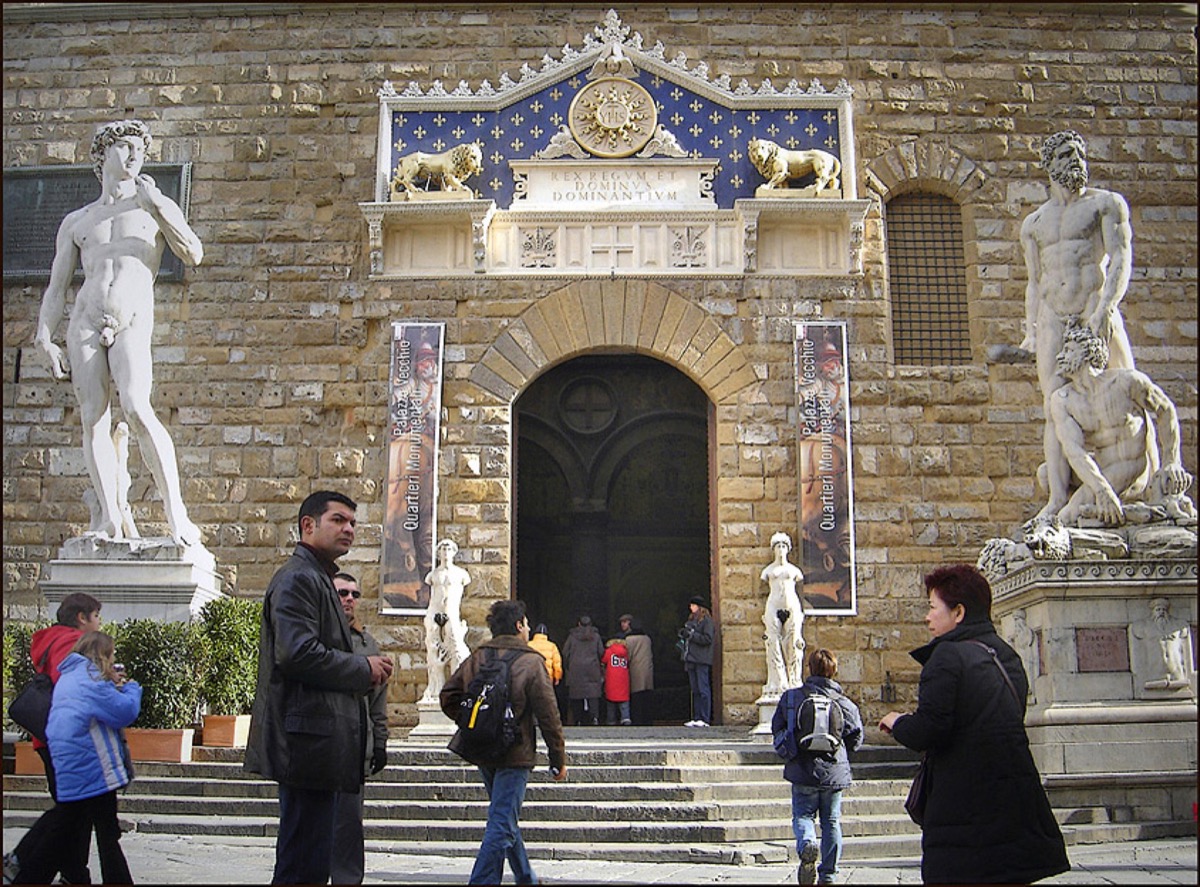


When the last Countess of Tuscany died in 1115 without an heir, Florence declared itself a free commune - a self-governing republic run by elected consuls.
By the 13th century it was one of the largest cities in Europe, with 100,000 people and a banking industry that financed half the courts of Christendom.
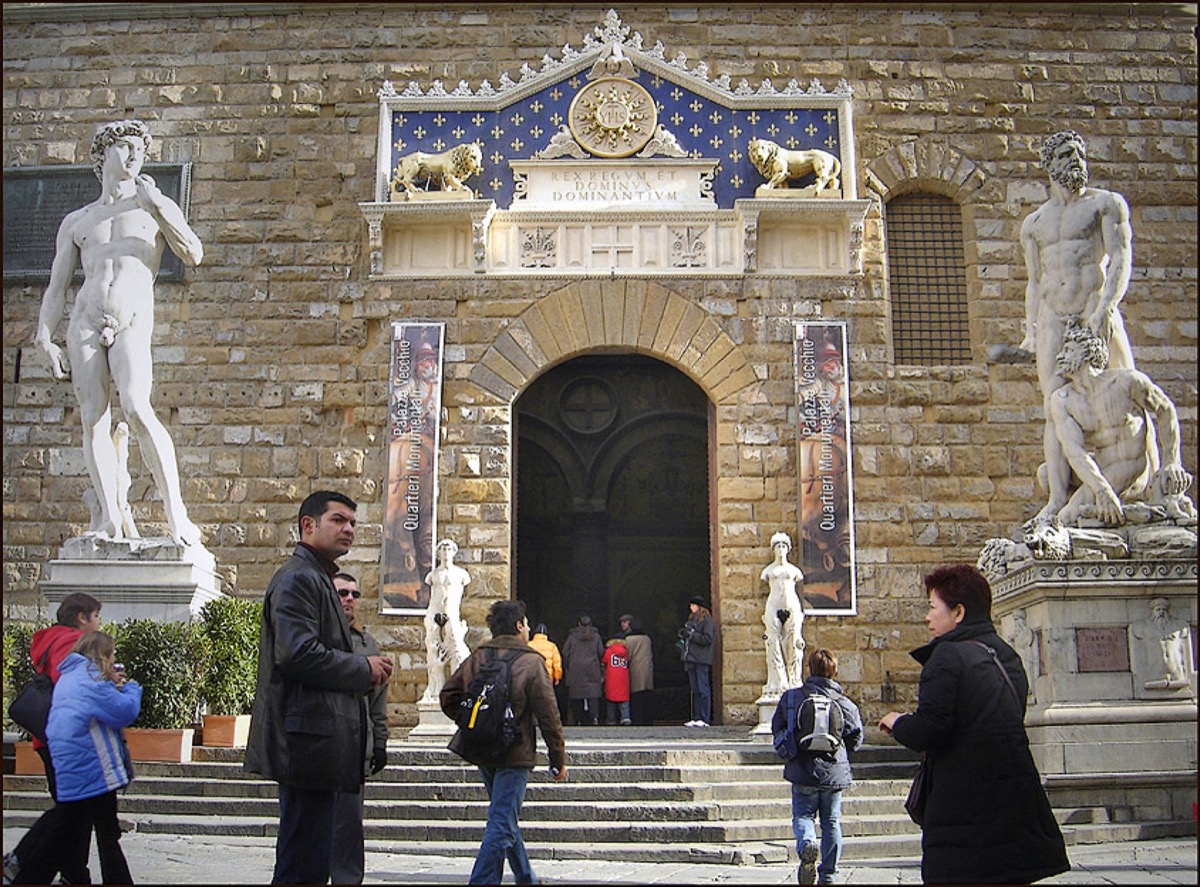
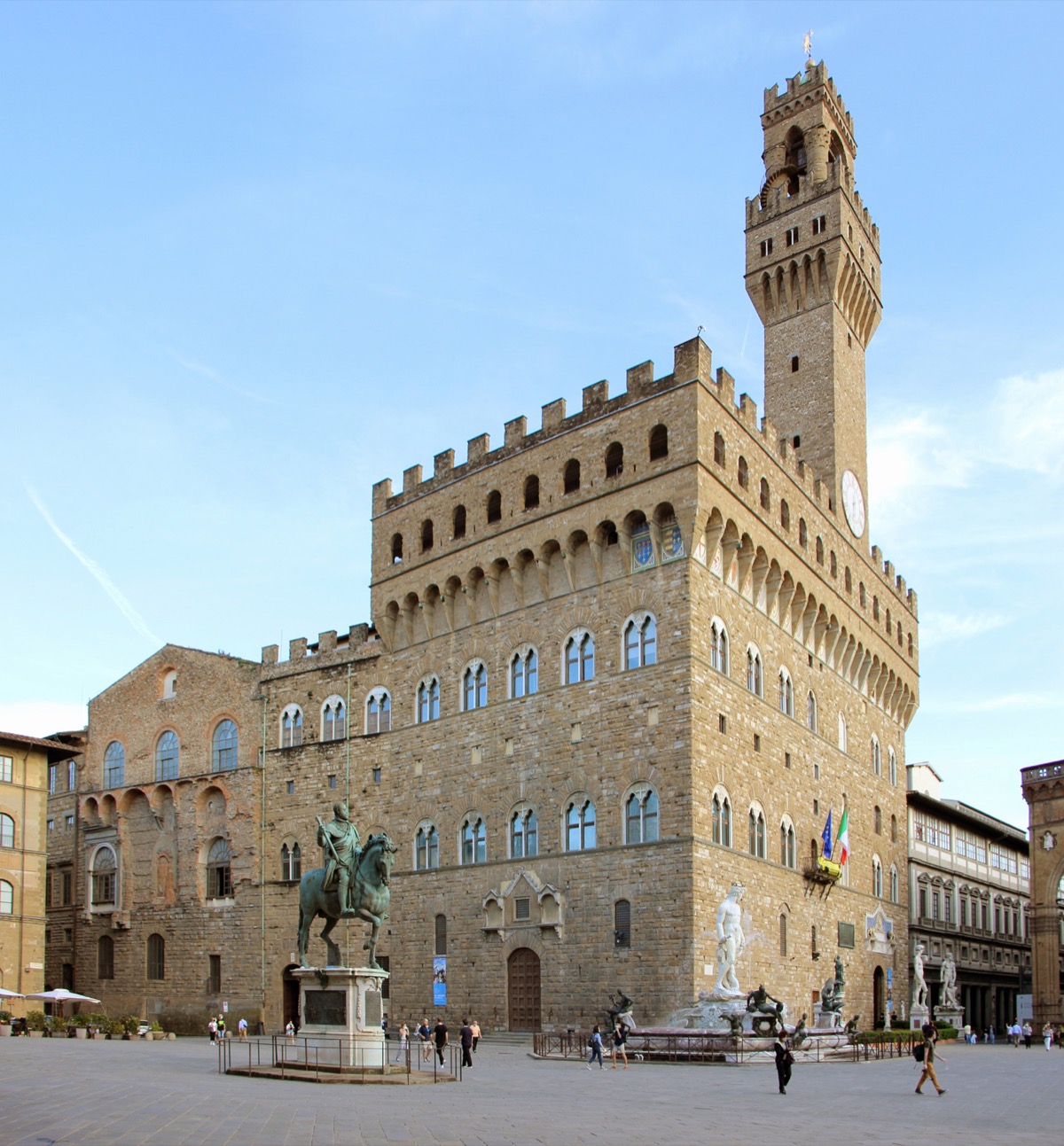
The city was repeatedly torn apart by the Guelph-Ghibelline conflict - Pope vs. Holy Roman Emperor - which degenerated into street fighting between rival families.
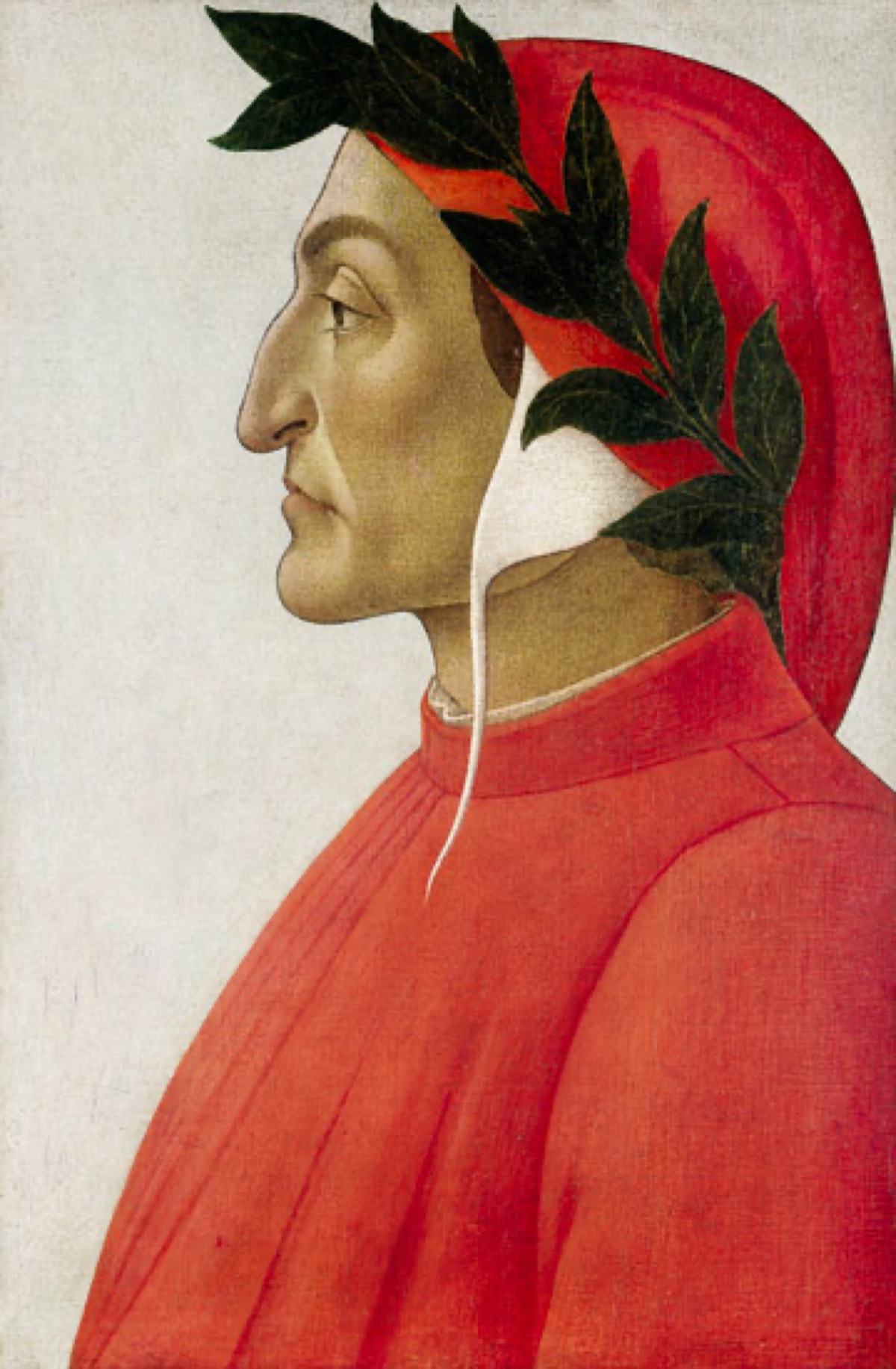
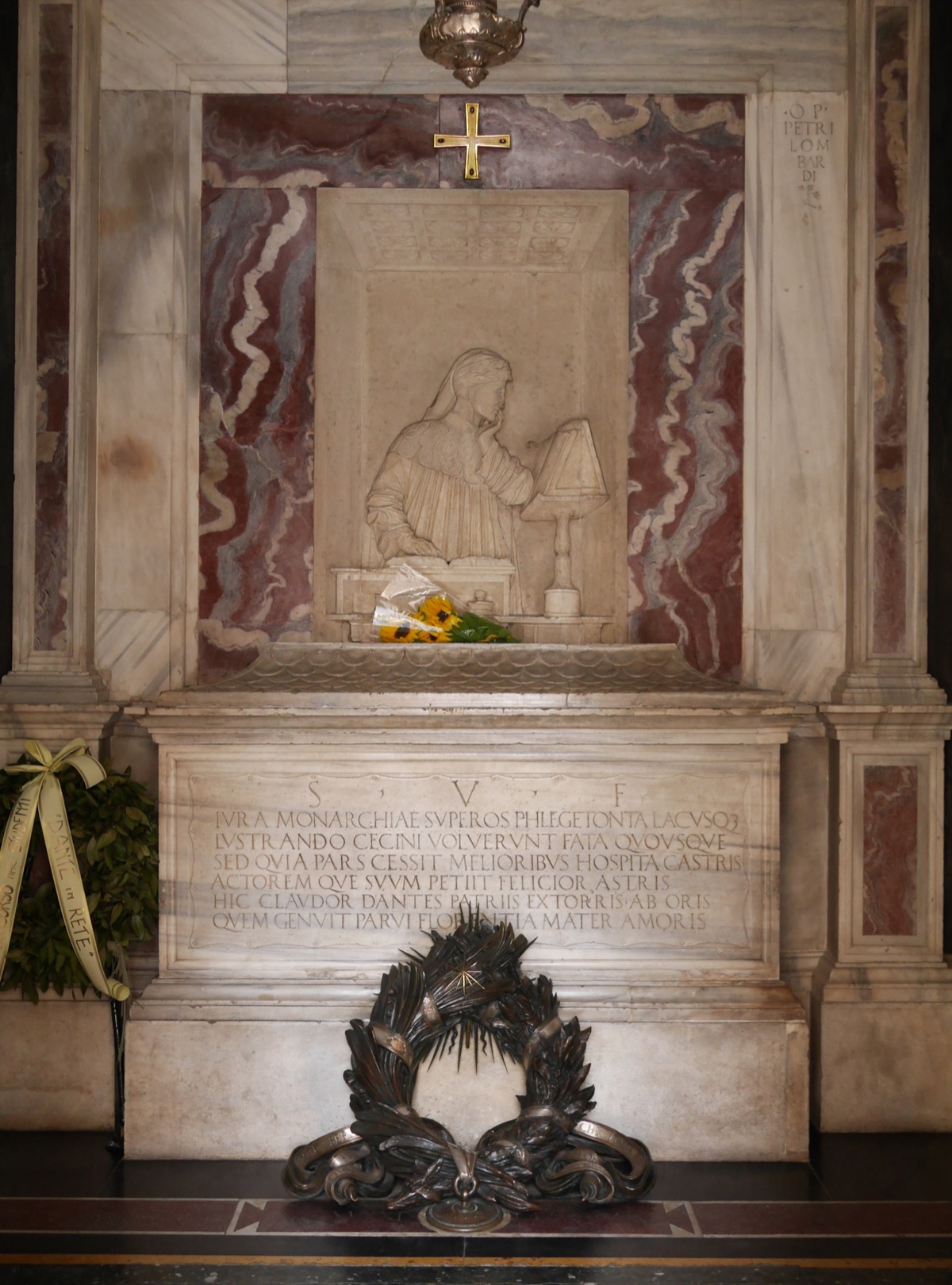
One of the casualties was Dante Alighieri.
Expelled by a rival faction, he died in Ravenna in 1321, twenty years later, still in exile.
Florence formally voted to revoke his sentence in 2008, seven centuries late.
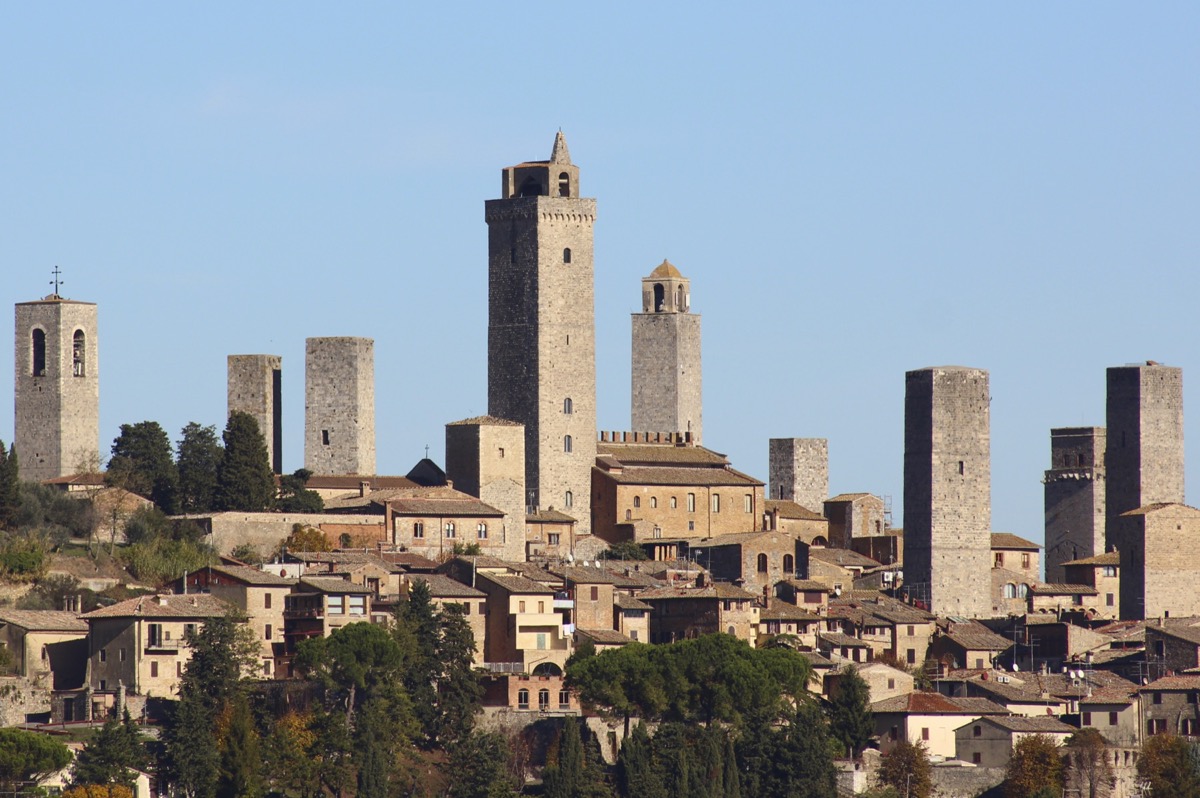

The towers rising above the roofline belonged to noble families - the taller your tower, the higher your standing - although the comune eventually capped them at 50 braccia (about 29 metres).
Florence once had over 150 of them.
Today a handful survive.
Fun fact: San Gimignano, 50km south, never modernised its towers.
What you see there is what Florence looked like in 1300.
Comments
Loading comments...