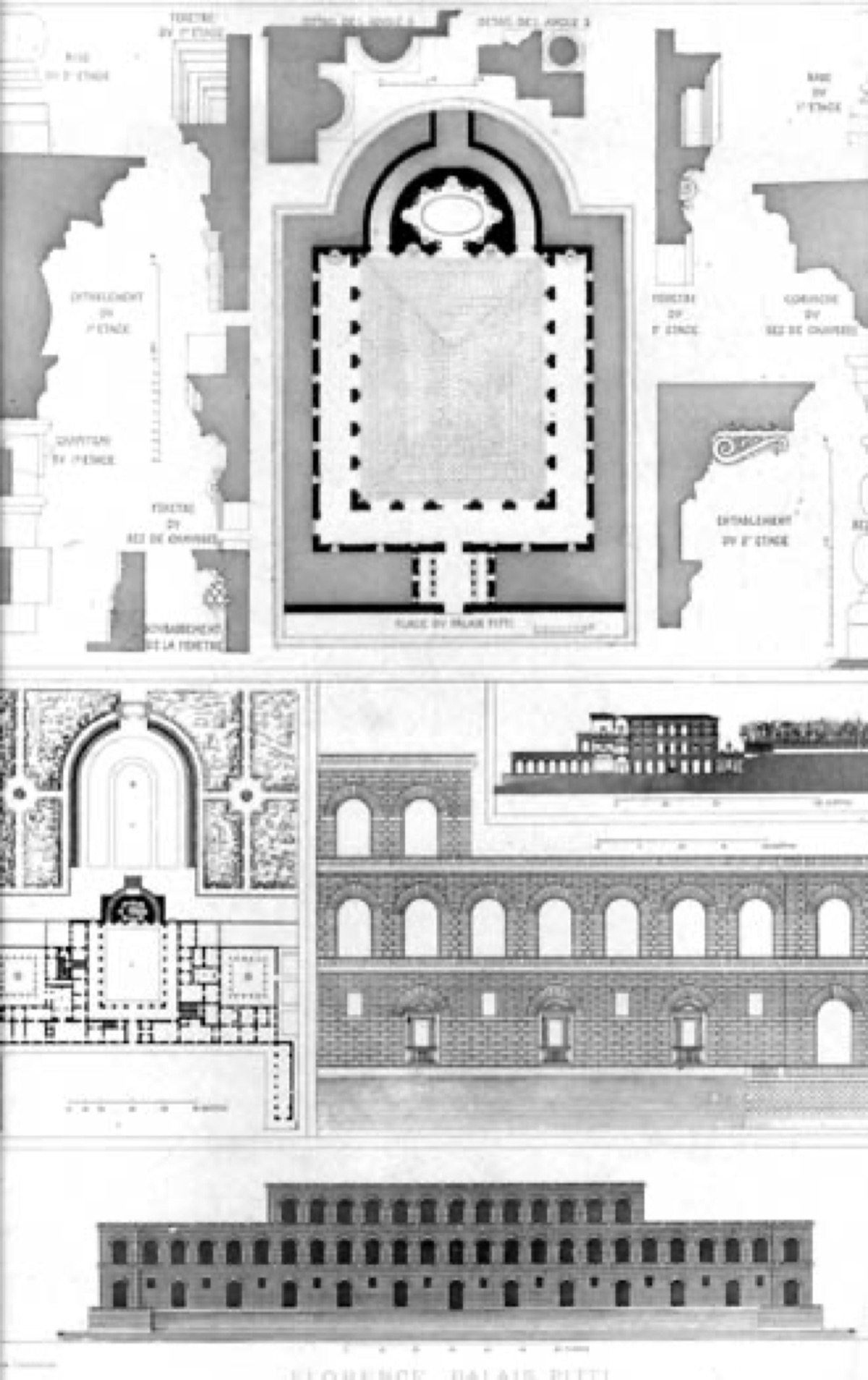
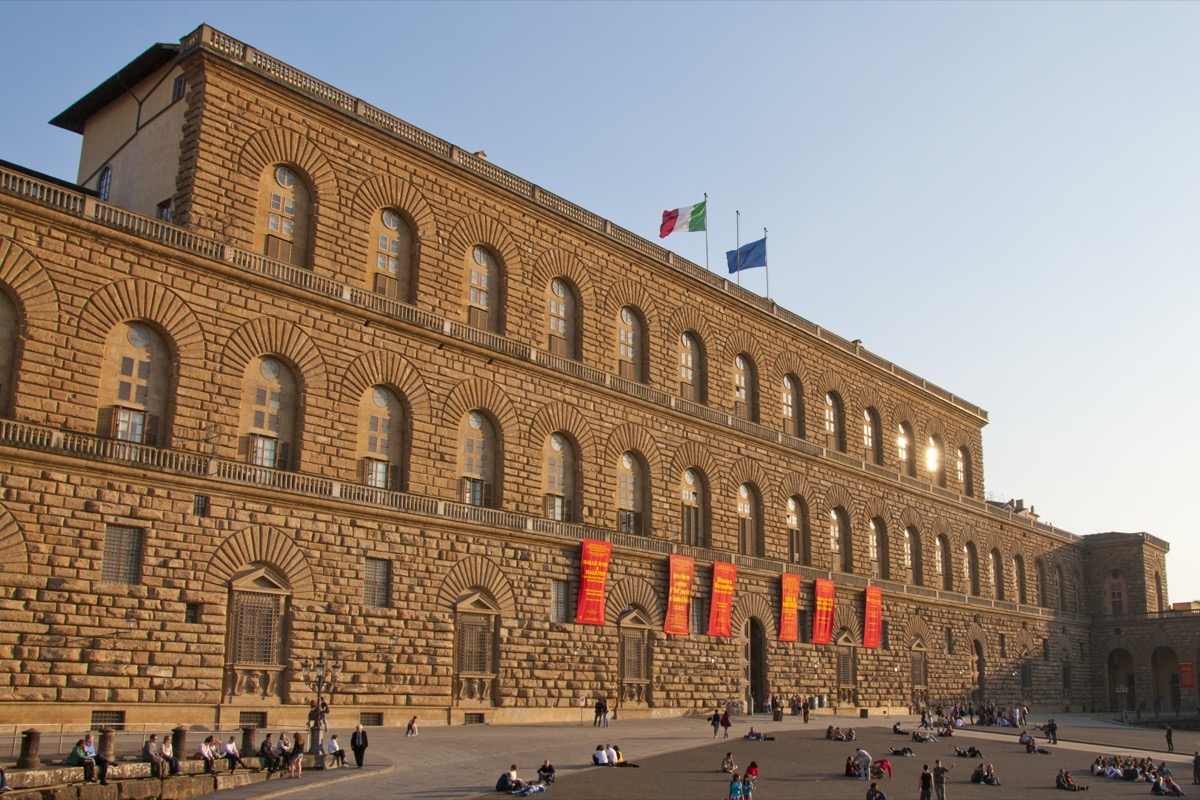
Palazzo Pitti and the Boboli Gardens


The Palazzo Pitti was built by Luca Pitti, a Florentine banker who wanted a palace larger than the Palazzo Medici.
It bankrupted him.
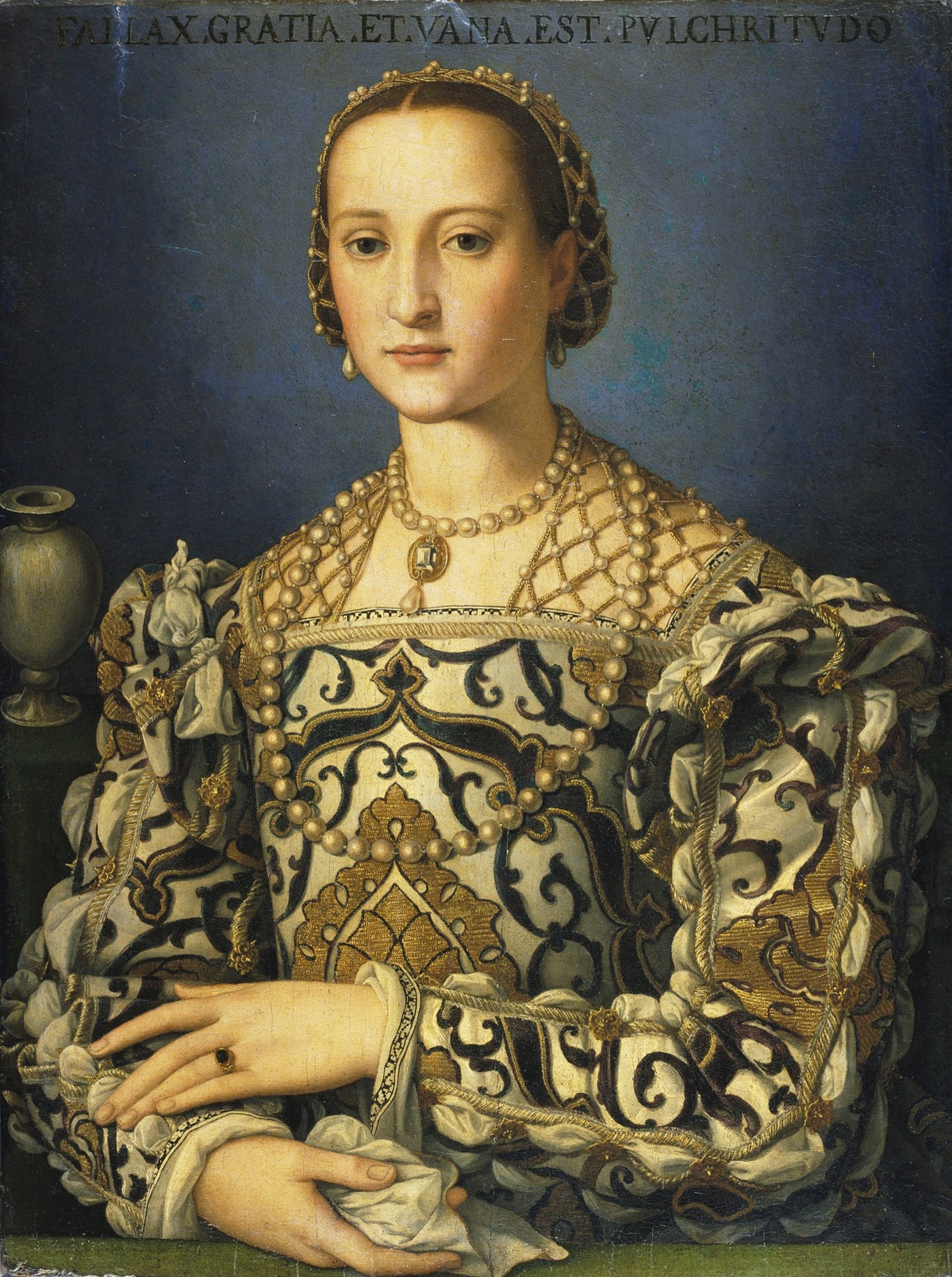
In 1549, Eleanor of Toledo - the Spanish wife of Cosimo I - bought it from his heirs at a distressed price.
The family expanded it relentlessly for the next 200 years.
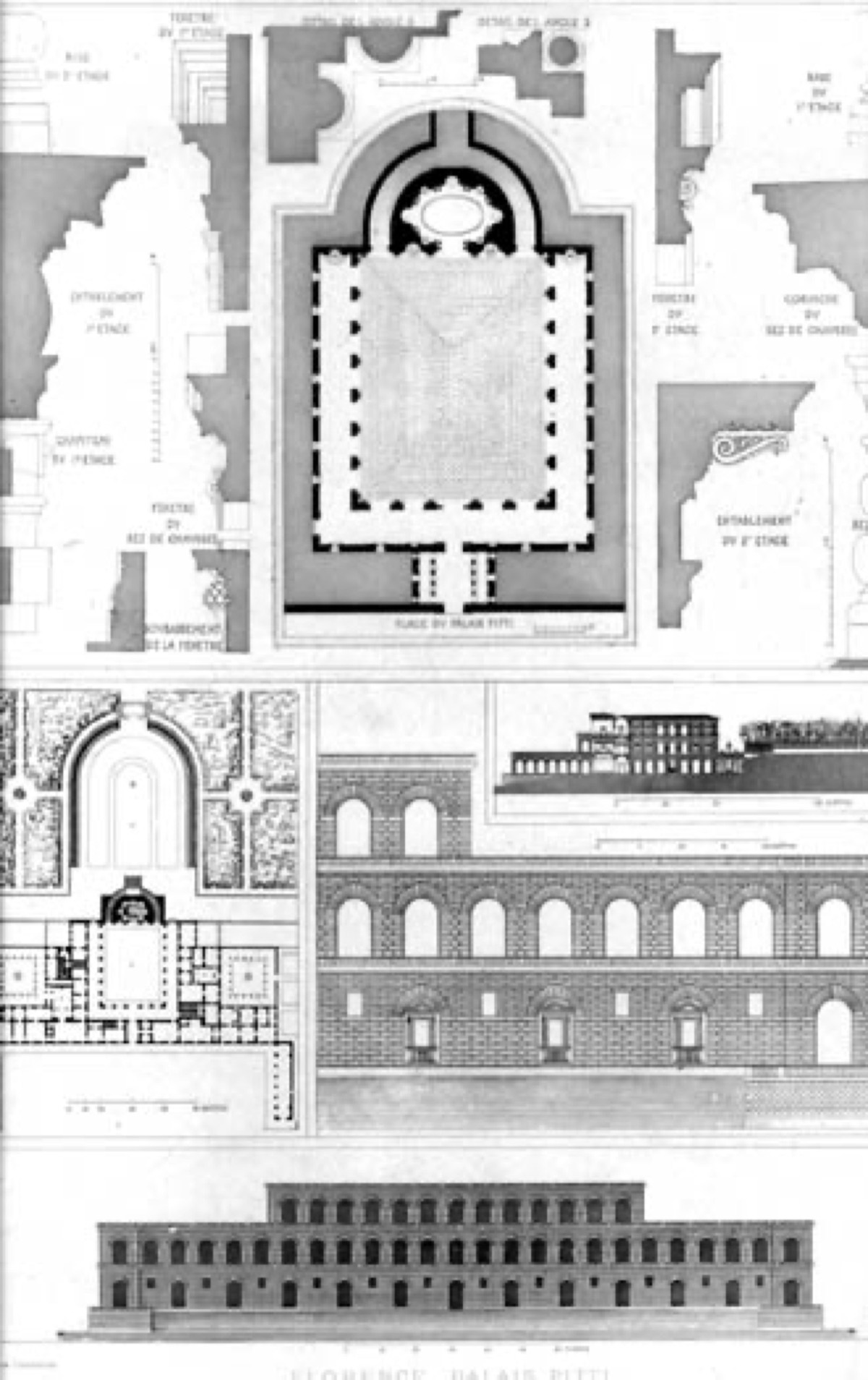
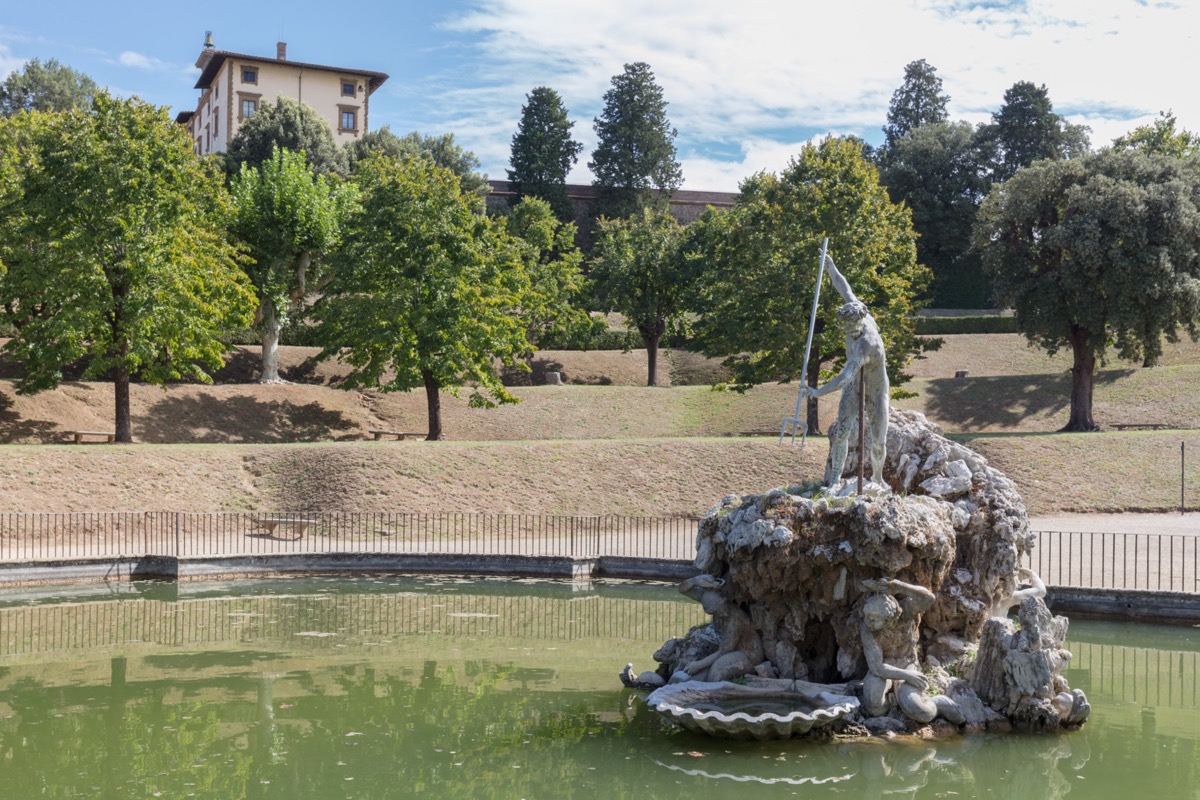
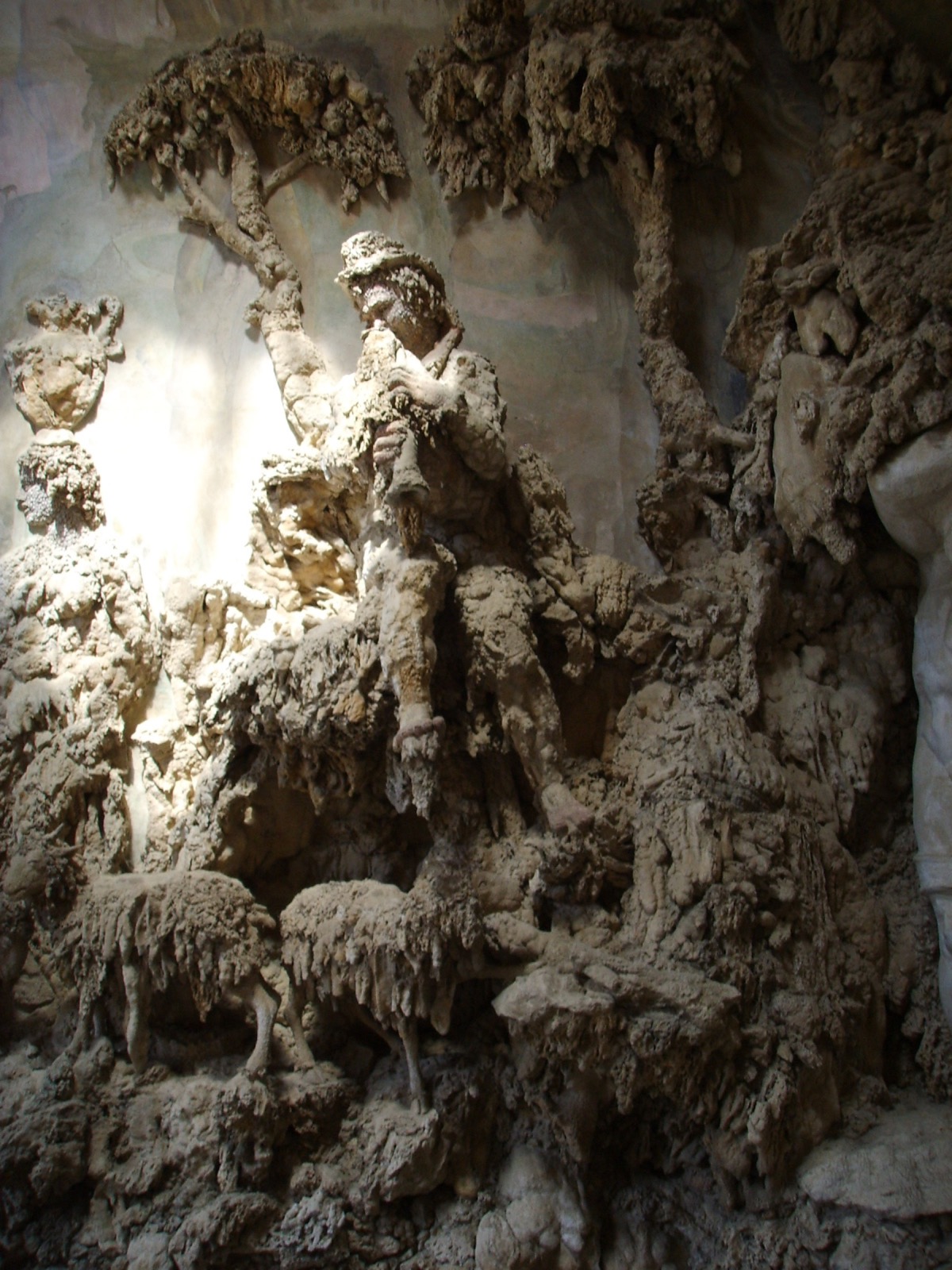
The Boboli Gardens were laid out from 1550 and became one of the most influential formal gardens in Europe.
Every major subsequent palace garden - including Versailles - drew on their example: the grotto, the amphitheatre, the long axis, the hidden water jets that spray unsuspecting visitors.
The gardens are still full of unsuspecting visitors.
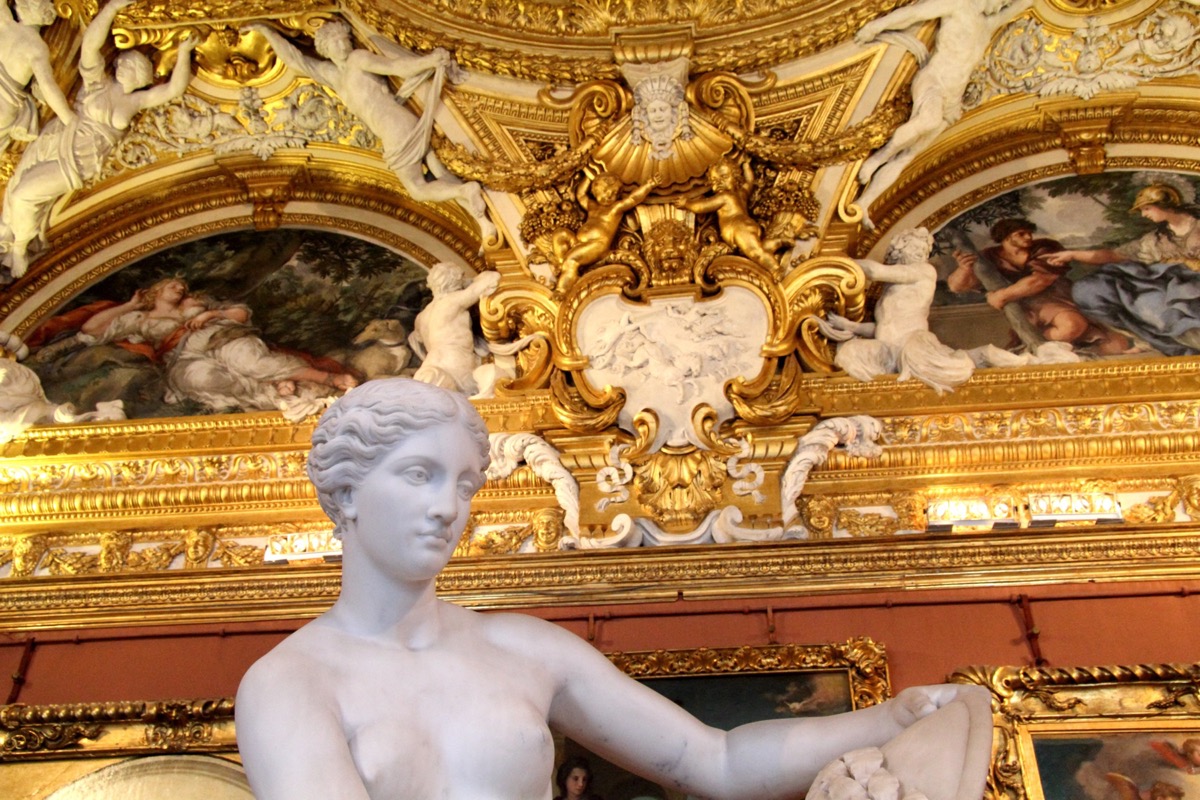
The Pitti eventually became so large it now contains six separate museums - including the Palatine Gallery, the Silver Museum, the Costume Gallery, and the Porcelain Museum.
Fun fact: Cosimo I moved into the Pitti in 1560 specifically to put the Arno between himself and the Florentines.
He found the river a useful psychological barrier.
Subsequent grand dukes agreed.


Comments
Loading comments...