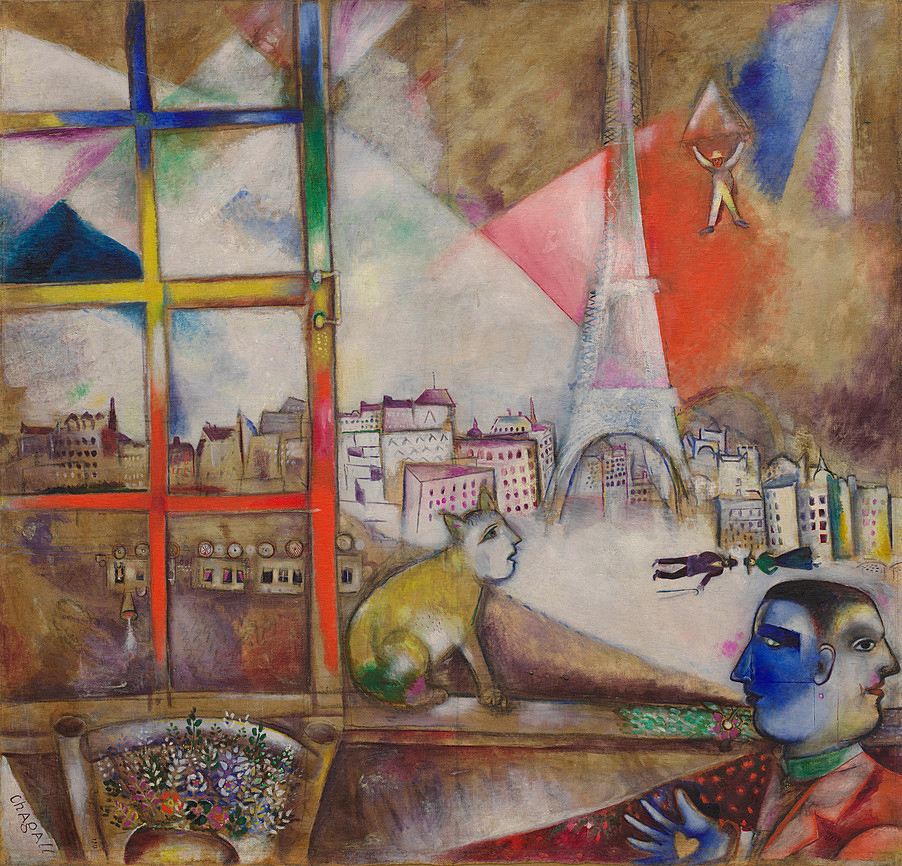


Chagall arrived in Paris in 1910, the same moment of the birth of the modern European avant-garde.
He absorbed the visual revolution around him - particularly Cubism's fractured planes and layered perspectives - but used it for entirely different ends.
Where Cubism was analytical, Chagall was poetic, rooted in memory and in the imagery of Jewish folk culture, with violins, goats, flying lovers, the villages of Eastern Europe...
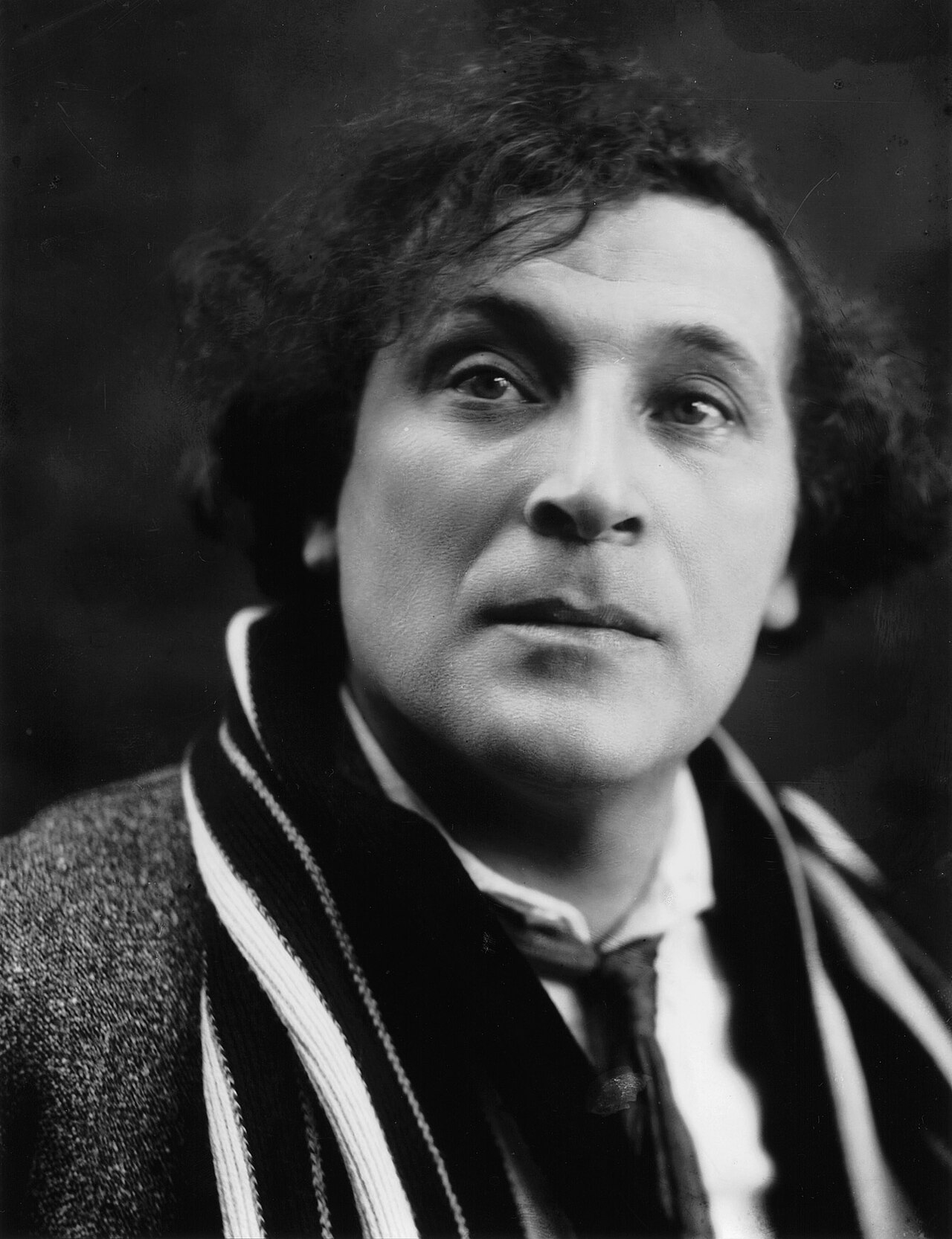
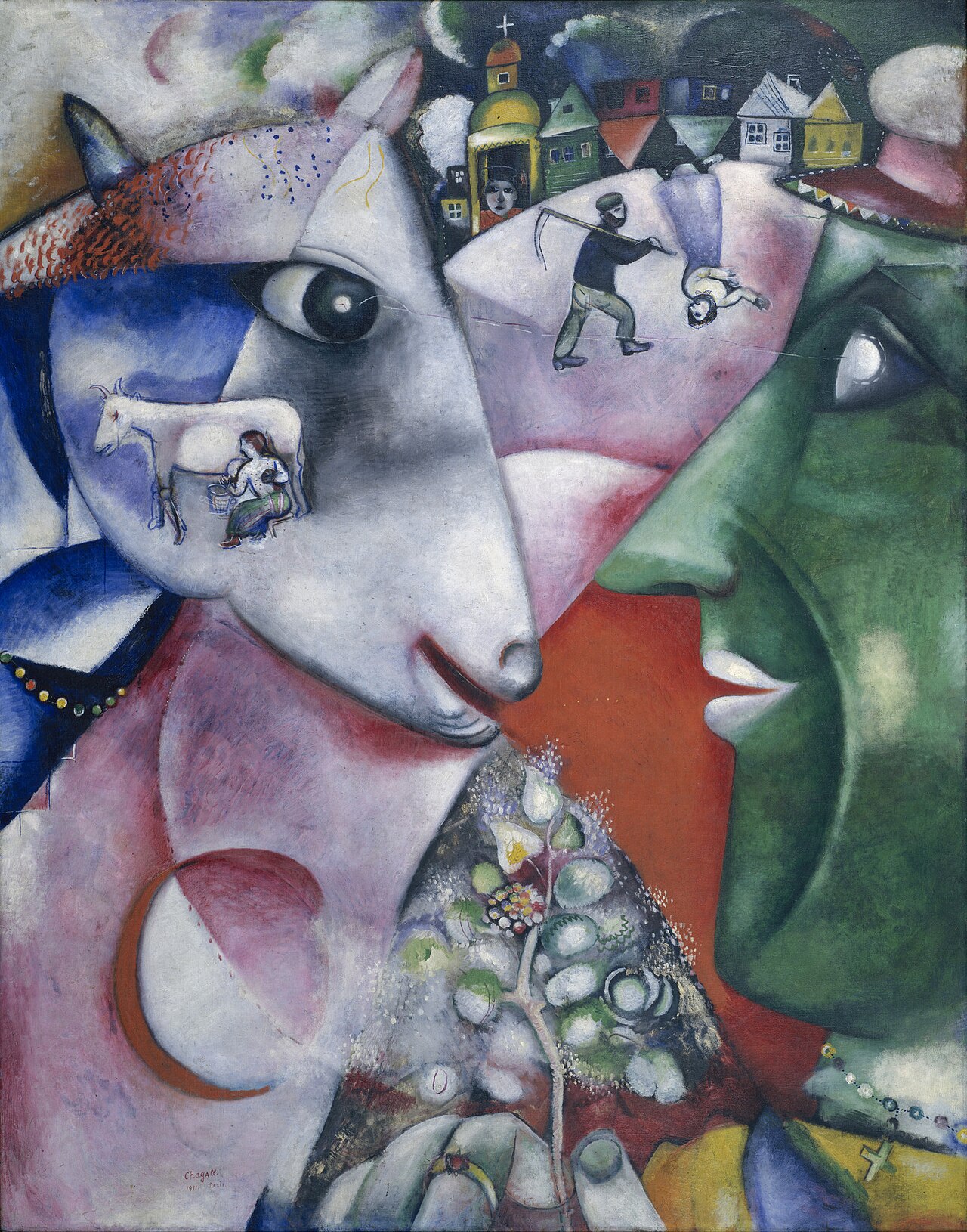
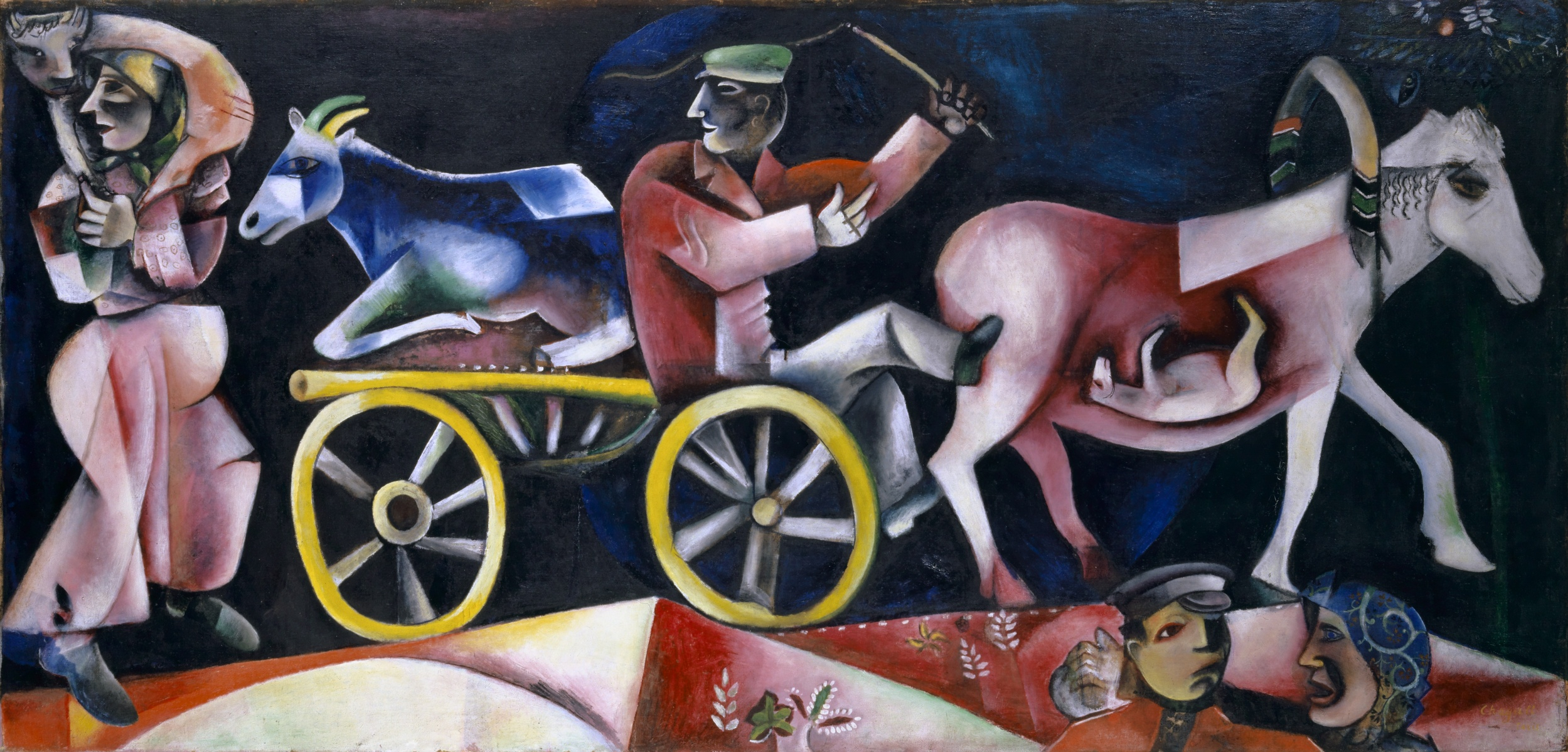
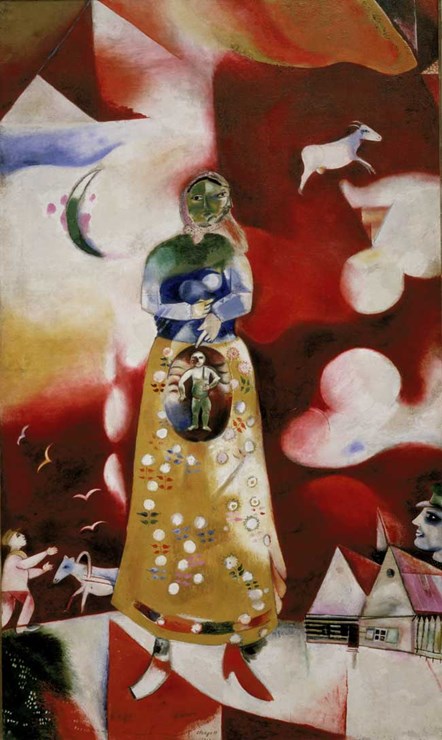
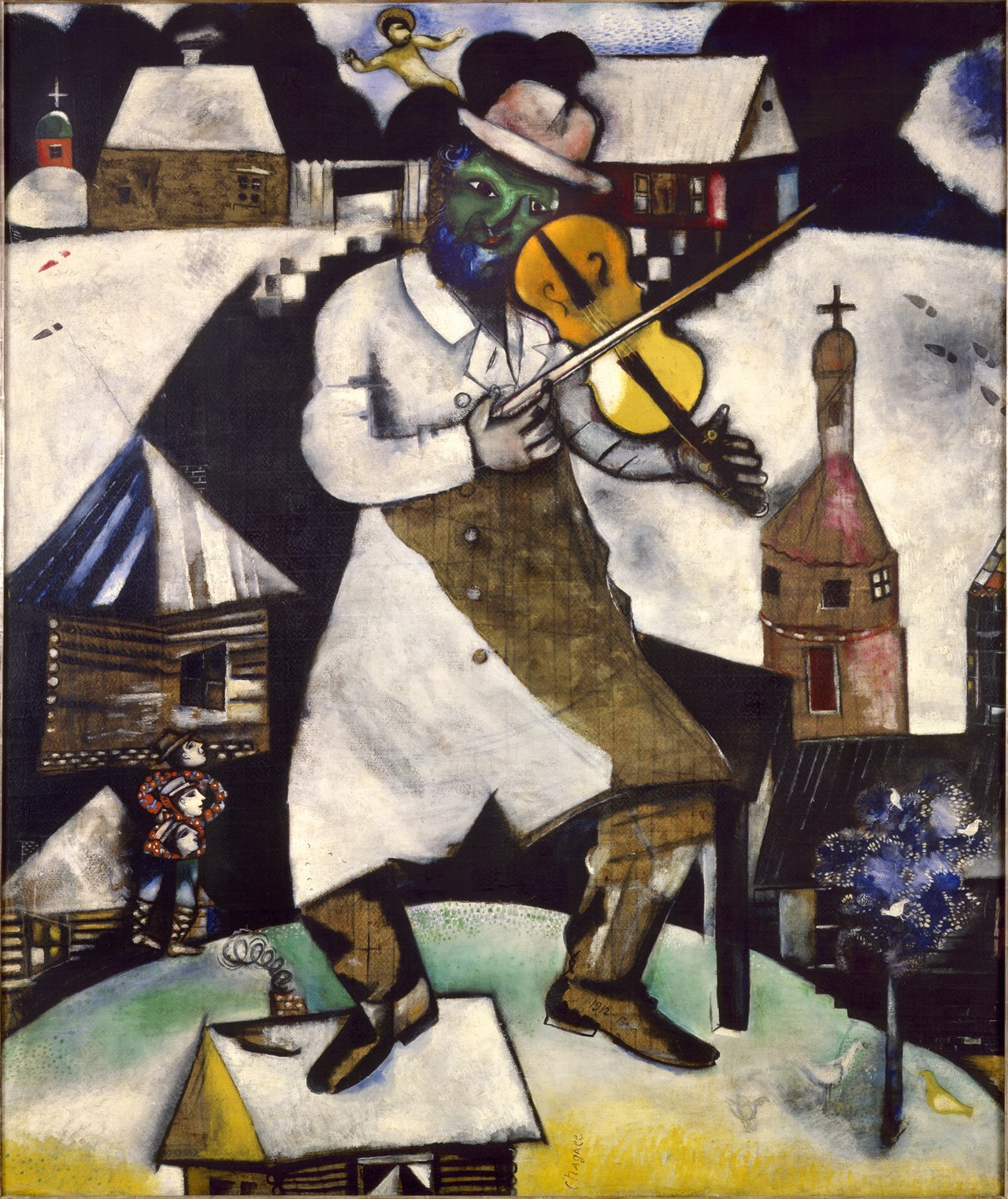
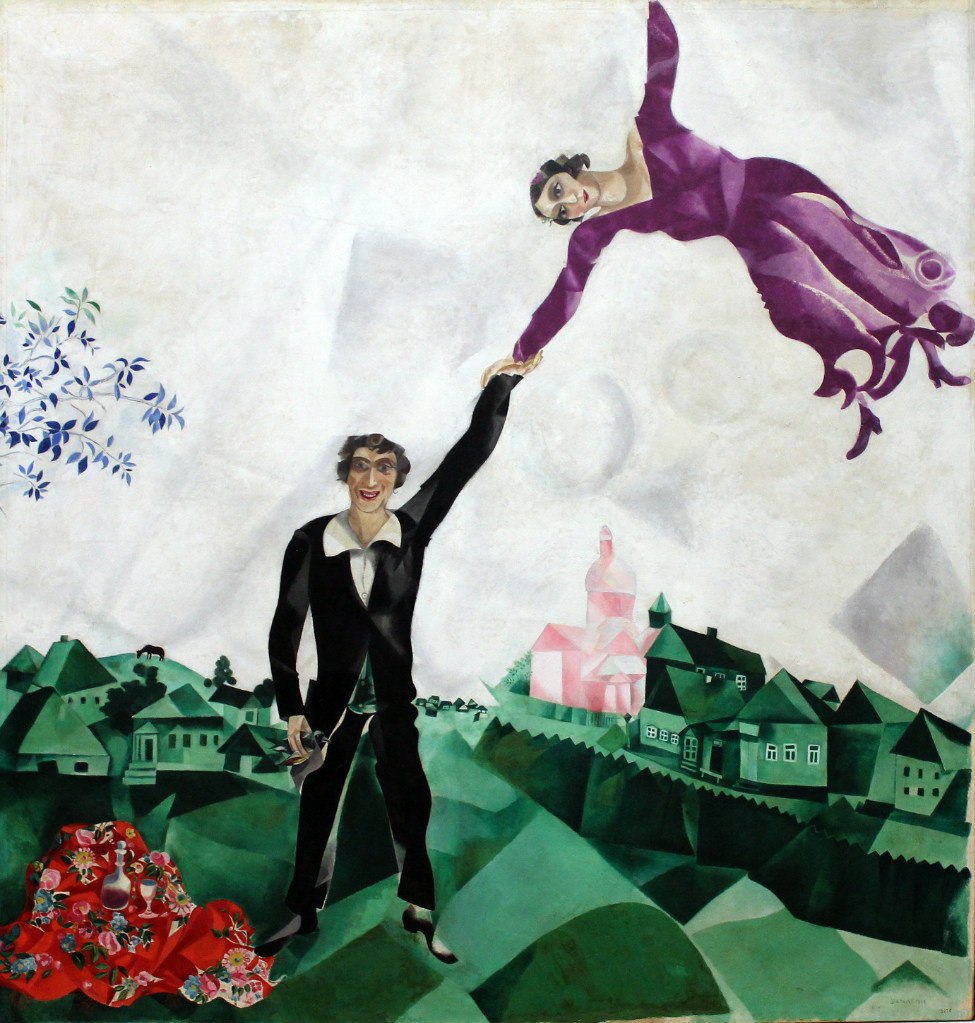
Chagall came from Vitebsk, in what is now Belarus - a city with a large Jewish population and a vivid folk tradition.
He arrived in Paris nearly penniless and found a studio at La Ruche in Montparnasse, a hive of immigrant artists that also housed Modigliani and Léger.
Paris dazzled him - its light, its modernity, its cafés - and this painting, made just three years after his arrival, captures that sense of wonder.
It represents looking through the window and seeing the city, the Eiffel Tower, the light of Paris.
But Chagall's logic is also the logic of dreams - floating alongside Paris is a cat with a human face, a parachutist, a train running upside-down, two figures embracing in mid-air.
Fun fact : the figure looking out the window is sometimes read as Chagall himself - looking back at his Russian past and forward into his French future.
He lived in France for most of the rest of his life - dying there in 1985 at the age of 97.
Comments
Loading comments...