

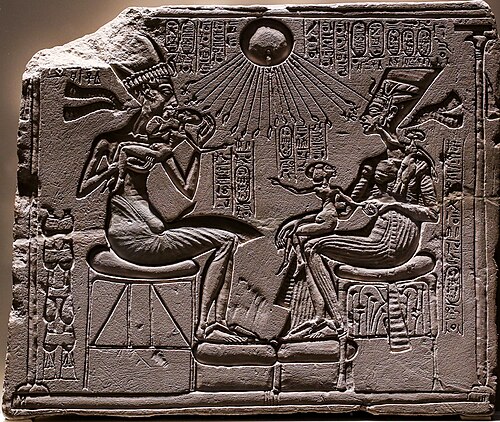
In the mid-2nd millennium BC, Akhenaten introduced one of the most radical religious revolutions the ancient world had ever seen.
He abolished the entire Egyptian pantheon and replaced it with a single god: the Aten, the solar disc.
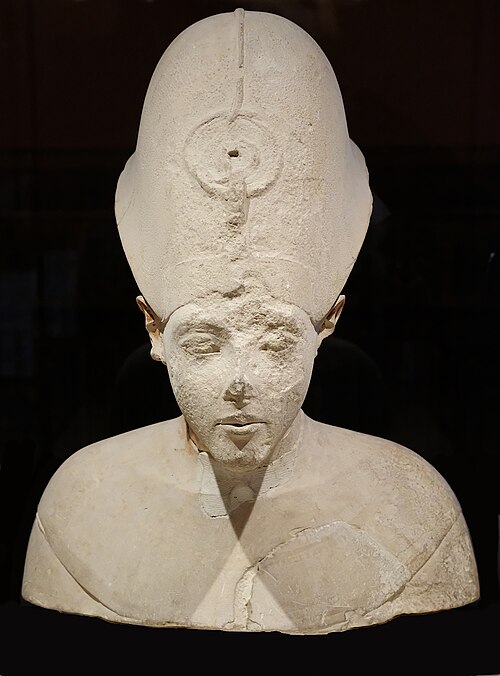
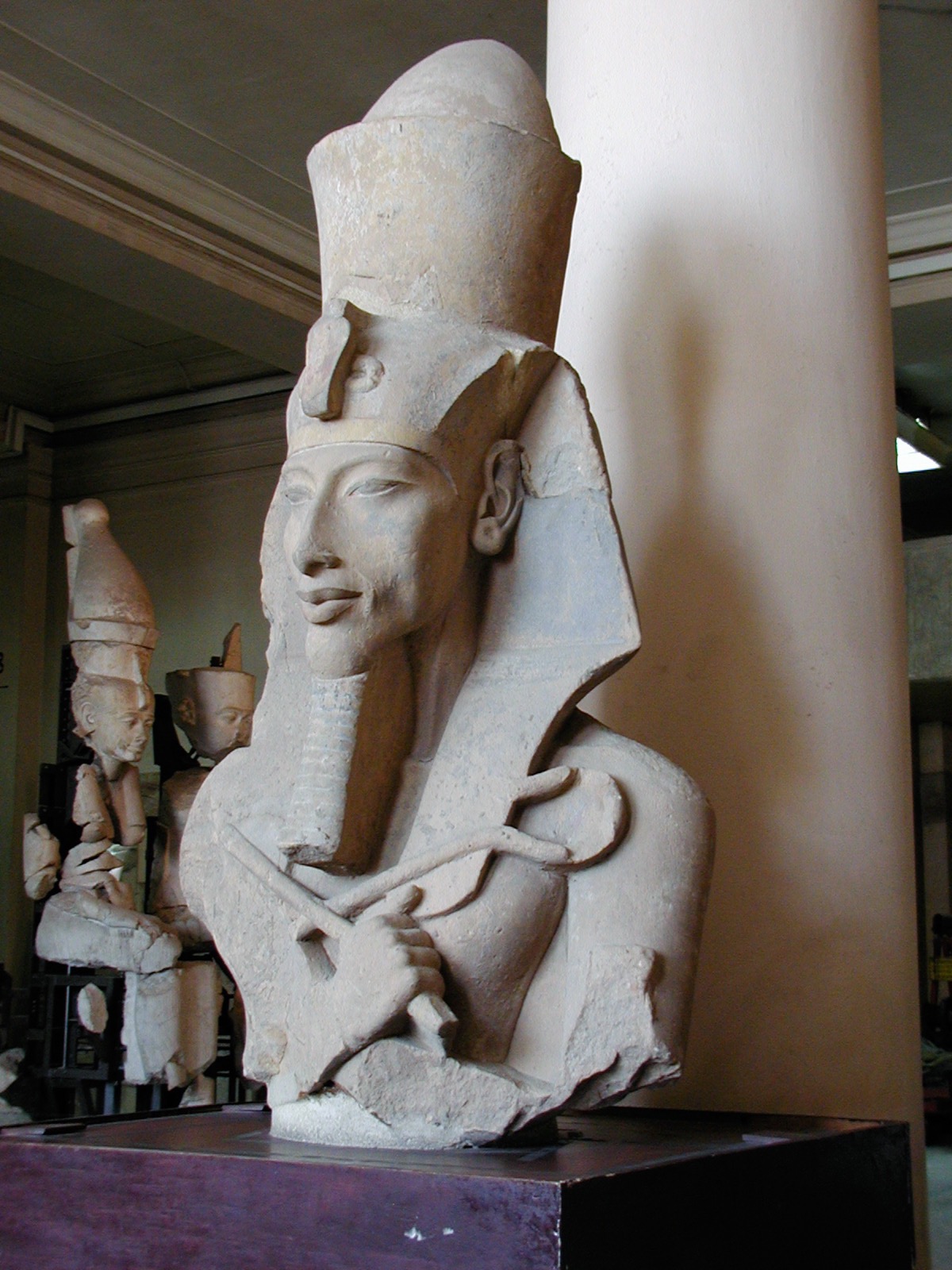
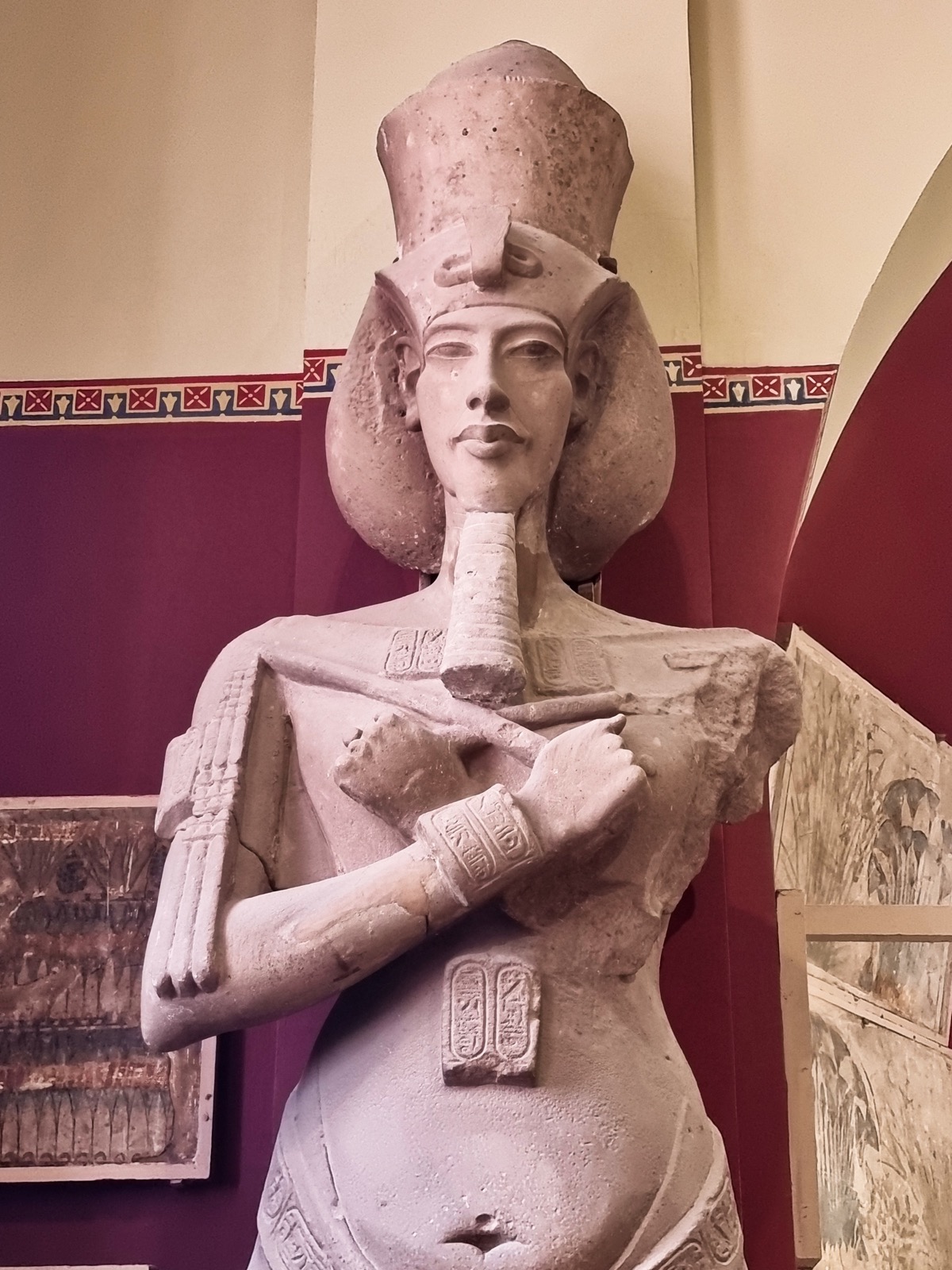
He moved the capital to a new desert city, Akhetaten, closed the major temples, redistributed their wealth to the crown, and had the old gods' names erased from monuments.
His reign lasted about seventeen years.
Then his successors reversed everything and tried to erase him from history in turn.
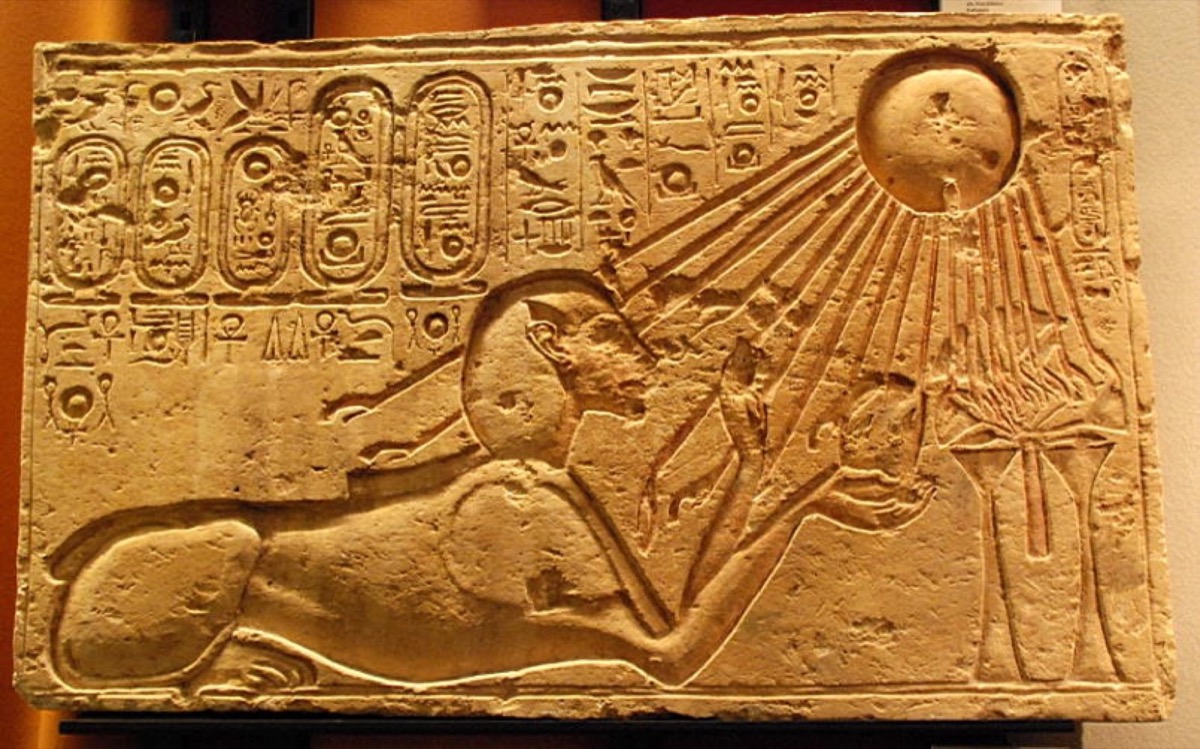
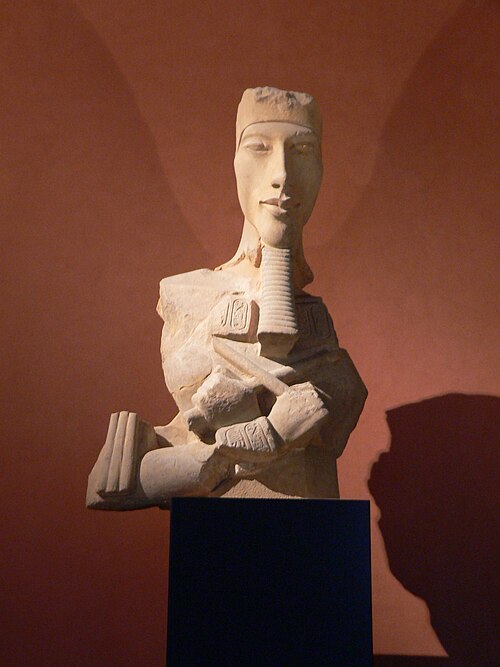
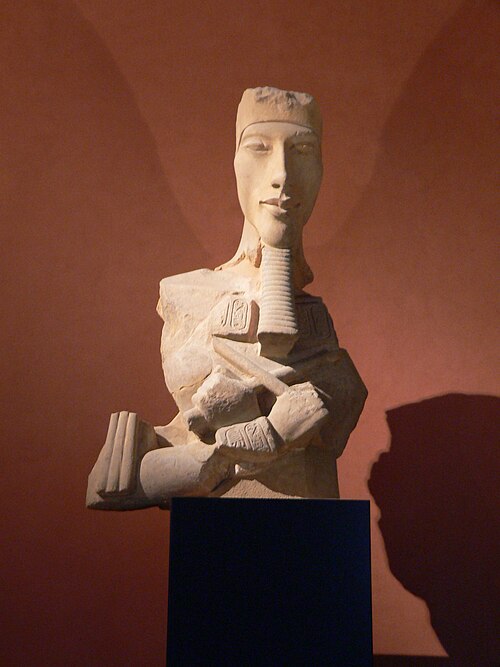
This fragment came from a colossal pillar statue at his sun temple at Karnak.
The face is unlike any other pharaoh portrait: elongated skull, heavy-lidded eyes, long nose, full lips.
Whether this shows how Akhenaten actually looked, or is a philosophical statement about his divinity, scholars have argued for over a century.
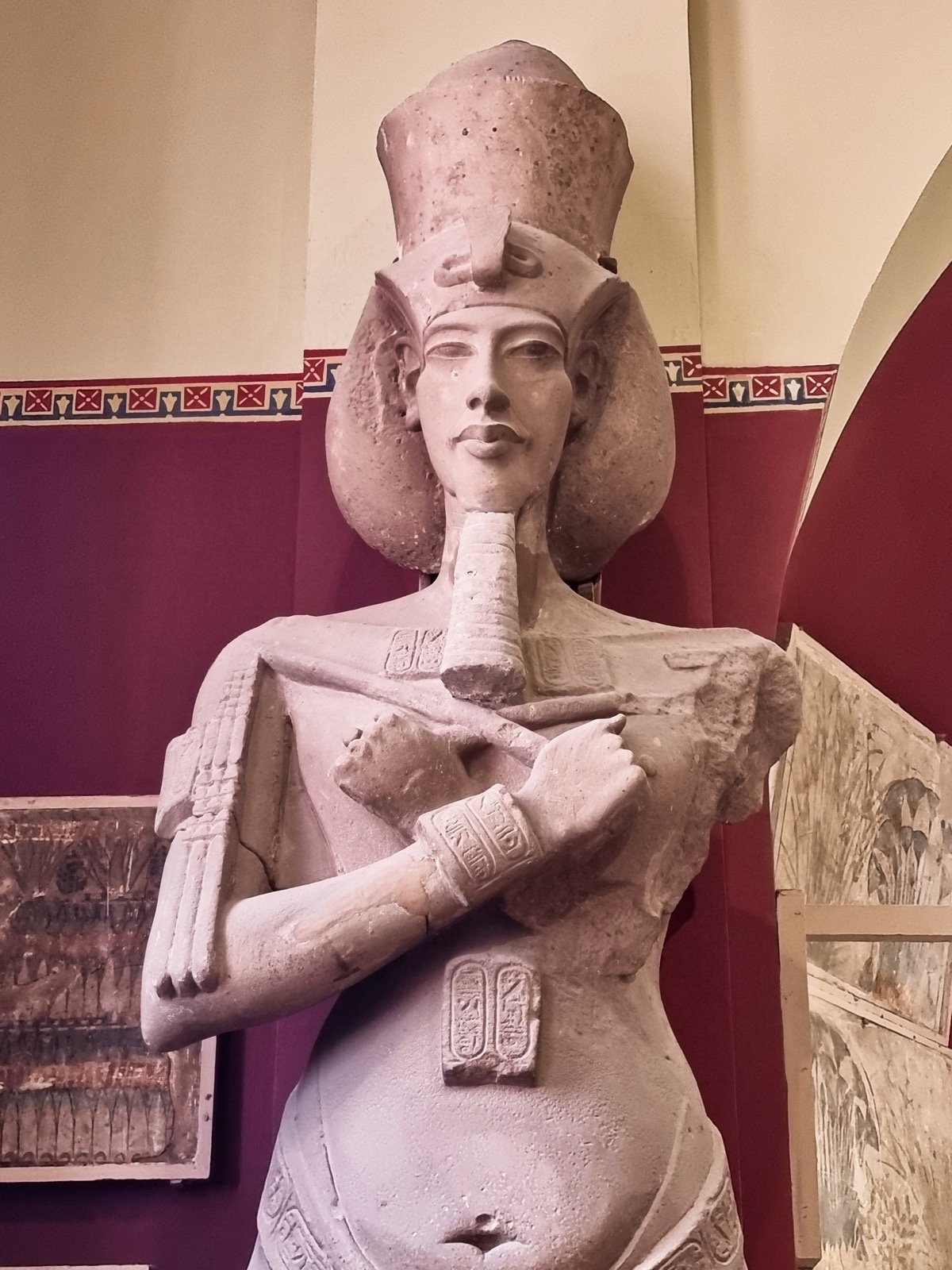
This bust was gifted by Egypt to France in 1972 — one of very few Akhenaten fragments outside Egyptian collections.
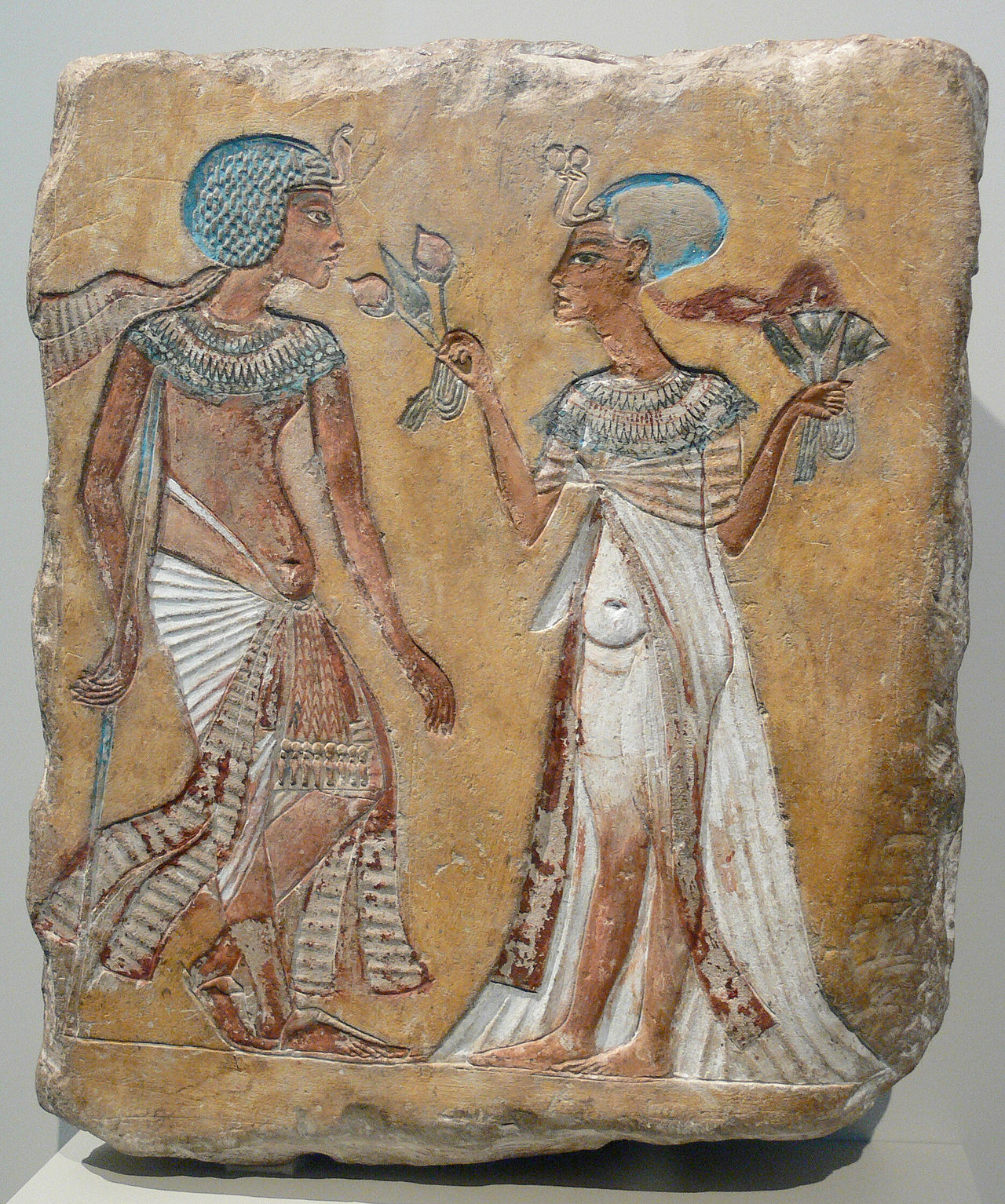
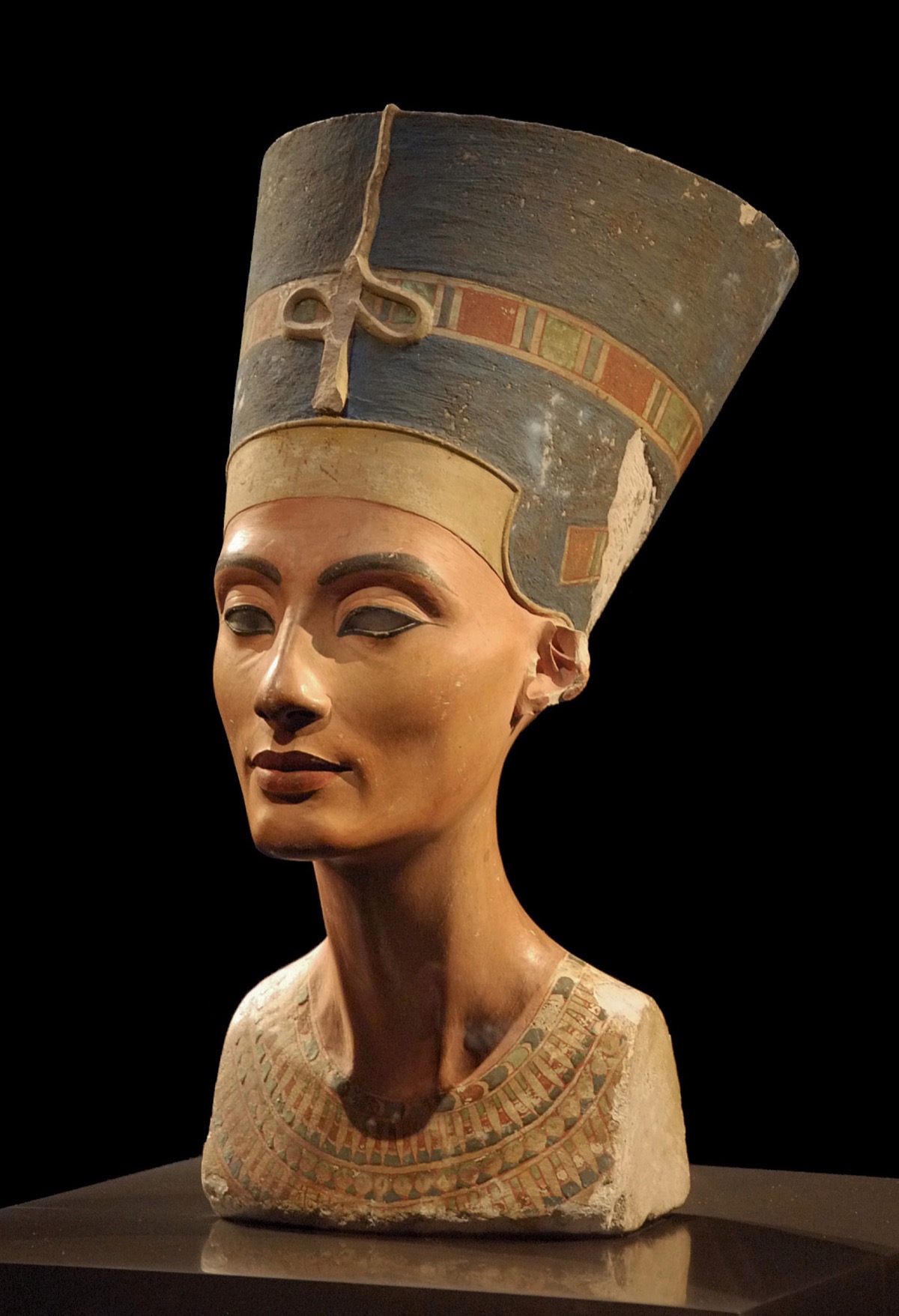
Fun fact: Akhenaten's queen, Nefertiti's, painted bust is one of the most recognised faces in ancient art — but it is in Berlin, not the Louvre.