

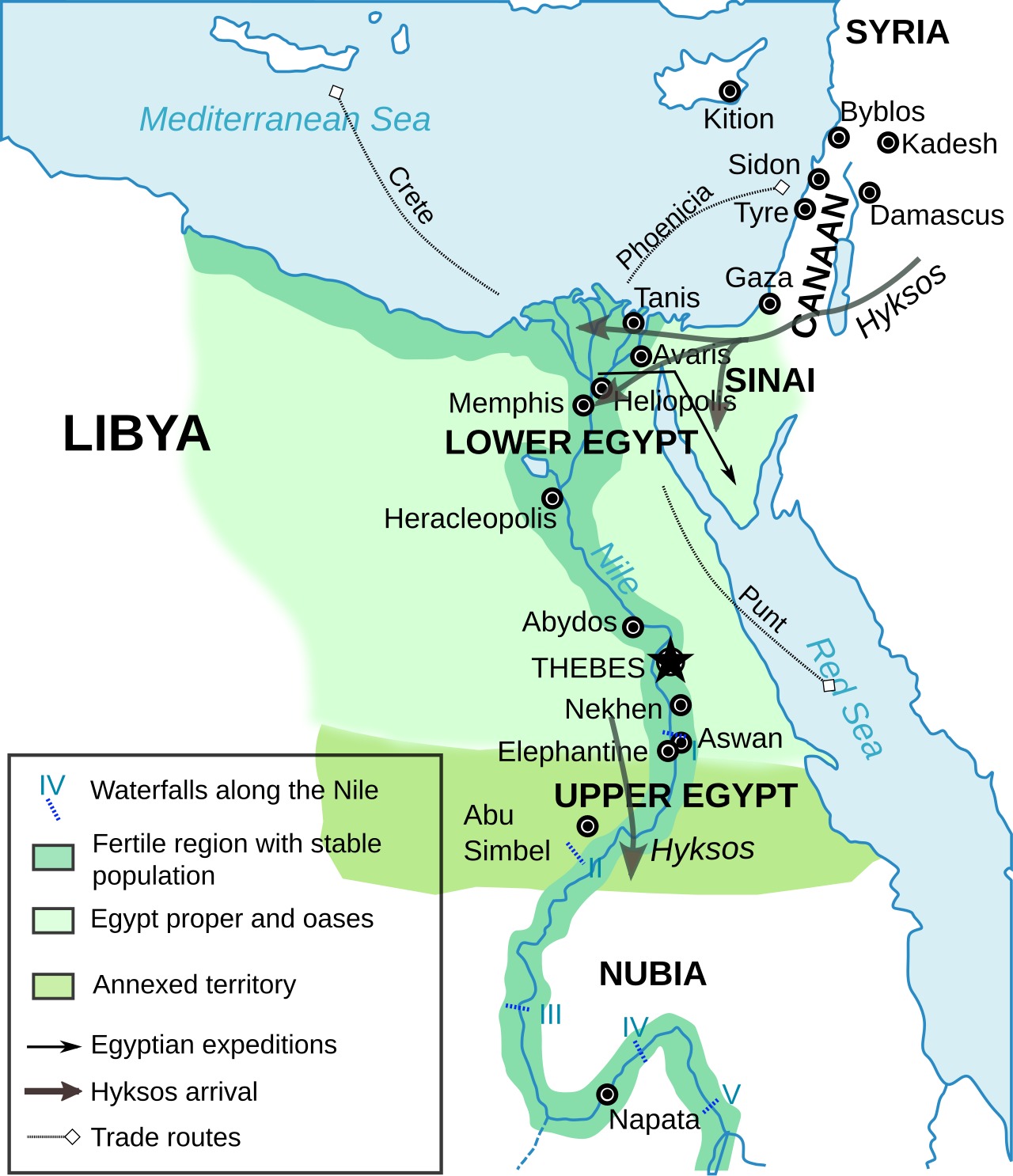
By the early 2nd millennium BC, Egypt had reunified after its first collapse and was again a confident, sophisticated state.
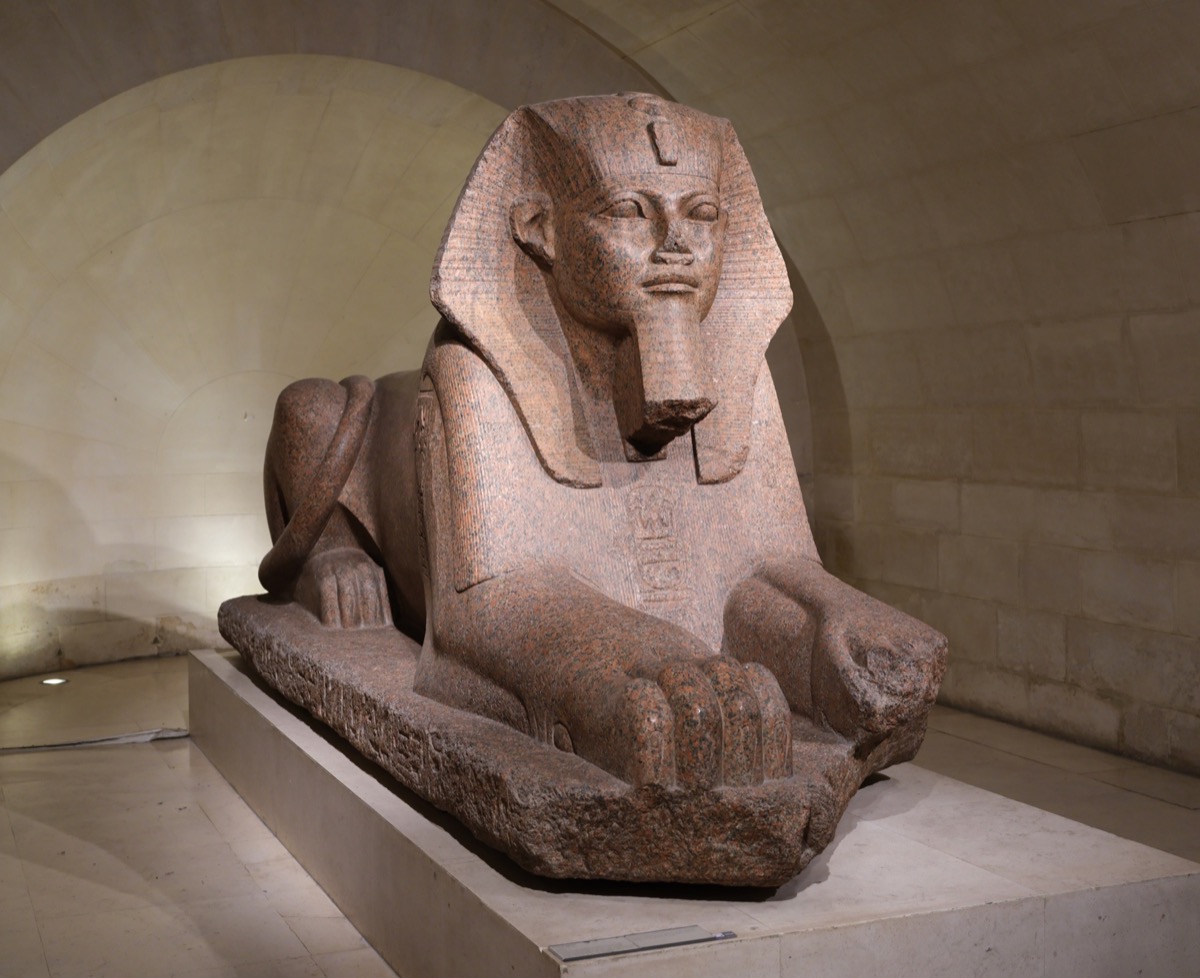
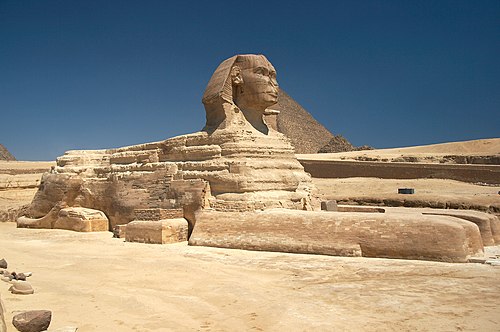
This sphinx belongs to that Middle Kingdom world.
Nearly five metres long, carved from solid pink granite — it is one of the largest sphinxes ever to leave Egypt.
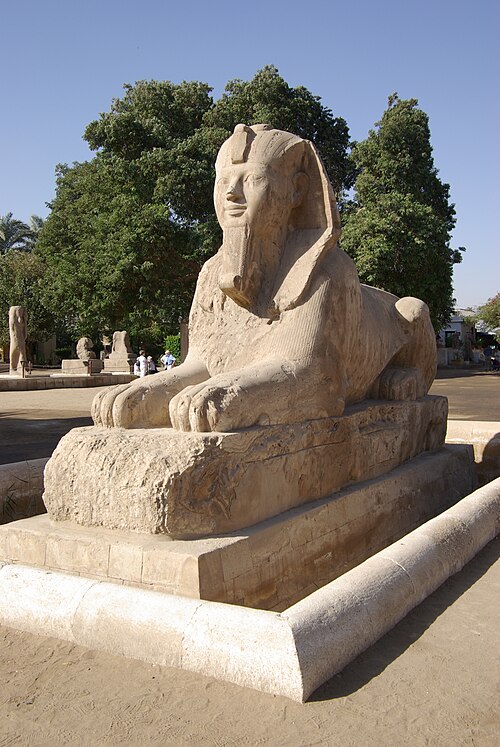
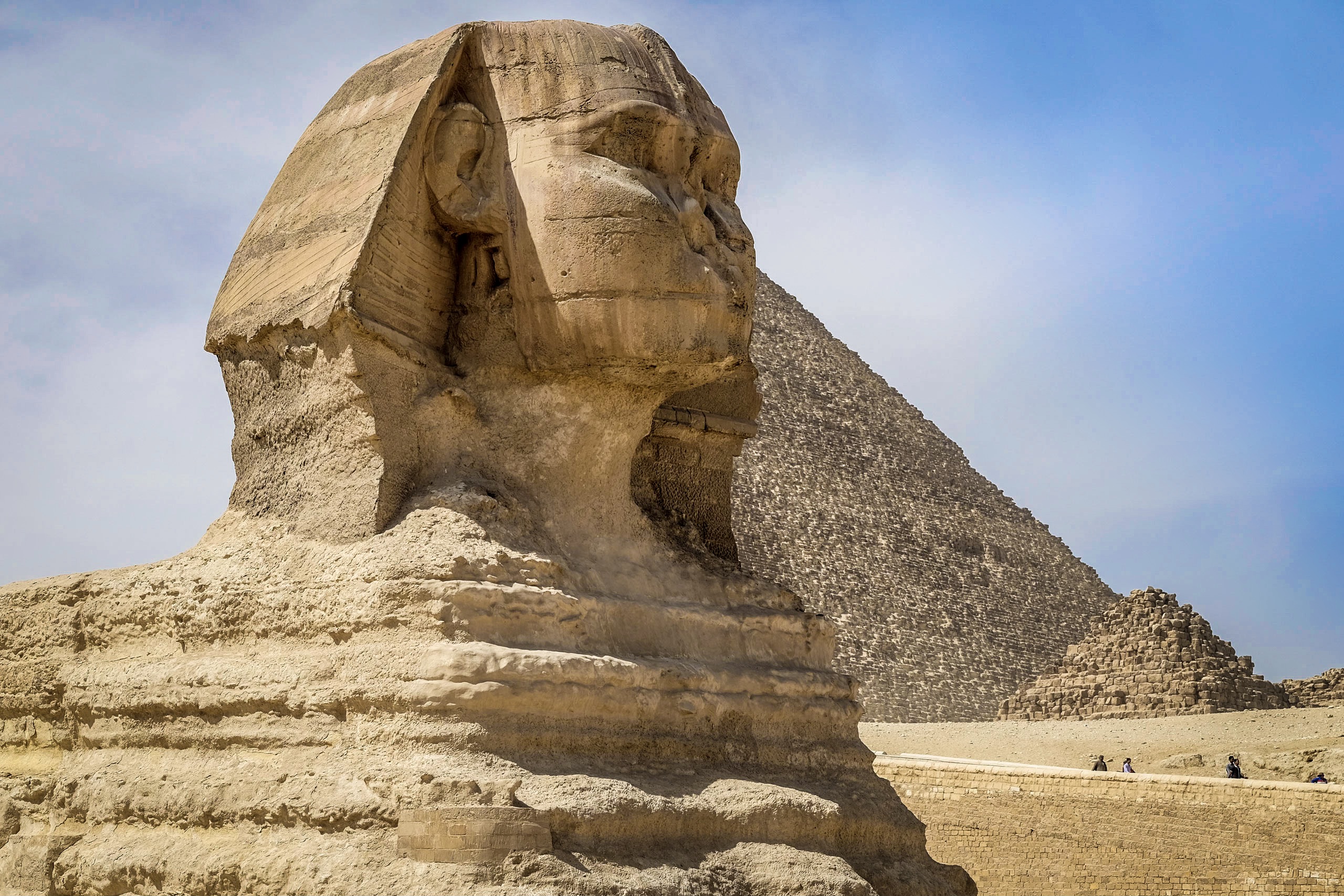
With a lion's body and a king's head, he was both guardian and symbol of royal power — not only placed to be admired, but to protect.
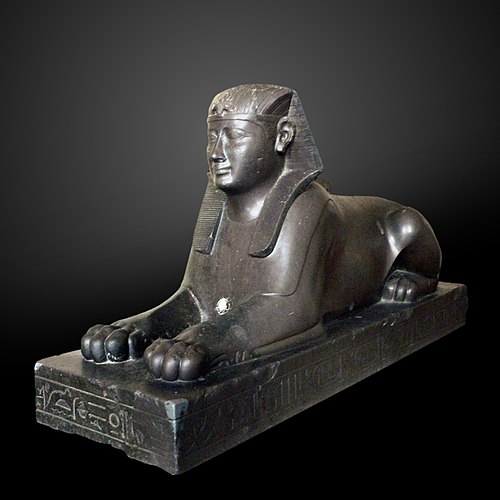
Over the centuries, several pharaohs had their names inscribed on him — Amenemhat II, Merneptah, Shoshenq I — each borrowing the authority of something far older than themselves.
Prestige, in Egypt, was measured in antiquity.
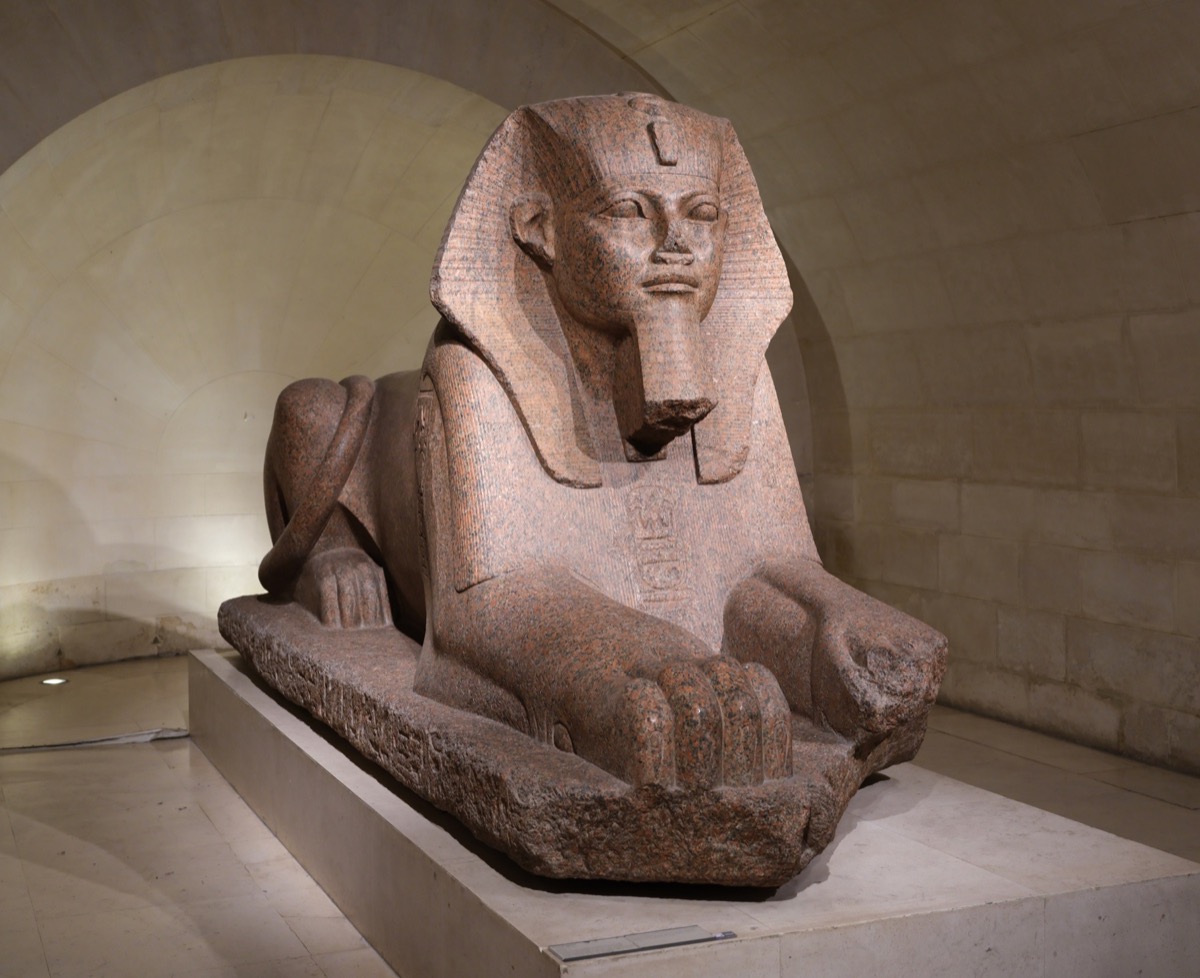
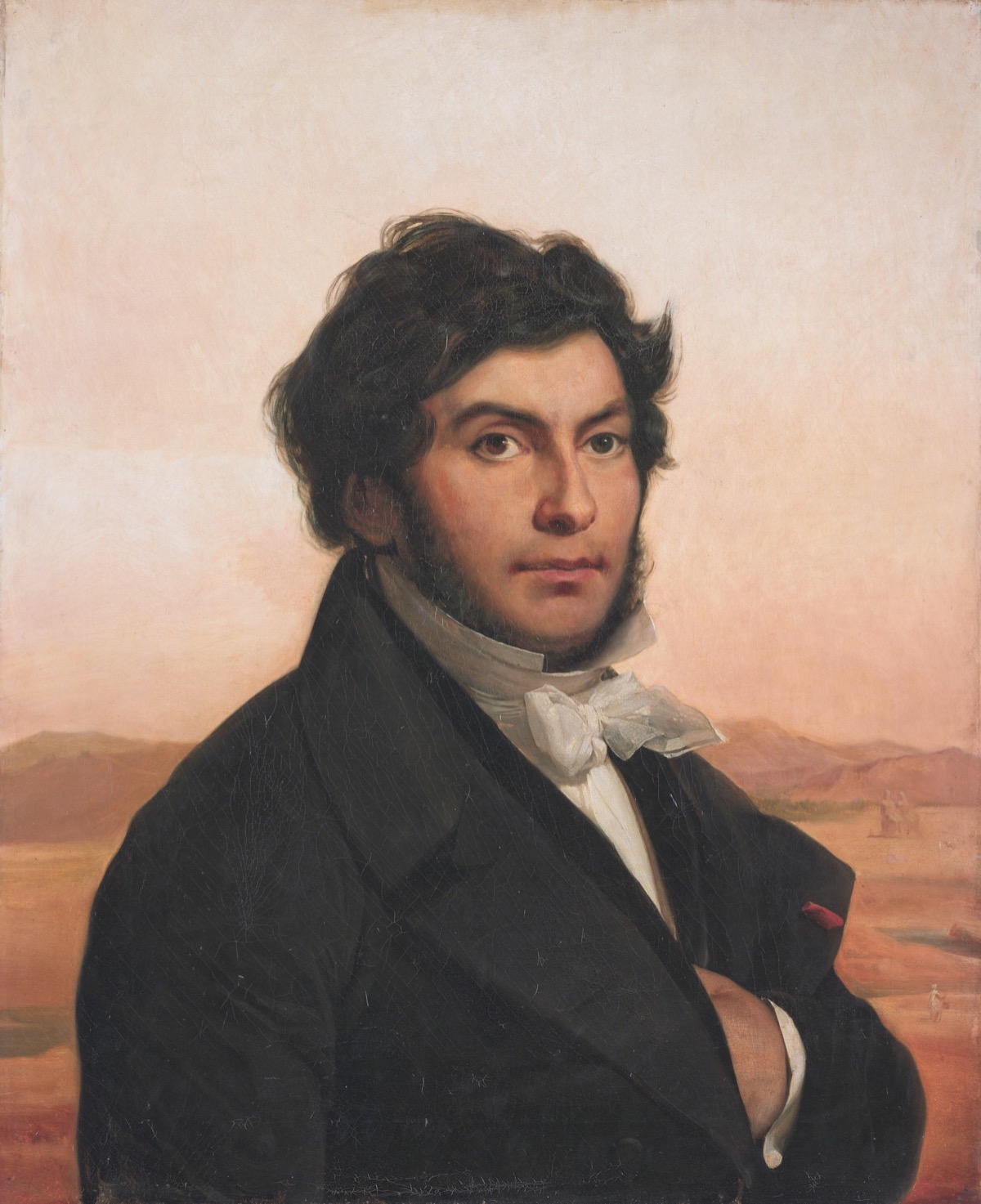
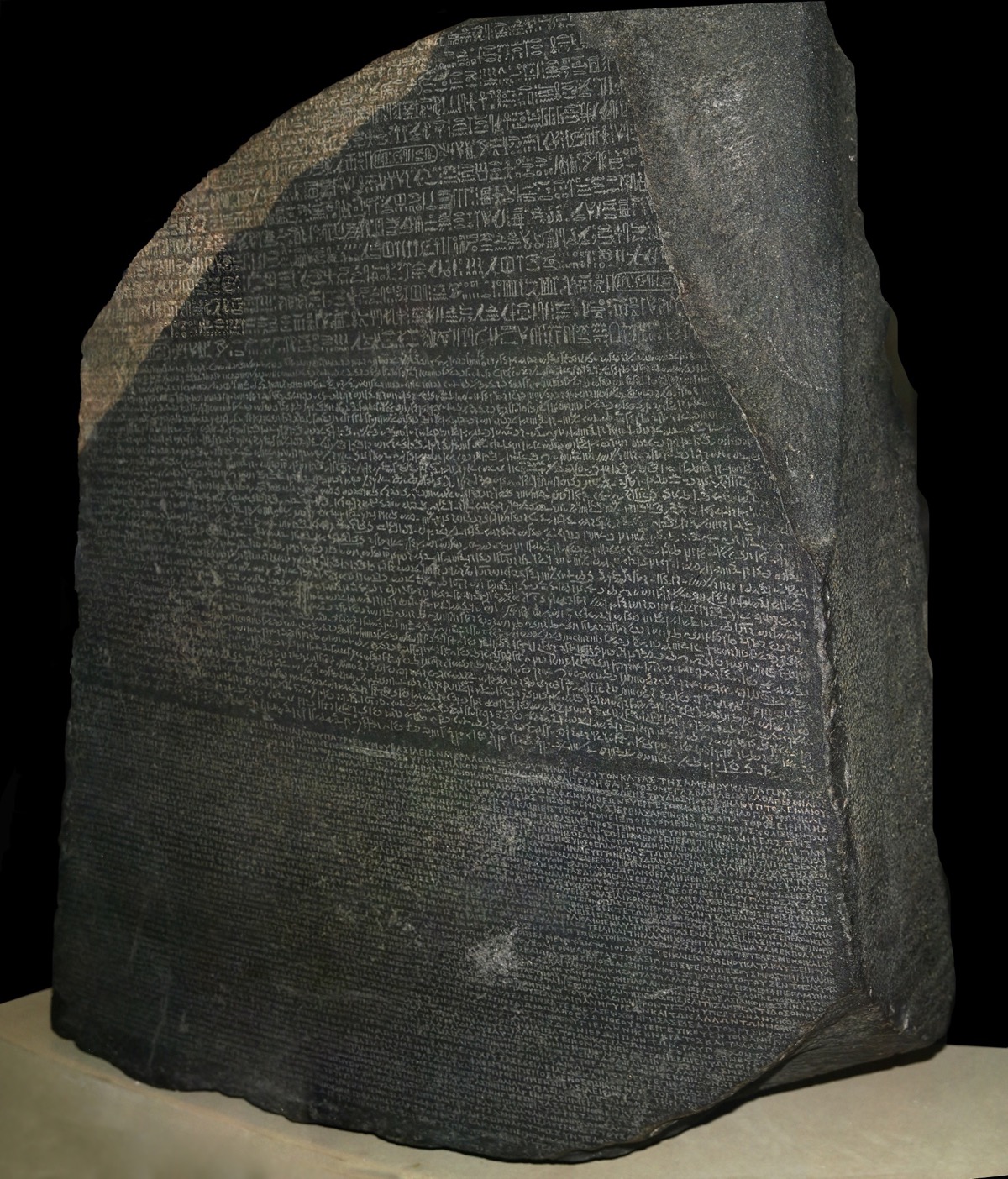
It was discovered at Tanis in the early 19th century and brought to Paris by Champollion — who had cracked hieroglyphics just three years earlier.
You may know Tanis from another source: it's where Spielberg buried the Ark of the Covenant in Raiders of the Lost Ark.