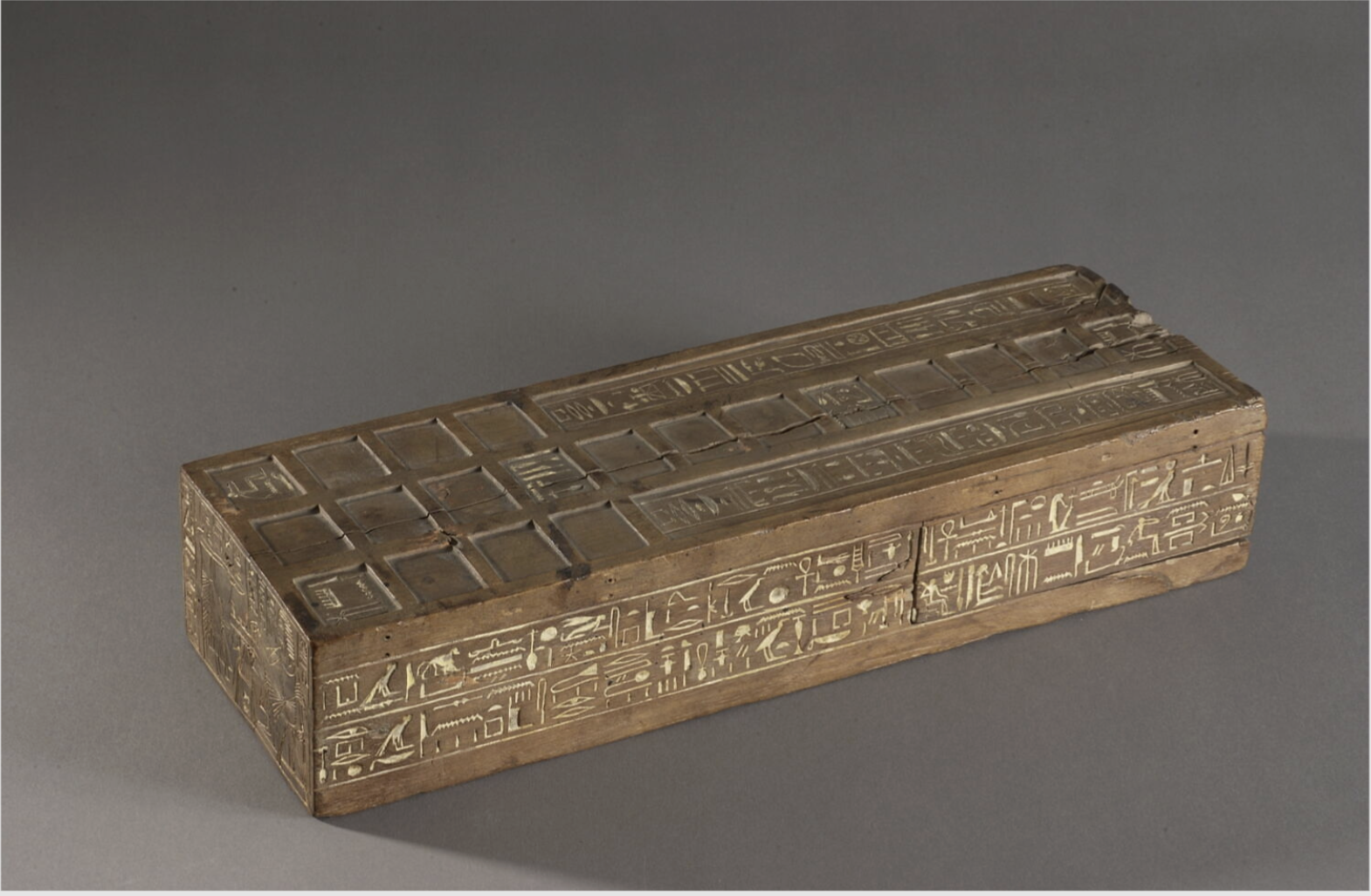


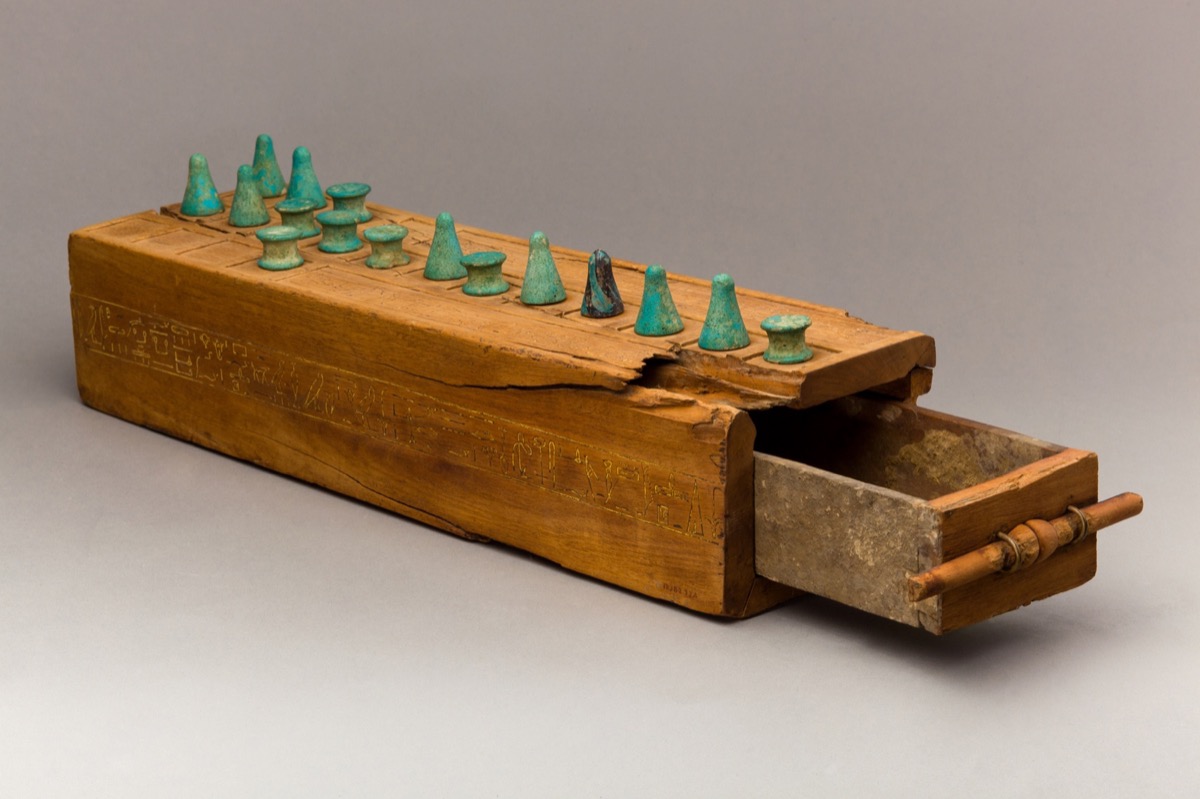
This board belonged to Imenmes, a palace official and Harem Delegate from Memphis.
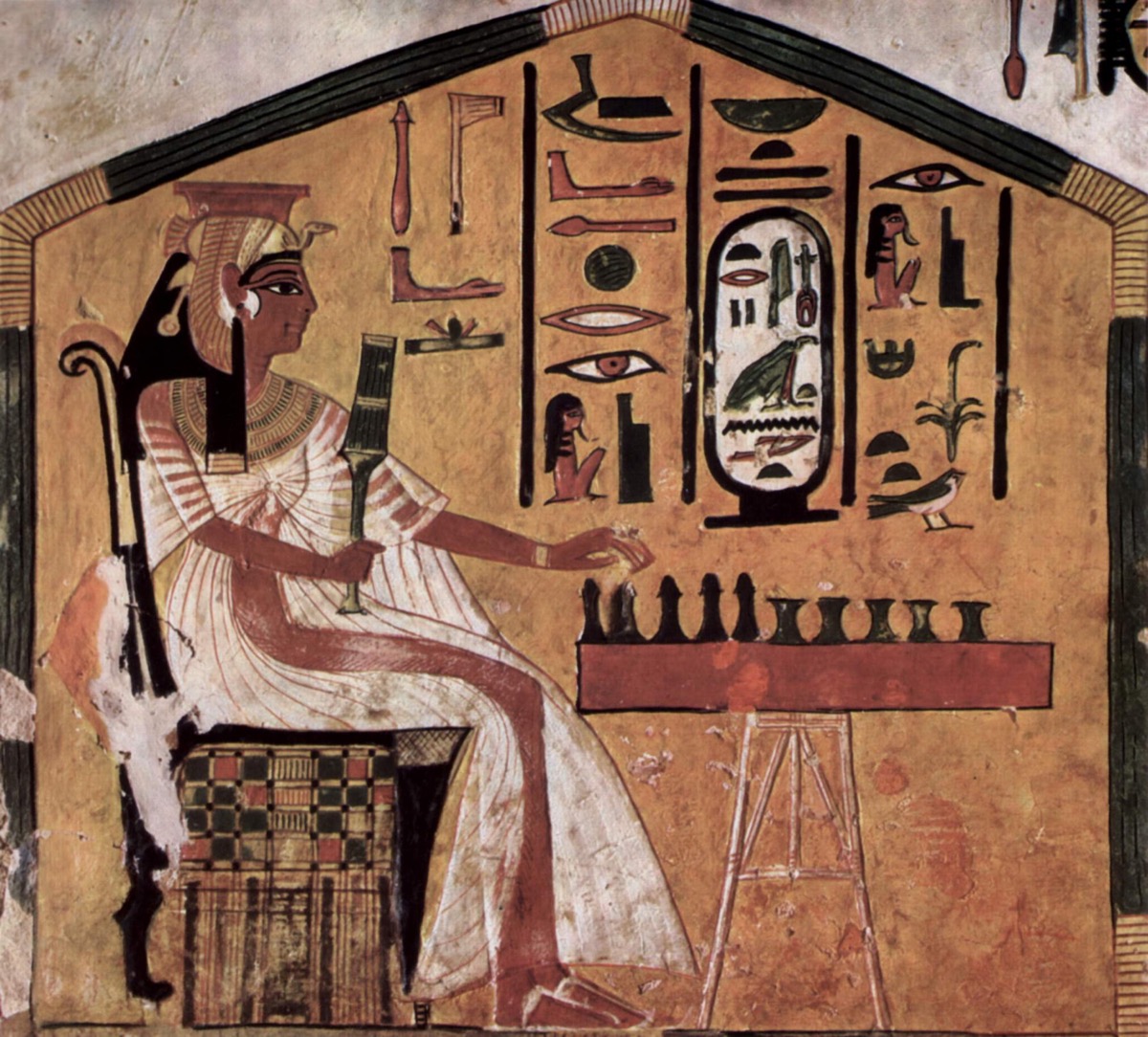
He played Senet in life.
In death, the board went into his tomb.
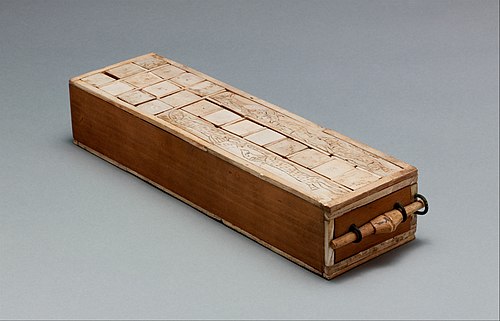
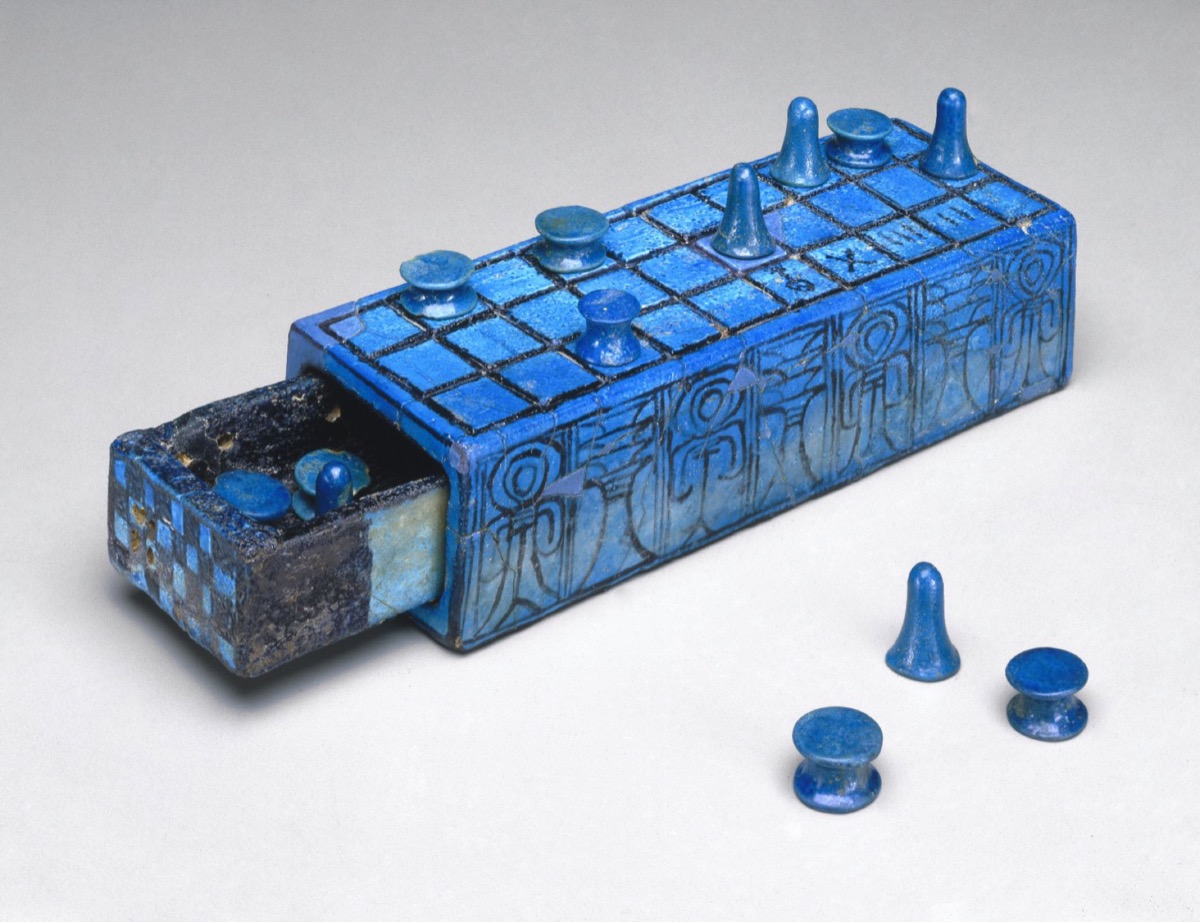
The board is a wooden box — lift the lid and there's a sliding drawer for the pieces underneath.
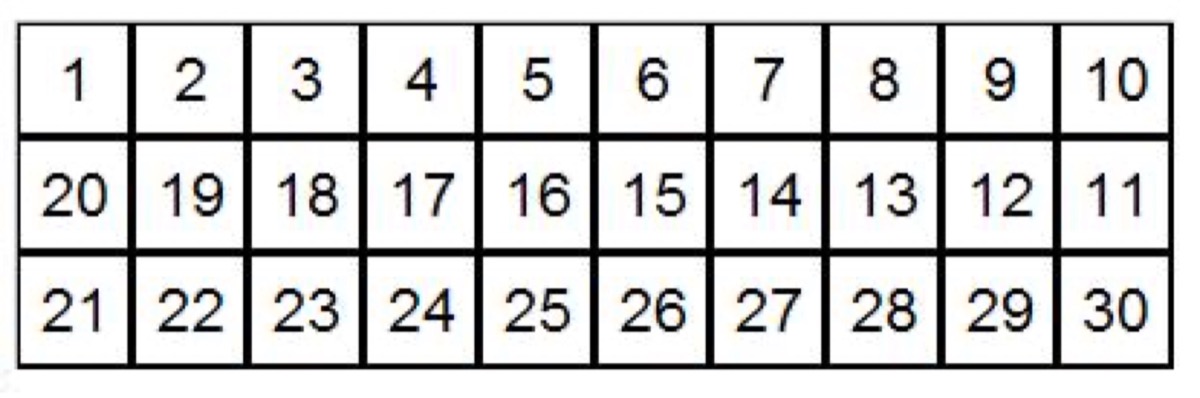
The thirty squares were each loaded with religious meaning: deities, blessings, hazards.
To play was to rehearse the soul's journey through the afterlife.
The better your game, the better your chances — in both worlds.
Flip the board over and there's a second game: Twenty Squares, imported from the Near East.
One board, two games.
We still don't know the exact rules of Senet.
The mechanics have been reconstructed, but certain squares remain disputed.
We know the destination though: the final square represented eternal life.
Everything between start and finish was the point.
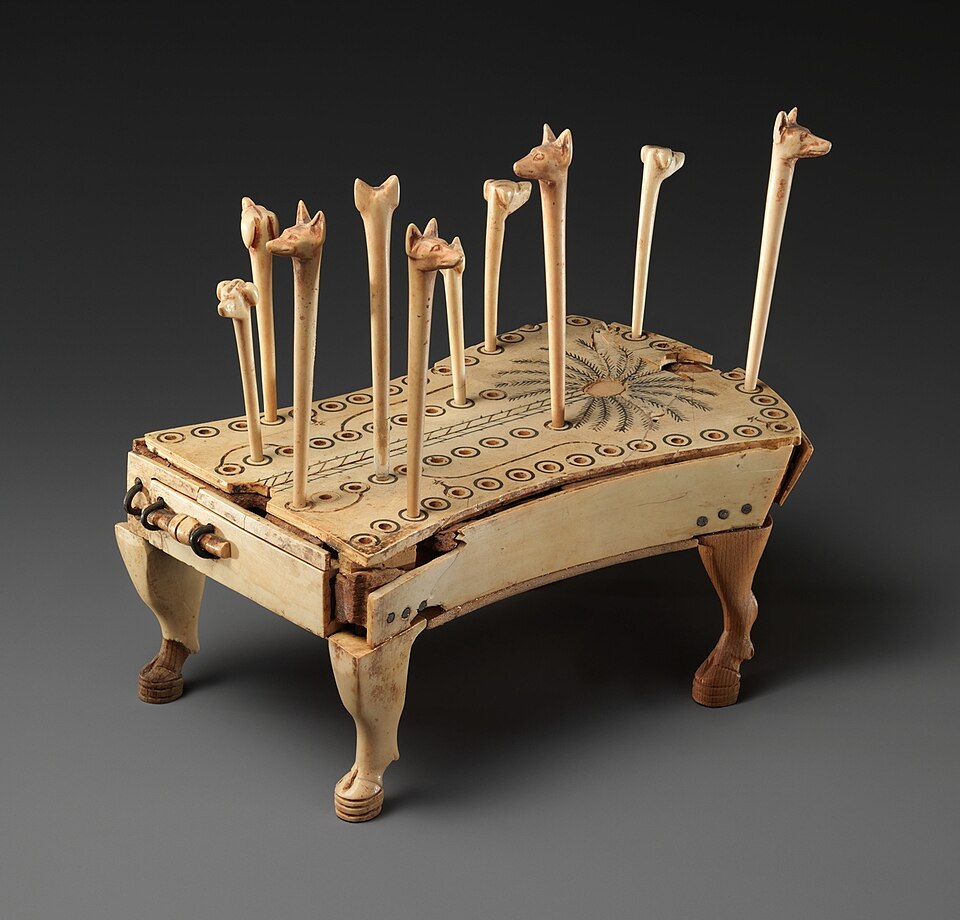
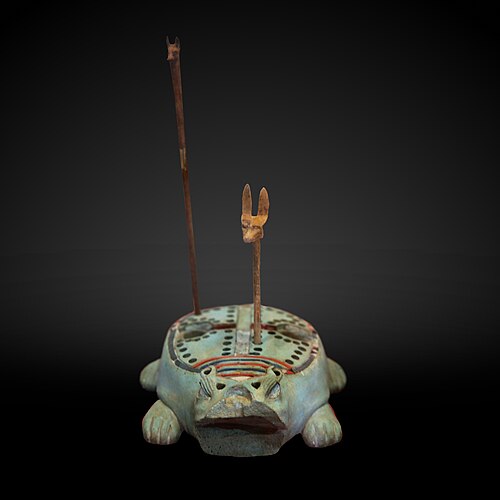
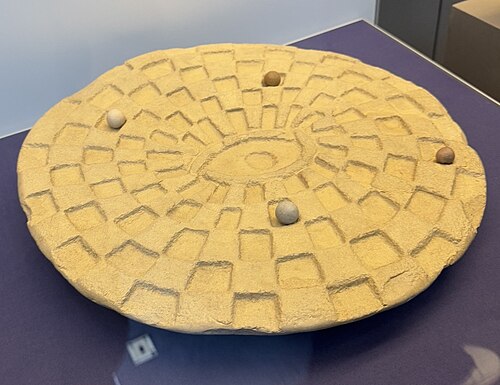
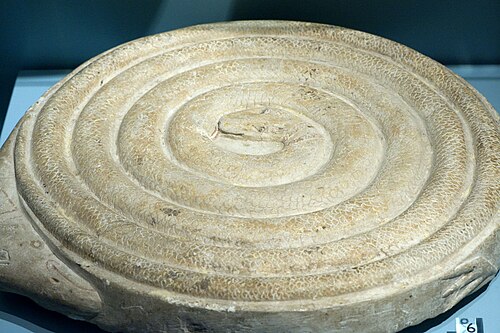
Fun fact: Senet appears in Egyptian art from the earliest dynasties through the Roman period — nearly four thousand years of continuous play.
No other game in human history has had a longer unbroken run.