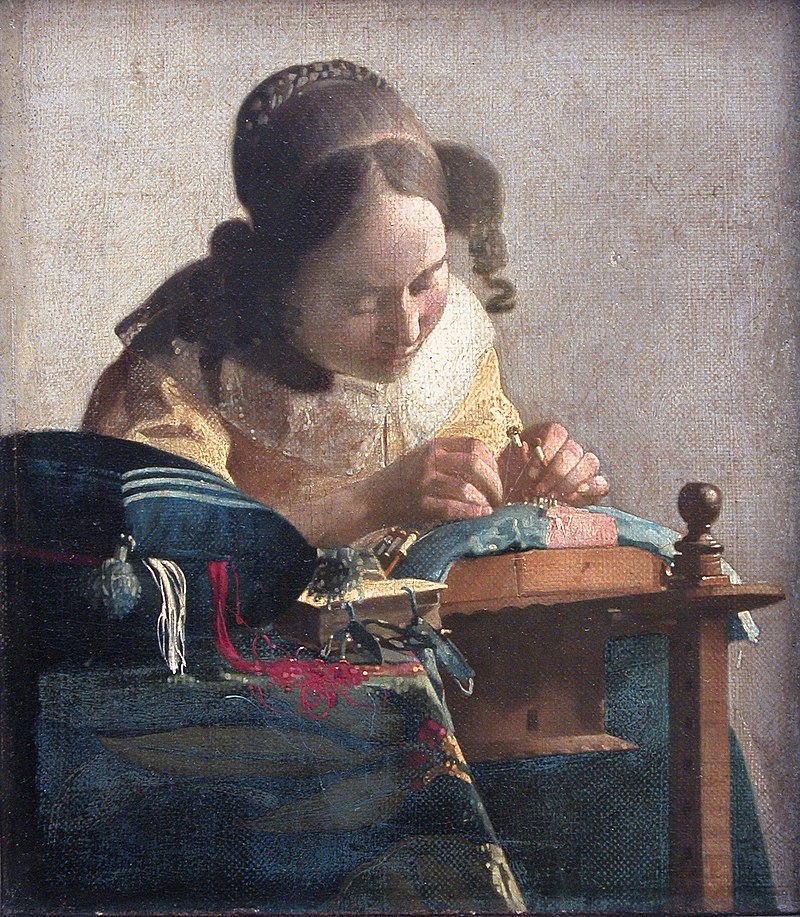


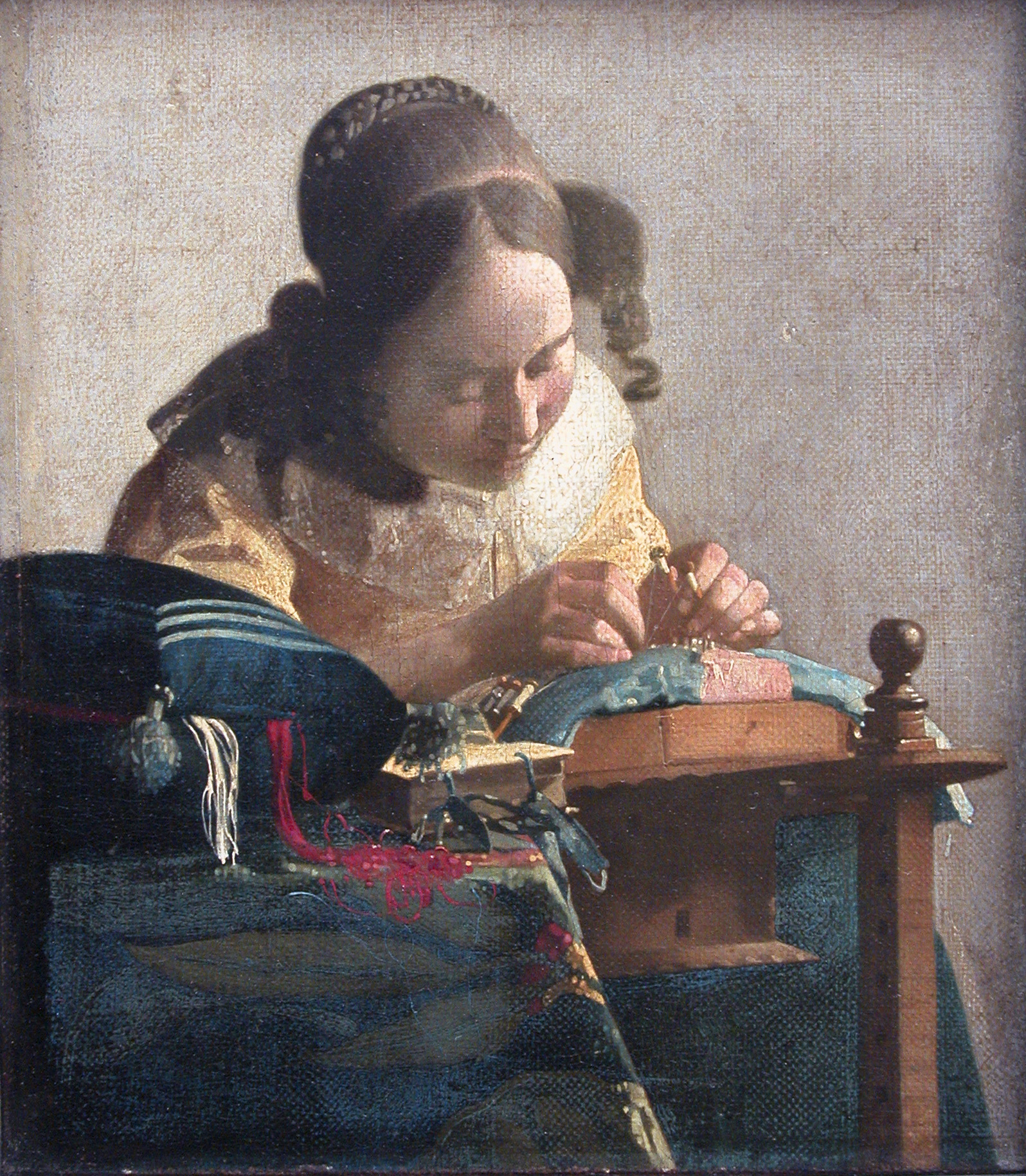
The Lacemaker is one of Vermeer’s most famous paintings - and it's also one of his smallest, measuring a tiny 21 x 24 cm.
For Renoir, it was the most beautiful painting in the world. It is typical of Dutch Golden Age painting.
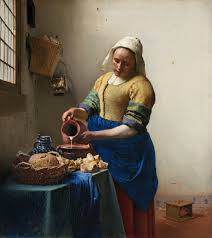
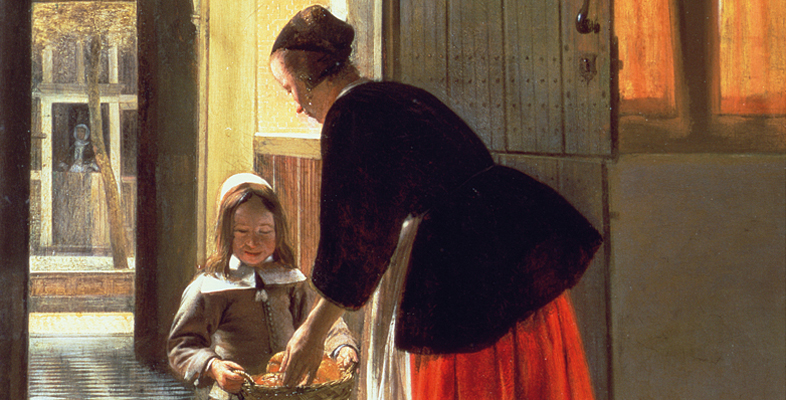
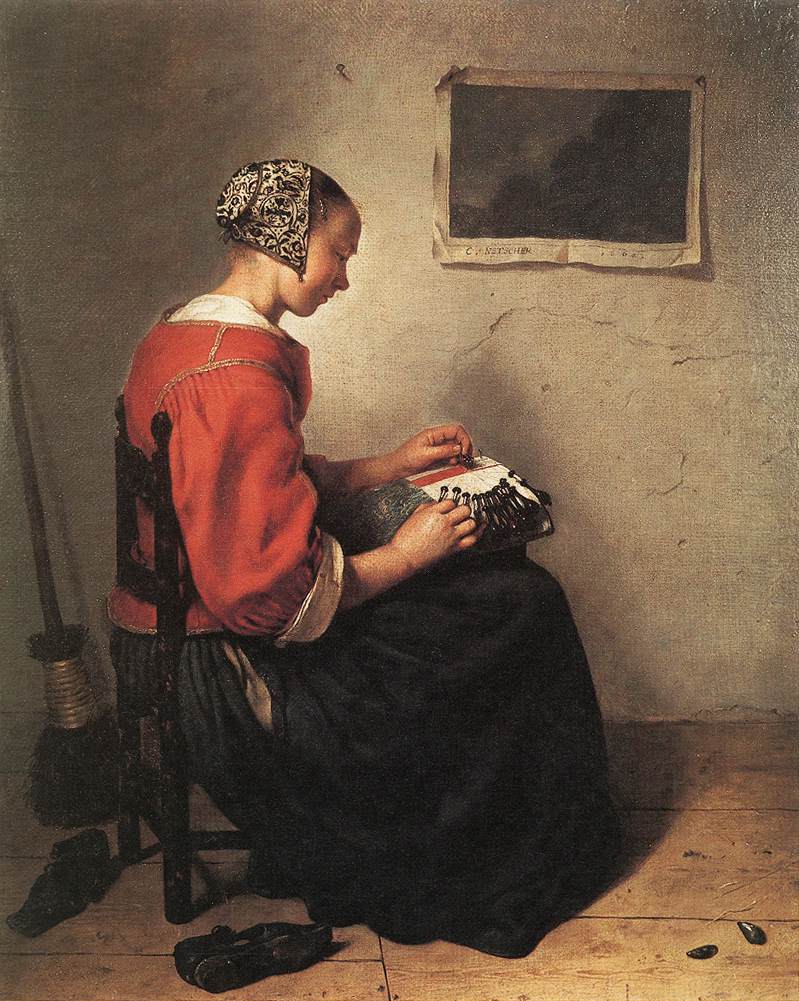
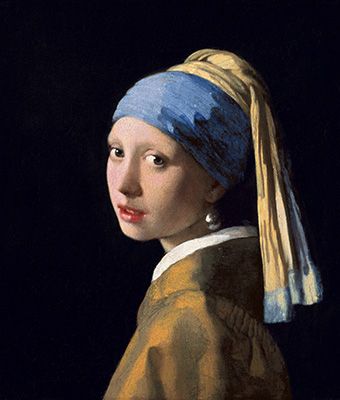
In the 17th century, the Dutch Republic was the richest country in Europe.
It attracted thousands of Protestants fleeing religious persecution in Europe and developed lucrative trade routes to the East.
This influx of wealth sparked a flourish of artistic creativity, with patrons commissioning a lot of artworks and amassing impressive art collections.
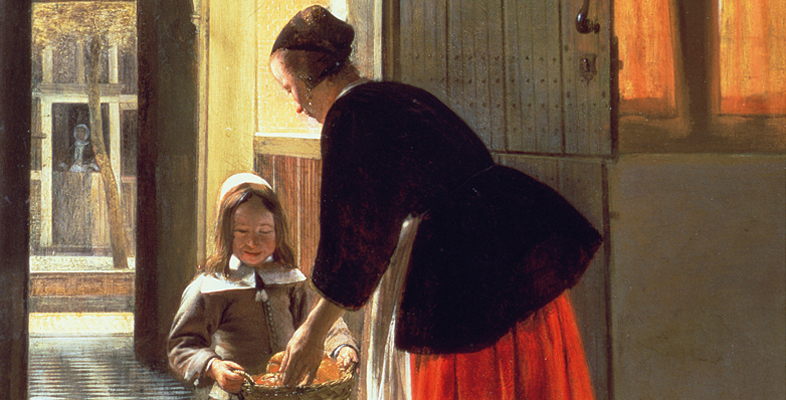
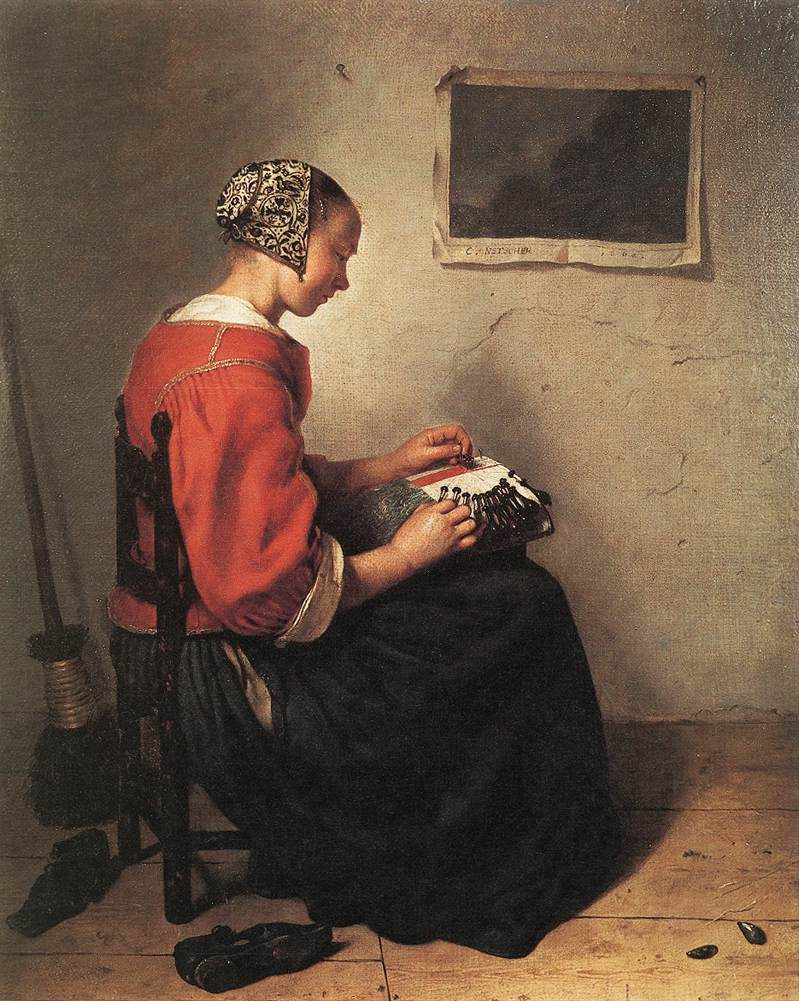
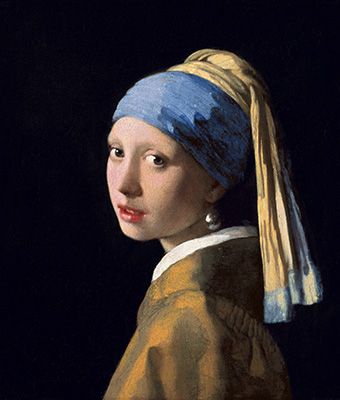
However, artists became frustrated with painting traditional portraits - and turned to representing landscapes and domestic scenes.
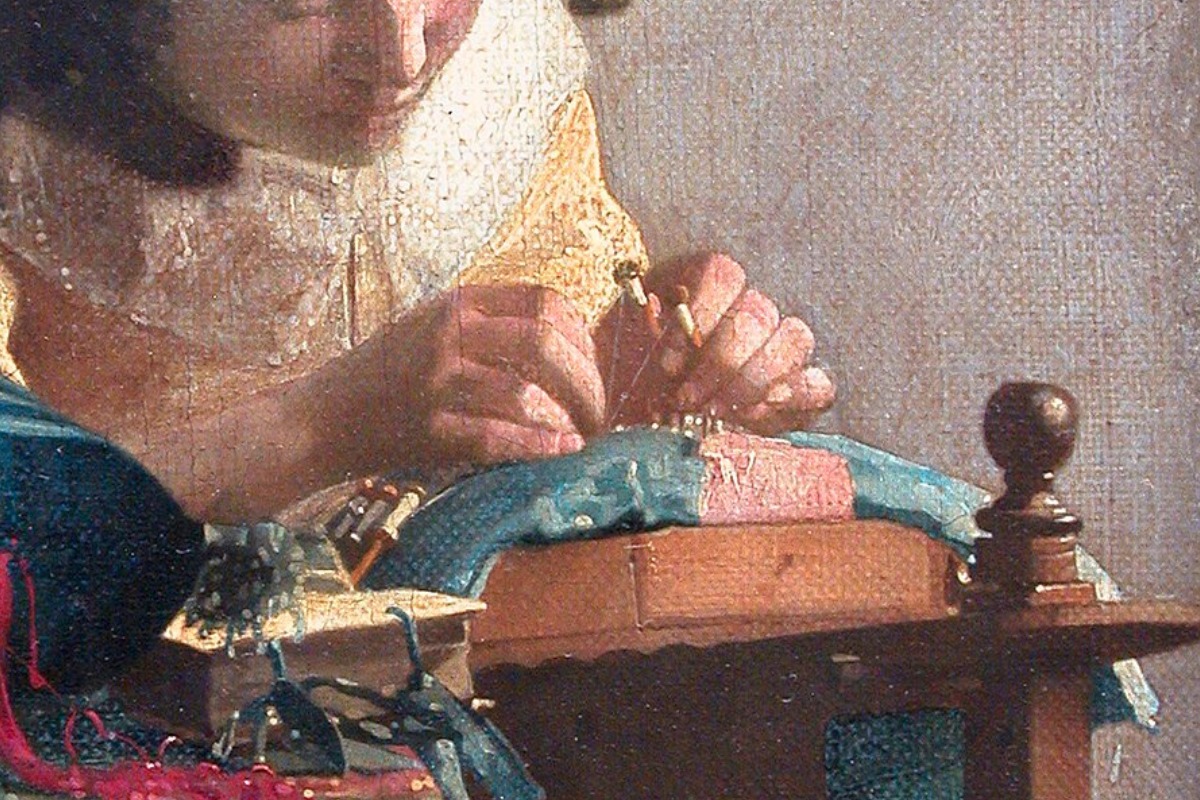
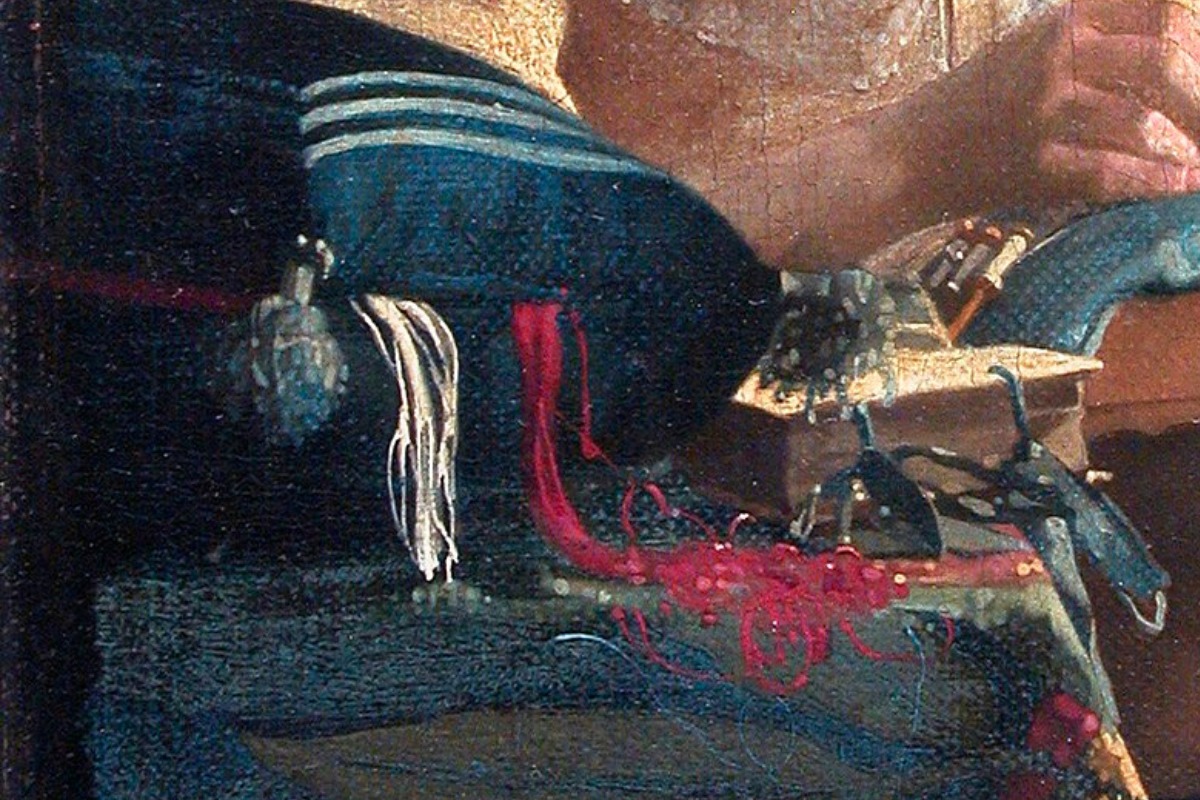
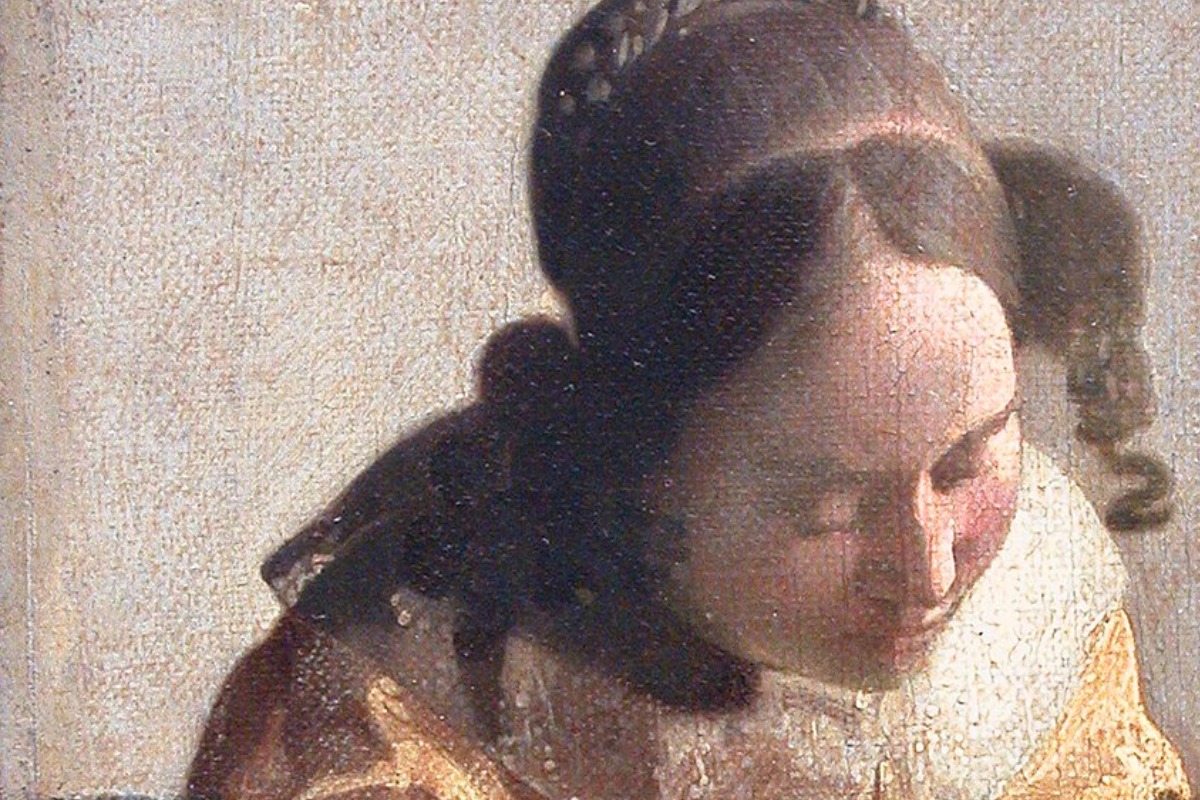
In The Lacemaker, Vermeer channels this shift, celebrating the blissfulness of a traditional home, and emphasising the values of diligence and serenity - while also demonstrating an incredible mastery of texture and colour.
Comments
Loading comments...