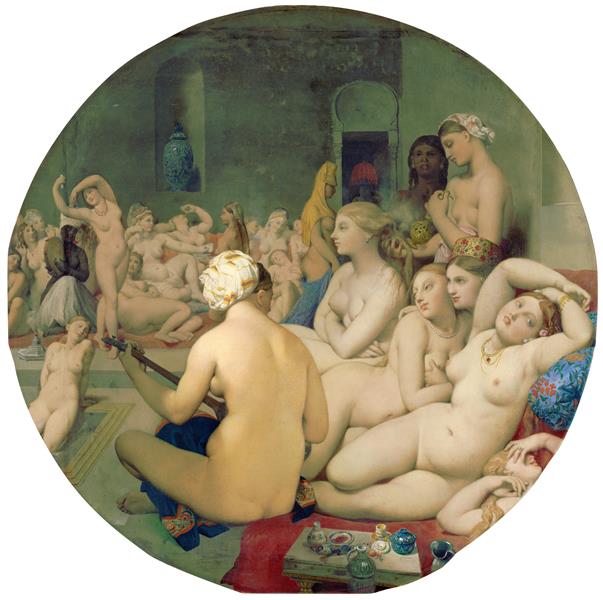


Ingres painted this provocative painting in his later years, cheekily mentioning his age with the inscription "AETATIS LXXXII" ("age 82").
The painting was initially purchased by a friend of Emperor Napoleon III - but it was then swiftly returned to the artist after the new owner's wife disapproved!
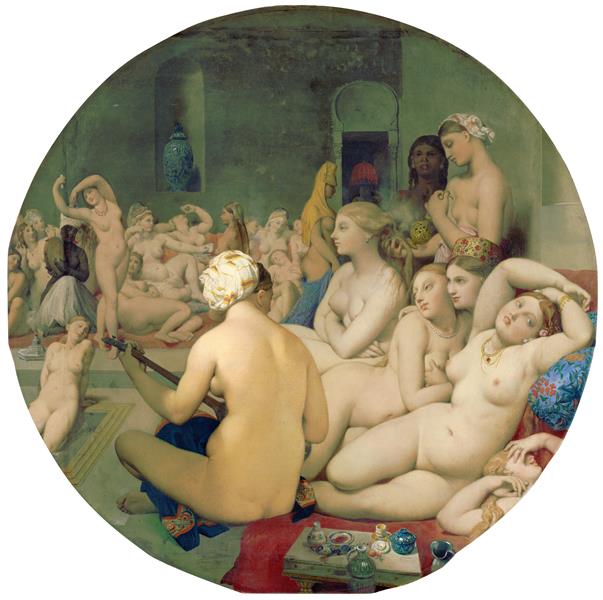
The painting is all about softness, curves and musicality.
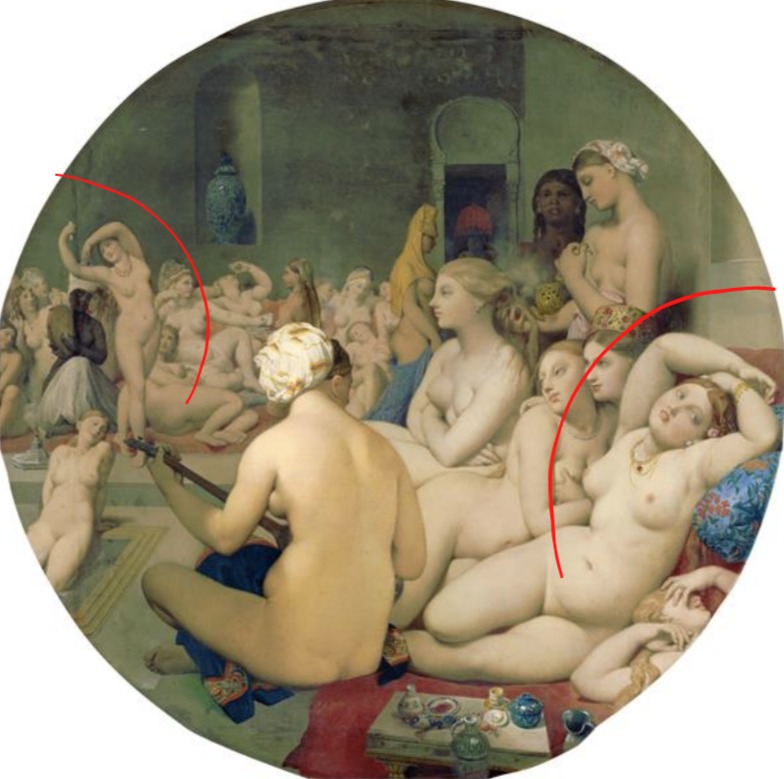
The women's bodies flow and unfold in graceful arabesques, with the movement of the women in the front mirroring the movement of those at the back.
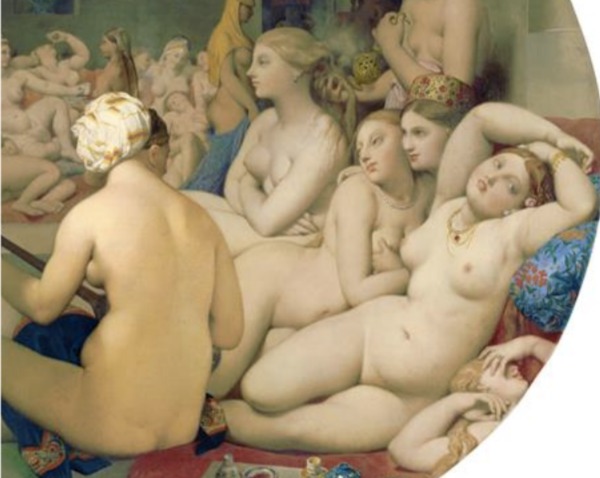
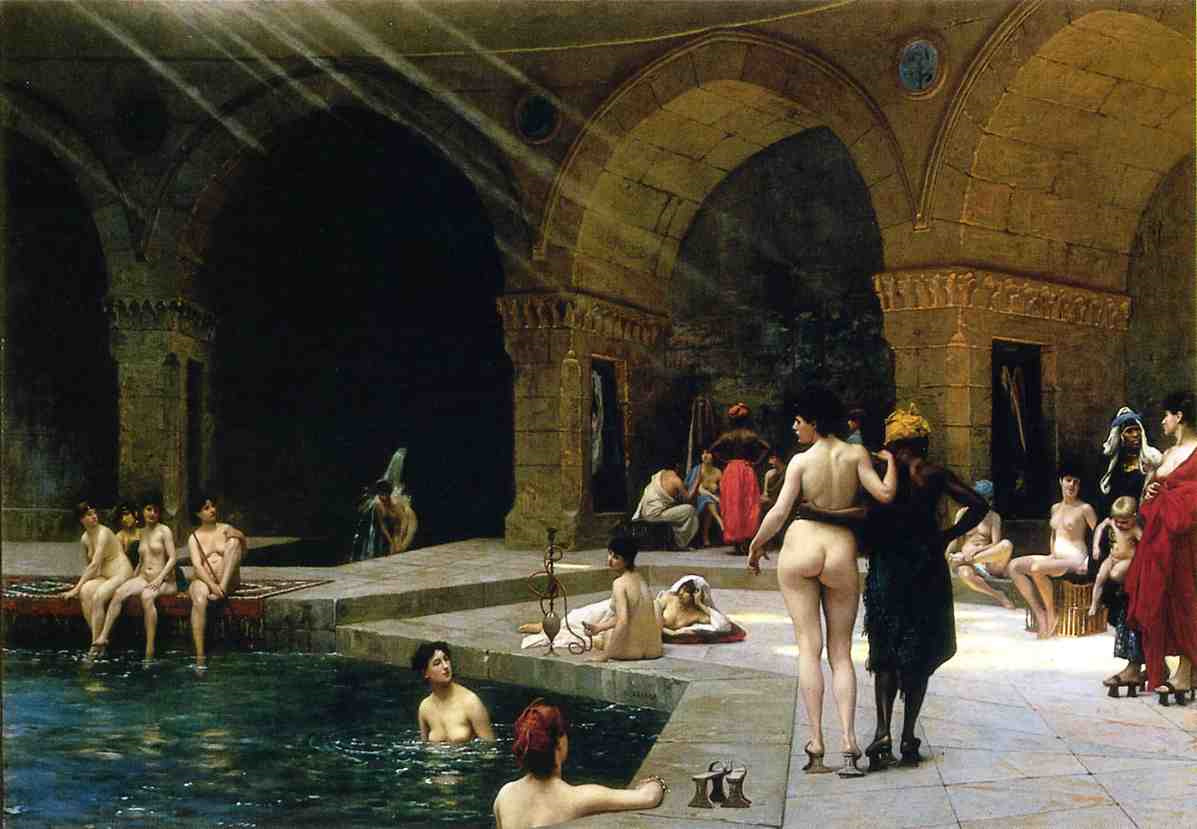
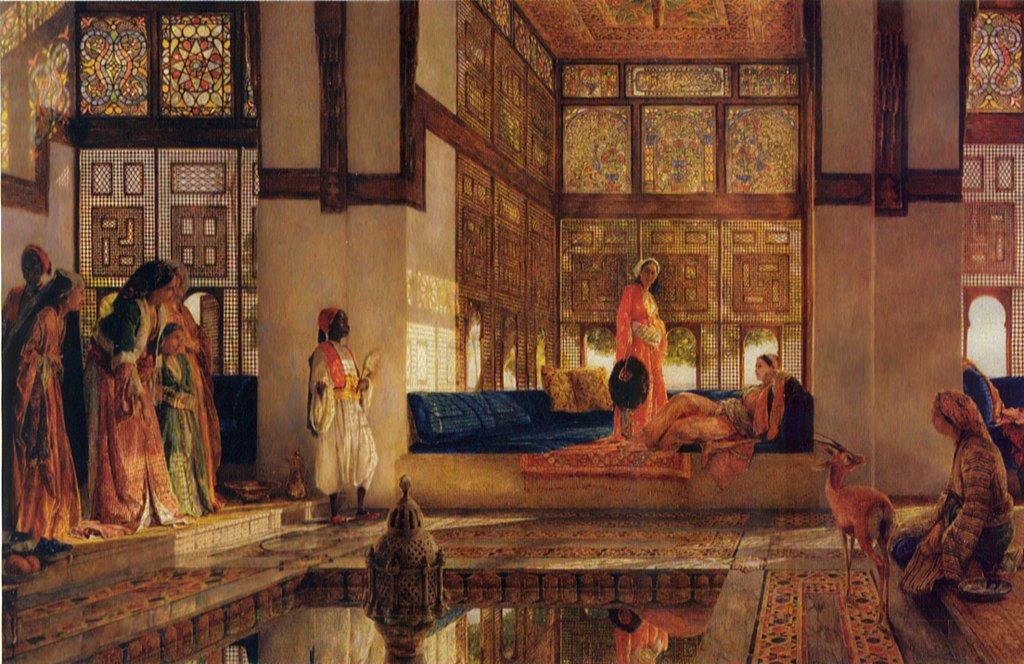
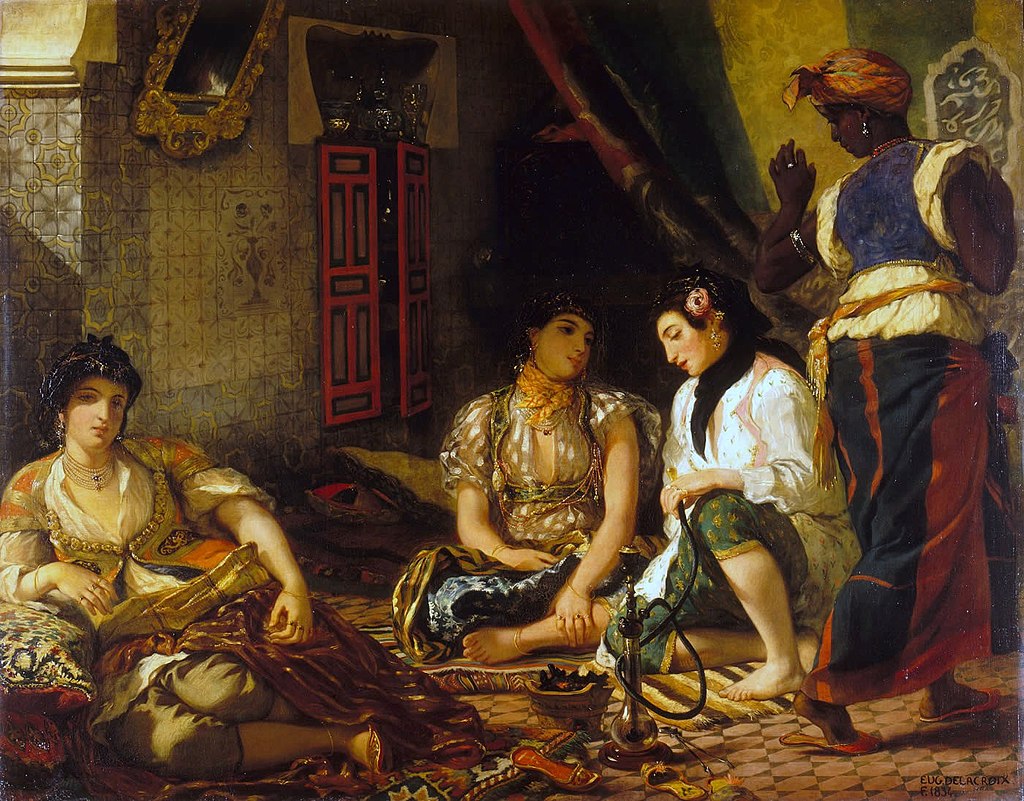
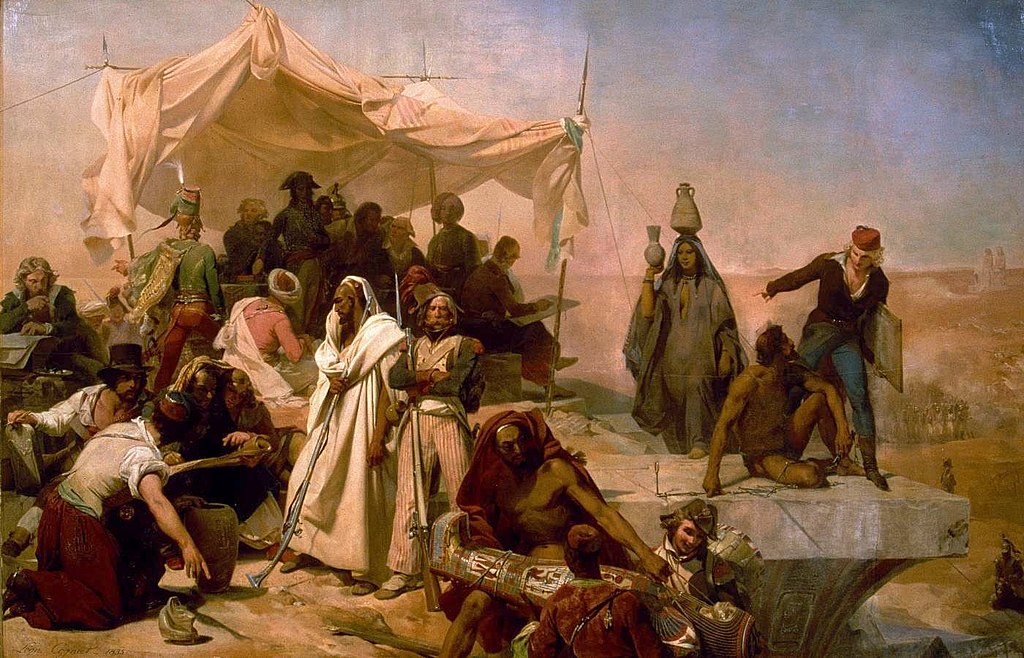
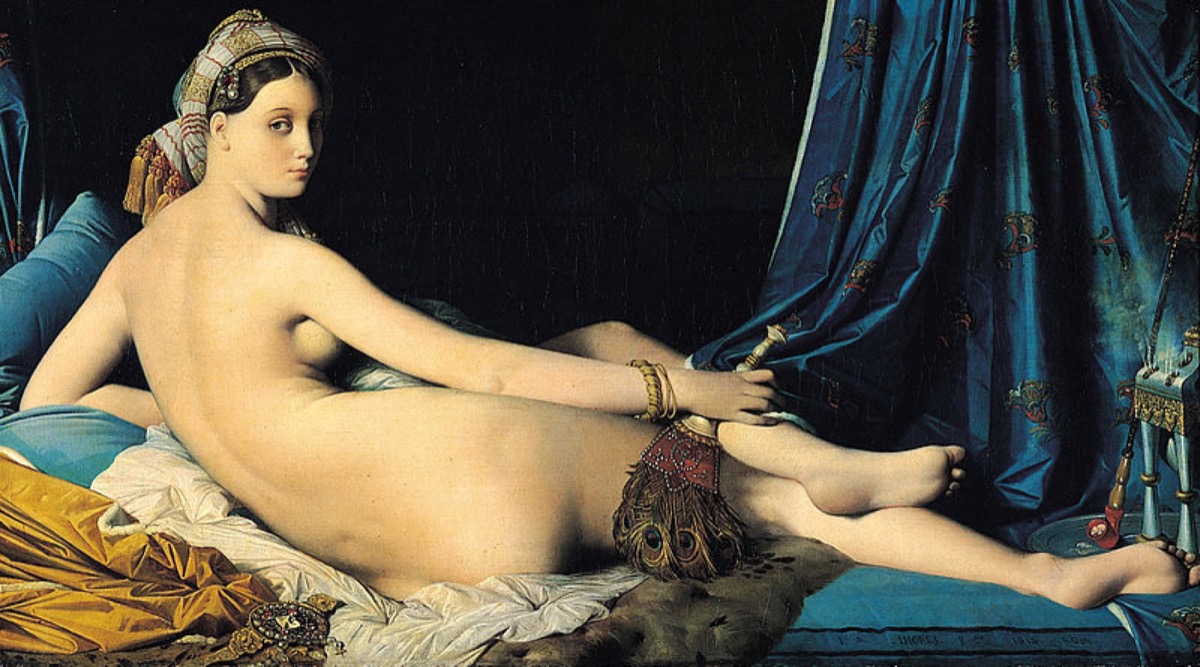
It reflects a certain European fascination with the Middle East at a time of colonial expansion.
It also highlights certain double standards - while it was acceptable to admire a naked women in a Middle Eastern harem, it would have been unthinkable to represent French women in such a way at the time.
Fun fact : Ingres never actually visited the Middle East.
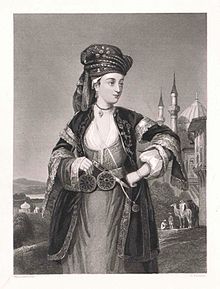
Instead, he drew inspiration from accounts available at the time, in particular the letters of Lady Mary Wortley Montagu, the wife of the British Ambassador to the Ottoman Empire.
Also, the painting was originally rectangular.
Ingres later cut it into a circle - framing the scene like a window, through which the viewer could peer in, like a voyeur.
Comments
Loading comments...