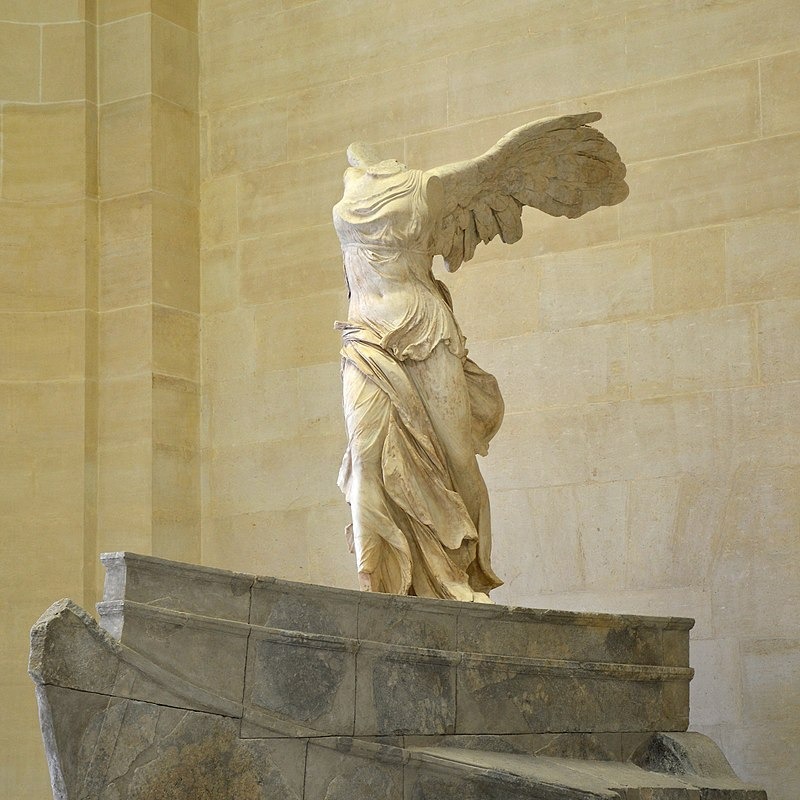


The Victory of Samothrace is one of the finest sculptures to have survived from Antiquity and one of the most prized possessions of the Musée du Louvre.
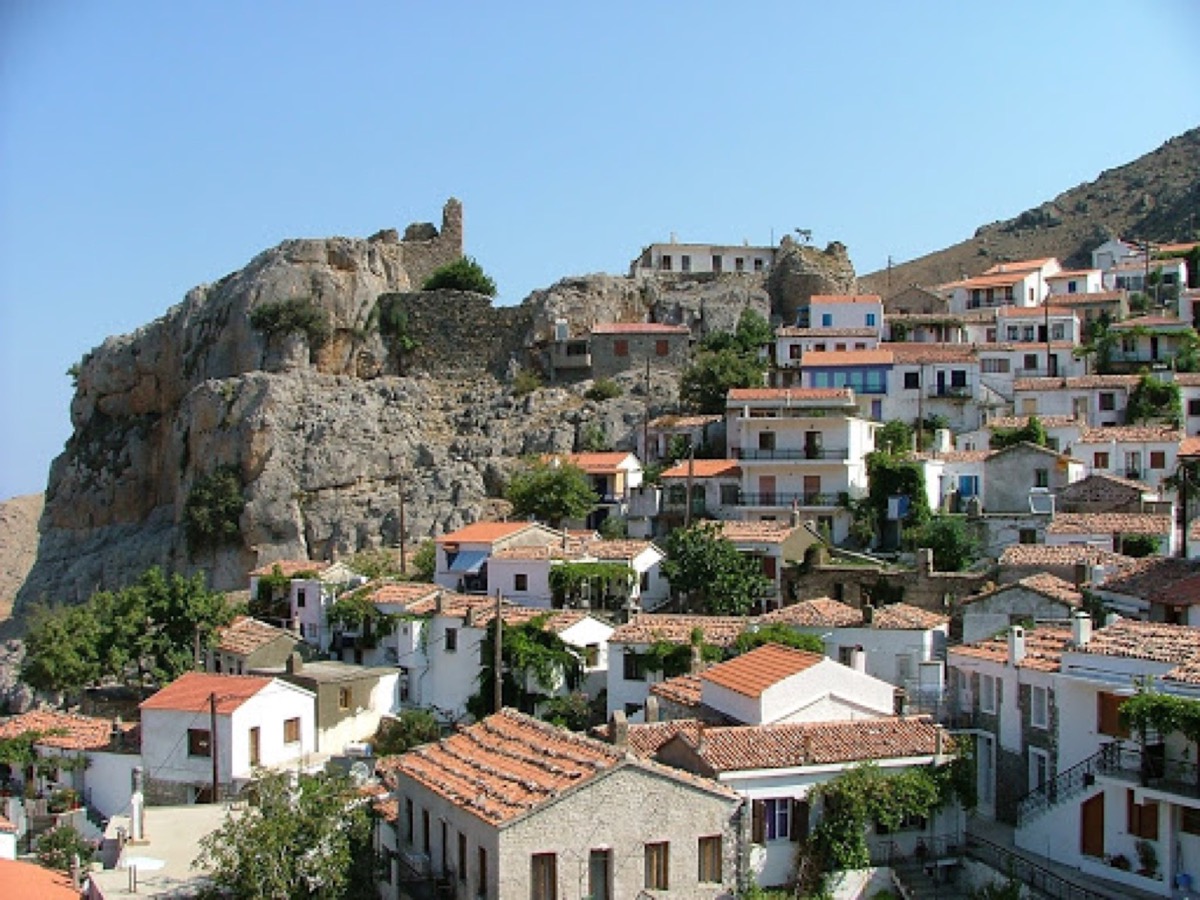

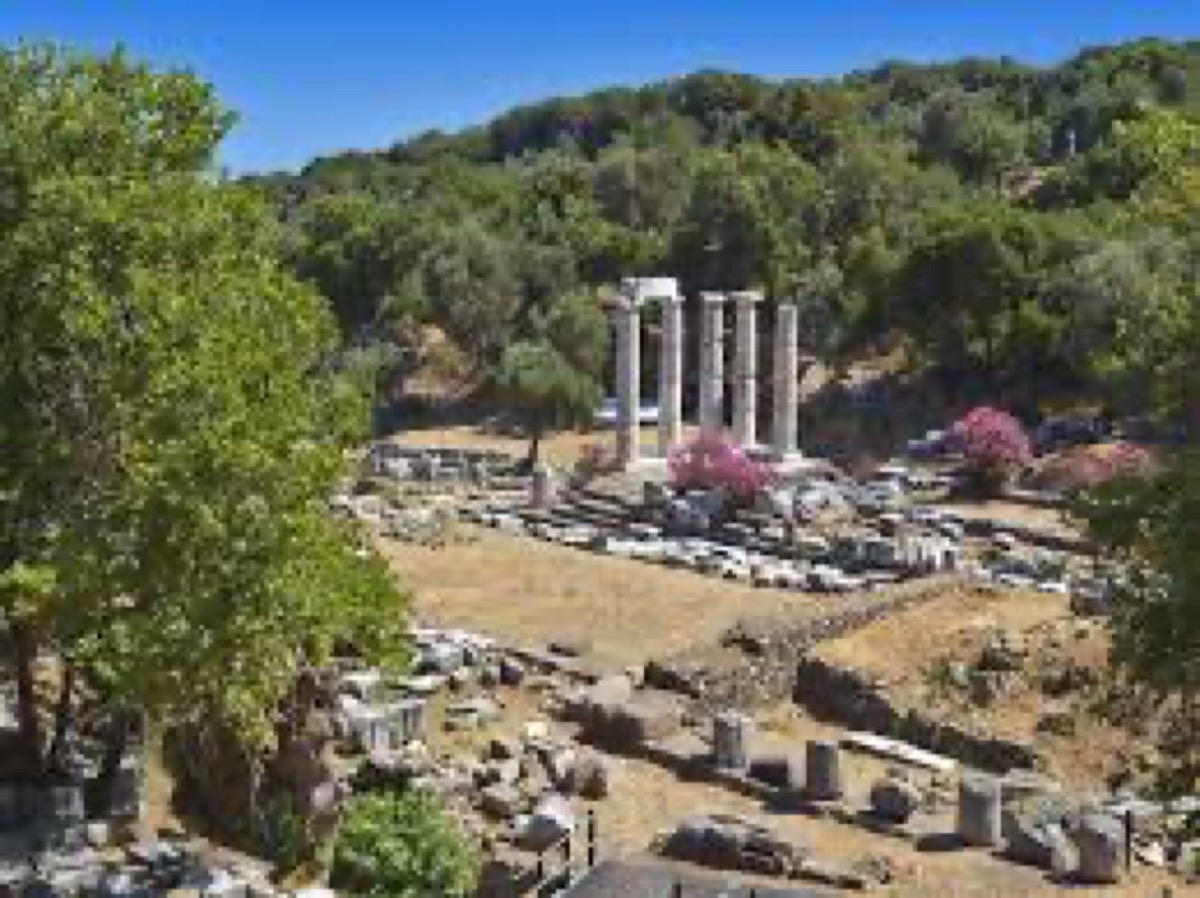
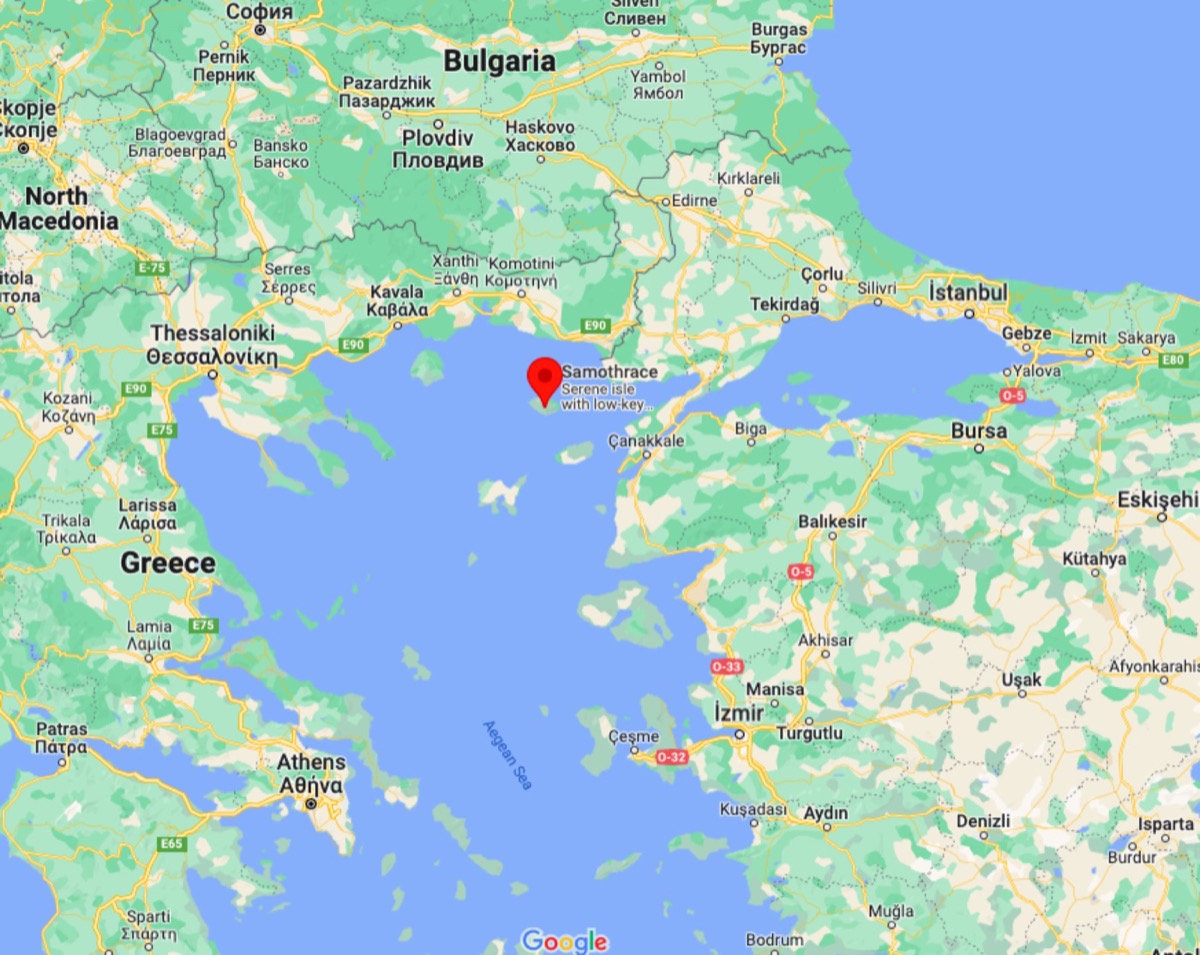
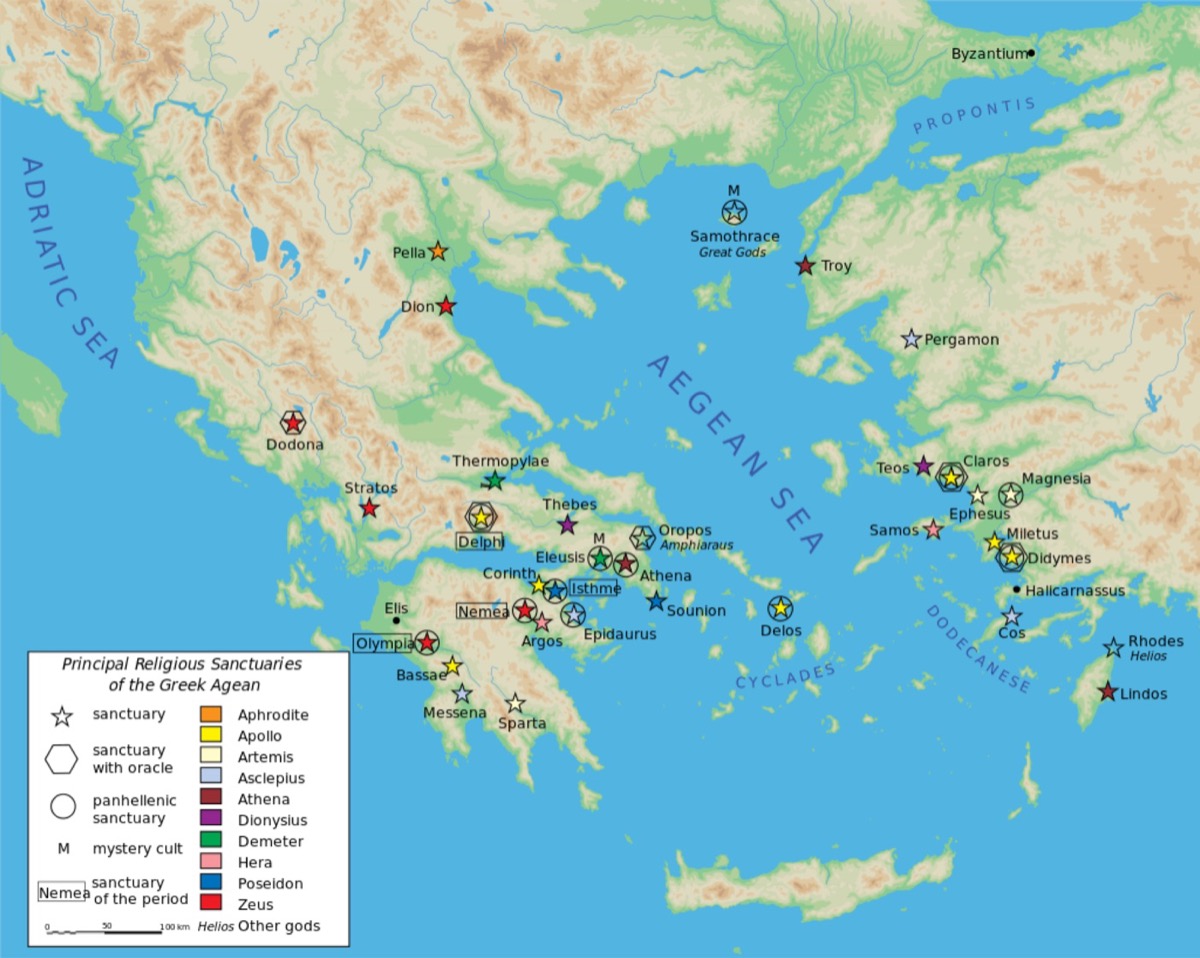
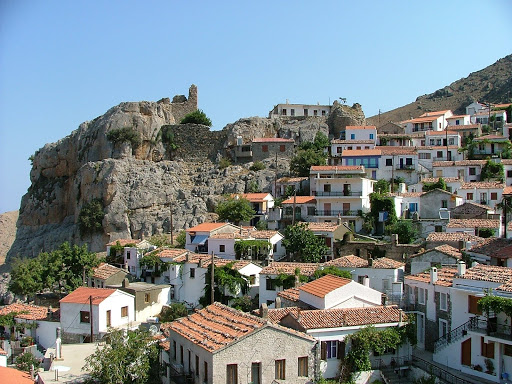
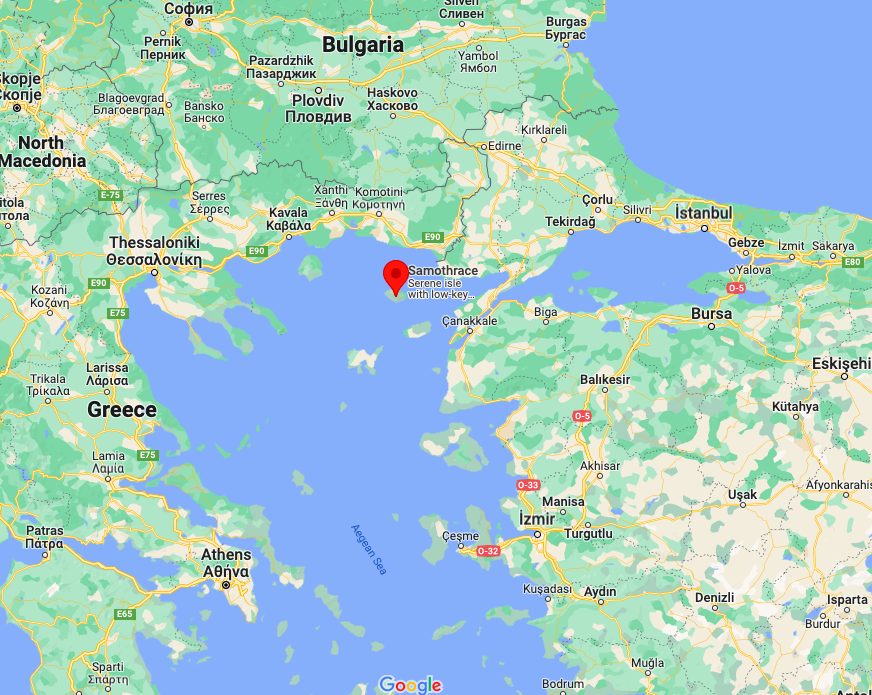
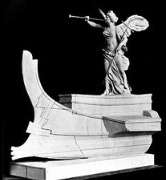
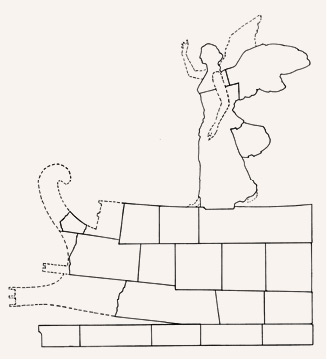
It was discovered in 1863 on the Greek island of Samothrace and represents a goddess flying down and landing on the bow of a ship.

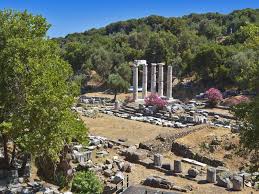
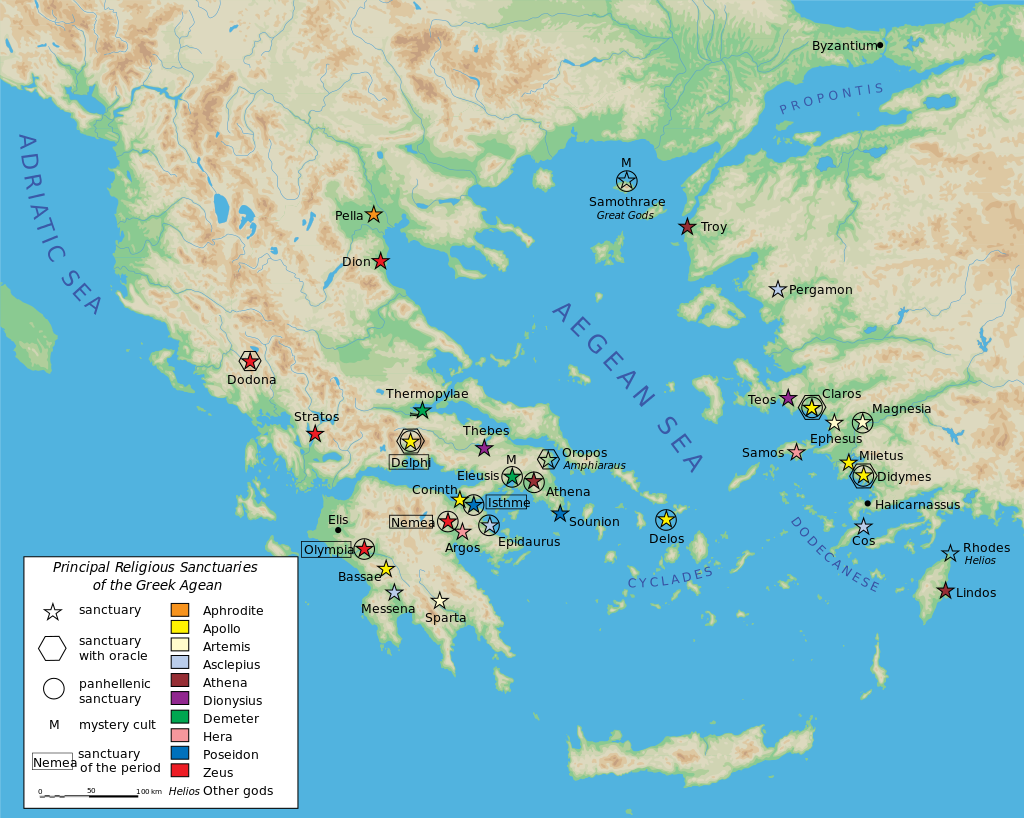
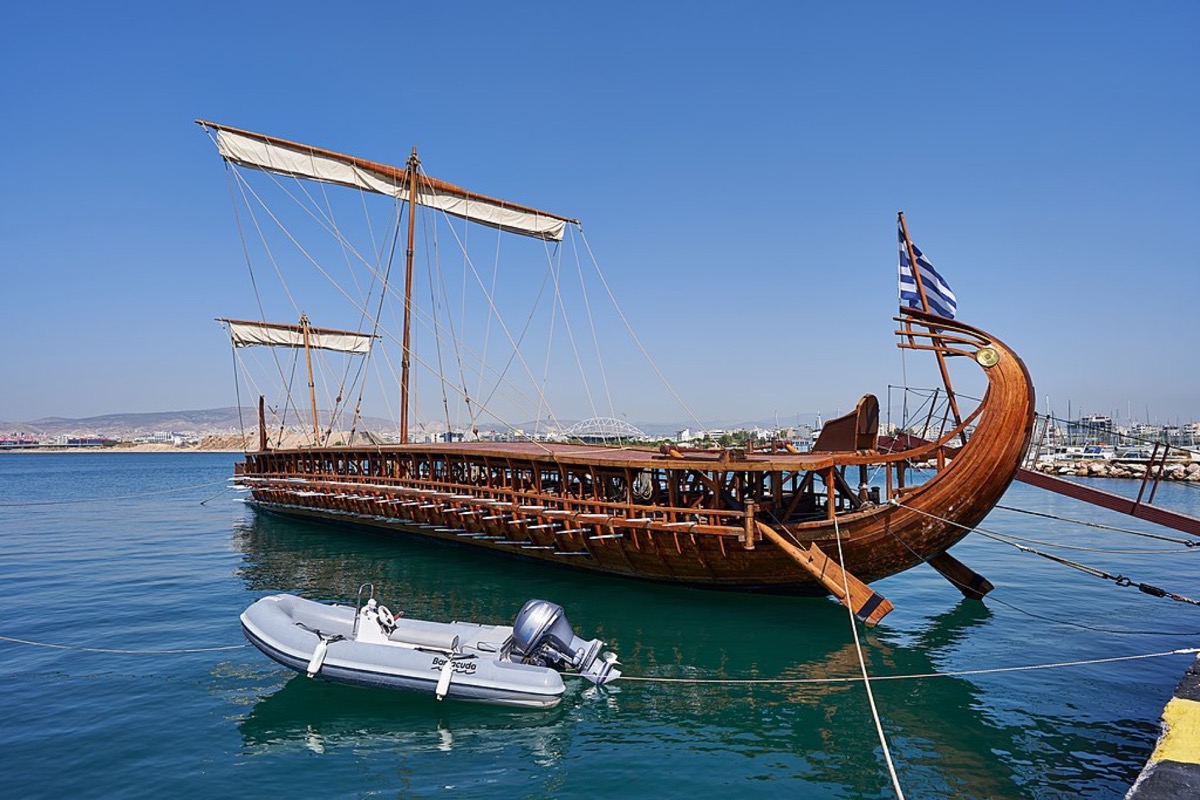
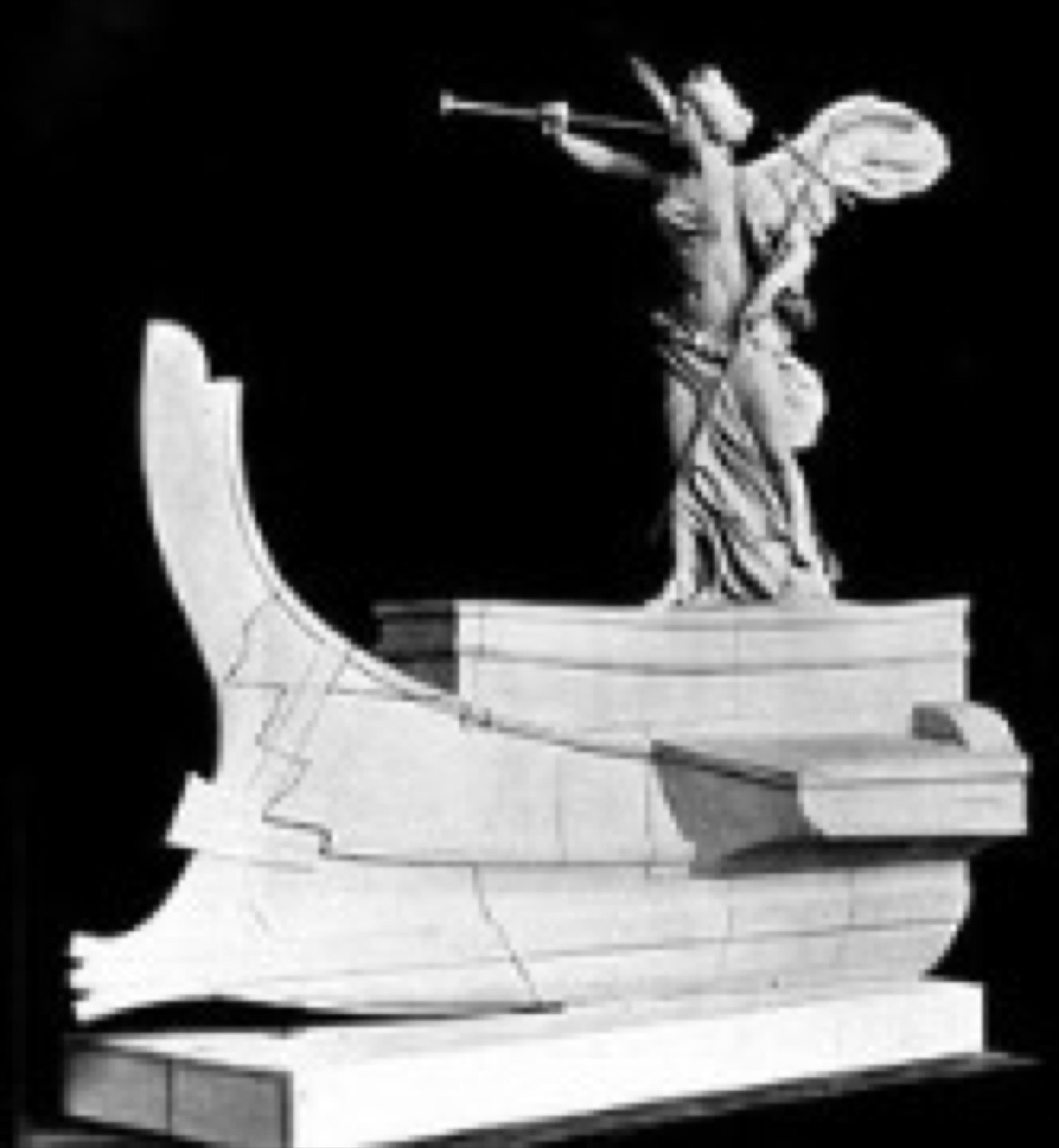
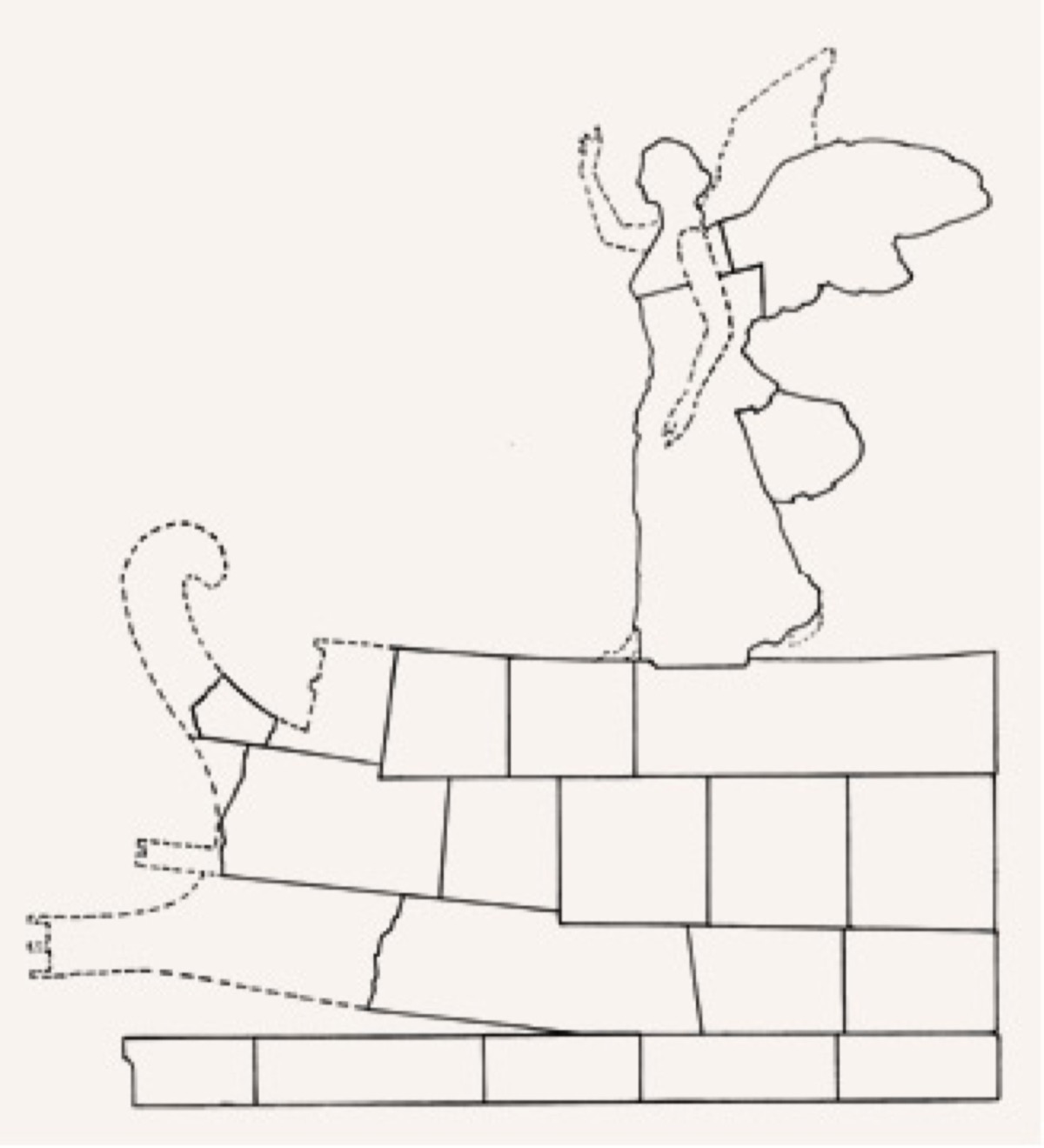
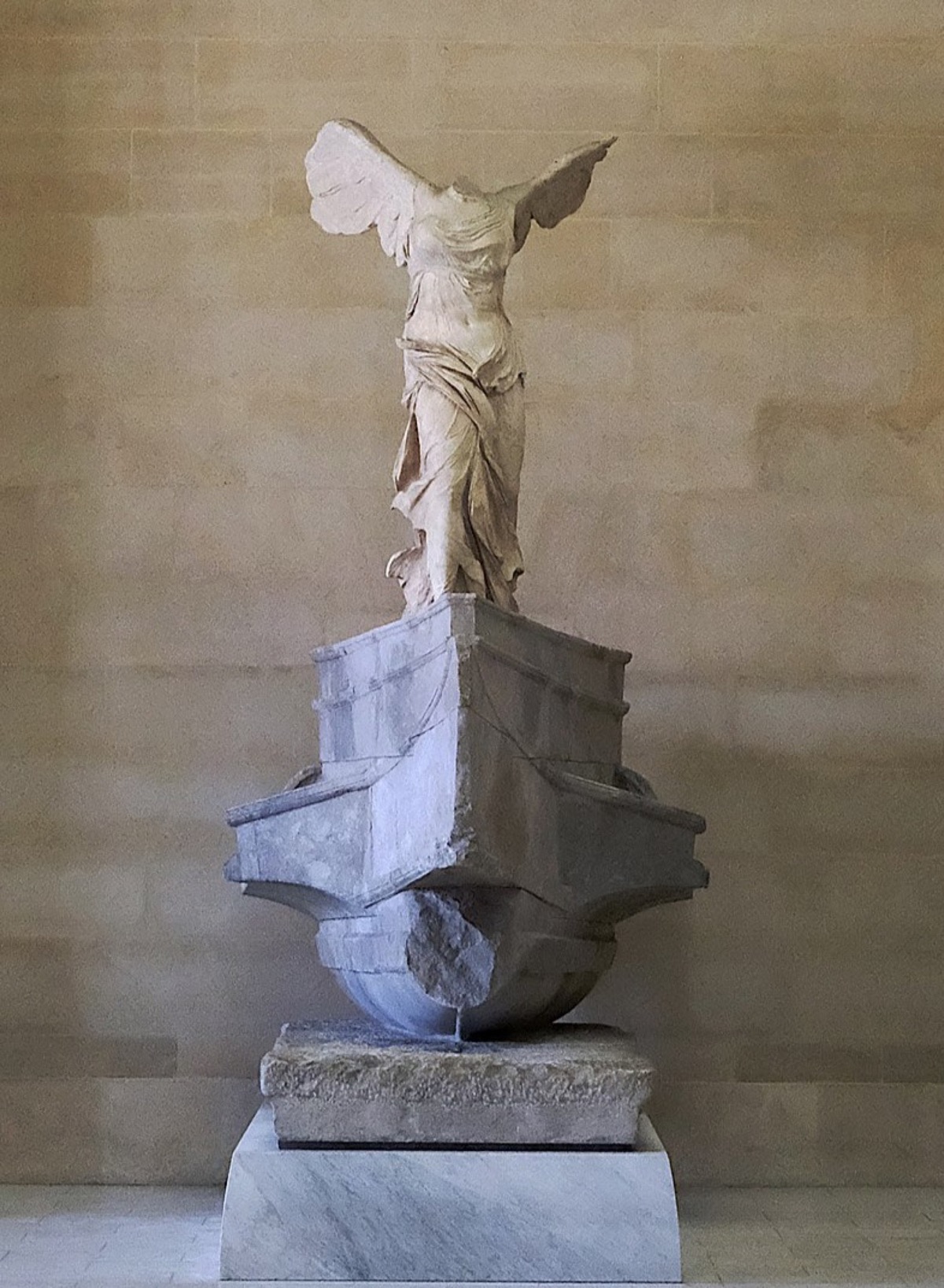
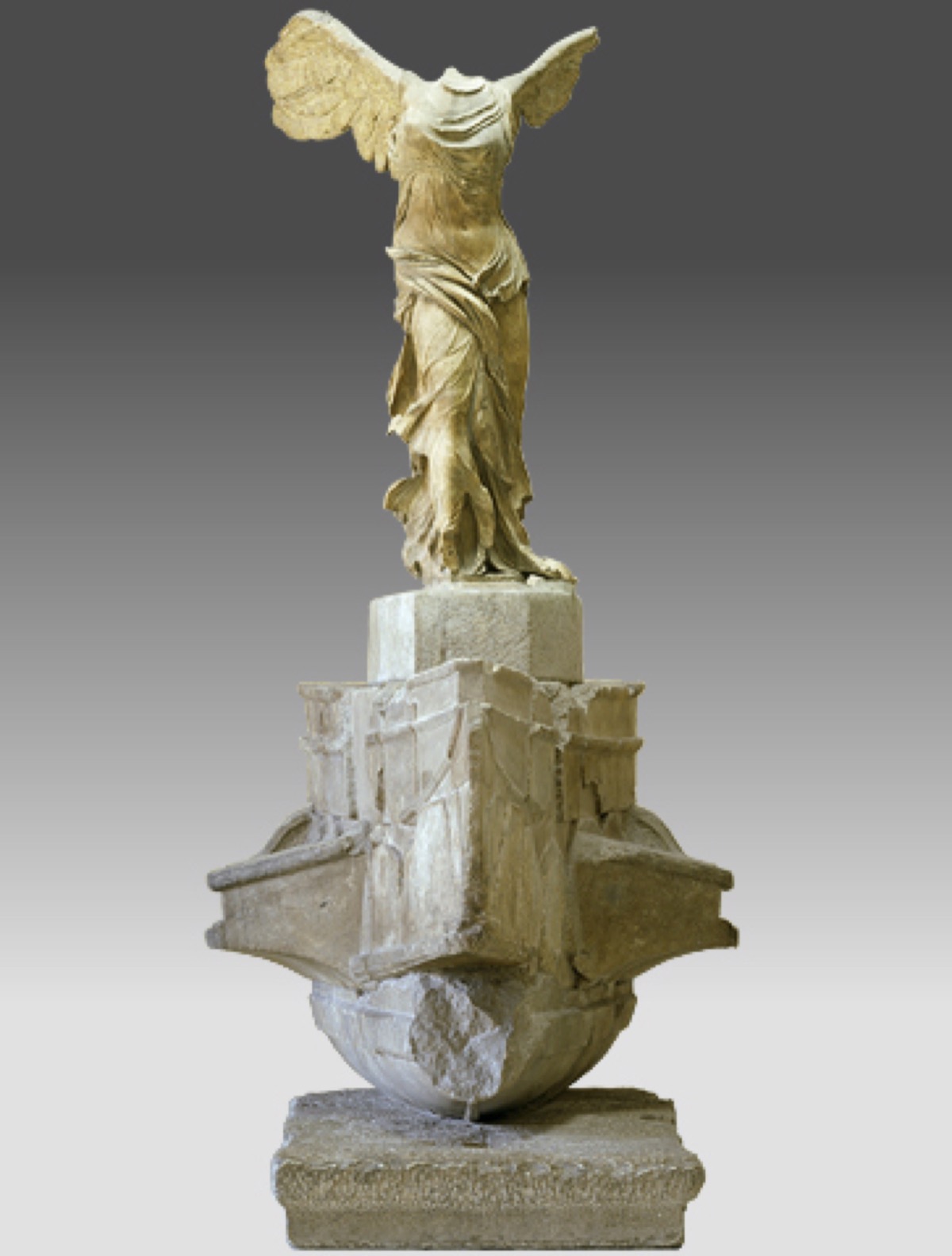
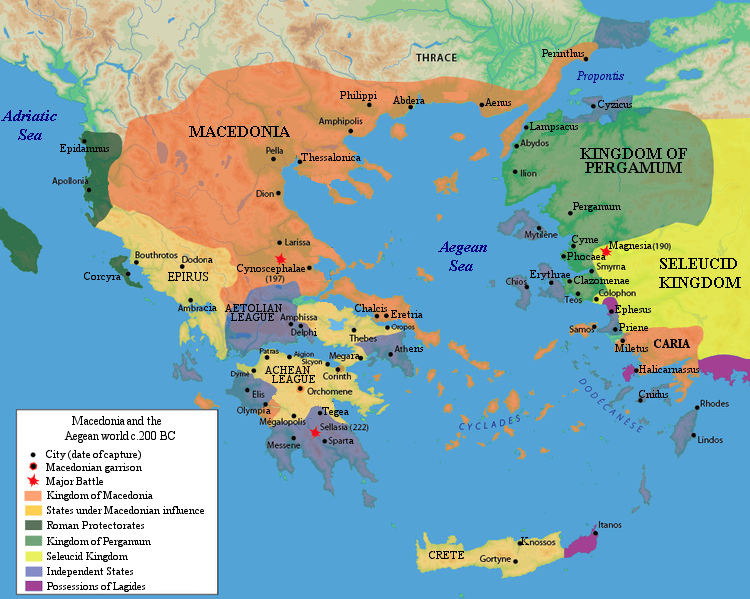
It was dedicated to the goddess Nike - the Greek goddess of victory - to thank her for a significant naval victory, at a time of intense battles for control of the Mediterranean.
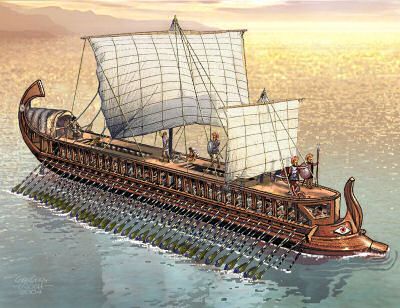
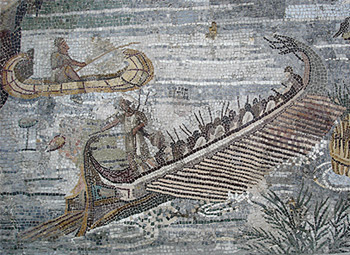
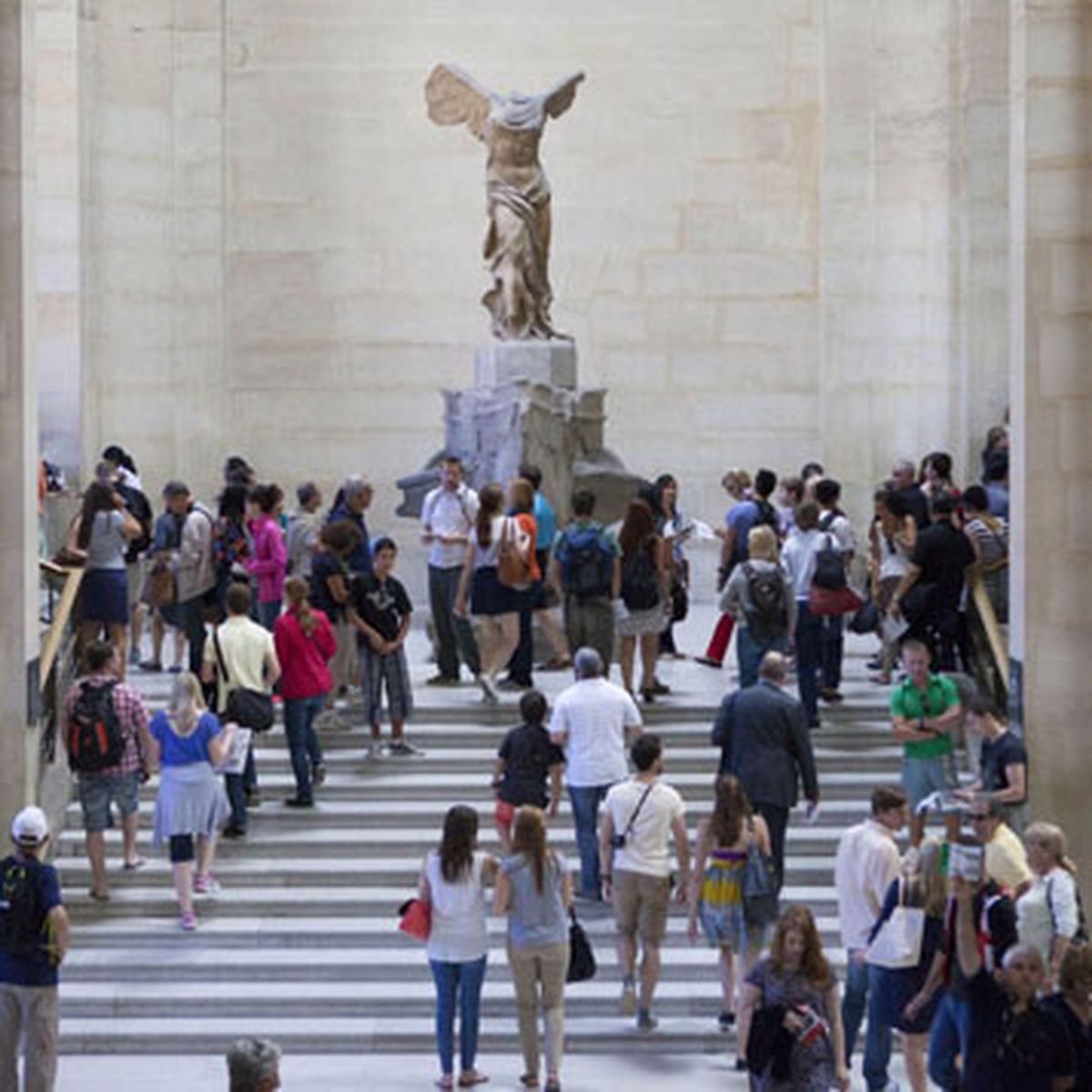
It is considered exceptional in particular for the way in which it conveys movement.
Unlike many other statues, the sculptor encourages us to imagine the elements around it - the wobbliness of the goddess as she tries to steady herself, the movements of her tunic as it's brushed by the breeze of the sea.
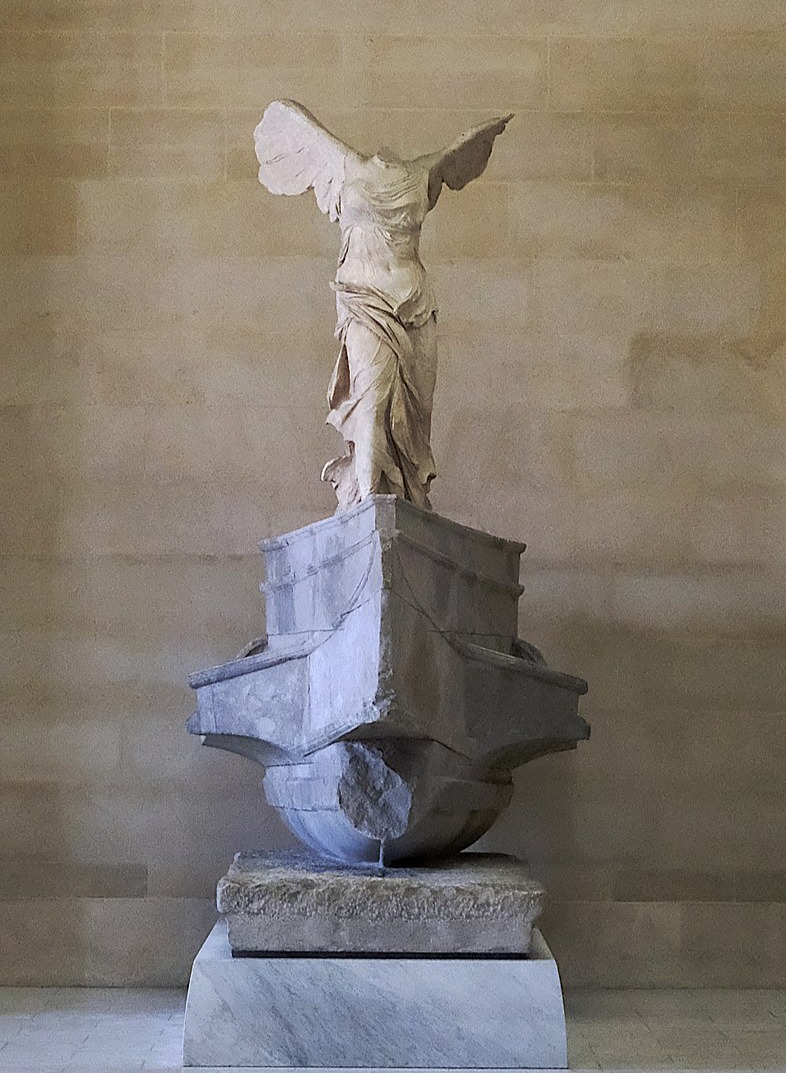
While there's speculation about who the sculptor was, no-one knows for sure...

Comments
Loading comments...