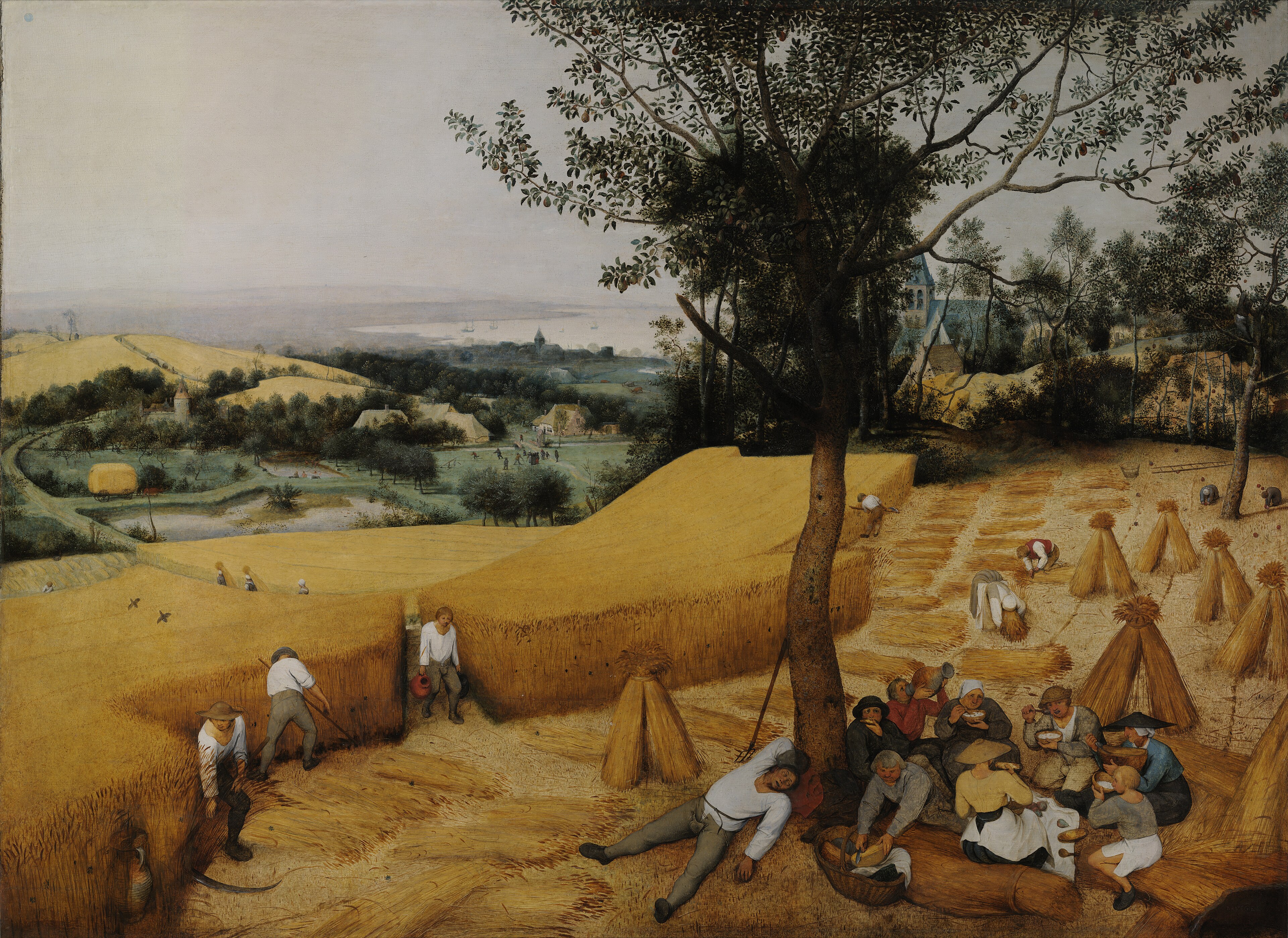


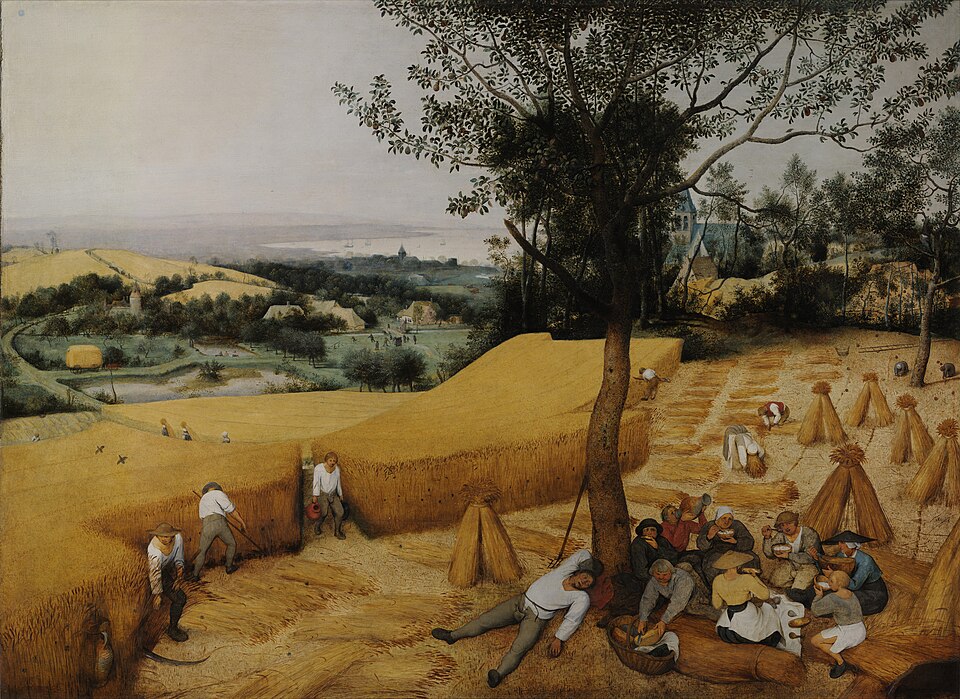
The Harvesters is one of the Met's oldest and most valuable paintings.
It follows a tradition, found in medieval manuscripts and certain church sculptures, of representing the months of the year - in particular in Books of Hours, for example, which instructed people when and how to pray at different times of day.
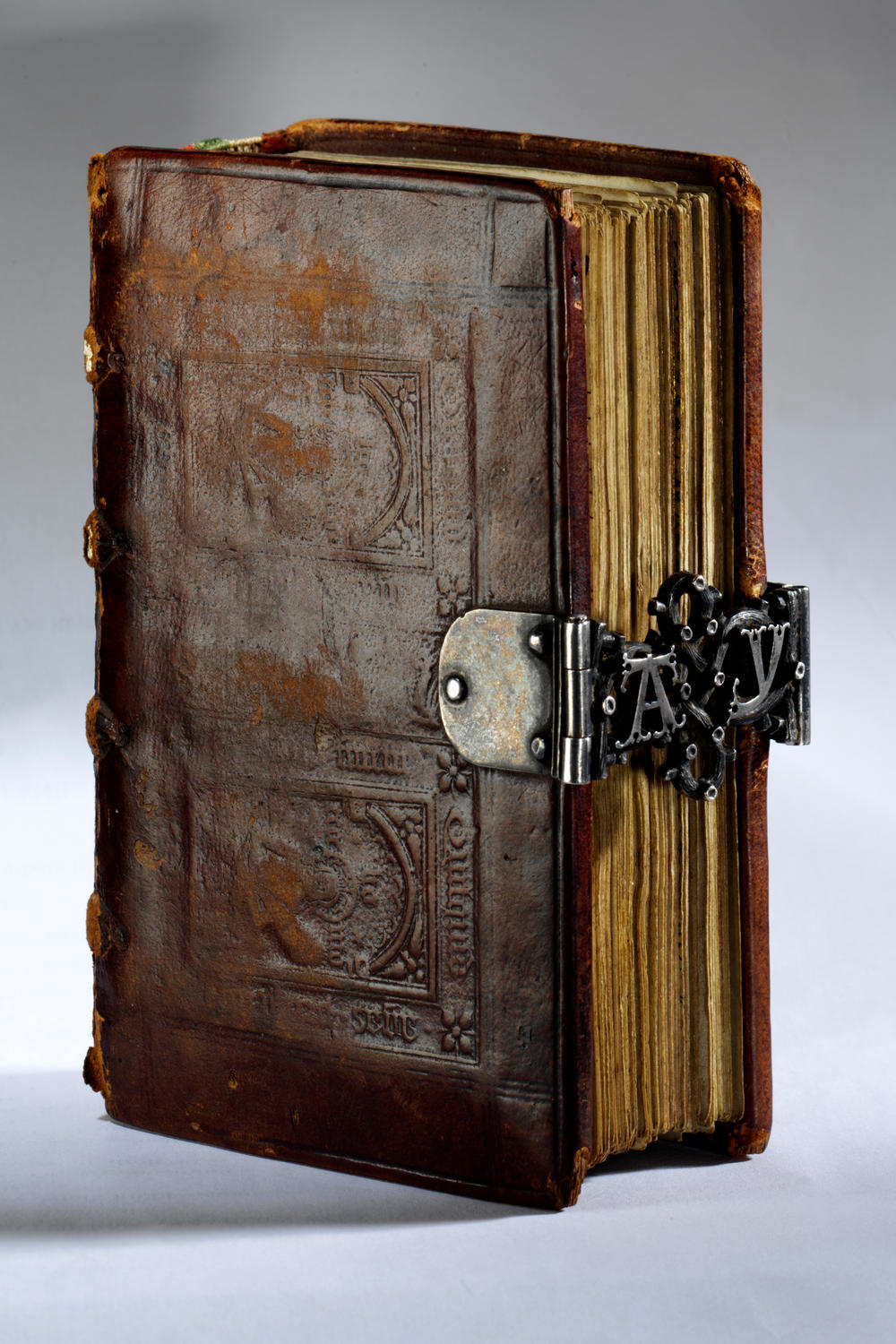
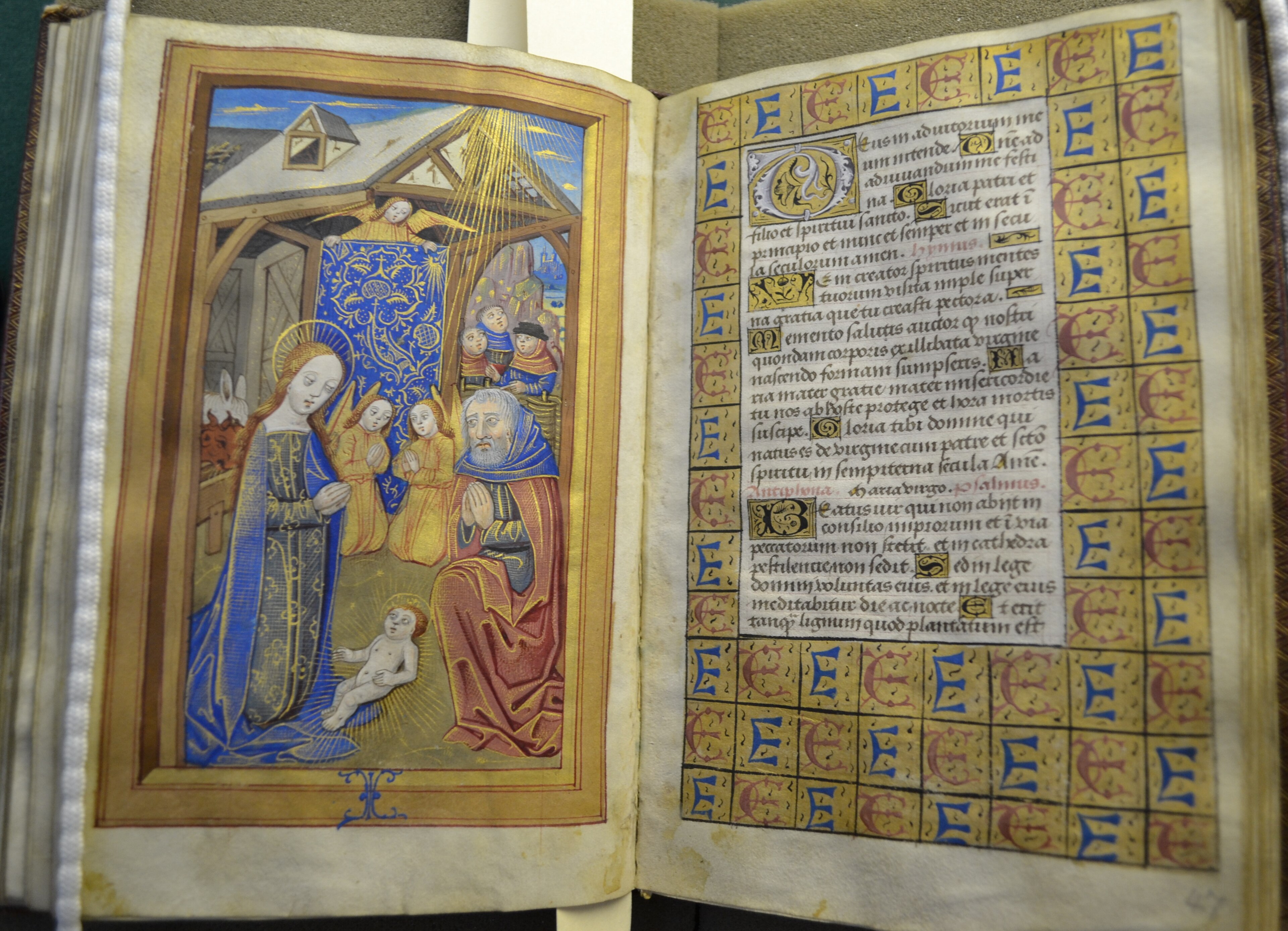
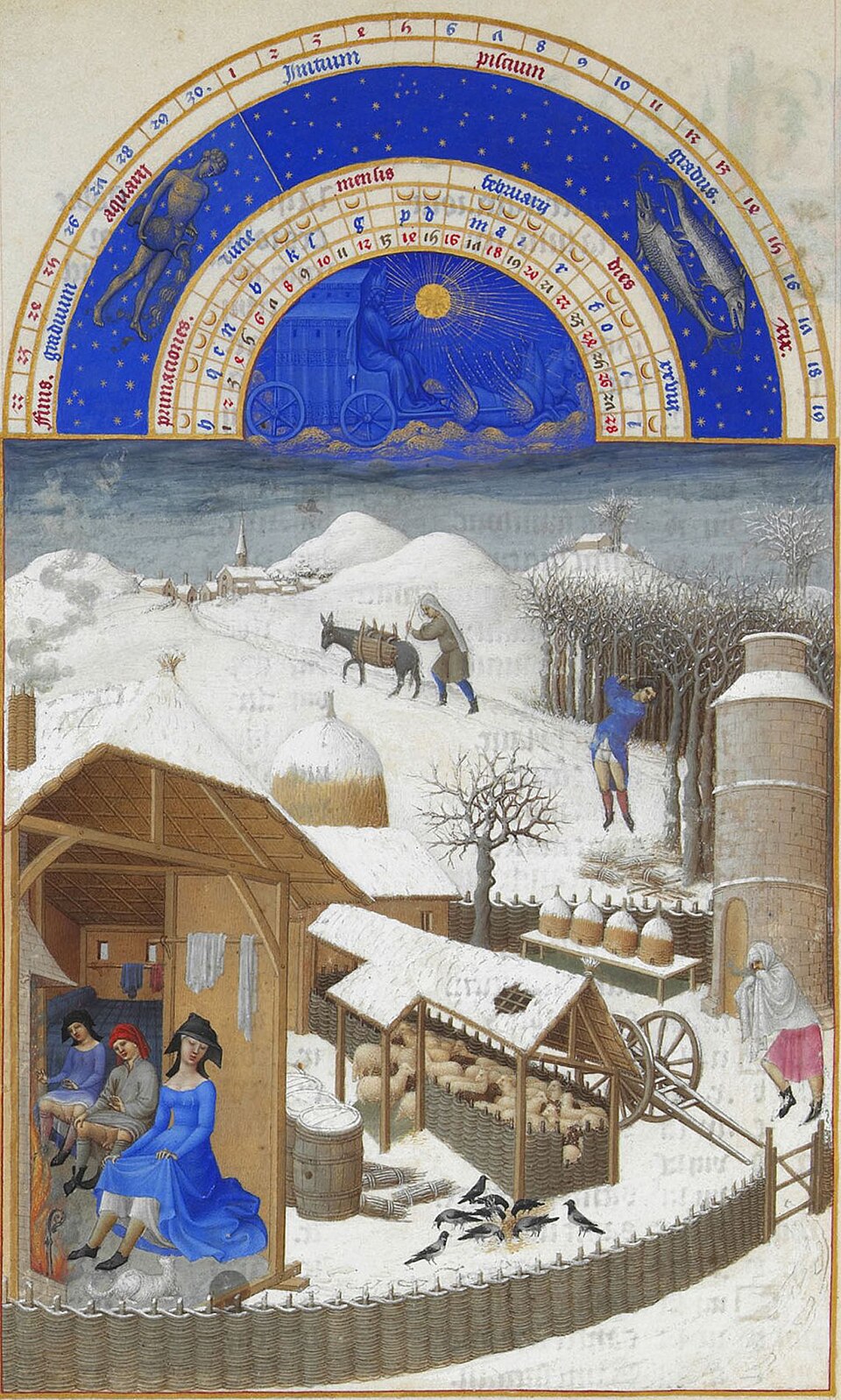
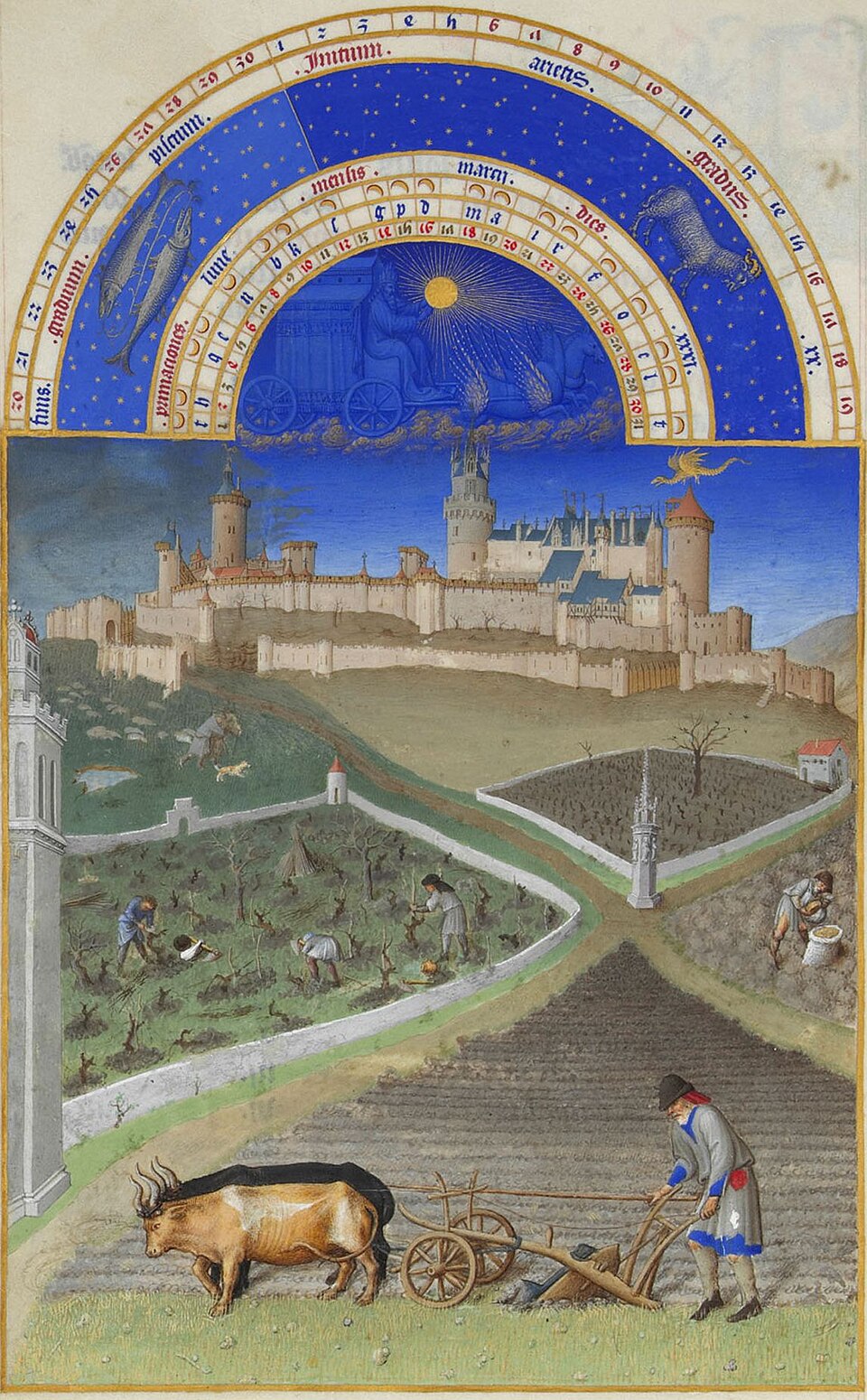
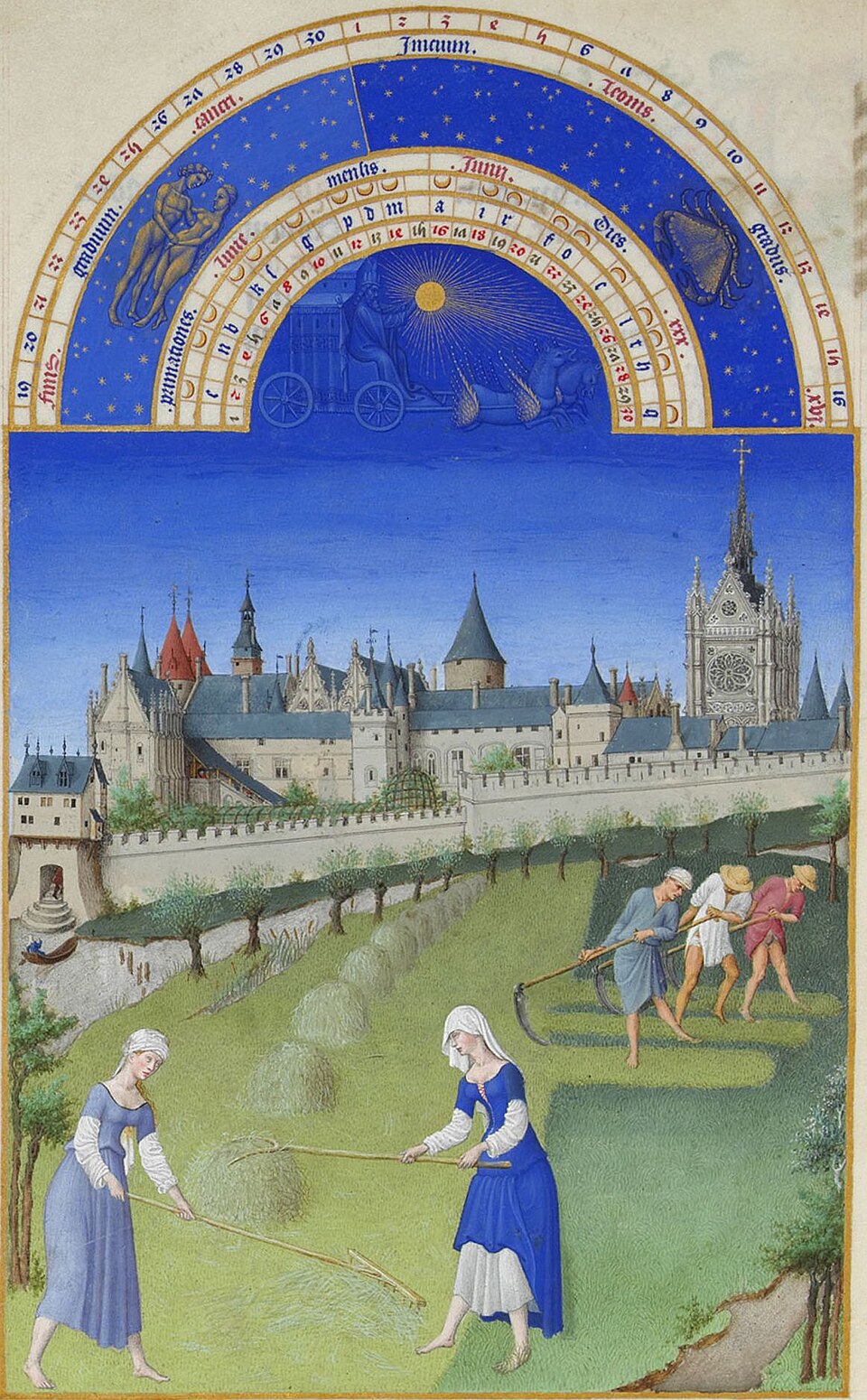
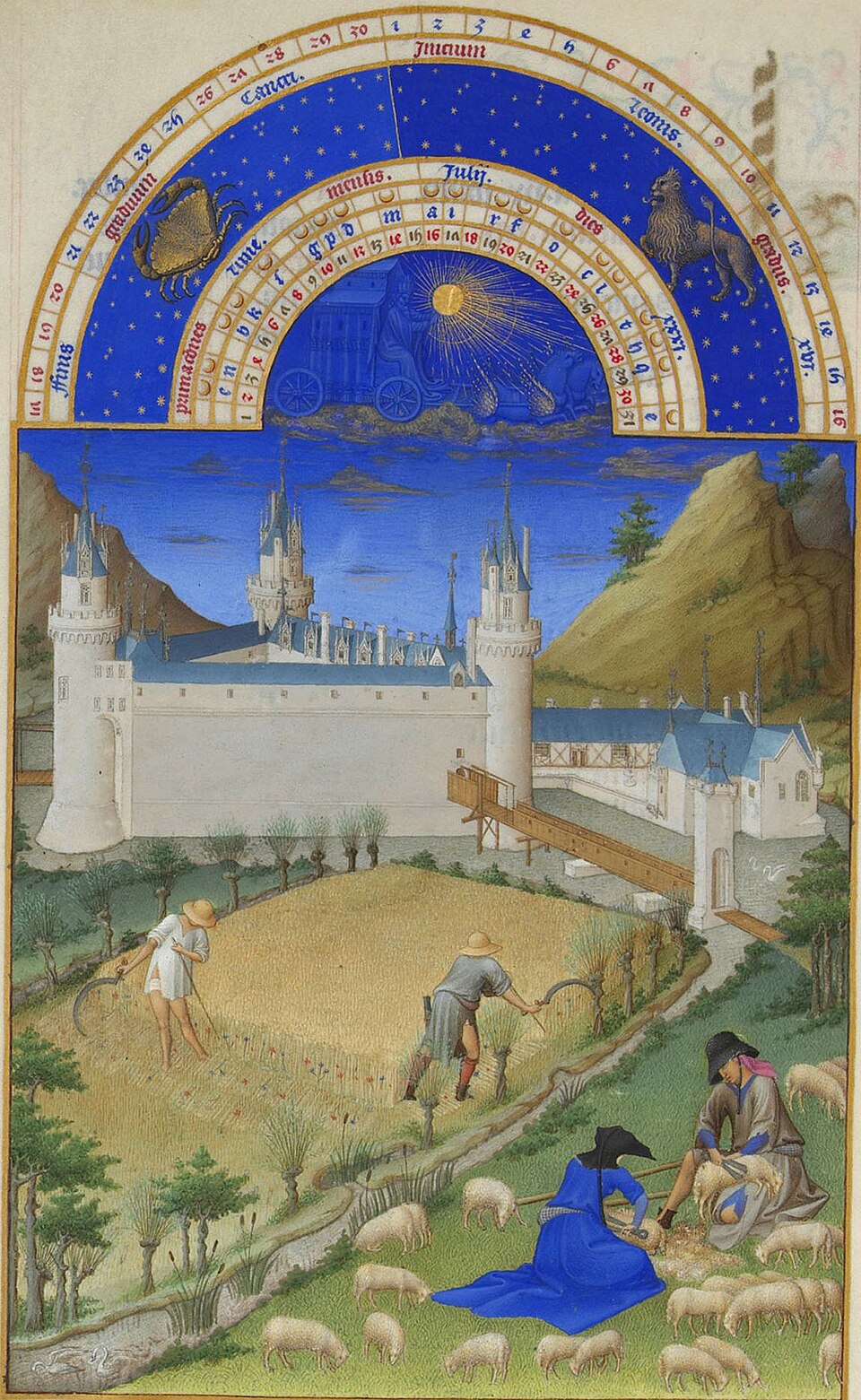
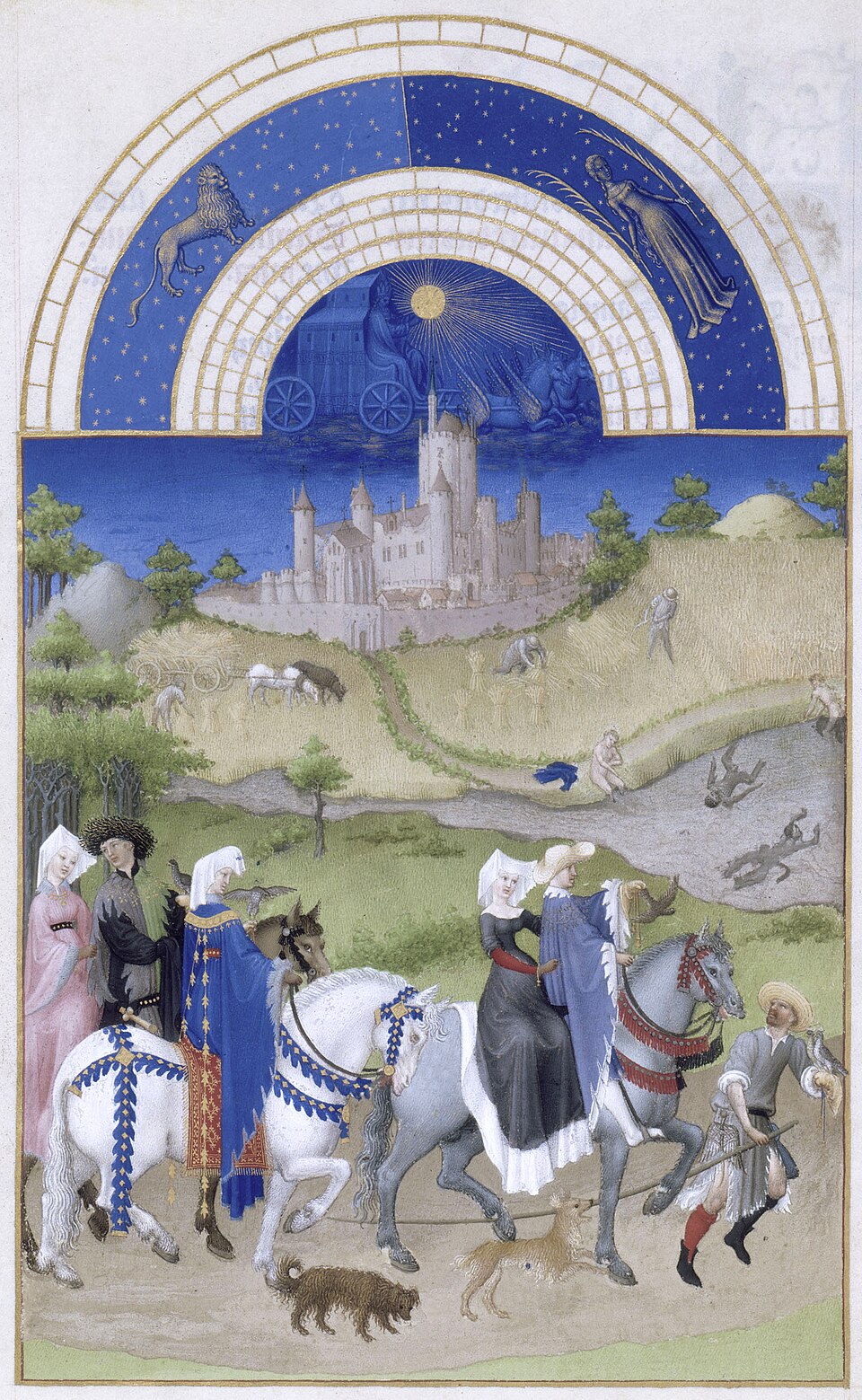
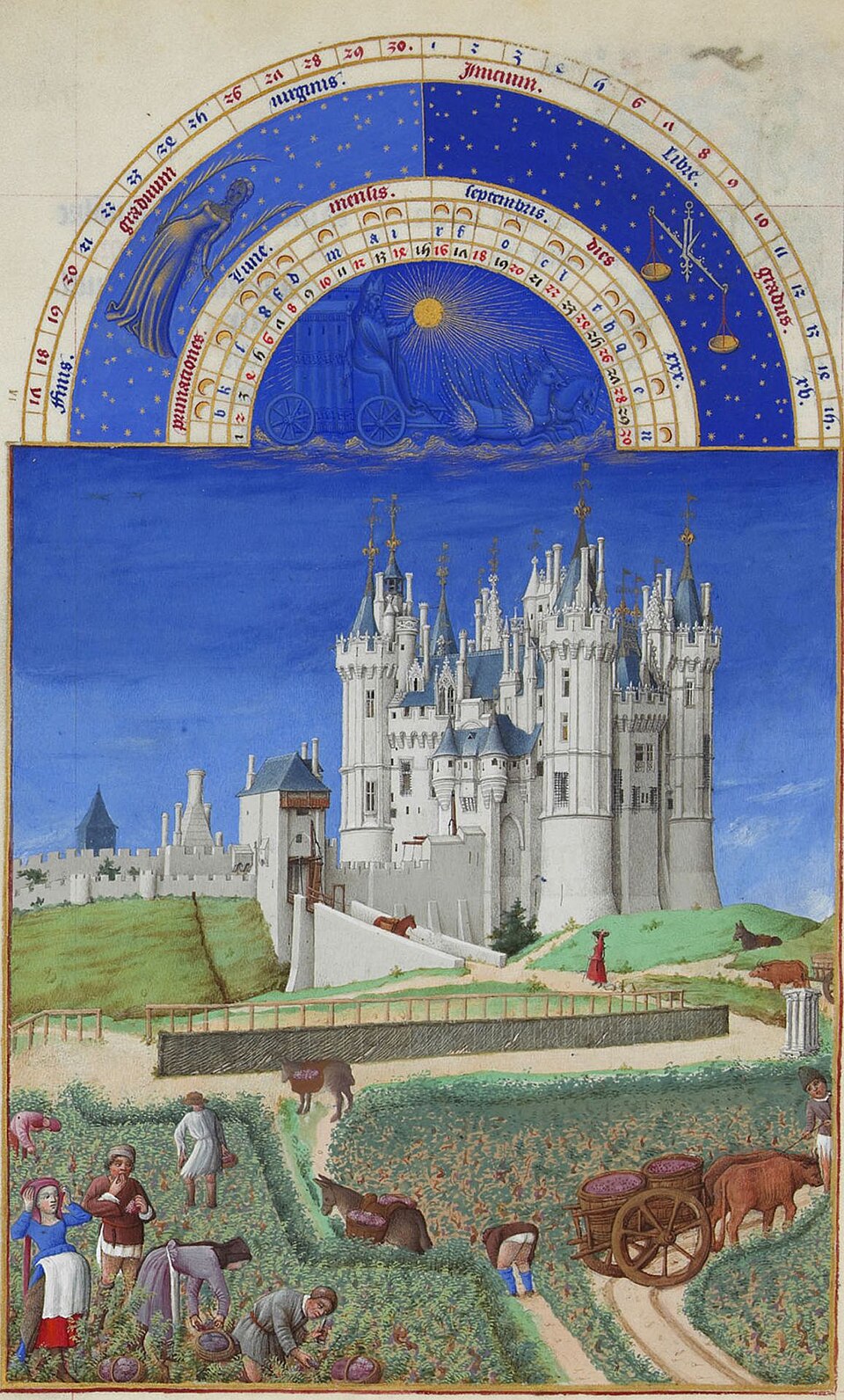
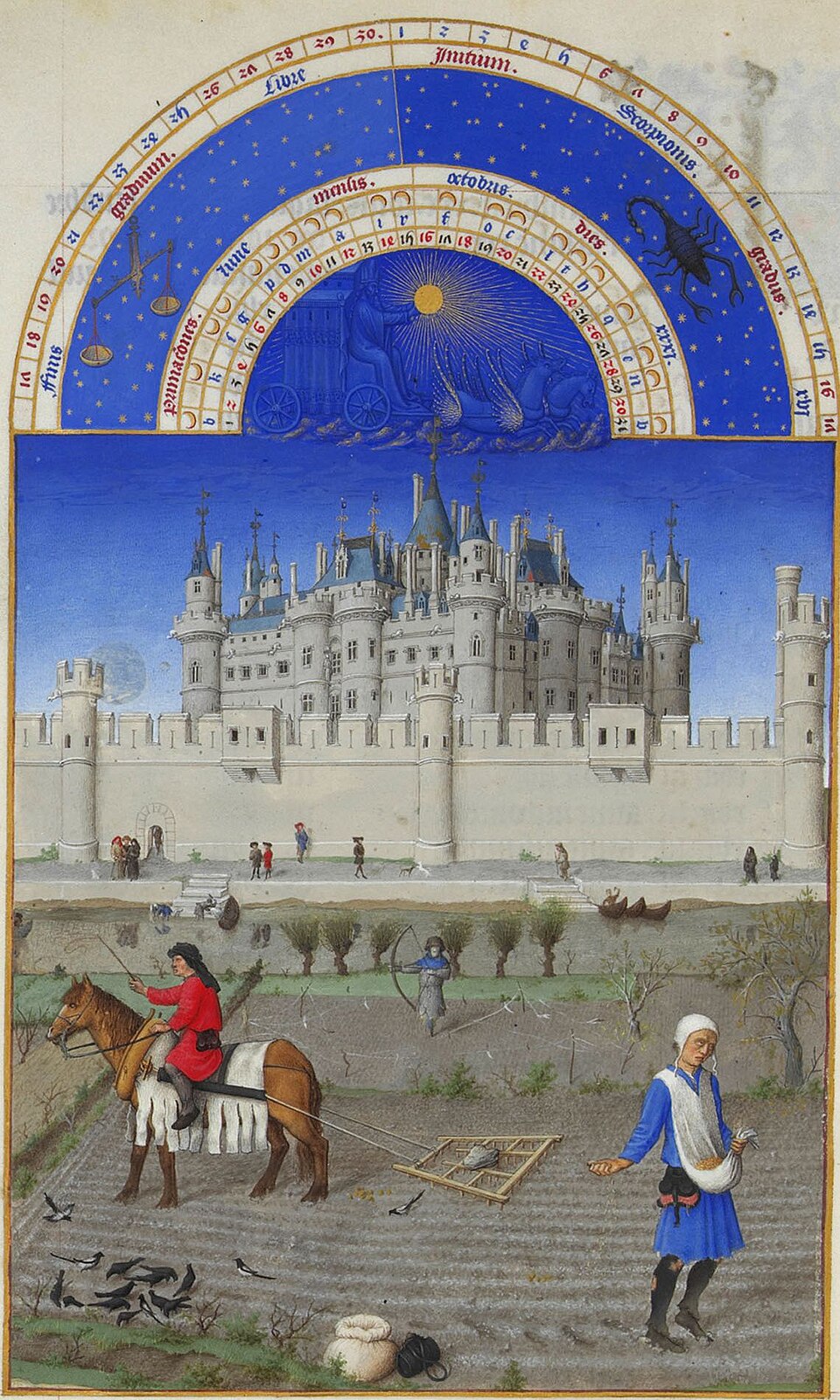
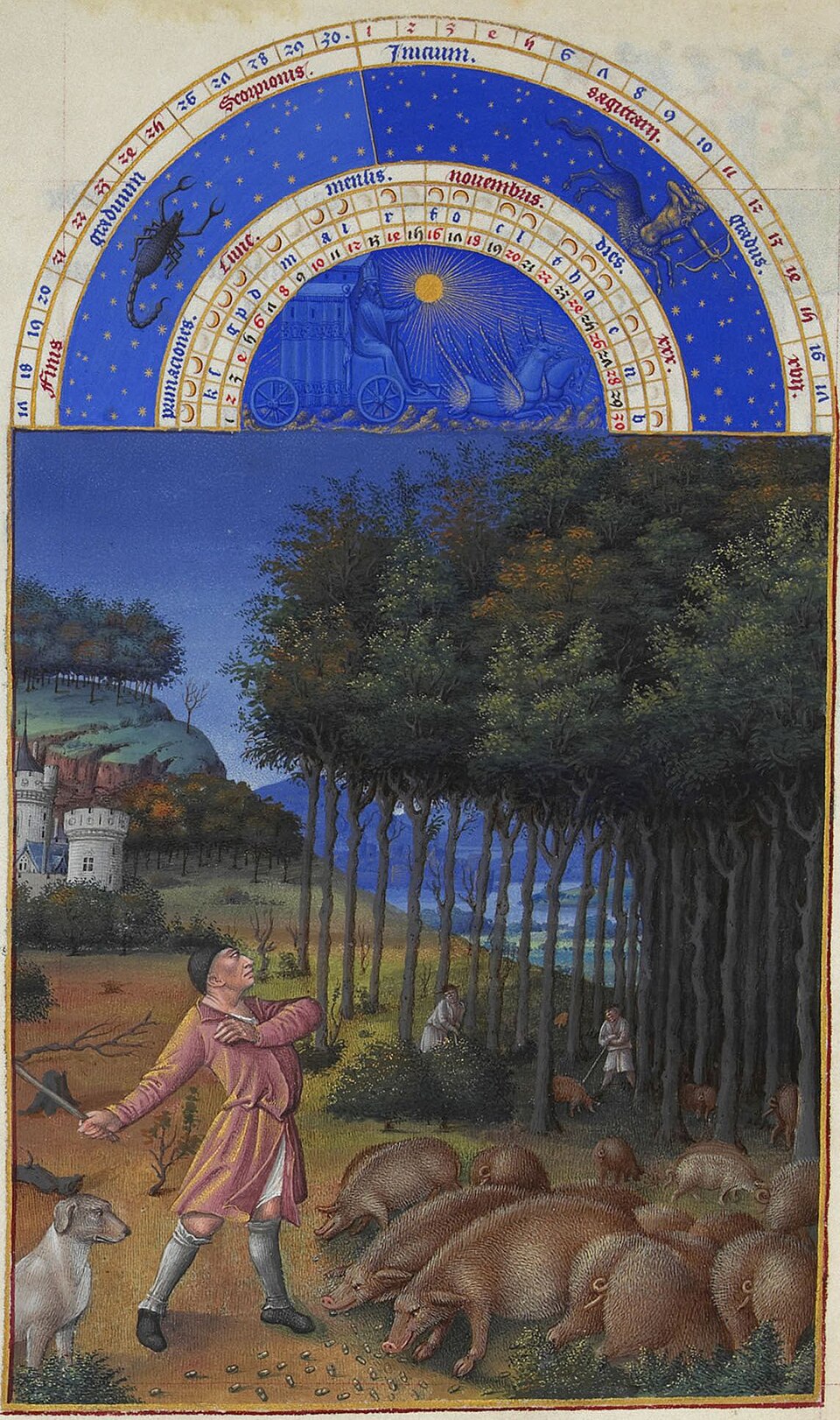
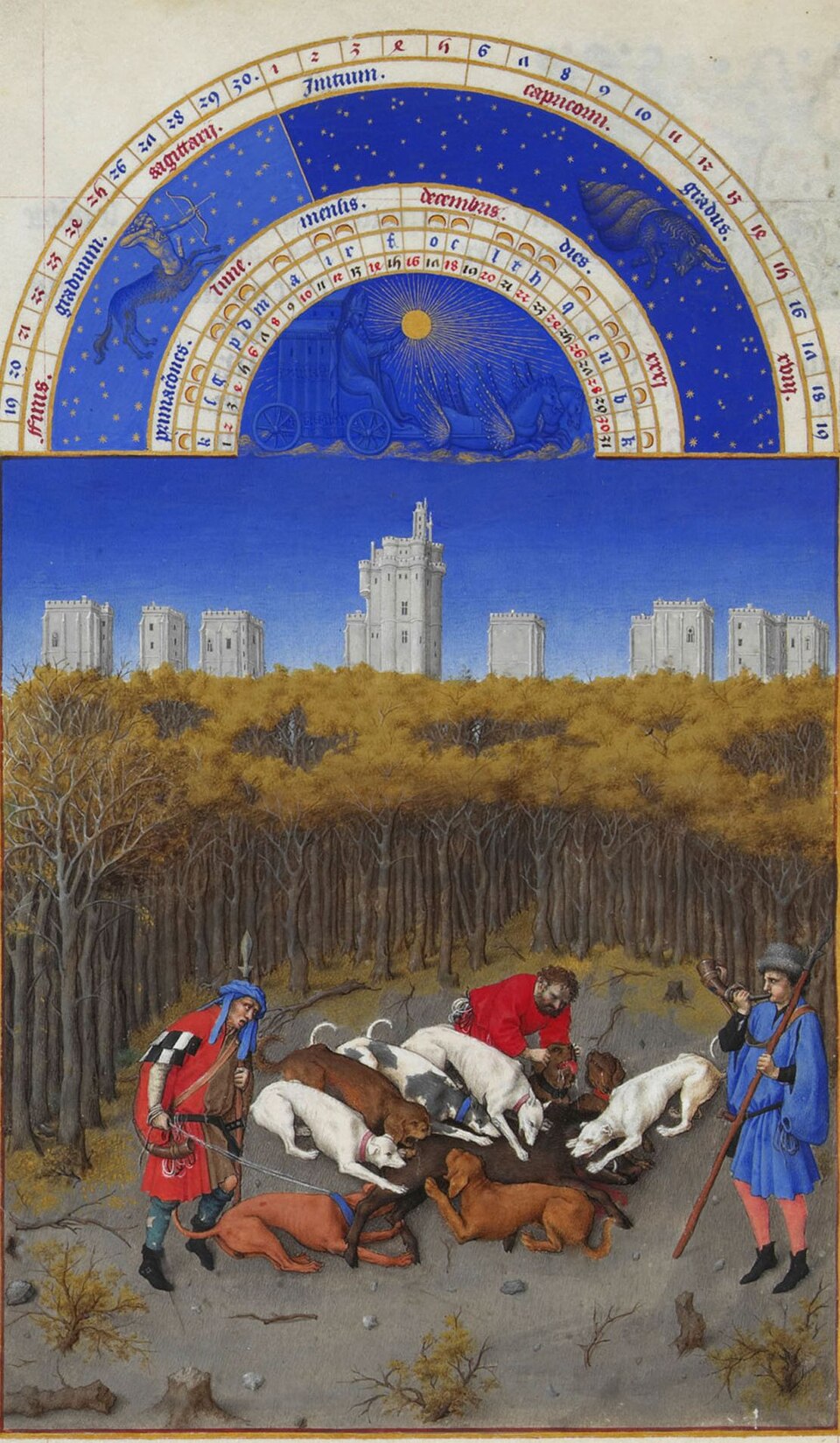
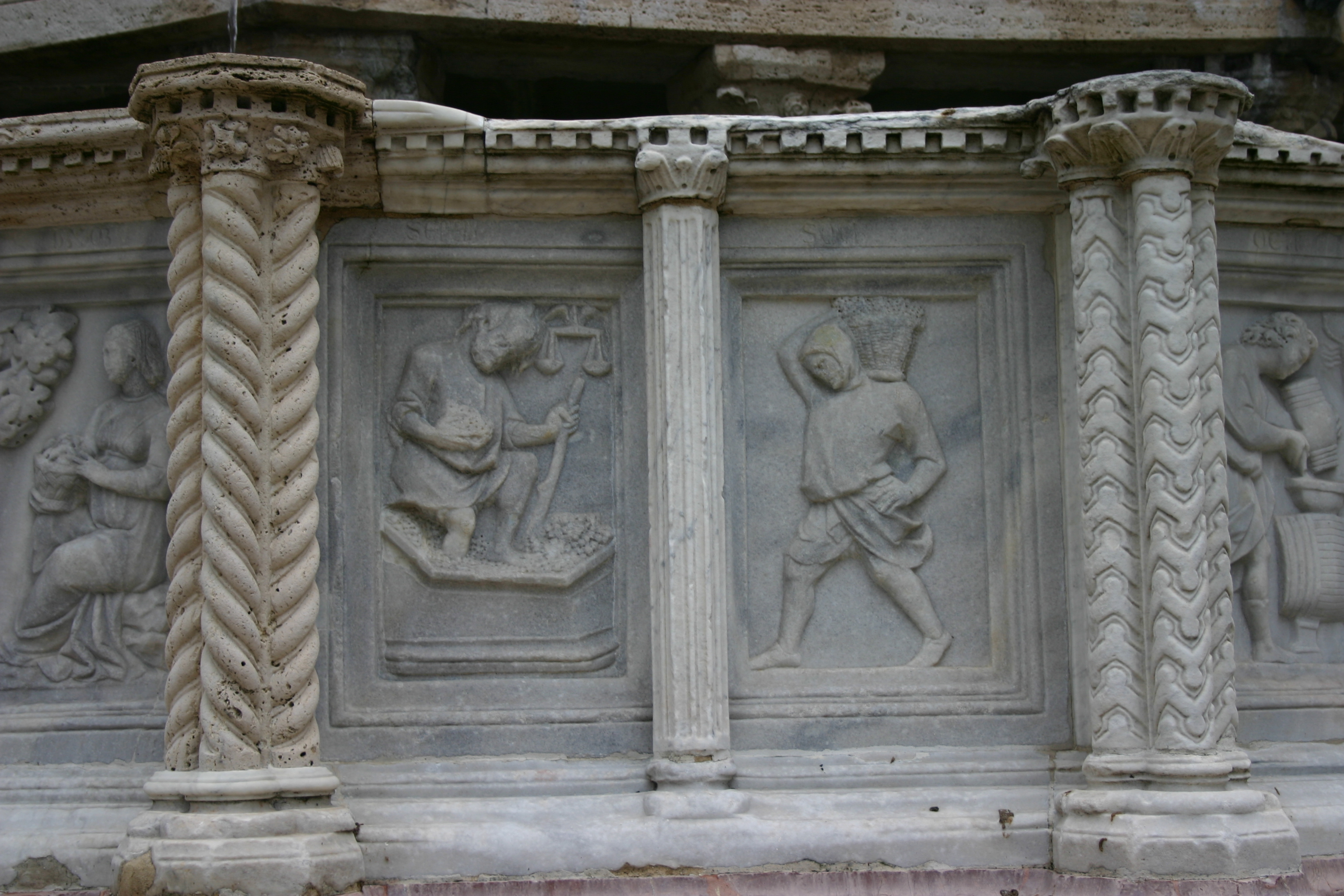
Bruegel was among the first to expand these representations to a full-scale oil painting.
This one represents August - a time when the wheat was cut and bound for storage.
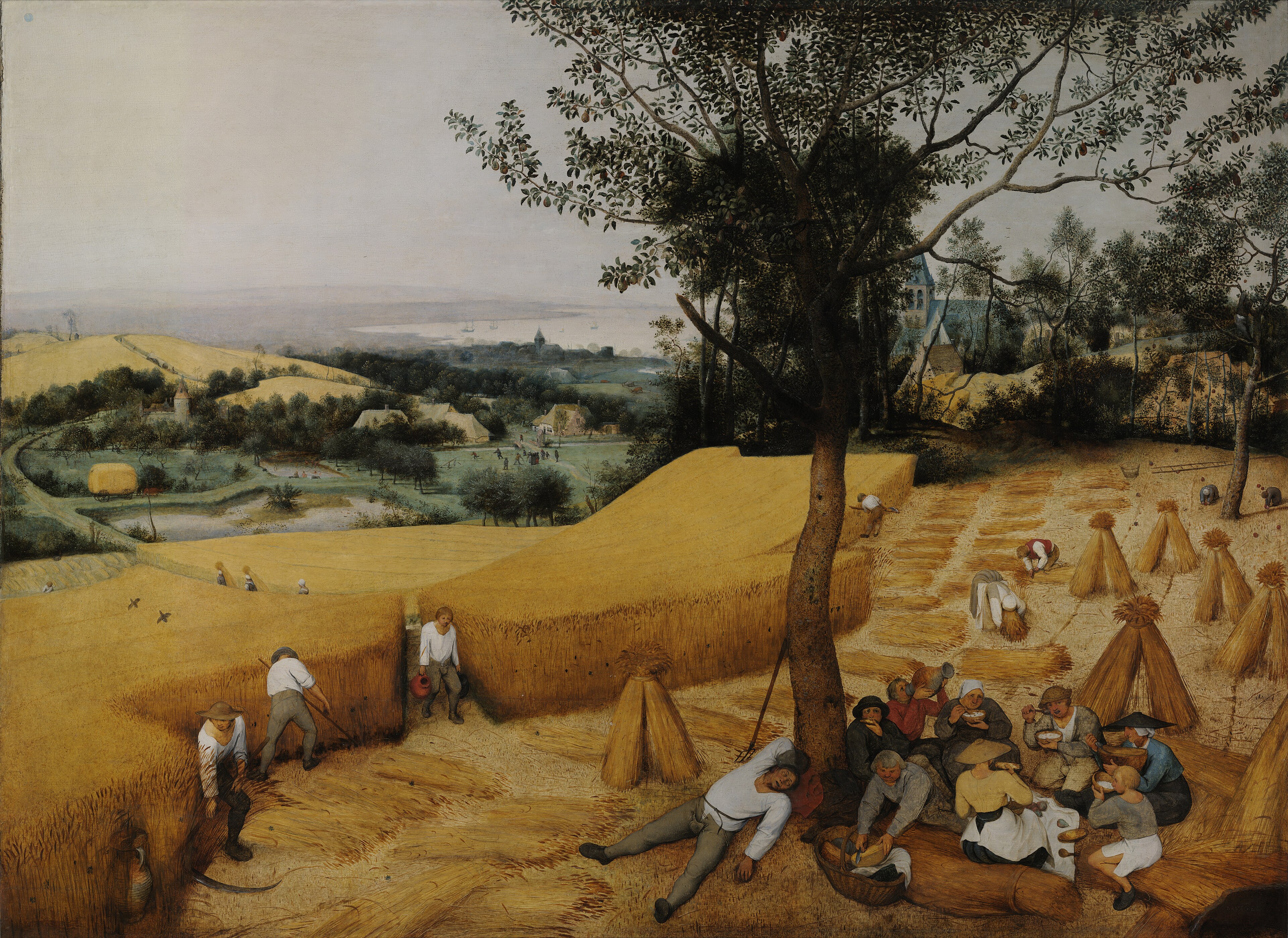
In the foreground, harvesters can be seen eating, drinking and resting under a pear tree in the noonday heat, one man napping with his scythe beside him.
In the middle ground, men and women are still working - cutting and gathering the wheat.
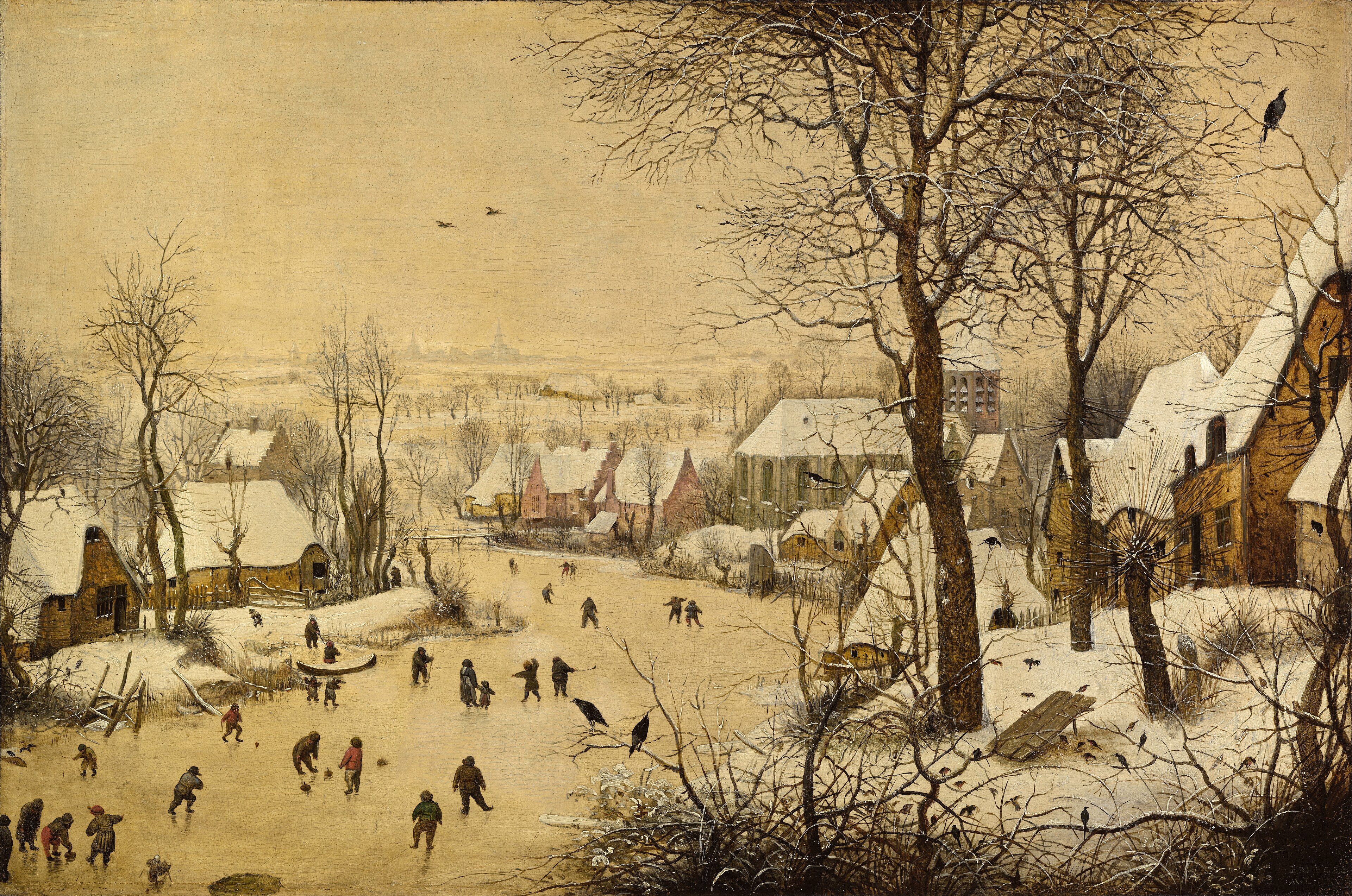
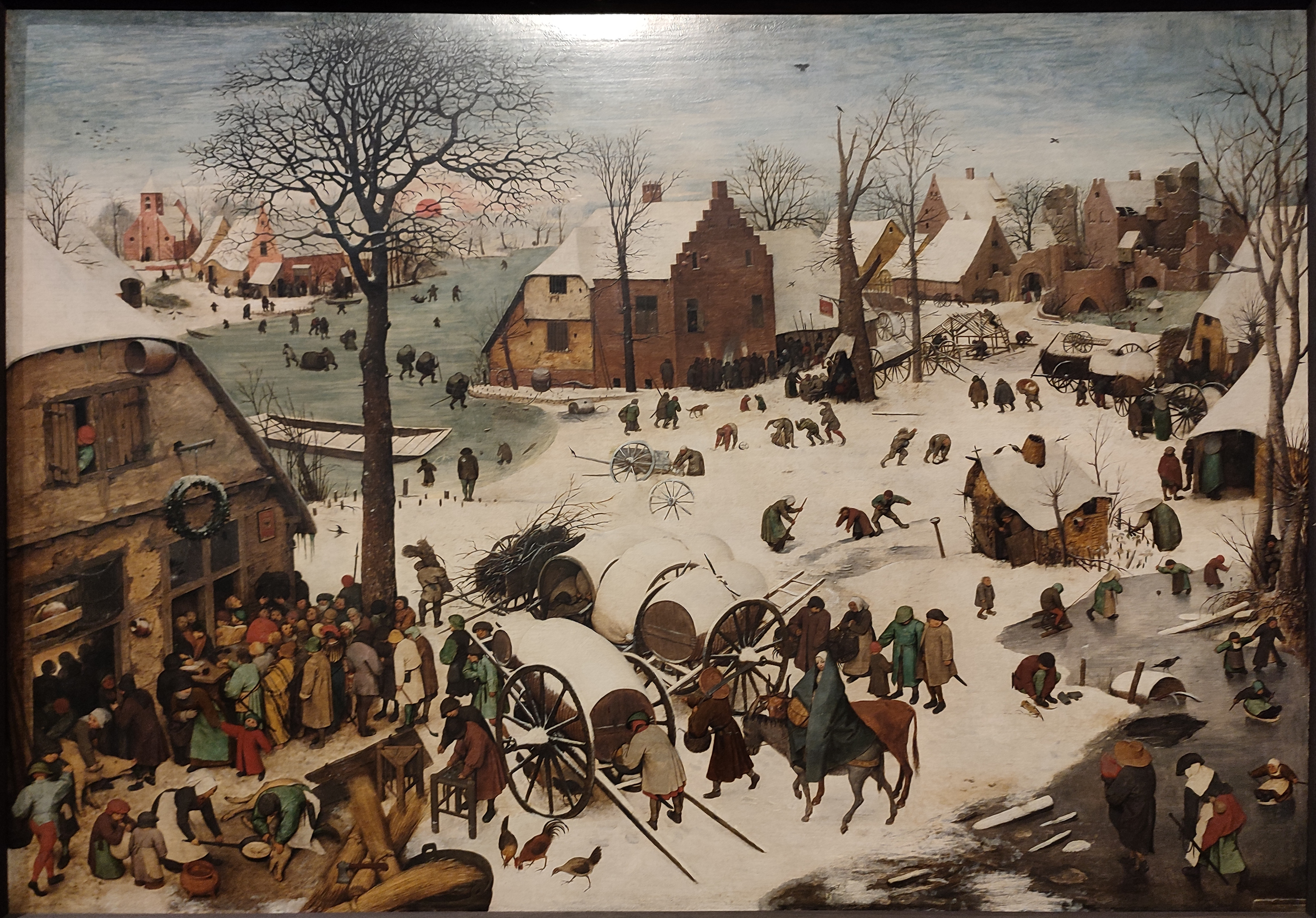
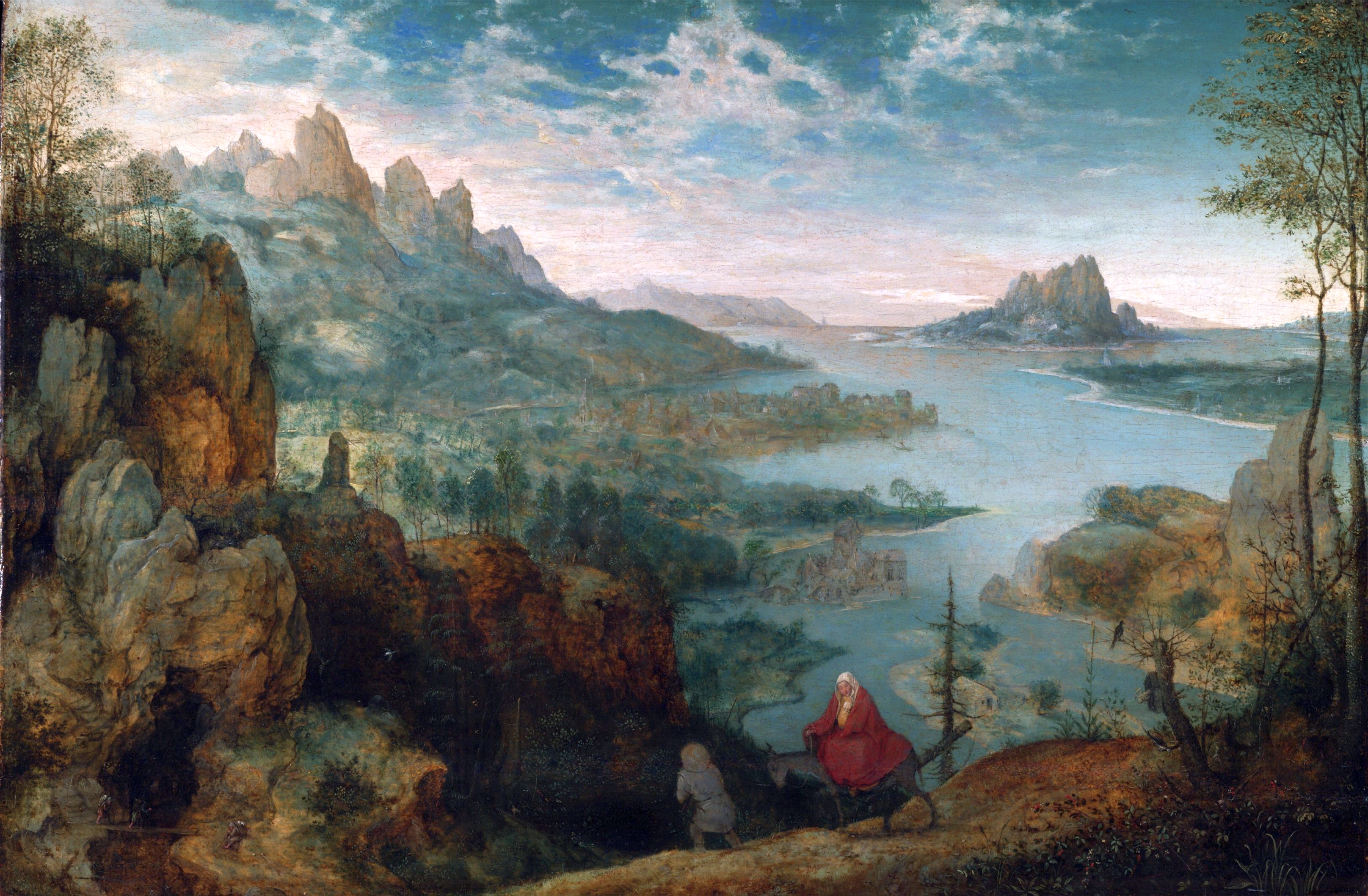
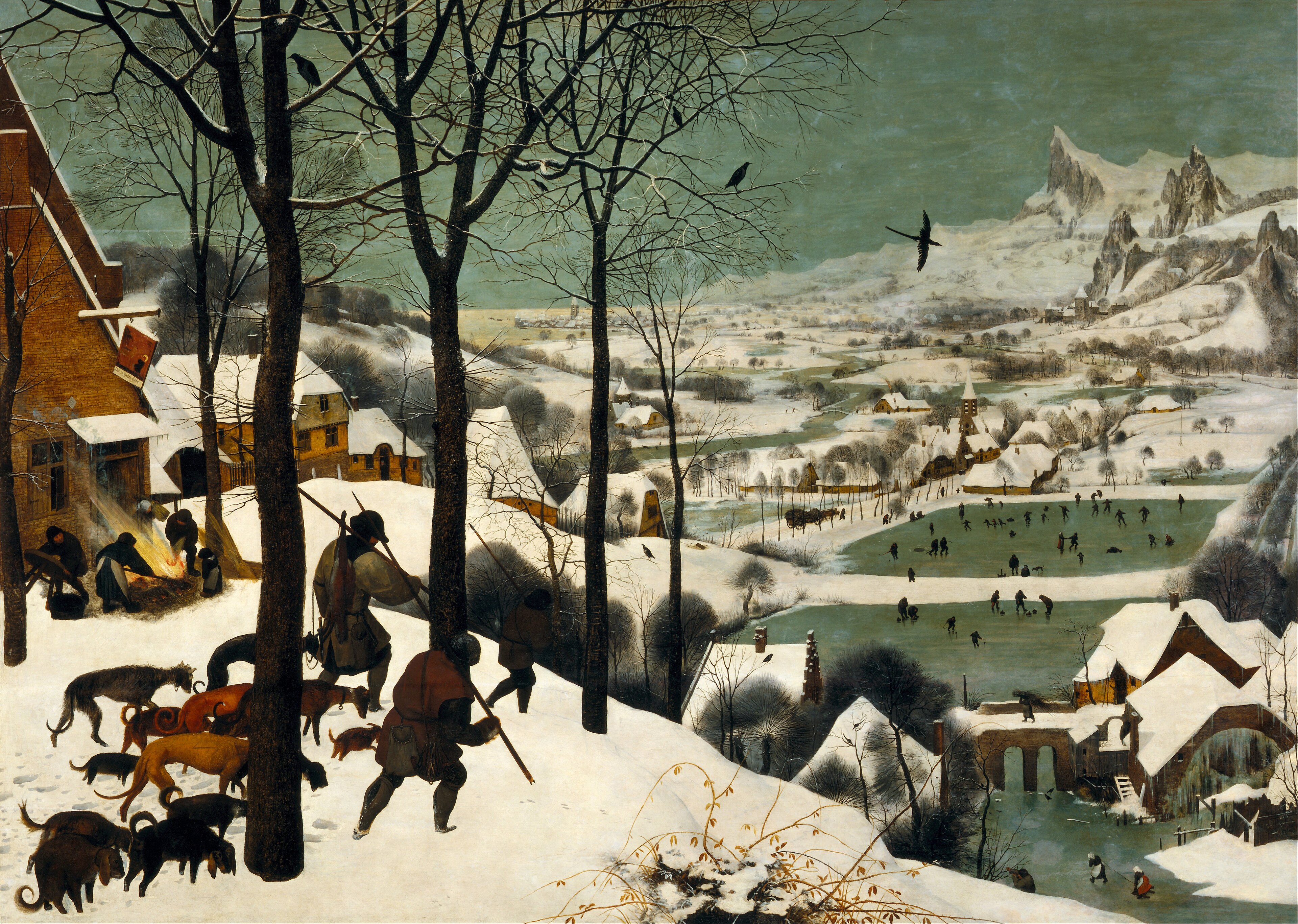
As mentioned, Bruegel was one of the first artists to treat landscape as a subject in its own right rather than a backdrop - the fields, the sky, and the rhythm of the seasons.
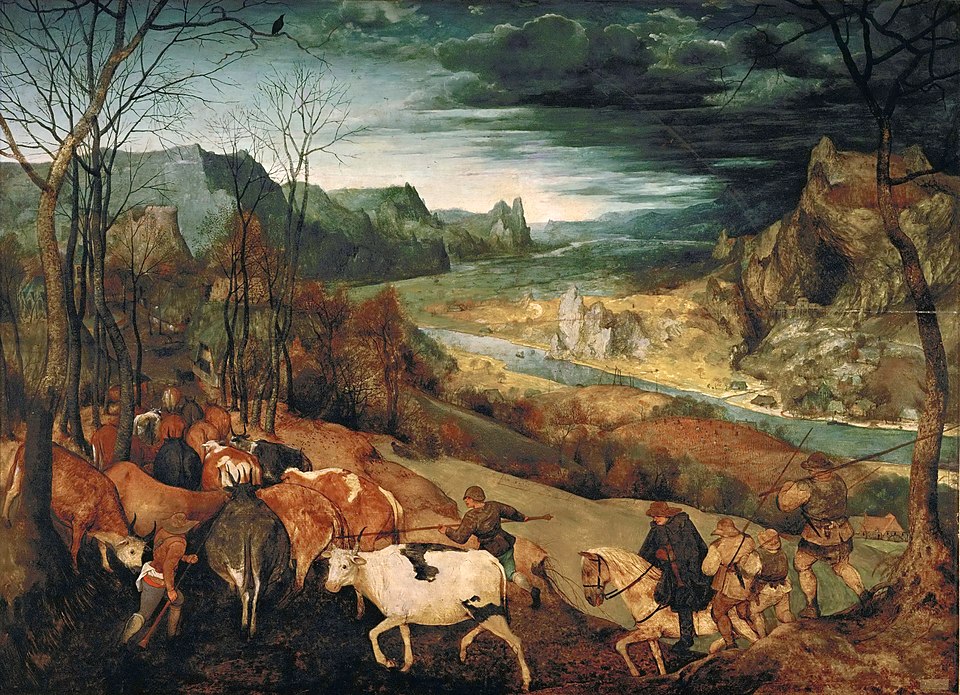
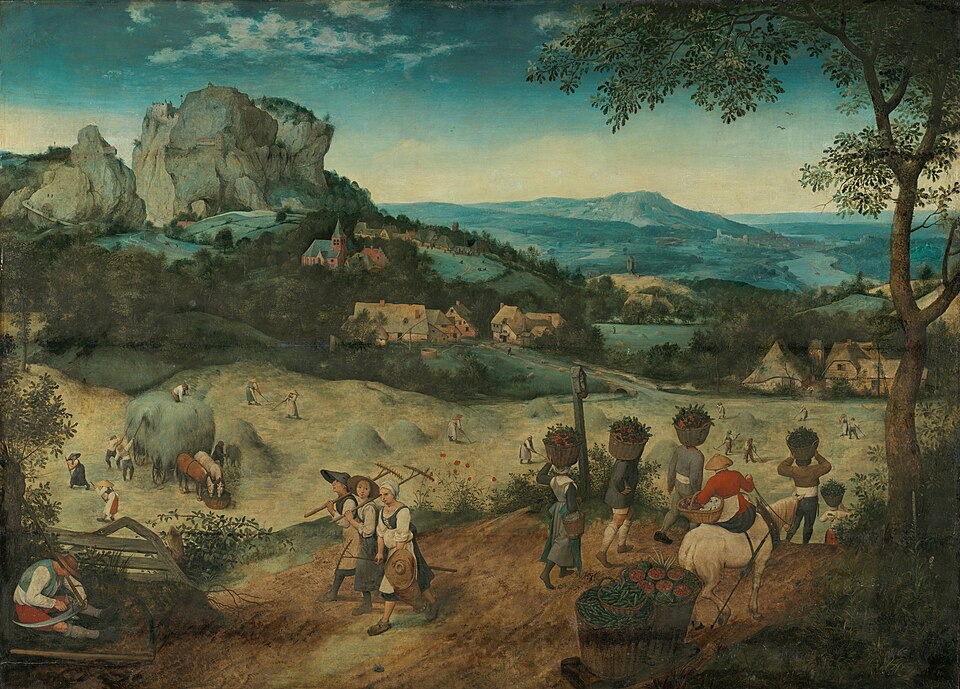
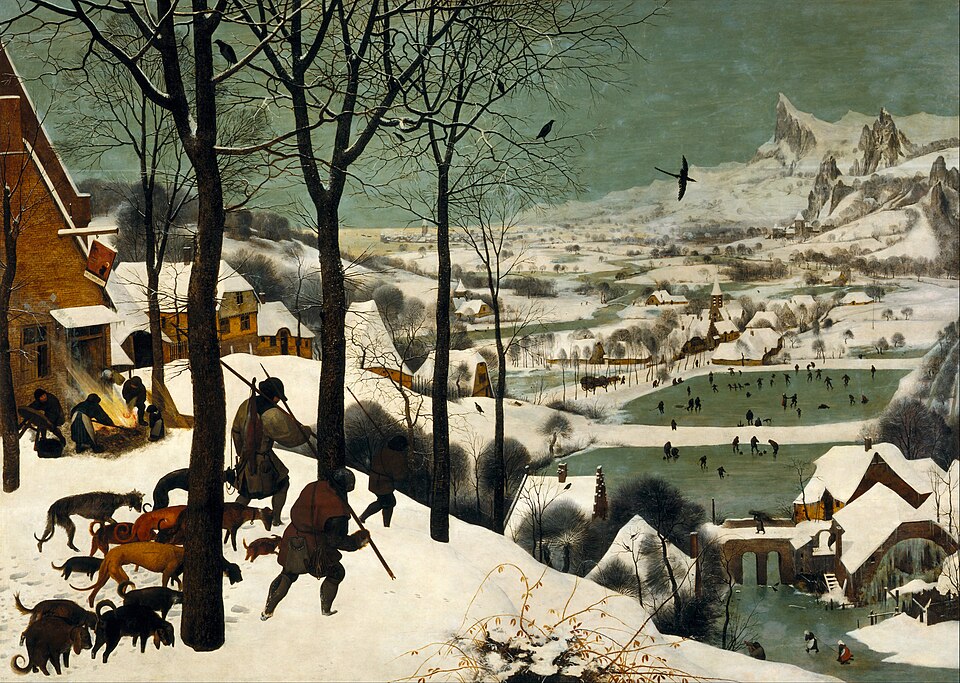
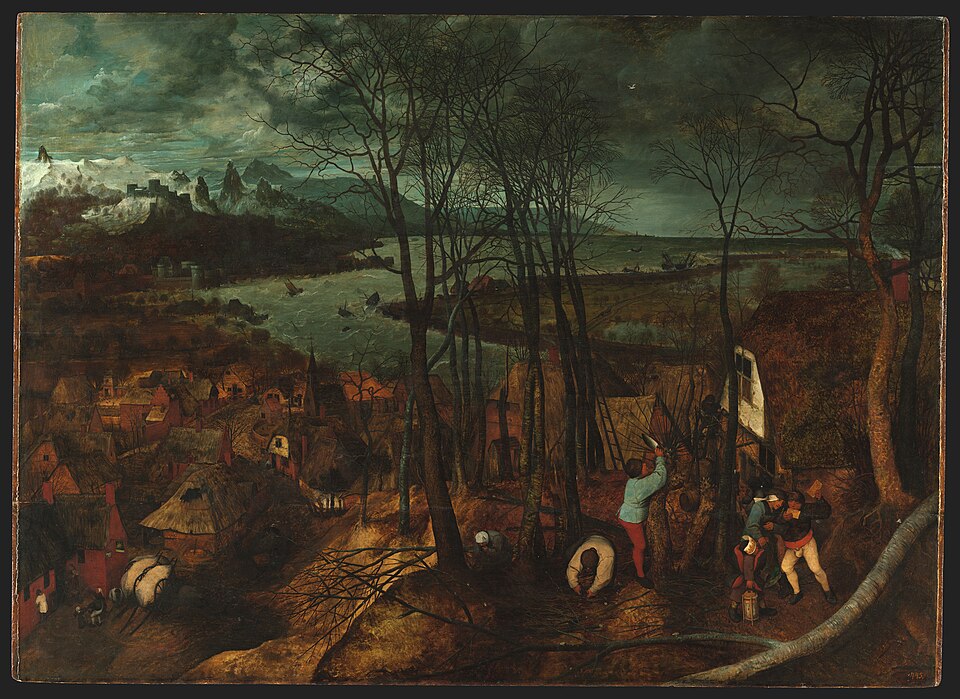
It is an honest, unsentimental portrait of rural labour and Bruegel shows no traces of condescension.
These are real people - tired, hungry, taking a break. He doesn't romanticise or mock them - he simply looks.
The painting is one of five surviving panels from the original series of six. It was acquired by the Met in 1919.
Comments
Loading comments...