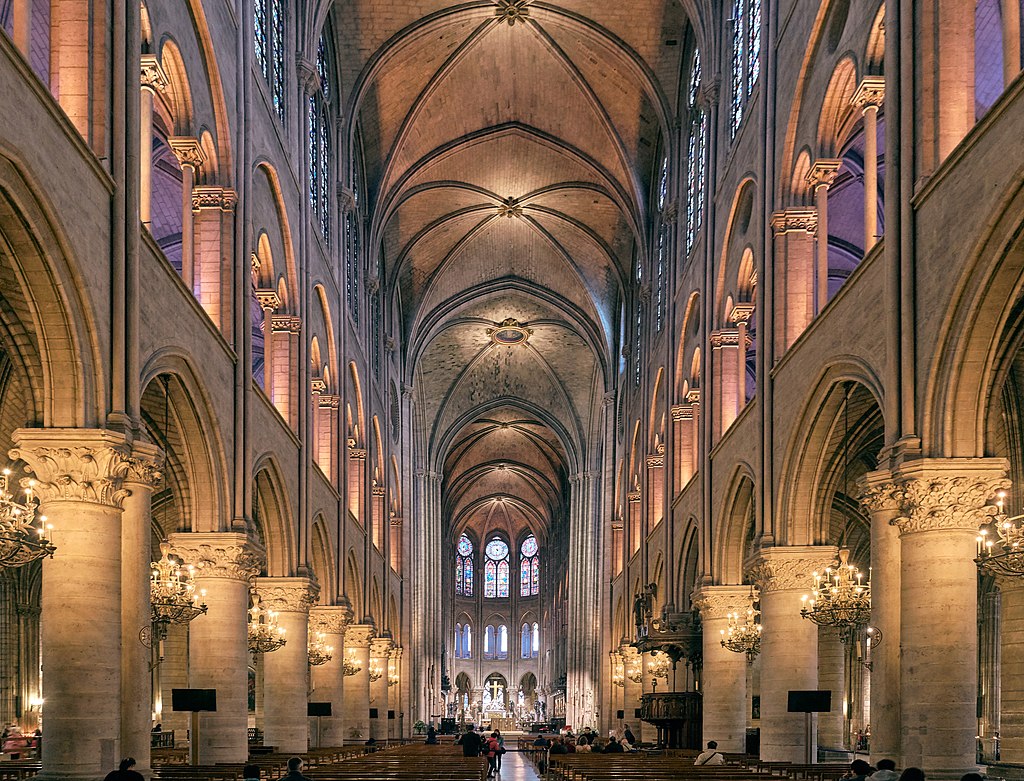


Building a cathedral was an extremely complex and expensive process.
As mentioned, Notre Dame took 200 years to complete.
One of the most challenging aspects of the construction was building the nave.
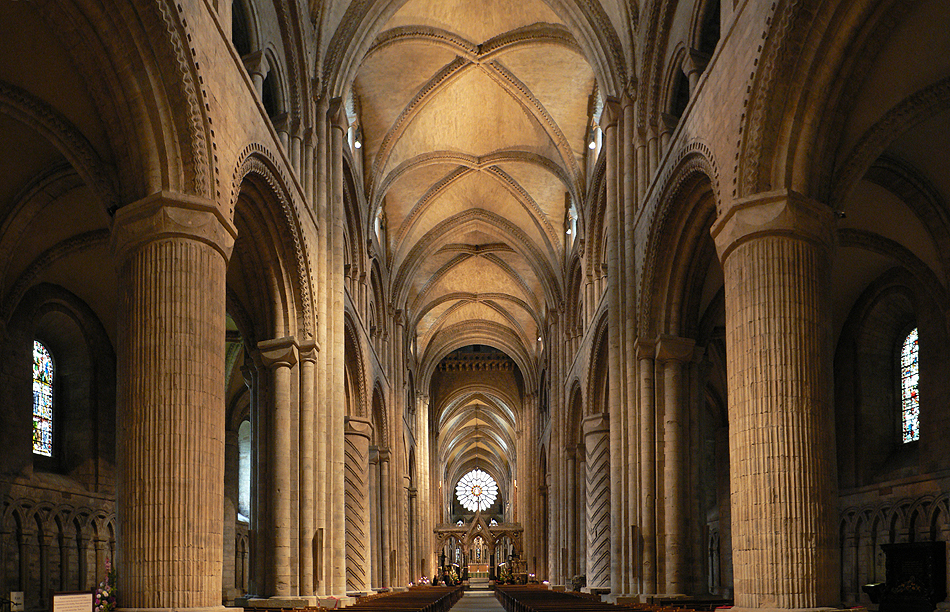
The term "nave" comes from the Latin for "ship ,and reflects the fact that the Church saw its role as guiding the congregation toward salvation.
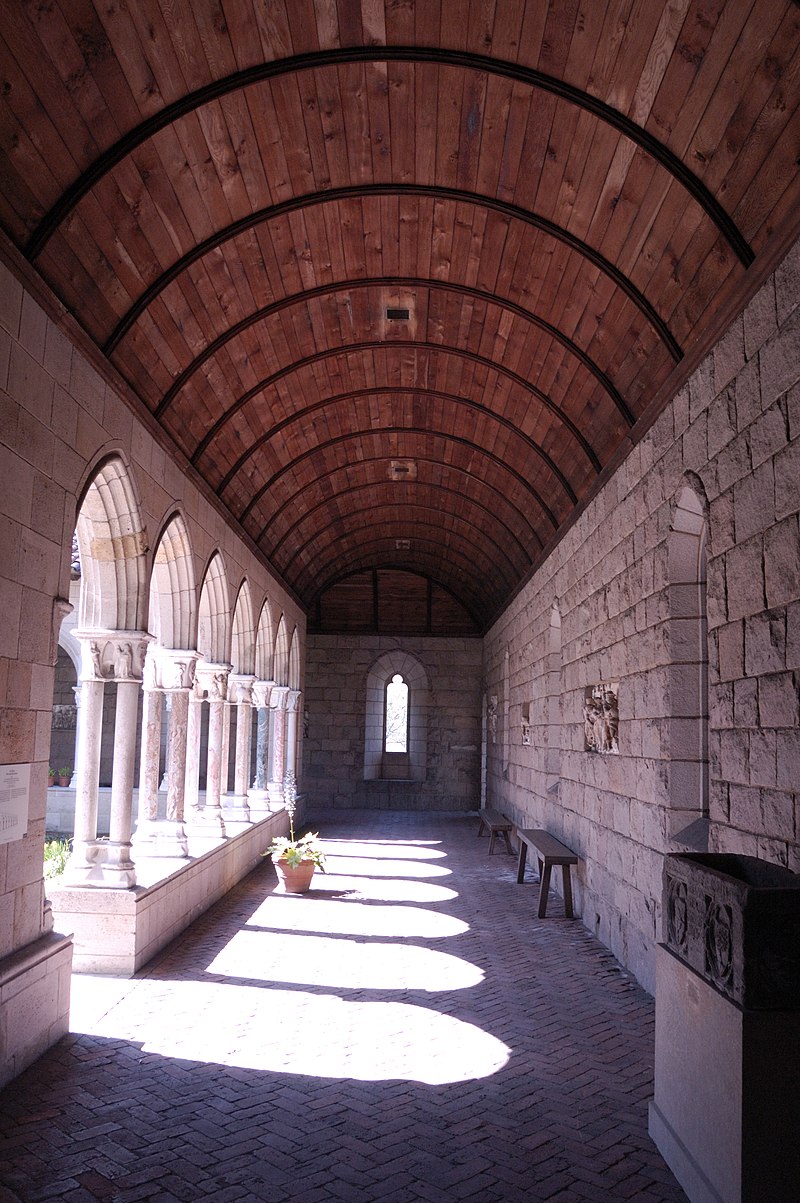
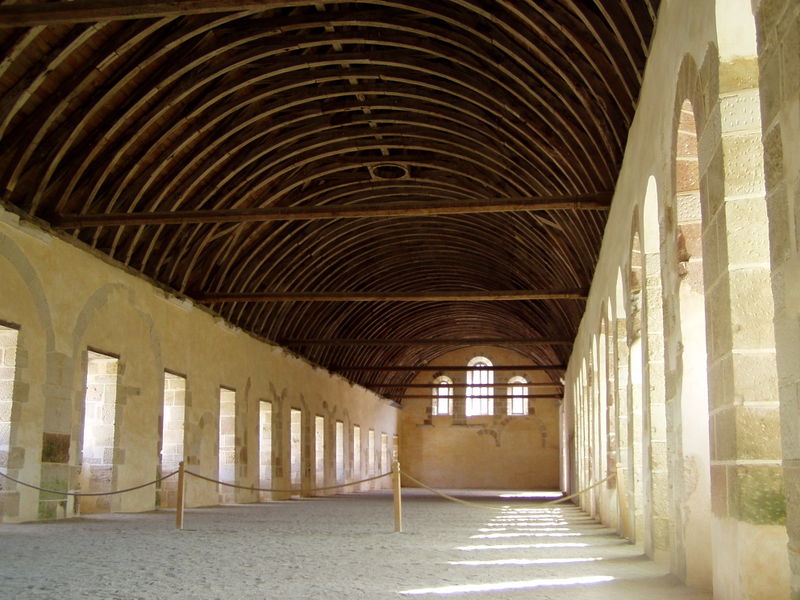
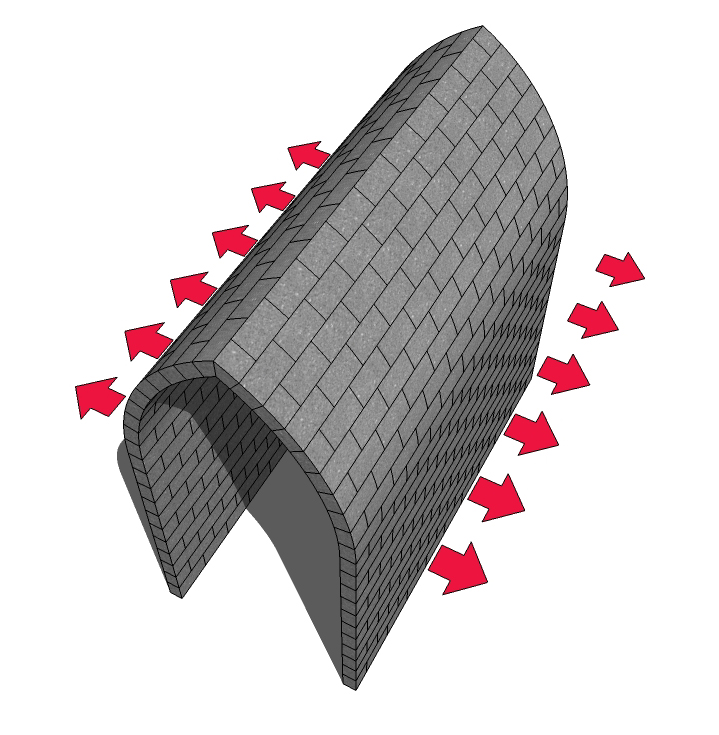
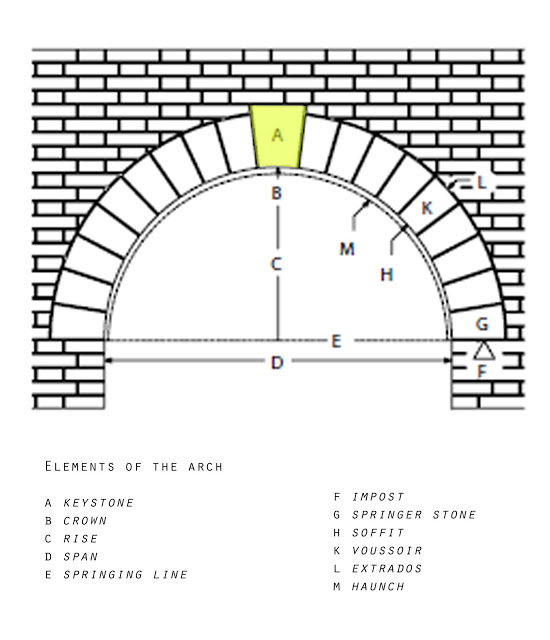
While architects had known for centuries how to build rudimentary arched ceilings, these structures were incredibly weak.
Indeed in order to counteract the downward pressure of the ceiling and the outward push on the walls, the supporting walls had to be exceptionally thick.
As a result, arched buildings were typically low and dark, since adding windows would compromise the strength of the walls.
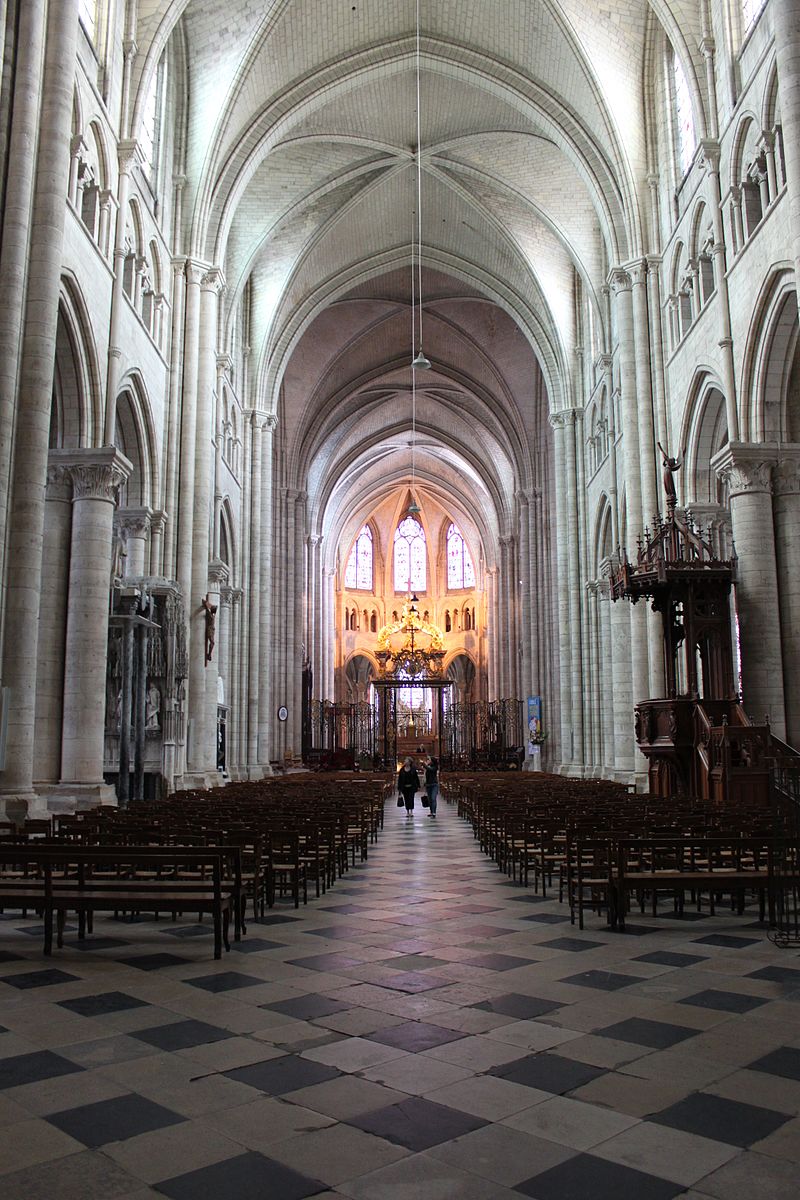
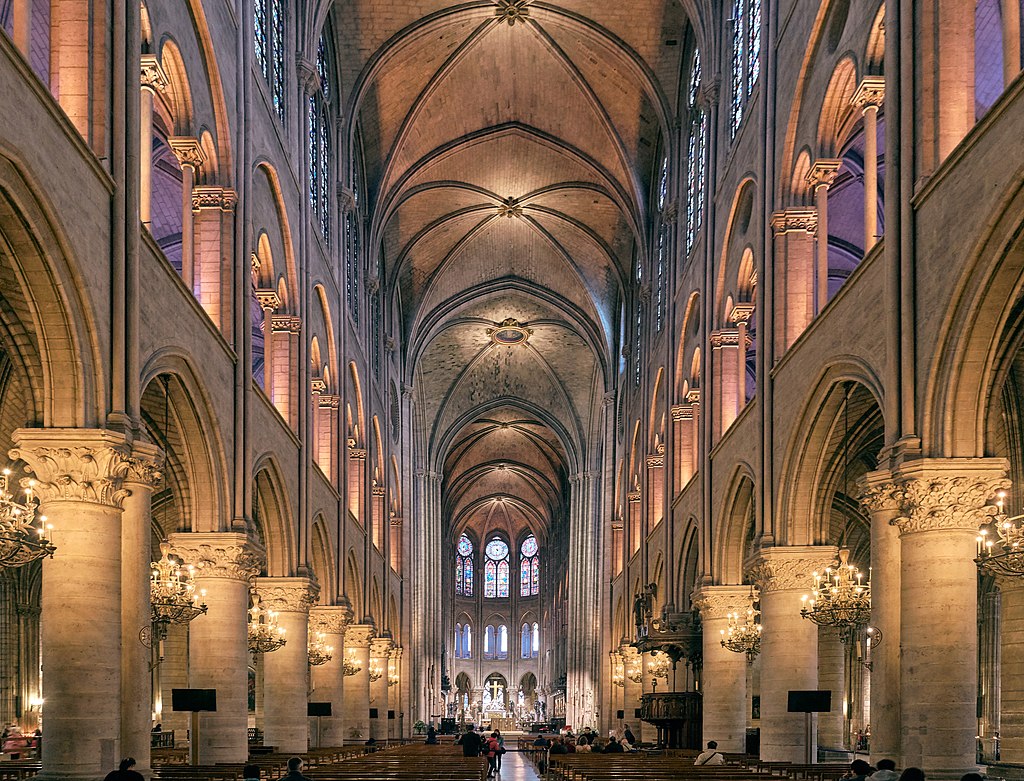
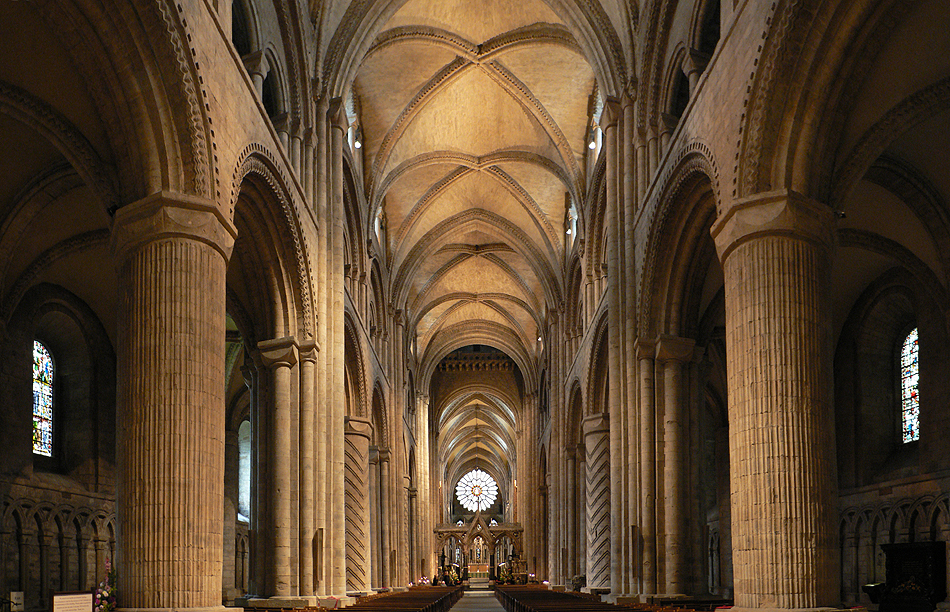
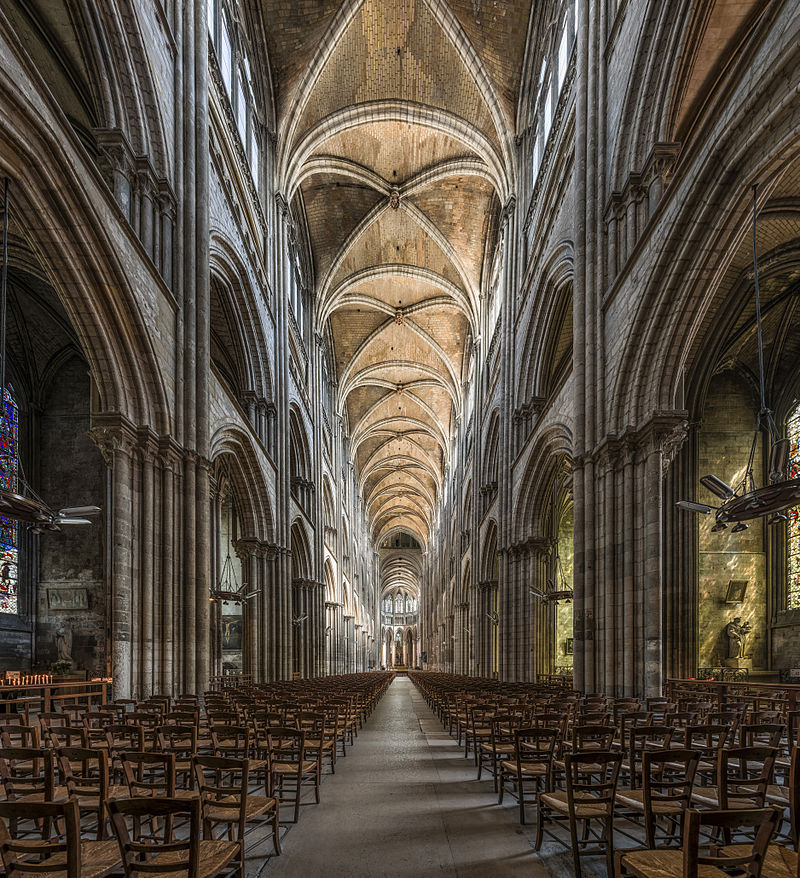
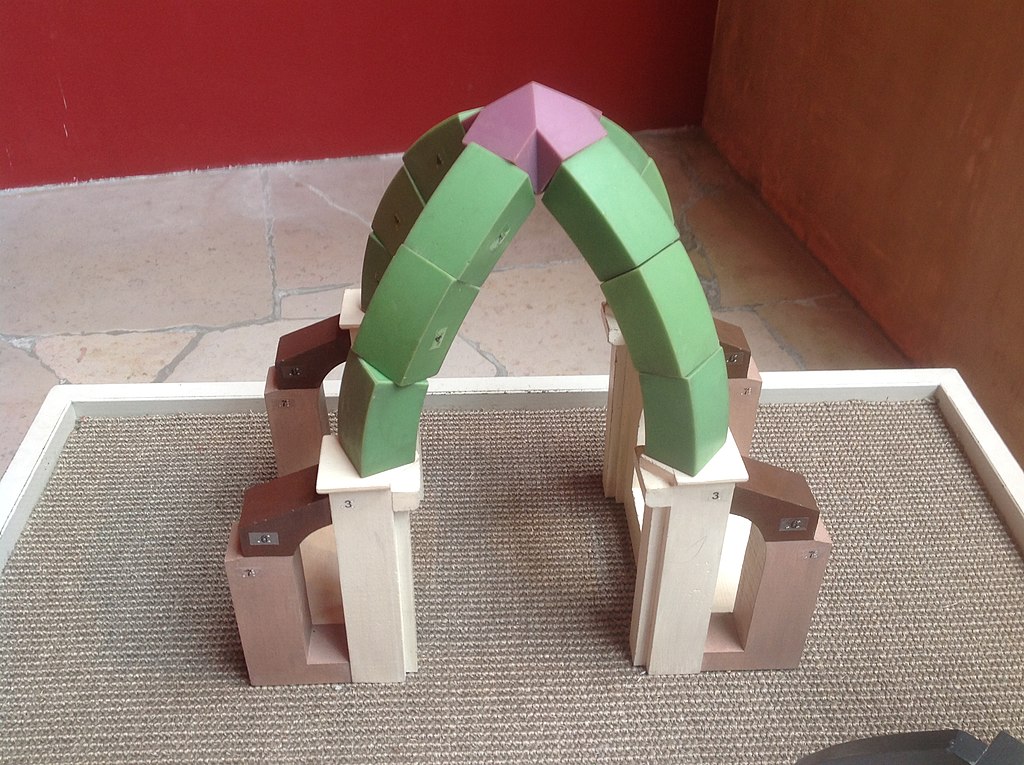
In the 11th century, architects developed a new technique, known as the rib vault, created by intersecting 2-3 arches.
With this innovation, pressure was diverted onto 4 supporting pillars rather than the walls themselves.
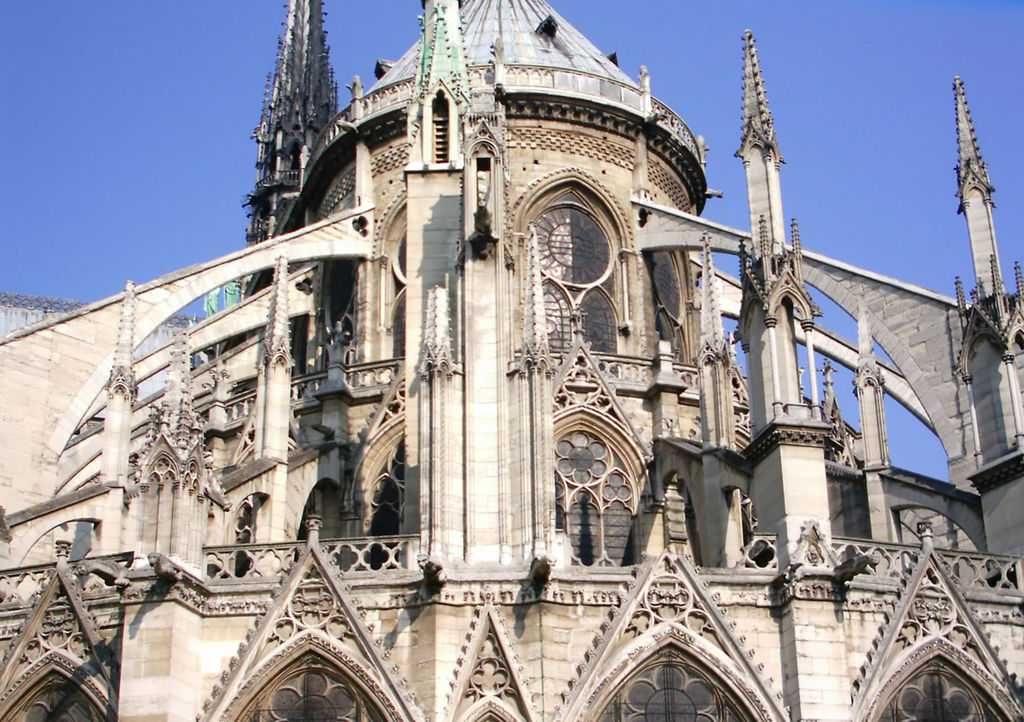
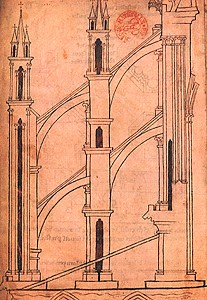
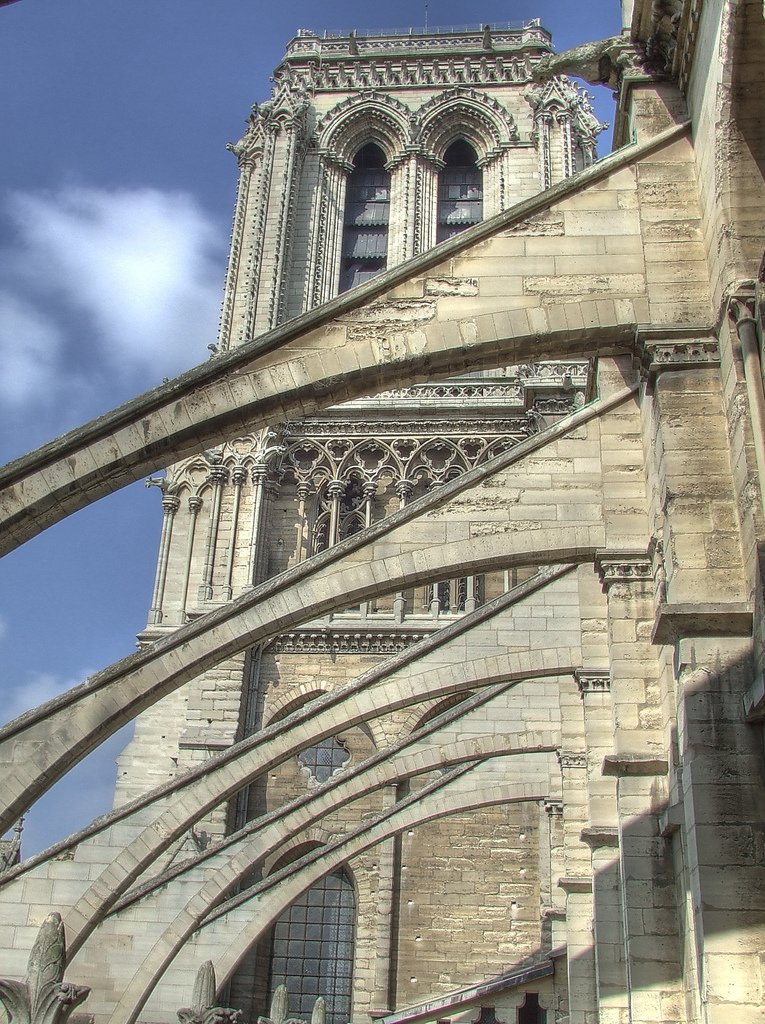
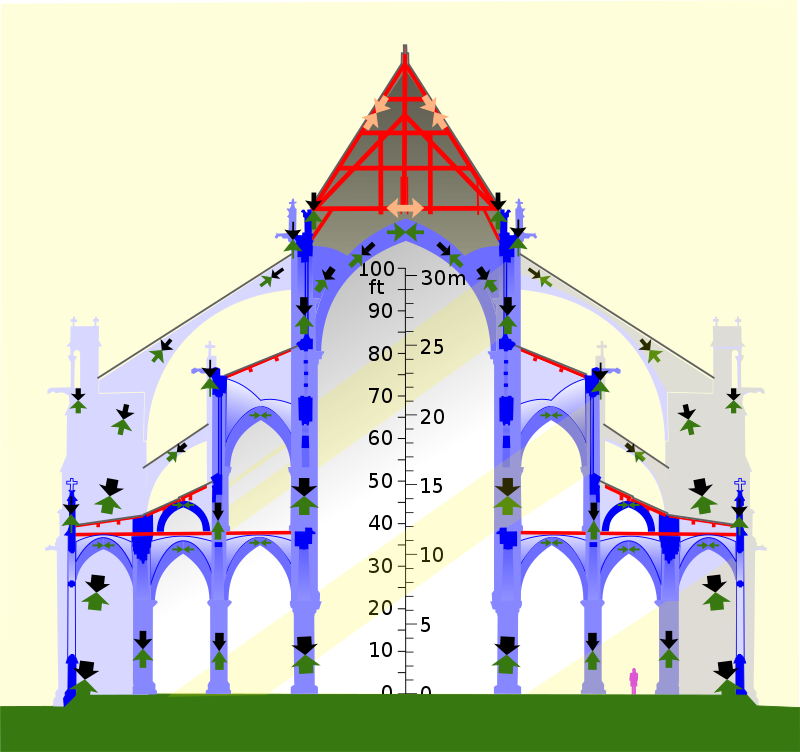
Another key innovation was the flying buttresses - stone arches that connect the nave to the outer walls - helping to alleviate pressure on the structure.
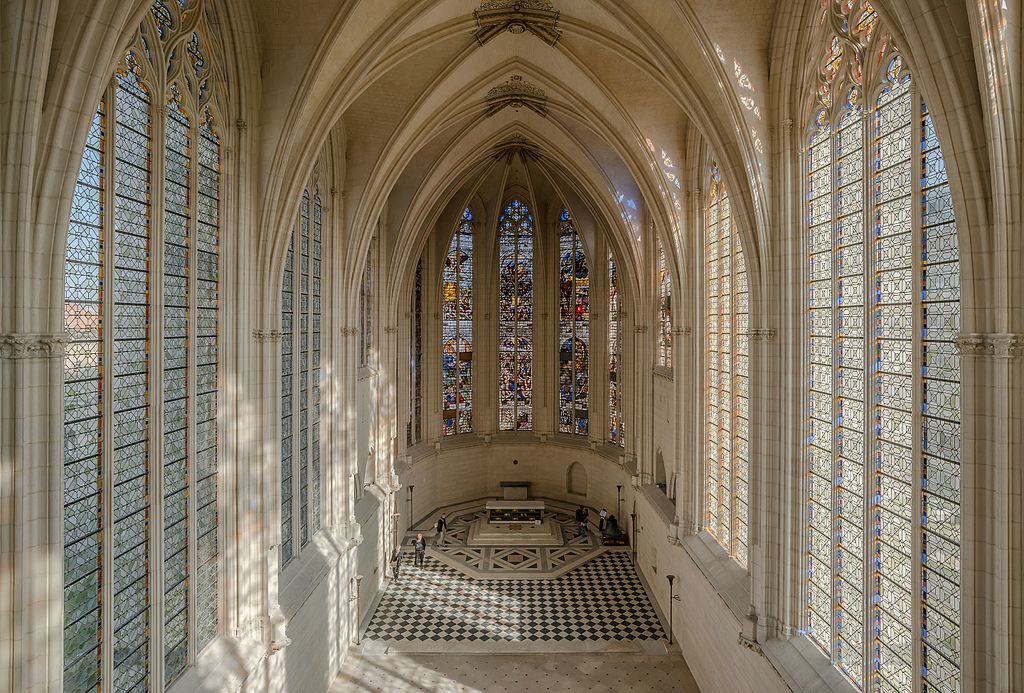
As the walls became more stable, architects could build them taller and thinner, allowing for the inclusion of large stained glass window, lighting up the cathedrals.
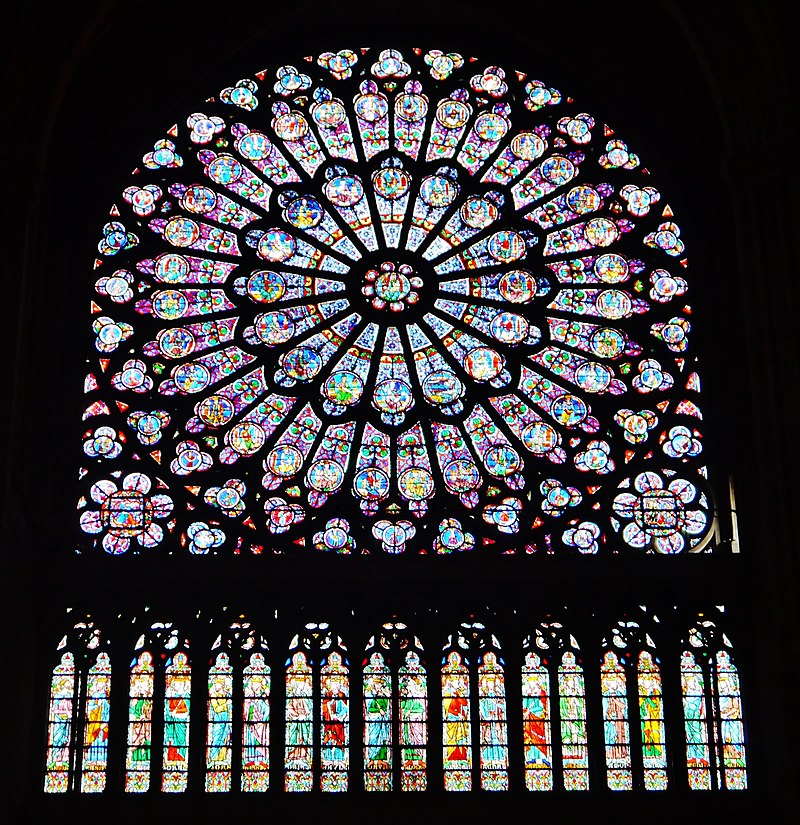
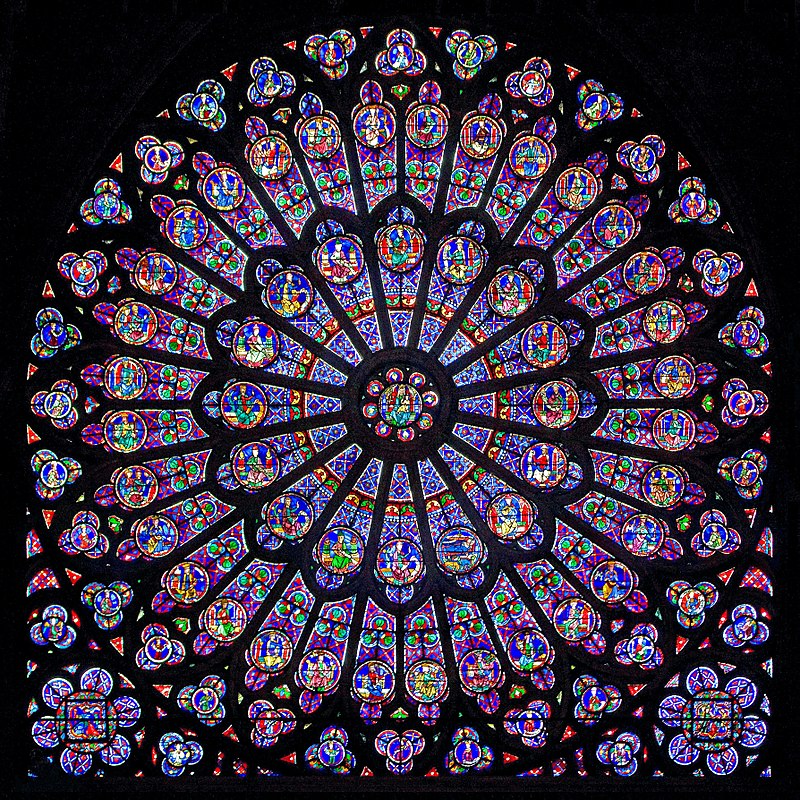
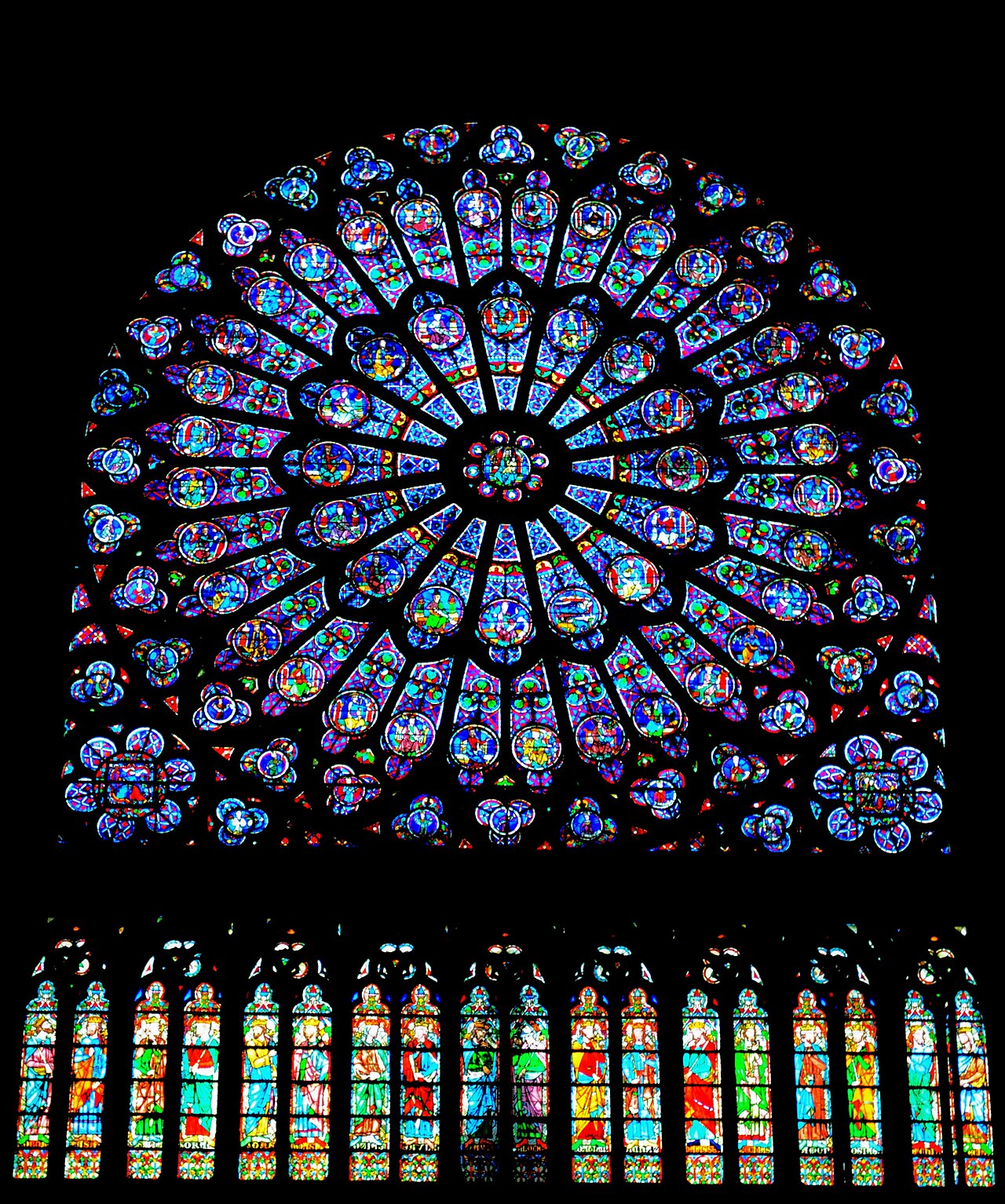
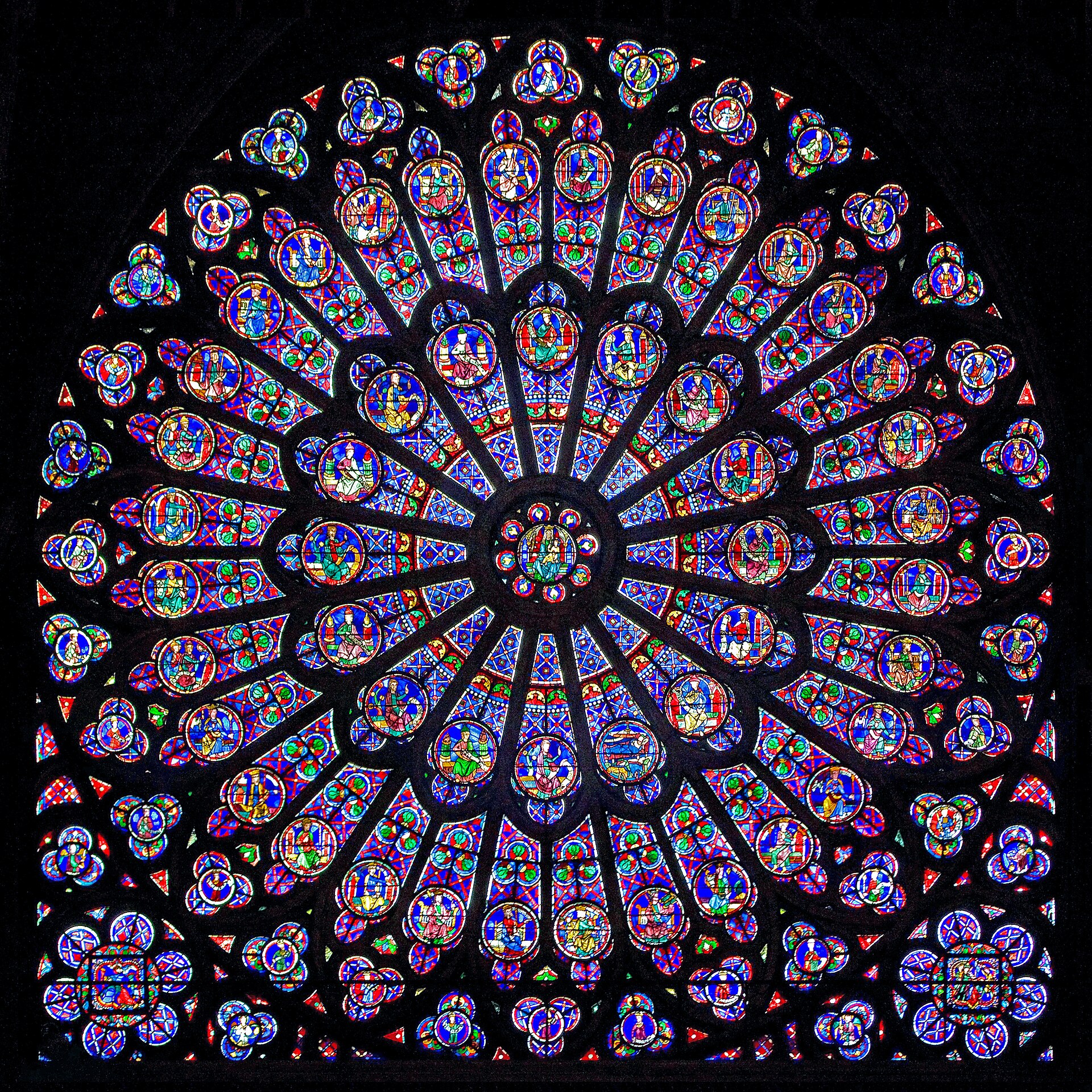
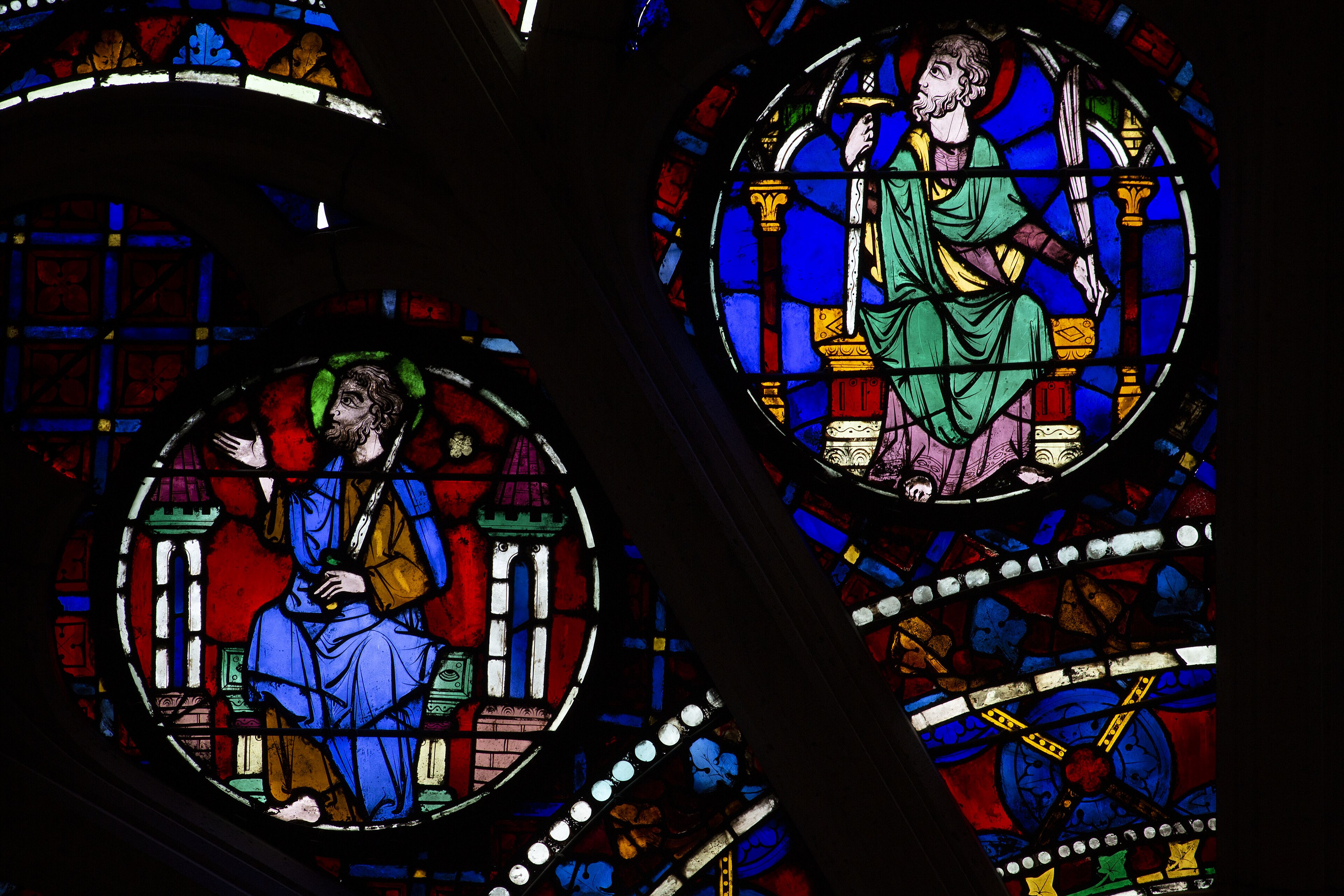
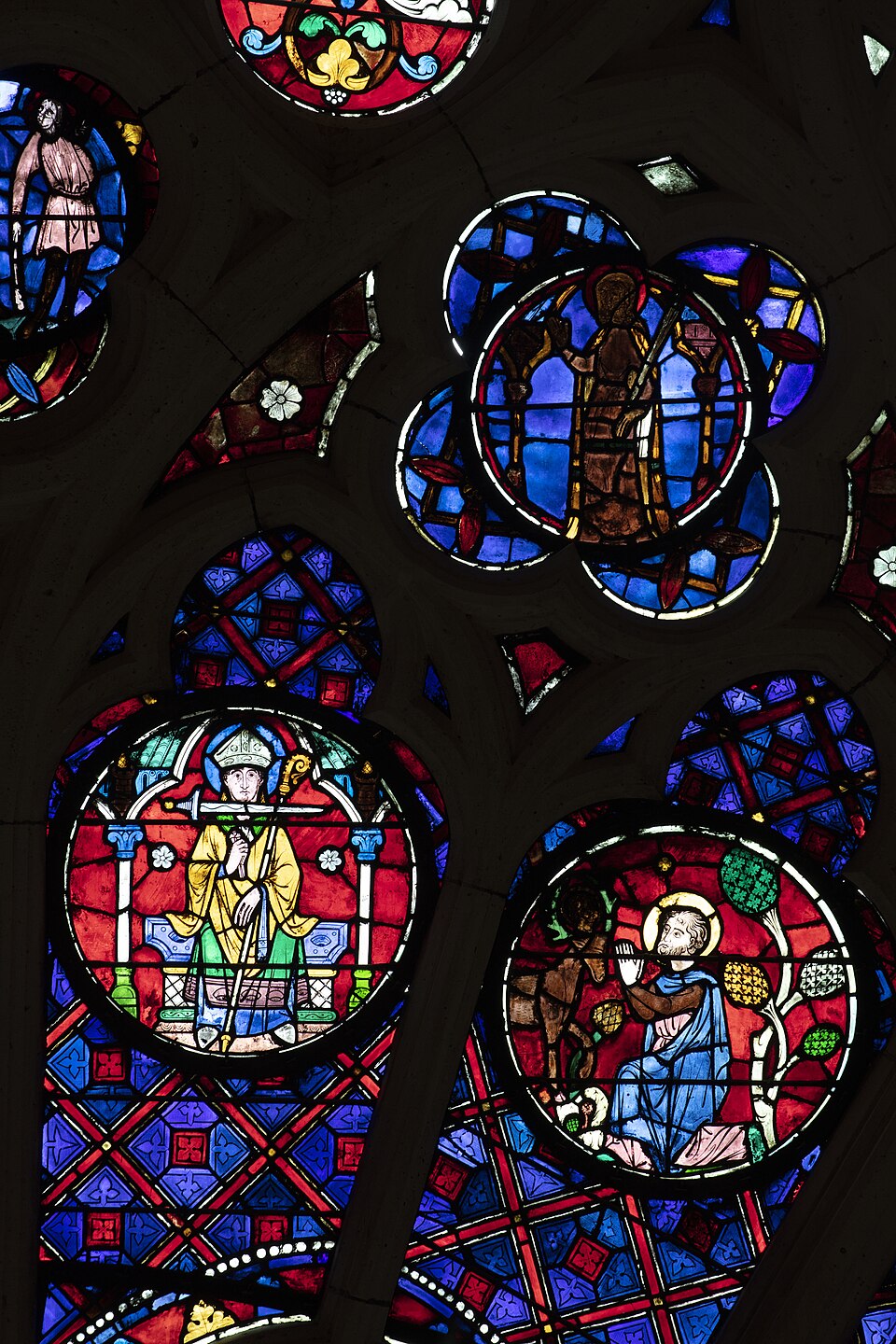
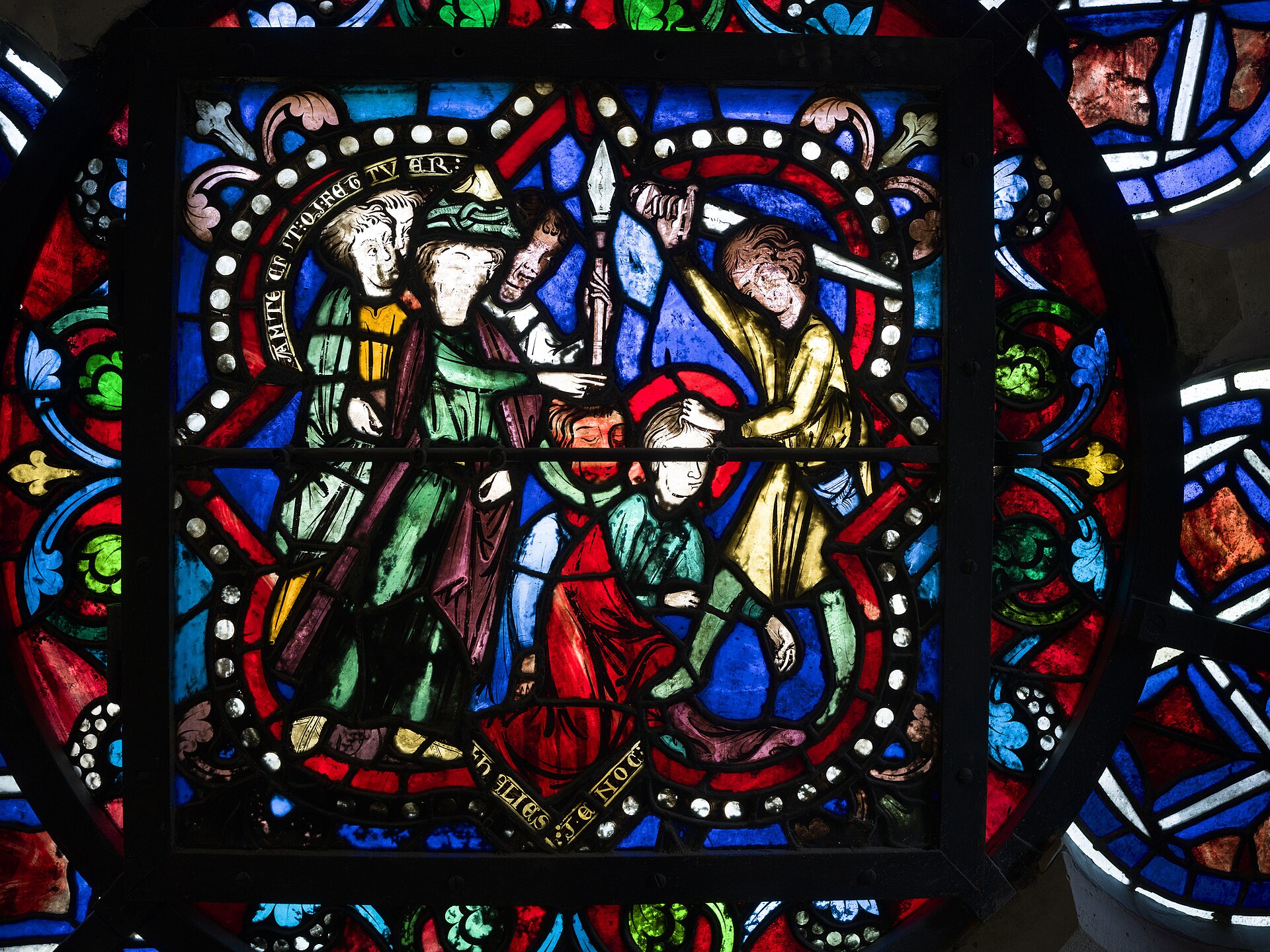
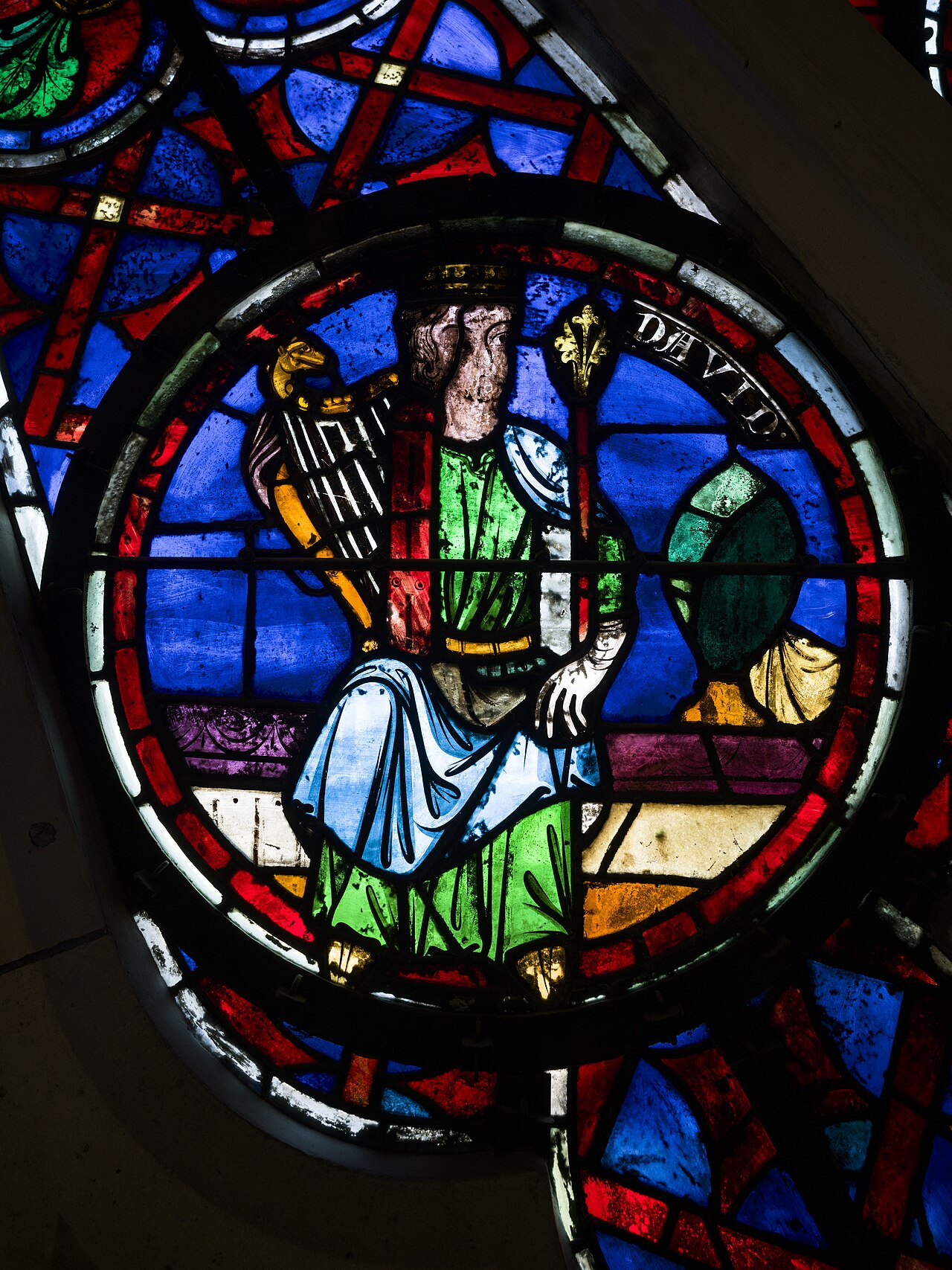
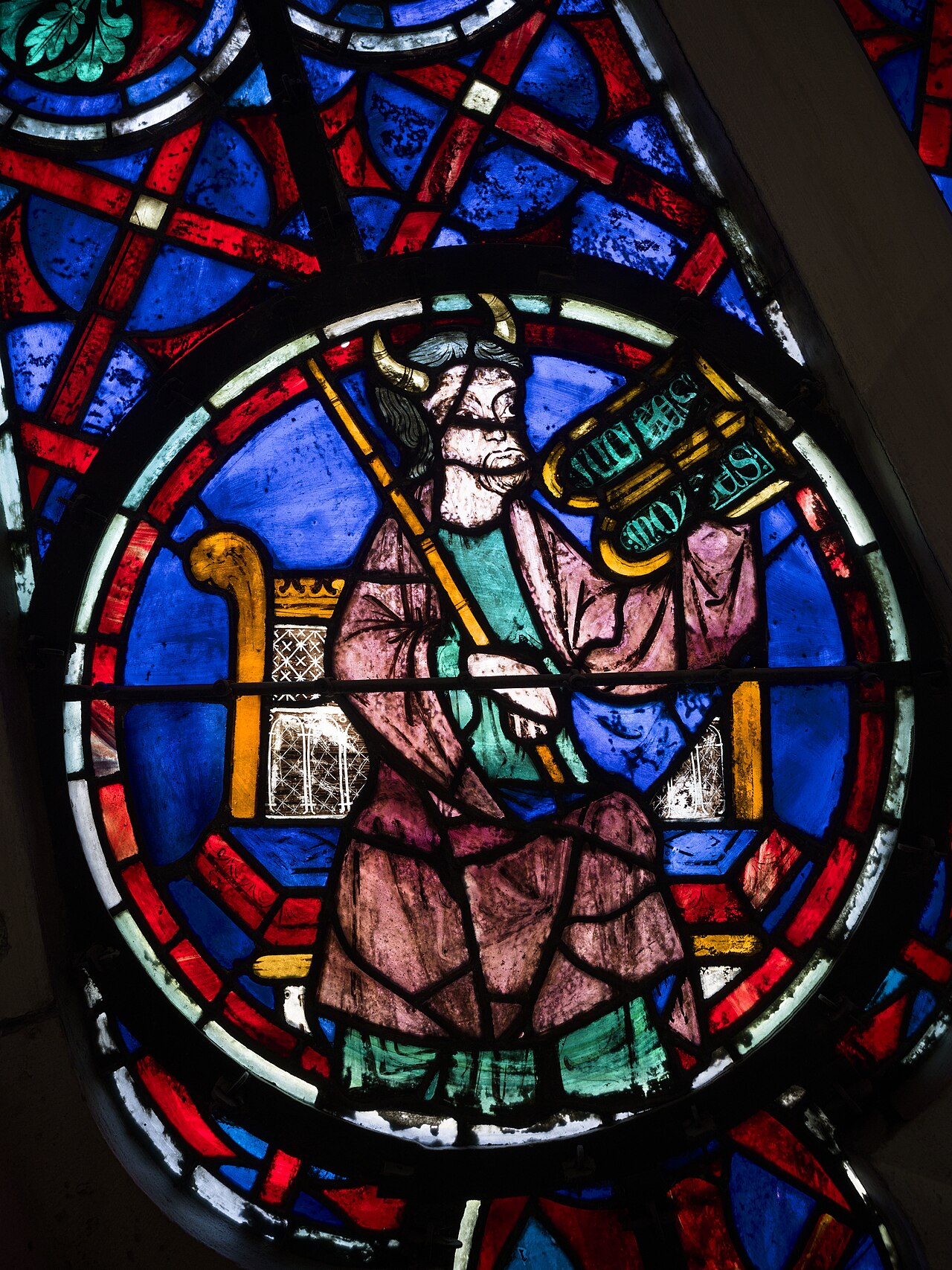
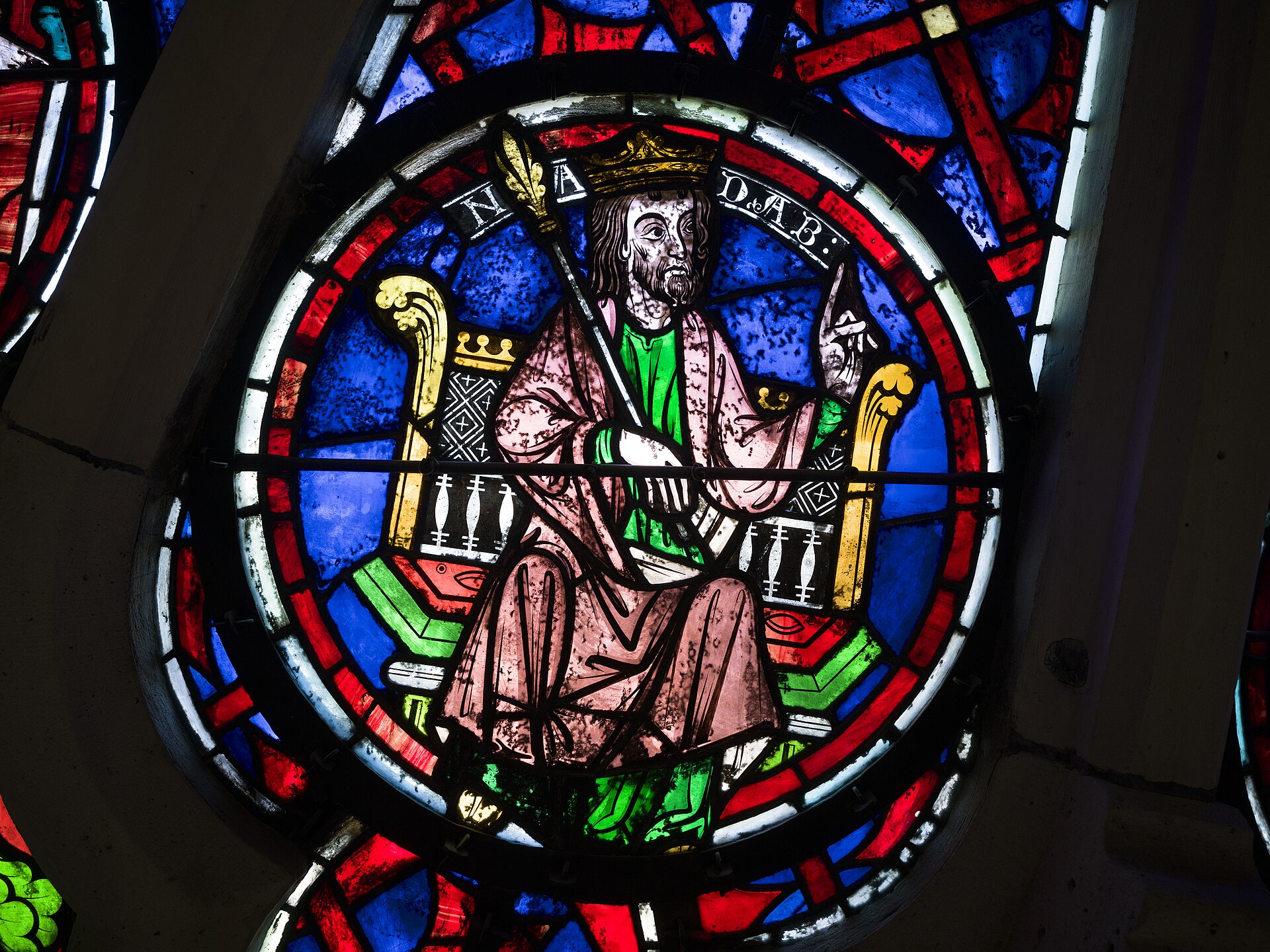
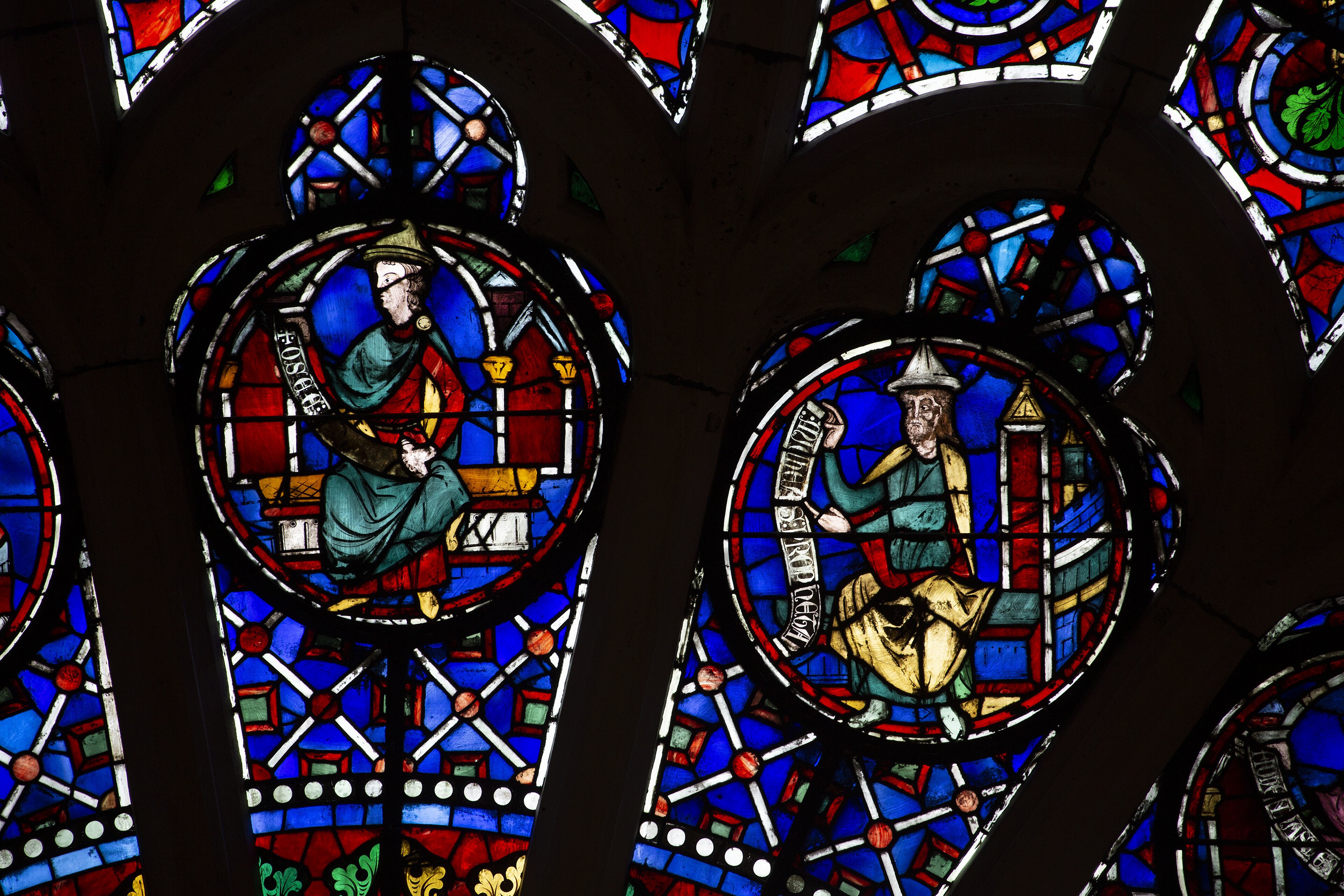
Creating stained glass was an incredibly complex process - often consuming up to 60% of the cathedral's total budget.
Glassmakers melted sand and added special metals during the fusion to achieve different colors (cobalt for blue, copper for red, manganese for yellow...)
They produced large sheets, approximately 30cm wide, which would then be sent off to the stained glass artists, who would chip off bits of them and assemble them to form the windows.
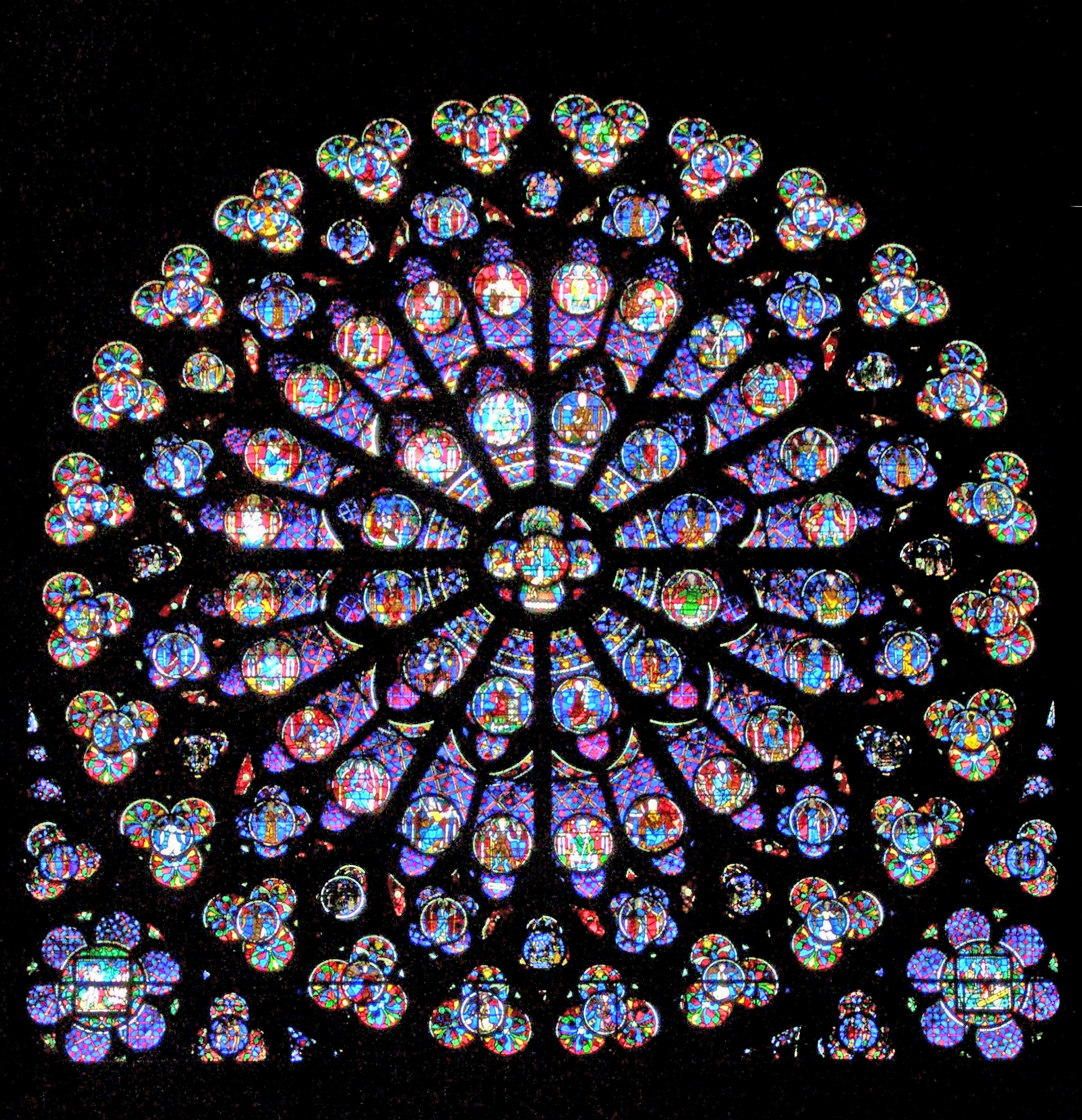
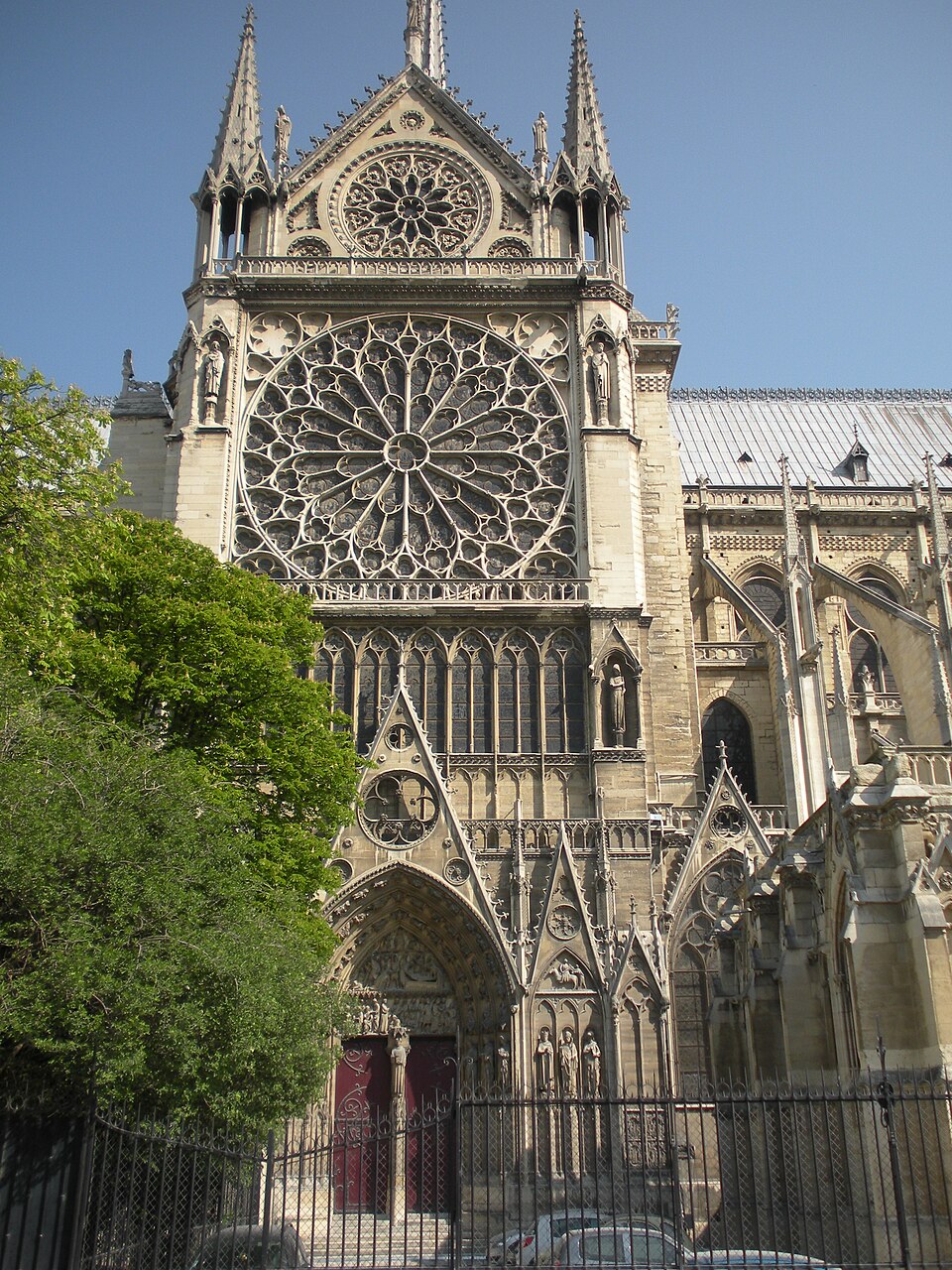
Notre Dame's rose windows are 13 metres in diameter - some of the largest in the world.
The North rose was a gift from King Saint Louis and retains 80% of its original glass.
It features the Virgin Mary surrounded by the virtues and vices, the 12 months of the year and the 12 tribes of Israel.
The South rose features martyred saints, including Saint Denis, as well as Biblical scenes such as the Exodus.
Comments
Loading comments...