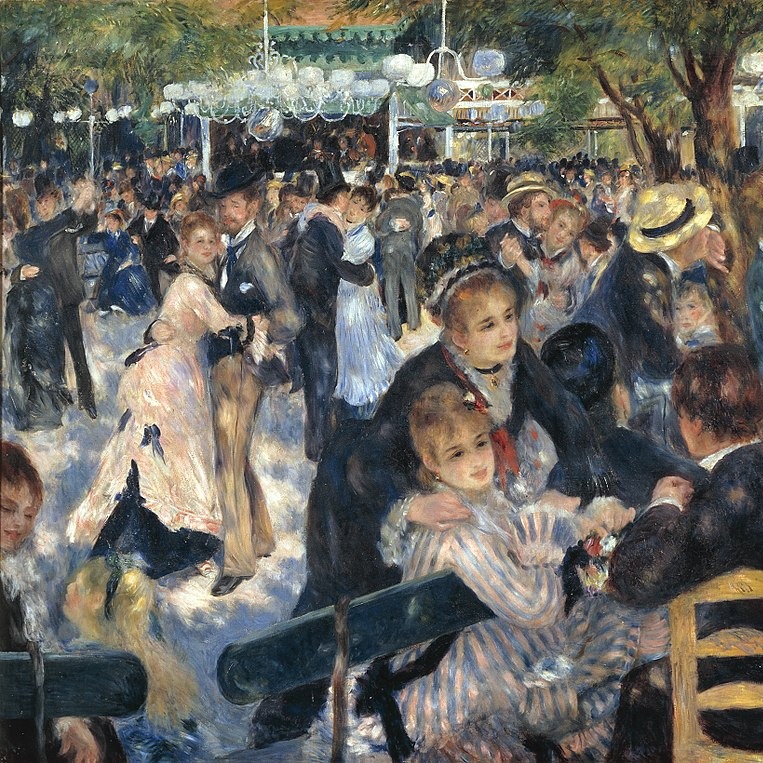
Dance at the Moulin de la Galette


In the 19th century, many artists shifted their focus away from historical subjects to capture authentic scenes from everyday life.
This luckily provides us with a remarkable insight into what life was like at the time.
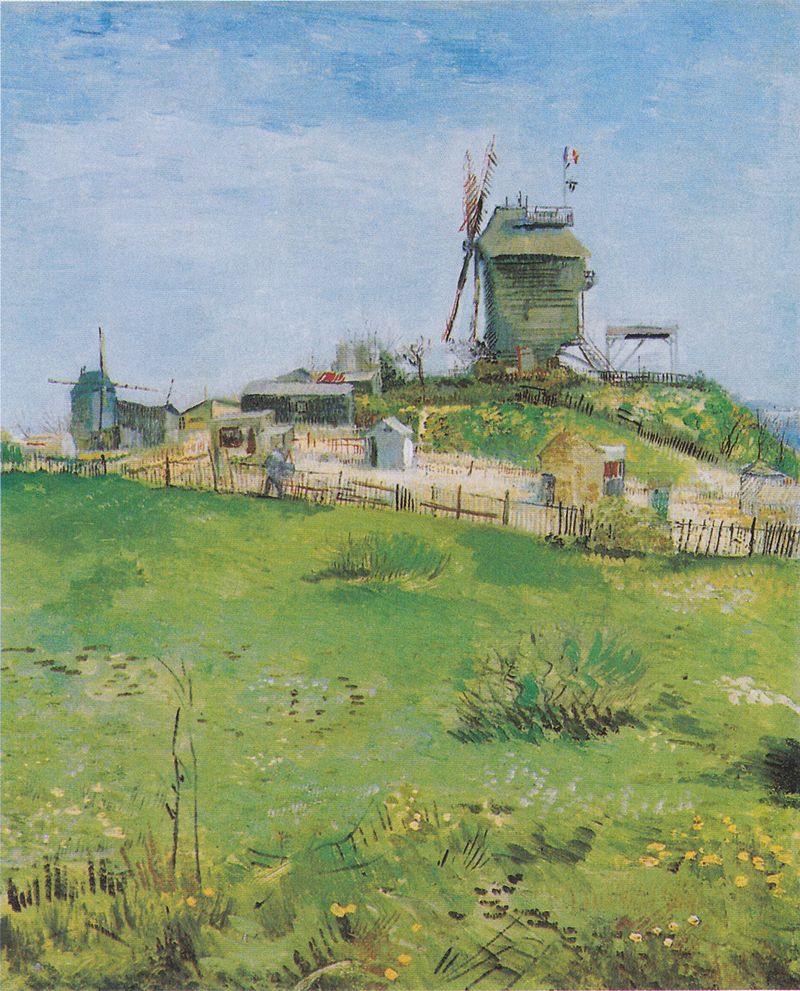
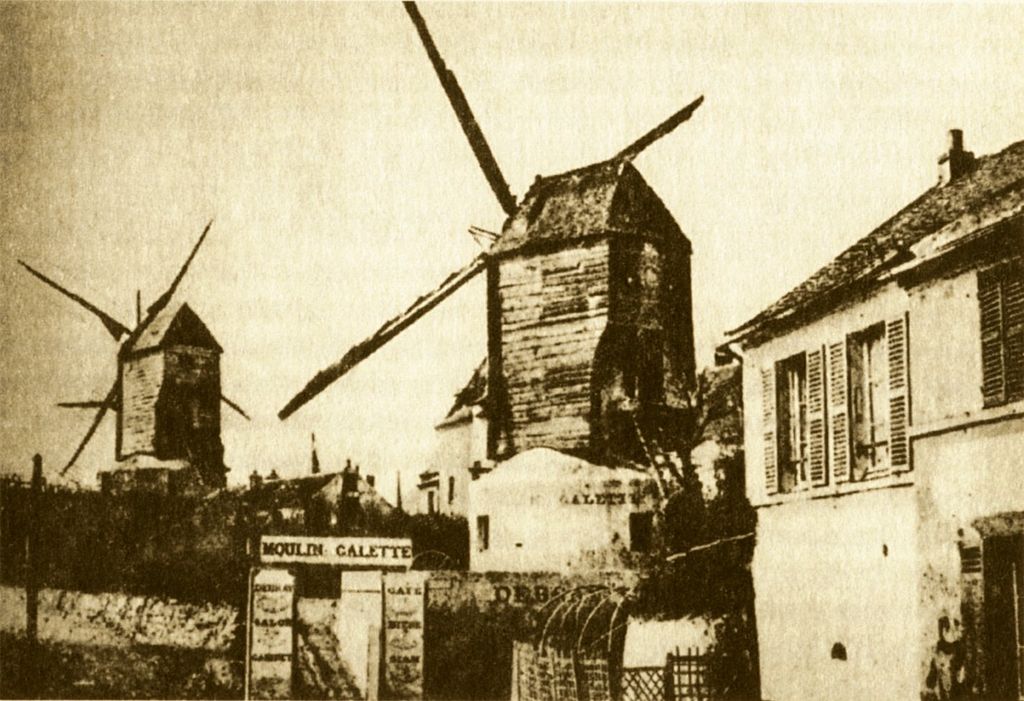
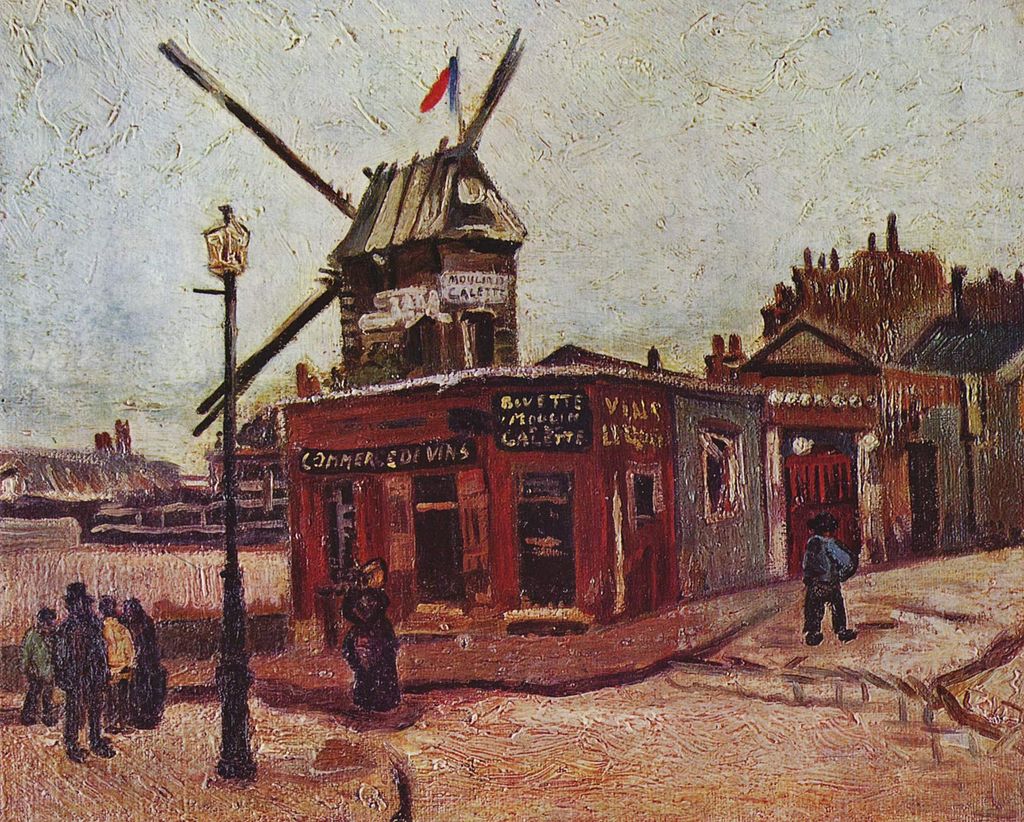
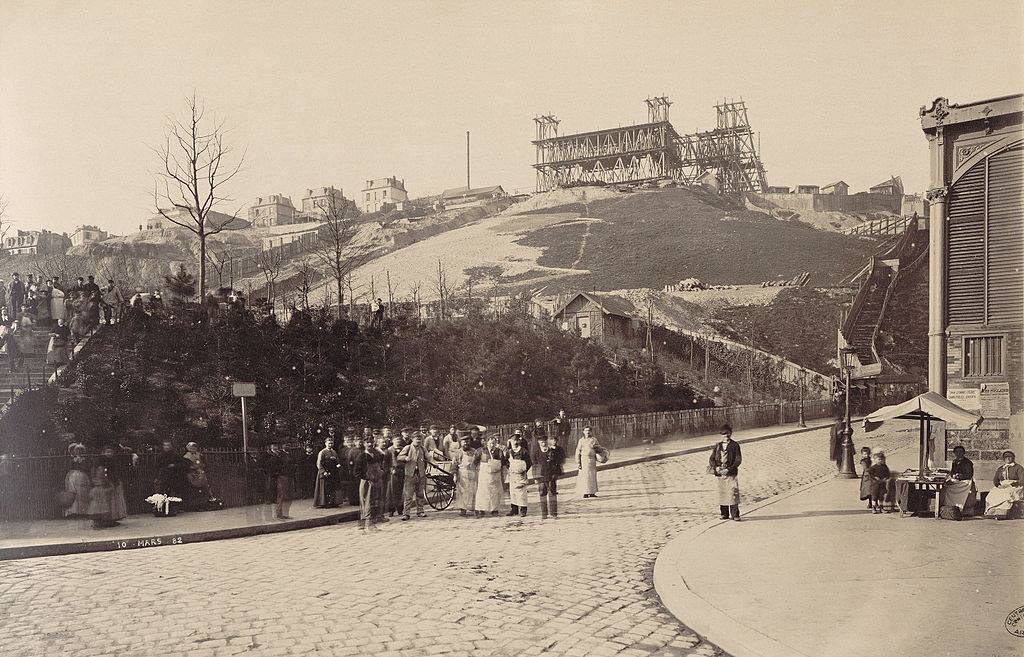
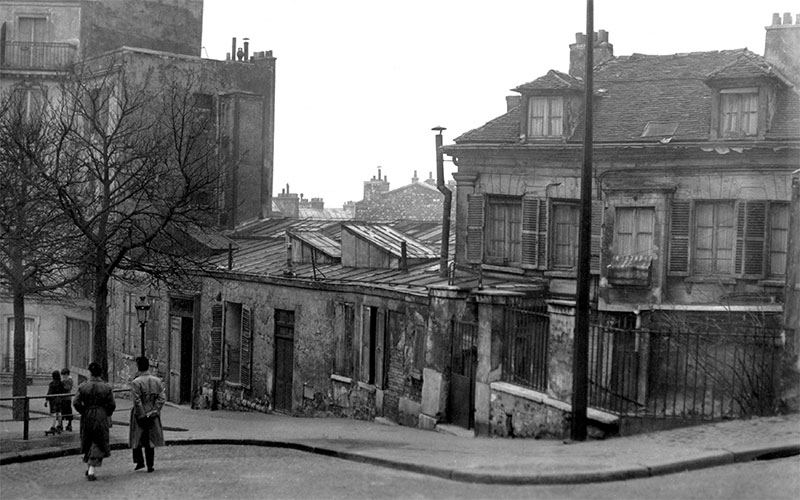
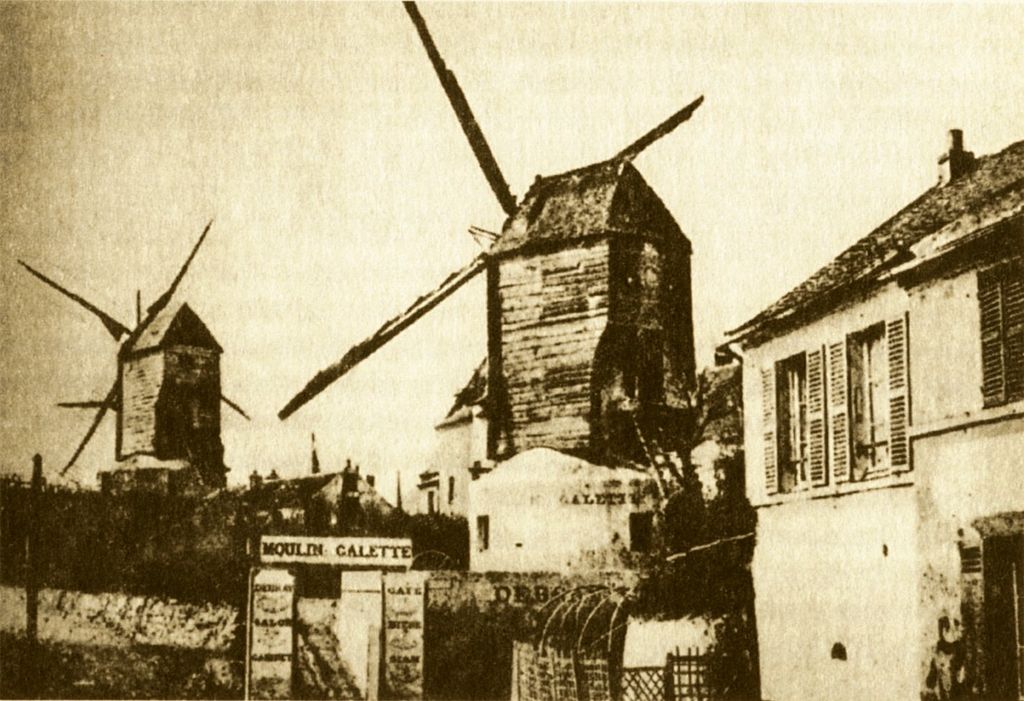
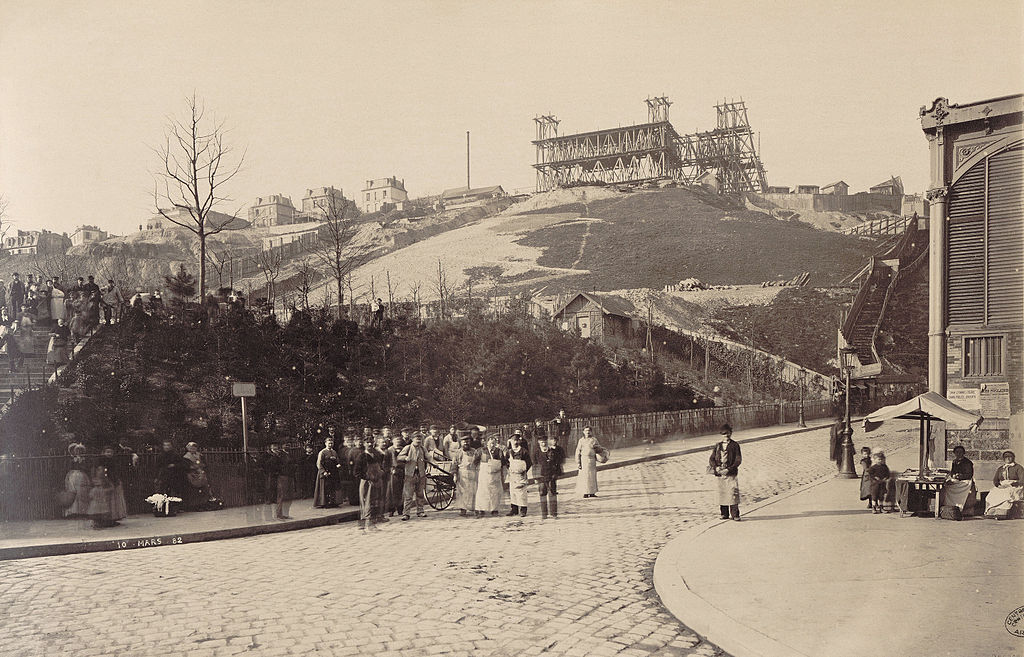
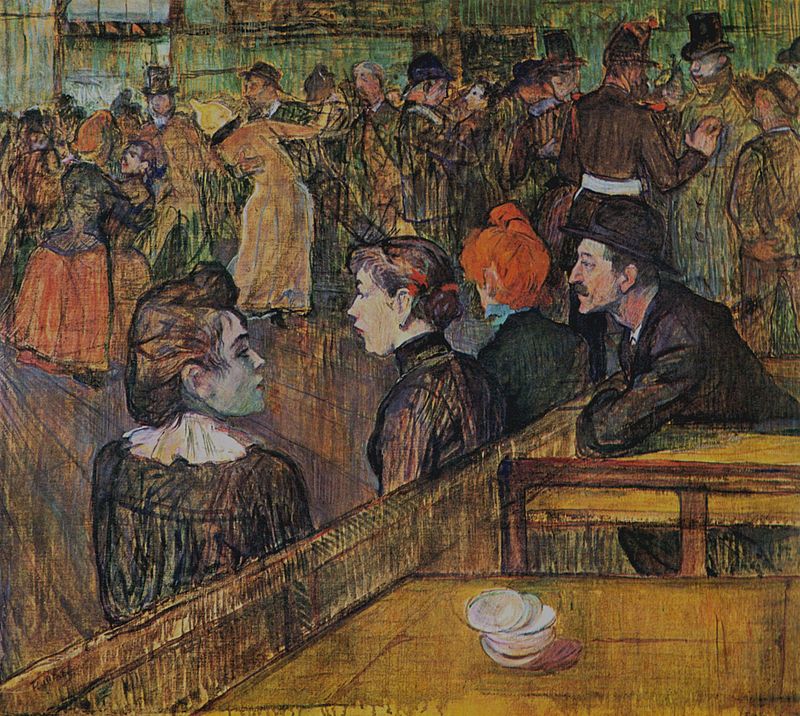
The Moulin de la Galette was a windmill on the top of Montmartre, a hill just on the outskirts of Paris.
Its name literally translates as "the Pancake Windmill".
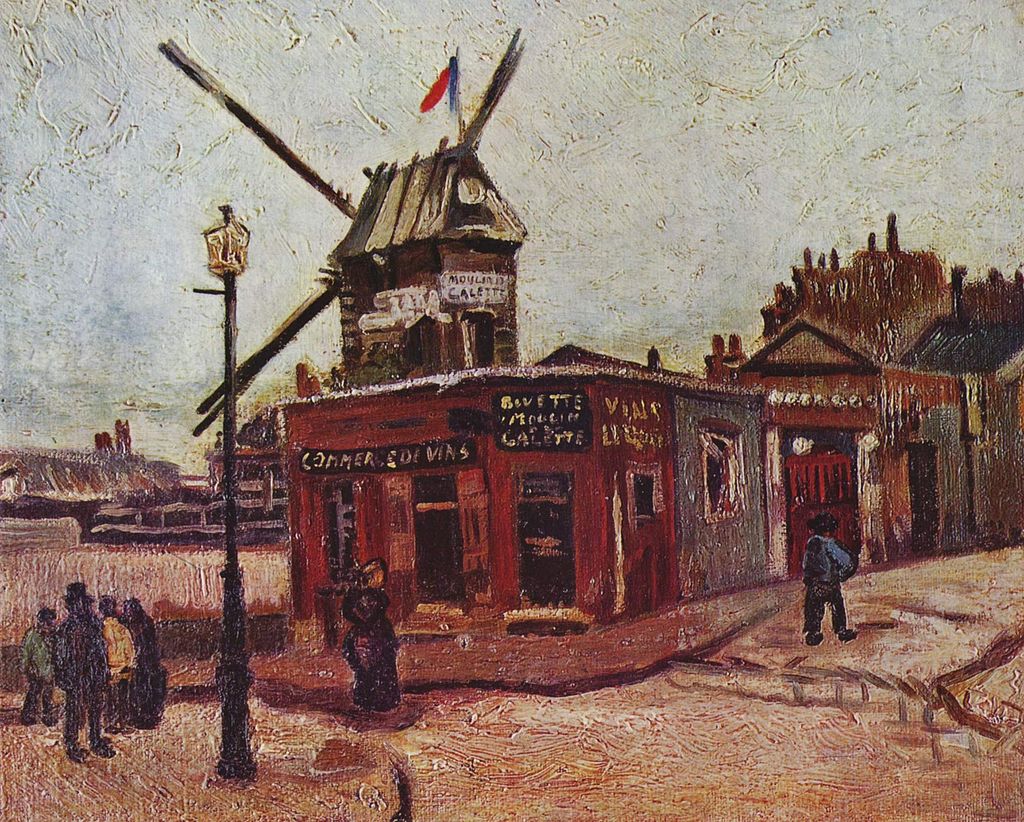
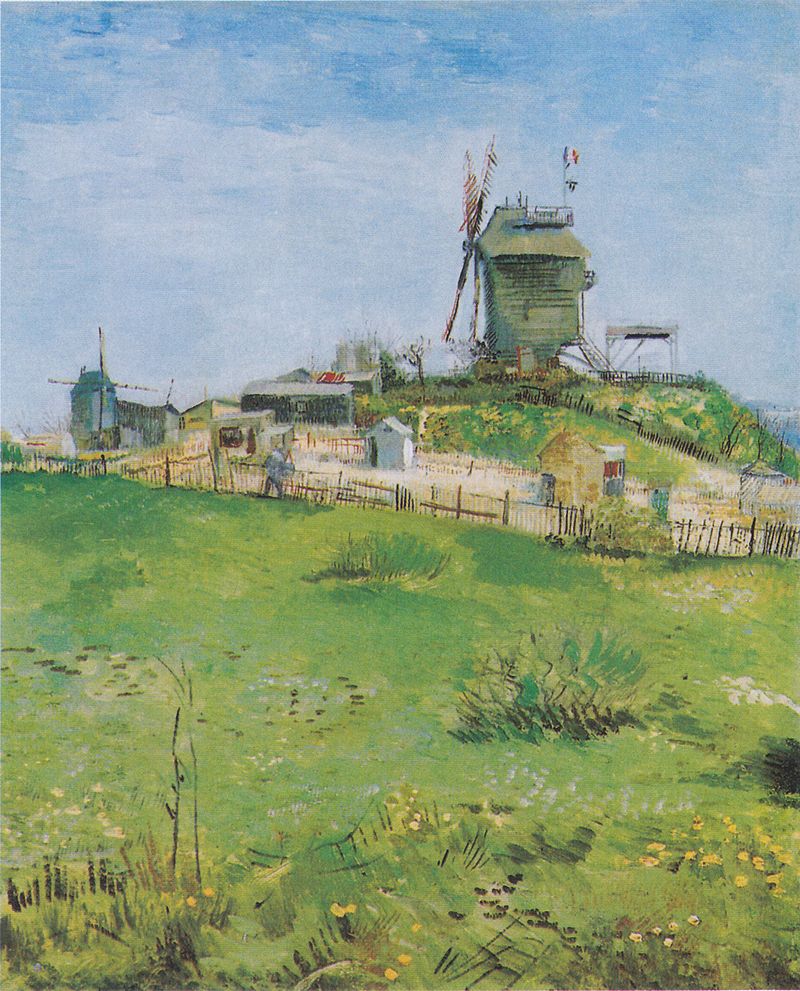
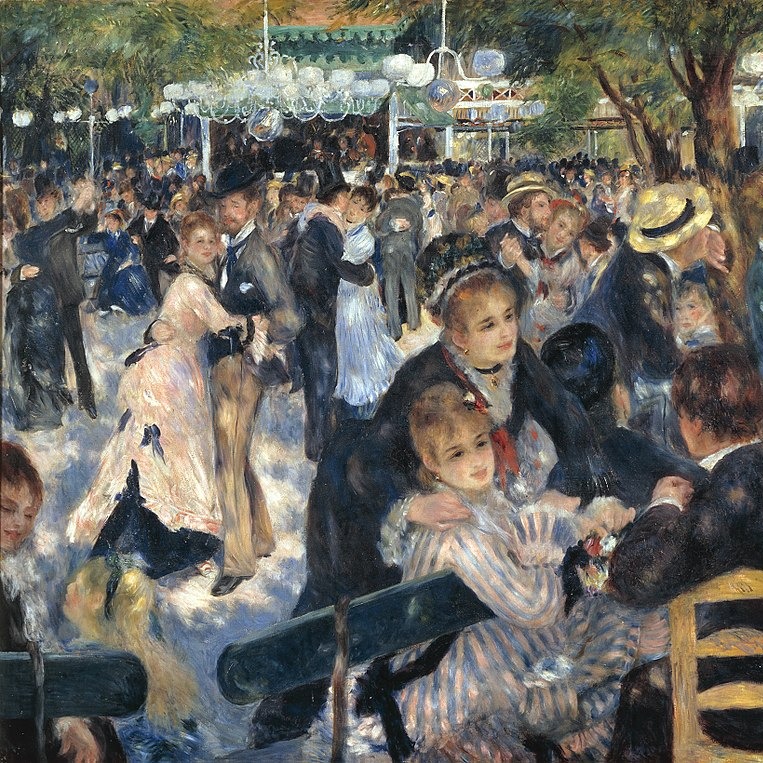
Every Sunday, its owners would turn part of the windmill into an open-air dance floor.
Parisians would flock up the hill to party - including many artists who had studios nearby.
As writer Zola described it : "We rushed off into the countryside to celebrate the joy of not having to listen to any more talk about politics".
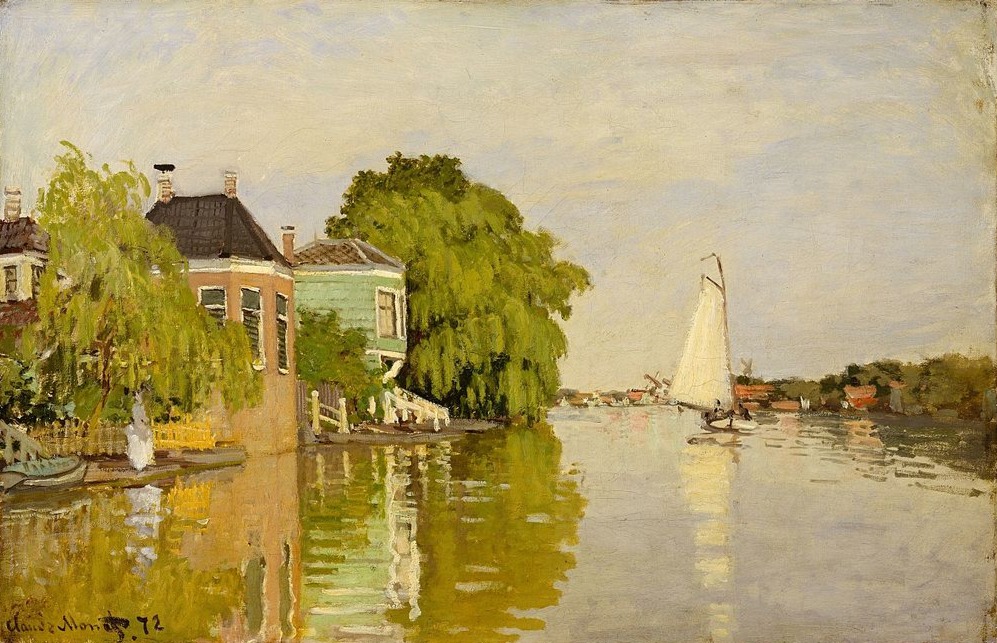
As an Impressionist, Renoir was intent on capturing the experience of the real world, emphasising the effects of light and atmosphere.
Like Monet, he mostly painted outdoors, setting up his large canvases in the garden next door.
Fun fact : Renoir painted 2 versions of this painting.
In the 1990s, the smaller painting was sold for $78 million - but it then almost disappeared when its owner asked to be cremated with it!
Comments
Loading comments...