

The earliest traces of human occupation in Paris date back to the Romans in the 1st century BC.
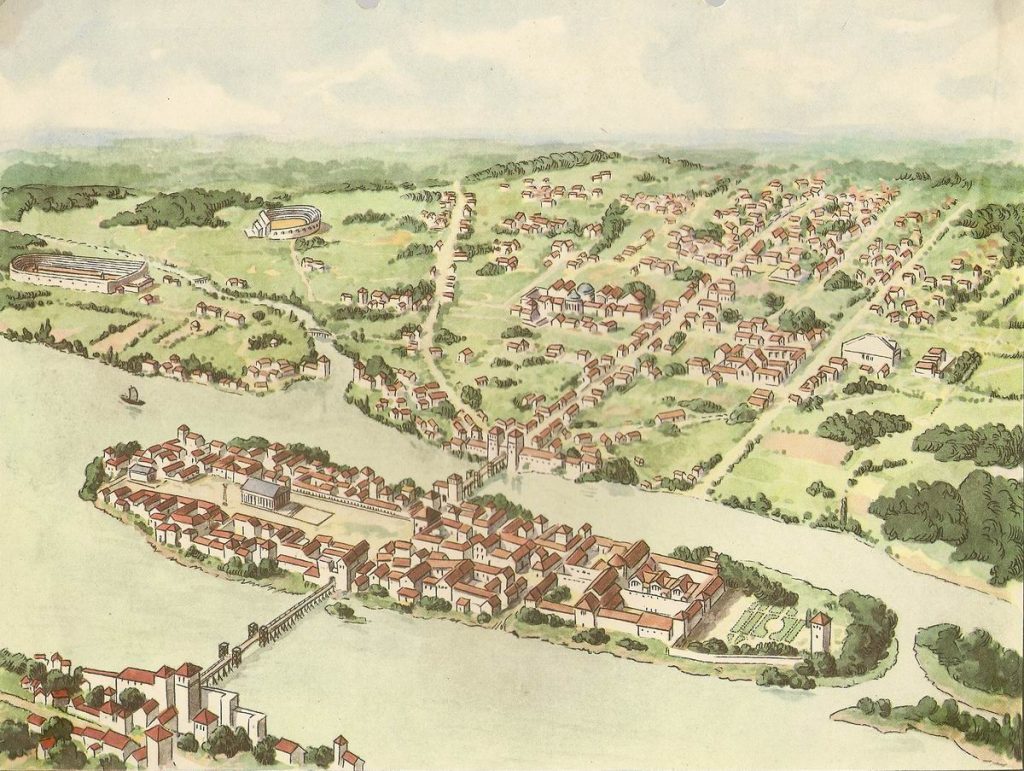
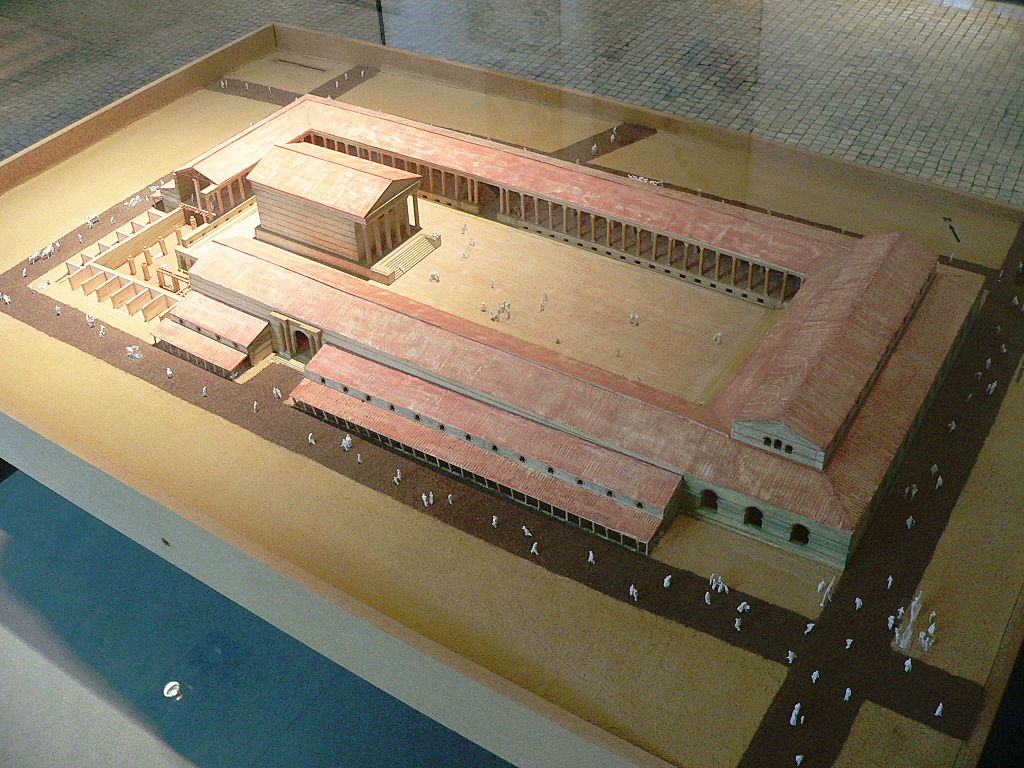
The Montagne Sainte Geneviève, where the Panthéon now stands, was the heart of Roman city - Lutetia.
Built on a classic Roman layout, it featured two major perpendicular roads : the cardo maximus (today's rue Saint Jacques) and the decumanus maximus (today's Rue Soufflot).
The forum lay at the intersection of both.
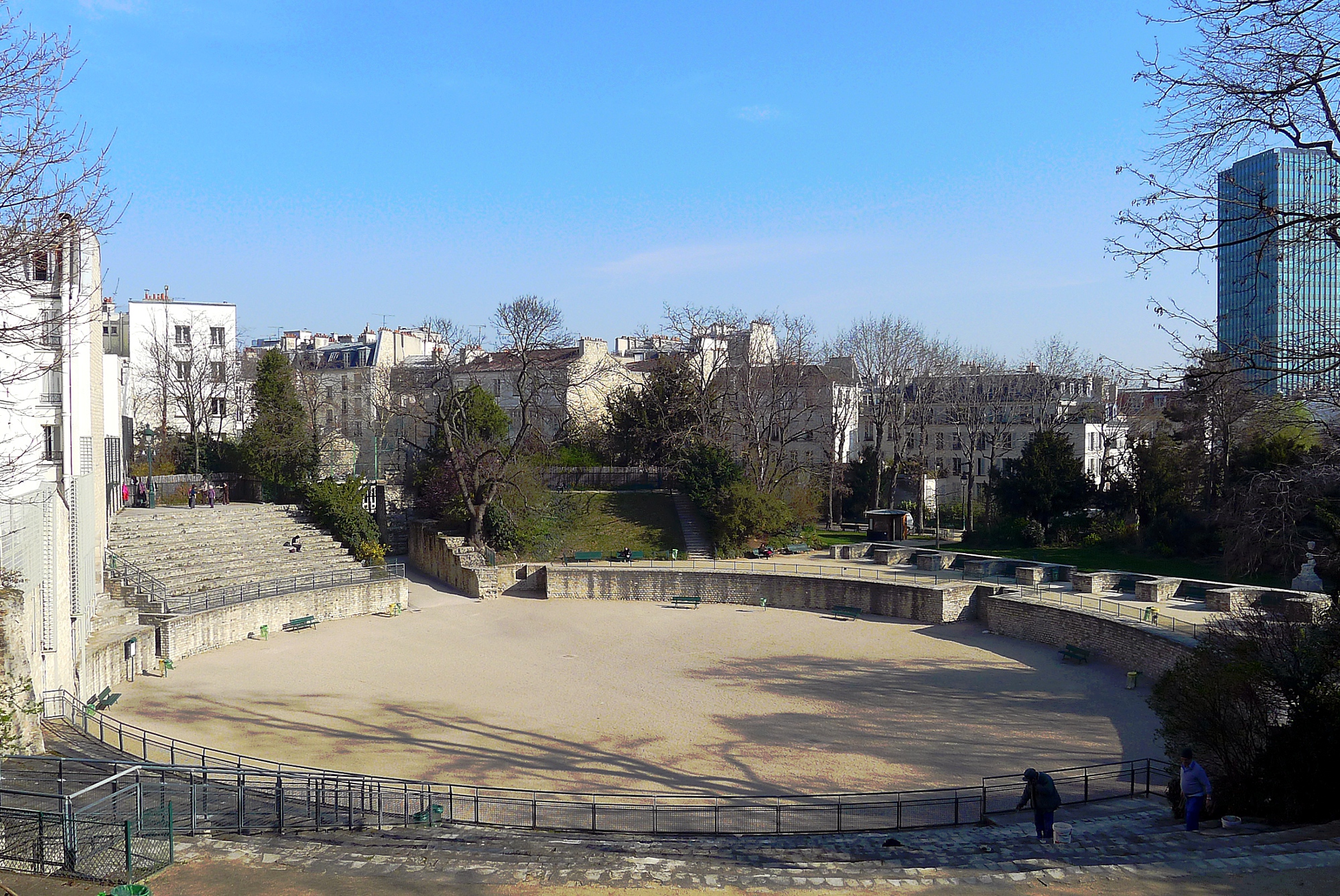
The city also had an amphitheatre, still visible today : the Arenes de Lutece.
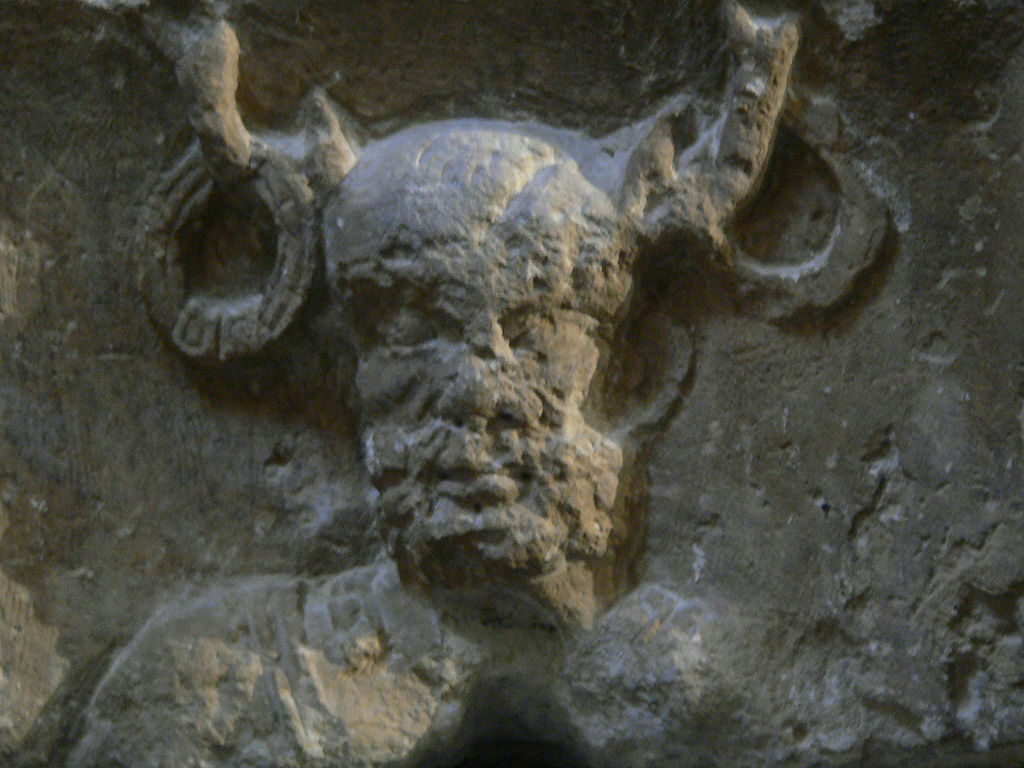
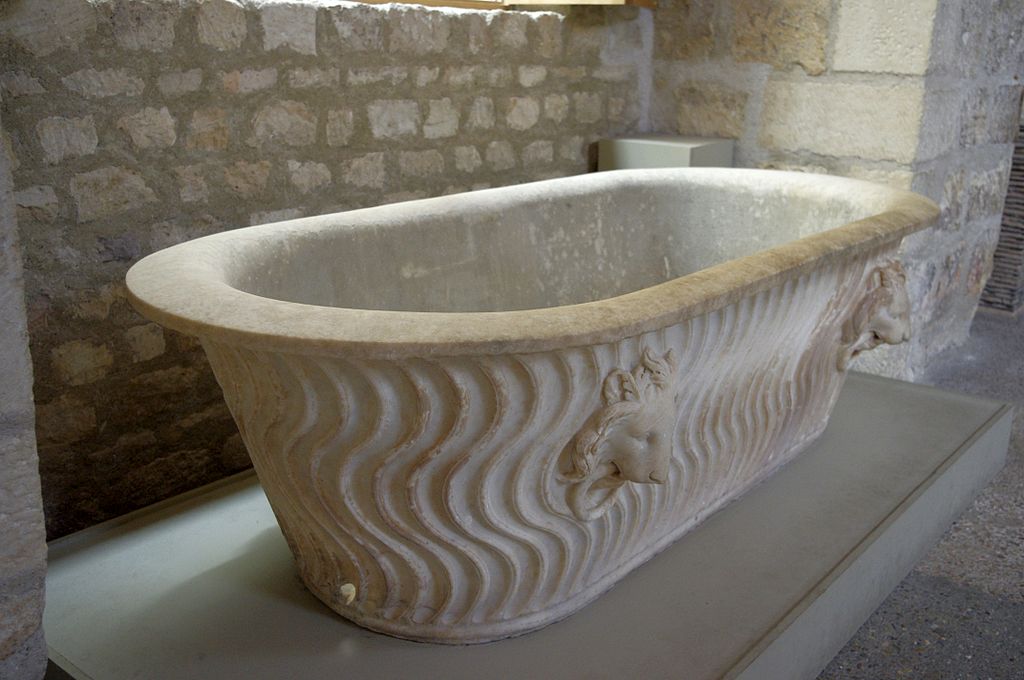
It had Roman baths, today's Thermes de Cluny.
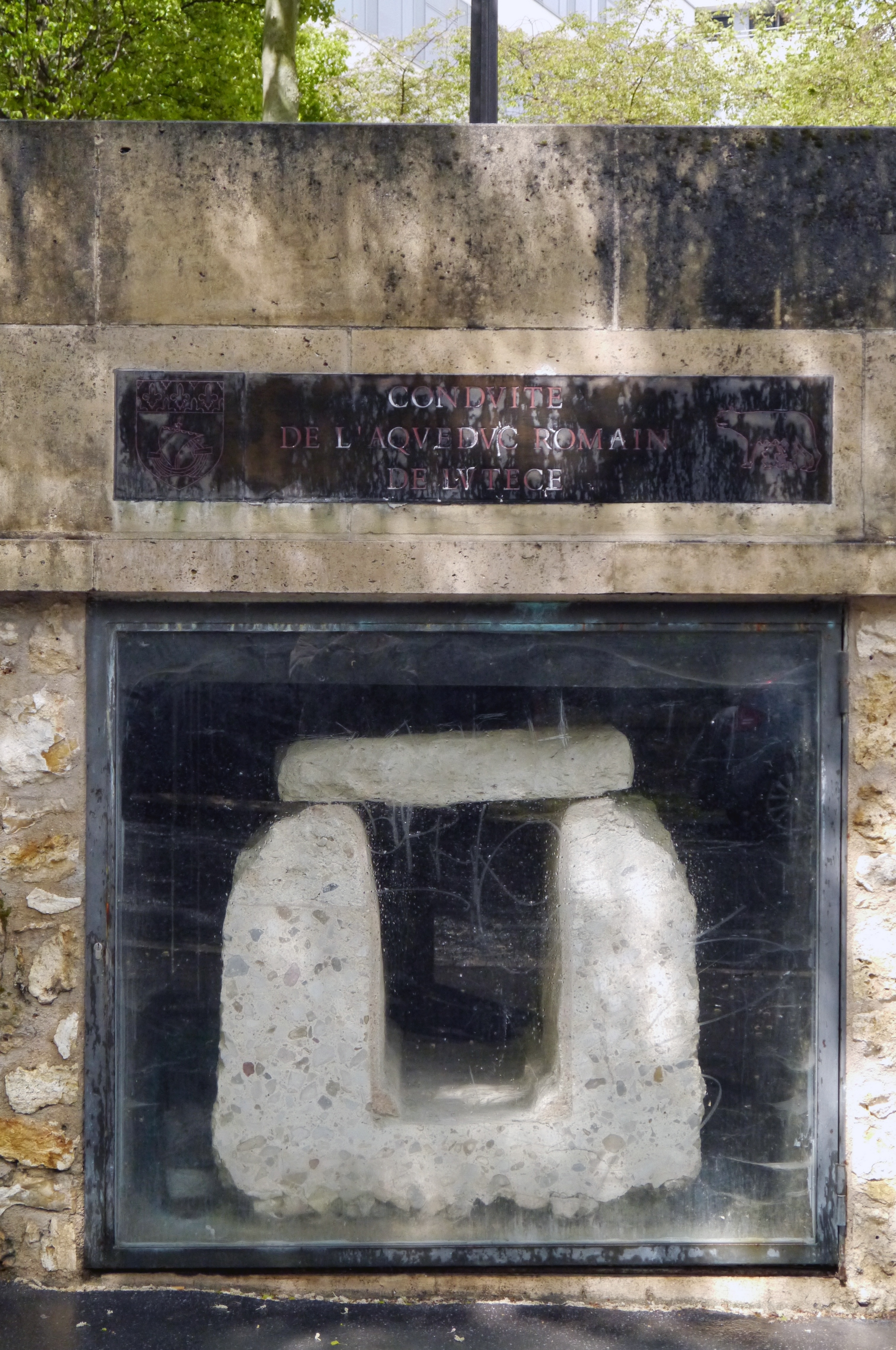
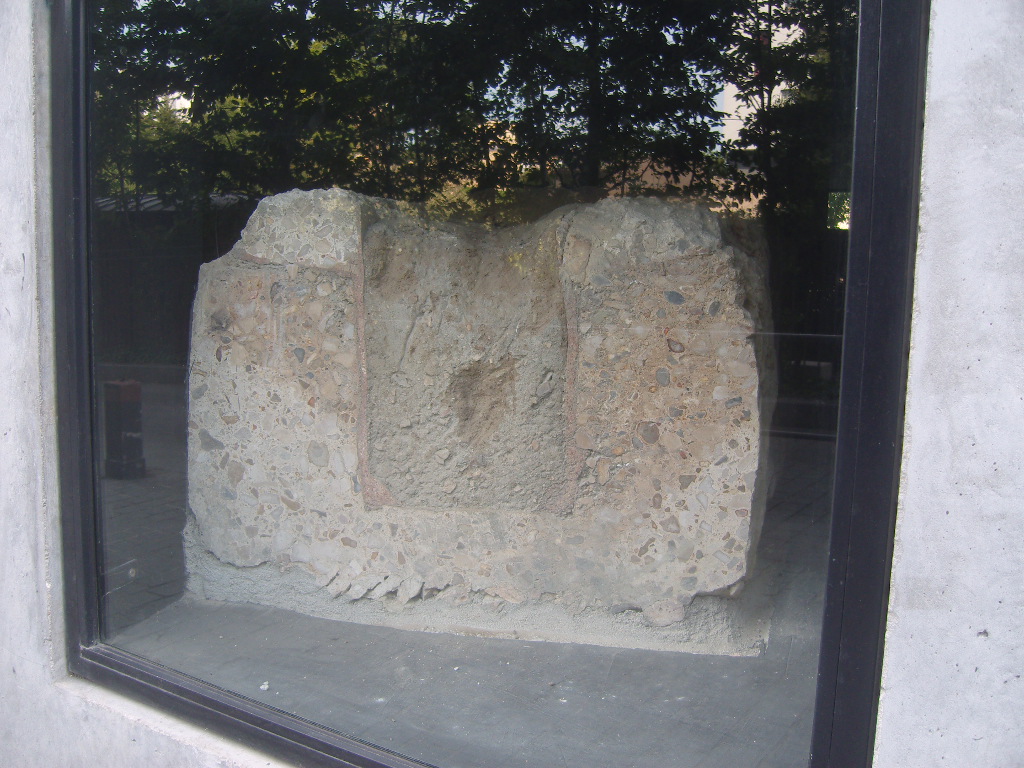
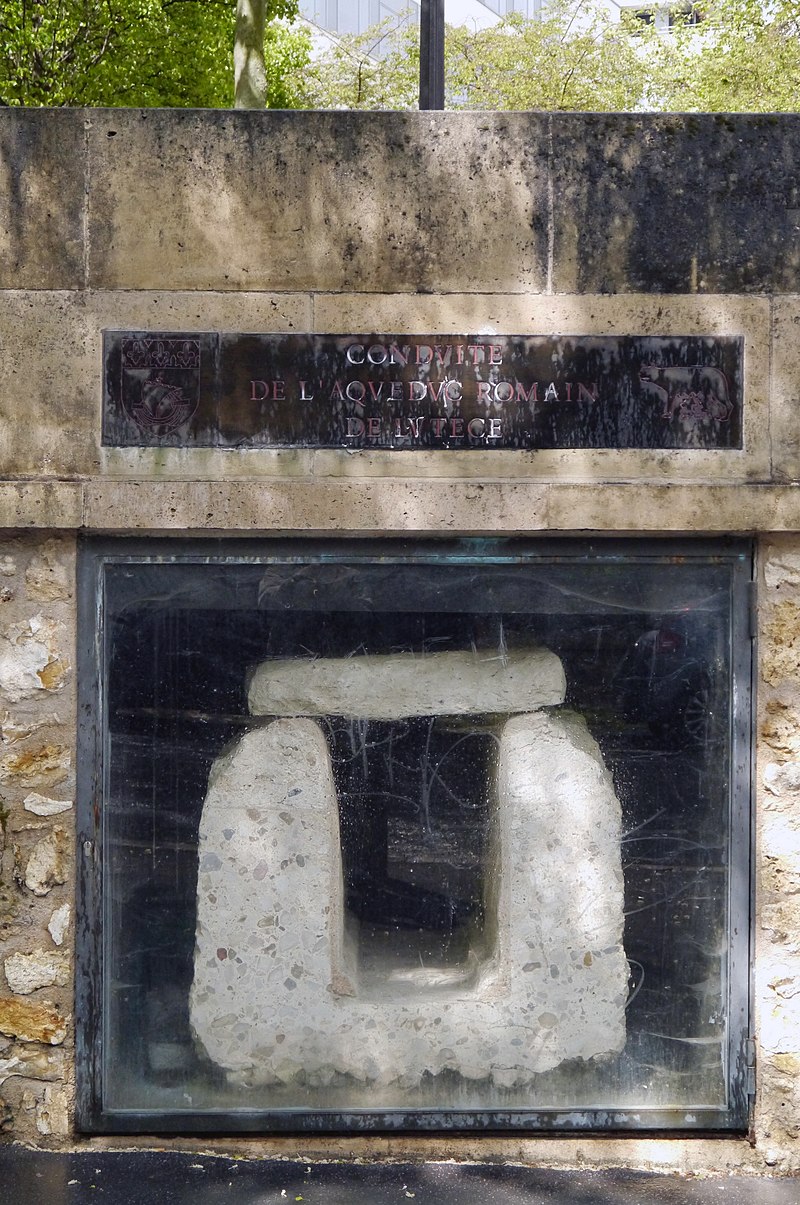
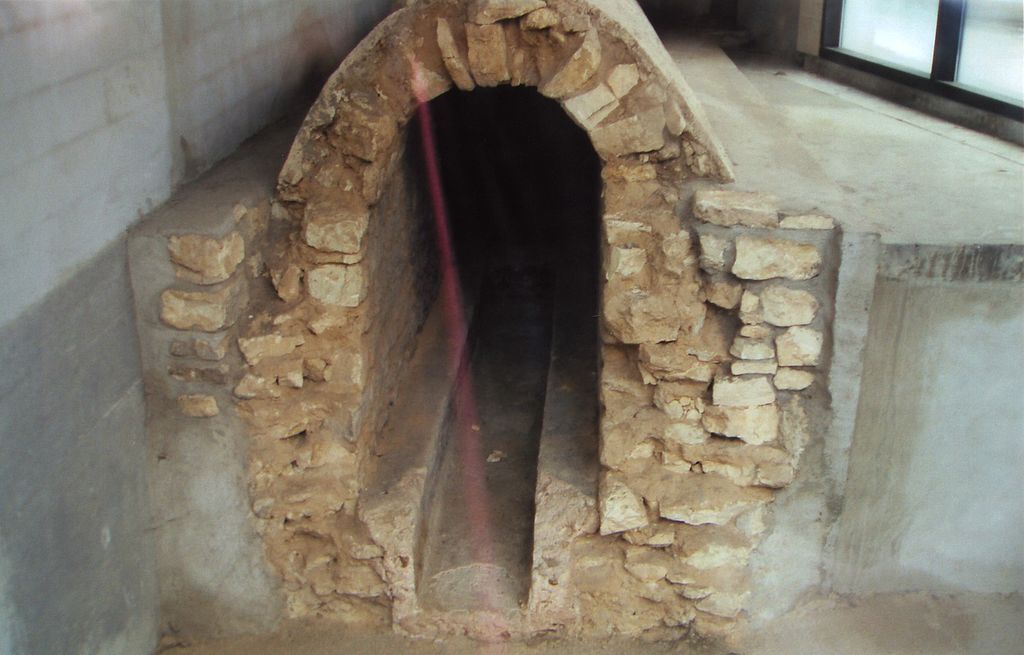
It had an aqueduct, ruins of which are still visible in the Parc Montsouris.
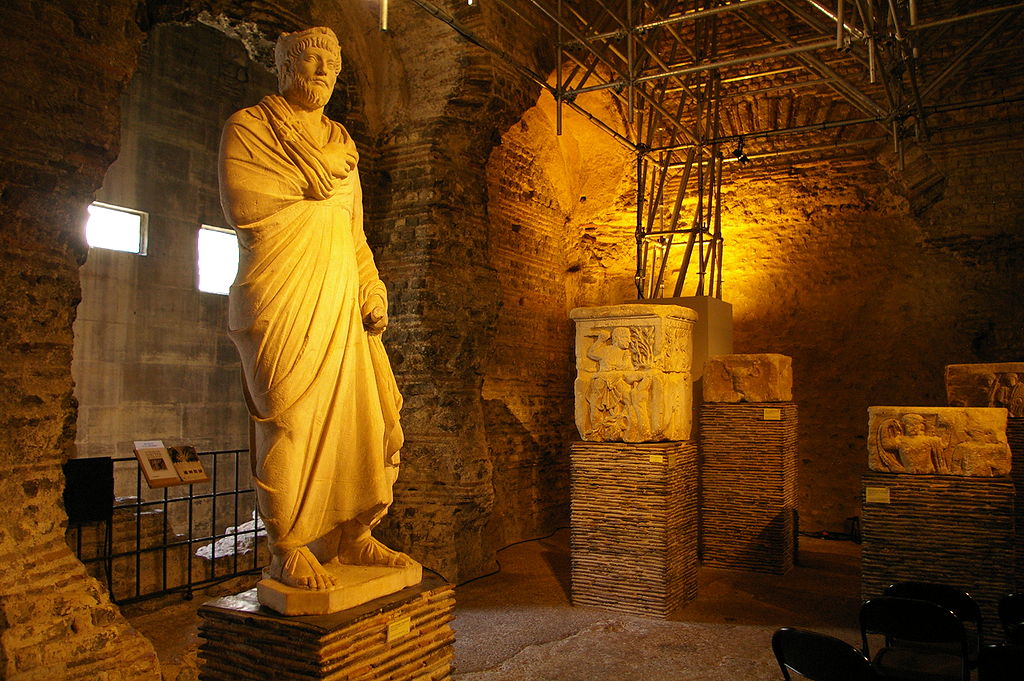
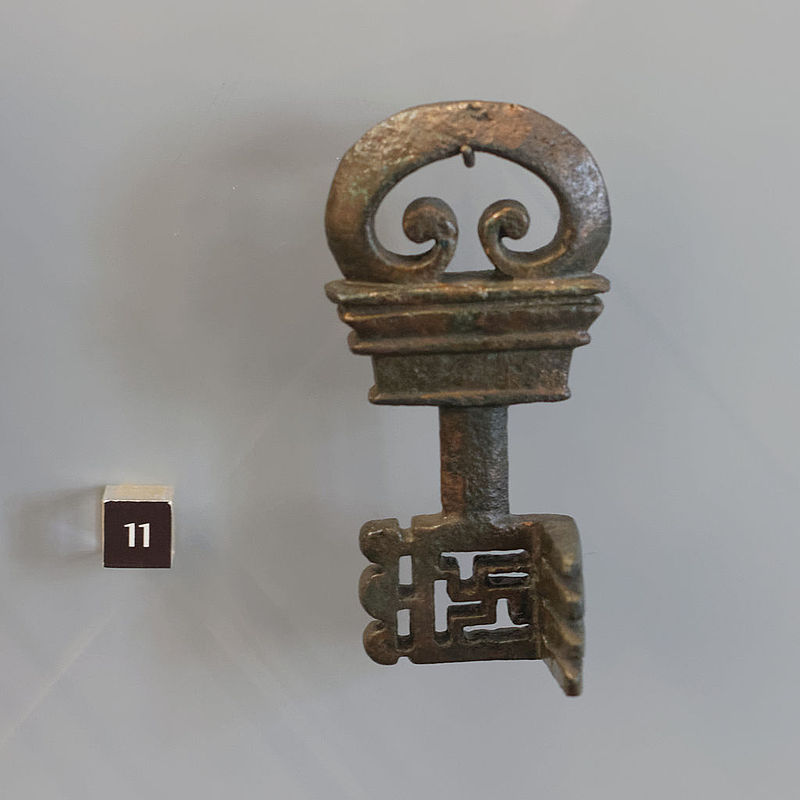
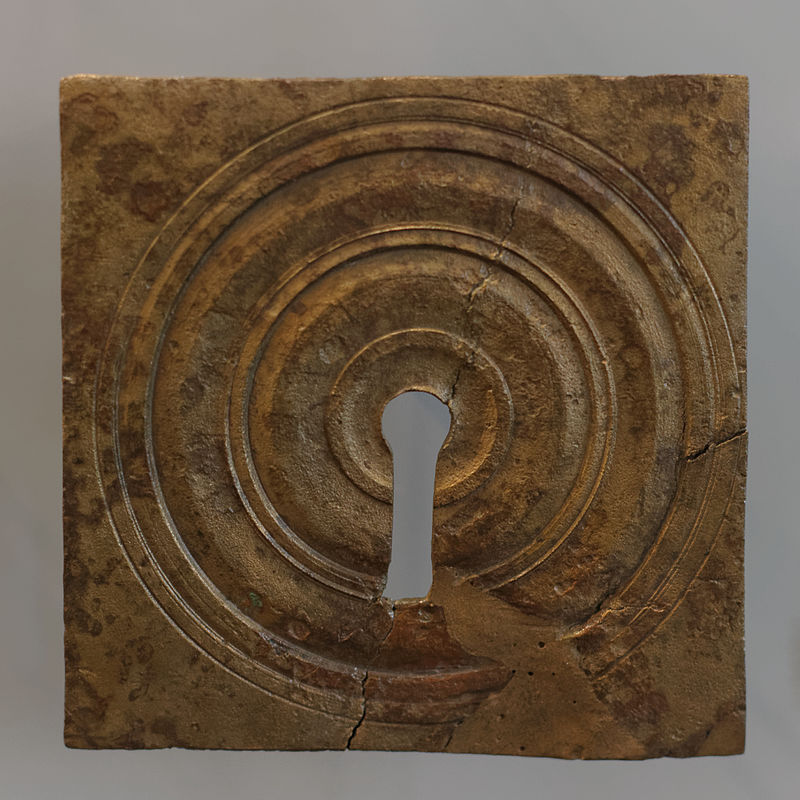
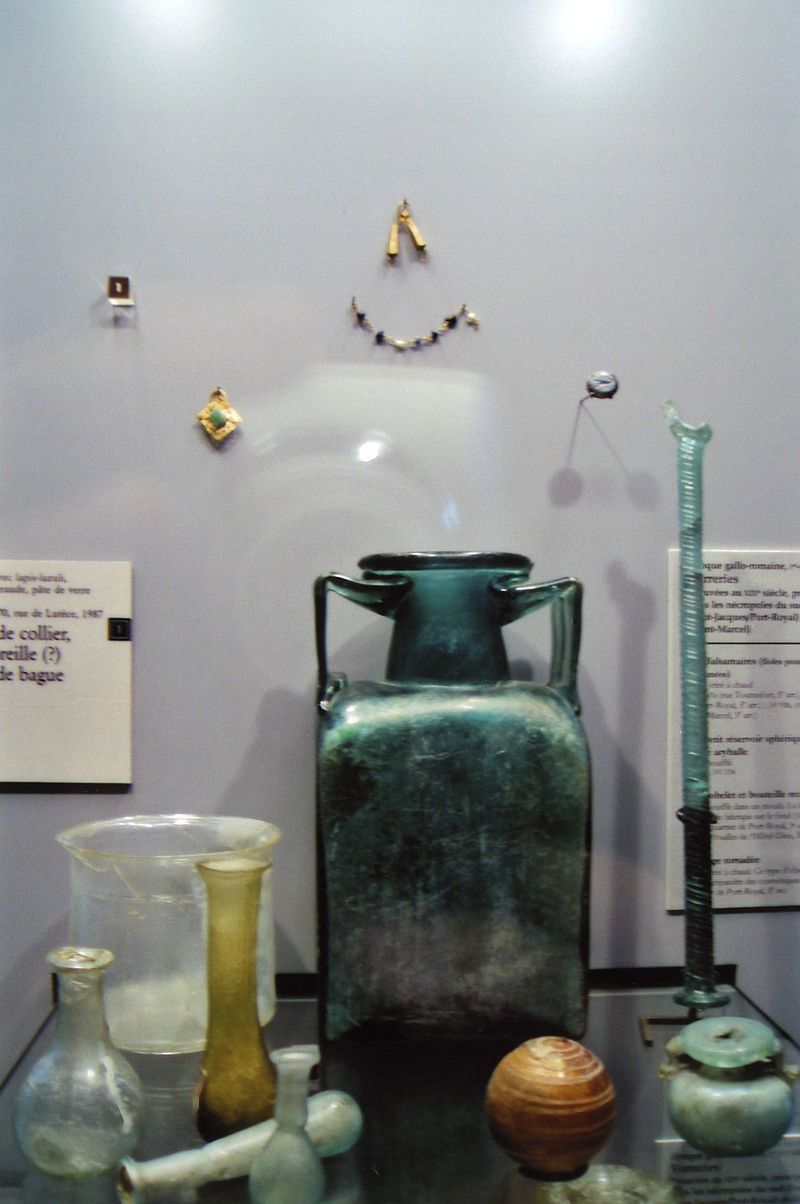
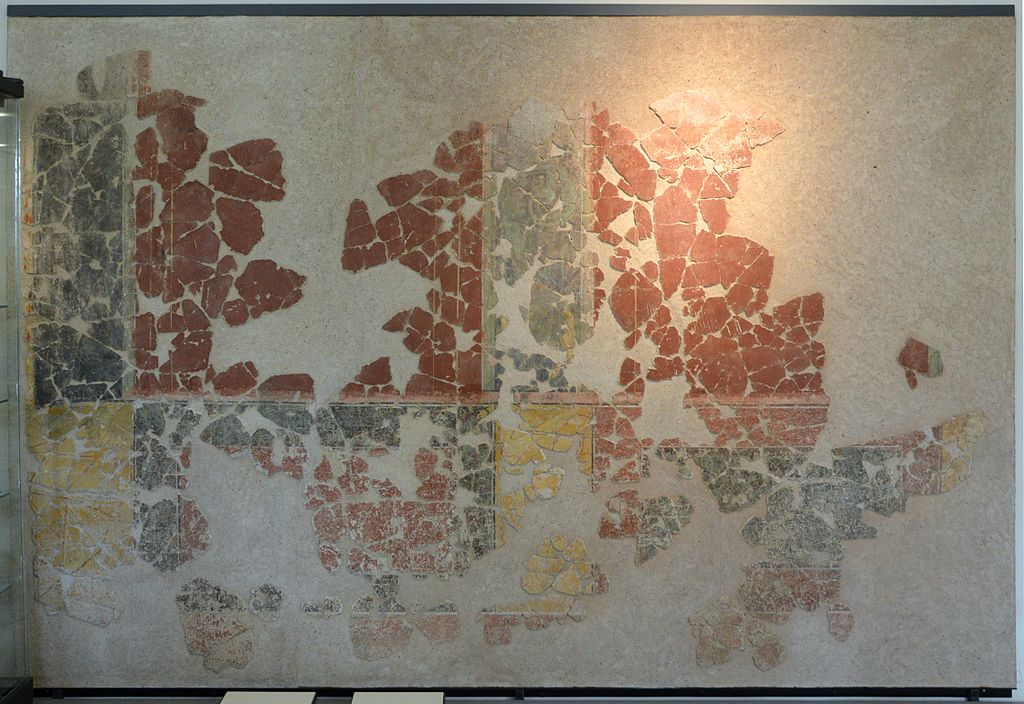
Many Roman artifacts found on site are now housed at the Musée Carnavalet.
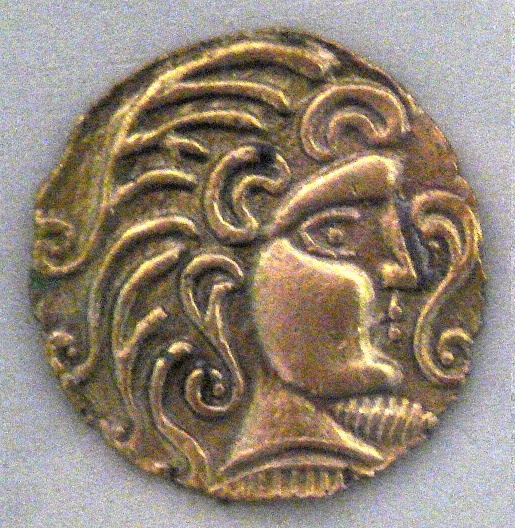
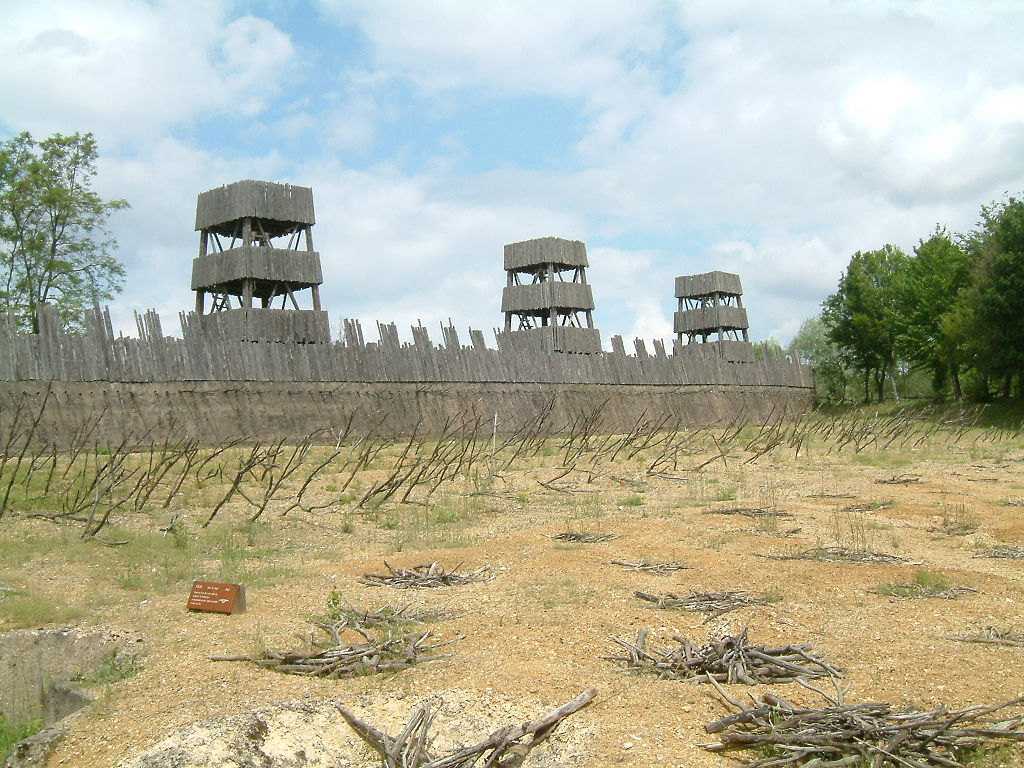
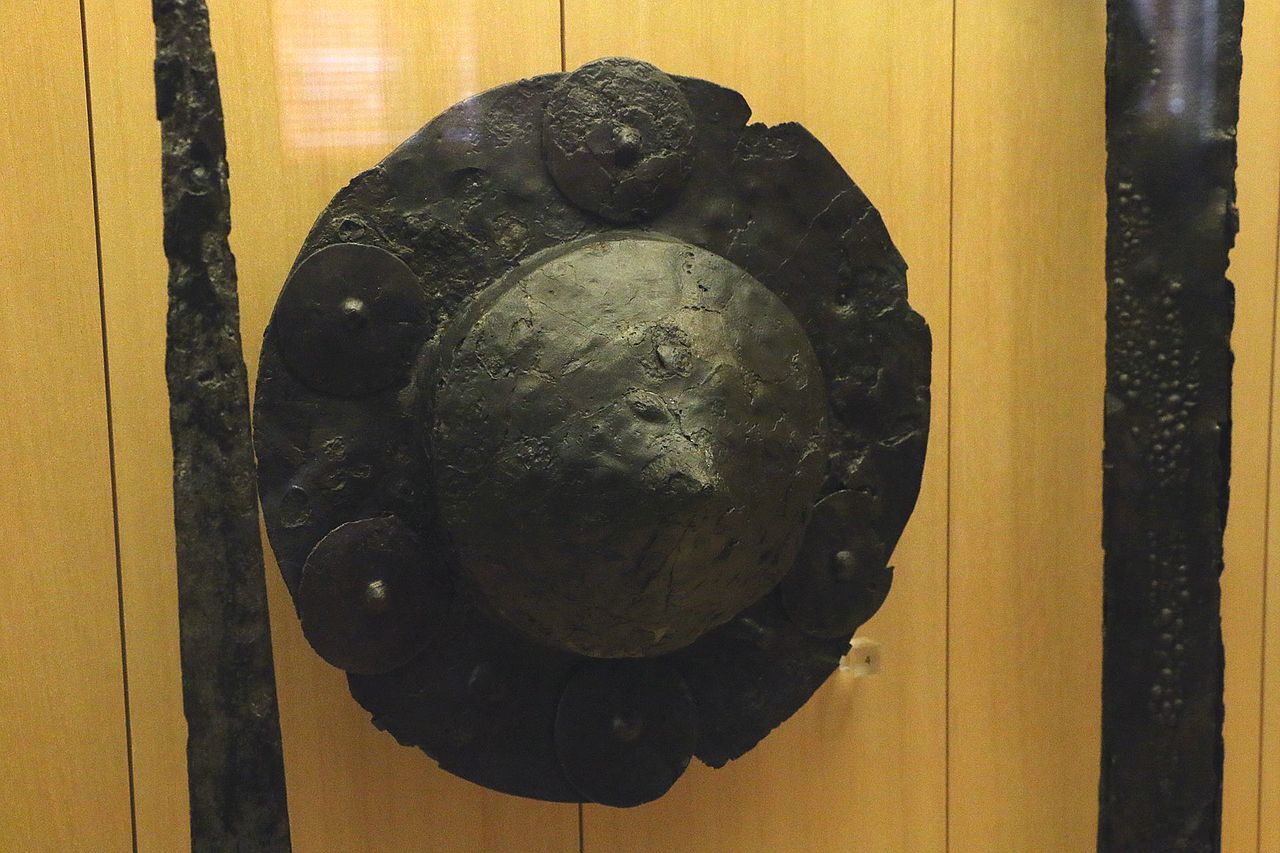
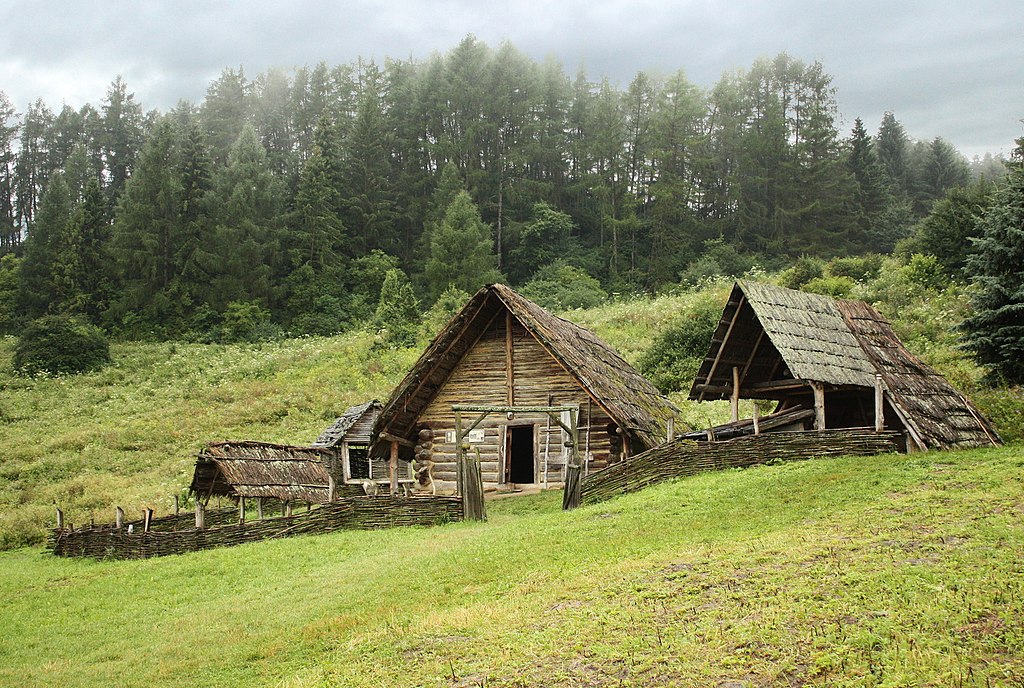
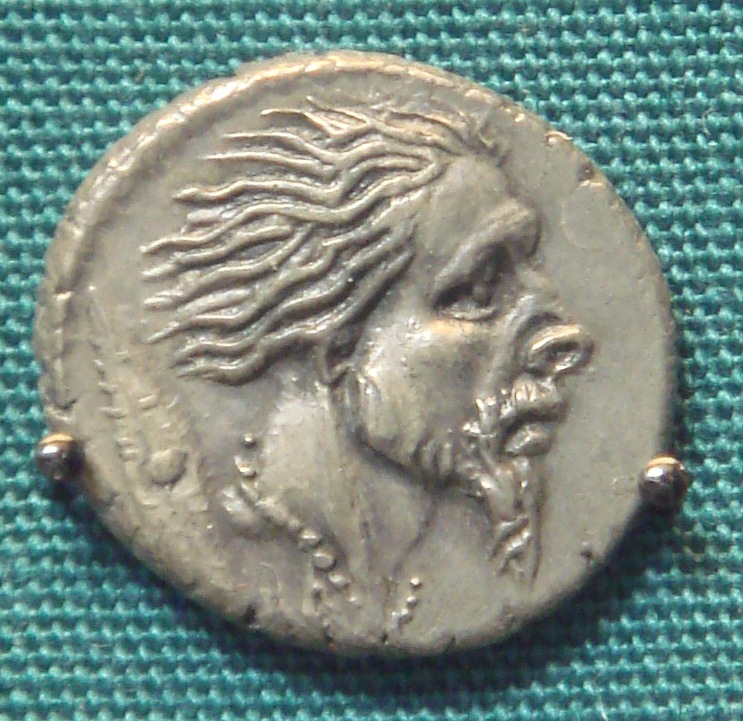
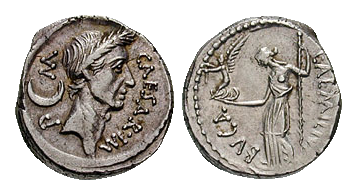
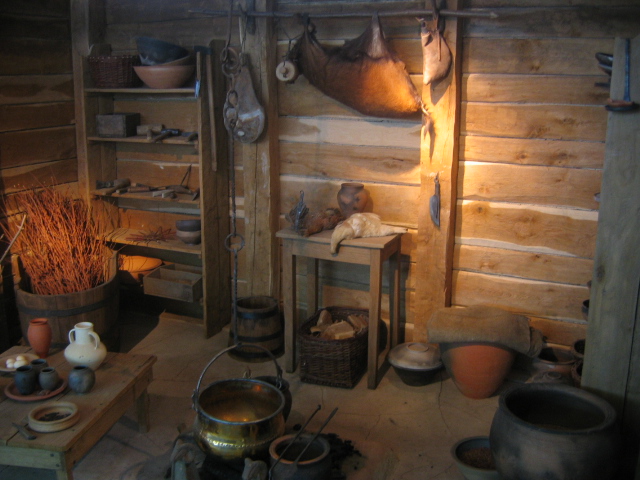
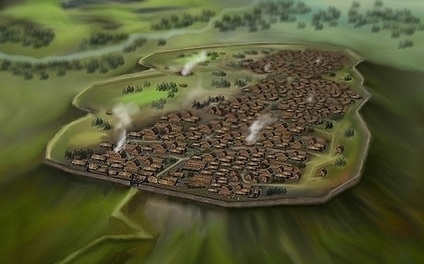
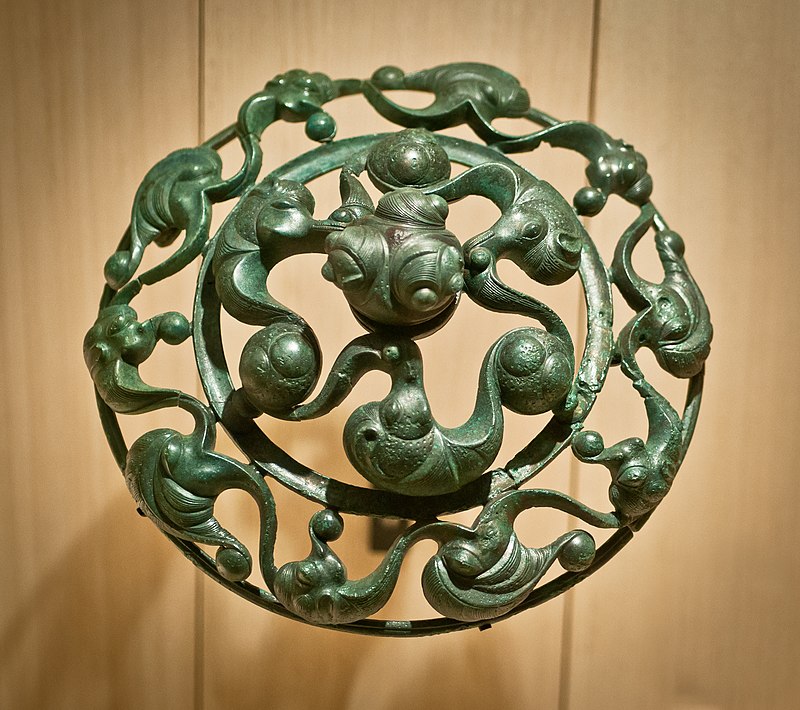
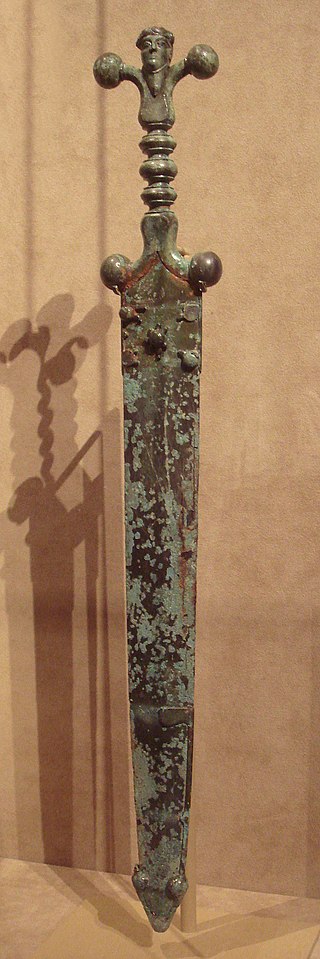

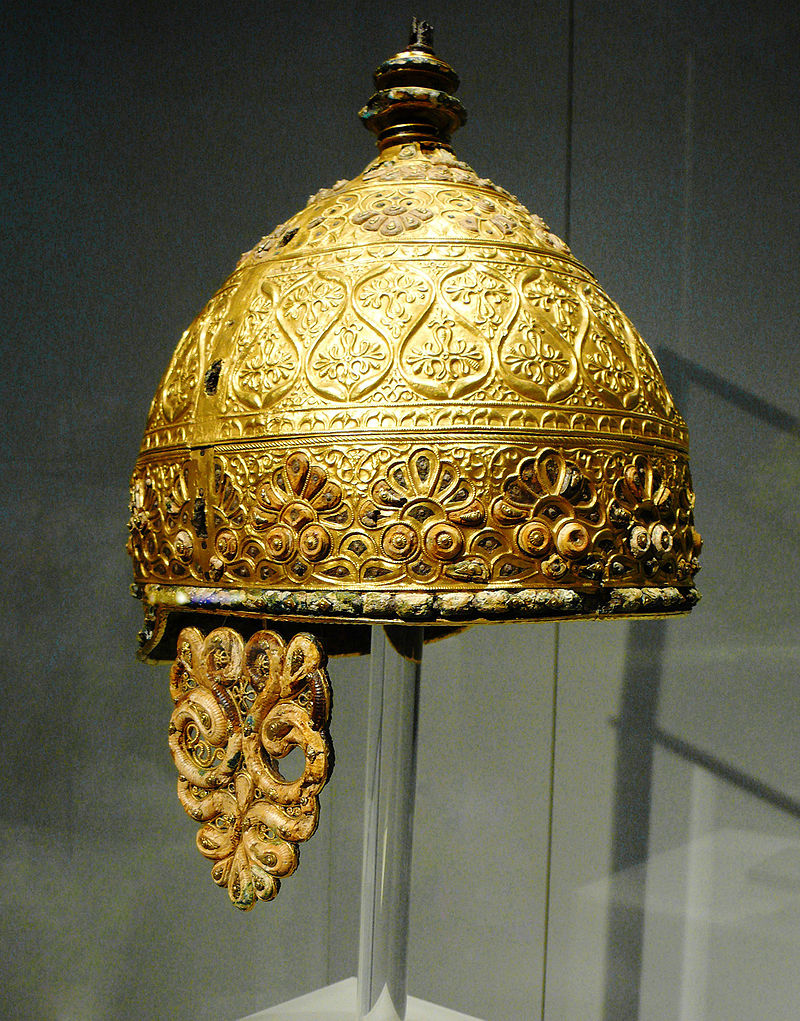
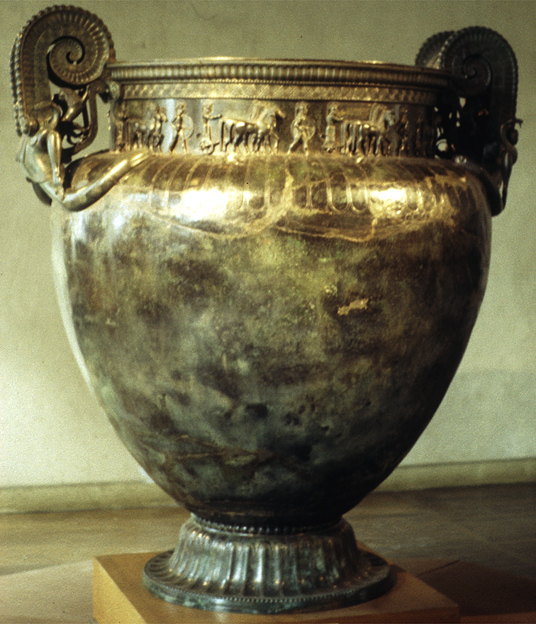
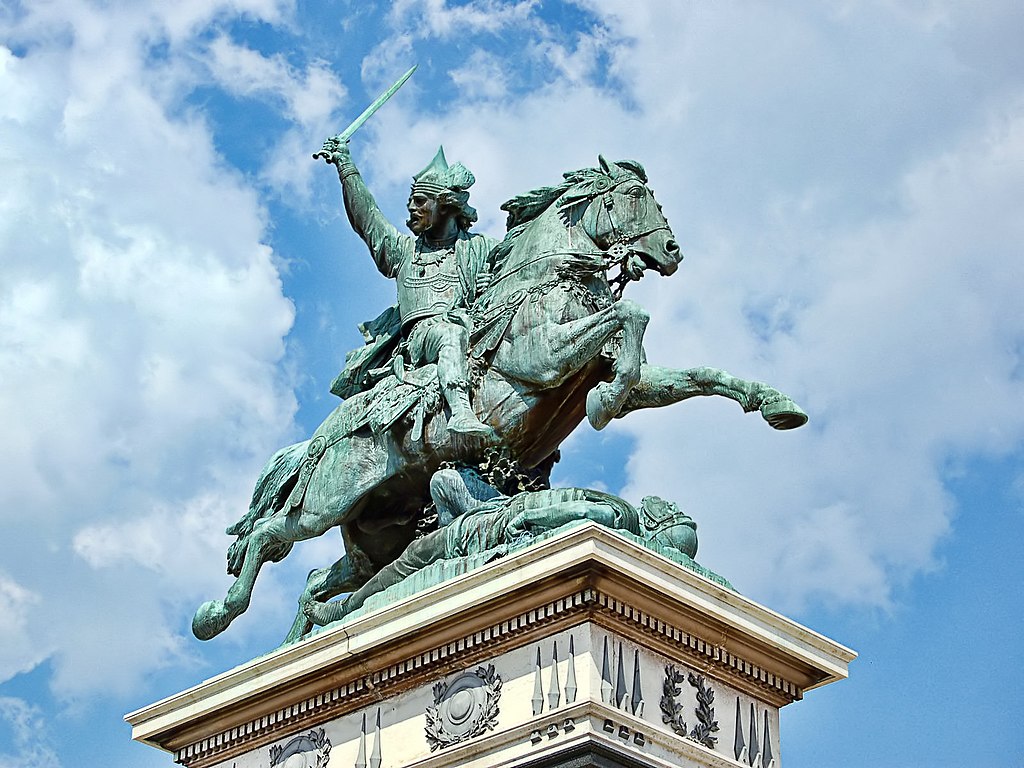
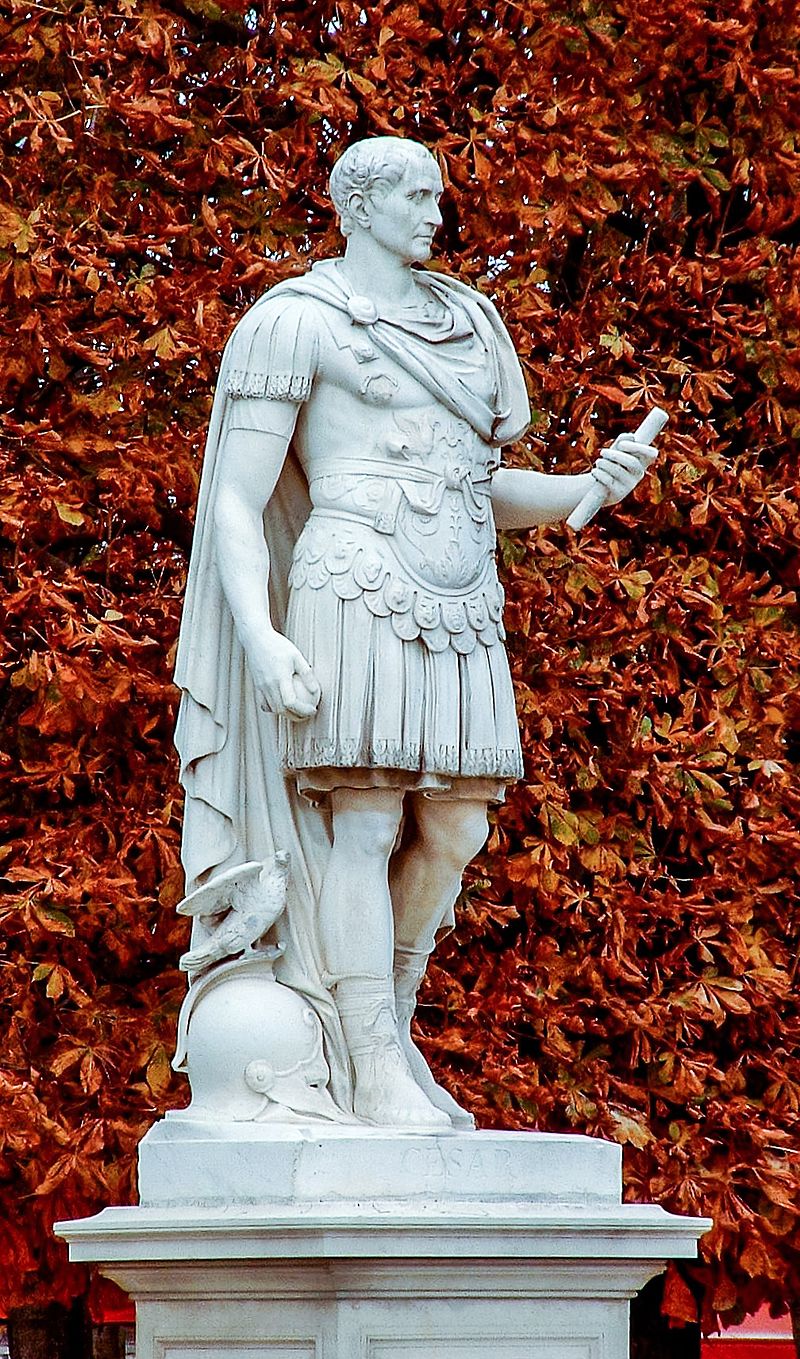
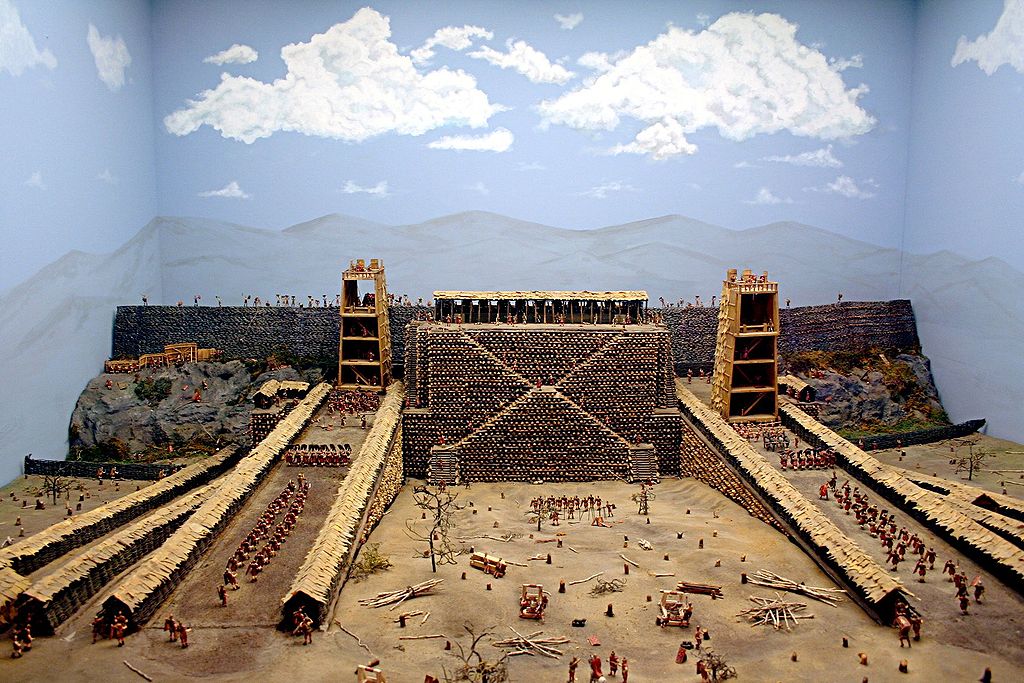
However the Romans were not the first occupiers of Paris.
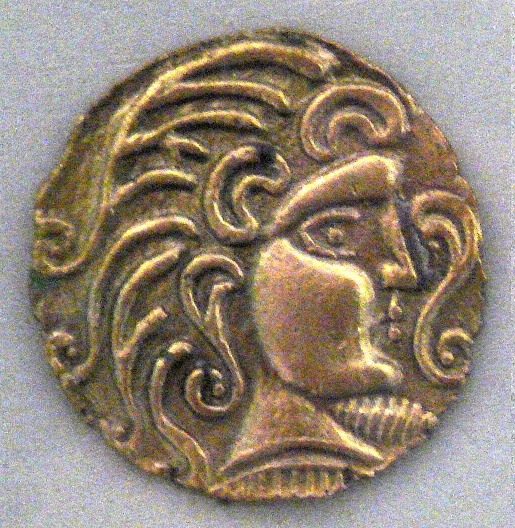
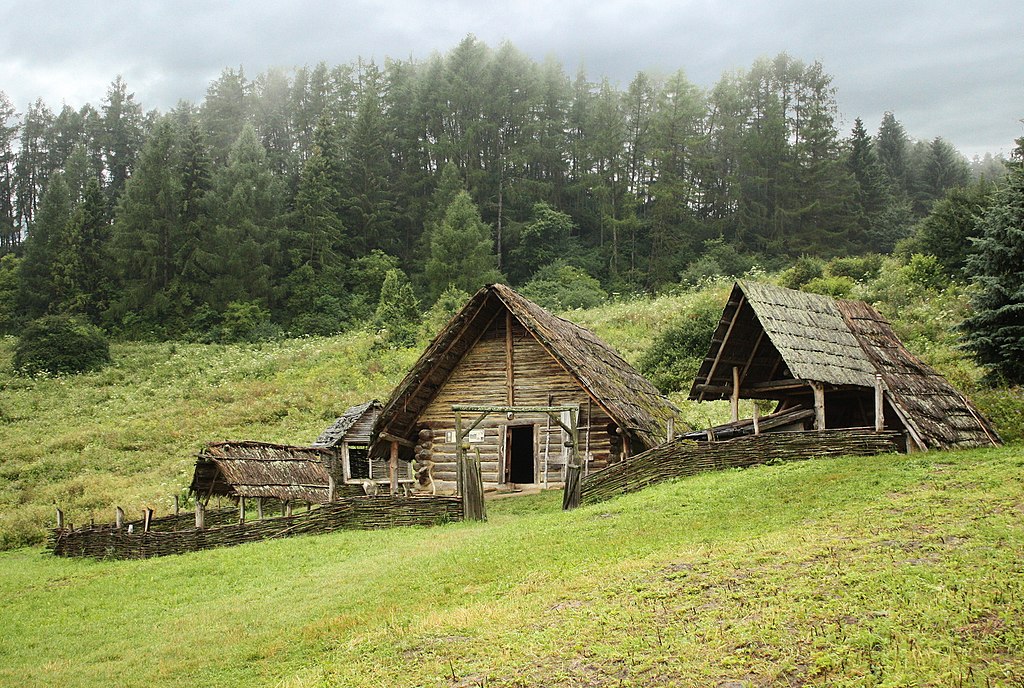
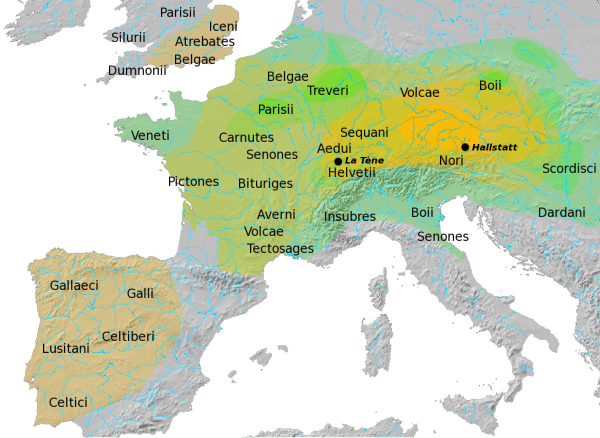
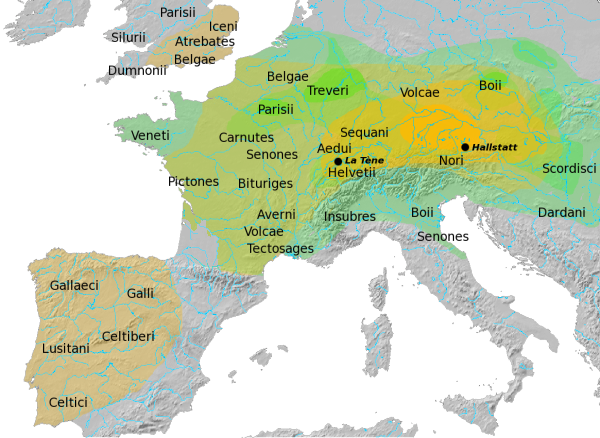
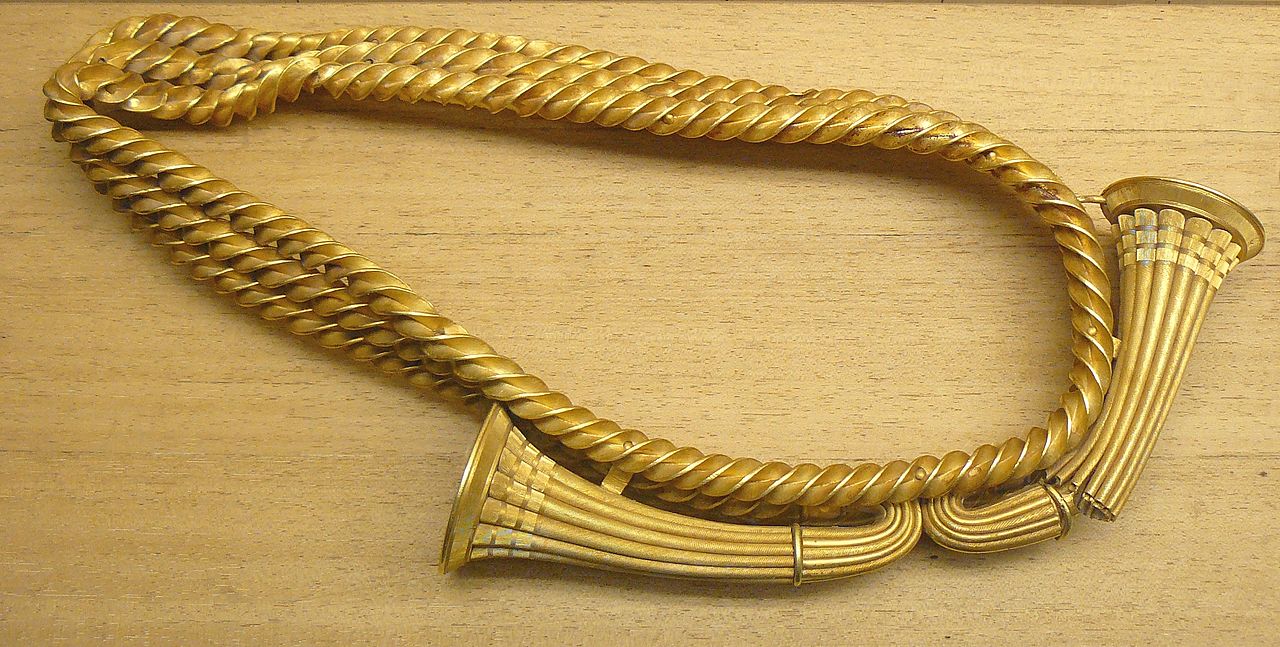
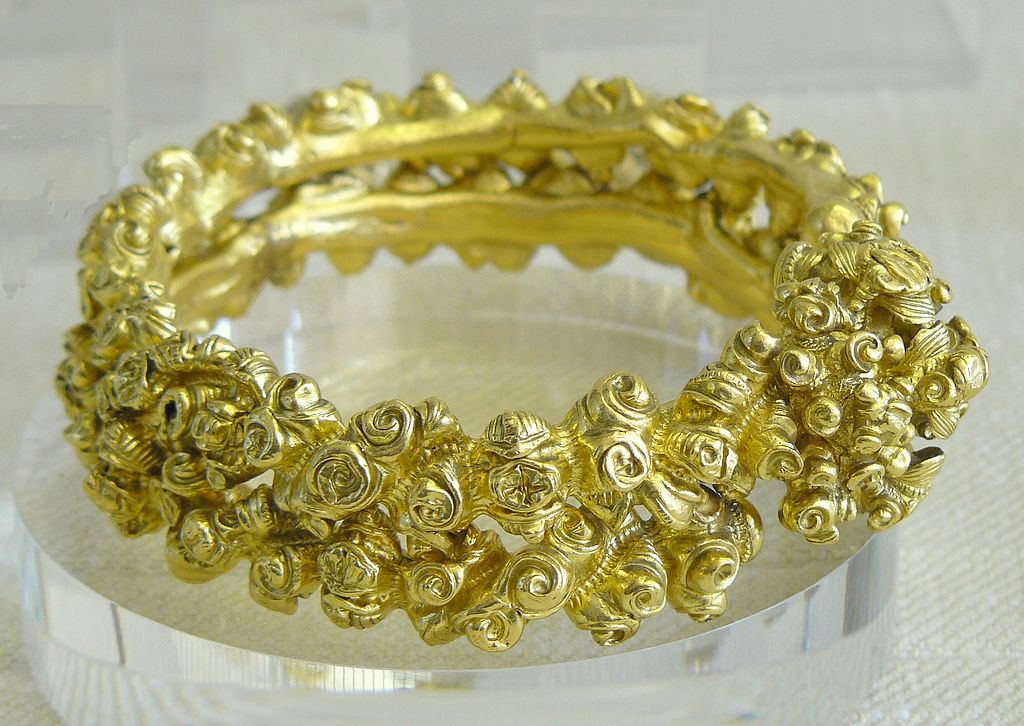
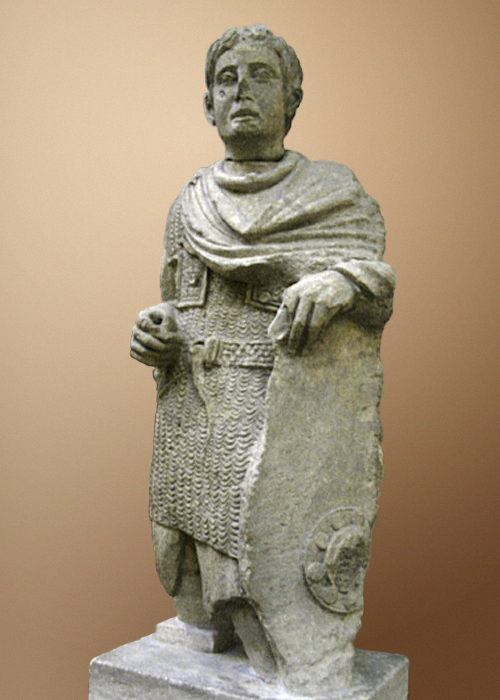
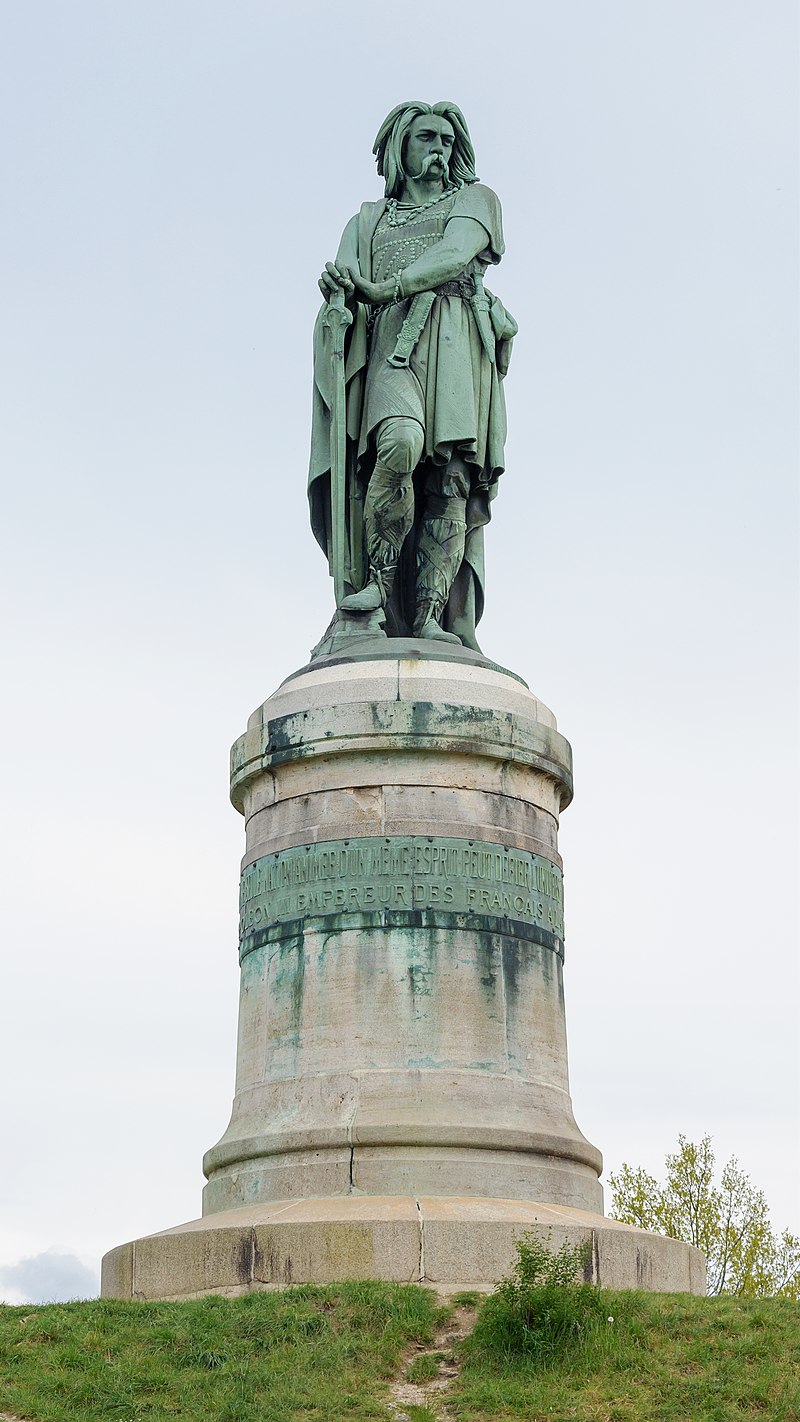
The city was named after the Parisii, a Gaulish tribe that lived in the area and mounted a fierce resistance against Roman attacks.
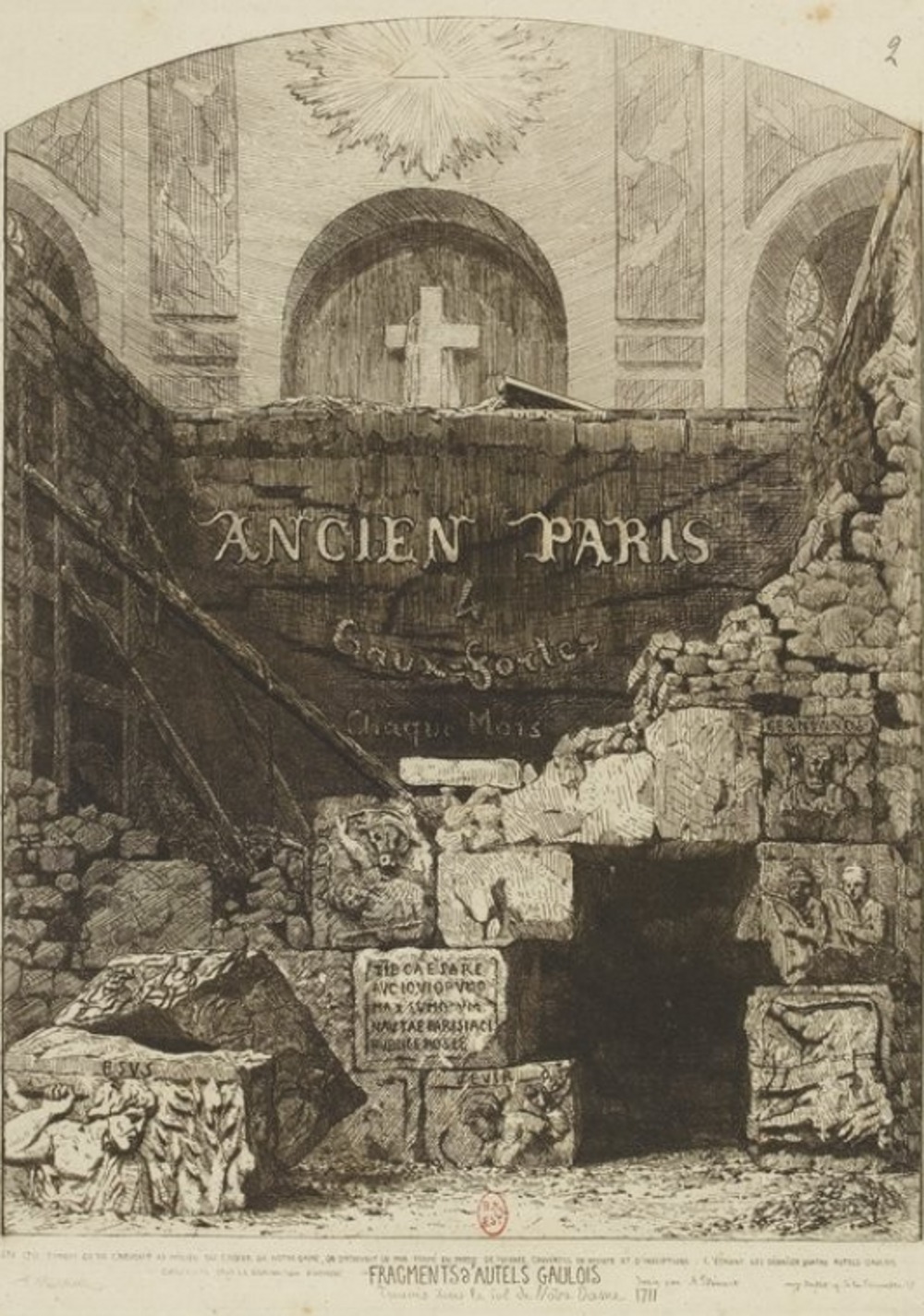
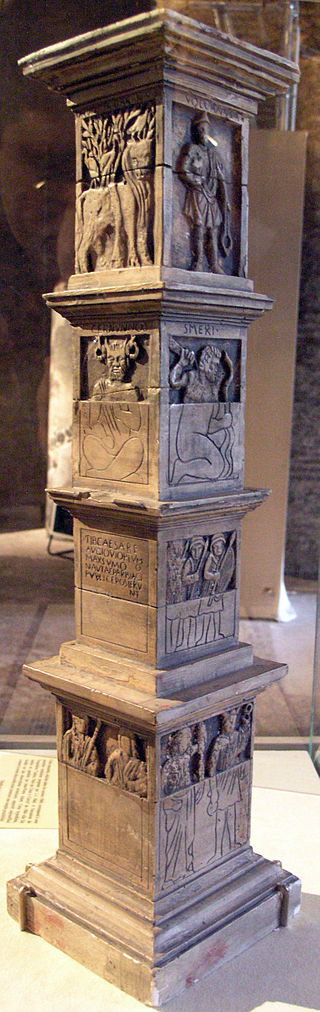
When the Romans established Lutetia, they did not completely eradicate the Parisii.
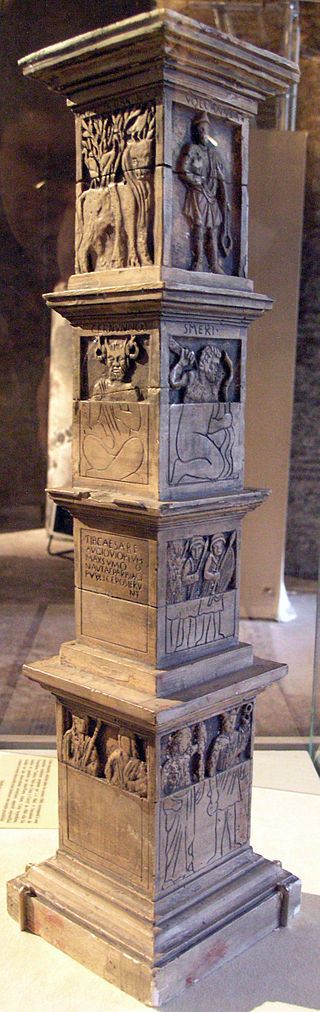
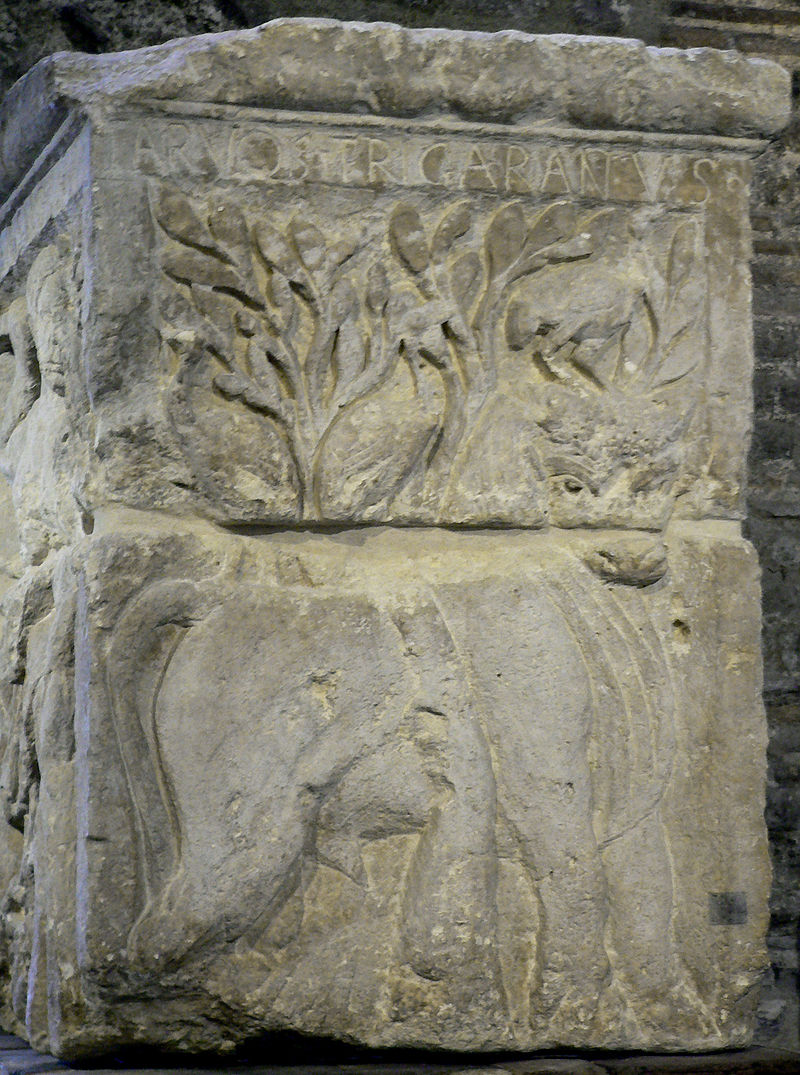
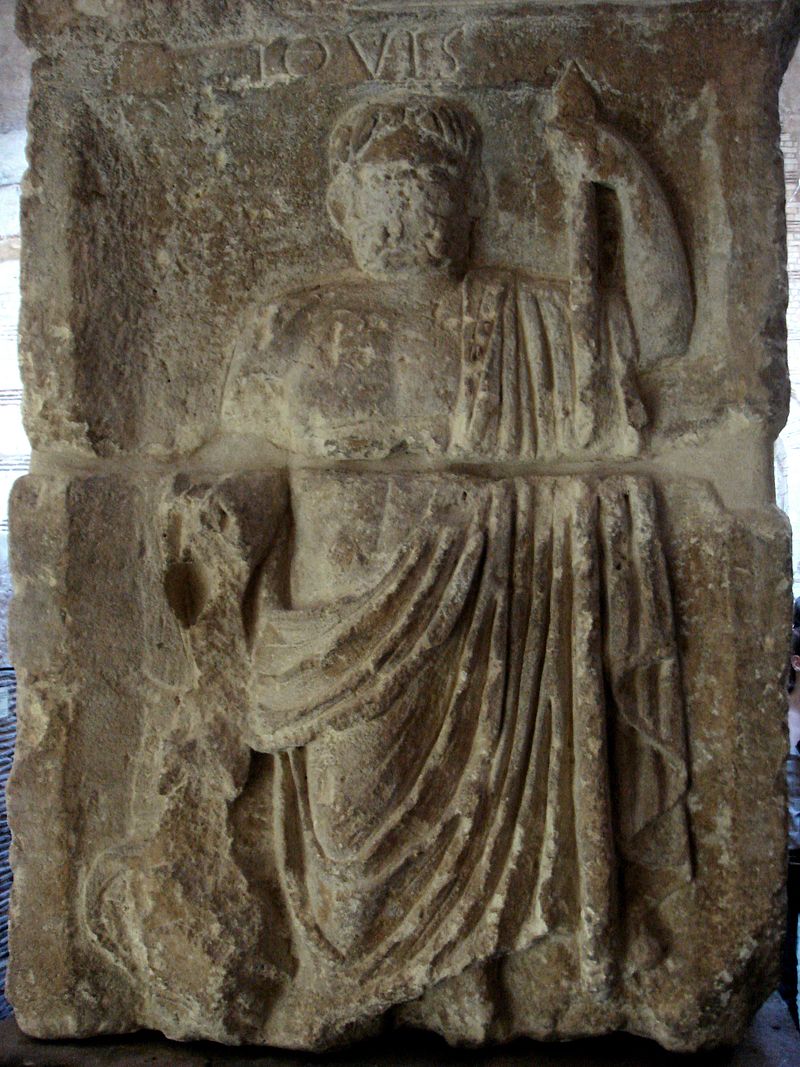
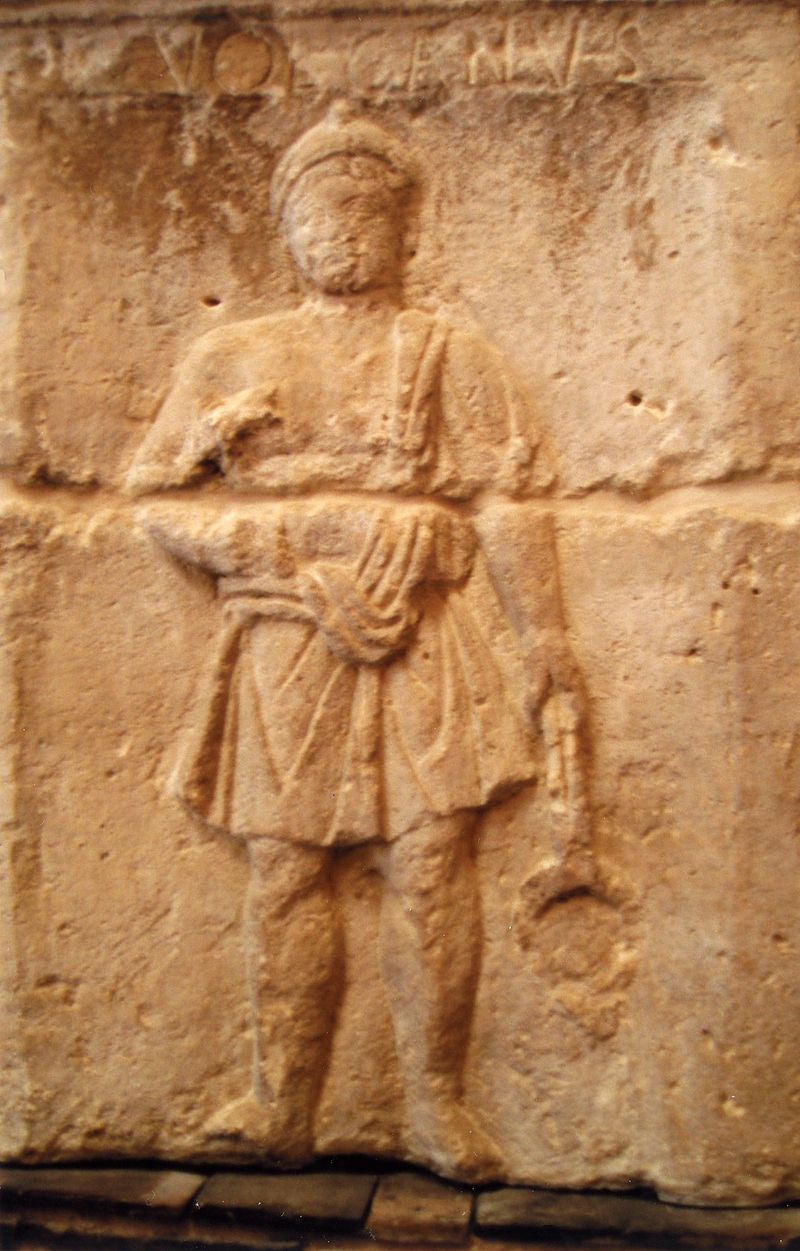
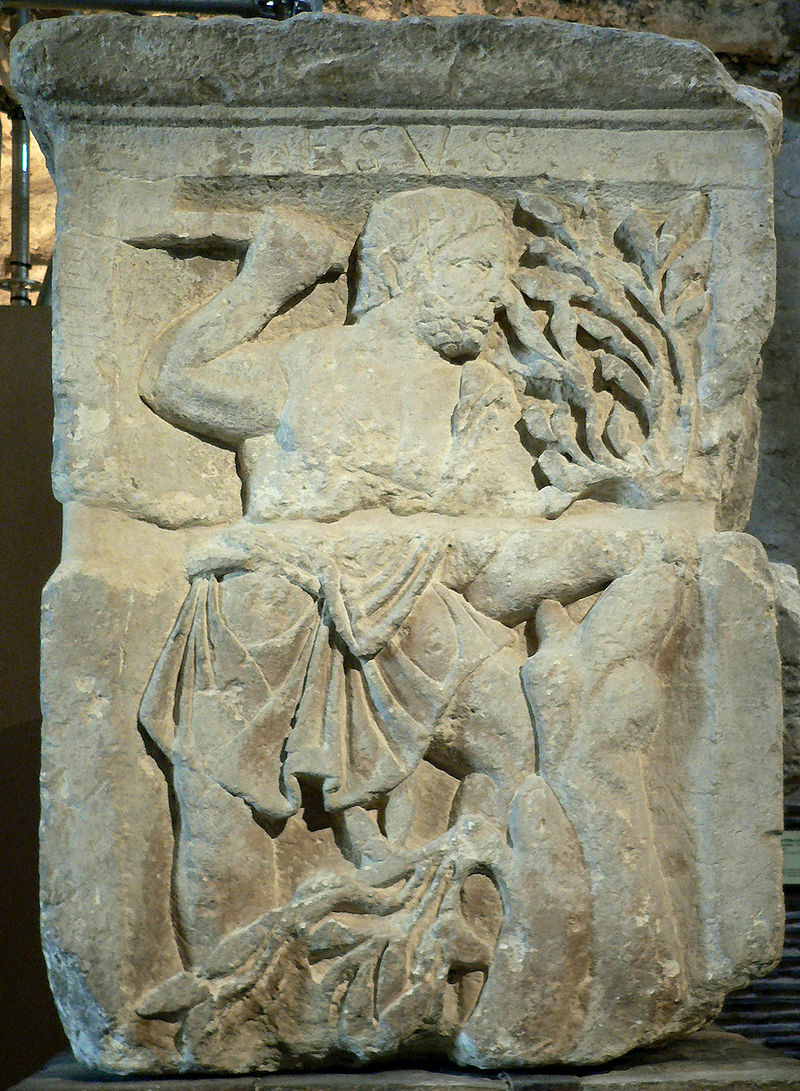
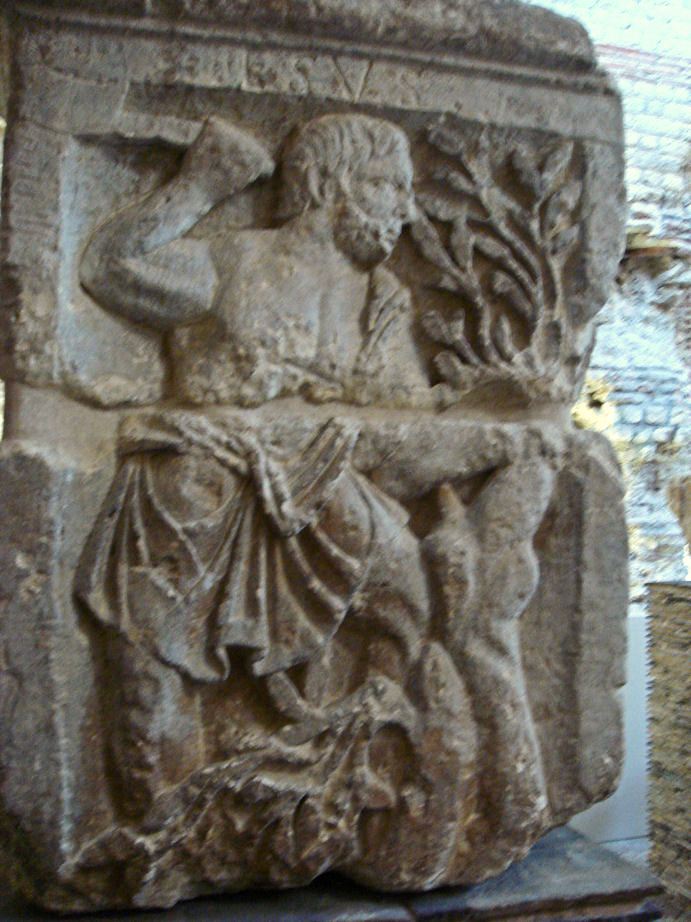
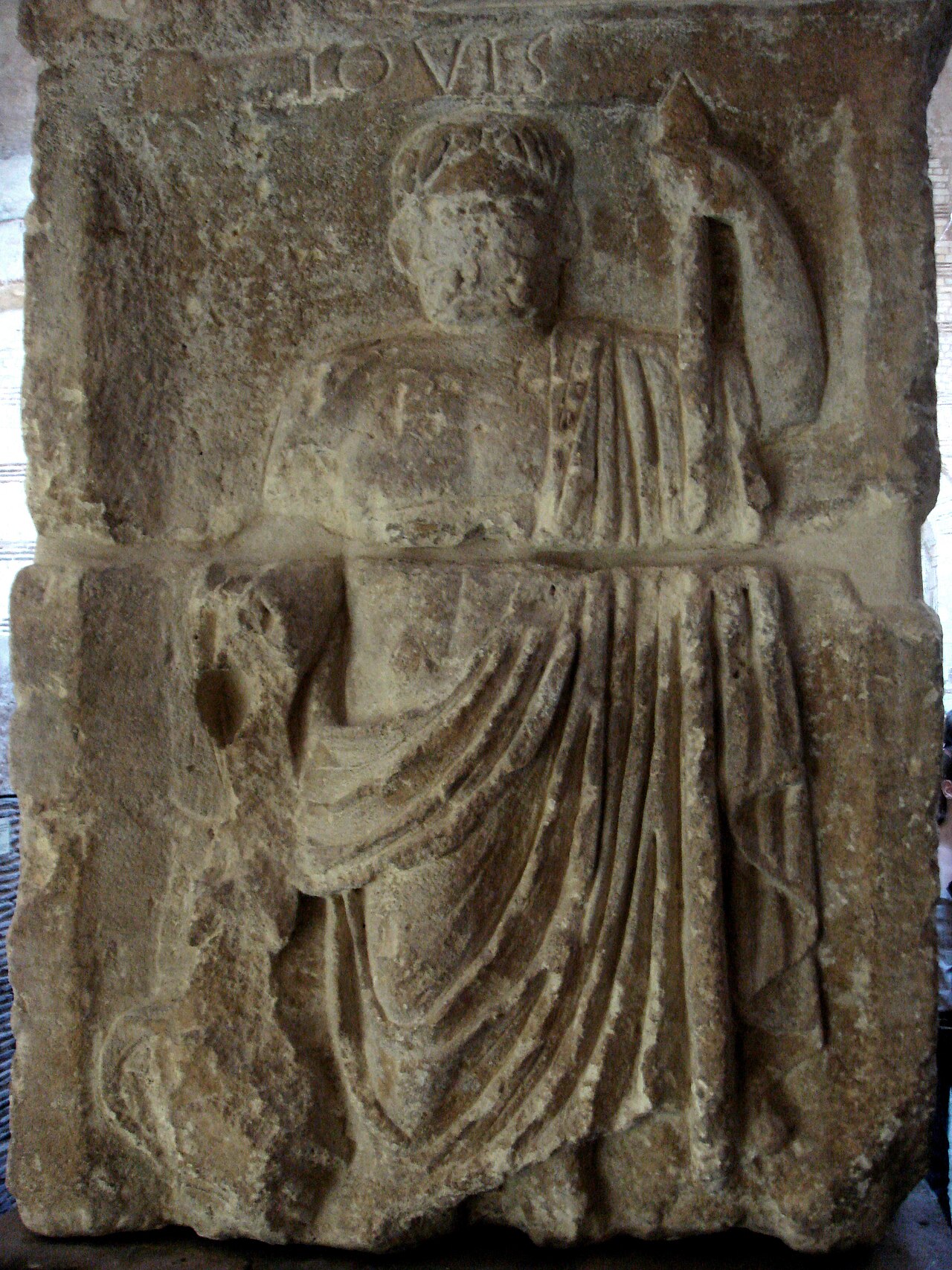
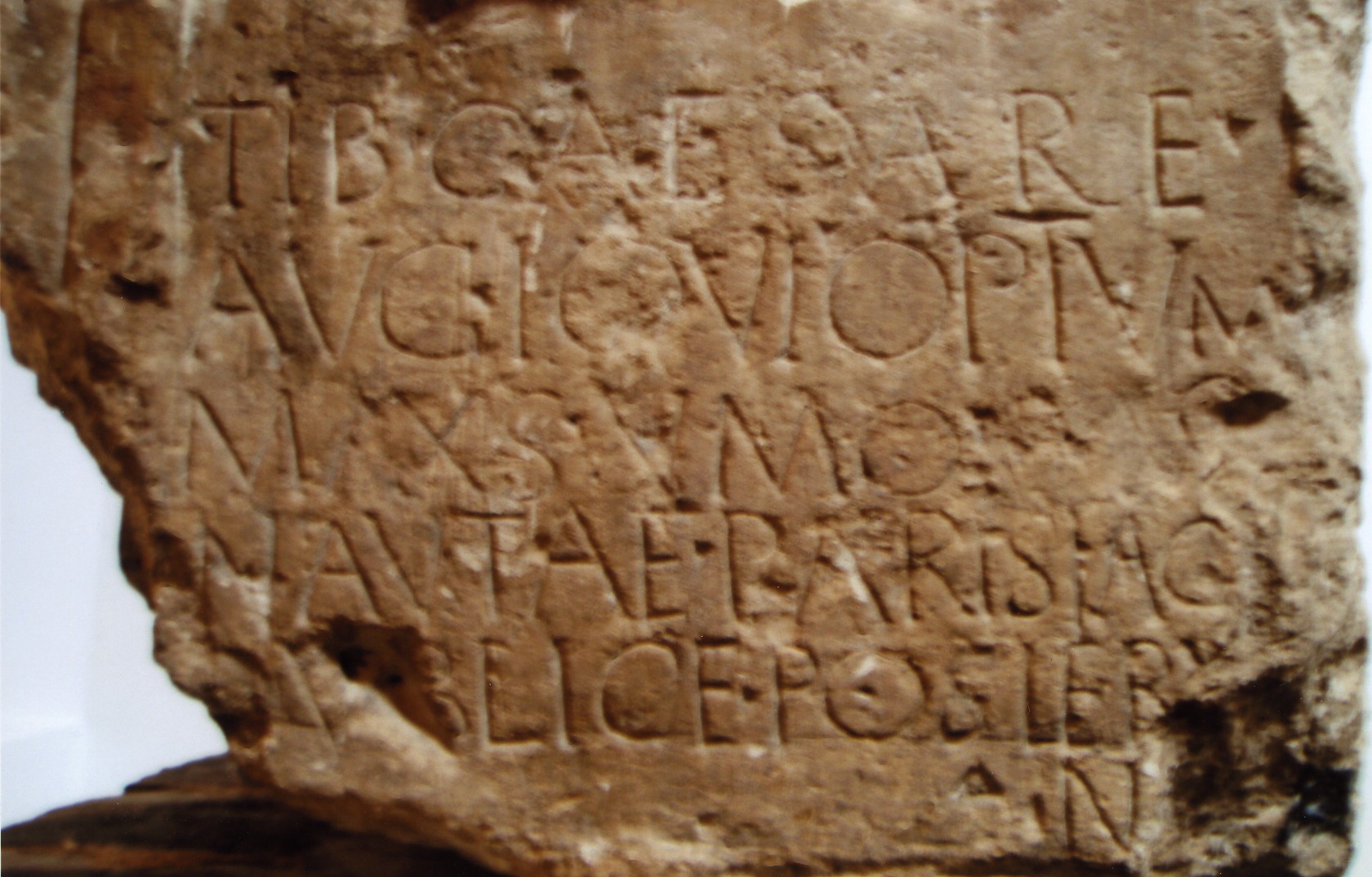
In fact, in the 18th century, during renovations of the choir of Notre Dame, workers uncovered a mysterious stone pillar adorned with both Roman and Gaulish inscriptions.
This was a gift from wealthy Gaulish naval merchants in the 1st century to the Roman Emperor Tiberius.
It indicates a period of peaceful coexistence between Gauls and Romans.
It is considered the oldest monument in Paris and can now be seen at the Musée de Cluny.
Comments
Loading comments...