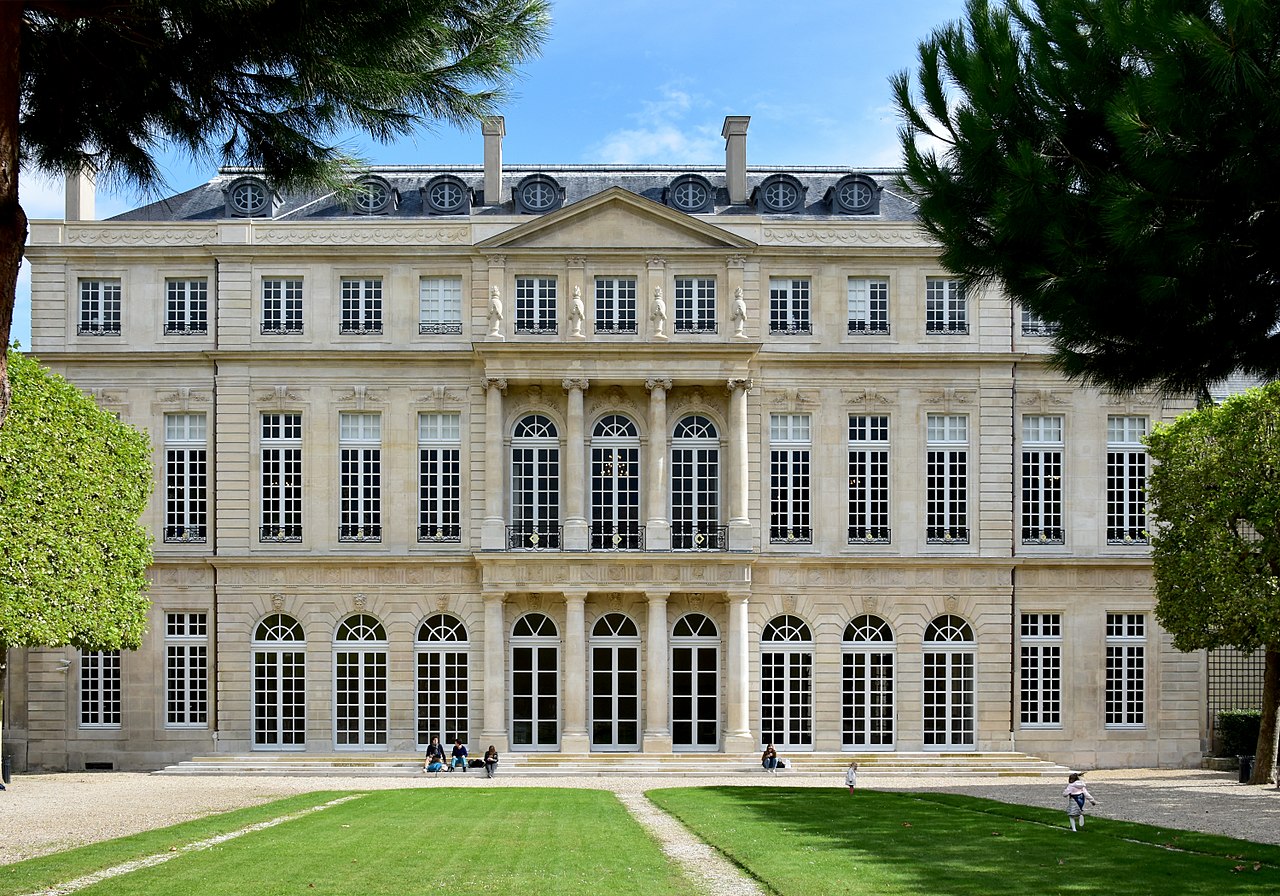


For centuries, the Marais was uninhabited - its name literally meaning "the marsh."
However, in the 17th century, it transformed into one of Paris's wealthiest and most fashionable districts.
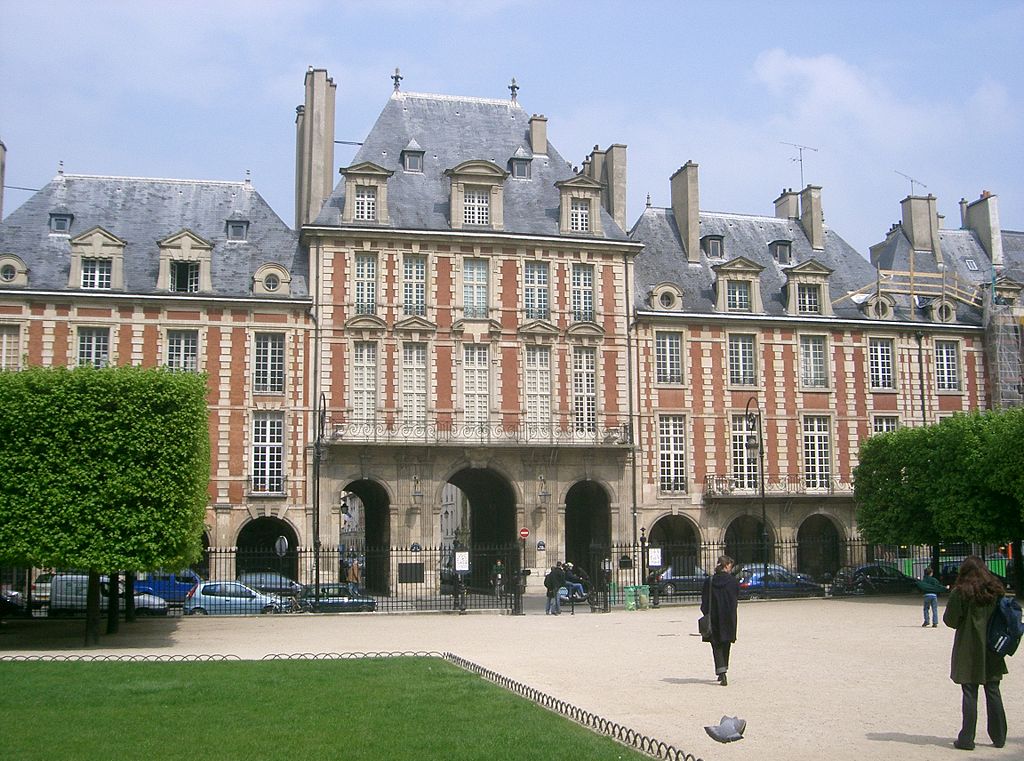
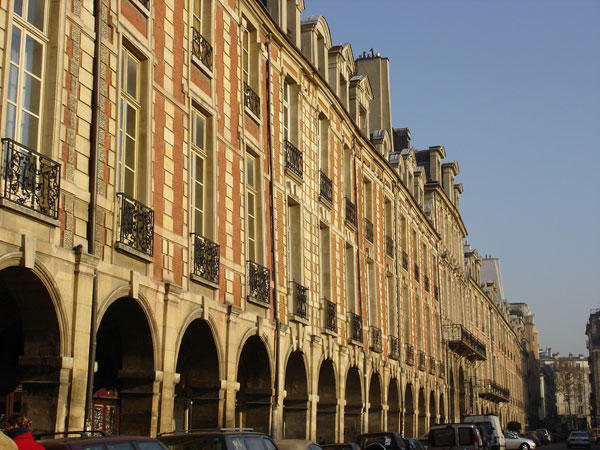
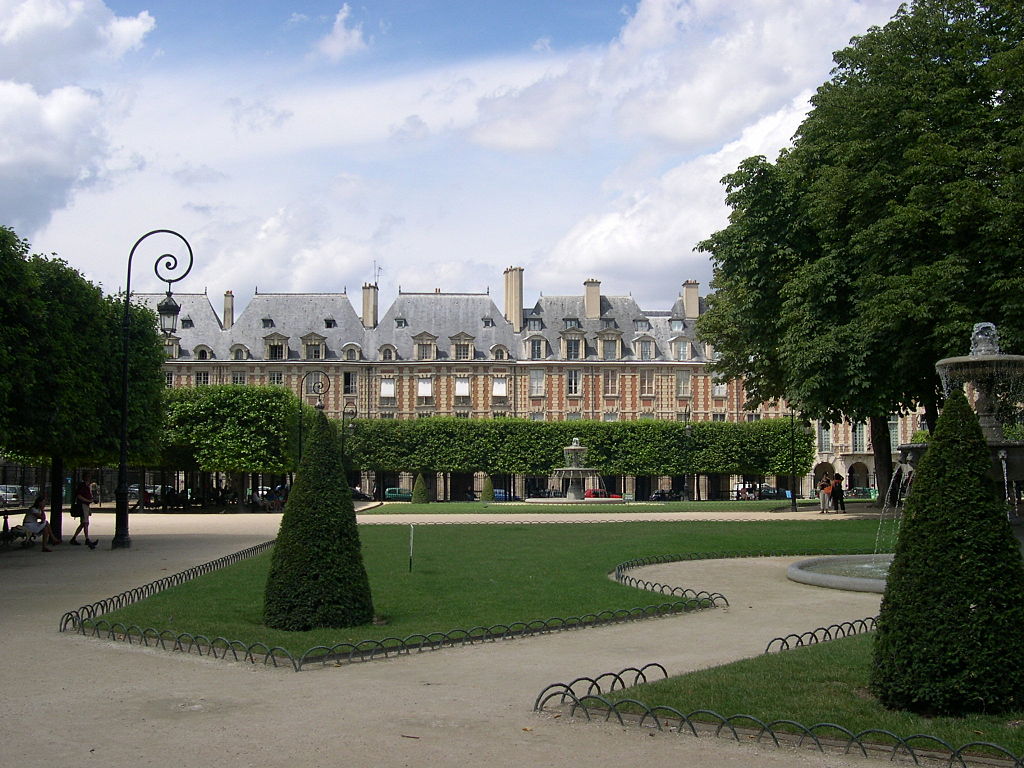
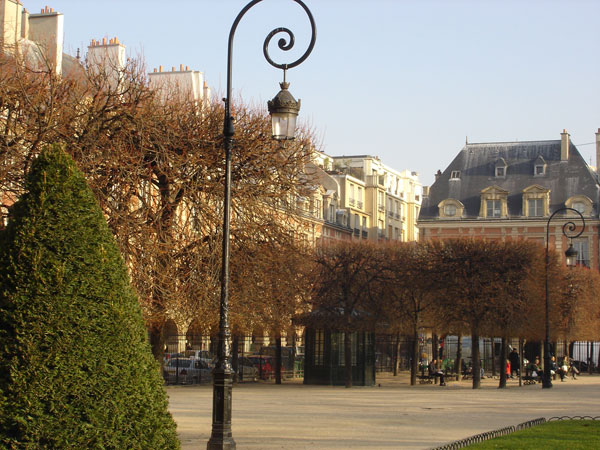
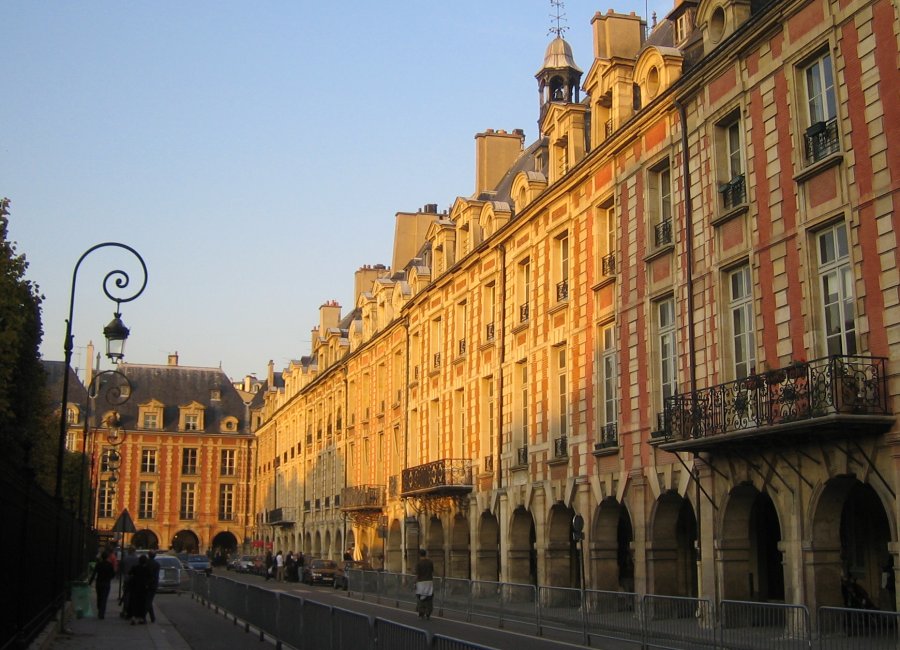
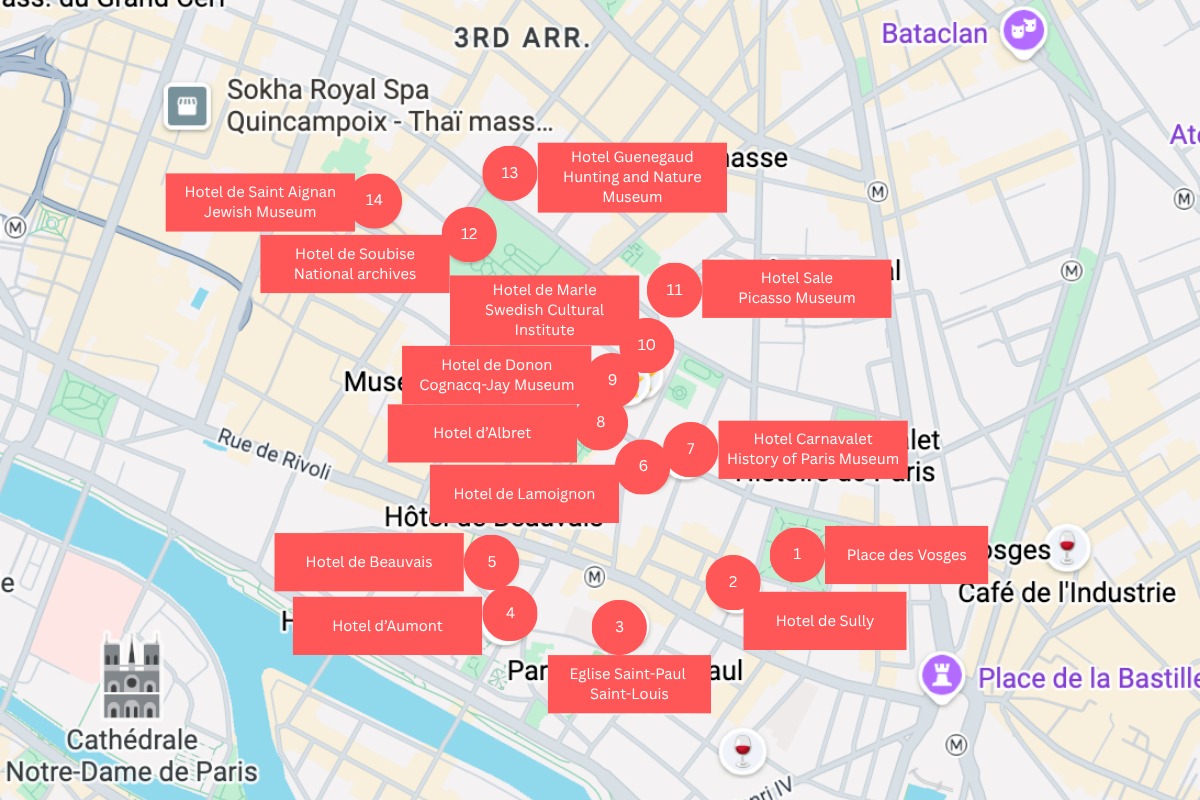
One of the main reasons nobles were attracted to the area was the Place des Vosges.
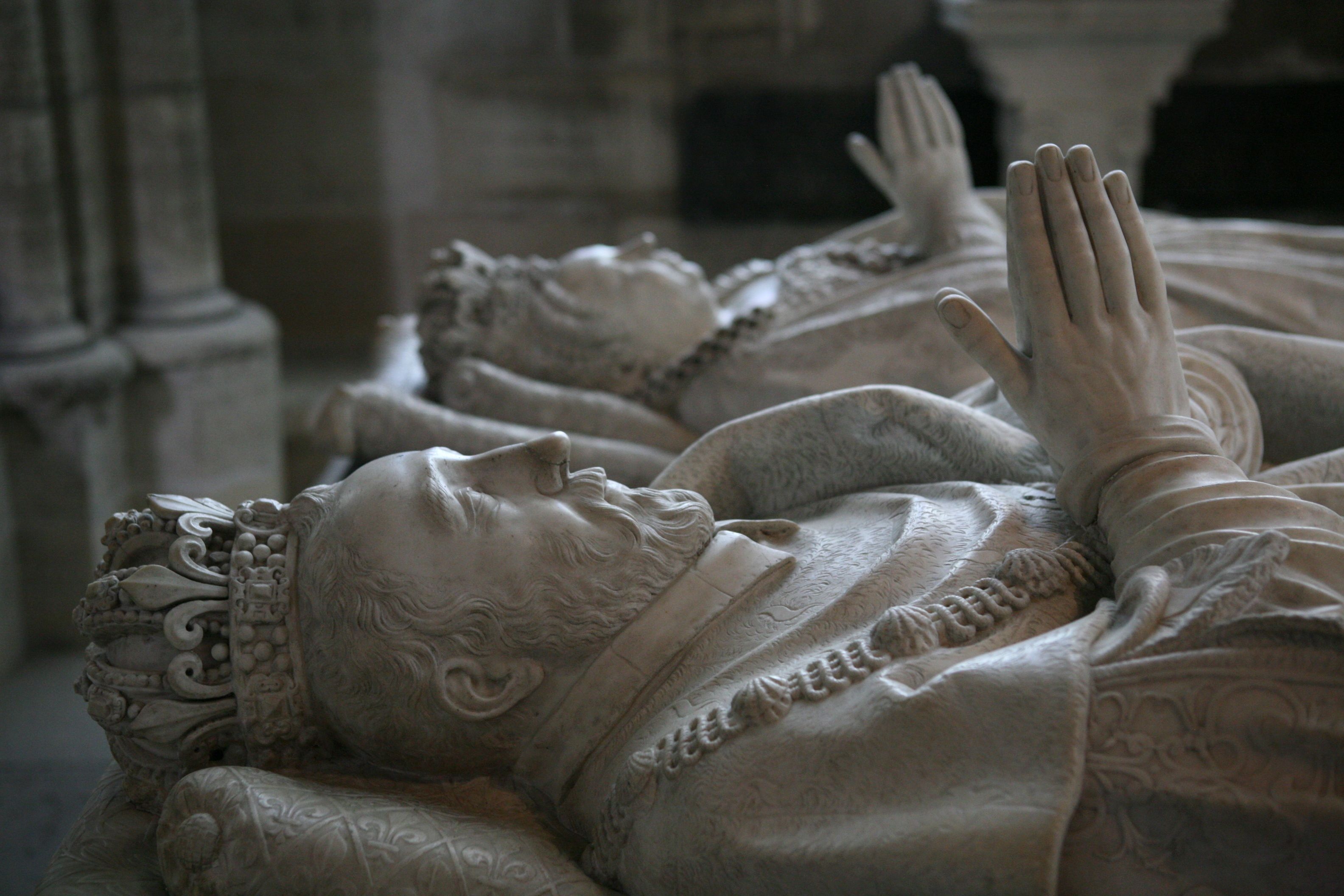
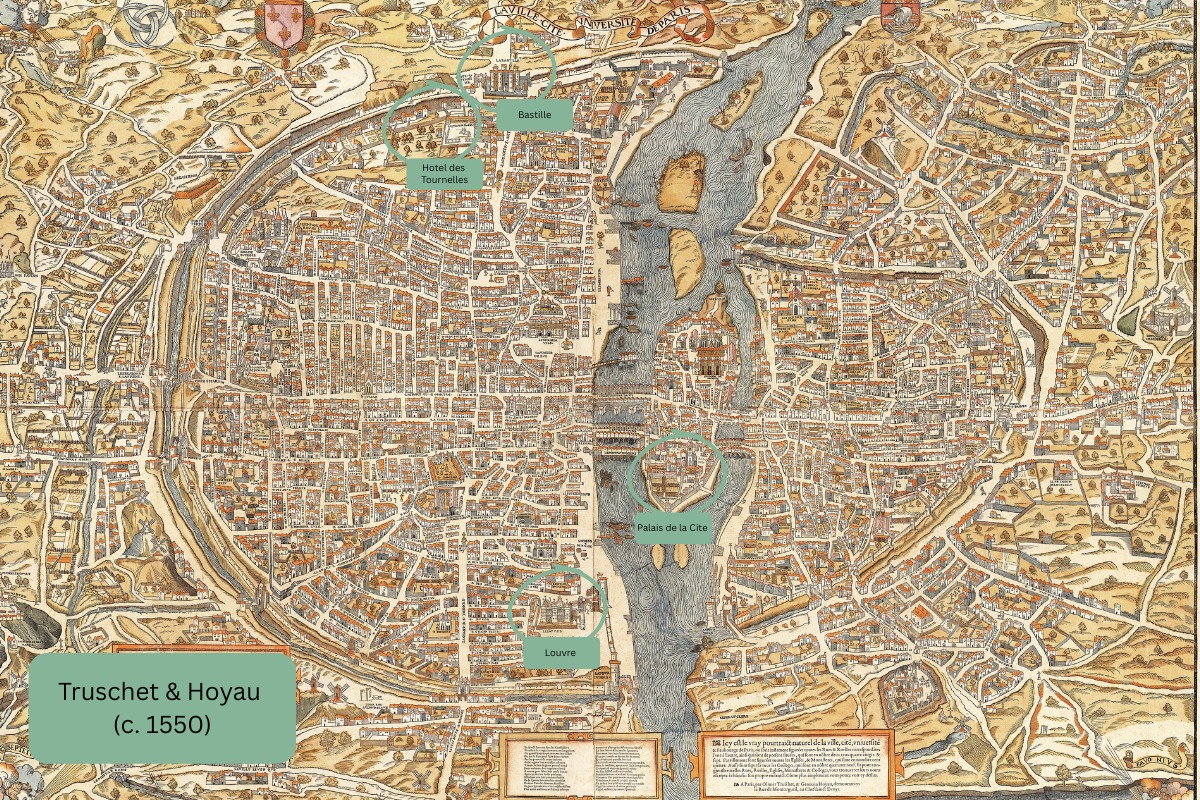
The site had previously been occupied by the Hôtel des Tournelles, a royal palace, until Henri II was fatally wounded jousting on the rue Saint-Antoine in 1559.
His widow Catherine de Medici was so traumatised she had the palace demolished, and the site lay empty for fifty years.
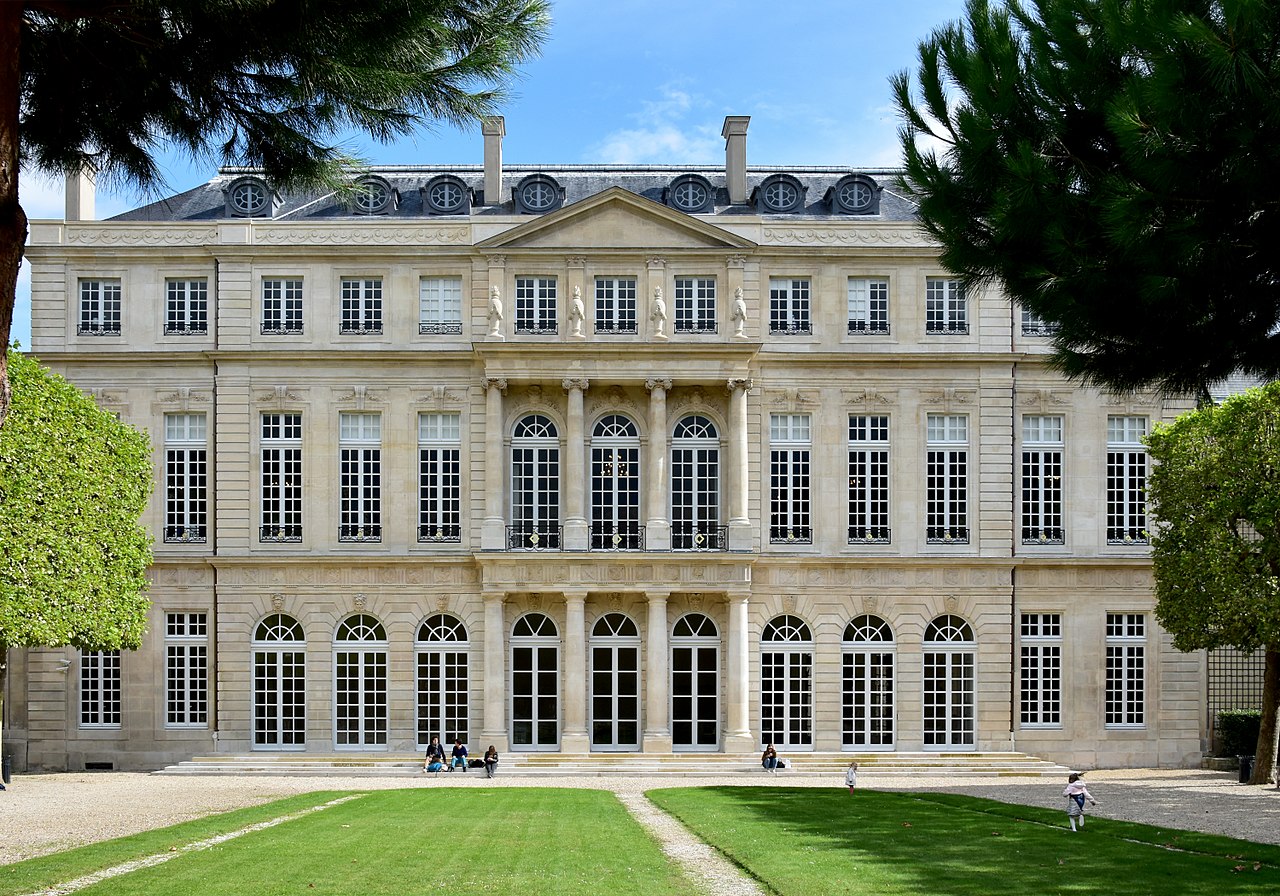
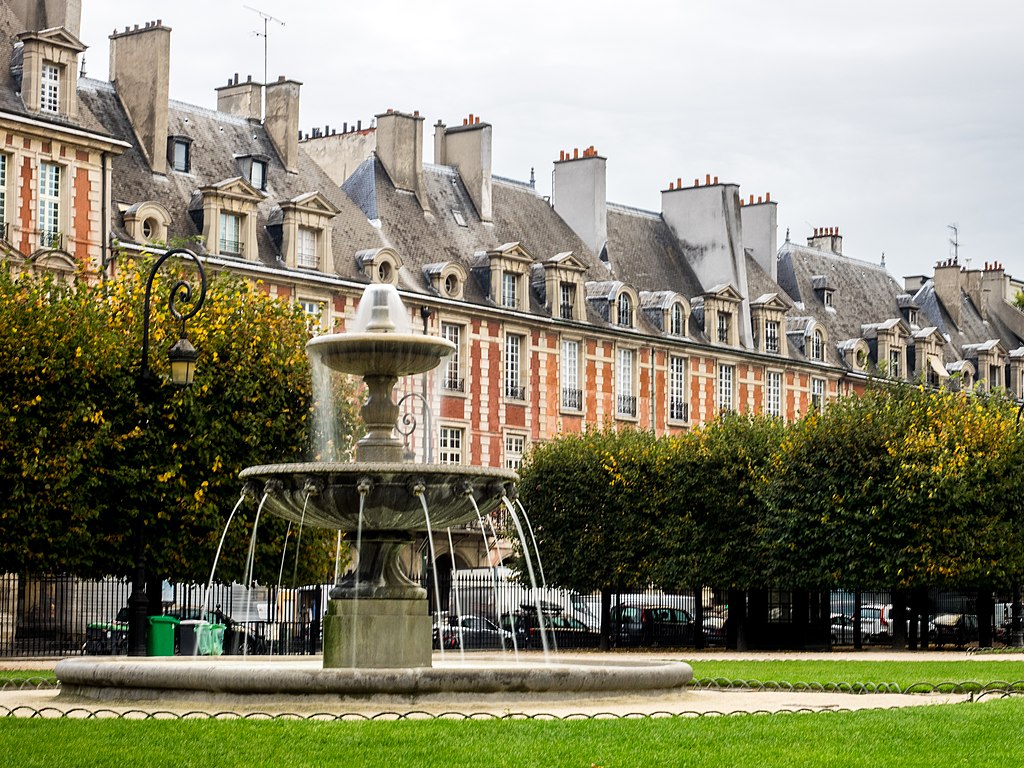
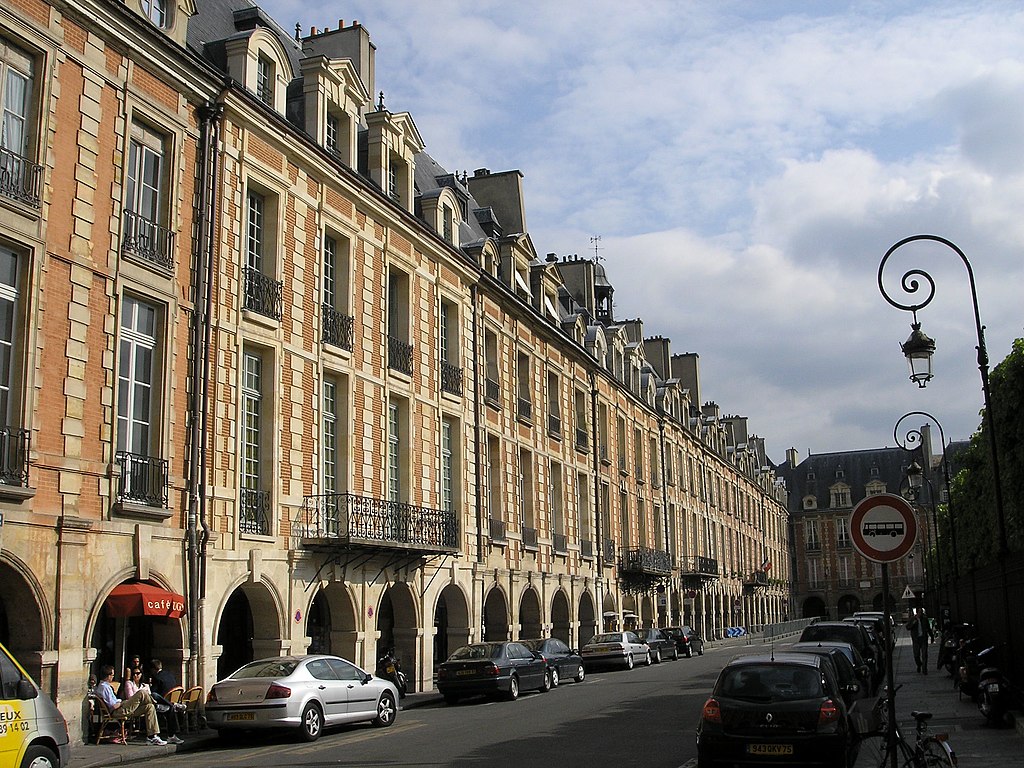
Constructed by King Henri IV, it stands as one of the earliest examples of European urban planning.
It's a perfect square, composed of identical brick buildings and marked the beginning of a very influential style of European architecture - Classicism.
Fun fact: it was originally named "The Royal Square," but was renamed "The Square of the Vosges" during the French Revolution when the Vosges became the first French département to pay its taxes!
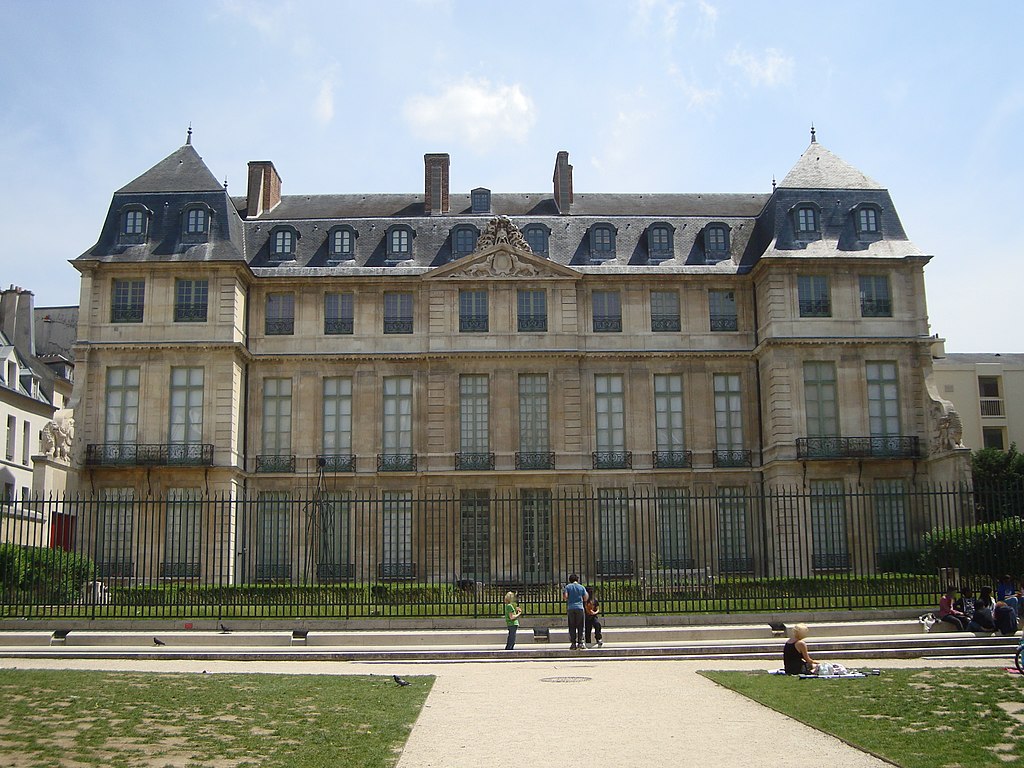
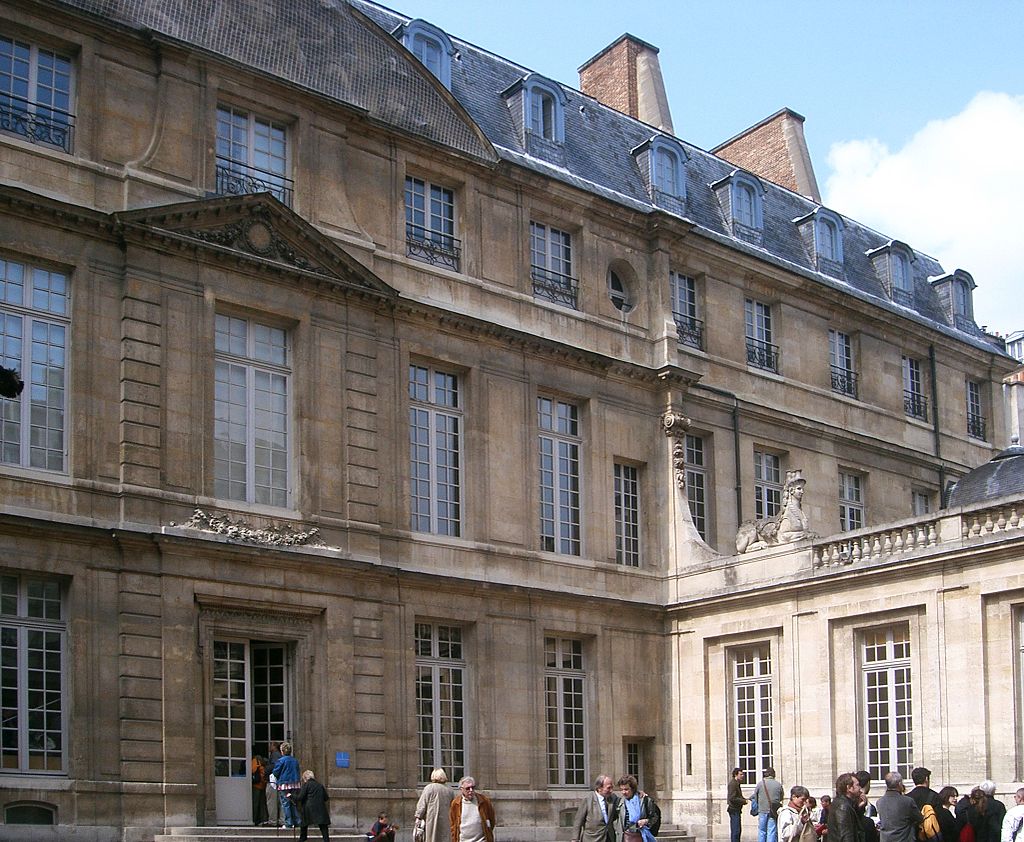
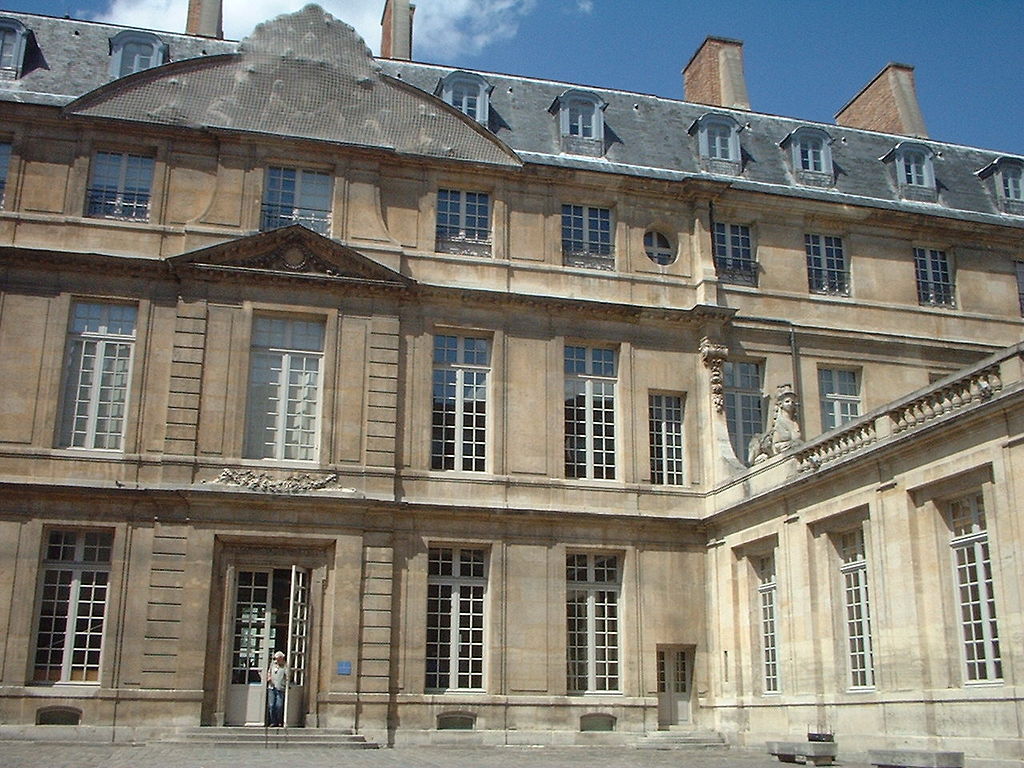
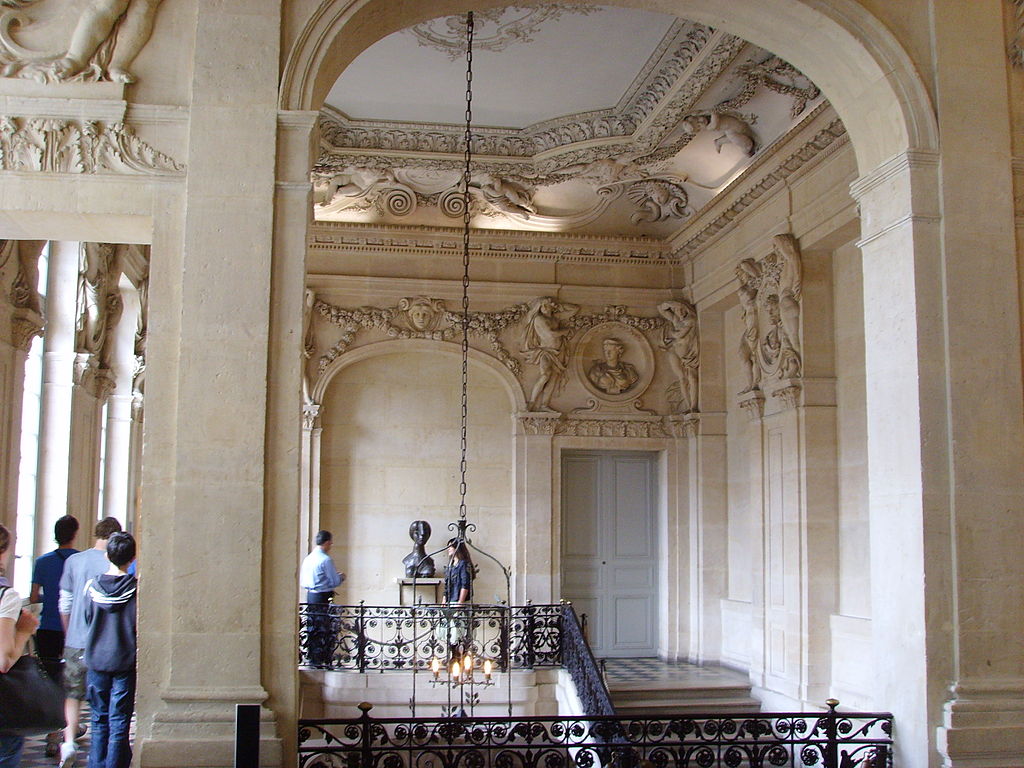
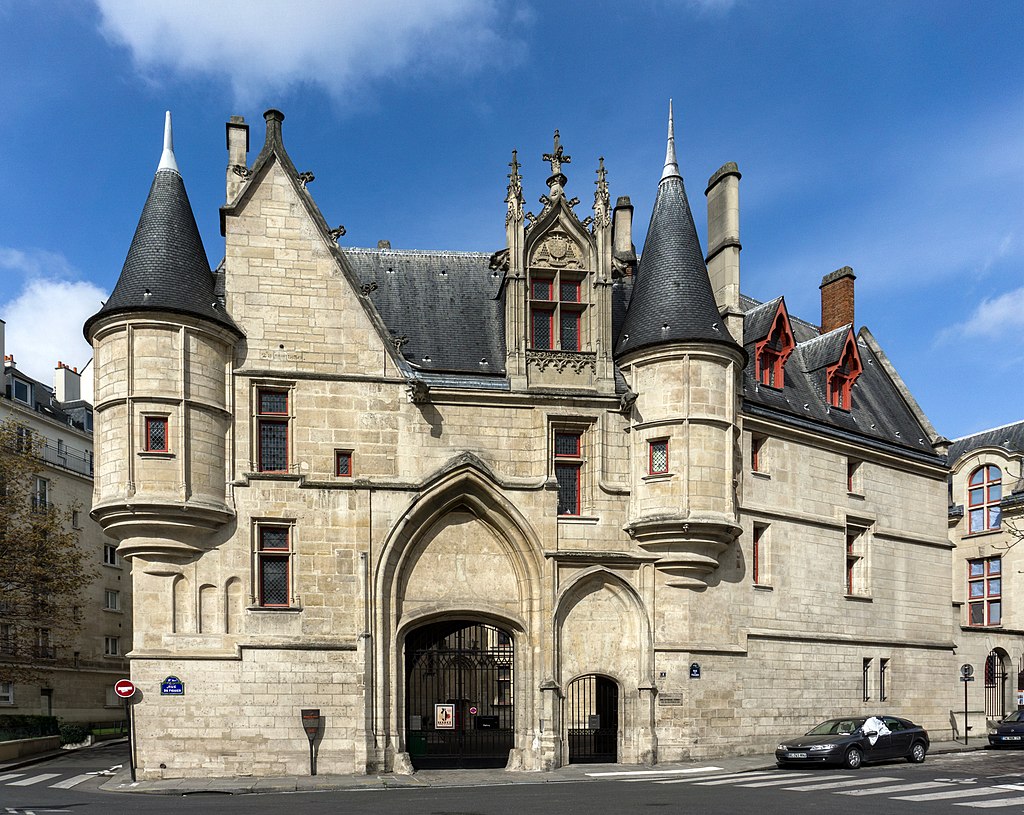
The Hôtel de Sully (1630) is one of the finest surviving hôtels particuliers in the Marais.
It belonged to Henri IV's retired finance minister and connects it directly to the Place des Vosges.
Today it houses the Centre des Monuments Nationaux, the body that manages France's national monuments.
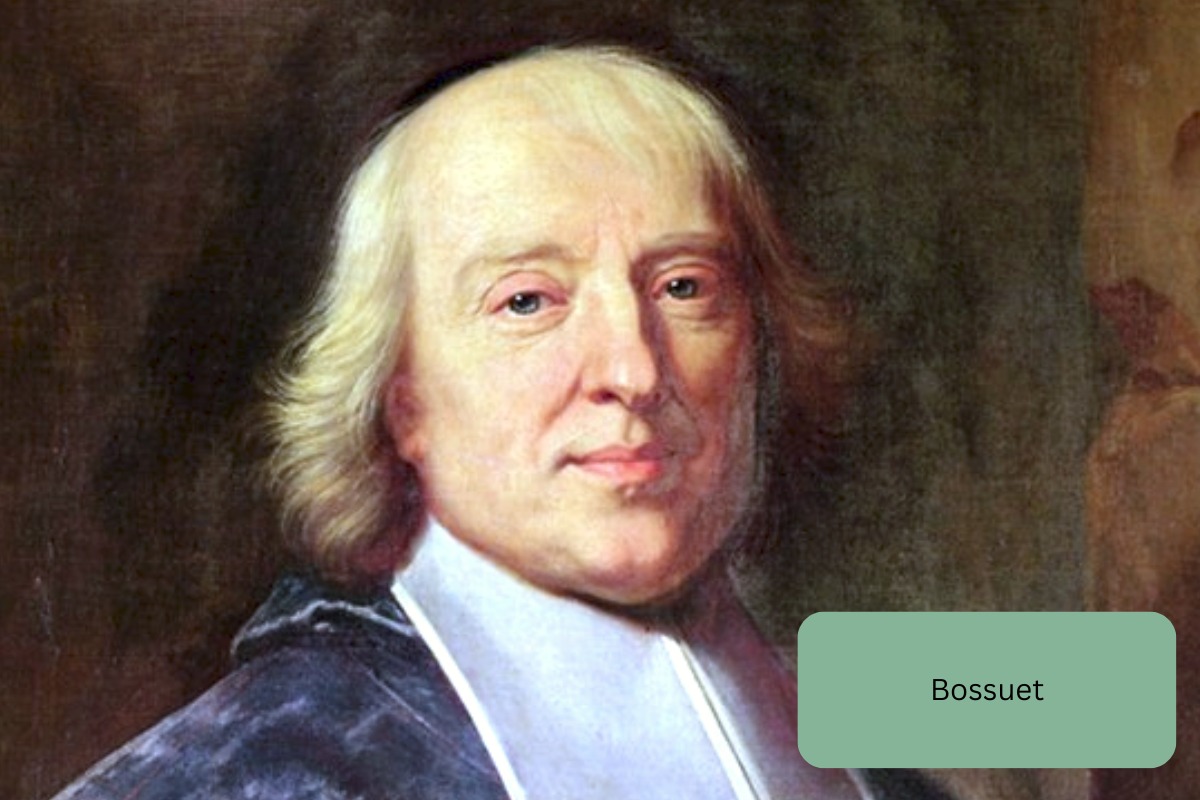
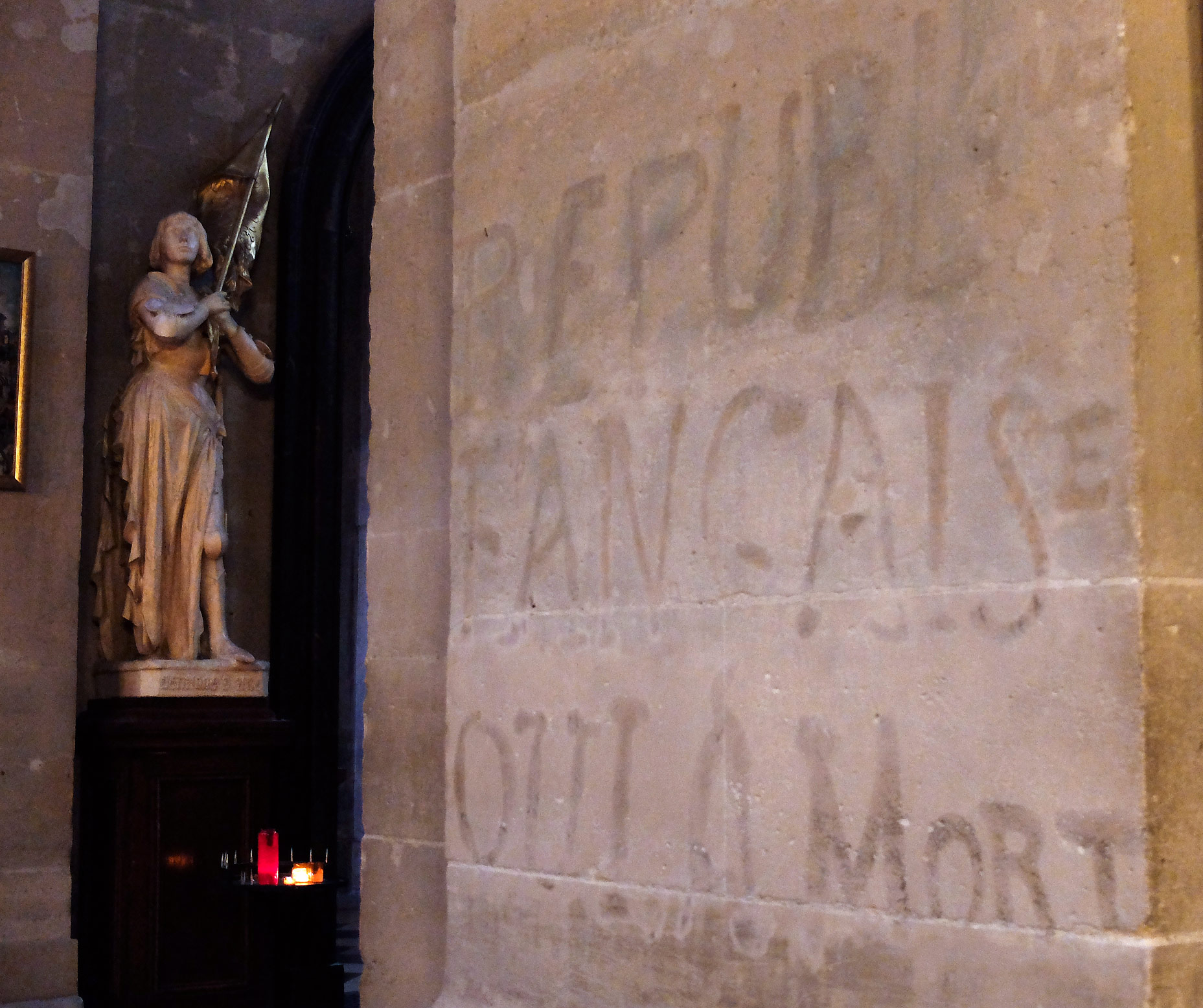
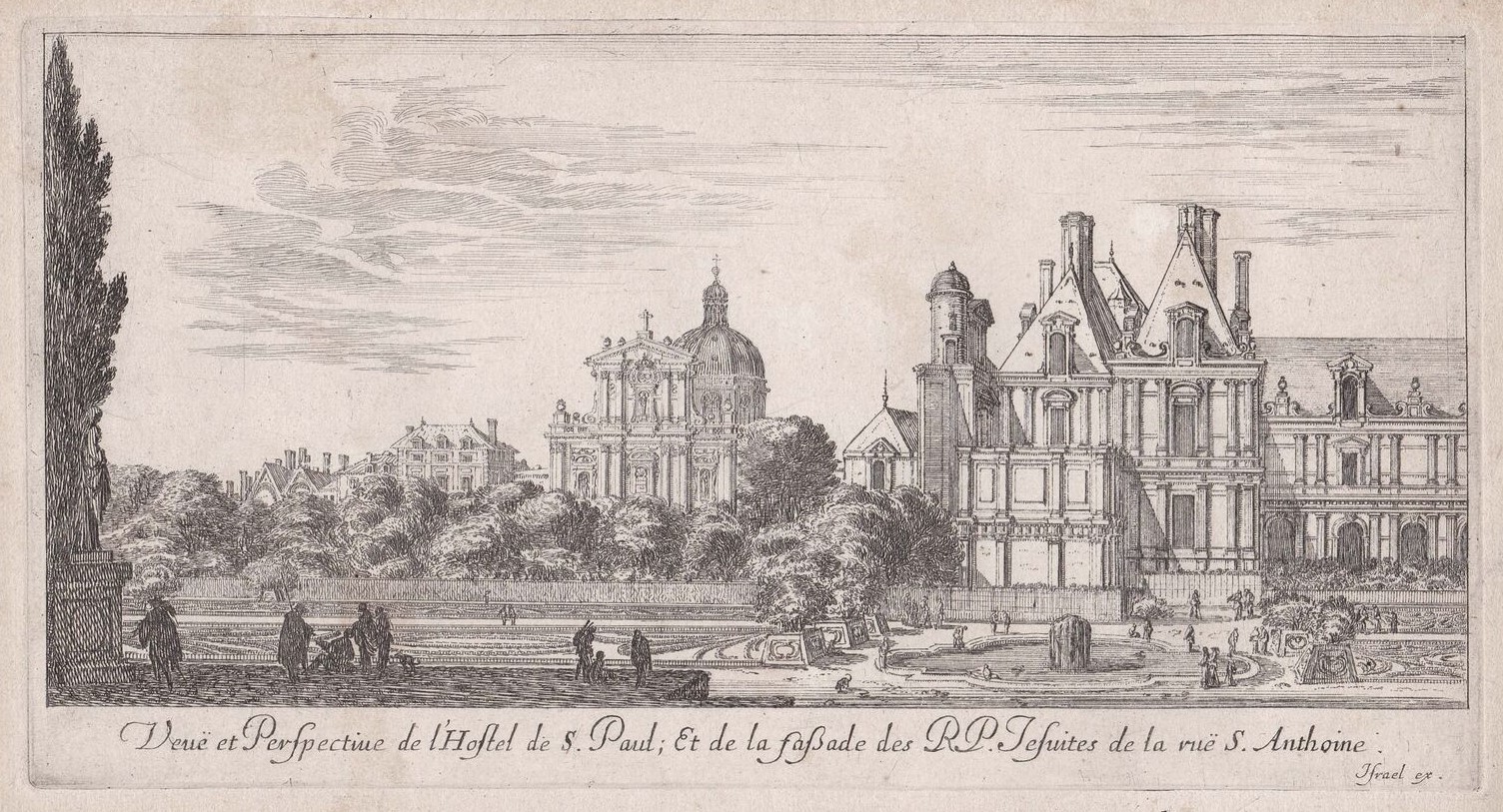
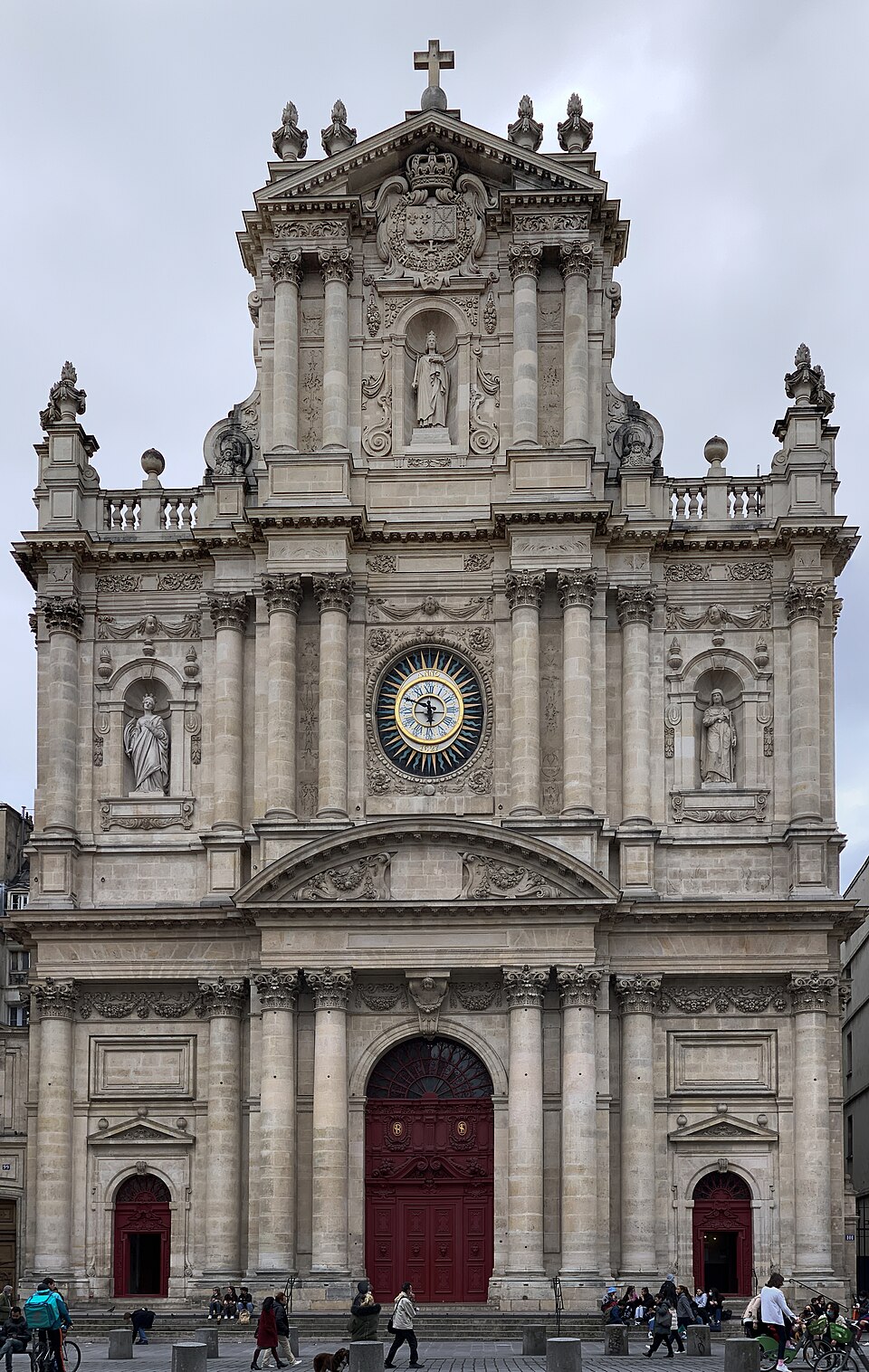
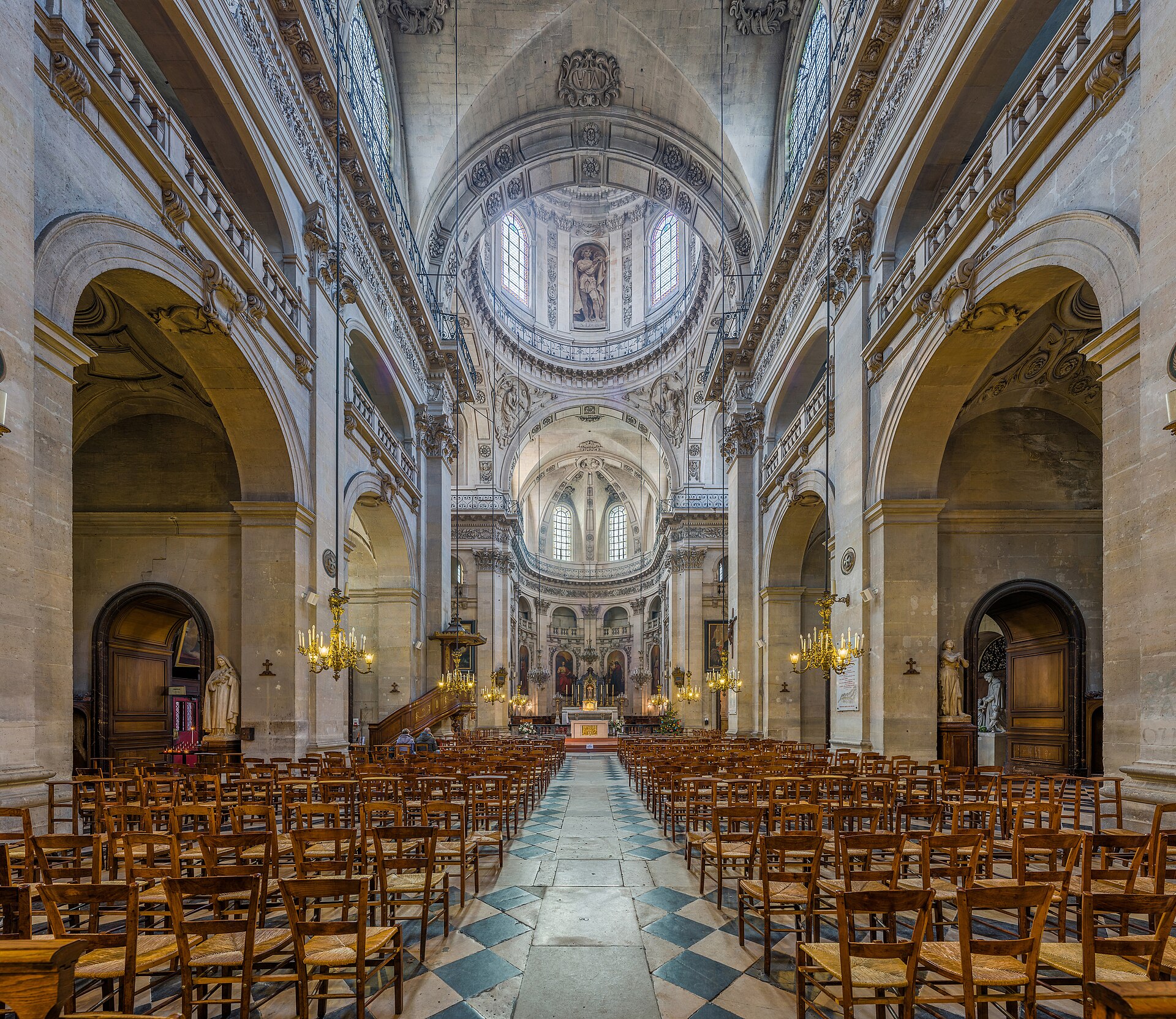
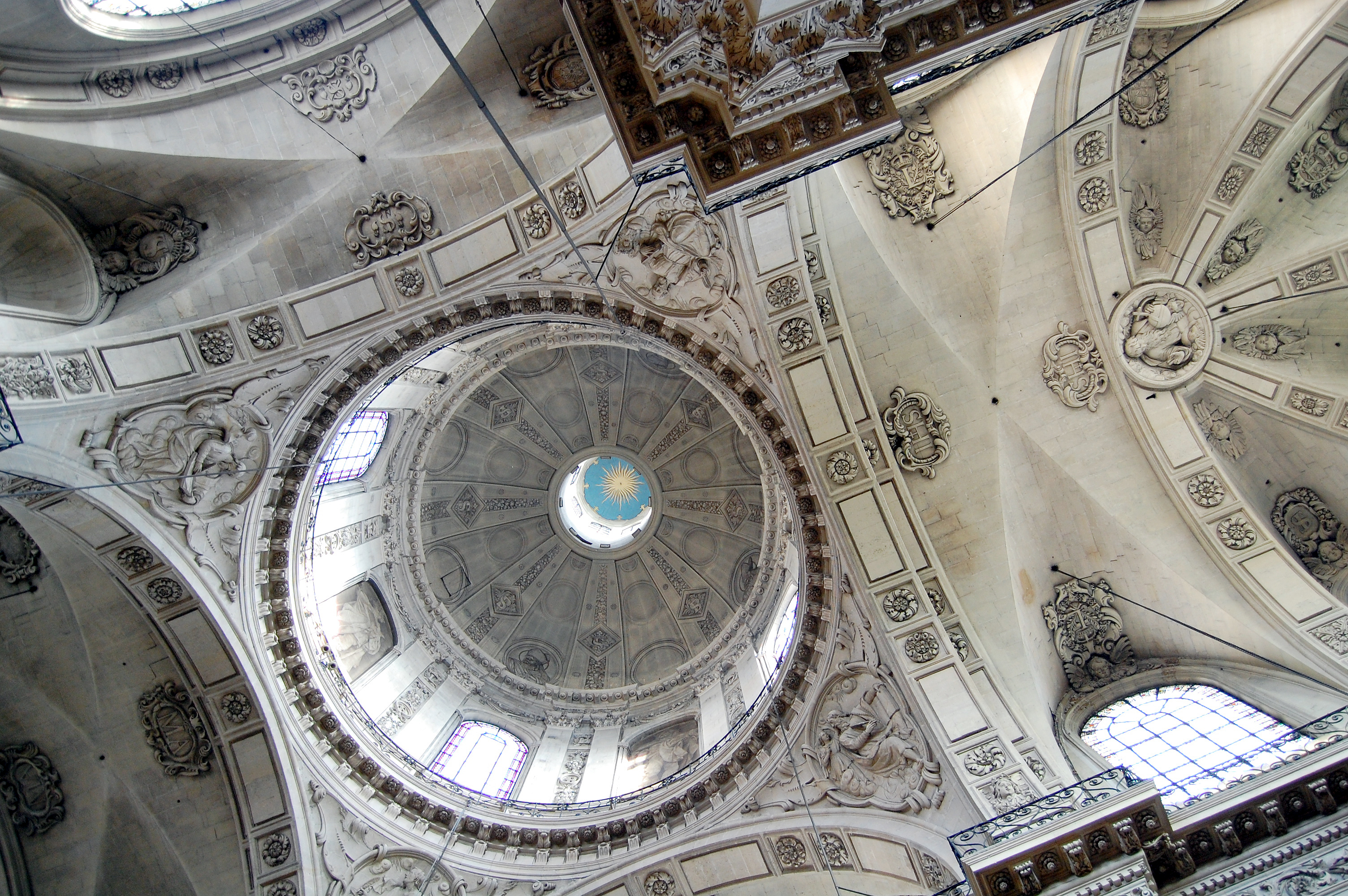
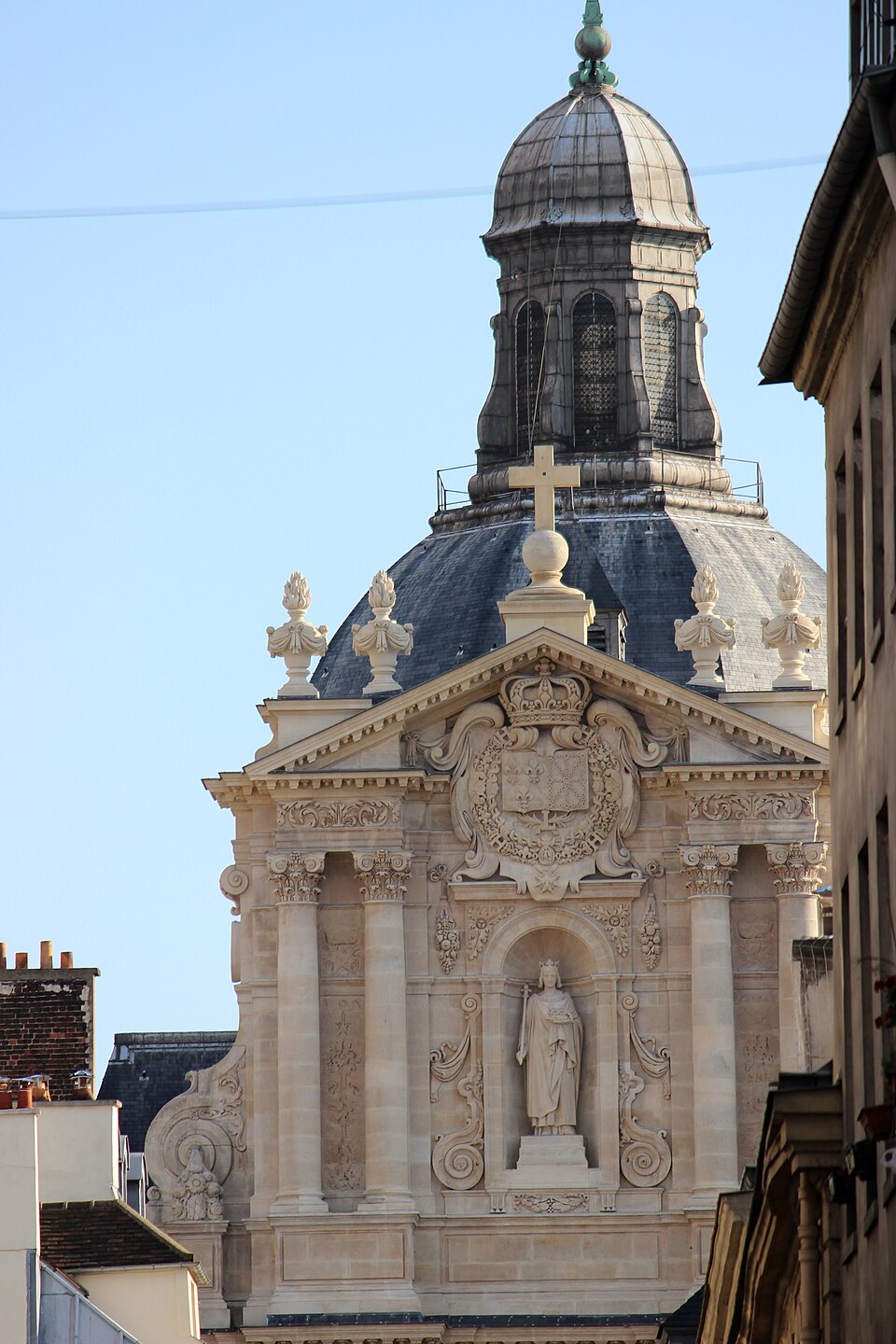
The Saint-Paul-Saint-Louis church (1627) was built by the Jesuits.
It sits on the rue Saint-Antoine - the great ceremonial route into Paris from the east, where royal processions and tournaments took place.
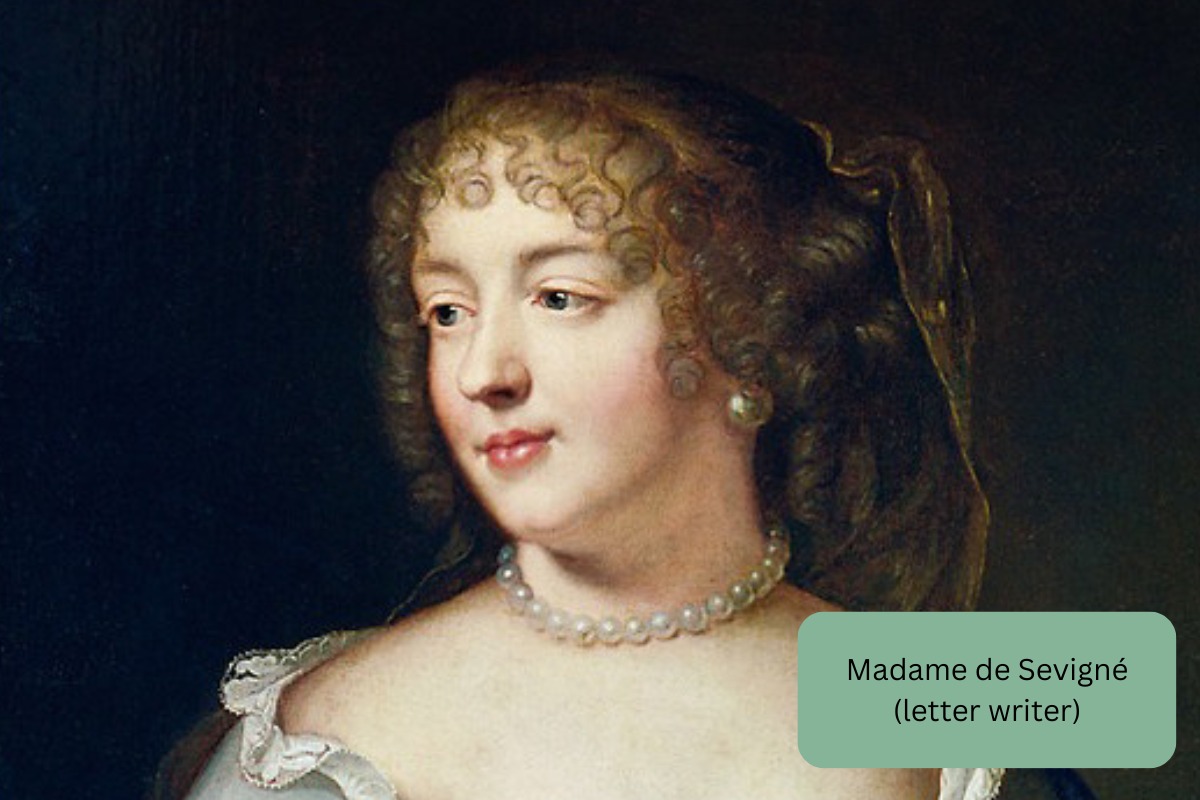
It became the parish church of Marais high society - Madame de Sévigné, who lived just around the corner, worshipped here, and Bossuet, the greatest preacher of the age, delivered sermons from its pulpit.
Fun fact: his sermons could last several hours - congregants would bring cushions and, according to contemporary accounts, would rather suffer in silence than be seen leaving early.
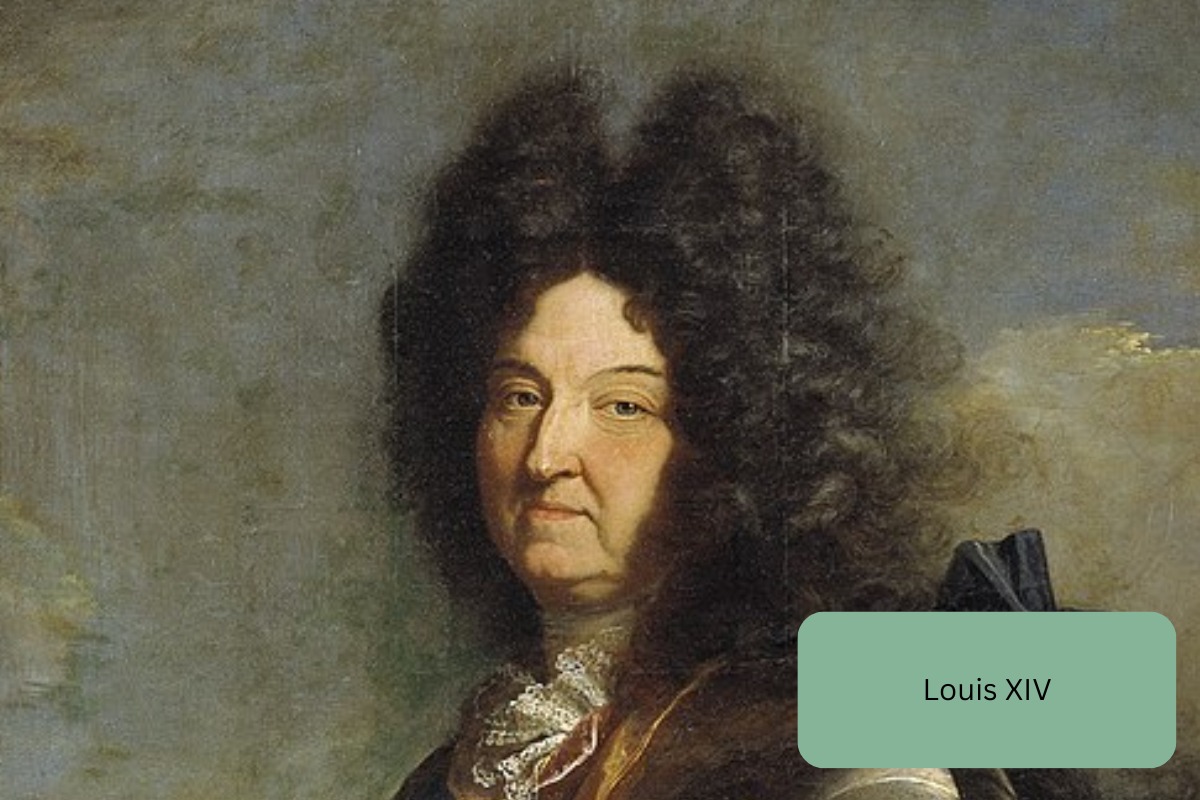
The hearts of Louis XIII and Louis XIV were kept here until the Revolution and Victor Hugo later married here.
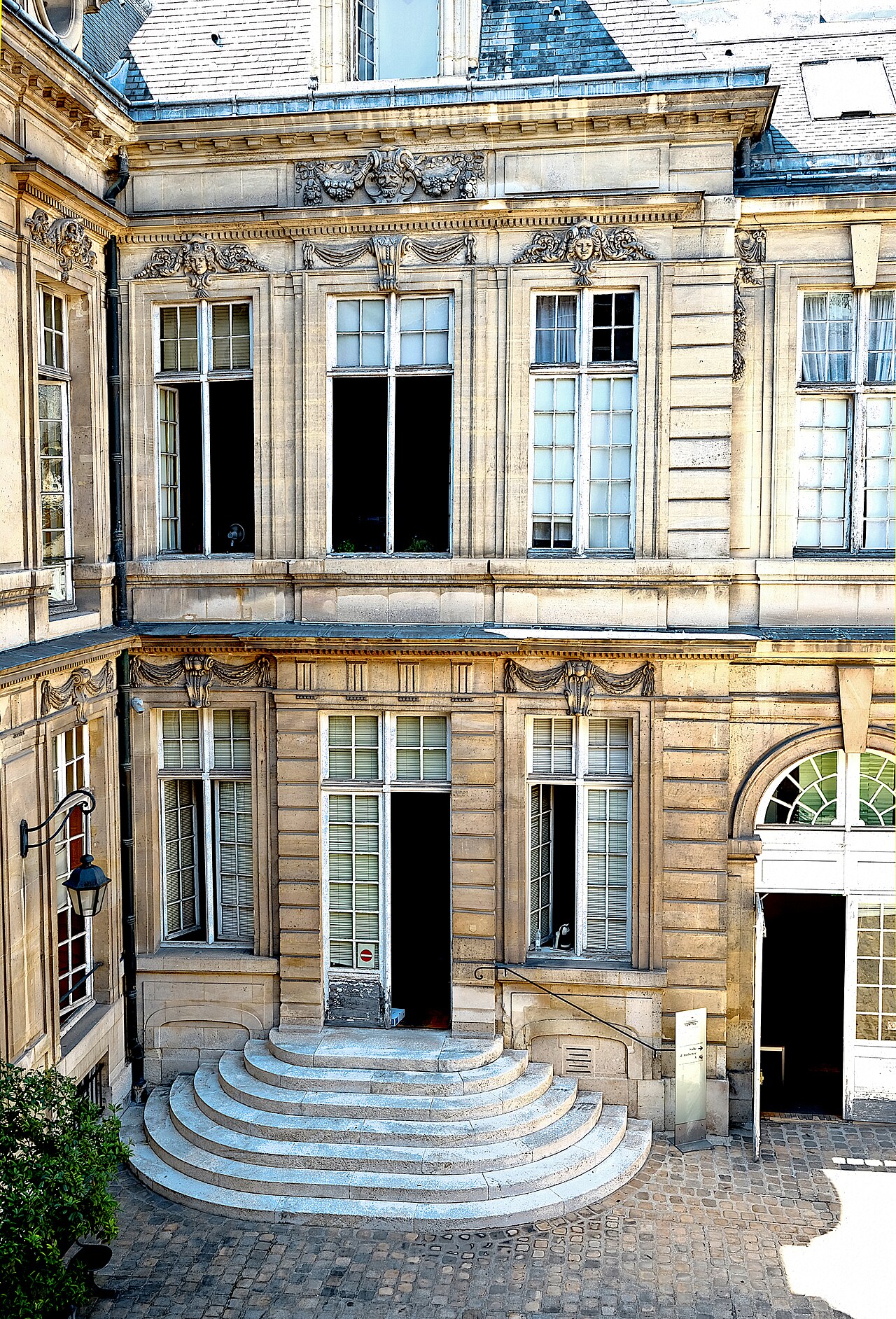
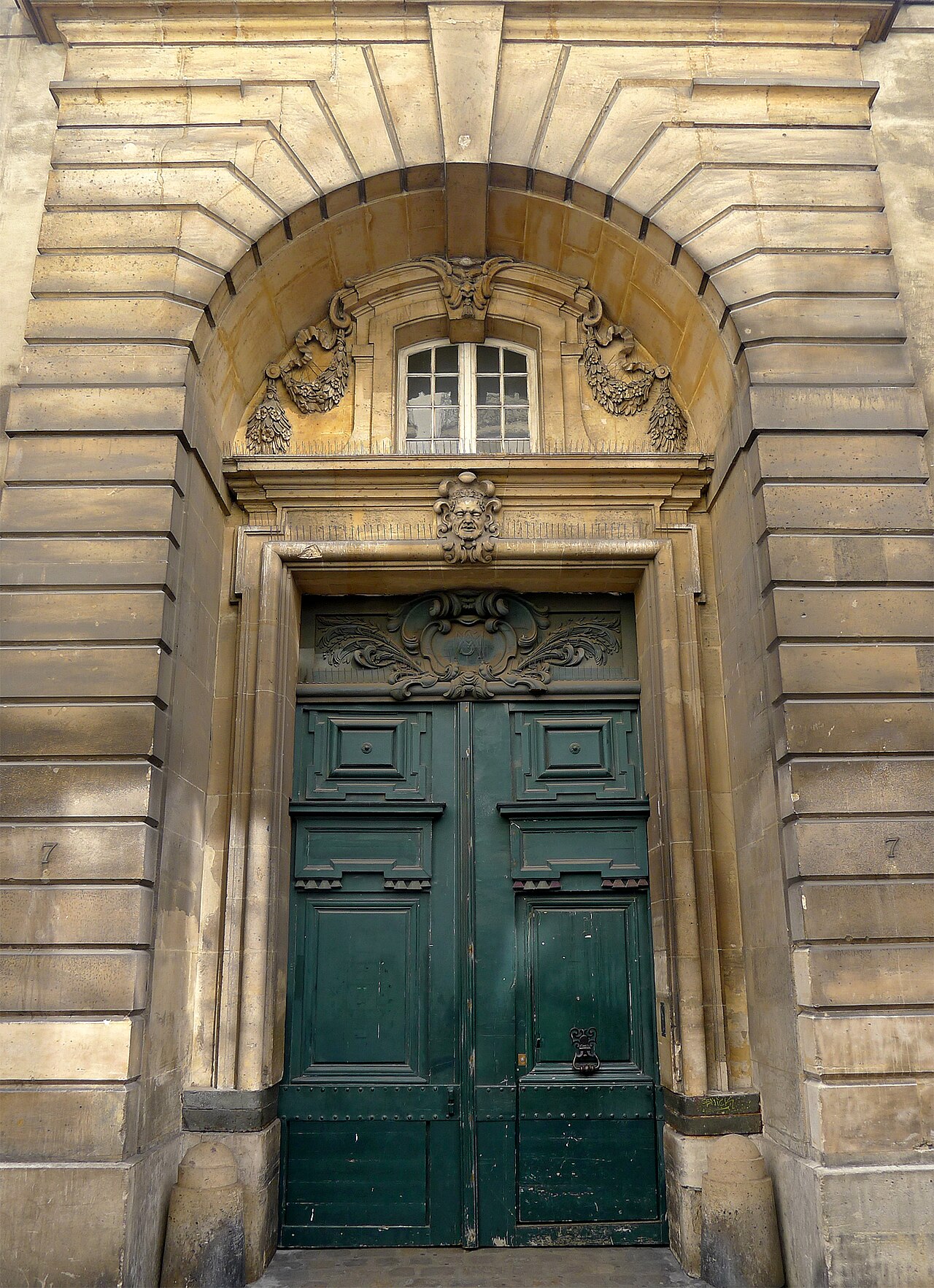
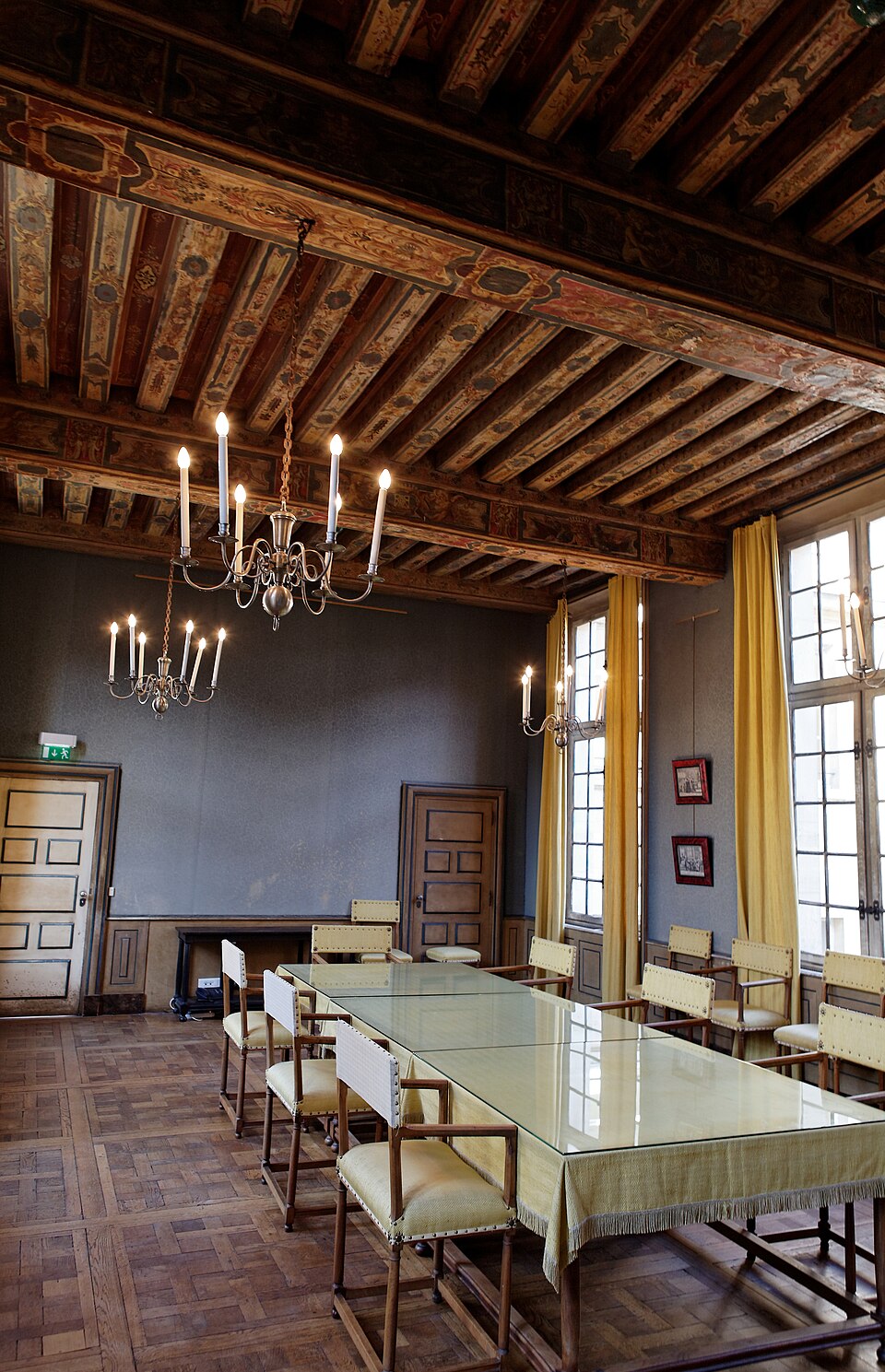
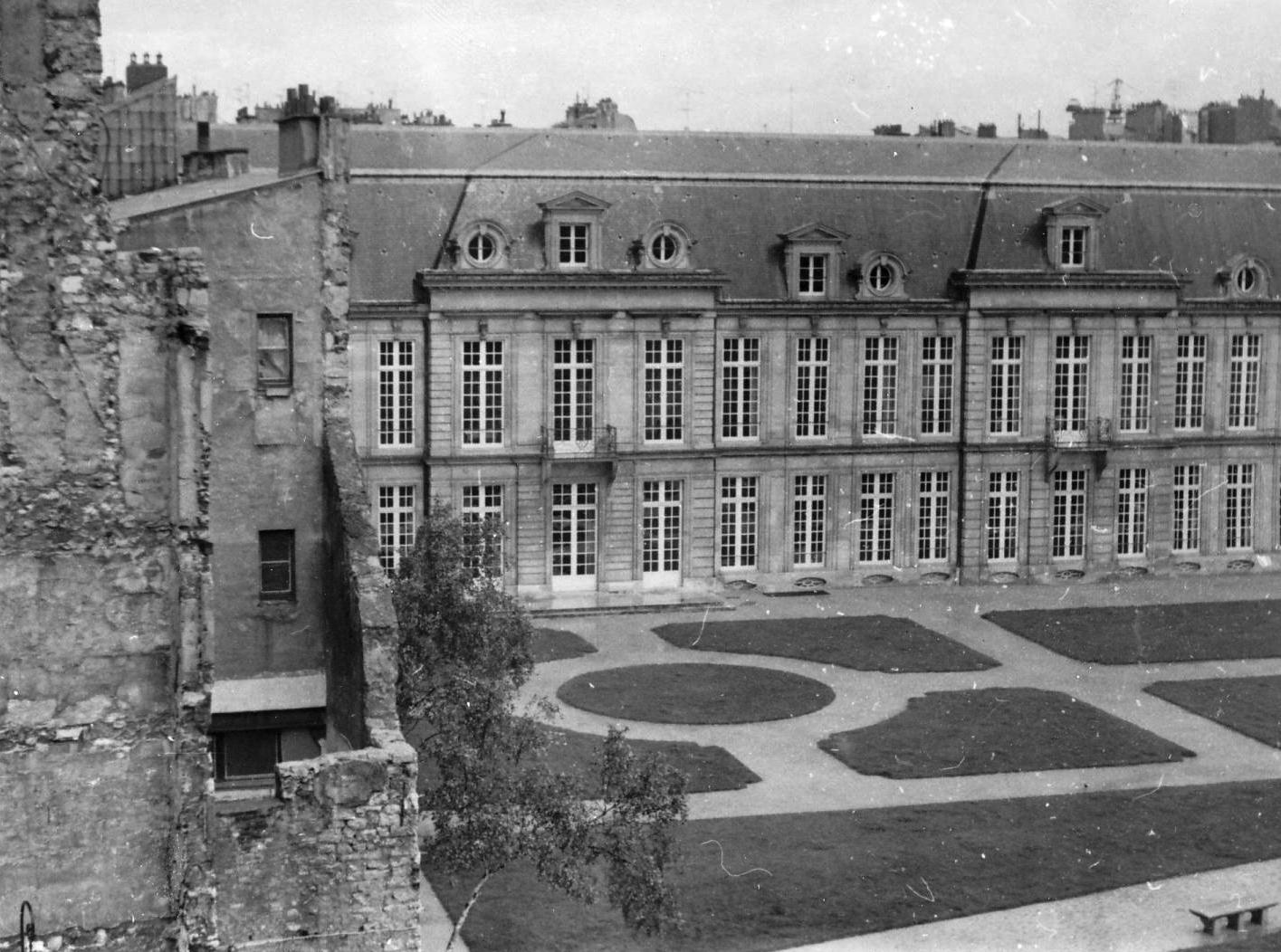
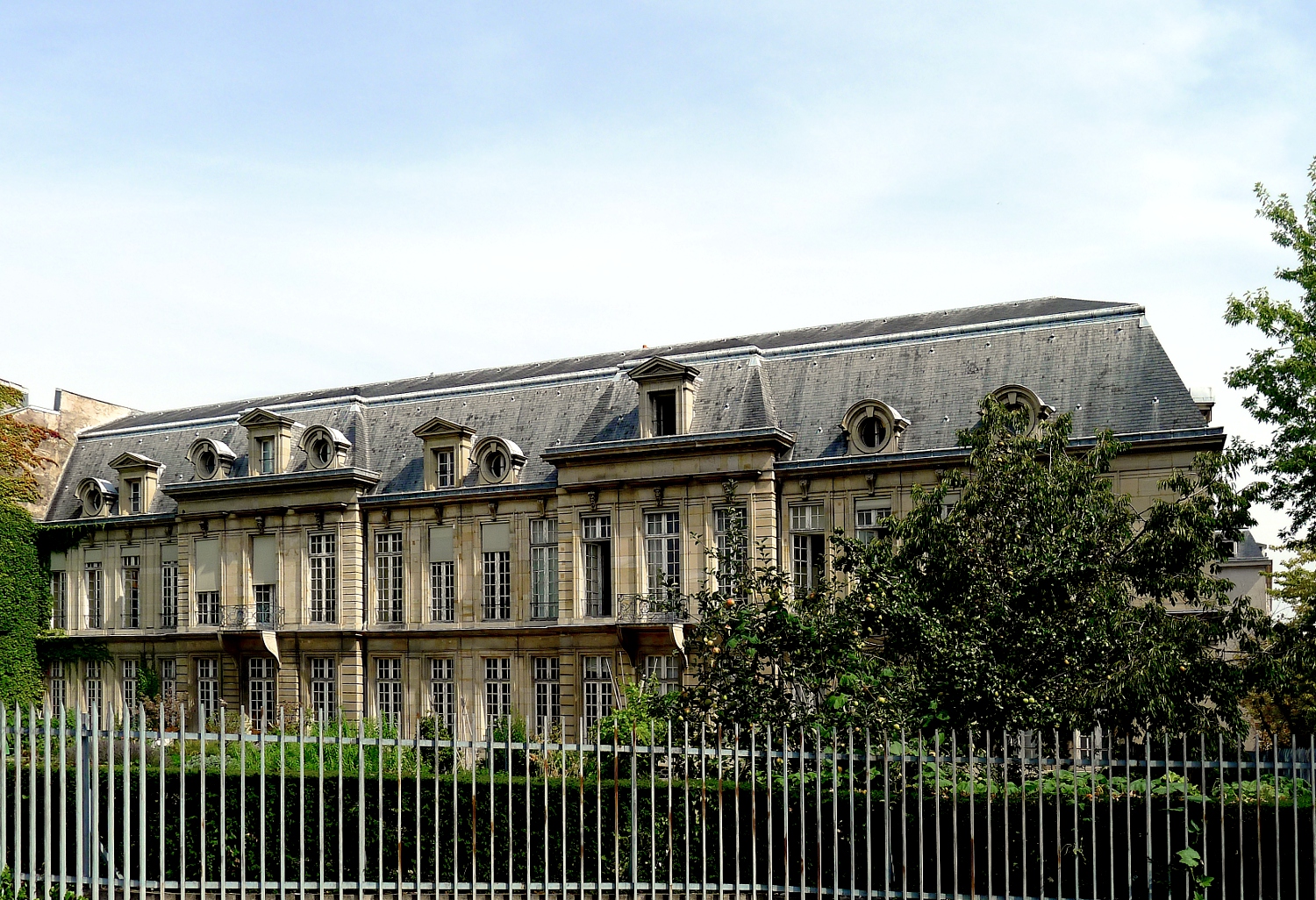
The Hôtel d'Aumont (1640) is one of the great hidden gems of the Marais.
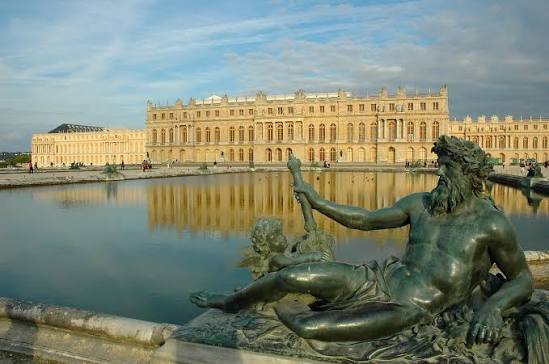
It was designed by Louis Le Vau, decorated by Charles Le Brun, and its gardens laid out by André Le Nôtre - the same trio who would go on to create Versailles.
Today it houses the Administrative Tribunal of Paris.
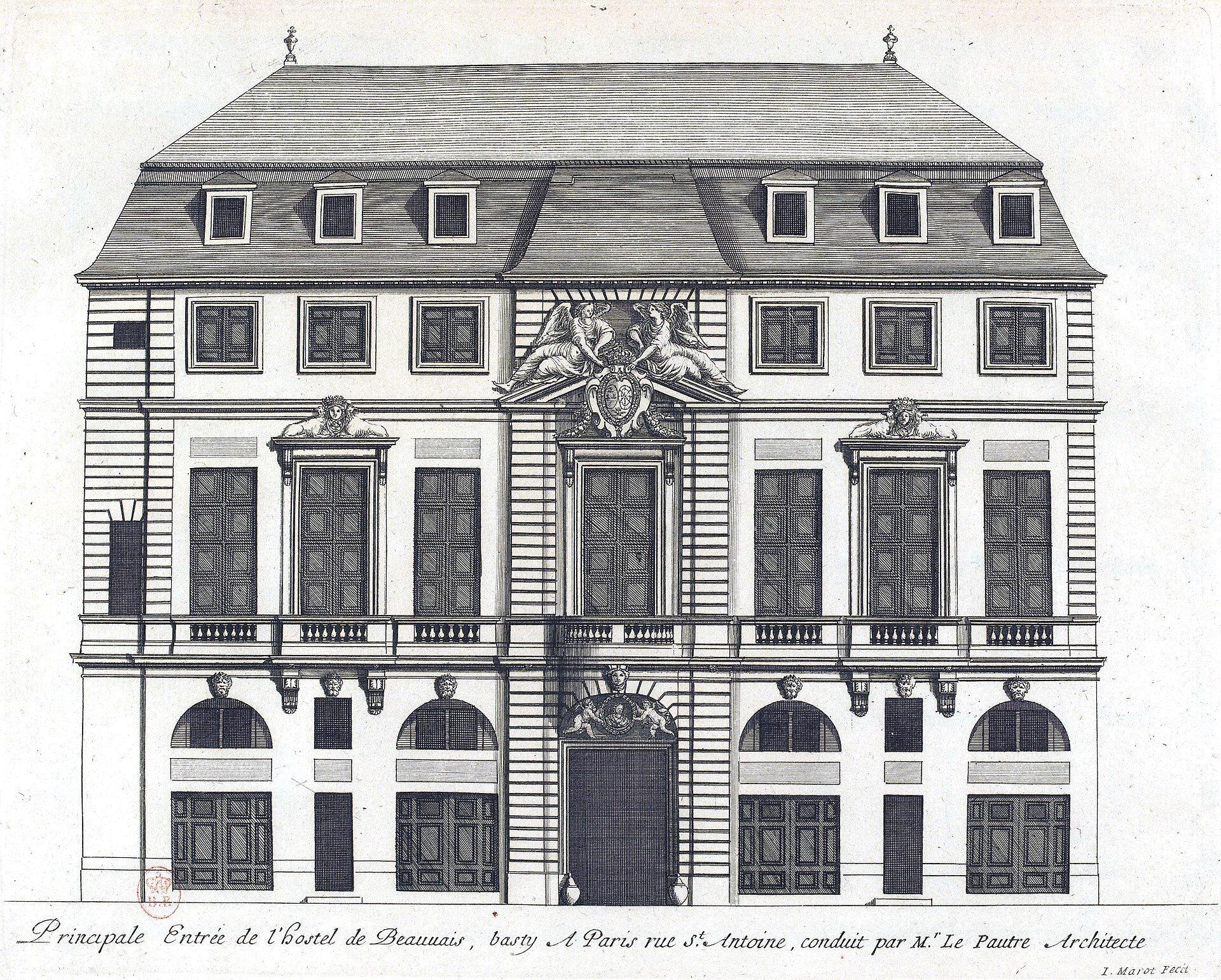
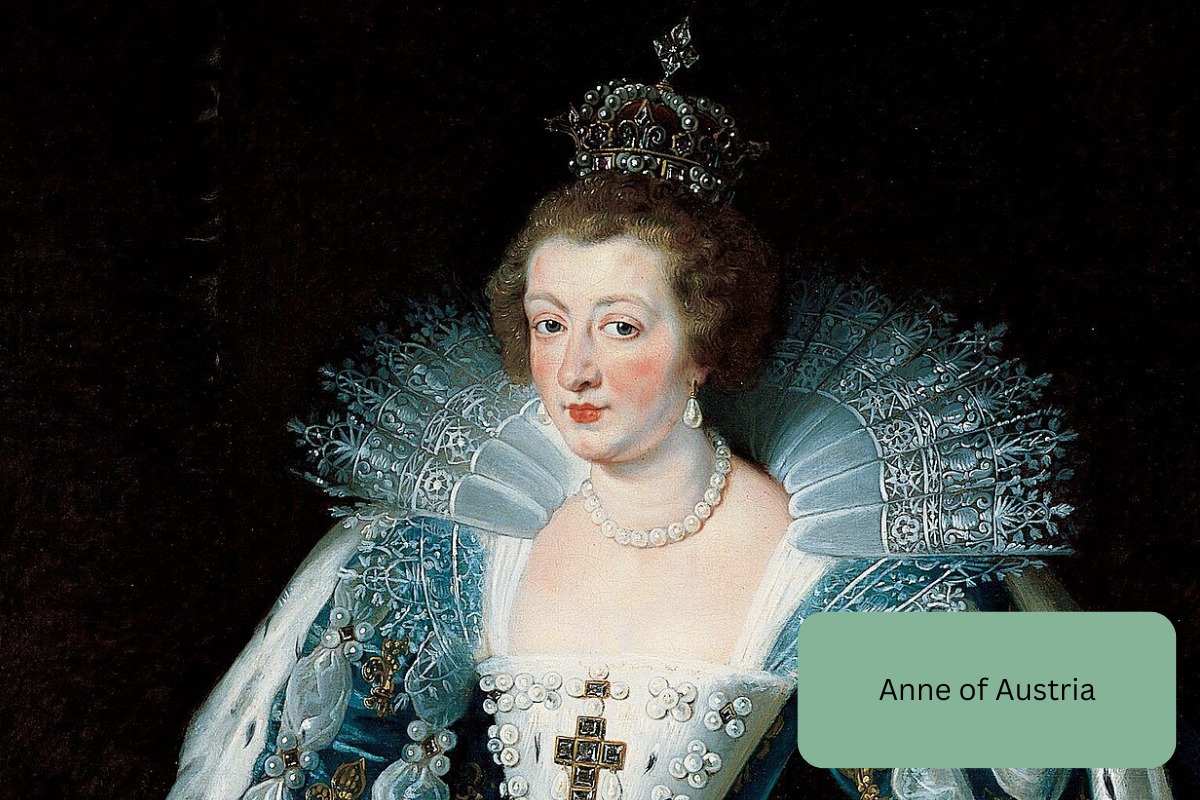
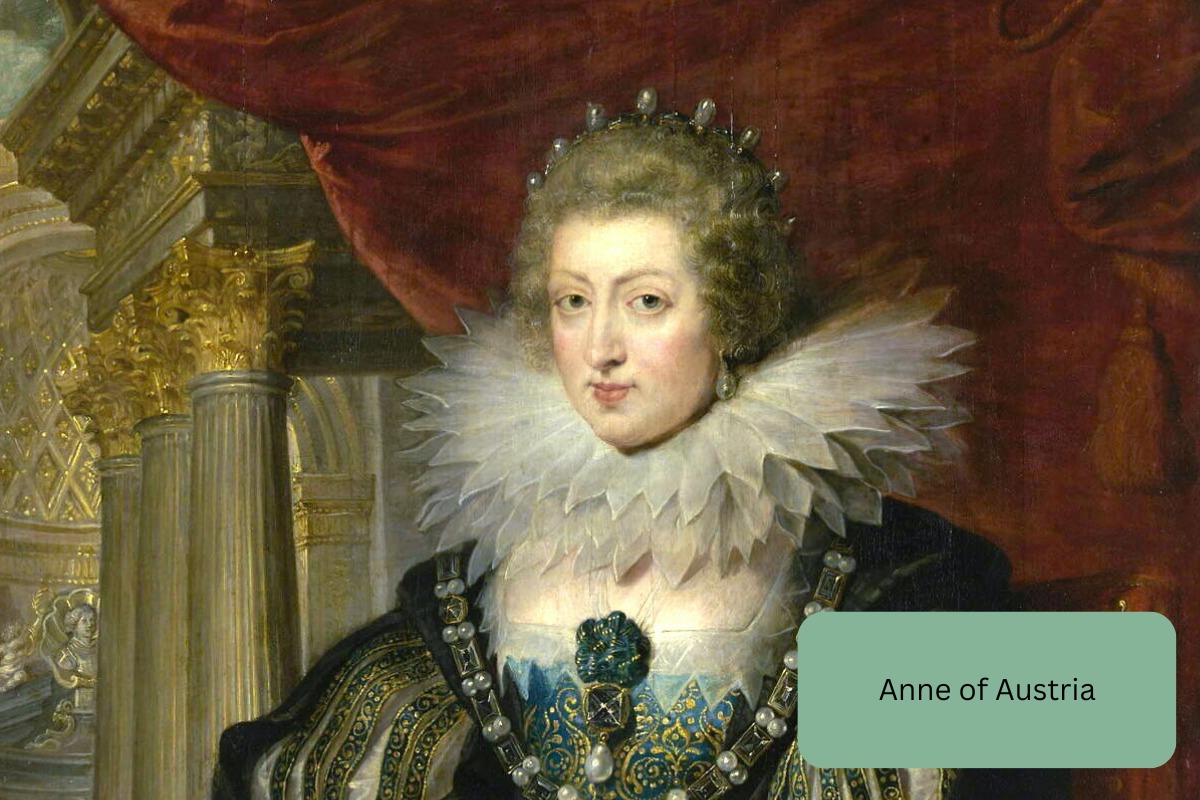
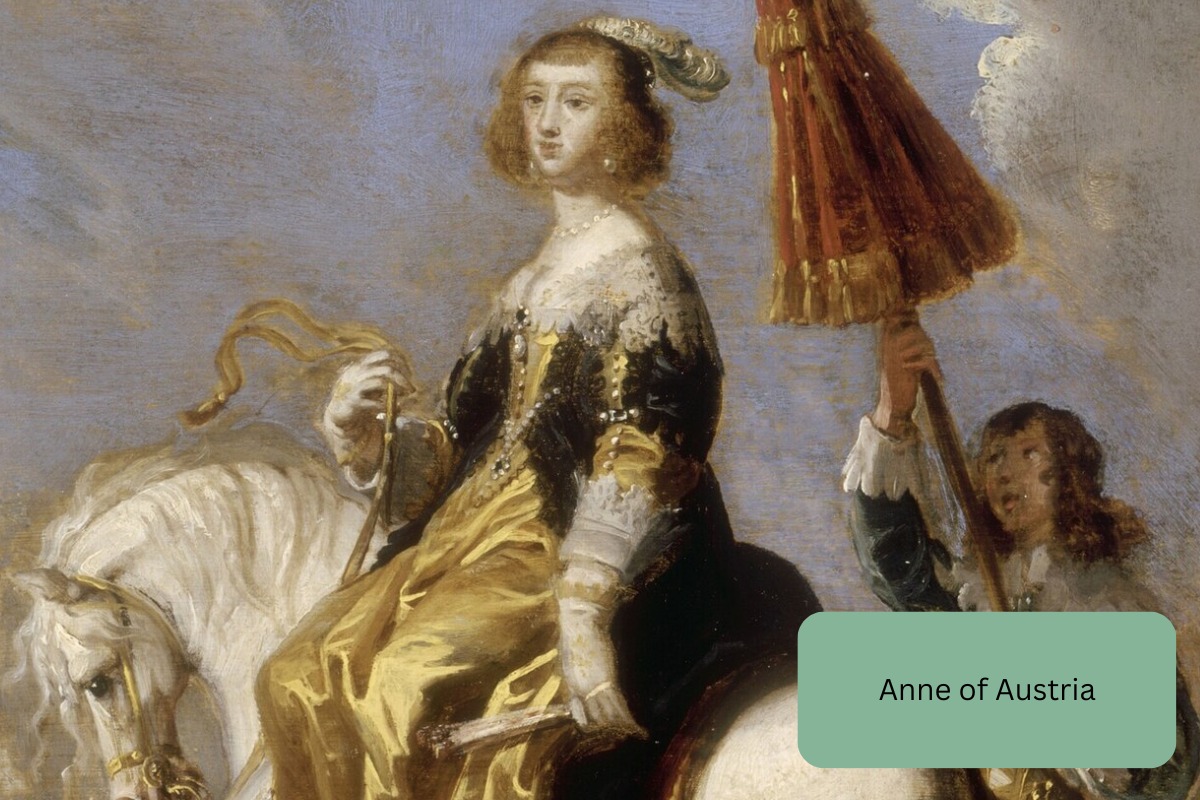
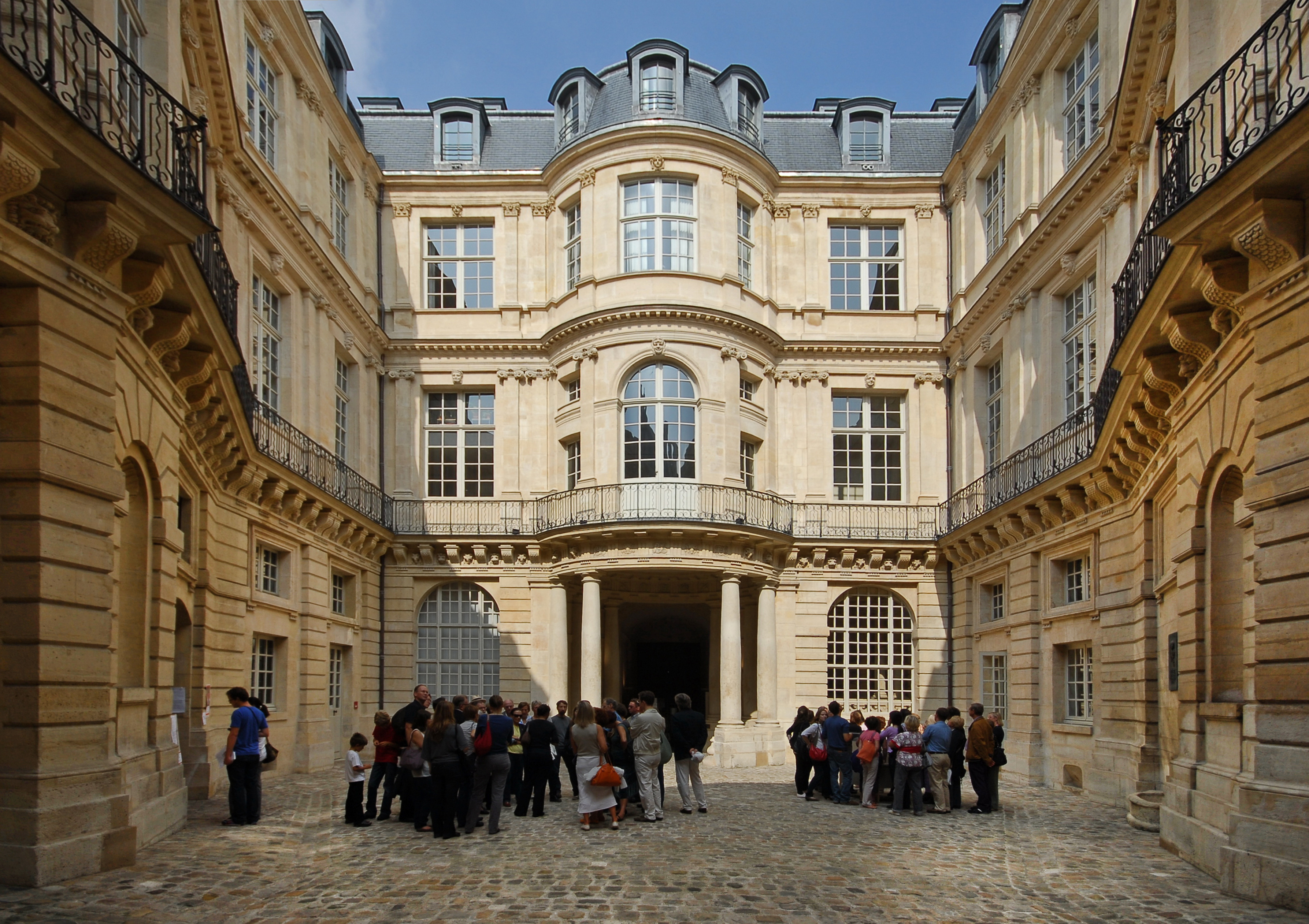
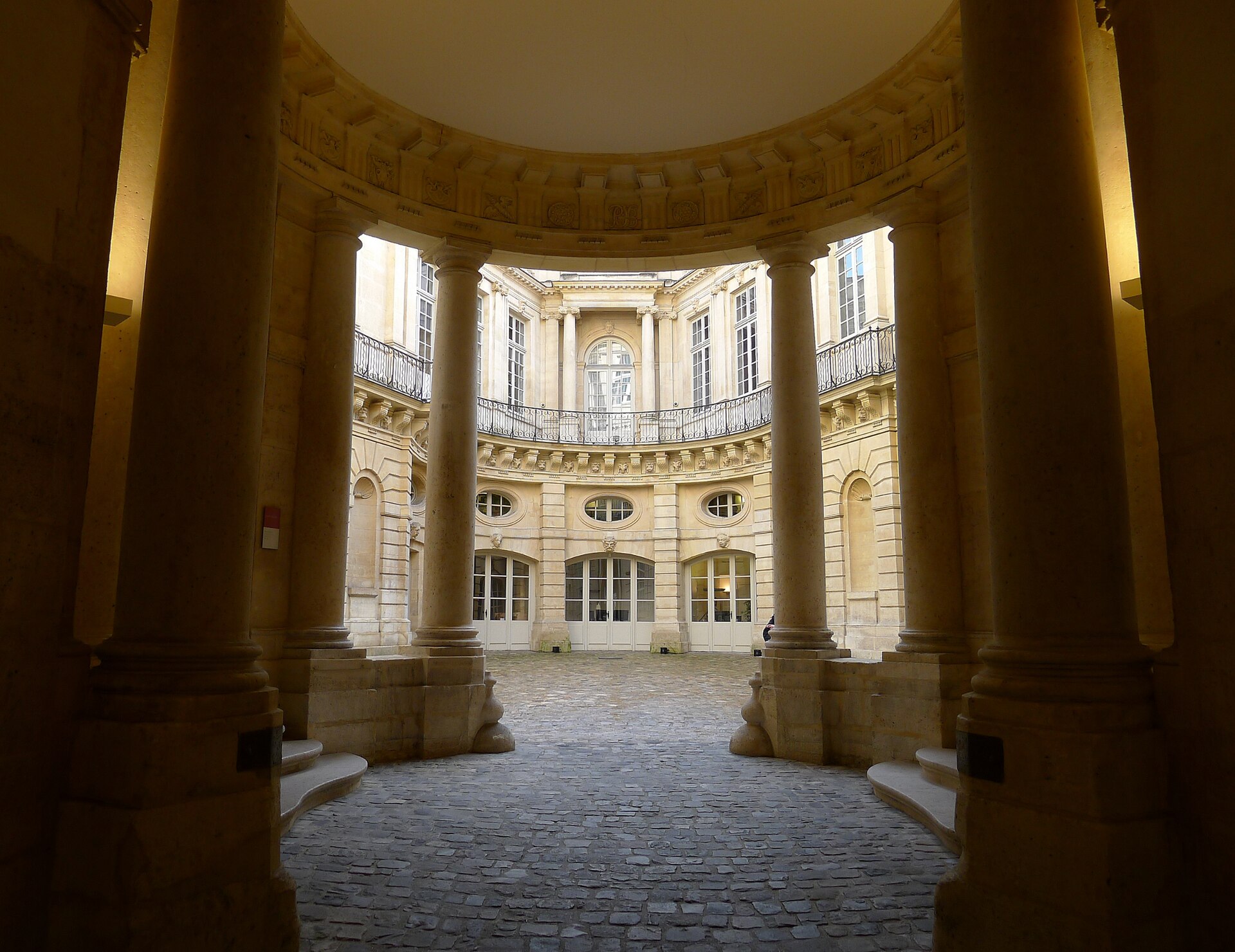
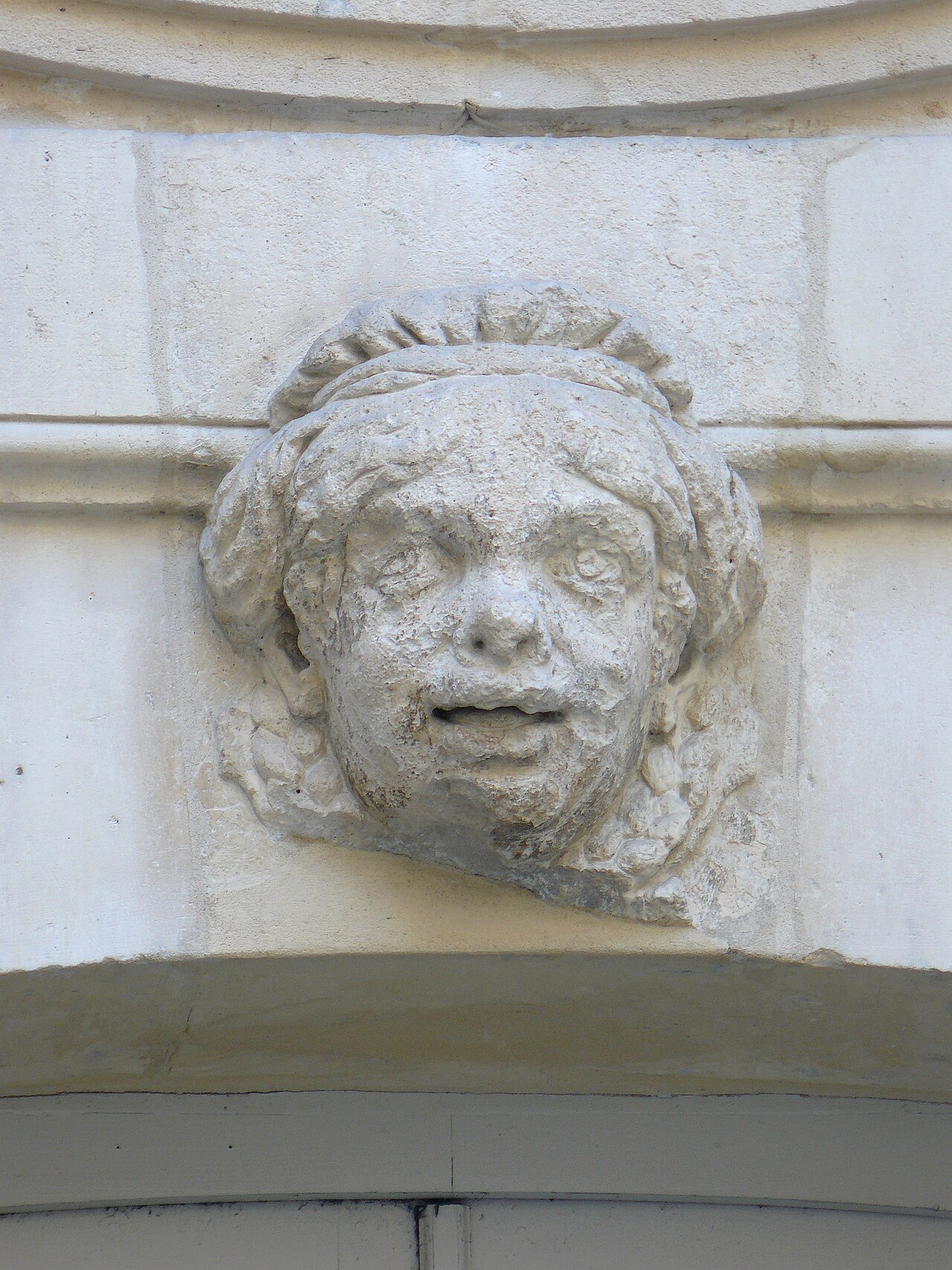
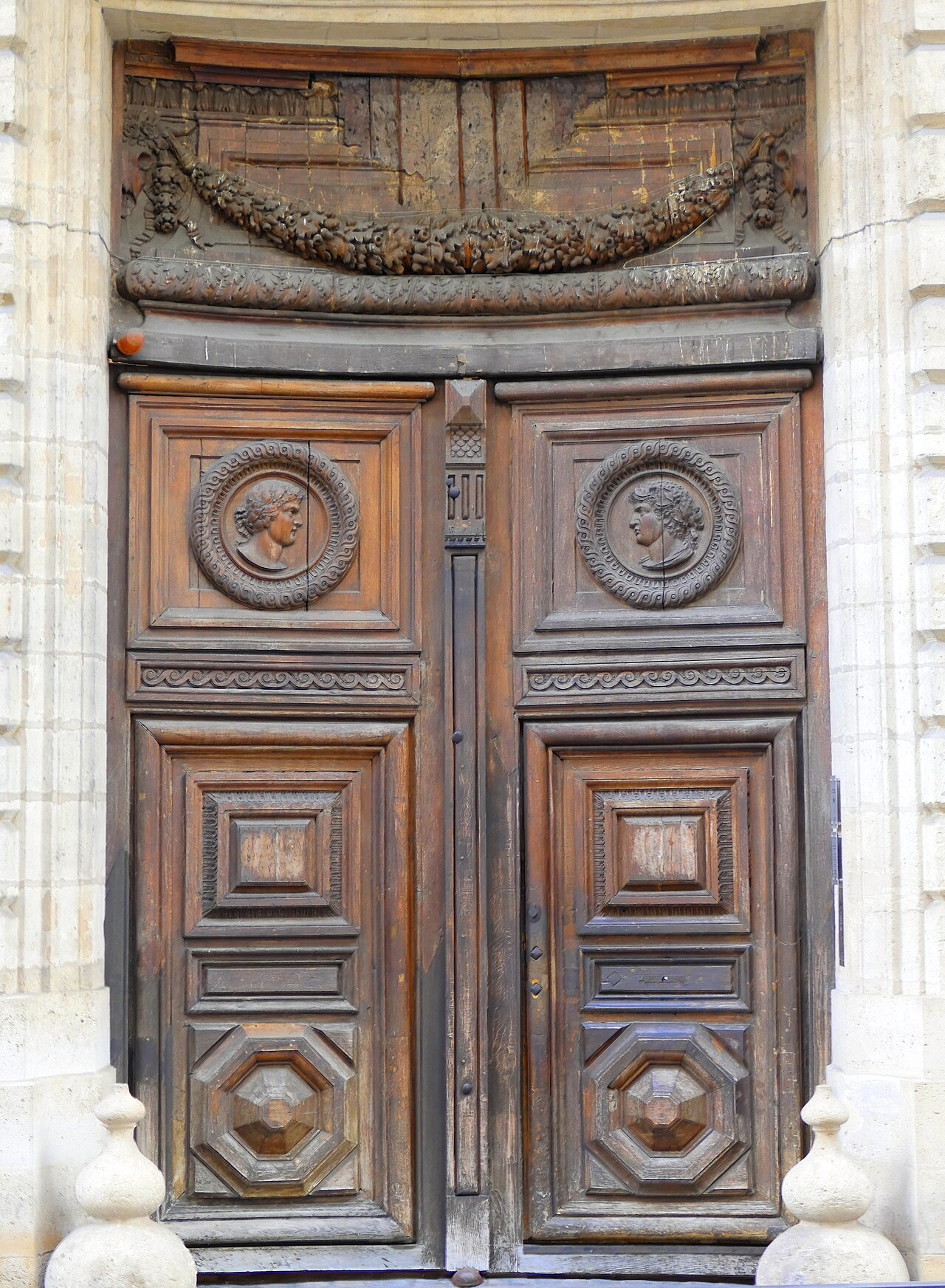
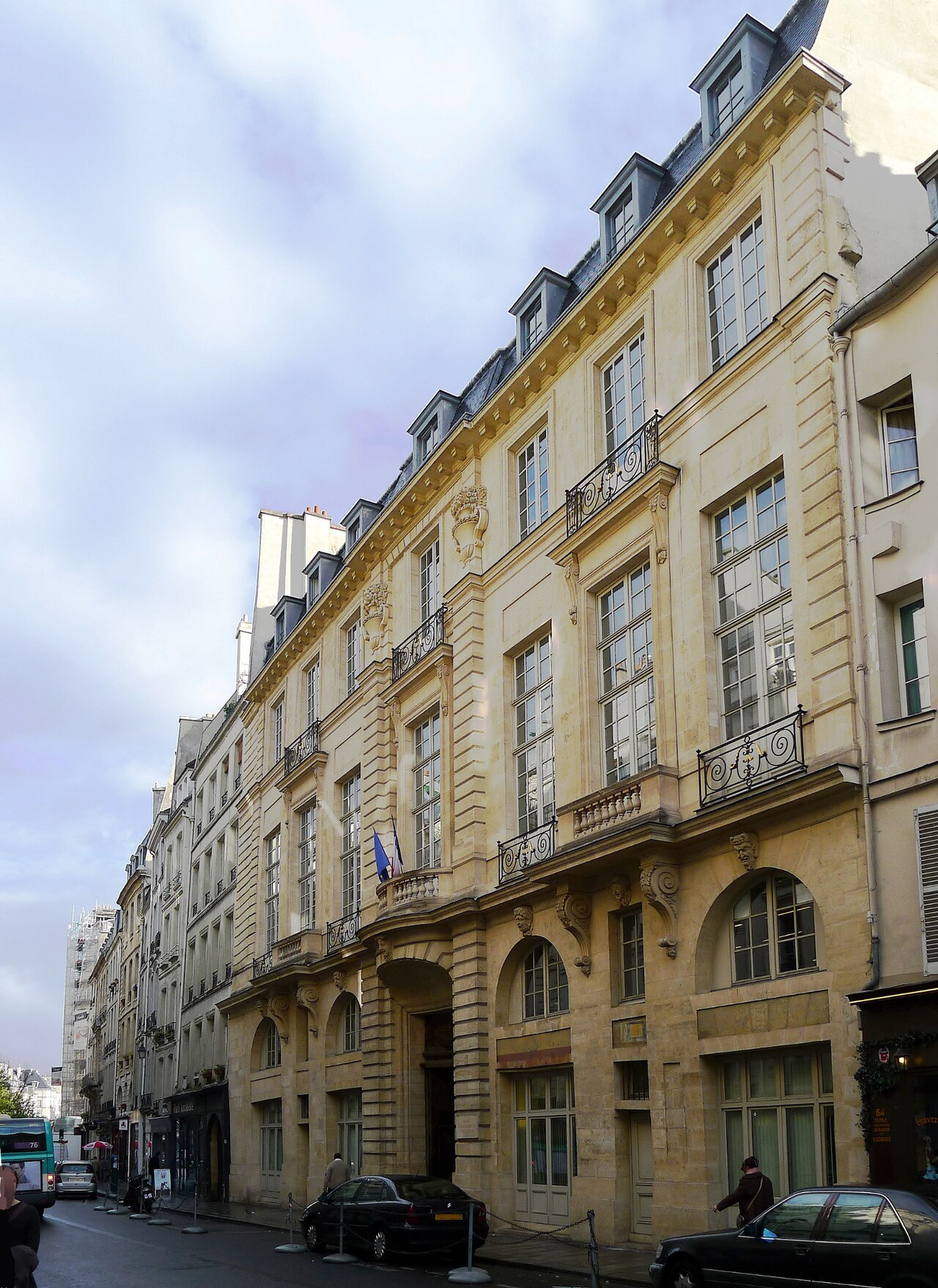
The Hôtel de Beauvais was built for Catherine Bellier, lady-in-waiting to Louis XIV's mother, Anne of Austria, and reputedly the first woman to be intimate with the young Louis XIV.
It is now the Court of Appeal.
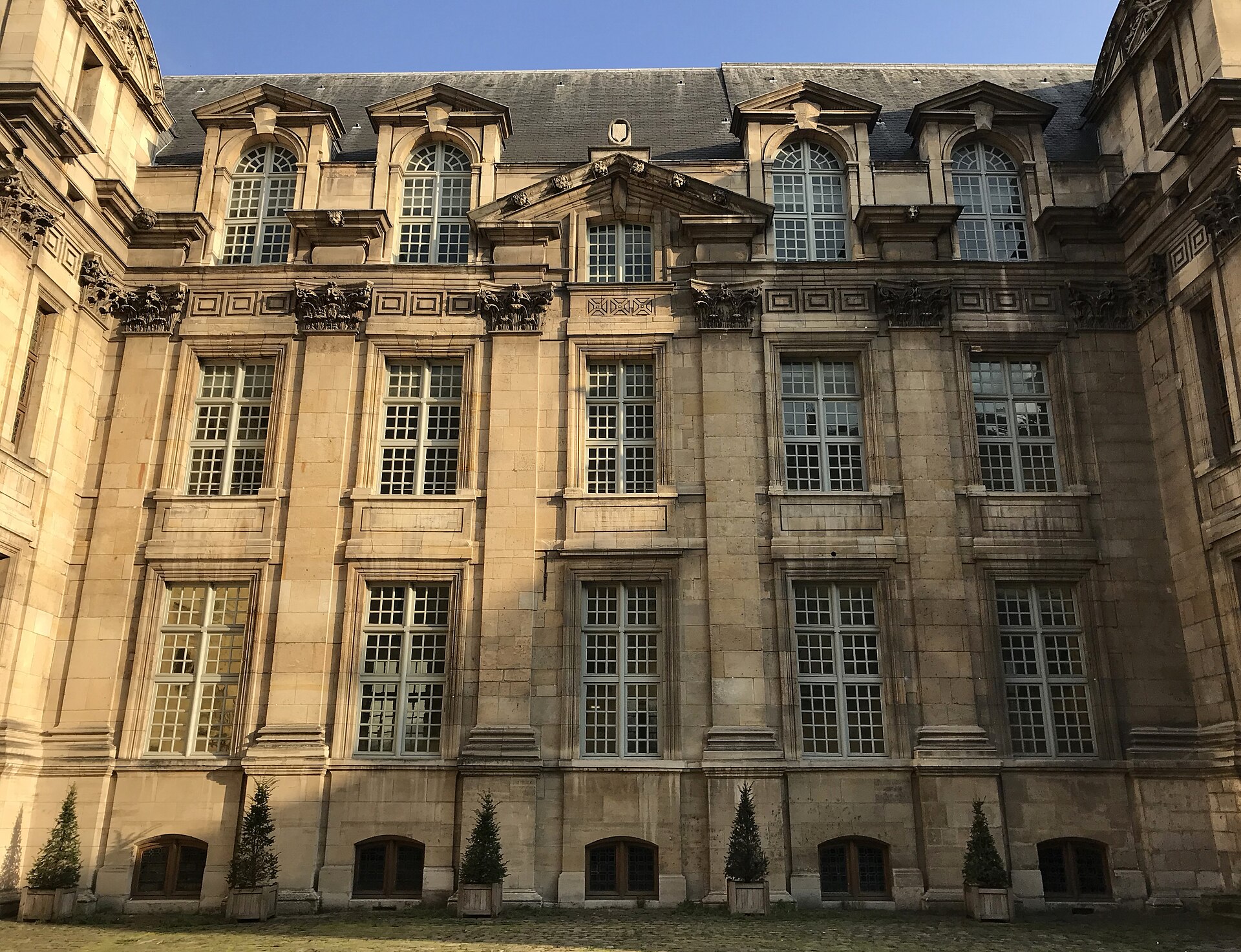
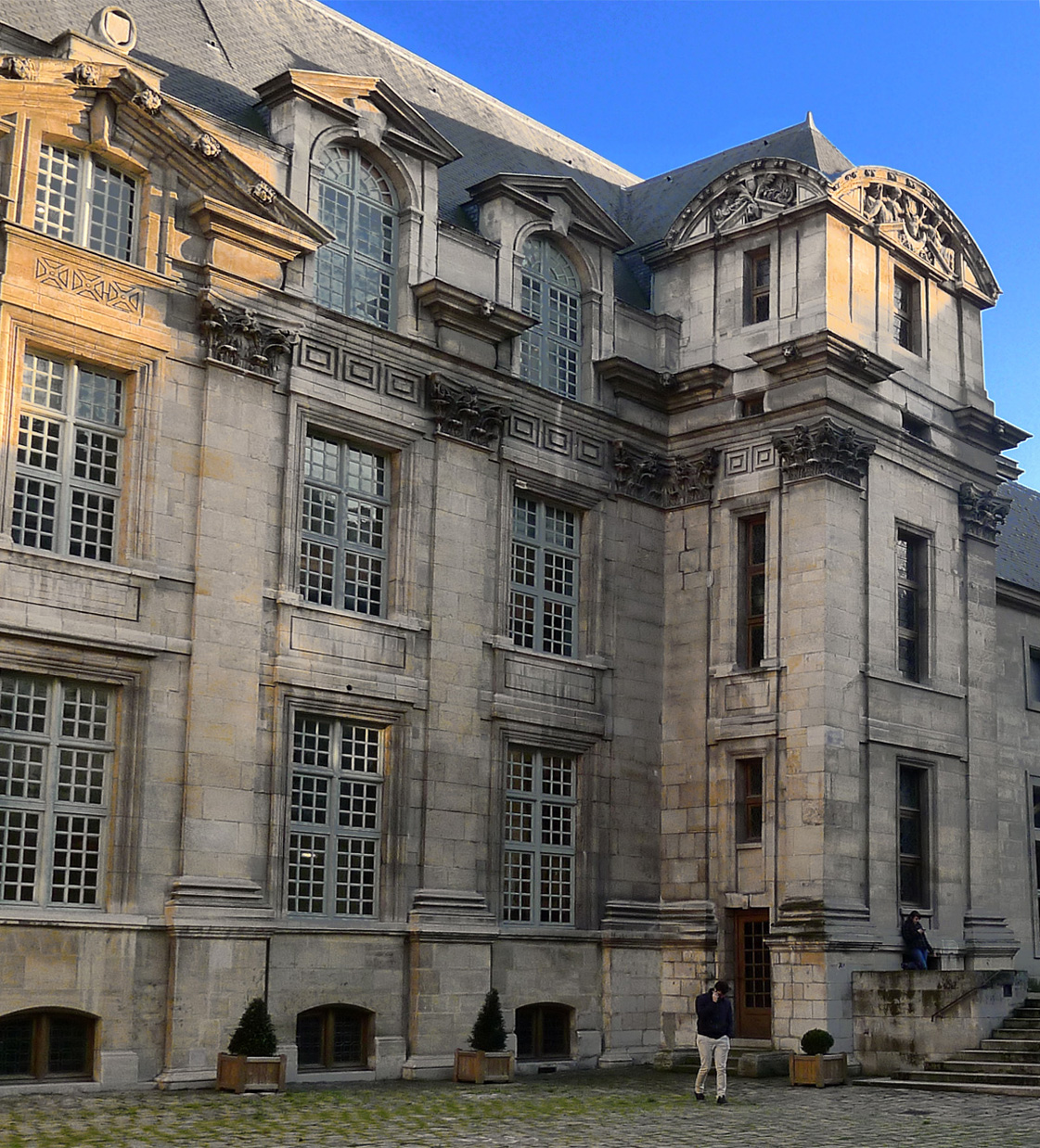
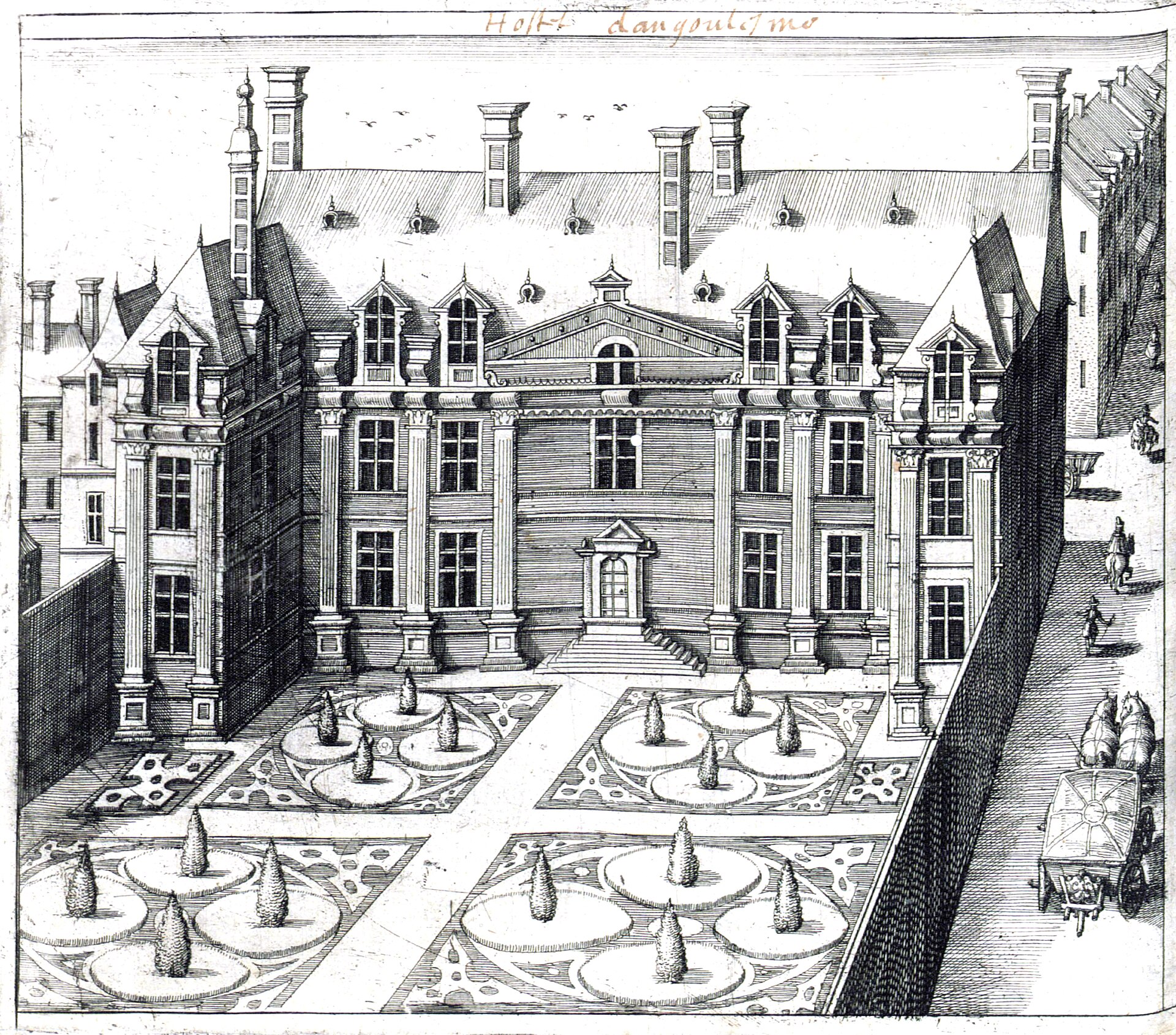
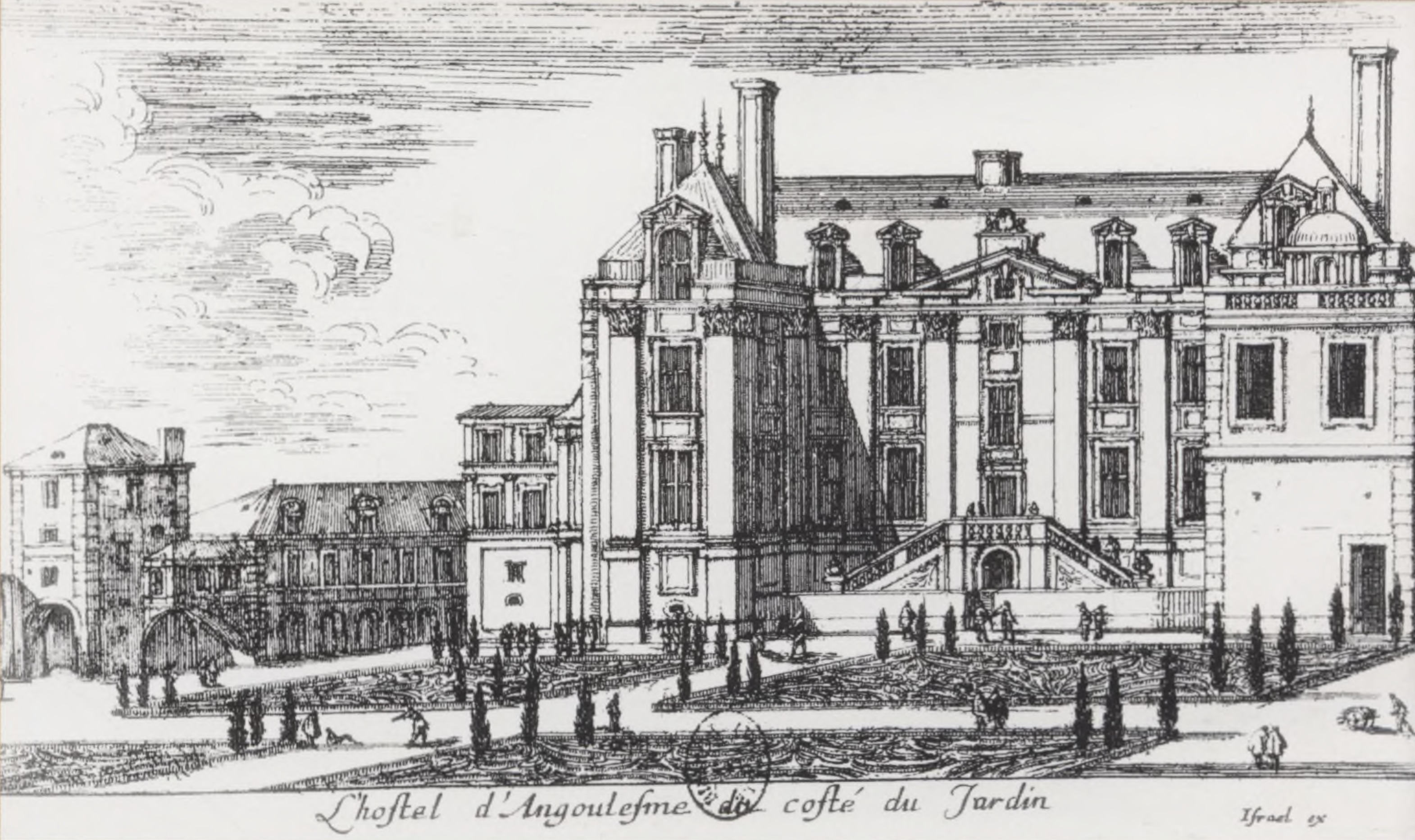
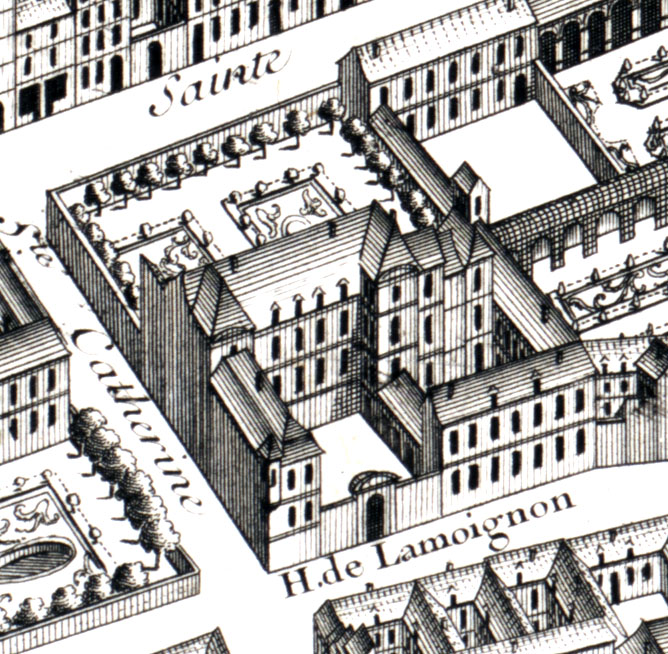
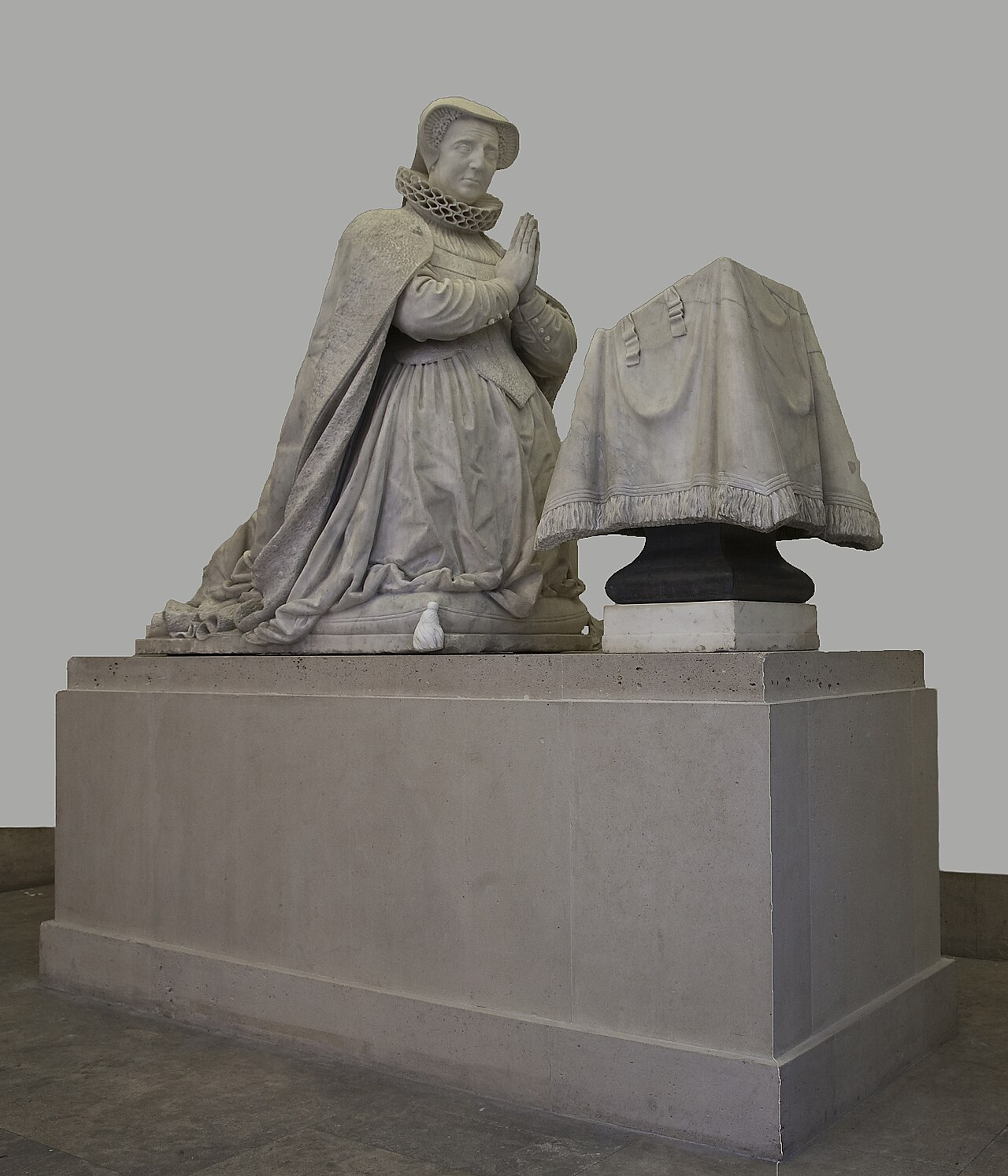
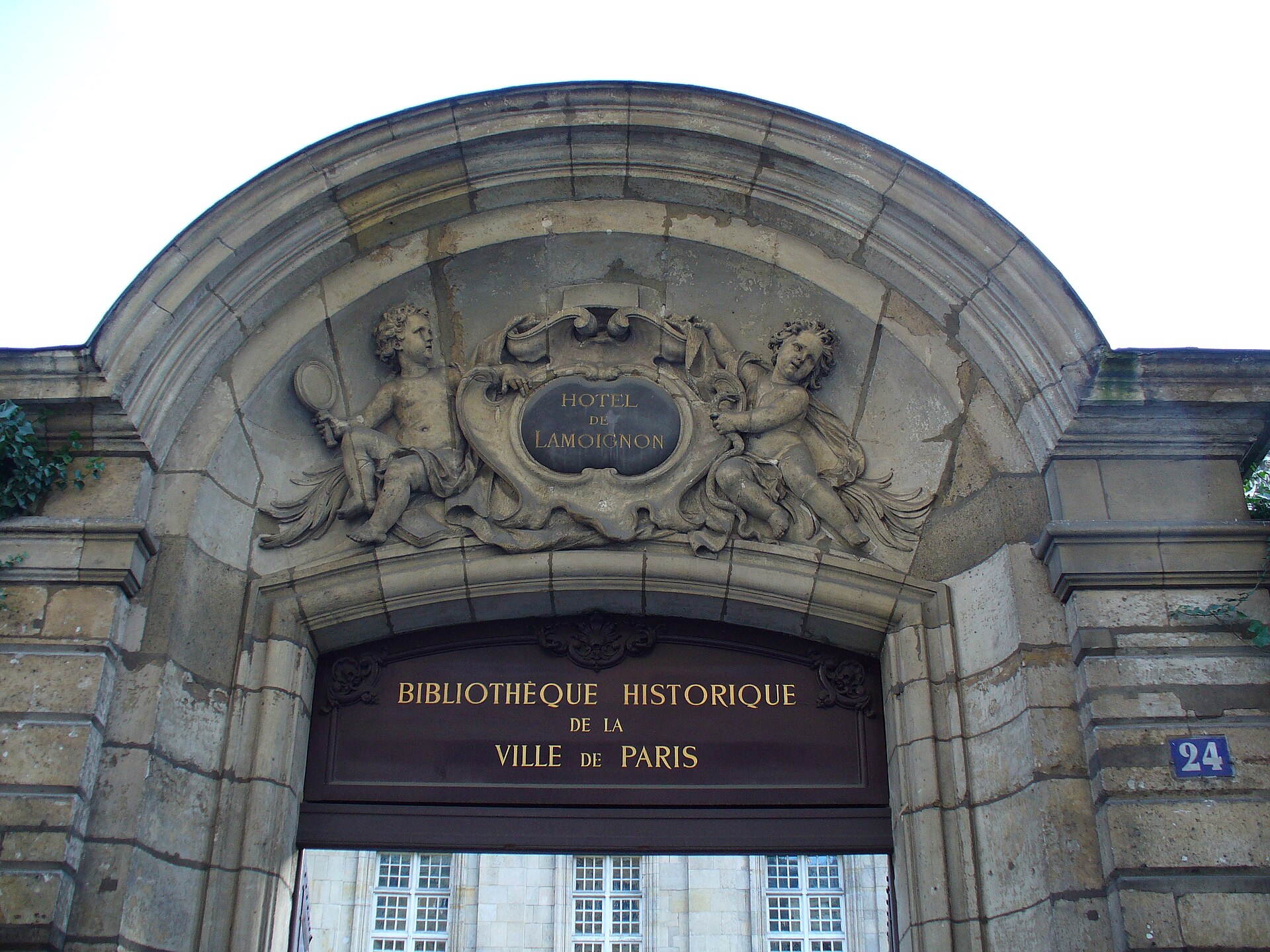
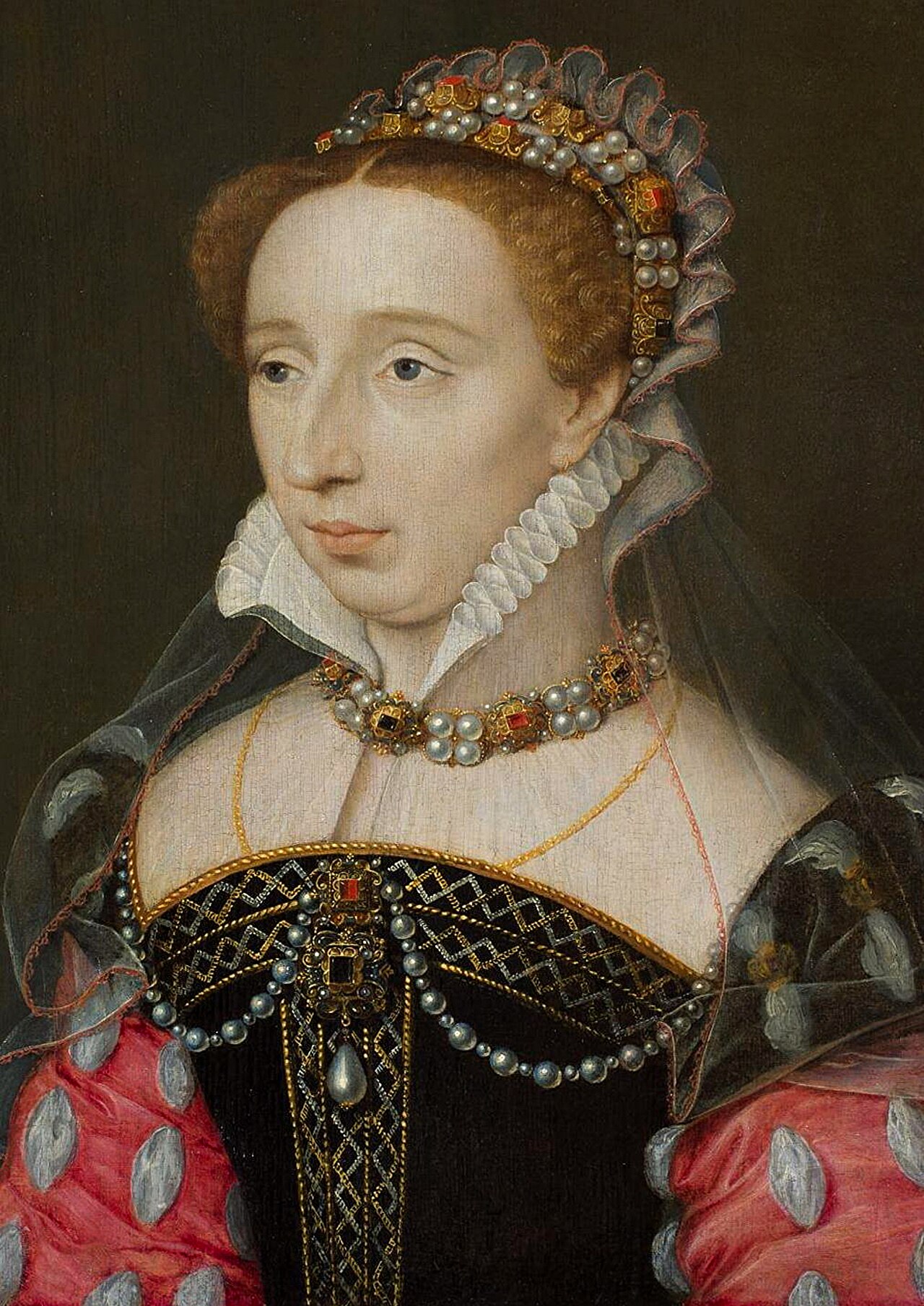
The Hôtel de Lamoignon was built for Diane de France, legitimised daughter of Henri II - making it one of the oldest surviving hotels particuliers in the Marais.
It is now the Historical Library of Paris.
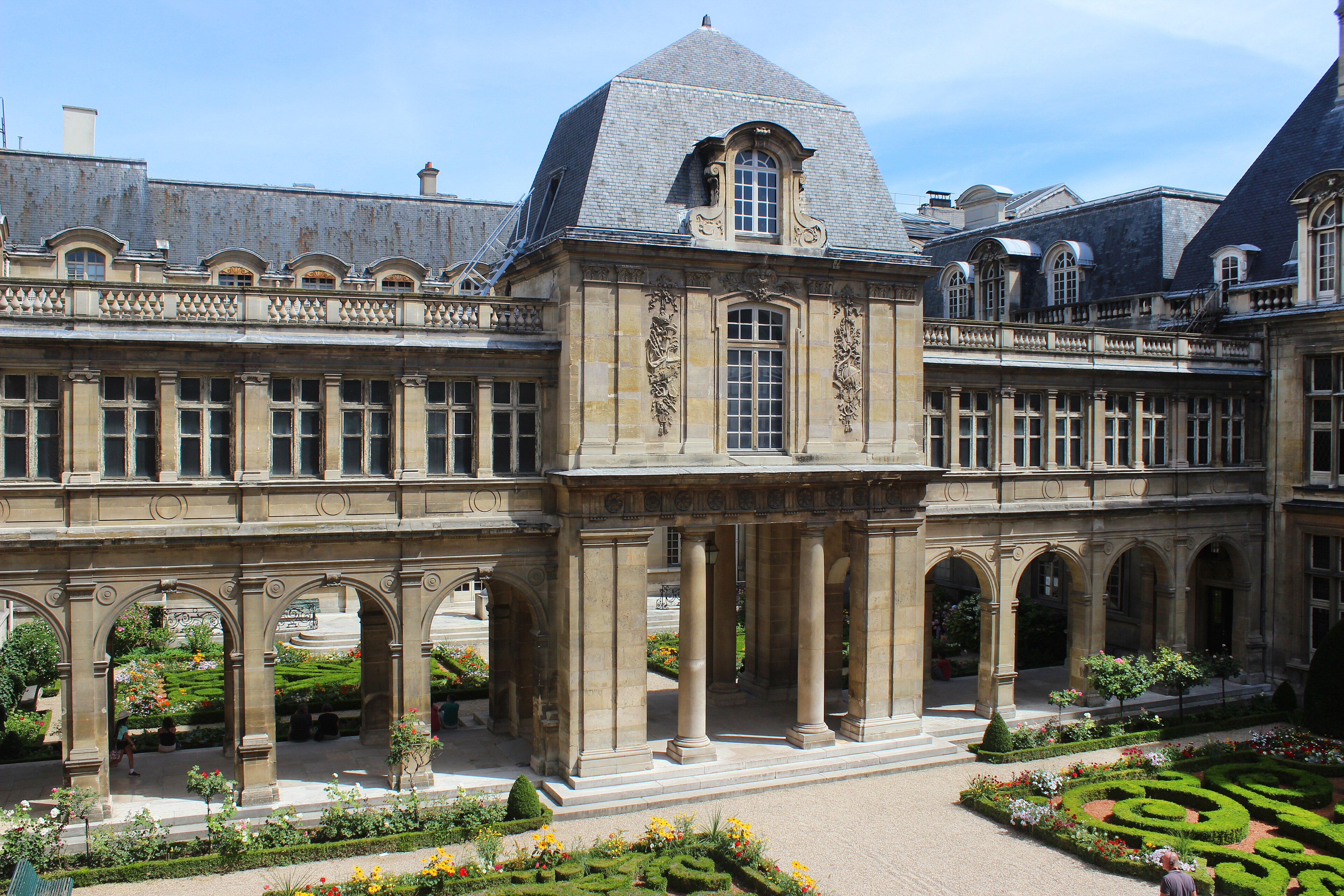
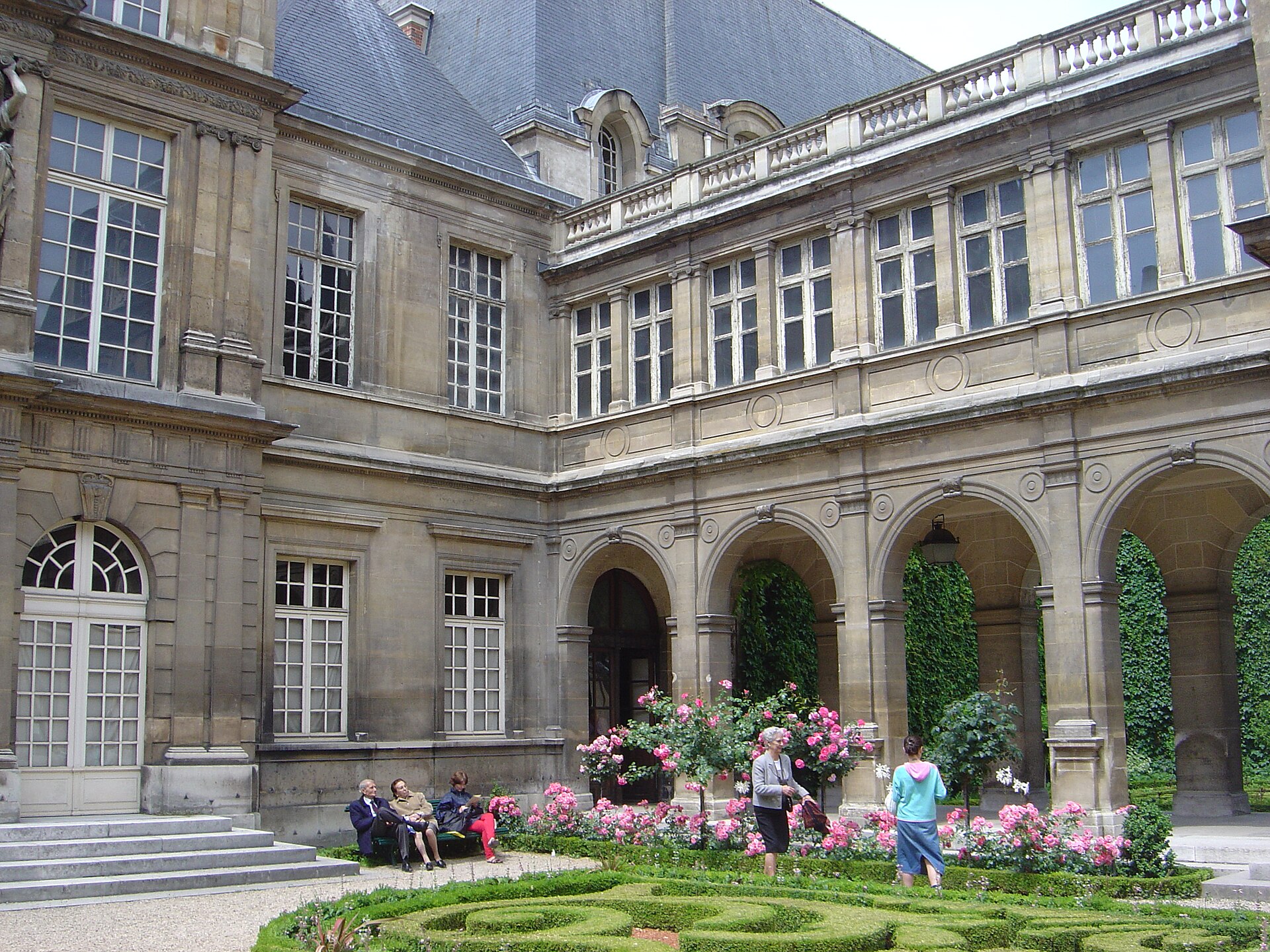
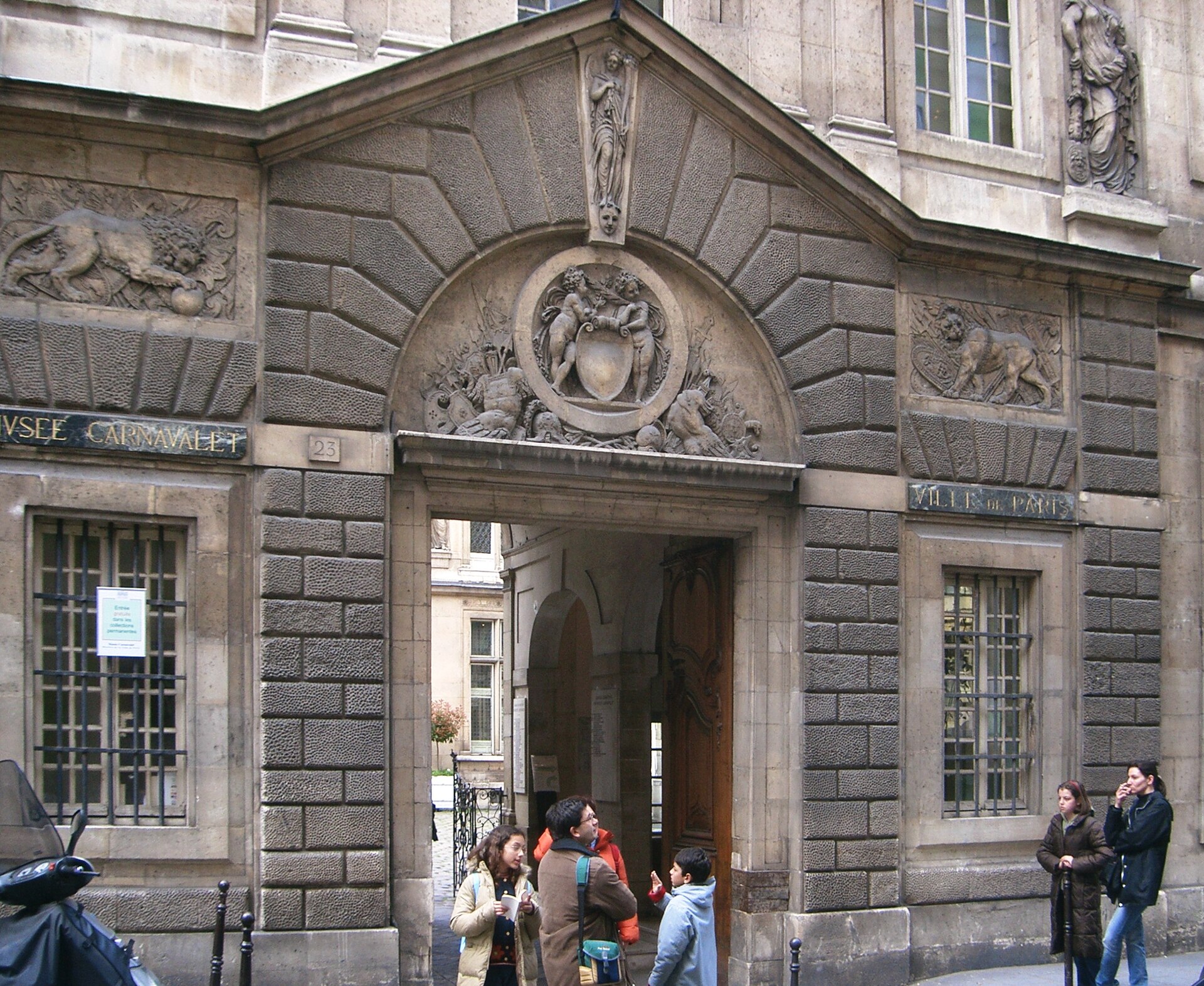
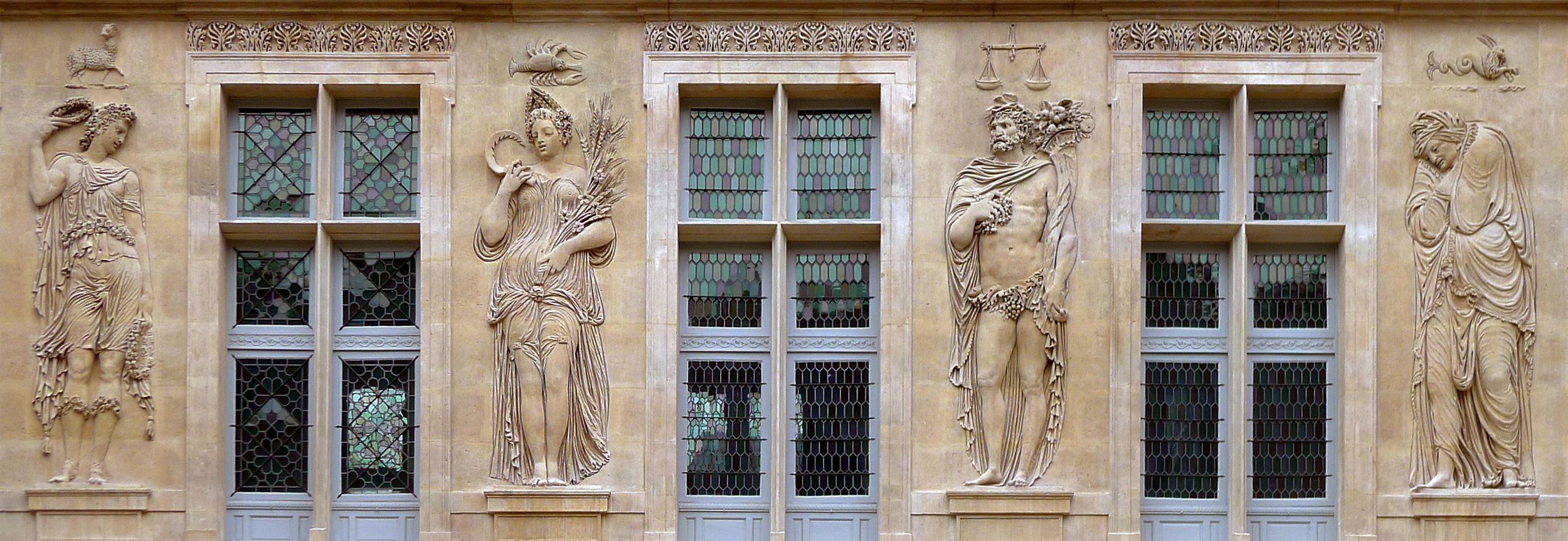
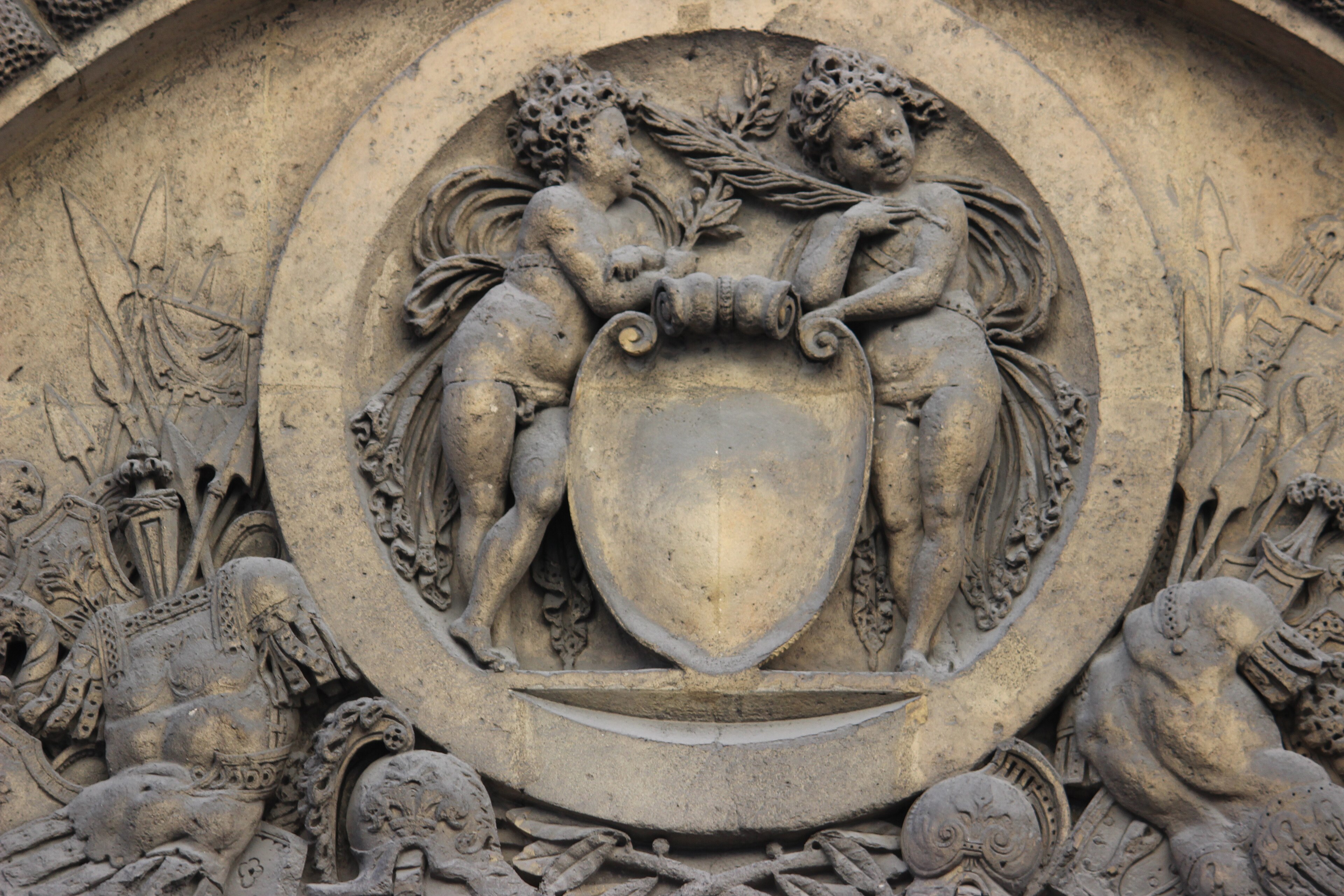
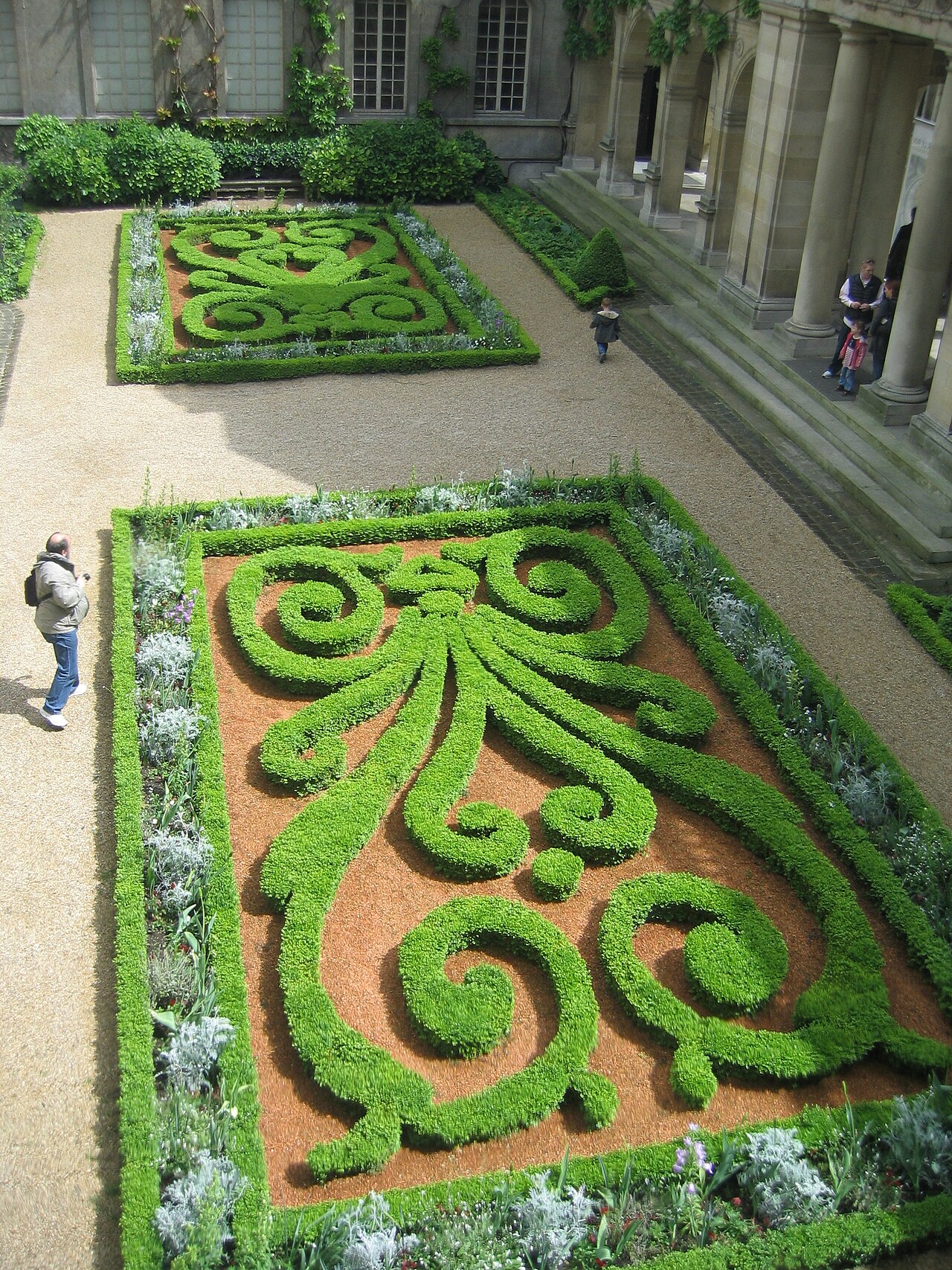
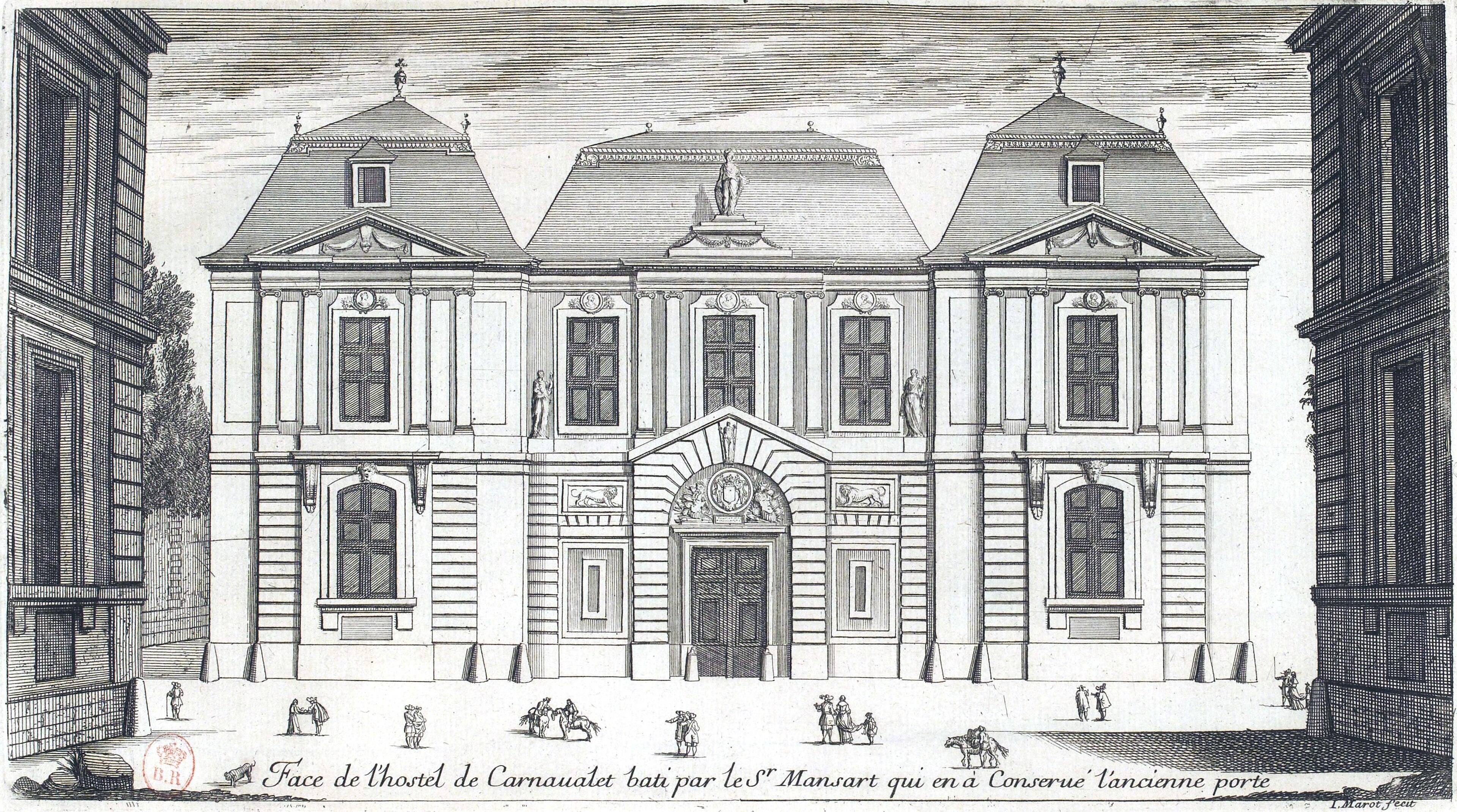
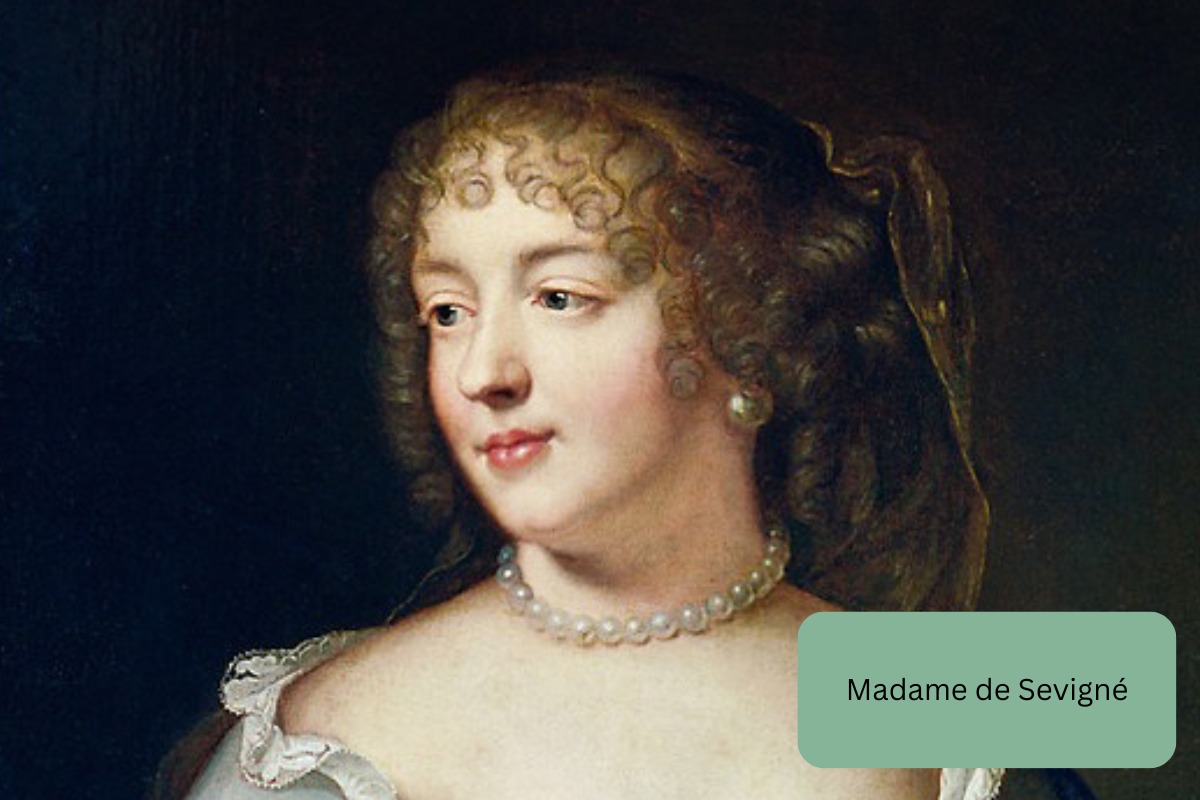
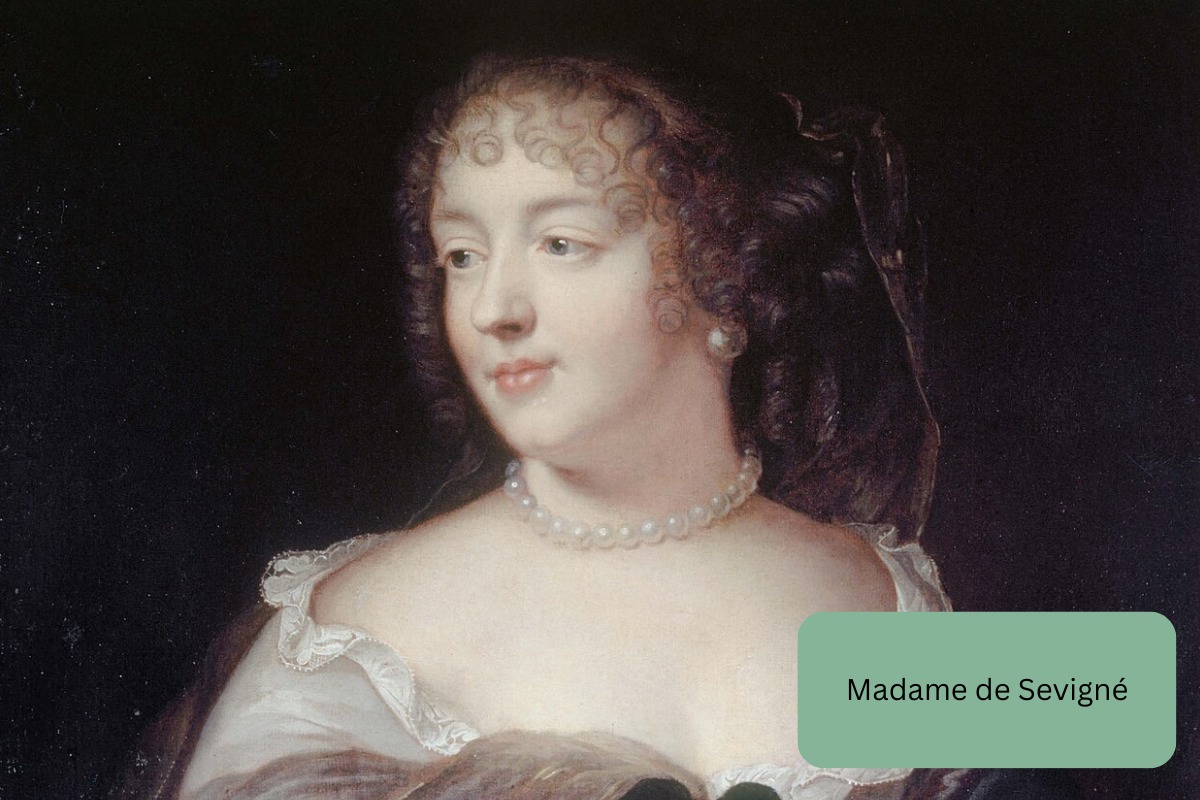
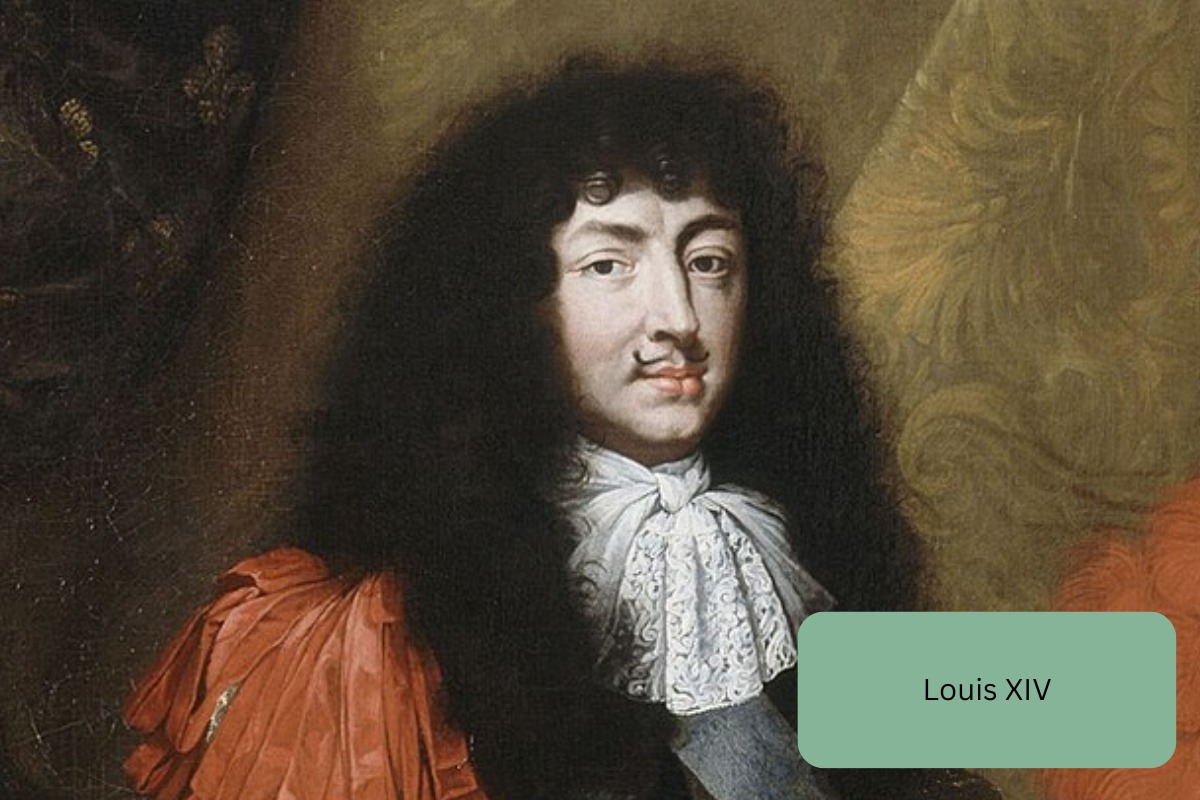
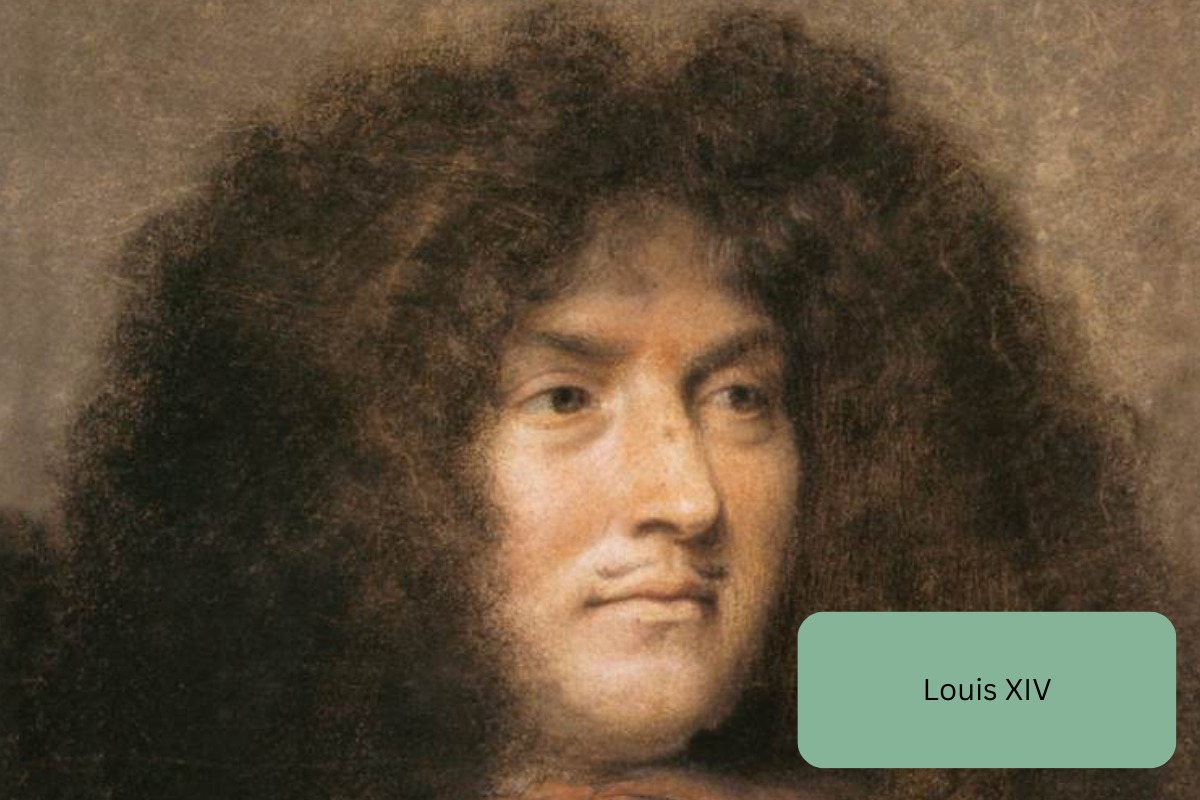
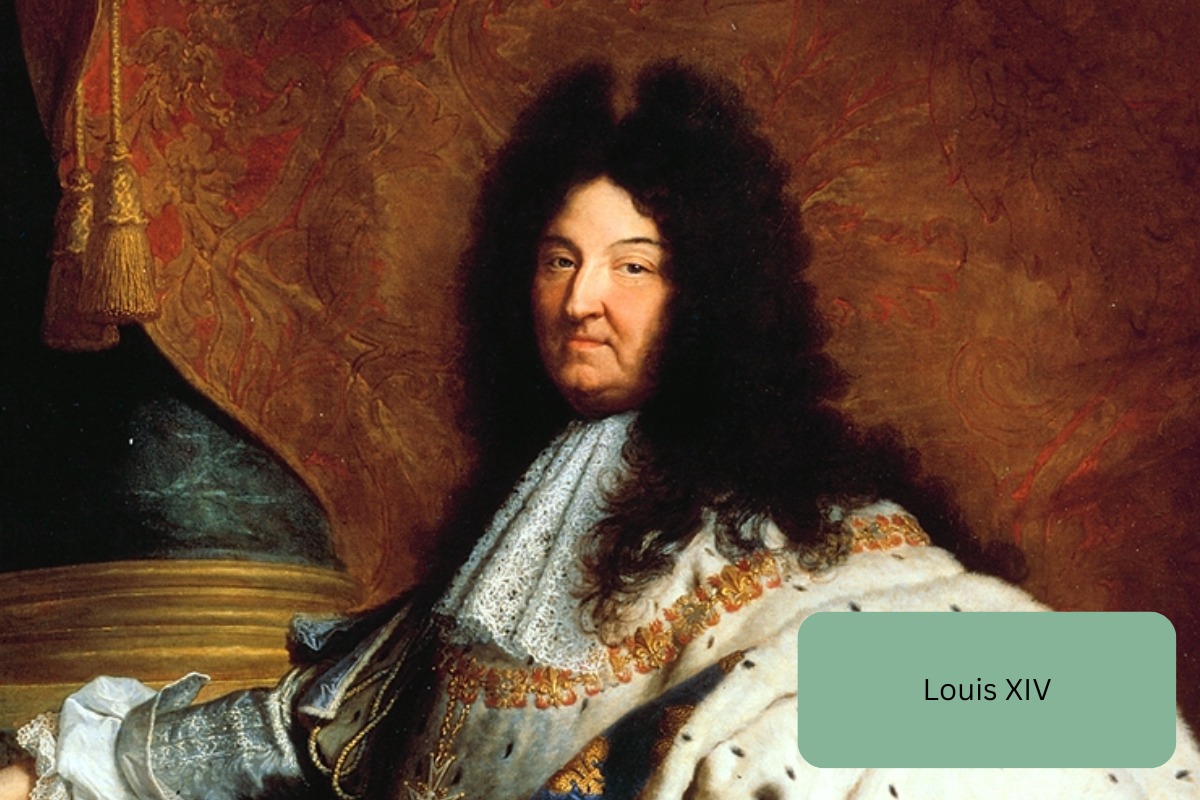
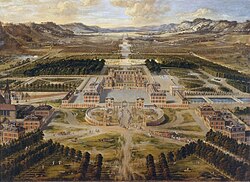
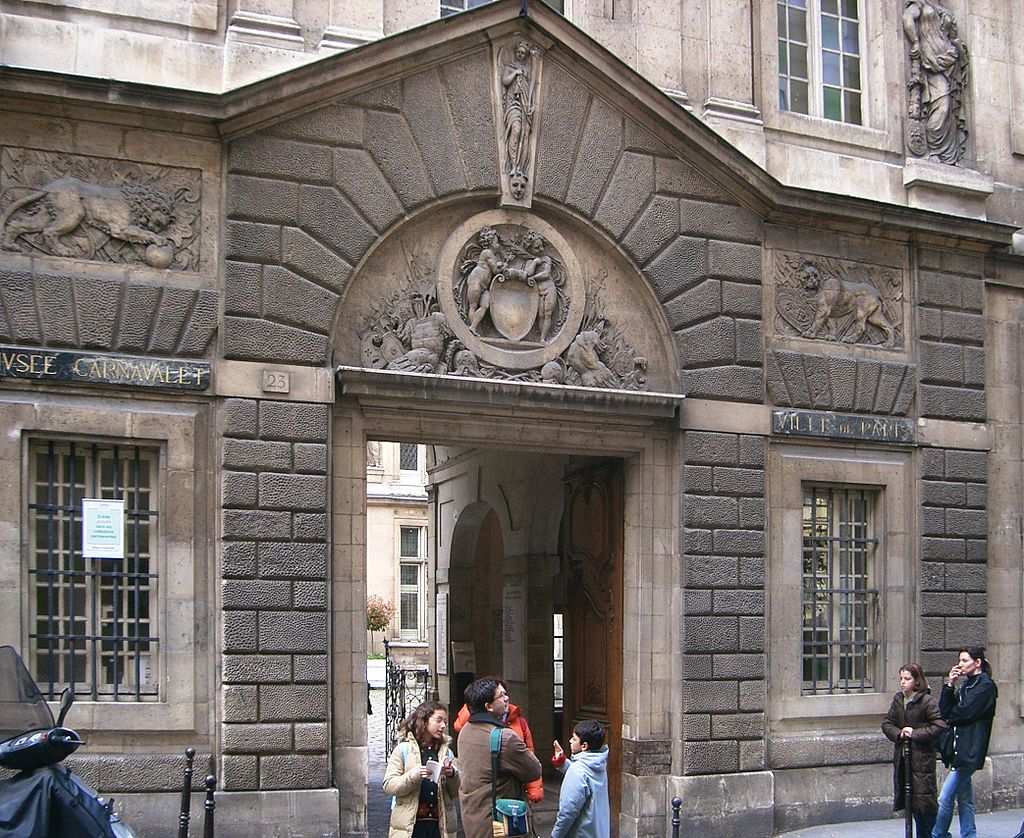
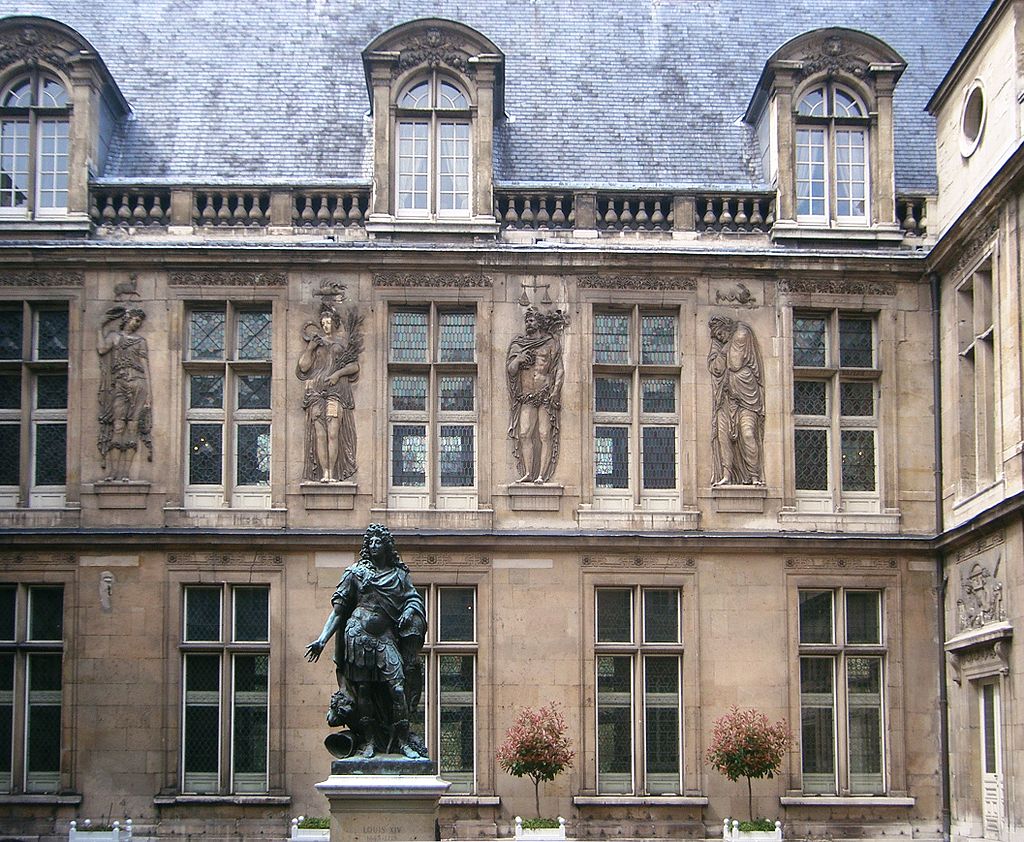
The Hôtel Carnavalet was built for a Breton nobleman named Kernevenoy, corrupted to 'Carnavalet'.
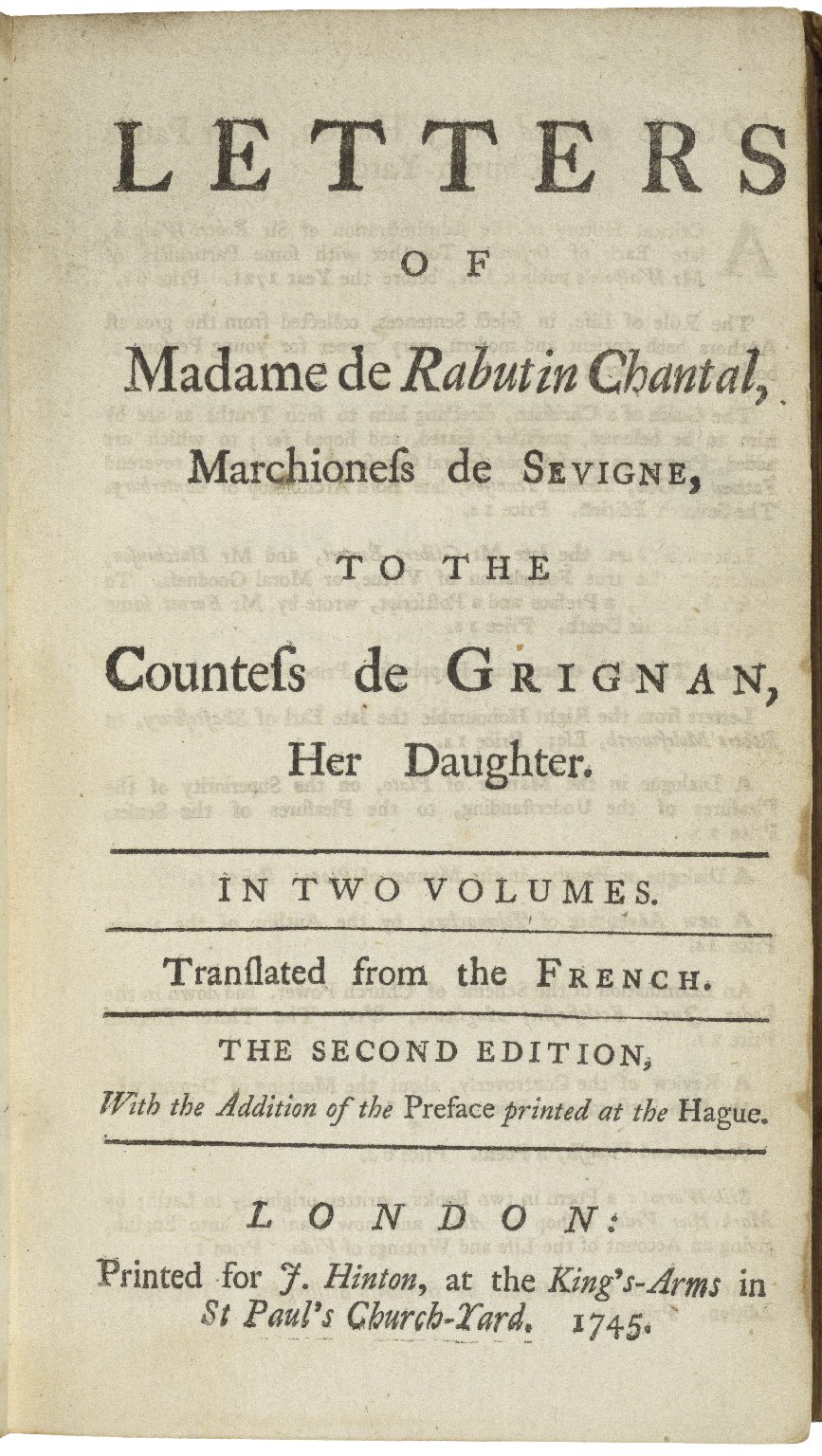
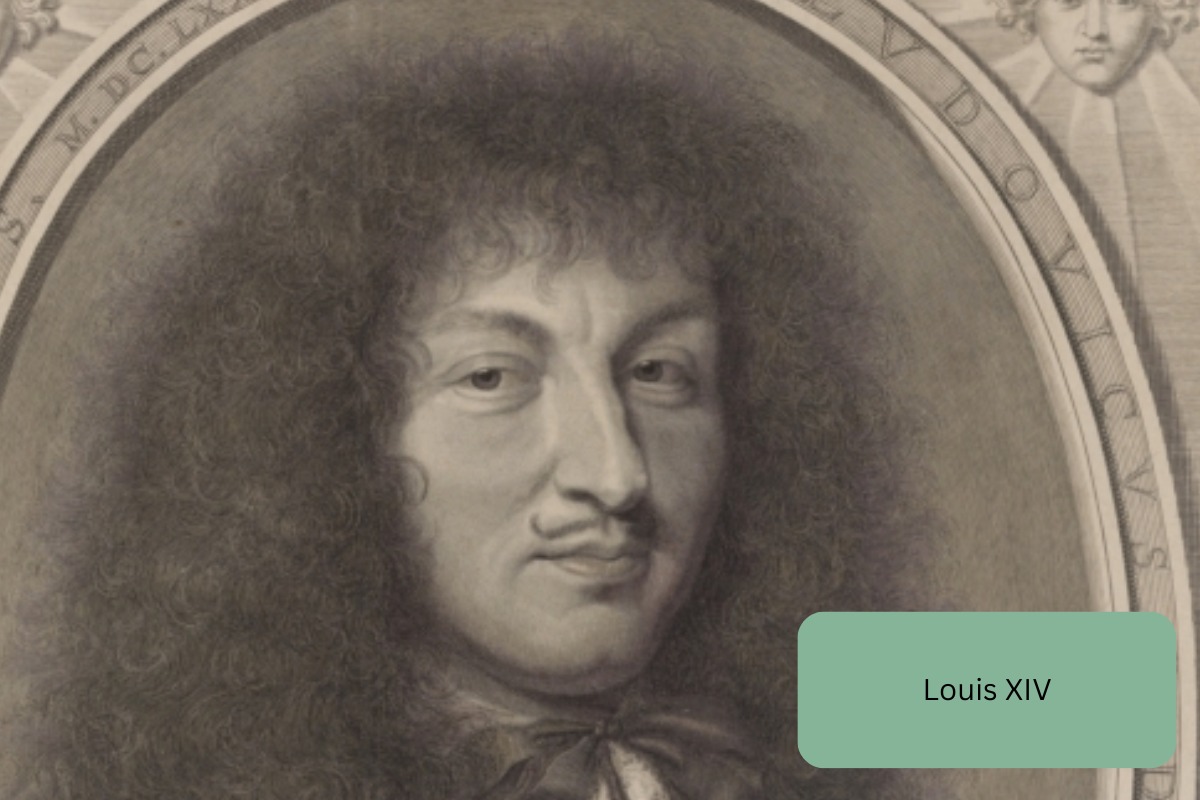
However it is more famously associated with the writer Madame de Sévigné, who lived there from 1677 until her death in 1696 and wrote many of her famous letters from its walls, depicting life as an aristocrat in Louis XIV's court.
It is now the Museum of the History of Paris.
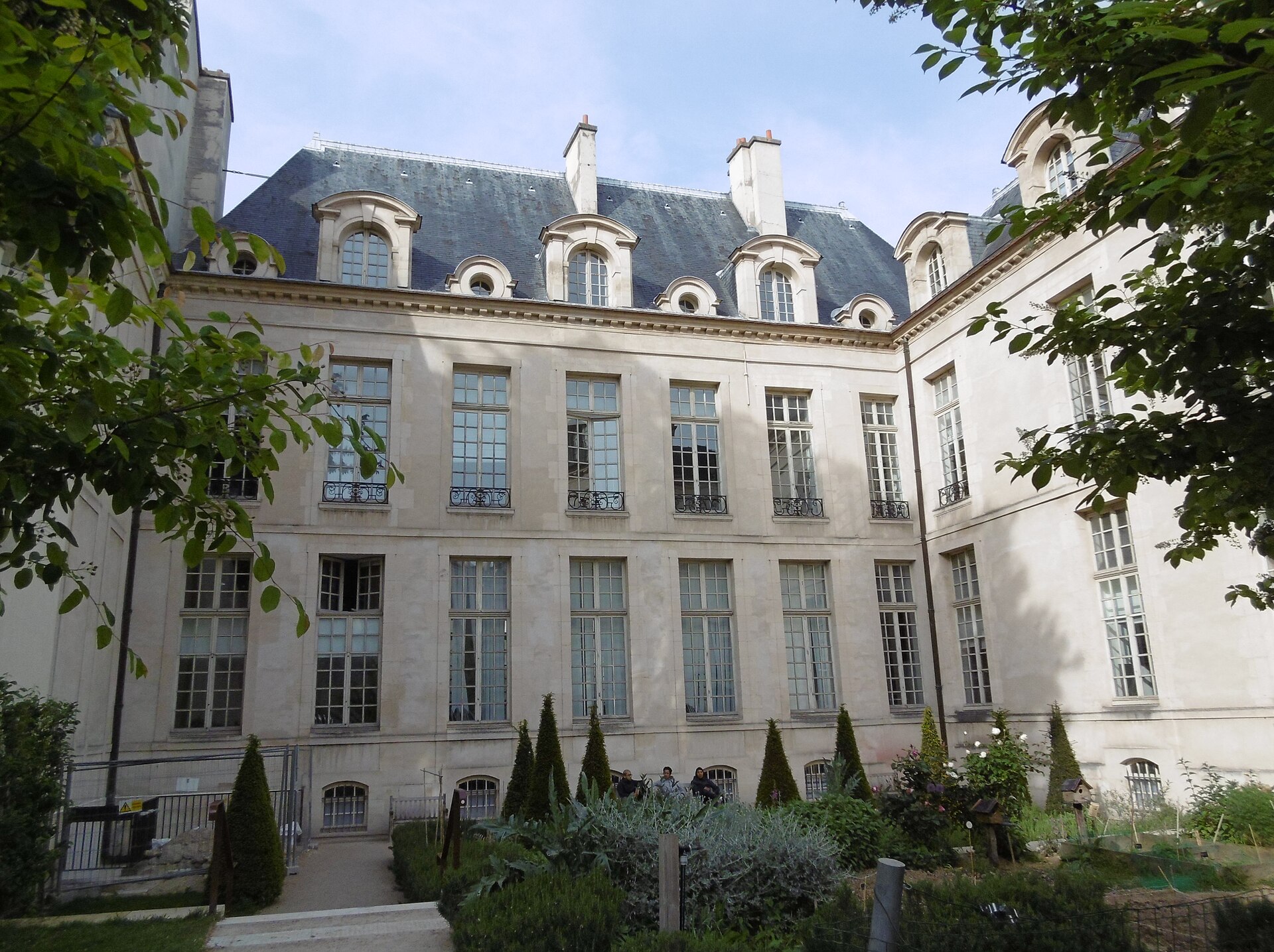
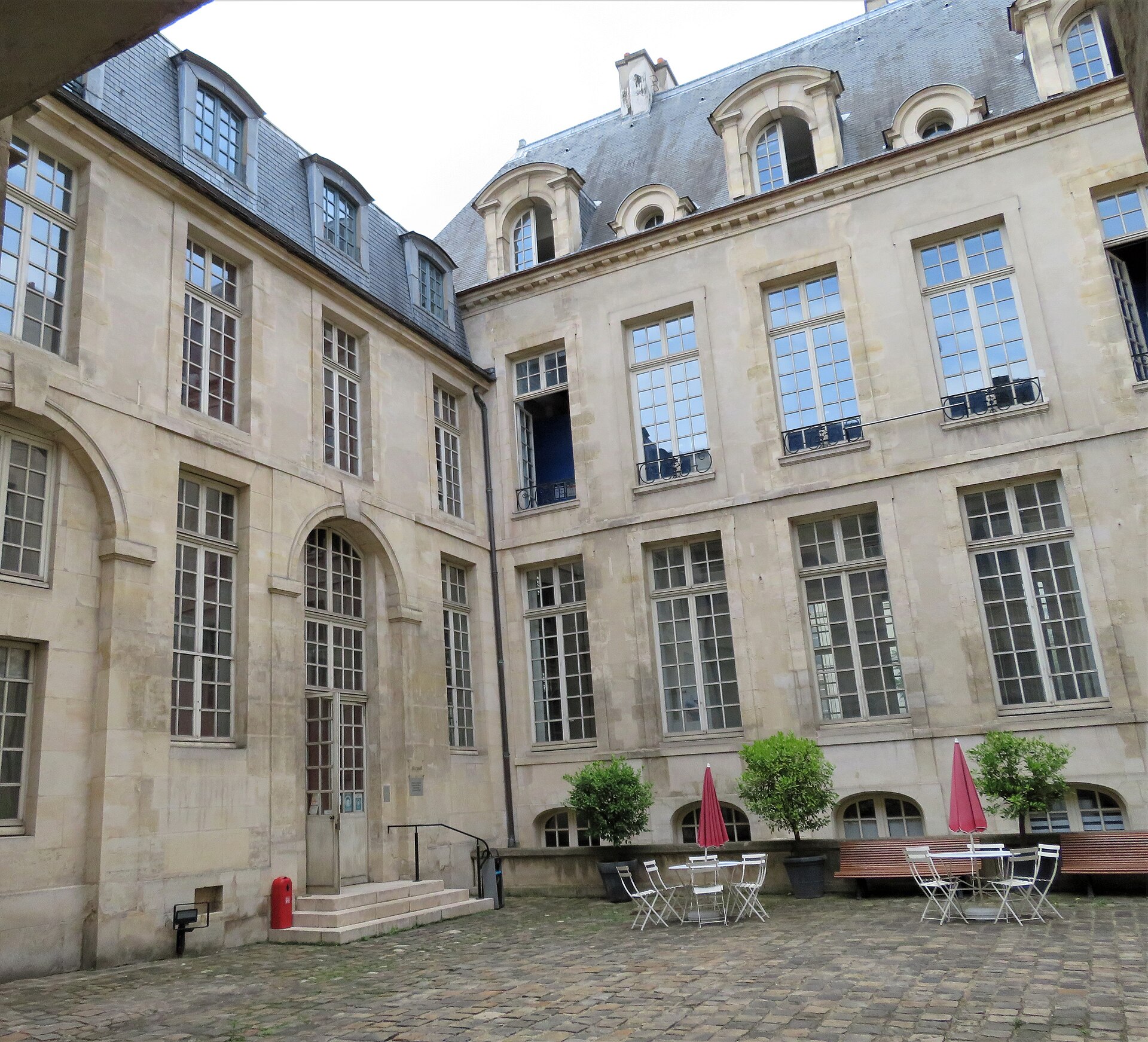
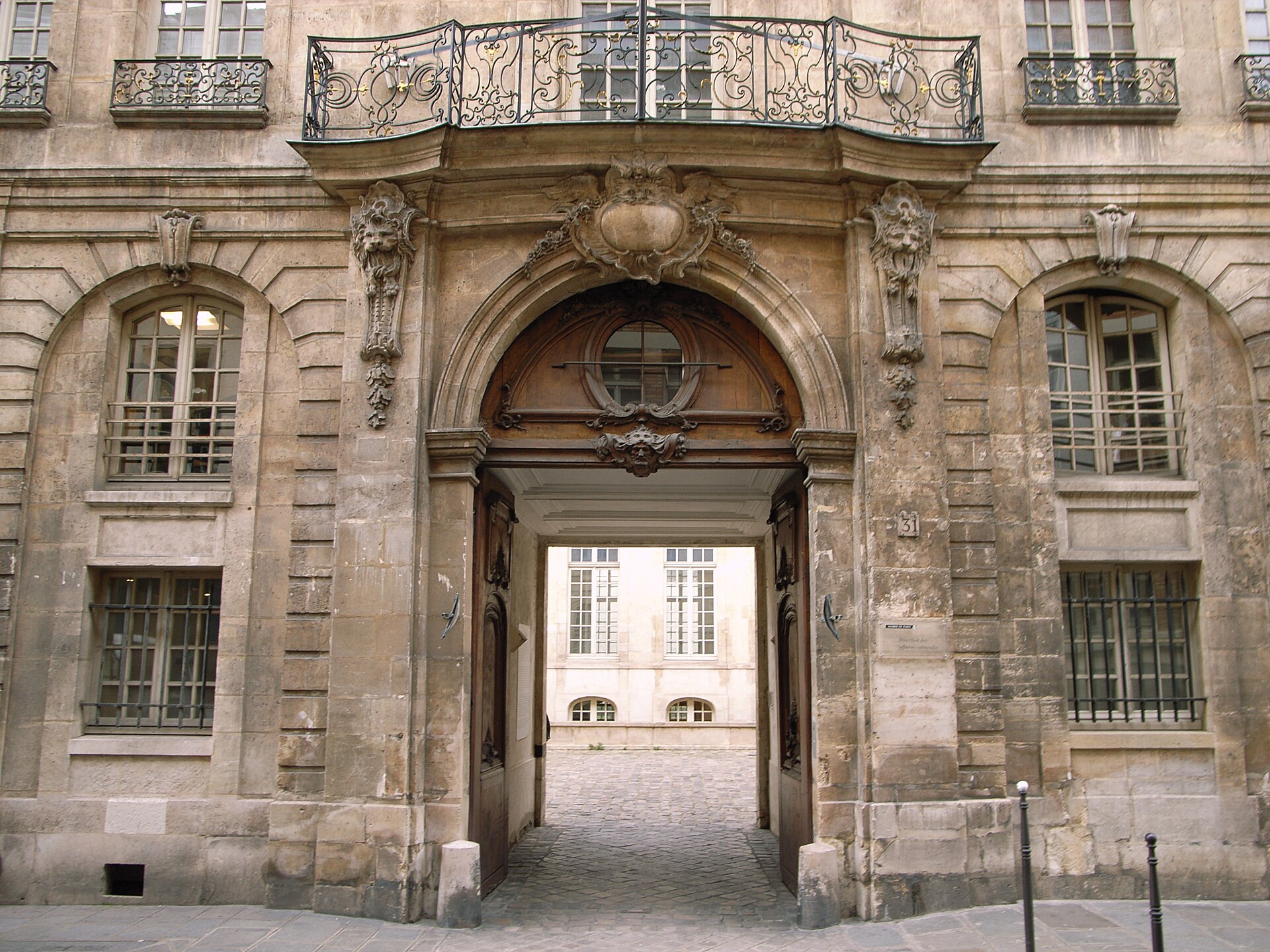
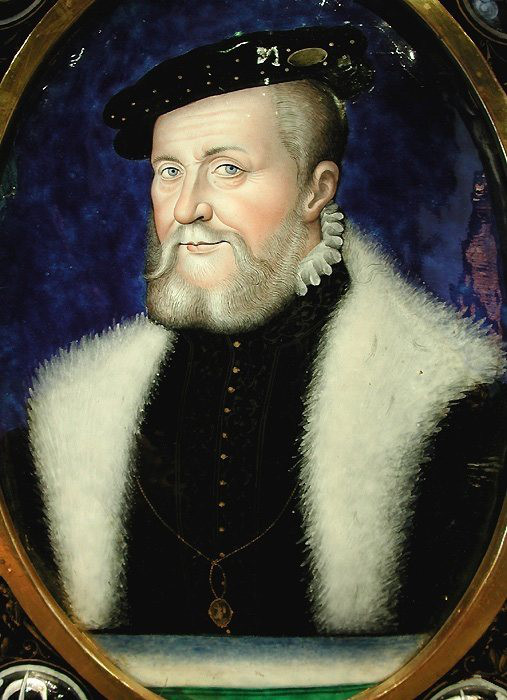
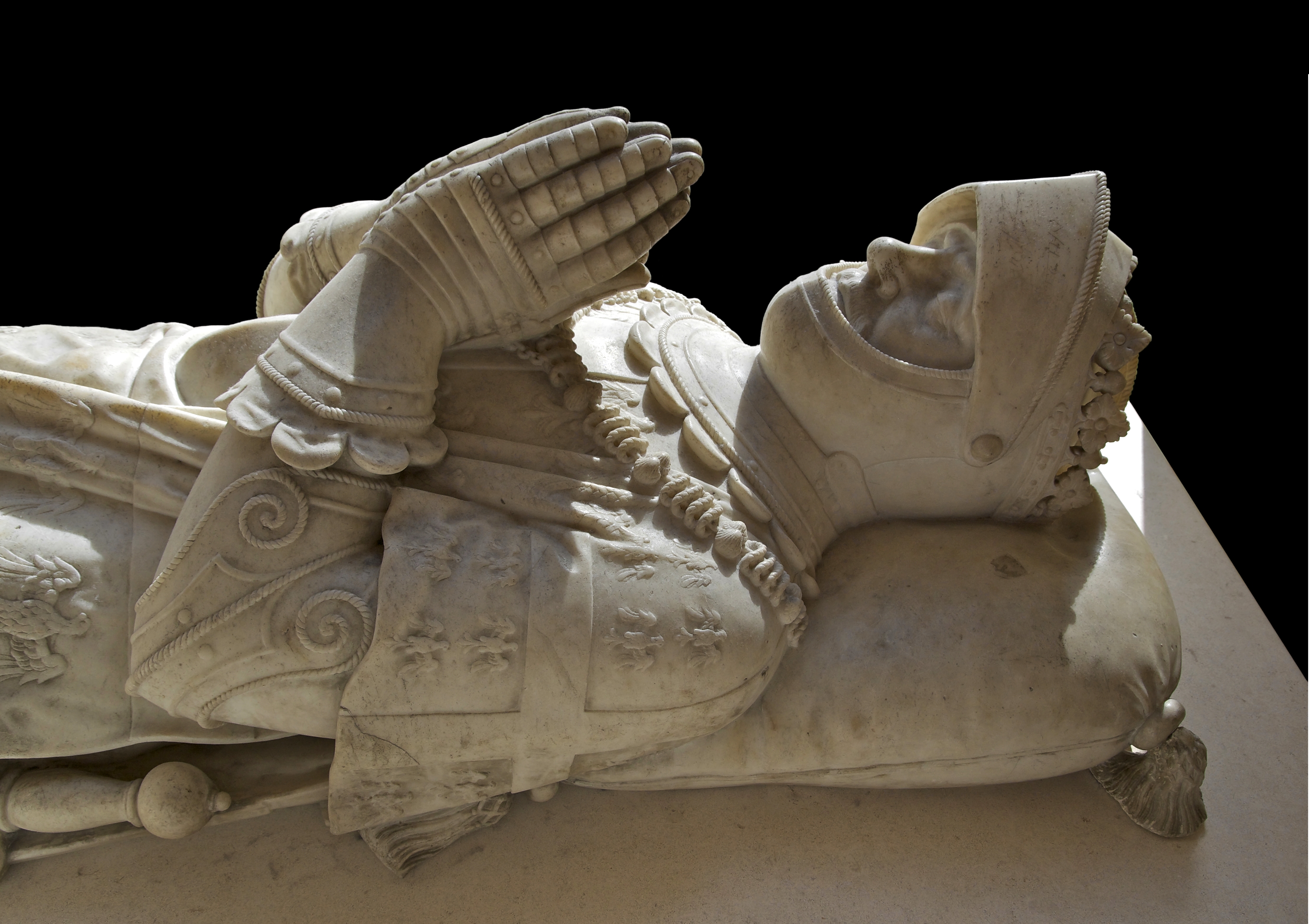
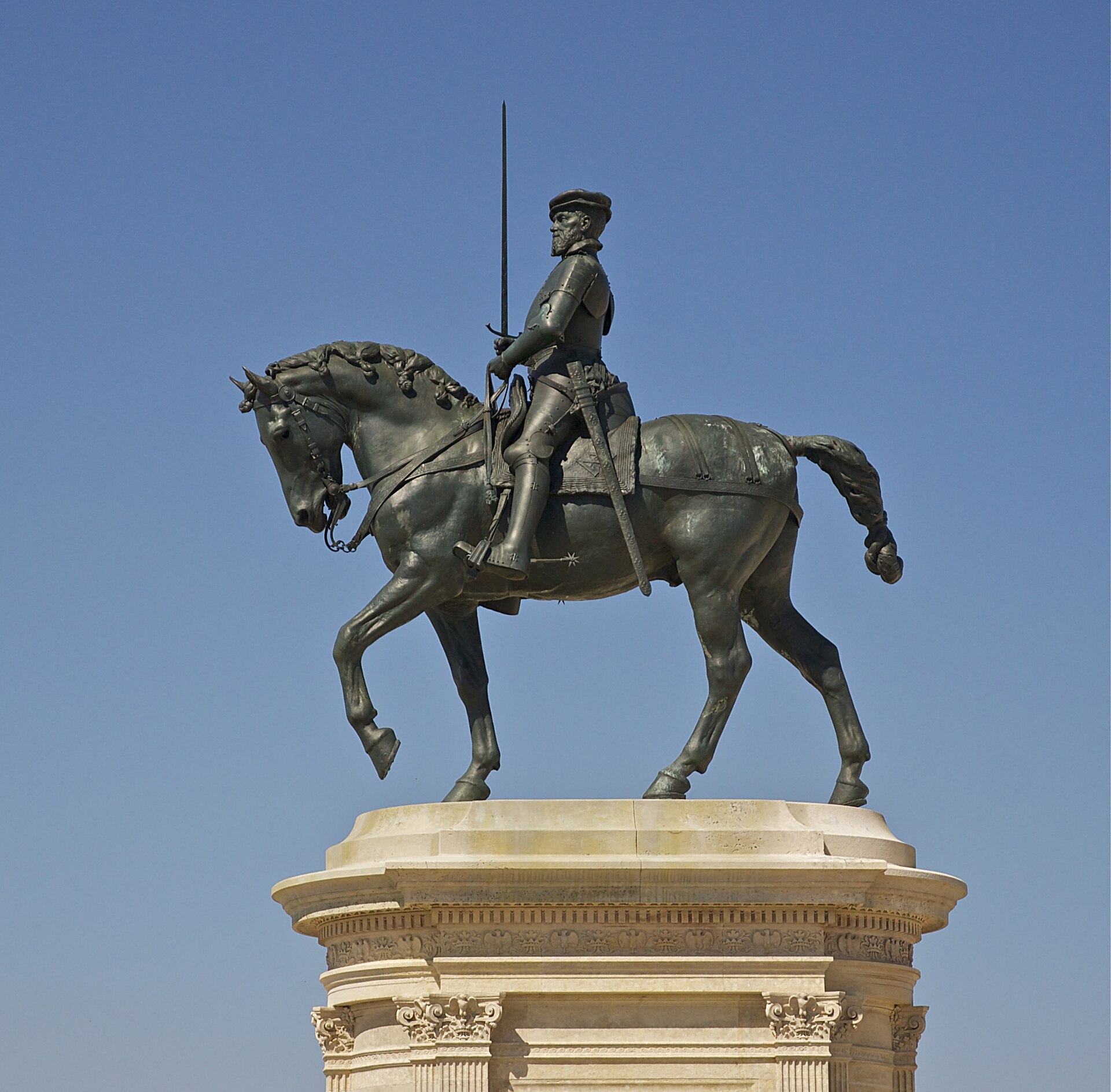
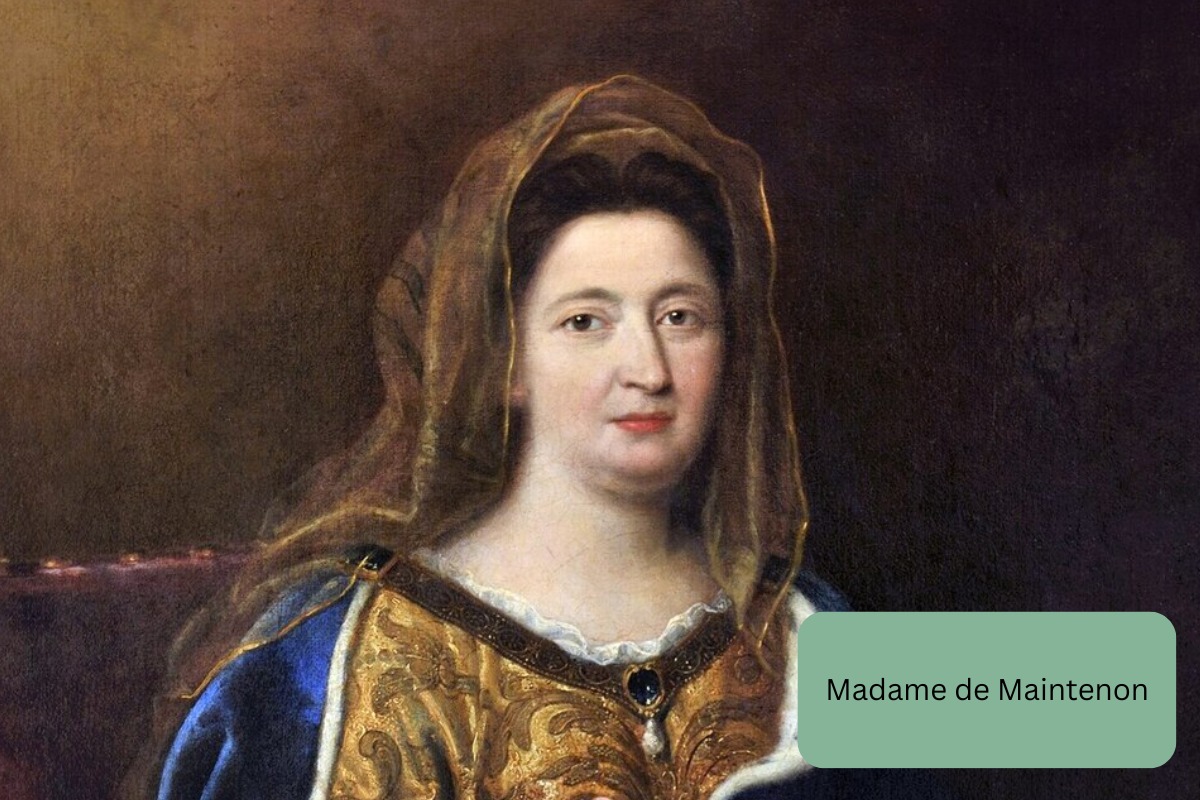
The Hôtel d'Albret is one of the oldest surviving hôtels particuliers in the Marais.
It was home to the Connétable Anne de Montmorency - one of the most powerful figures in 16th-century France, who served four successive kings (Louis XII, François I, Henri II and Charles IX) and was a close companion of François I from childhood.
His grandson would become the Grand de Condé.
It was later home to Madame de Maintenon before her extraordinary rise at court, when she would go on to become the secret wife of Louis XIV.
Today it houses the Cultural Affairs department of the City of Paris.
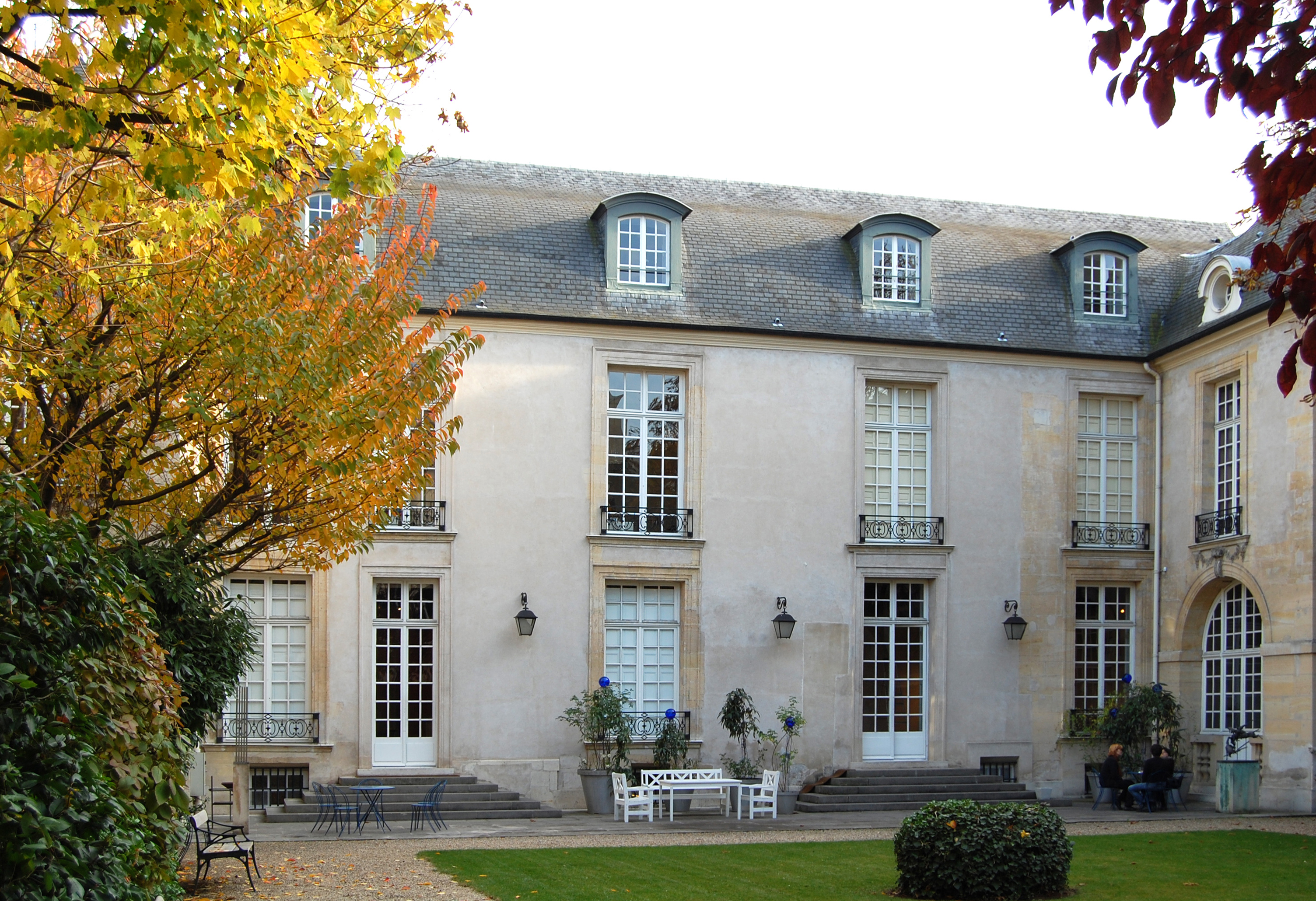
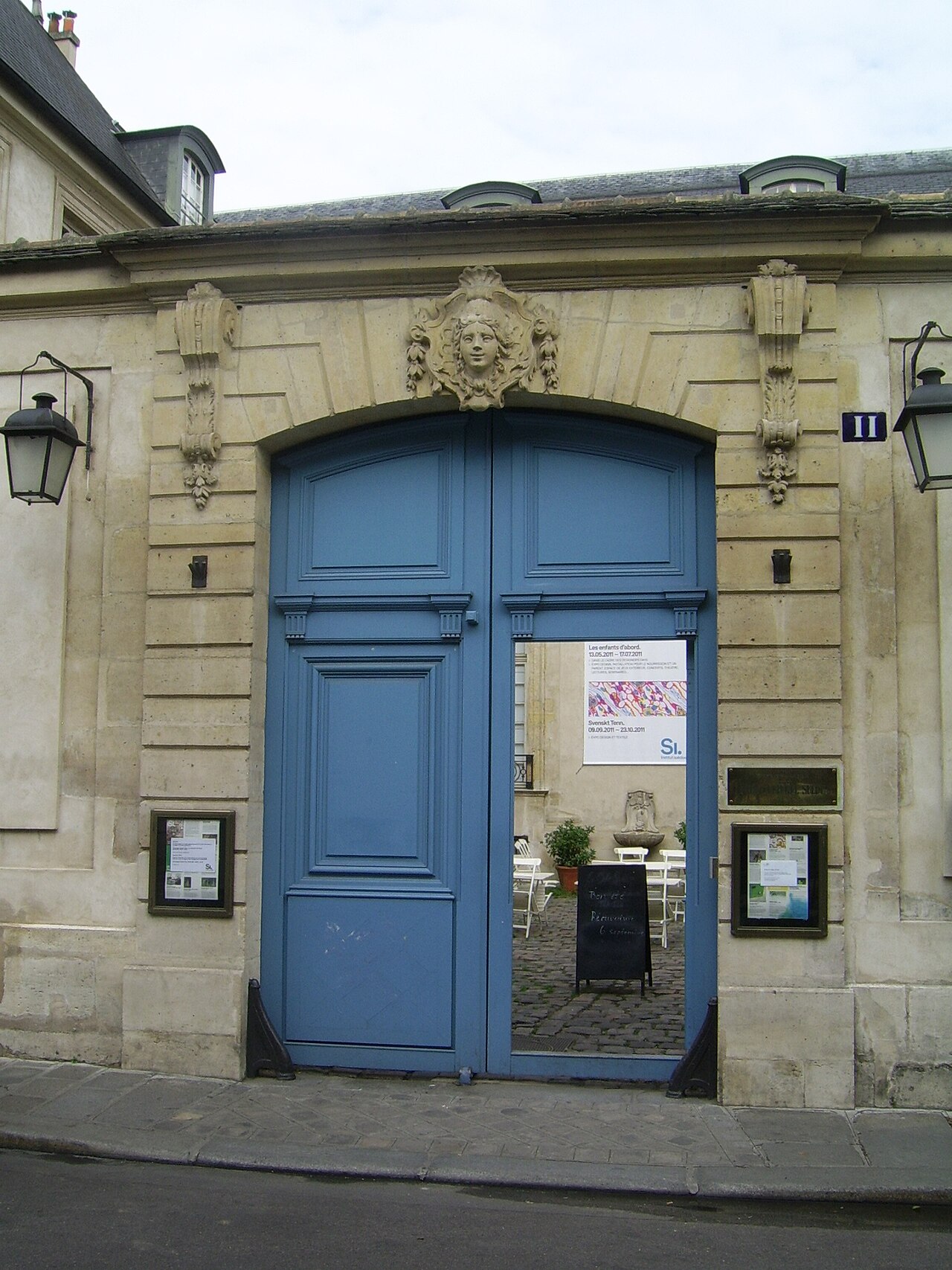
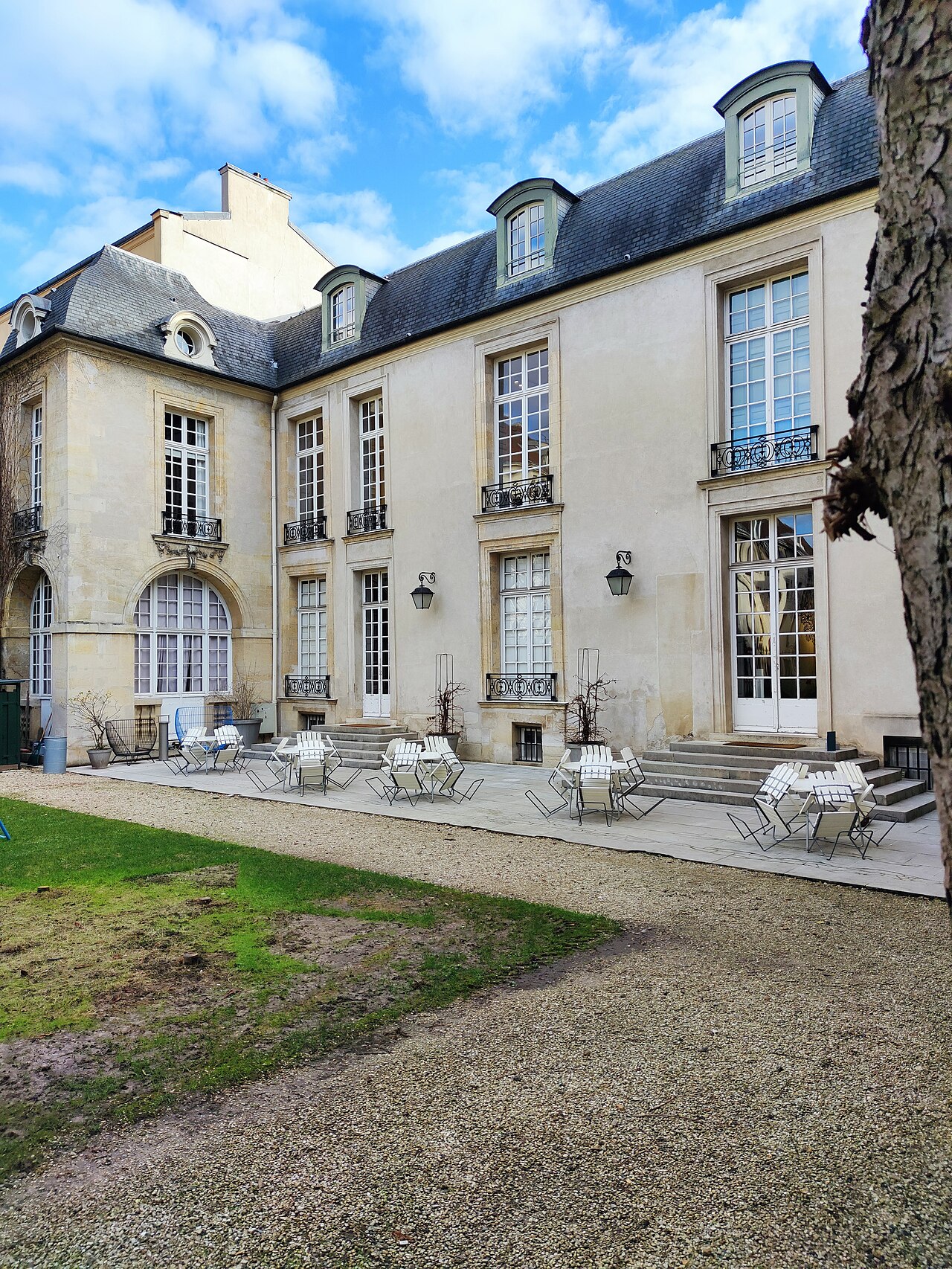
The Hôtel de Marle is now the Swedish Cultural Center.
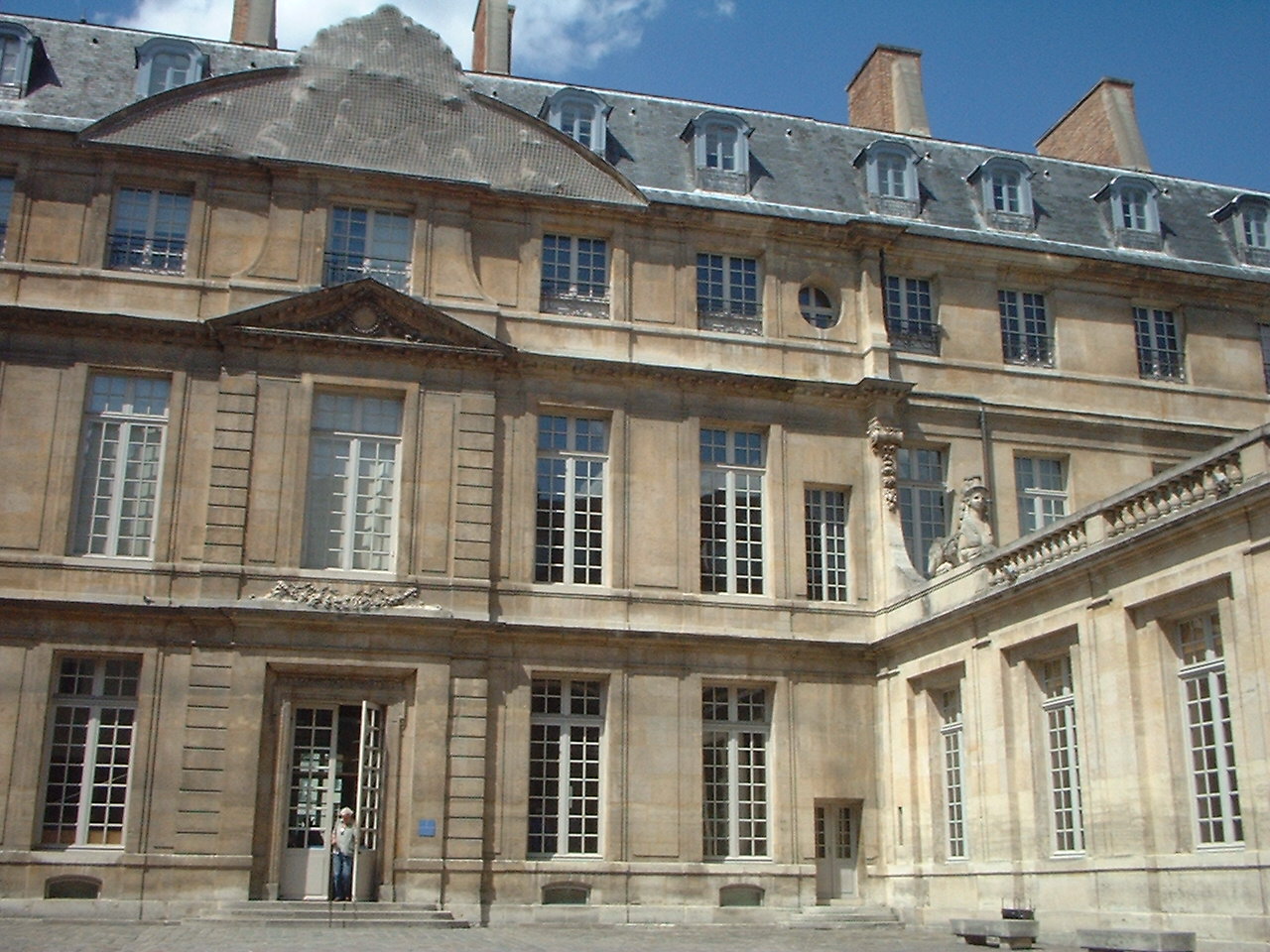
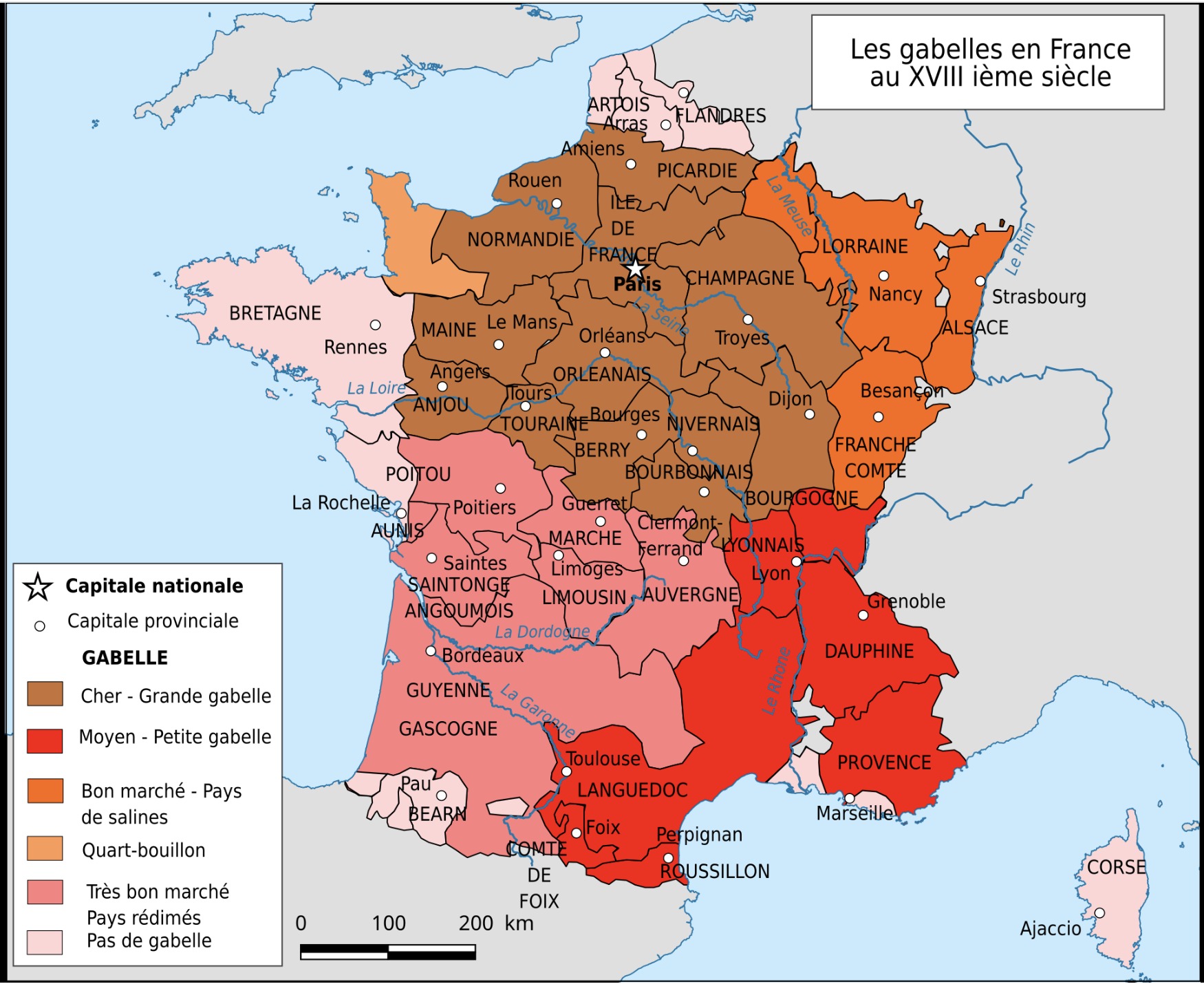
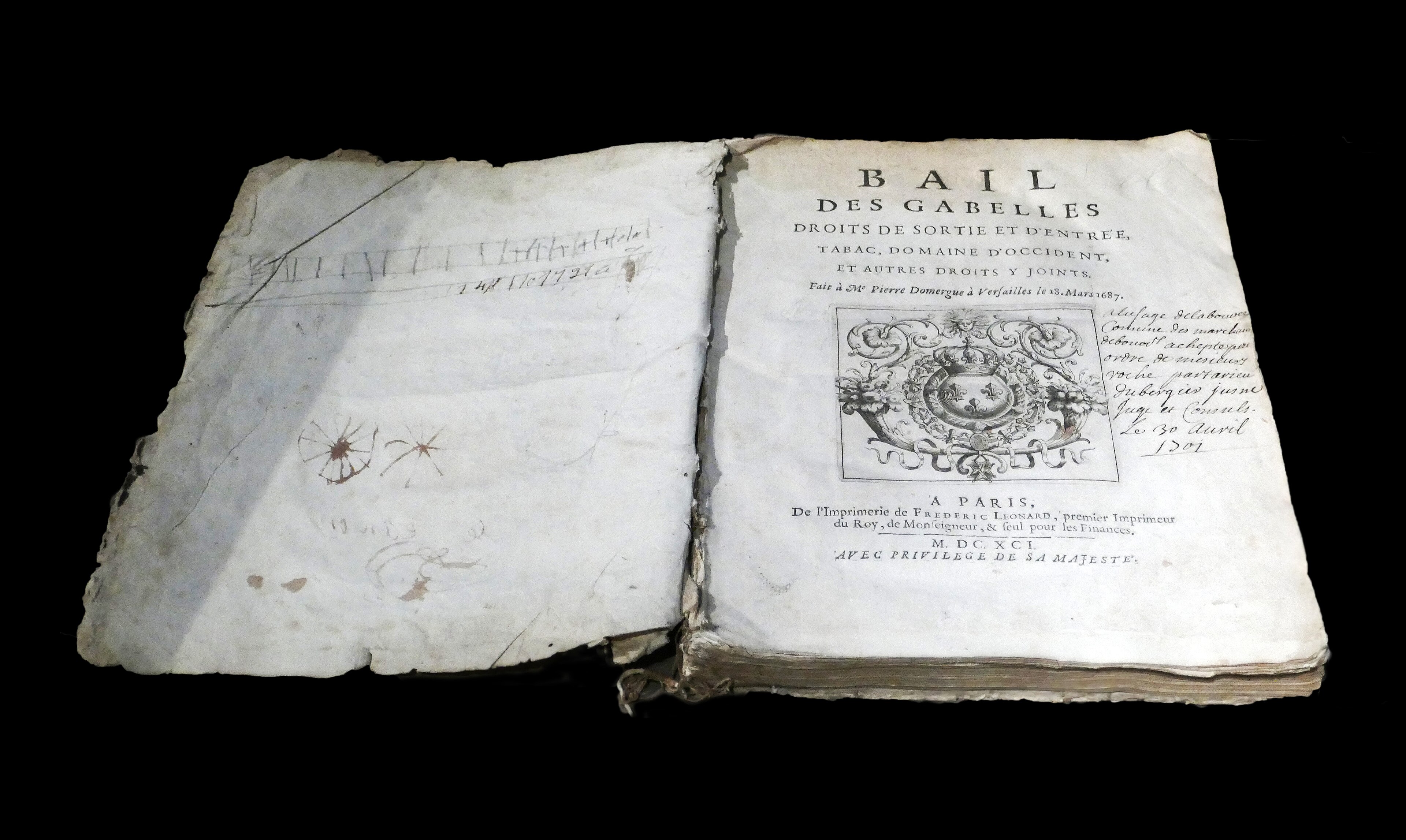
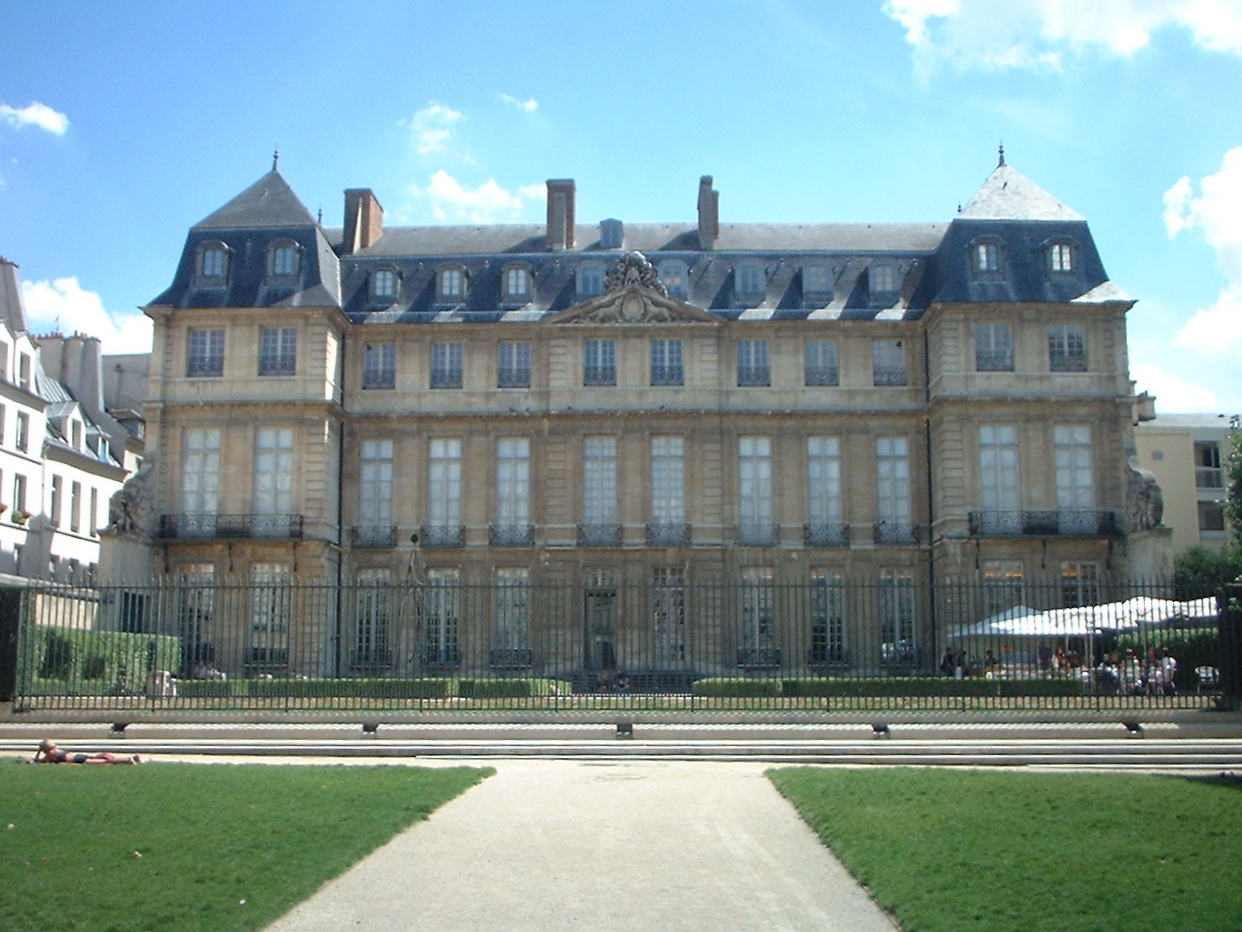
The Hôtel Salé was built for a tax collector who made his fortune collecting the salt tax (gabelle), hence the nickname 'salé' (salted).
It is now the Picasso Museum.
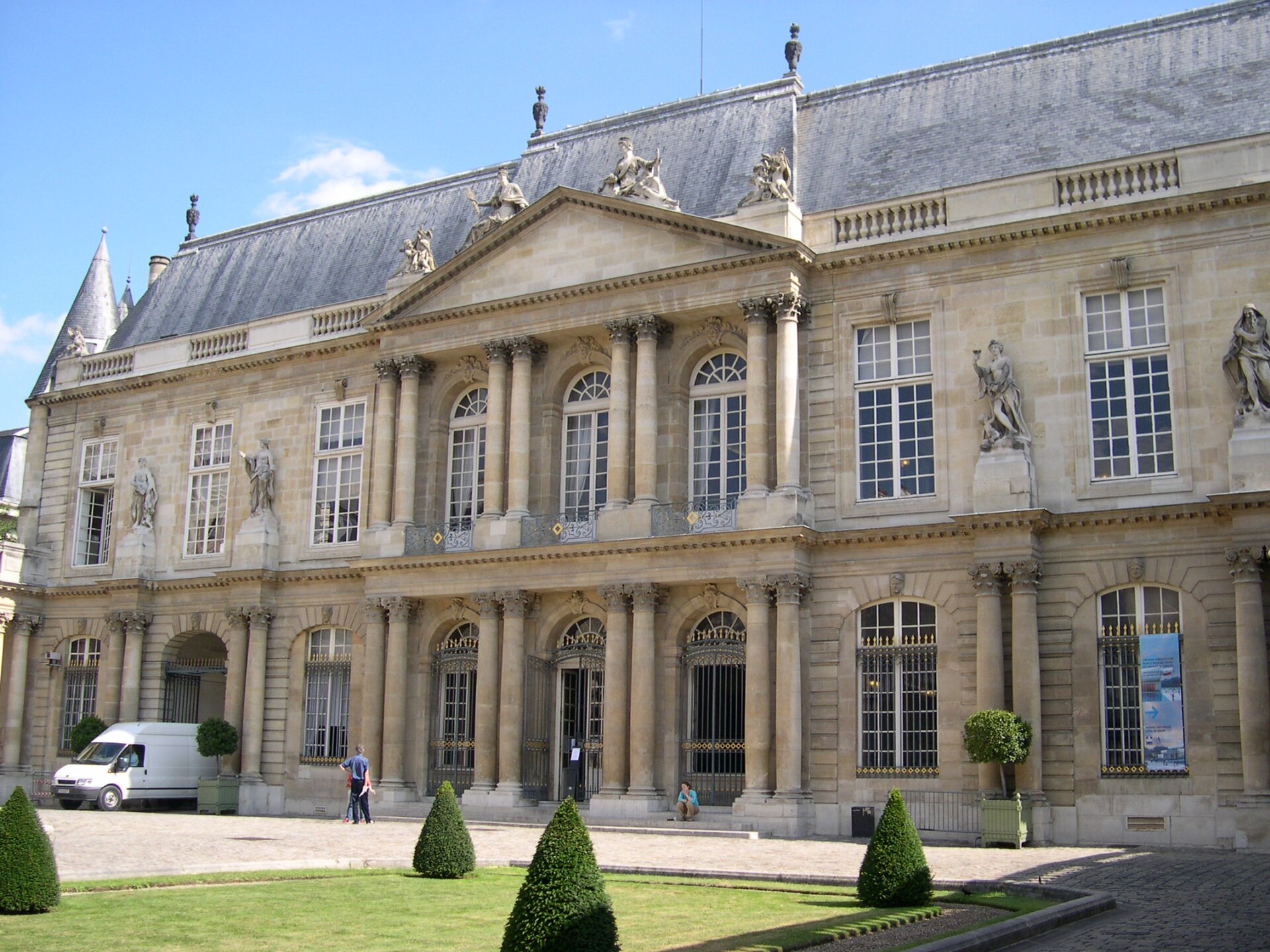
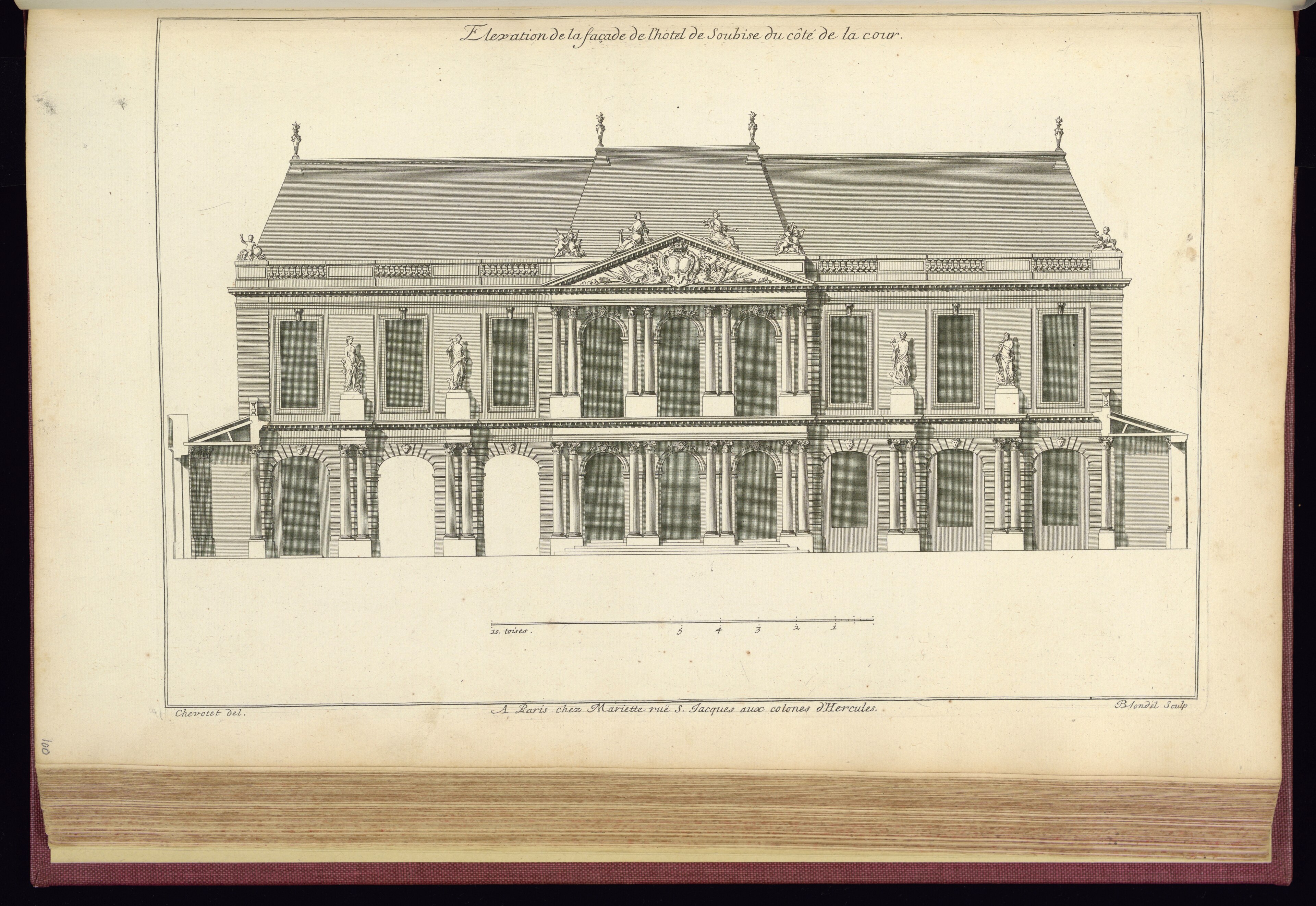
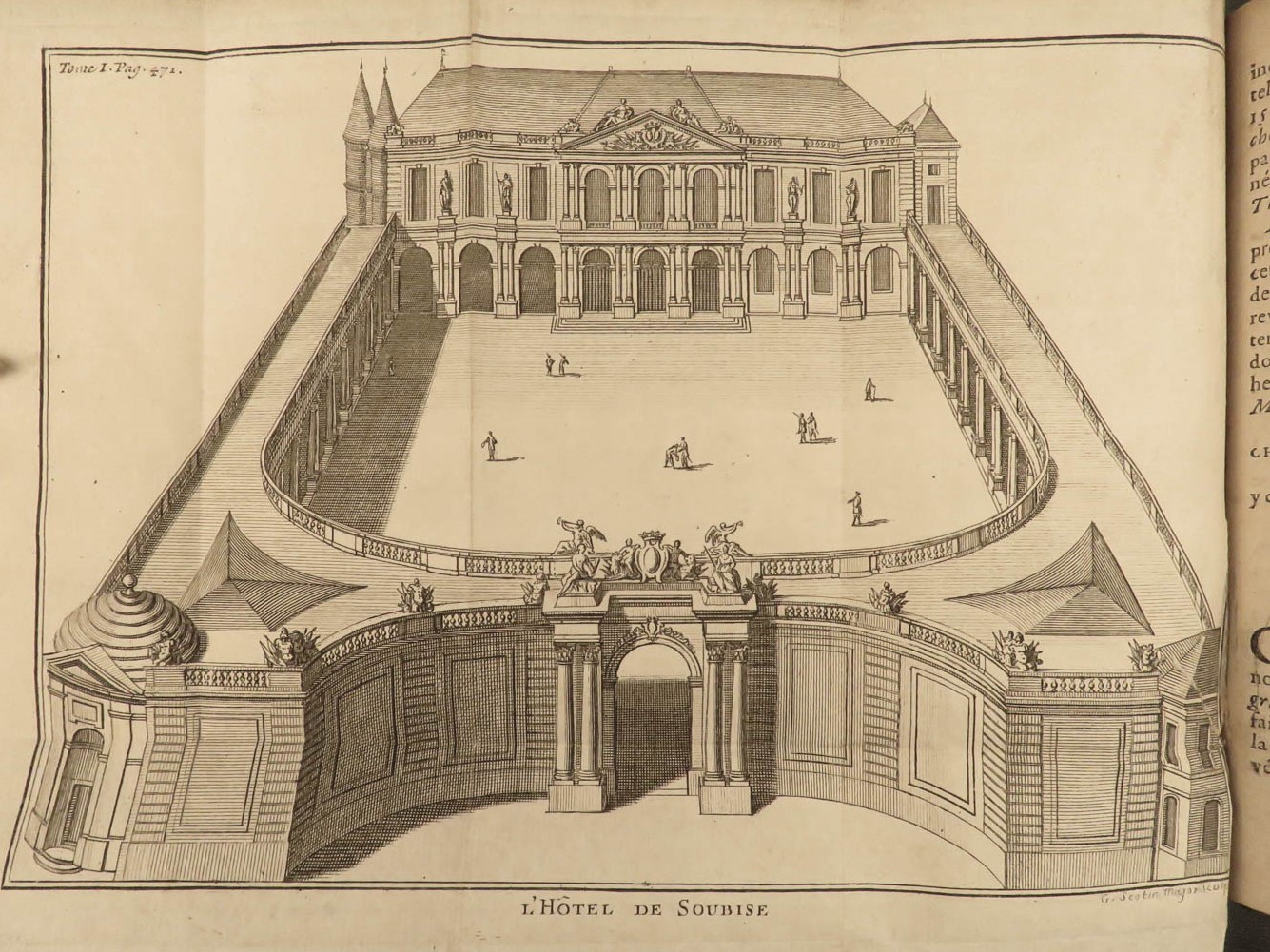
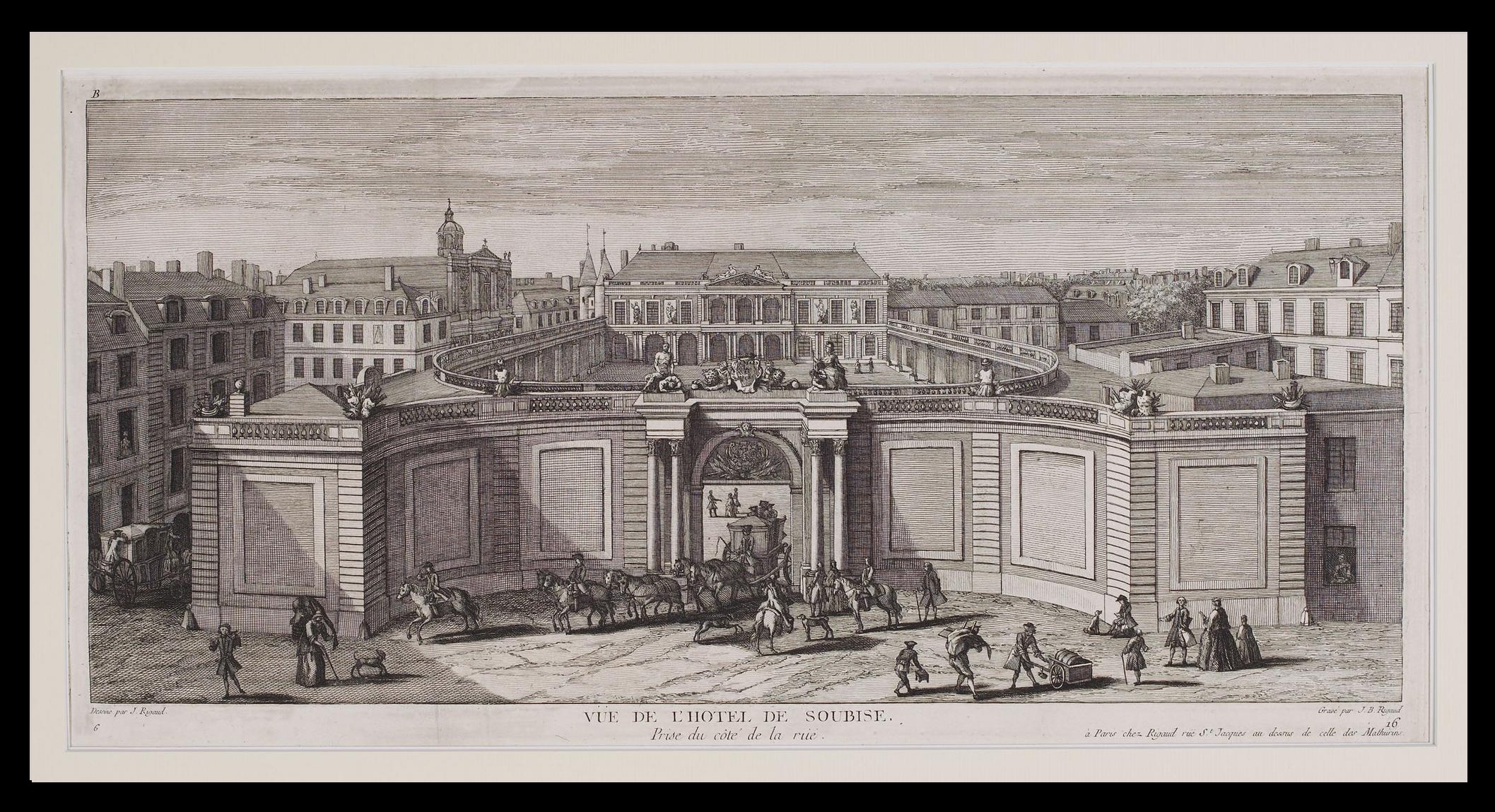
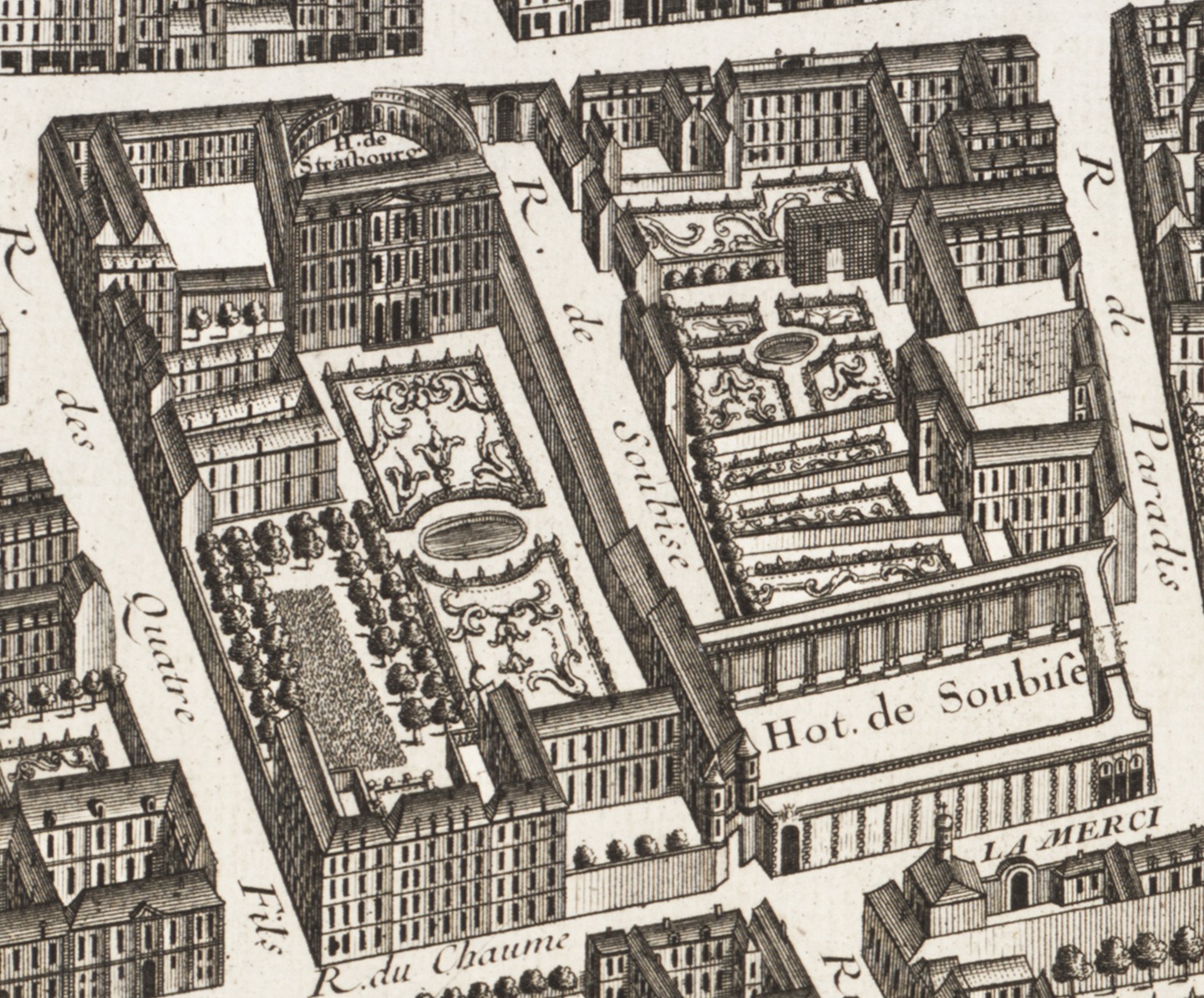
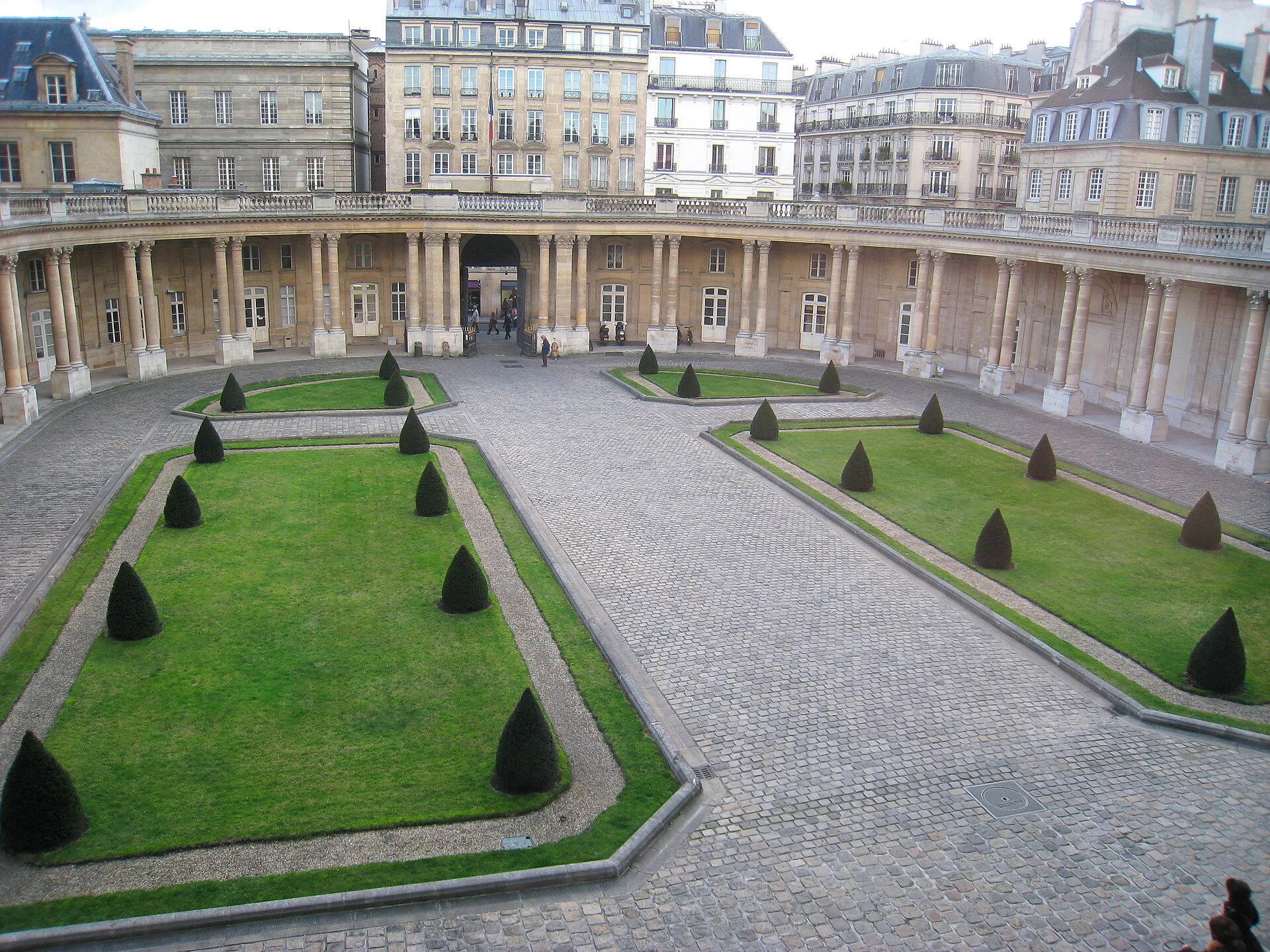
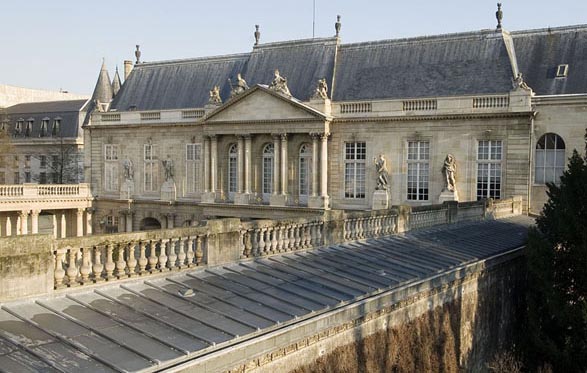
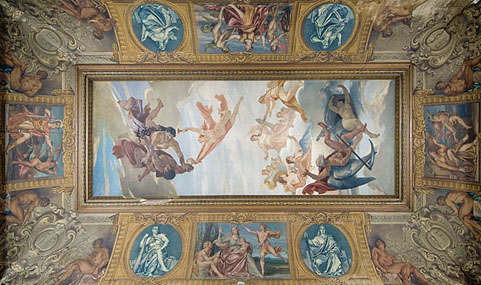
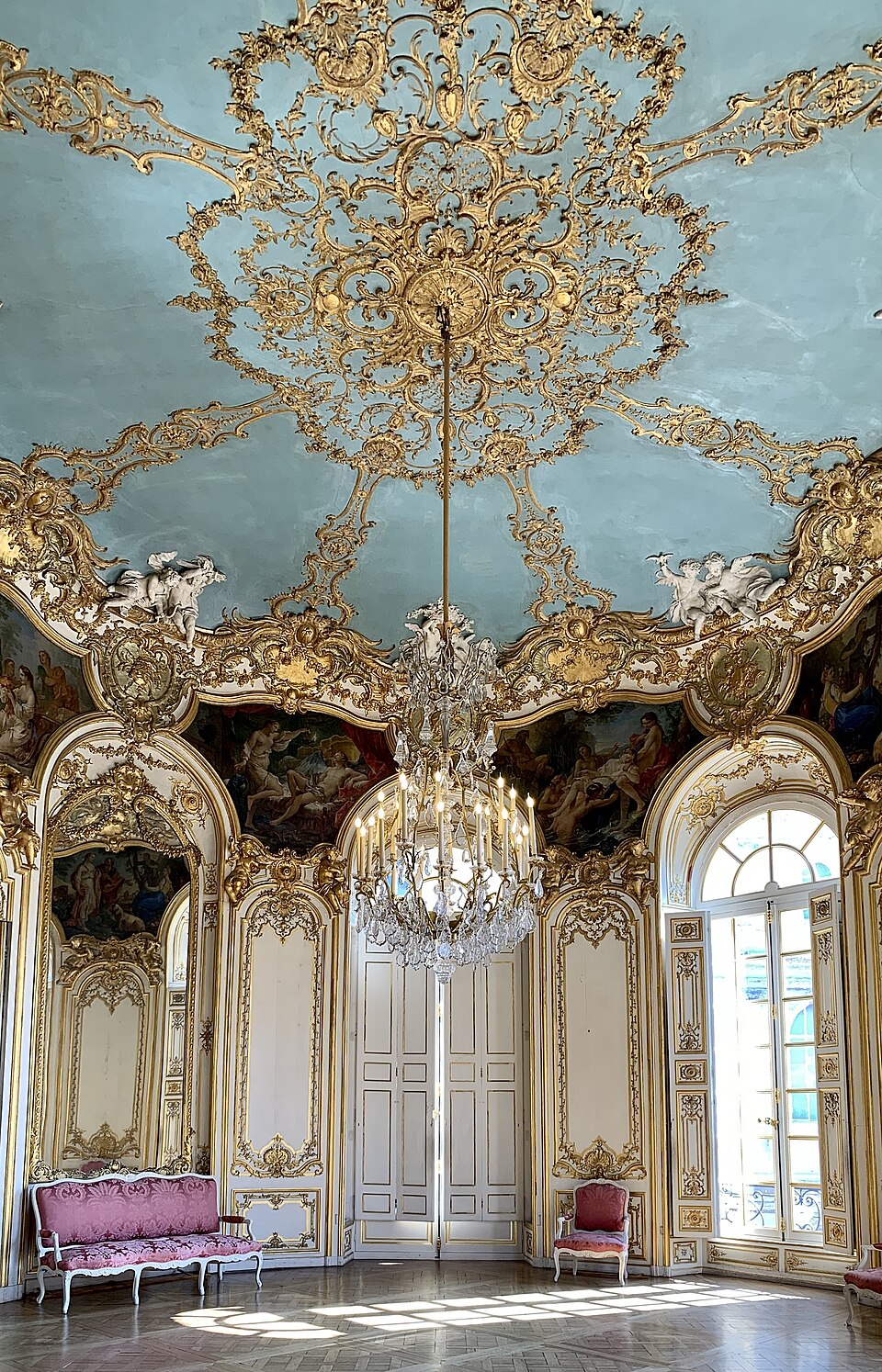
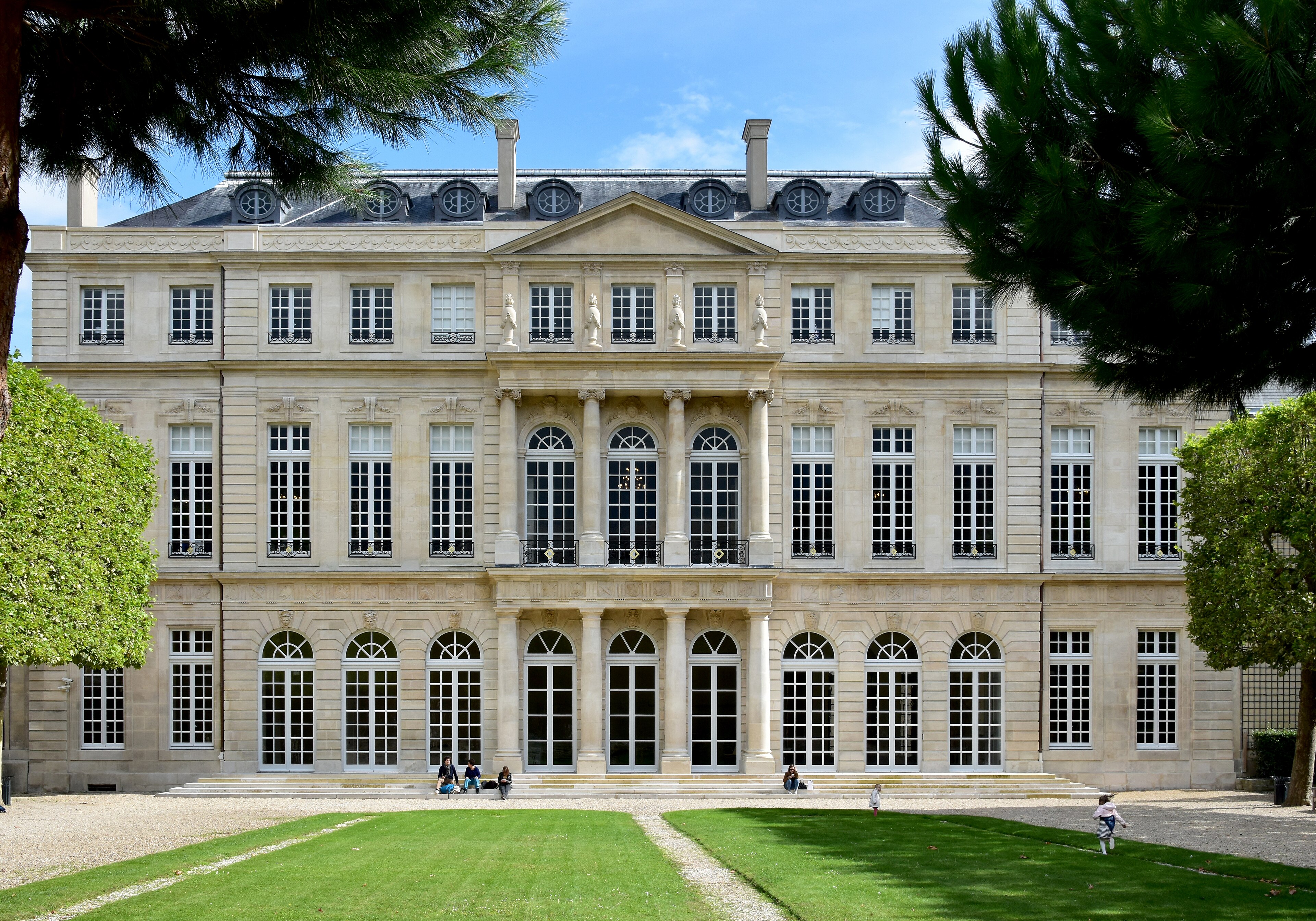
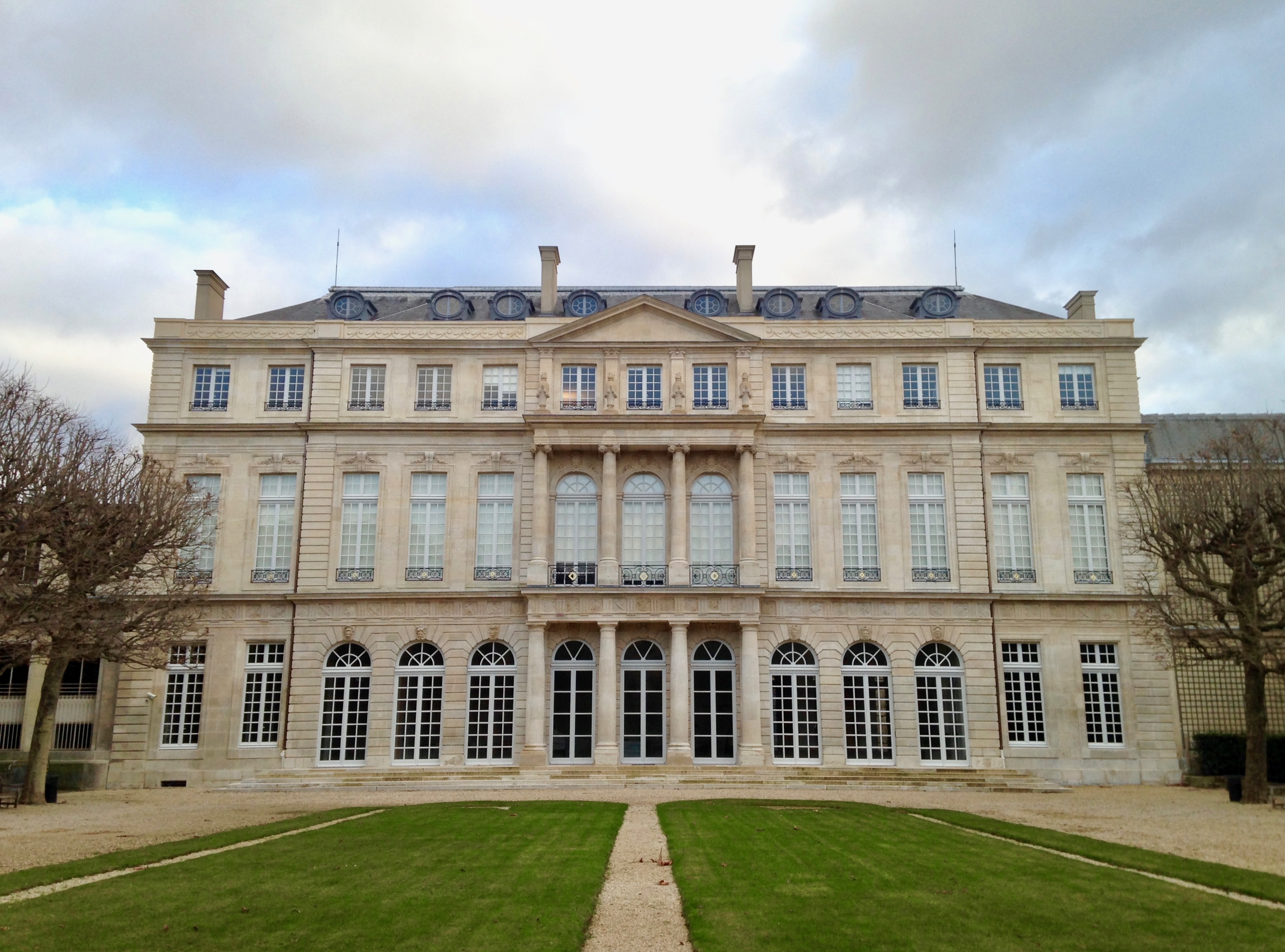
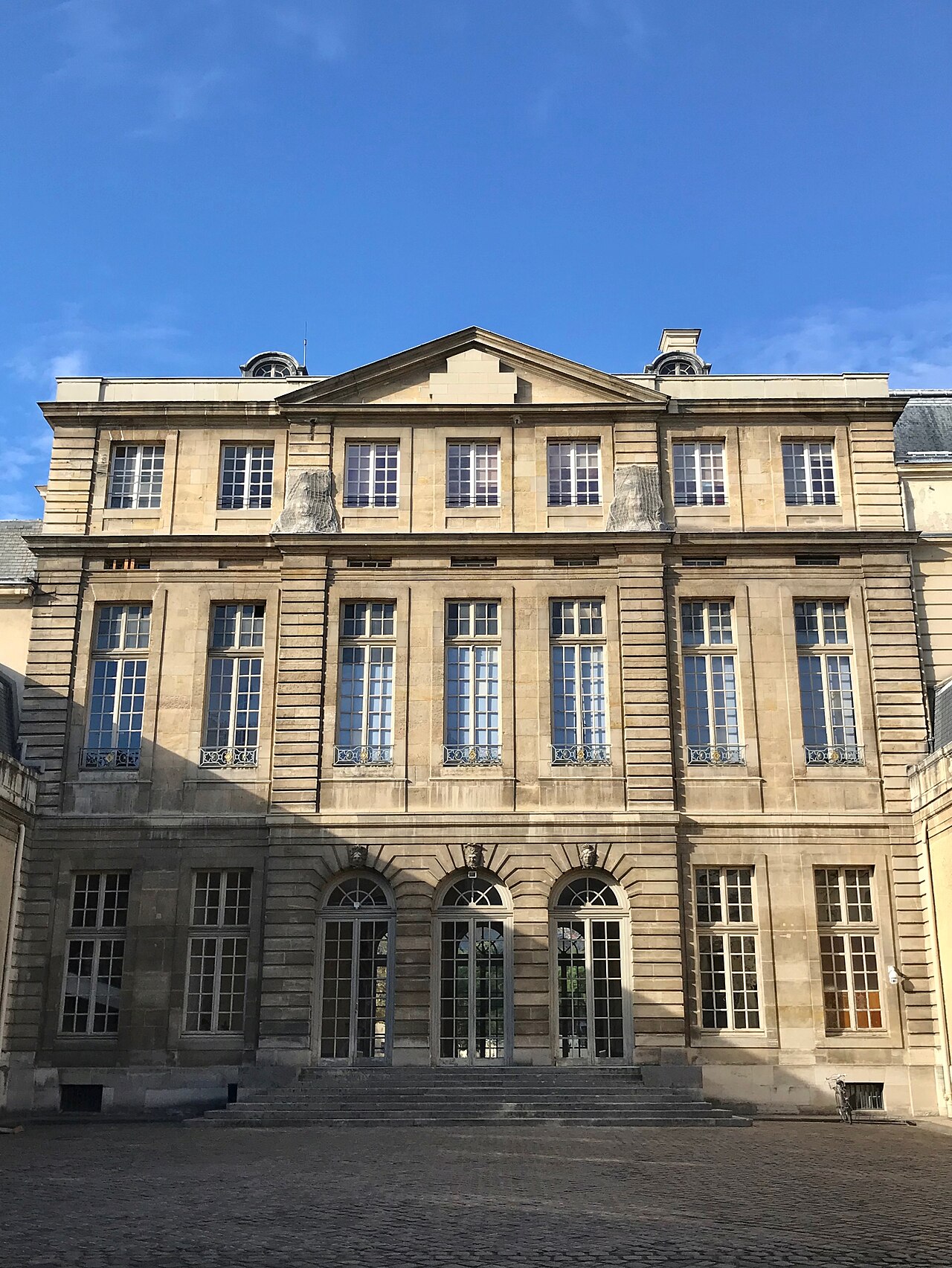
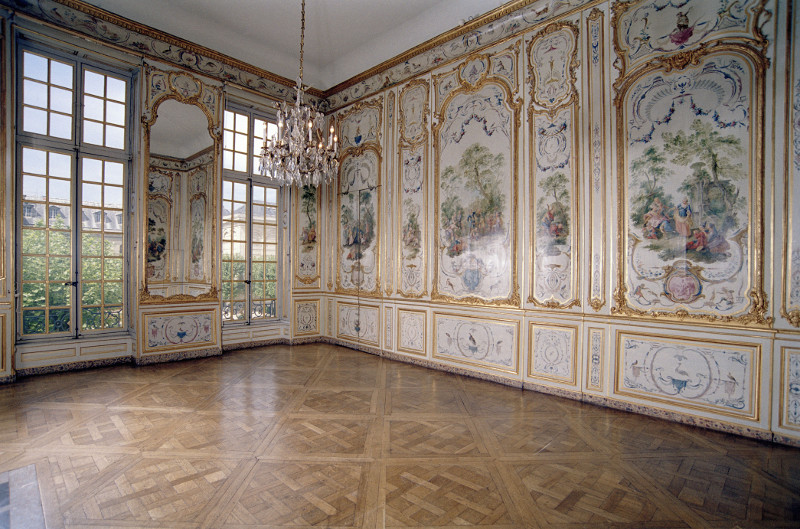
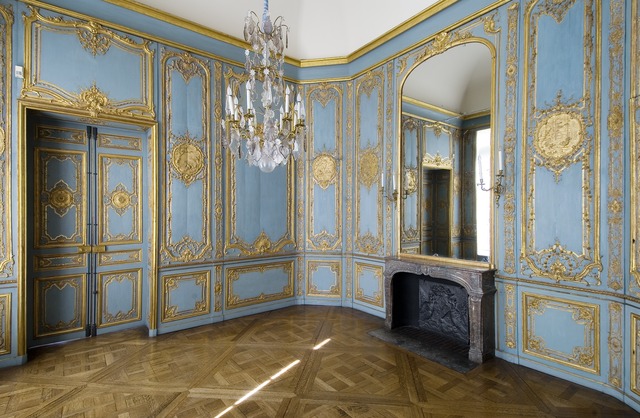
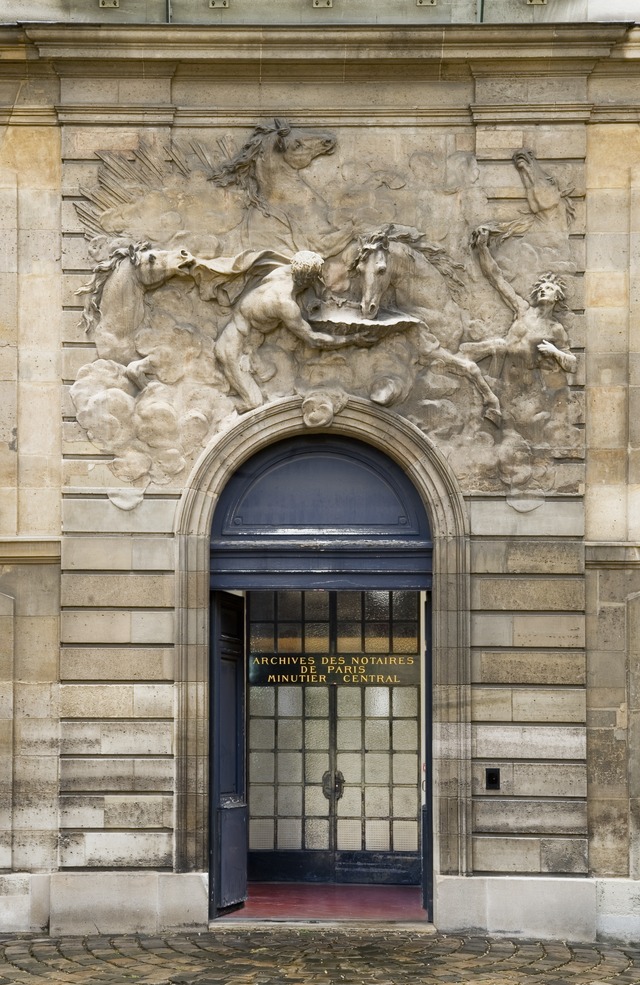
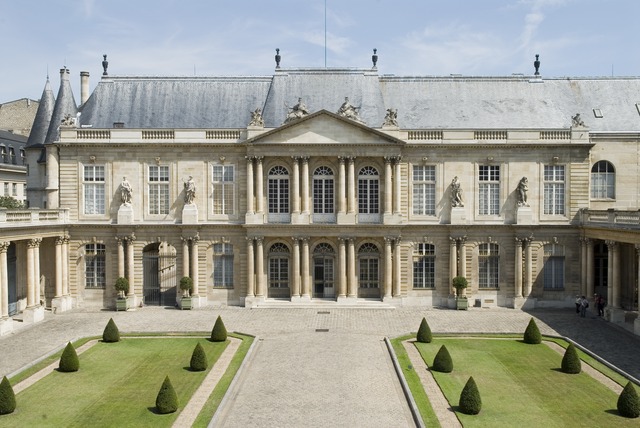
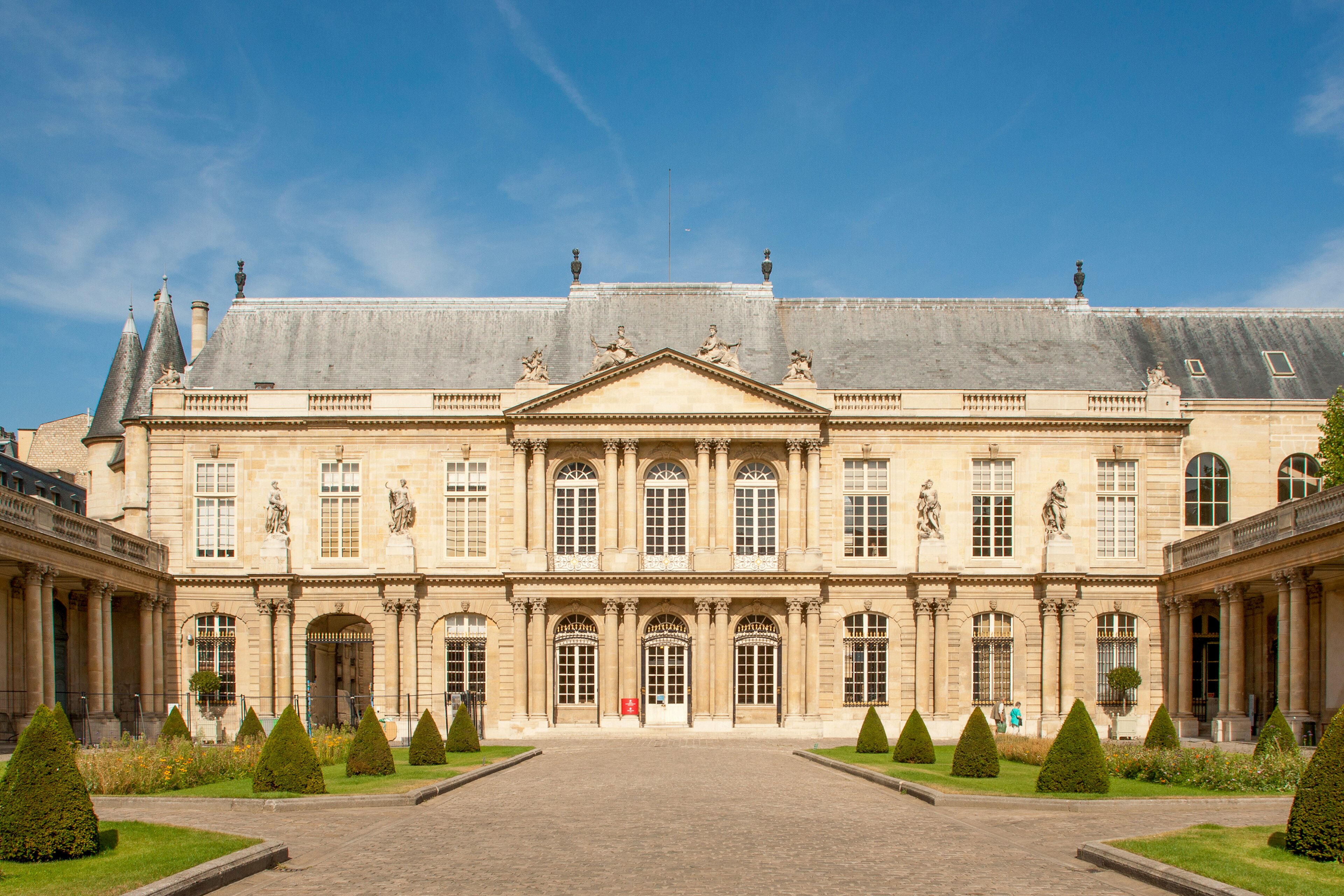
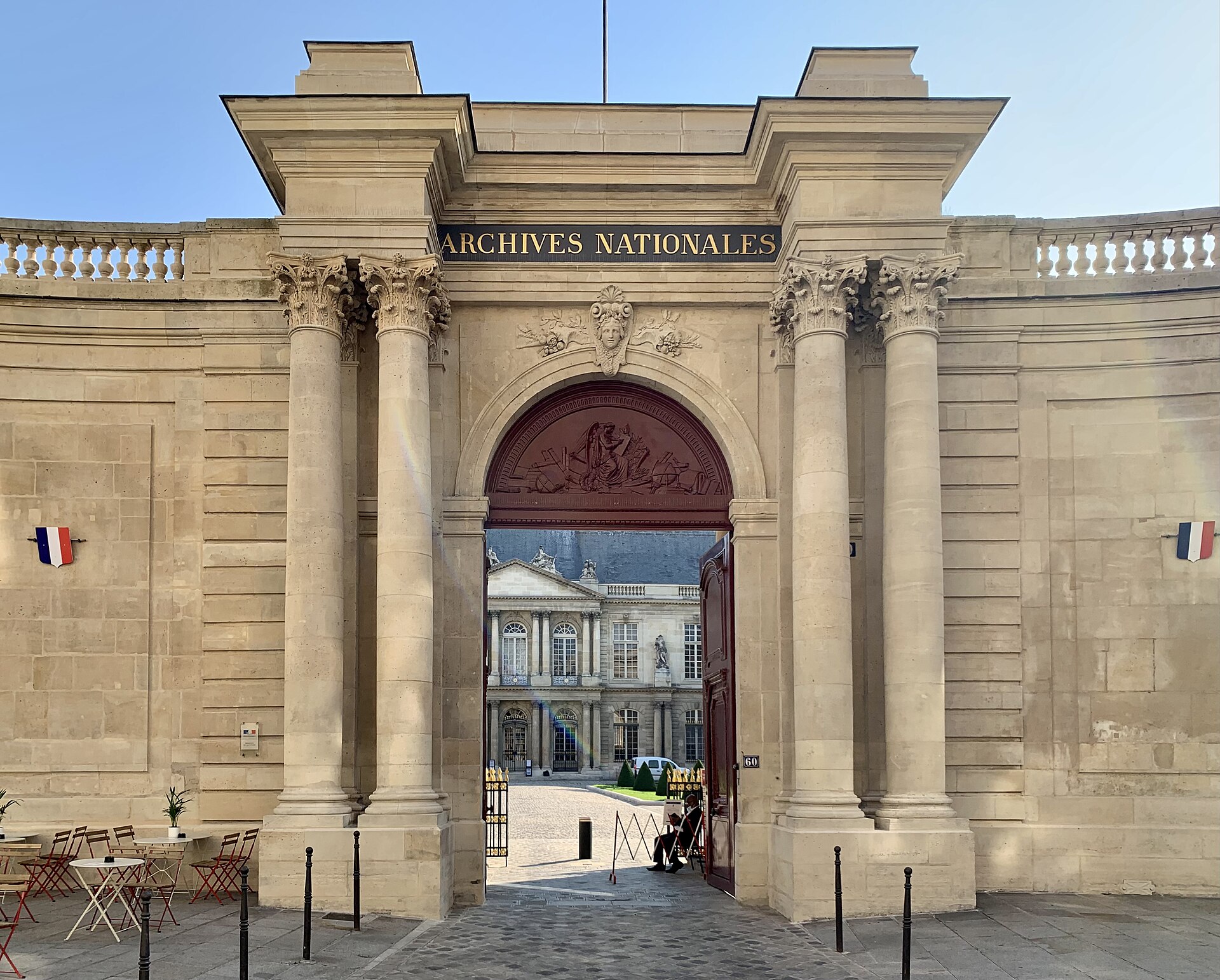
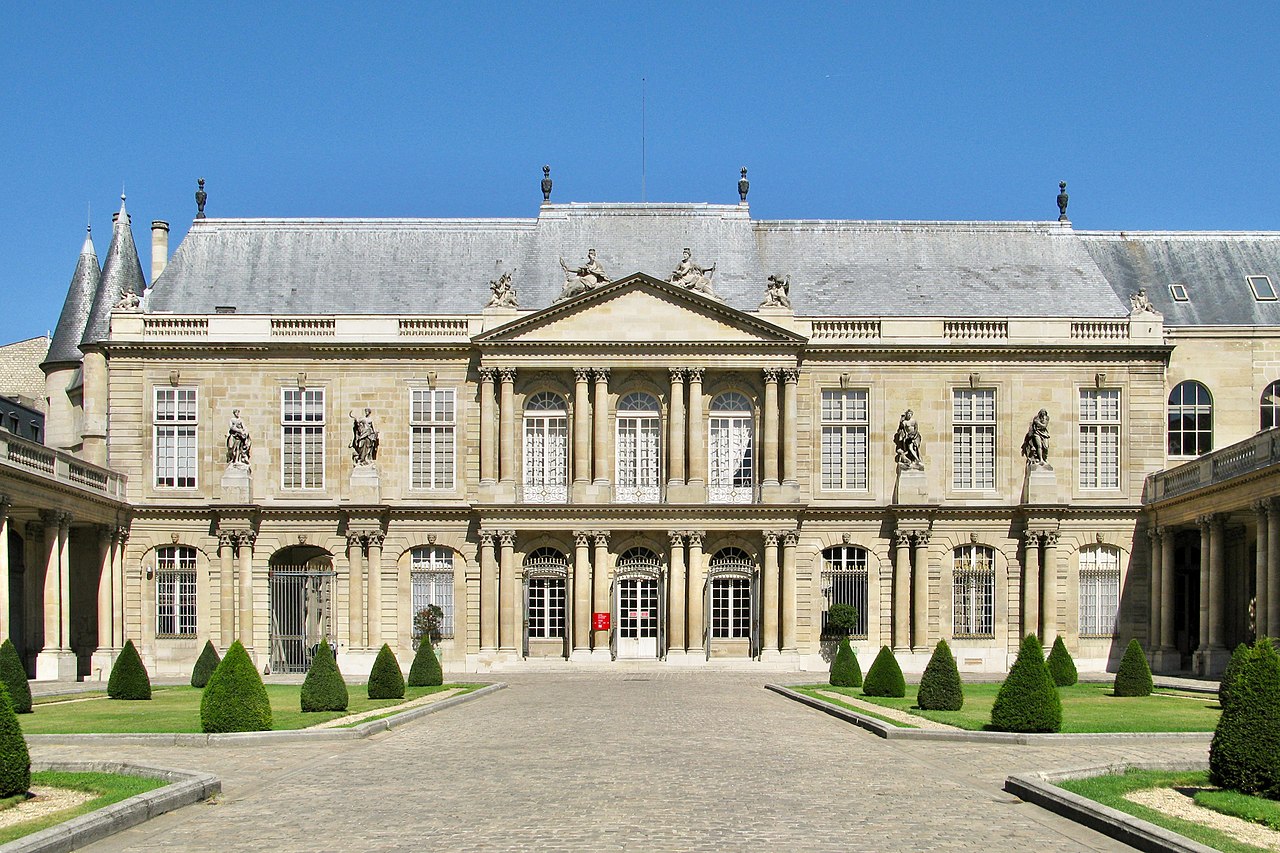
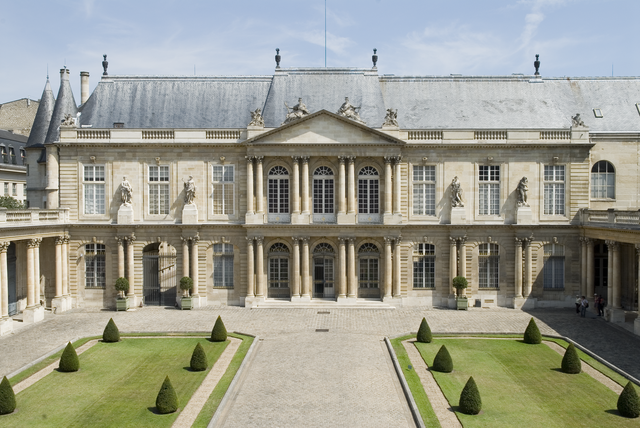
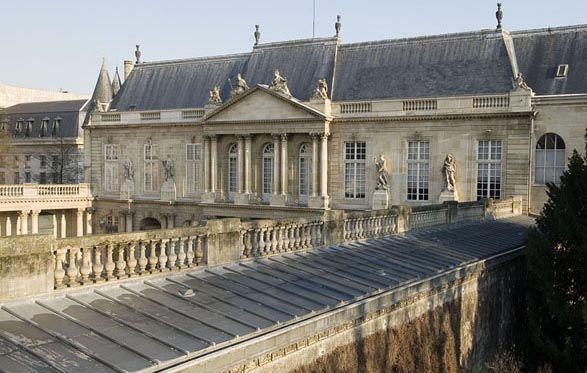
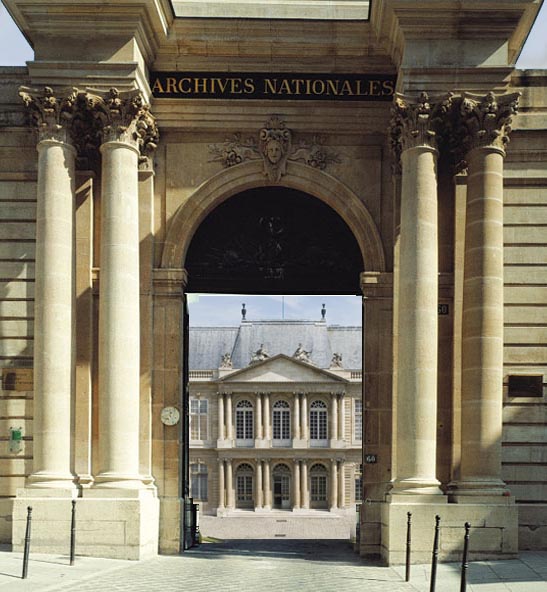
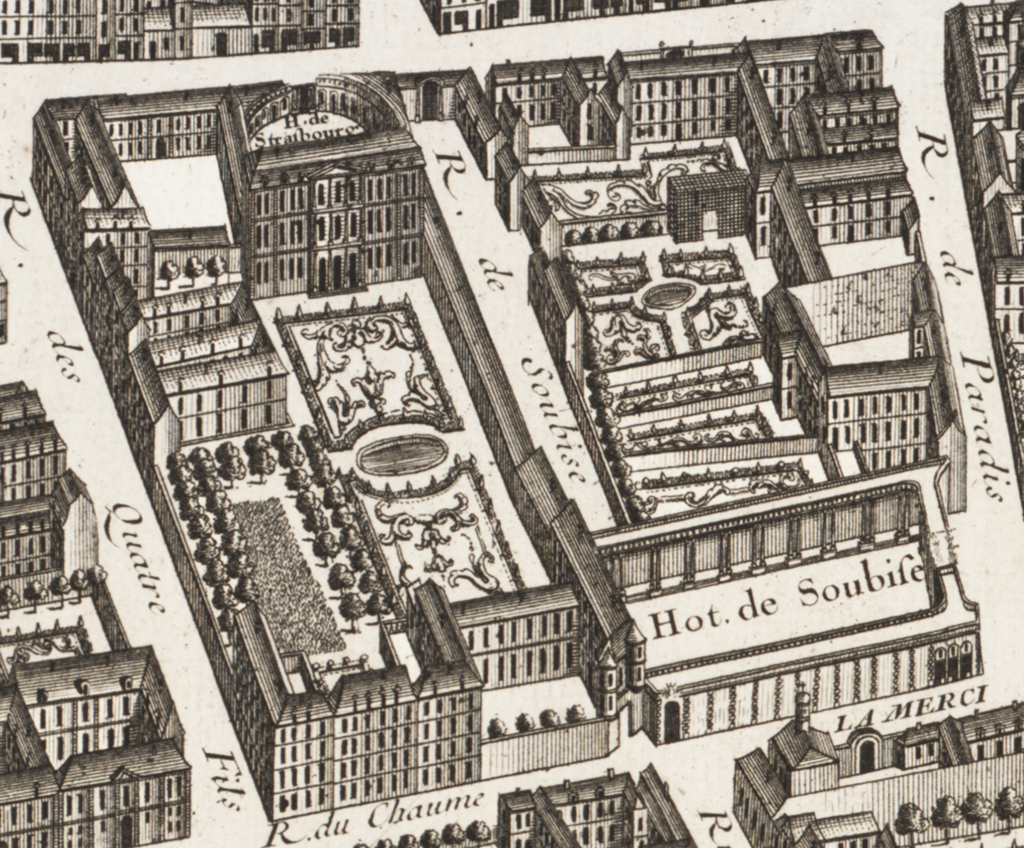
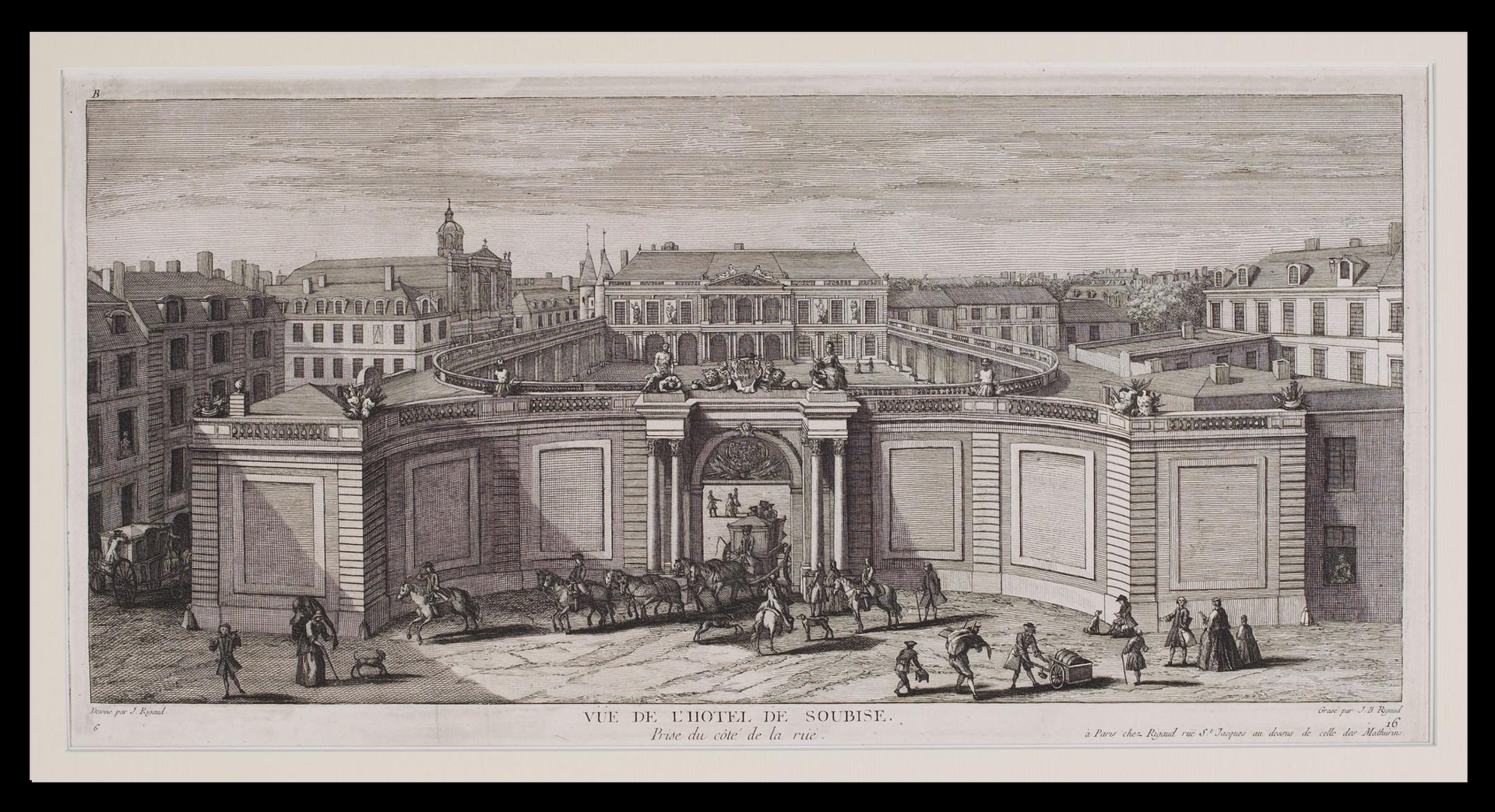
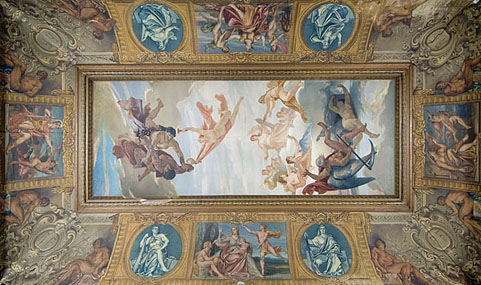
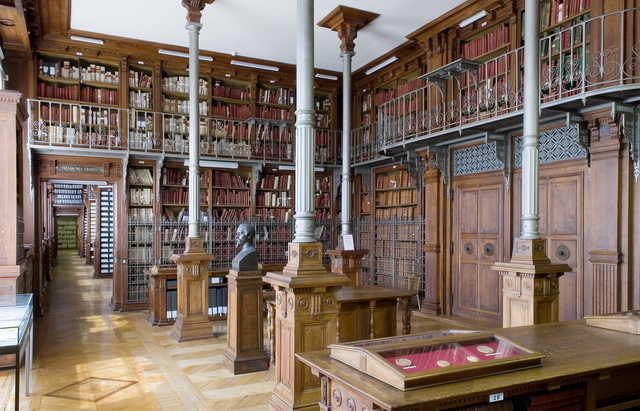
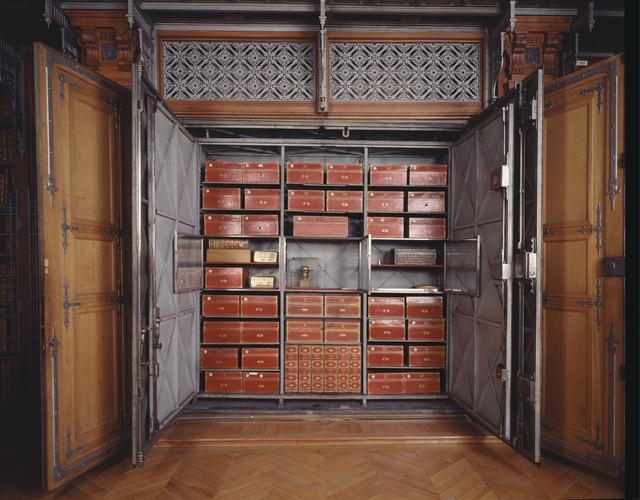
The Hôtel de Soubise is one of the most impressive of the hotels particuliers.
It was built for François de Rohan, Prince de Soubise, a powerful nobleman and favourite of Louis XIV.
Today it houses the French National Archives and is surrounded by a lovely public garden.
Fun fact : the Hôtel de Soubise and its neighbouring Hôtel de Rohan both belonged to the same family - their motto was 'King I cannot be, prince I do not deign to be, Rohan I am'!
The site was also the former residence of one of France's most powerful families - the House of Guise - the ultra-Catholic dynasty who orchestrated the St Bartholomew's Day Massacre of 1572, in which thousands of French Protestants were slaughtered across Paris in a single night.
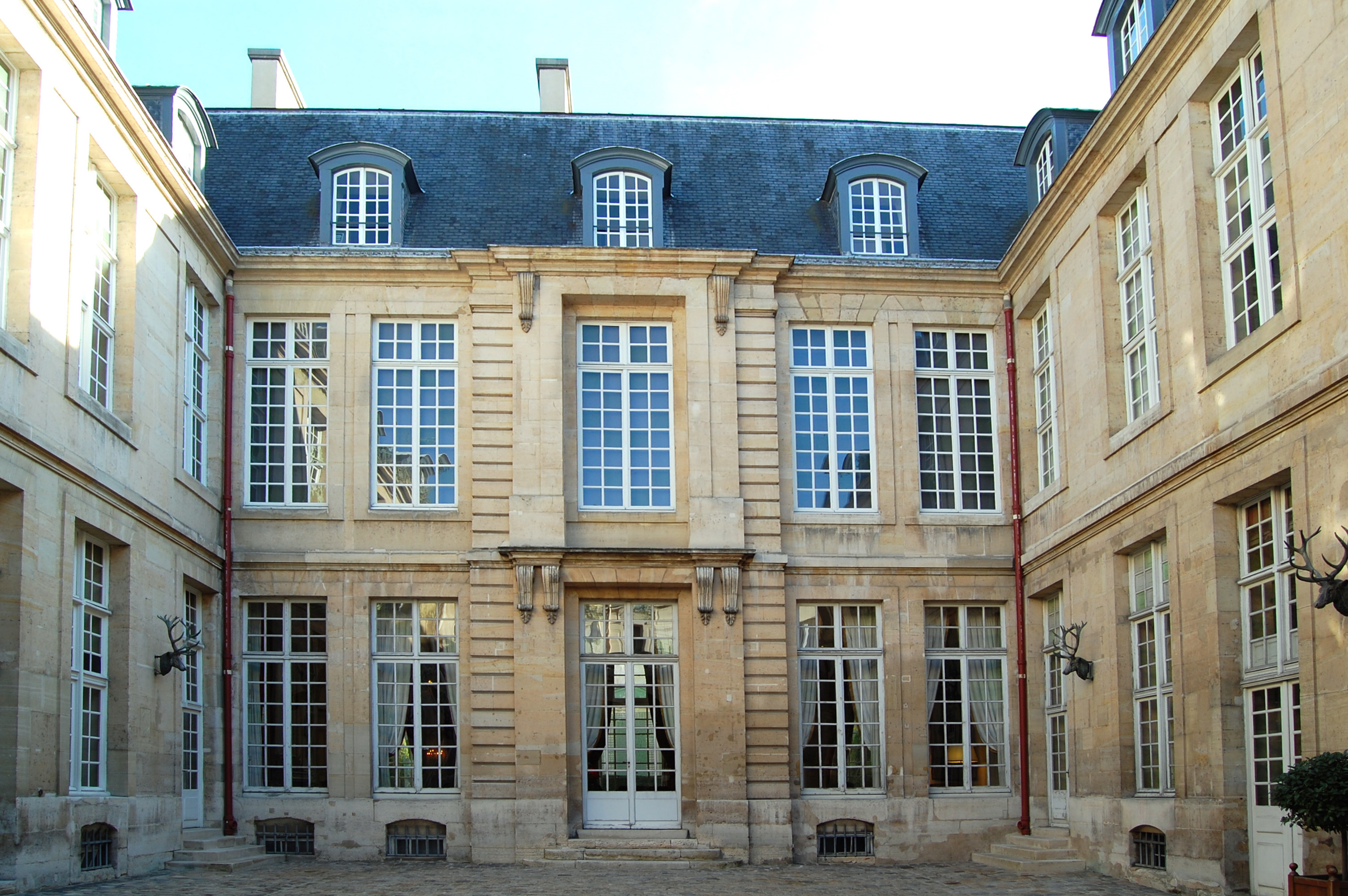
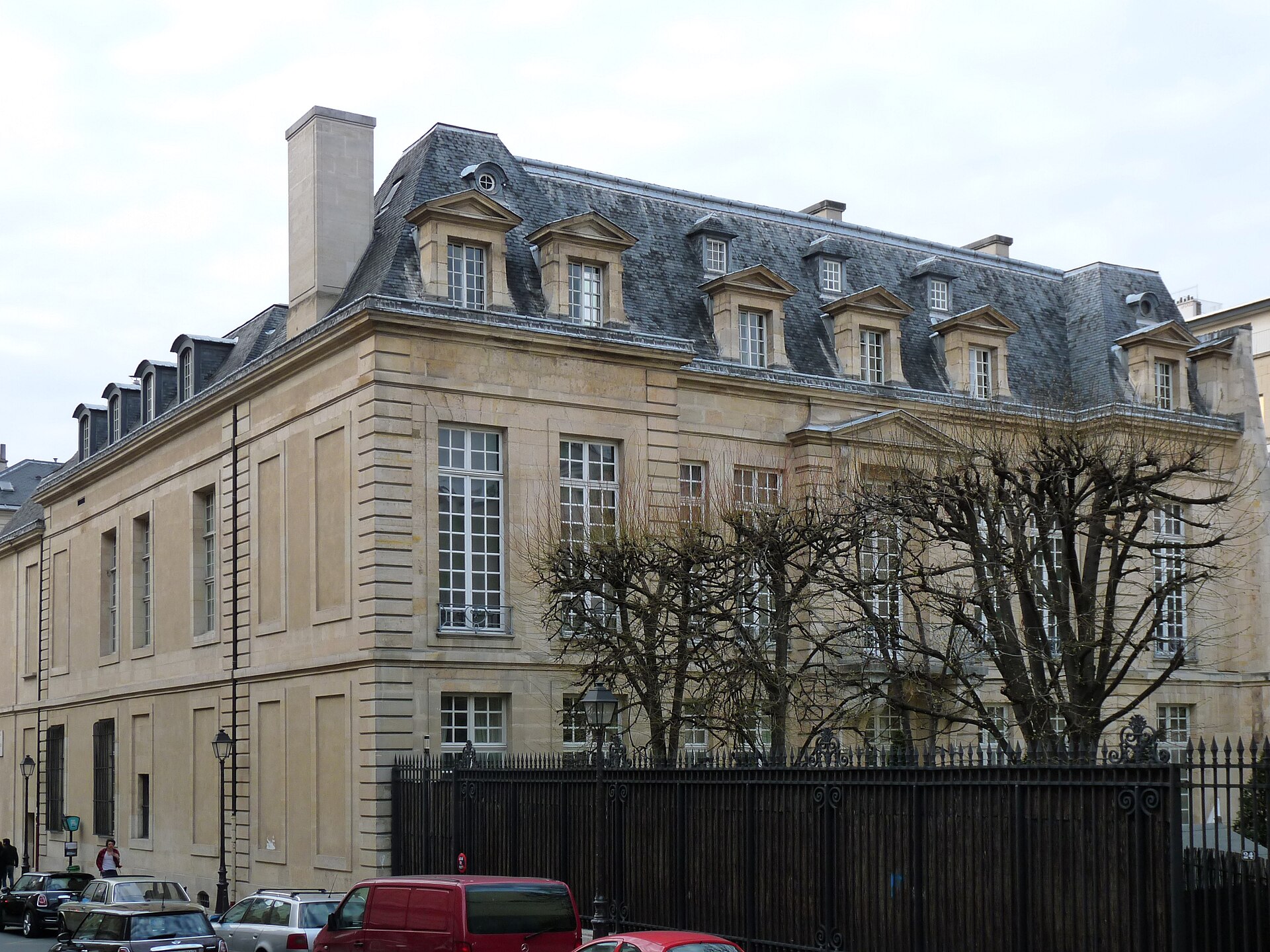
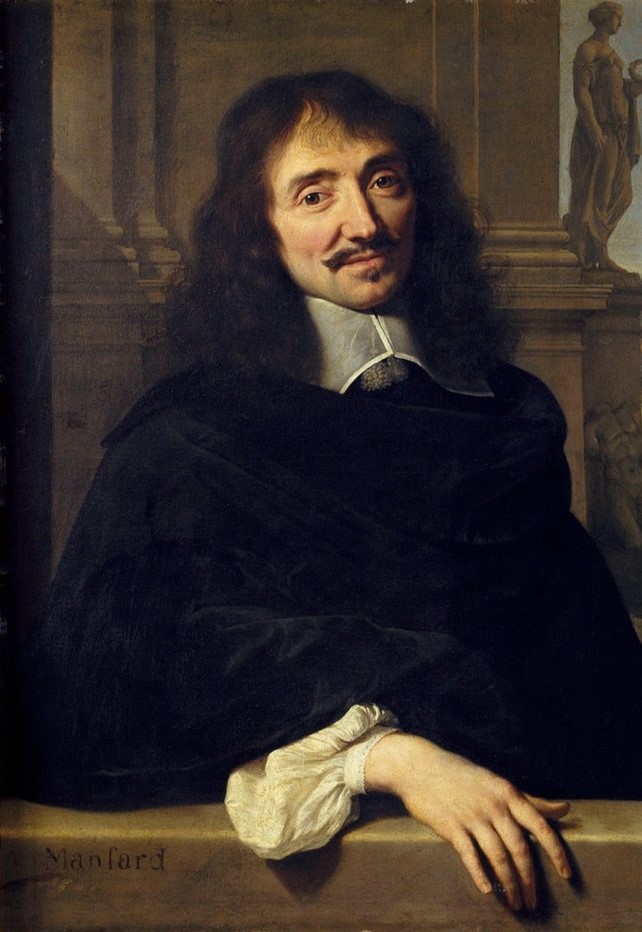
The Hôtel de Guénégaud was built by François Mansart (the uncle of the more famous Jules Hardouin-Mansart) and was owned by prominent royal officials.
It is now the Hunting and Nature museum.
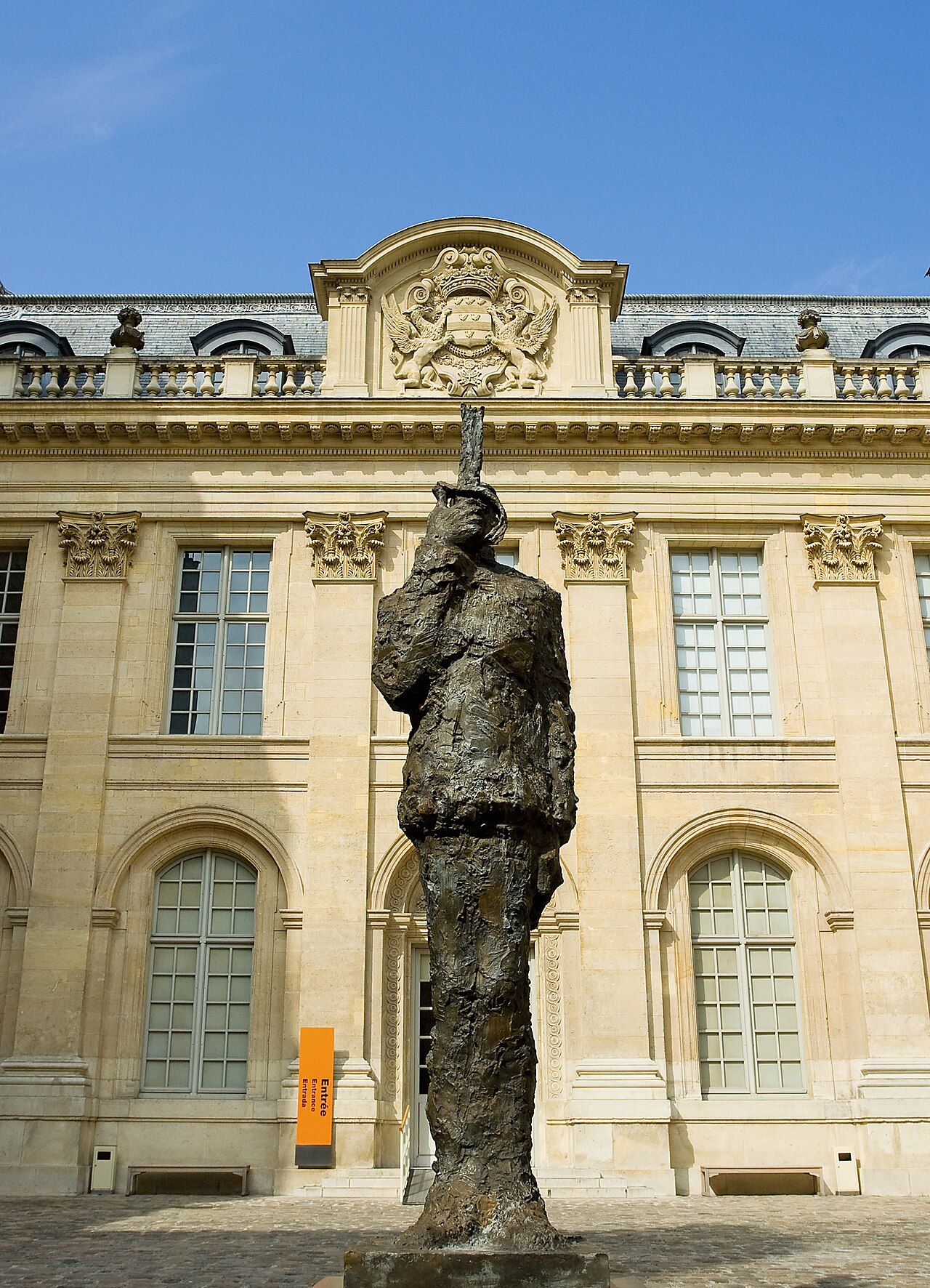
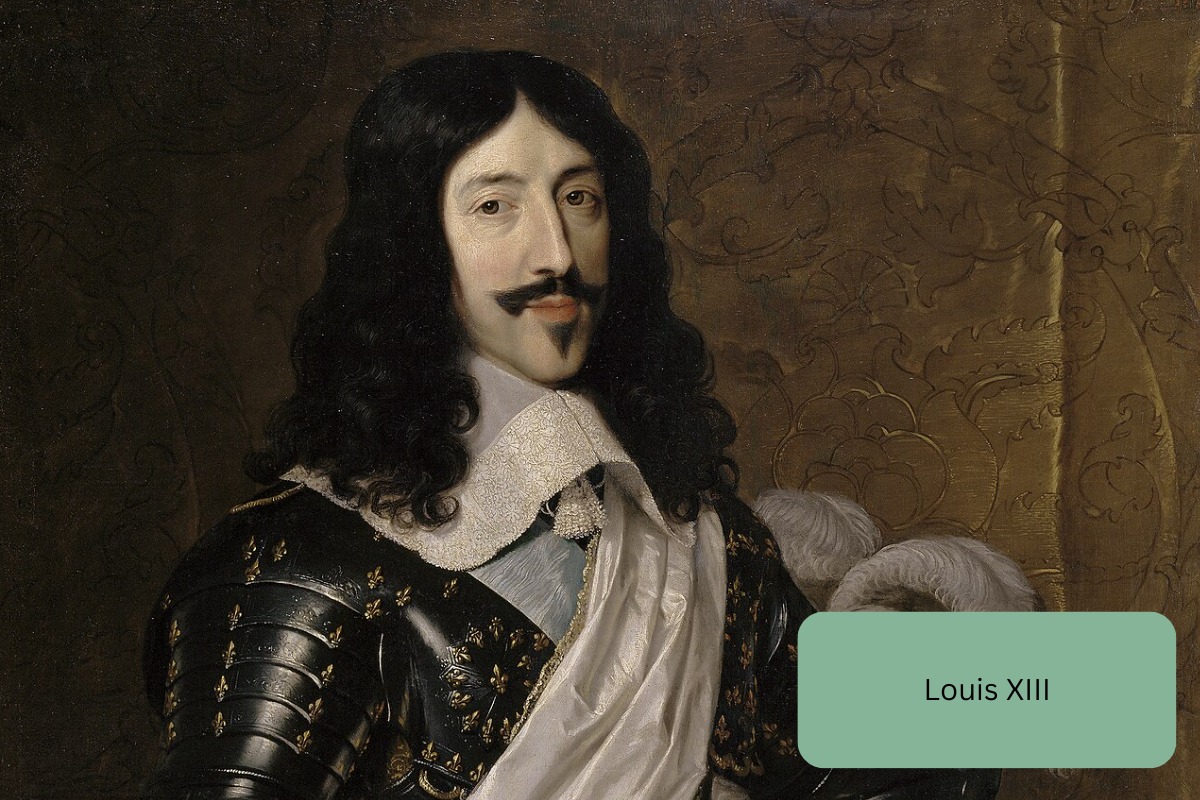
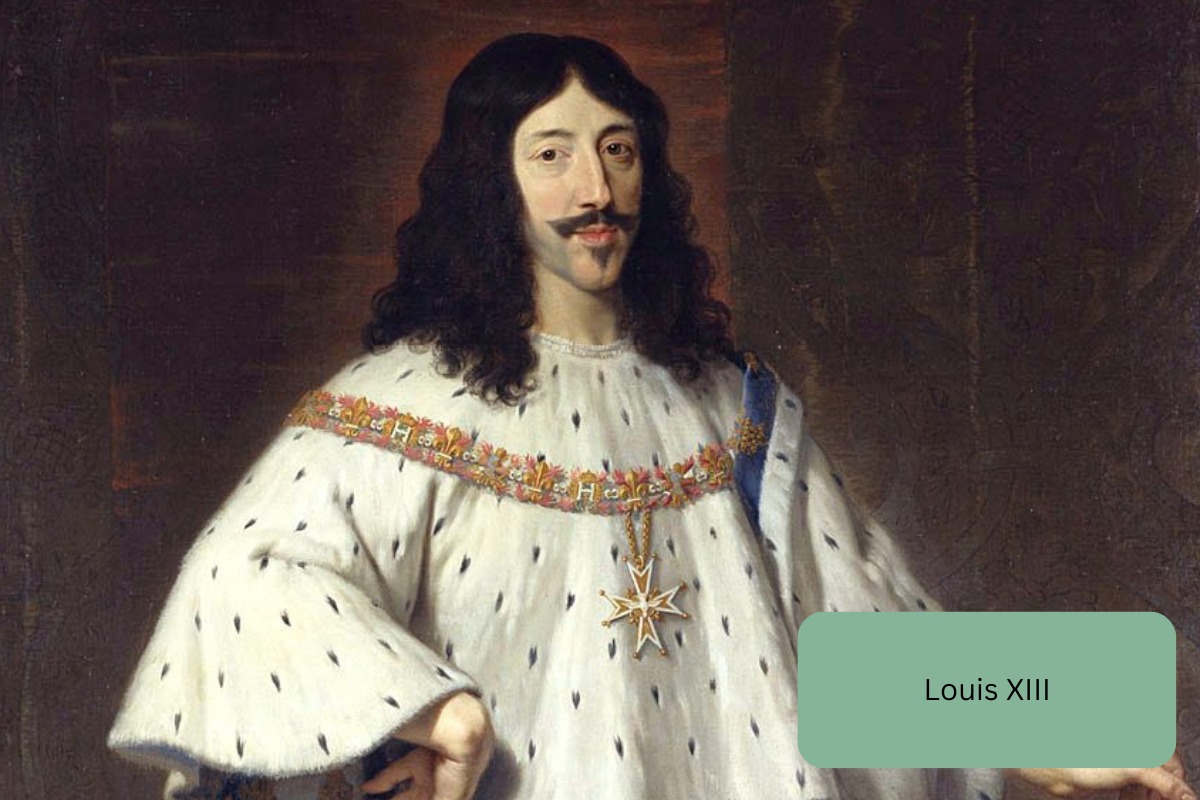
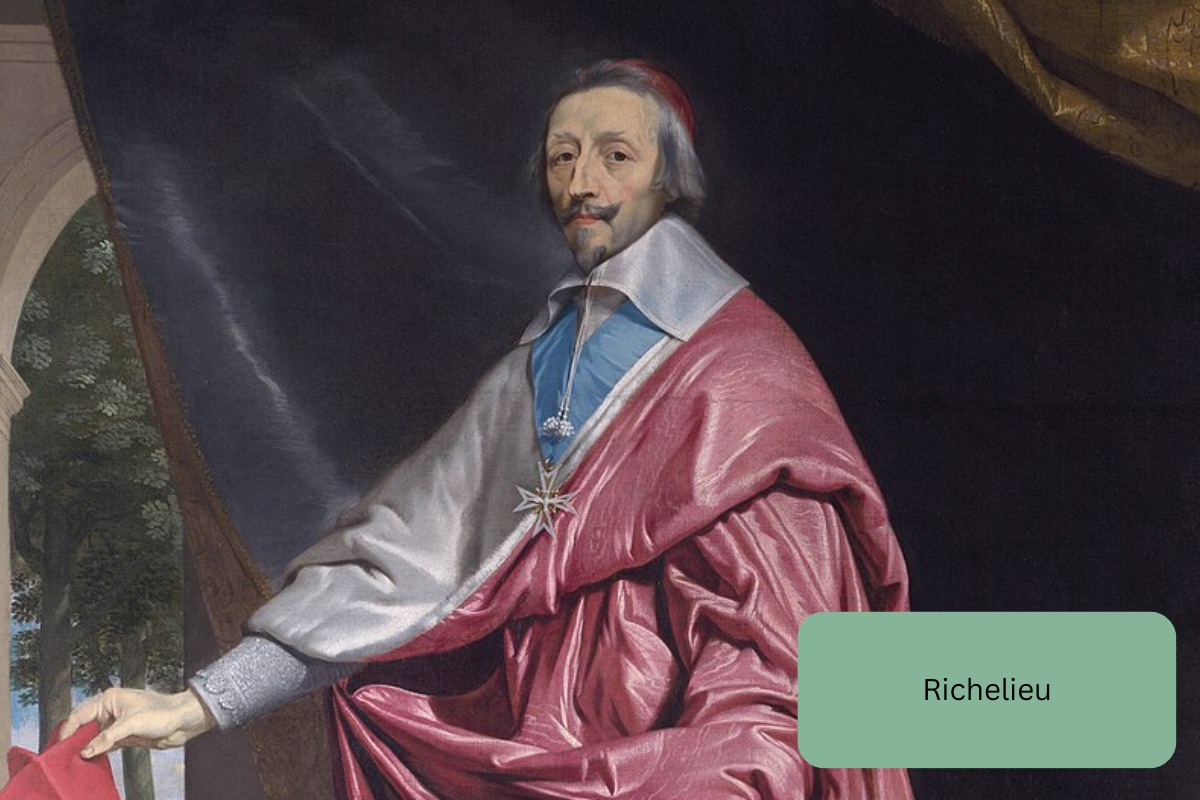
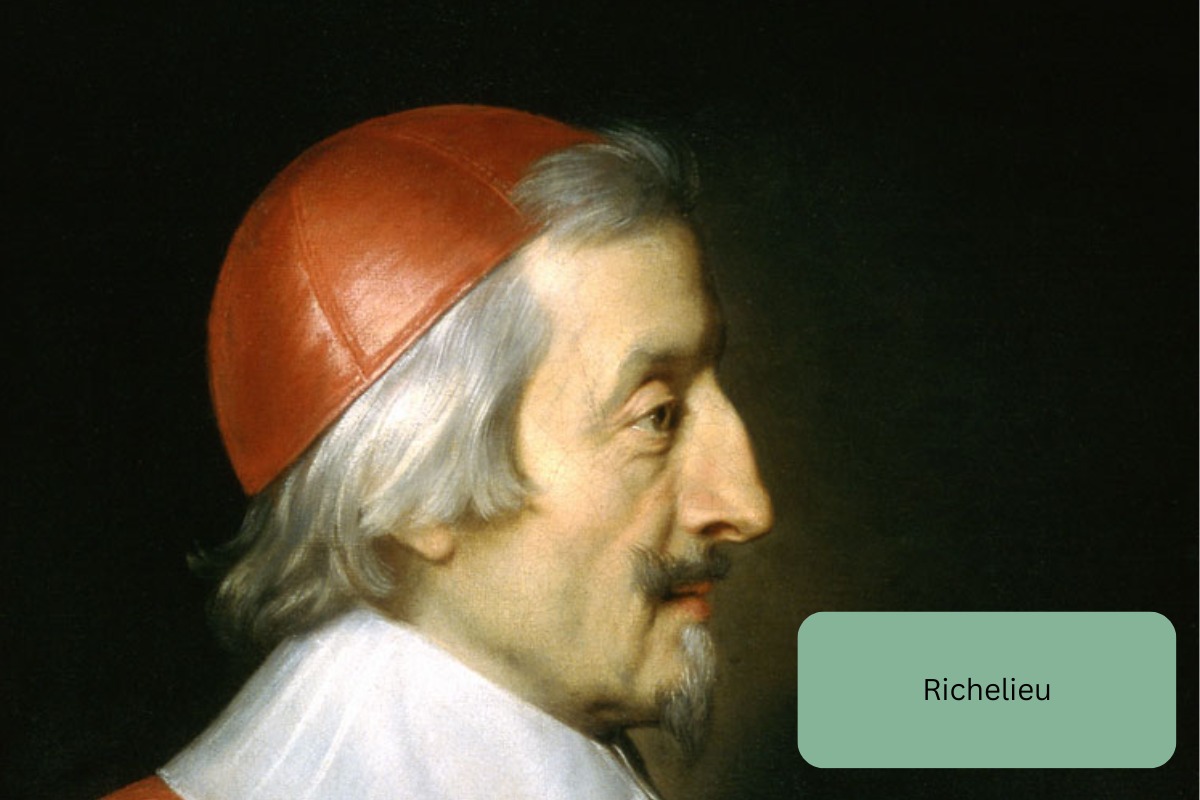
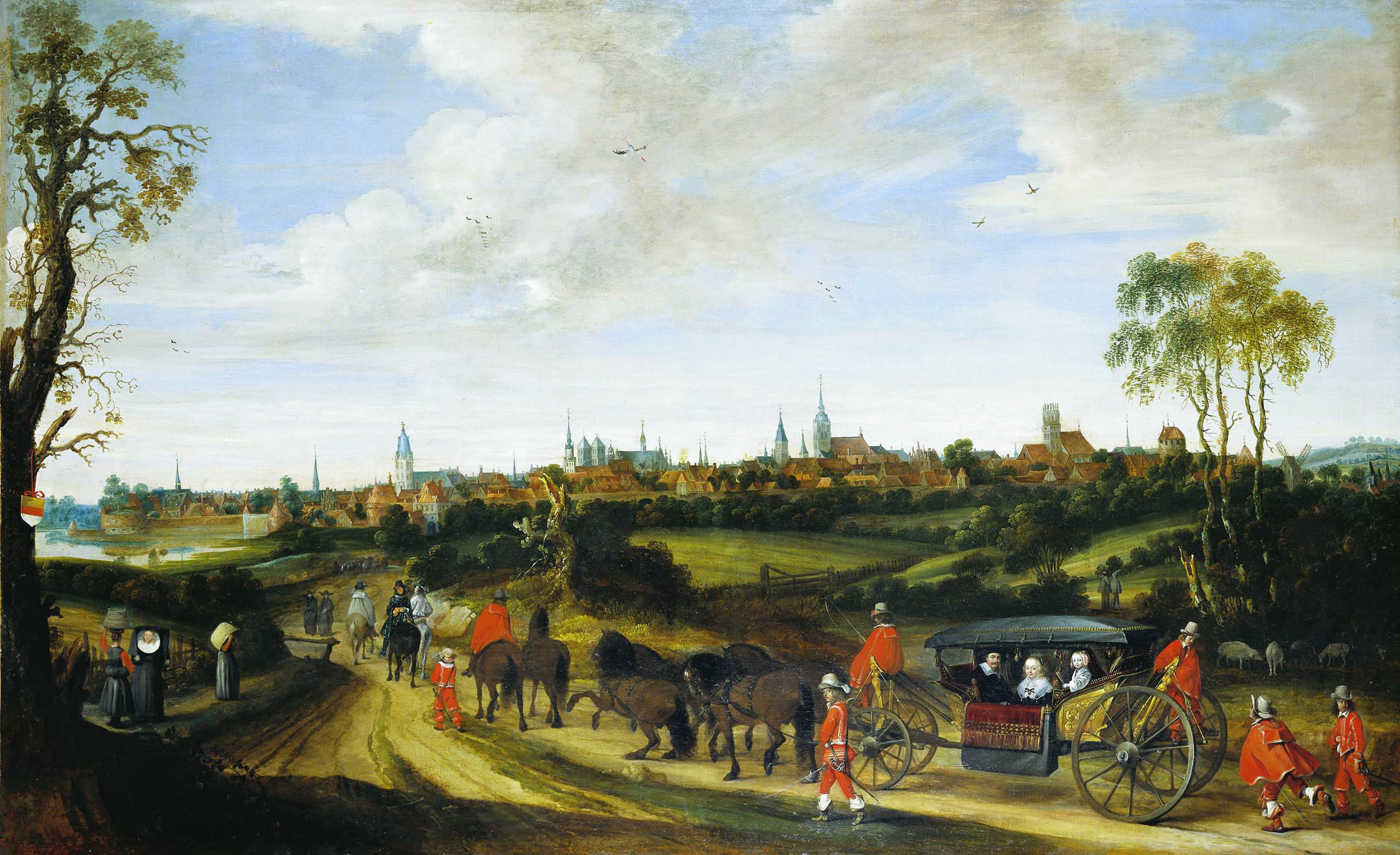
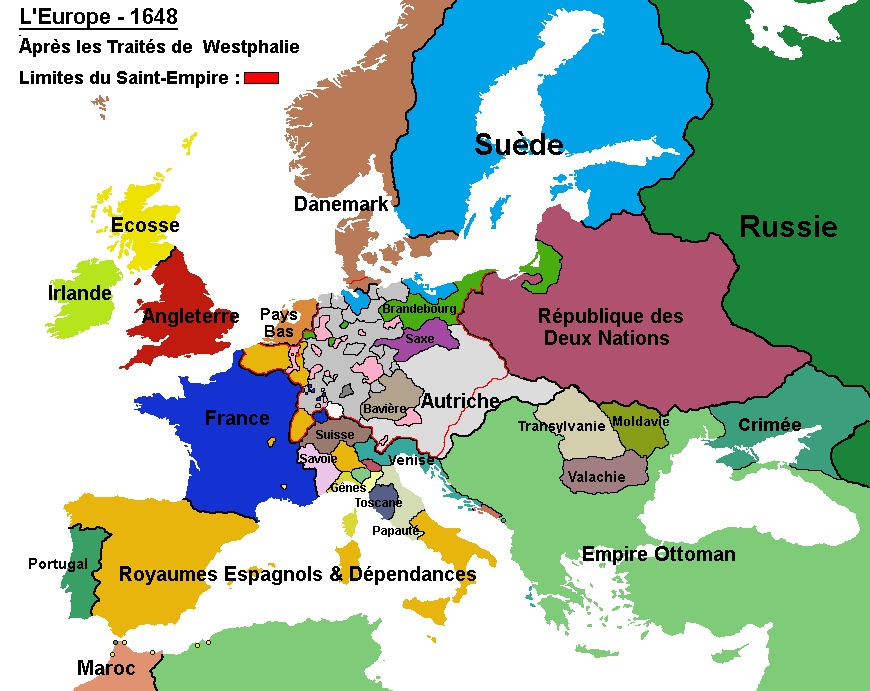
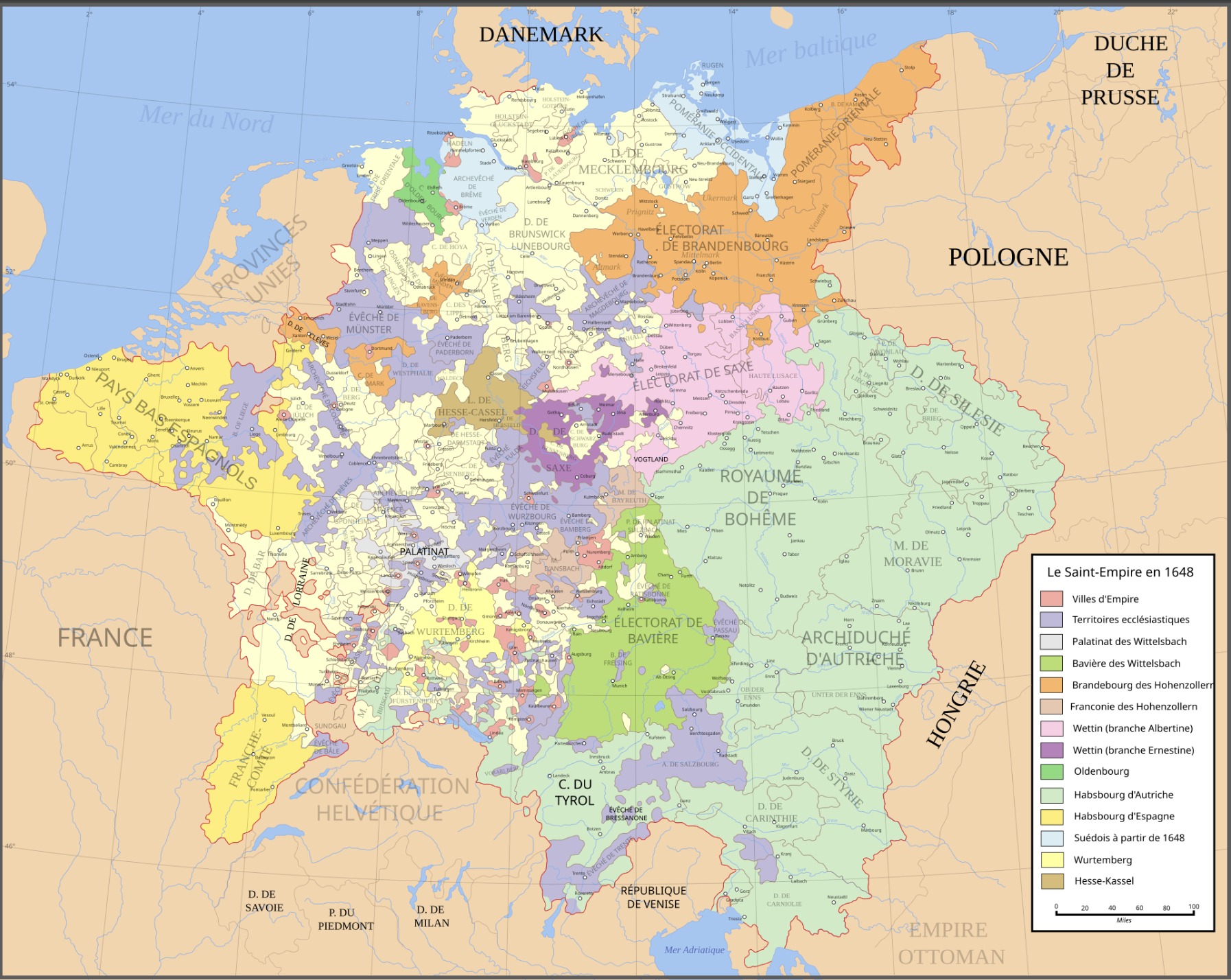
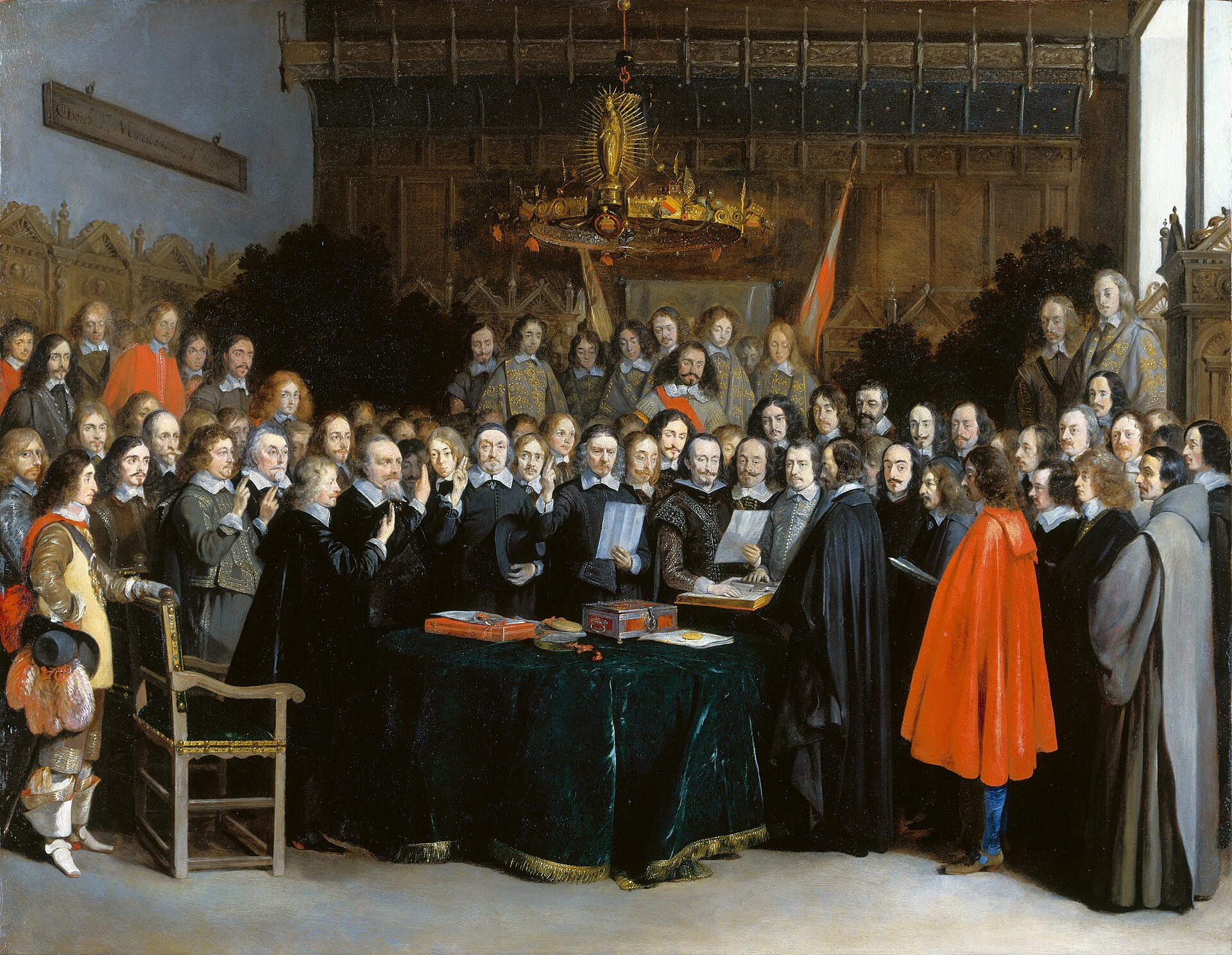
The Hotel Saint-Aignan was built for a prominent diplomat under Louis XIII and Richelieu who negotiated the Peace of Westphalia in 1648.
It is now the Jewish Art and History museum.
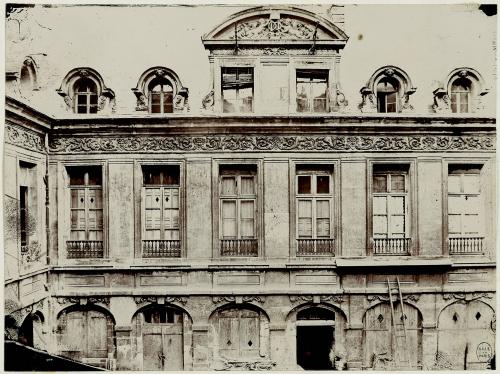
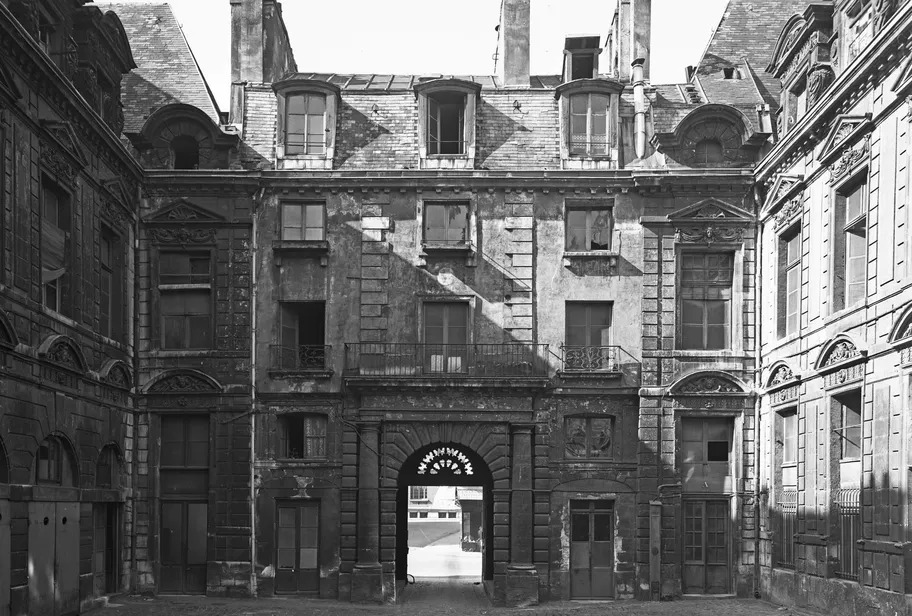
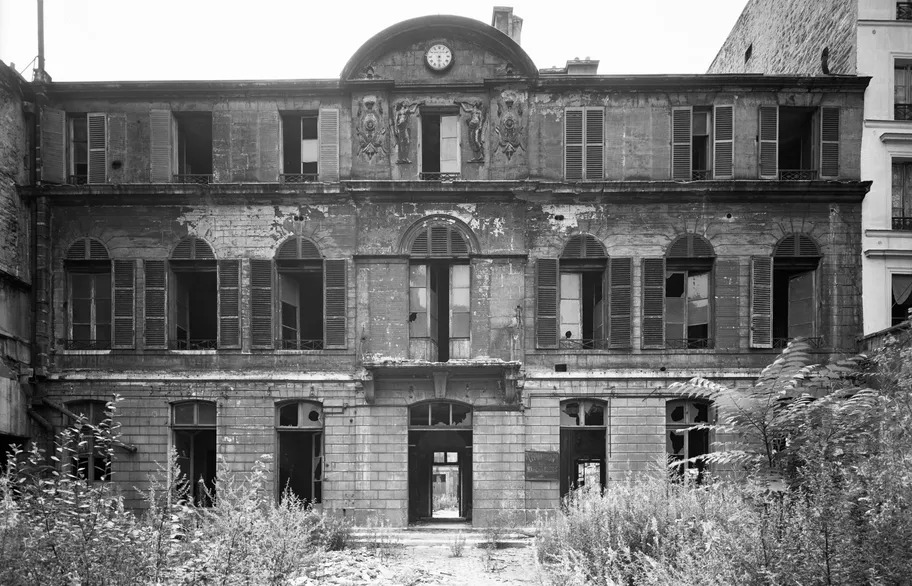
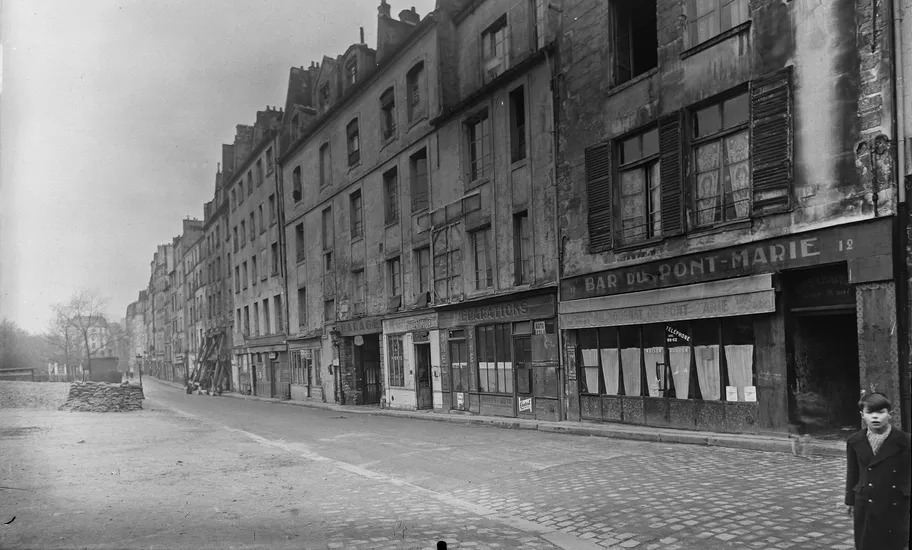
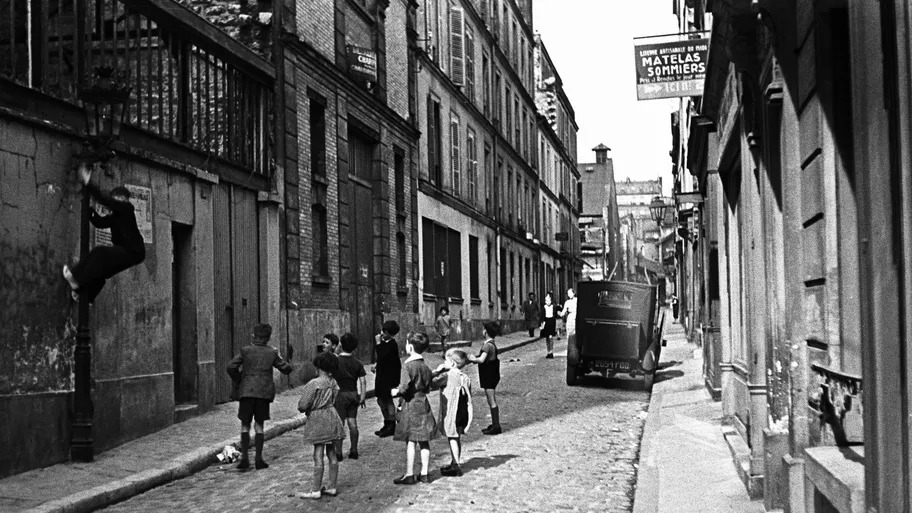
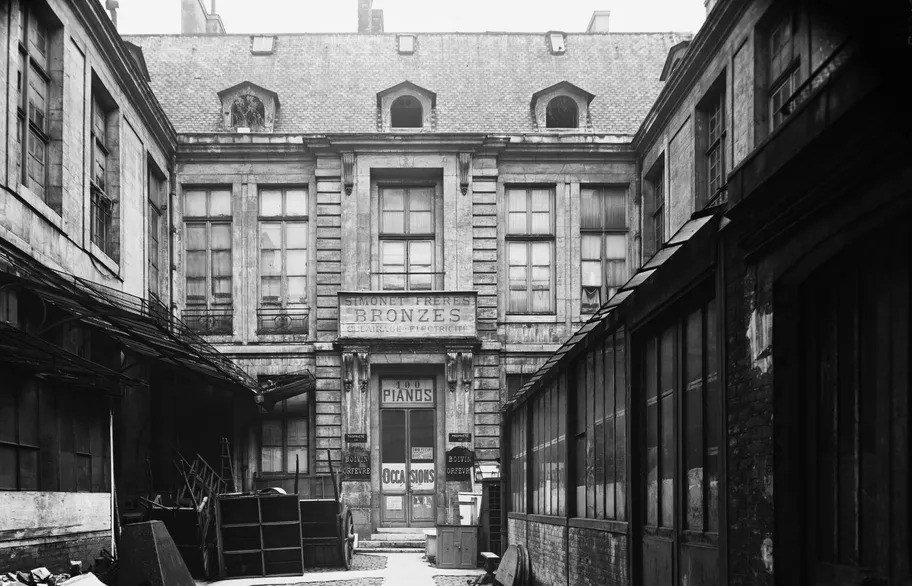
After the French Revolution, the Marais fell dramatically out of fashion - the nobility had fled or been guillotined, and their grand hôtels particuliers were subdivided into workshops and tenements.
The area became one of Paris's most neglected districts for nearly two centuries, until André Malraux's 1962 preservation law saved it from demolition and kickstarted one of the great urban restorations of the 20th century.
Today, the Marais is one of the most expensive neighbourhoods in Paris.
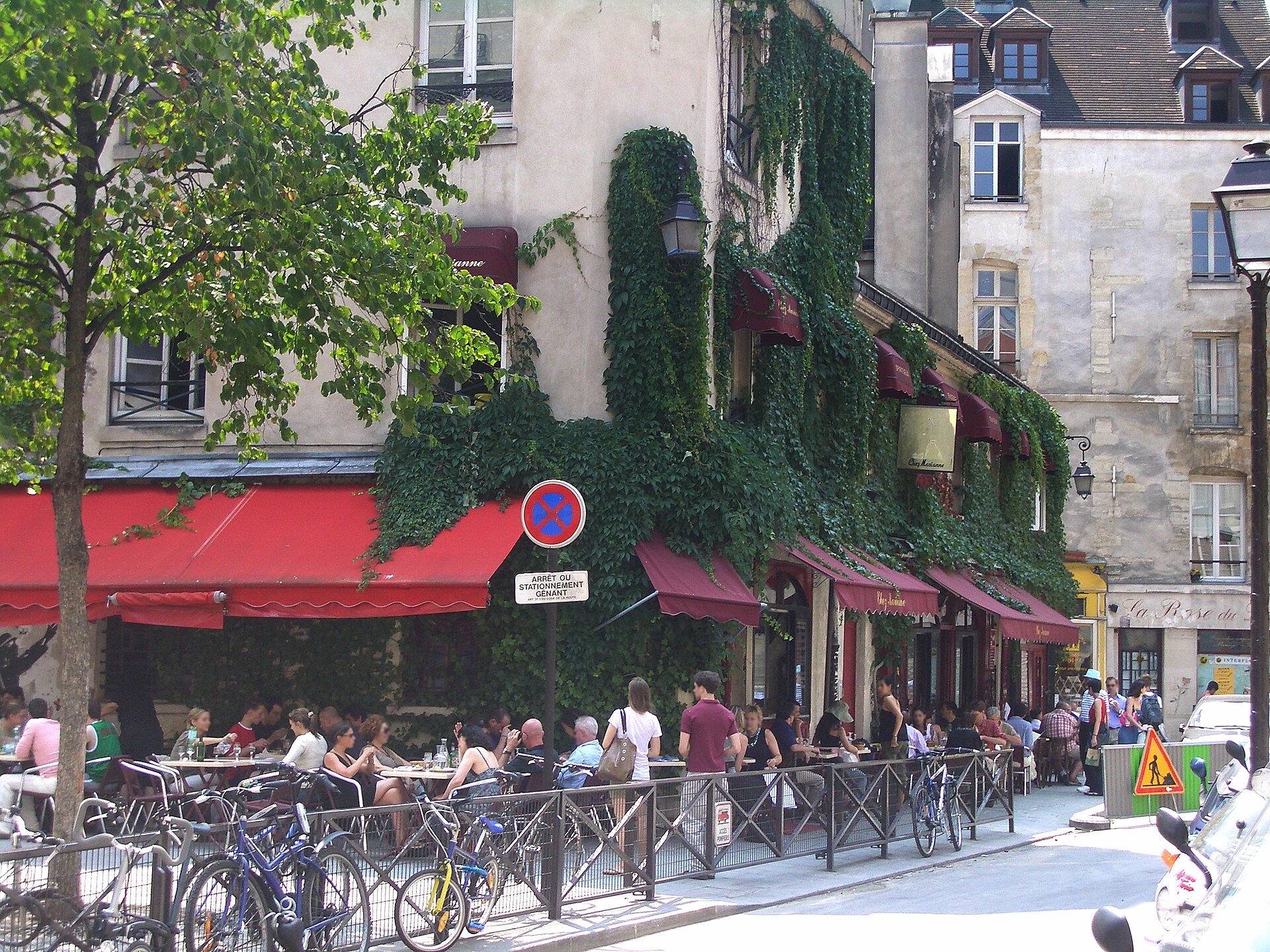
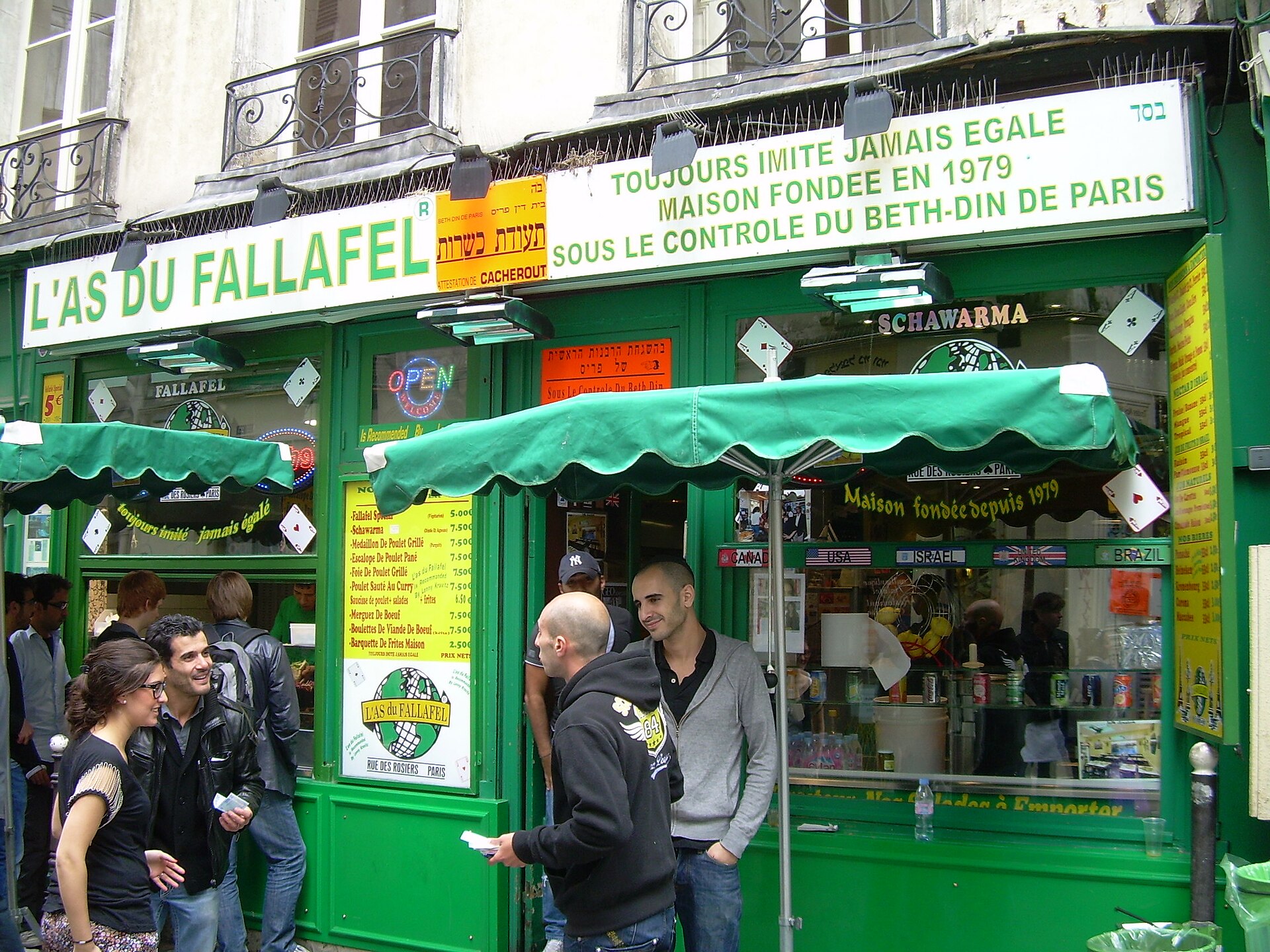
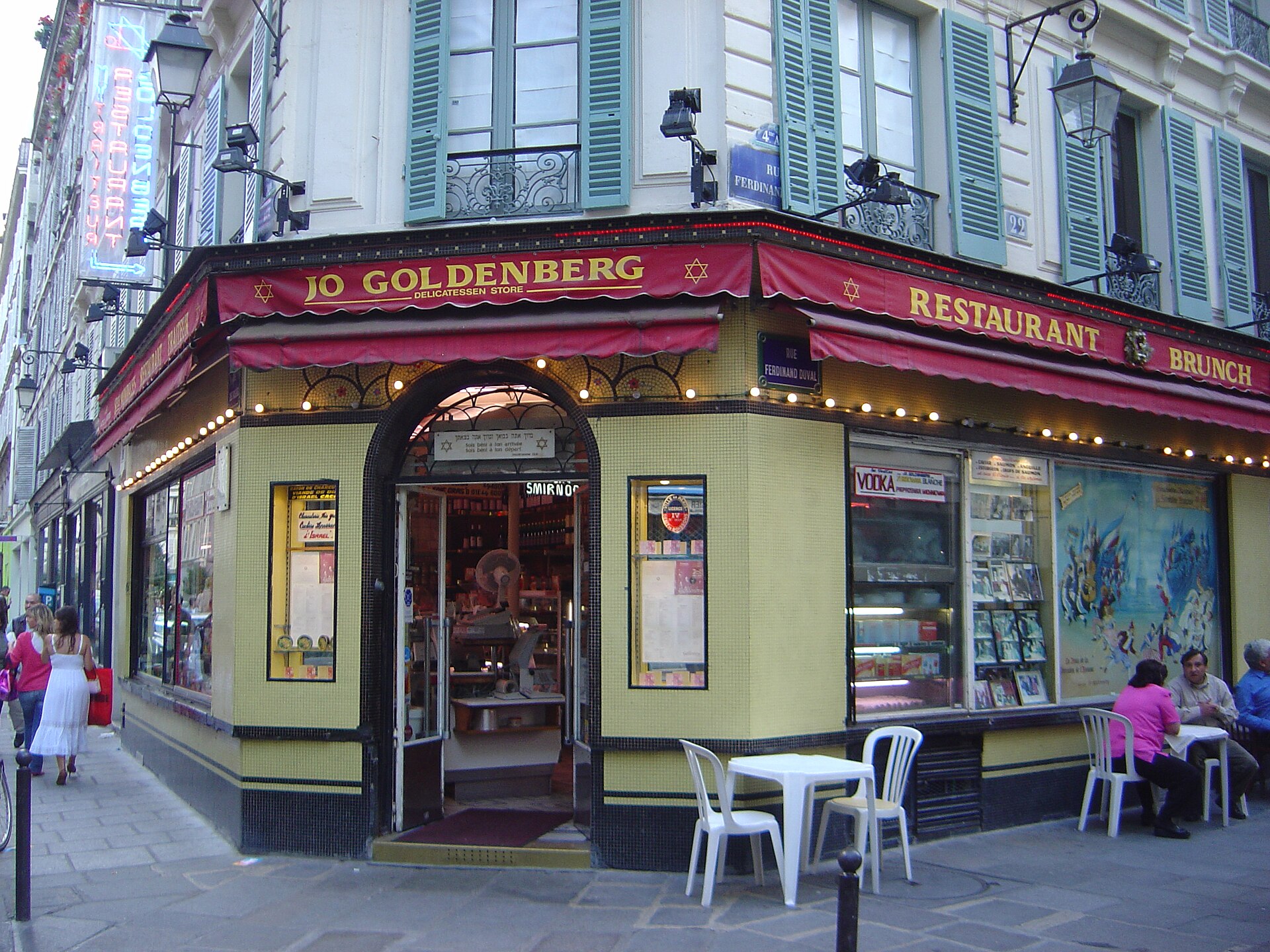
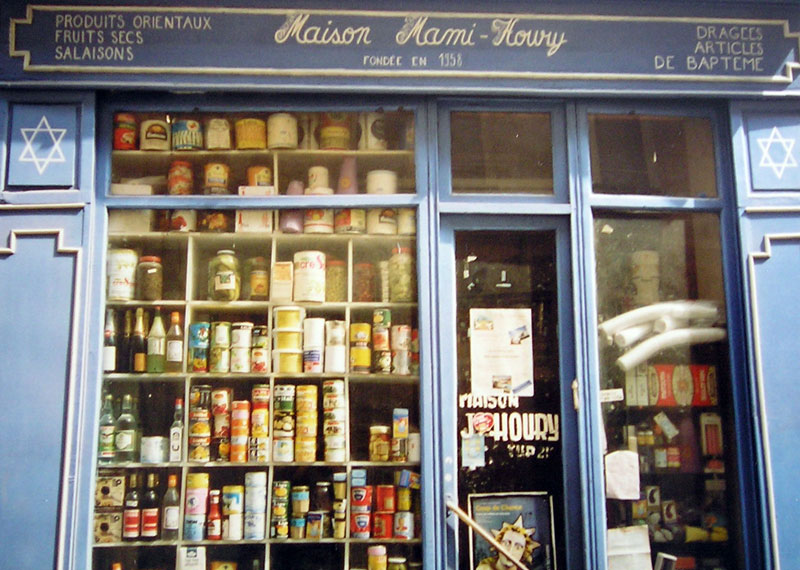
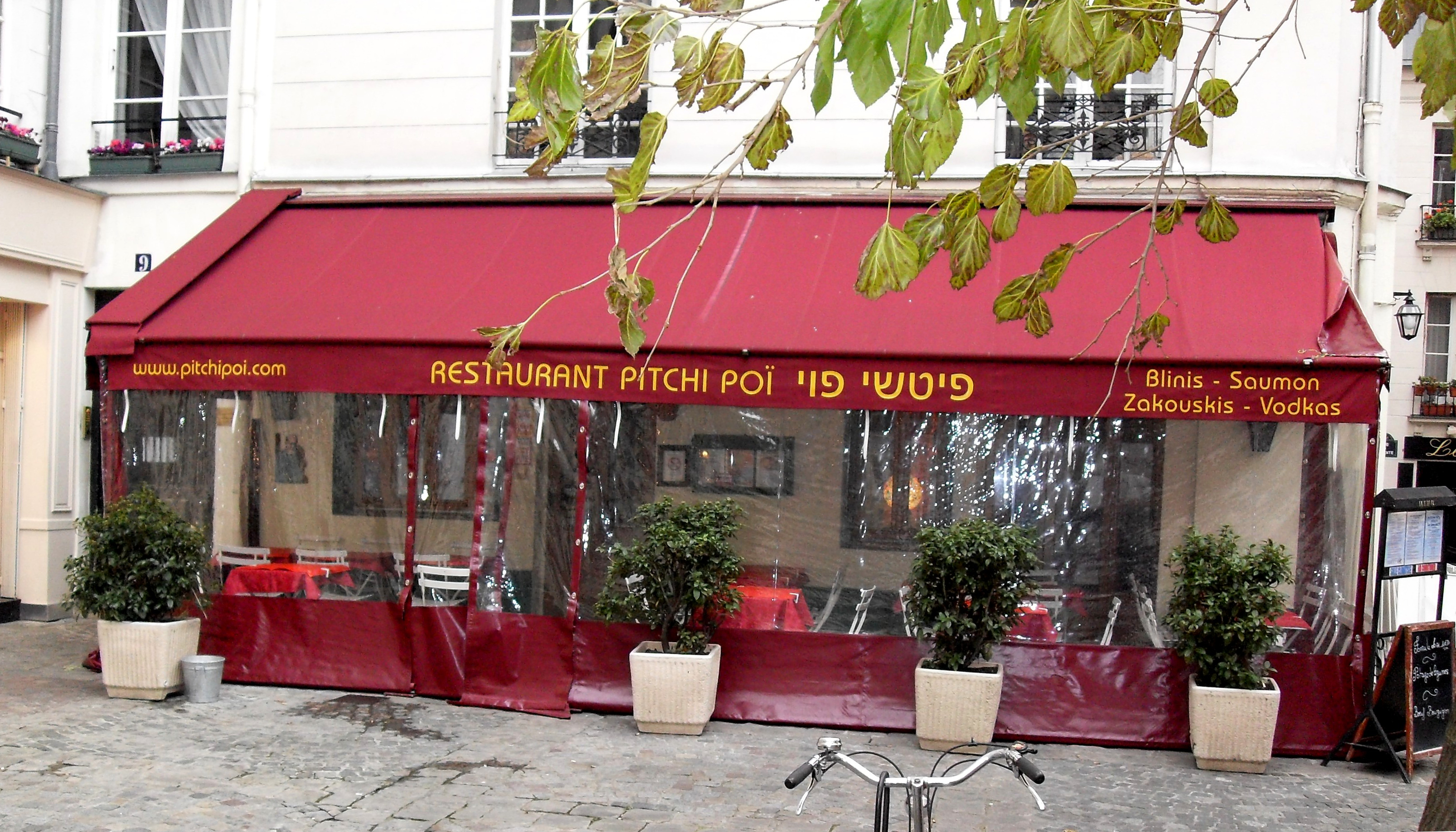
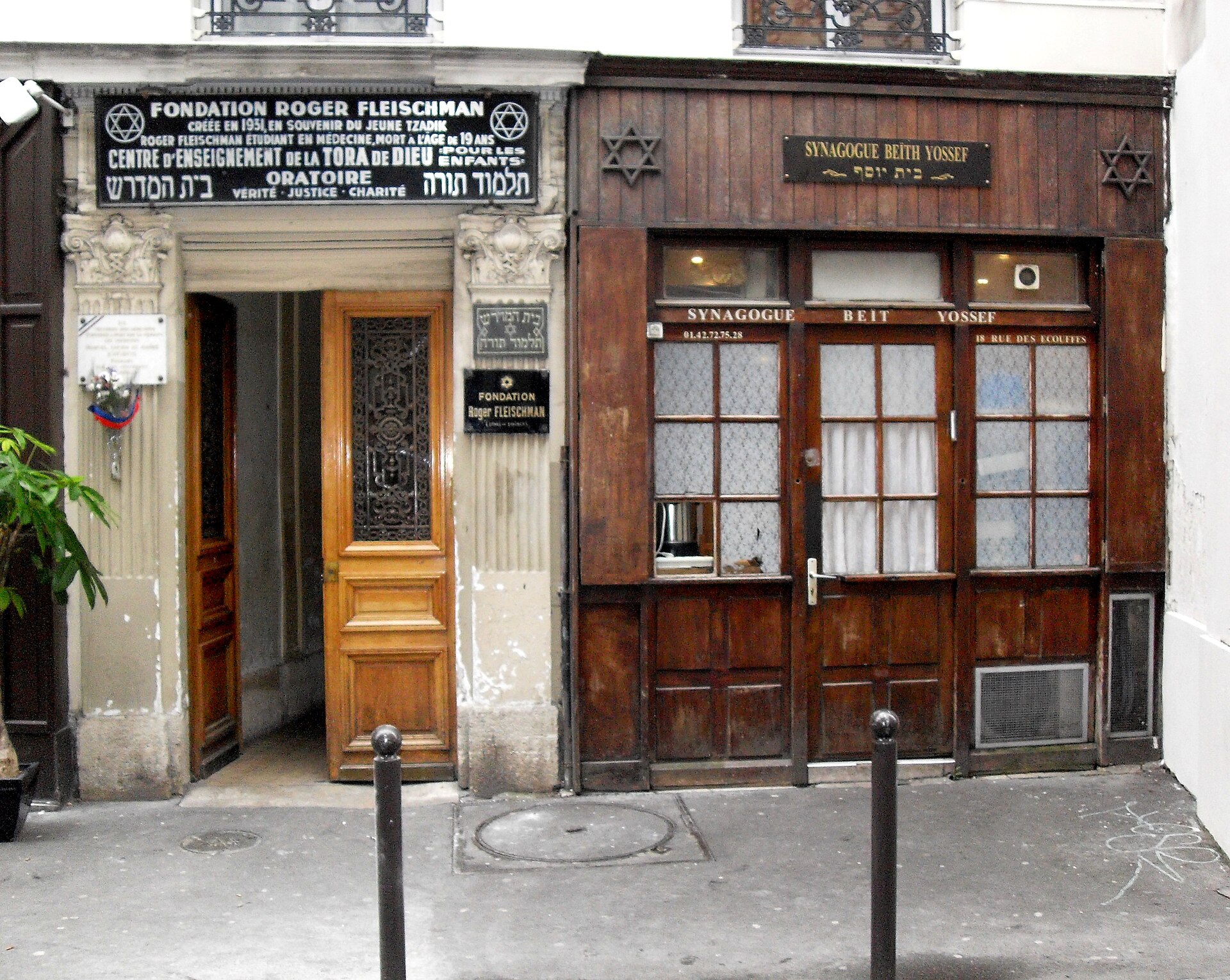
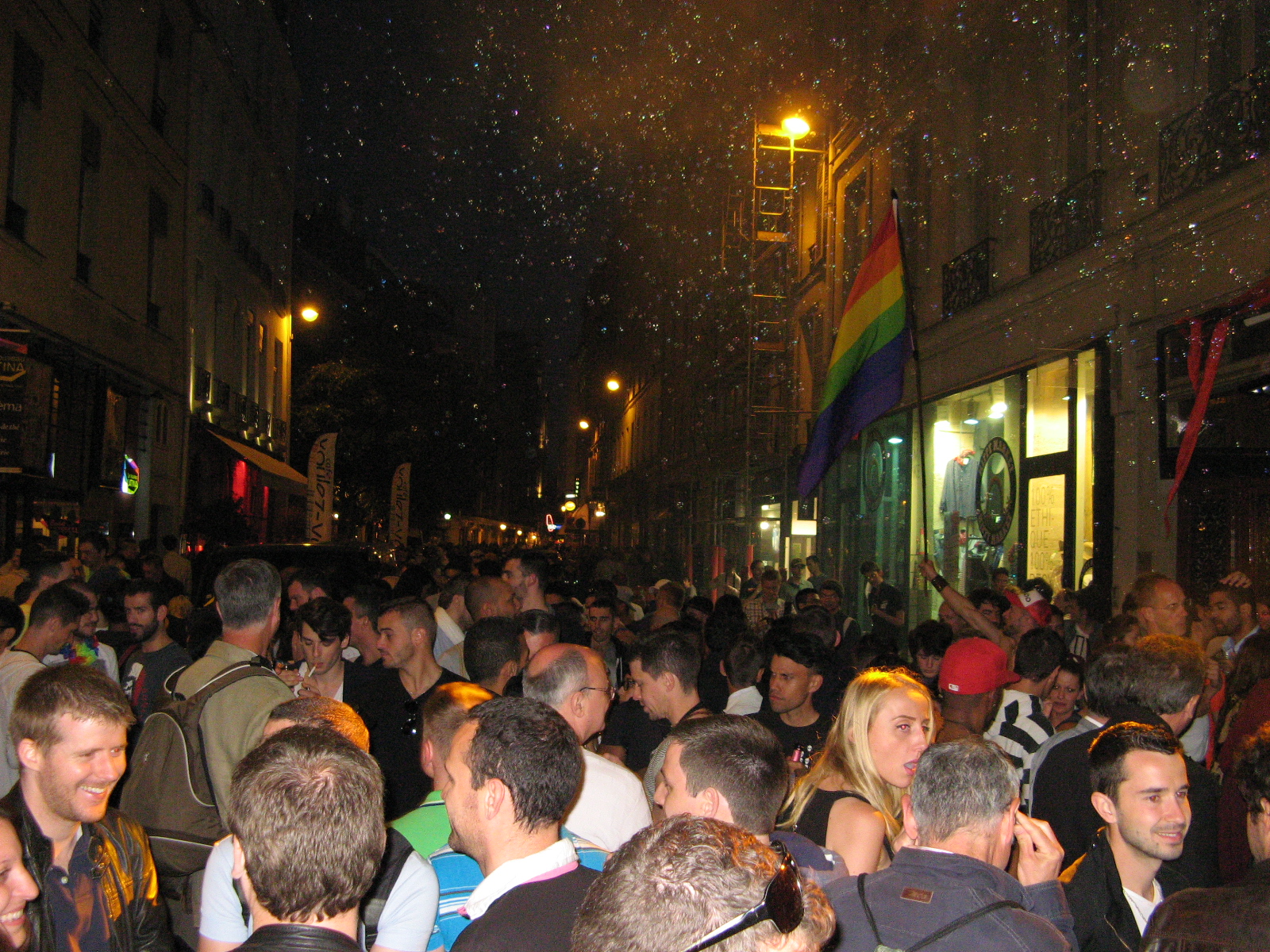
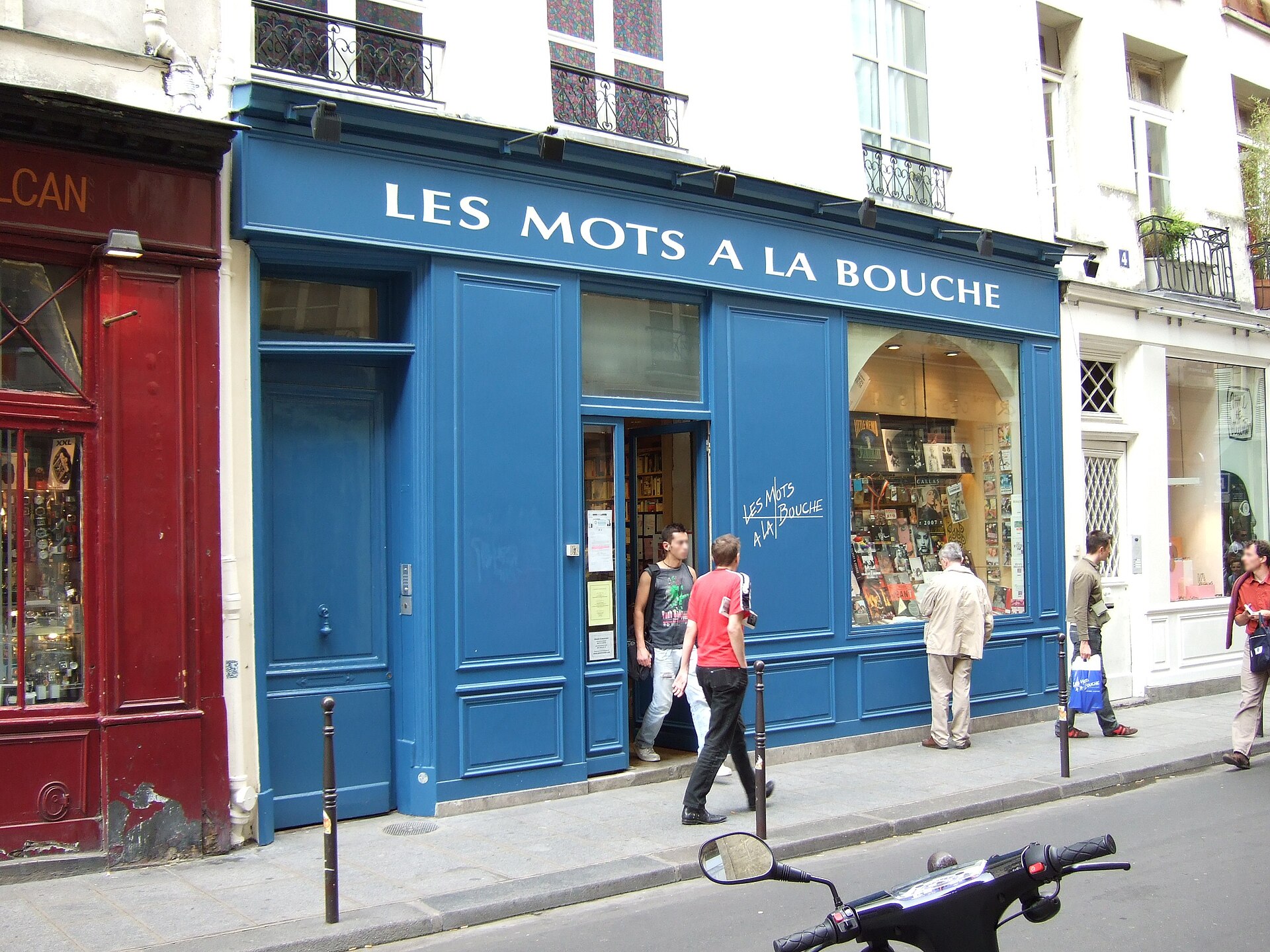
The Marais also has a rich cultural identity beyond its aristocratic past.
For centuries it was the heart of Parisian Jewish life - home to a dense network of synagogues, kosher butchers and Jewish schools, particularly around the Rue des Rosiers.
From the 1980s onwards, the Marais also became Paris's most famous LGBT+ neighbourhood - its concentration of bars, clubs and boutiques around the Rue Sainte-Croix-de-la-Bretonnerie making it a landmark of Parisian gay culture.
Comments
Loading comments...