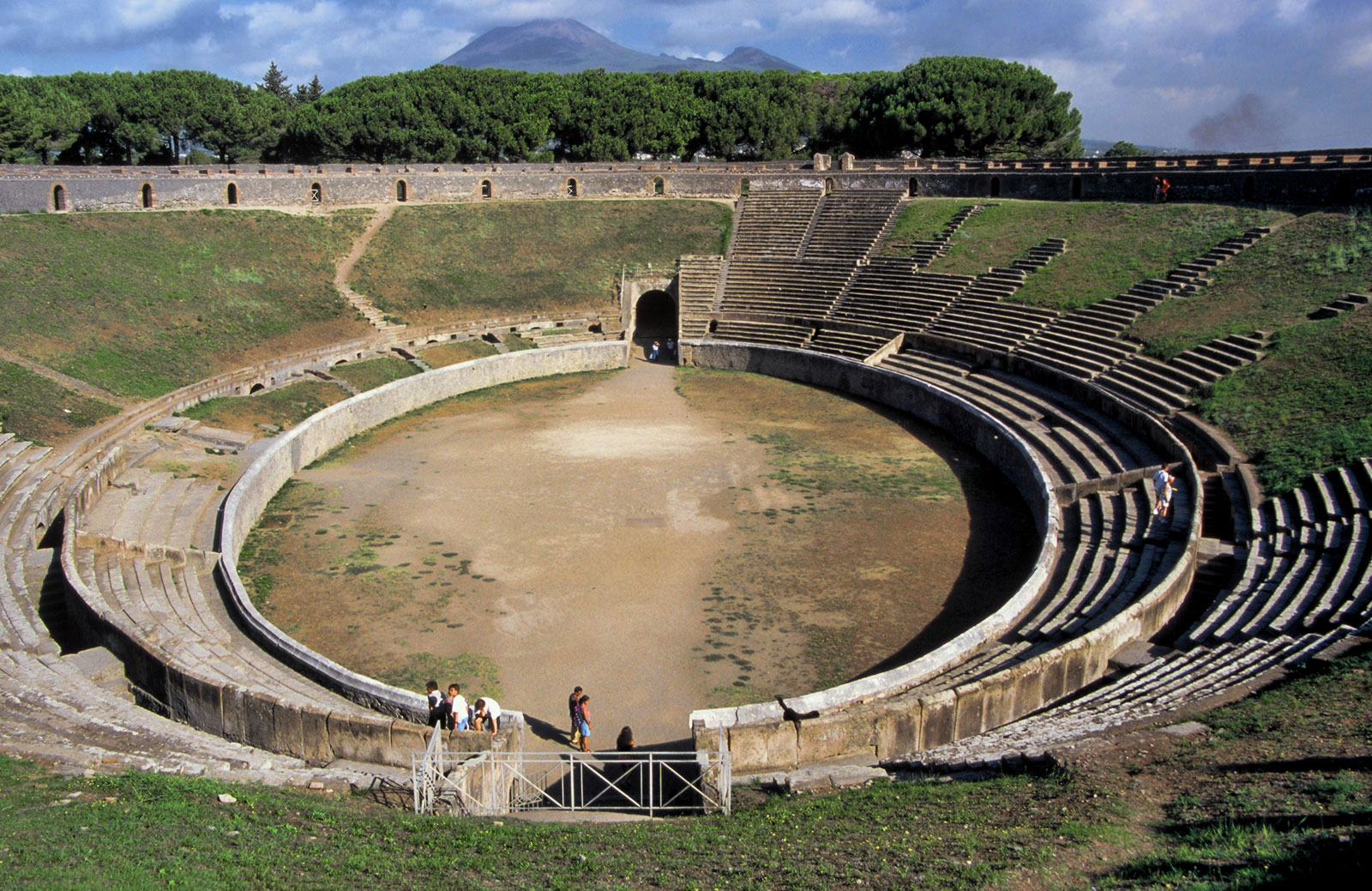


Almost there! One of our final stops is Pompeii's amphitheatre.
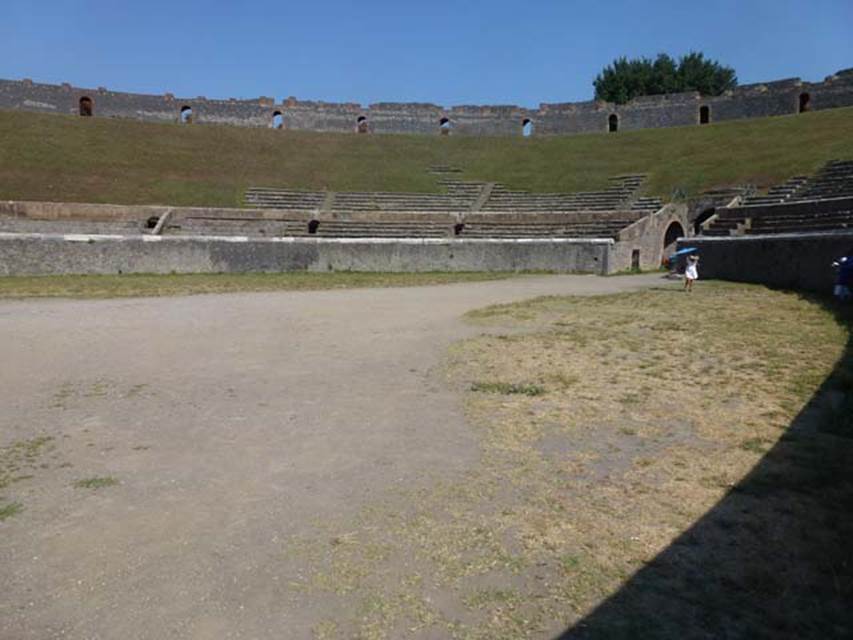
Pompeii's amphitheatre is one of the oldest known in the Roman world.
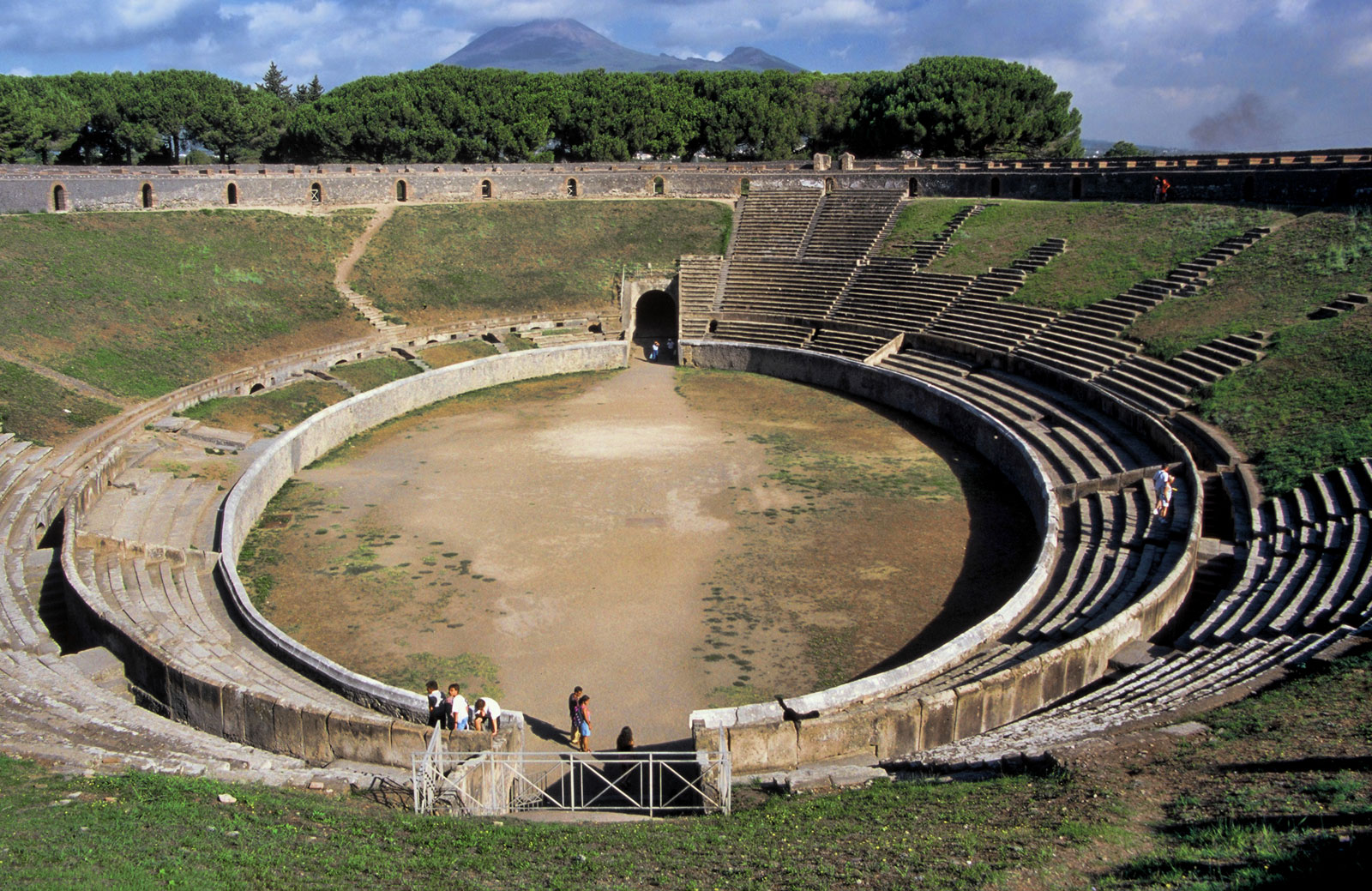
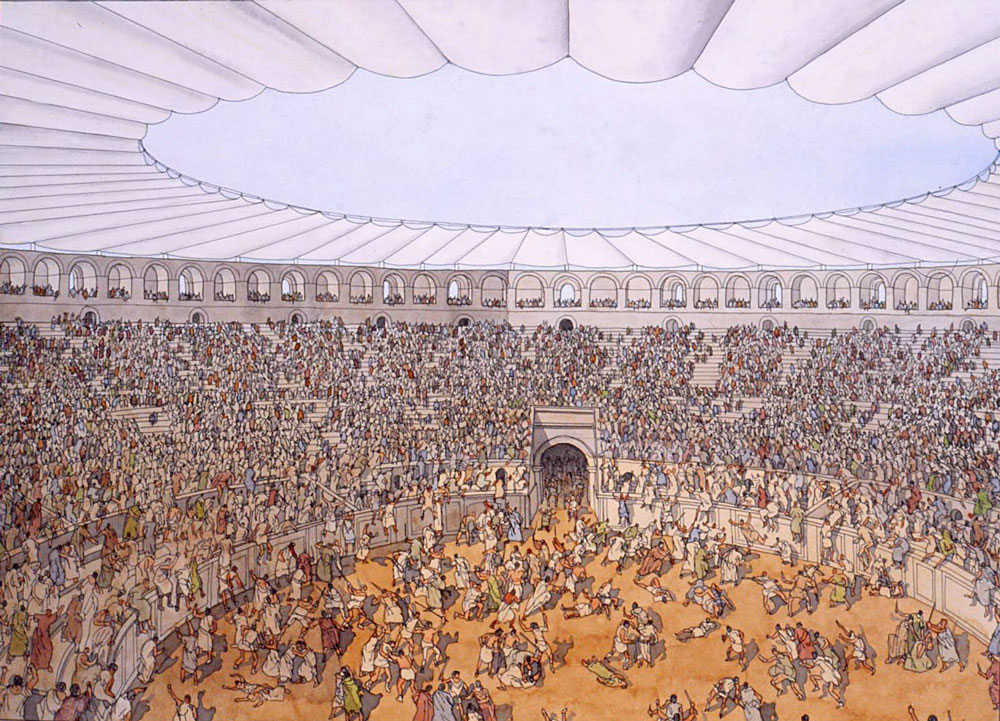
It could seat 20,000 people and would attract crowds from both Pompeii and neighbouring cities.
Its layout is considered "near optimal" by experts today.
It appears to have been a gift to the city from two wealthy Pompeiians.
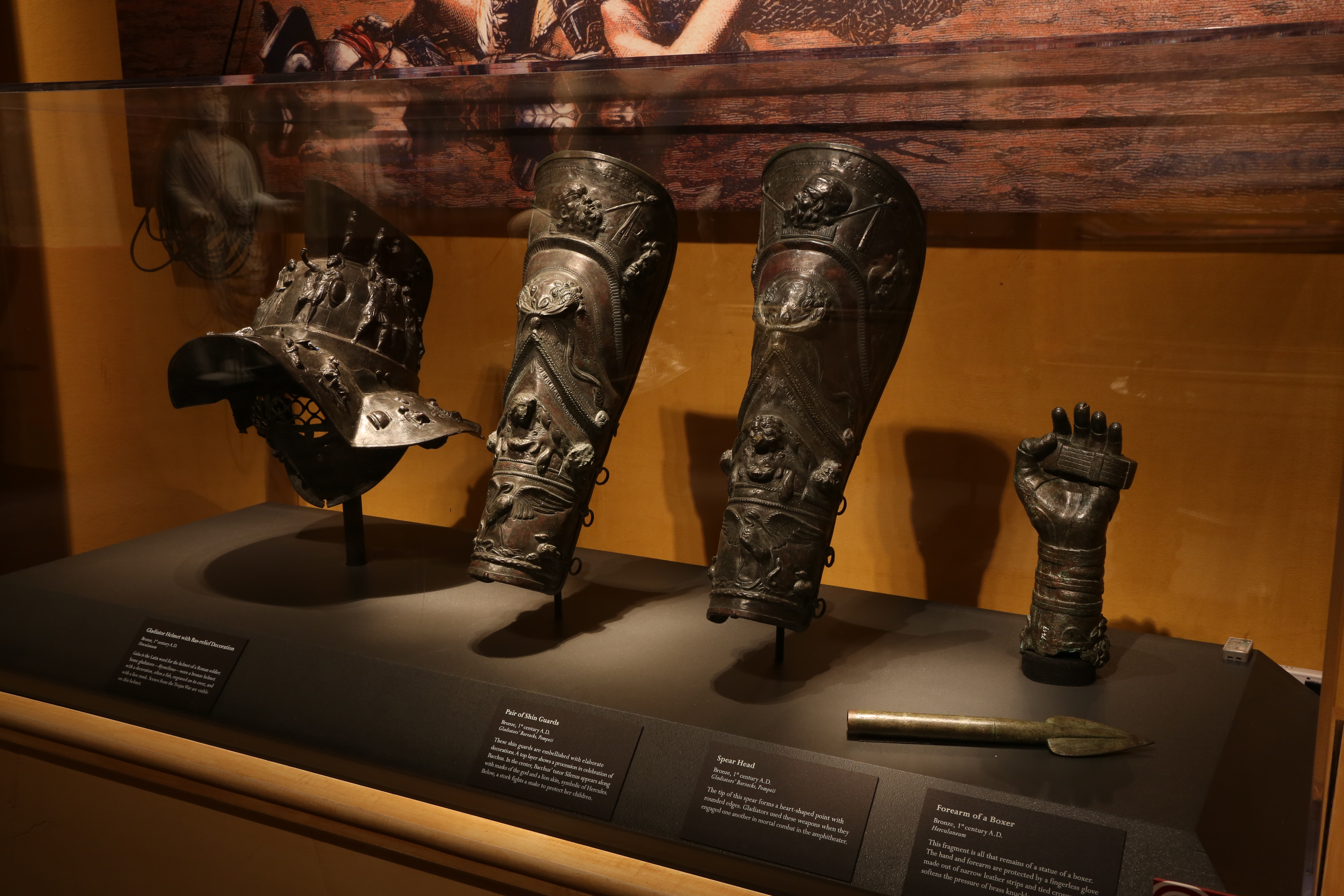
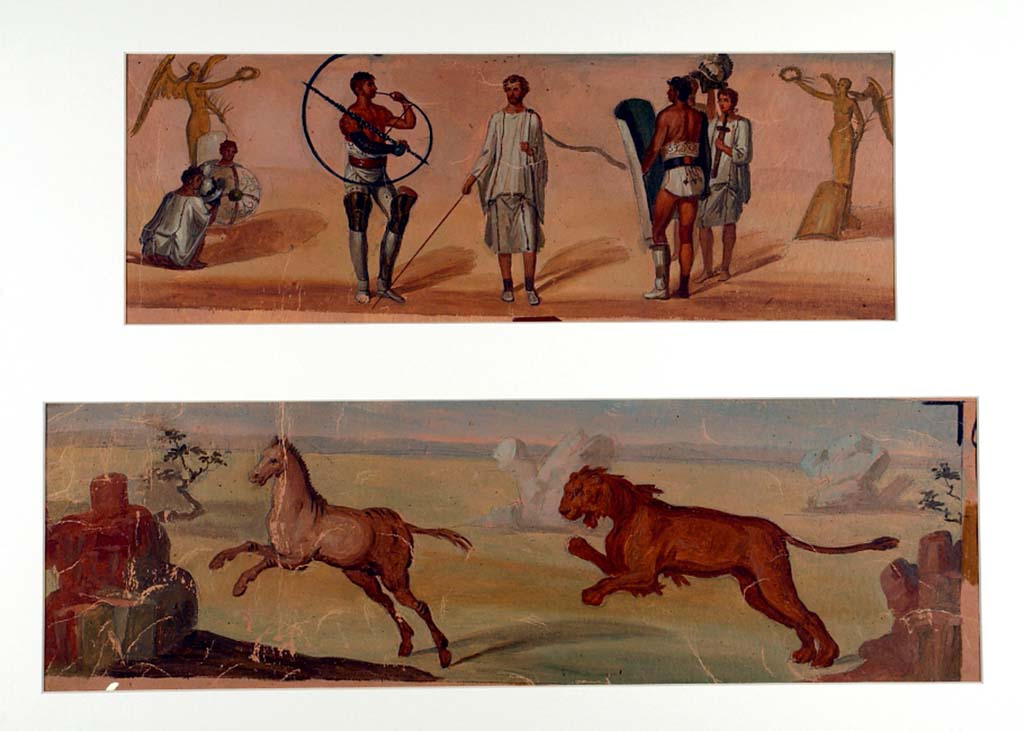
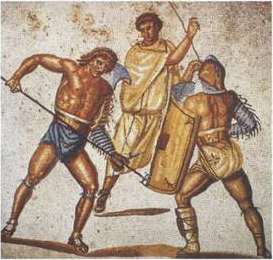
Gladiators were true rockstars in Roman society.
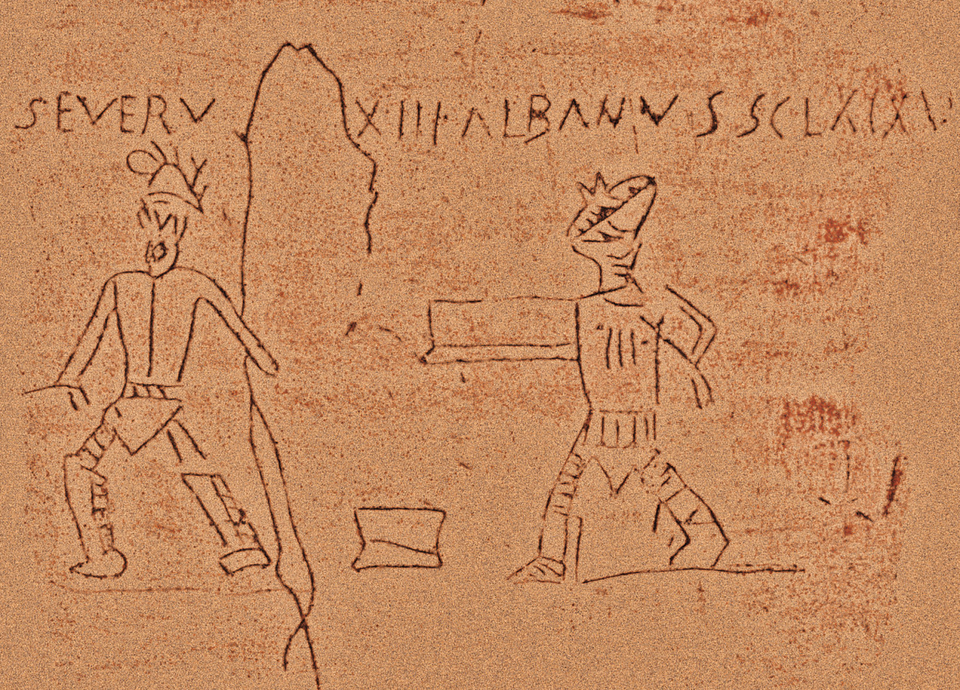
Graffiti across town show their popularity.
One inscription reads : "Celadus the Thracian gladiator is the delight of all the girls."
Another warns, "May he who vandalises this picture (of two gladiators) incur the wrath of Pompeian Venus."
Advertisements for the games were also common around town:
"D.L.S.V, perpetual priest of Nero... offers 20 pairs of gladiators and... his son offers 10 pairs of gladiators, on 28 March. There will be a hunt and awnings."
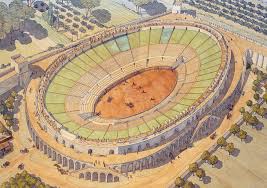
Gigantic awnings would be drawn to protect the audience from the sun.
You can still see the large rings that secured the masts today.
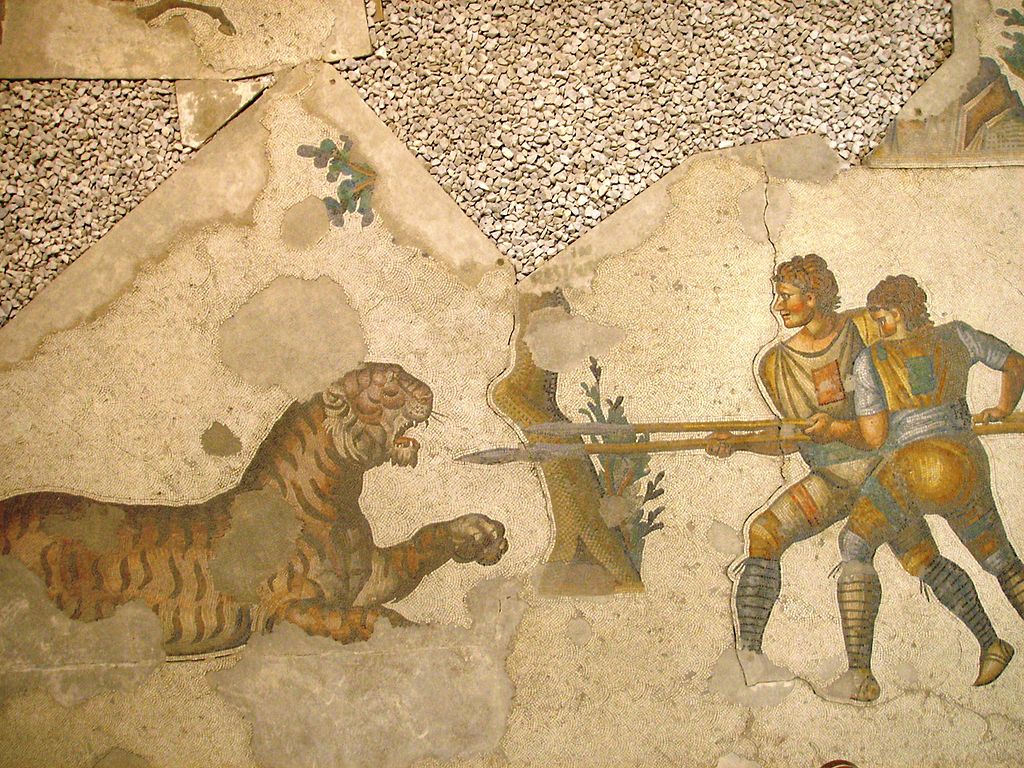
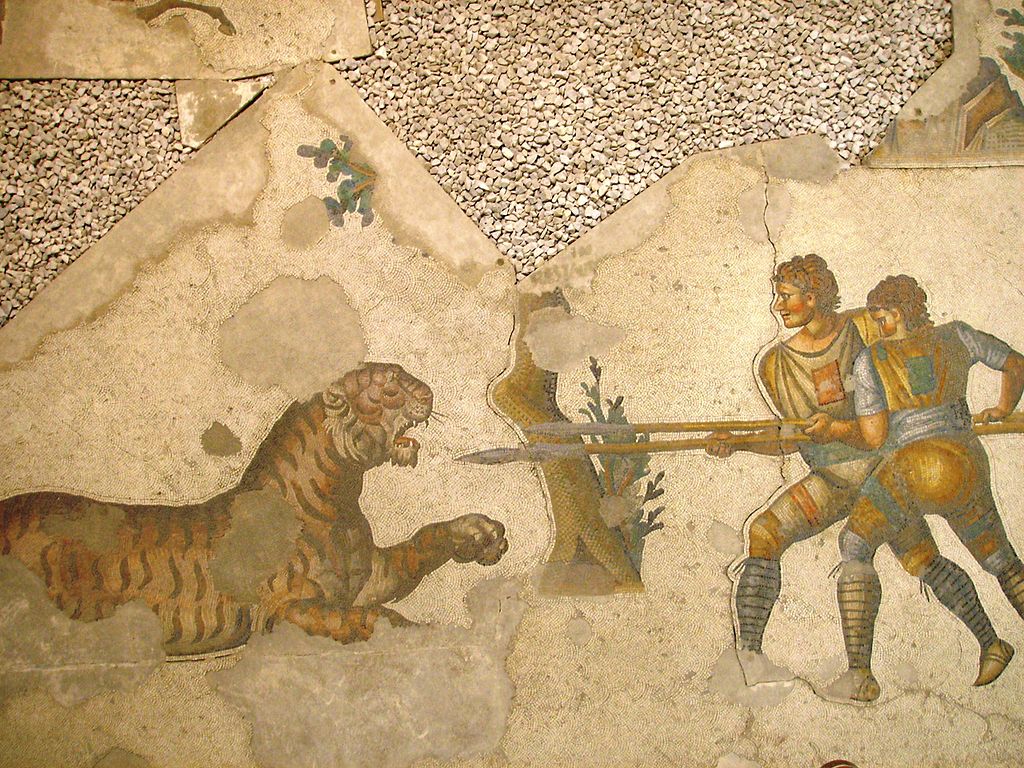
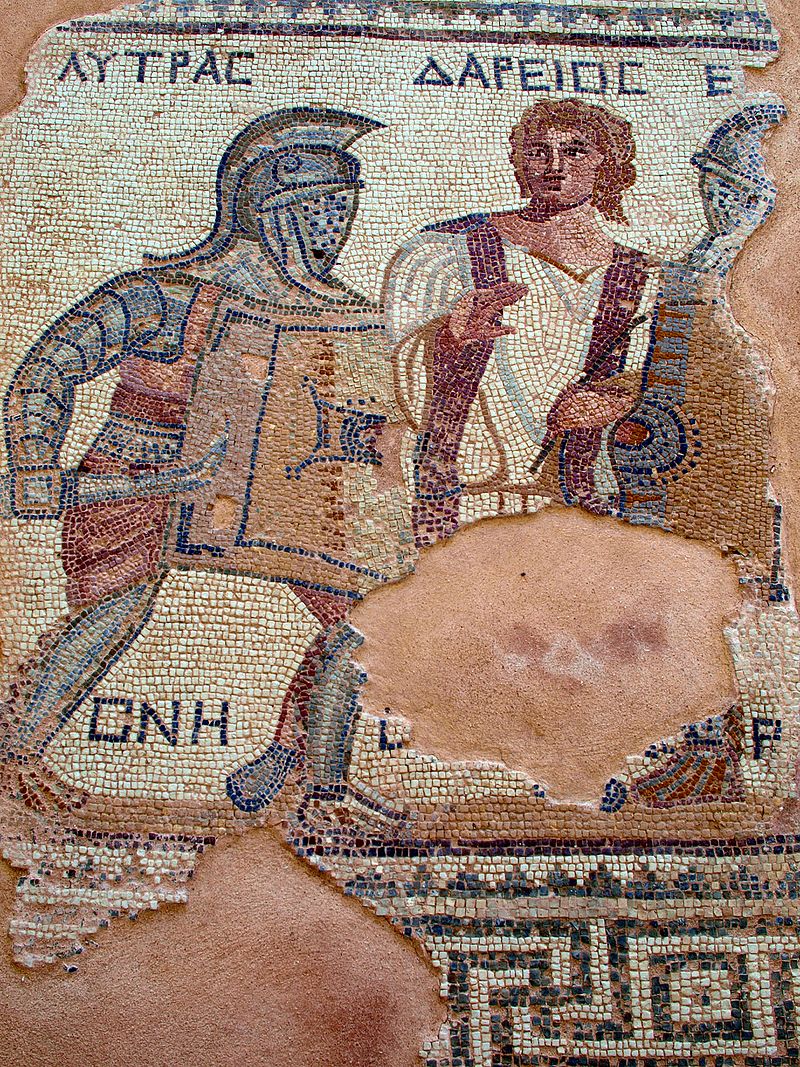
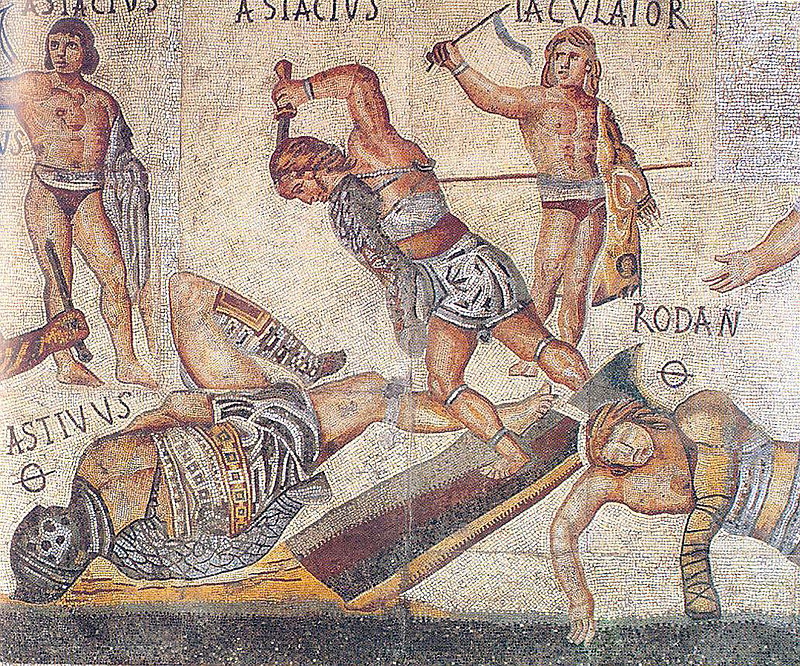
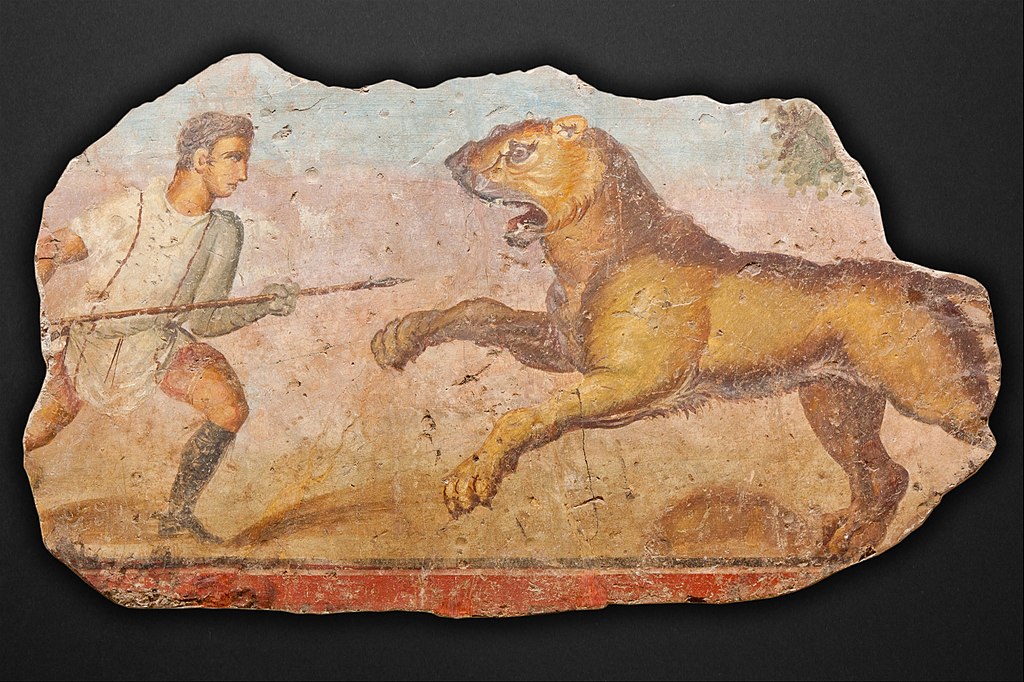
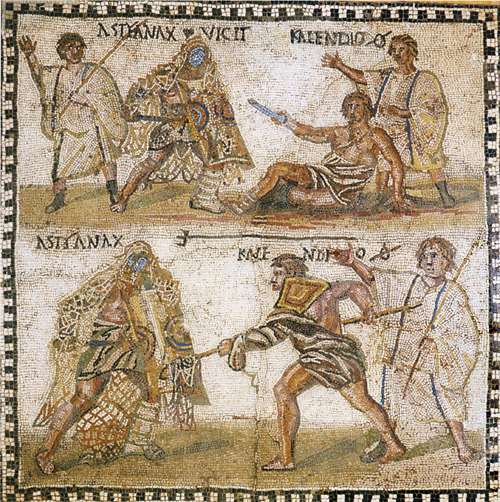
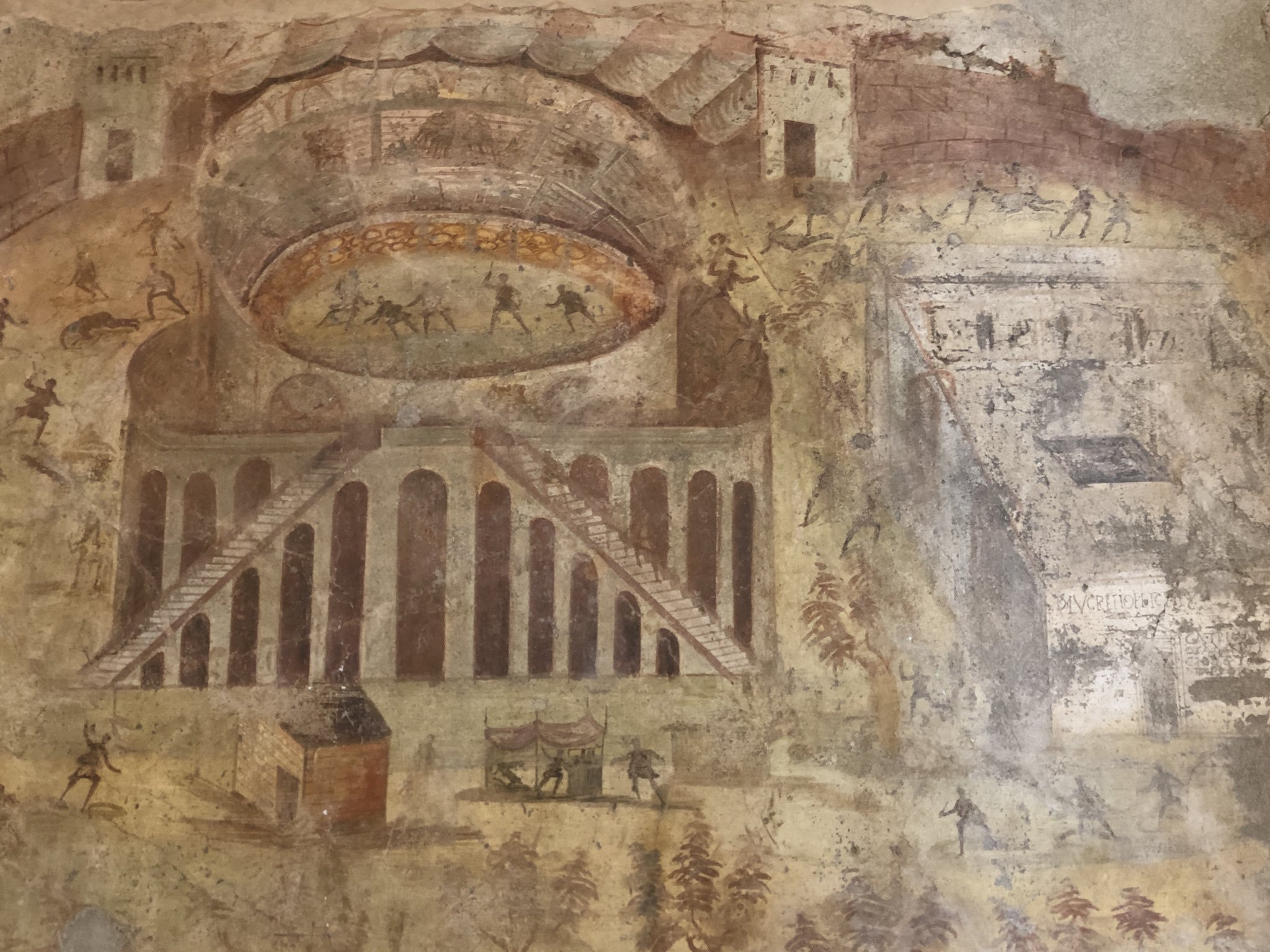
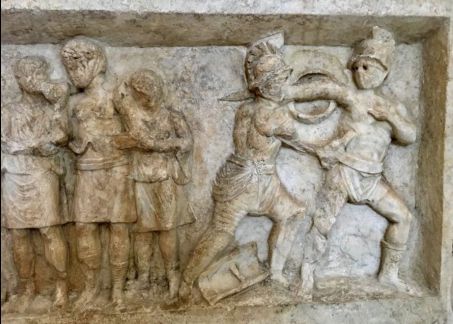
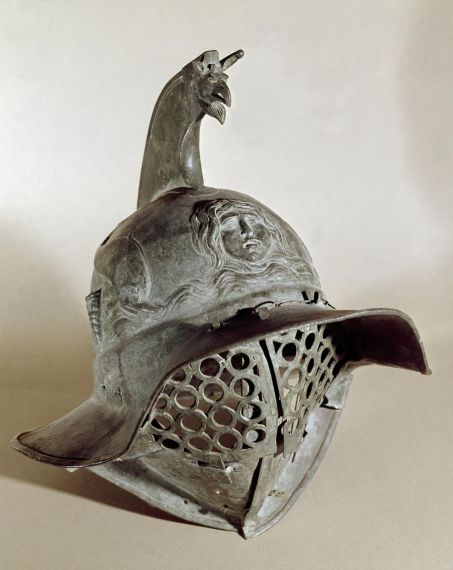
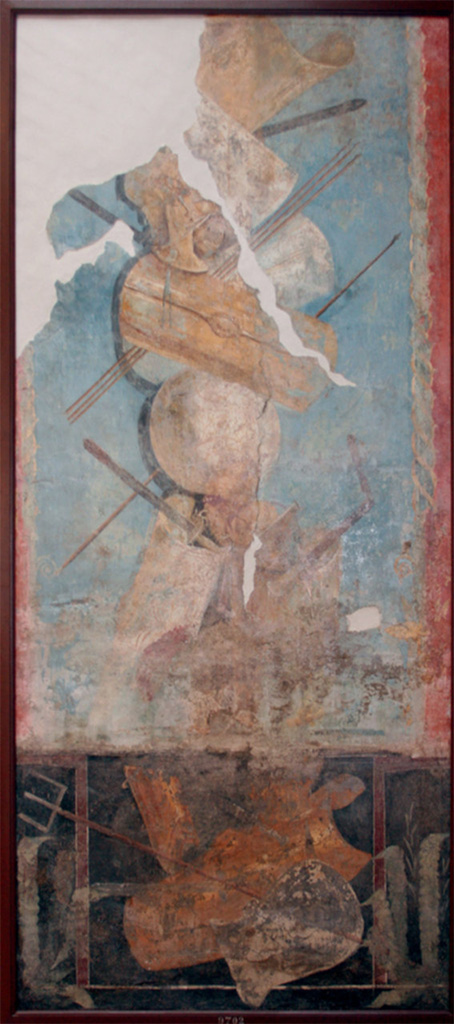
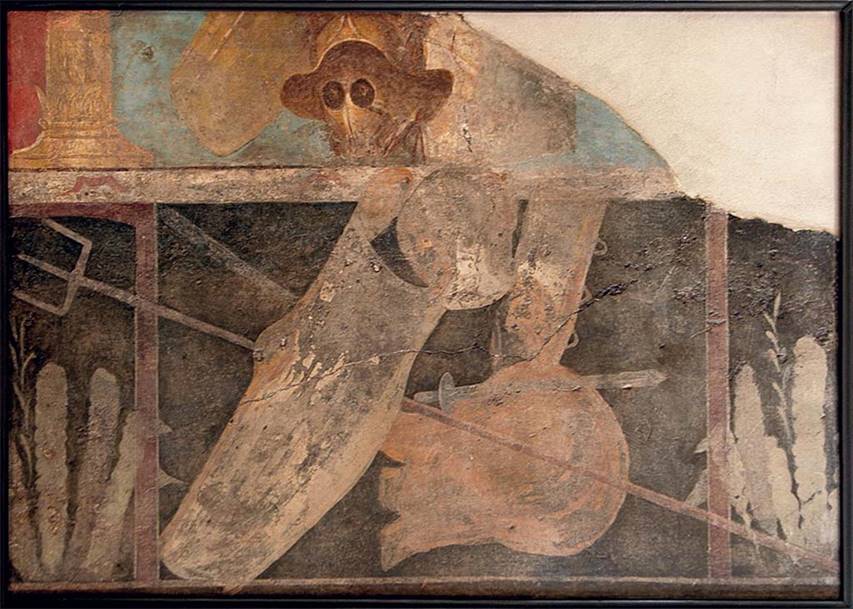
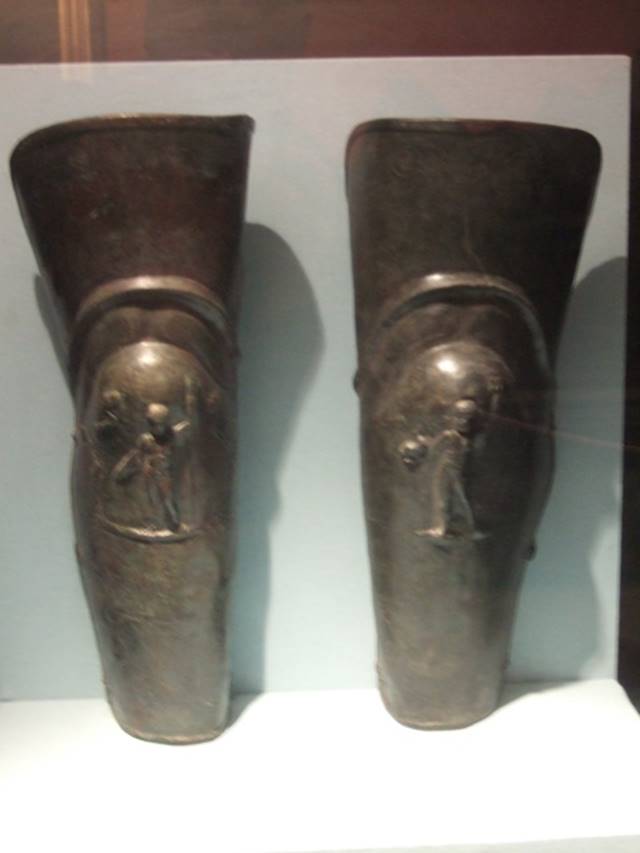
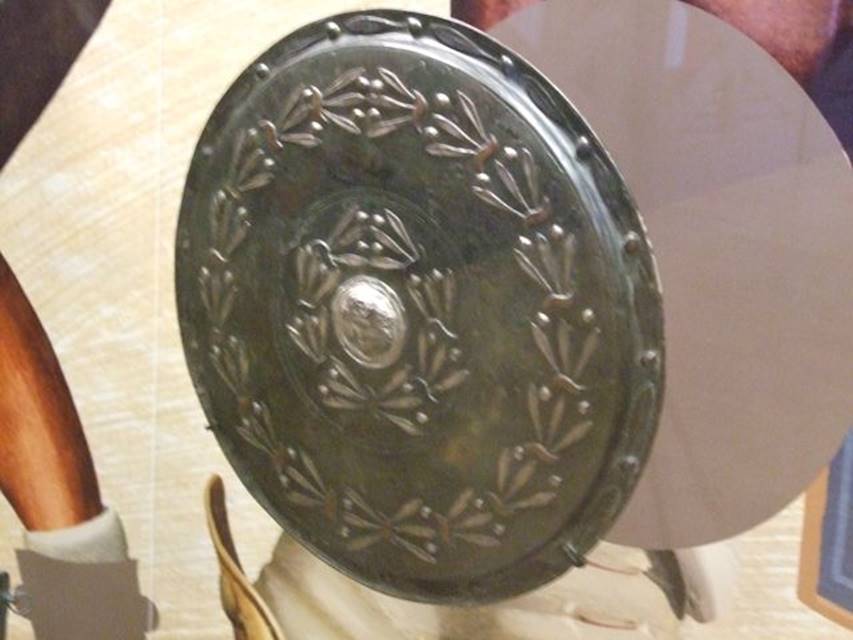
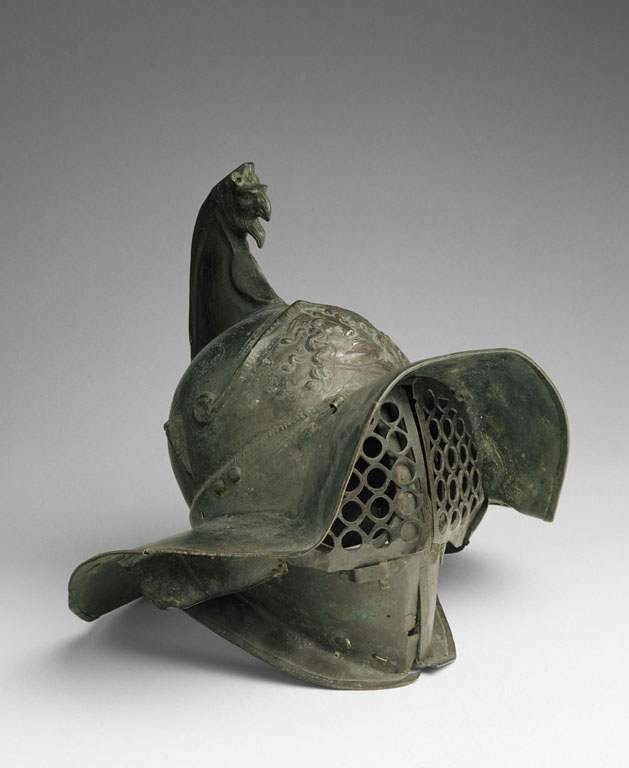
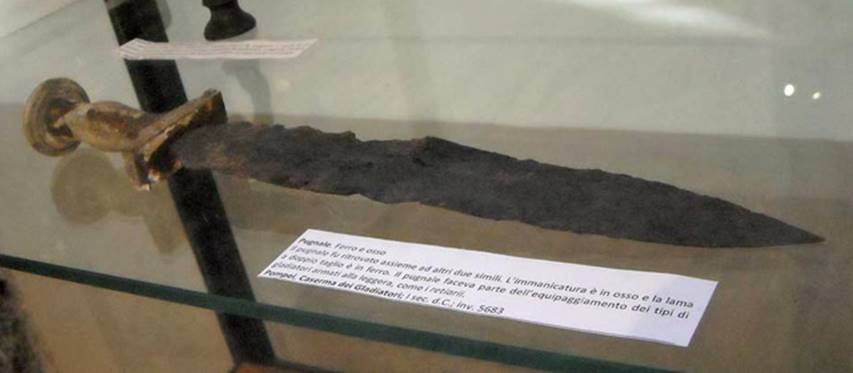
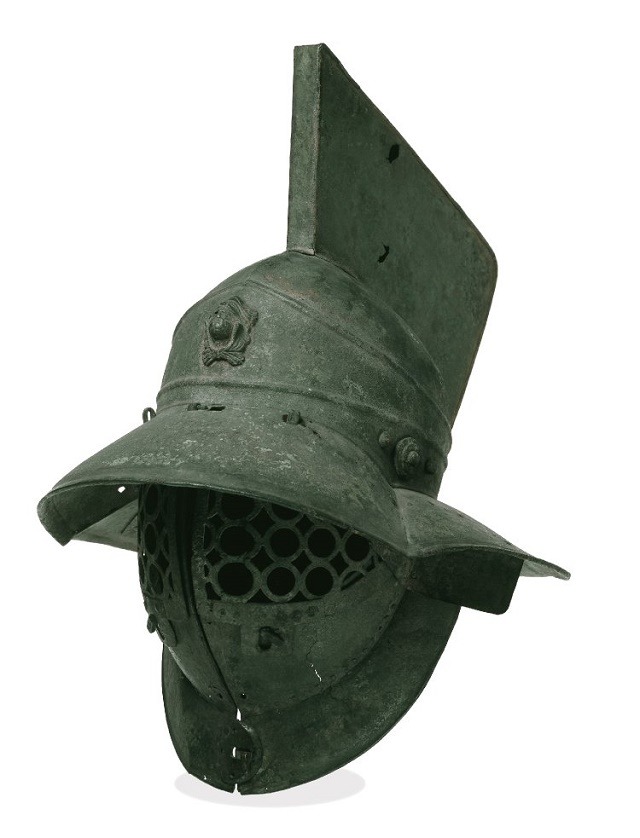
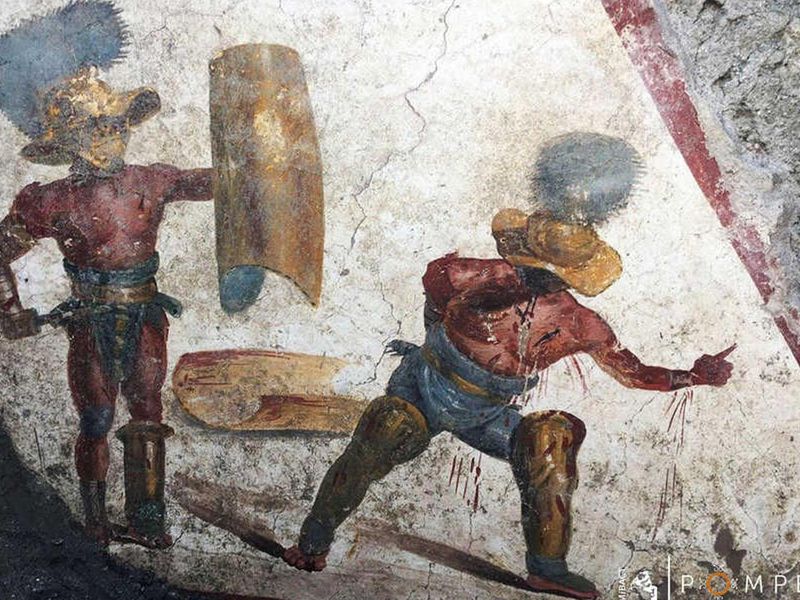
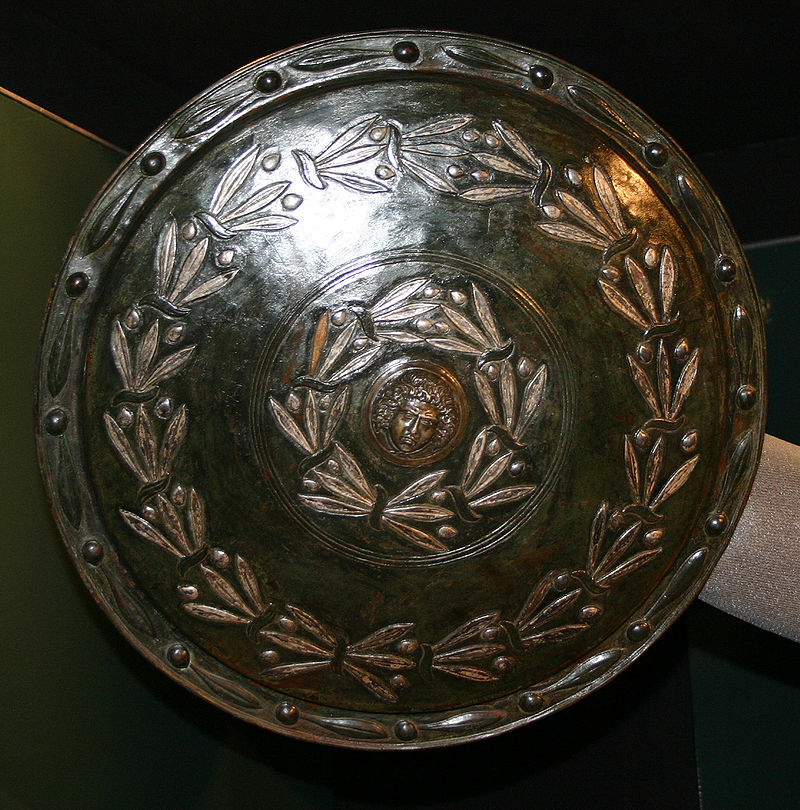
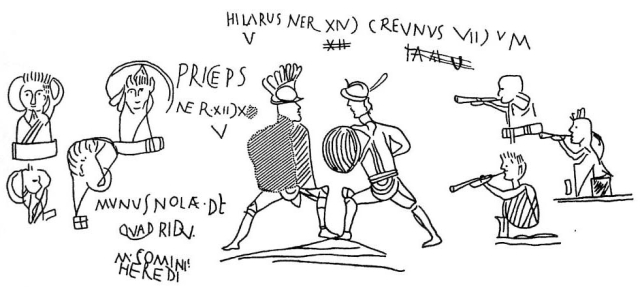
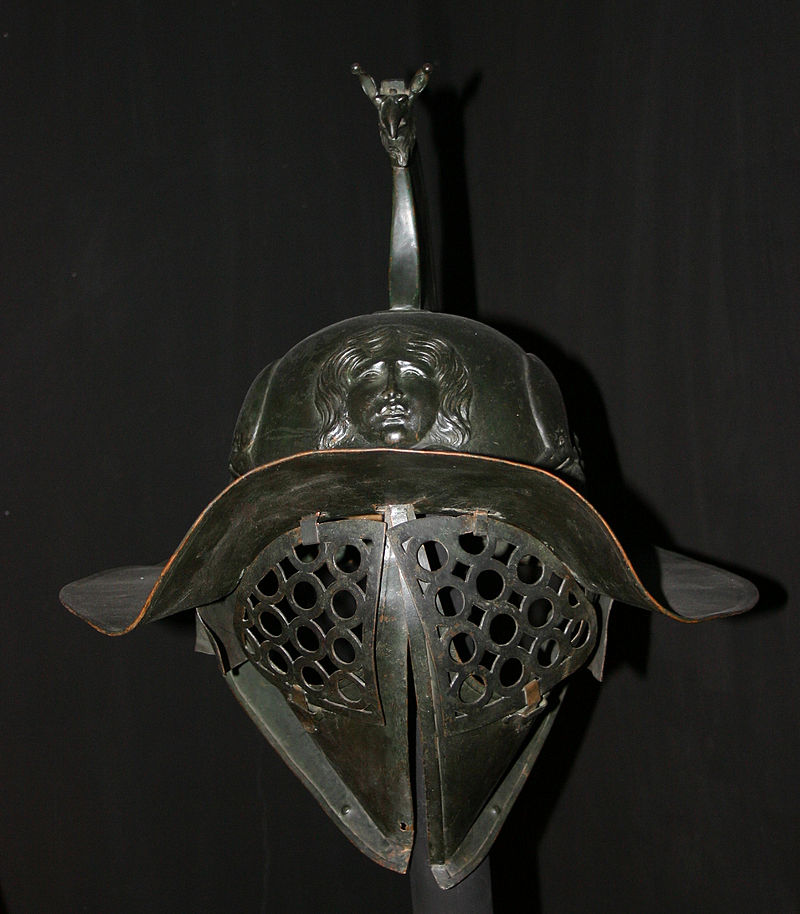
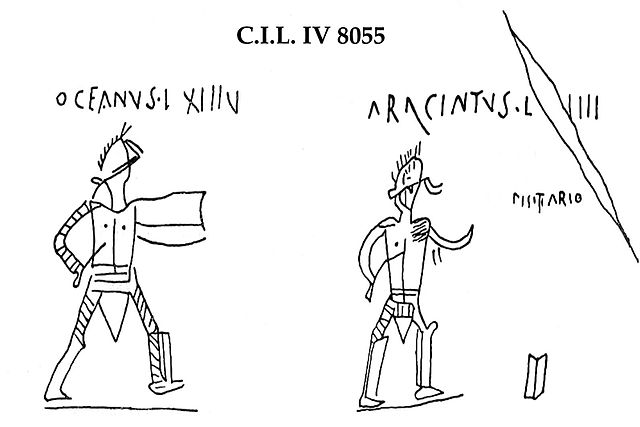
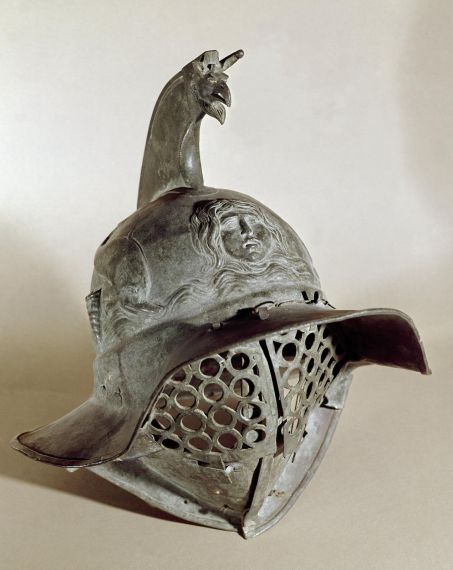
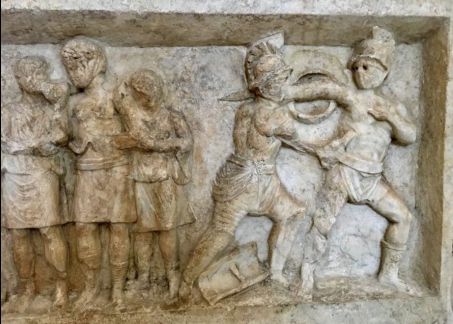
Roman games are a striking example of how Roman culture was both so similar and so different from our own.
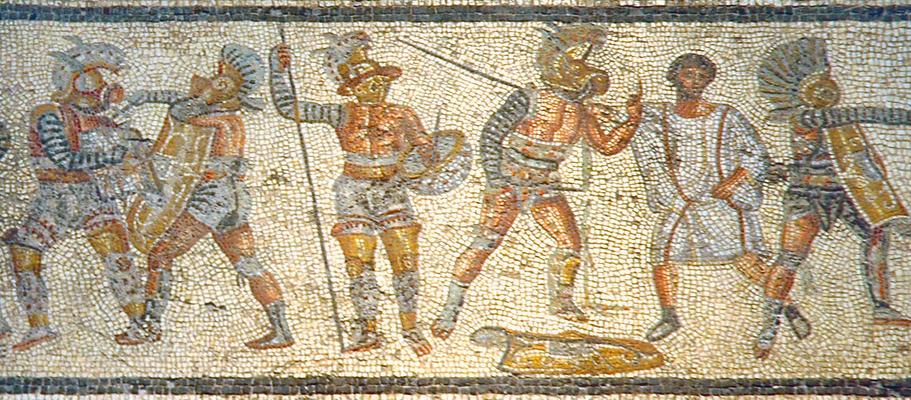
The games were intensely violent.
They often featured up to 40 gladiators fighting at once over several days.
It was extremely rare for a gladiator to survive more than 10 combats.
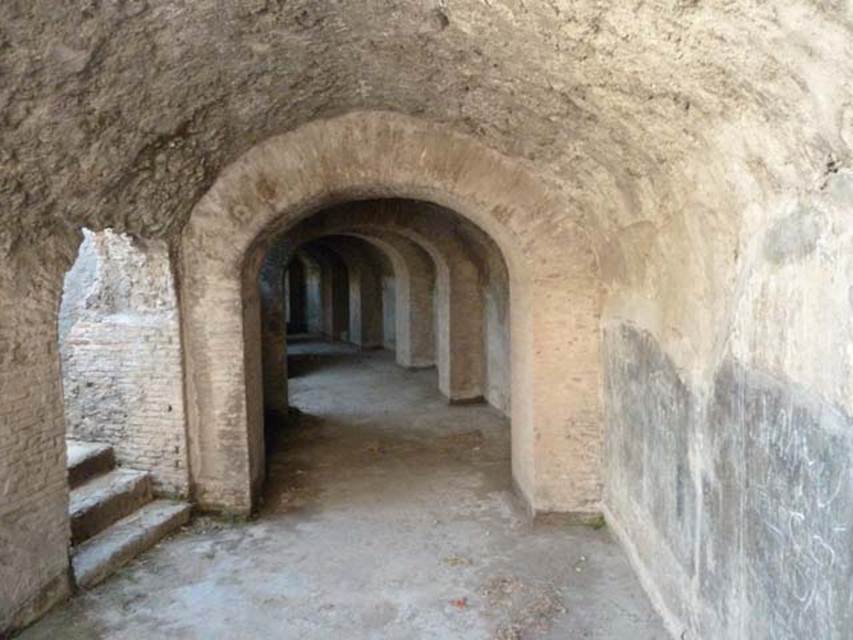
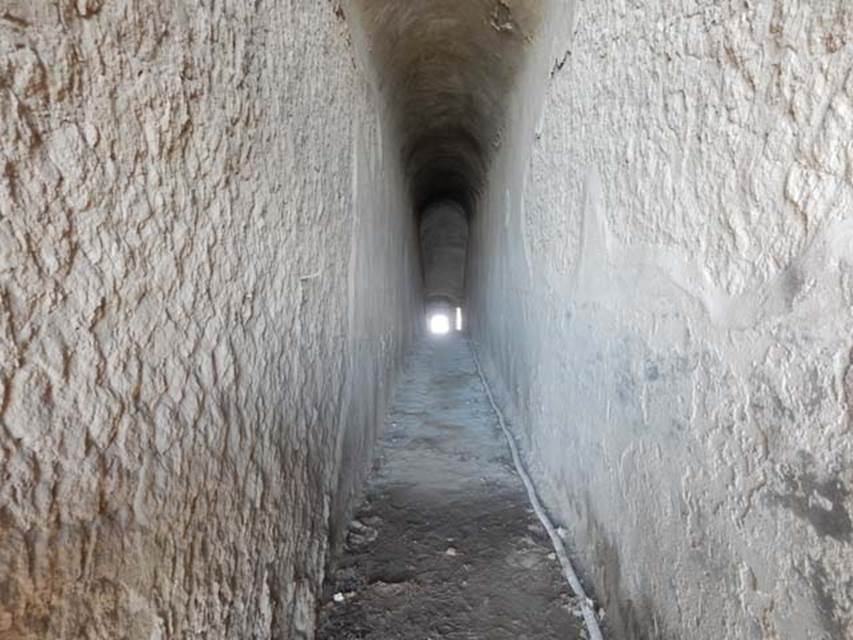
The two corridors leading out from the arena had distinct purposes - one for the fighters to enter, and the other for the dead to be dragged out by hooks.
At the height of the Roman empire, there were 400 amphitheatres, contributing to approximately 8,000 gladiator deaths each year - including slaves, captured soldiers and paid volunteers.
For the inauguration of the Colosseum alone, 9,000 animals were killed.
The audience could be rowdy as well.
In 59 BC, a massive brawl broke out between Pompeiian and Nucerian supporters, resulting in many casualties.
This led the Roman Senate to impose a 10-year ban on gladiator combats in Pompeii.
Graffiti around Pompeii commemorate this event - proudly boasting of Pompeii's victory!
Comments
Loading comments...