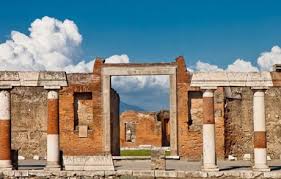


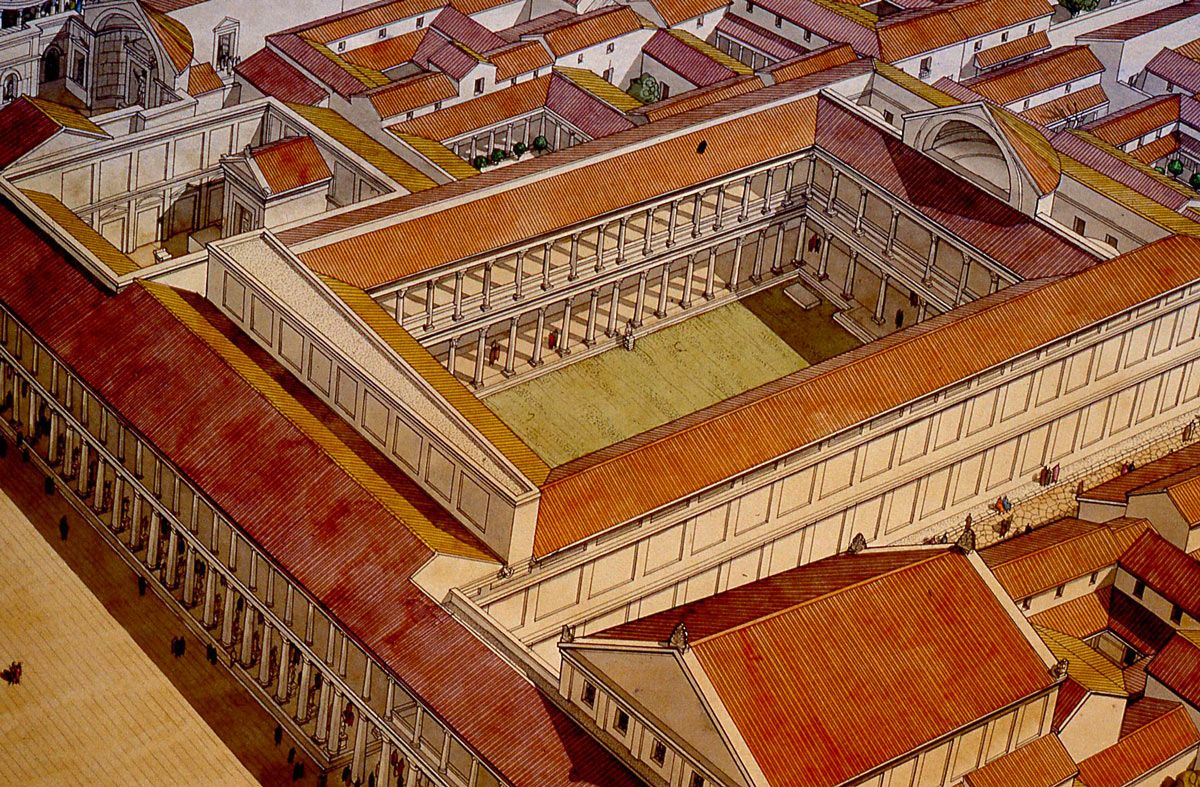
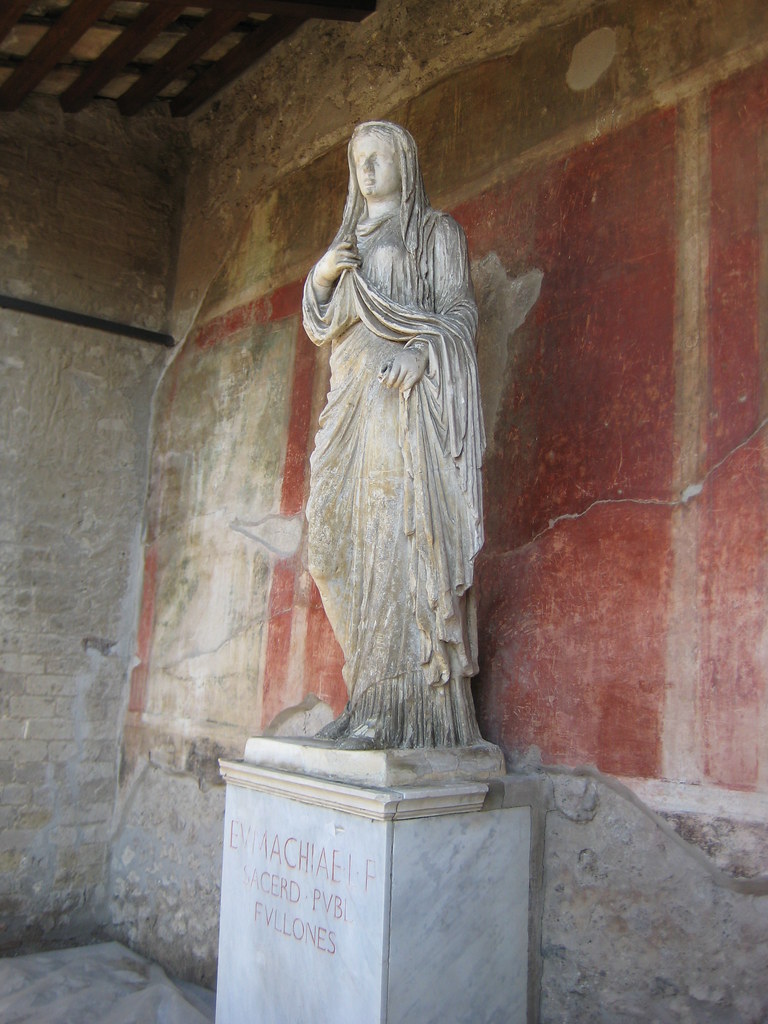
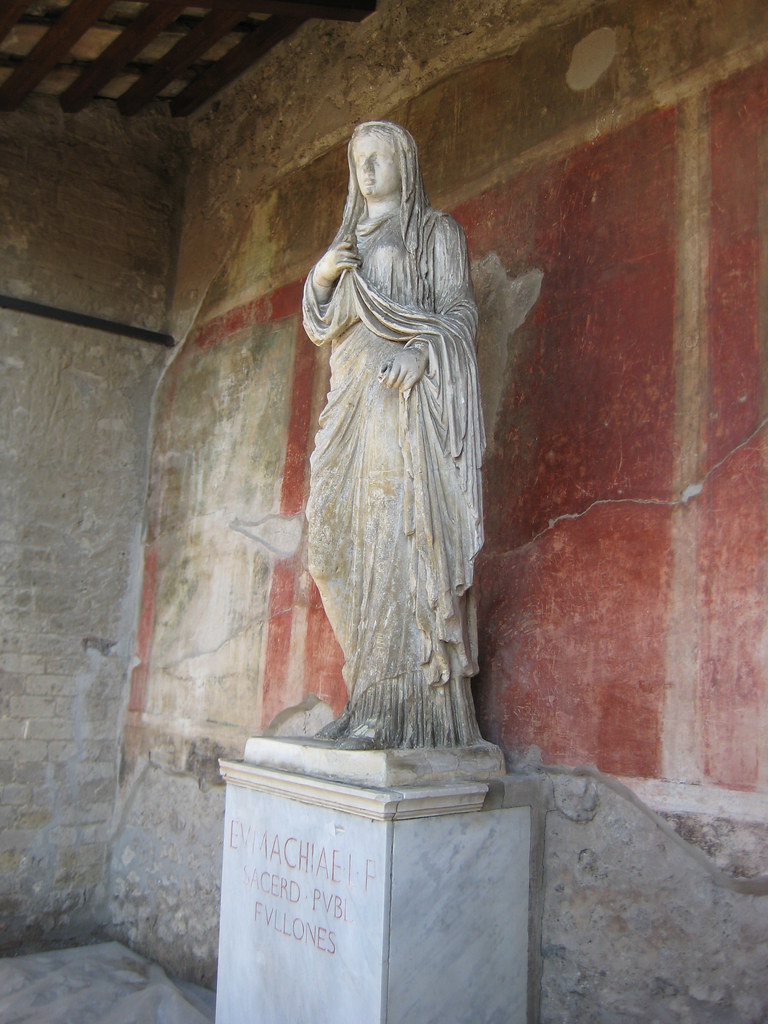
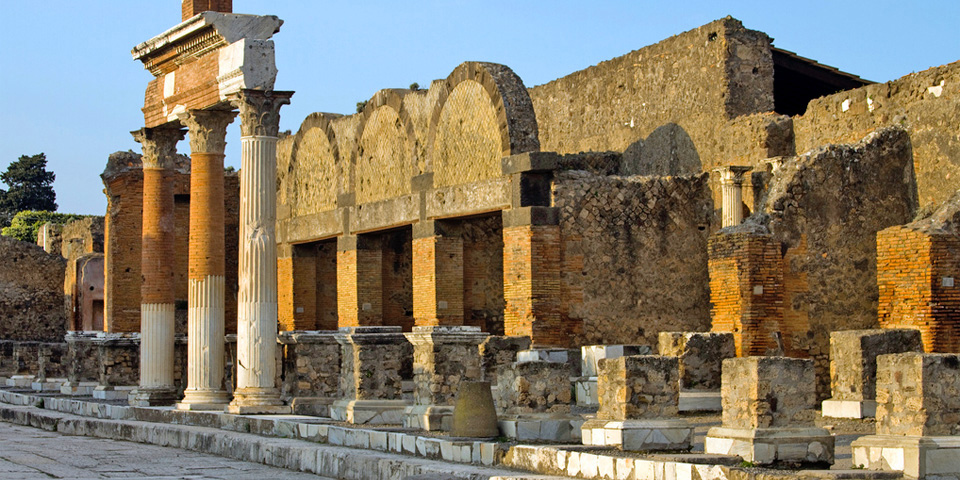
The largest building on the Forum was funded by a woman!
Indeed, a stone inscription reveals : "Eumachia, daughter of Lucius, a public priestess, in her own name...made this building with her own money and dedicated it to Duty and Harmony."
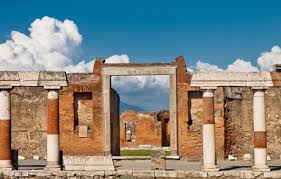
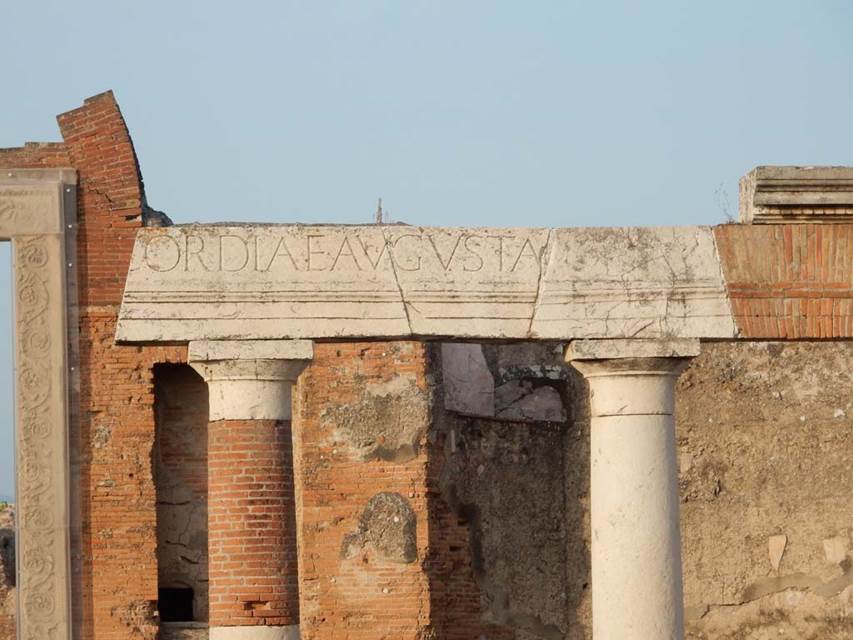
Eumachia was born into one of Pompeii's wealthiest families.
Her father amassed a fortune in bricks, tiles and amphorae, and she married into one of the city's oldest families.
Her wealth and influence enabled her to become a priestess - and the patron of tanners, dyers and cloth-makers.
It's thought that the building she funded served as a cloth and dye market, as well as the headquarters for the guild of cloth merchants.
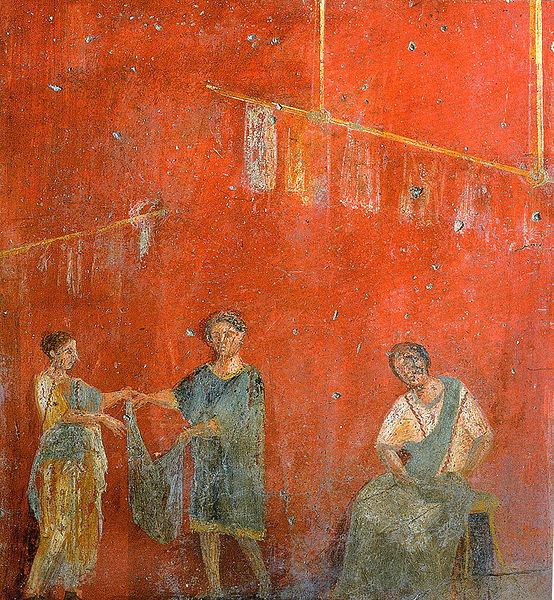
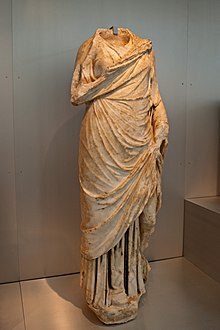
So, what did the Romans wear?
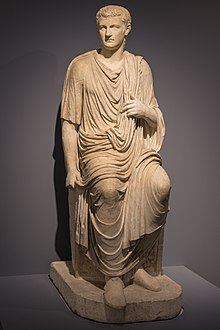
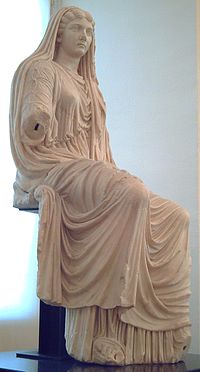
Everyone typically wore light linen tunics.
Men's tunics were knee-length with short sleeves, while women's tunics reached their ankles and had long sleeves.
Wealthy Romans often customizde their tunics with silk and intricate embroideries.
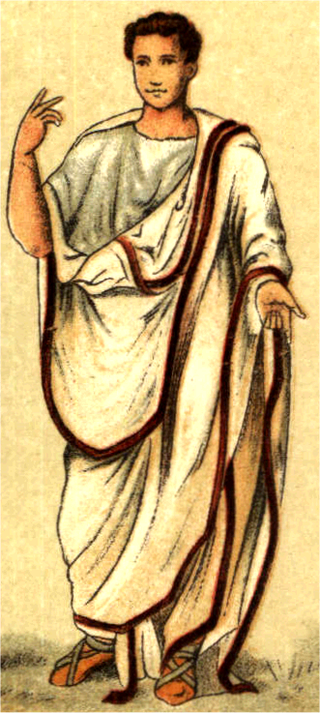
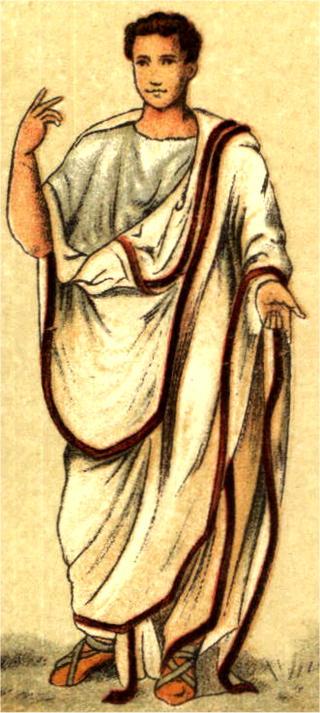
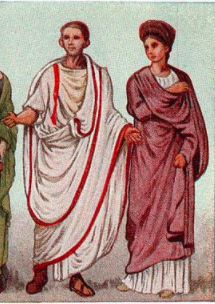
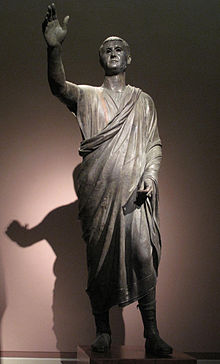
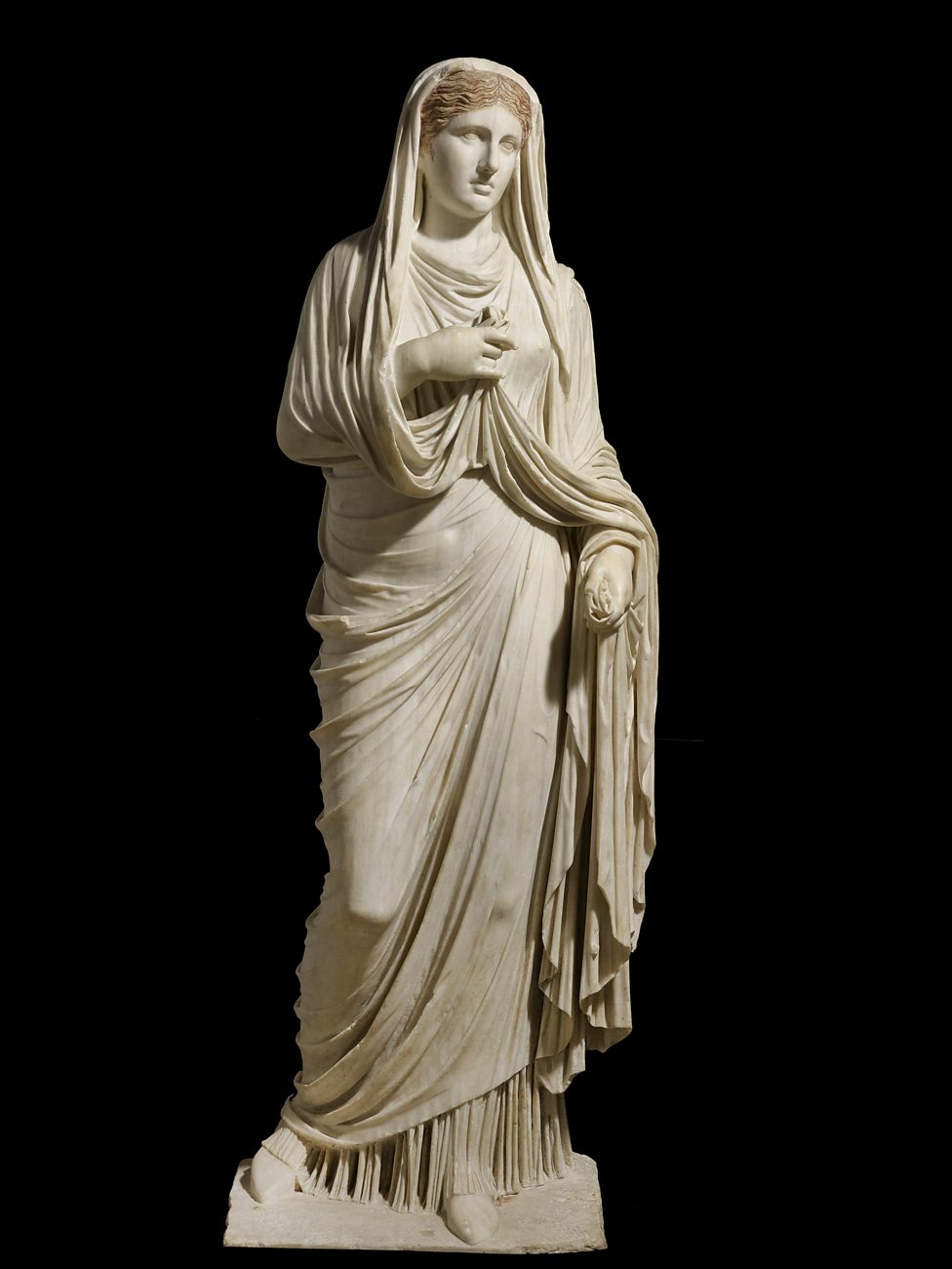
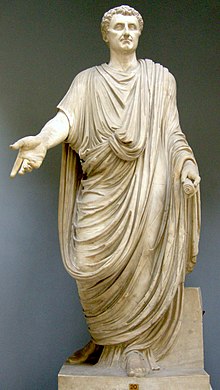
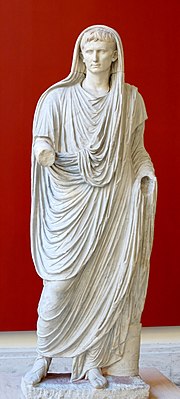
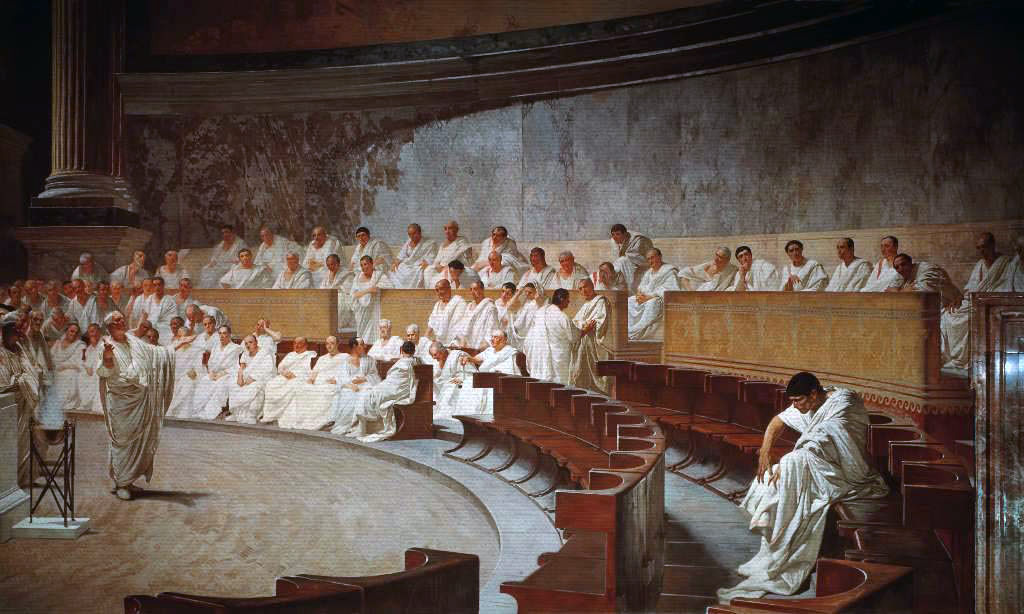
For formal occasions, all Romans would drape a woolen toga over their tunic.
These togas were much thicker and typically measured around 7m in length!
Togas were so expensive, hot and uncomfortable that most people reserved them for special occasions only.
Fun fact : adding purple to a tunic or toga was a mark of the highest distinction!
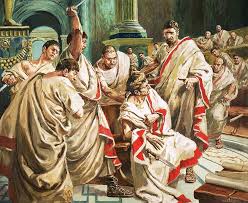
Only emperors, generals and consuls were permitted to wear full purple.
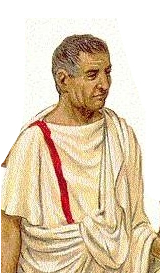
Nobles could wear purple stripes.
Romans could therefore easily recognise a person's rank by their clothing.
Phoenician purple was considered the most coveted colour in the Roman empire!
Comments
Loading comments...