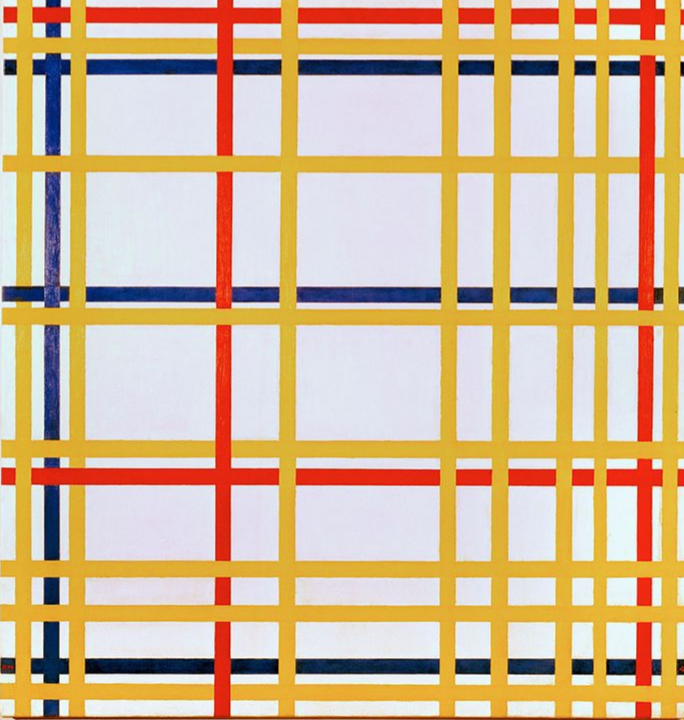


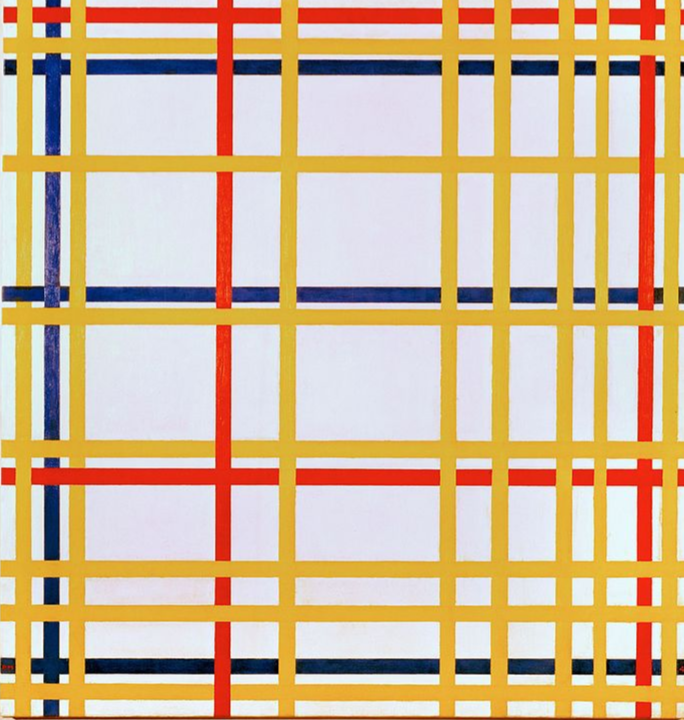
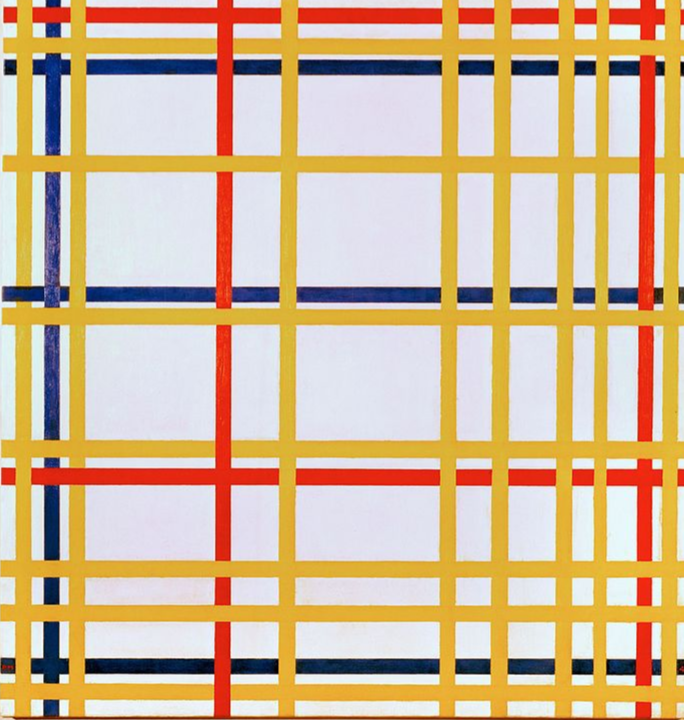
Mondrian was a major figure in the development of abstract art - and his grid paintings have become iconic.
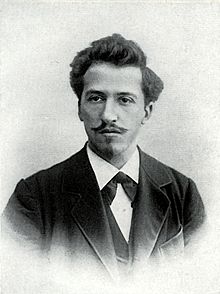
Like Kandinsky, he did not believe that art needed to be figurative to be beautiful - on the contrary : "Art has no direct relation to reality... so one will make as little use as possible of reality".
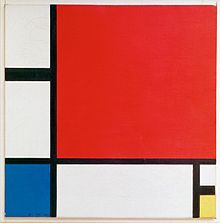
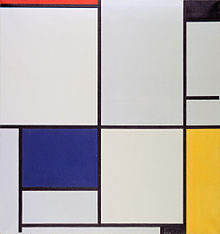
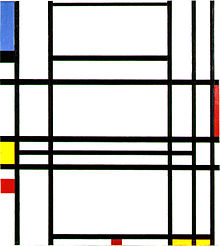
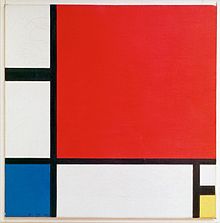
To prove his point, Mondrian imposed 3 key constraints on his work : - only using the 3 primary colors : red, blue and yellow - only employing horizontal and vertical lines - only incorporating 3 primary "values" - black, white and grey
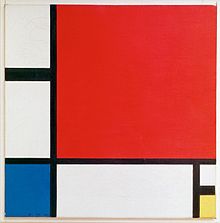
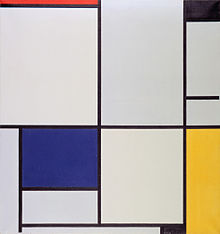
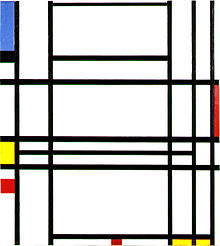
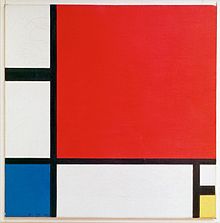


He began experimenting with grid painting in Paris during the 1920s.
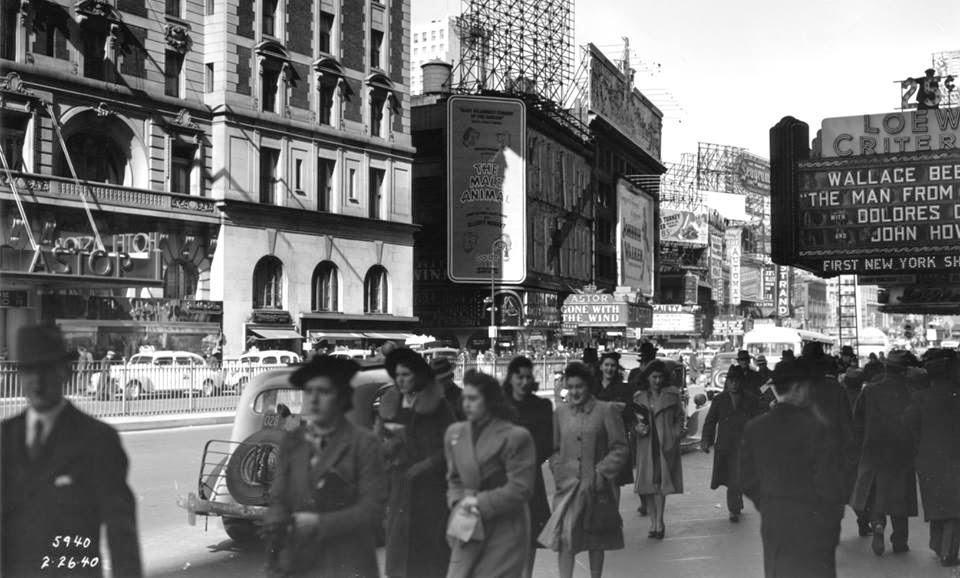
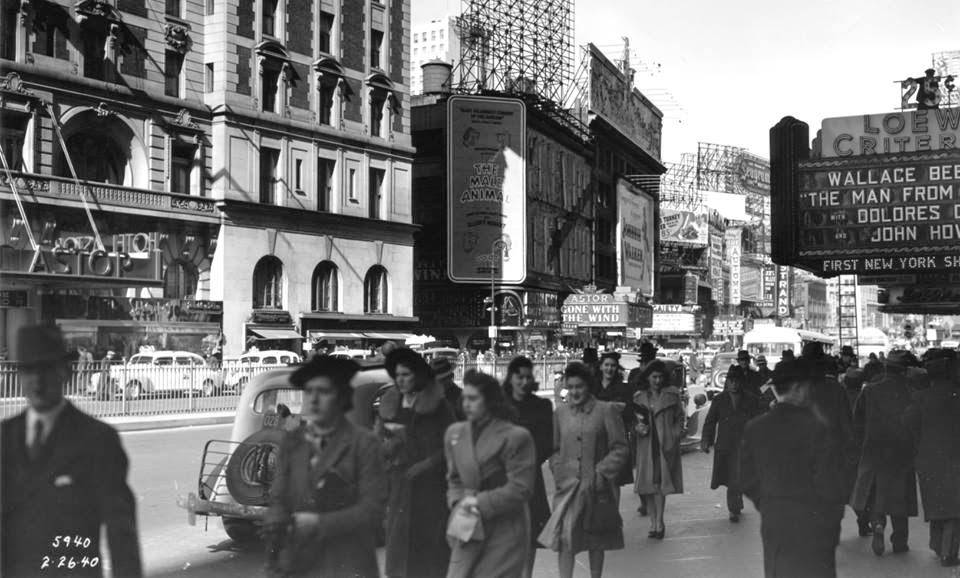
When the Germans invaded France, he then fled to New York, where he became captivated by the city's vibrant lights and dynamic energy.
The painting is an homage to the city.

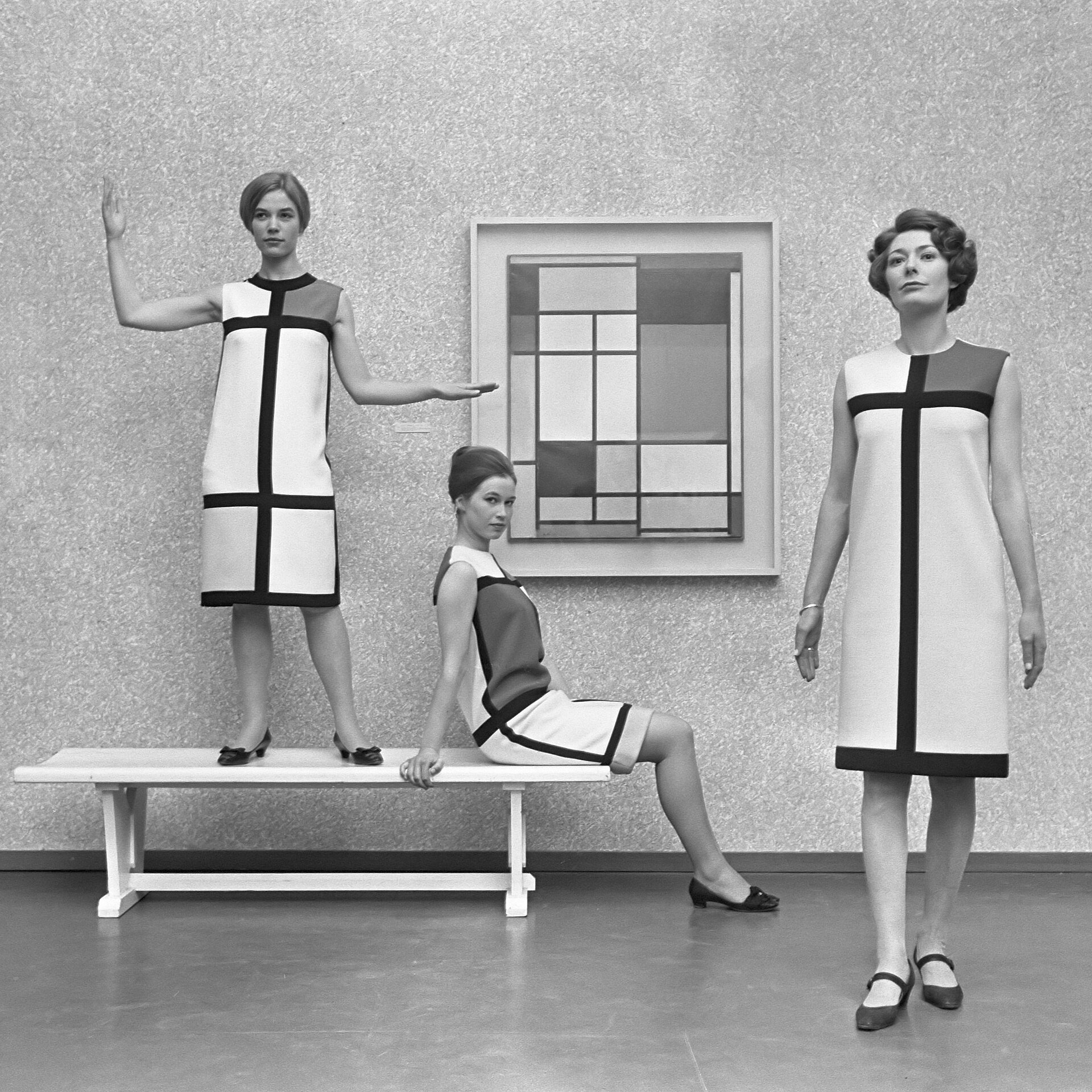
Today, Mondrian's paintings are among the most recognisable in the world.
One of the most influential associations of American avant-garde artists wrote of him : "the Netherlands have produced three great painters who, though a logical expression of their own country, rose above it through the vigour of their personality - the first was Rembrandt, the second was Van Gogh, and the third is Mondrian".
One of his grid paintings recently sold for $50 million.
Comments
Loading comments...