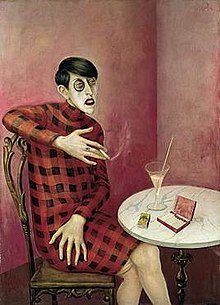


Sylvia von Harden has become a symbol of the "Golden Twenties" - a period marked by significant social, economic and political change in post-war Germany.








The Golden Twenties spanned the years between the end of the First World War and the financial crash of 1929, leading up to the rise of the Nazis.
Germany, having been defeated in the war, saw the abdication of the German Emperor and the establishment of the Weimar Republic.
But living conditions were extremely harsh.
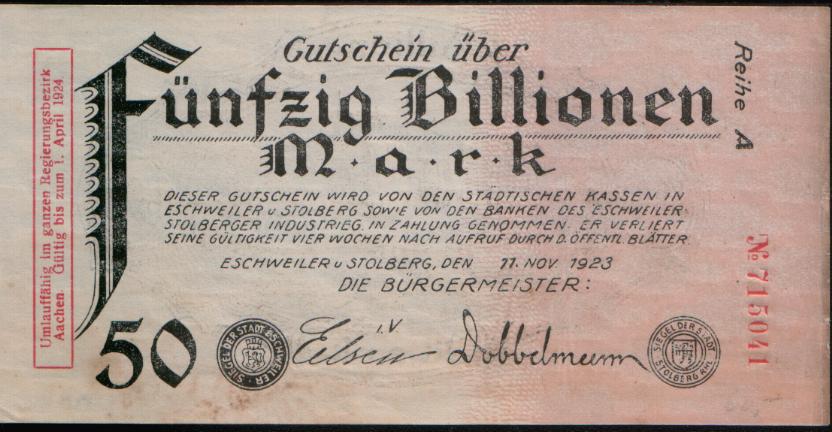
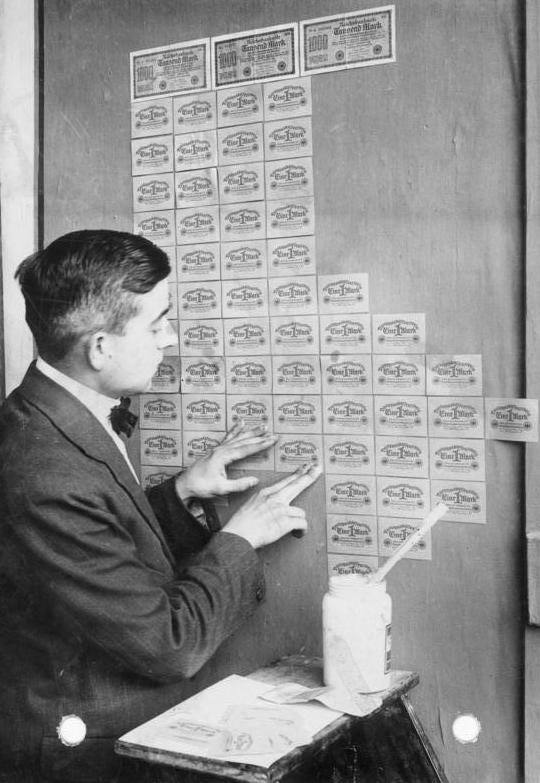
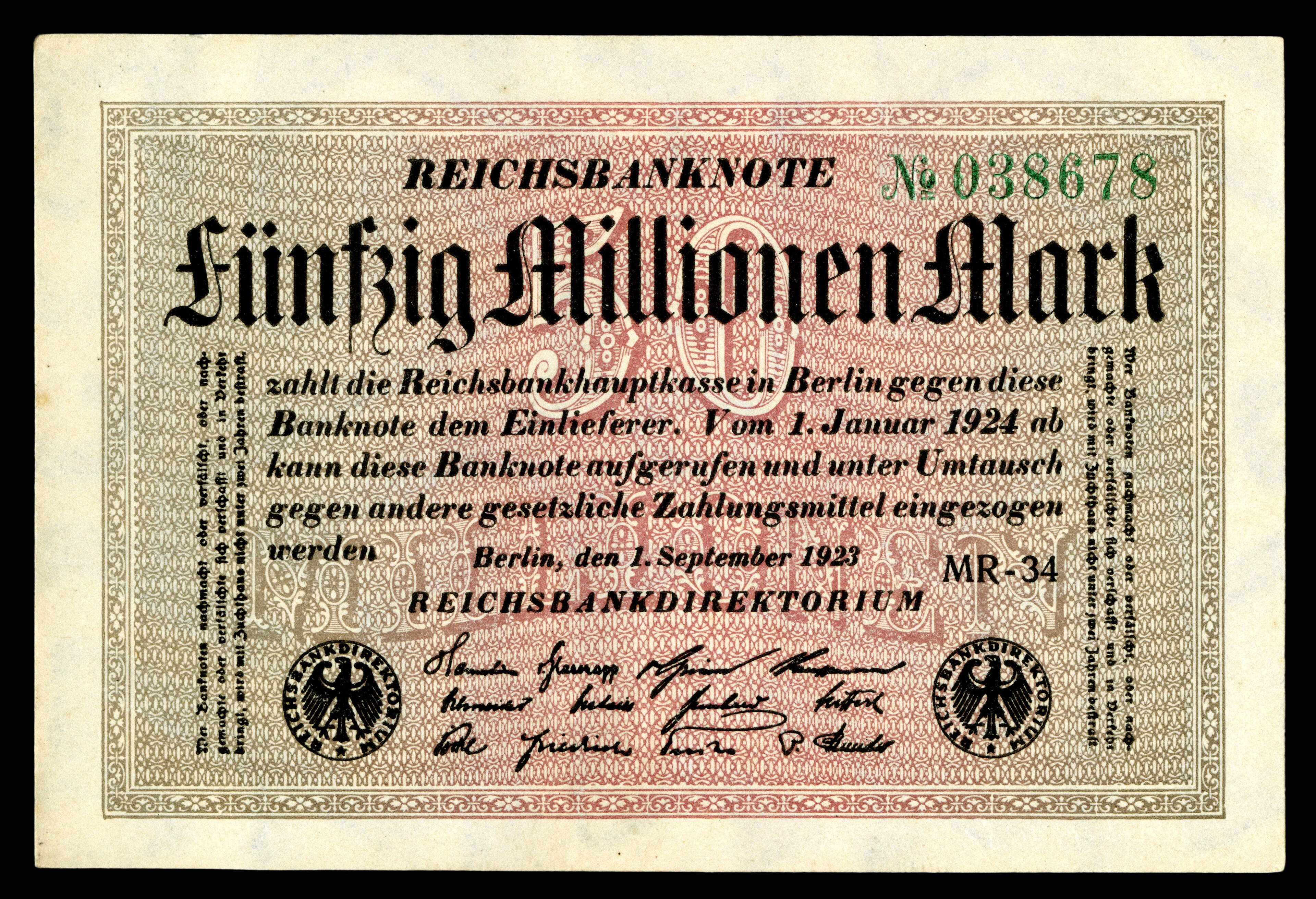
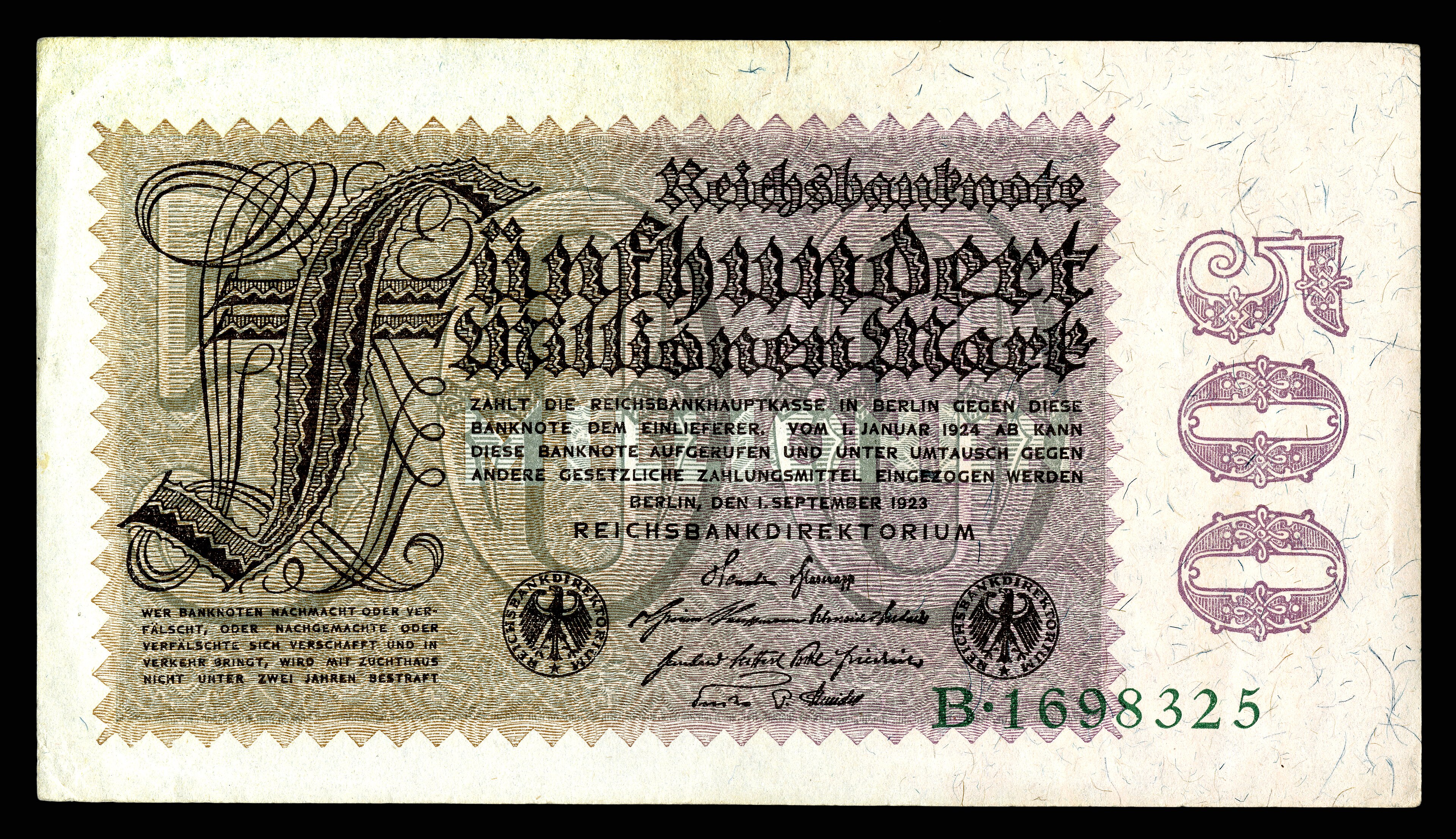
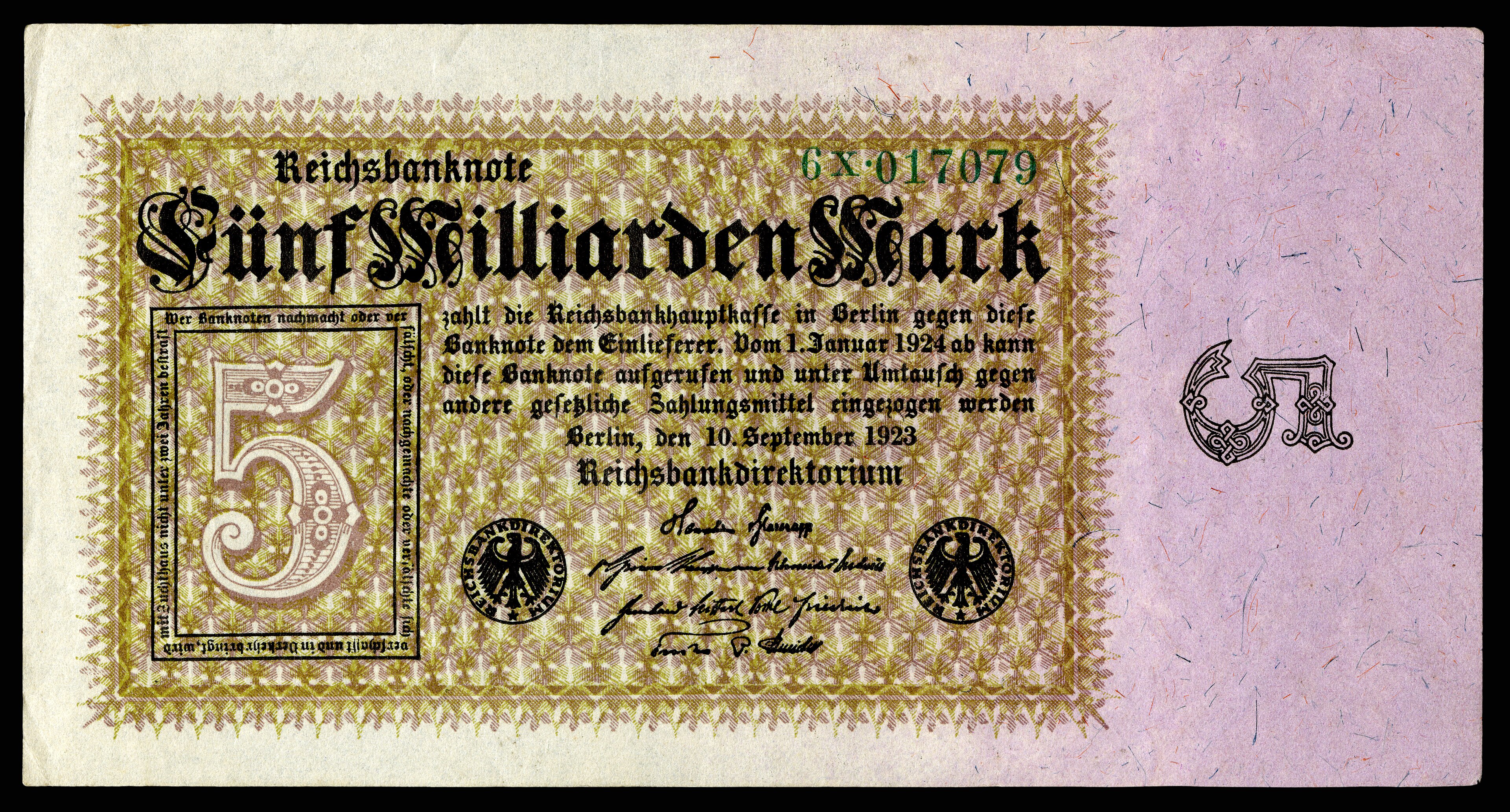
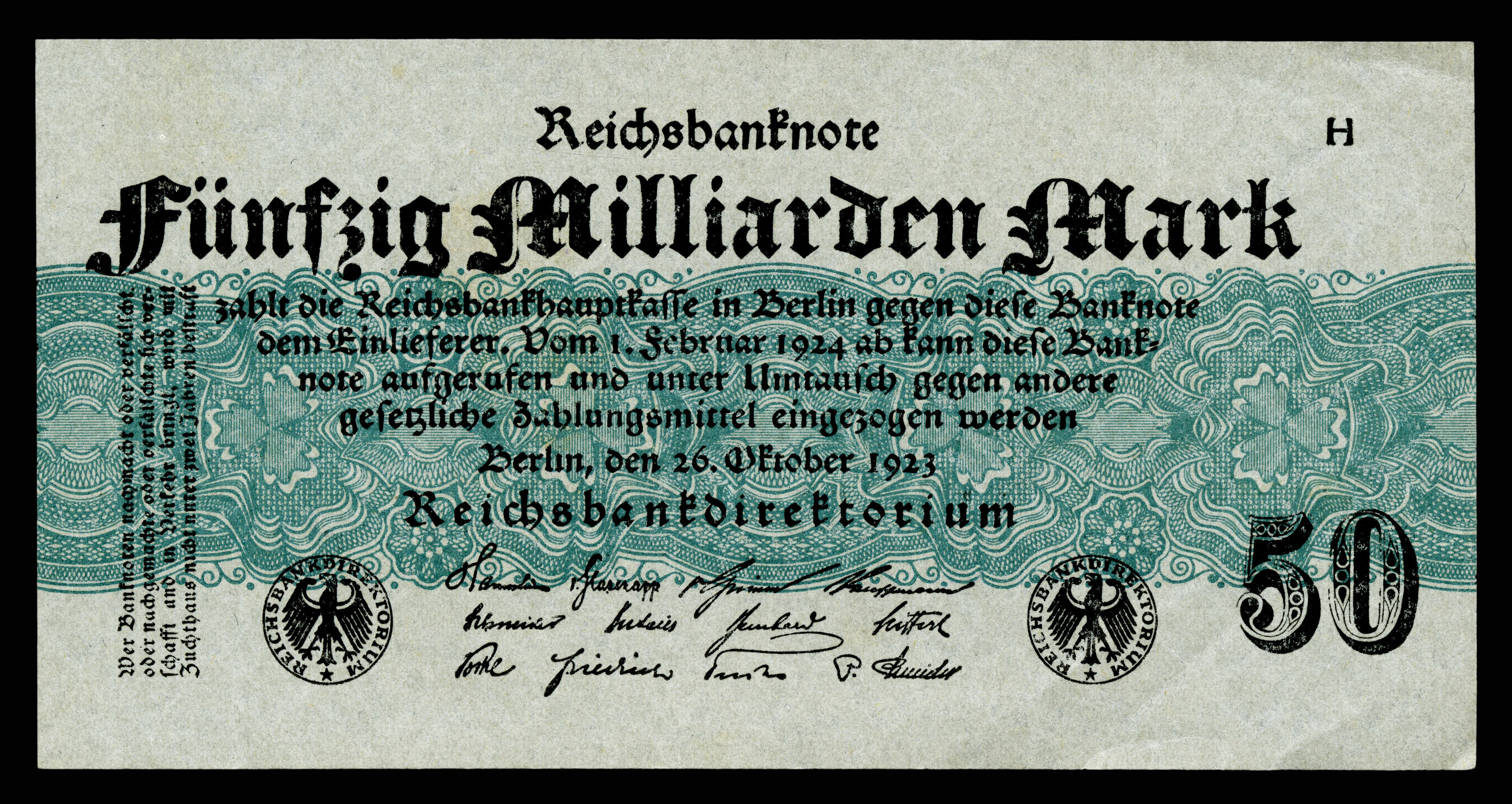
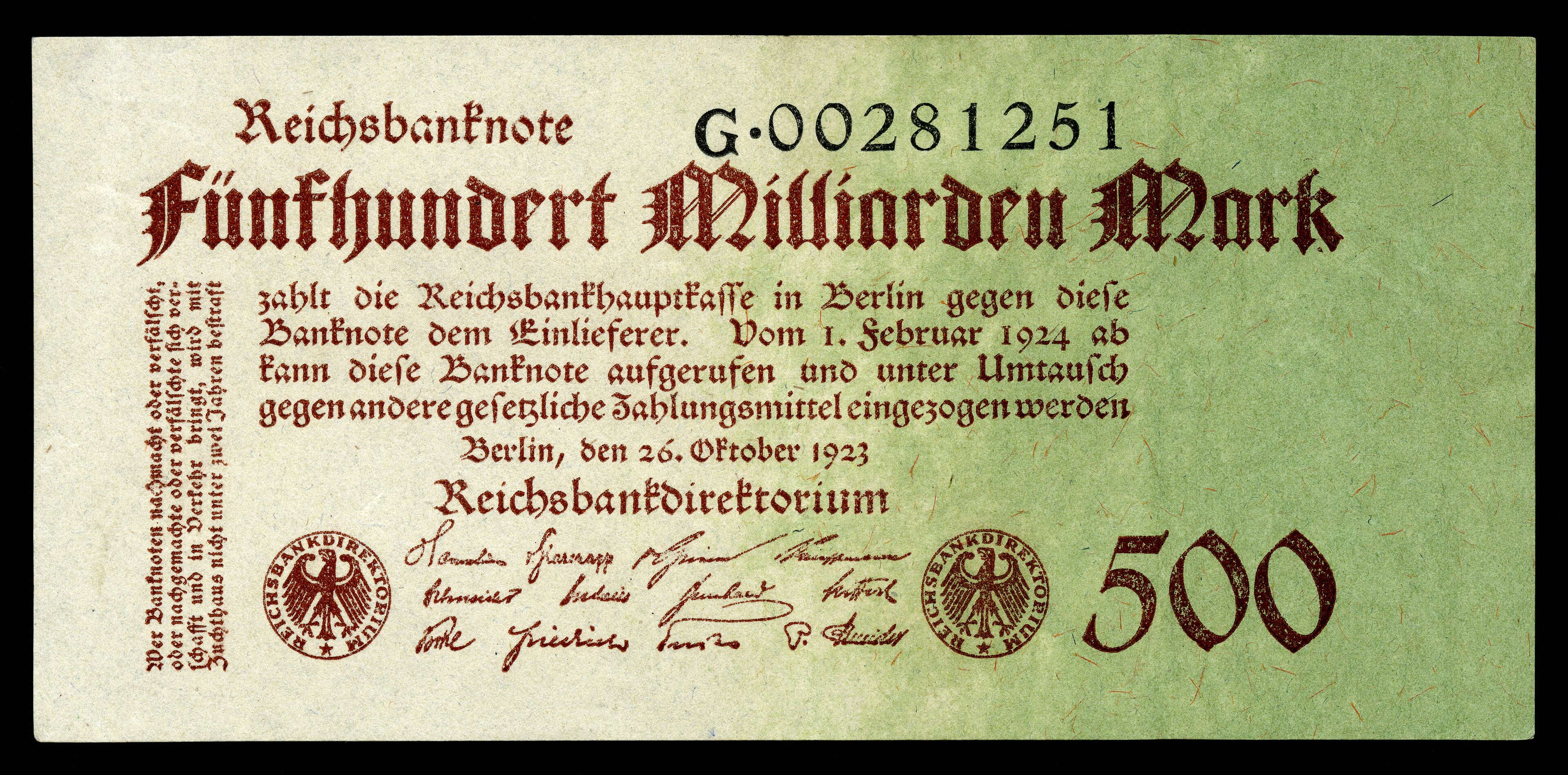
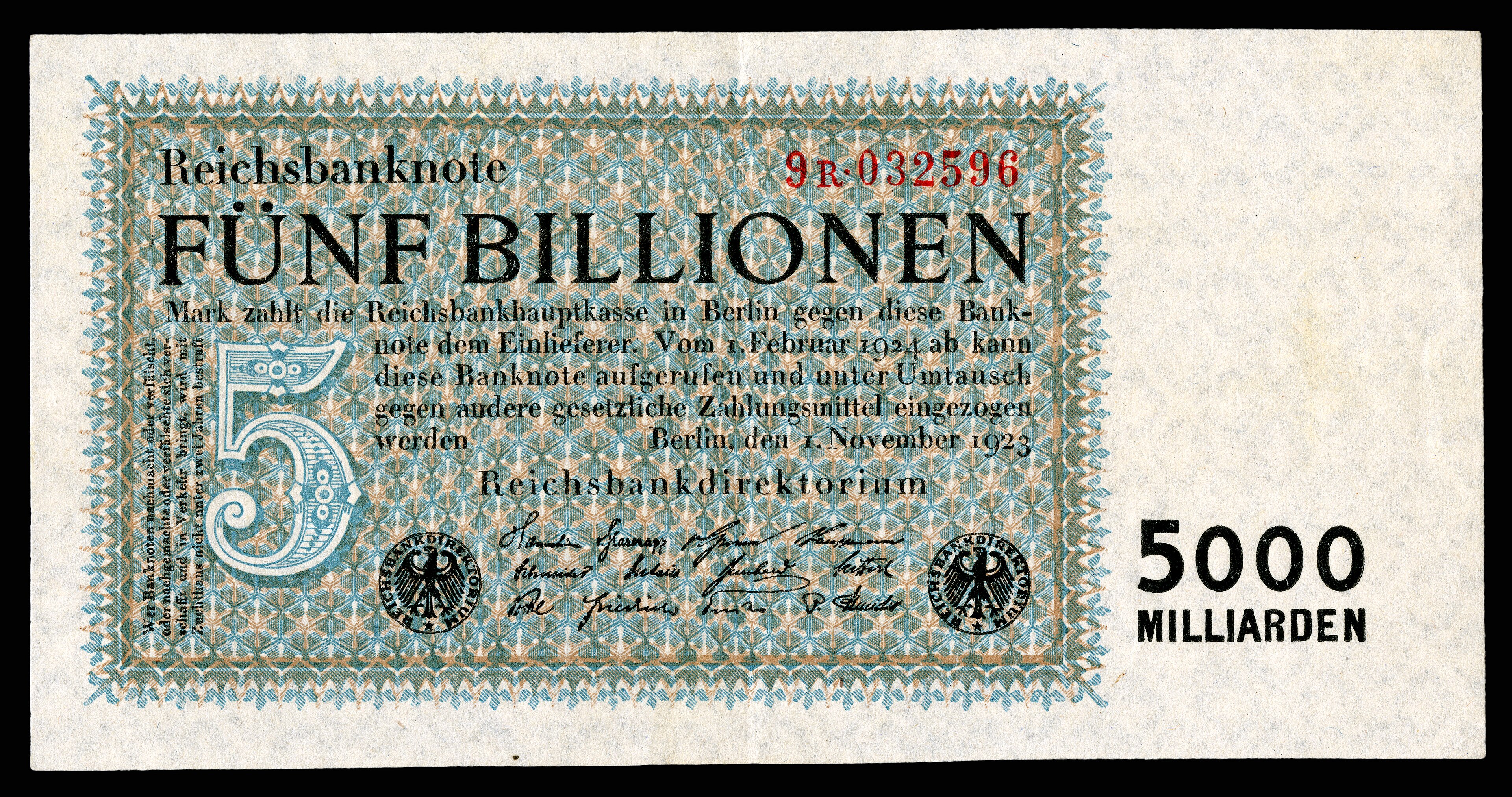
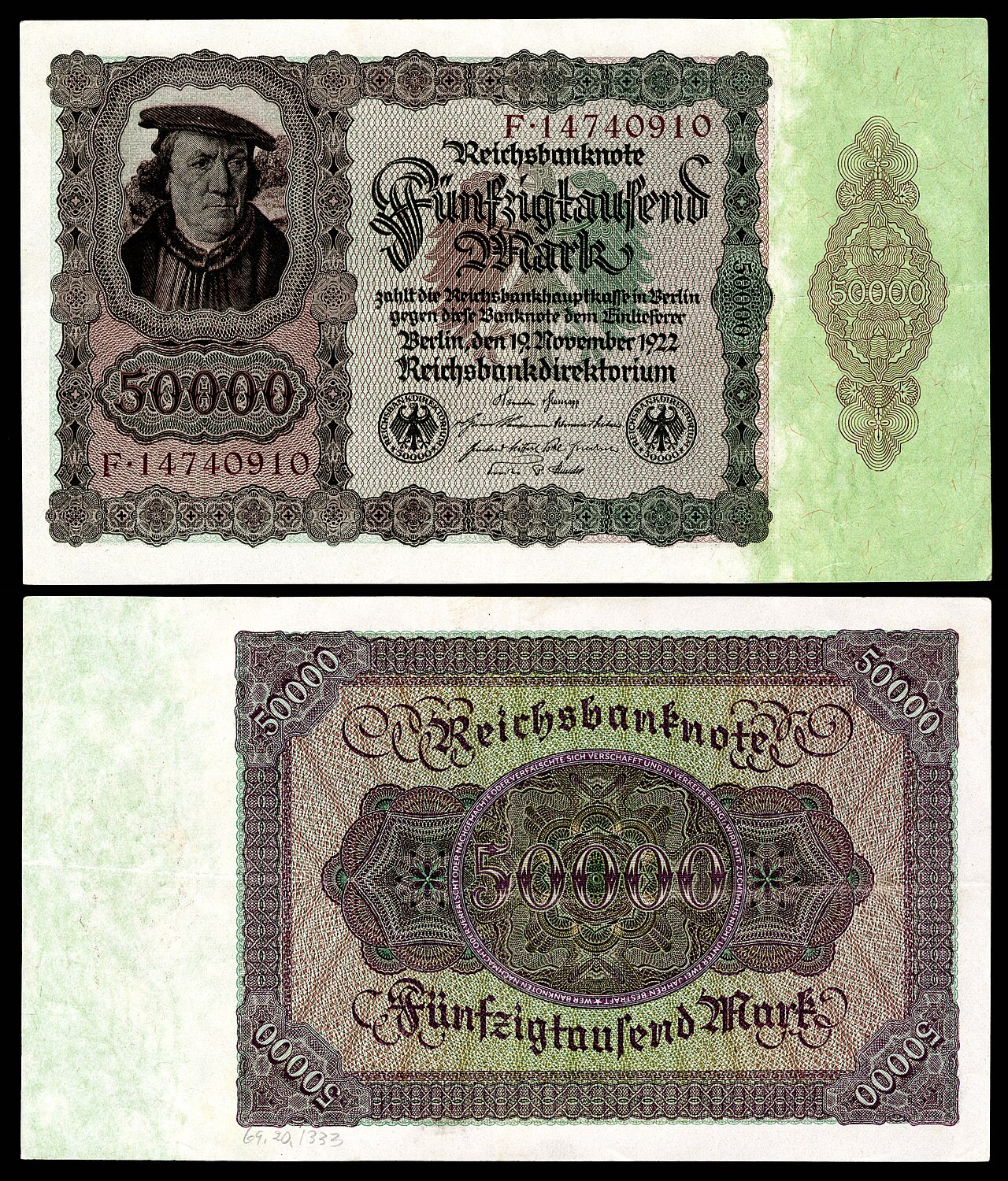
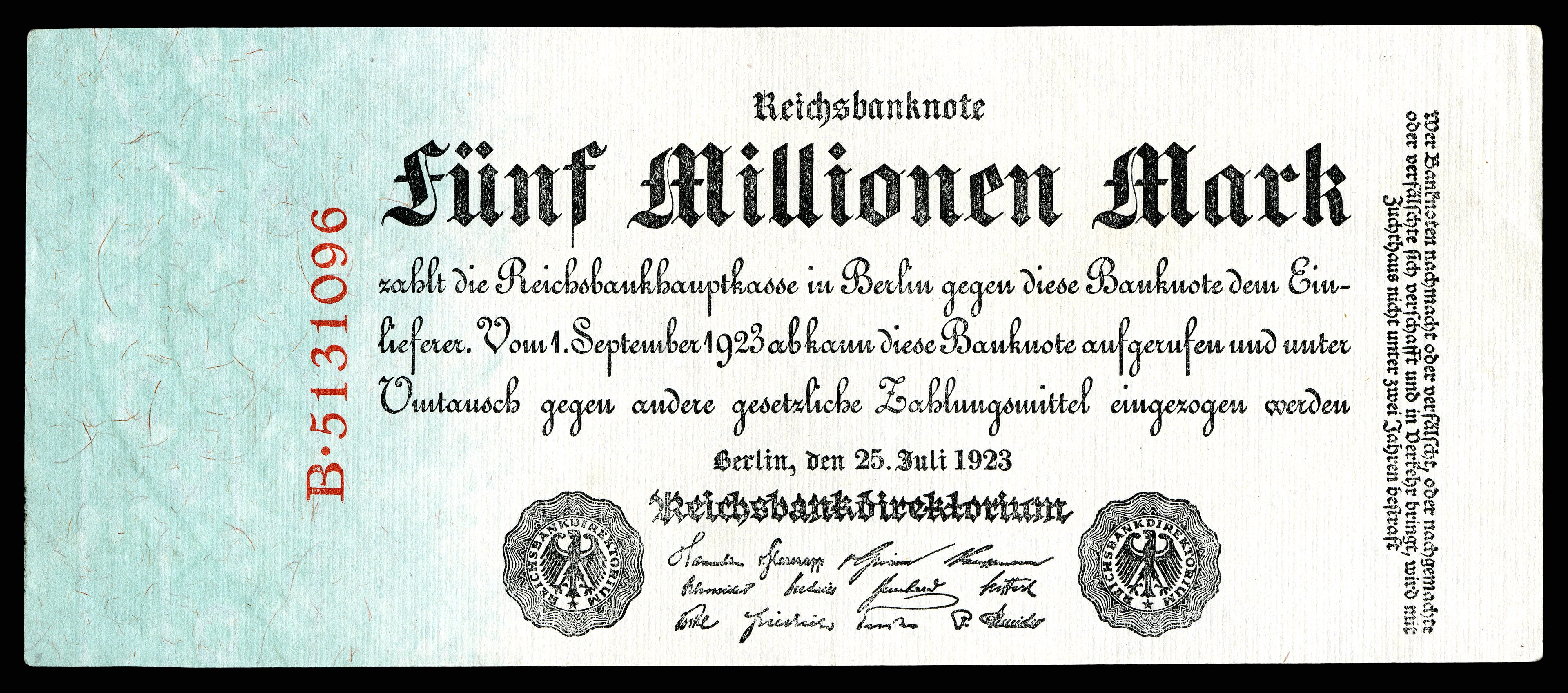
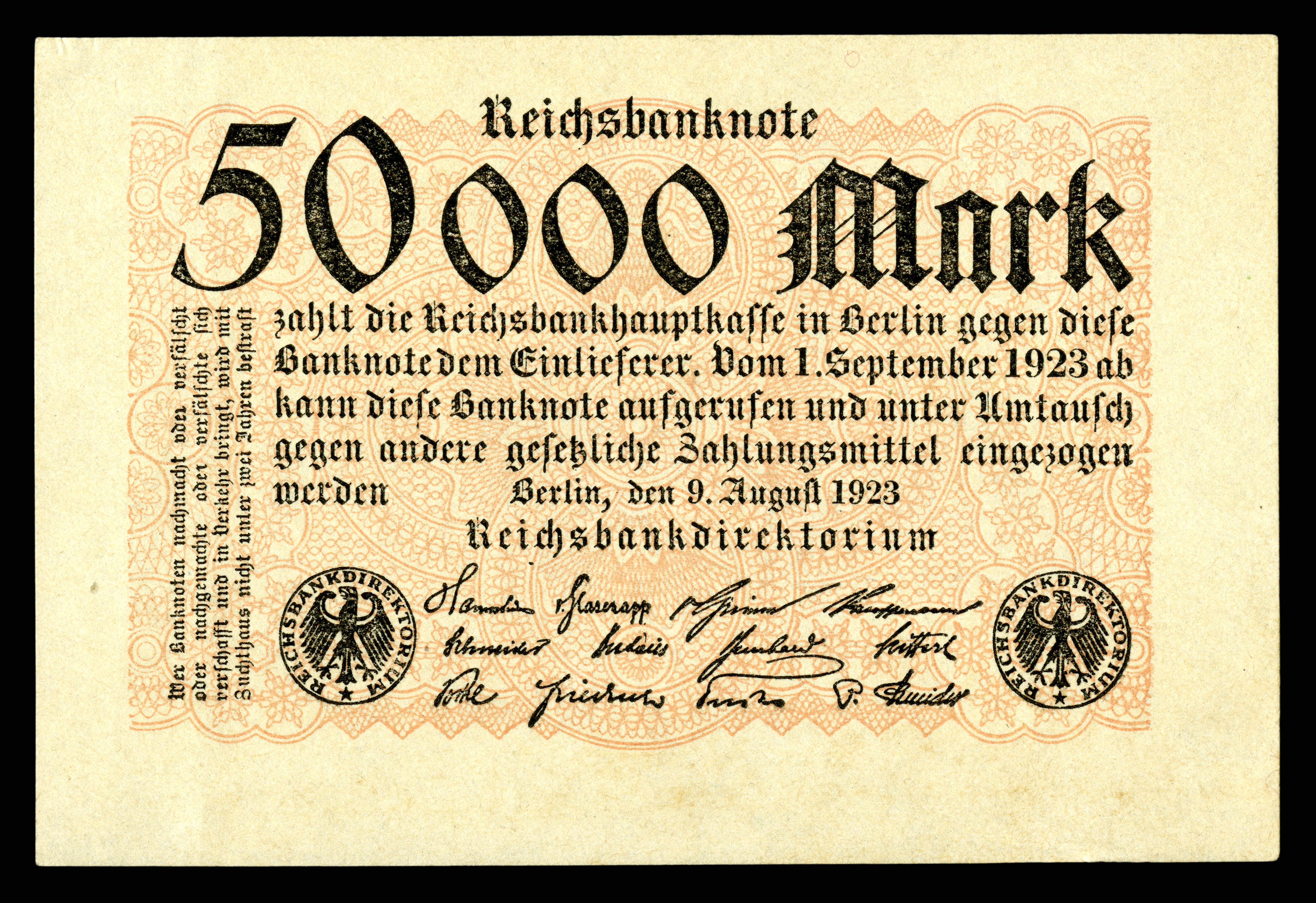
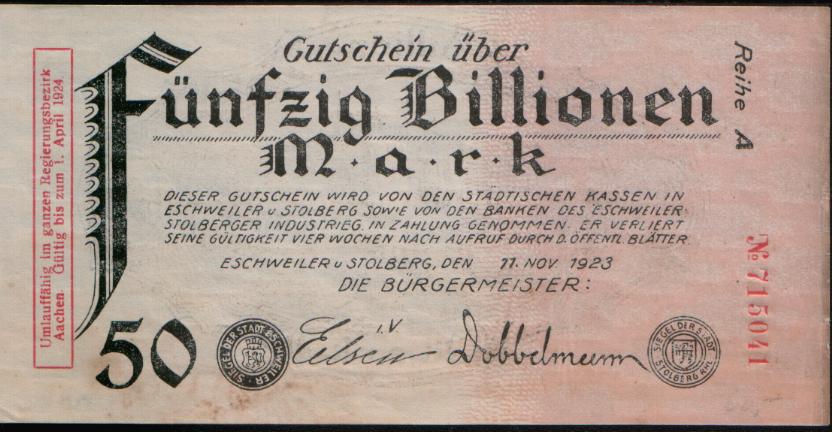
The country faced severe food shortages, high unemployment and hyperinflation so extreme that the German mark became virtually worthless - collapsing from 4 marks to the dollar before the war to over 1 trillion by 1923. People would wheelbarrow cash to buy a loaf of bread and use bills as wallpaper.


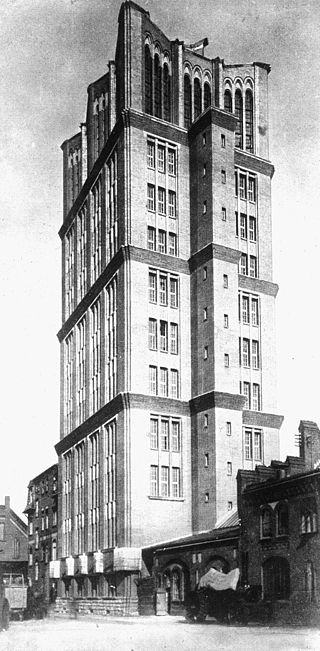
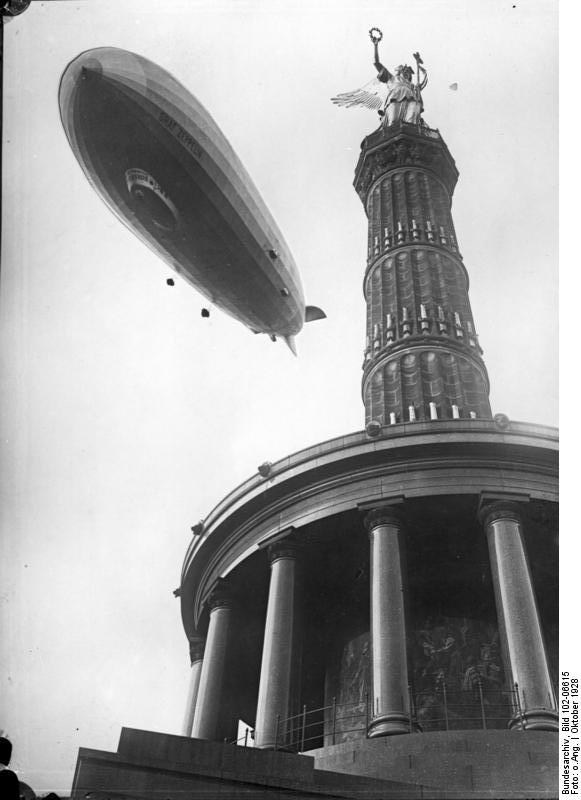
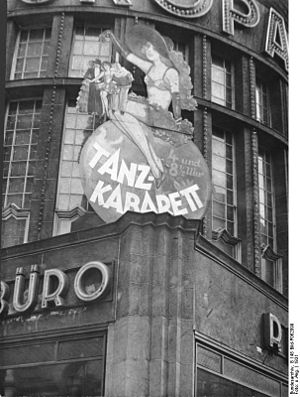
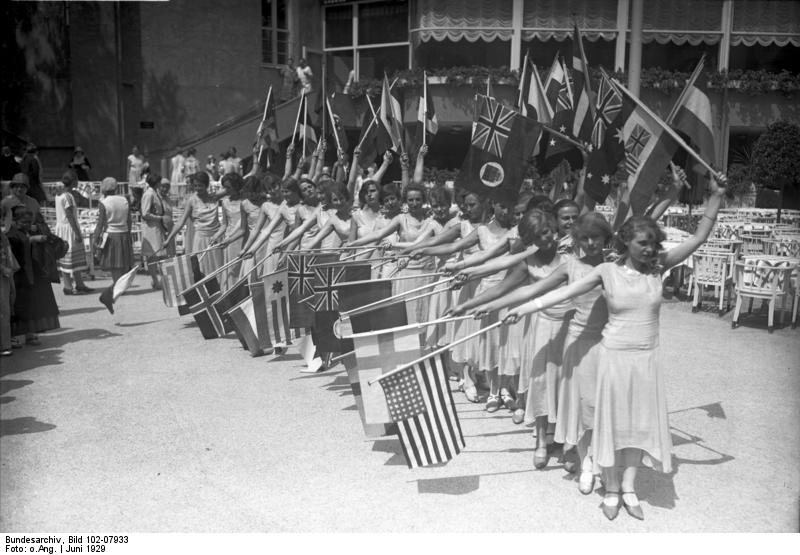

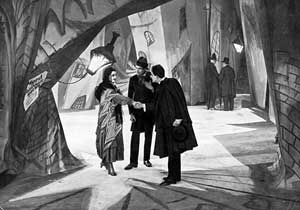
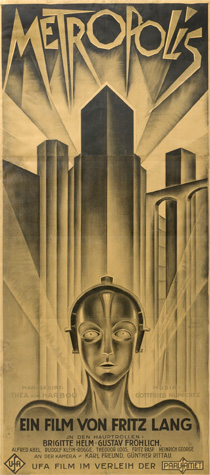
The economy eventually stabilised, trade increased, unemployment fell and Germany was re-integrated into the diplomatic scene.
This period witnessed a remarkable surge in artistic, social and political innovation.
Berlin became a vibrant experimental hub, influenced by the Russian Revolution, American jazz, Hollywood cinema, Parisian avant-garde art, and numerous intellectuals who had been silenced in pre-war Germany.
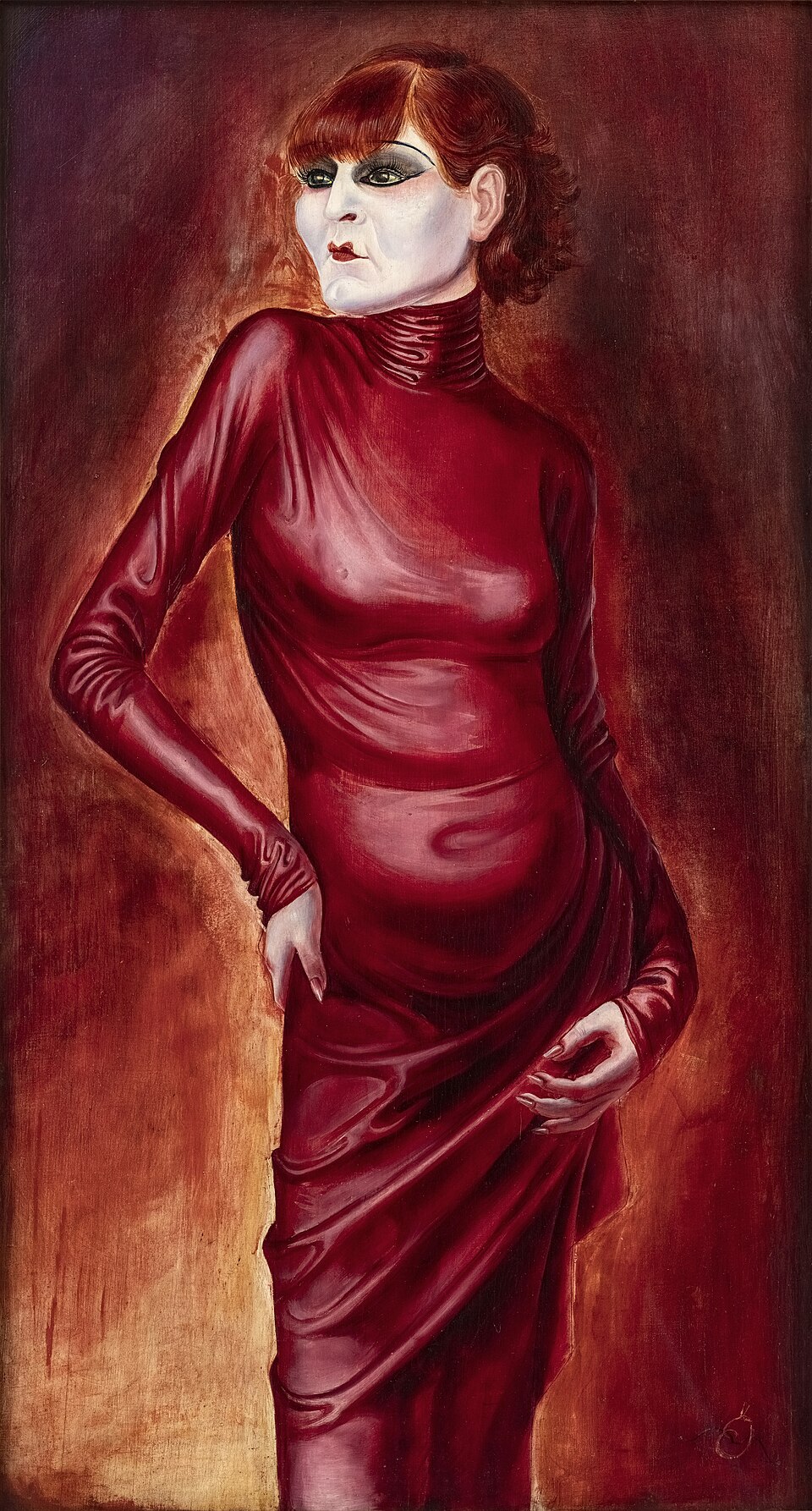
The new constitution also brought new opportunities for women - who could be seen confidently smoking in Berlin's cafes in short hair and short skirts, like Sylvia Von Harden.
When Otto Dix saw Sylvia von Harden on the street he stopped dead in his tracks : "I must paint you! I simply must! ... You are representative of an entire epoch... an epoch concerned not with the outward beauty of a woman but rather with her psychological condition".
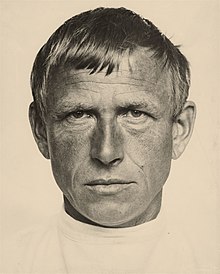
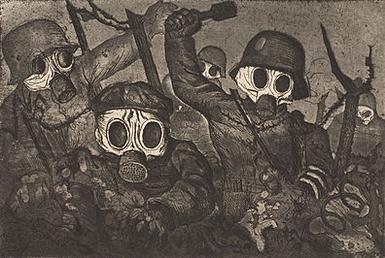

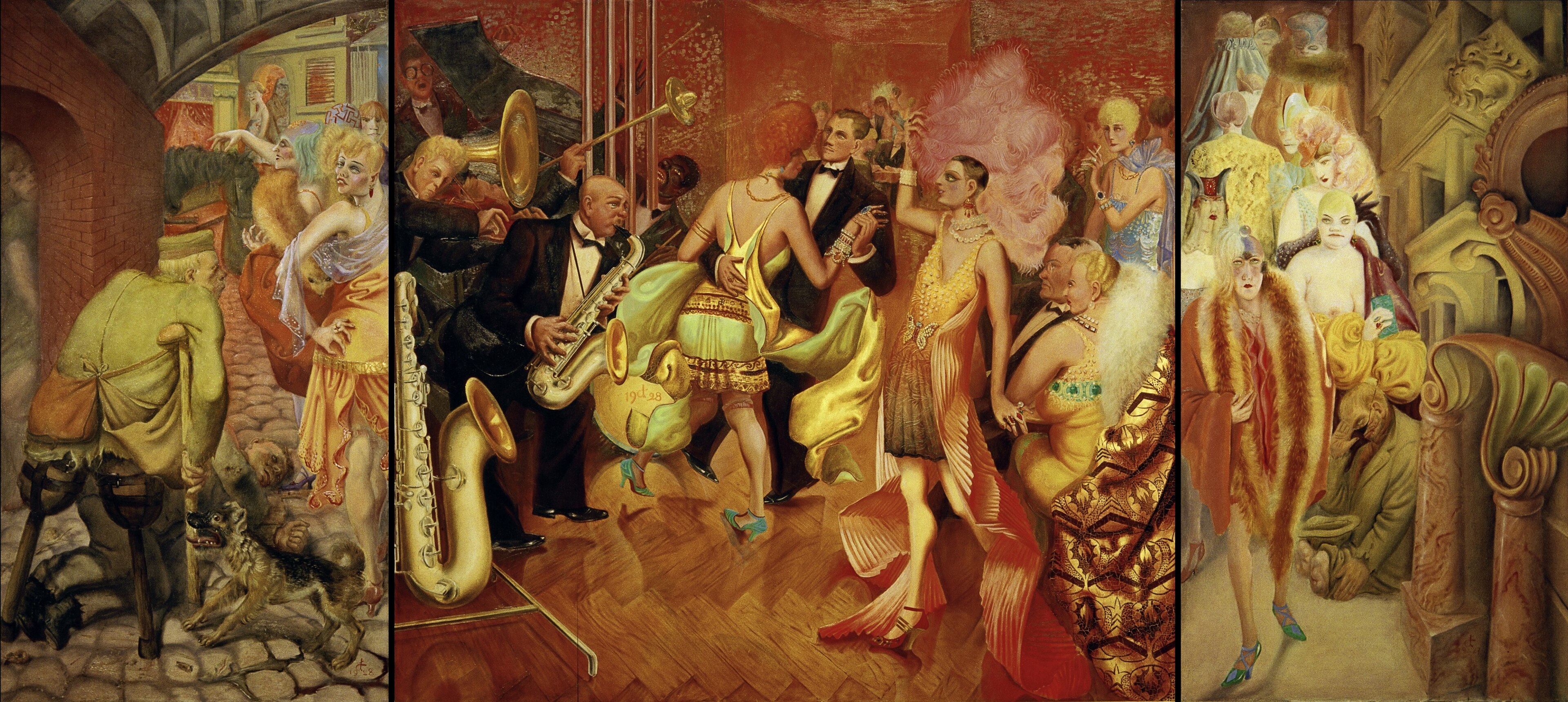
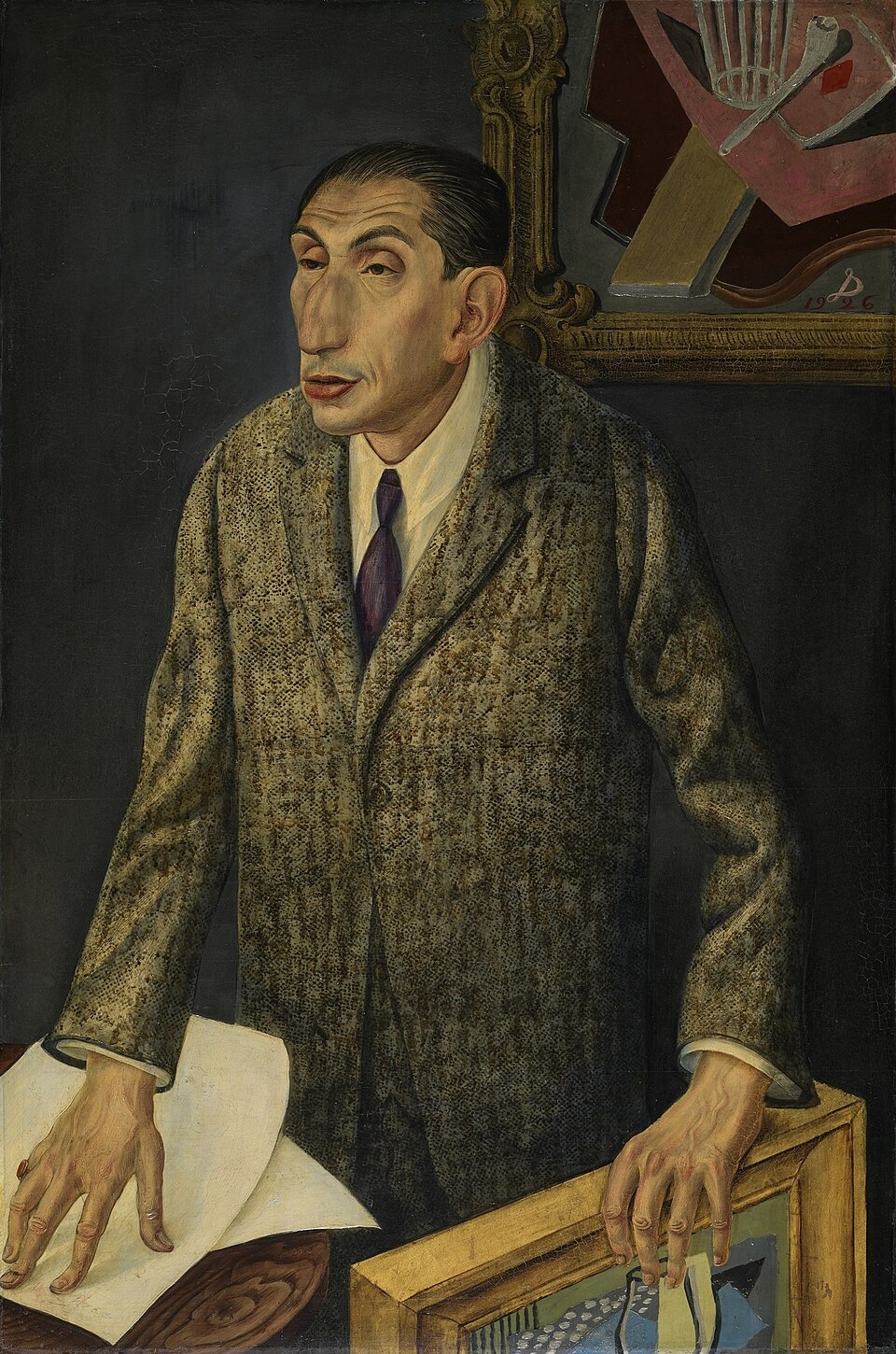
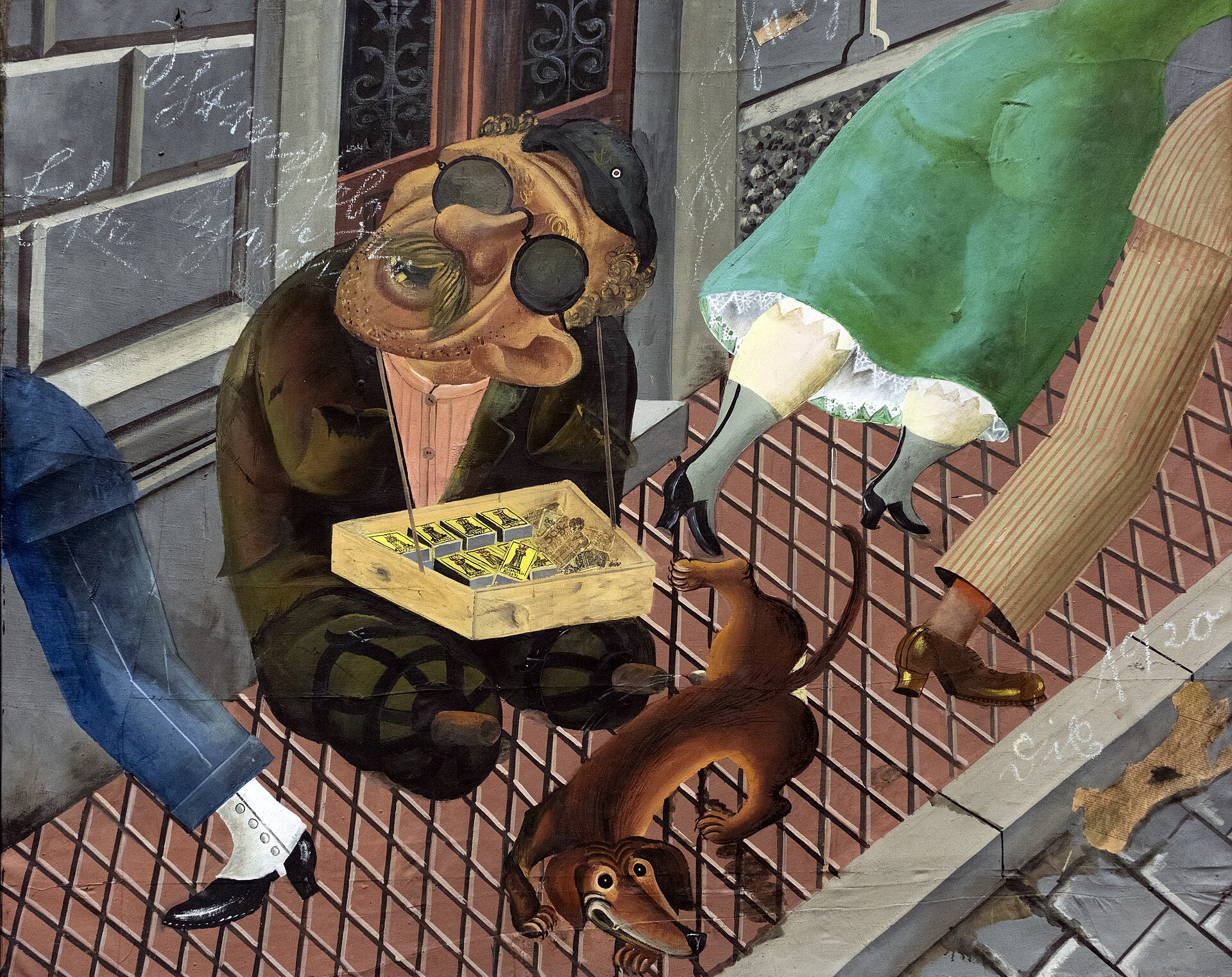
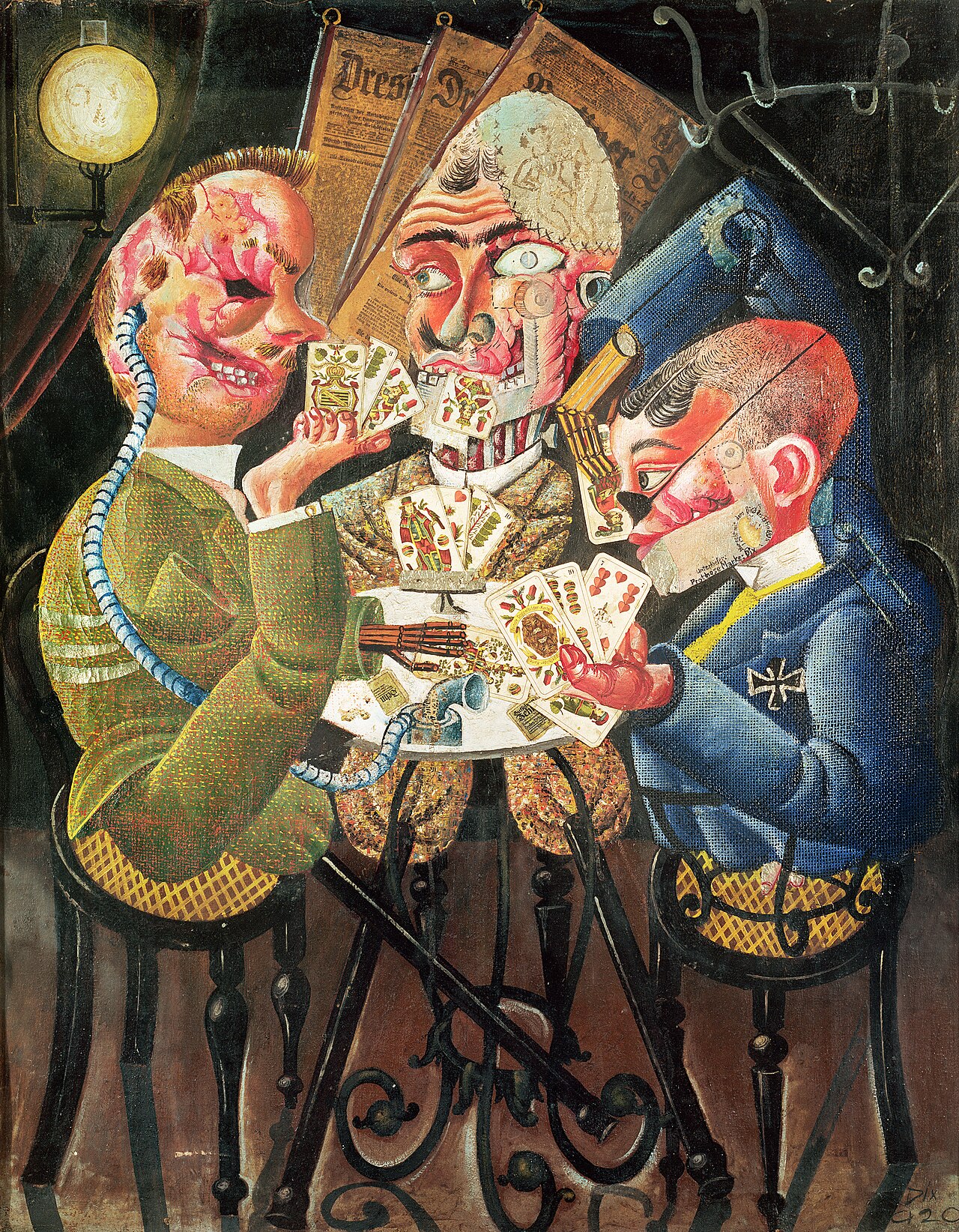
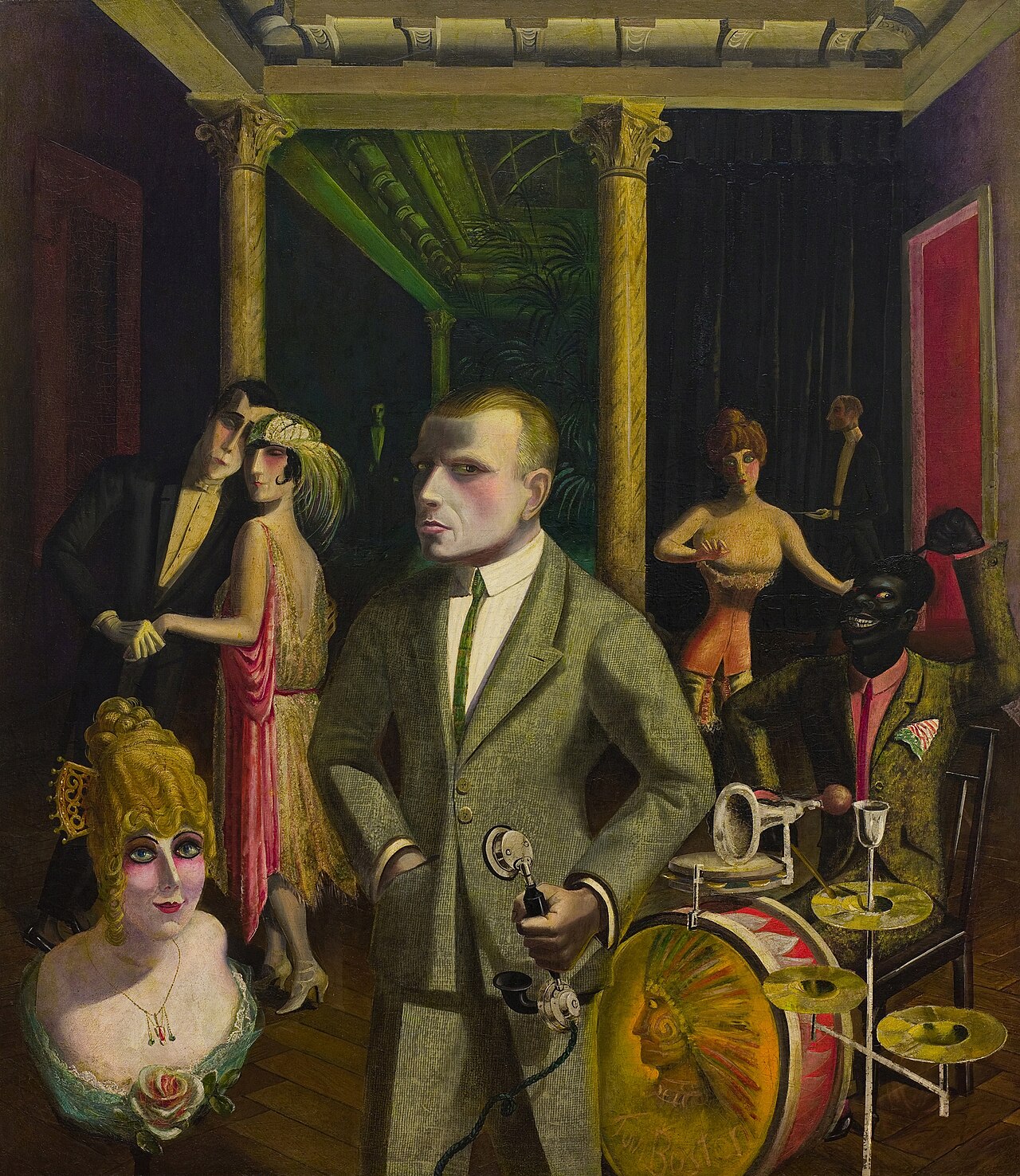
Otto Dix was part of a movement called "New Objectivity" whose aim was to represent the truth - warts and all.
However when the Nazis came to power, they condemned Otto Dix's work as "degenerate".
He was fired from his teaching position and his work was confiscated and burnt.
Comments
Loading comments...