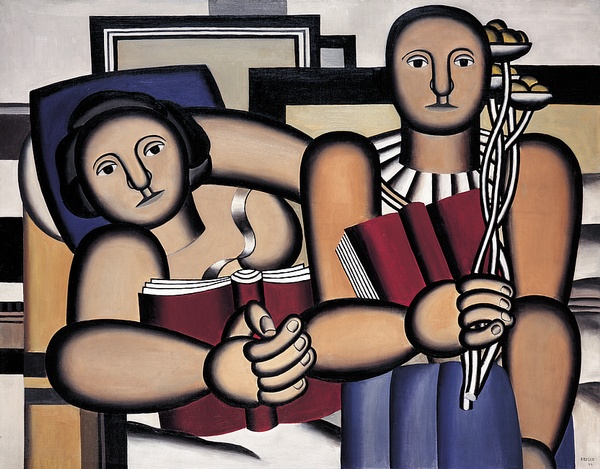


The 1920s were a time of rapid technological change.
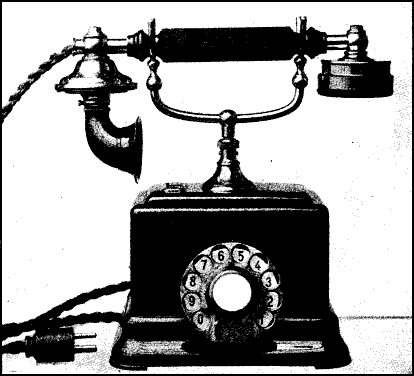
The Reading reflects this era of economic boom and mechanization, showcasing the arrival of cars, electricity, telephones, and other innovations.
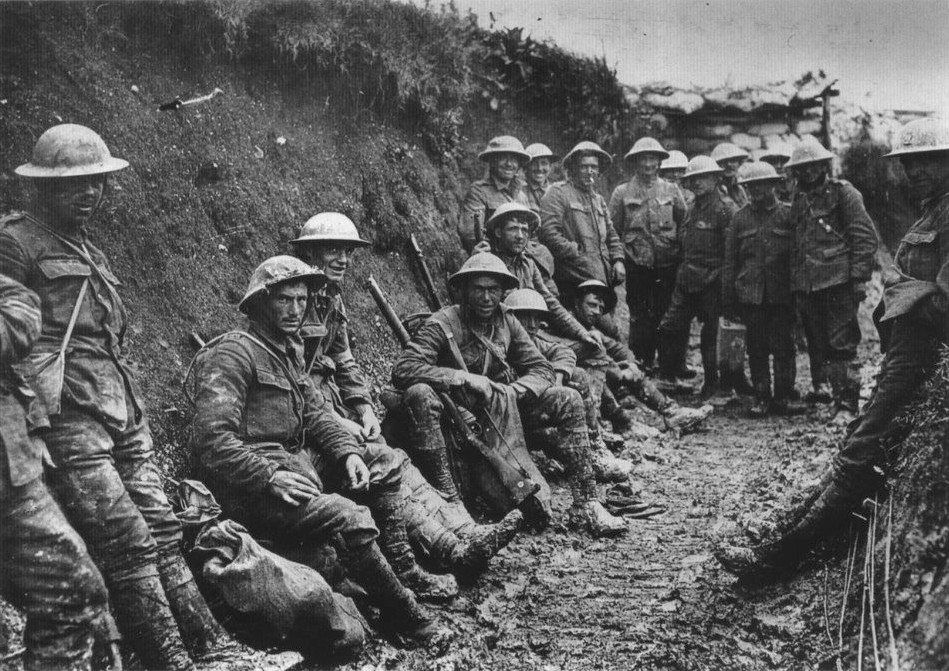
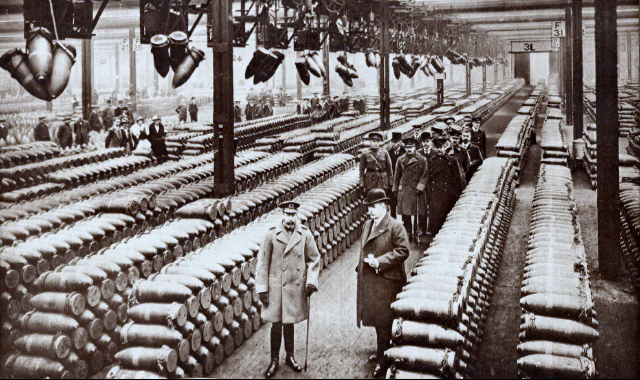

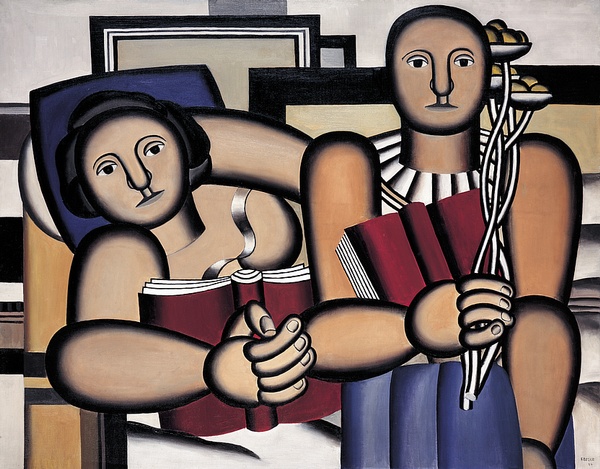
In the 1920s, Europe was still reeling from the trauma of the First World War
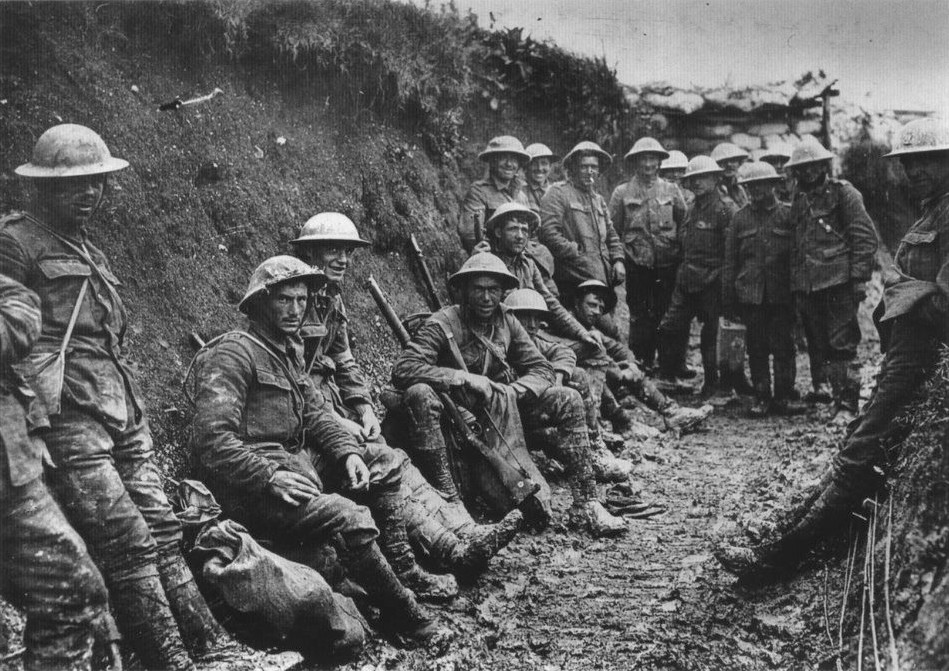
Leger, who had spent 2 years on the front lines, was both impressed and horrified by the efficiency and brutality he had witnessed.
"I was stunned by the sight of a 75mm gun in the sunlight, and the crudeness, variety, humor, and downright perfection of certain men around me... Their precise sense of utilitarian reality, in the midst of the life-and-death drama we were in, made me want to paint in slang with all its color and mobility".
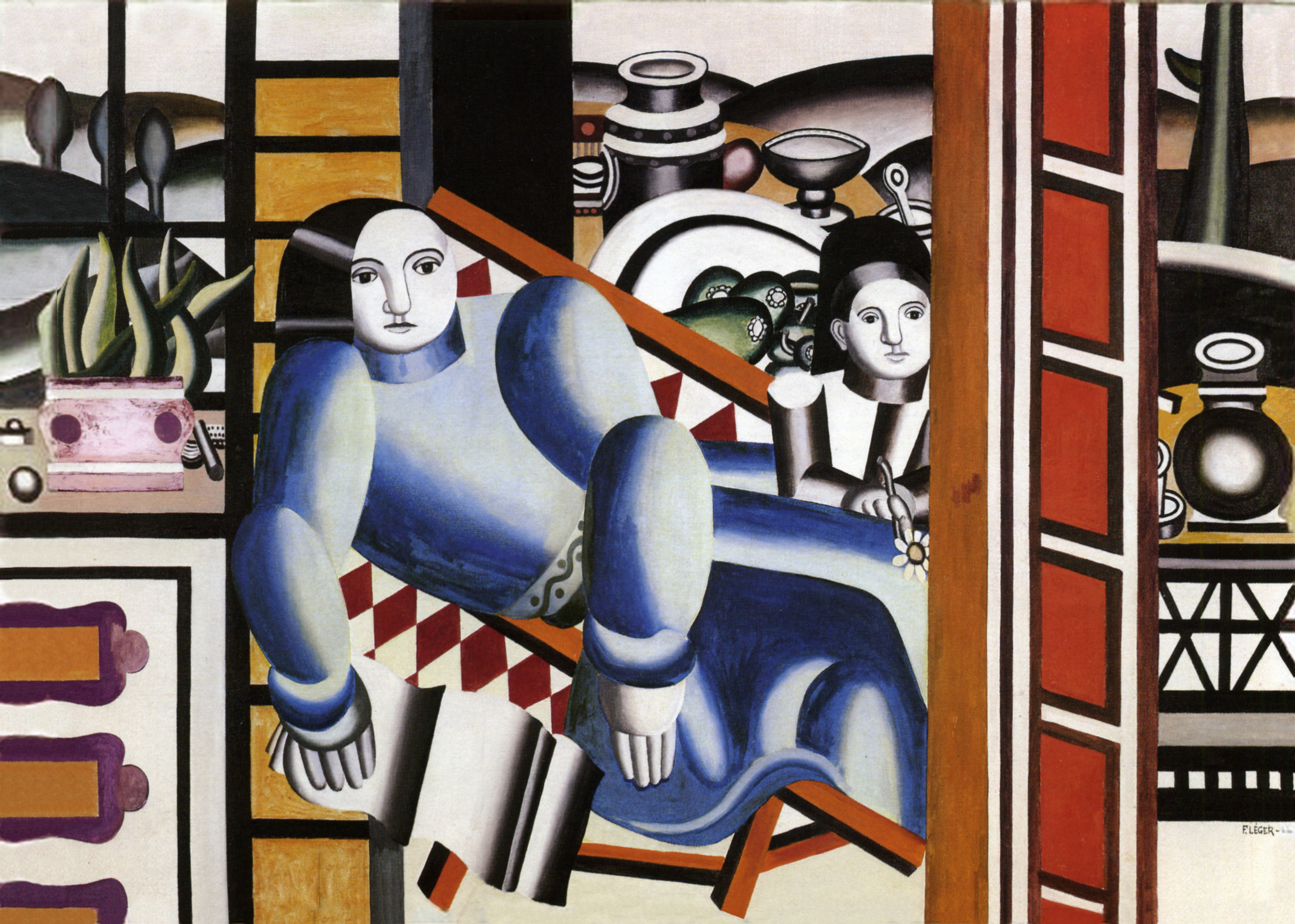


Leger wanted to bring this utilitarianism into his art.
For him the next frontier in art was to reduce the human form to a "plastic", rather than a "sentimental" value.
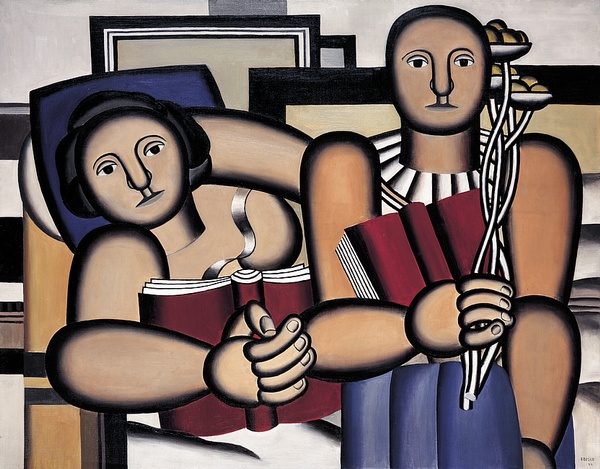
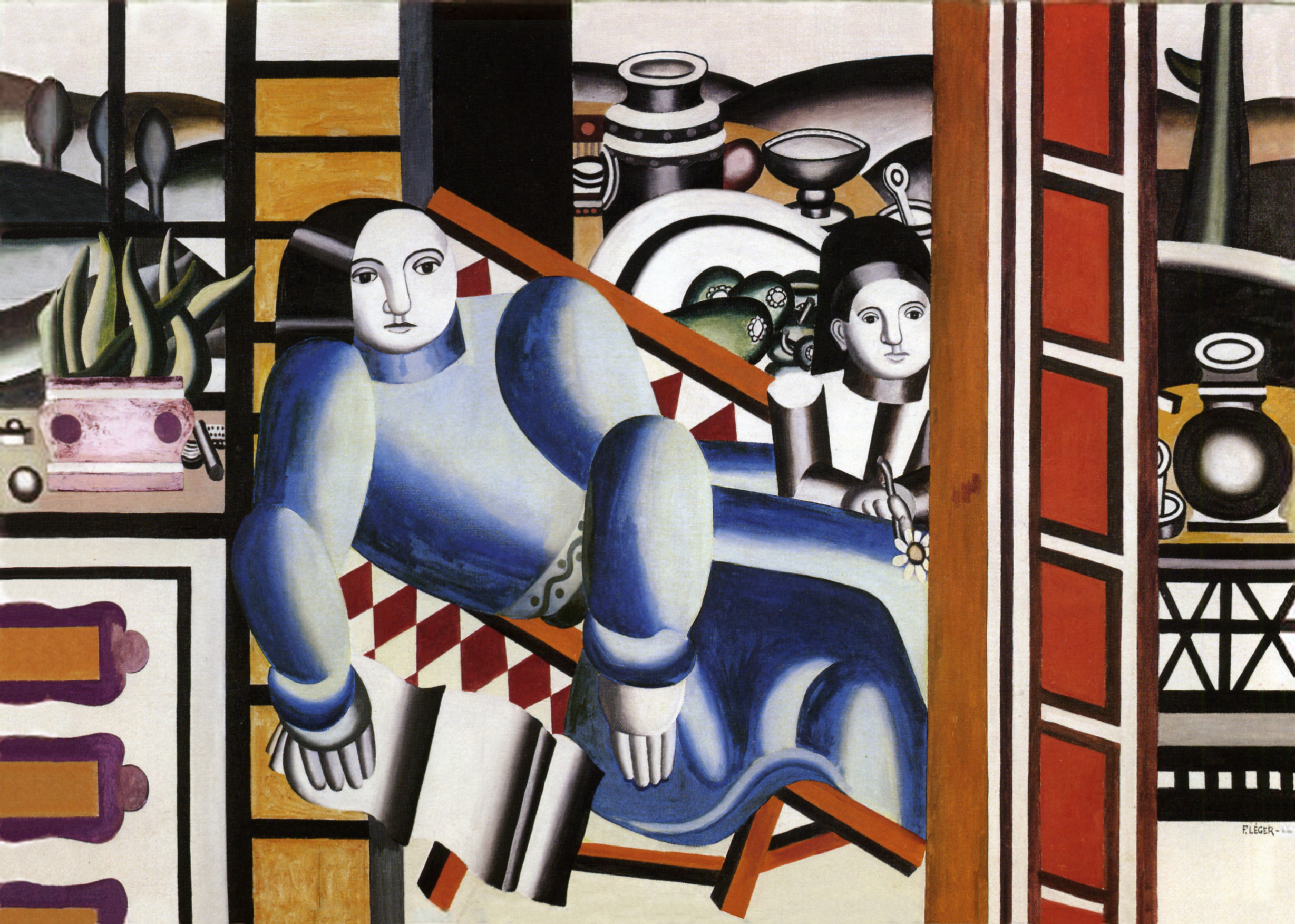
"If the human form becomes an object, it can considerably liberate possibilities for the modern artist."
This approach of simplifying forms and transforming them into machine-like structures came to be known as Tubism.
Comments
Loading comments...