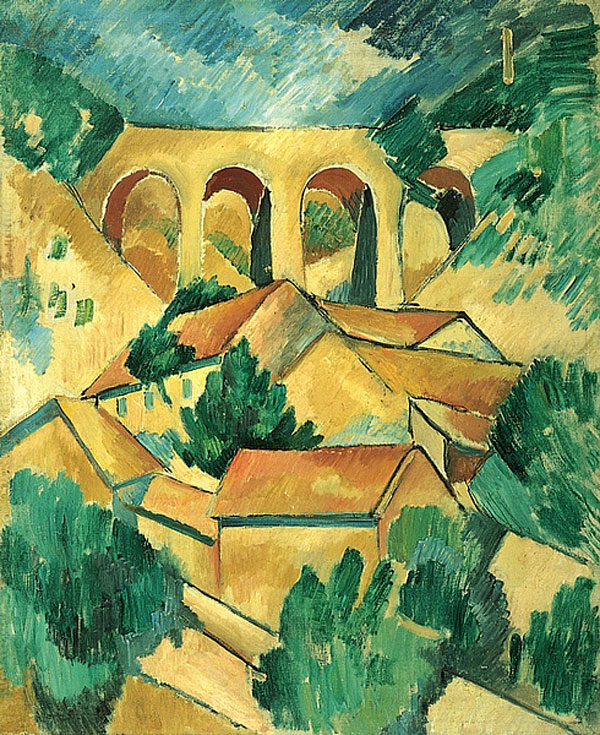


Welcome to the Centre Pompidou!
While the Musee du Louvre focuses exclusively on art up to the 19th century, and the Musee d'Orsay is a treasure trove of 19th-century art, the Centre Pompidou takes us into the 20th century.
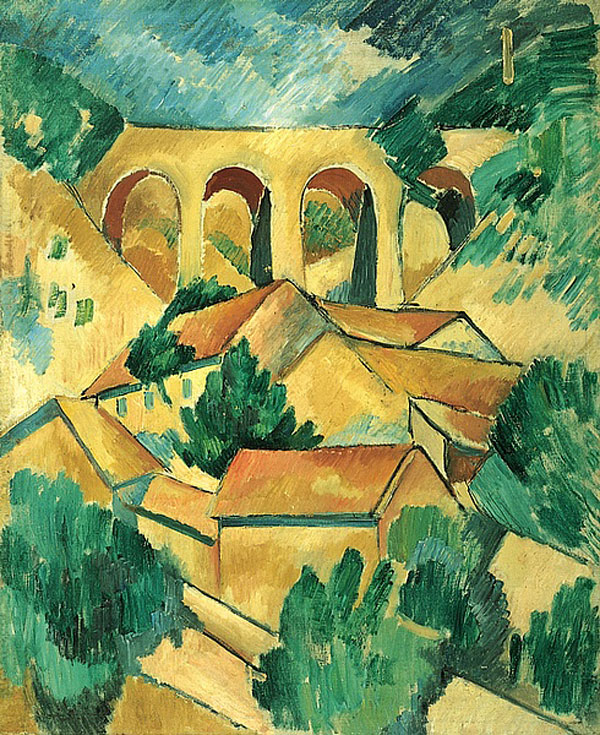
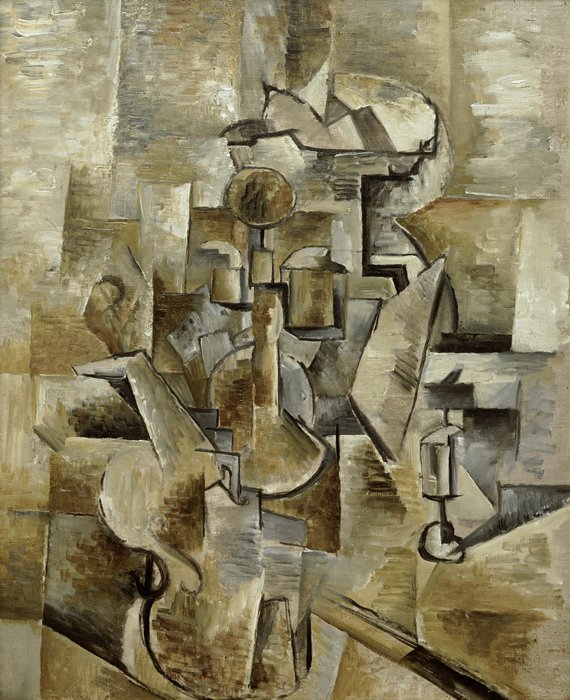
The Viaduct at L'Estaque marks the beginning of Cubism - one of the most influential art movements of all time.
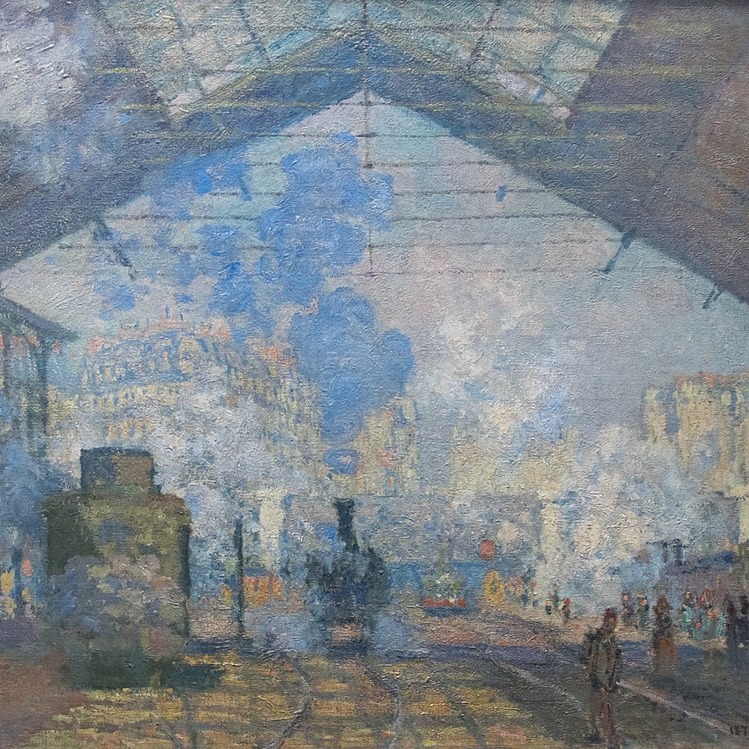
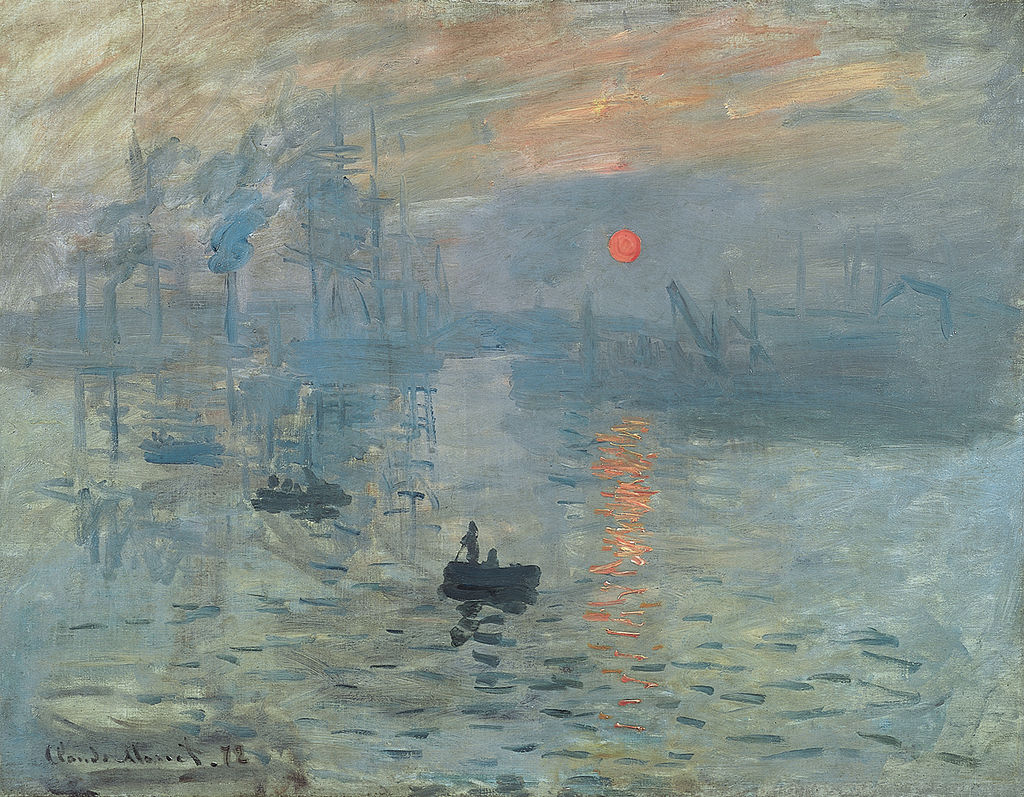
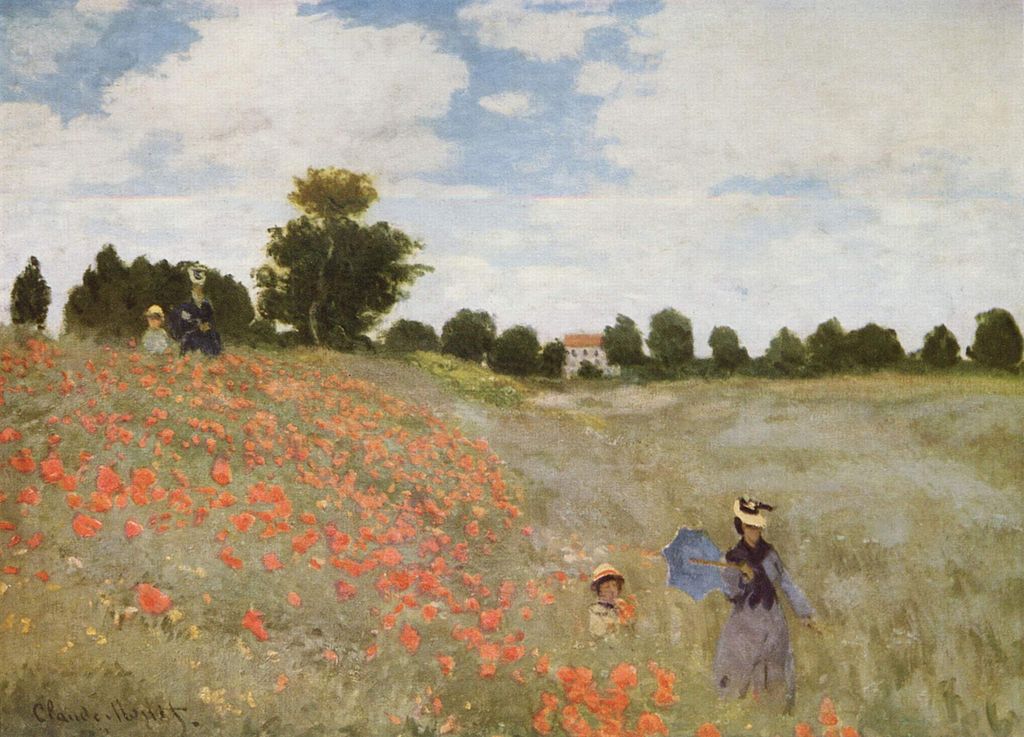
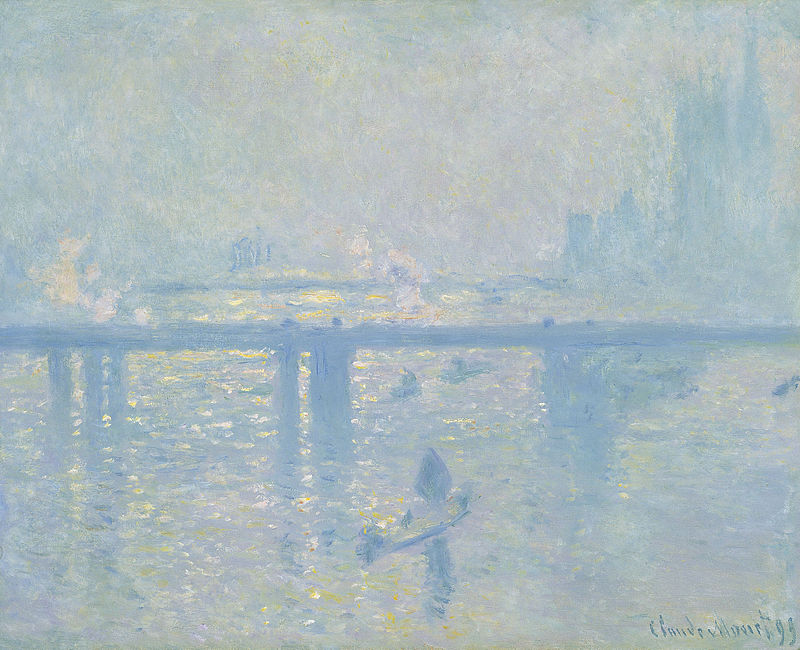
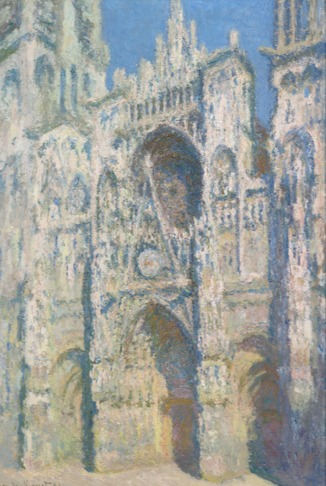
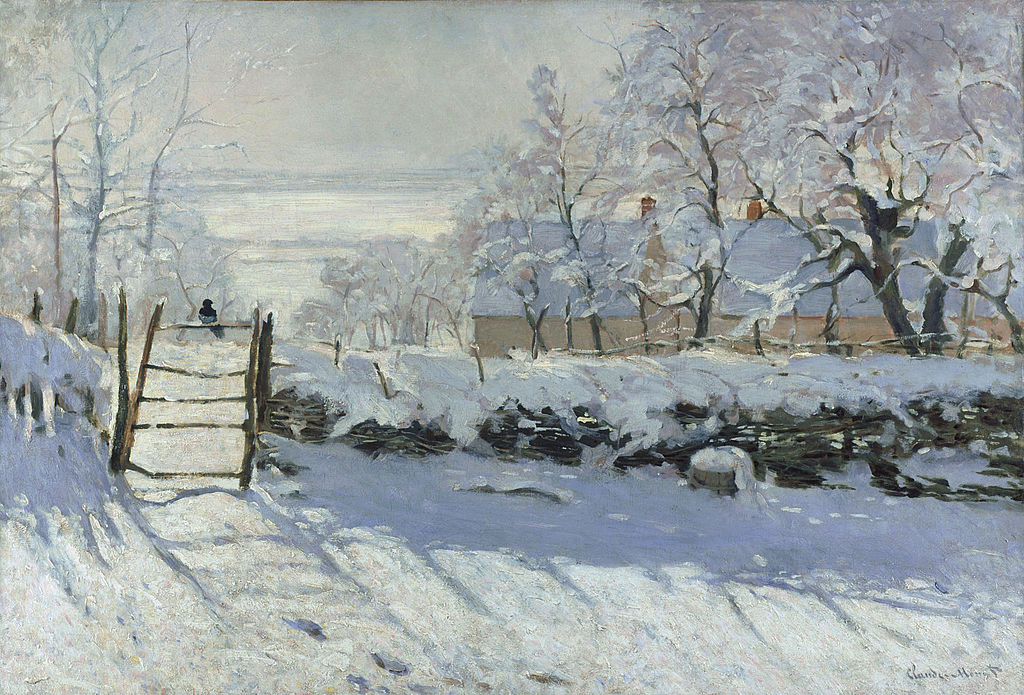
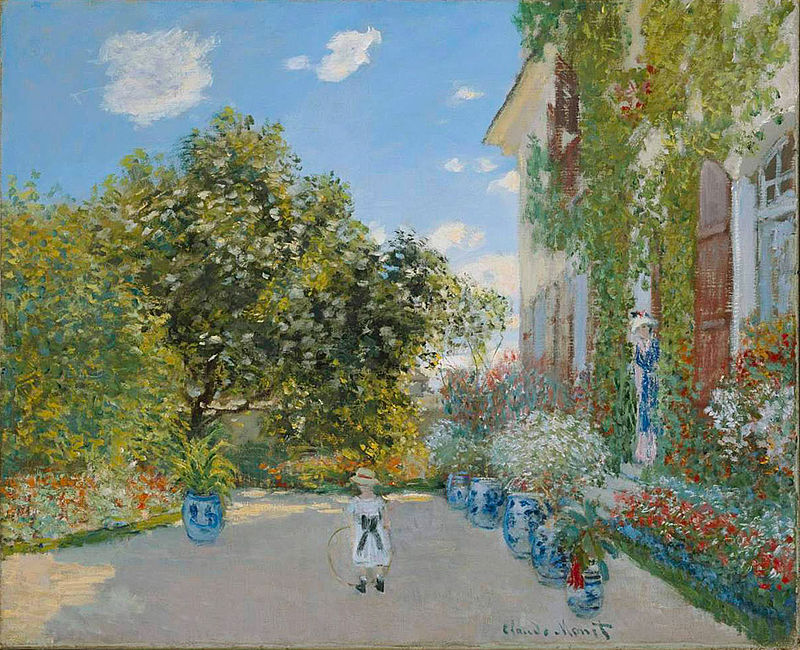
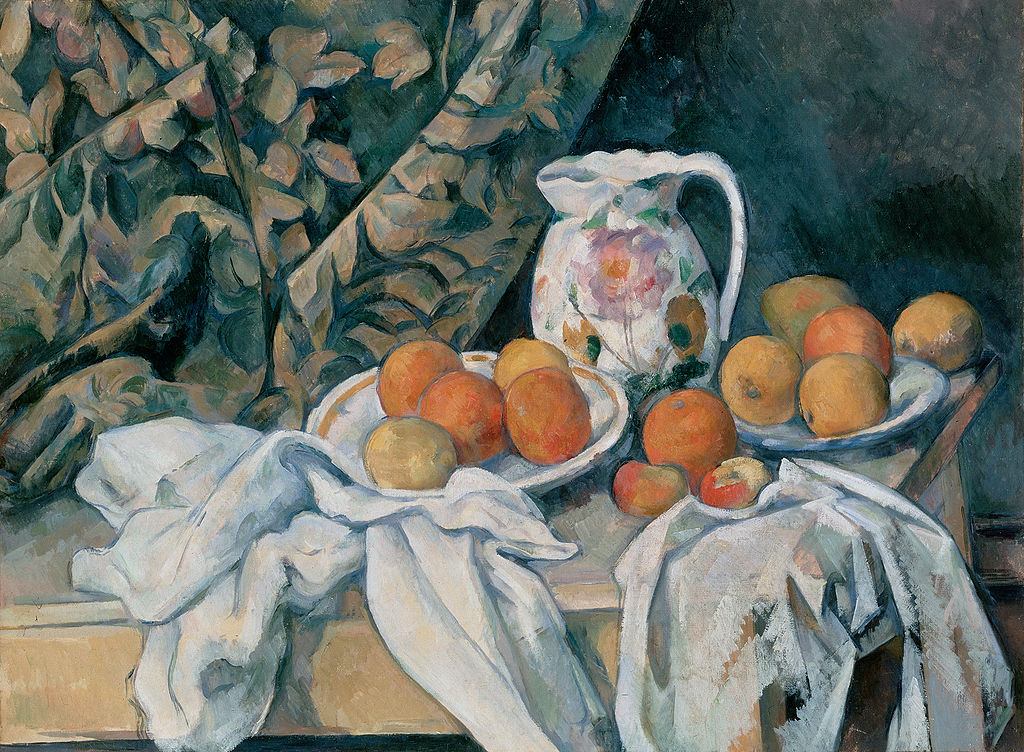
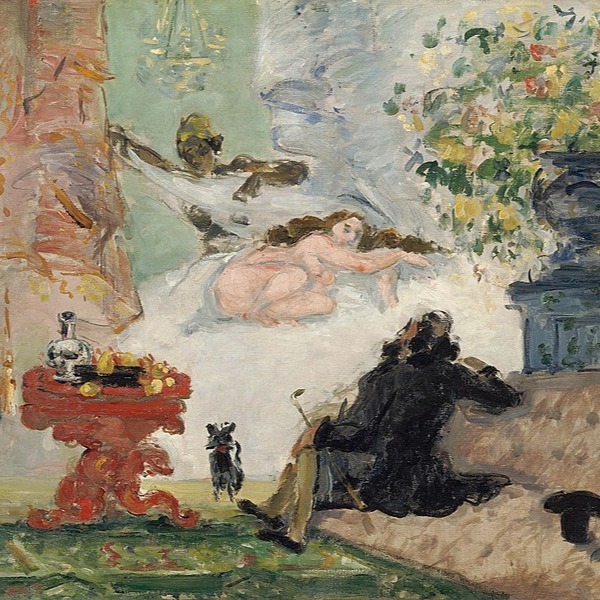
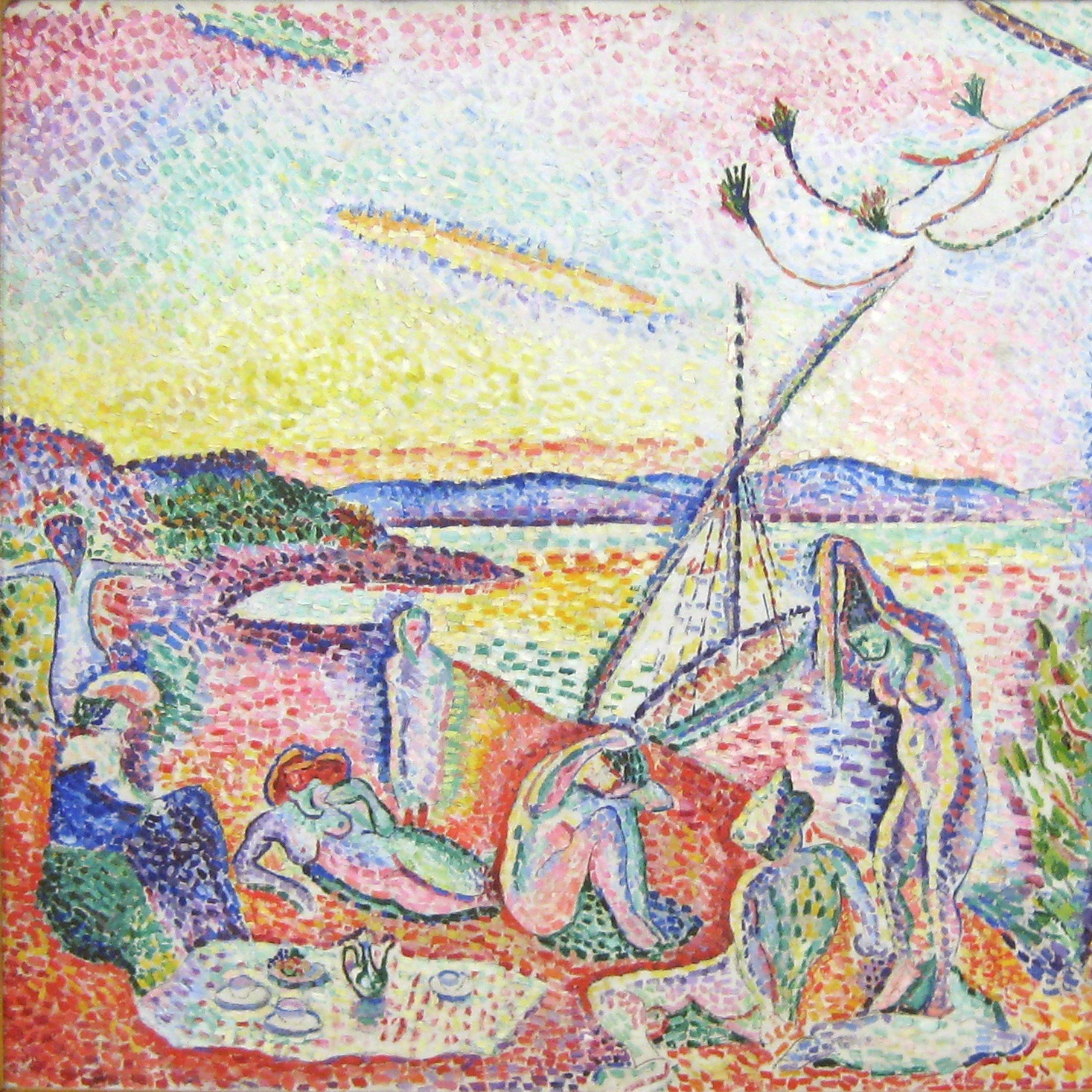
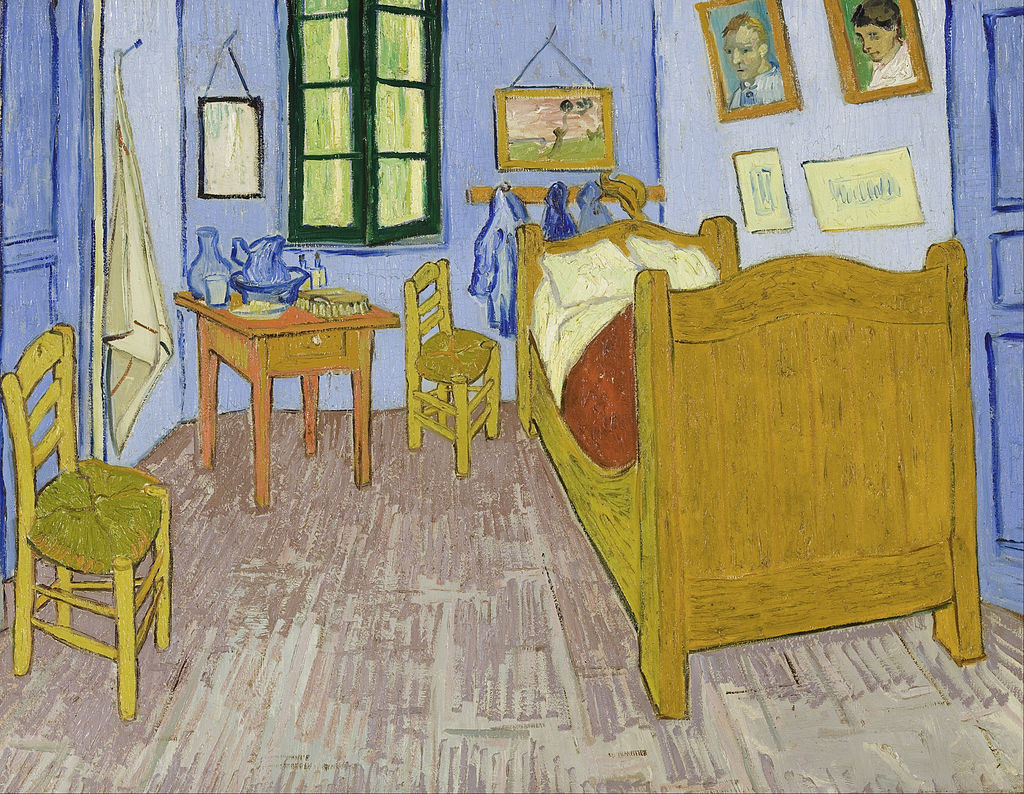
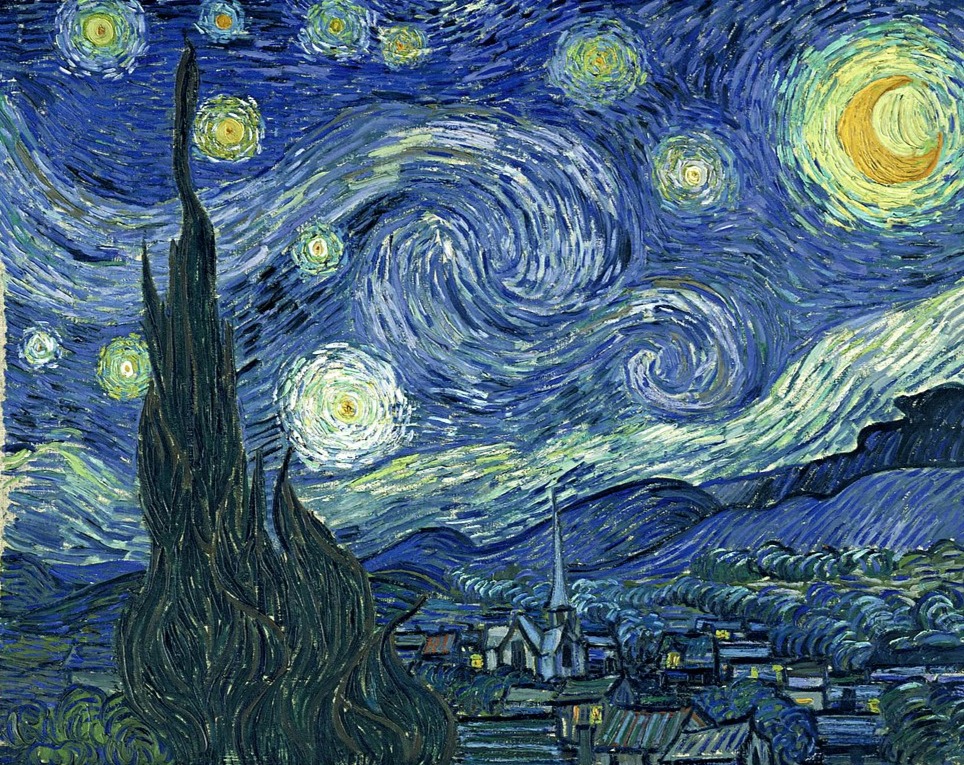
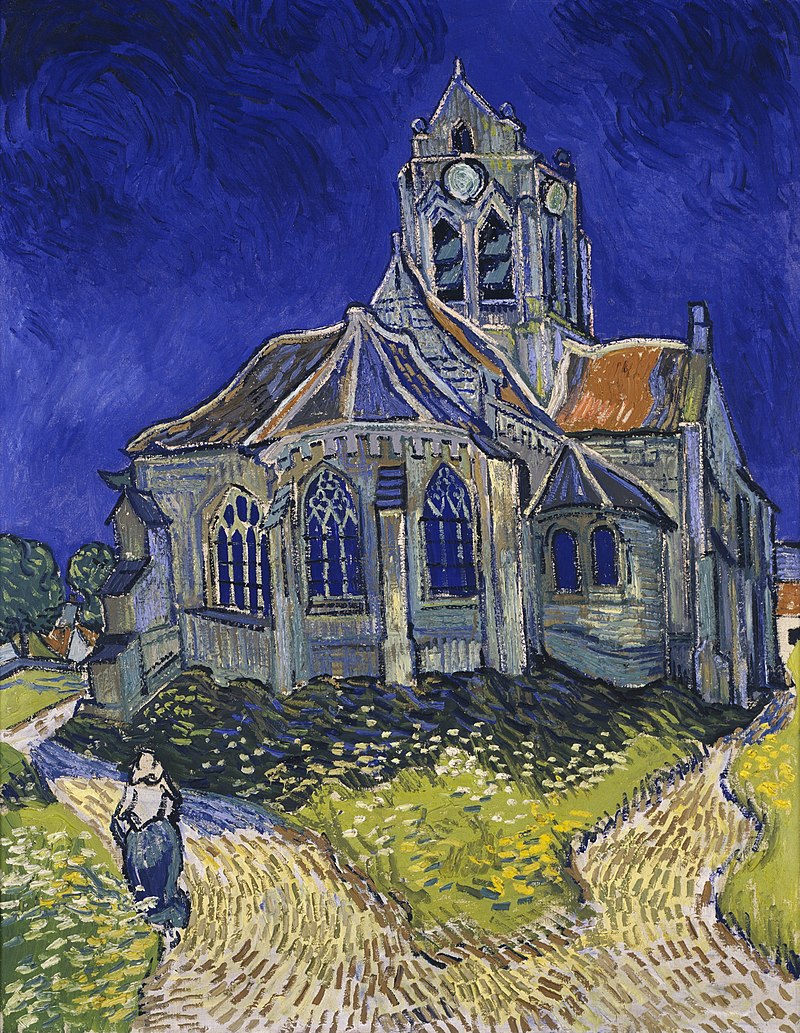
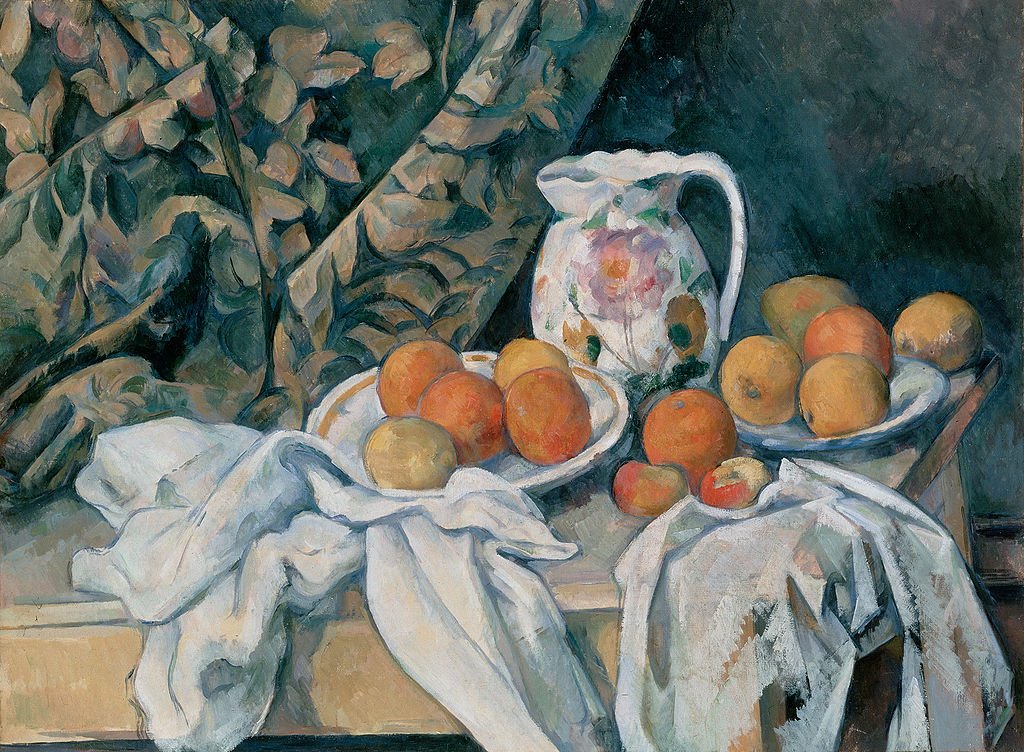
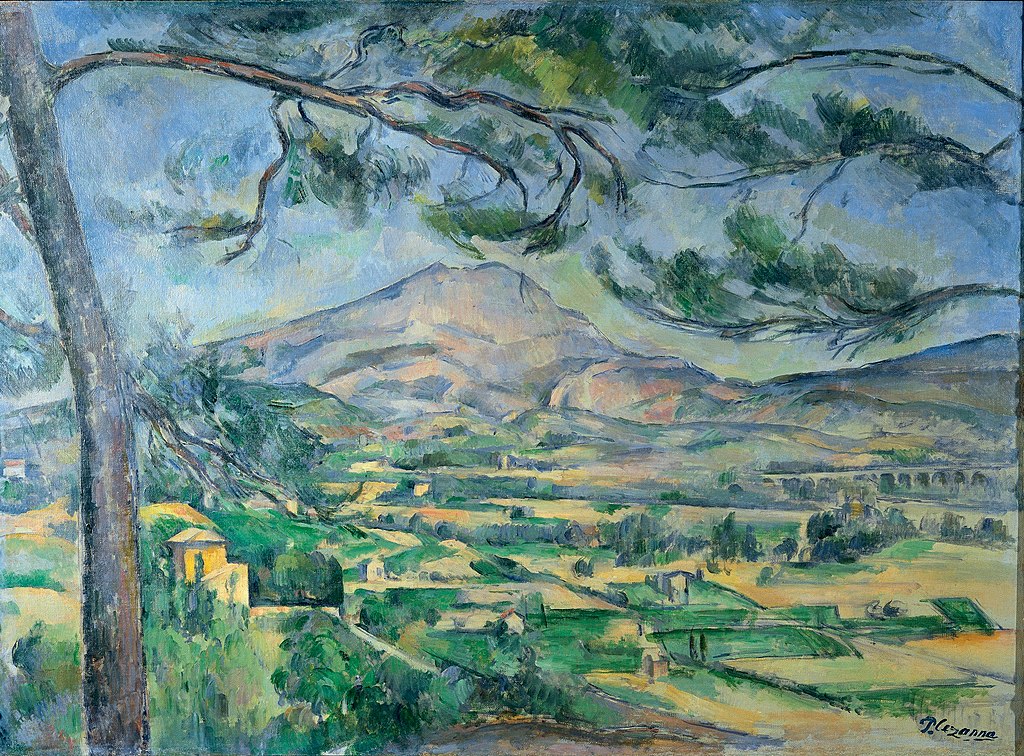
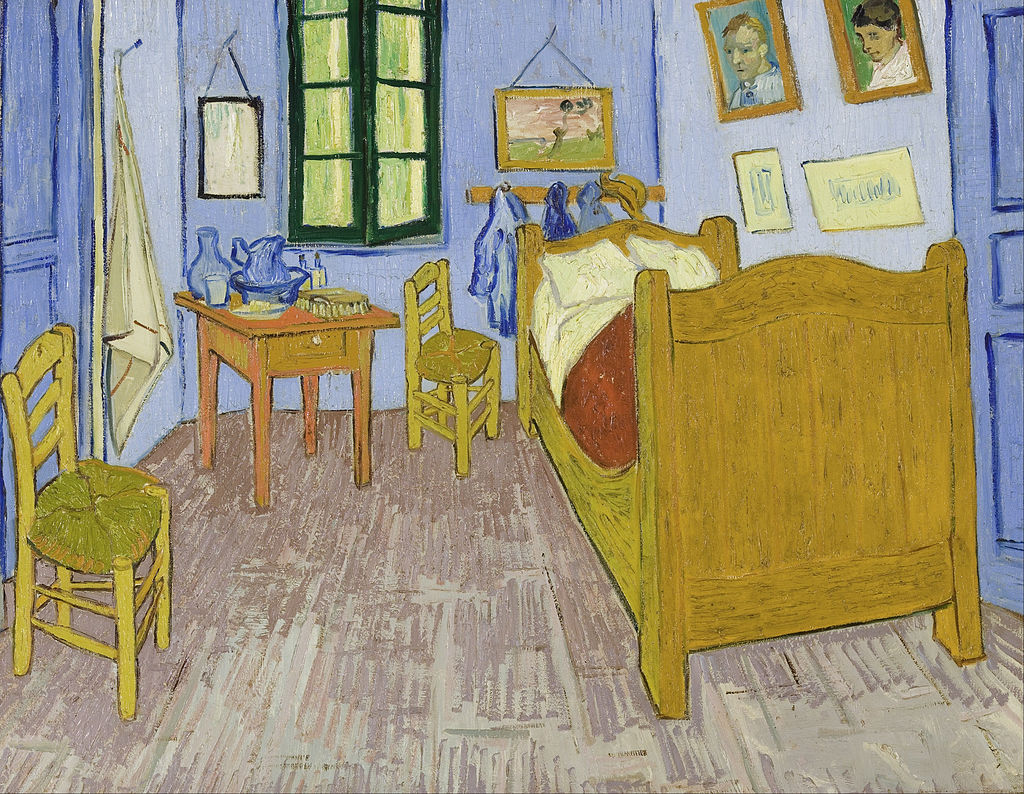
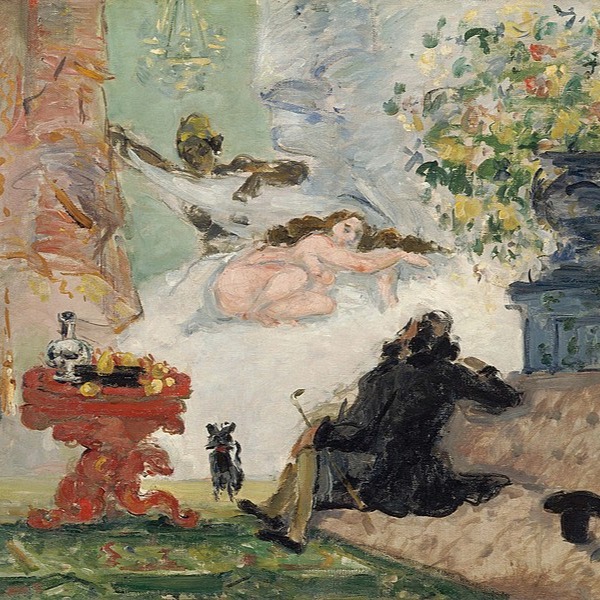
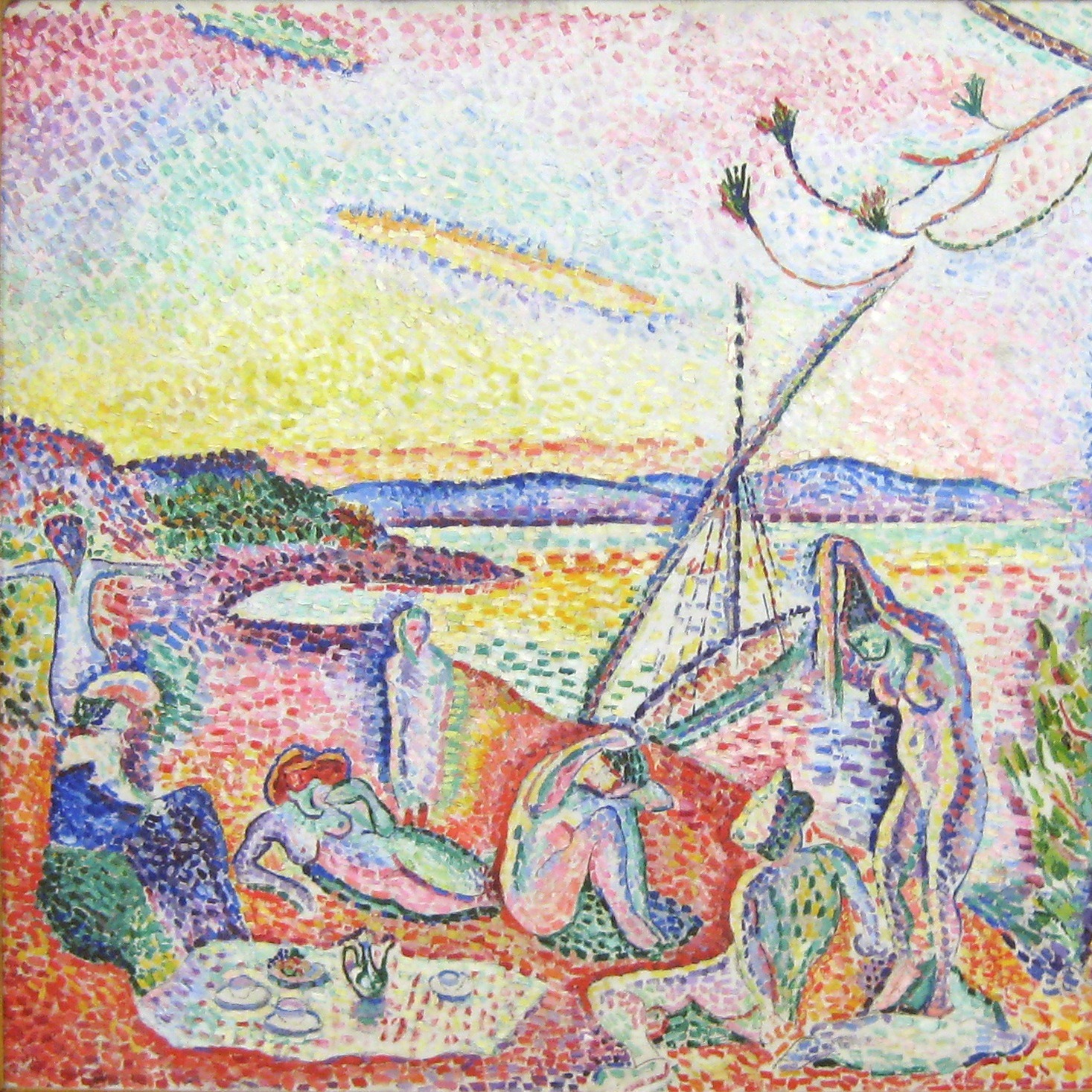
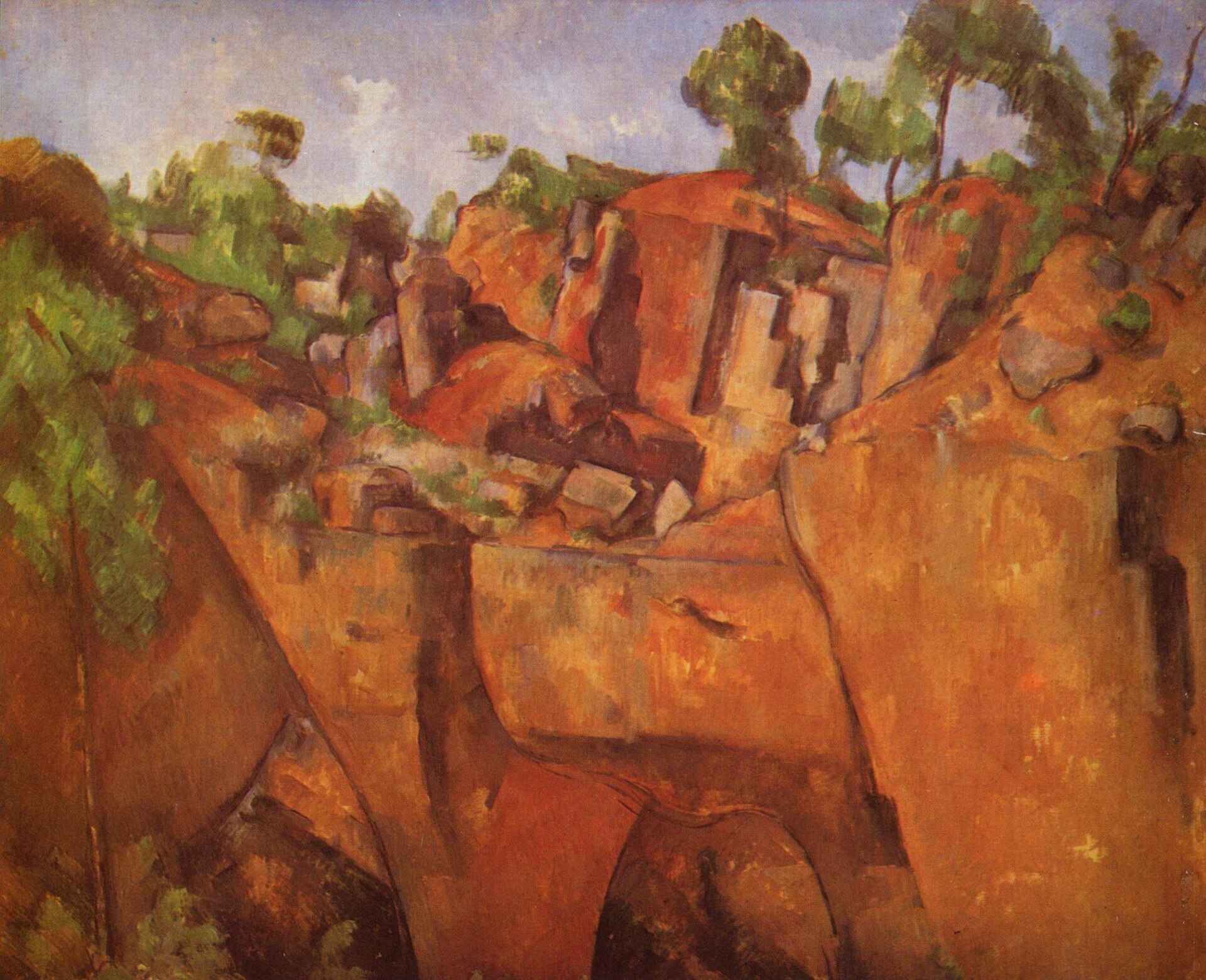
By the end of the 19th century, artists like Cézanne and Van Gogh were pushing art towards greater abstraction.
However, art remained figurative.
Despite their innovations and challenges to traditional norms, artists continued to depict shapes that were immediately recognizable and retained clear connections to the real world.
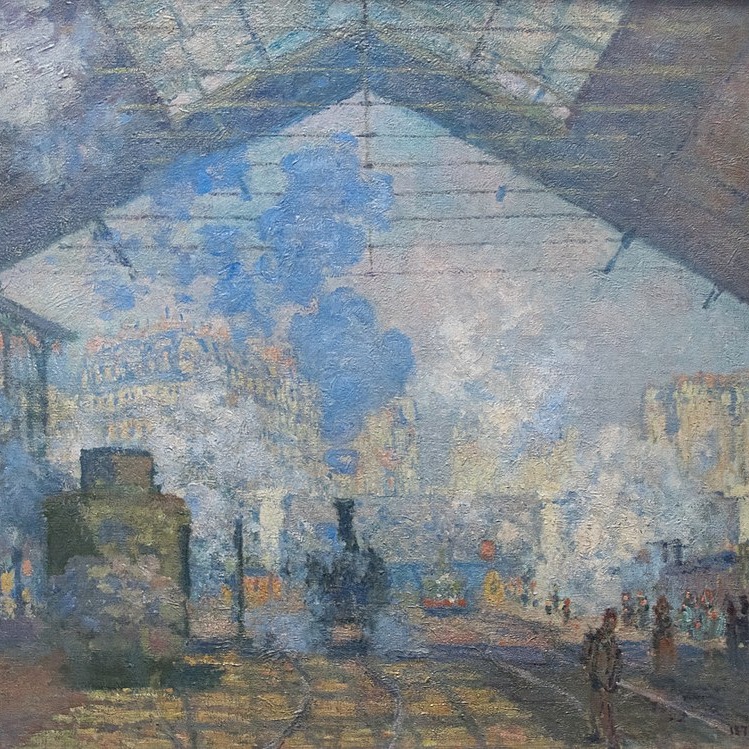
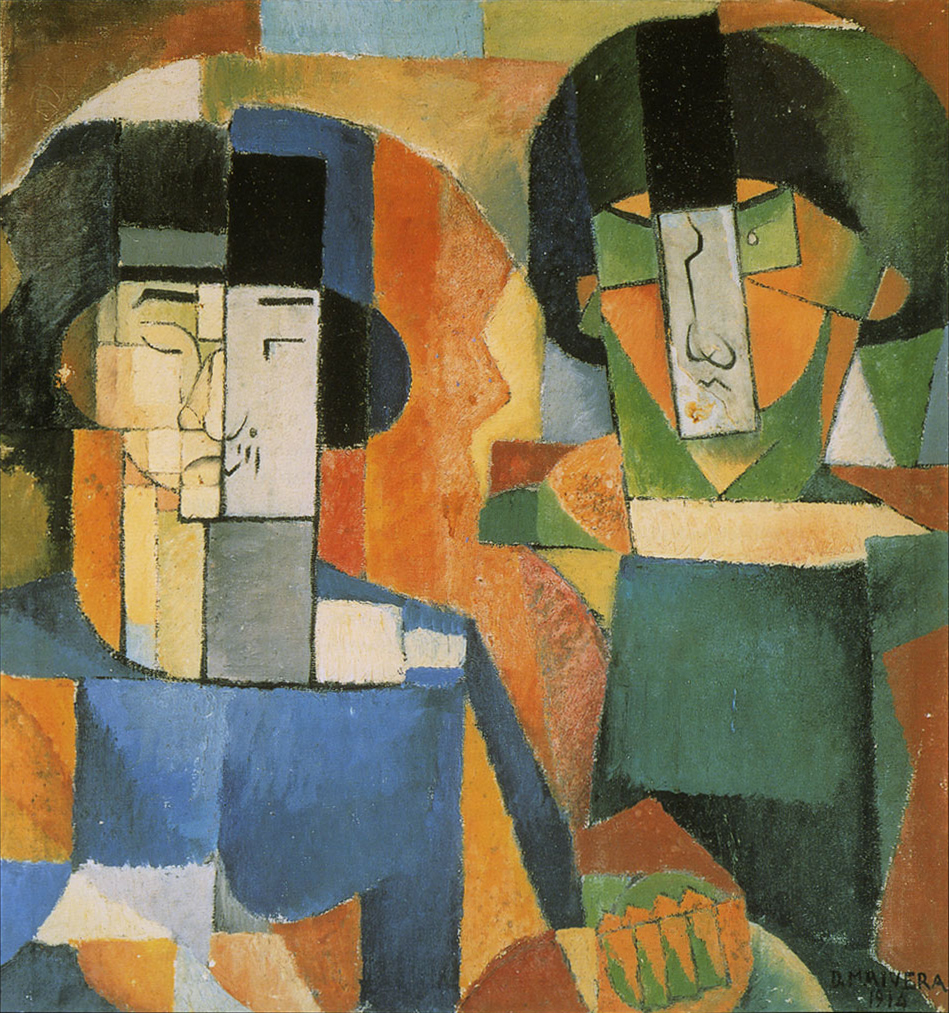
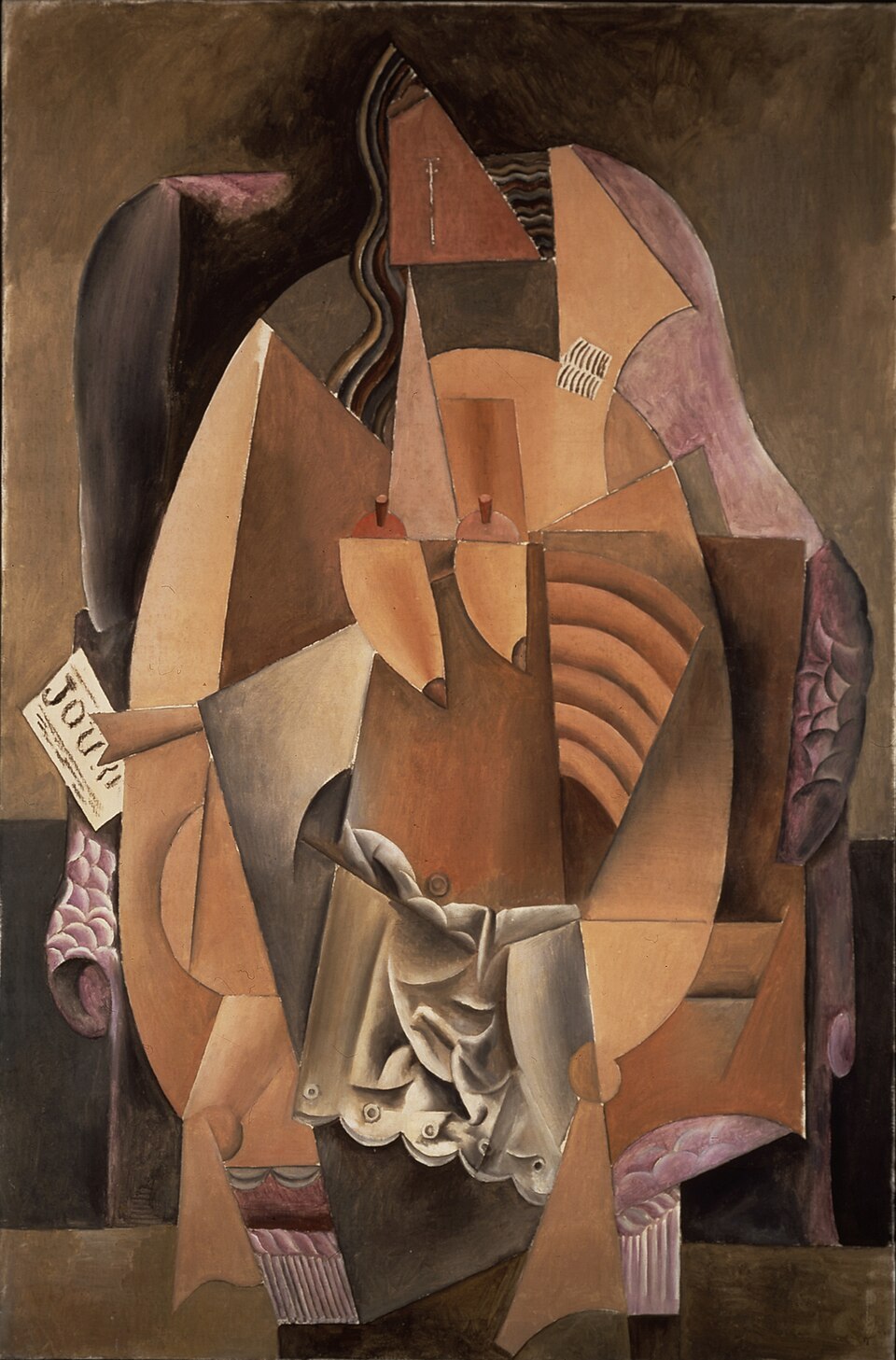
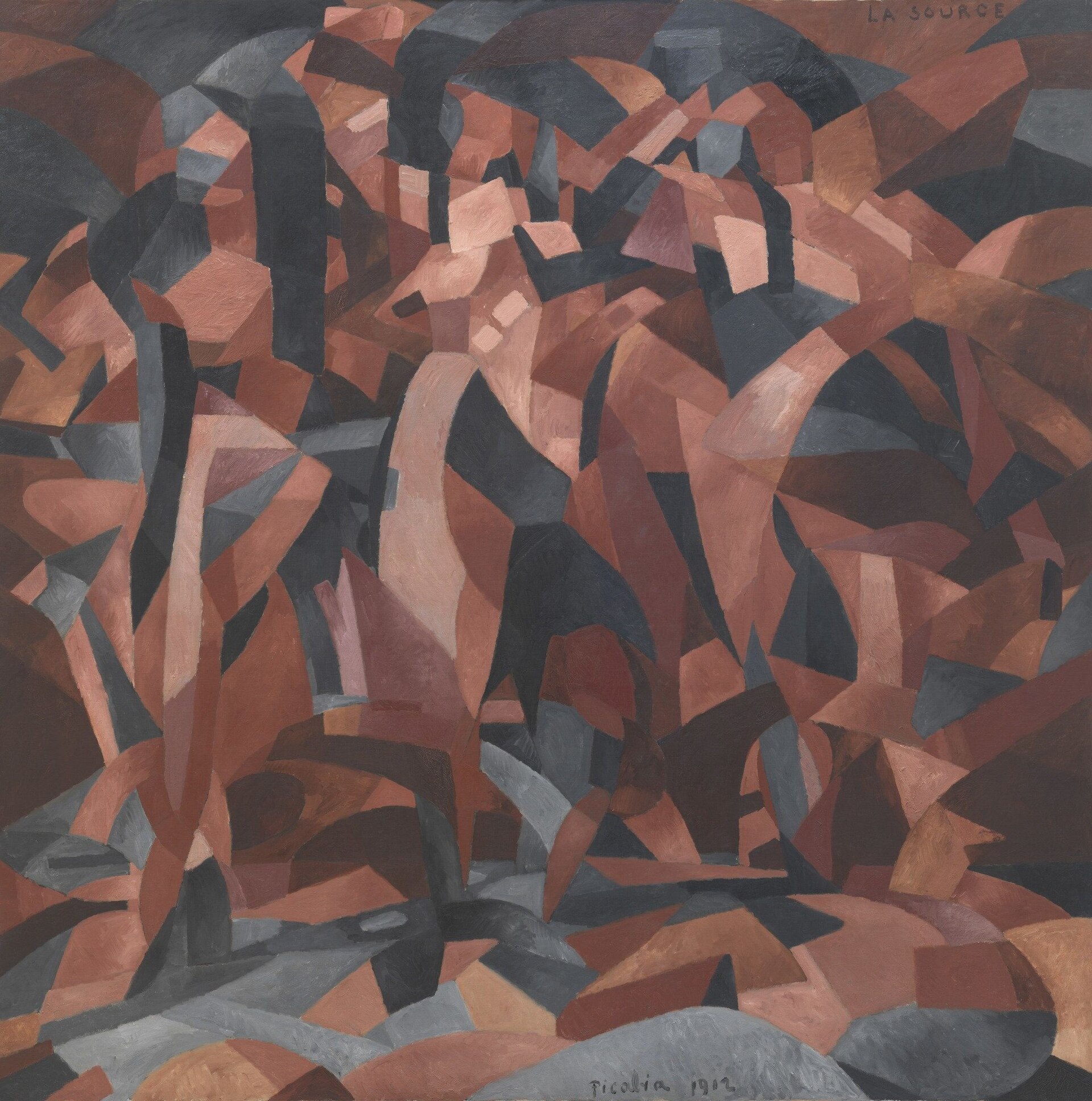
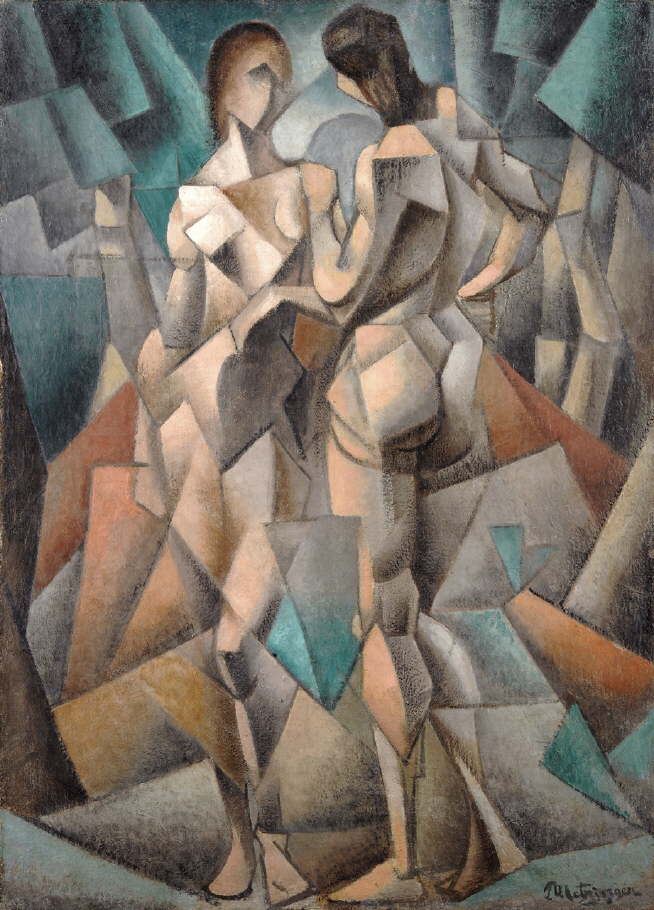
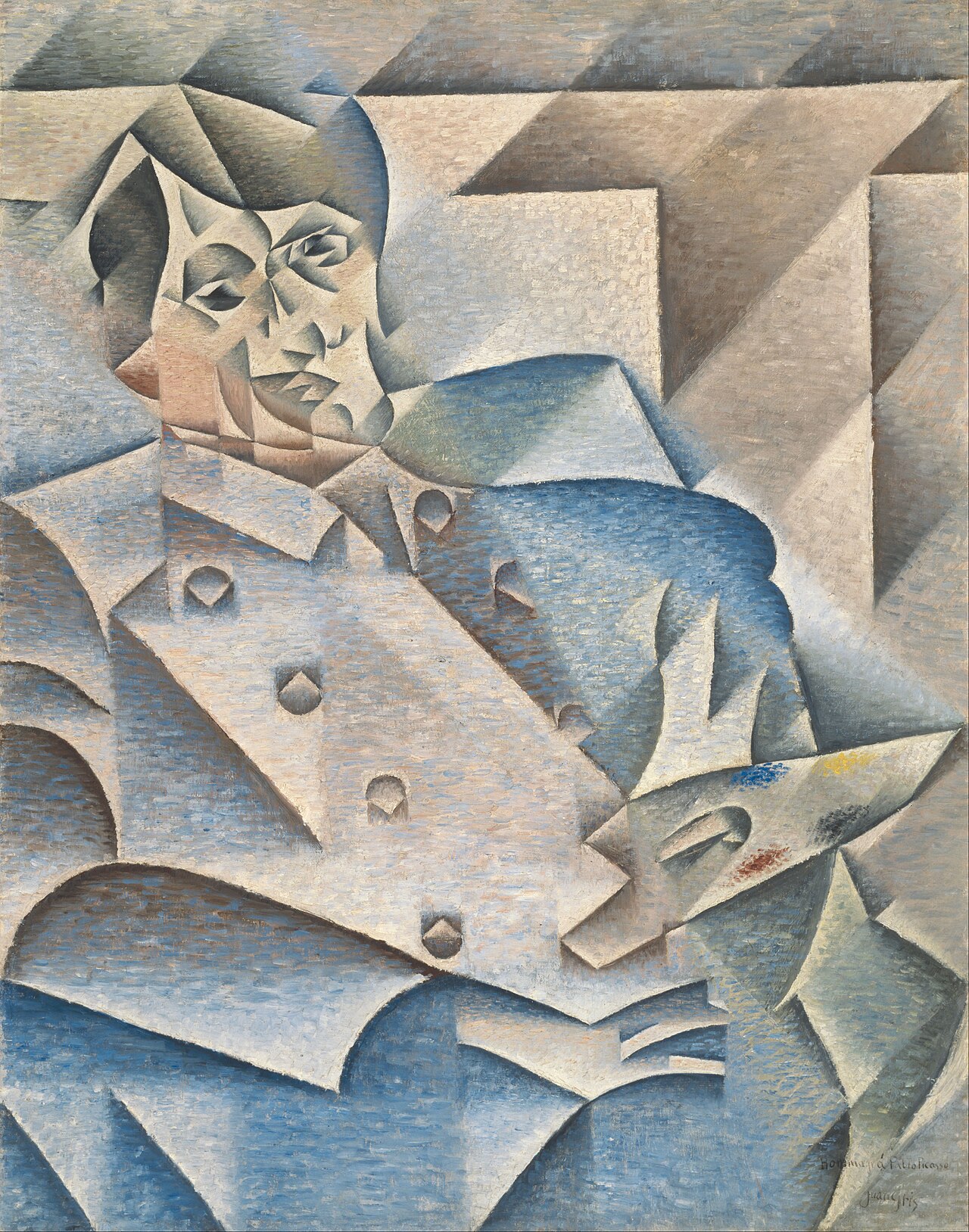
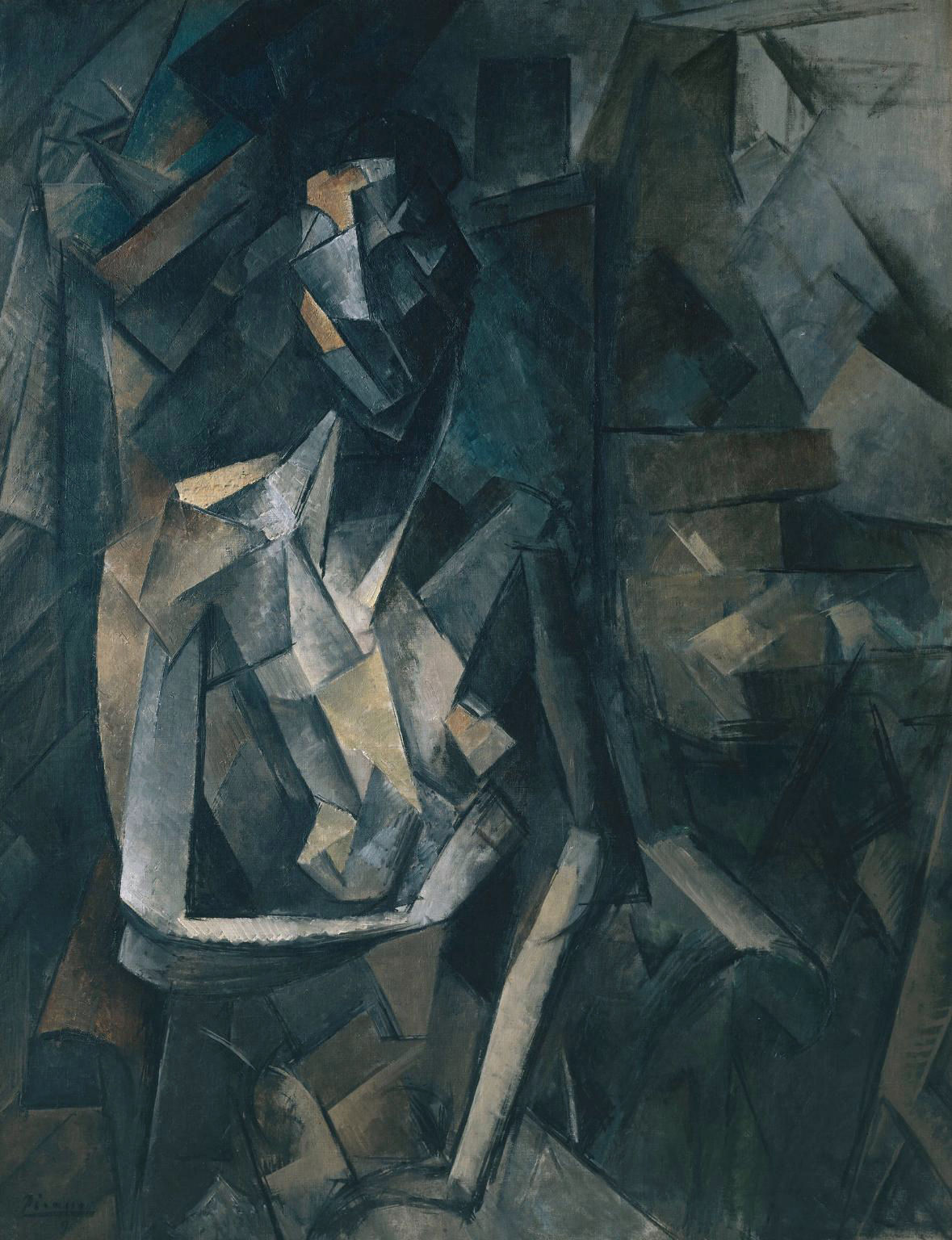
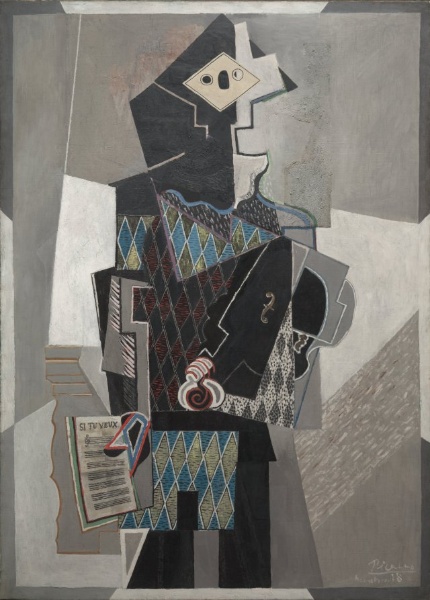
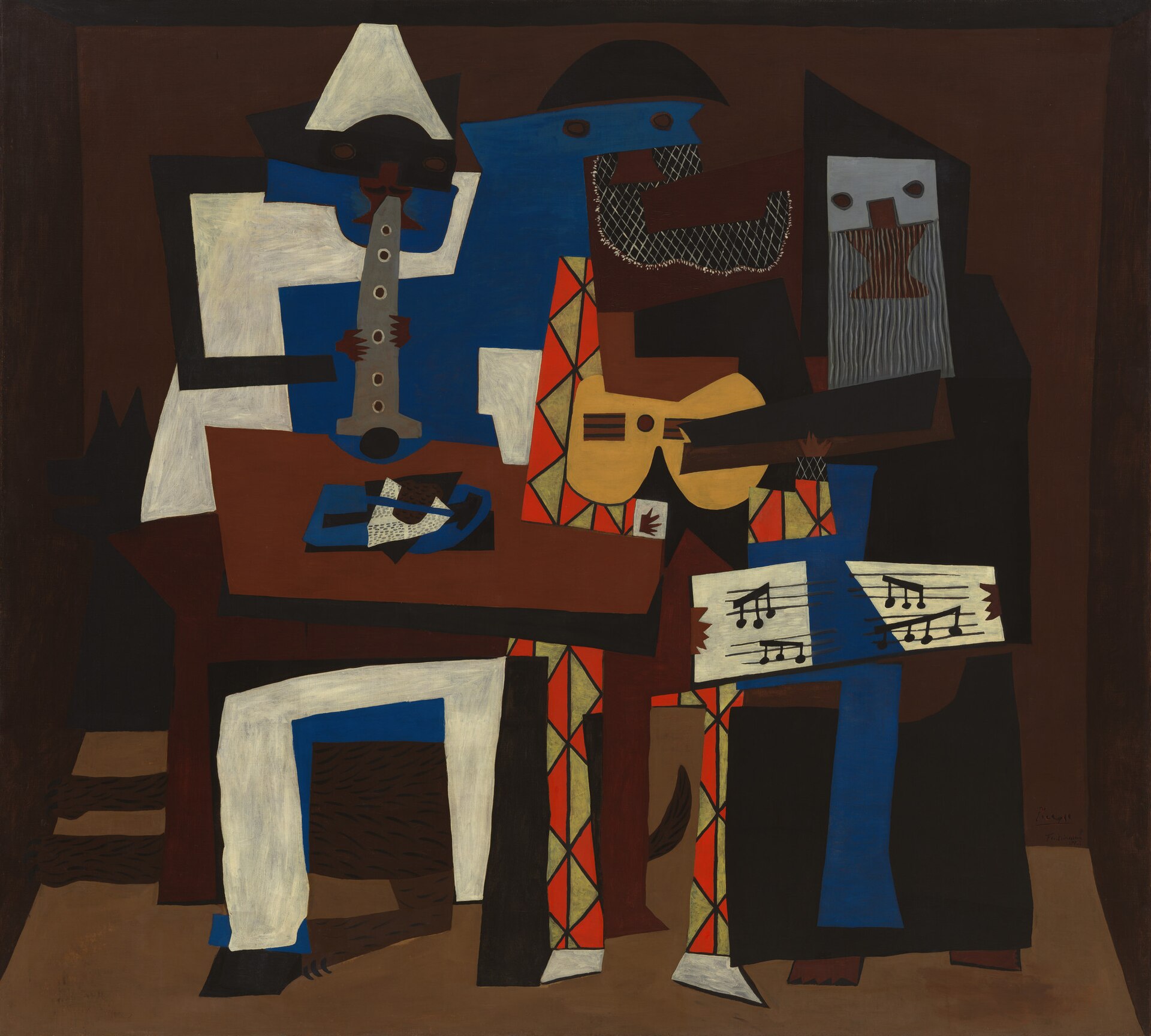
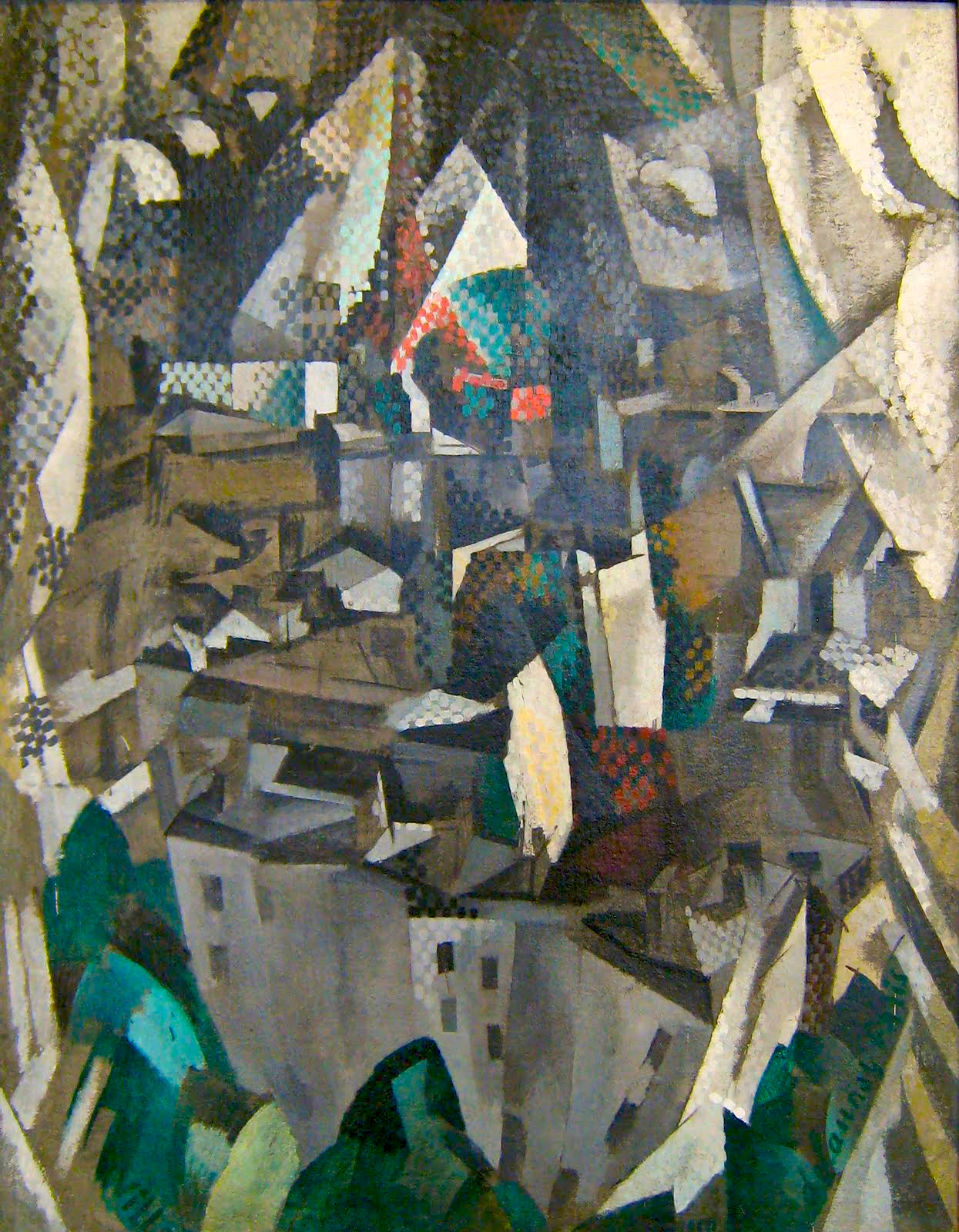
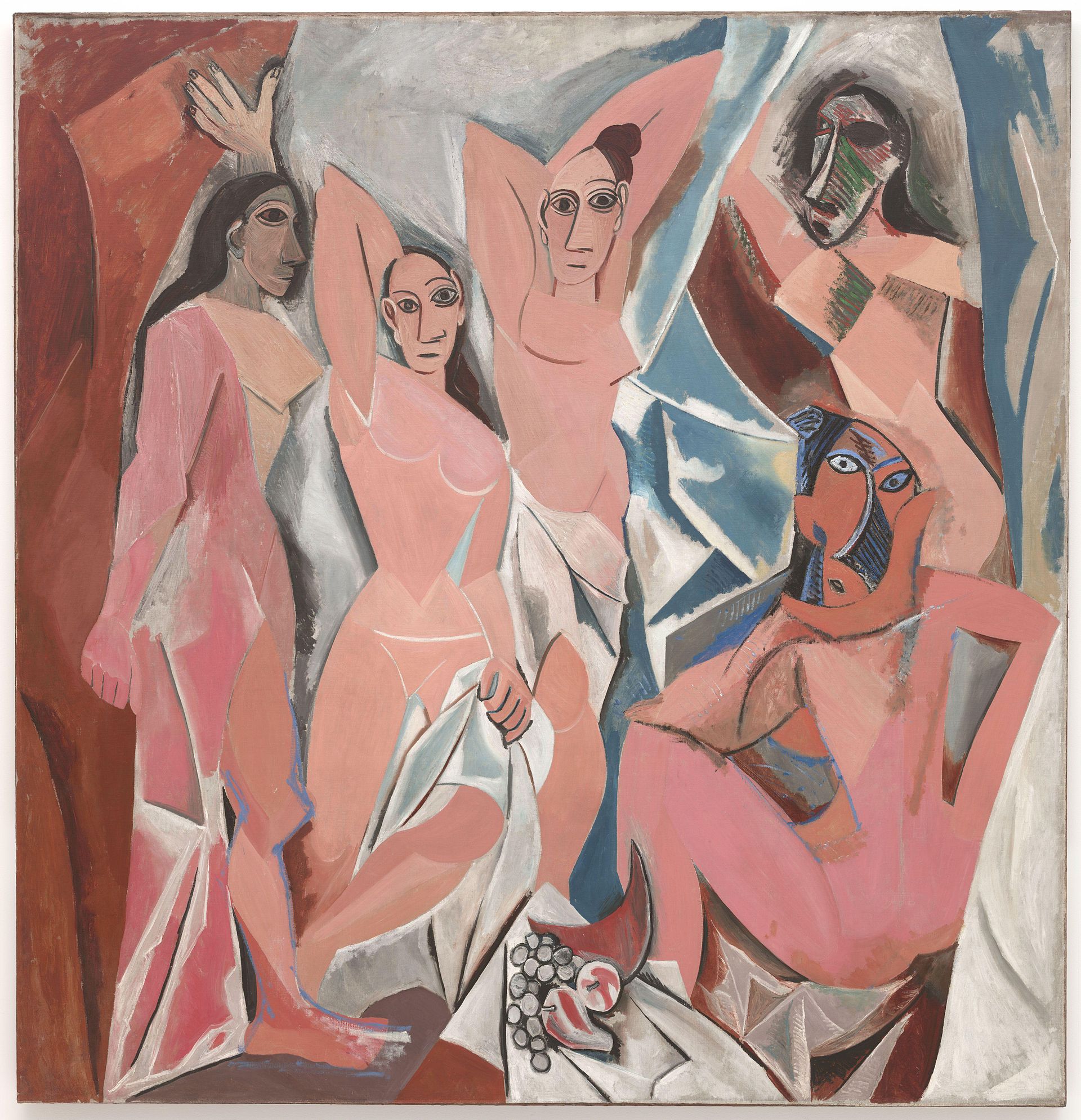
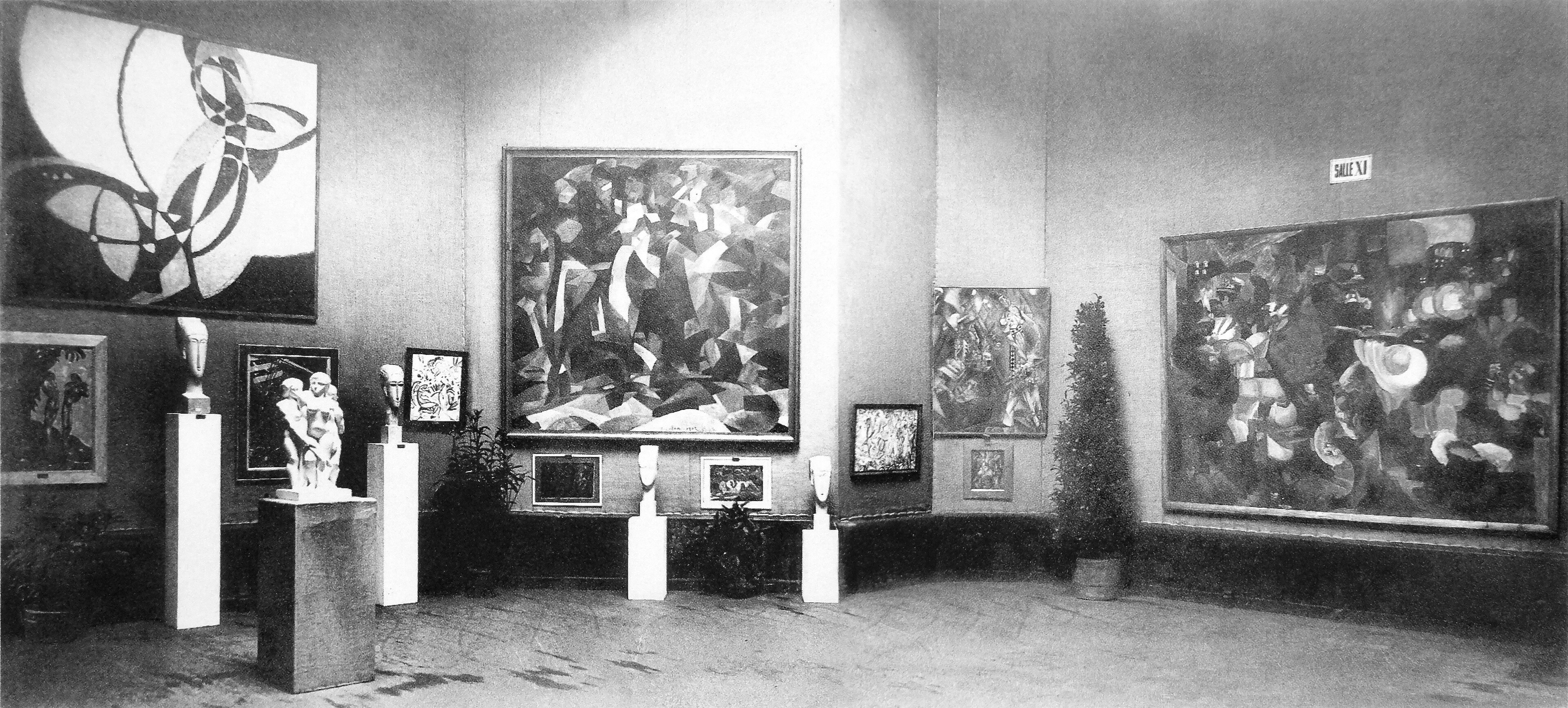
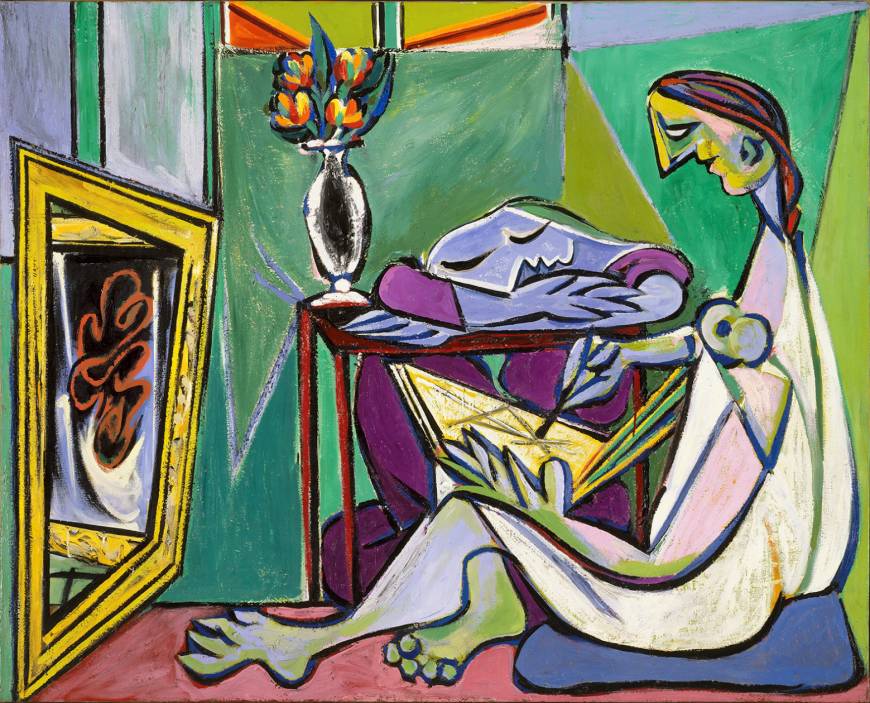
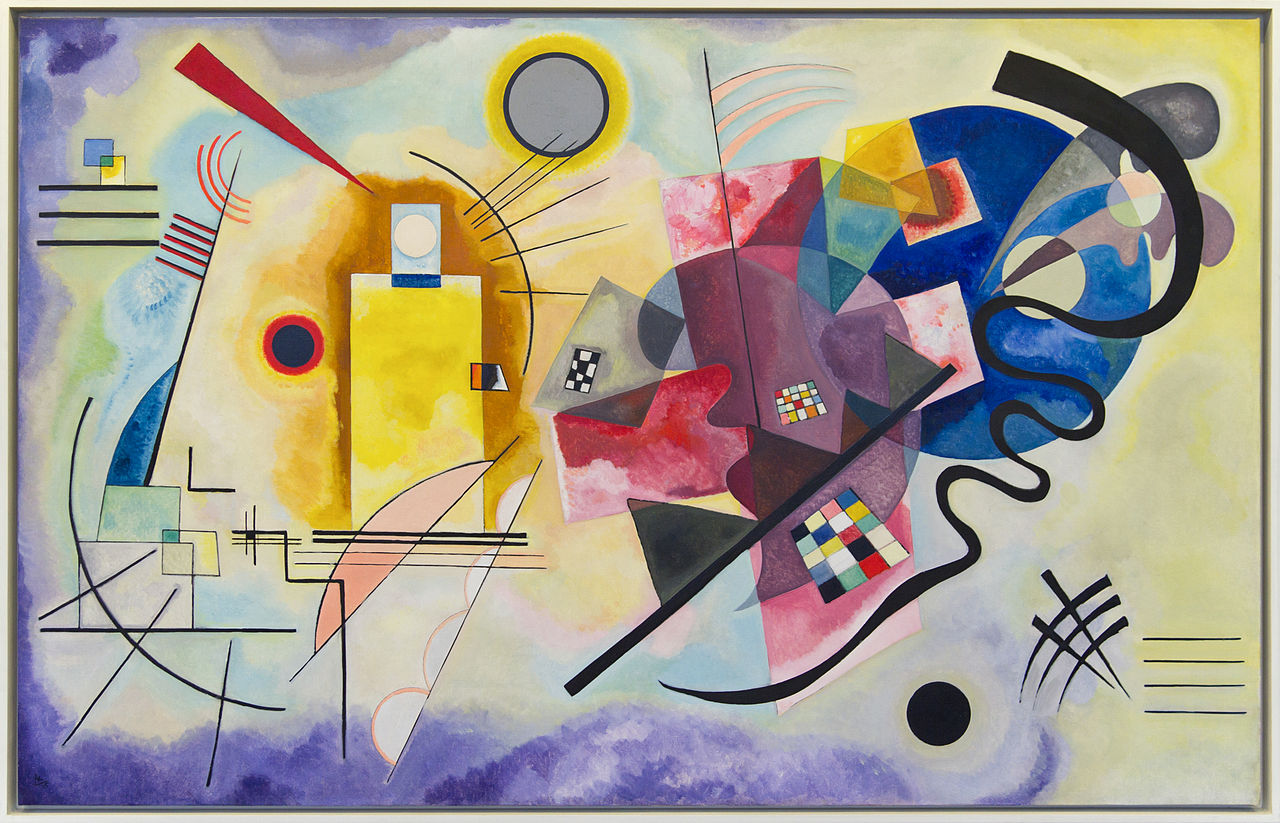
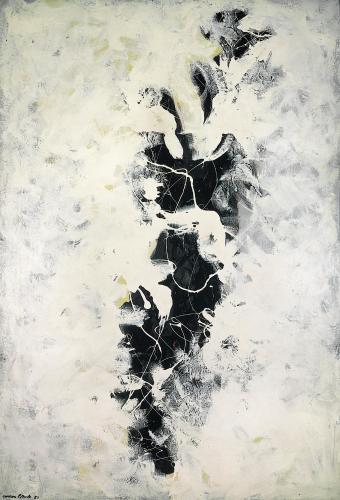
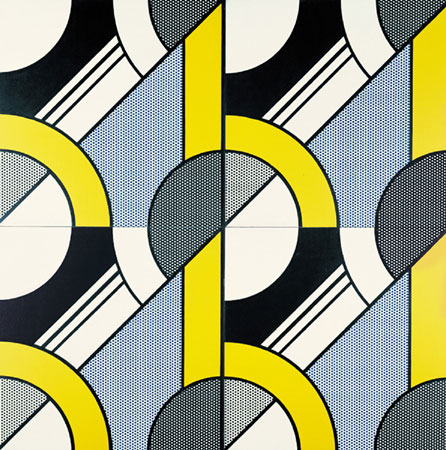
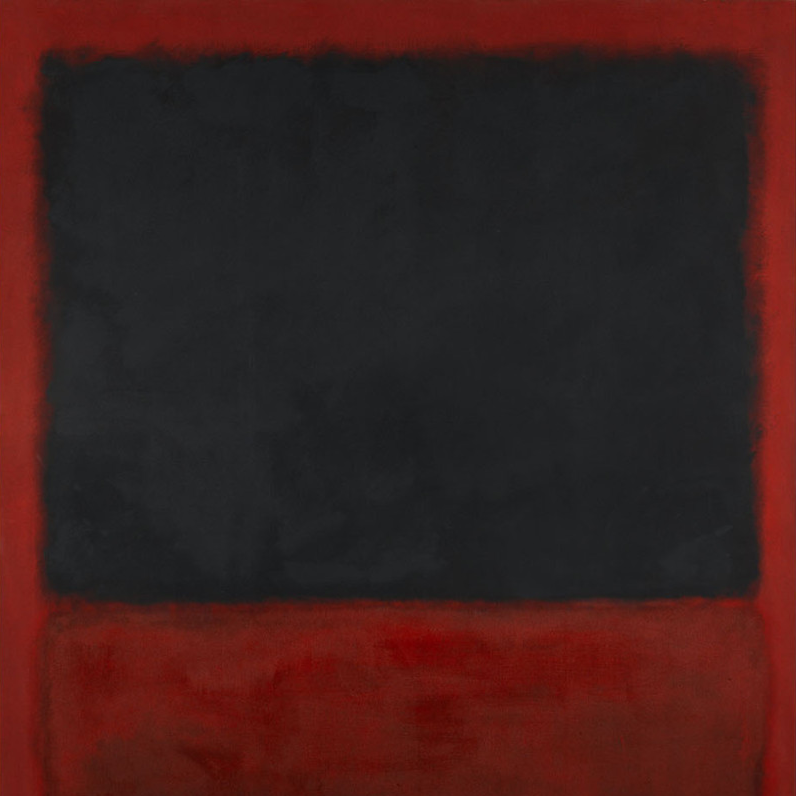
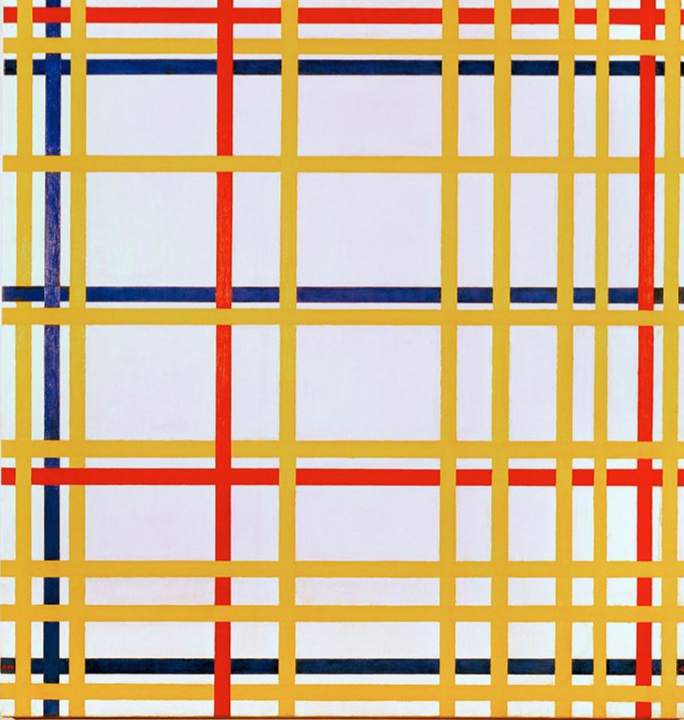
However this changed dramatically in the 20th century.
Indeed The Viaduct at L'Estaque is the first time an artist chose to dramatically drop the idea of representing the real world in favour of something more abstract.
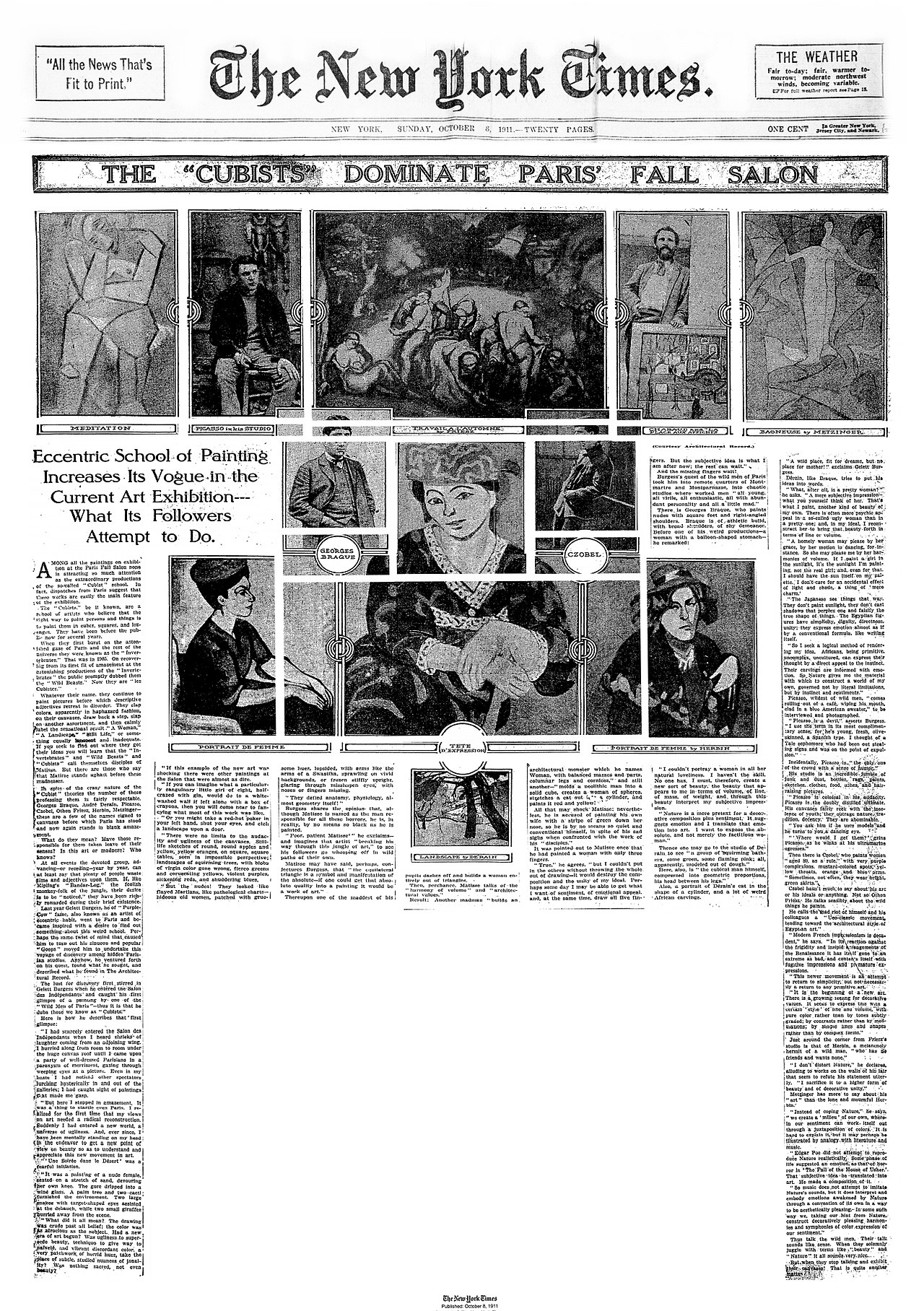
As one critic observed, Braque "reduced everything, places, figures, and houses, to geometric schemas, to cubes."
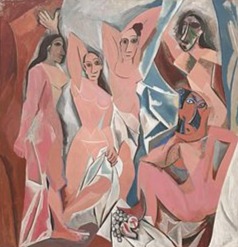
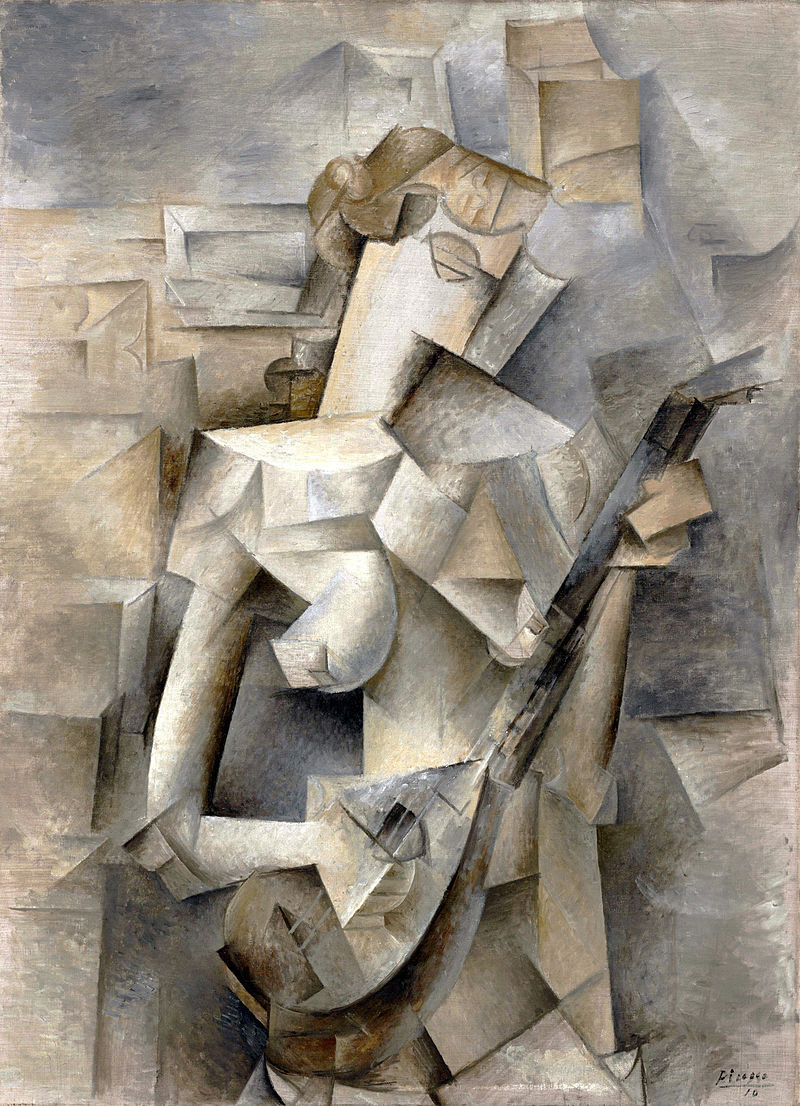
This led to the term Cubism and paved the way for the explosion of abstract art in the 20th century.
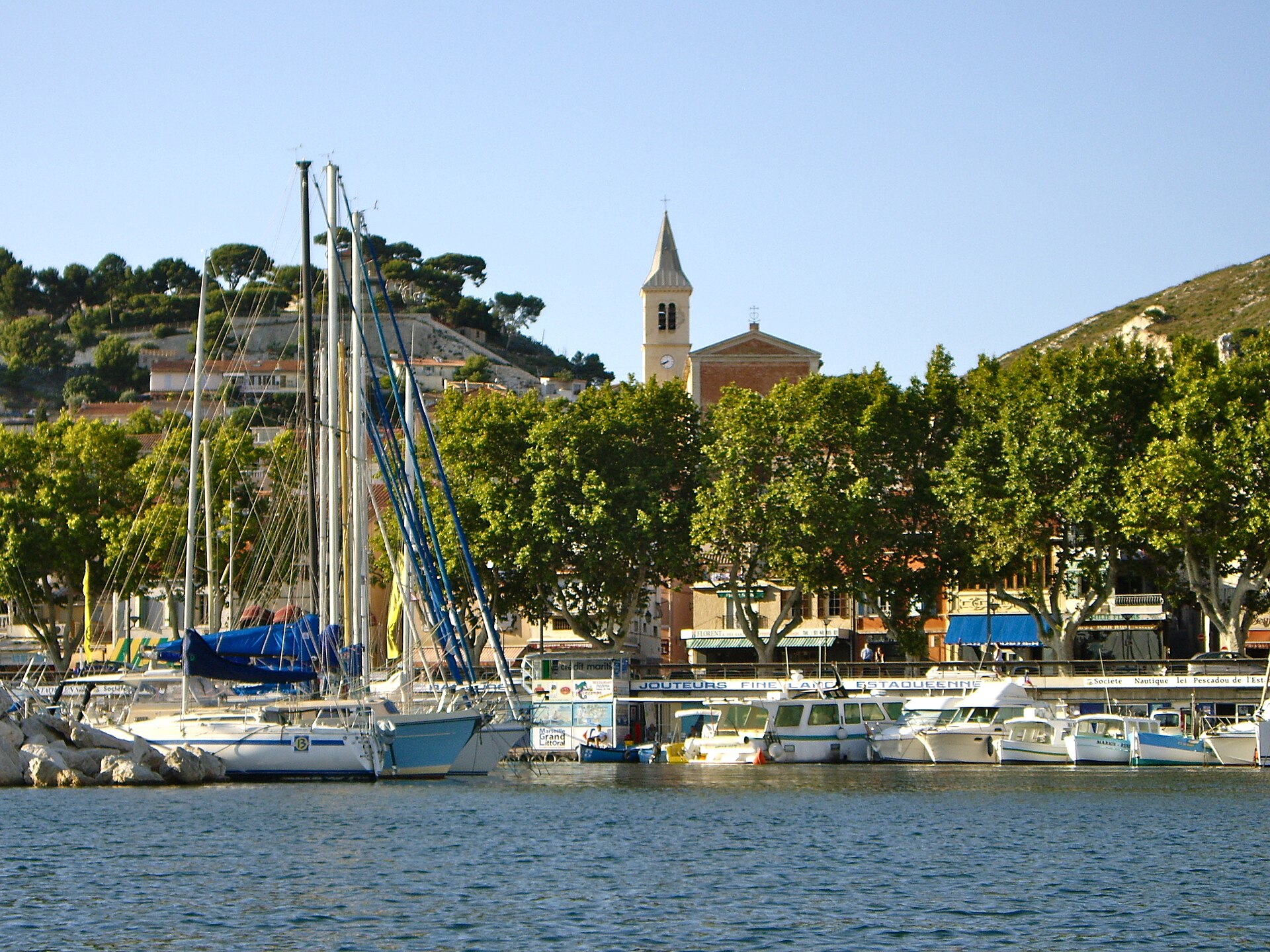
Fun fact : the village of L'Estaque, in the South of France, was a popular subject for Impressionist and Post-Impressionist painters.
However Braque went one step further in his abstraction - and with this gesture, profoundly changed the course of history.
![Portrait [prémonitoire] de Guillaume Apollinaire](https://pub-c22ba371c85d41db8dd09274c11a5645.r2.dev/images/pompidou/iconic-works-of-pompidou/portrait-premonitoire-de-guillaume-apollinaire/main.jpg)
Comments
Loading comments...