

WALKS OF ART
An introduction to Stonehenge

An introduction to Stonehenge

Stonehenge
Next

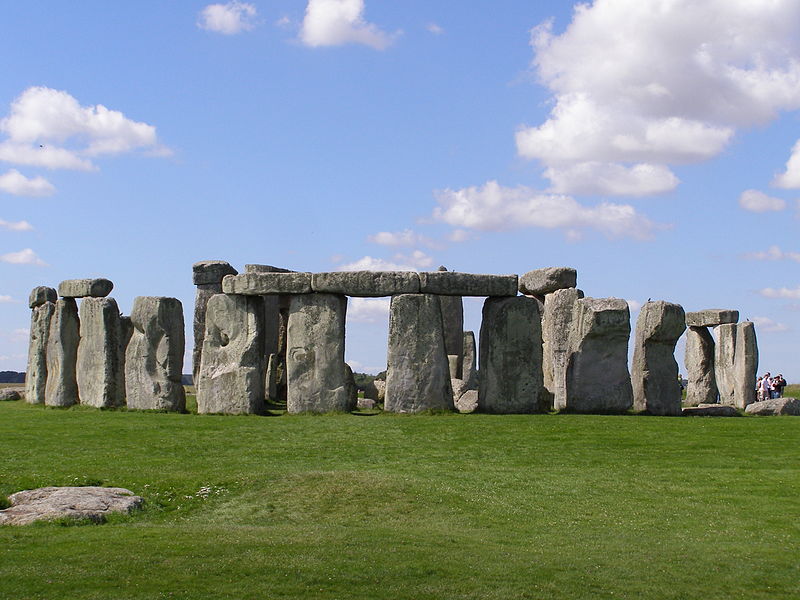
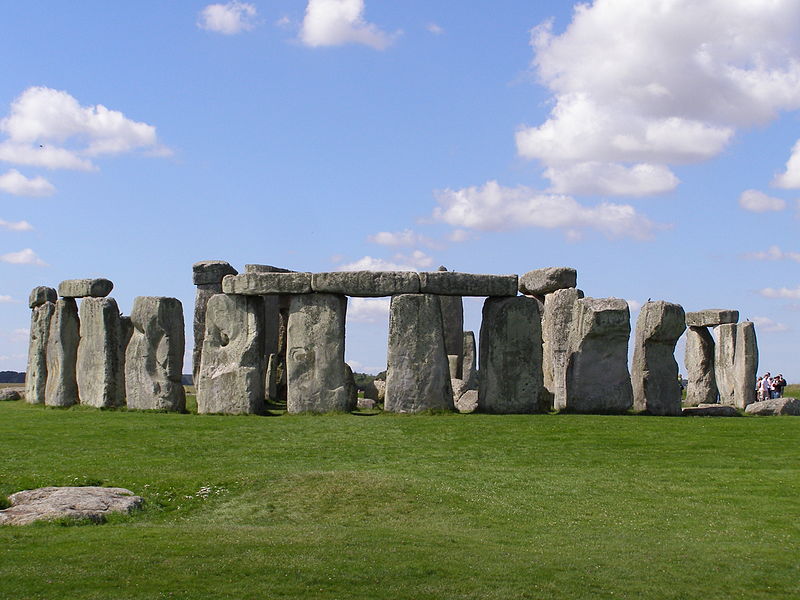
Stonehenge is one of the most famous neolithic (Stone Age) monuments in the world.

The site features the stone circle itself, but also hundreds of other prehistoric monuments scattered around the area.

An introduction to Stonehenge — image 1
An introduction to Stonehenge — image 2
An introduction to Stonehenge — image 3
An introduction to Stonehenge — image 4
An introduction to Stonehenge — image 5
An introduction to Stonehenge — image 6
An introduction to Stonehenge — image 7
An introduction to Stonehenge — image 8
An introduction to Stonehenge — image 9
An introduction to Stonehenge — image 10
An introduction to Stonehenge — image 11
An introduction to Stonehenge — image 12
An introduction to Stonehenge — image 13
An introduction to Stonehenge — image 14
An introduction to Stonehenge — image 15
An introduction to Stonehenge — image 16
An introduction to Stonehenge — image 17
An introduction to Stonehenge — image 18
1 / 18

It’s a "prehistoric" monument, built before the invention of writing.

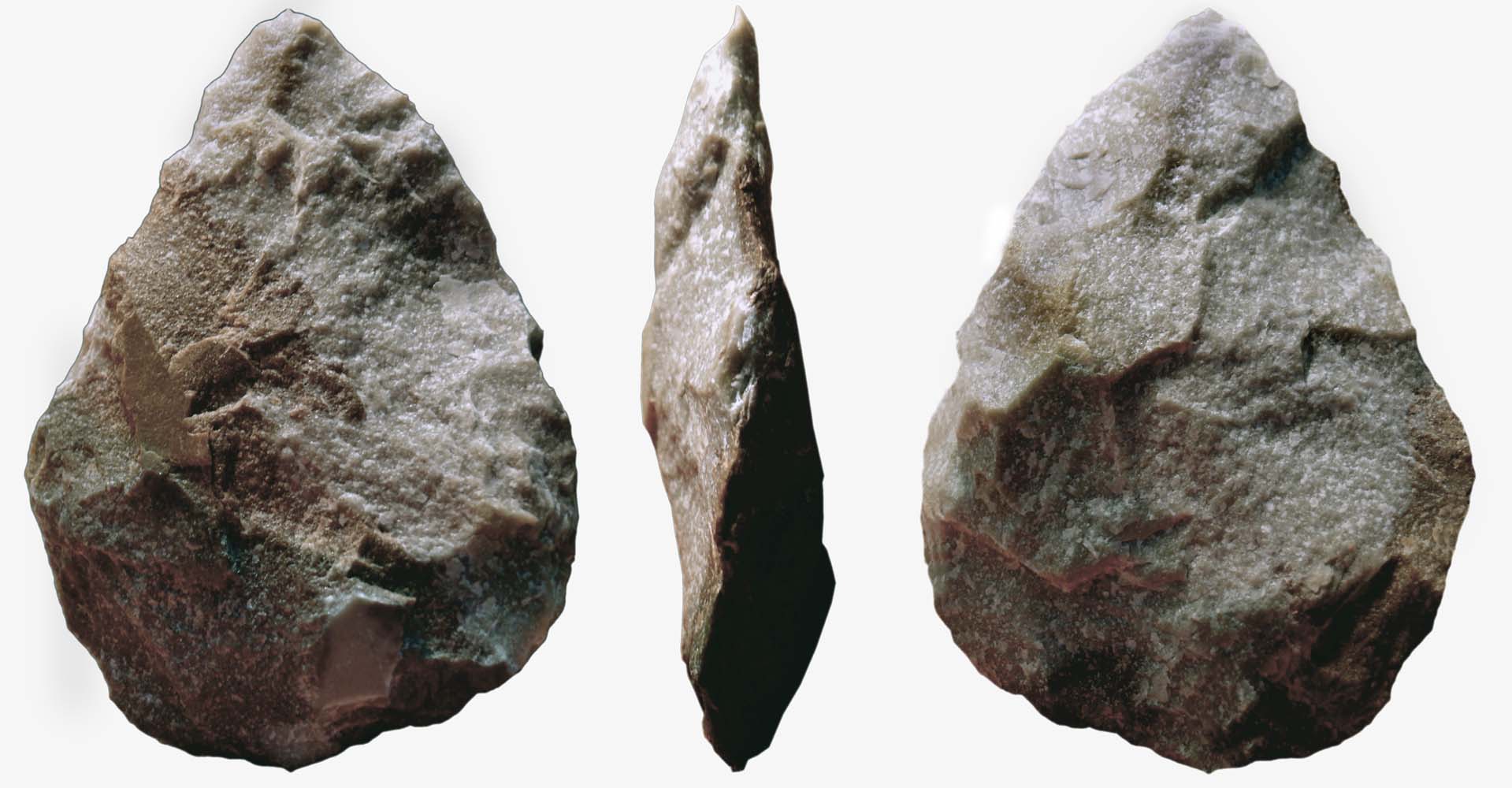
It originates from the earliest phase of prehistory, the Stone Age, which came before the Bronze Age and Iron Age.

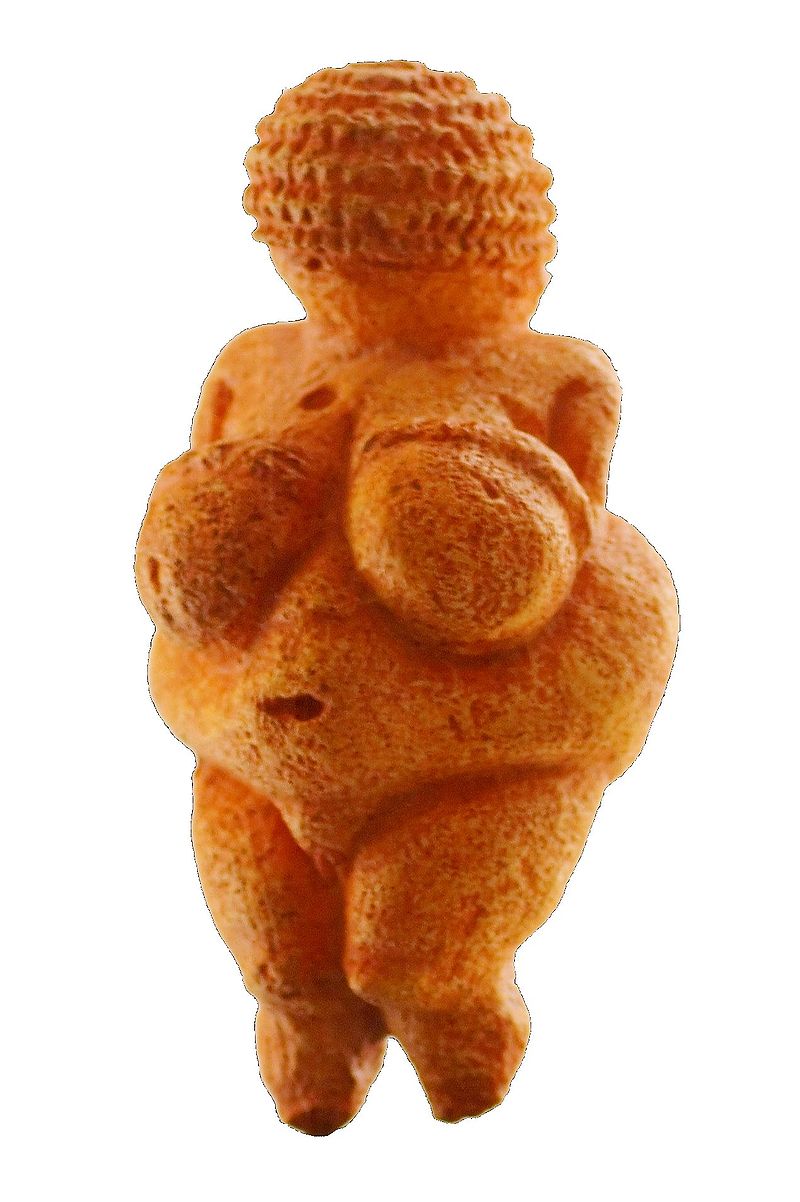
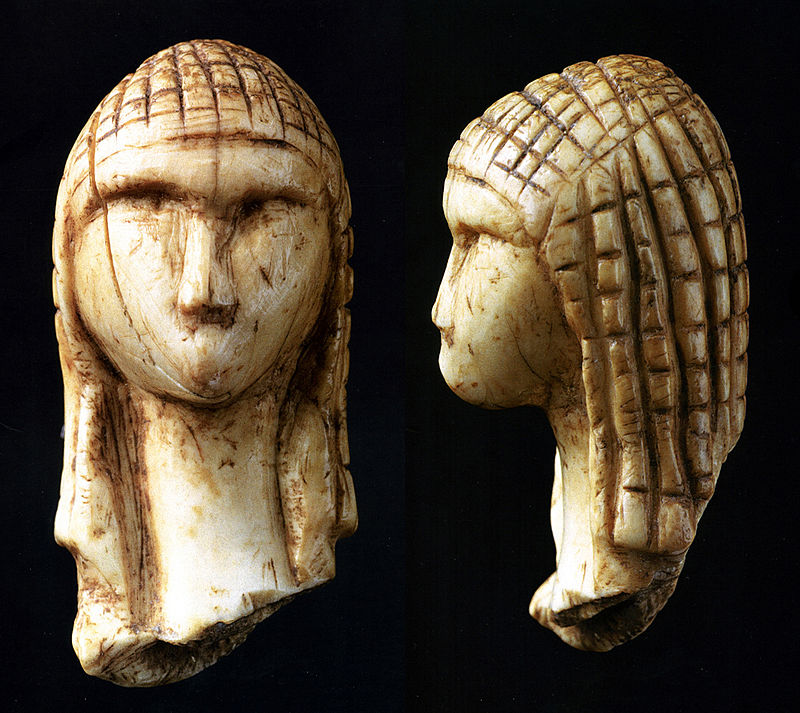
Specifically, it belongs to the later part of the Stone Age, the New Stone Age (Neolithic), following the Old Stone Age (Paleolithic) and Middle Stone Age (Mesolithic).
An introduction to Stonehenge — image 1
An introduction to Stonehenge — image 2
An introduction to Stonehenge — image 3
An introduction to Stonehenge — image 4
An introduction to Stonehenge — image 5
An introduction to Stonehenge — image 6
An introduction to Stonehenge — image 7
An introduction to Stonehenge — image 8
1 / 8

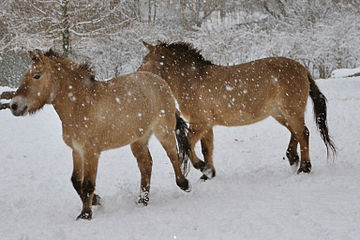
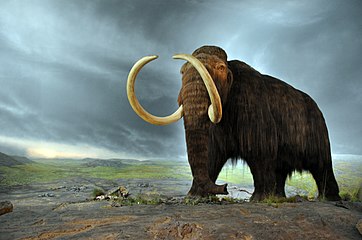
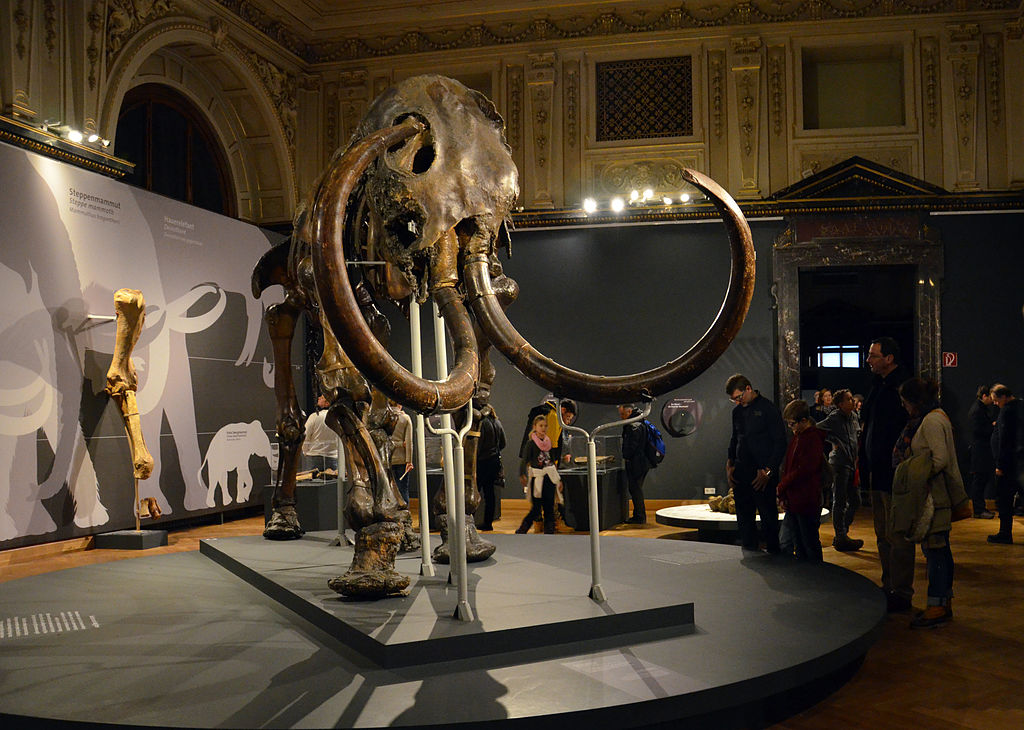
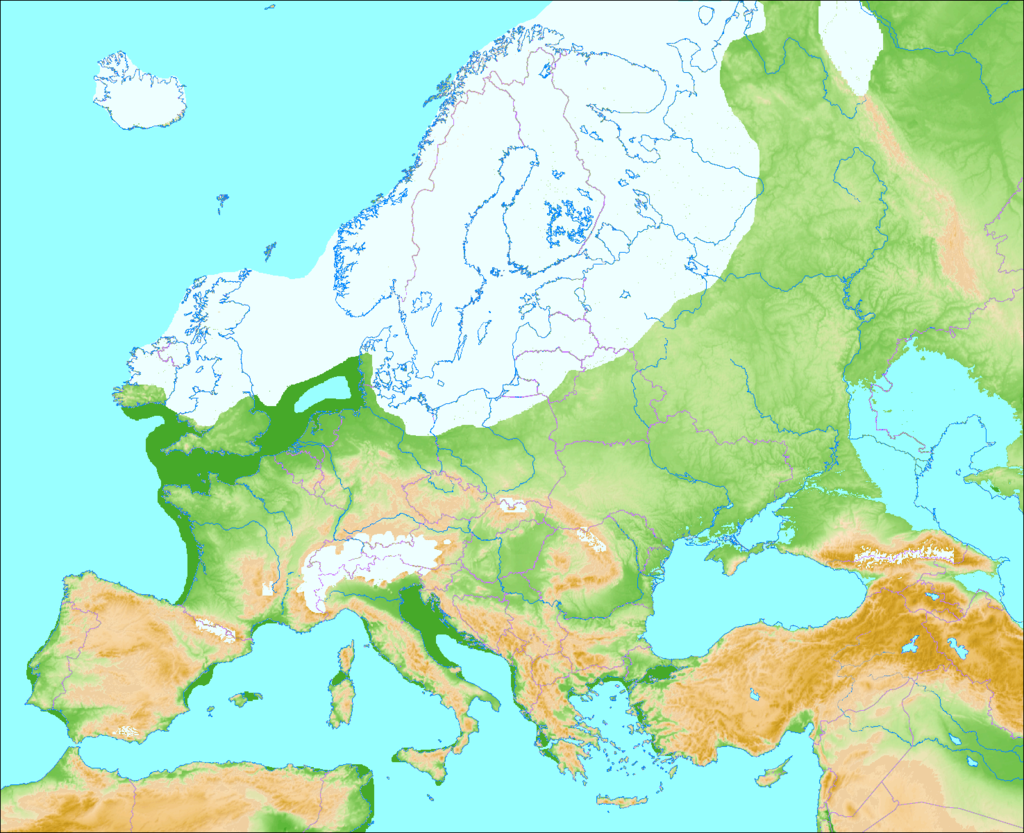
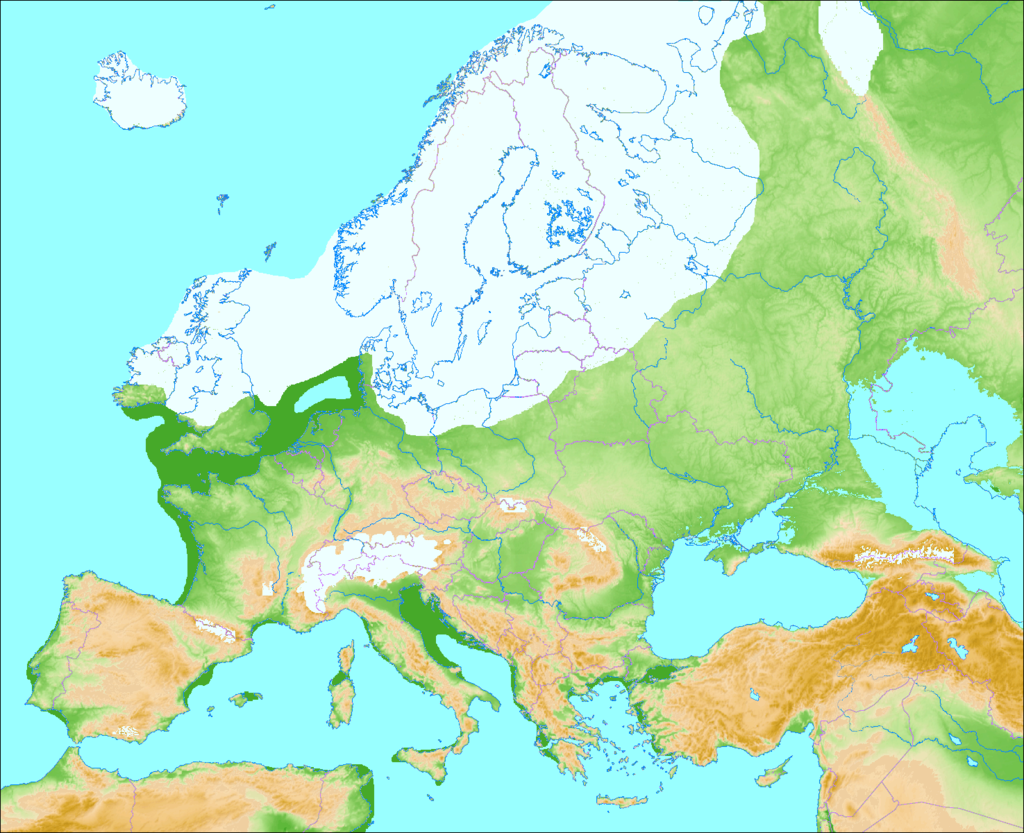
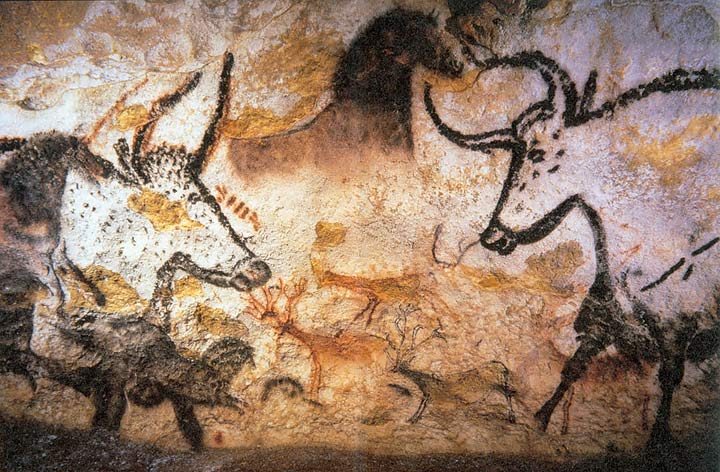
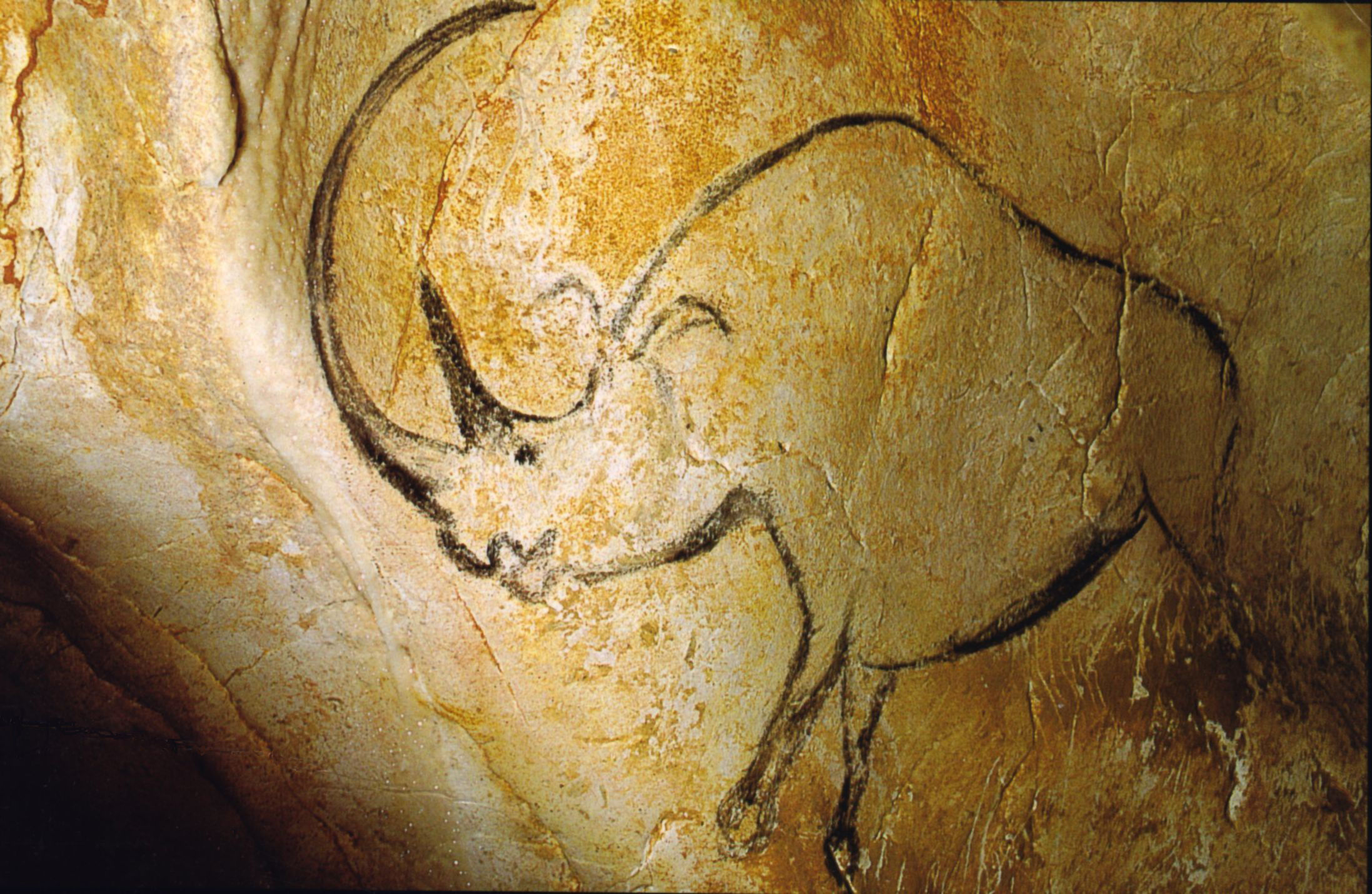
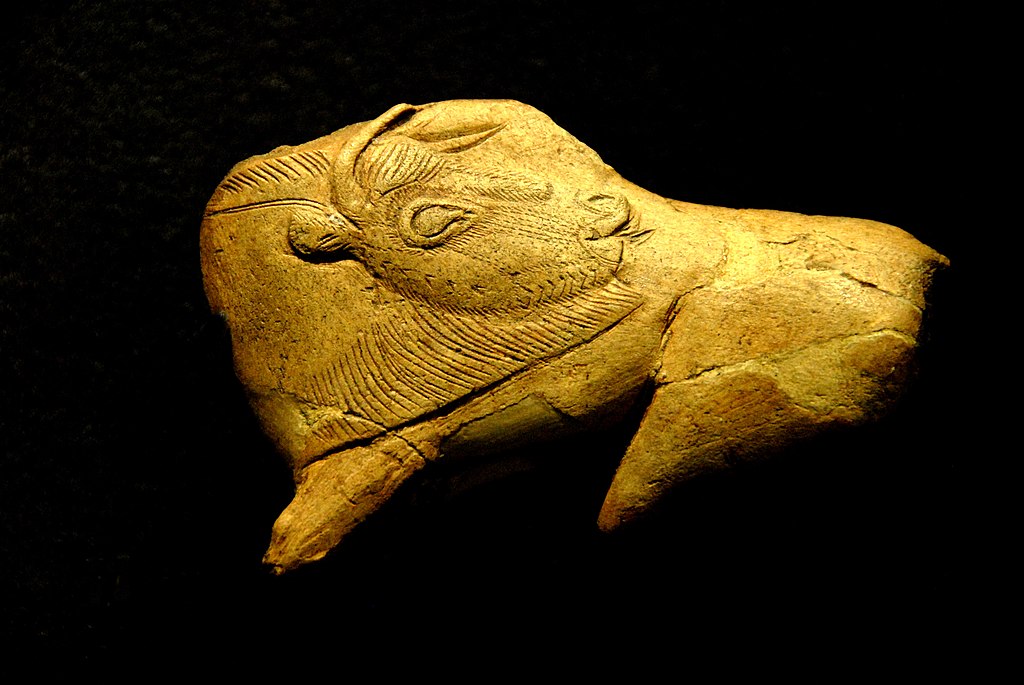
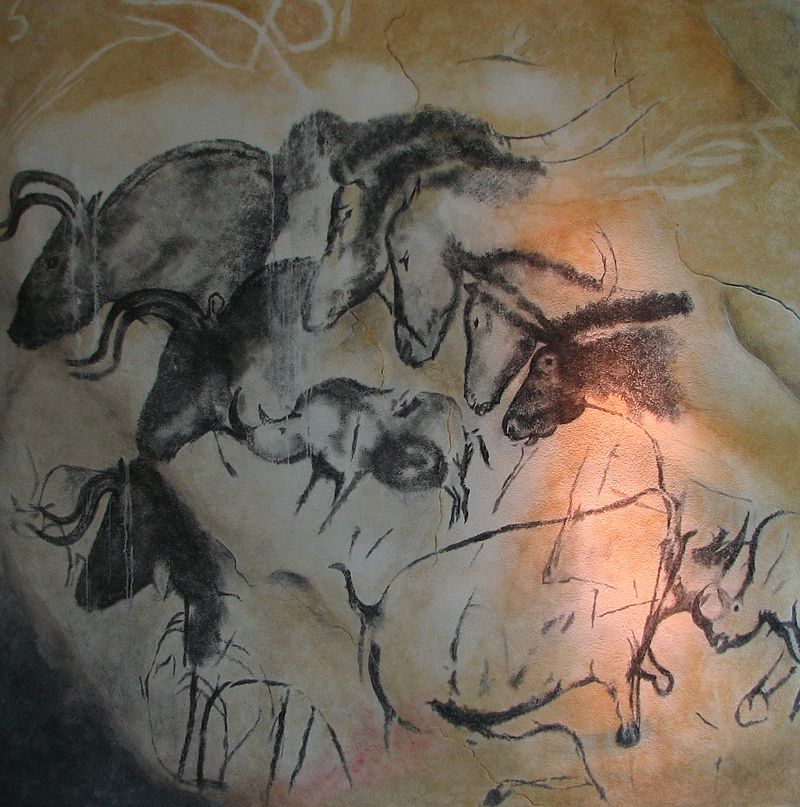
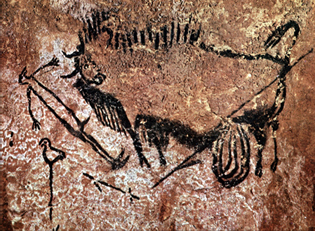
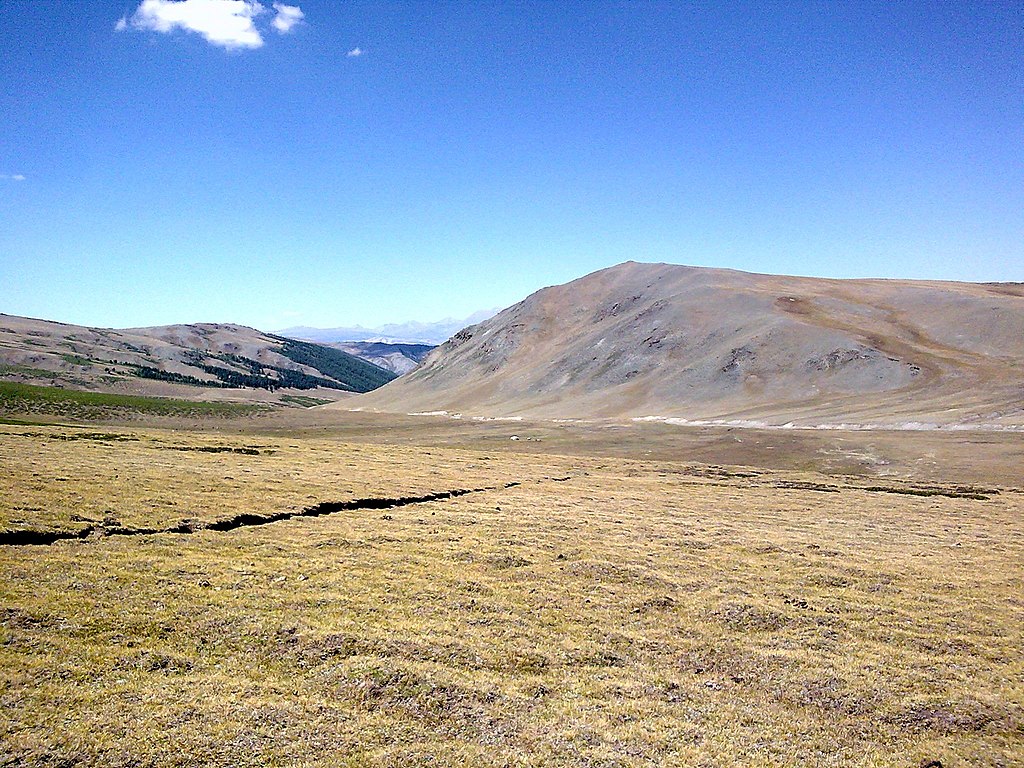
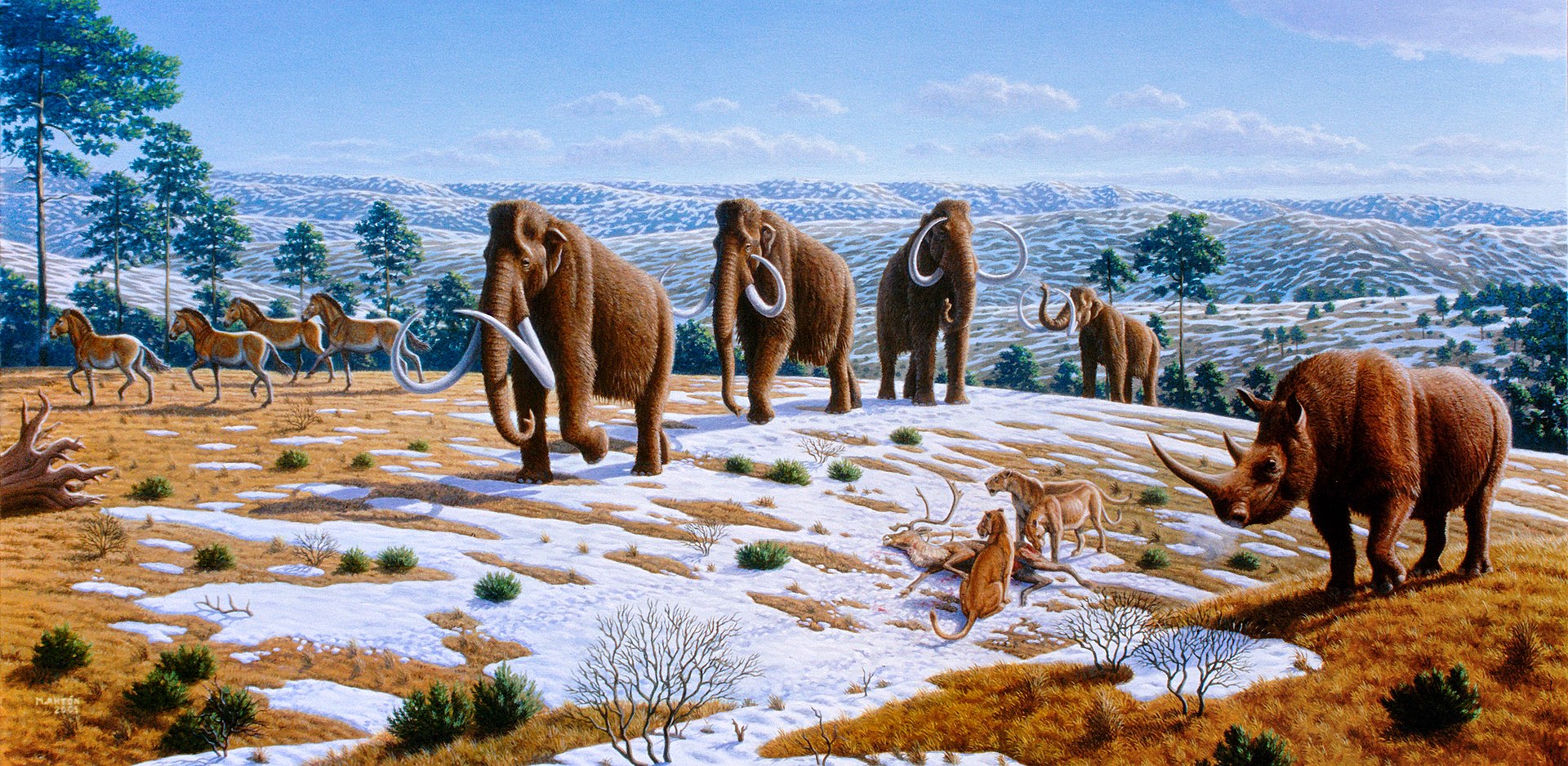
During the Paleolithic, the first phase of the Stone Age, humans were nomadic hunters who followed large herds of wild animals across the tundra.

Britain had a harsh climate and was infrequently inhabited.
An introduction to Stonehenge — image 1
An introduction to Stonehenge — image 2
An introduction to Stonehenge — image 3
An introduction to Stonehenge — image 4
An introduction to Stonehenge — image 5
An introduction to Stonehenge — image 6
An introduction to Stonehenge — image 7
An introduction to Stonehenge — image 8
An introduction to Stonehenge — image 9
An introduction to Stonehenge — image 10
An introduction to Stonehenge — image 11
An introduction to Stonehenge — image 12
An introduction to Stonehenge — image 13
An introduction to Stonehenge — image 14
An introduction to Stonehenge — image 15
An introduction to Stonehenge — image 16
An introduction to Stonehenge — image 17
An introduction to Stonehenge — image 18
An introduction to Stonehenge — image 19
An introduction to Stonehenge — image 20
1 / 20

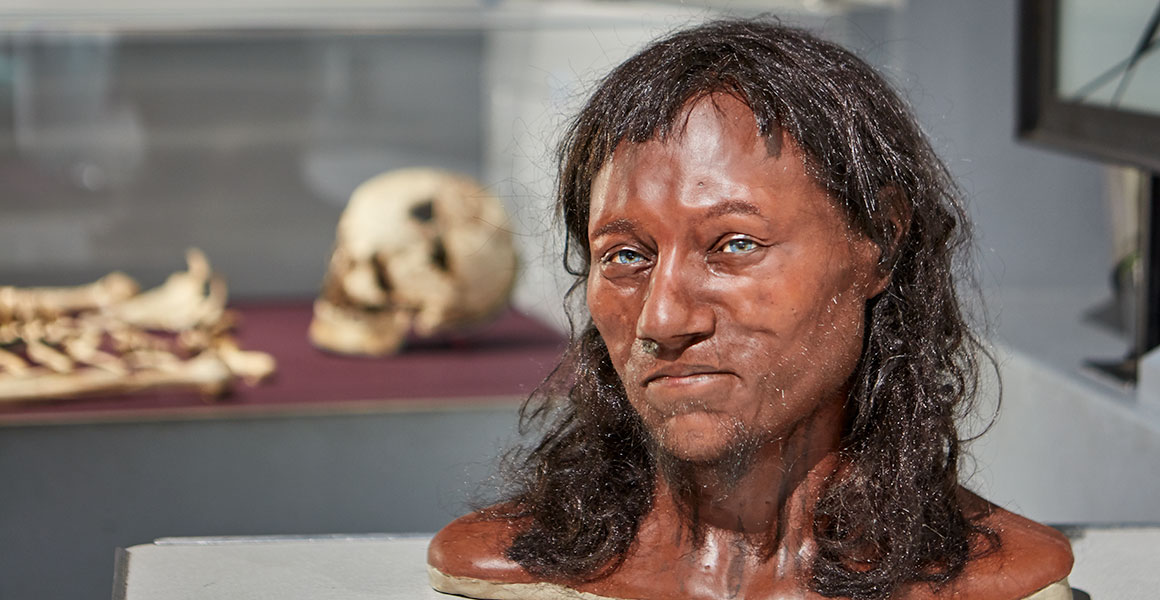
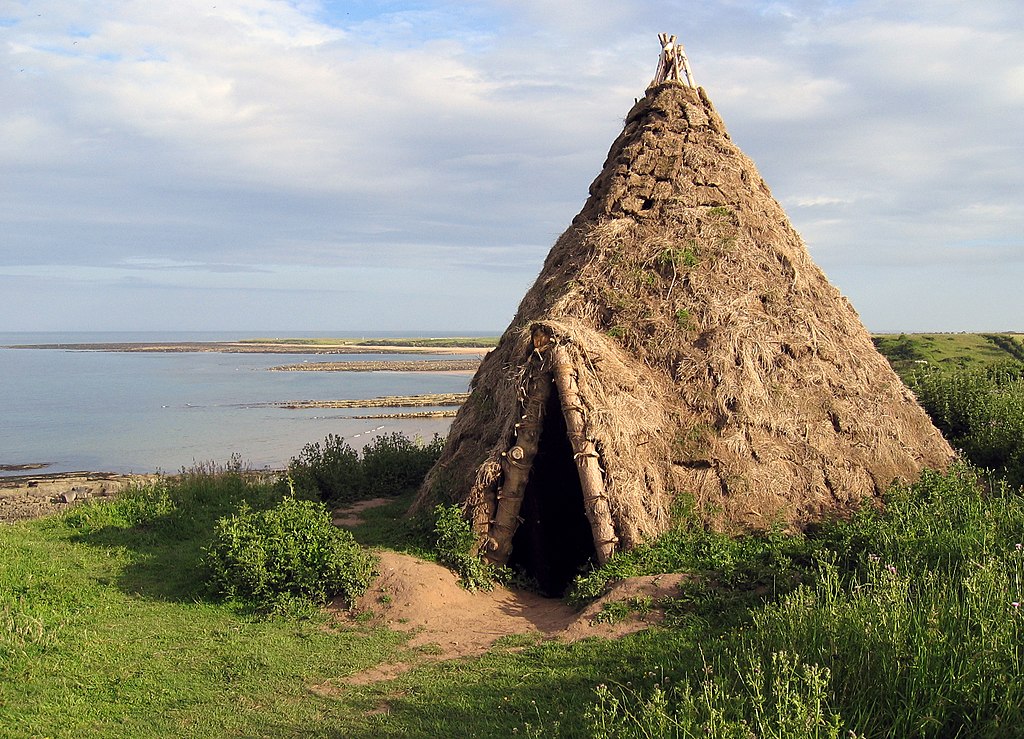
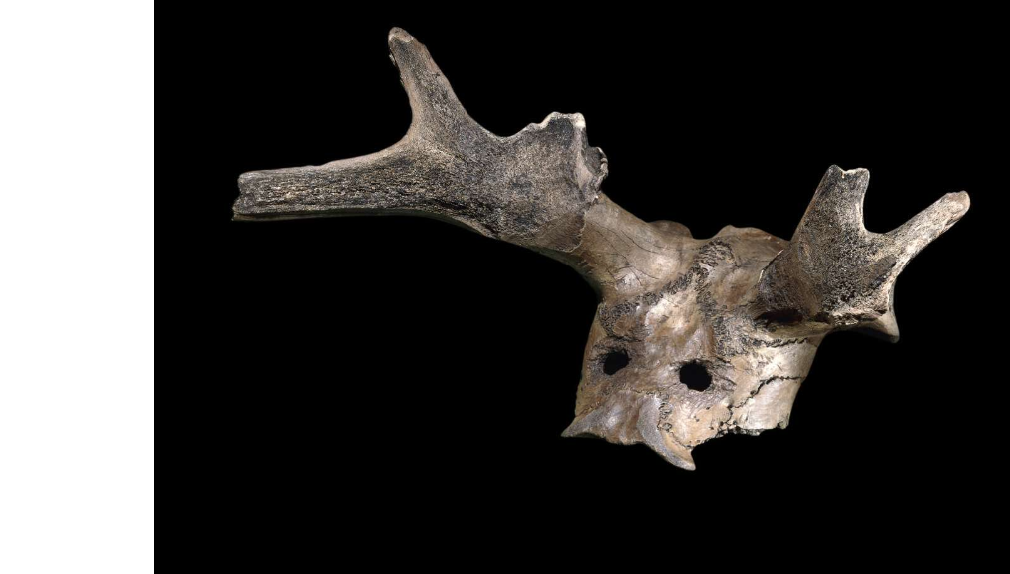
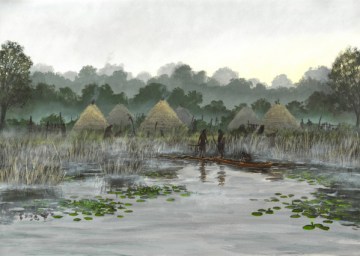
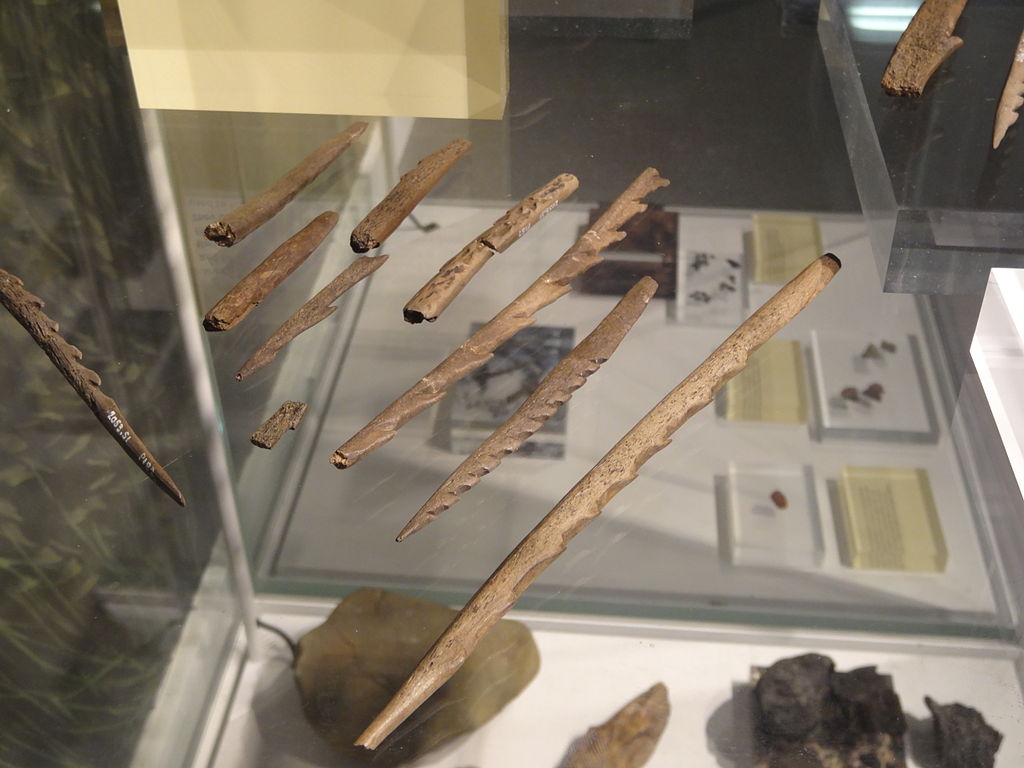
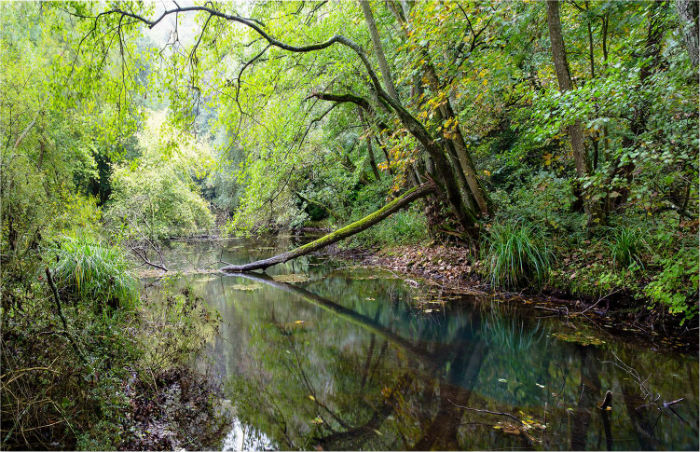
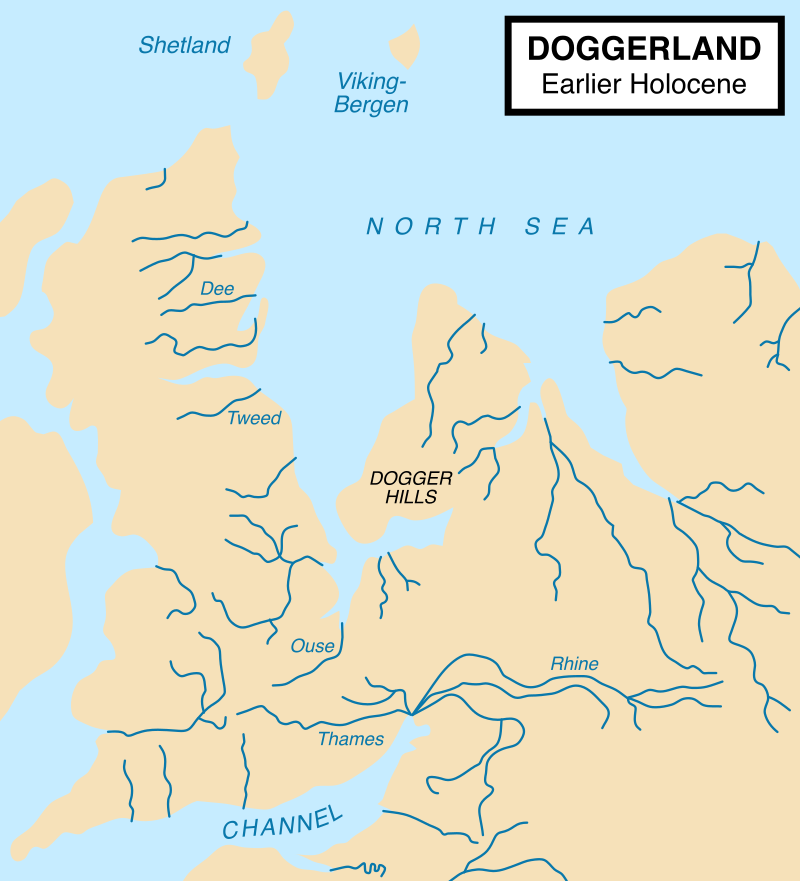
During the Mesolithic, the second phase of the Stone Age, a warmer climate led to Britain becoming covered in forests.

Humans arrived in Britain and survived on food typically found in wooded areas, including elks, deers, boars…
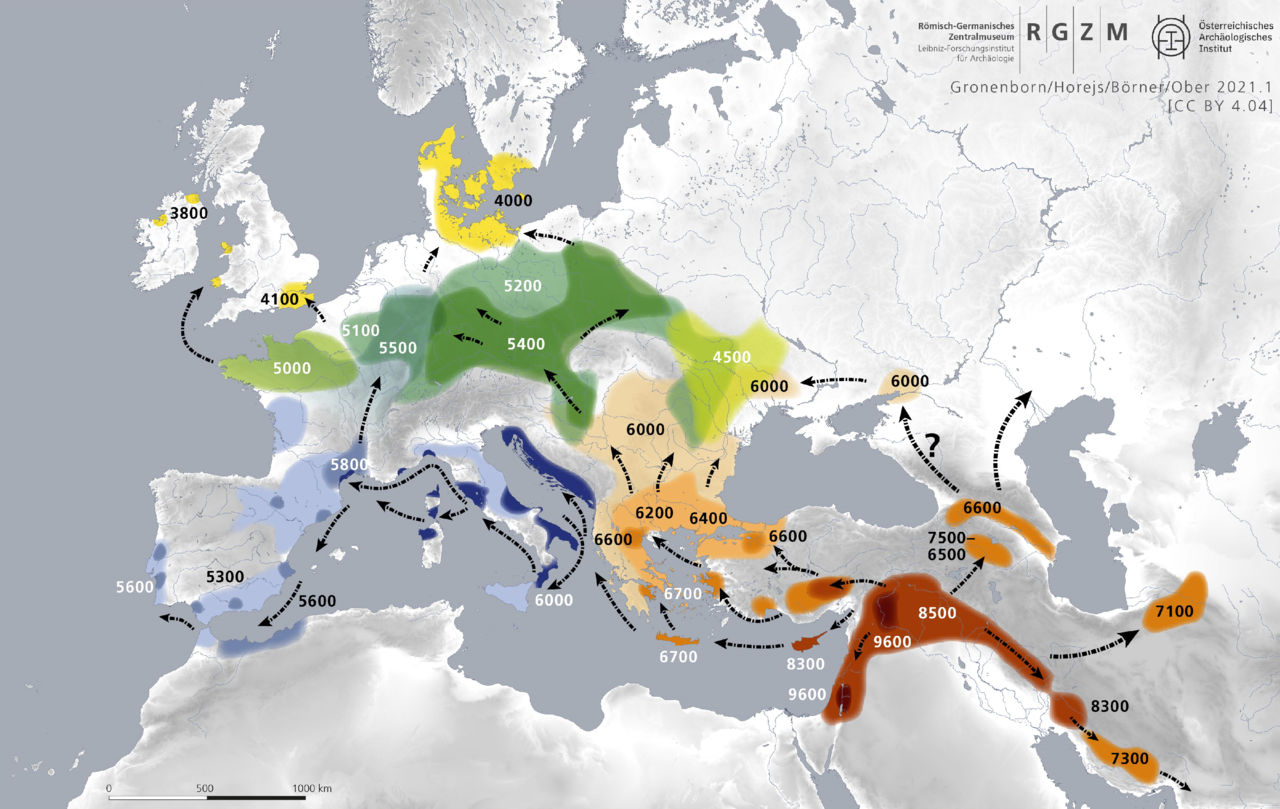
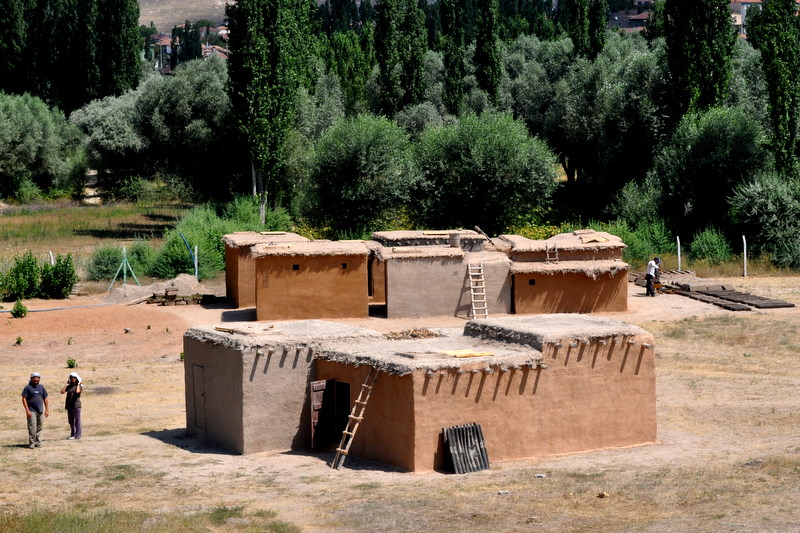
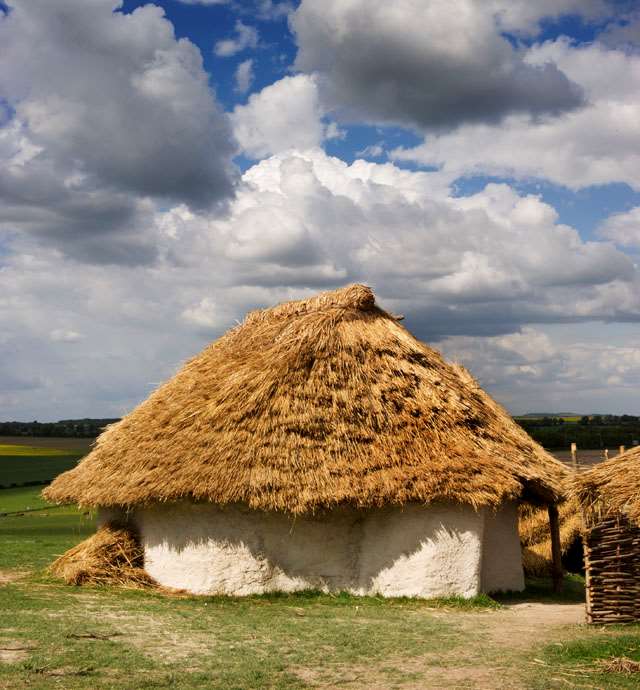
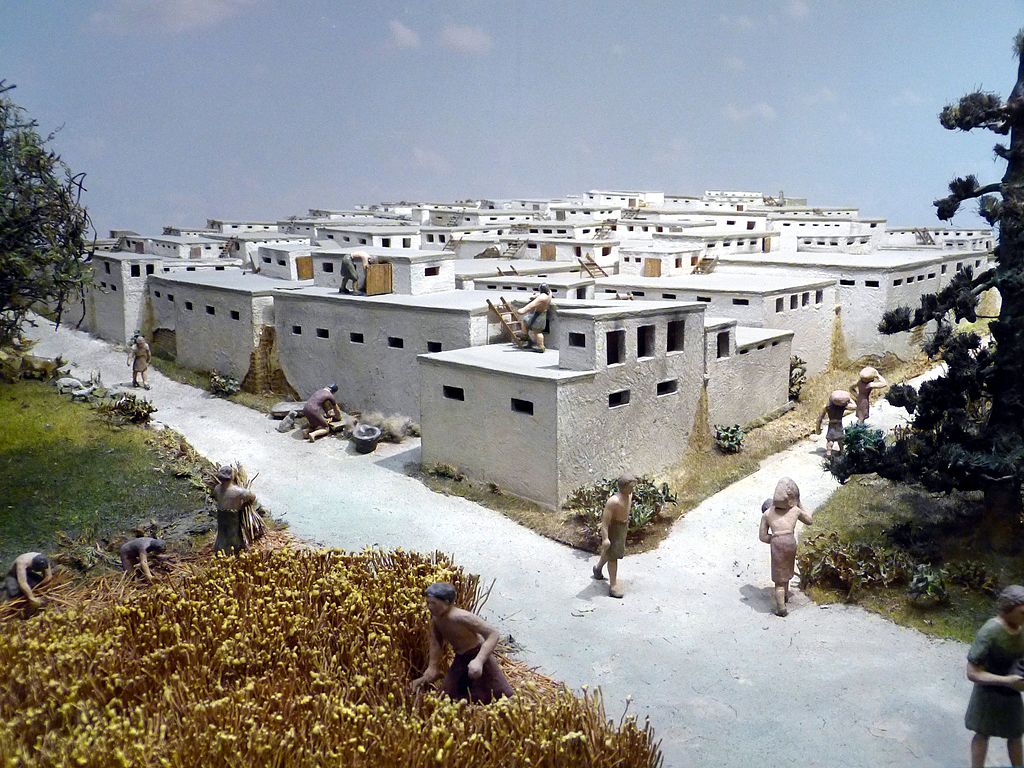
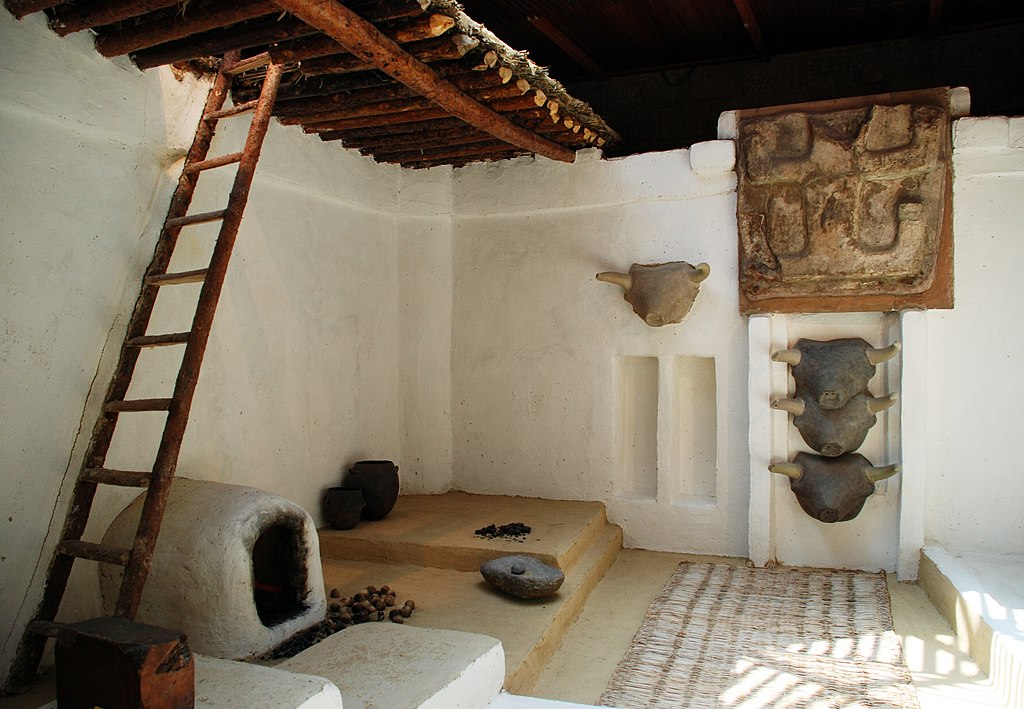
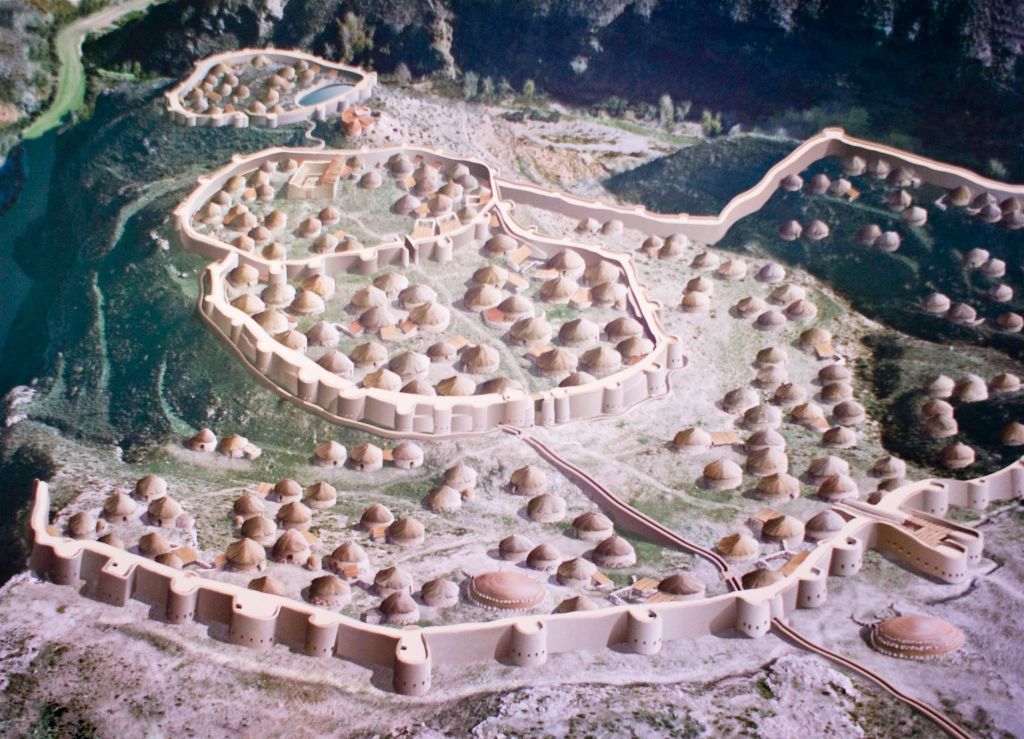
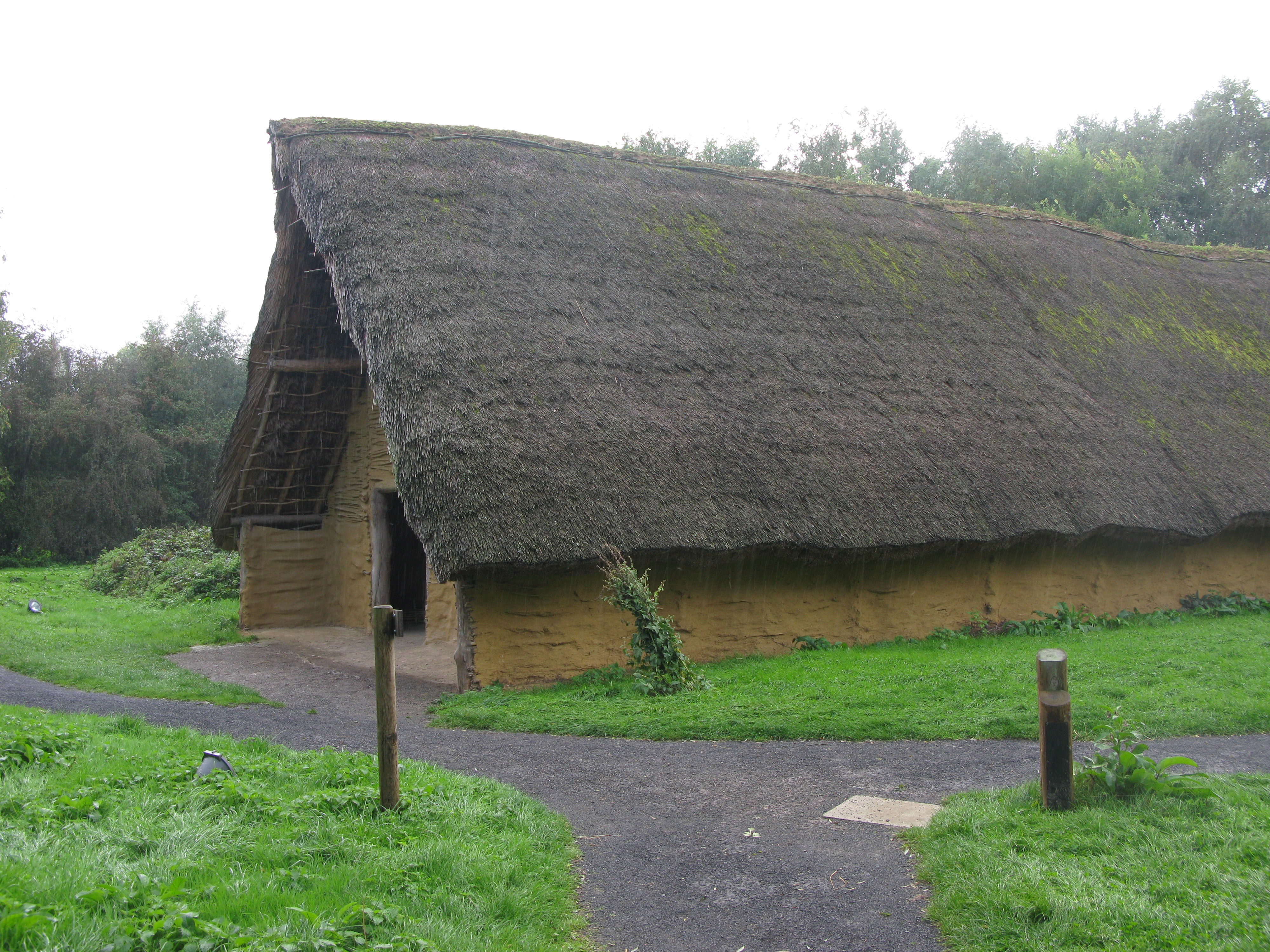
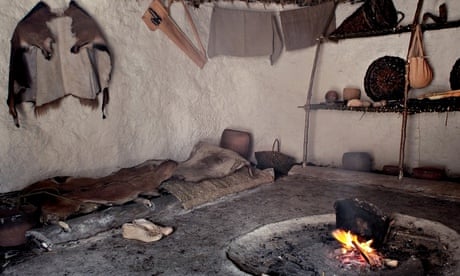
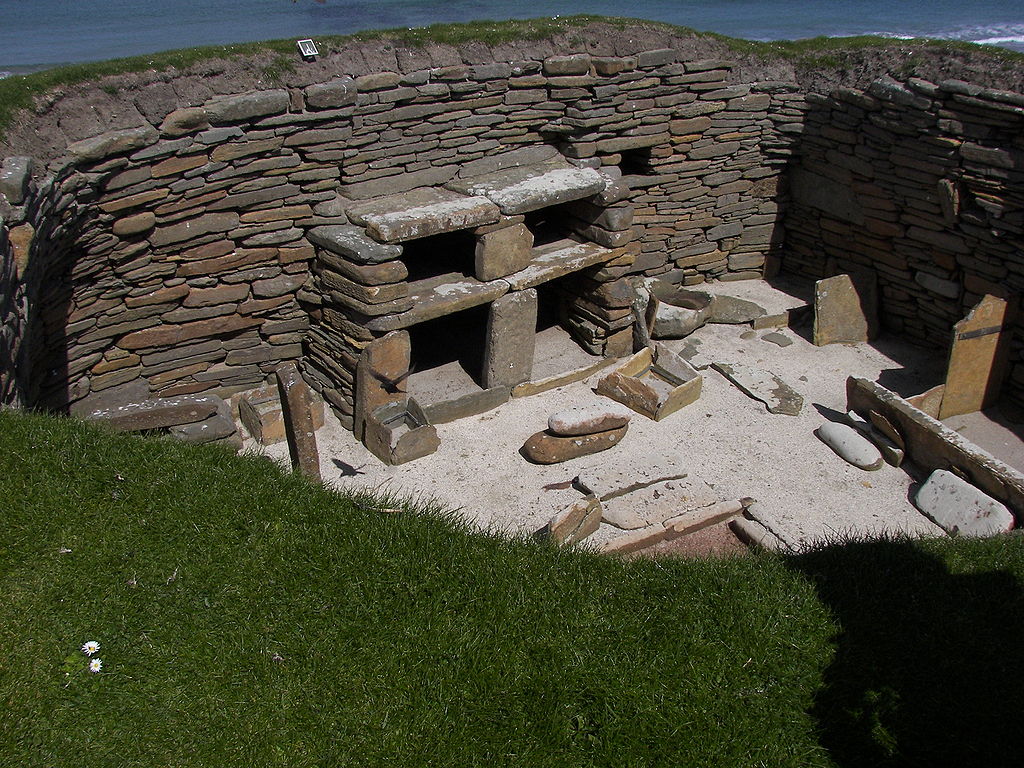
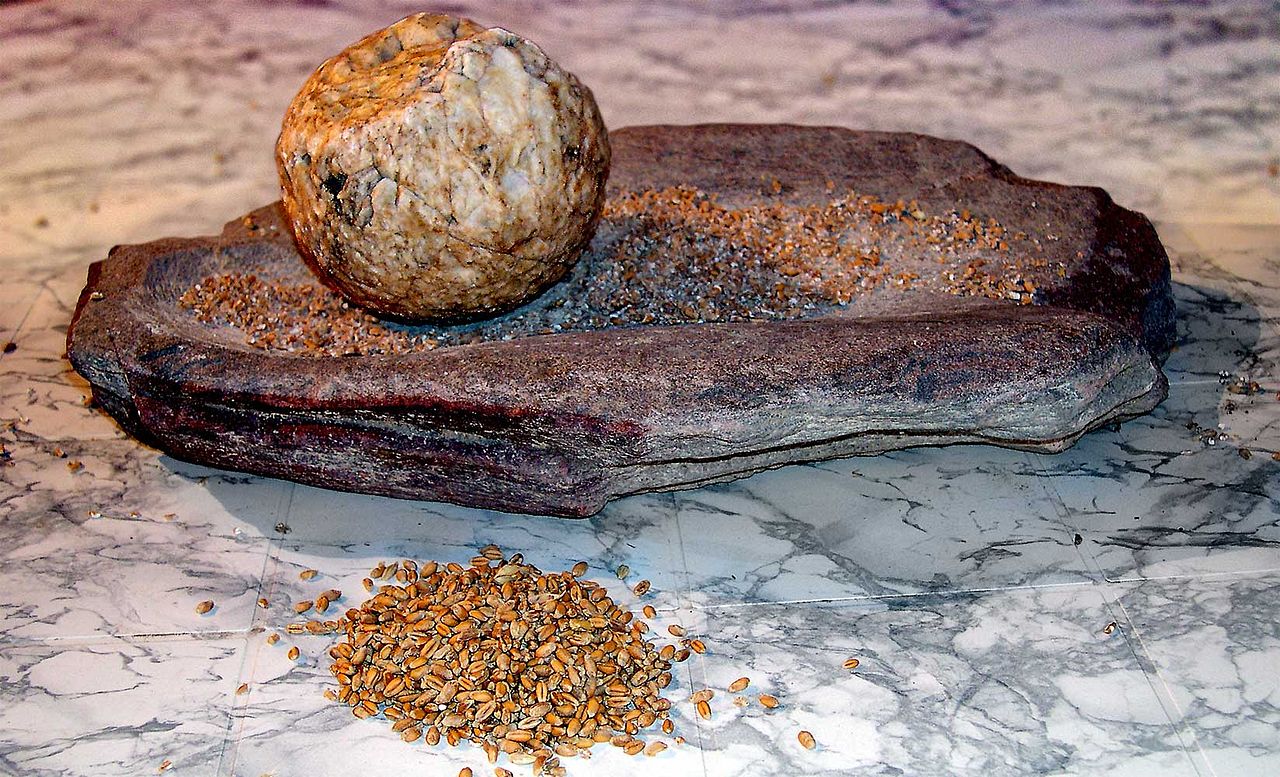
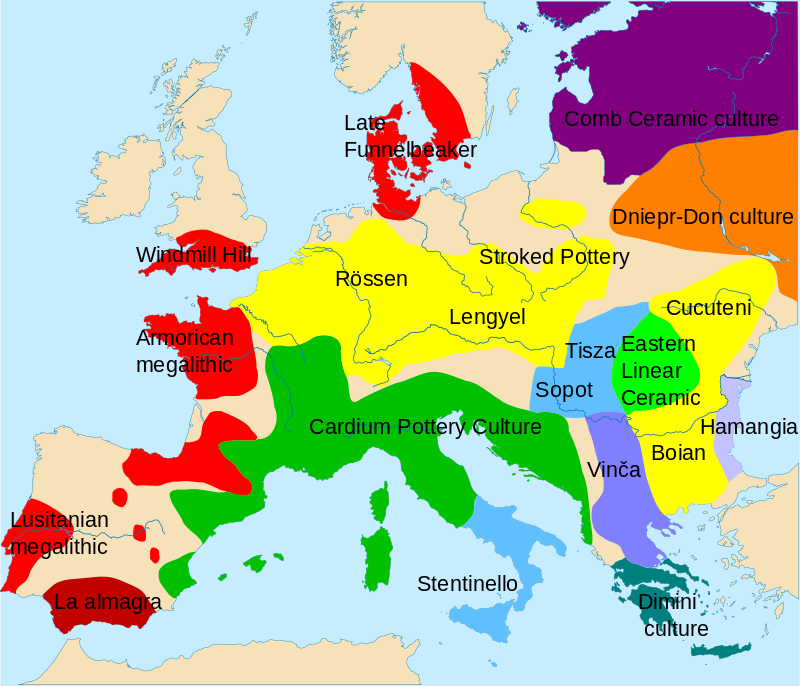
Finally, during the Neolithic, the last phase of the Stone Age, humans transitioned to settling into farming communities.

This shift was enabled by the advent of agriculture in the Middle East, which profoundly changed human lifestyles and their relationship with the environment.

The advantages included the ability to produce food surpluses and build more permanent homes.

However, this also brought significant drawbacks such as increased conflict and the spread of diseases.

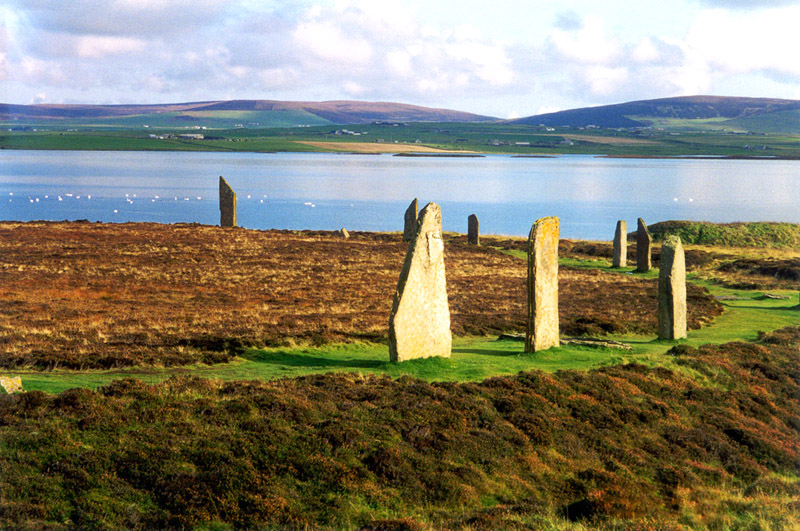
It was during this period that humans began constructing massive stone monuments - including Stonehenge.