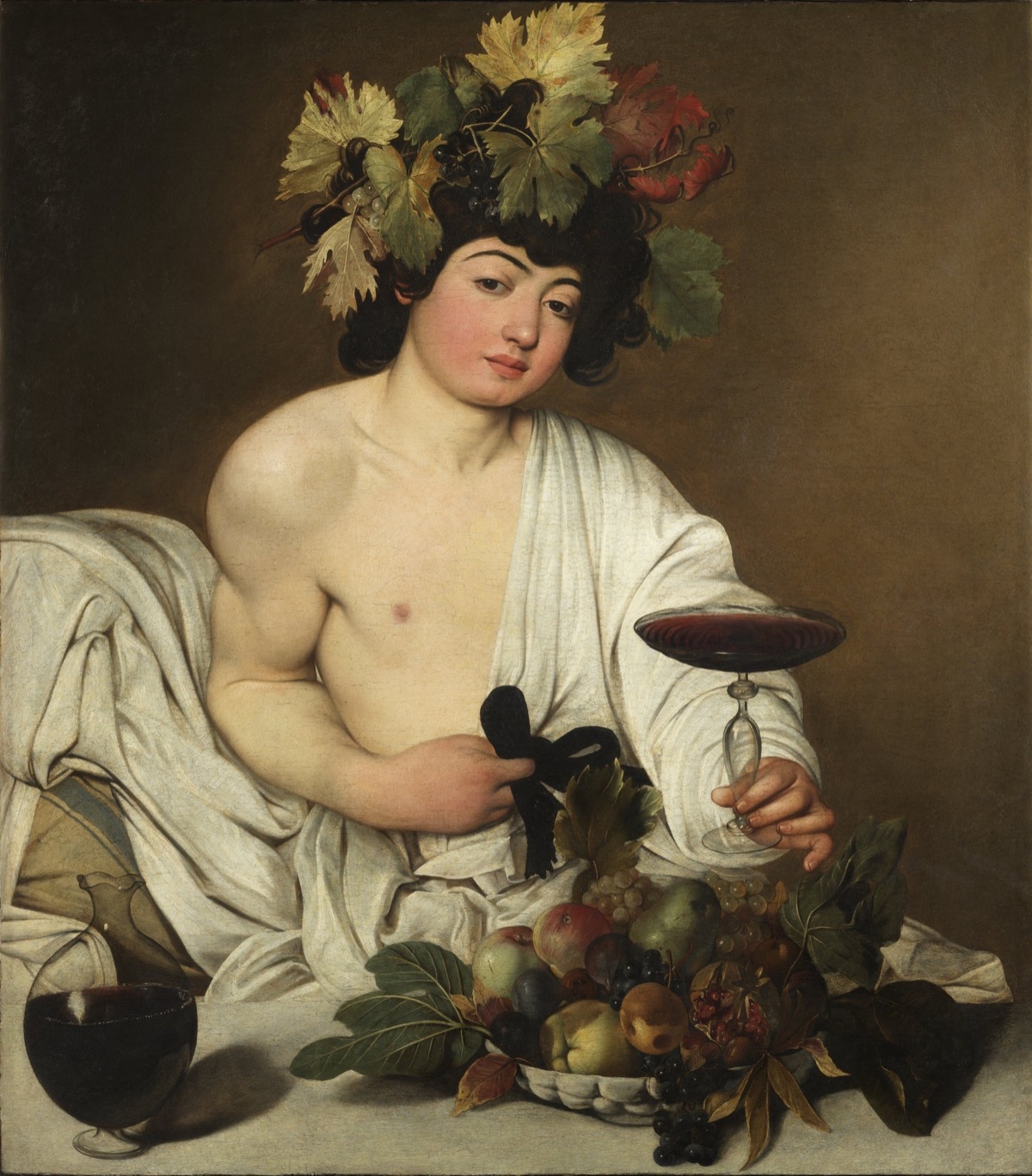


Caravaggio arrives like a shift in temperature.
After the Neoplatonic allegories, the serene Raphaels, the idealised figures of the High Renaissance, you are suddenly in a real room with a real person in real light.
The adolescent Bacchus is soft and fleshy.
His nails are dirty.
The fruit in the bowl is slightly rotten.
The god of wine looks like someone you might pass in a market.
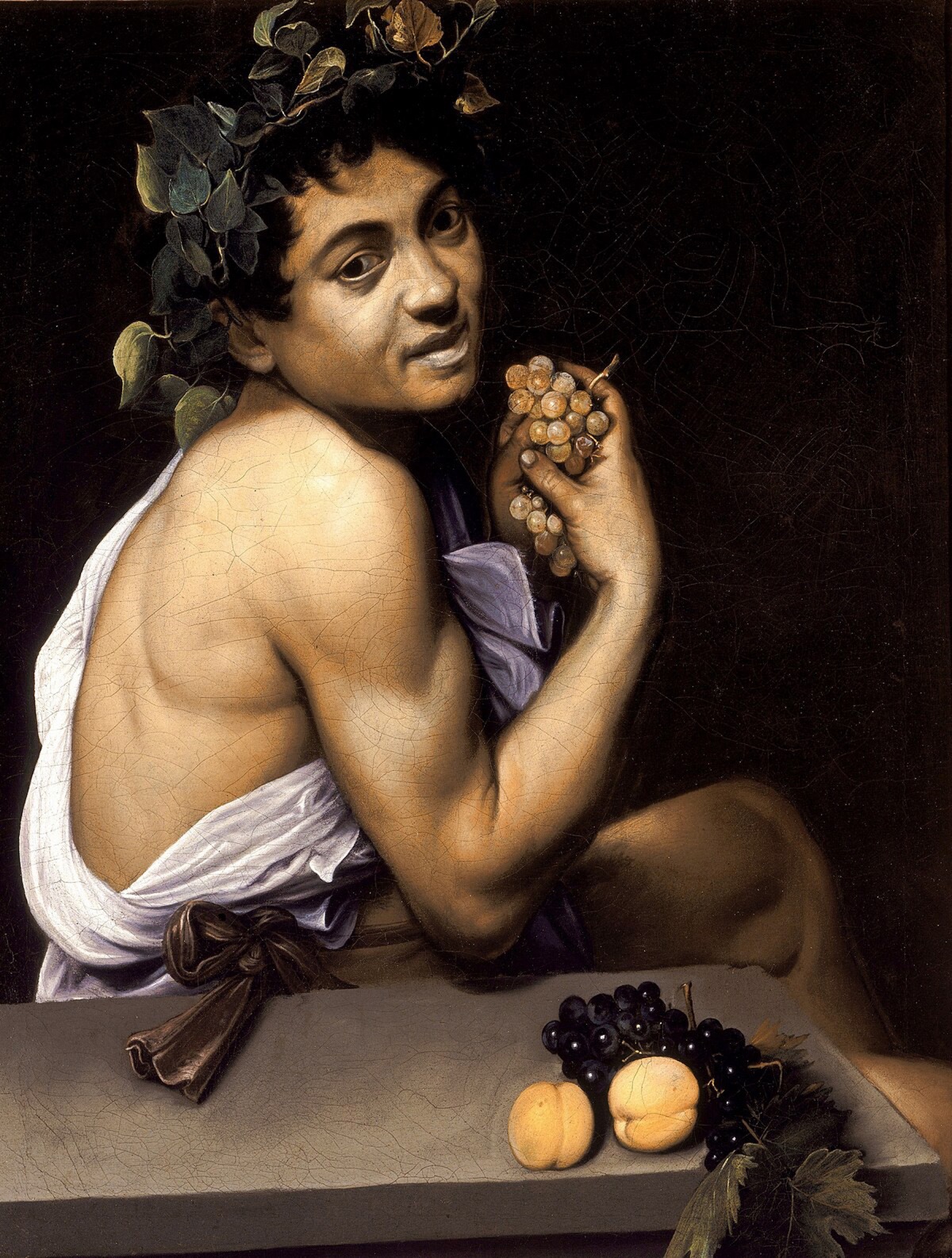
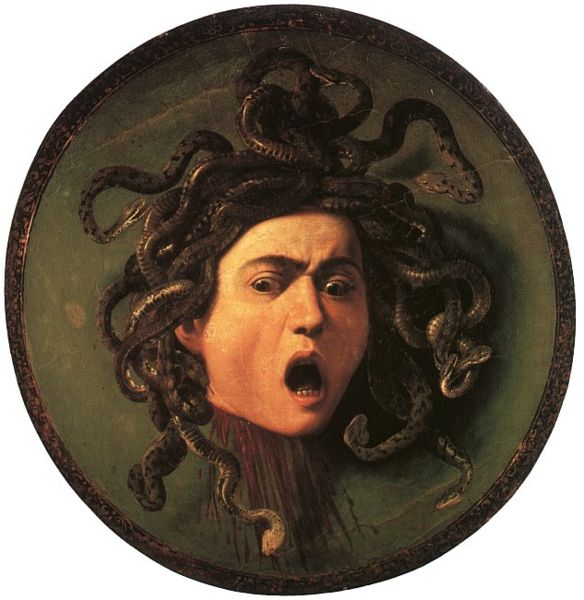
This is Caravaggio's revolution: sacred and mythological subjects treated as if they are happening right now, to ordinary people, in ordinary light.
Not the heavenly realm, not the ideal human form - the world as it actually is, rendered with almost violent directness.
It was deeply shocking to contemporaries and immensely influential.
Every naturalistic painting made in Europe over the next century traces something back to this approach.
Comments
Loading comments...