

Take the stairs down to the first floor.
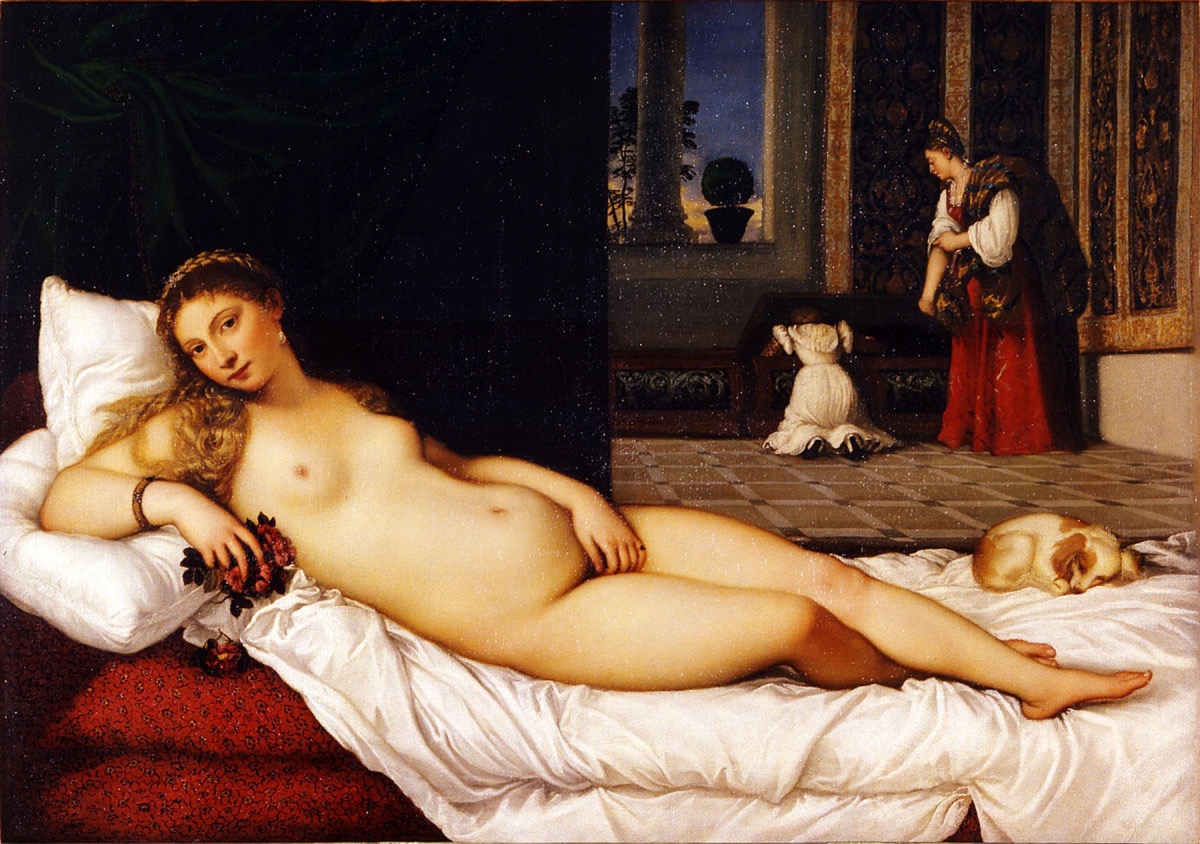
The Pope's representative in Venice reported to Rome that Titian's 'Venus' was 'the most lascivious picture imaginable.'
He wasn't entirely wrong.
Unlike Botticelli's transcendent ideal - which hangs upstairs - this Venus is emphatically a real woman in a real room, looking directly at you, making no apology.
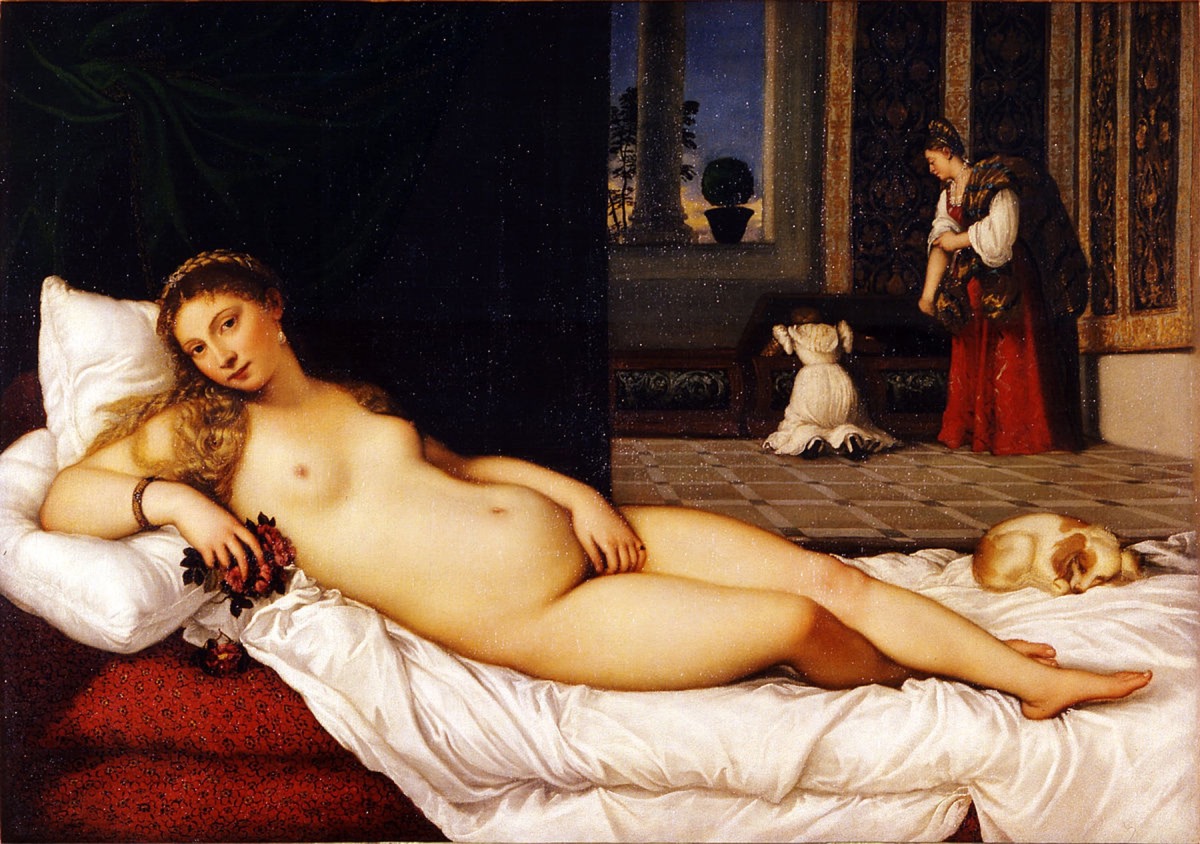
The dog sleeps at her feet.
Two servants sort laundry in the background - one has her head half inside a chest.
This is someone's daily life, rendered in luminous paint.
The flesh is warm.
She exists in time, in a specific afternoon, in an actual palazzo.
Botticelli's Venus is outside time.
This one is not.
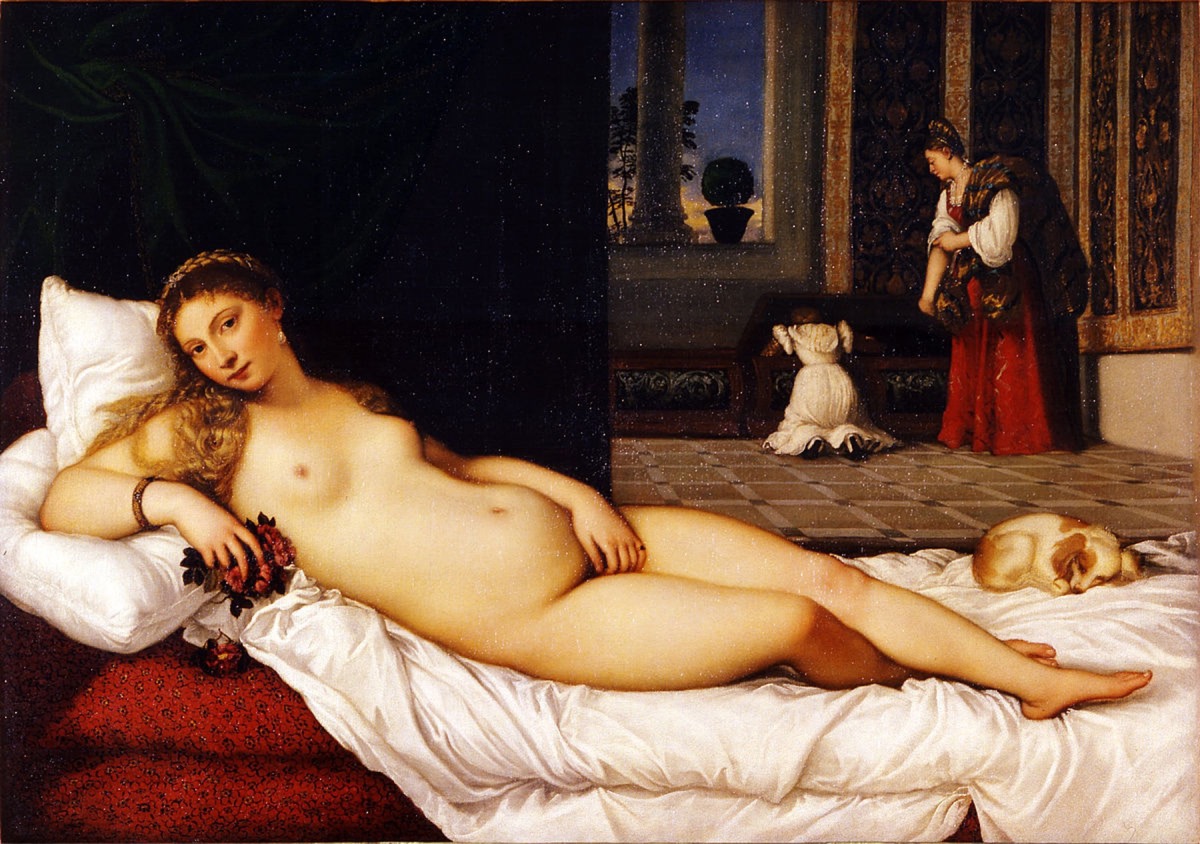
It was commissioned by Guidobaldo II della Rovere, Duke of Urbino, reportedly as an instructional gift for his very young wife - a depiction of married love and its obligations.
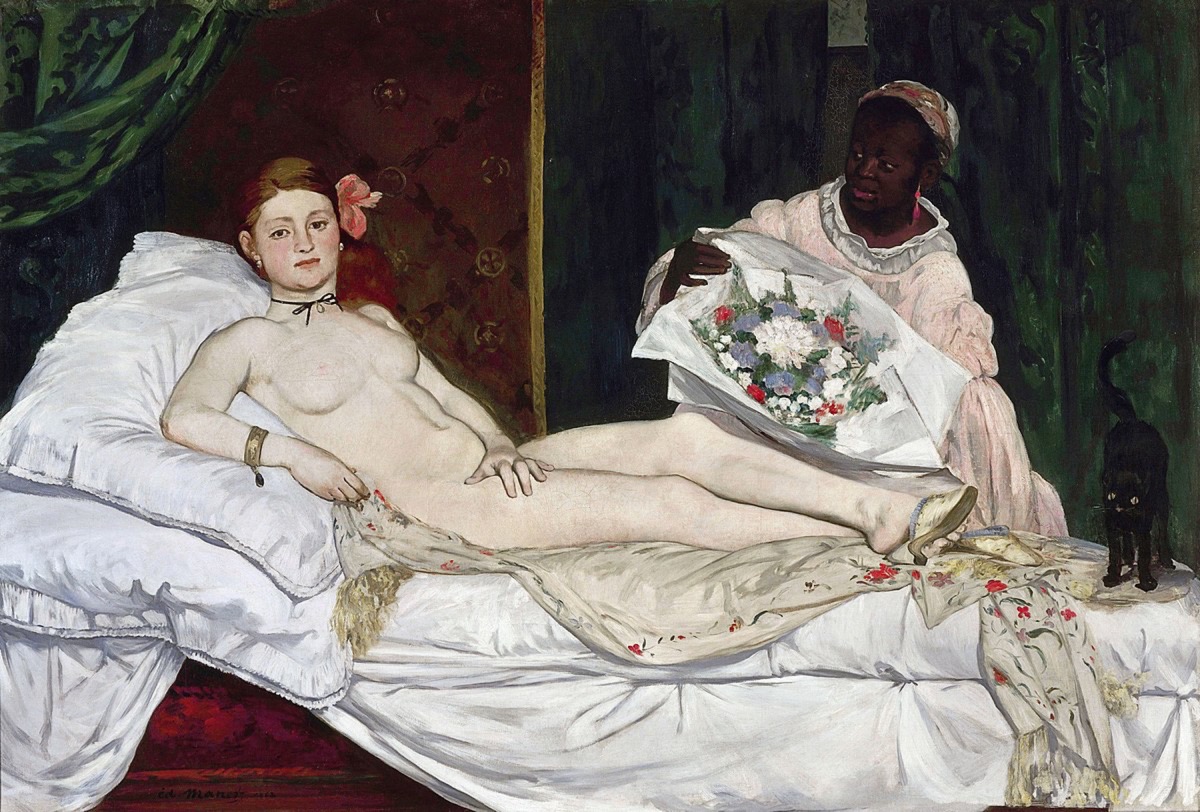
Édouard Manet, the 19th-century French painter who helped usher in modern art, saw it in Florence in the 1850s and painted a nearly direct copy.
He replaced the Renaissance setting with a contemporary Parisian interior, and his model was widely understood to be a courtesan.
He called it Olympia.
It caused a scandal in Paris in 1865.
It is now in the Musée d'Orsay.
Fun fact: Mark Twain - the American author of Tom Sawyer and Huckleberry Finn - saw the Venus of Urbino in 1867 and called it 'the foulest, the vilest, the obscenest picture the world possesses.'
Comments
Loading comments...