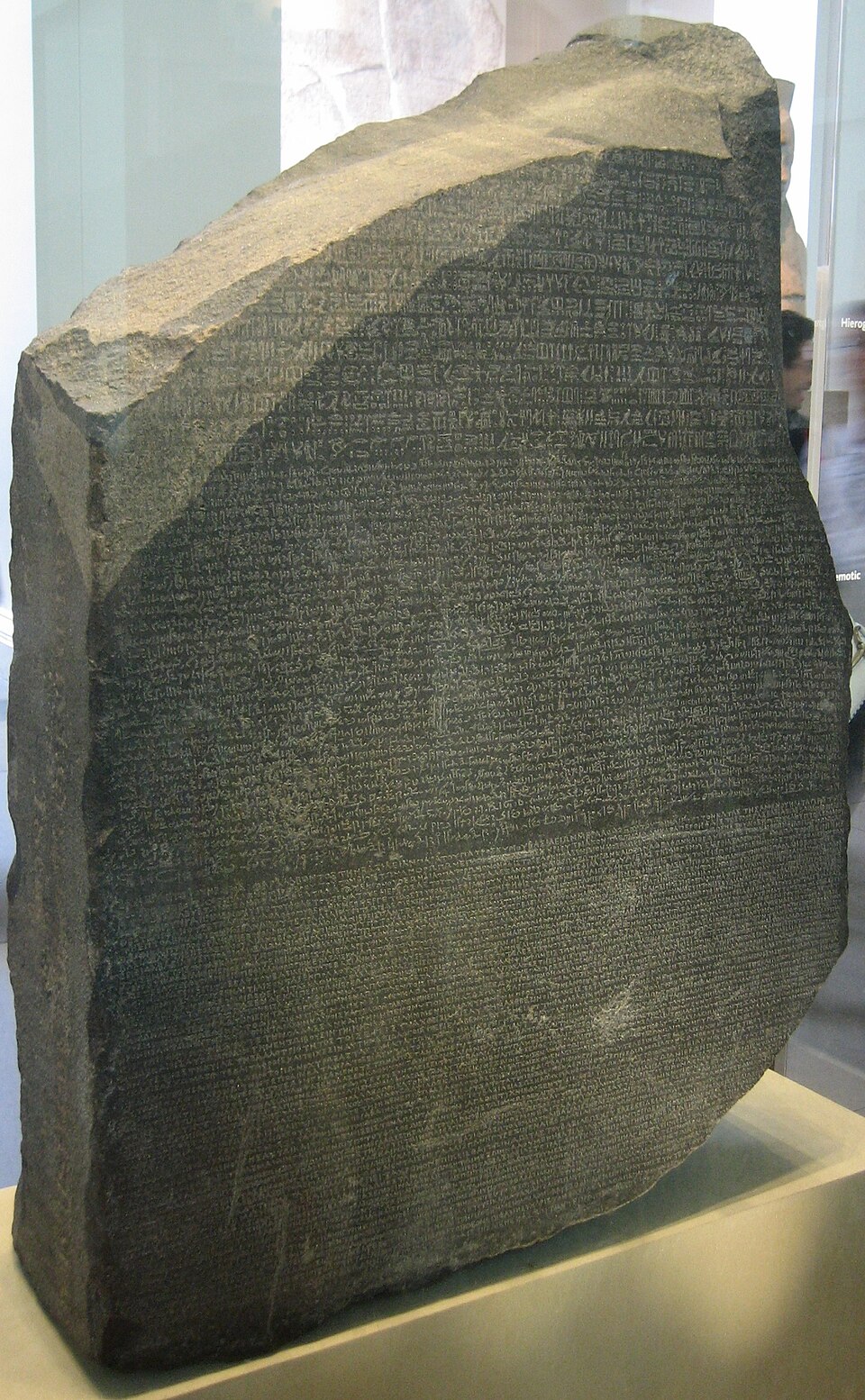


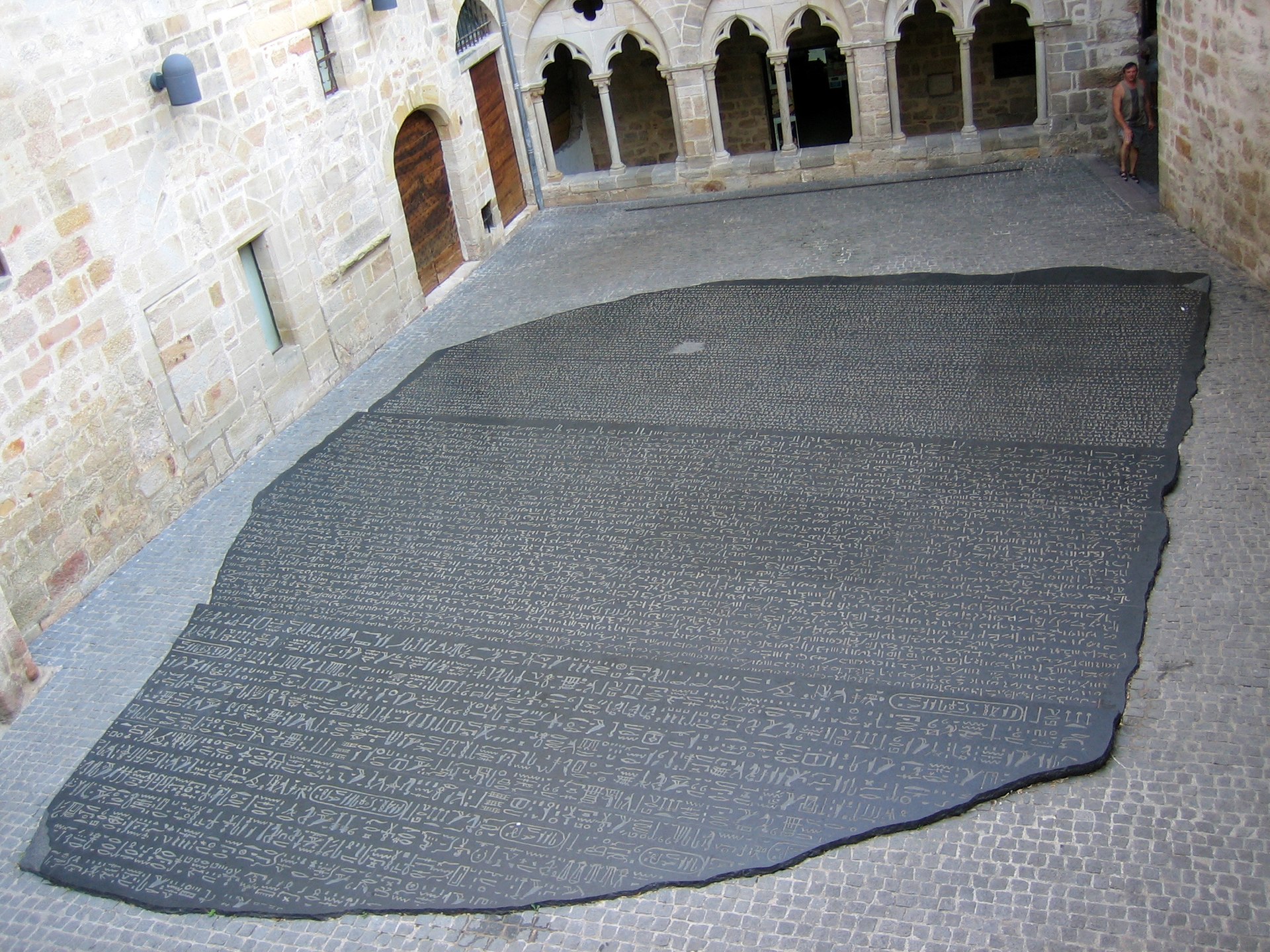
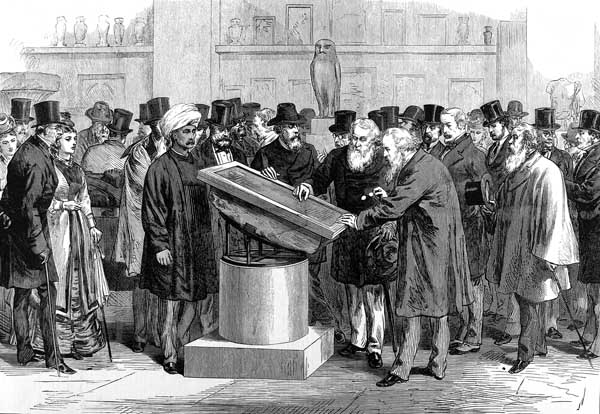
The Rosetta Stone is a black slab of polished rock, slightly taller than a metre.
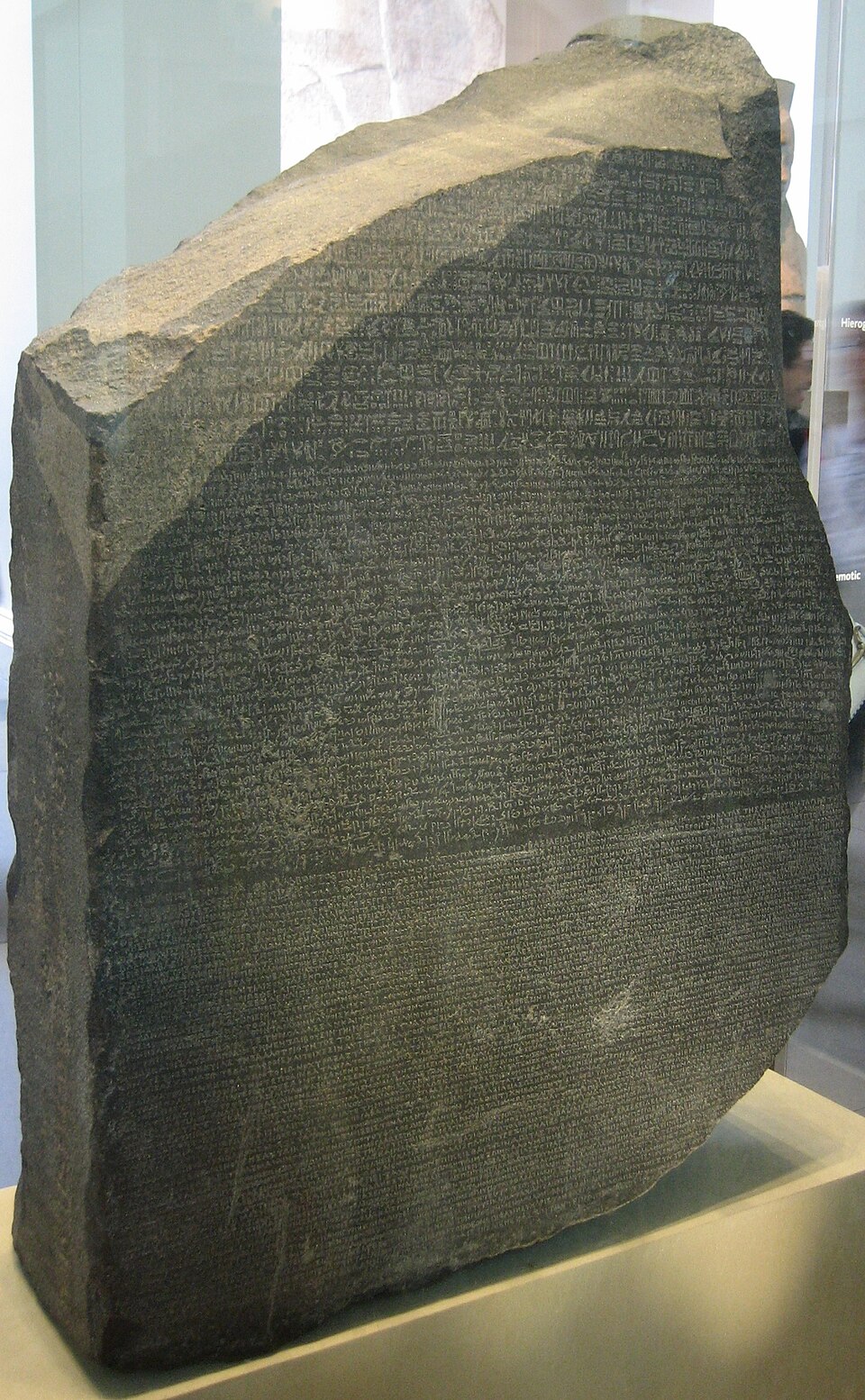
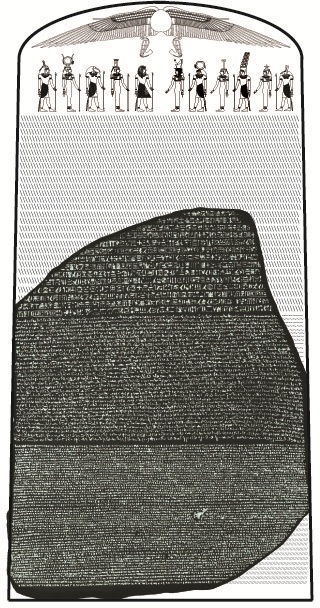
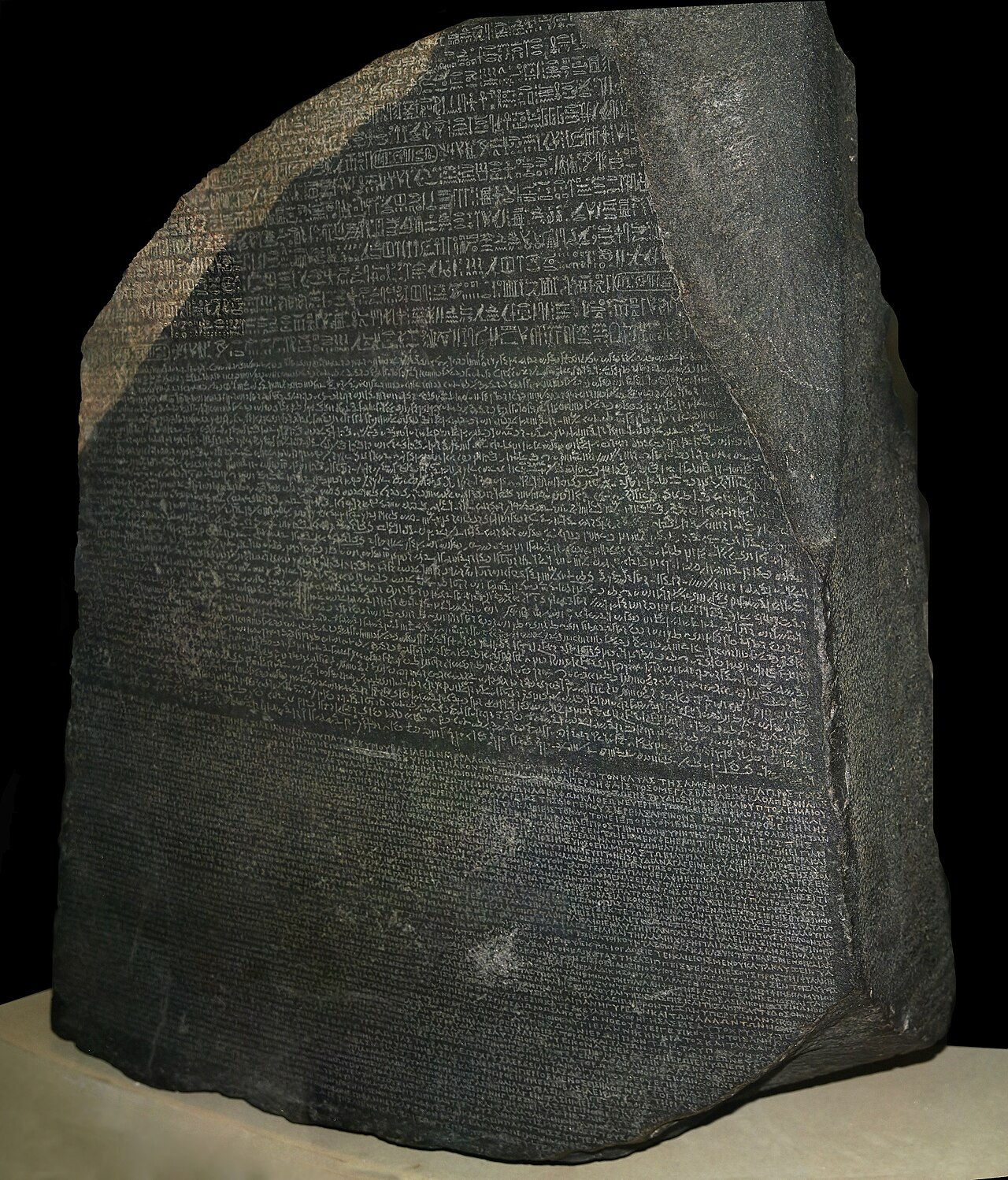
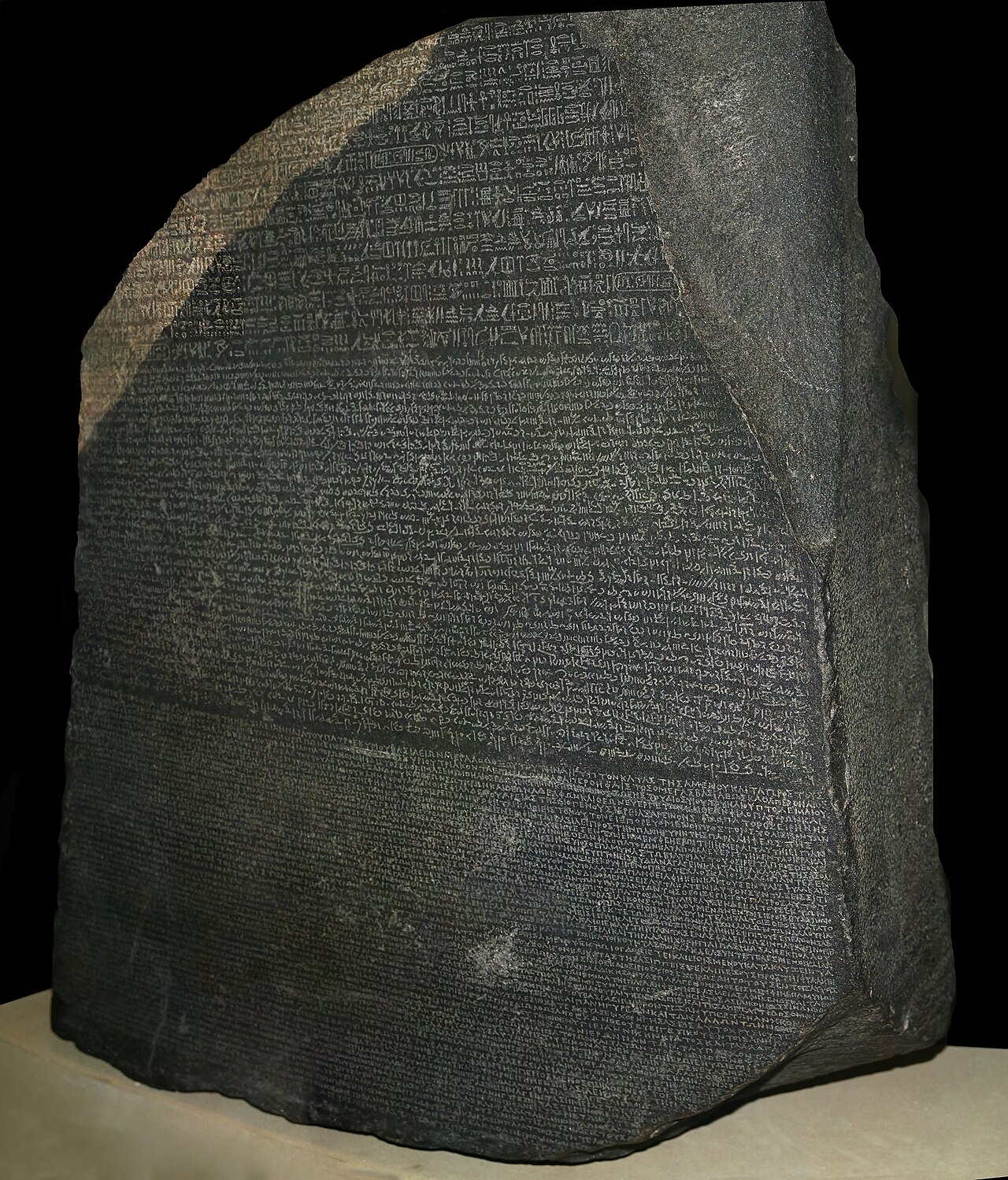
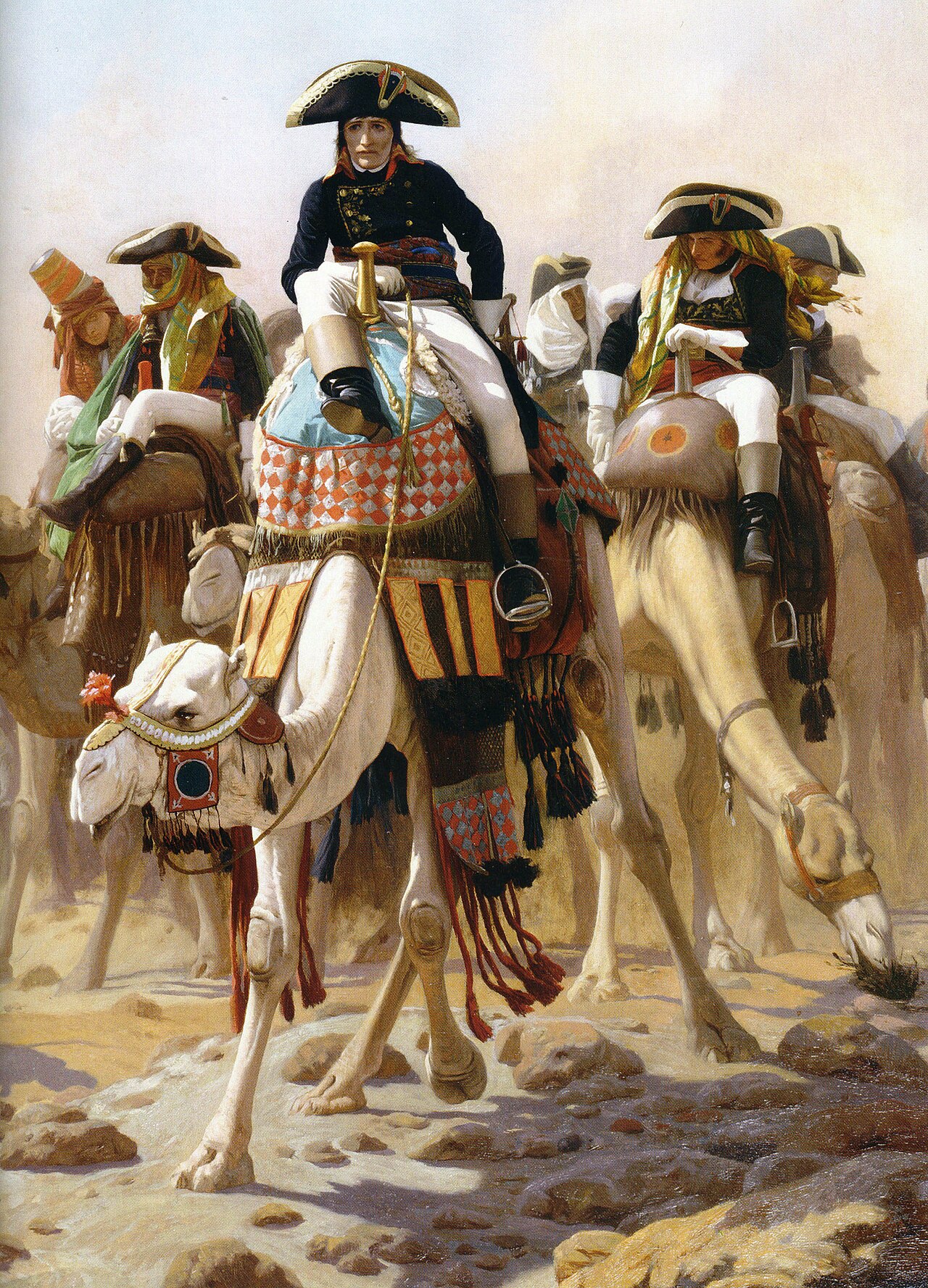
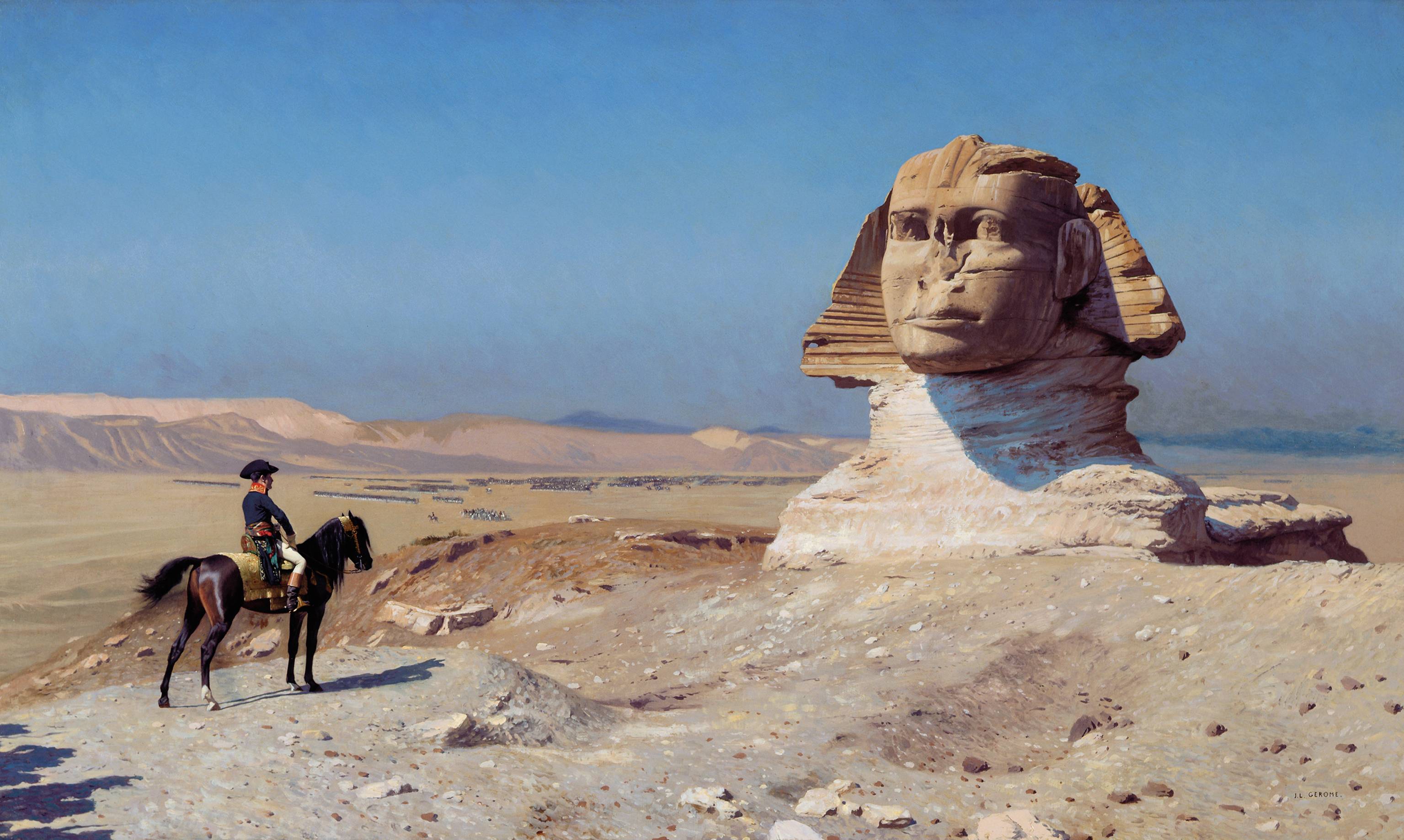
It was discovered in Egypt by French soldiers in 1799, half-buried in a fort wall near the town of Rosetta. It carries the same text in three scripts.
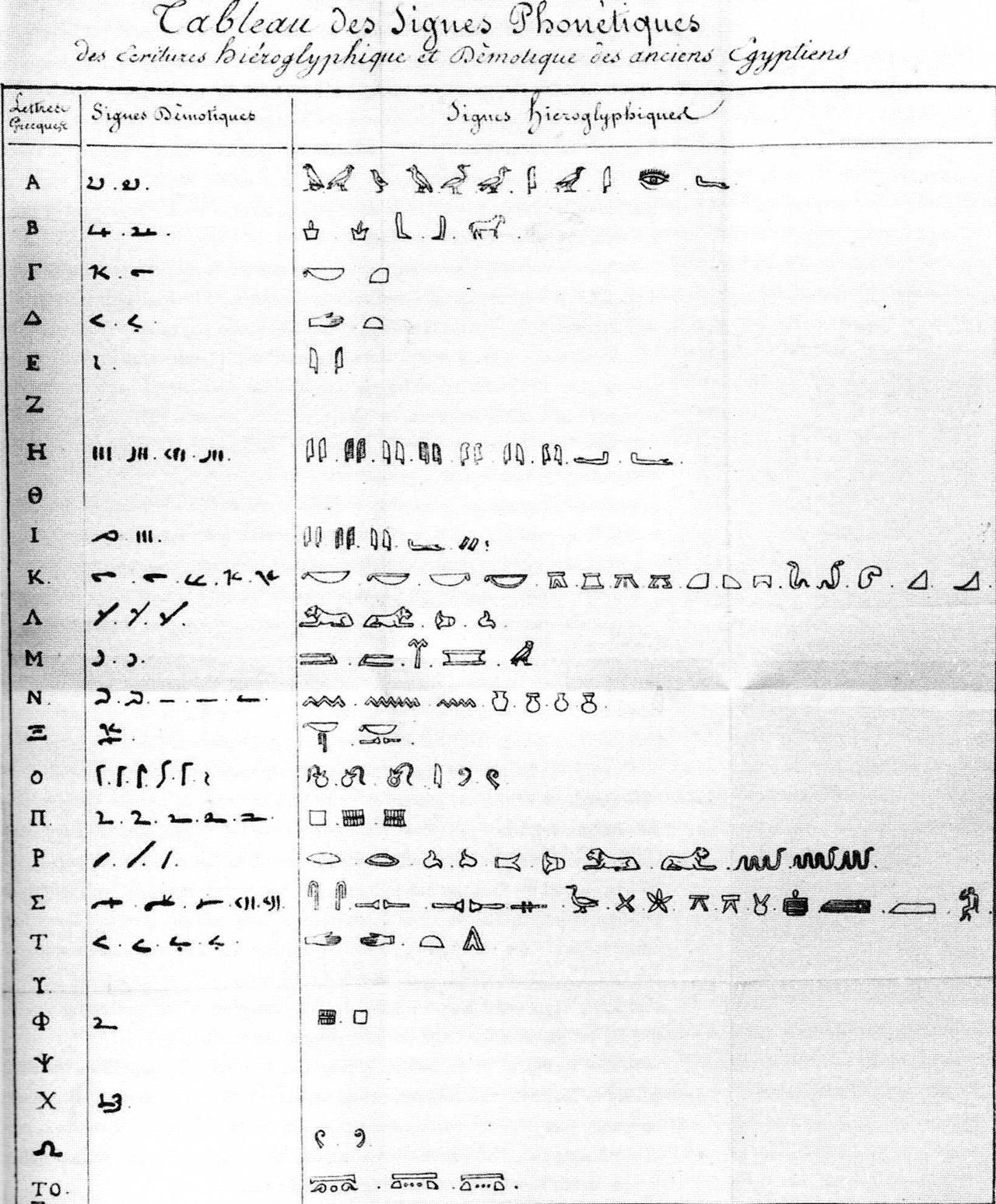
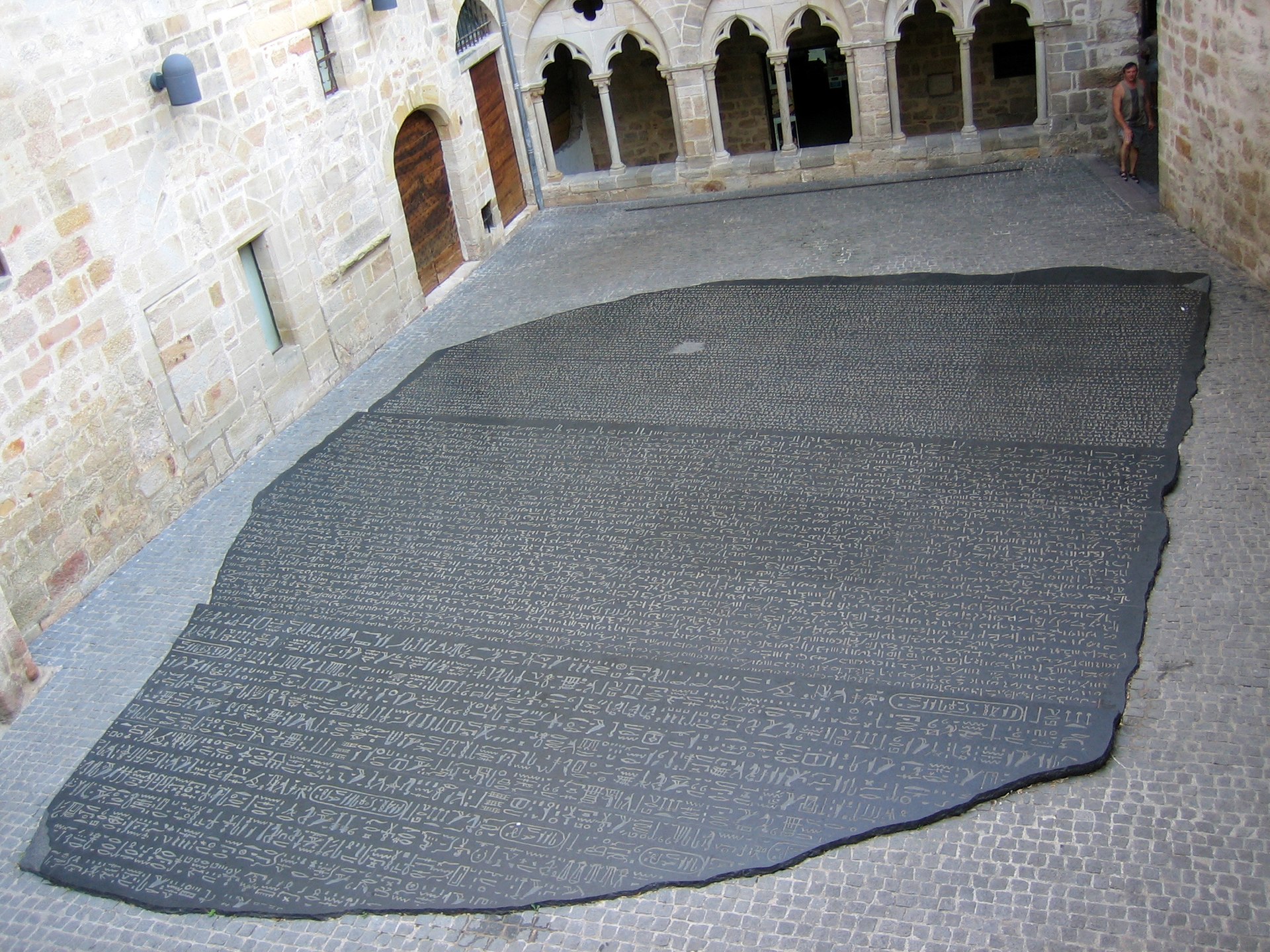
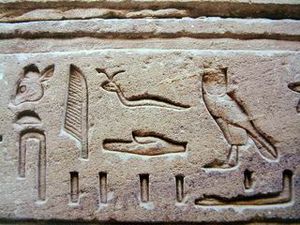
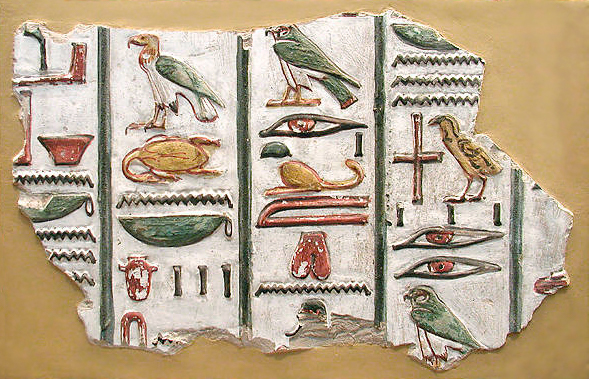
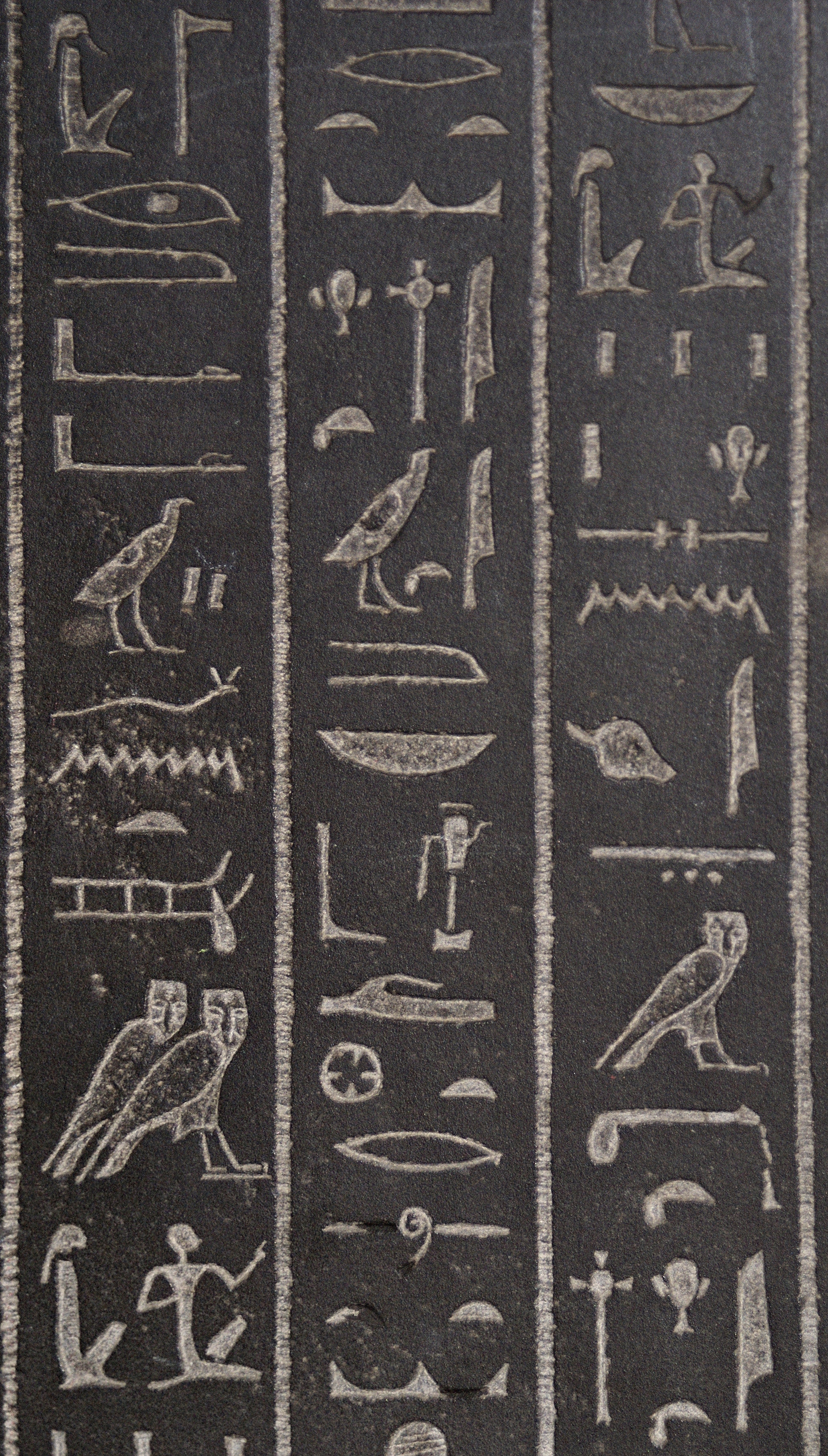
At the top are hieroglyphics - the formal script of temples, tombs and monuments, reserved for the gods and pharaohs.
In the middle is Demotic - the everyday script used by ordinary Egyptians for documents and records.
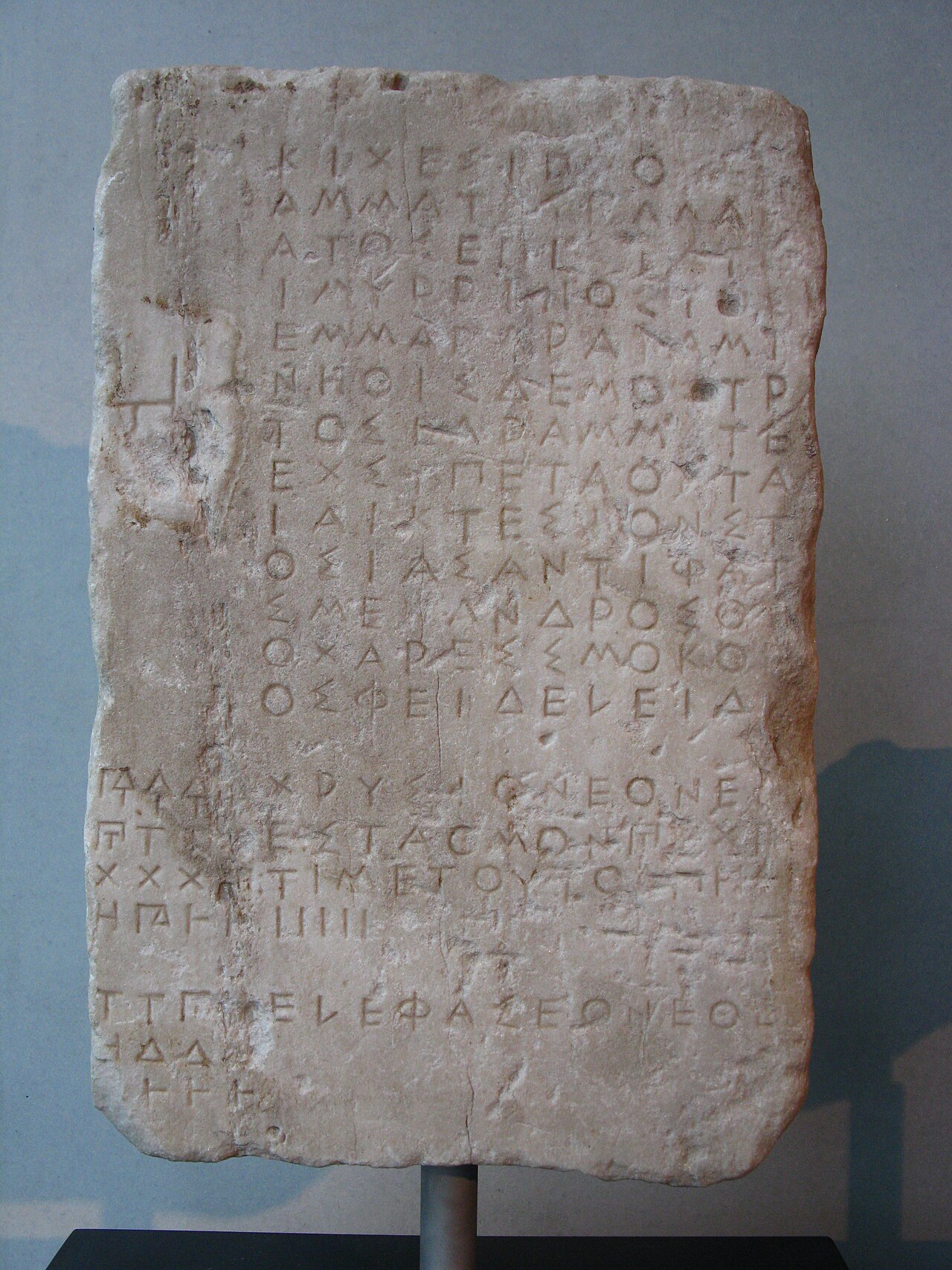
At the bottom lies Greek, the language of the ruling class since Alexander the Great conquered Egypt in 332 BC.
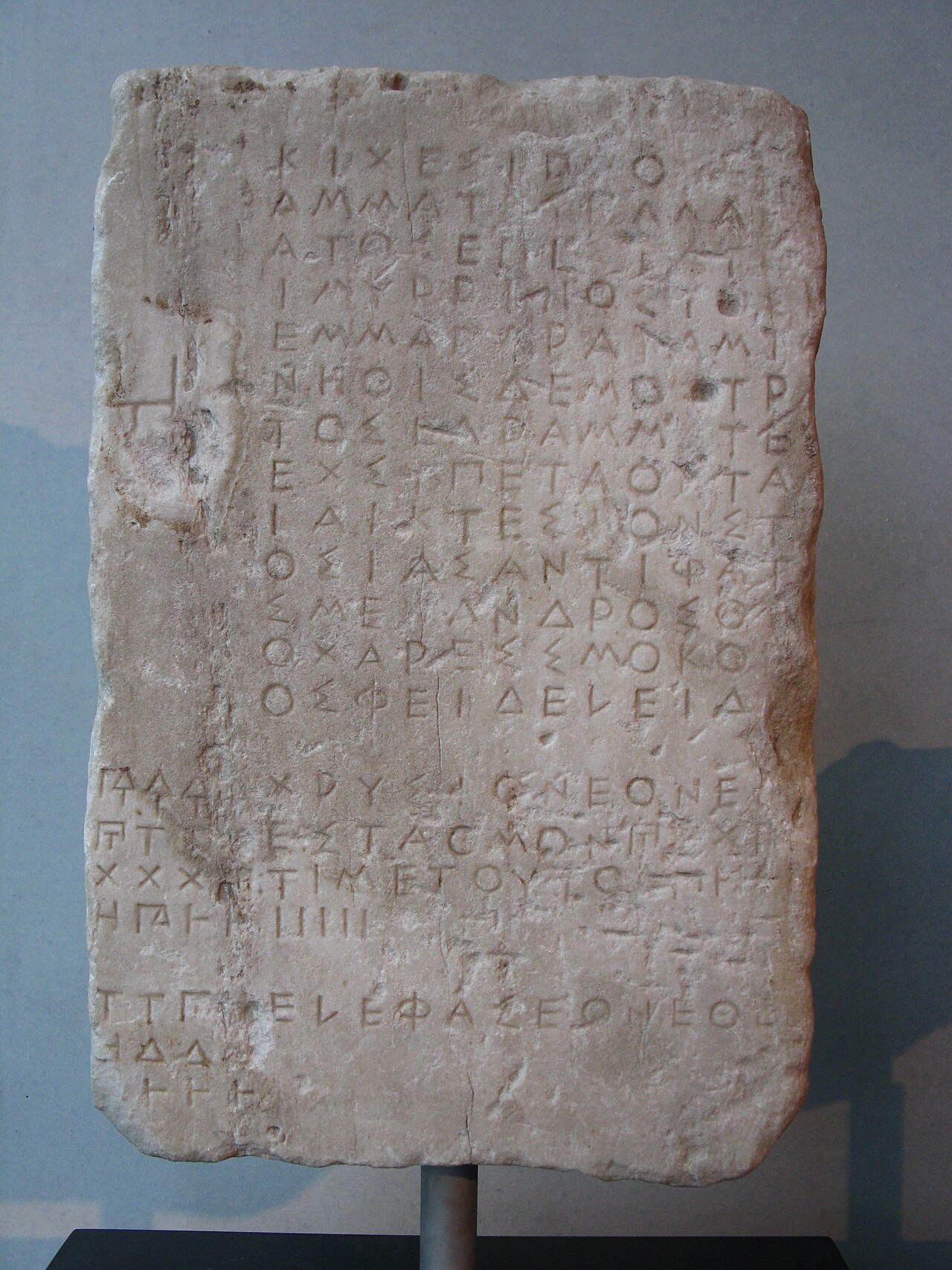
The Rosetta thus held the key to deciphering hieroglyphics, which had eluded comprehension for more than 1000 years.
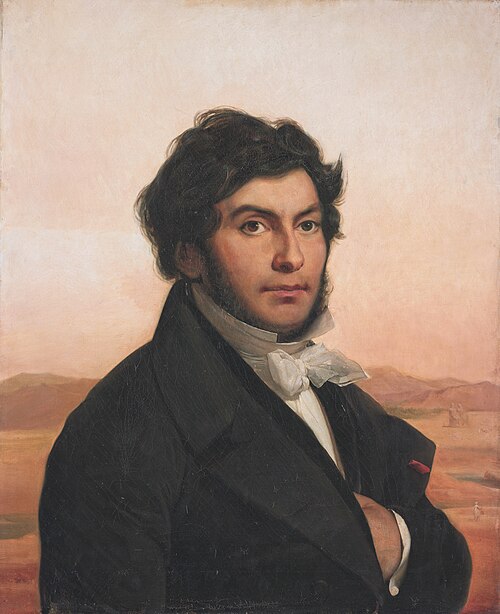
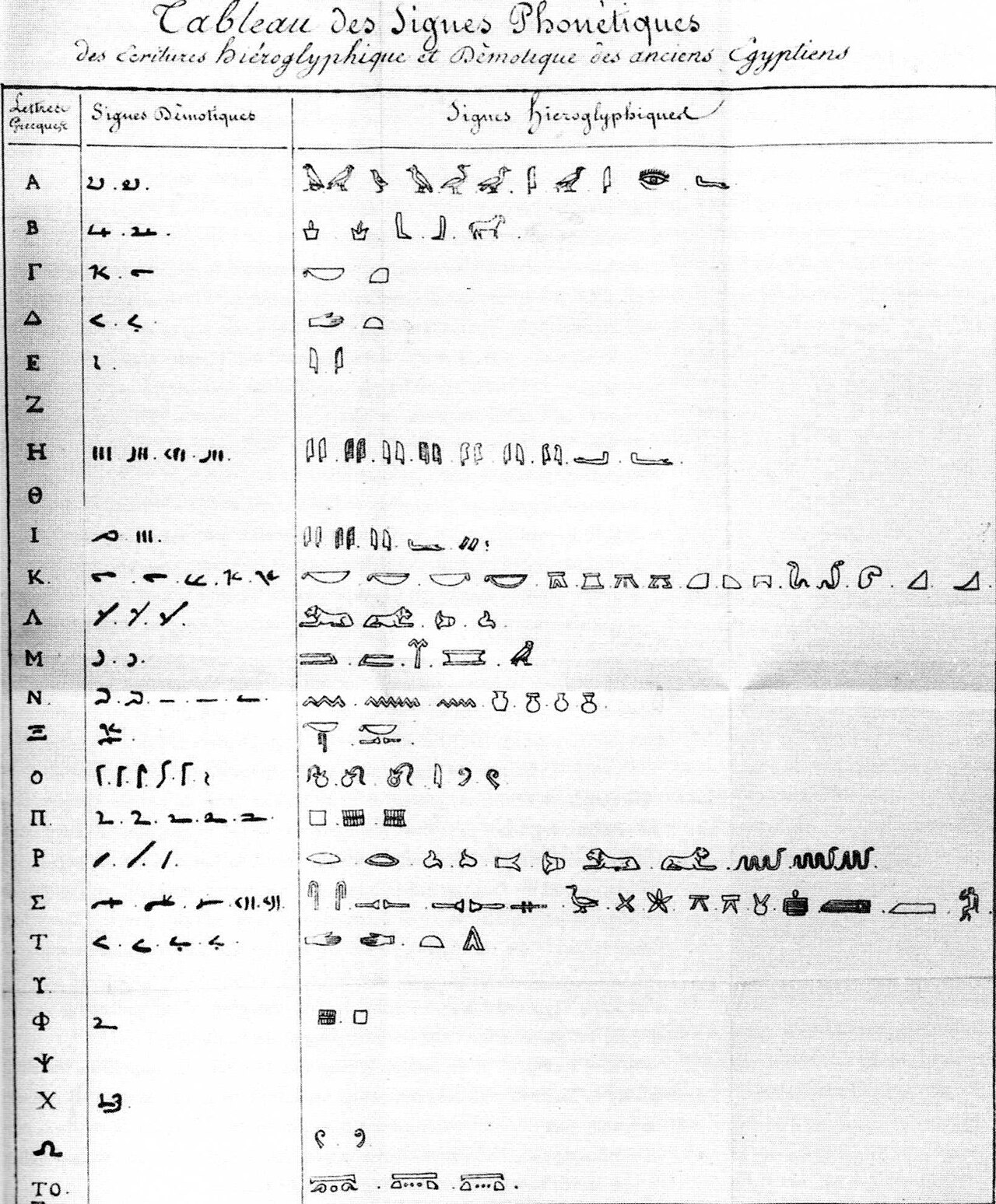
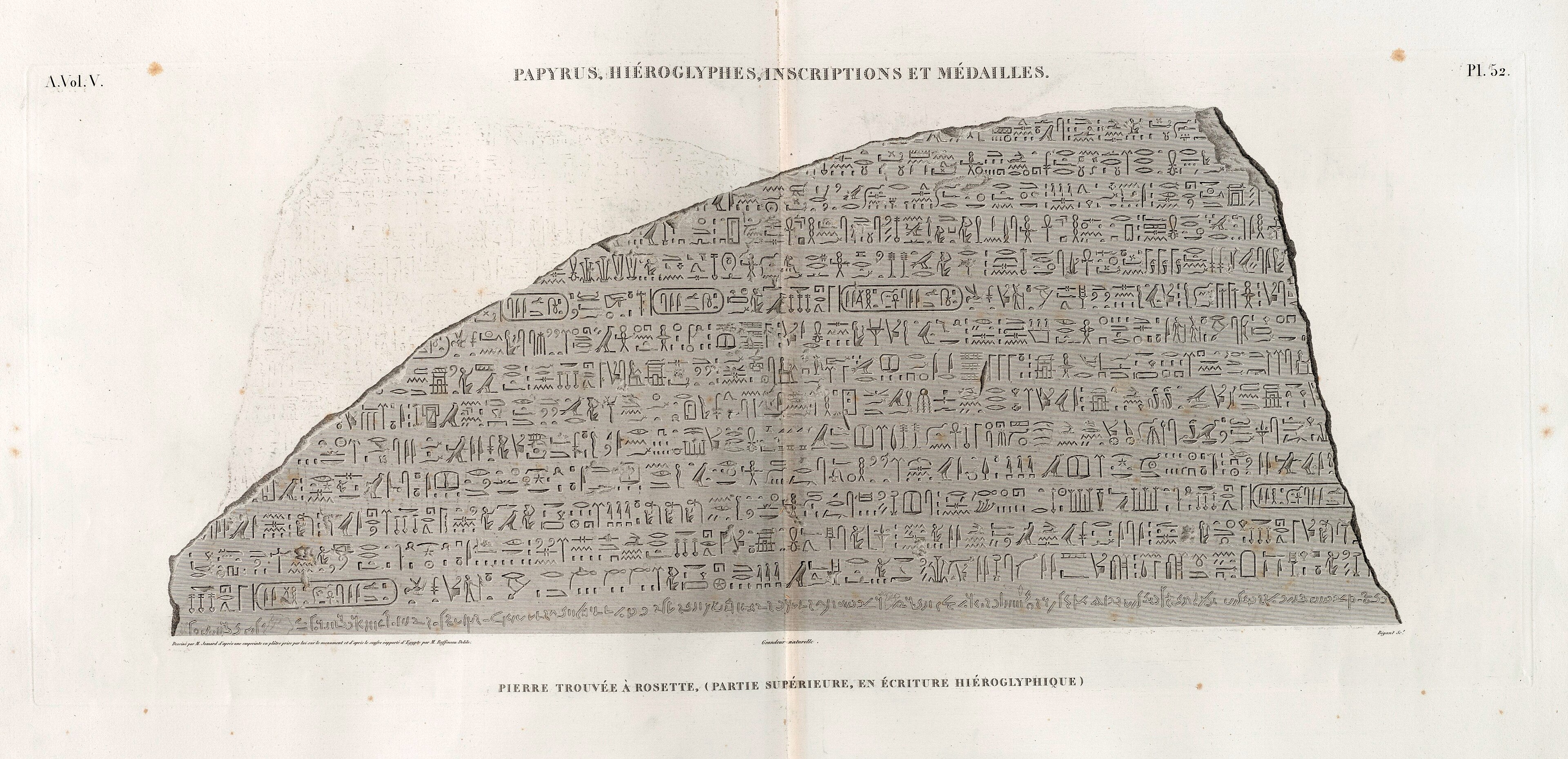
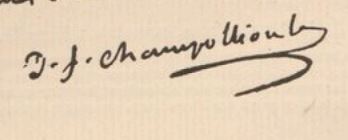
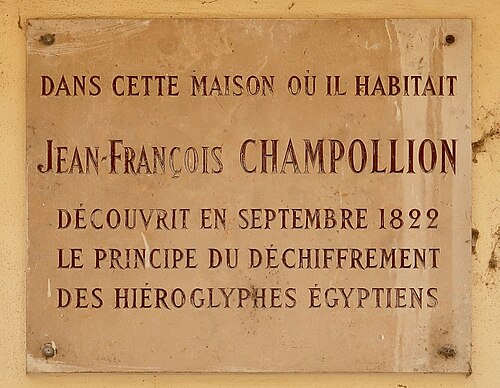
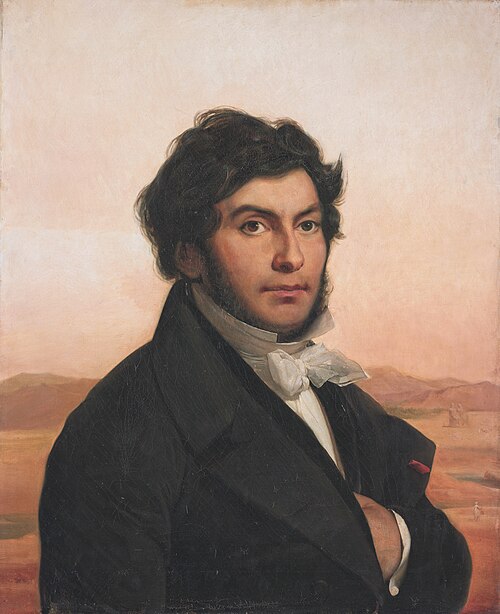
The breakthrough came 23 years after the slab was discovered. Jean-François Champollion, a French scholar obsessed with ancient Egypt, cracked the code. He worked out that hieroglyphics were not purely symbolic. He reportedly ran to his brother's offic and gasped 'I've got it!', before he fainted.
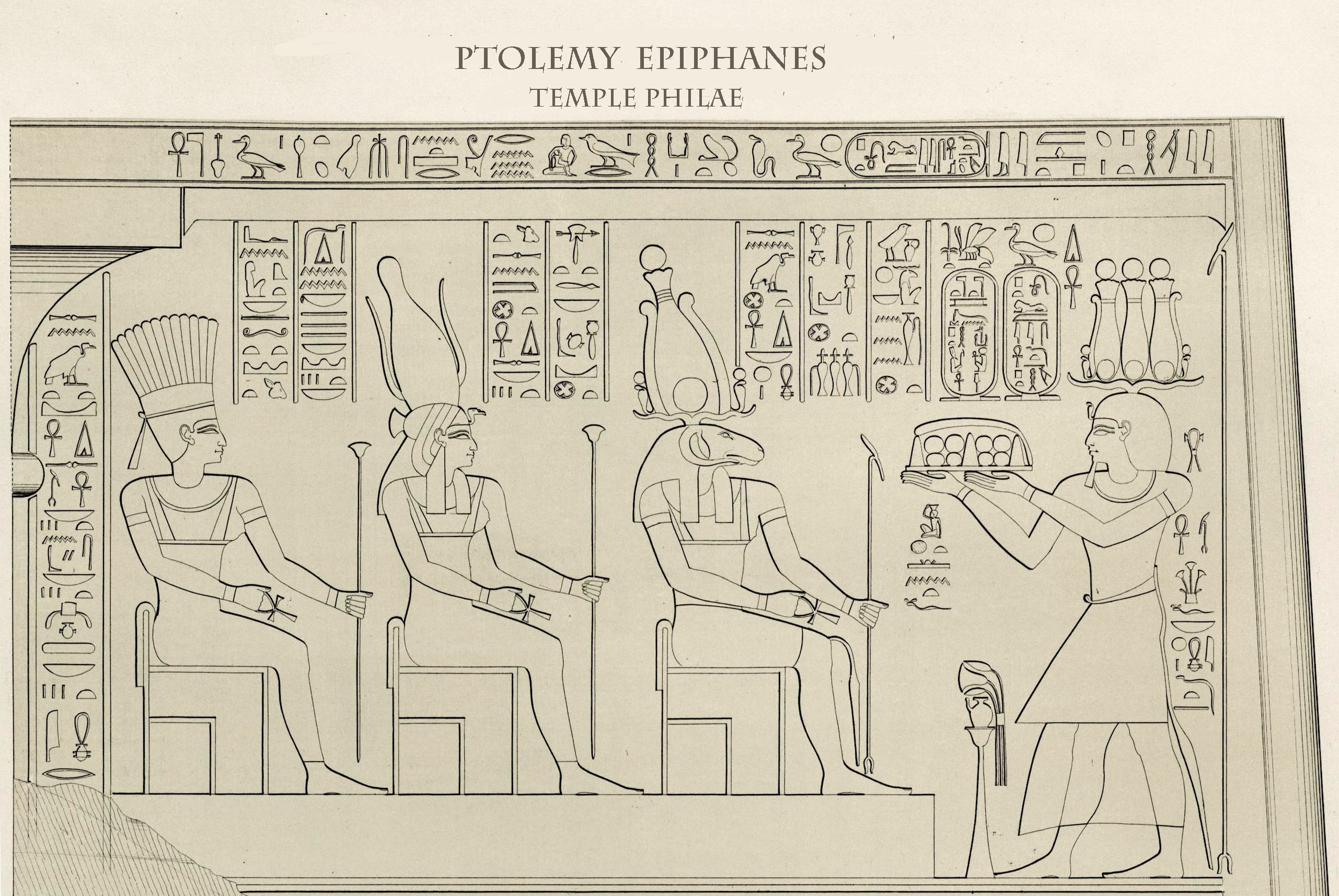
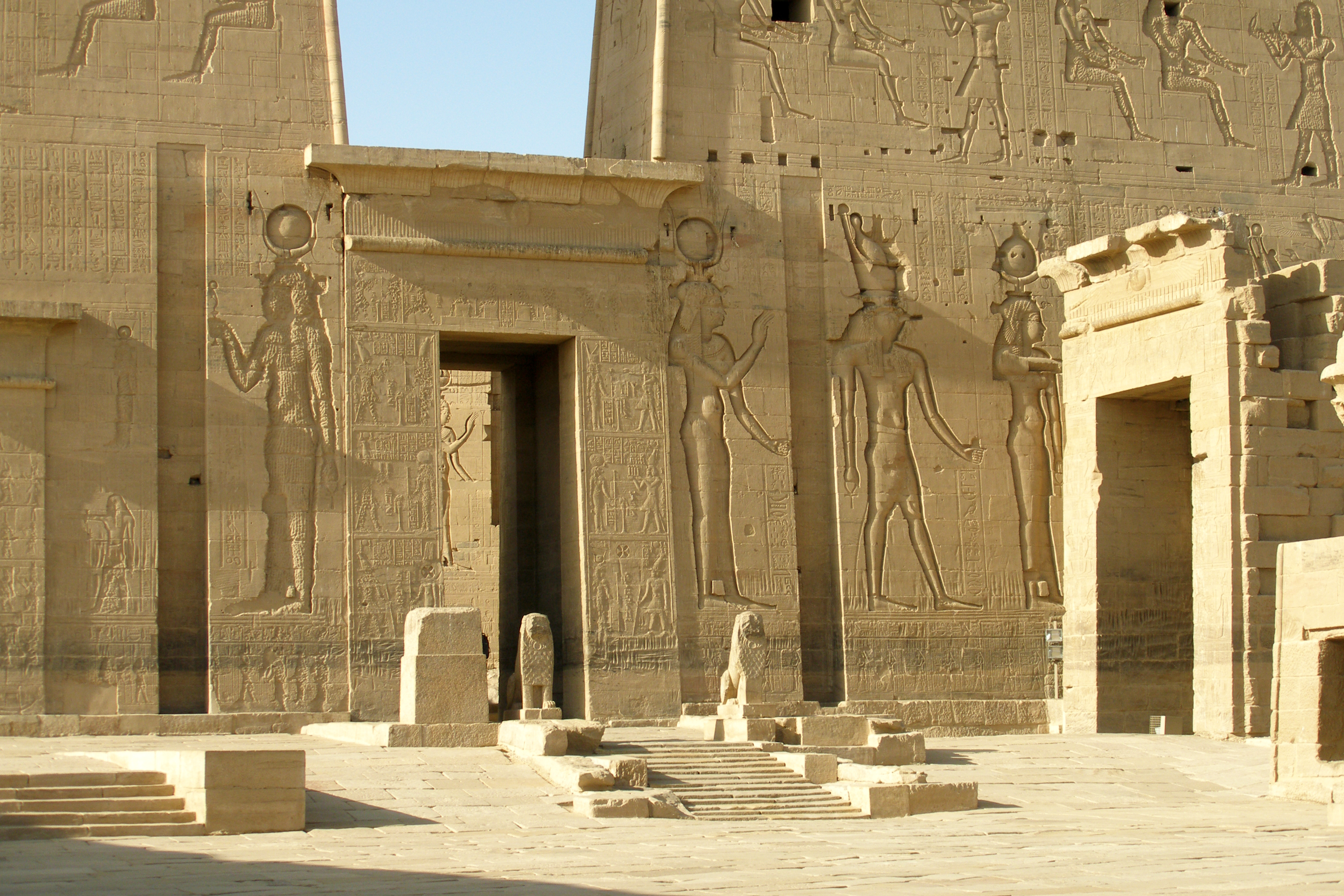
The text itself is a decree from Pharaoh Ptolemy V, thanking priests for their loyalty. Centuries of handling have now polished the stone to a dark grey-black but the original colour was probably a dark greenish-blue.
Comments
Loading comments...