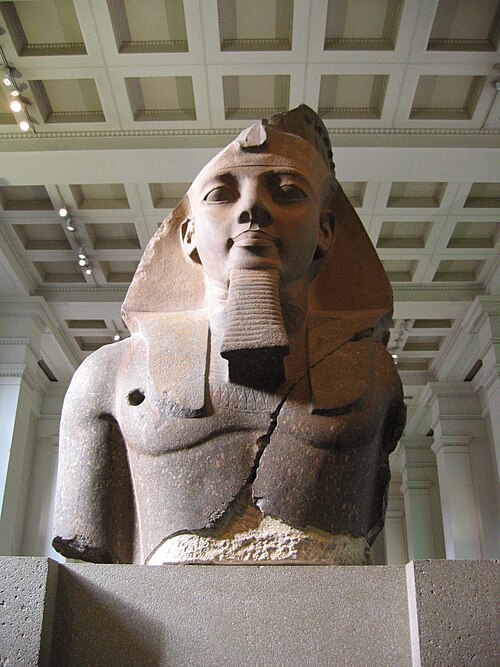
Bust of Ramesses II


Our second stop takes us into the world of Ancient Egypt and the Pharaohs, more than 3000 years ago.
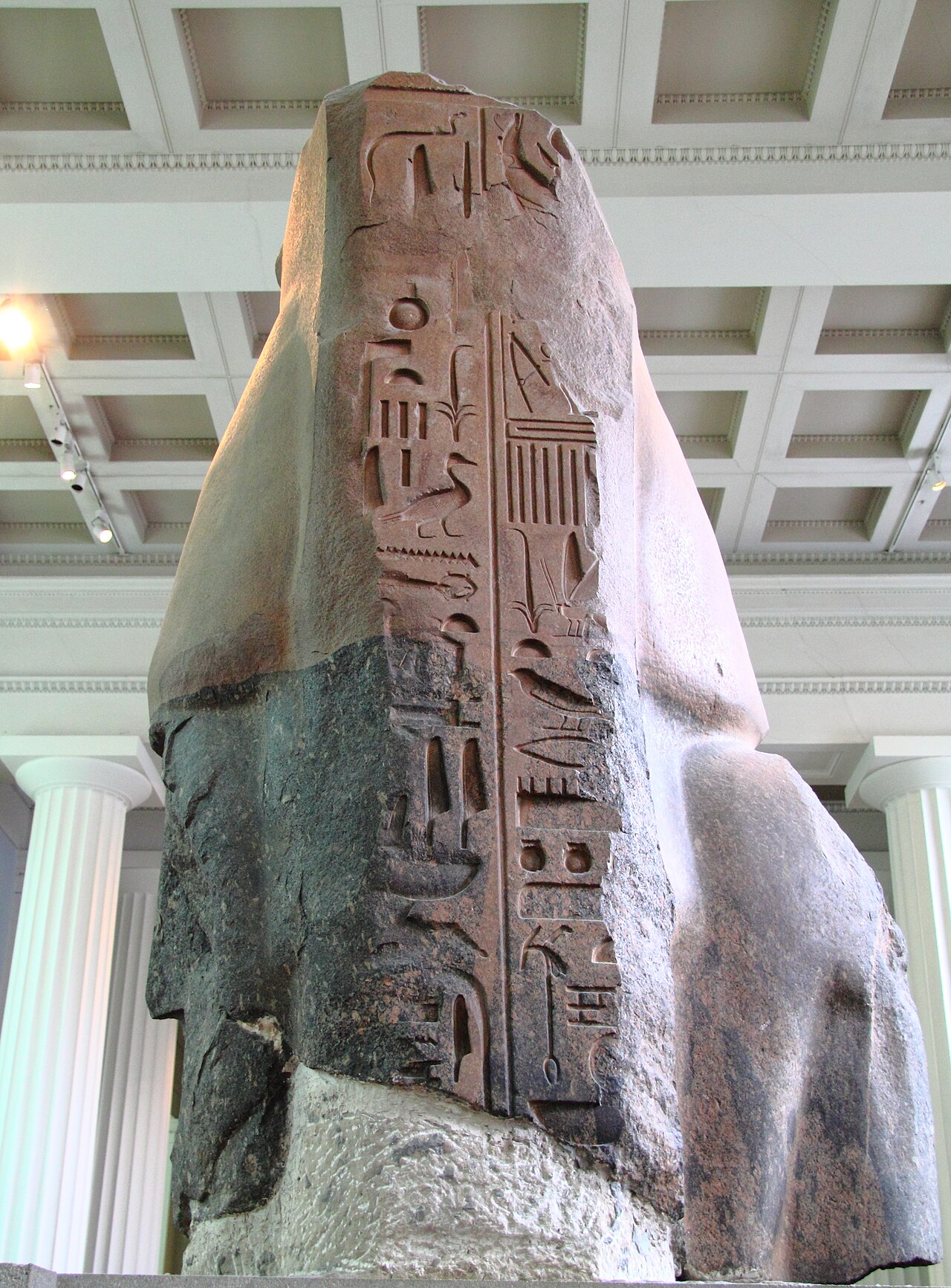
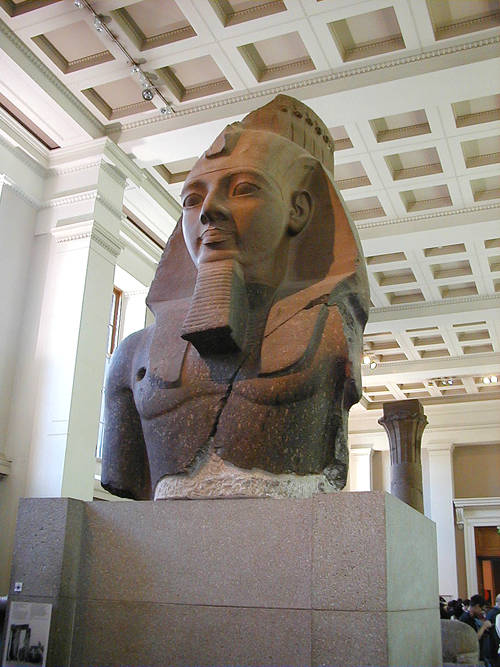
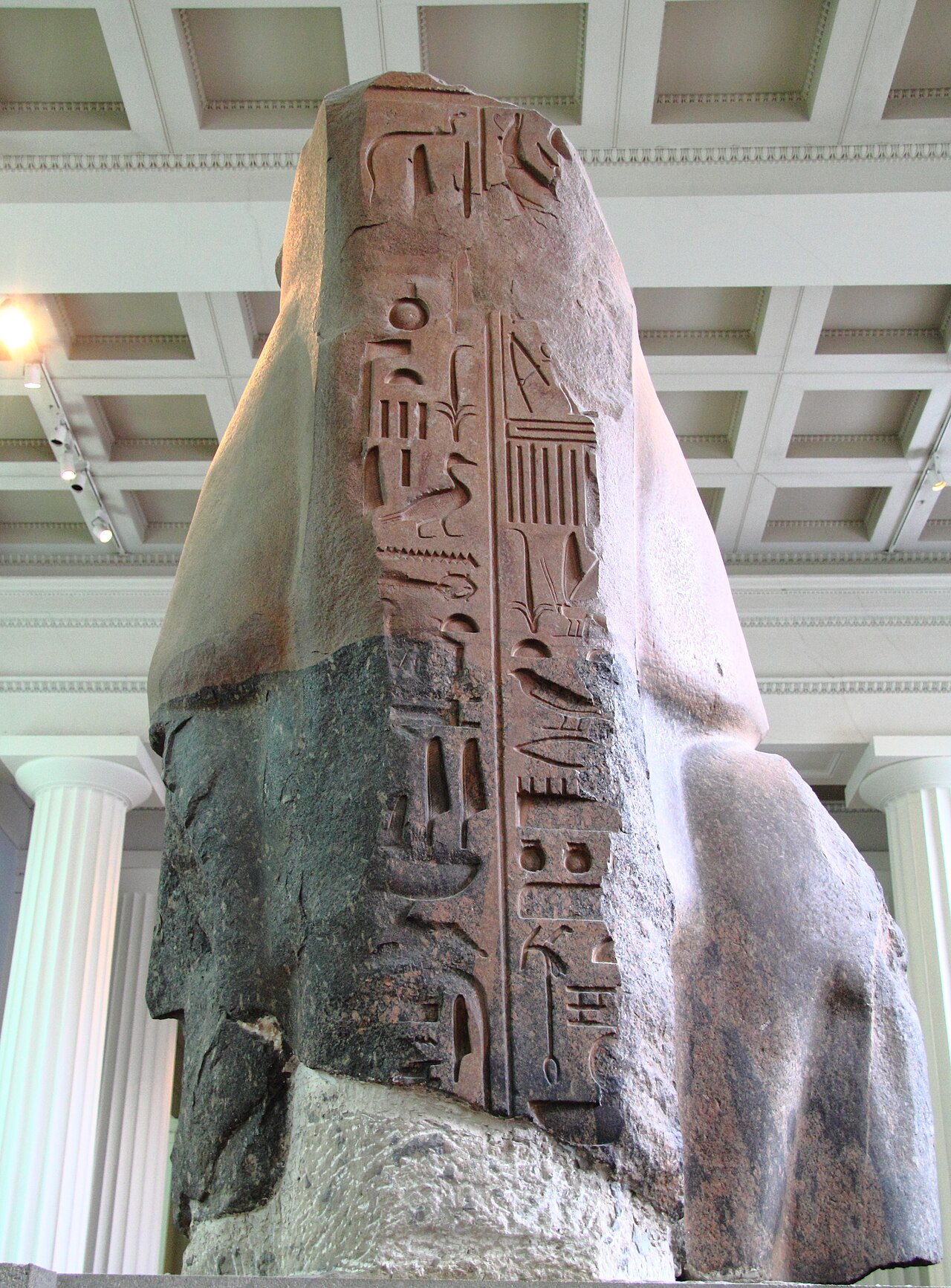
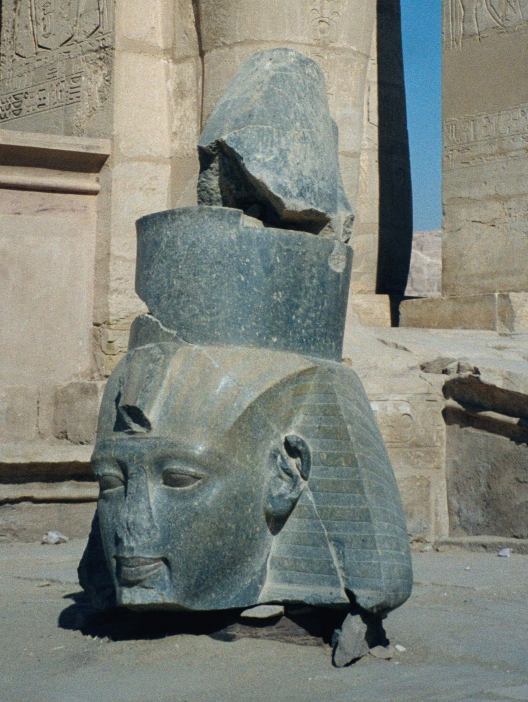
This is a fragment of a massive statue, which at one point stood in pharaoh Ramesses II's mortuary temple overlooking the Nile. It is made of granite and weighs a massive 7 tons. It is striking for its features of absolute, tranquil certainty.
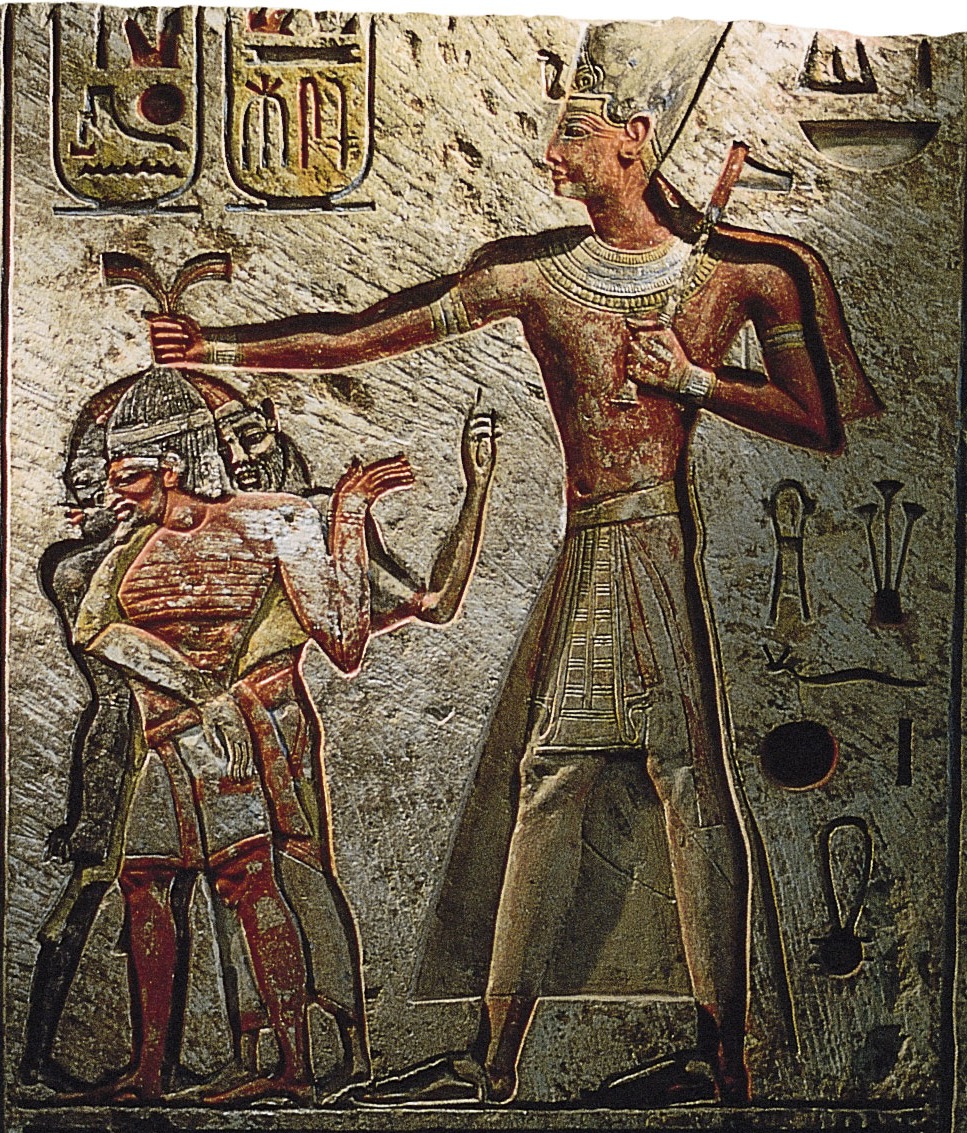
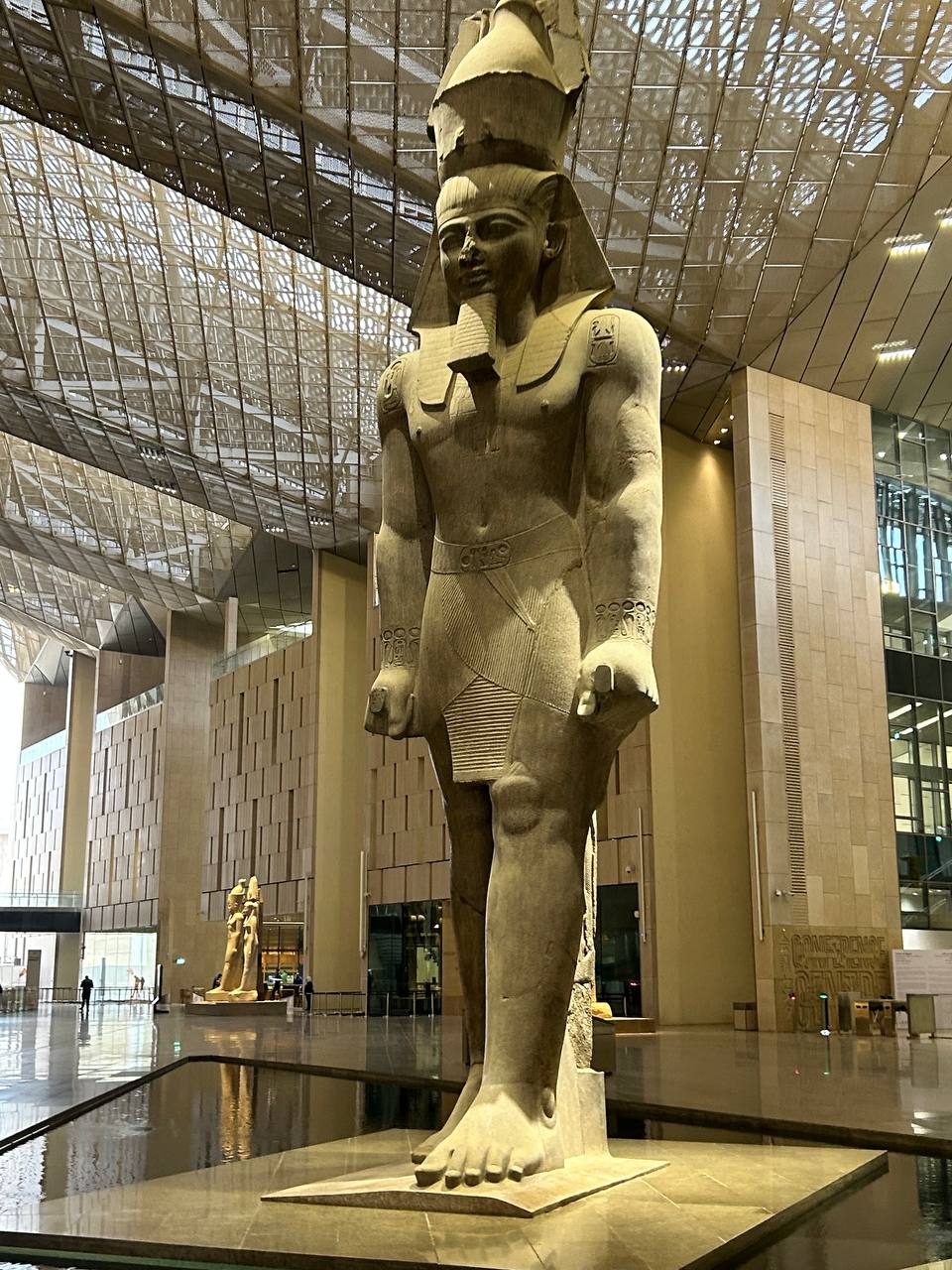
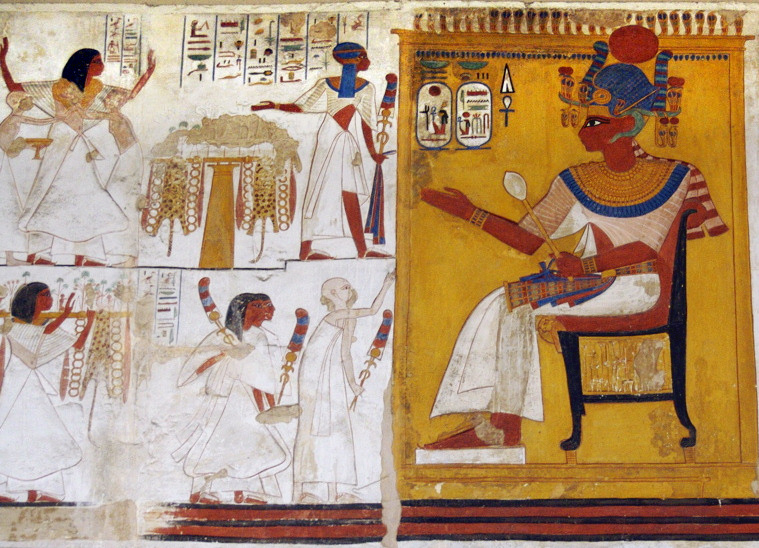
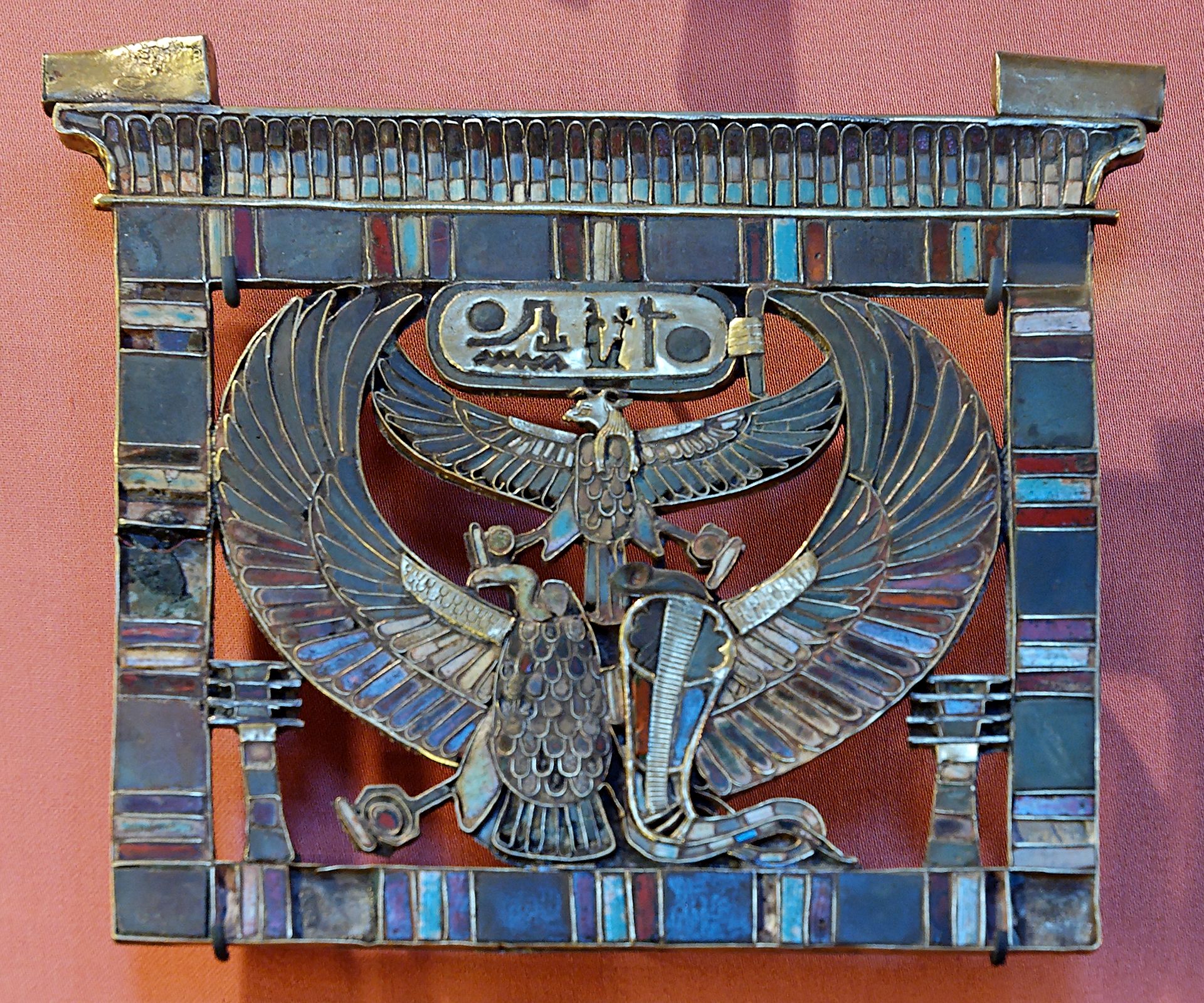
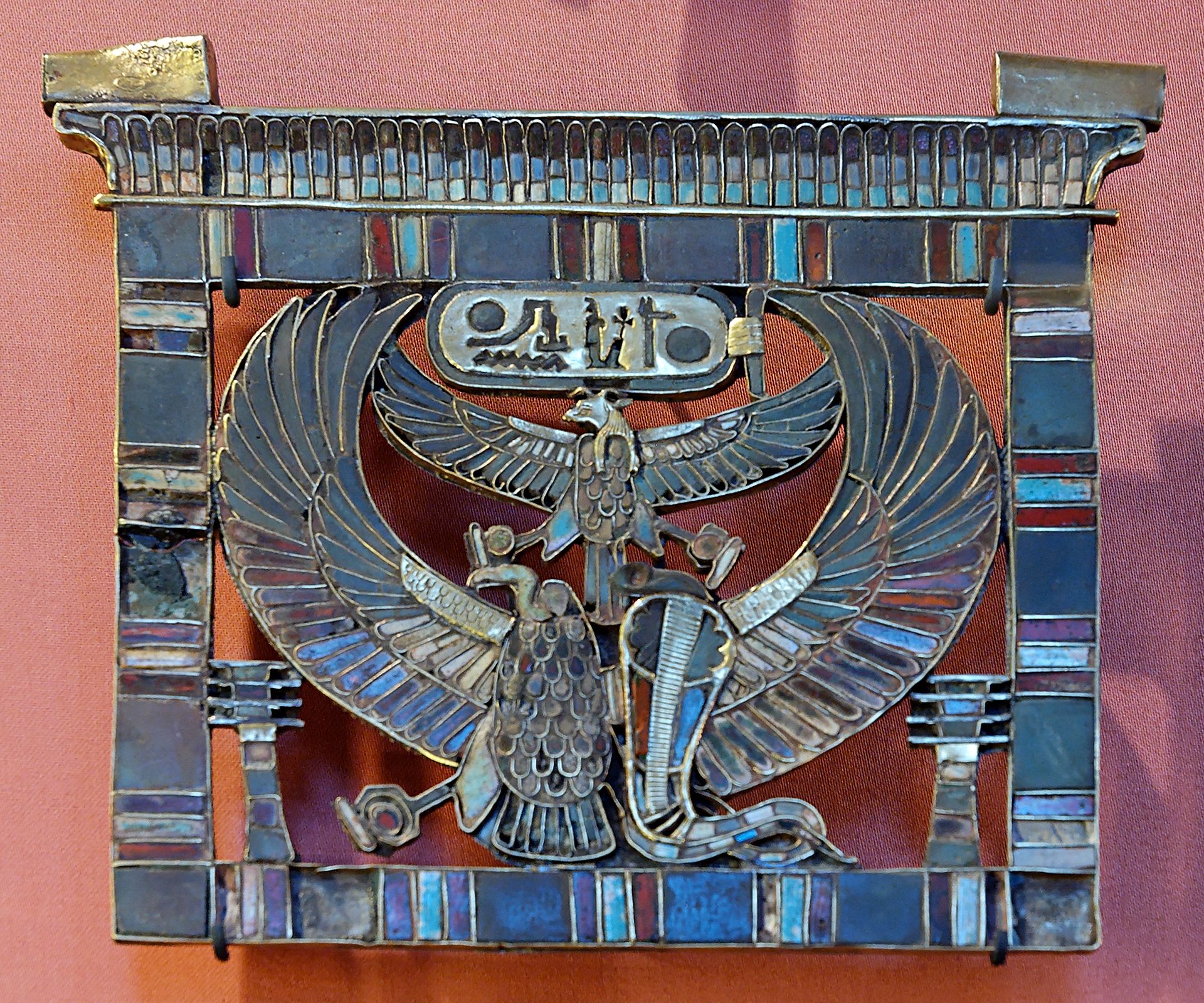
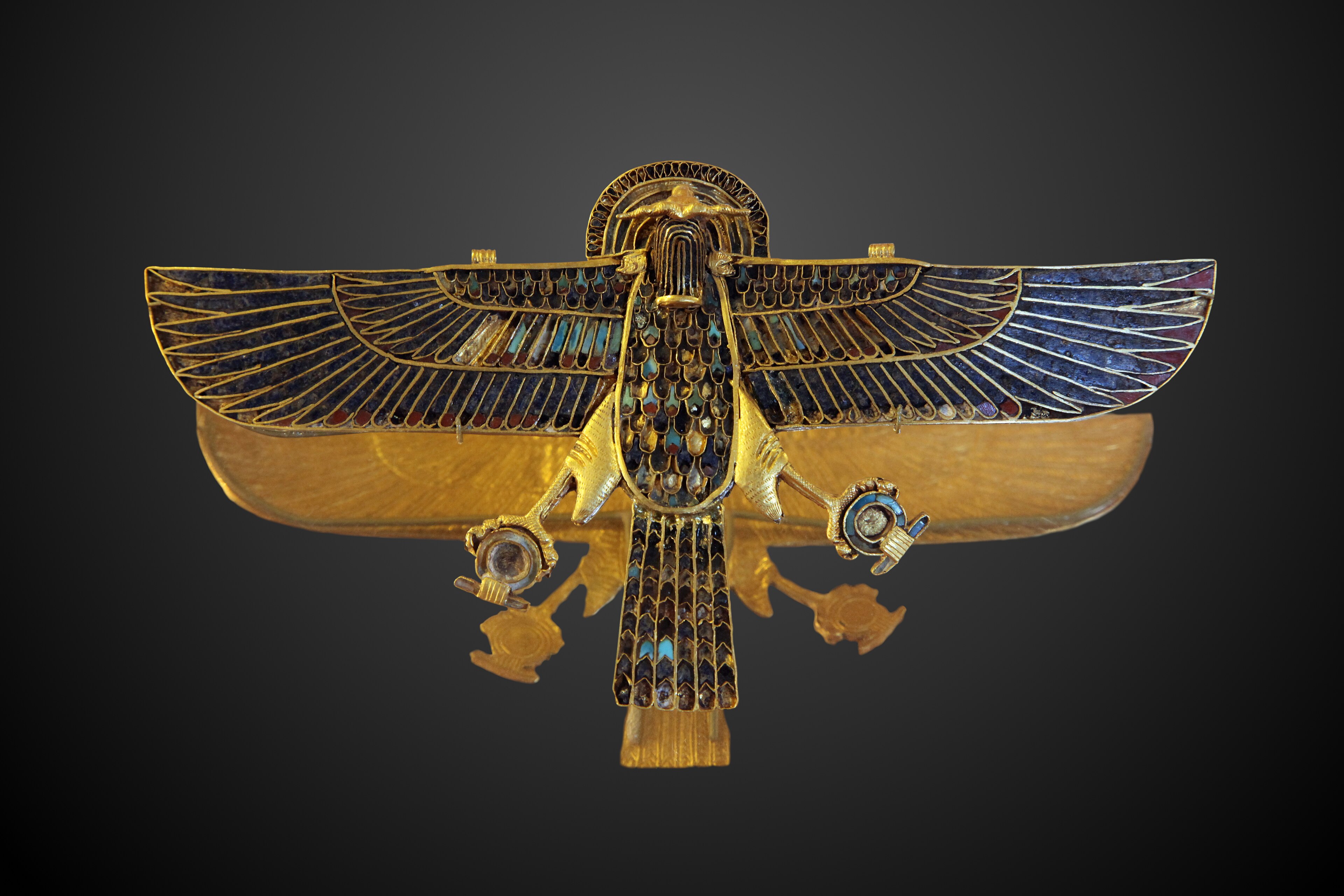
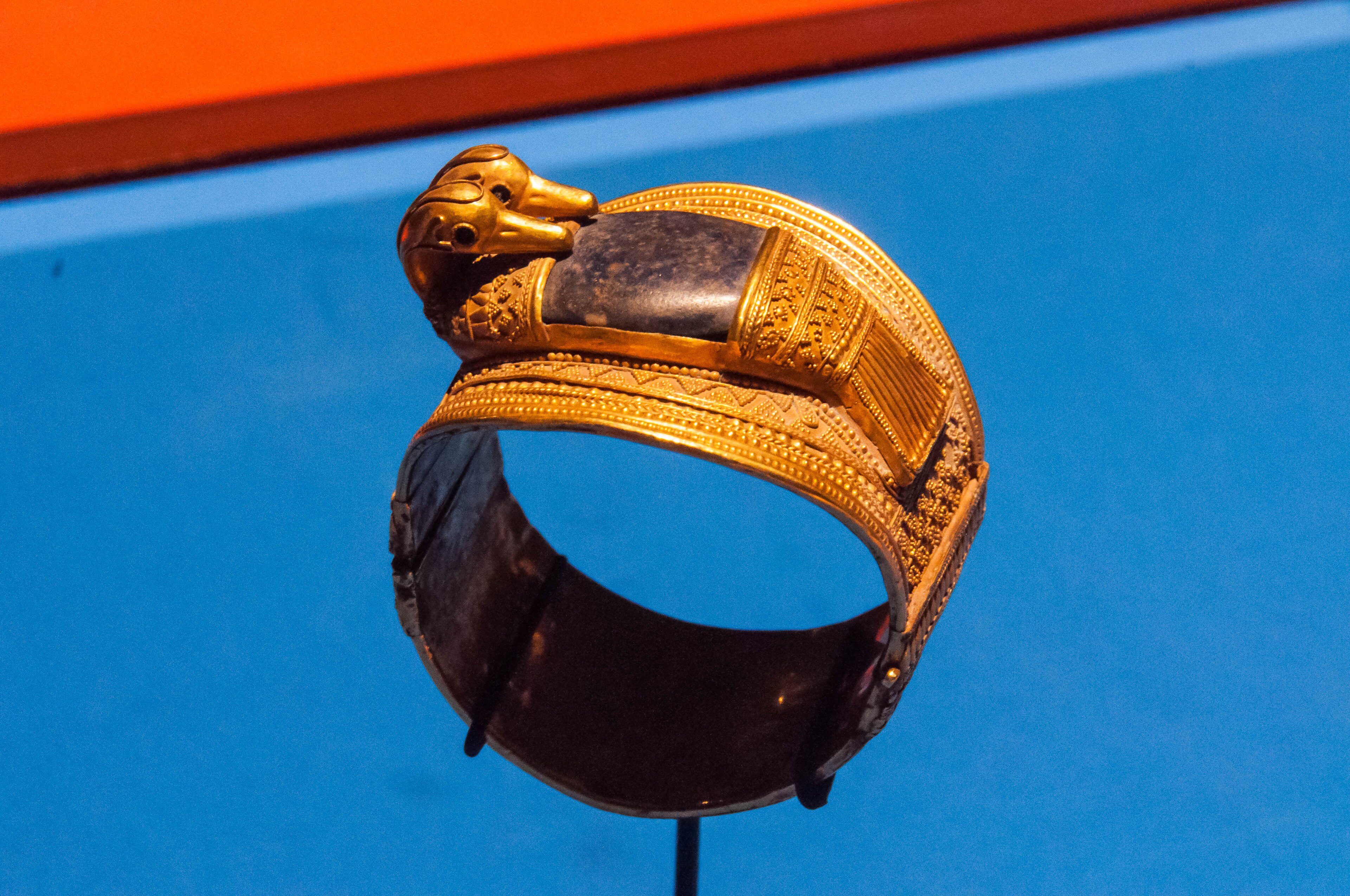
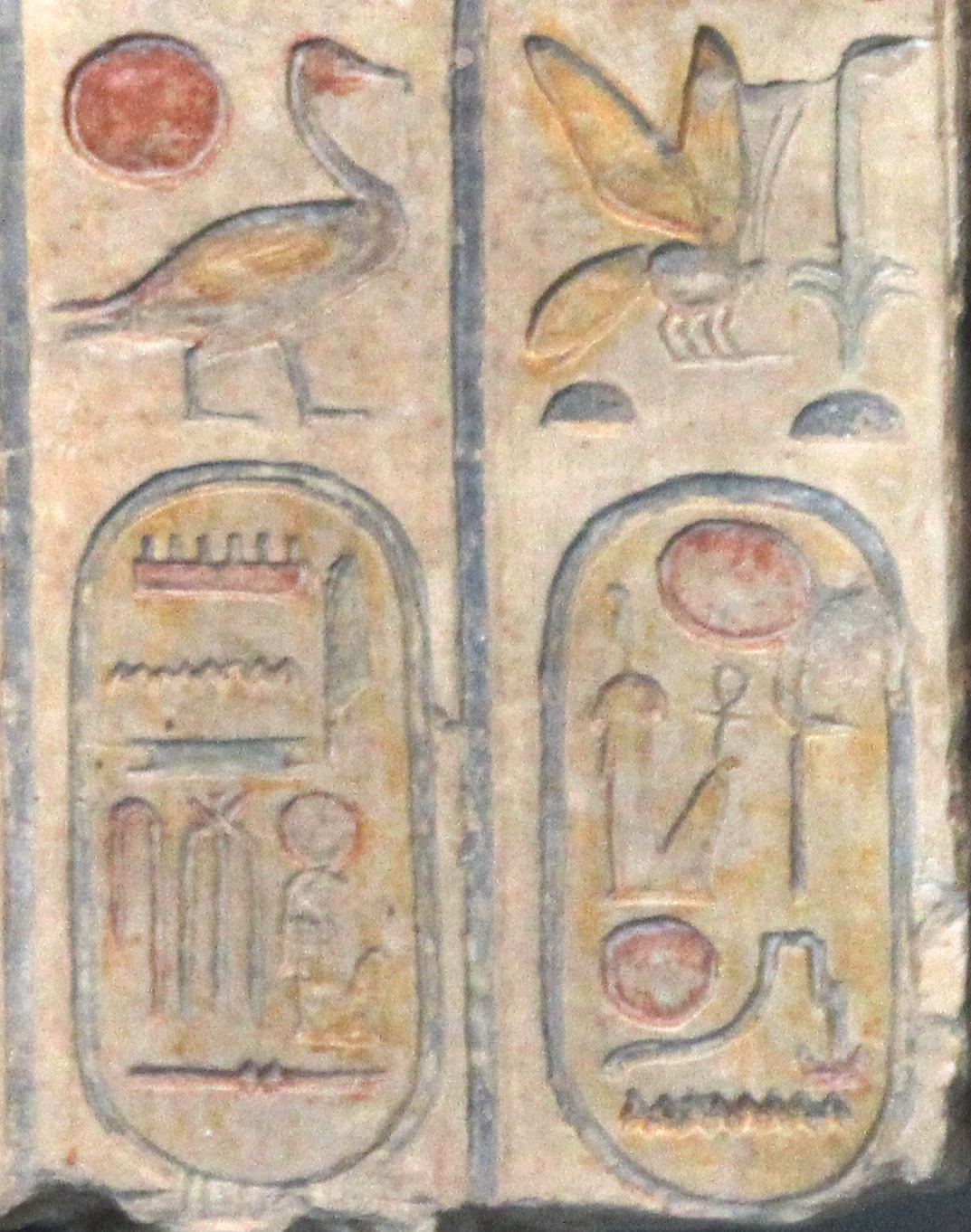
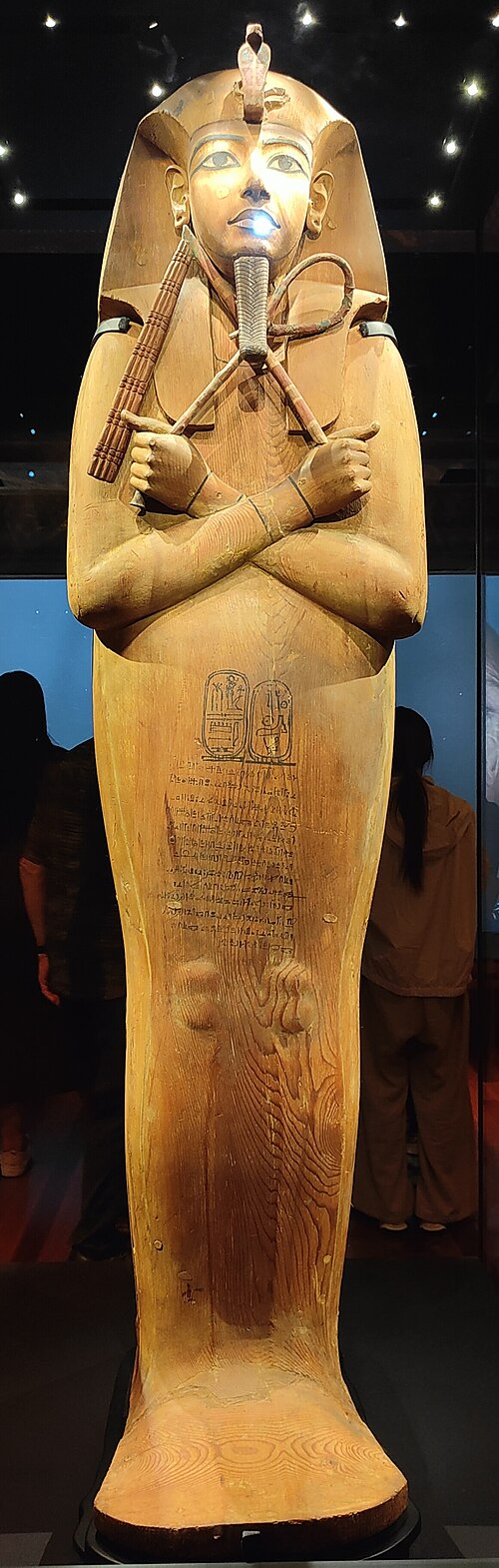
Ramesses II ('Ramesses the Great') was the 3rd pharaoh of Egypt's 19th Dynasty and reigned in the 13th century BC. He lived to almost 100 years old - an almost incomprehensible lifespan for the ancient world. His reign of 67 years was so long that many Egyptians feared the world would end when he died. He outlived most of his own children - with his 13th son eventually inheriting the throne.
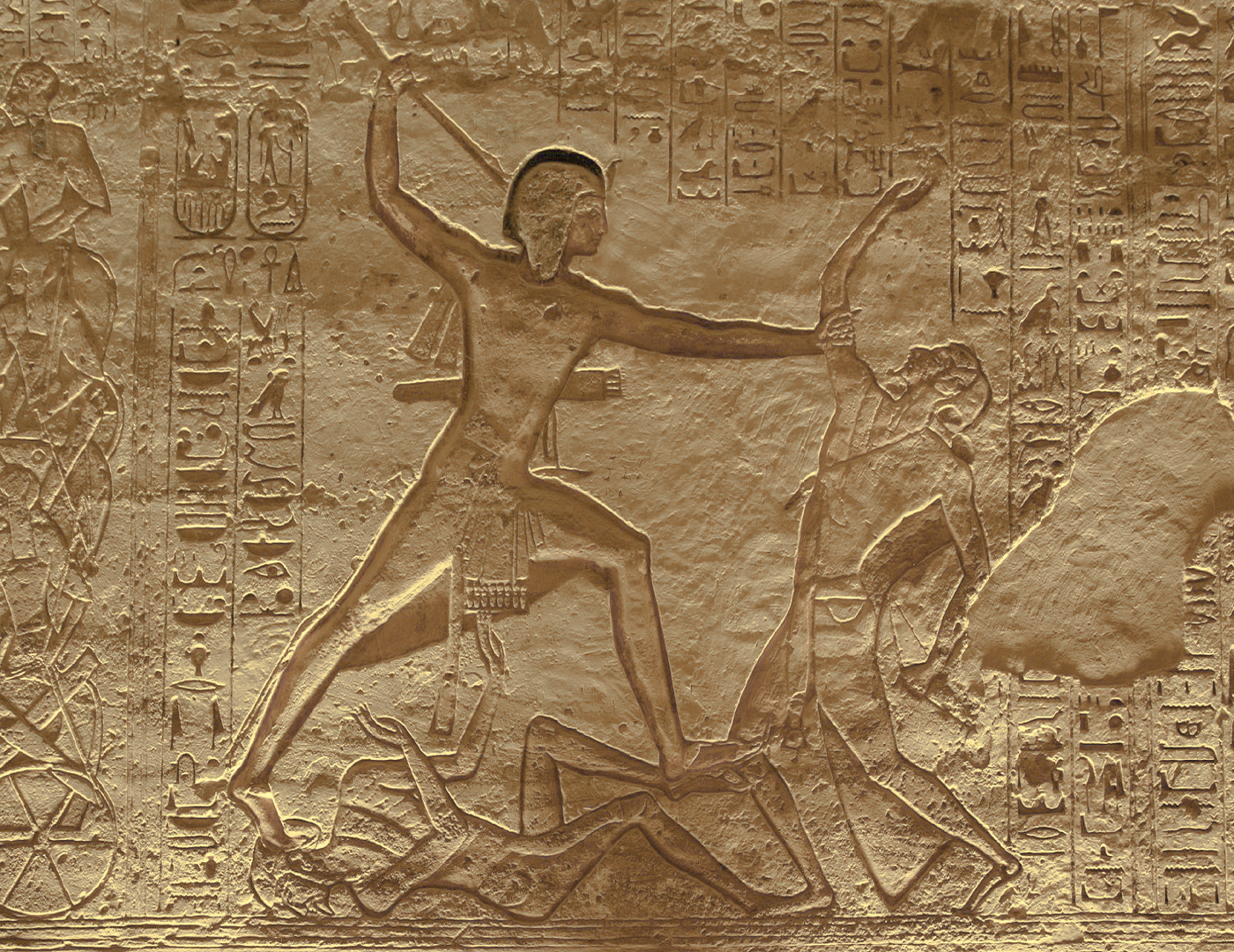
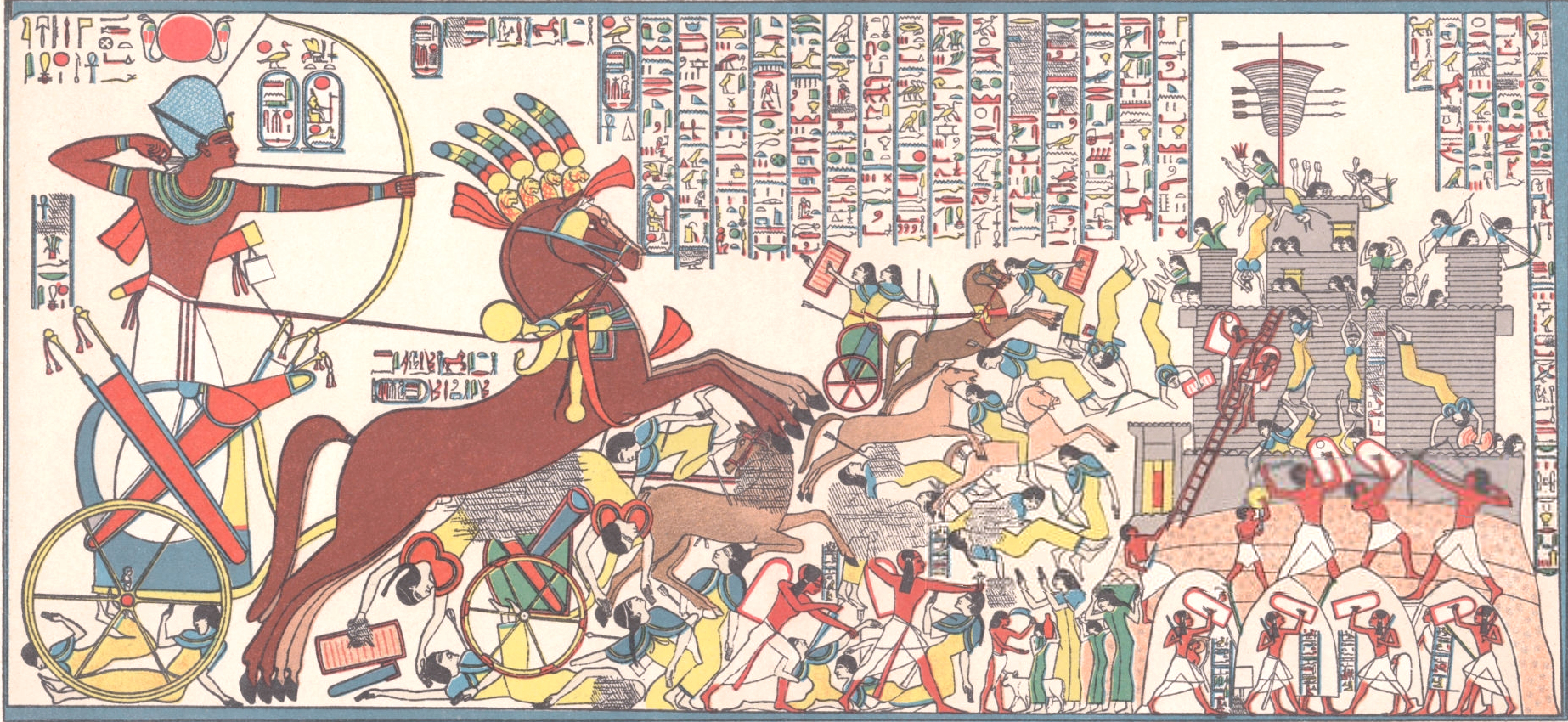
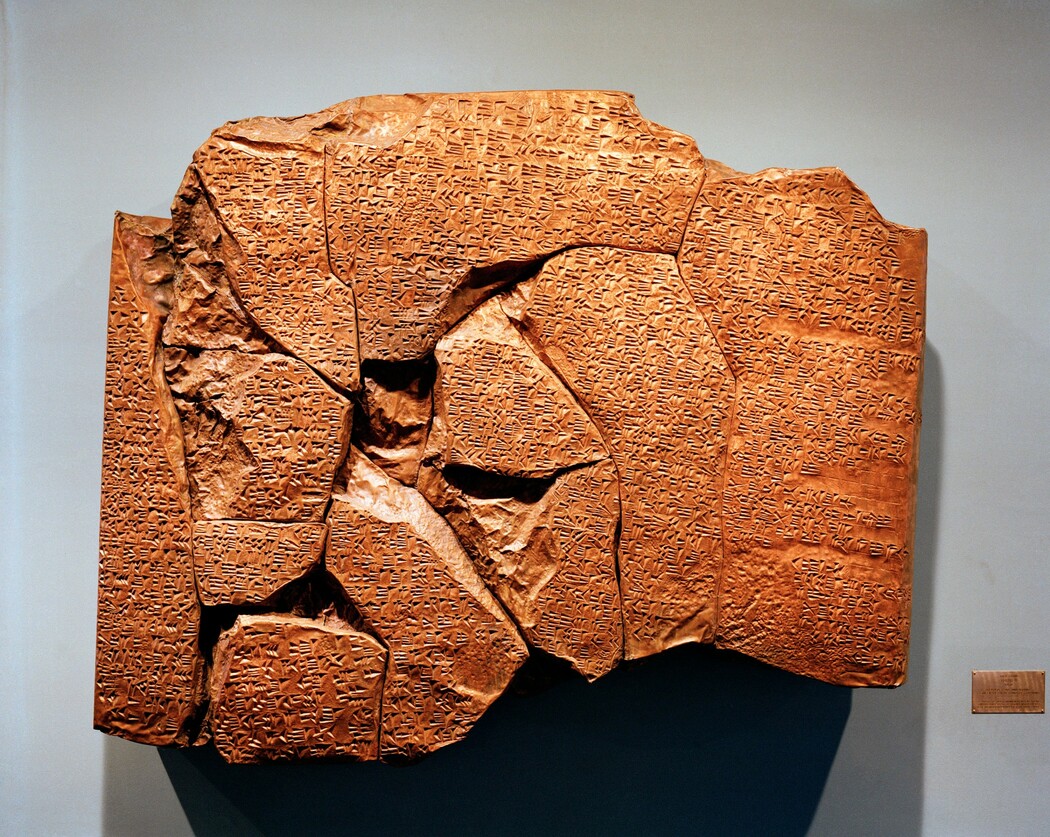
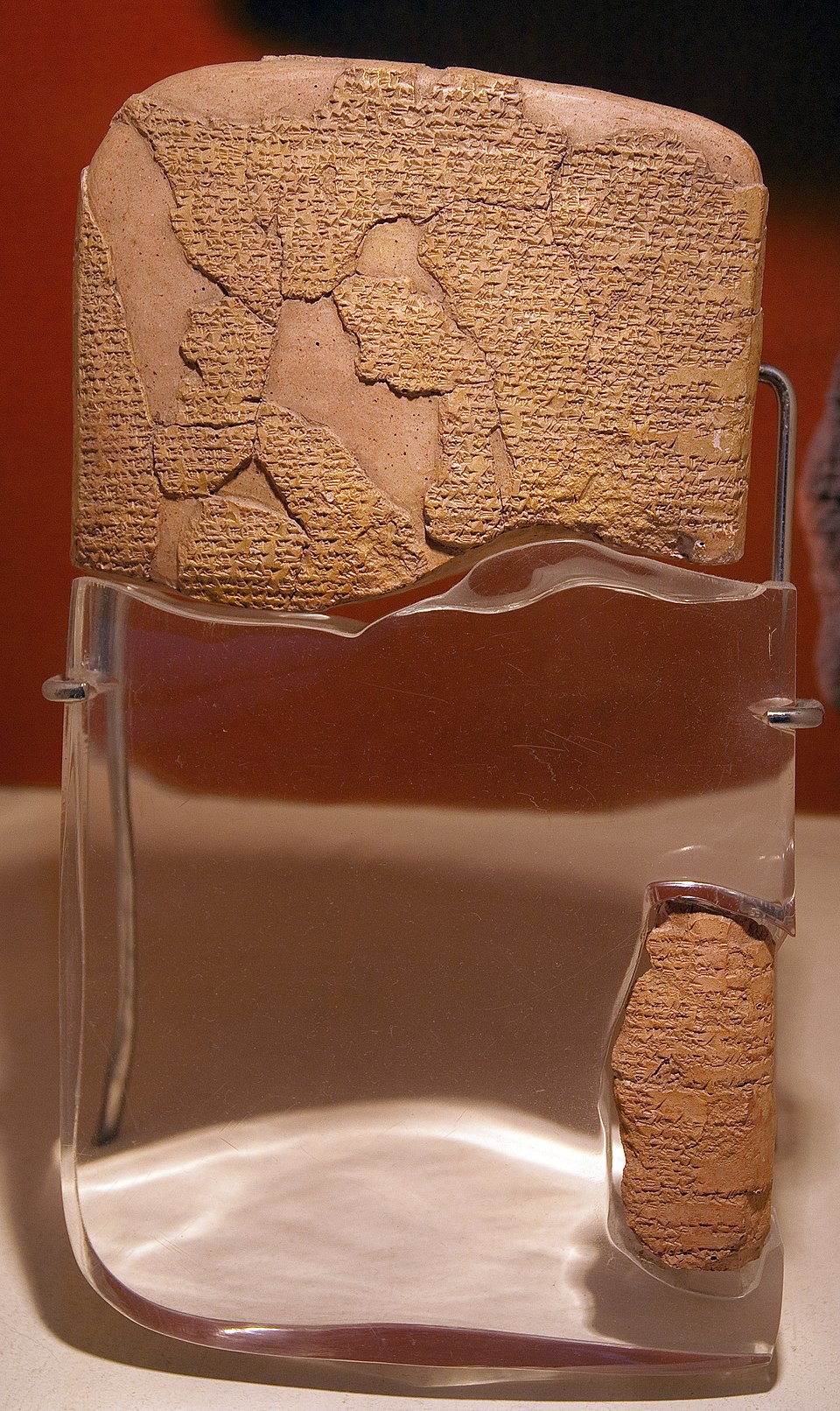
Ramesses II was considered a master builder and propagandist. One of the defining moments of his rule was the Battle of Kadesh, a massive confrontation against the Hittites which involved around 5000 chariots. Although there was no outright victor, Ramesses declared it a triumph and had the account plastered across temples throughout Egypt. A copy of the famous peace treaty hangs in the UN Nations HQ in New York today.
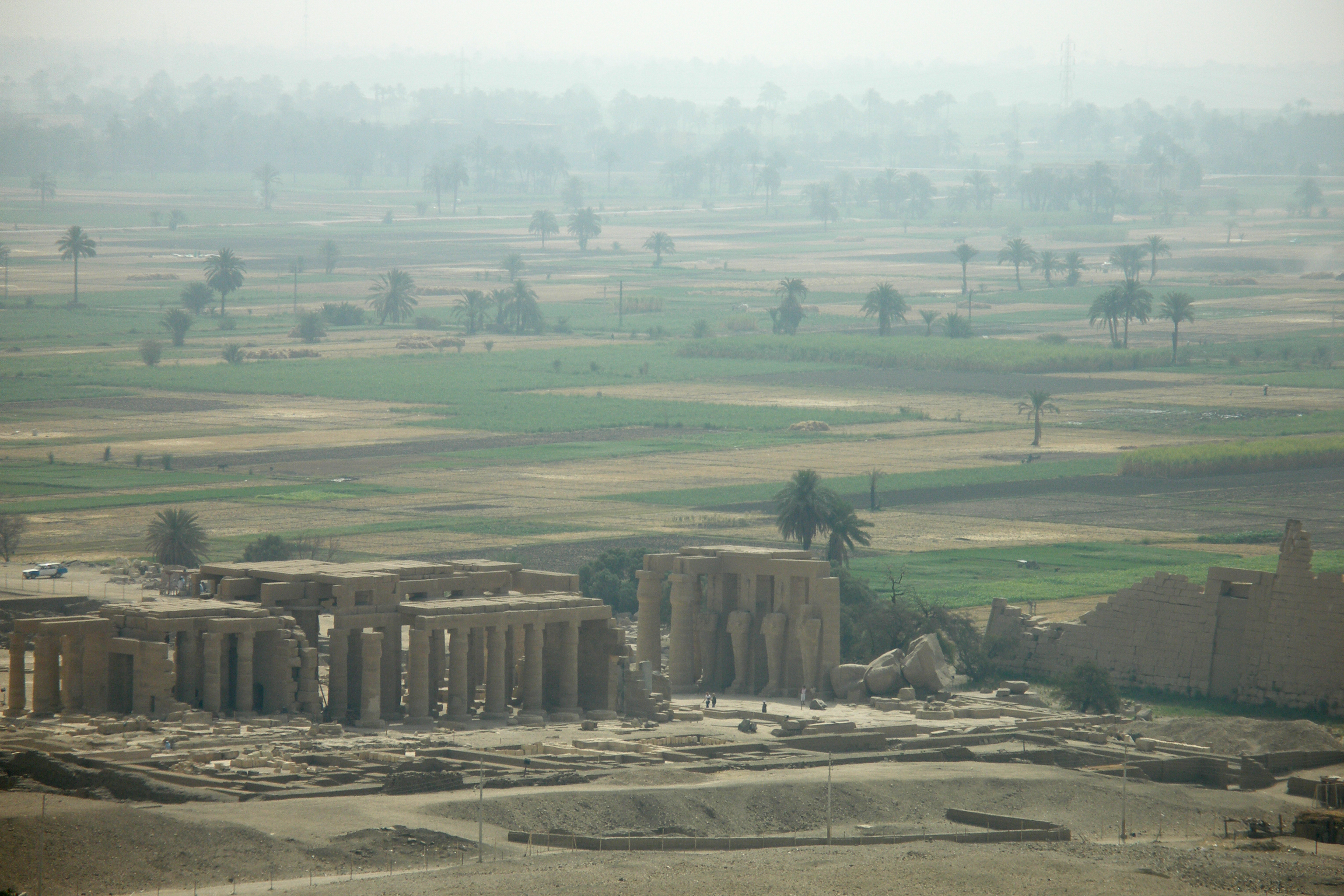
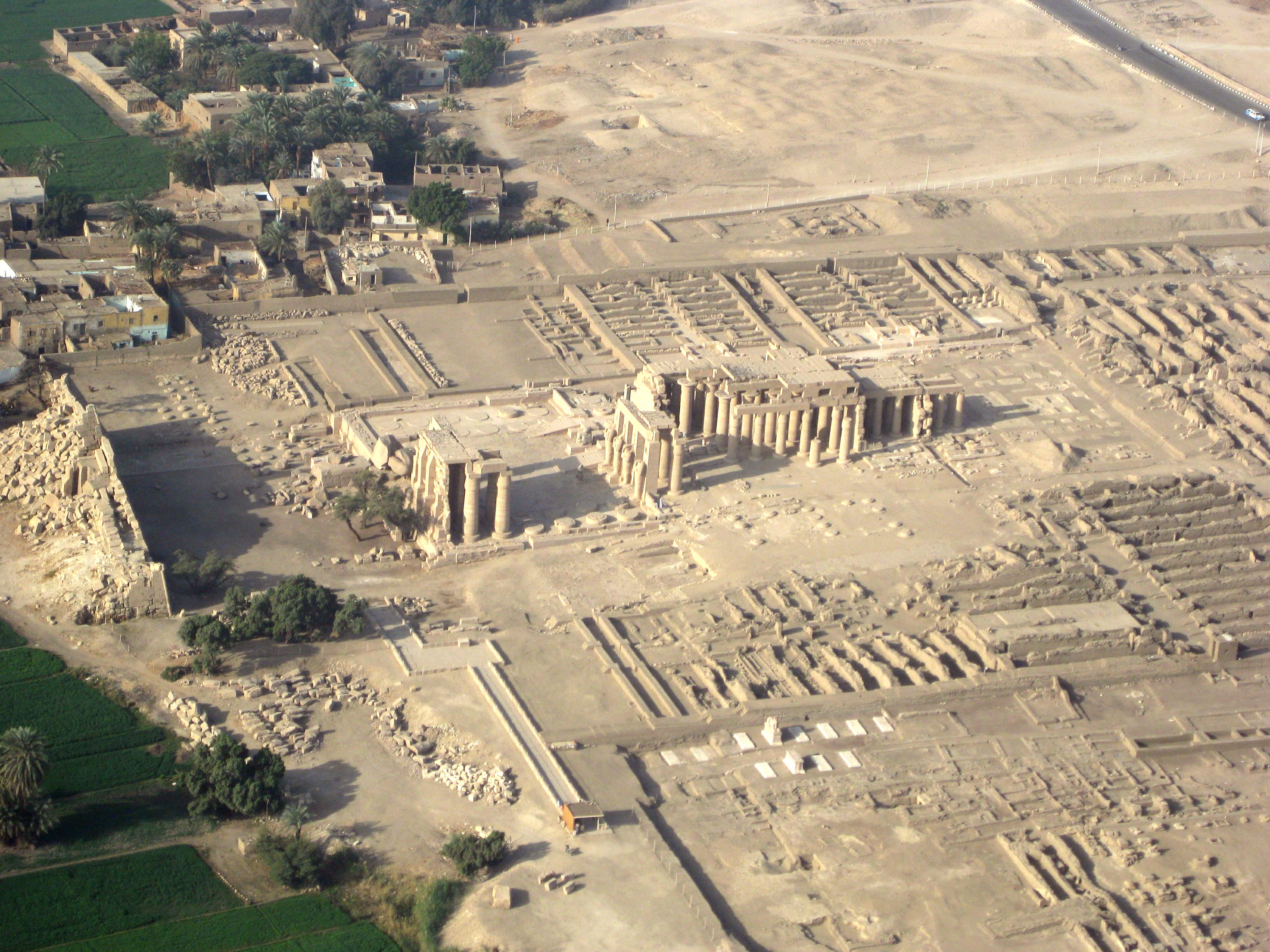
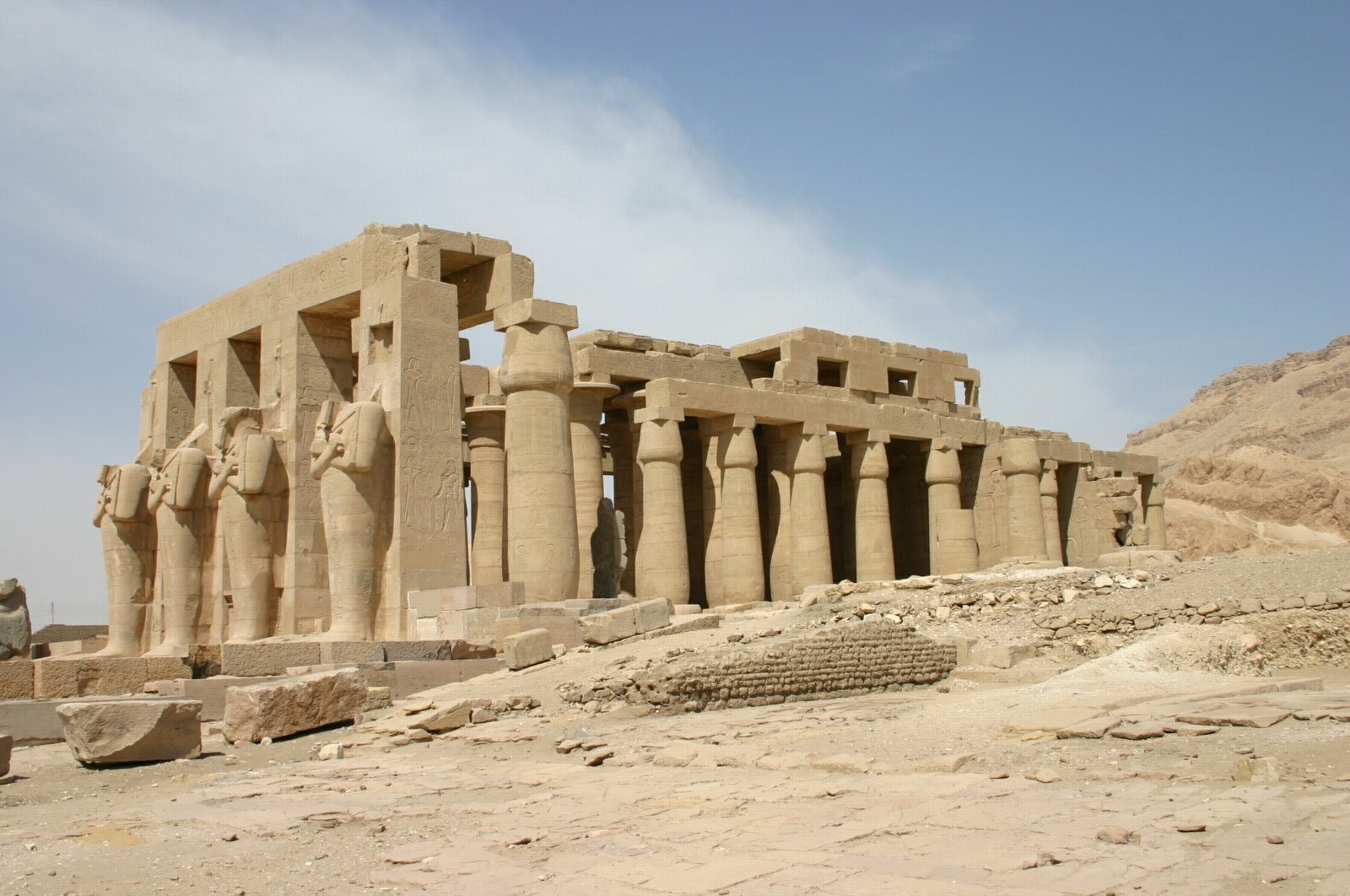
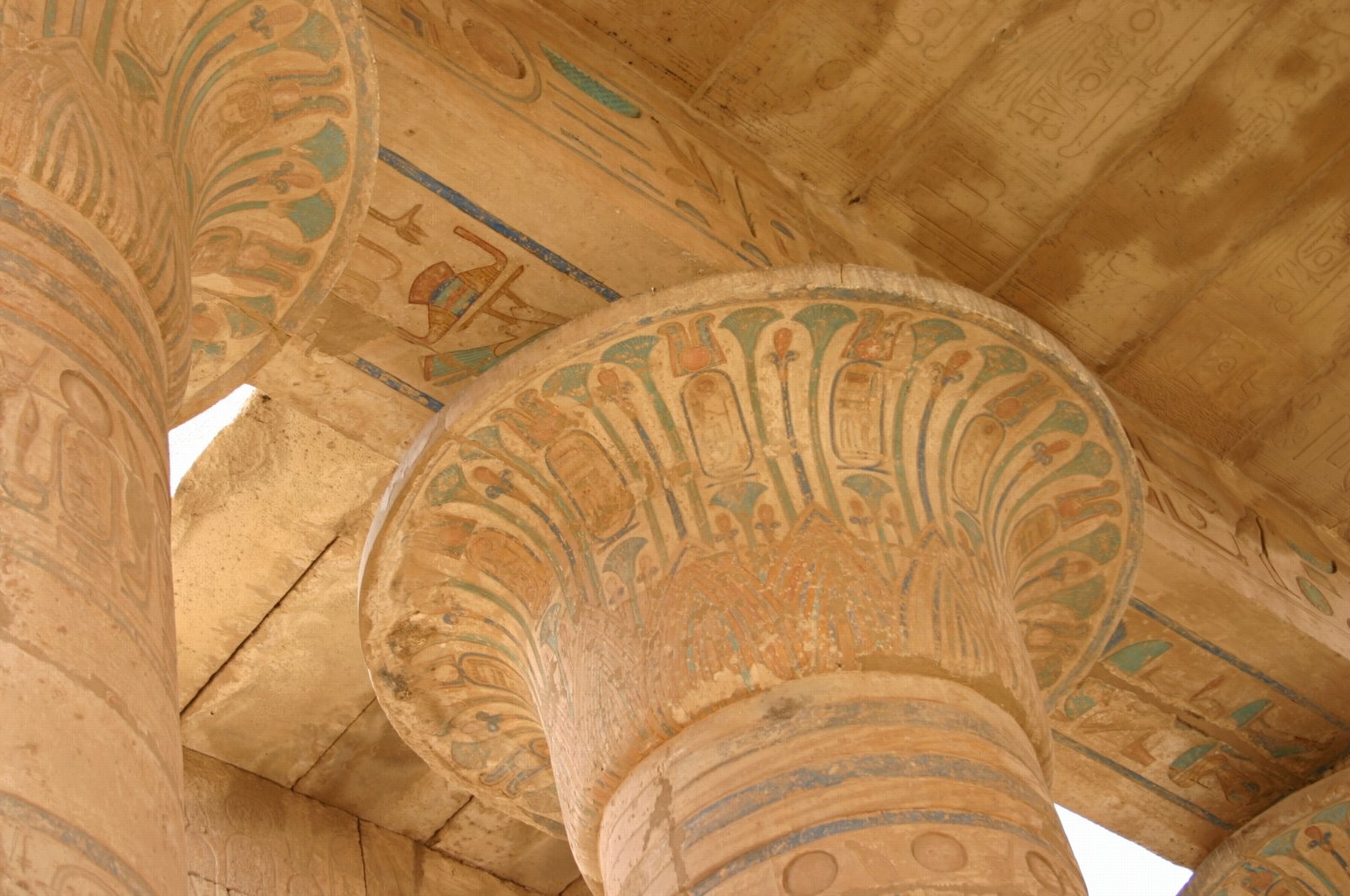
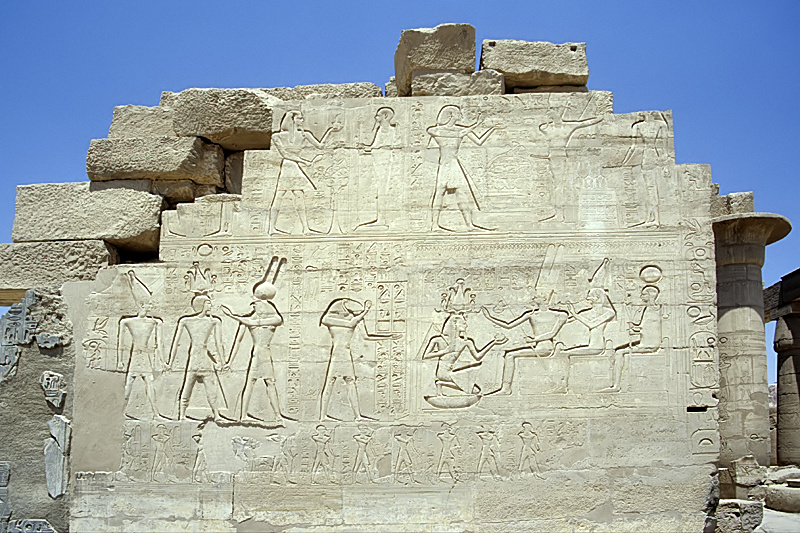
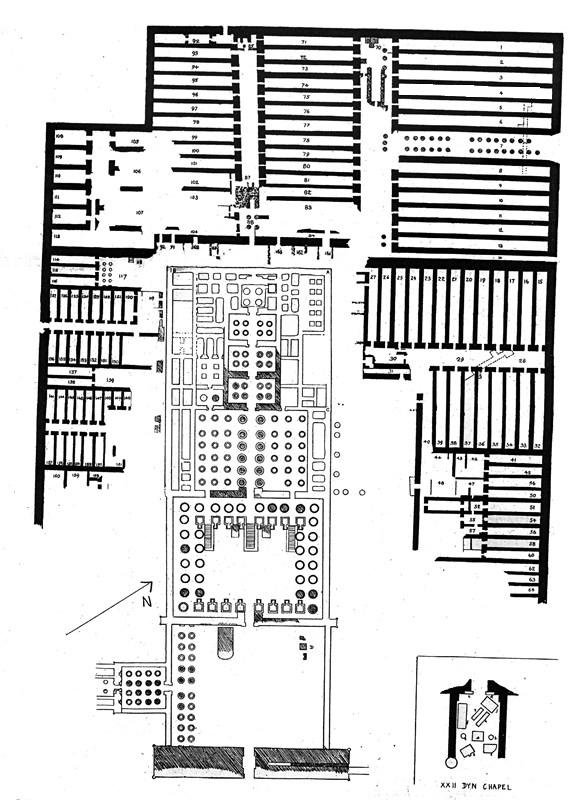
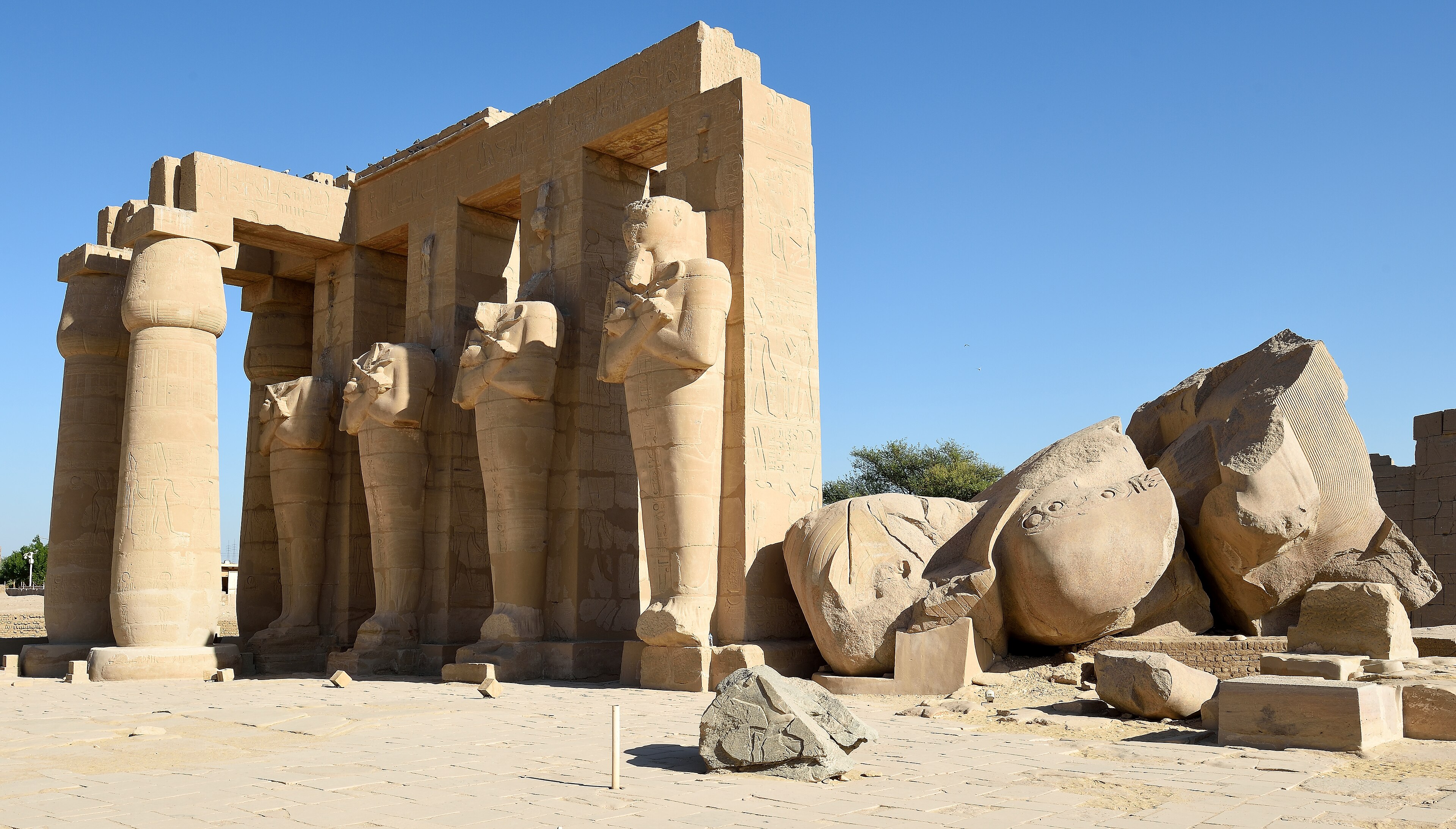
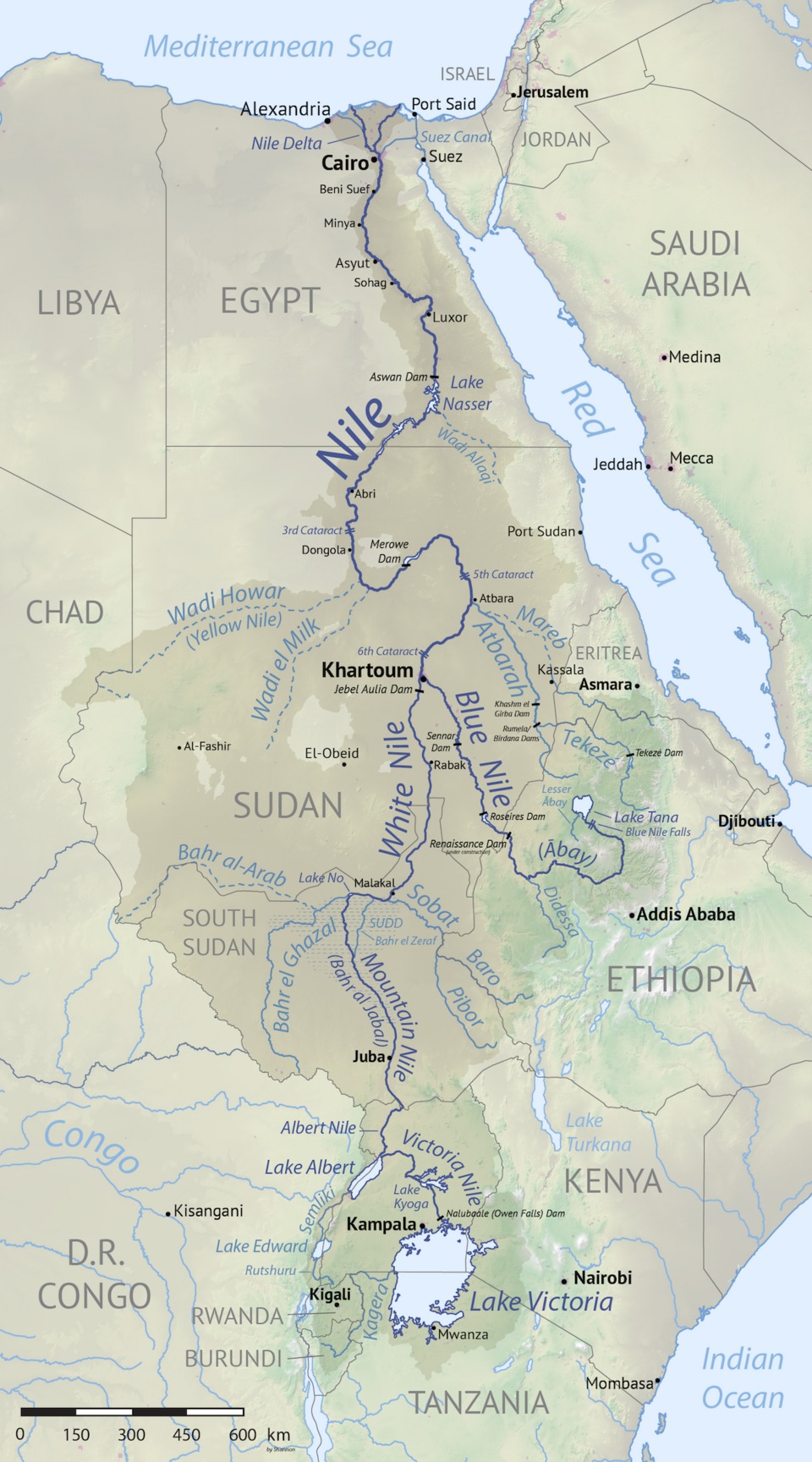
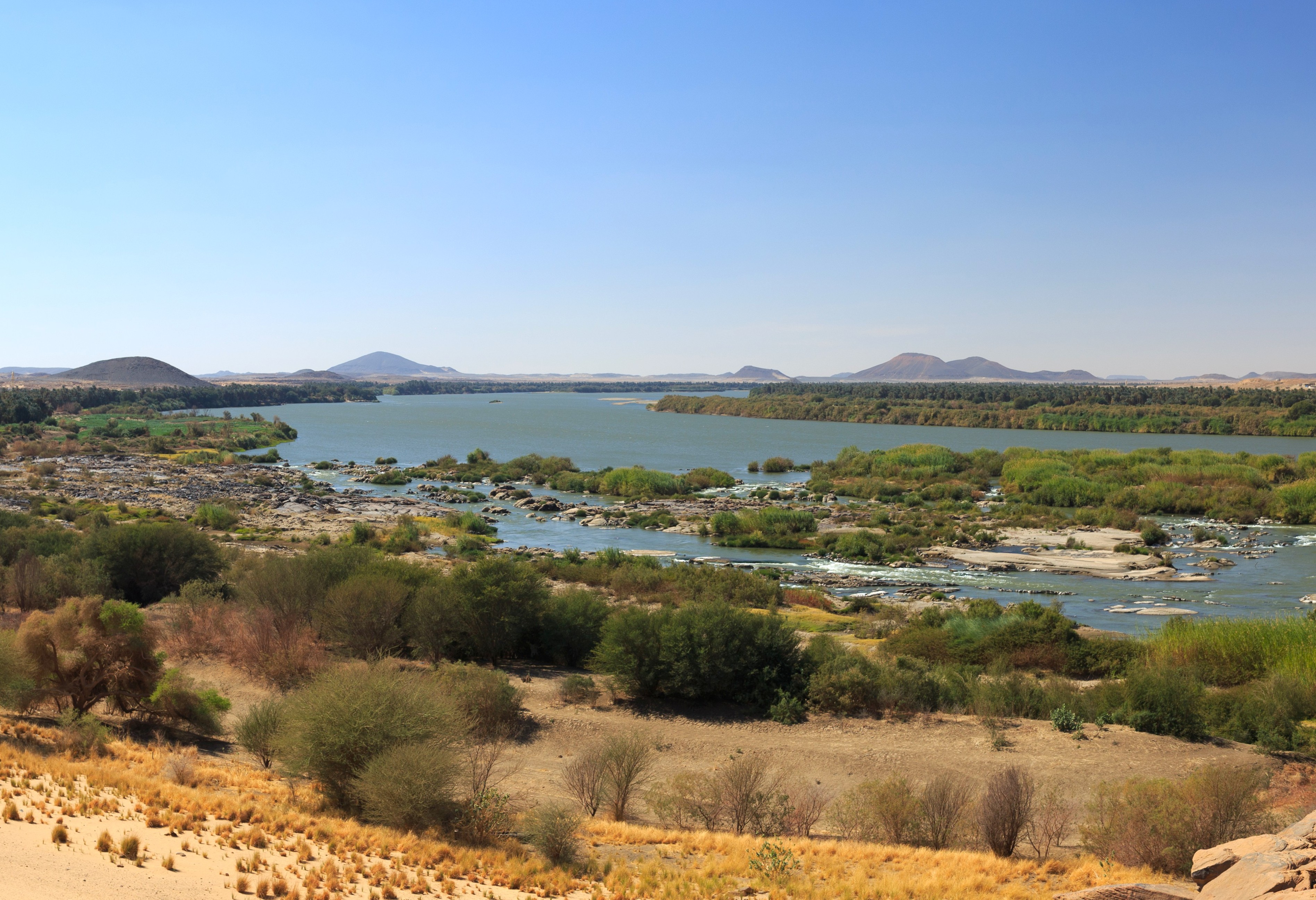
Contrary to his tomb, which was hidden in the Valley of the Kings, Ramesses II's mortuary temple, in which the statue was found, was a public space - where priests would maintain the pharaoh's cult for eternity, and where visiting dignitaries would be confronted with his achievements. It was both a religious centre and a political statement.
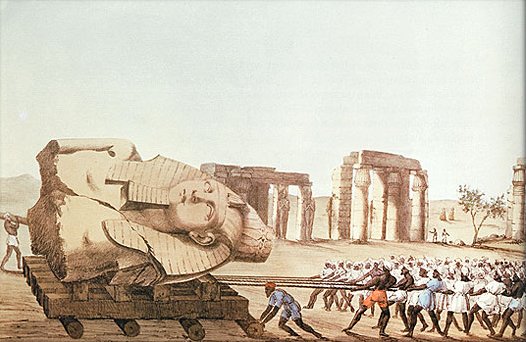
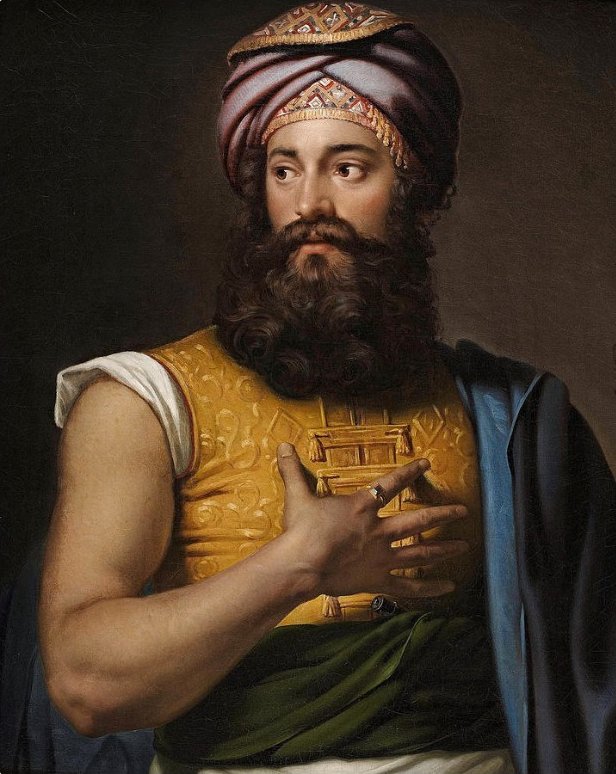
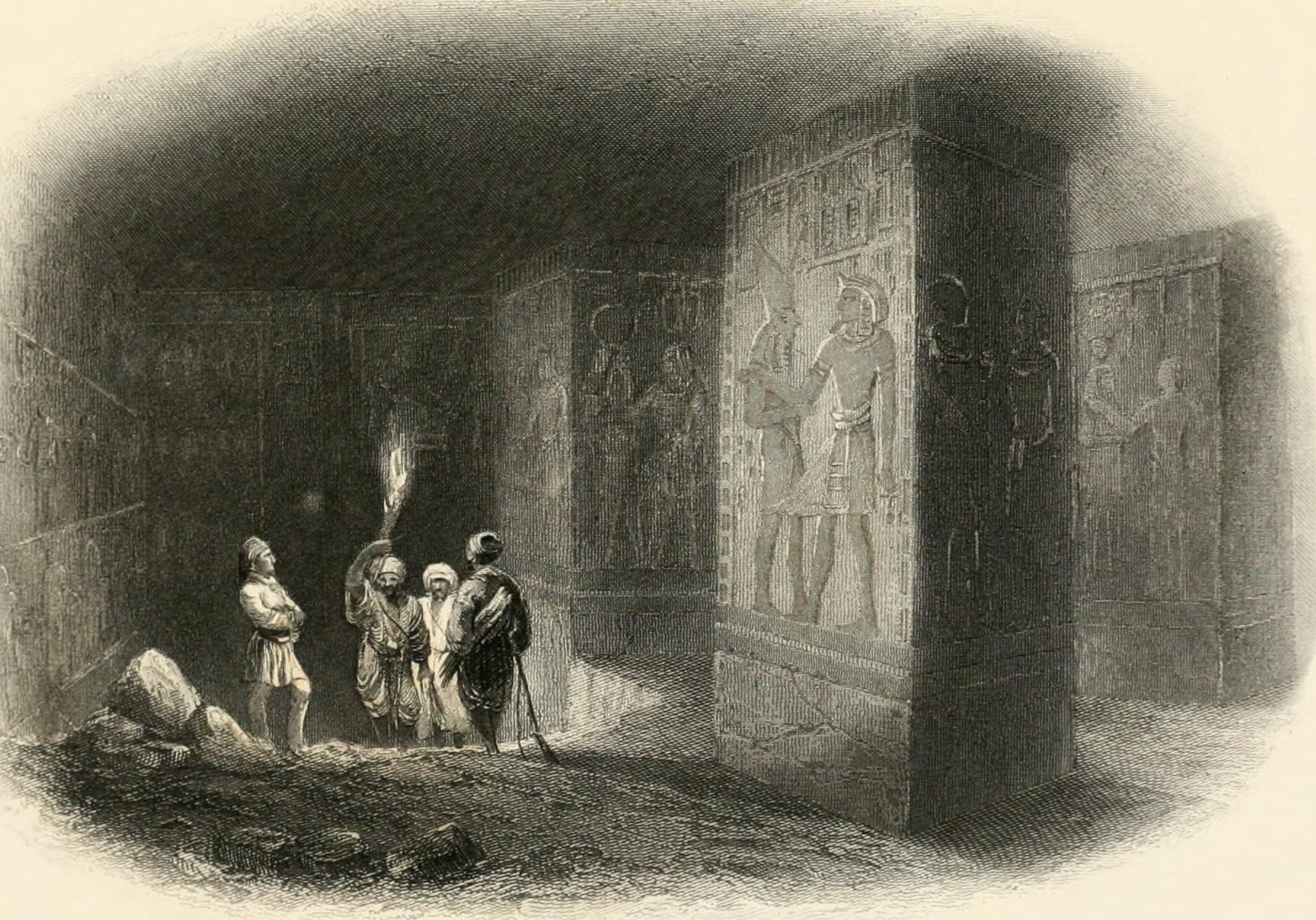
The walls were covered in reliefs of the Battle of Kadesh, the Festival of Min, and the Syrian Wars and dominating it all was a colossal seated statue of Ramesses himself - the one this fragment came from. In its complete form it stood close to 20m tall and weighed about 1,000 tons - making the 7 tons piece here just a fragment of a fragment. The rest still lies toppled in the dust at Luxor.
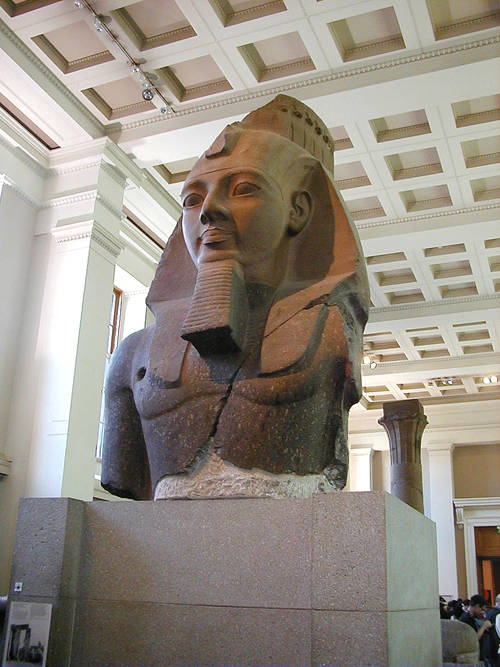
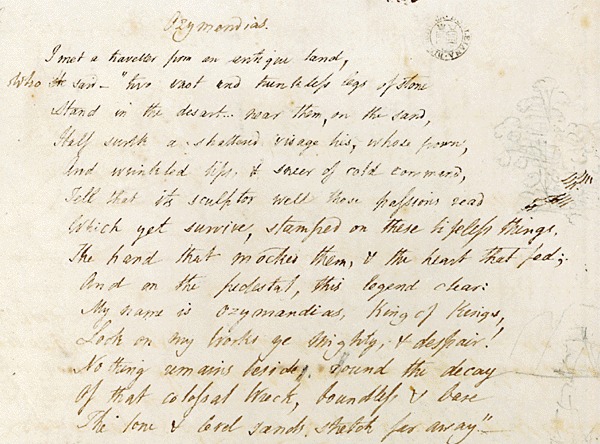
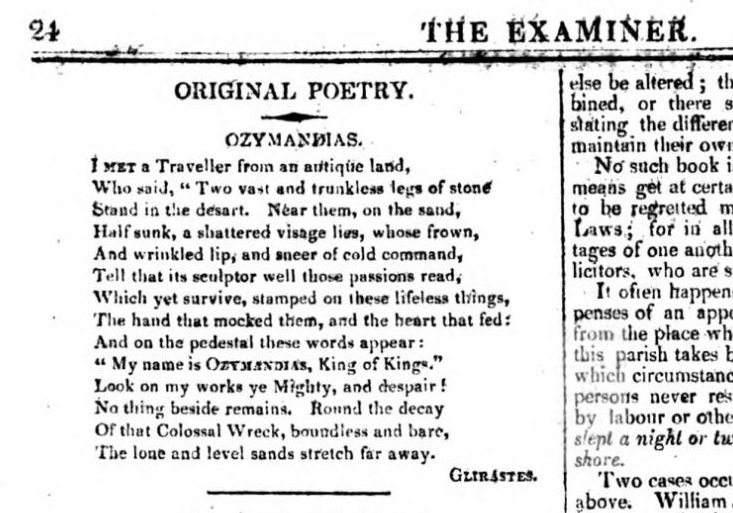
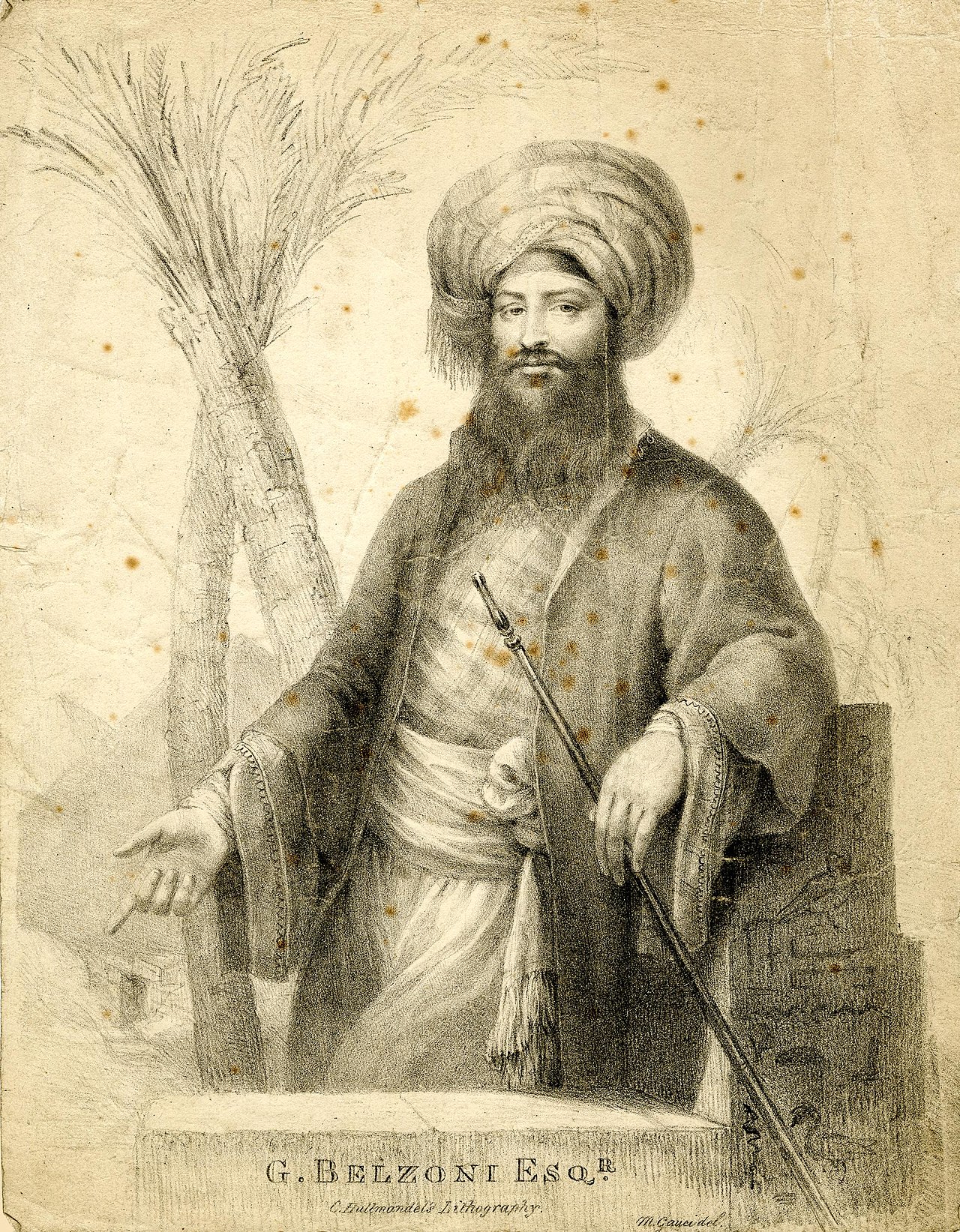
Fun fact : when the statue arrived in London in 1821, it was the largest Egyptian object ever brought to Europe. It was moved by Giovanni Battista Belzoni, a former circus strongman turned self-taught archaeologist. The hole you see in the right shoulder was drilled to attach the ropes and rollers used to drag it to the river - either by Belzoni himself or by Emperor Napoleon's soldiers who had previously attempted to remove the statue. The journey from Luxor to London took two years.
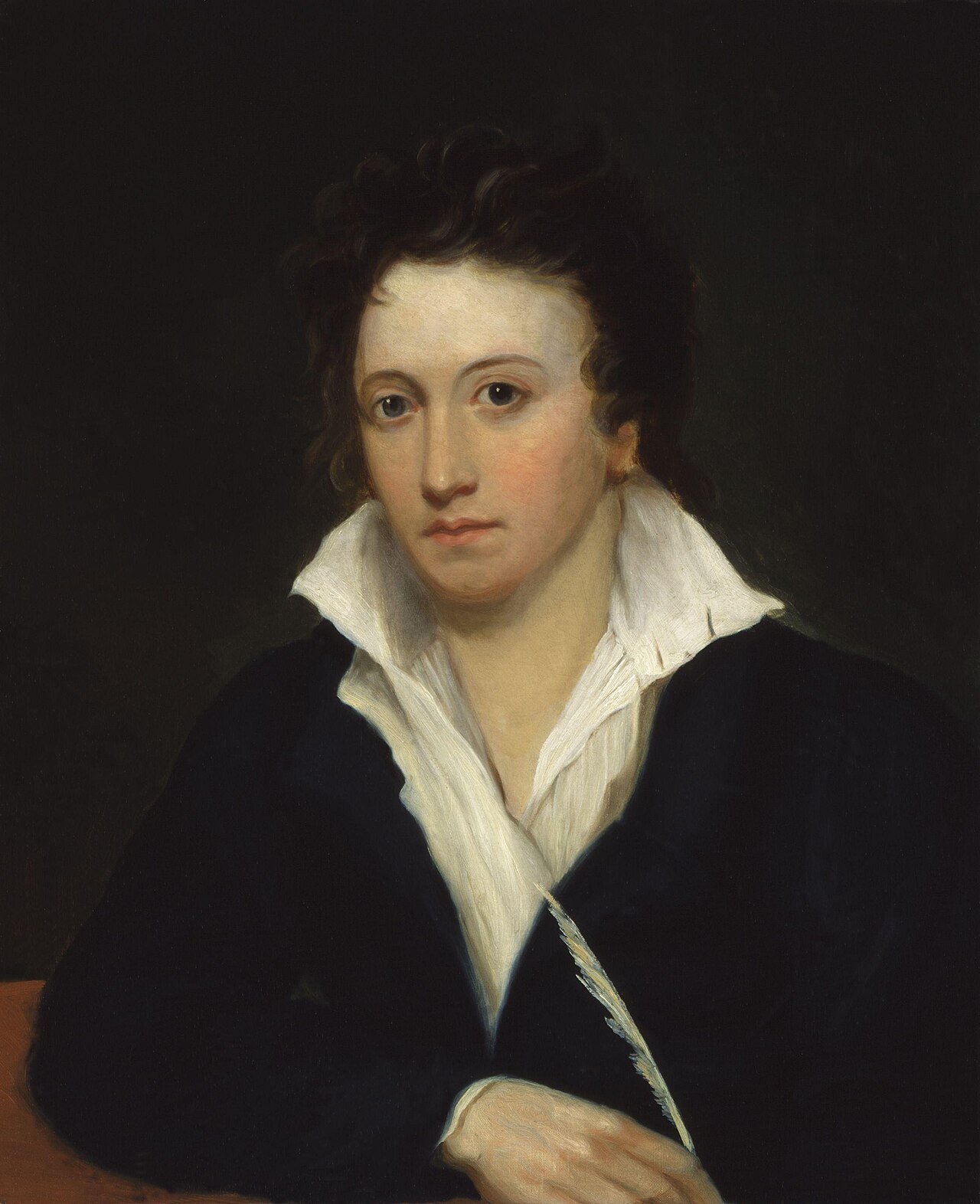
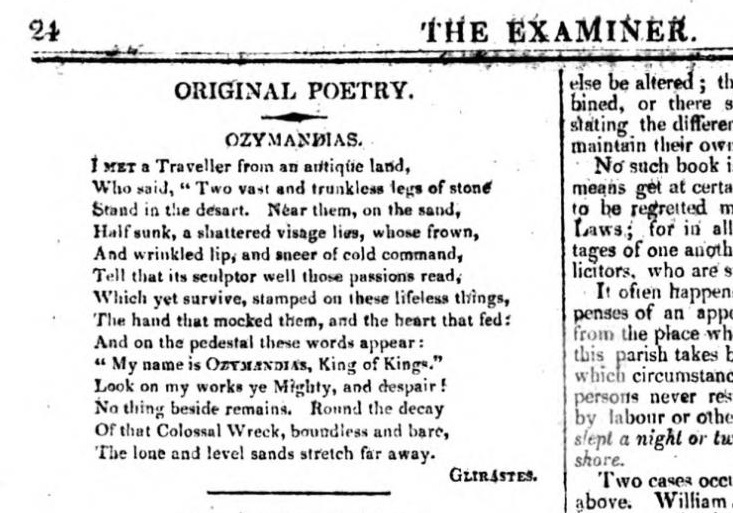
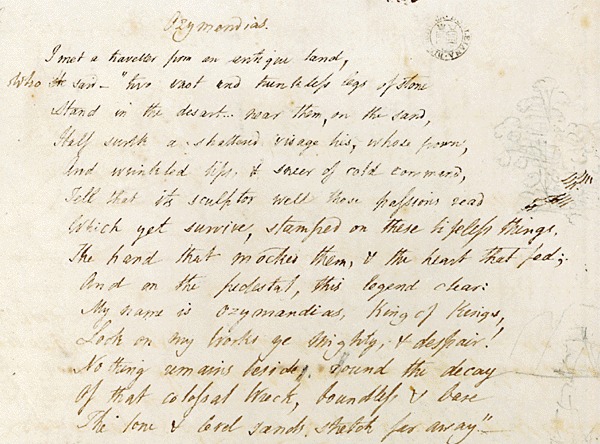
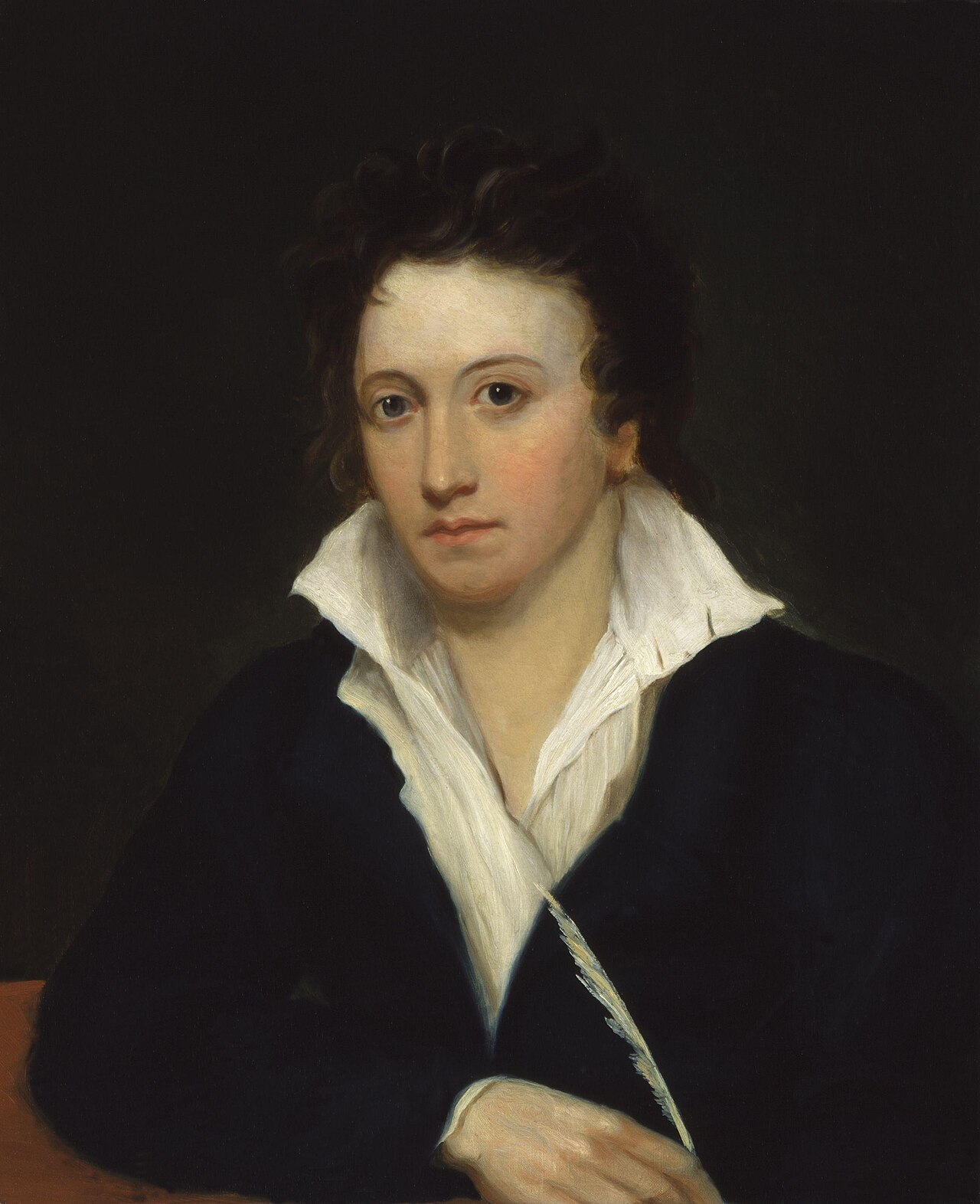
The purchase of the statue by the British Museum inspired one of Shelley's famous poems, Ozymandias (the Greek name for Ramesses). 'Look on my works, ye Mighty, and despair' : the words of a shattered colossus, half-buried in the desert, its inscription still boasting of boundless power to no one.
Comments
Loading comments...