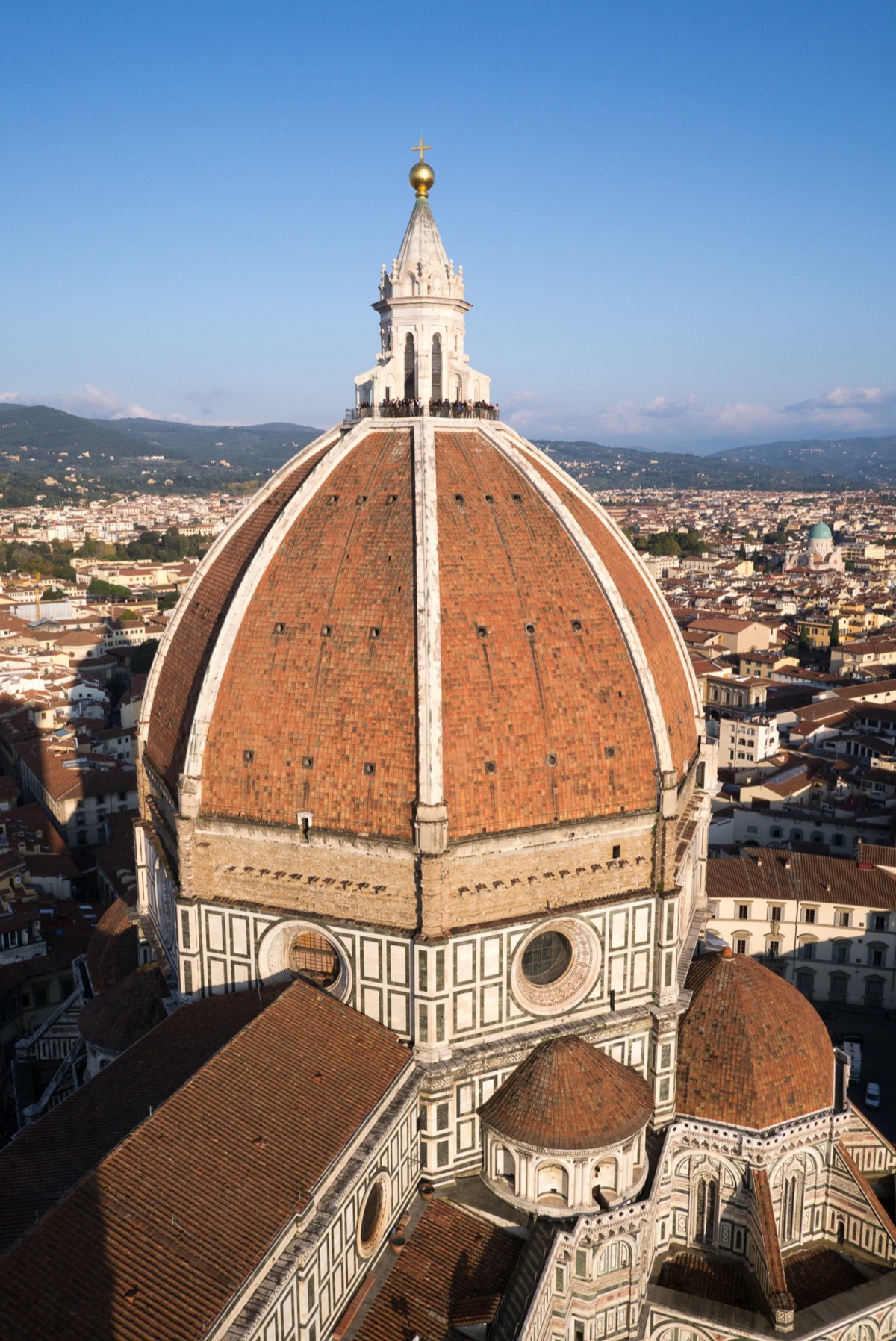


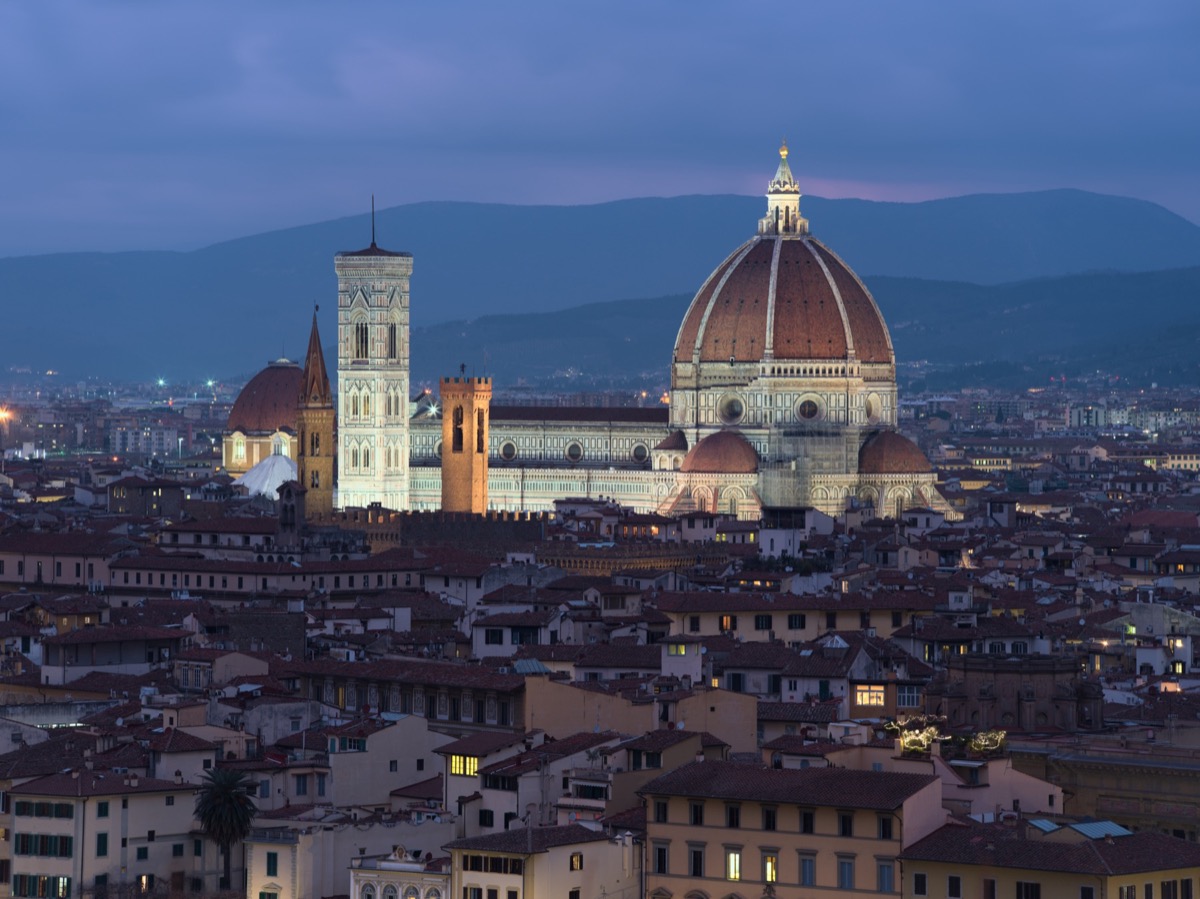
The cathedral was begun in 1296 on an ambitious scale - bigger than anything in Italy.
The problem: by the time the walls were up, nobody knew how to build the dome.
A dome of that width would collapse inward under its own weight during construction - and it was too wide for the timber scaffolding that normally held the bricks in place while the mortar dried.
For 100 years the cathedral sat open to the sky.
In 1418, the city held a competition.
Filippo Brunelleschi, a goldsmith with no formal architectural training, won with a proposal so radical the other competitors didn't understand it.
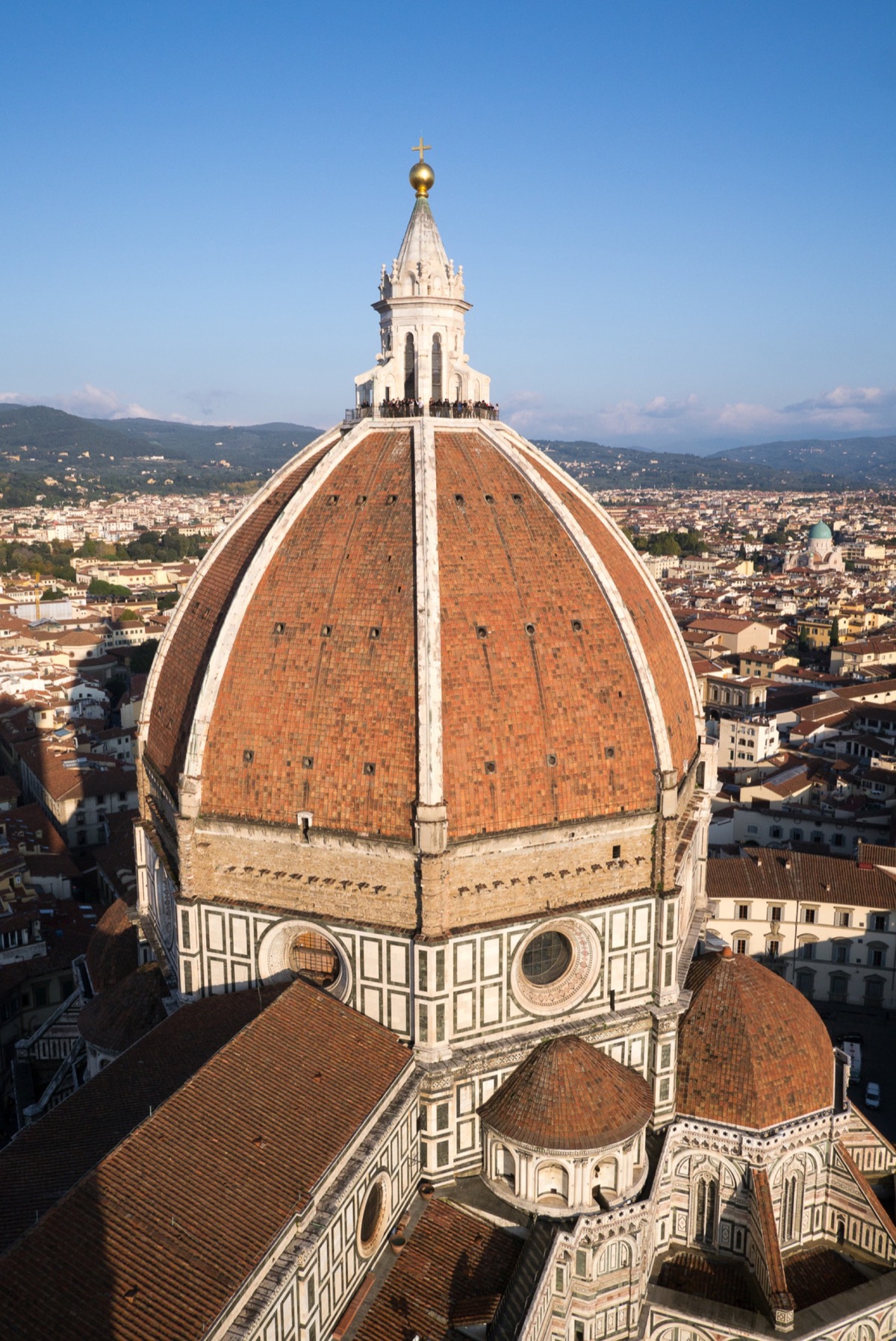
He built a double-shell dome using a herringbone brick pattern and self-supporting rings - no centring required.
He spent the next 16 years building it, and it was consecrated in 1436.
It is still the largest masonry dome ever constructed.
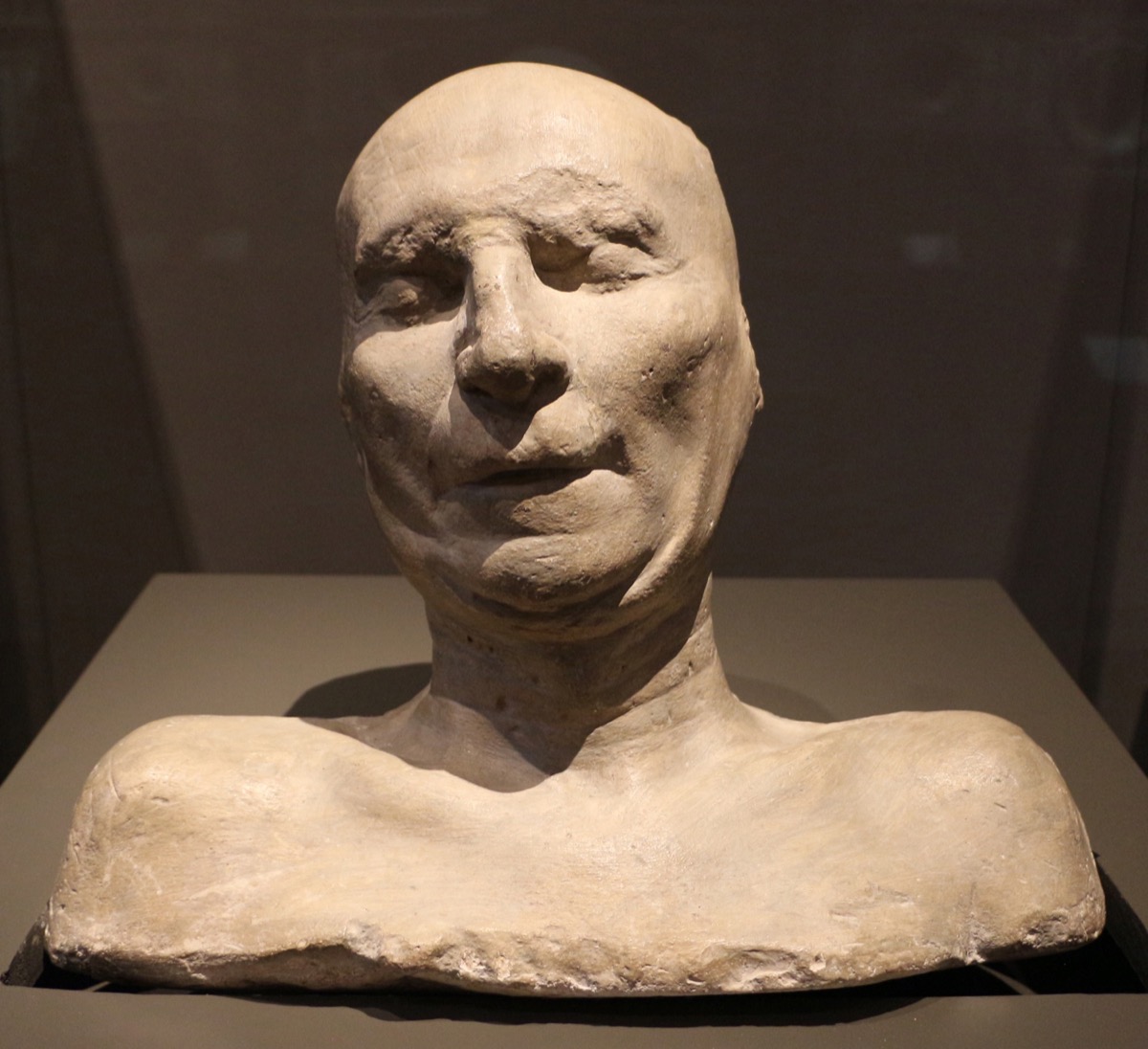
He kept his structural secrets so closely guarded that when he died in 1446, no one fully understood how he had done it.
Modern engineers are still working out exactly how the dome stays up.
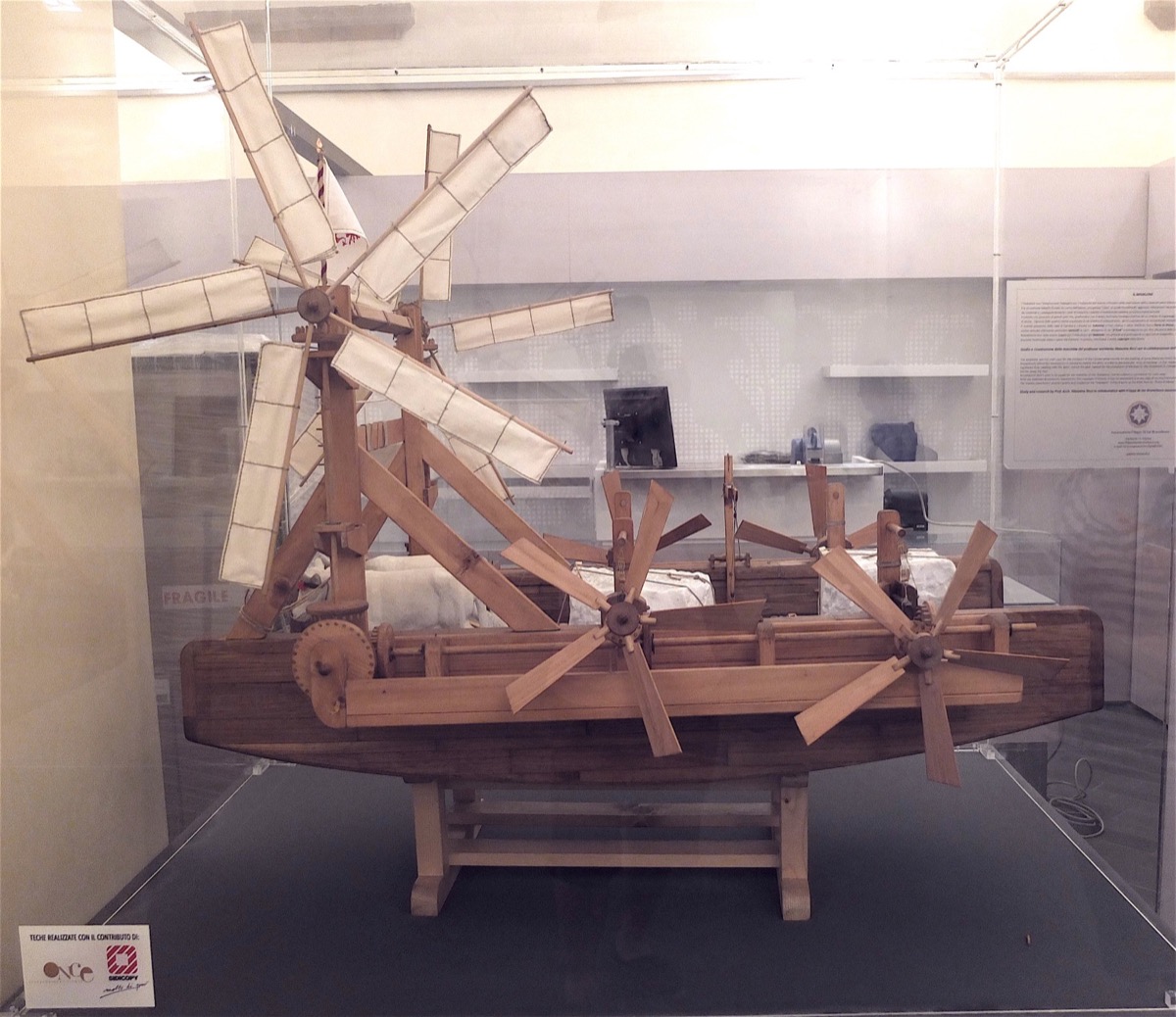
Fun fact: Brunelleschi invented an ox-powered hoist so efficient that Leonardo da Vinci later drew sketches of it.
Comments
Loading comments...