

As mentioned, the Impressionists reacted against the formalism of academic painting, aiming to capture light, colour and the fleeting moment.
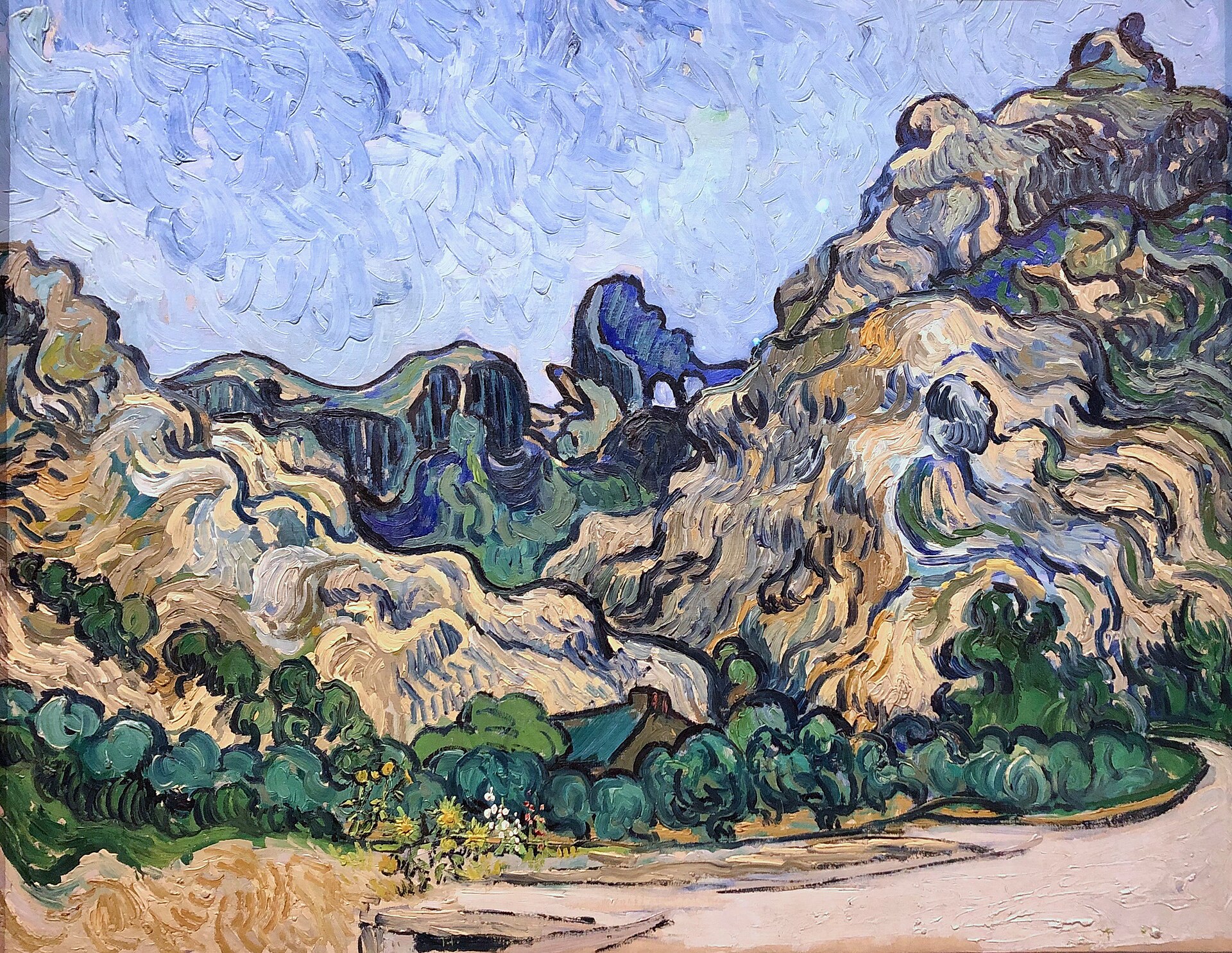
Like Van Gogh, Cézanne came out of that movement - but took colour further, using it more boldly, and caring less about capturing the faithful visual impression.
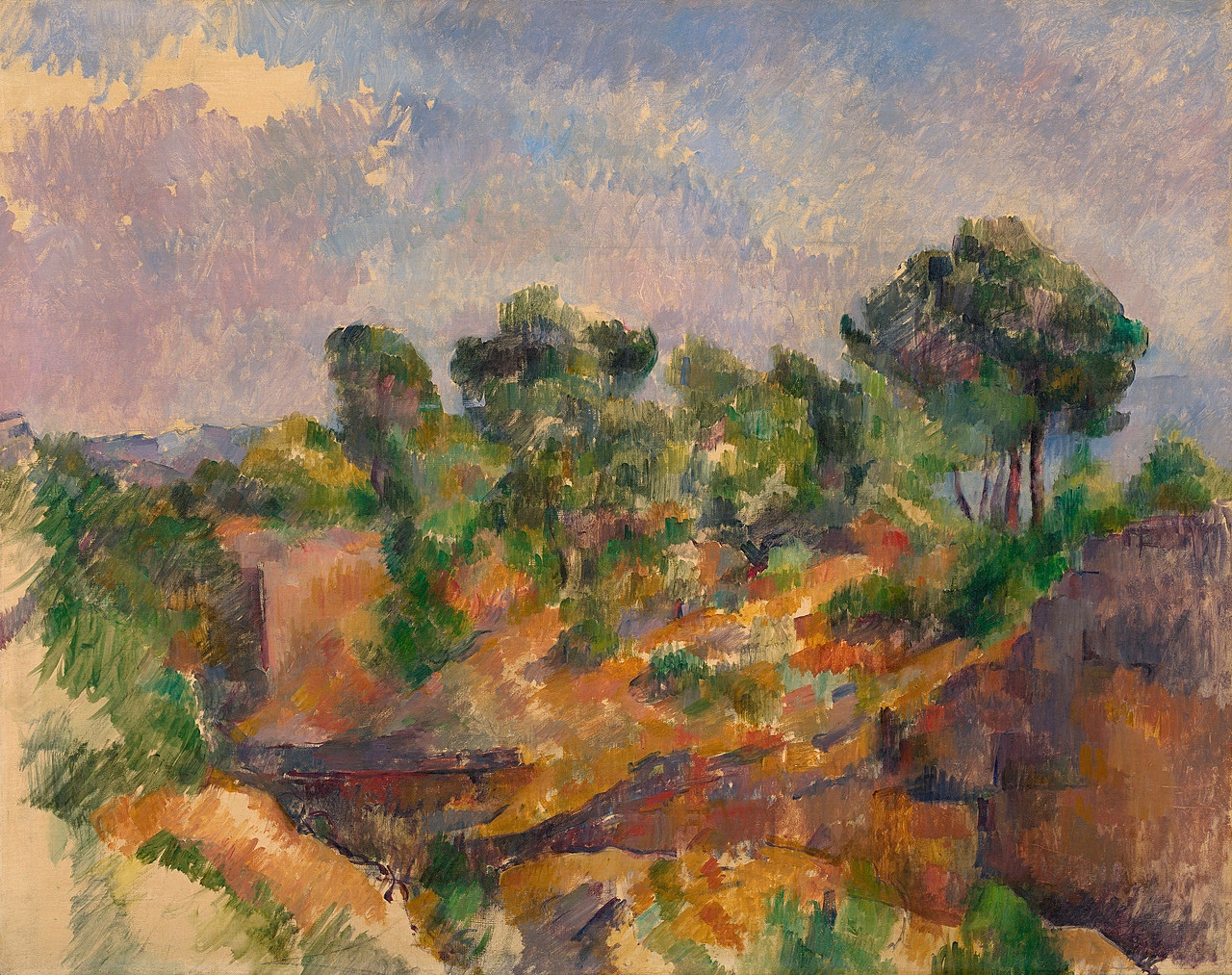
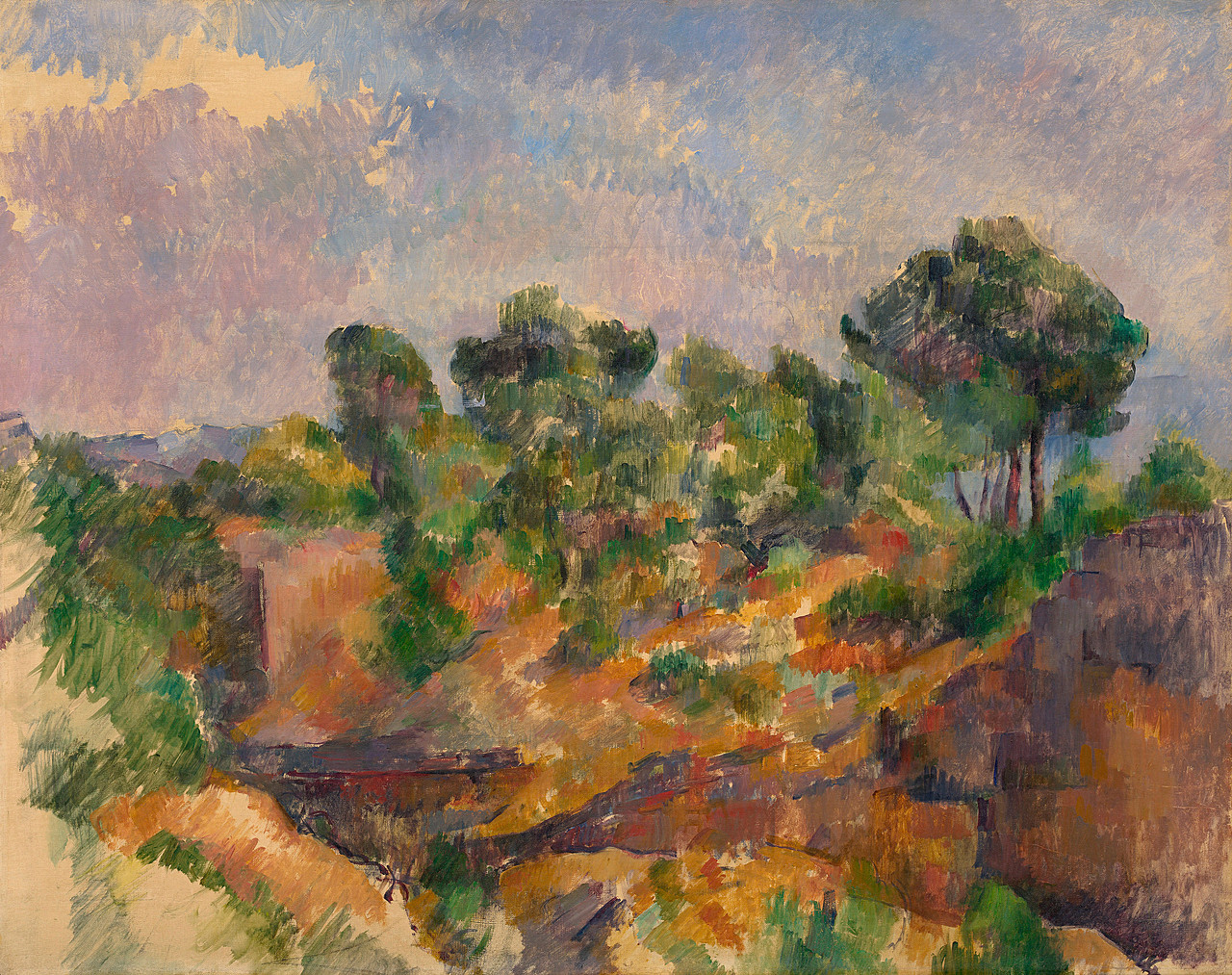
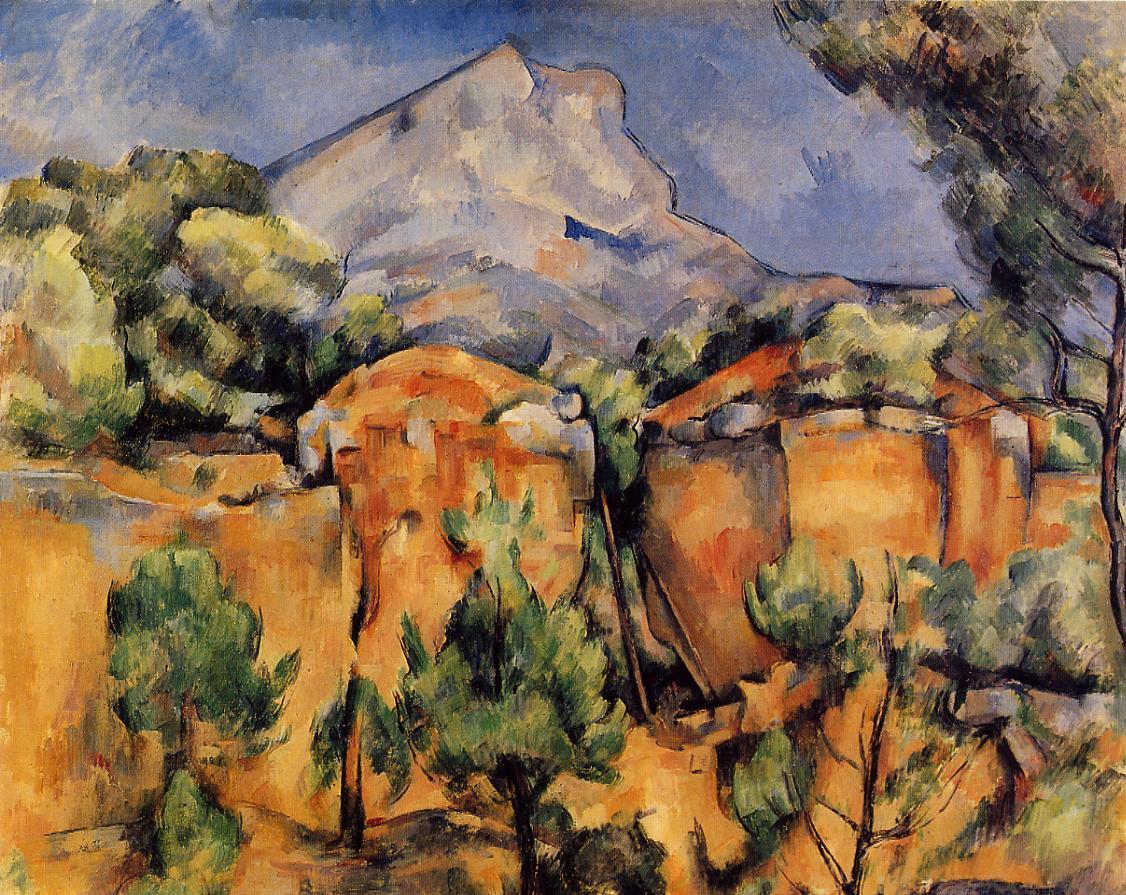
The Bibémus quarry near Aix-en-Provence was one of his favourite subjects in his later years - the geometric shapes made by quarrying, the dark pines growing between the cliffs.
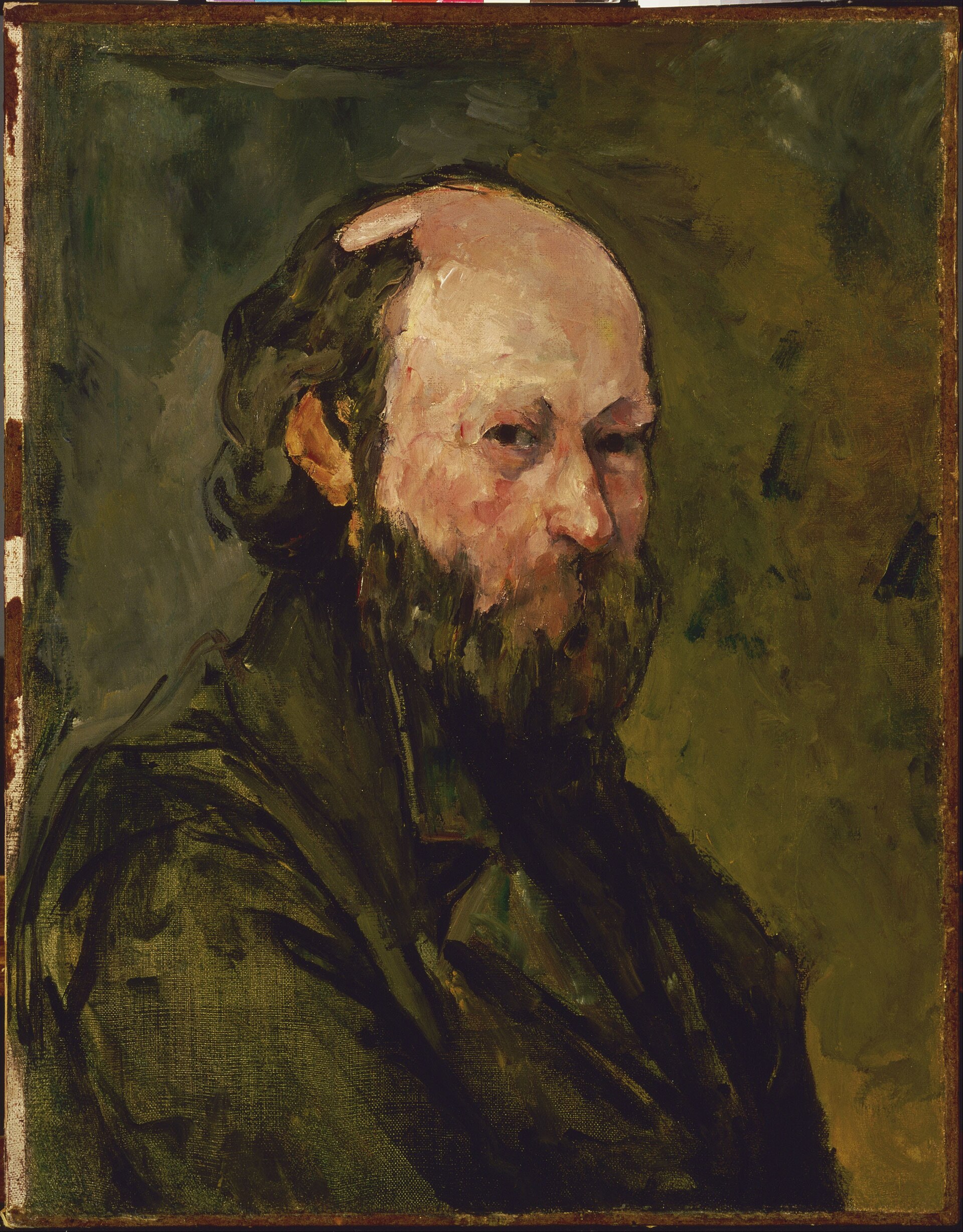
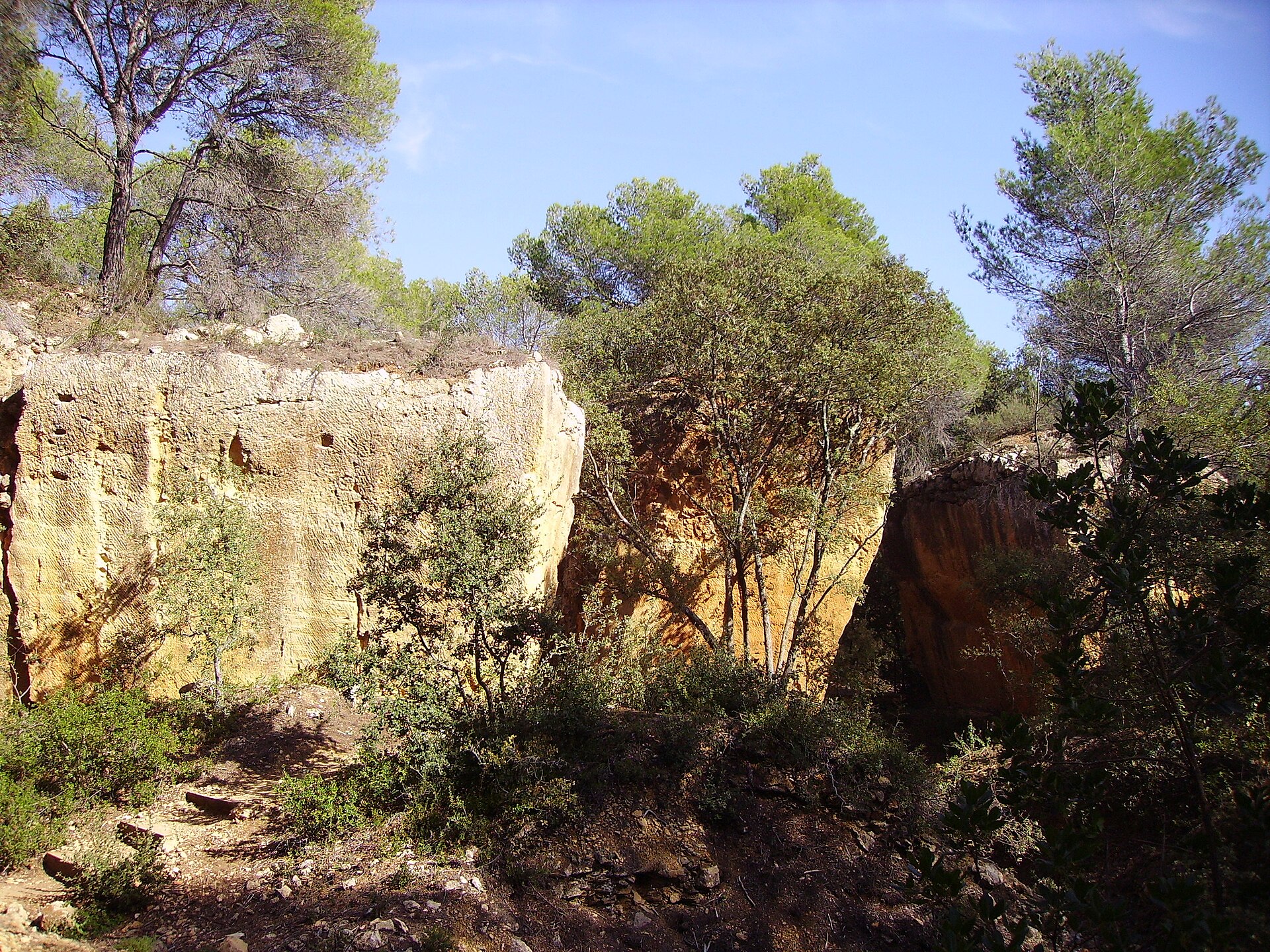
In this painting Cézanne works toward the reduction of natural forms to their underlying geometry.
The rocks become planes.
The trees become cylinders.
The space is compressed, flattened, structured.
Picasso and Braque studied these late Cézannes obsessively and said they were the true origin of Cubism.
However Cézanne's own aim was not abstraction - he never painted without nature in front of him.
In a famous letter, he wrote that he wanted to 'treat nature by the cylinder, the sphere, the cone' - to look past the surface and find the underlying form.
But he equally wanted to stay true to direct sensation - to what we actually see standing in front of a quarry or a hillside.
His ambition was to reconcile those two things - the freshness of Impressionist observation, with solidity and permanence.
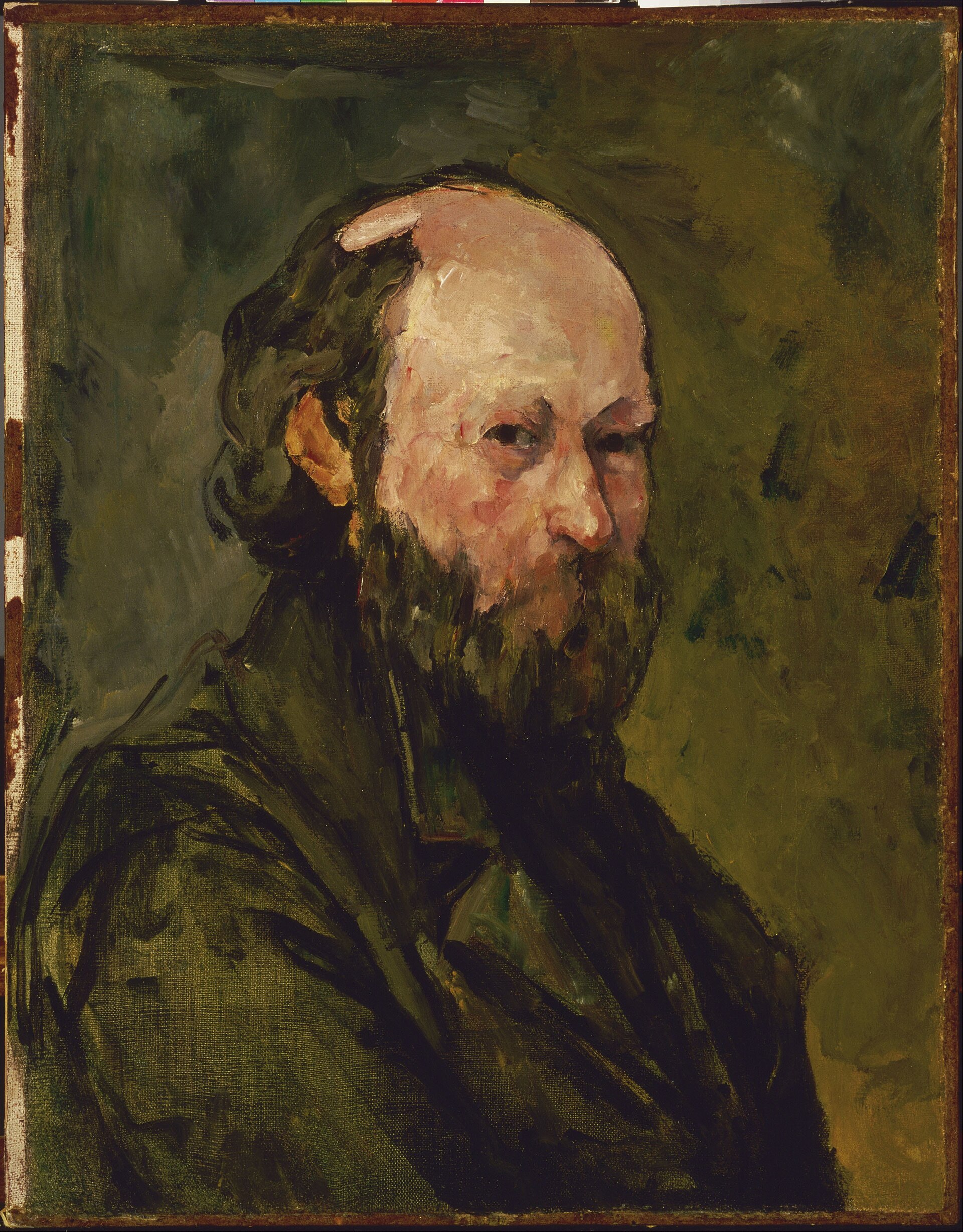
Fun fact : Cézanne worked in extraordinary isolation in his final years.
He rented a hut near the quarry and returned to paint there constantly.
However he was so committed to his art that he died of pneumonia in 1906, after being caught in a rainstorm while painting outdoors and refusing to come in.
Comments
Loading comments...