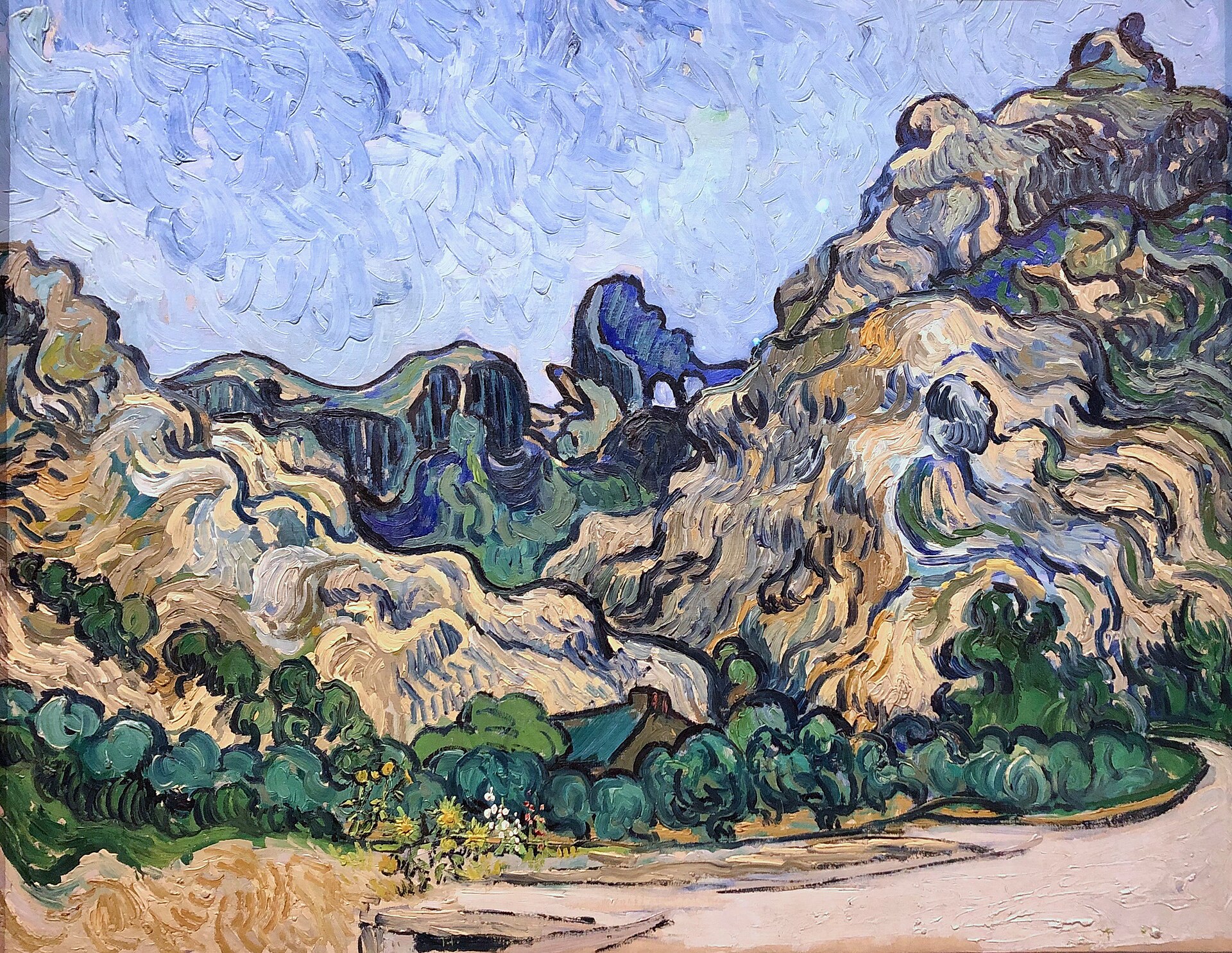
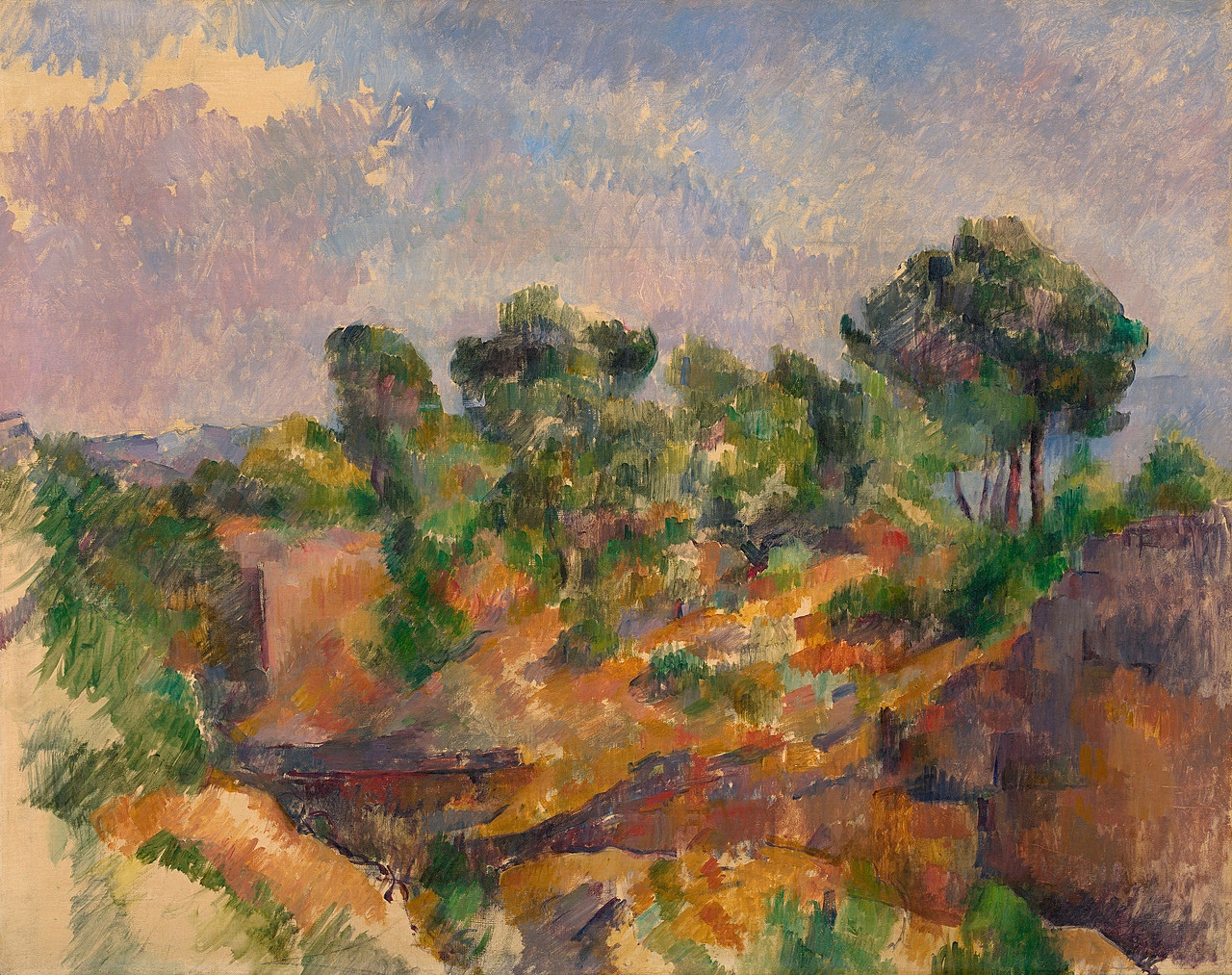
Mountains at Saint-Rémy


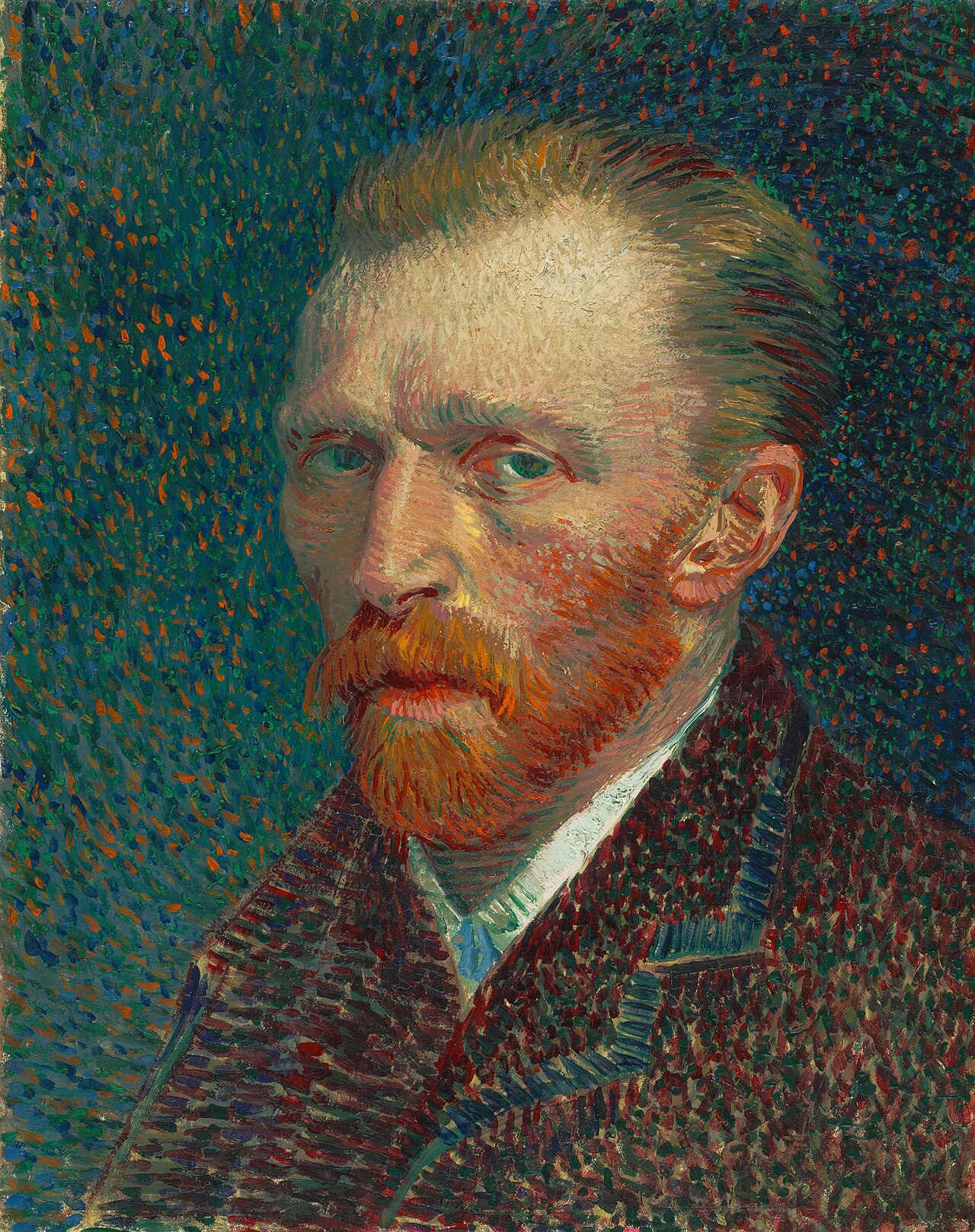
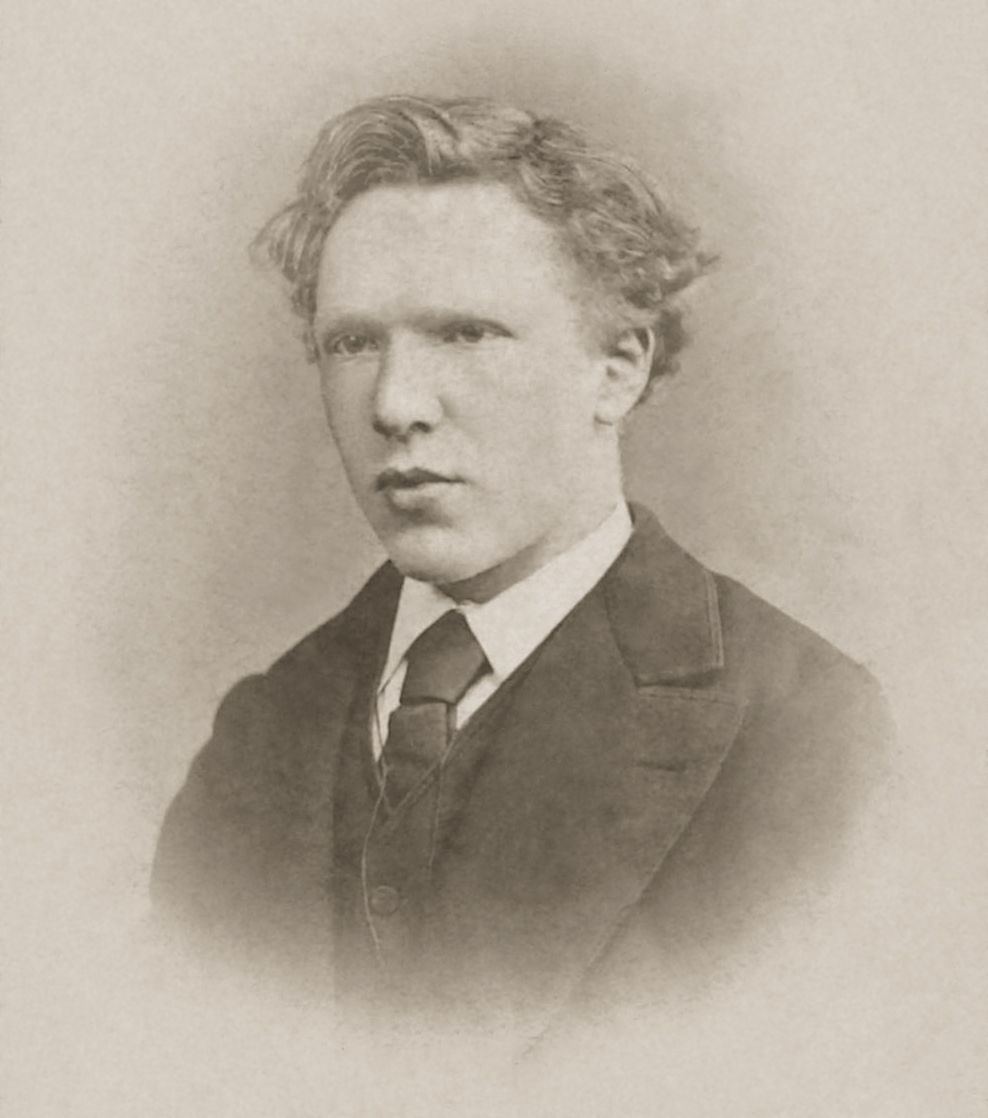
As mentioned in our Musée d'Orsay walk, Van Gogh was one of the most original painters of the 19th century - largely self-taught, and entirely unknown in his lifetime.
He encountered the Impressionists in Paris in the mid-1880s and absorbed their bright palette and broken brushwork - but pushed his own work toward something rawer, wilder and more emotionally charged.
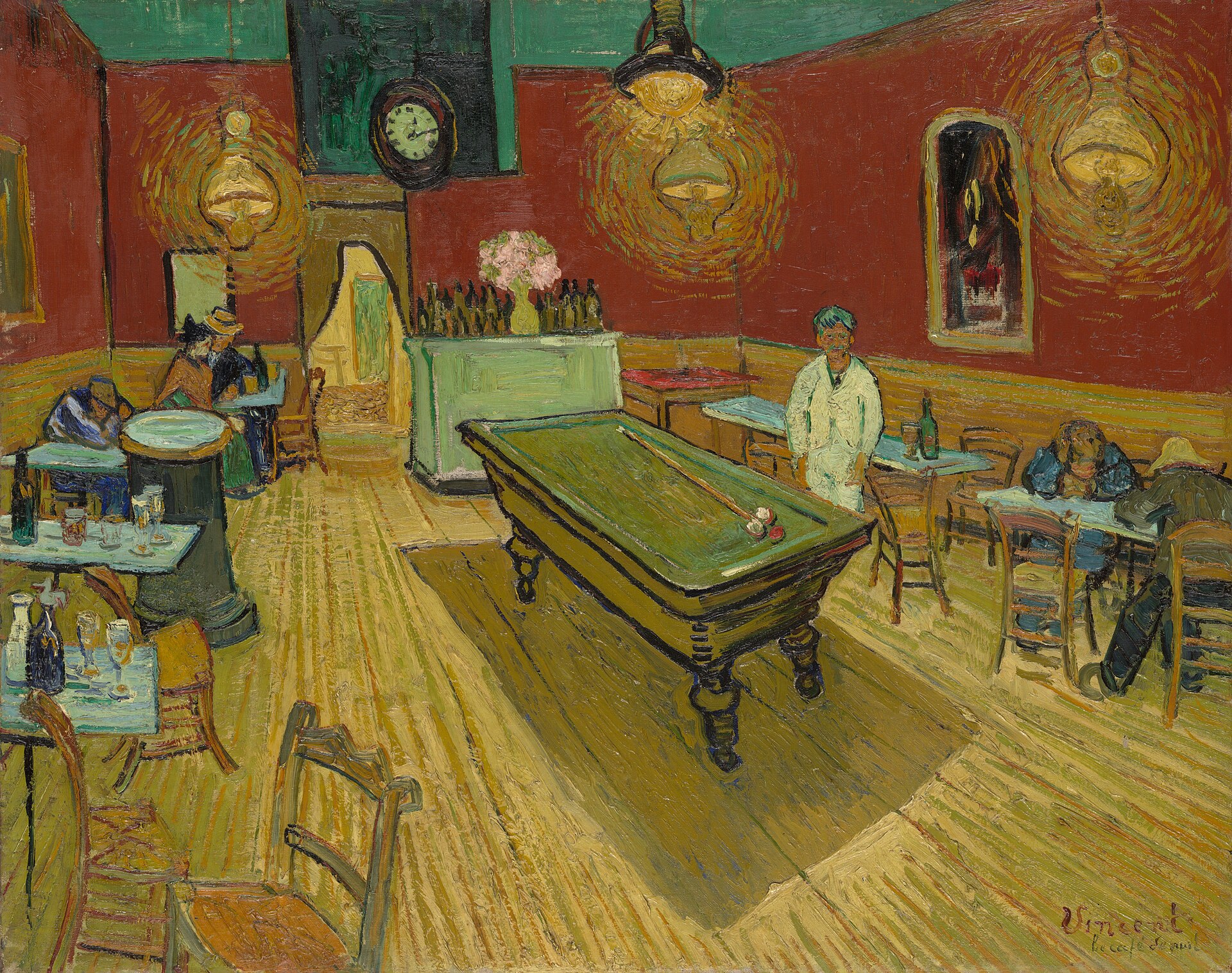
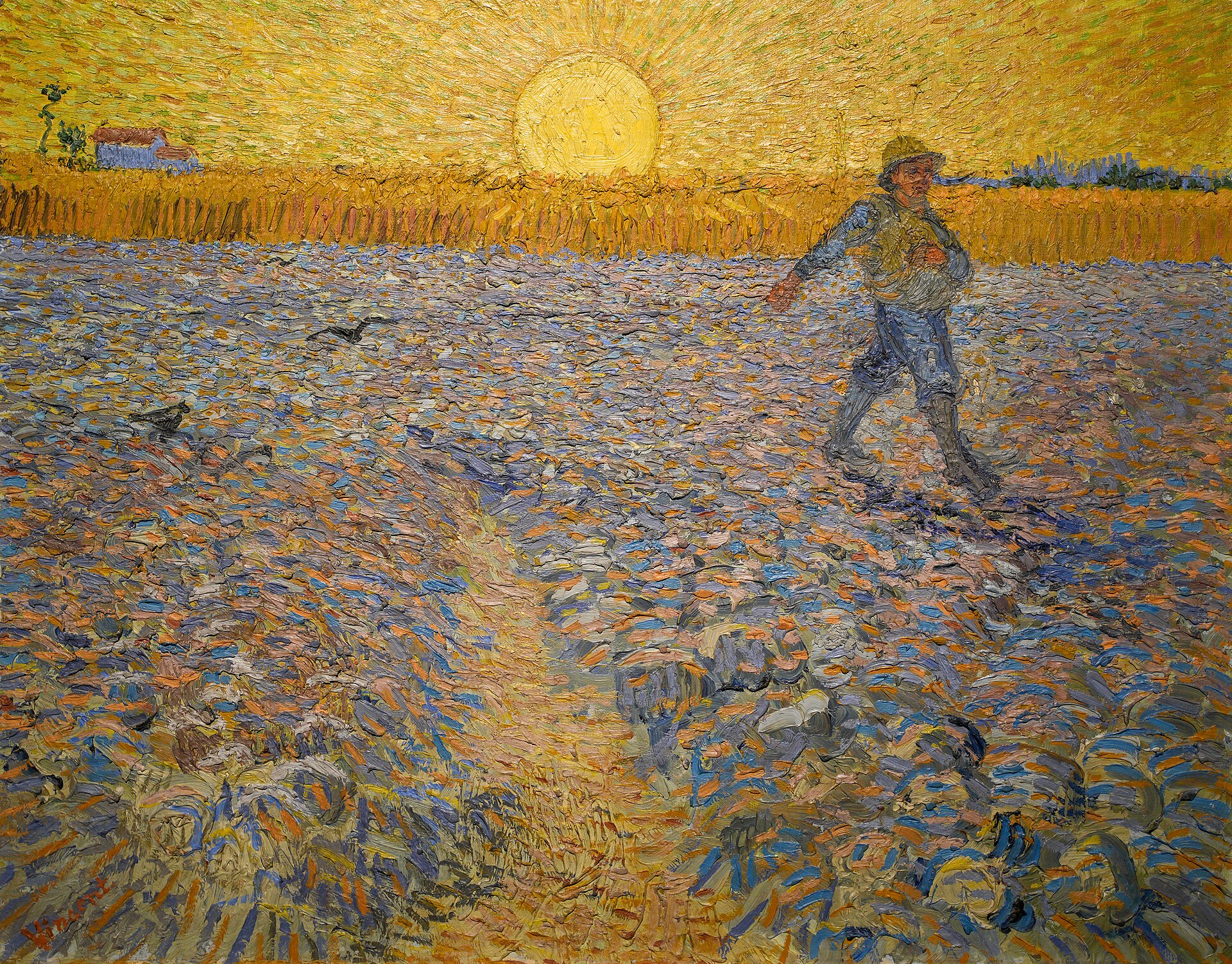
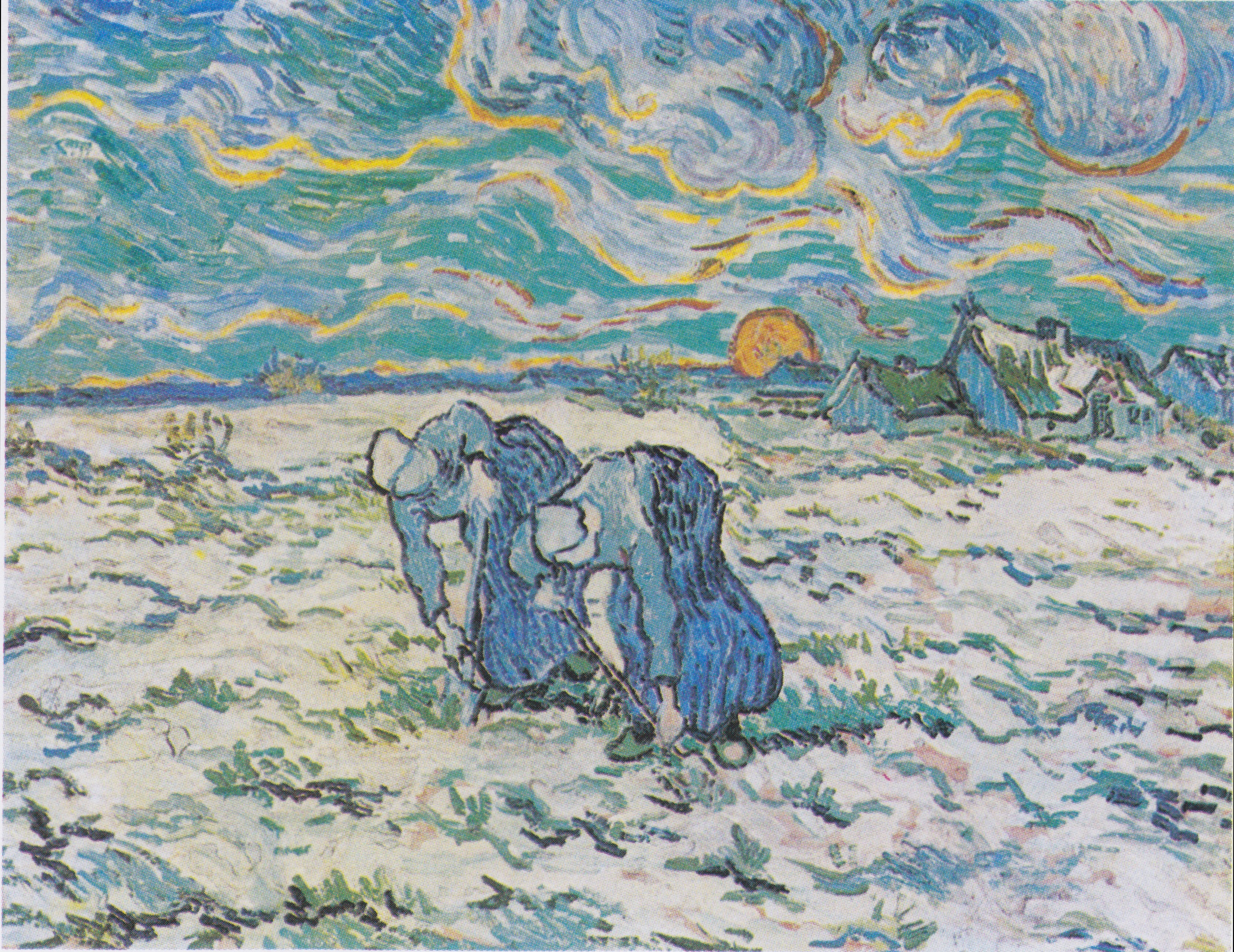
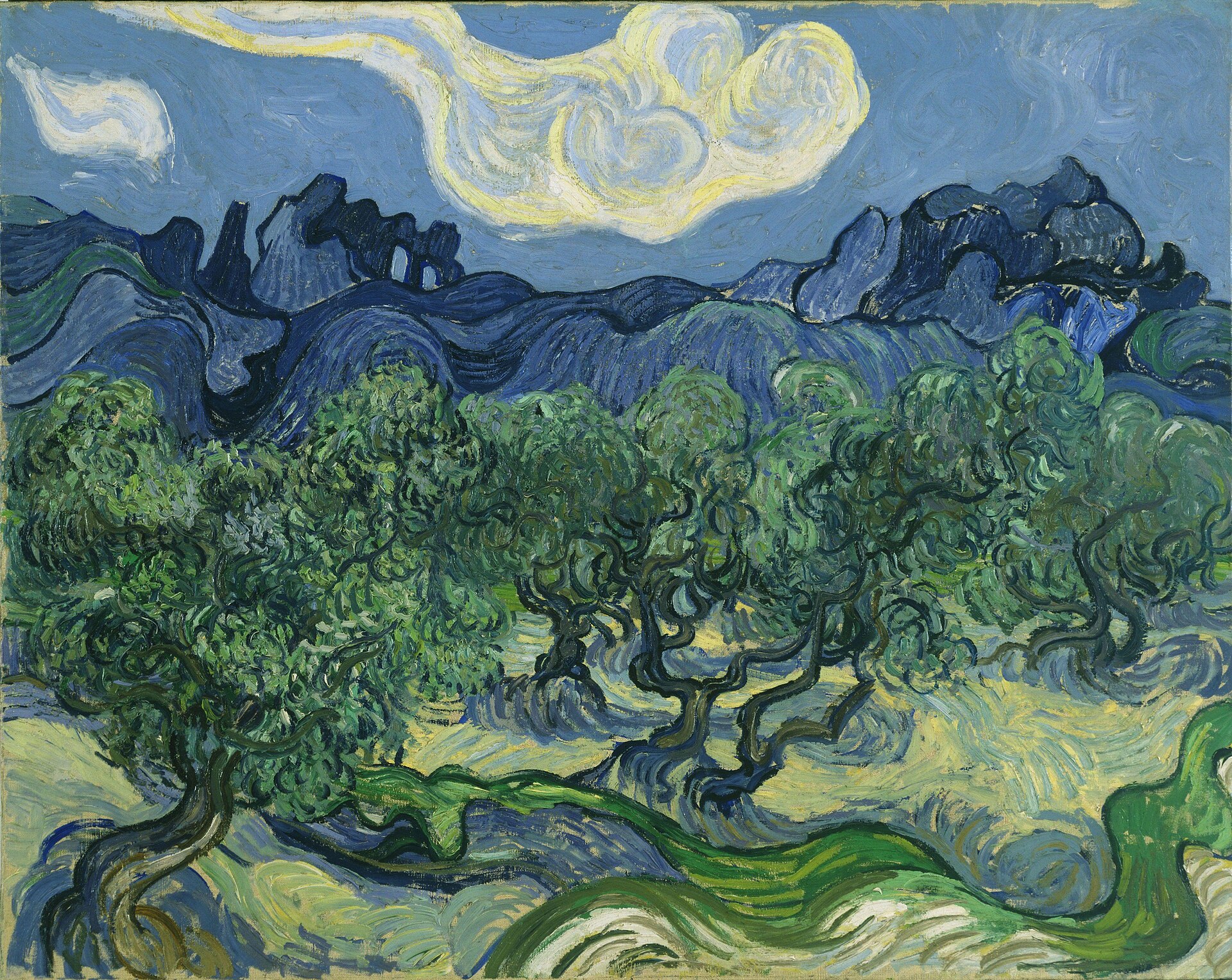
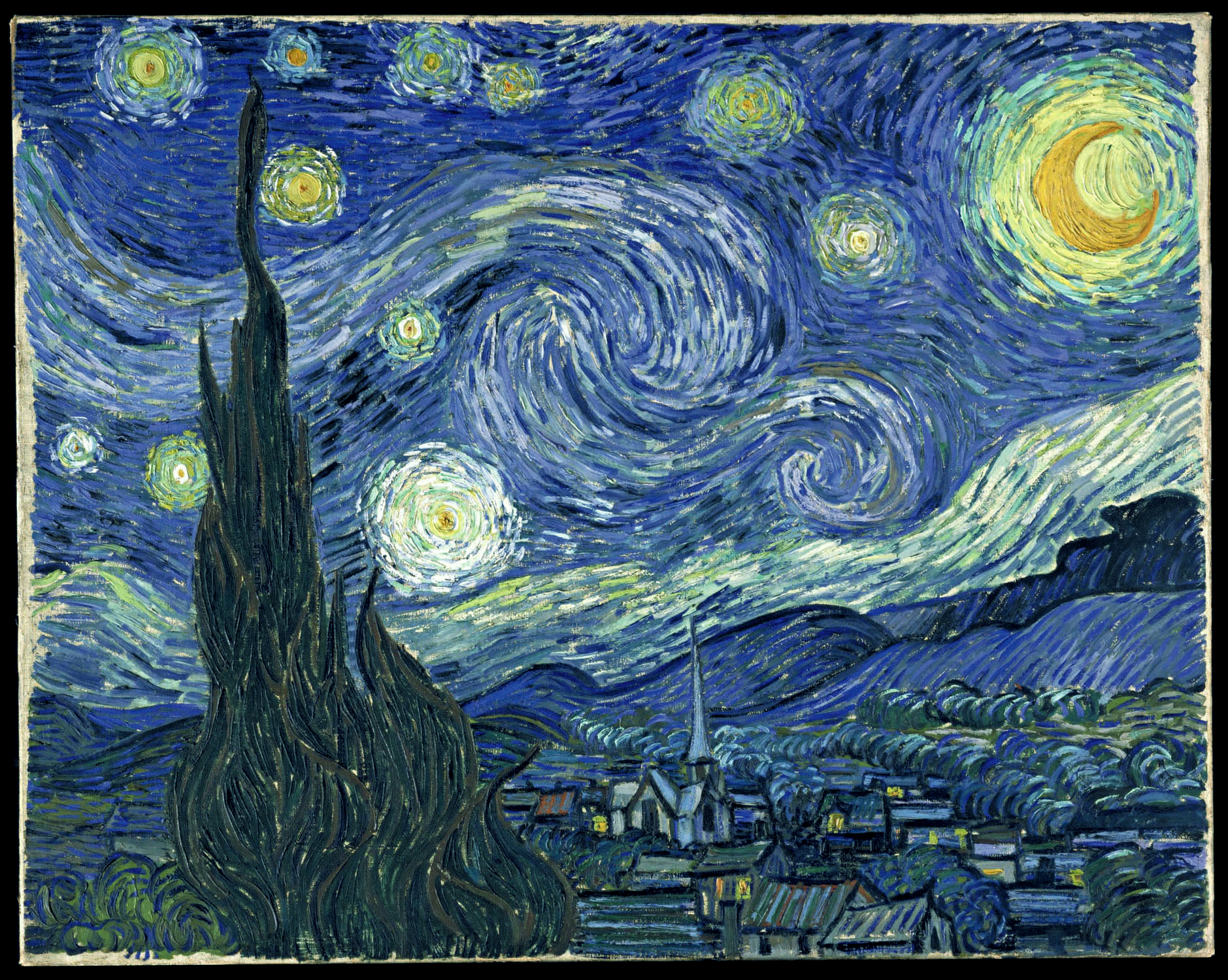
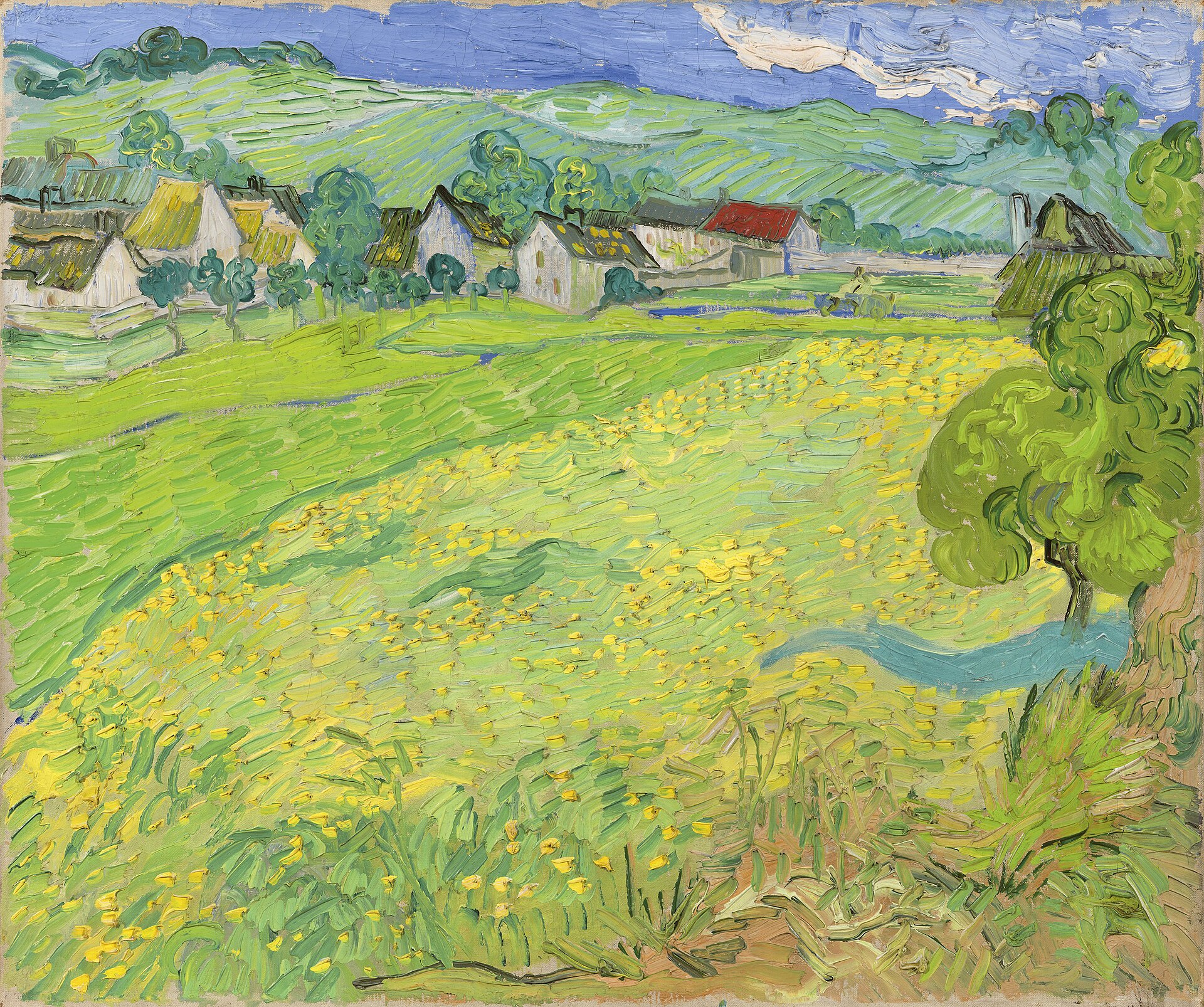
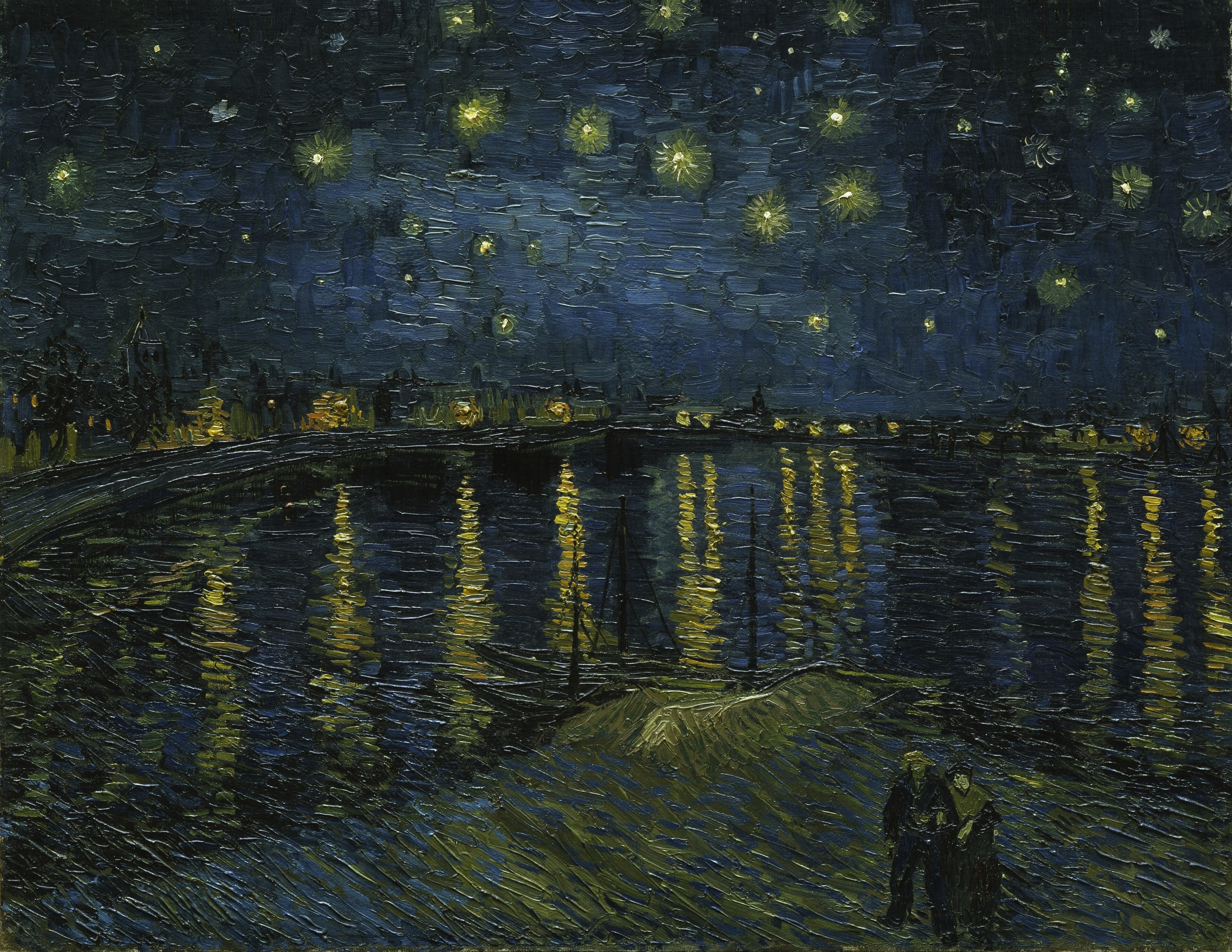
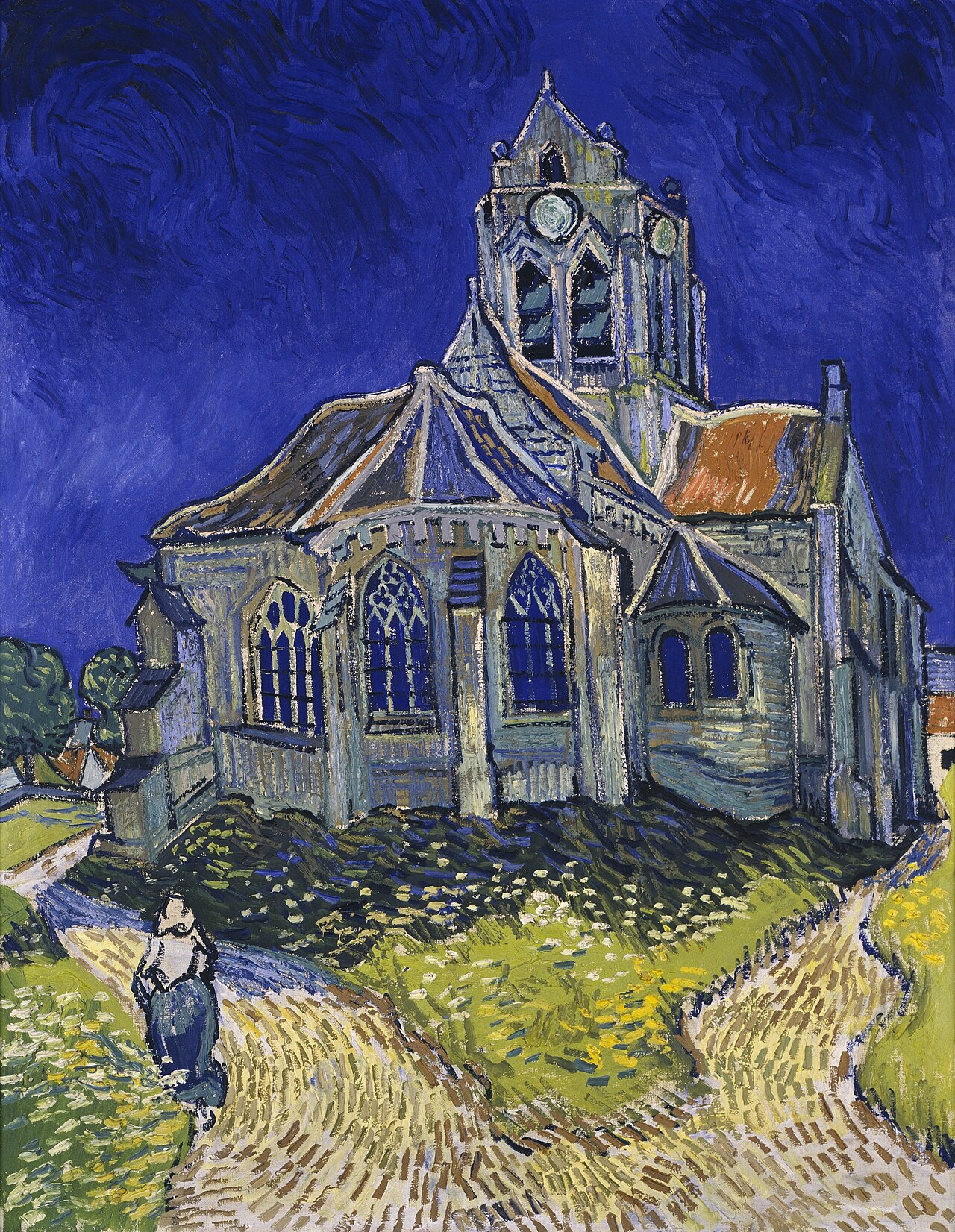
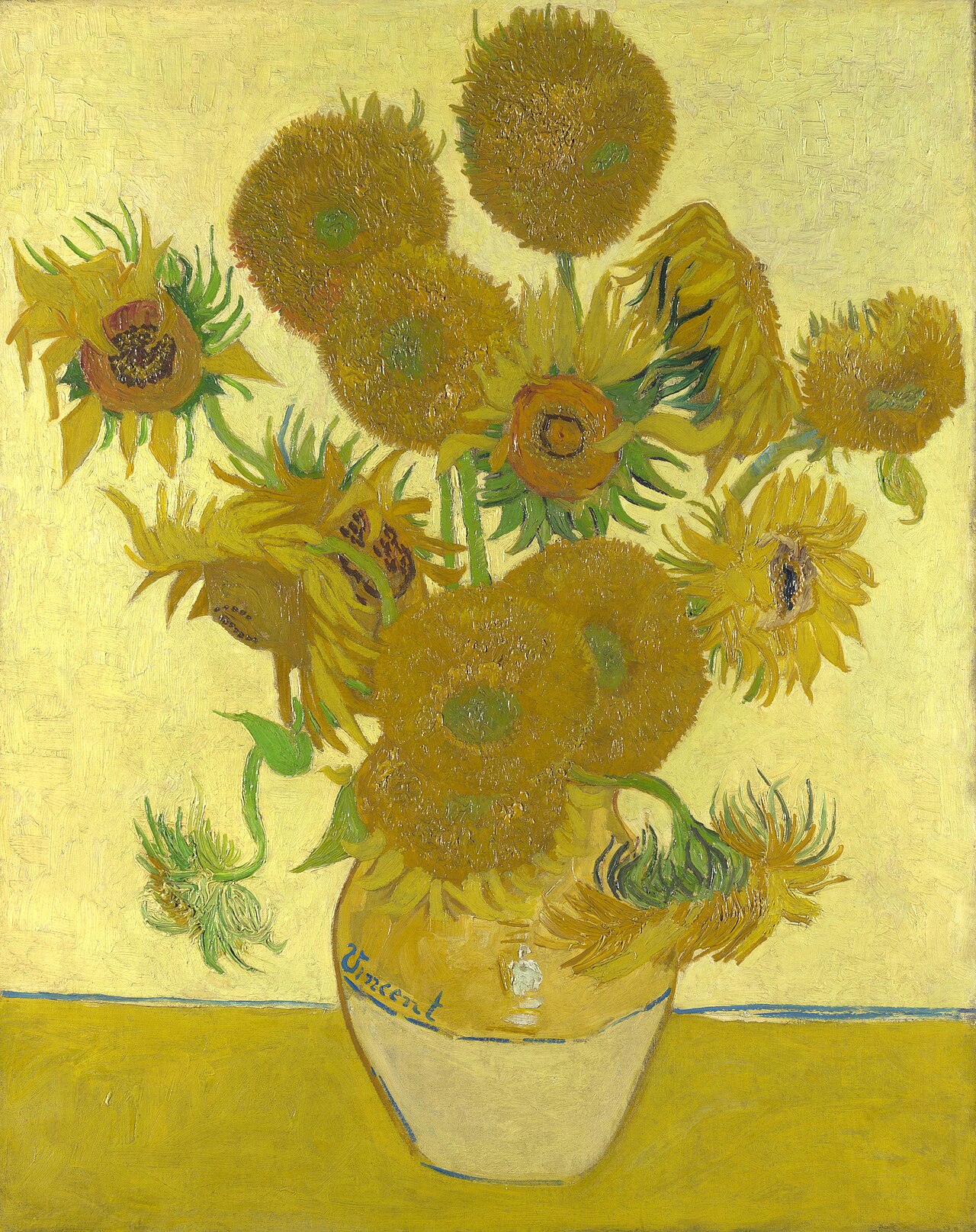
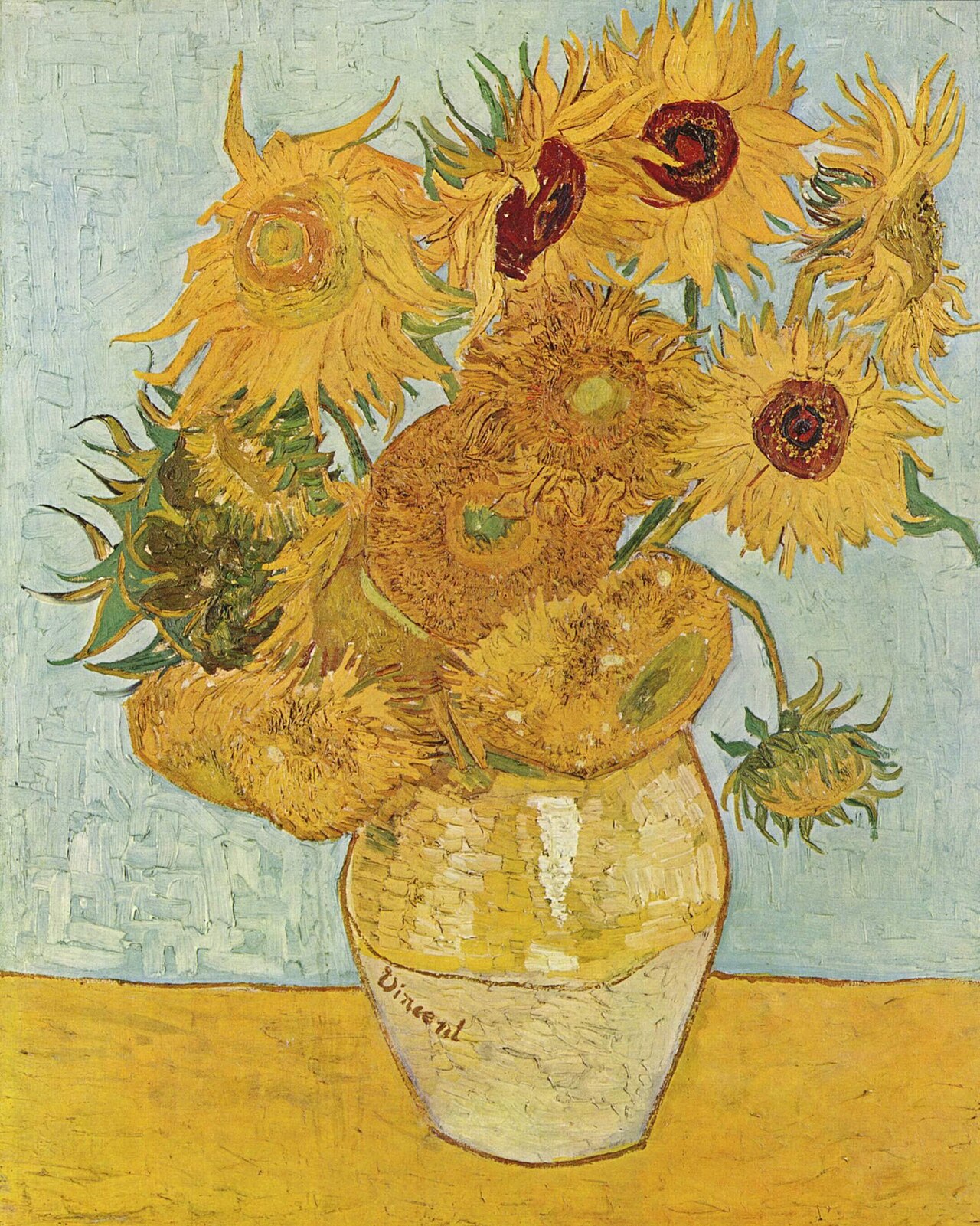
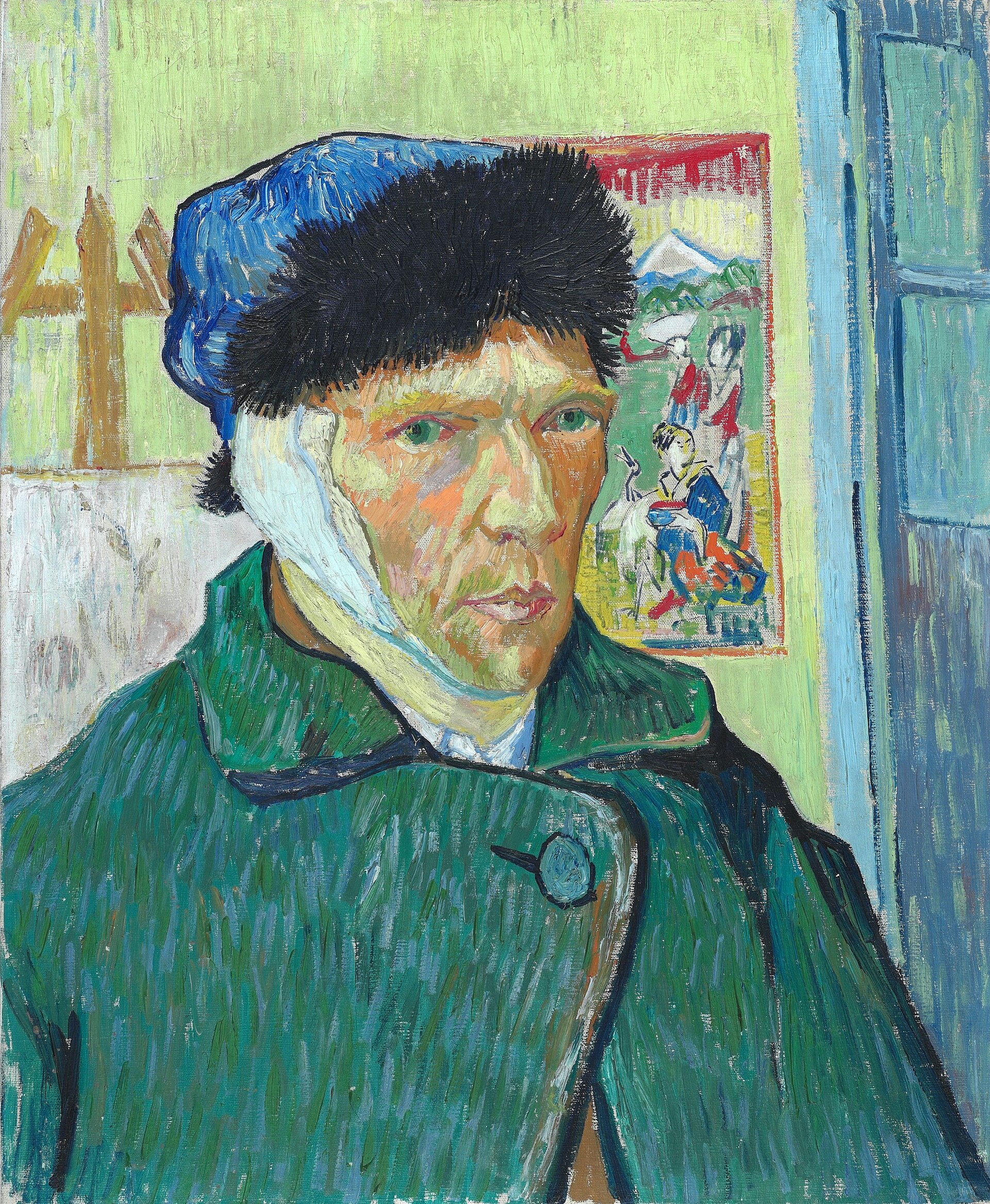
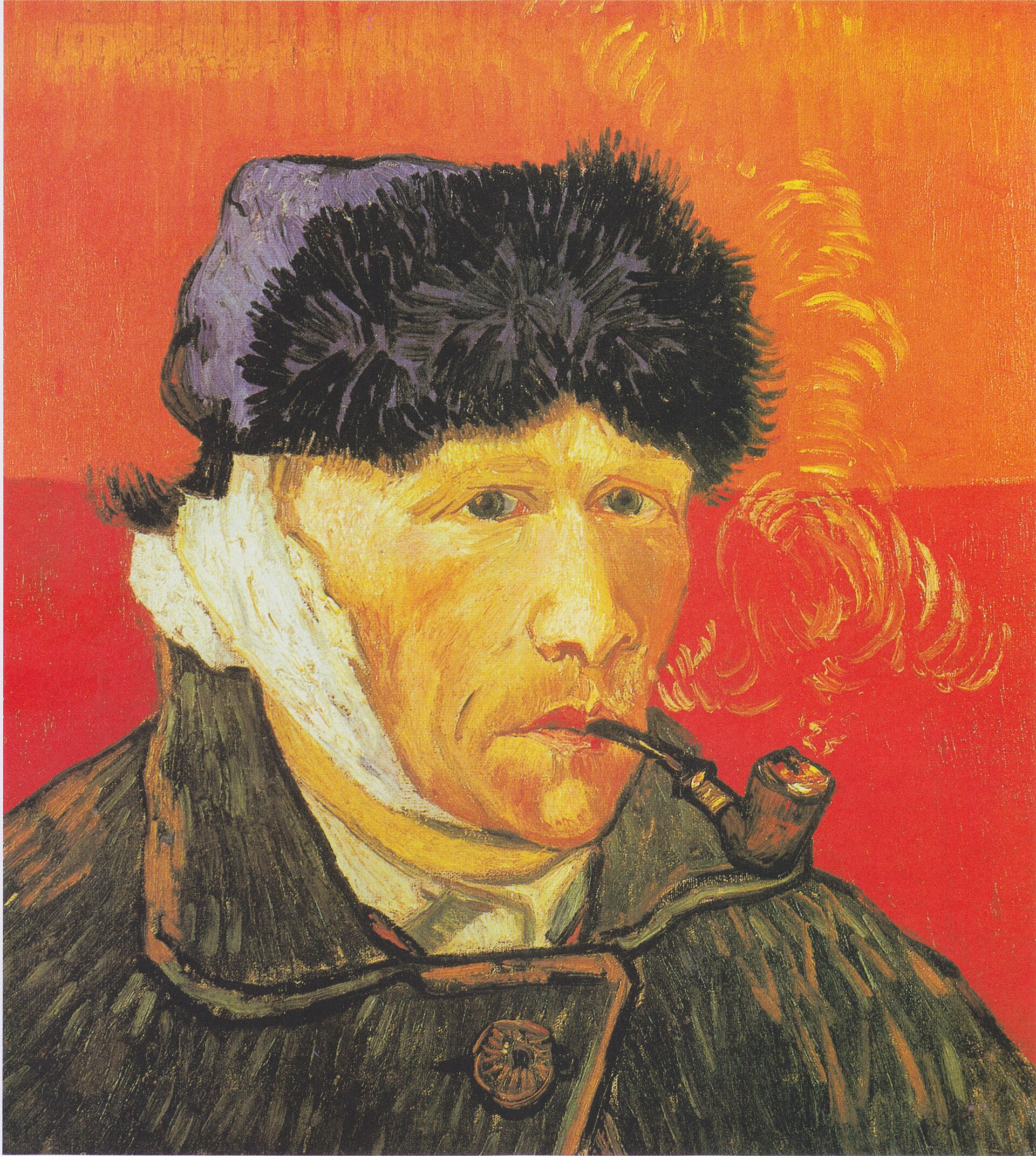
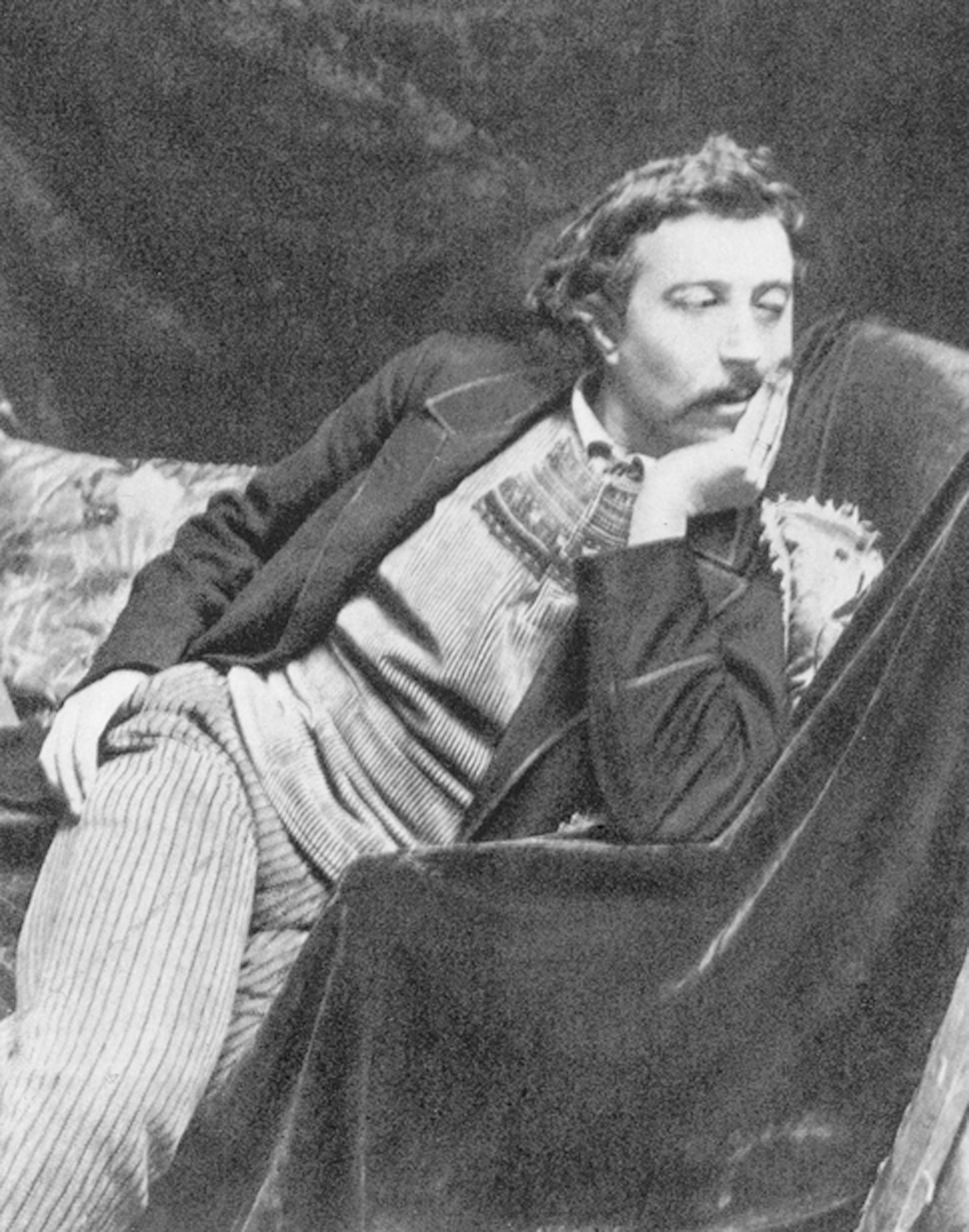
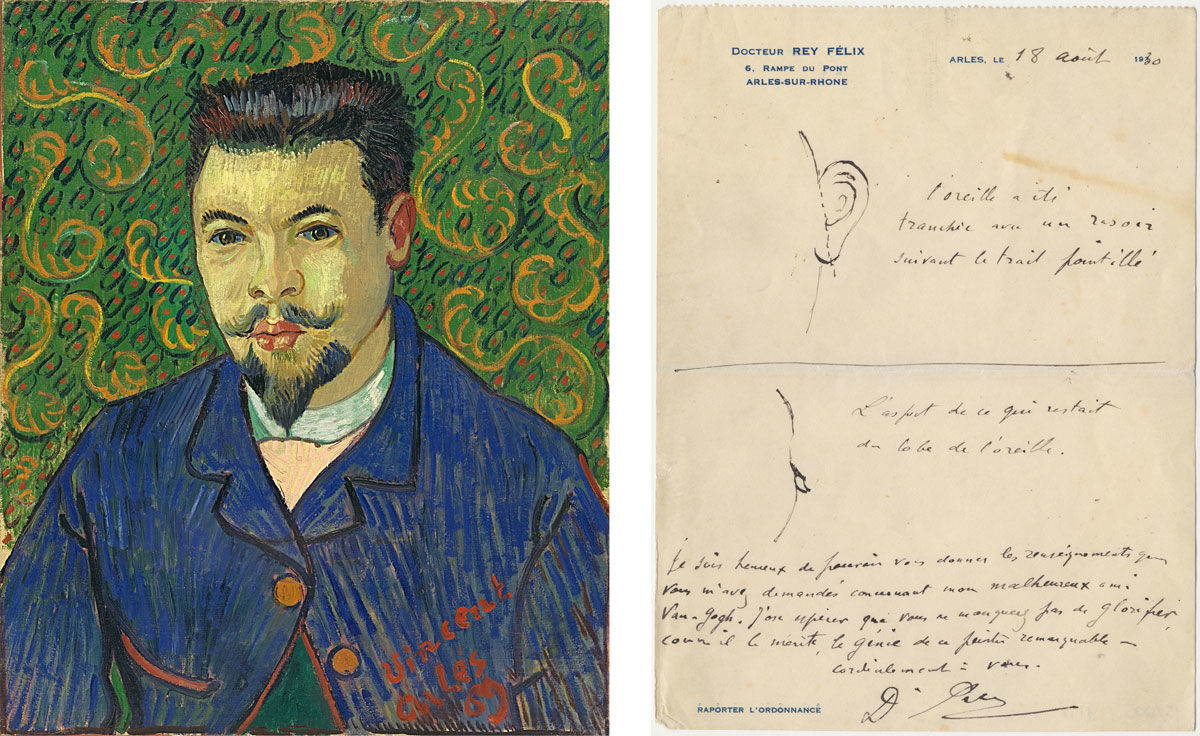
He painted this painting in July 1889, while committed to an asylum in Saint-Rémy following a breakdown - the year he fell out with Gauguin and cut off his own ear.
Allowed to wander the grounds, he was drawn to the Alpilles mountains nearby - rocky and fractured, unlike anything in the Dutch landscape of his childhood.
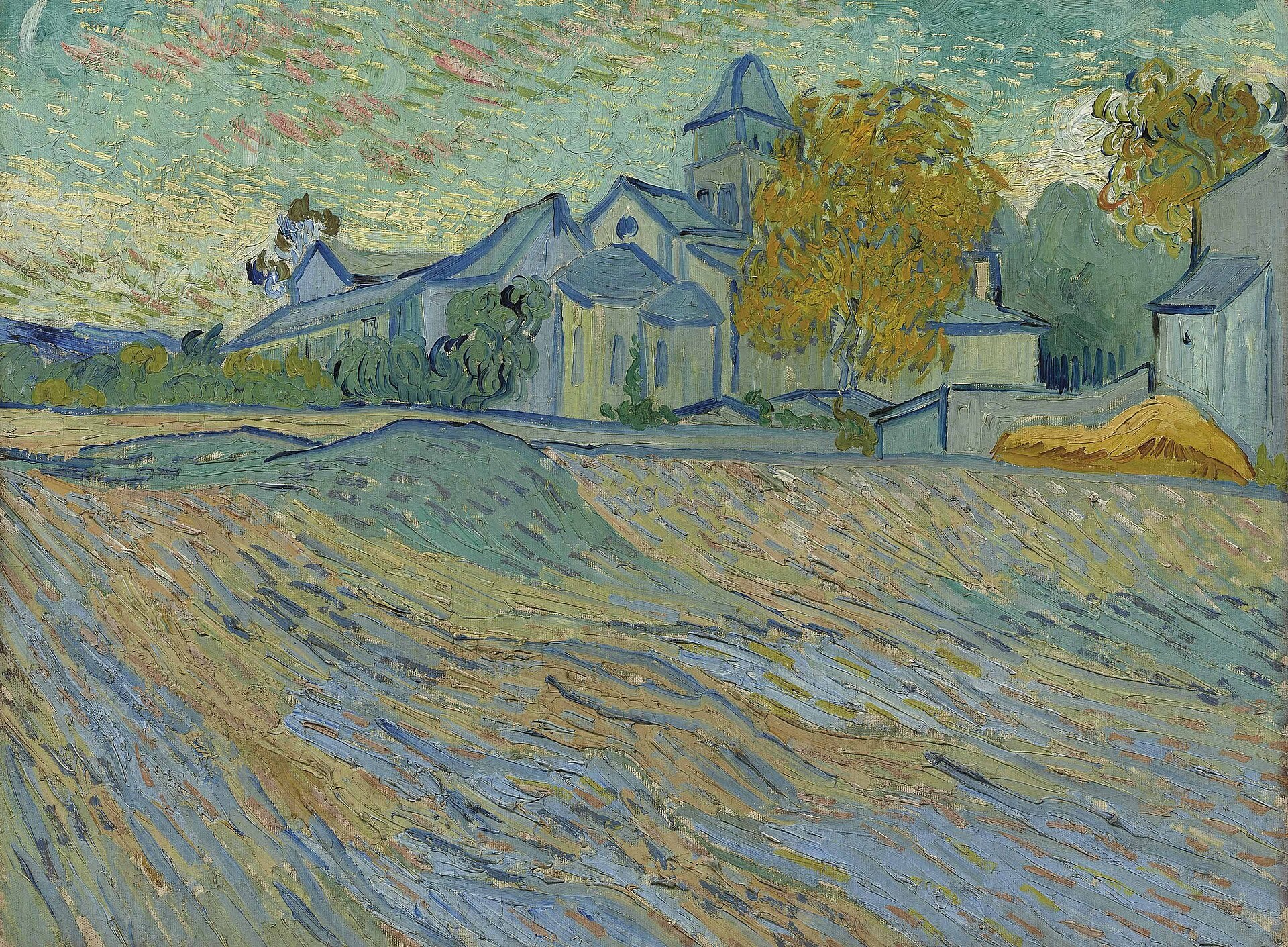
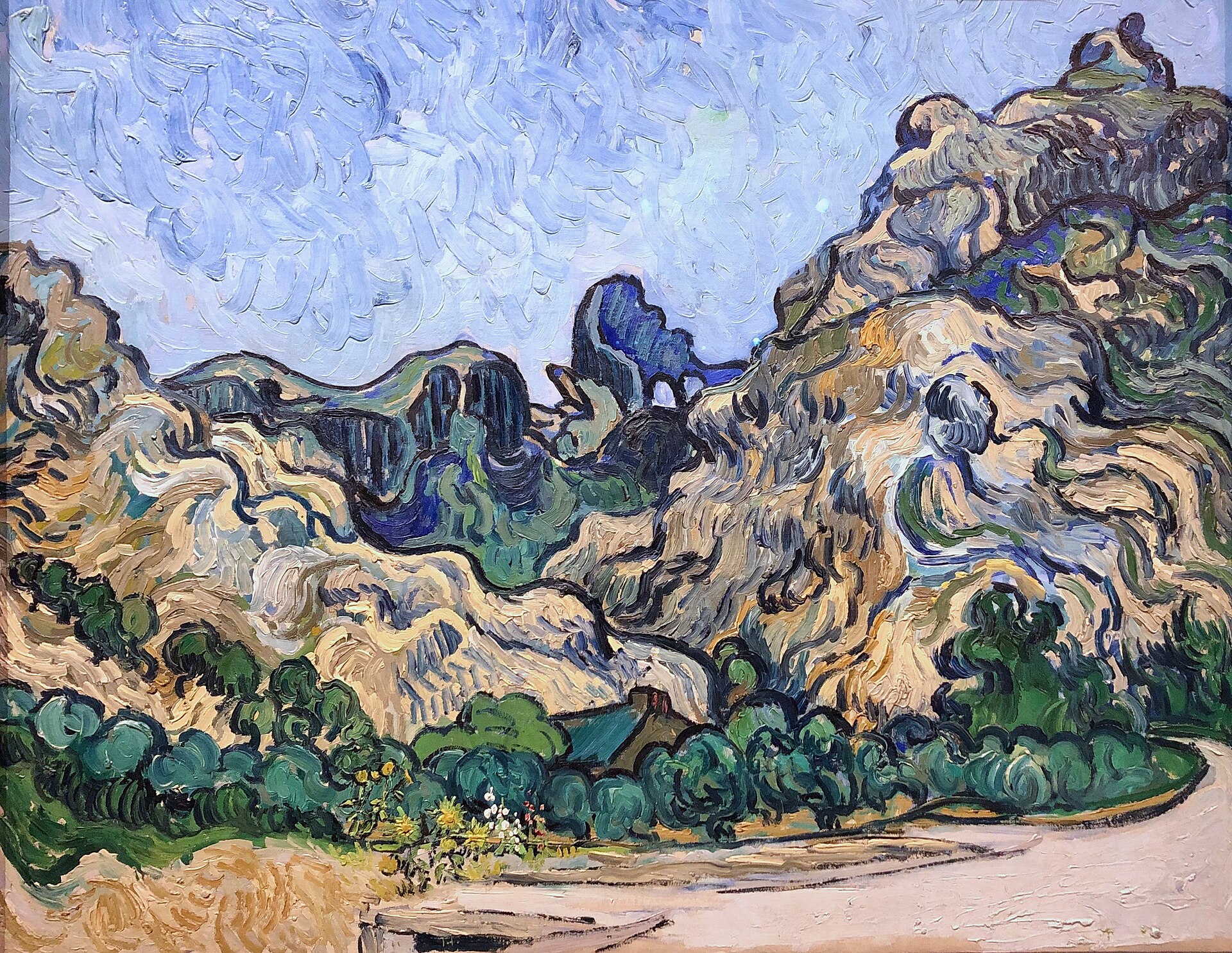
In this painting the mountains seem to move - their ridges swirling, the sky churning above them.
A solitary figure walks the path at the bottom.
The colours are rich : lavender, gold, deep blue-green.
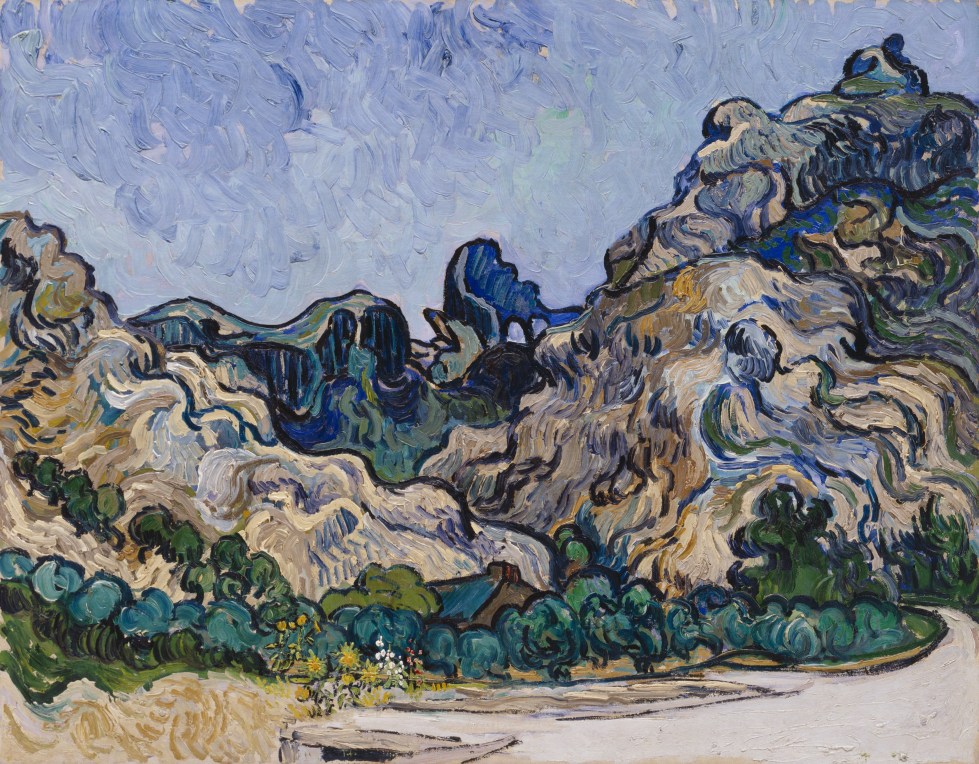
This painting shows Van Gogh at the height of his expressive power - everything is coiled and energetic, even the rocks alive with movement.
He completed it in a period of relative mental stability, working quickly and with great intensity.
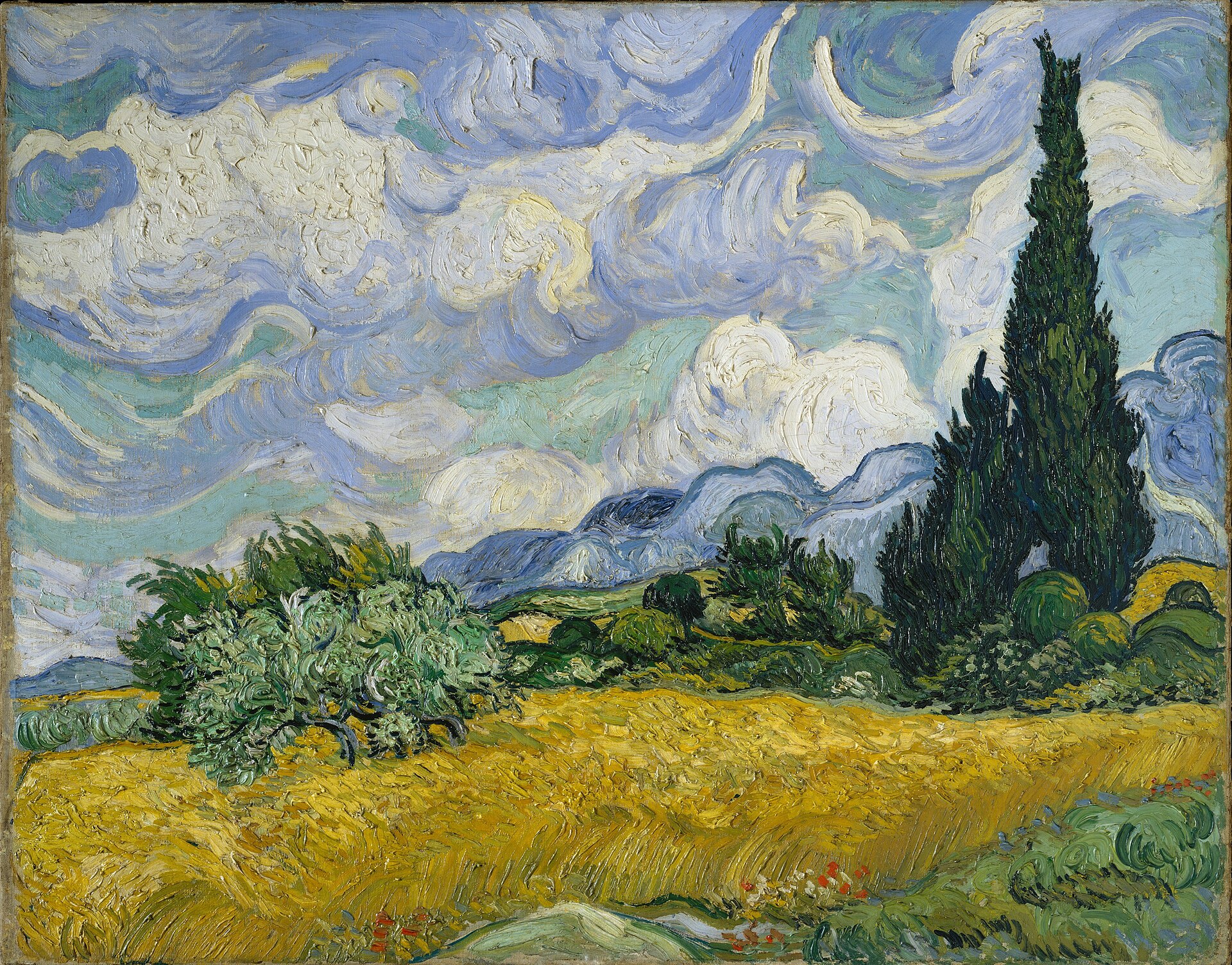
Fun fact : This painting and the Met's Wheatfield with Cypresses were painted in the same period, within miles of each other - seen together, they show how restless and various his approach was, even within a single month.
Comments
Loading comments...