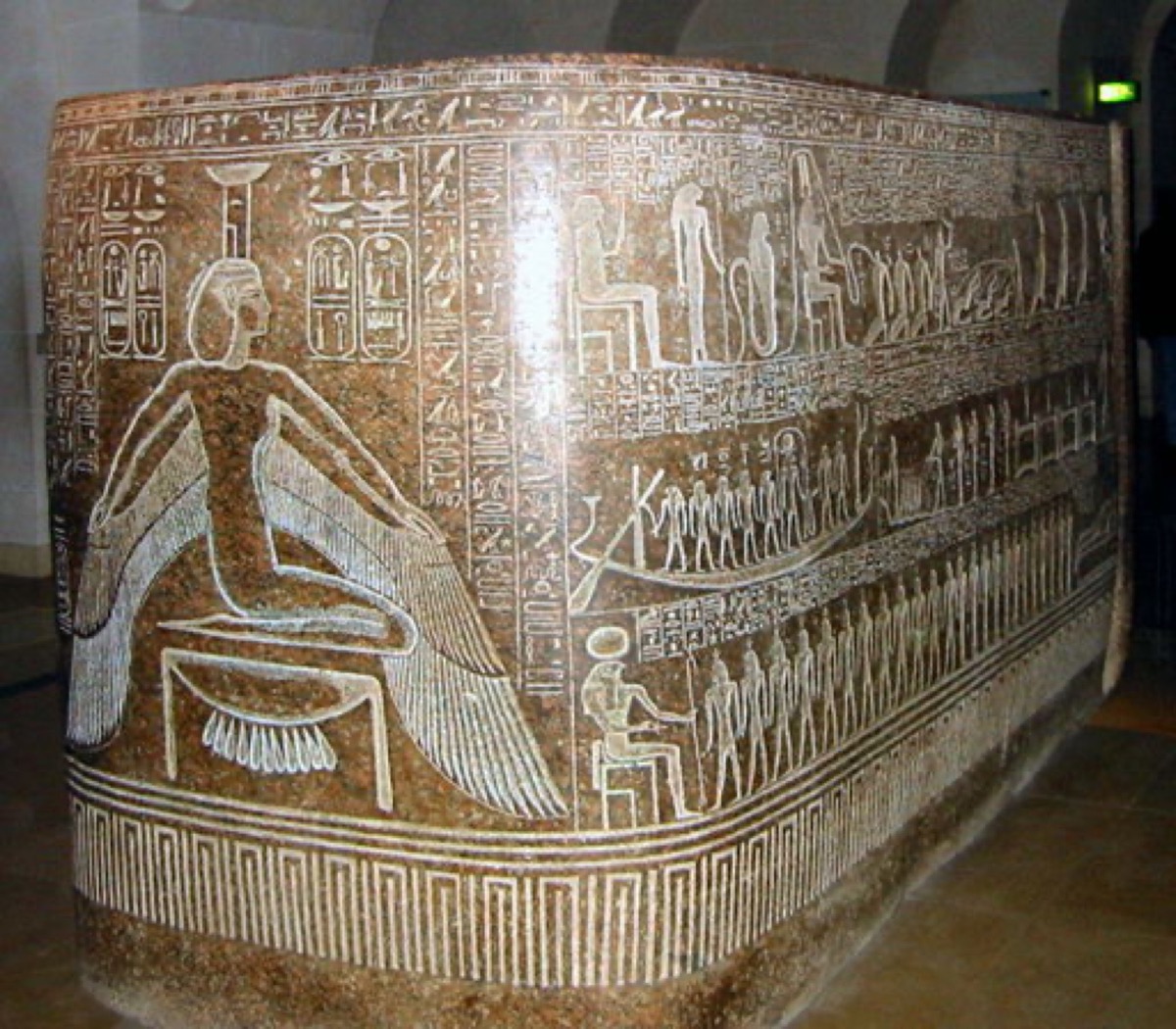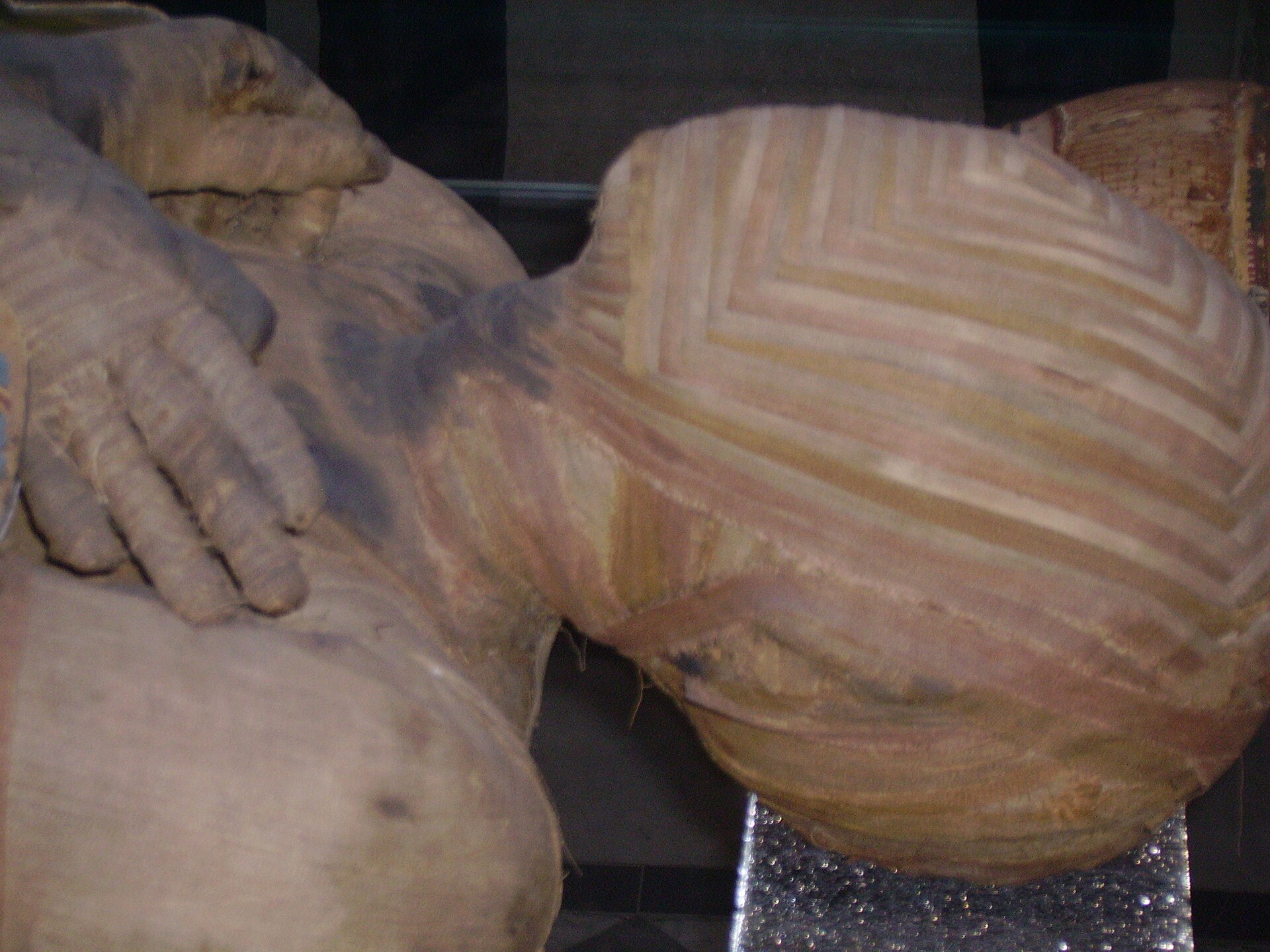


By the 9th century BC, the New Kingdom empire was gone.
Egypt was fragmented, ruled by rival dynasties.
Osorkon II was of Libyan descent — Egyptian in culture, foreign in origin — presiding over a country that had lost its imperial reach but kept its extraordinary artistic identity.
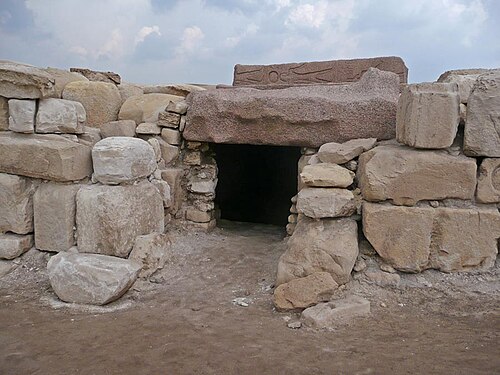
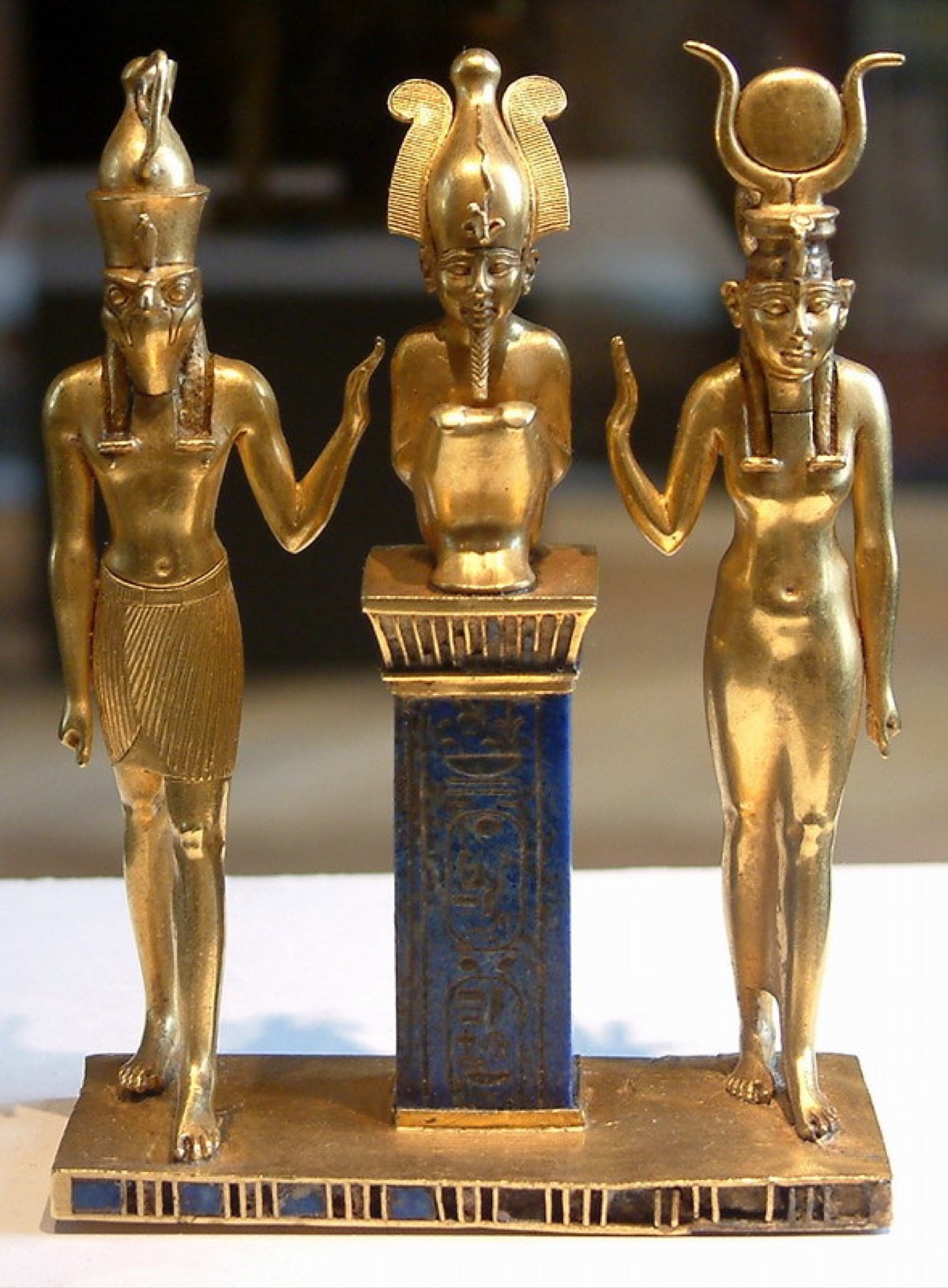
After colossal sphinxes and granite pharaohs, this tiny golden pendant earns a long look.
Scale is not the point — craftsmanship is.
It represents three gods in a triad — Osiris at the centre, flanked by Isis and Horus — the most important story in Egyptian mythology compressed into a few centimetres of gold, lapis lazuli and carnelian.
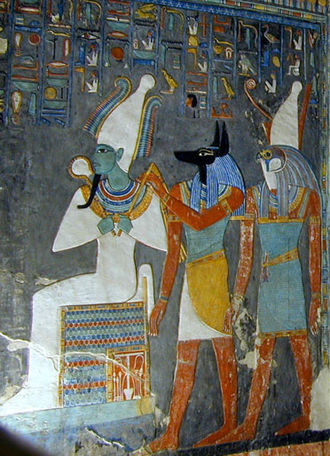
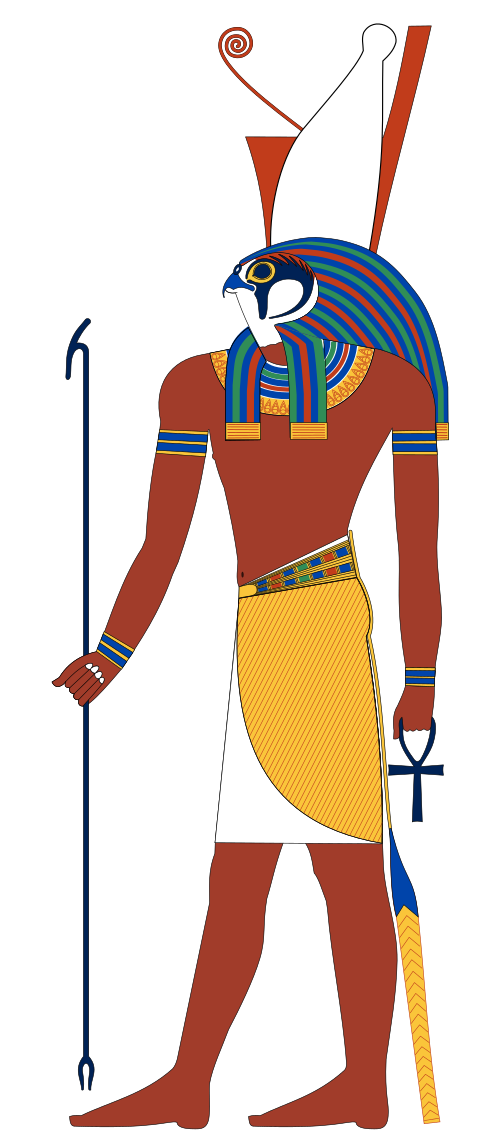
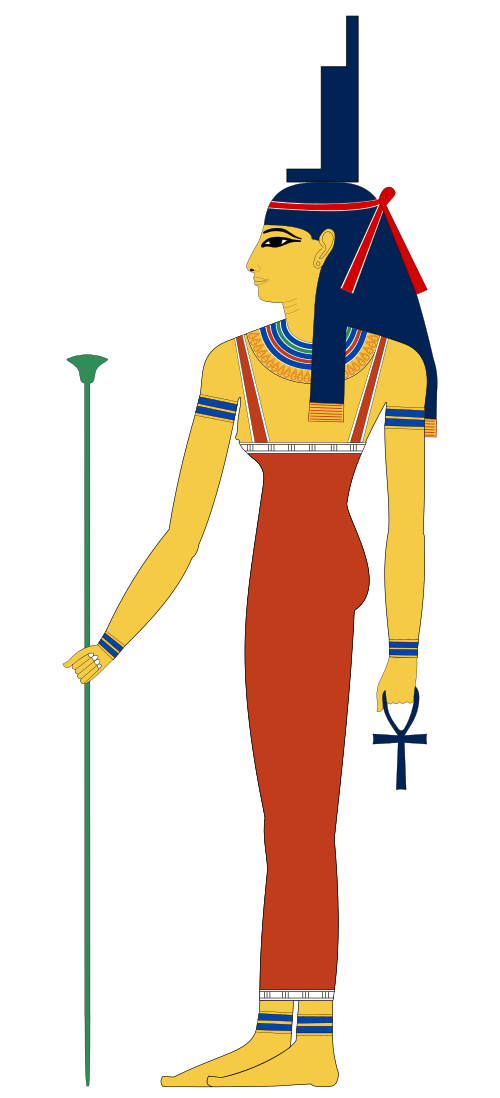
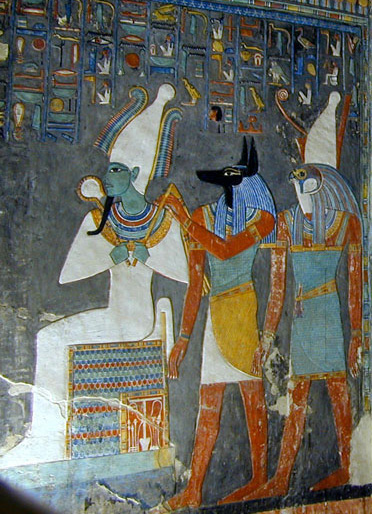
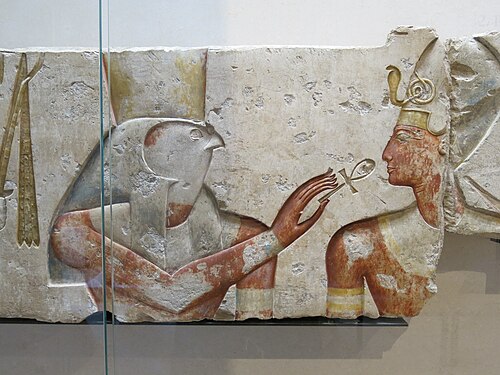
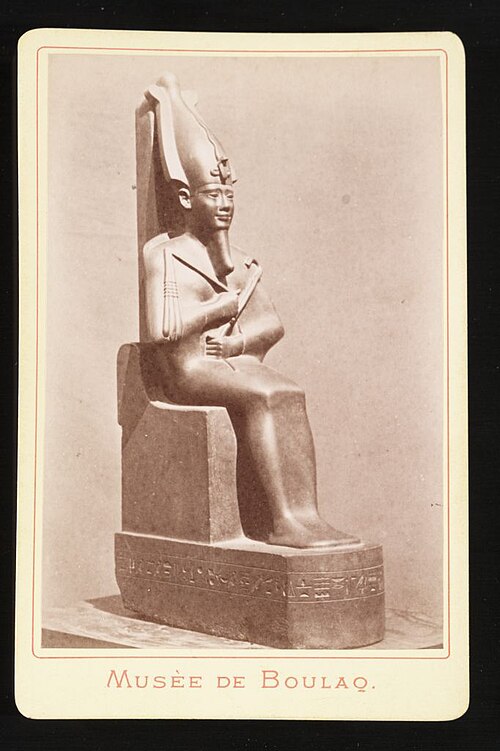
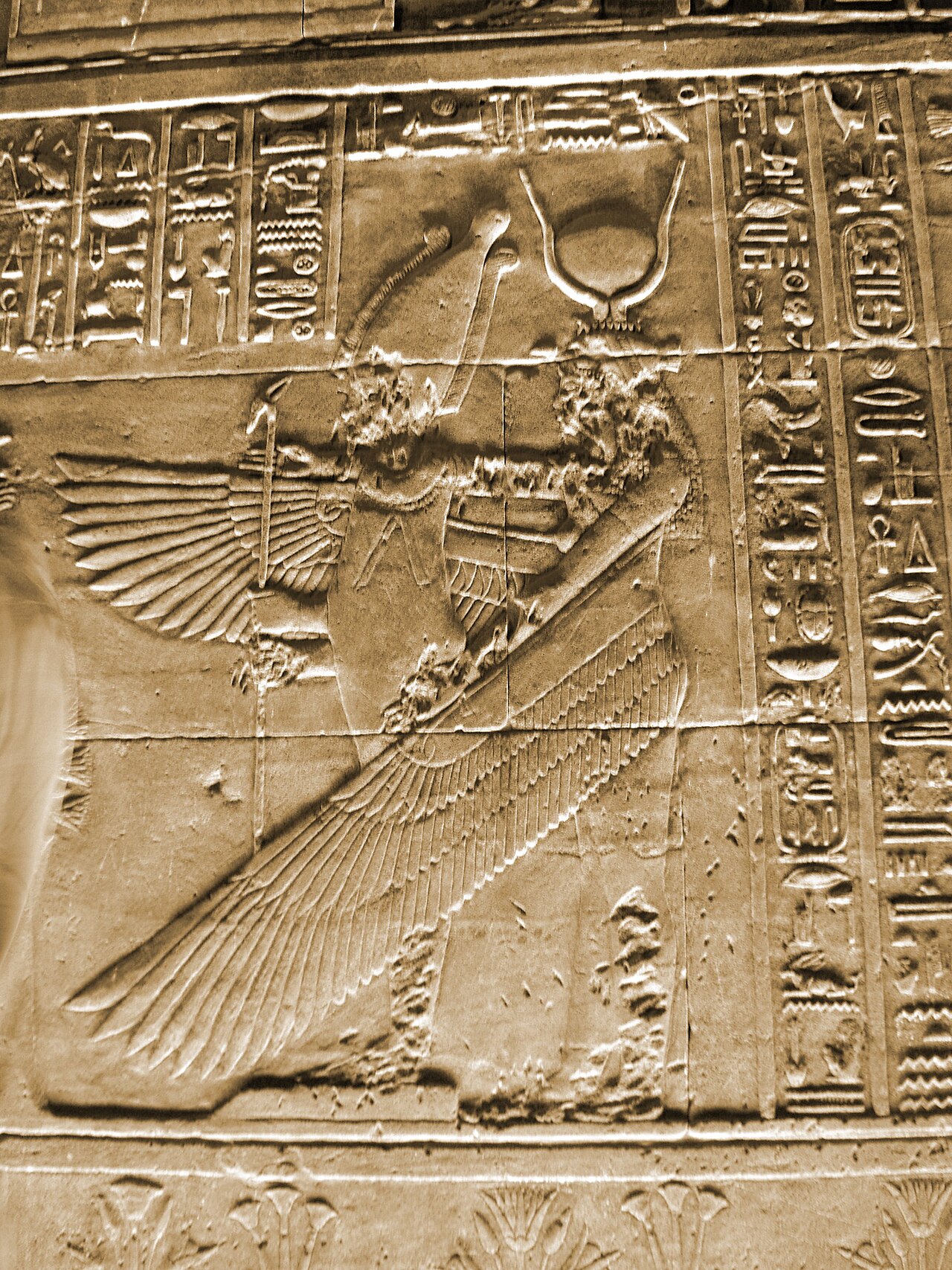
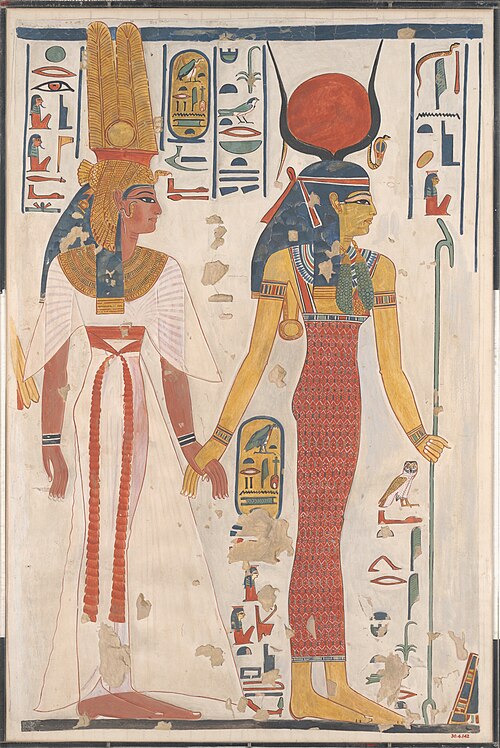
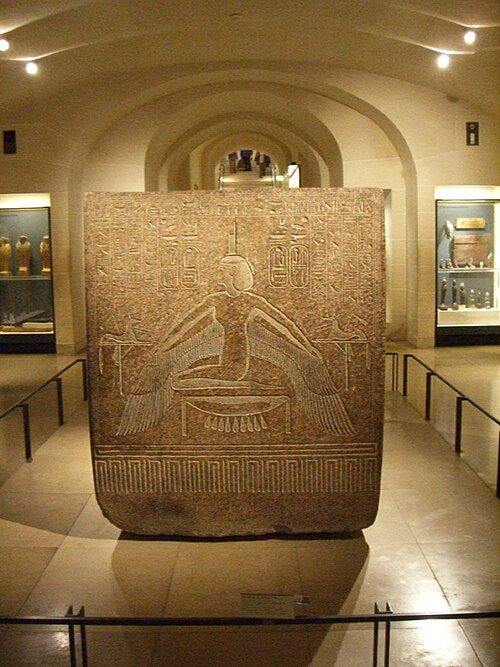
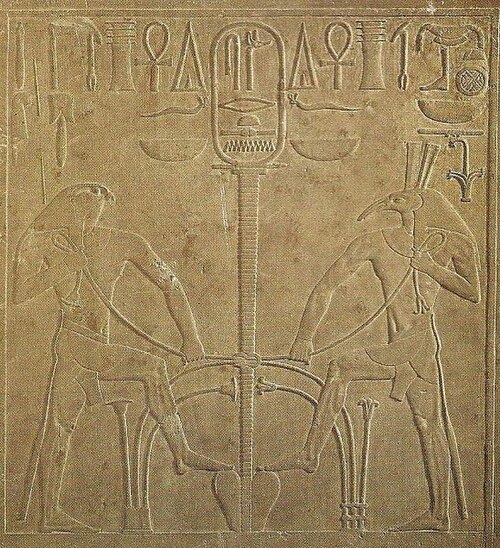
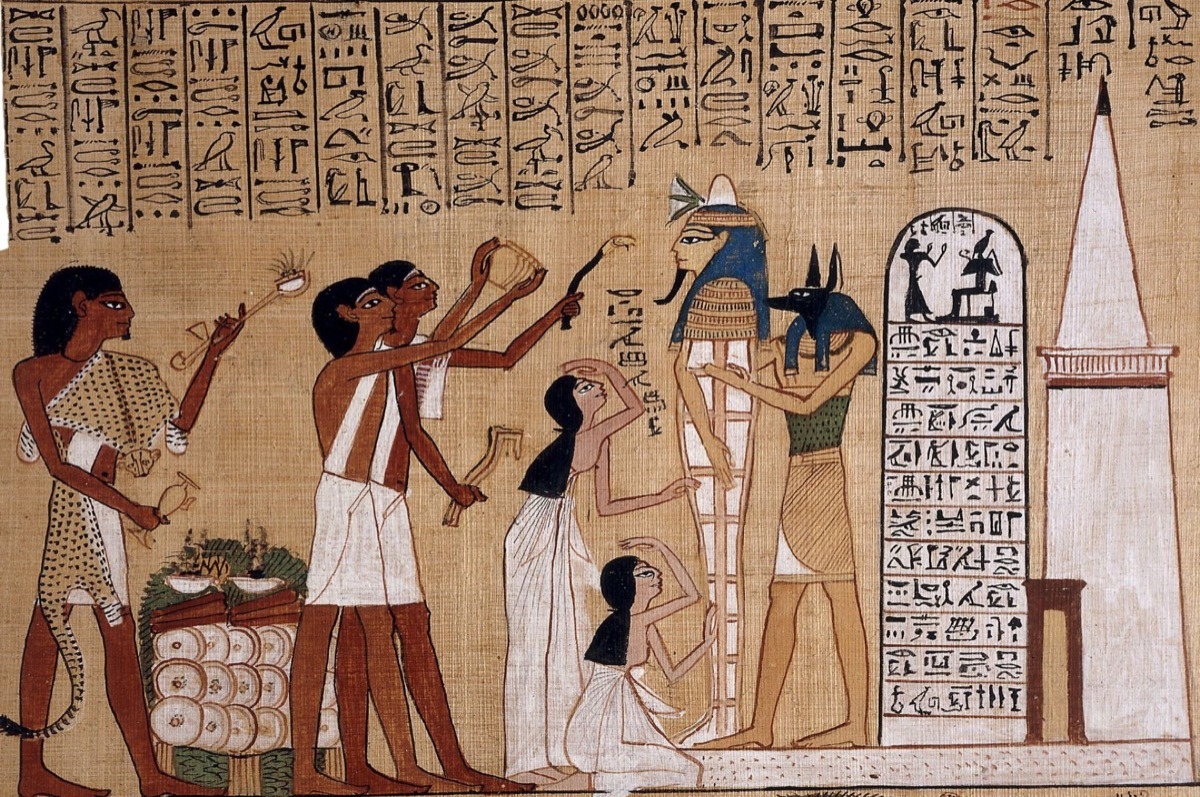
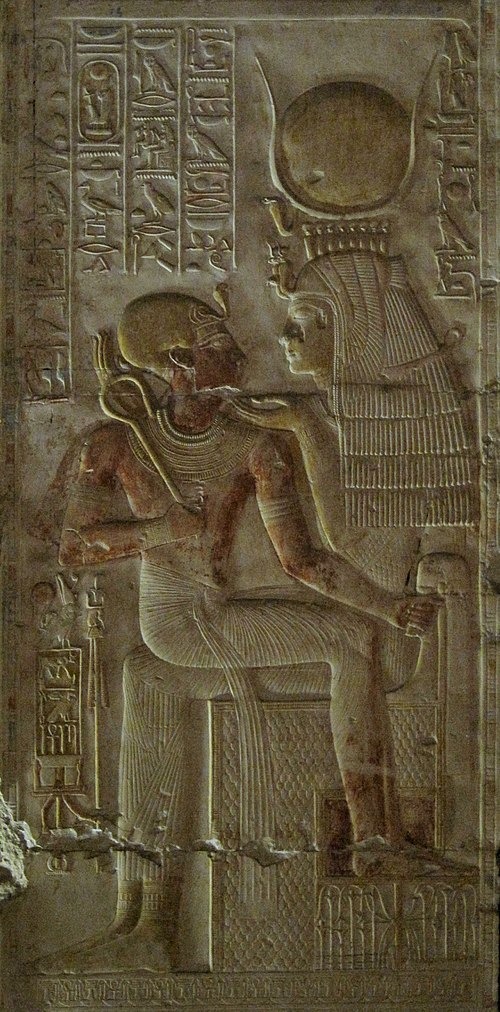
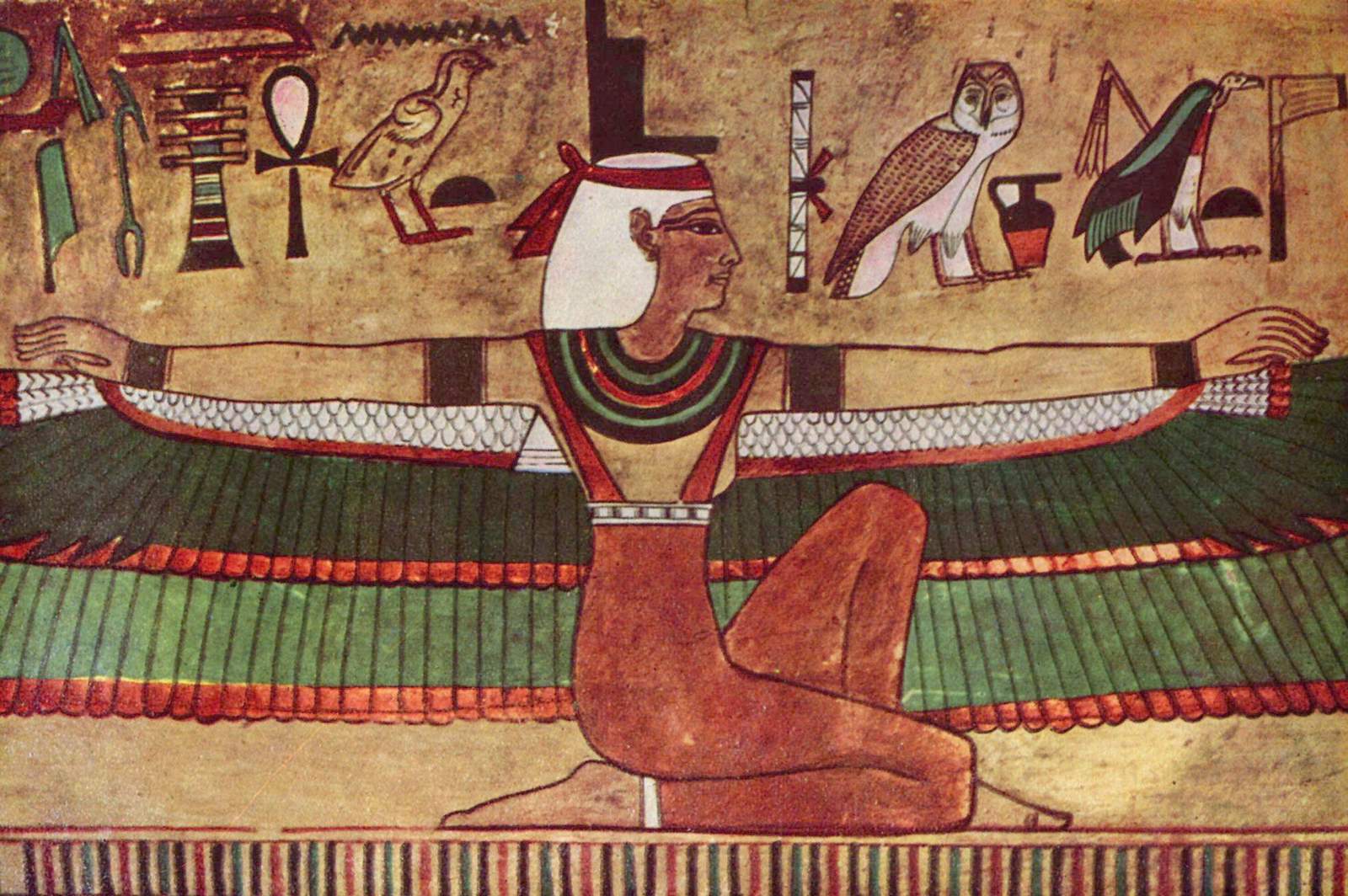
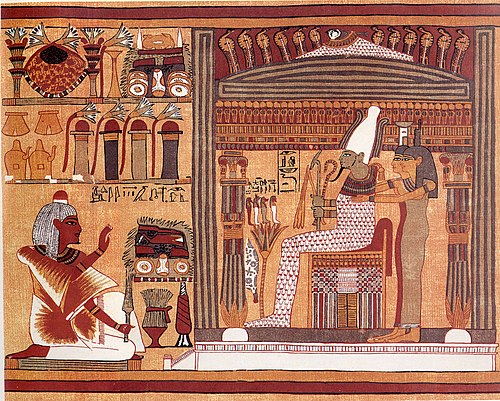
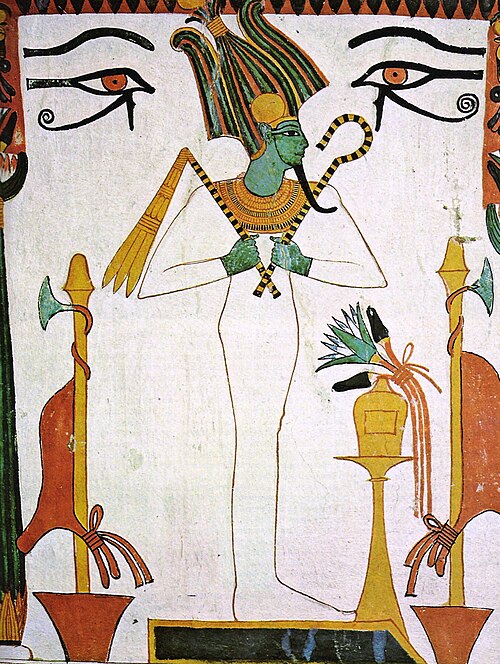
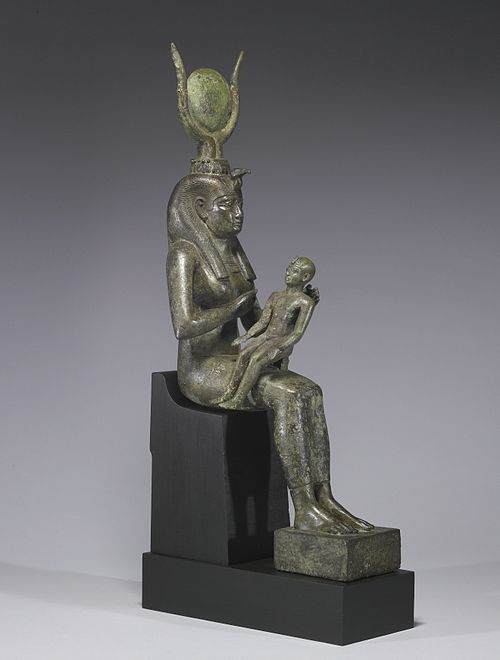
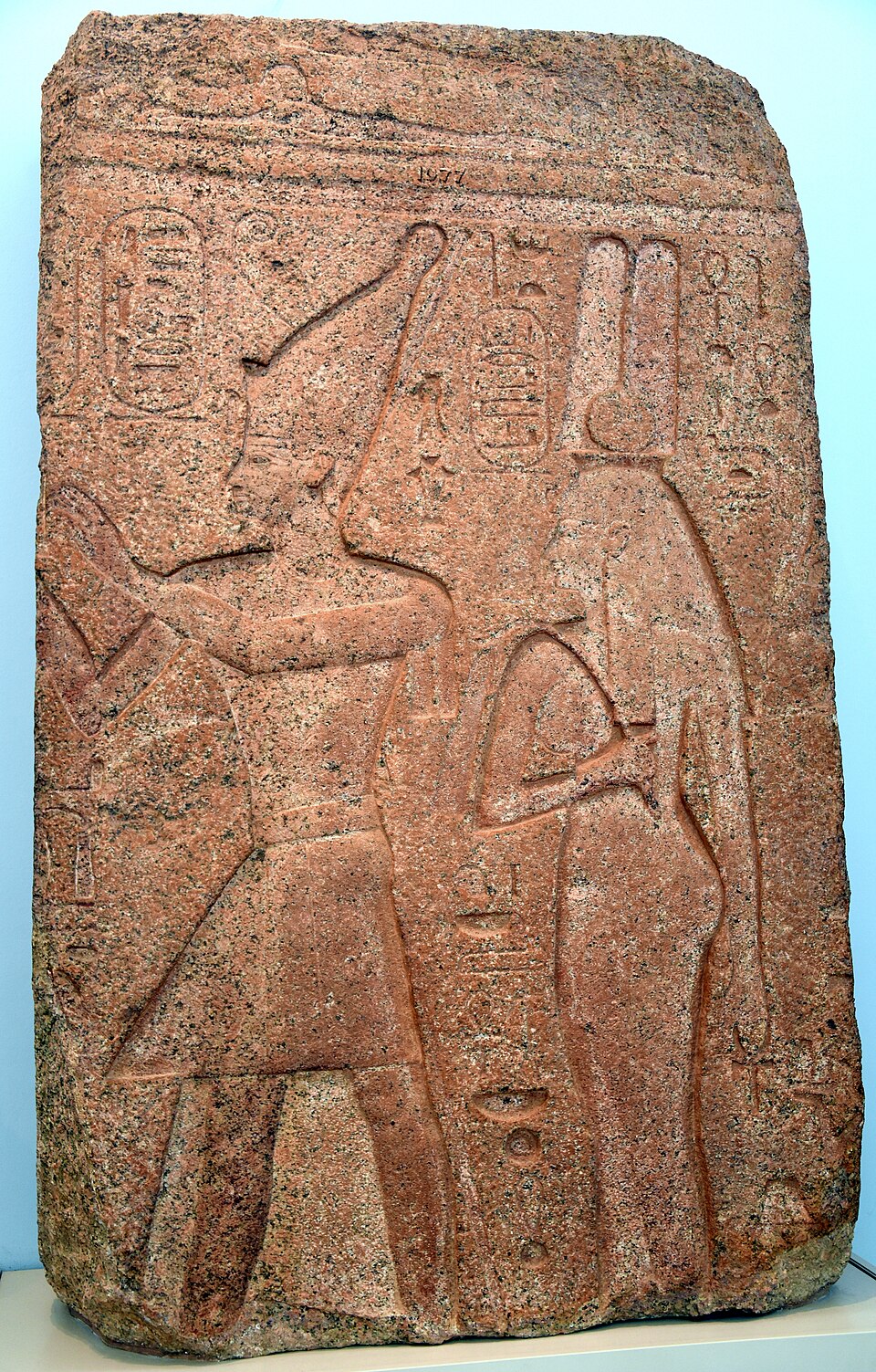
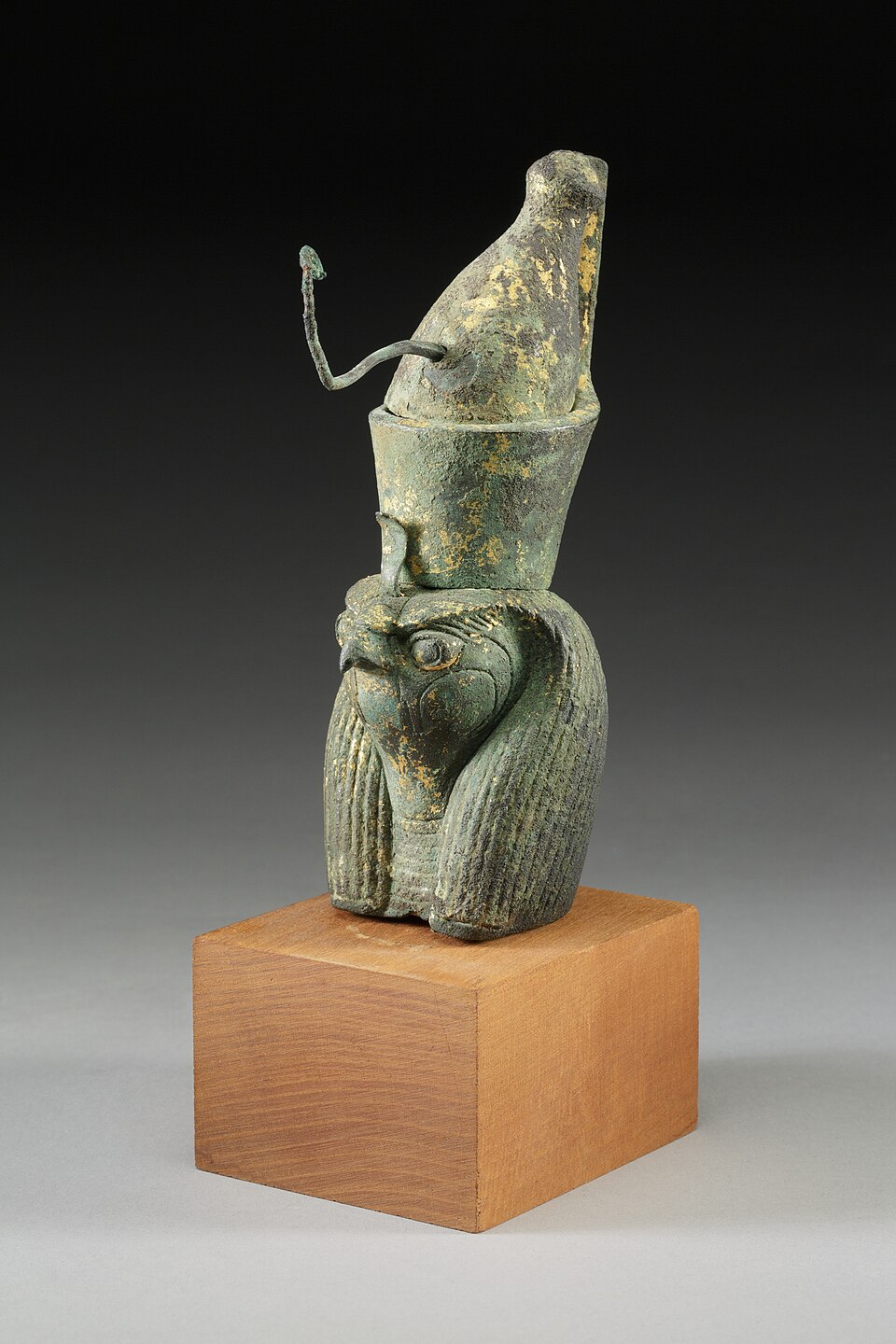
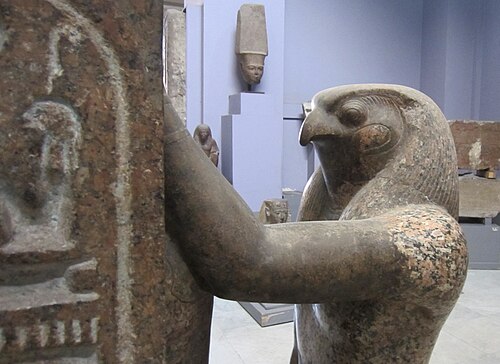
The myth: Osiris was murdered and dismembered by his jealous brother Set.
Isis gathered every piece, reassembled his body, and conceived their son Horus.
Horus grew up to avenge his father and reclaim the throne.
Every living pharaoh was believed to be Horus — and when they died, they became Osiris.
Fun fact: the Louvre calls this a masterpiece of Egyptian goldwork, and in a collection of this depth, that phrase is not used lightly.