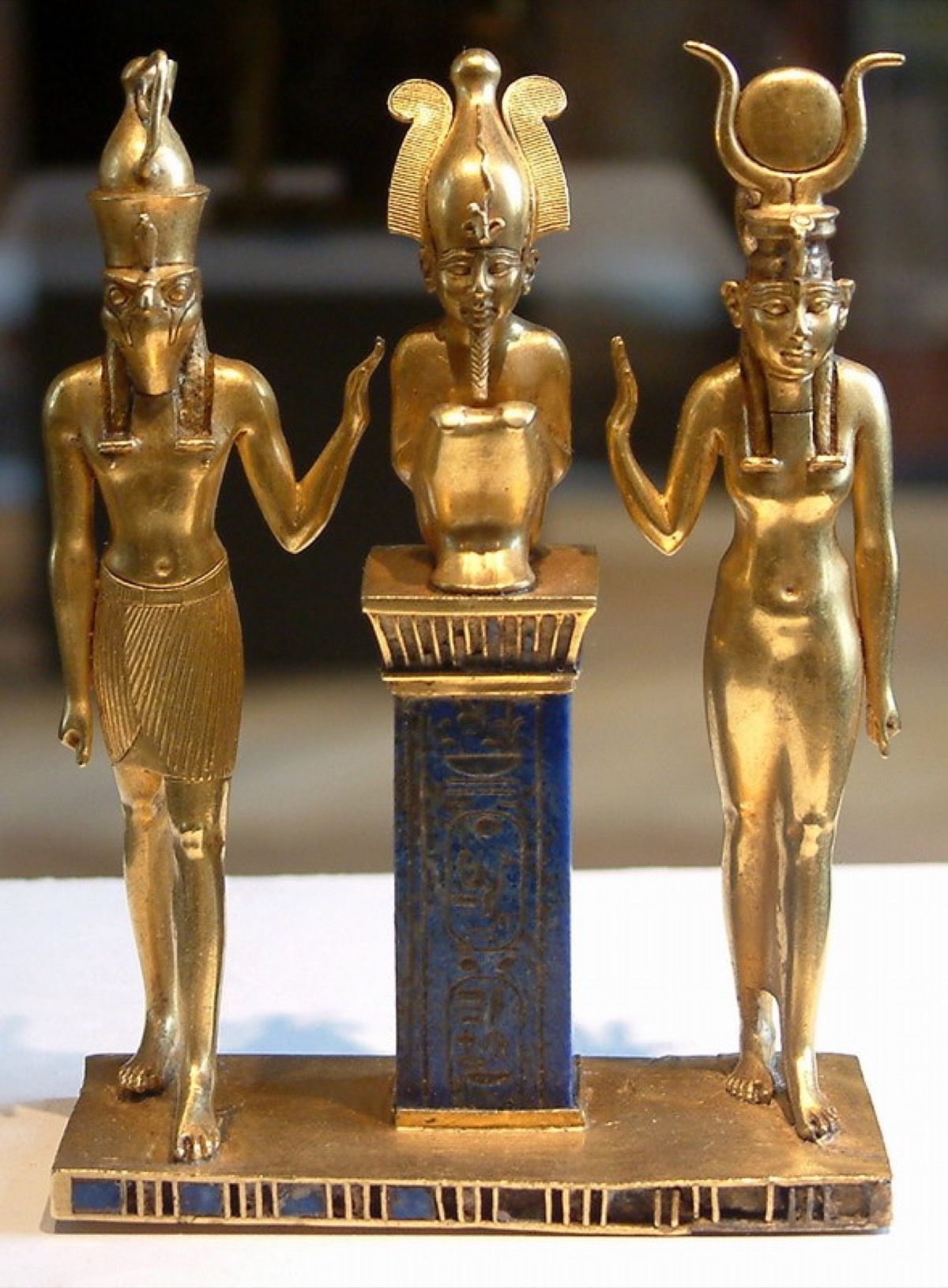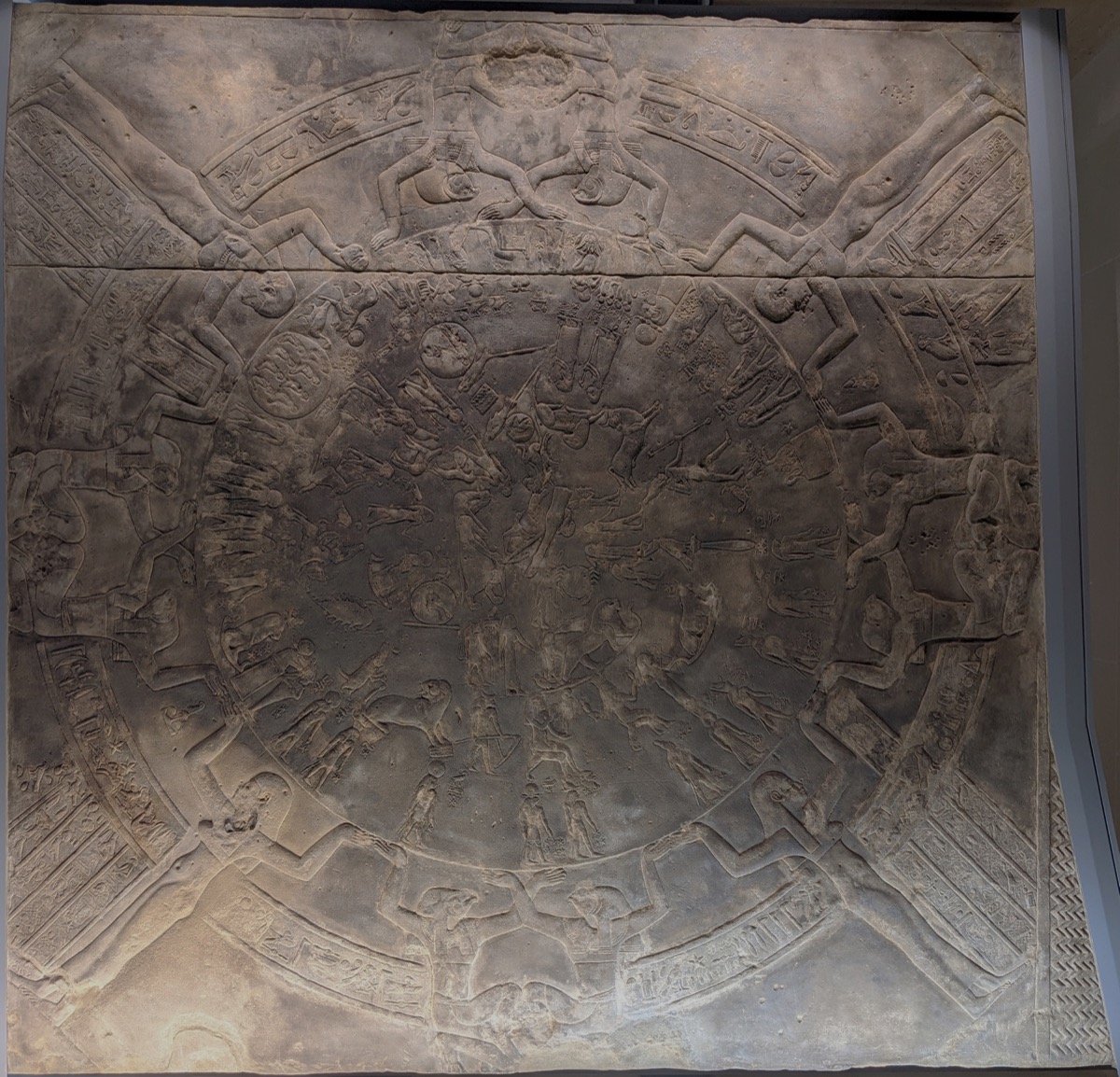


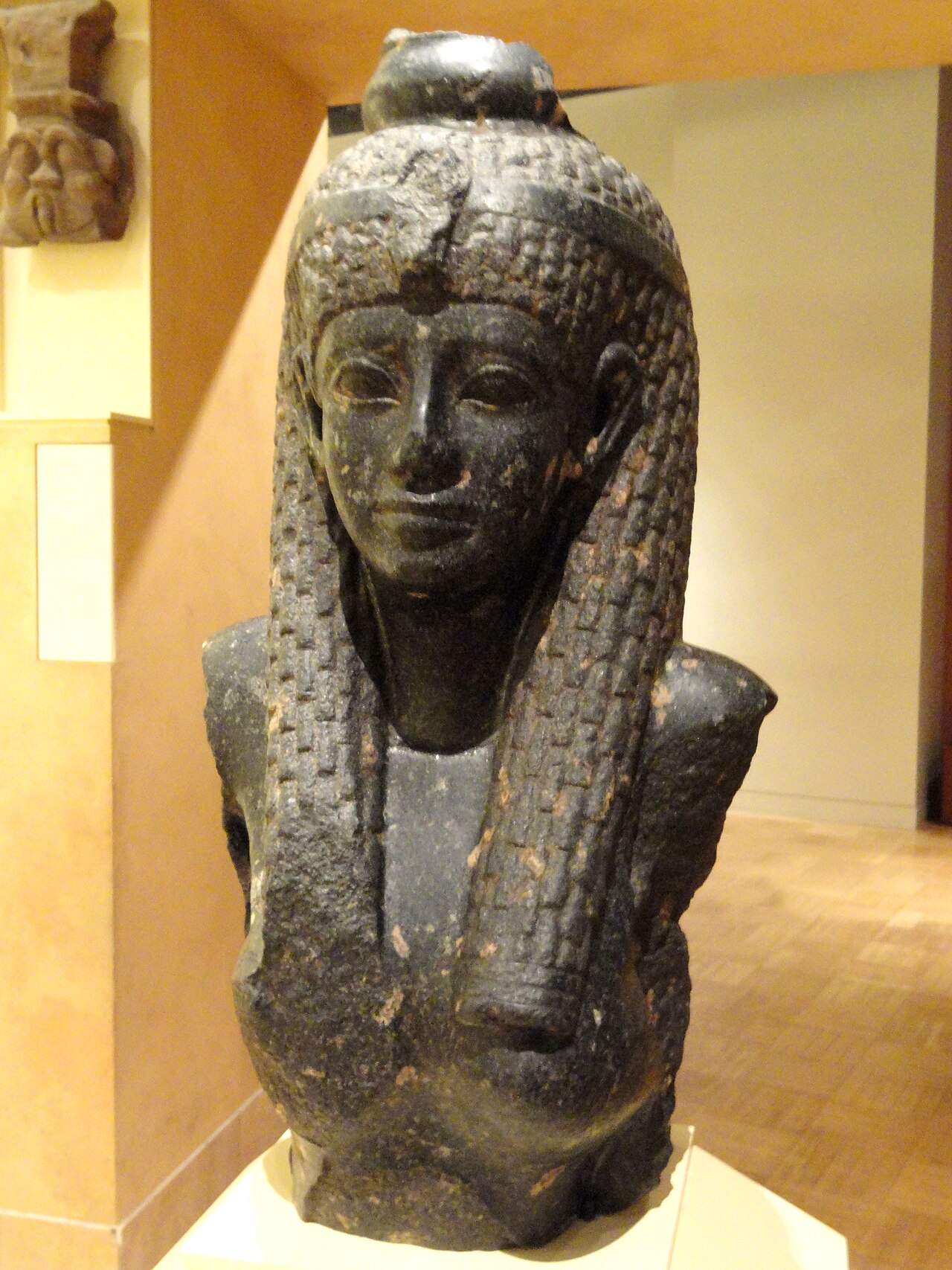
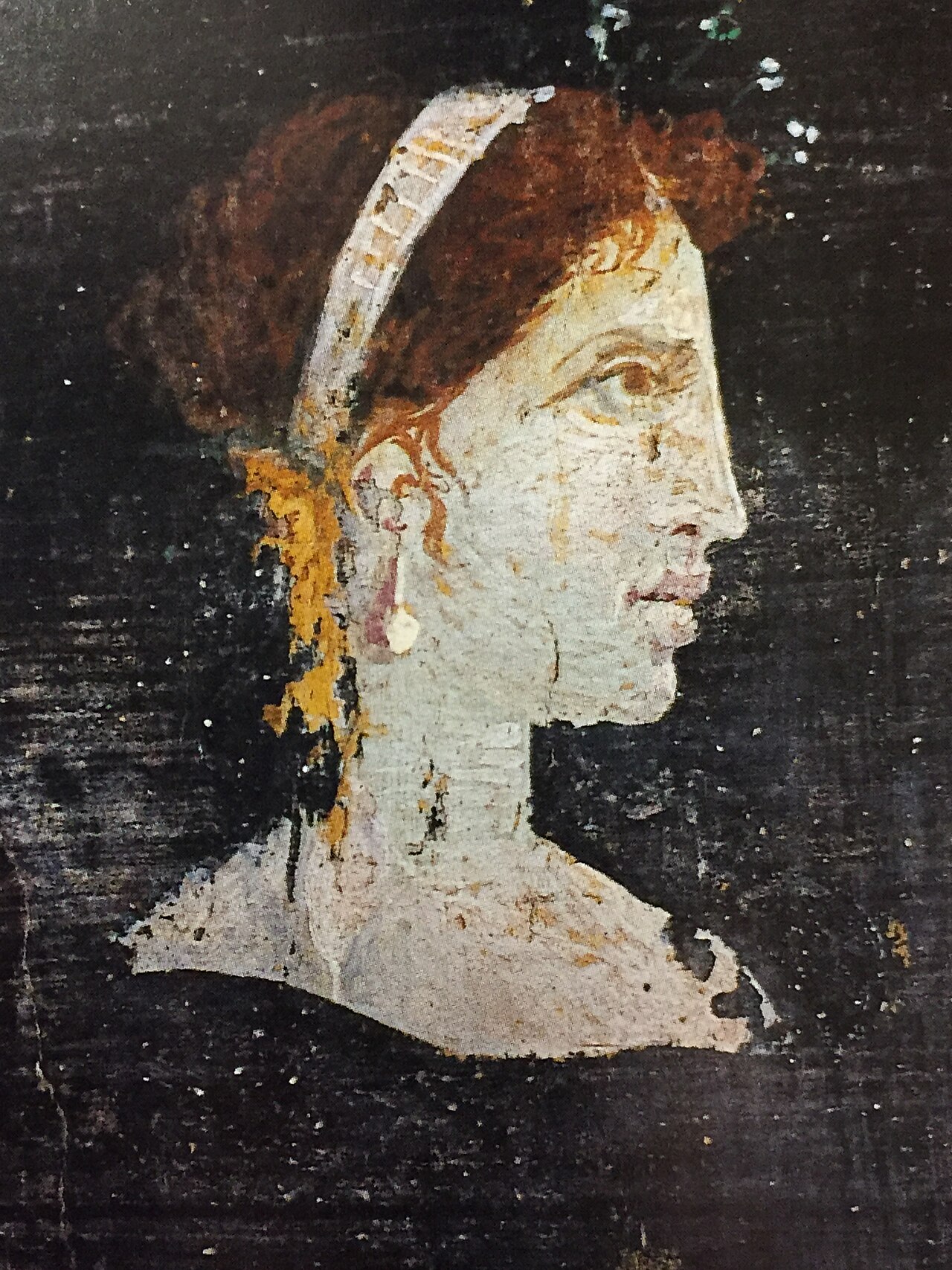
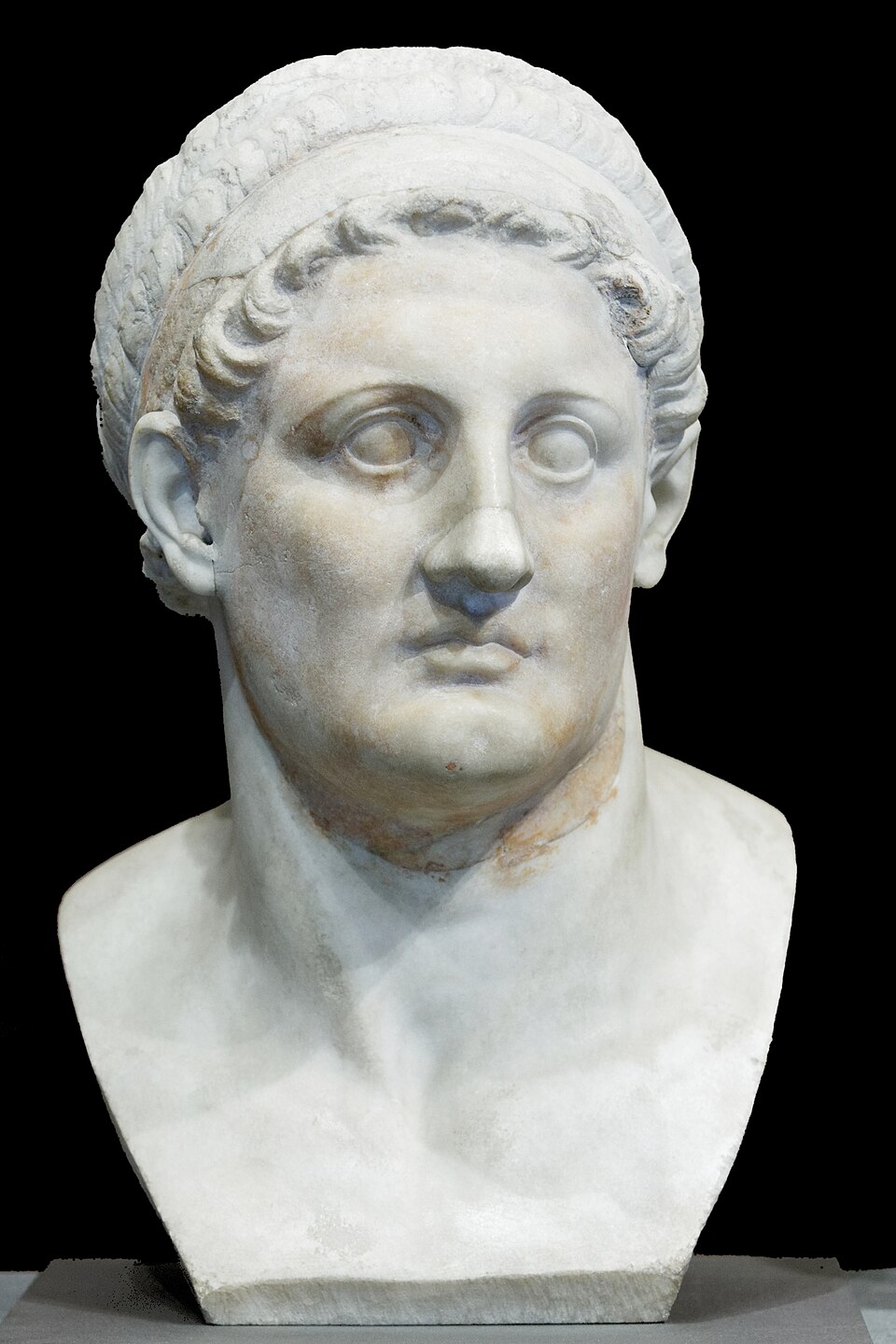
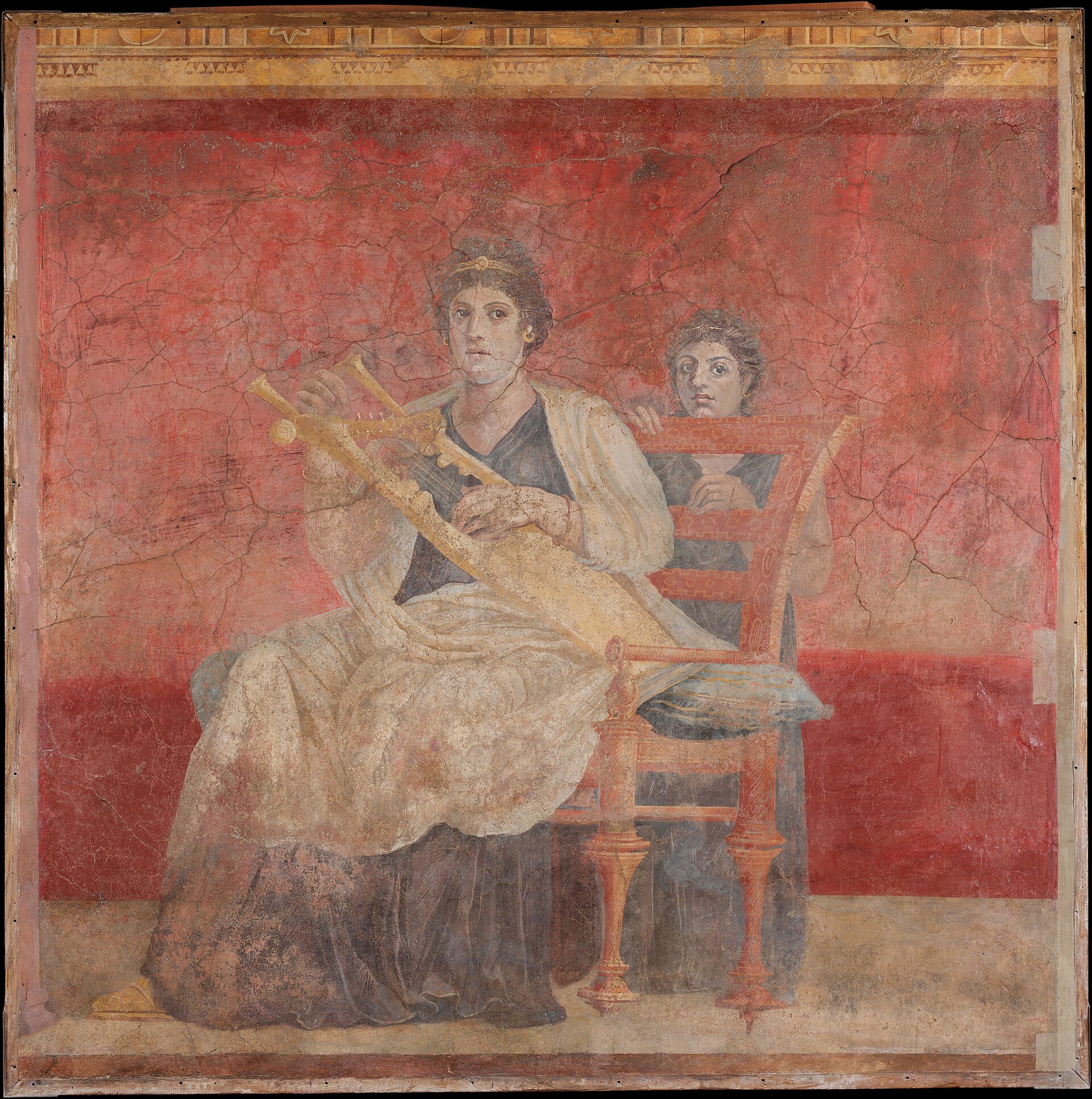
By 300 BC, Egypt was ruled by the Ptolemaic dynasty — Greek pharaohs who learned Egyptian, built temples in the traditional style, and presented themselves as the heirs to three thousand years of pharaonic tradition.
Bashiri lived in that world.
The room is simply called The Mummy.
One man, one case, and an unusual hush.
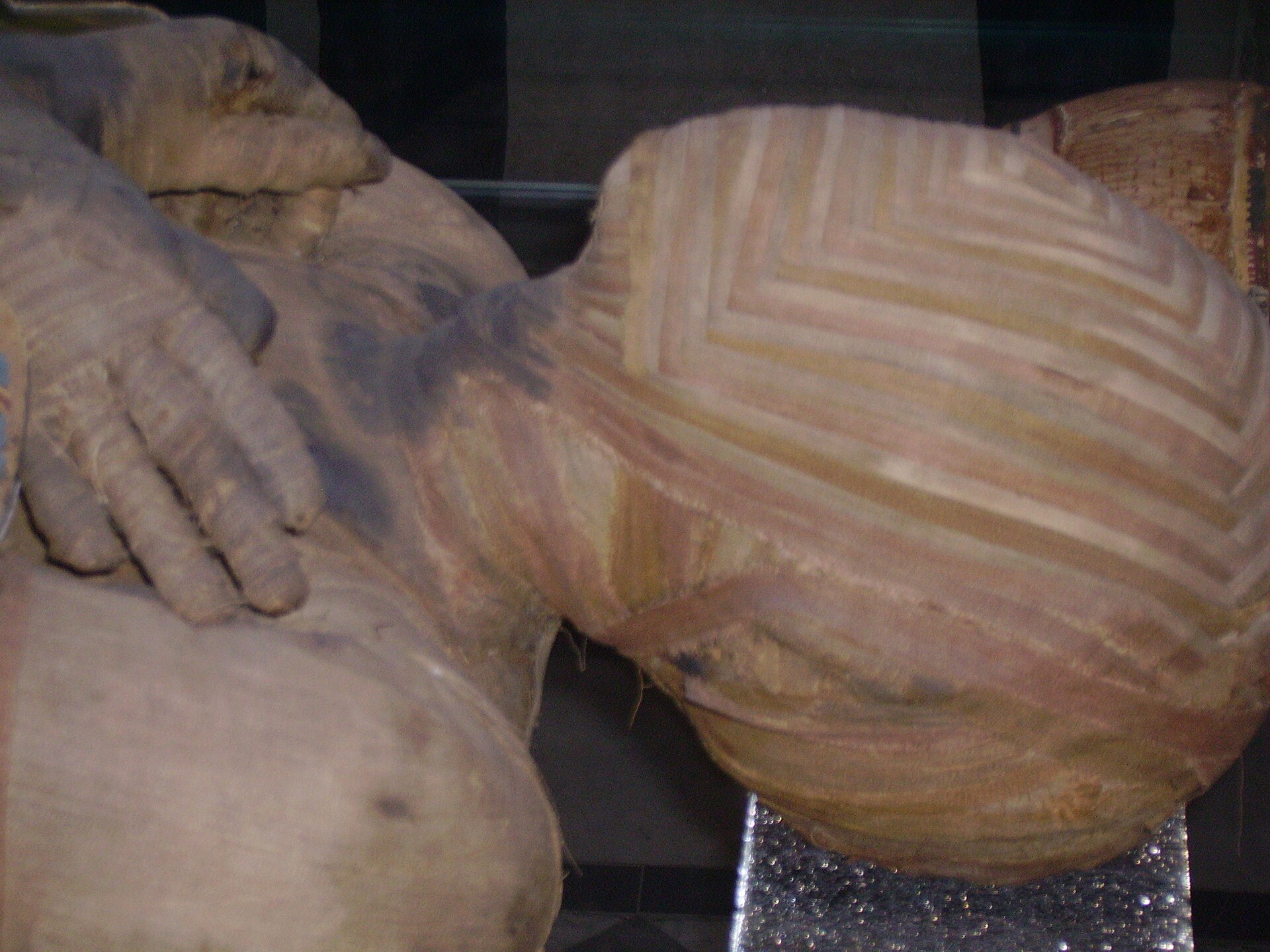
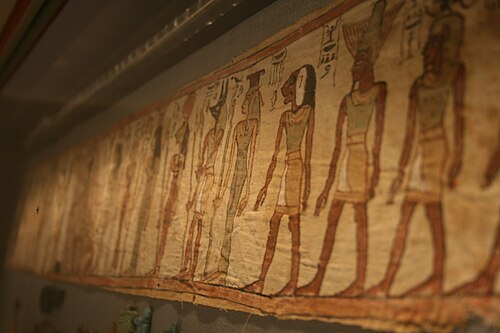
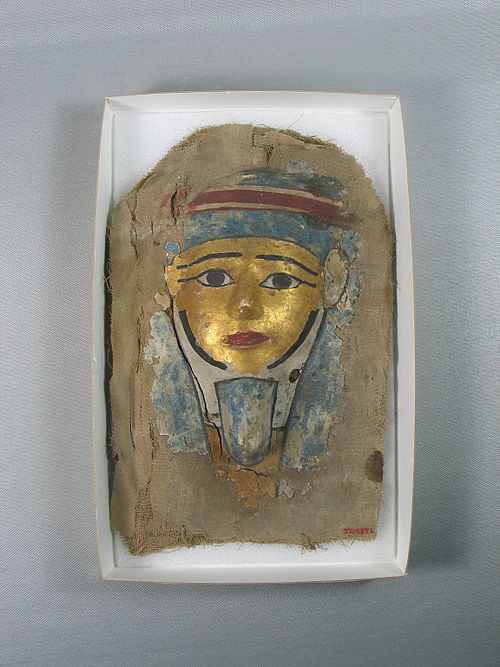
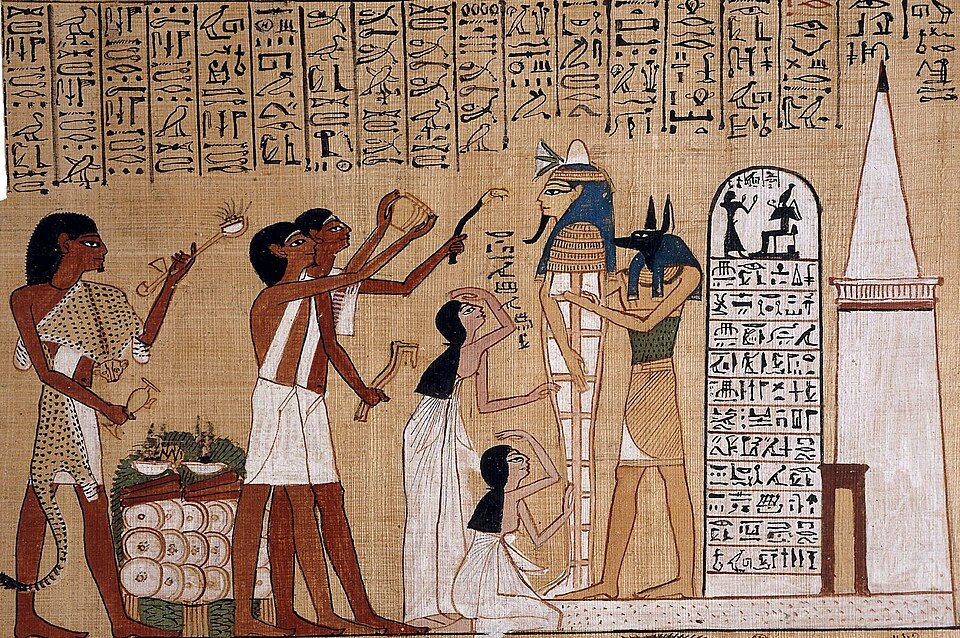
His wrappings are a map of protection: falcon-headed clasps at the chest, Isis and Nephthys (goddesses of magic and mourning) flanking the central panel, the Four Sons of Horus (guardians of the internal organs) running the length of the body, Anubis (god of embalming and the dead) at his feet.
This is not decoration.
He is armoured for the afterlife.
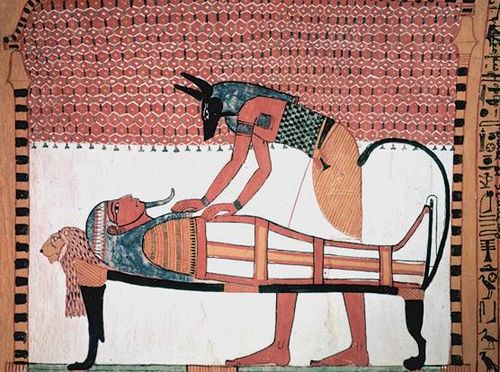
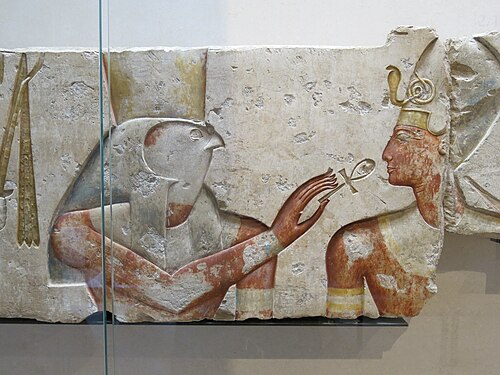
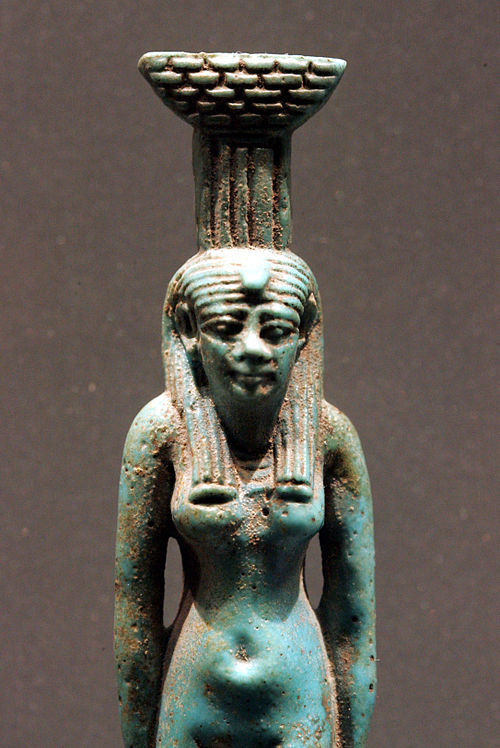
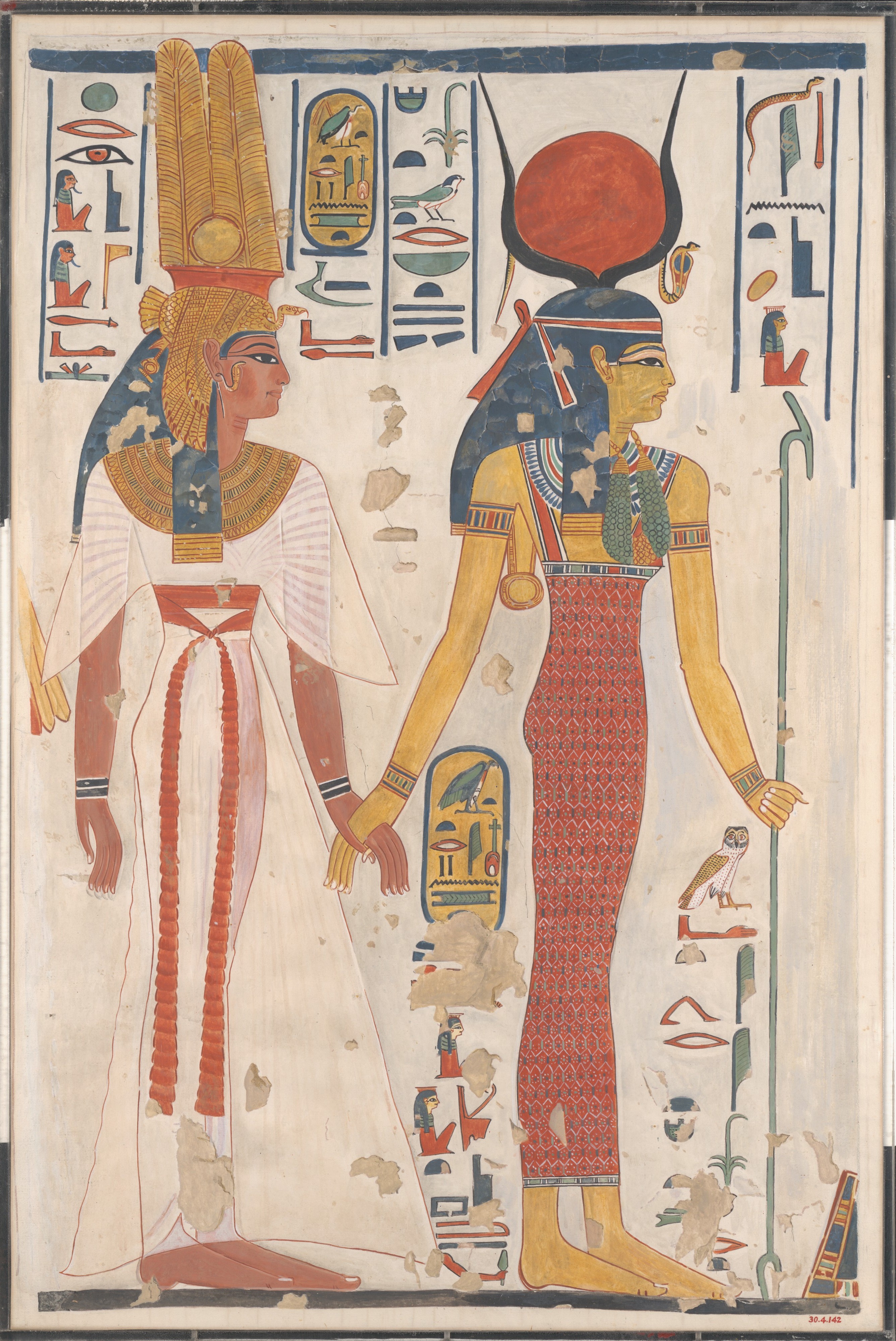
What's remarkable is how unchanged these rites were from the Old Kingdom, nearly three thousand years earlier.
The same gods, the same positions, the same spells — maintained with extraordinary fidelity even as the world around them changed completely.

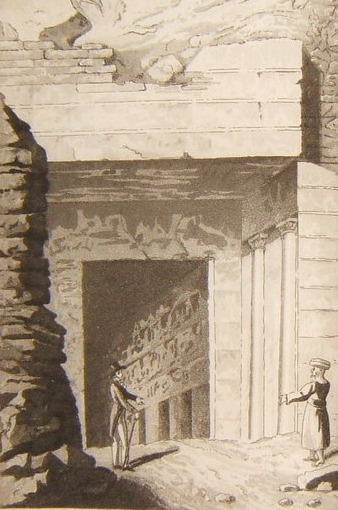
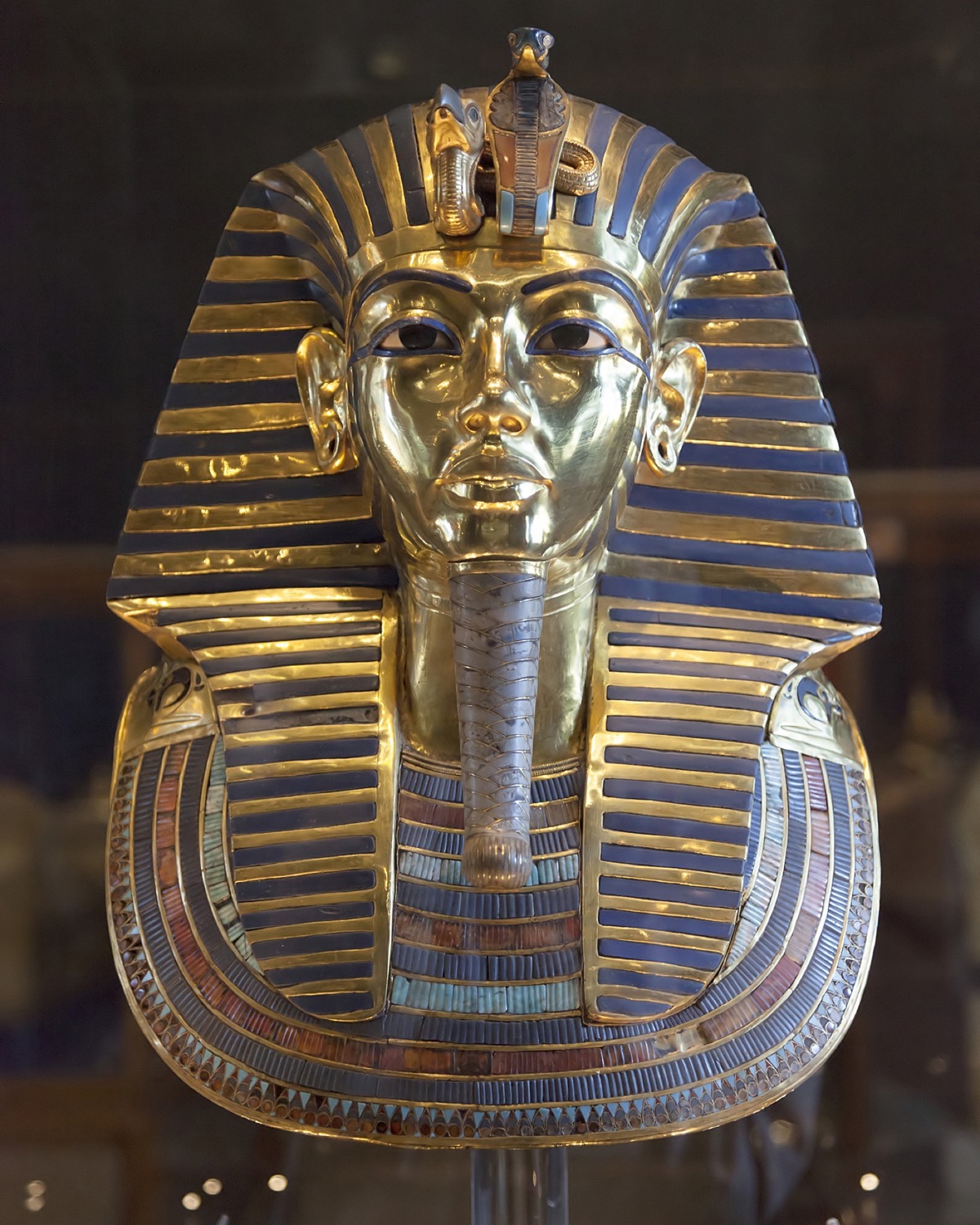
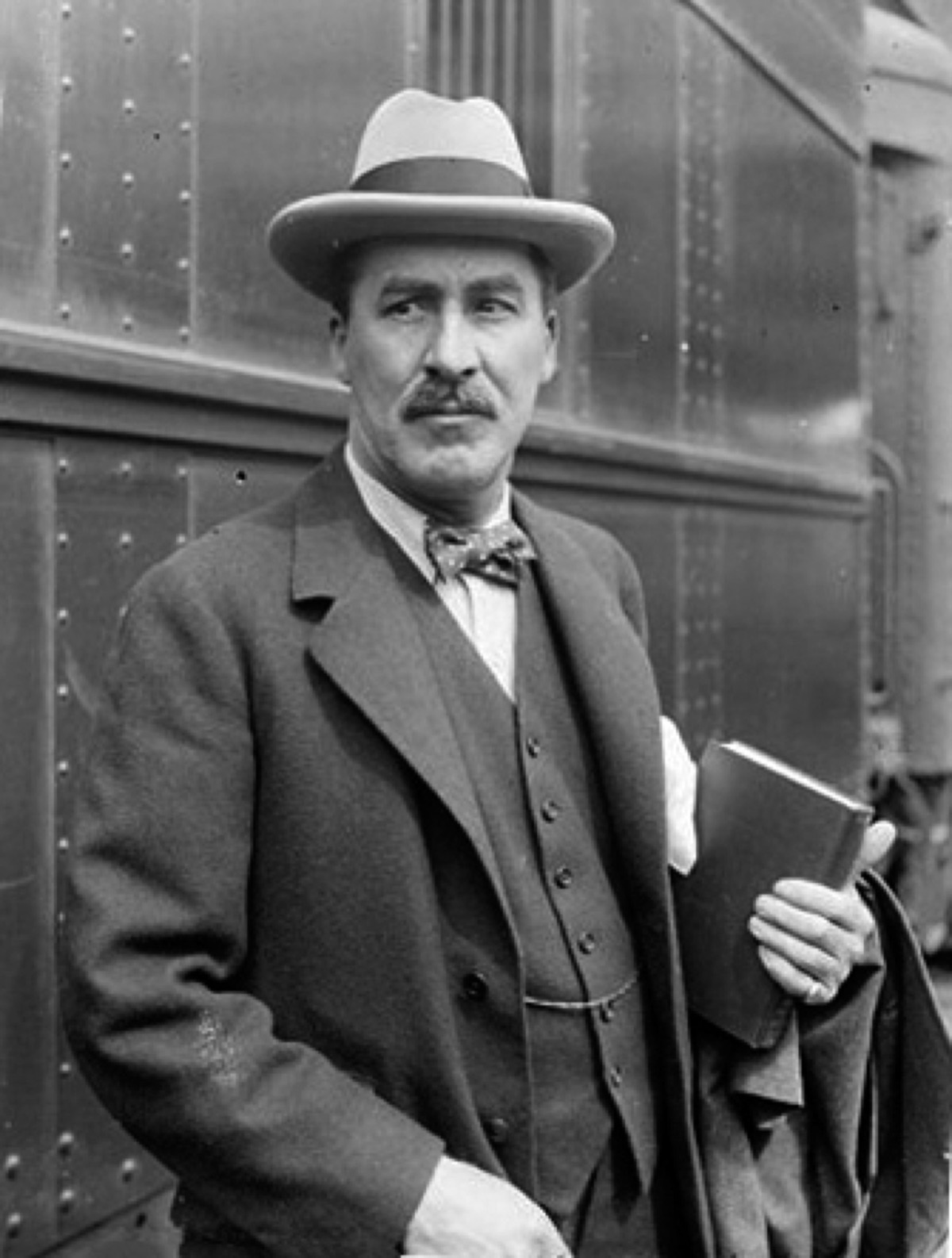
He was discovered by Howard Carter in 1919 — three years before he discovered Tutankhamun's tomb.
His name — Bashiri — was confirmed only recently, from an inscription on the wrappings.
Fun fact: the intricate geometric pattern woven across his face made such an impression that the mummy earned a nickname: the Untouchable.