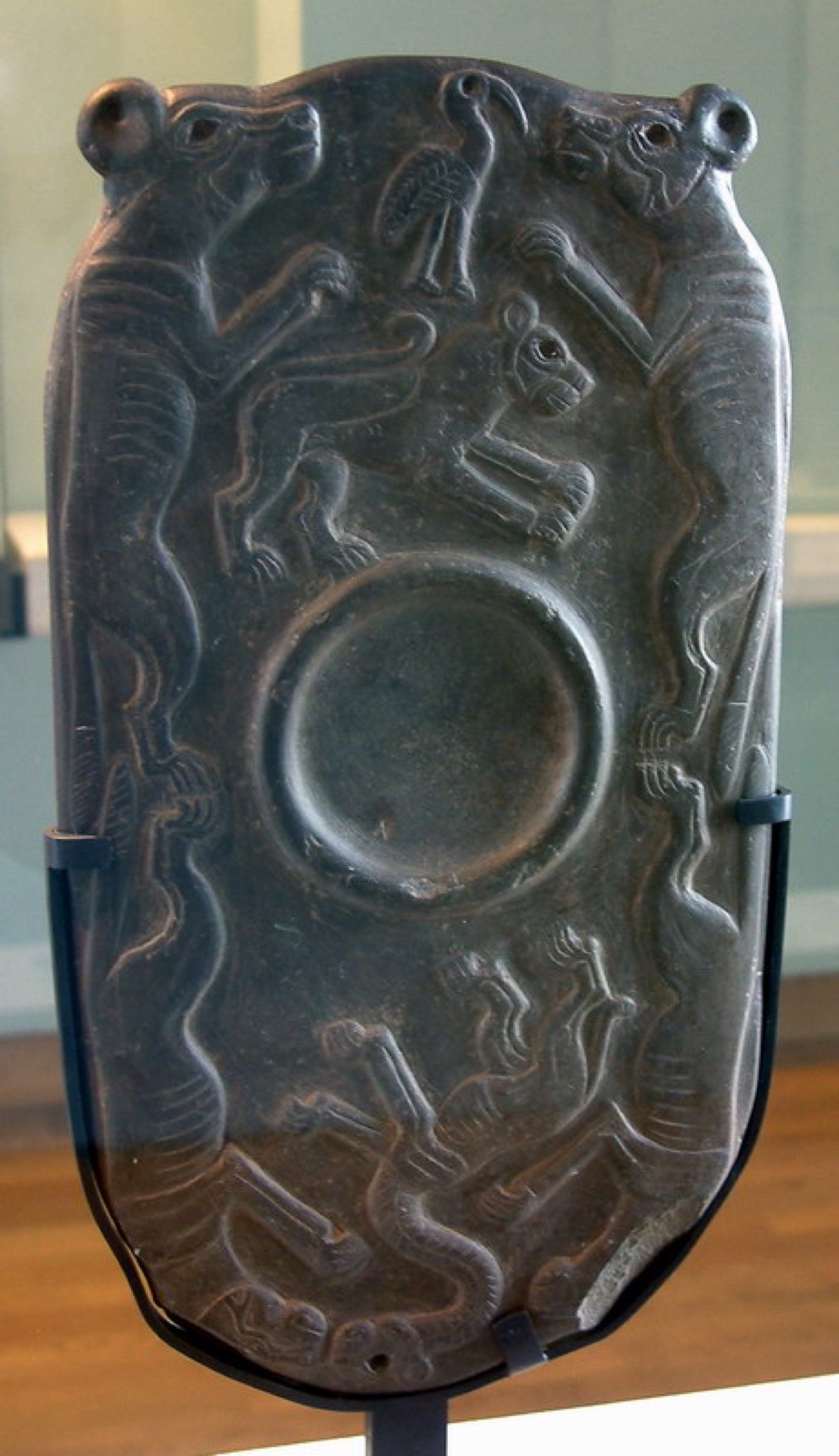


In the early 3rd millennium, Egypt's two kingdoms — Upper and Lower Egypt — had recently been brought under one ruler.
Writing was brand new and the great temples hadn't yet been built.
The pyramids were still five centuries away.
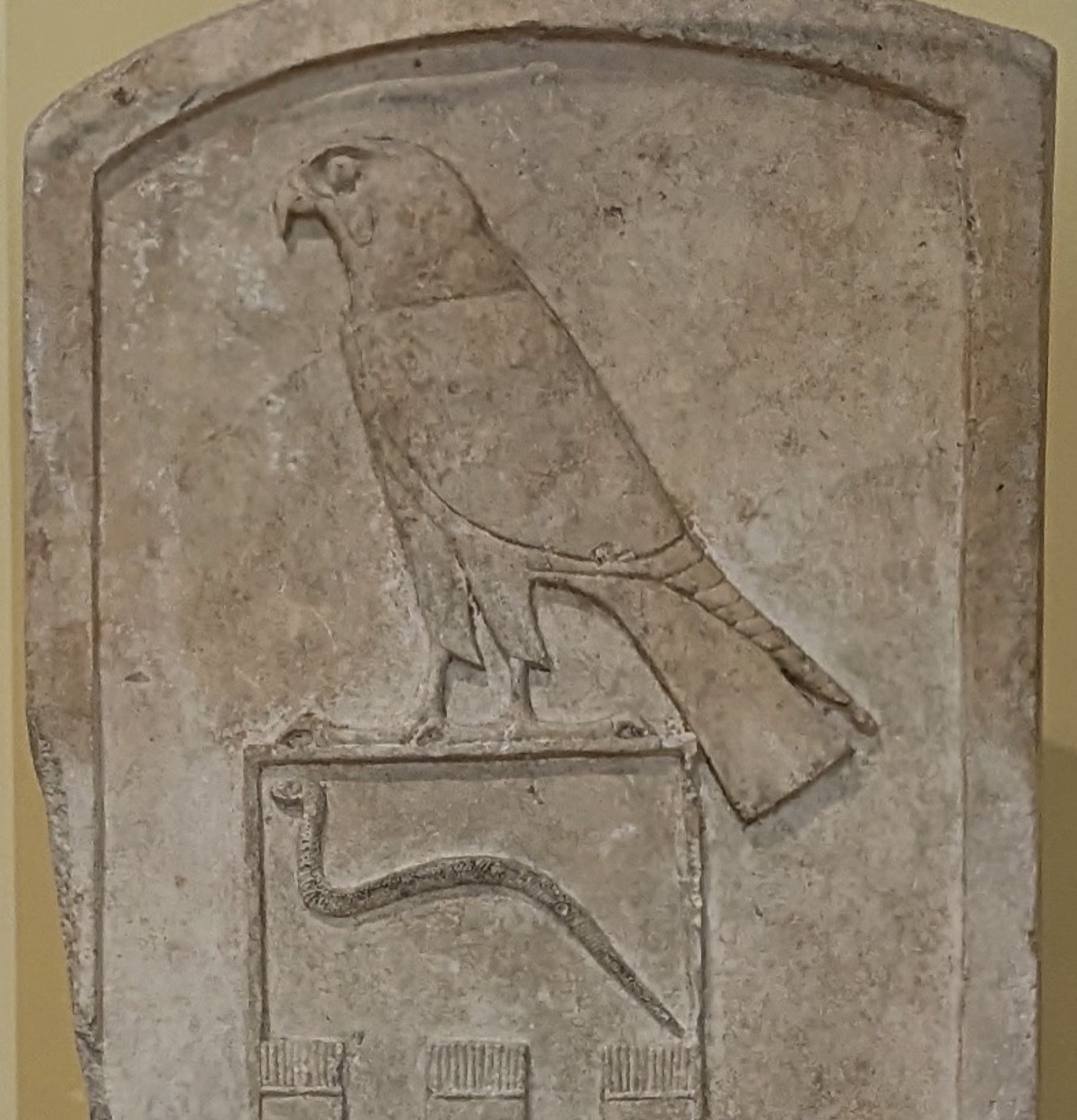
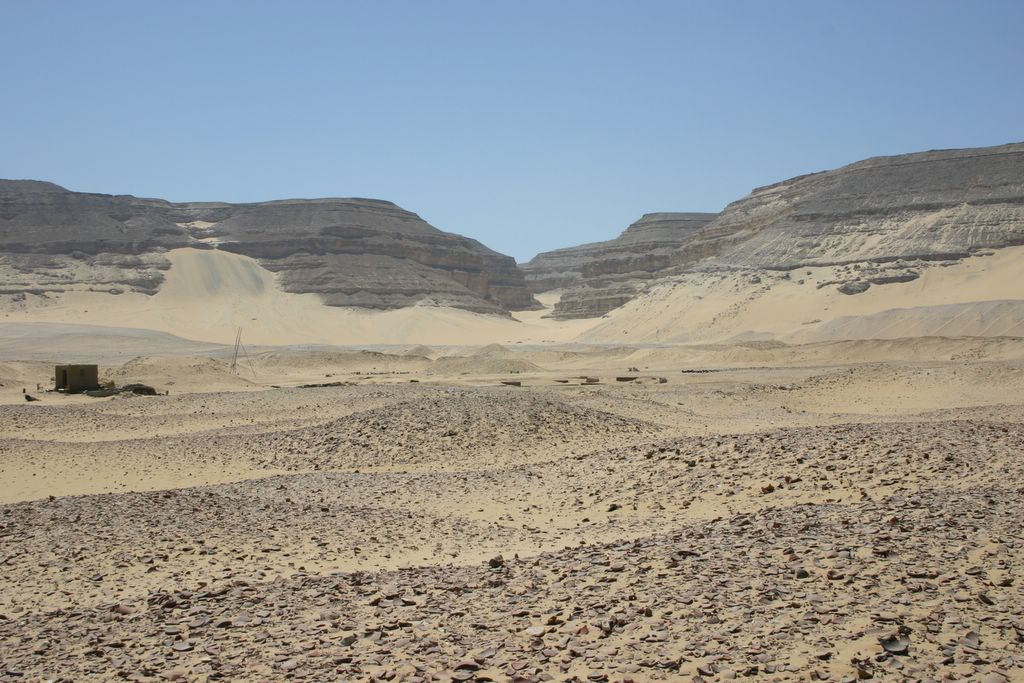
This limestone stele was found at Abydos in the late 19th century — a royal necropolis, where the very earliest pharaohs were laid to rest.
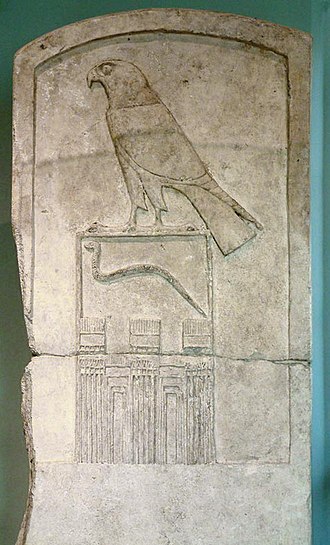
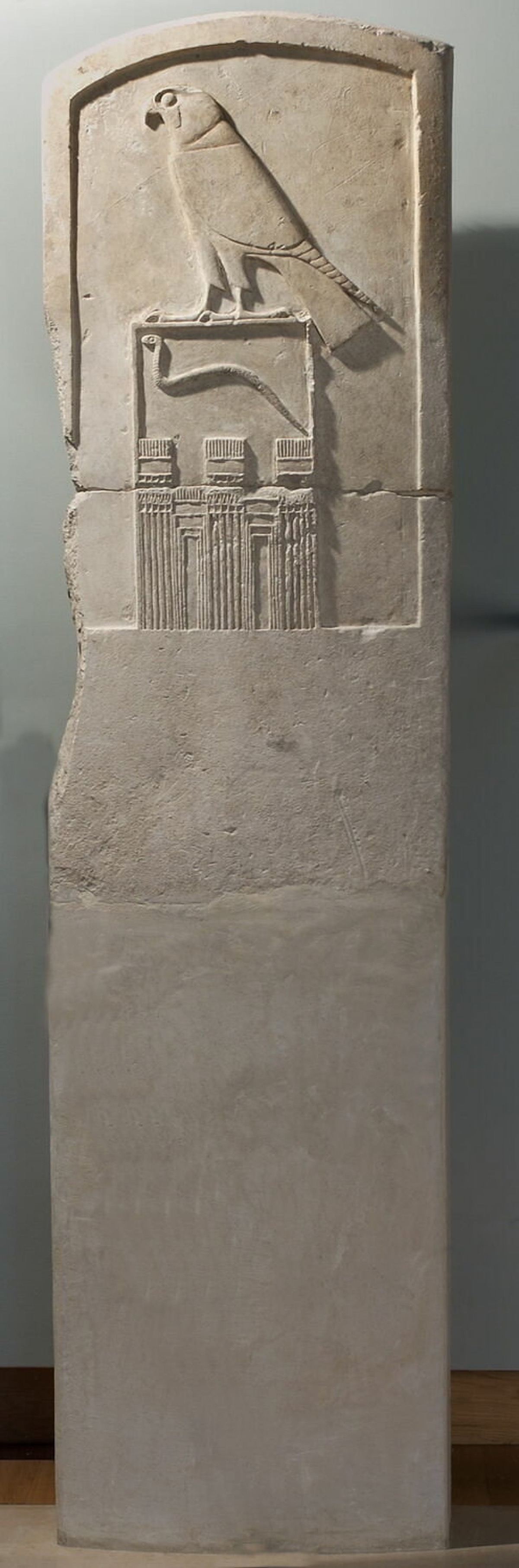
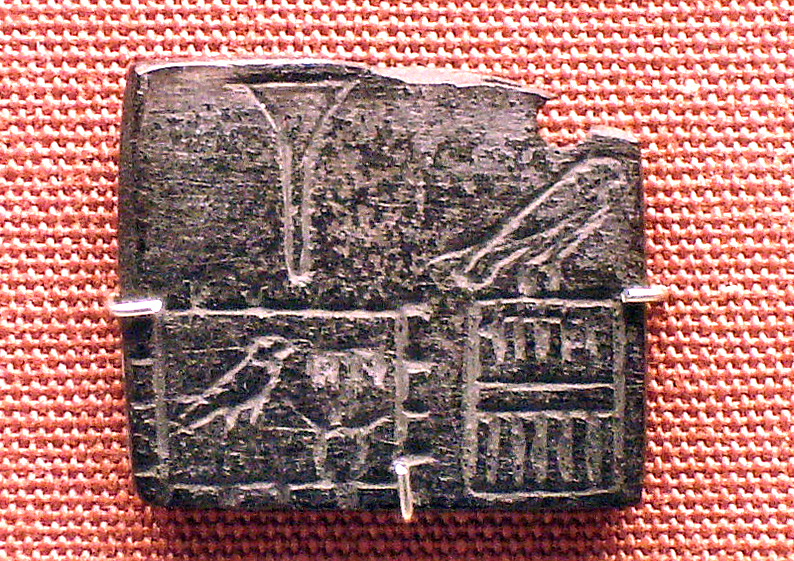
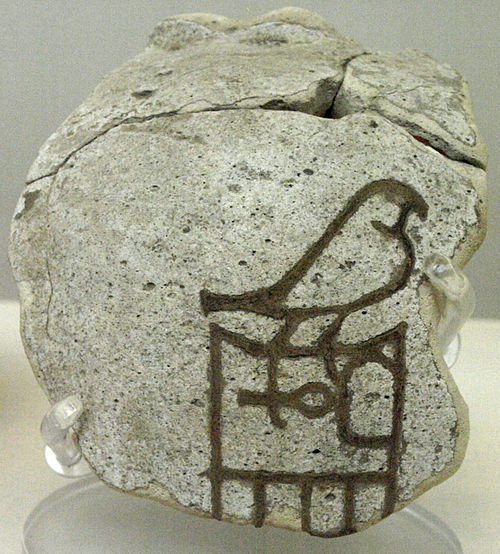
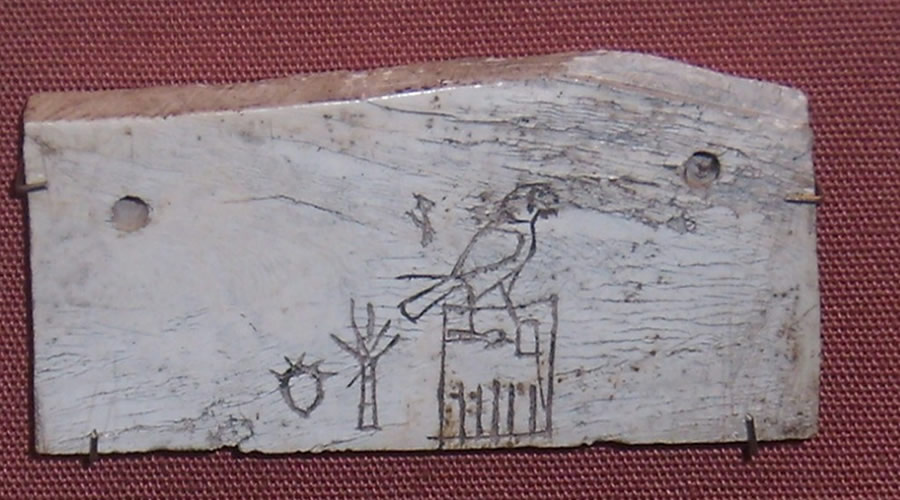
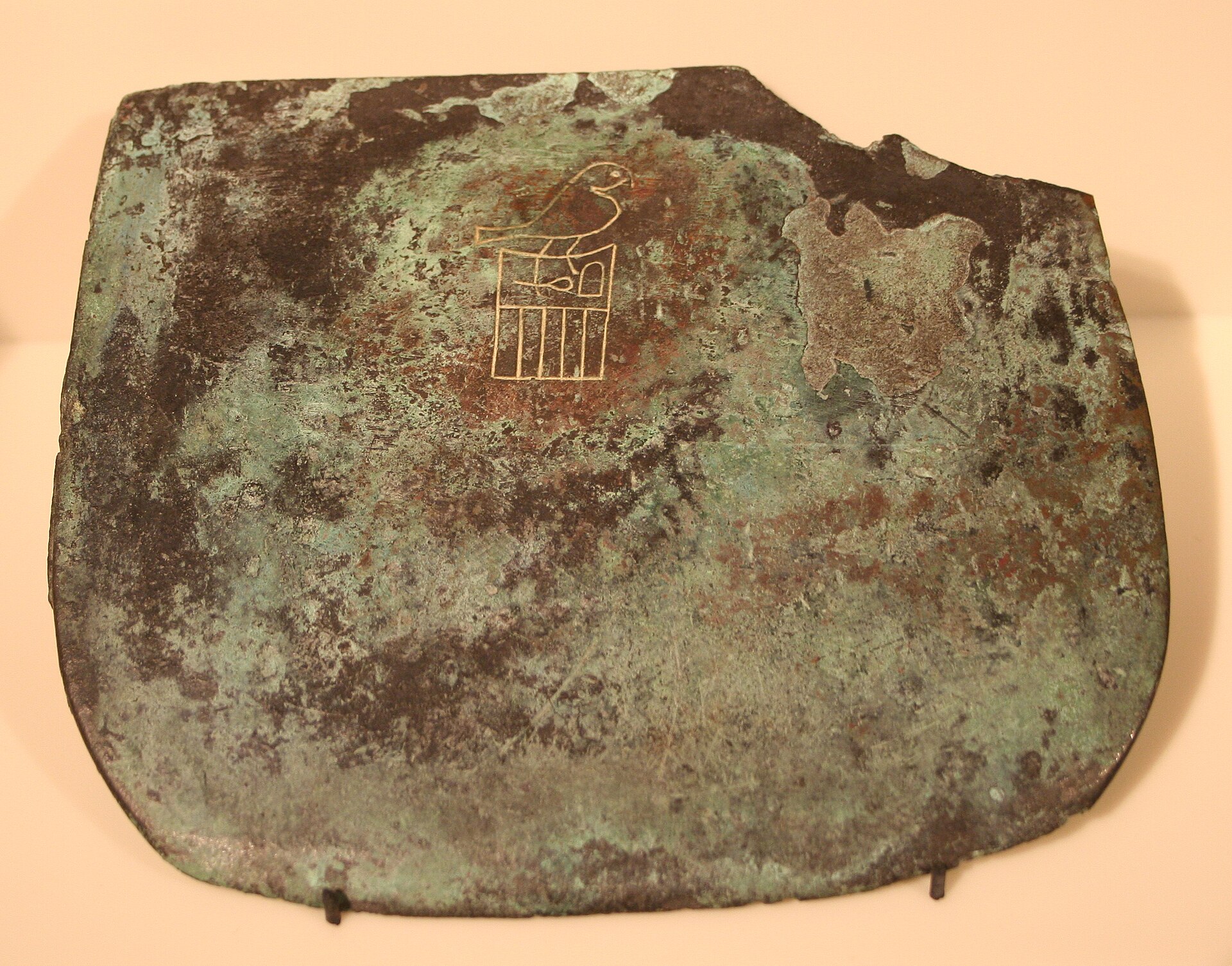
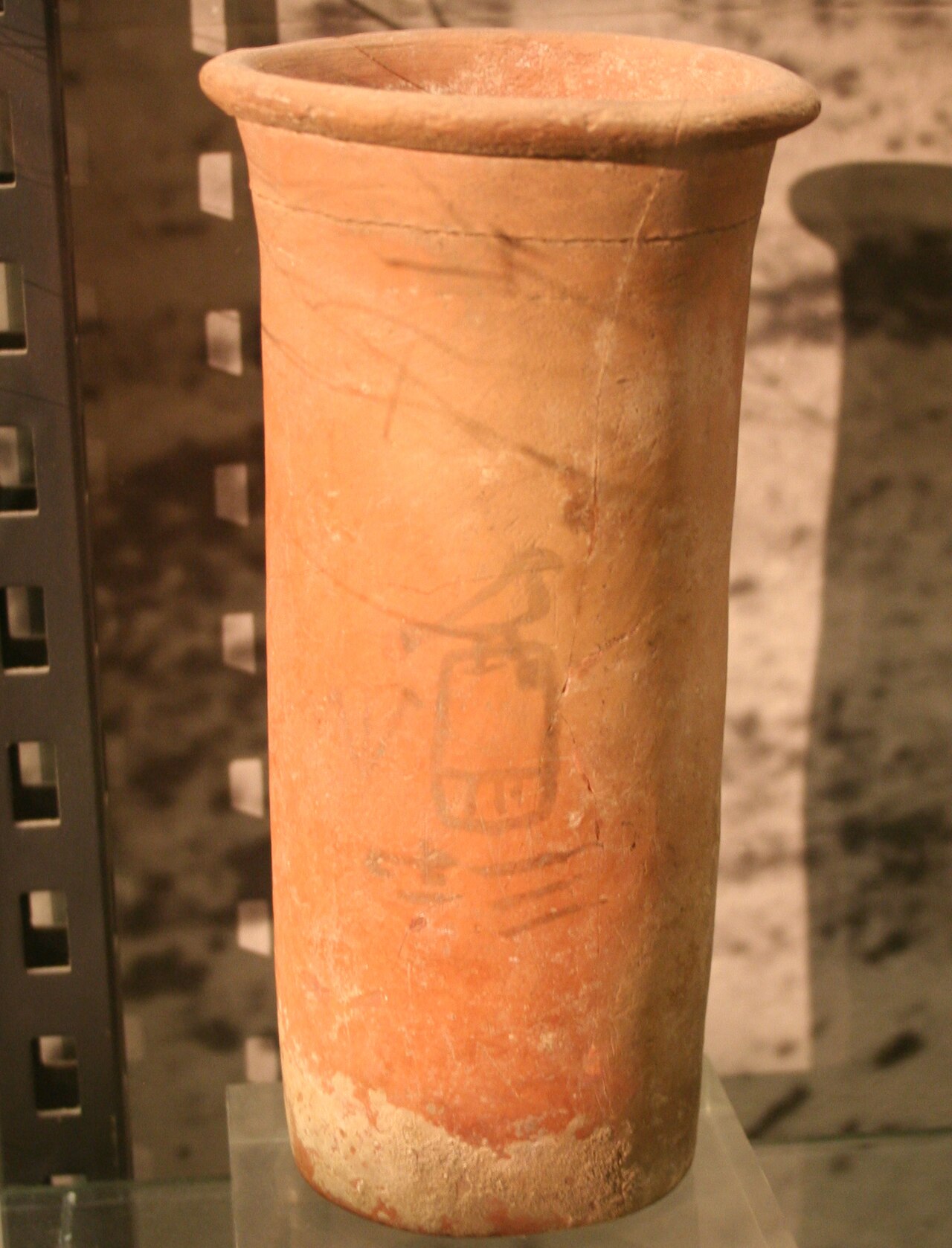
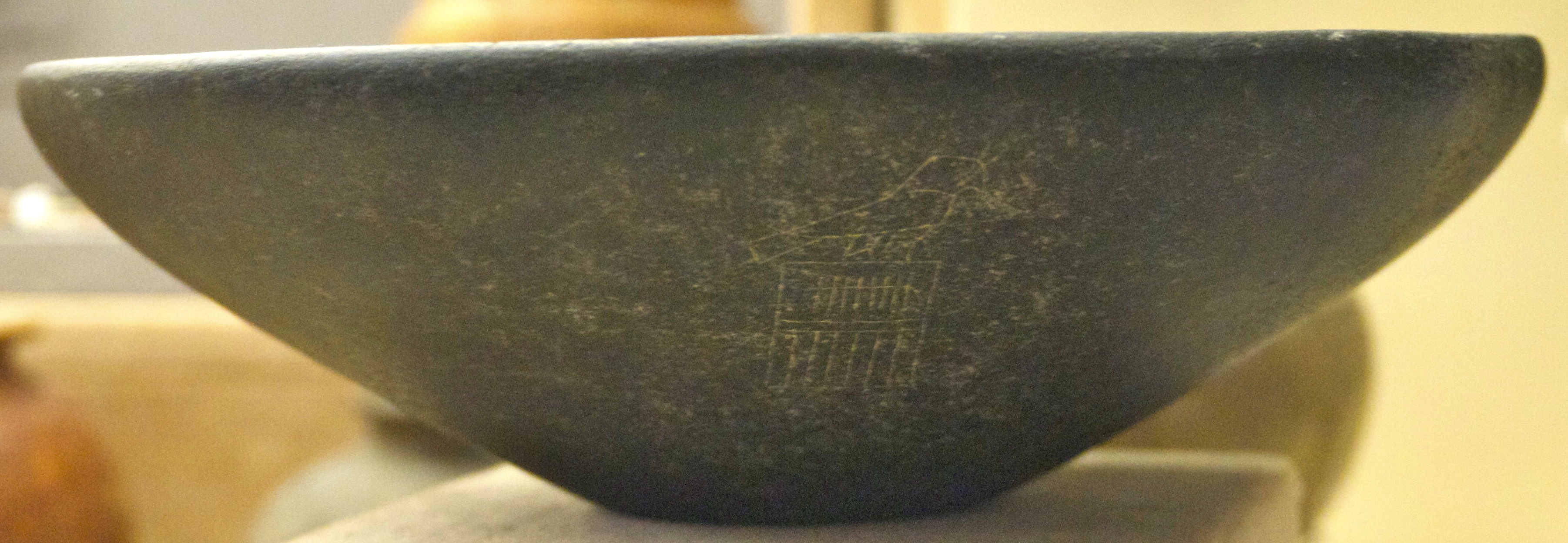
It is possible to easily decode this hieroglyph. The rectangular frame is a stylised palace facade — a serekh — and the cobra inside is the king's name, Djet.
These symbols were stamped on everything a pharaoh owned or sent: impressions on wine jars and storage vessels, ivory labels tied to grave goods, buildings...
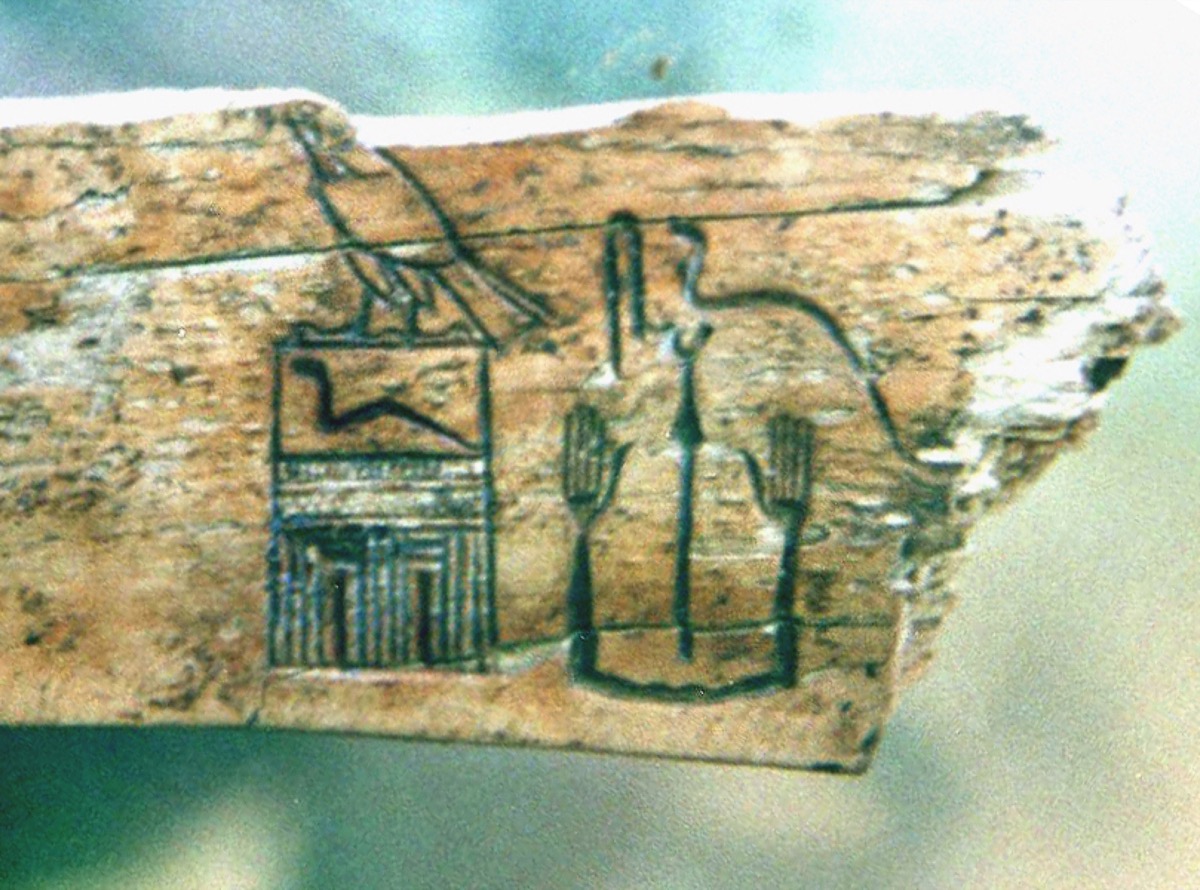
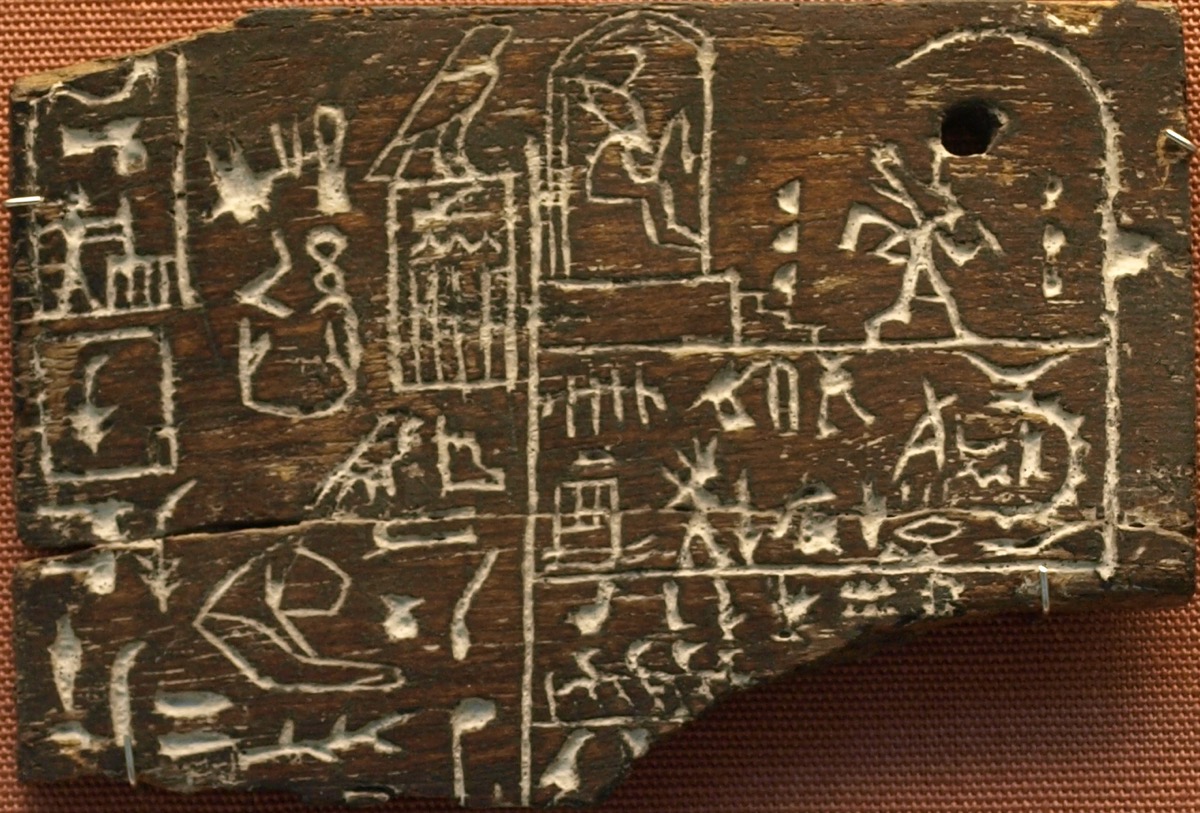
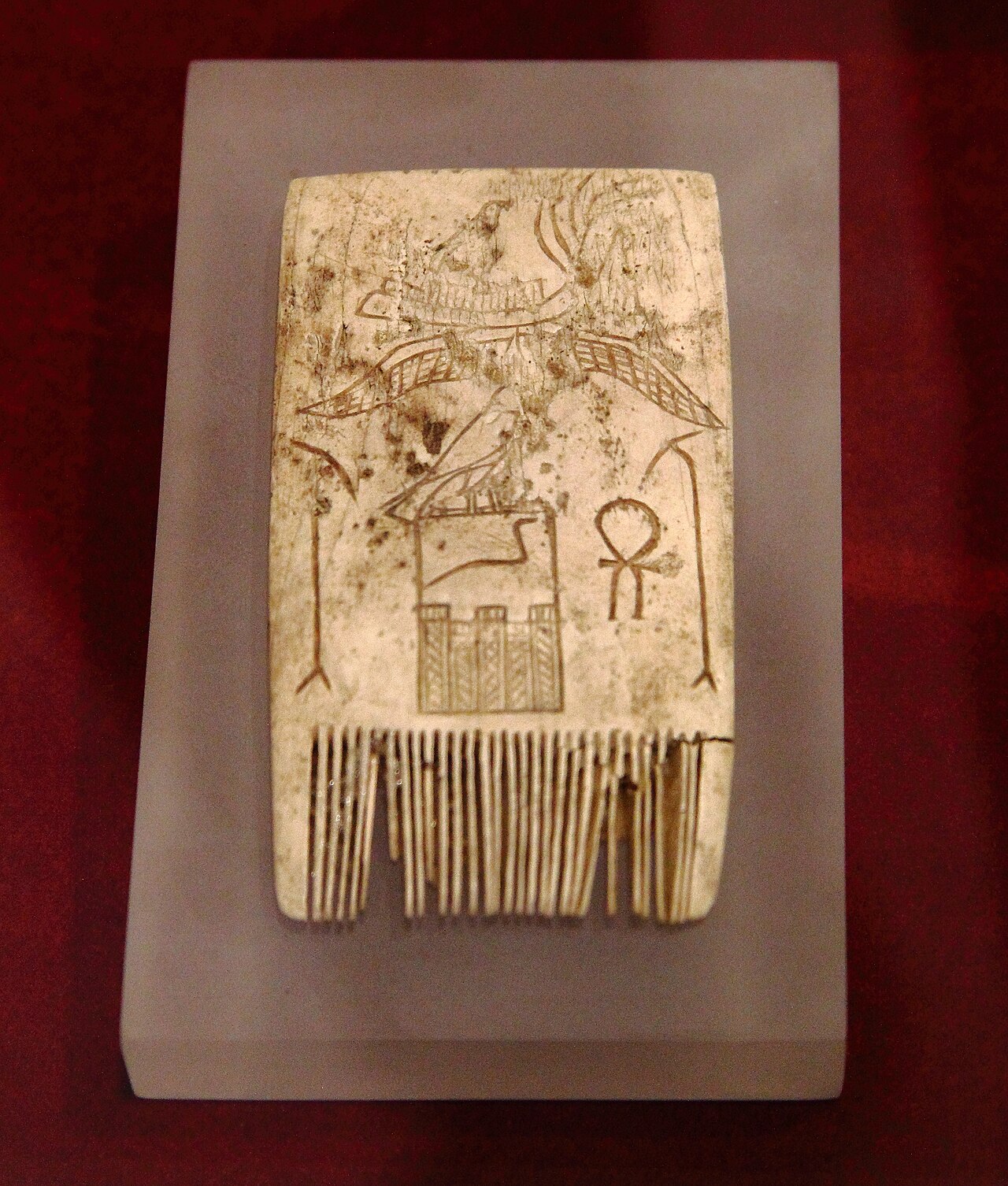
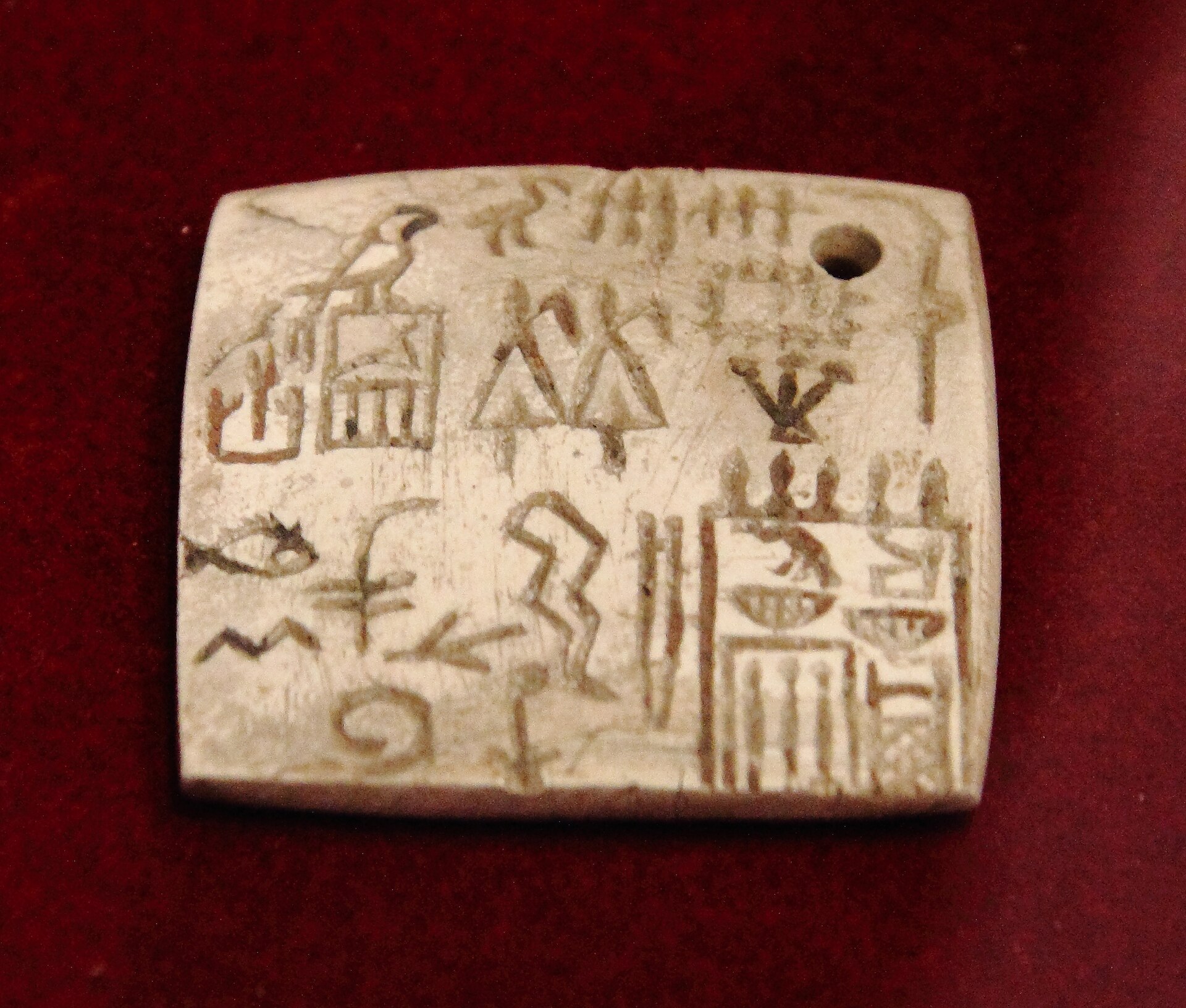
The falcon represents Horus — the sky god and patron of kingship.
That formula — the falcon sitting above the king's name and the palace — would define Egyptian royal identity for the next three thousand years. Pharaoh Narmer would have a catfish and chisel, Hor-Aha a mace and shield, etc.
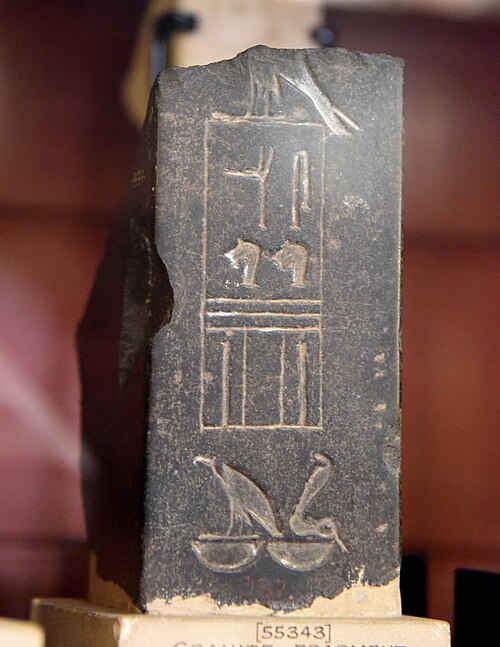
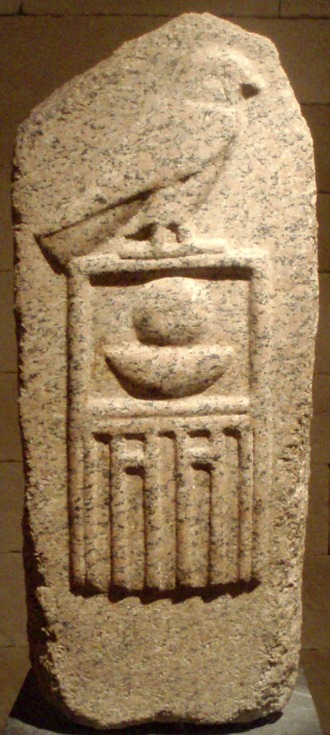
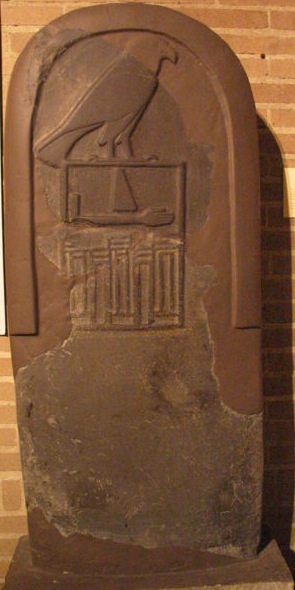
Fun fact: this is one of the oldest monumental hieroglyphs ever carved.
Royal propaganda, fully formed, at the very dawn of Egyptian civilisation.