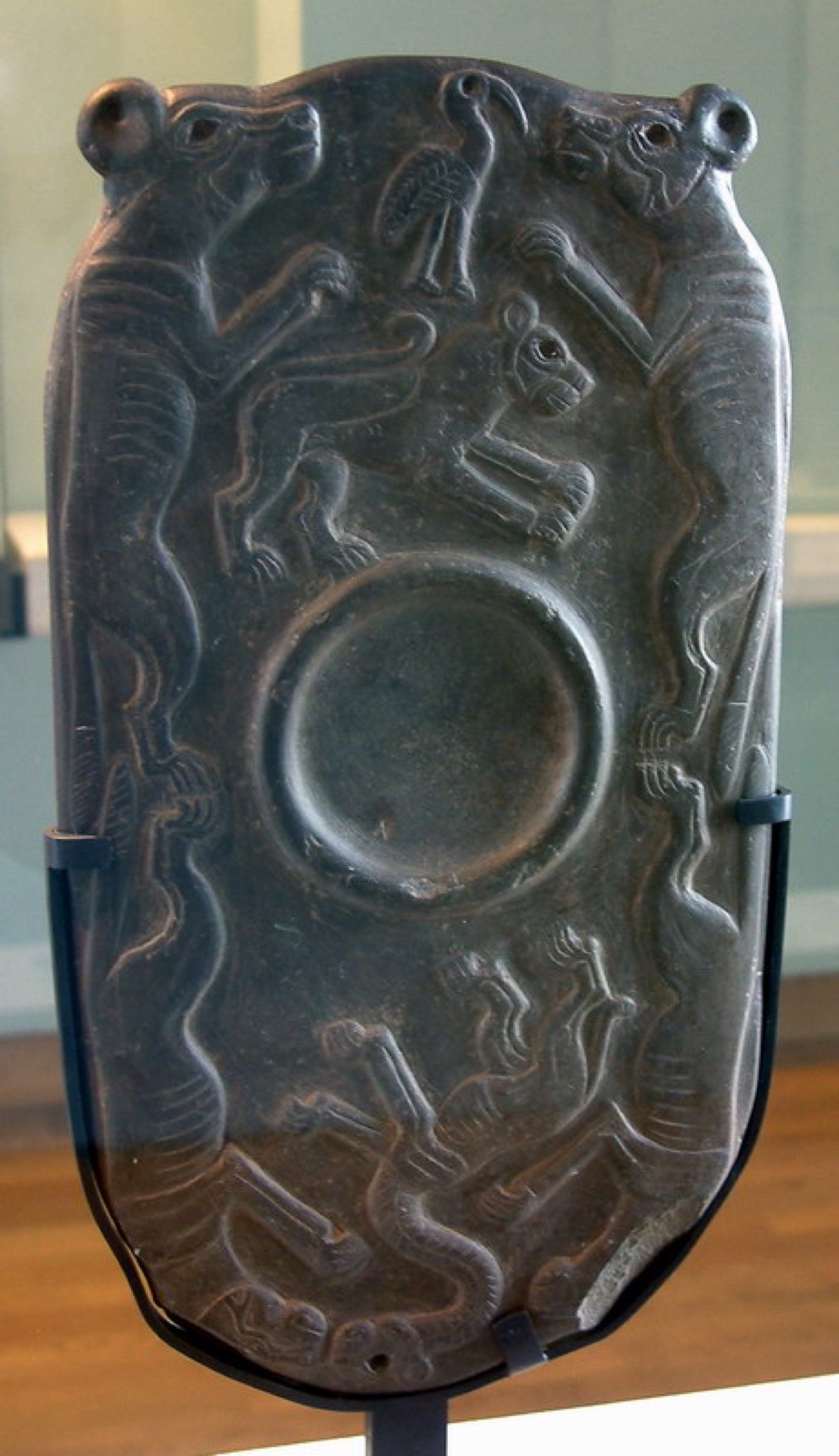


Cosmetic palettes appear in Egyptian graves from at least the 5th millennium BC — before the first pharaoh, before writing and Egypt itself existed.
It's quite moving to think that someone held this flat piece of greywacke in their palm and ground green pigment against it to make up their eyes.
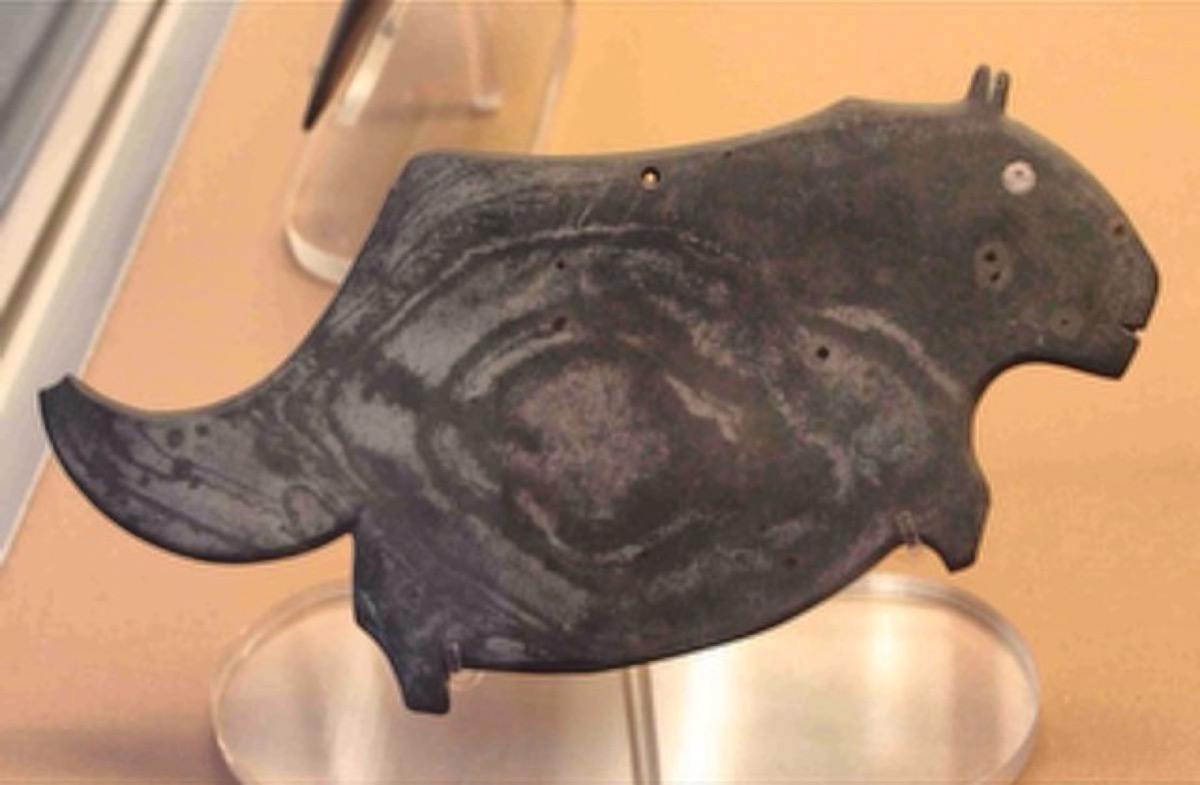
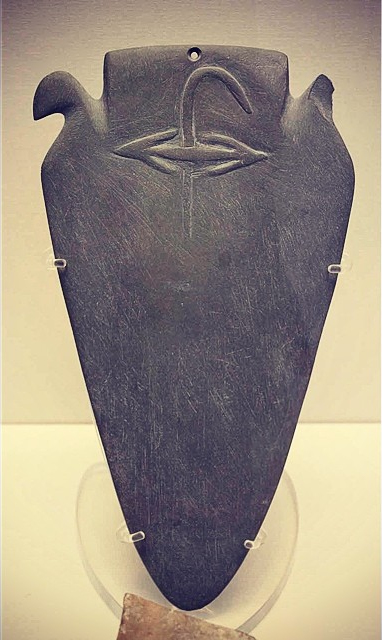
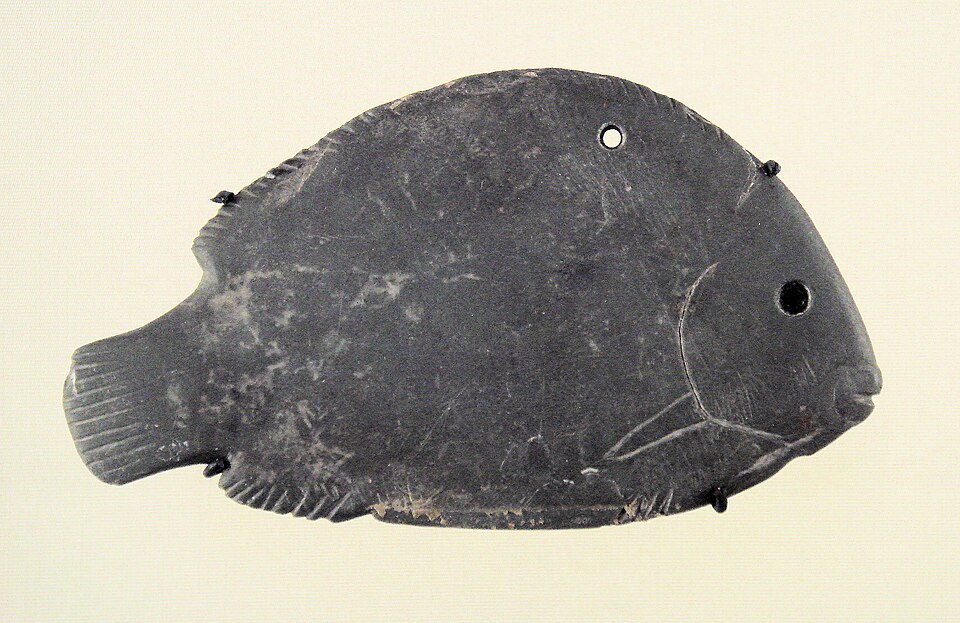
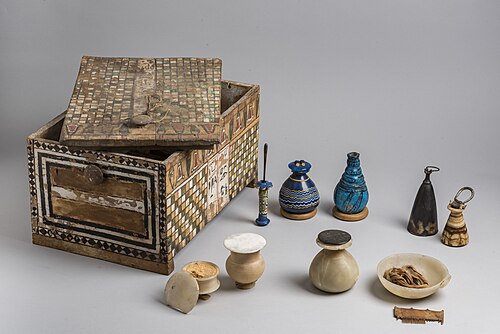
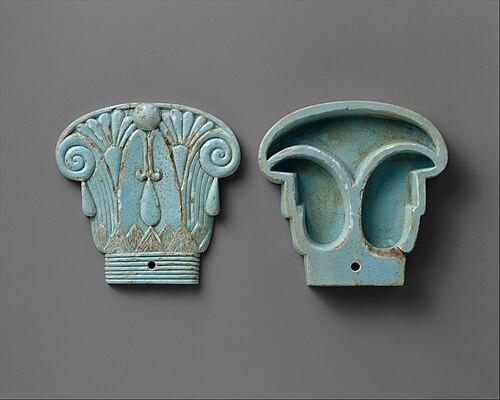
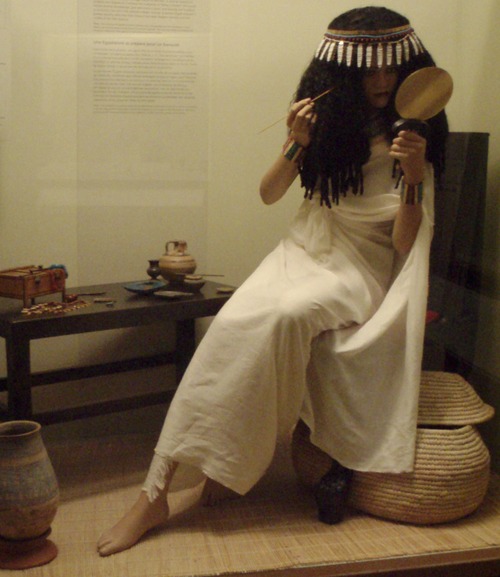
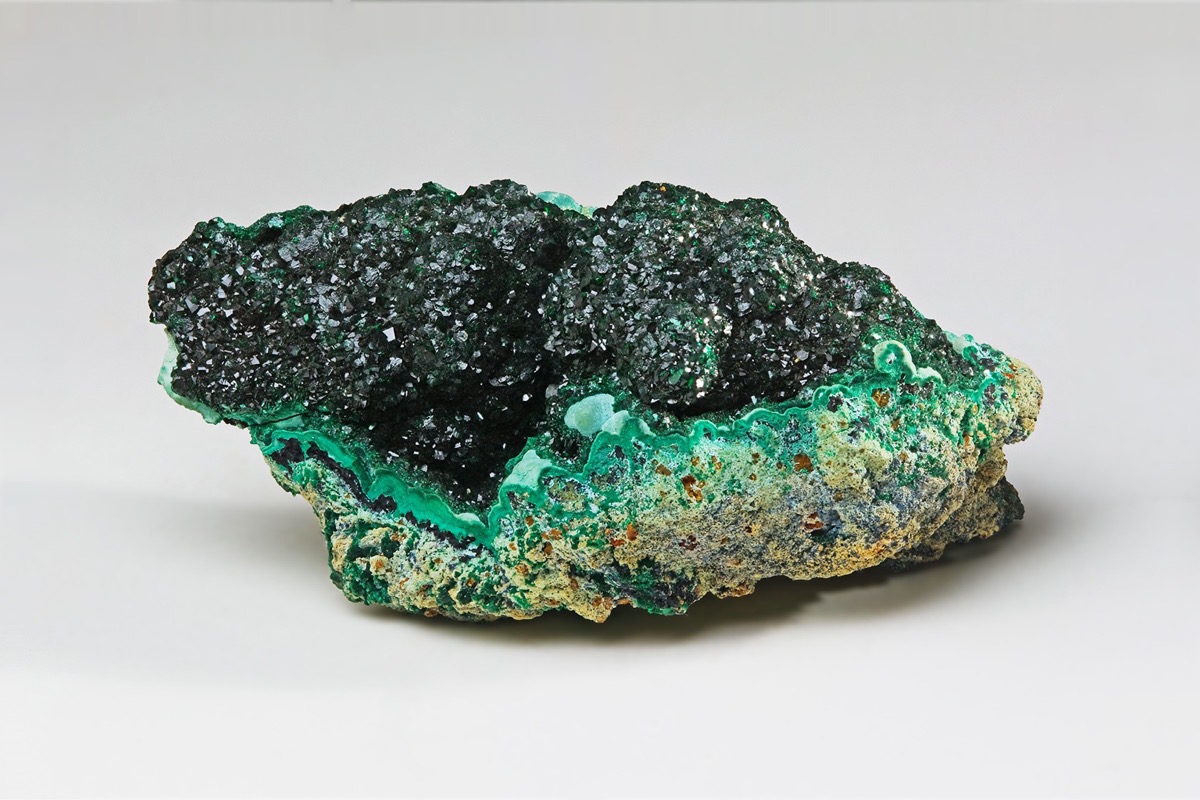
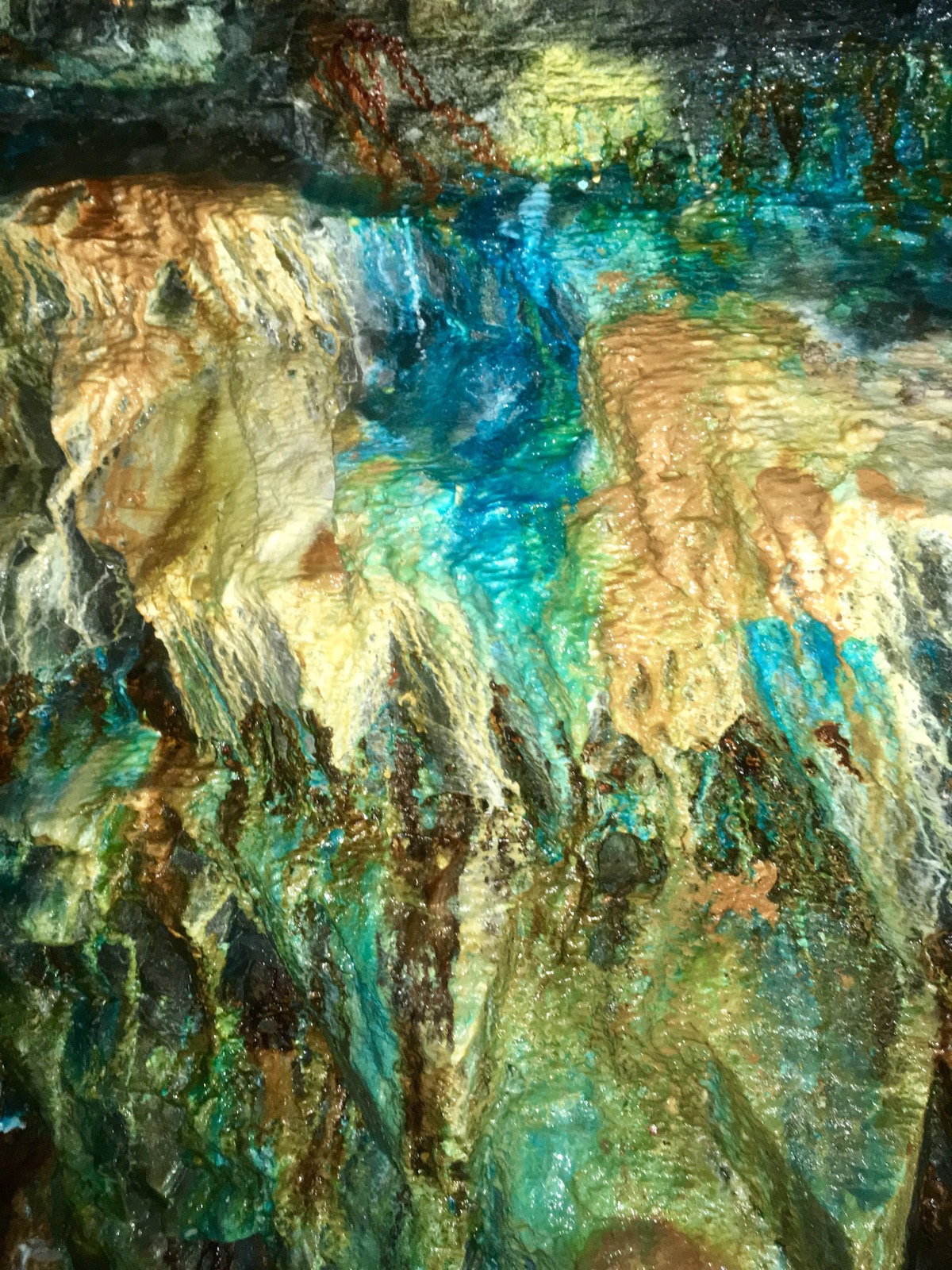
Malachite for green (and galena for khol for example) were chosen for beauty, but also because eye-paint was believed to protect against the sun, disease and evil spirits.
To be painted was to be protected.

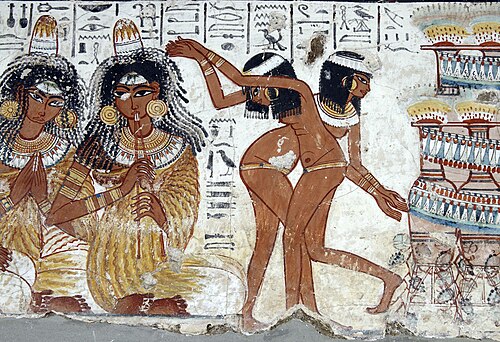
Like other everyday objects, palettes were placed in graves as necessities for eternal life.
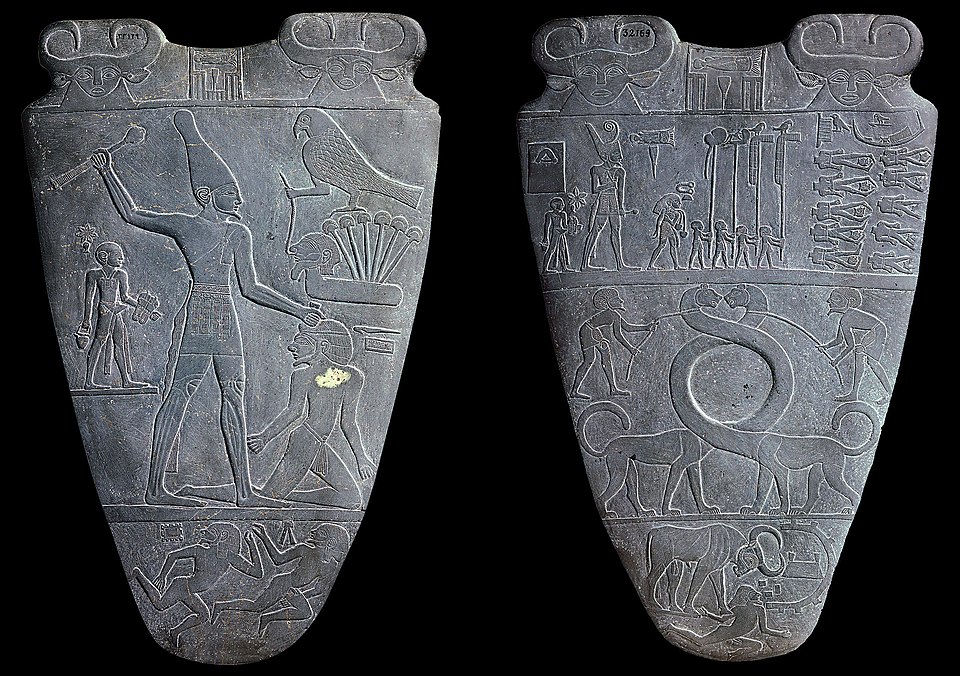
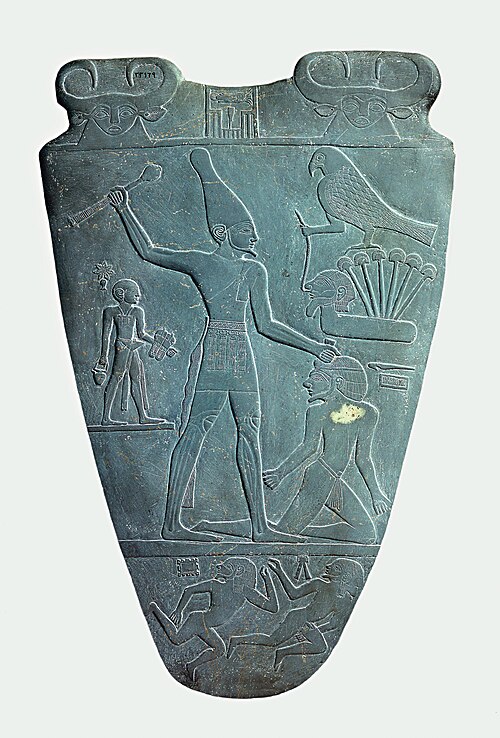
The Narmer Palette — carved around 3100 BC and representing the earliest narrative scene in Egyptian art — is the most famous.
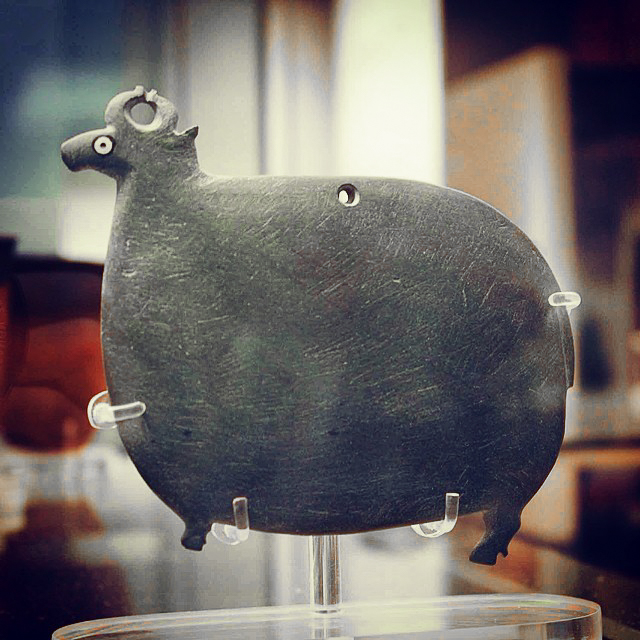
But most were simple, small and personal. Like this one.
Fun fact: traces of actual pigment are still visible on many palettes here, five thousand years after someone last ground colour on their surface.