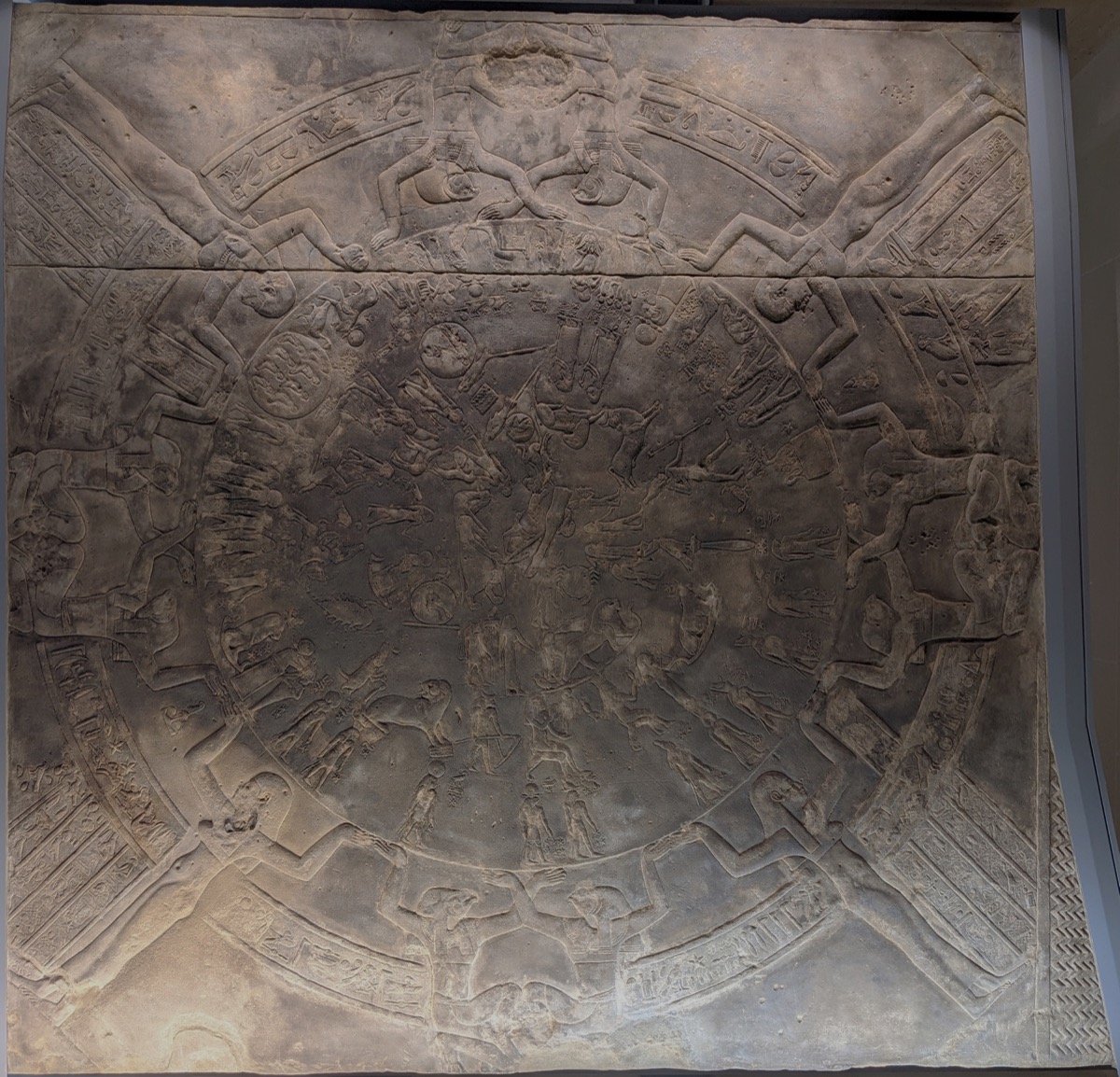


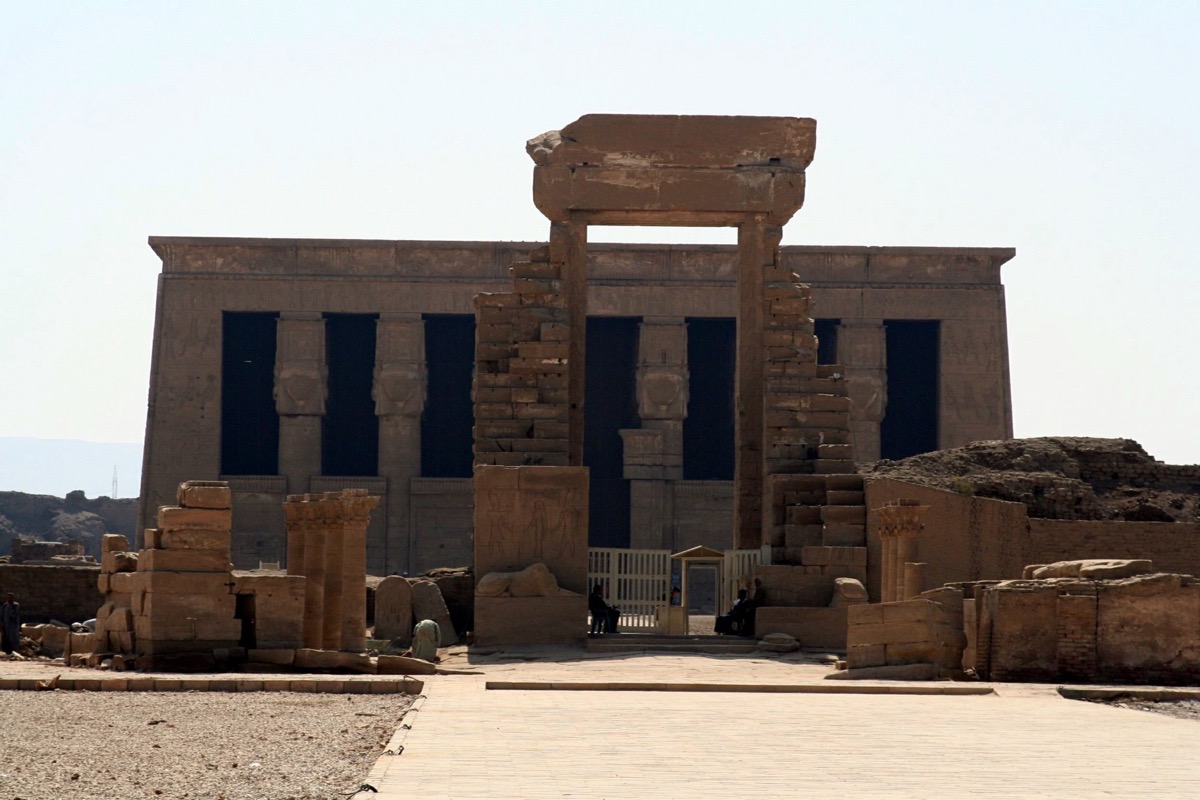
Around 50 BC — within a generation of Cleopatra and the Roman conquest — this ceiling was carved at the Temple of Hathor at Dendera.
It is, in many ways, the closing chapter of the story that began with the Stele of the Serpent King at the beginning of this walk.
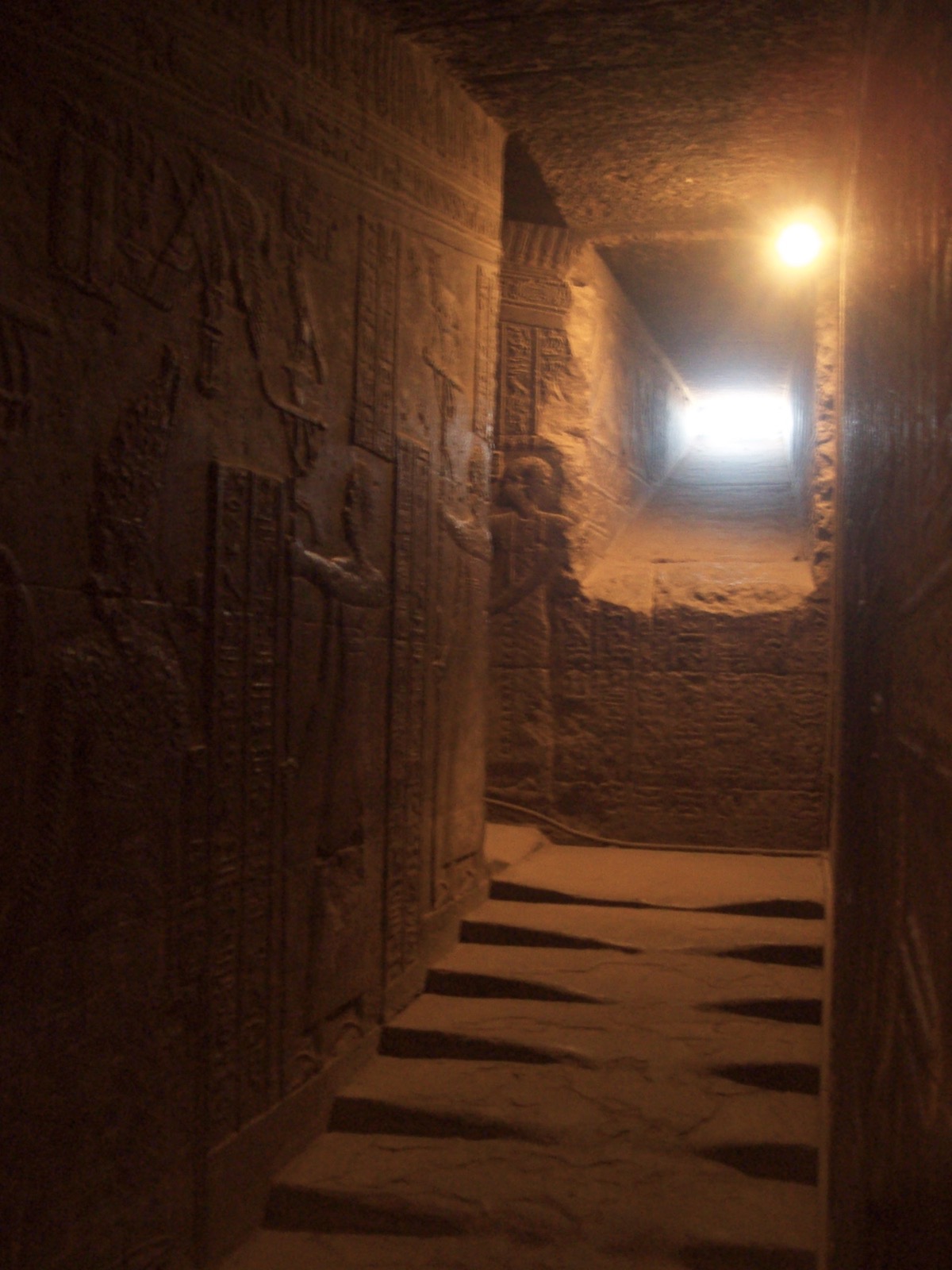
The Louvre displays it flat so you can look down at it — but originally you would have looked up at it by lamplight in a dark chapel.
It is the only known complete ancient Egyptian star map: twelve zodiac signs, thirty-six decans, all five planets known to the Egyptians, and two solar eclipses.
Astronomers used this planetary alignment to date it.
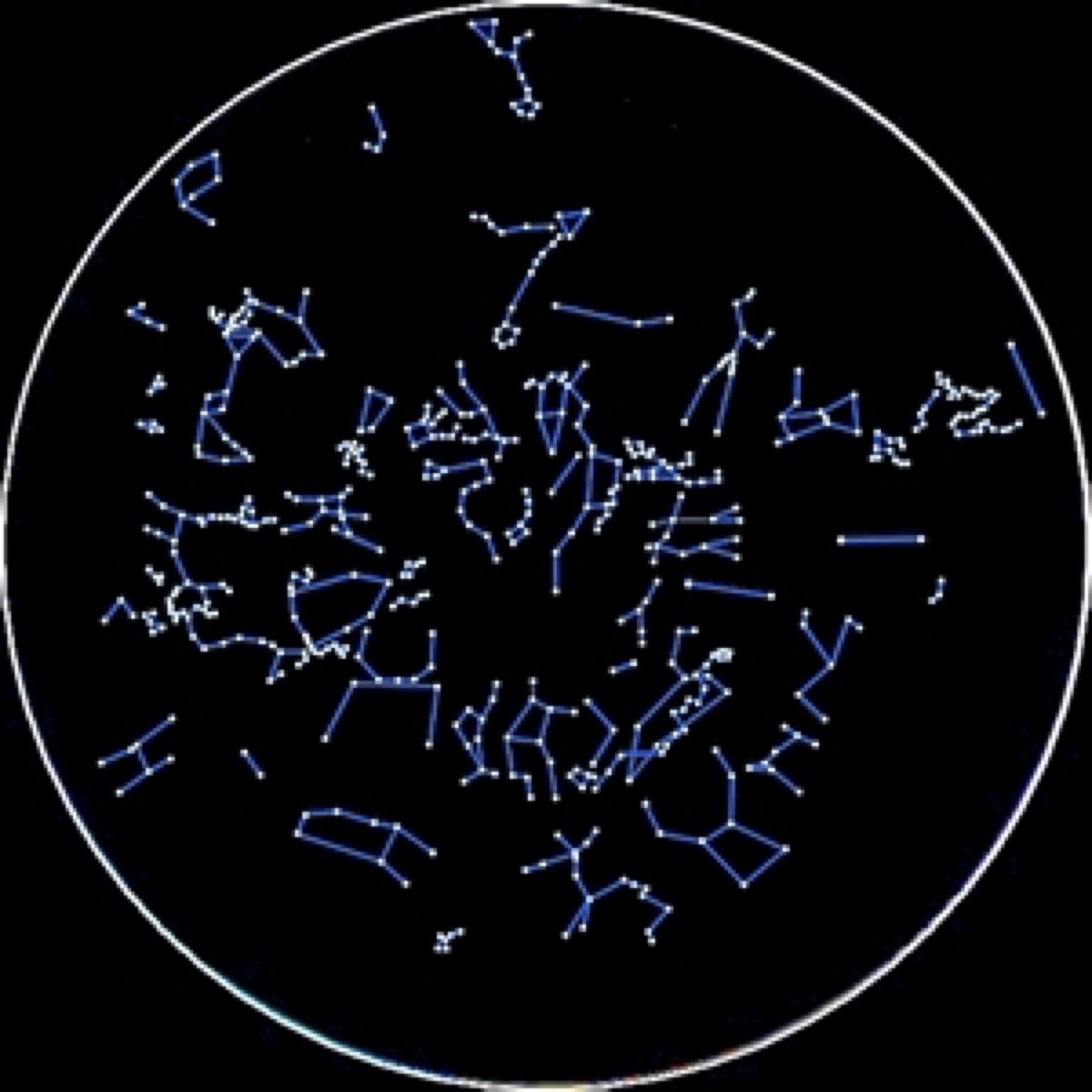
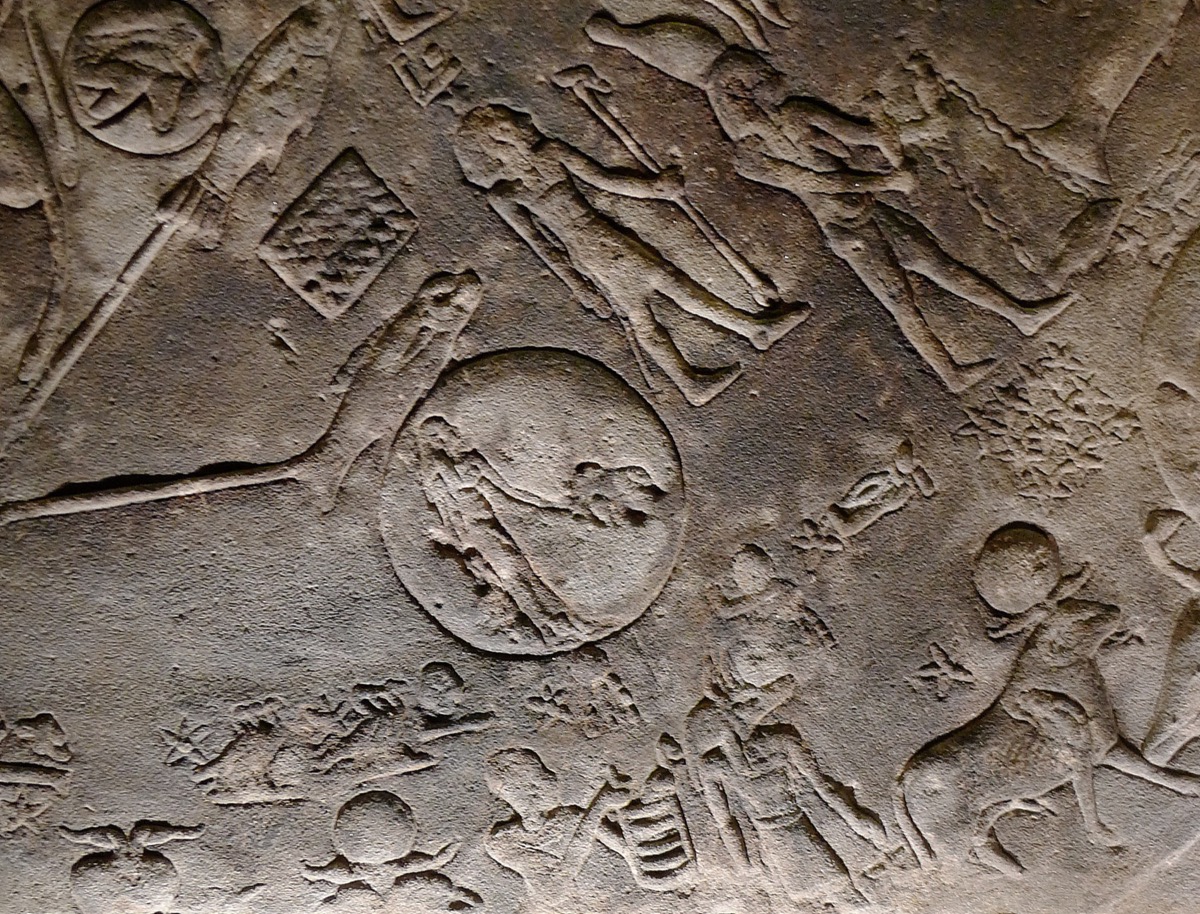
The zodiac signs are recognisable but rendered in Egyptian style.
Aquarius for instance is not a water-carrier — he is Hapy, the god of the Nile flood, pouring from two vessels.
The Egyptians thus absorbed the Babylonian zodiac into their own cosmology and made it entirely theirs.
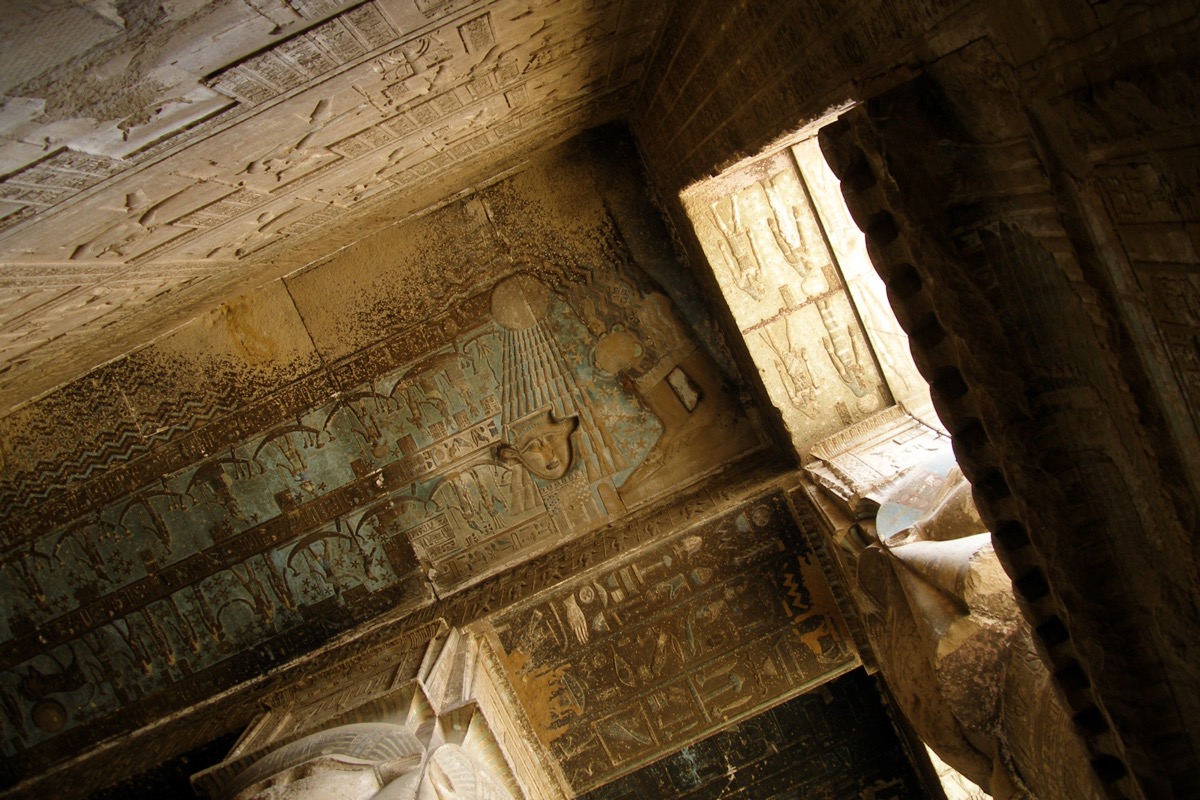
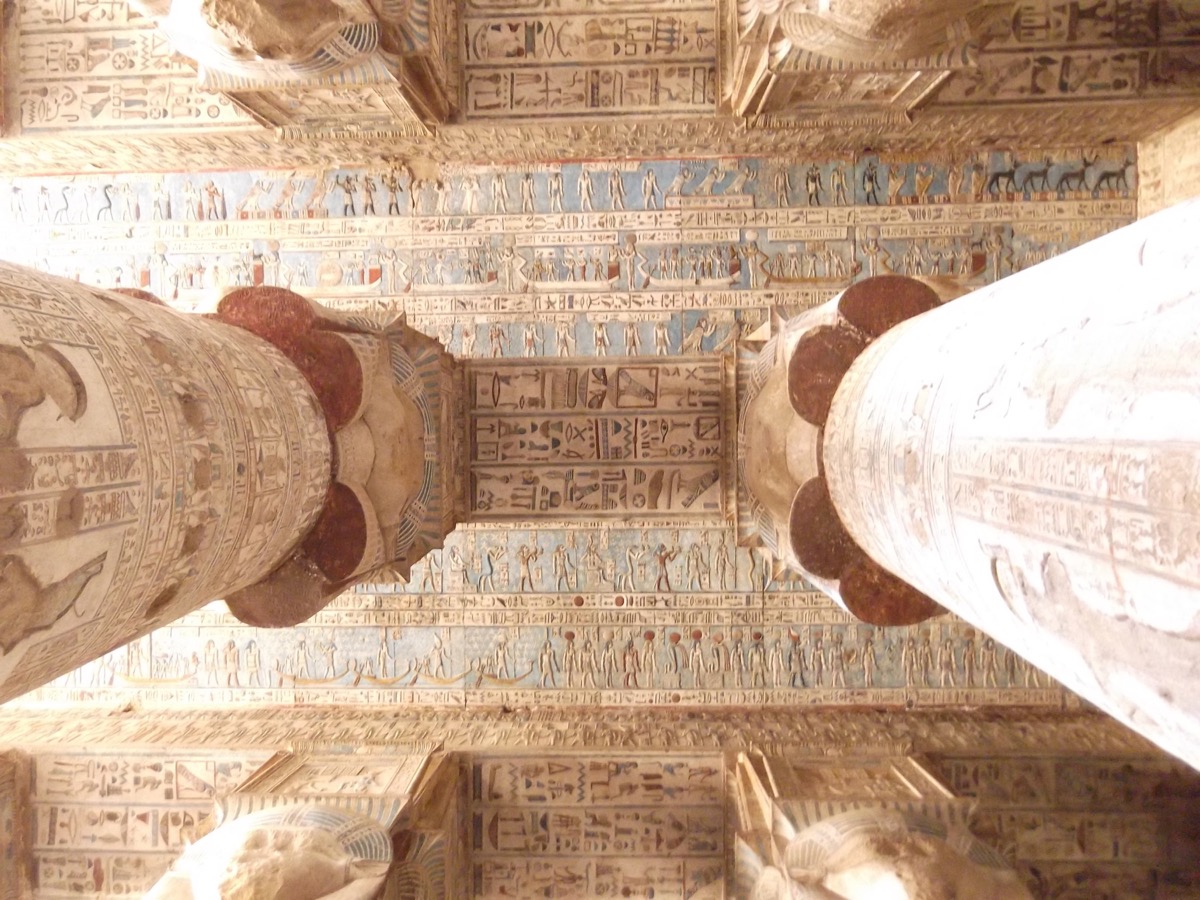
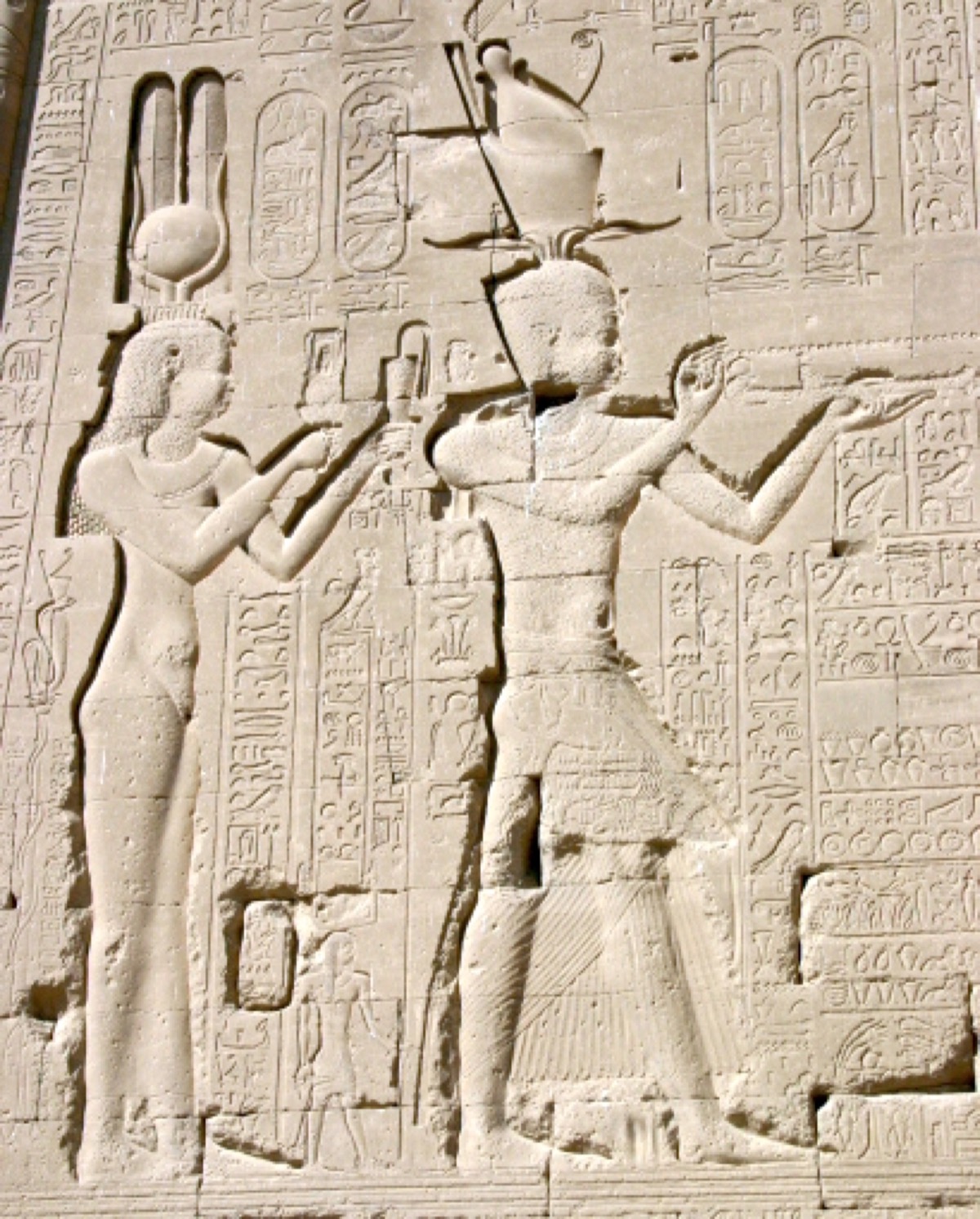
In 1799, Vivant Denon — Napoleon's art director, sketched it, lying on his back by candlelight in a pitch-dark chapel.
His sketch caused a sensation in Europe as the astronomical data suggested the universe was far older than the Bible implied.

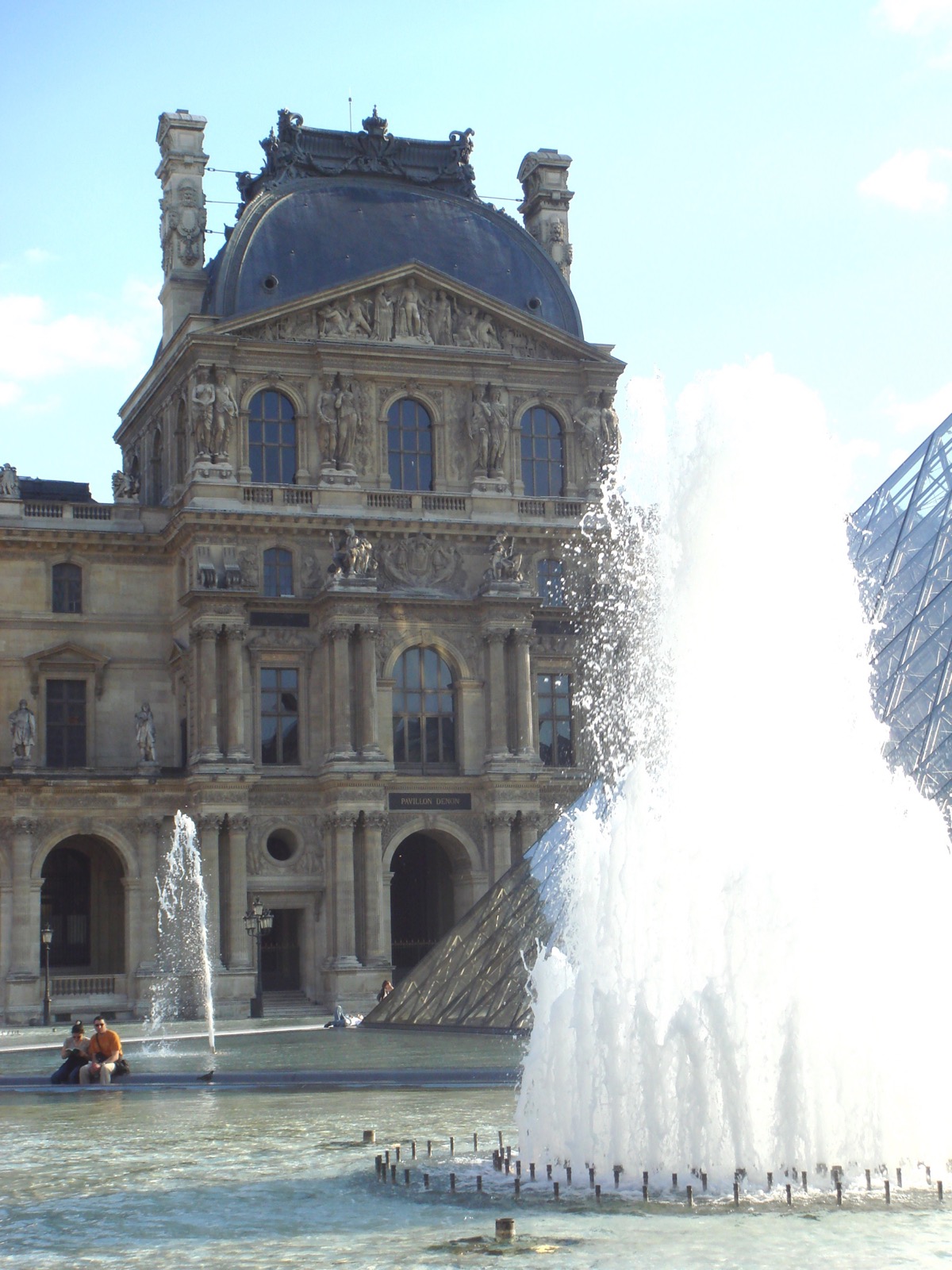
In 1820, it was sawn from the temple ceiling — saws and gunpowder — and sold to Louis XVIII for 150,000 francs.
Egypt has been requesting its return ever since.