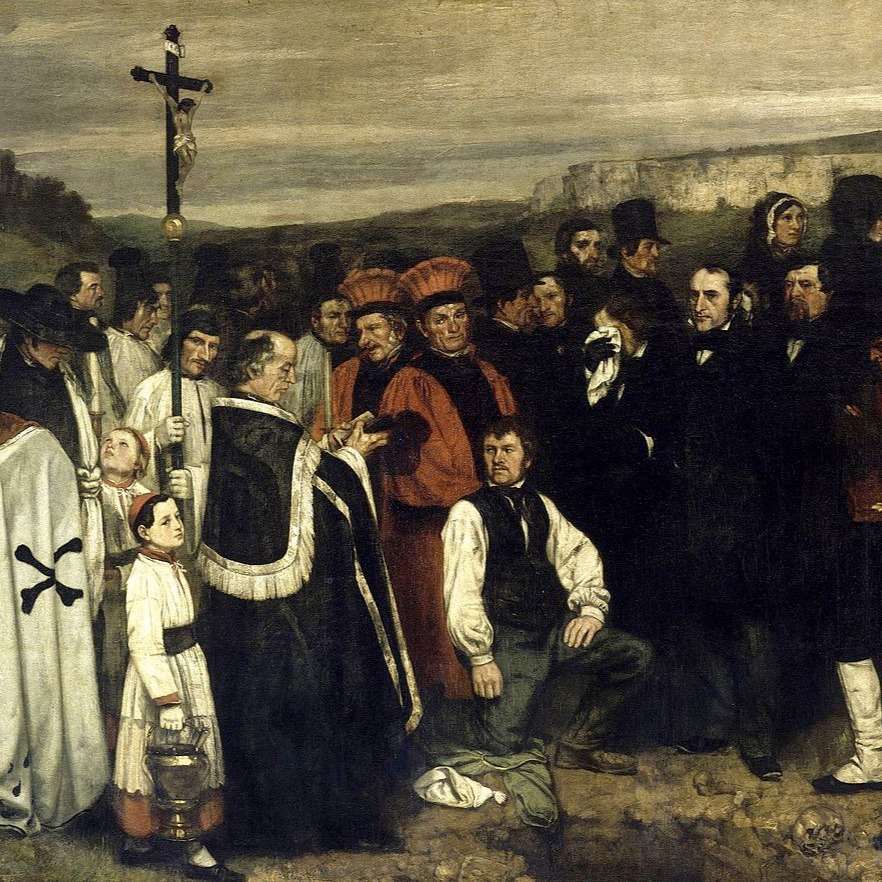


The Musee d'Orsay showcases works from the 19th and early 20th centuries.
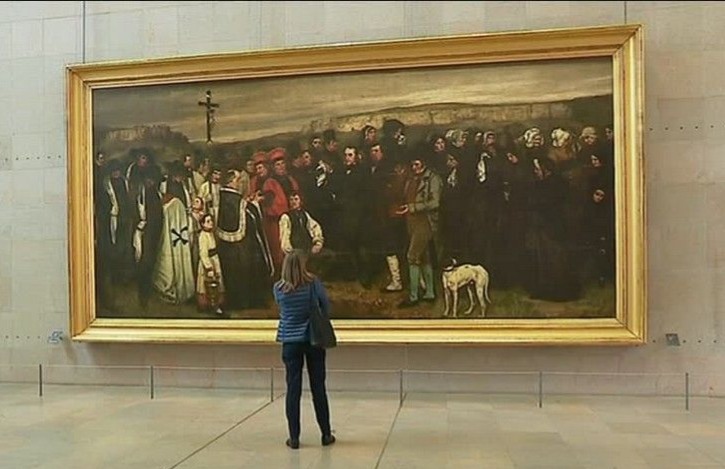
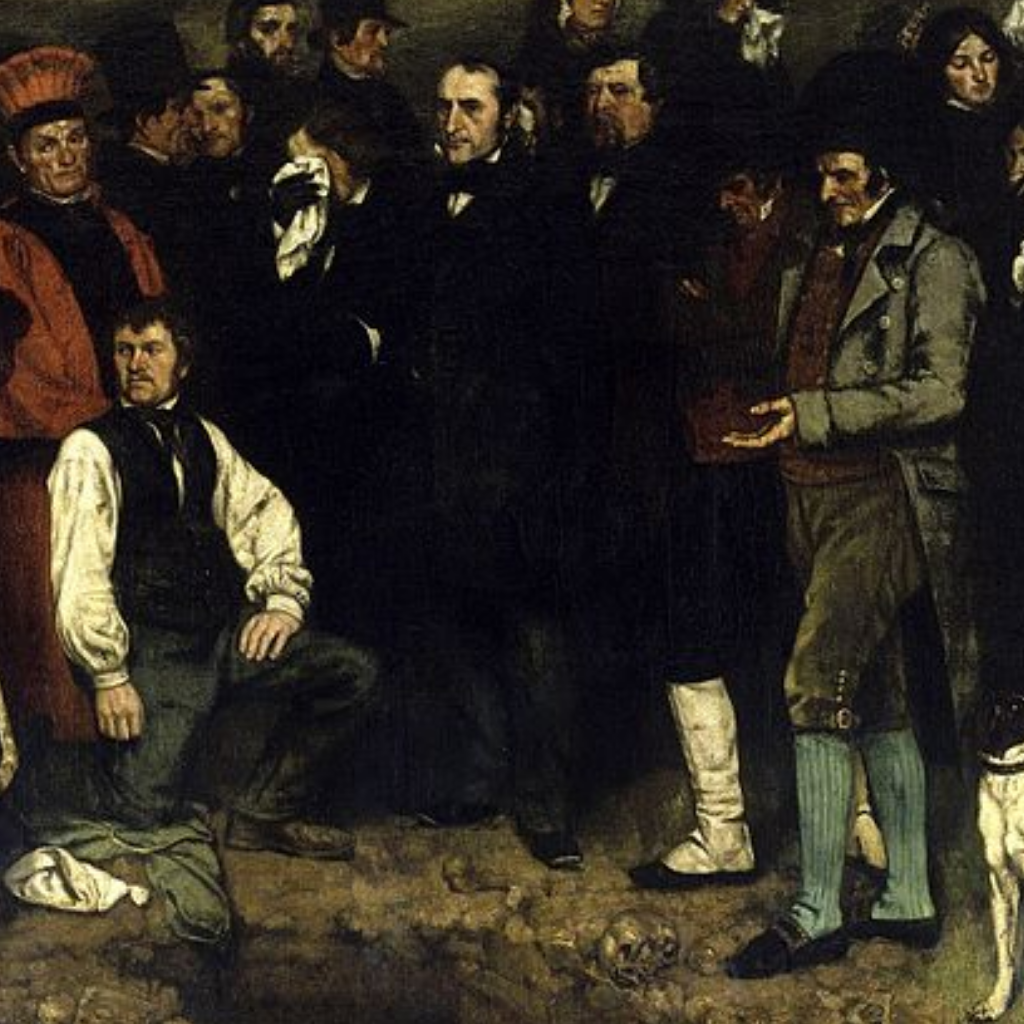
While this painting might initially seem a little dull, it represents a pivotal moment in history of art - introducing the Realist movement.
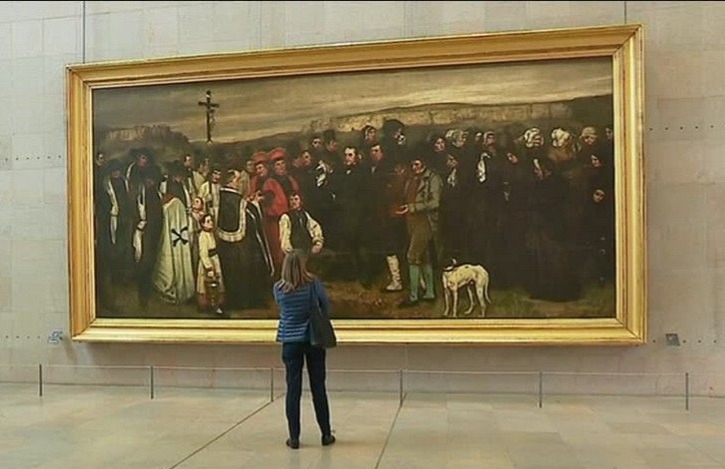

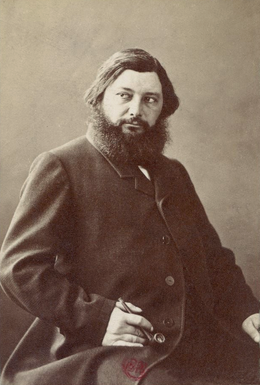
The painting measures a massive 3 x 6 m.
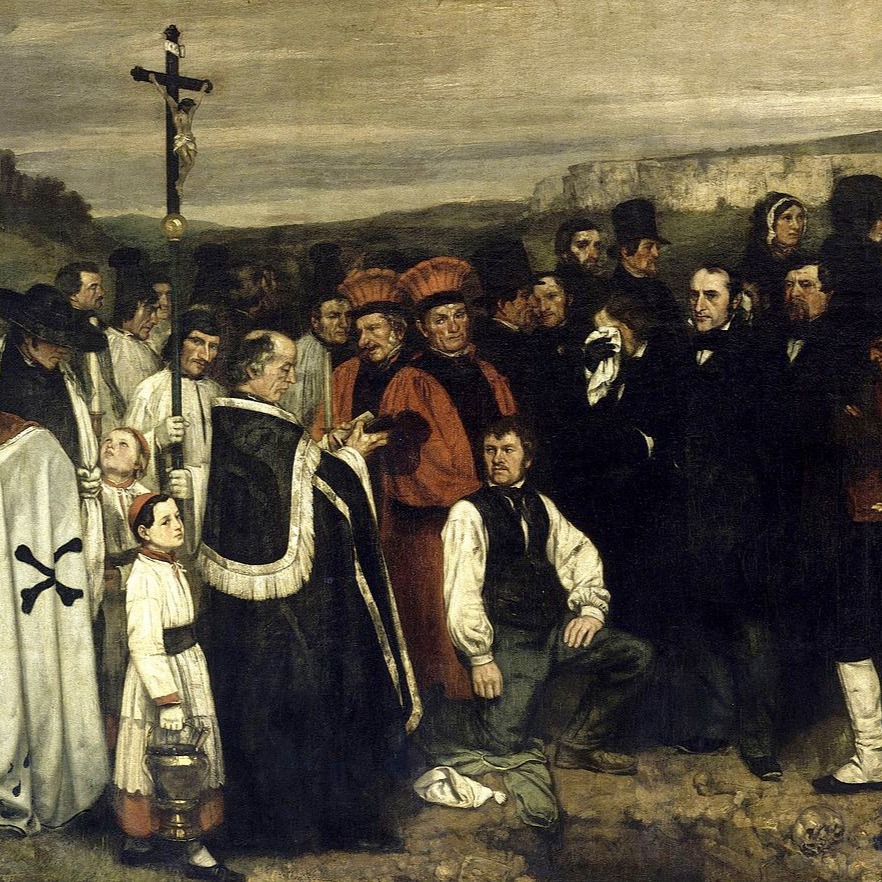
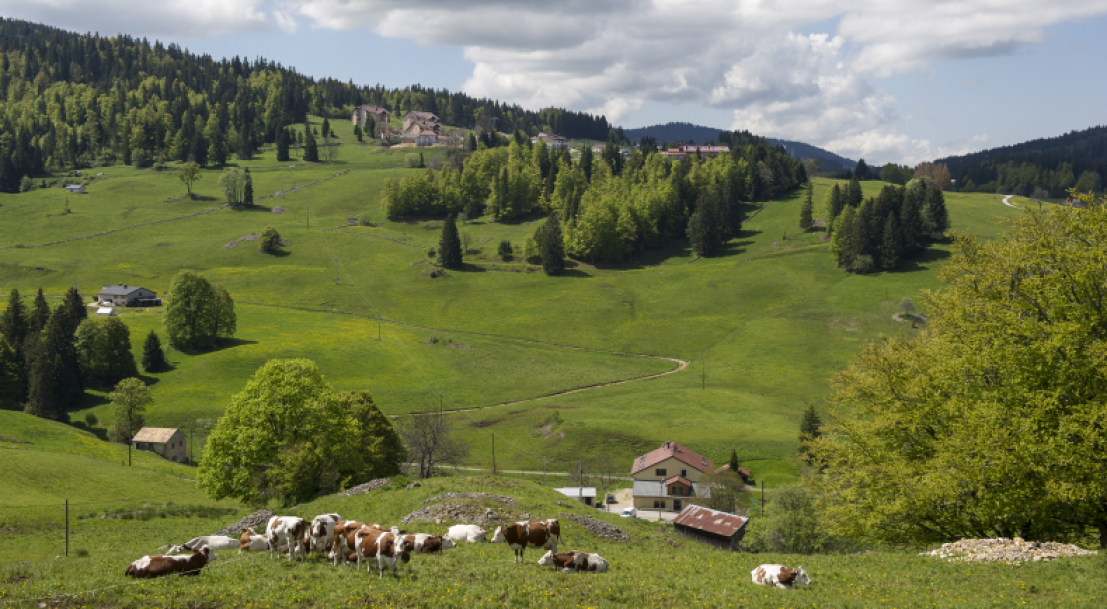
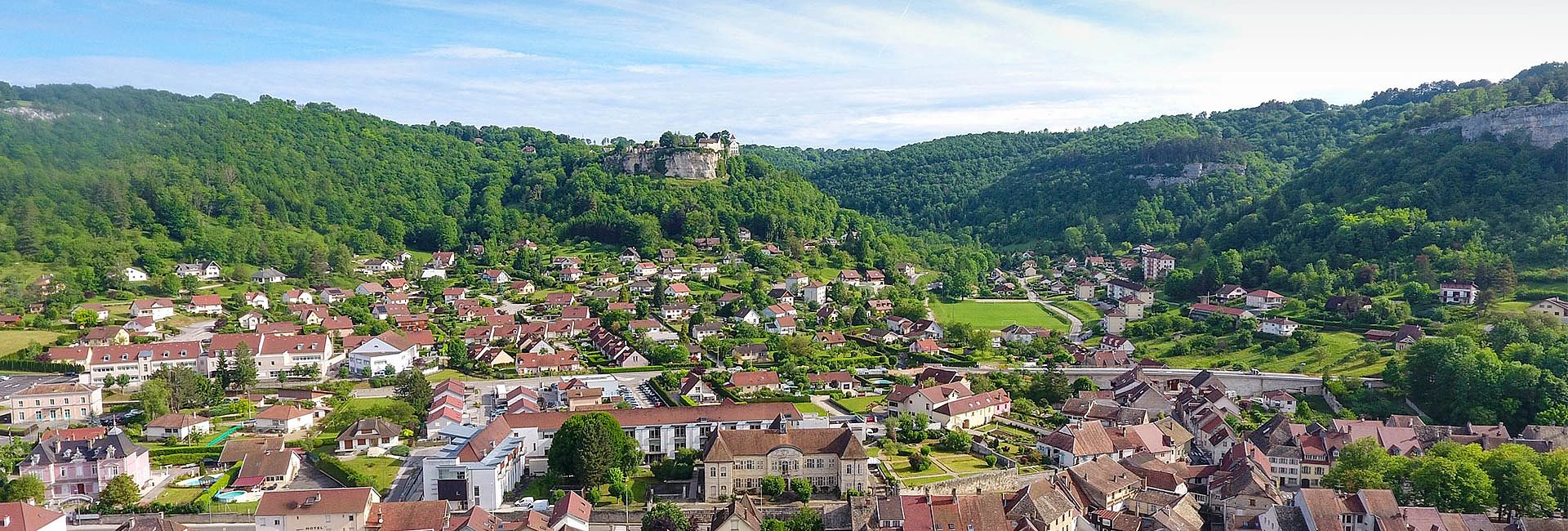
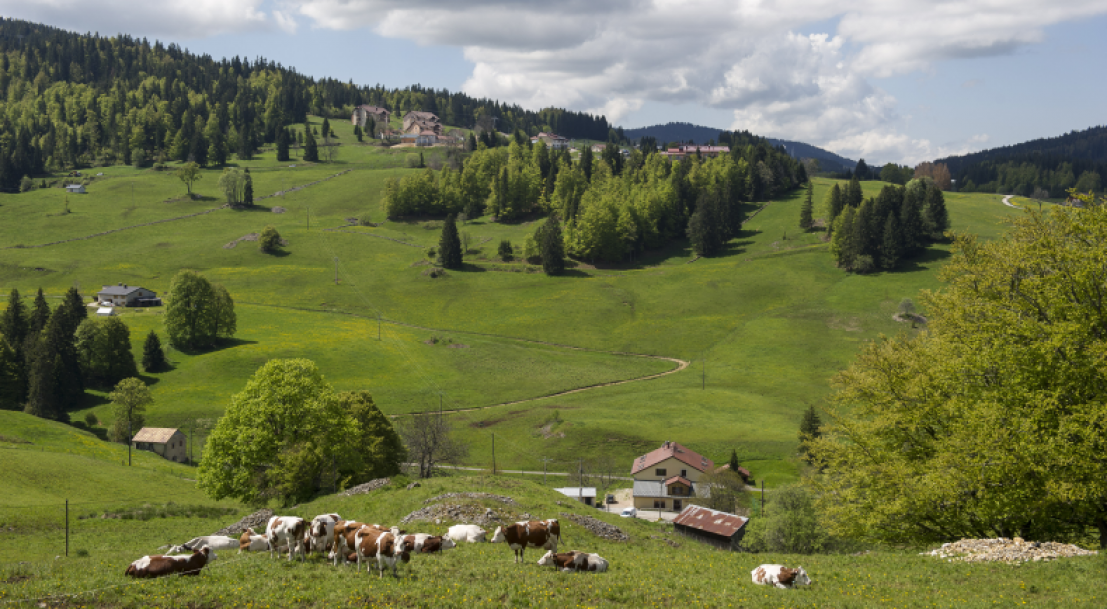
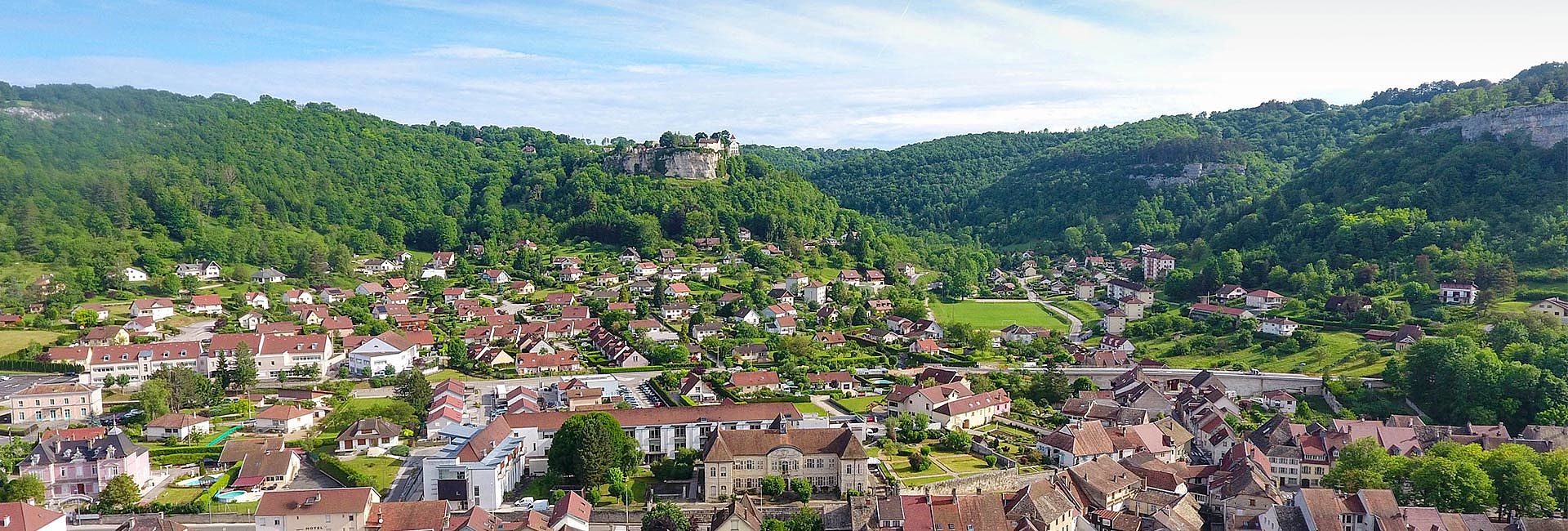
It depicts a funeral in Courbet's hometown near Besançon, in Eastern France.
The figures portrayed are all local townspeople.
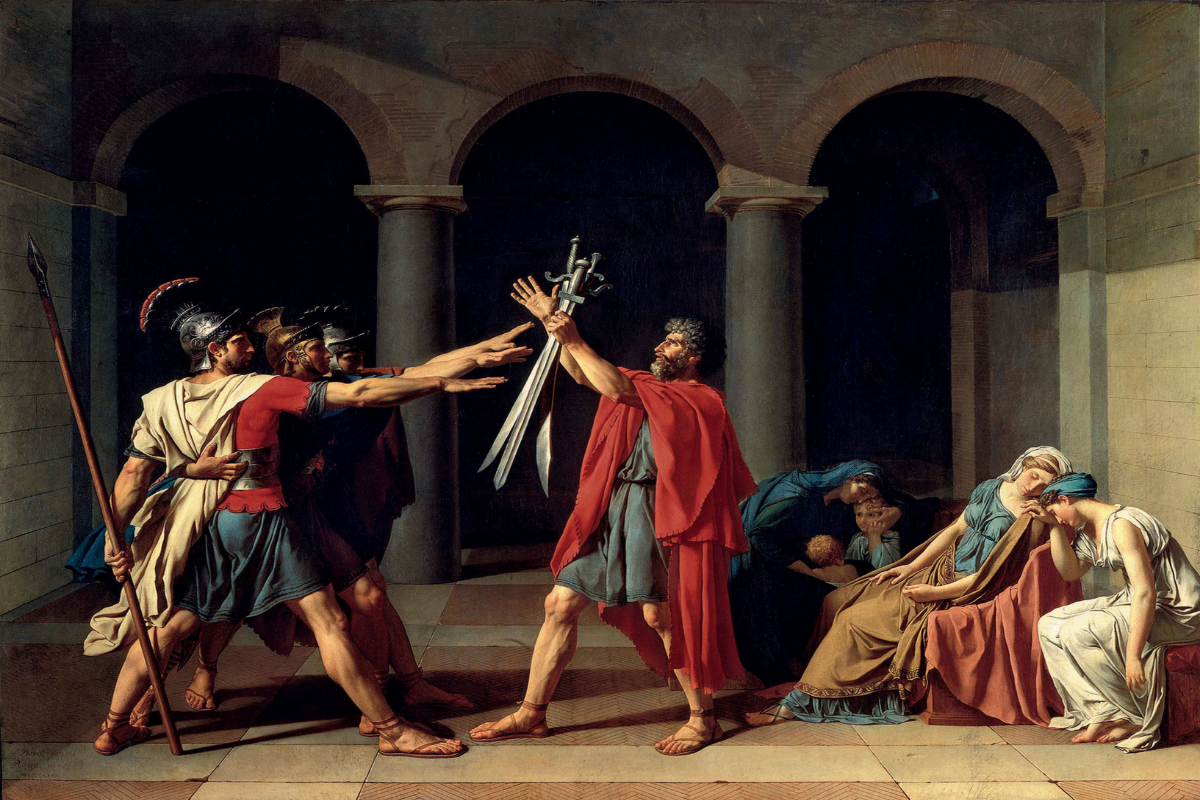
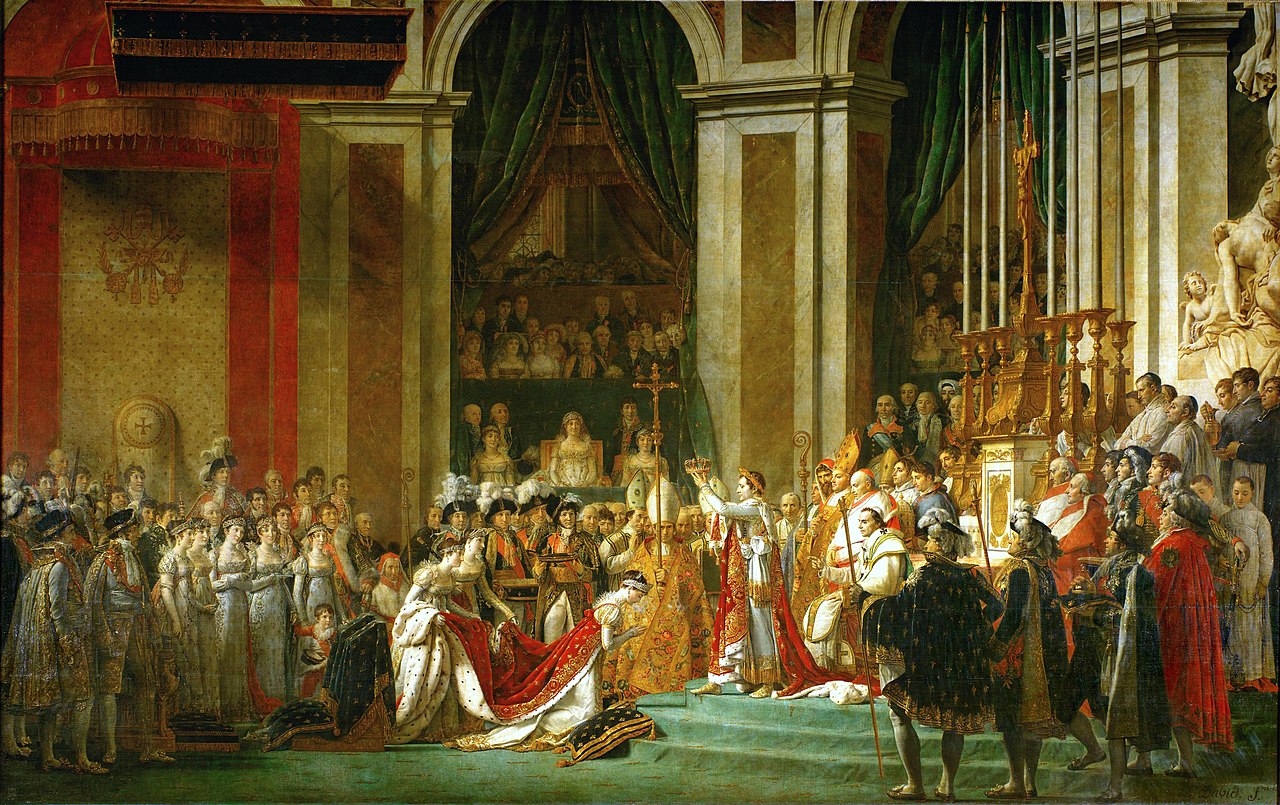
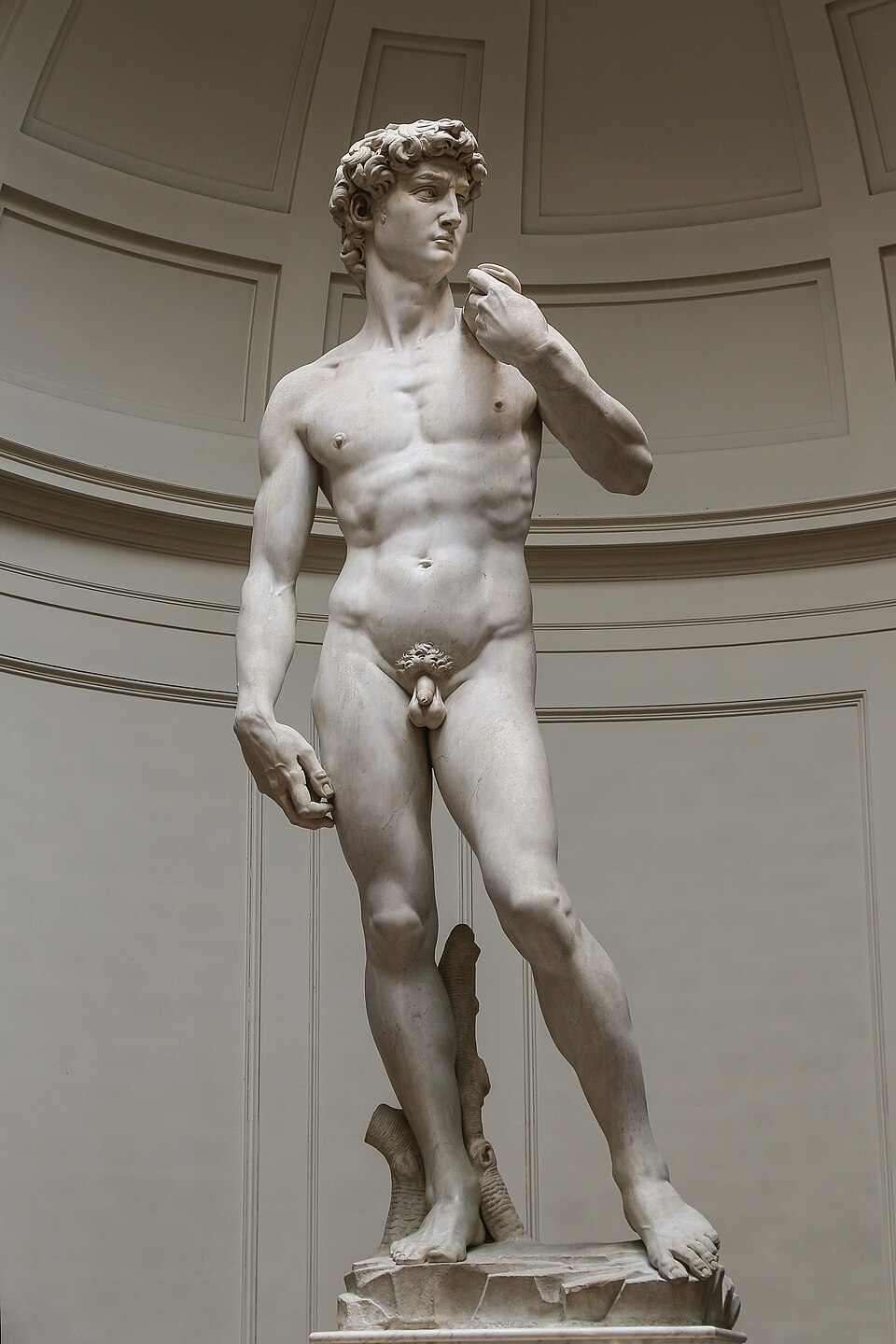
Depicting a realistic, everyday scene on such a grand scale was considered scandalous at the time.
Indeed artists were expected to focus on representing historical, allegorical and highly idealised subjects.
Critics accused Courbet of portraying the ugly, the vulgar, the trivial…
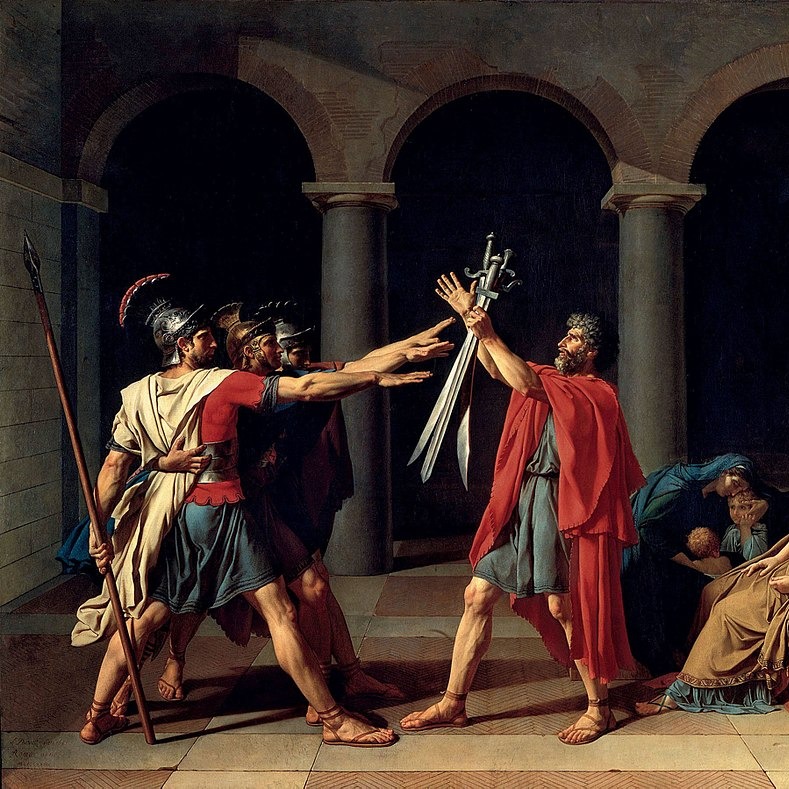
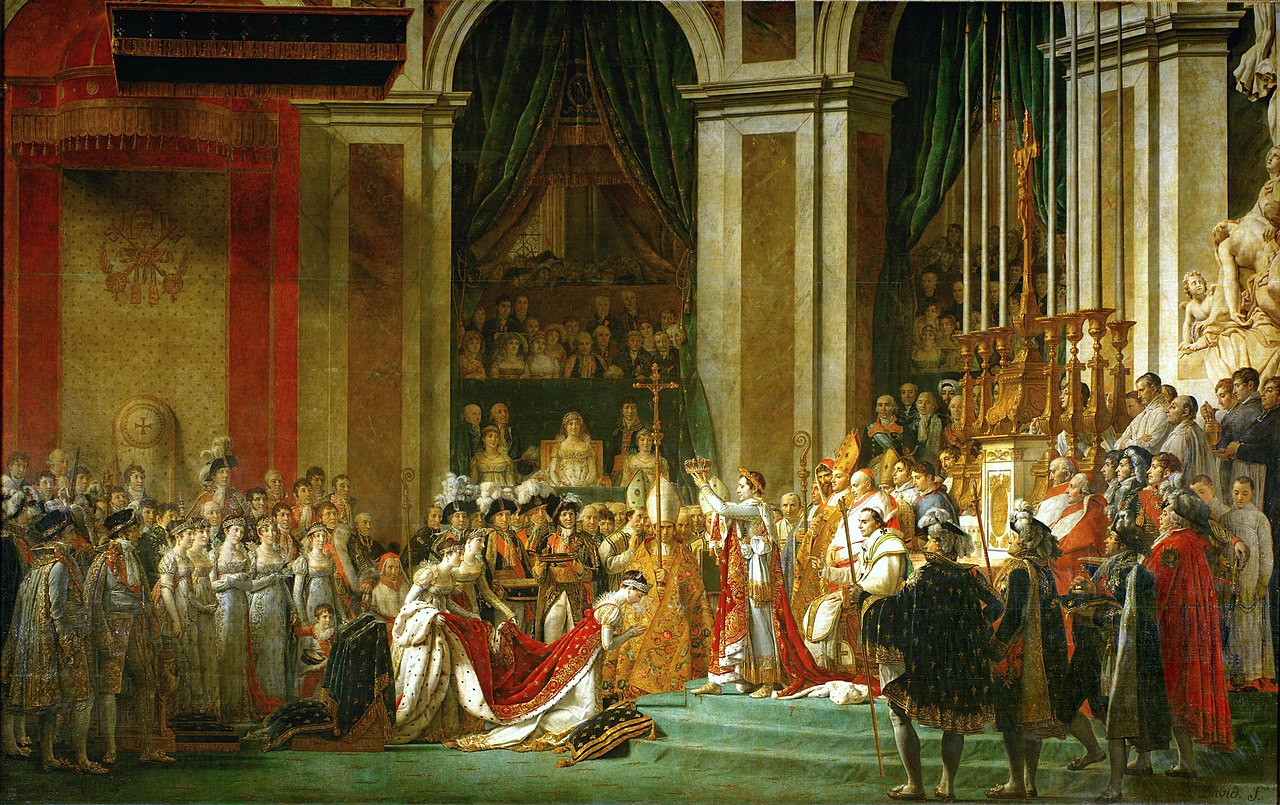
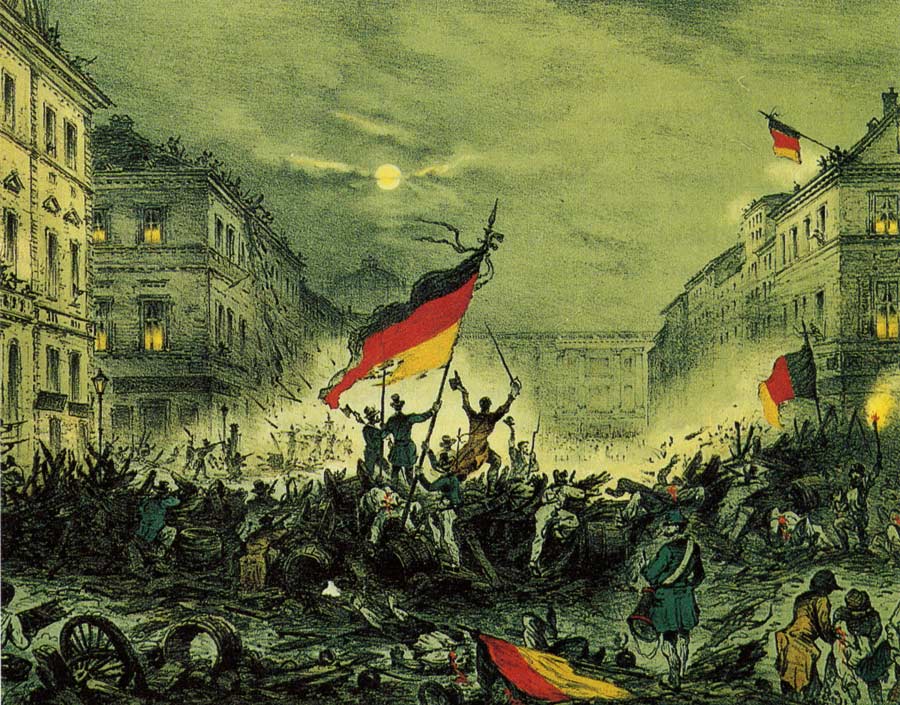
Moreover, the recent Revolution of 1848 had sparked widespread protests across Europe, toppling monarchies and shaking the social order.
So showing people from different social classes coming together was seen as highly provocative.
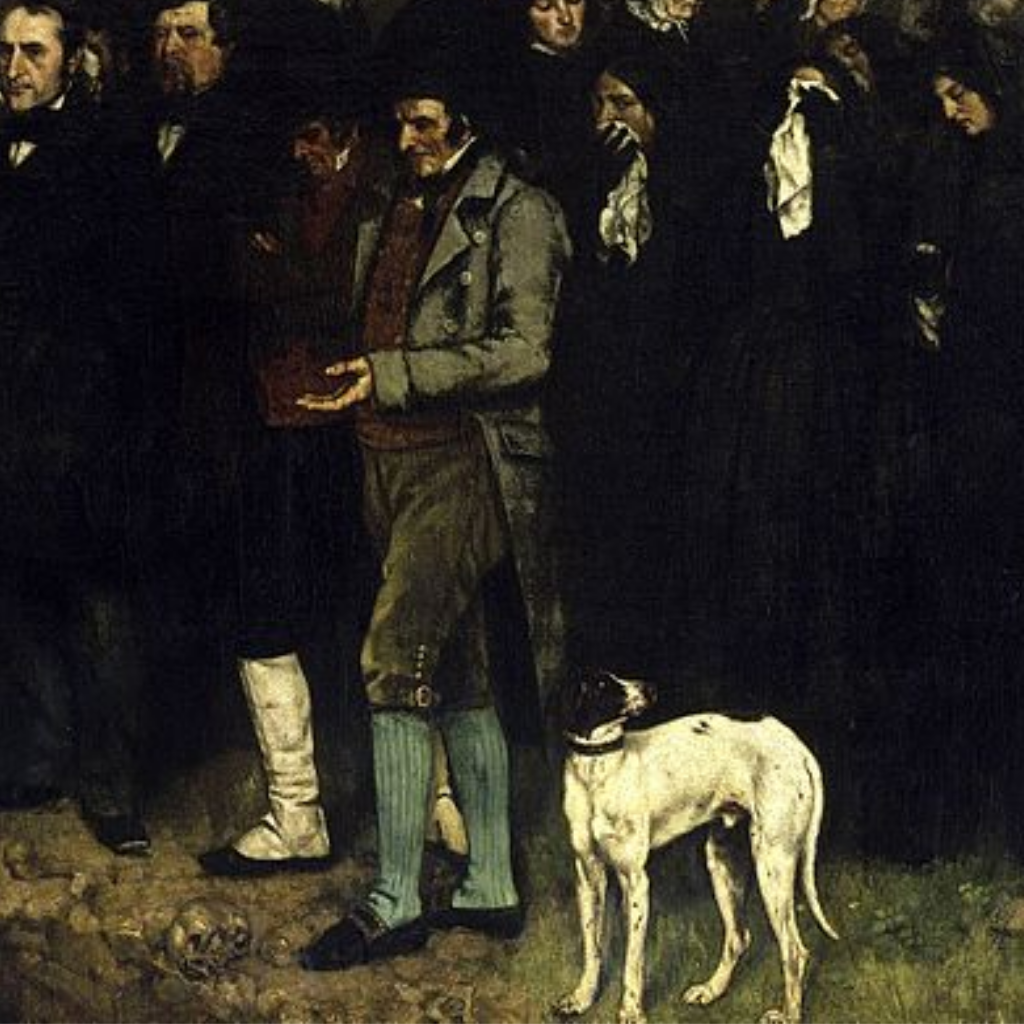
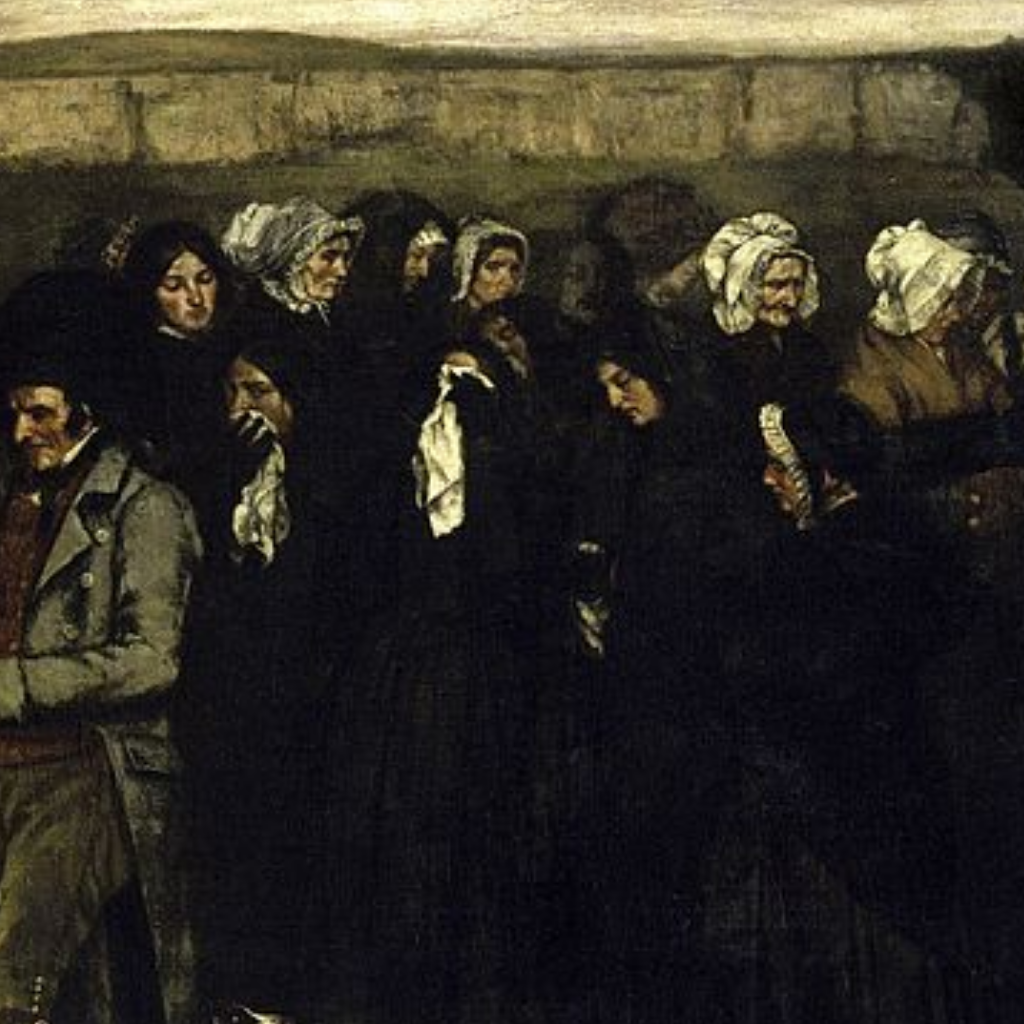
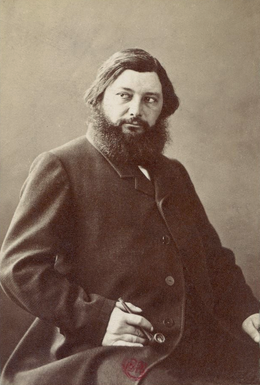
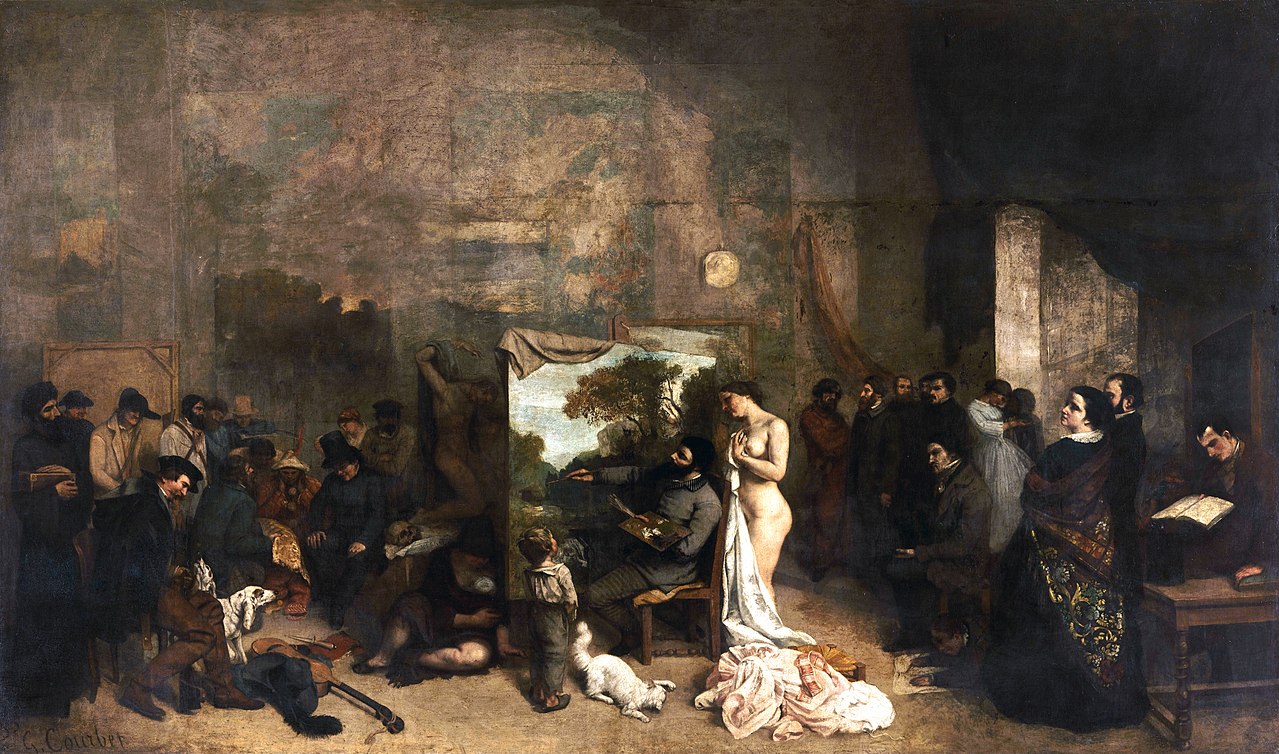
However Courbet was radical in his belief that the artist's role was to represent what was true and authentic.
Choosing to represent a funeral was therefore also highly symbolic - representing the death of Academism and Romanticism - the dominant art movements of the time - and the bursting of Realism onto the scene.
Comments
Loading comments...