

In the 8th century, power shifted away from the Merovingians (Clovis's dynasty) to the Carolingians (Charles Martel and Charlemagne's dynasty).
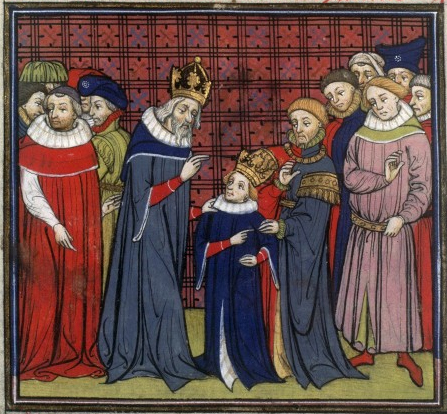

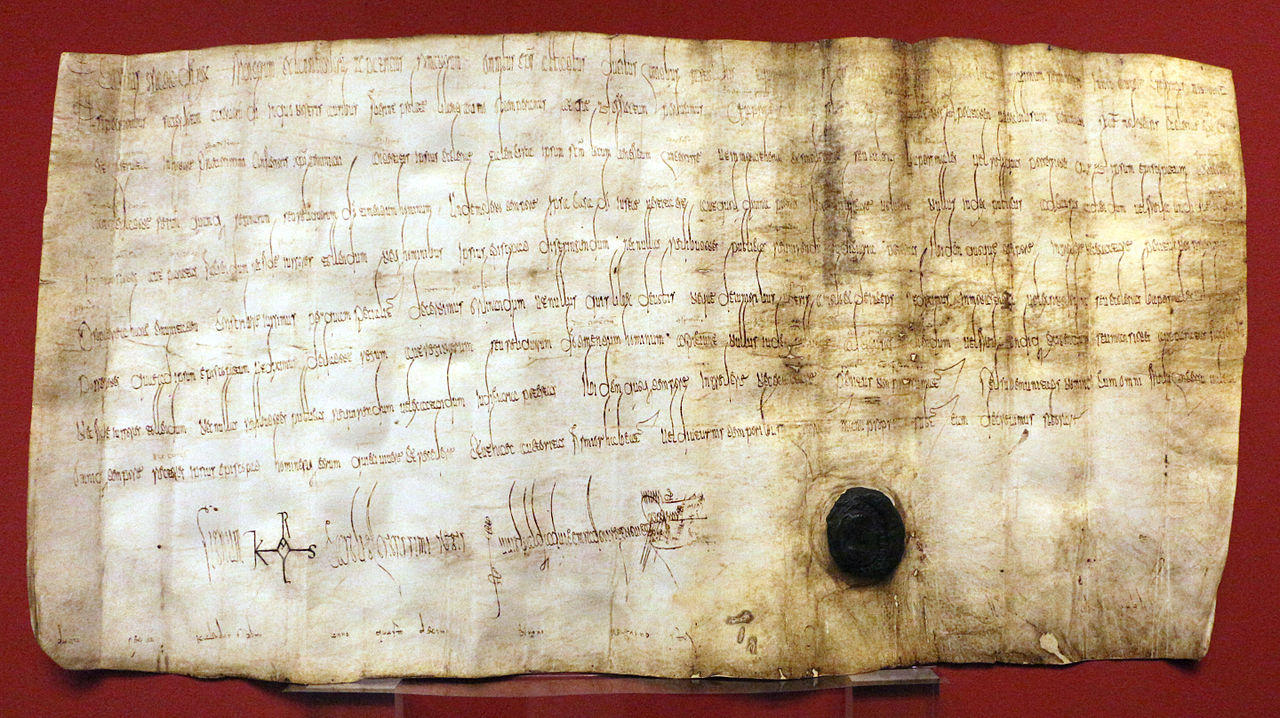
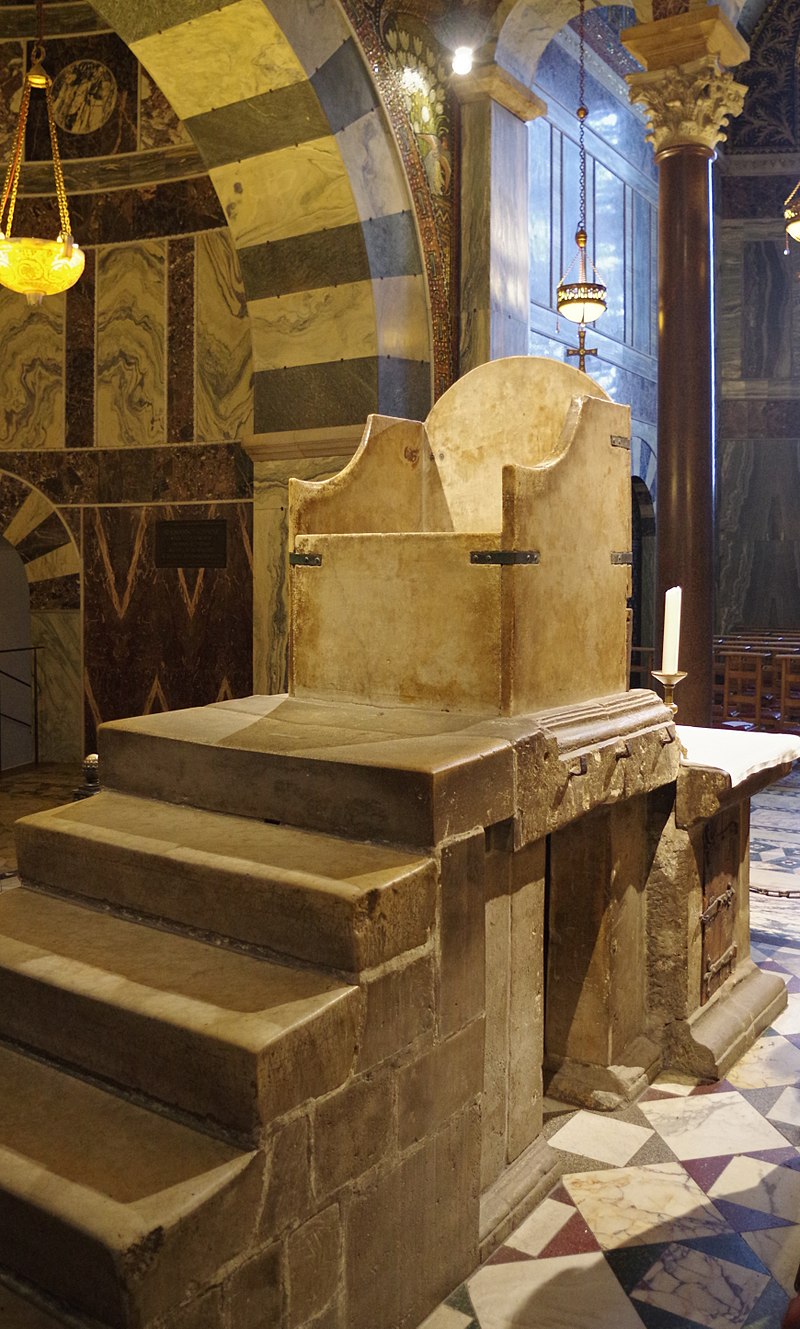
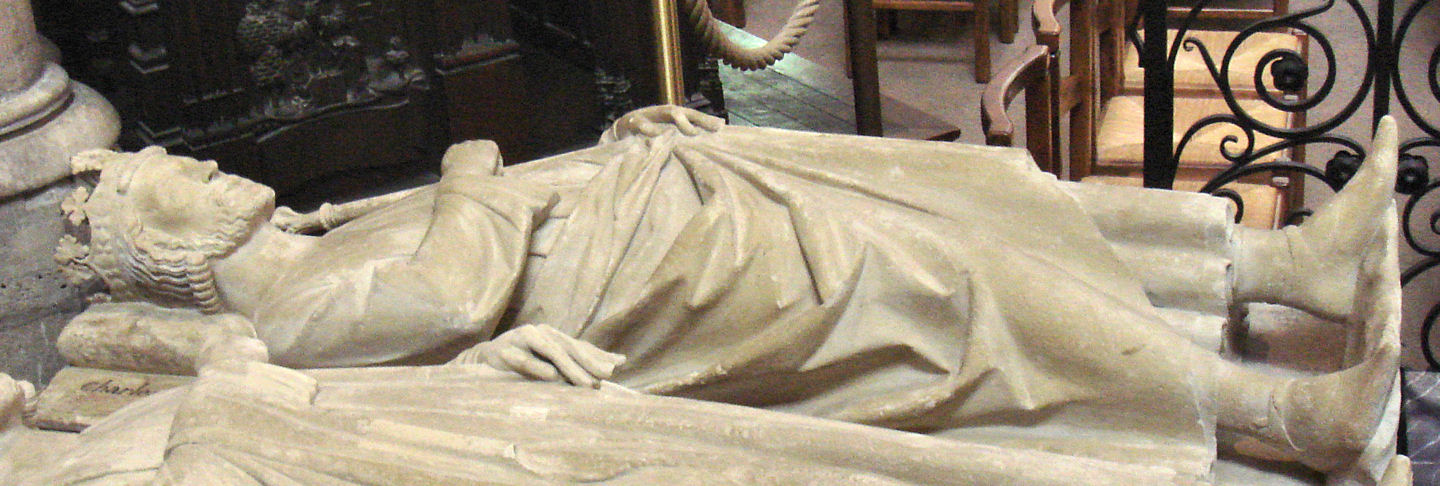

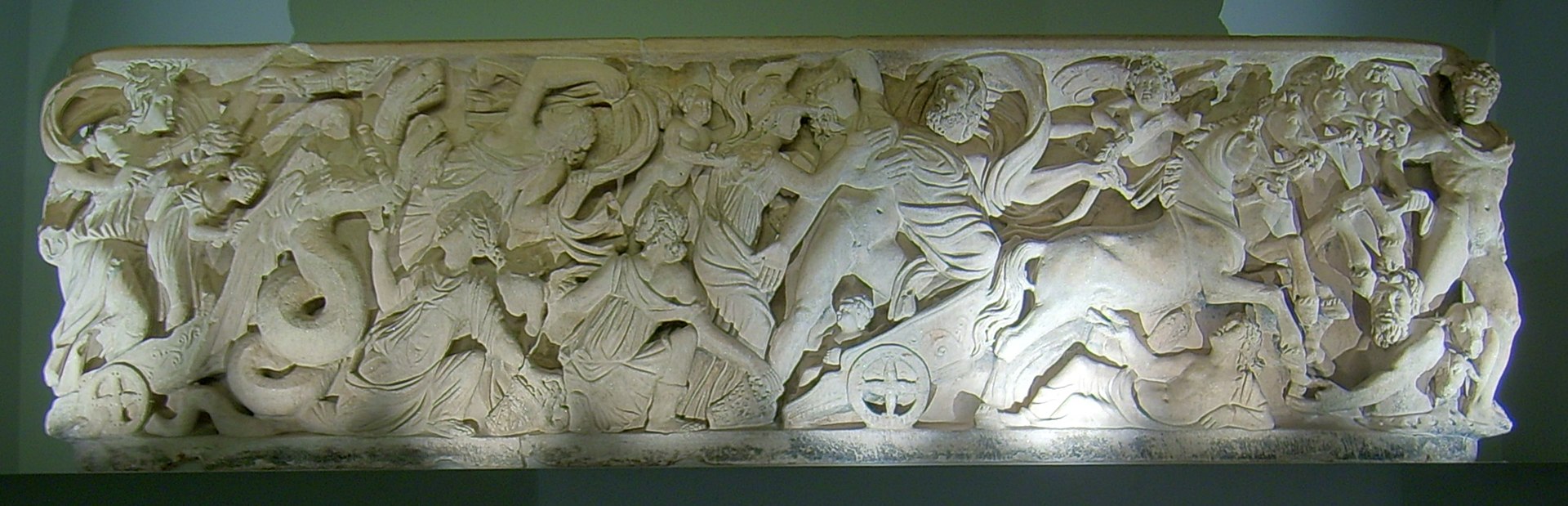
Charles Martel was an administrator under the Merovingians.
He rose to power after a battle in 732, where he defended the Frankish kingdom againt the Umayyad Caliphate - one of the largest empires in history.
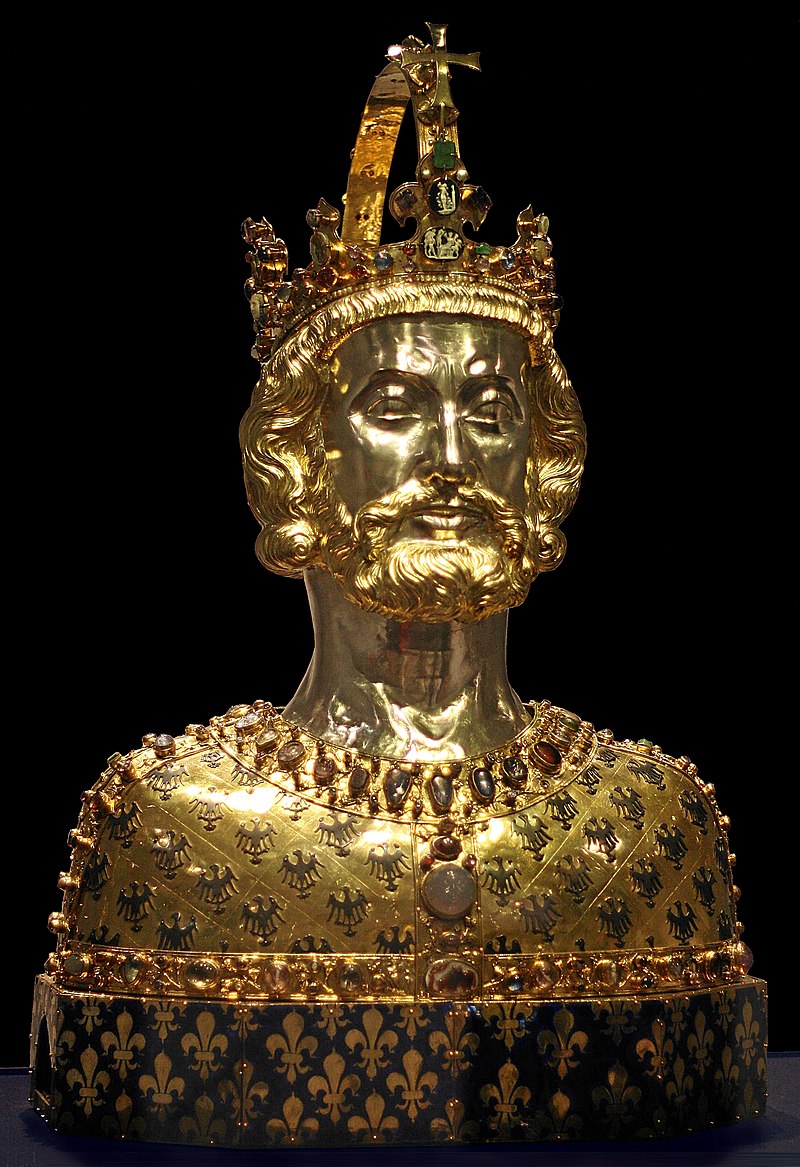
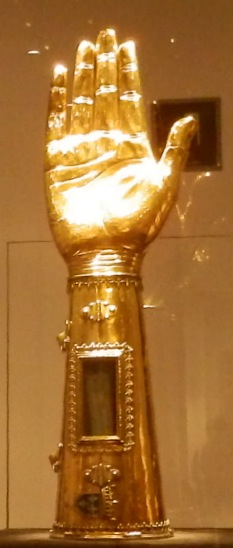
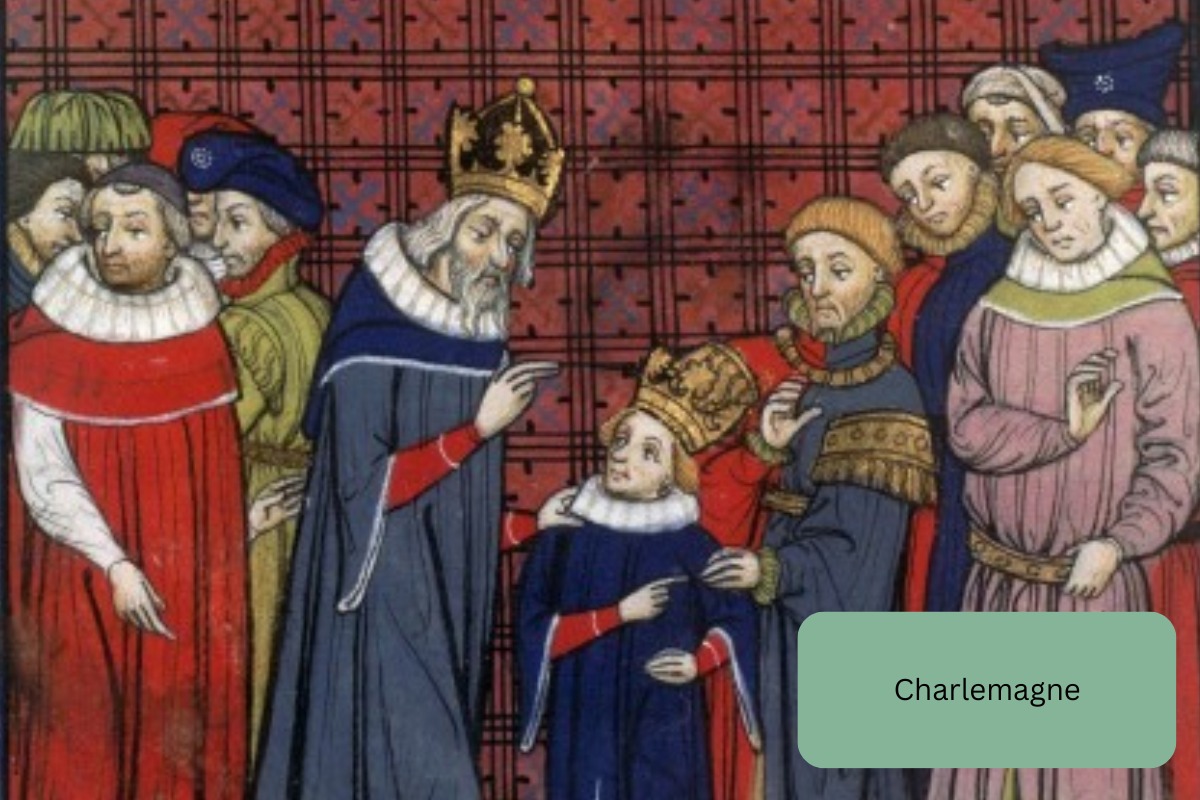
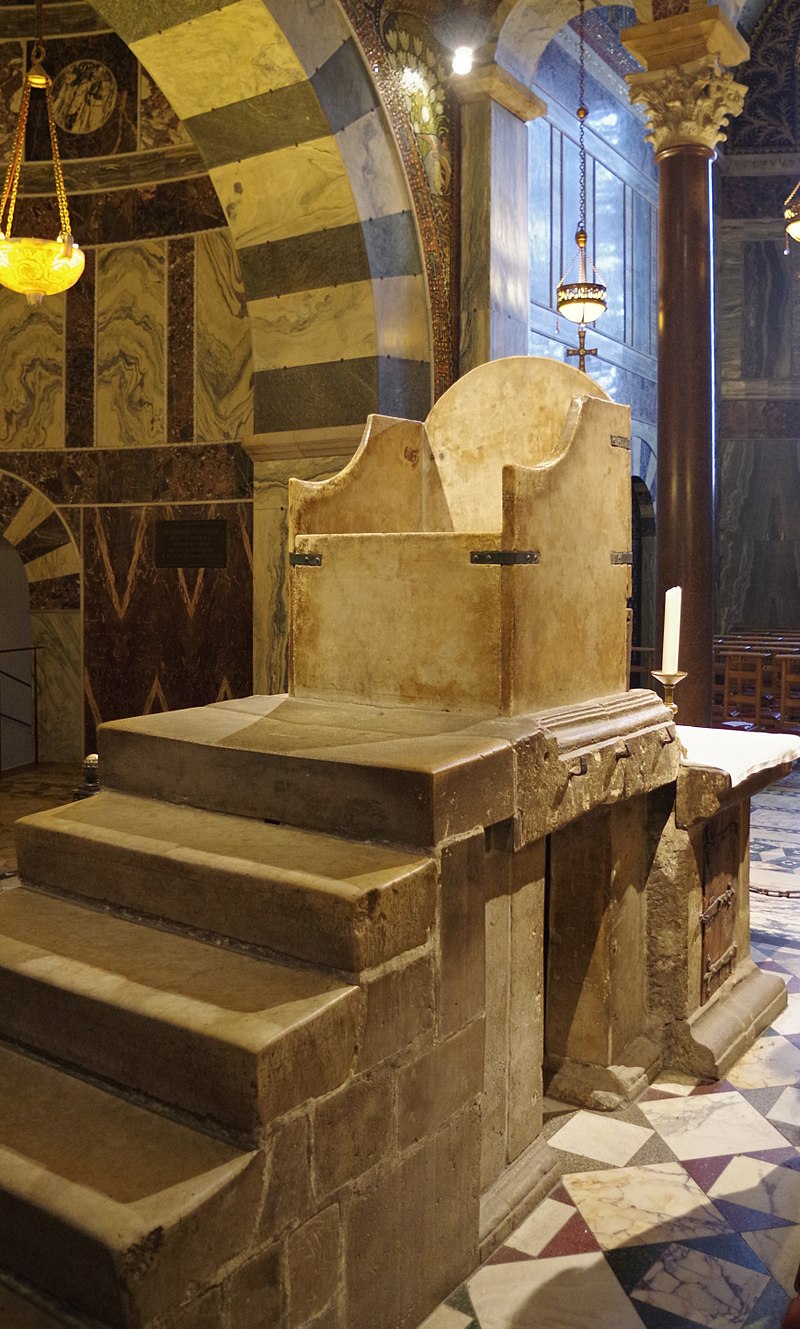
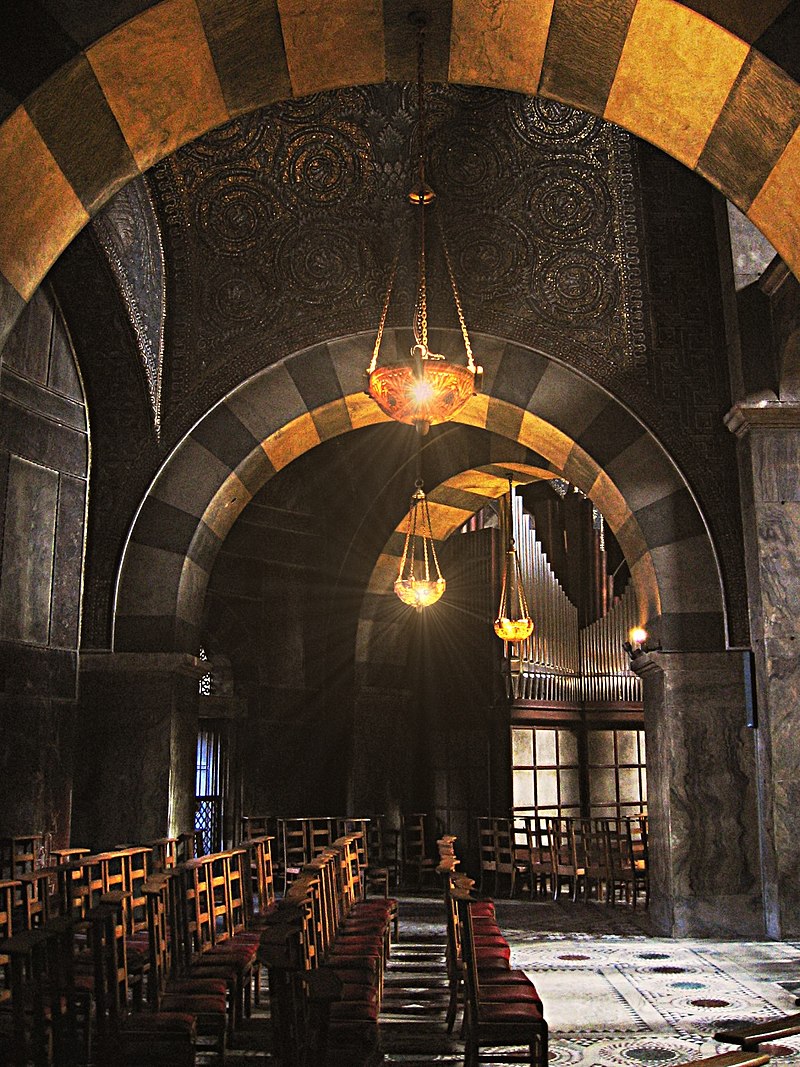
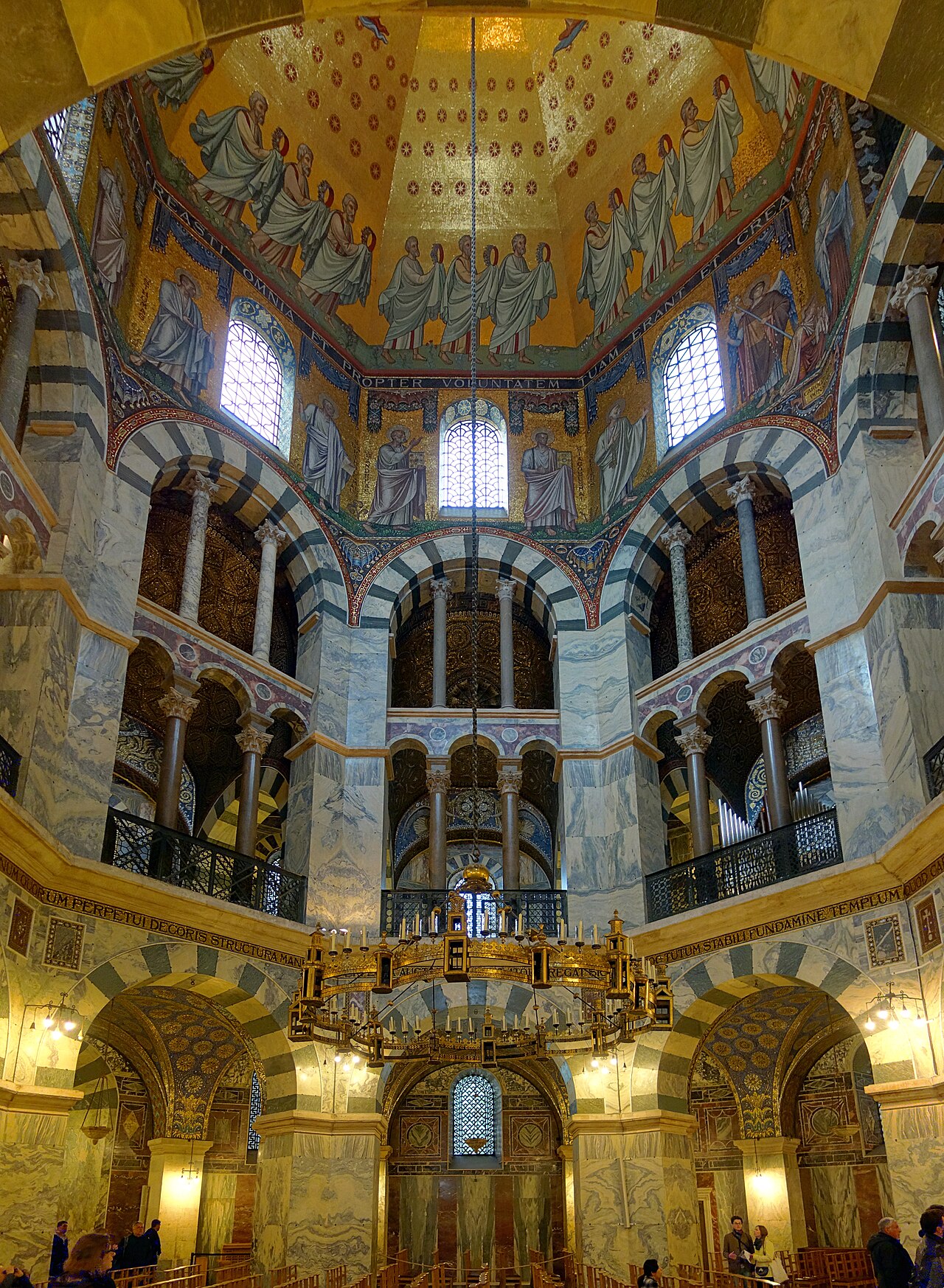
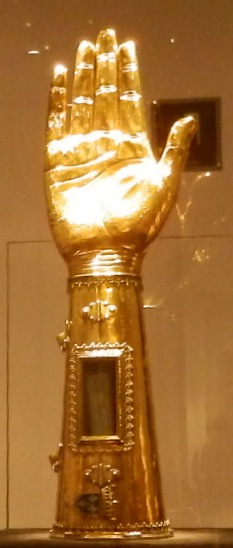
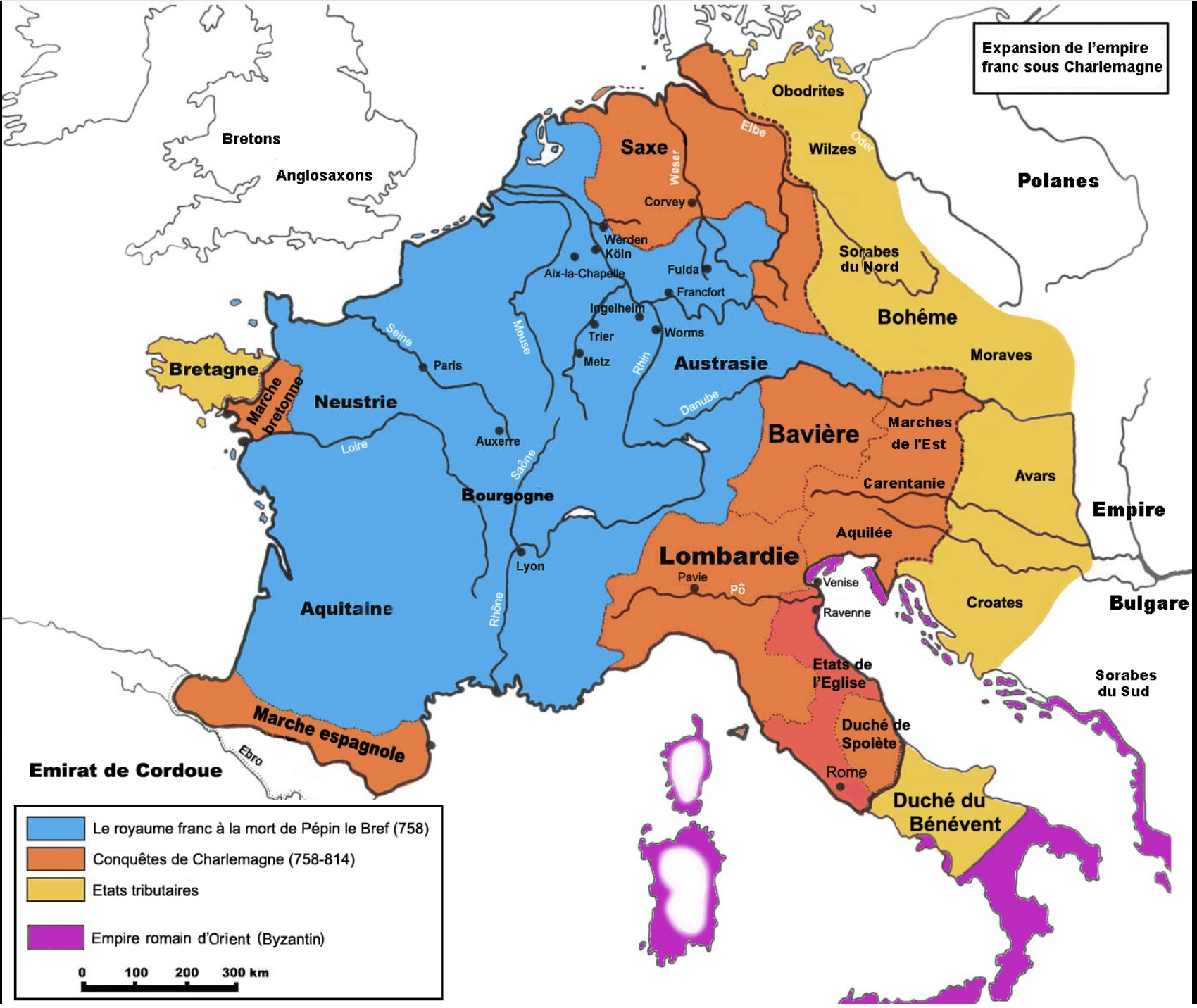
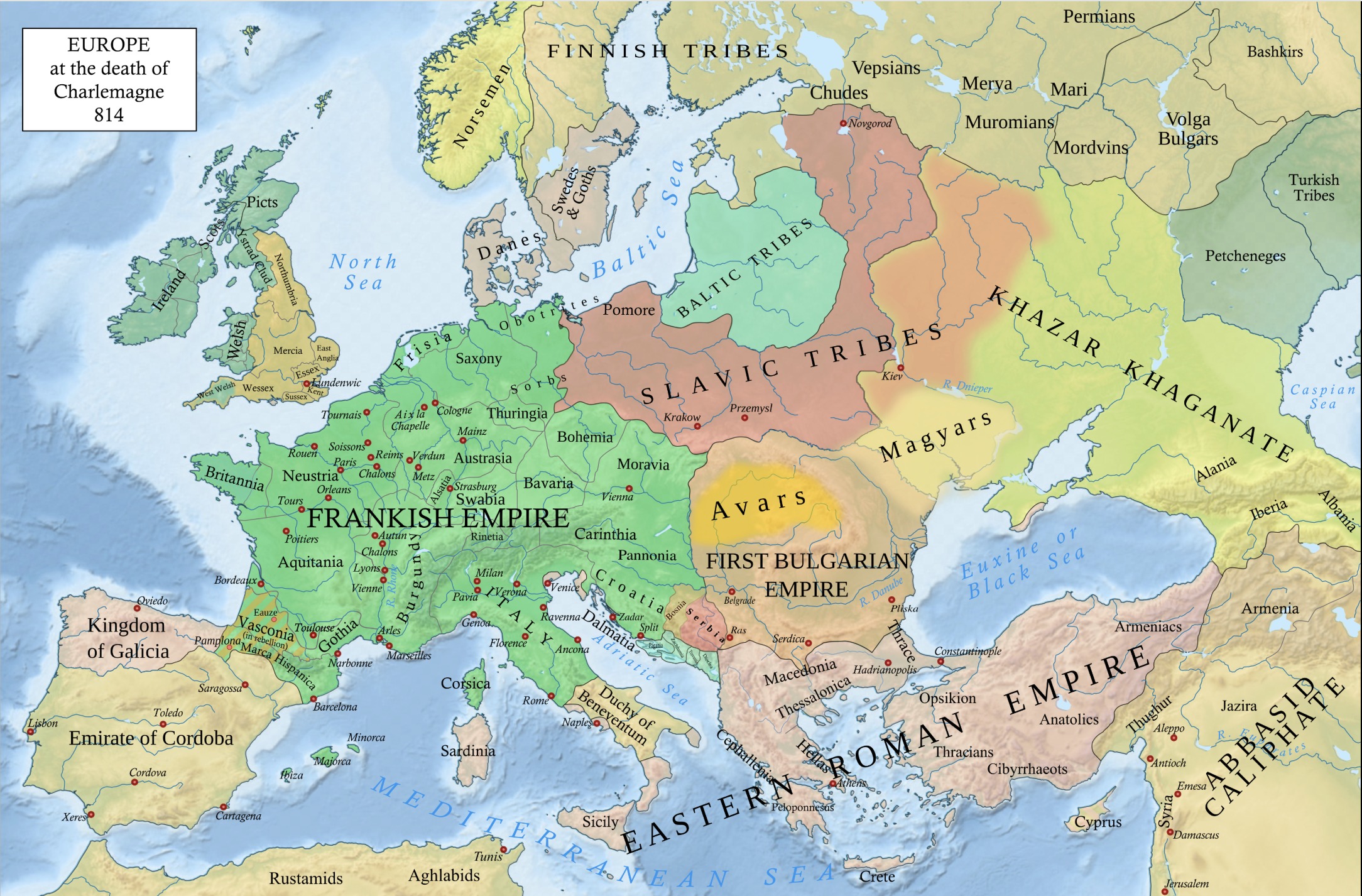
His grandson, Charlemagne, became one of the most powerful rulers in Europe.
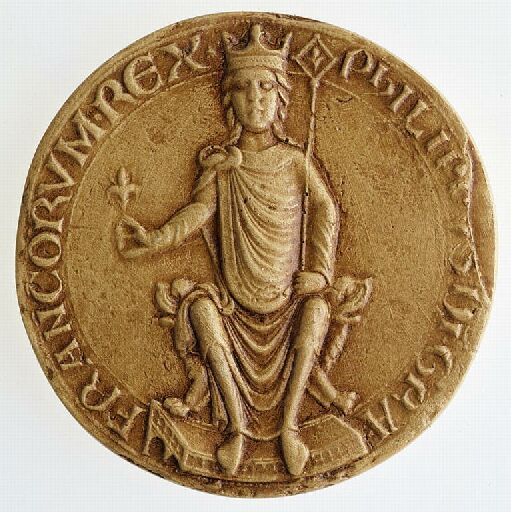
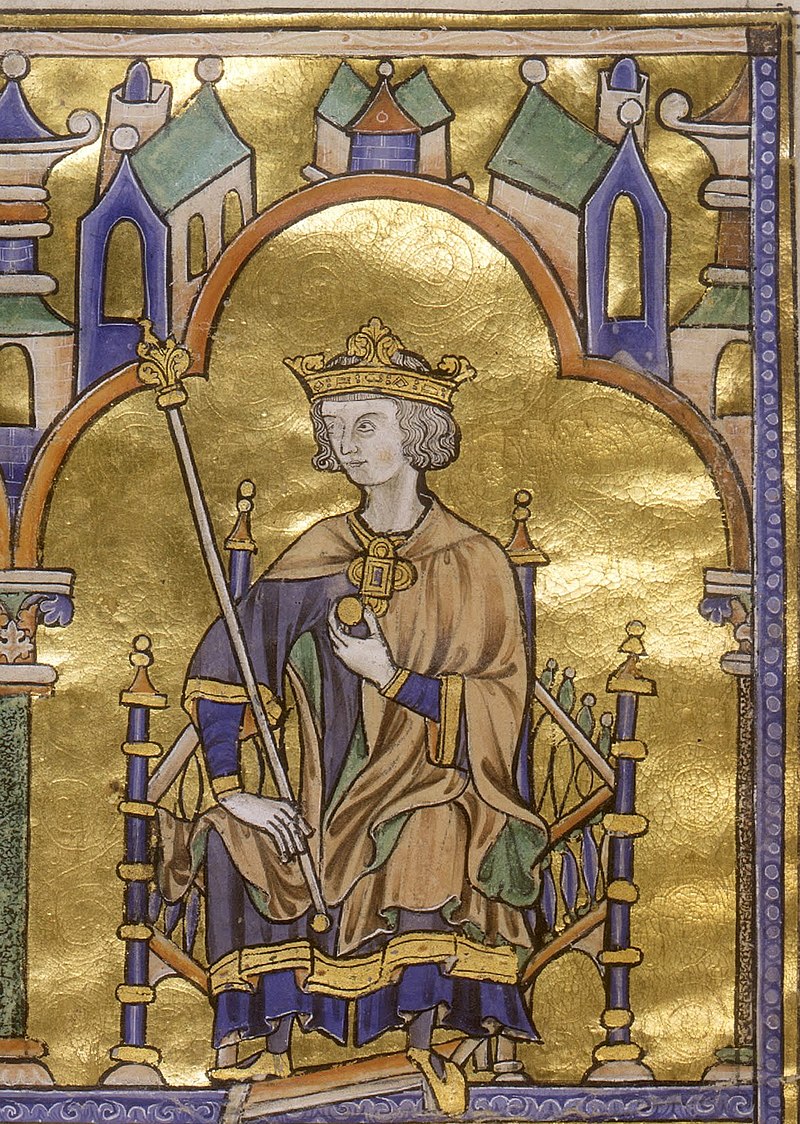
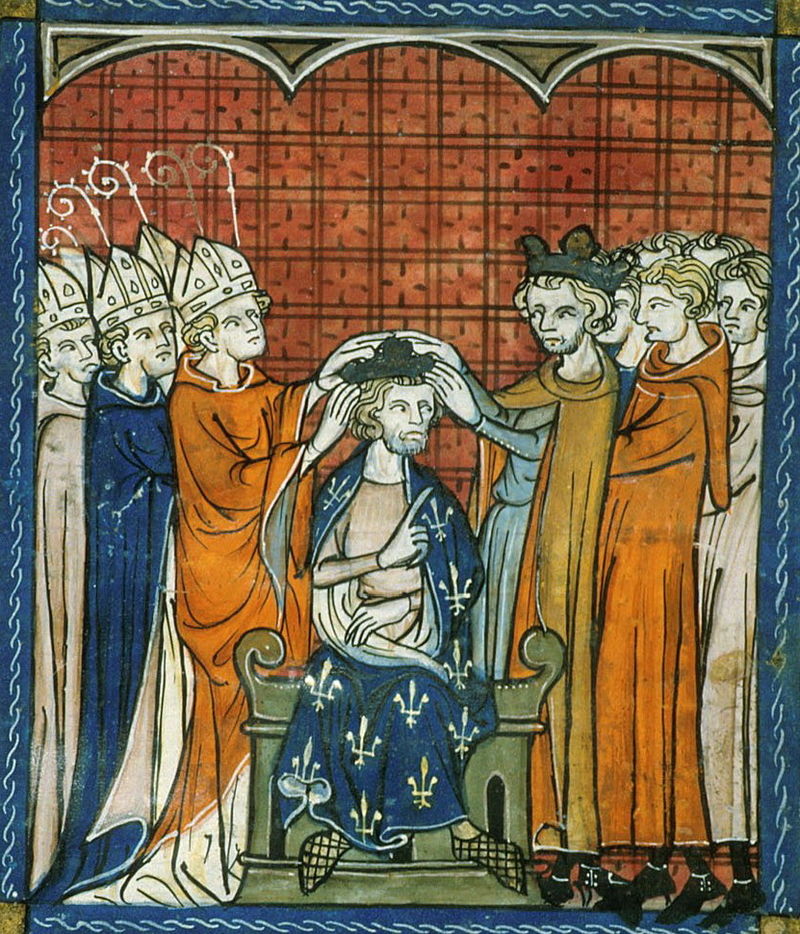
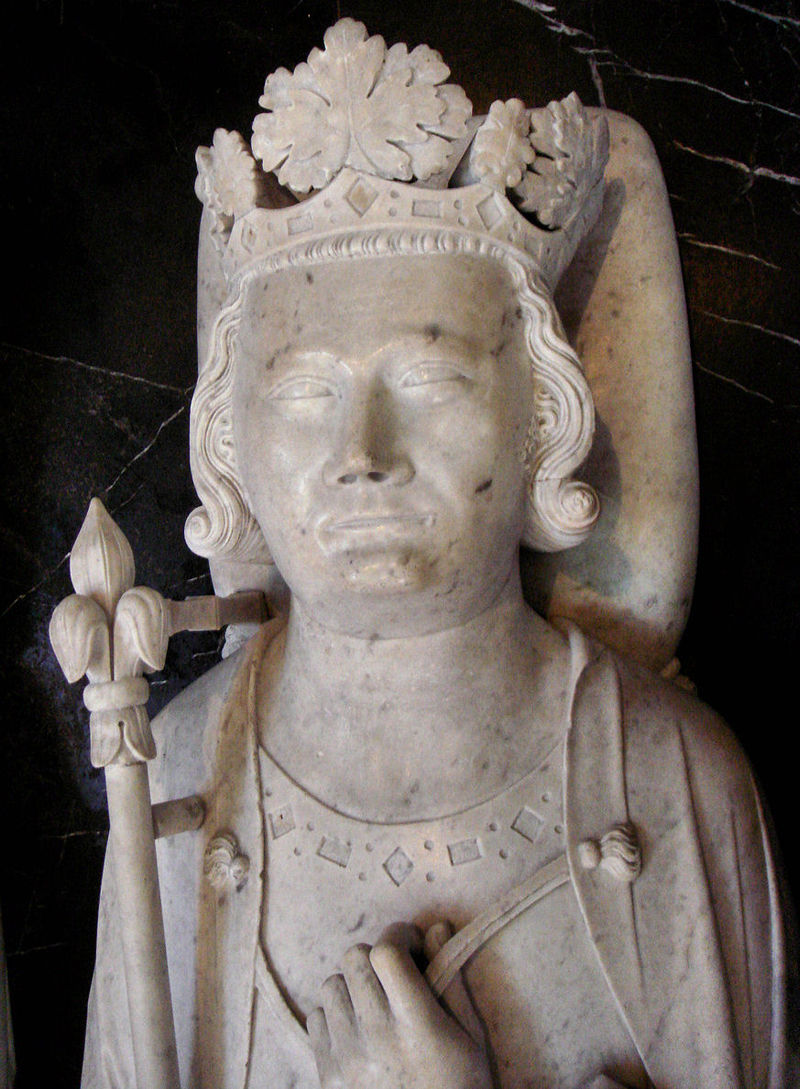
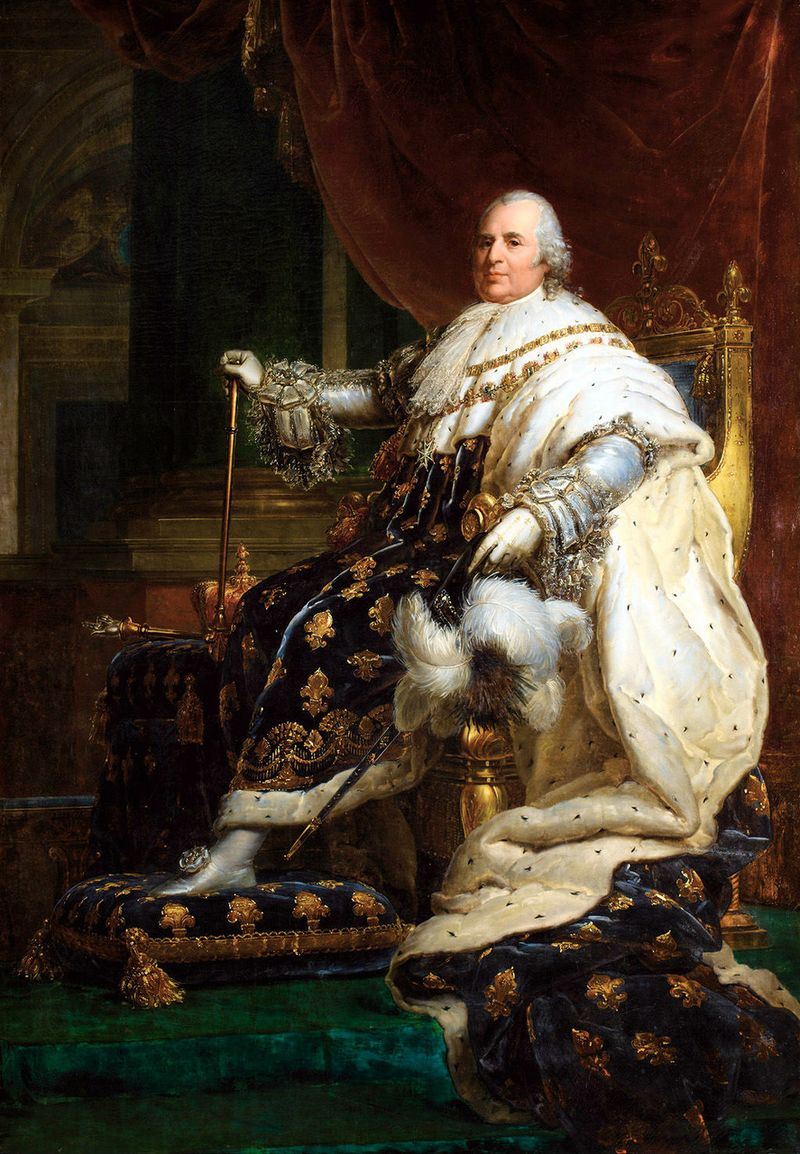
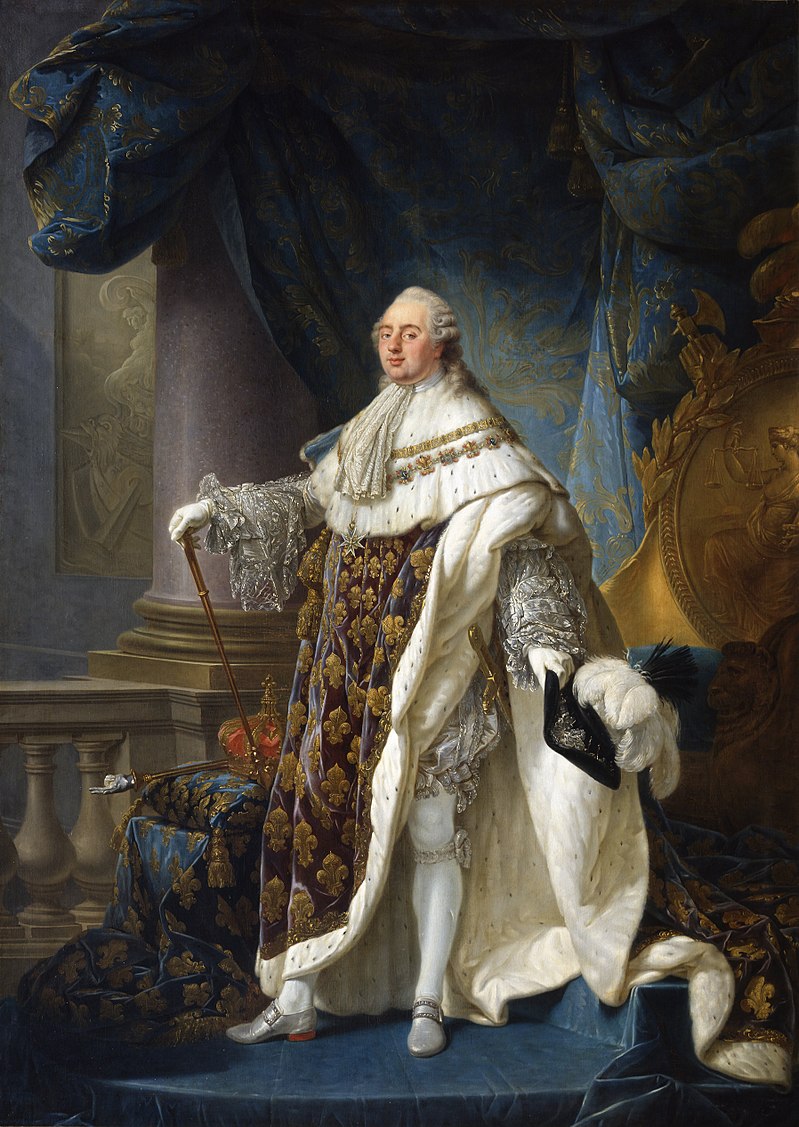
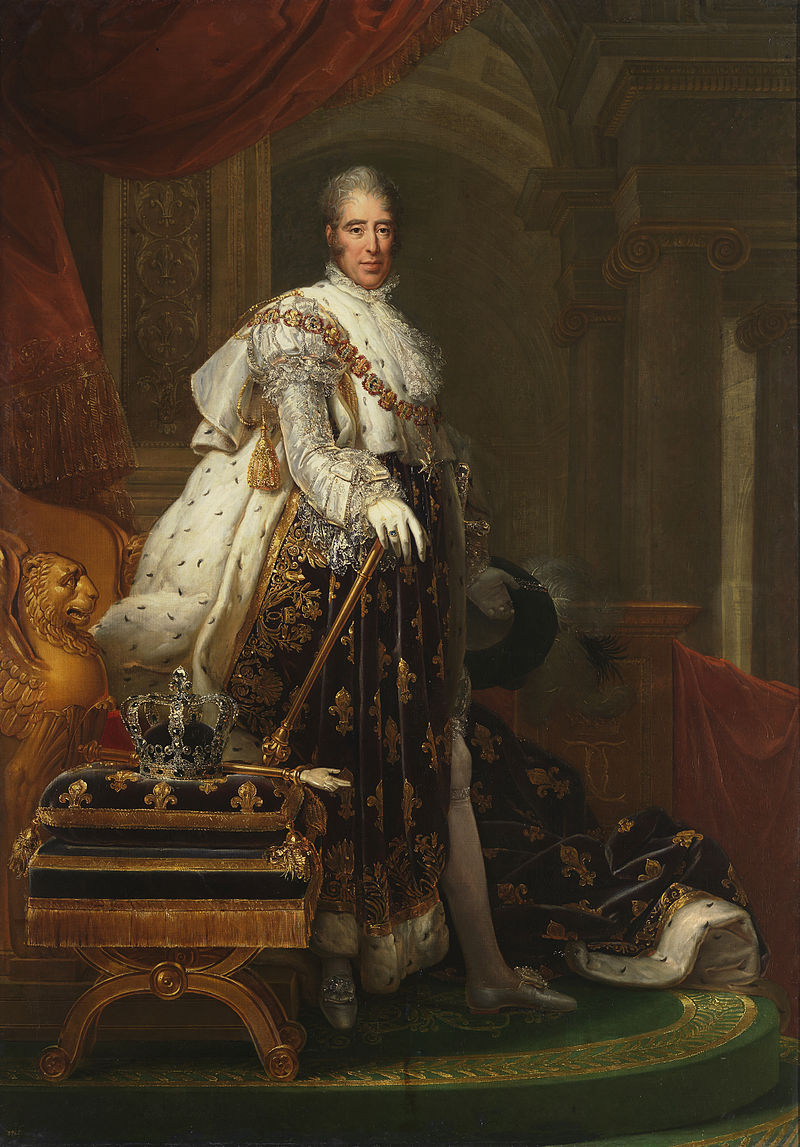
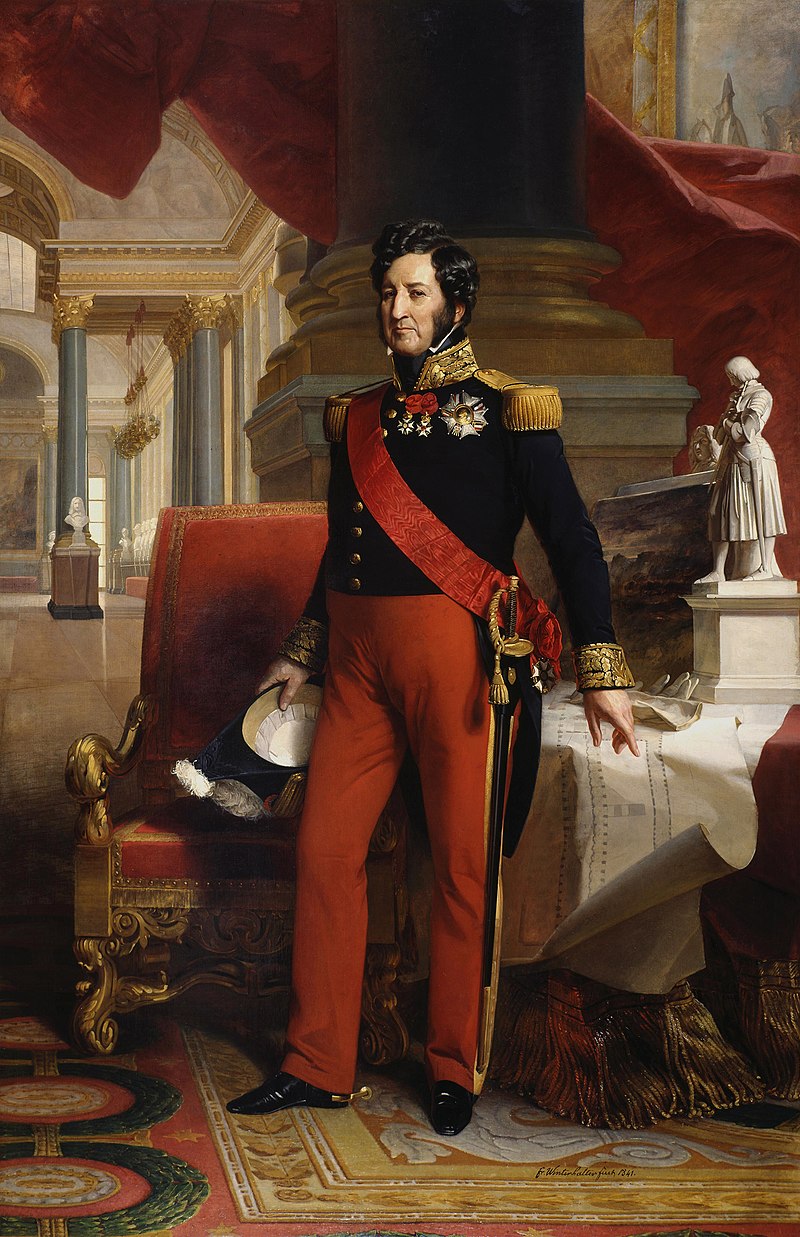
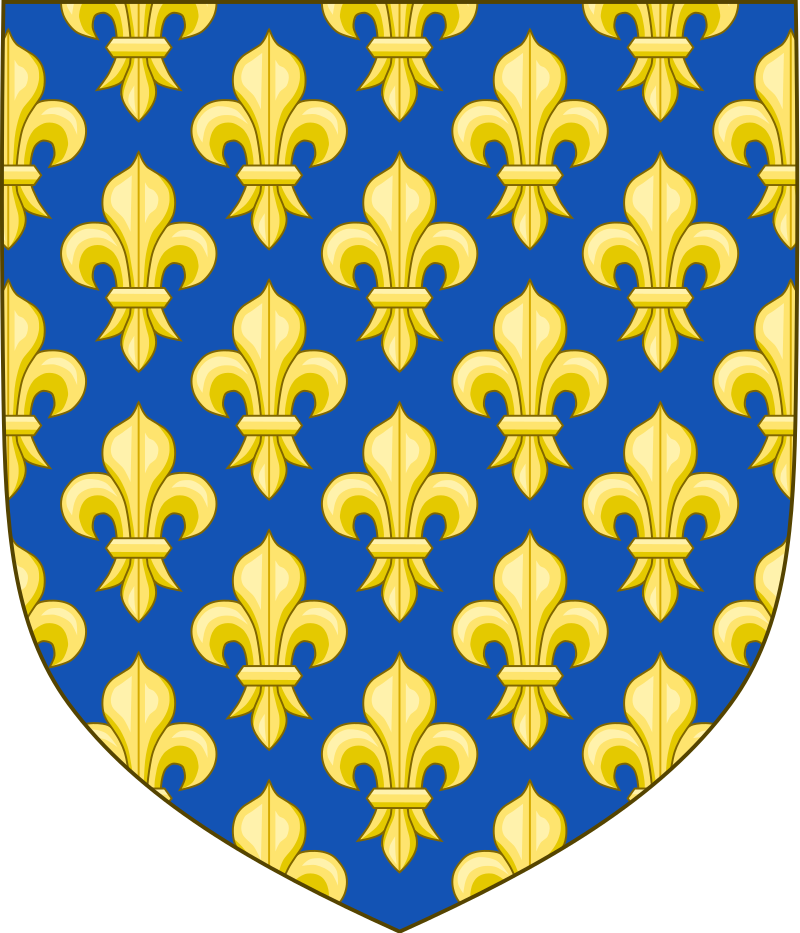
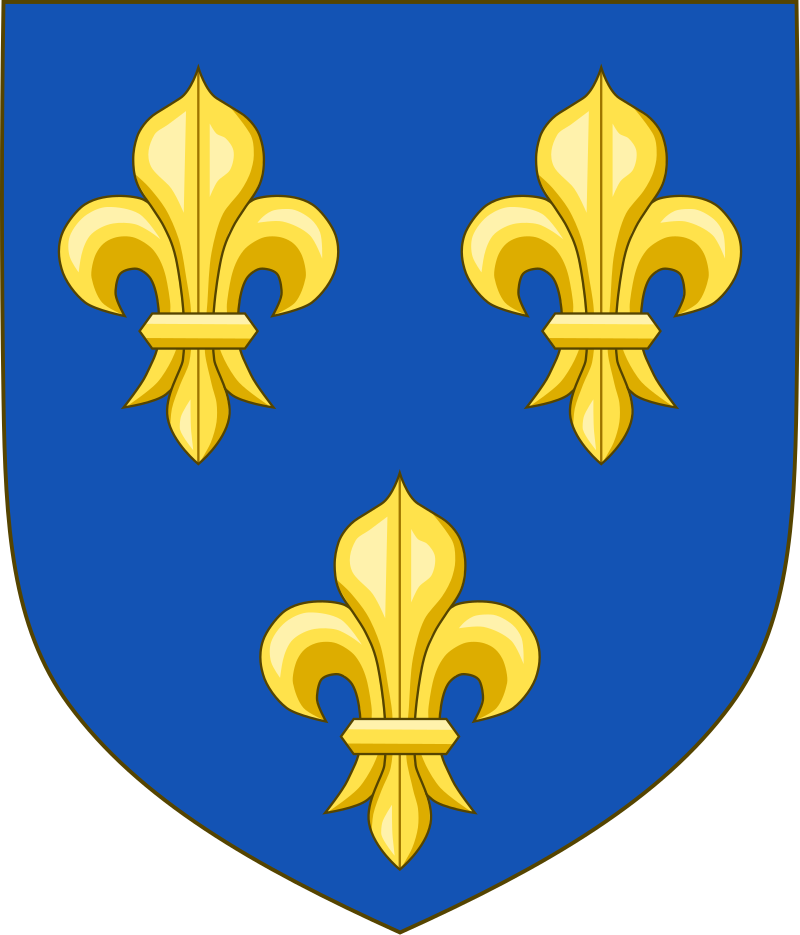
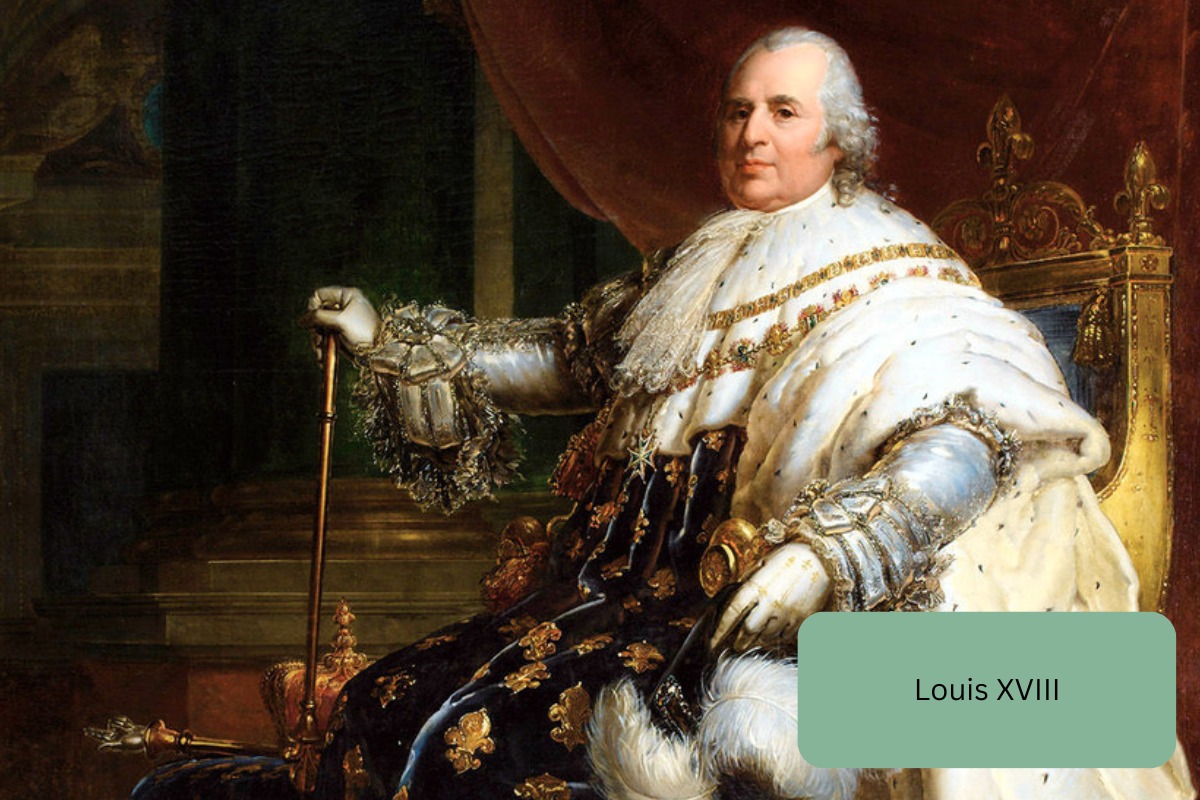
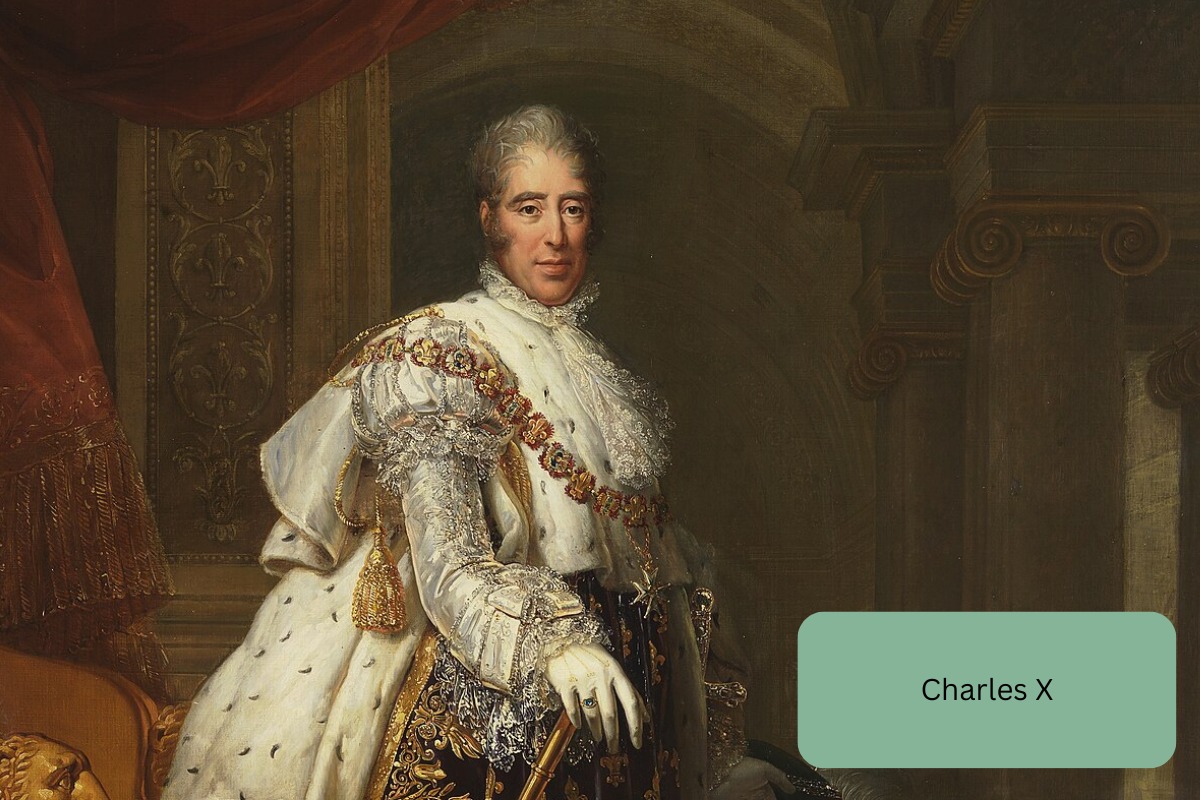
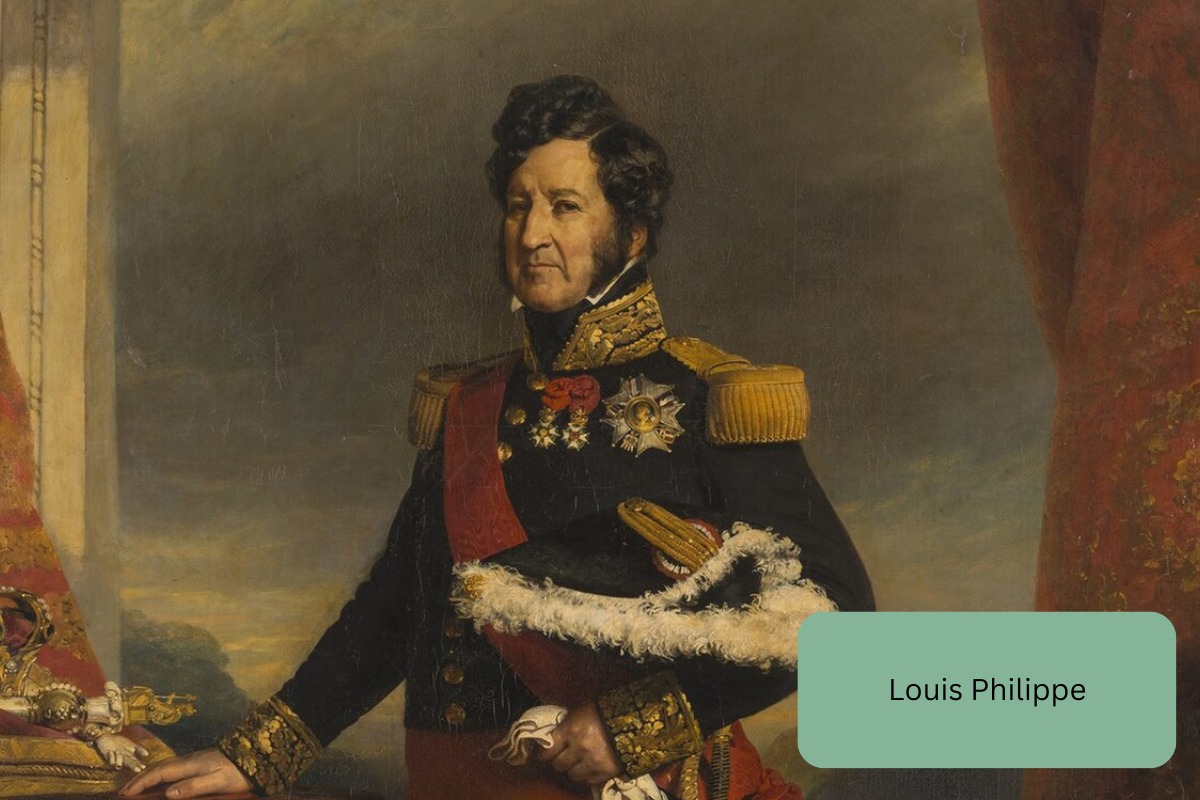
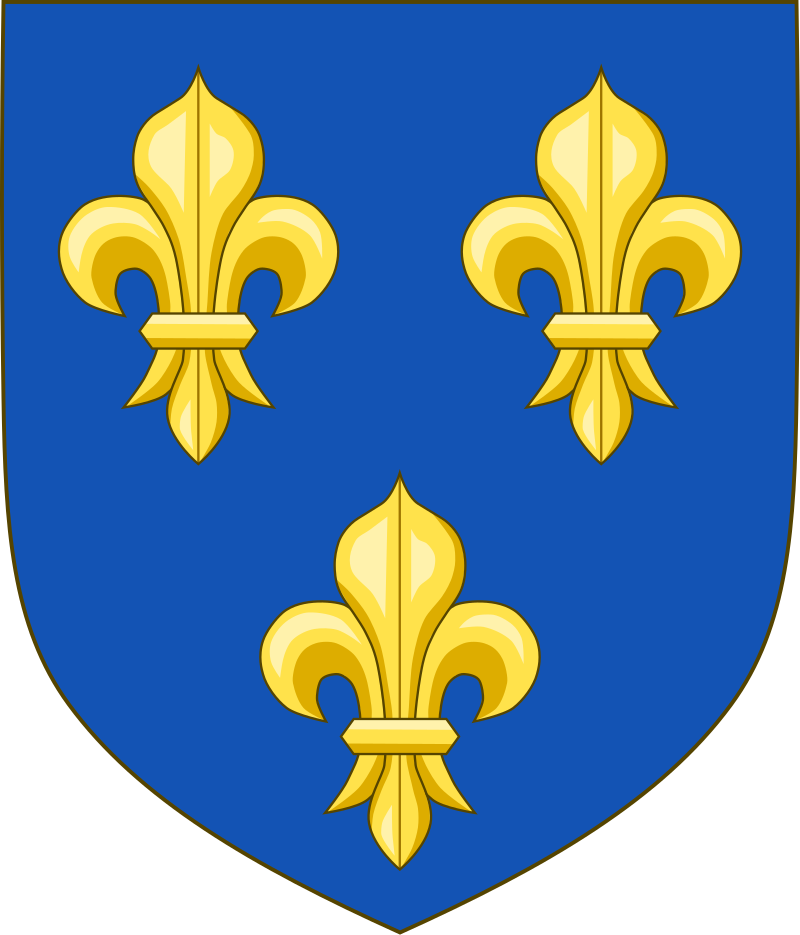
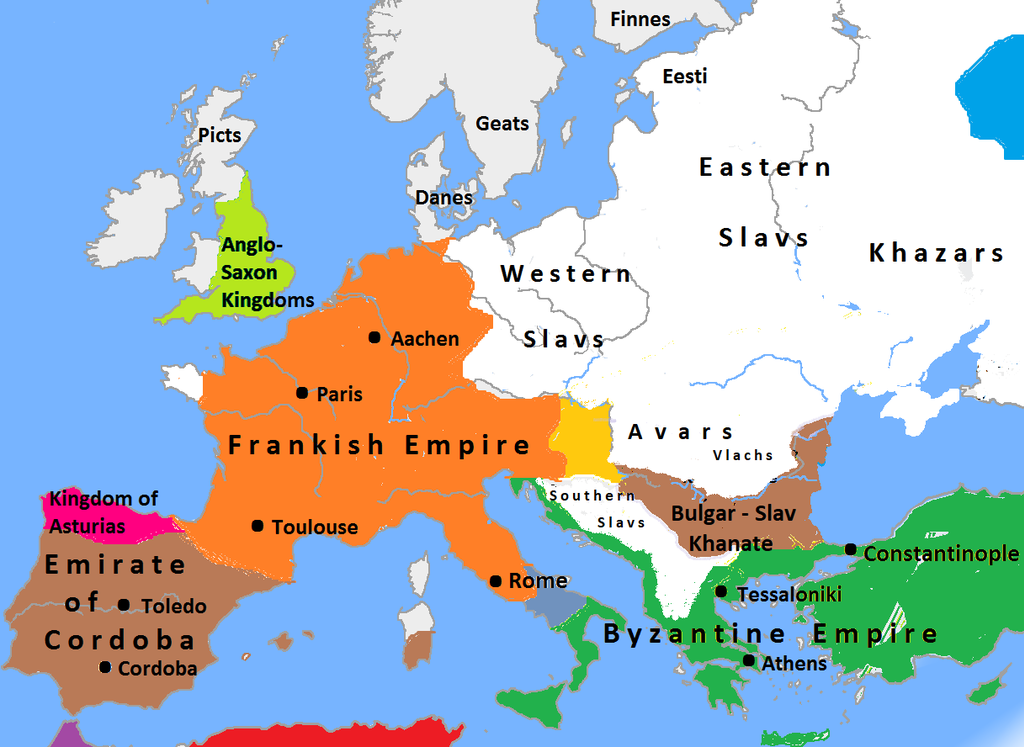
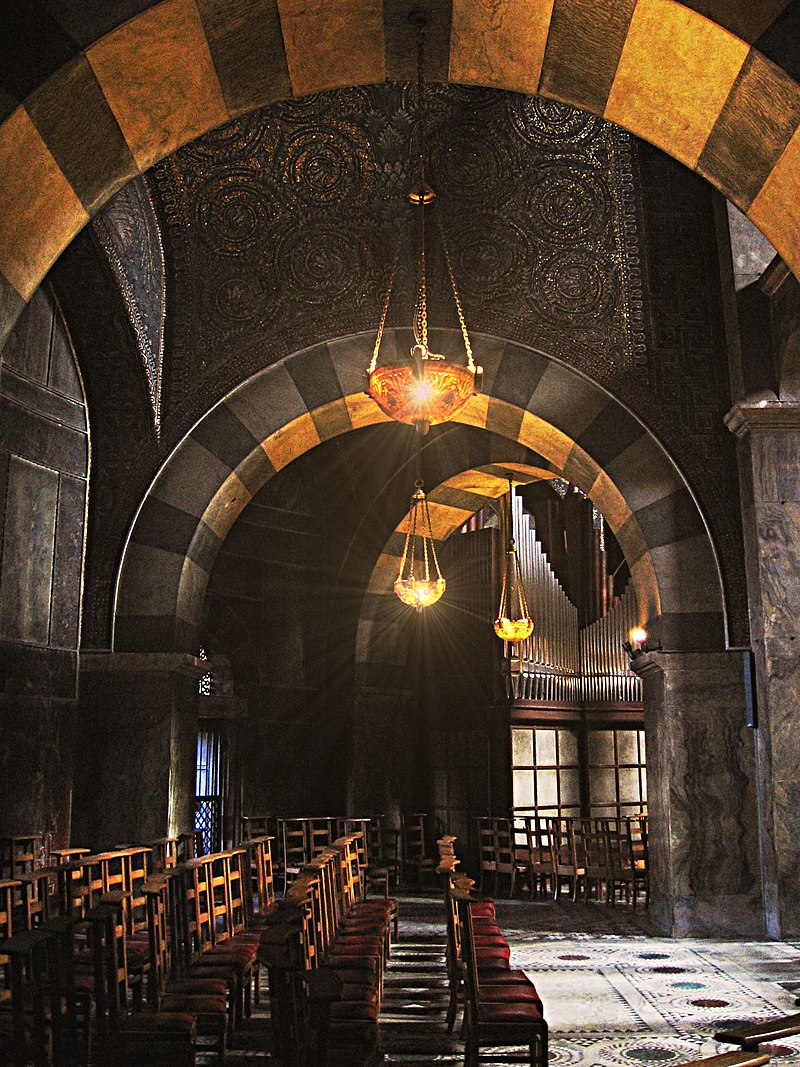
Charlemagne shifted the capital from Paris to Aix-la-Chapelle (Aachen) and Paris only regained its political importance when a new dynasty took over - the Capetians, founded by Hugues Capet.
The Capetians became one of the longest ruling families in Europe - ruling almost uninterruptedly from 987 to 1848.
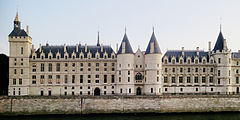
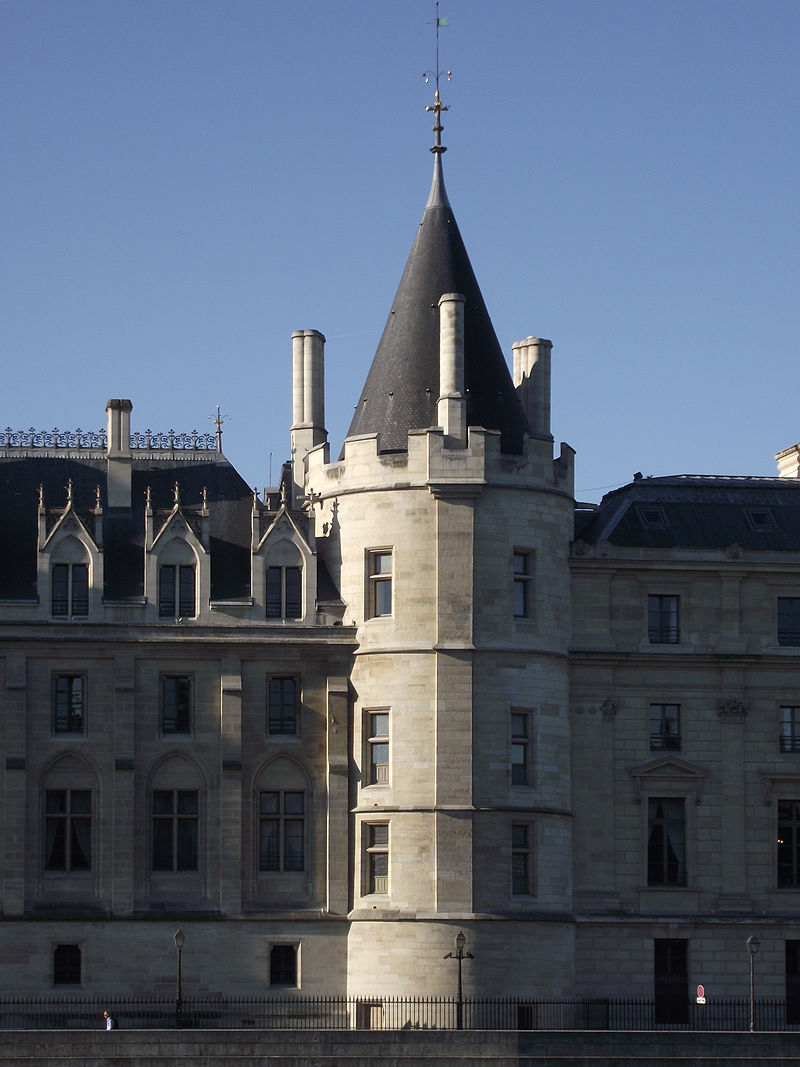
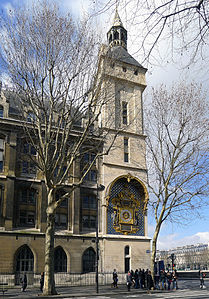
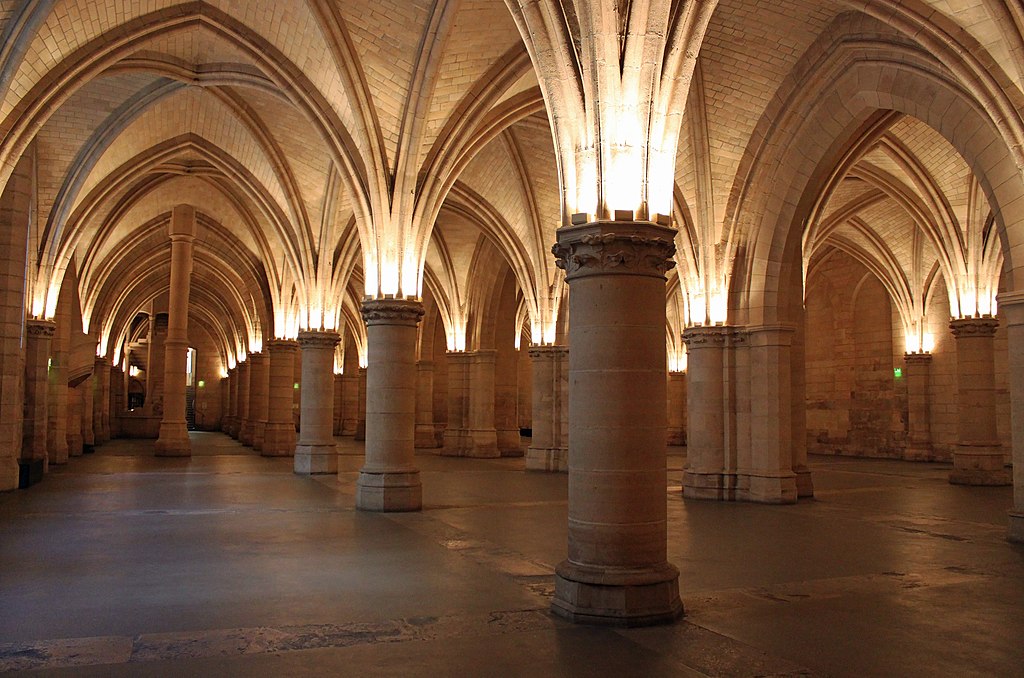
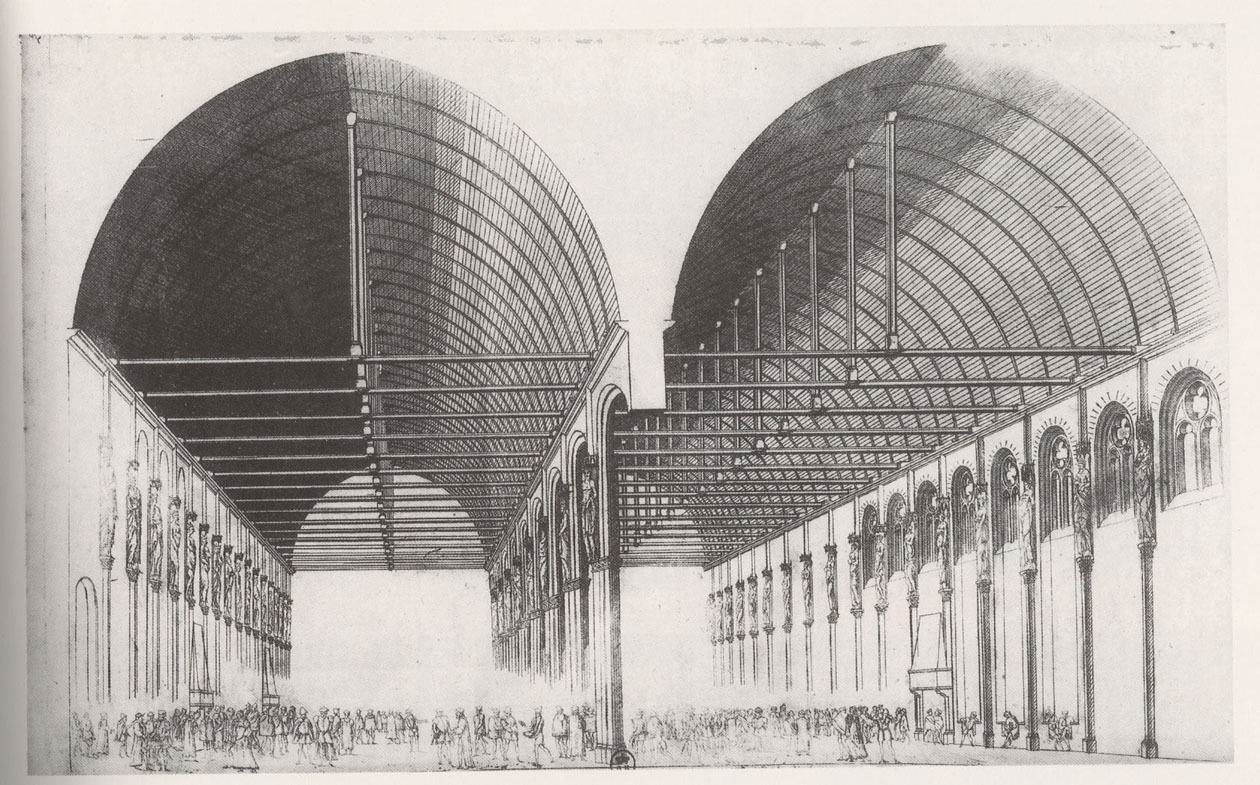
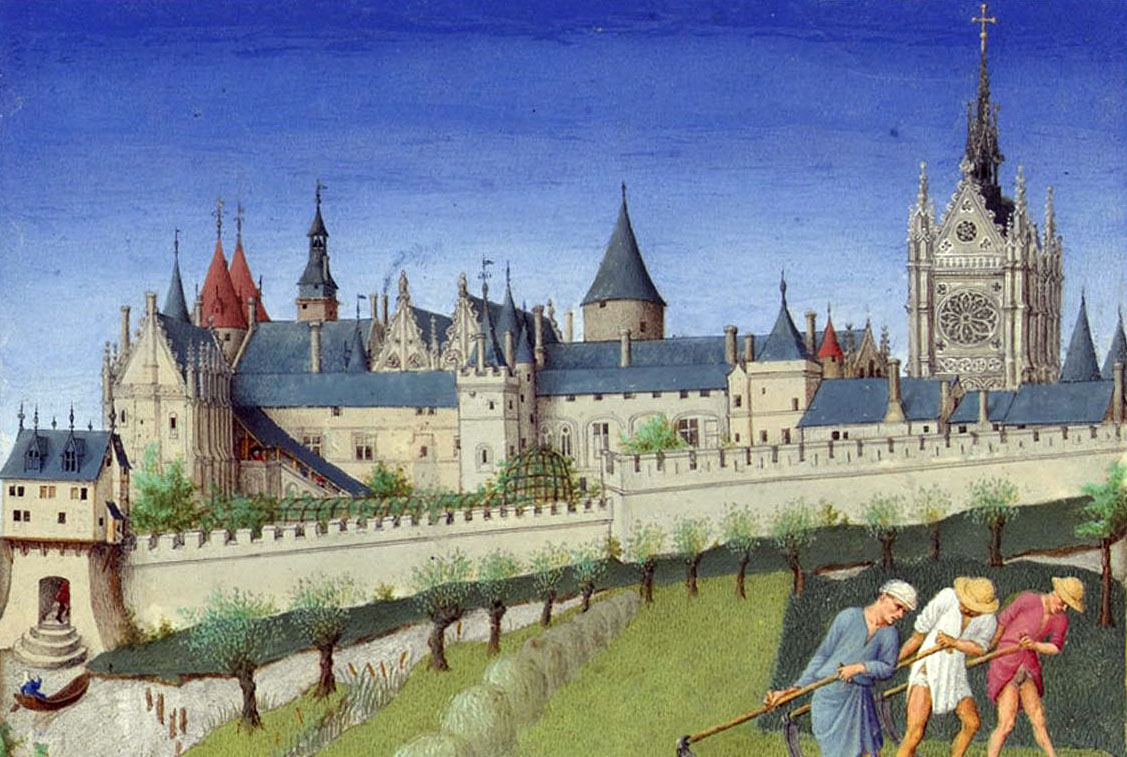
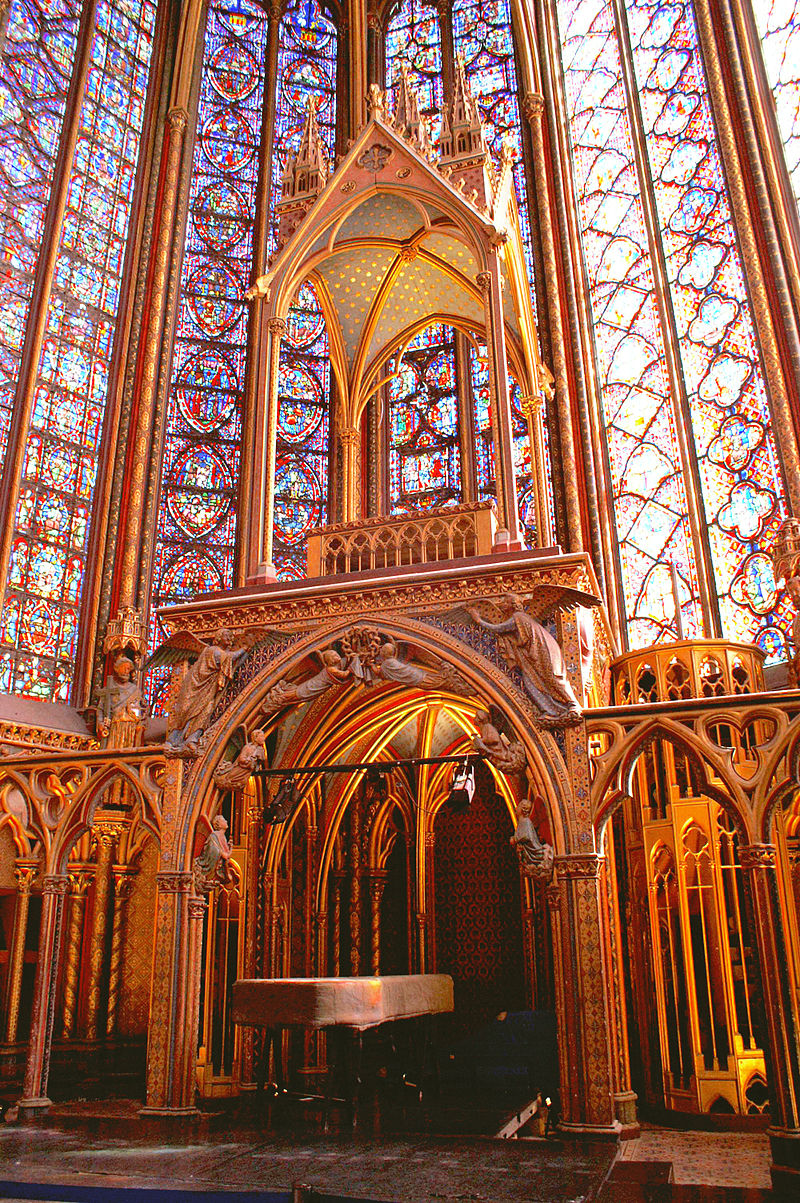
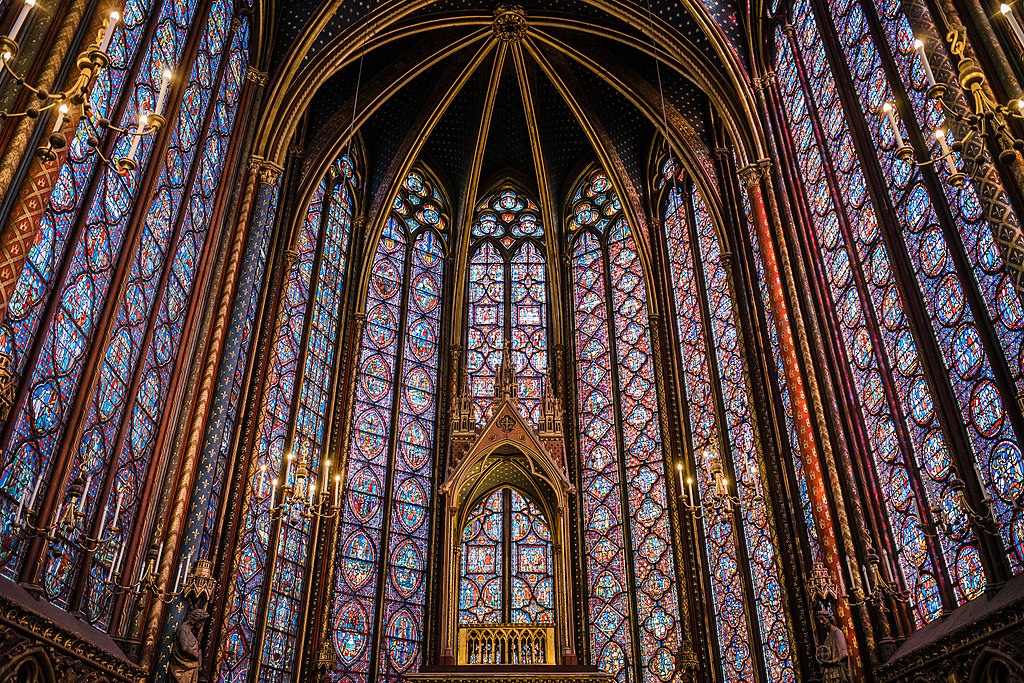
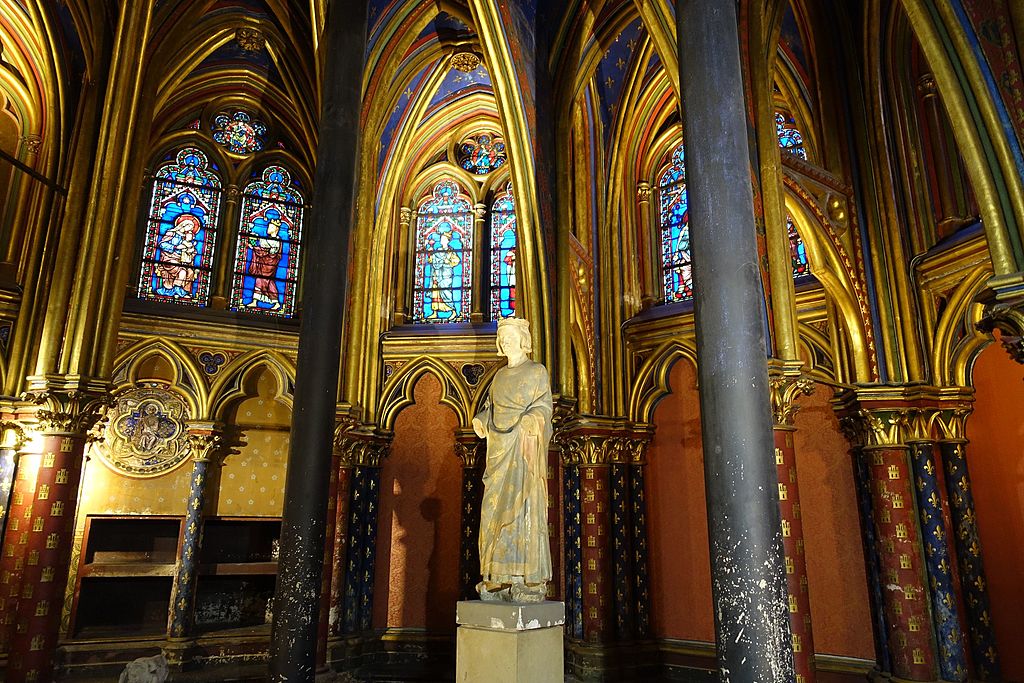
Under the Capetians, Paris transformed from a provincial town into one of the wealthiest and most vibrant medieval cities in Europe.
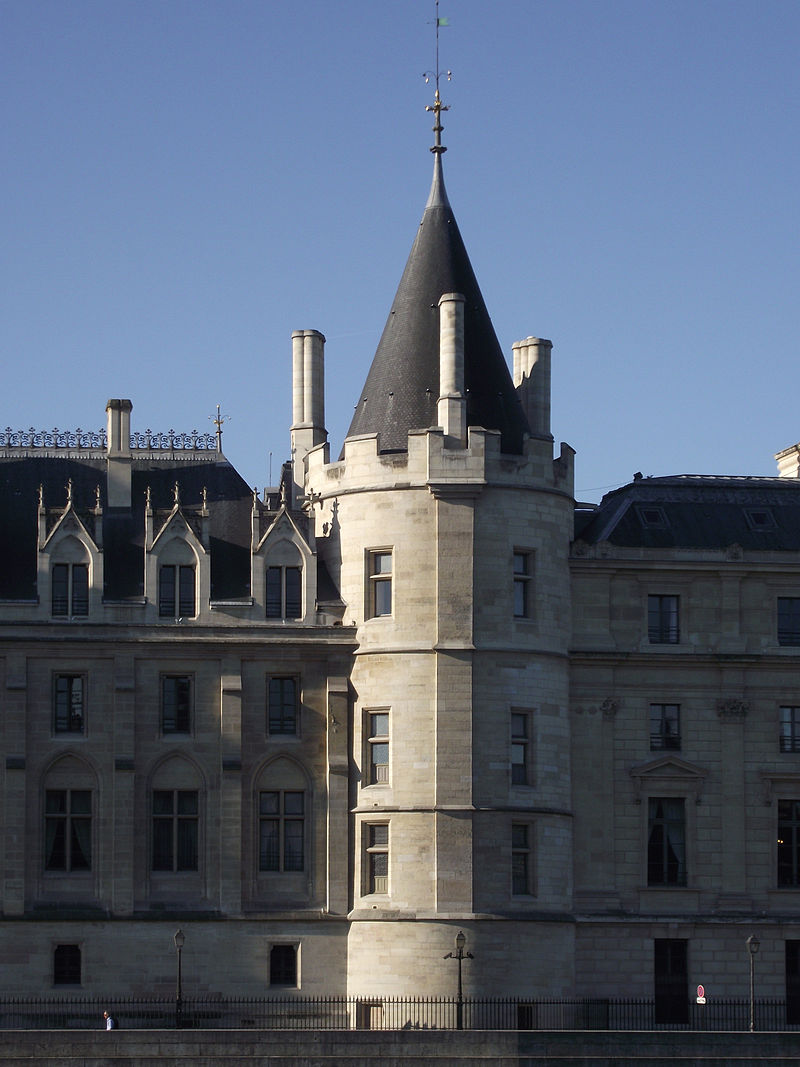
For centuries, the epicenter of Capetian power was a royal palace on the Île de la Cité - parts of which can still be seen in today's Conciergerie.
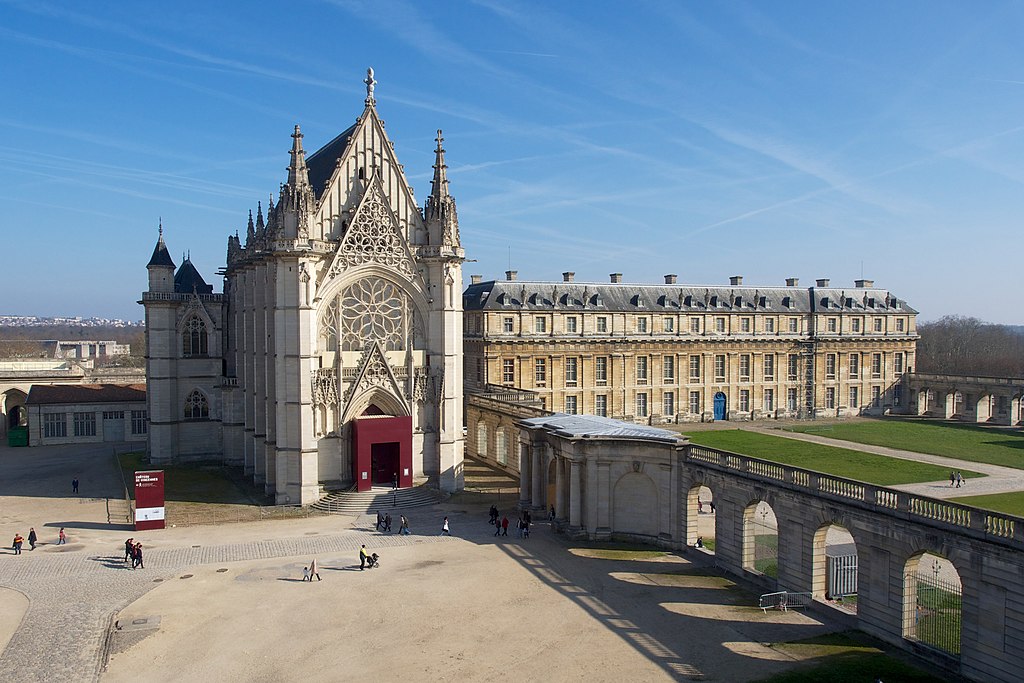
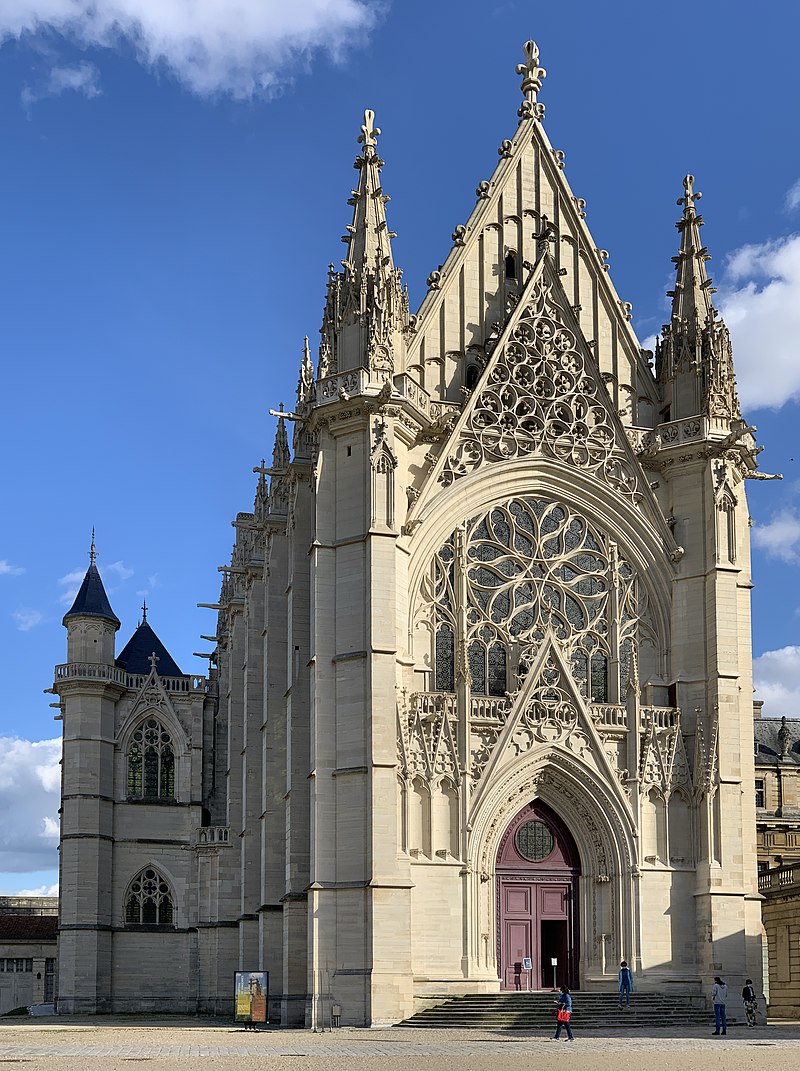
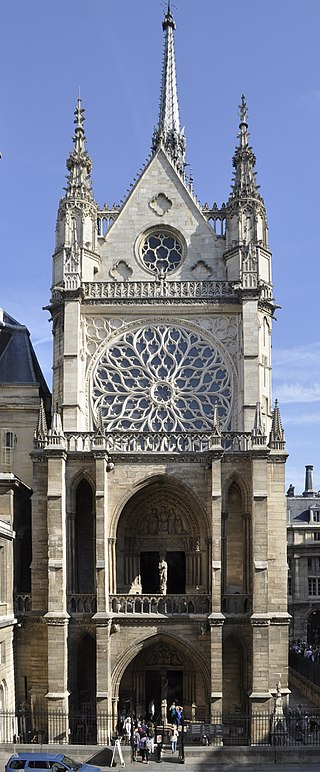
One of the Capetians' most famous rulers, Louis IX, constructed the Sainte Chapelle on the Ile de la Cité to house his collection of holy relics, which included a fragment of the Holy Cross and the Crown of Thorns.
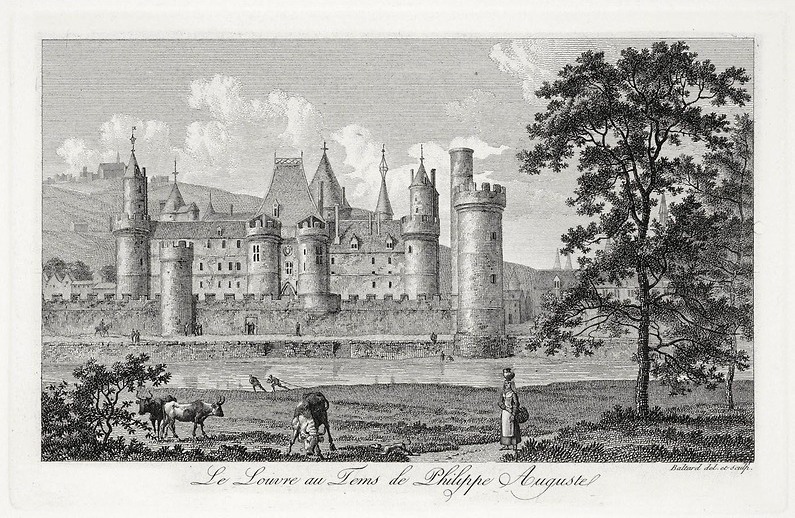
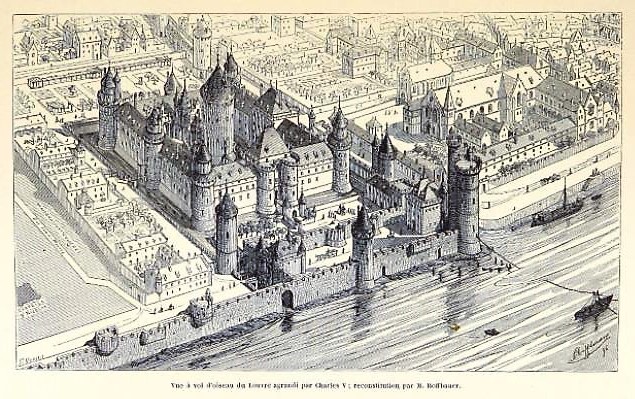
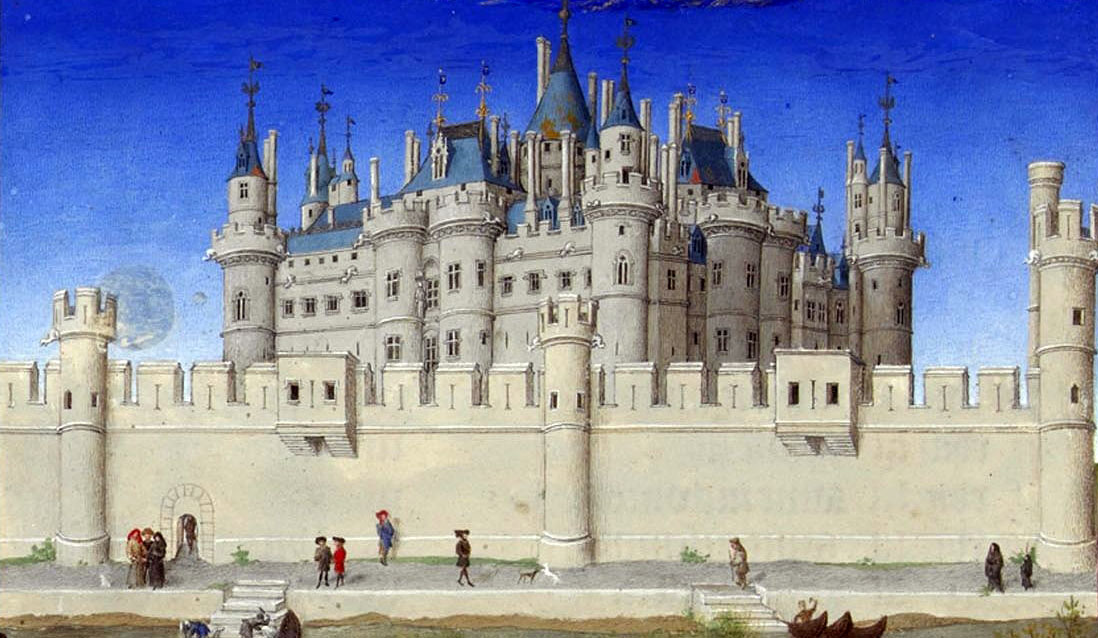
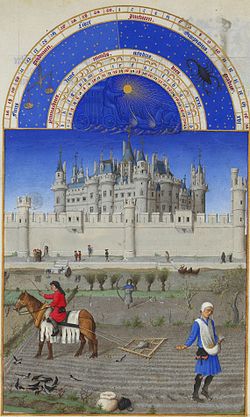
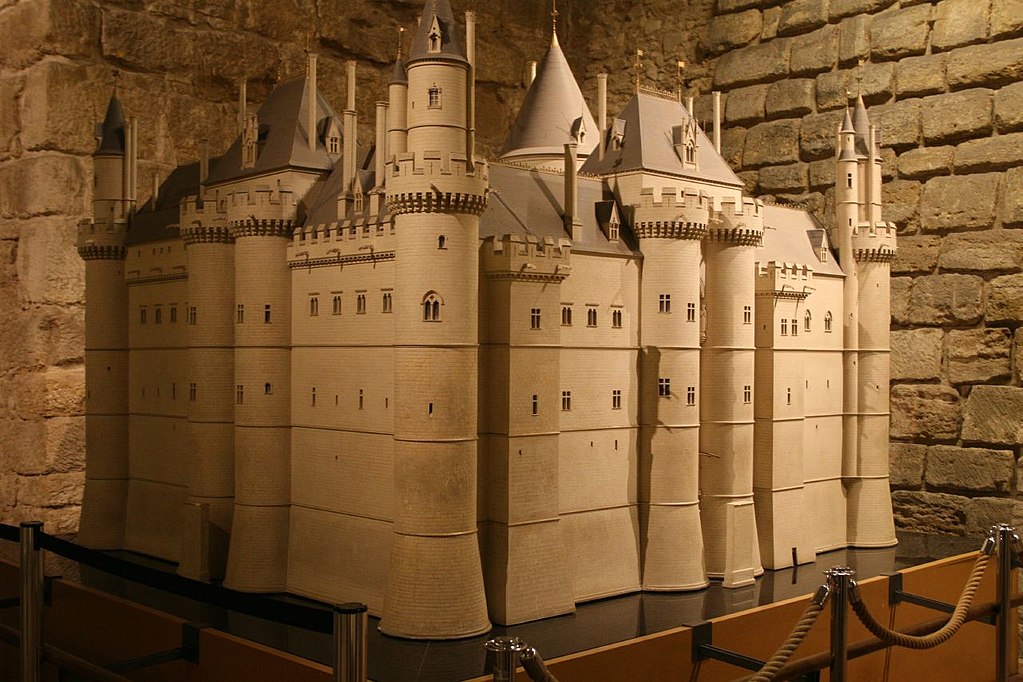
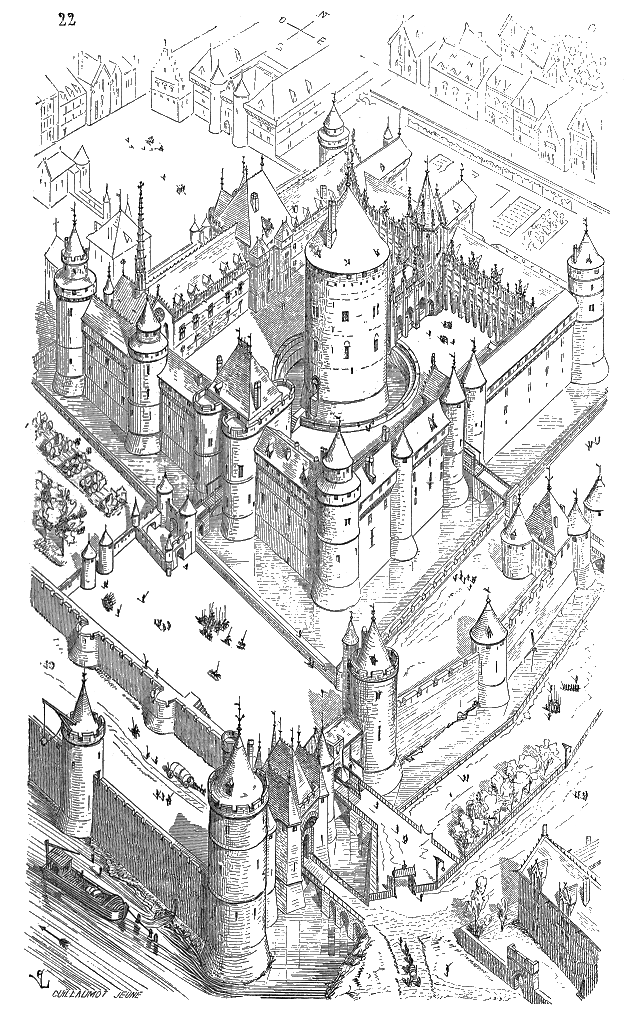
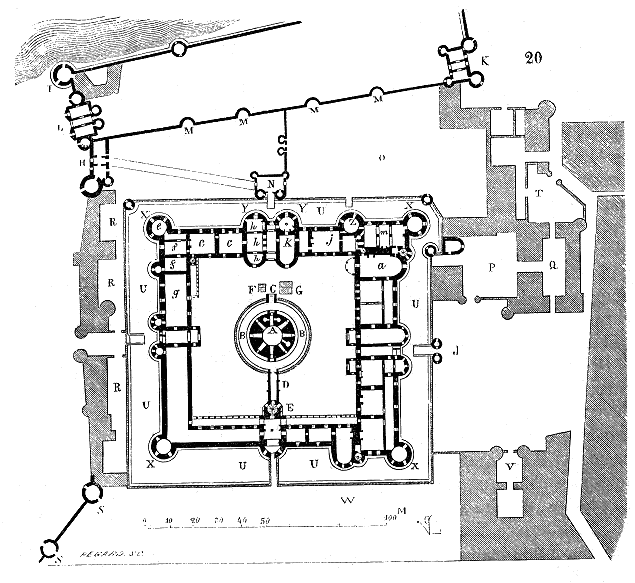
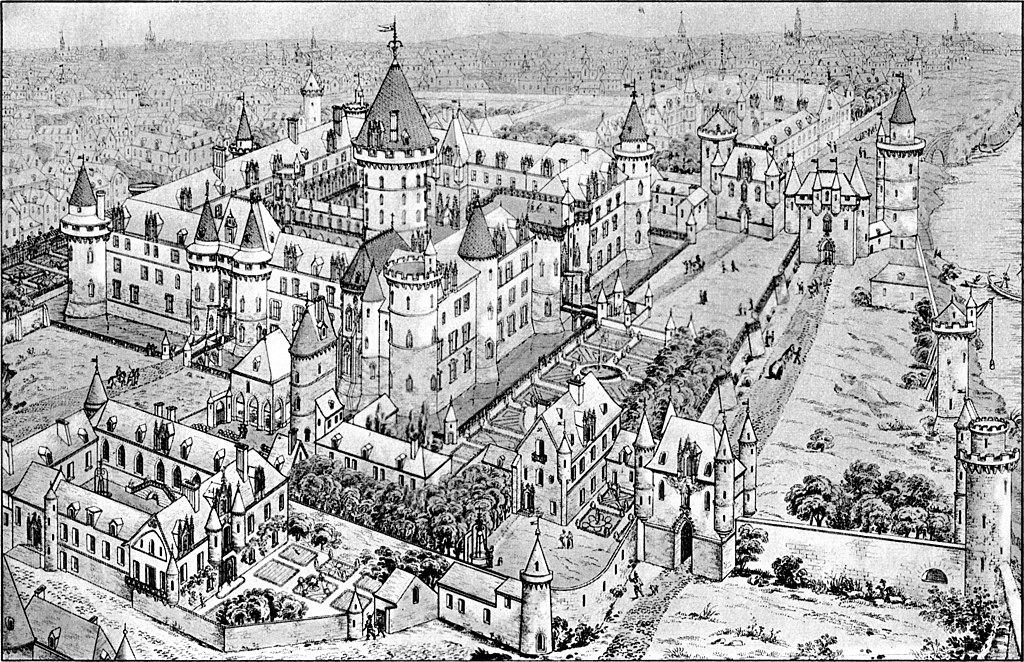
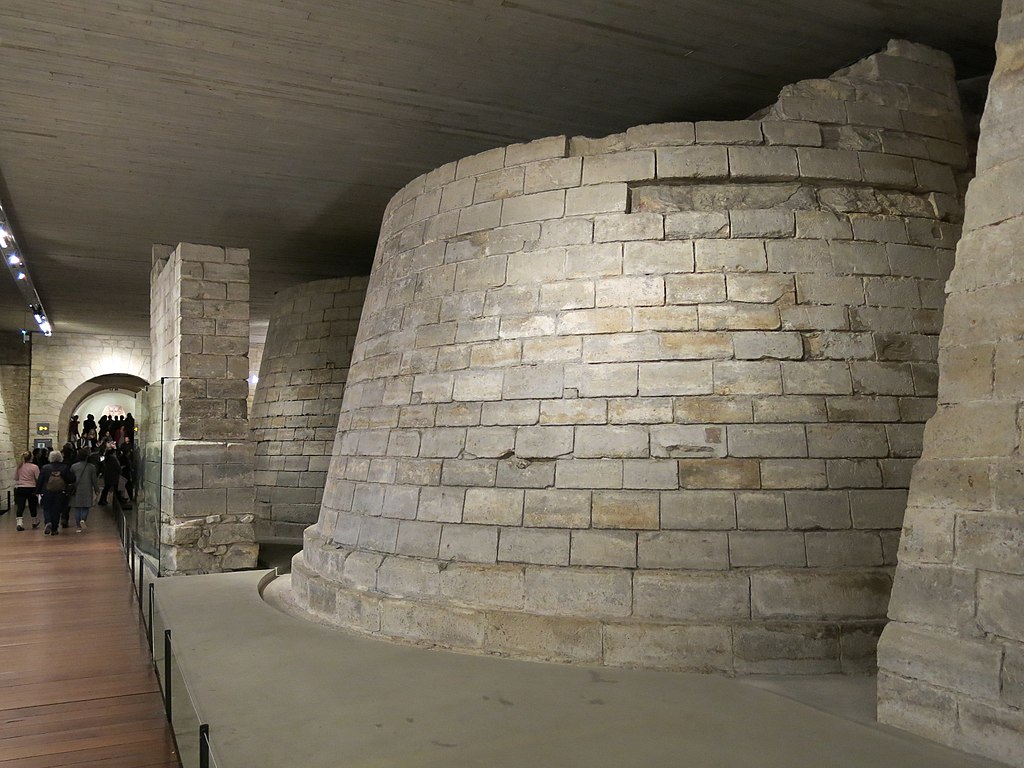
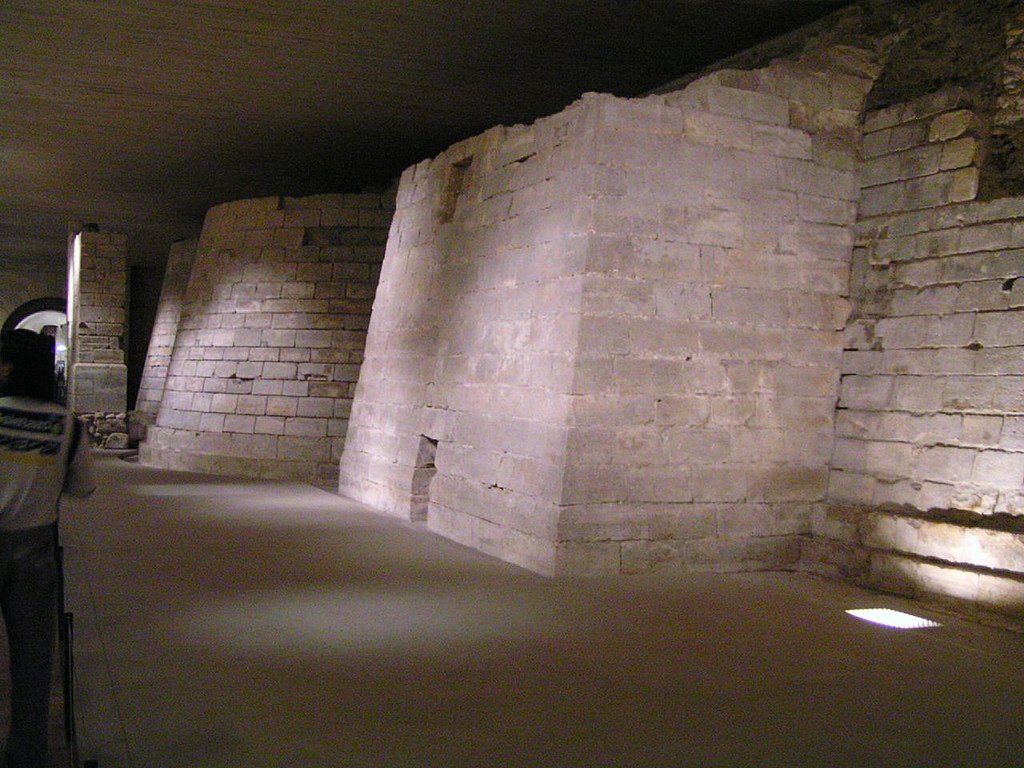
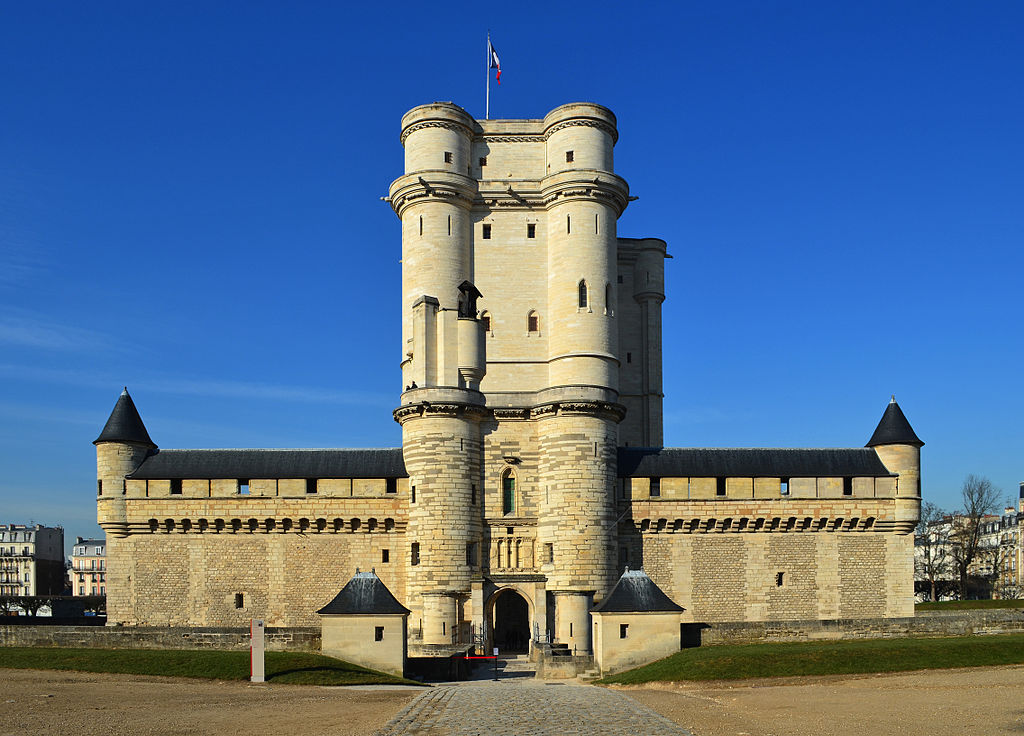
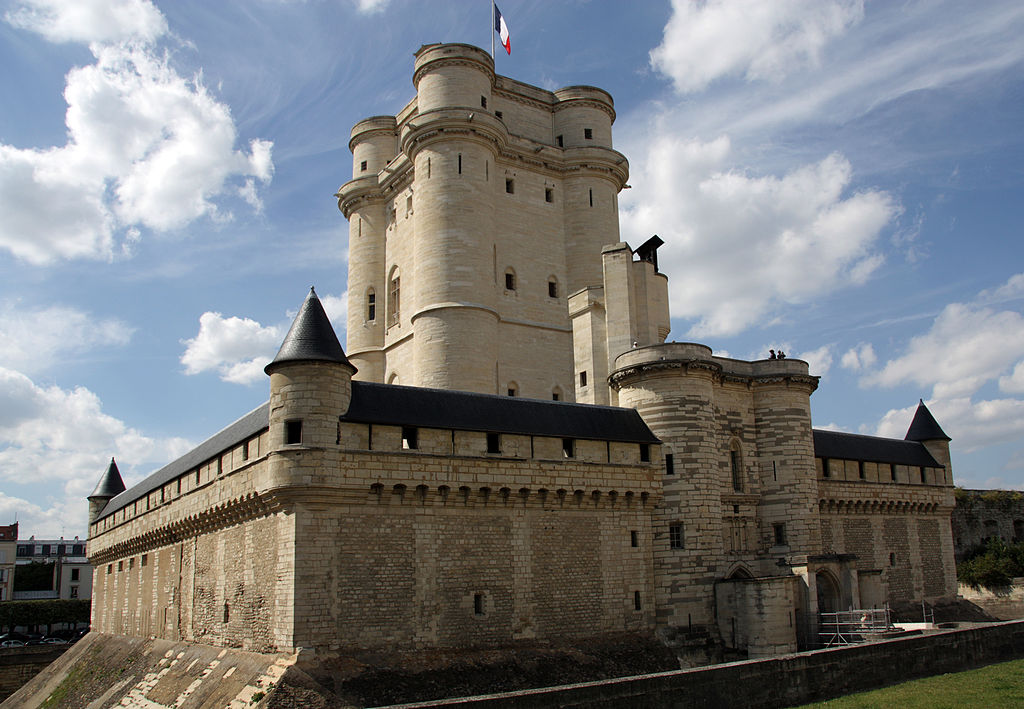
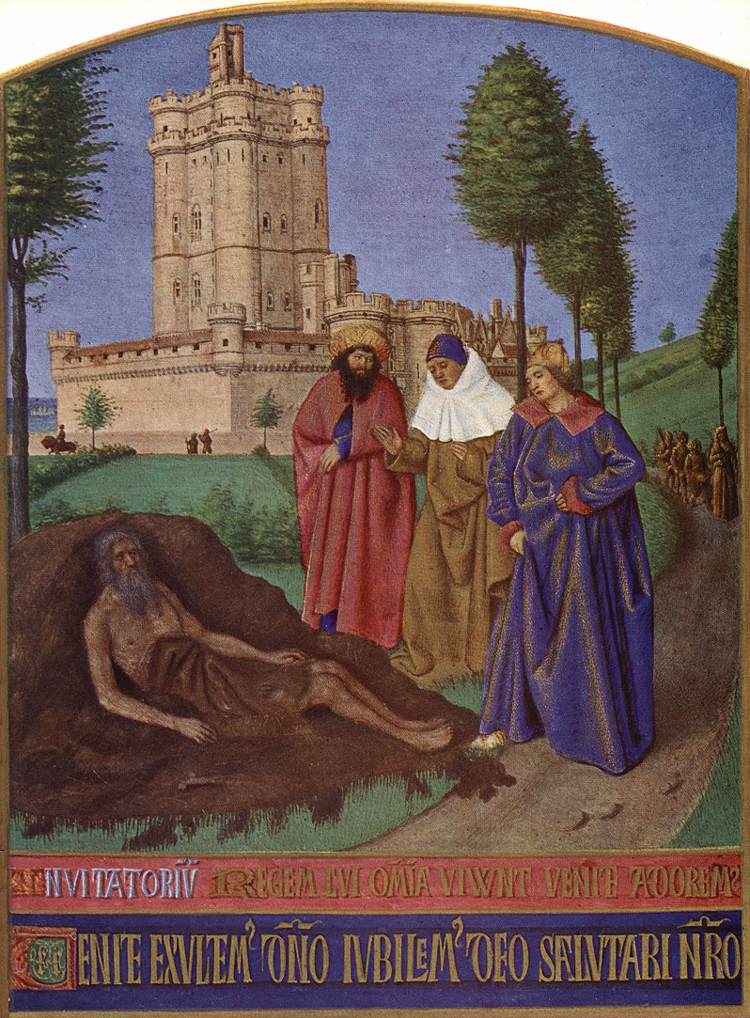
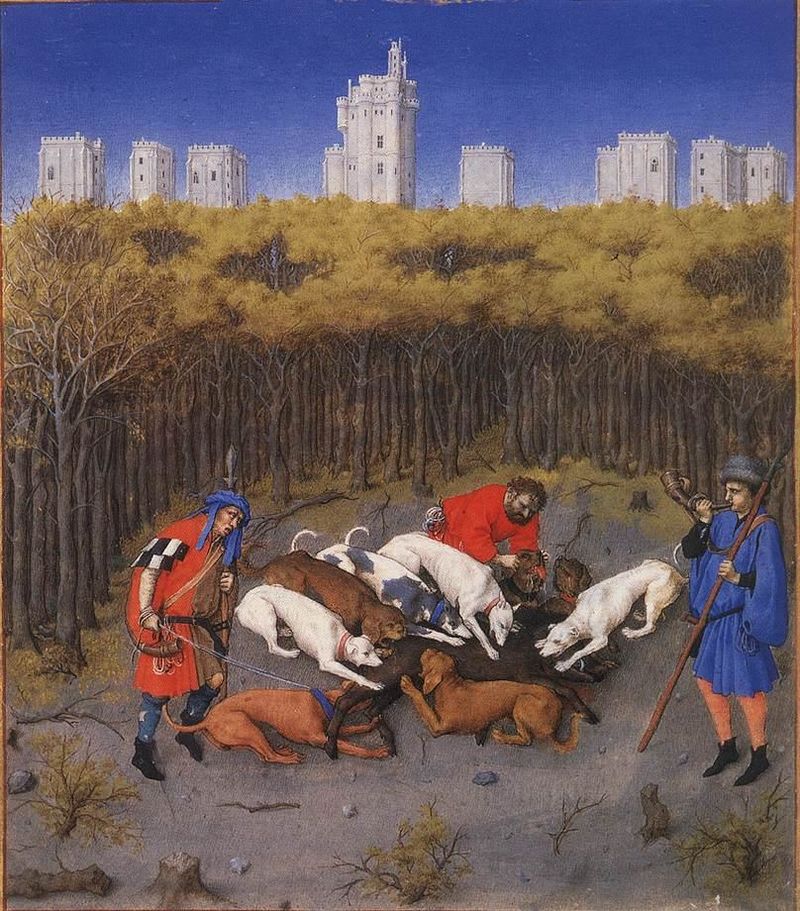
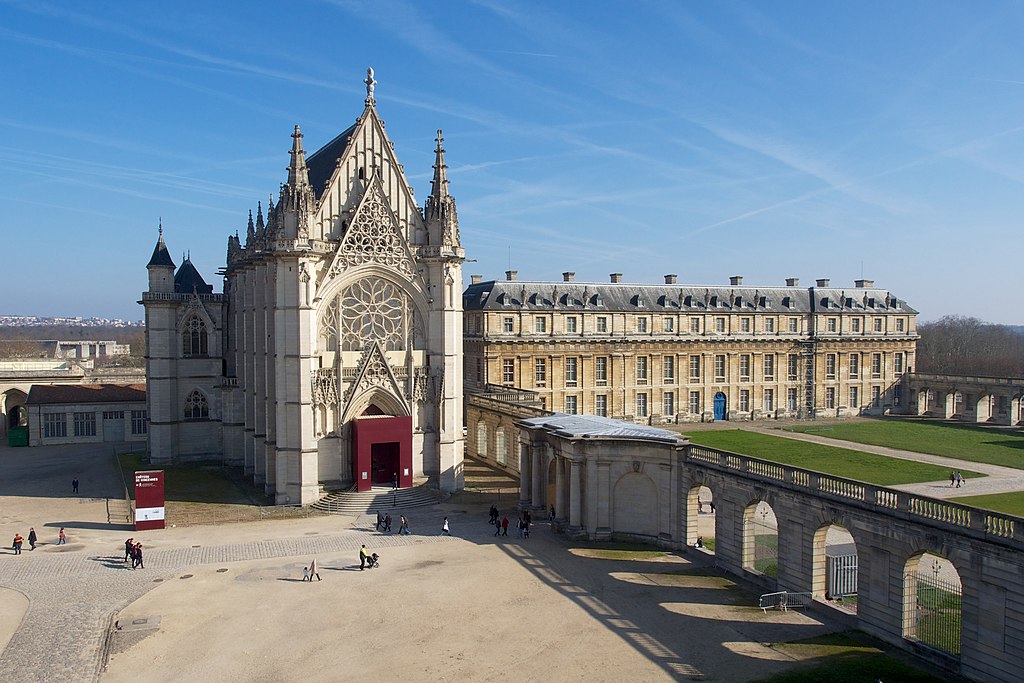
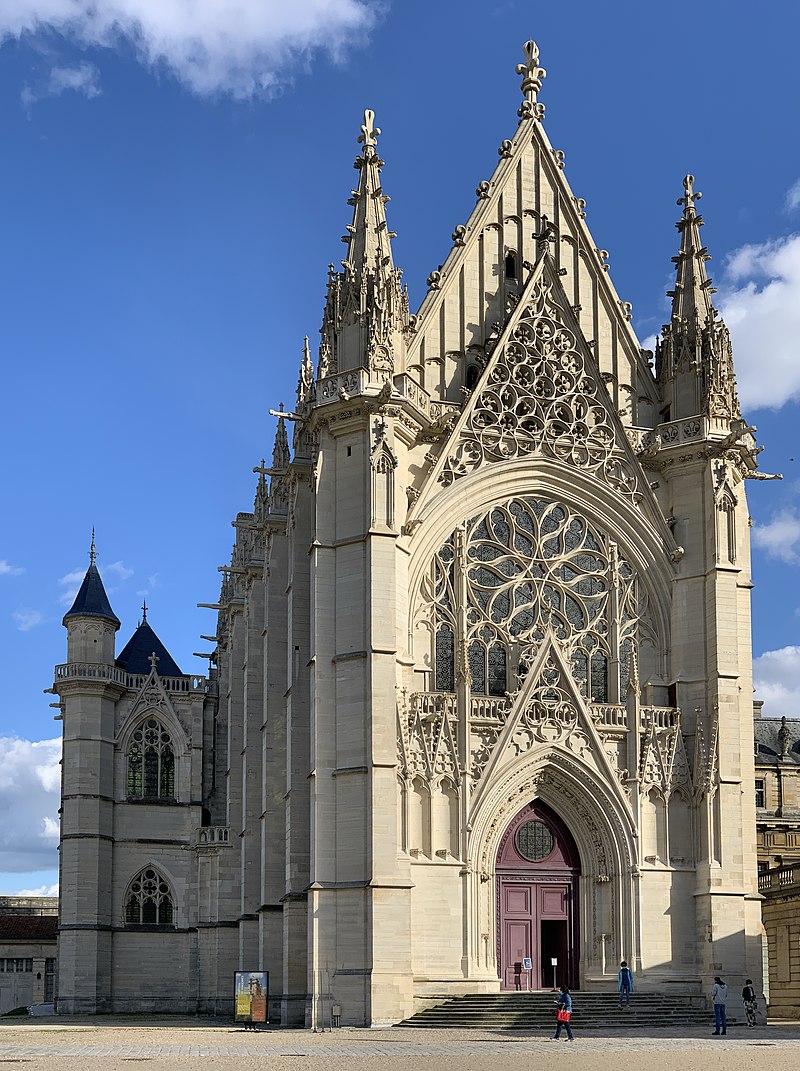
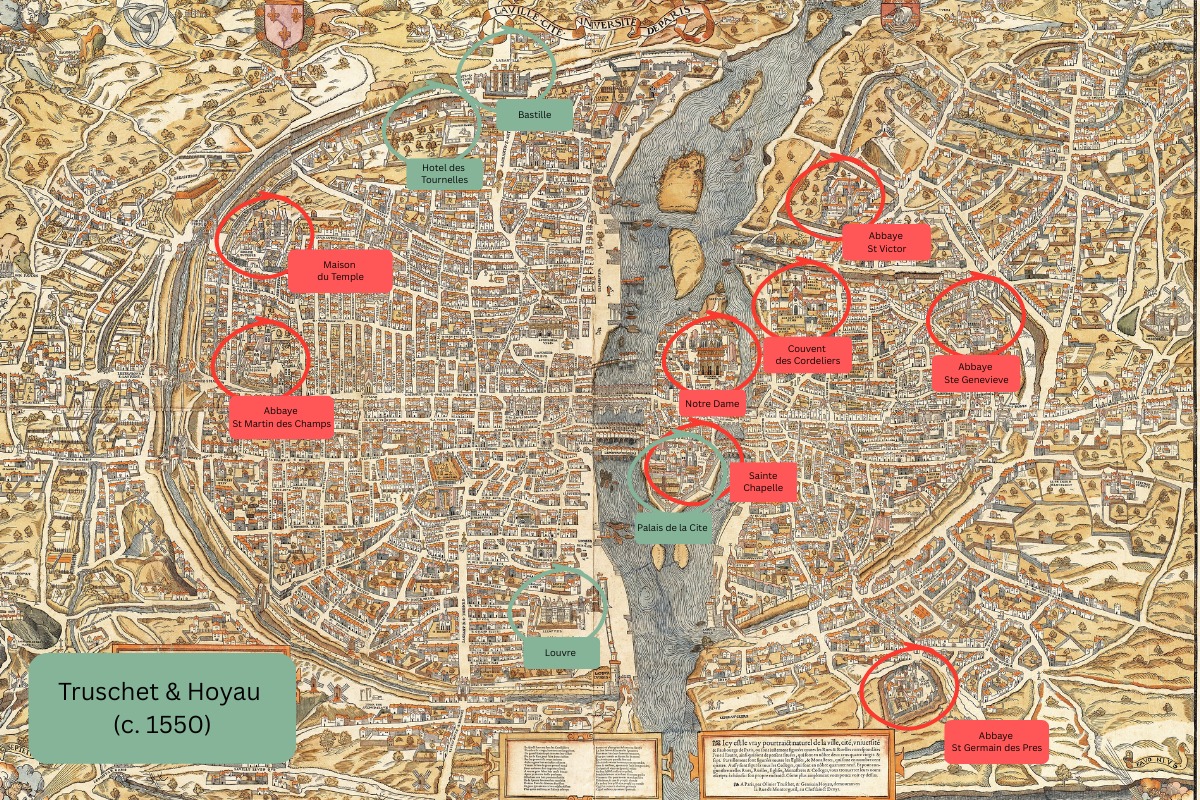
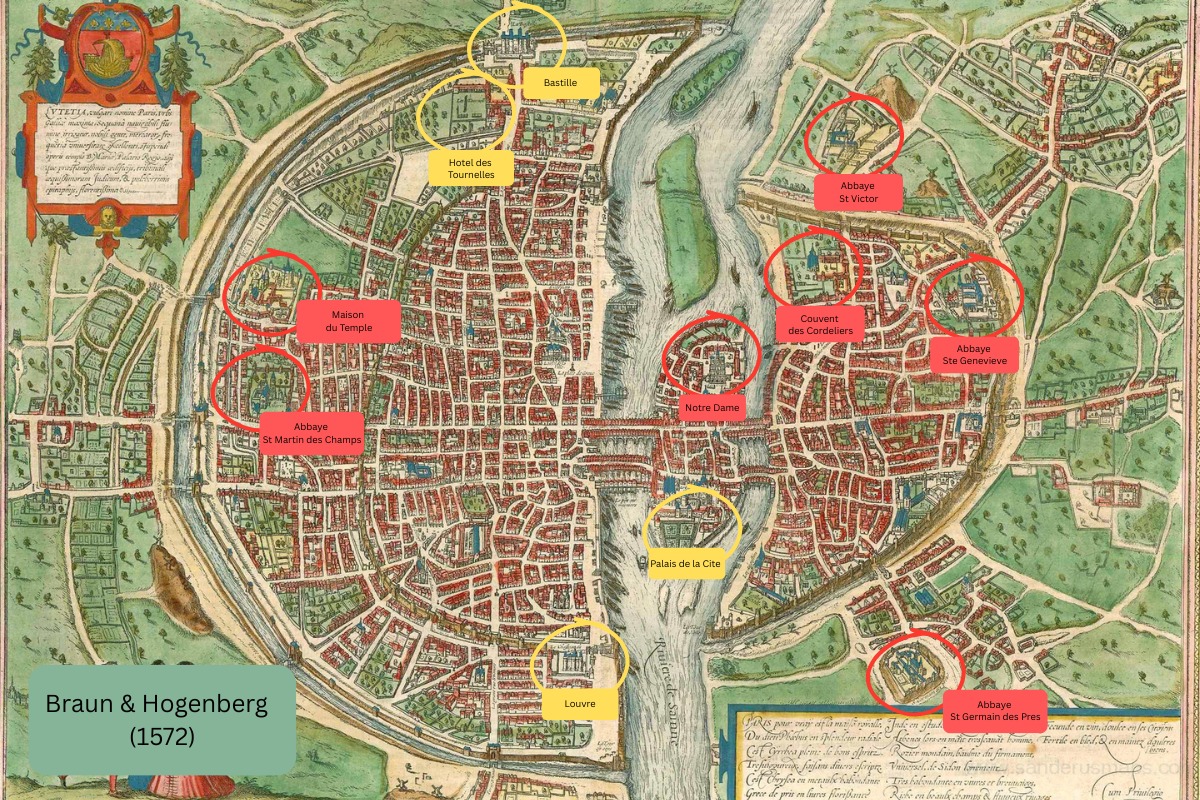
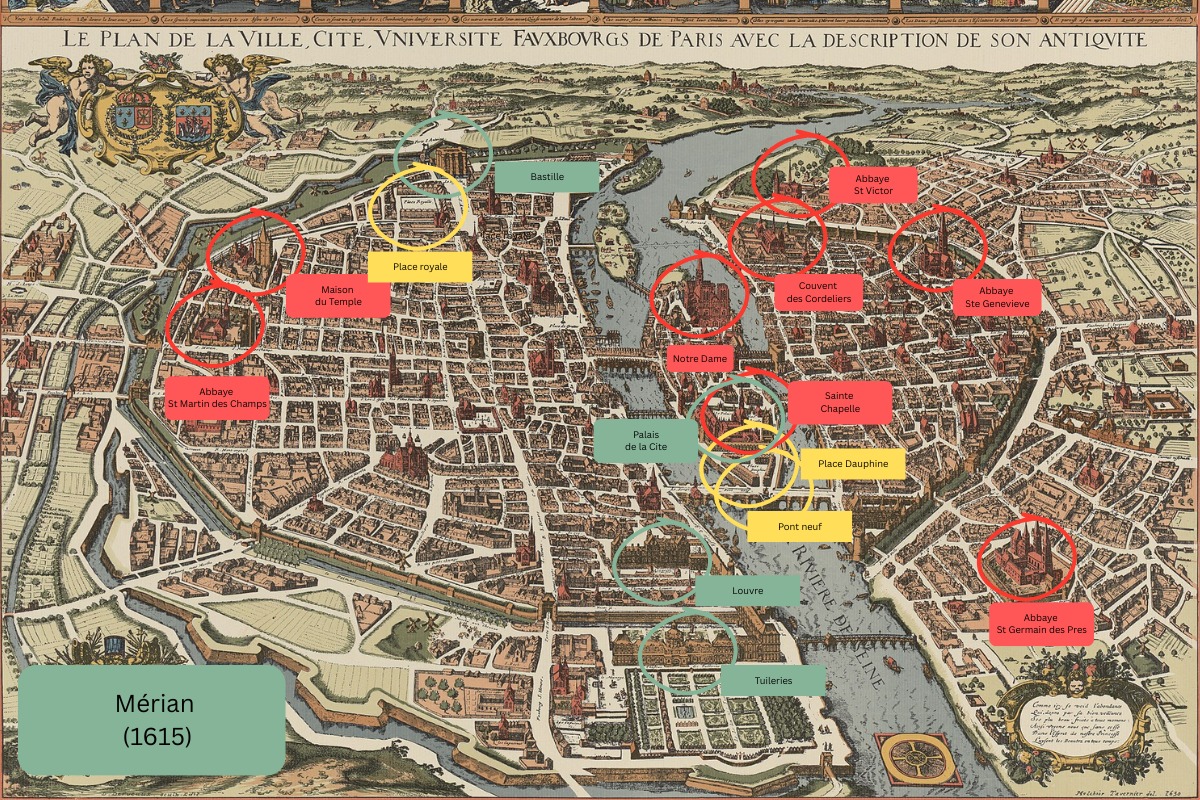
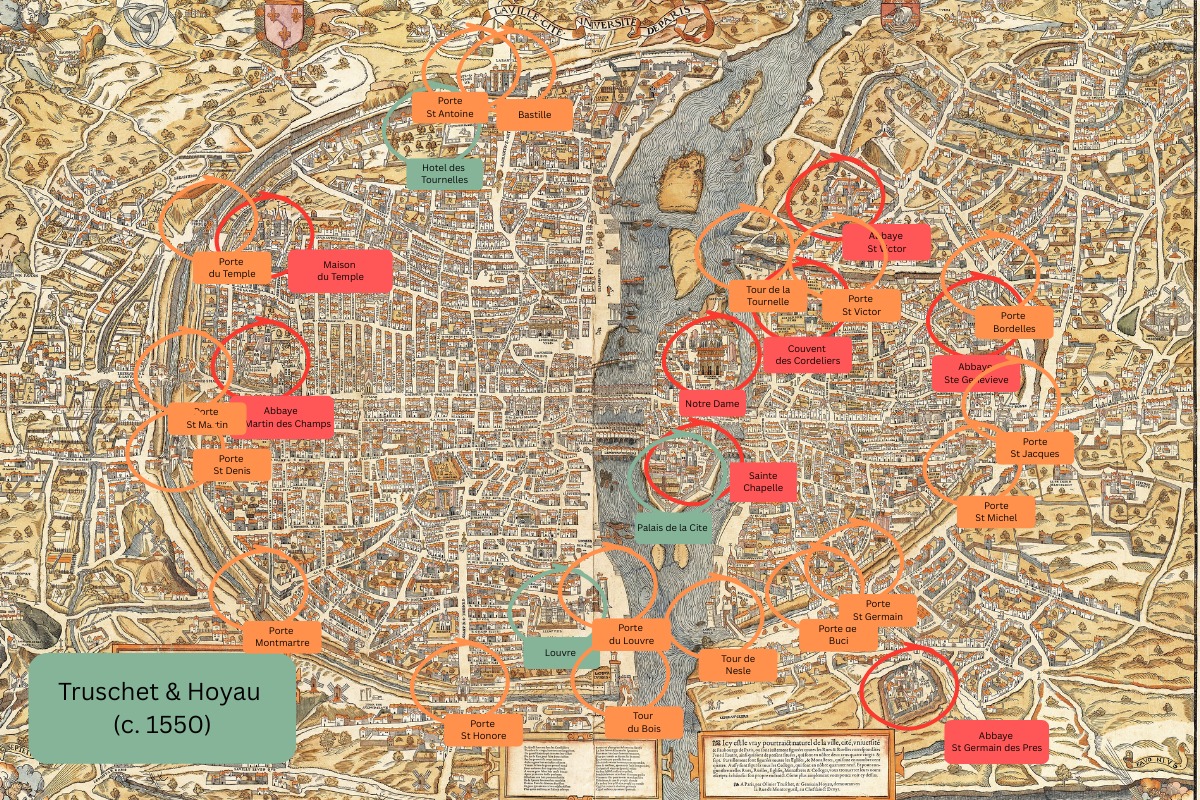
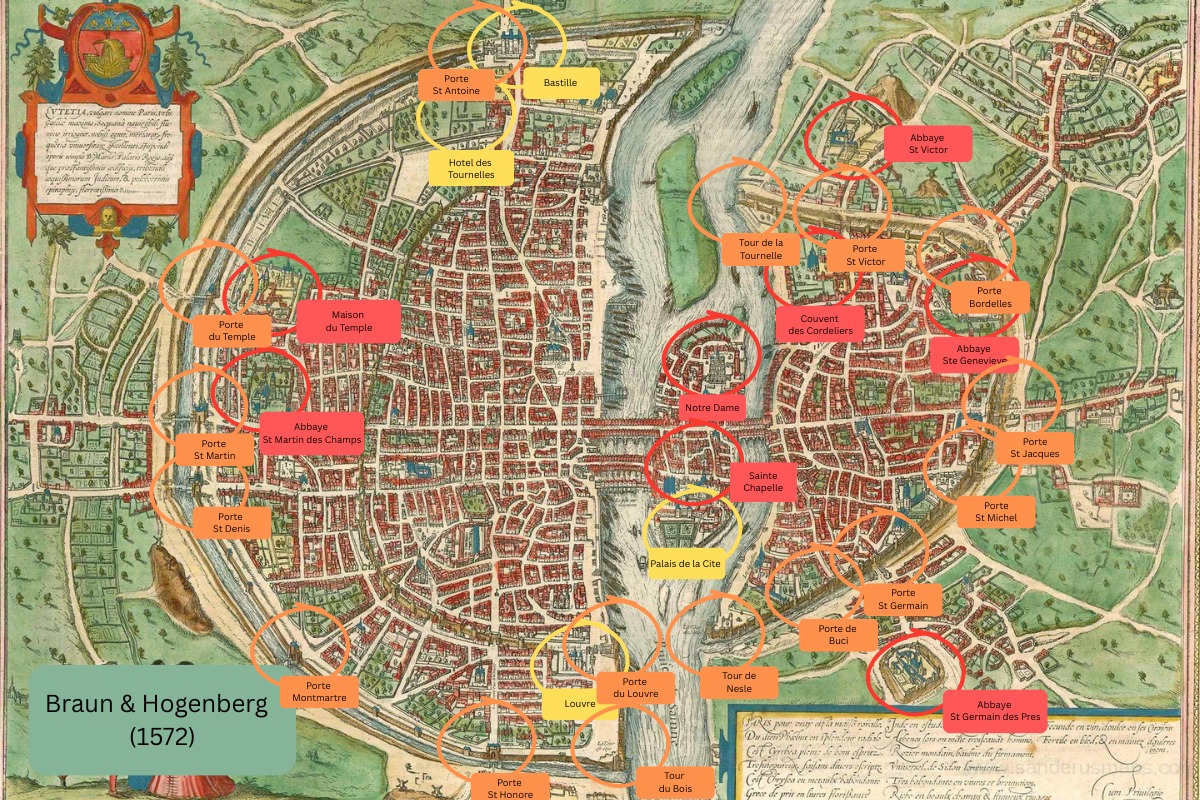
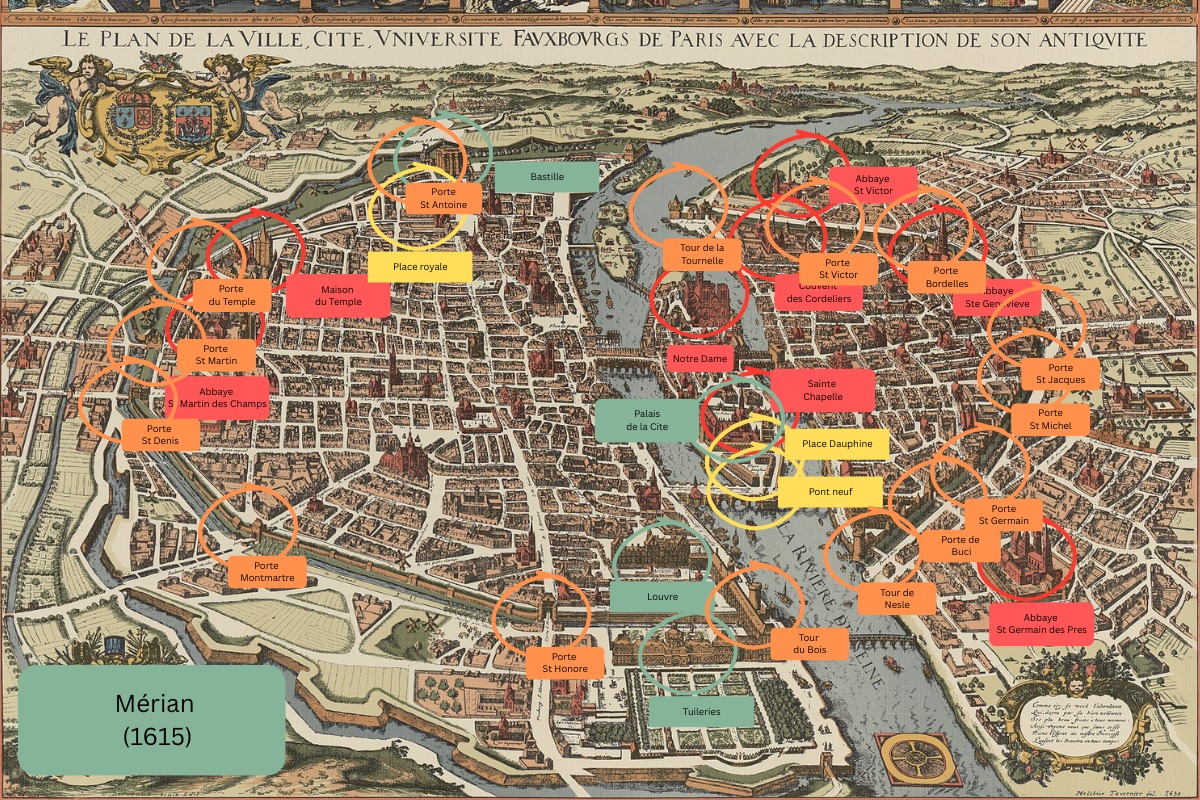
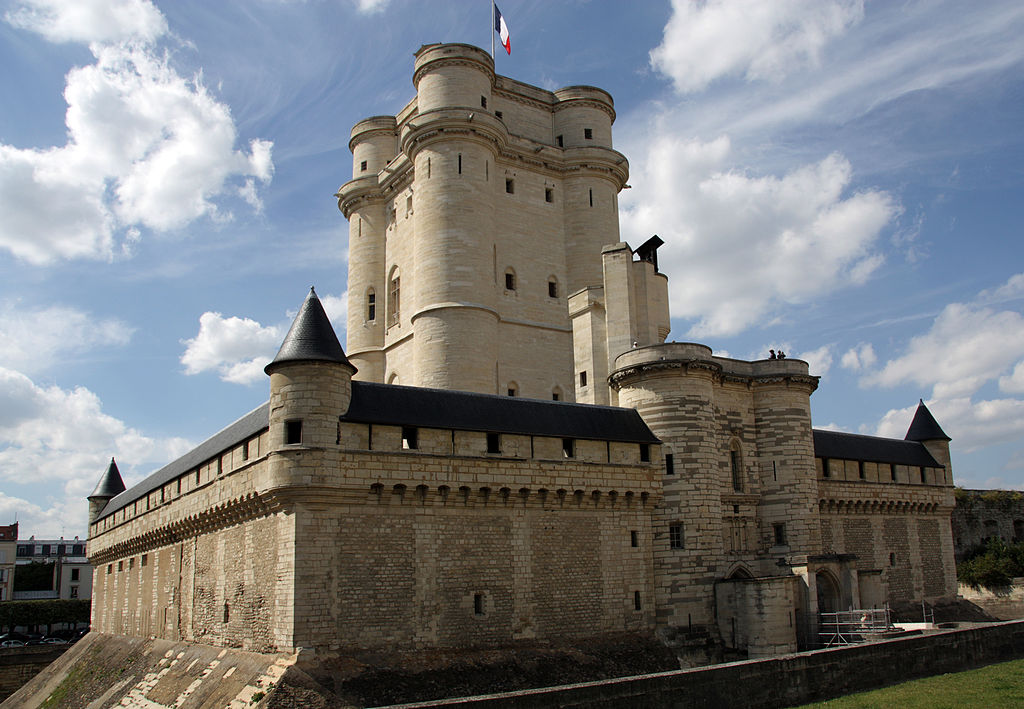
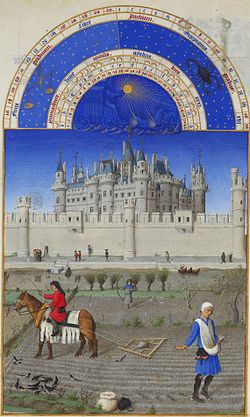
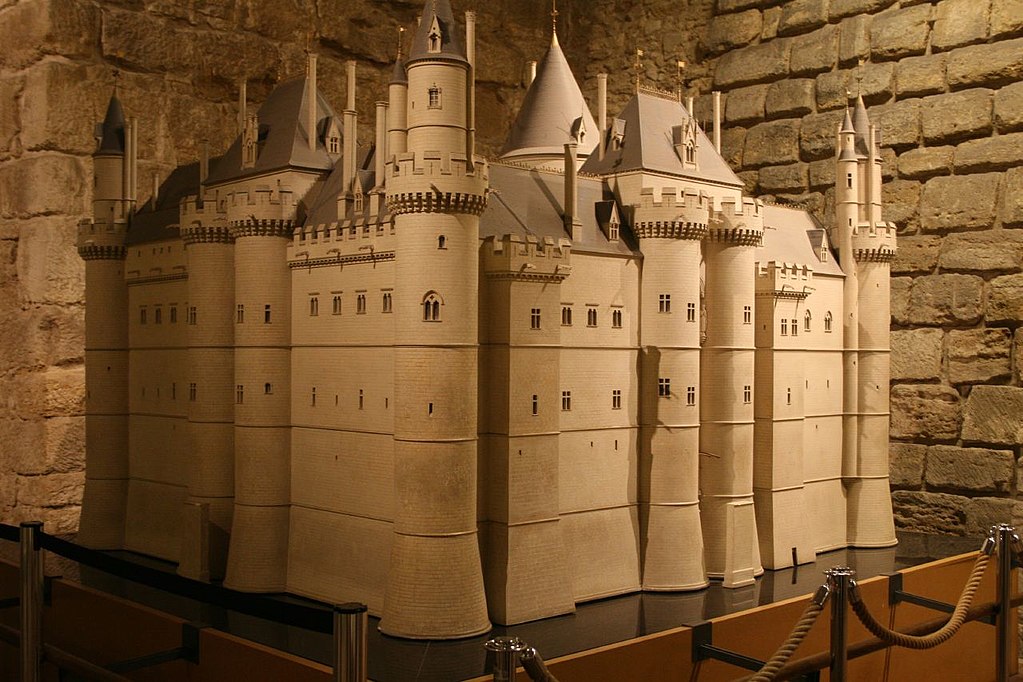
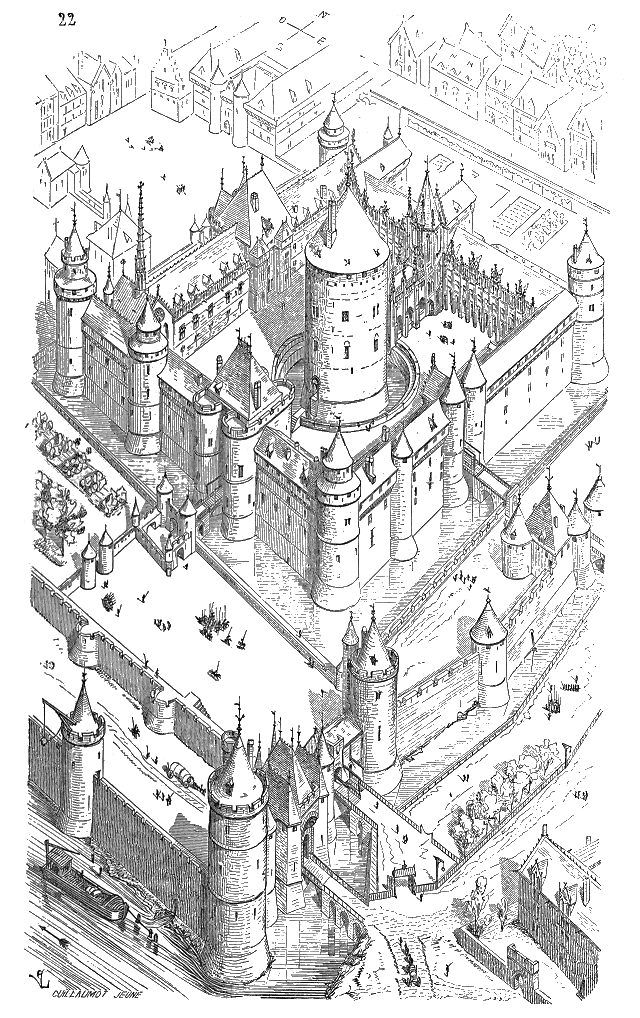
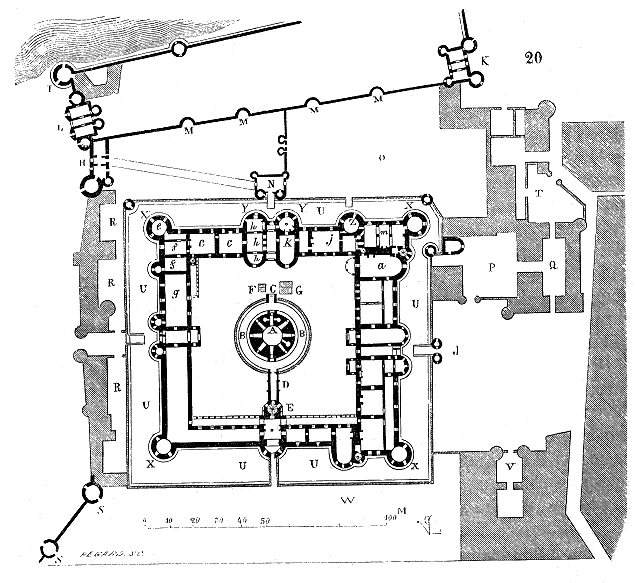
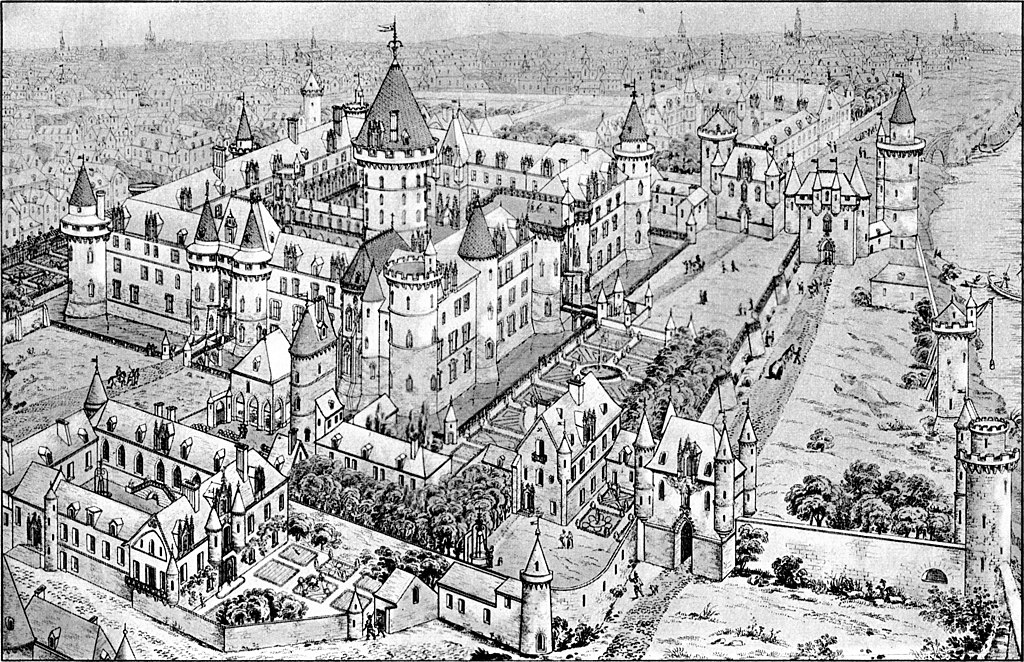
During the Middle Ages, Paris saw the construction of several notable royal castles.
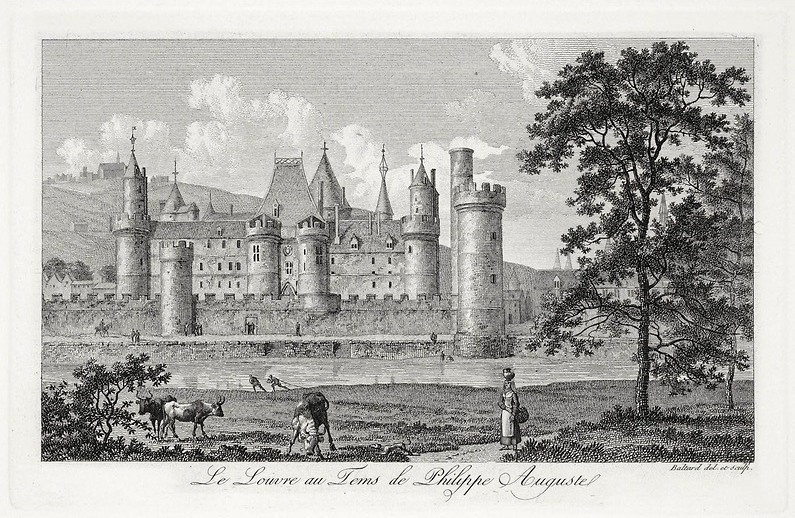
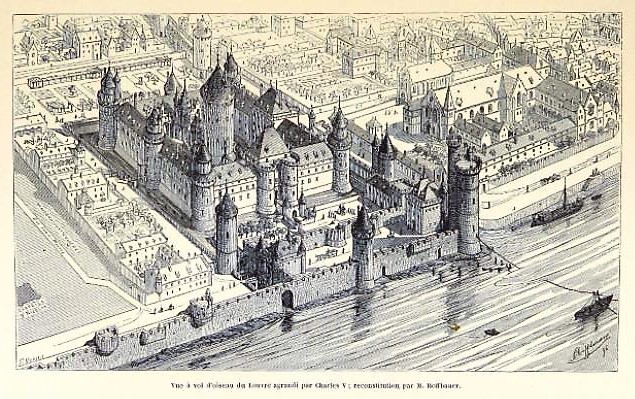
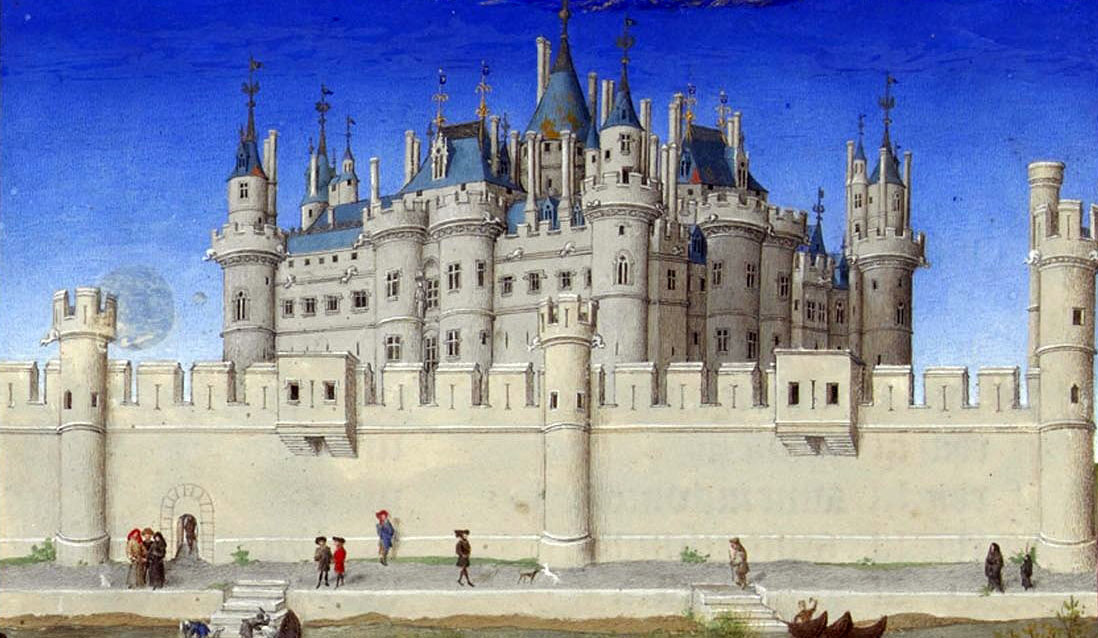
The Louvre became a massive royal residence.
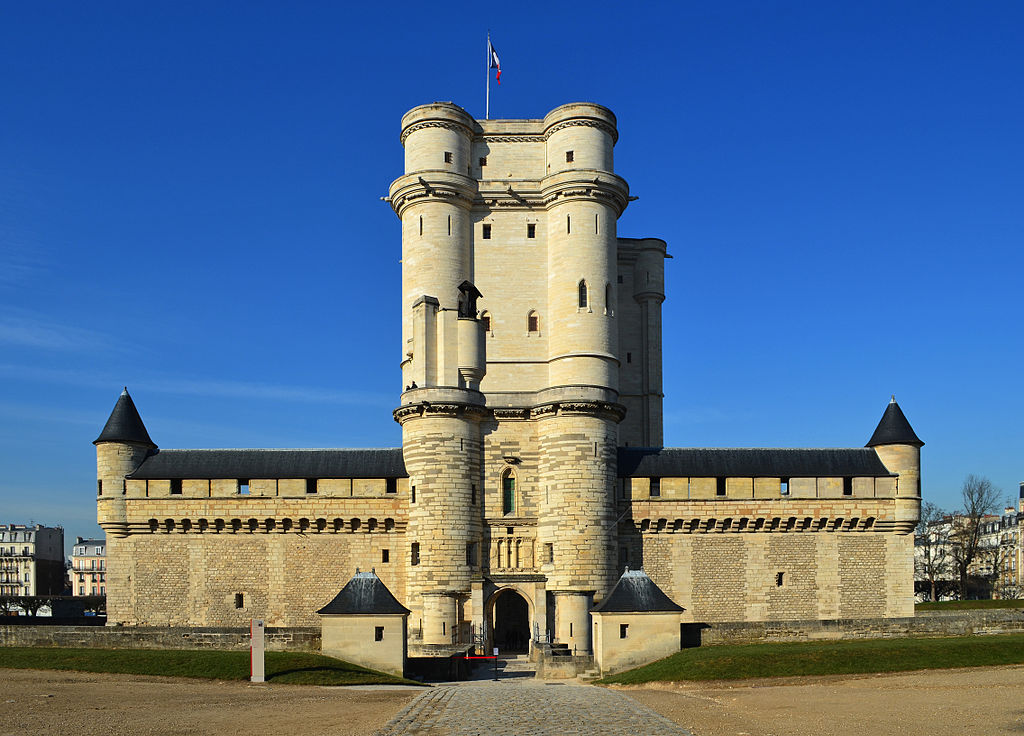
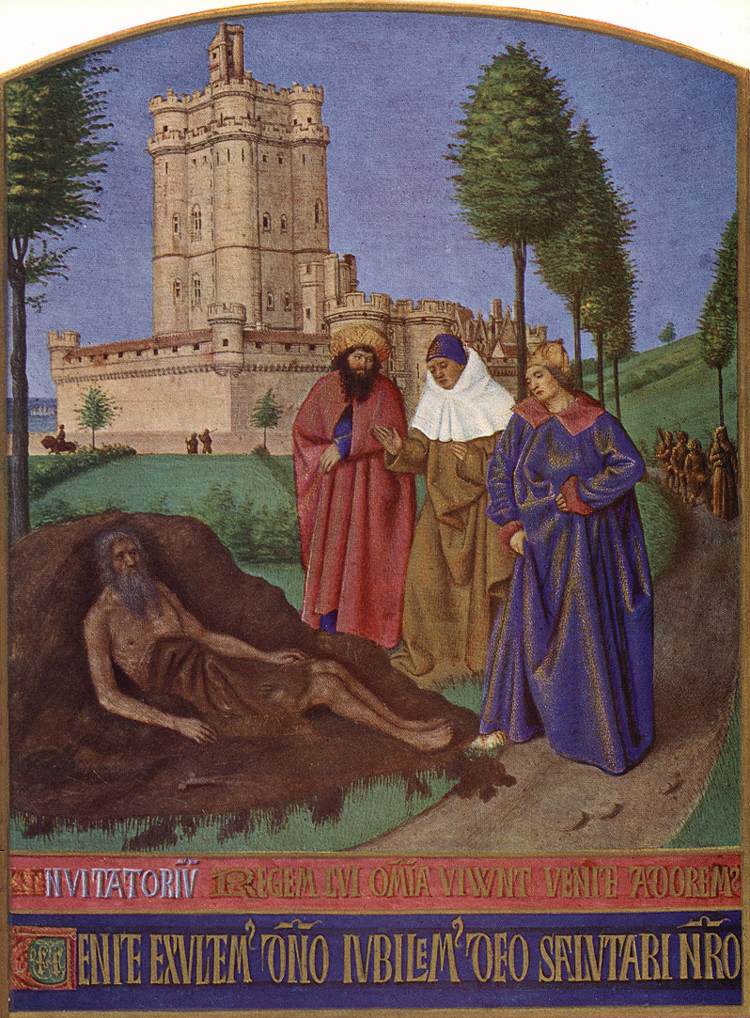
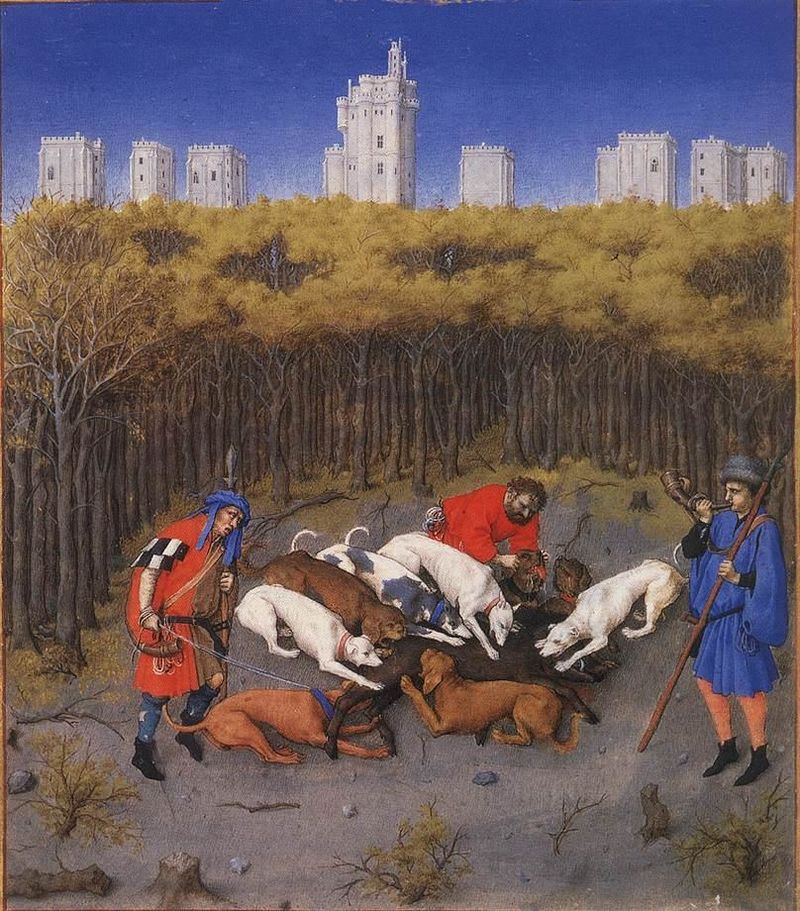
The Château de Vincennes was the tallest keep in Europe and used as a refuge in times of trouble.
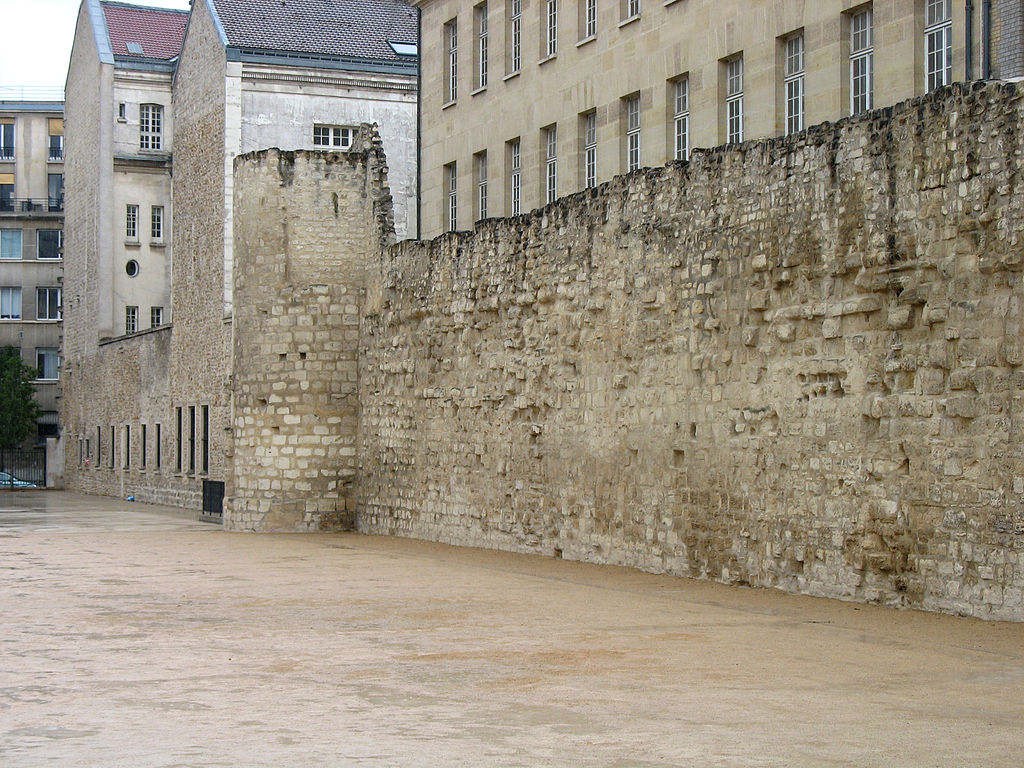
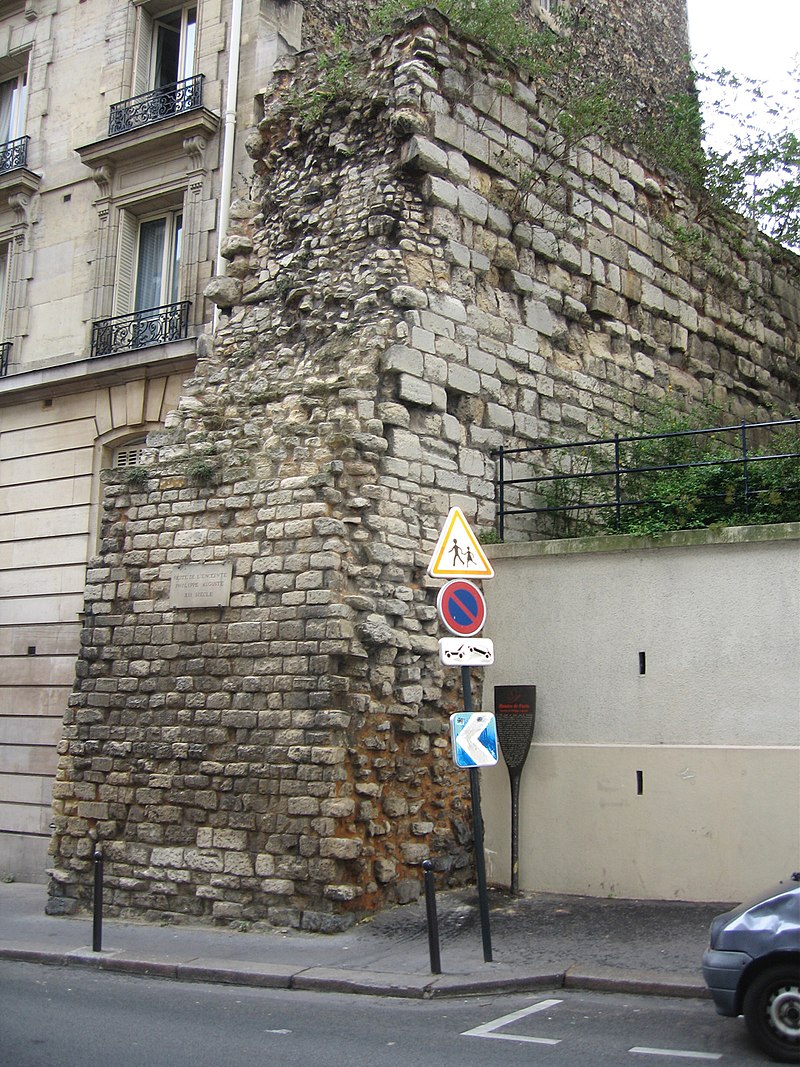
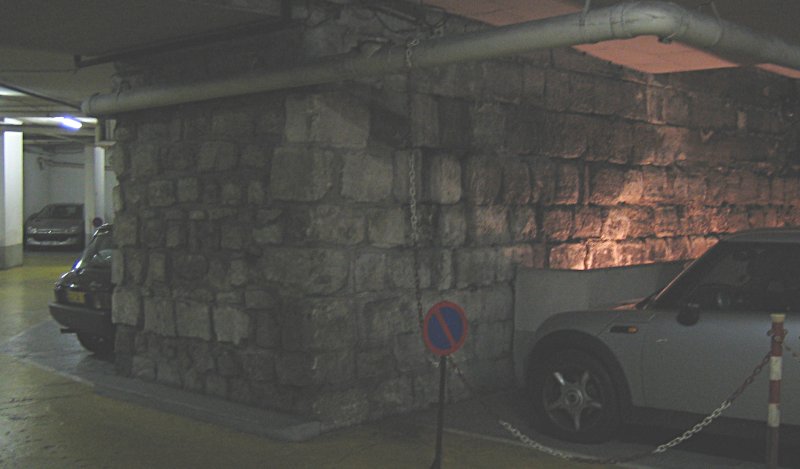
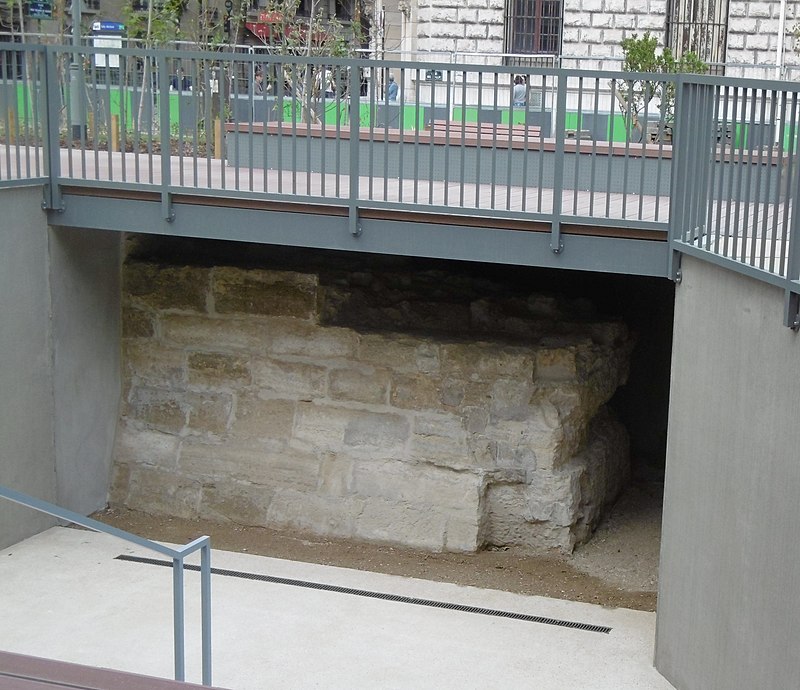
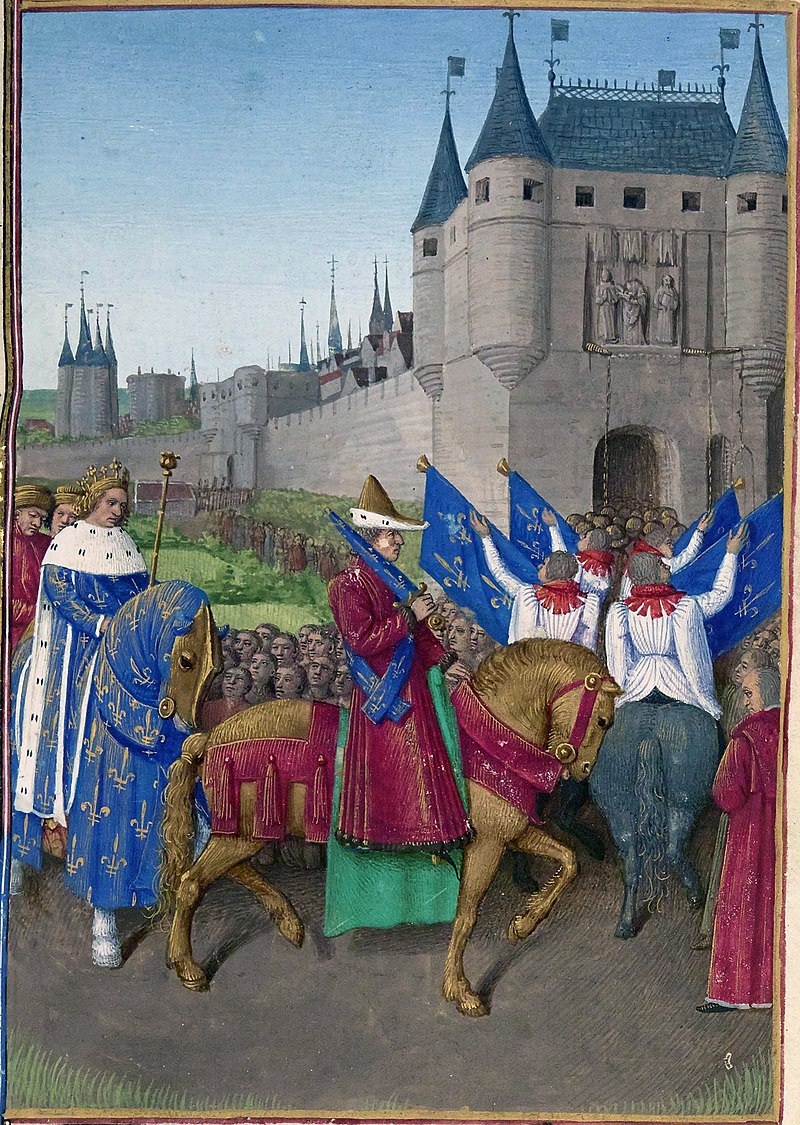
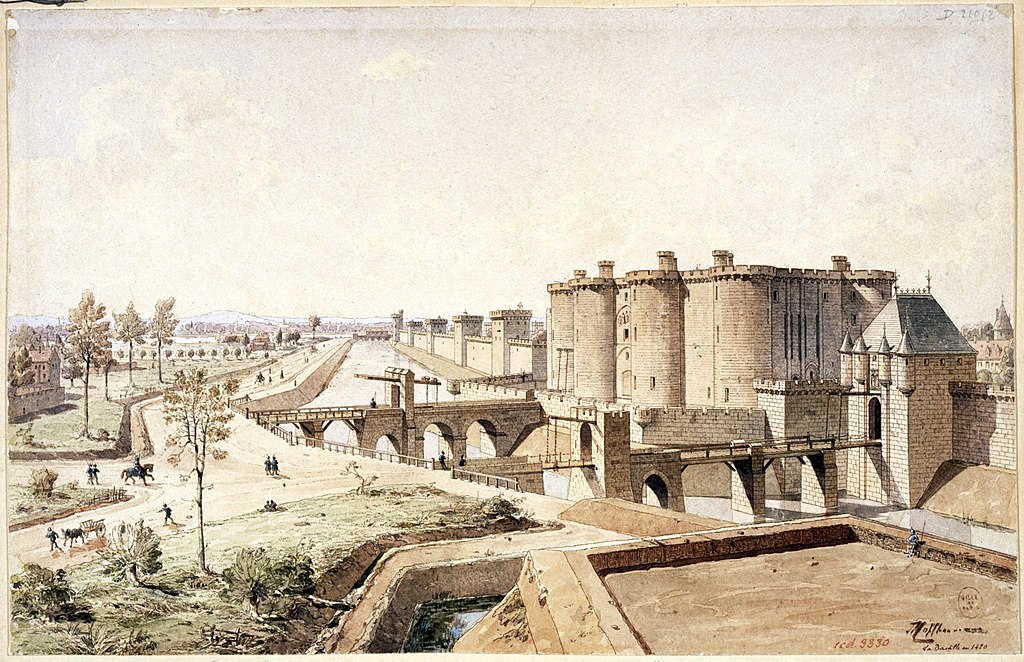
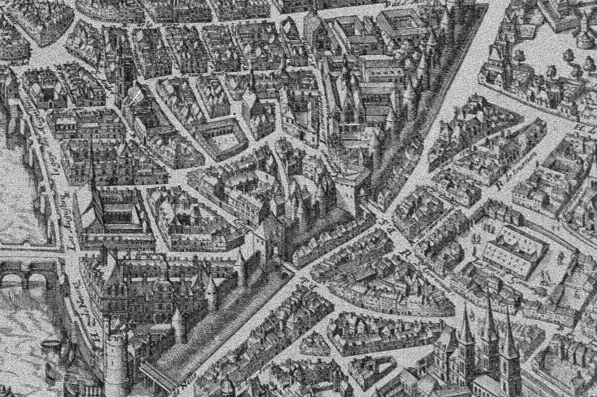
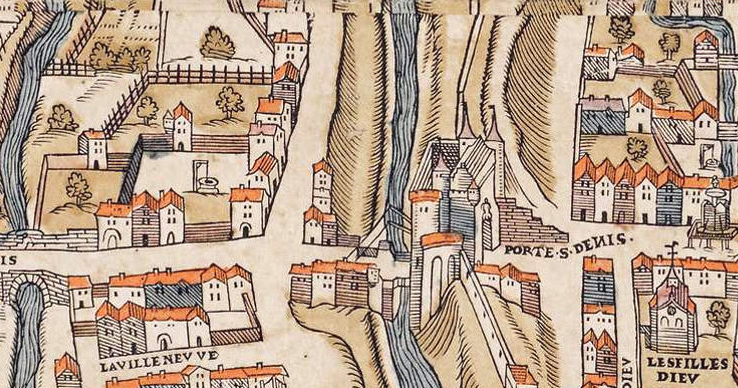
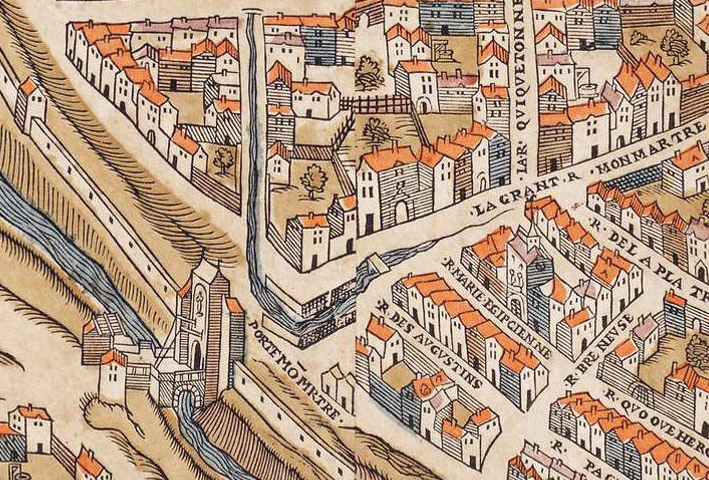
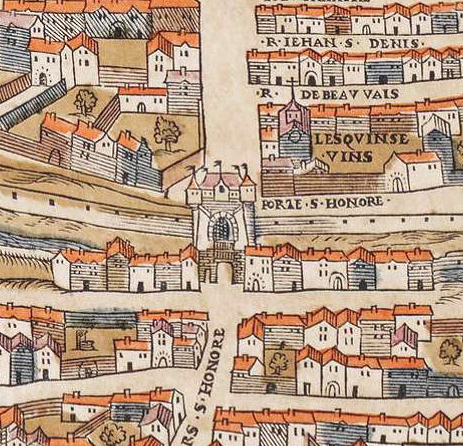
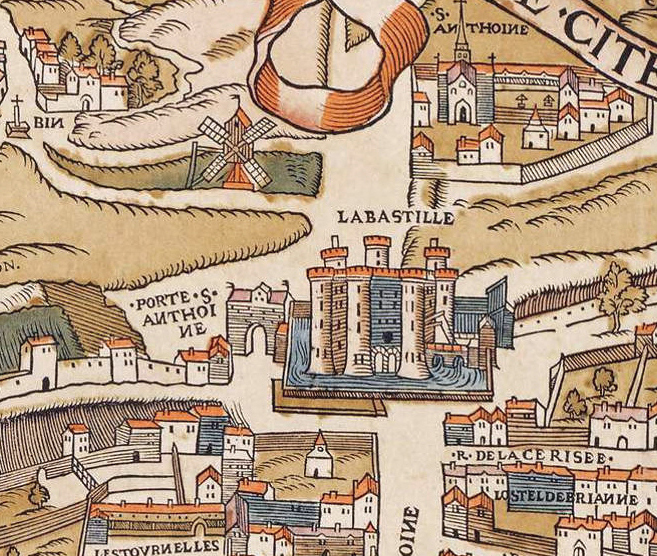
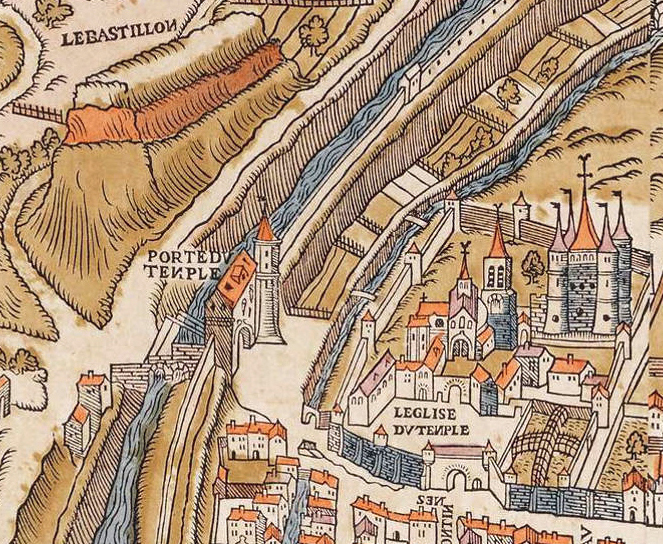
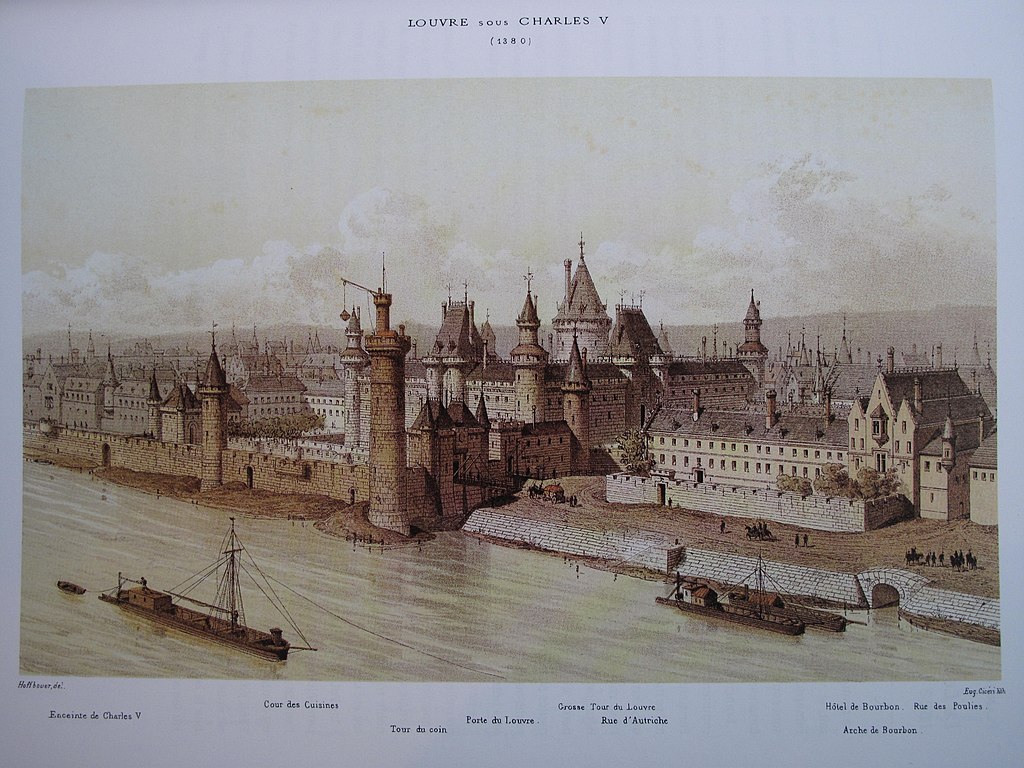
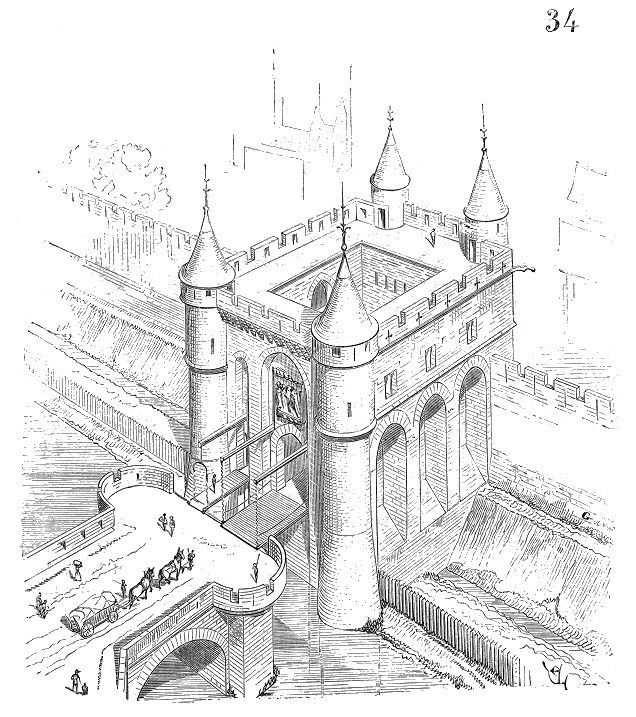
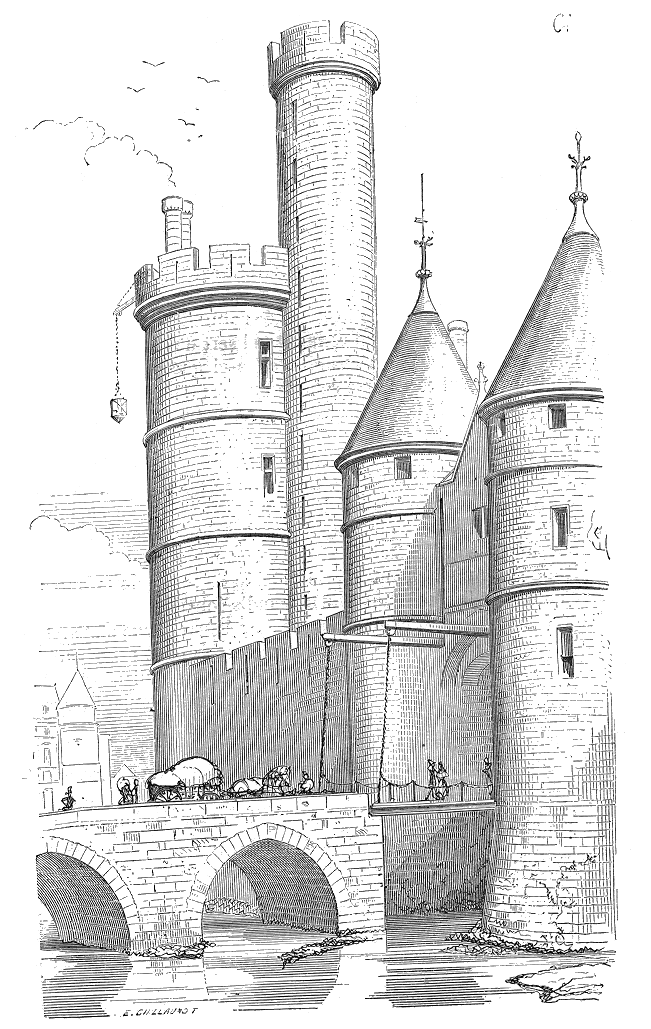
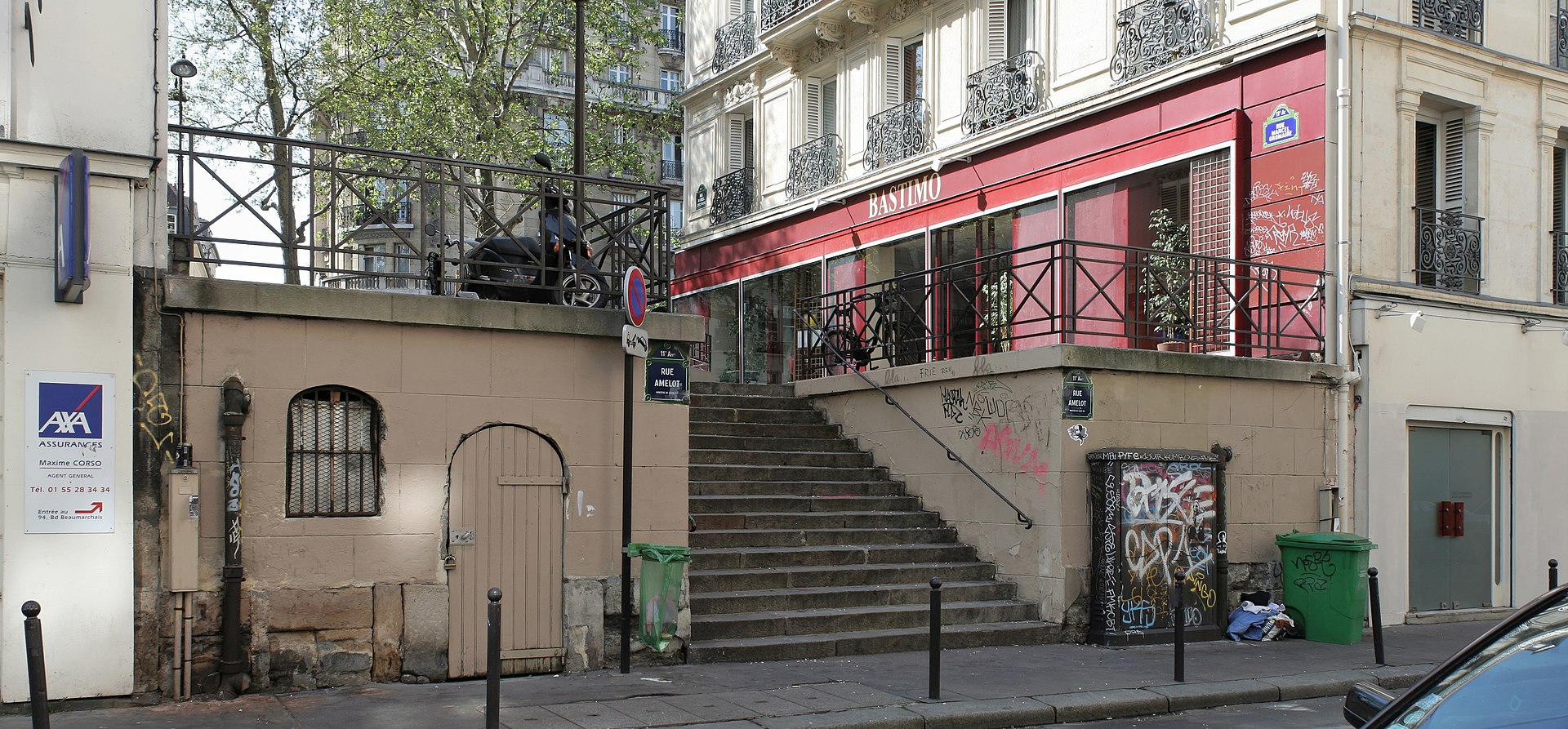
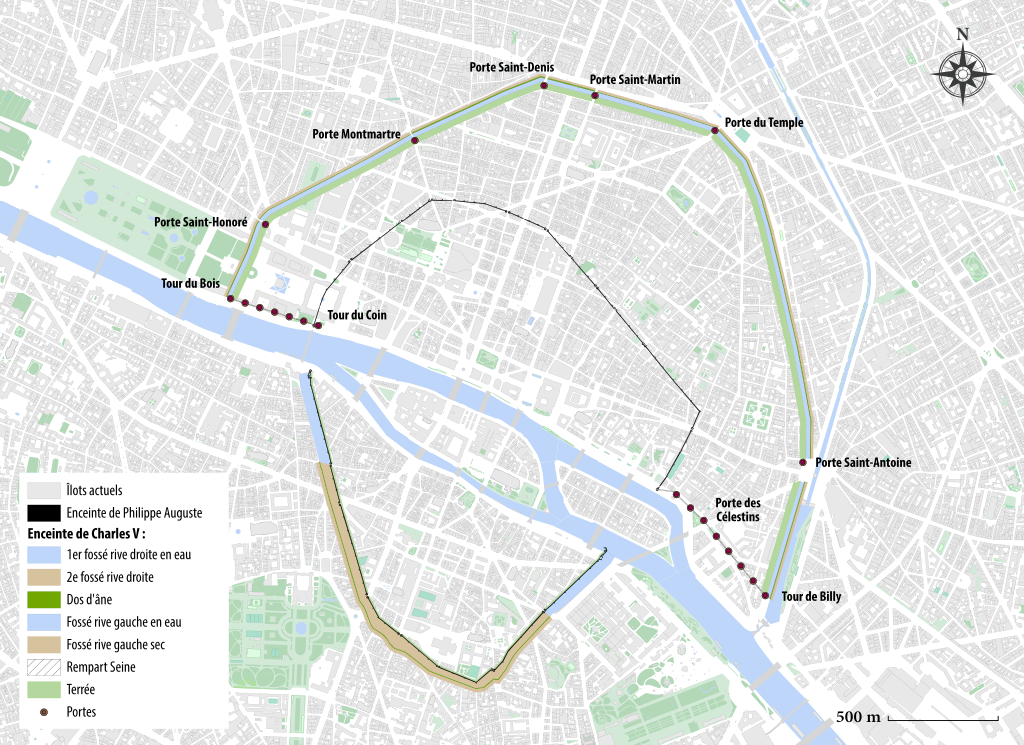
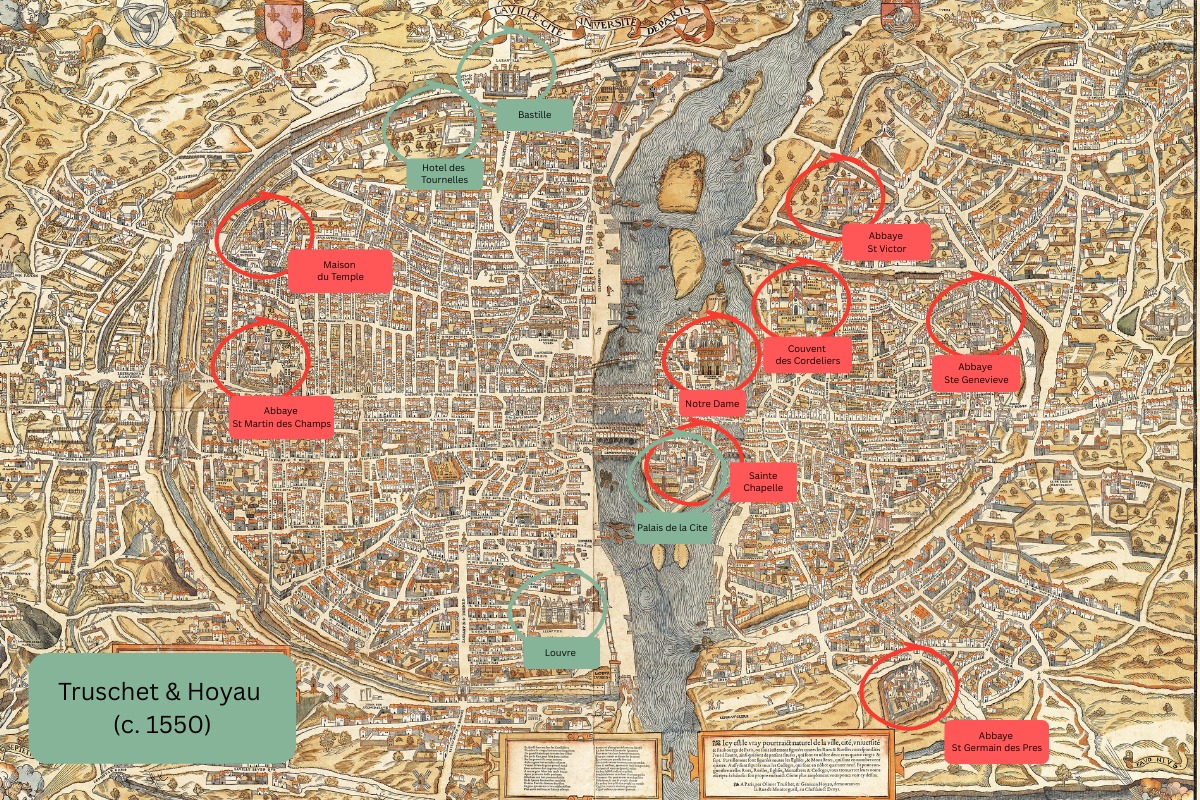
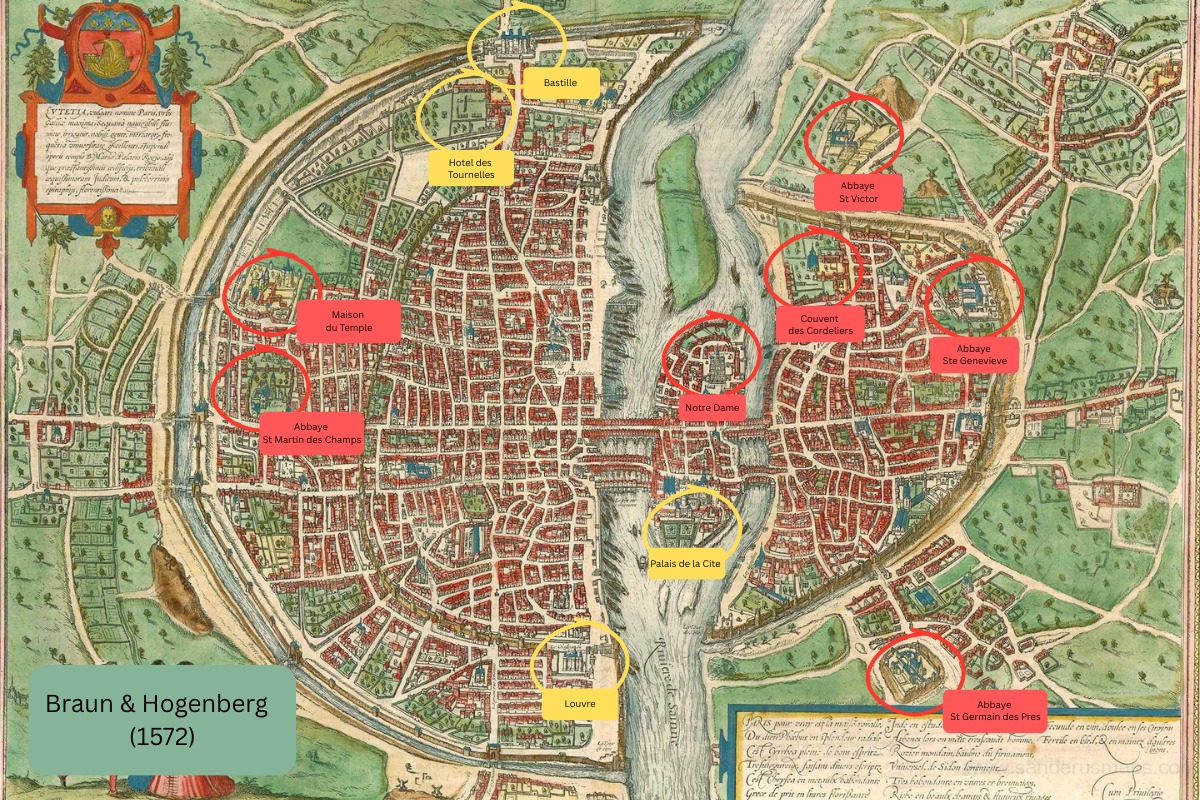
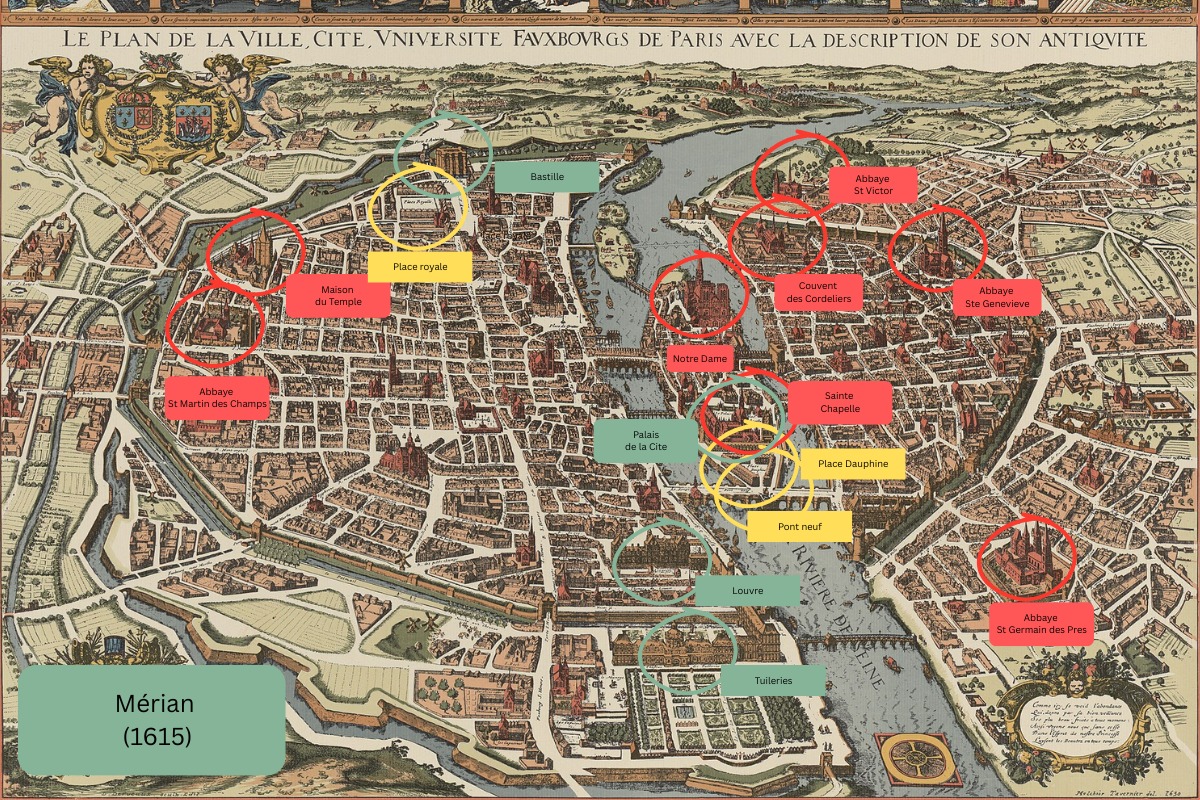
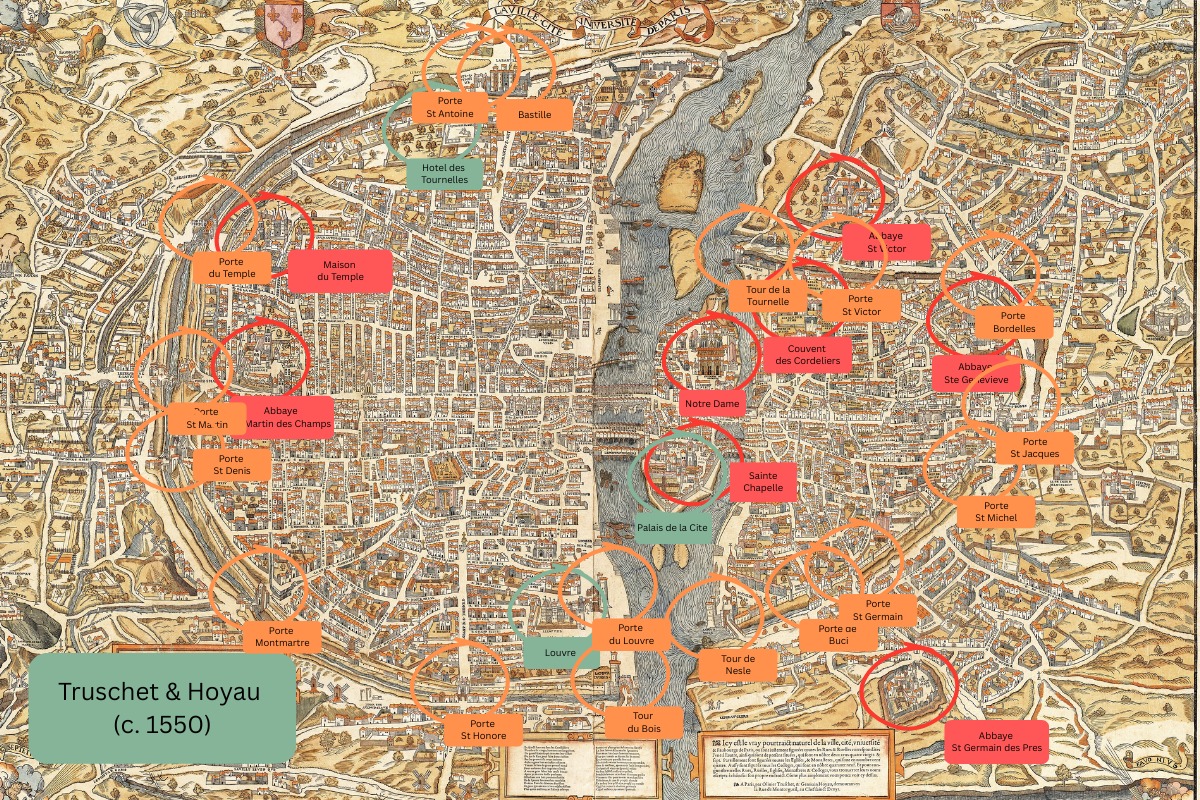
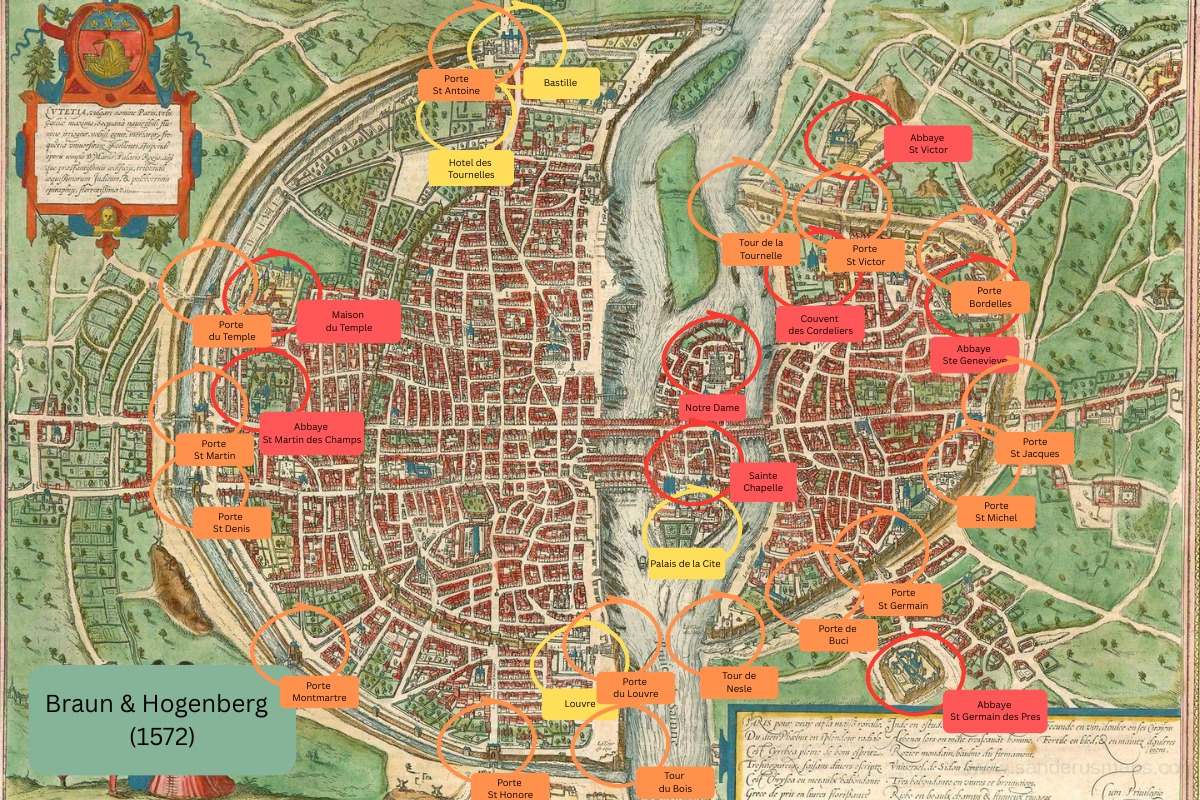
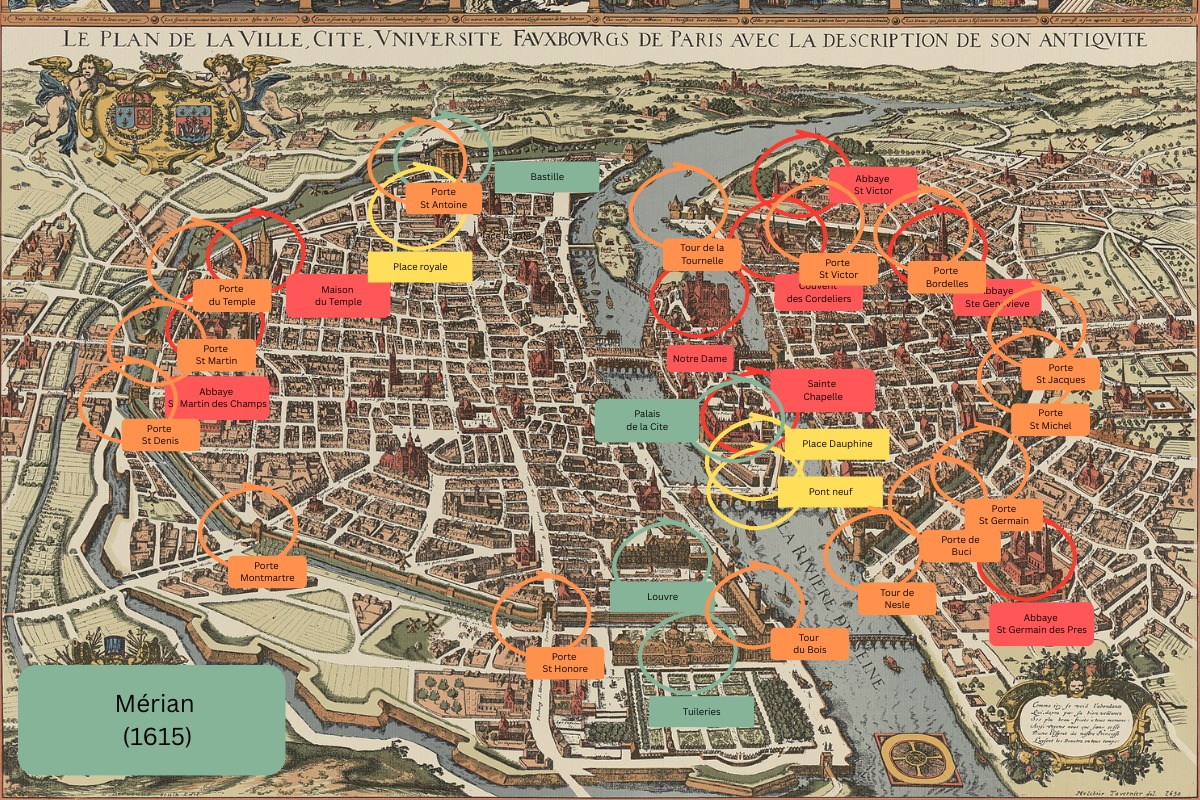
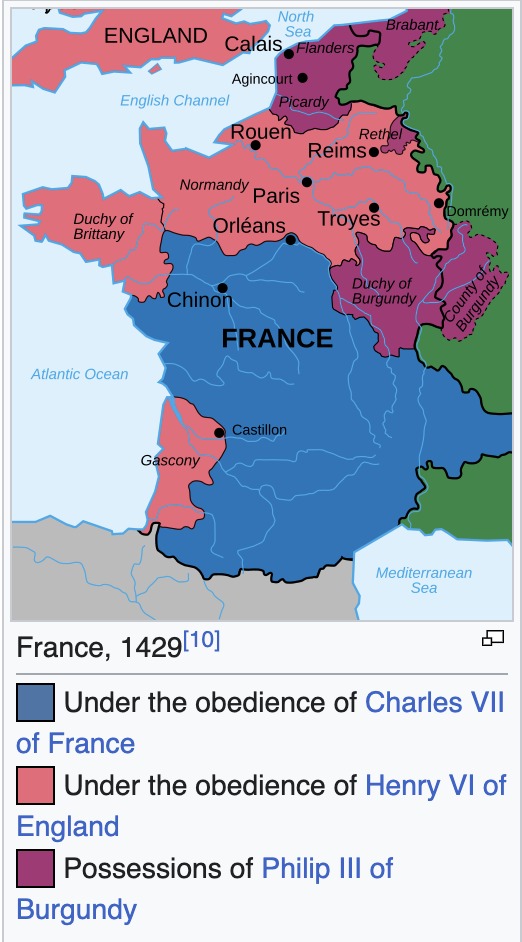
To defend against English invasions - driven by claims to the French throne - city walls were constructed.
Ruins of the wall built by Philippe Auguste in the 12th century are still visible today, including an impressive chunk at the Village St-Paul.
A later wall, built by Charles V in the 14th century, has now been replaced by the Grands Boulevards.
Comments
Loading comments...