

By the 14th century, more than 80 religious buildings adorned the city.
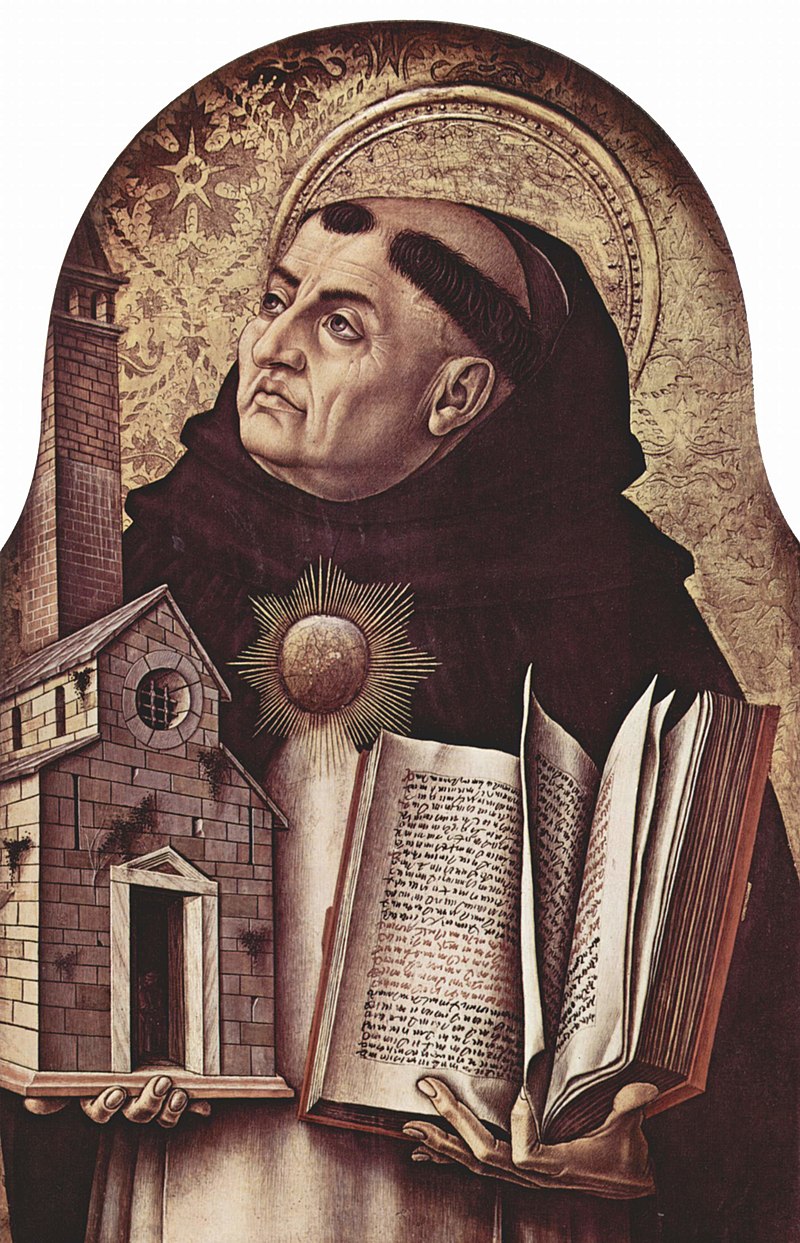
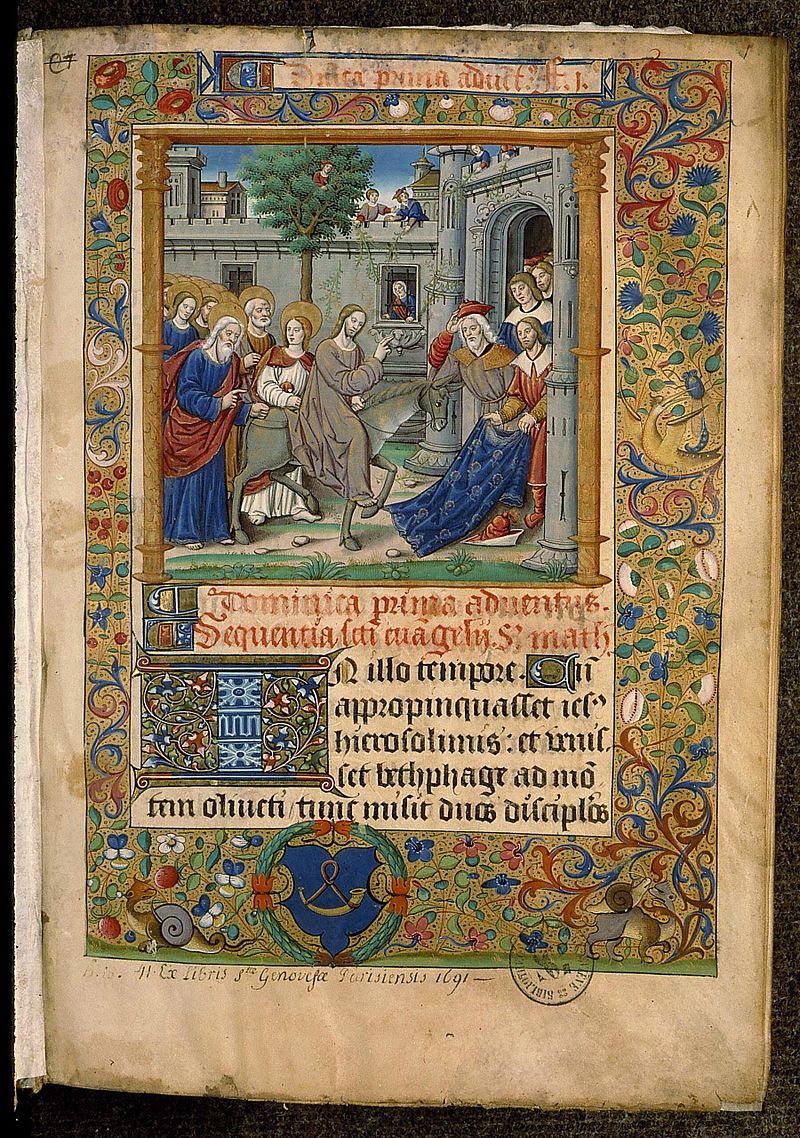
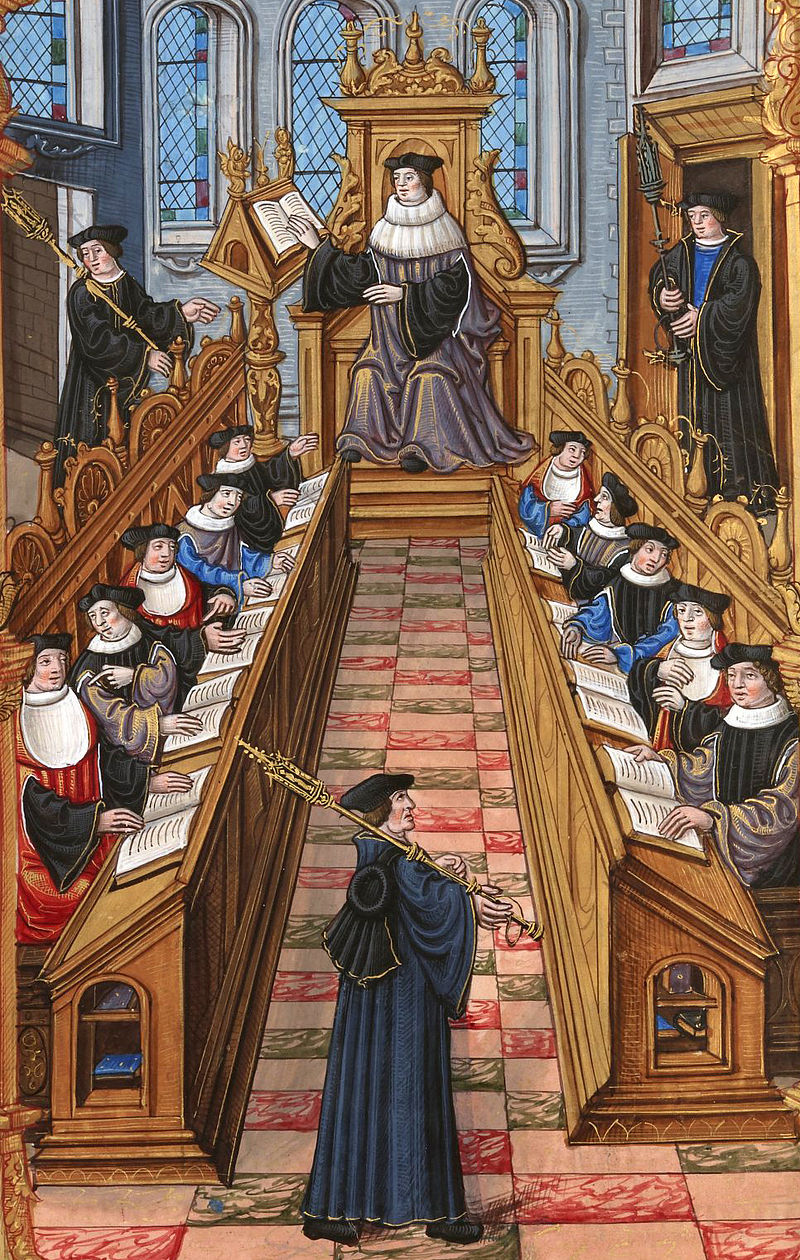
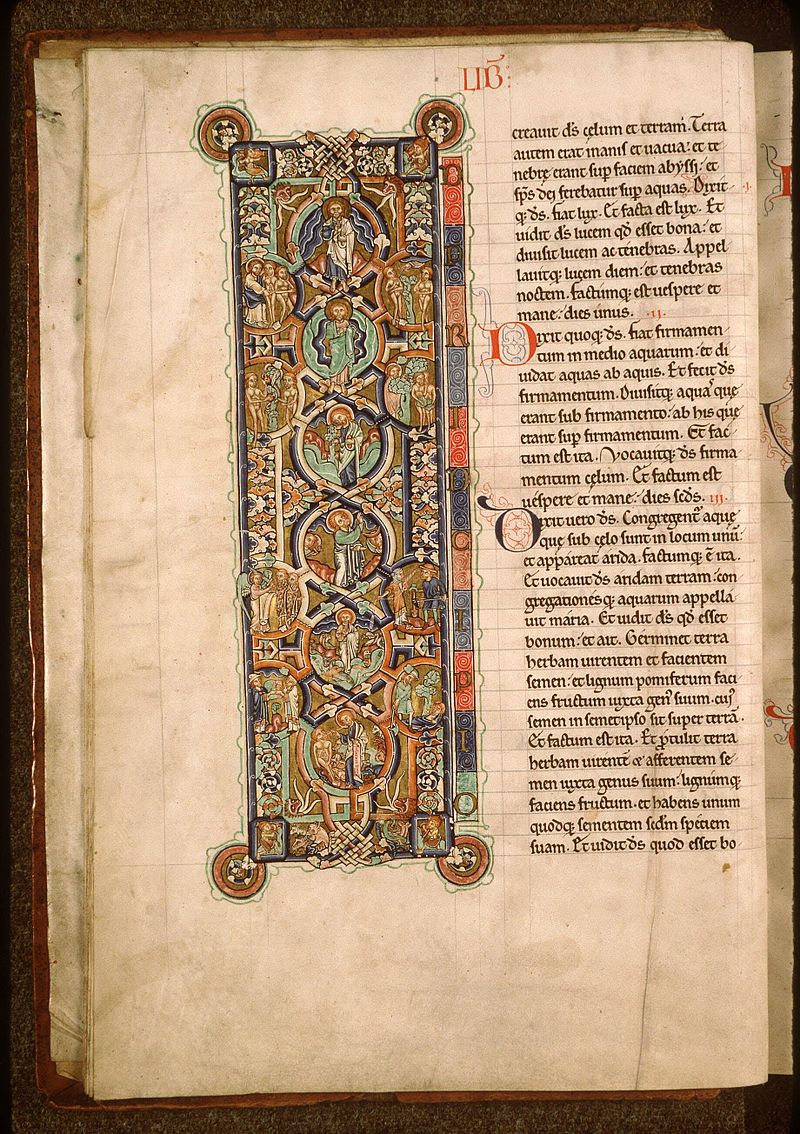
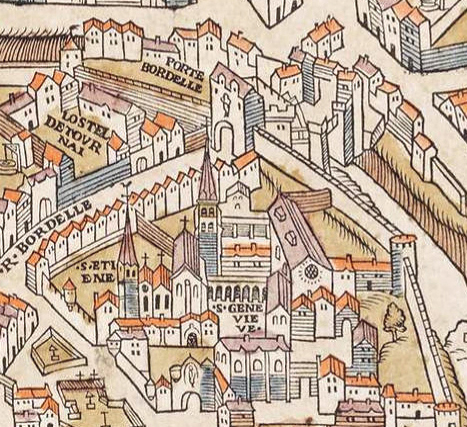
The abbeys, in particular, owned vast tracts of land on the Left Bank in particular and attracted thousands of students from across Europe, who came to train for the clergy or, increasingly, for roles in state administration.
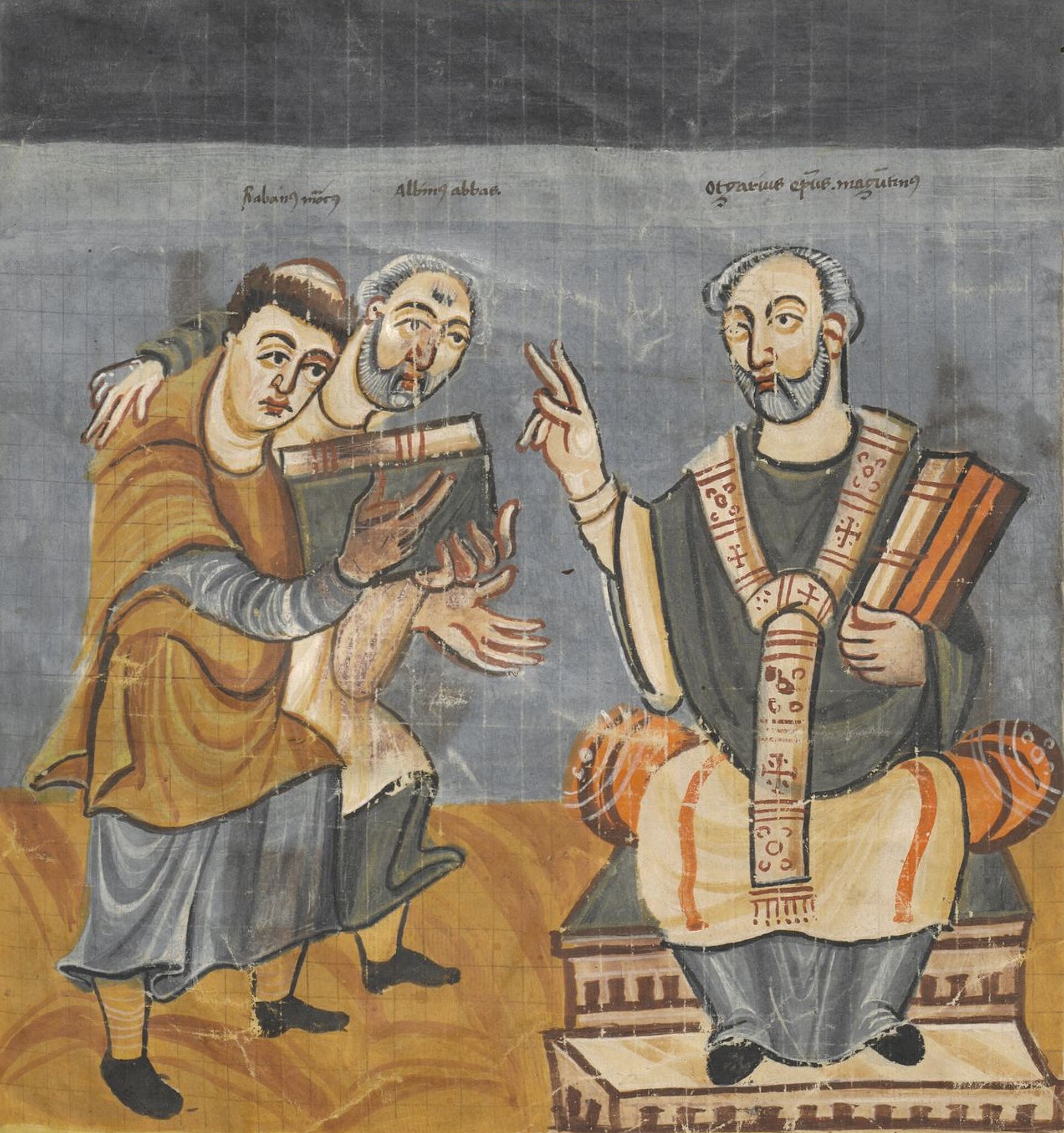
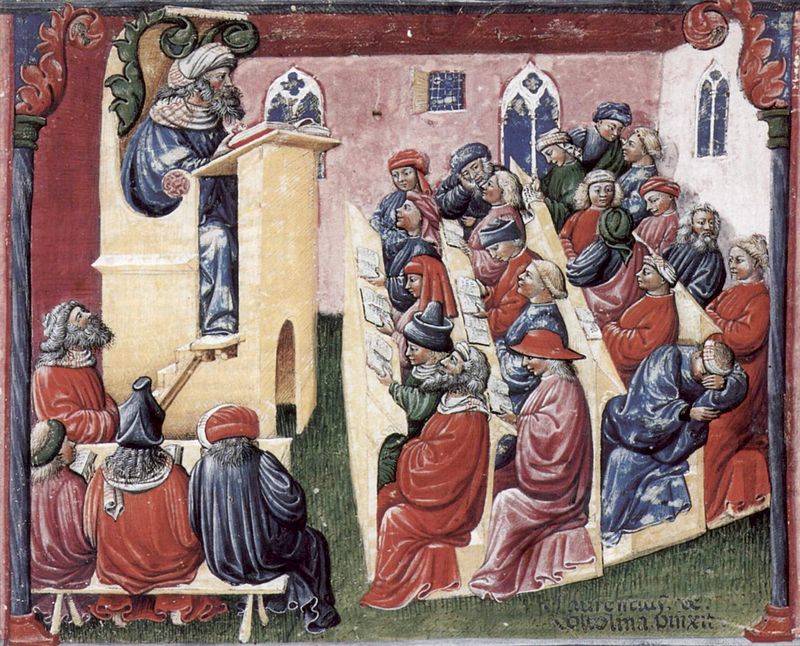
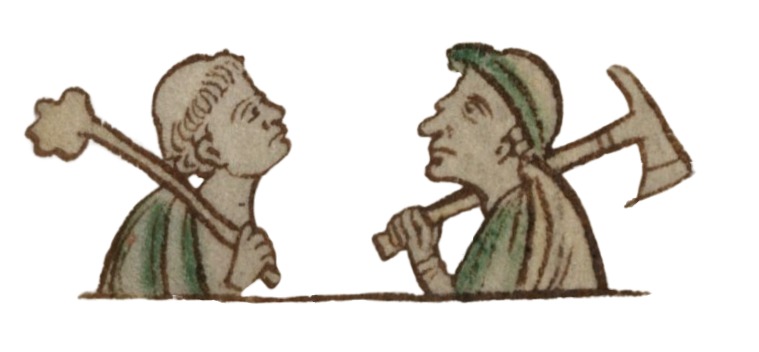
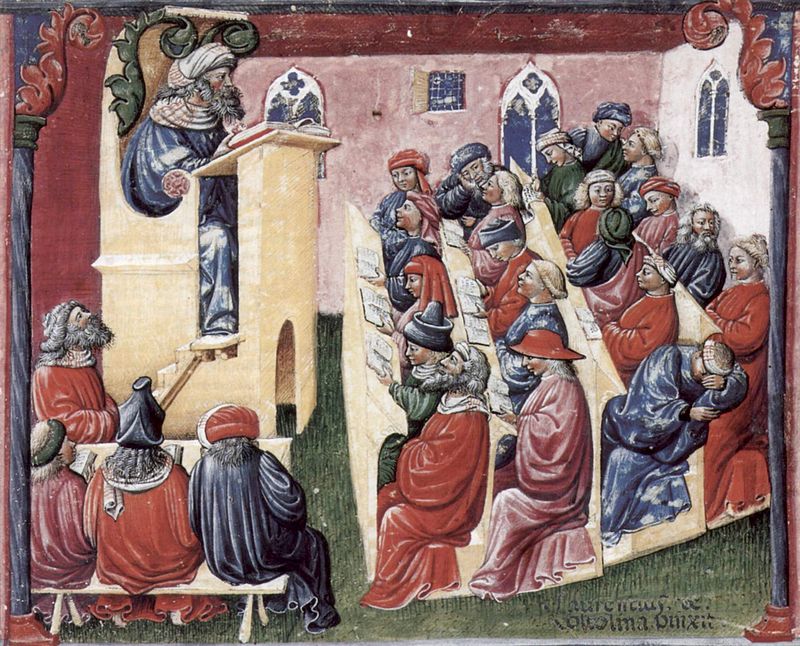
These students roamed the streets and inns of Paris, easily identifiable by their distinctive tunics and "tonsures" - the shaved patches on their scalps.
Like in other university cities like Cambridge, local residents often found themselves at odds with students, as they were subject to ecclesiastical law under the jurisdiction of the Pope, rather than local authorities!
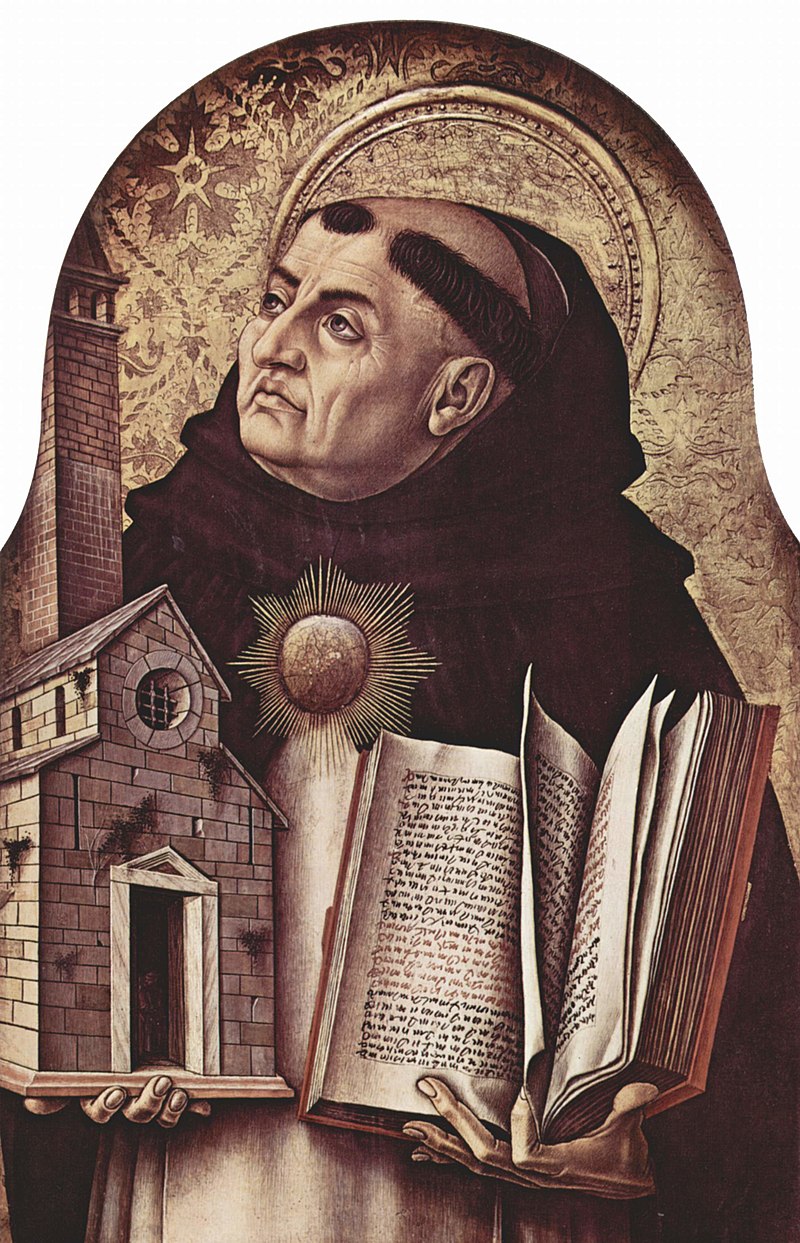

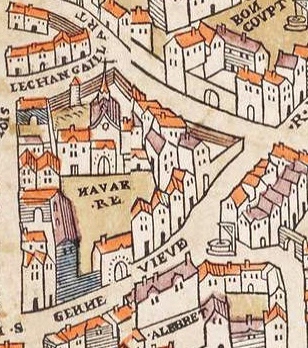
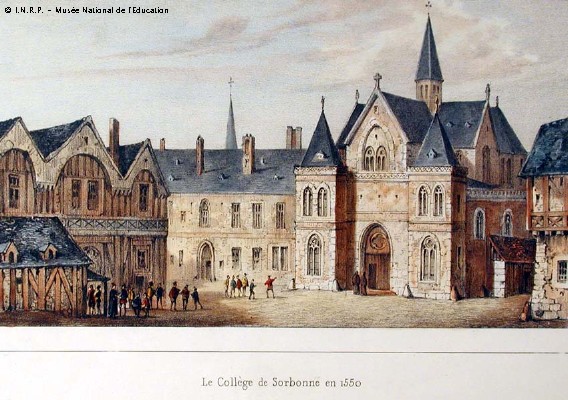
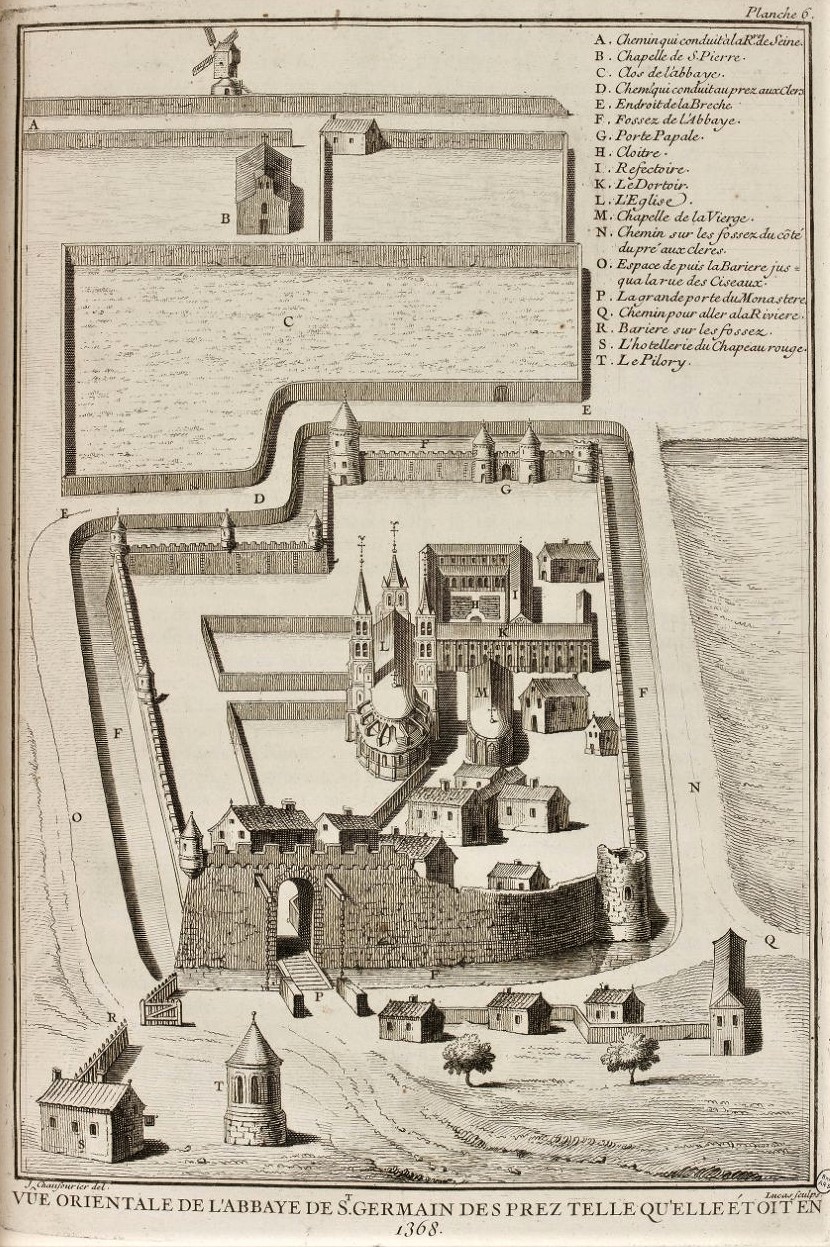
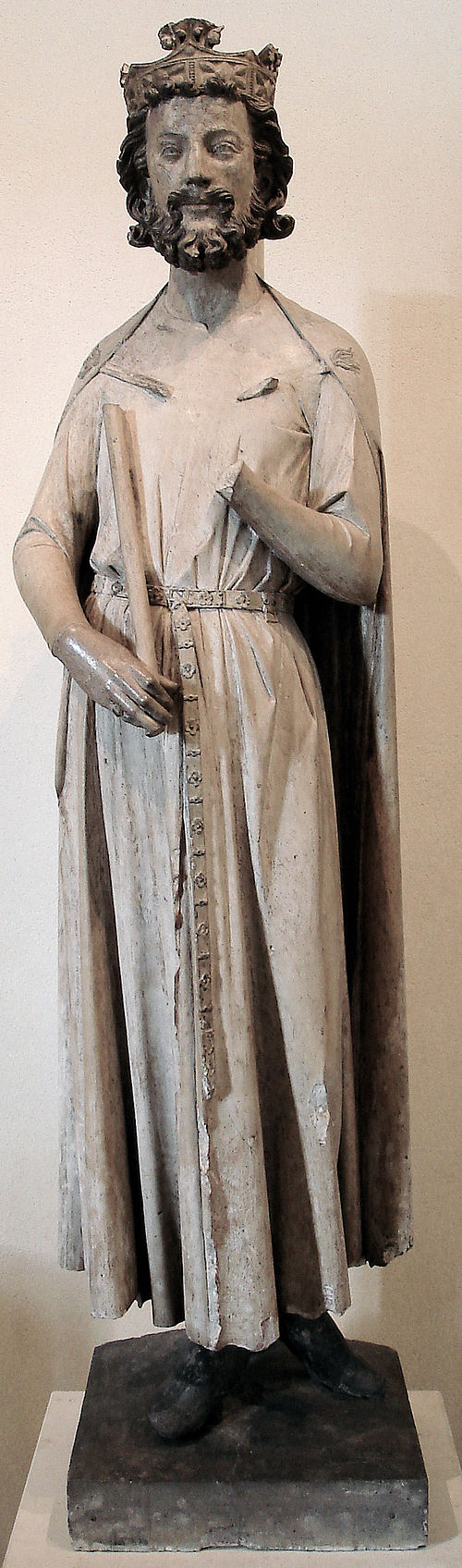

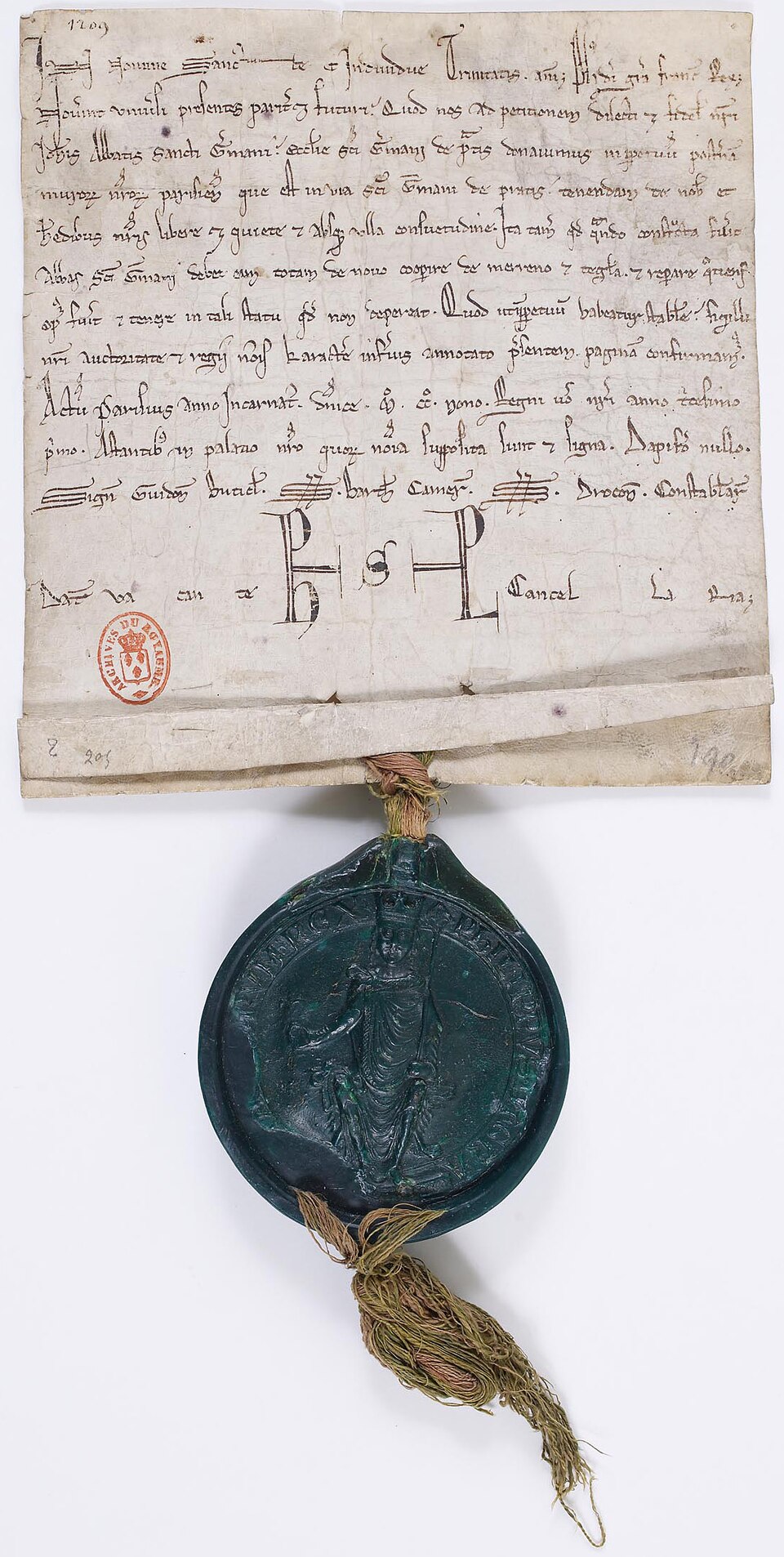
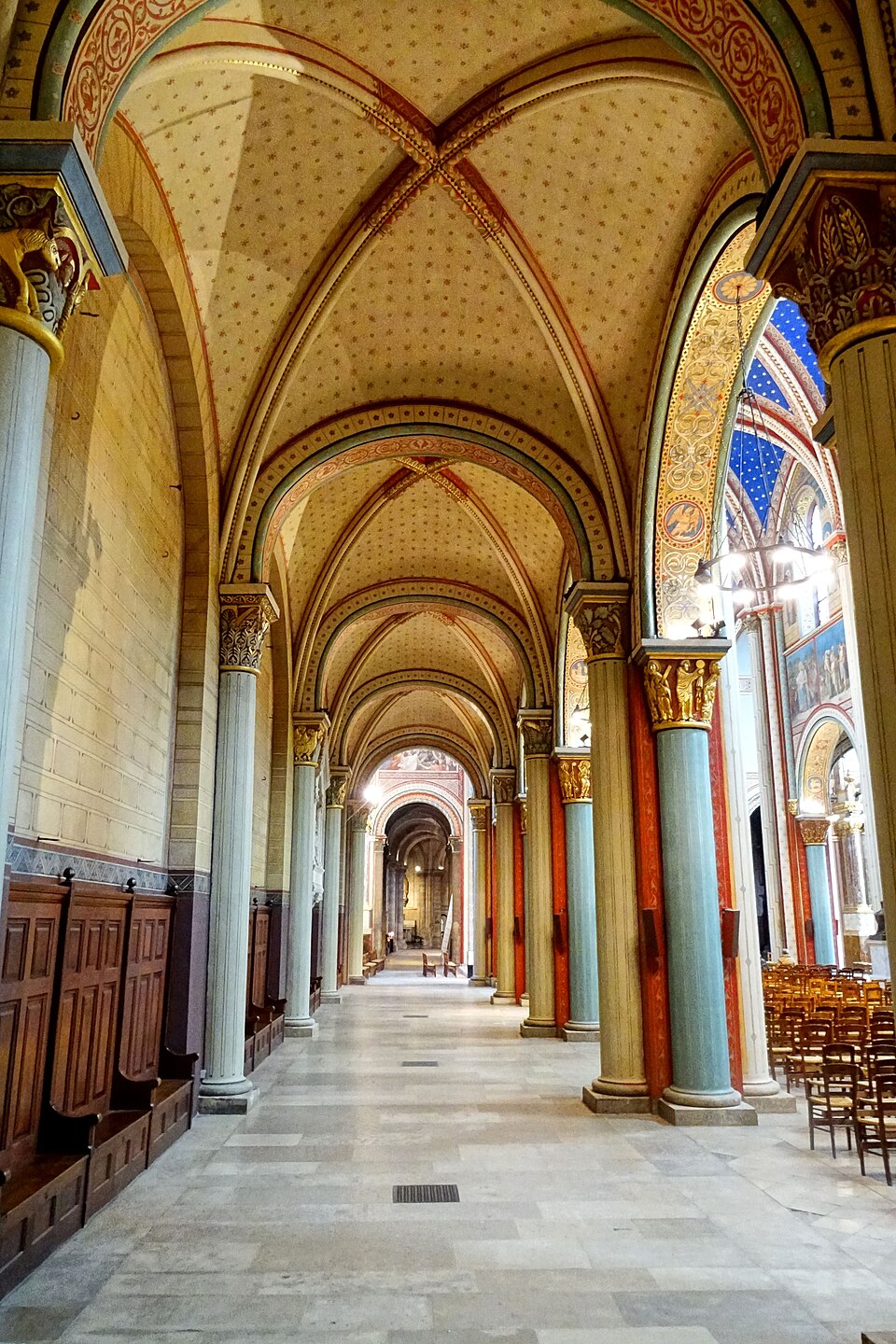
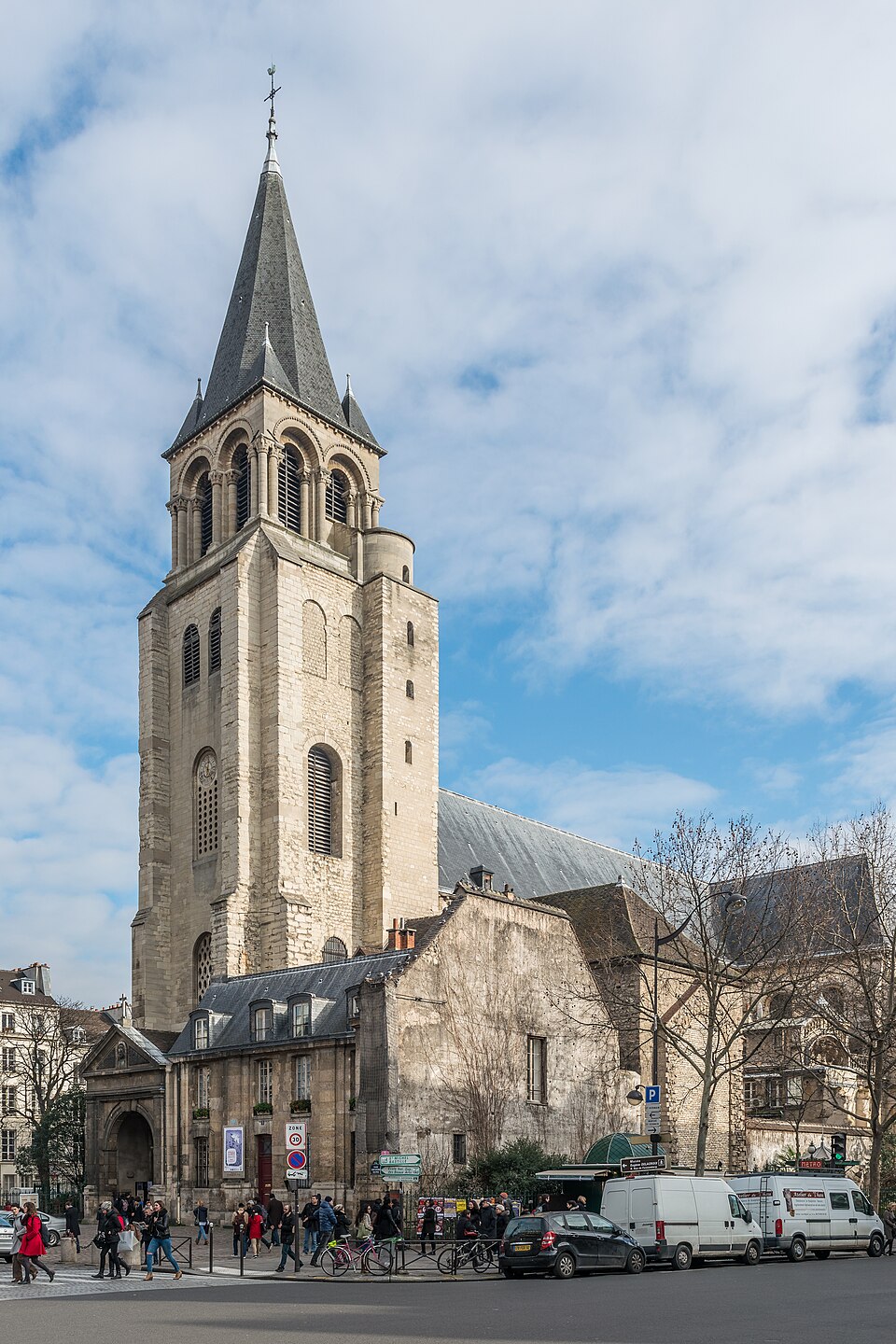
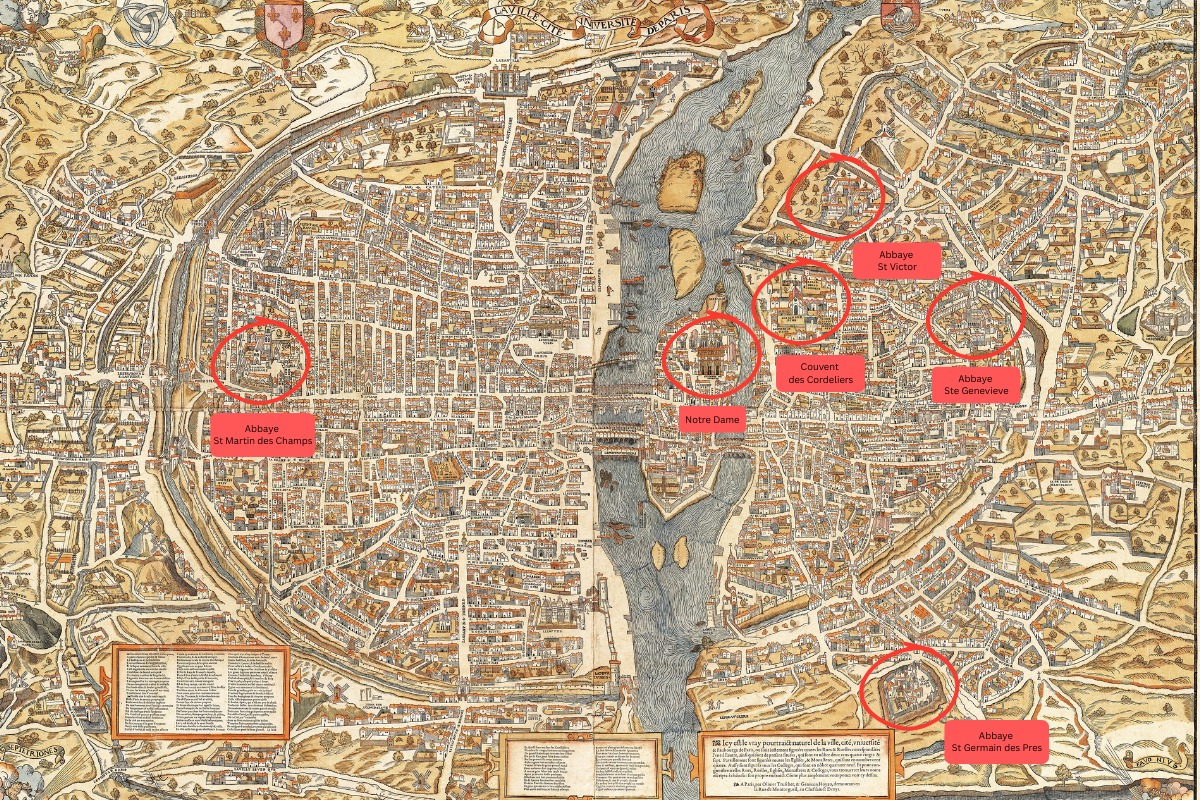
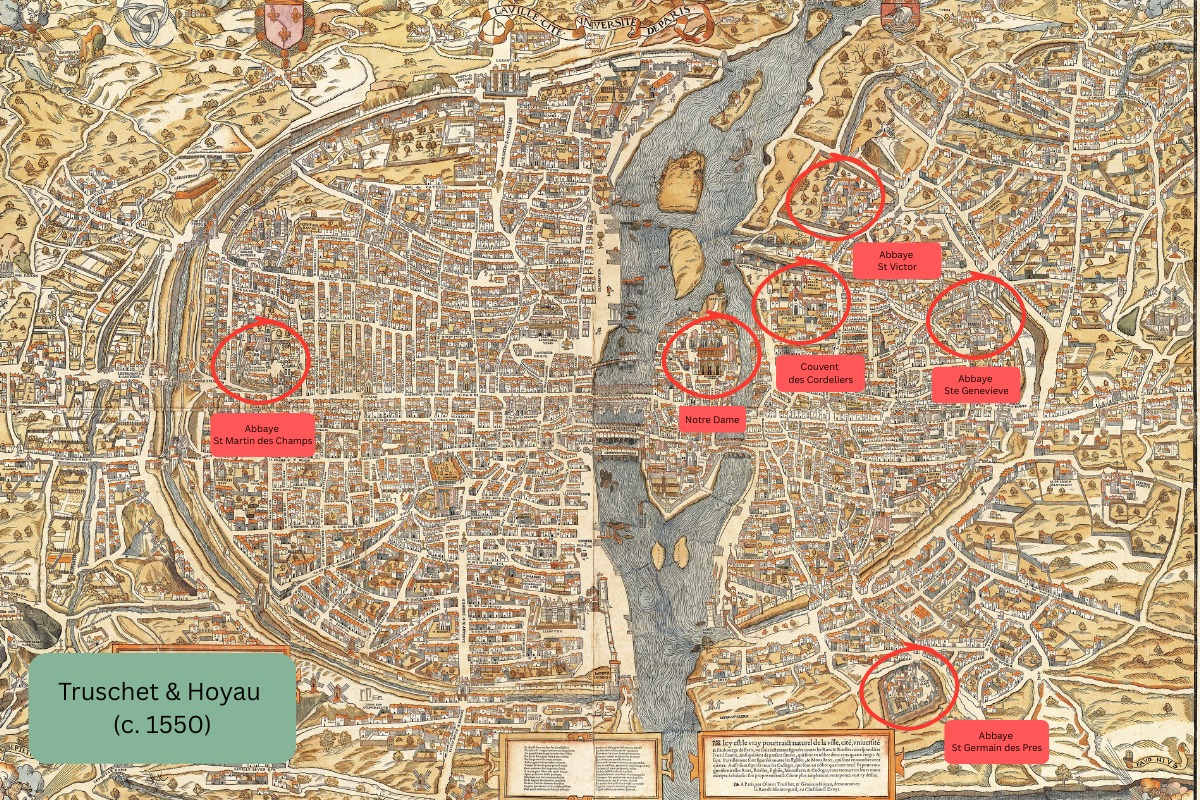
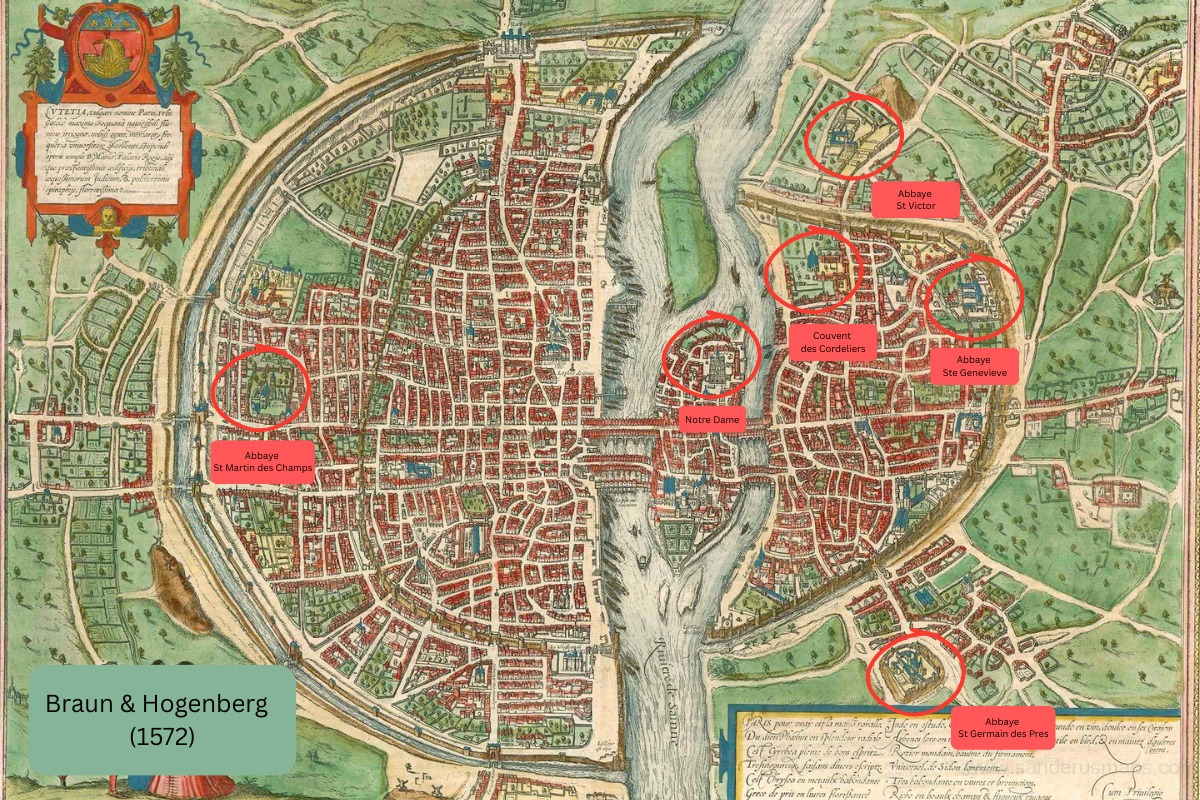
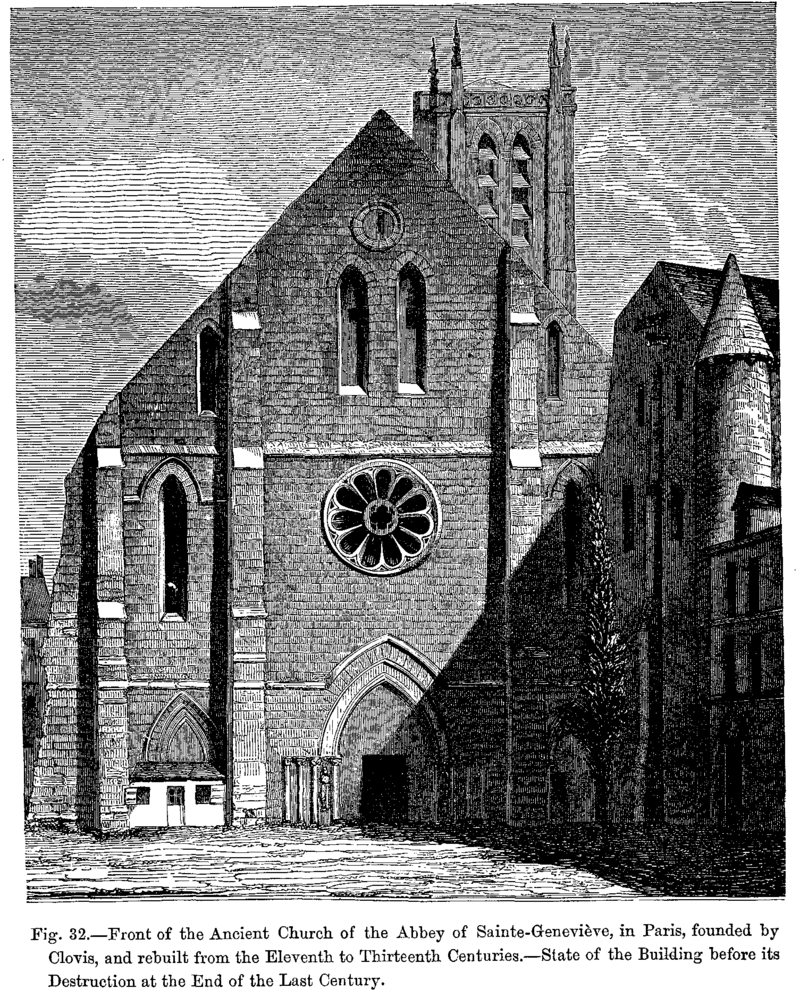
Some of the most famous abbeys were Sainte Geneviève, Saint Germain des Prés ("Saint Germain of the fields") and Saint Victor.
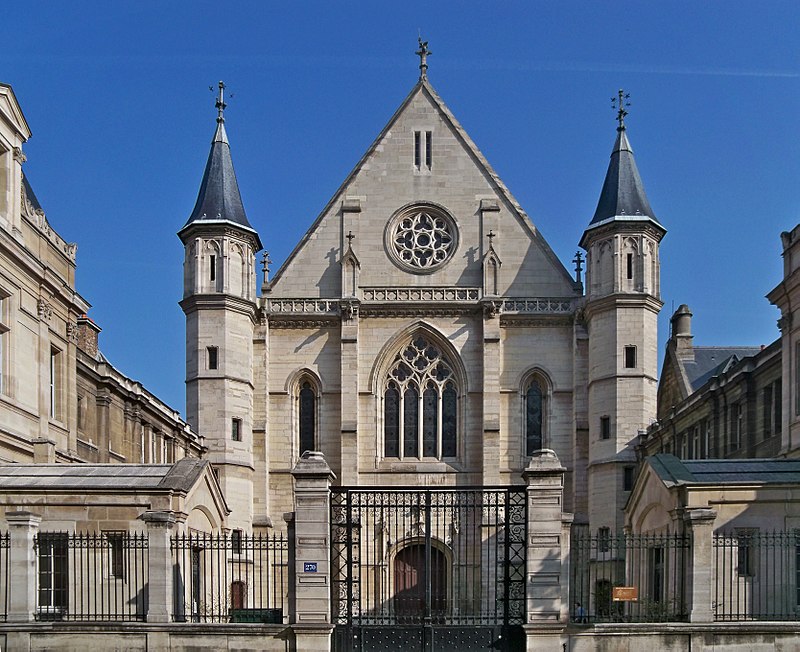
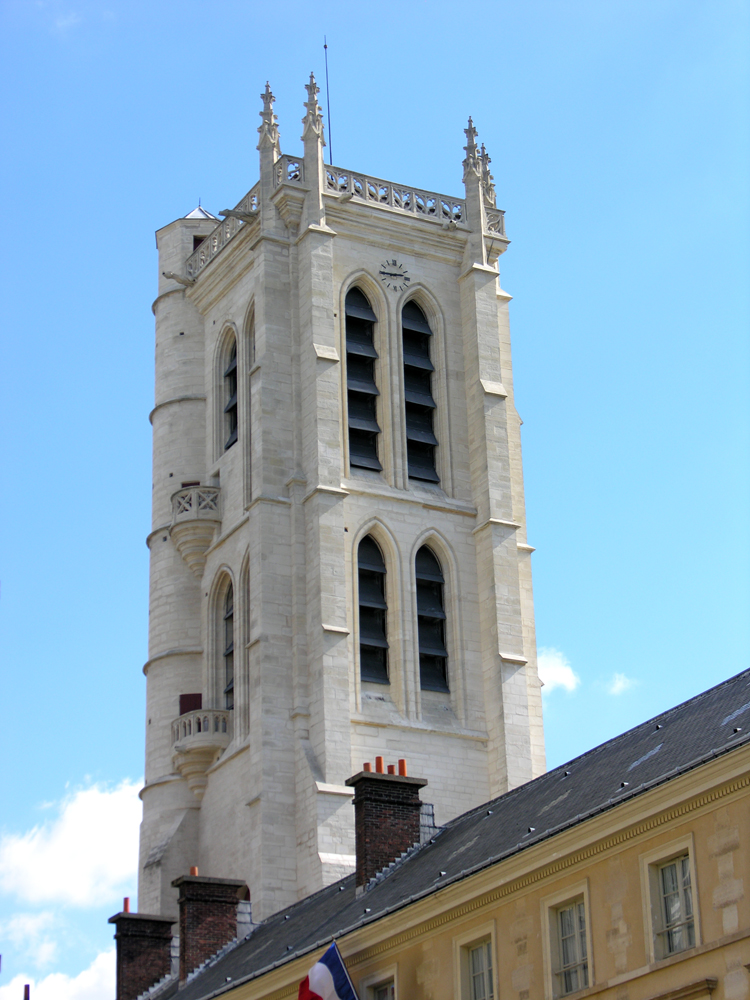
The towers of Sainte Geneviève and Saint Germain des Prés are still visible in the Lycée Henri IV and the square of Saint Germain des Prés today.
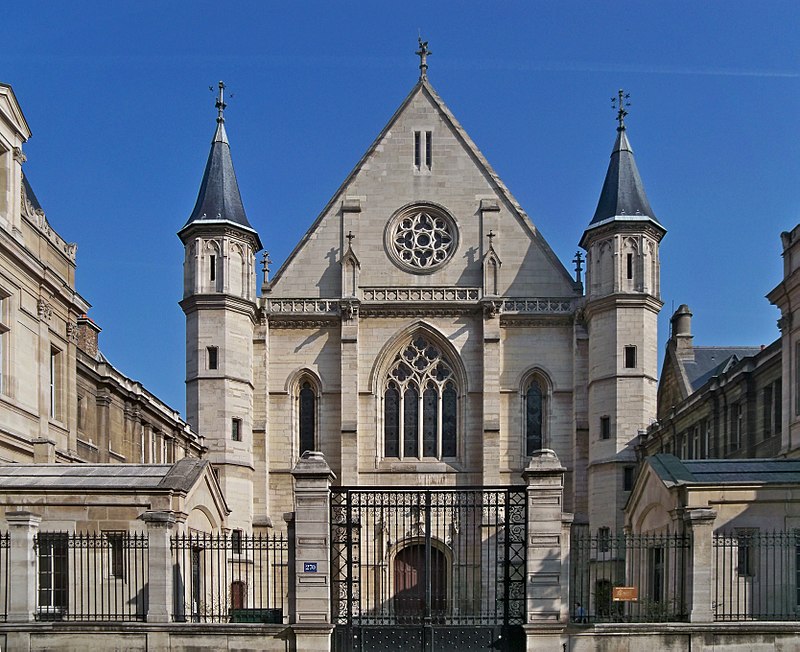
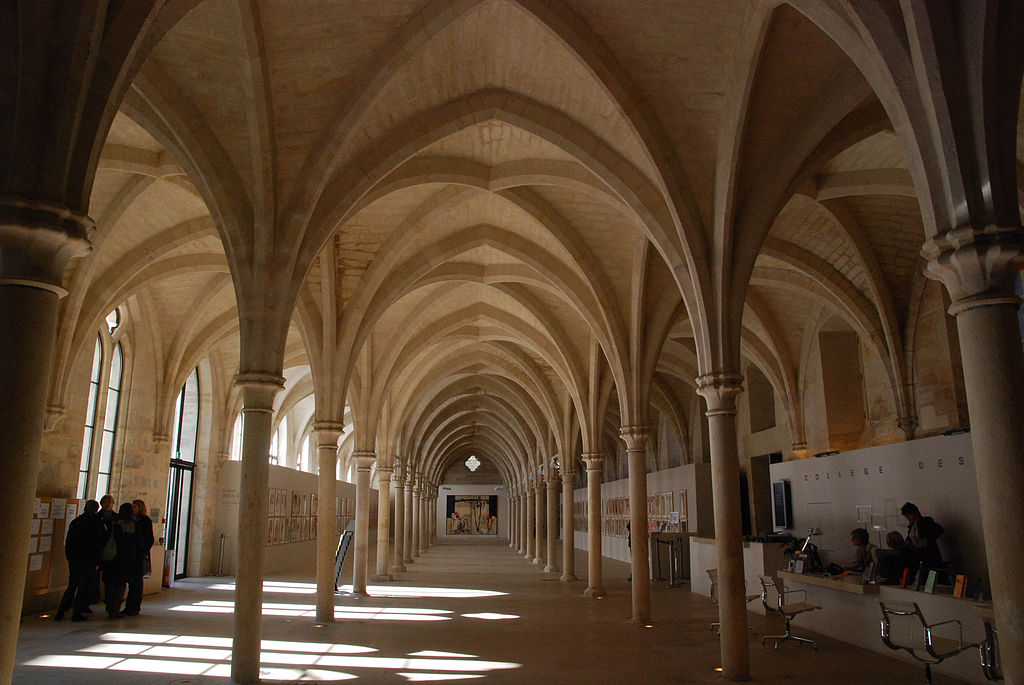
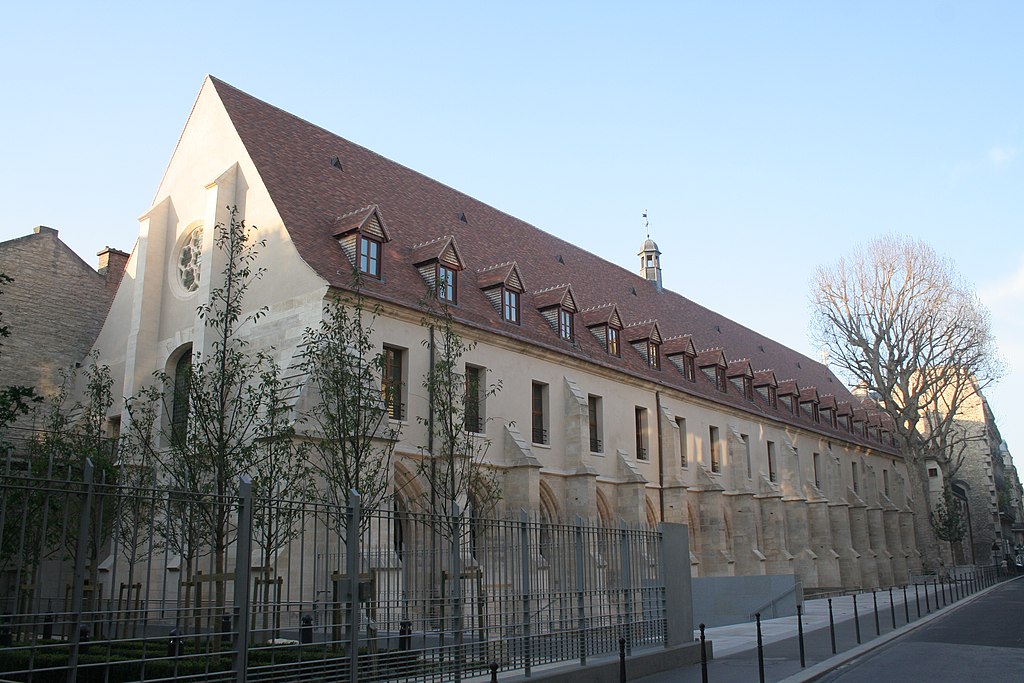
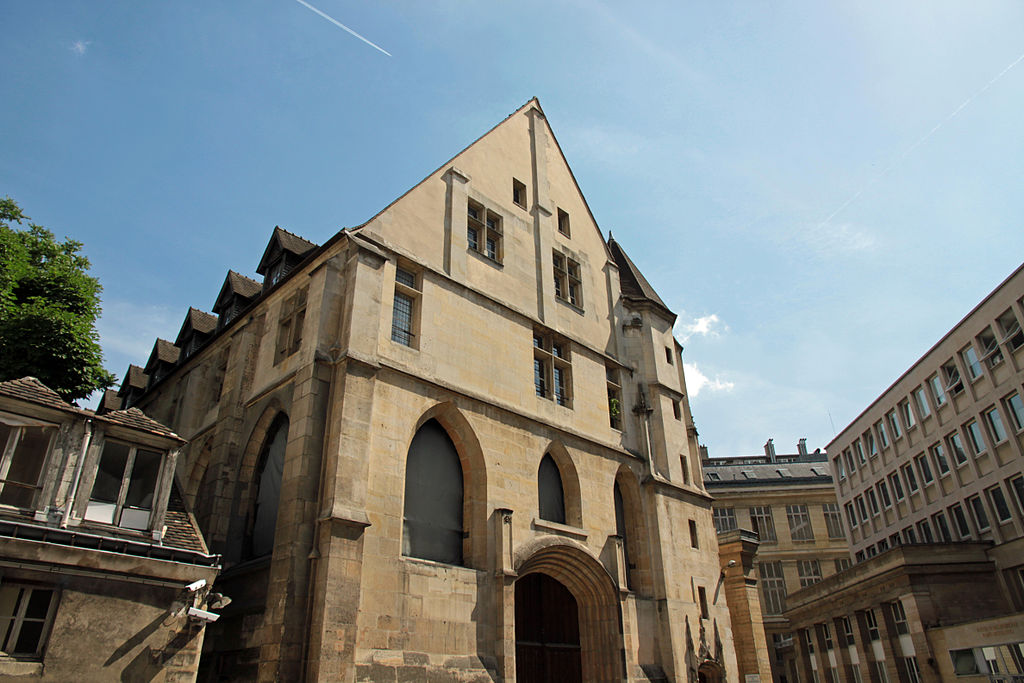
The convent of the Cordeliers and the college of the Bernardins still remain from this period.
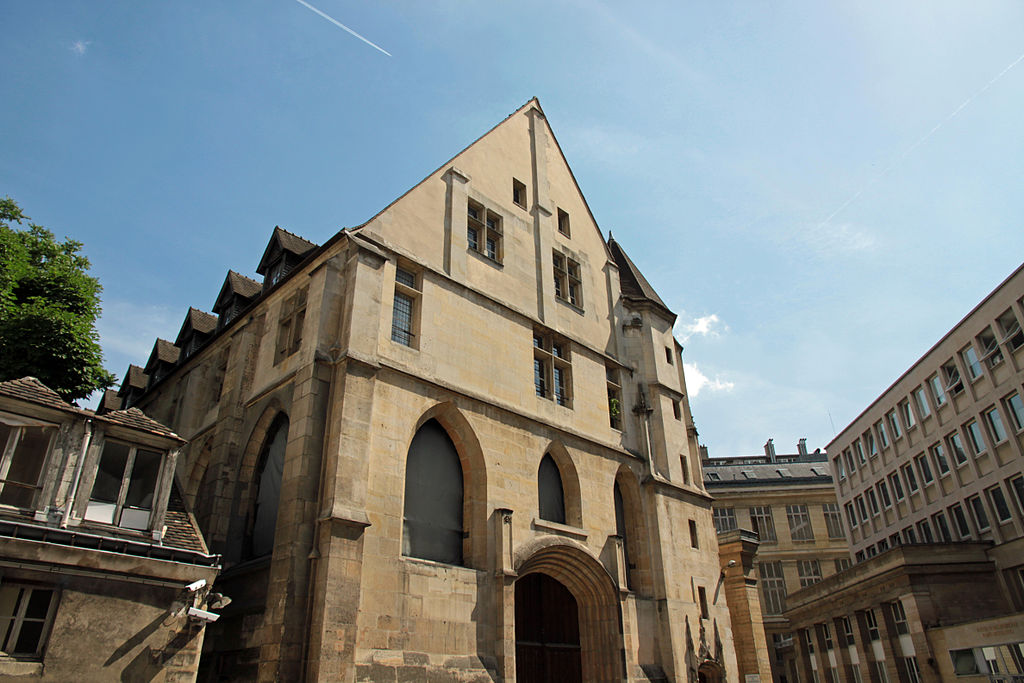
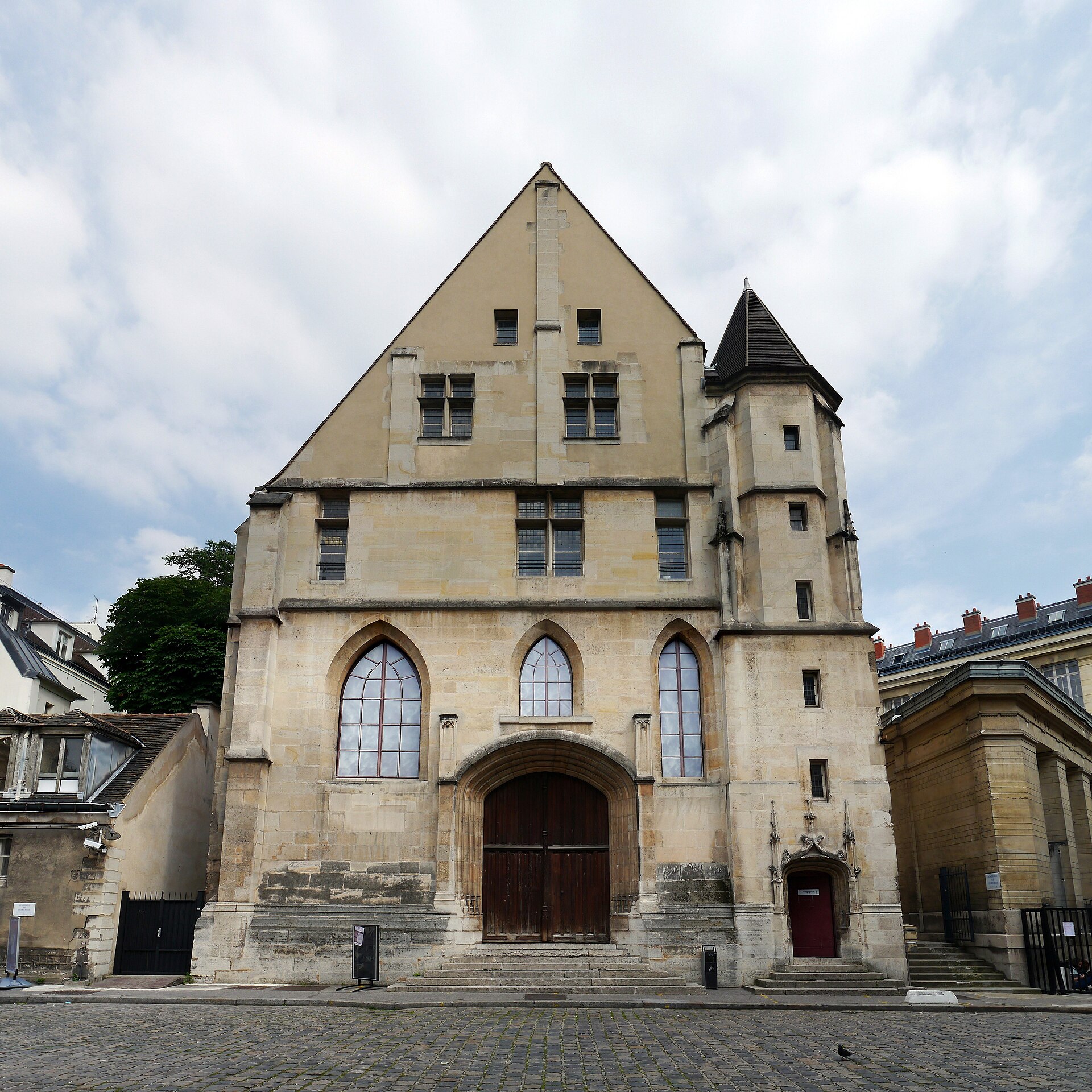
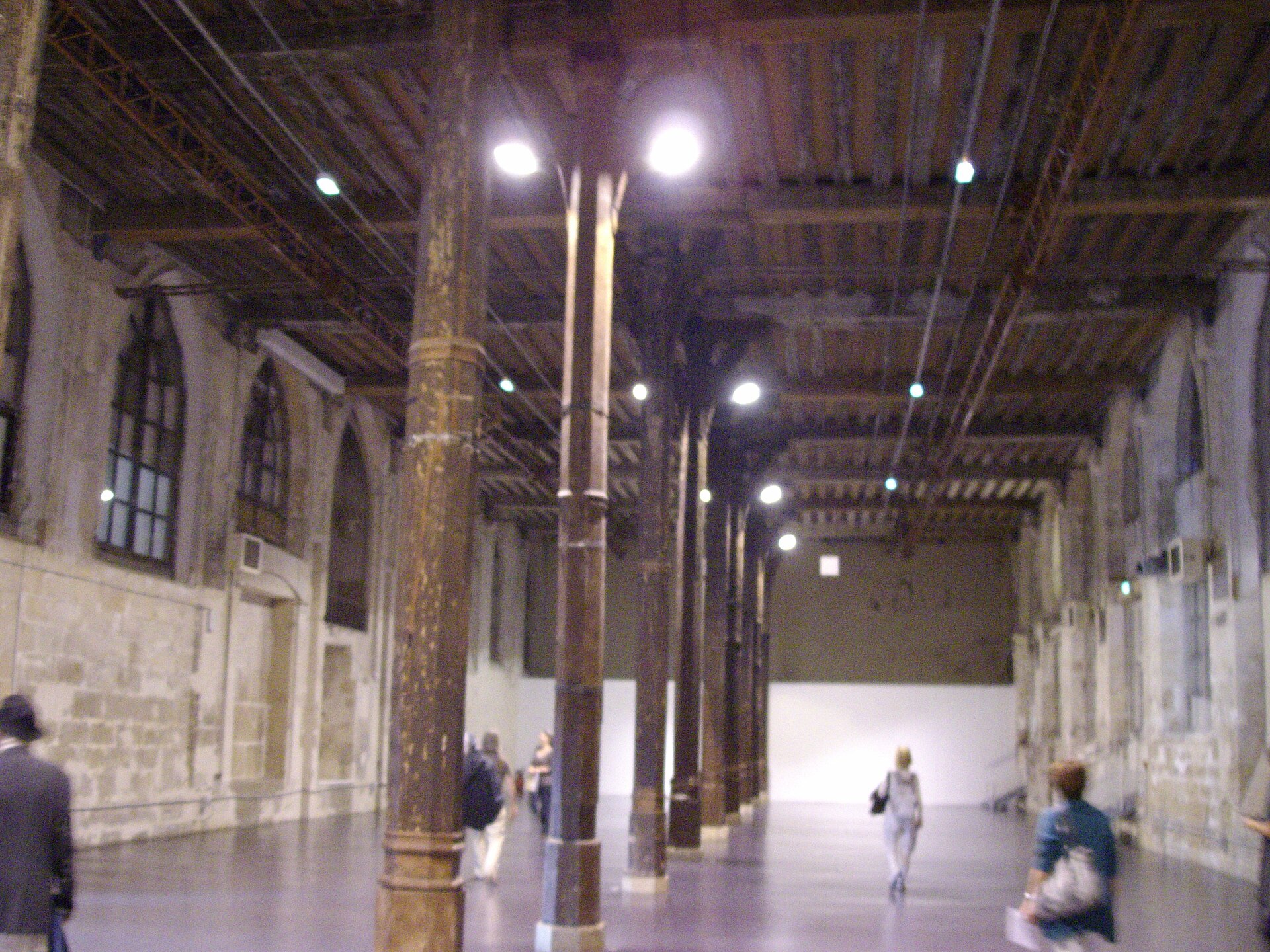
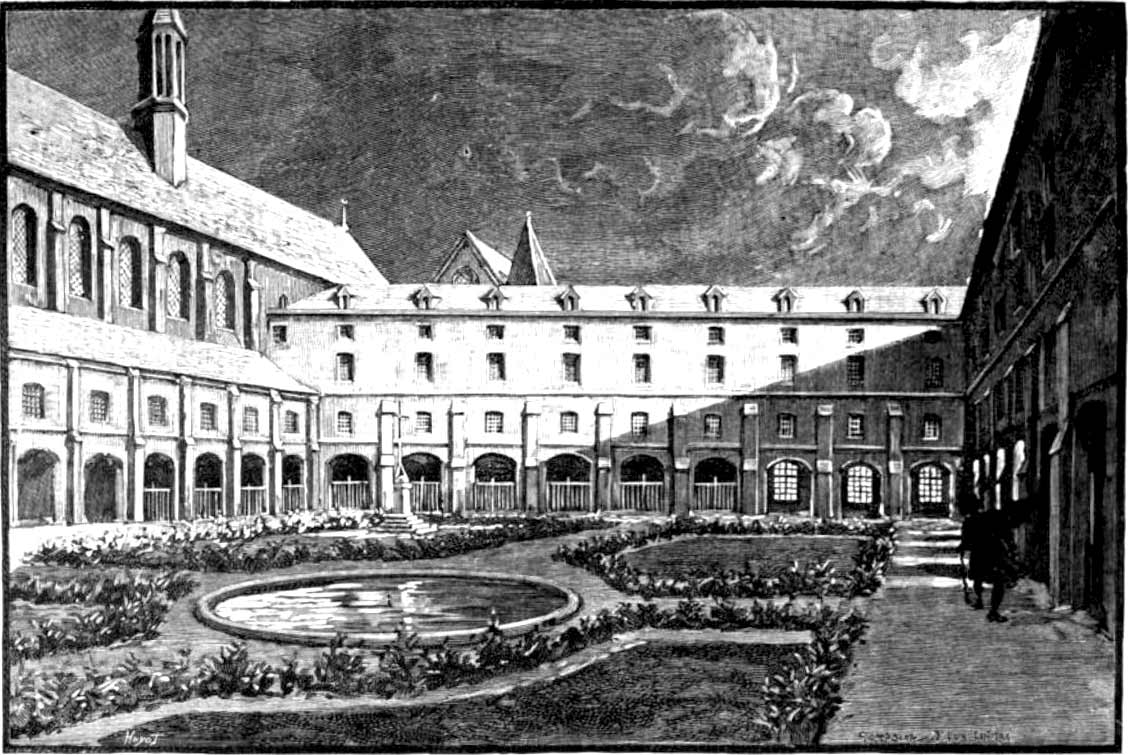
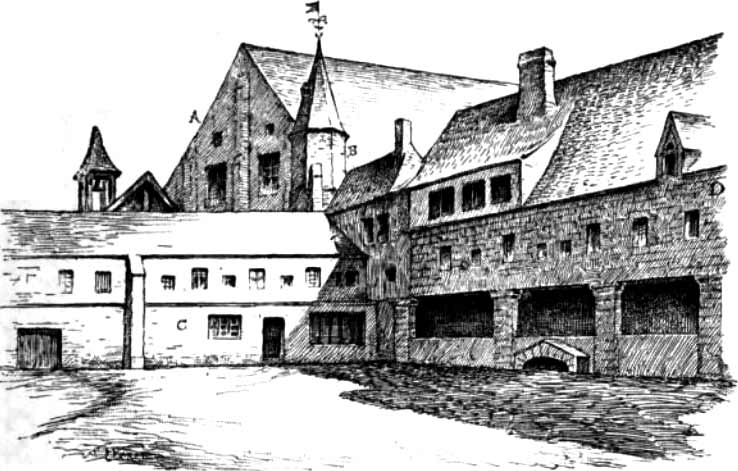
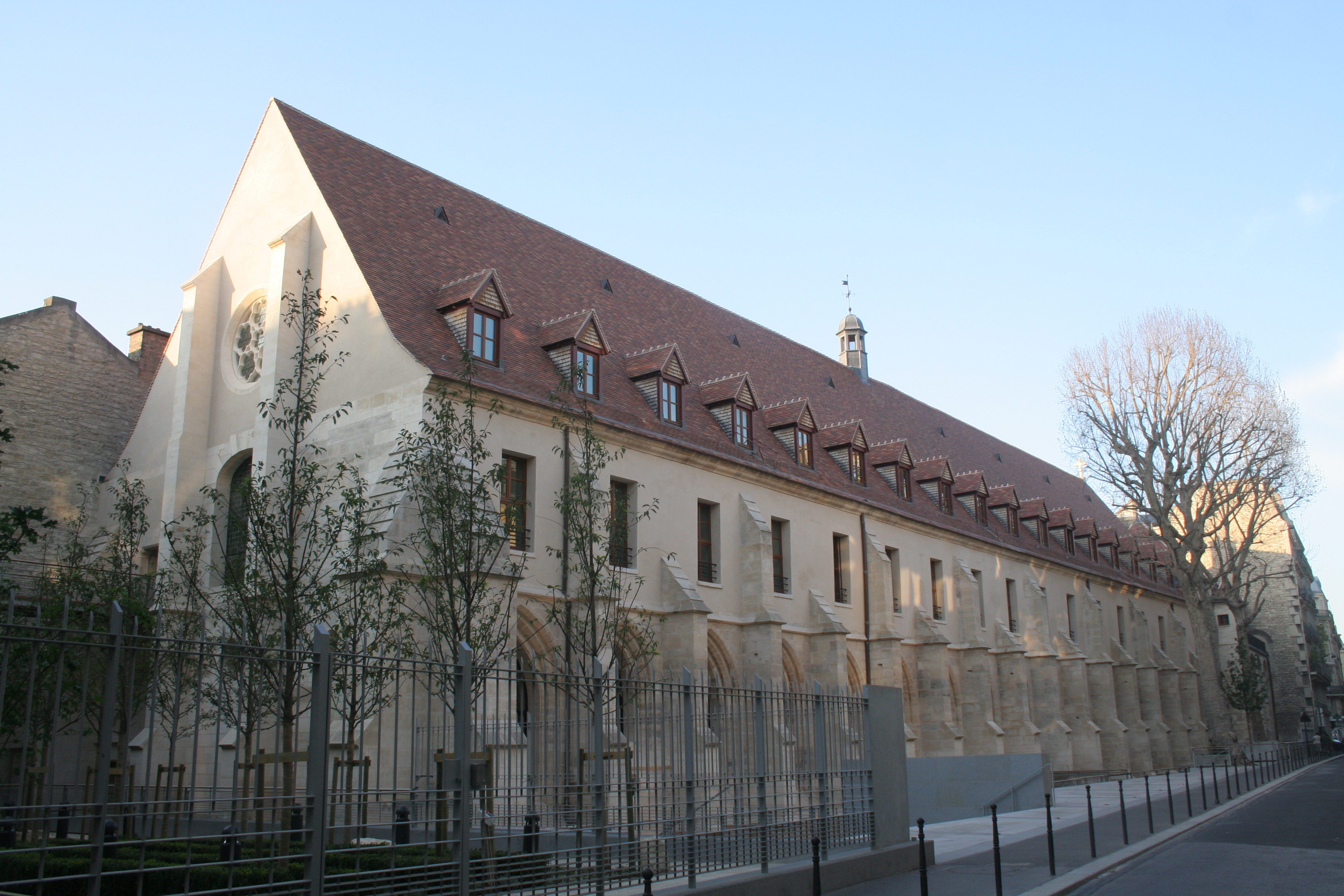
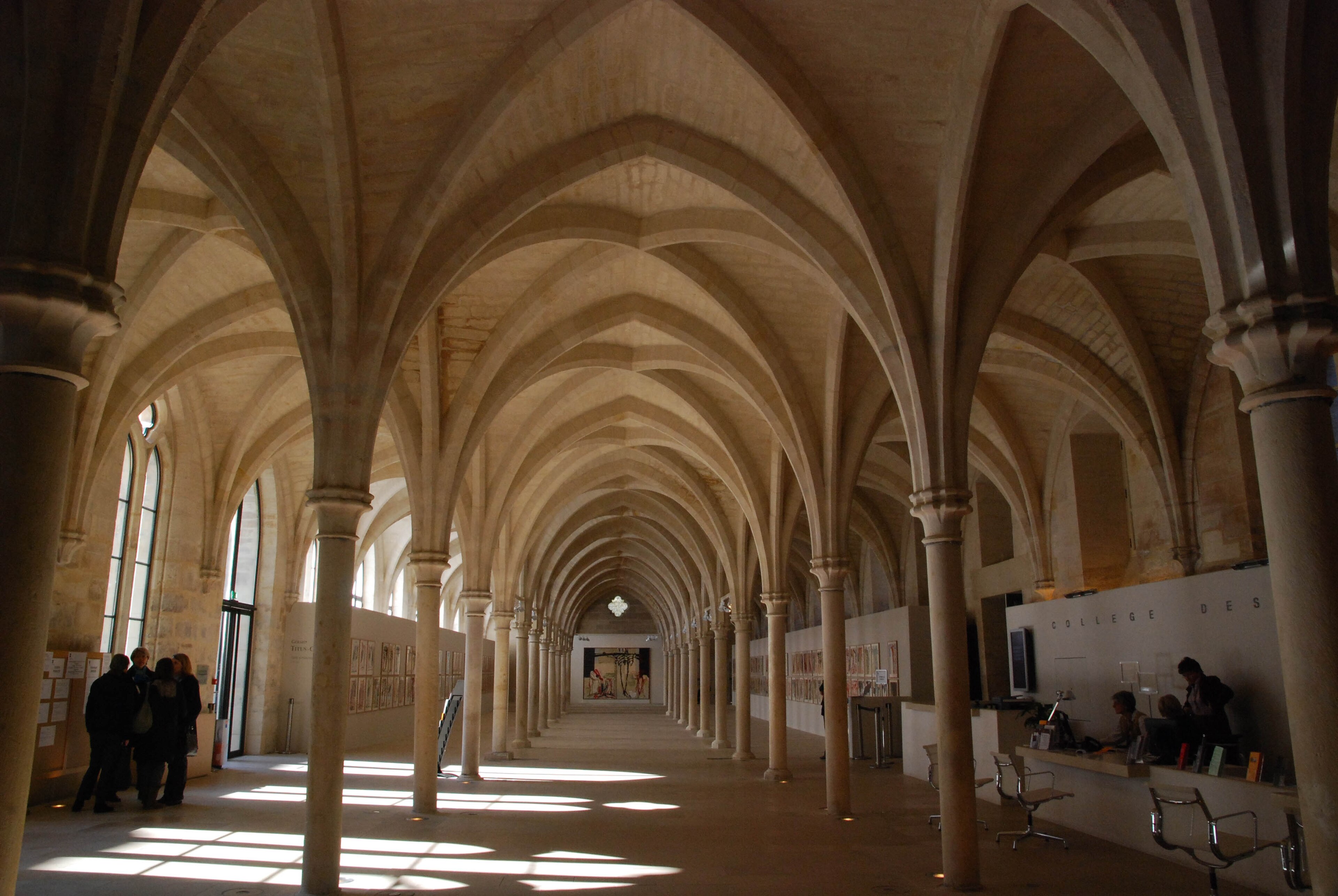


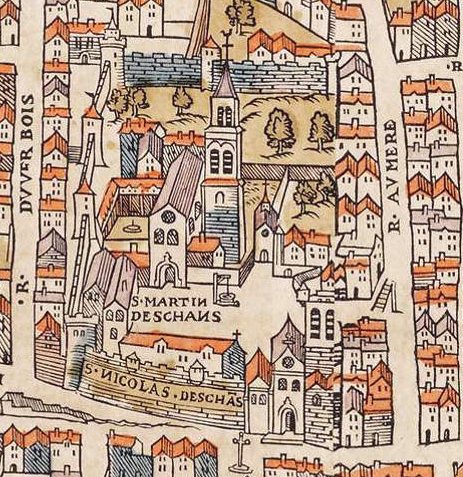
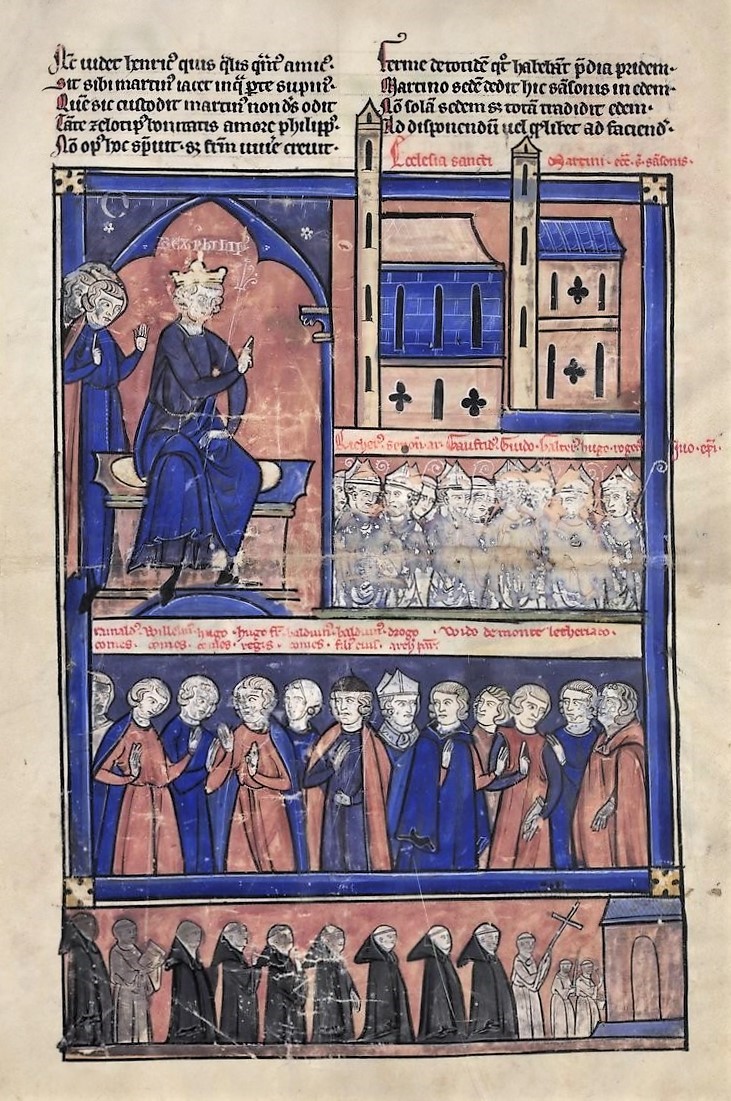
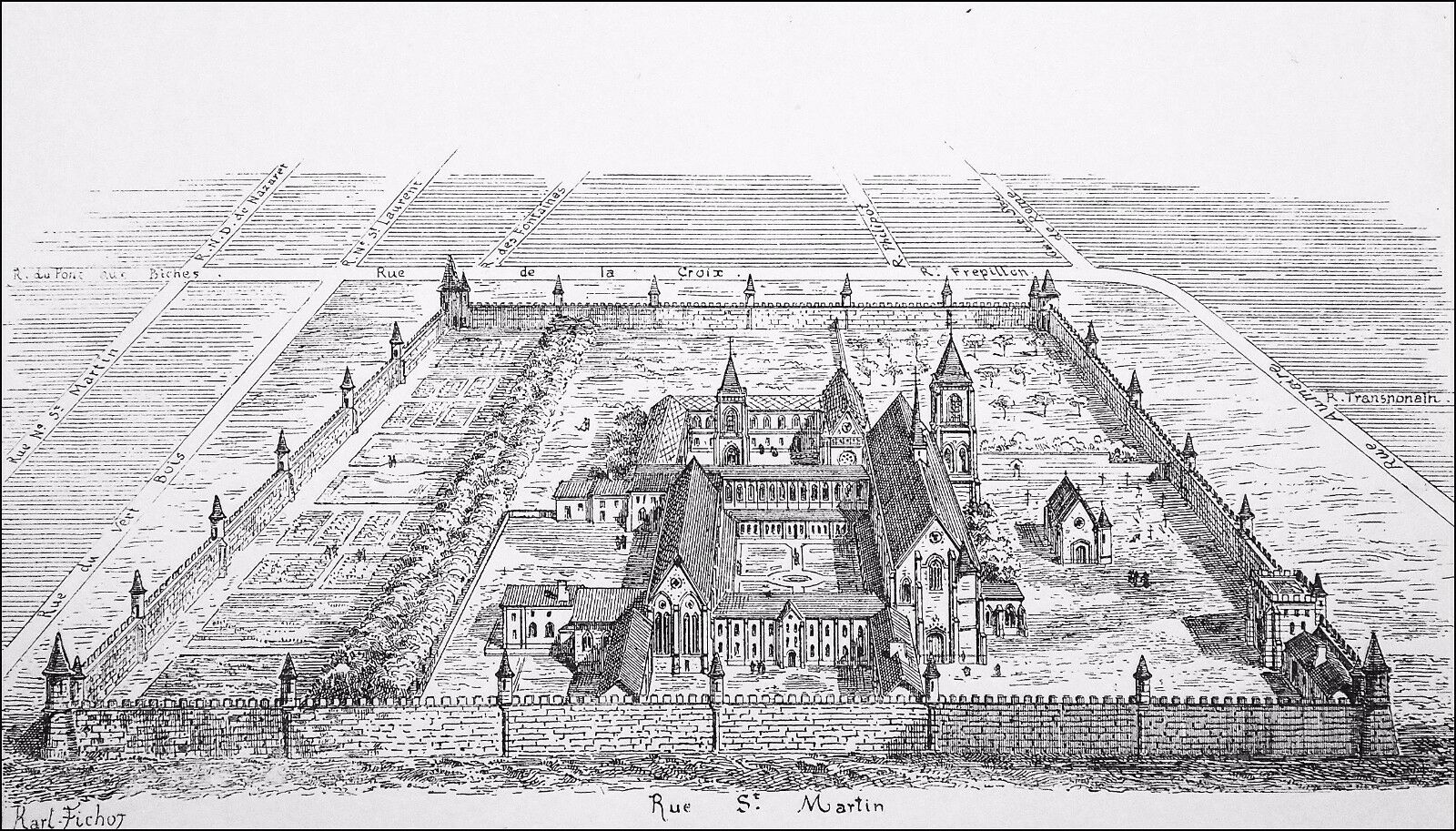
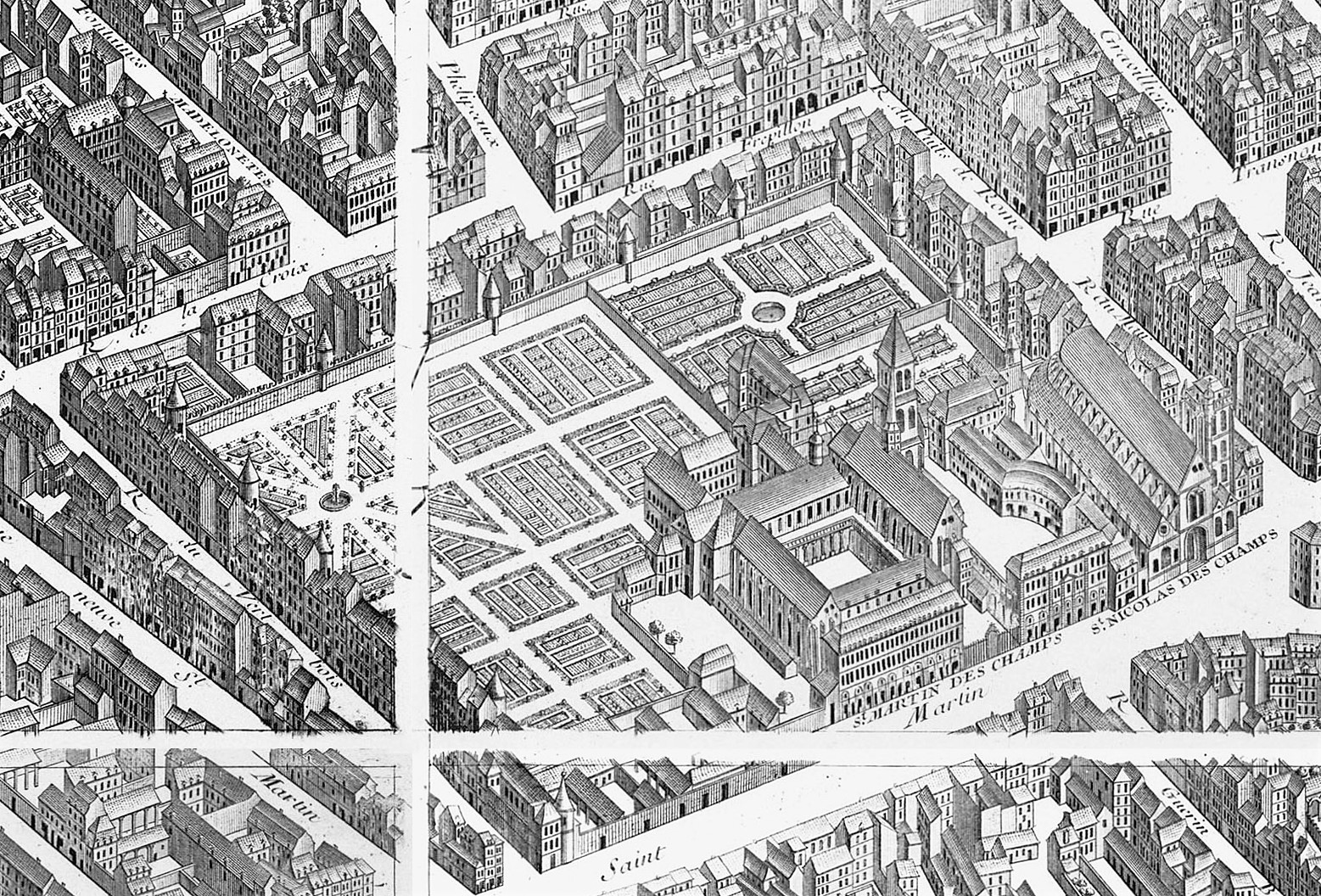
On the Right Bank, today's Musée des Arts et Métiers was the abbey of Saint Martin des Champs ("Saint Martin of the fields").
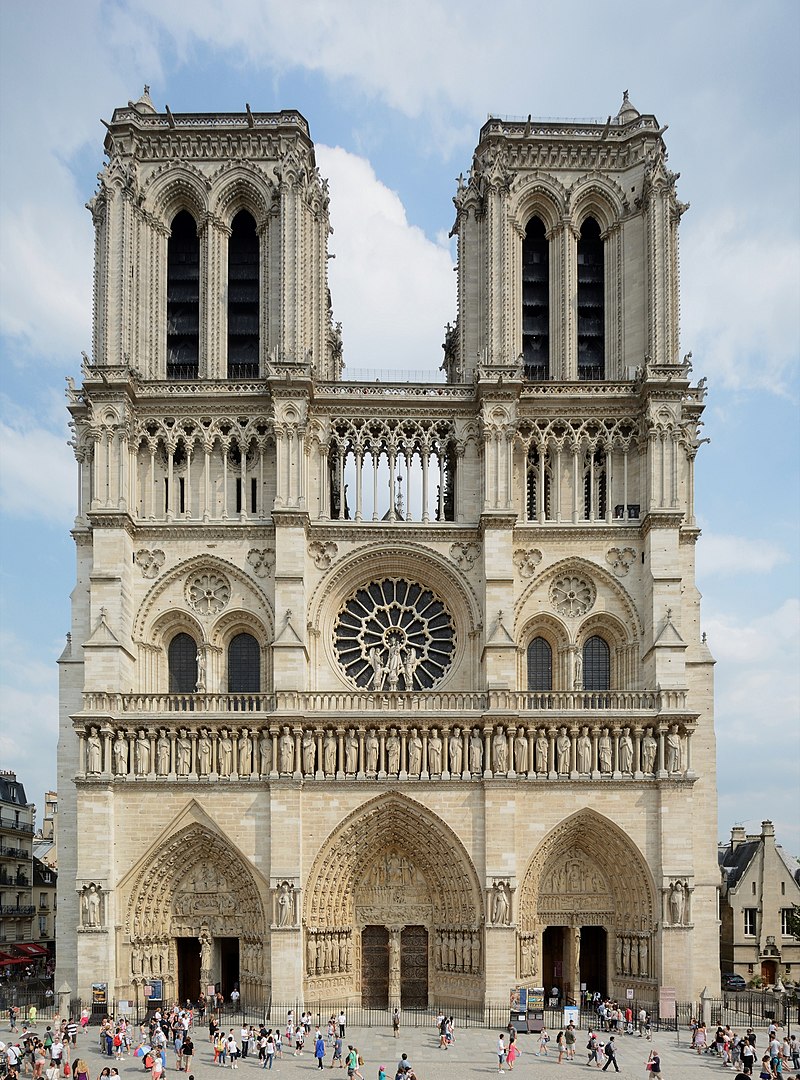
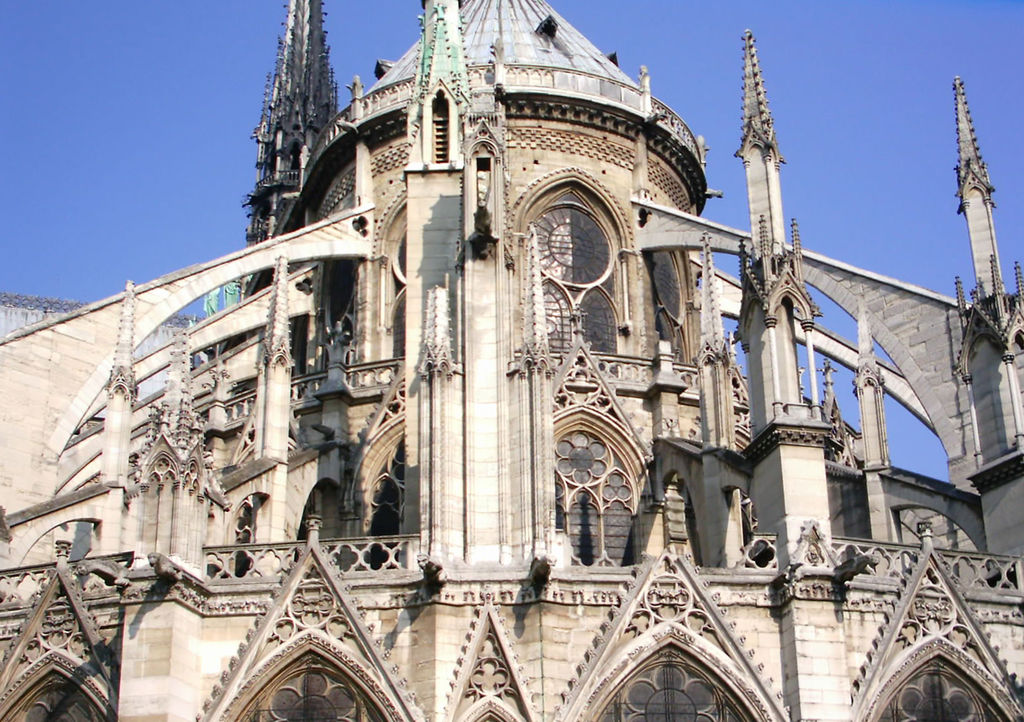
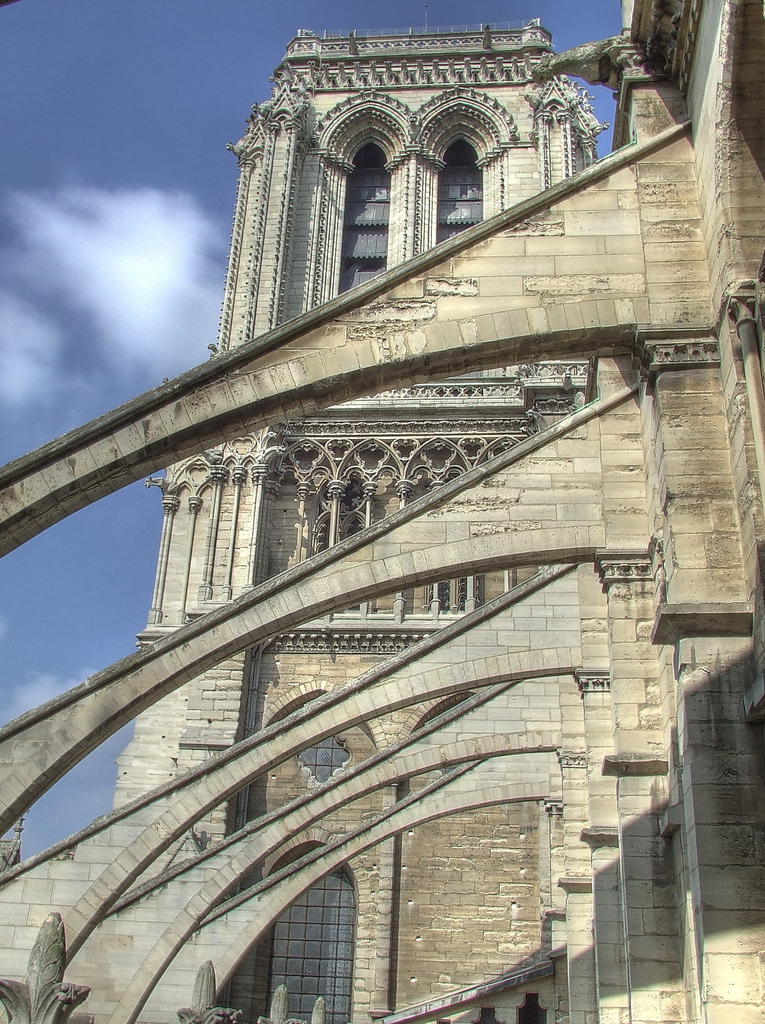
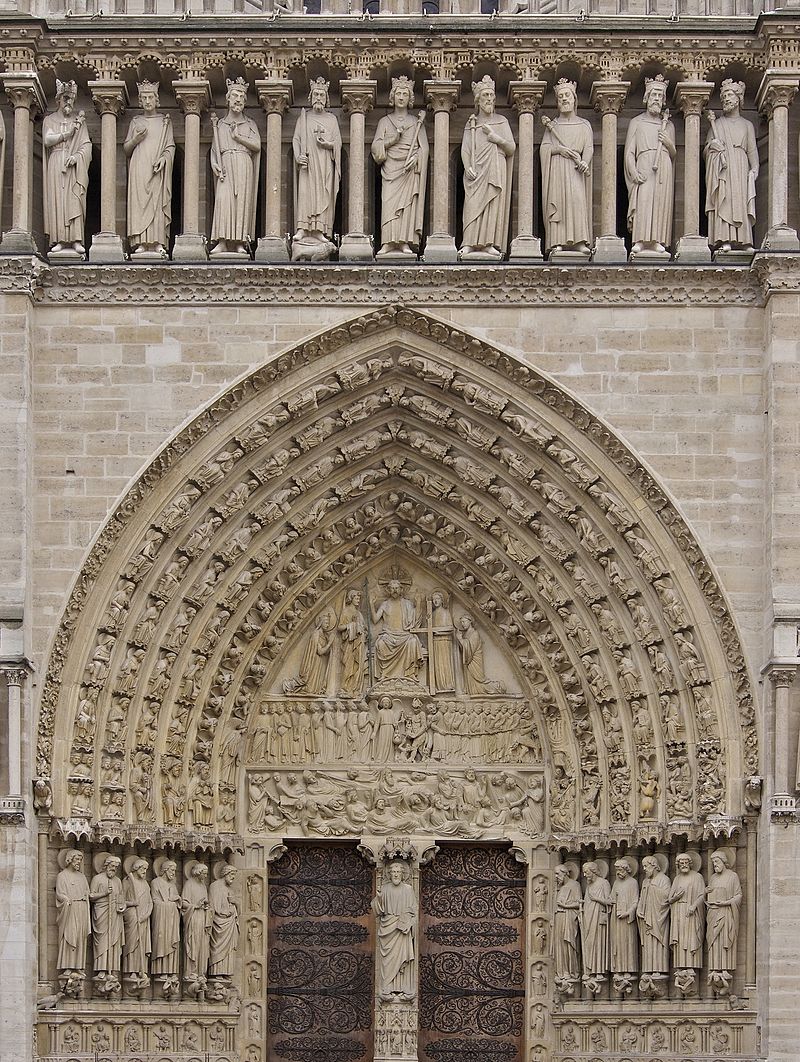
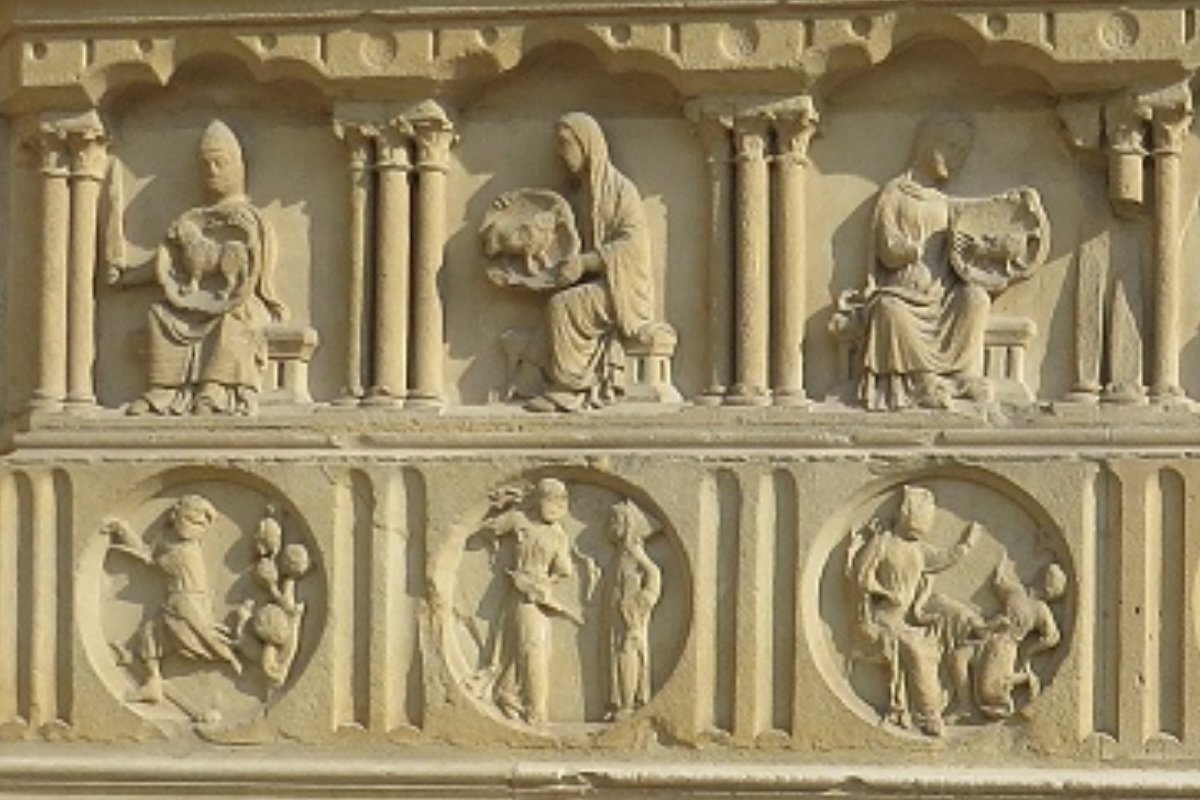
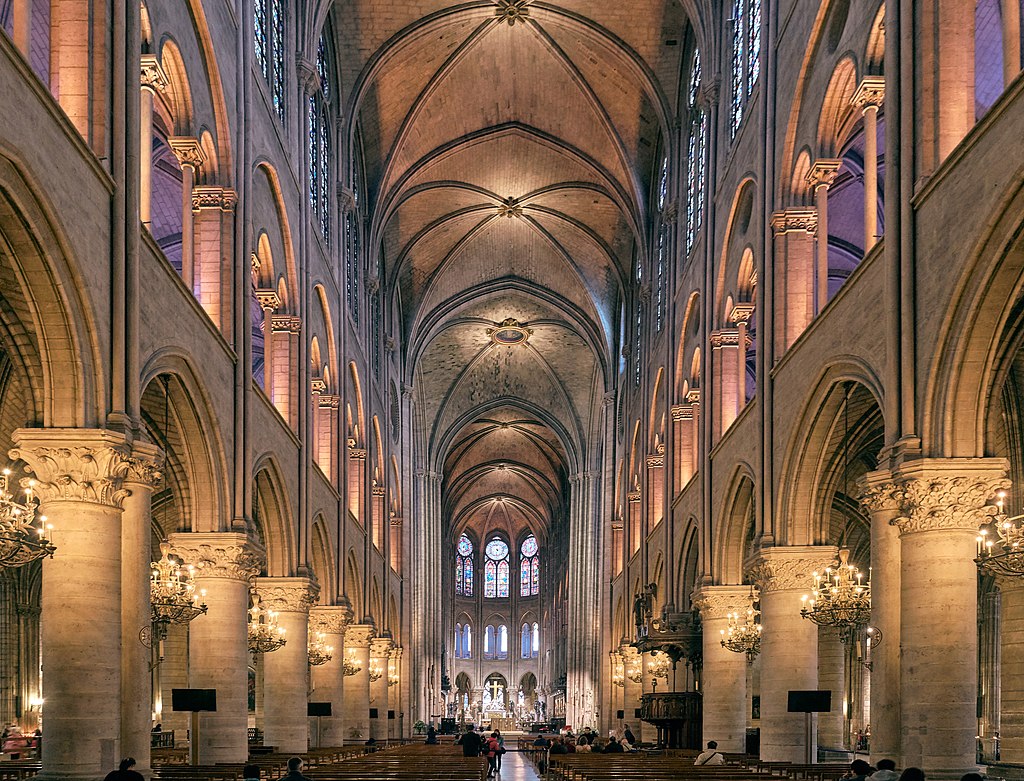
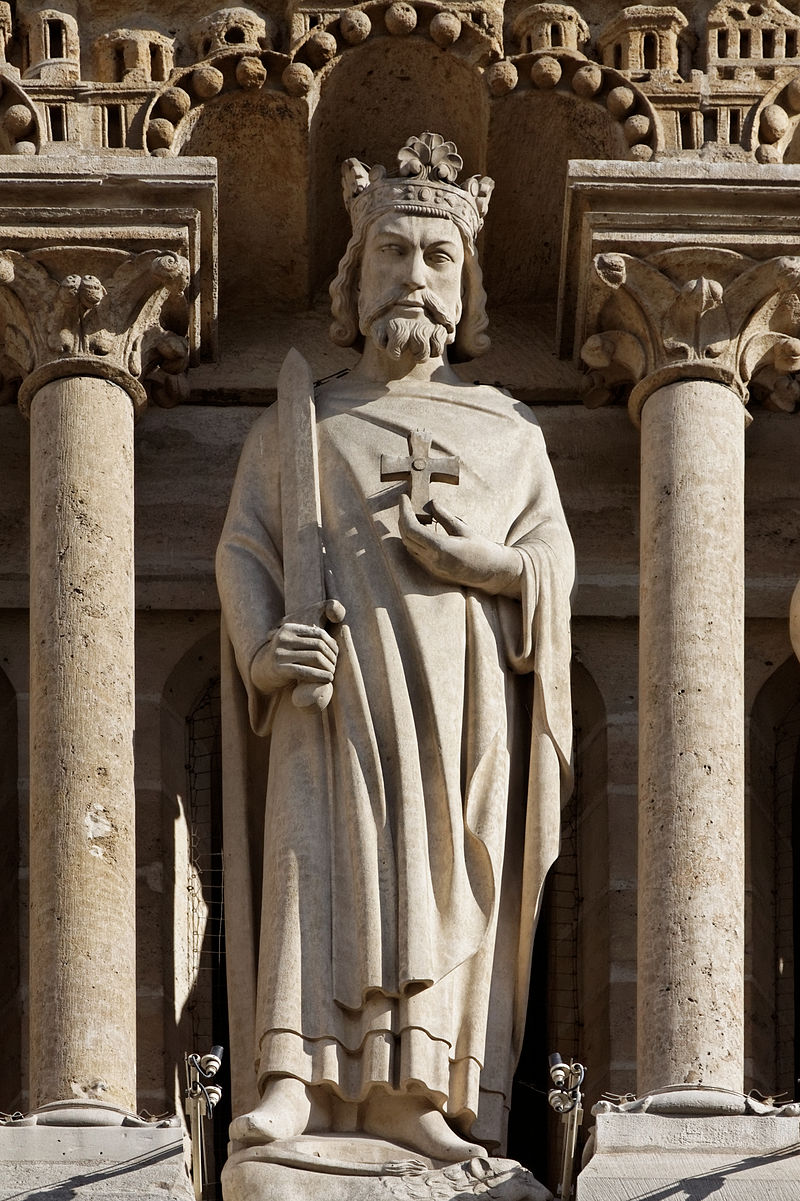
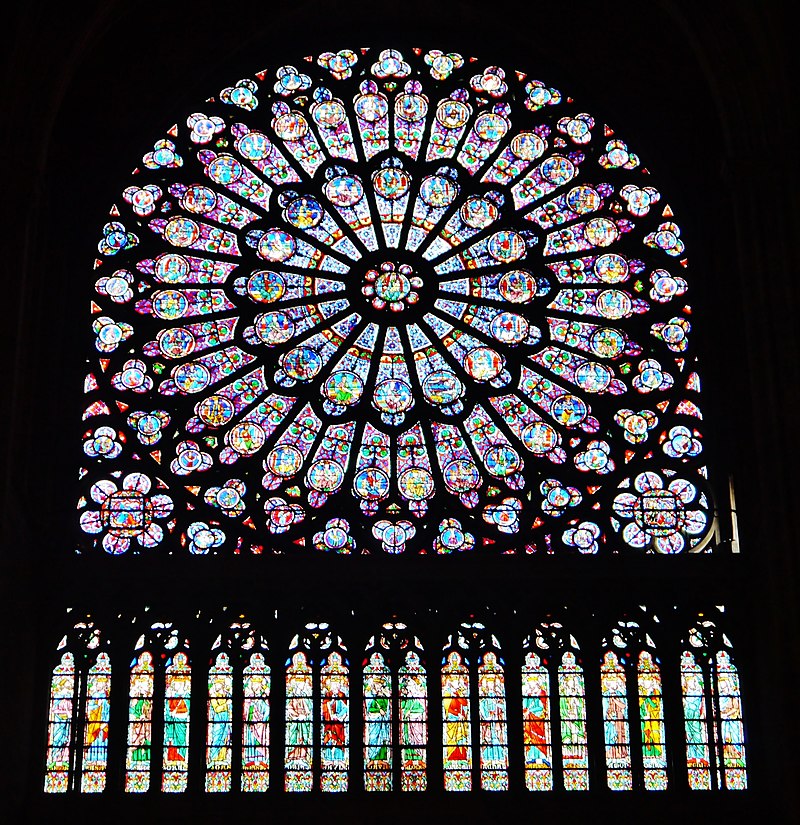
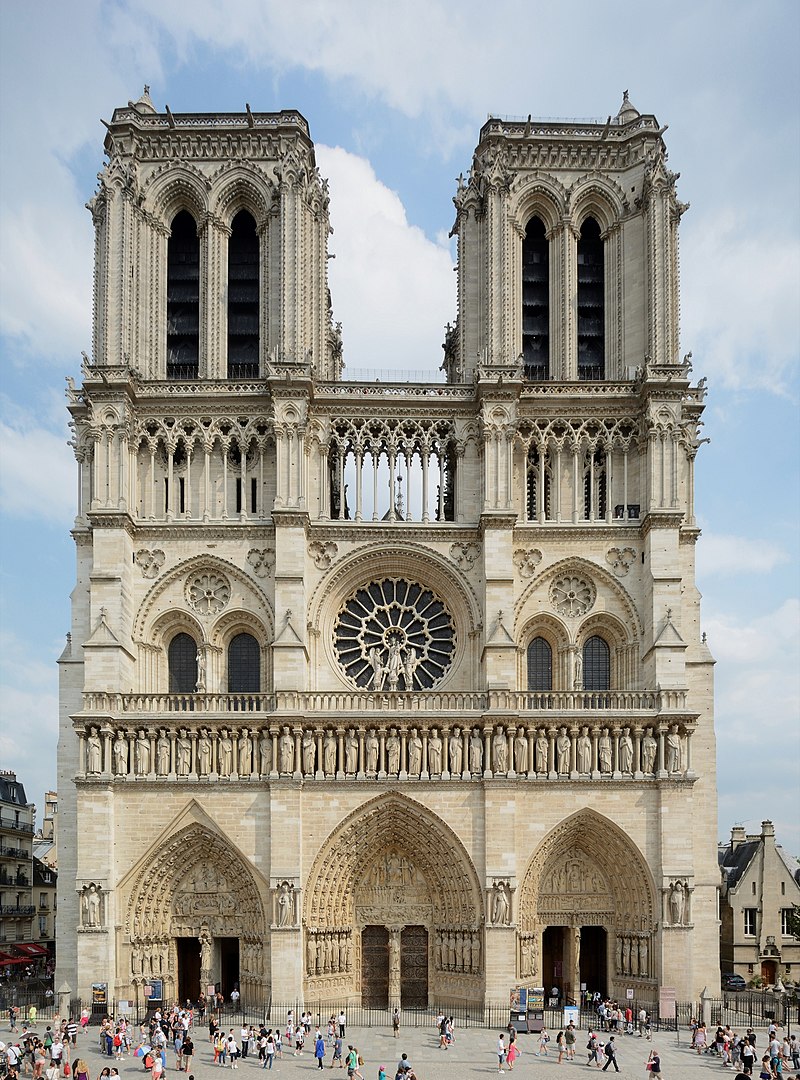
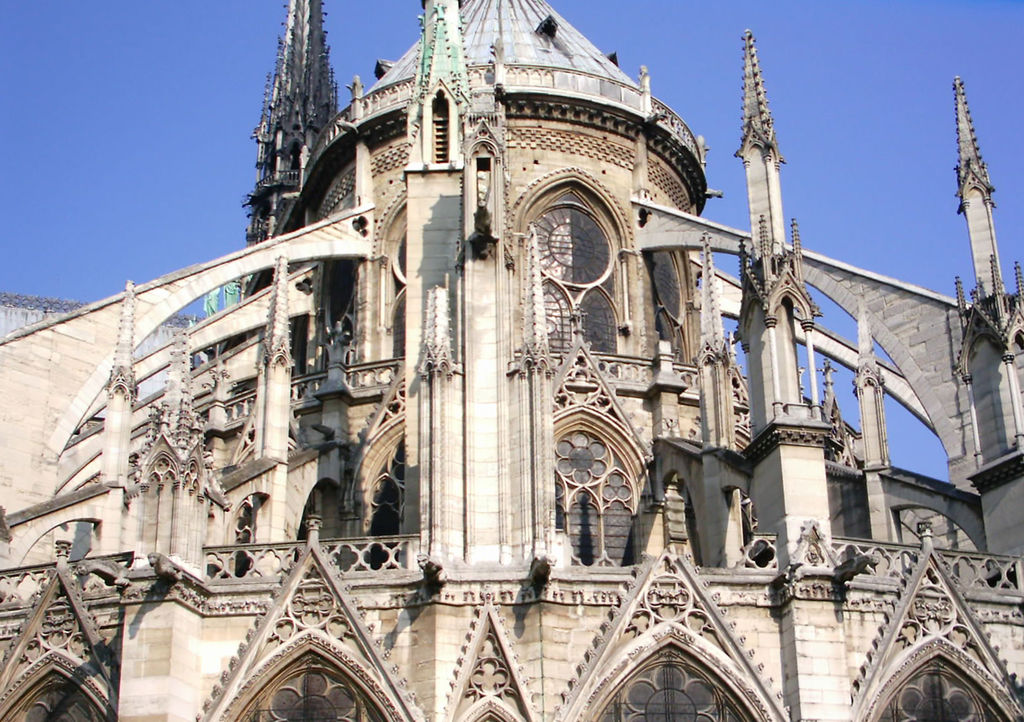
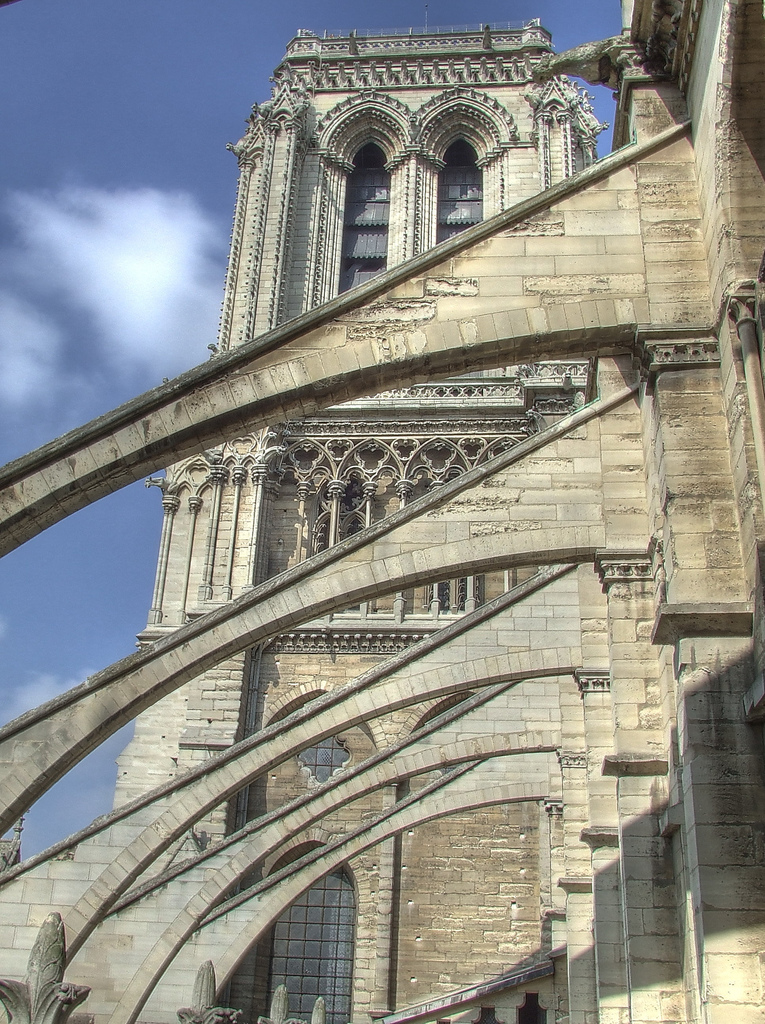
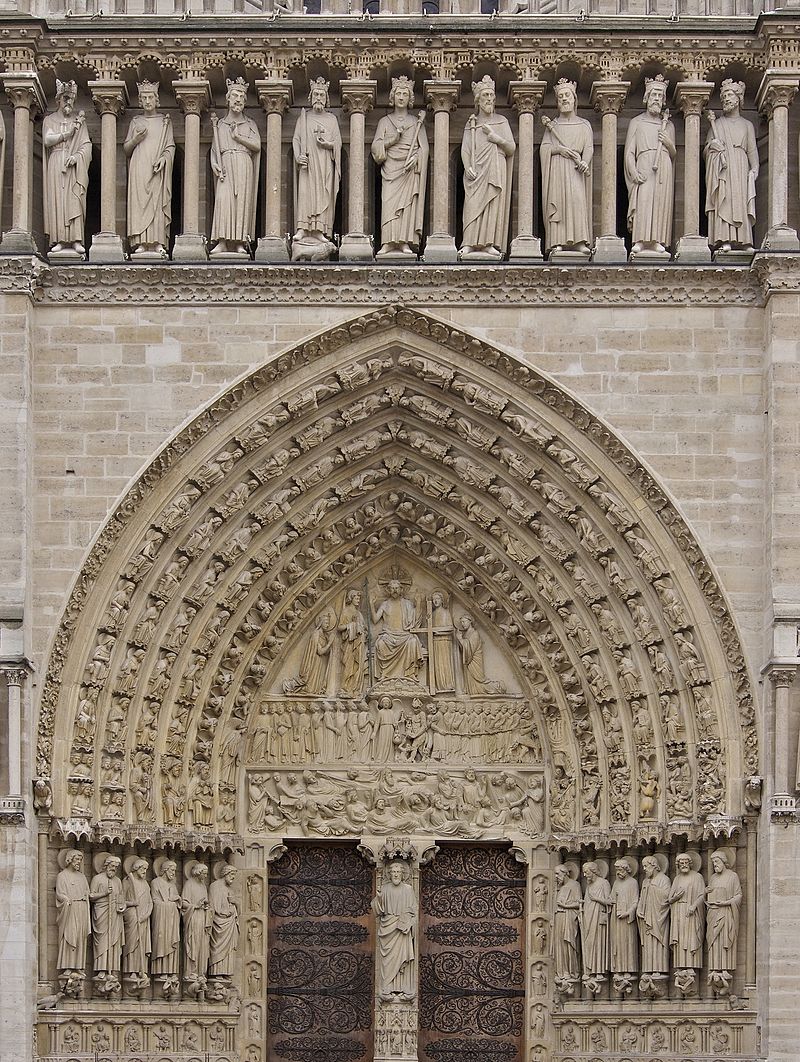
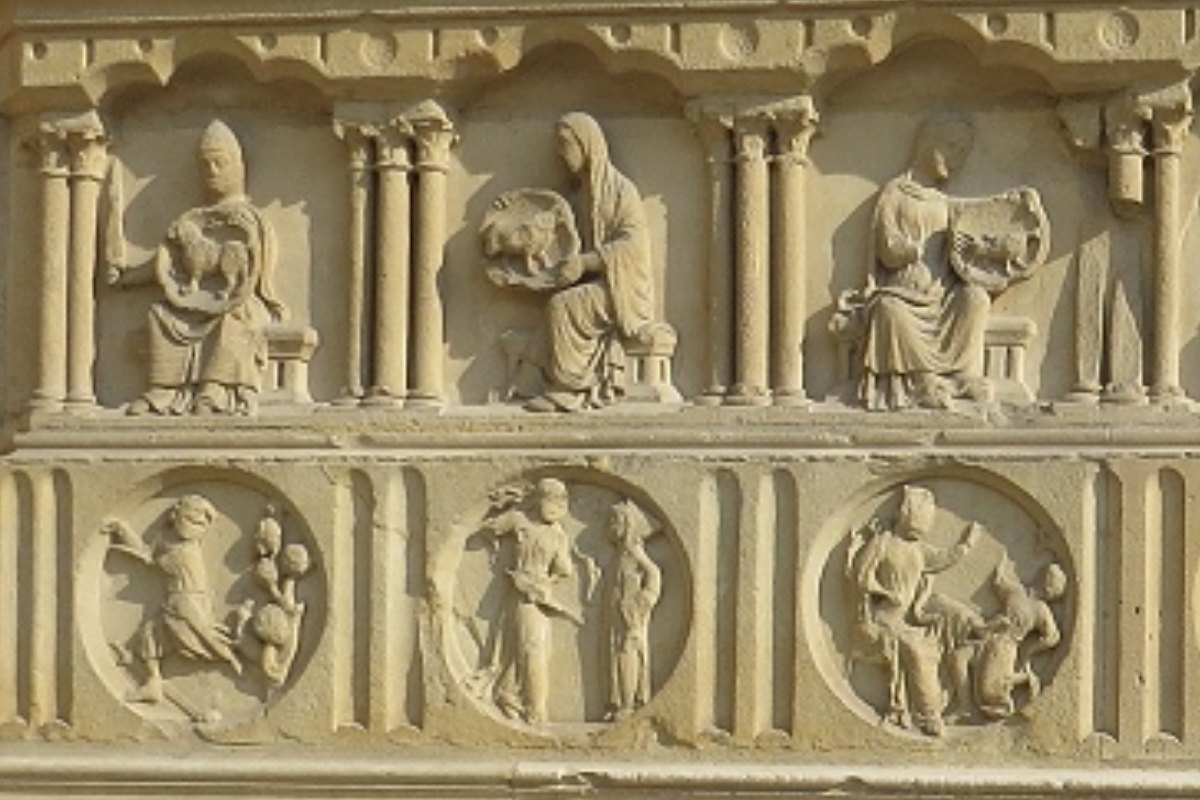
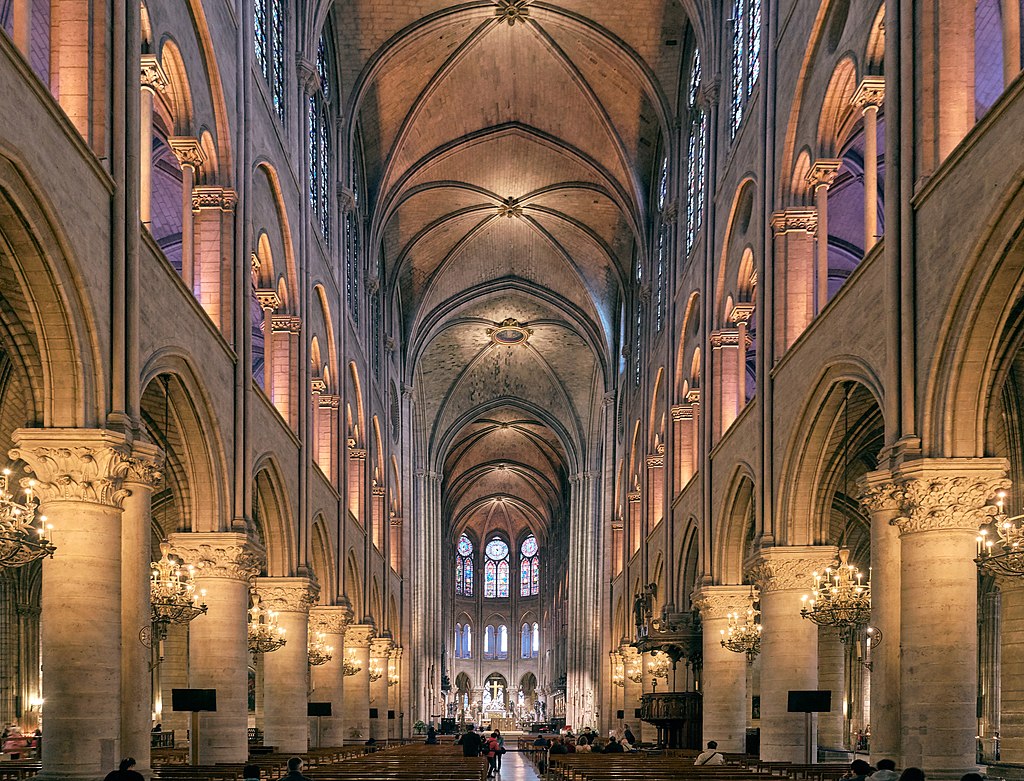
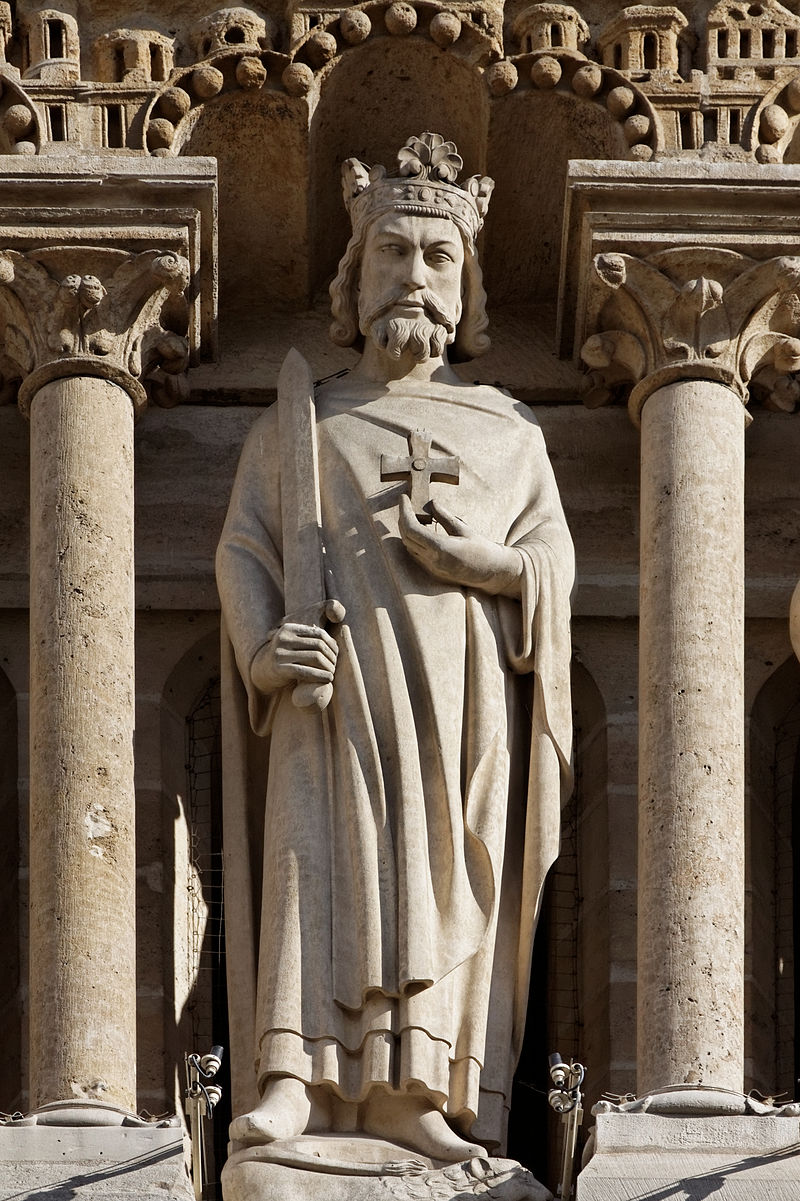
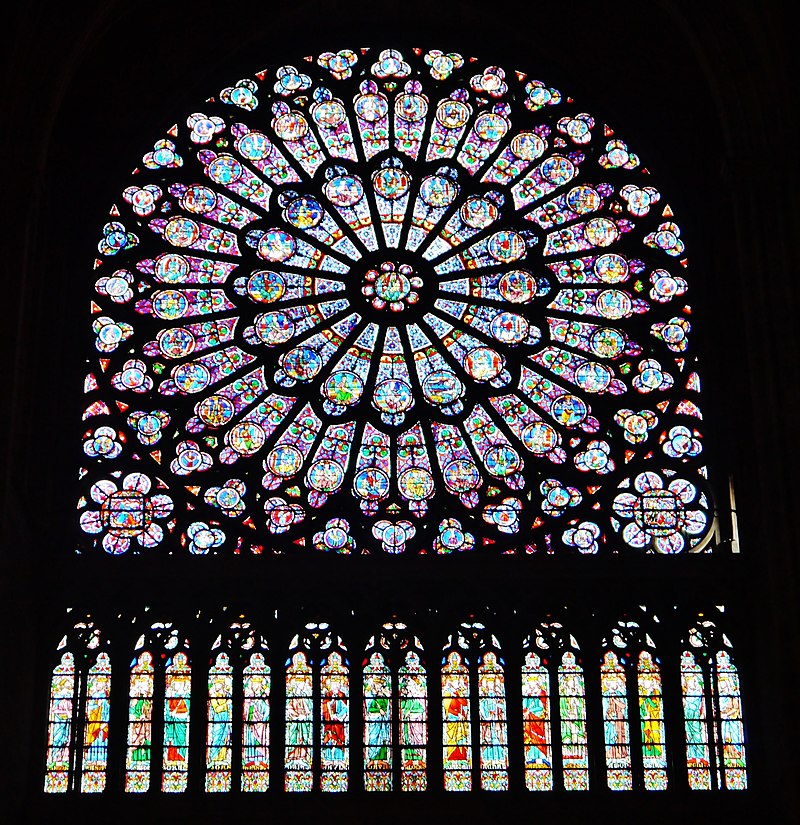
This era also witnessed the construction of Notre Dame Cathedral, which began in the 11th century and took 200 years to complete!
To learn more about Notre Dame, explore our walk : Secrets of Notre Dame.
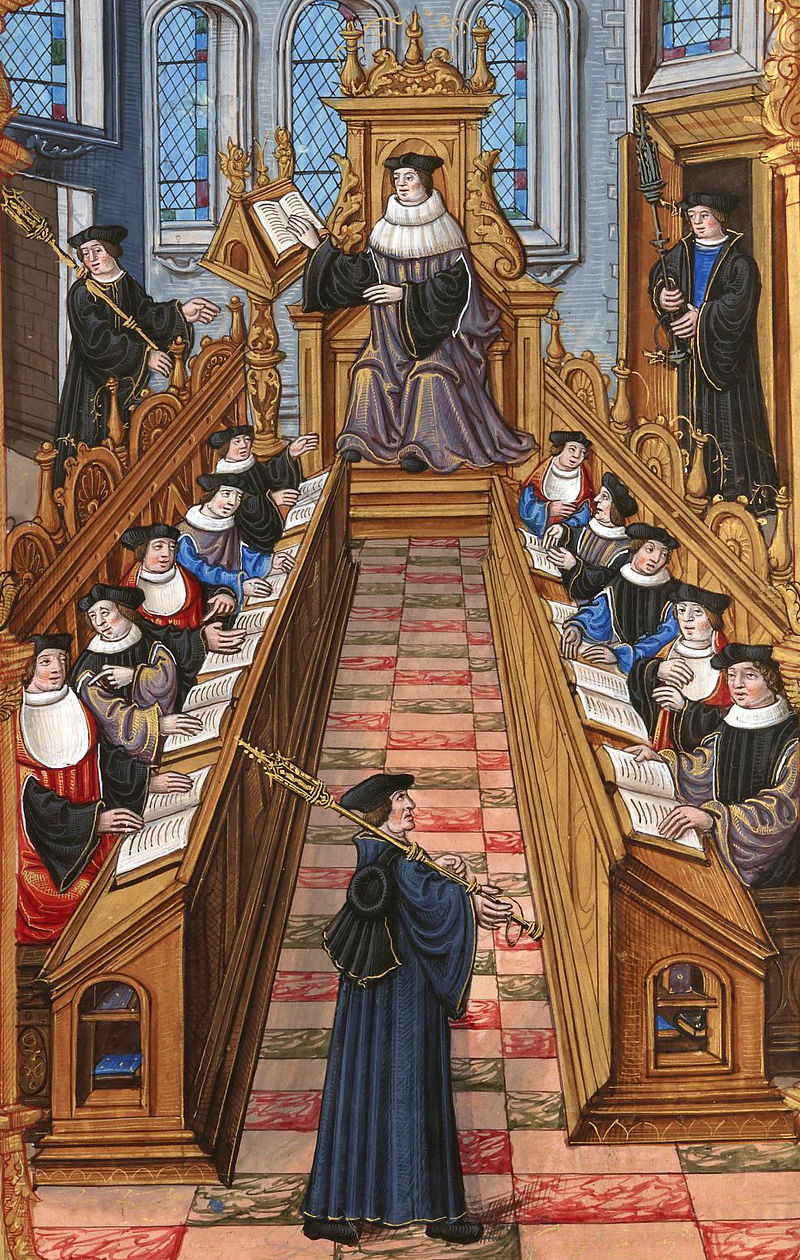
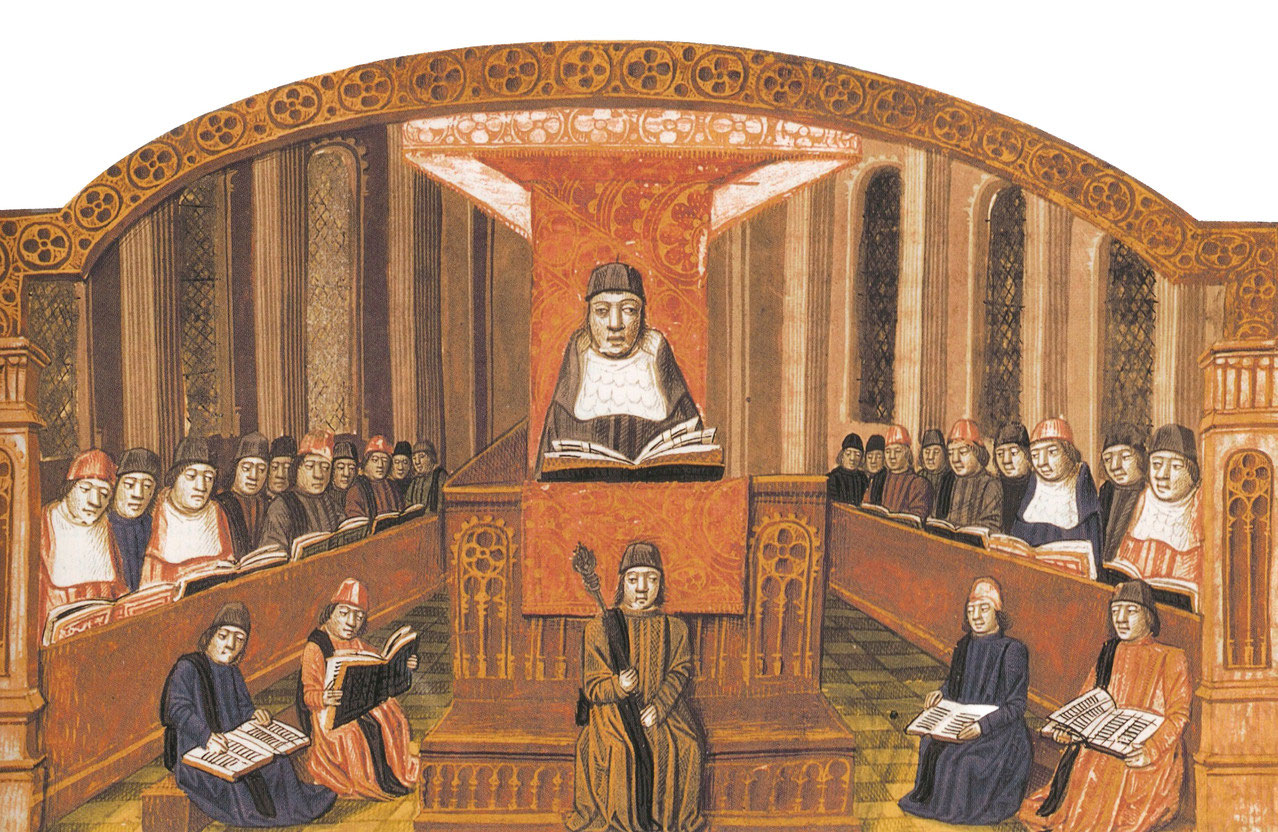
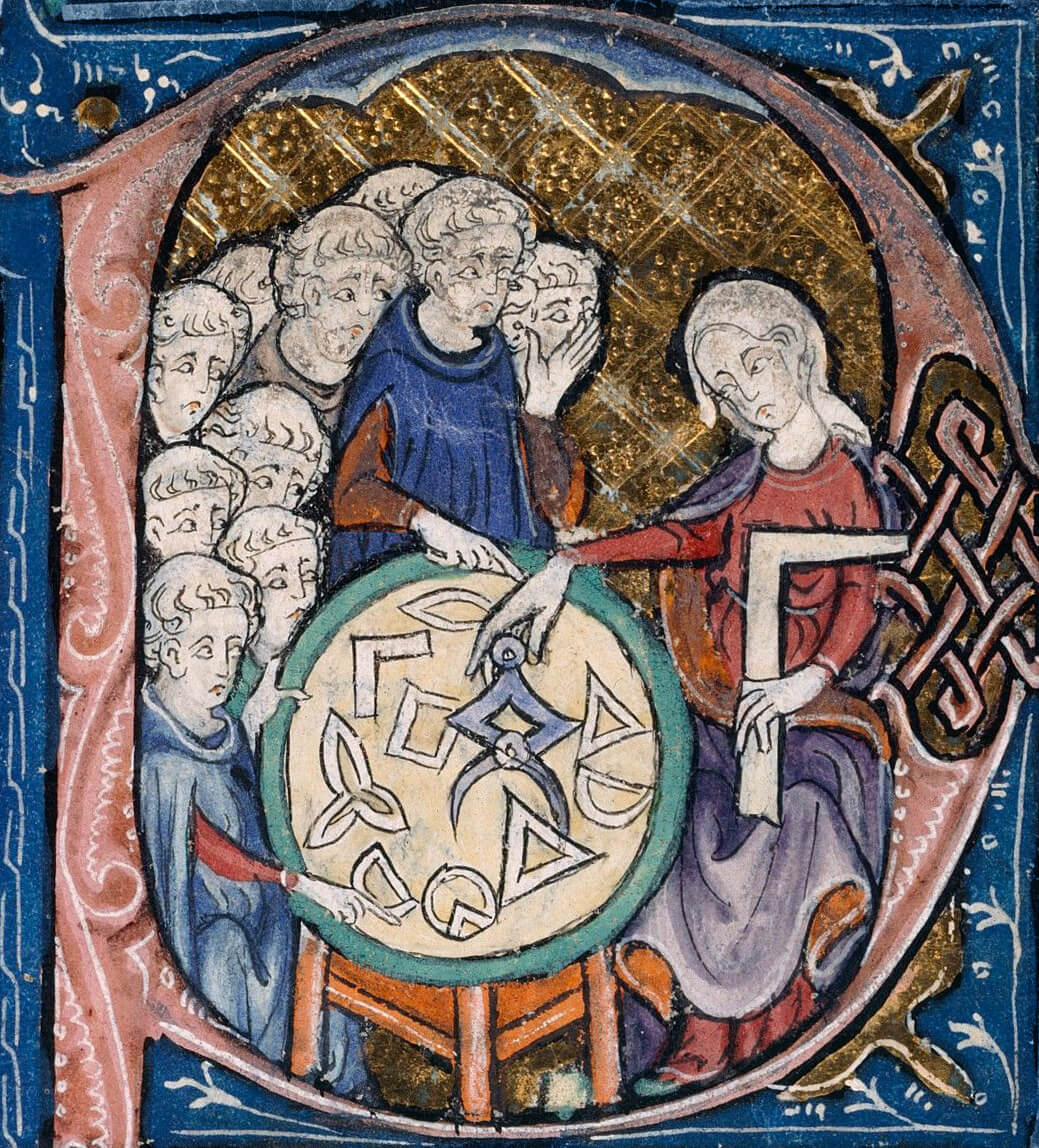
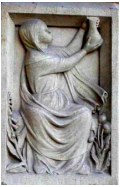
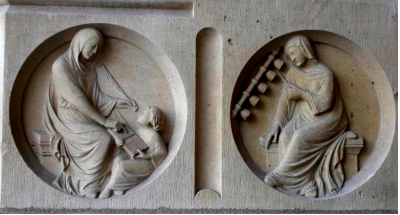
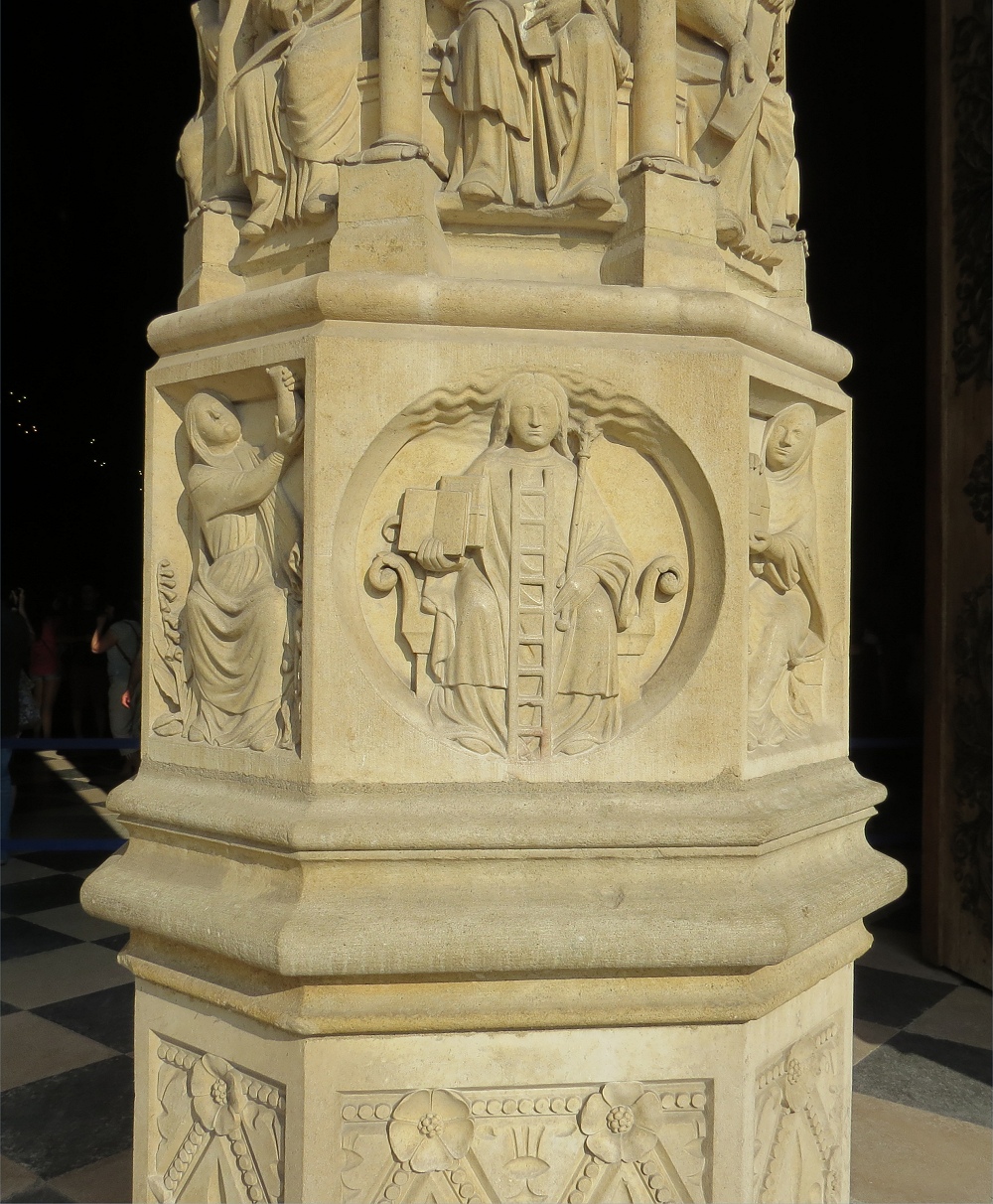
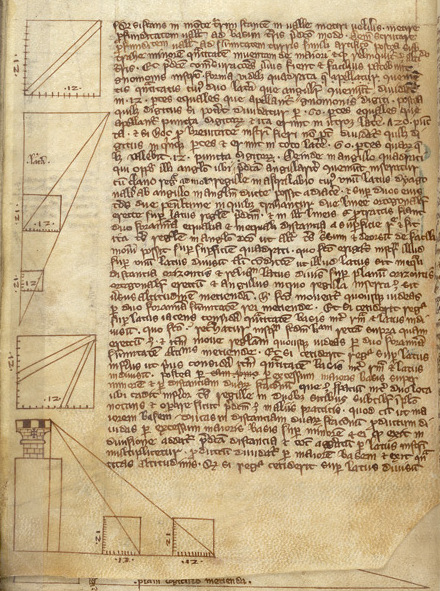
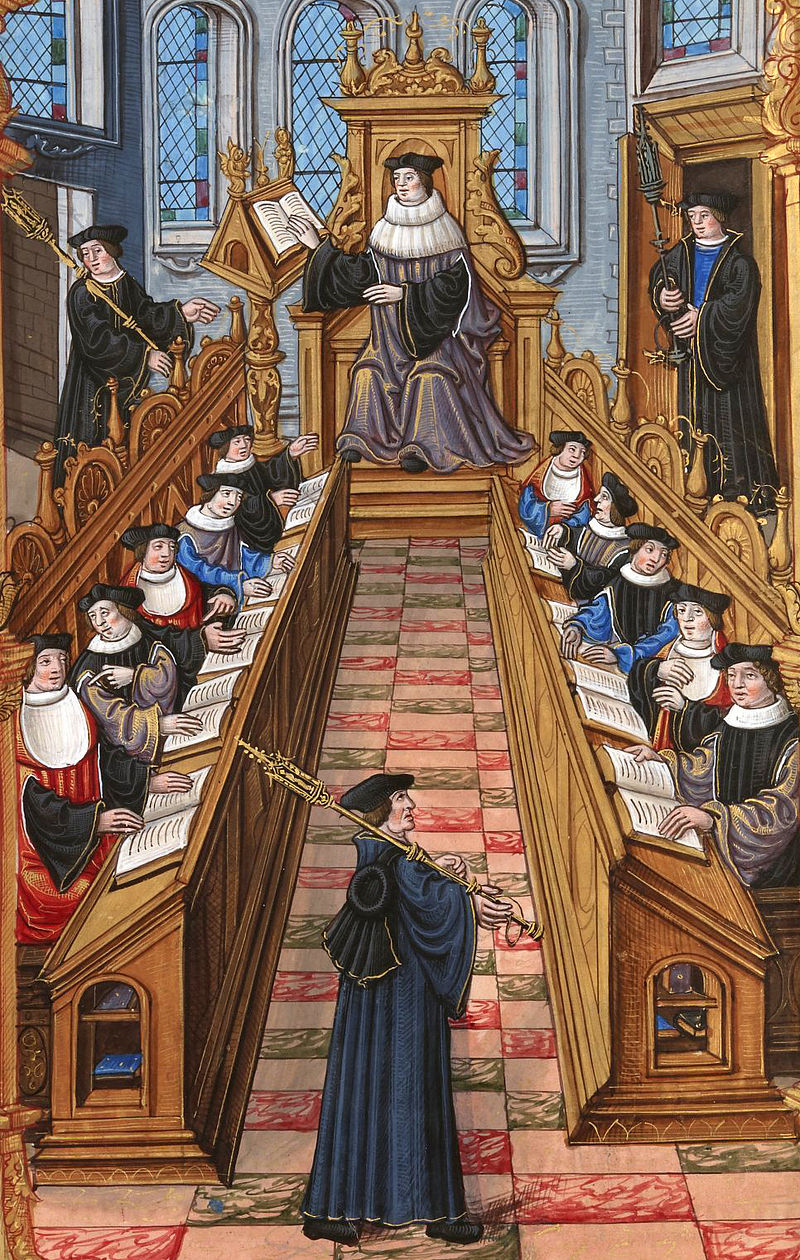
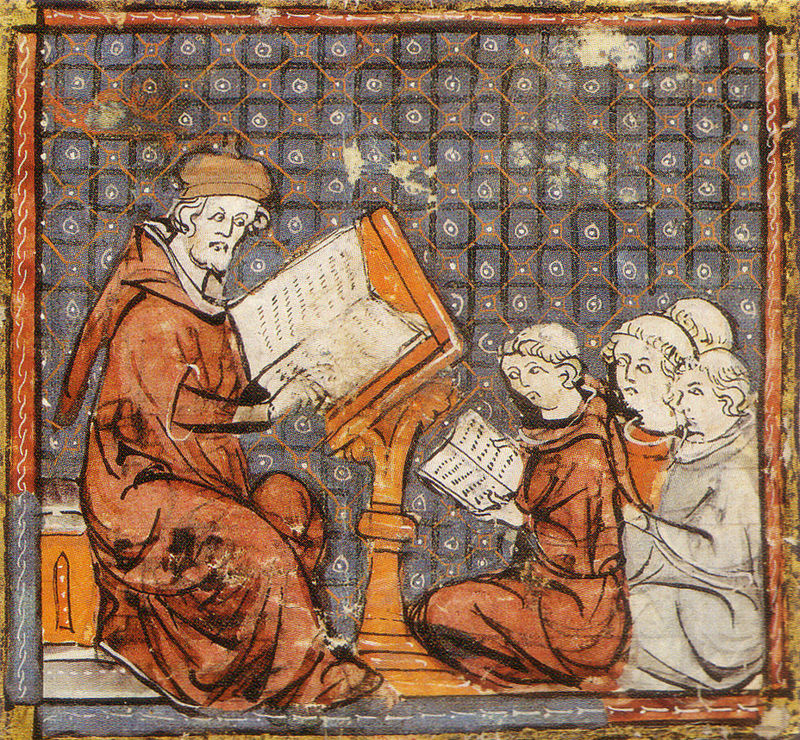
As noted, numerous abbeys and monasteries in Paris educated students from across Europe.
They offered a wide range of subjects, including theology, law, medicine, grammar, rhetoric, dialectics, arithmetic, geometry, astrology, and music.
These programs soon merged together to form one of Europe's earliest universities - the University of Paris.
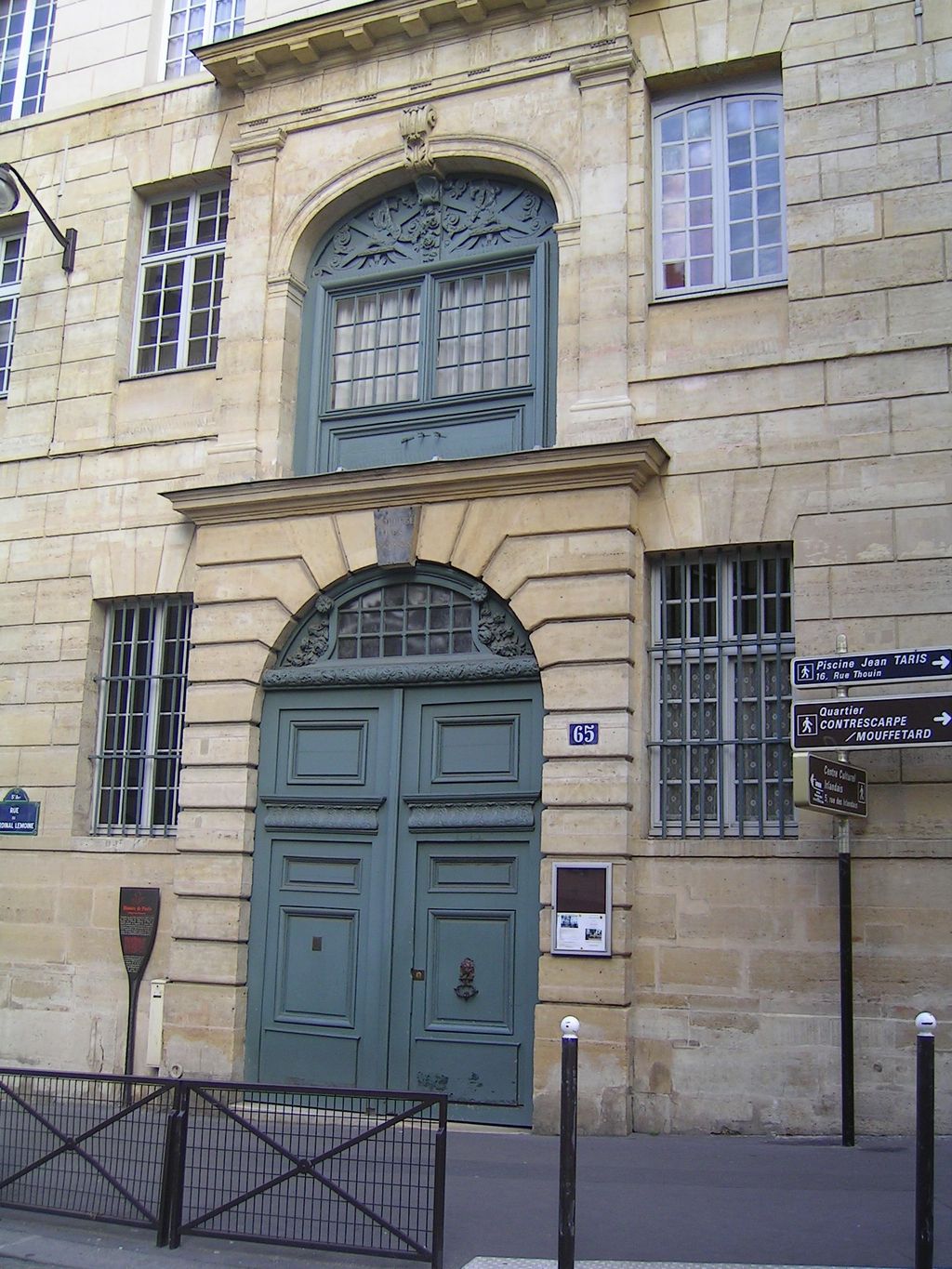
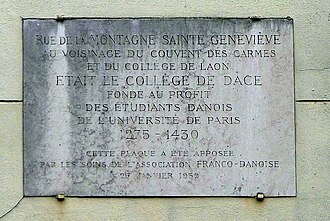
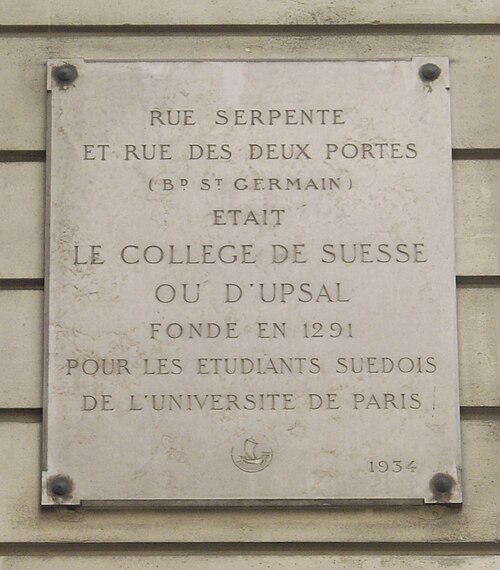
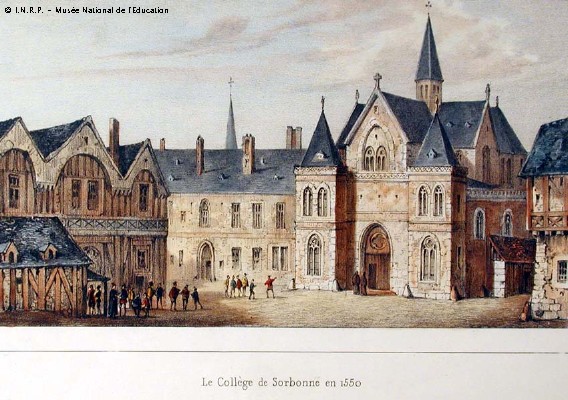
In order to host this influx of students, colleges (from the Latin "colligere", to assemble) were created : the College of the Germans, of the Danish, of the Swedes, of the Scots, of the Lombards...
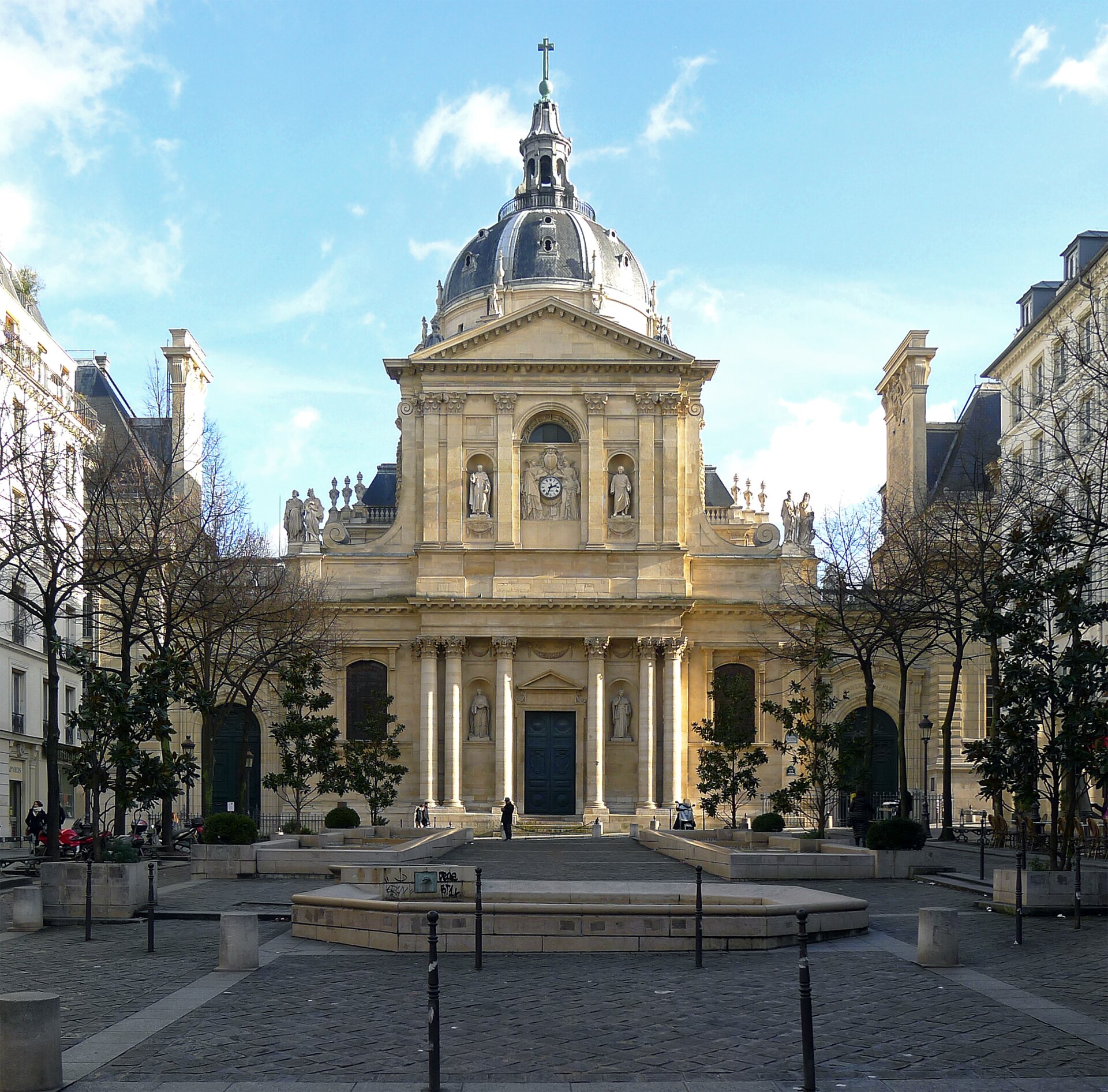
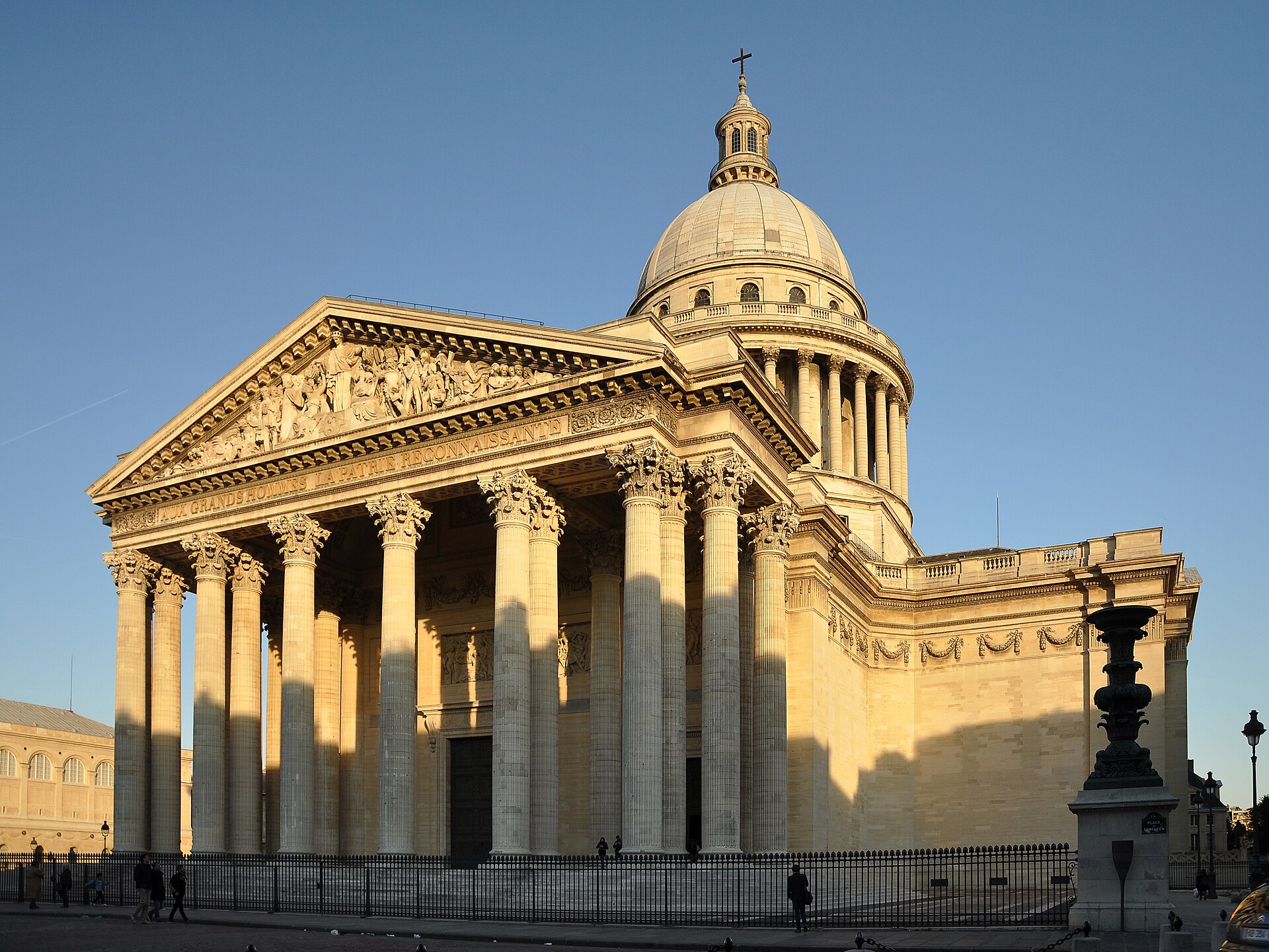
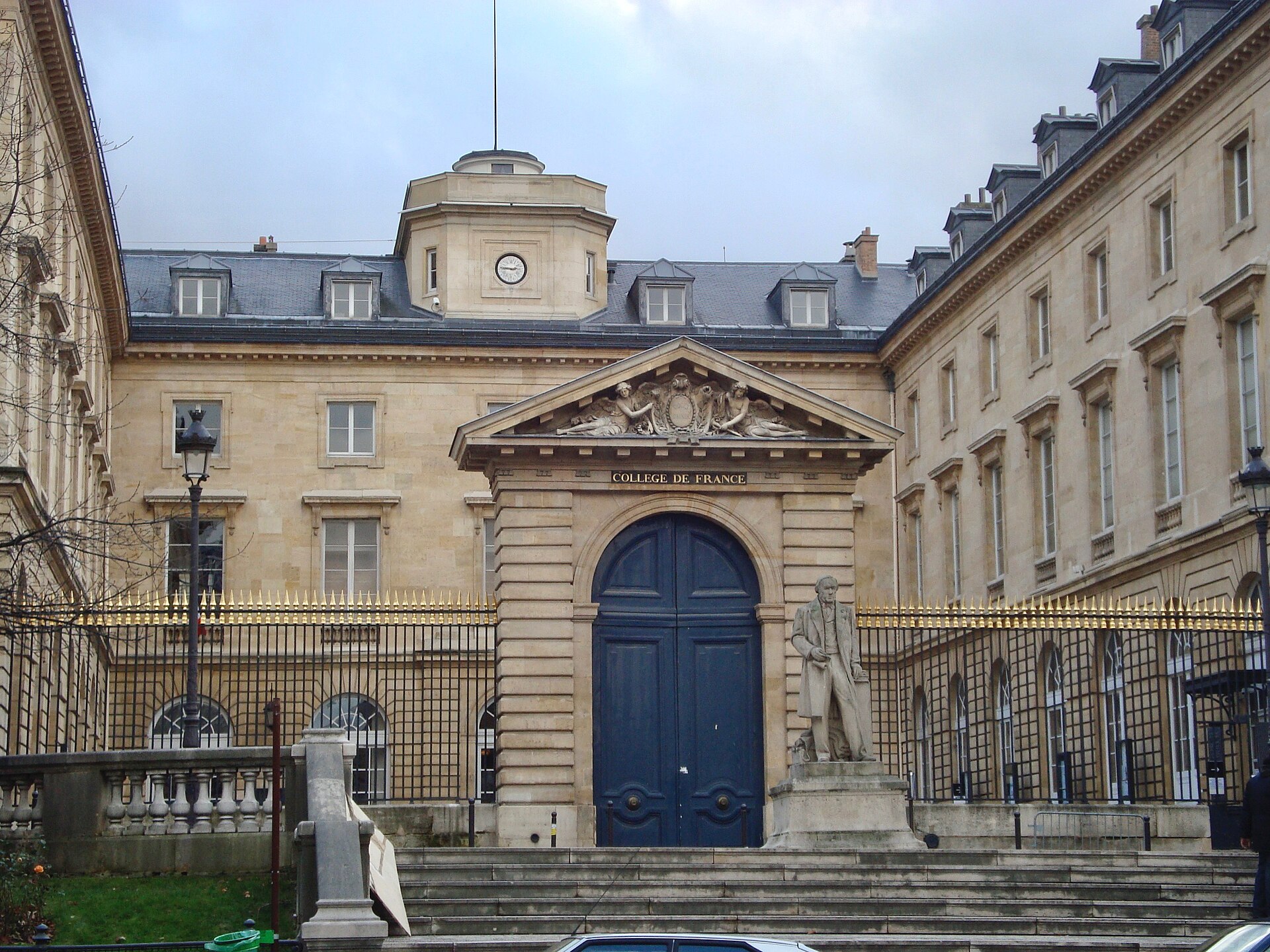
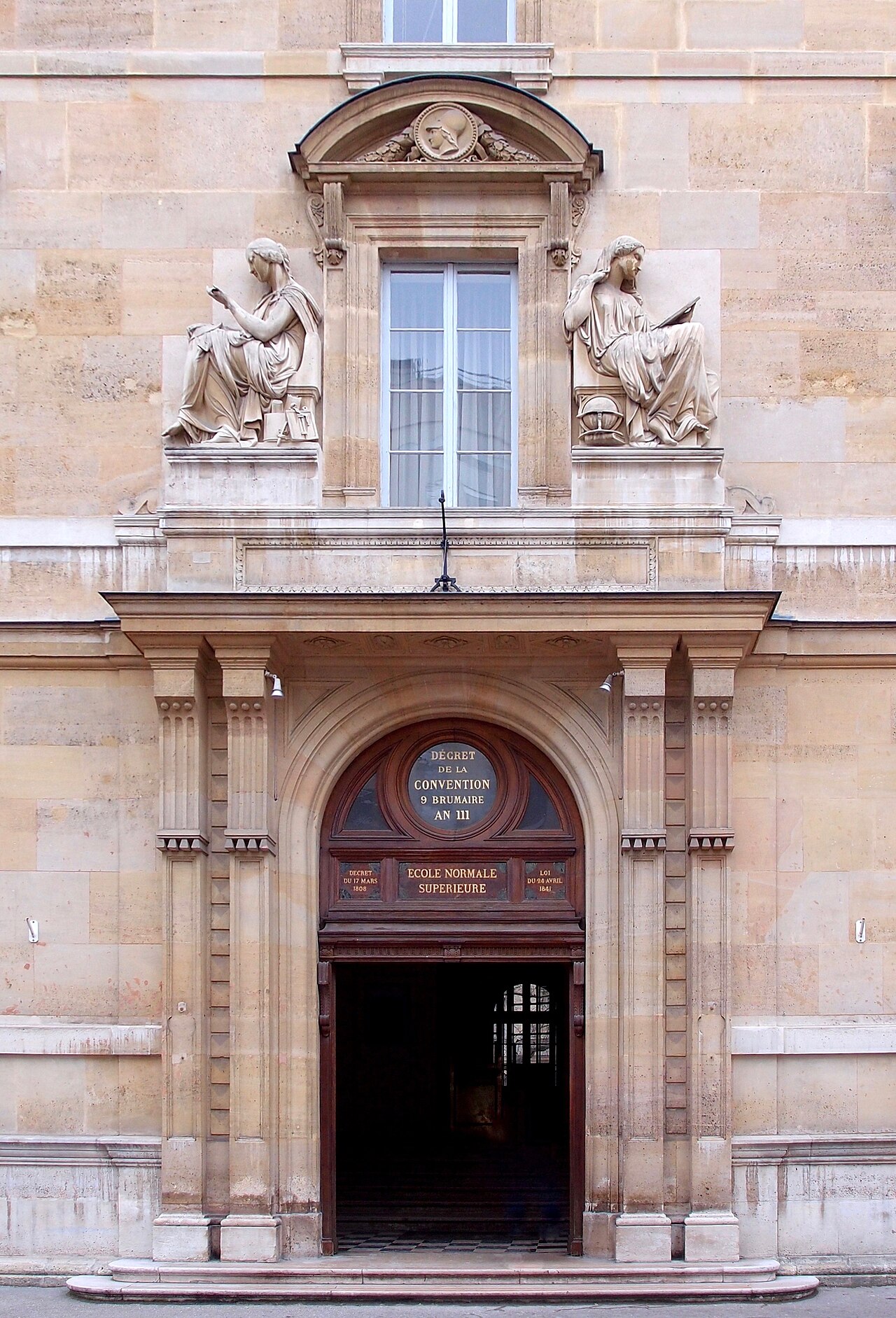
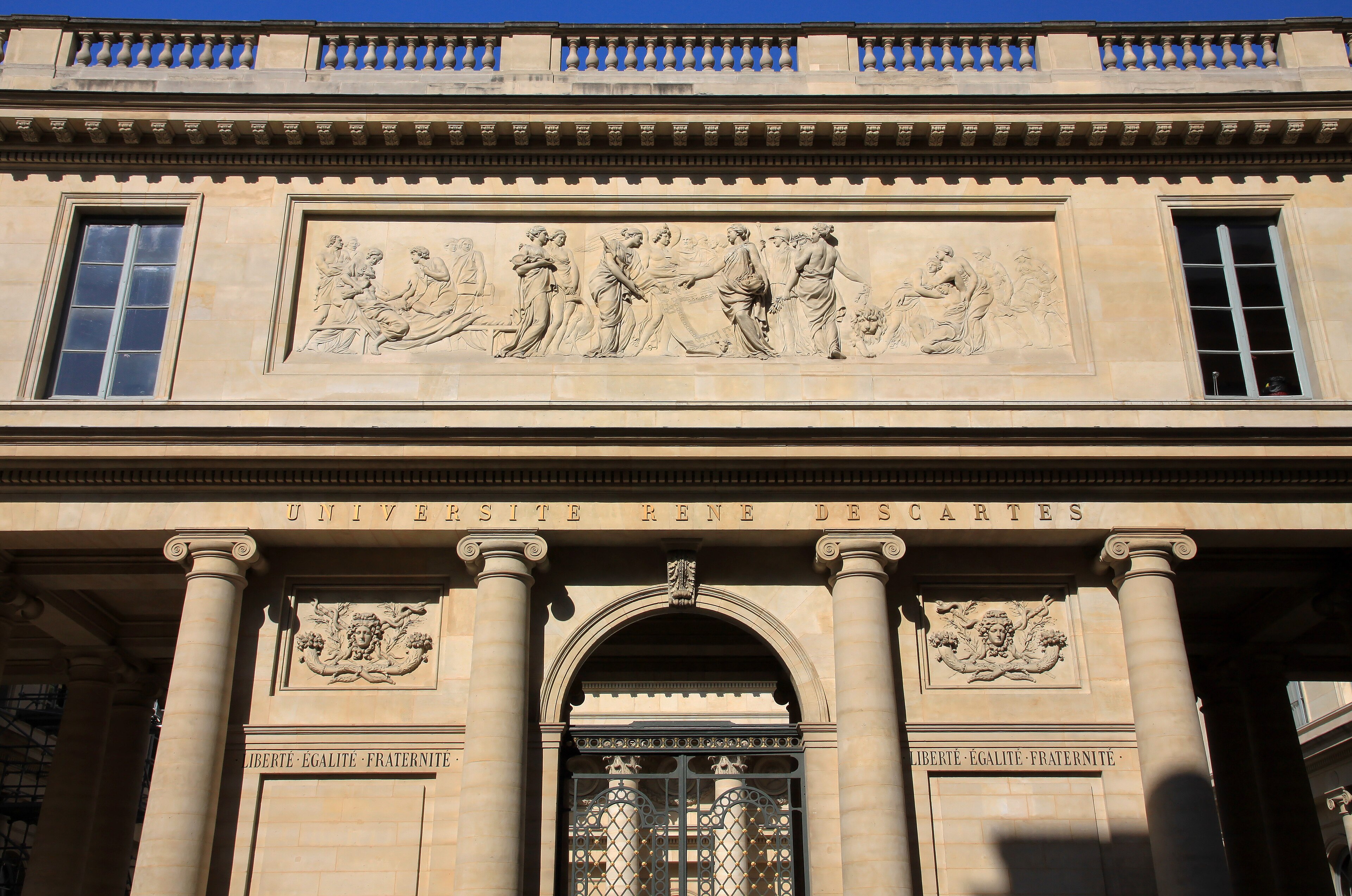
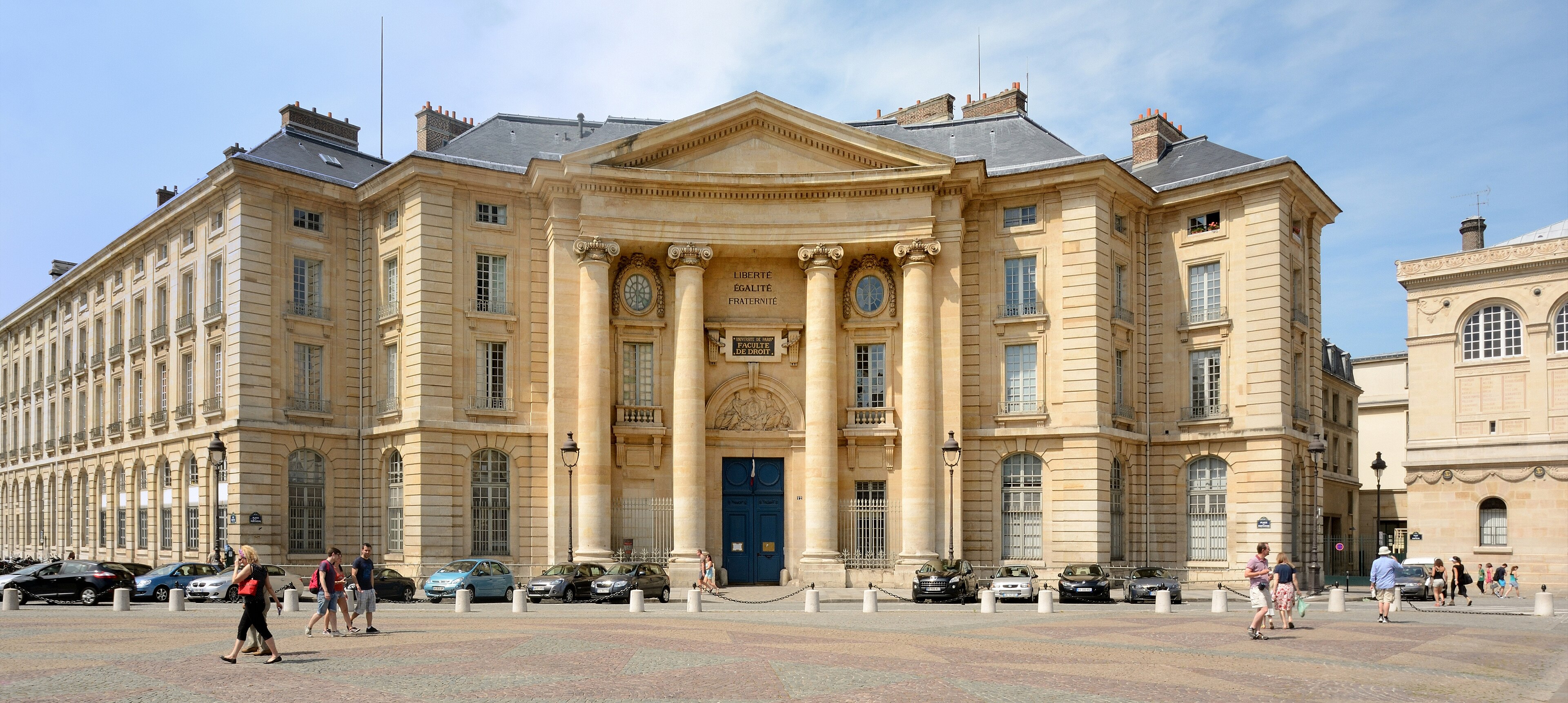
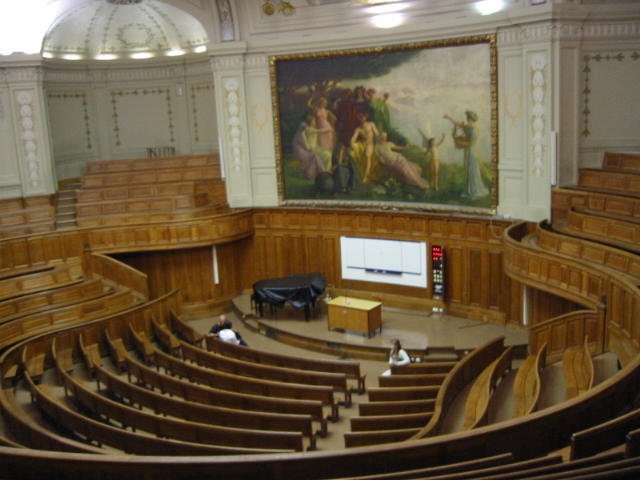
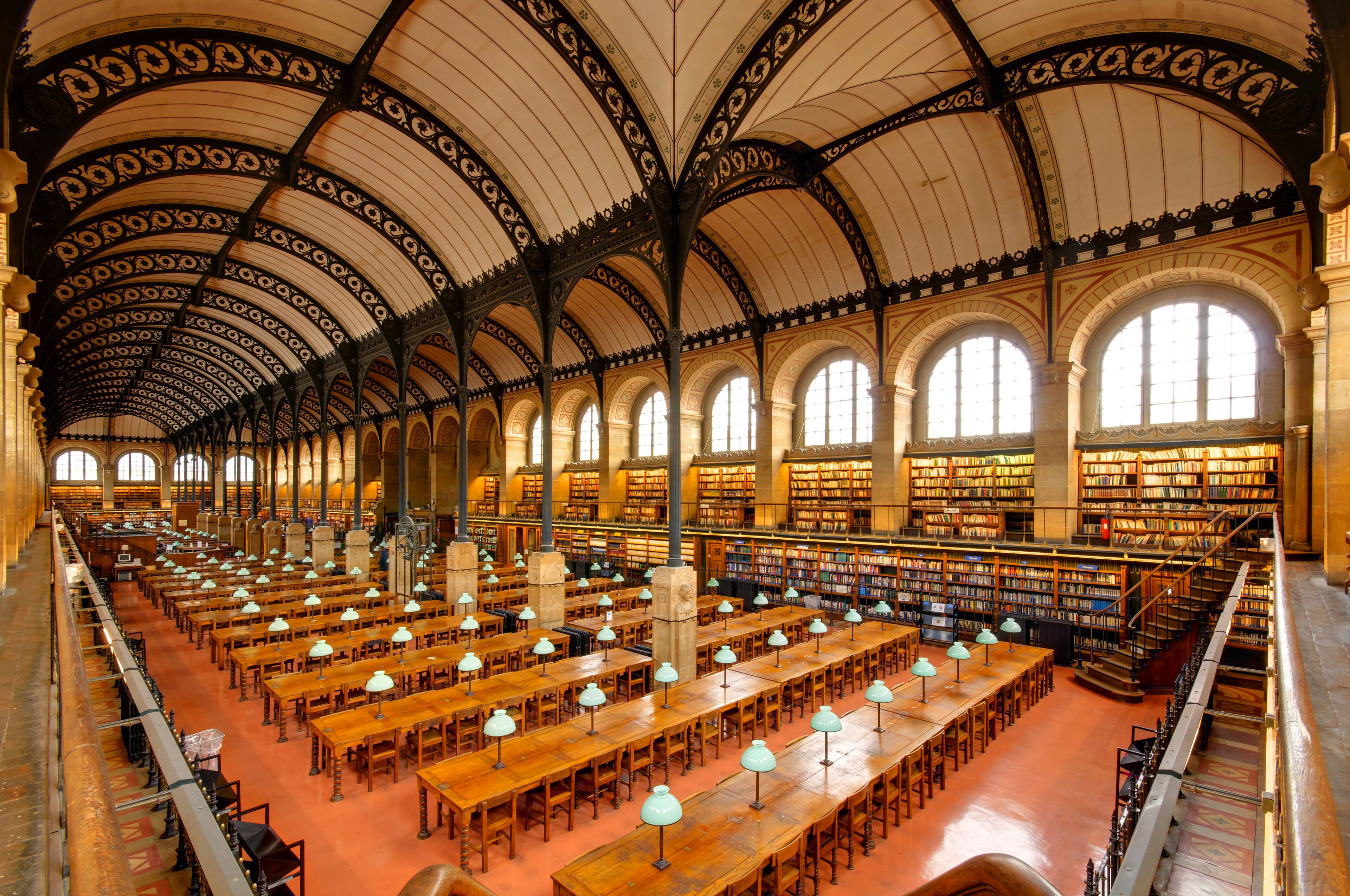
Fun fact : today the area around Saint Michel is still a huge hub for higher education in France and is referred to the Latin Quarter - a nod to Paris' medieval students, who were taught in Latin!
Comments
Loading comments...