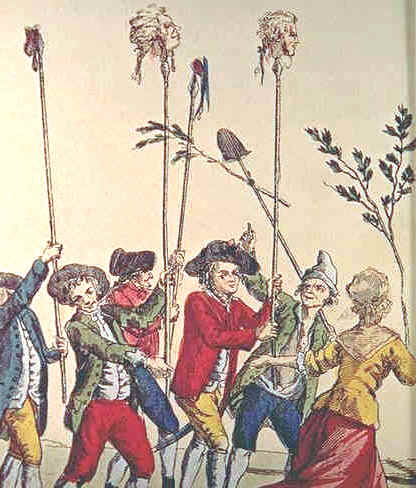


In 1789, trouble was brewing.
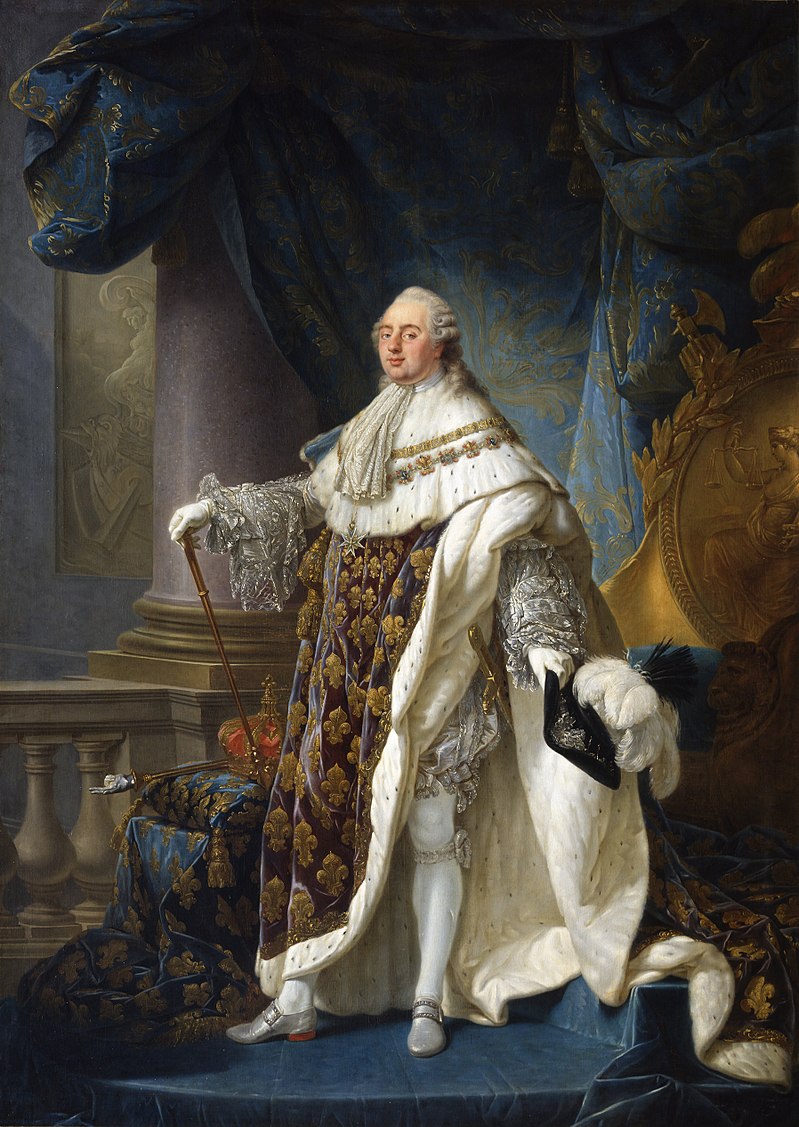
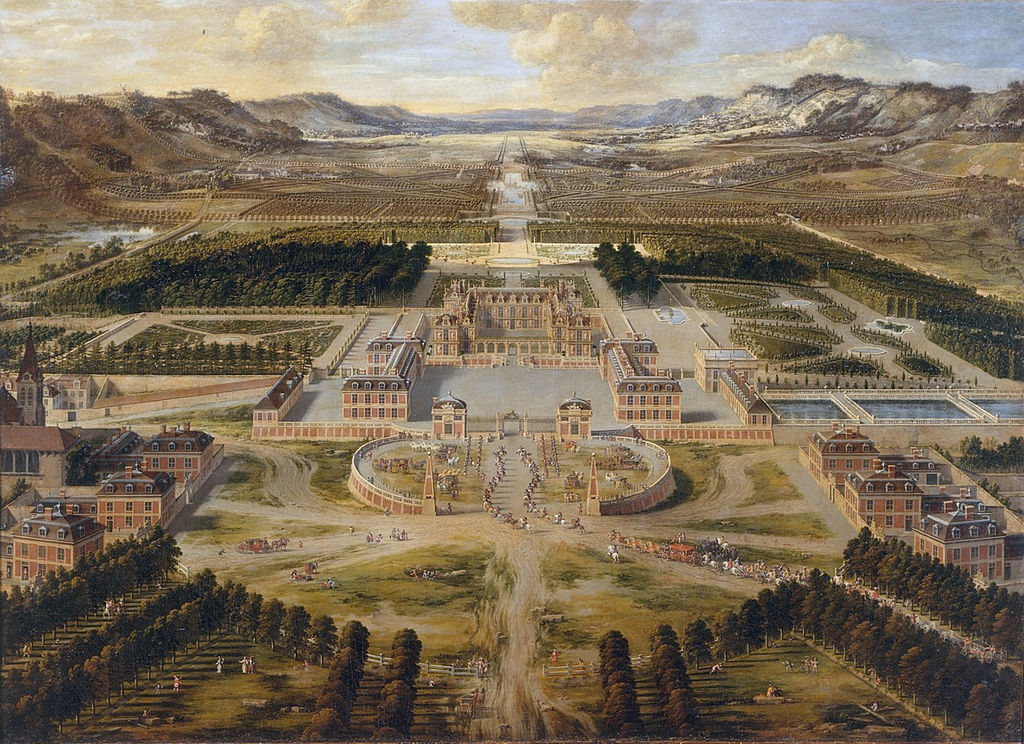
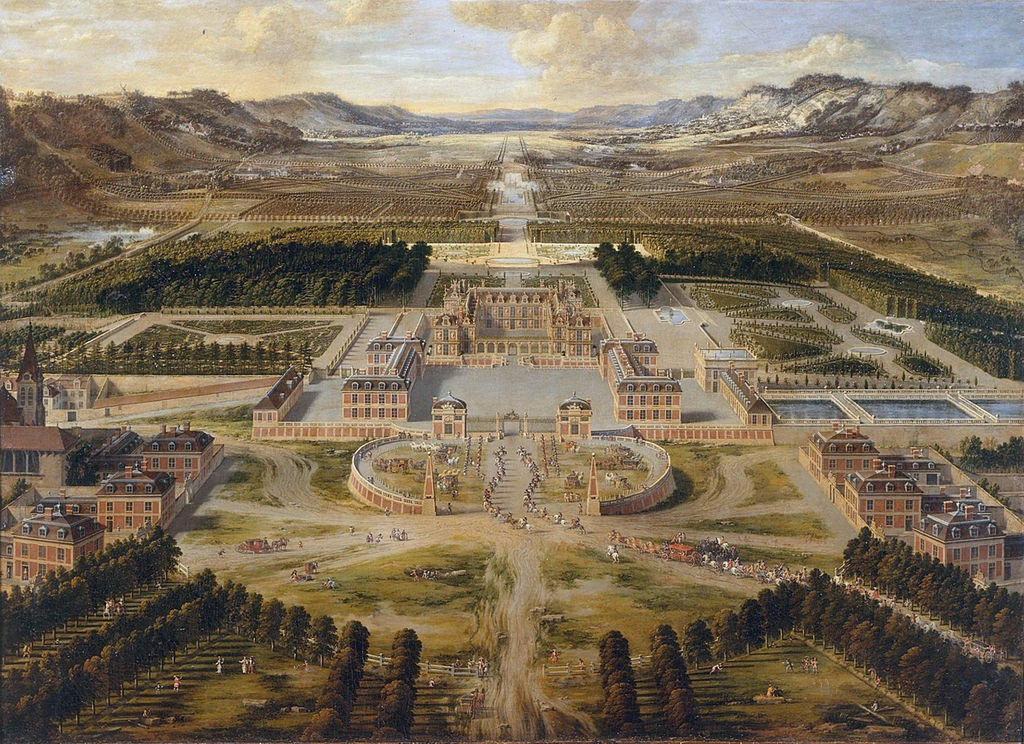
Louis XVI ruled over a deeply unequal society from Versailles.
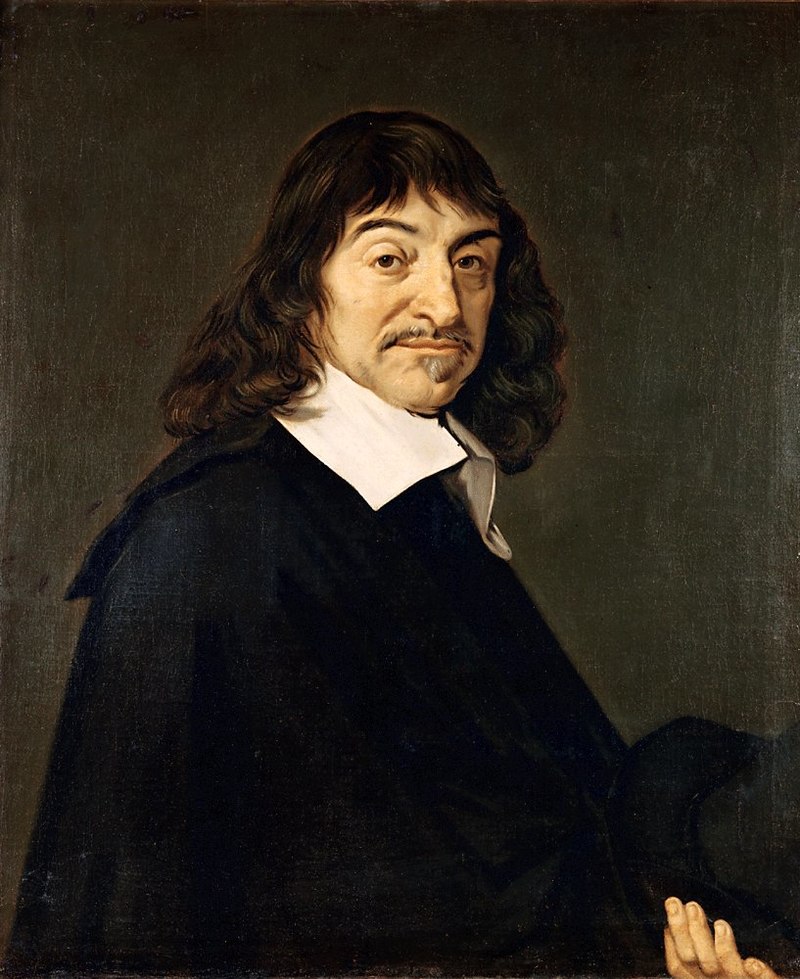
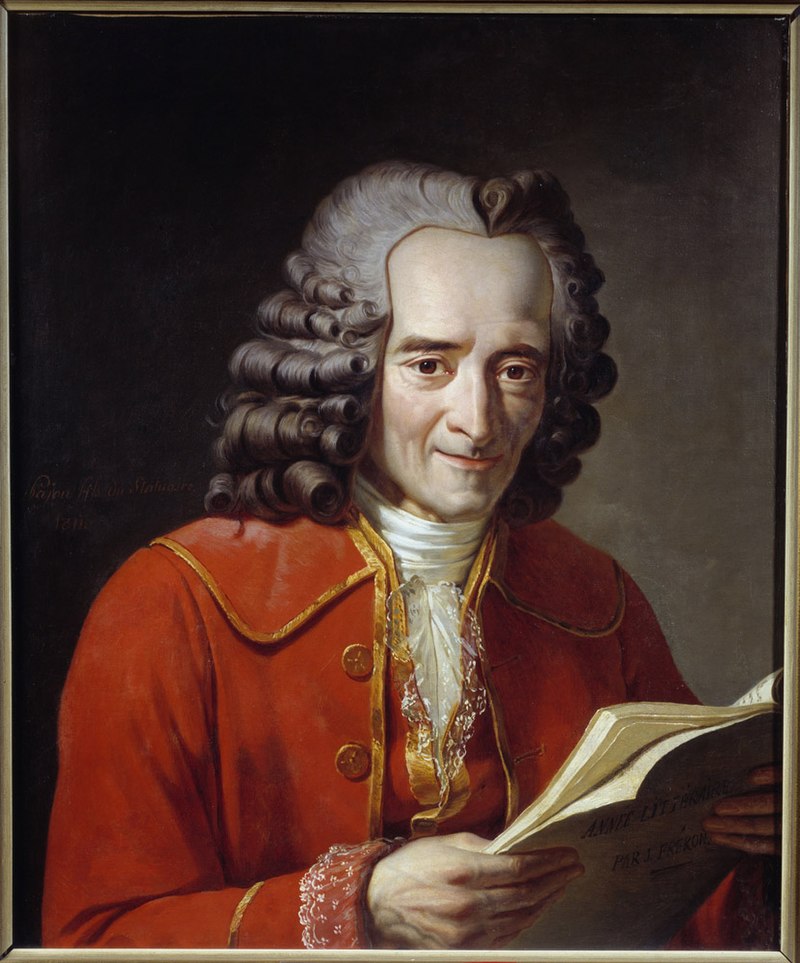
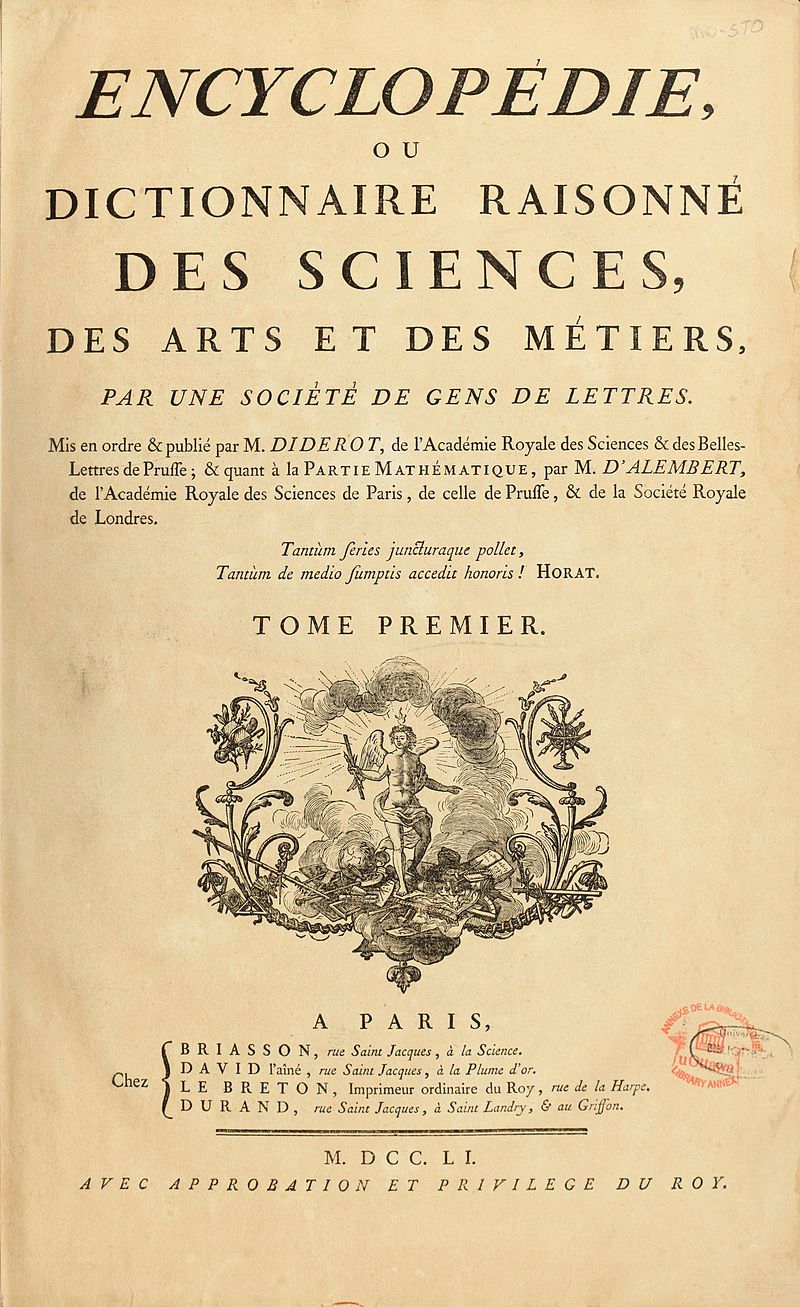
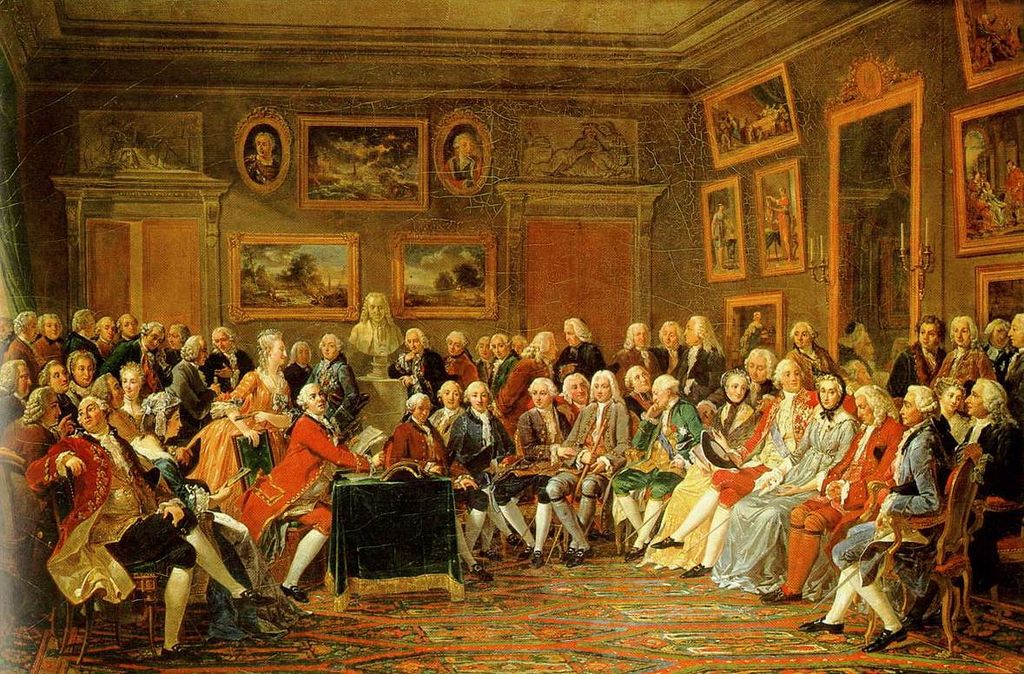
Philosophers were increasingly challenging the status quo.
Bad harvests caused the price of bread and other necessities to skyrocket.

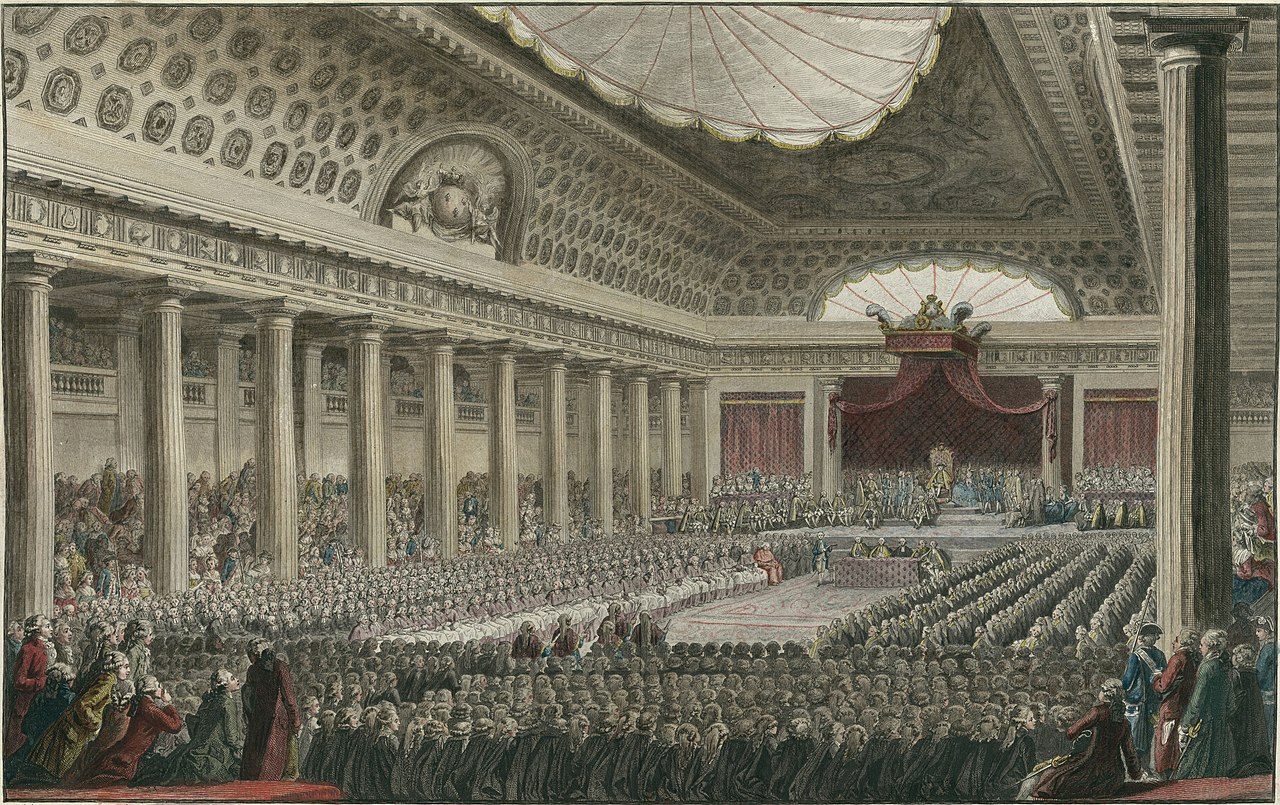



France had a parliament of sorts, the Estates General, which was only called upon when the king needed to raise taxes.
However it was also very unequal : the nobility and clergy had 66% of the vote despite only representing 10% of the population.
In 1789, Louis XVI summoned the Estates General in the hope of raising taxes.
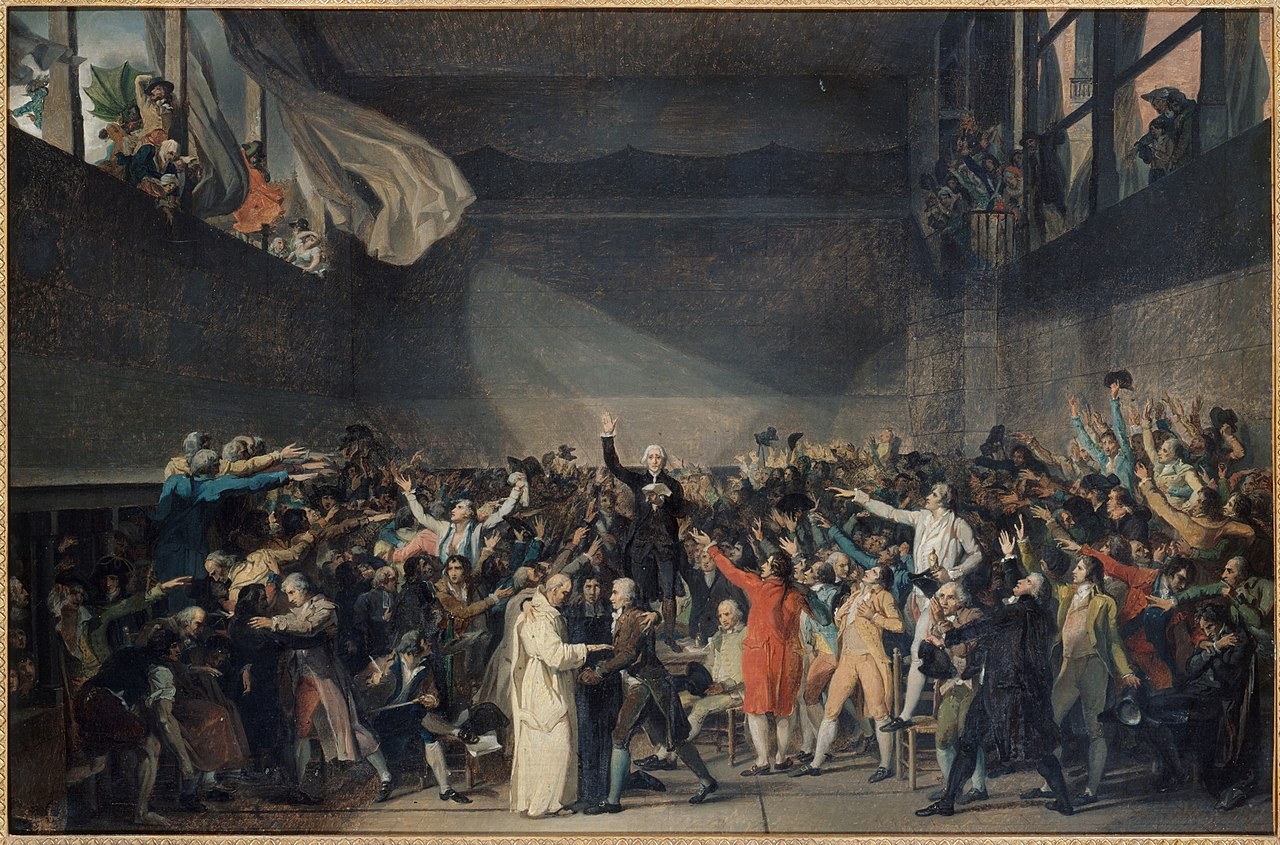
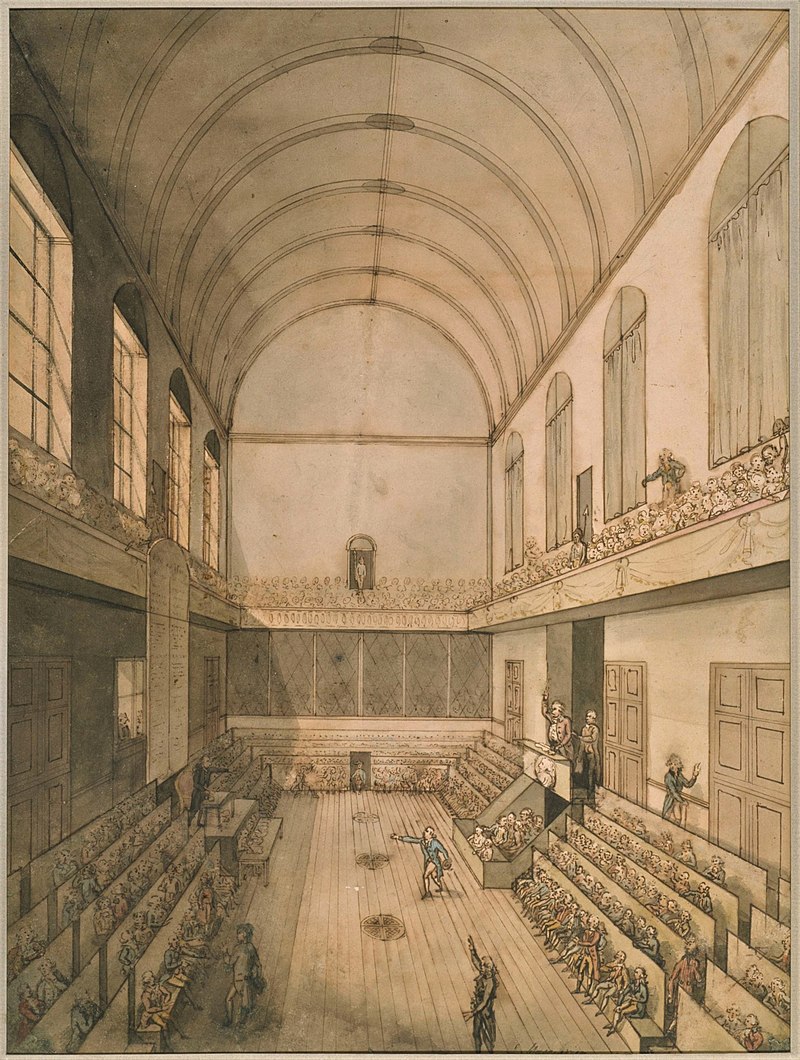
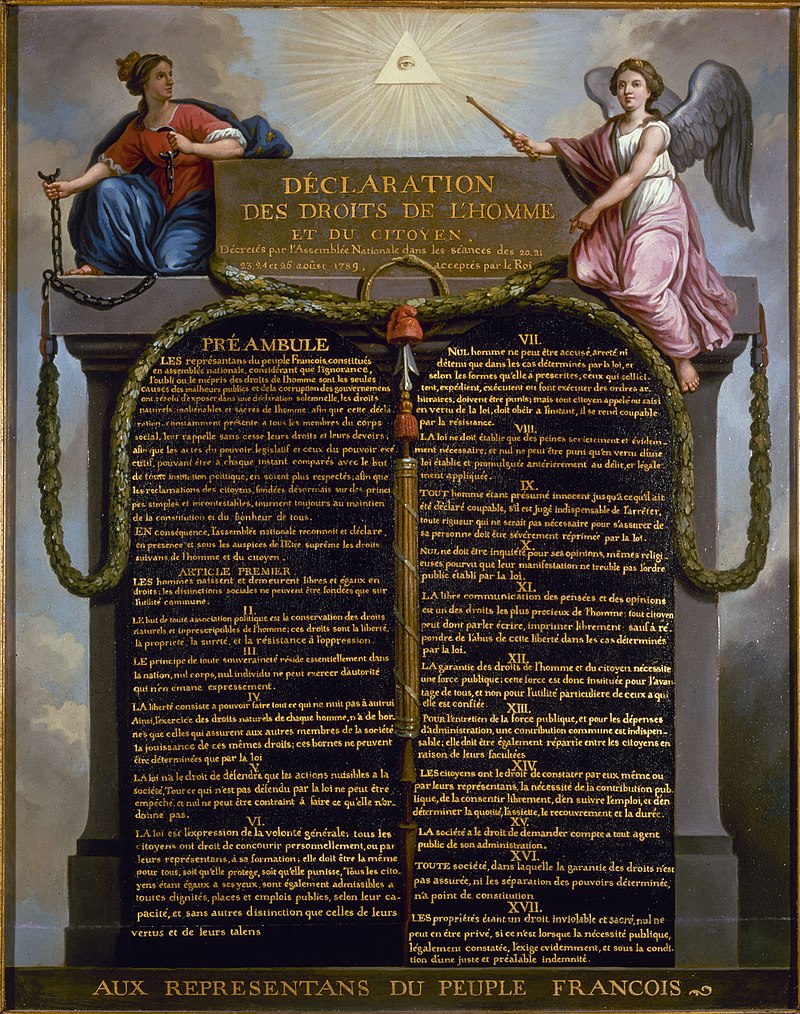
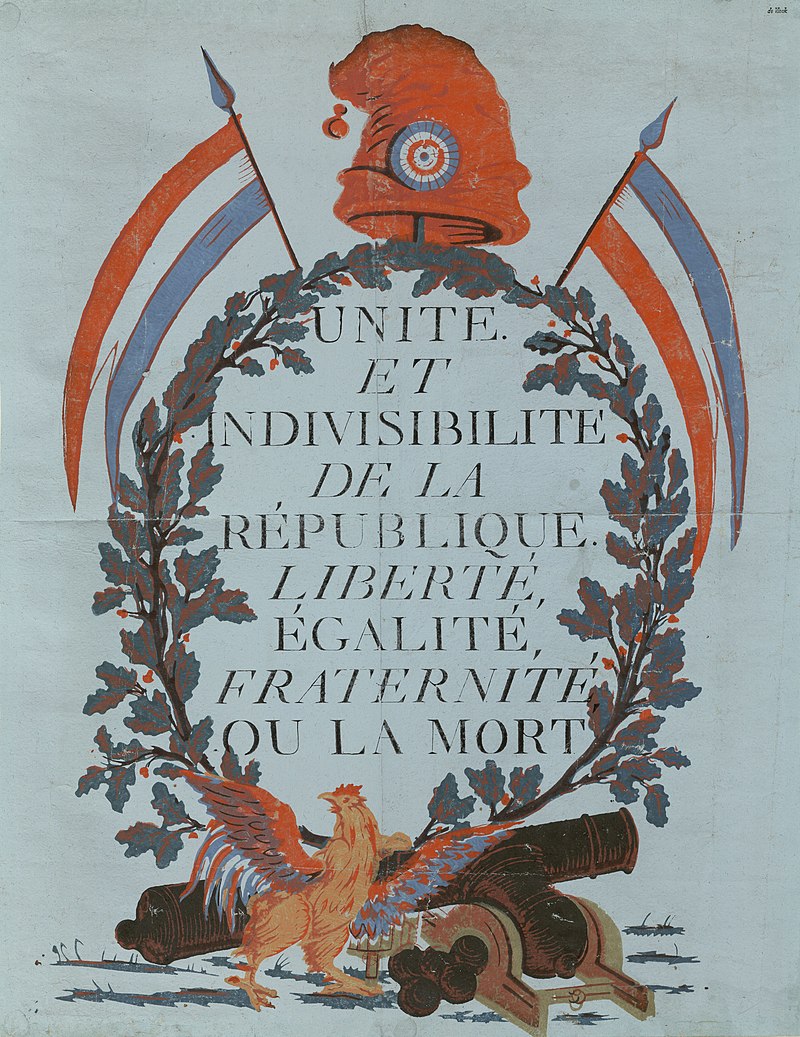
However, instead of focusing on taxes, the third estate proclaimed itself a National Assembly, drafted a Constitution, stripped the nobility of its privileges and ratified a Declaration of Human Rights.
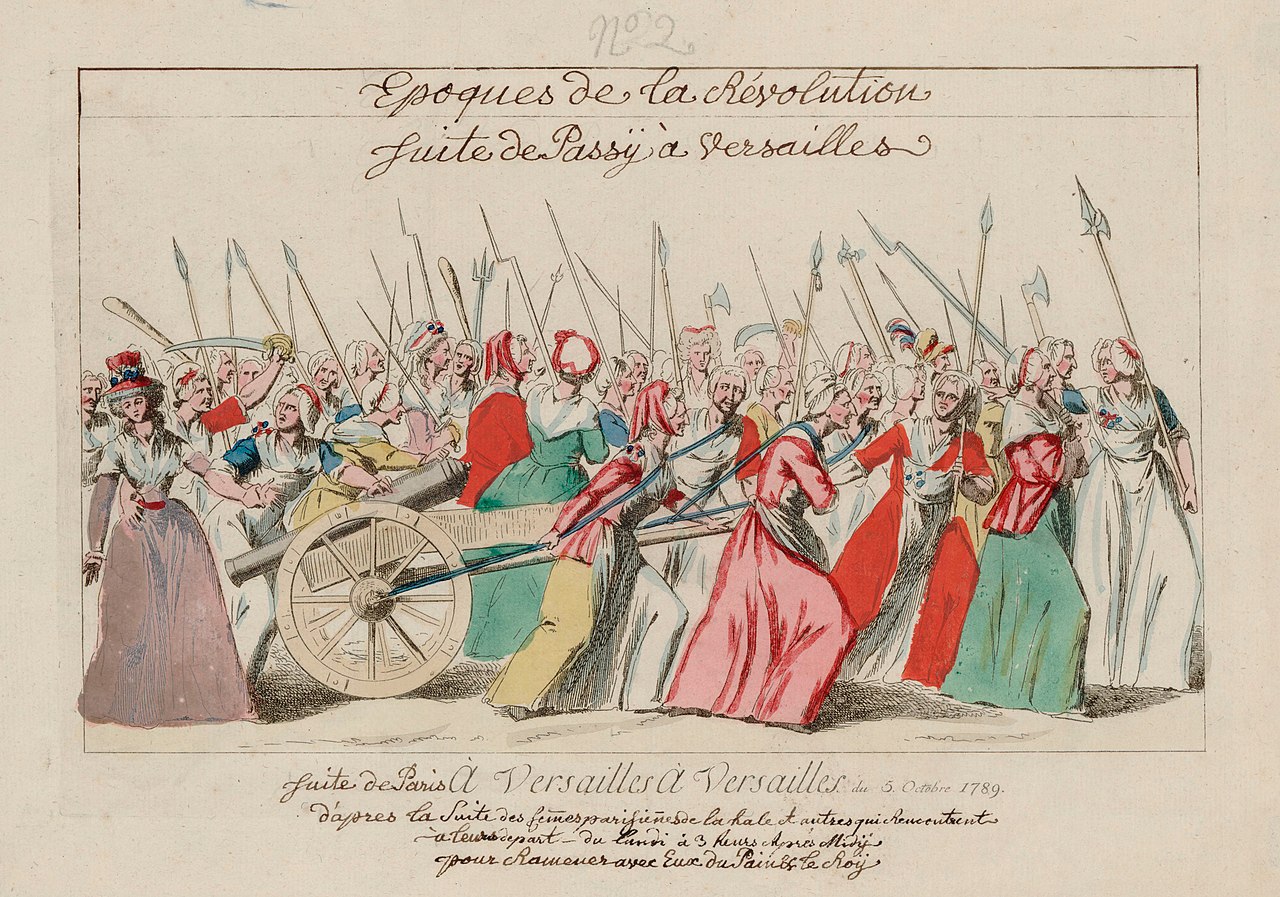
In October 1789, 8,000 angry women marched to Versailles and forcefully brought Louis XVI and Marie Antoinette back to Paris.
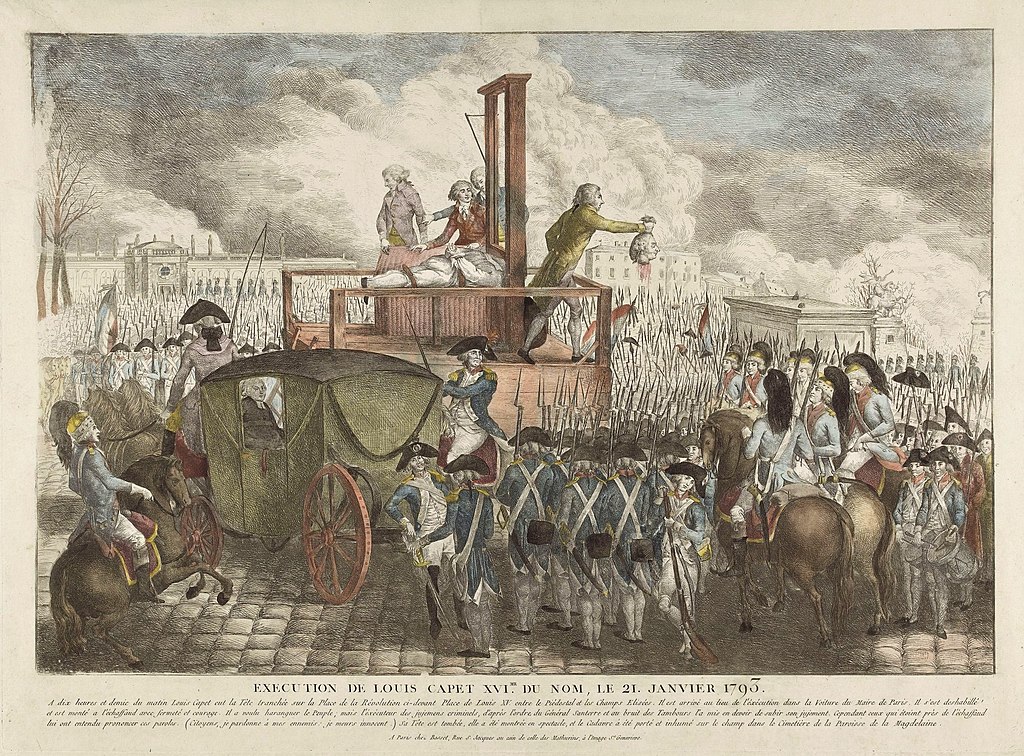
The king and queen were guillotined 4 years later.

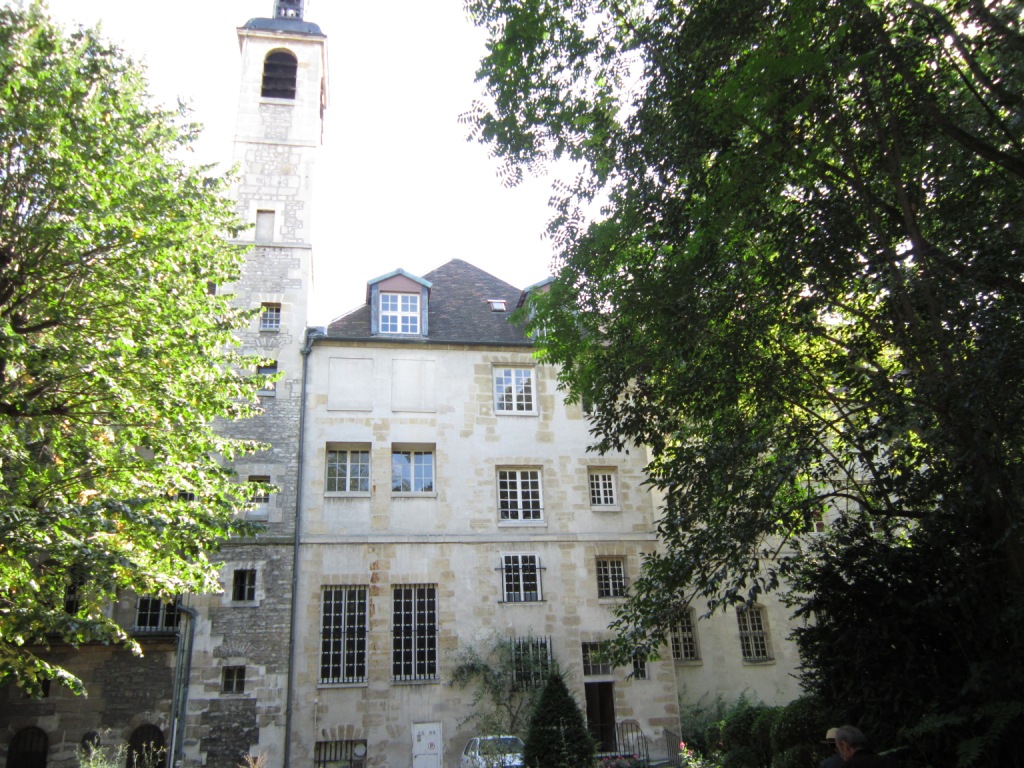
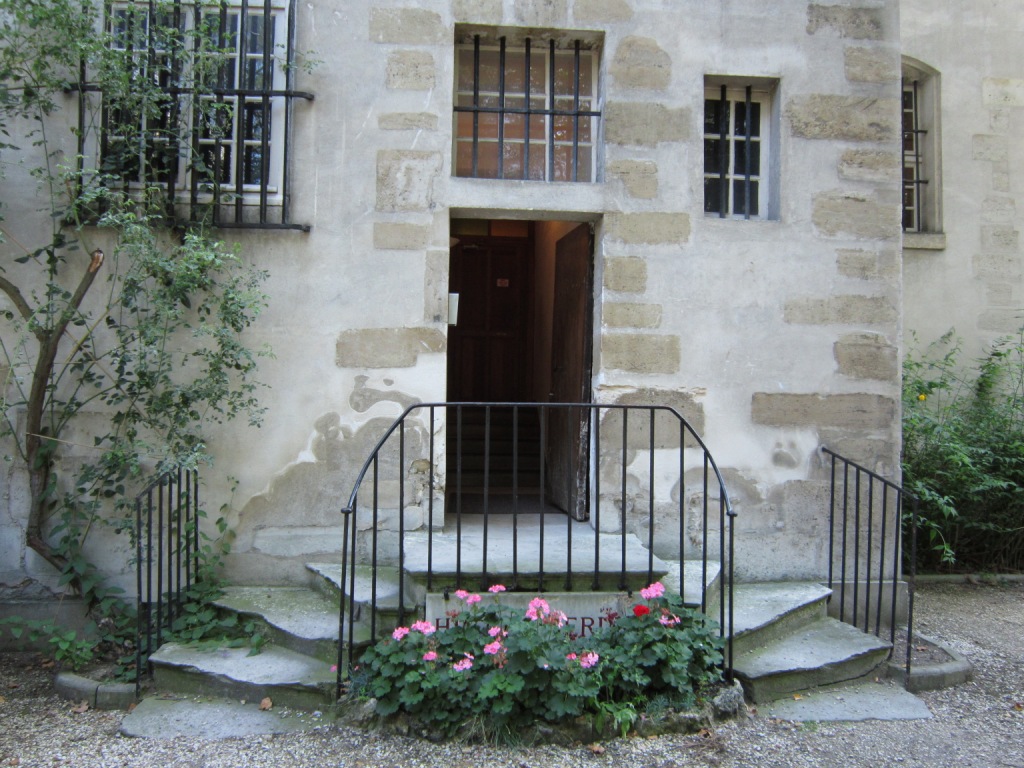
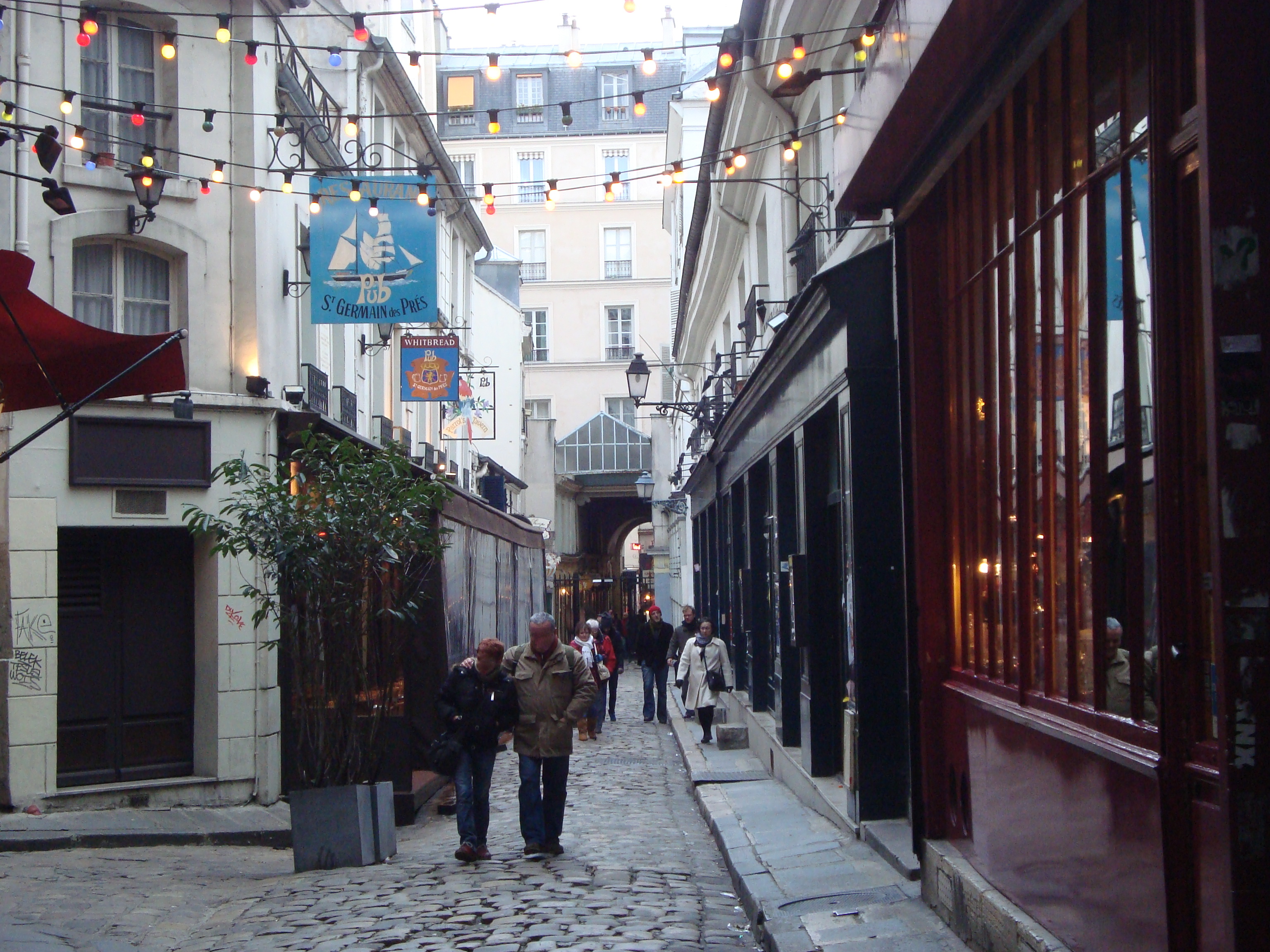
The area of Odeon was the intellectual hub of the Revolution.
It became a huge center for the printing press.
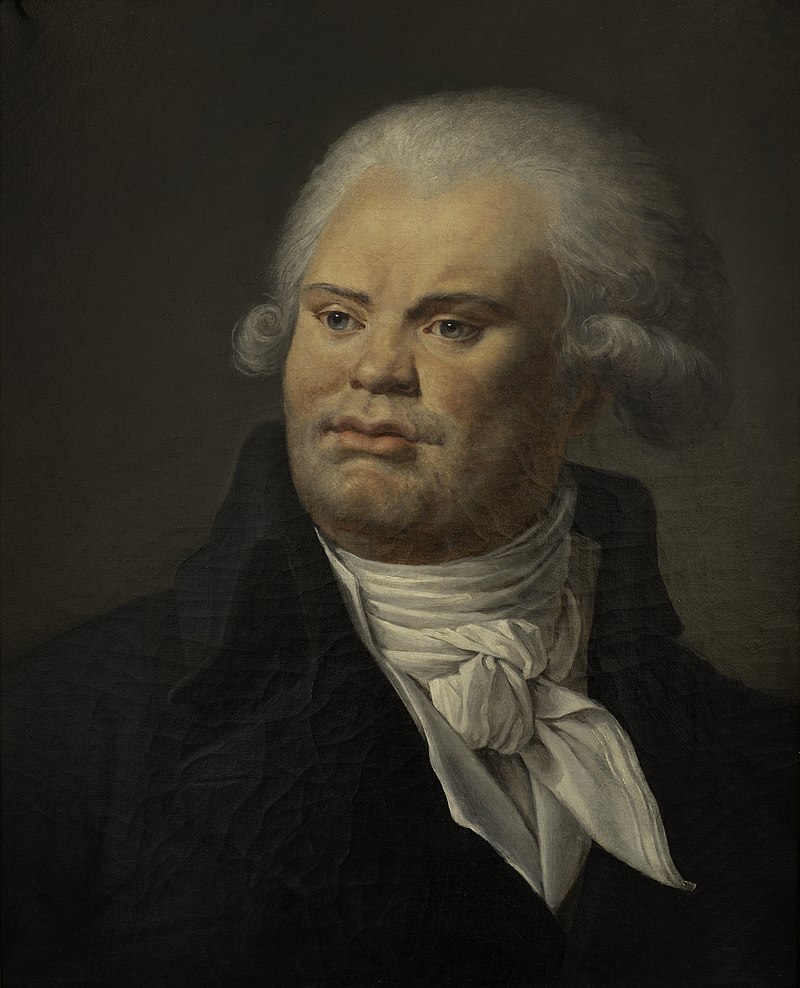
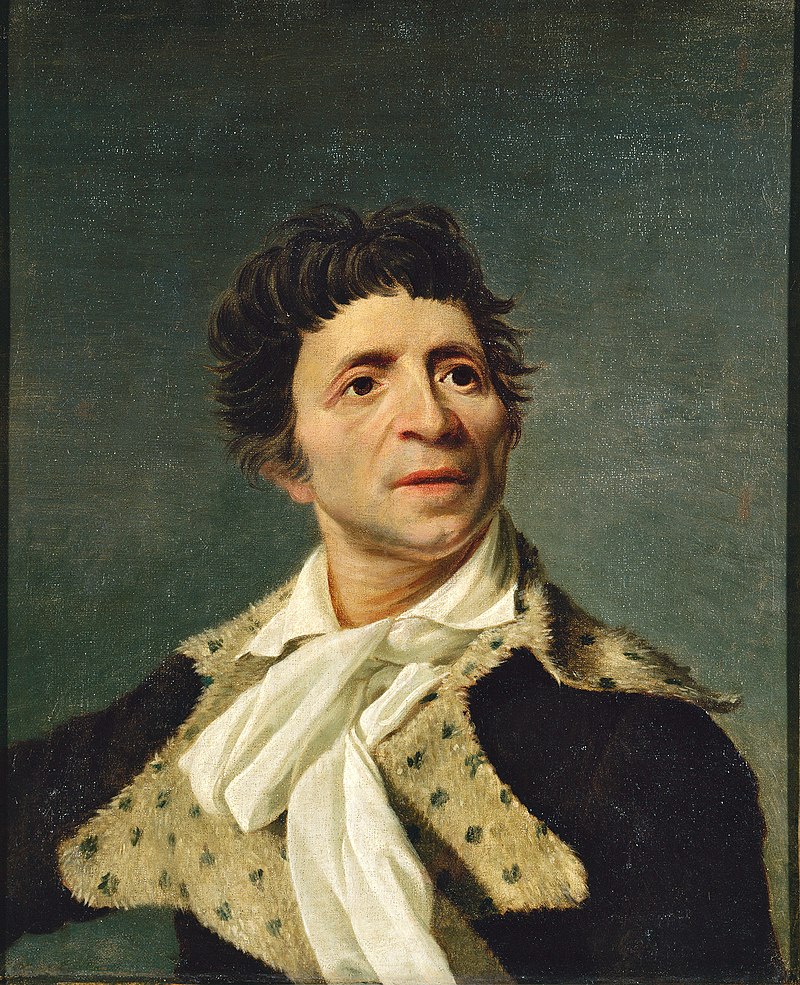
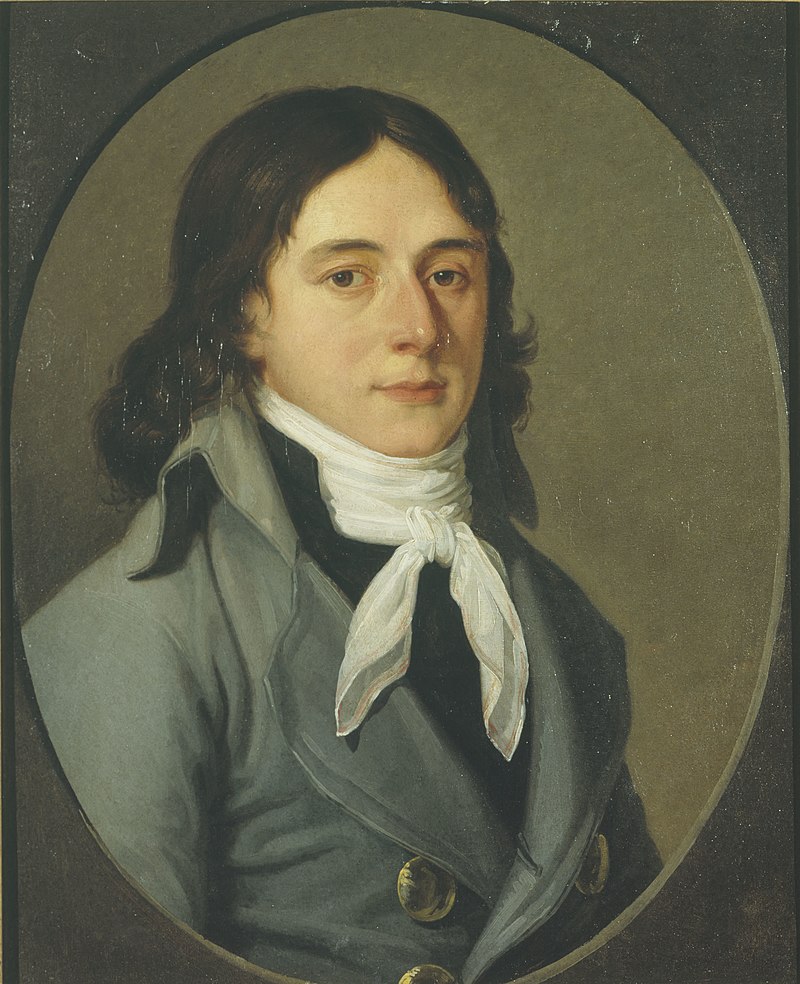
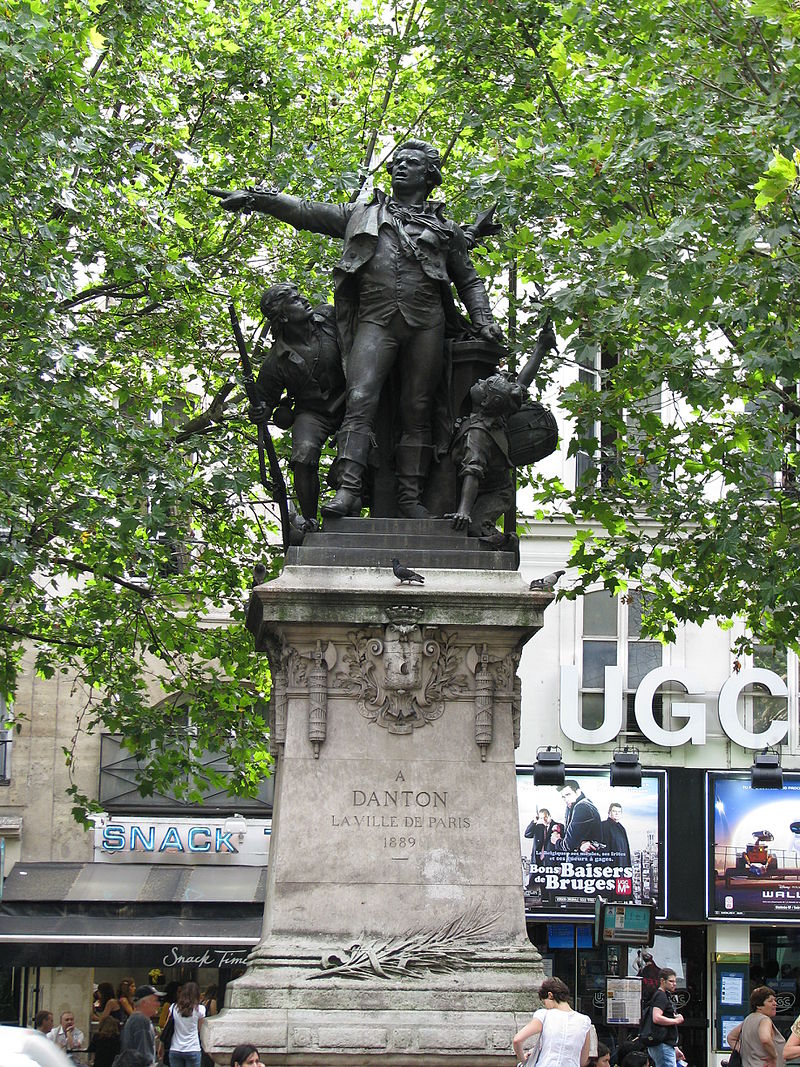
Danton, Marat and Camille Desmoulins - 3 giants of the French Revolution - lived within a few streets of each other.
The statue of Danton stands on the site of his former home.
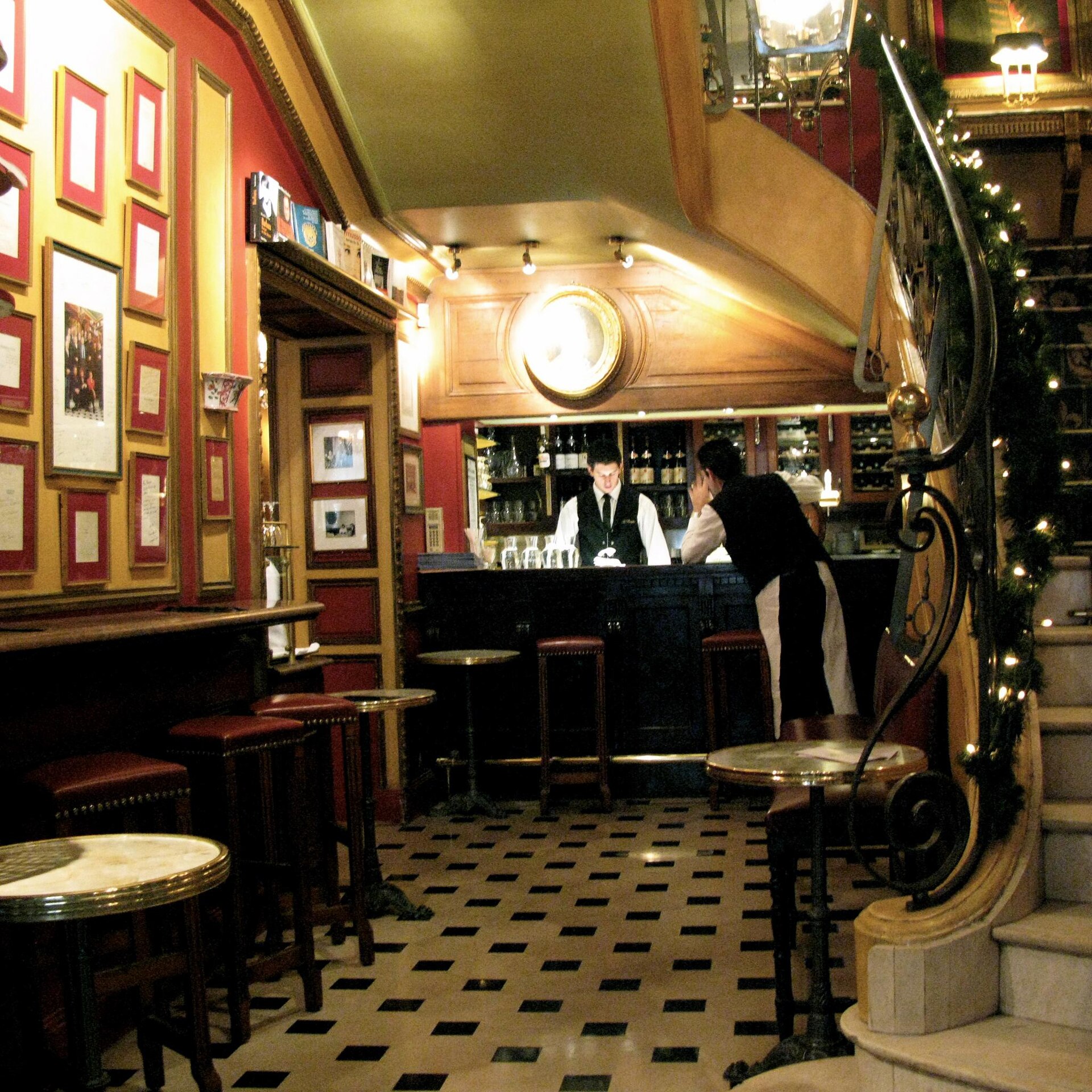
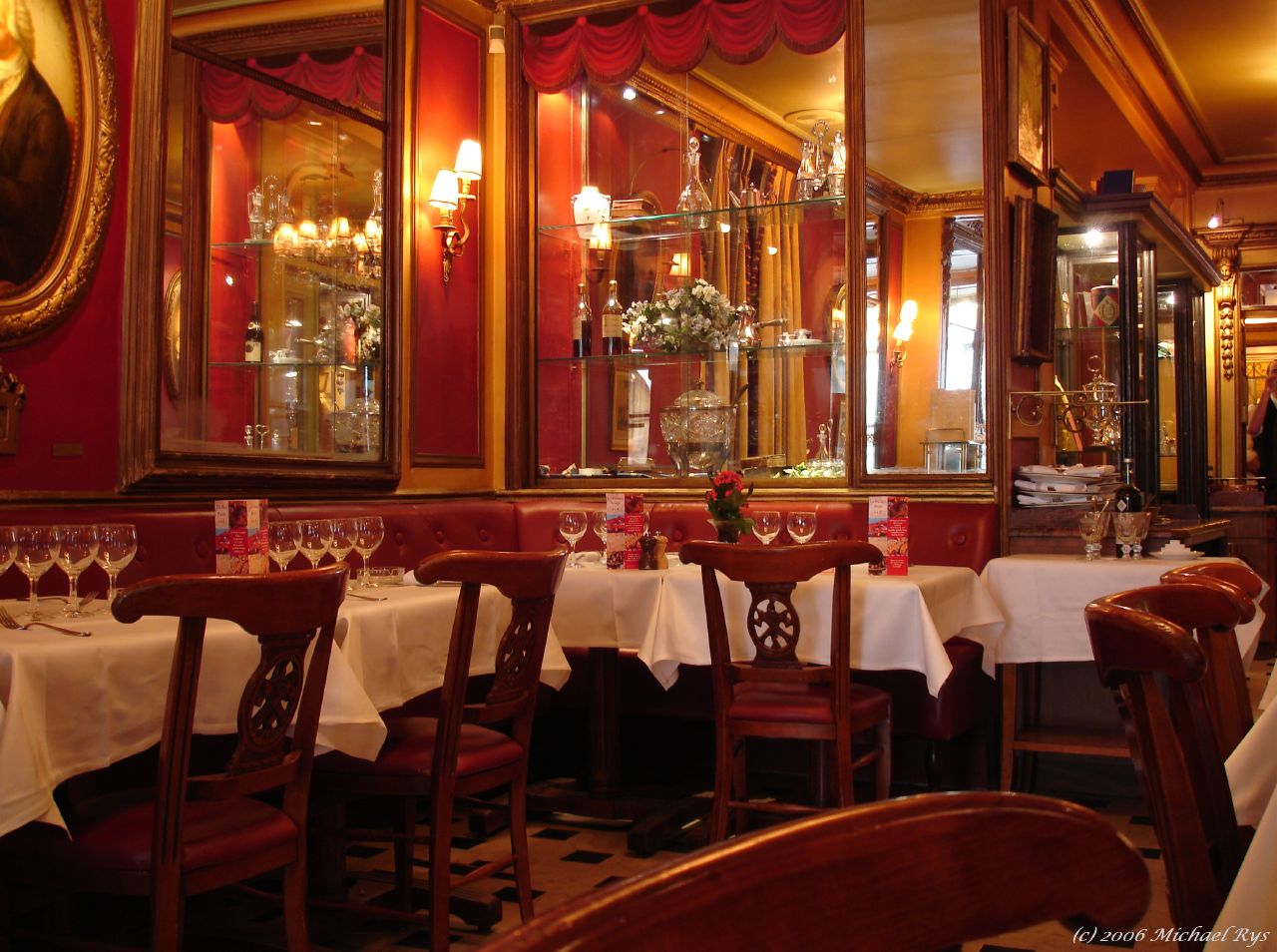
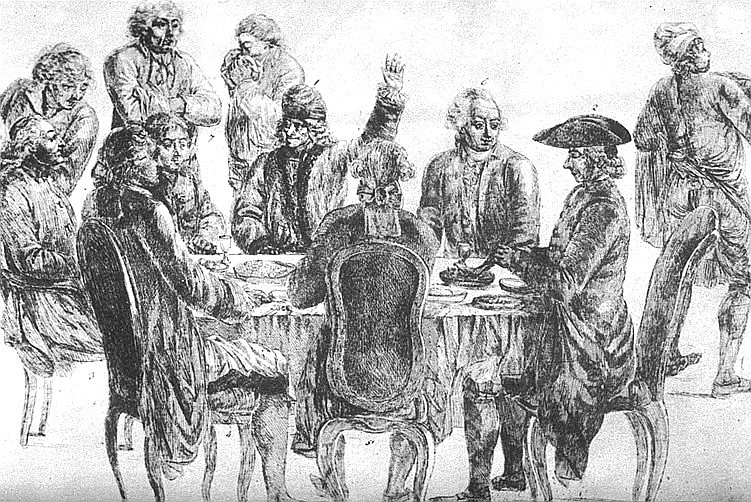







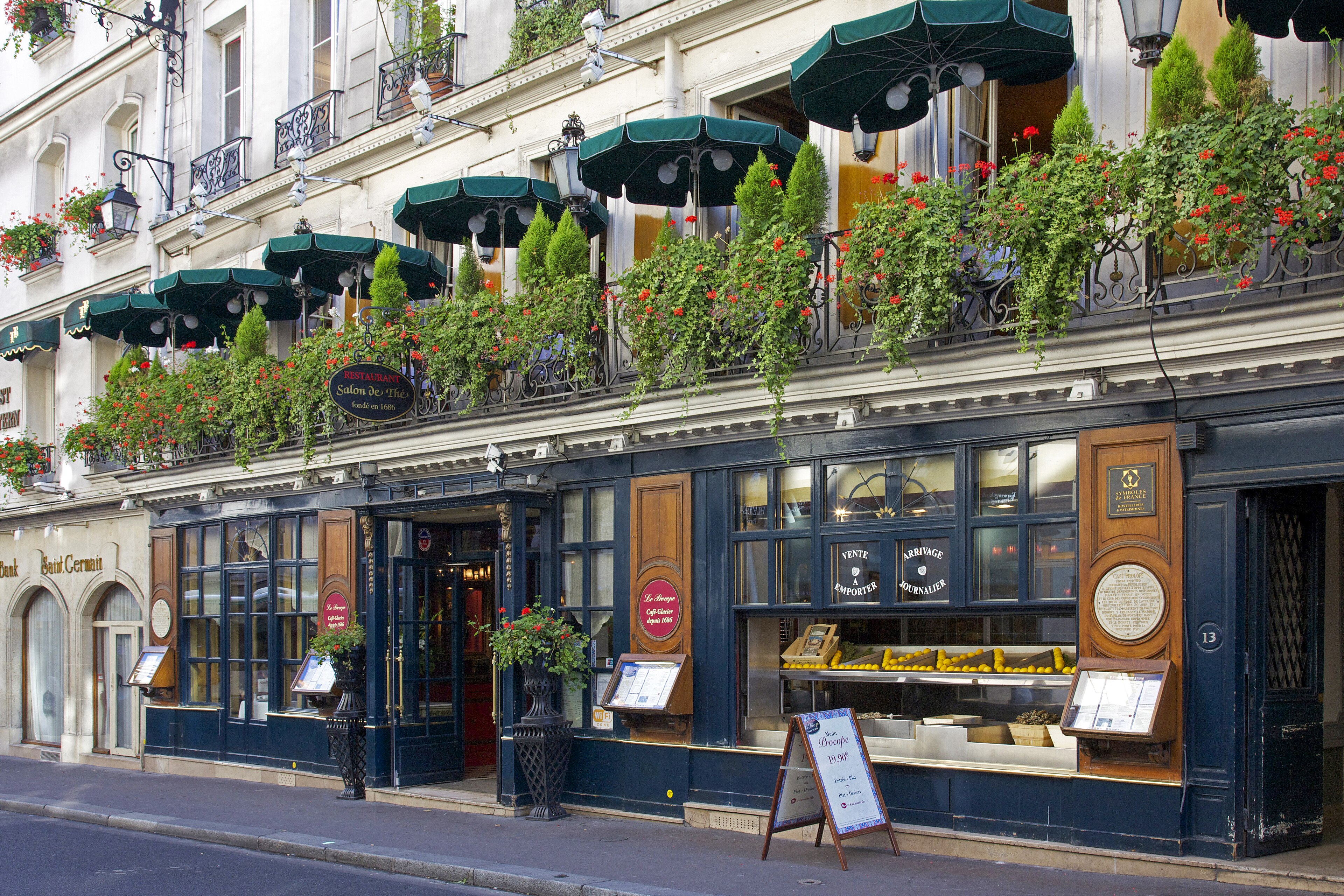
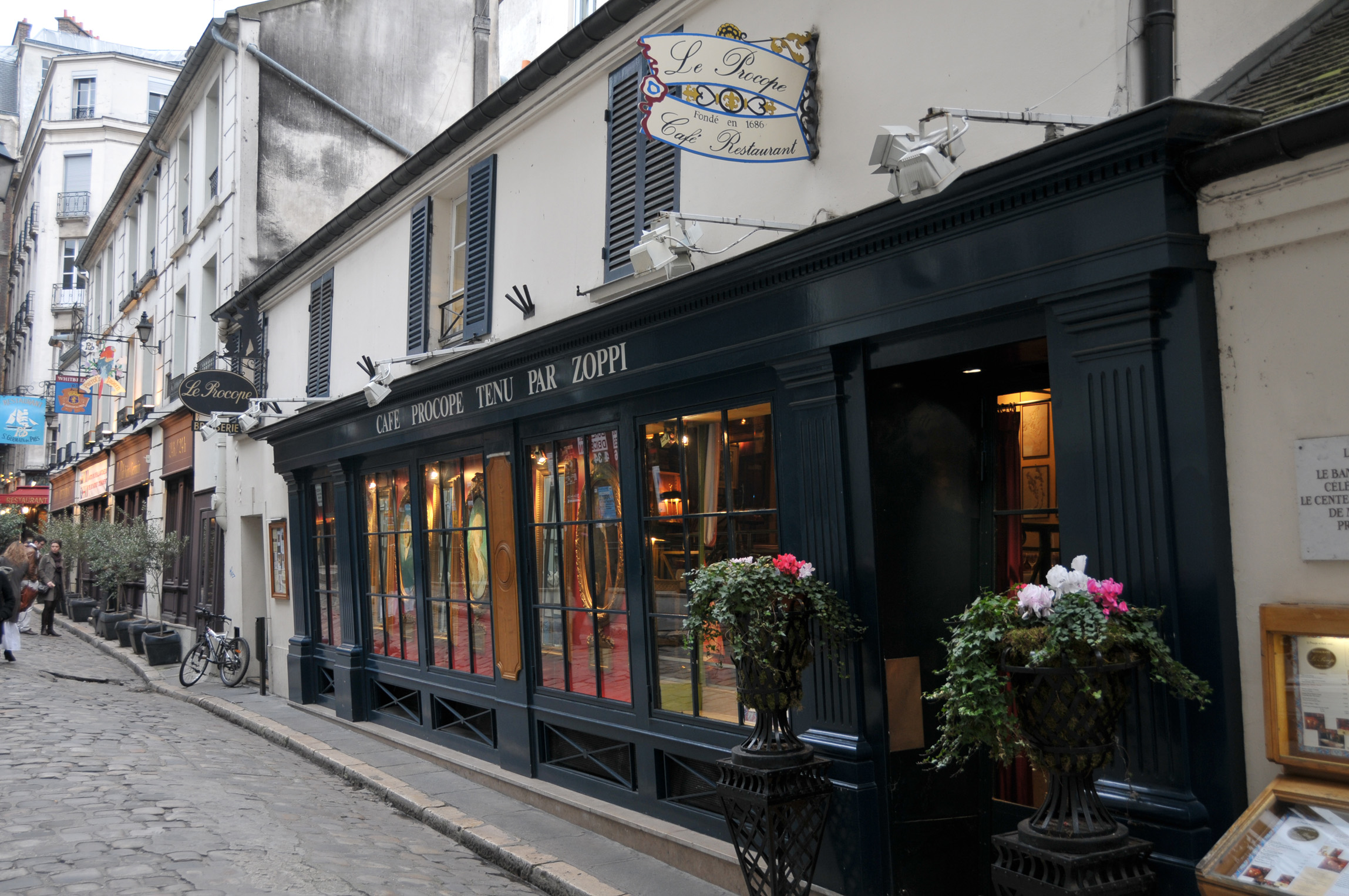
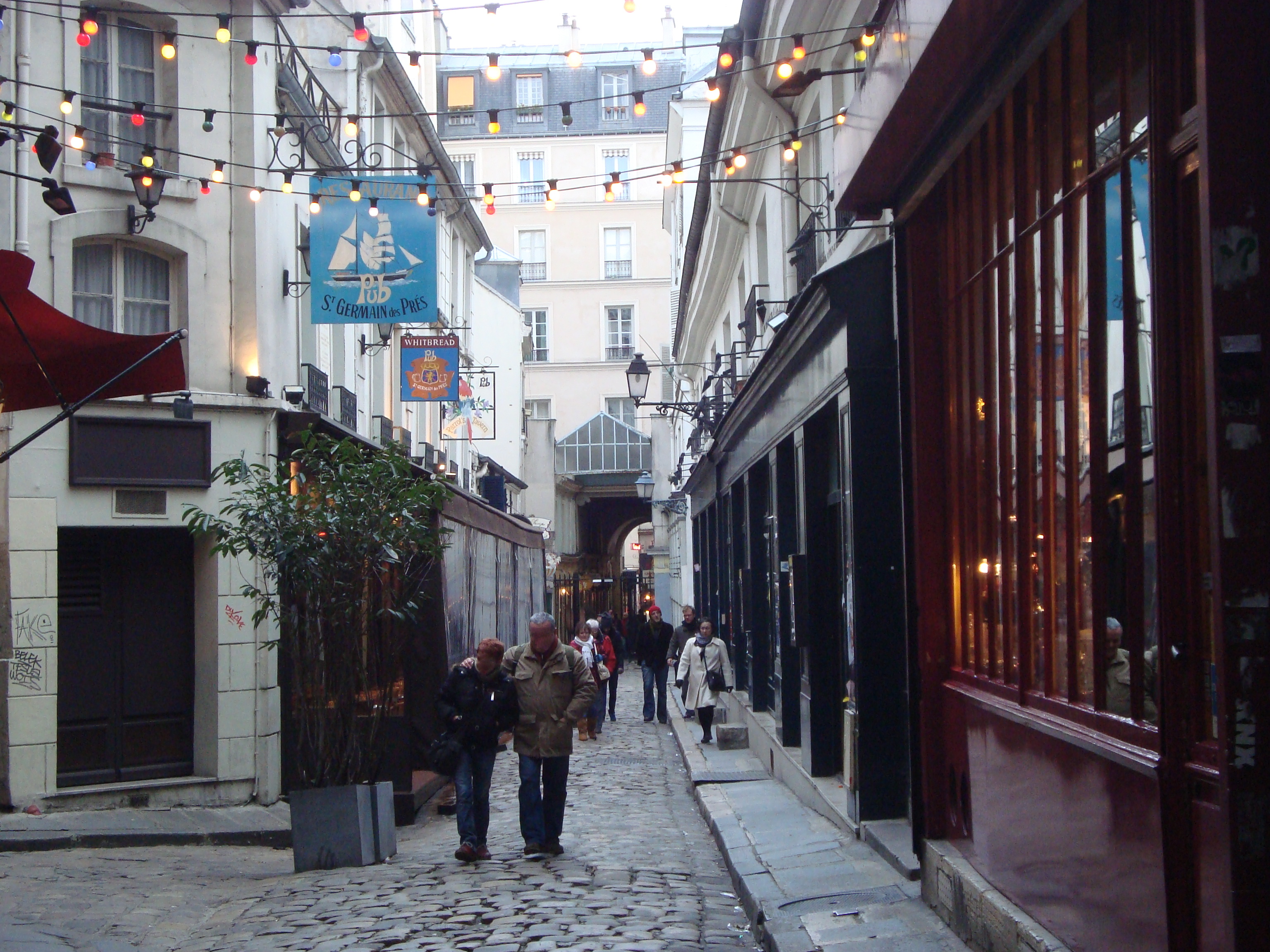
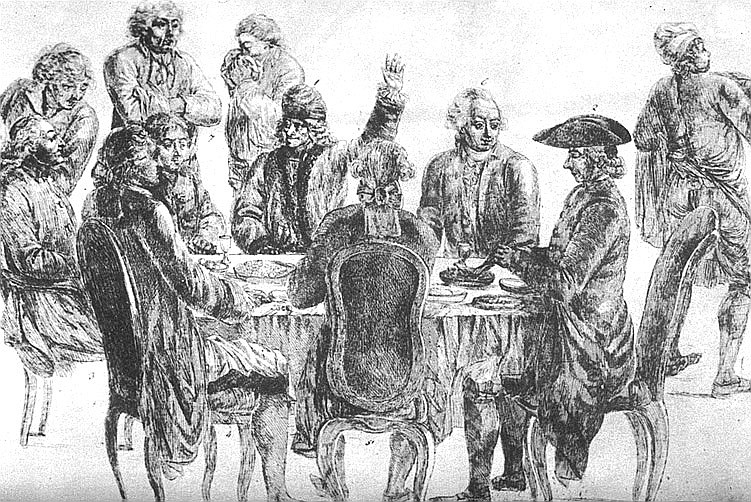
The Café Procope, still in operation today, was a popular meeting spot for philosophers like Voltaire, Diderot, and d'Alembert in the 18th century, and later by revolutionary leaders such as Danton, Marat, Desmoulins, and Fabre d'Églantine.
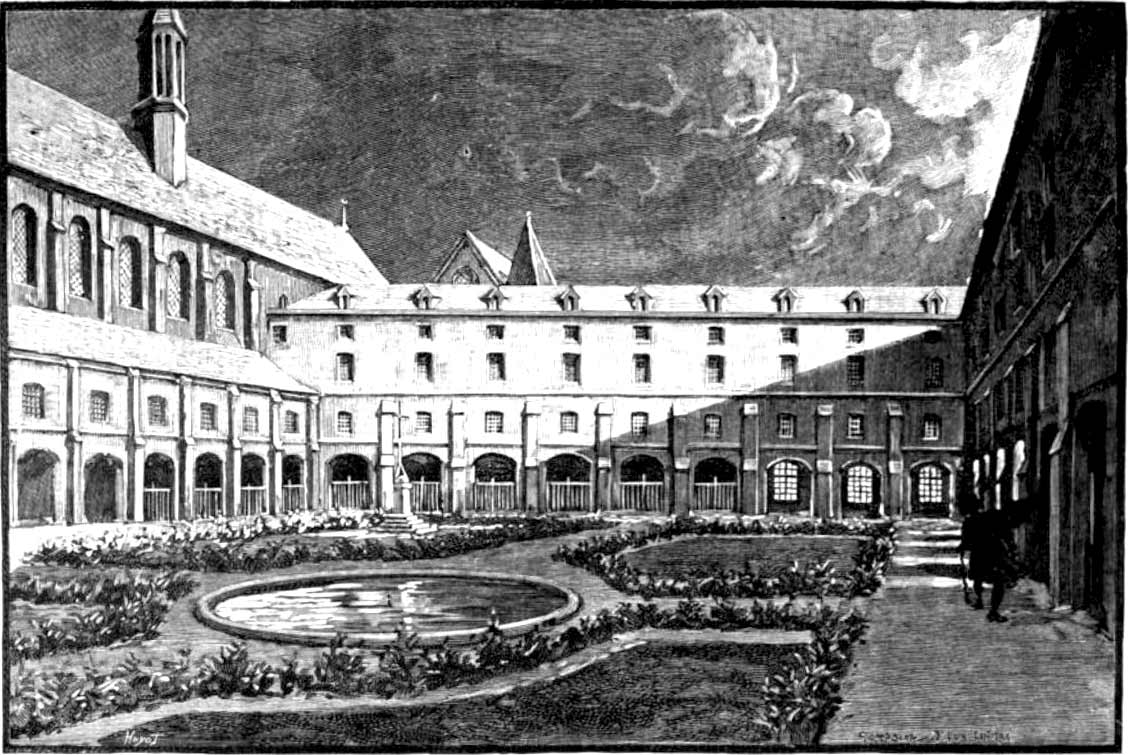
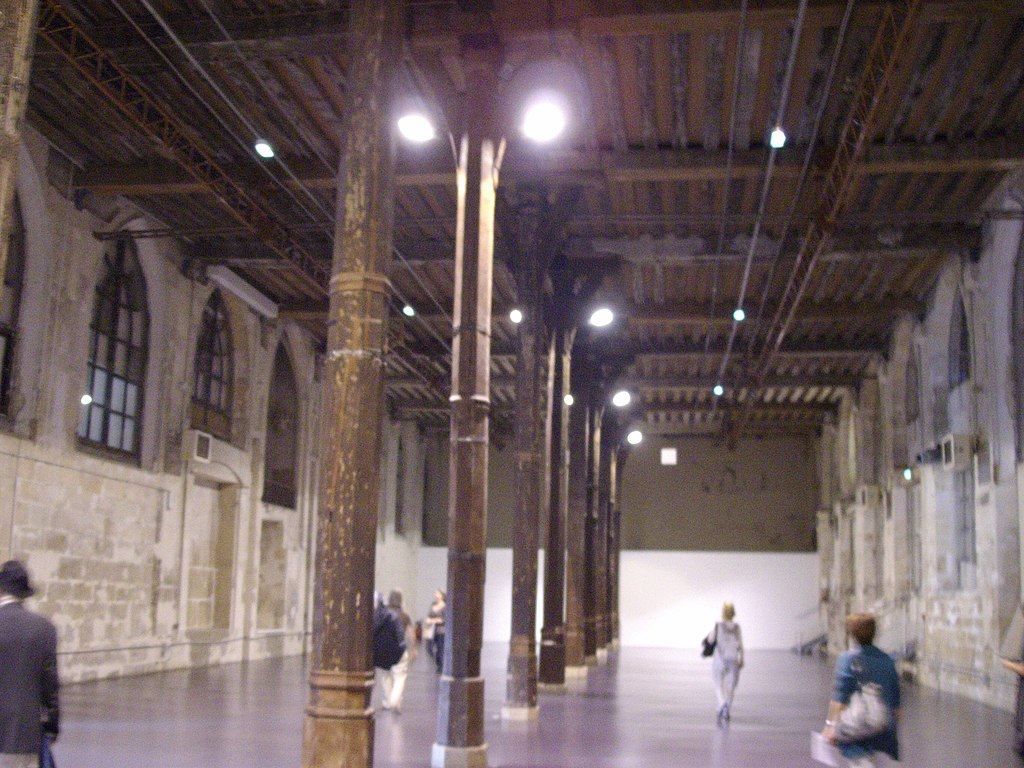

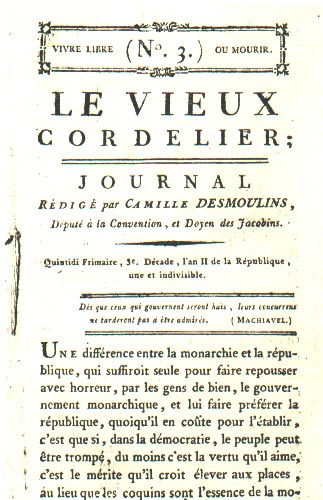
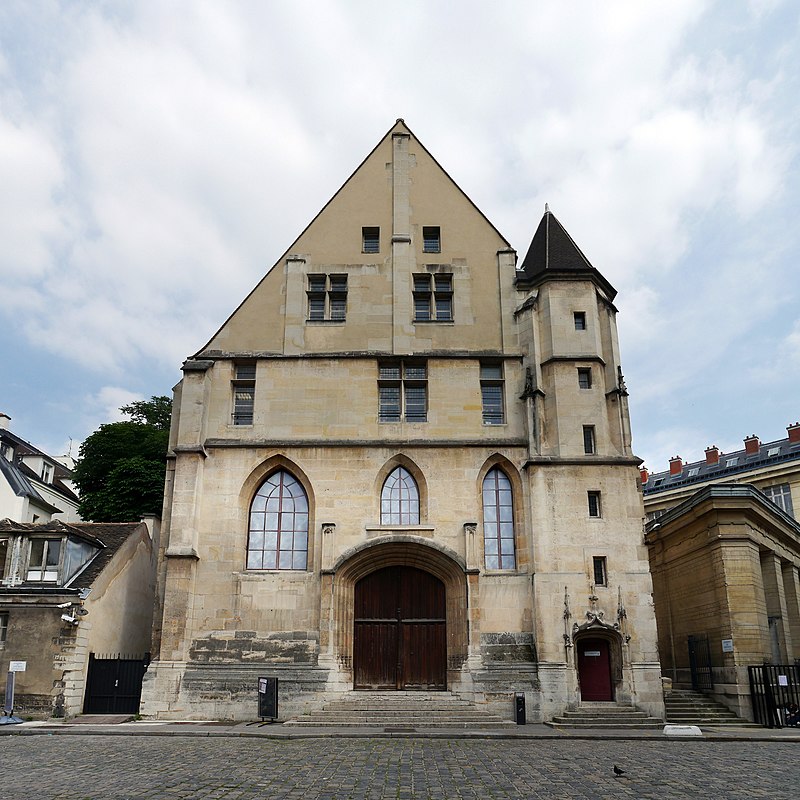
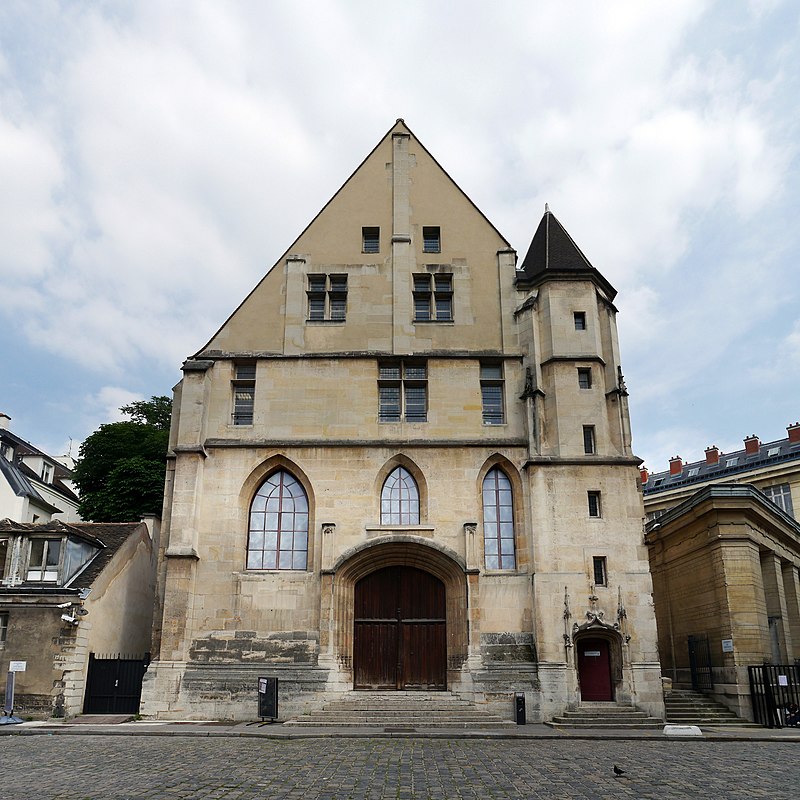
Nearby, the Couvent des Cordeliers housed a revolutionary club led by Danton.
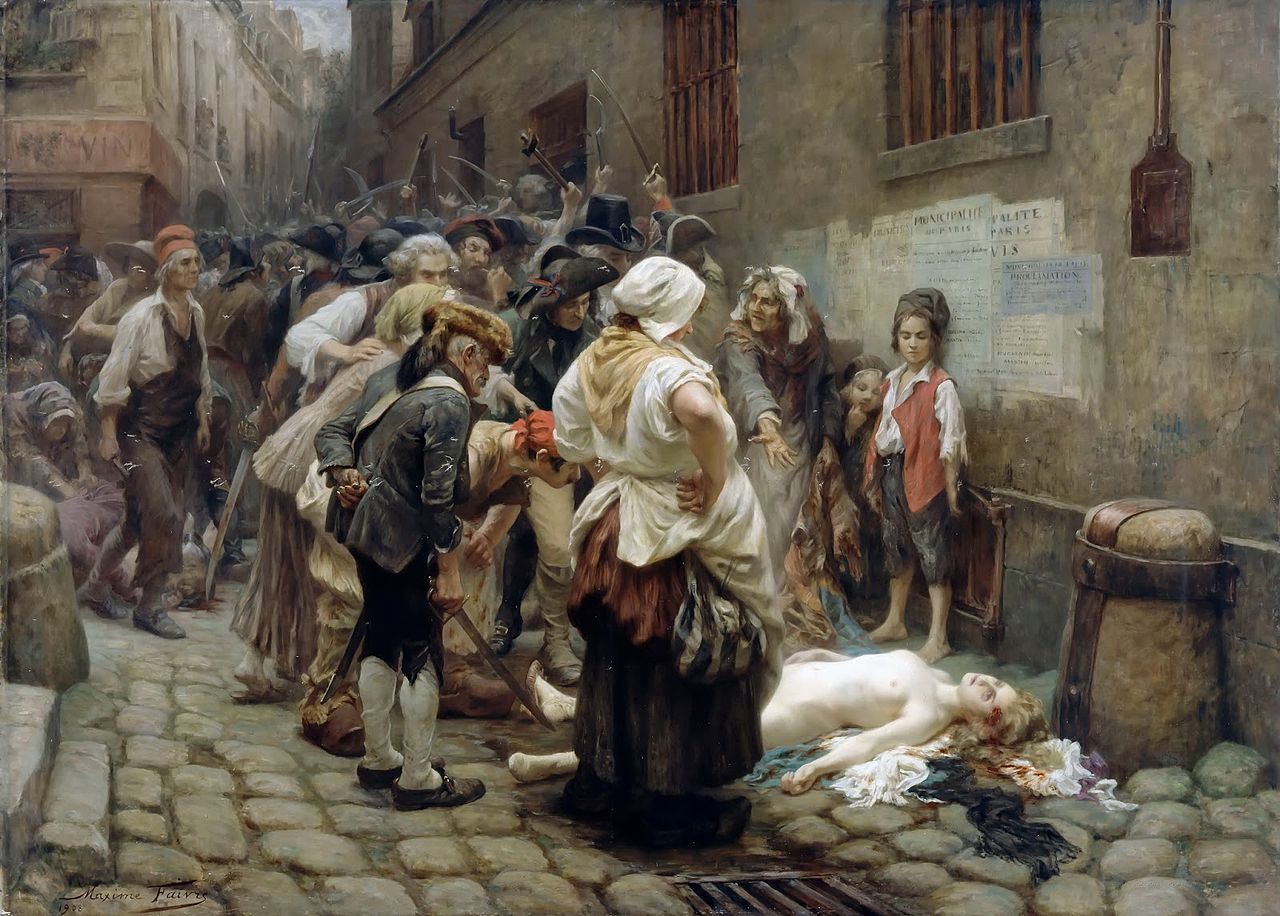
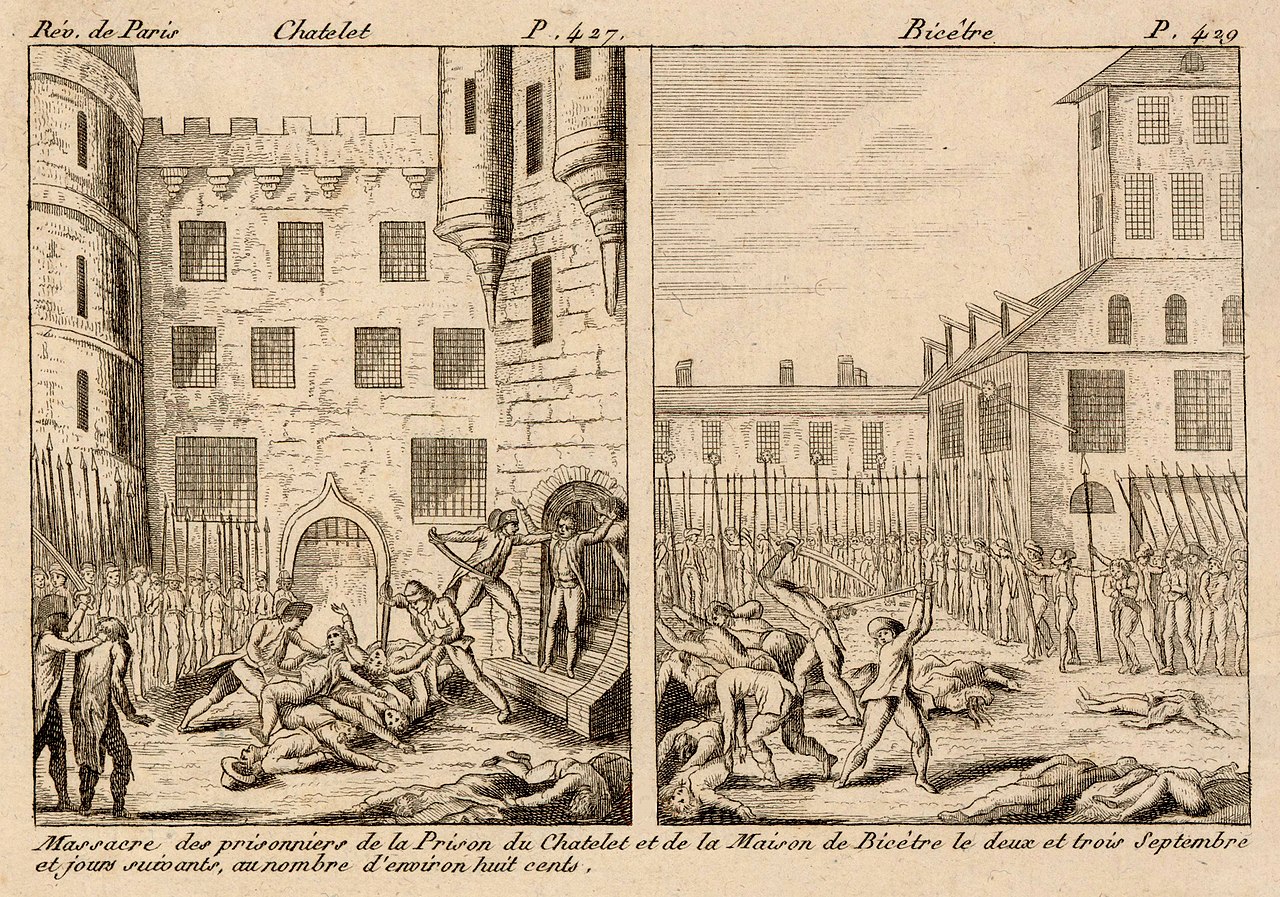
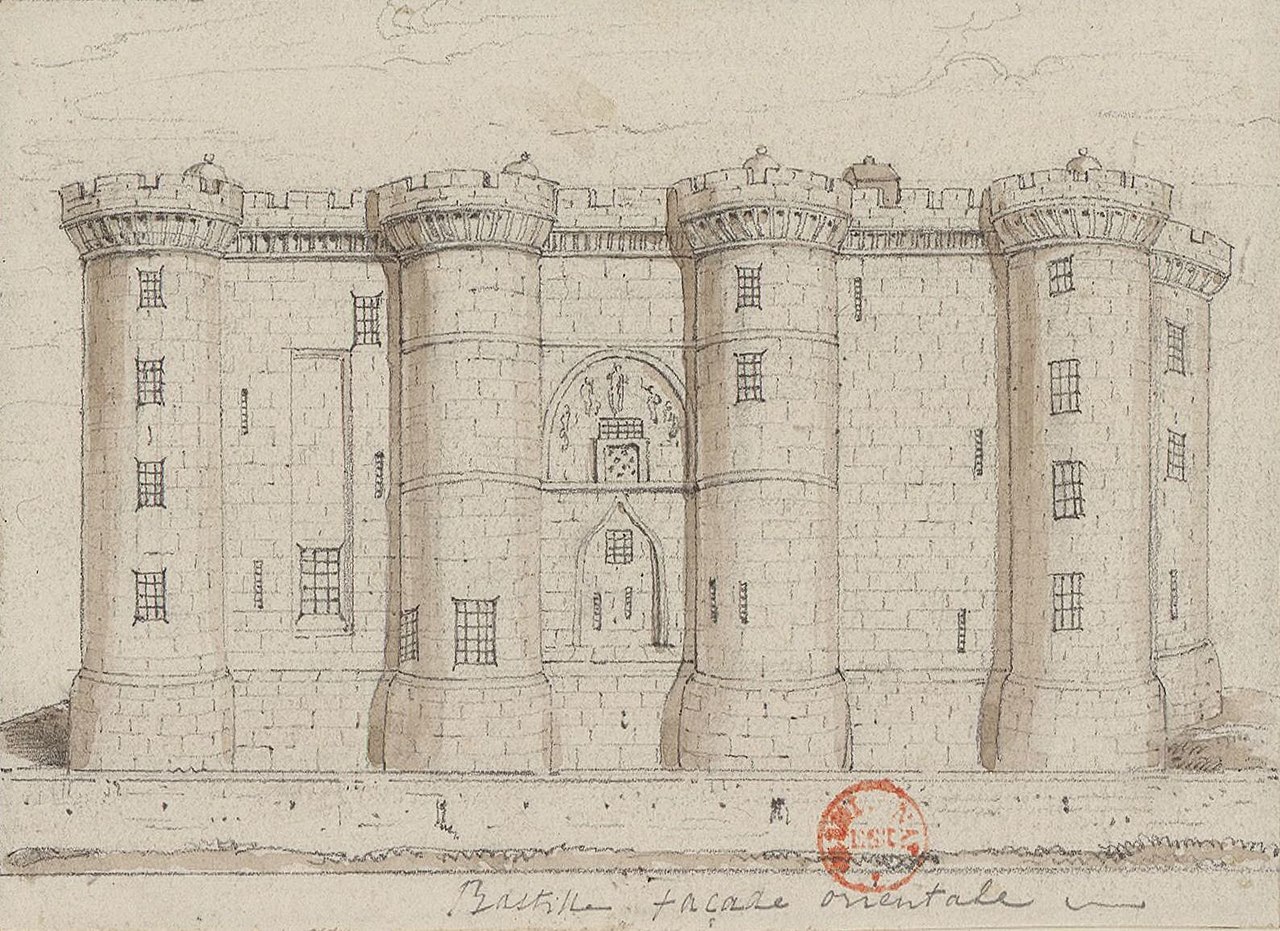
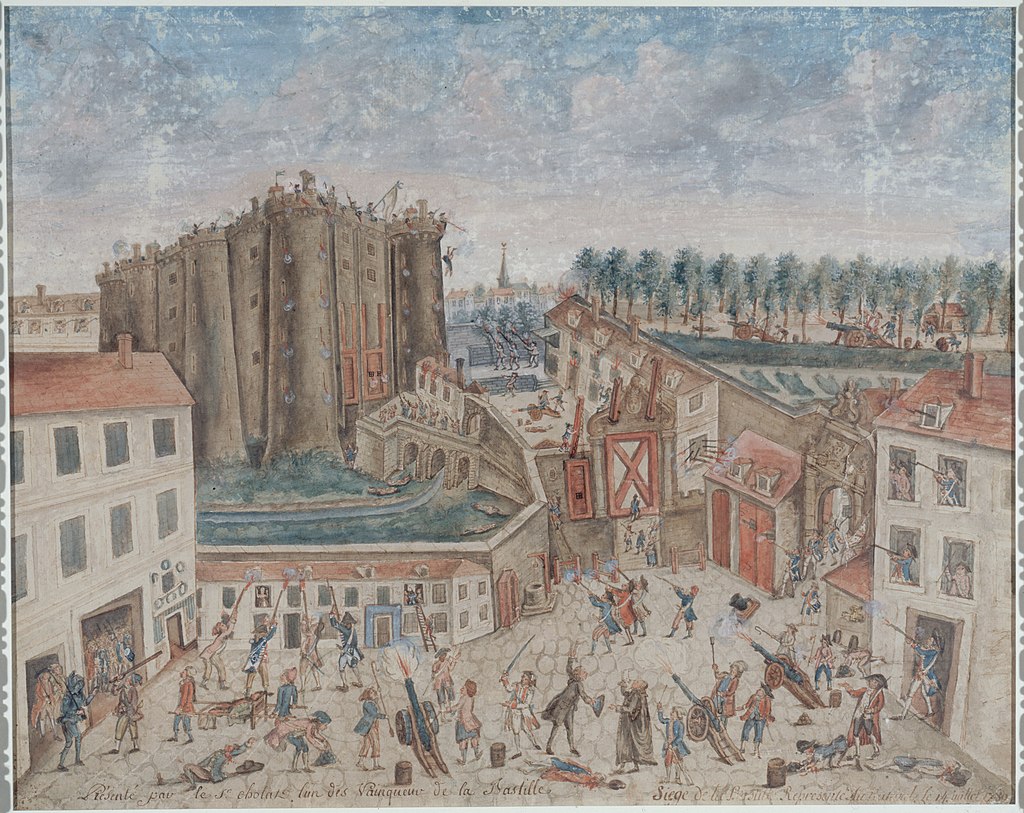
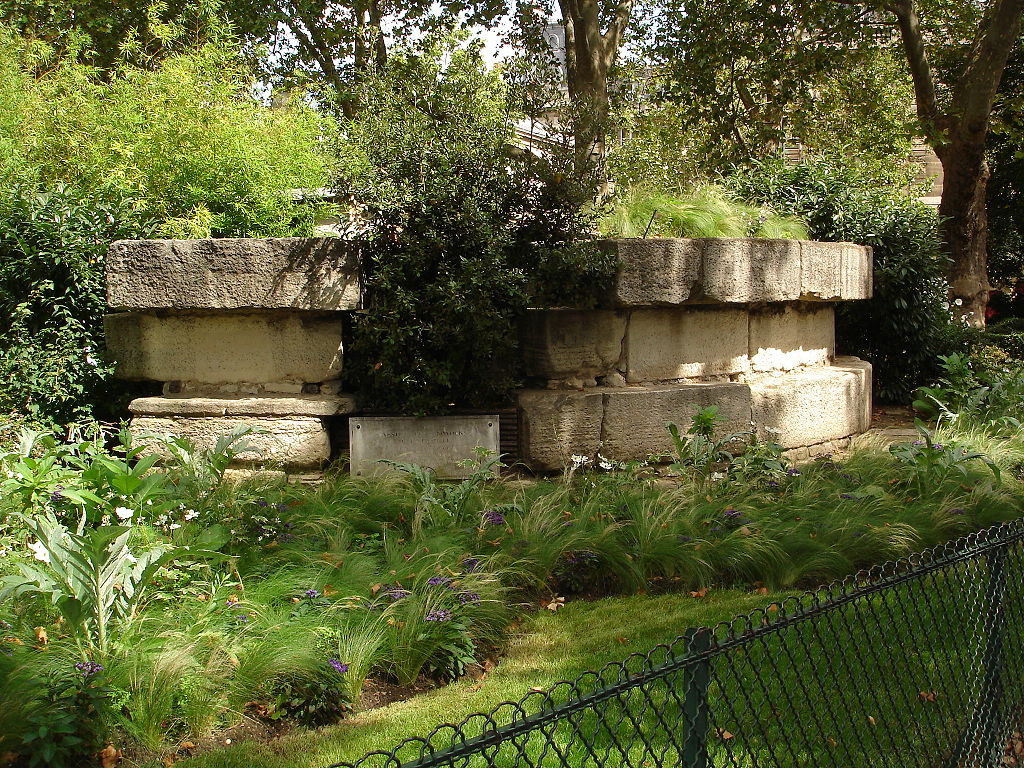
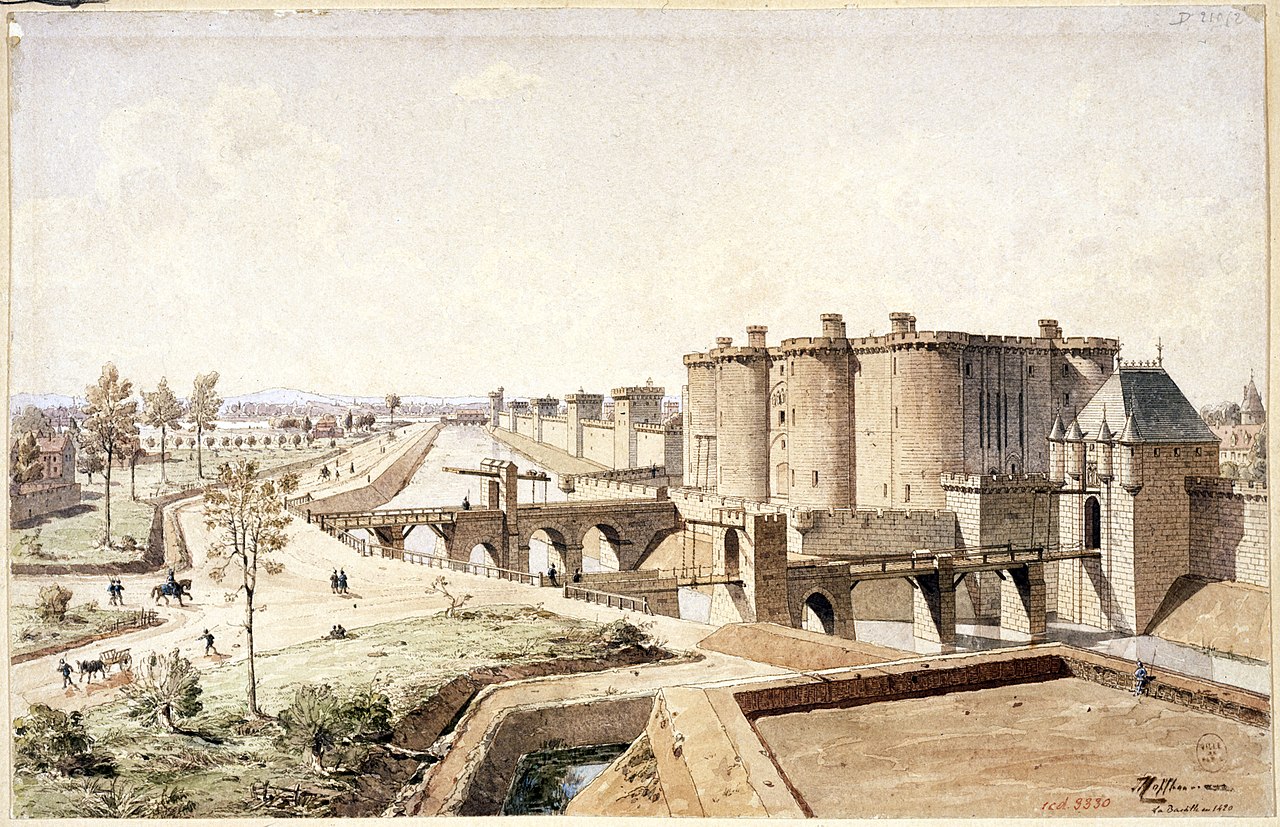
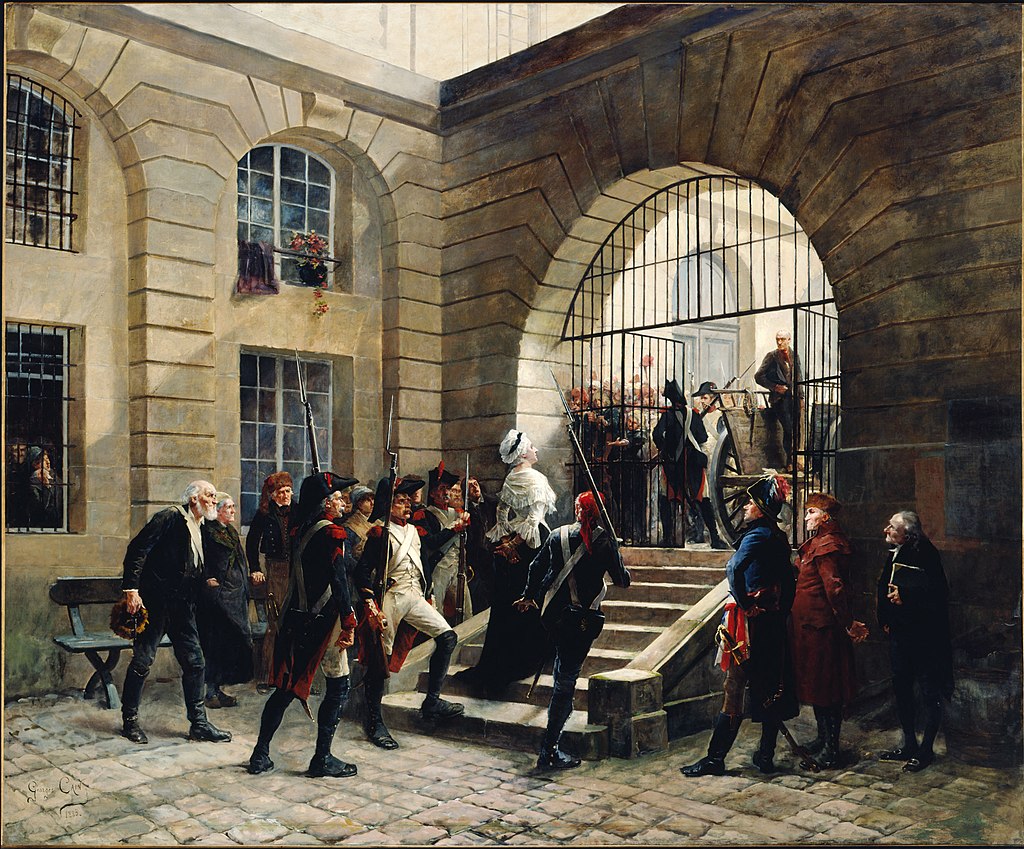

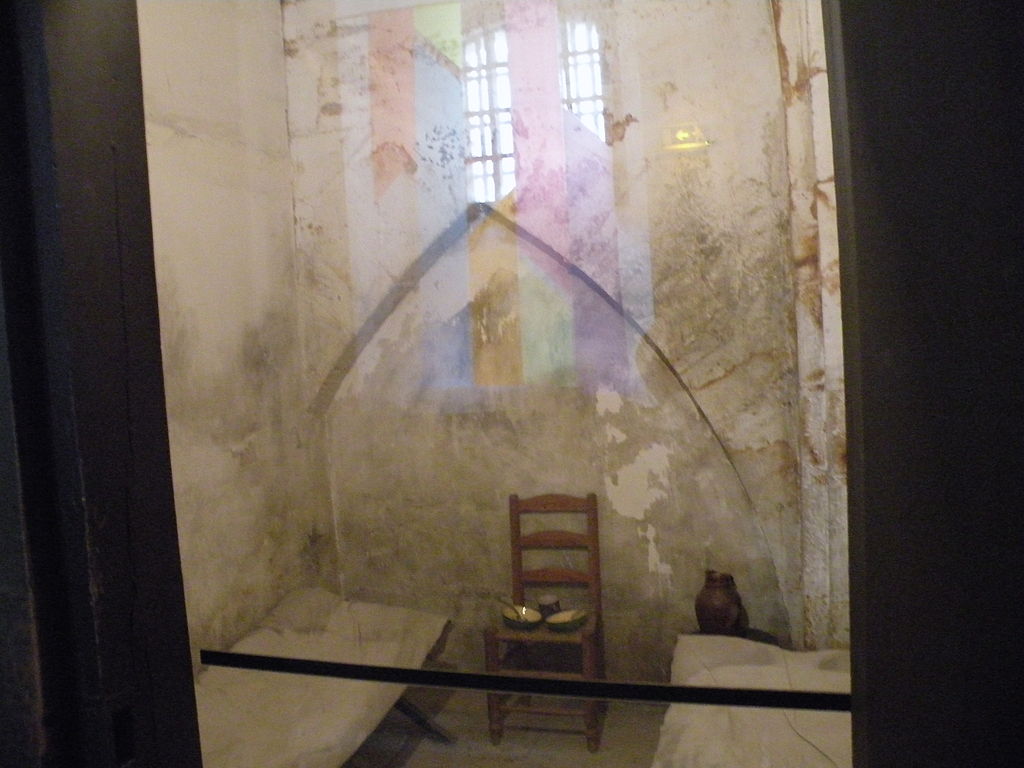
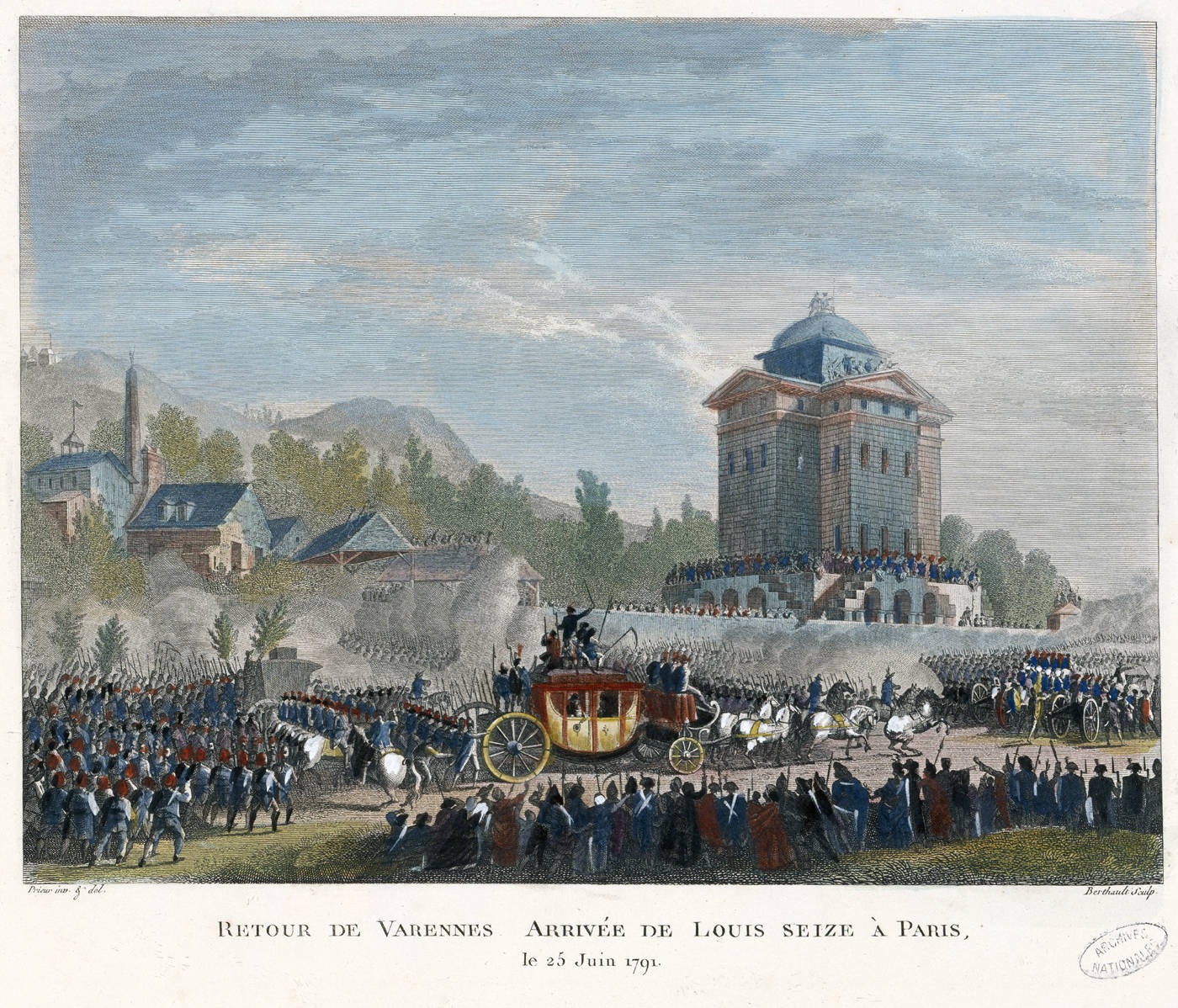
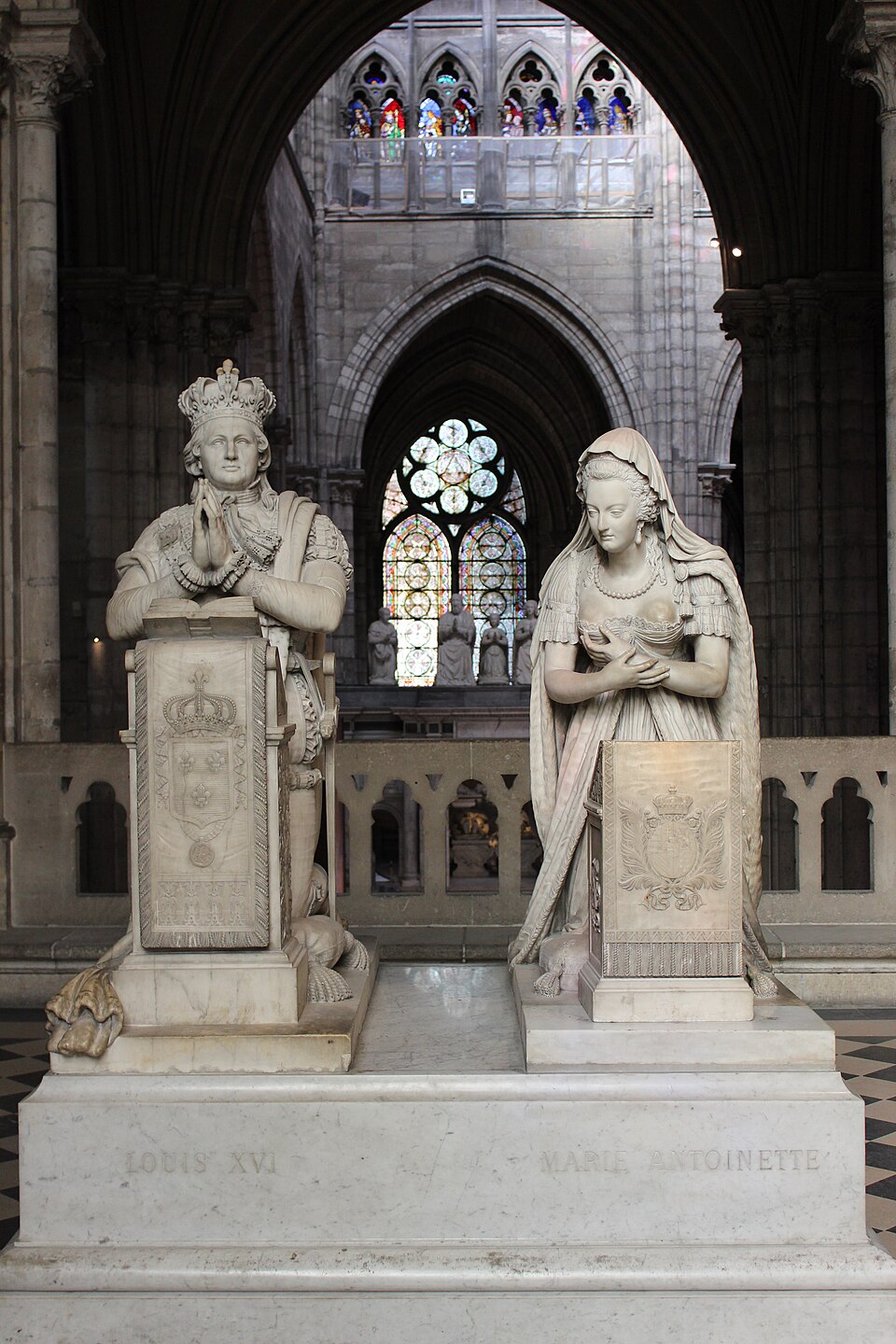
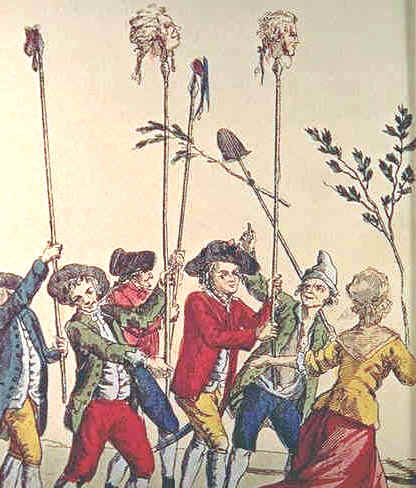
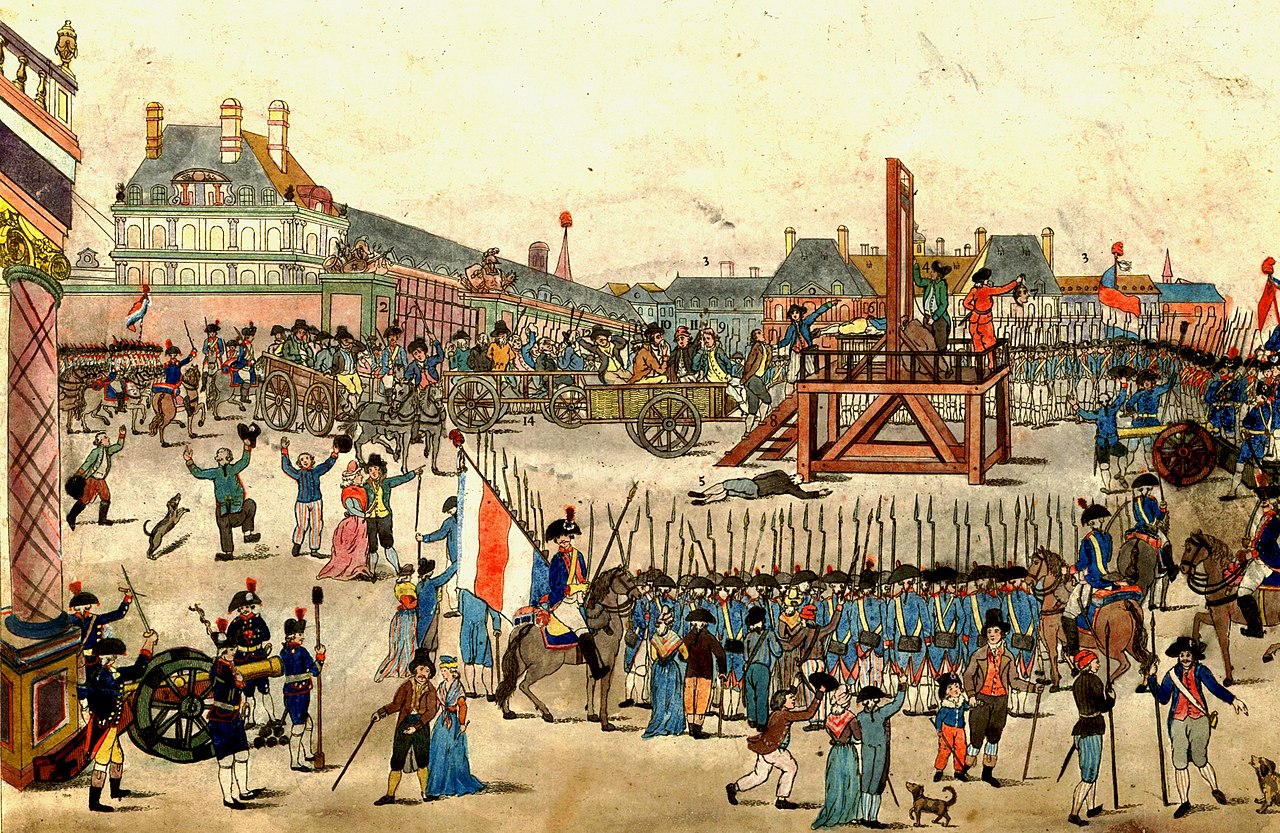
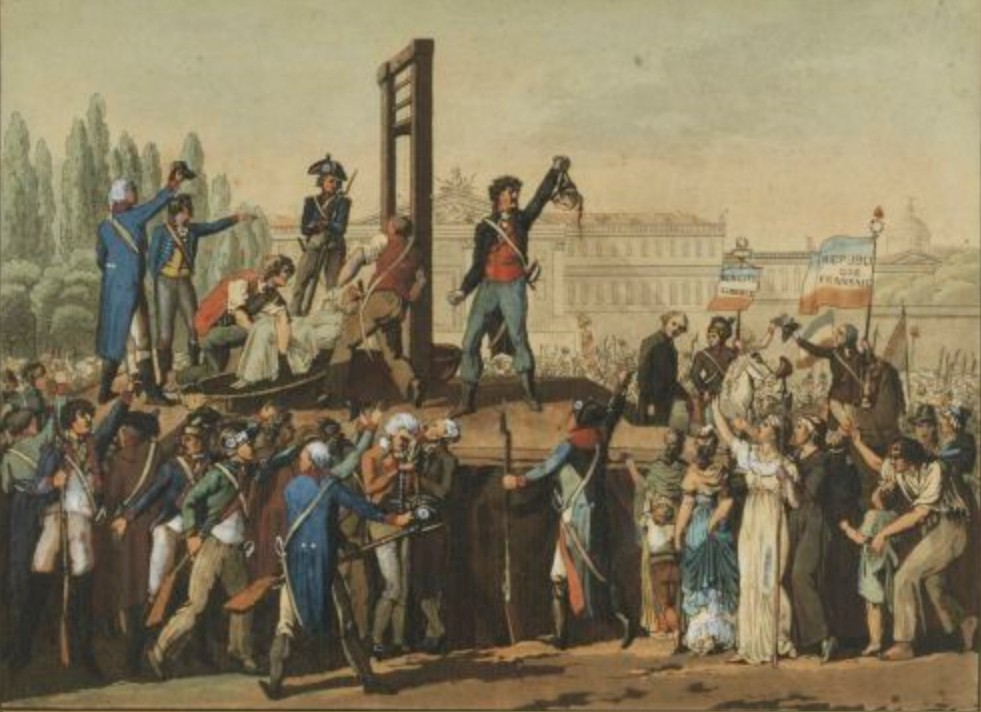
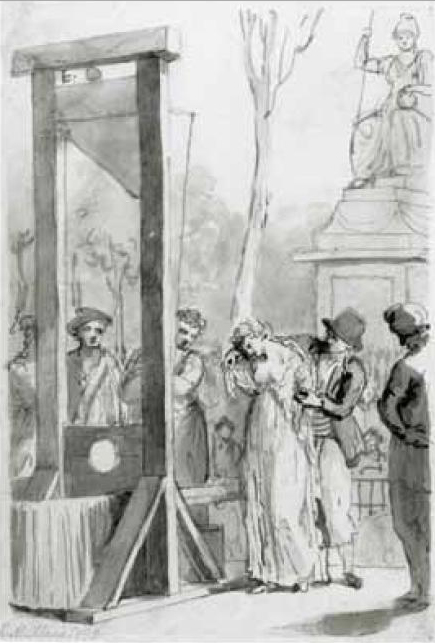
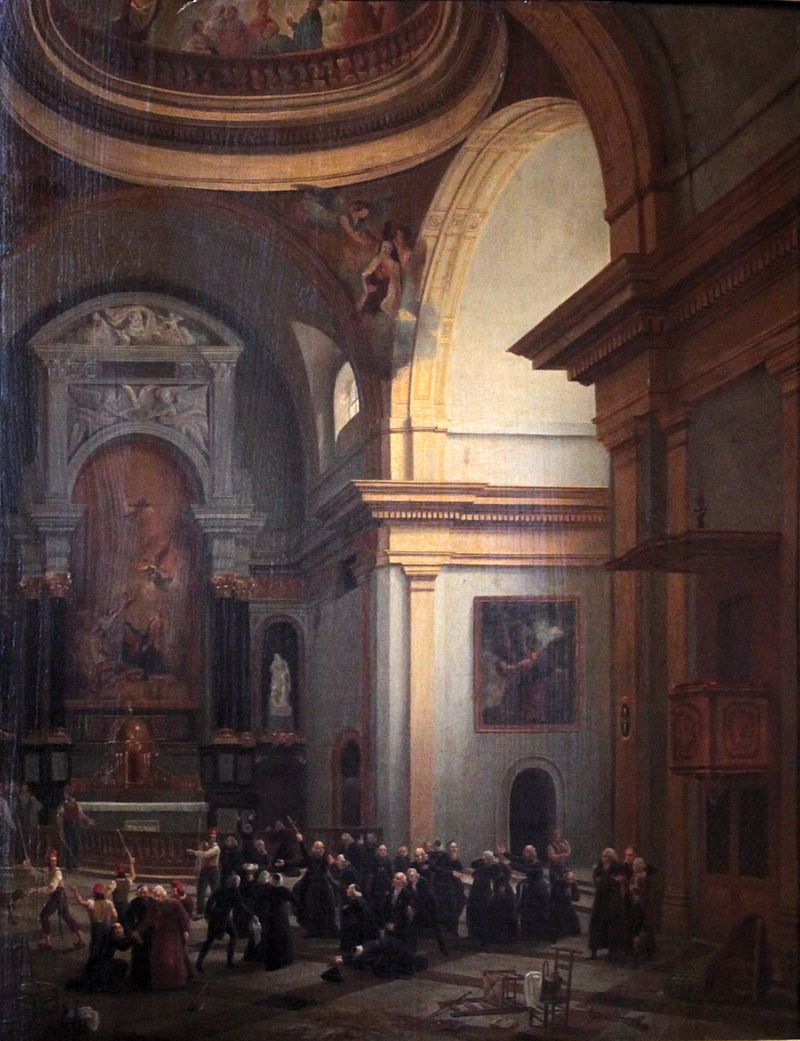
While the French Revolution was a time of remarkable emancipation and progress, it was also a period of extreme brutality.
Thousands of people were massacred during this period, and some remnants of this violent past are still visible today.
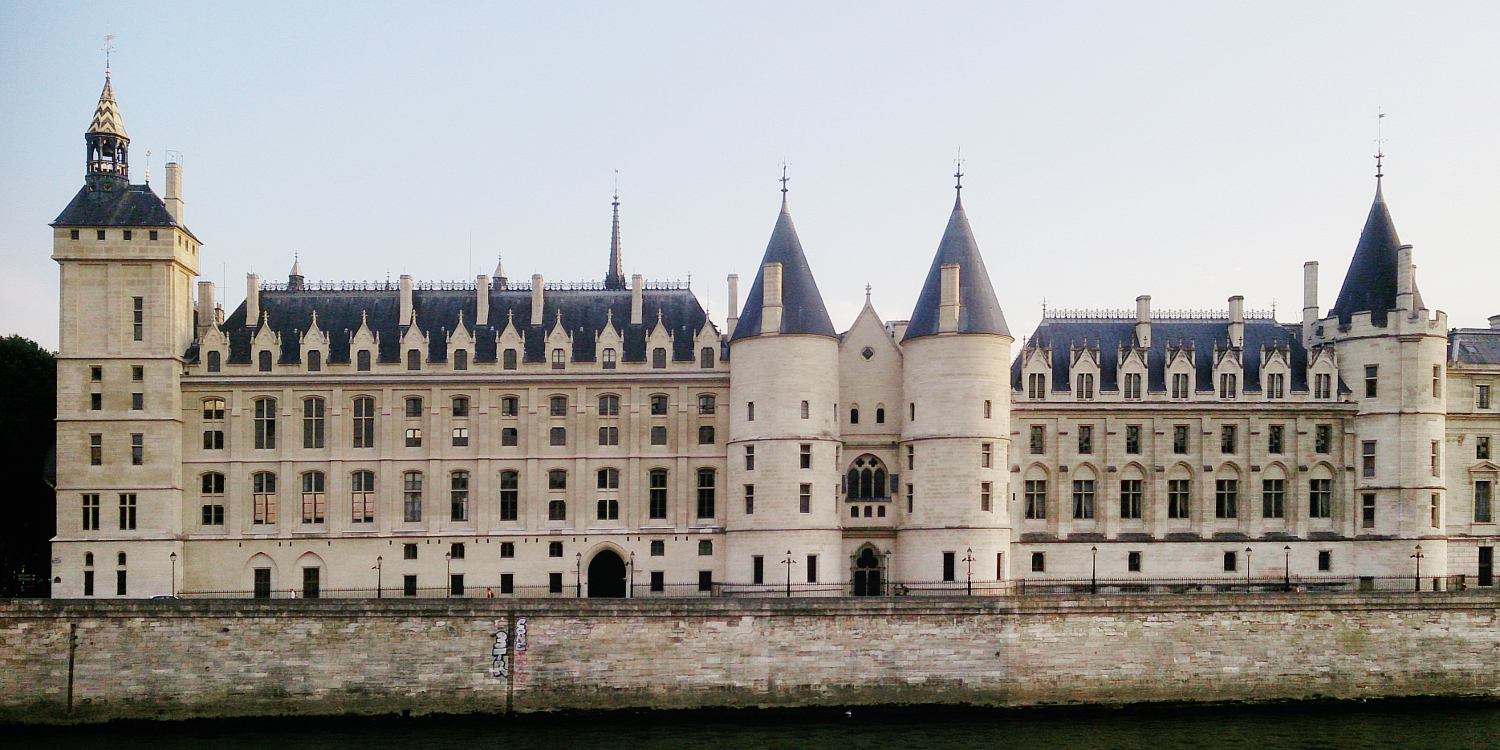
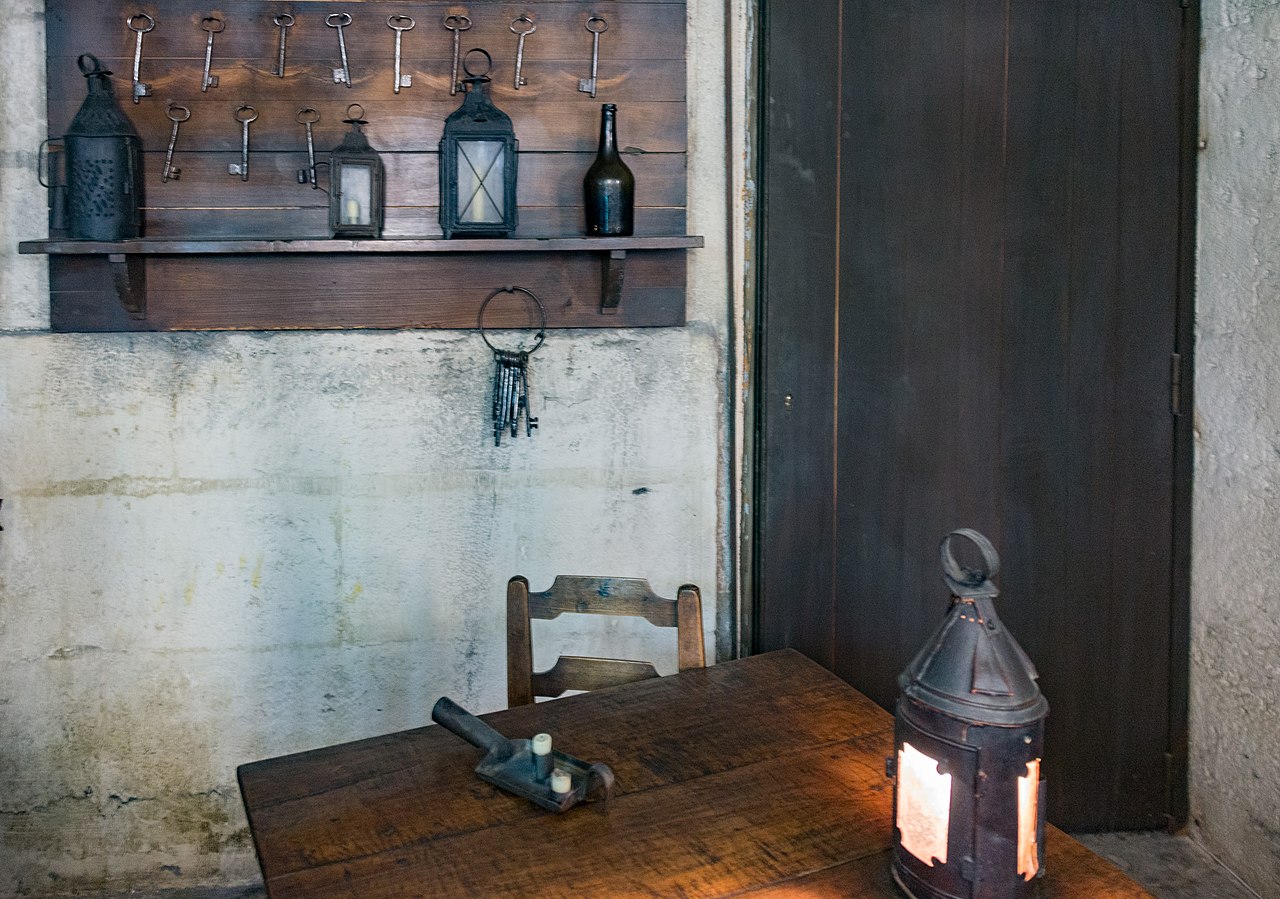
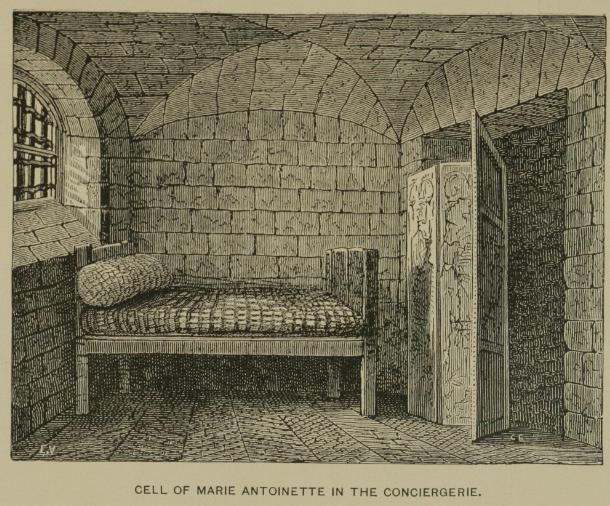

The Conciergerie served as the main tribunal and prison - you can still visit Marie Antoinette’s cell today.
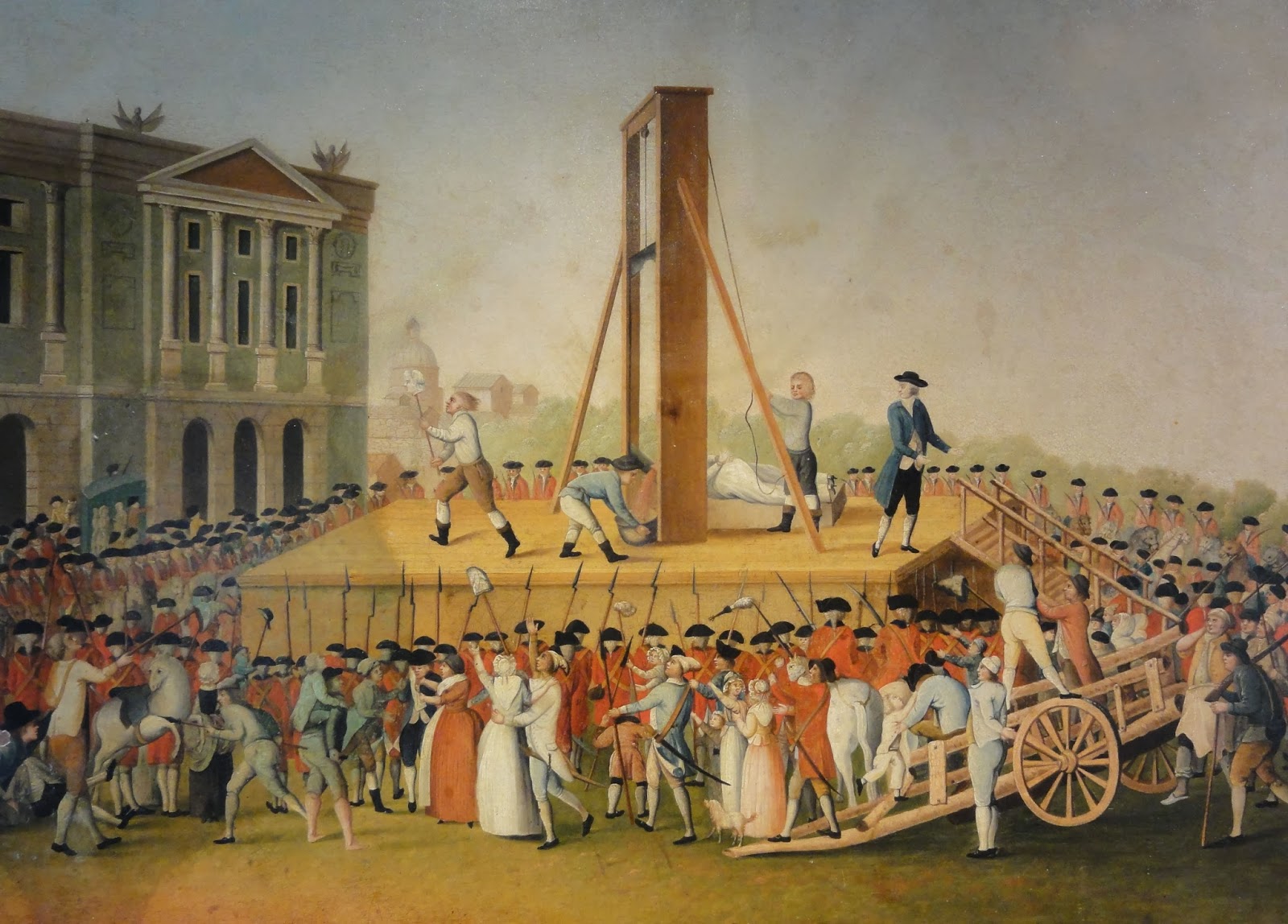
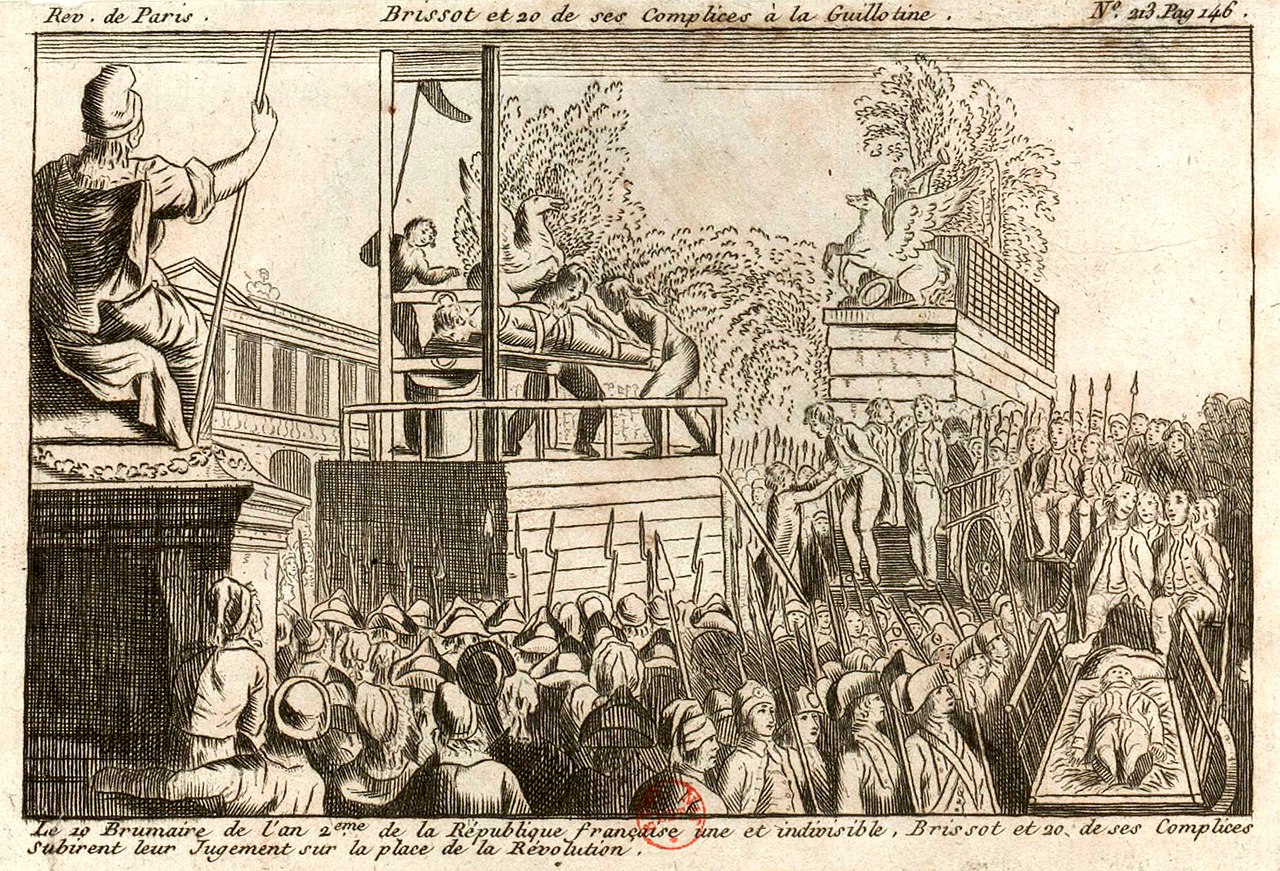
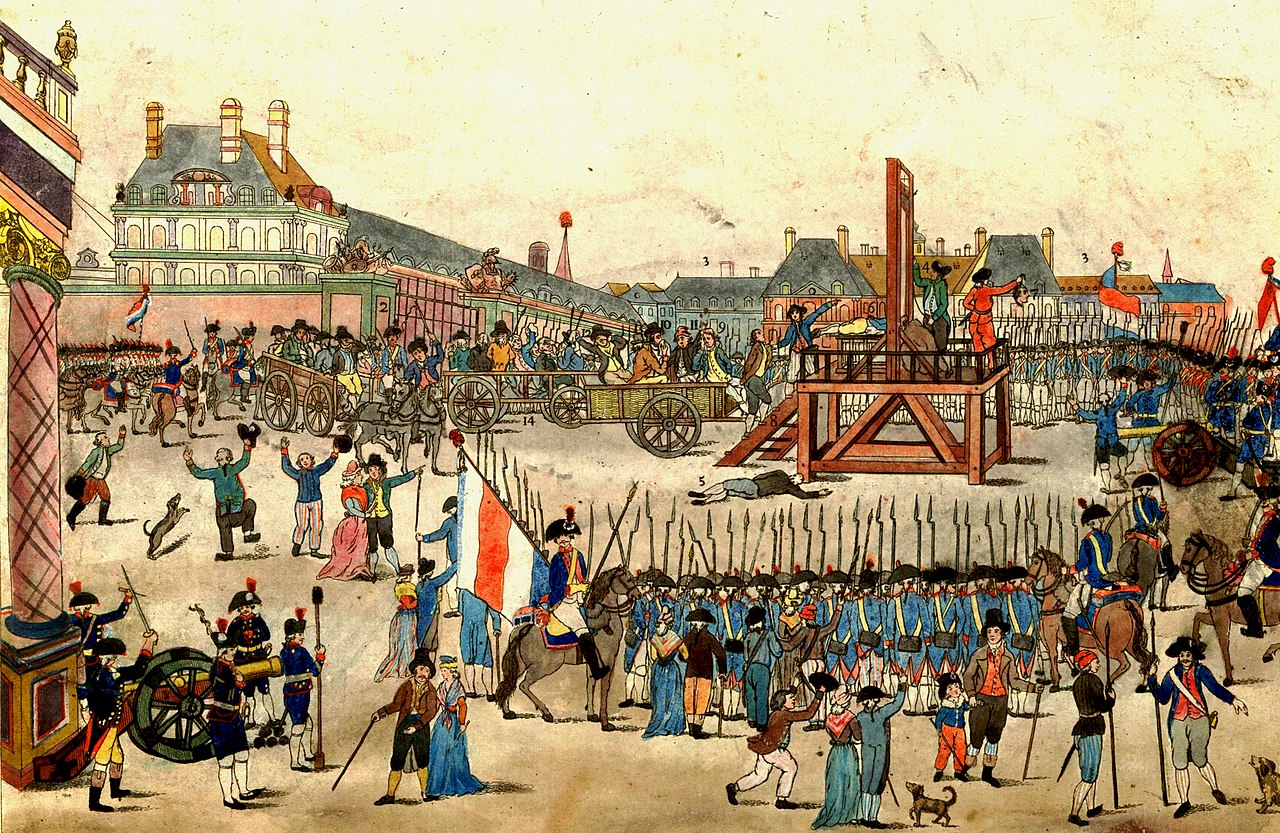
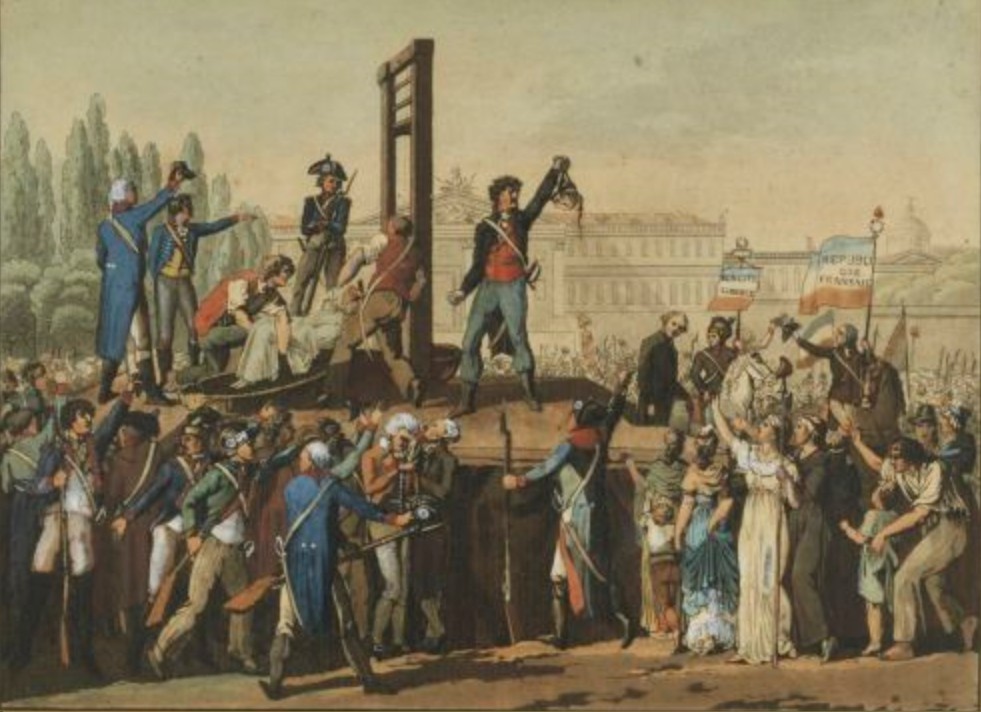
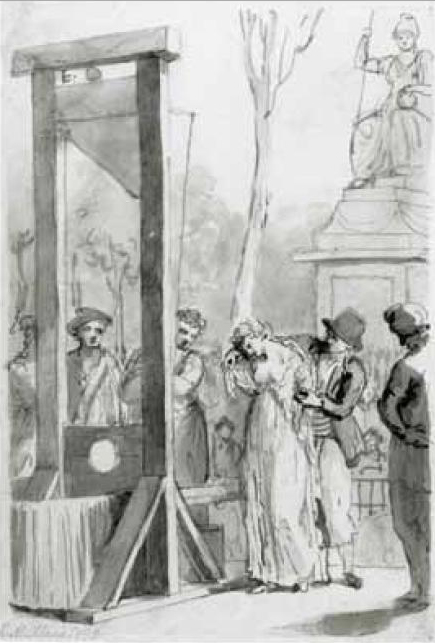
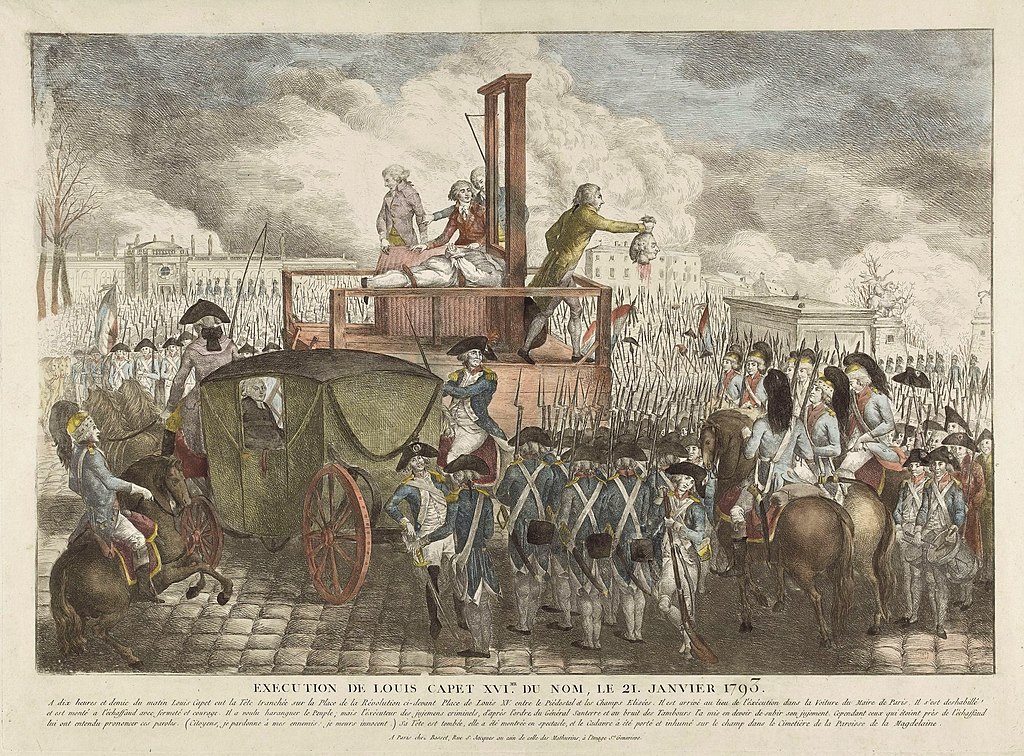
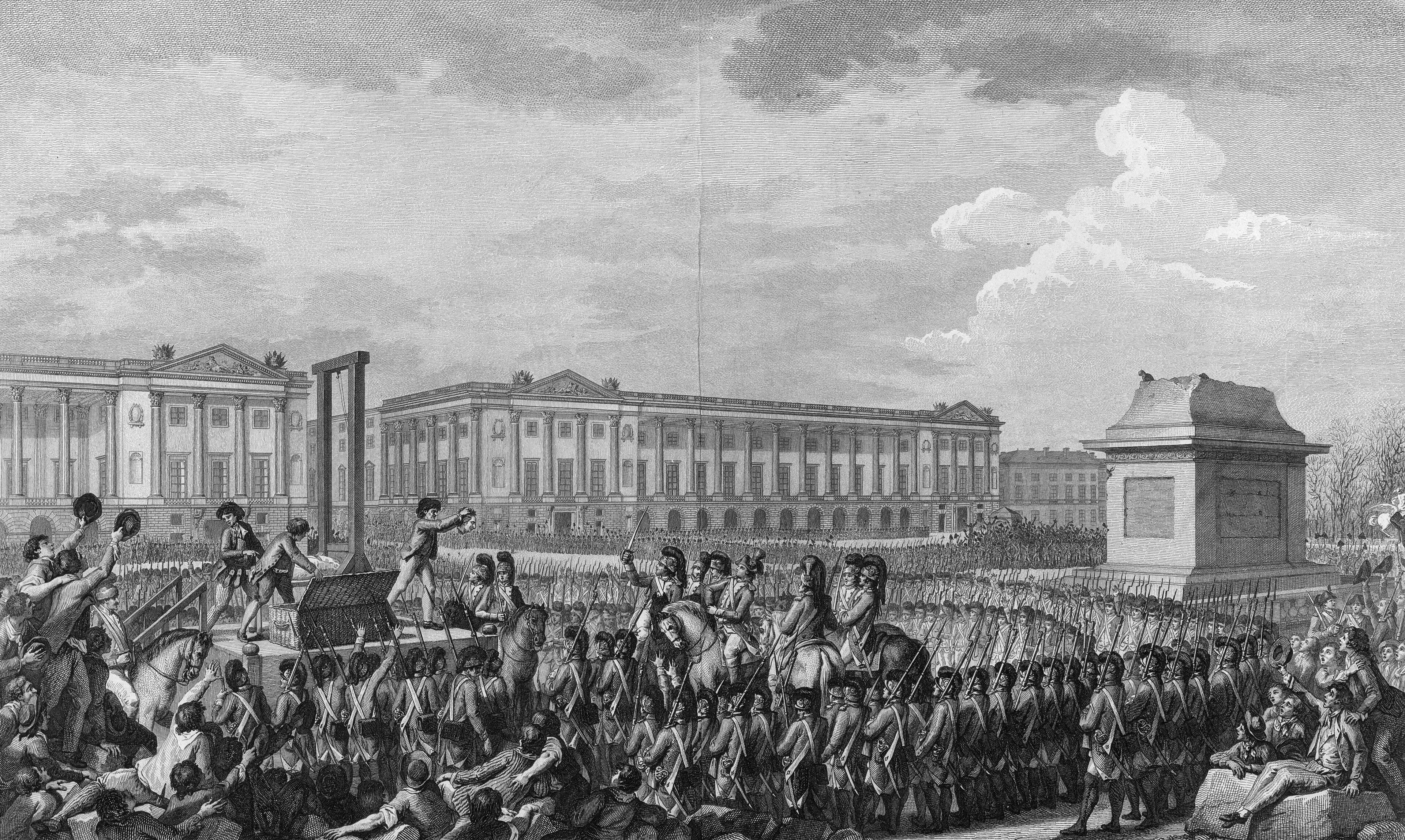
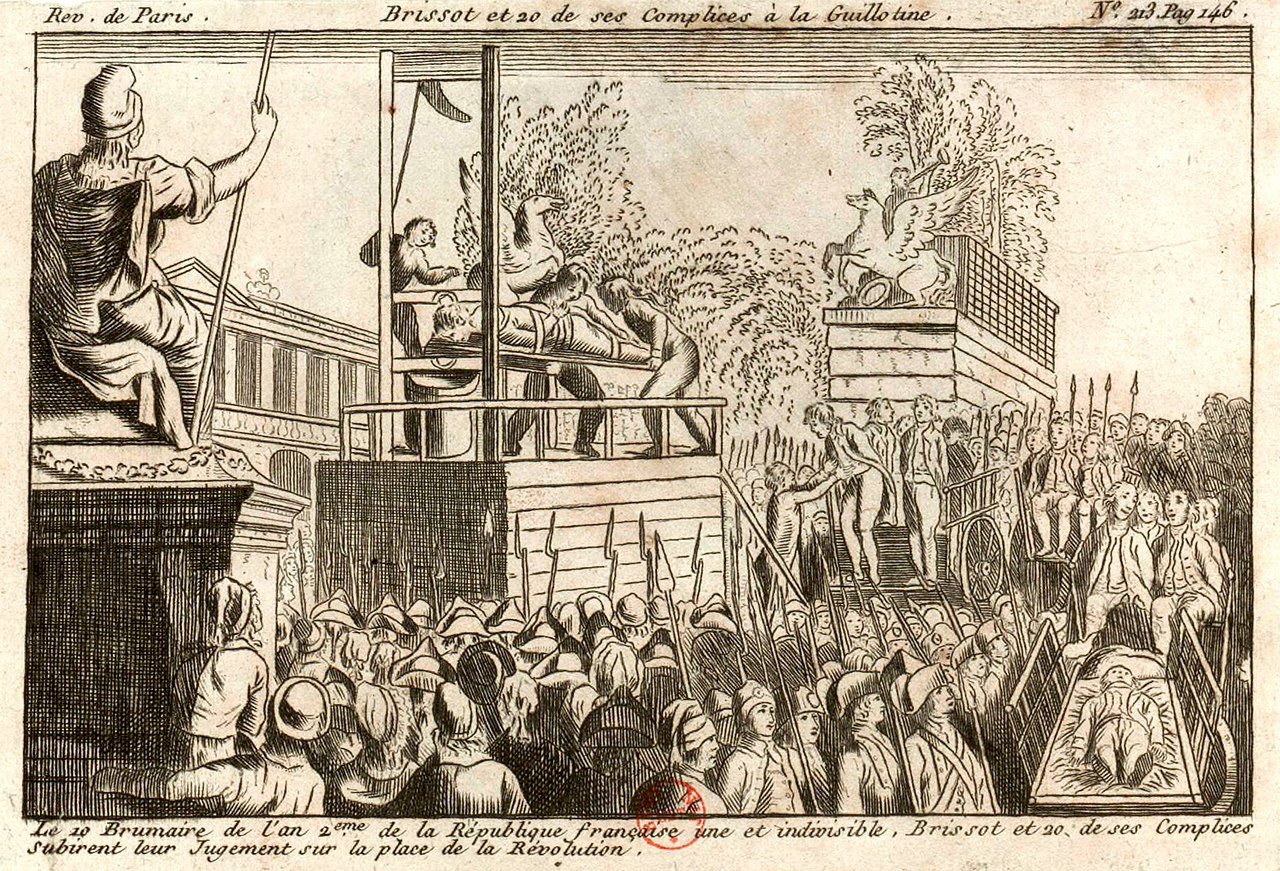
Executions mostly took place on place de la Concorde.
It's thought that around 17,000 people were officially executed across France and around 40,000 died in prisons or without trial.
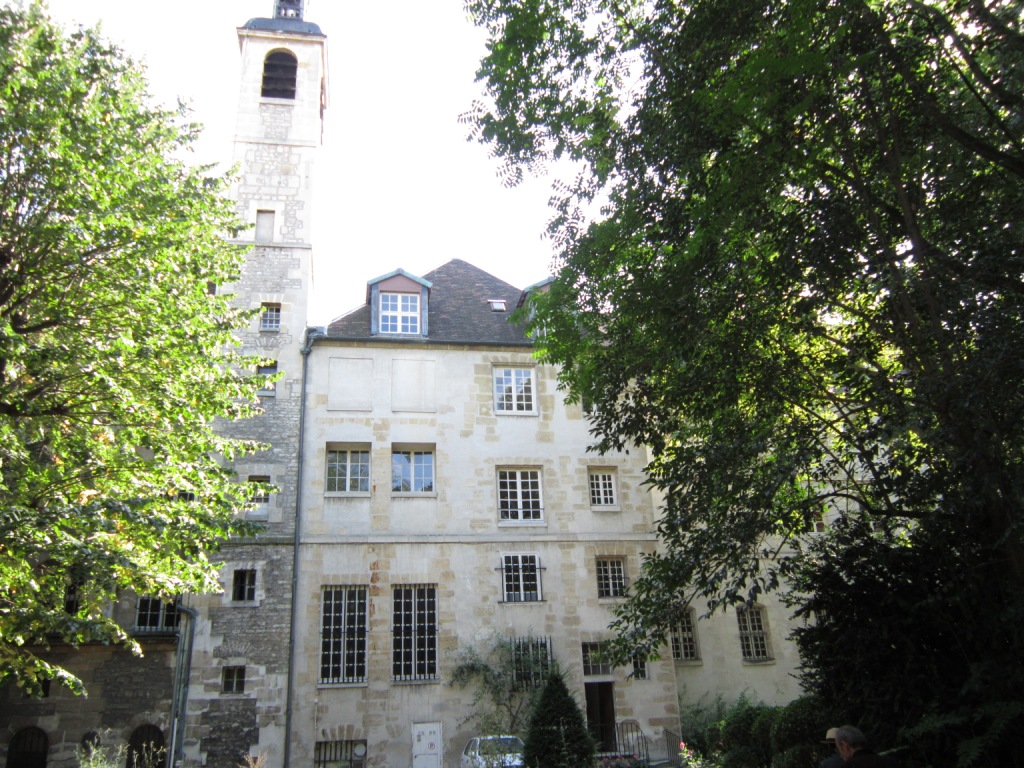
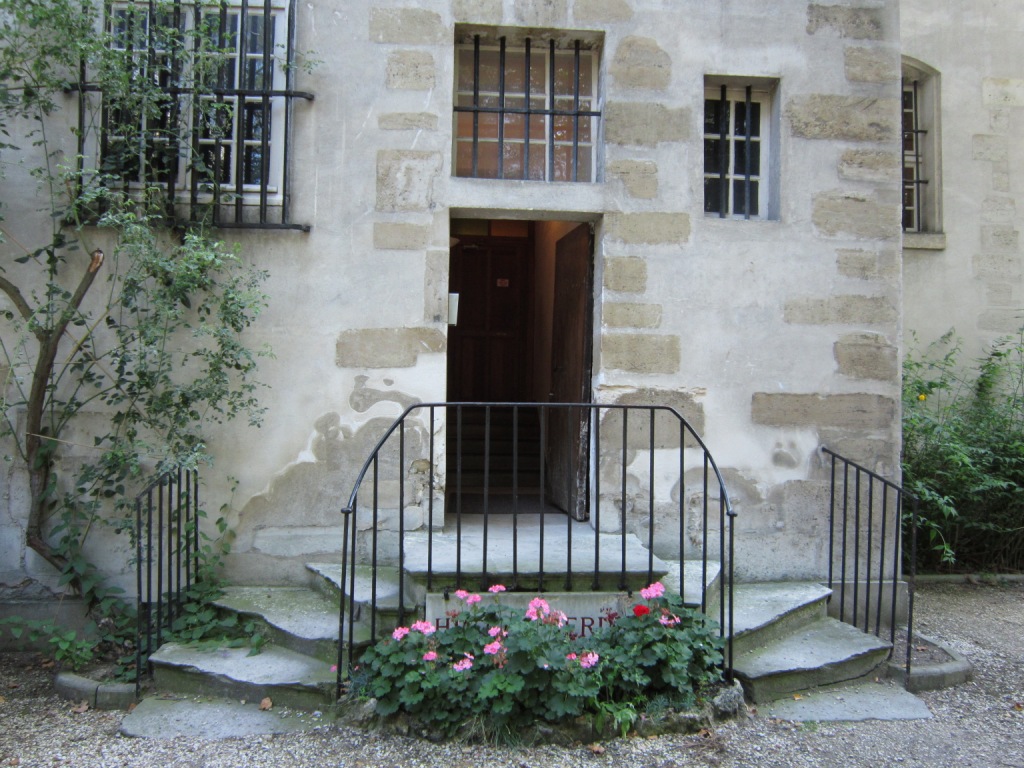
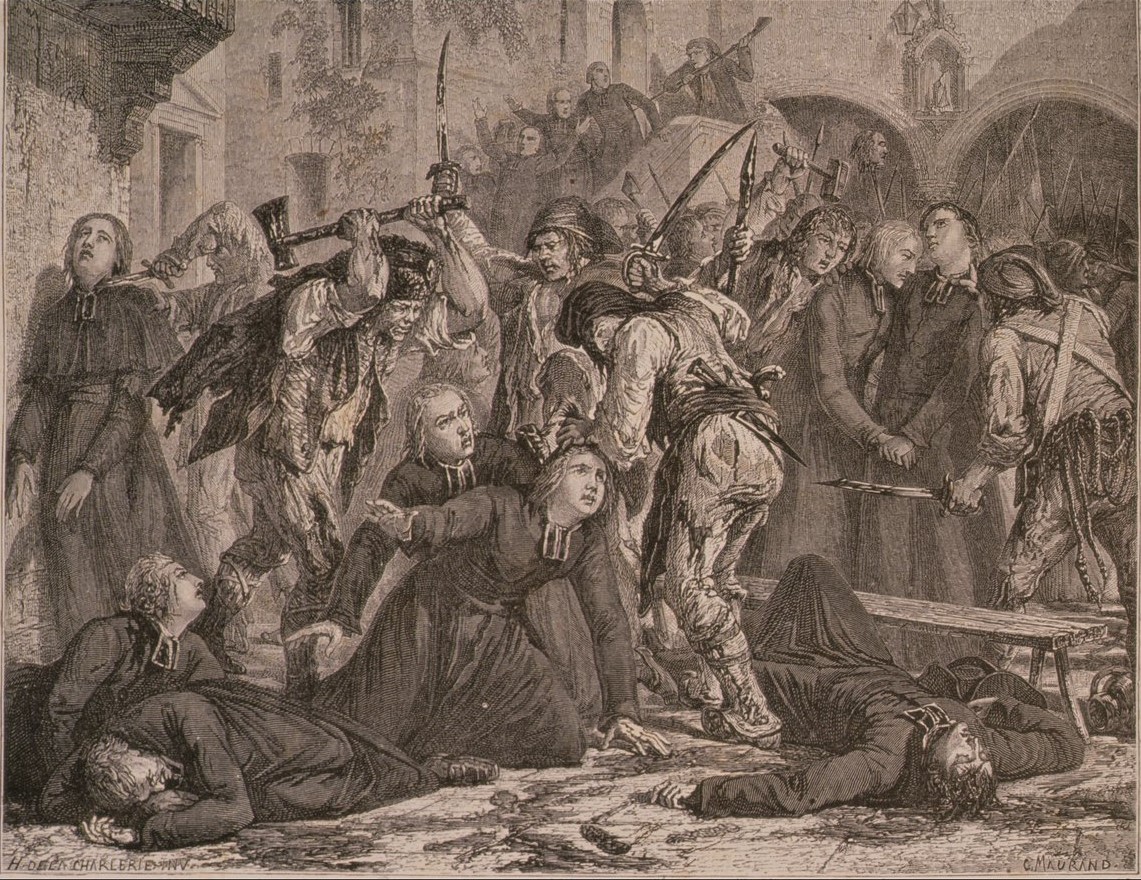
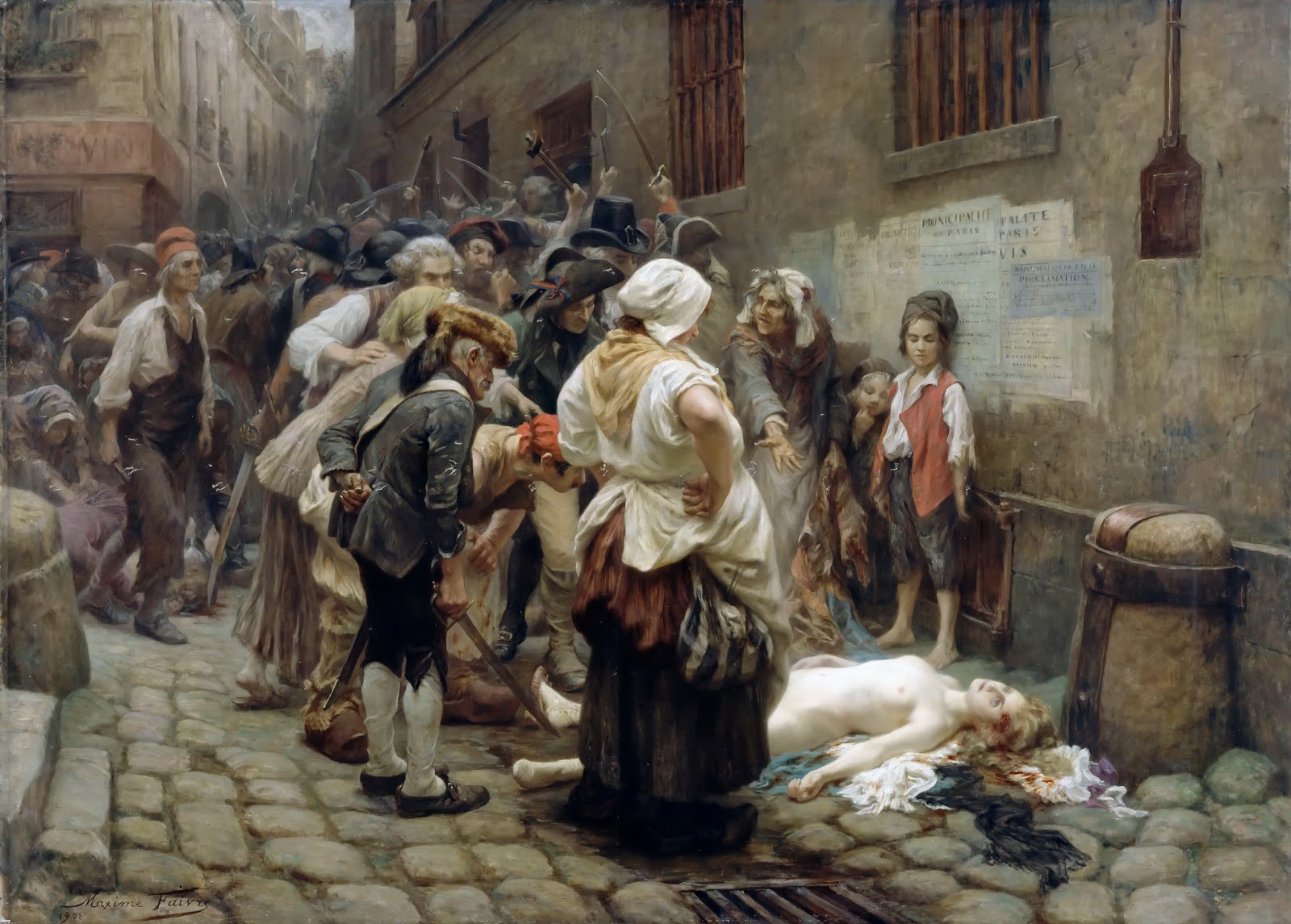
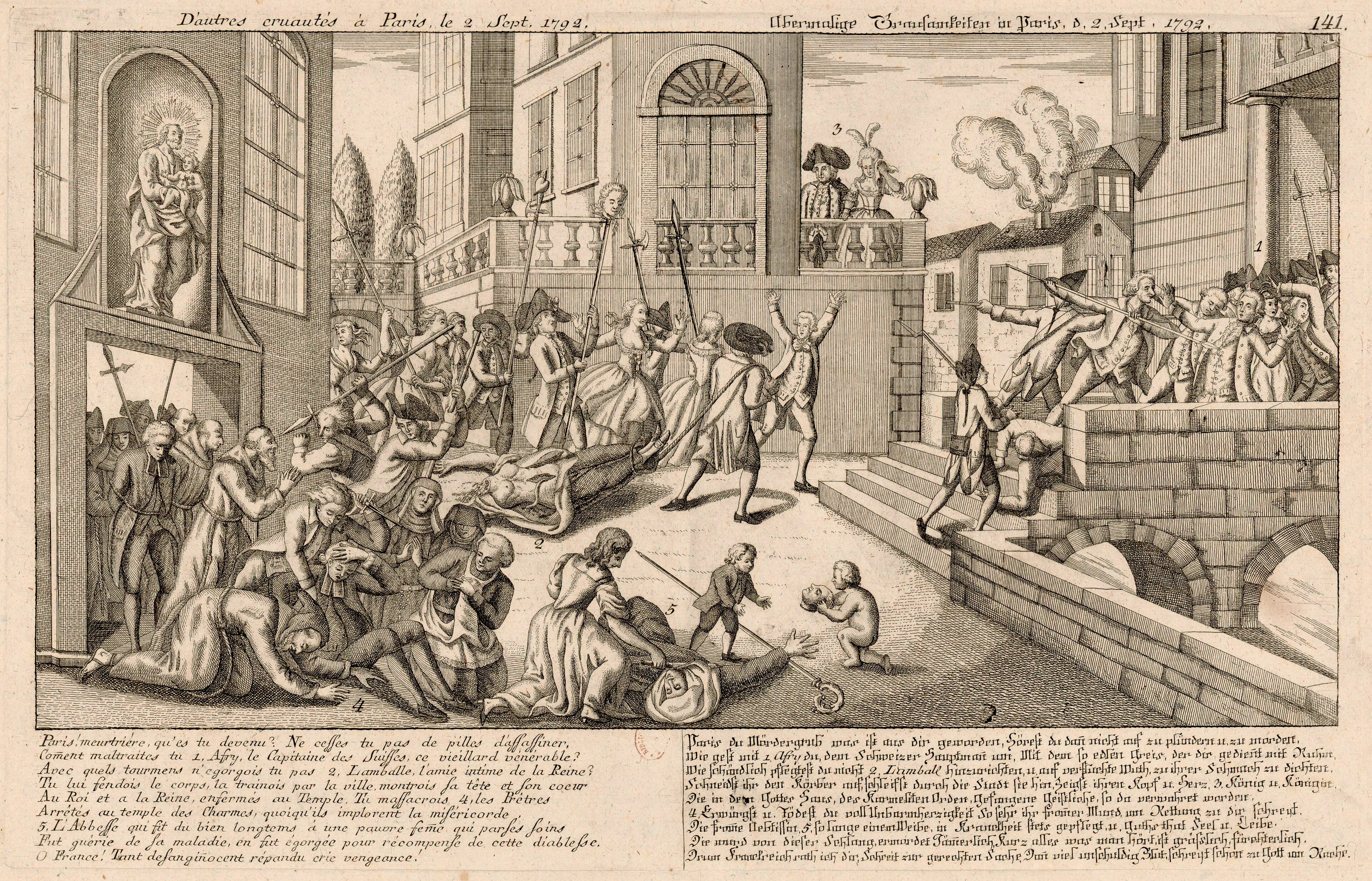
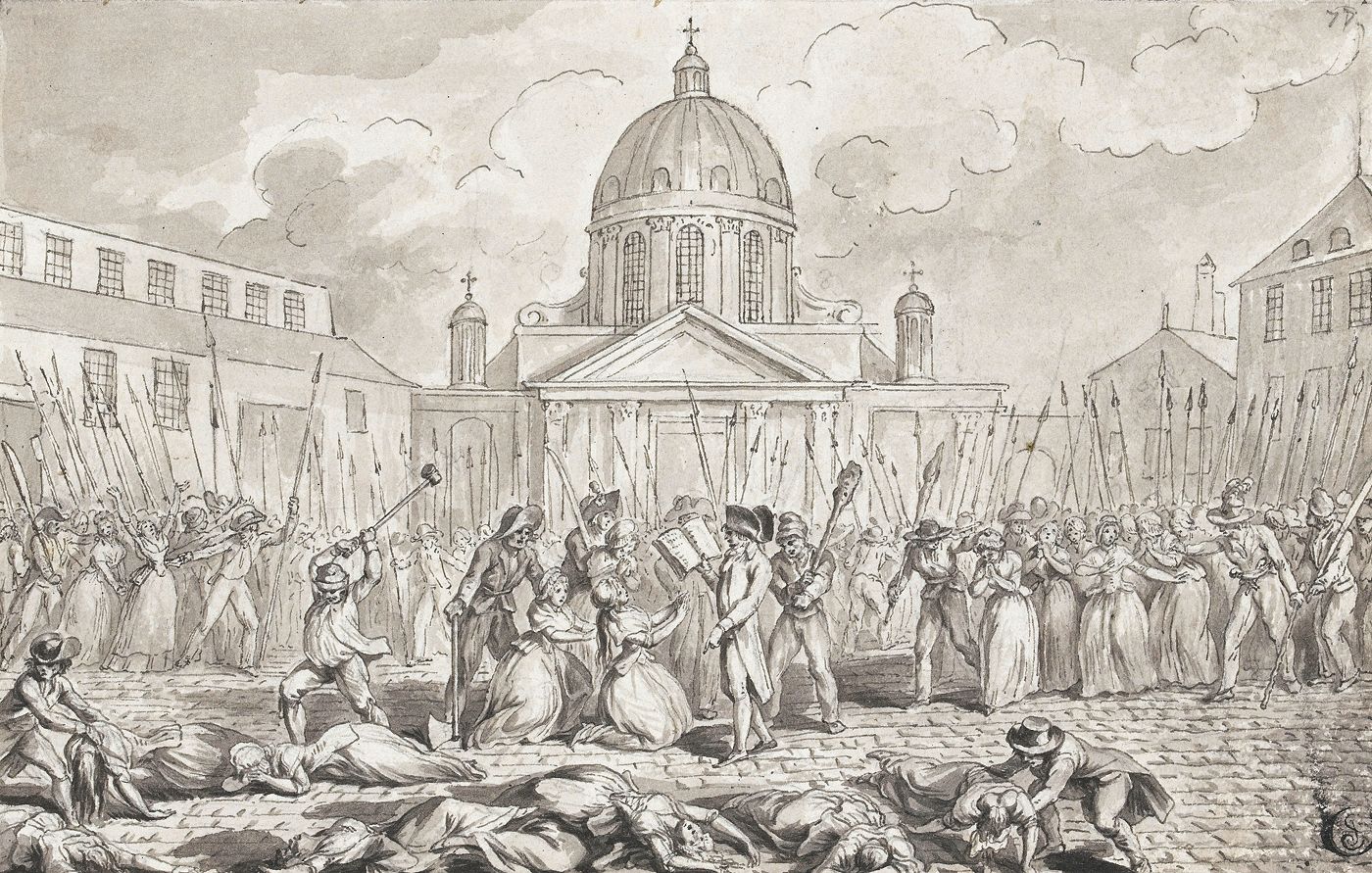
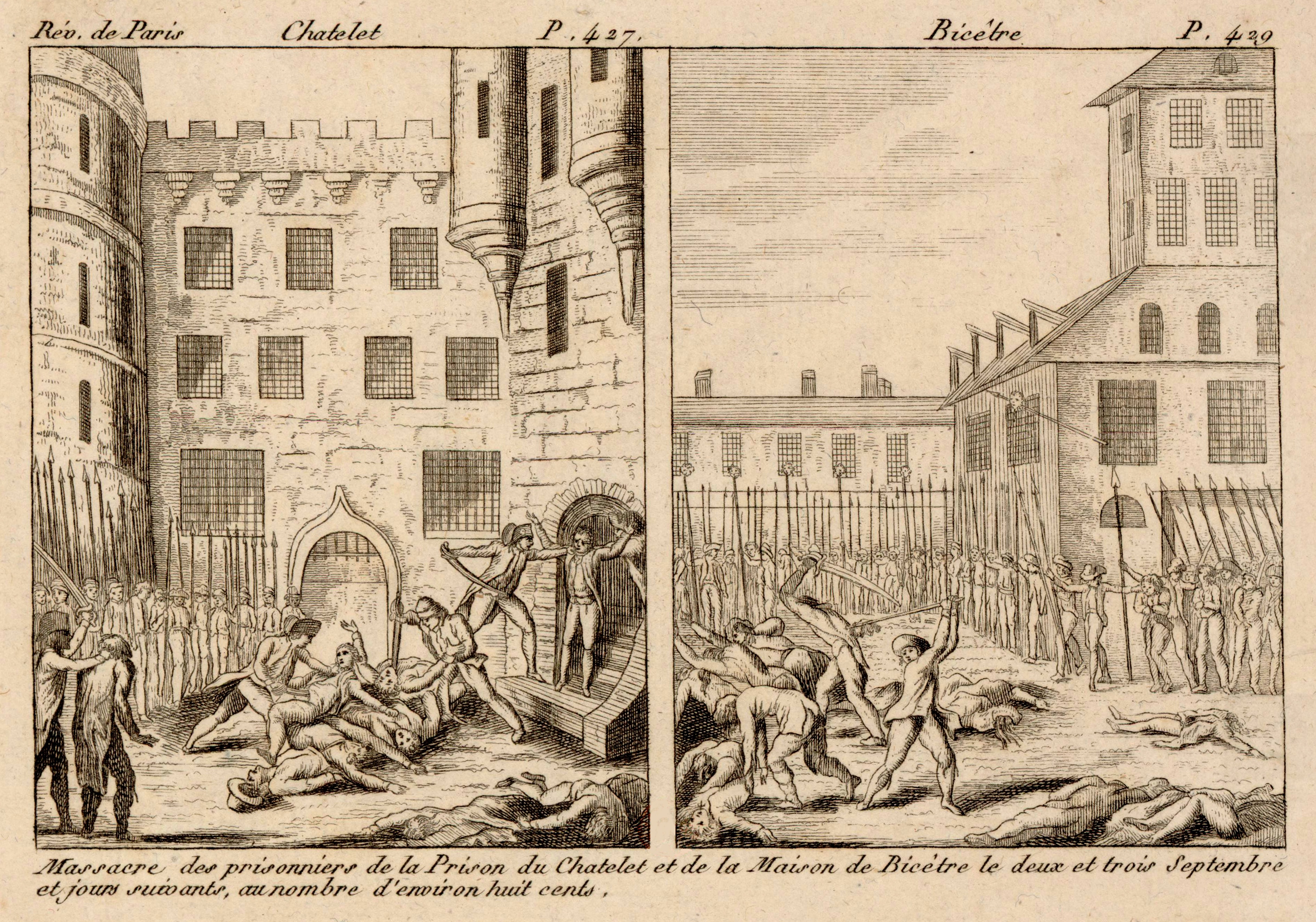
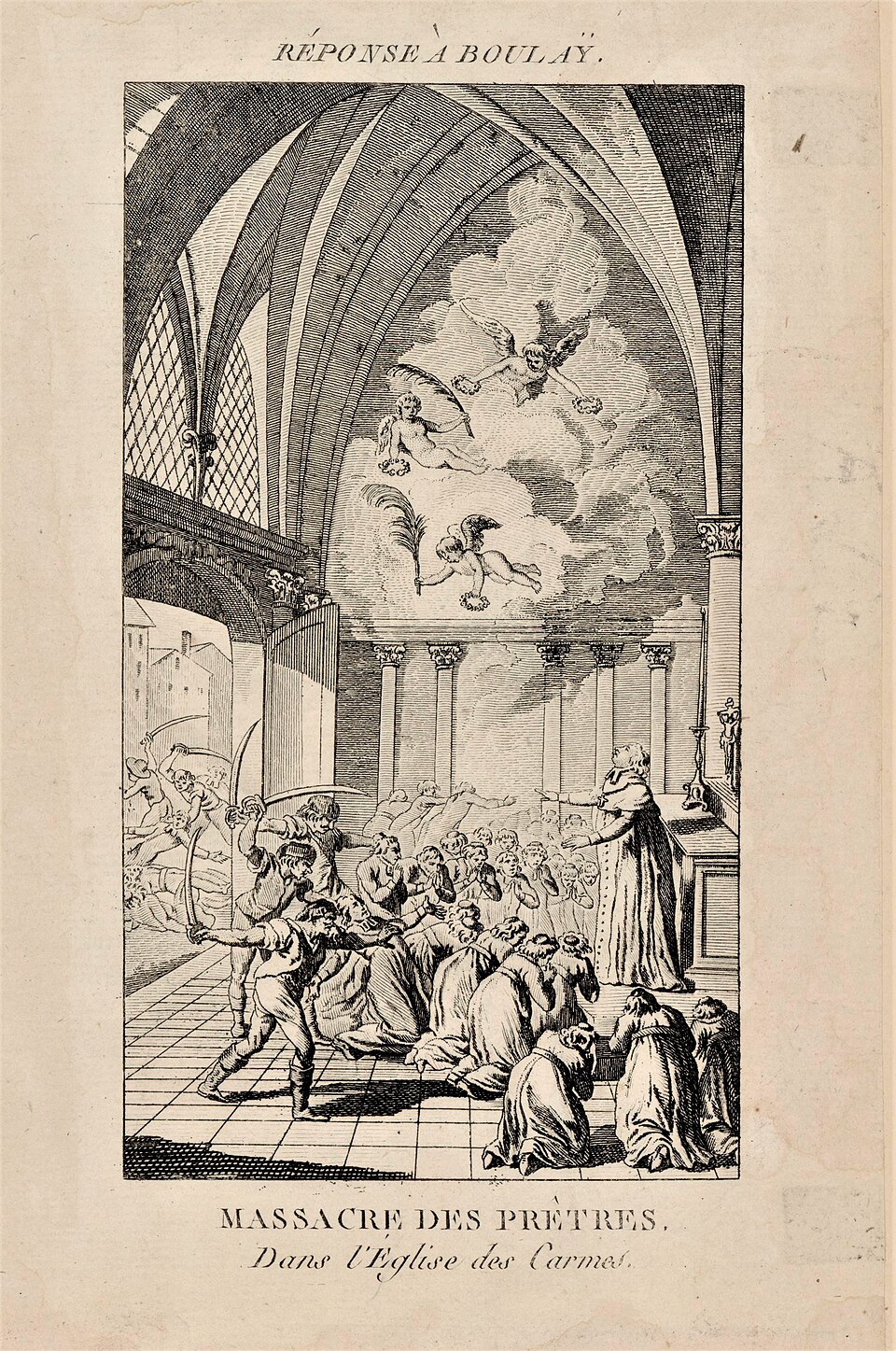
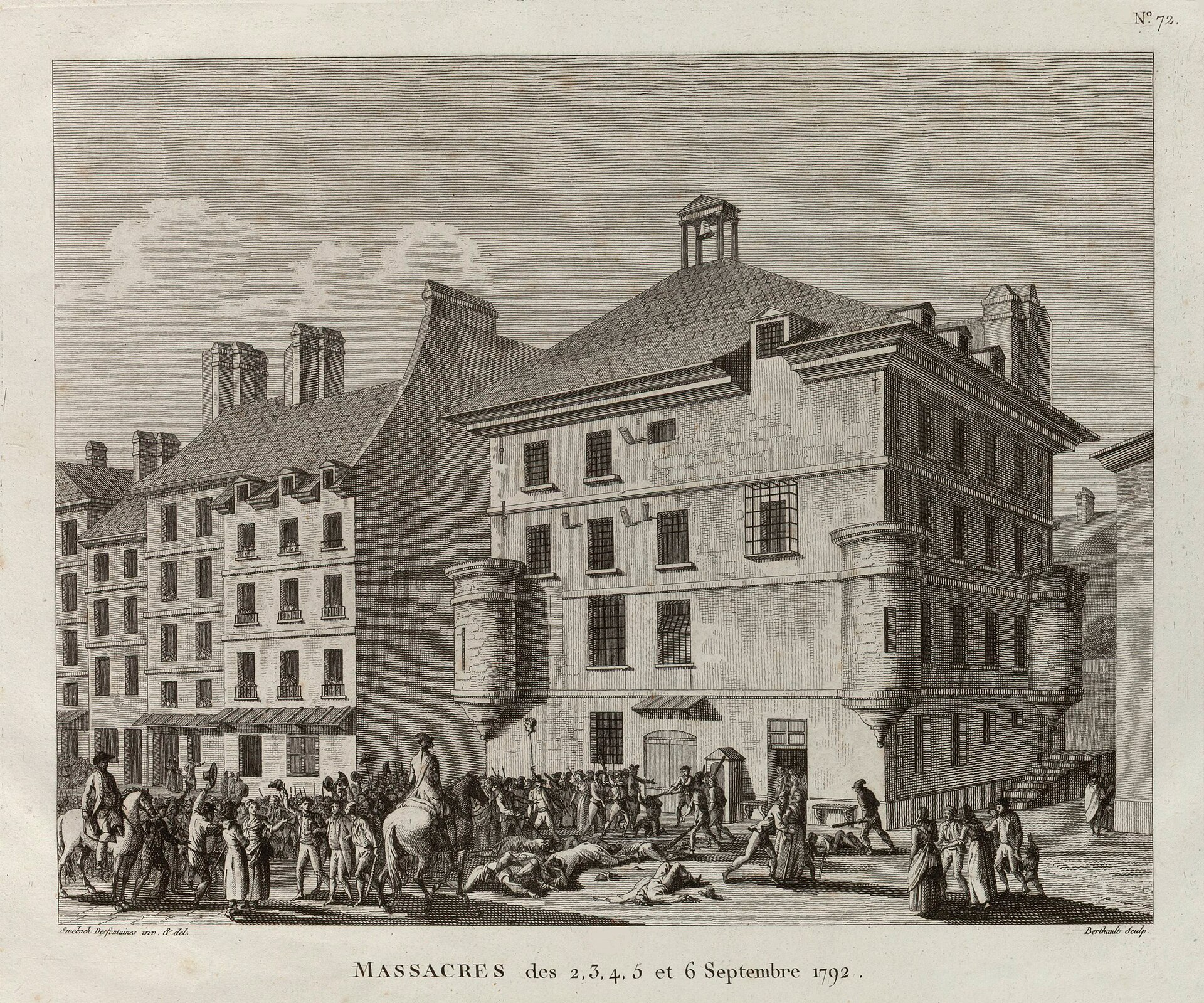
The Couvent des Carmes saw the brutal massacre of 114 priests and nuns in its gardens - in a period of 3 days where 1,400 people were murdered across Paris.
Comments
Loading comments...