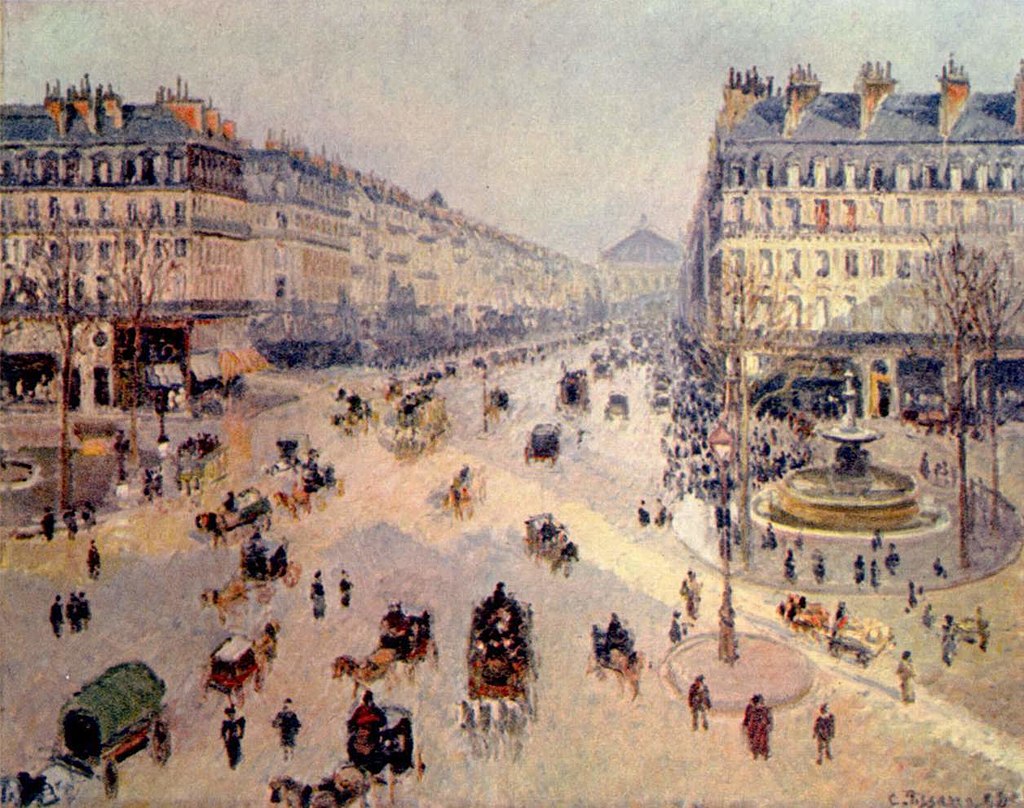


The 19th century brought a remarkable transformation to Paris, shaping much of the city as we know it today.
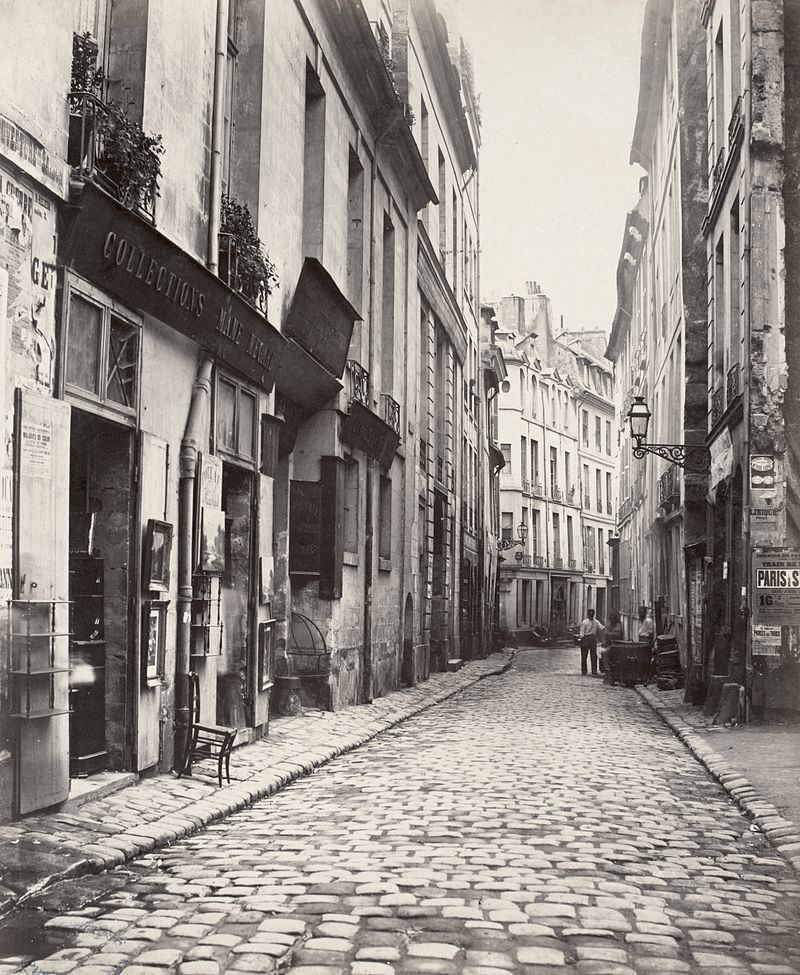
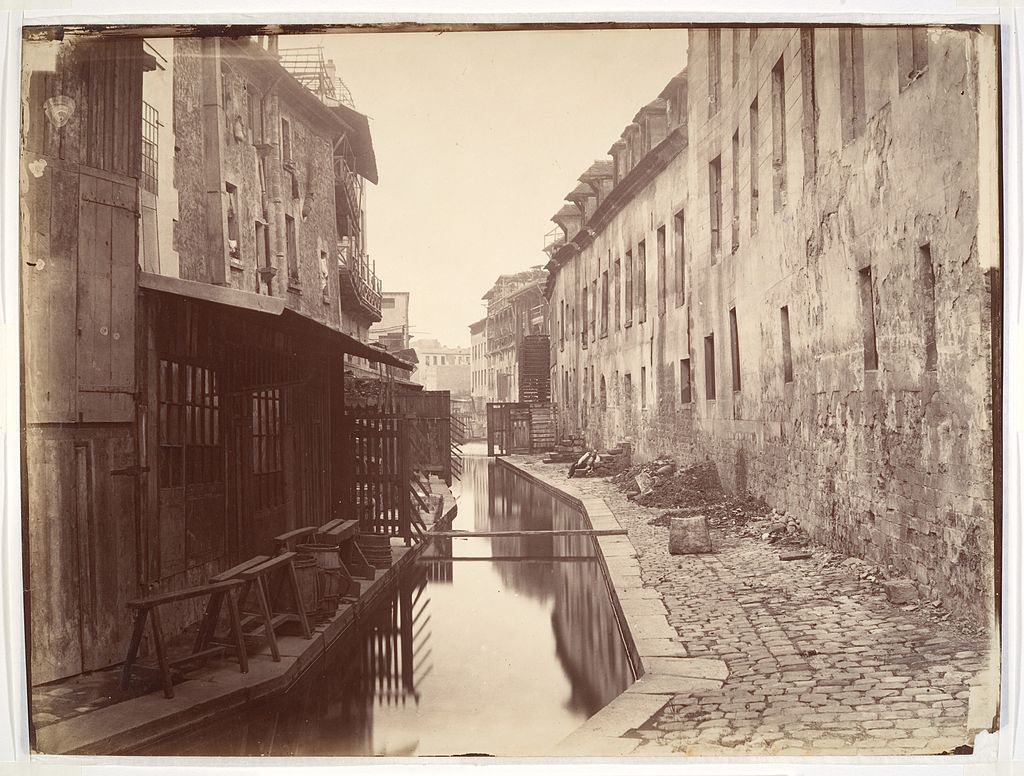
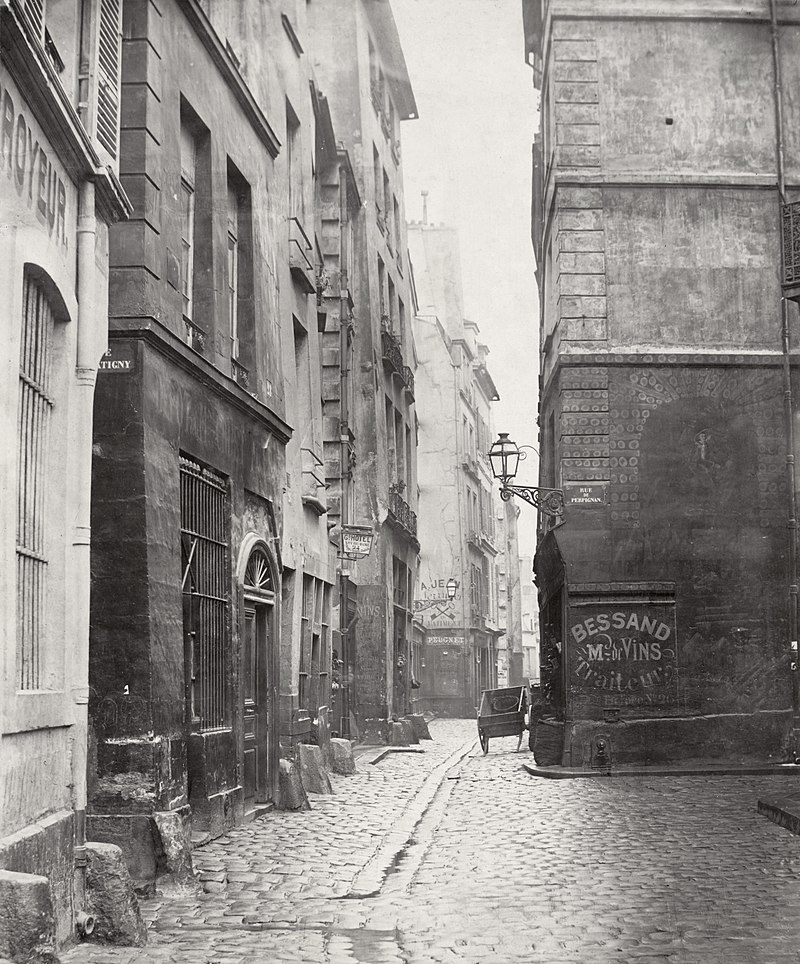
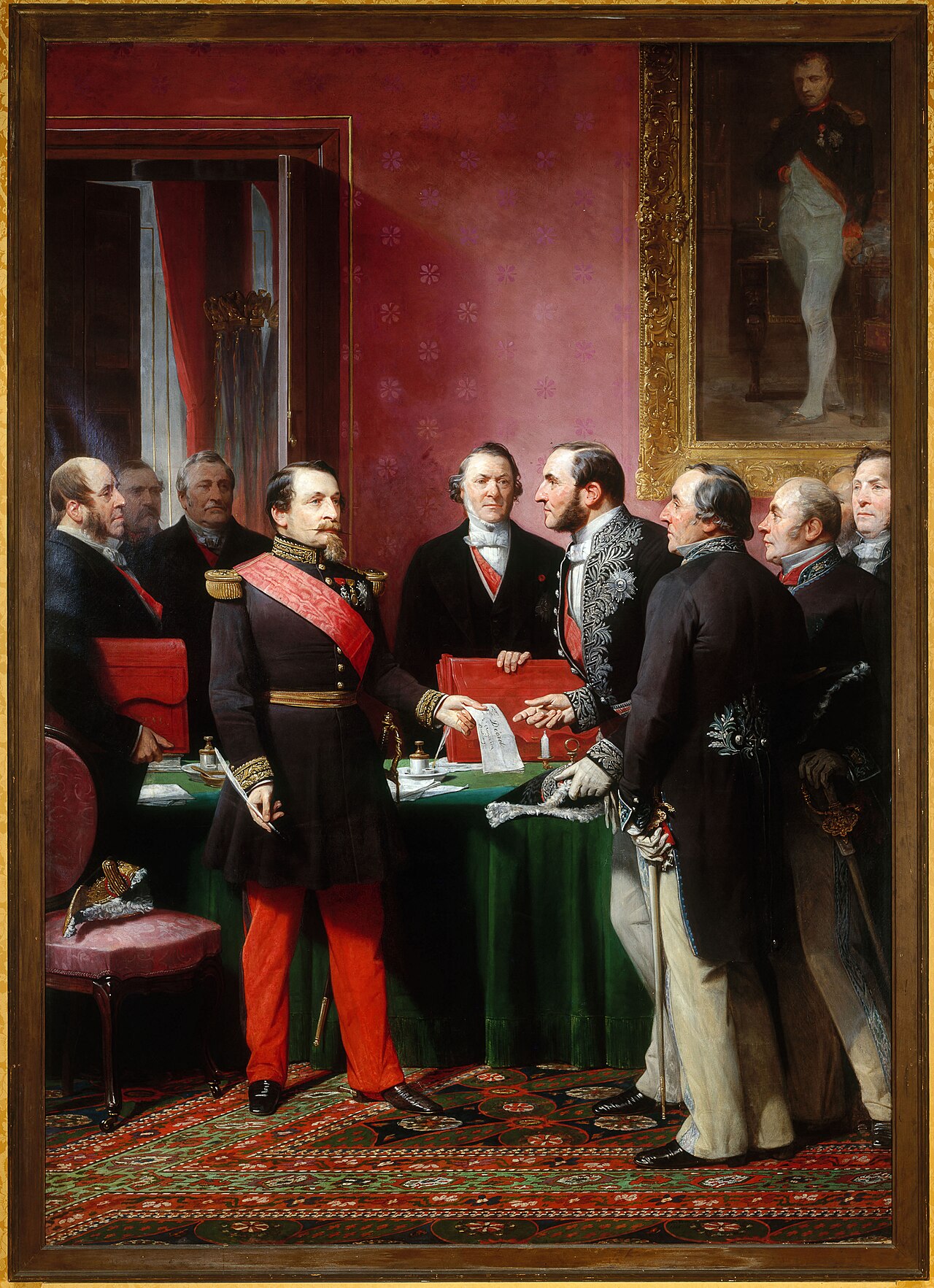
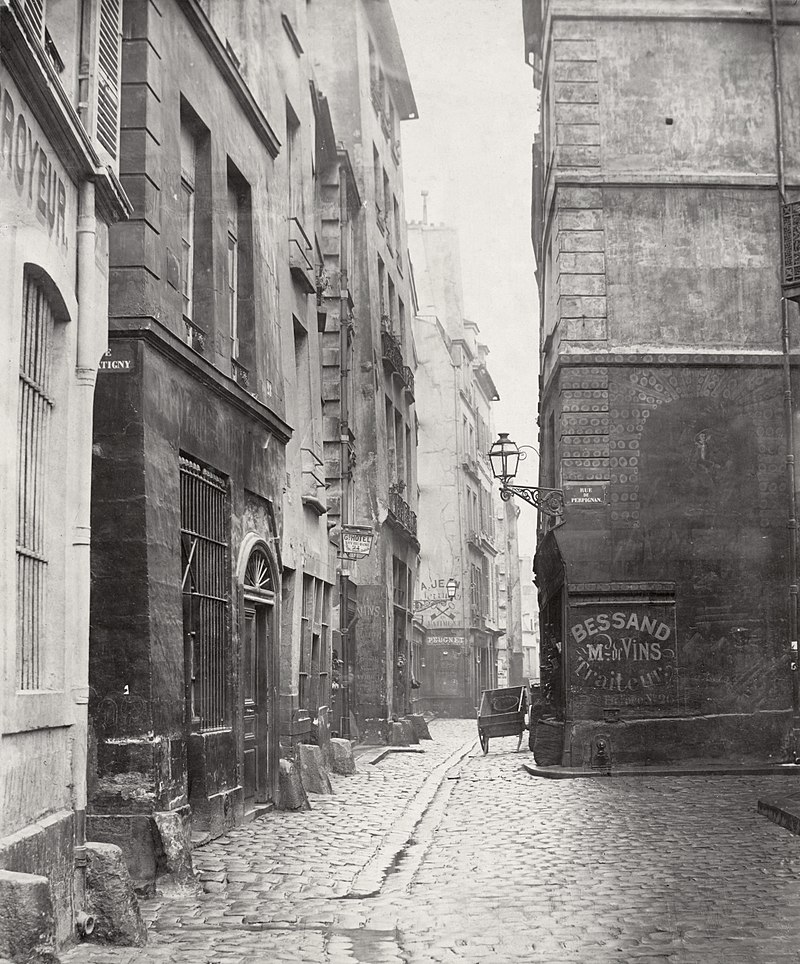
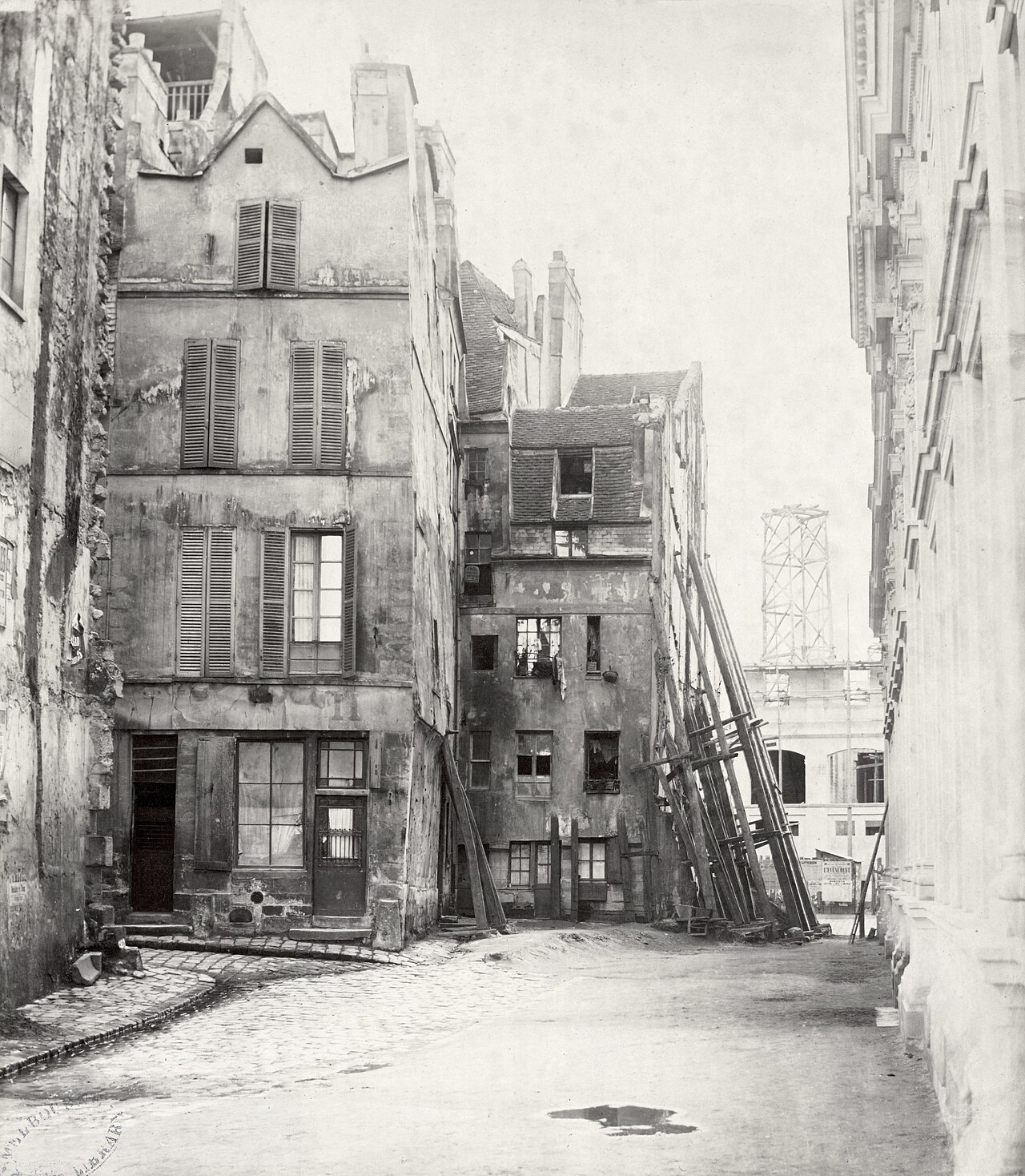
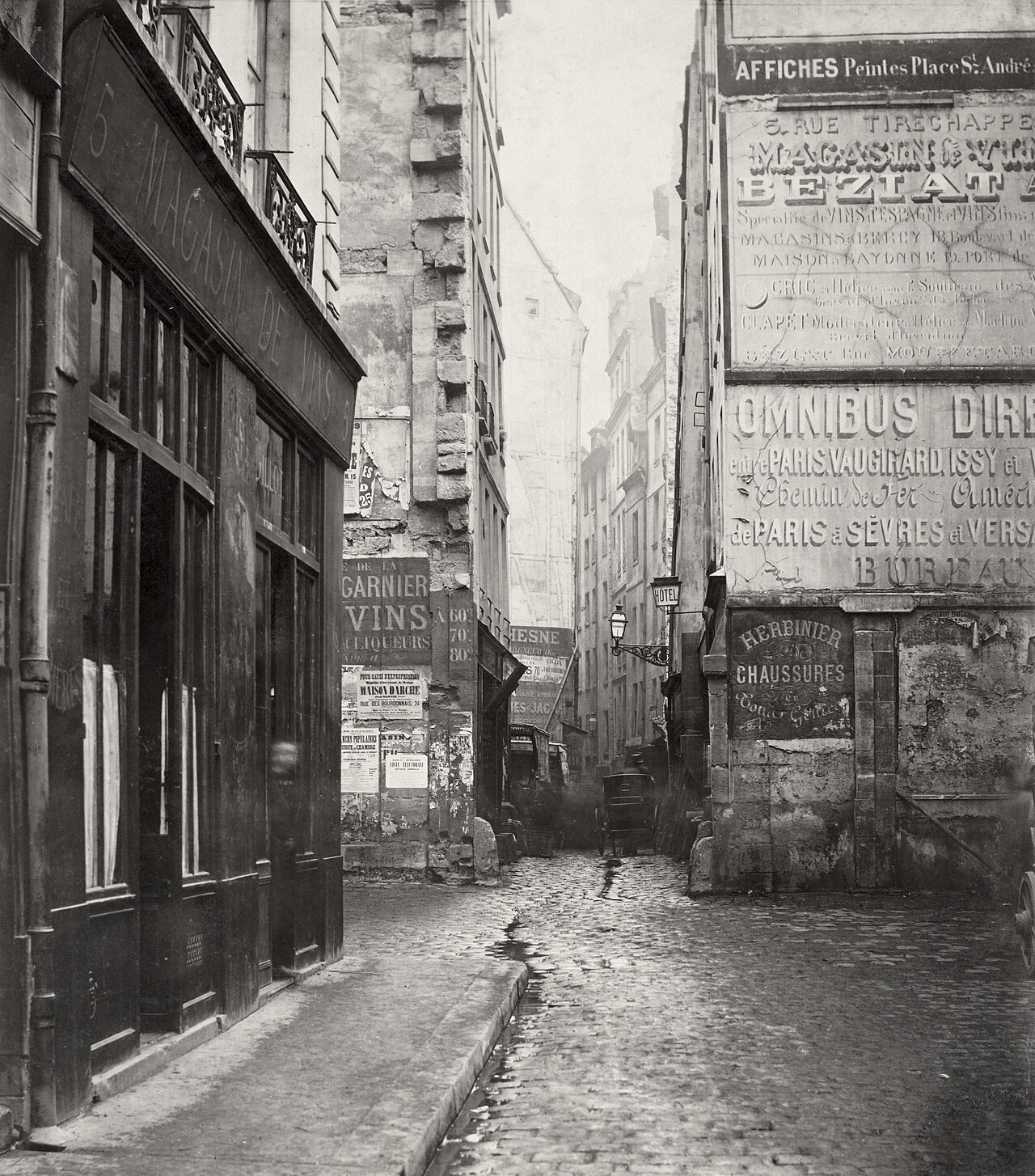
Baron Haussmann, the prefect of Paris, spearheaded a sweeping urban renewal project.
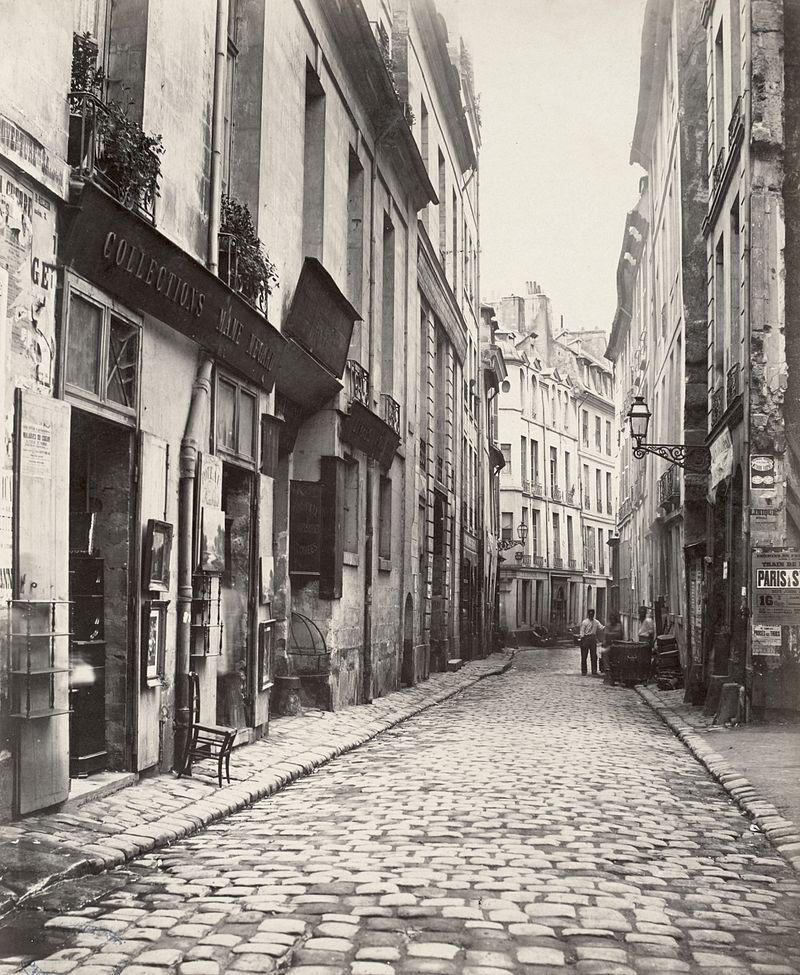
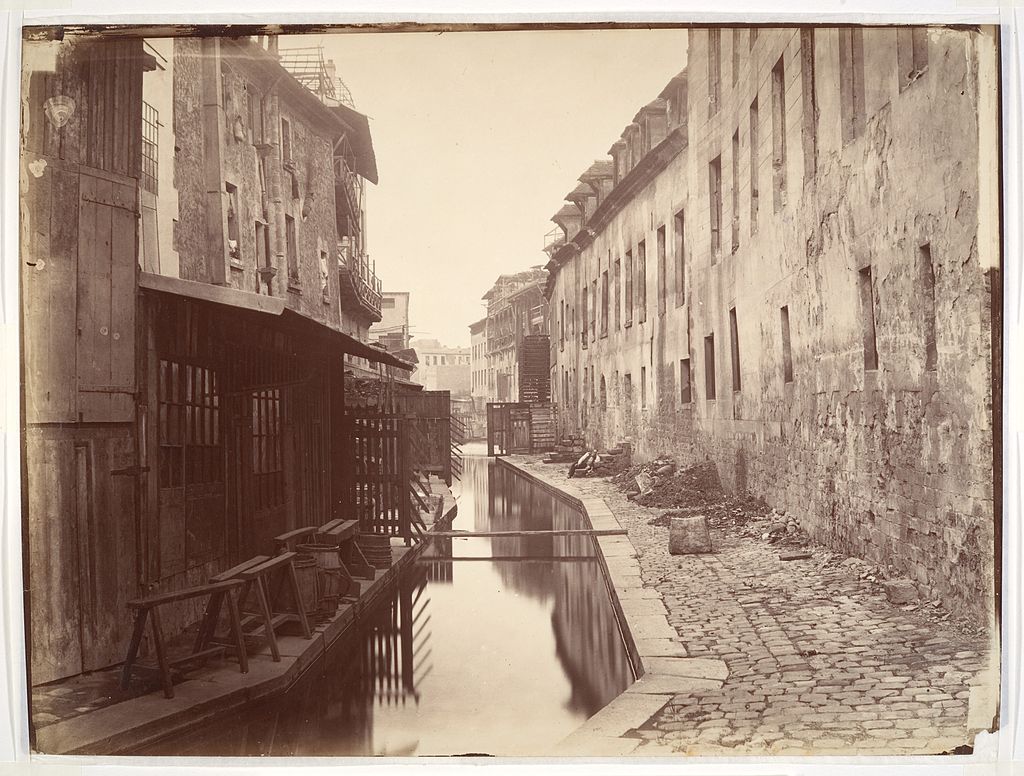
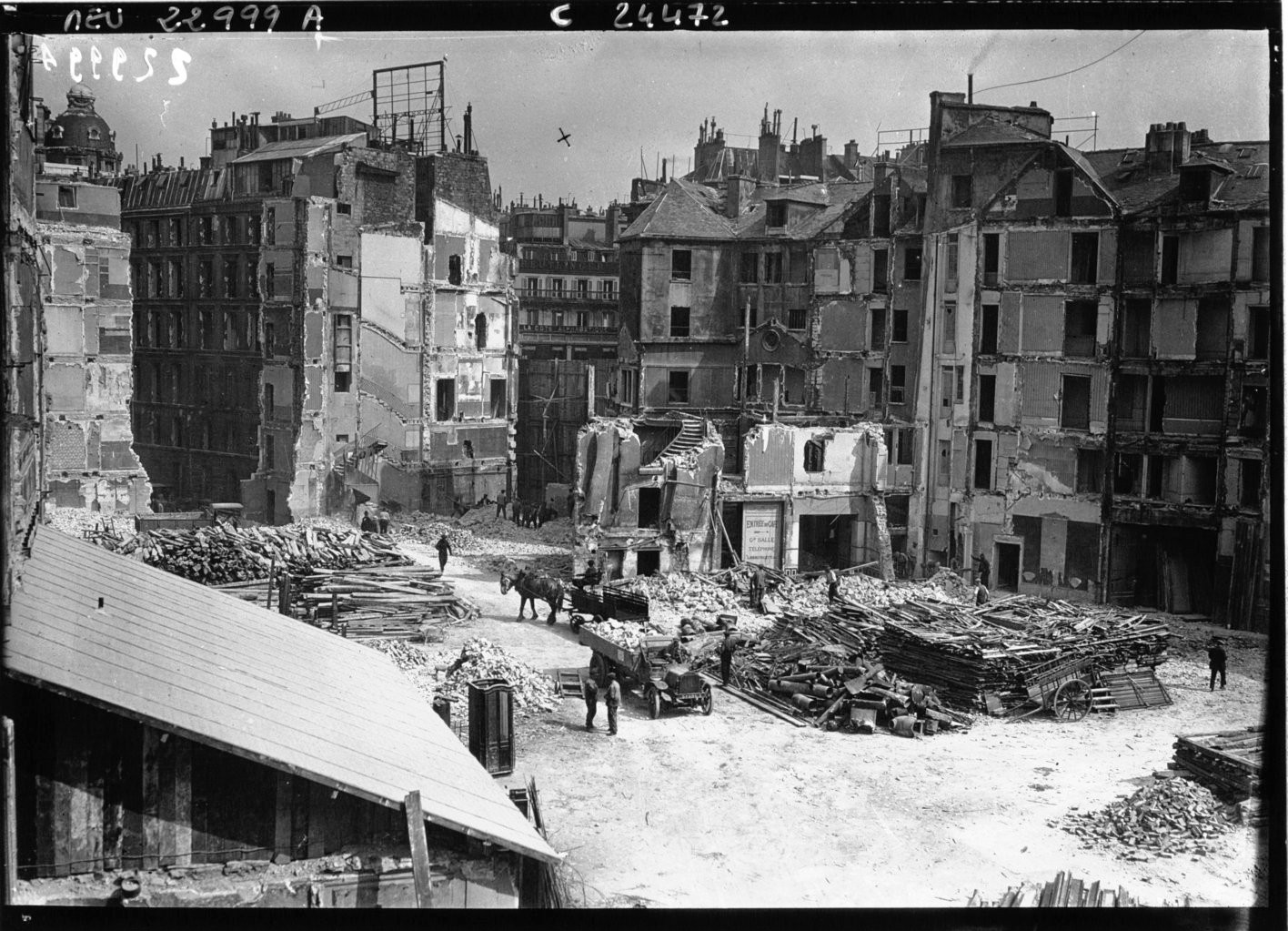
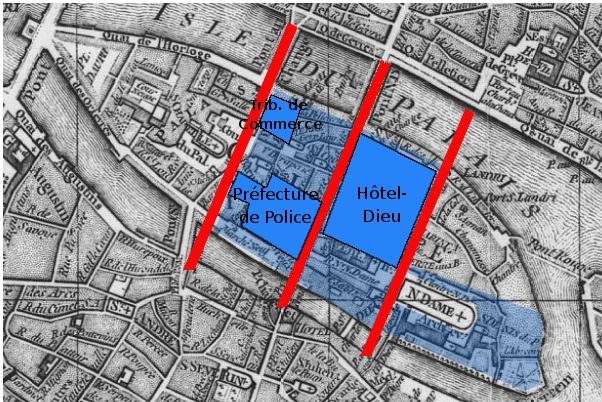
He dismantled the medieval quarters of the city.
In total, 19,000 buildings were demolished and 34,000 new ones created!
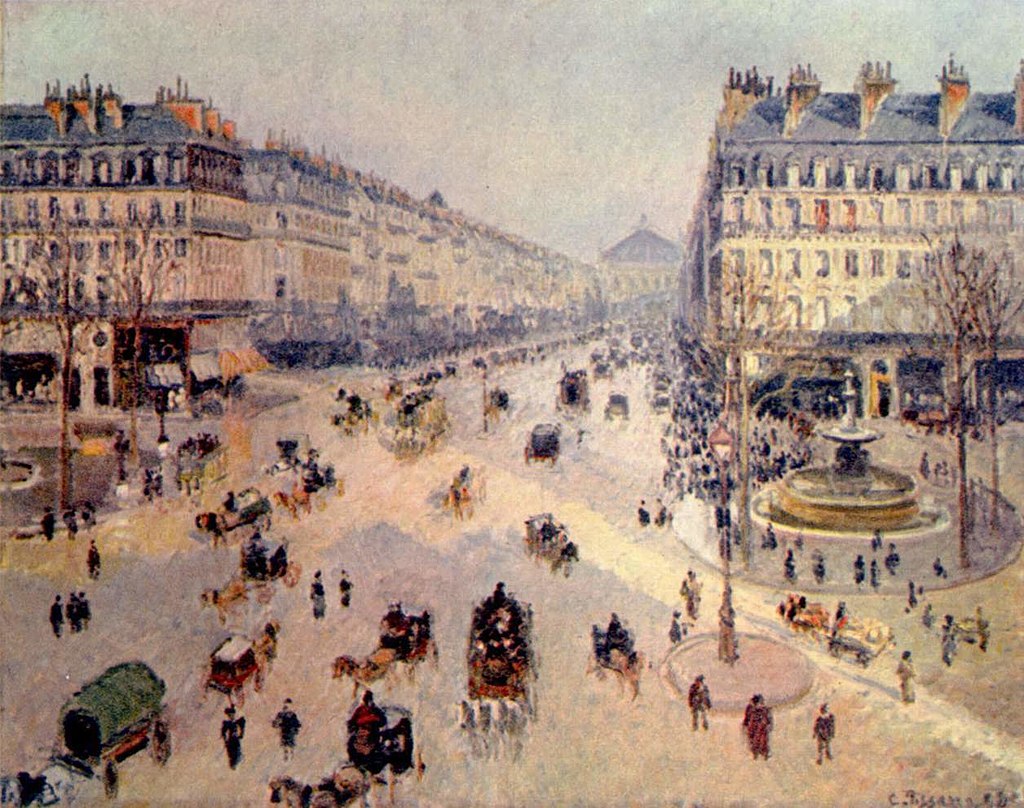
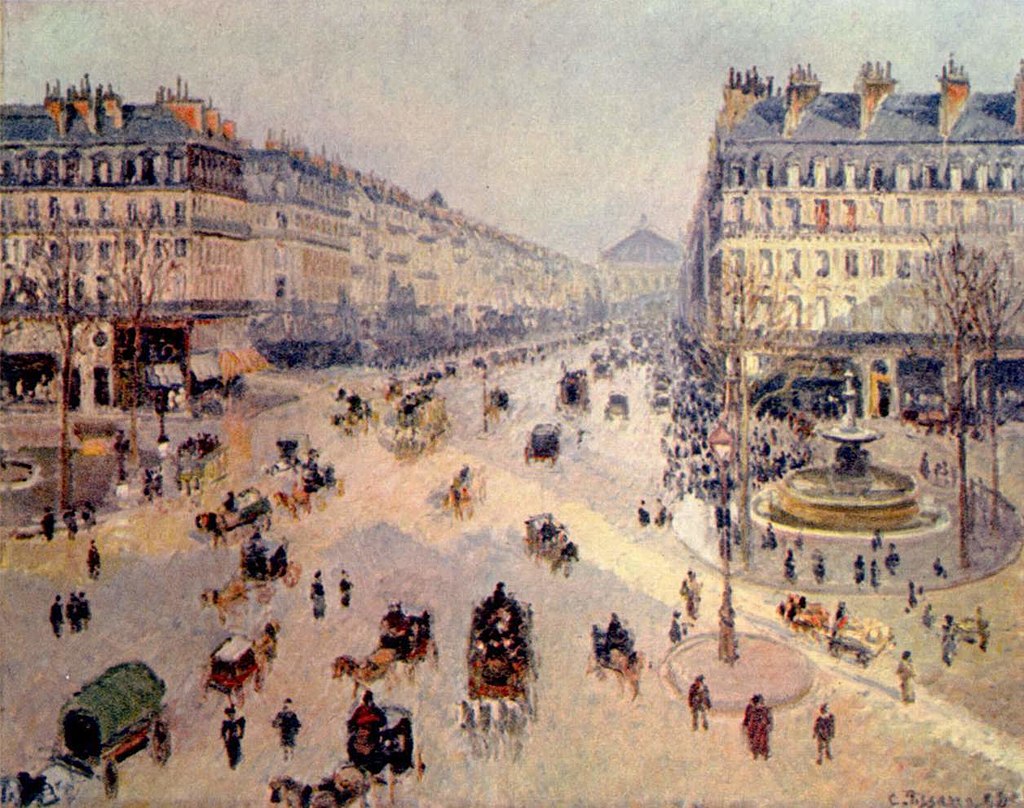
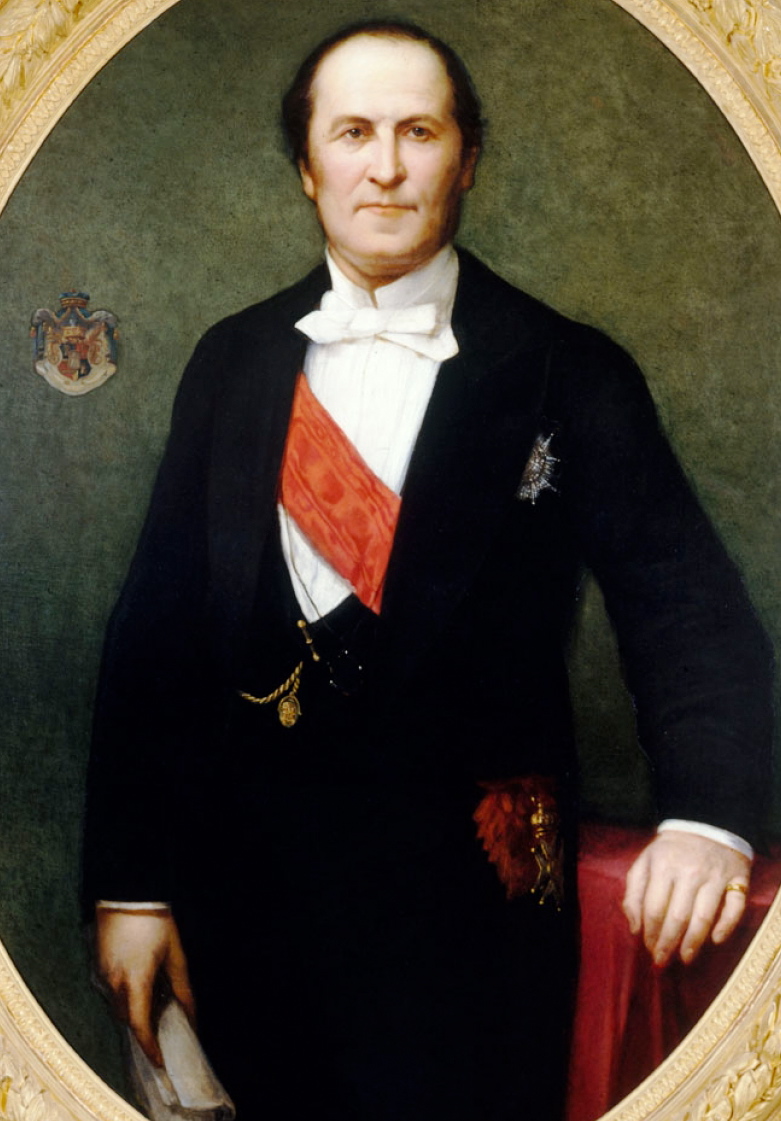
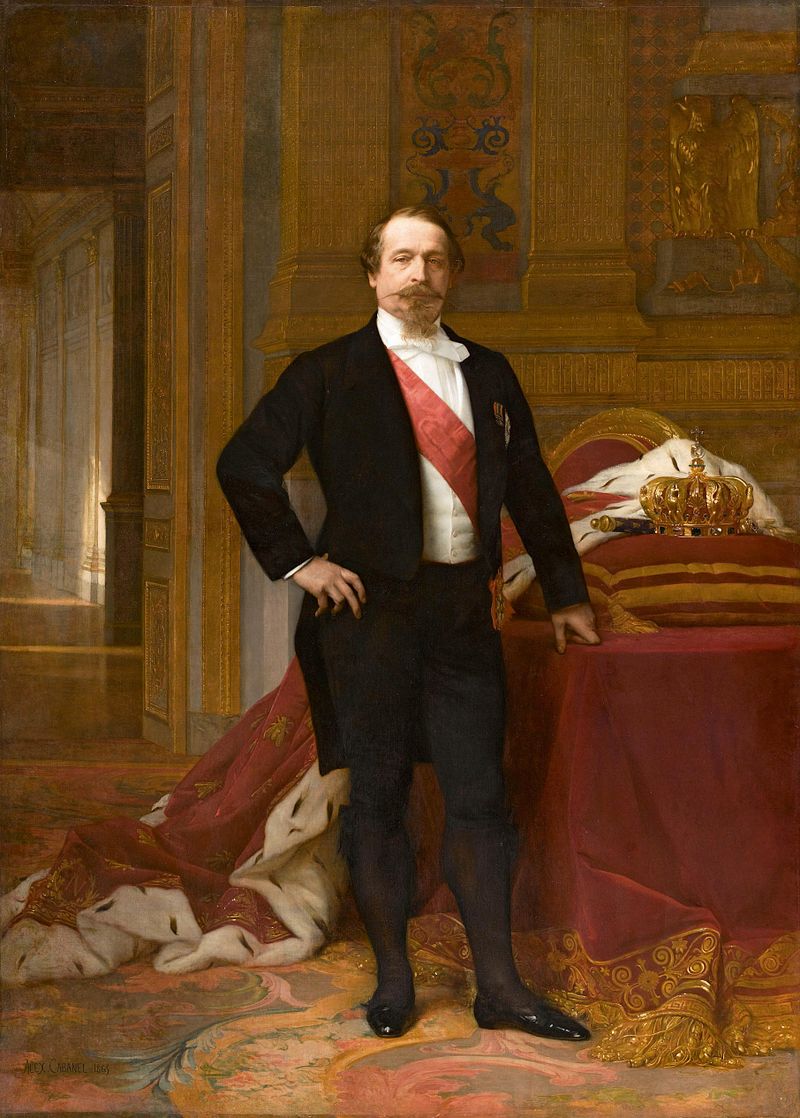
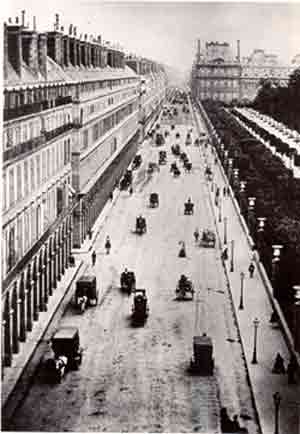
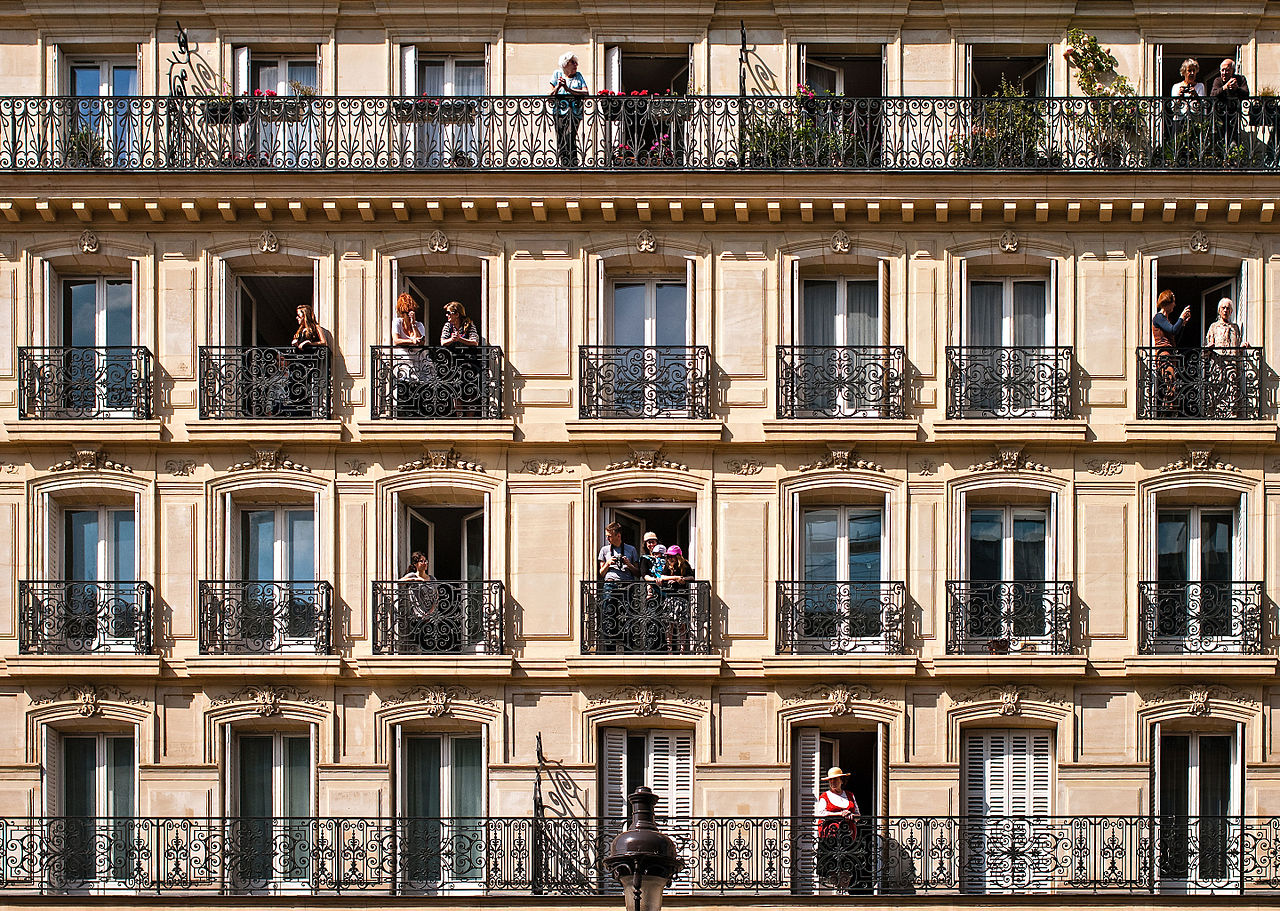
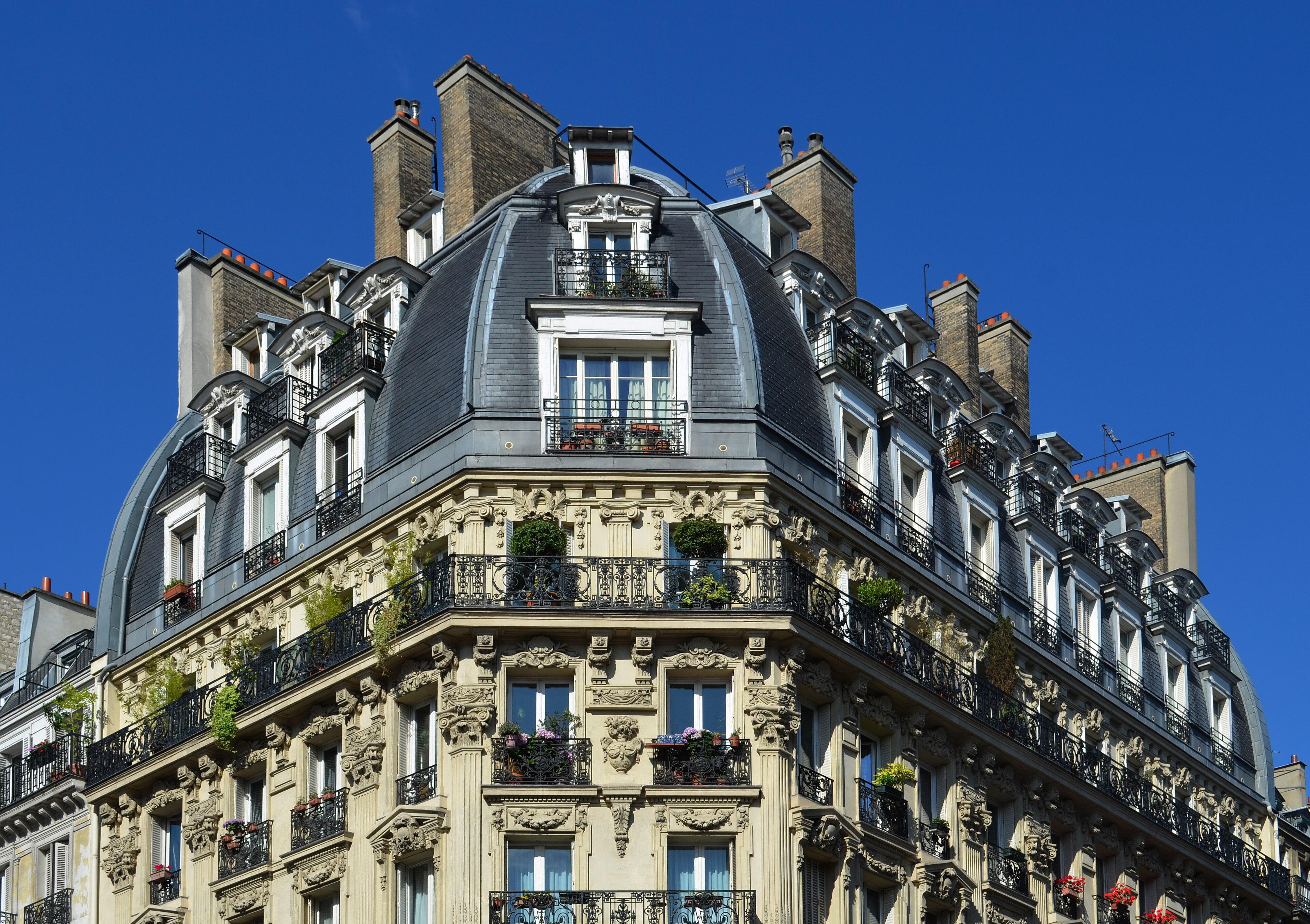
One of his most enduring legacies is the uniformity in Parisian architecture.
He mandated that all buildings be constructed from the same stone, adhere to a uniform height, and follow a cohesive architectural style.
This consistency has come to define the distinctive architectural style of Paris as we know it today.
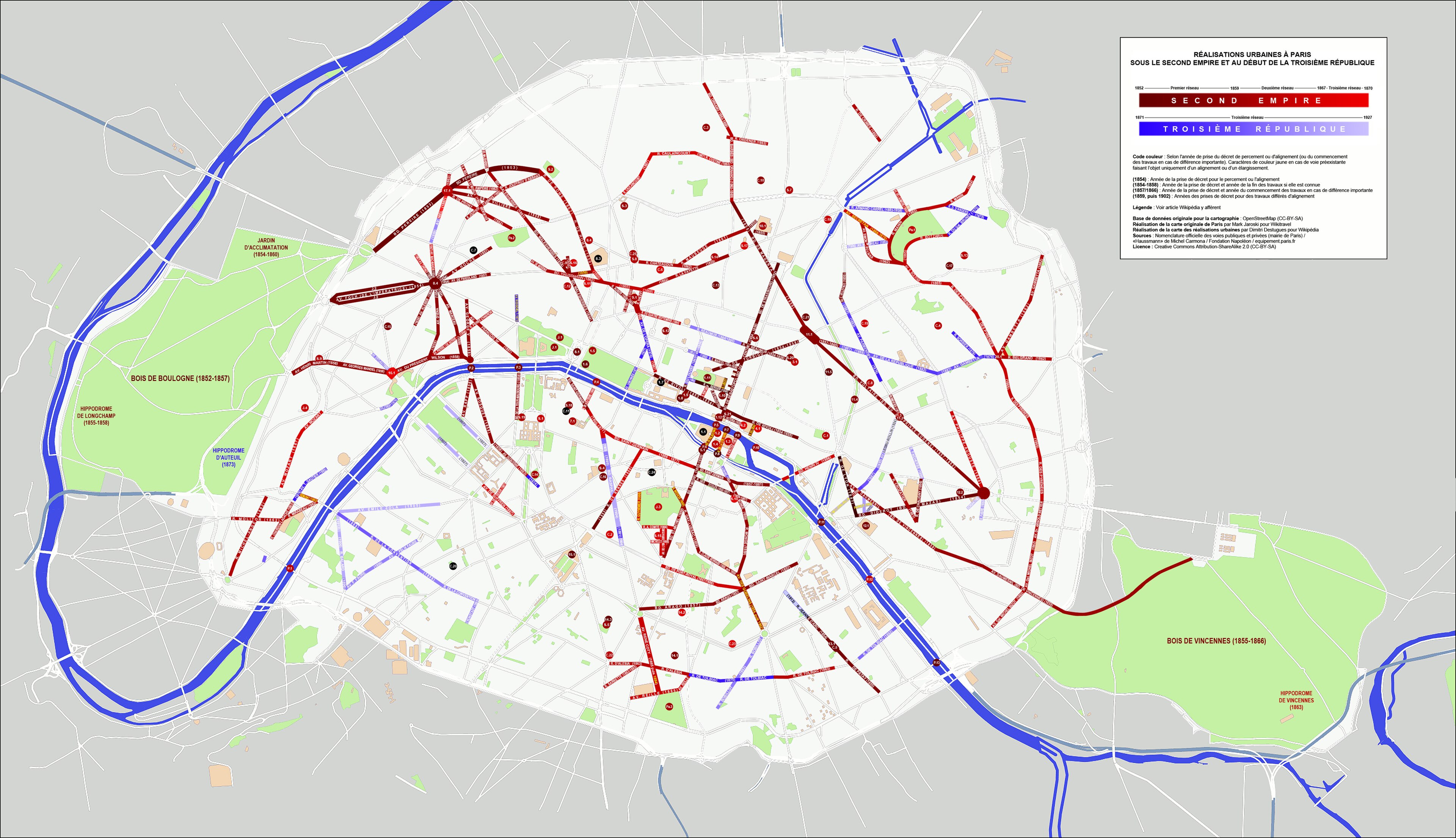
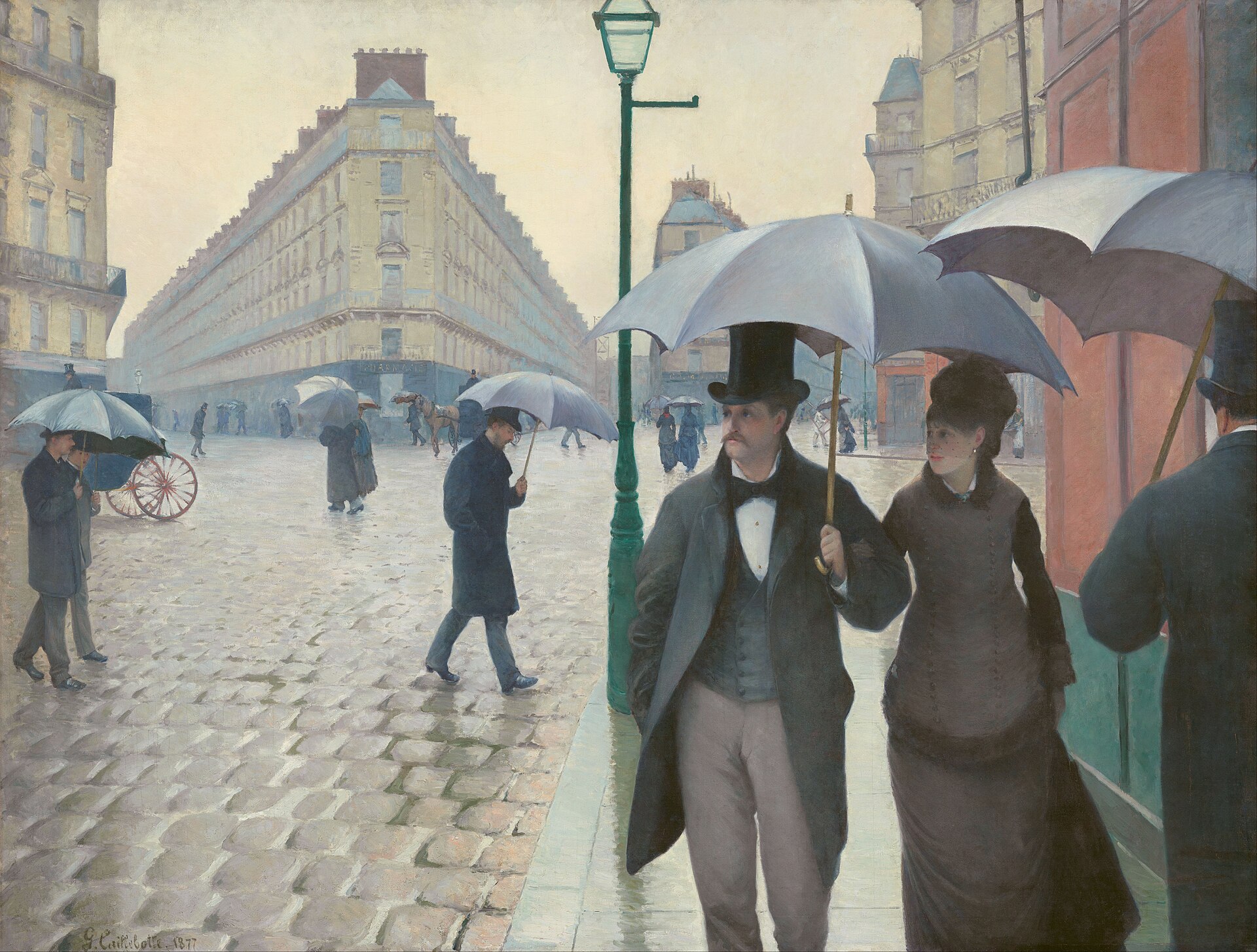
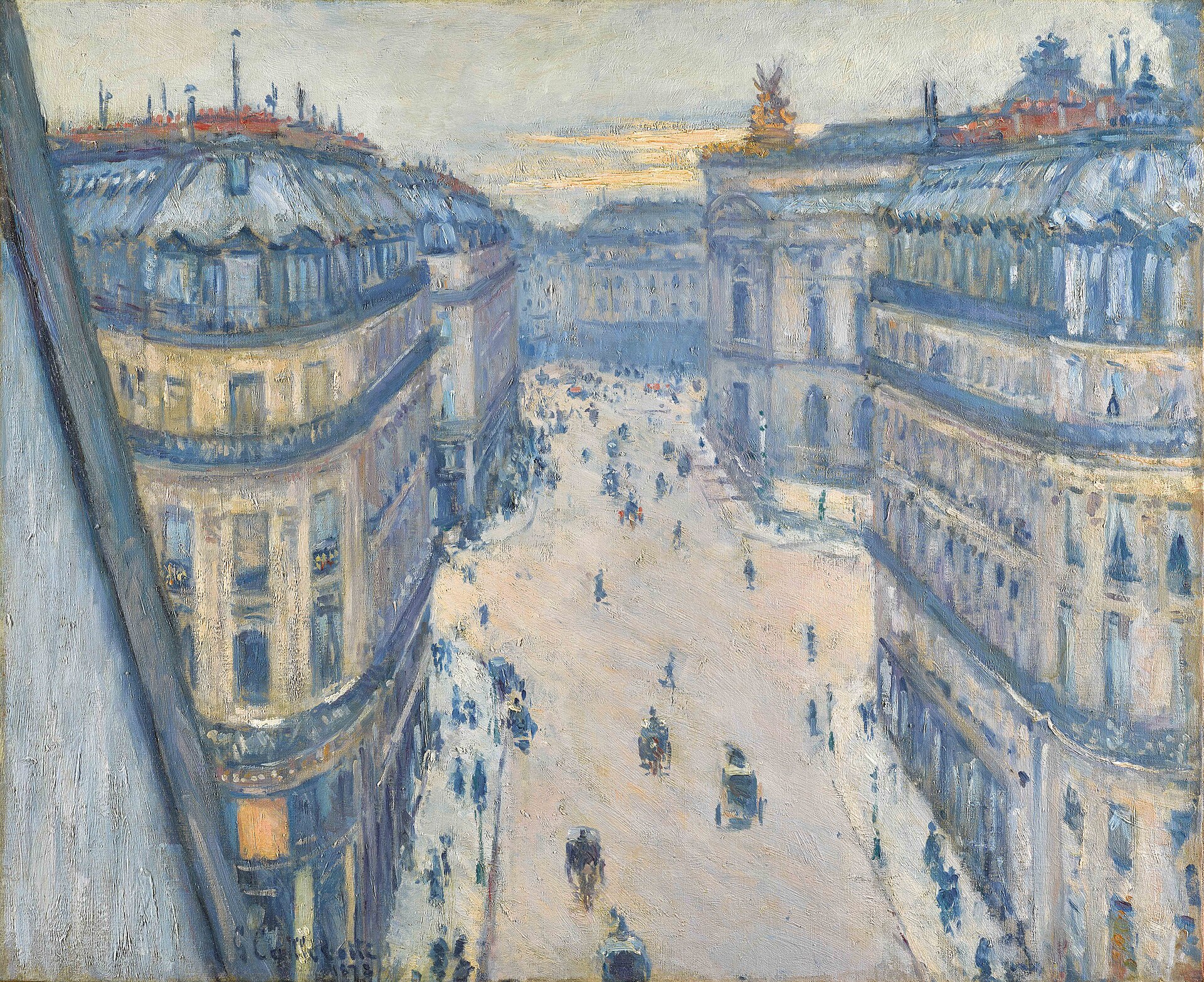
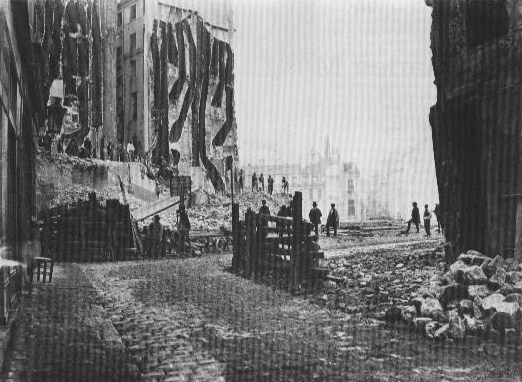
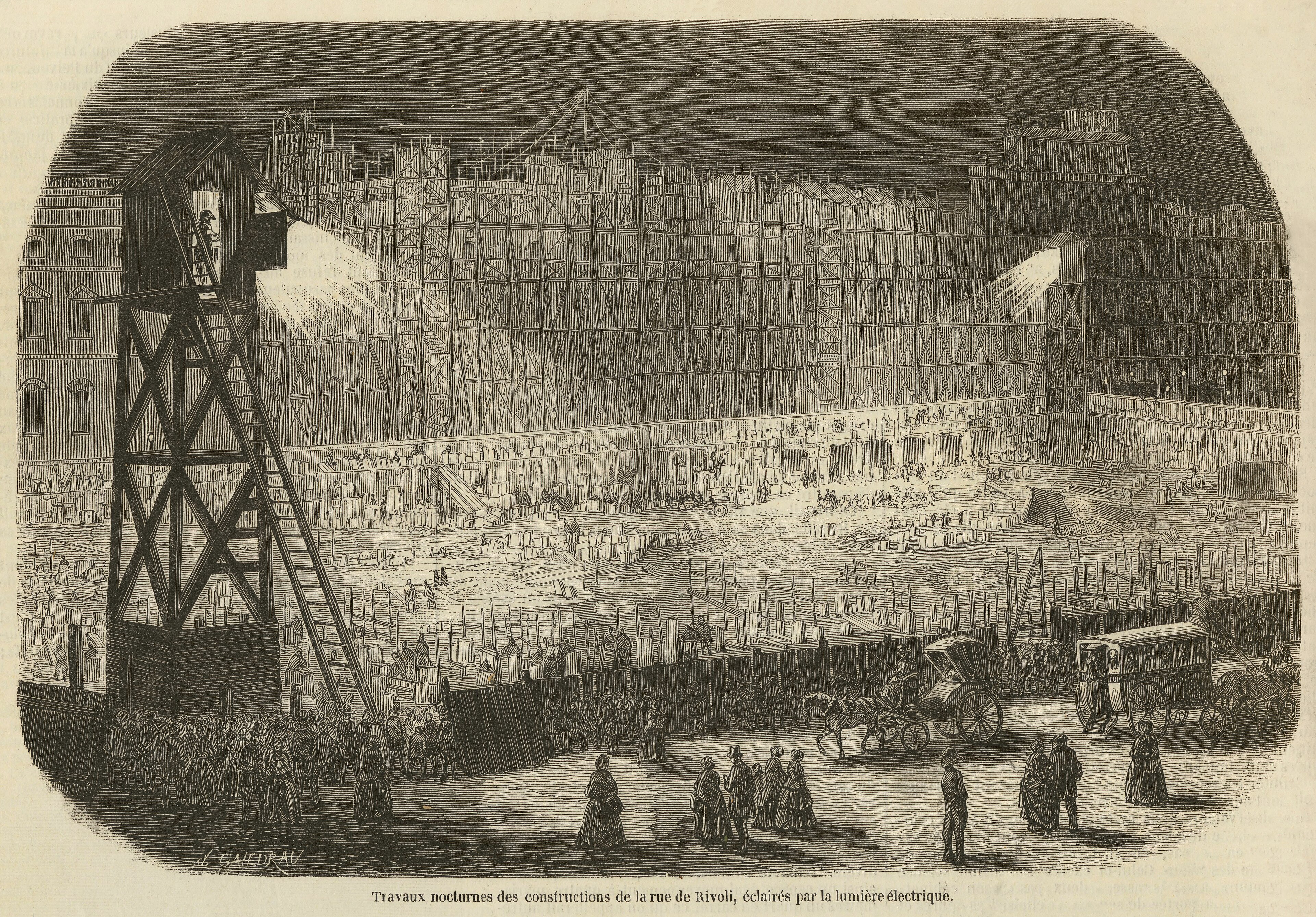
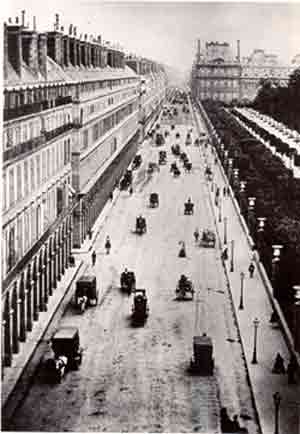
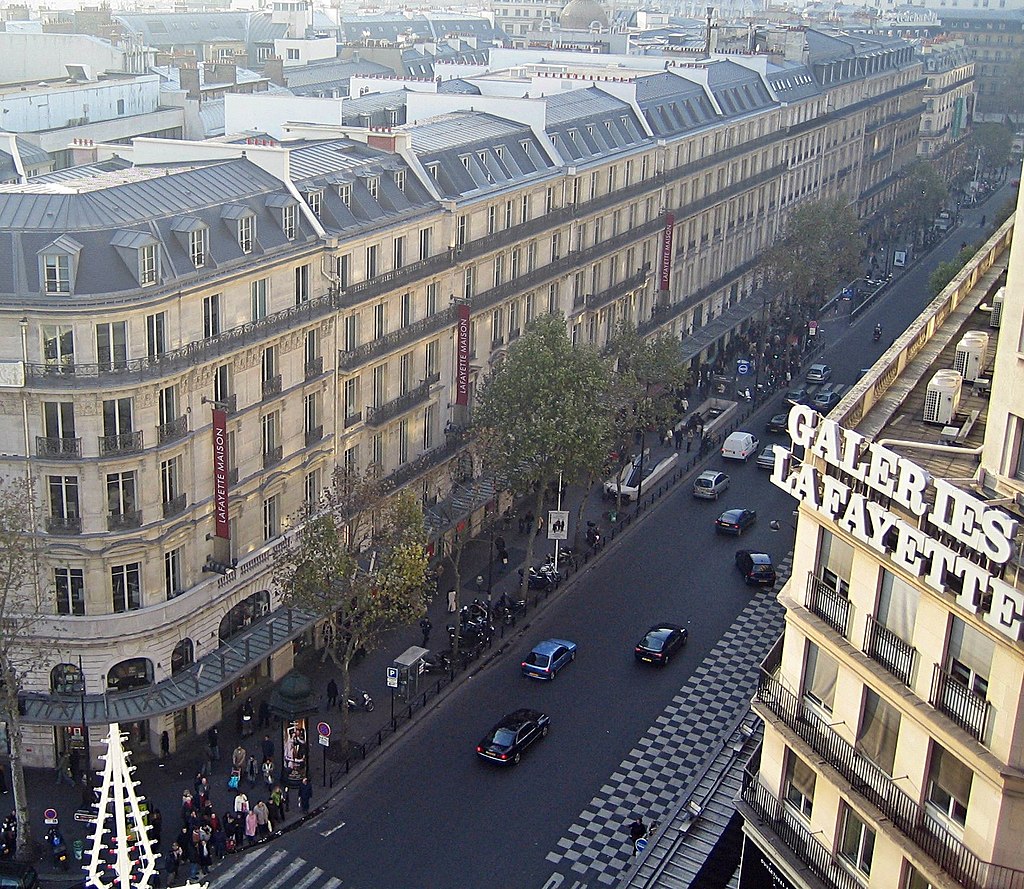
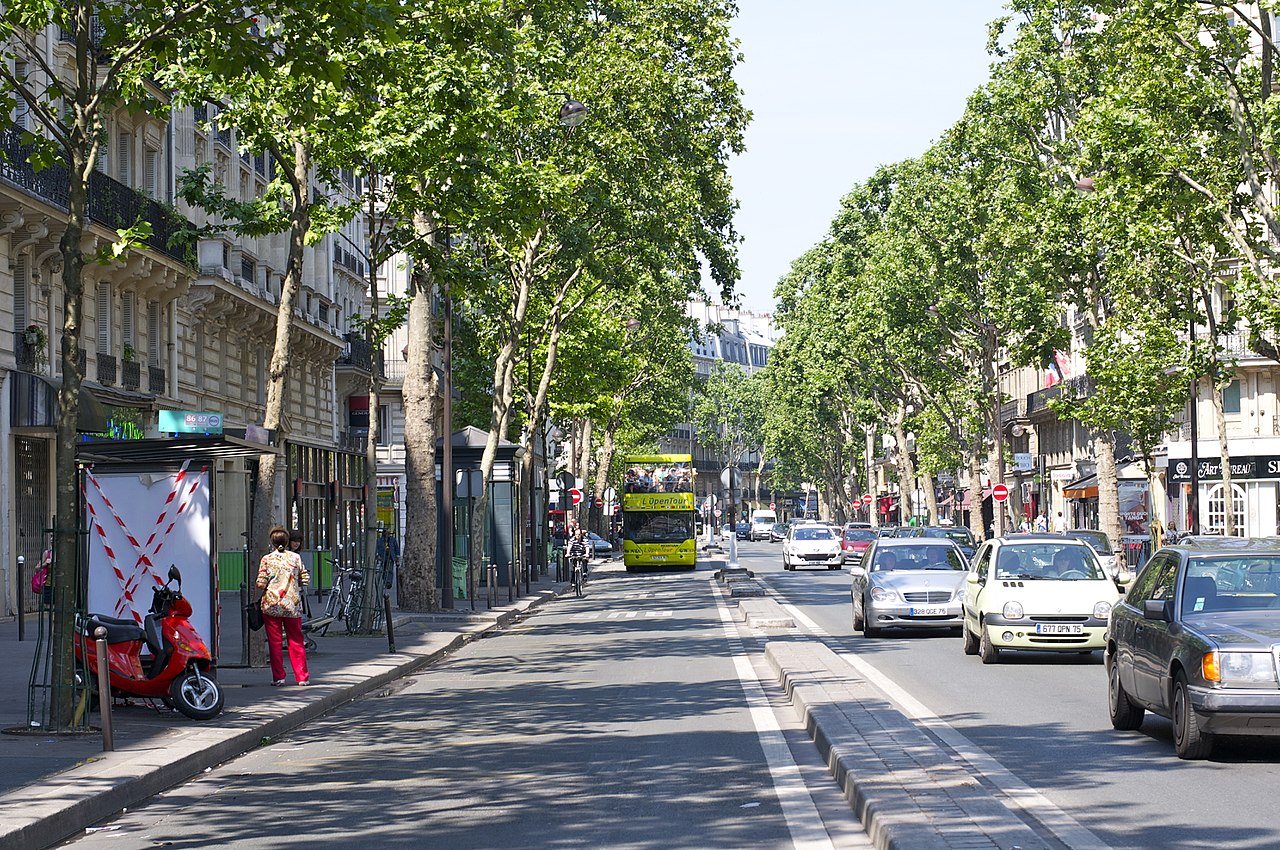
He also reshaped Paris through an extensive network of new streets - including the Rue de Rivoli, the Boulevards Voltaire, Magenta, Malesherbes, Arago, Raspail, Haussmann, Saint-Germain, and the Avenues Gobelins and Philippe-Auguste.
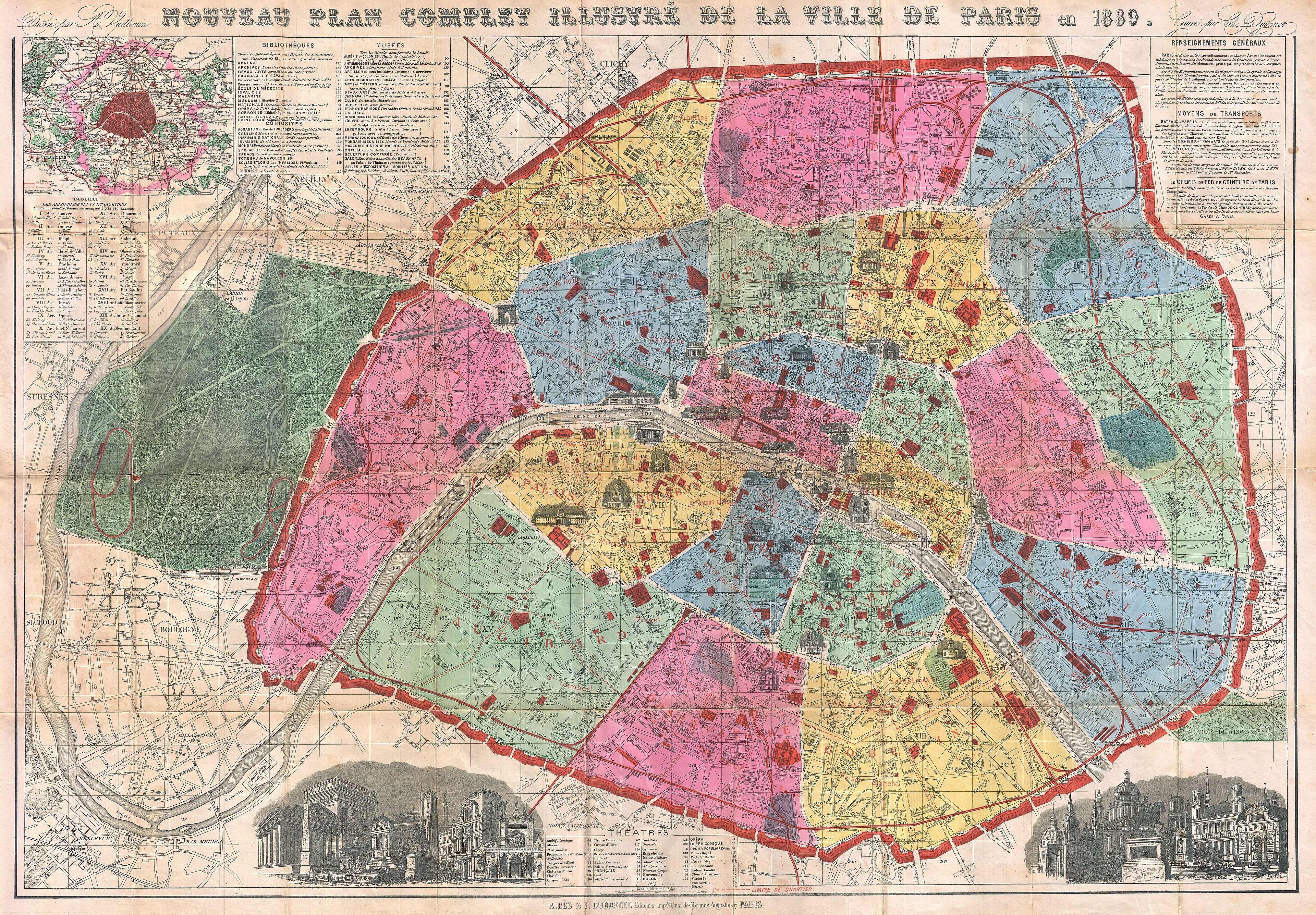
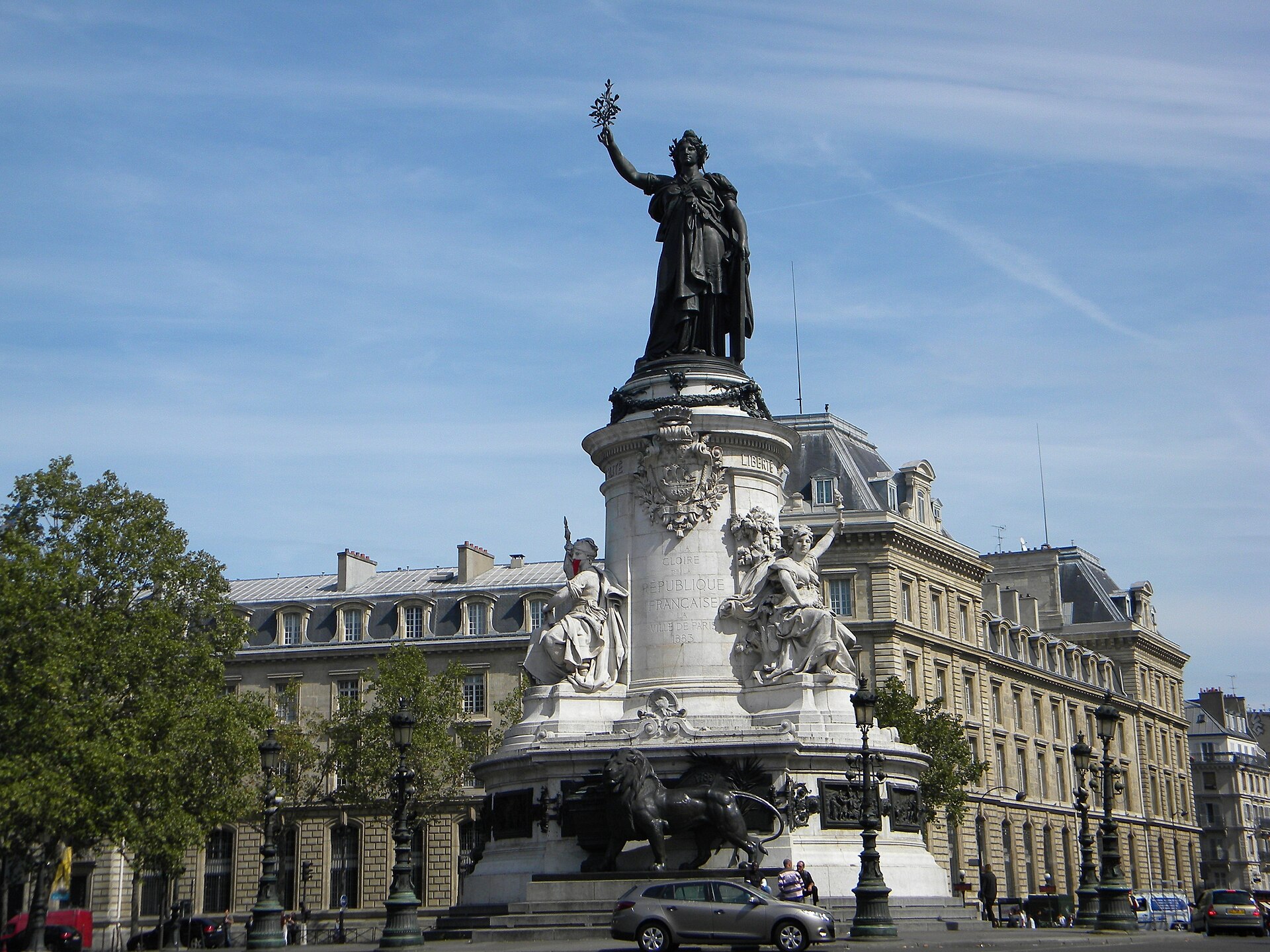
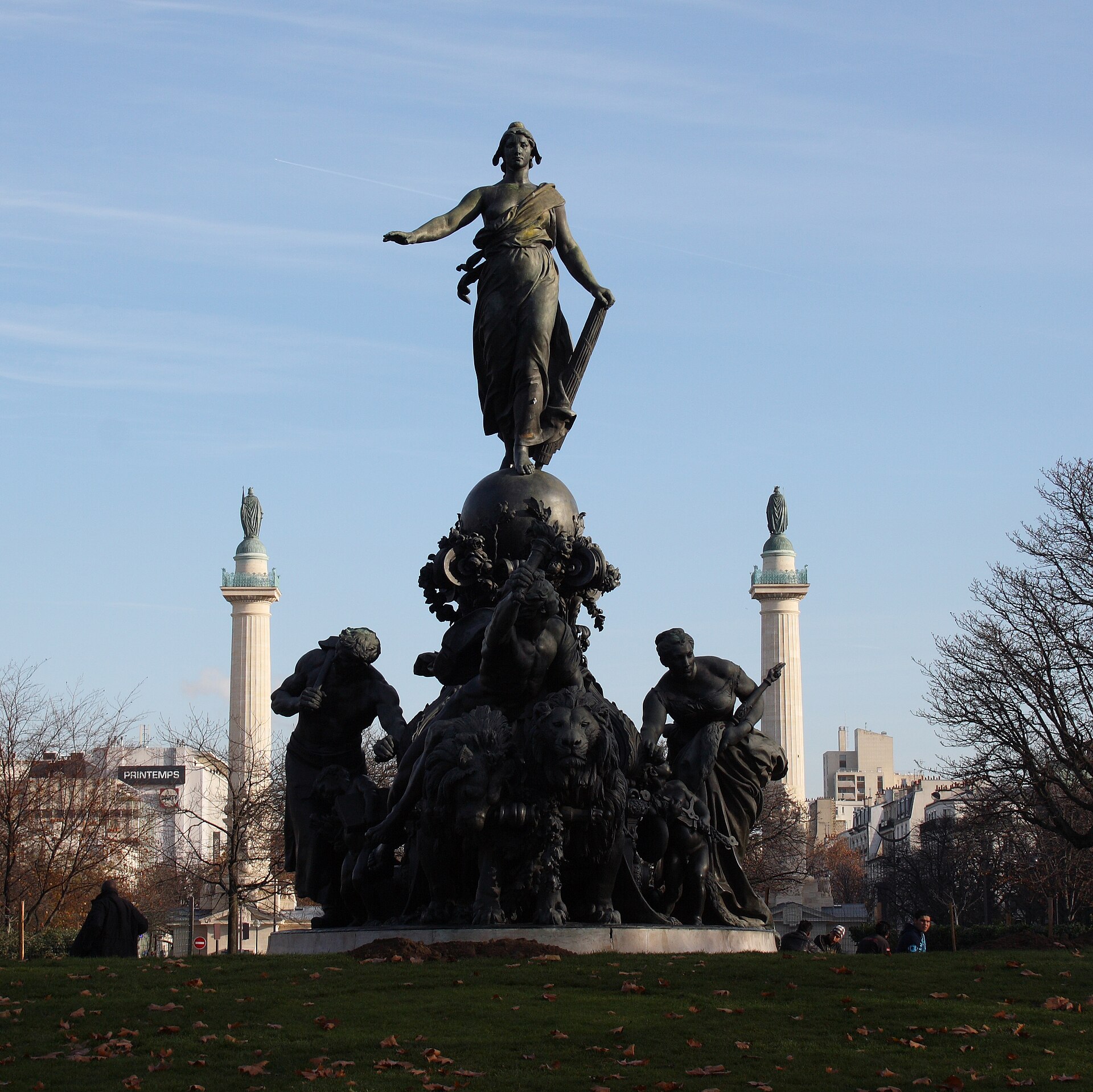
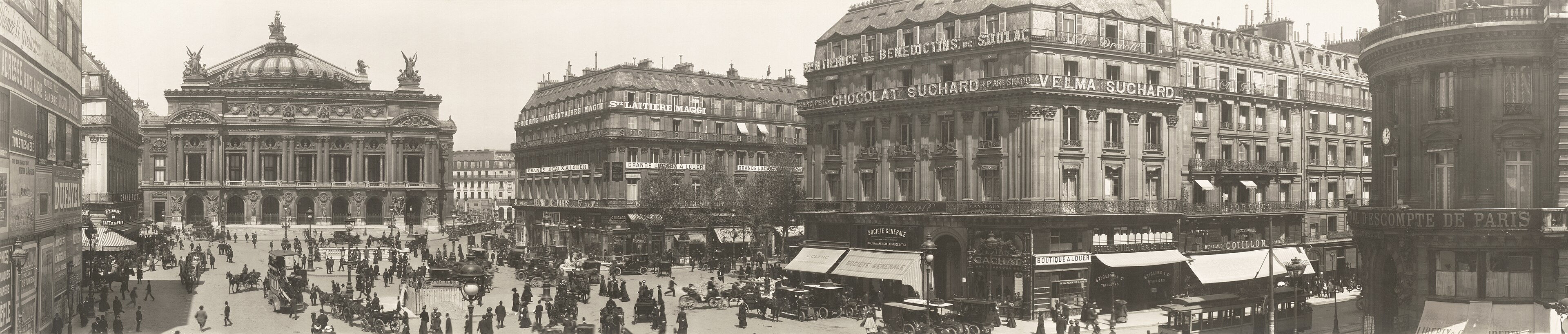
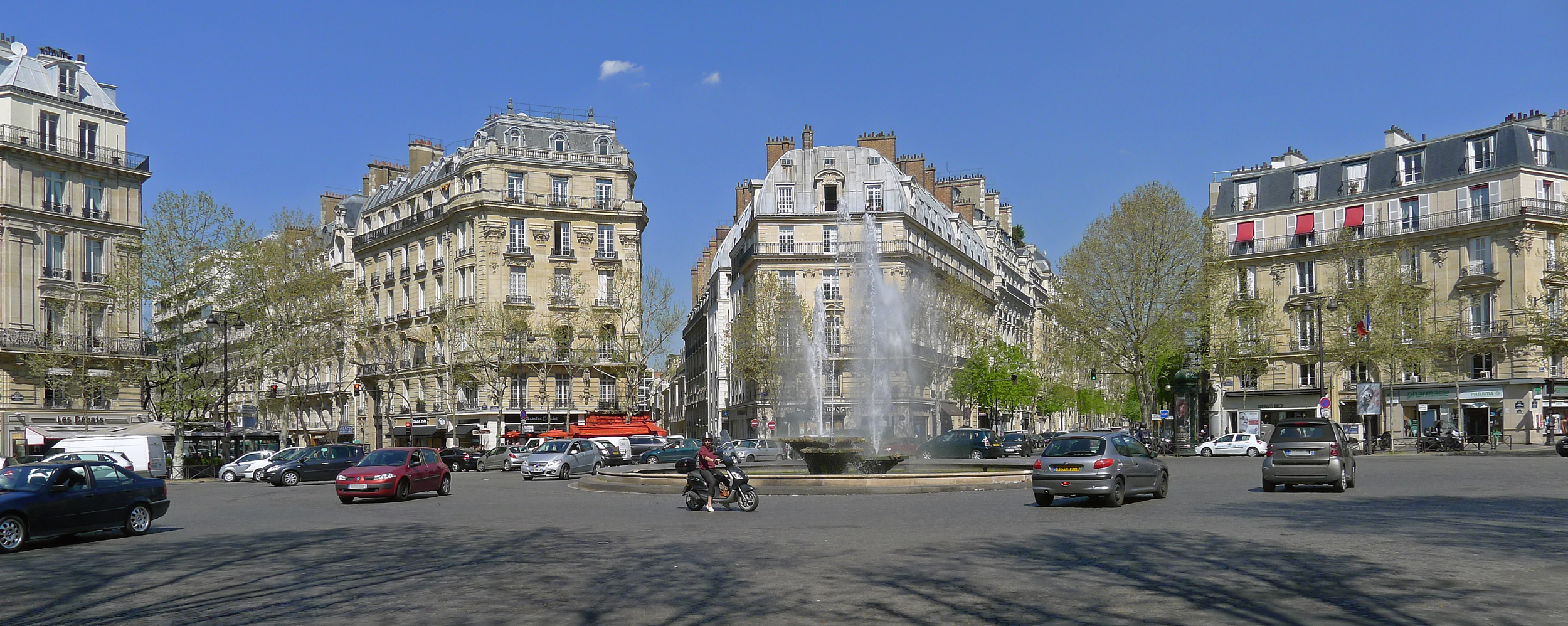
He built iconic squares such as the Places of the République, Étoile, Nation, Opéra, Europe, Trocadéro, and Victor Hugo.
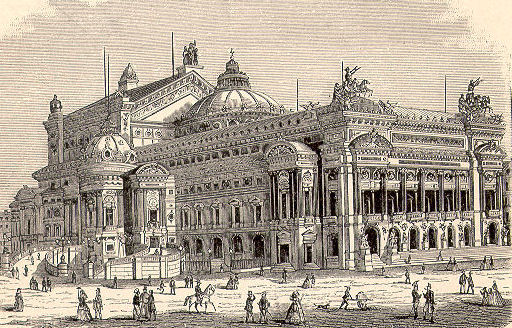
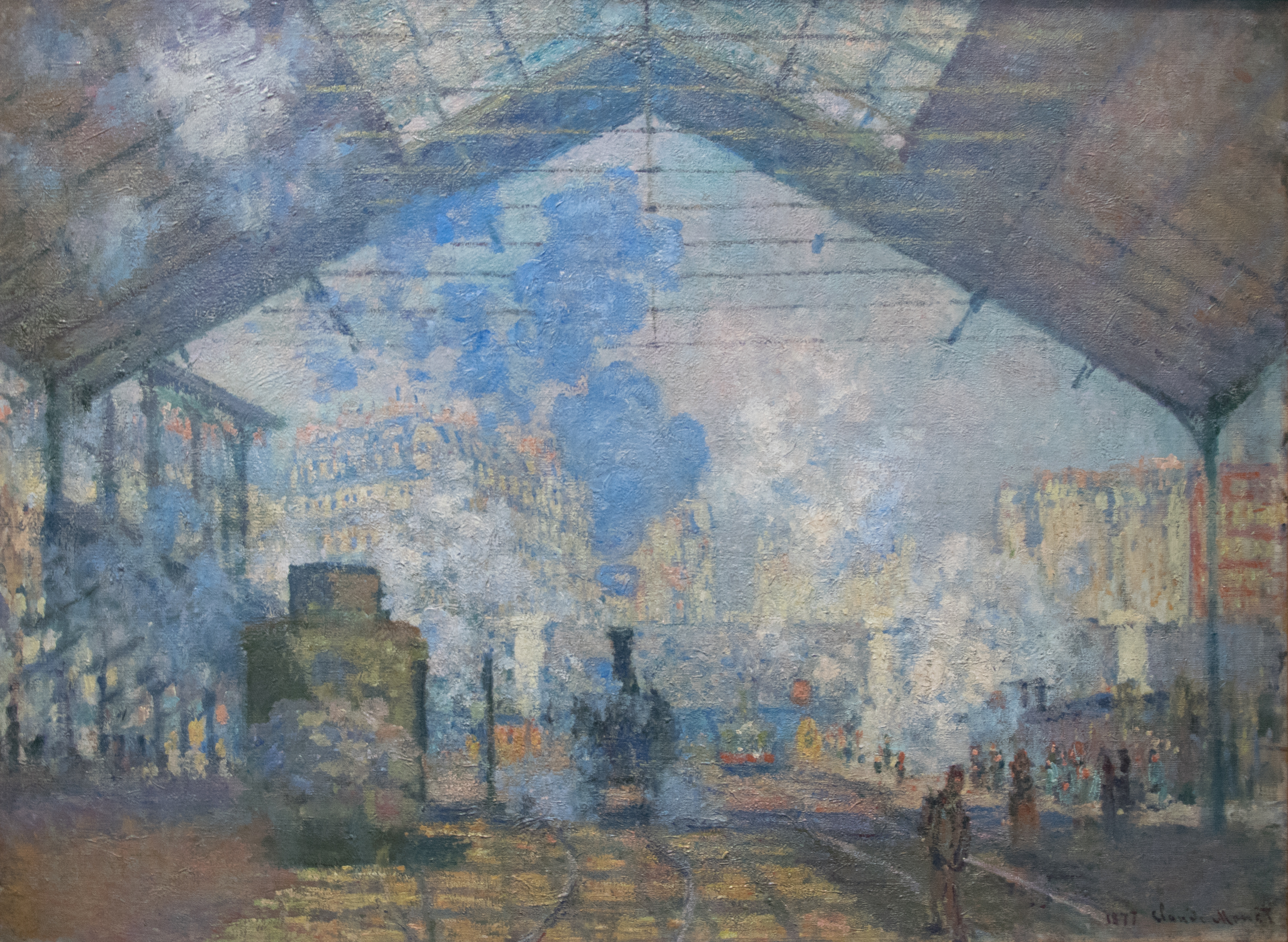
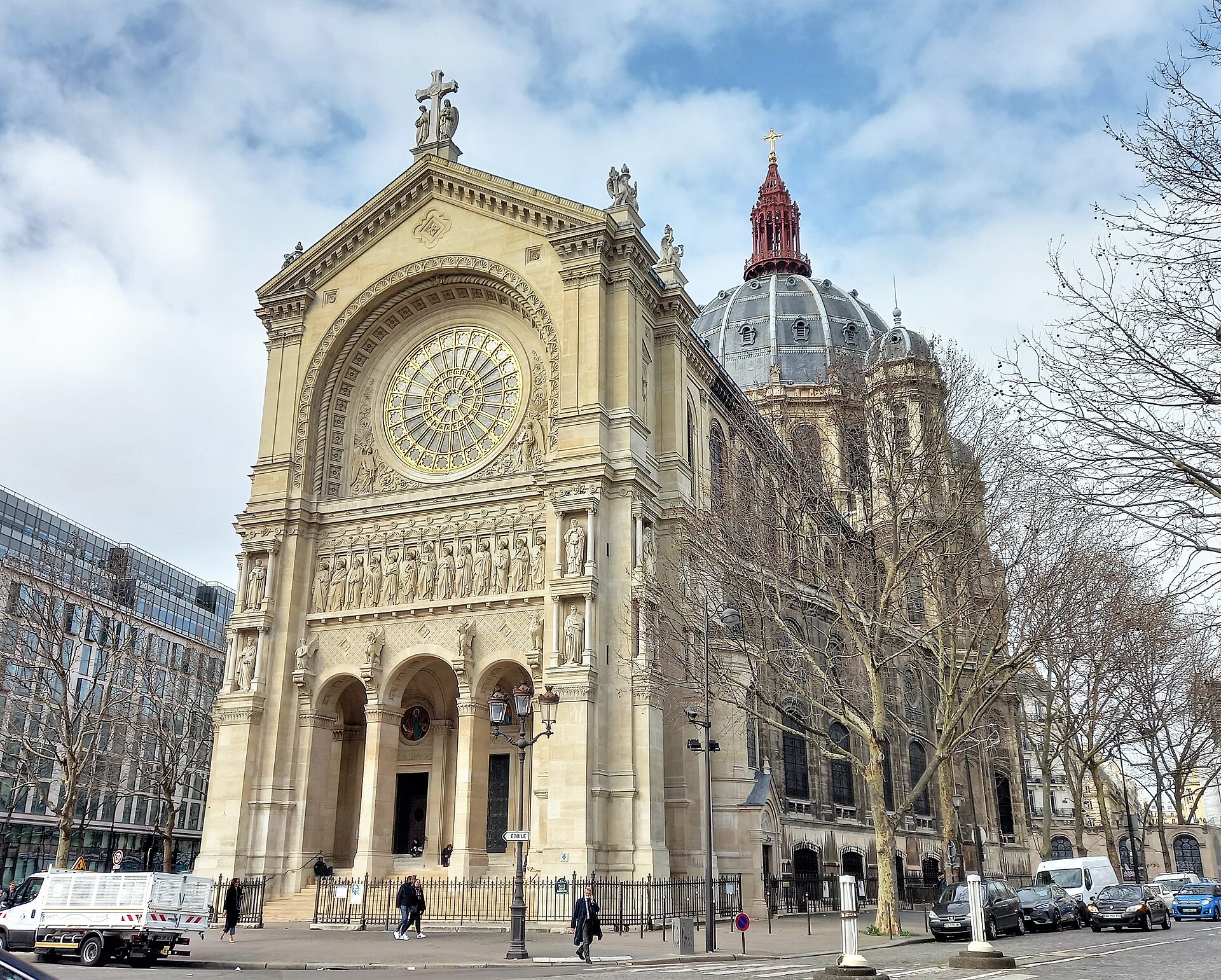
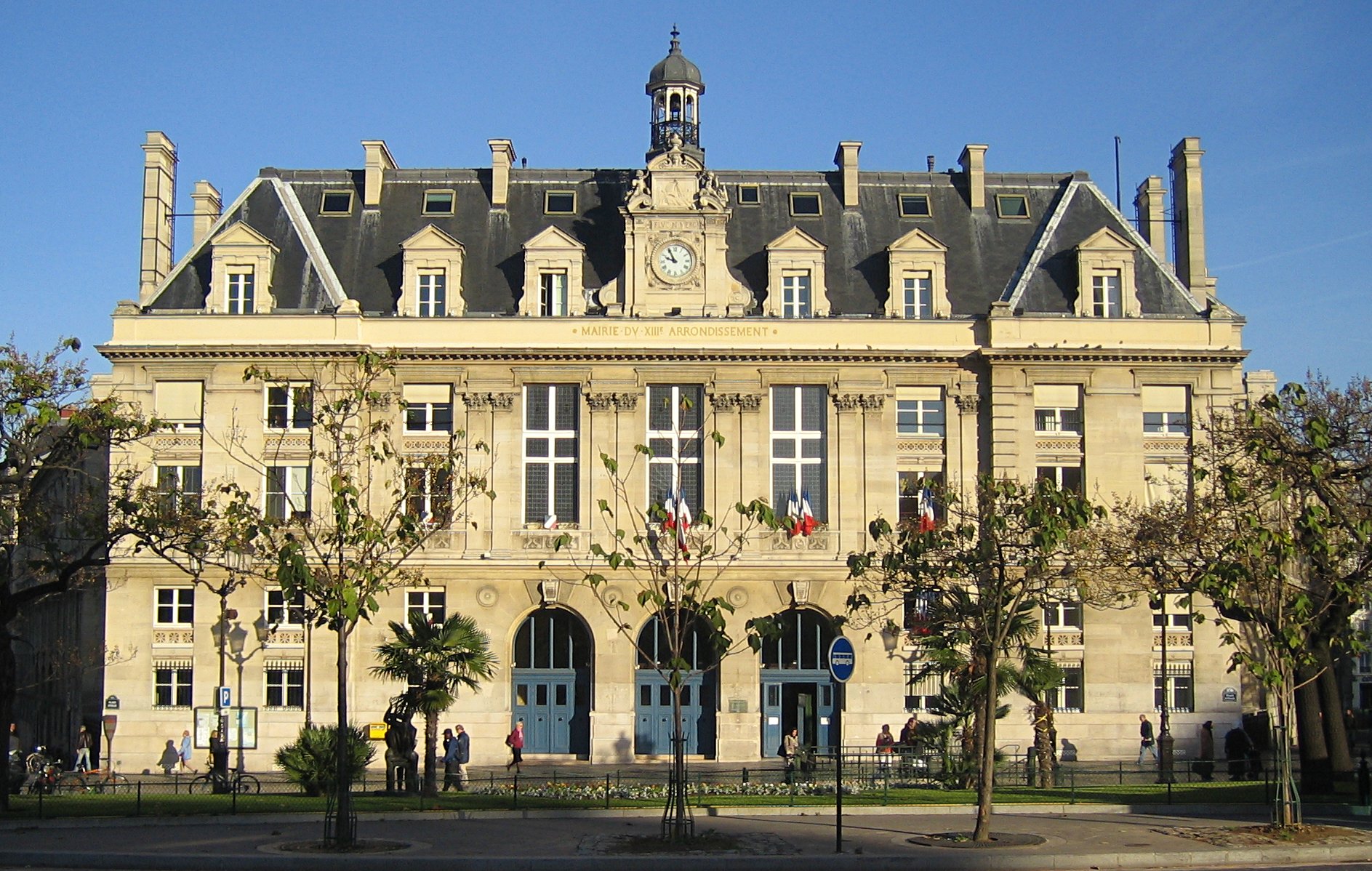
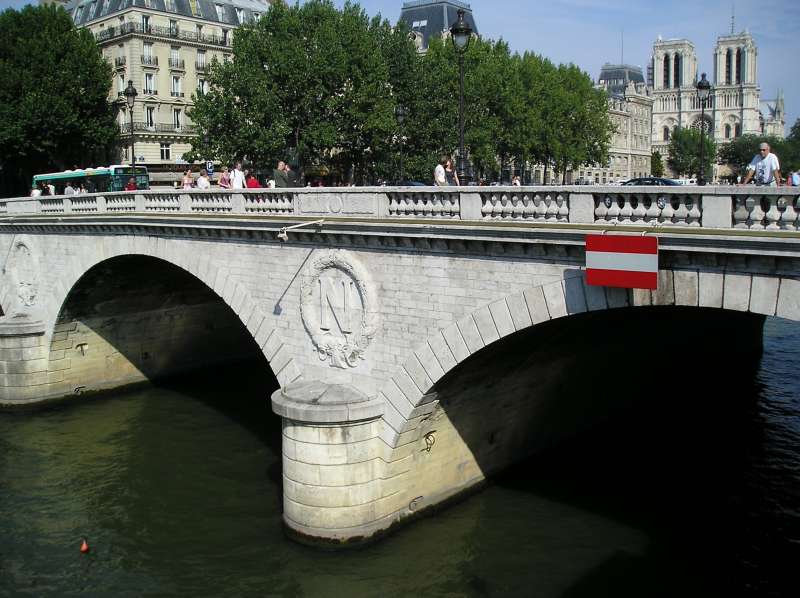
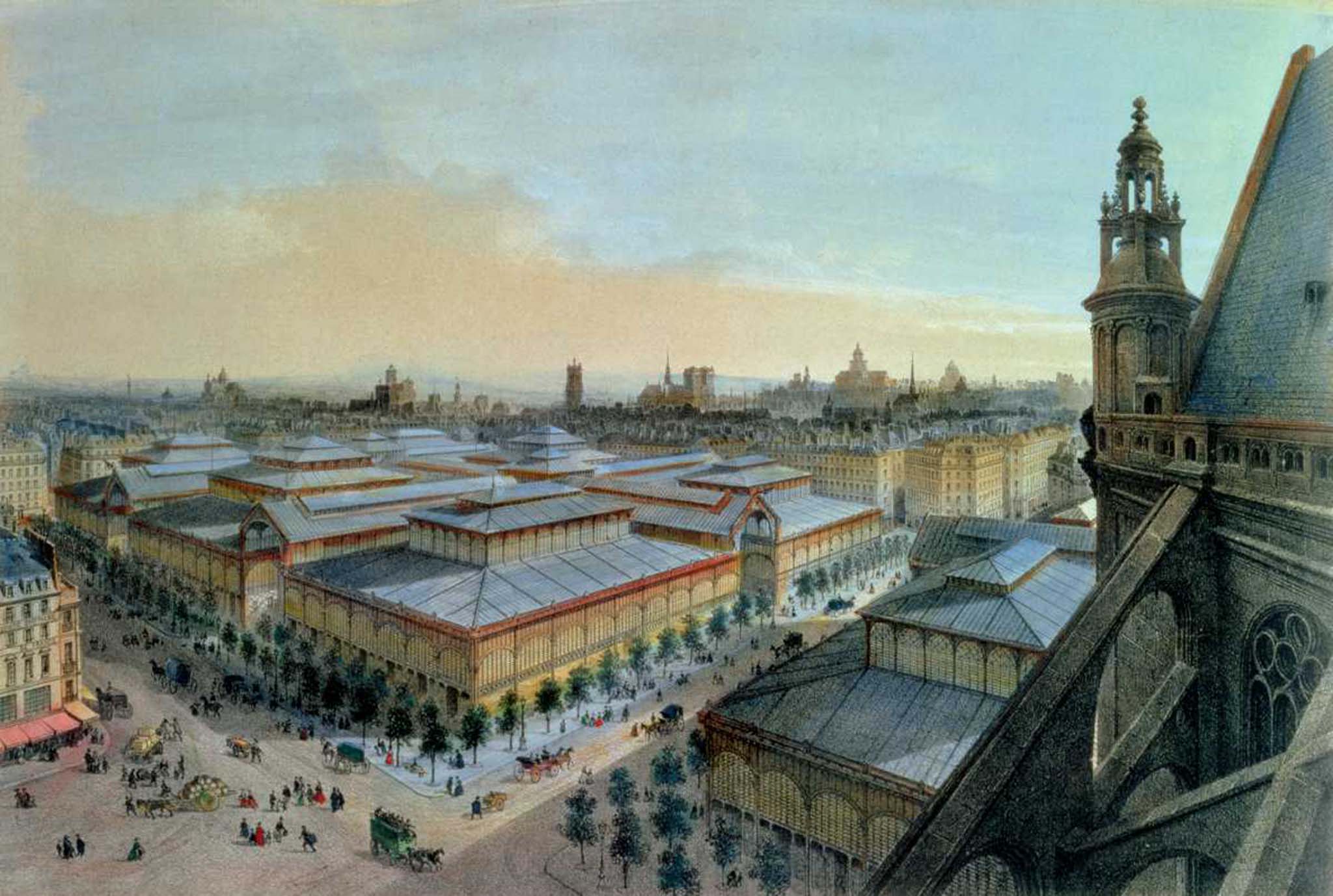
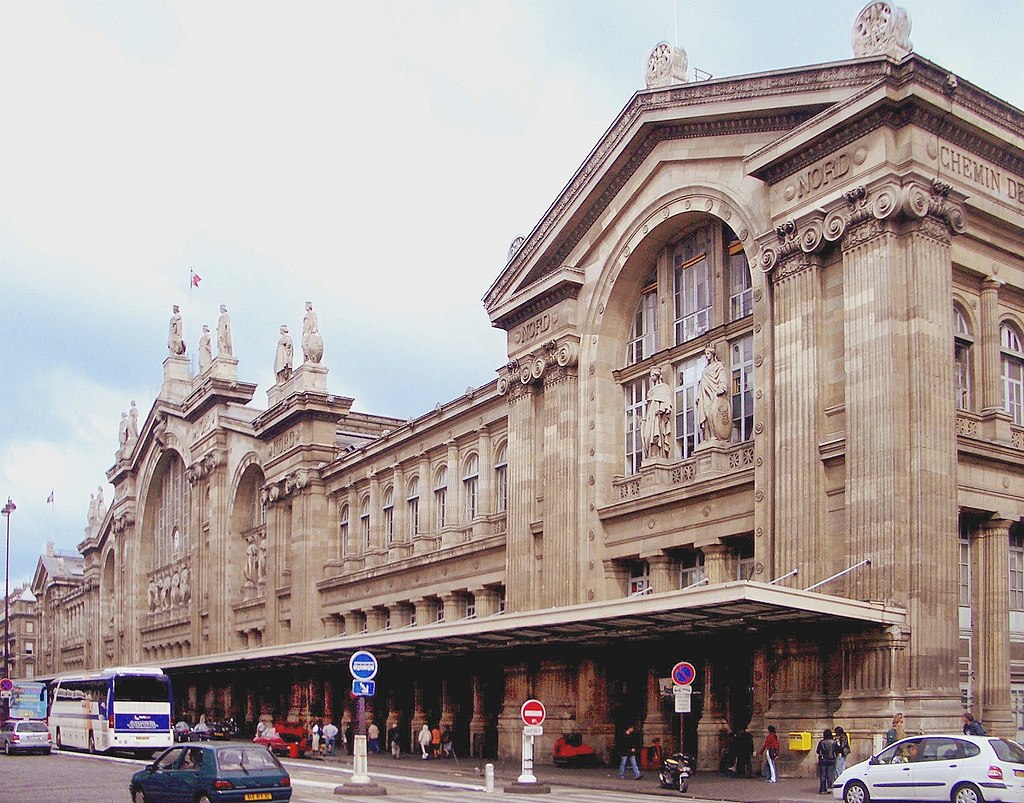
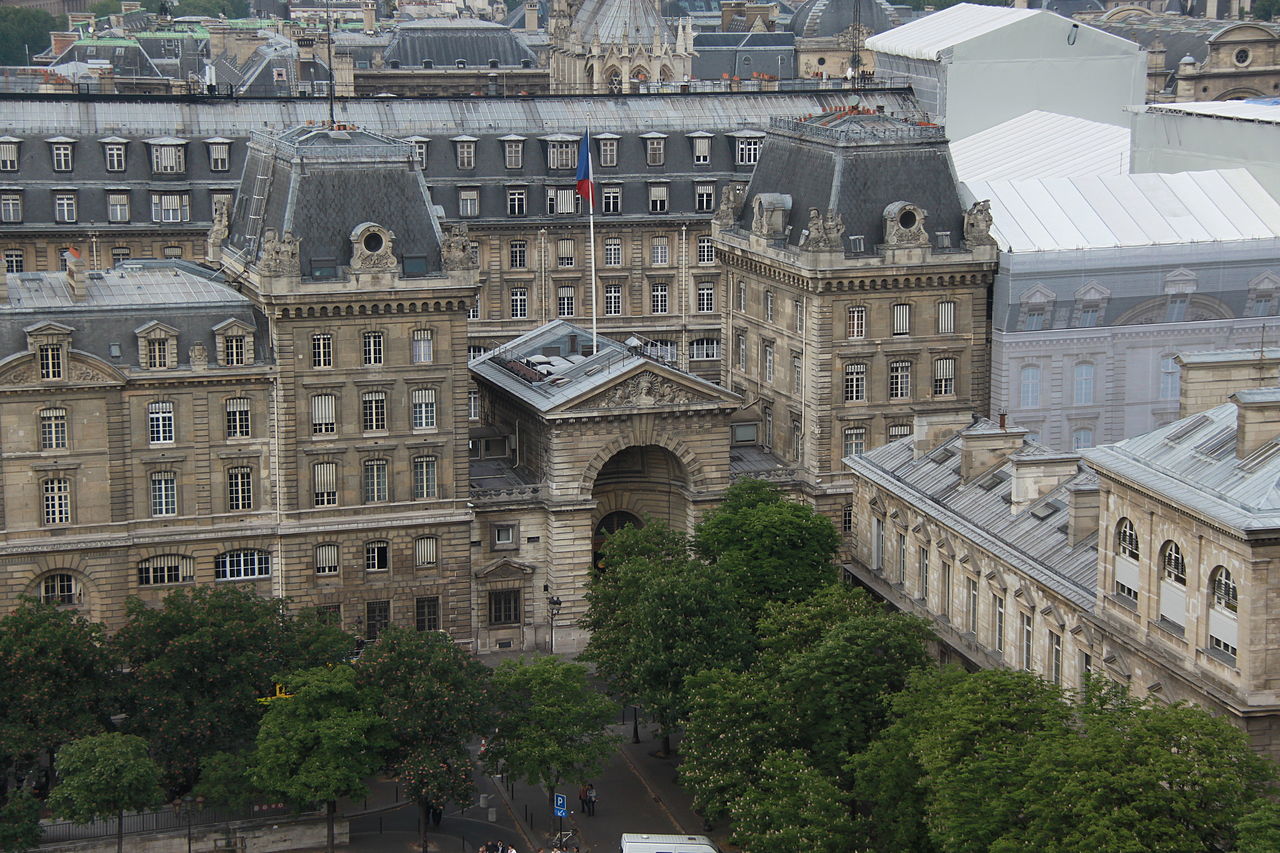
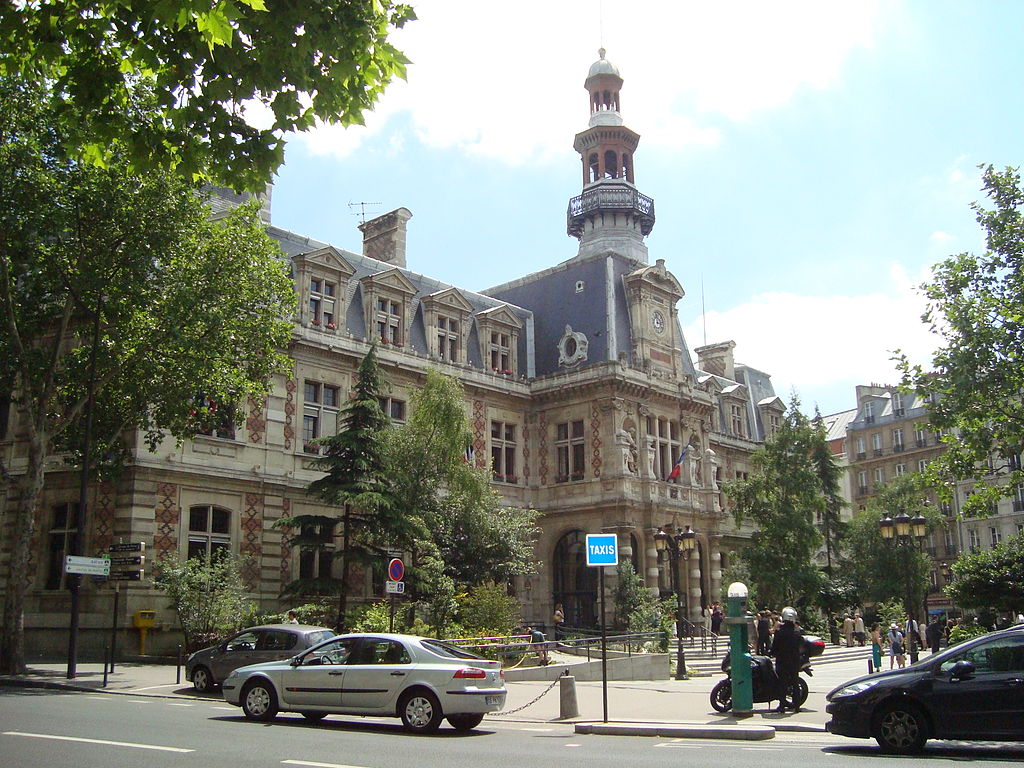
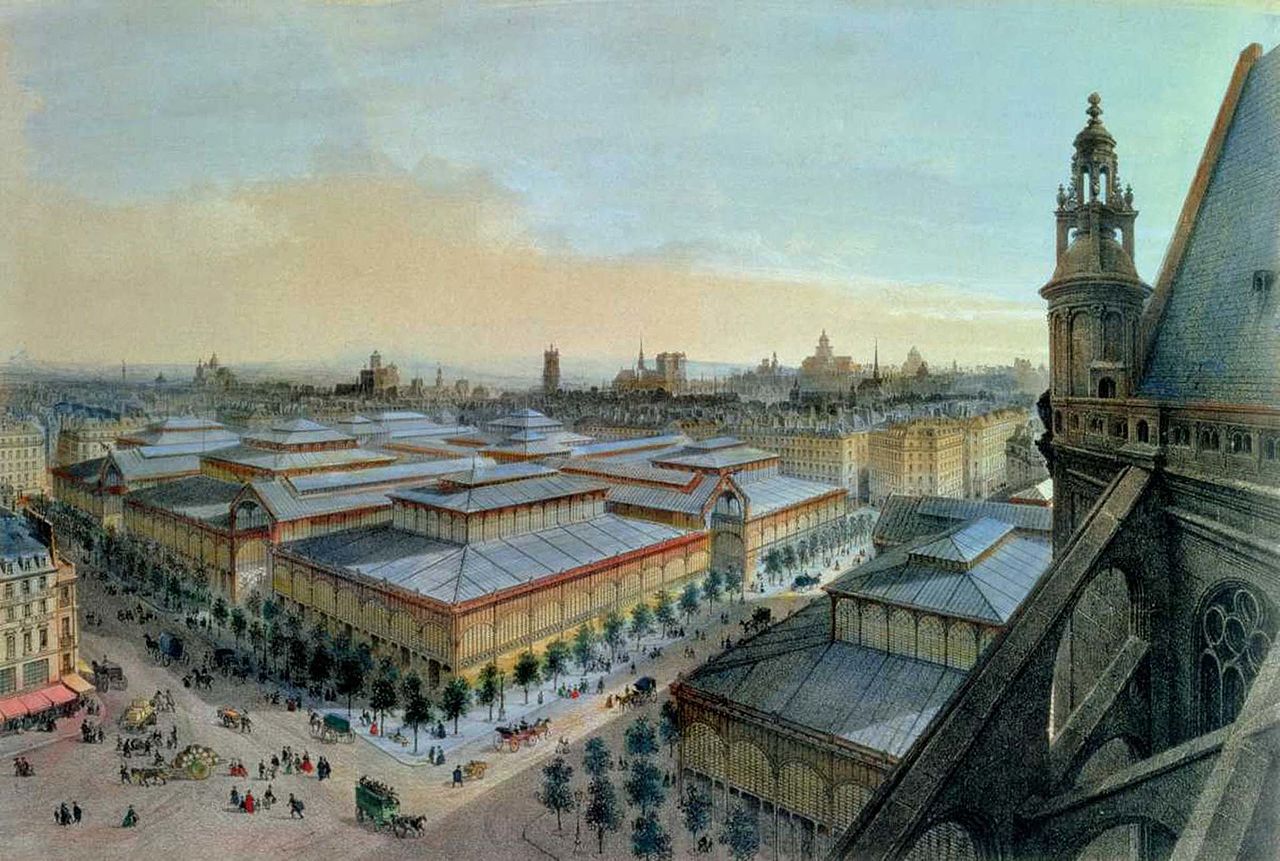
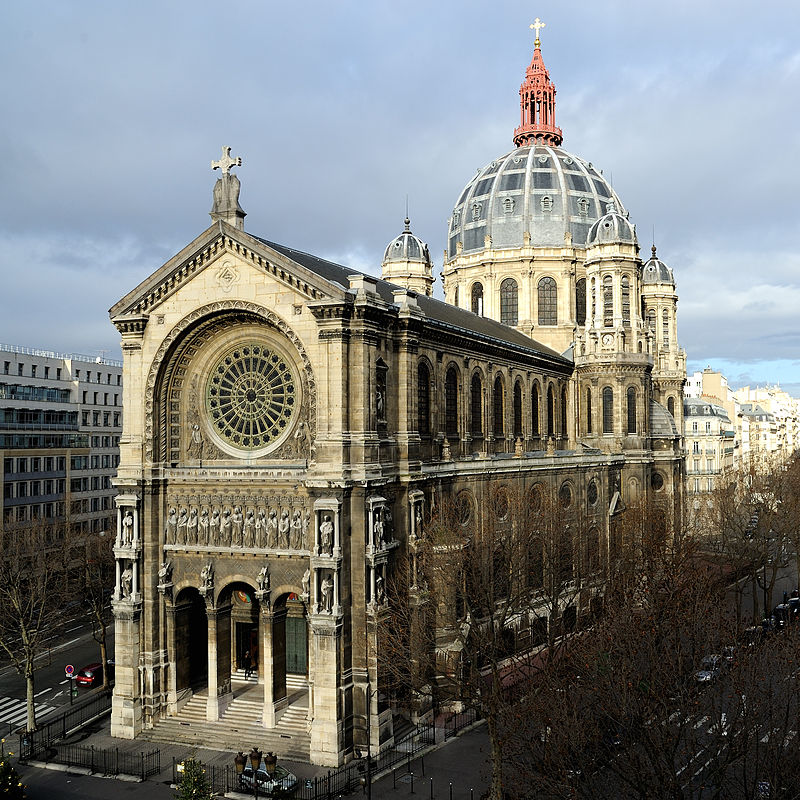
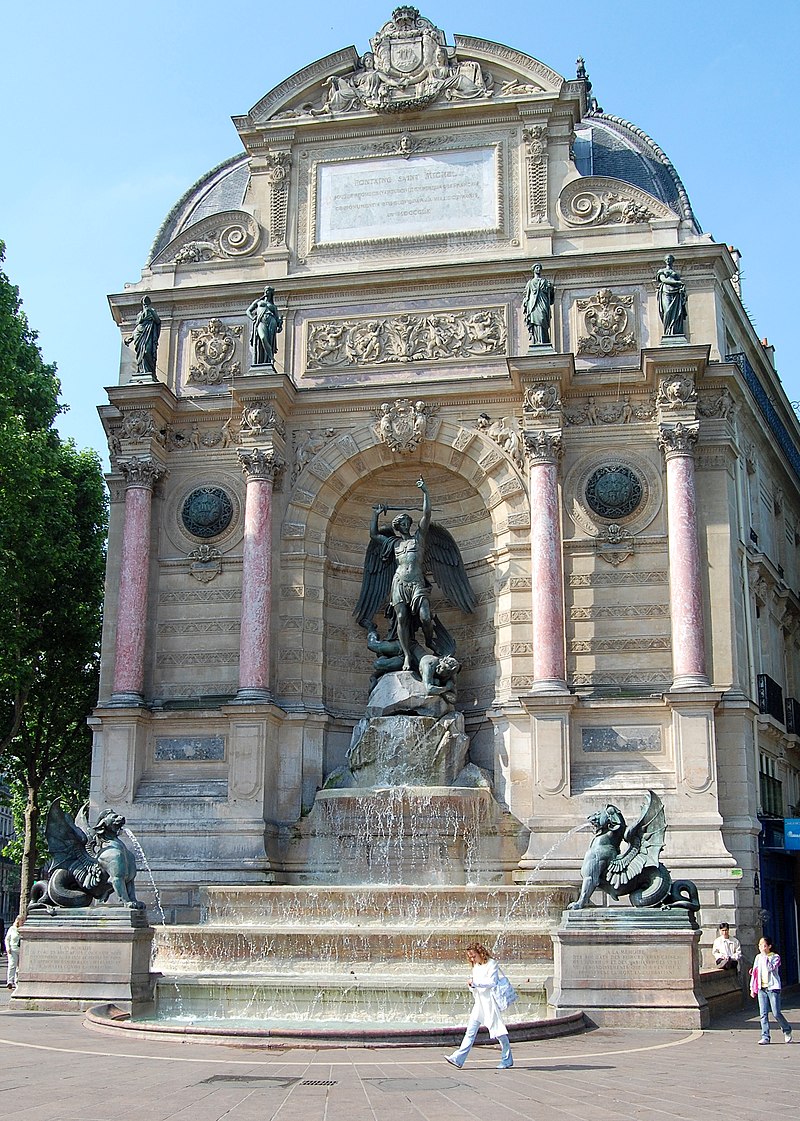
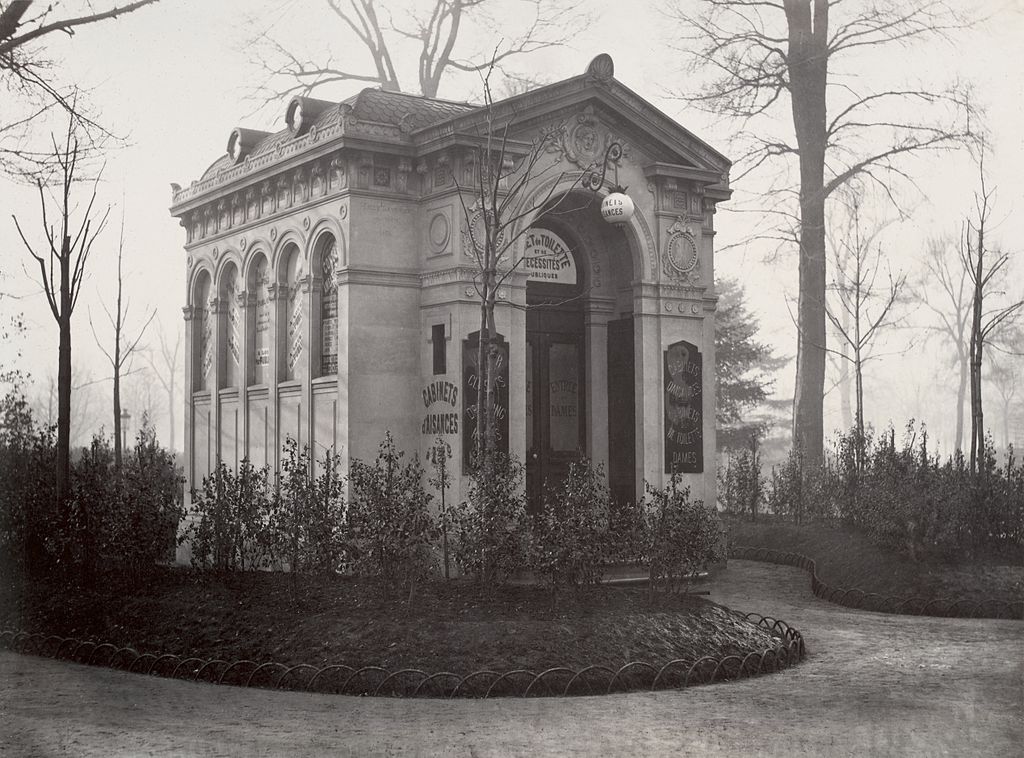
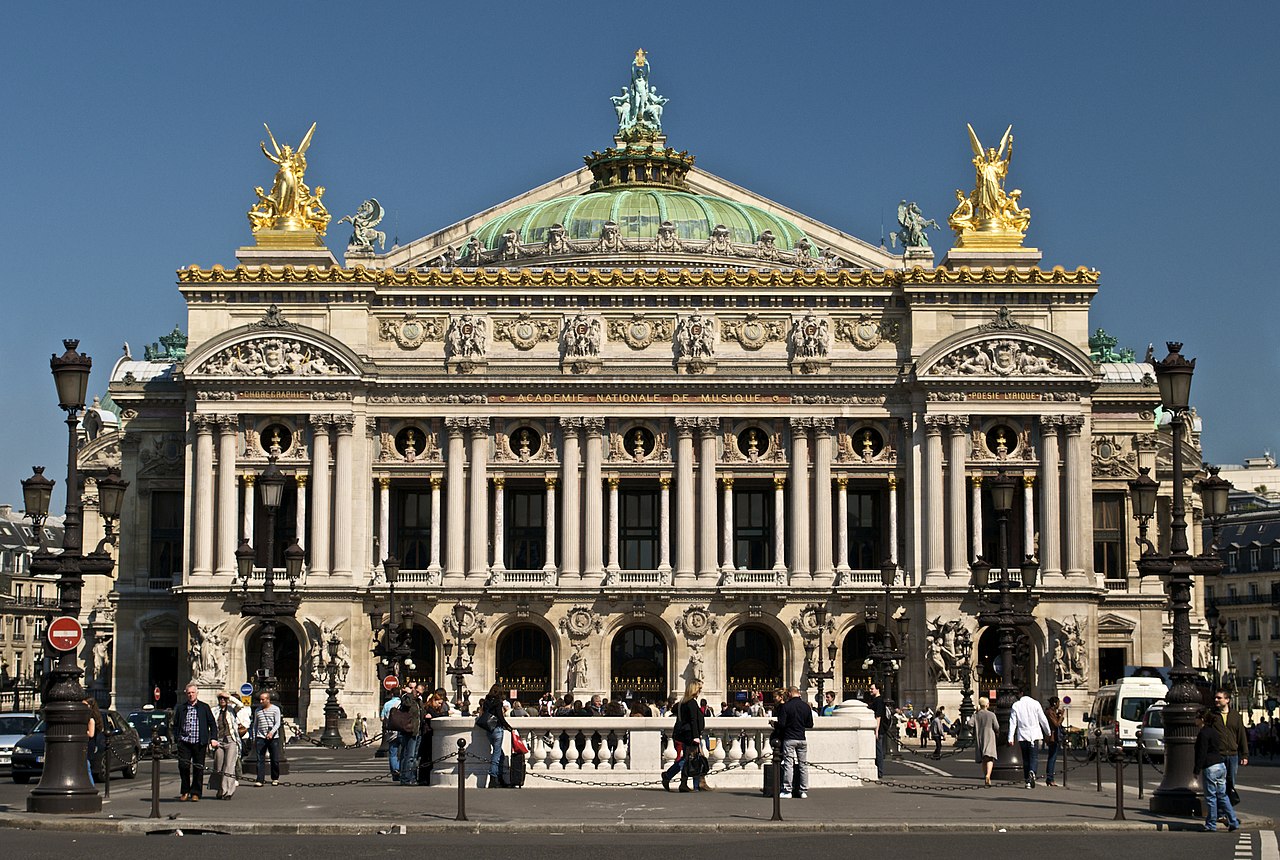
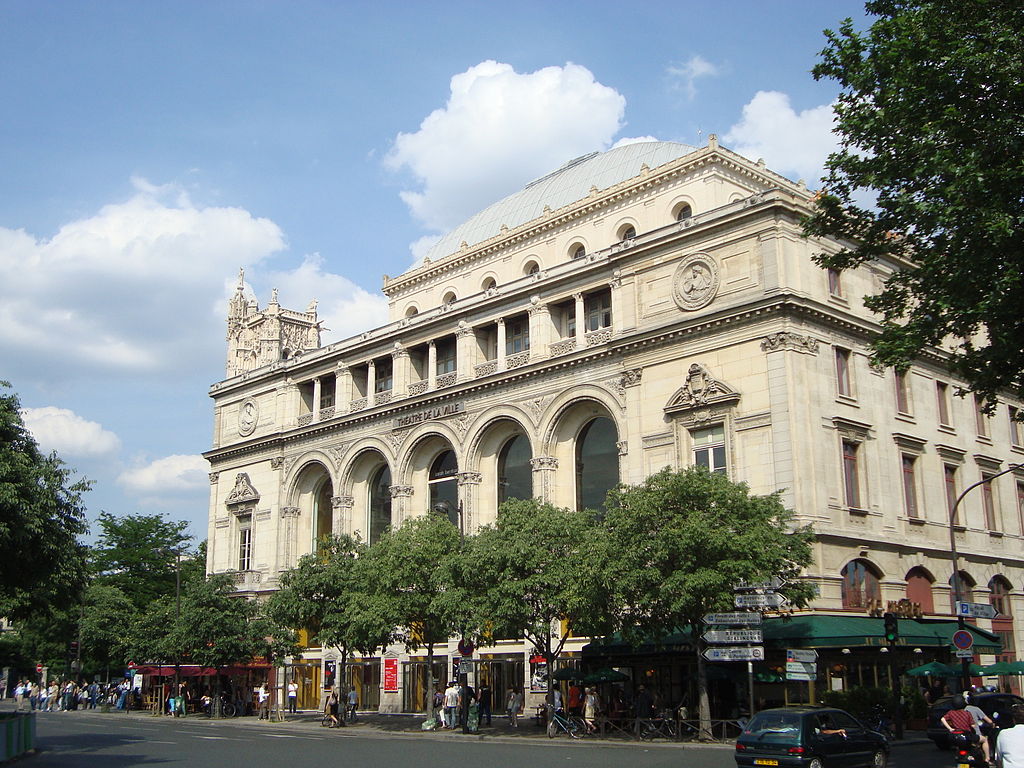
He built the Opera, 5 theatres, 6 city halls, 19 churches, 10 covered markets, 3 train stations, the Prefecture de Police, the Palais de Justice, and the Tribunal de Commerce.
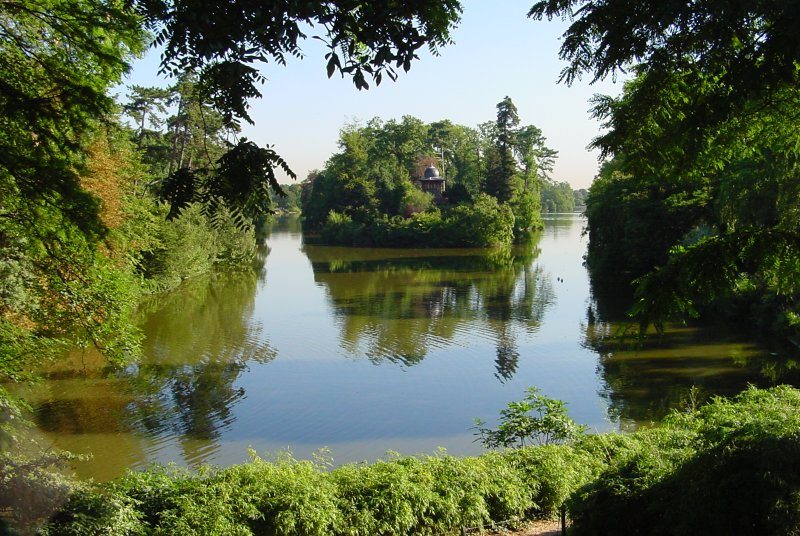
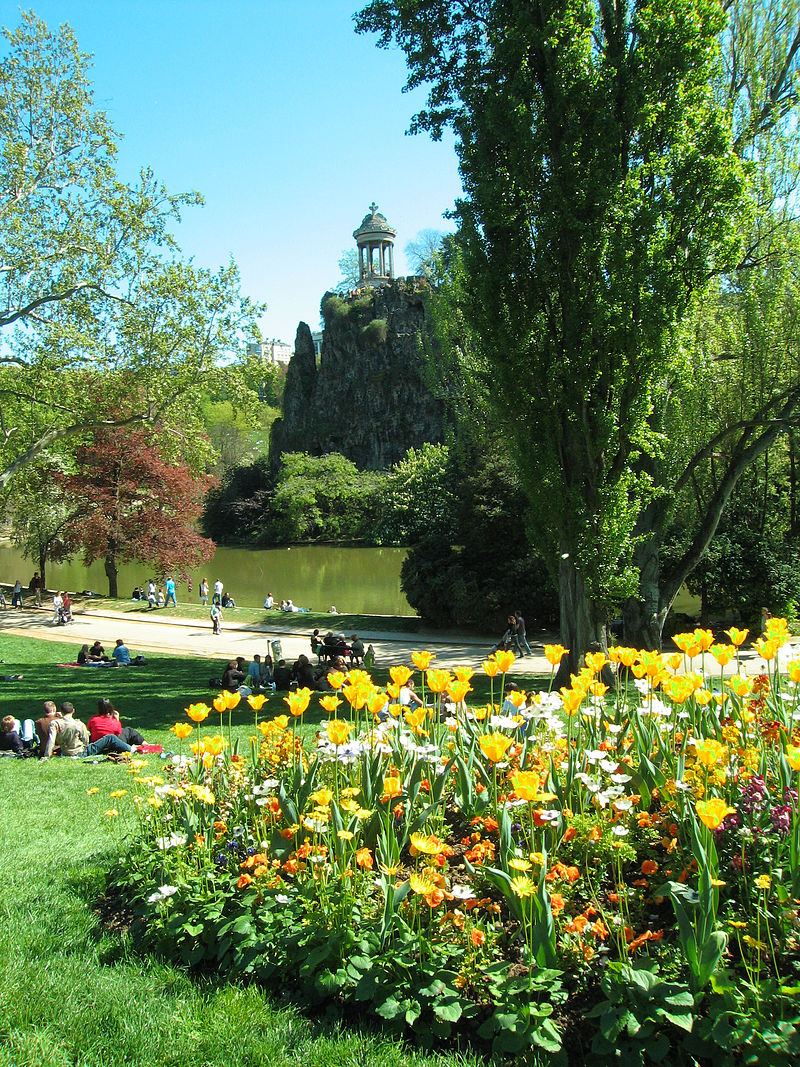
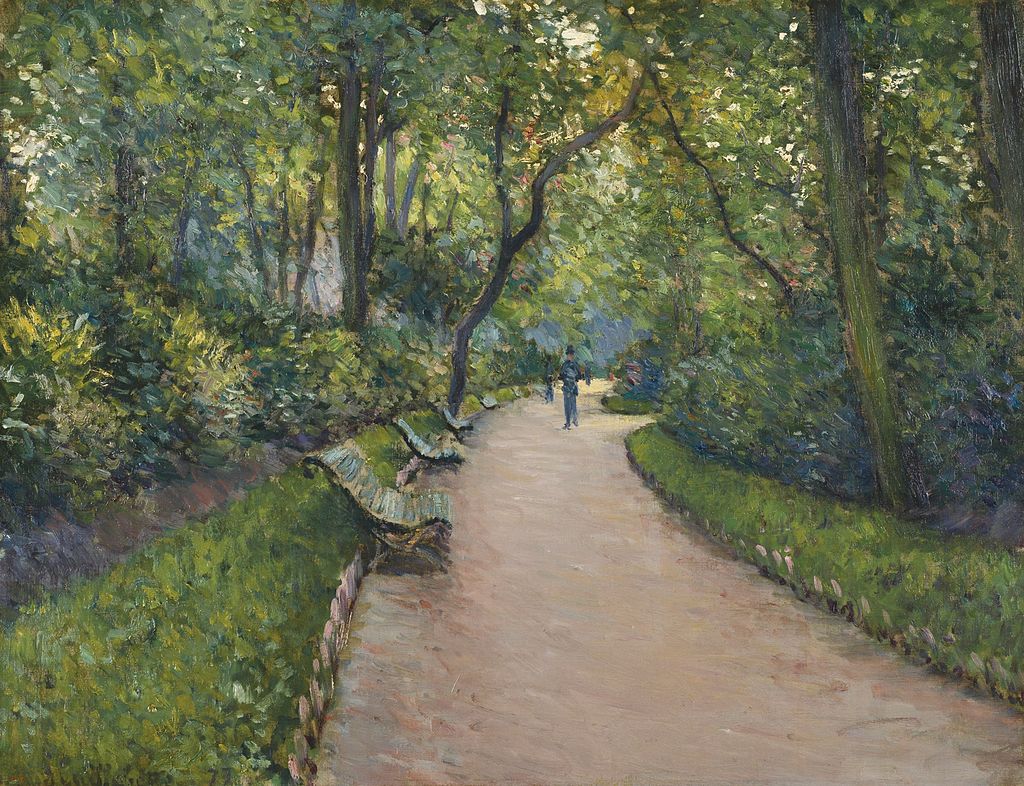
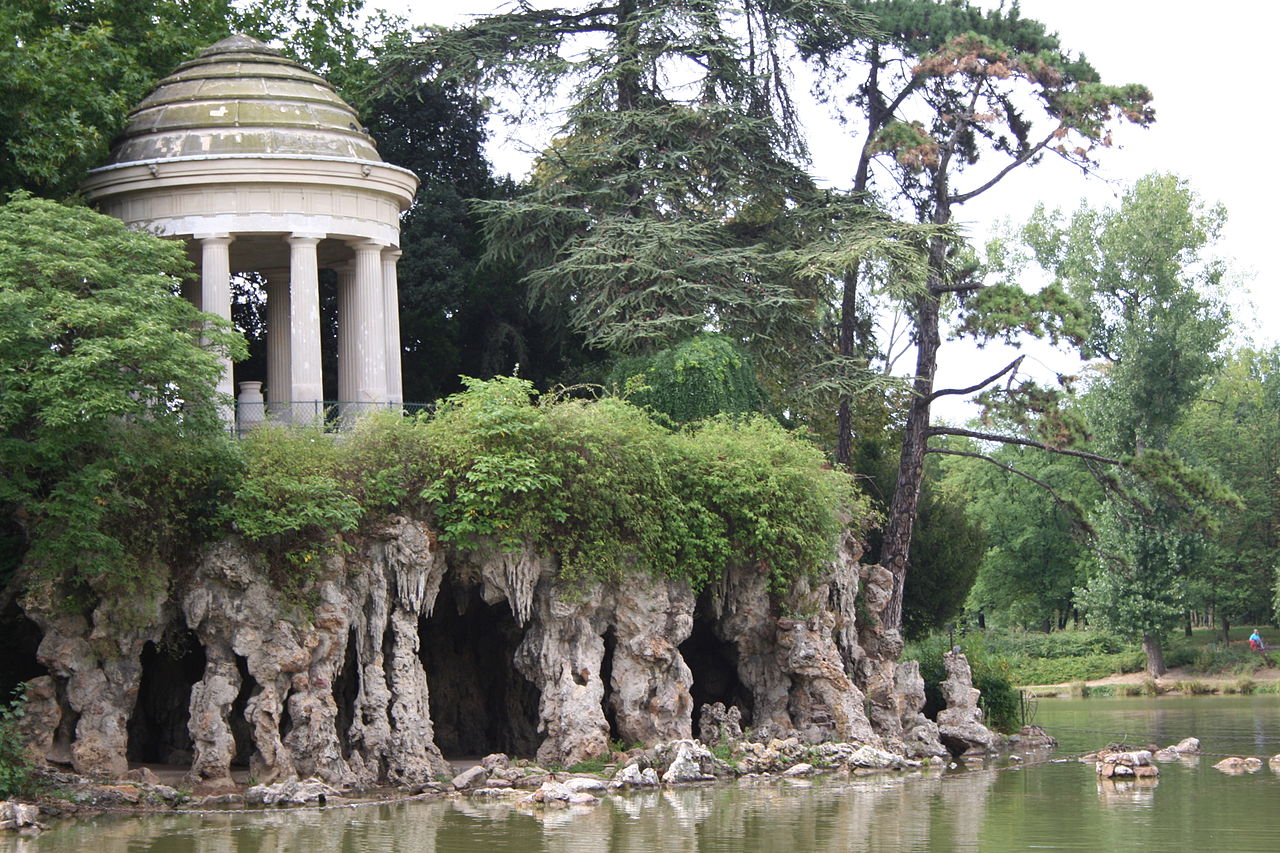
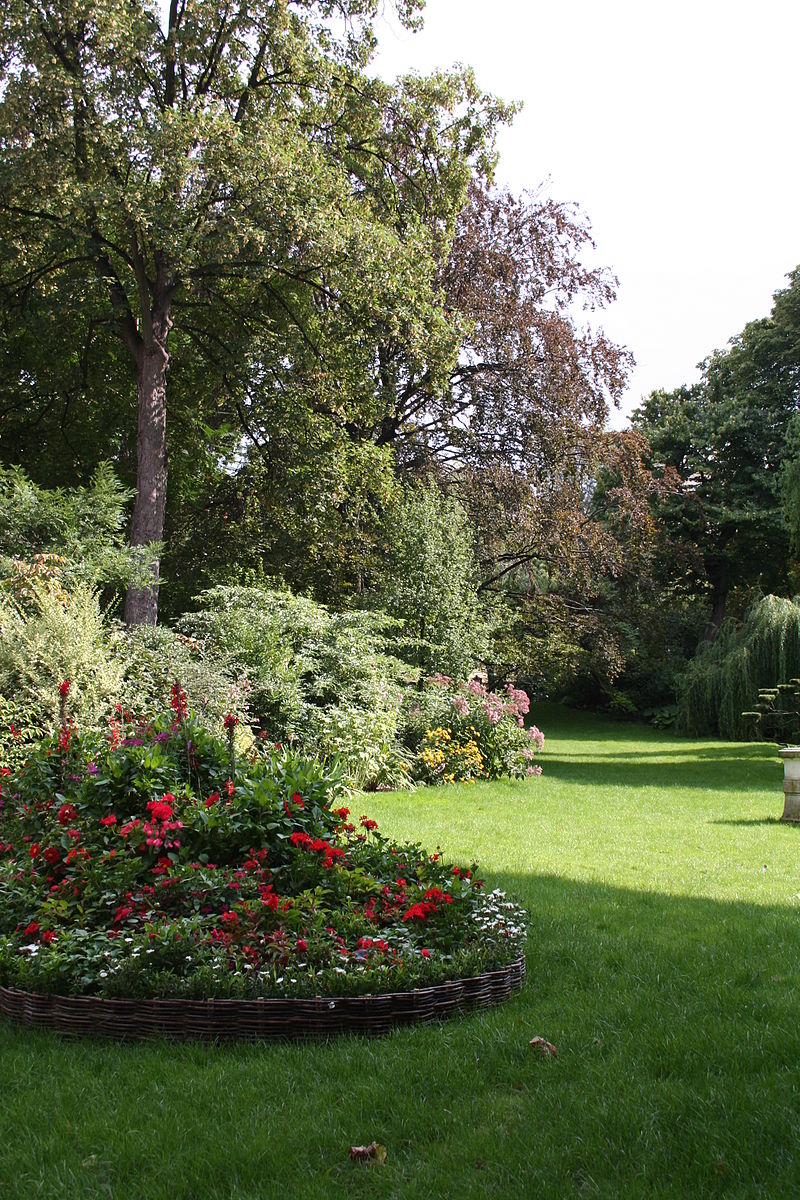
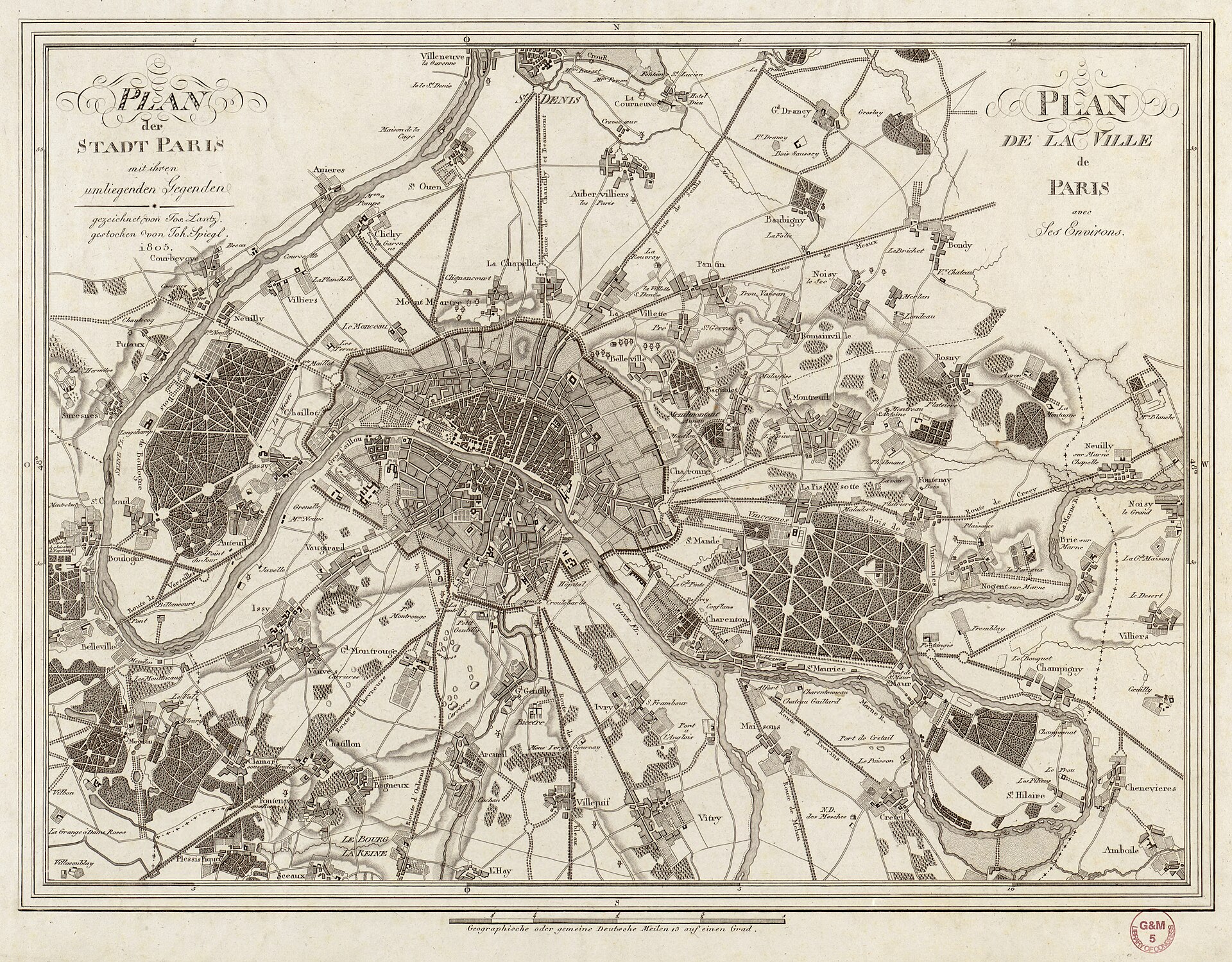
He created the Bois de Boulogne and Vincennes, the Buttes-Chaumont, and the Parc Montsouris, along with 24 public gardens and planted 600,000 new trees.
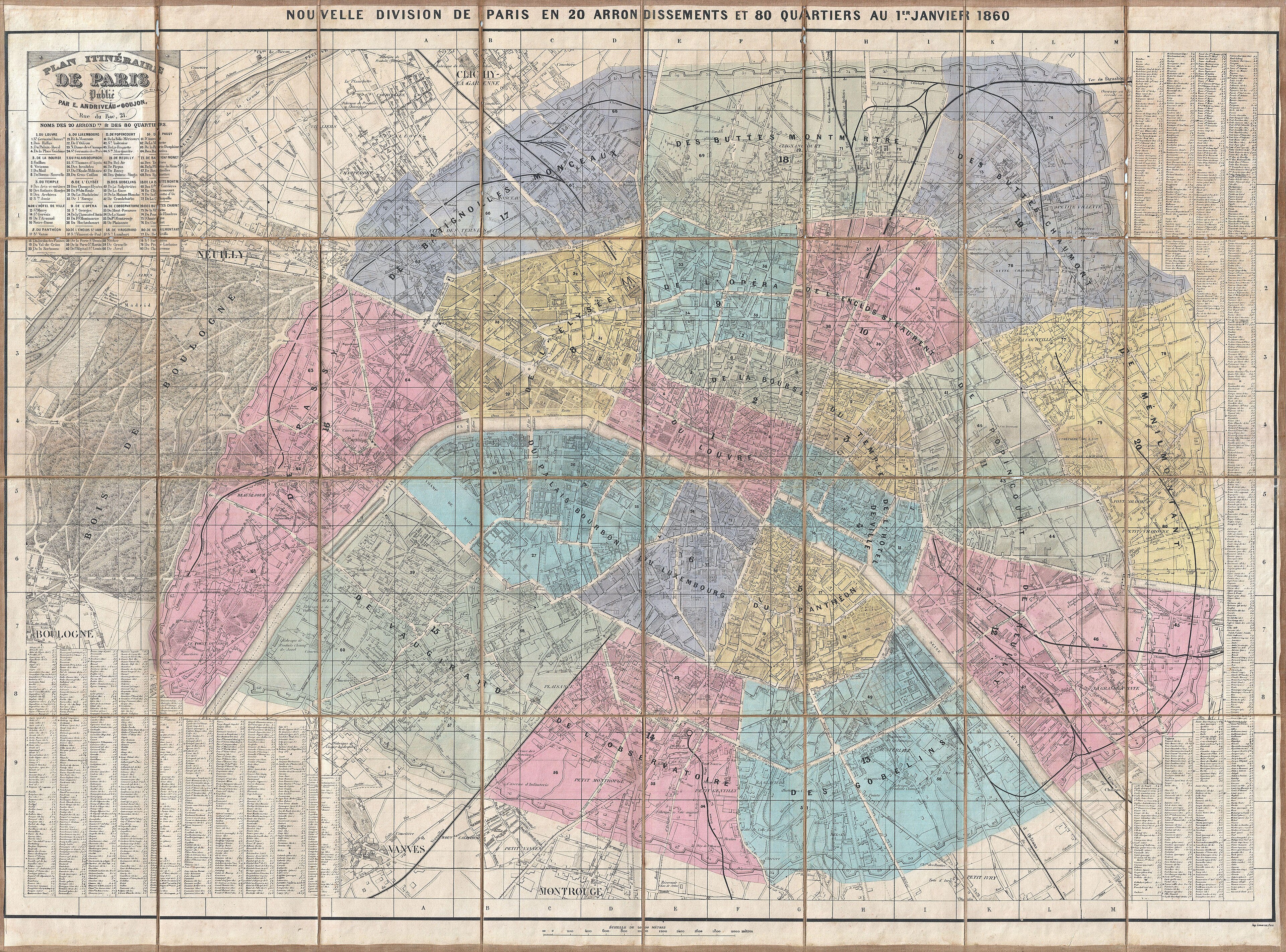
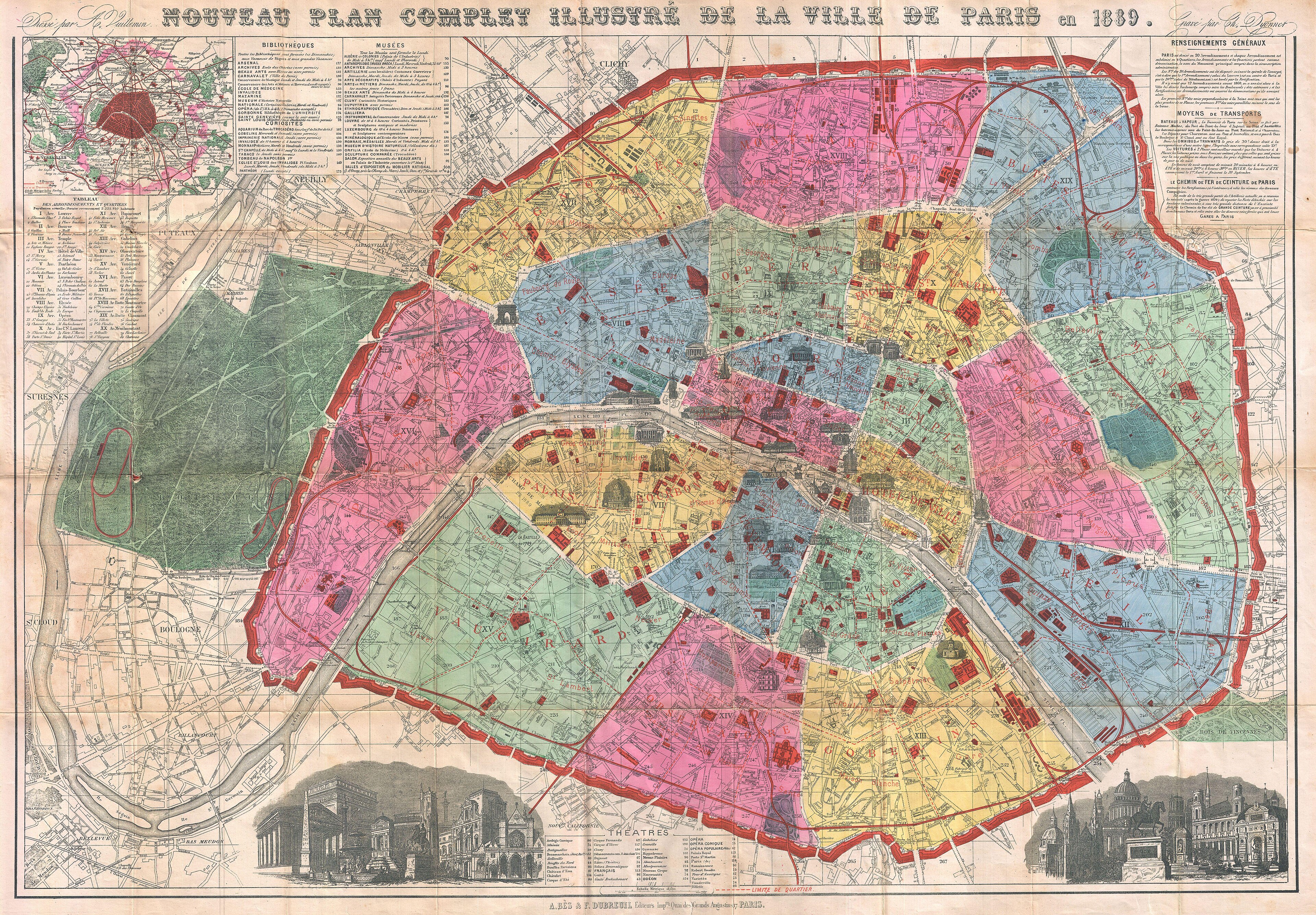
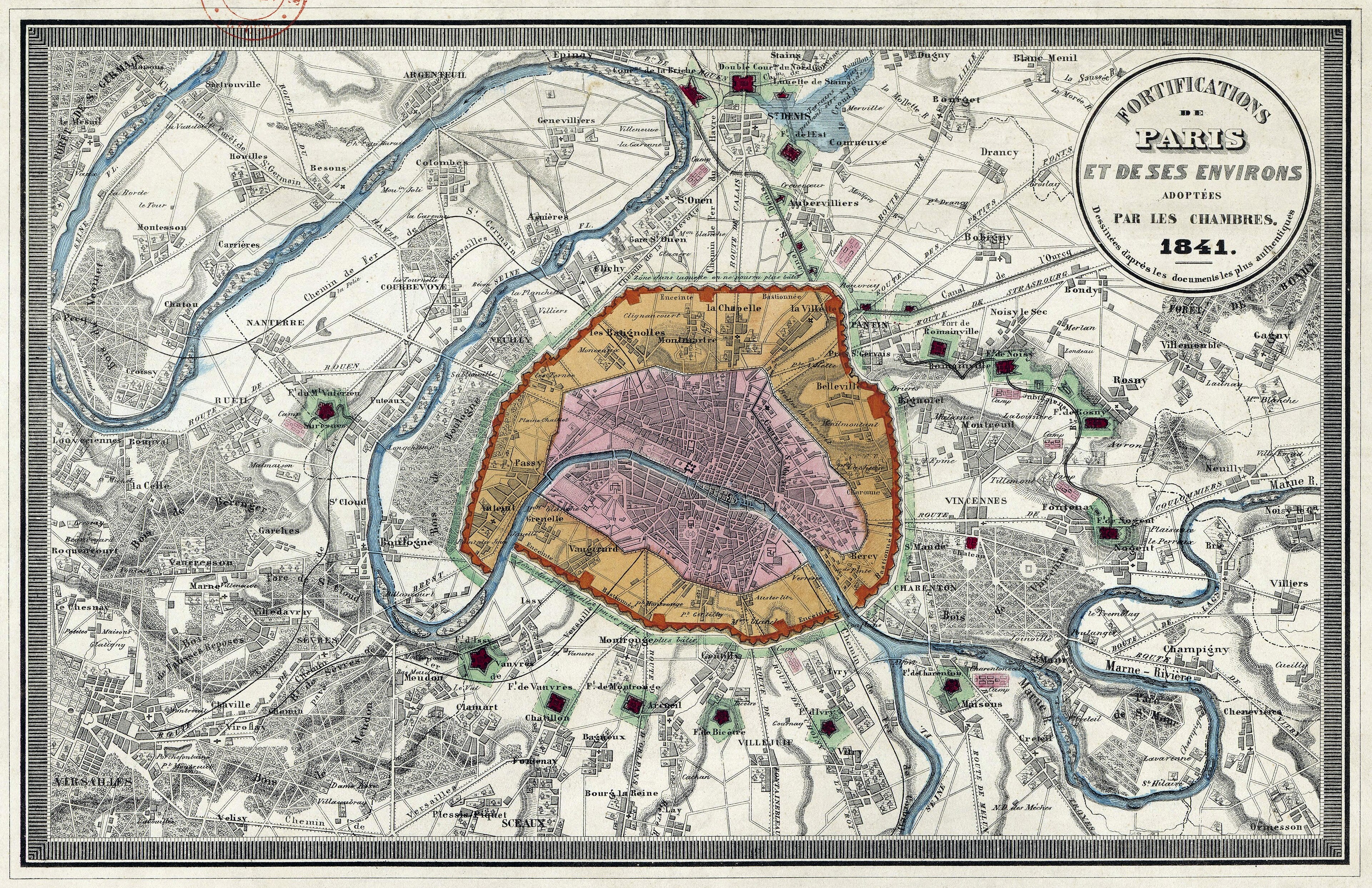
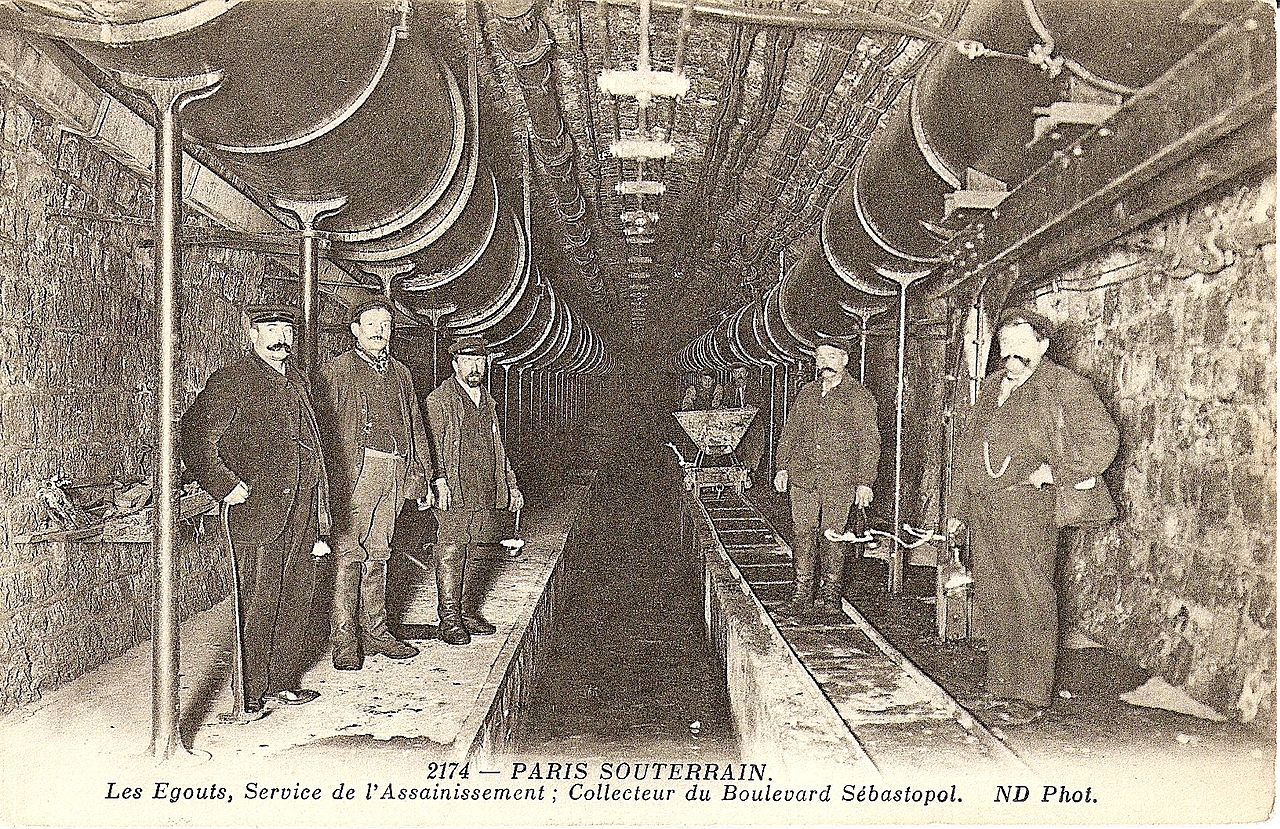
He updated the city's water supply and sewage system.
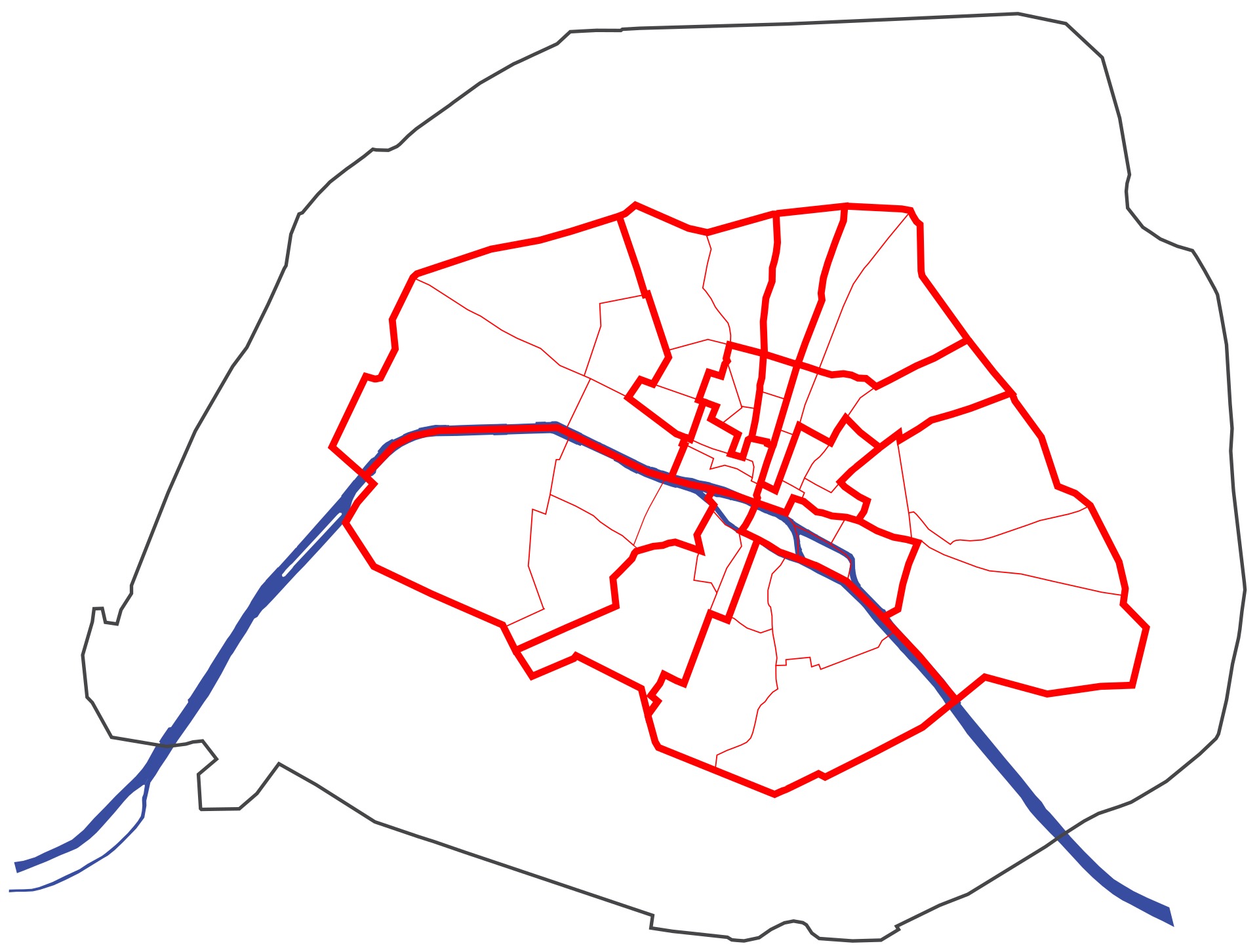
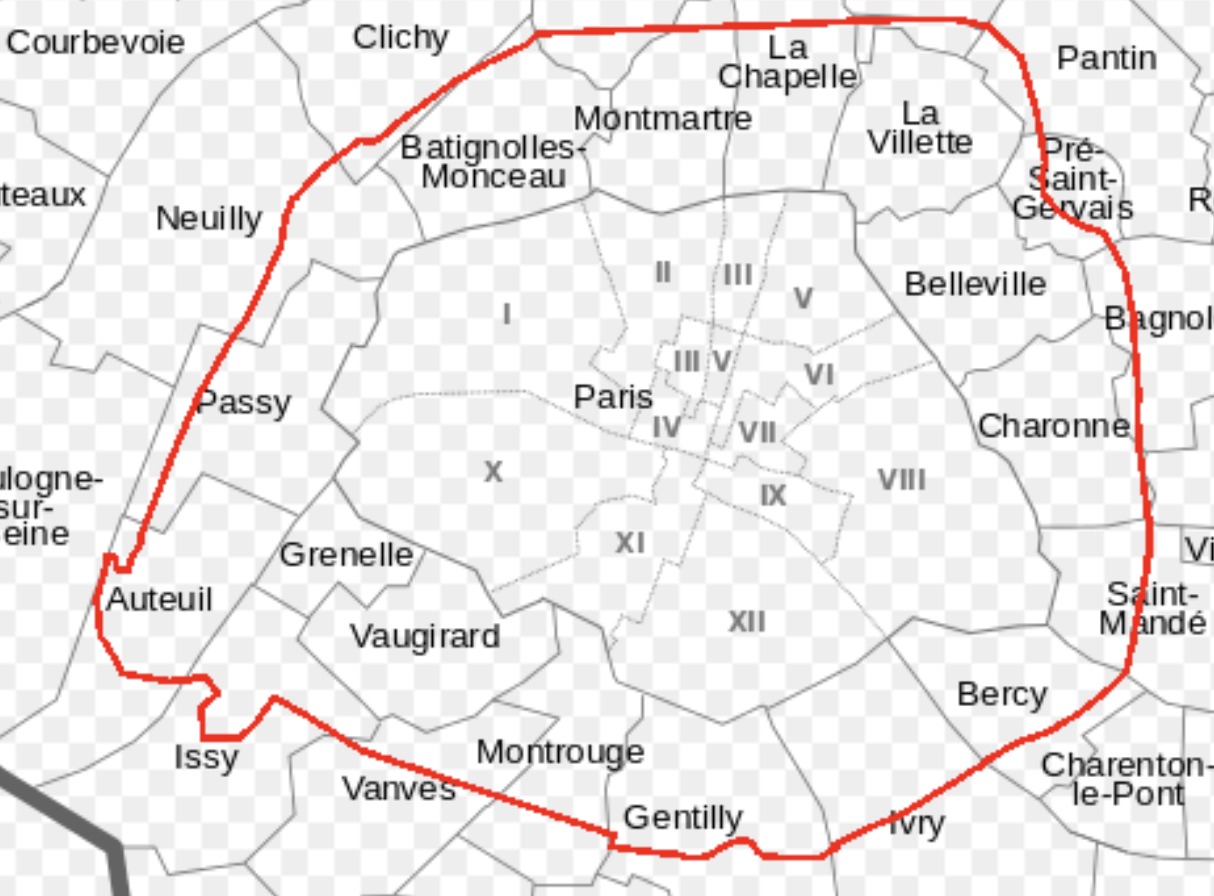
He annexed 11 suburbs including Montmartre, Belleville, Charonne...
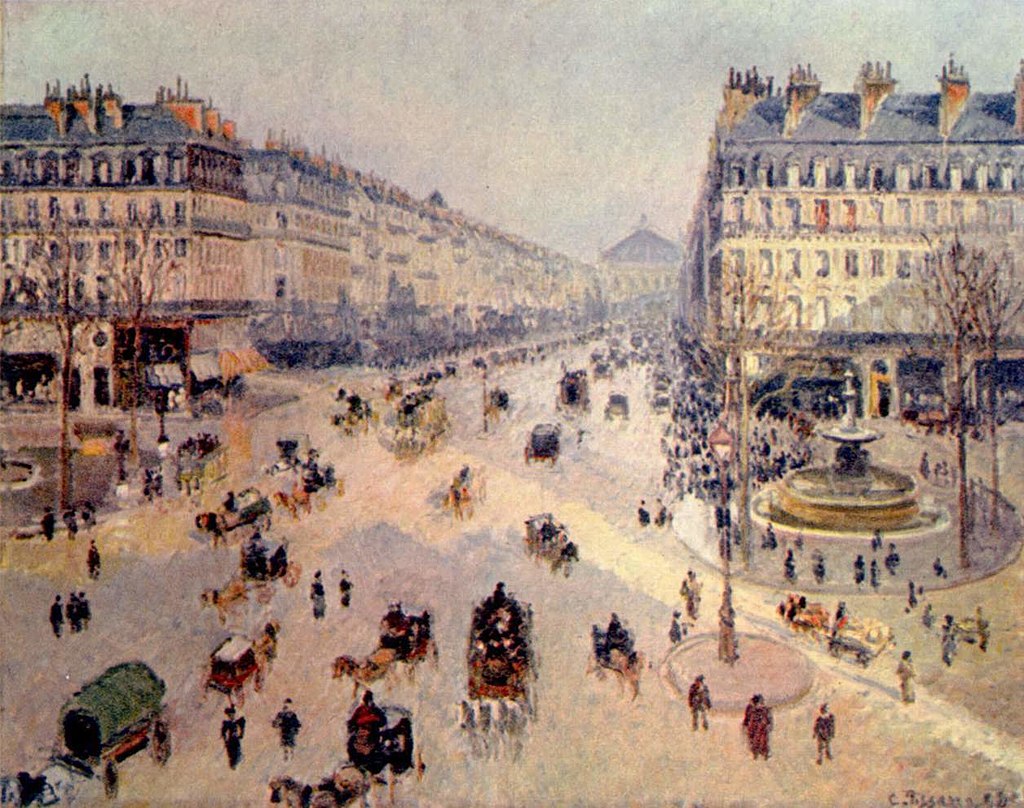
As a result of these changes, Paris’s population surged from 400,000 to 1.6 million inhabitants.
Comments
Loading comments...