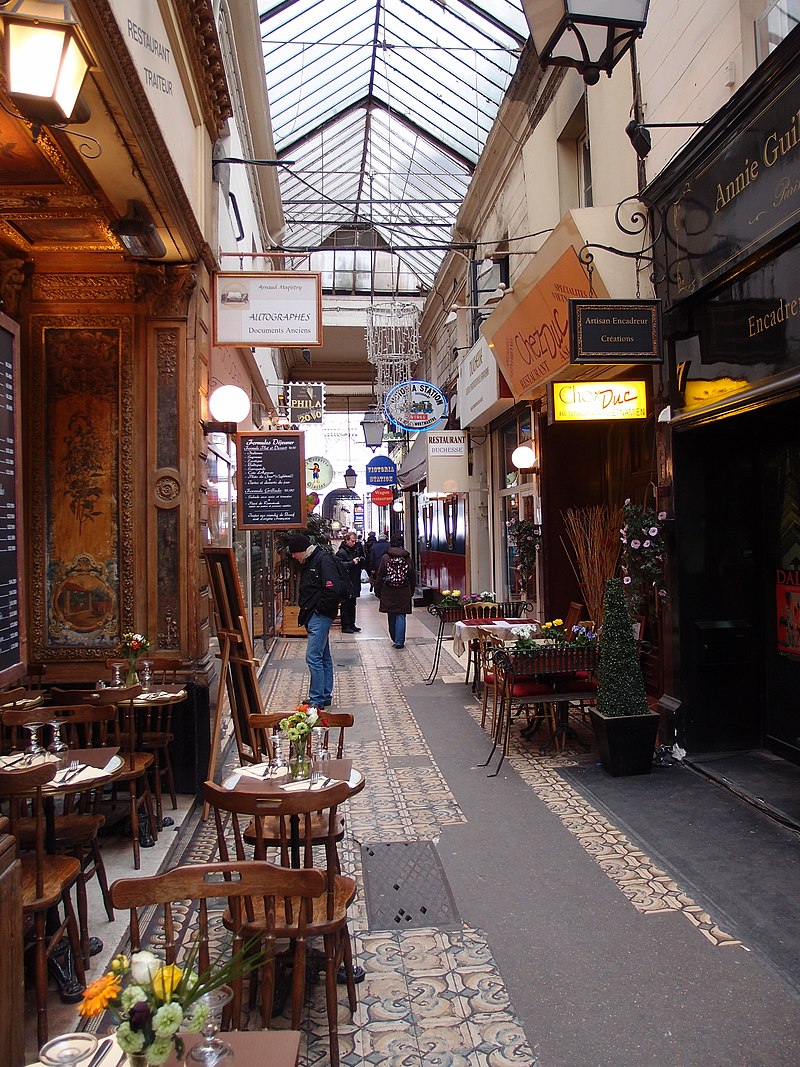


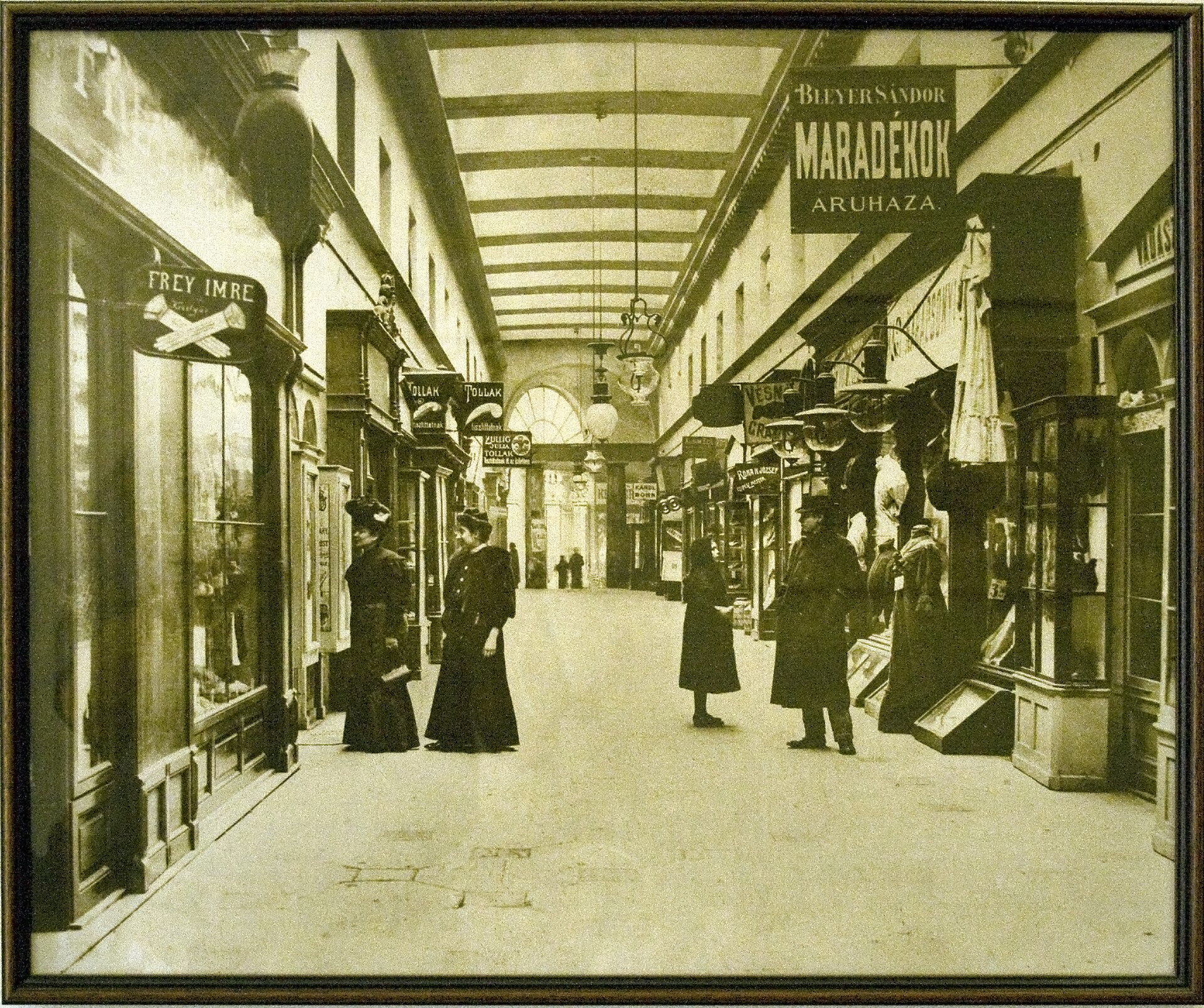
The passages couverts are glass-roofed, gas-lit shopping arcades built in the early 19th century.
Before Haussmann gave Paris proper pavements, its streets were muddy, dangerous and dominated by horse traffic - the arcades offered a safe, dry place to browse, whatever the weather.
At their peak there were around 150 of them. Haussmann's transformation of Paris made them redundant almost overnight.
Around 20 survive today.
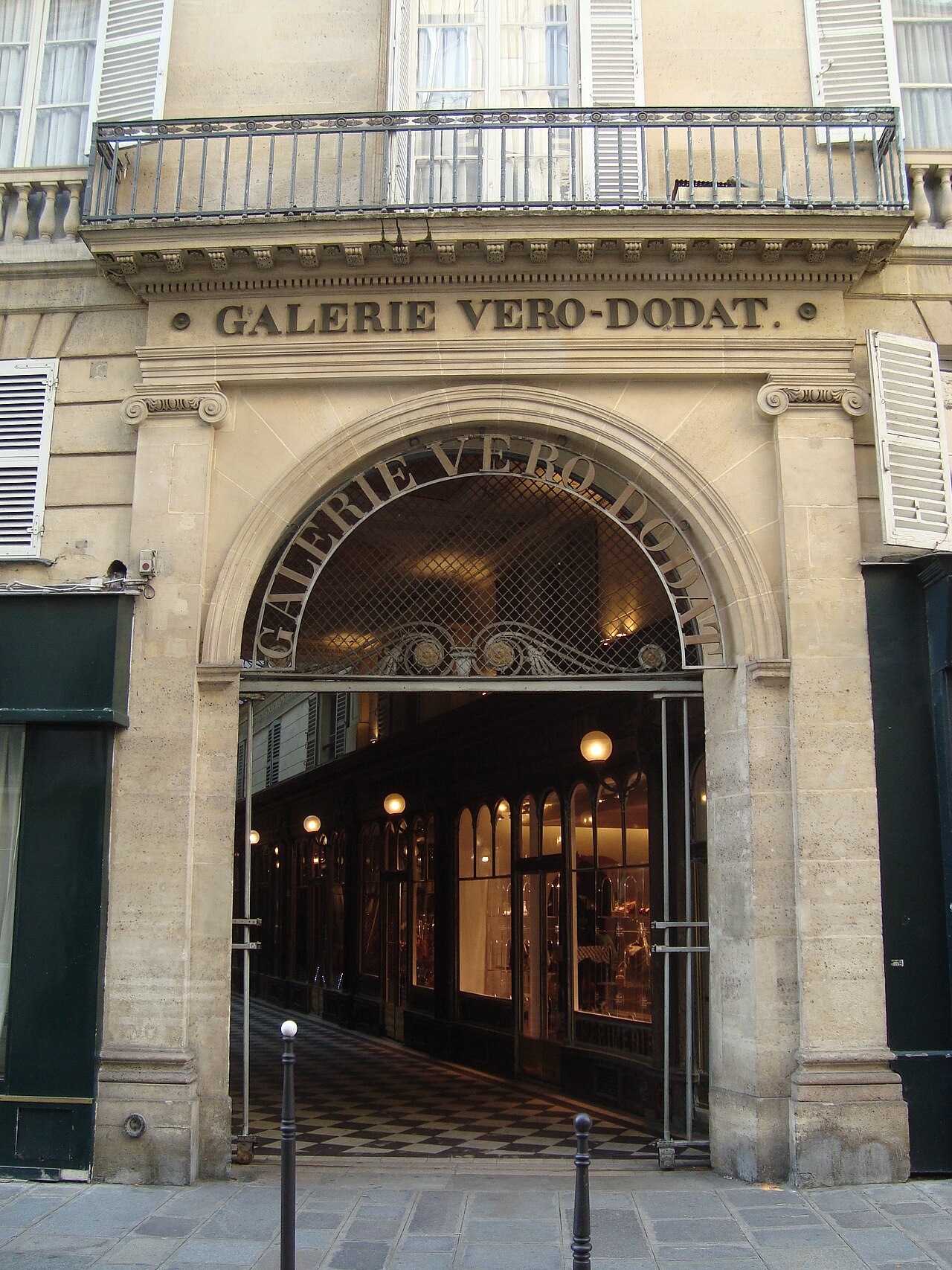
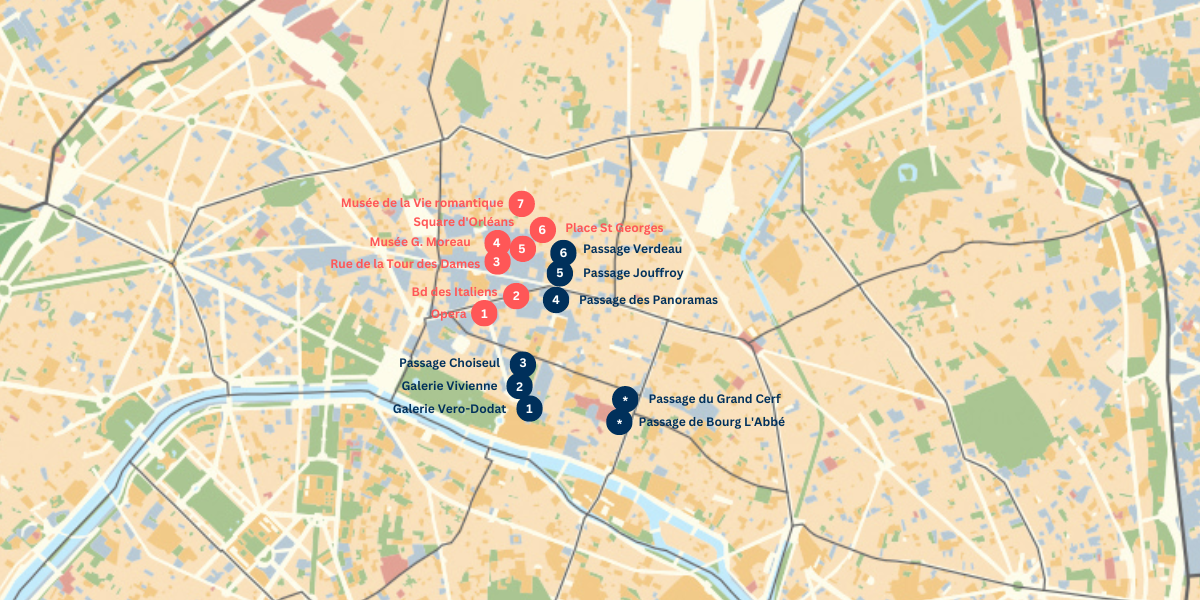
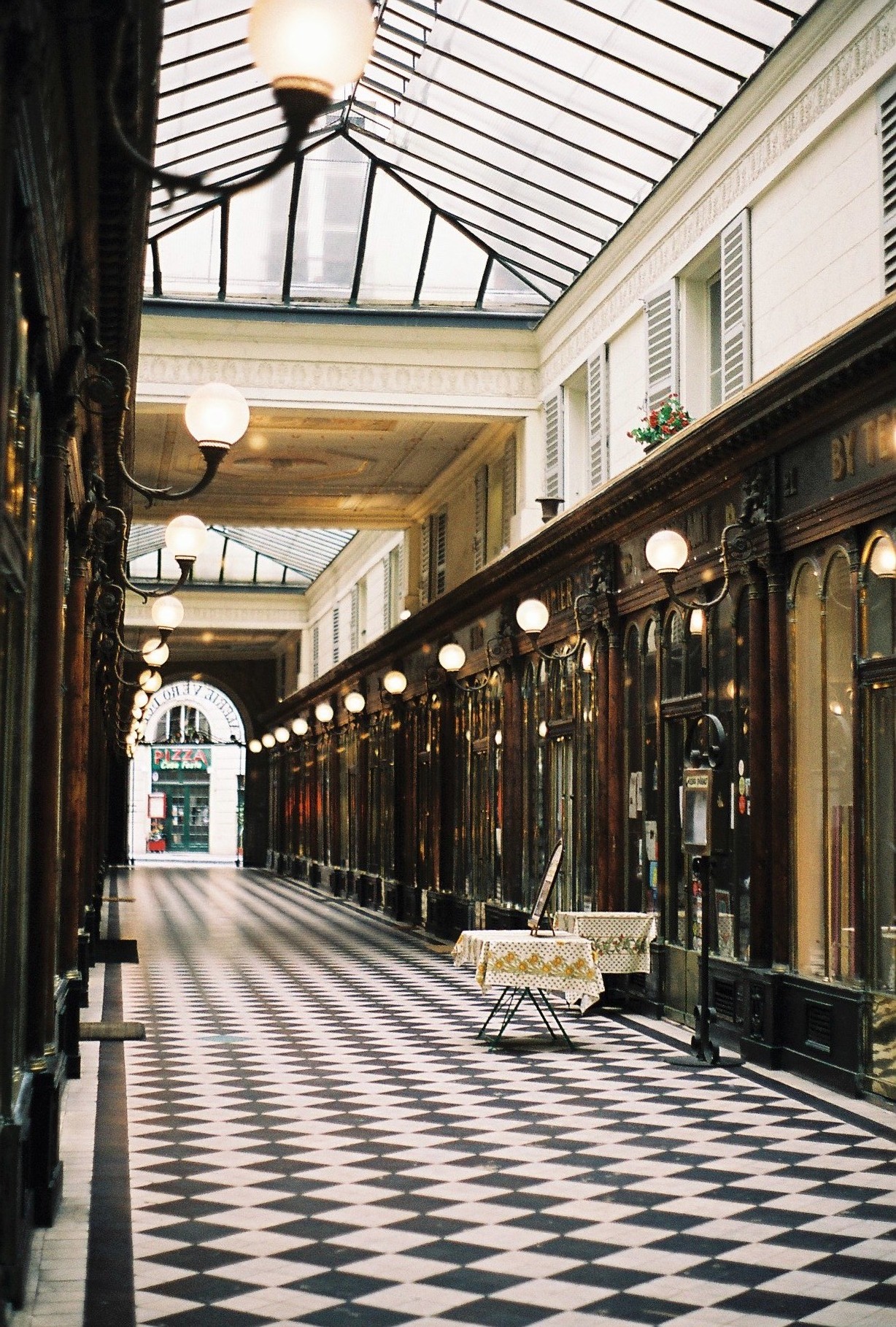
The Galerie Véro-Dodat was financed by two pork butchers who invested their entire fortunes in it.
It was one of the first streets in Paris to have gas lighting and has painted ceilings, black columns, and a slightly melancholy, time-stood-still atmosphere.
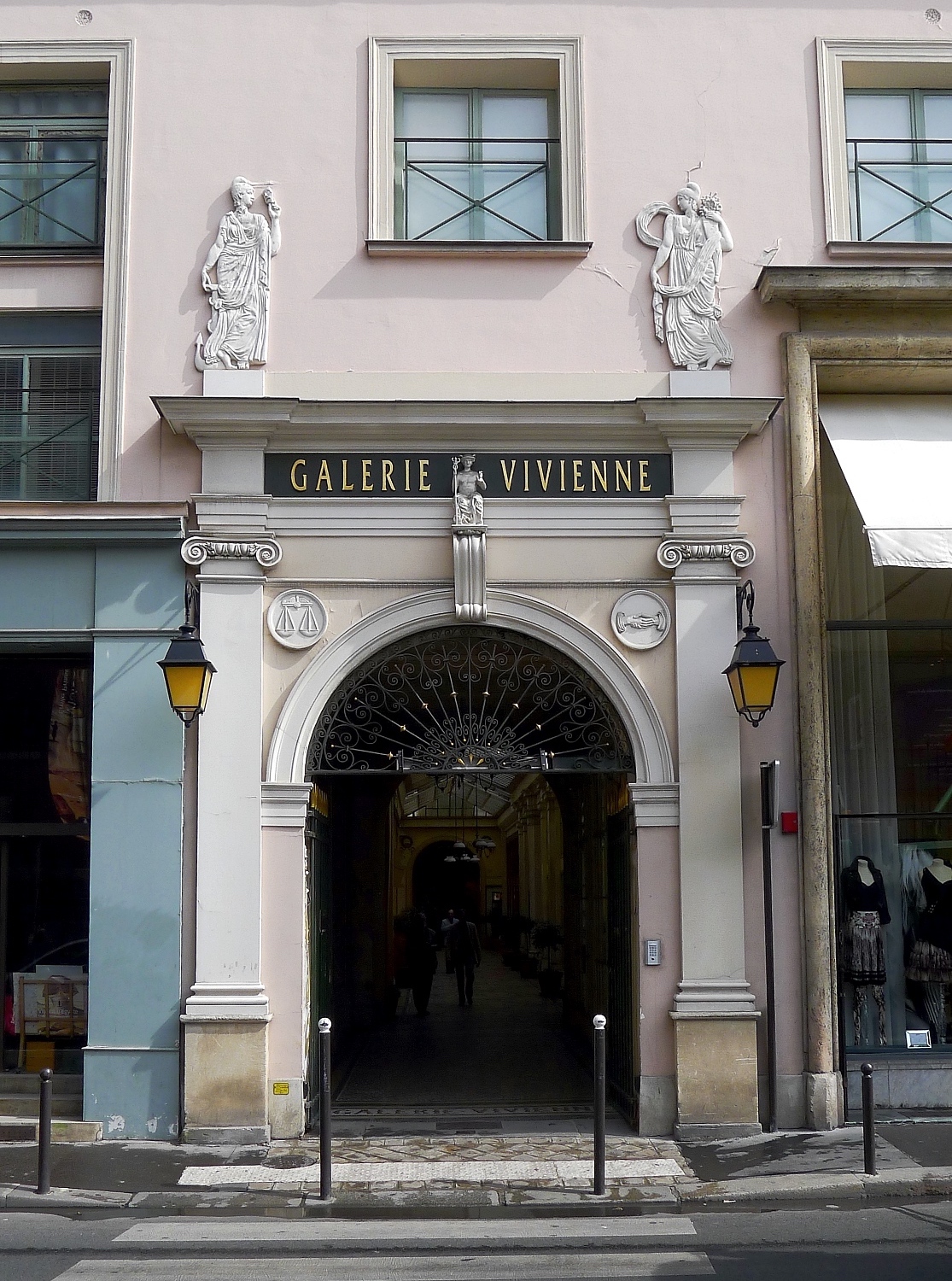
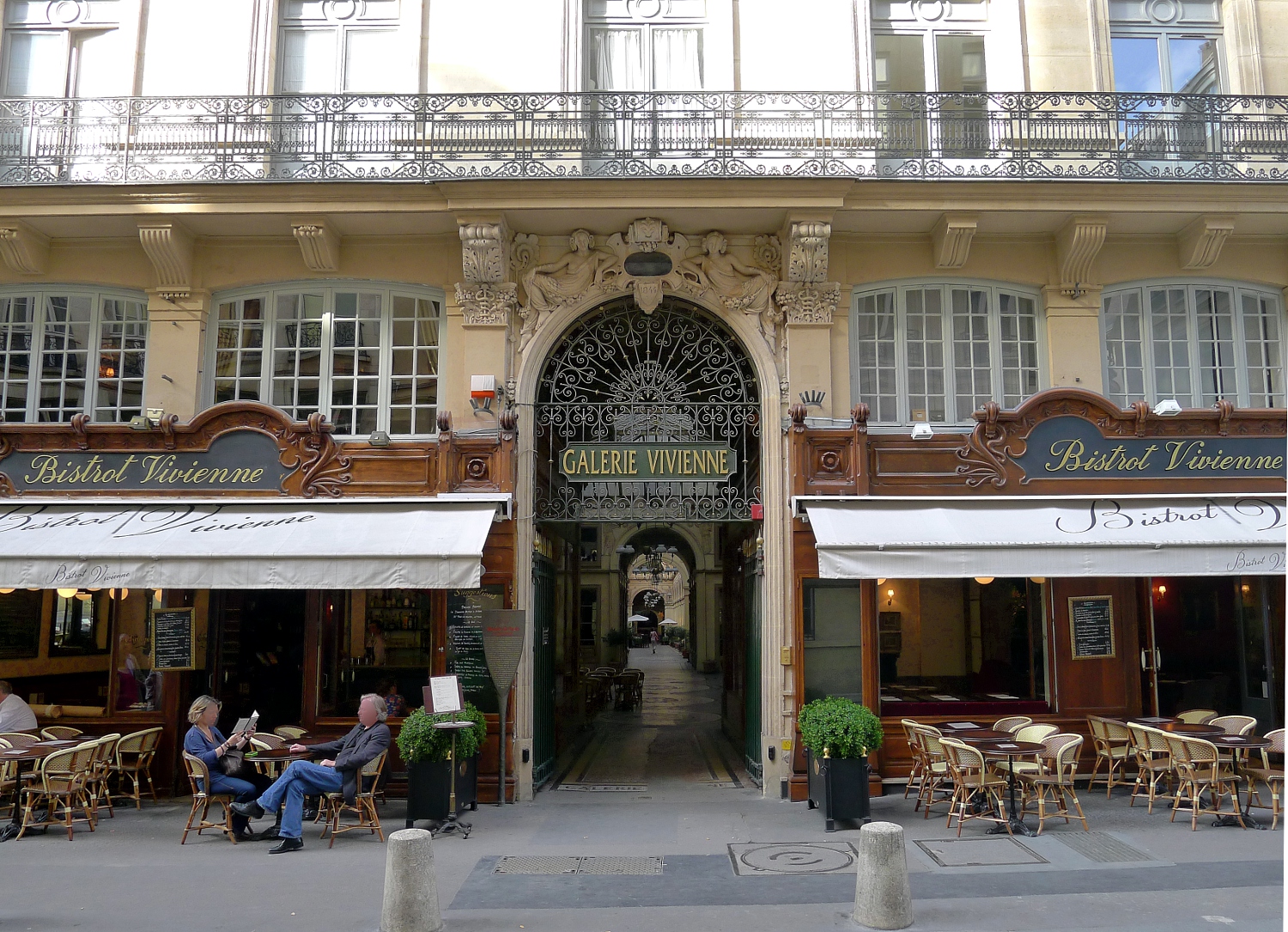
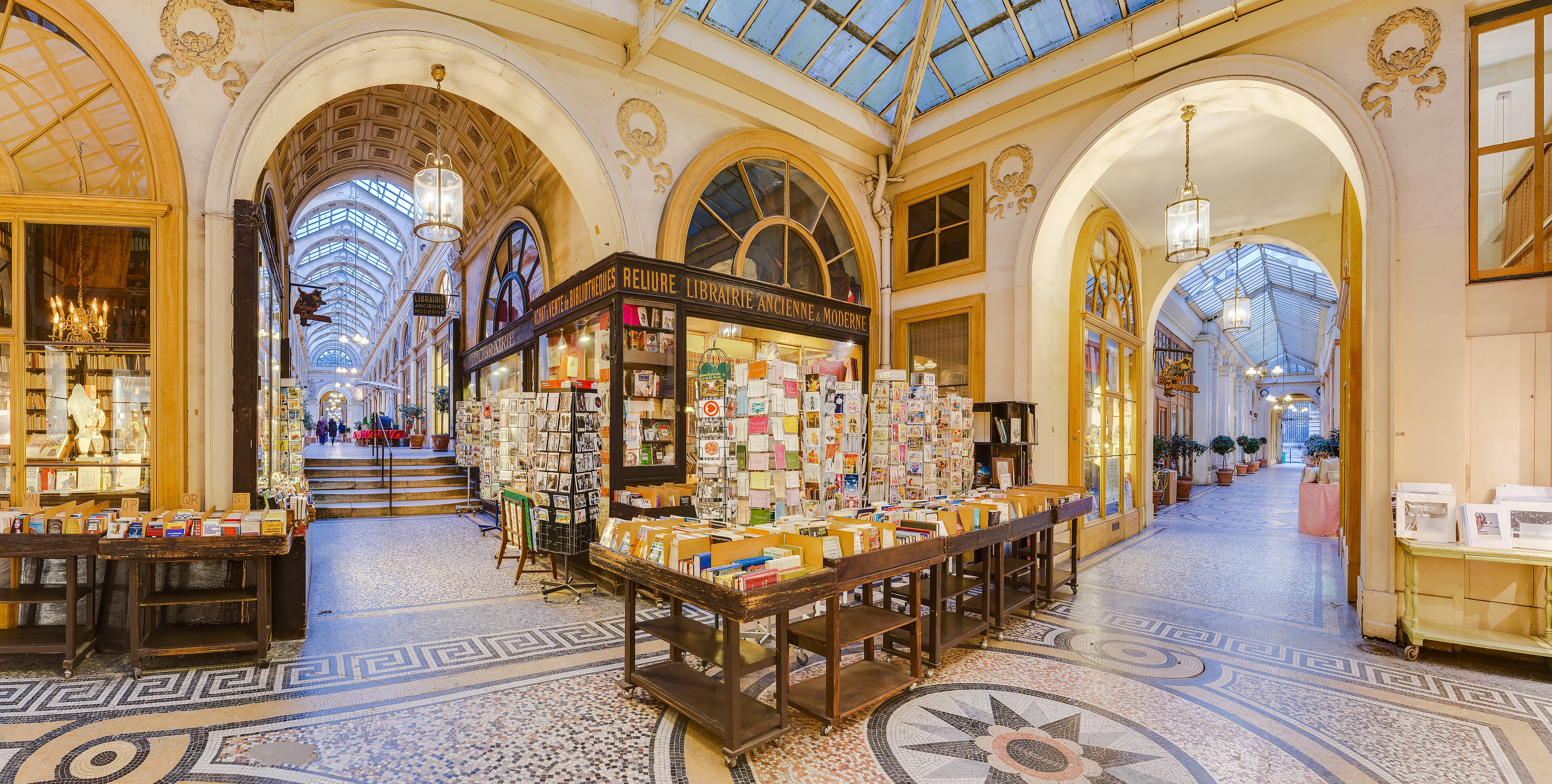
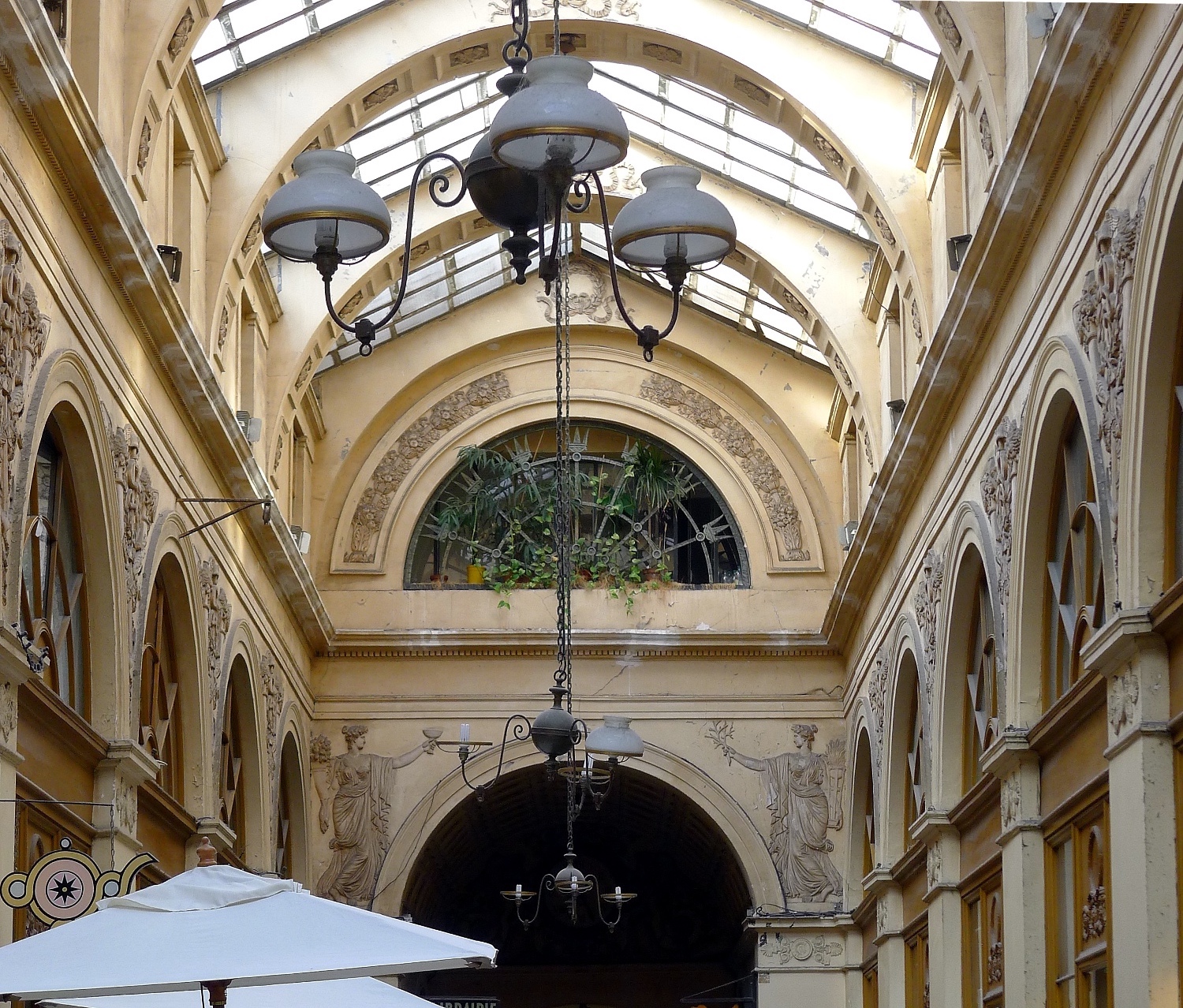
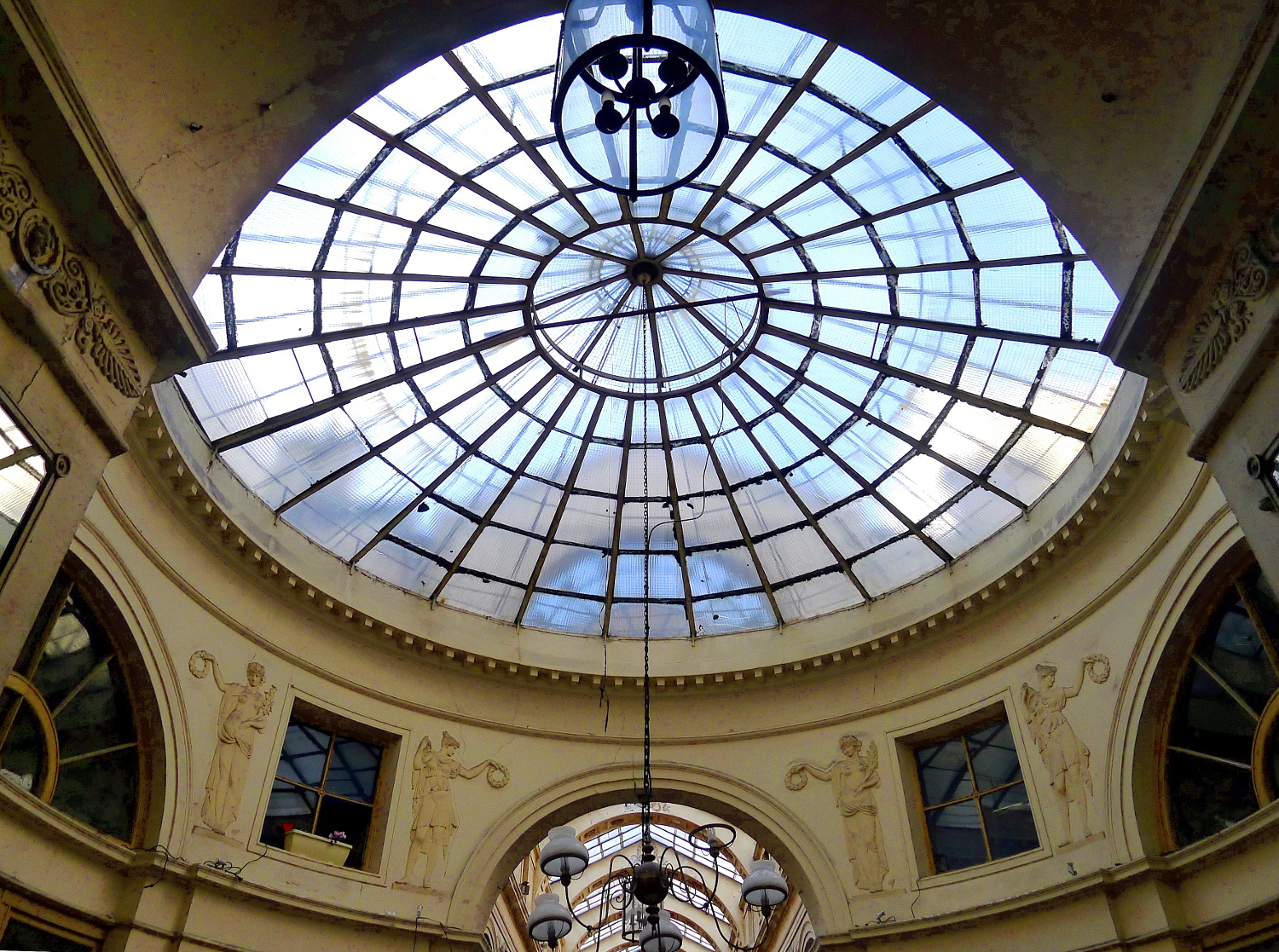
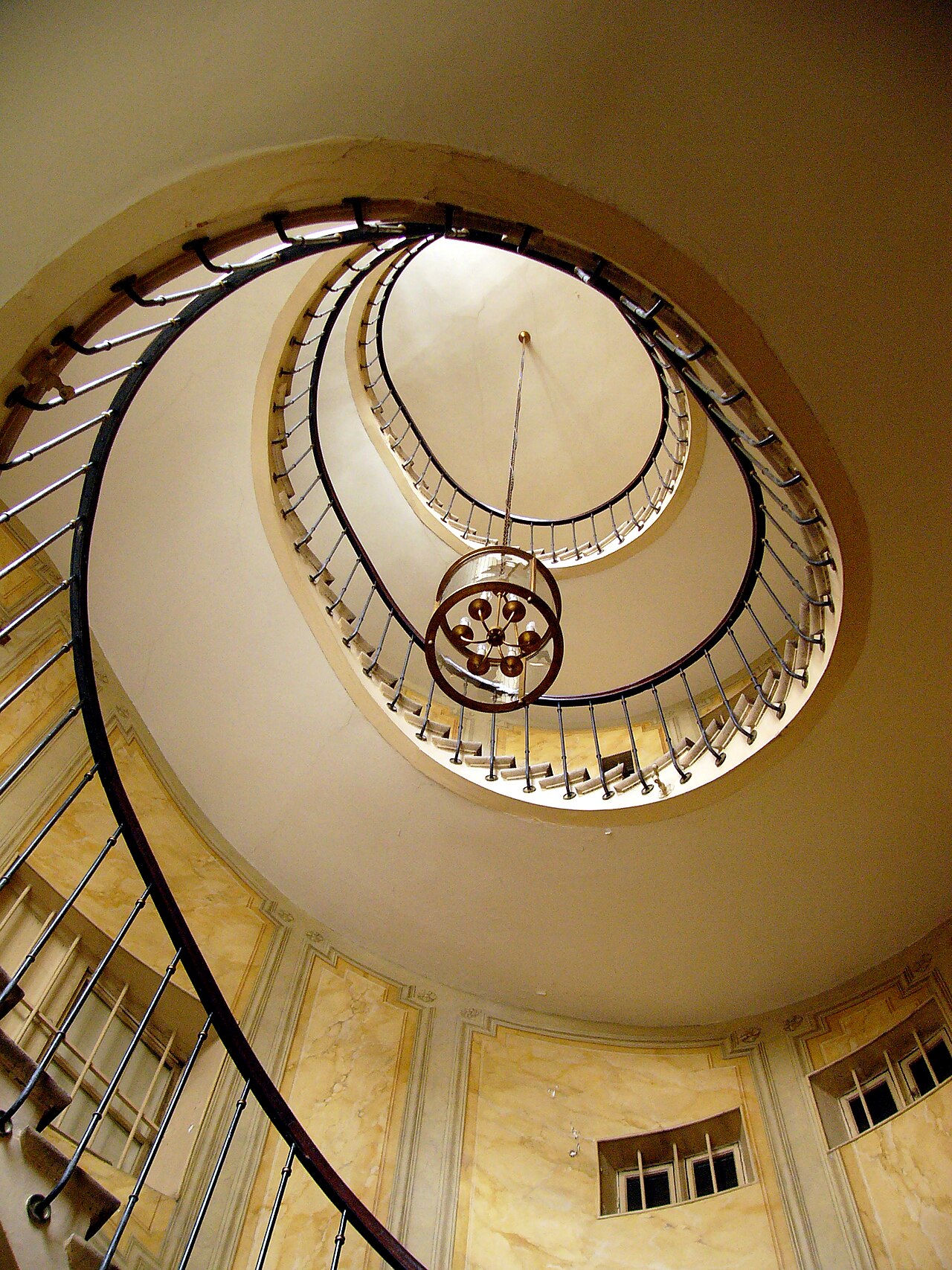
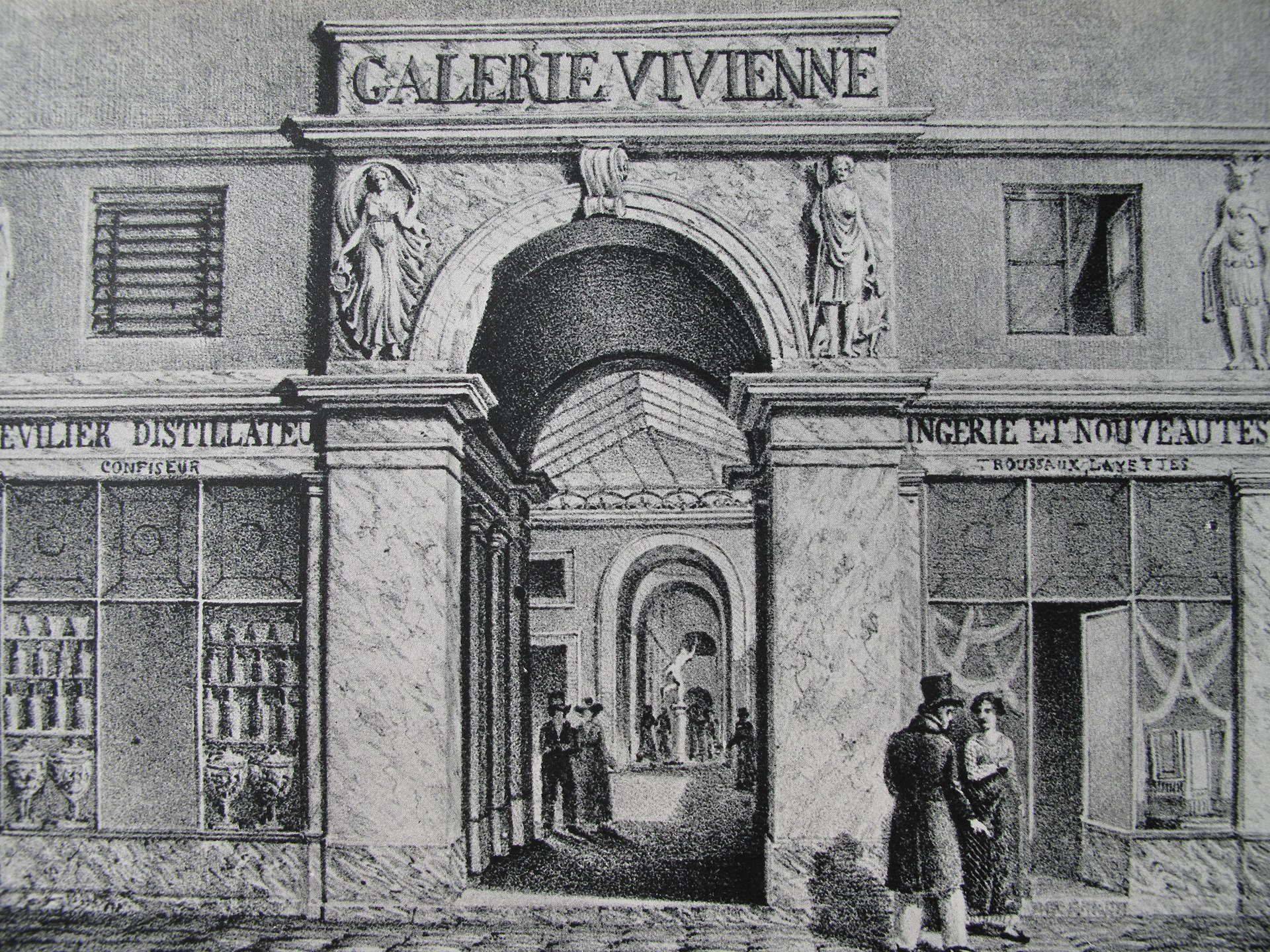
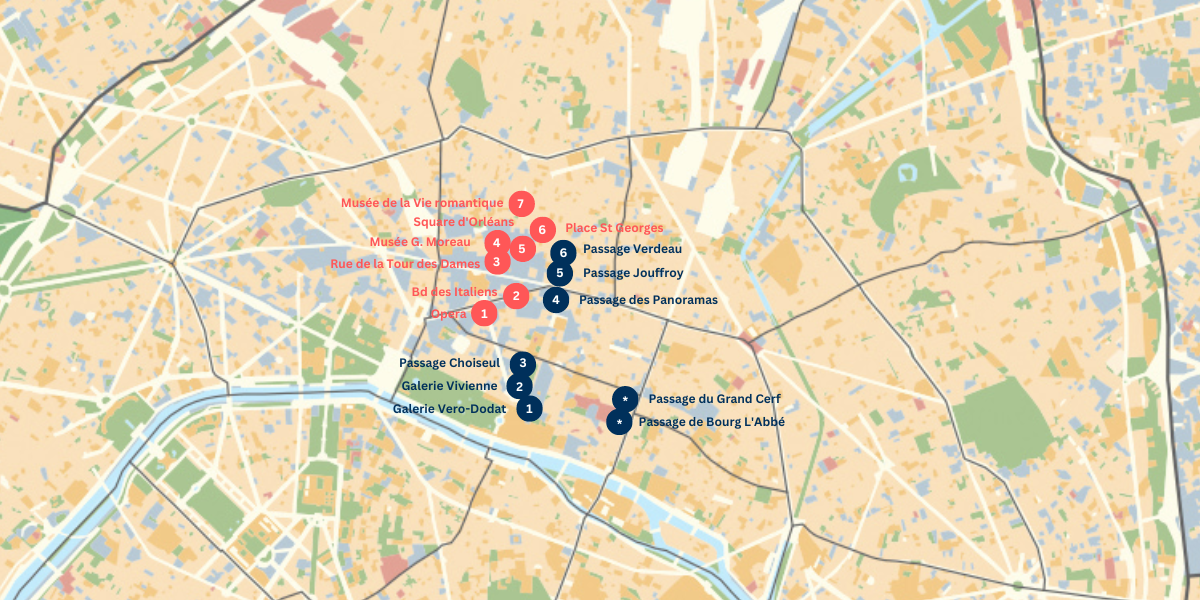
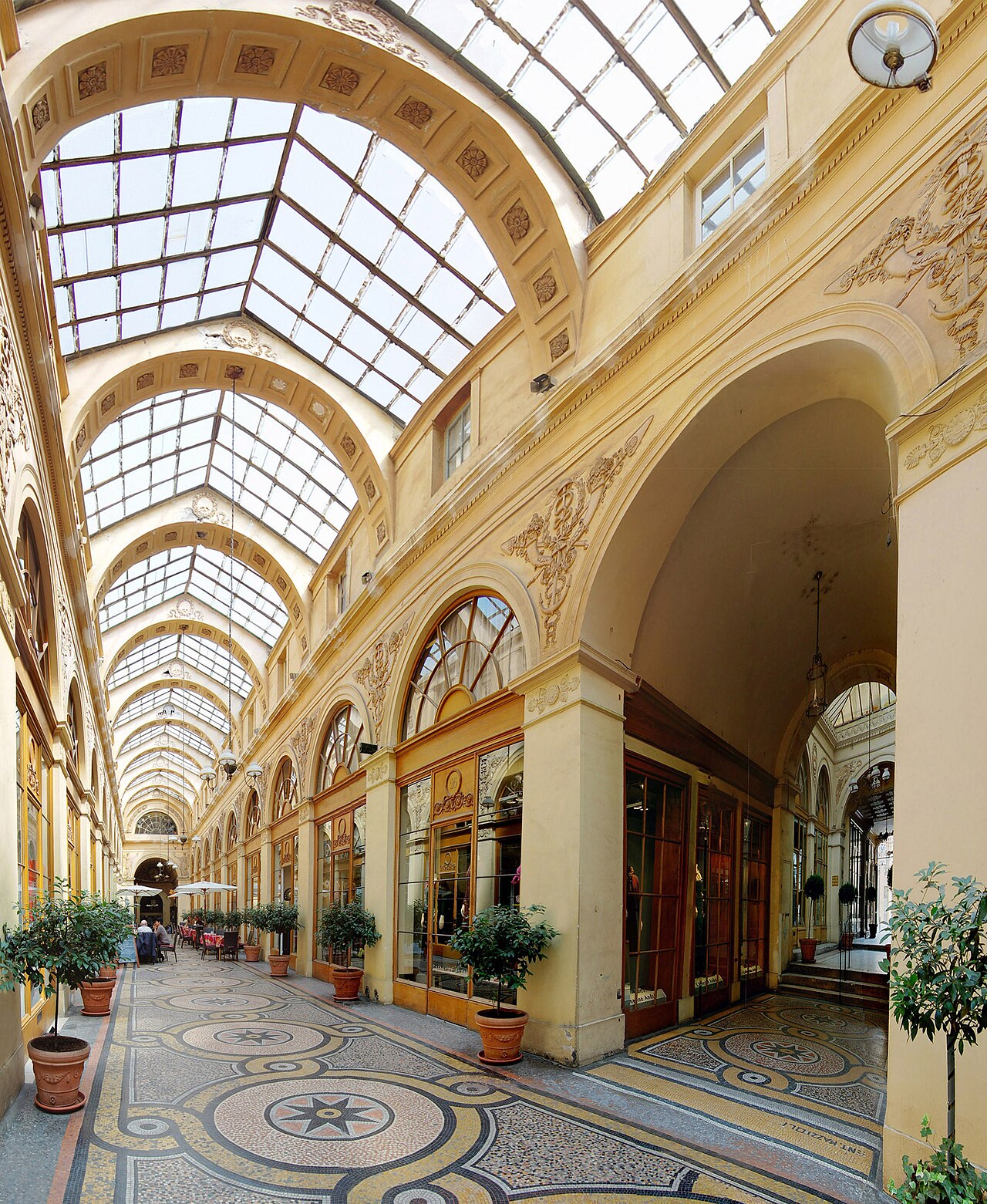
The Galerie Vivienne is the most elegant of the surviving arcades - with beautiful mosaic floors, neoclassical archways, and a refined atmosphere that made it a favourite of Parisian high society.
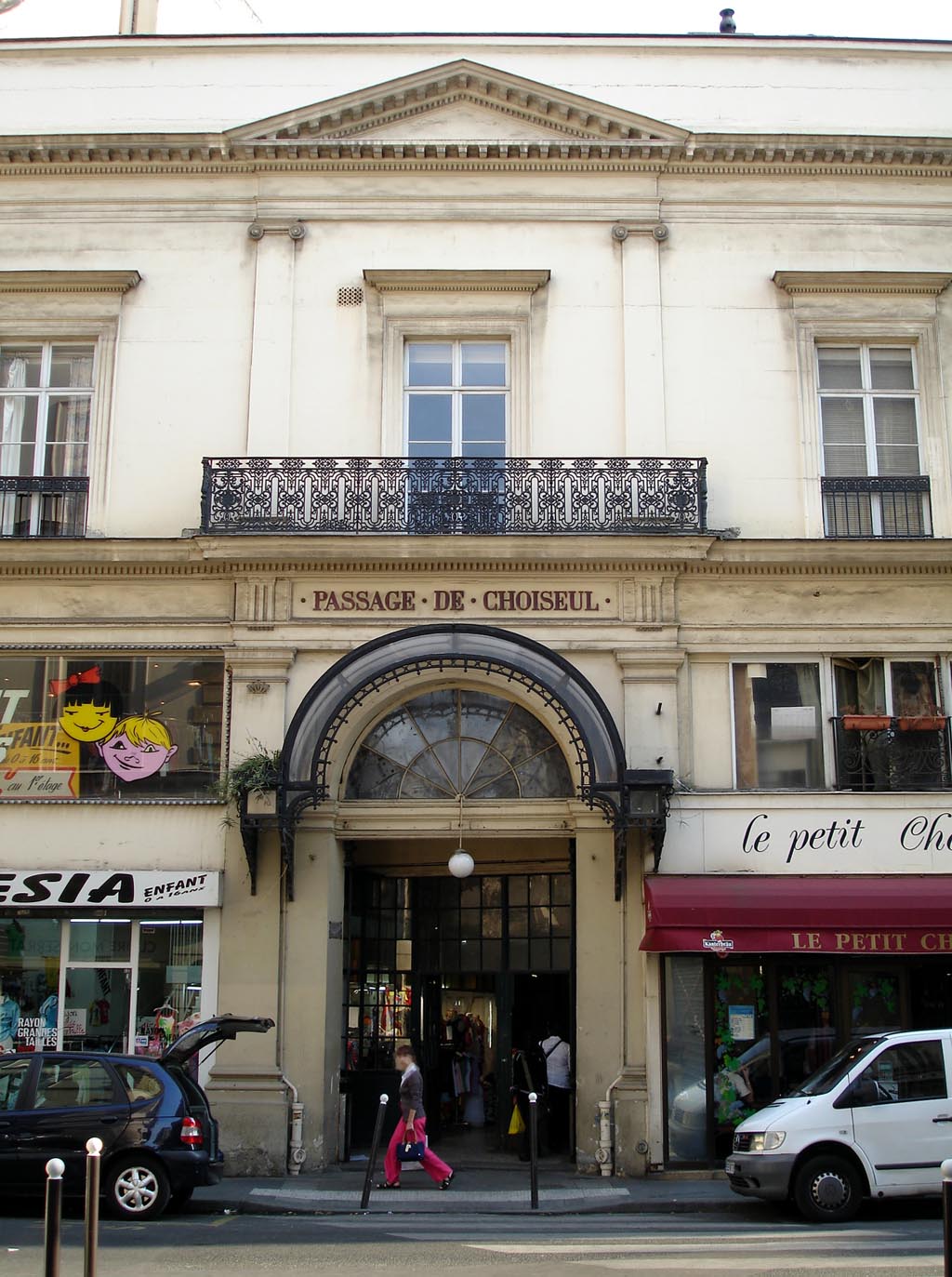
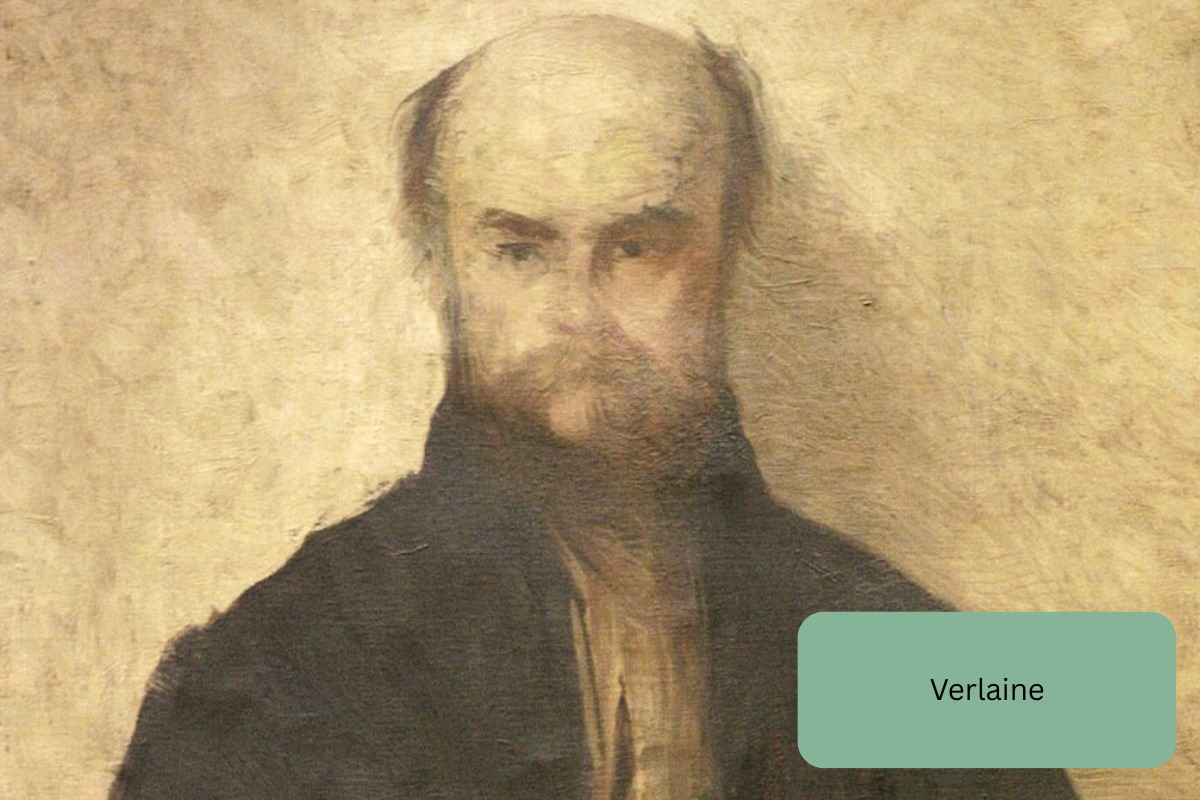
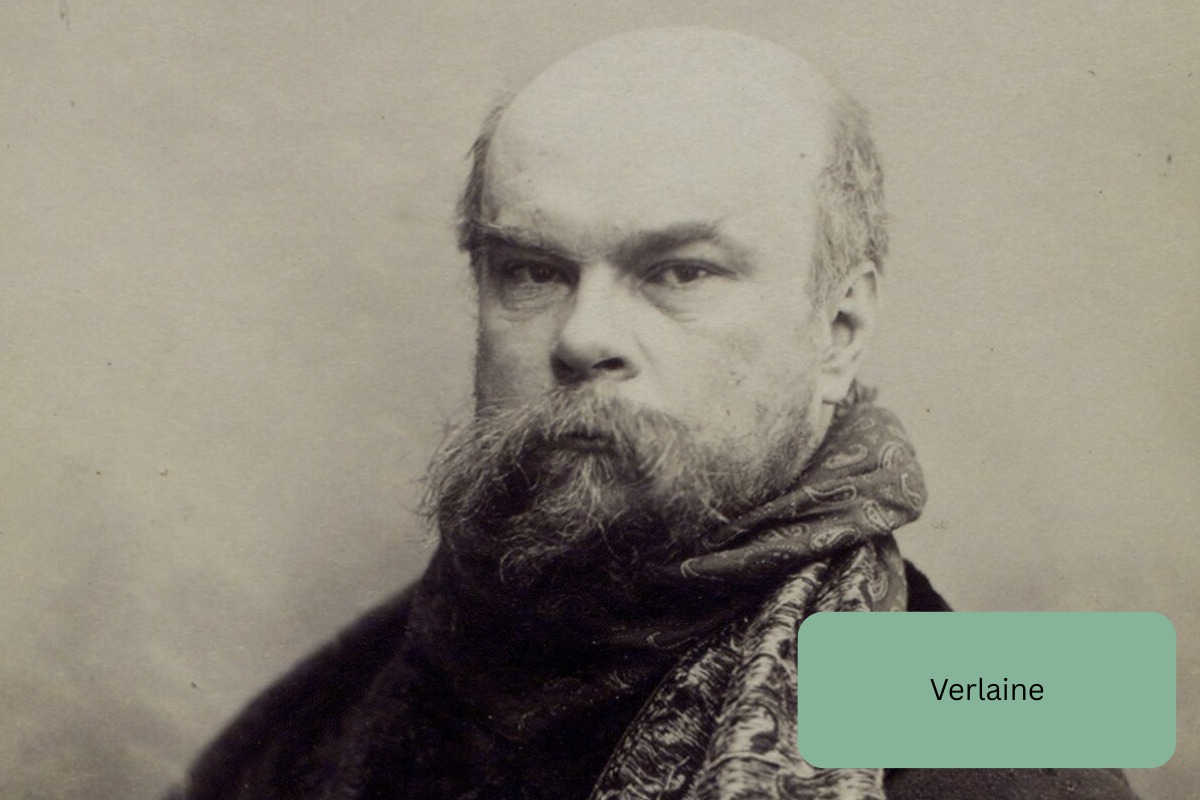
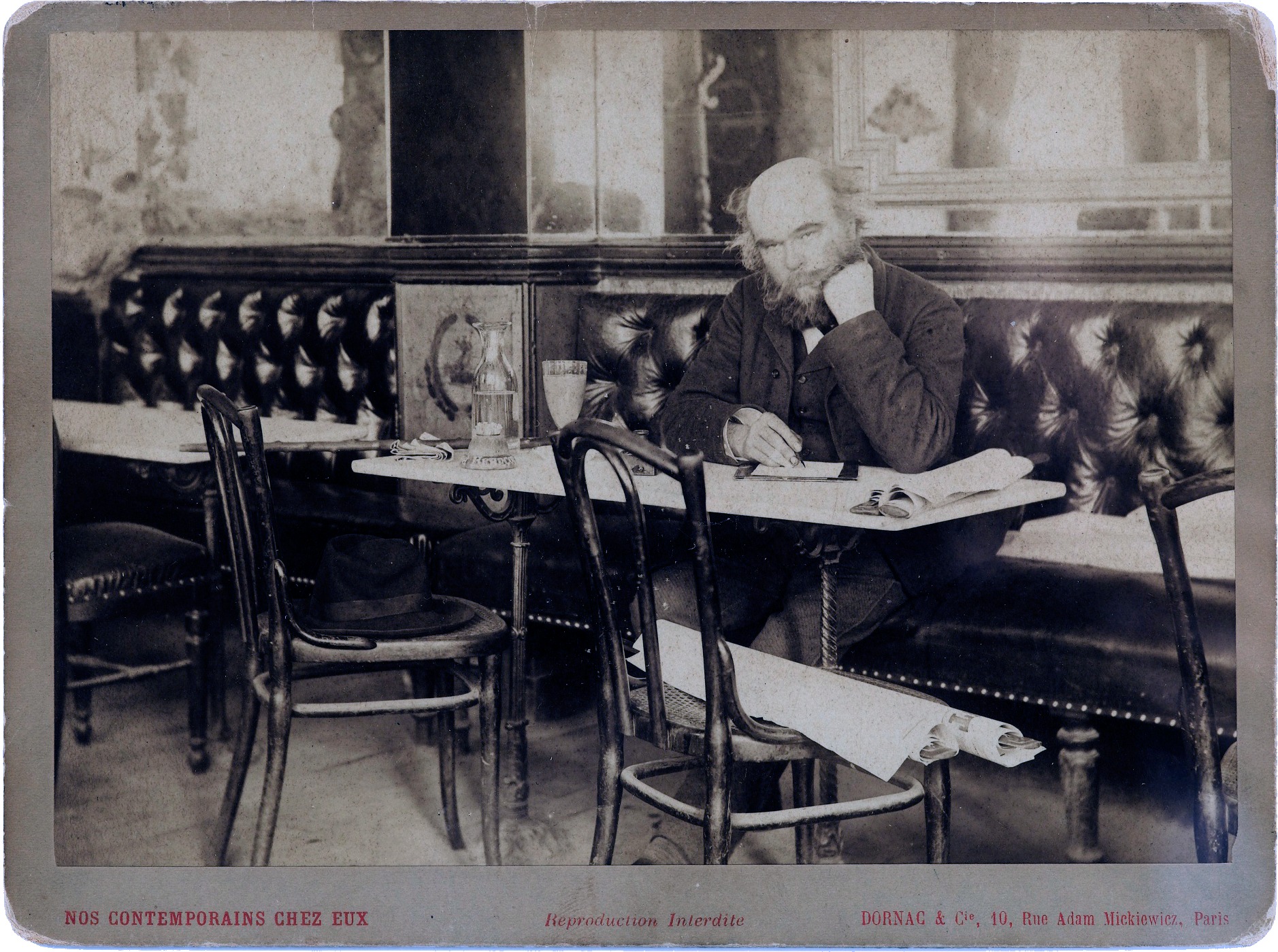
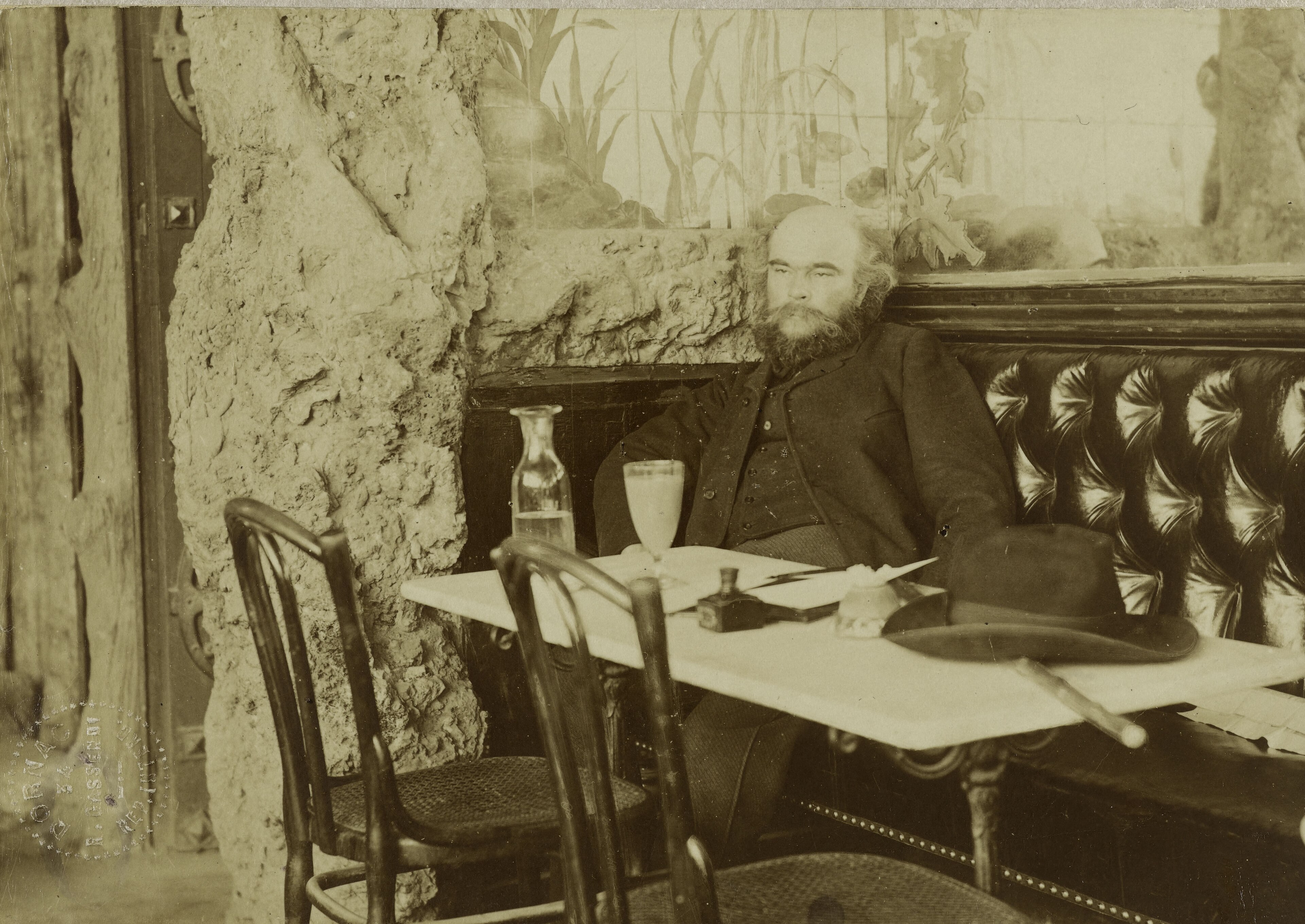
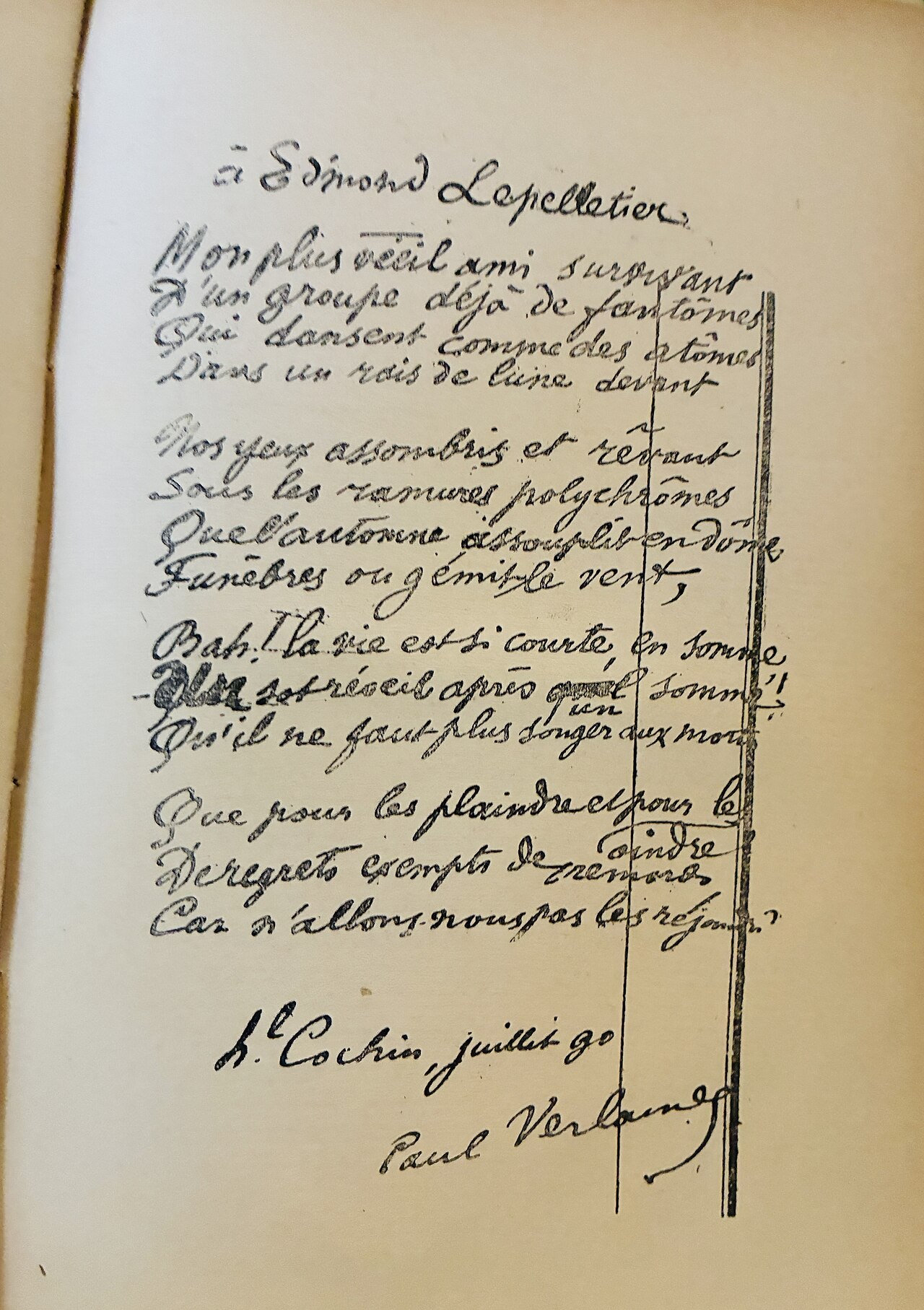
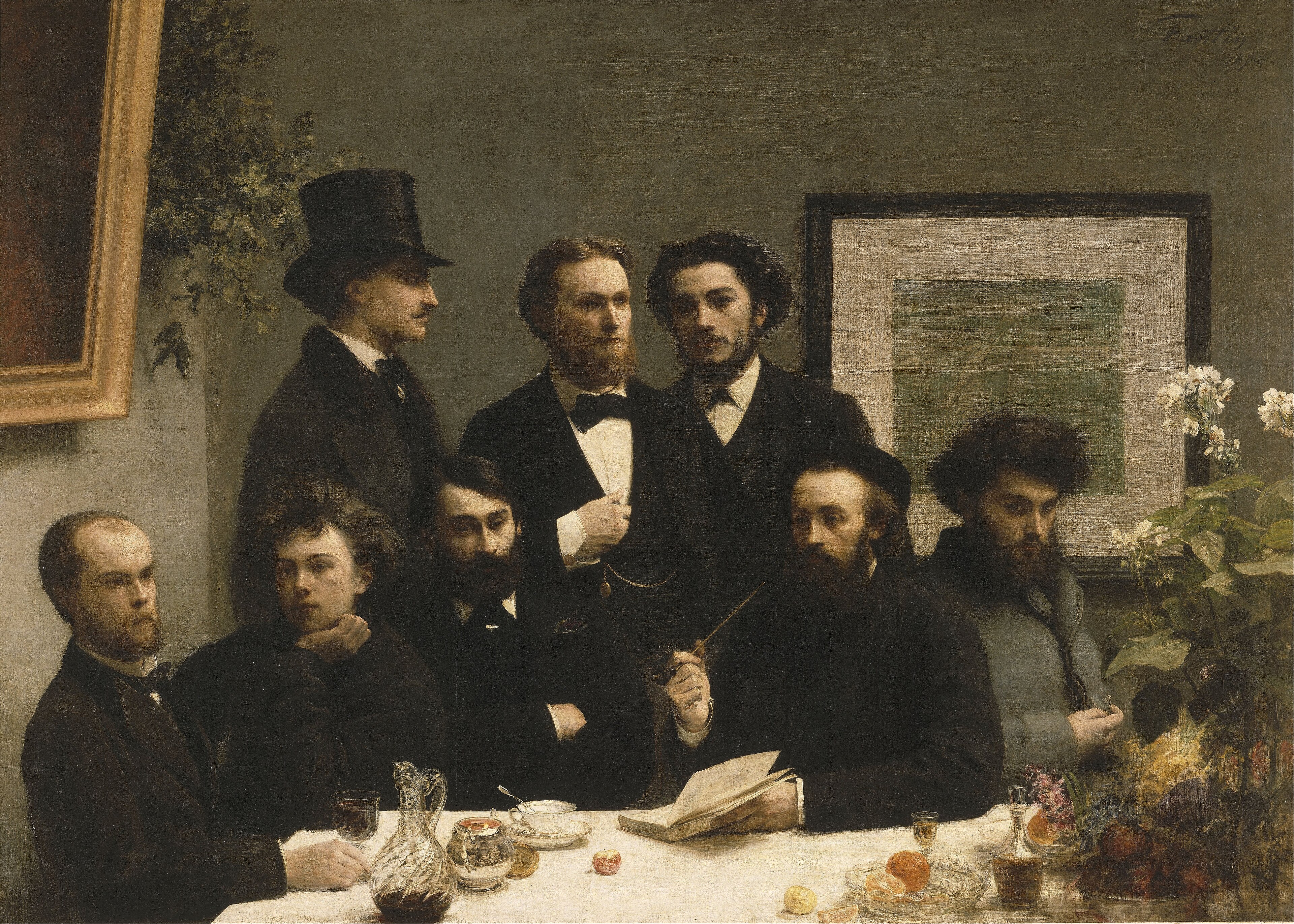
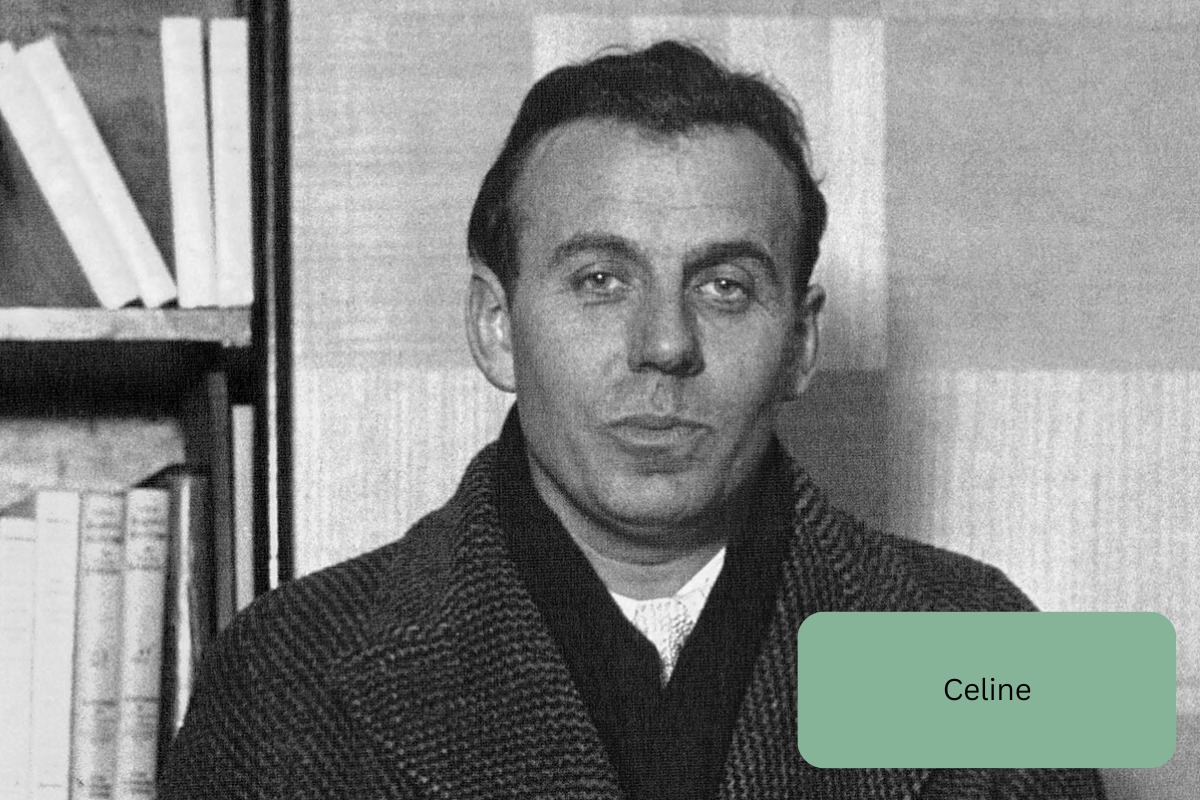
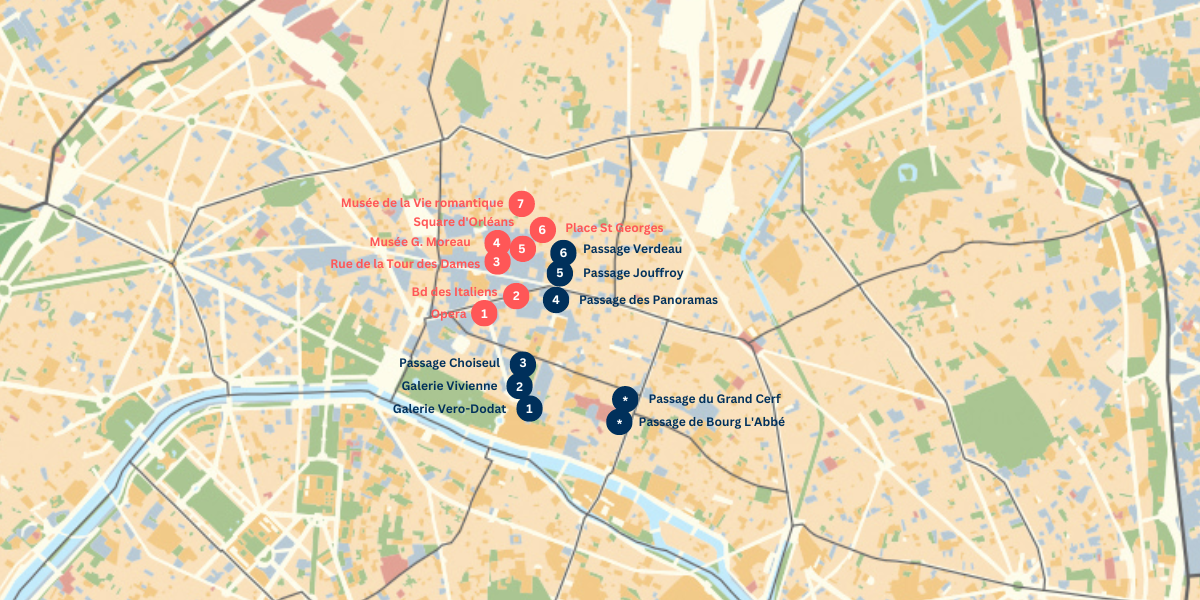
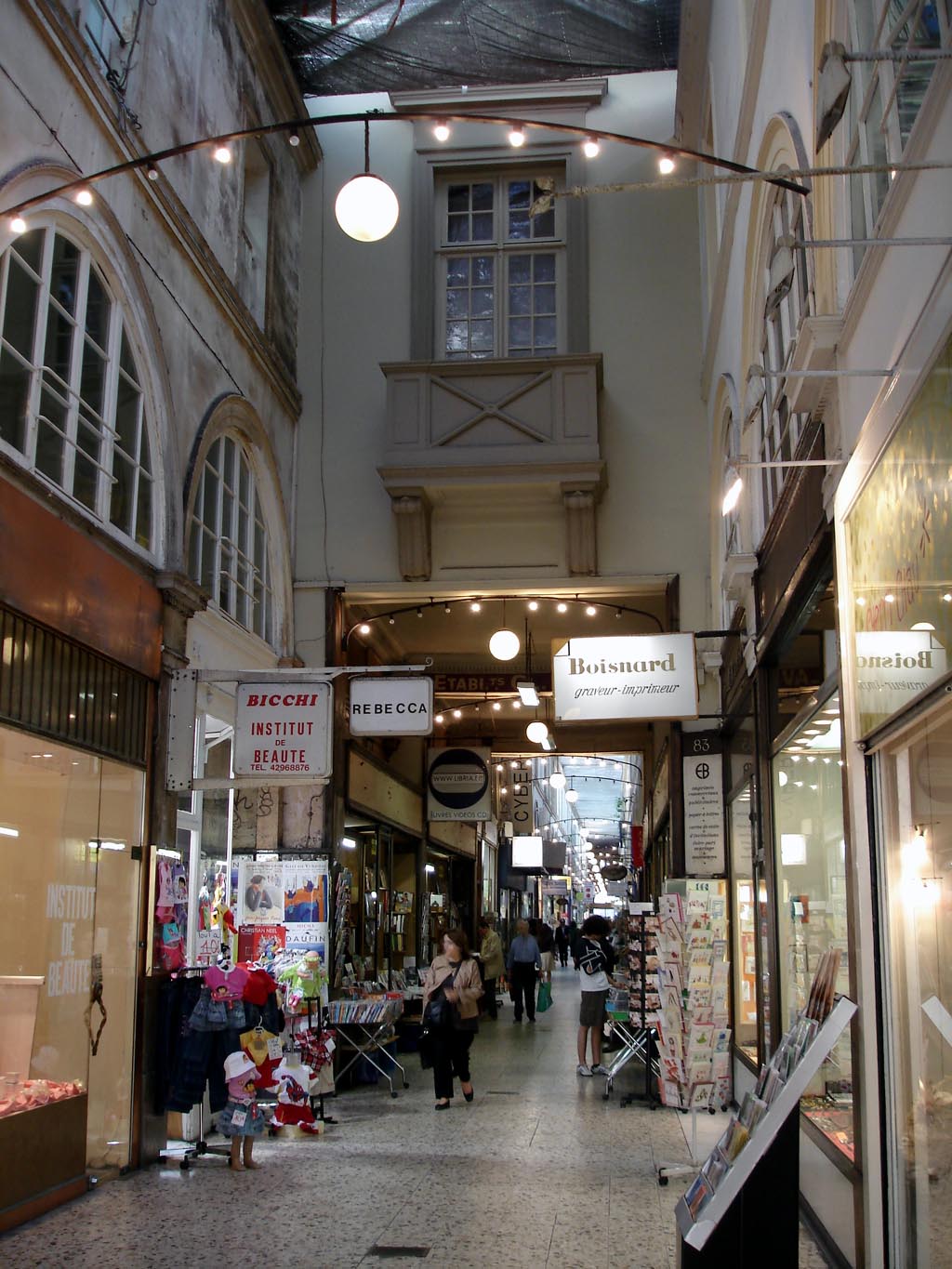
The Passage Choiseul was a favourite haunt of the poet Paul Verlaine, and was later immortalised by Céline in his novel Mort à Crédit.
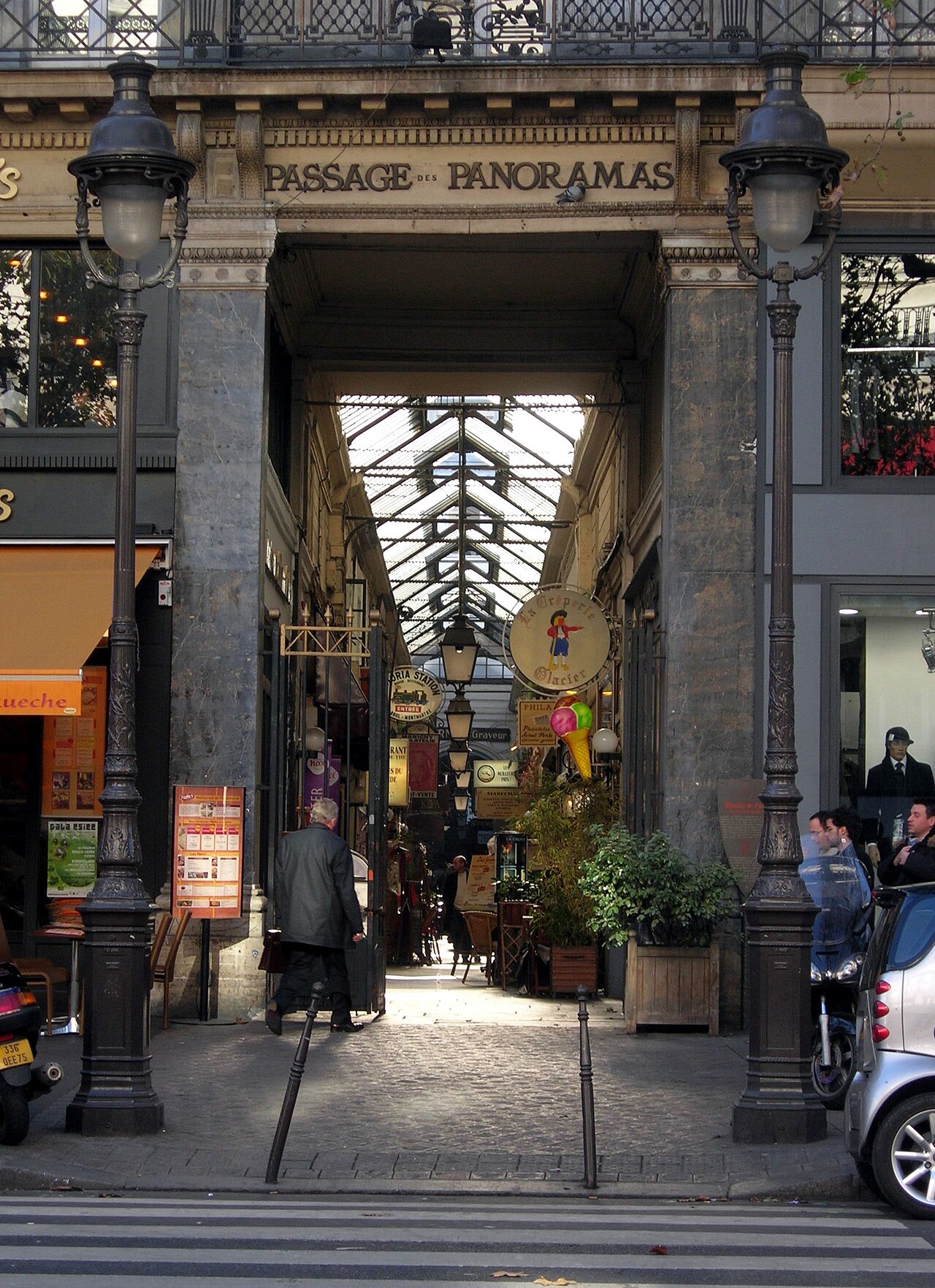
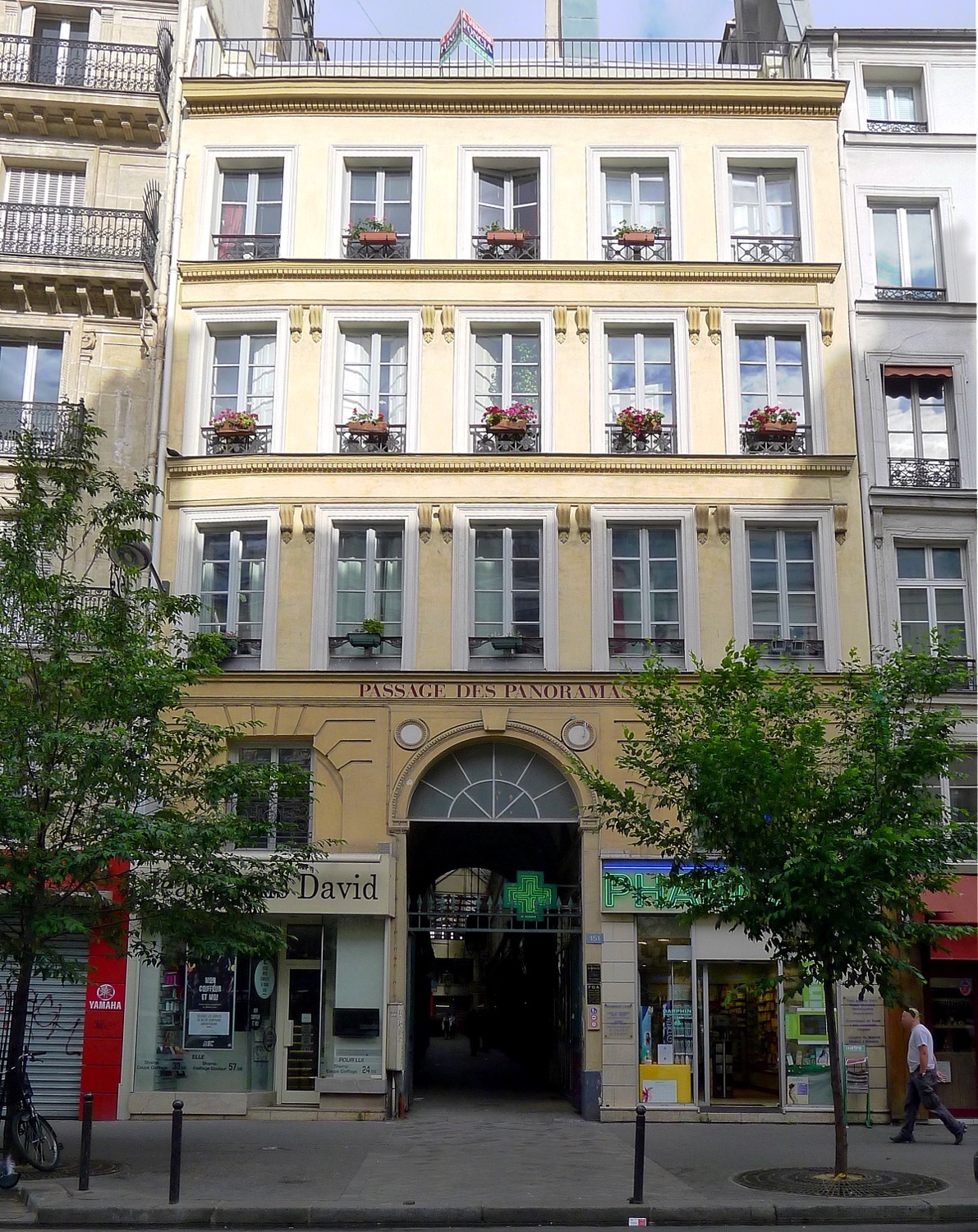
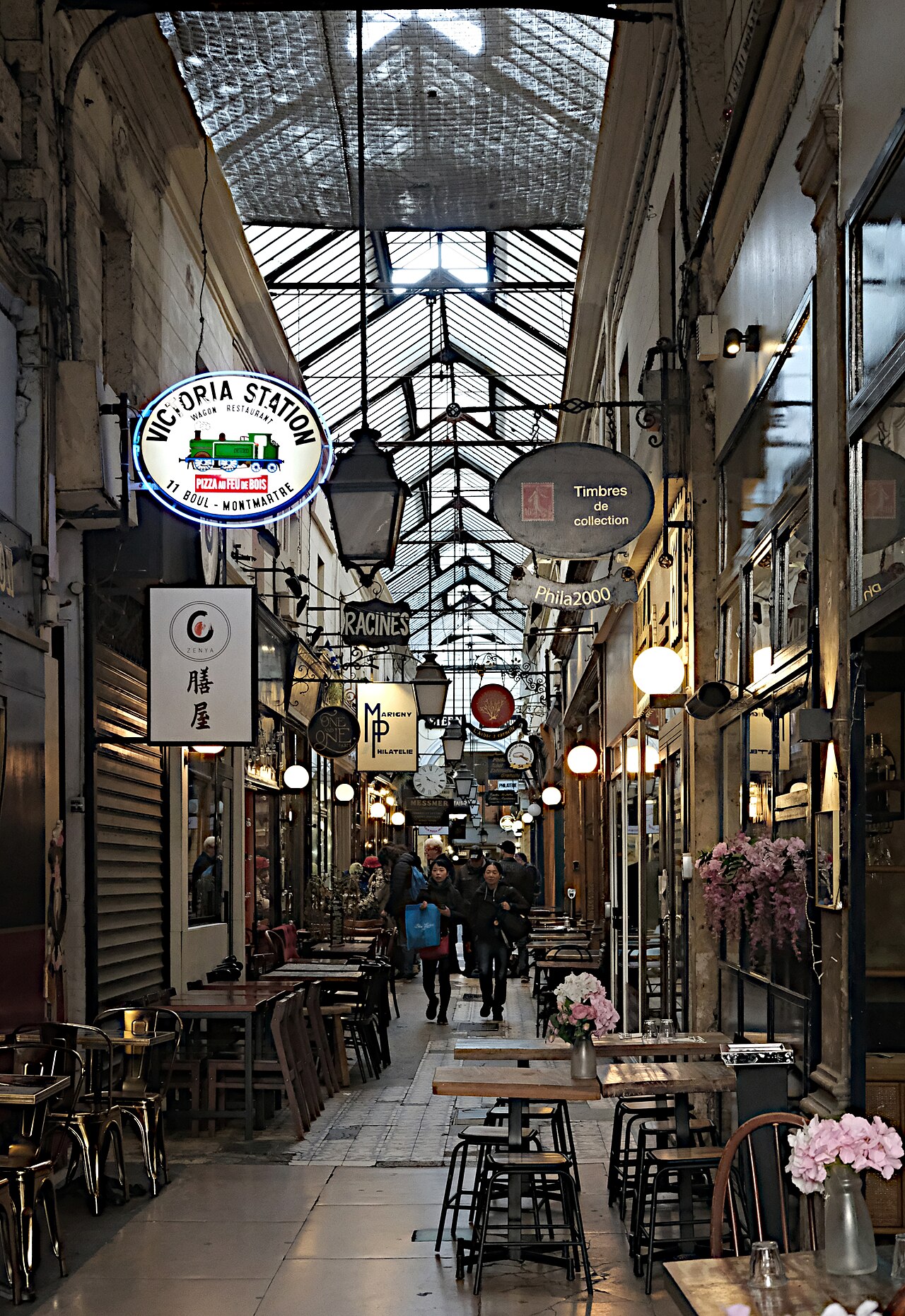
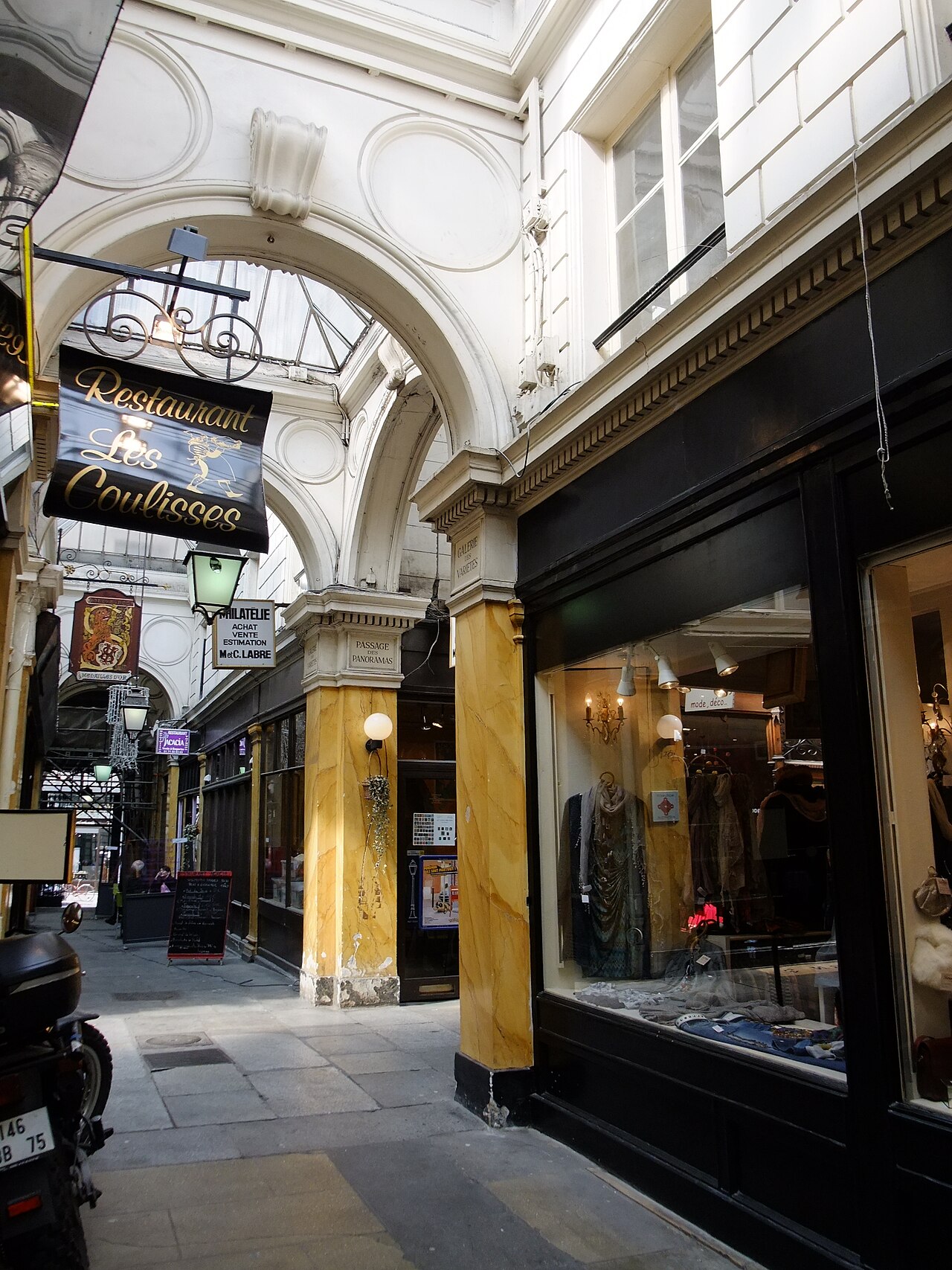
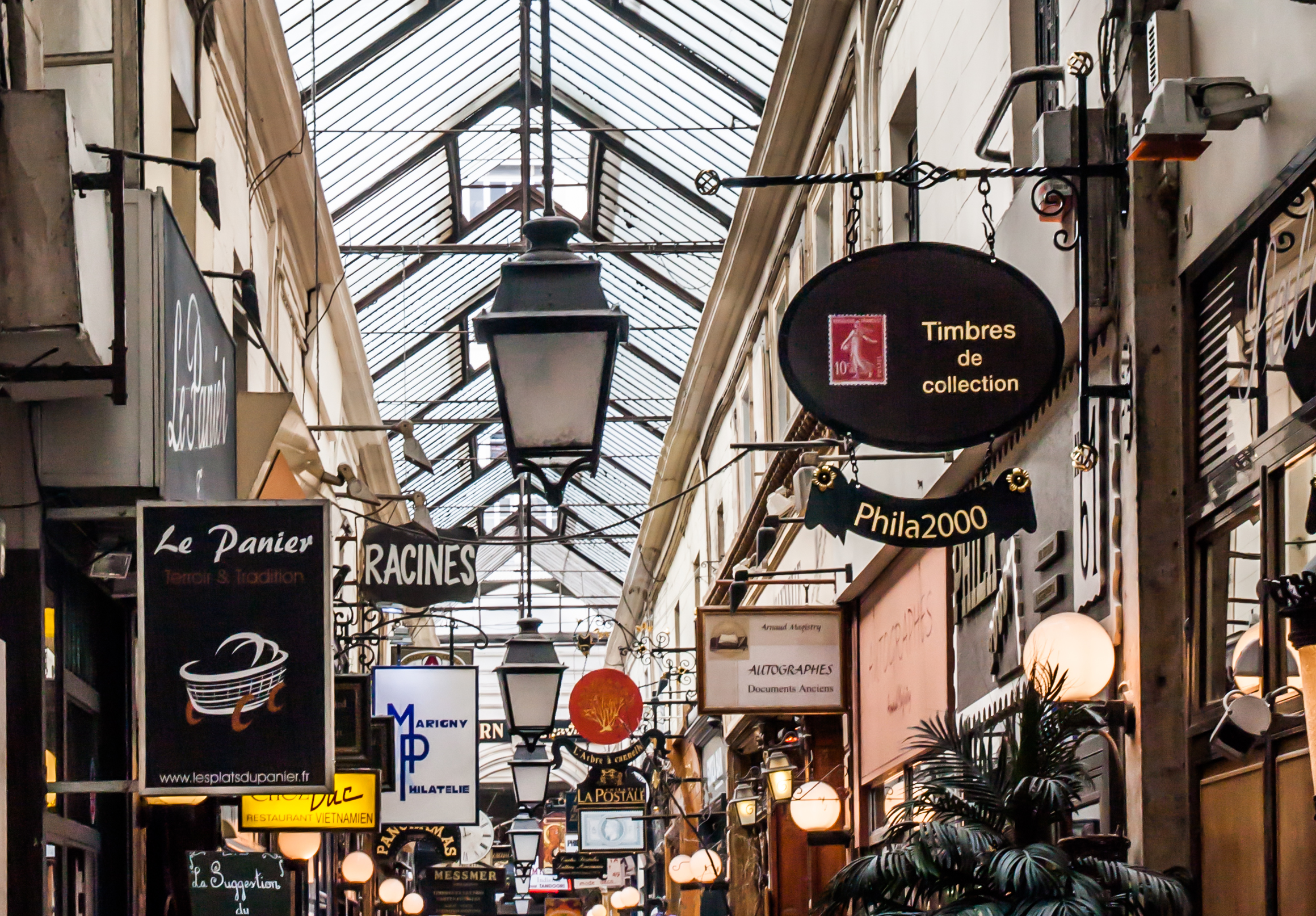
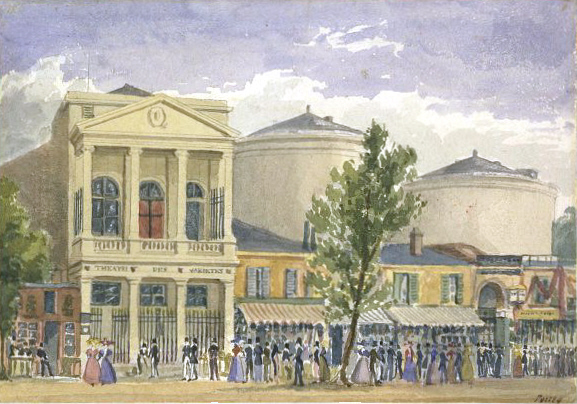
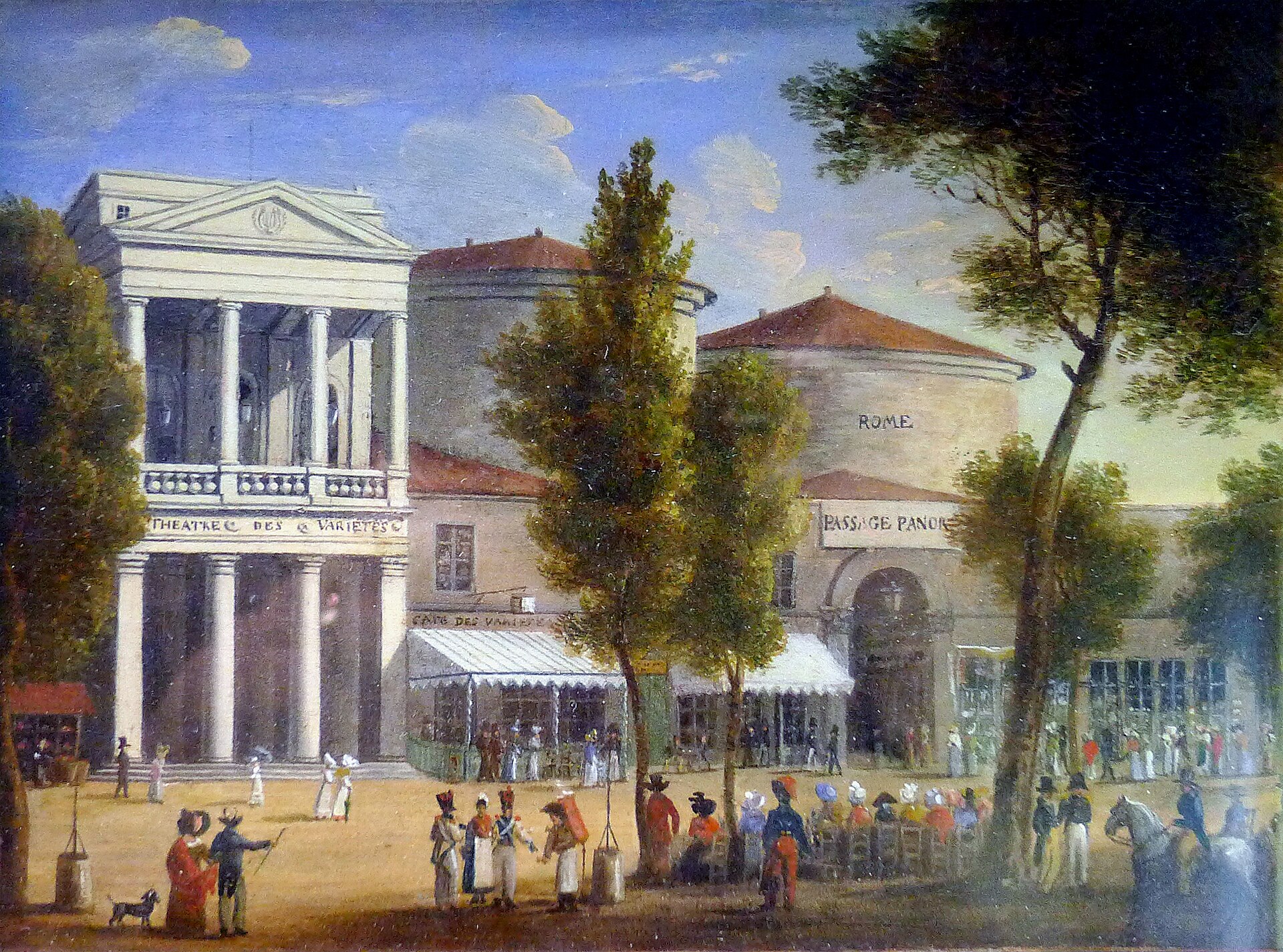
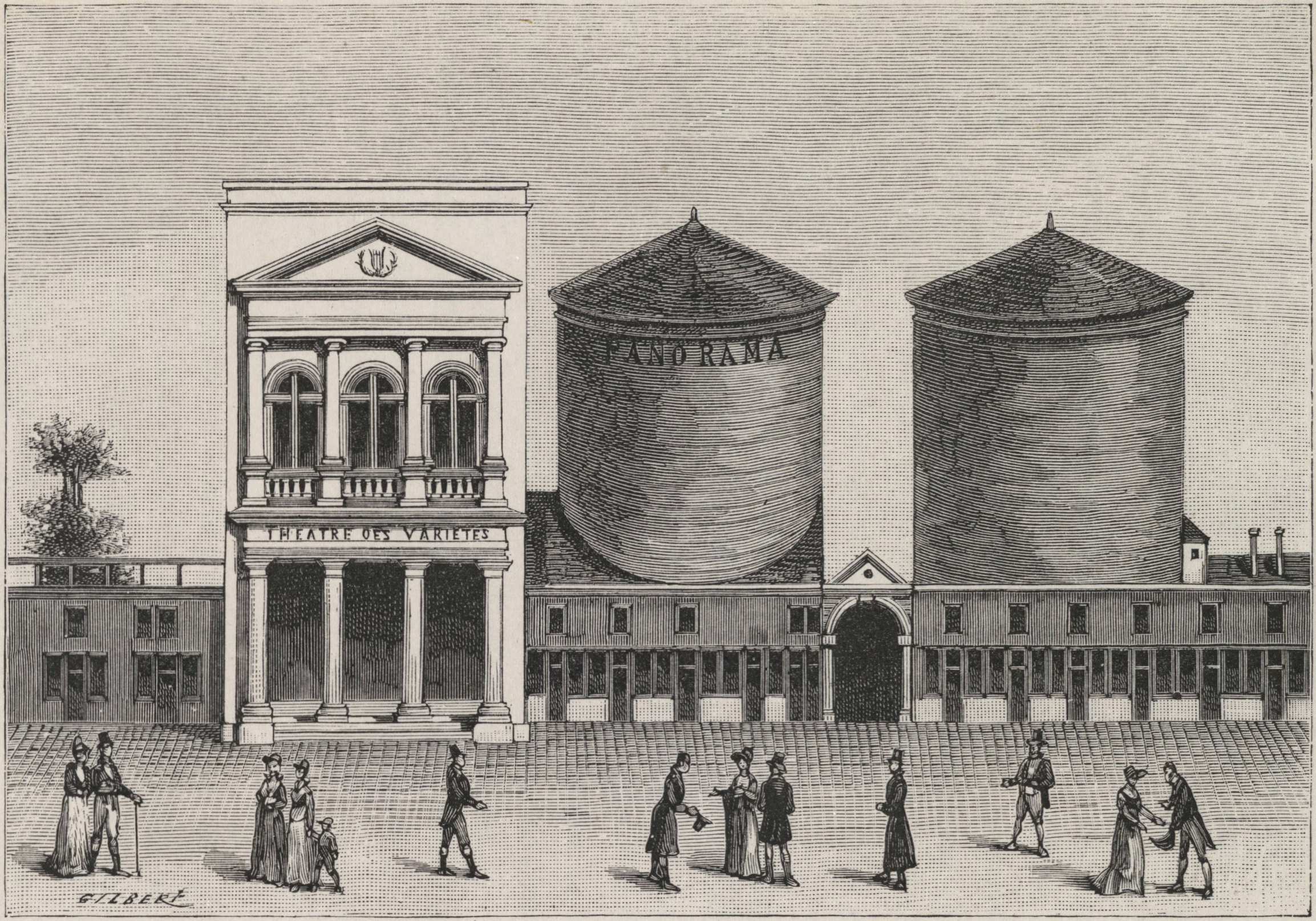
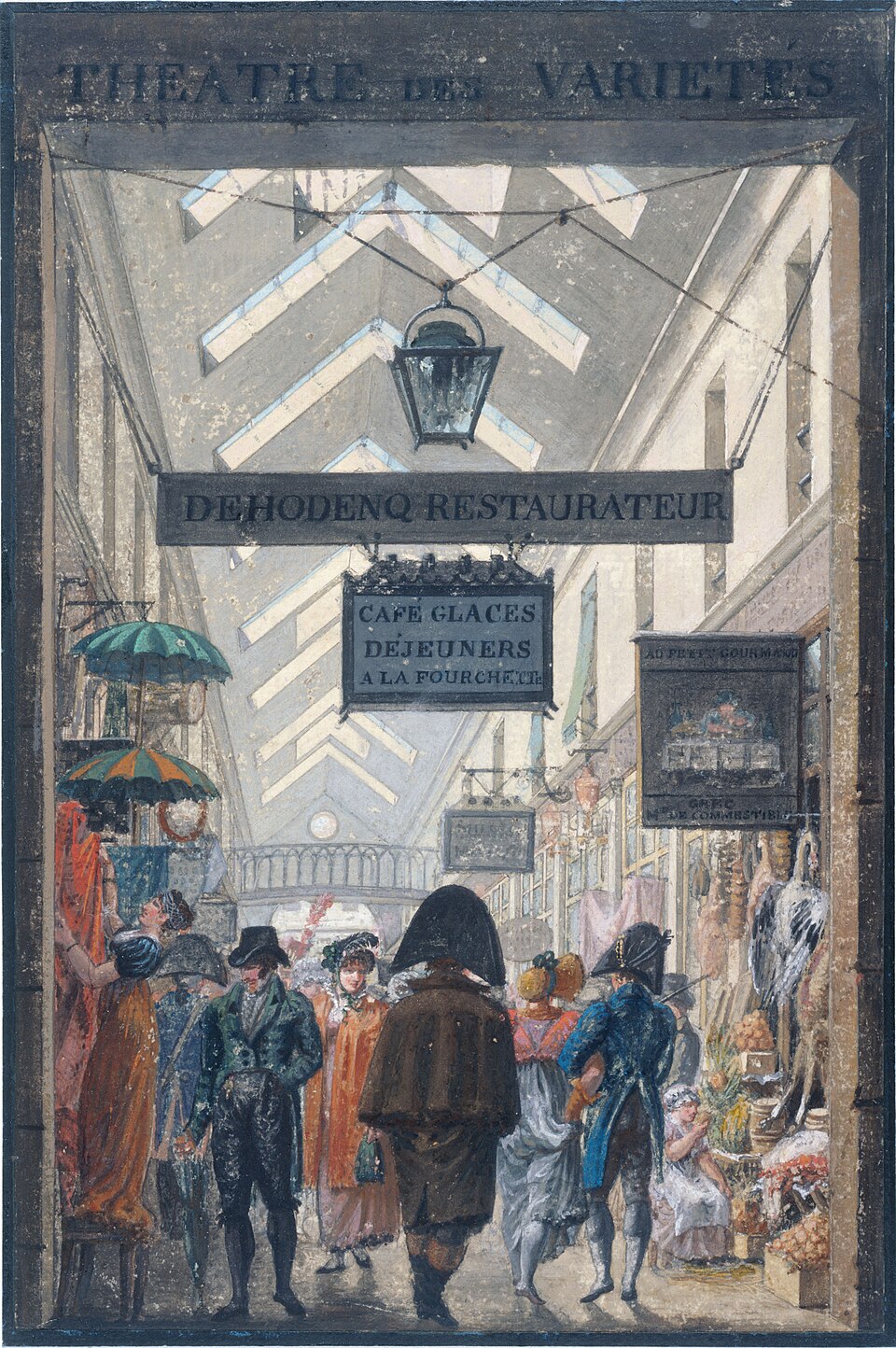
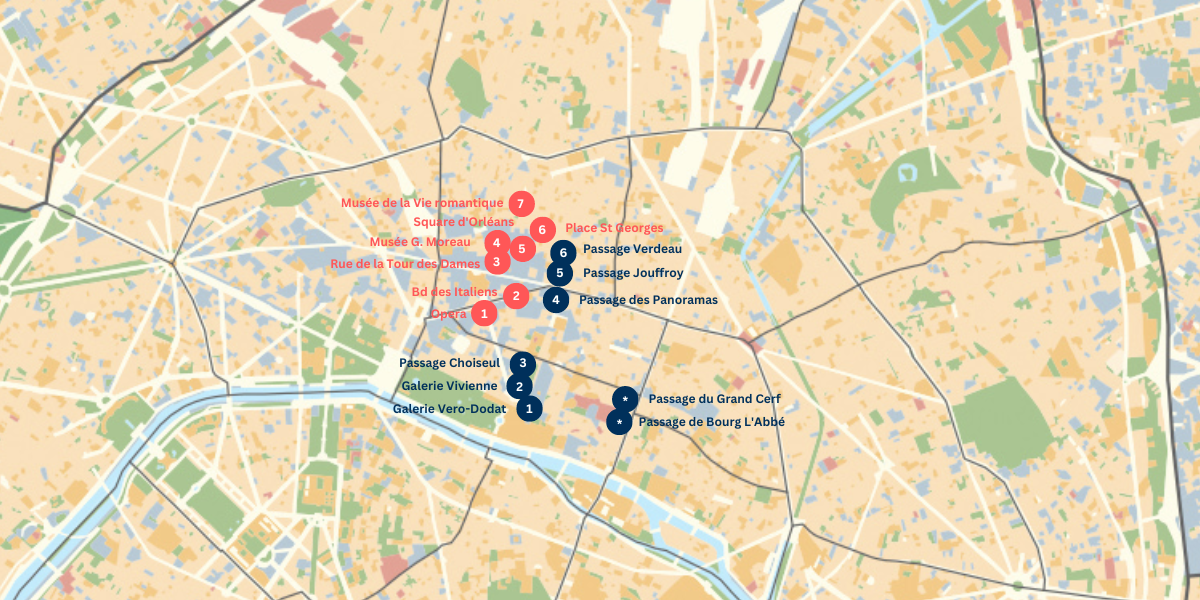
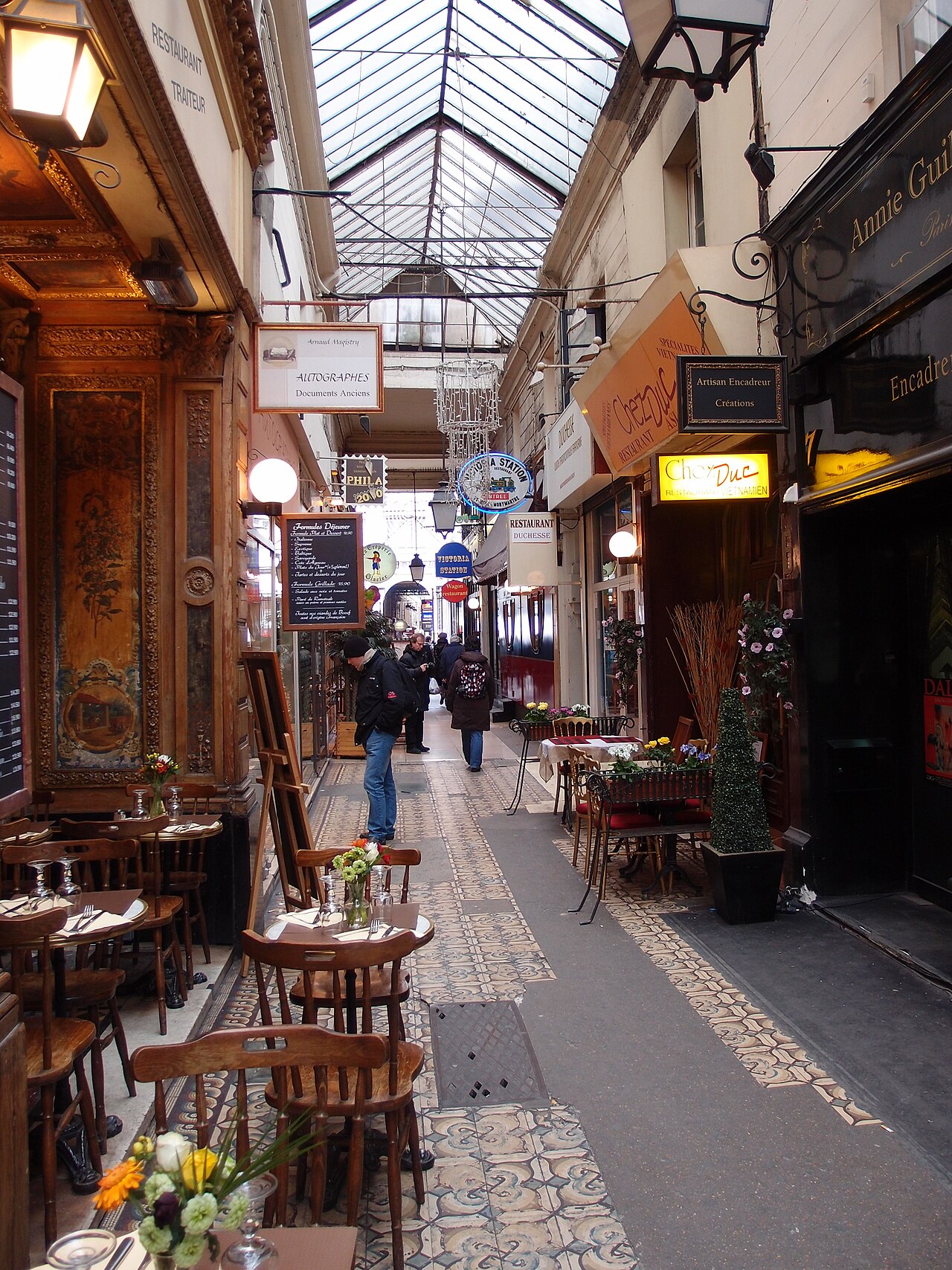
The Passage des Panoramas is the oldest surviving and its name comes from the giant cylindrical paintings that once stood at its entrance - offering 360-degree views of distant cities and landscapes.
It was also the first place in Paris to have gas lighting, in 1817.
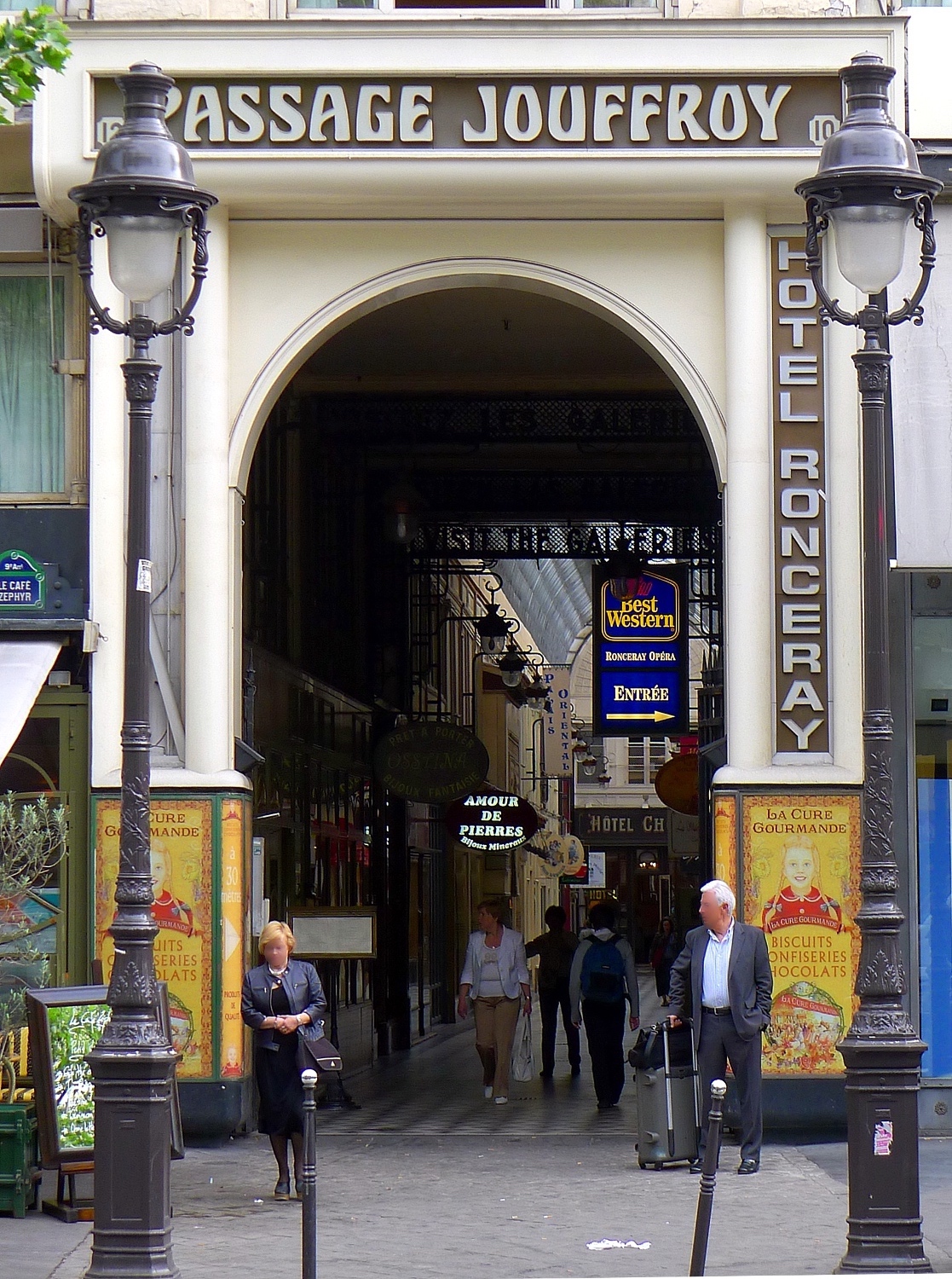
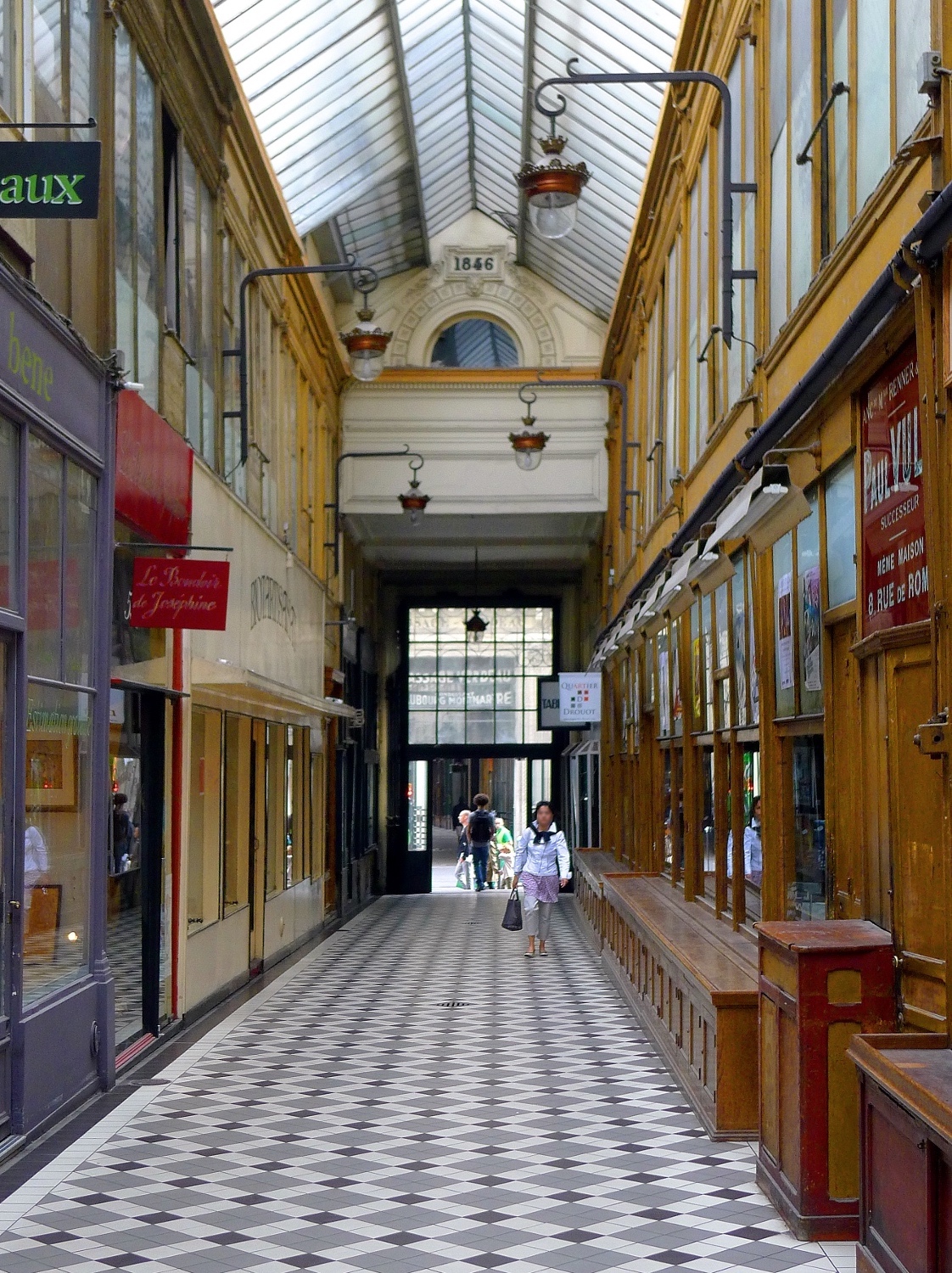
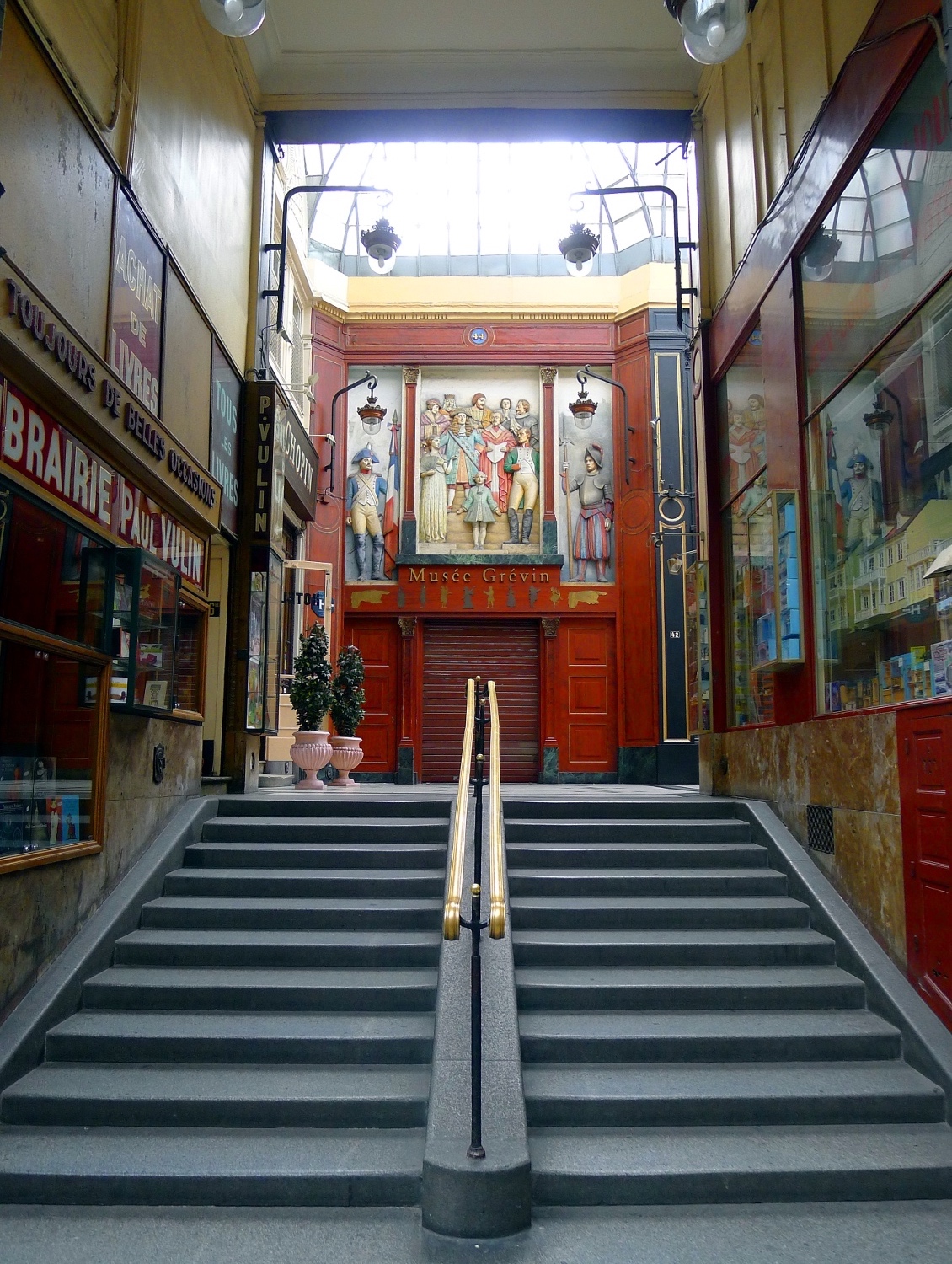
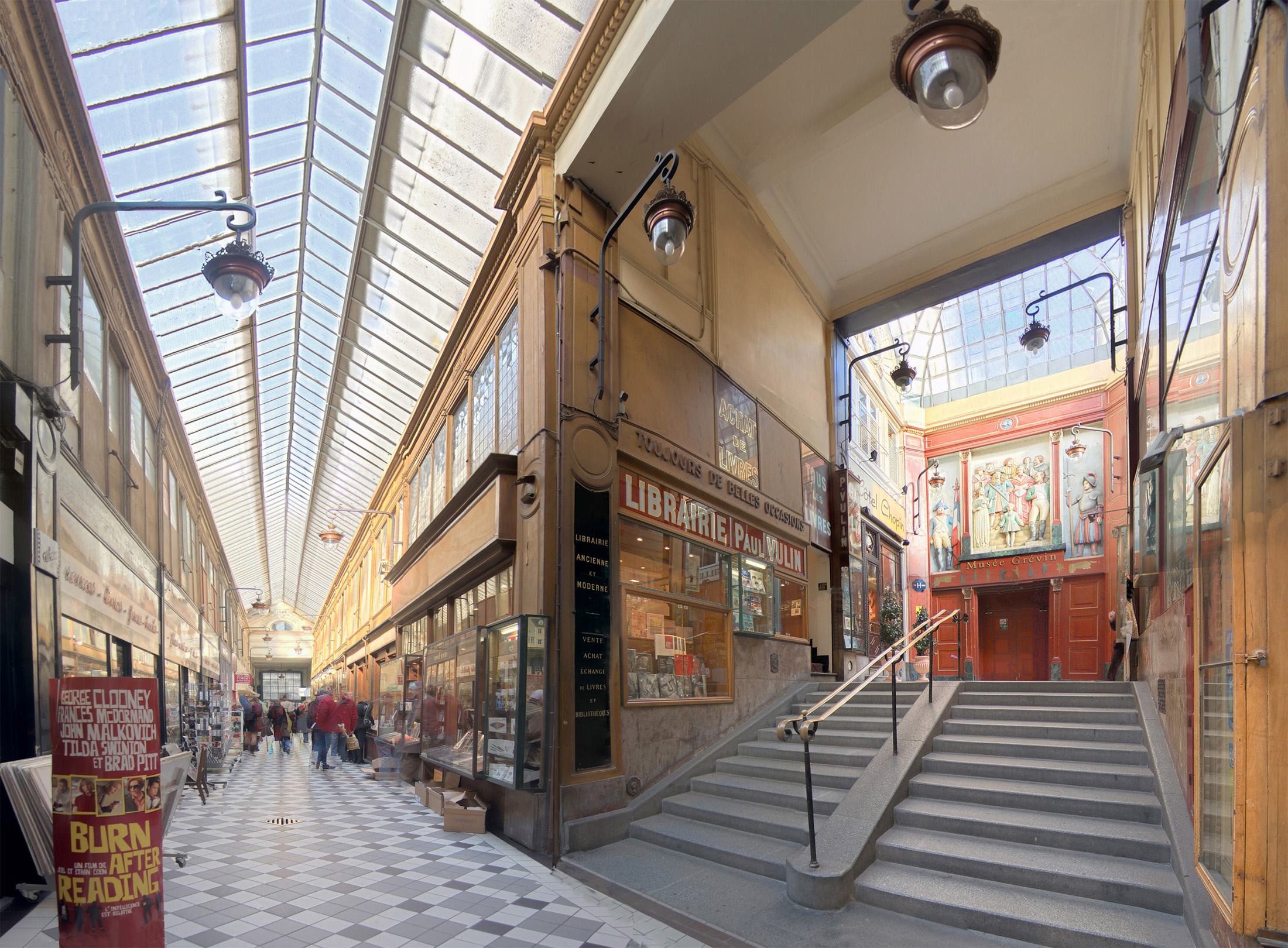
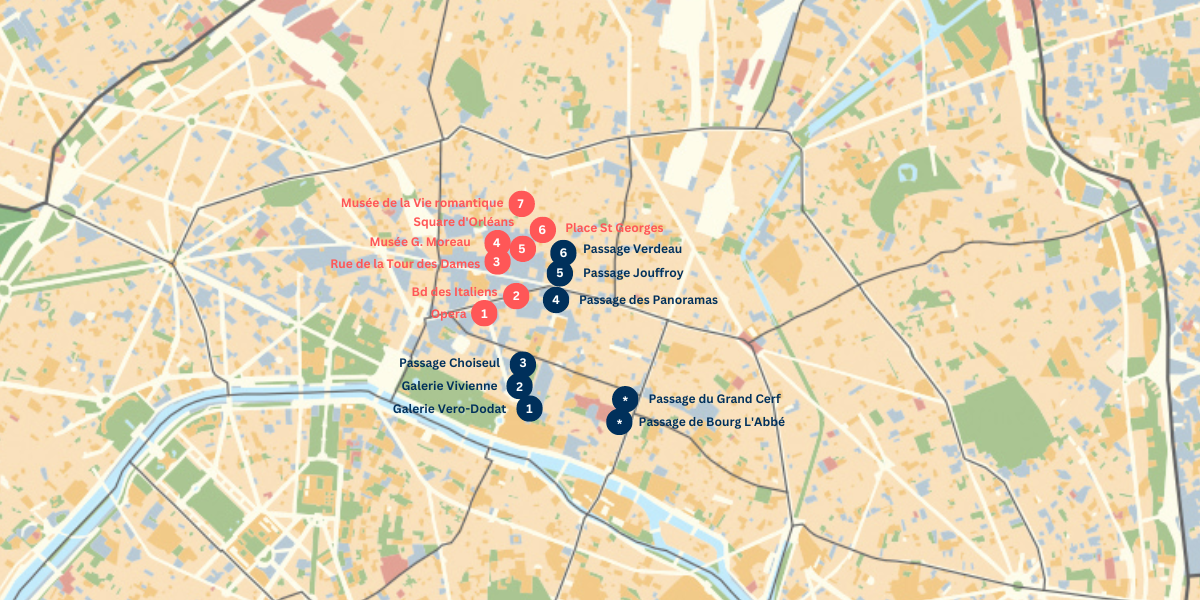
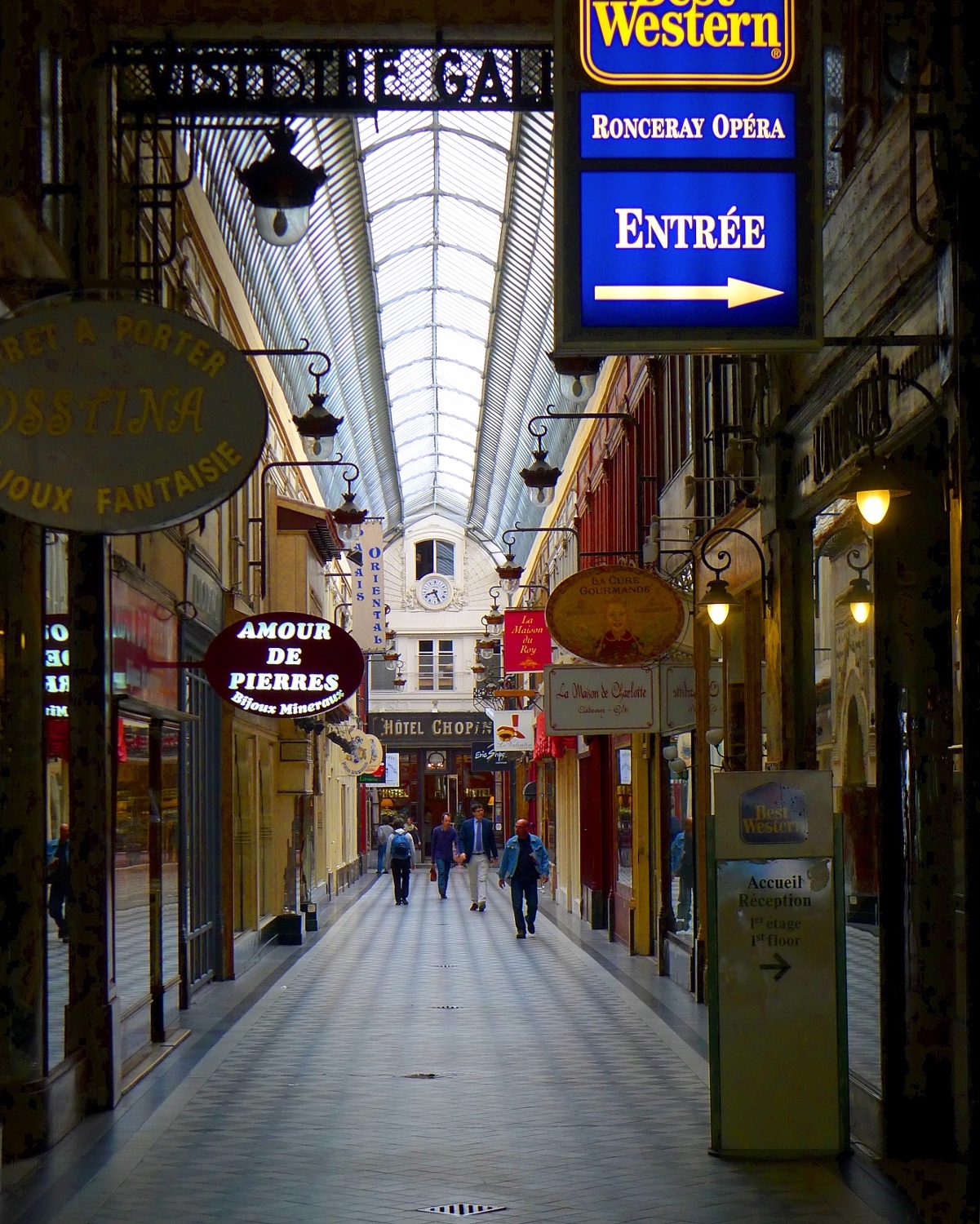
The Passage Jouffroy has an eclectic mix of antique dealers, toy shops and second-hand bookshops.
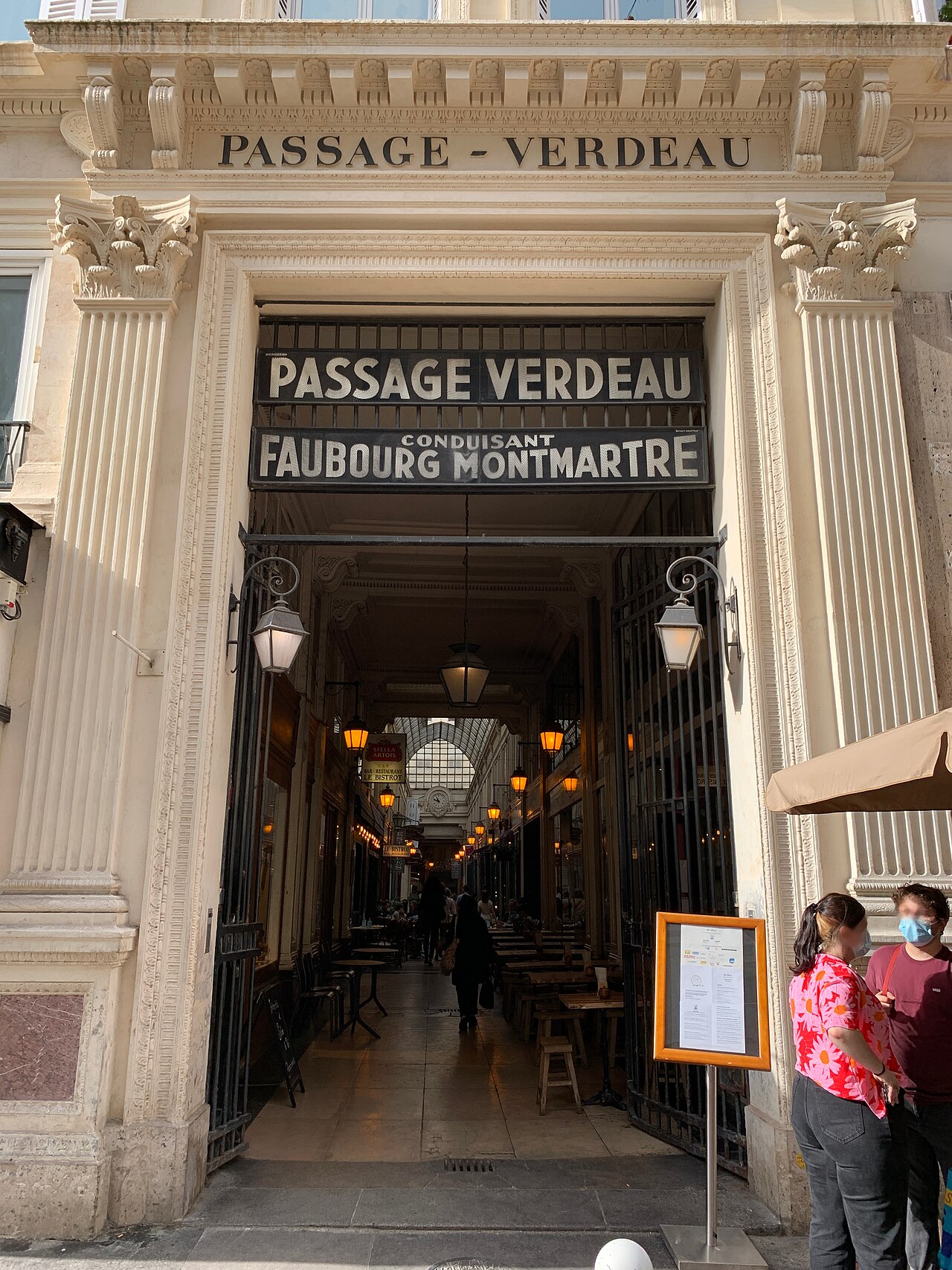
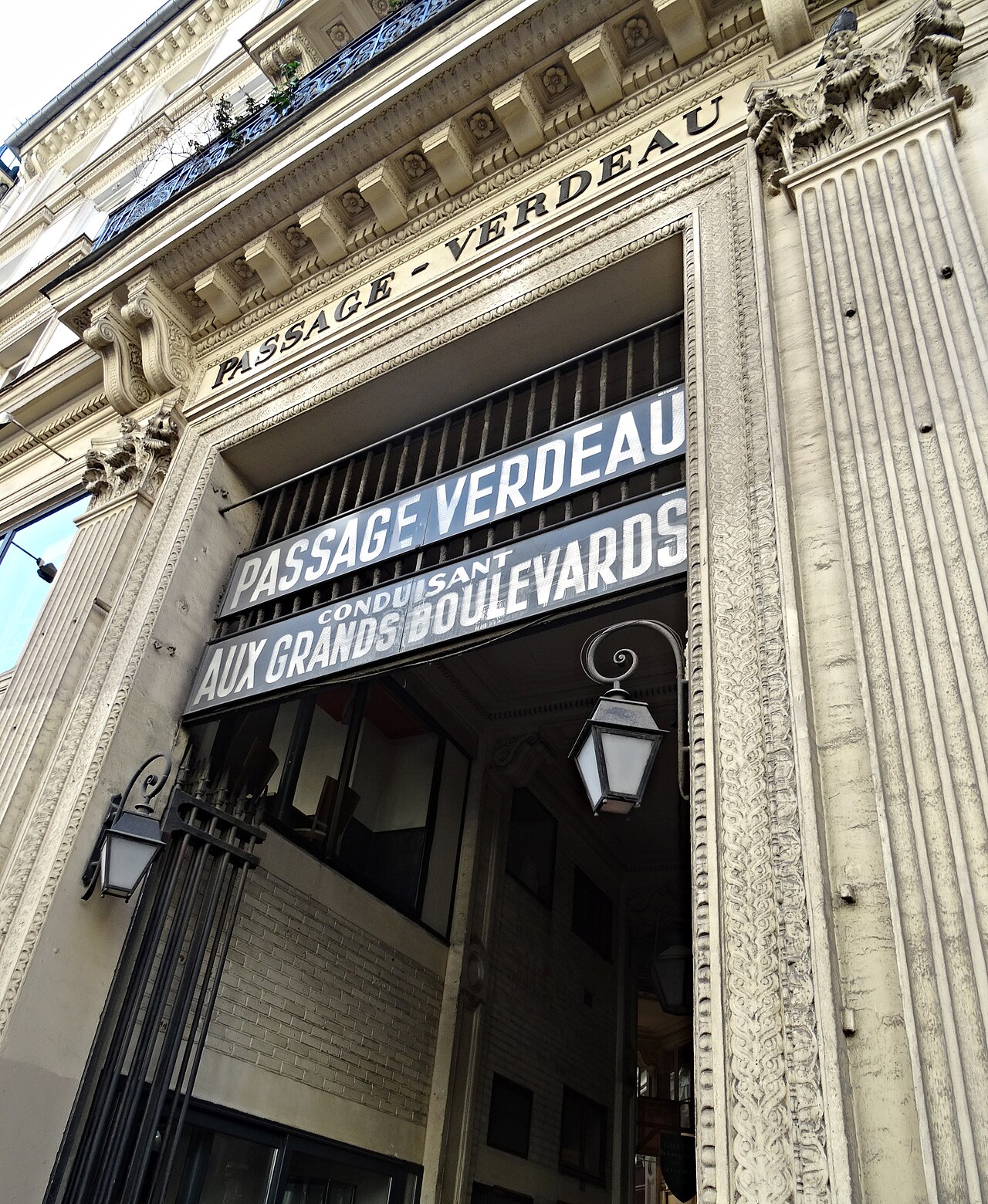
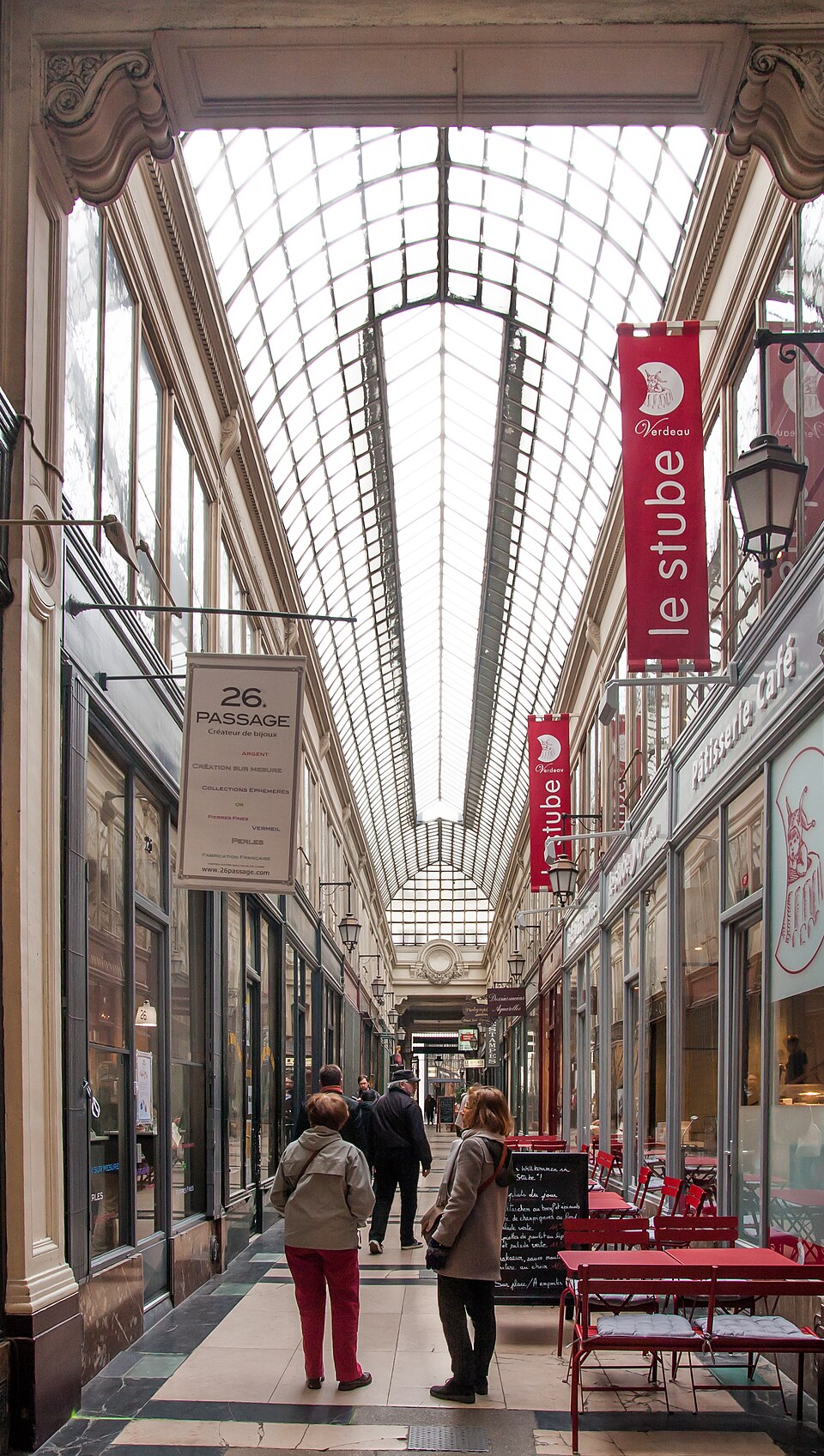
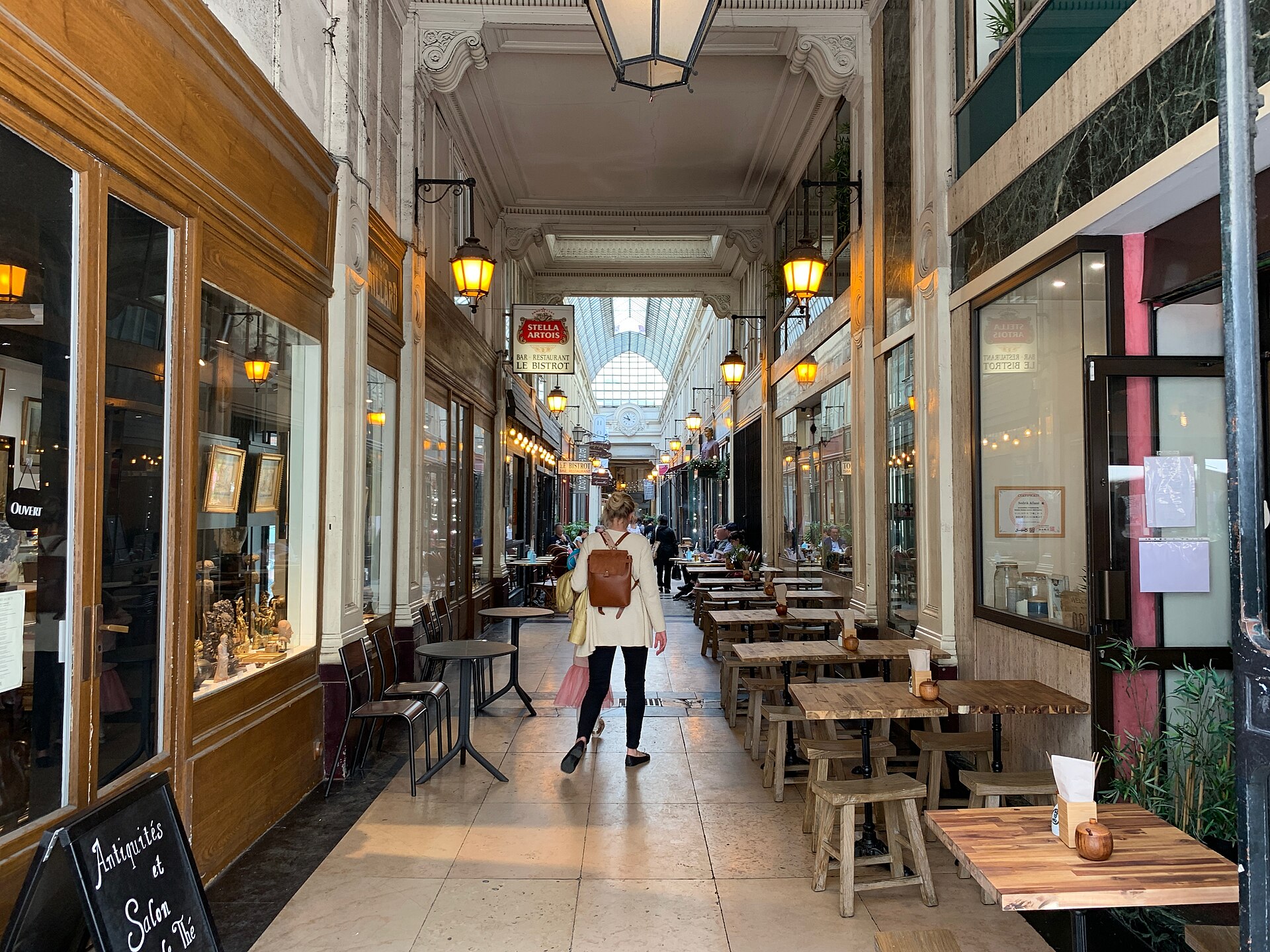
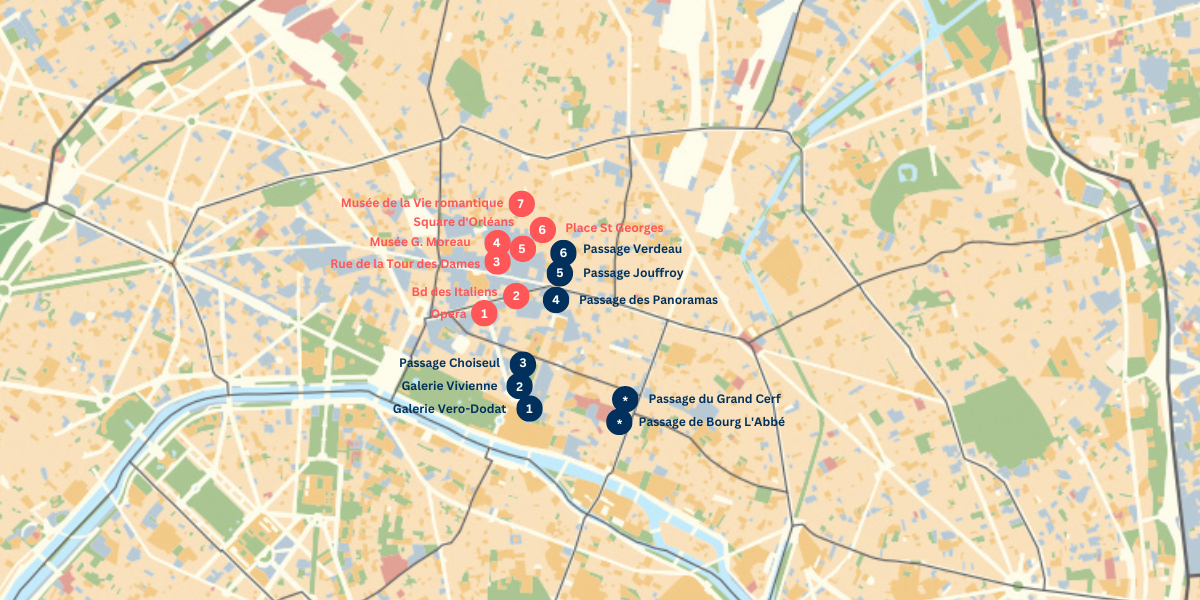
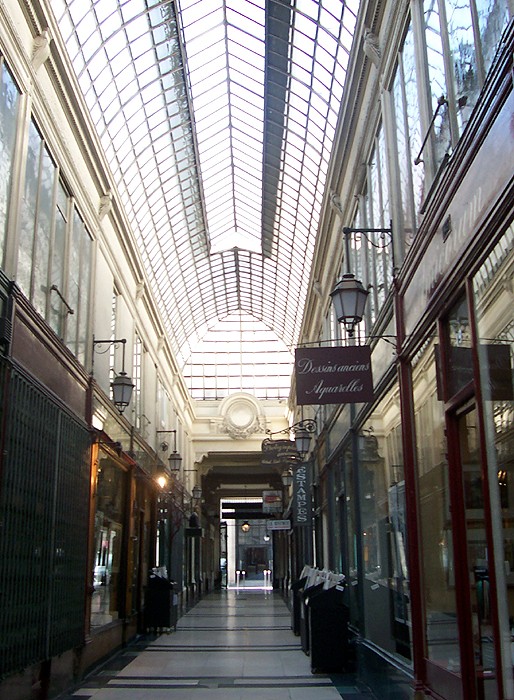
The Passage Verdeau is quieter and known for rare books and antiques.
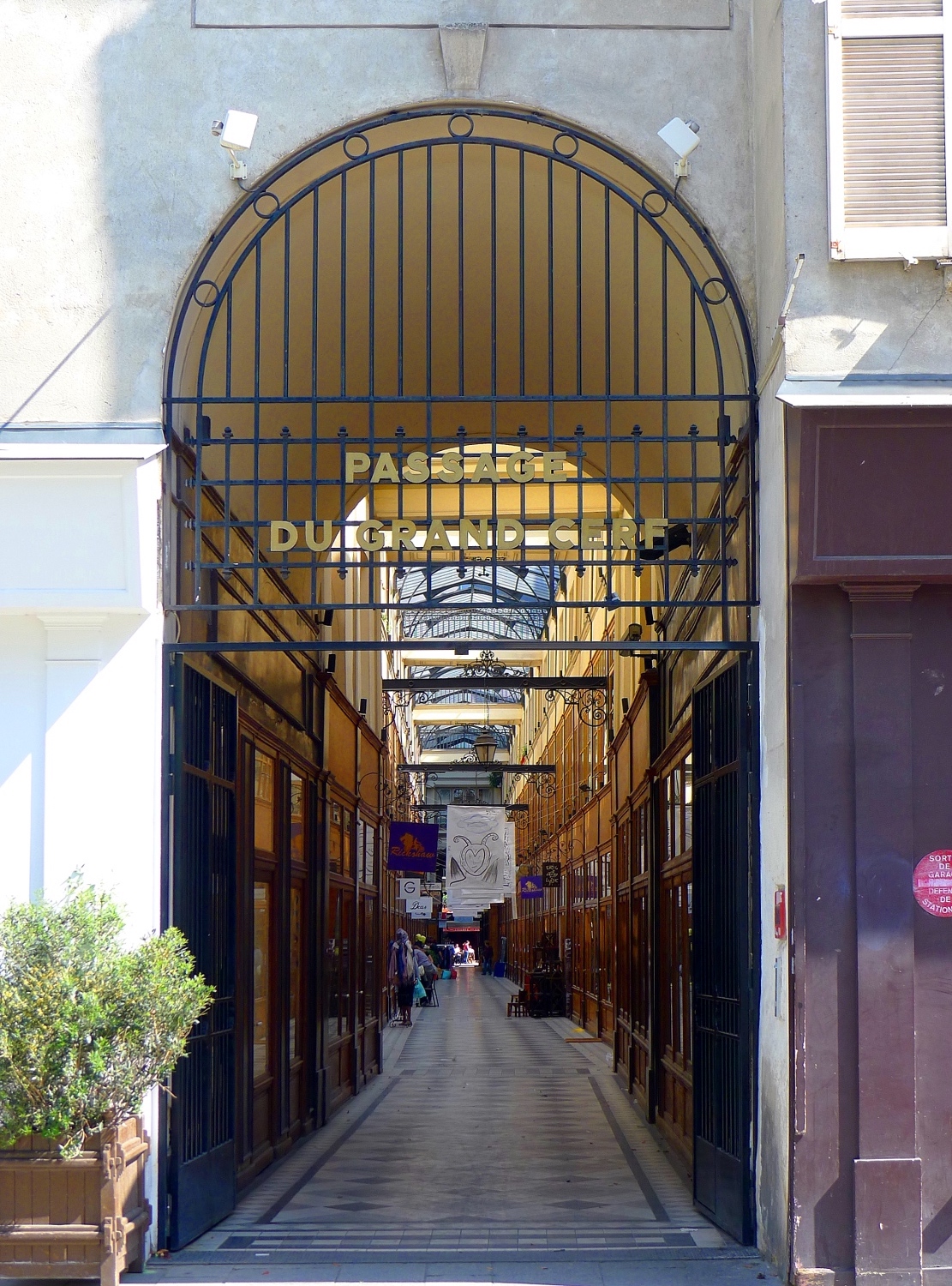
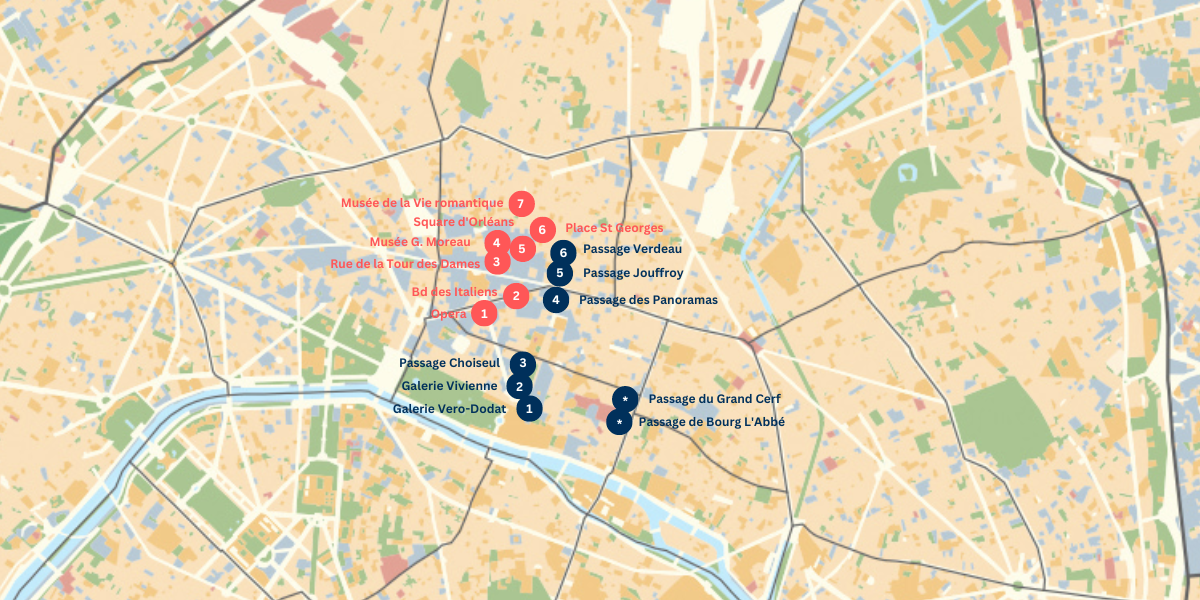
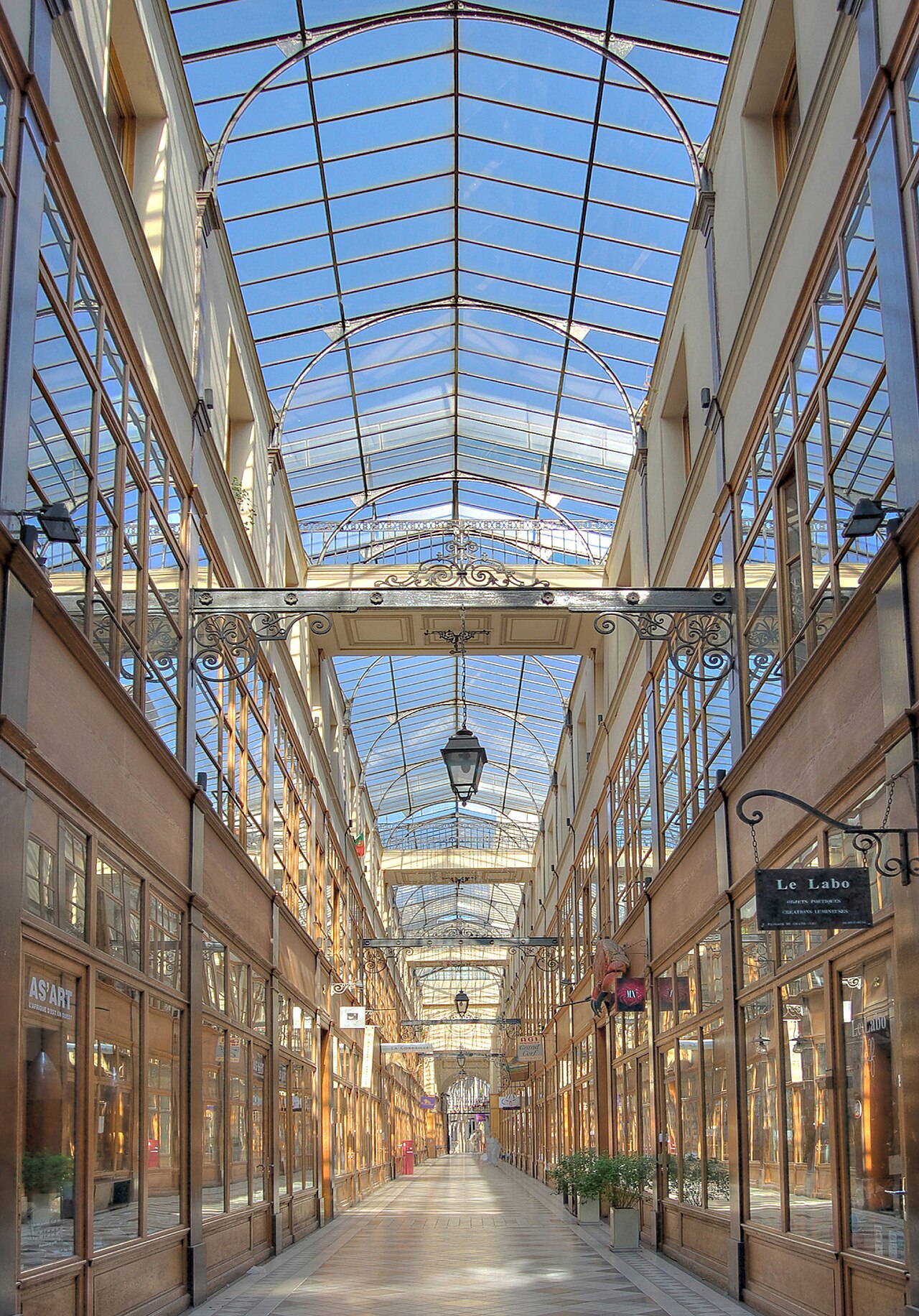
The Passage du Grand Cerf is the tallest and houses artisan craftspeople and independent designers.
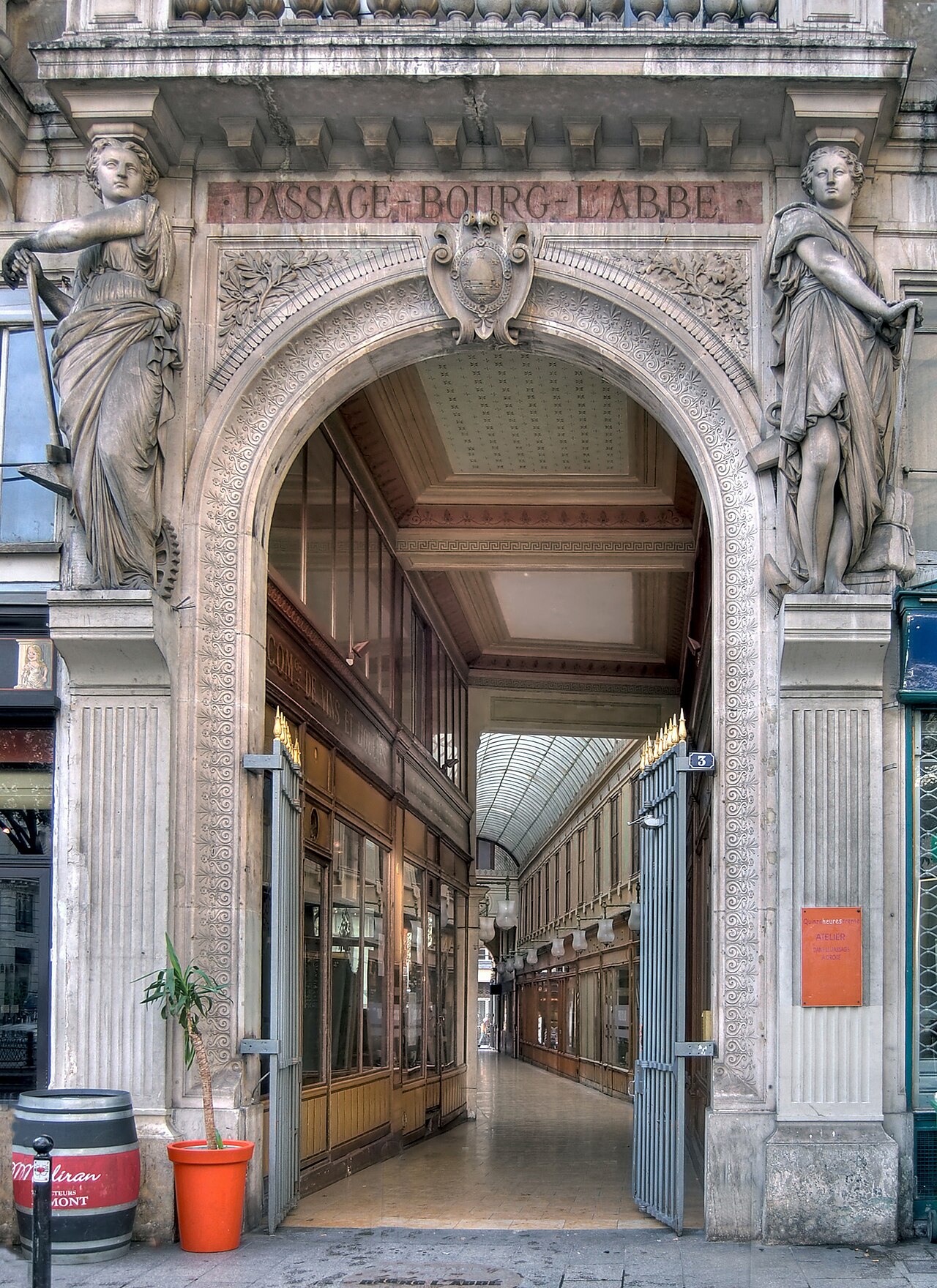
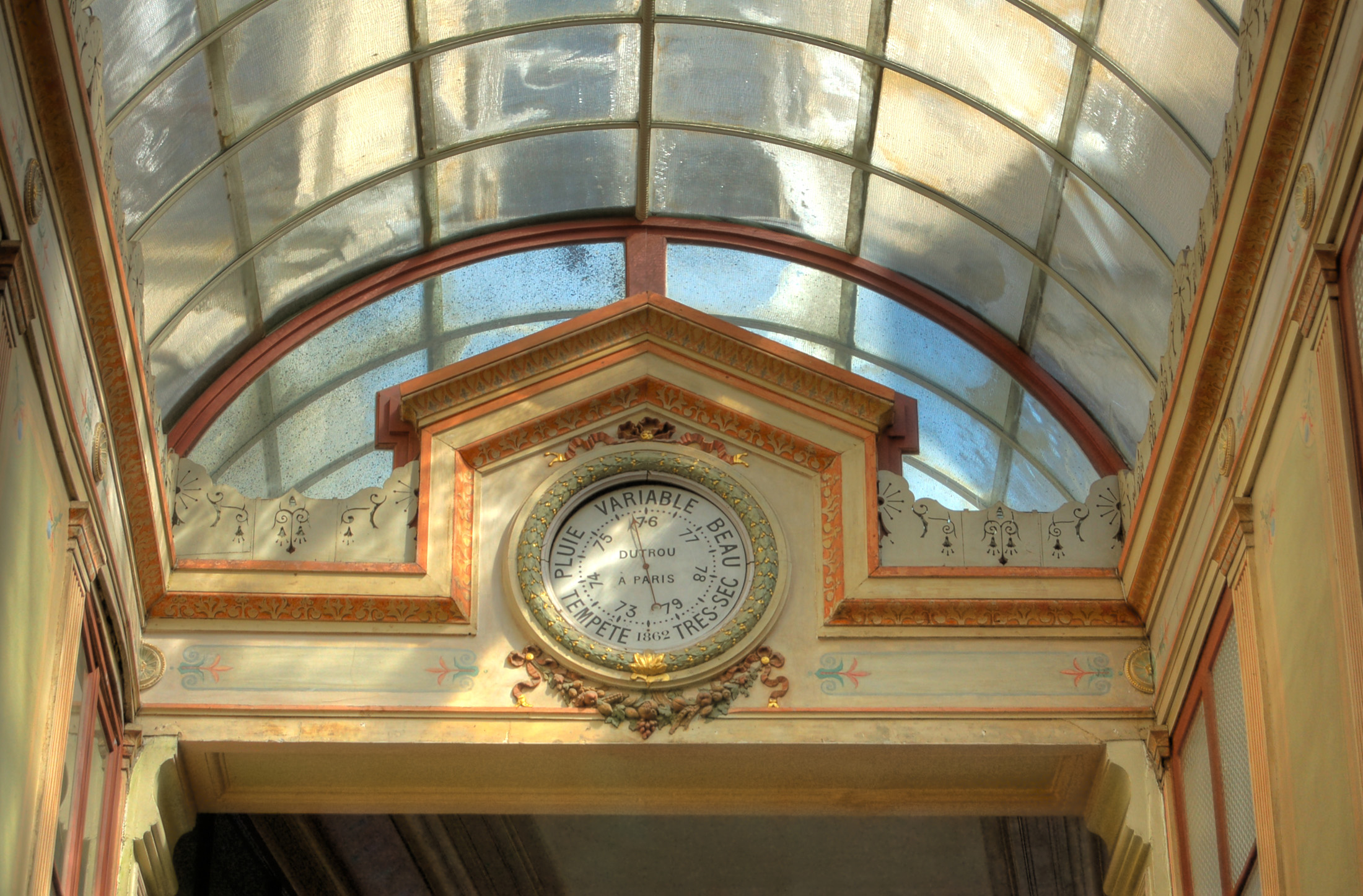
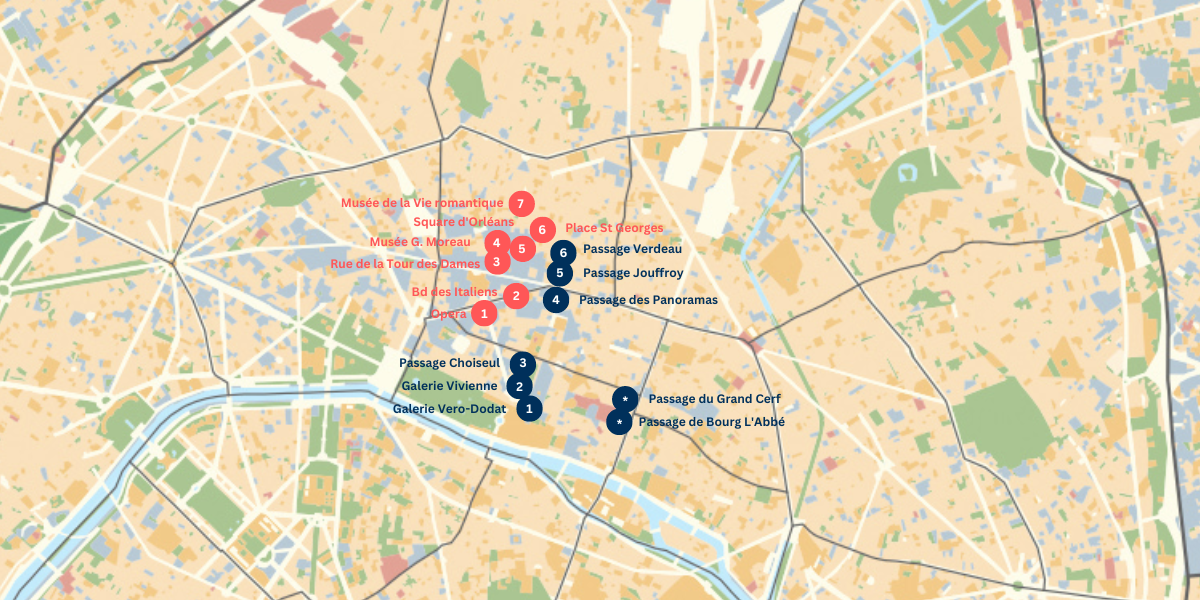
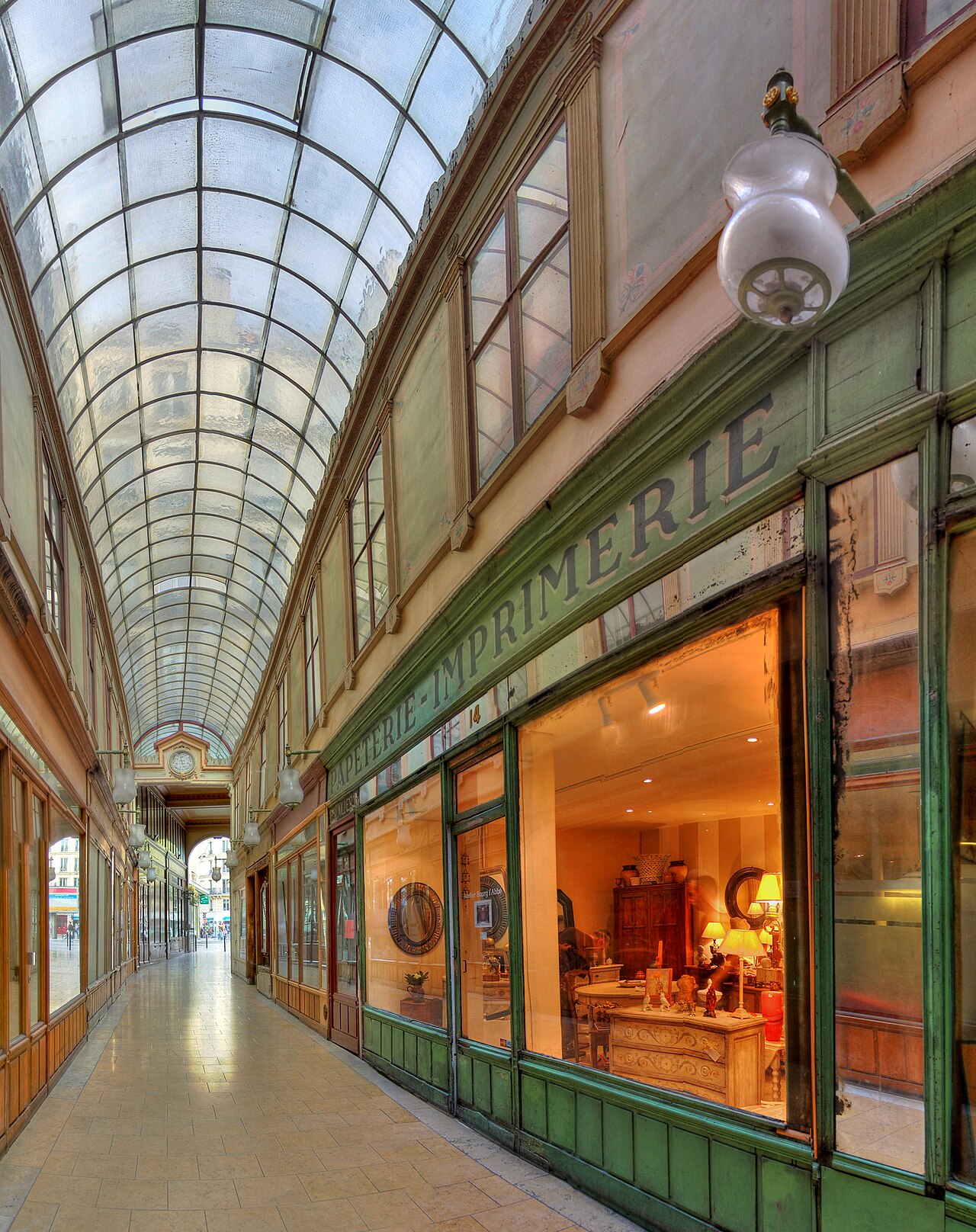
The Passage Bourg-l'Abbé is the most modest of the group.
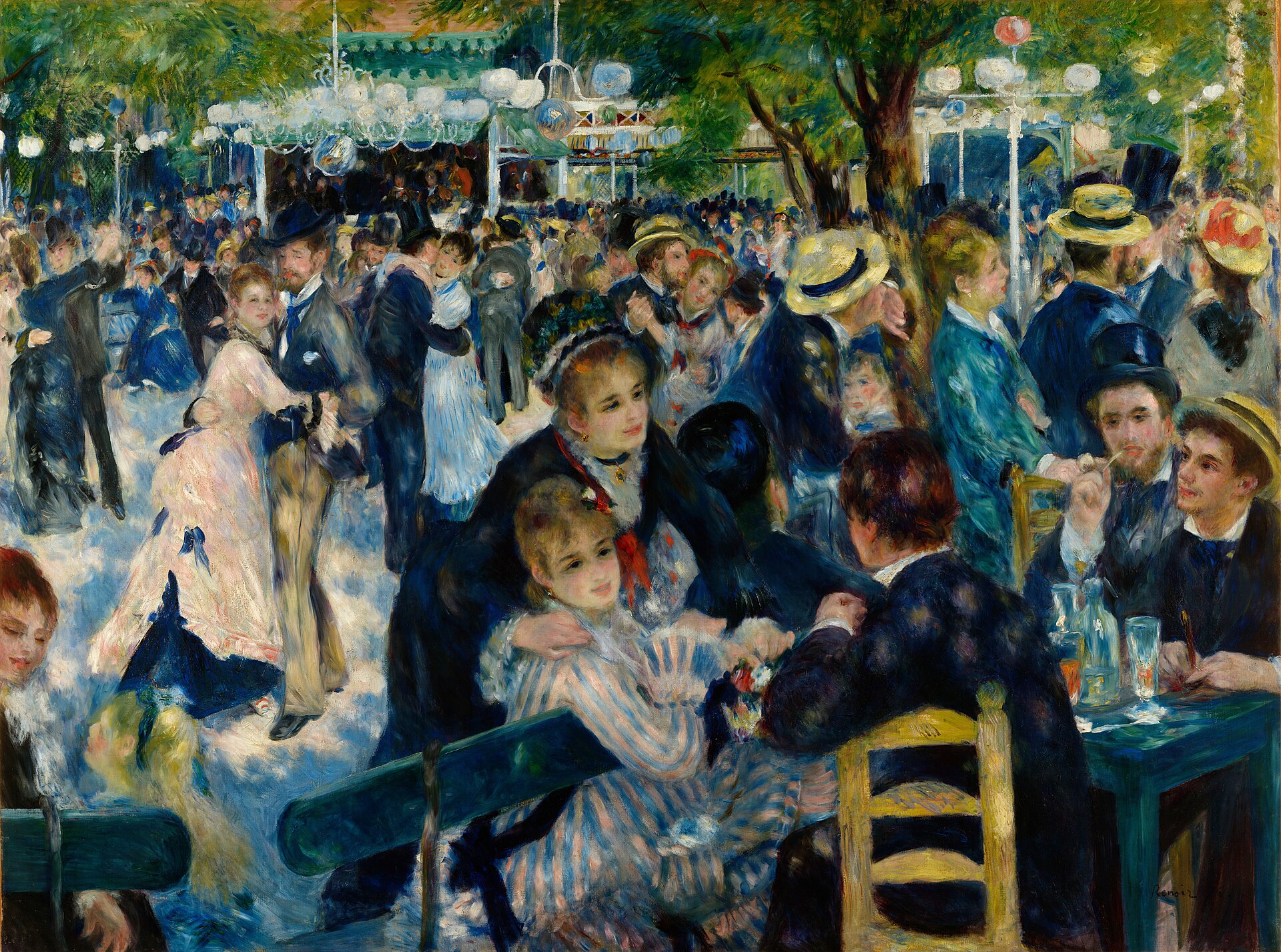
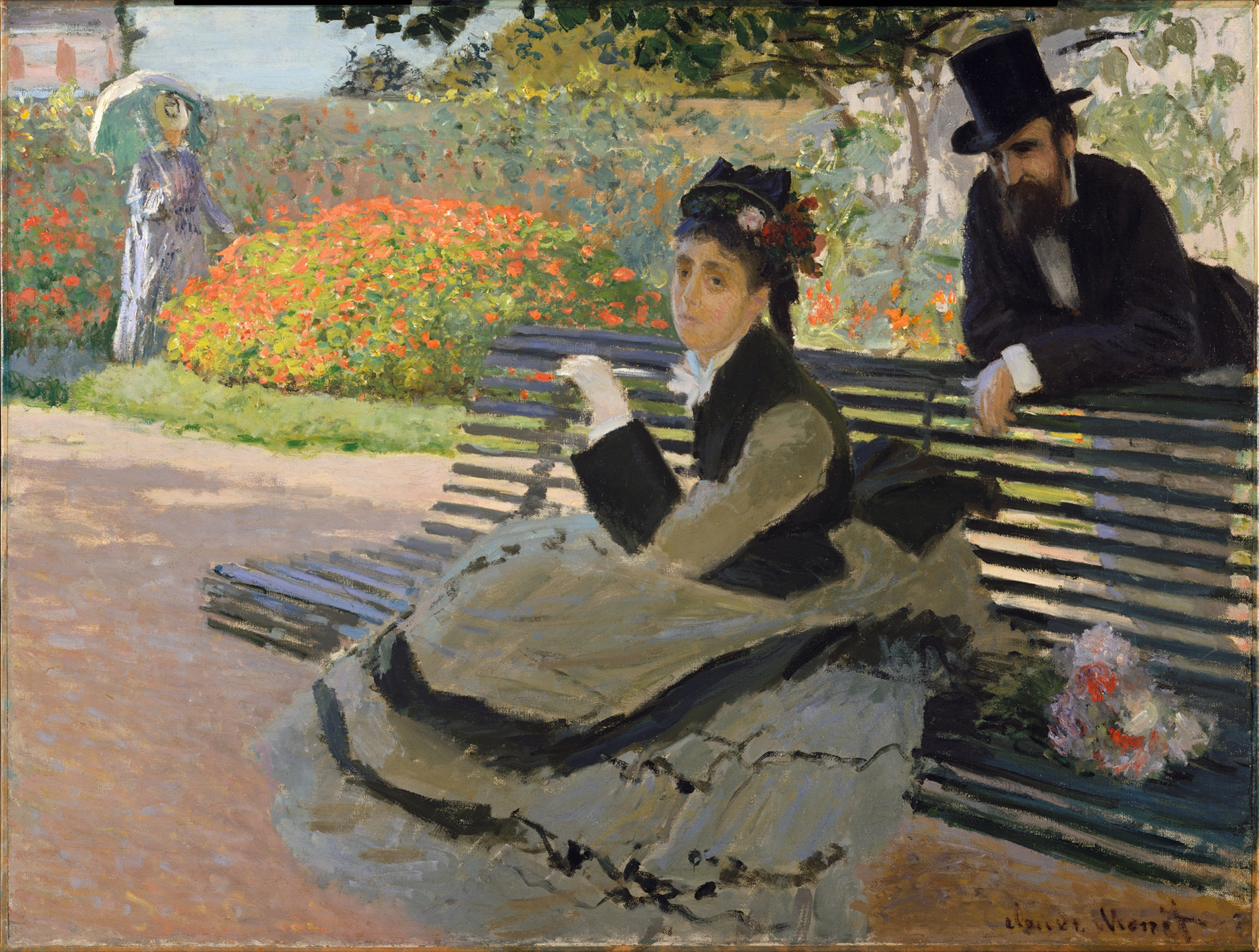
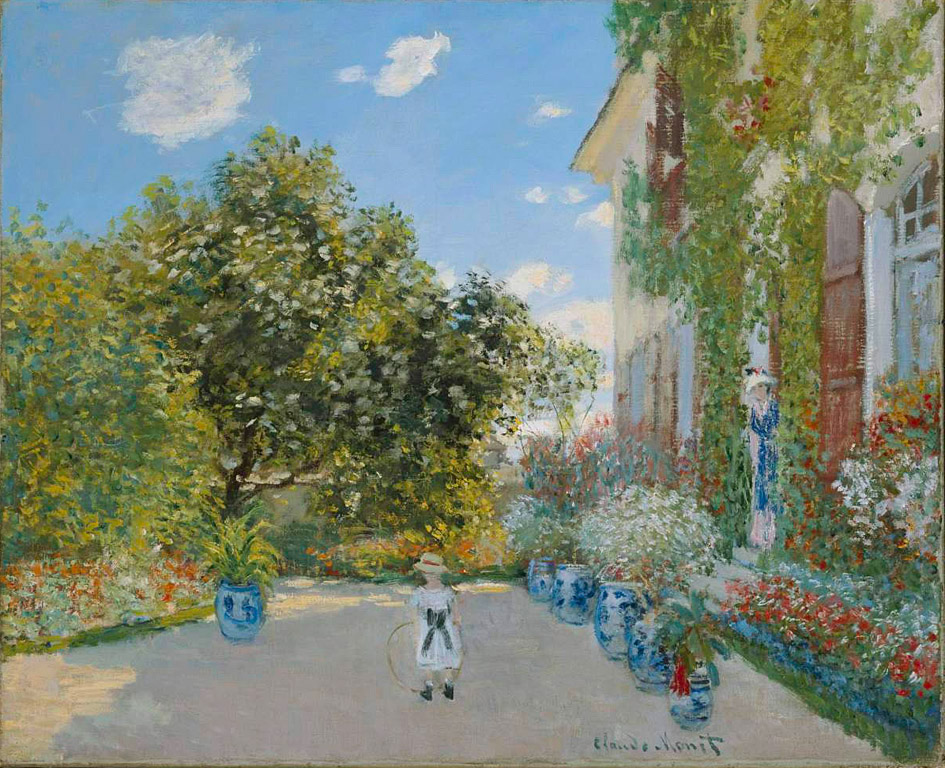
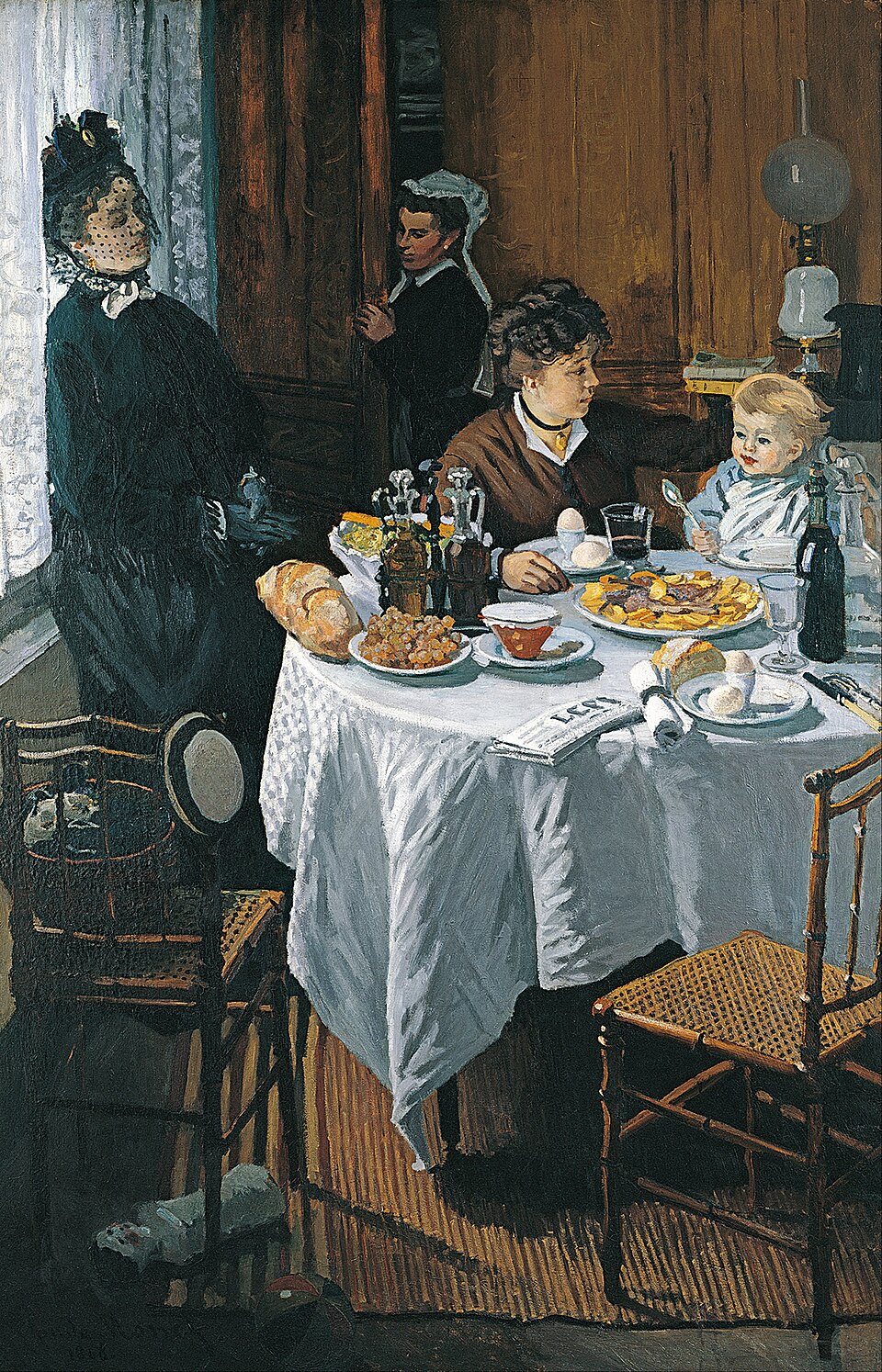
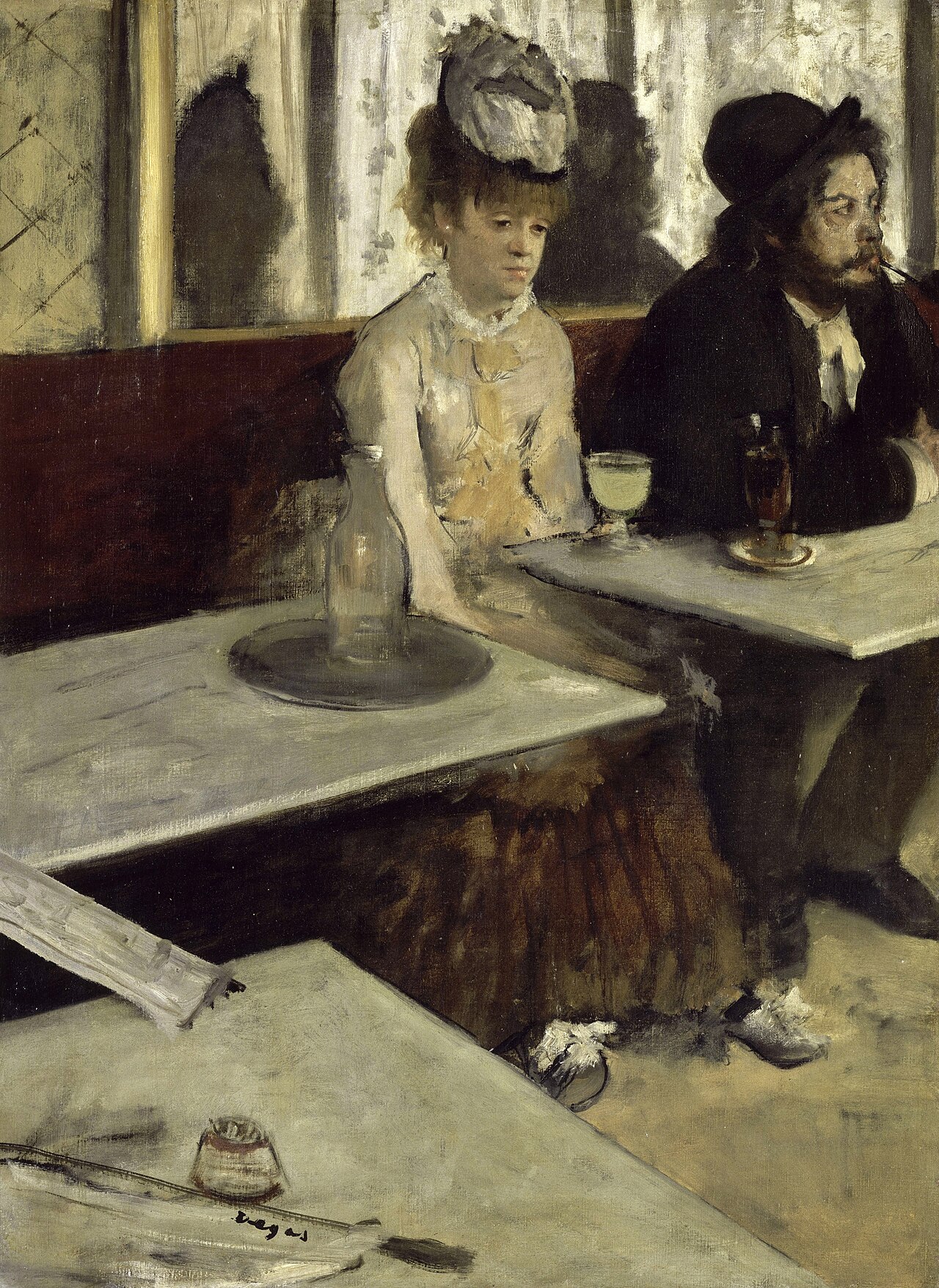
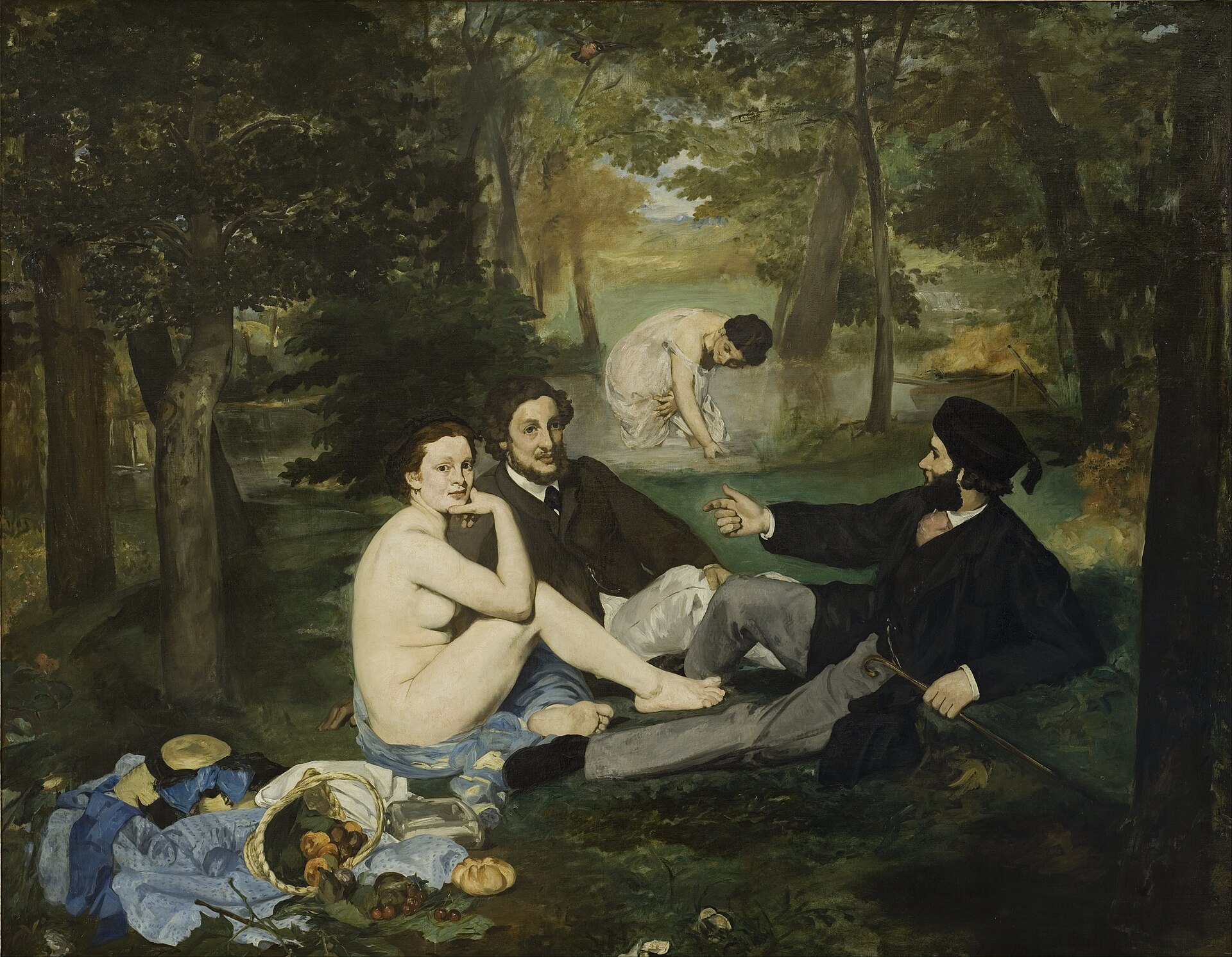
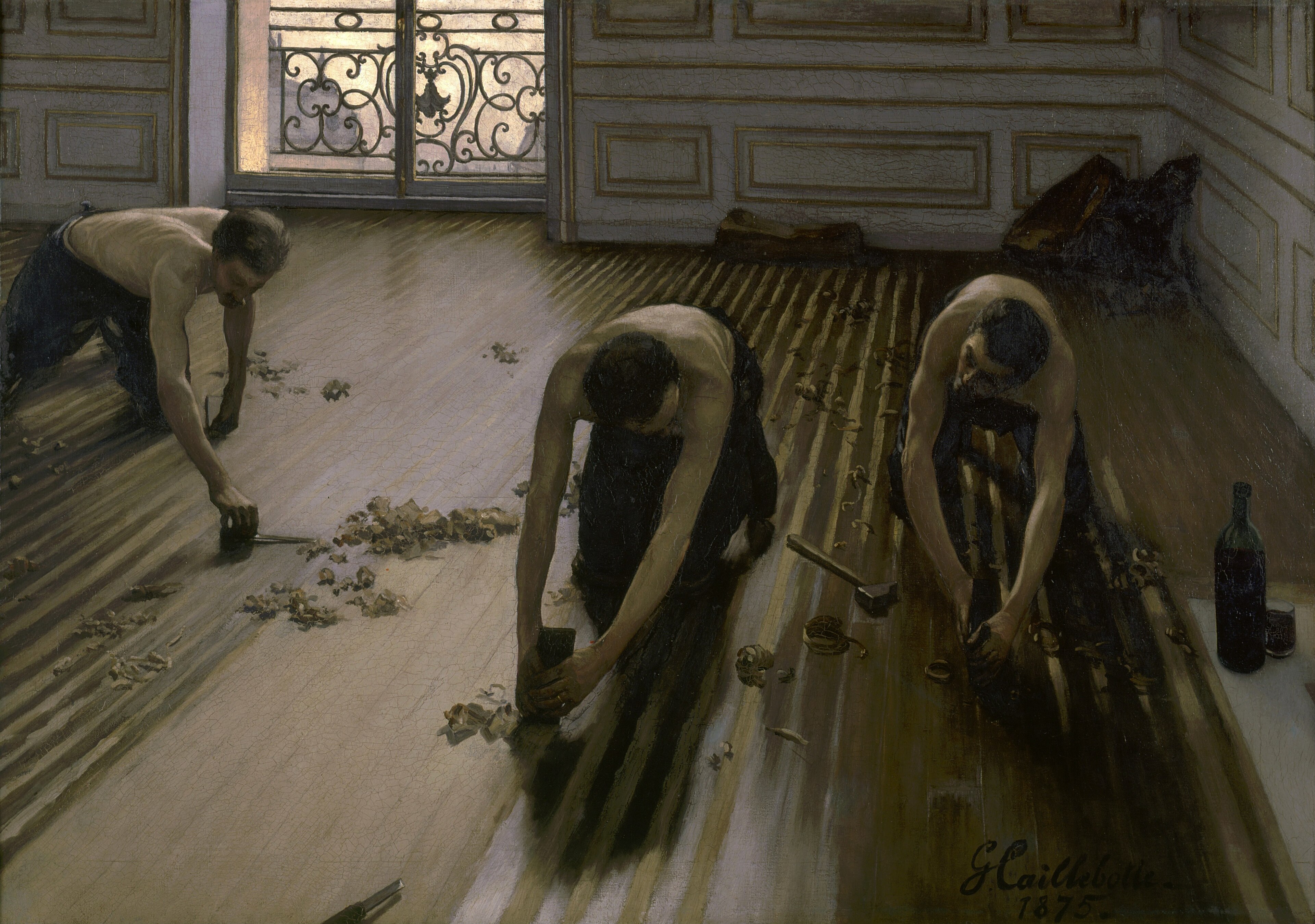
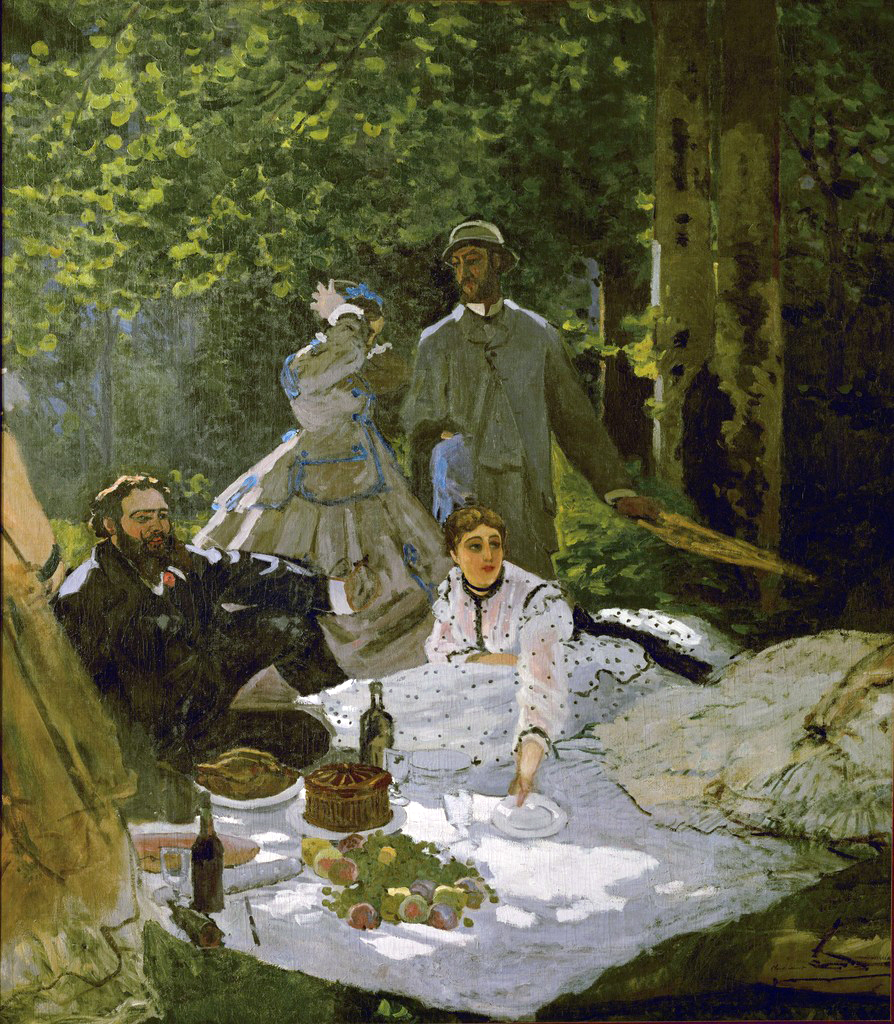
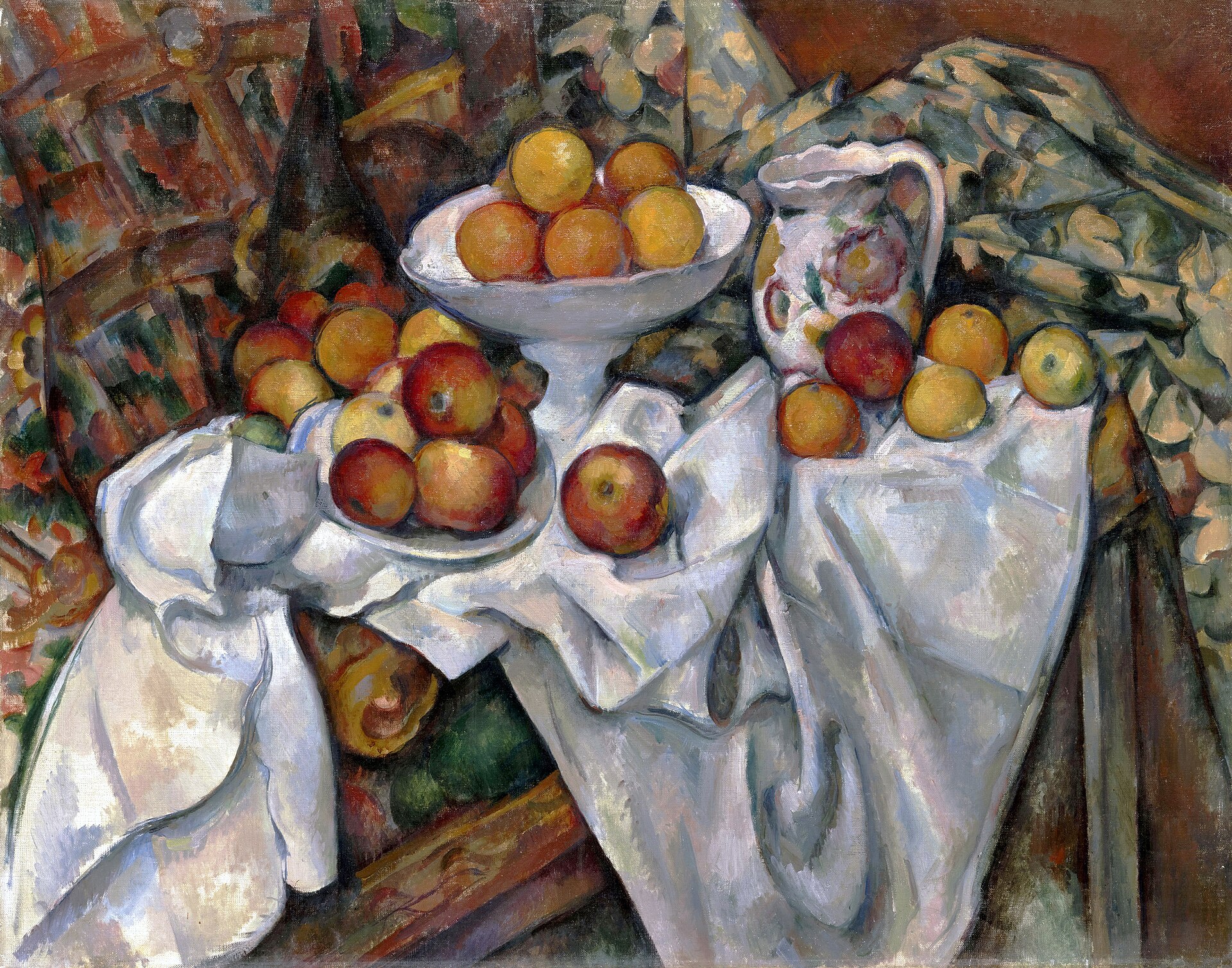
The 19th century was a vibrant period of artistic and cultural flourishing in Paris.
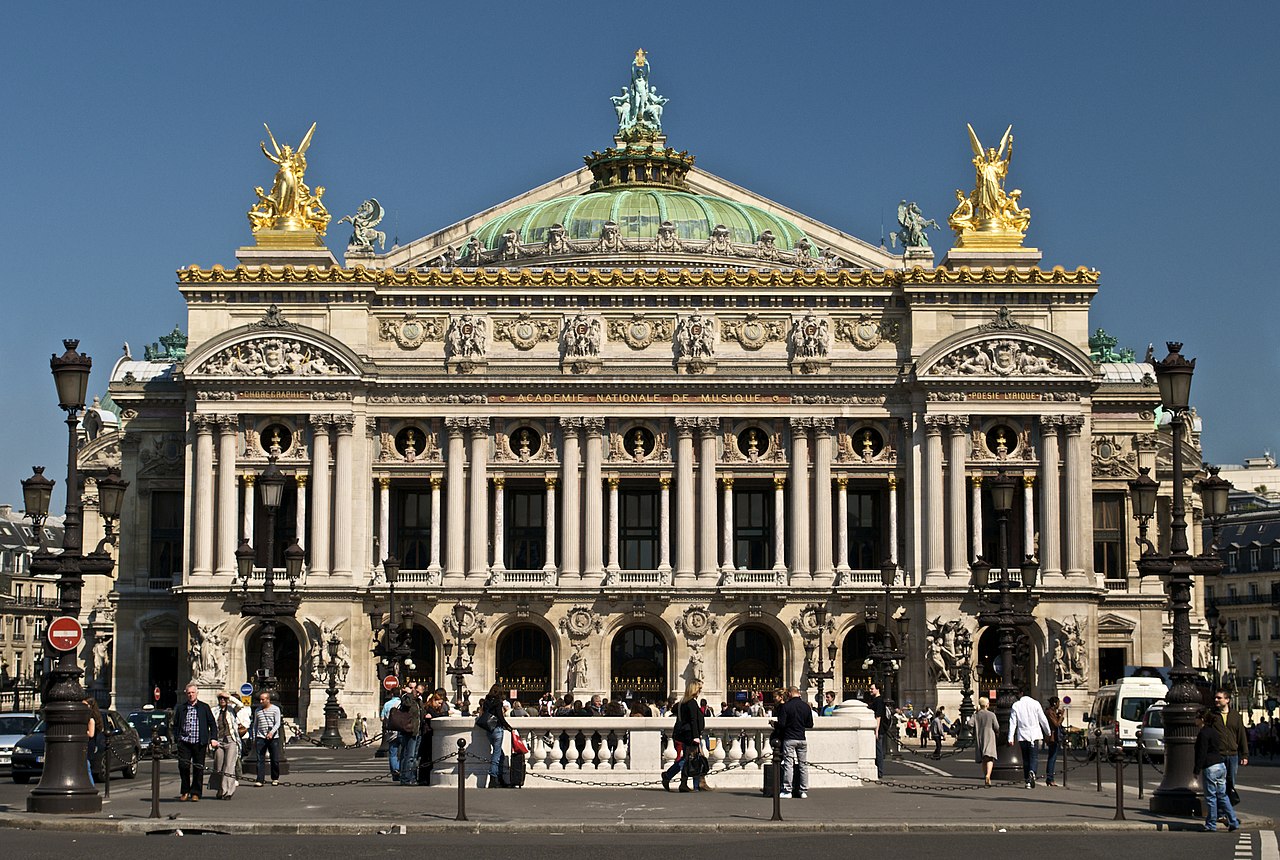
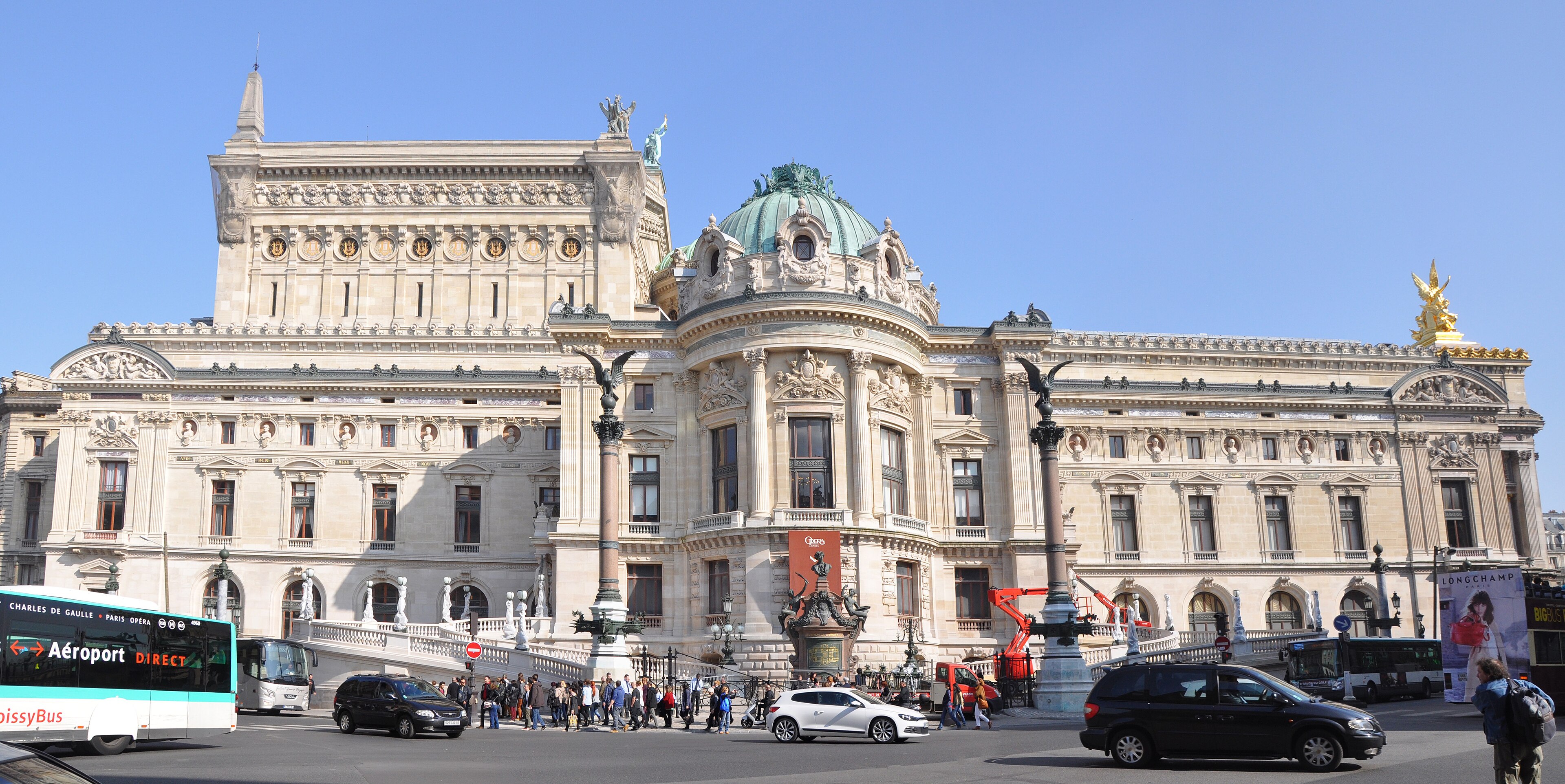
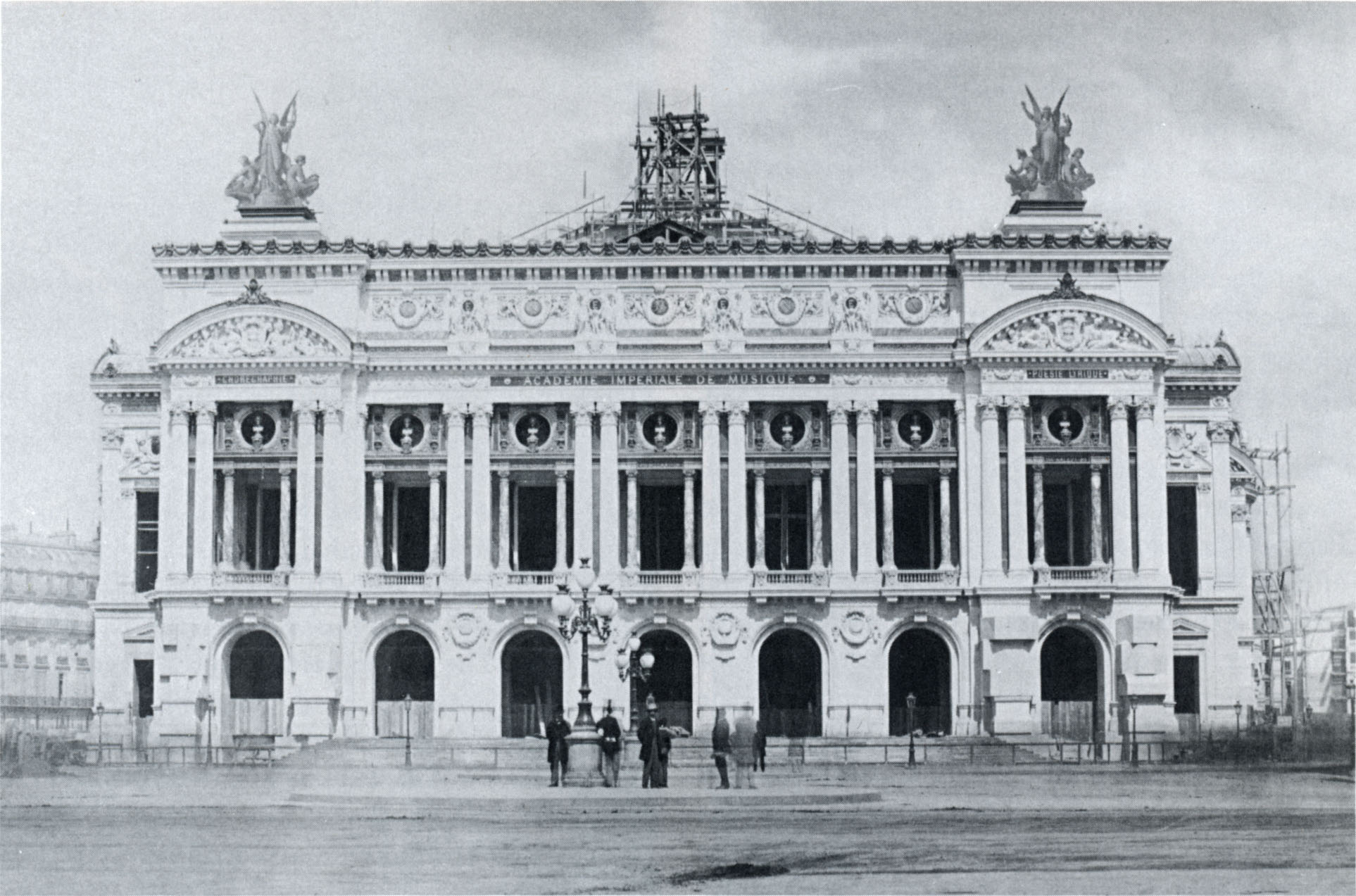
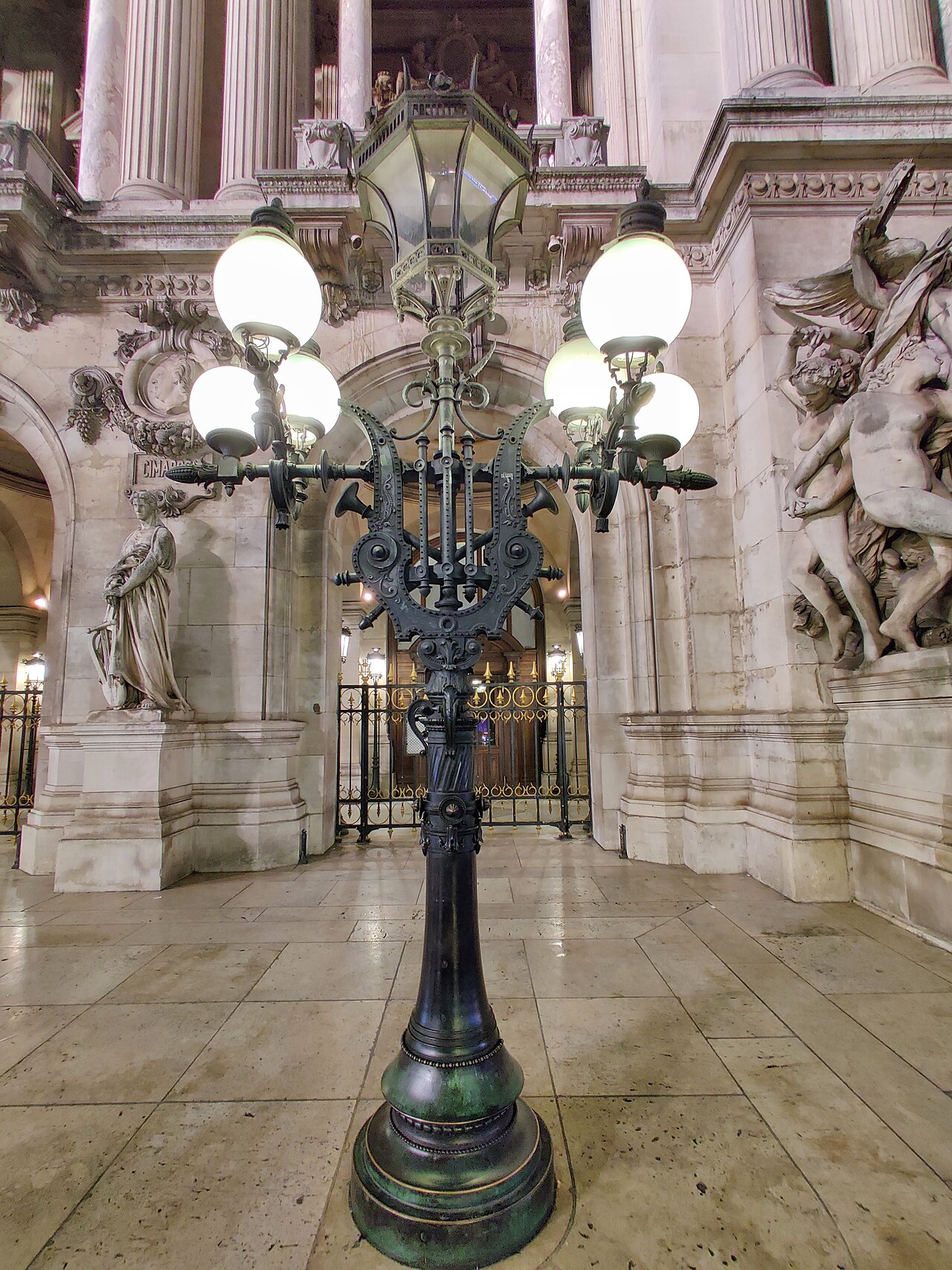
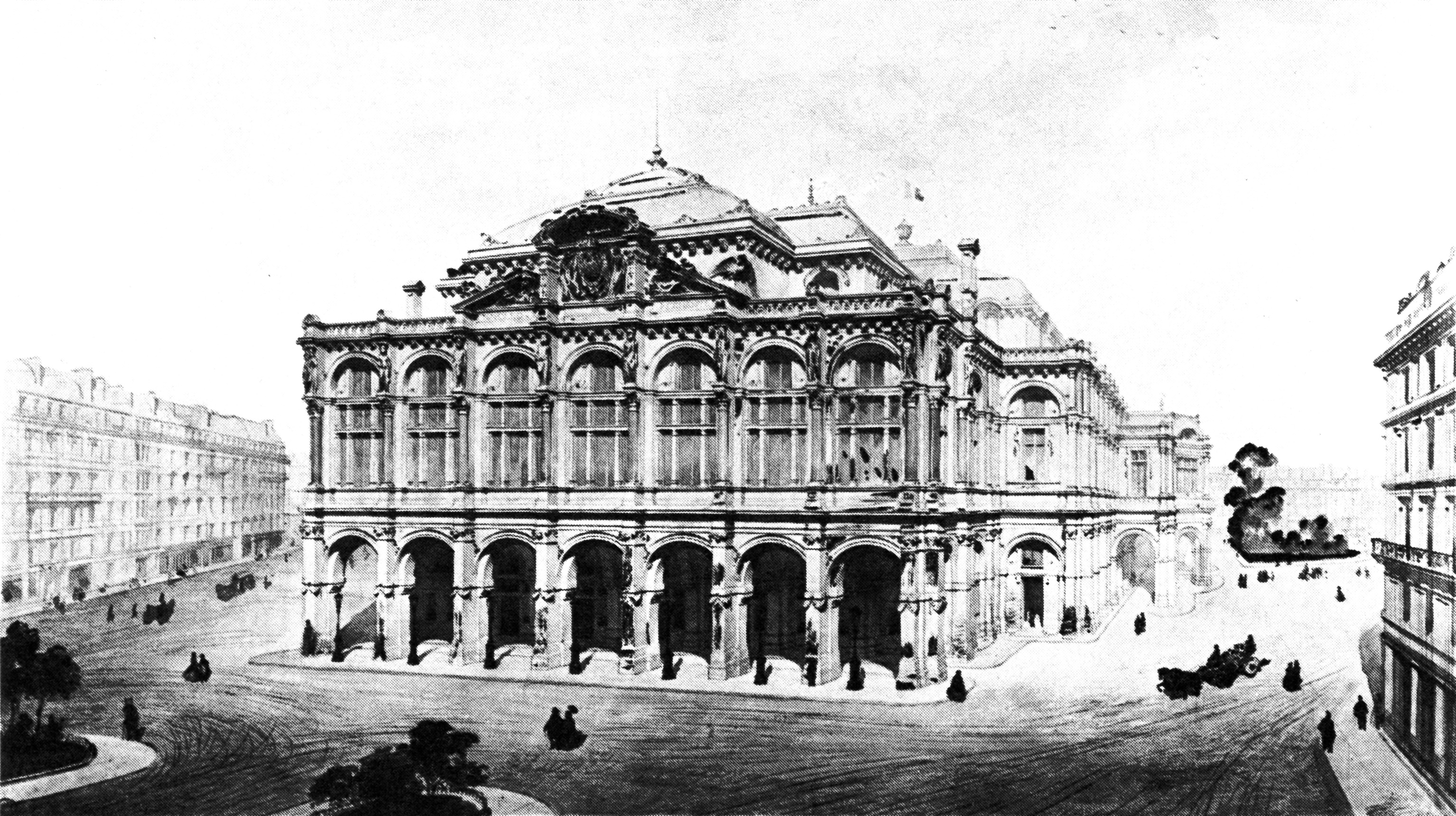
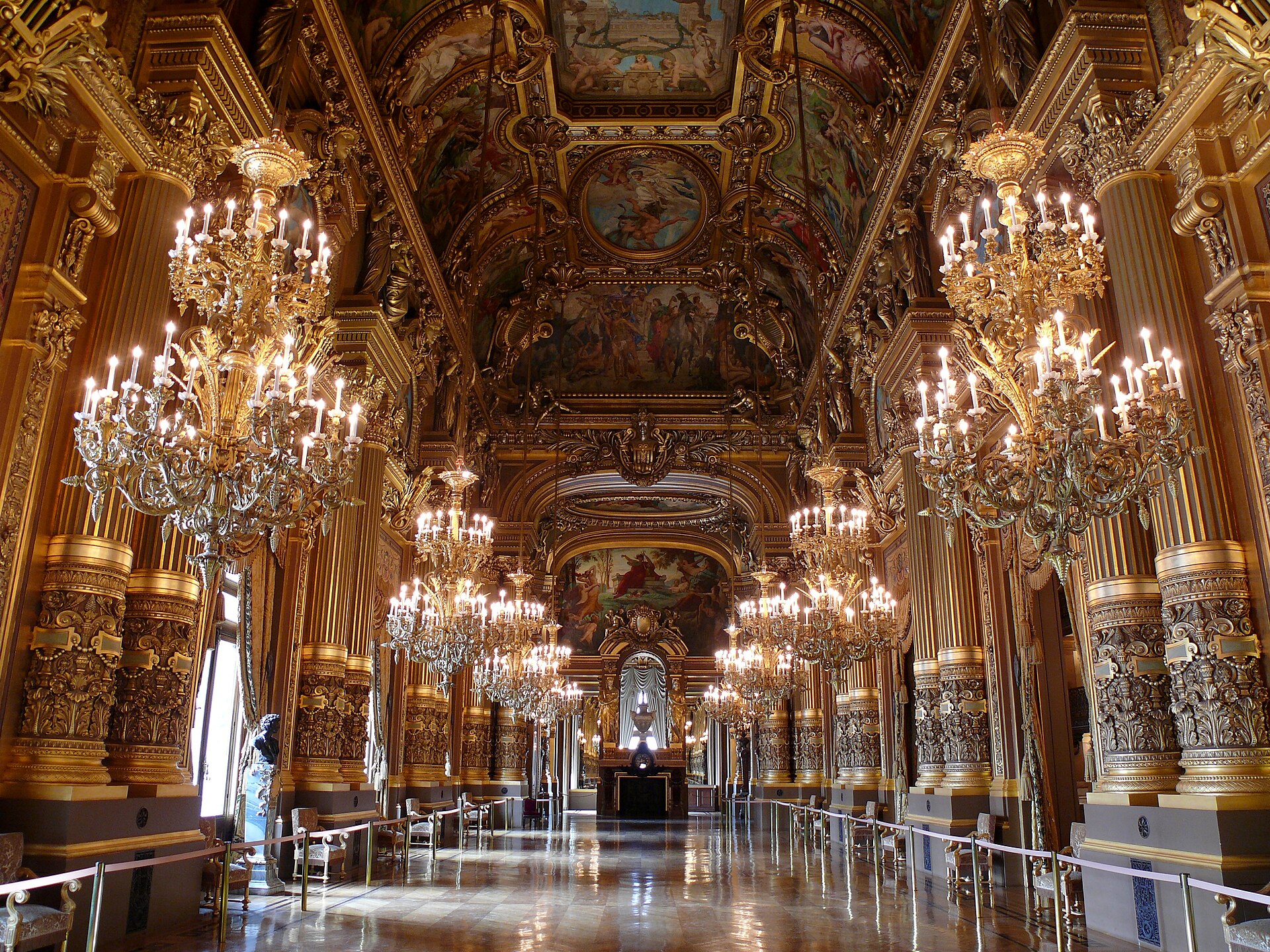
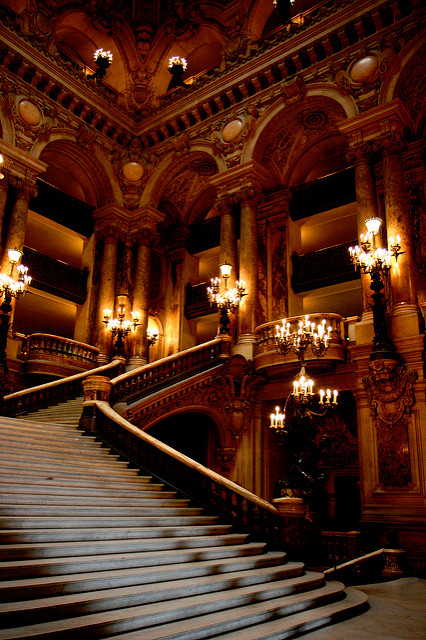
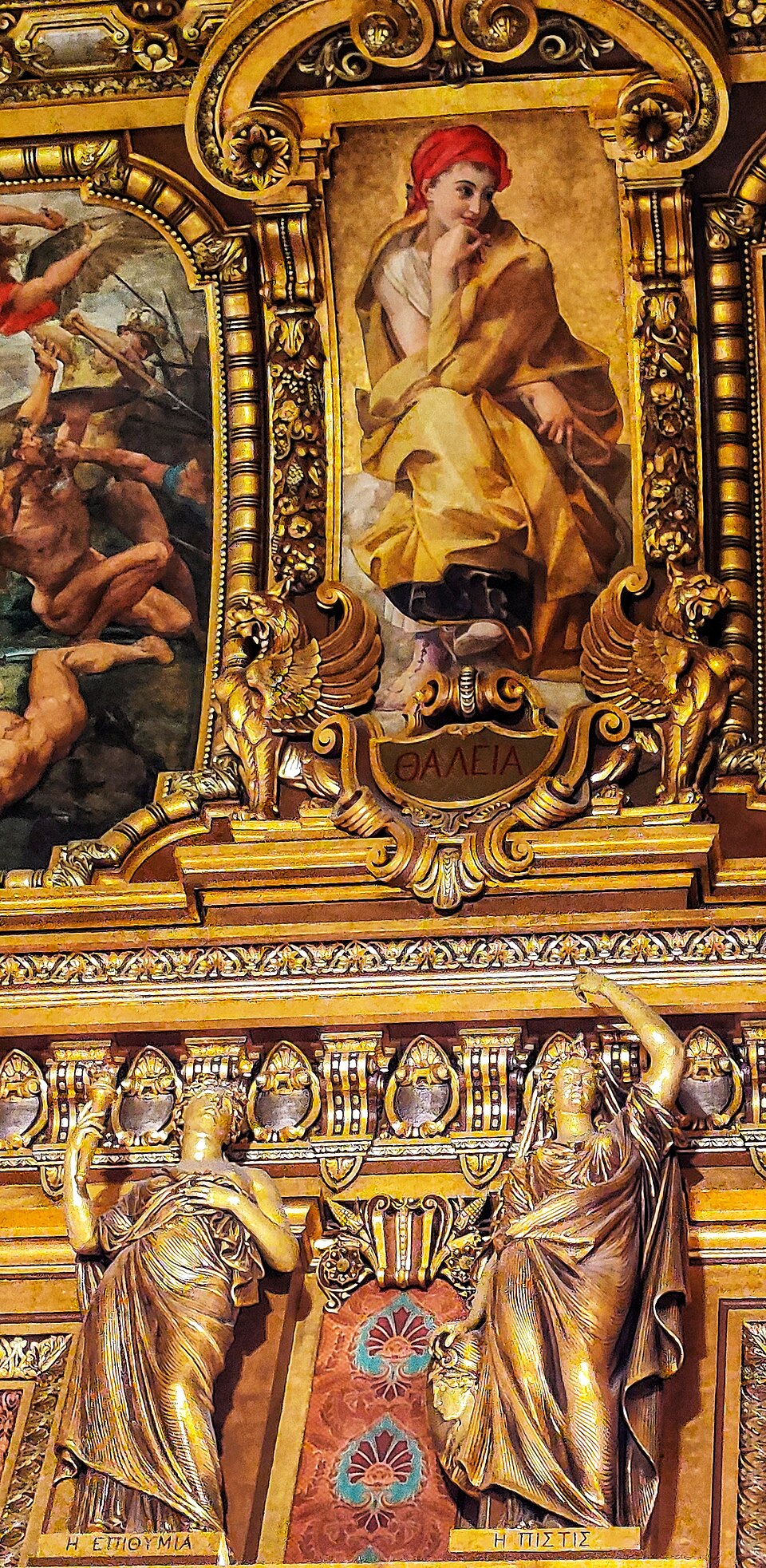
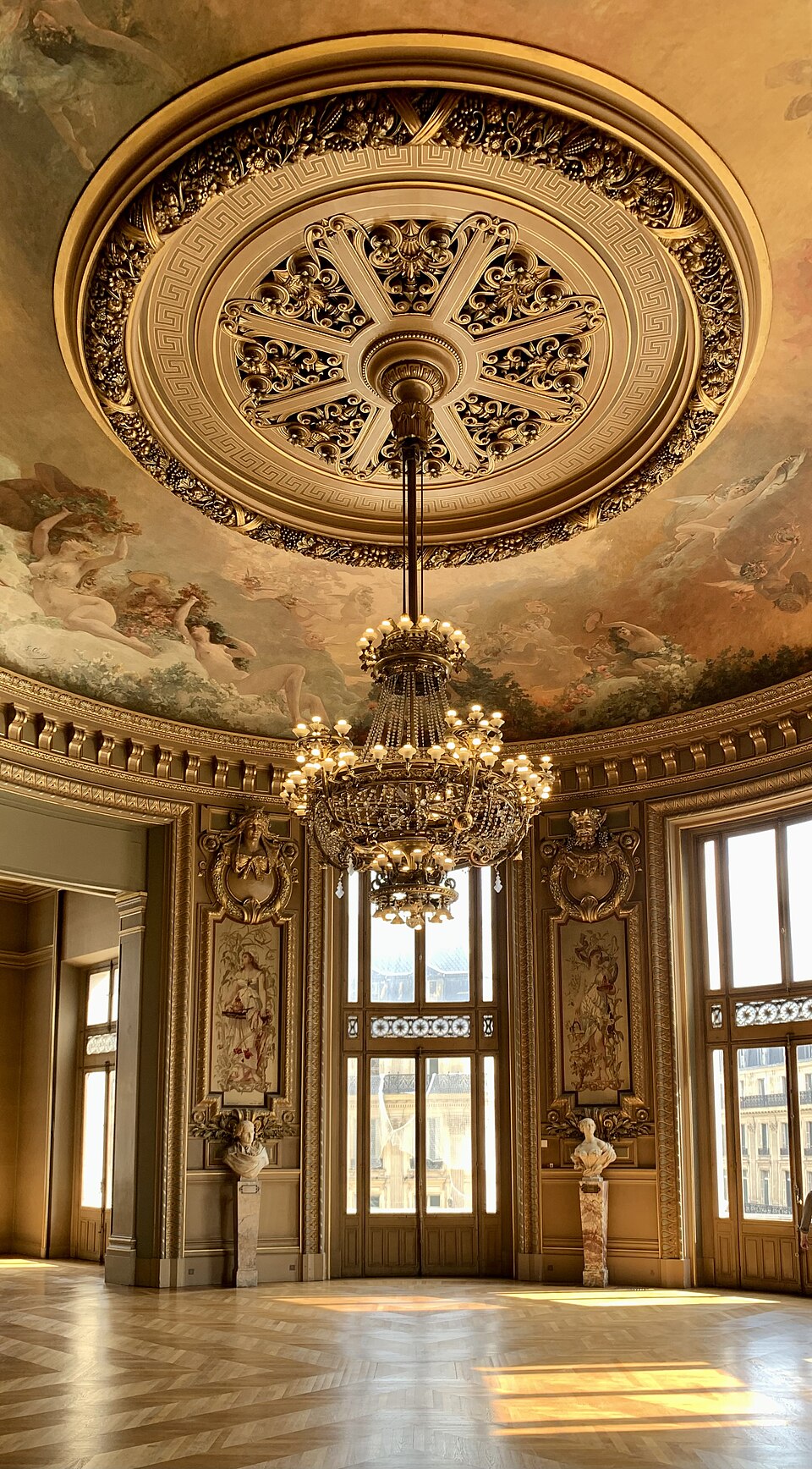
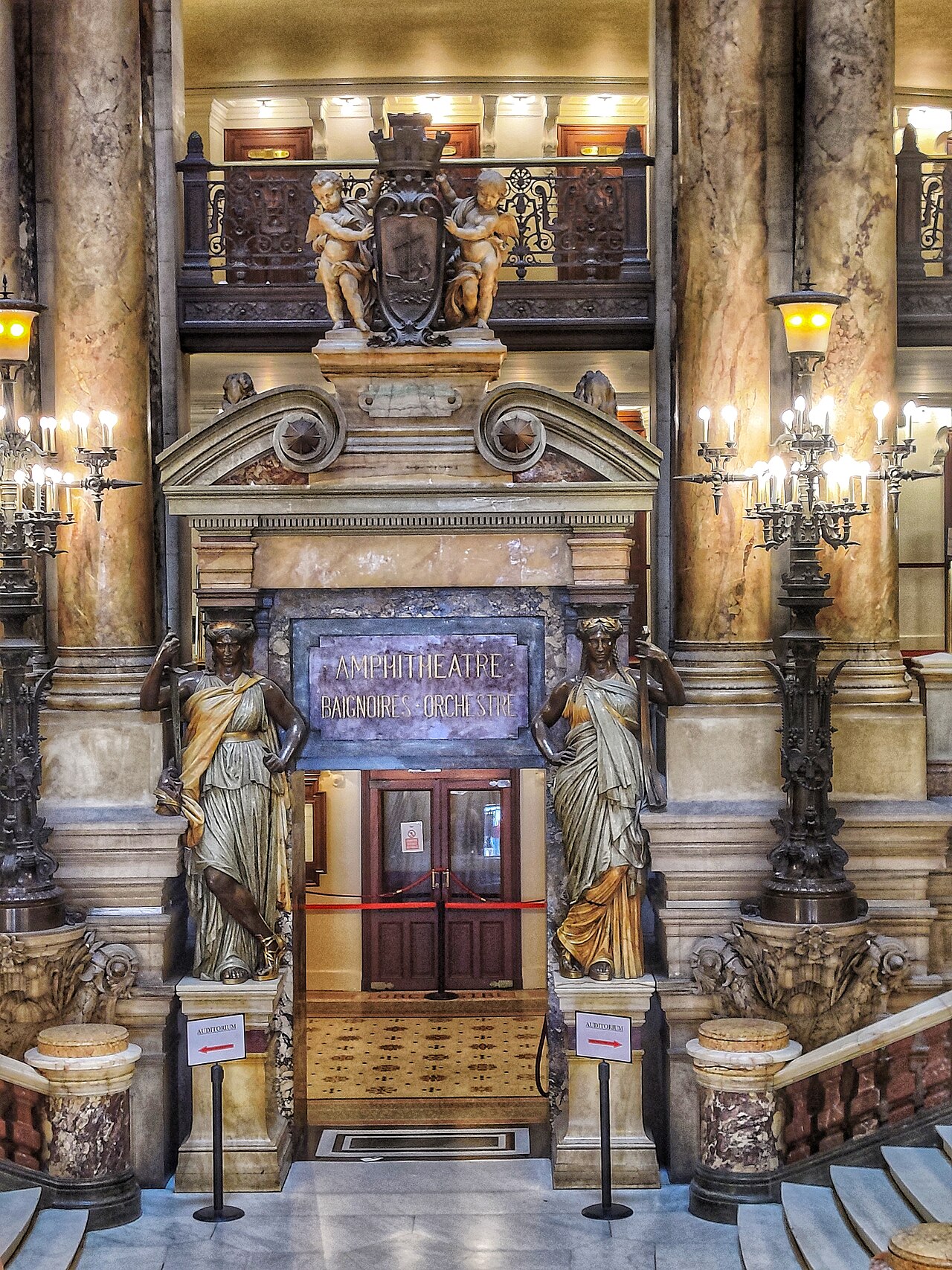
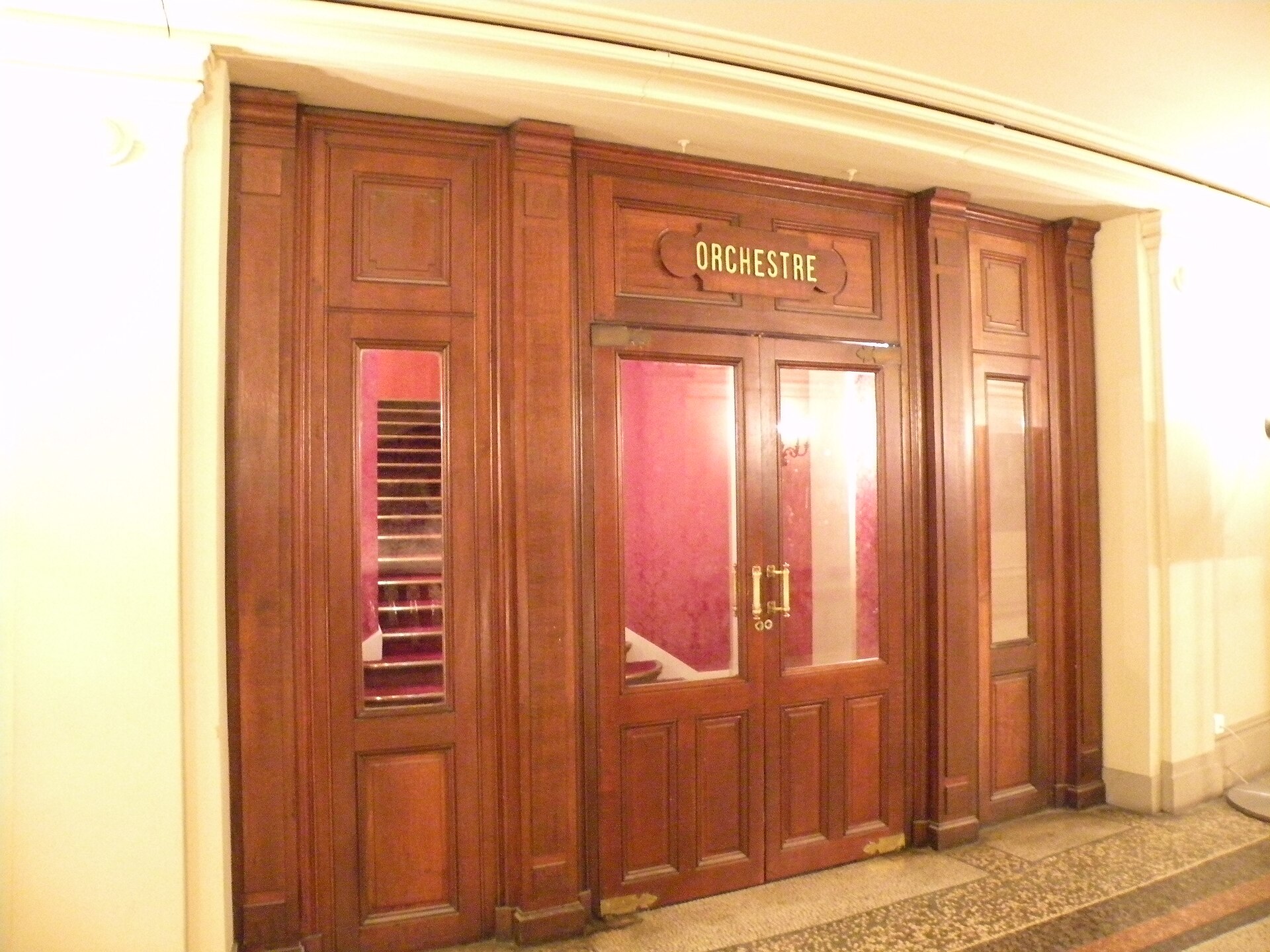
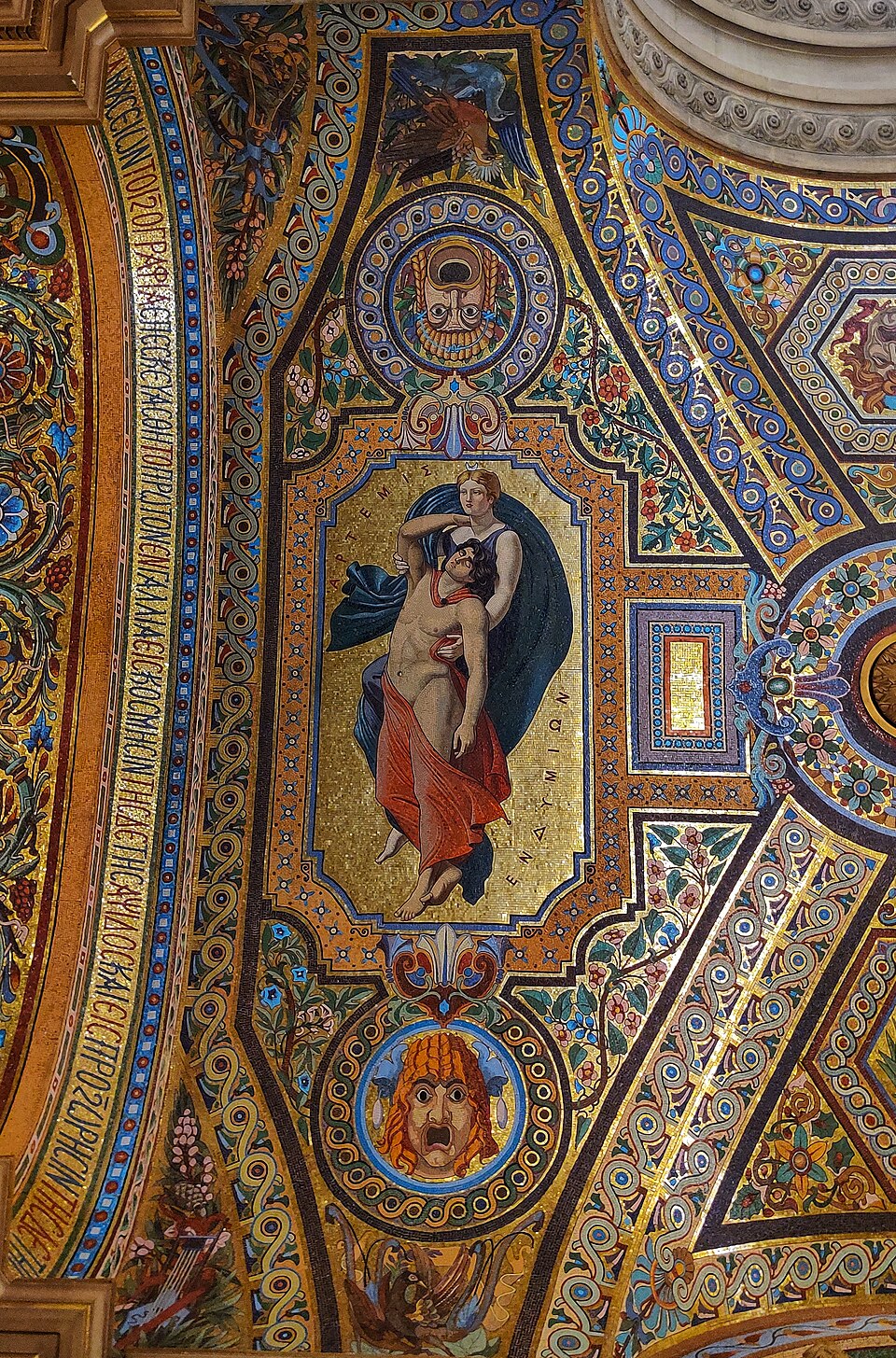
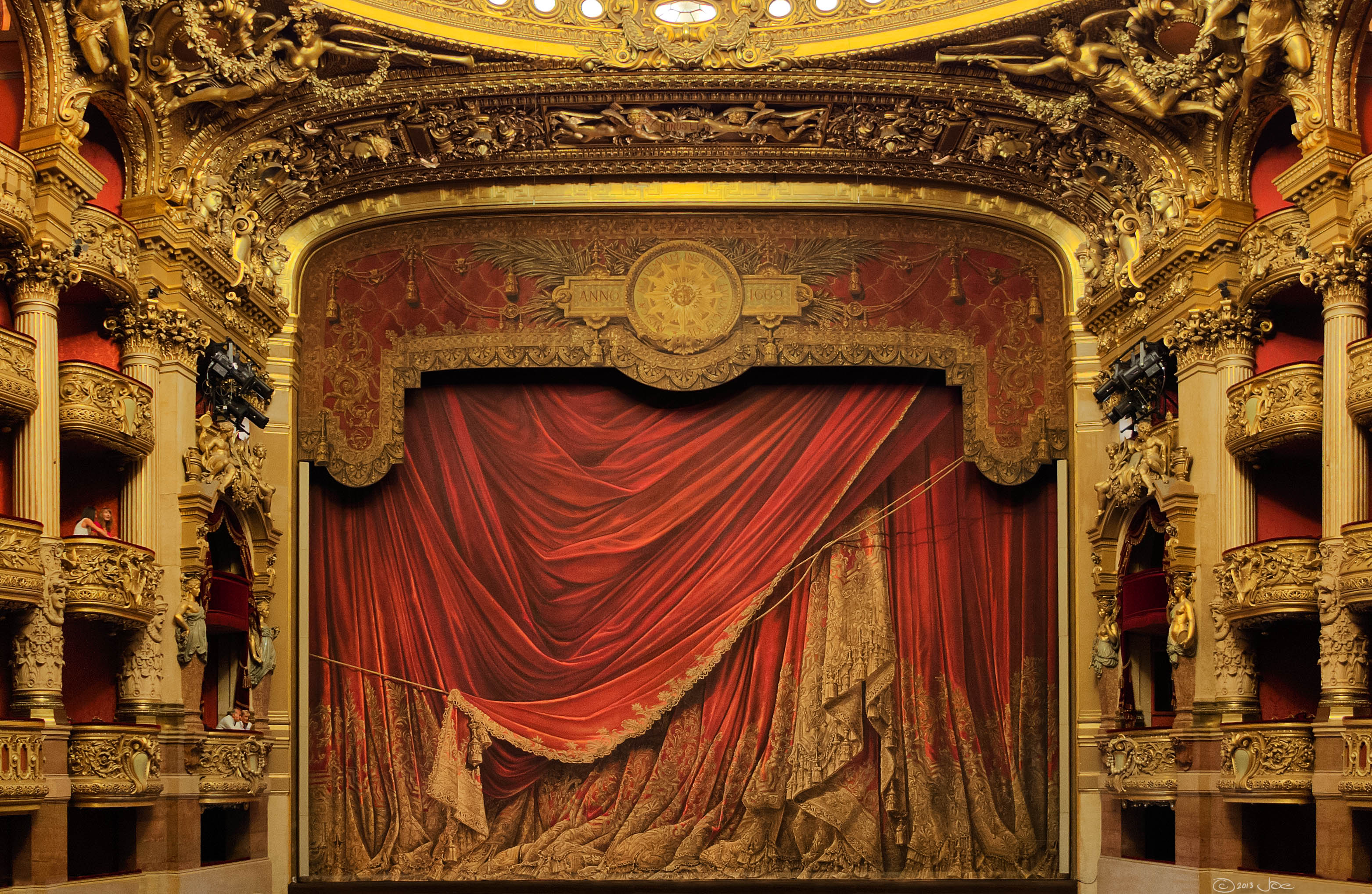
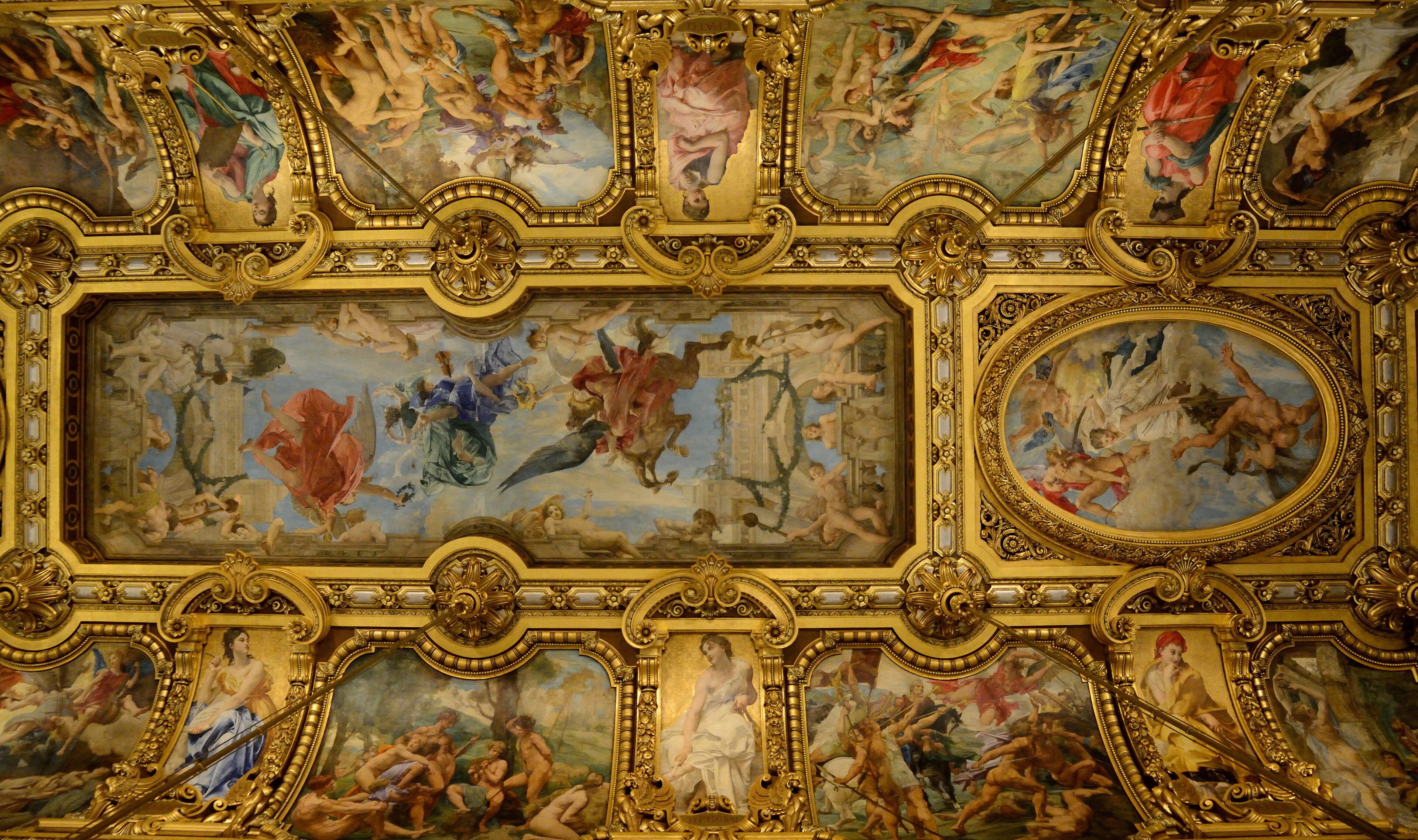
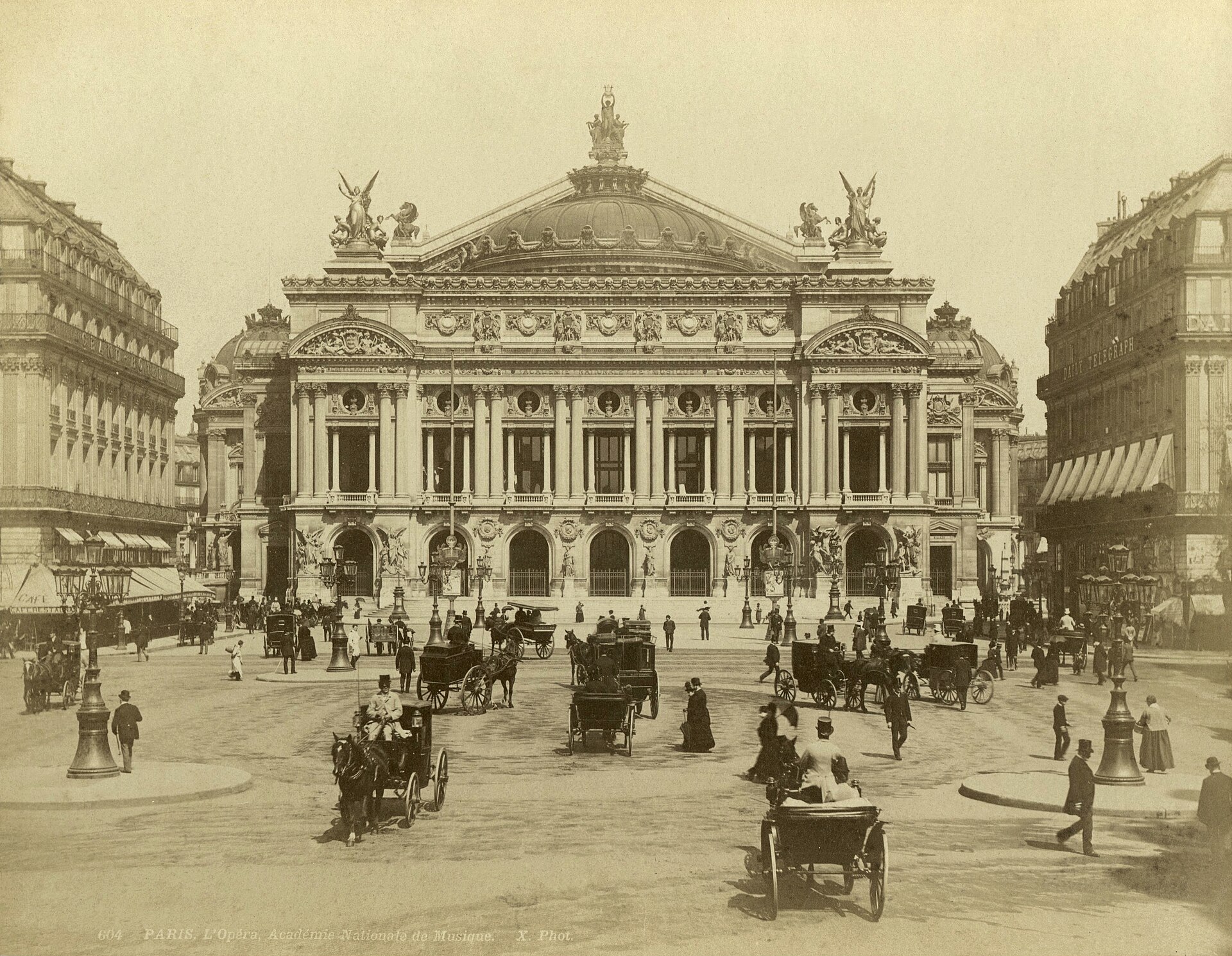
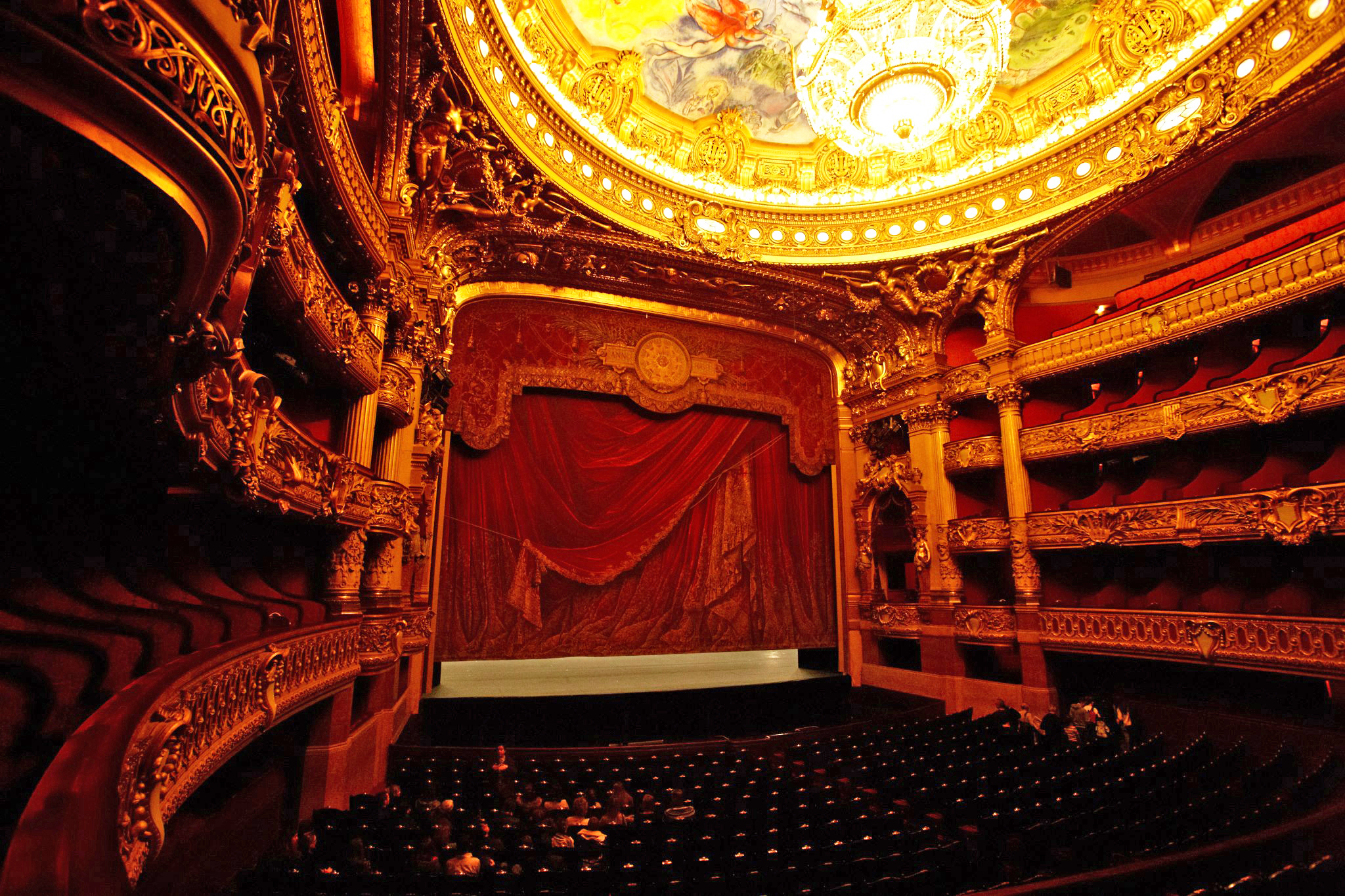
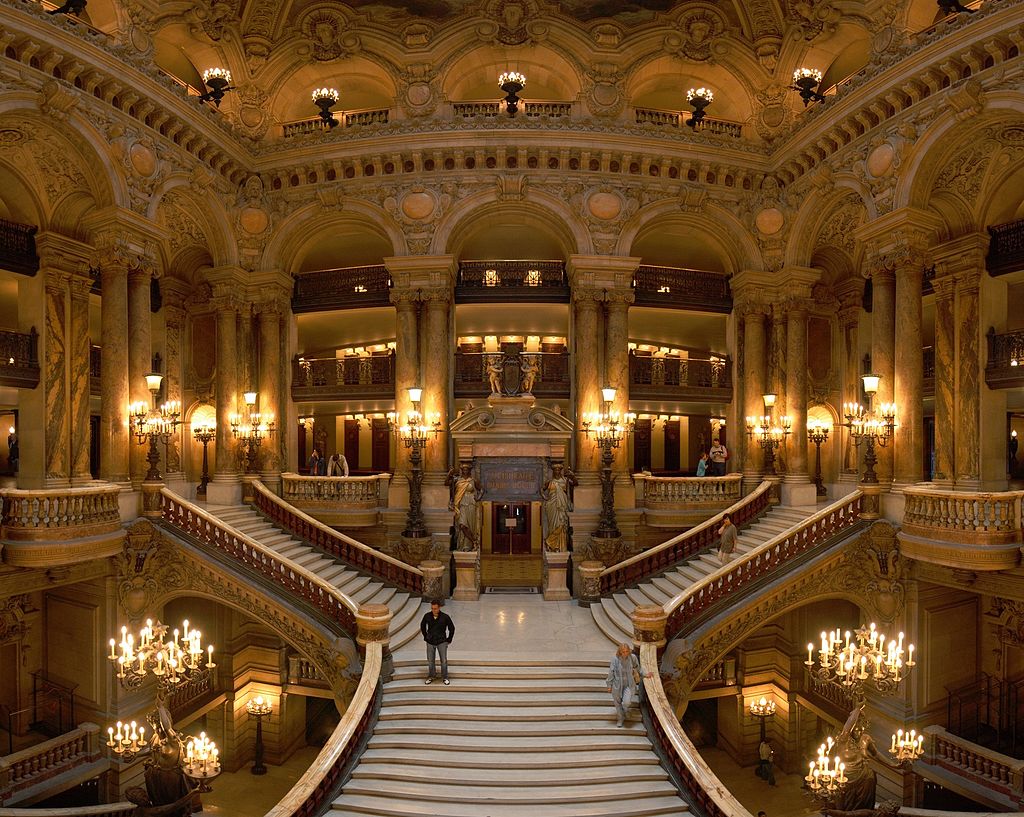
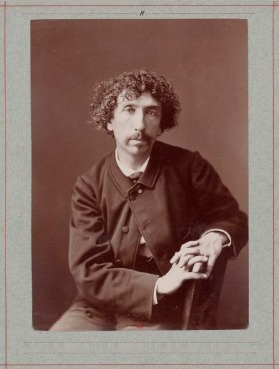
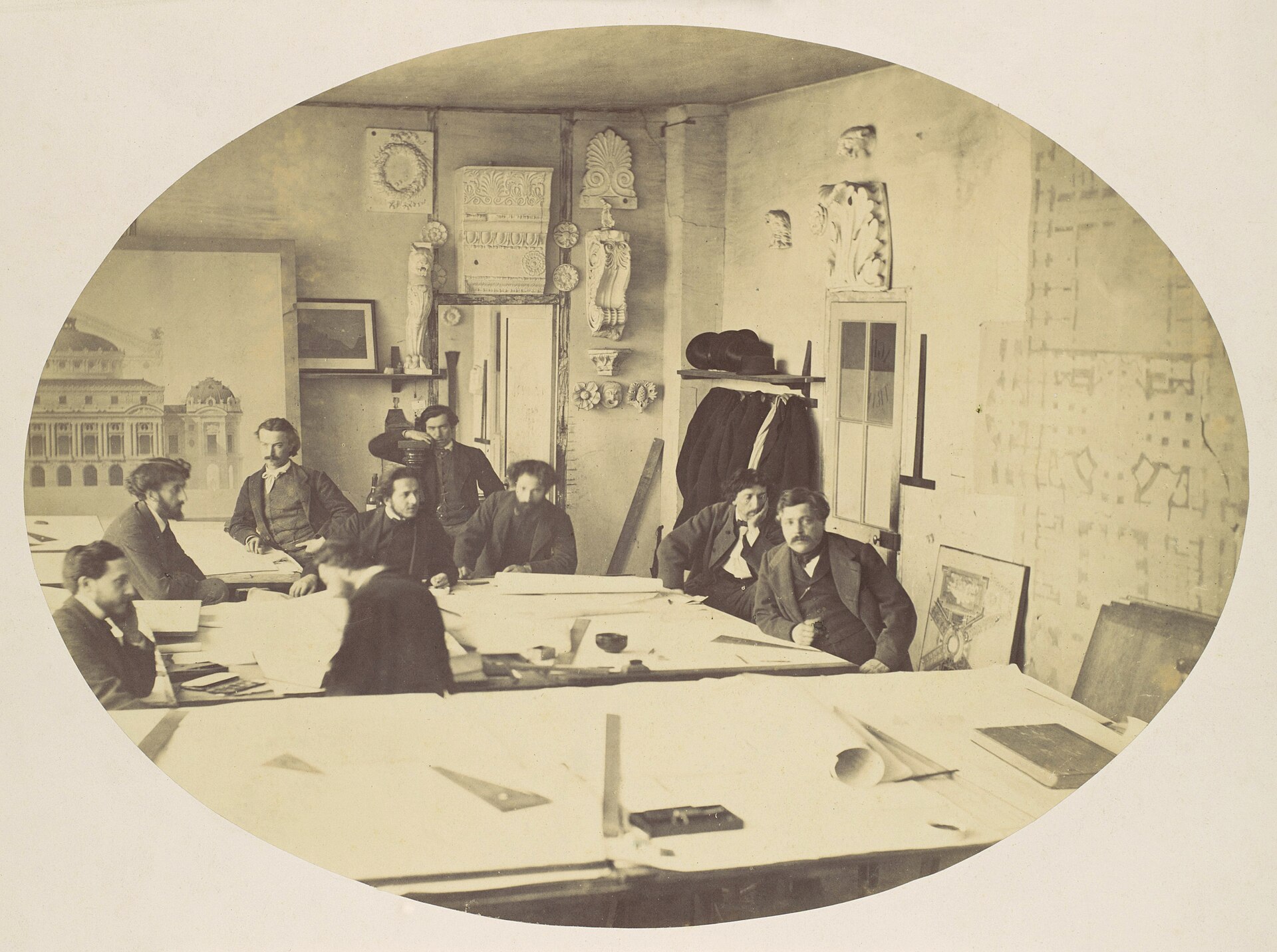
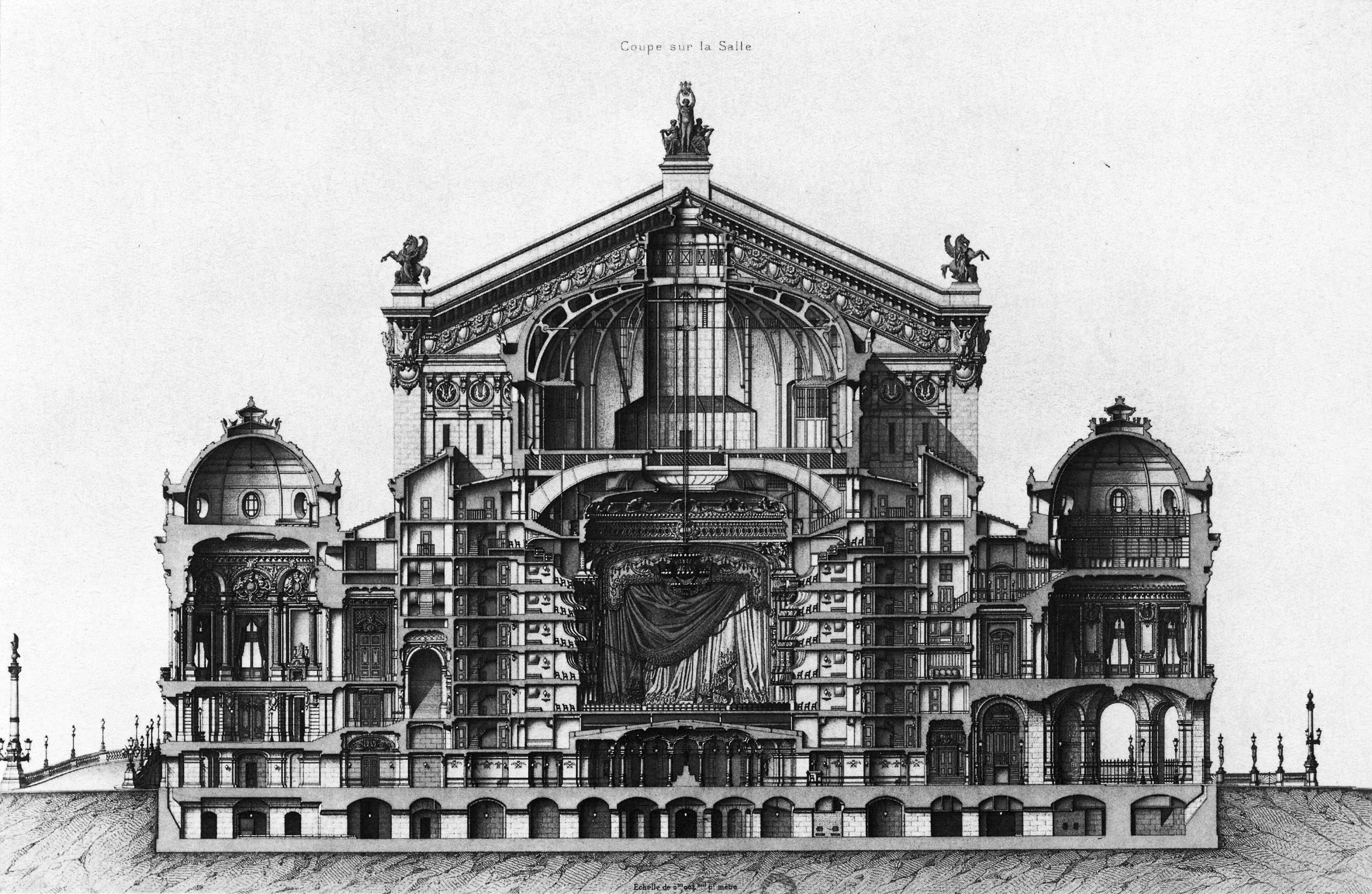
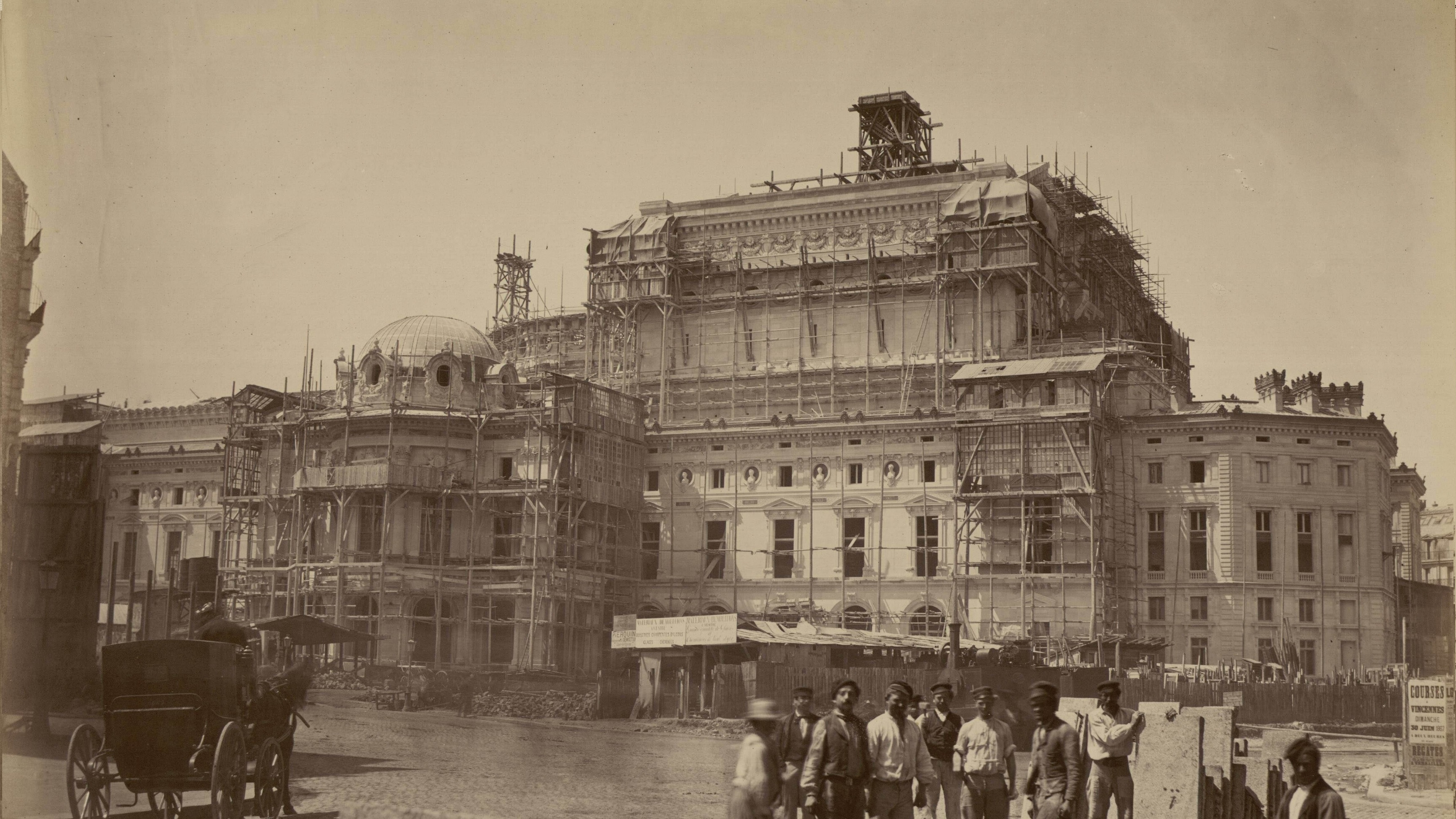
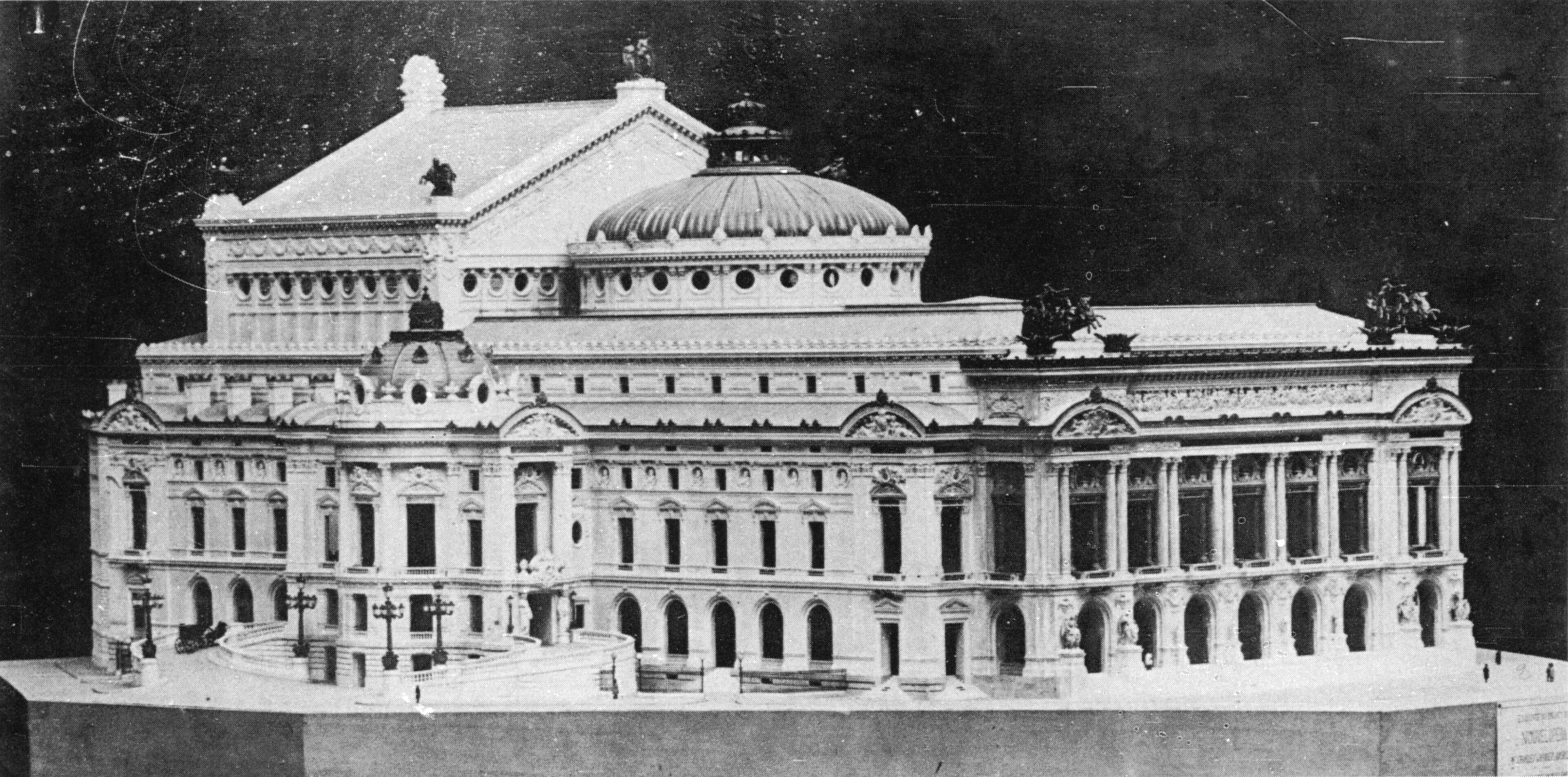
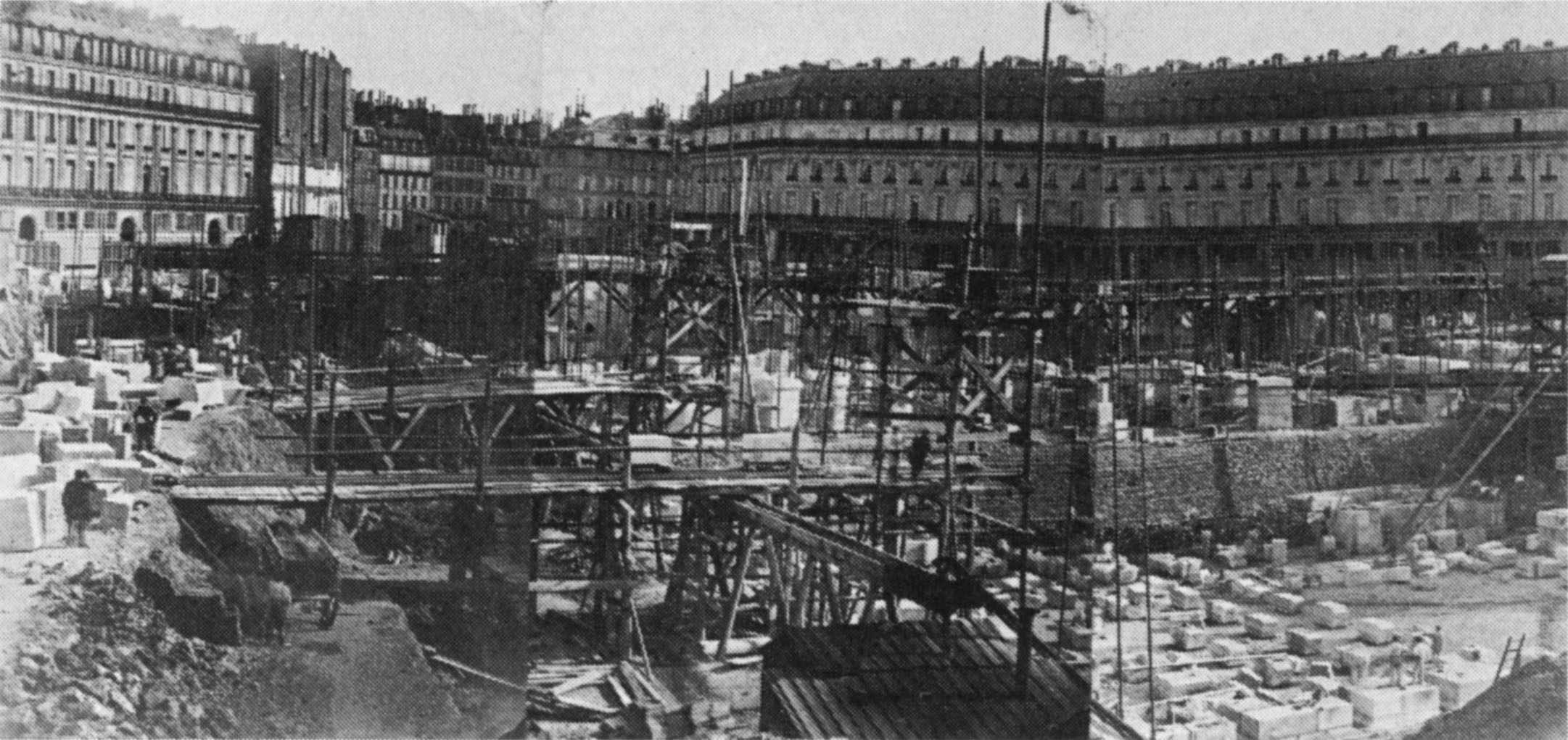
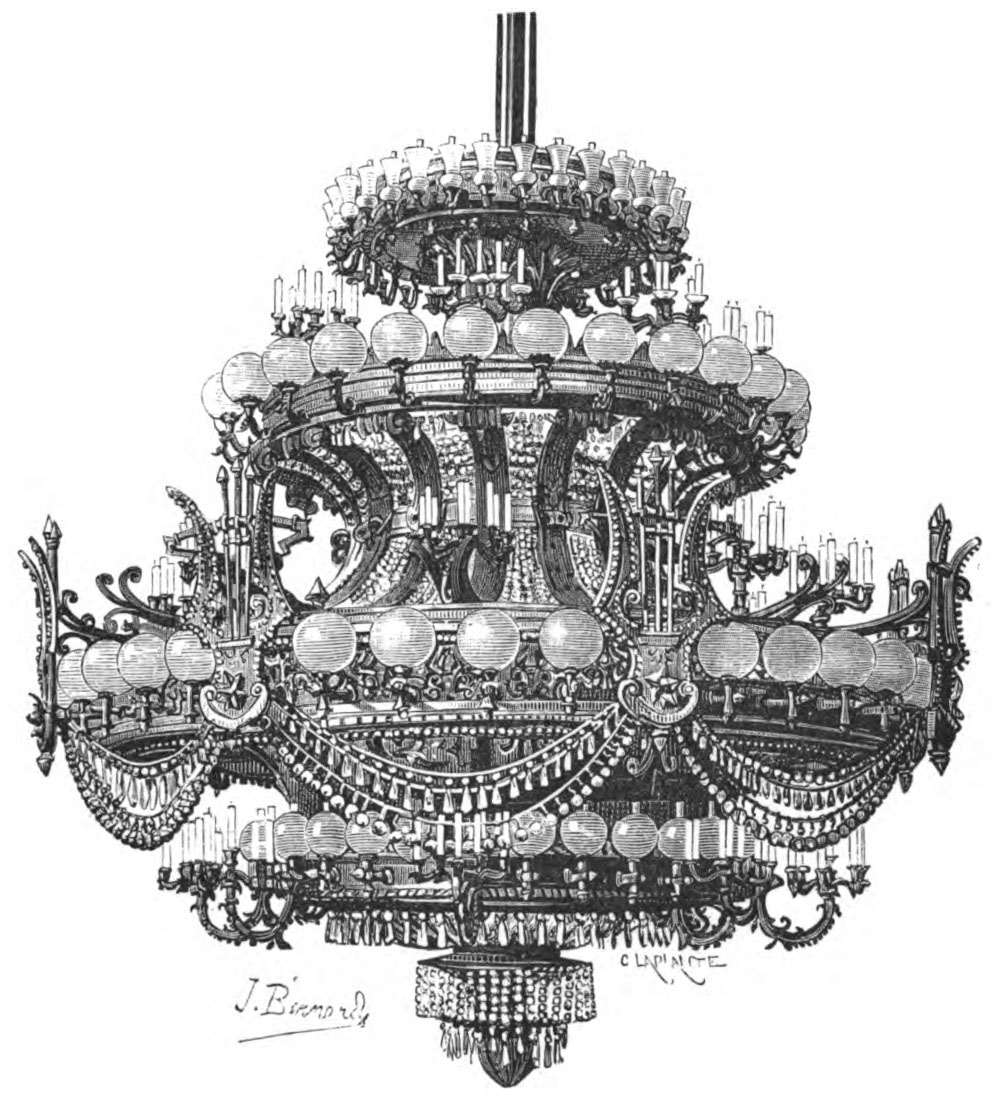
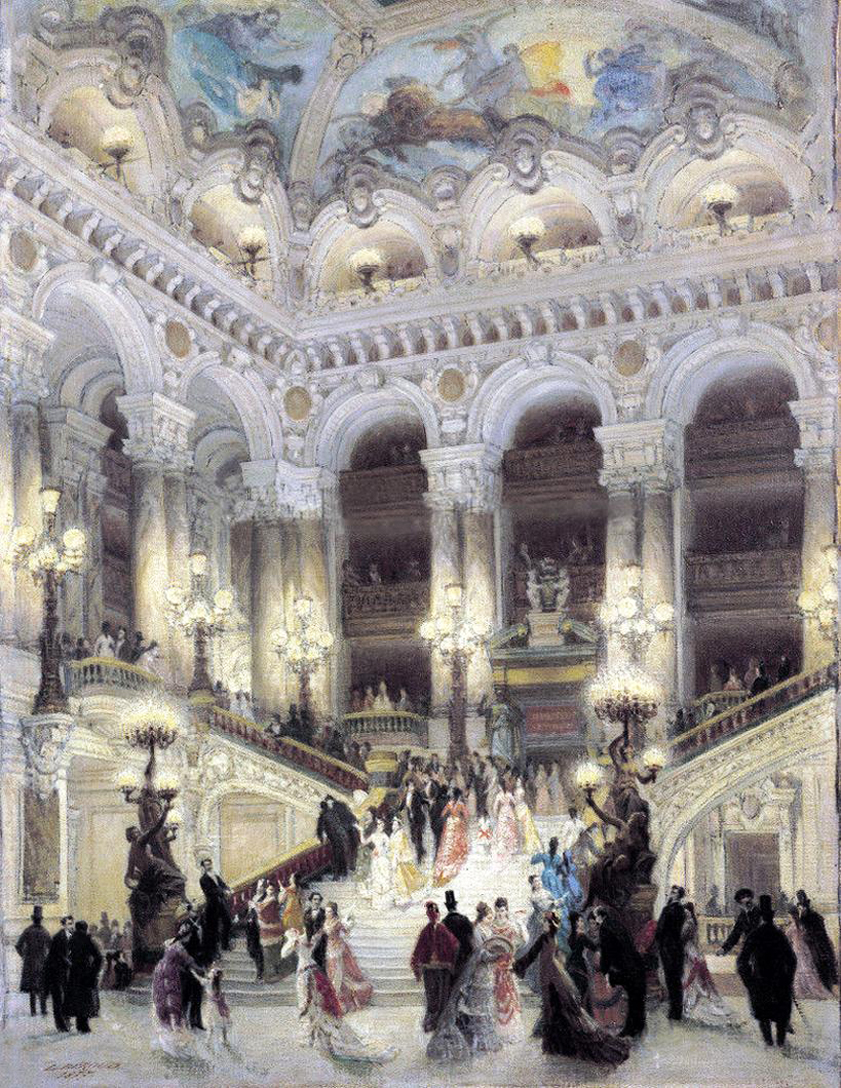
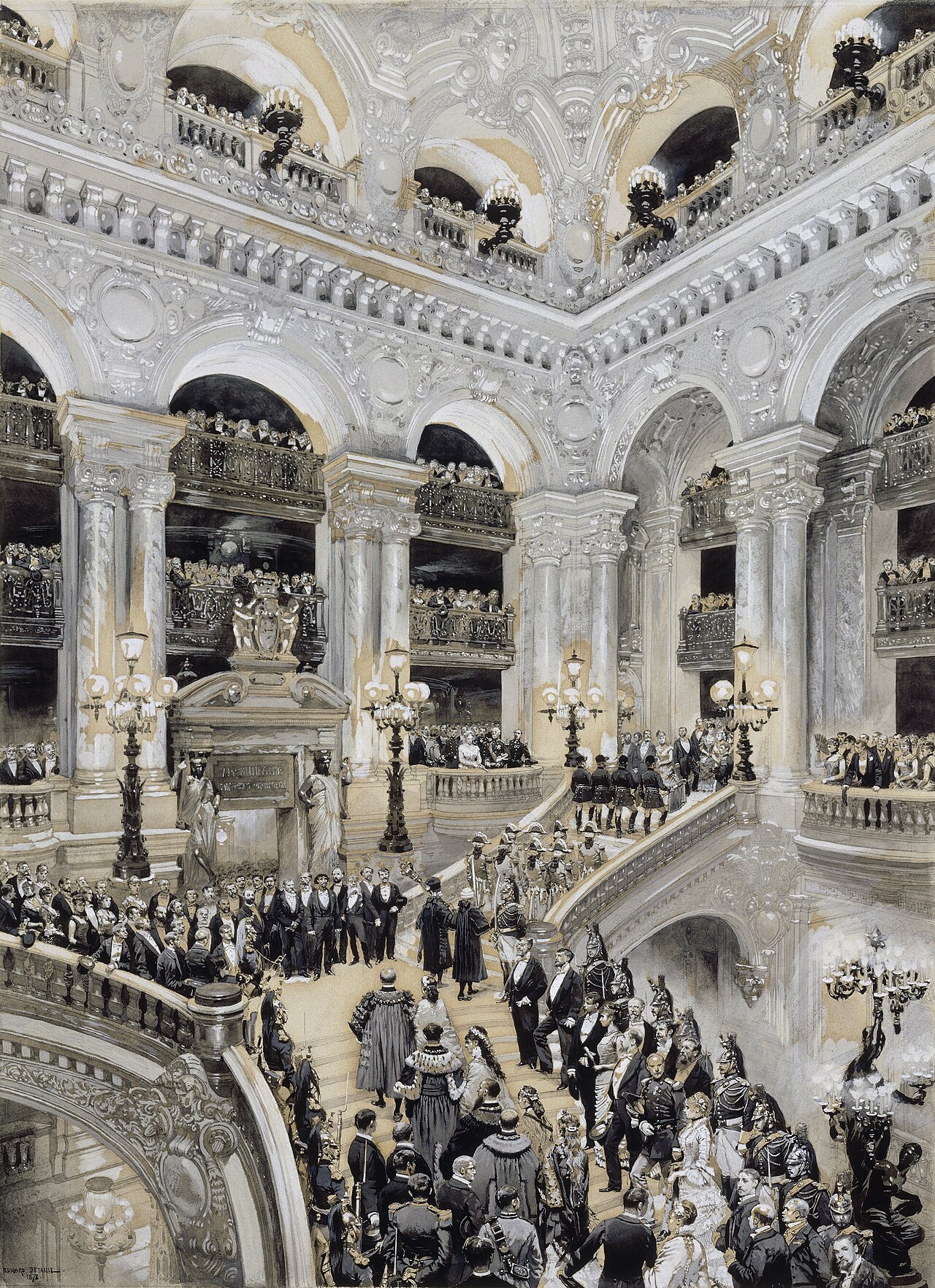
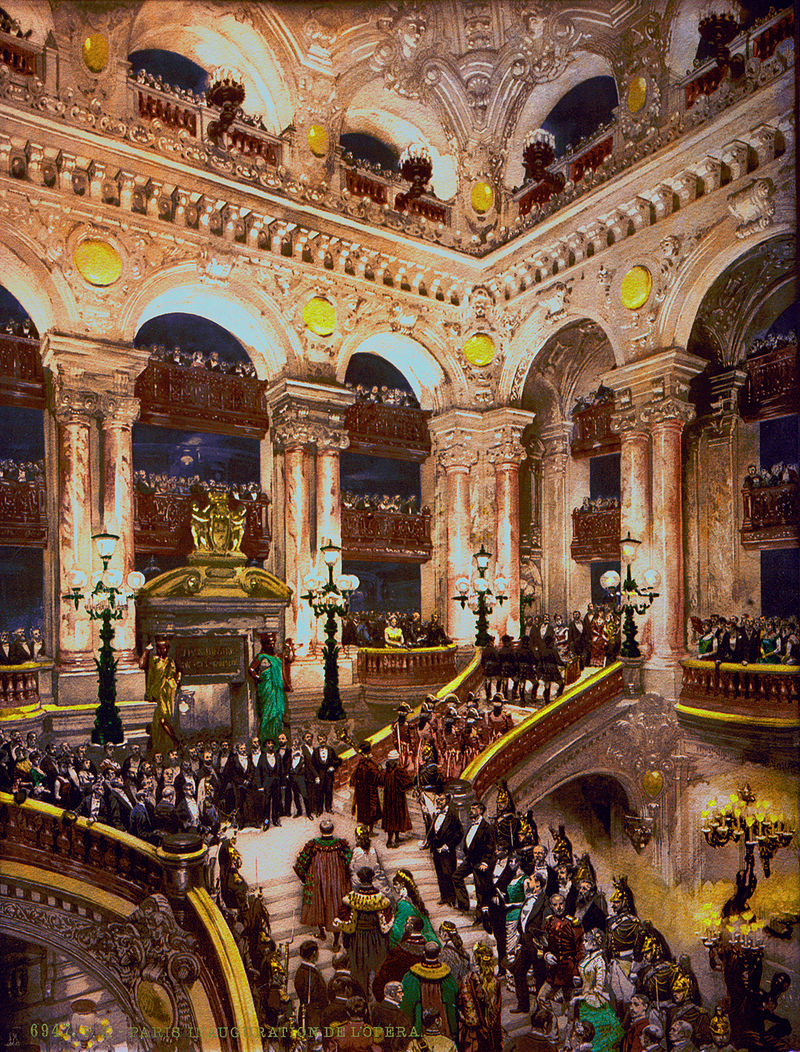
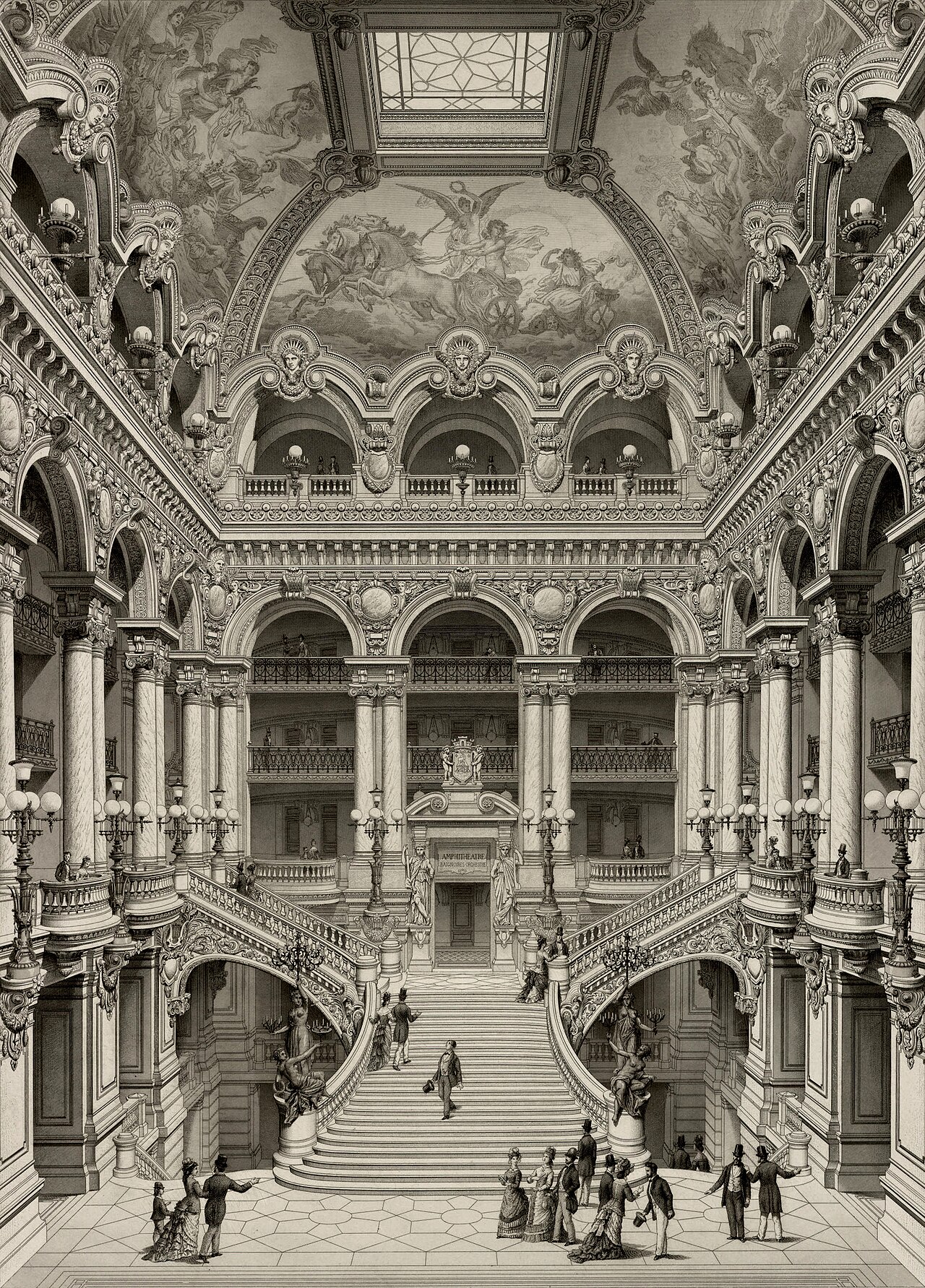
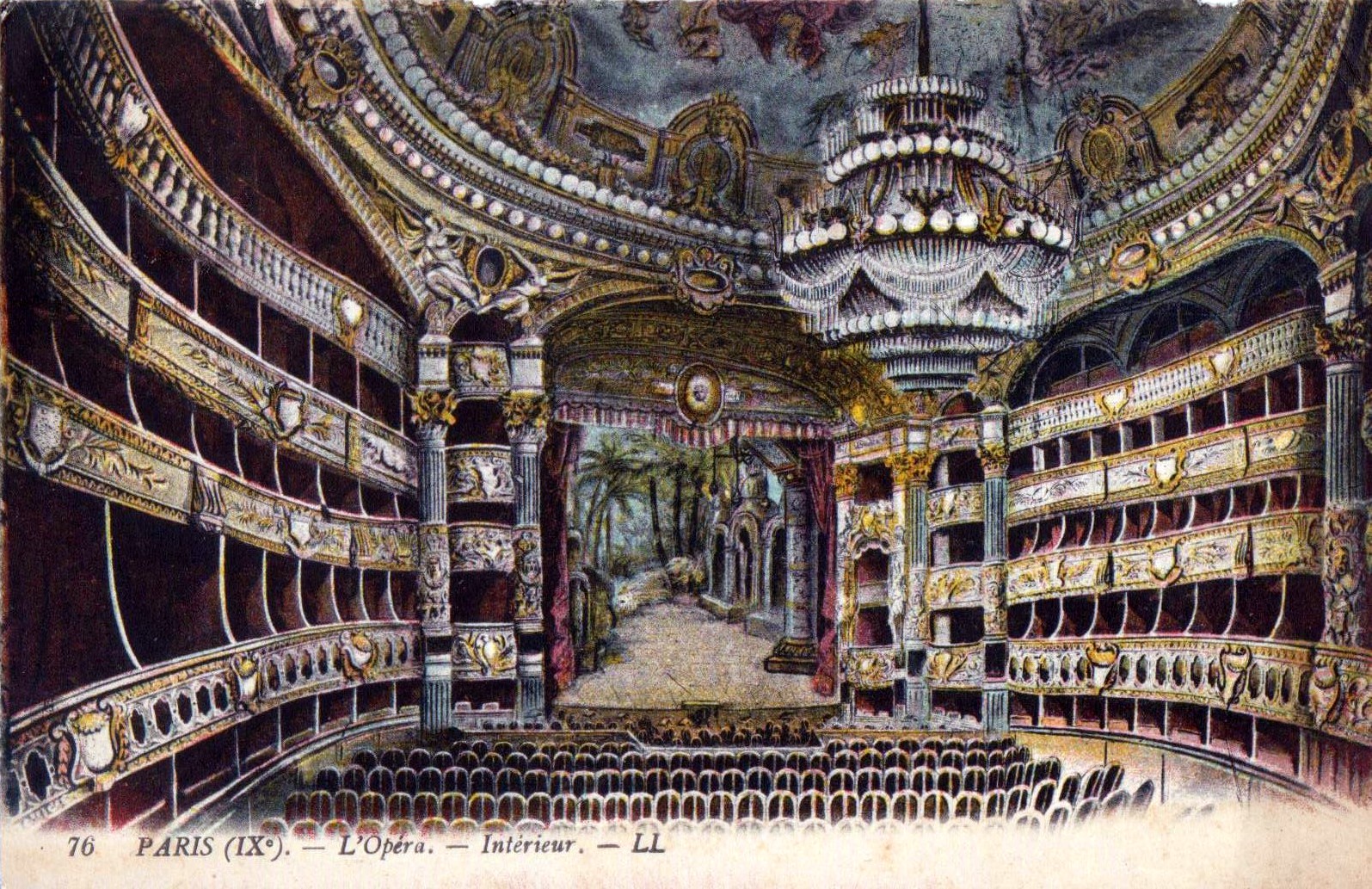
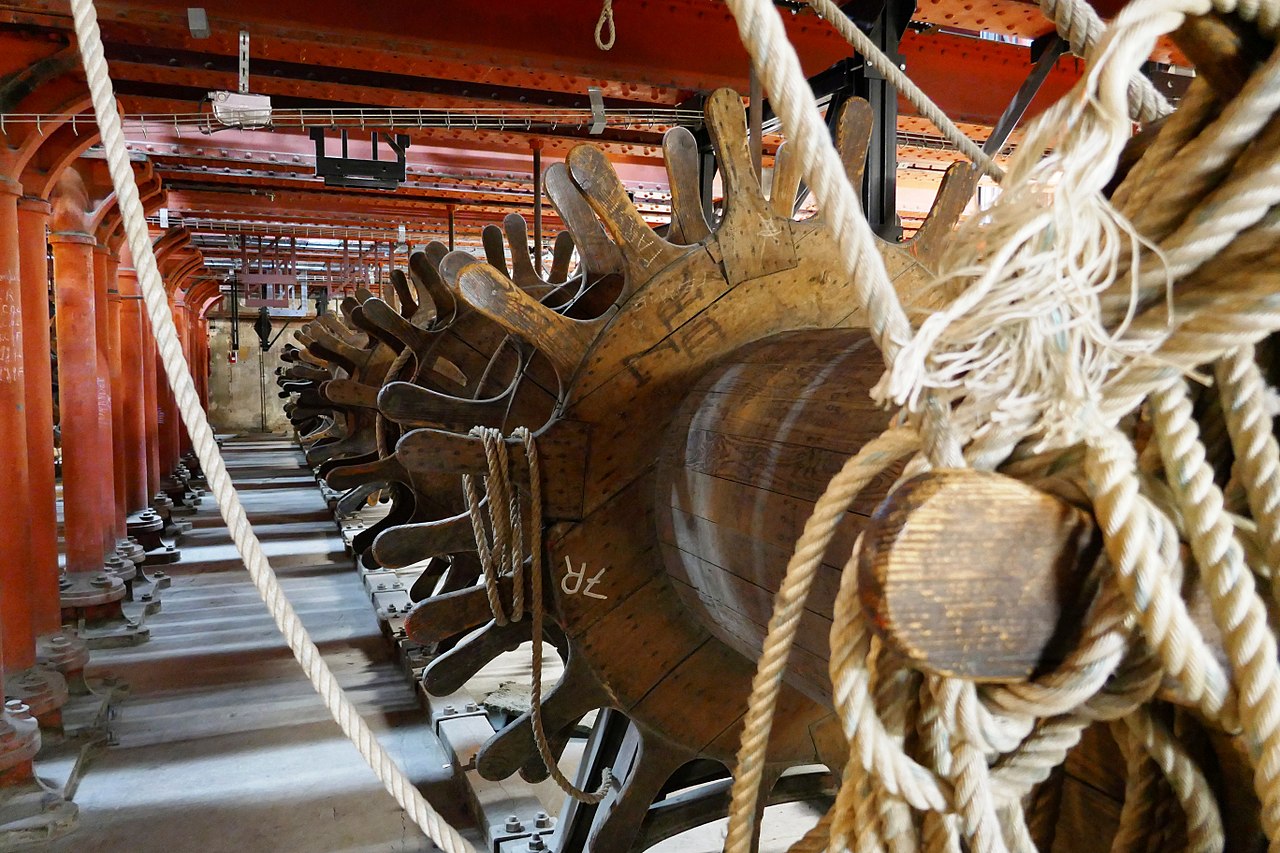
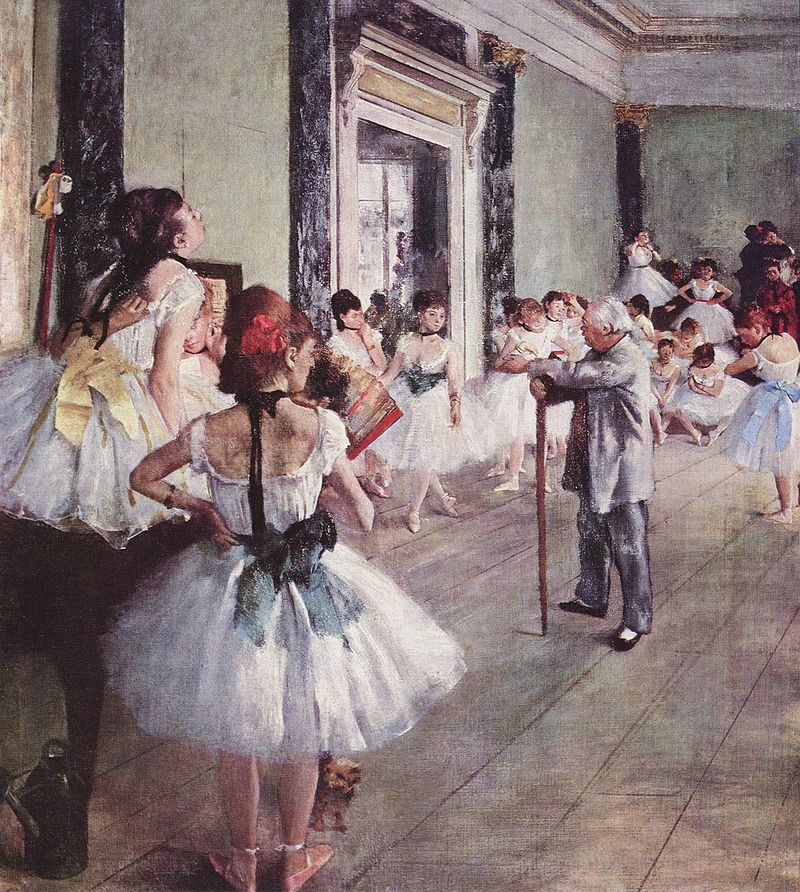
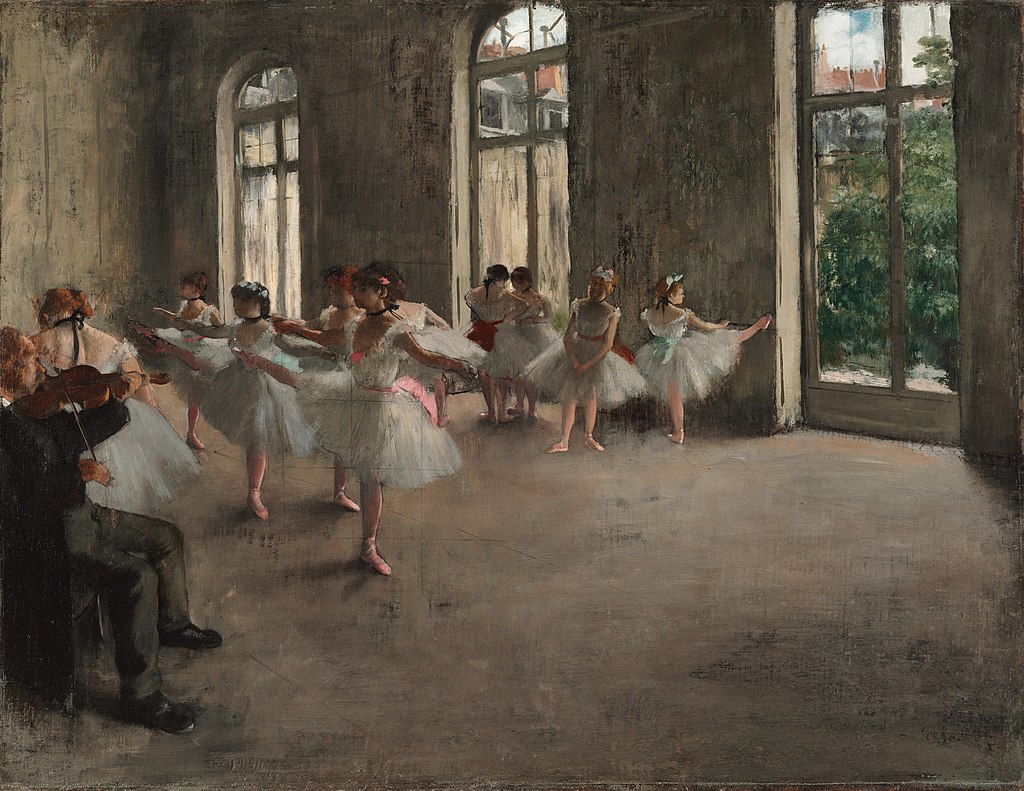
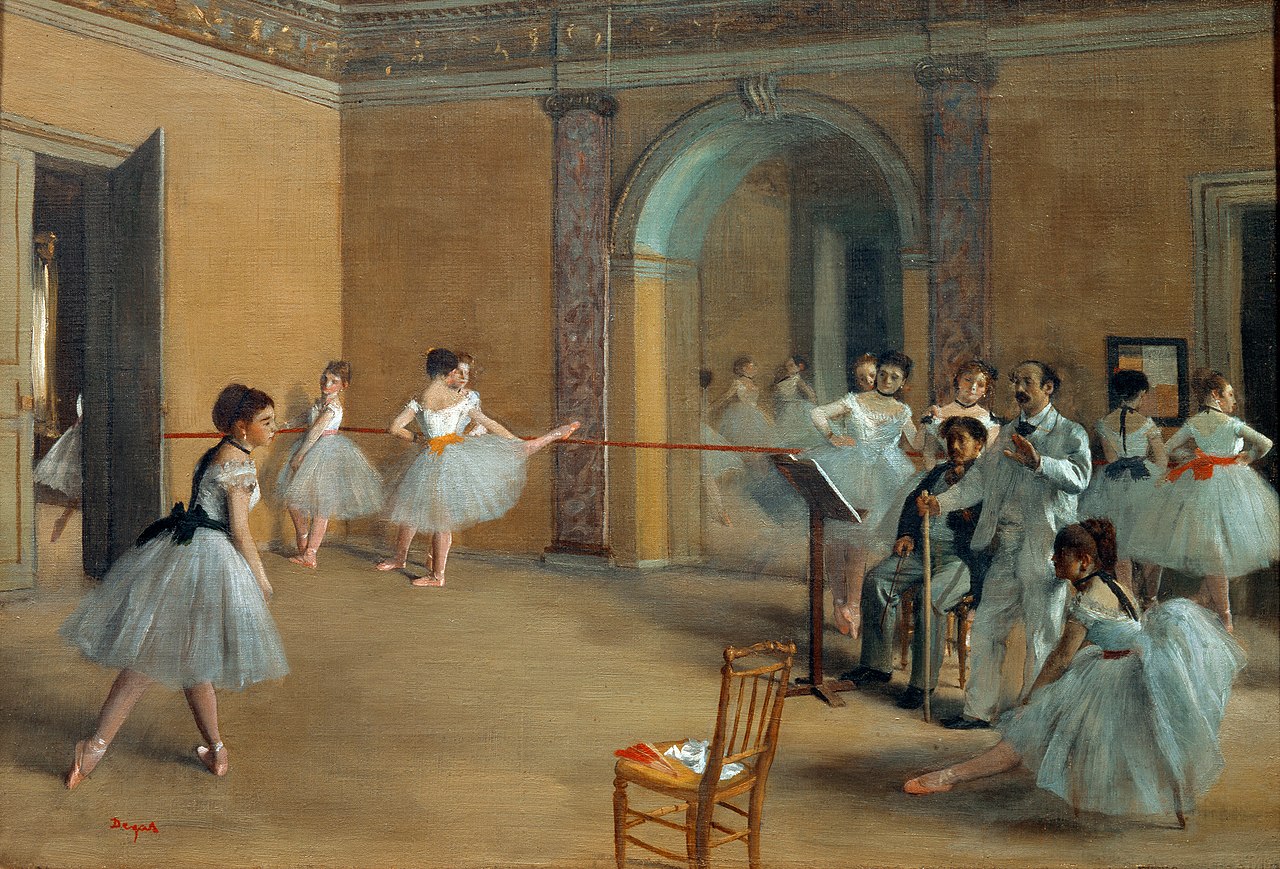
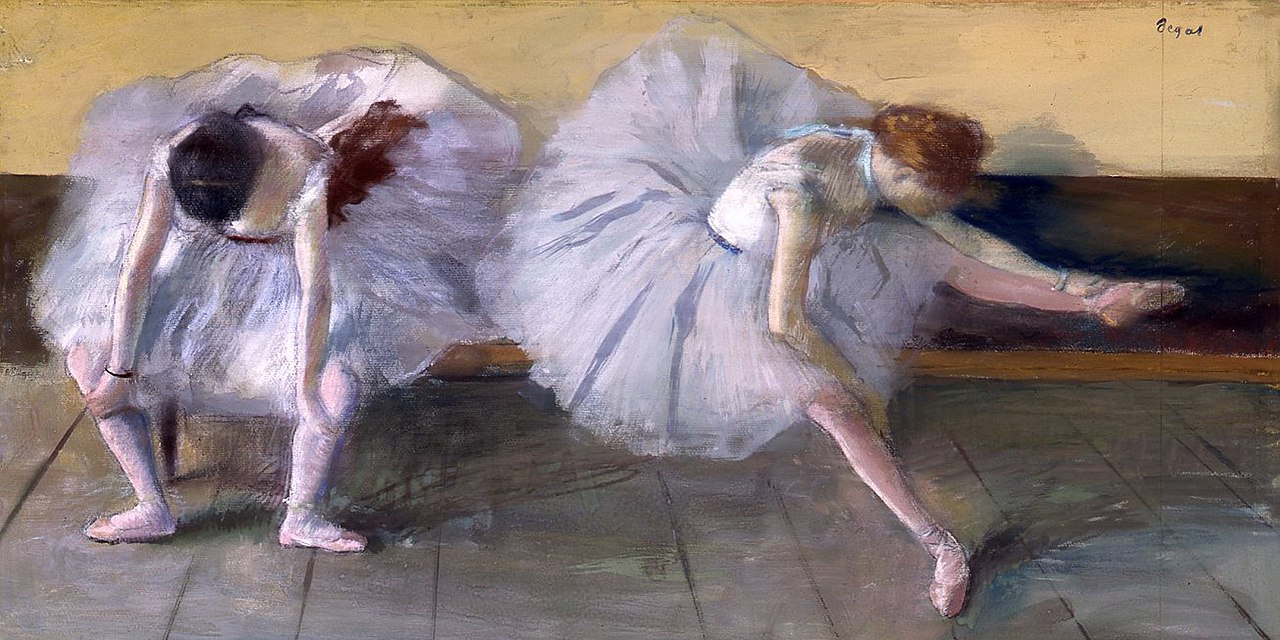
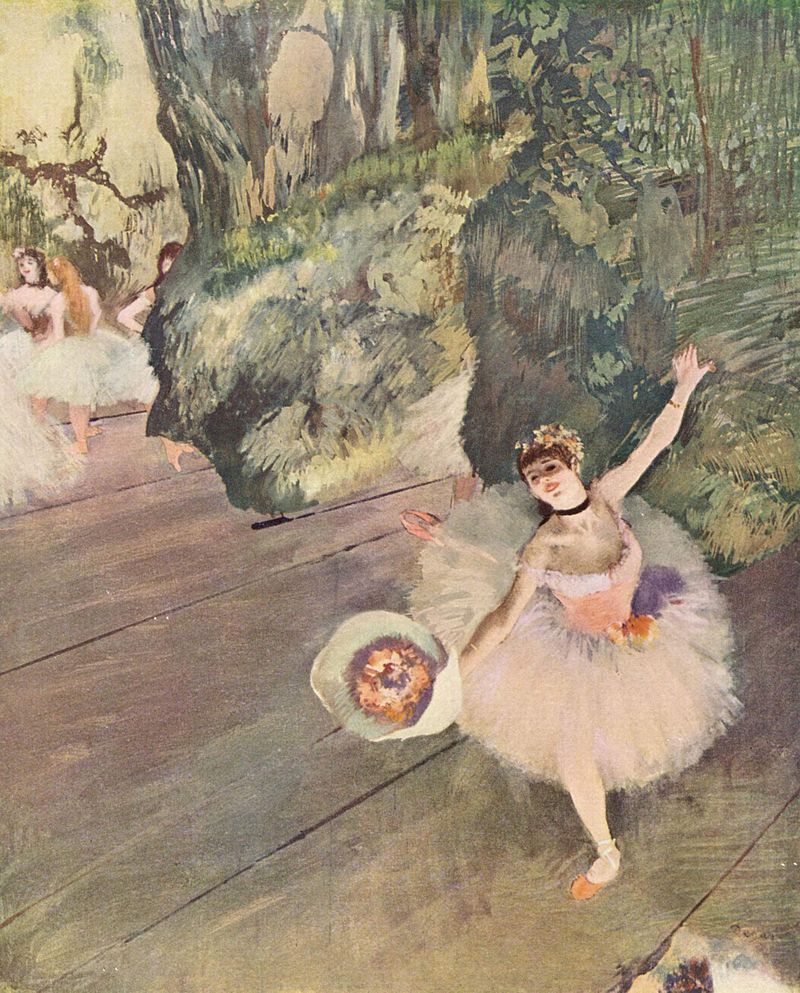
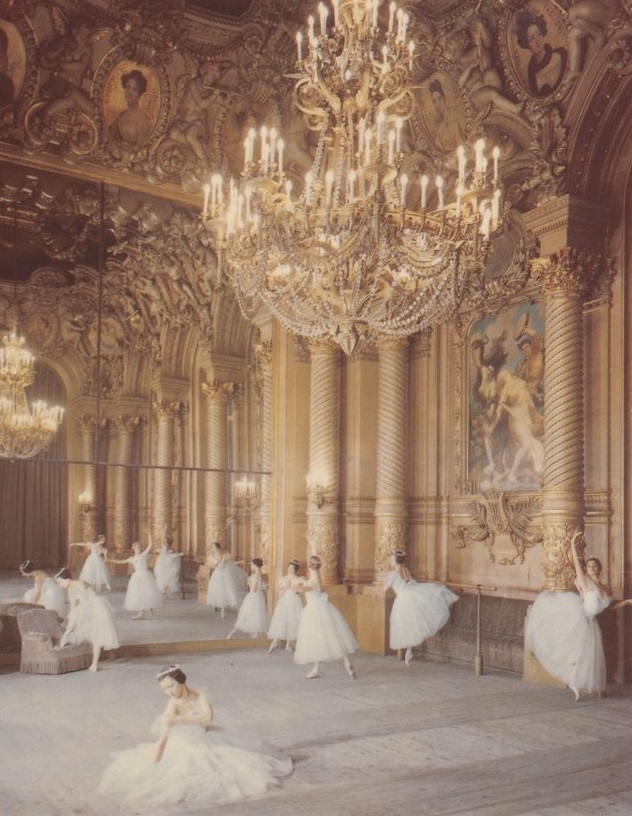
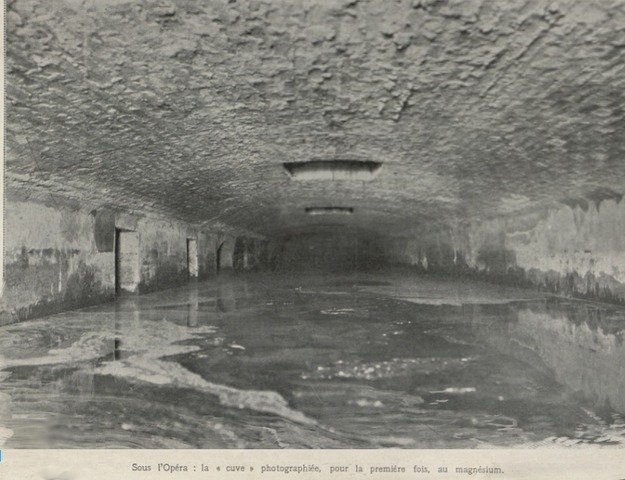
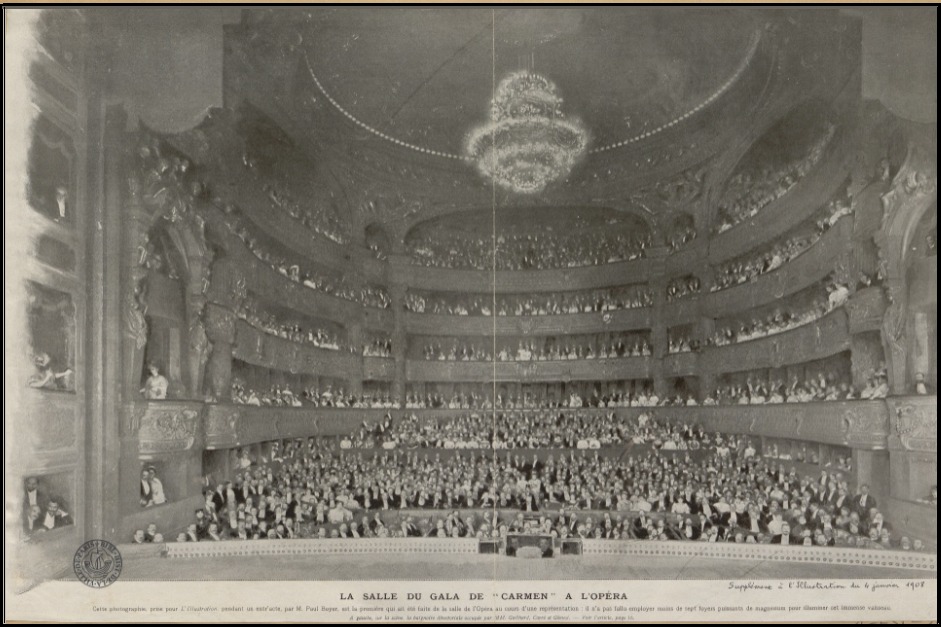
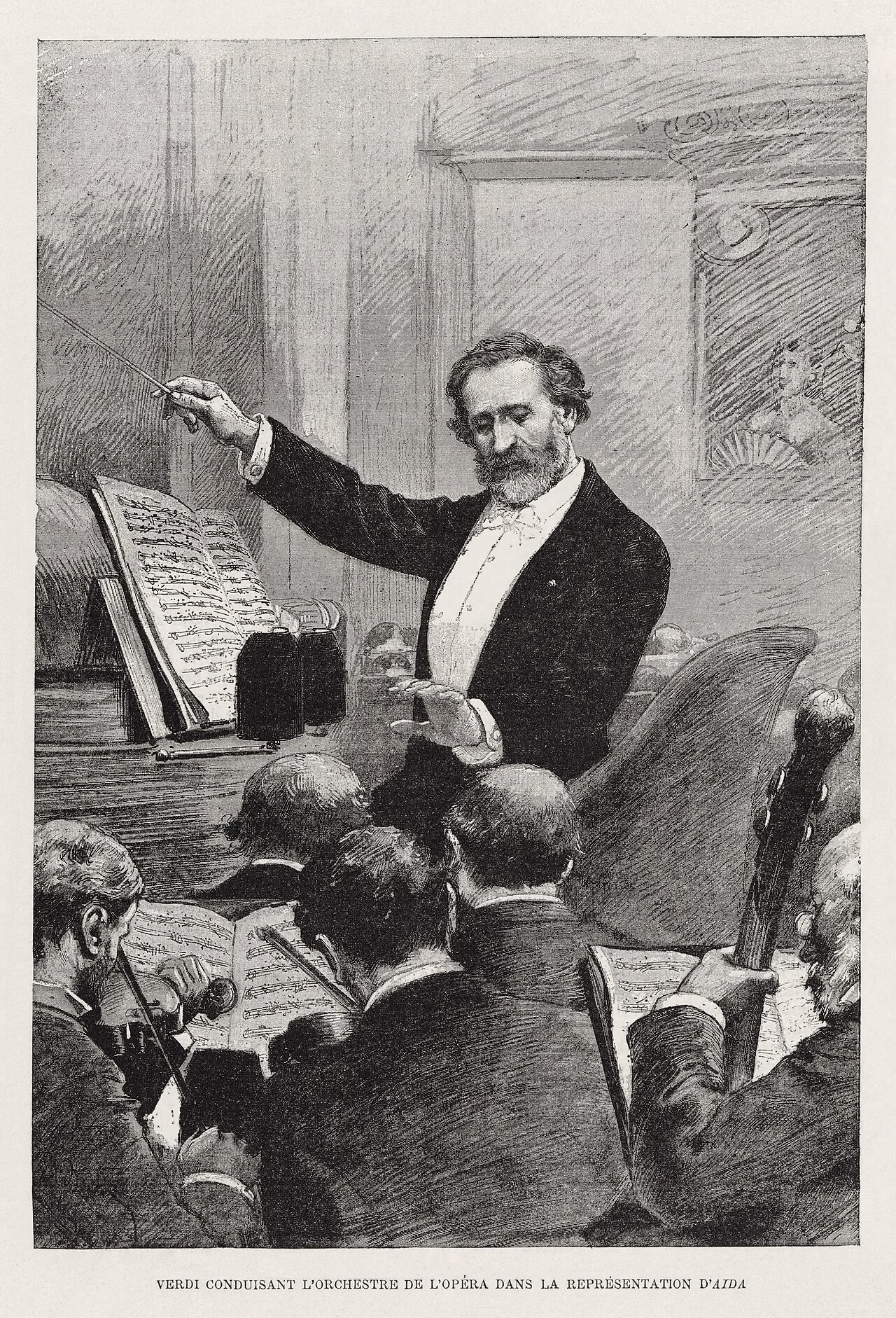
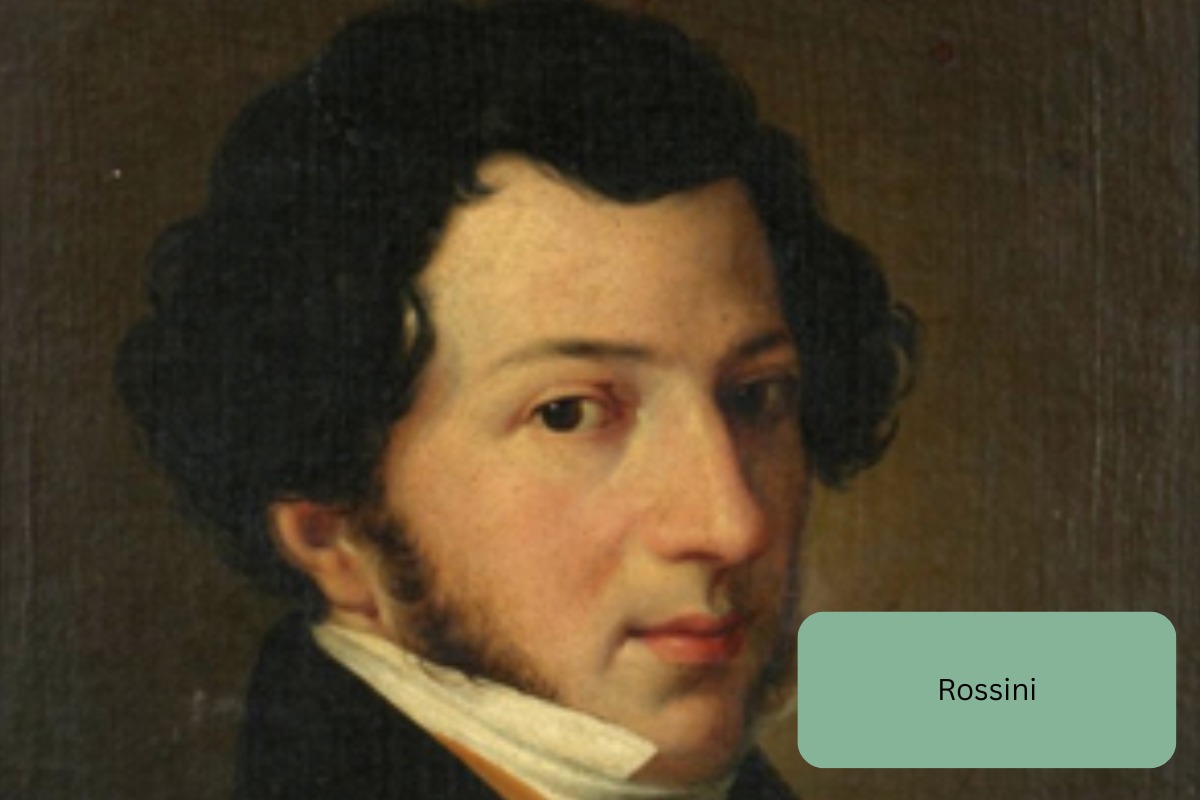
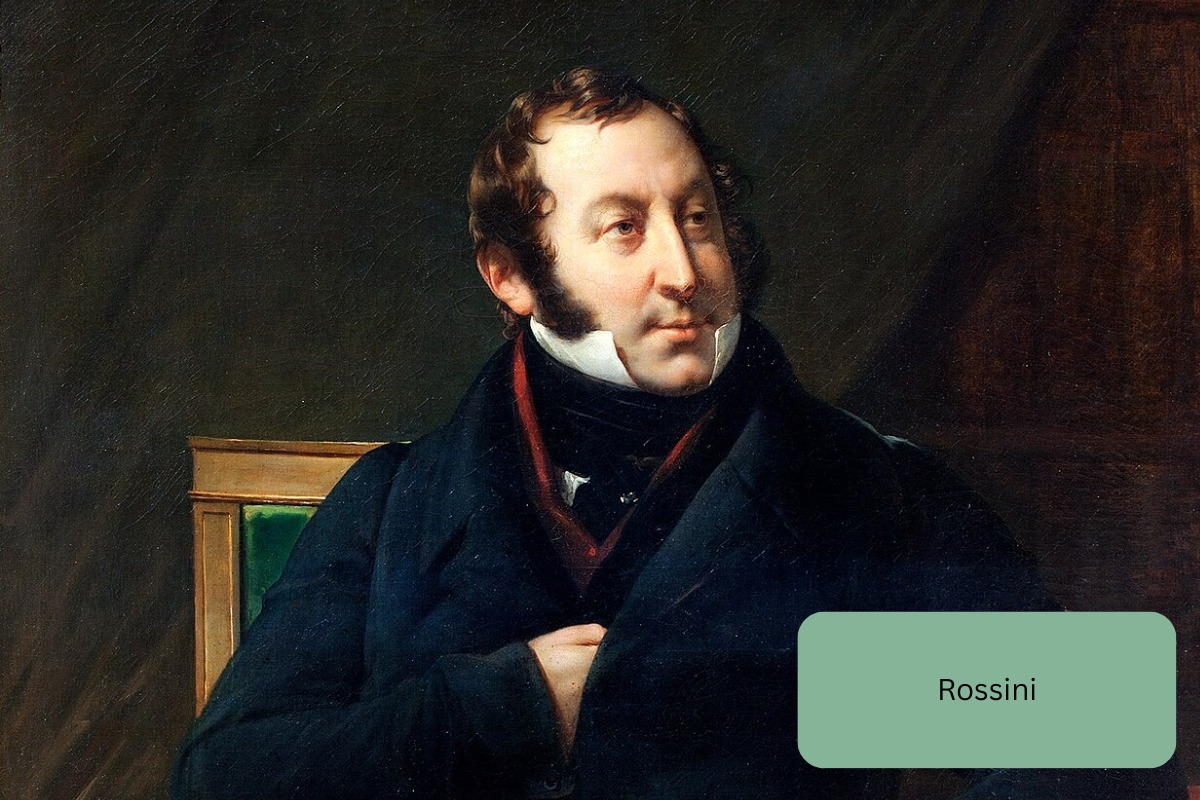
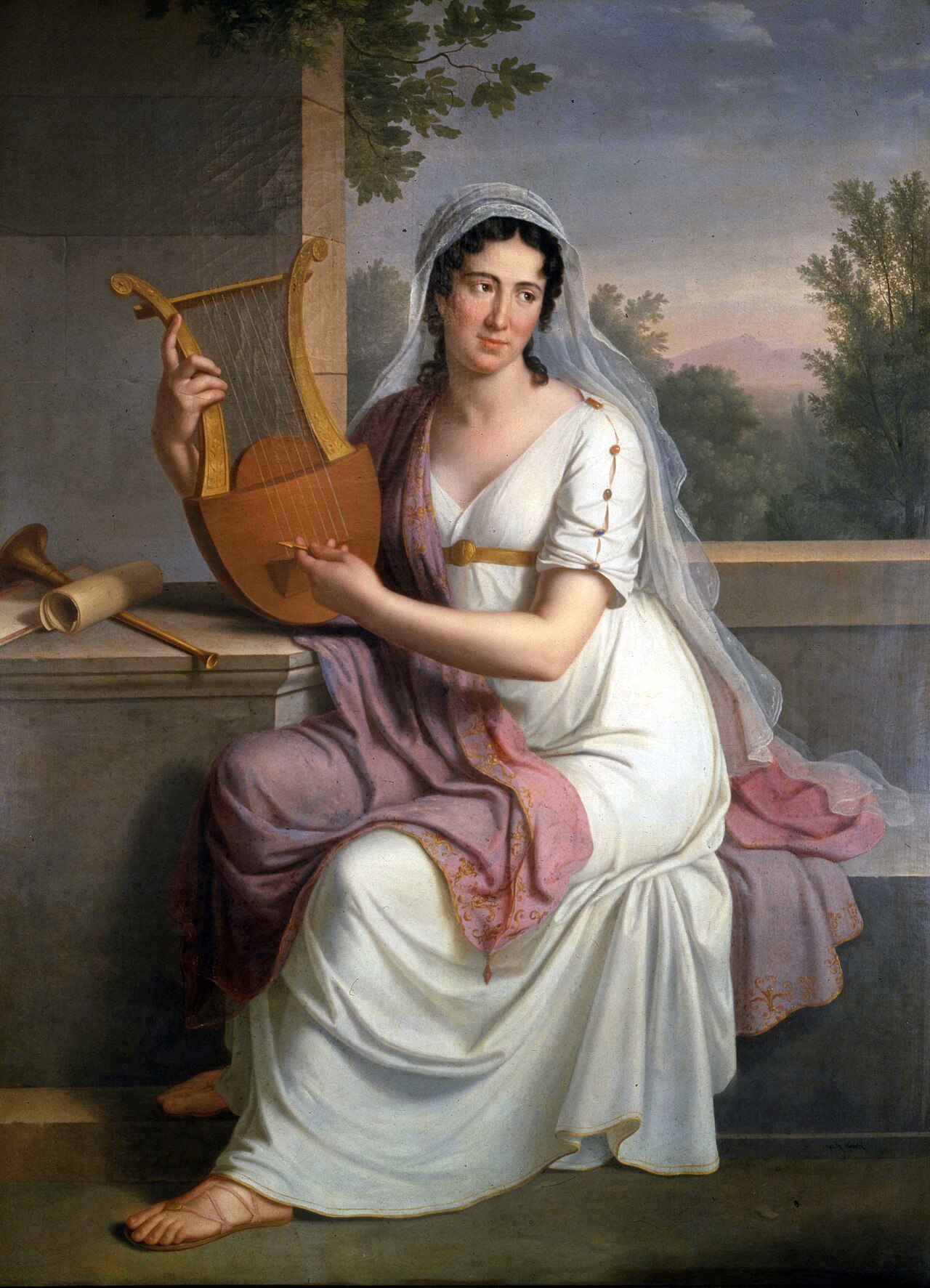
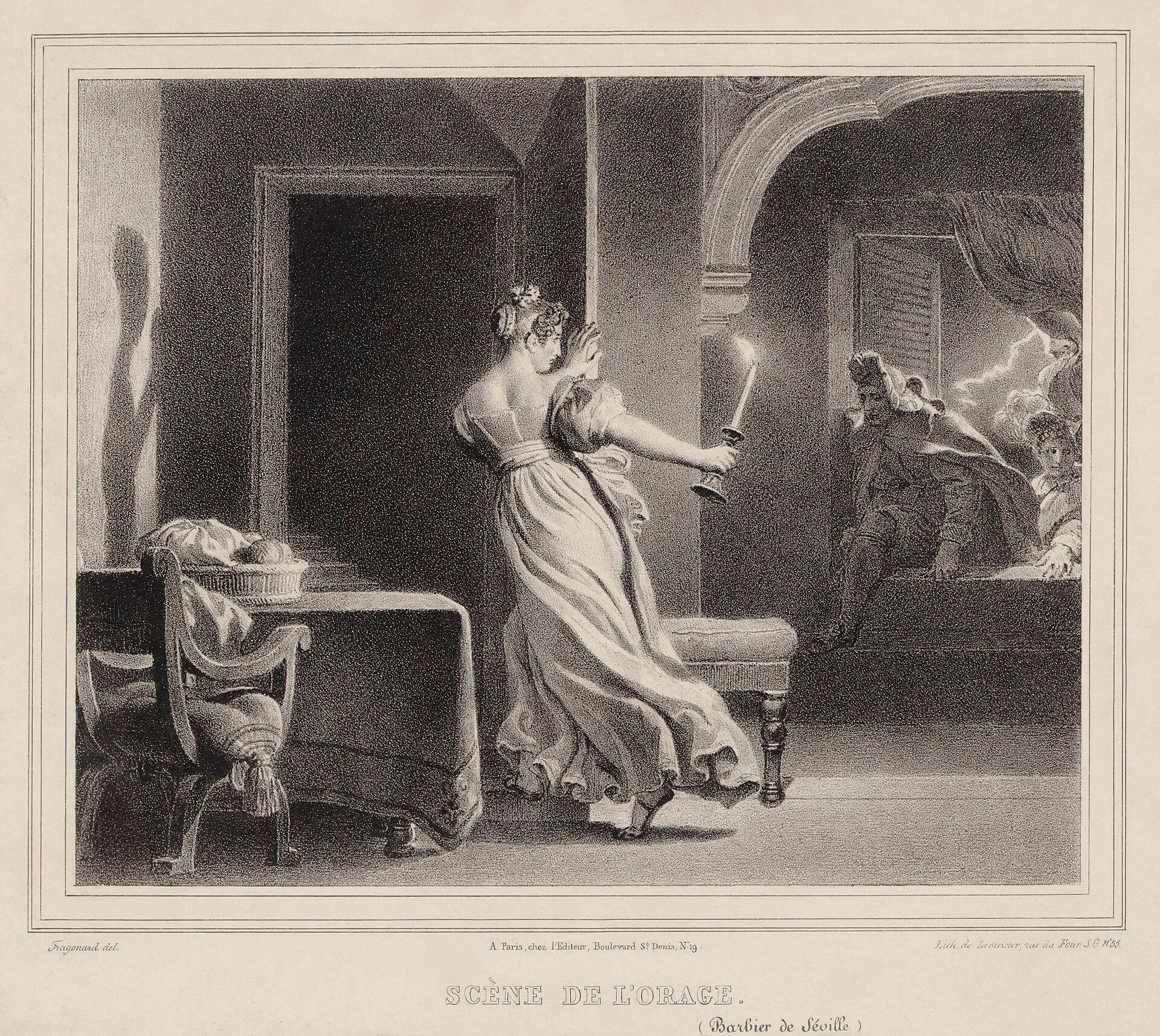
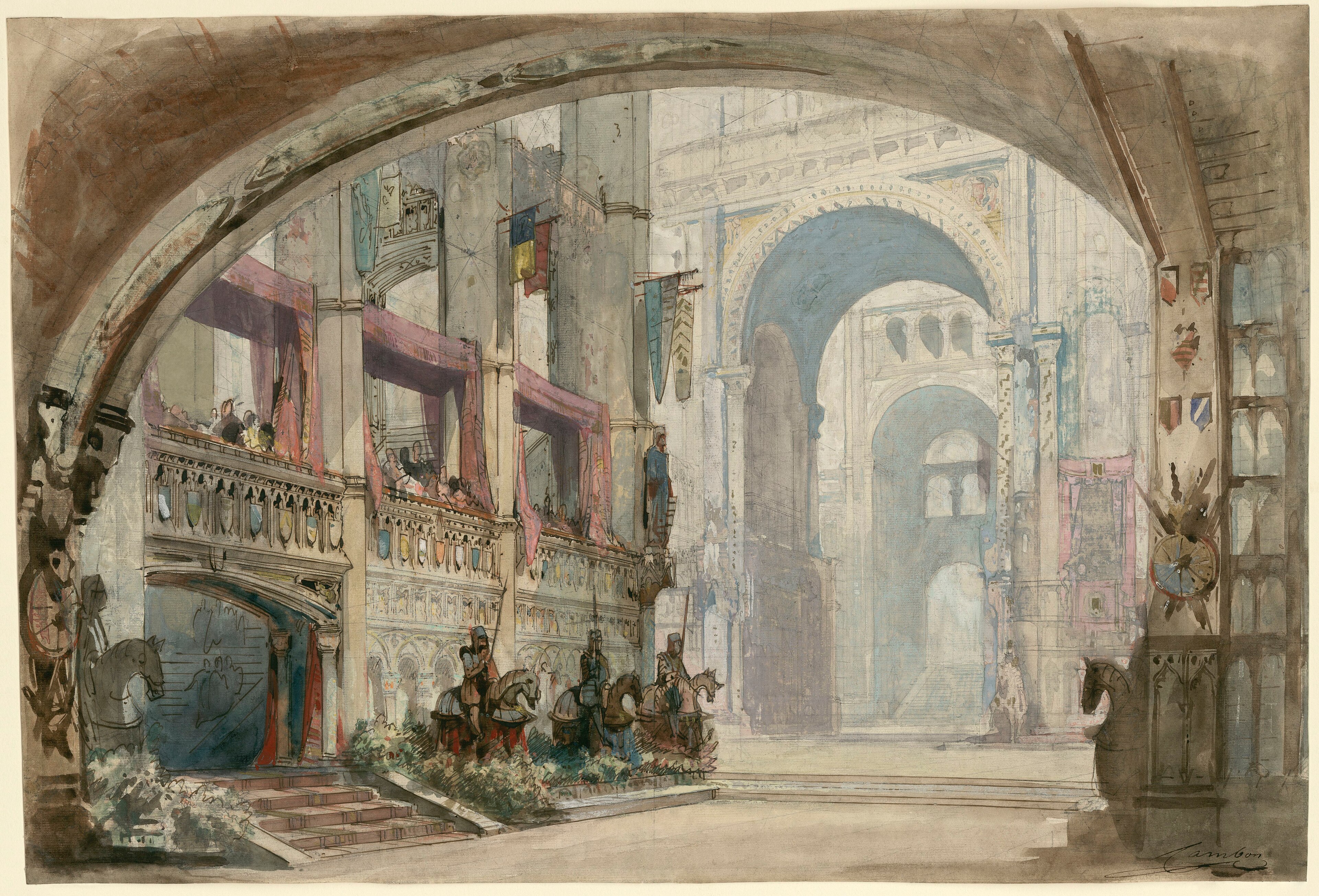
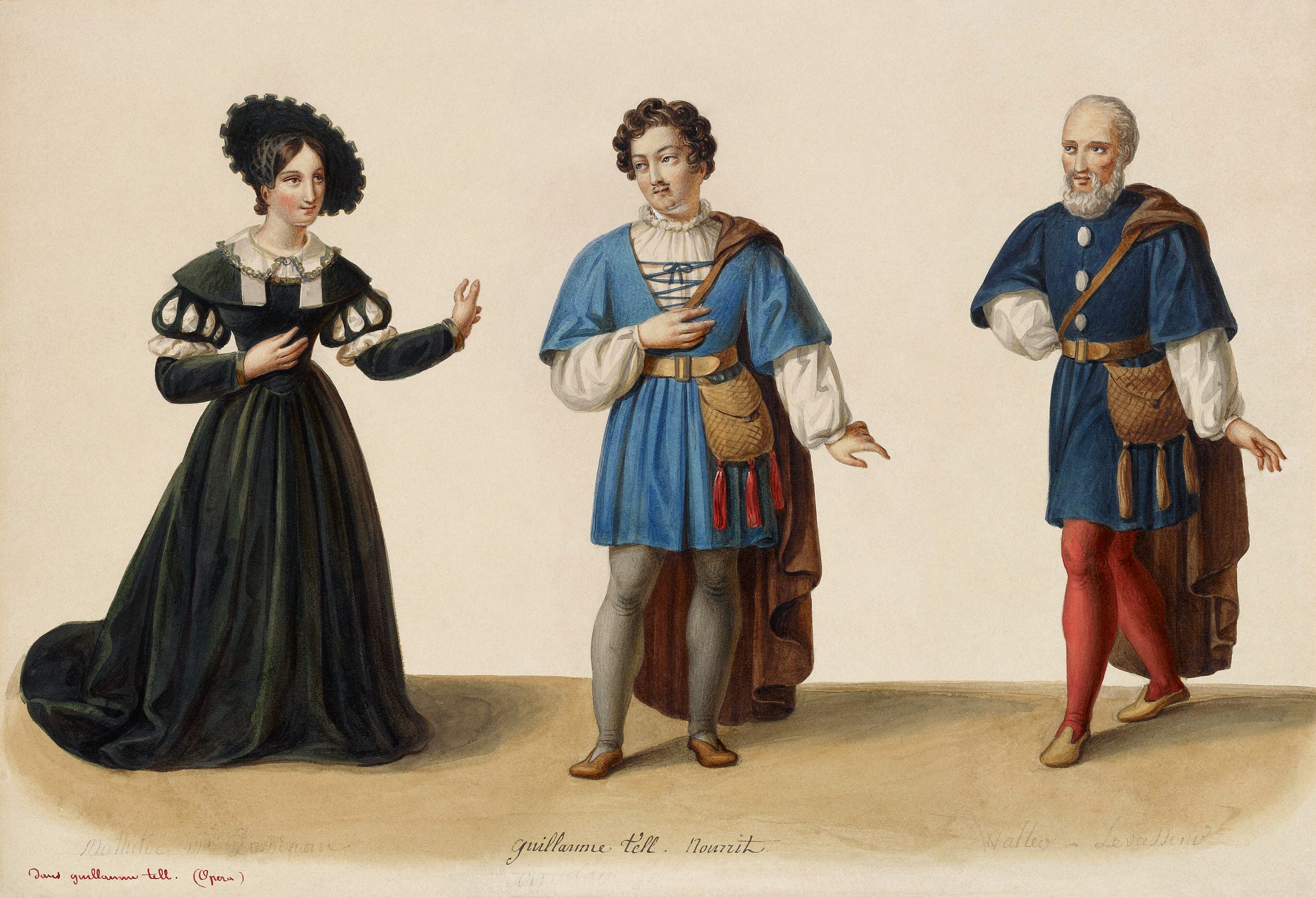
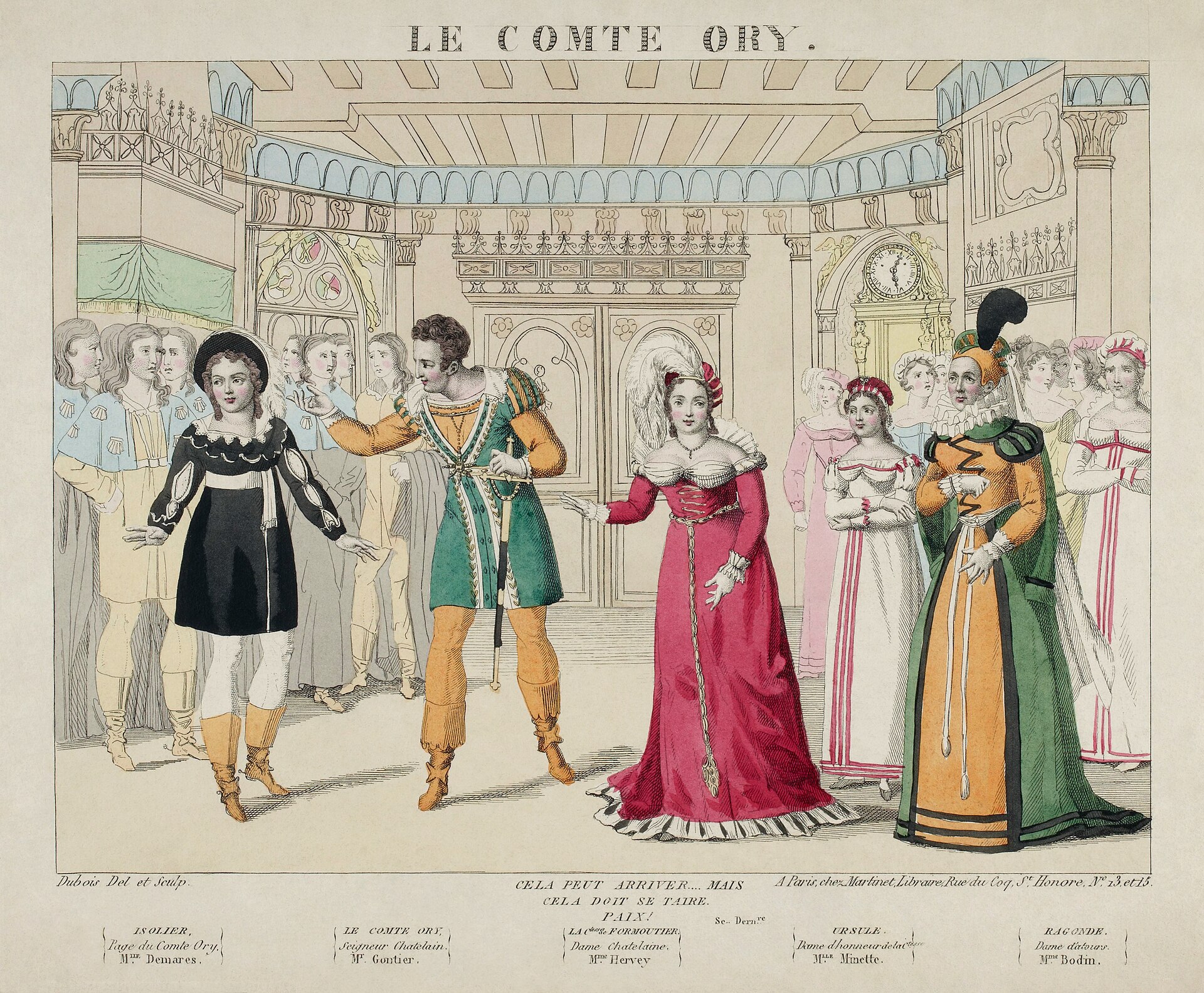
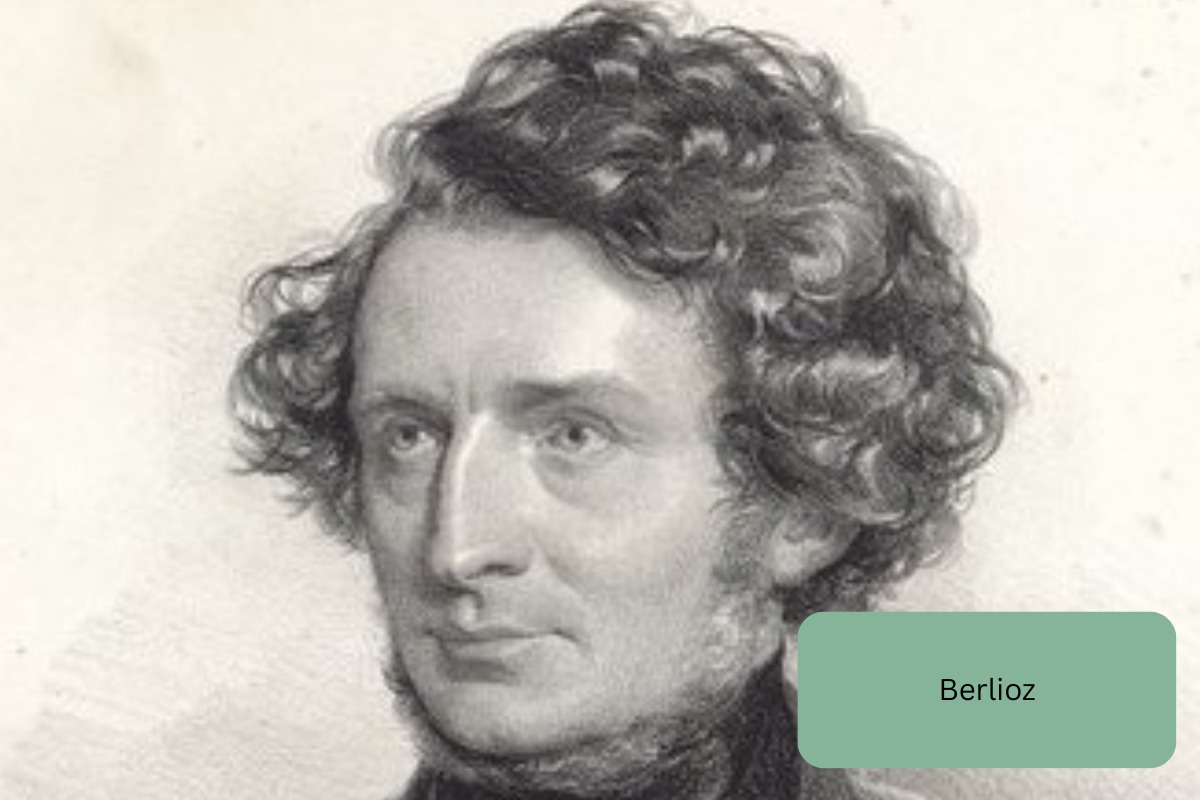
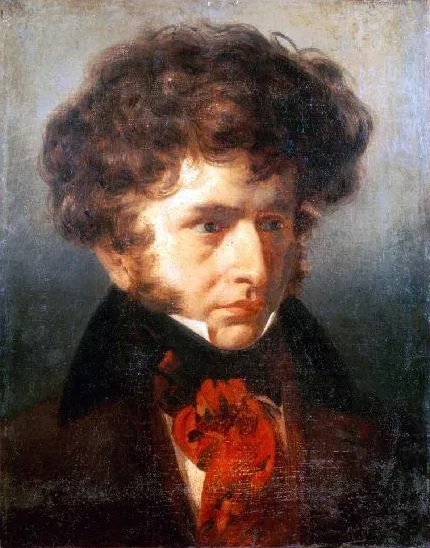
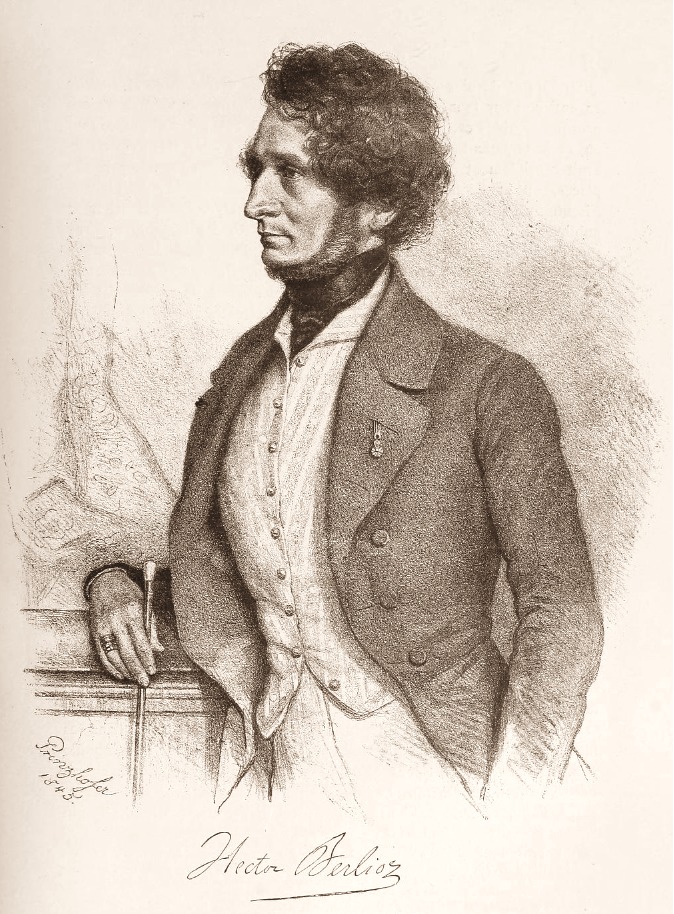
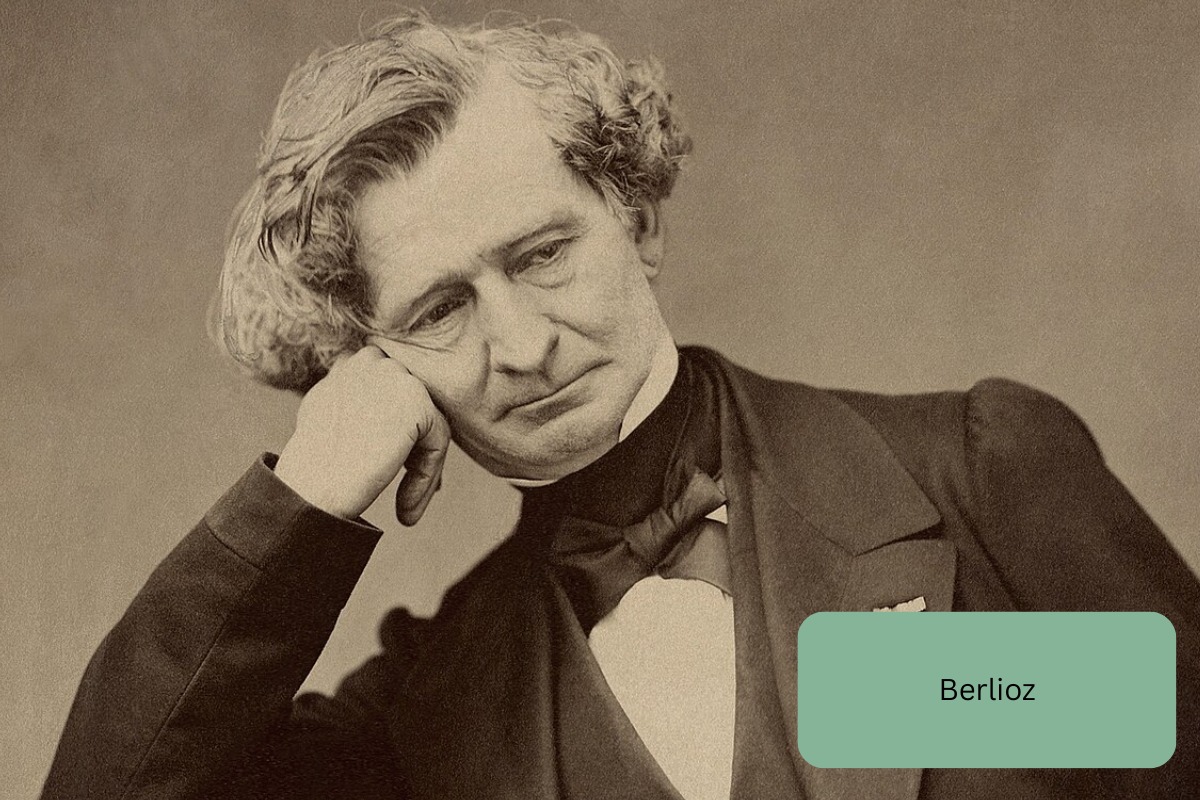
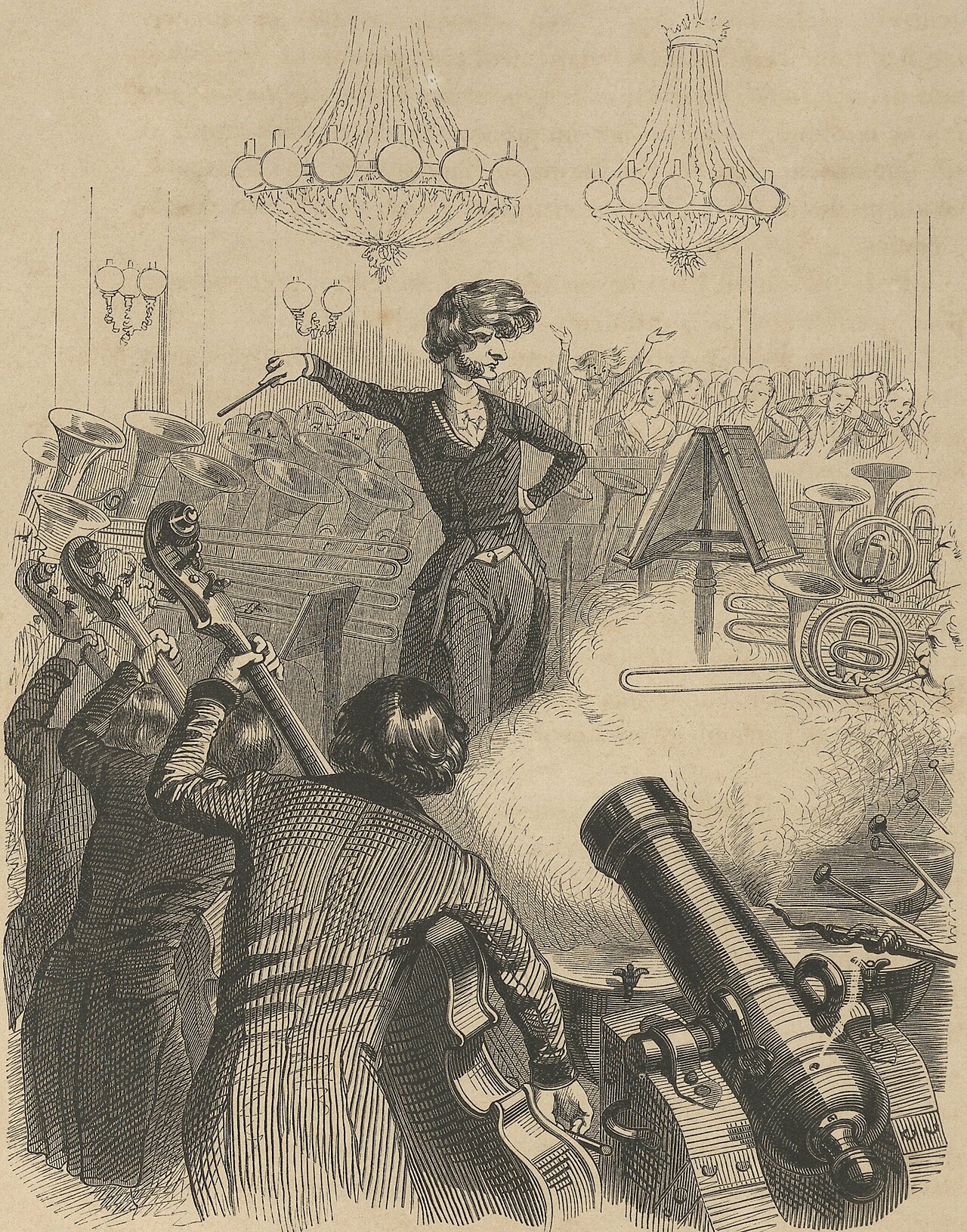
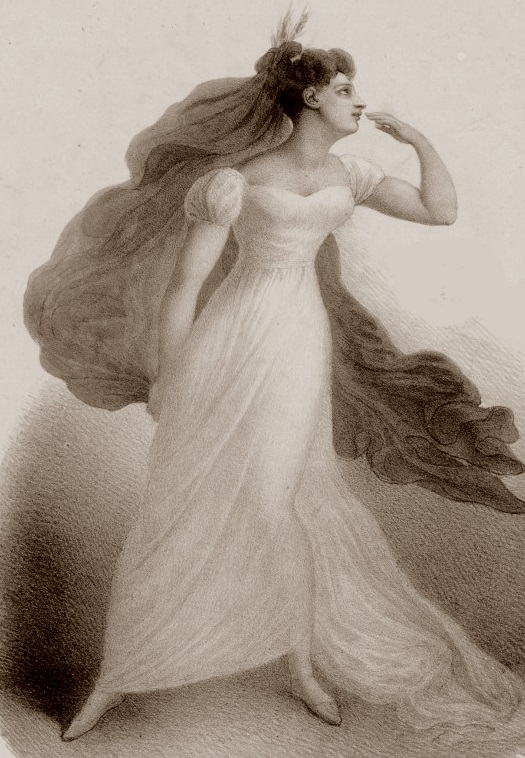
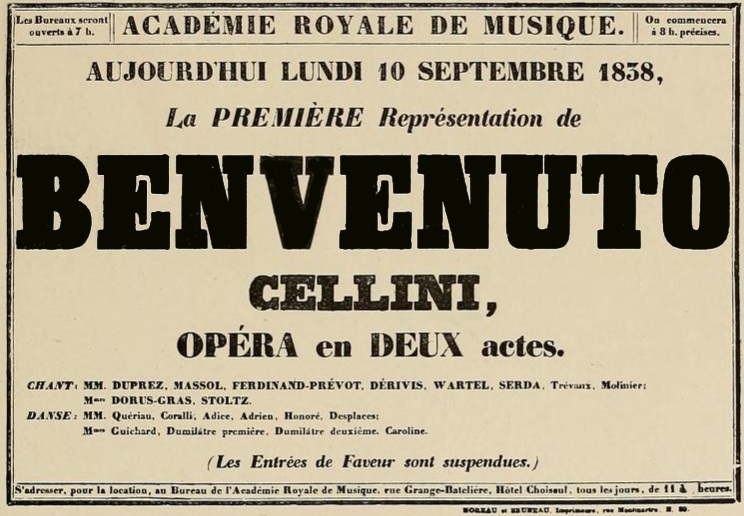
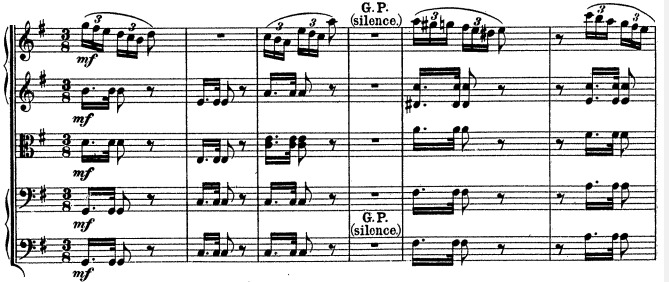
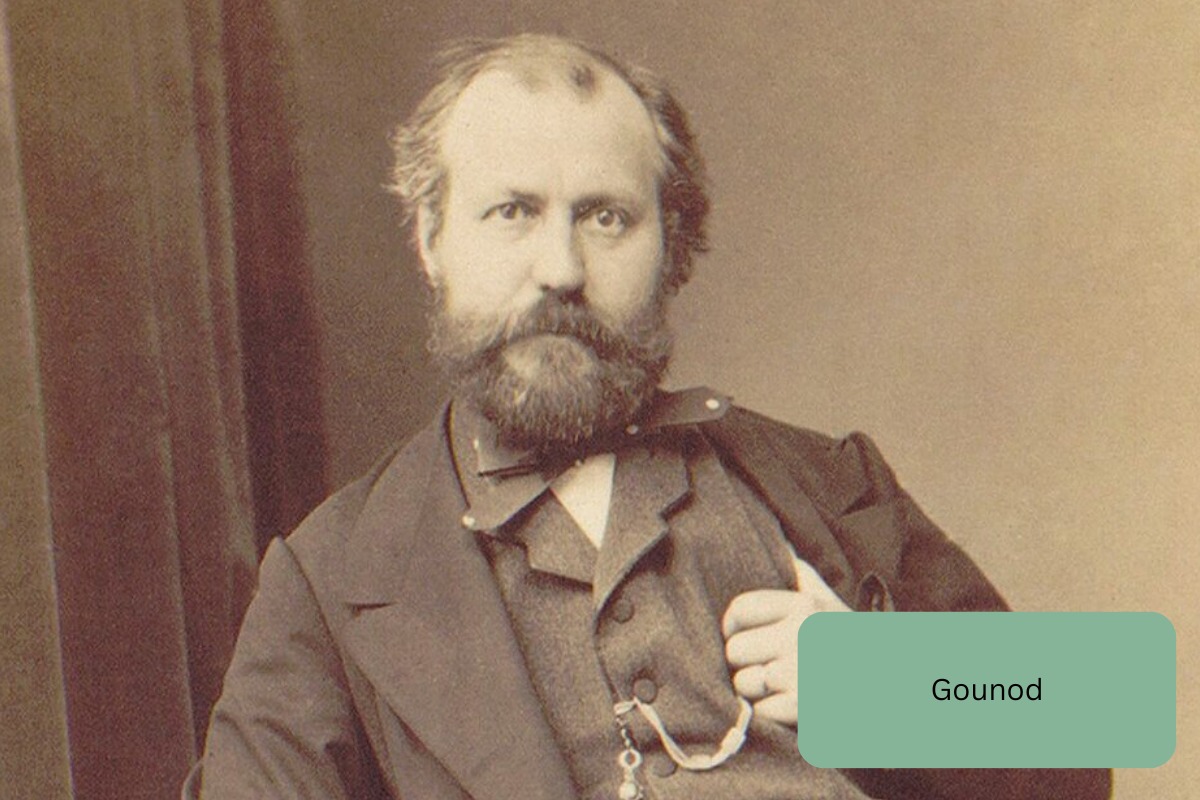
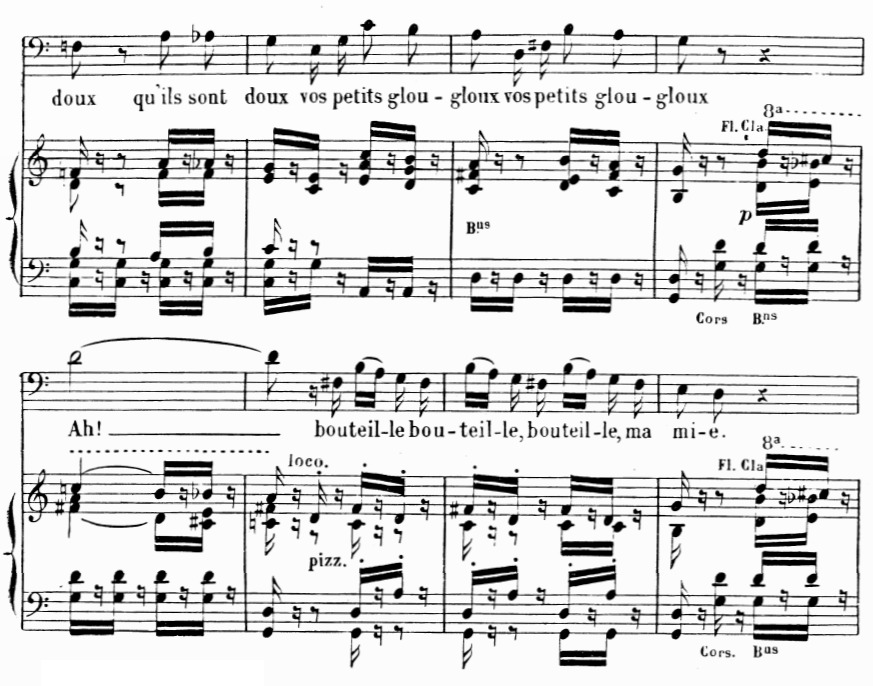
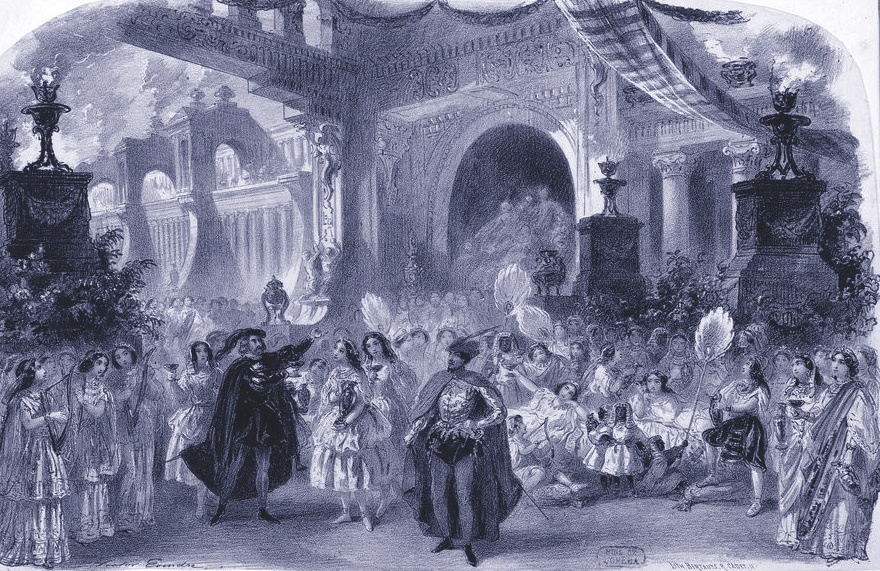
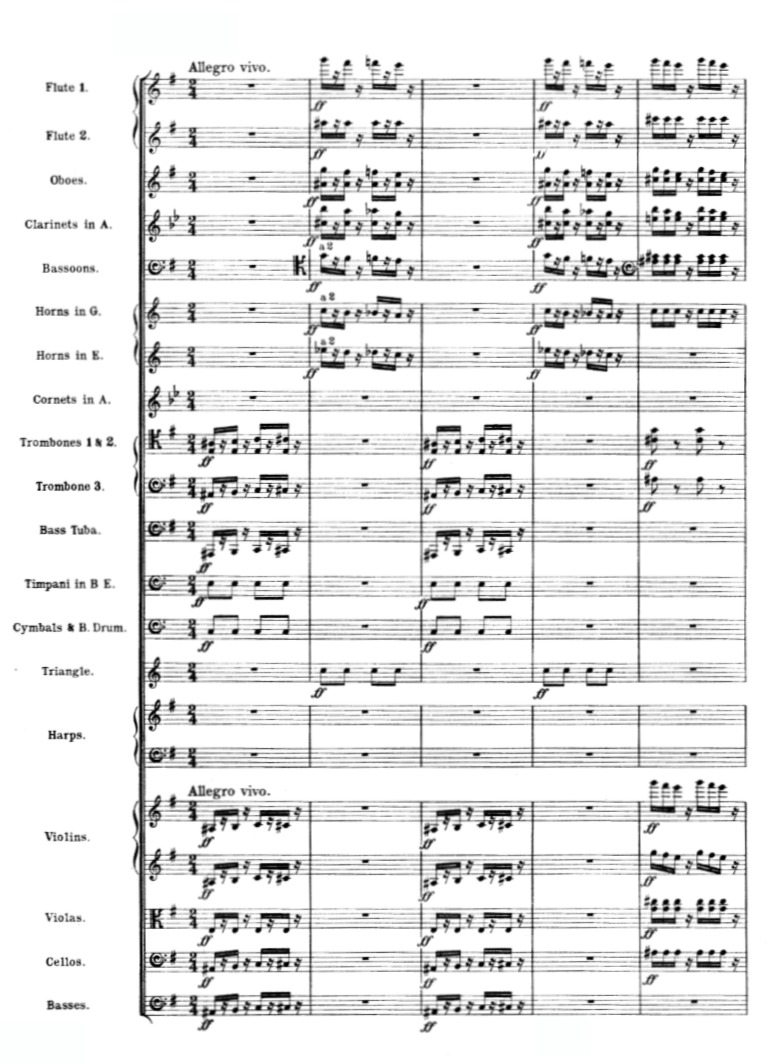
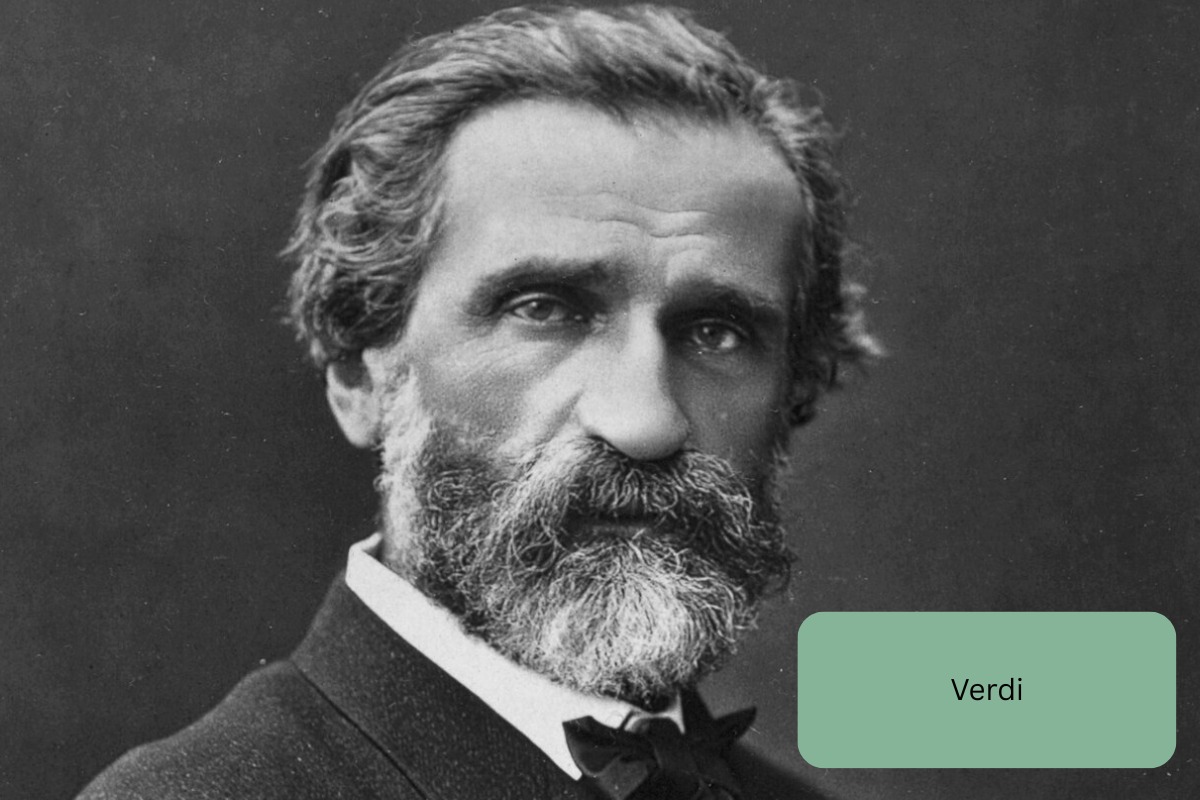
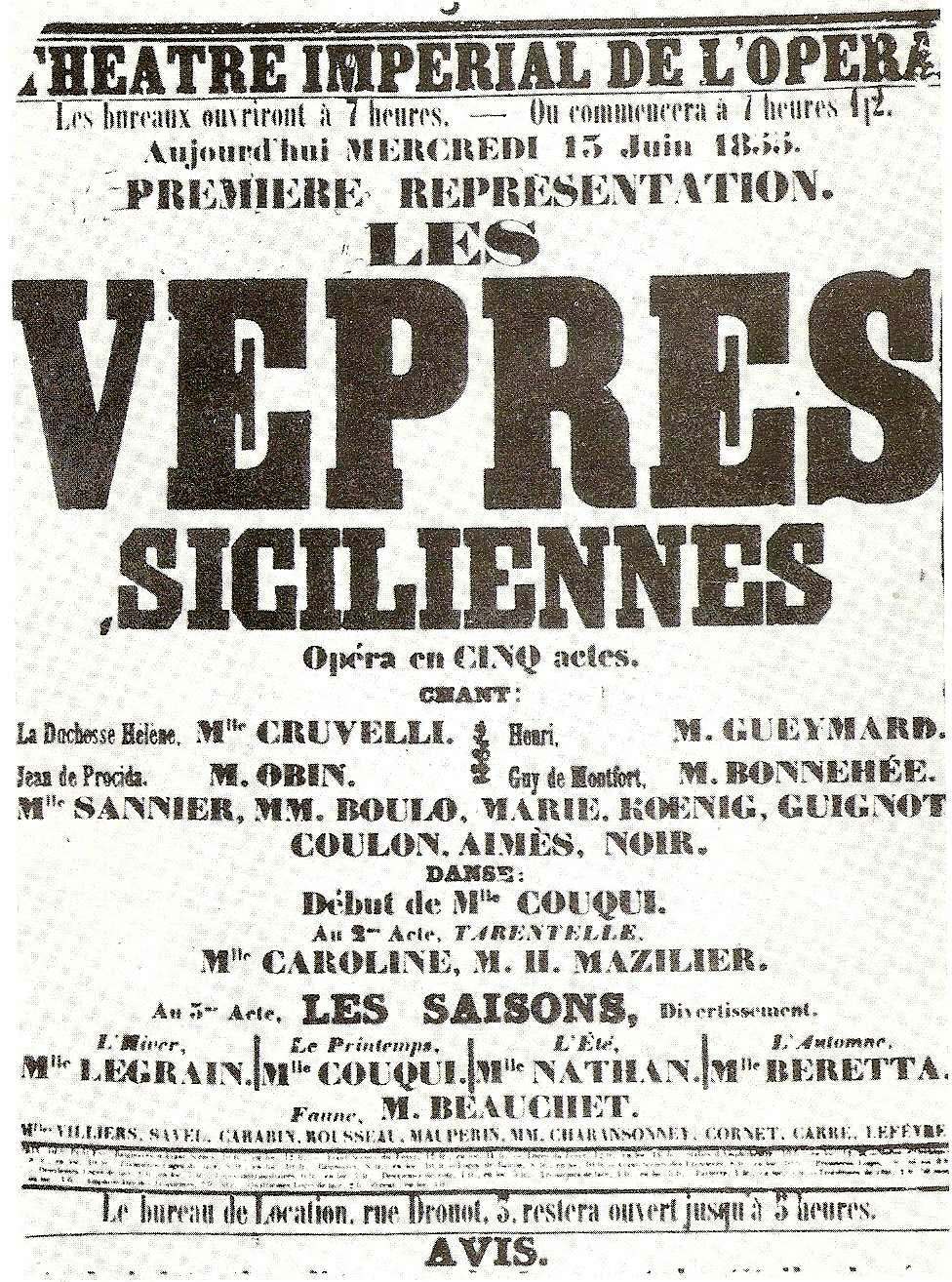
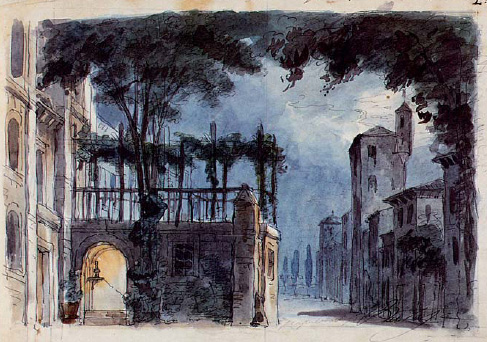
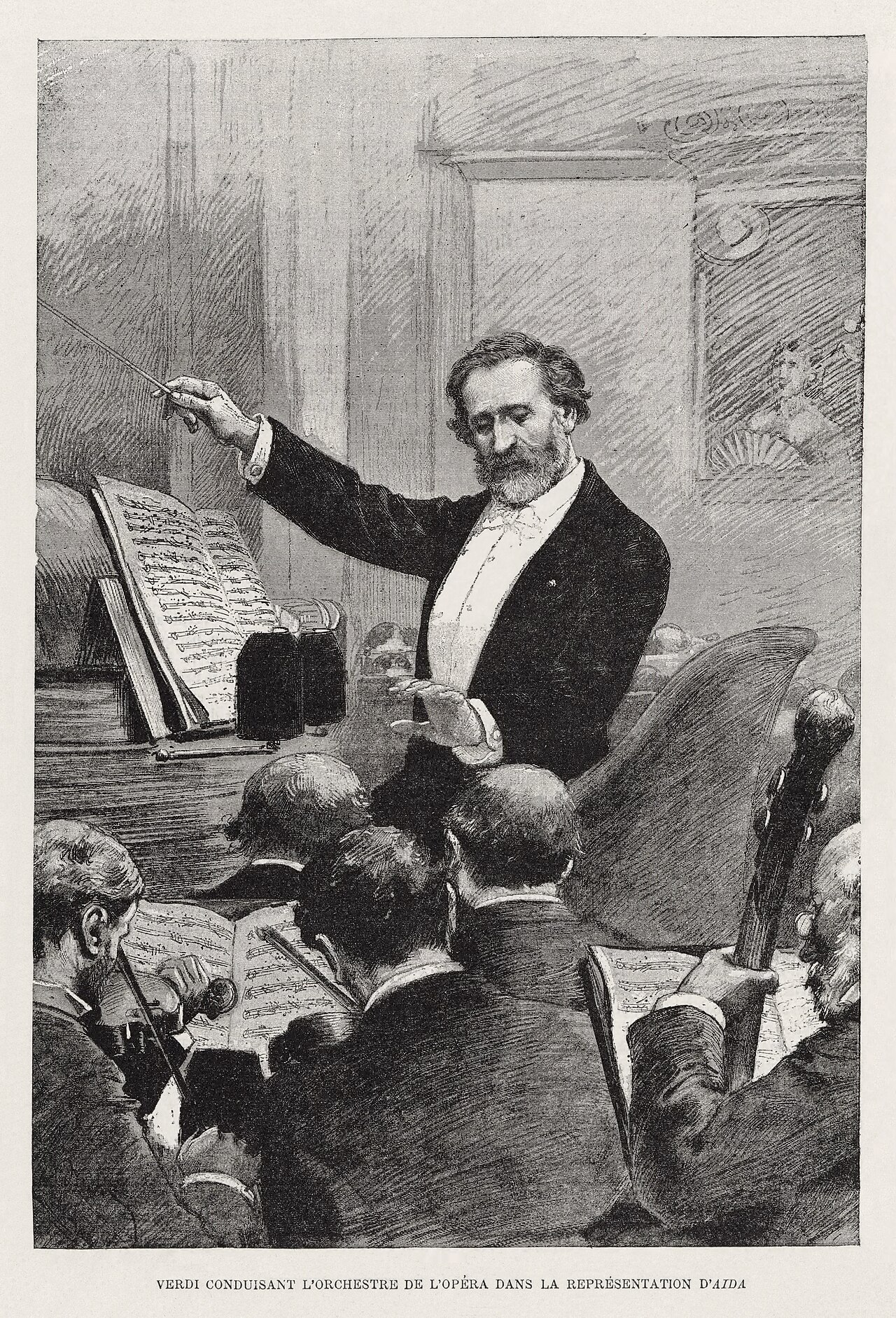
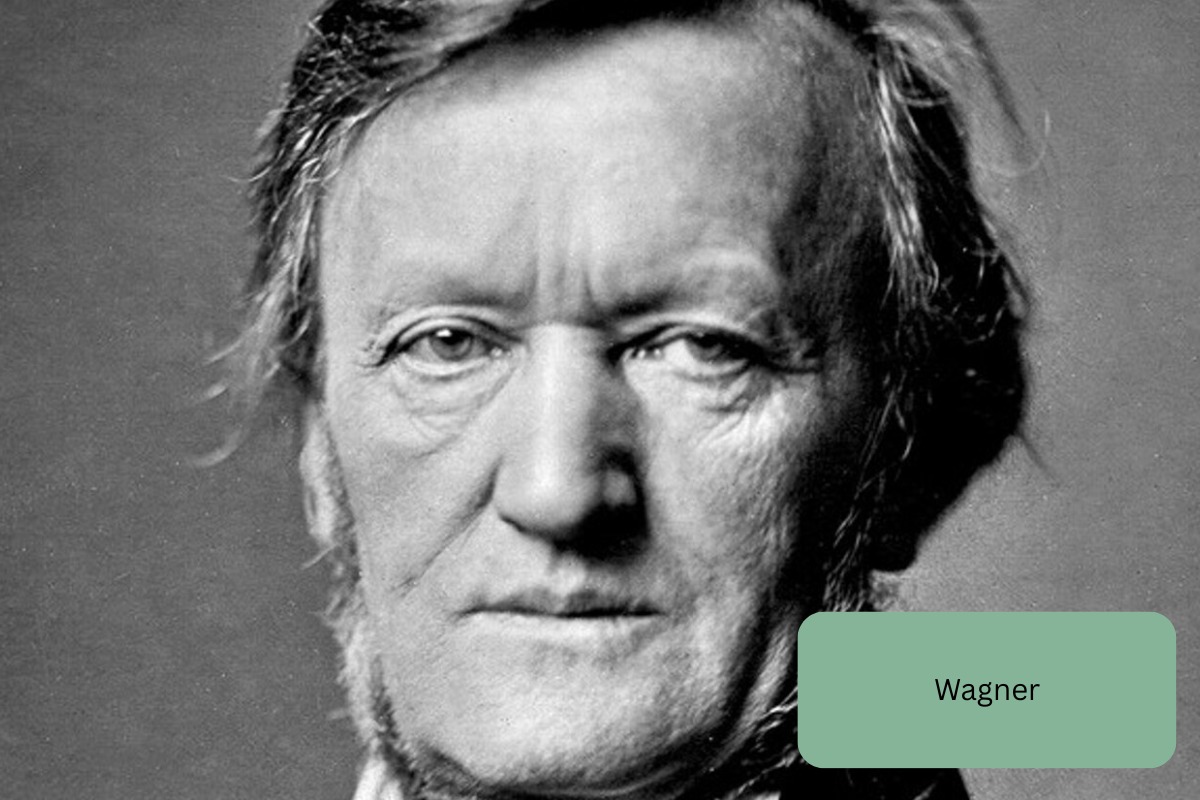
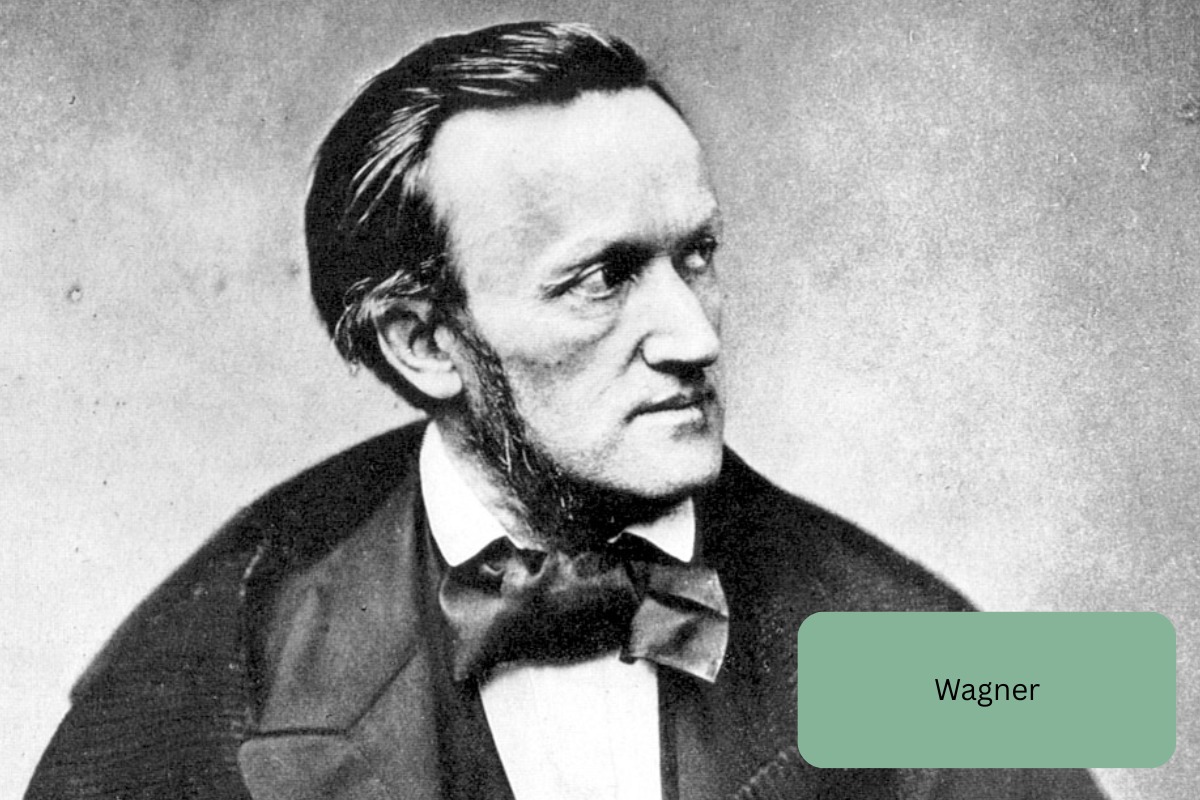
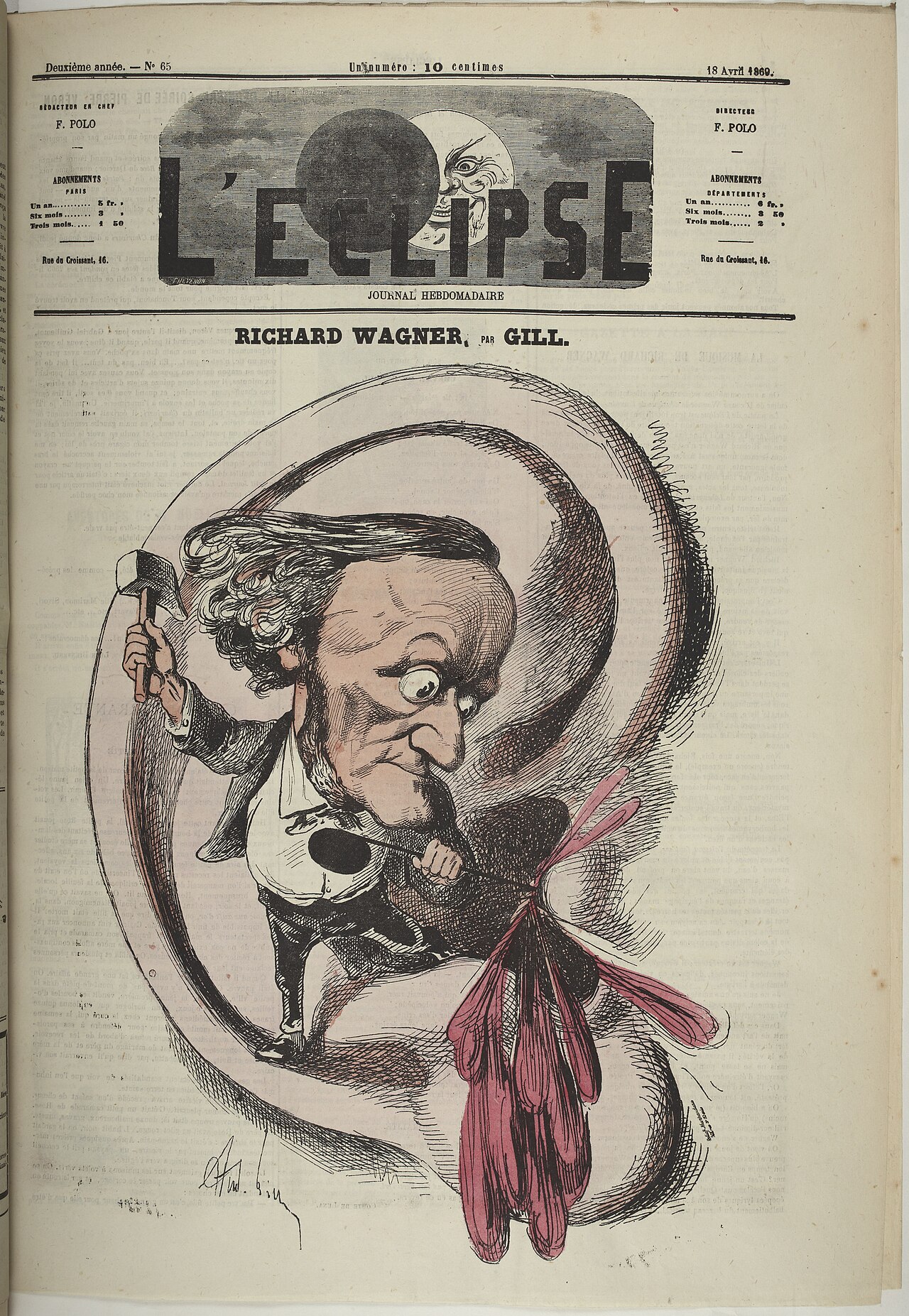
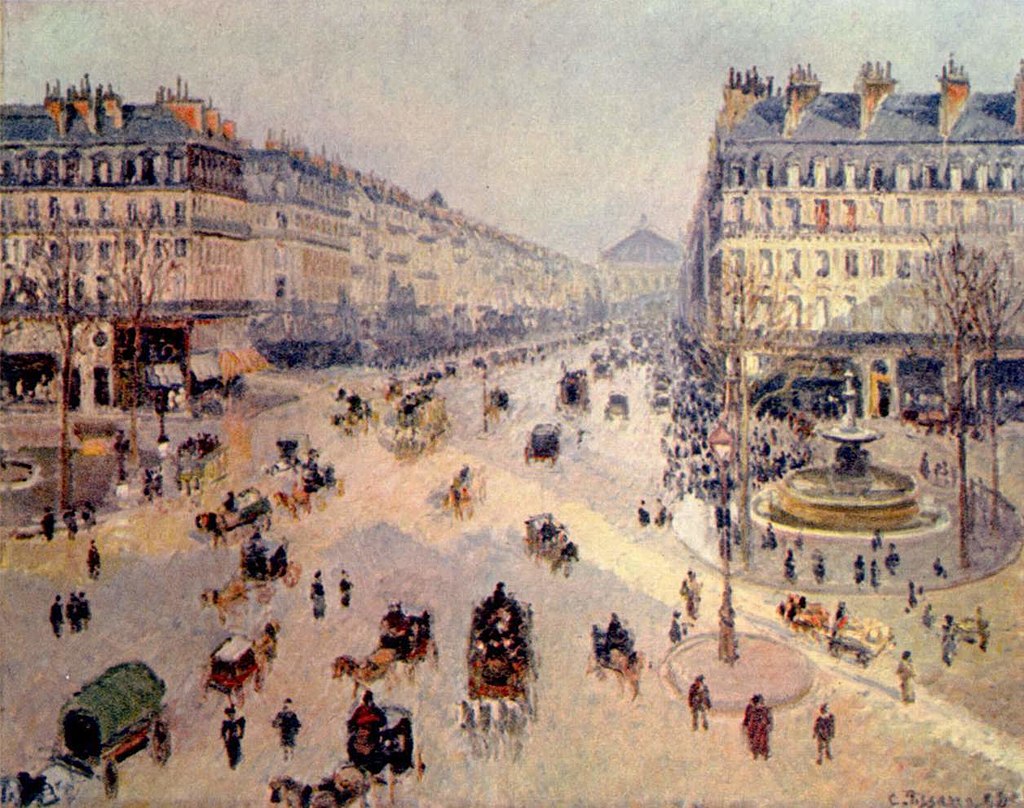
Nearby, the Opéra Garnier, a hallmark of Haussmann's grand renovations of Paris, showcased iconic works by composers such as Rossini, Berlioz, Gounod, Verdi, and Wagner - and was famously captured by Degas.
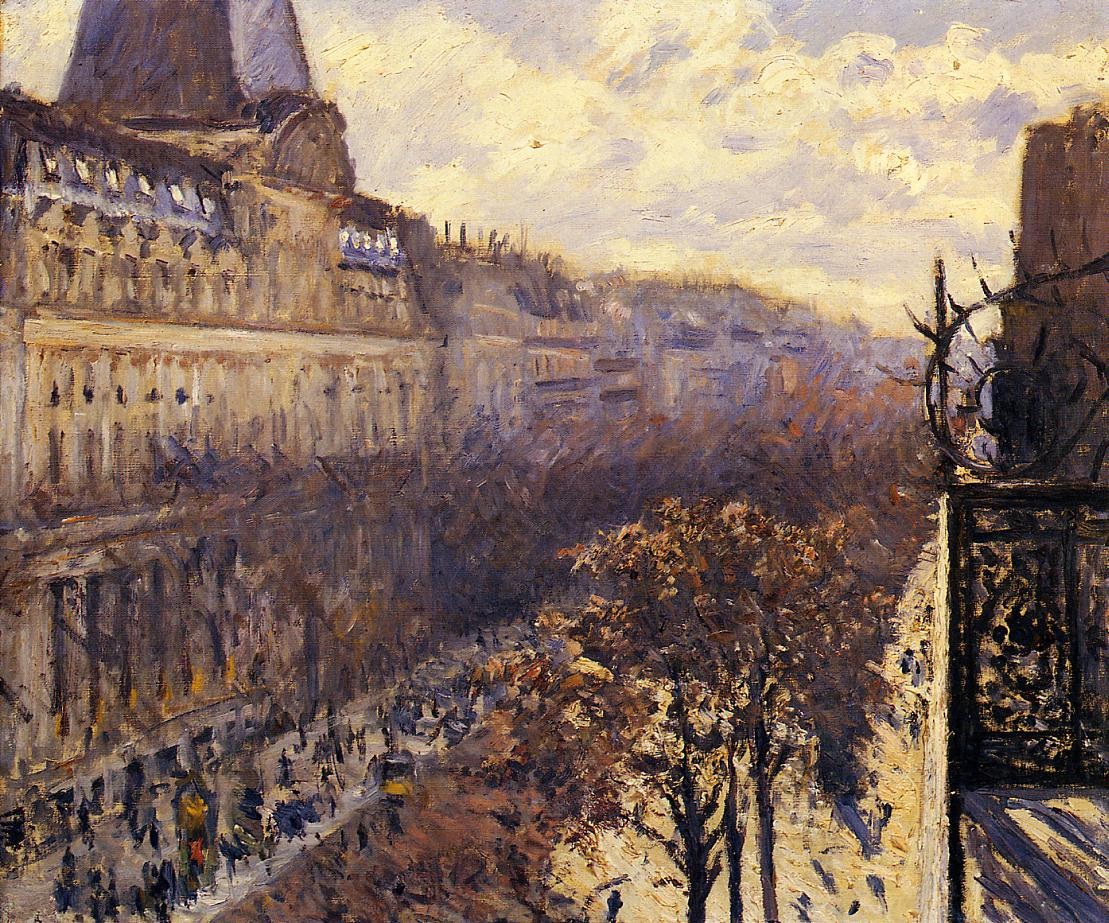
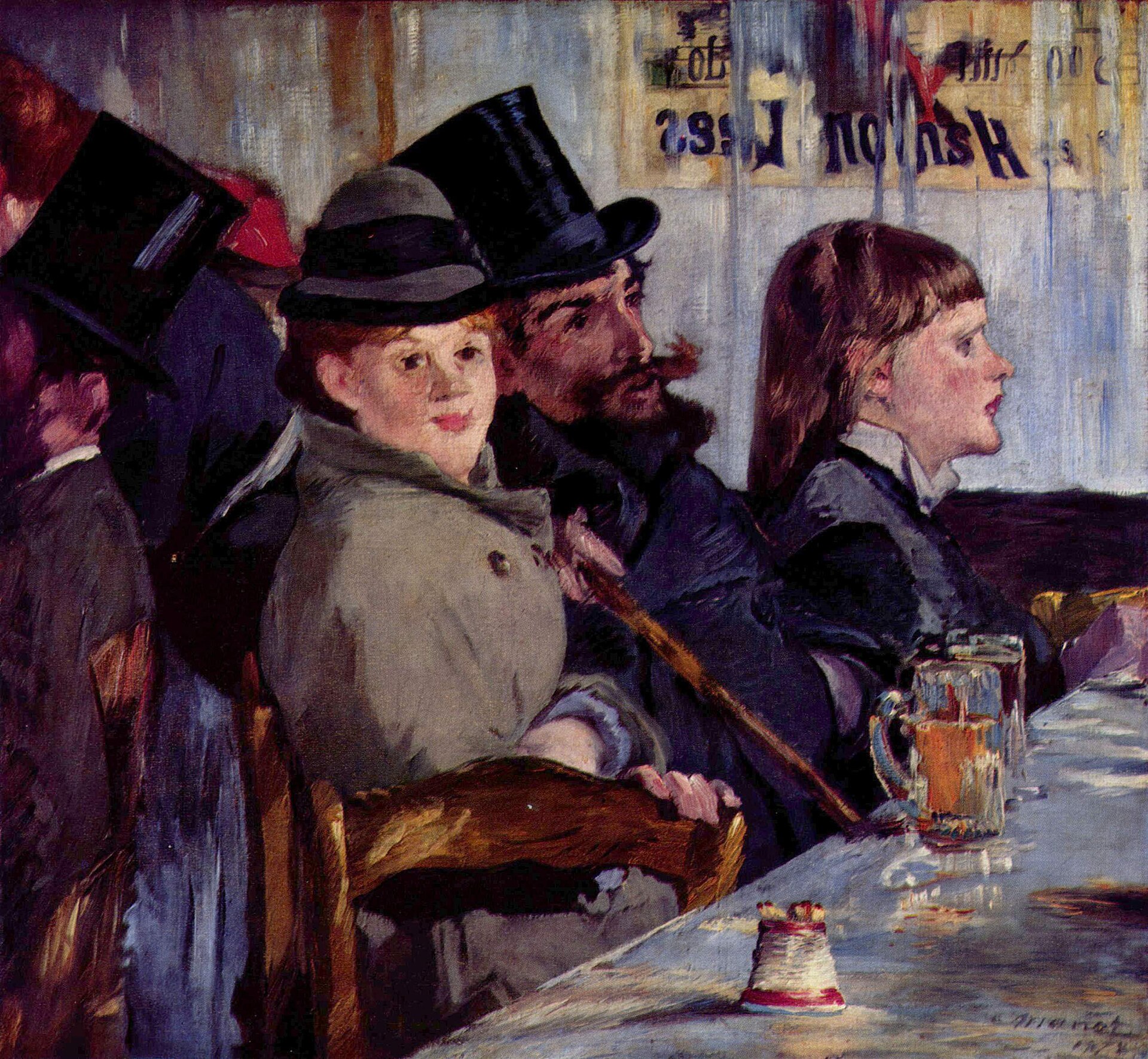
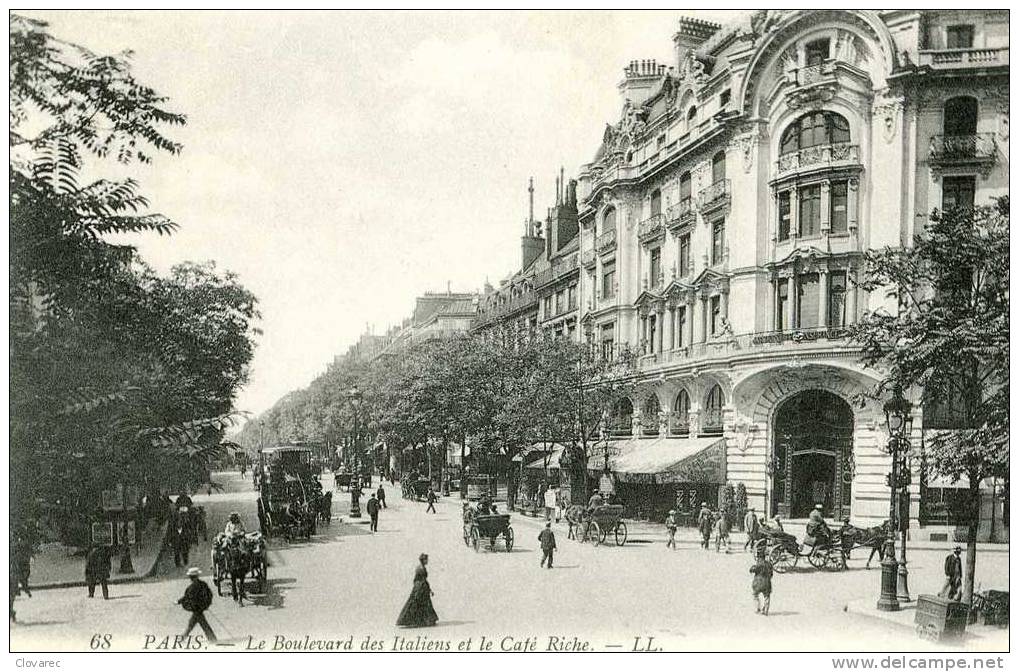
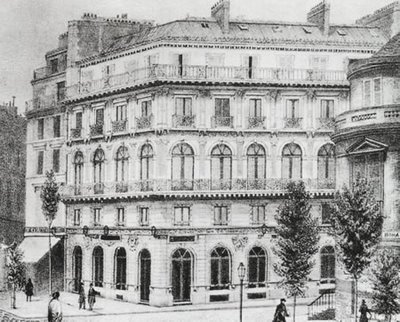
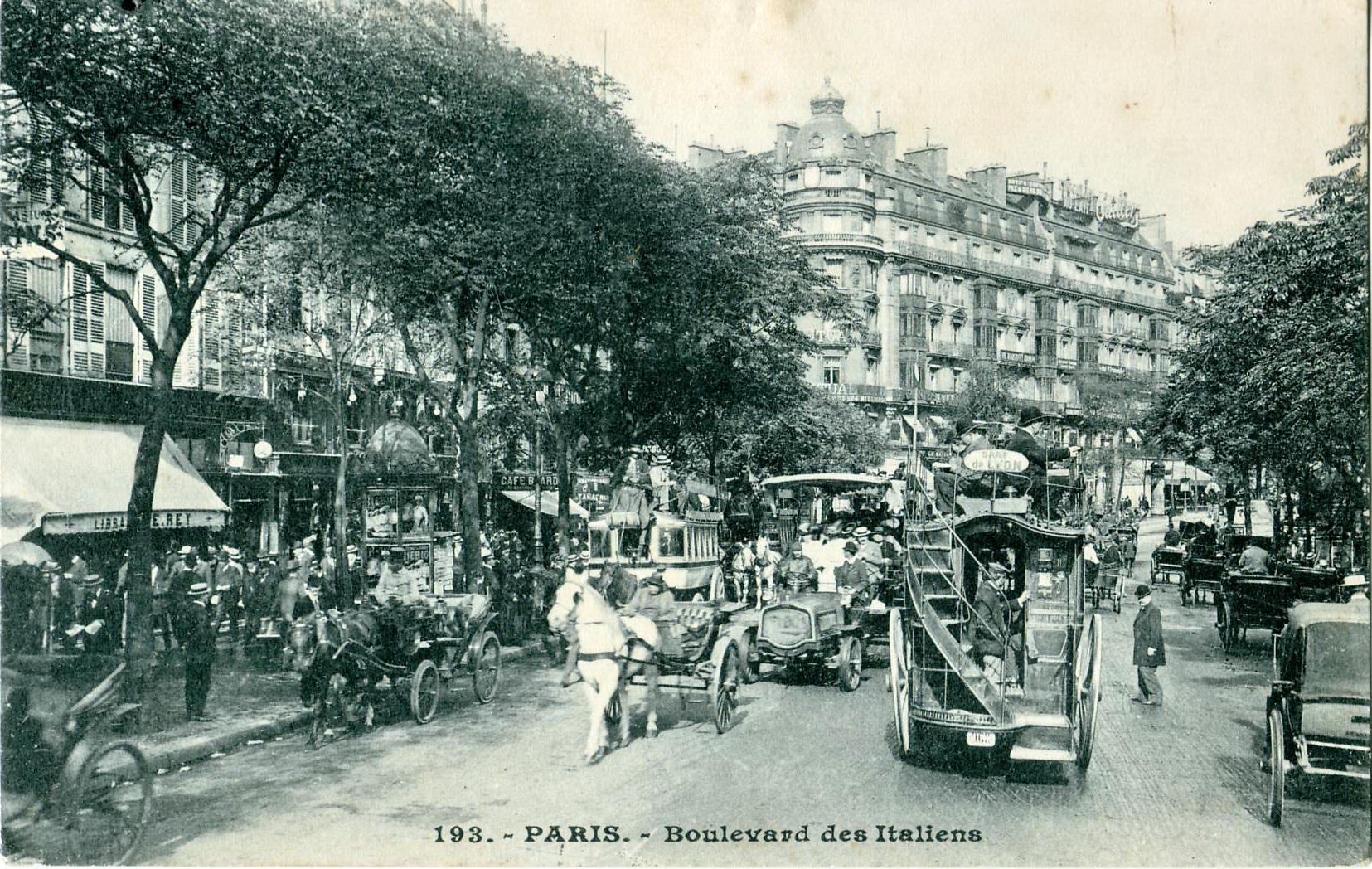
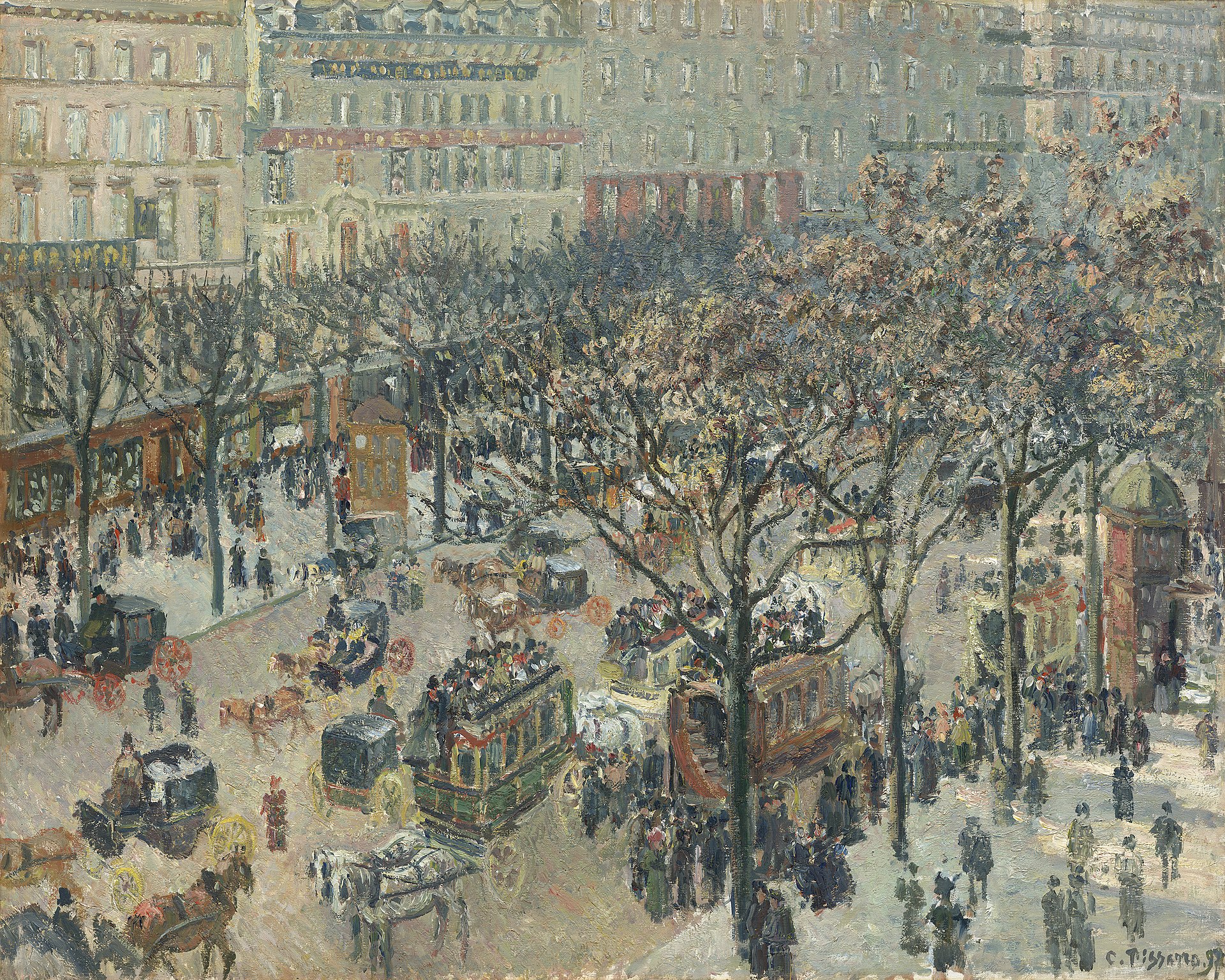
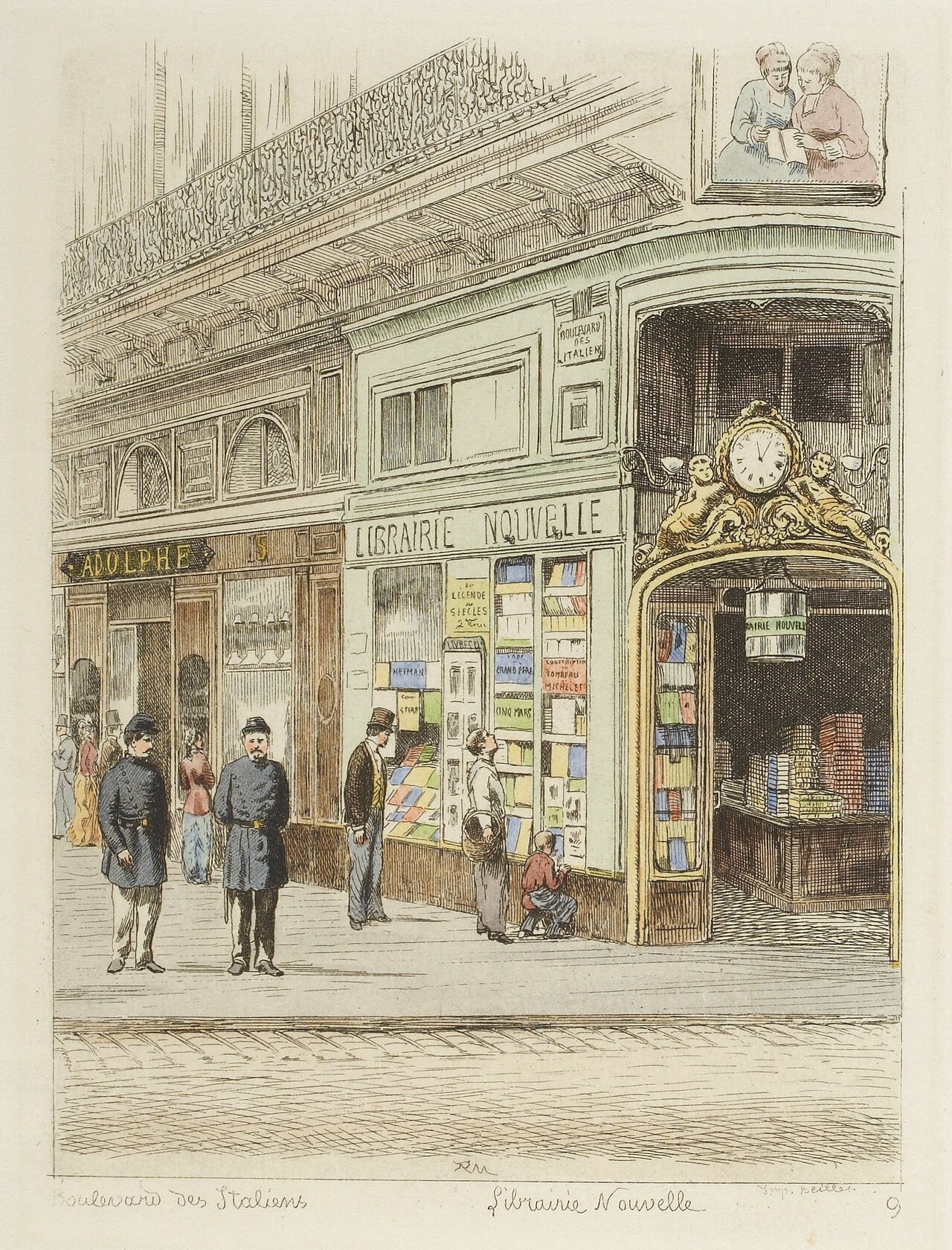
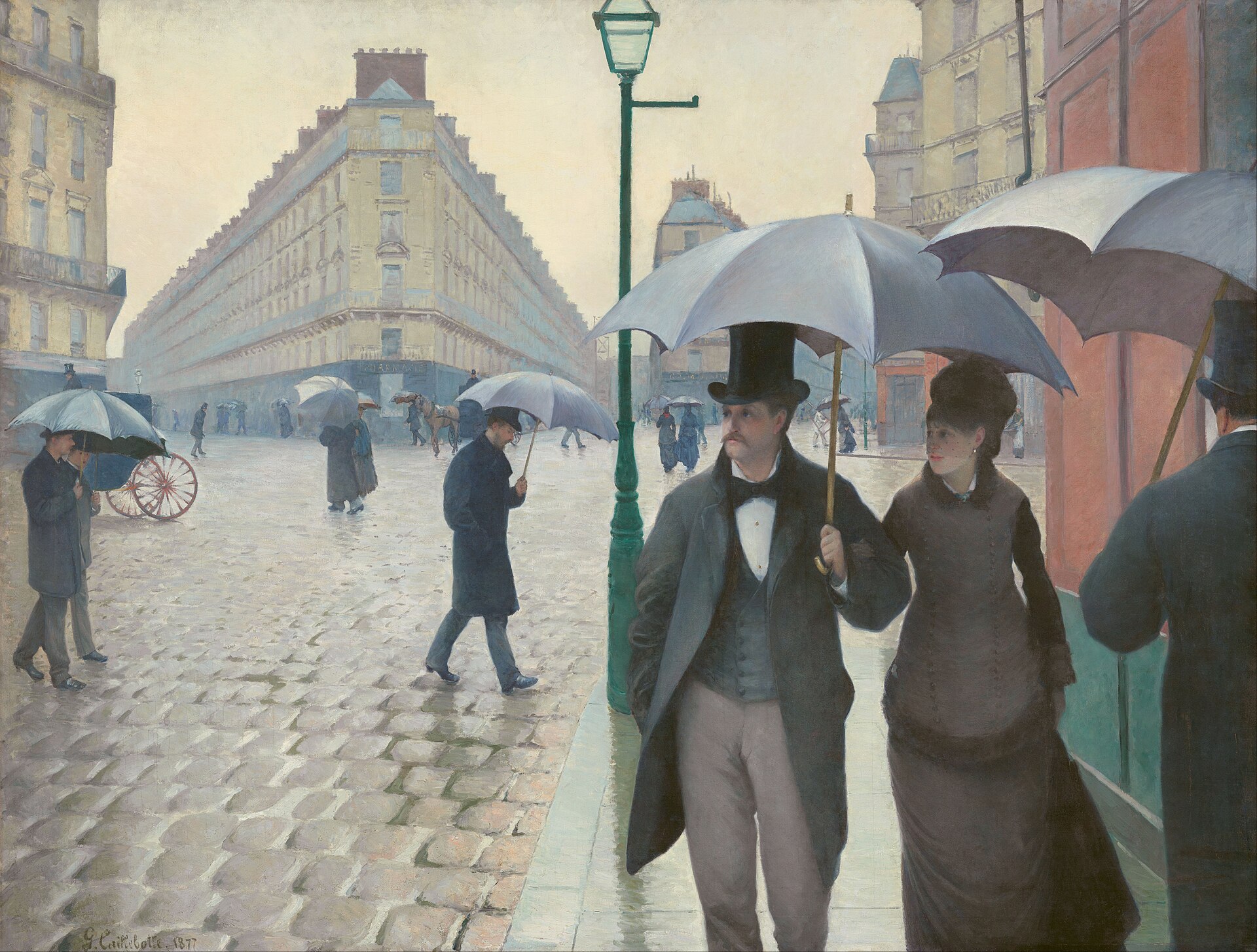
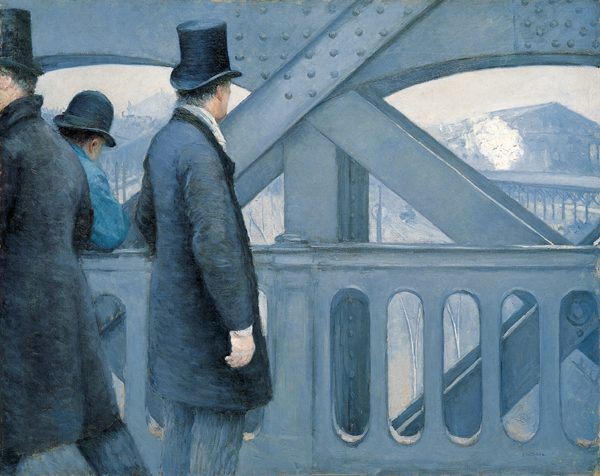
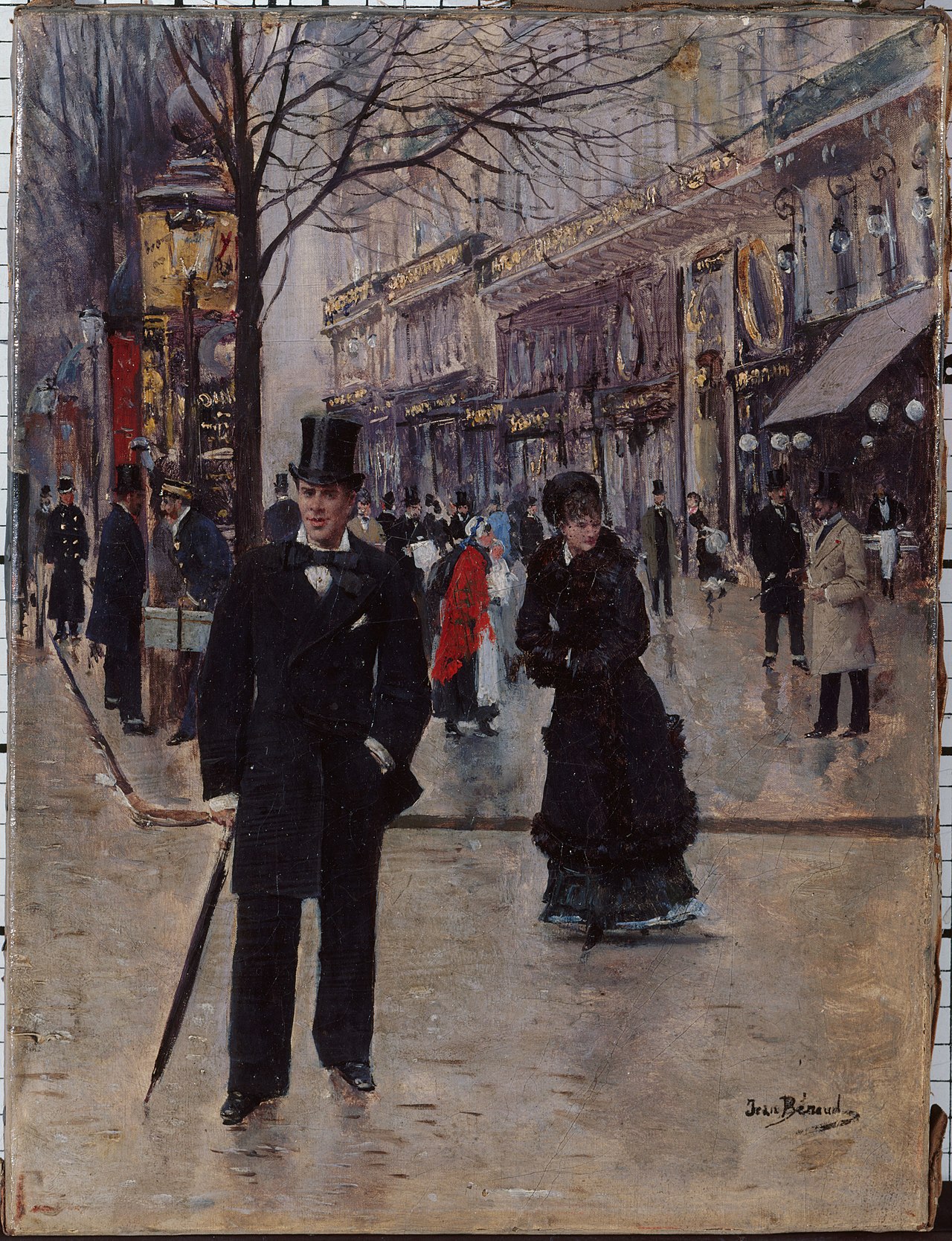
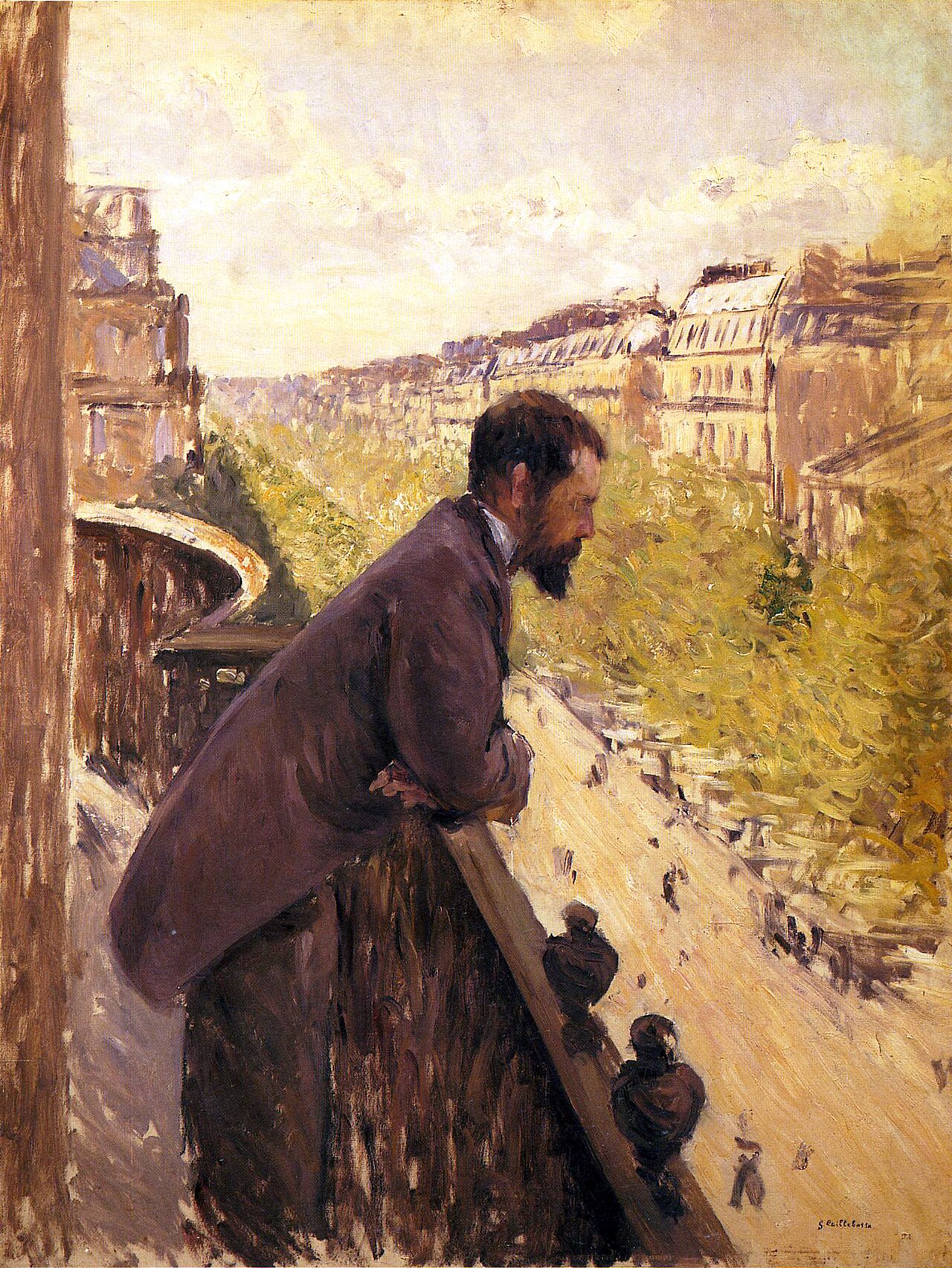
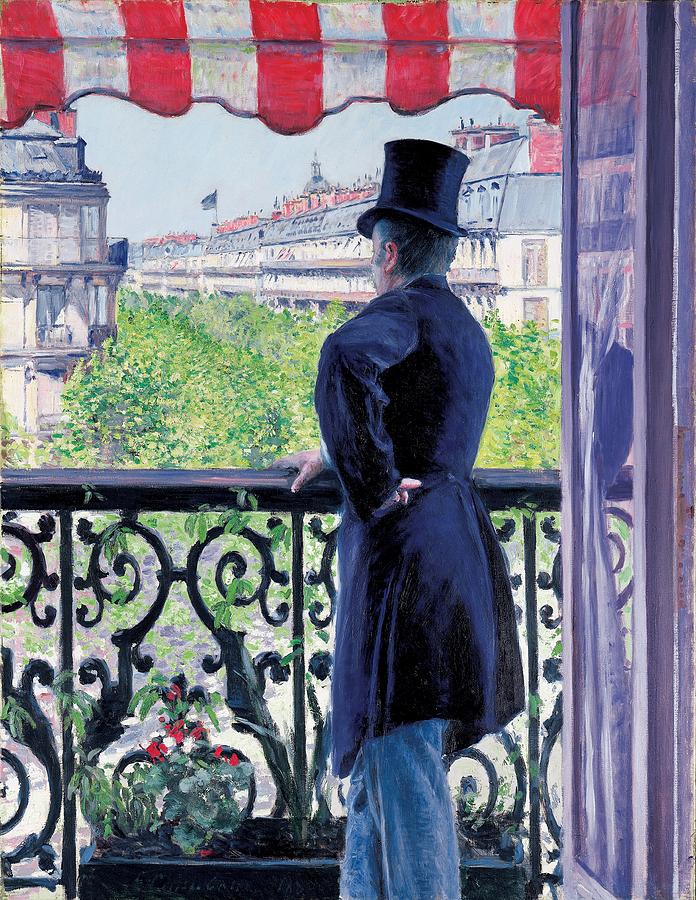
Nearby, the Boulevard des Italiens emerged as one of Paris's most fashionable streets, teeming with cafés and theaters. It was famously captured by artists like Pissarro and Caillebotte.
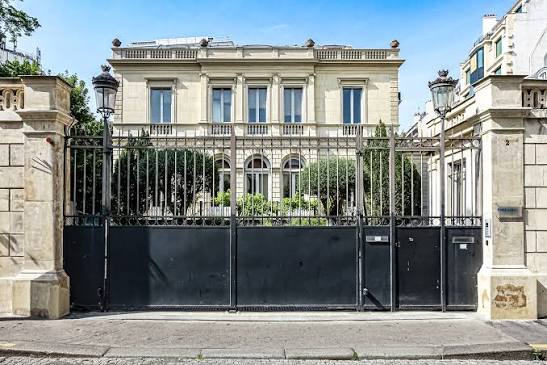
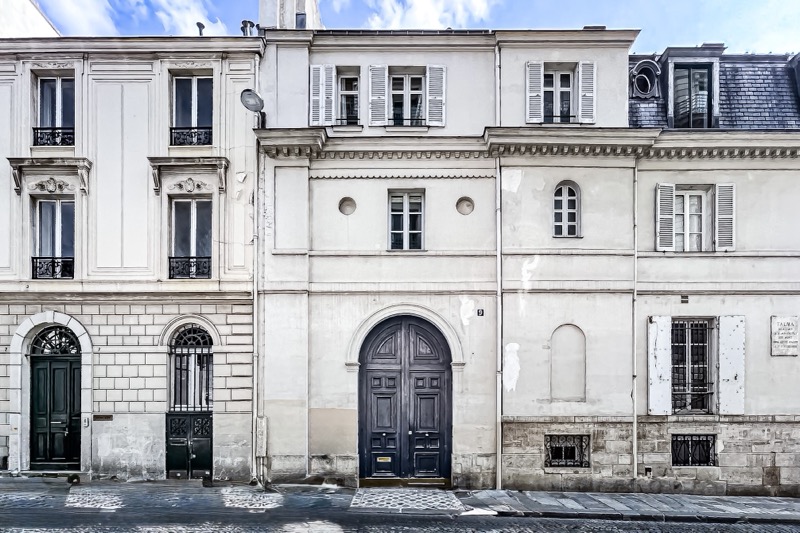
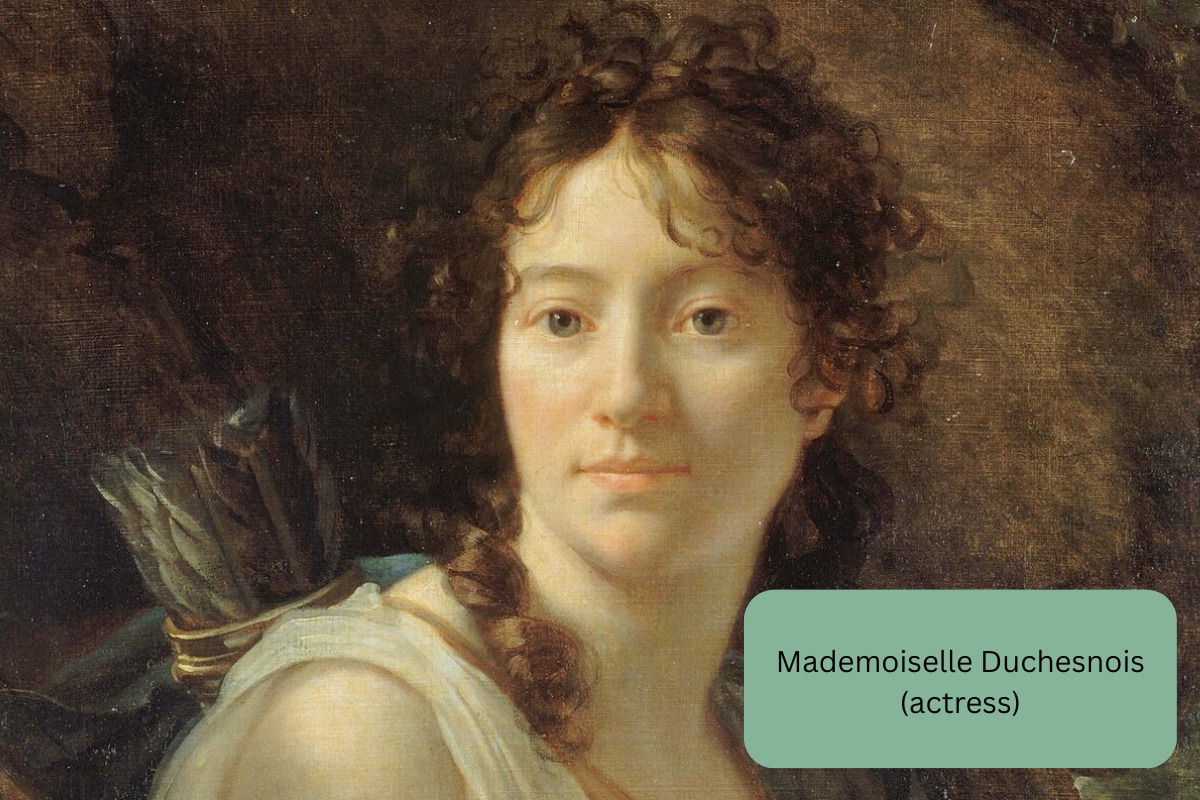
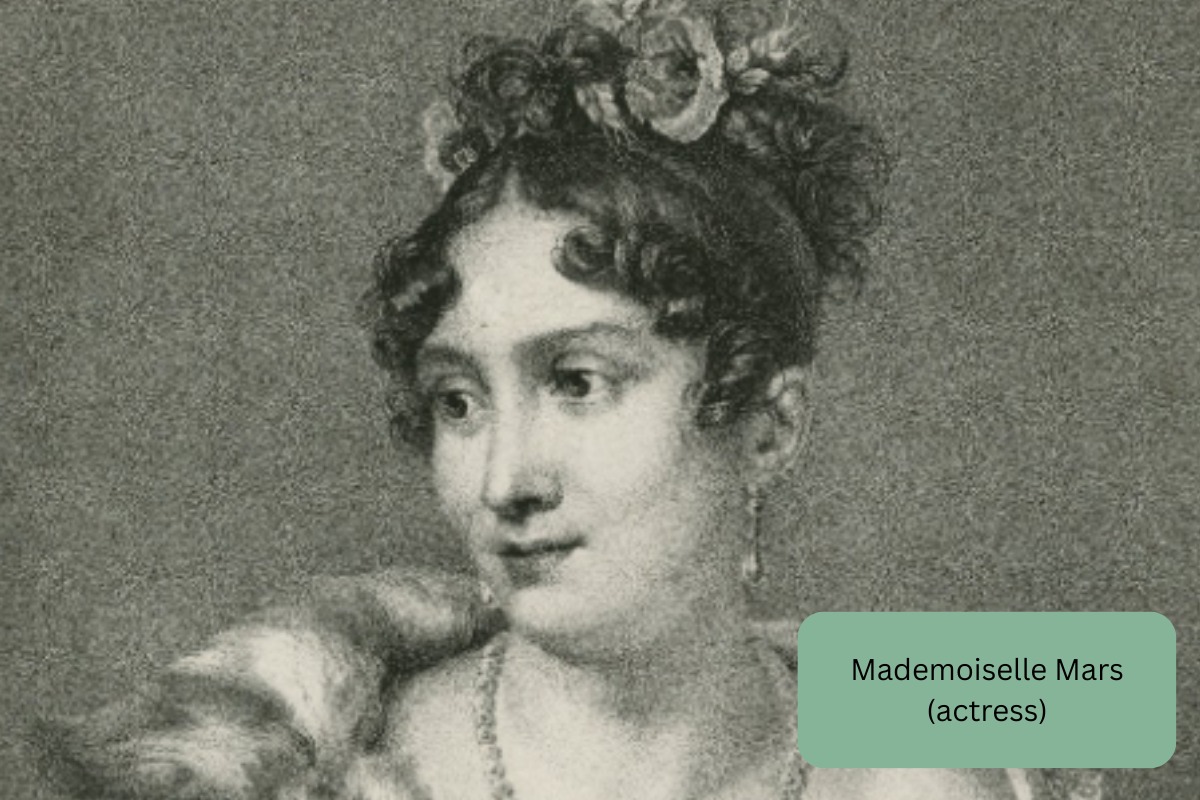
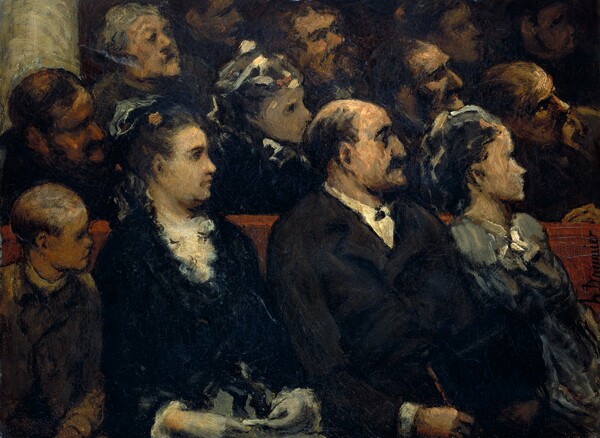
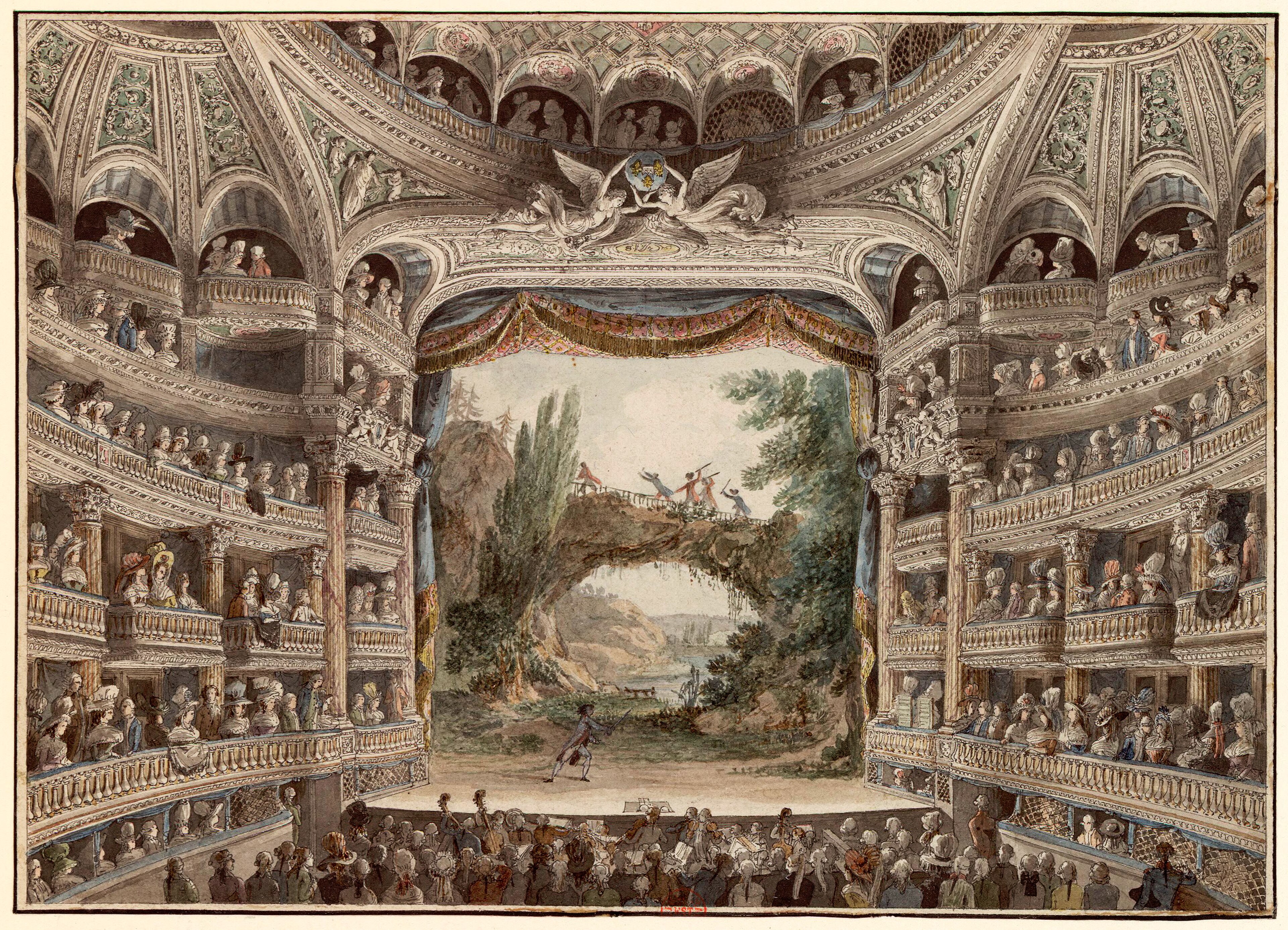
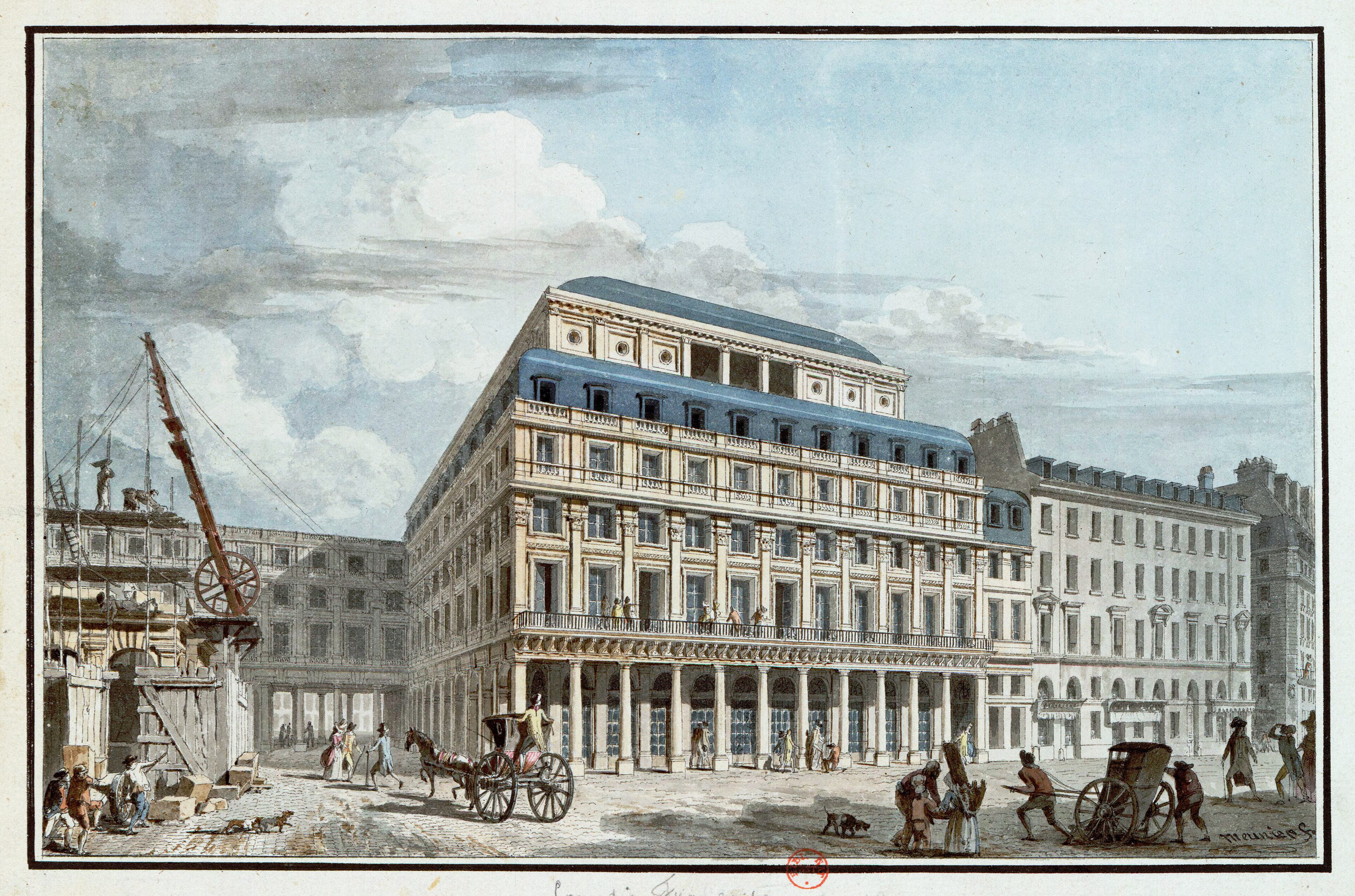
The Rue de la Tour-des-Dames was a street full of townhouses owned by famous actors of the Comédie Française, such as Mademoiselle Mars, Mademoiselle Duchesnois and Talma.
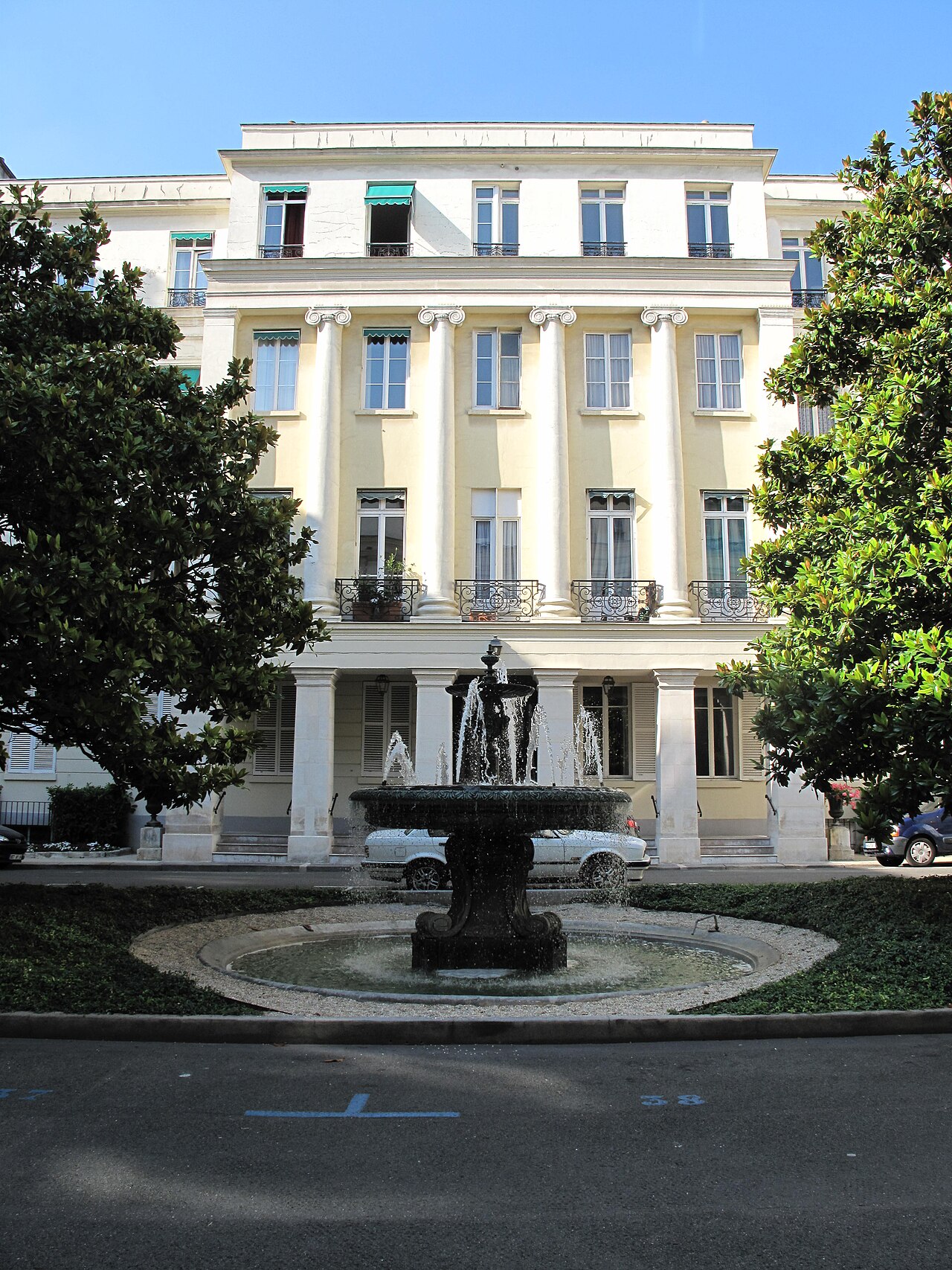
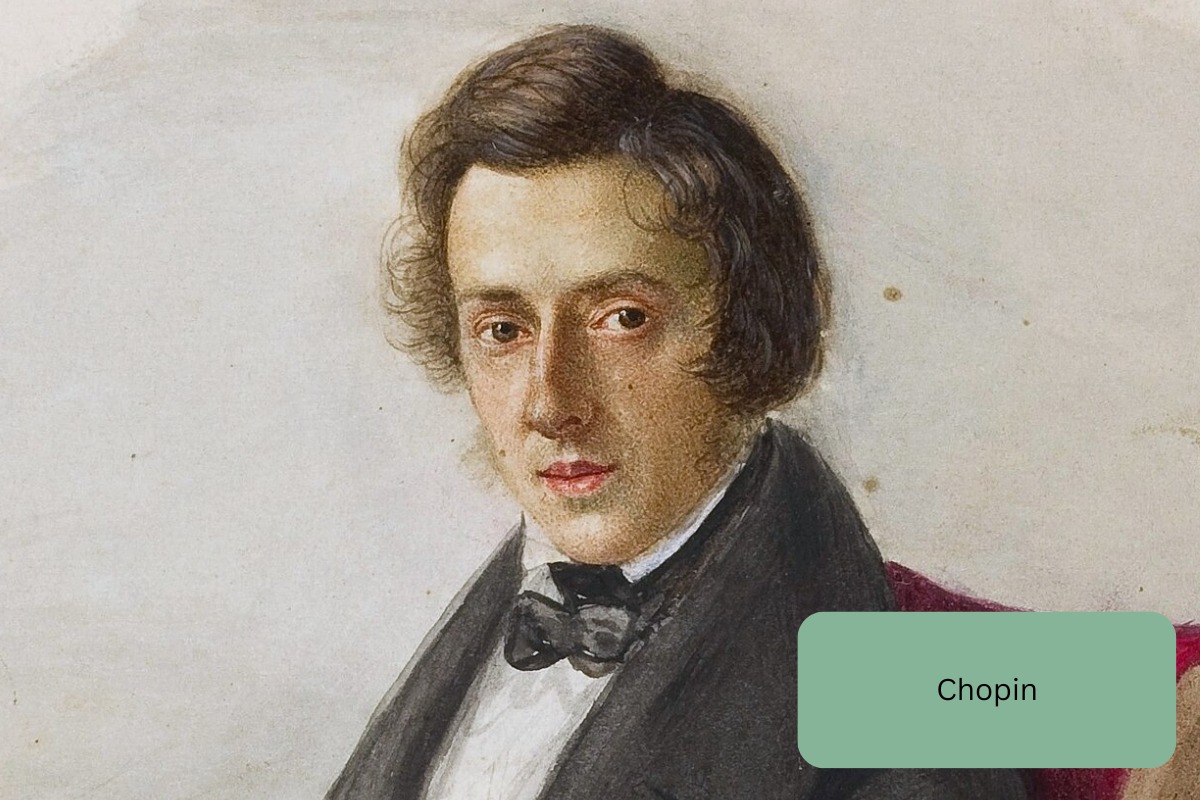
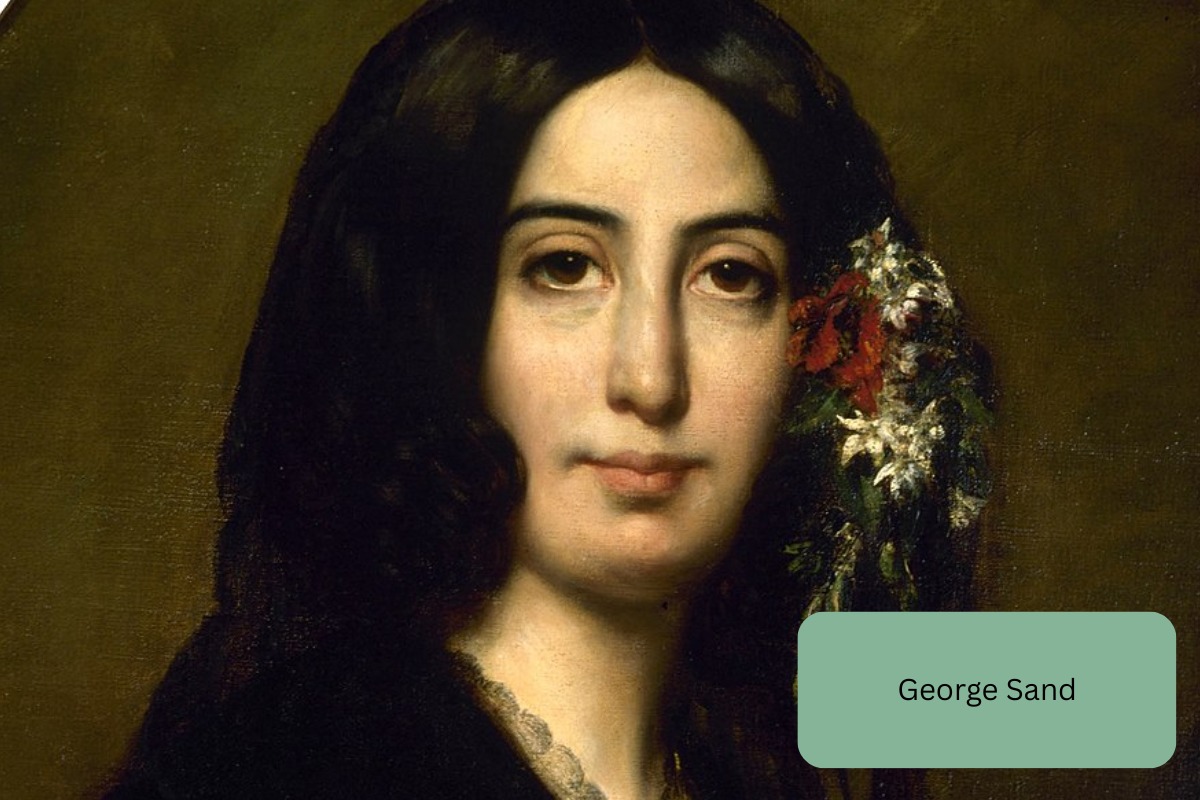
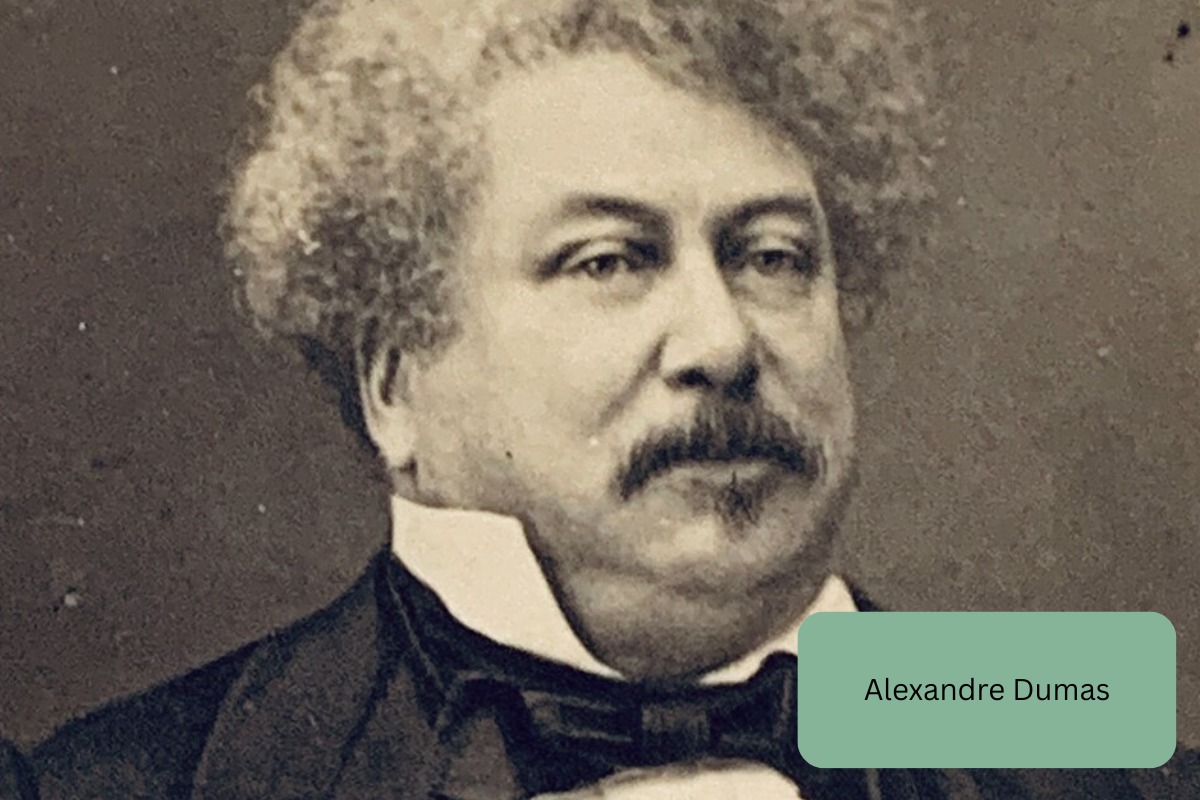
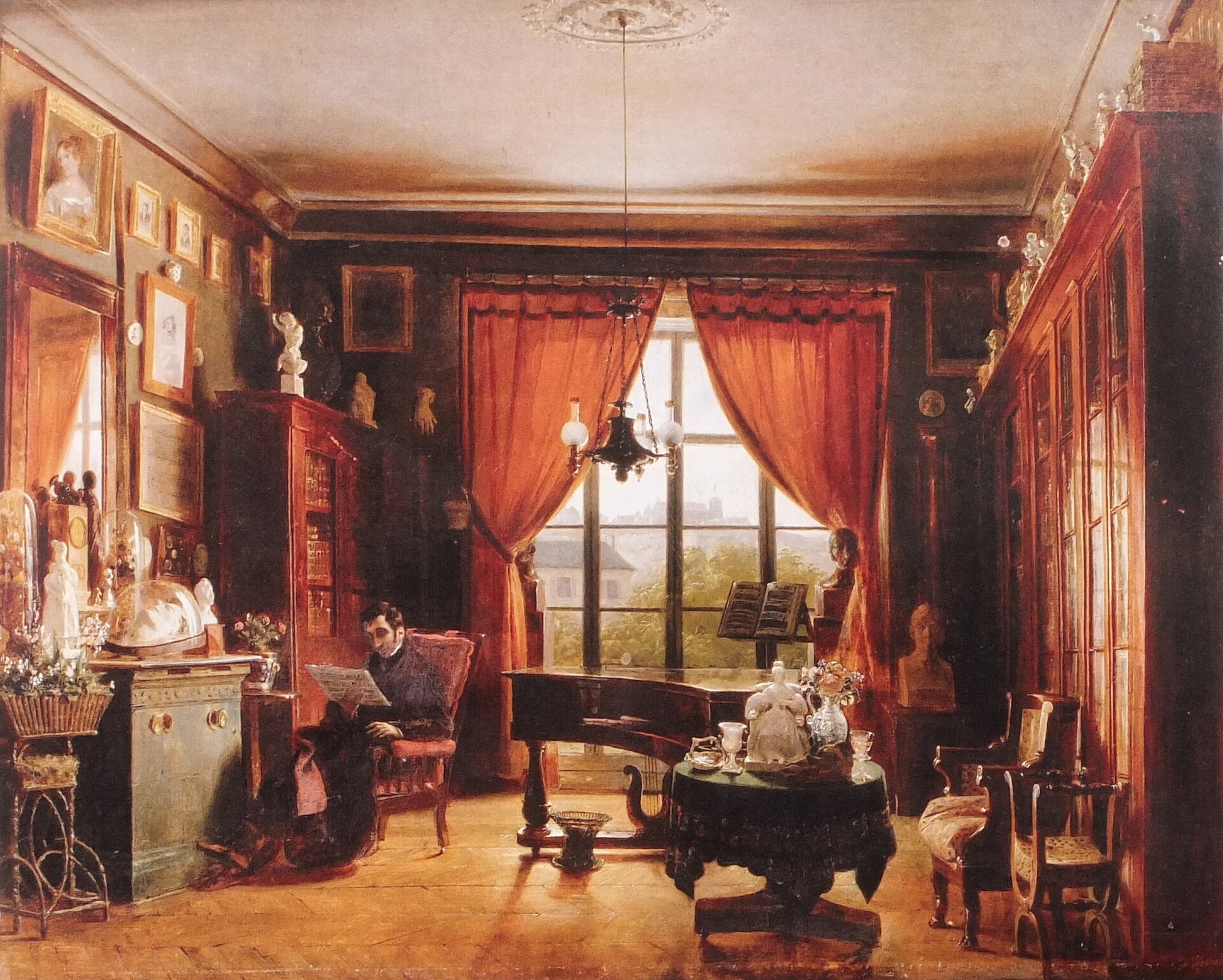
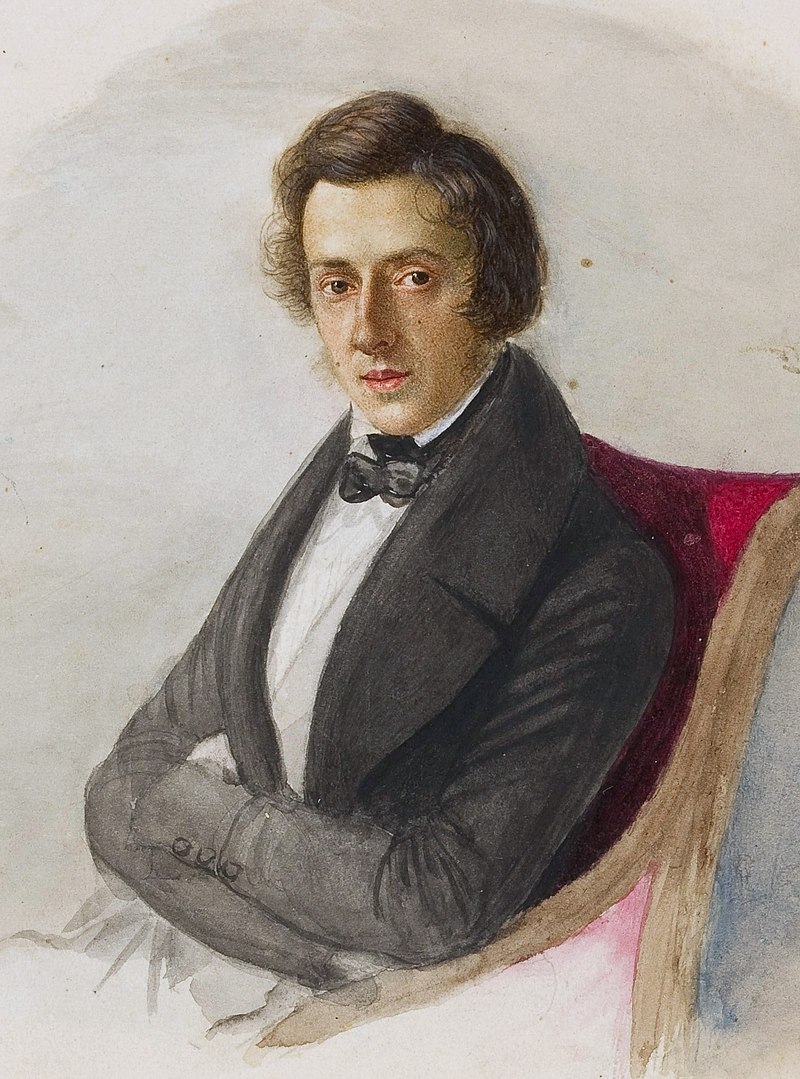
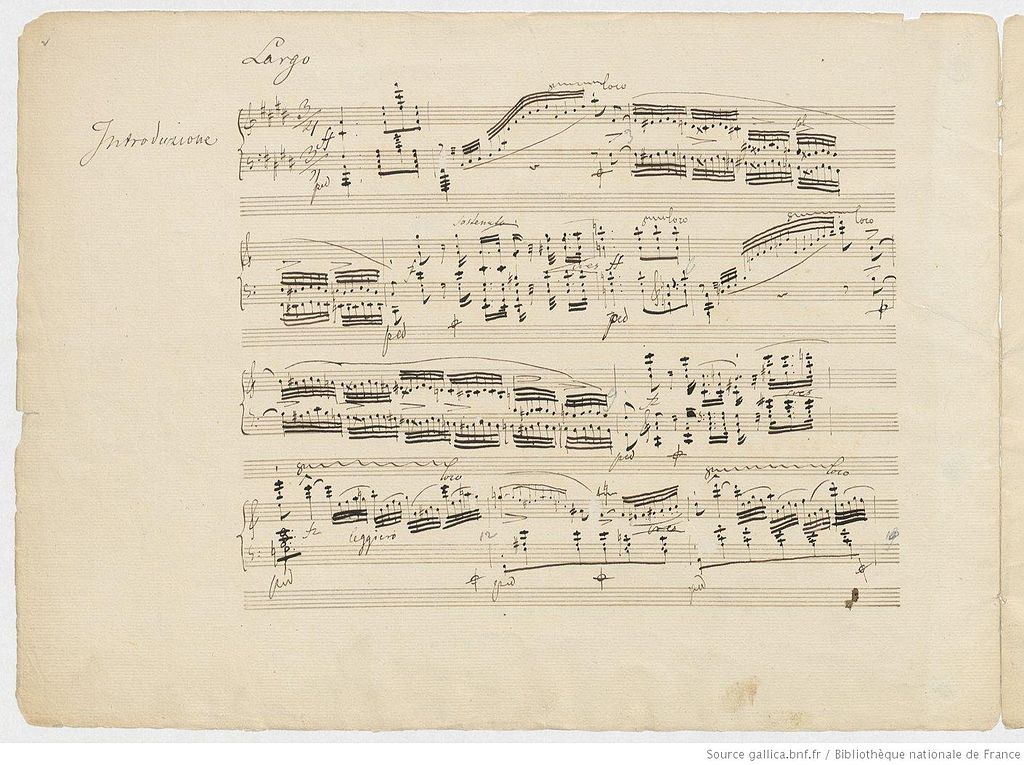
The Square d'Orléans was home to many 19th century artists, including Chopin, George Sand and Alexandre Dumas.
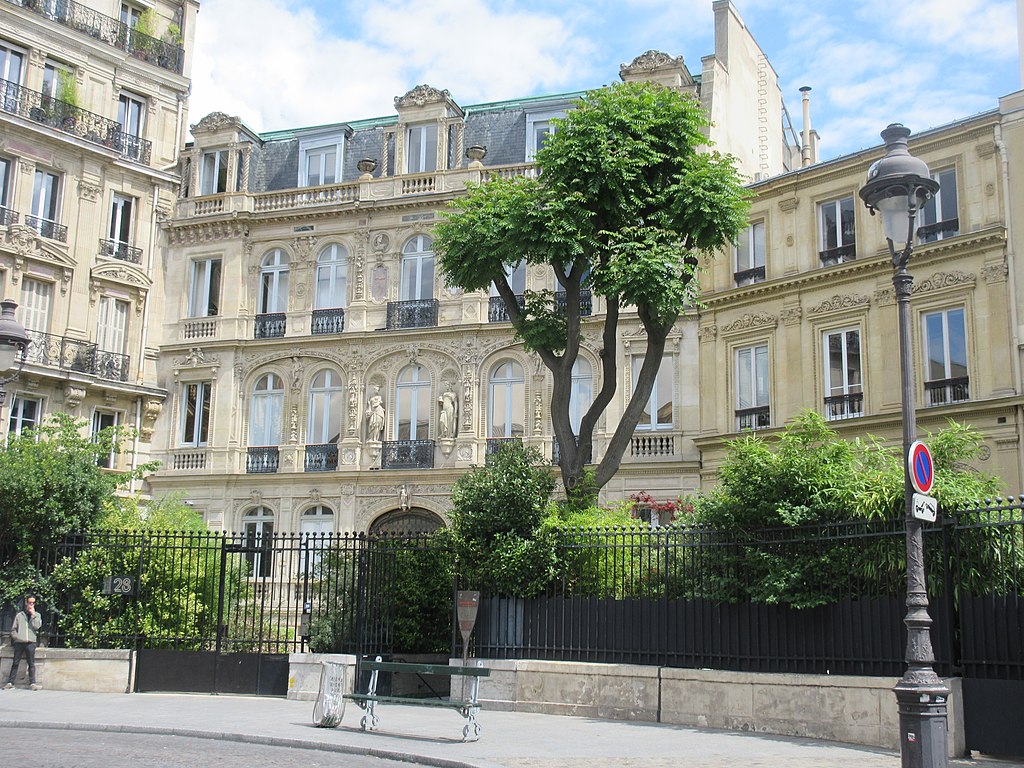
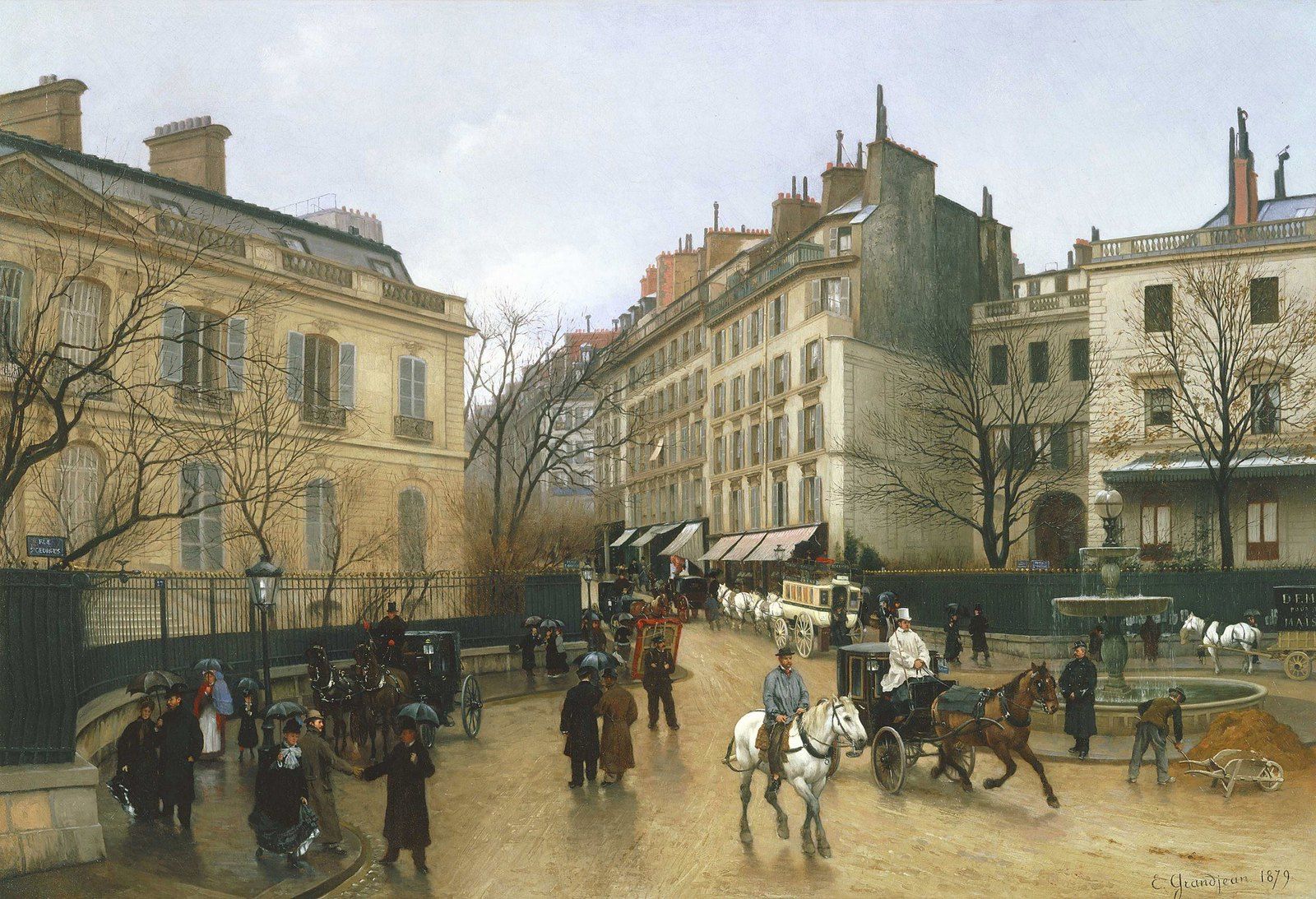
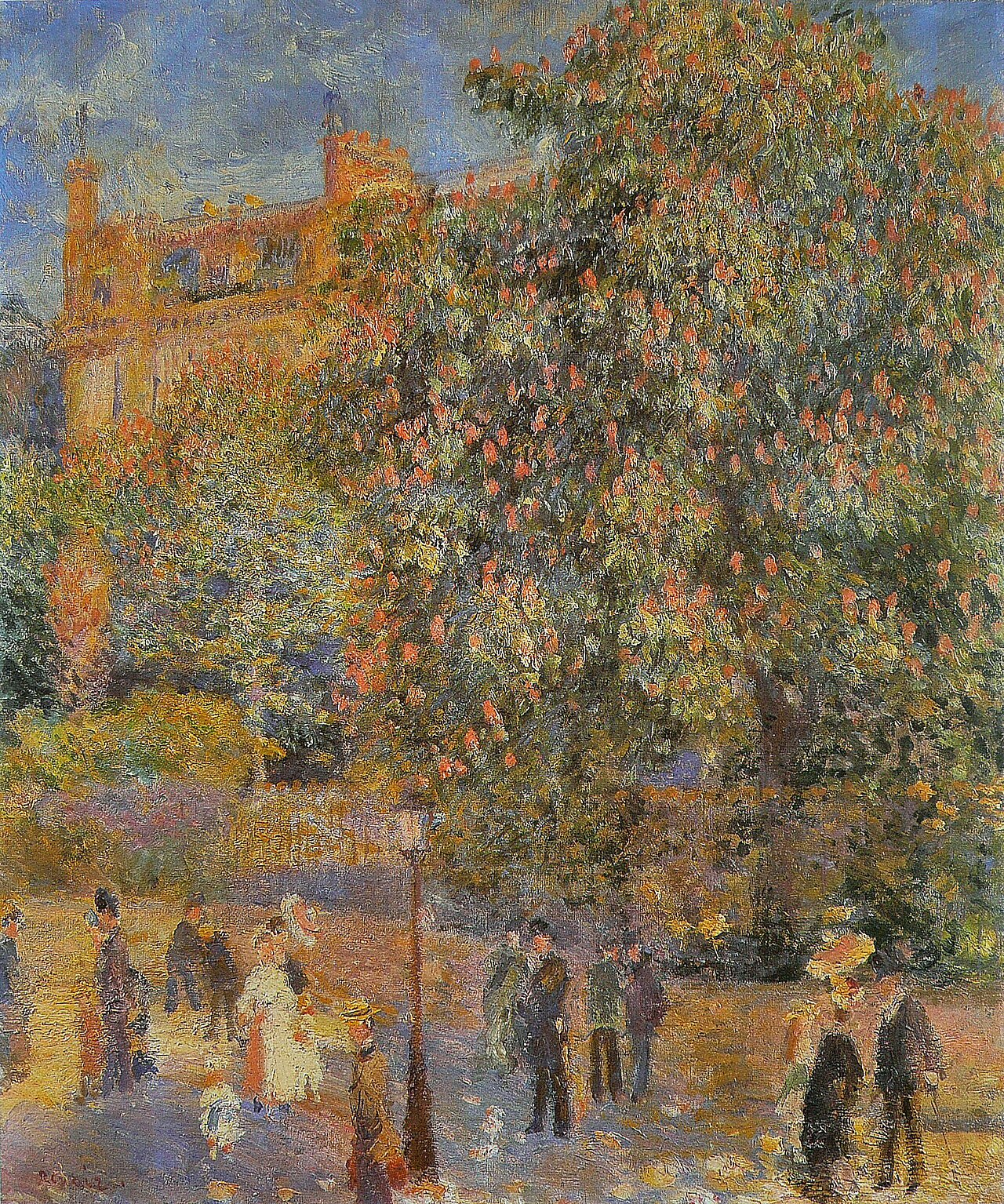
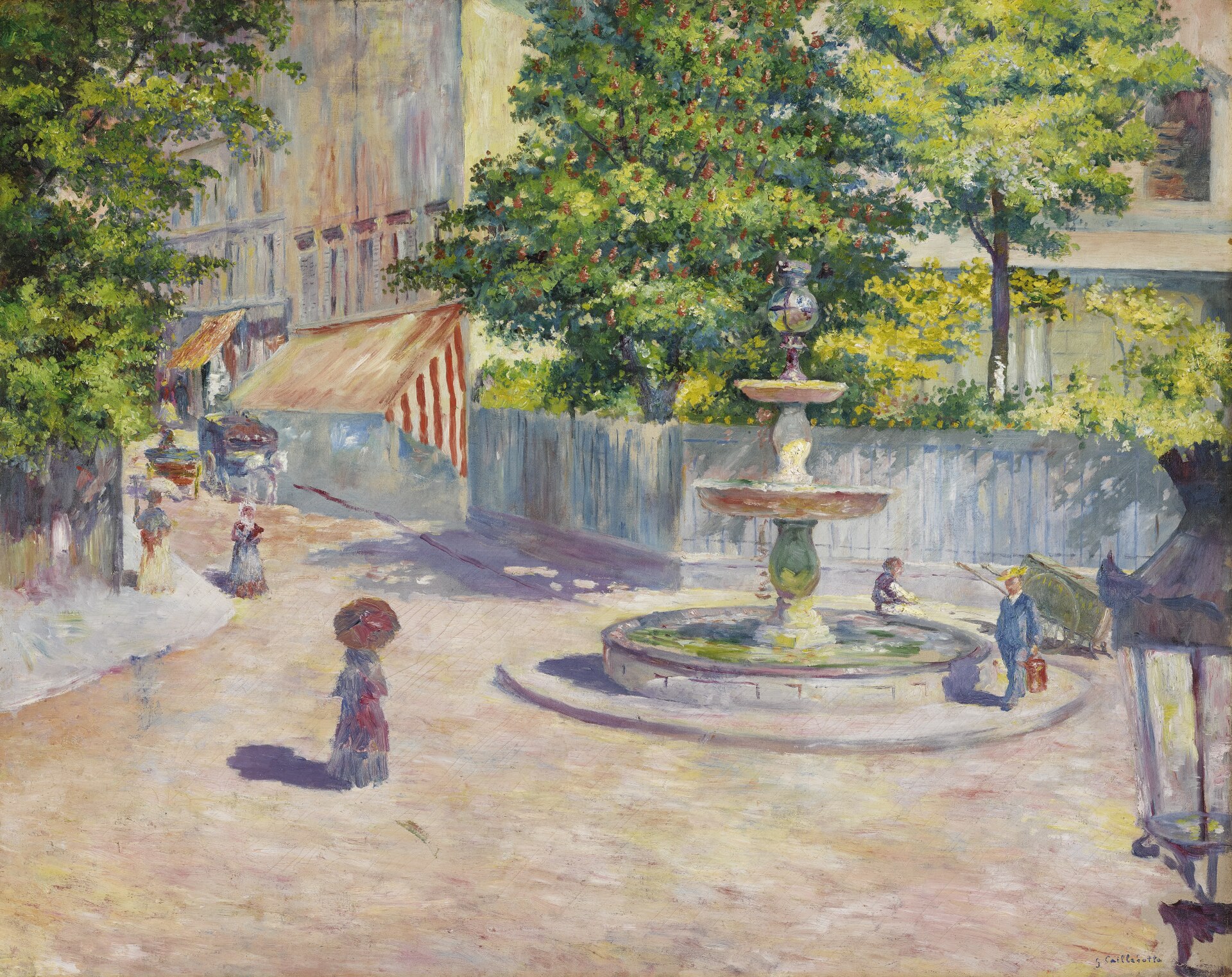
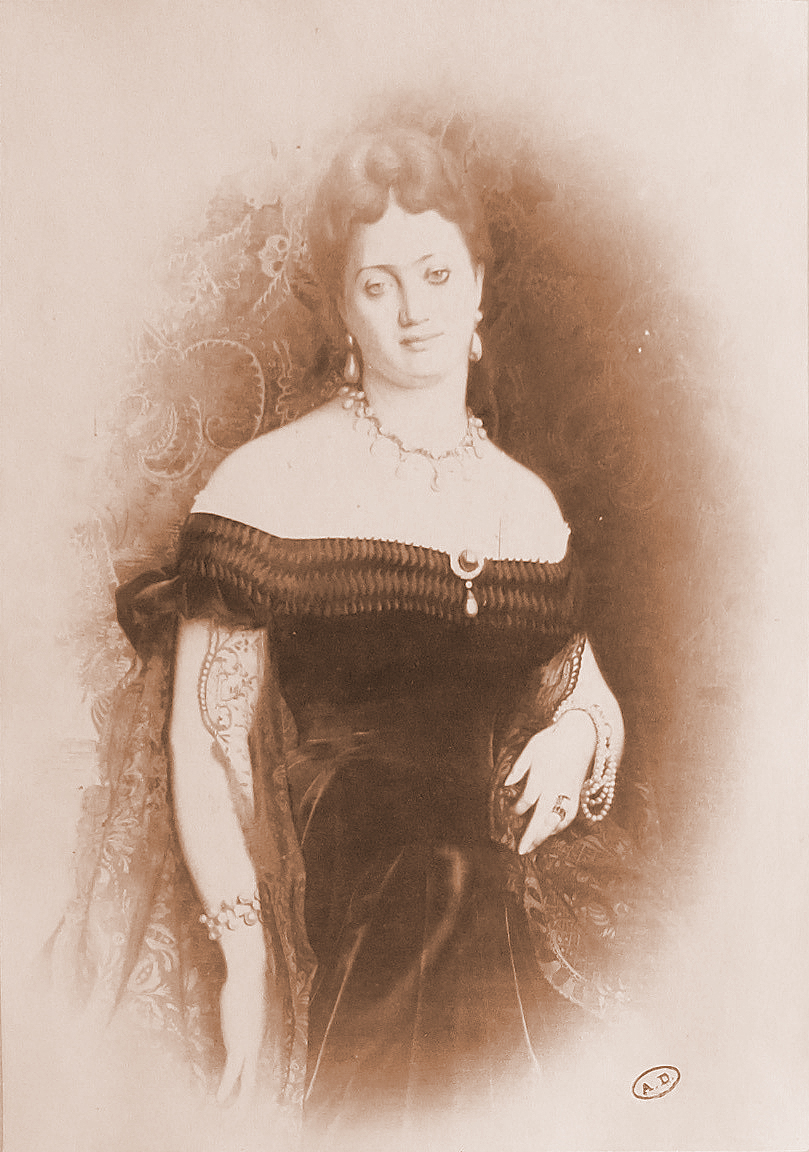
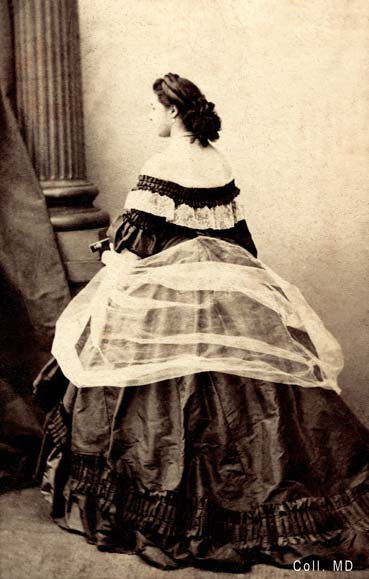
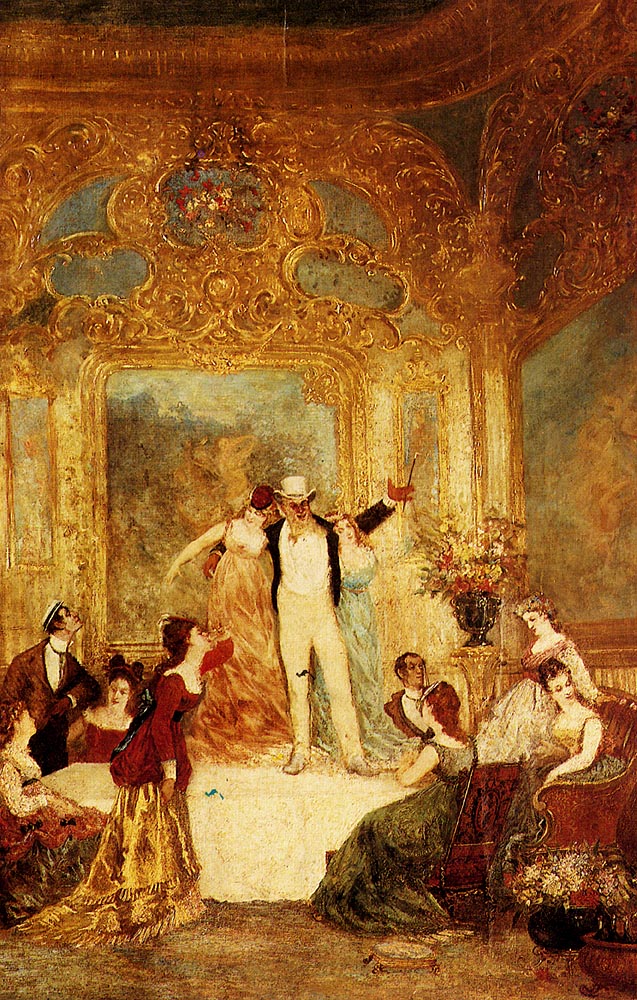
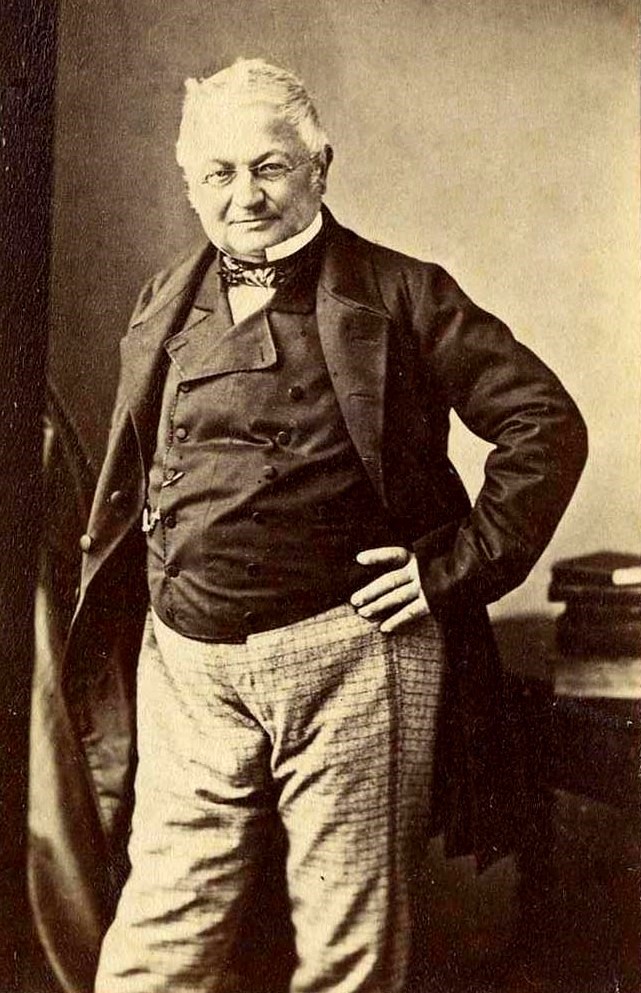
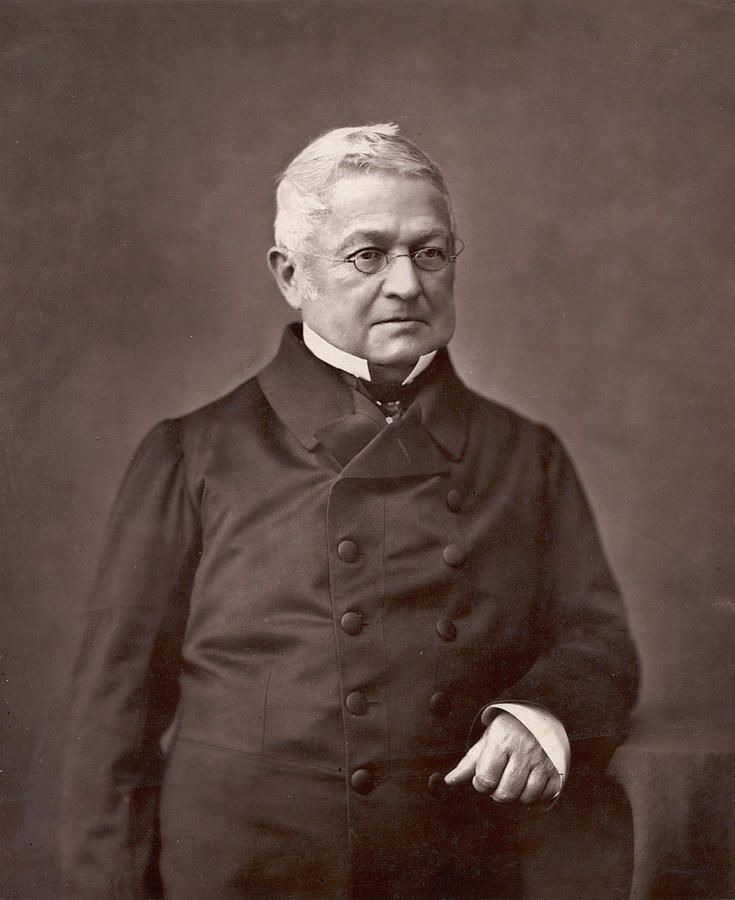
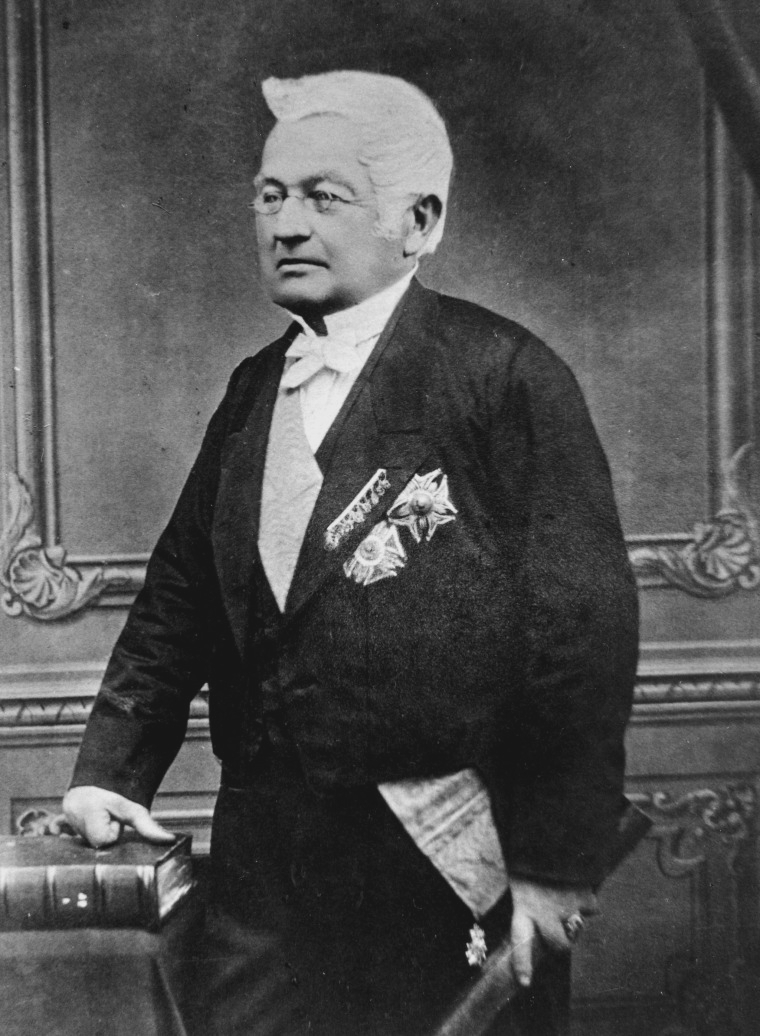
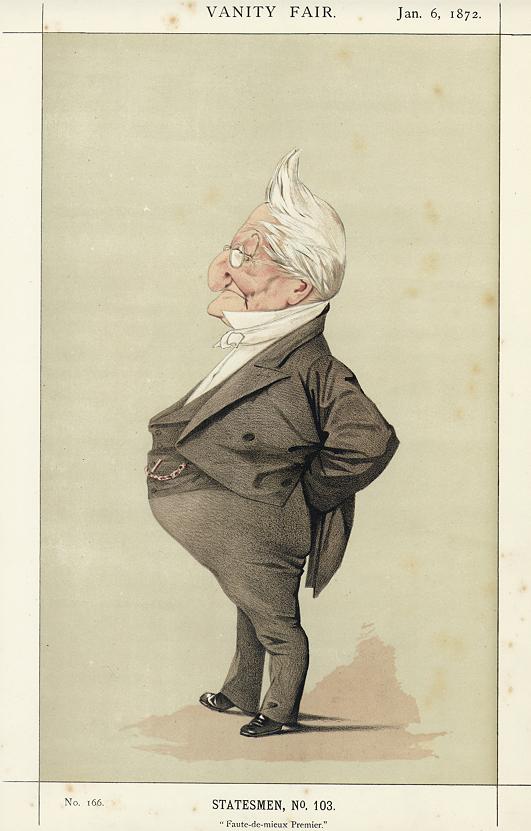
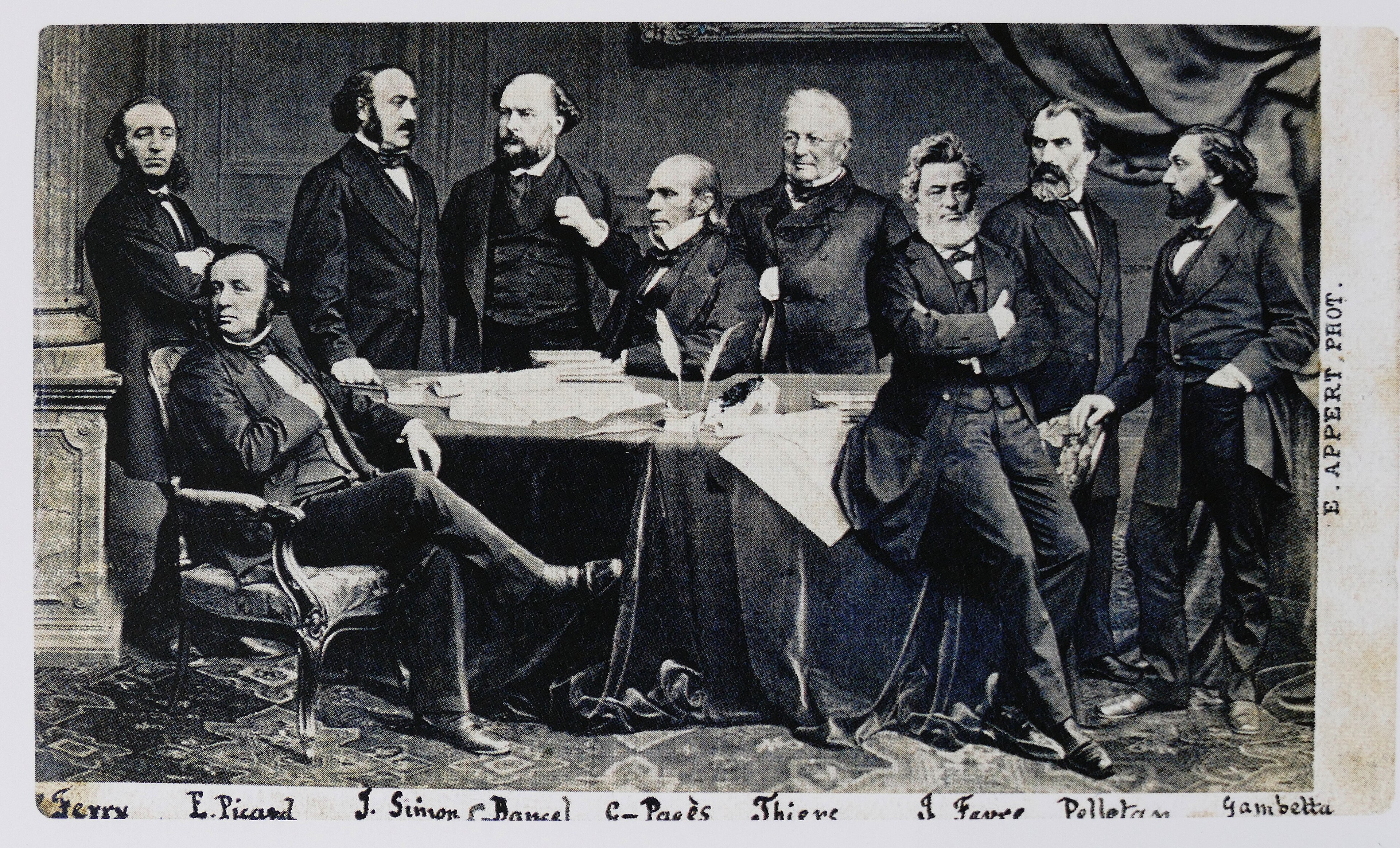
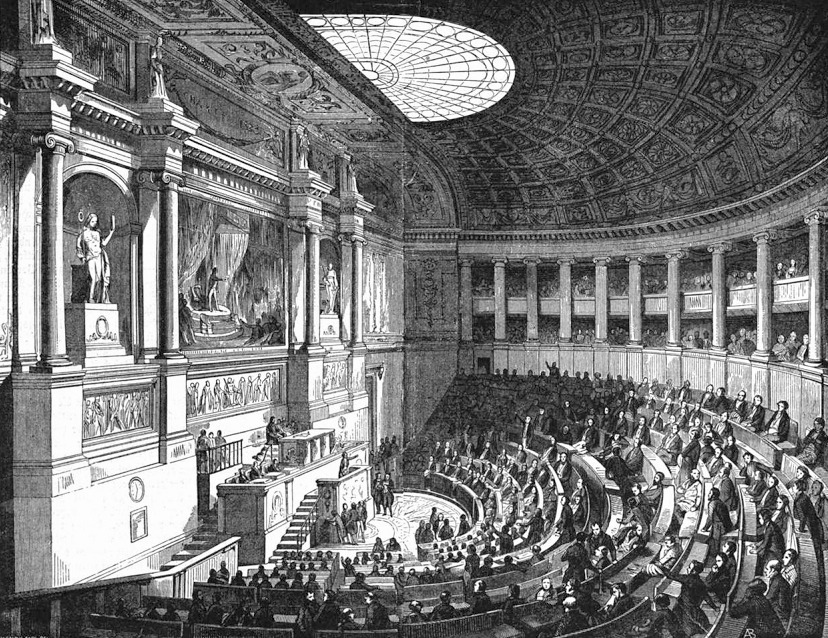
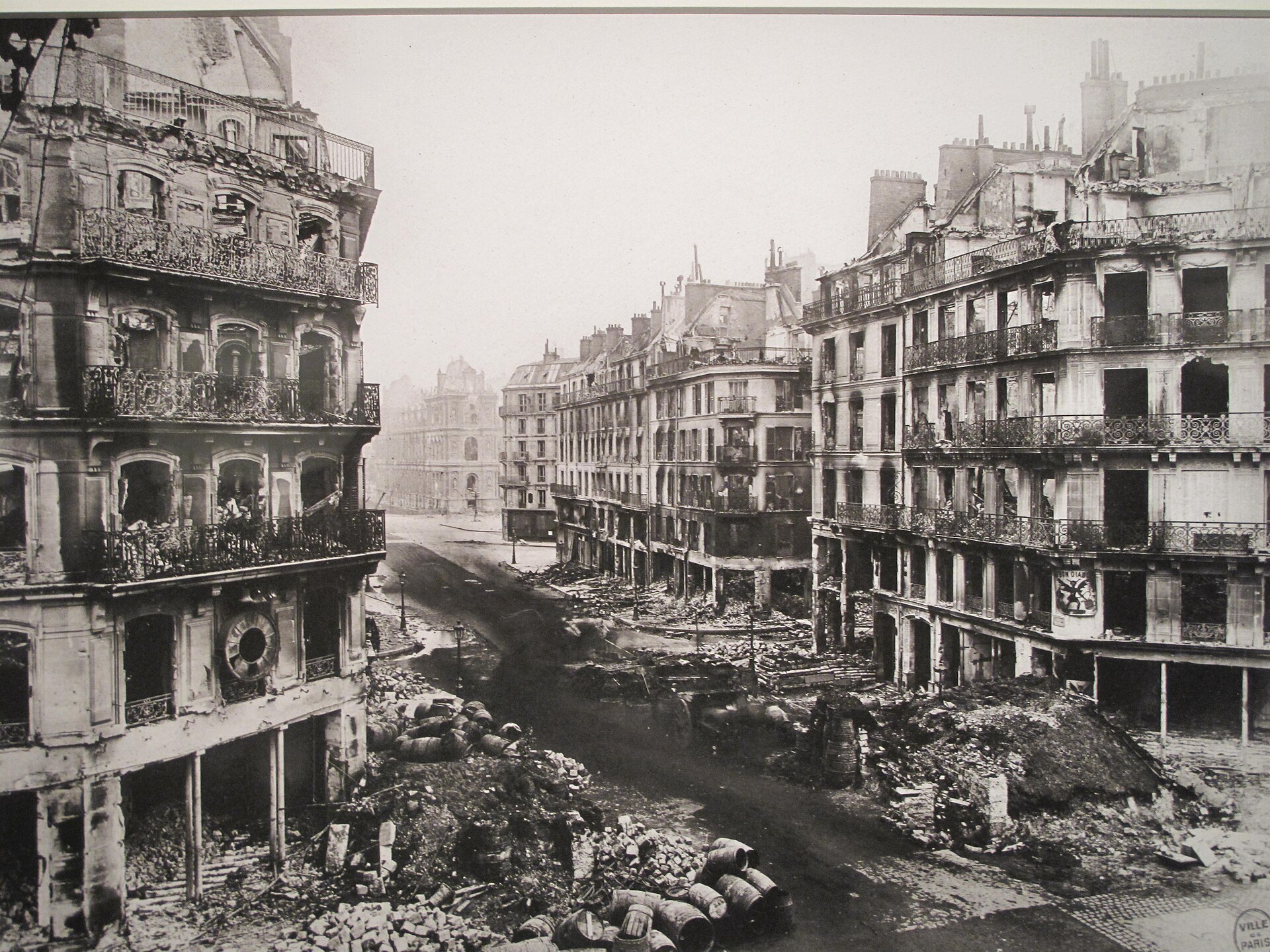
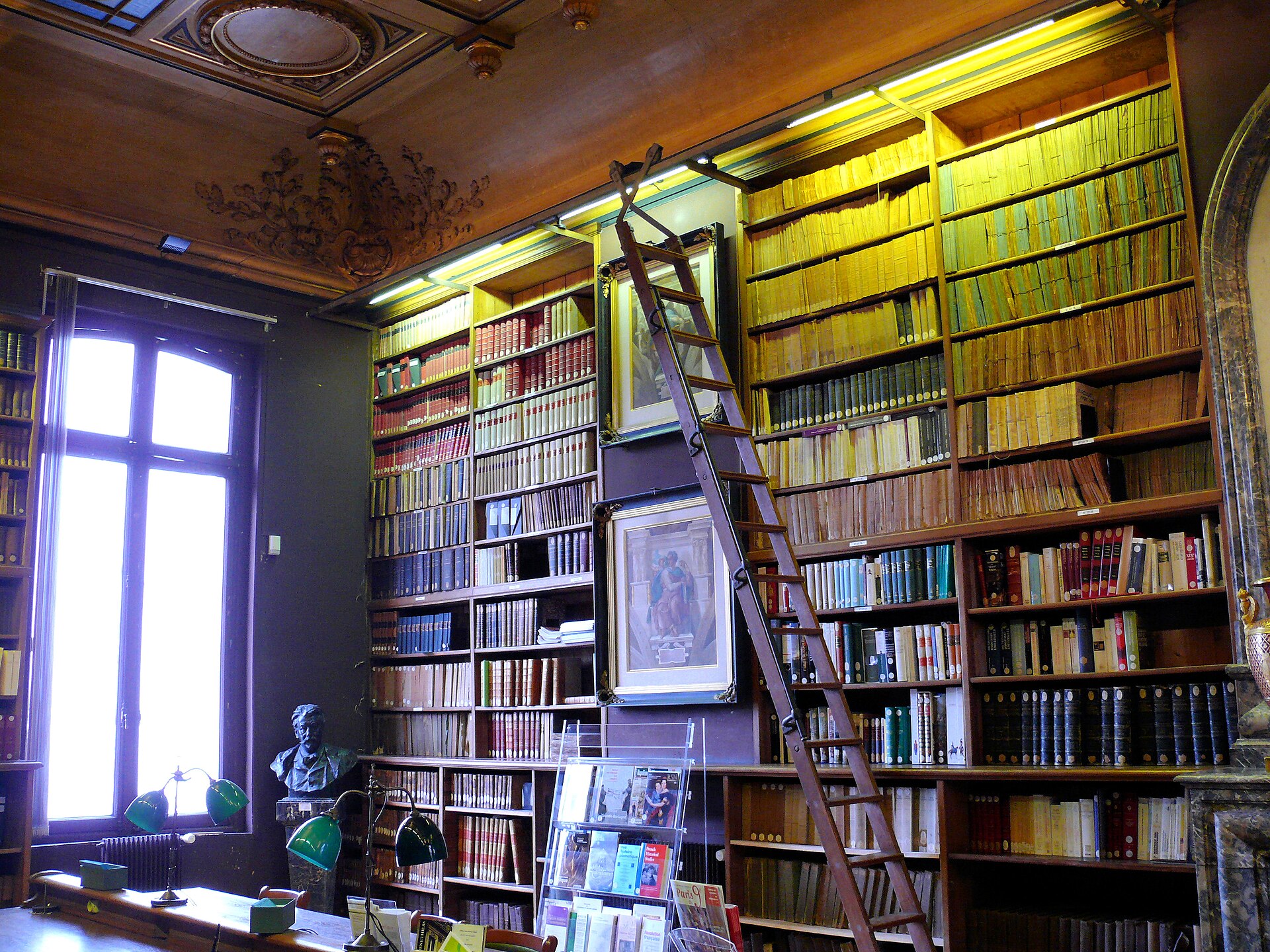
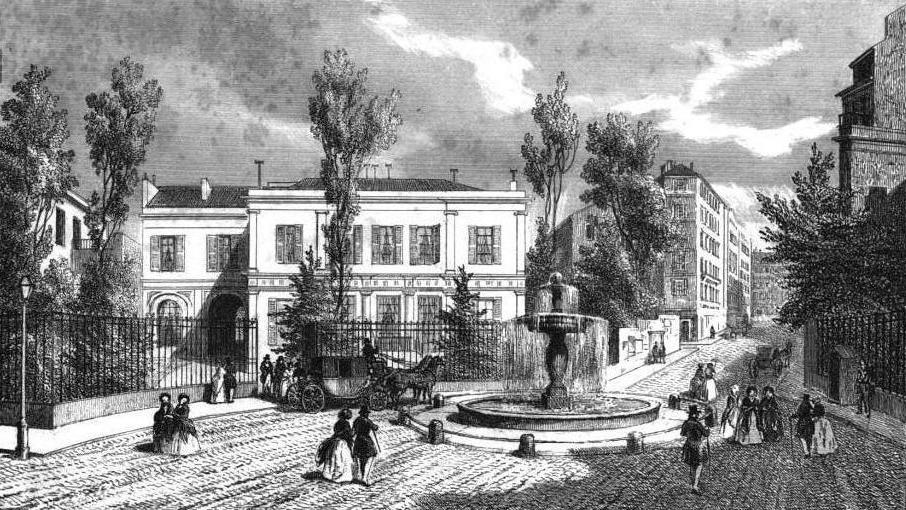
The Place Saint Georges is a quiet square with two beautiful townhouses, one owned by famous courtesan La Paiva, another by the second French president Adolphe Thiers.
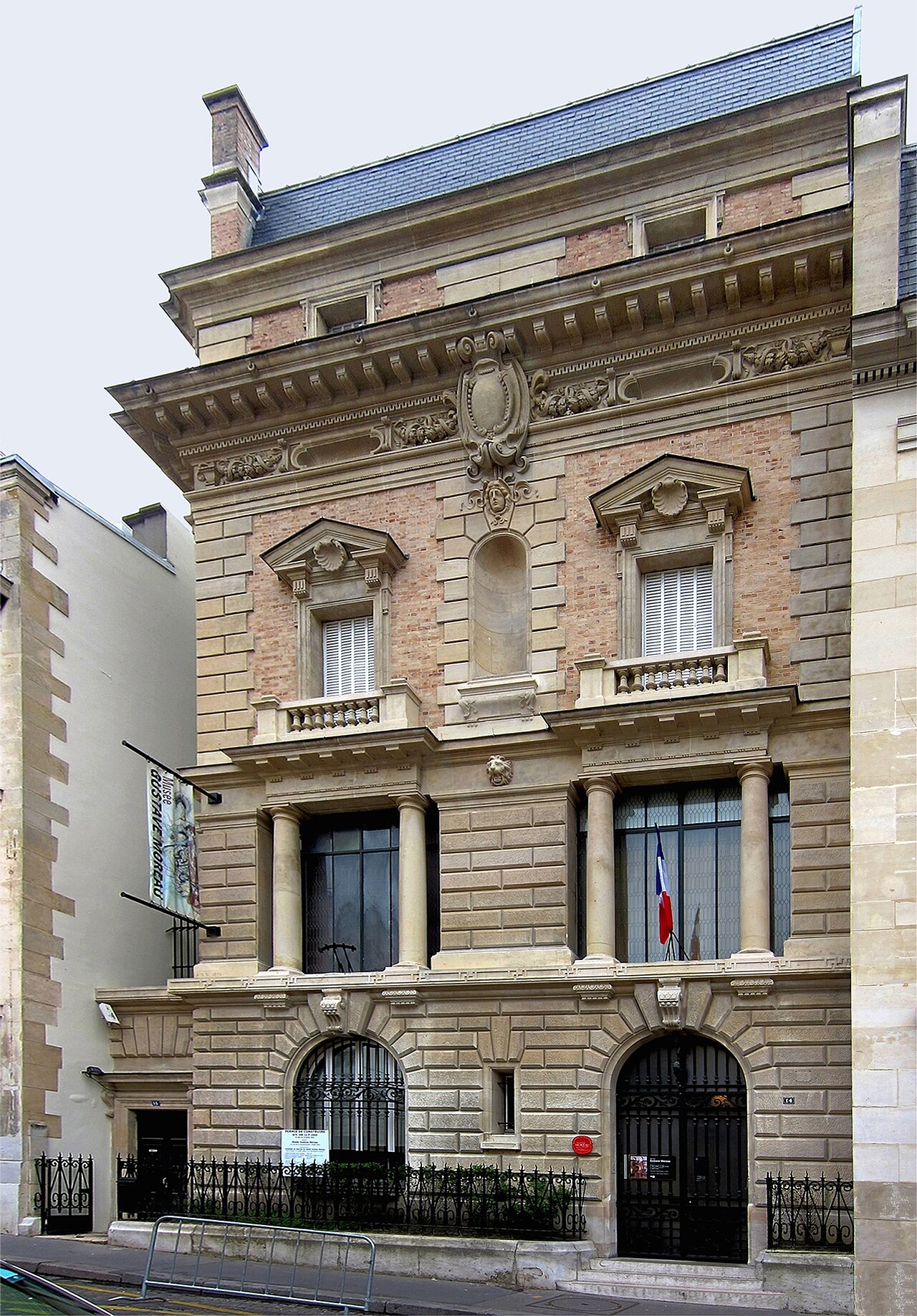
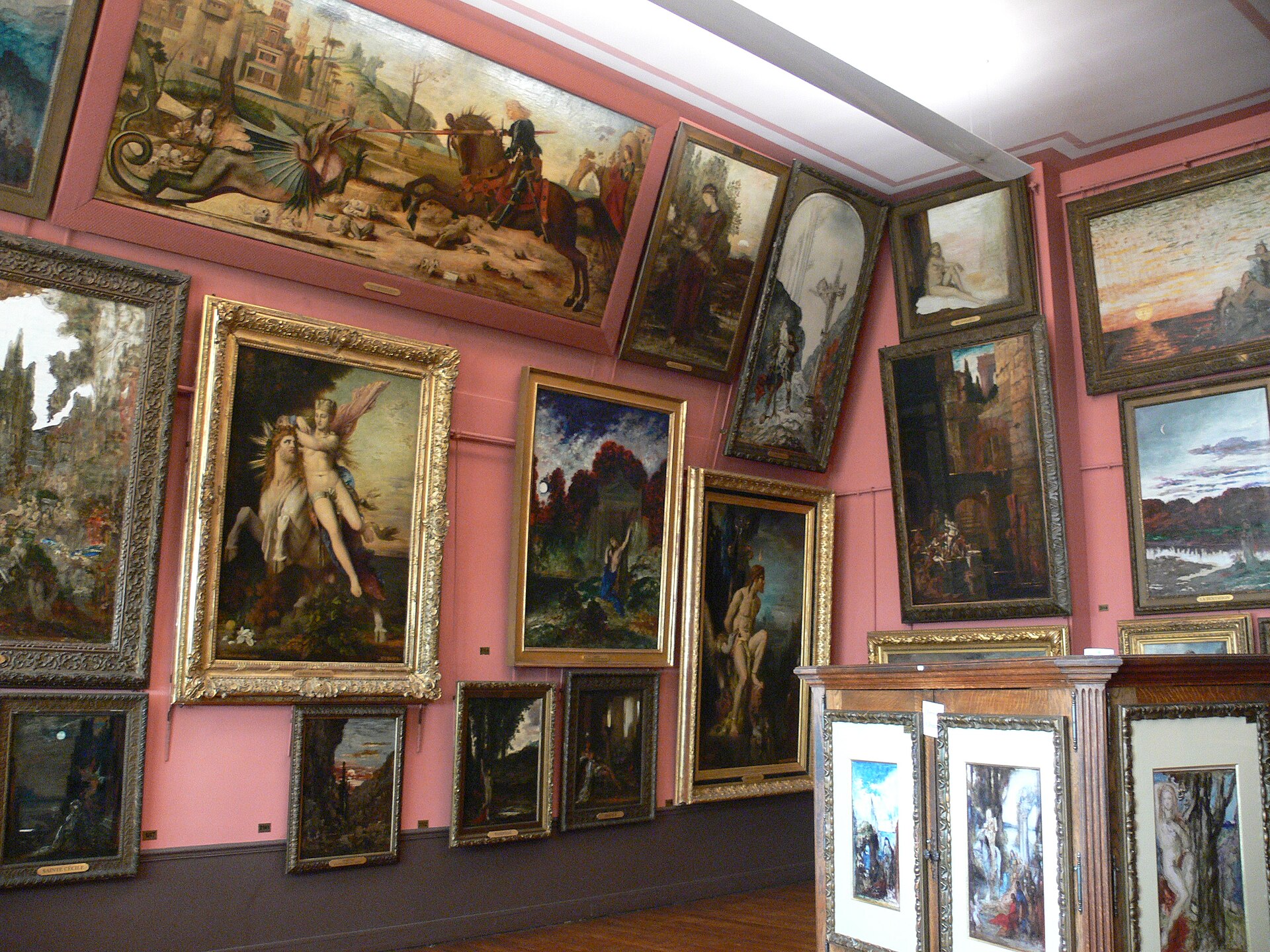
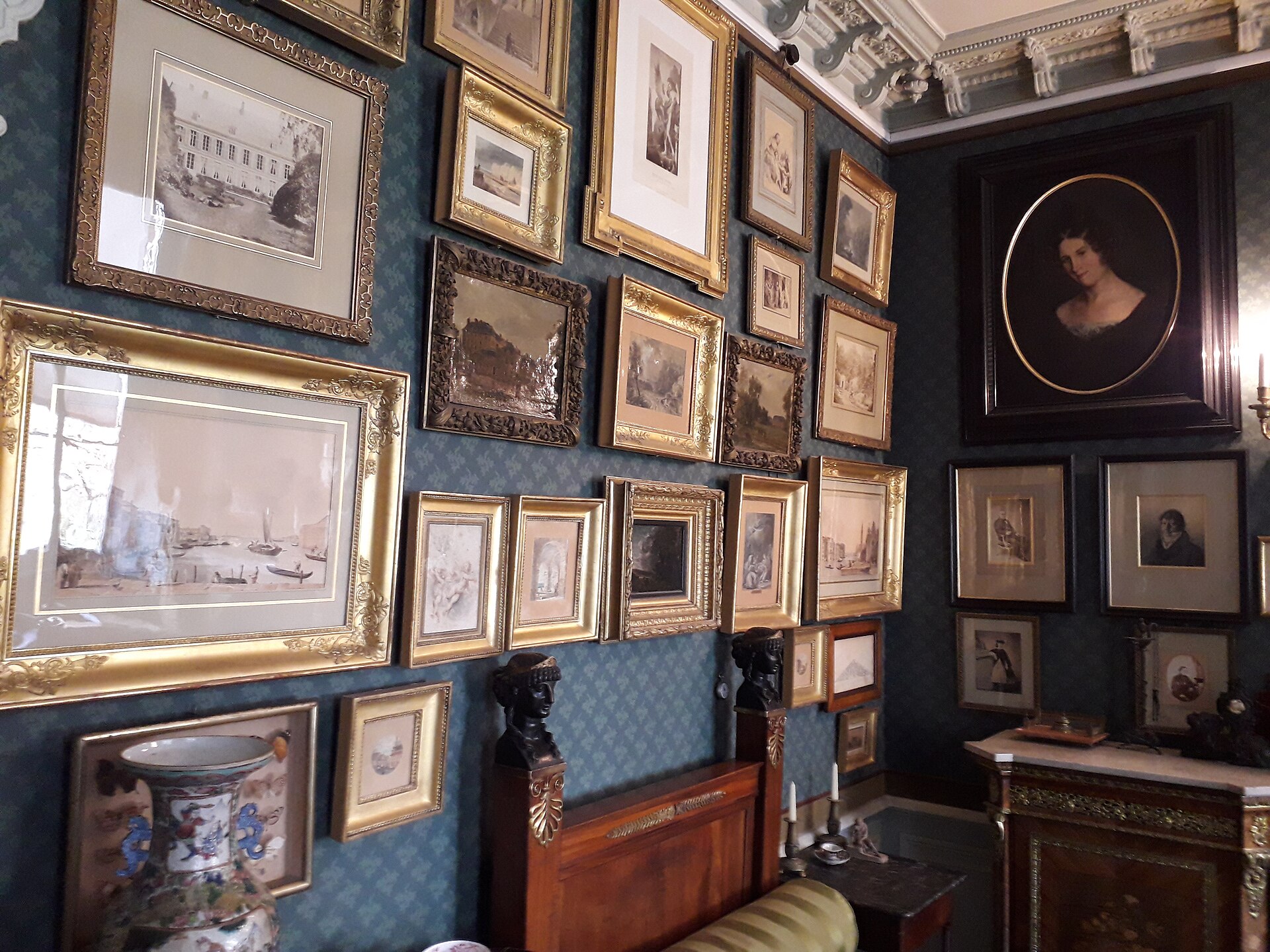
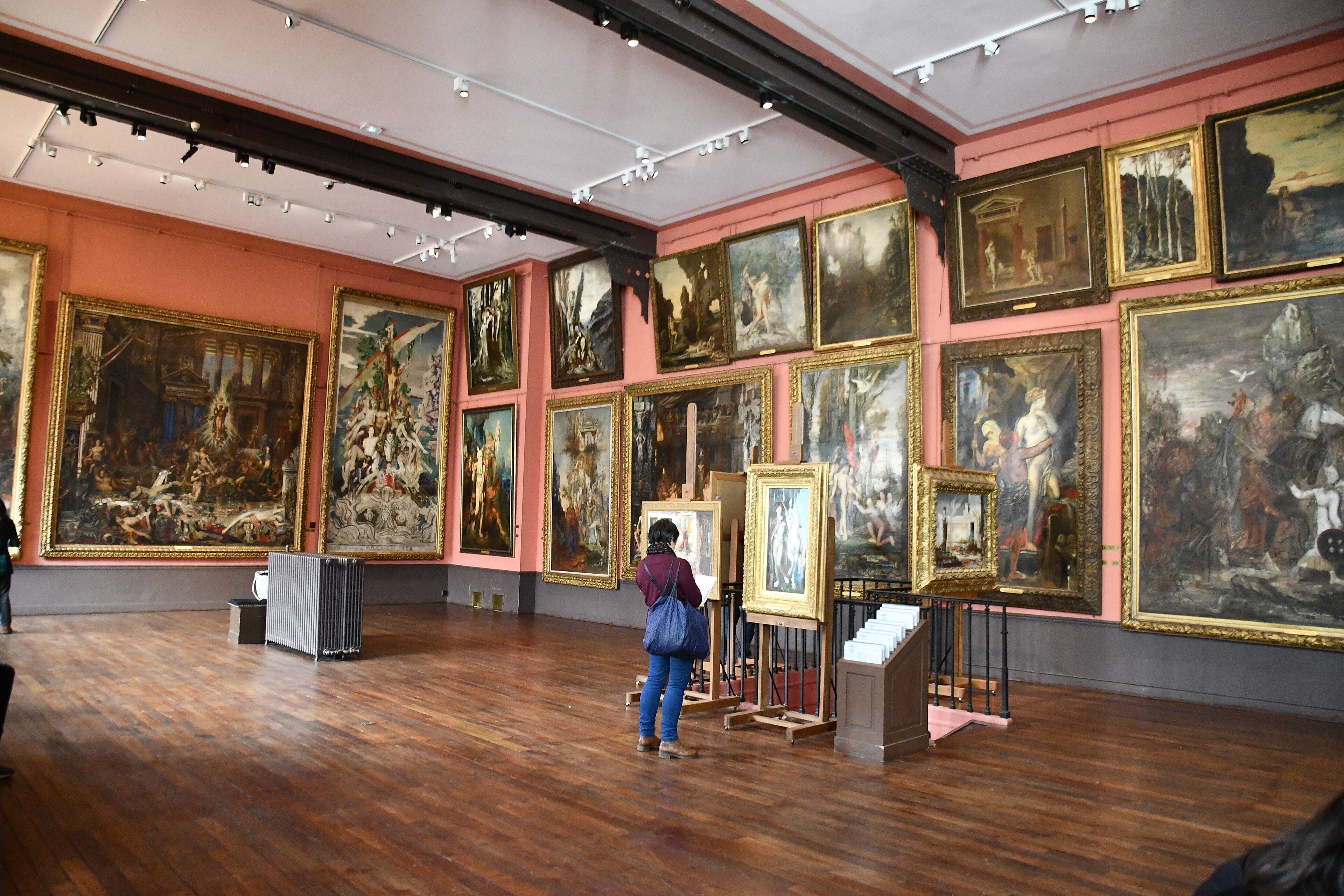
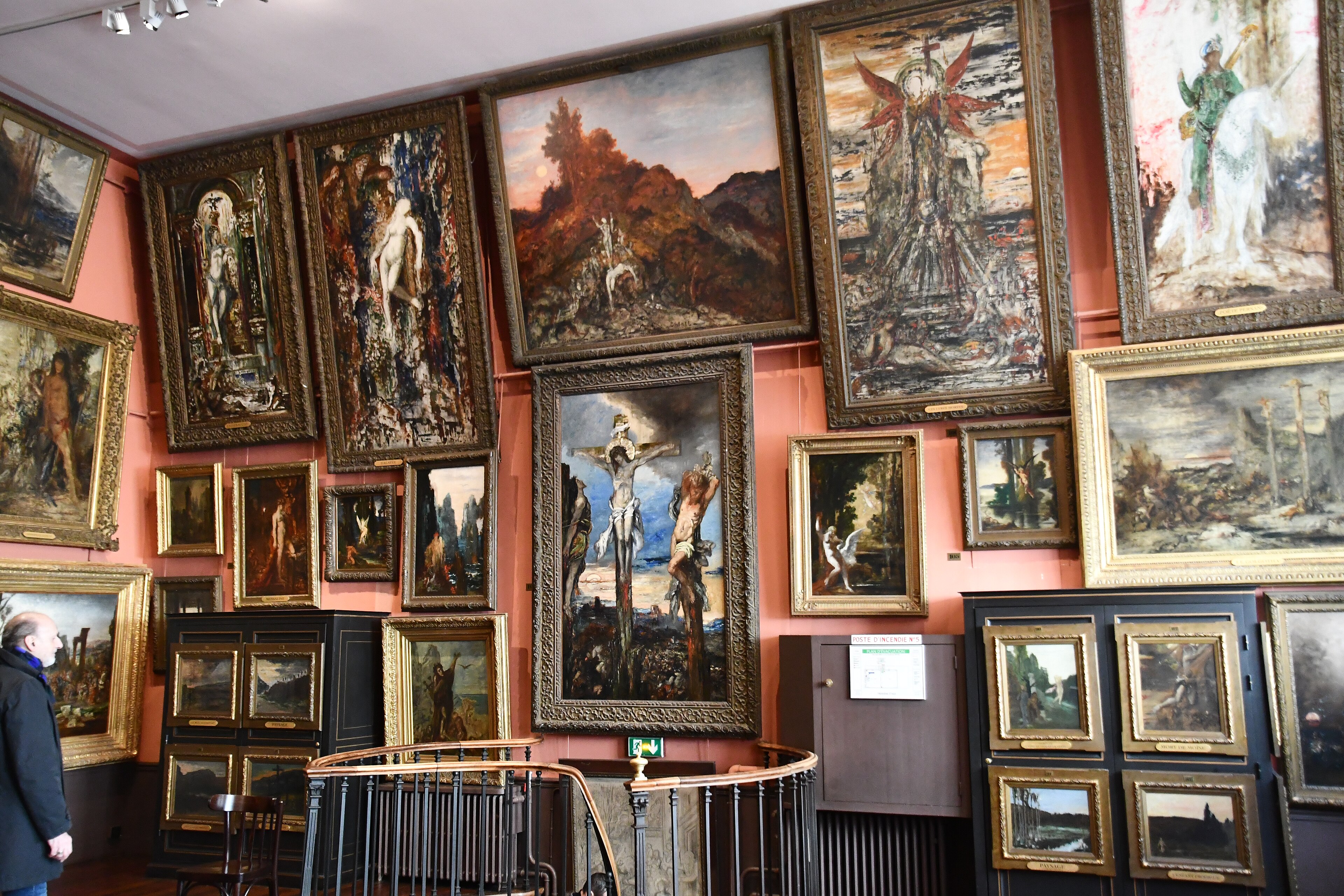
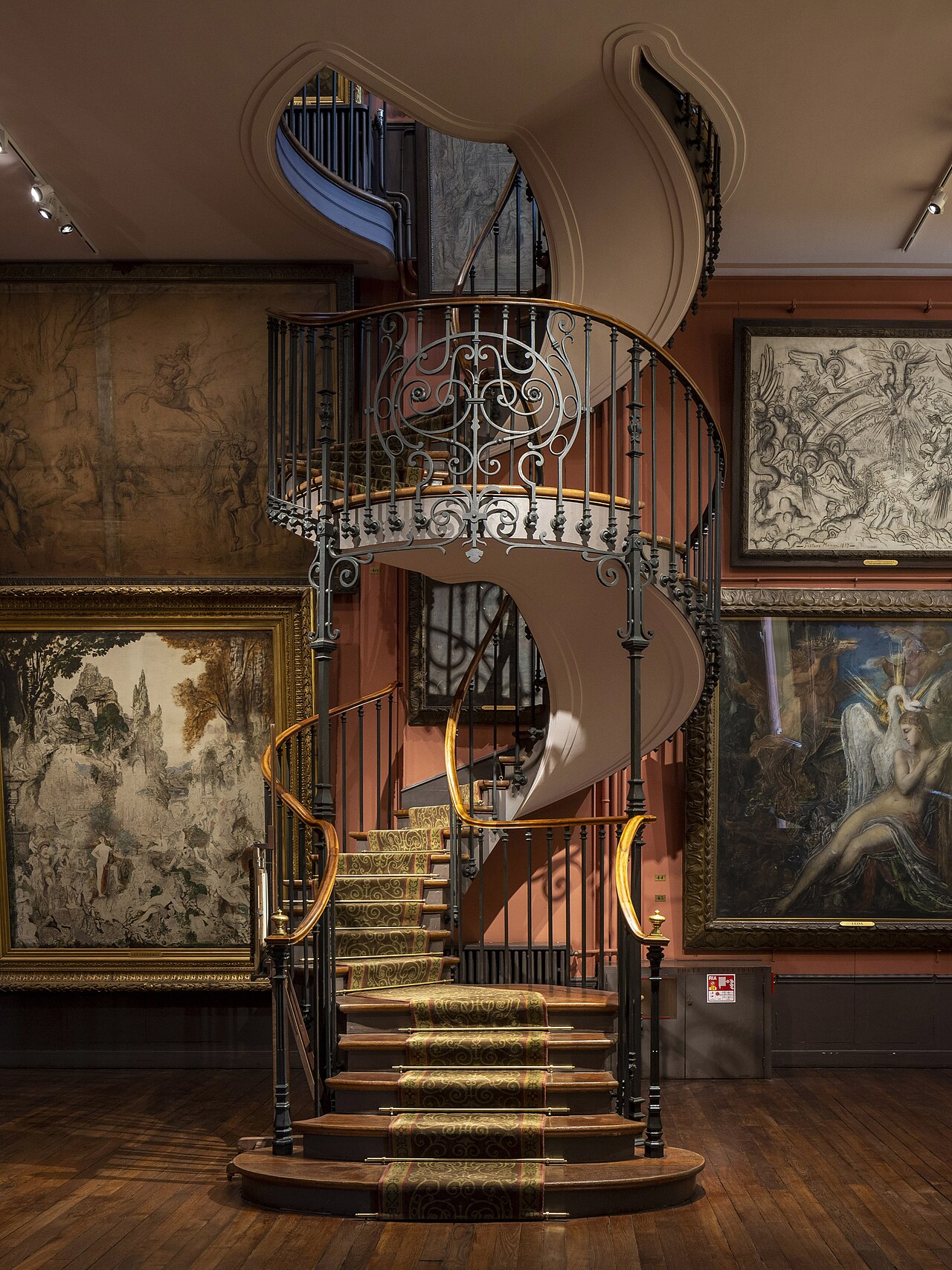
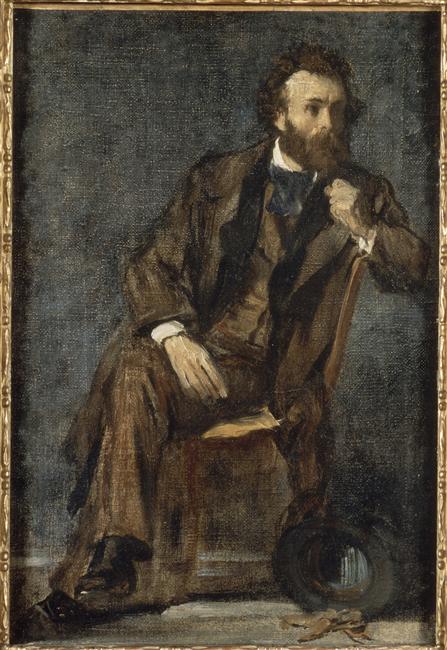
The Musée Gustave Moreau is a small intimate museum, stacked with the artist's work.
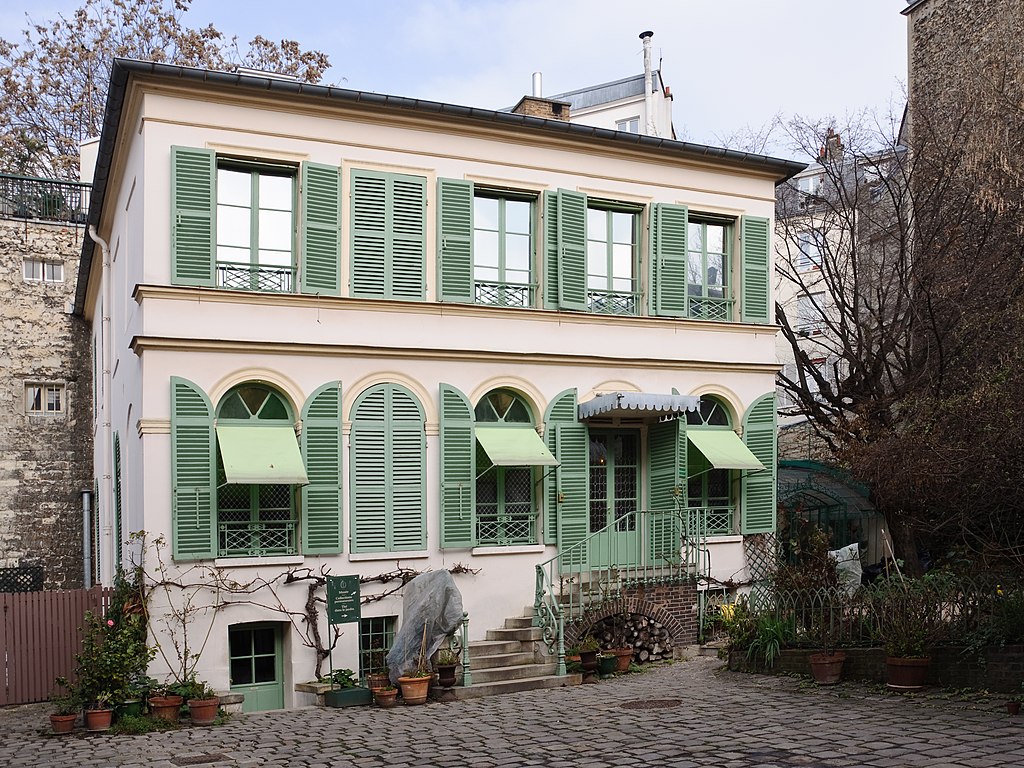
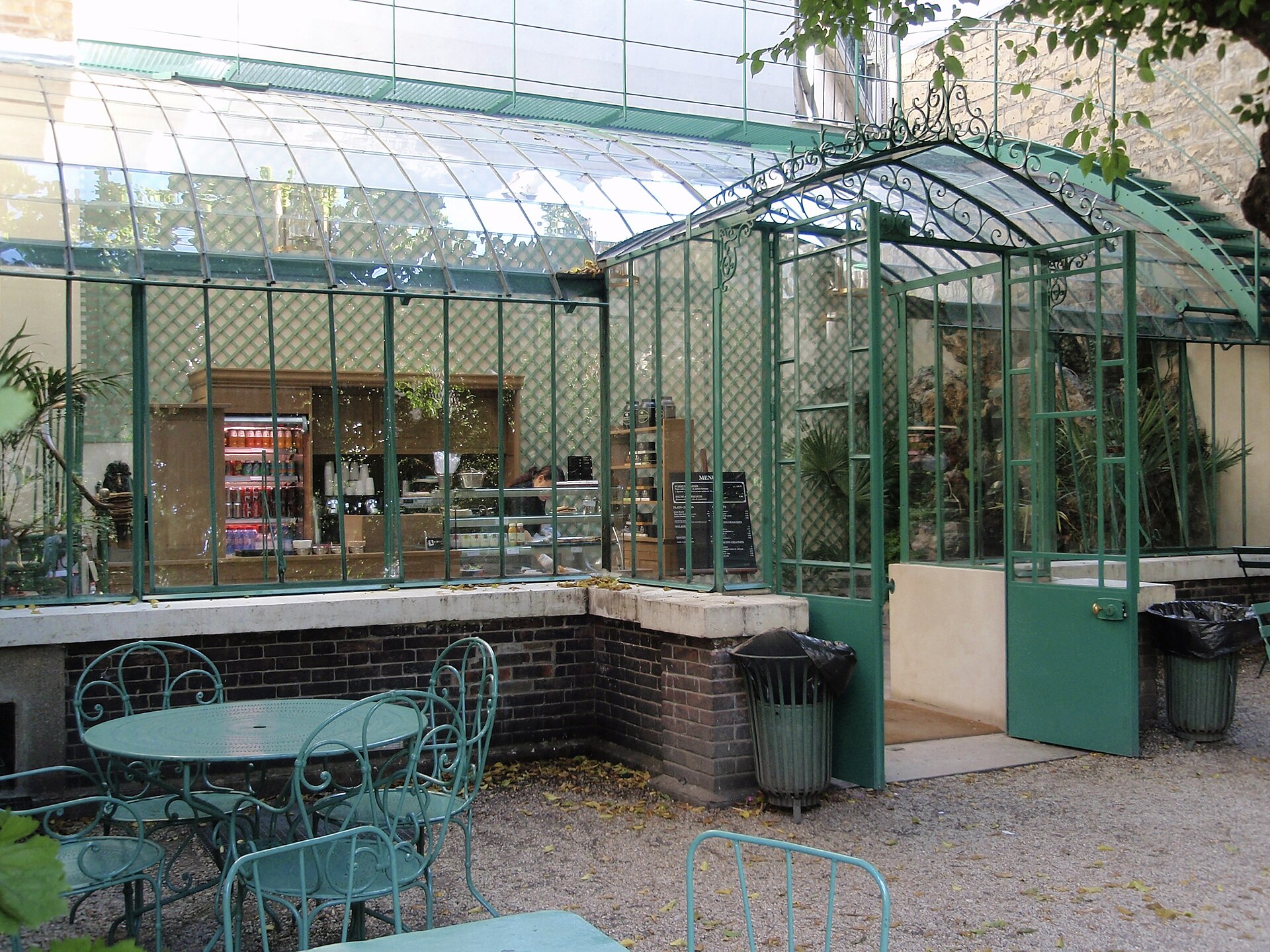
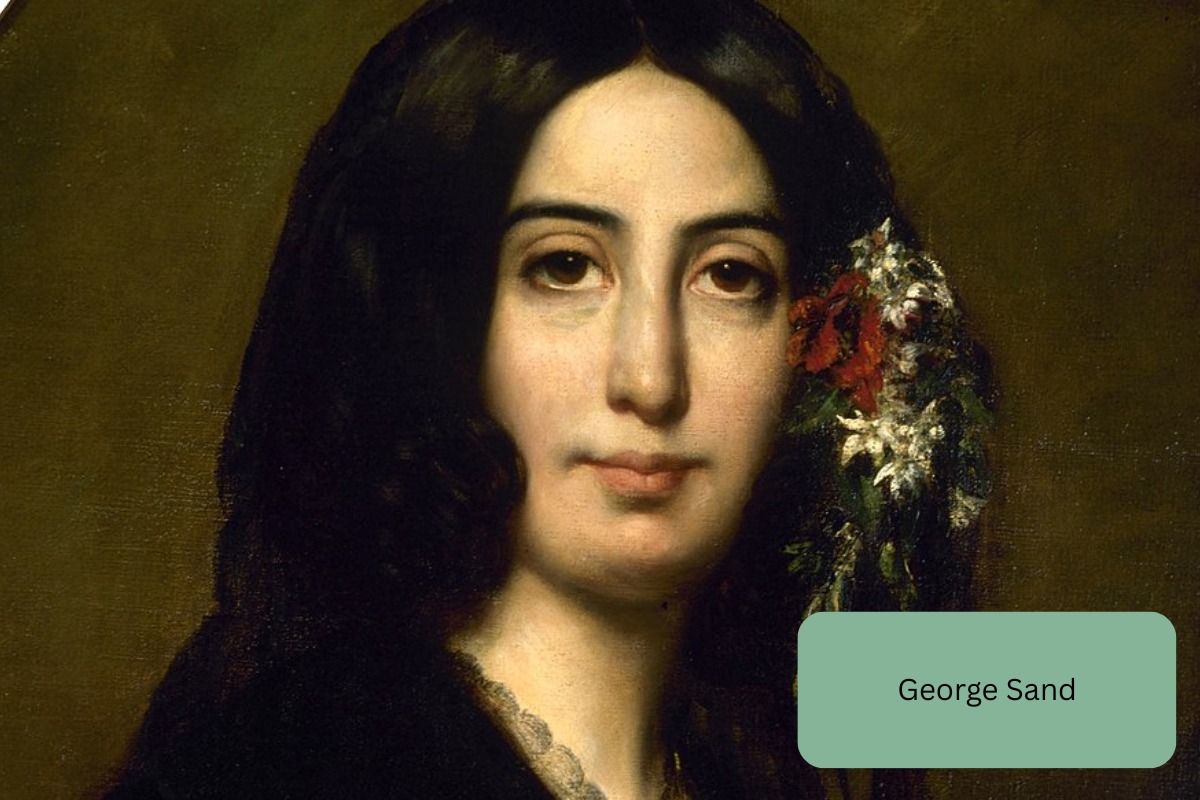
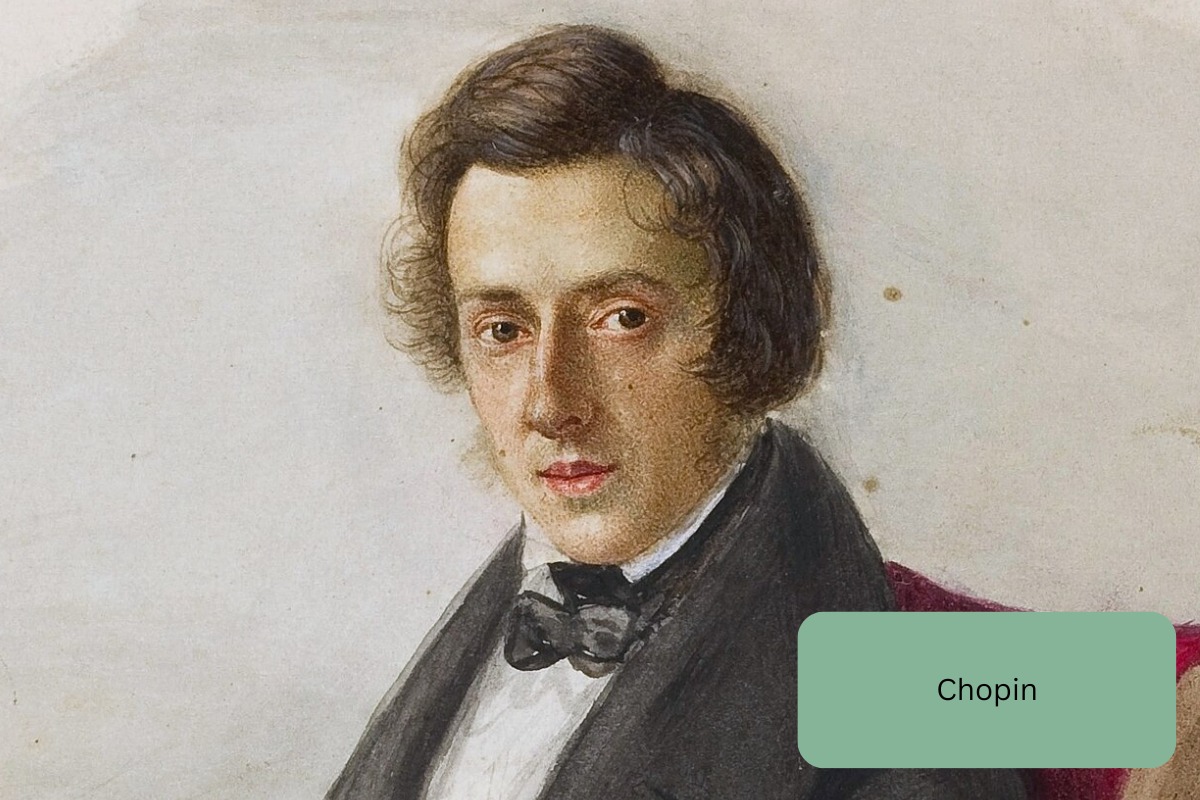
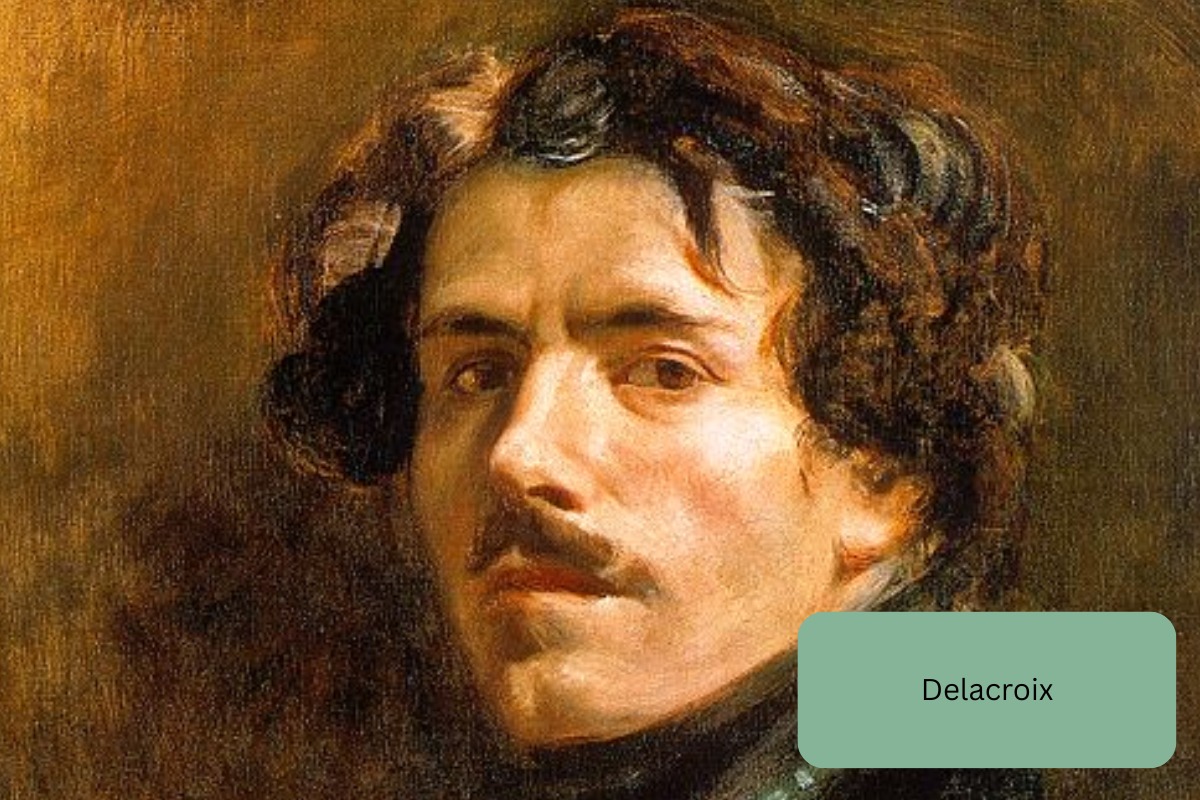
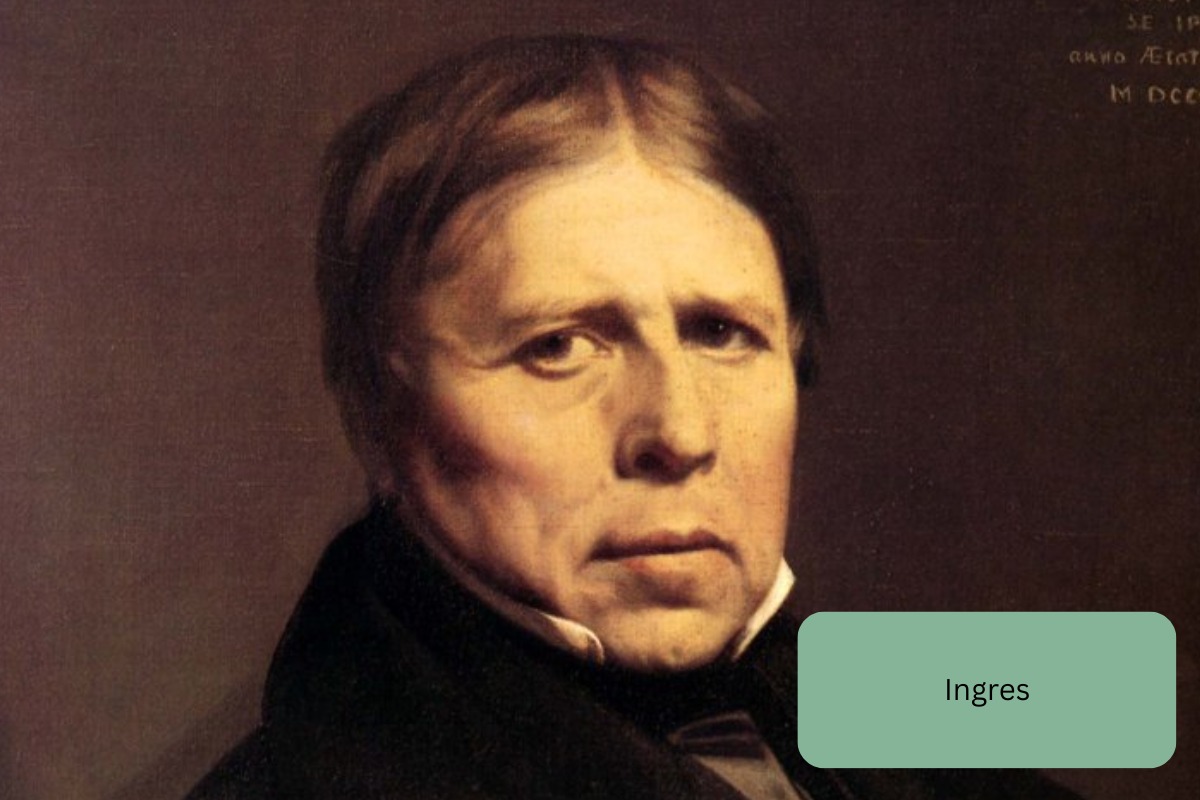
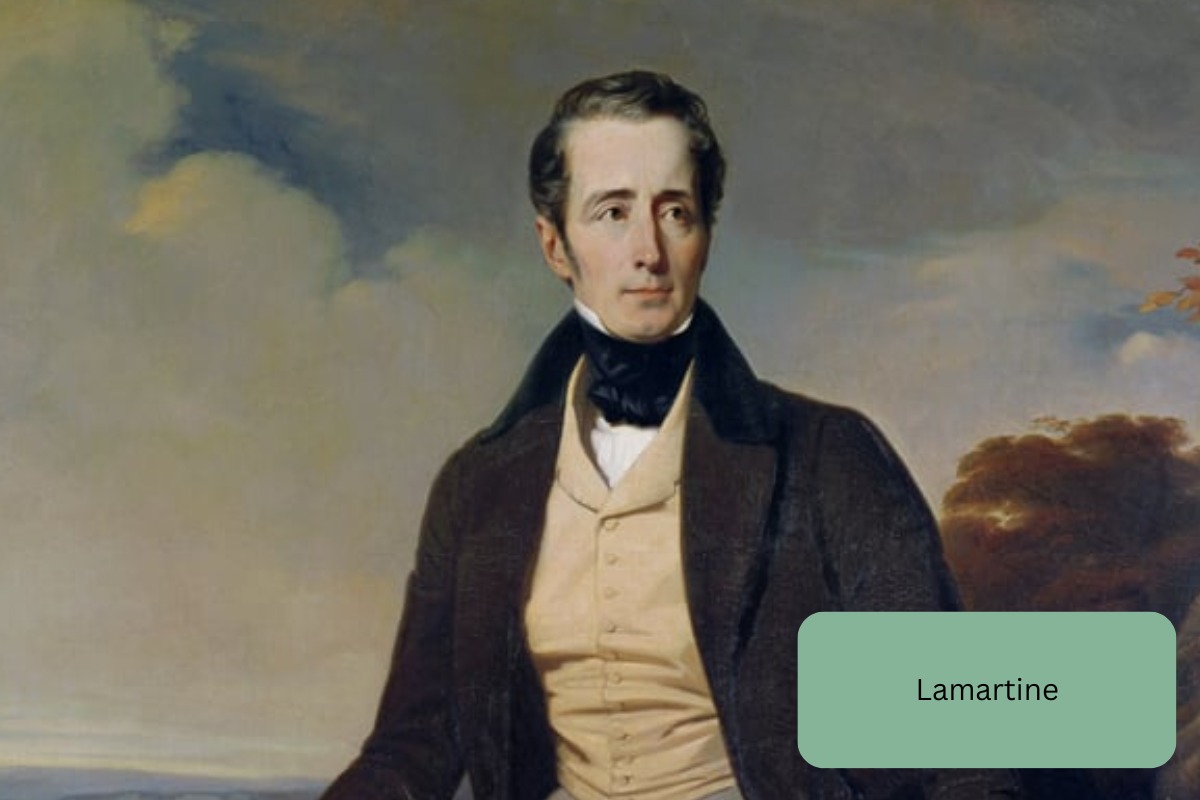
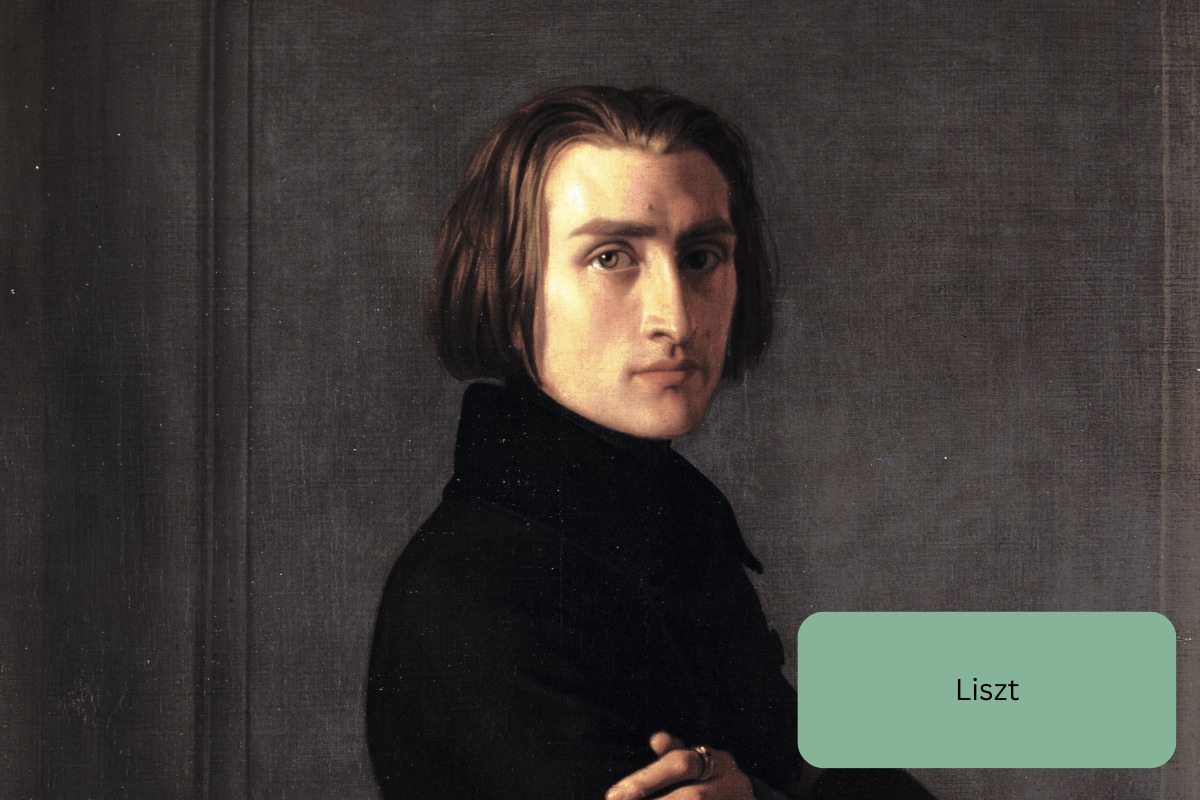
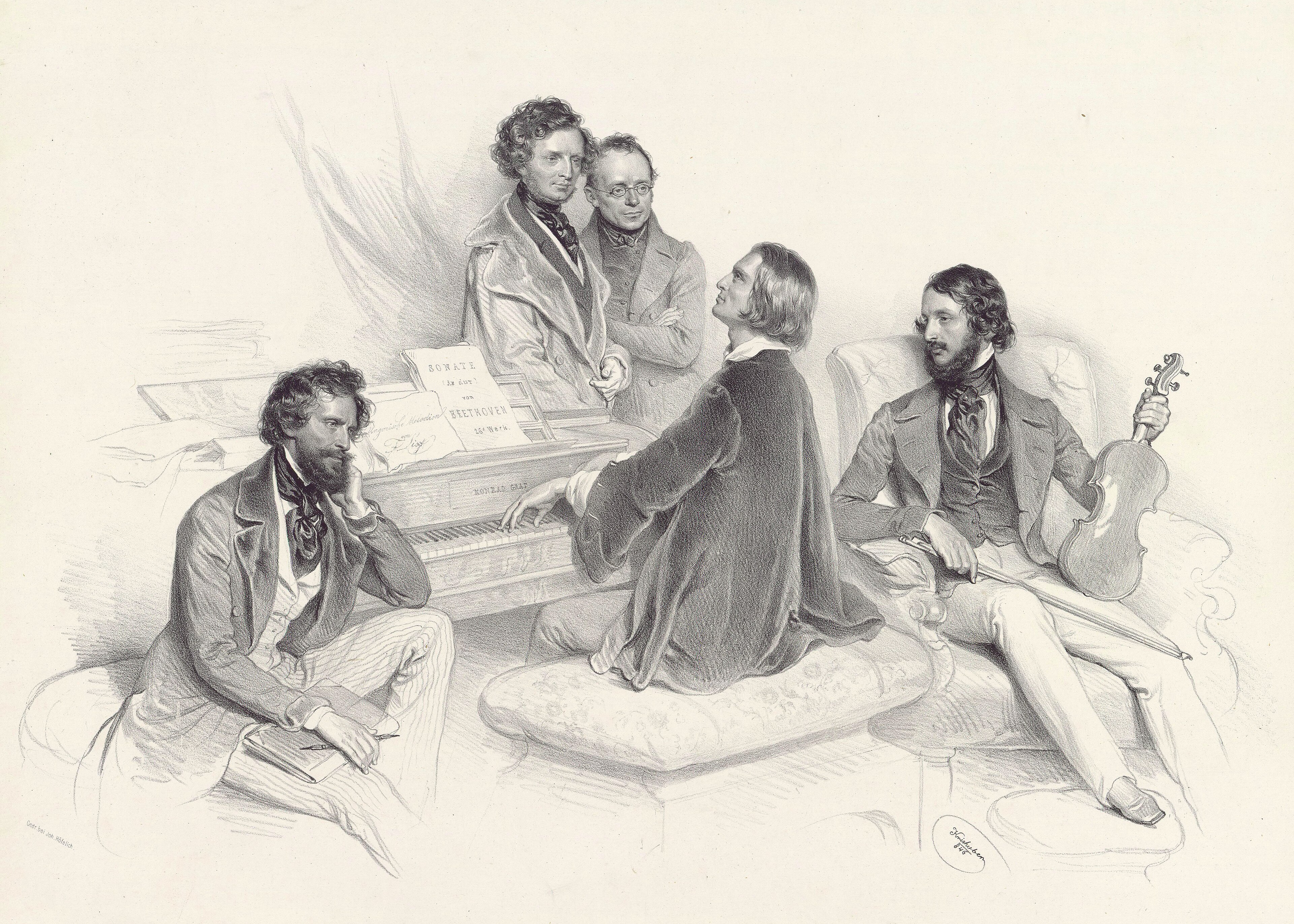
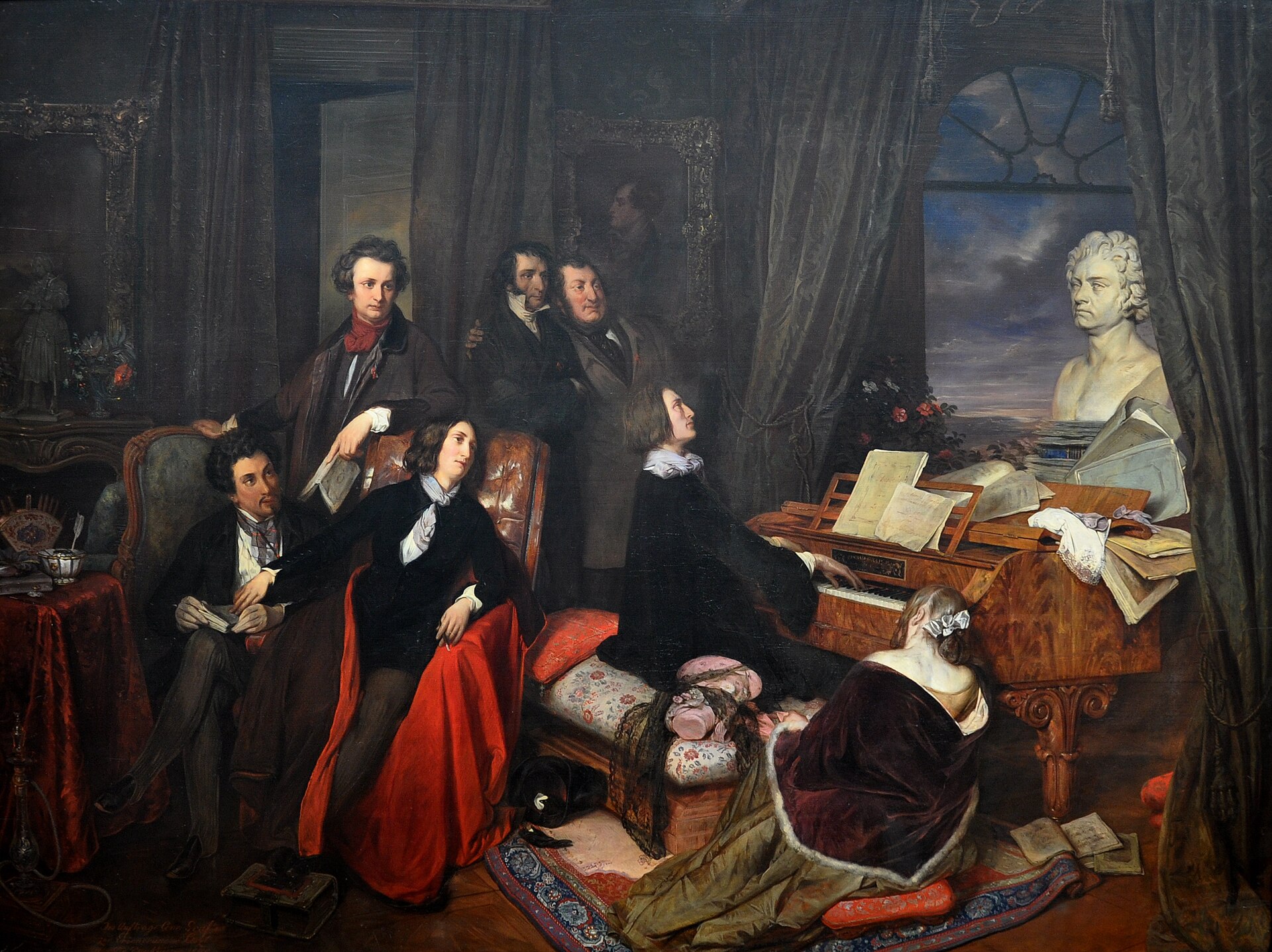
Finally the Musée de la Vie romantique, off the beaten track, is a beautiful townhouse which hosted George Sand, Chopin, Delacroix, Ingres, Lamartine, Liszt...
Comments
Loading comments...