

WALKS OF ART
Durrington Walls - The builders' settlement

Durrington Walls - The builders' settlement

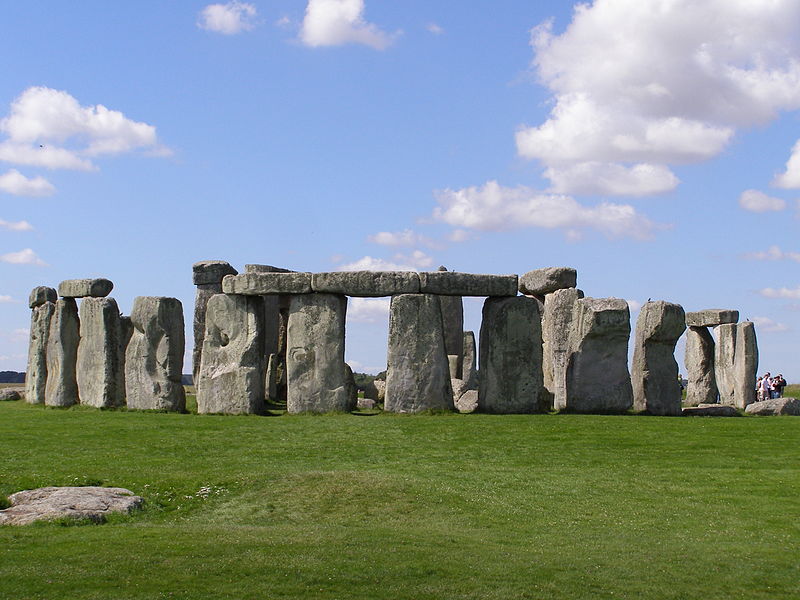
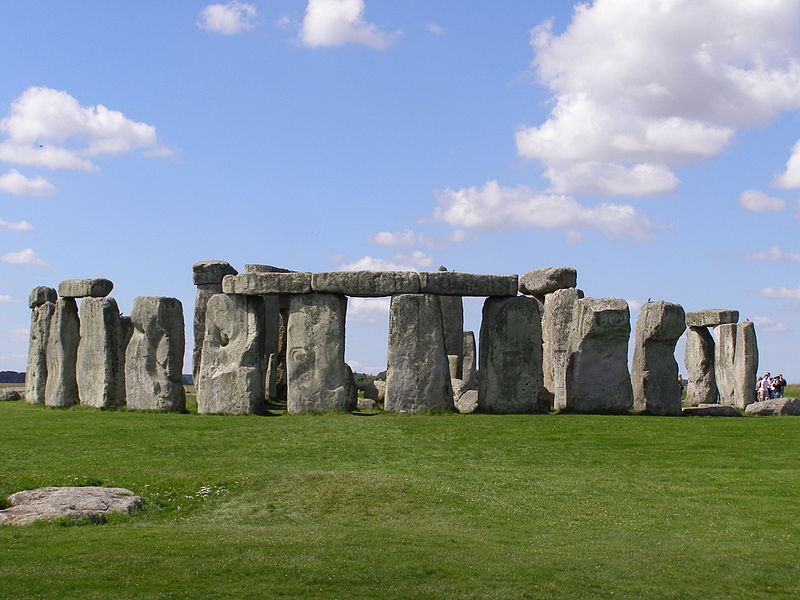
Stonehenge · Neolithic
PreviousNext

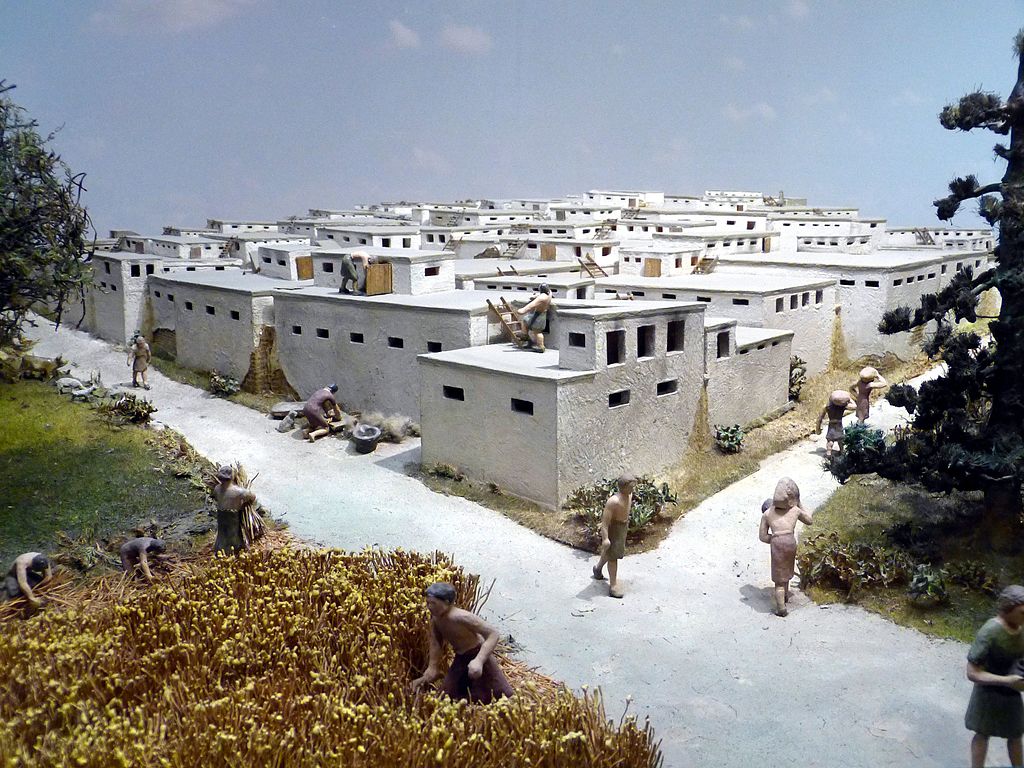
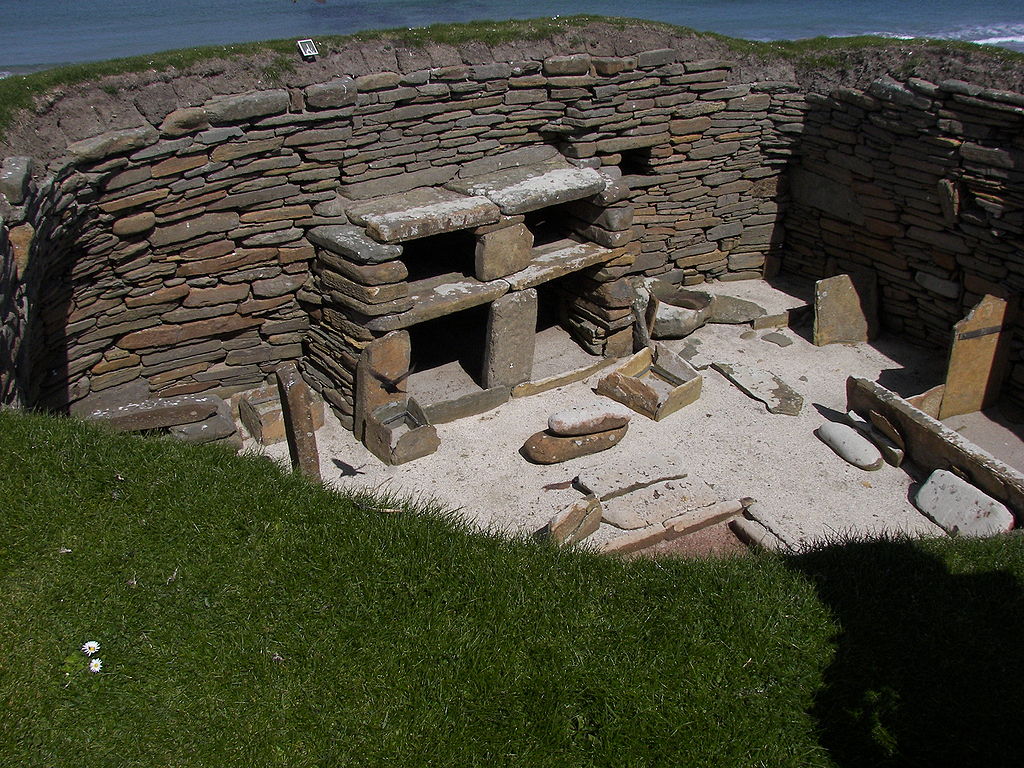
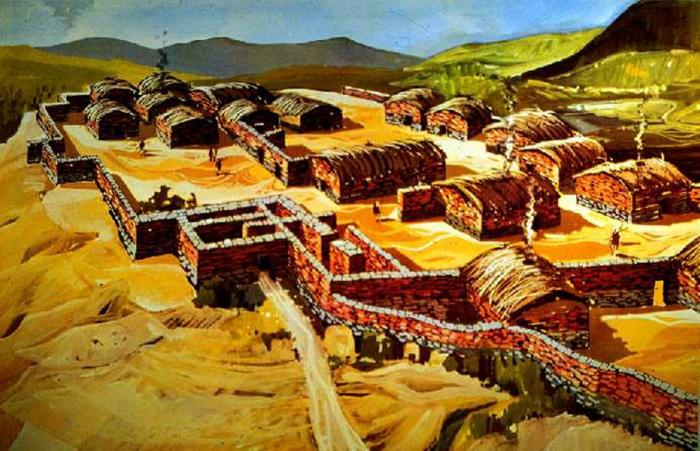
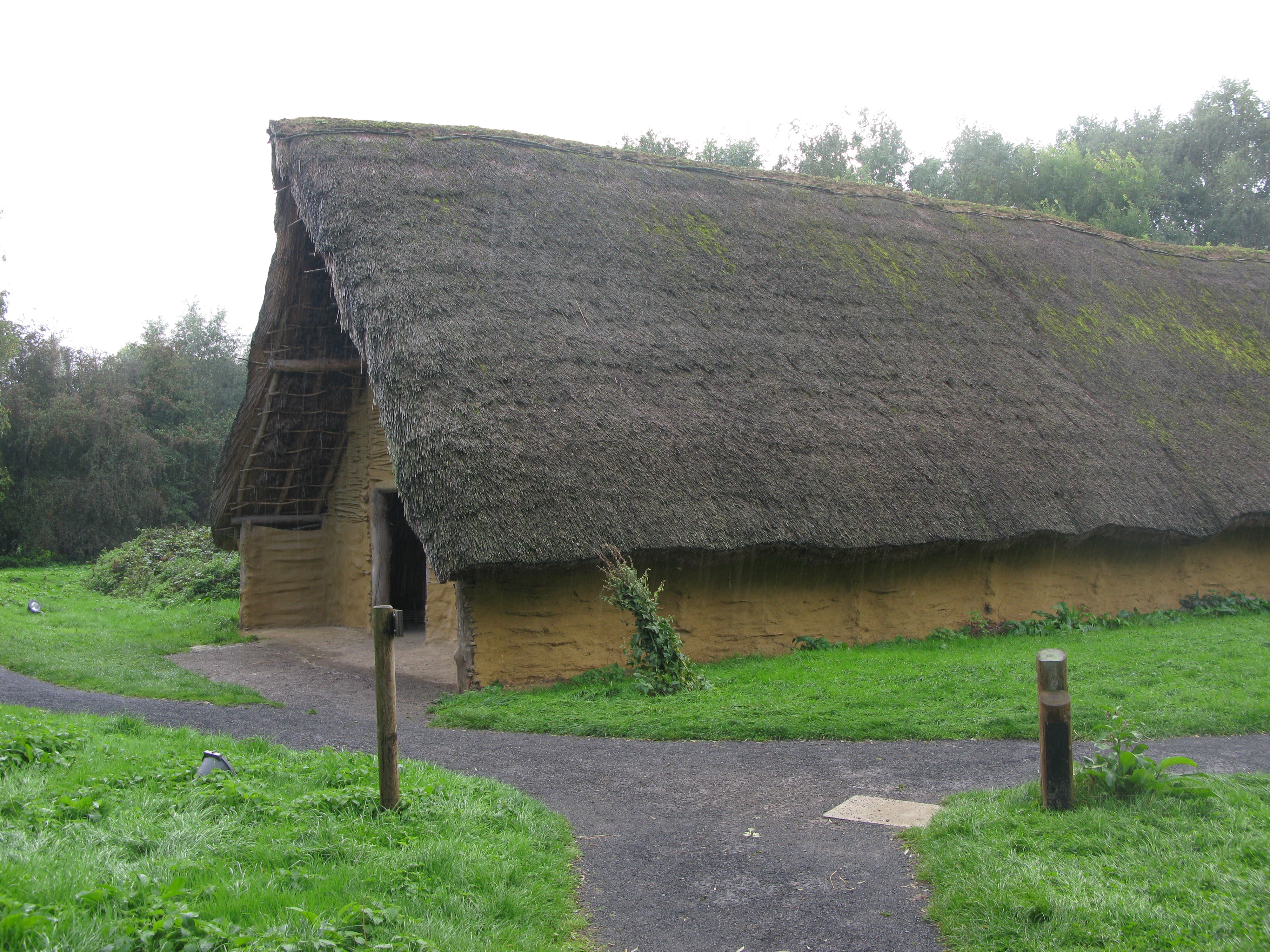
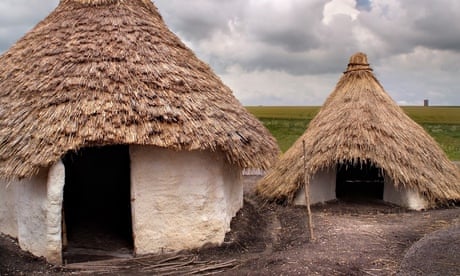
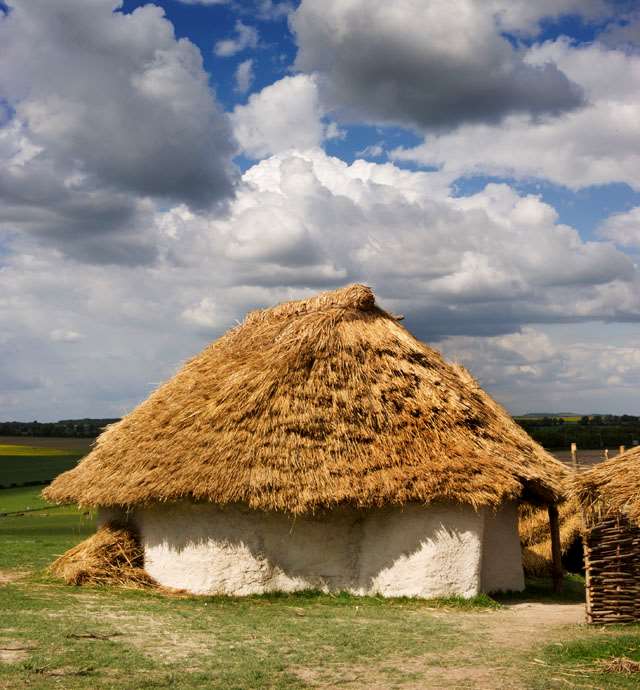
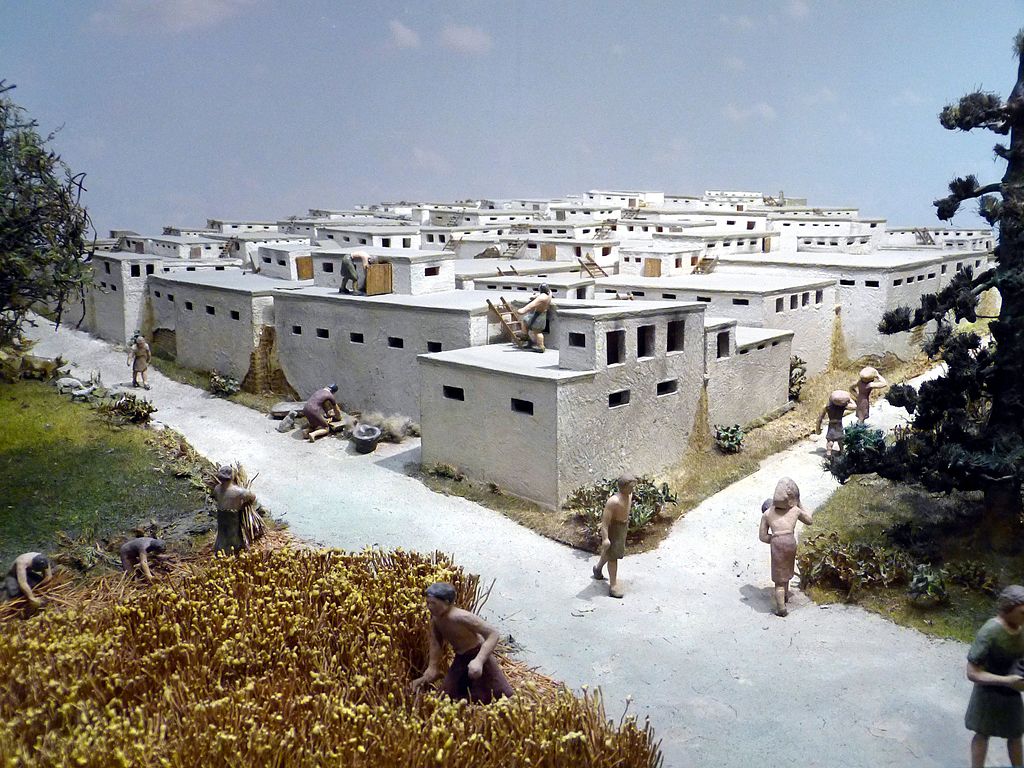
Durrington Walls was a massive Neolithic settlement, located just 3km away from Stonehenge.

British Neolithic settlements of this type usually had fewer than 100 people.

Durrington Walls had around 4,000 people!

It was one of the largest settlements in Northern Europe at the time.
Durrington Walls - The builders' settlement — image 1
Durrington Walls - The builders' settlement — image 2
Durrington Walls - The builders' settlement — image 3
Durrington Walls - The builders' settlement — image 4
Durrington Walls - The builders' settlement — image 5
Durrington Walls - The builders' settlement — image 6
Durrington Walls - The builders' settlement — image 7
Durrington Walls - The builders' settlement — image 8
Durrington Walls - The builders' settlement — image 9
Durrington Walls - The builders' settlement — image 10
Durrington Walls - The builders' settlement — image 11
Durrington Walls - The builders' settlement — image 12
Durrington Walls - The builders' settlement — image 13
1 / 13

It's believed that Durrington Walls served as a base for the builders of Stonehenge during a major construction phase of the monument.
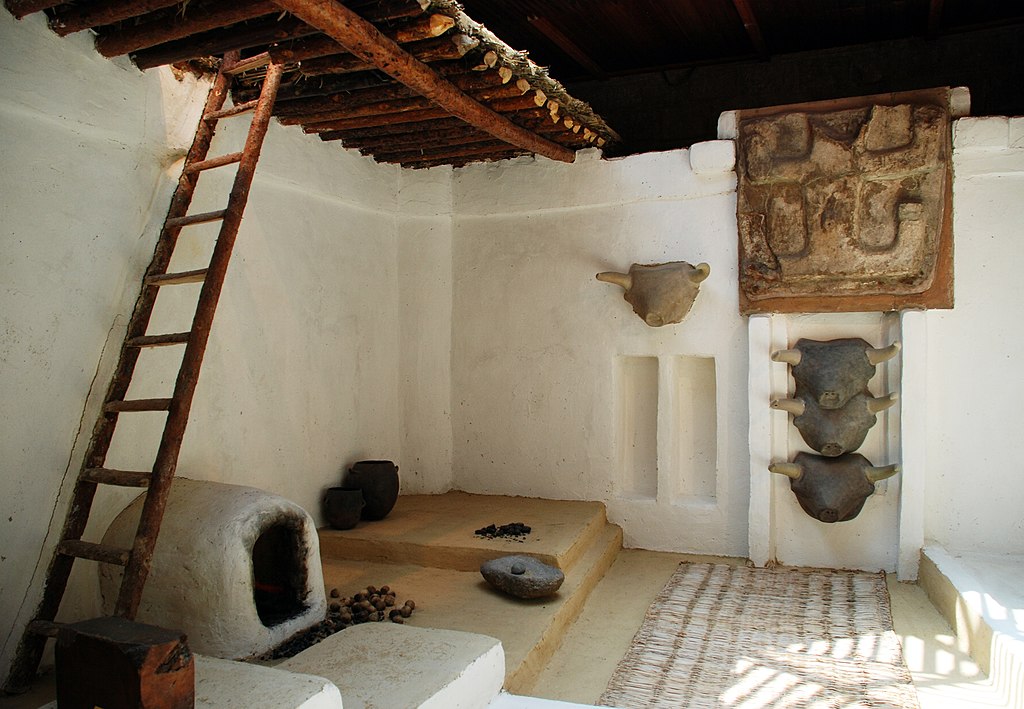
Durrington Walls - The builders' settlement — image 1
Durrington Walls - The builders' settlement — image 2
Durrington Walls - The builders' settlement — image 3
Durrington Walls - The builders' settlement — image 4
Durrington Walls - The builders' settlement — image 5
Durrington Walls - The builders' settlement — image 6
Durrington Walls - The builders' settlement — image 7
Durrington Walls - The builders' settlement — image 8
1 / 8

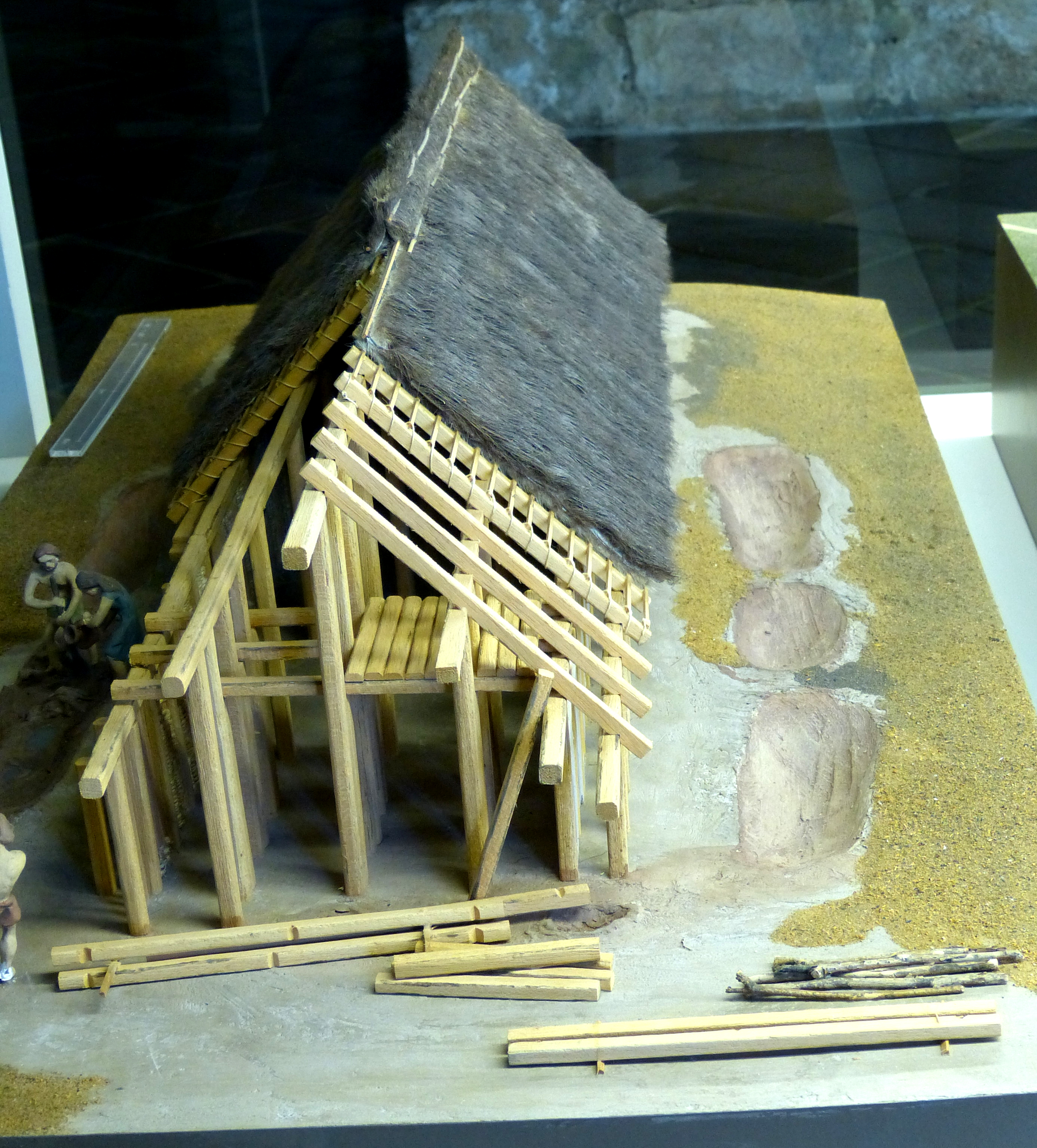
Building a settlement like Durrington Walls was a monumental task.

Building the ditch surrounding the village, alone, would have taken years to complete!

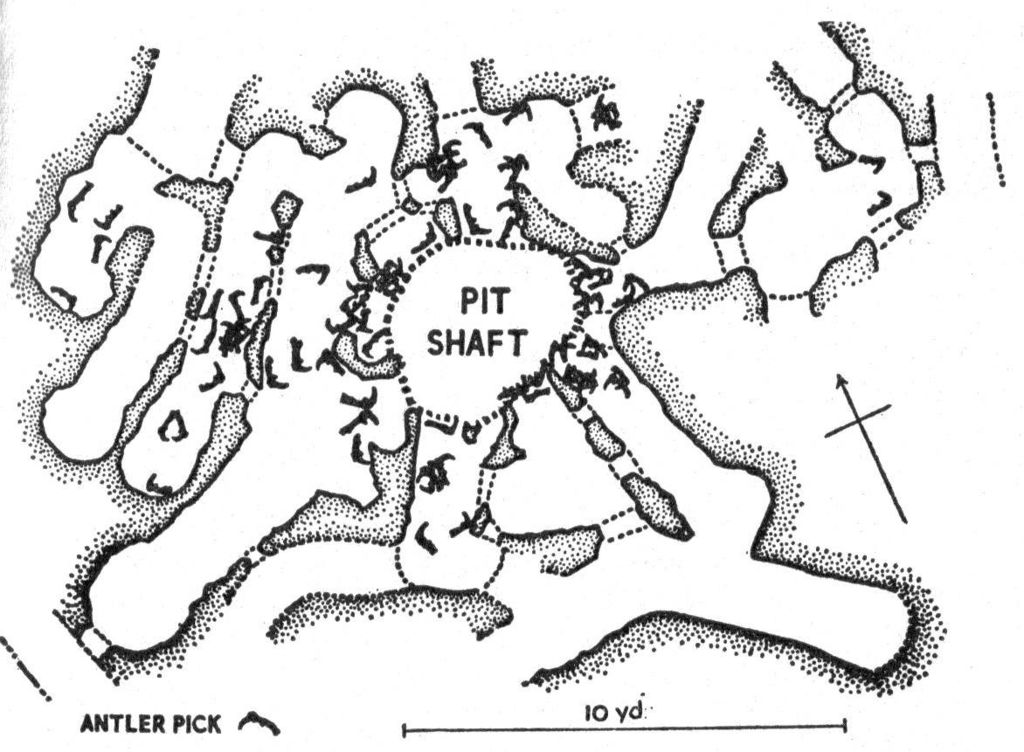
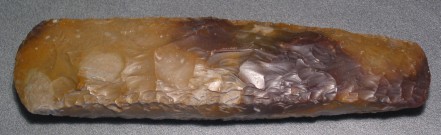
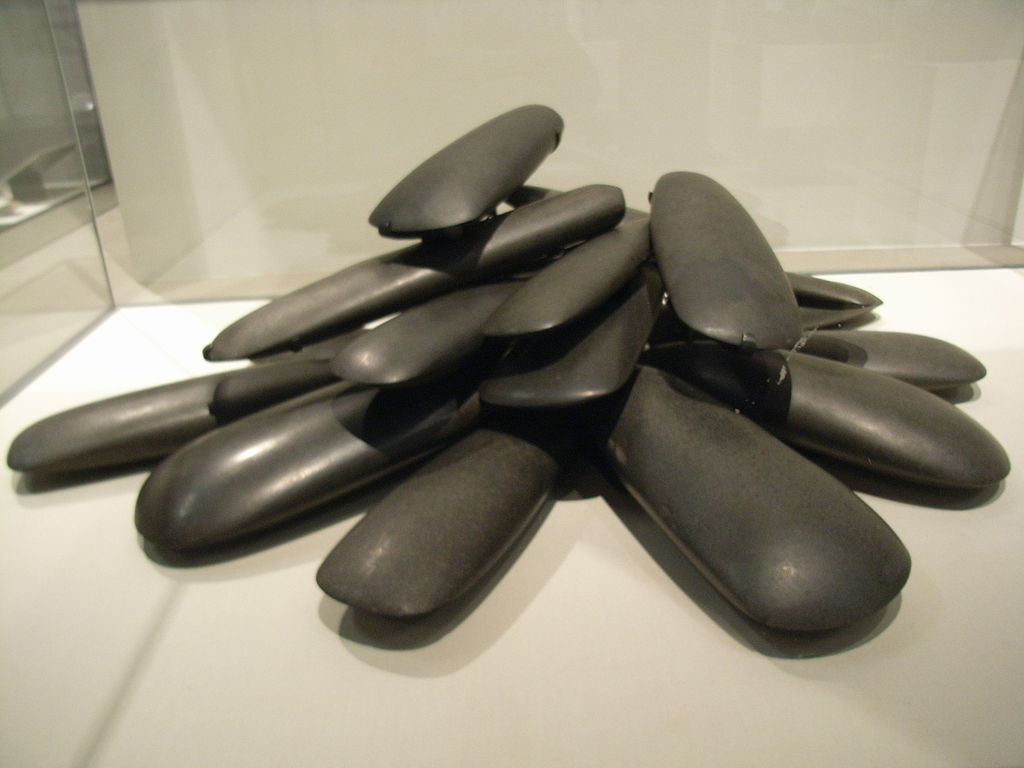
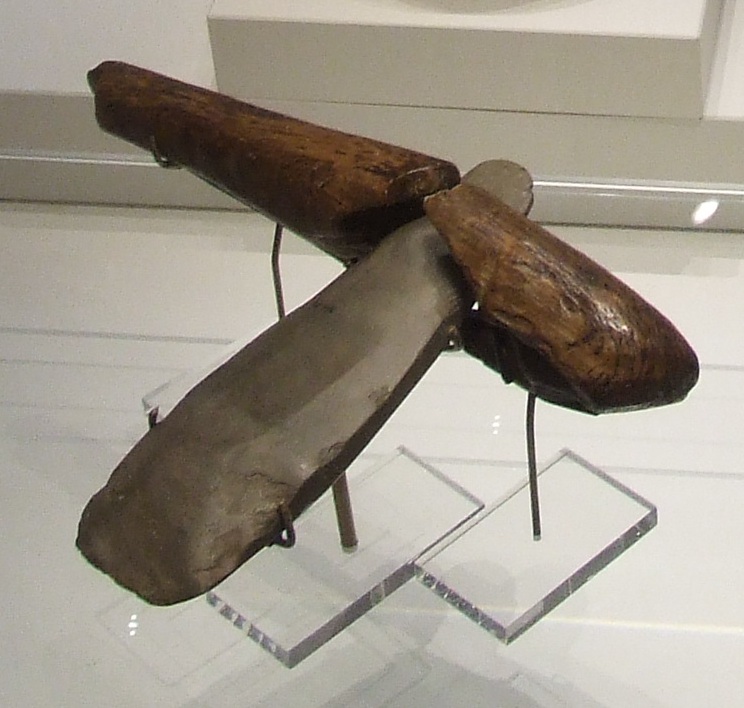
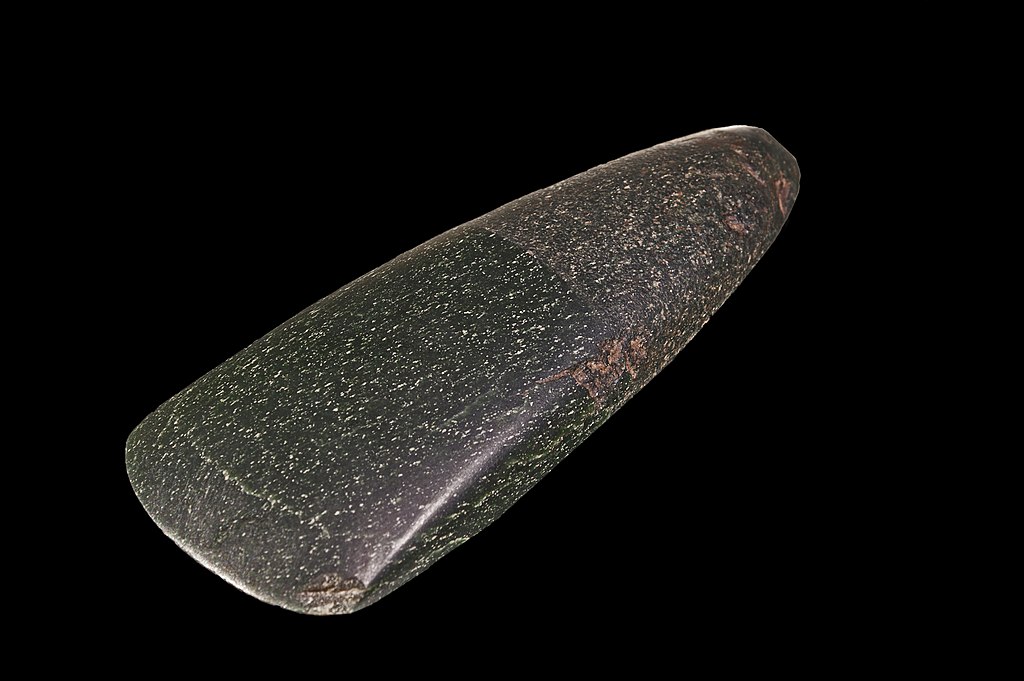
Fun fact : in order to produce polished stone, huge stone mines were constructed, such as Grime's Graves in the UK.

This mine was 10m deep, with around 400 shafts, and produced up to 10,000 polished stones in total, which made their way as far as Italy!
Durrington Walls - The builders' settlement — image 1
Durrington Walls - The builders' settlement — image 2
Durrington Walls - The builders' settlement — image 3
Durrington Walls - The builders' settlement — image 4
Durrington Walls - The builders' settlement — image 5
Durrington Walls - The builders' settlement — image 6
Durrington Walls - The builders' settlement — image 7
Durrington Walls - The builders' settlement — image 8
Durrington Walls - The builders' settlement — image 9
Durrington Walls - The builders' settlement — image 10
Durrington Walls - The builders' settlement — image 11
Durrington Walls - The builders' settlement — image 12
Durrington Walls - The builders' settlement — image 13
1 / 13
Durrington Walls - The builders' settlement — image 1
Durrington Walls - The builders' settlement — image 2
Durrington Walls - The builders' settlement — image 3
Durrington Walls - The builders' settlement — image 4
Durrington Walls - The builders' settlement — image 5
Durrington Walls - The builders' settlement — image 6
Durrington Walls - The builders' settlement — image 7
Durrington Walls - The builders' settlement — image 8
Durrington Walls - The builders' settlement — image 9
Durrington Walls - The builders' settlement — image 10
Durrington Walls - The builders' settlement — image 11
1 / 11

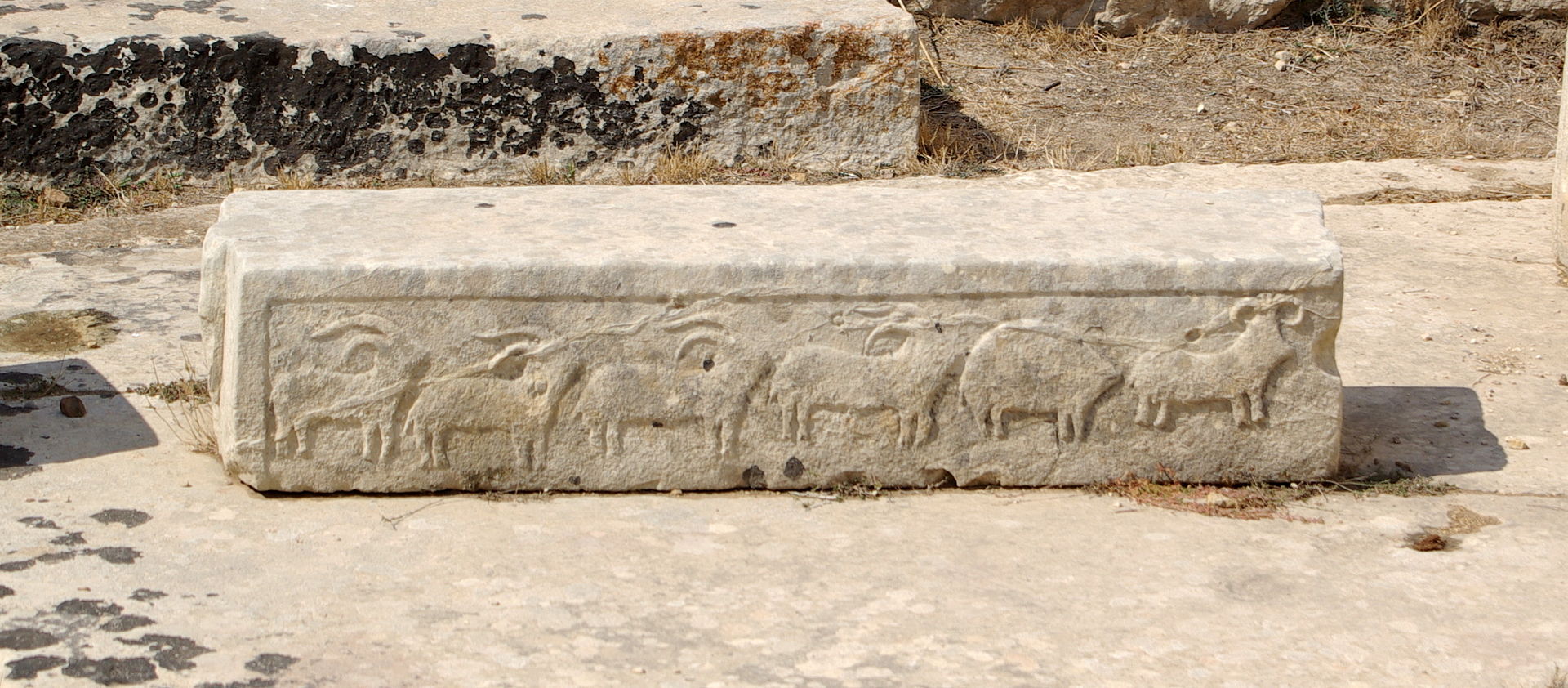
Remnants of huge feasts were discovered at Durrington Walls, including thousands of cooked bones - some of animals coming from as far as the Scottish Highlands!

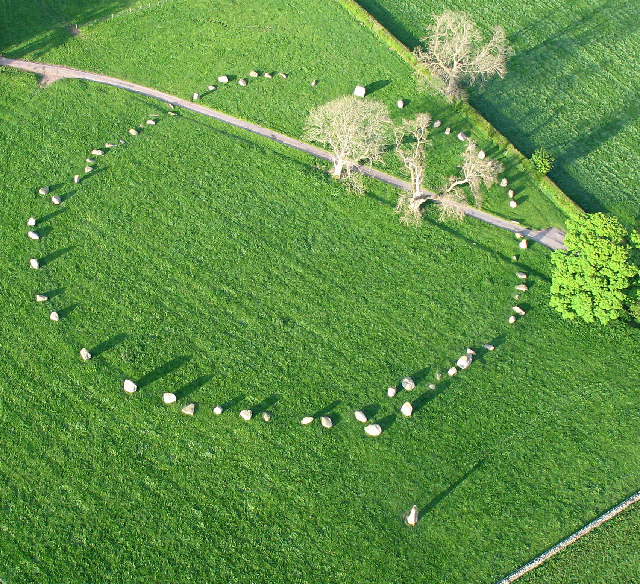
The village also featured a wooden circle, which can be seen as a complement to Stonehenge.

The River Avon connected both.