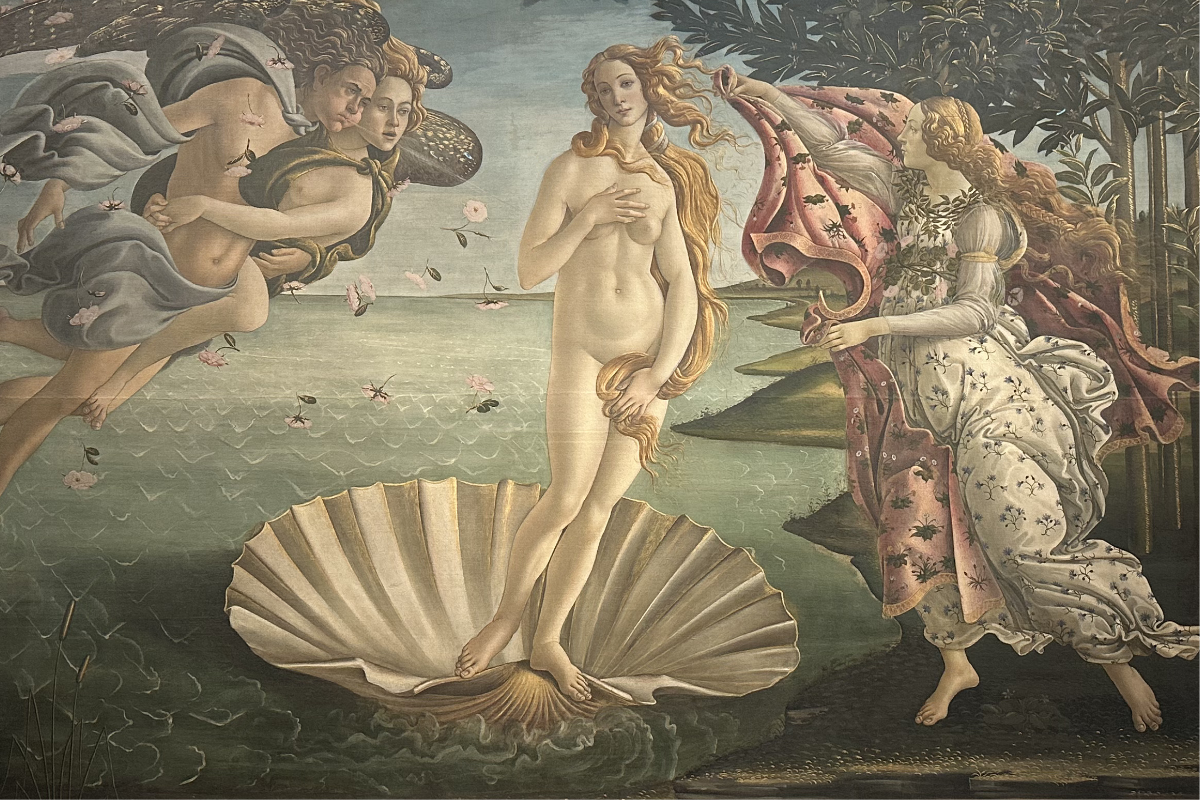


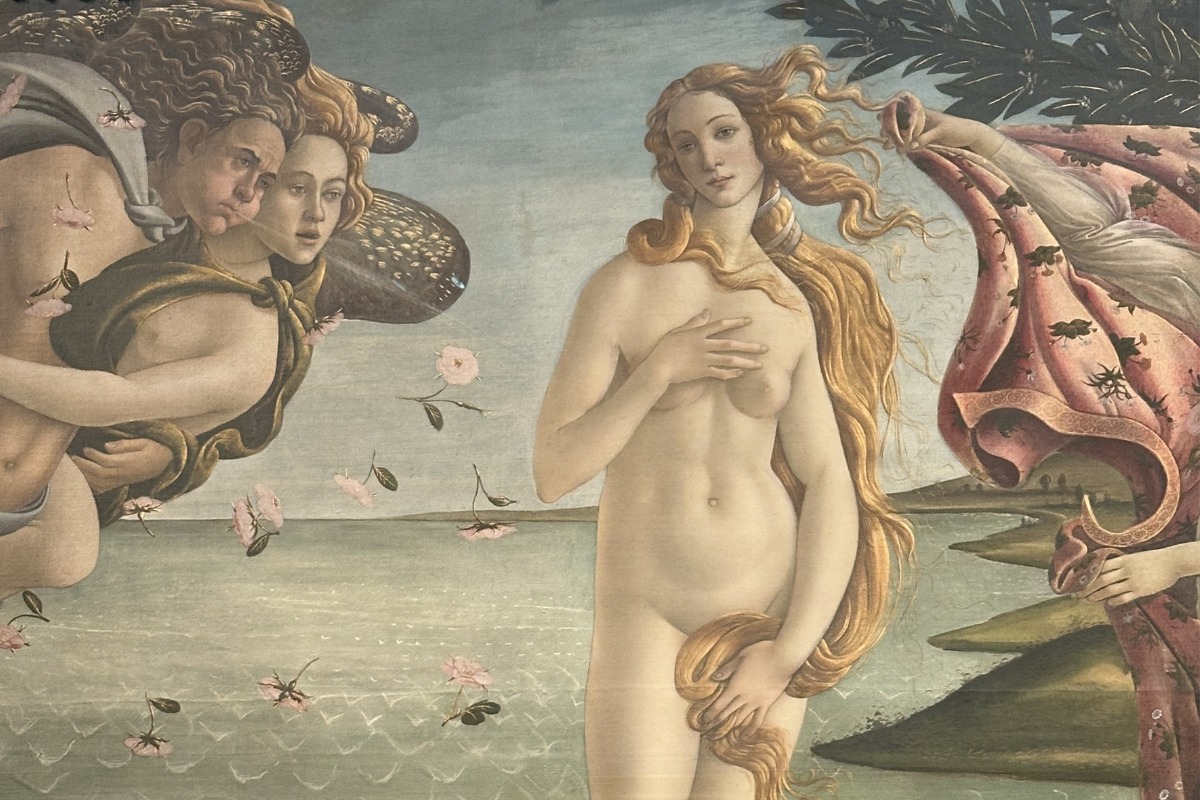
The Birth of Venus was the first large-scale painting of a nude female figure in Italian art since antiquity.
In medieval Christian Europe, depicting the naked body required religious justification.
Neoplatonic philosophy - the idea that physical beauty is a reflection of divine beauty - gave Botticelli the cover he needed.
Venus here is not erotic but sacred.
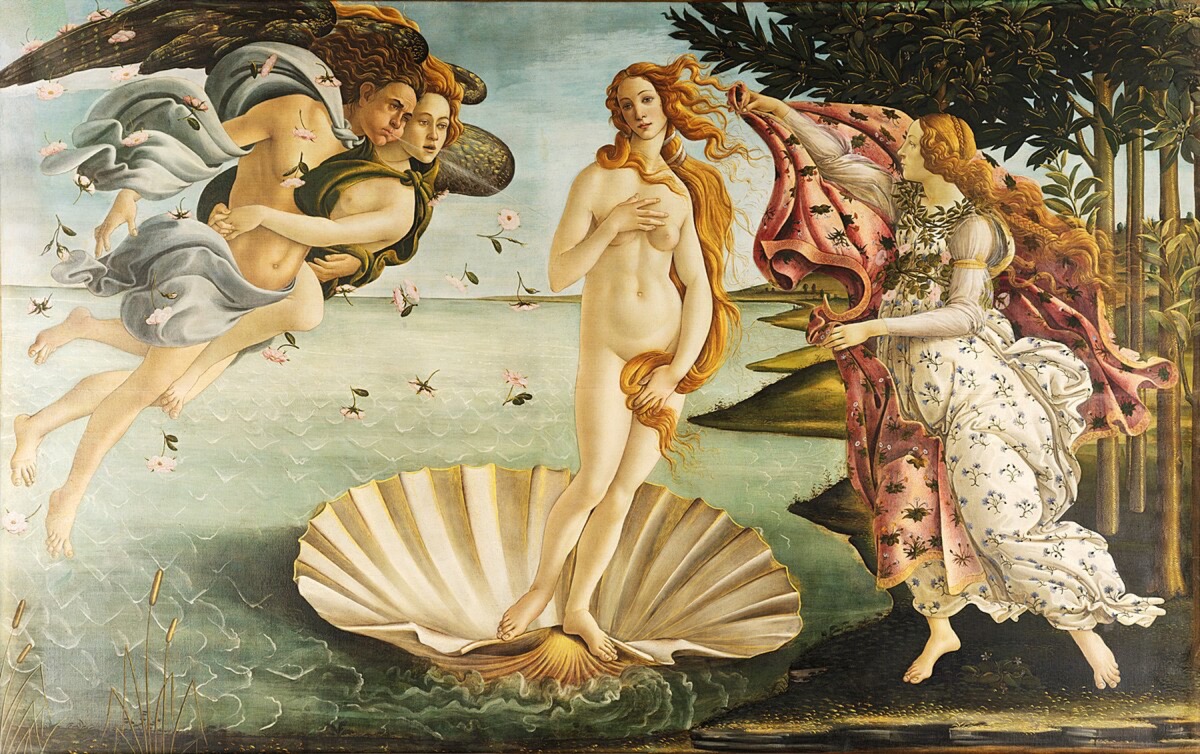
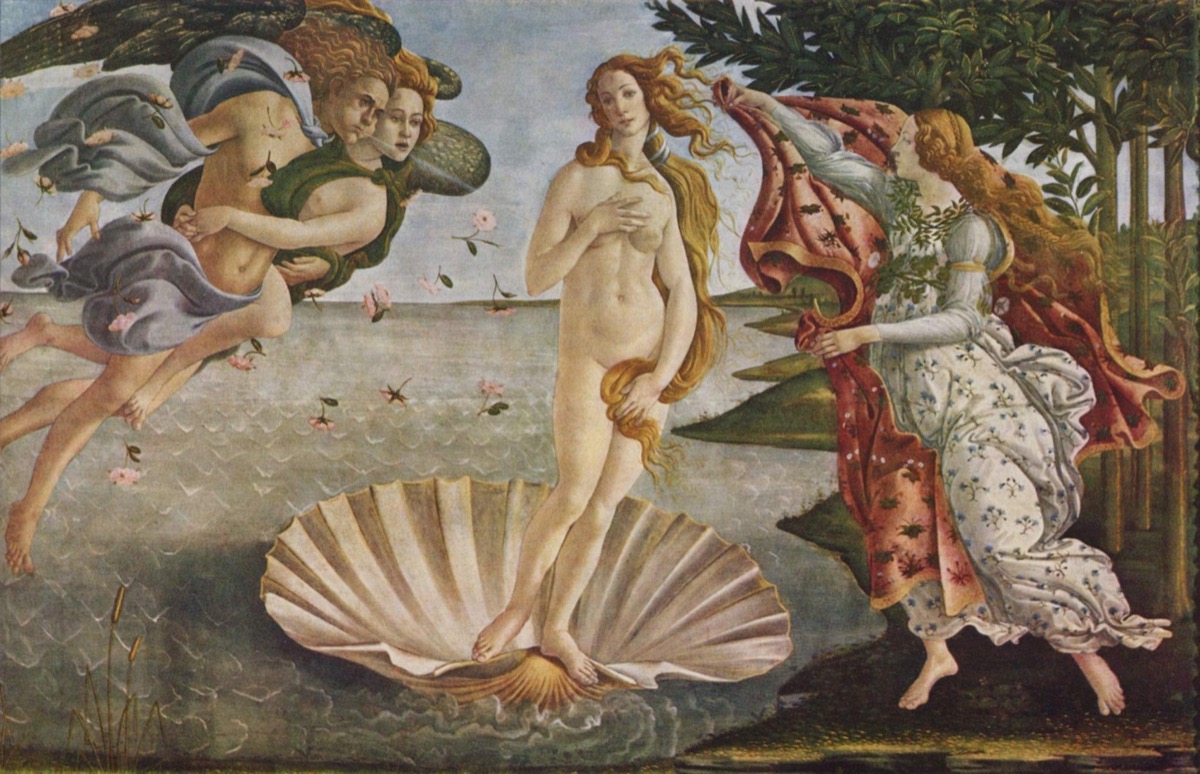
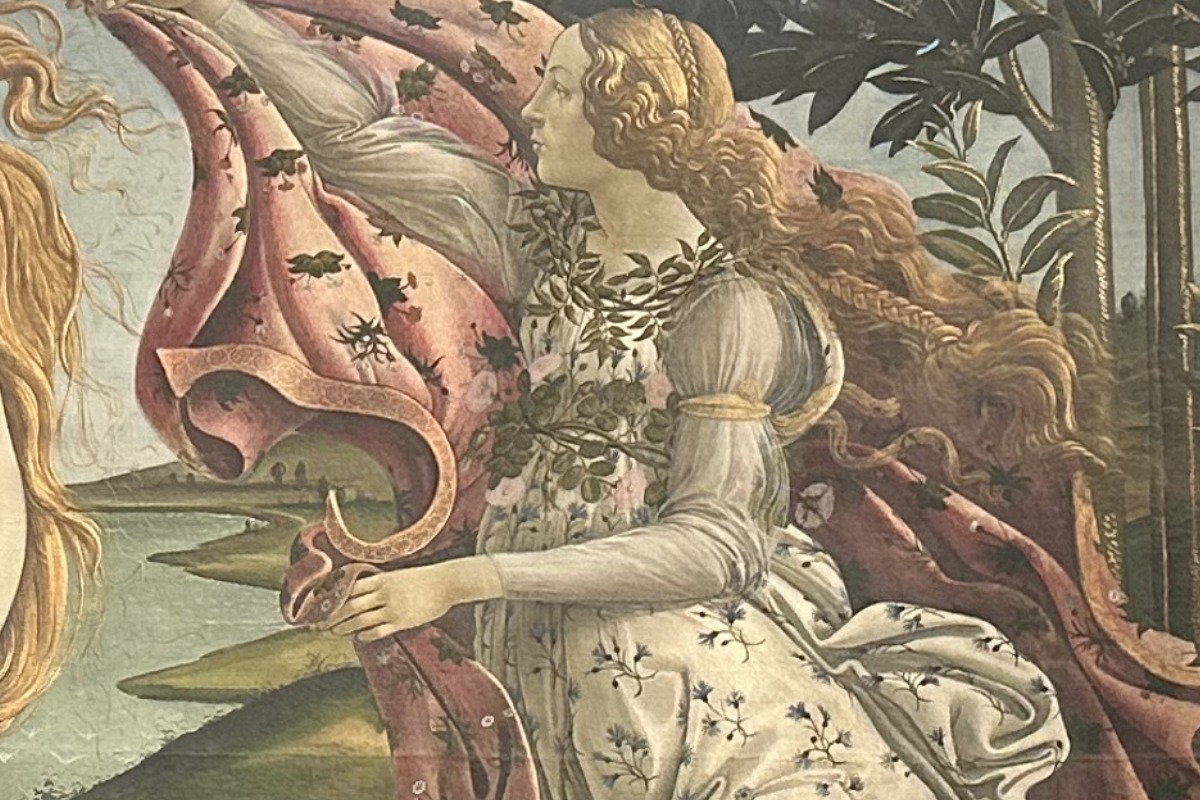
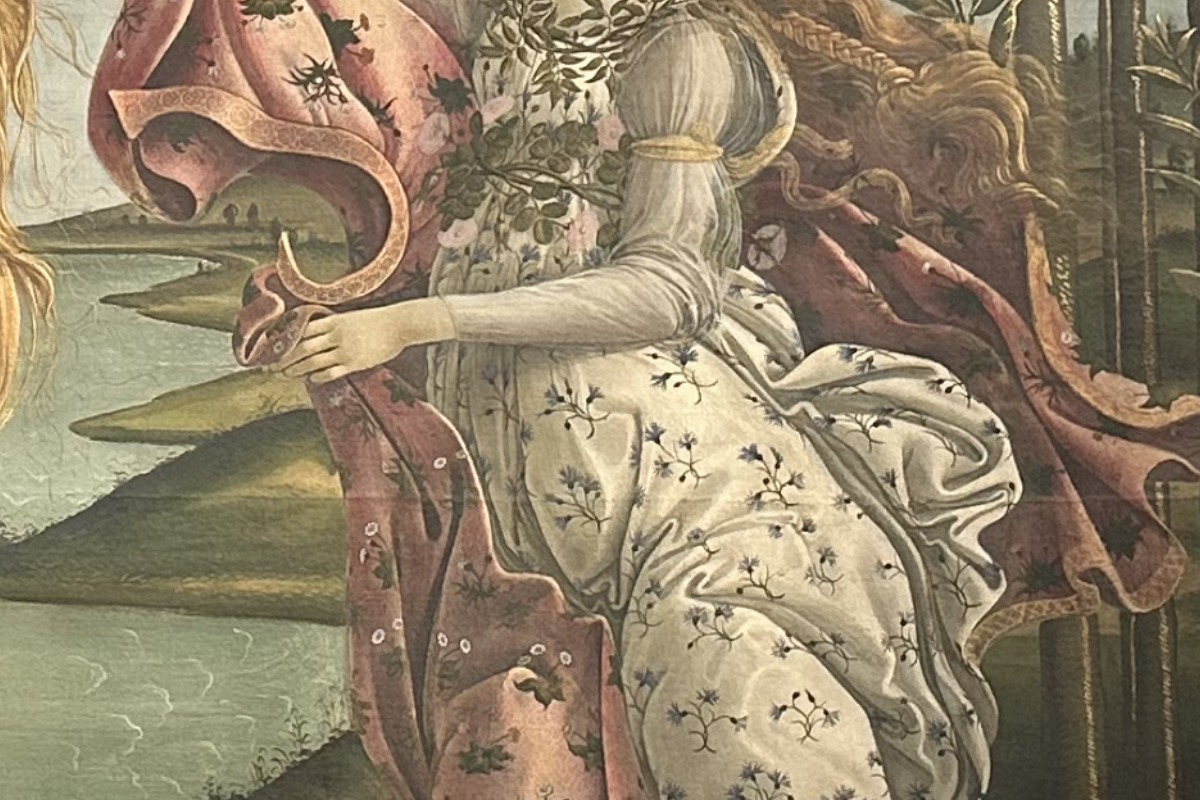
It's painted on canvas, which was unusual for this period - most large Italian paintings of the era used wooden panel.
Canvas was lighter and easier to transport.
Botticelli may have intended it for a villa rather than a palace.
Fun fact: some scholars also read the painting as an allegory of Florence itself - Venus as the embodiment of beauty born from the sea of the Renaissance, arriving on the shores of a city that had made it possible.

The painting spent three centuries in effective obscurity, listed in Medici inventories simply as 'a nude Venus.'
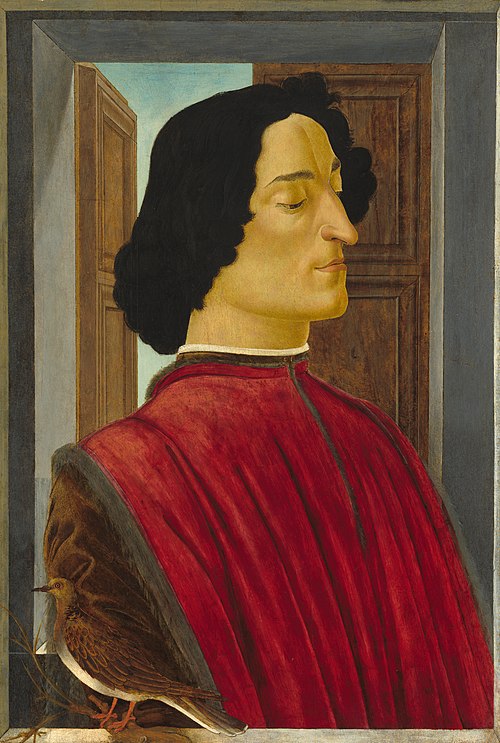
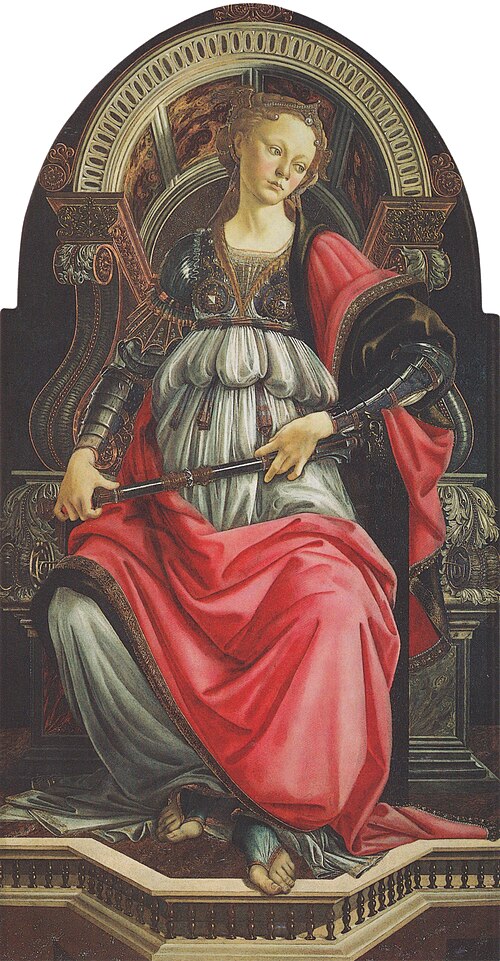
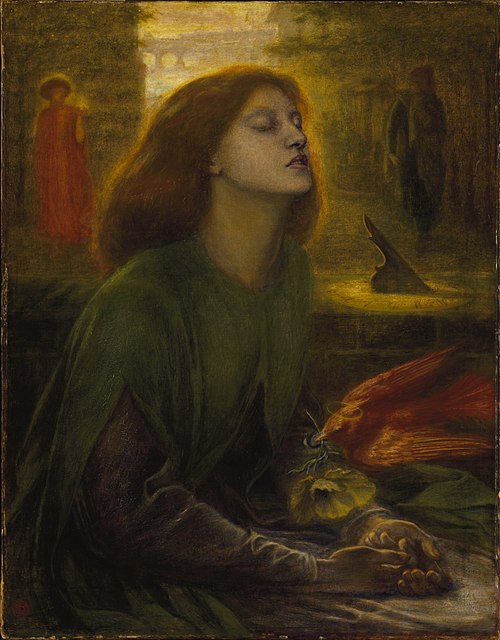
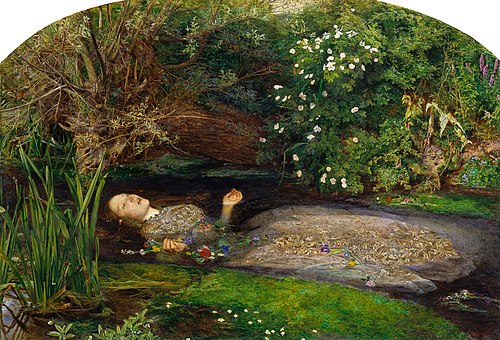
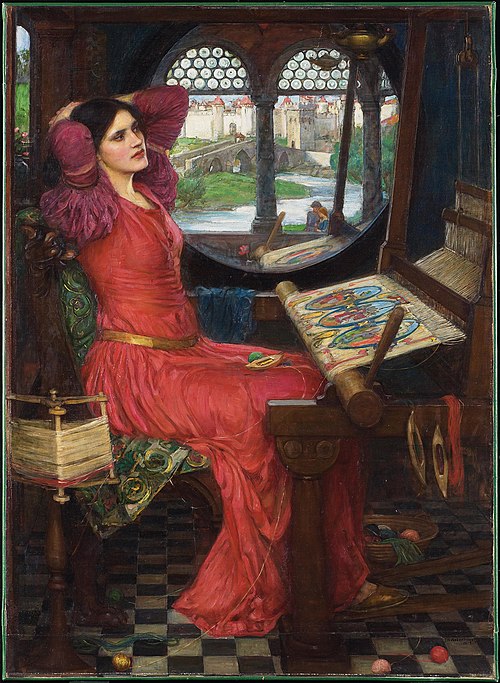
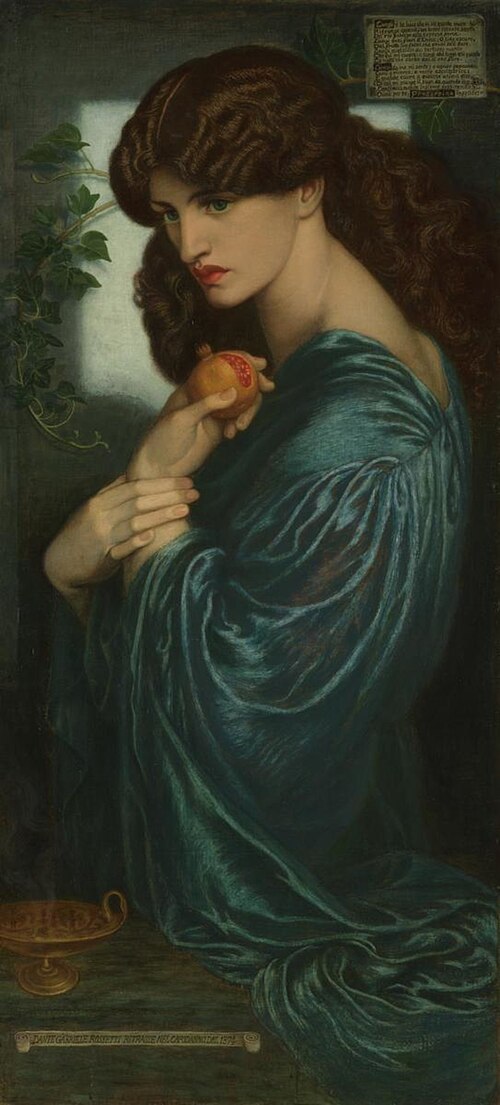
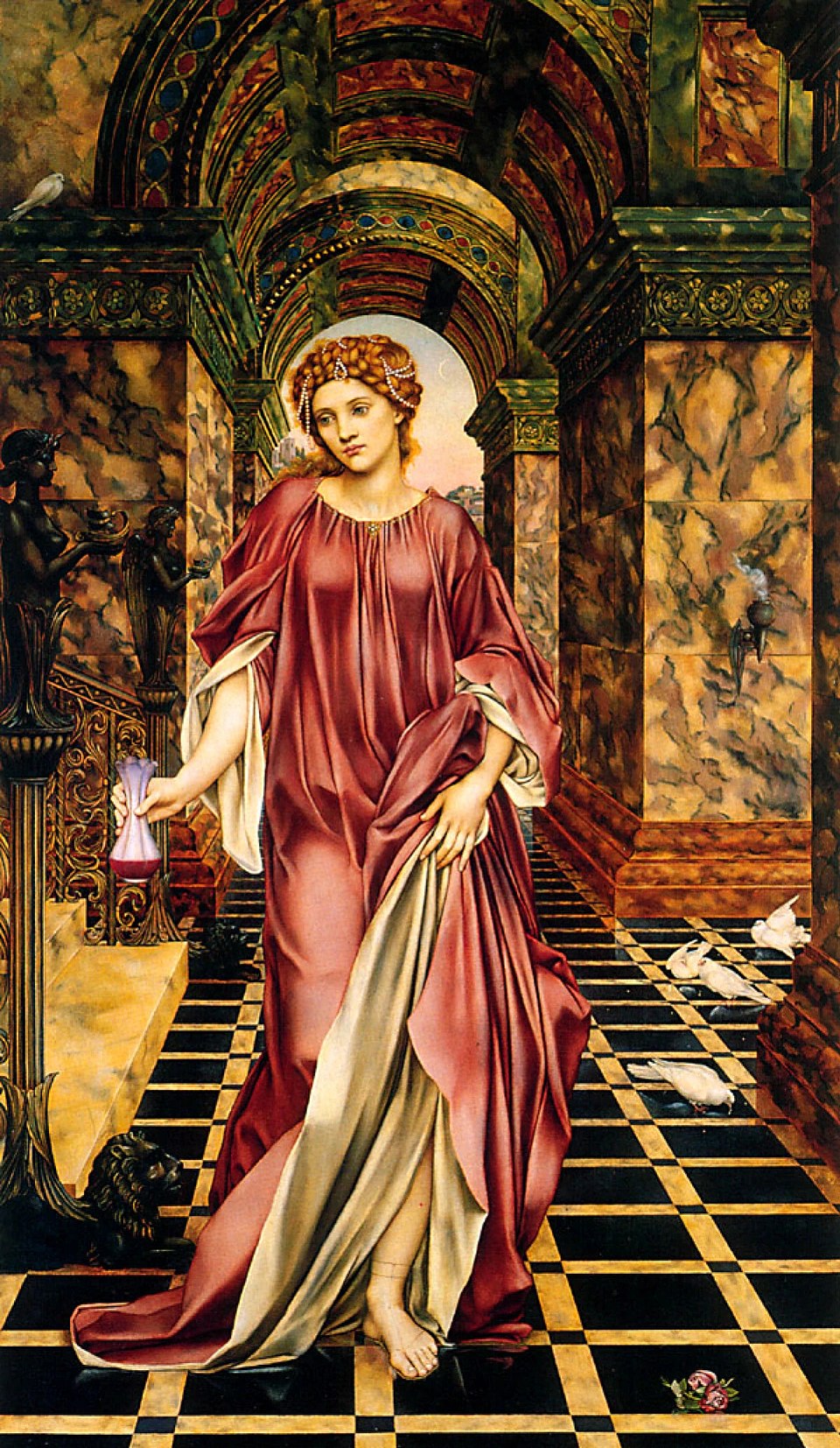
The Pre-Raphaelites rediscovered Botticelli in the 1860s and made him famous.
Since then the Birth of Venus has become one of the most reproduced images in human history.
Comments
Loading comments...