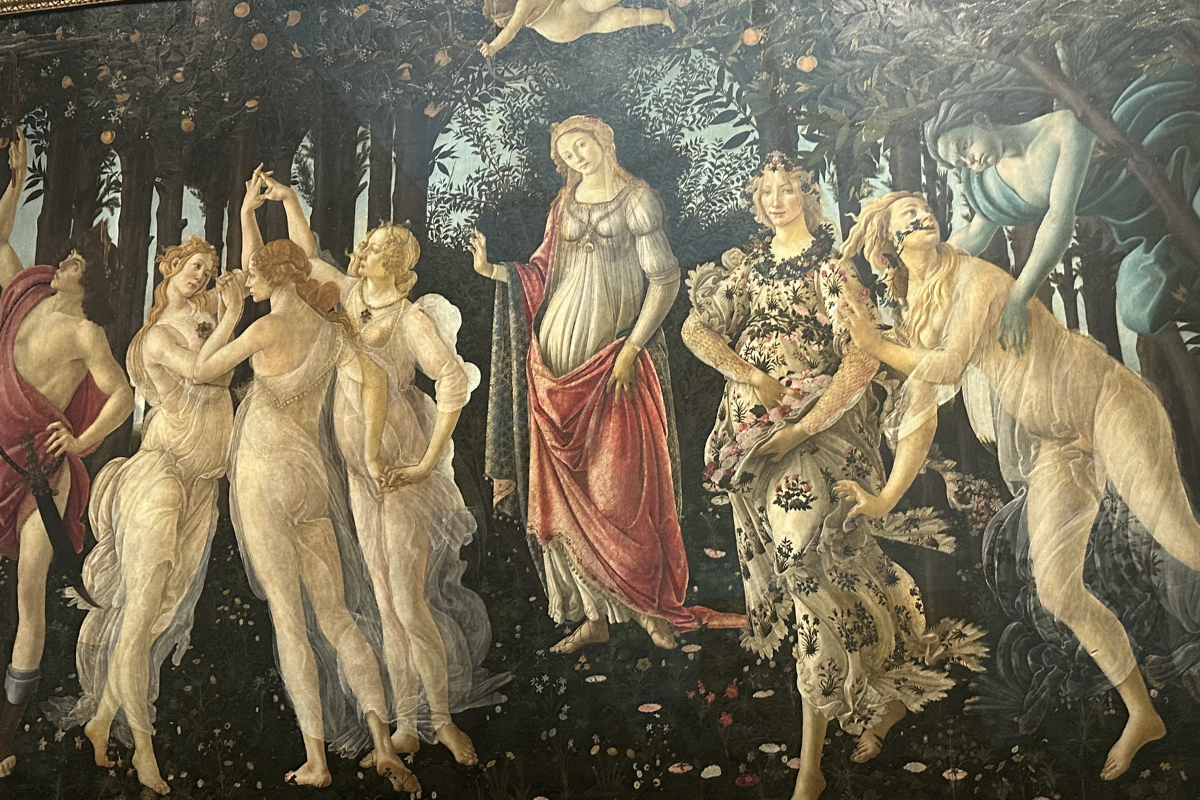


In the same room, and painted a few years earlier, the Primavera is where things get complicated.
No one is entirely sure what this painting means.
There have been over forty distinct scholarly interpretations since Botticelli became fashionable again in the 19th century - wedding gift, meditation on the Seasons, commentary on Venus, Neoplatonic allegory.
Each reading is supported by some details and contradicted by others.
The ambiguity is almost certainly intentional.
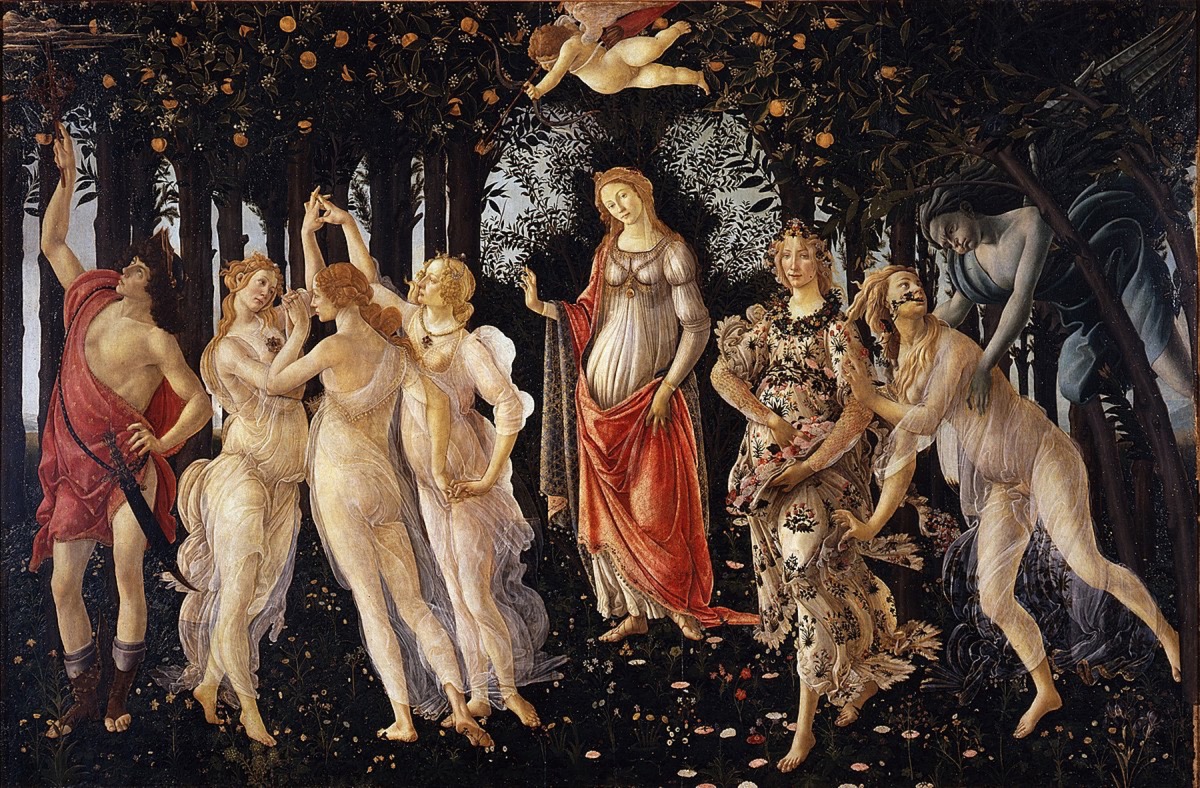
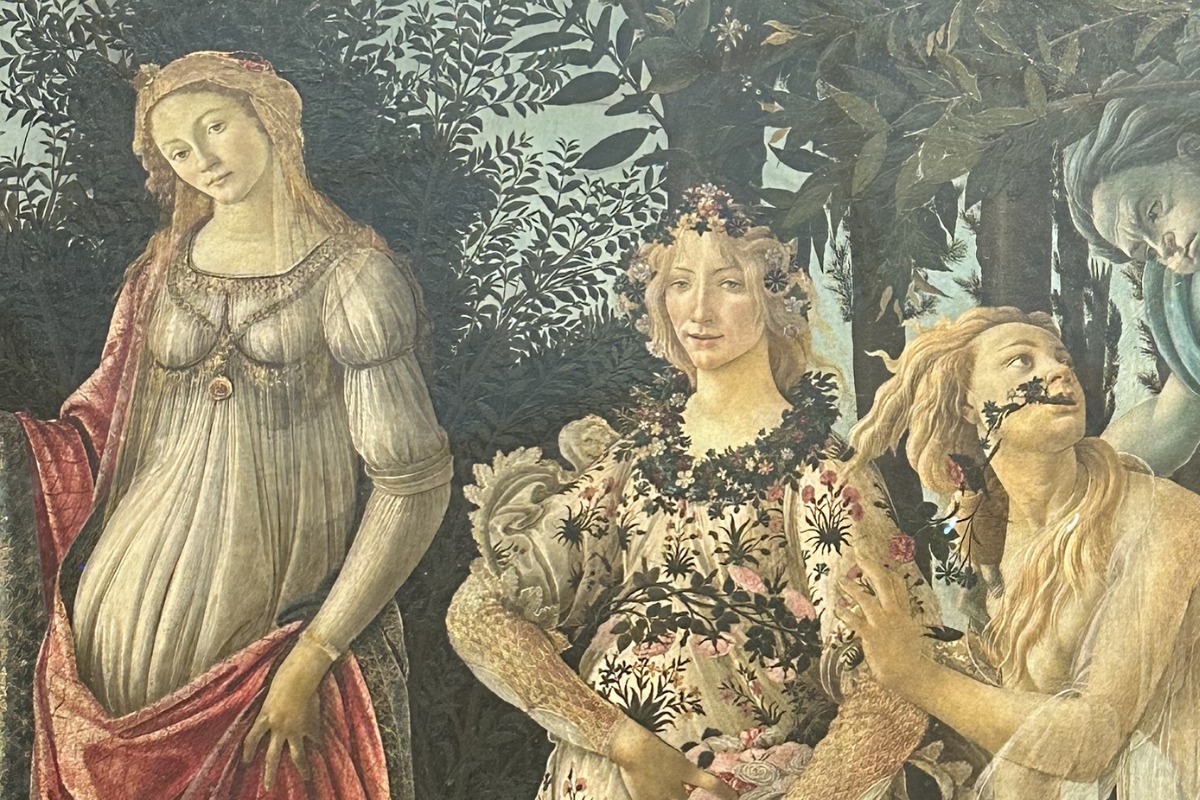
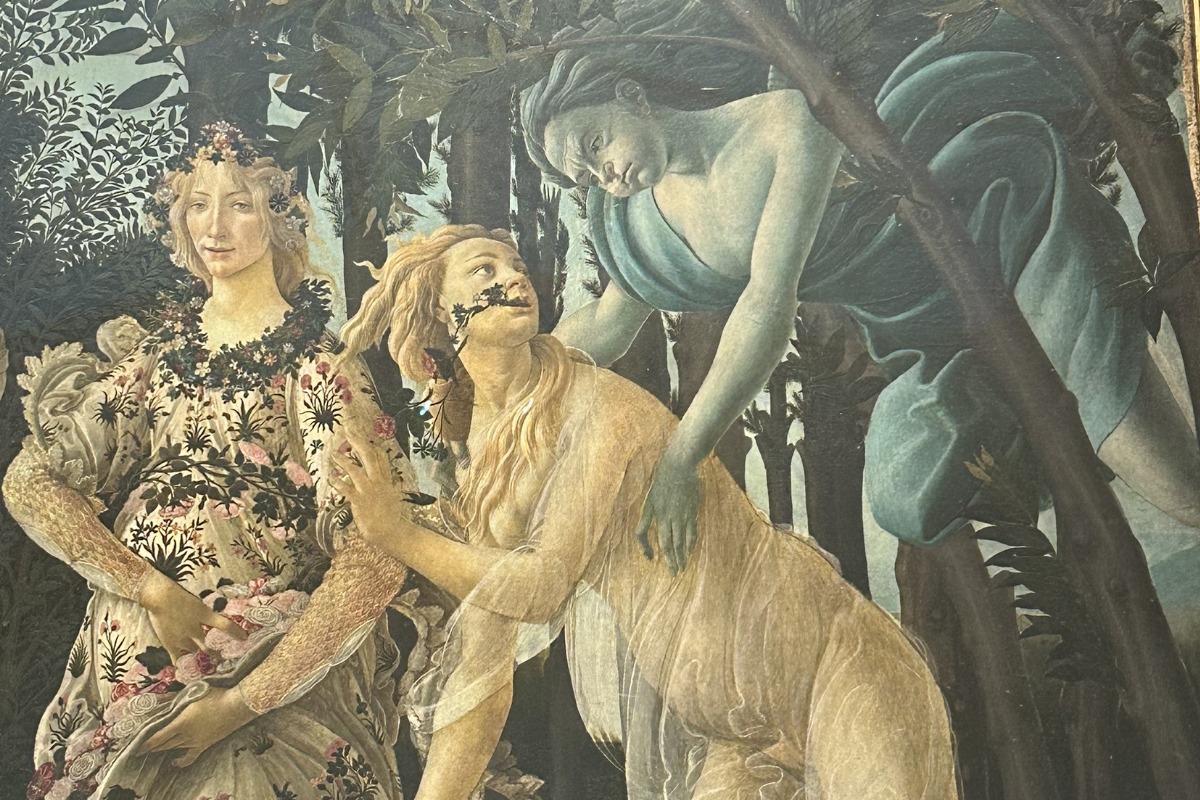
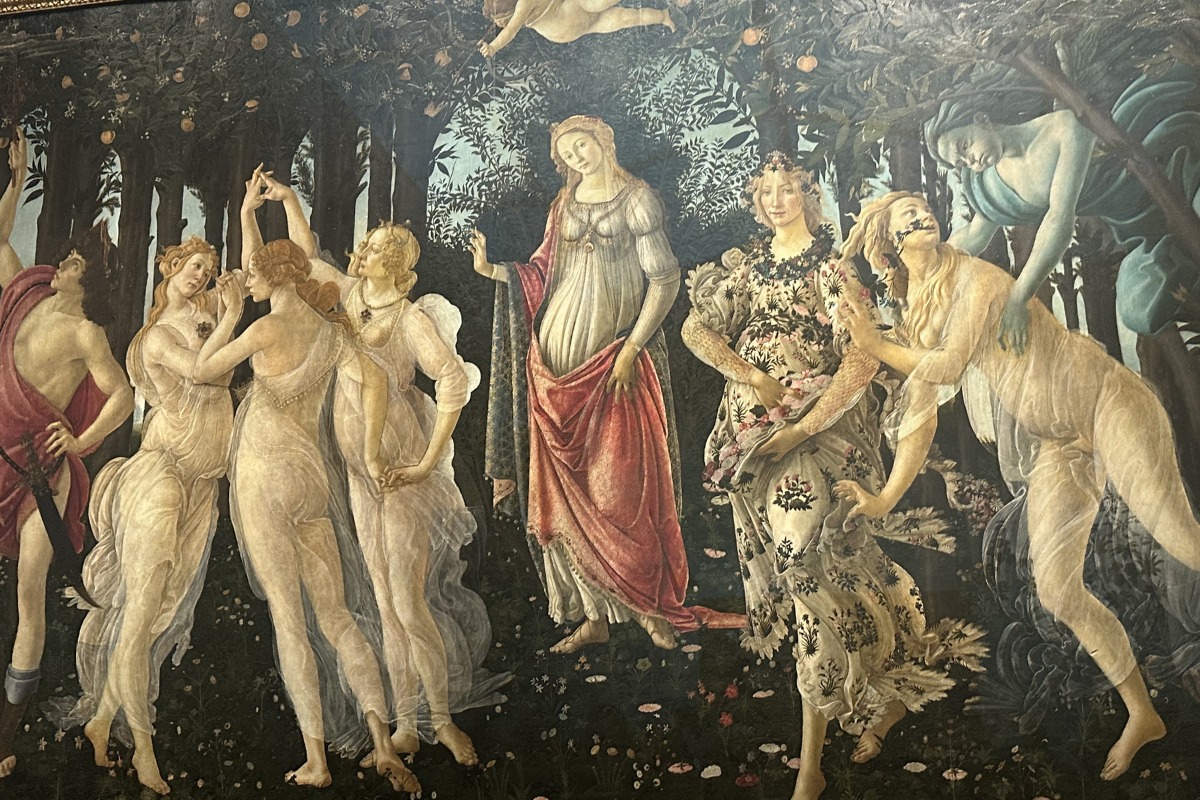
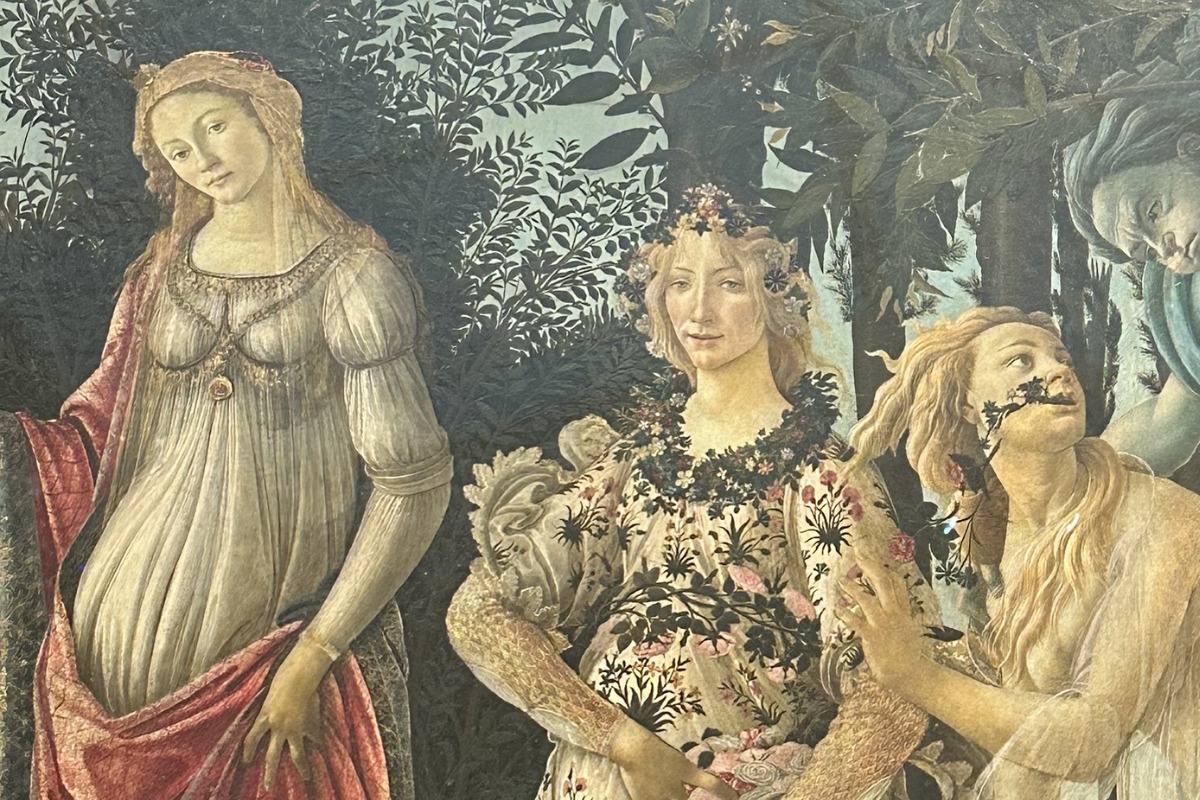
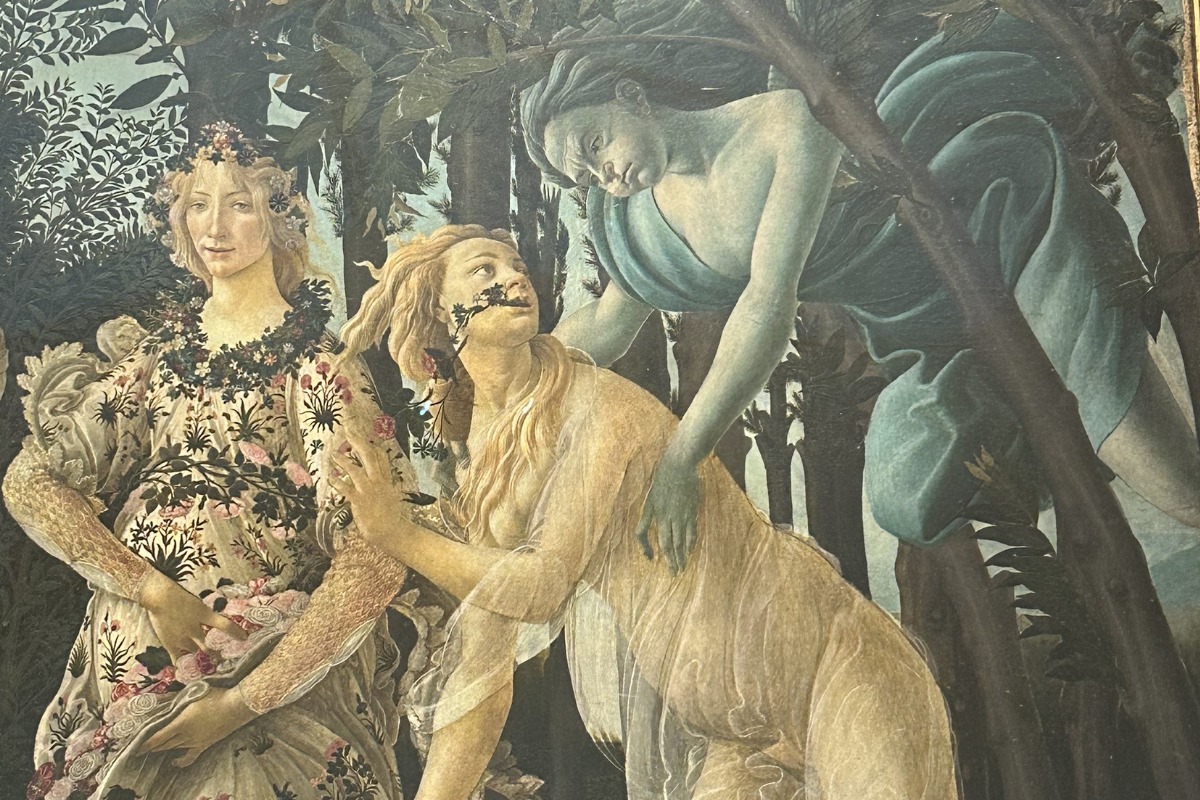
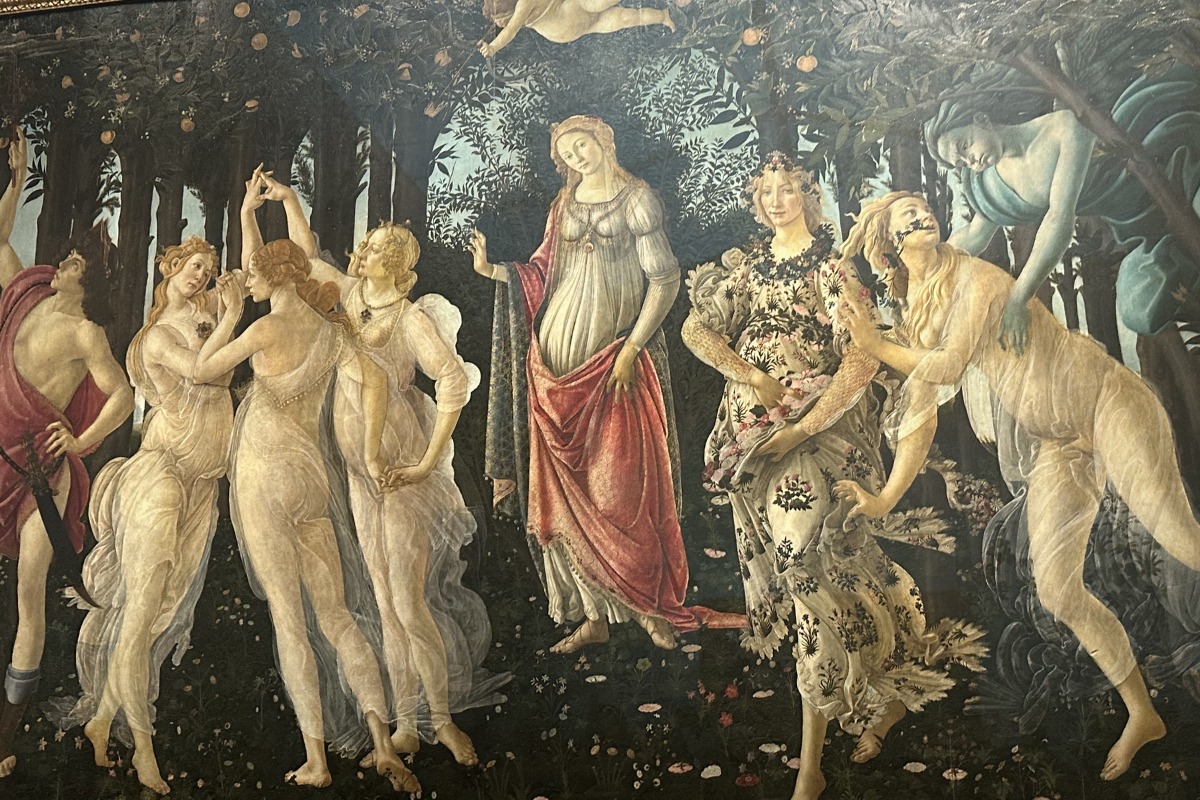
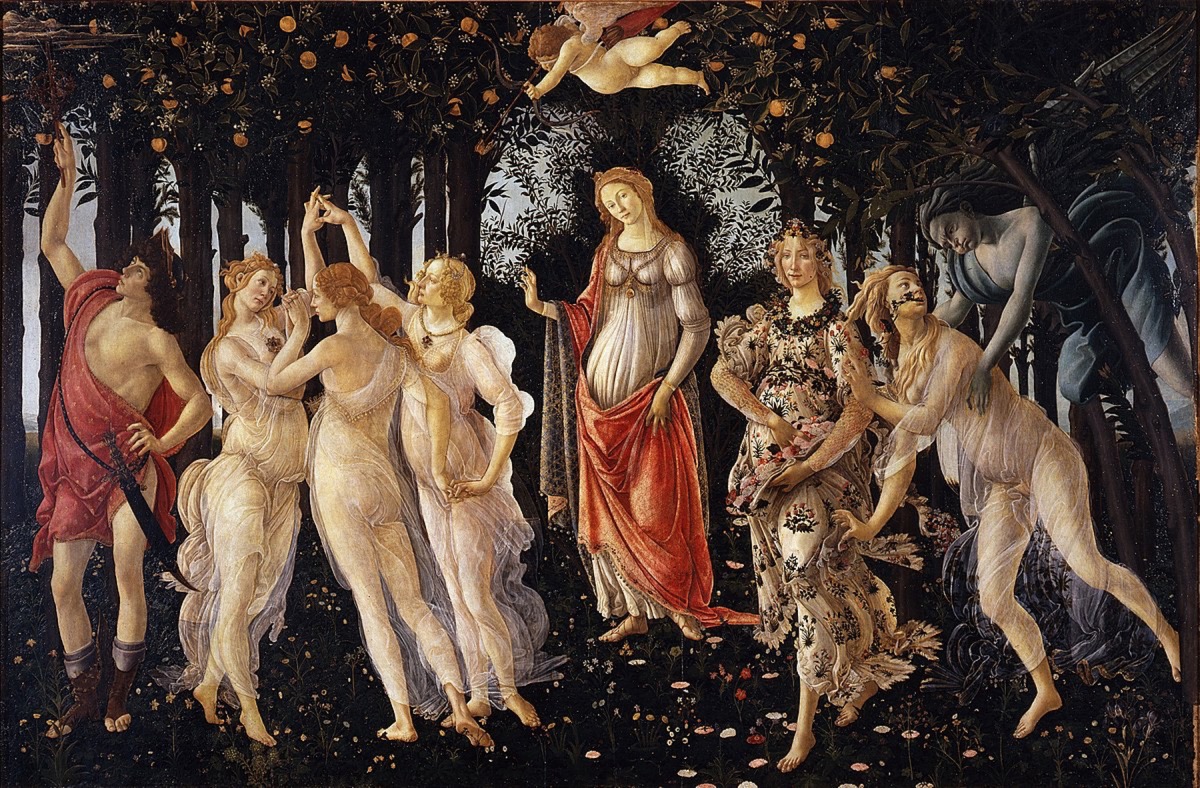
What's visible: on the right, Zephyr the wind god pursues the nymph Chloris and transforms her into Flora, goddess of spring.
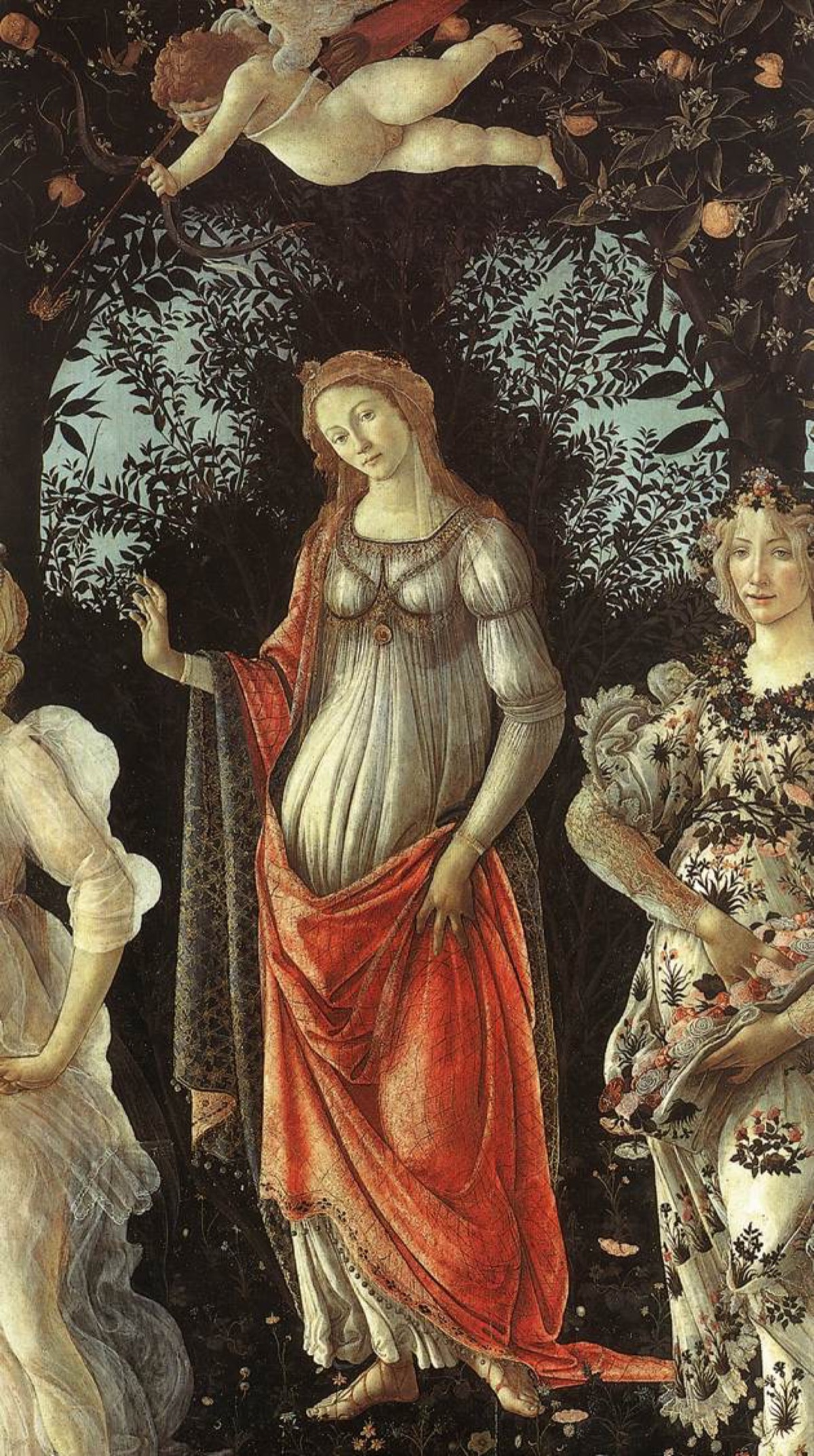
Venus presides at the centre.
Cupid fires an arrow.
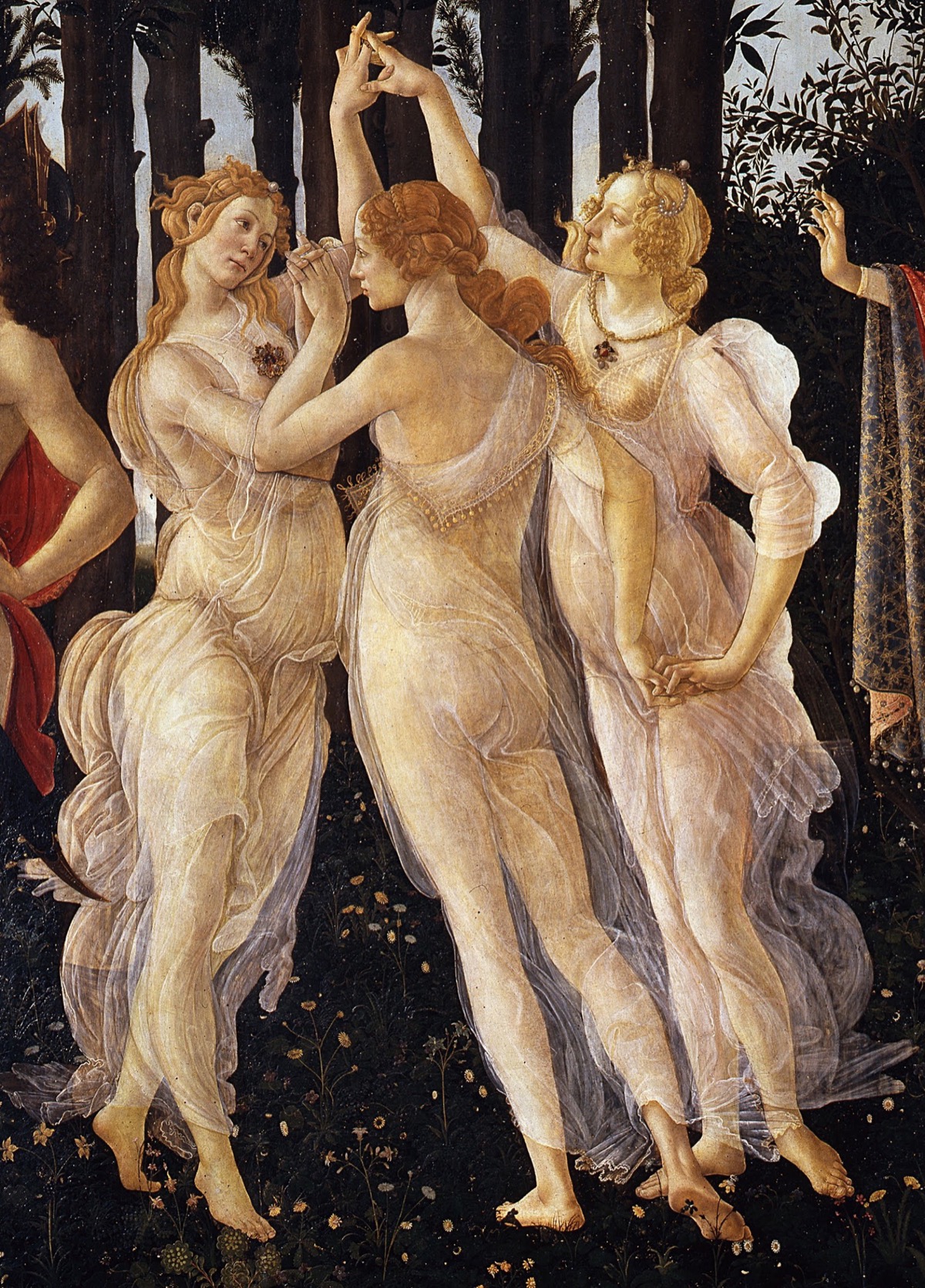
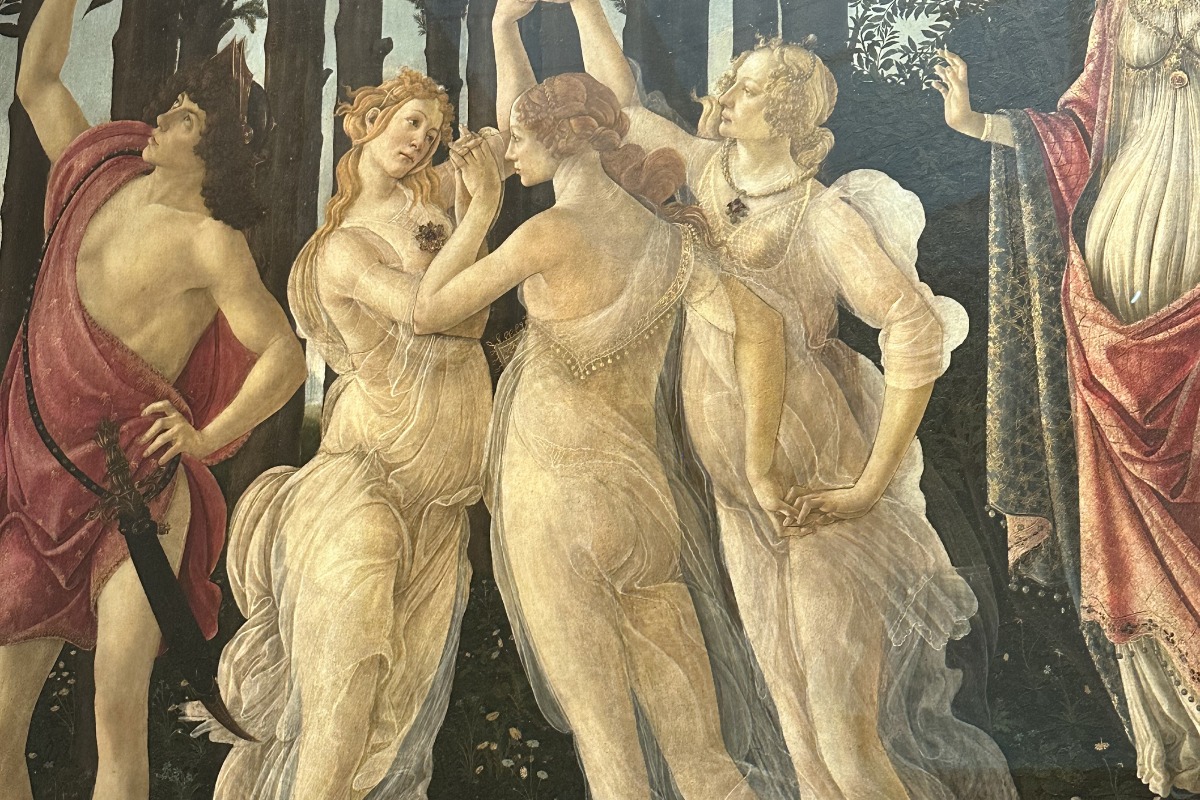
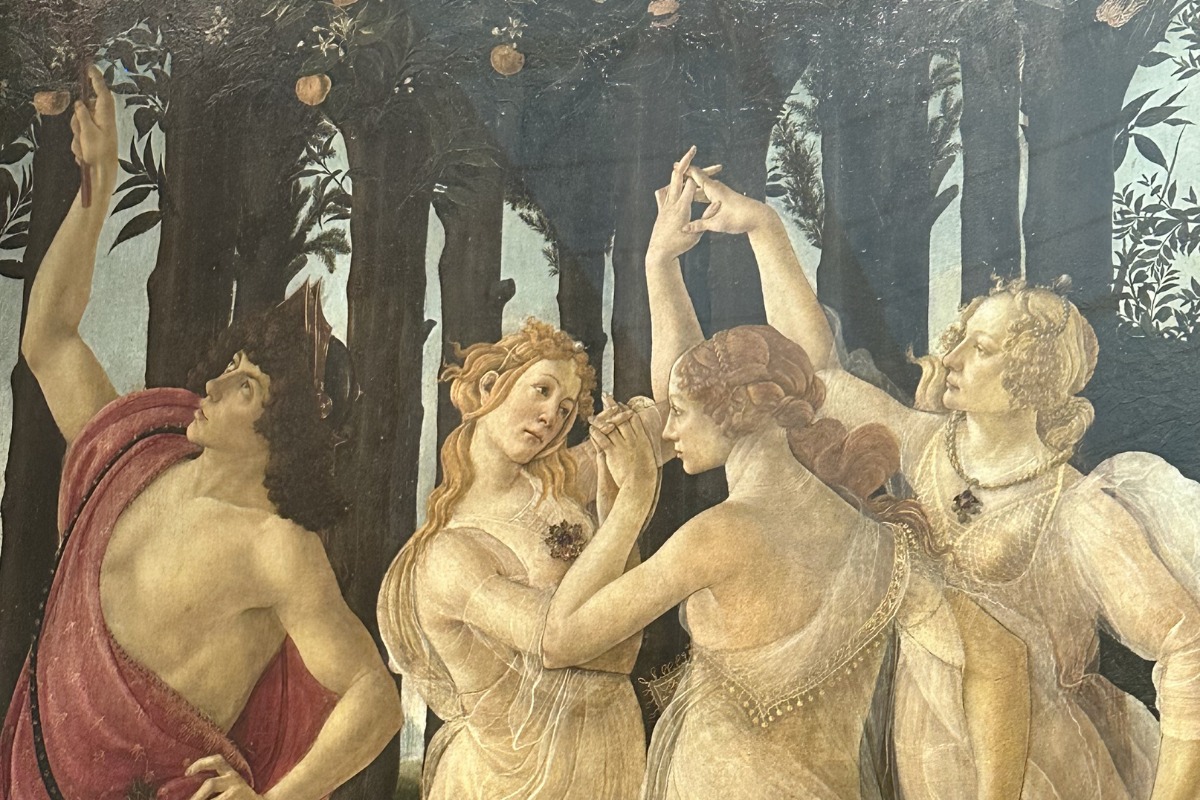
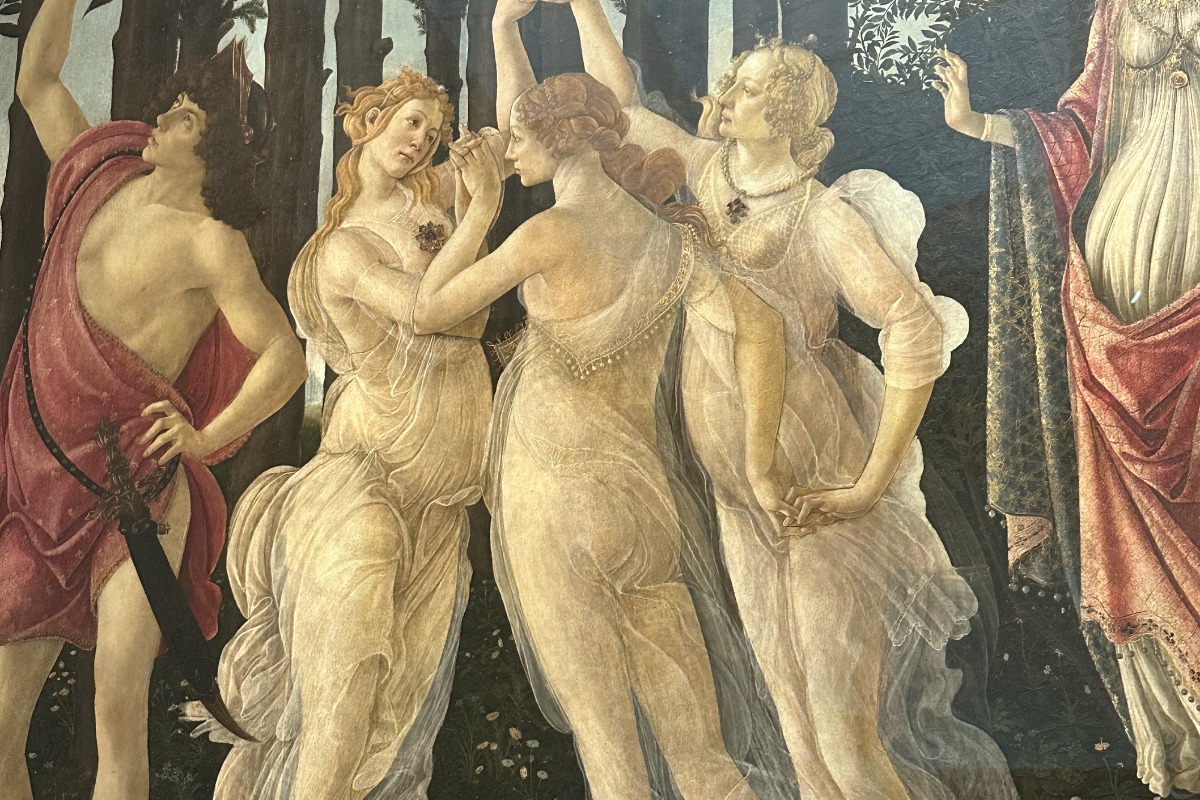
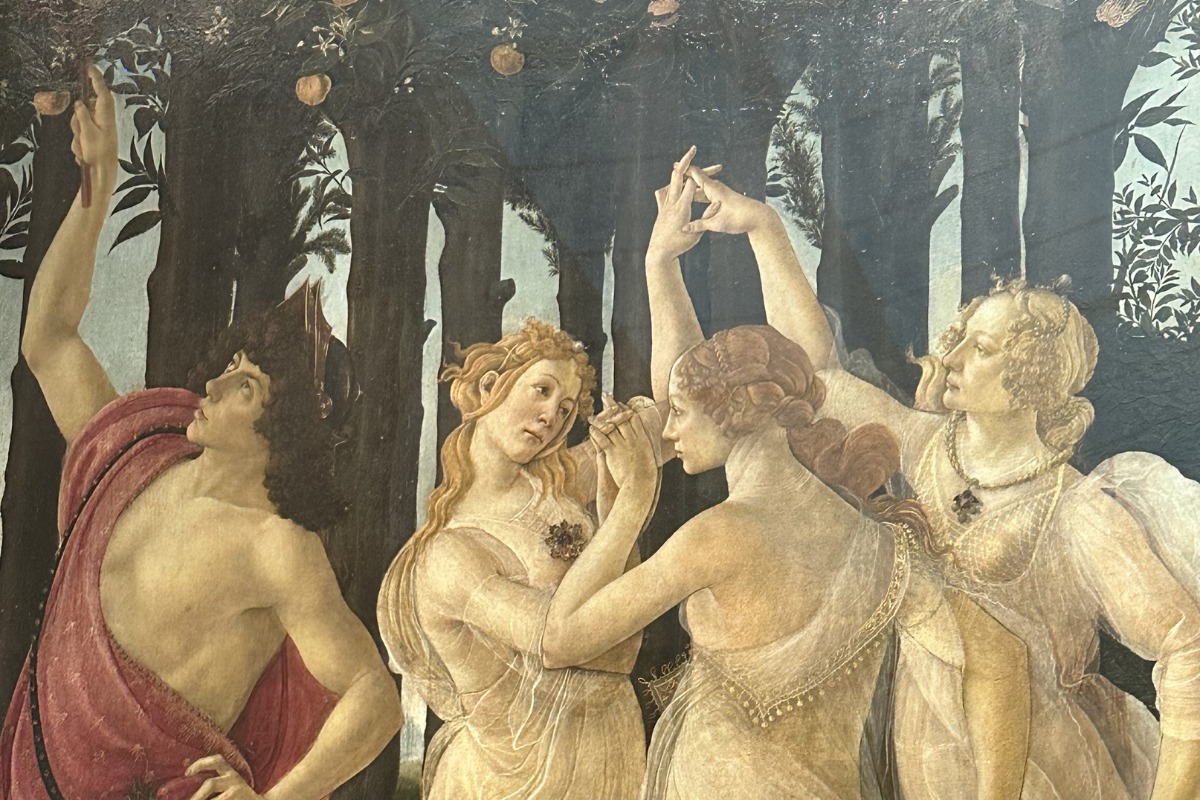
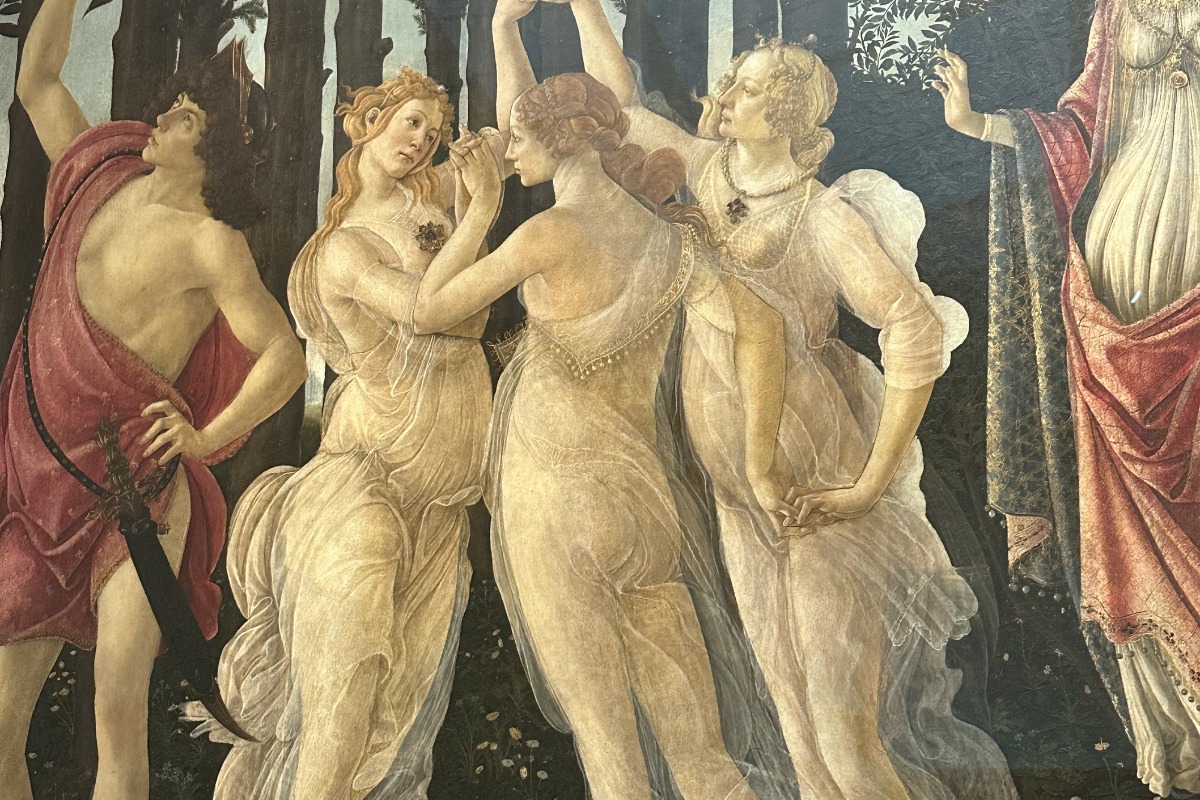
The Three Graces dance in transparent robes.
At the far left, Mercury reaches upward.
Look closely at the female figures: several of them appear pregnant, a detail that has fuelled the wedding-gift interpretation.
The orange grove behind is deep, dark, and full of life.
It was painted for a young Lorenzo de' Medici (a cousin of Lorenzo the Magnificent), probably for his villa, and remained privately held for three centuries before anyone outside the family saw it.
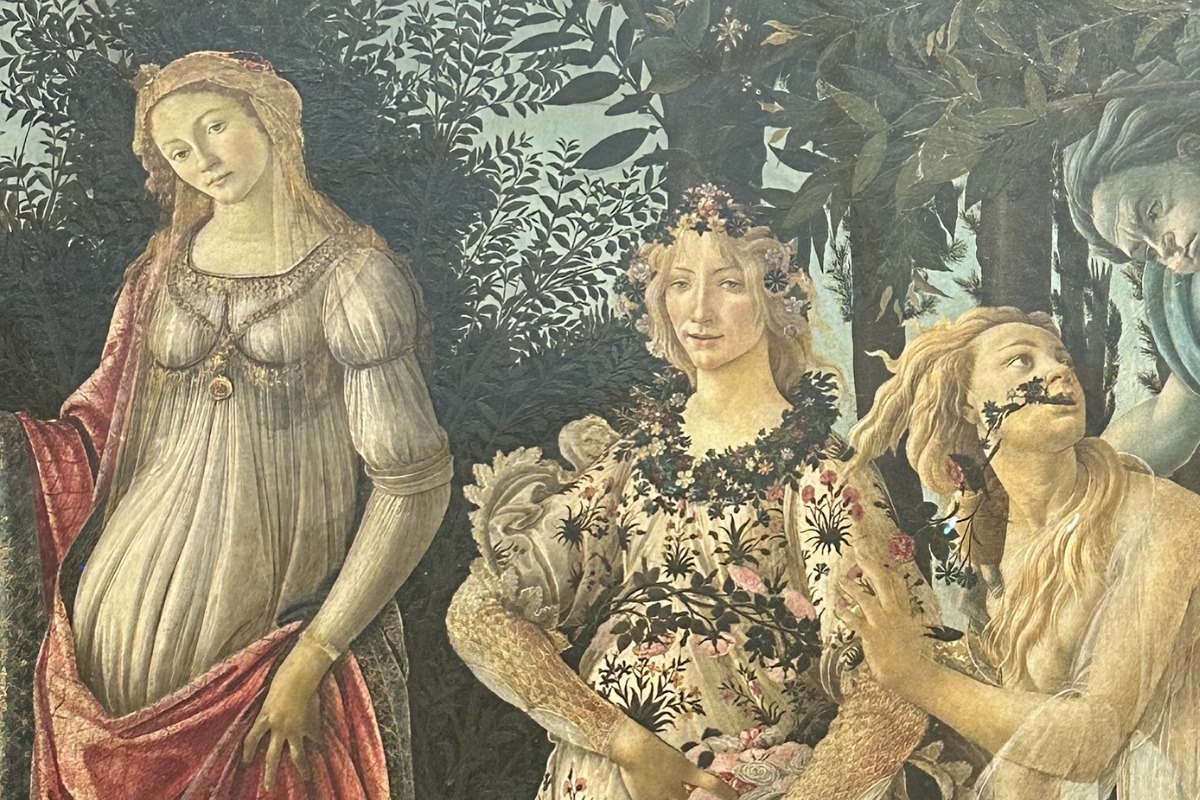
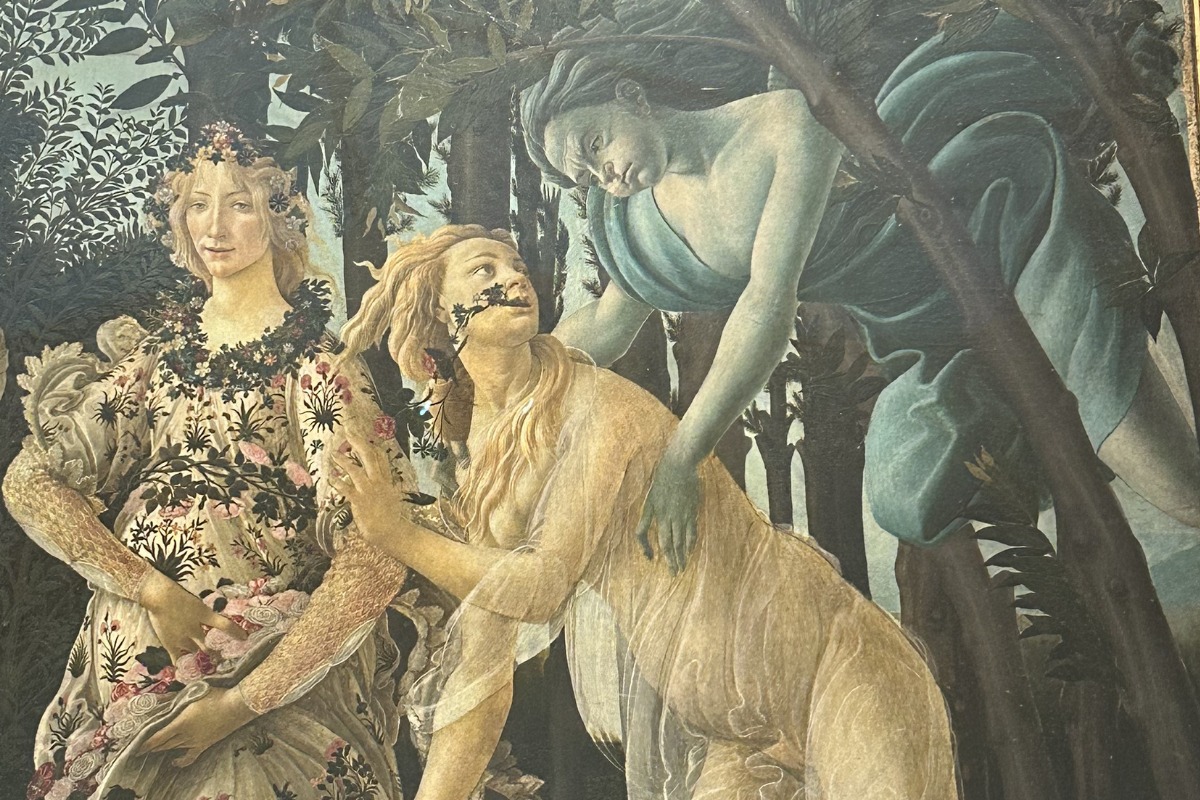
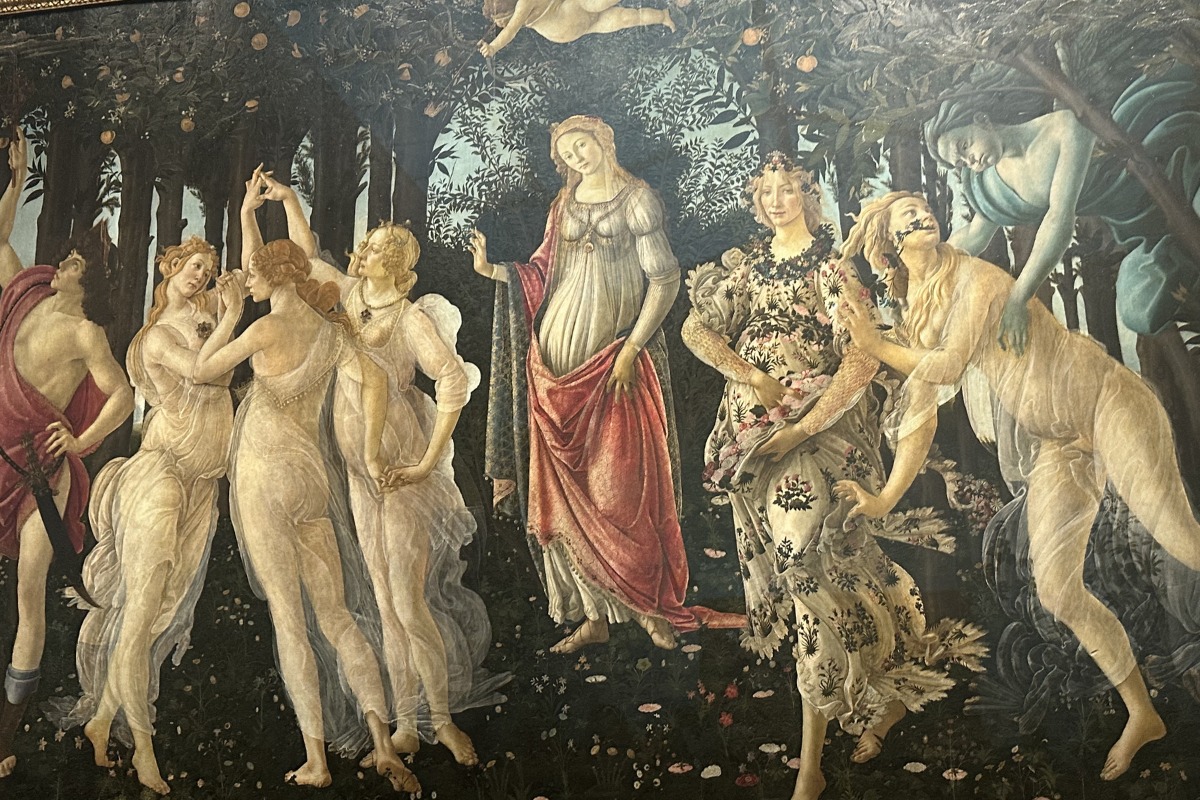
Fun fact: the painting contains approximately 500 species of identifiable plants.
Botanists have used it as a reference for studying 15th-century Tuscan flora.
Botticelli painted every flower correctly and in season - they all bloom in spring.
He knew exactly what he was doing, even if we don't.
Comments
Loading comments...