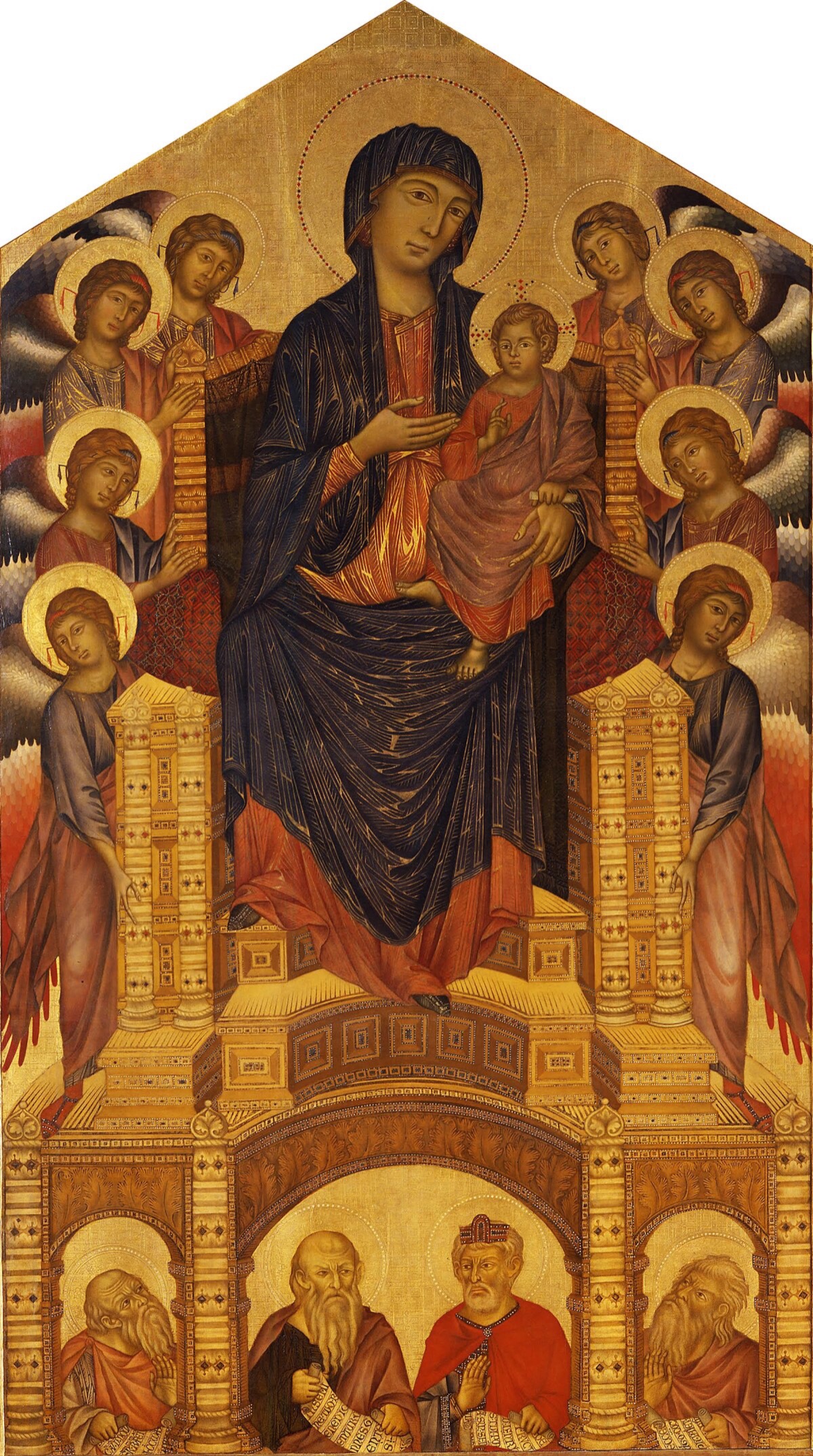


This is where Italian art begins.
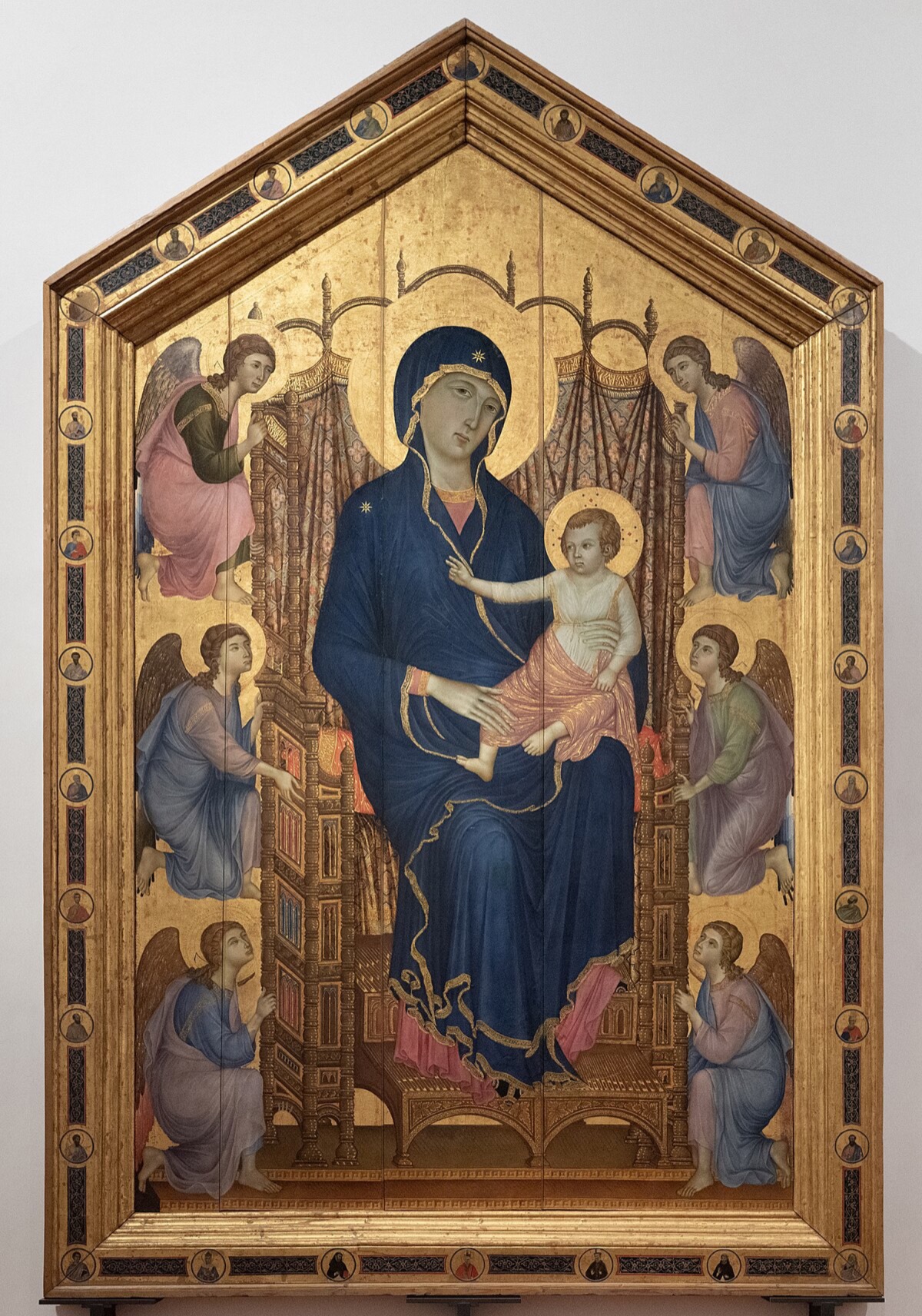
Room A2 is the Uffizi's opening argument: three enormous altarpieces, all depicting the Madonna enthroned, by three different masters - Cimabue, Duccio, and Giotto - painted within a generation of each other, lined up so you can watch a revolution happen in real time.
Cimabue is on the right as you walk in - resist the urge to head straight for the centre.
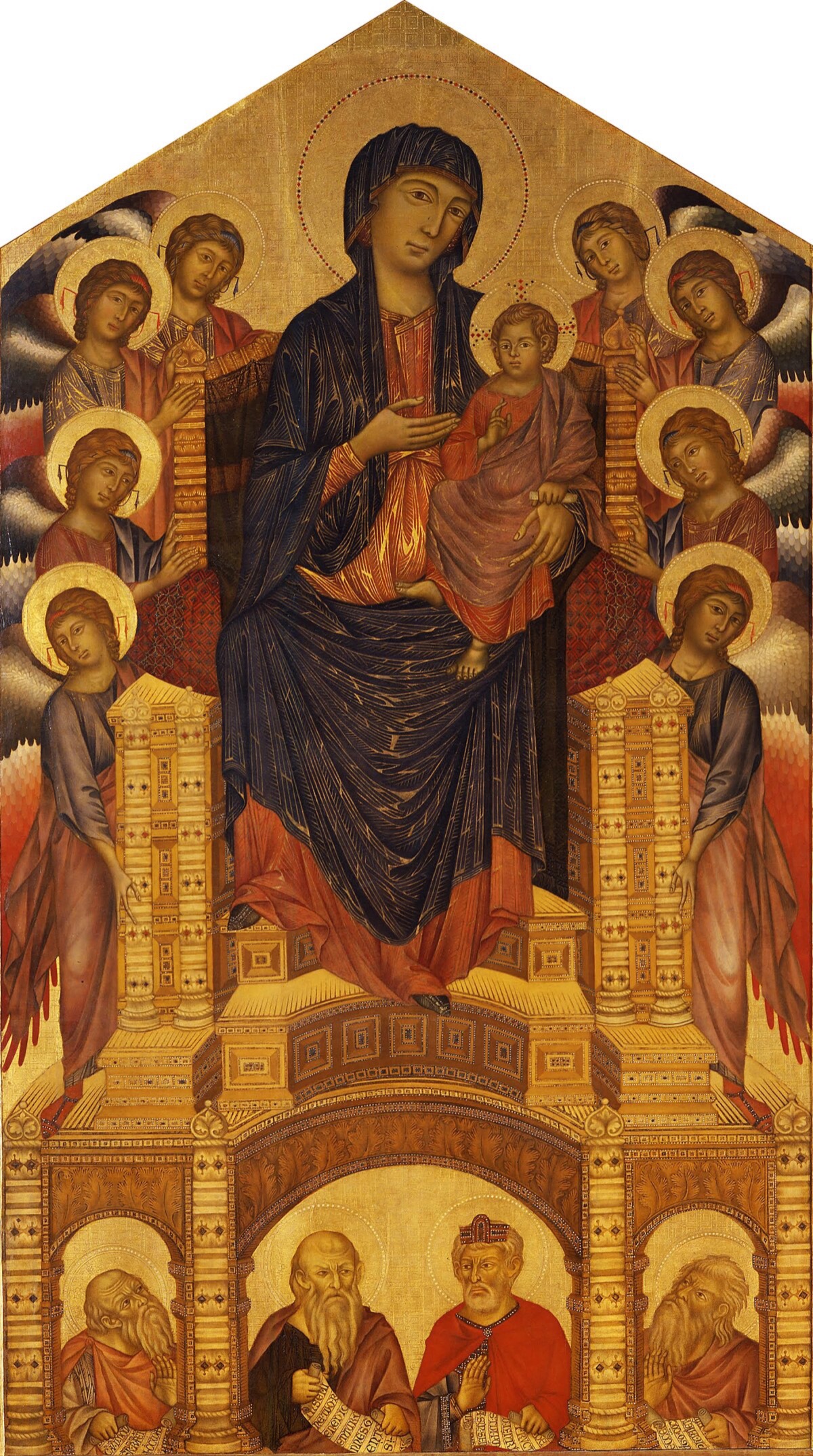
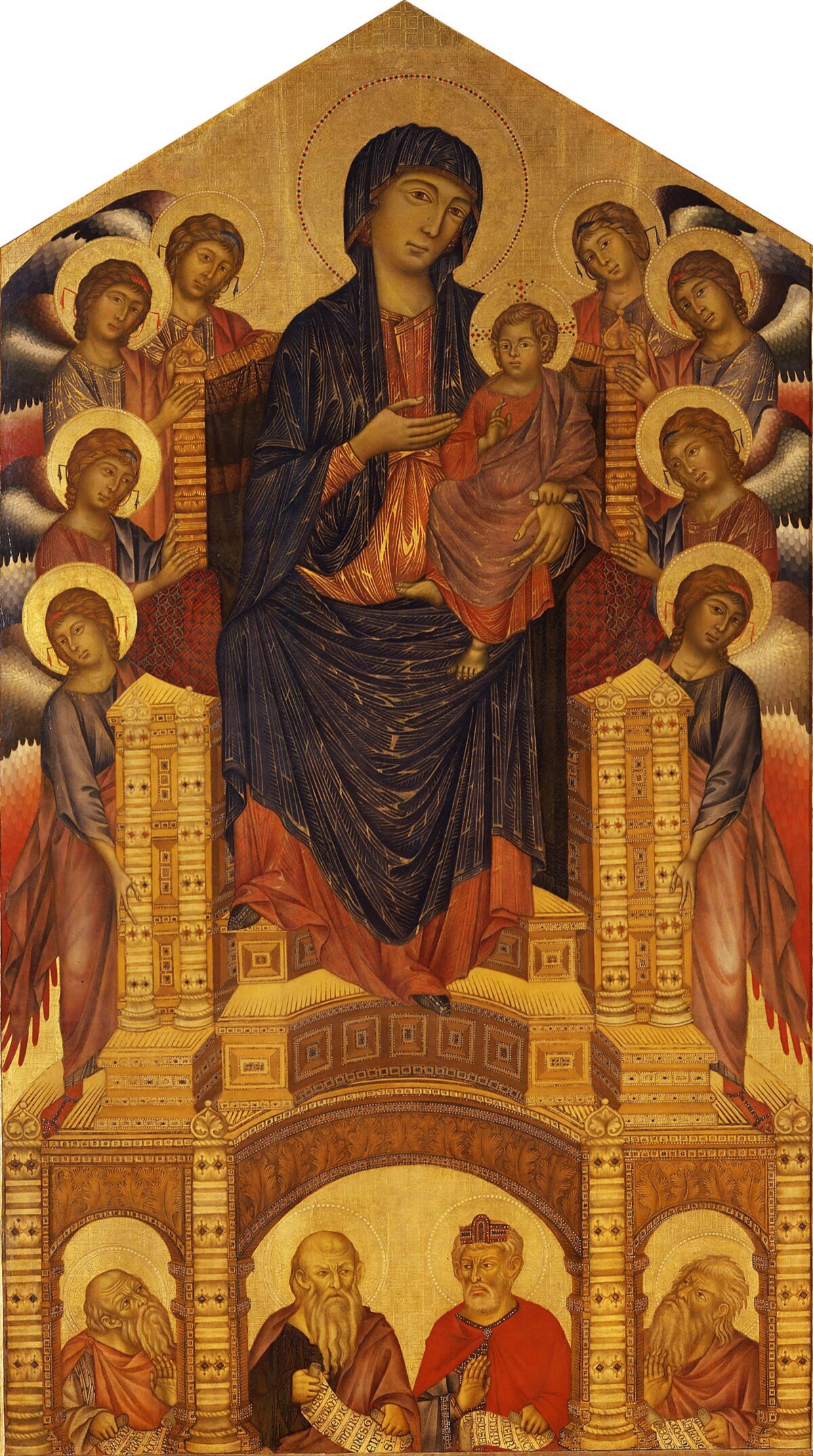
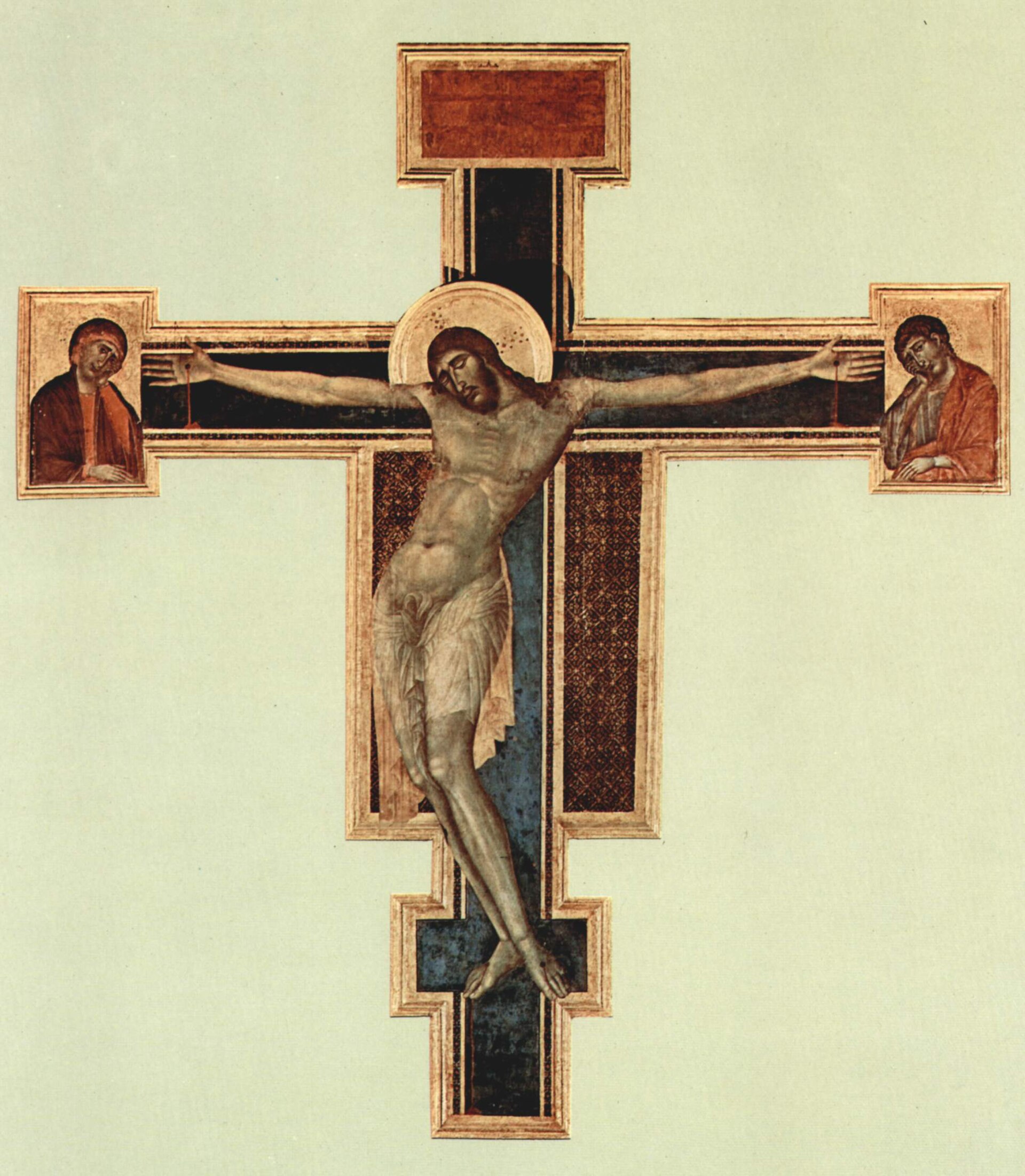
Cimabue's Madonna is the oldest and the most Byzantine: gold ground, flat, the heavenly realm beyond ordinary space.
The angels stack in rigid rows.
Mary's face is sorrowful and remote.
It is magnificent, but it is art from another world - a world in which painting's purpose was not to depict reality but to gesture toward the divine.
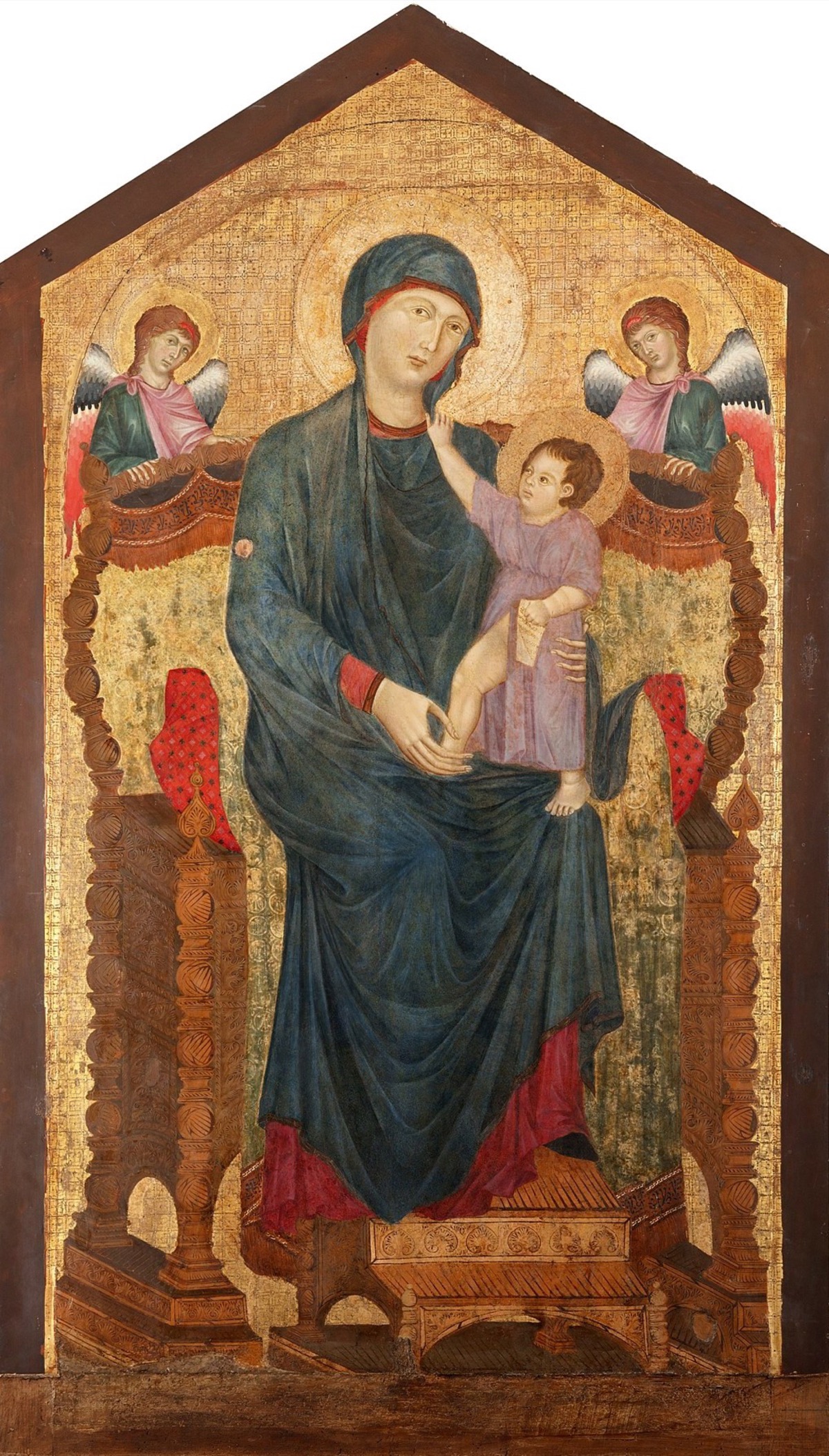
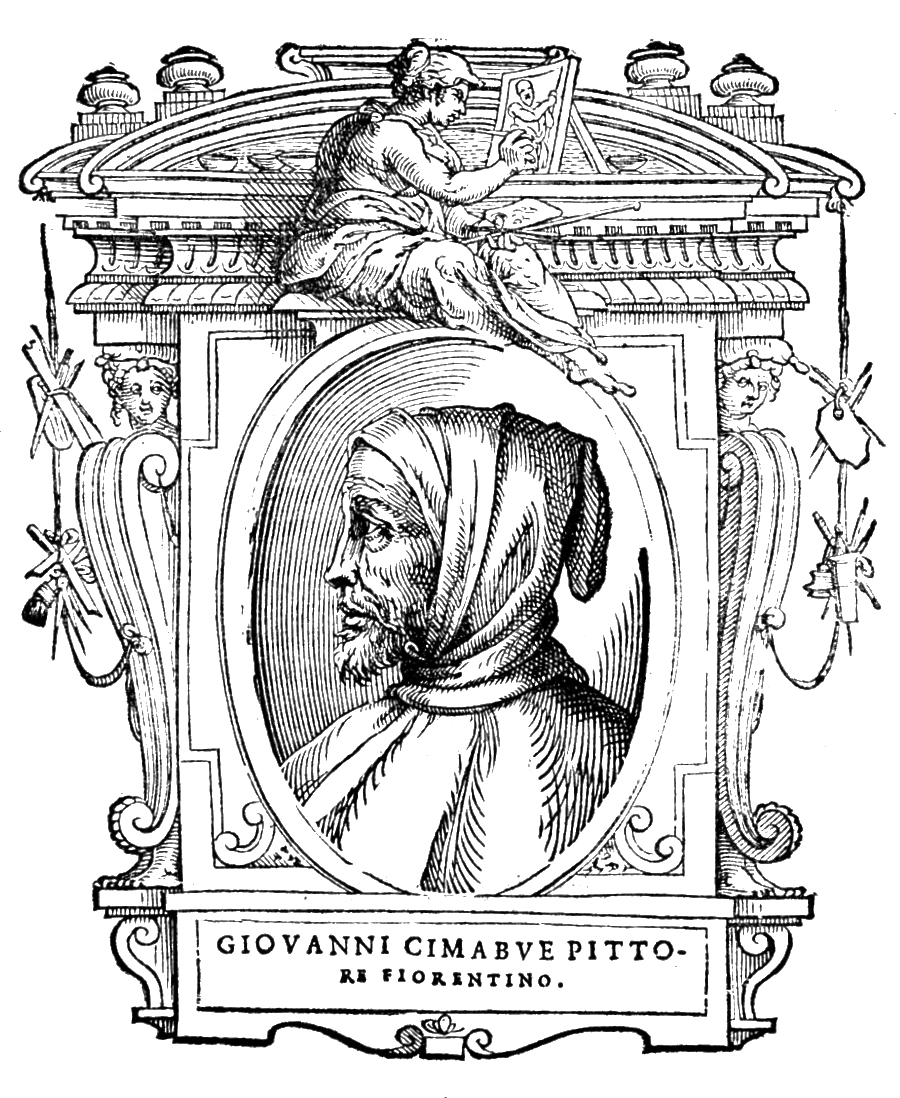
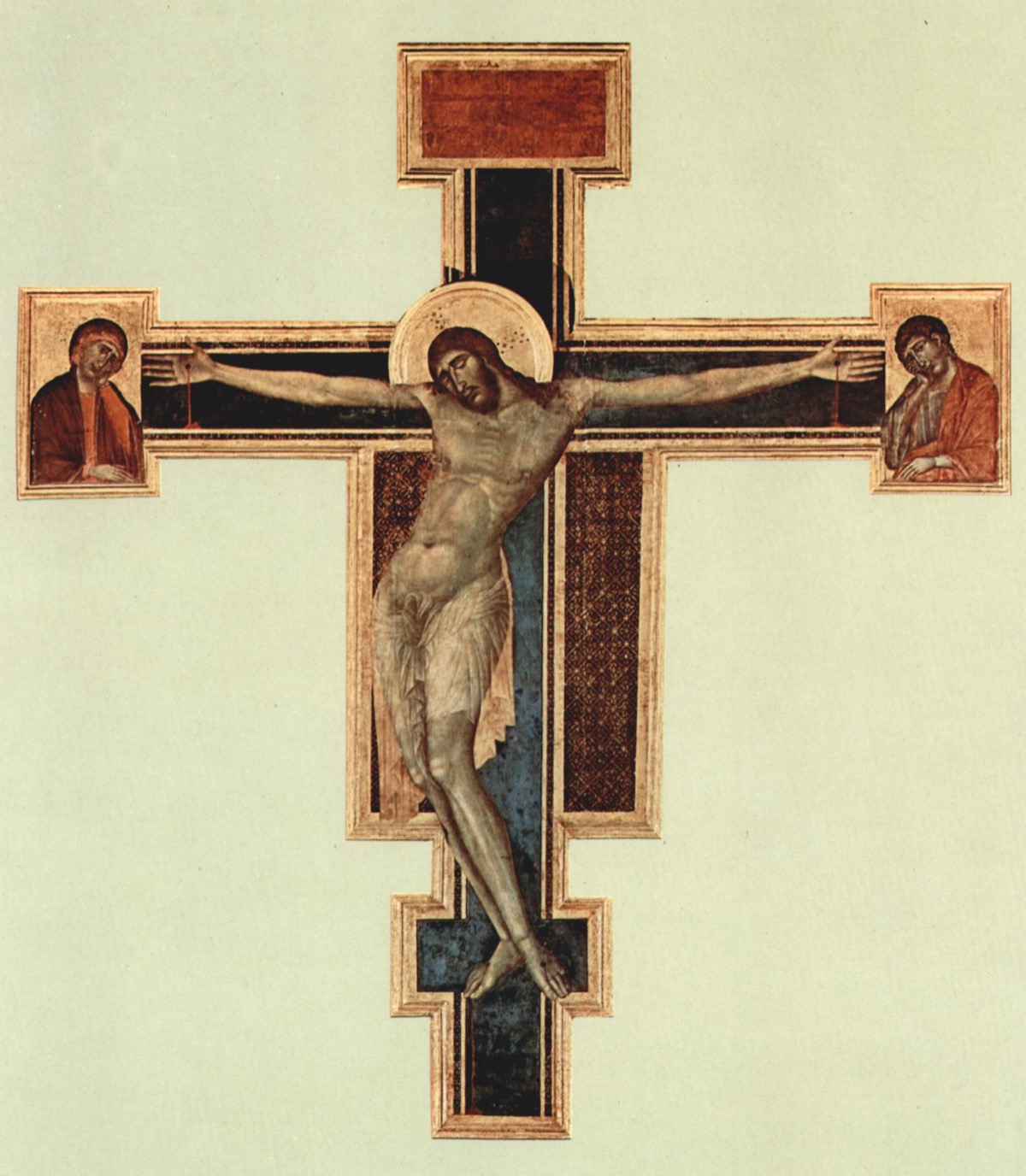
Cimabue's real name was Cenni di Pepo - 'Cimabue' was a nickname meaning 'bull's head,' apparently a reference to his stubbornness.
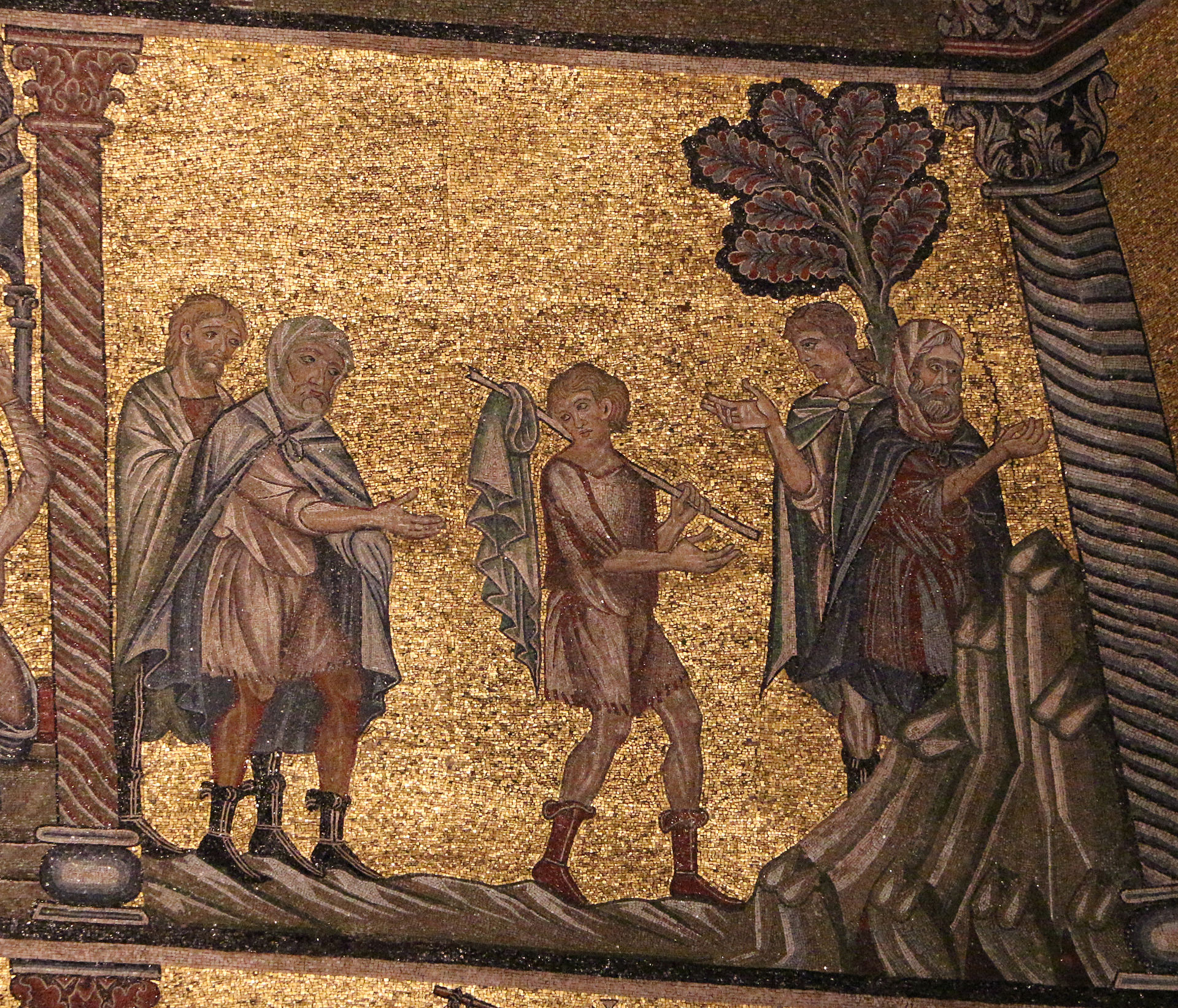
According to the Renaissance biographer Giorgio Vasari, Cimabue discovered his future pupil Giotto as a ten-year-old shepherd boy, sketching his sheep on a flat stone with a piece of rock - and was so struck by the boy's talent that he took him on as an apprentice on the spot.
Fun fact: during his apprenticeship, Giotto allegedly painted a fly on the nose of one of Cimabue's unfinished portraits, so lifelike that the master kept trying to brush it away before realising the prank.
Dante placed him in Purgatory in the Divine Comedy, noting that his fame had already been eclipsed by his own pupil.
That pupil was Giotto, whose work will be the third we see in this room.
Comments
Loading comments...