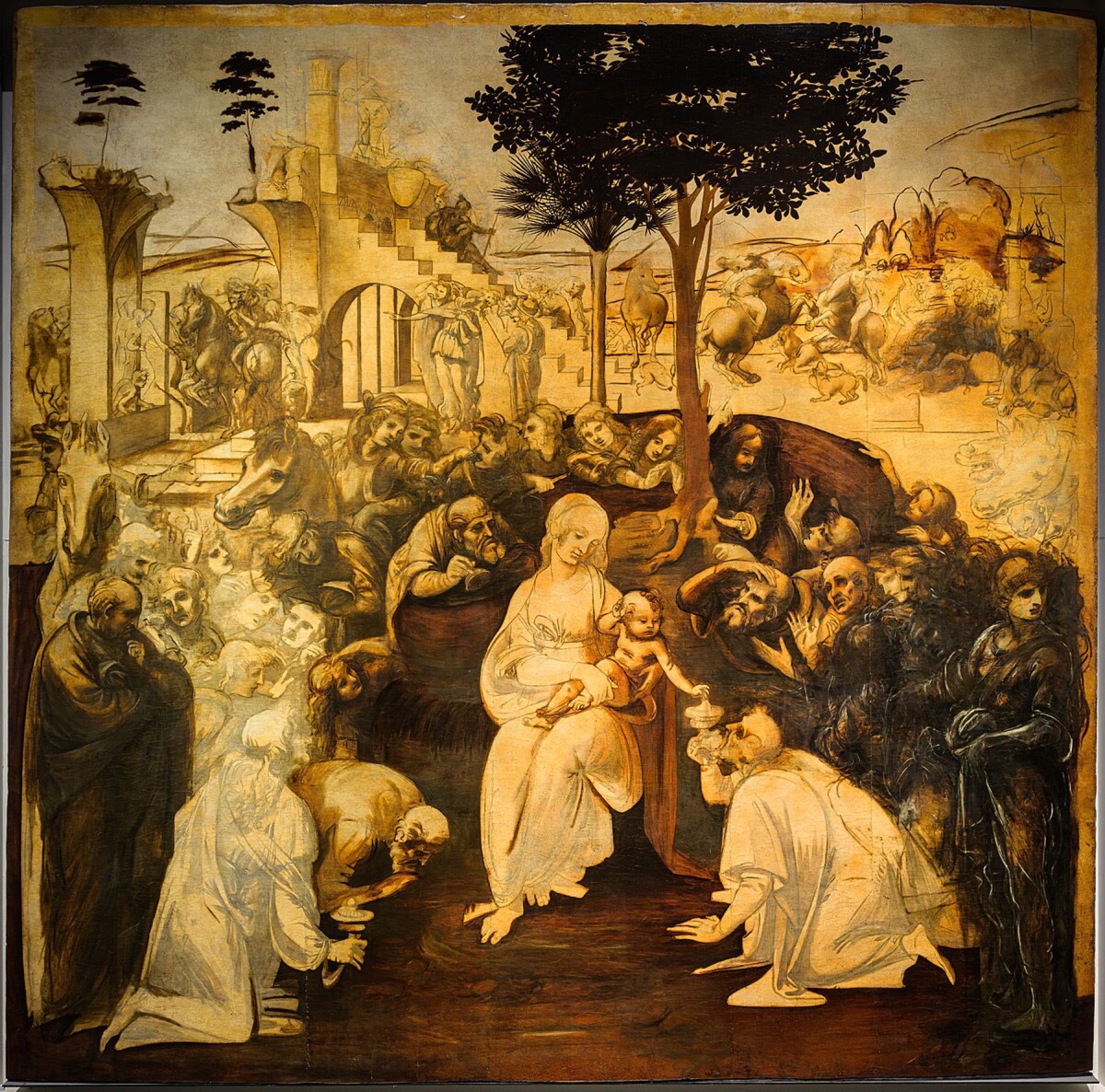
Adoration of the Magi


Room A35 is where Leonardo lives in the Uffizi.
By the time he painted these works, Botticelli and the Florentines had achieved something remarkable - but Leonardo looked at their painting and saw different problems to solve.
He was younger than Botticelli by about fifteen years, and his approach to composition, light, and the natural world was unlike anything that had come before.
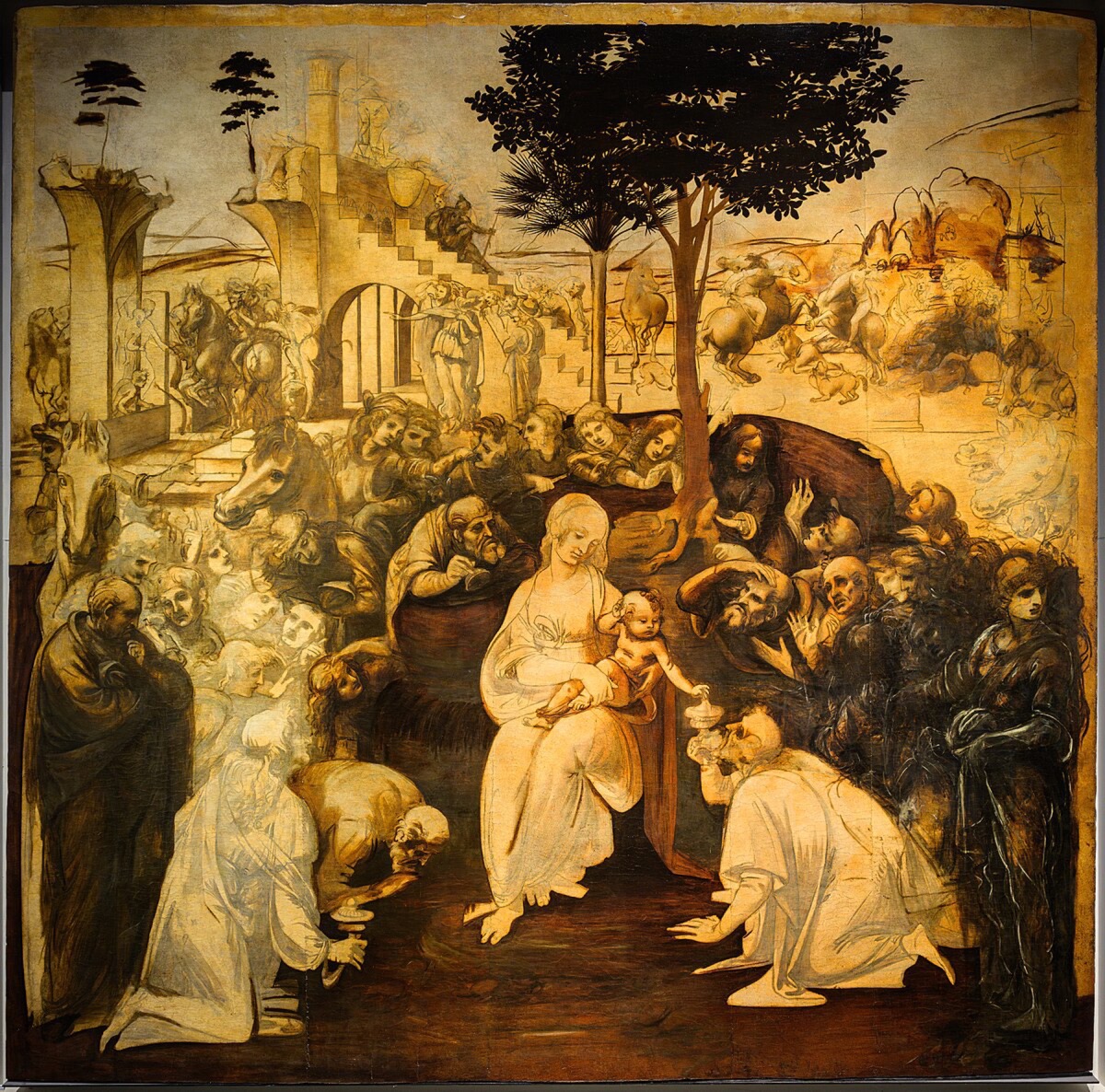
In 1481, the monks of San Donato commissioned Leonardo to paint a large altarpiece.
He made extensive preparatory studies, worked out a complex composition, and then left for Milan the following year and never came back.
The painting was never finished.
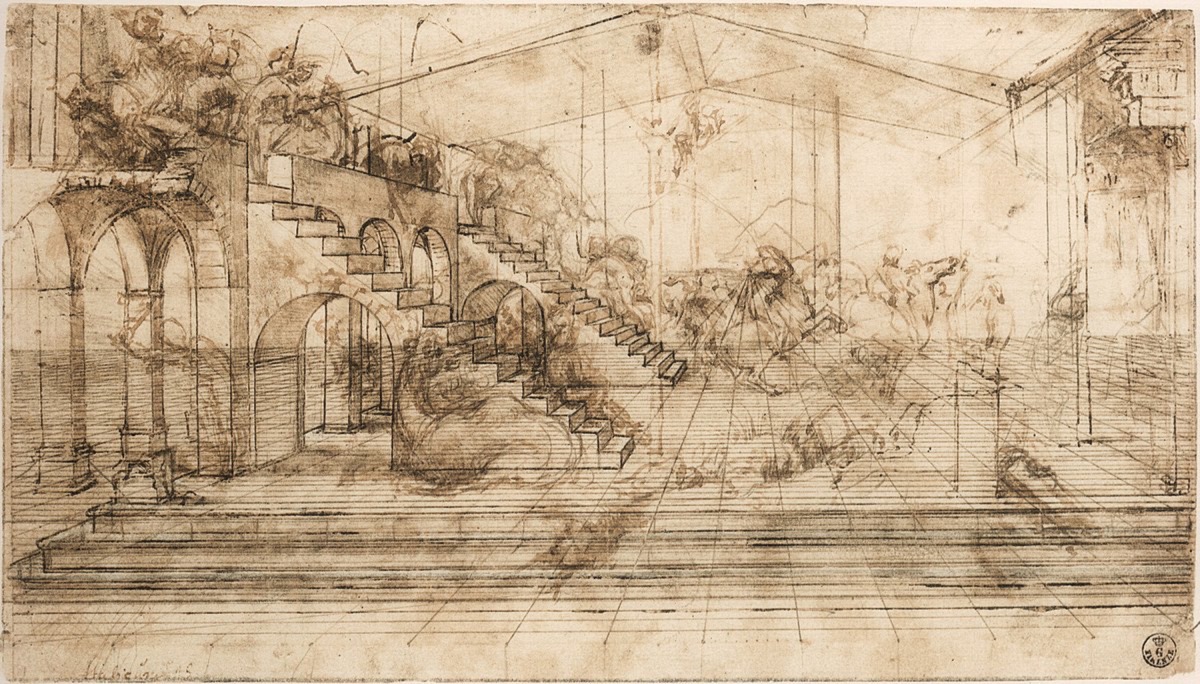
What remains is one of the most studied unfinished works in art history.
You can see Leonardo thinking directly in the paint - the underdrawing is fully visible, the heads of the Magi crowd toward the Virgin in intense, almost anxious devotion, ruins and rearing horses fill the distance.
Leonardo typically built his paintings in multiple layers of translucent glaze, each adding depth and shadow, working from a careful preparatory drawing up through thin veils of colour.
Here that process was abandoned midway, and the result is a window into his method that no finished work provides.
The distant landscape - dissolving into atmospheric haze, losing colour and definition with distance - is an early appearance of the technique he would perfect in the Mona Lisa.
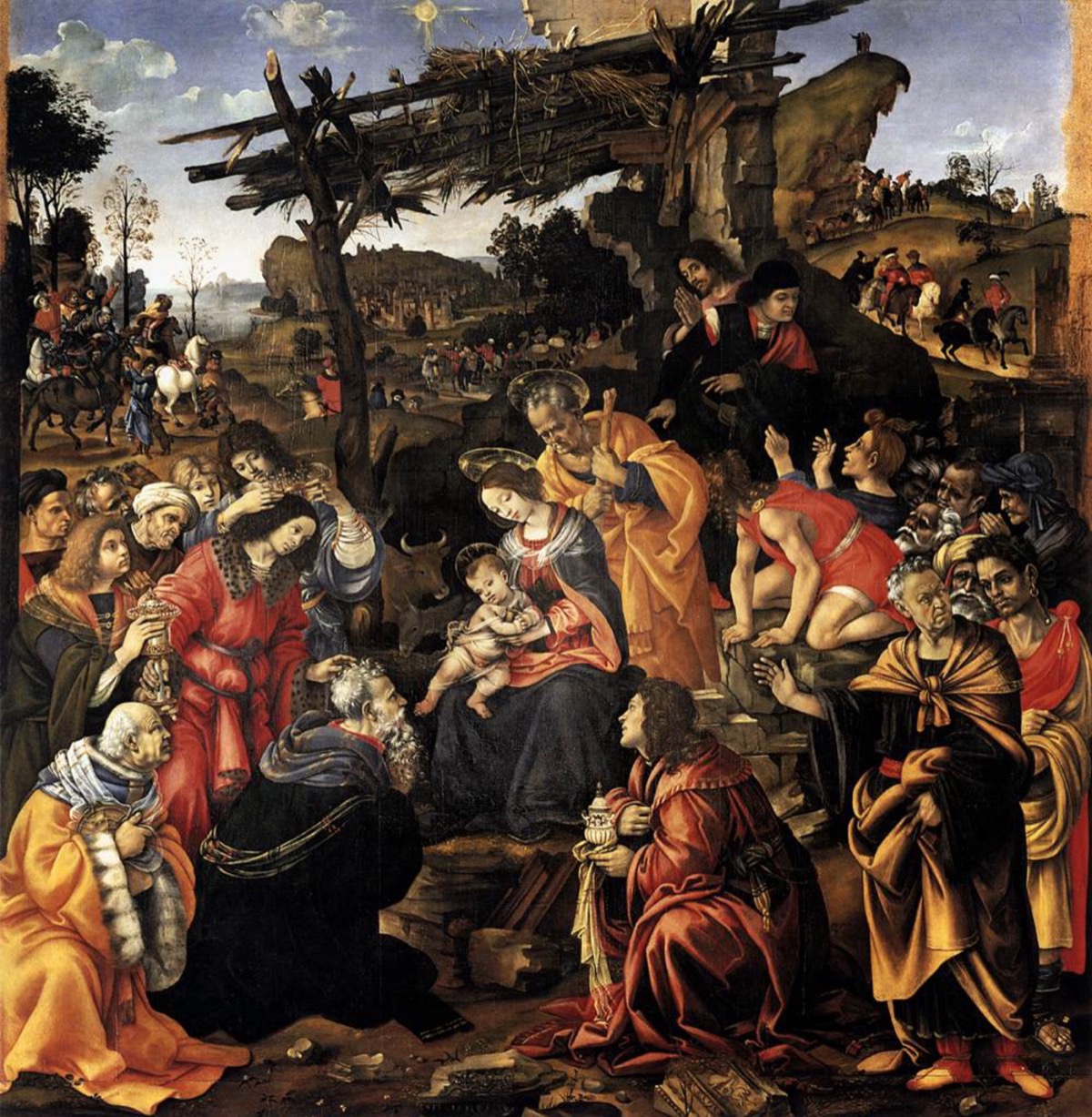
Fun fact: the monks eventually commissioned another artist, Filippino Lippi, to paint a completed Adoration in Leonardo's place.
That painting is also in the Uffizi.
Comments
Loading comments...