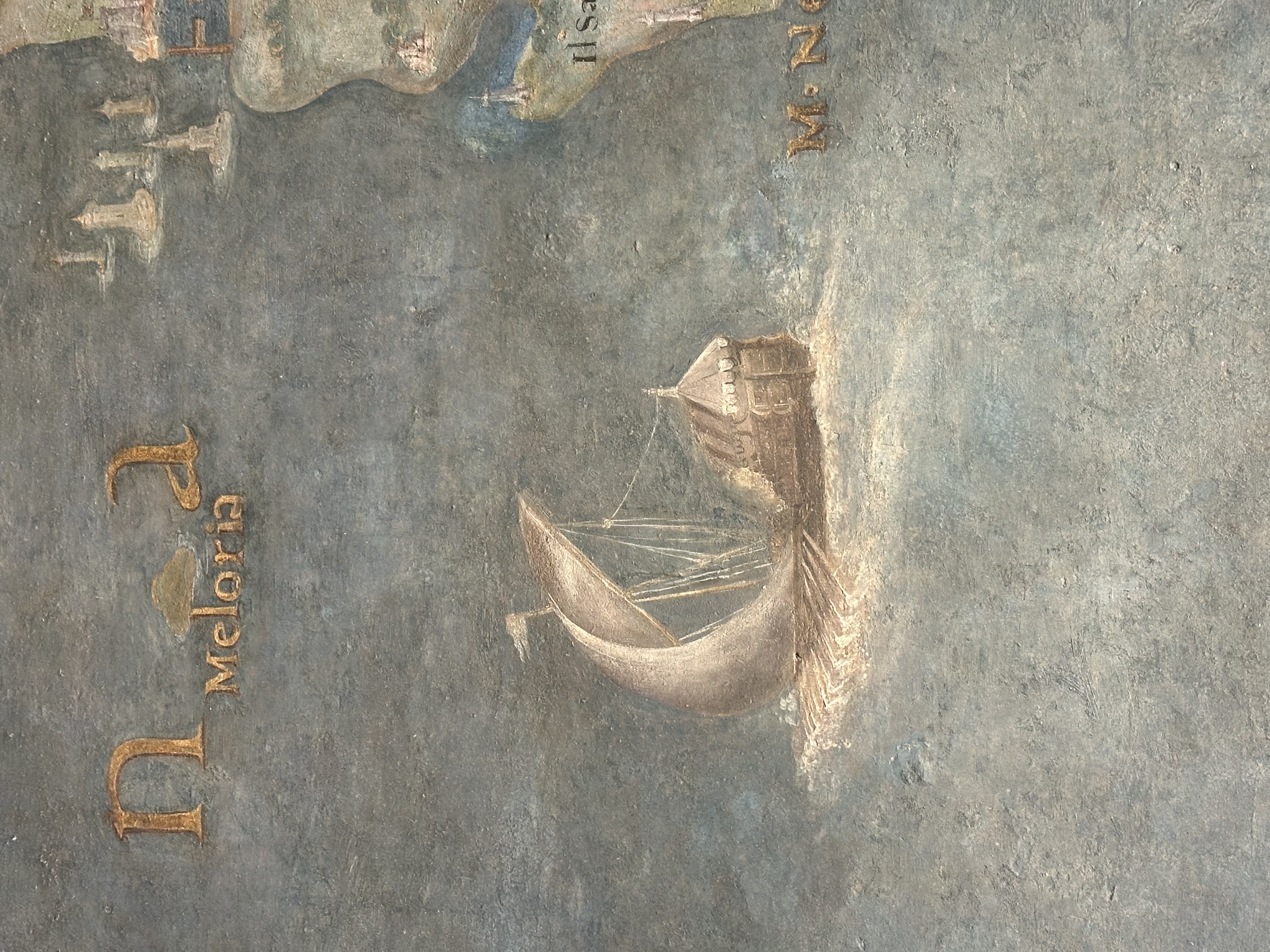


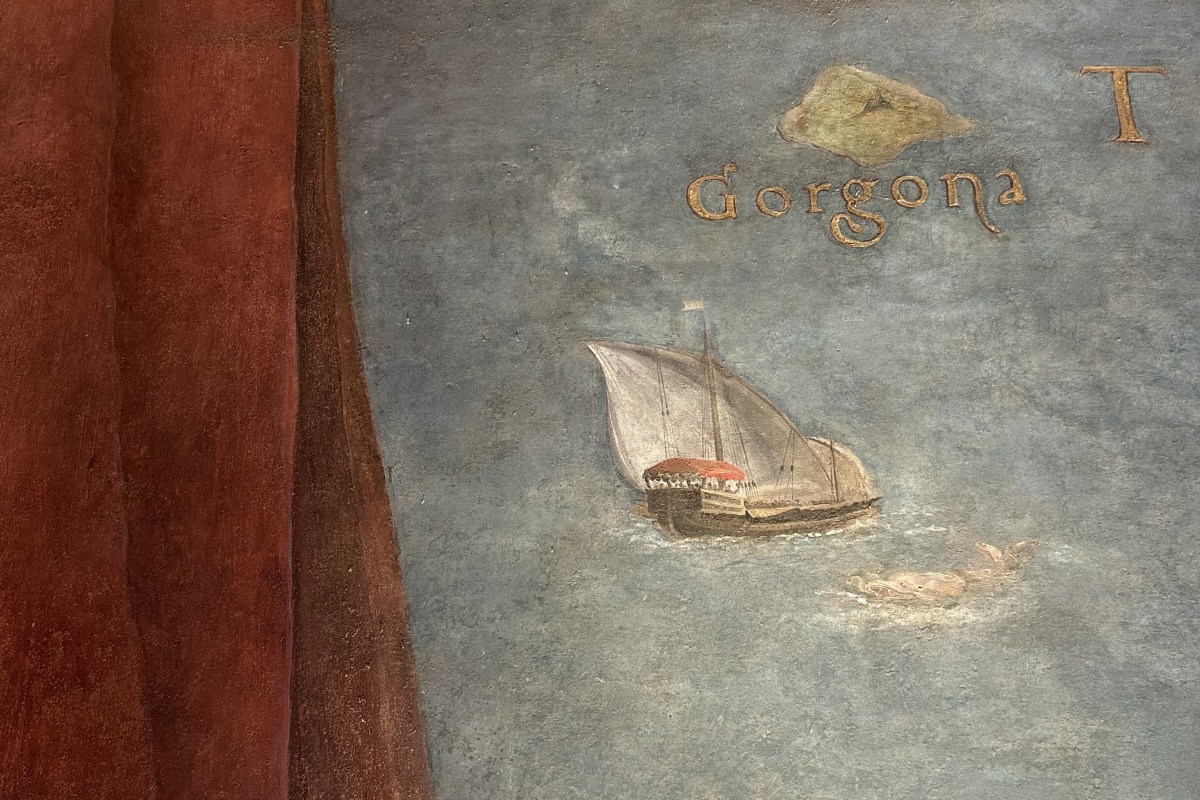
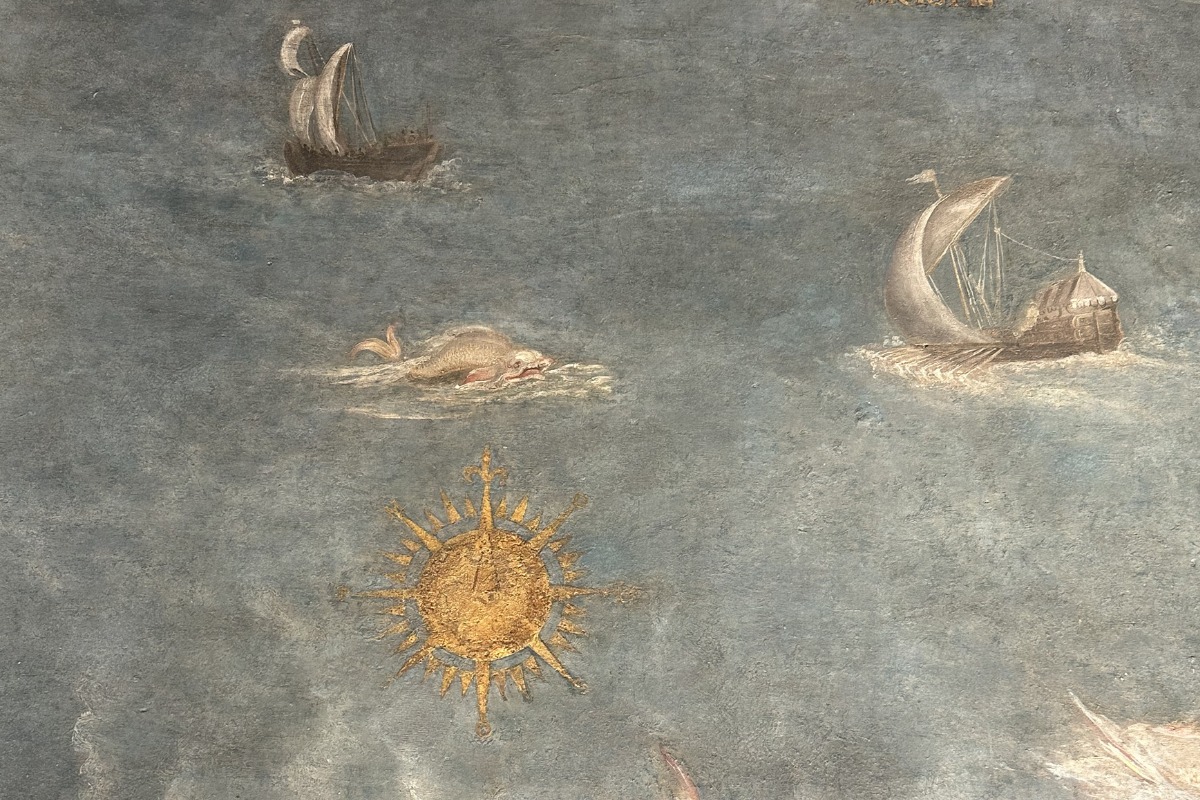
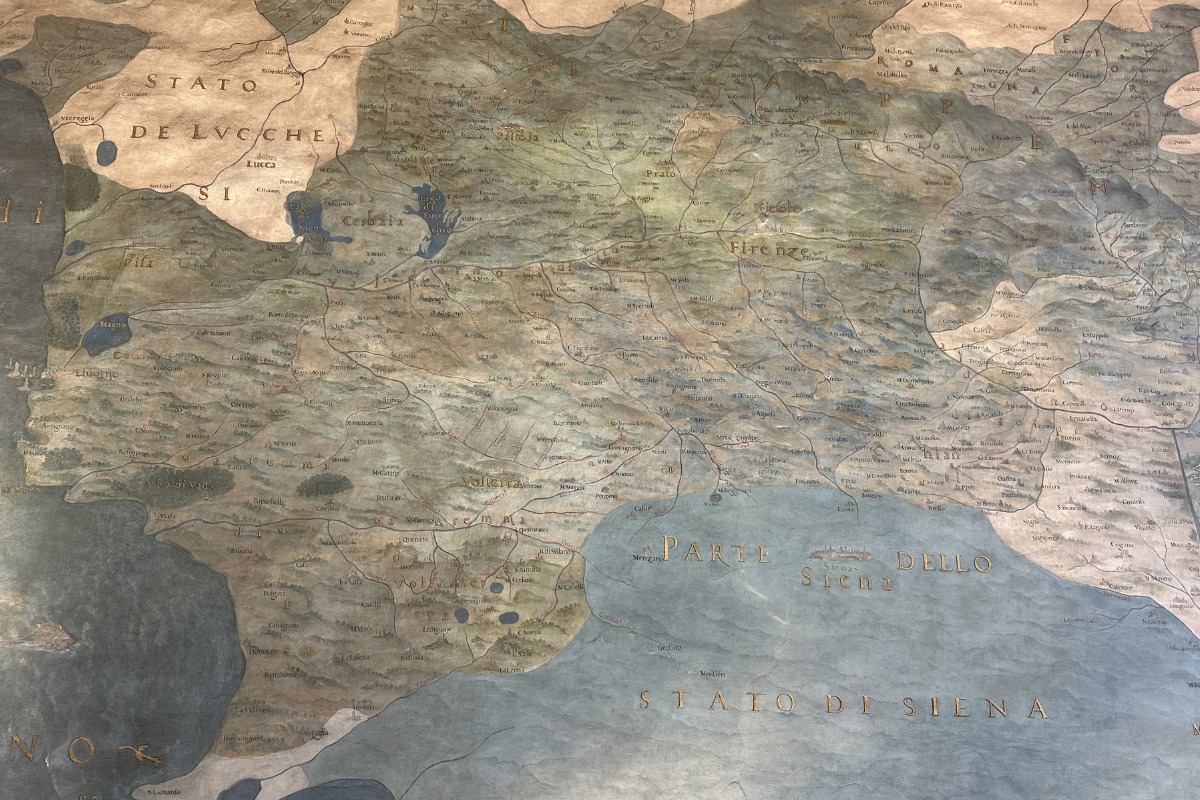
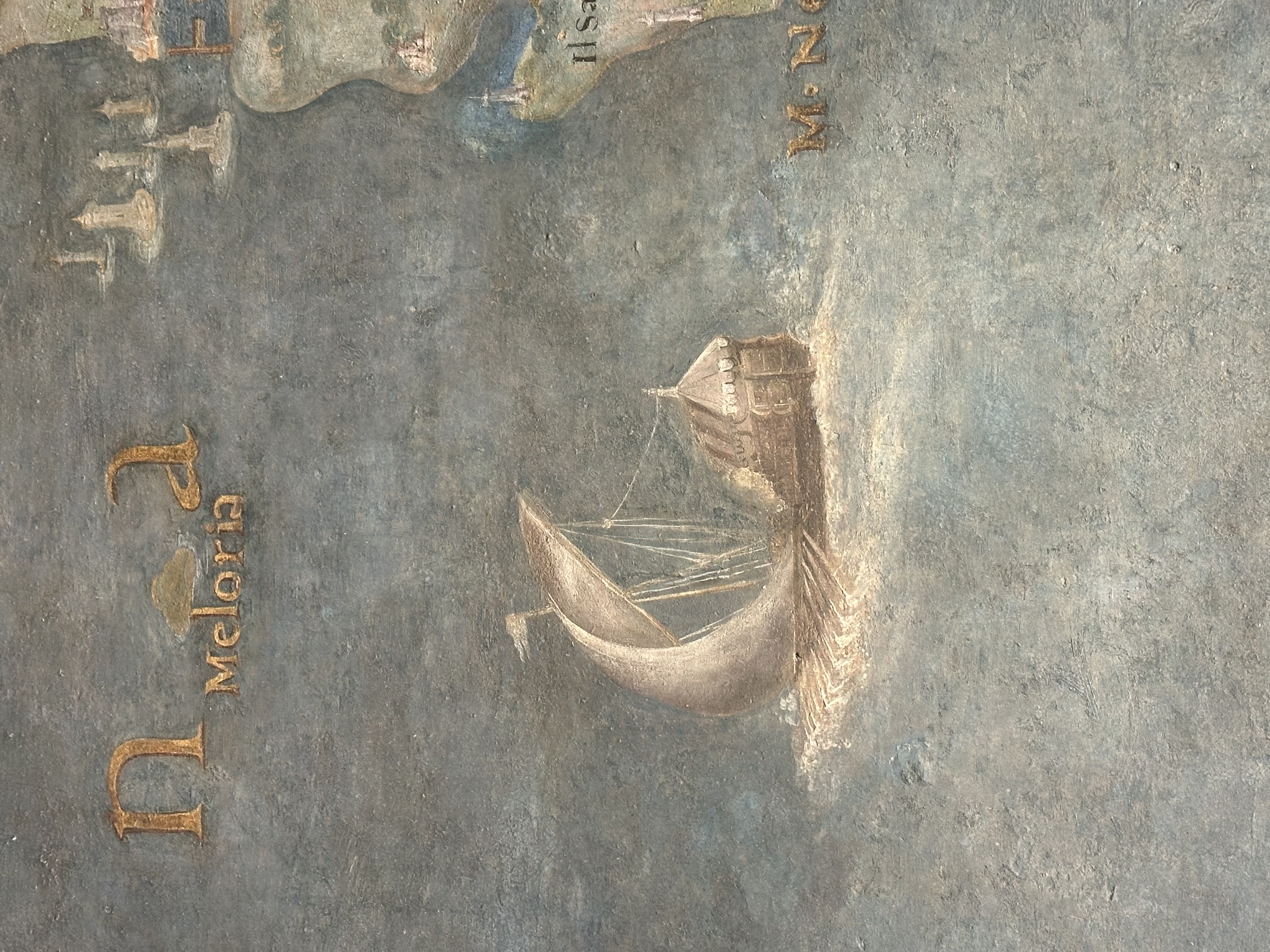
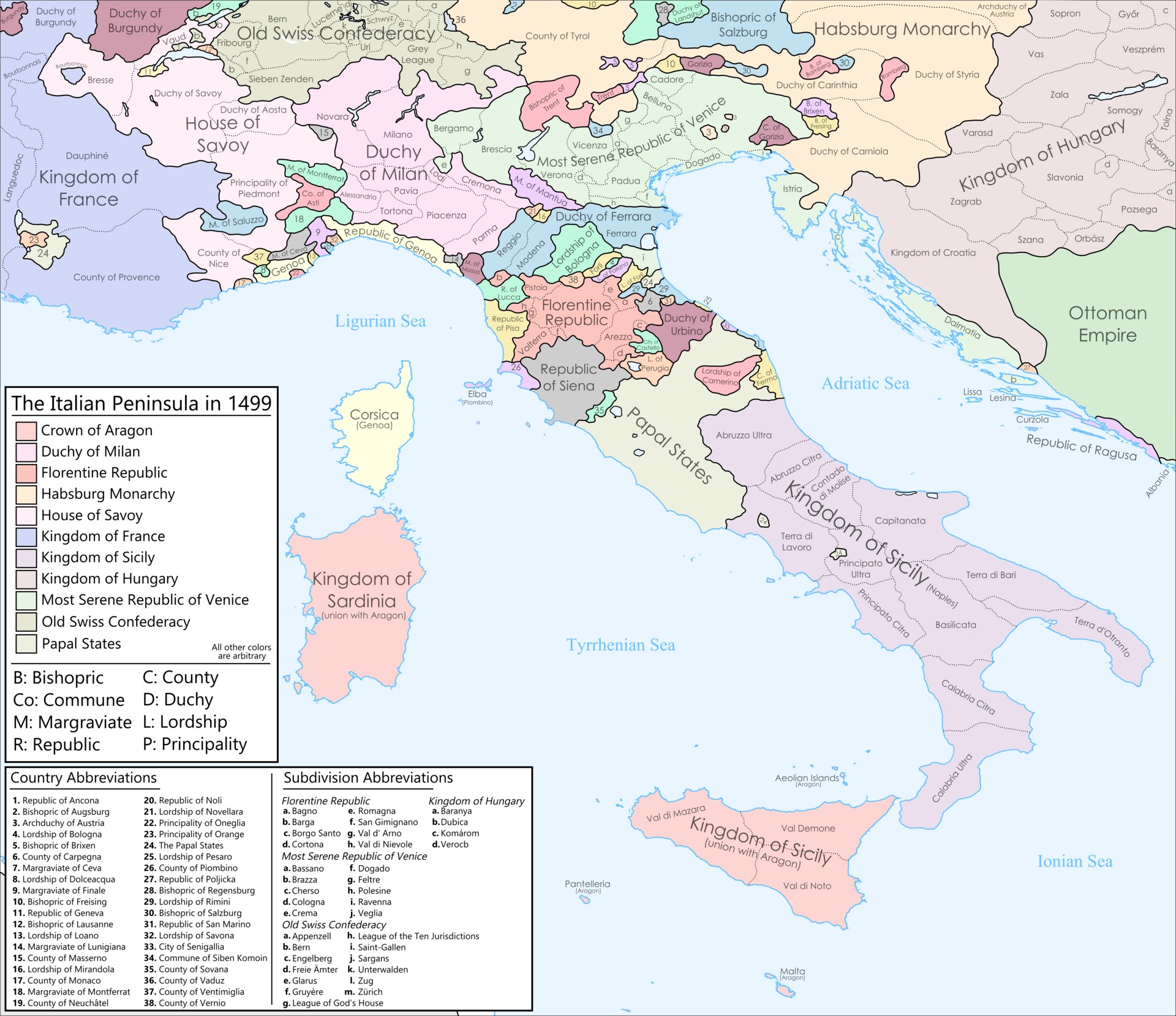
The geographic maps that line these walls tell you something about Florence's self-image.
At its height in the 15th century, the Florentine republic controlled most of Tuscany - Pisa, Volterra, Arezzo, and the surrounding countryside.
Siena held out until 1555.
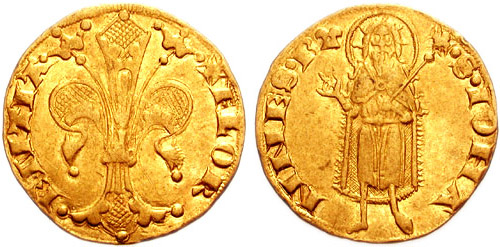
Florence's reach extended through its banking houses across Europe, from London to Bruges to Naples.
The Medici made all of this possible.
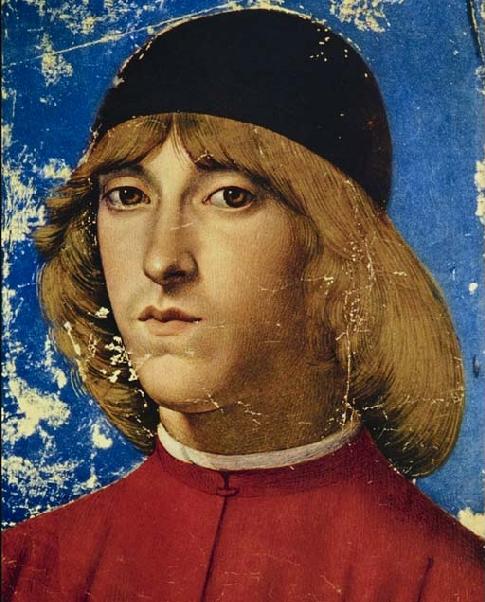
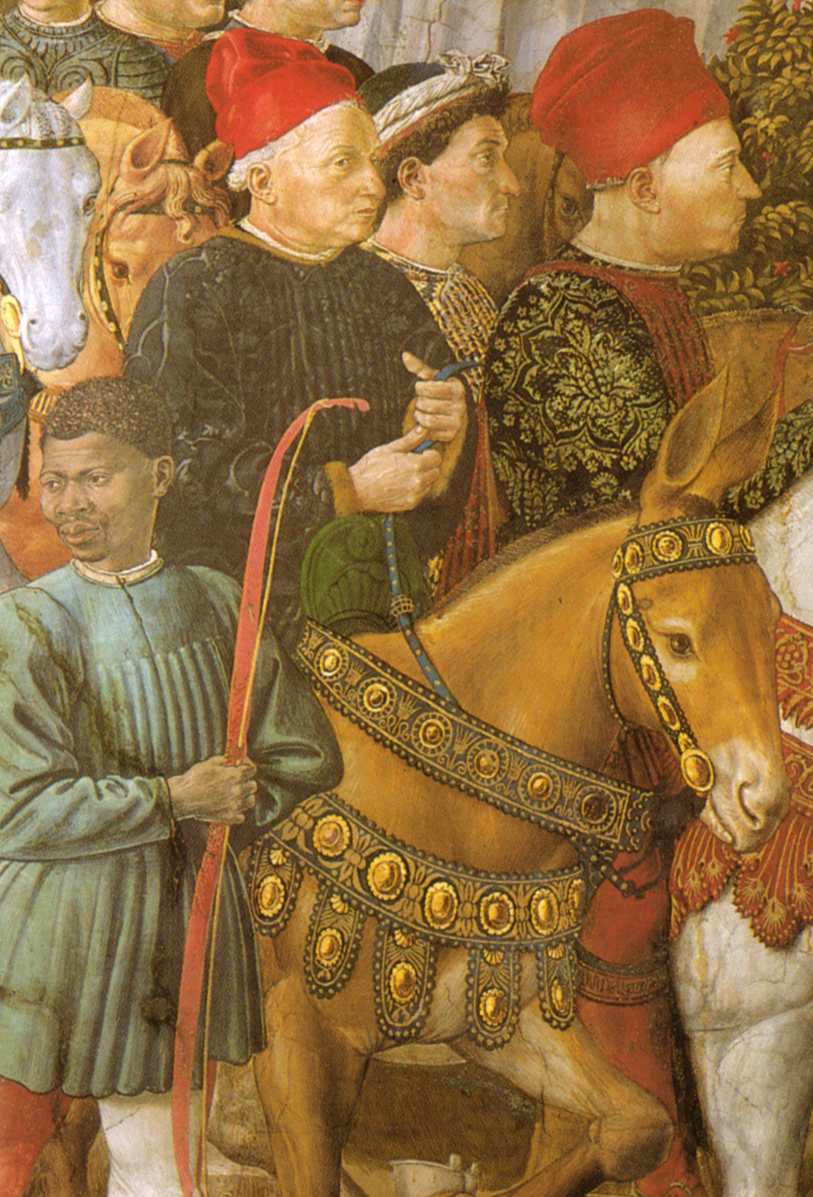
They were not Florentine nobility by birth - they were bankers, rising through commerce rather than hereditary title.
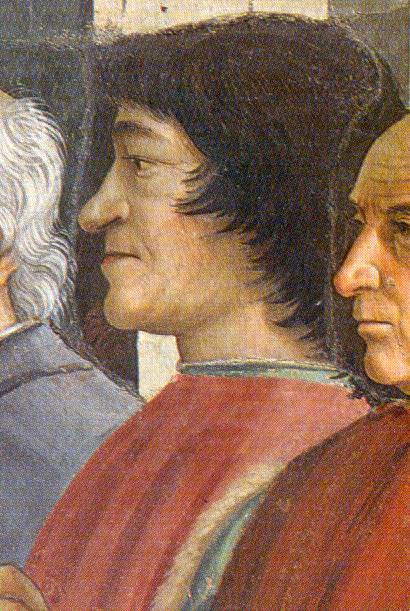
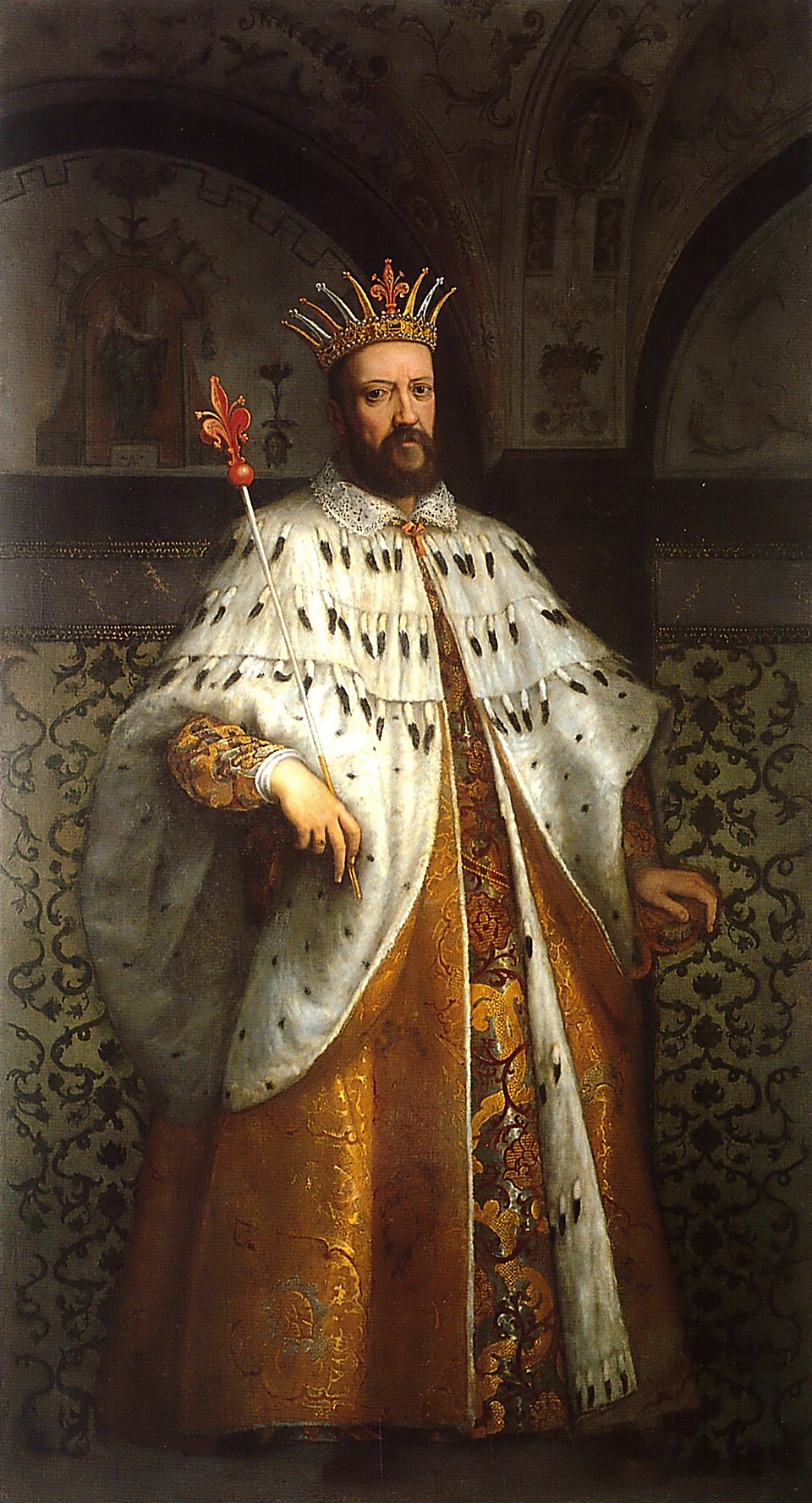
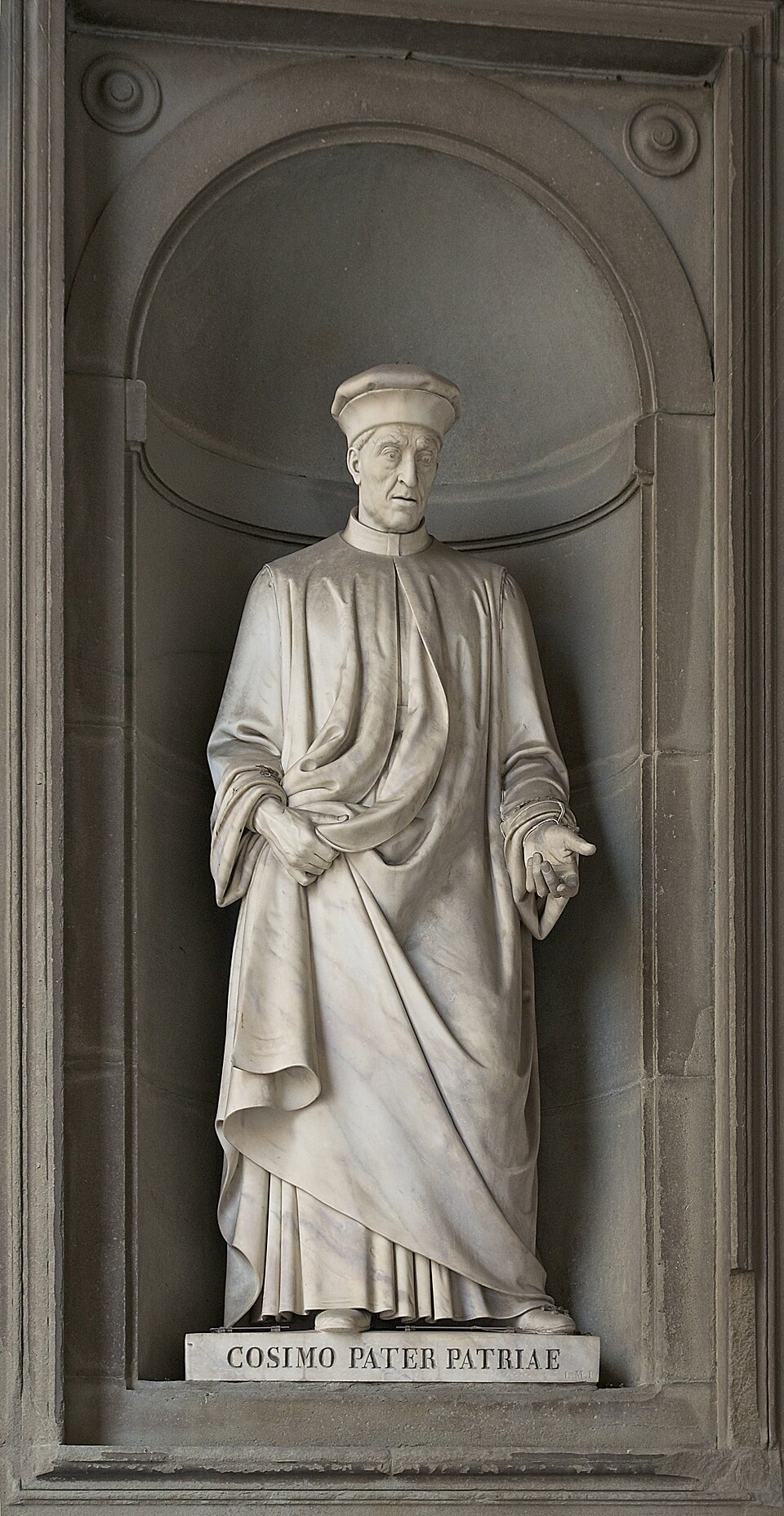
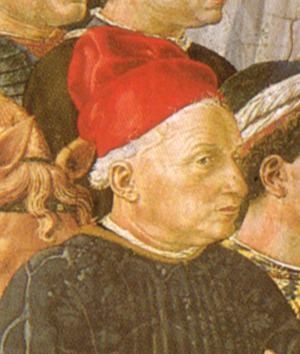
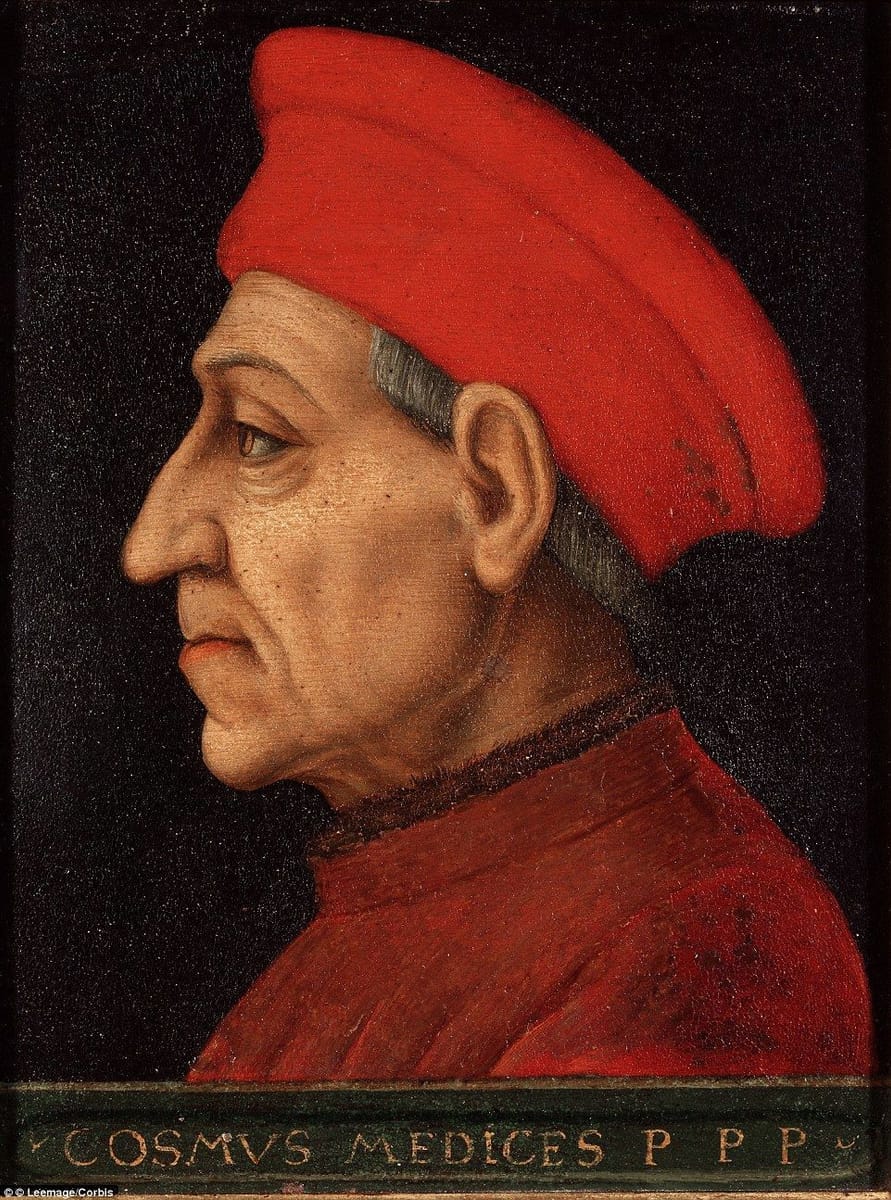
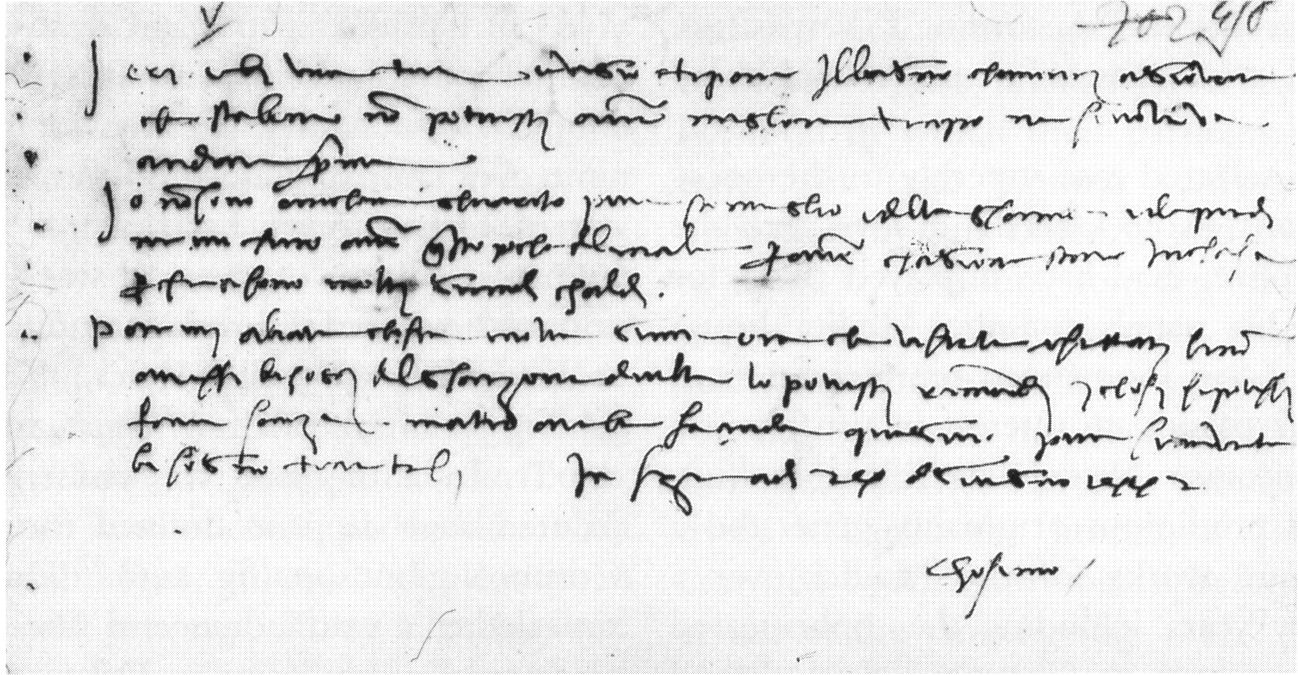
Cosimo de' Medici (the Elder) used his bank's profits to fund the arts and architecture on a scale that transformed the city.
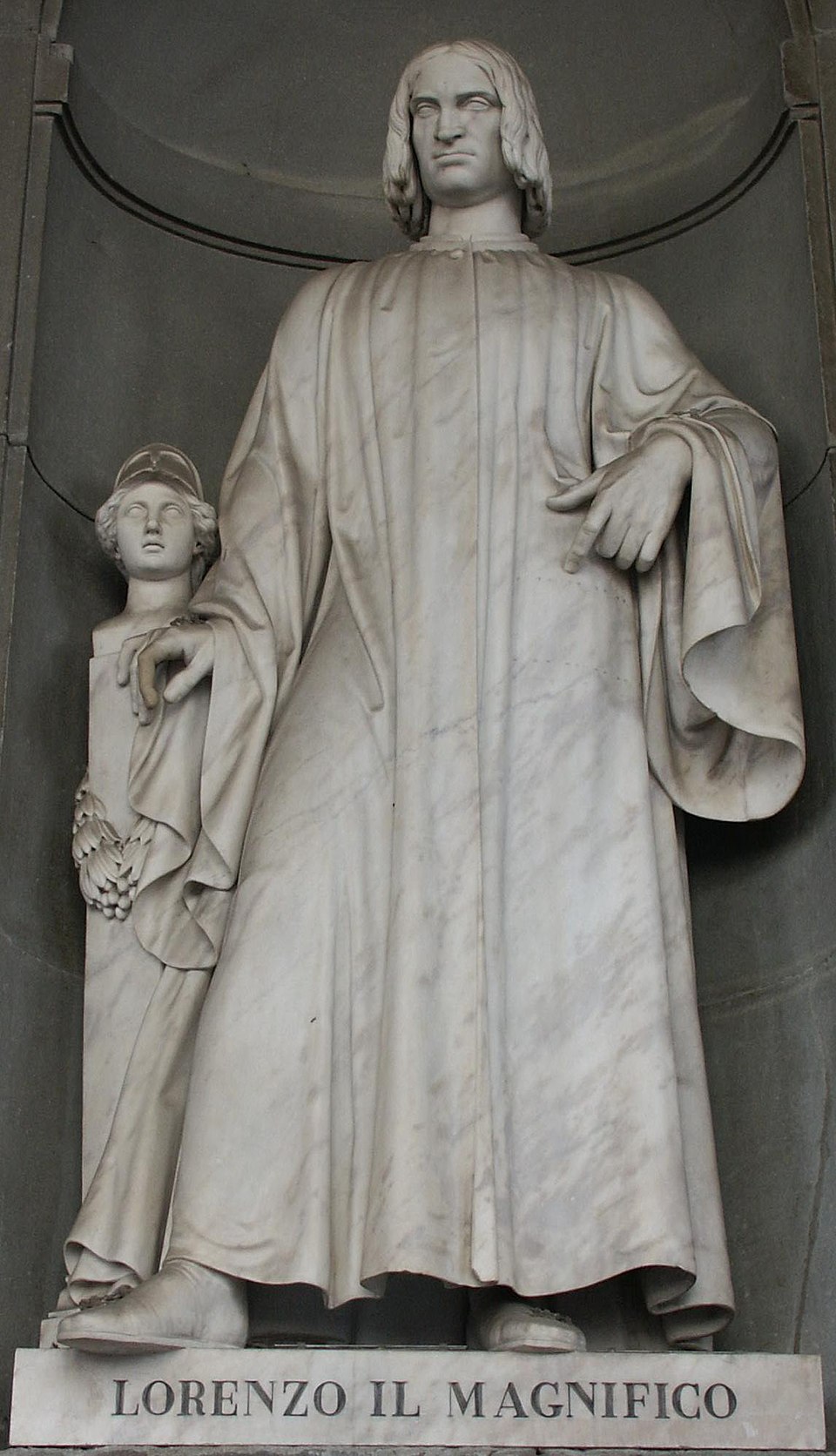
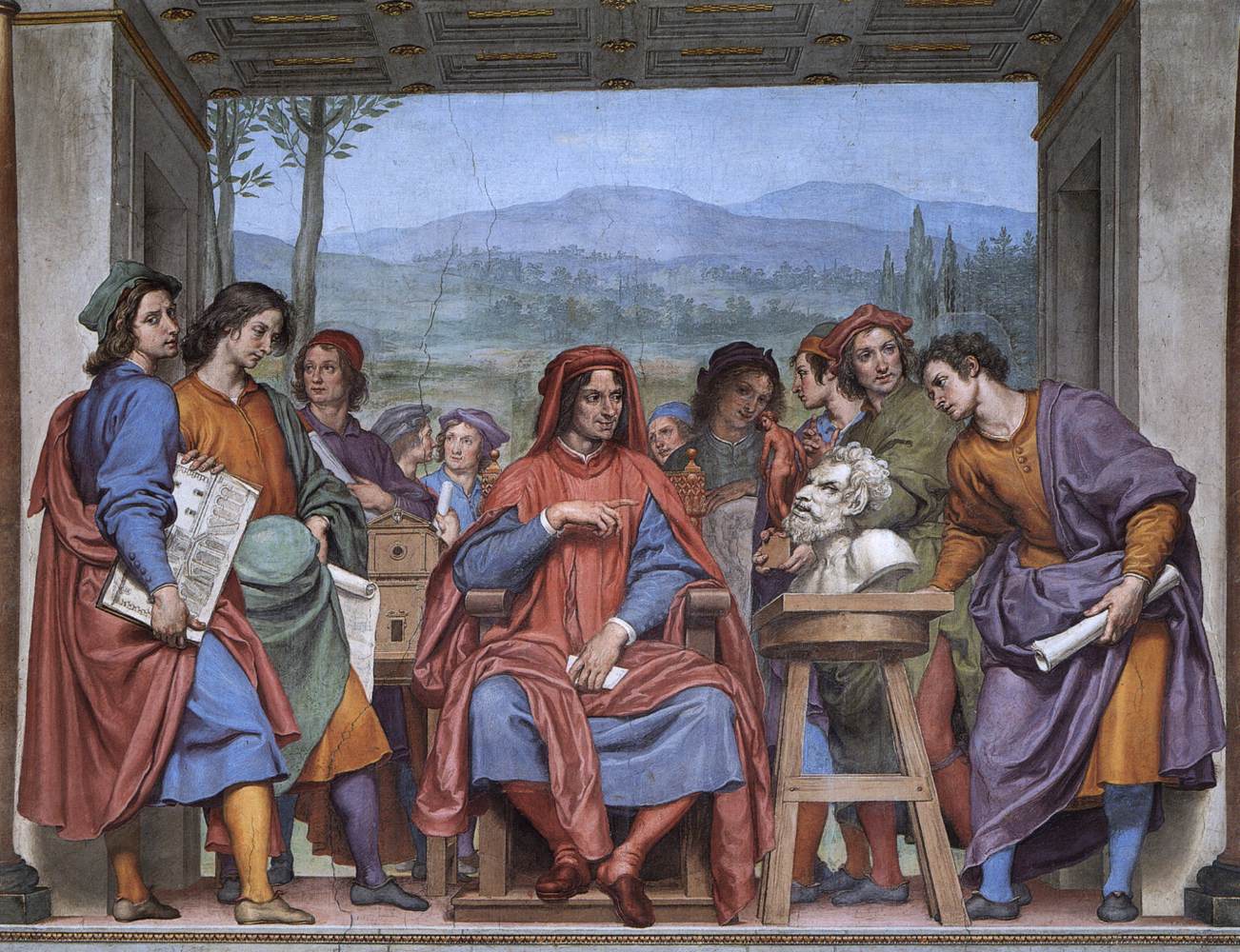
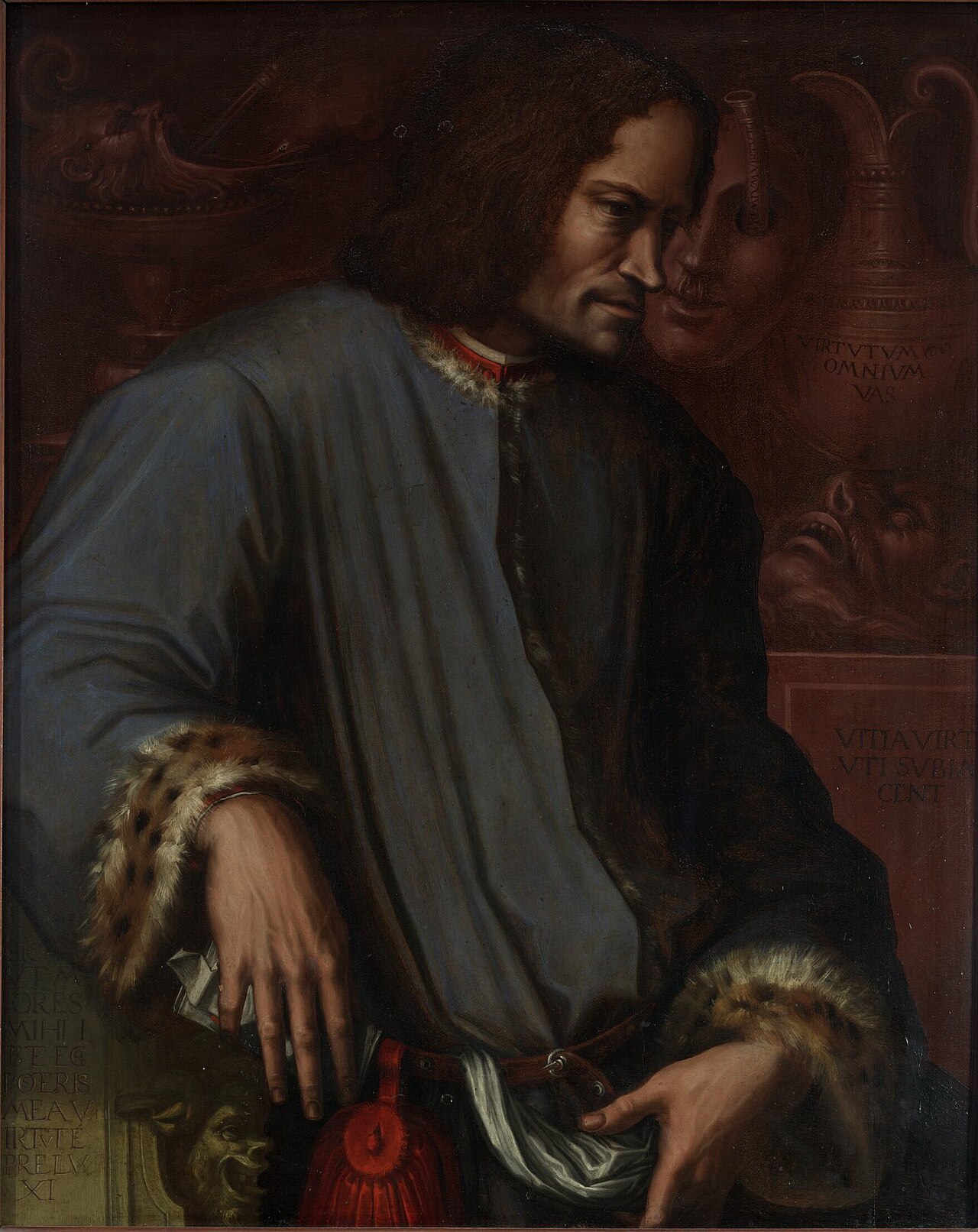
His grandson Lorenzo the Magnificent turned Florence into the cultural capital of Europe.
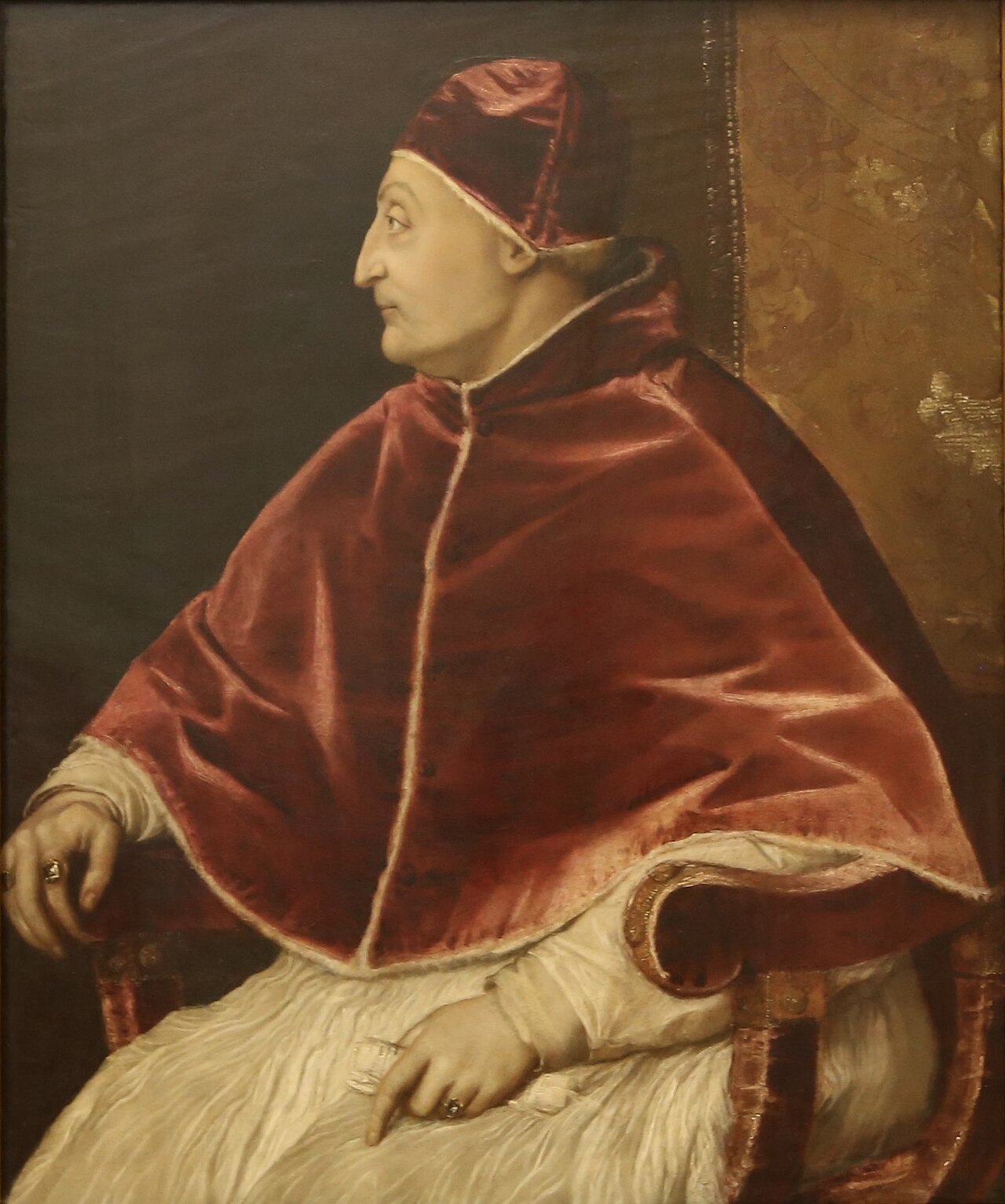
They collected art, patronised scholars, built libraries, and effectively controlled the papacy through the leverage of Florentine finance.
The collection you are walking through is the direct result of that ambition.
Florence's great rivals - Siena, Pisa, Lucca - all survive as beautiful, smaller cities.
Florence won because of money, banking, and the willingness to use cultural patronage as a form of political power.
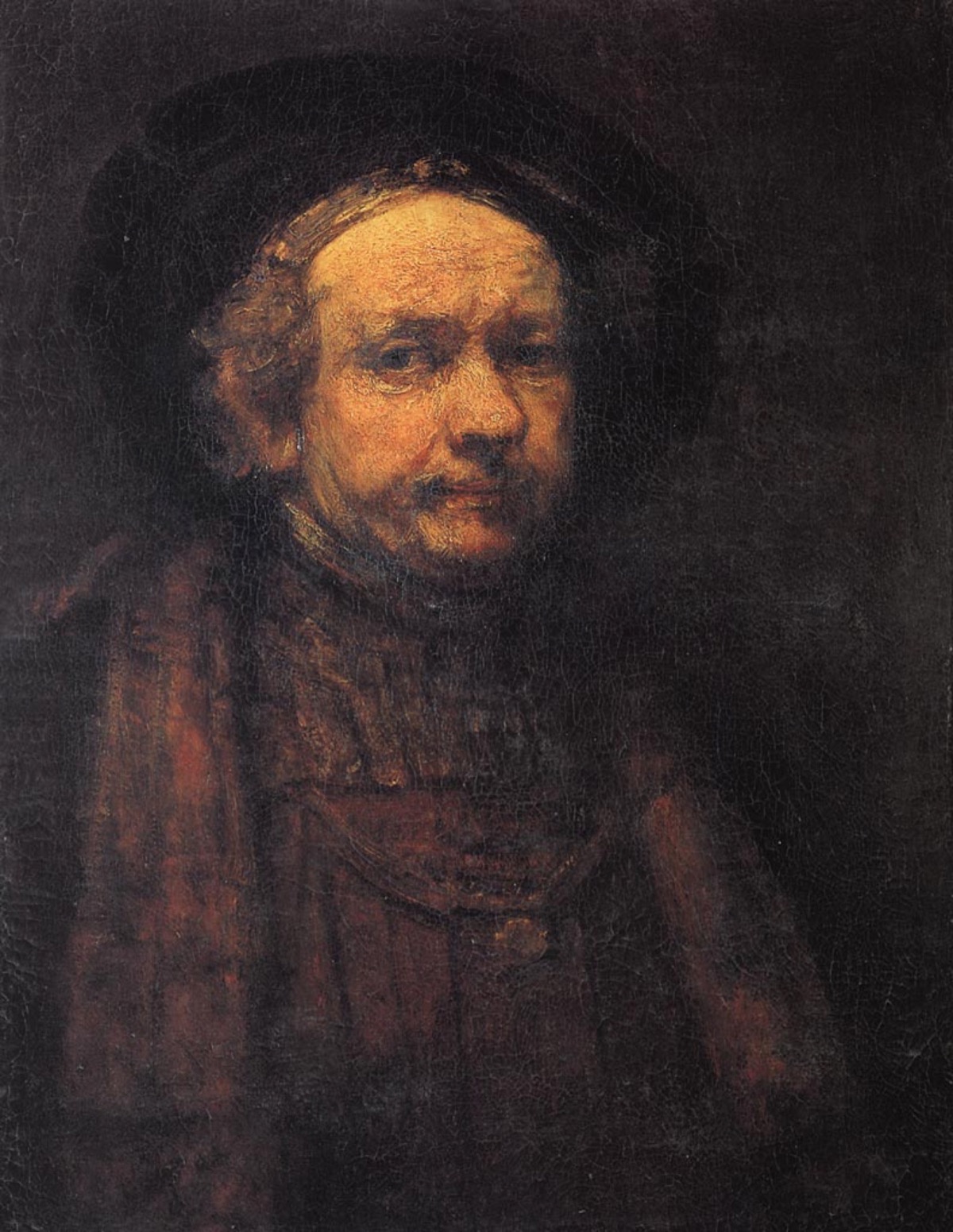
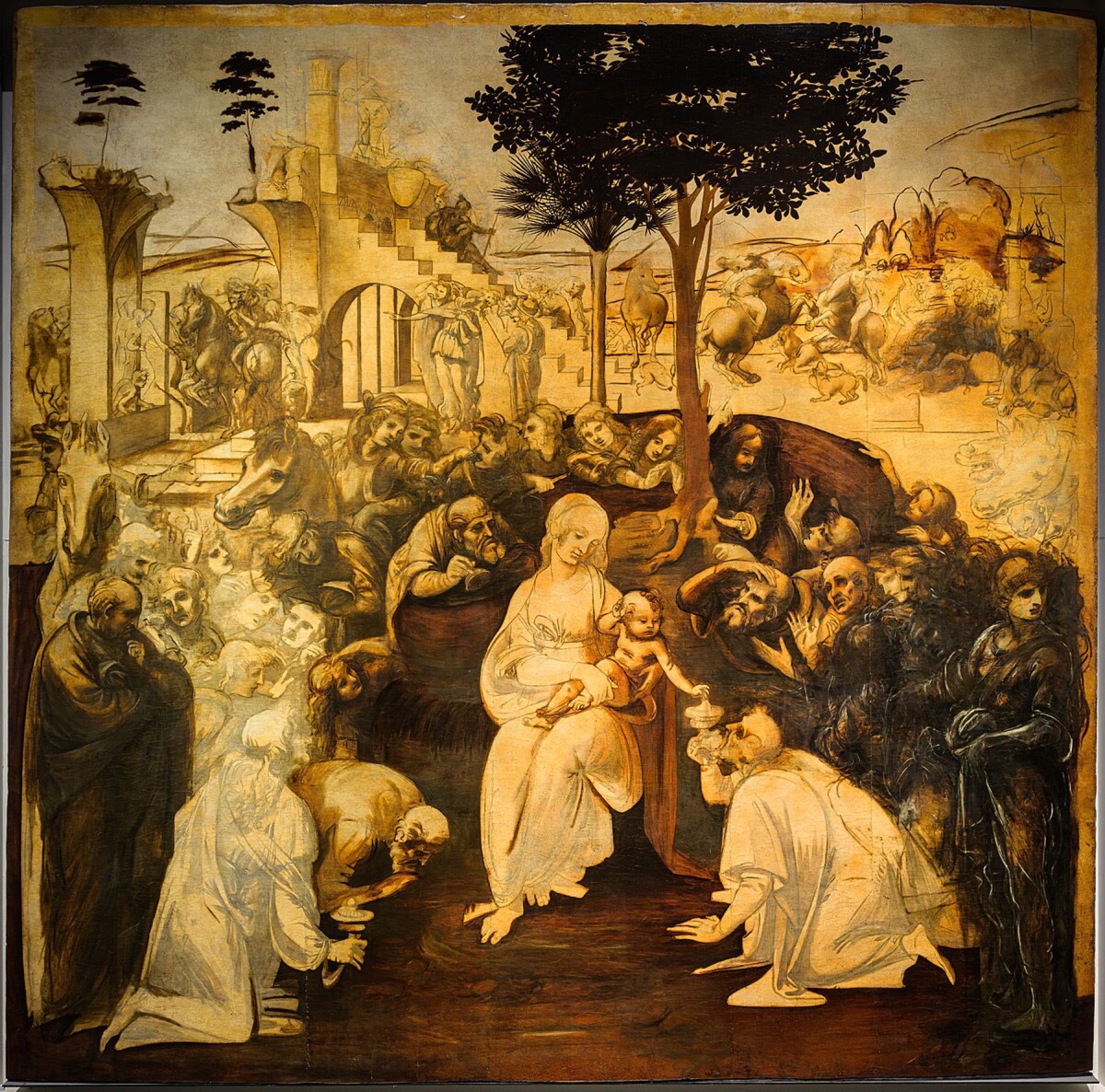
The art you've been looking at is inseparable from that story.
Comments
Loading comments...