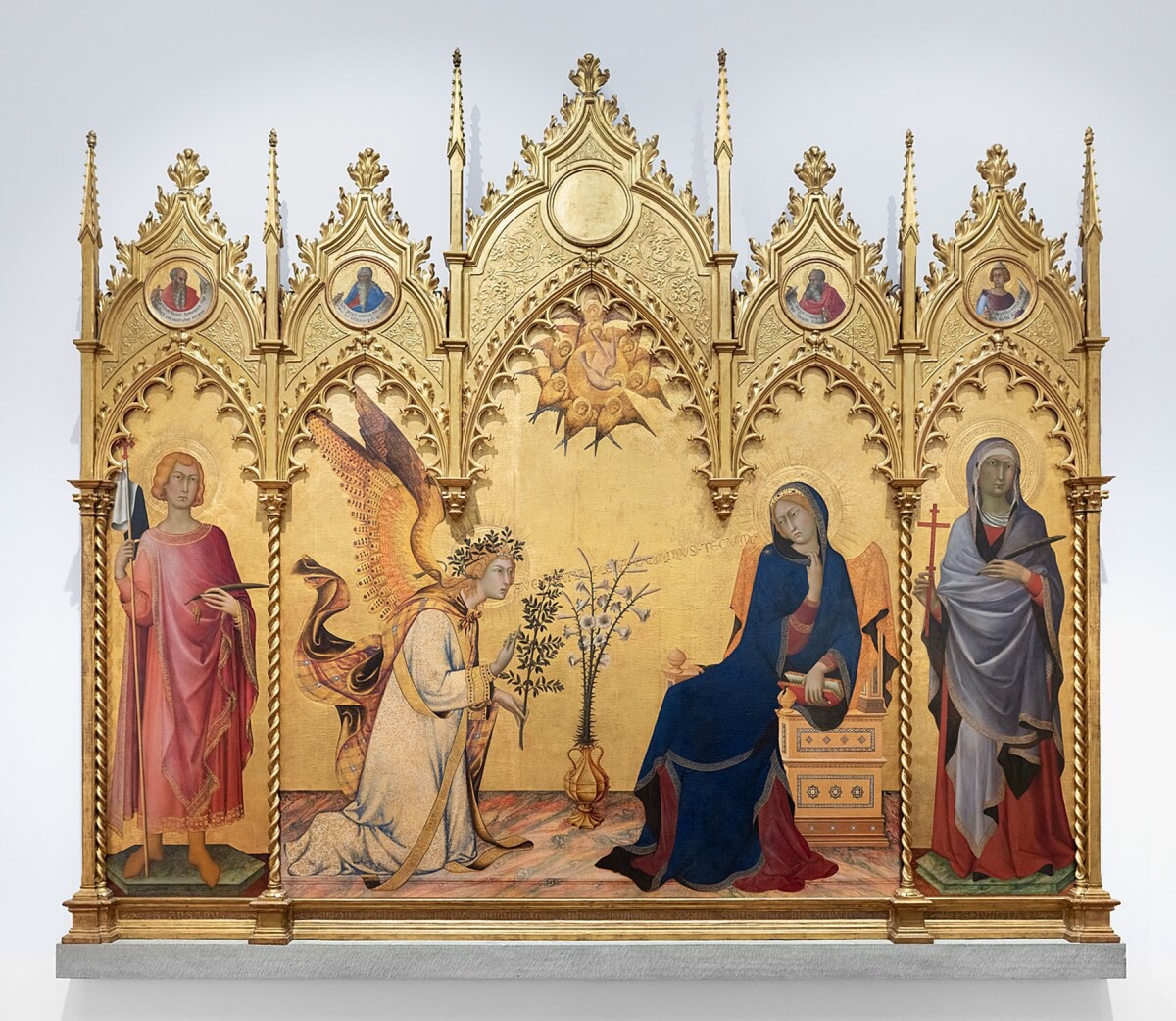


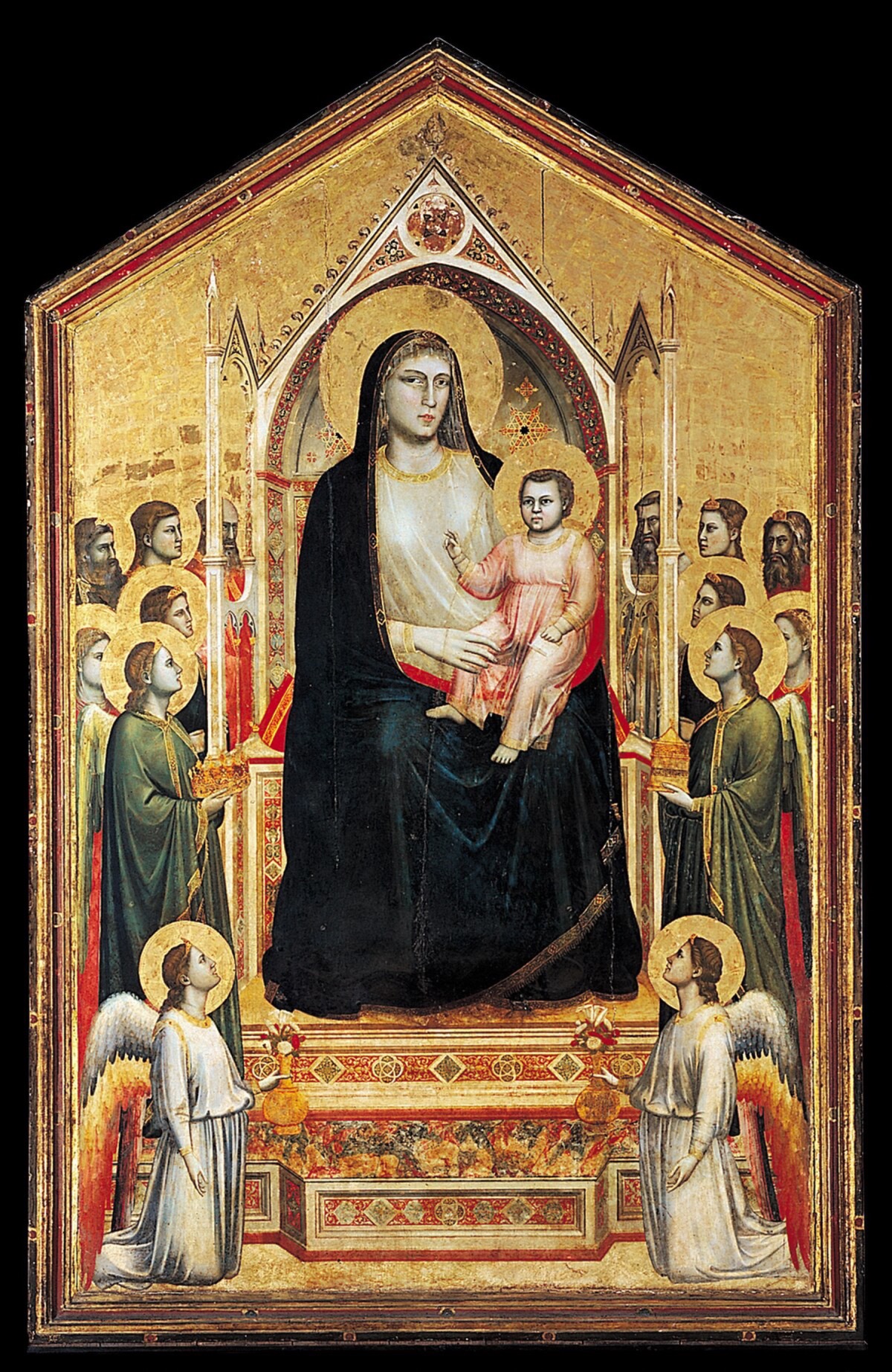
After Giotto's gravity, Simone Martini goes in entirely the opposite direction.
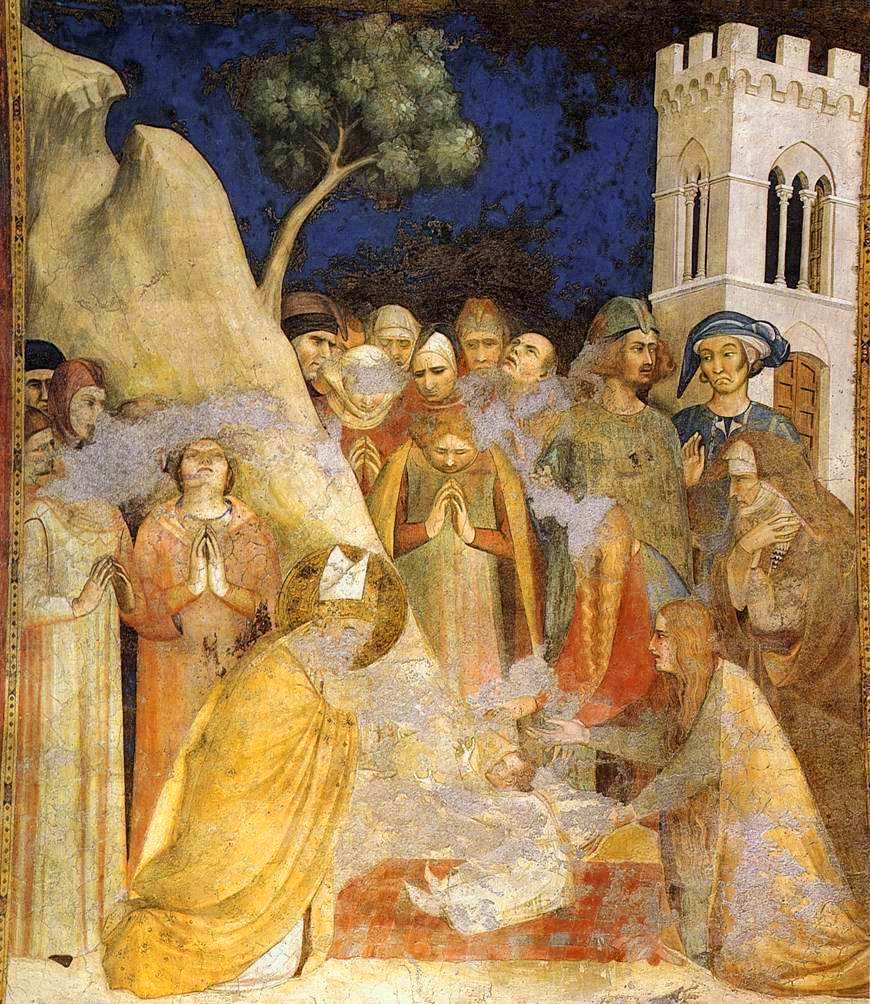
As mentioned, this is the Sienese school at its most characteristic: weightless, decorative, dreamlike.
Where Giotto paints weight, Martini paints air.
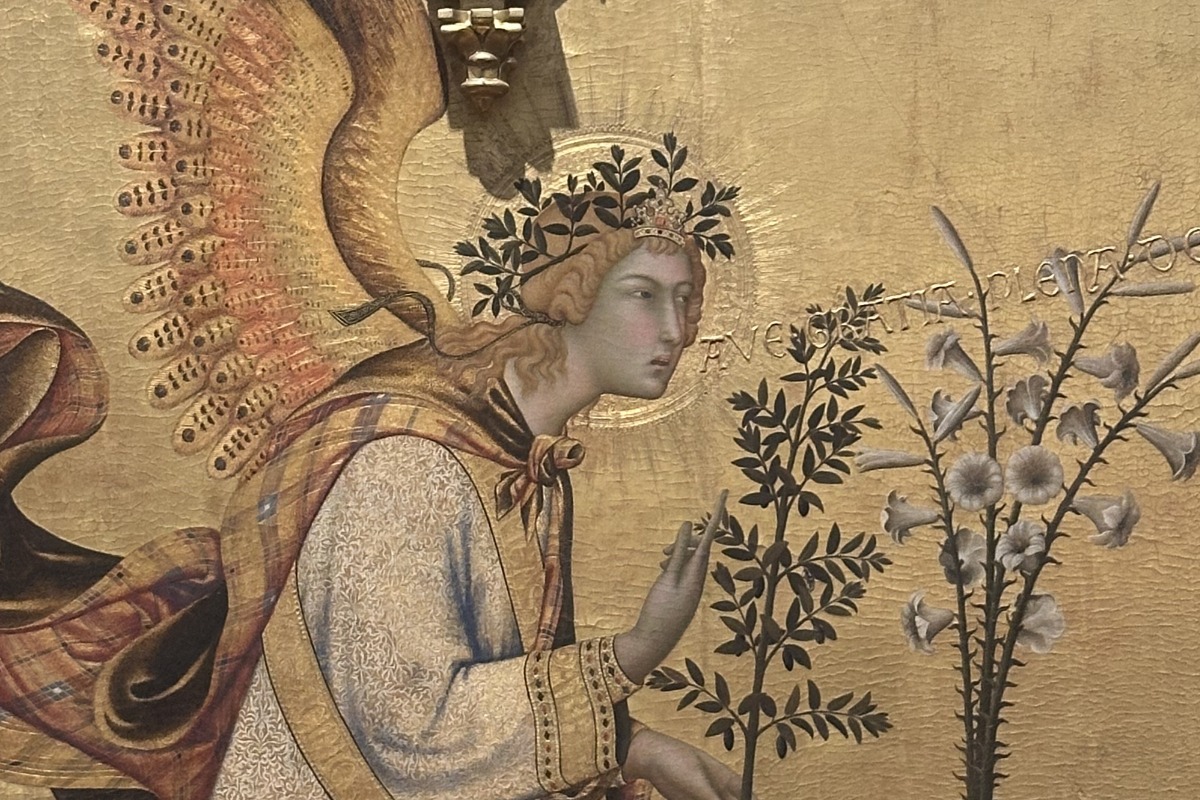
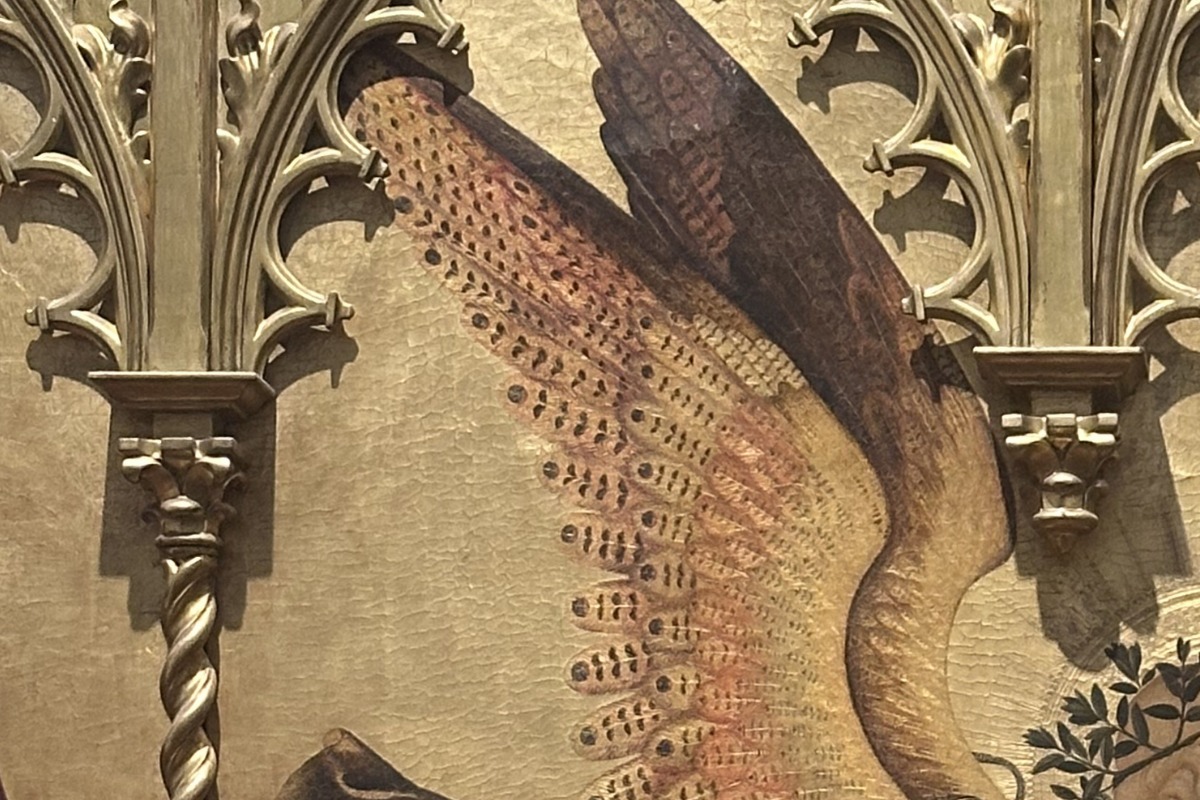
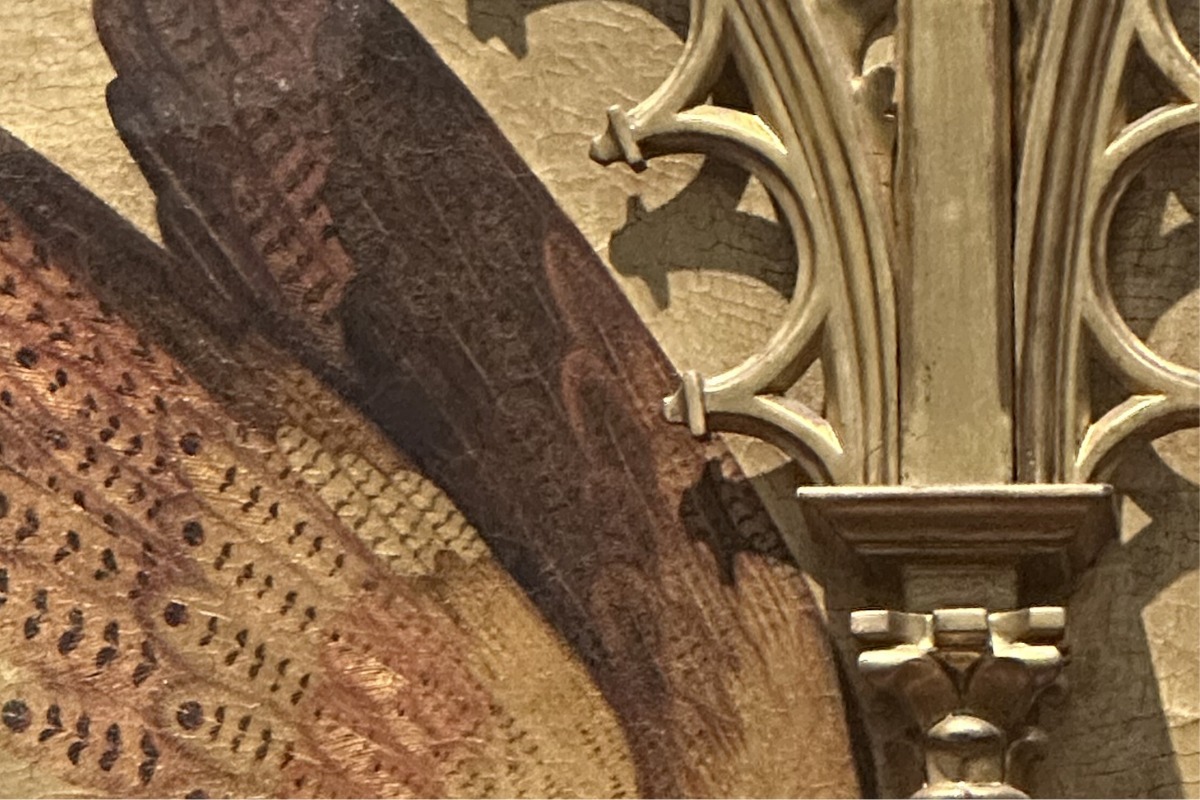
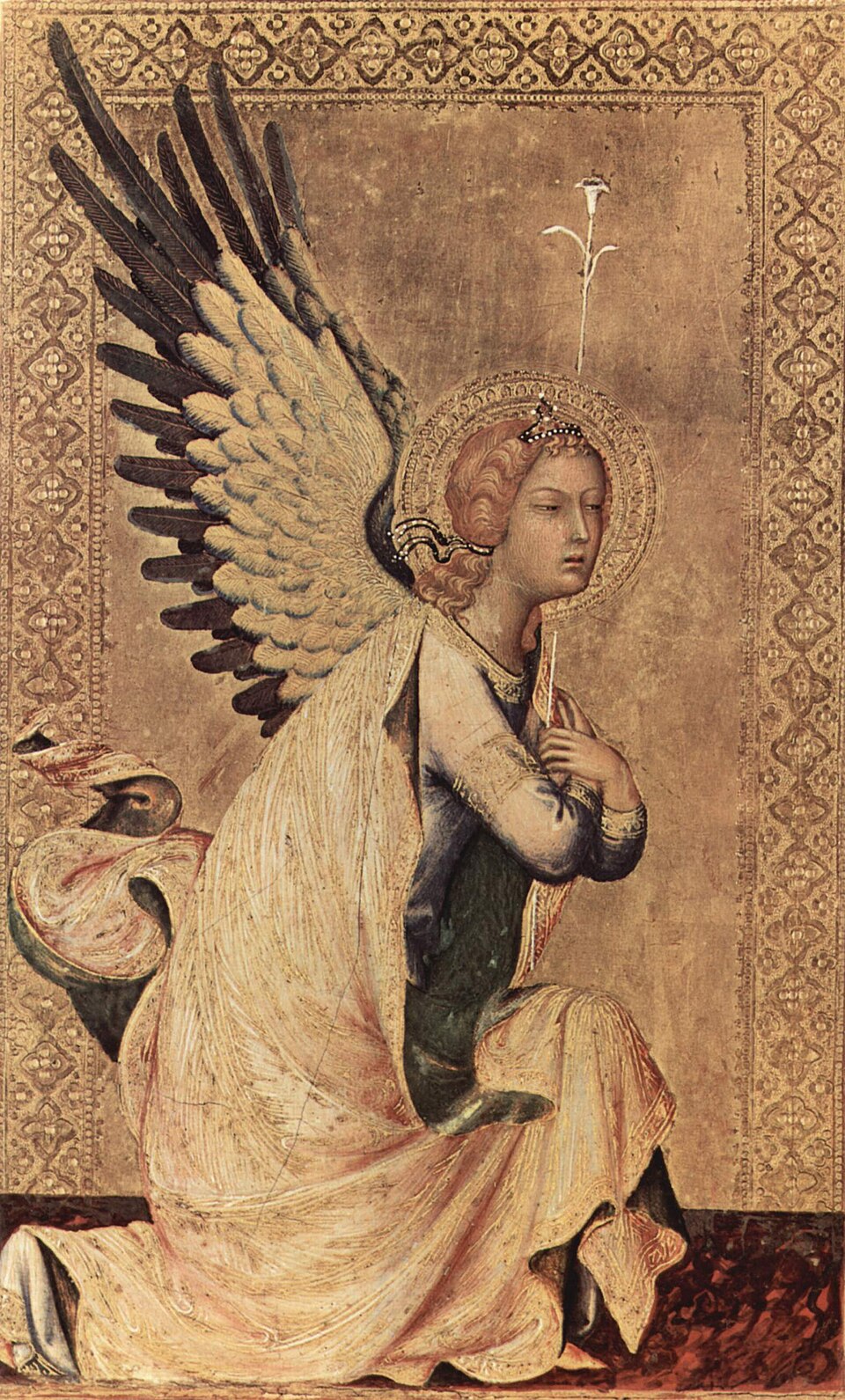
The angel's wings are still extended from flight.
His cloak swirls in the motion of landing.
The gold ground dissolves the scene into something between vision and reality.
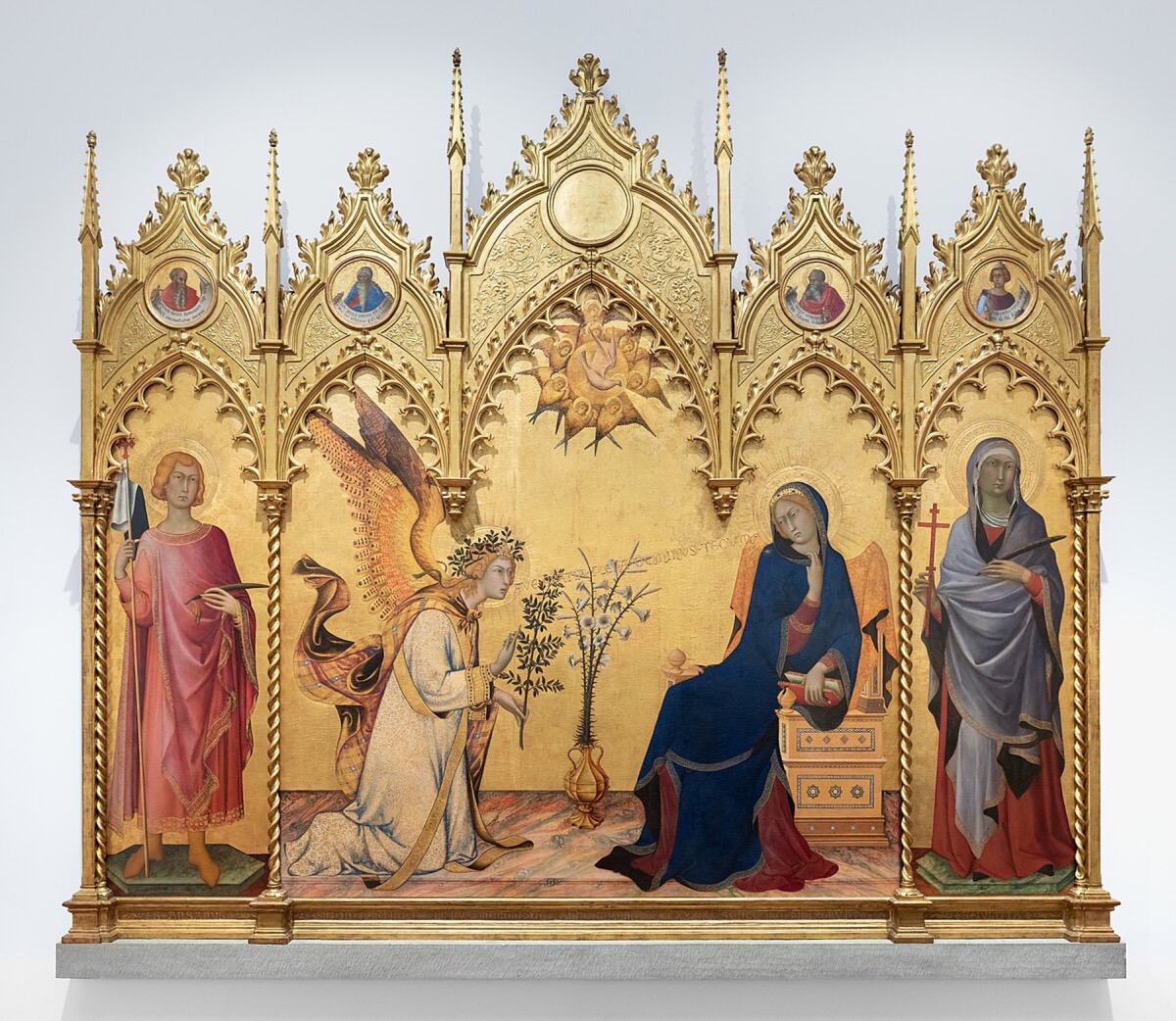
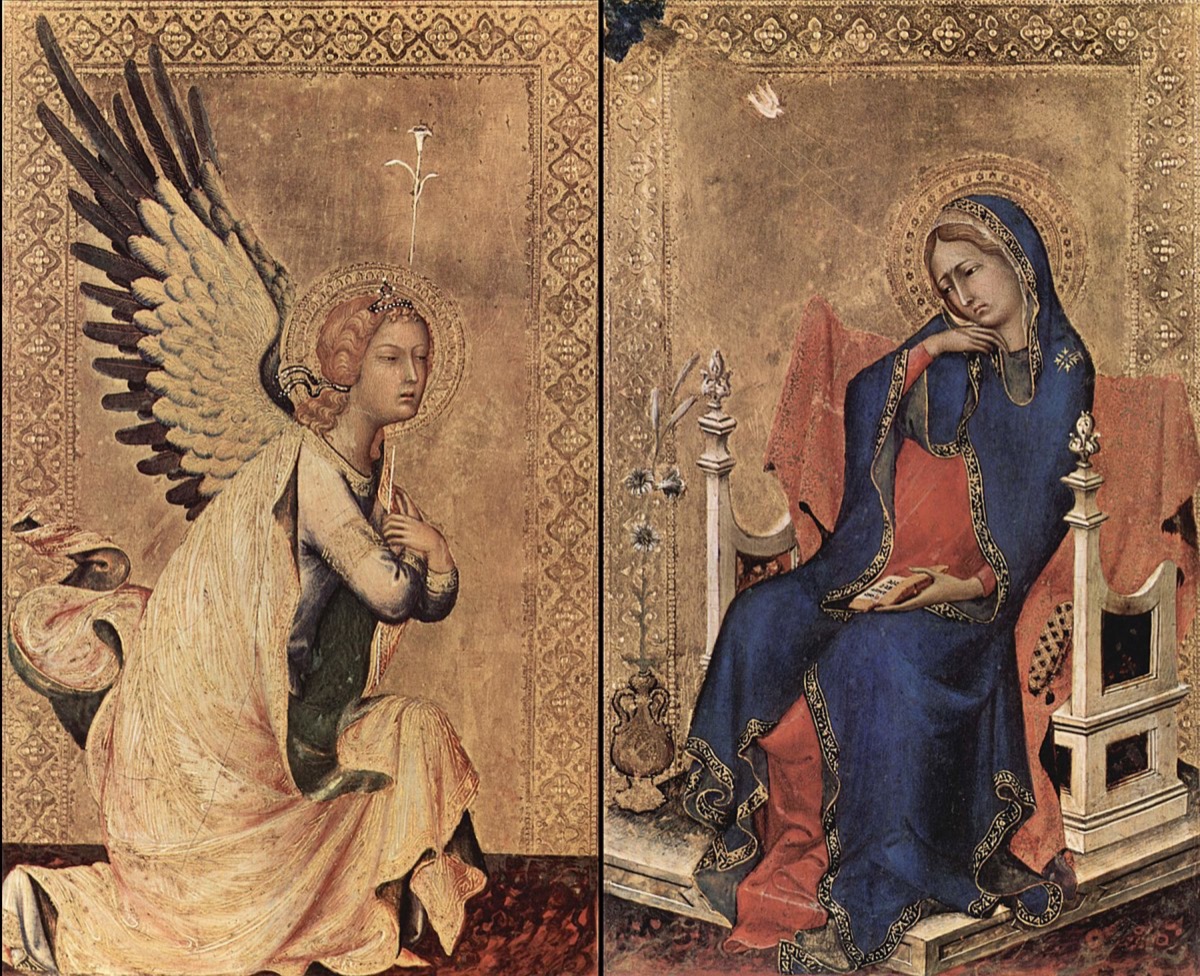
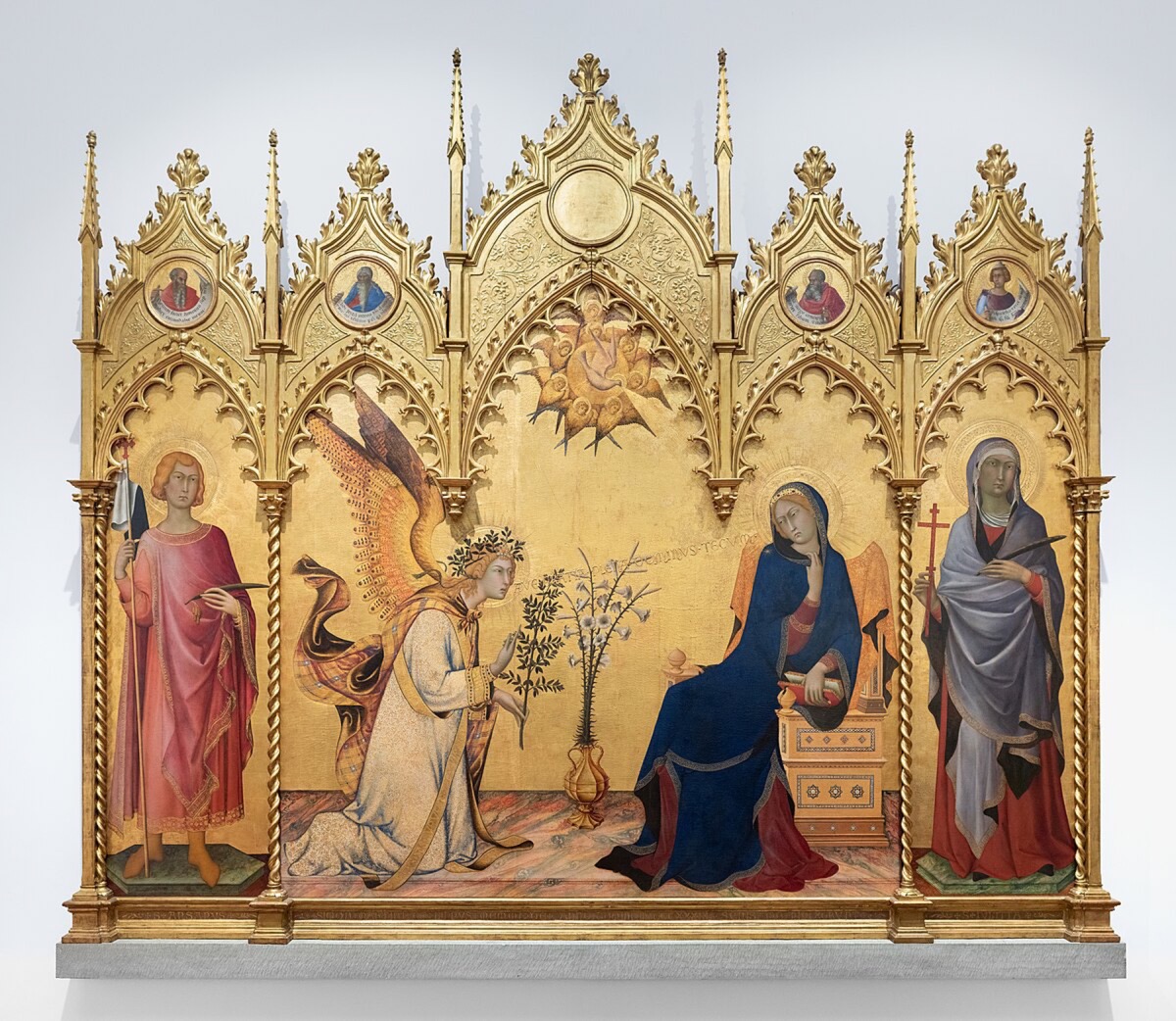
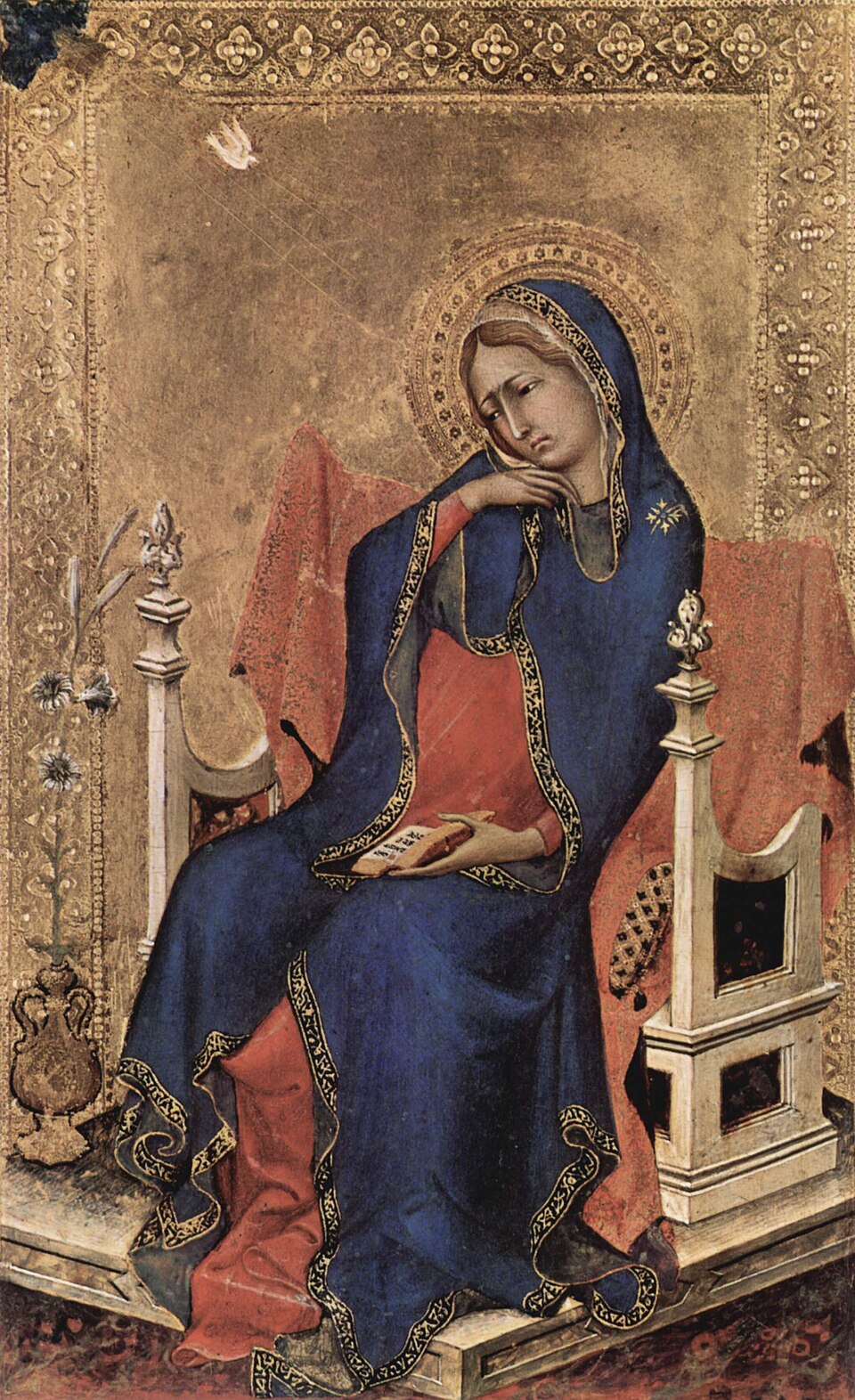
The Virgin recoils slightly - she is not entirely pleased to be interrupted.
That body language, that psychological nuance, is quite new for the 14th century.
She is not a symbol; she has a mood.
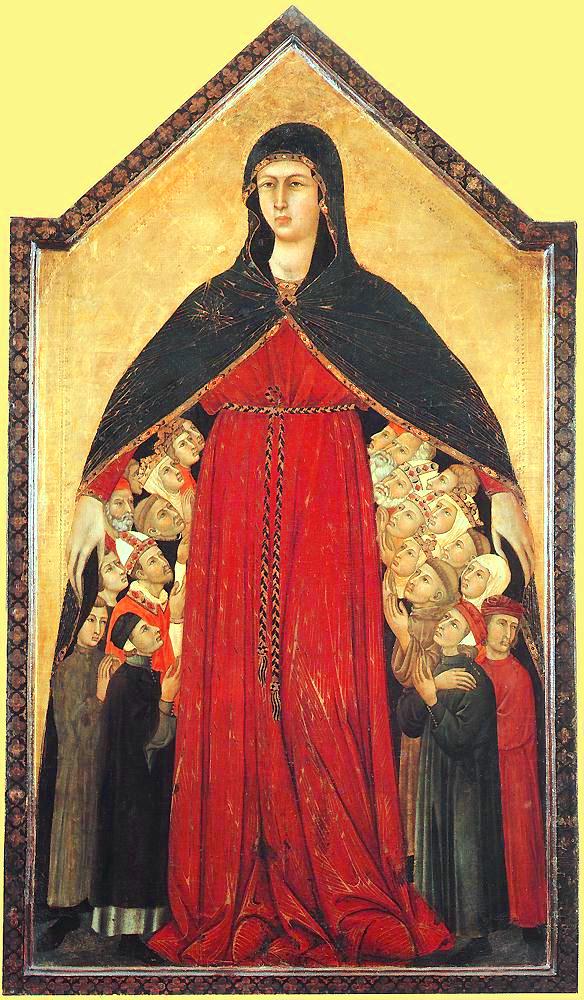
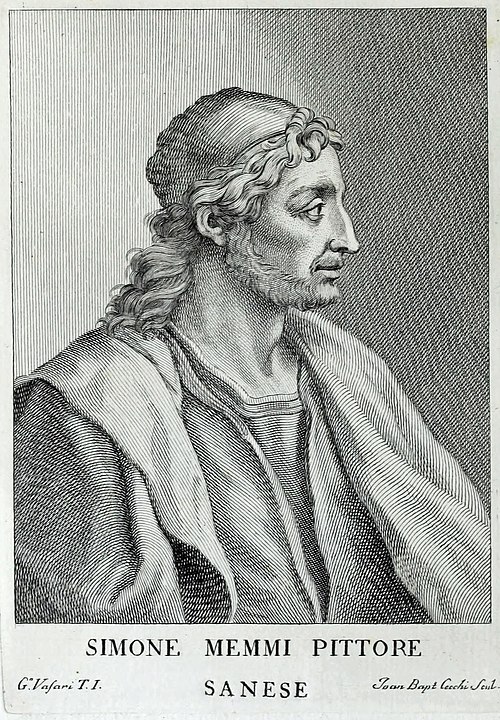
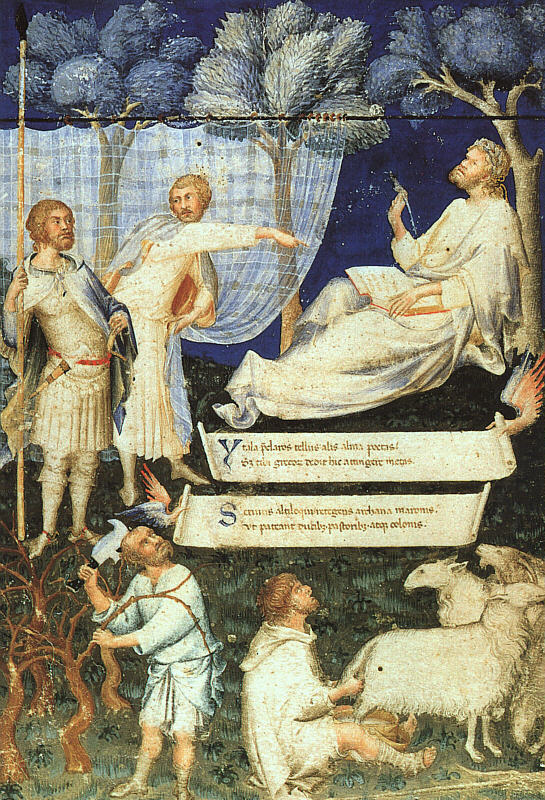
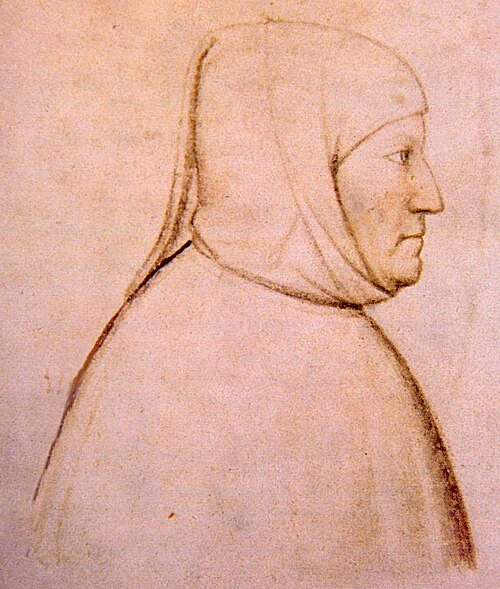
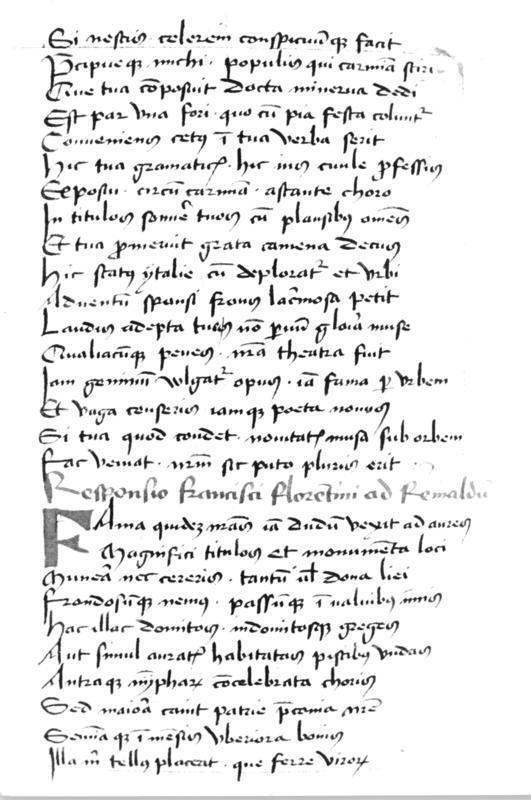
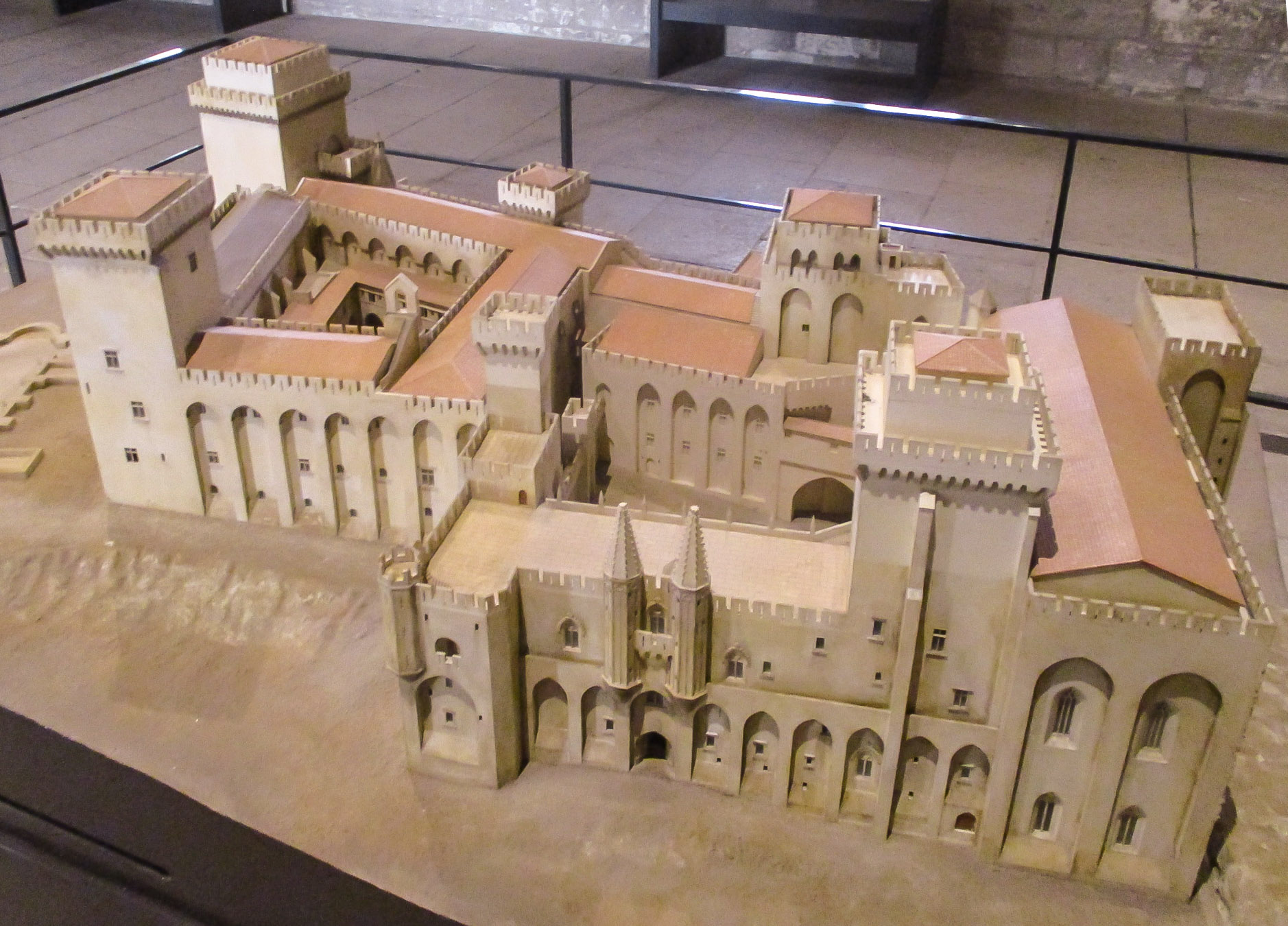
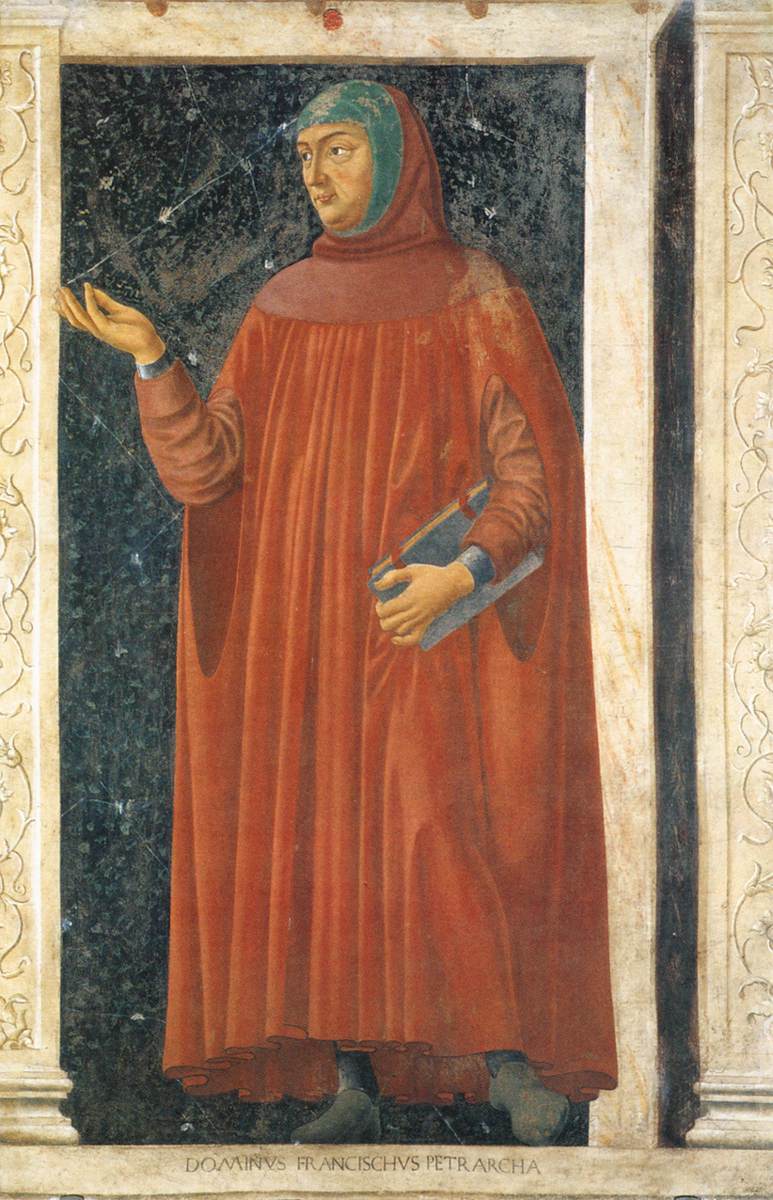
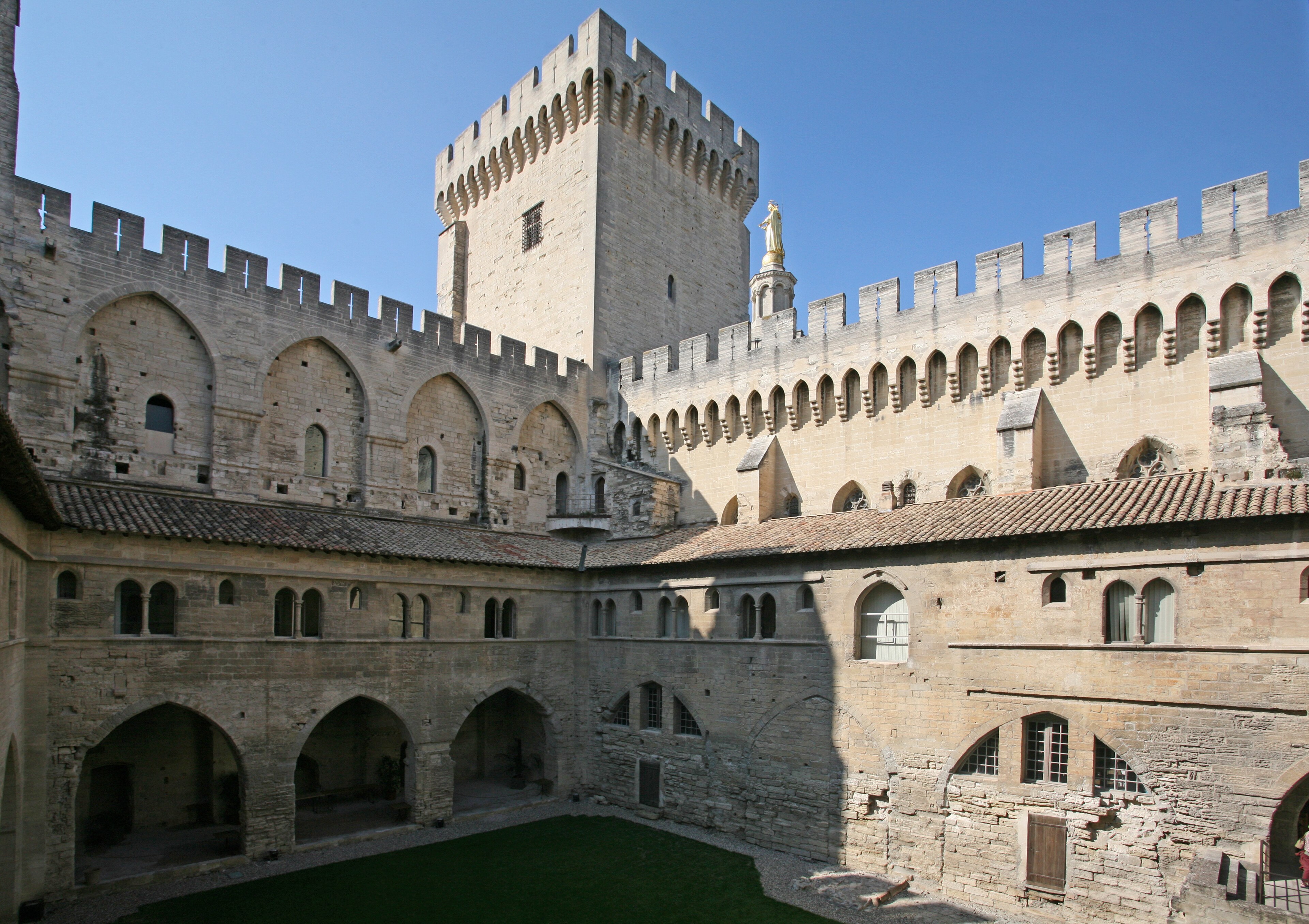
Martini was working at the papal court in Avignon, where he met the poet Petrarch.
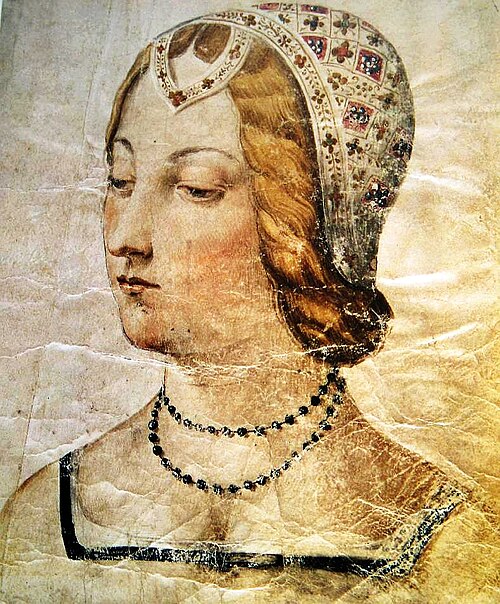
Petrarch wrote two sonnets about a portrait Martini painted of his beloved Laura - the first recorded description of a commissioned portrait made for personal emotional attachment rather than religious purposes.
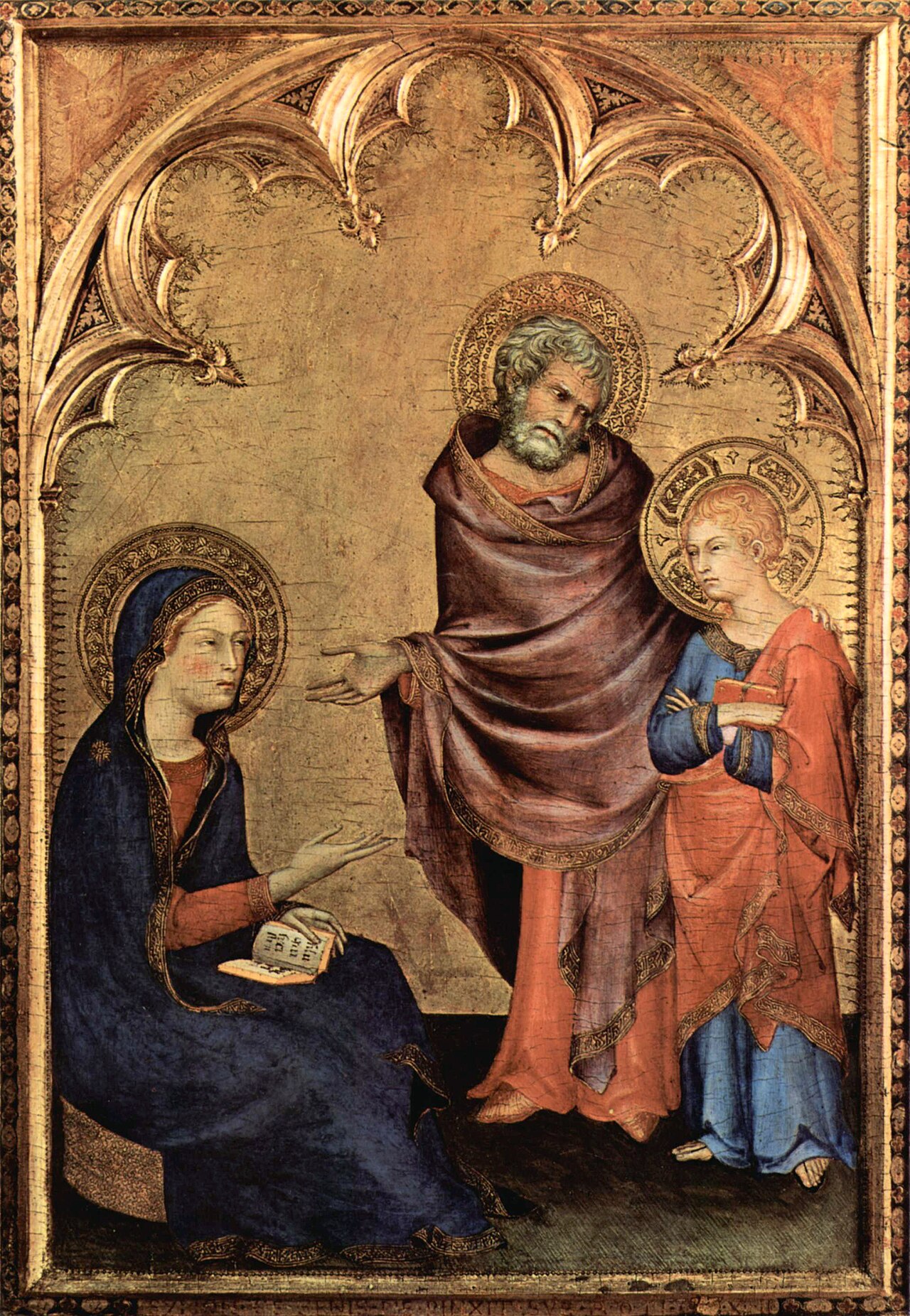
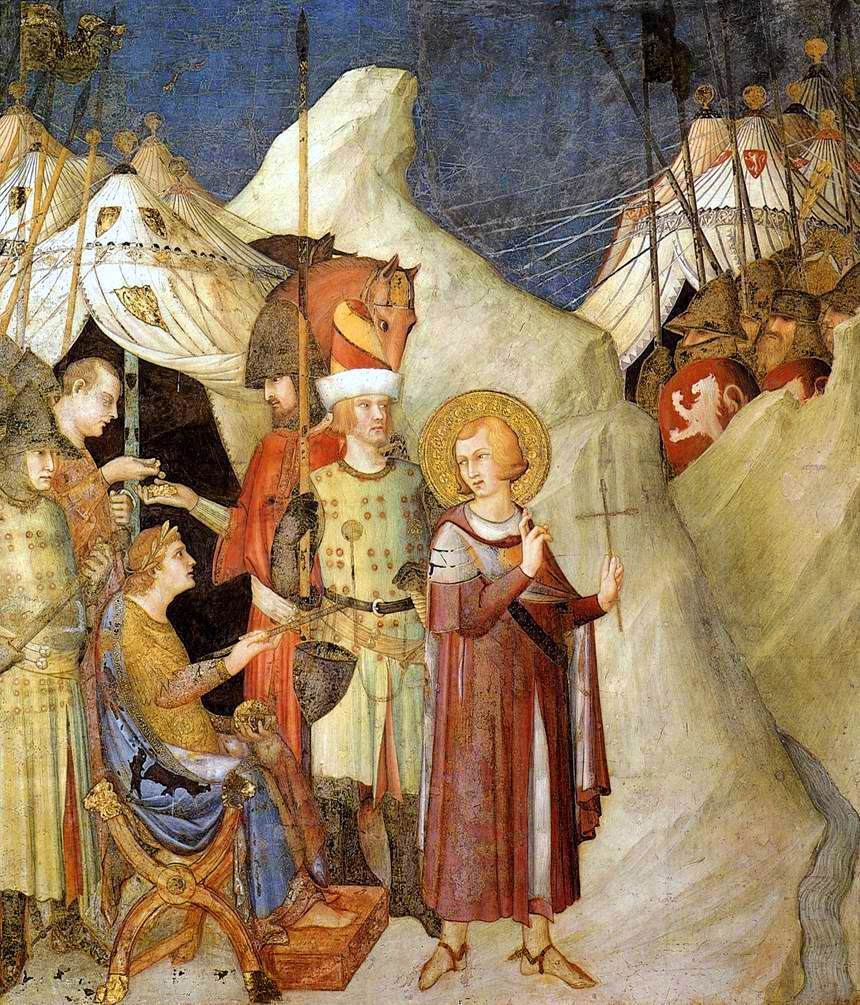
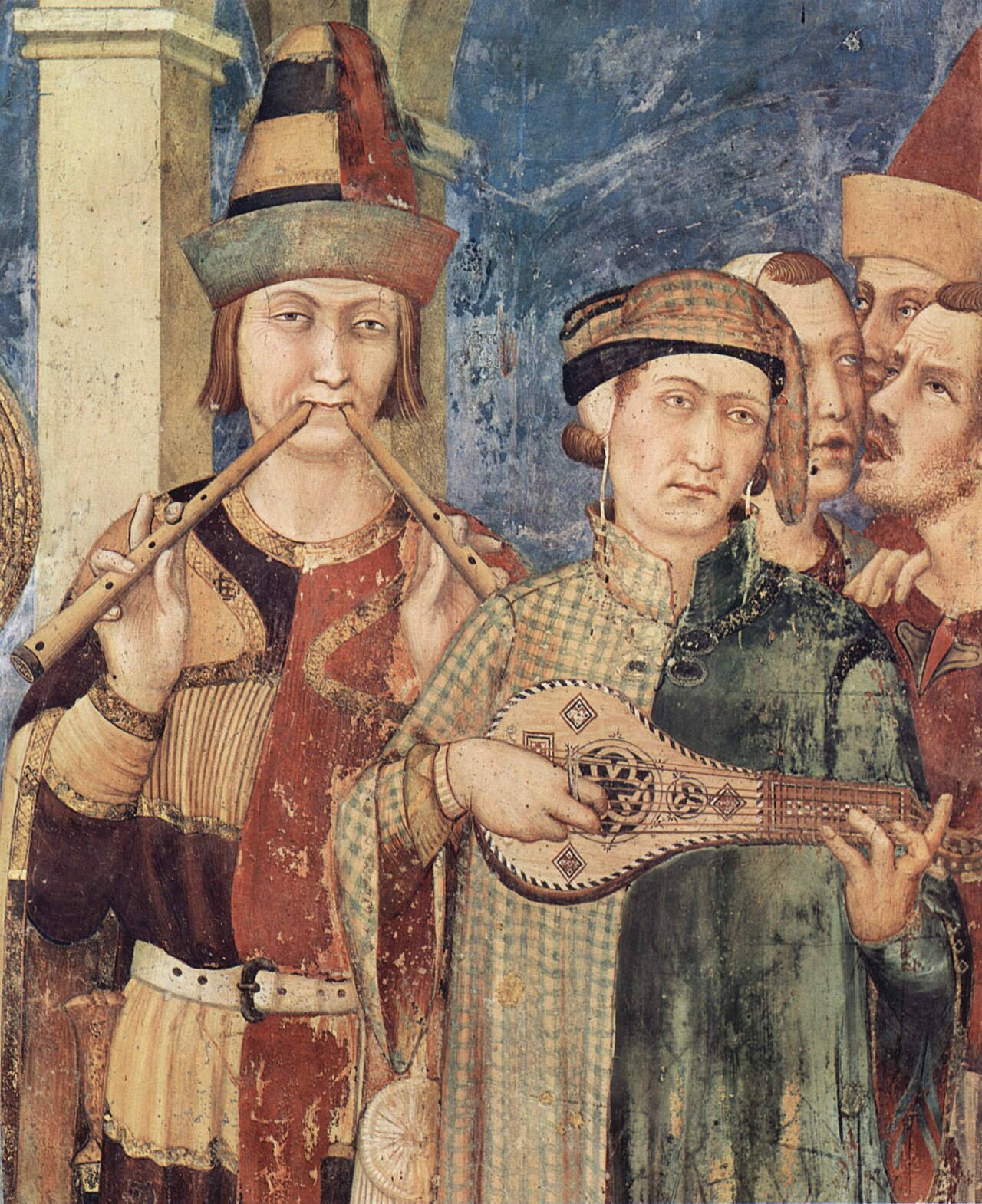
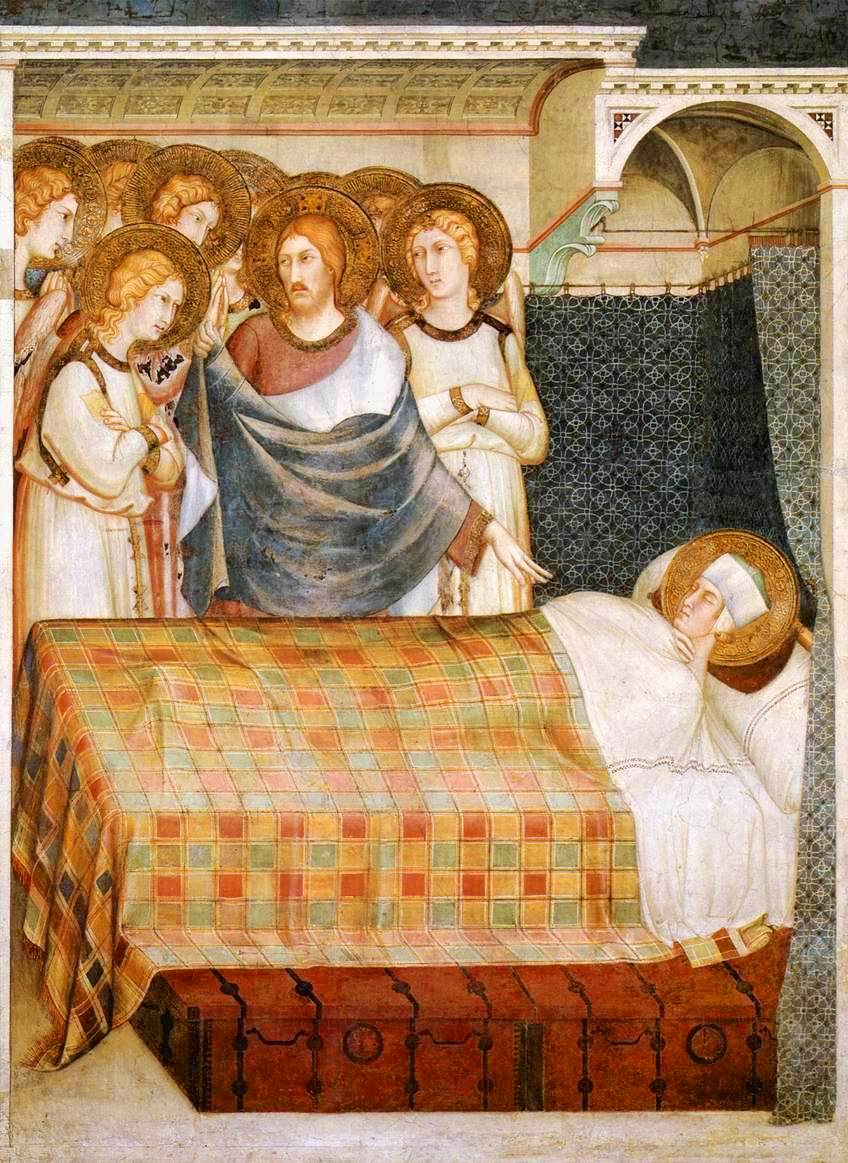
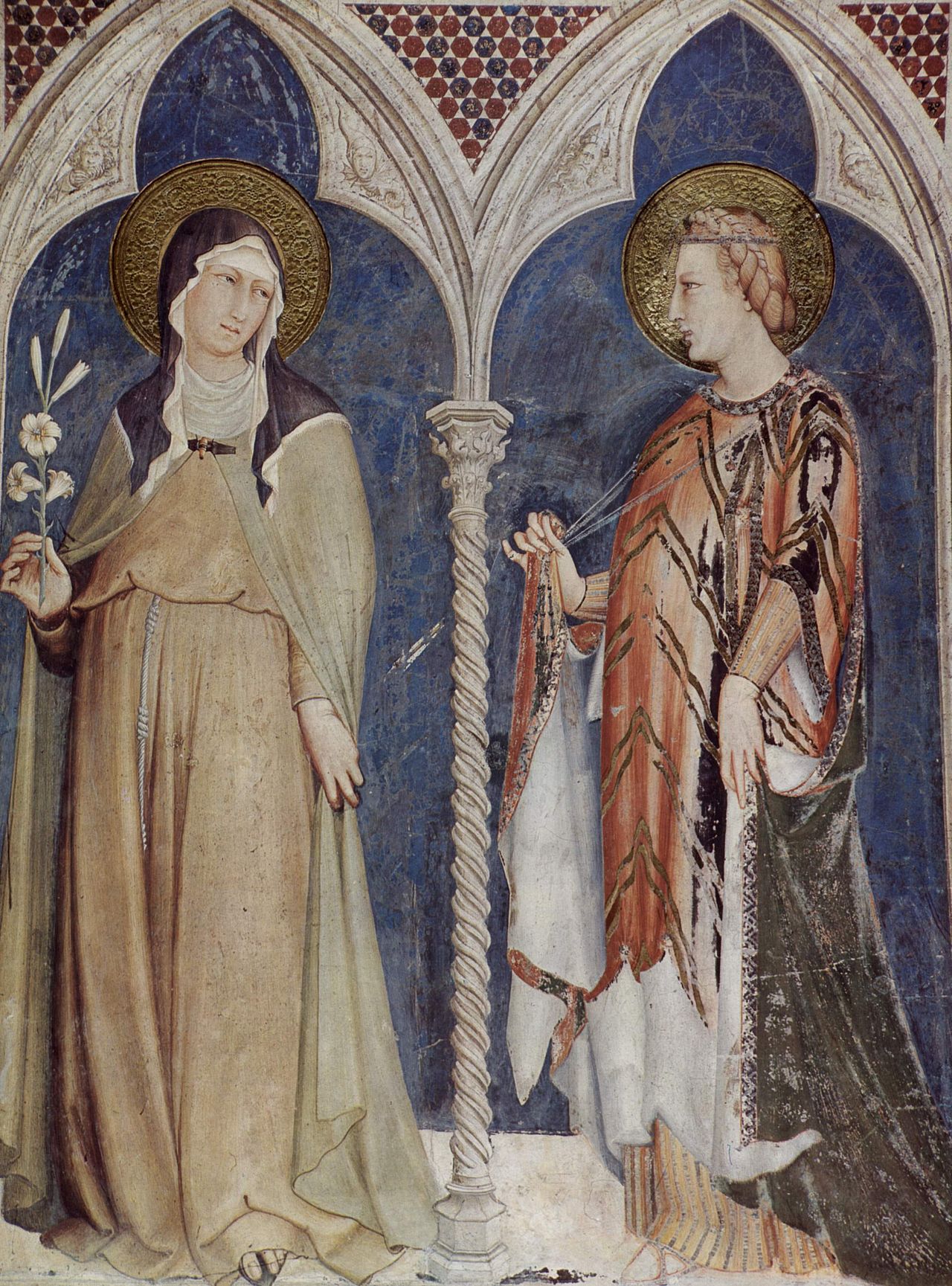
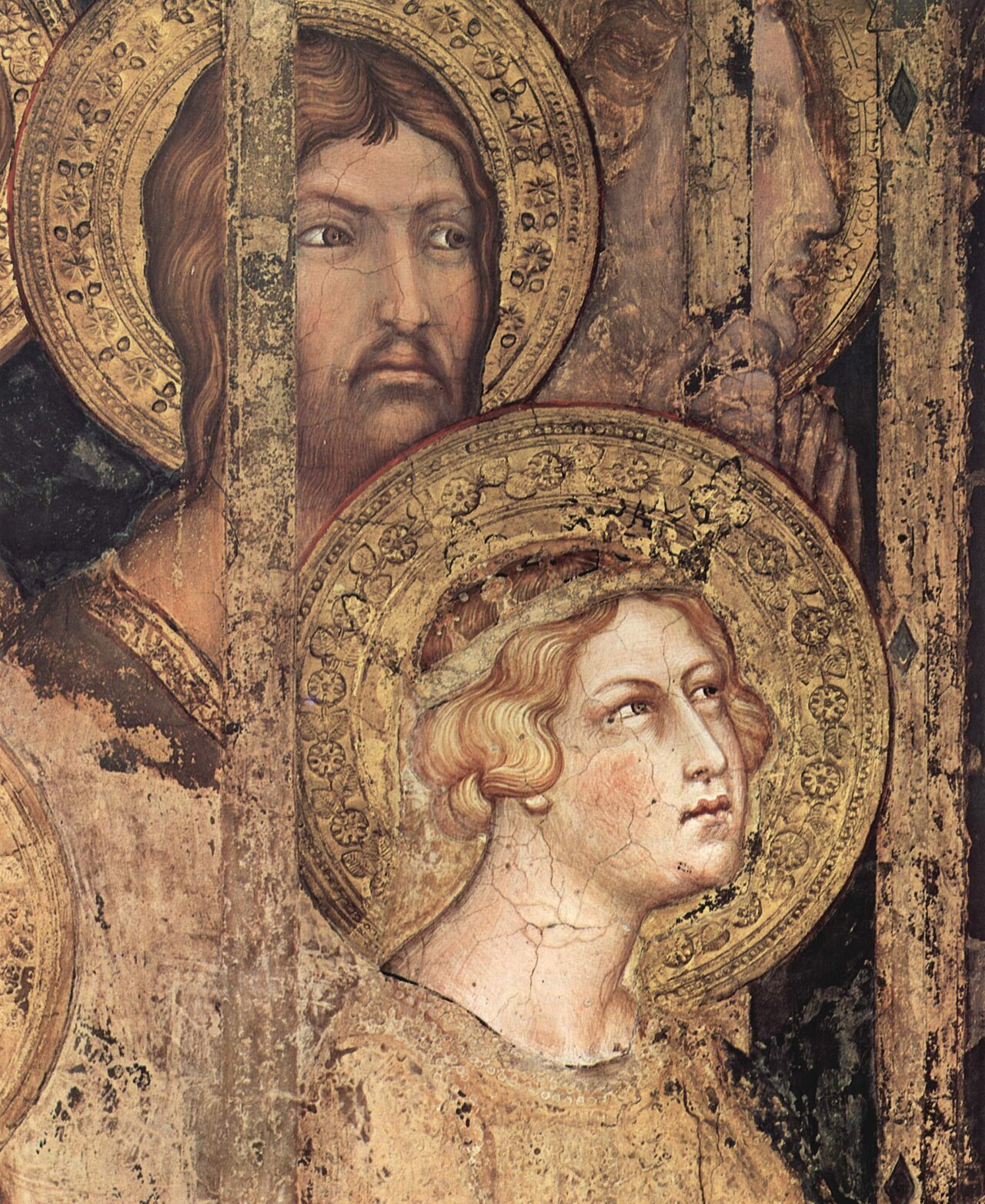
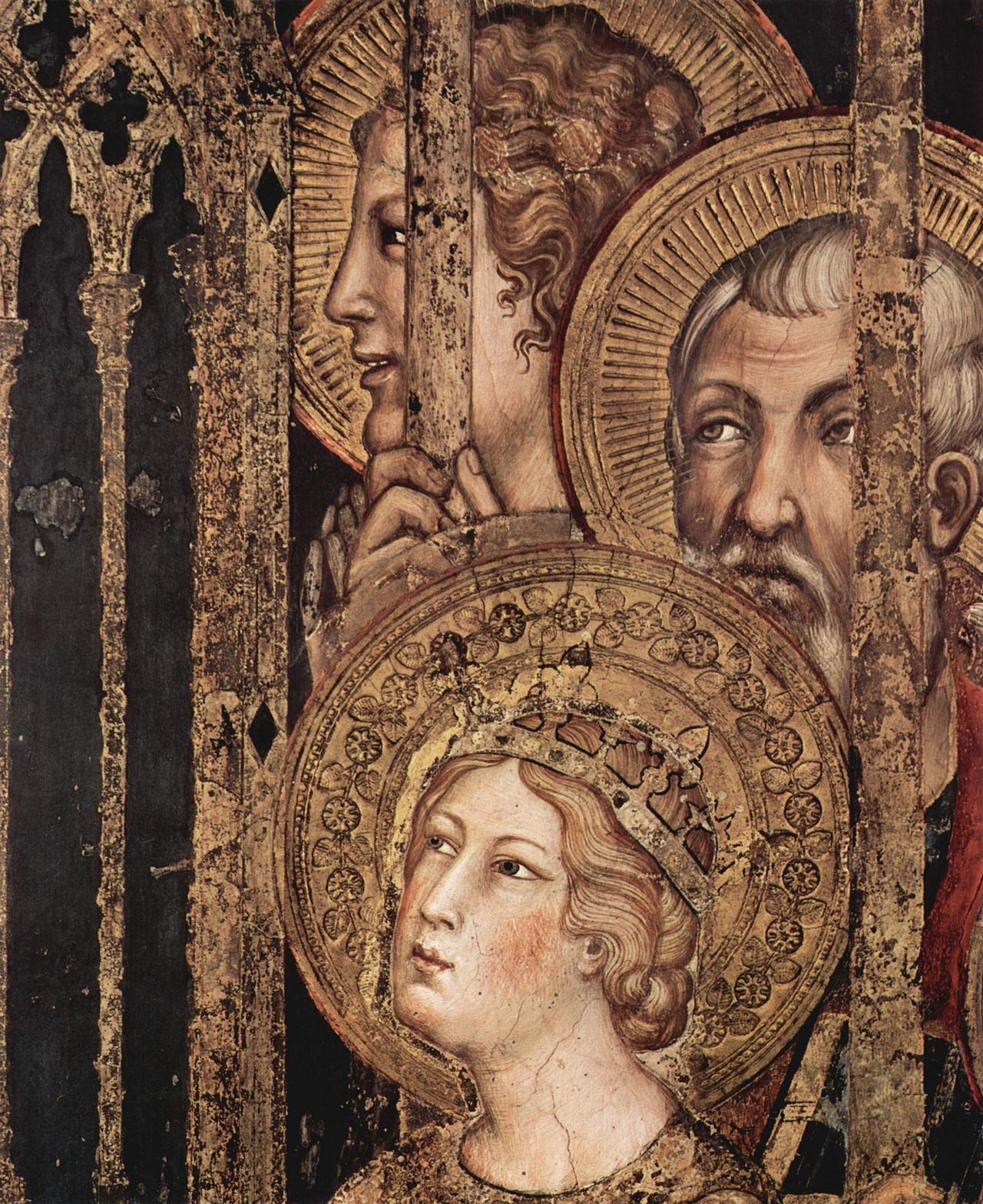
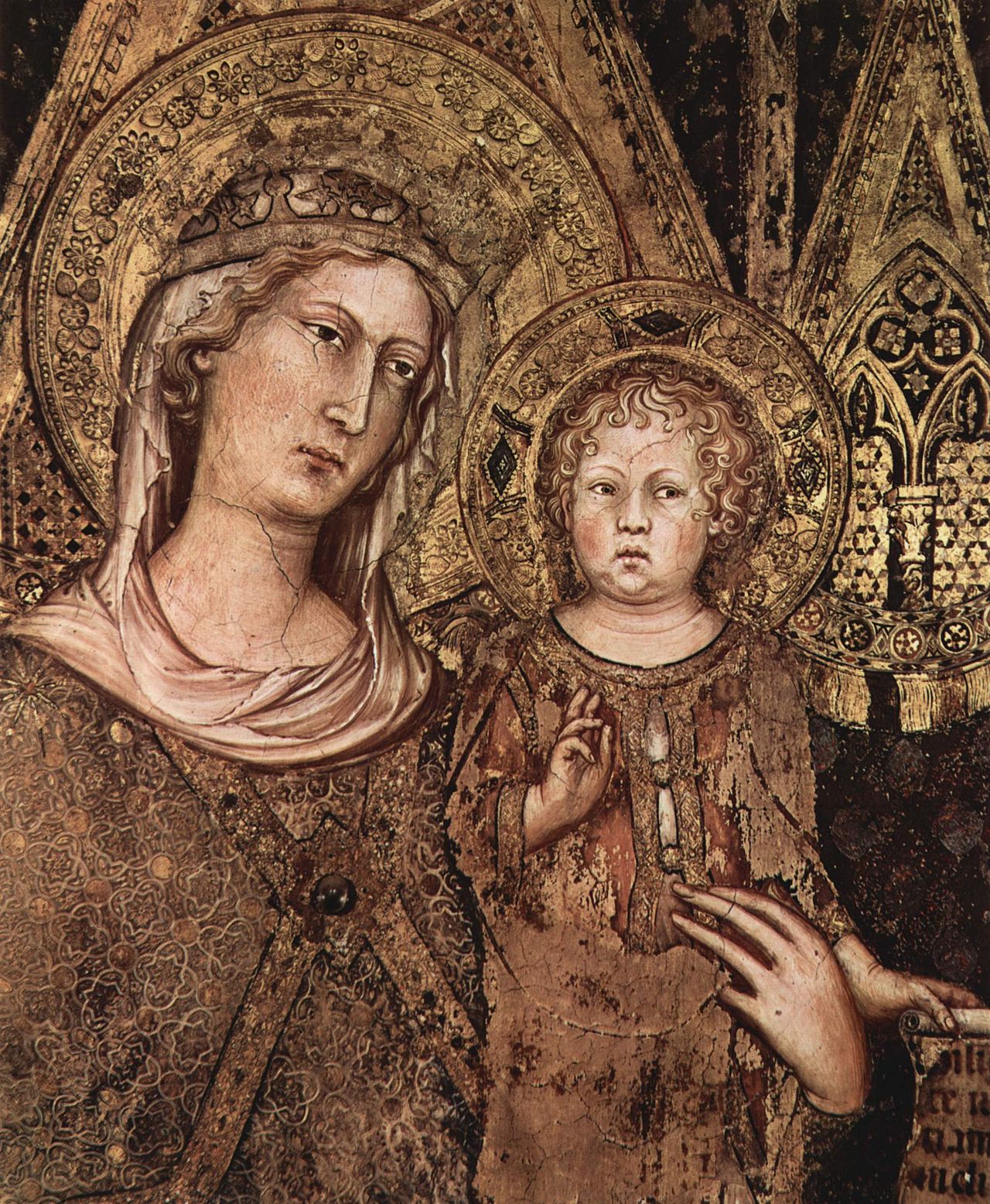
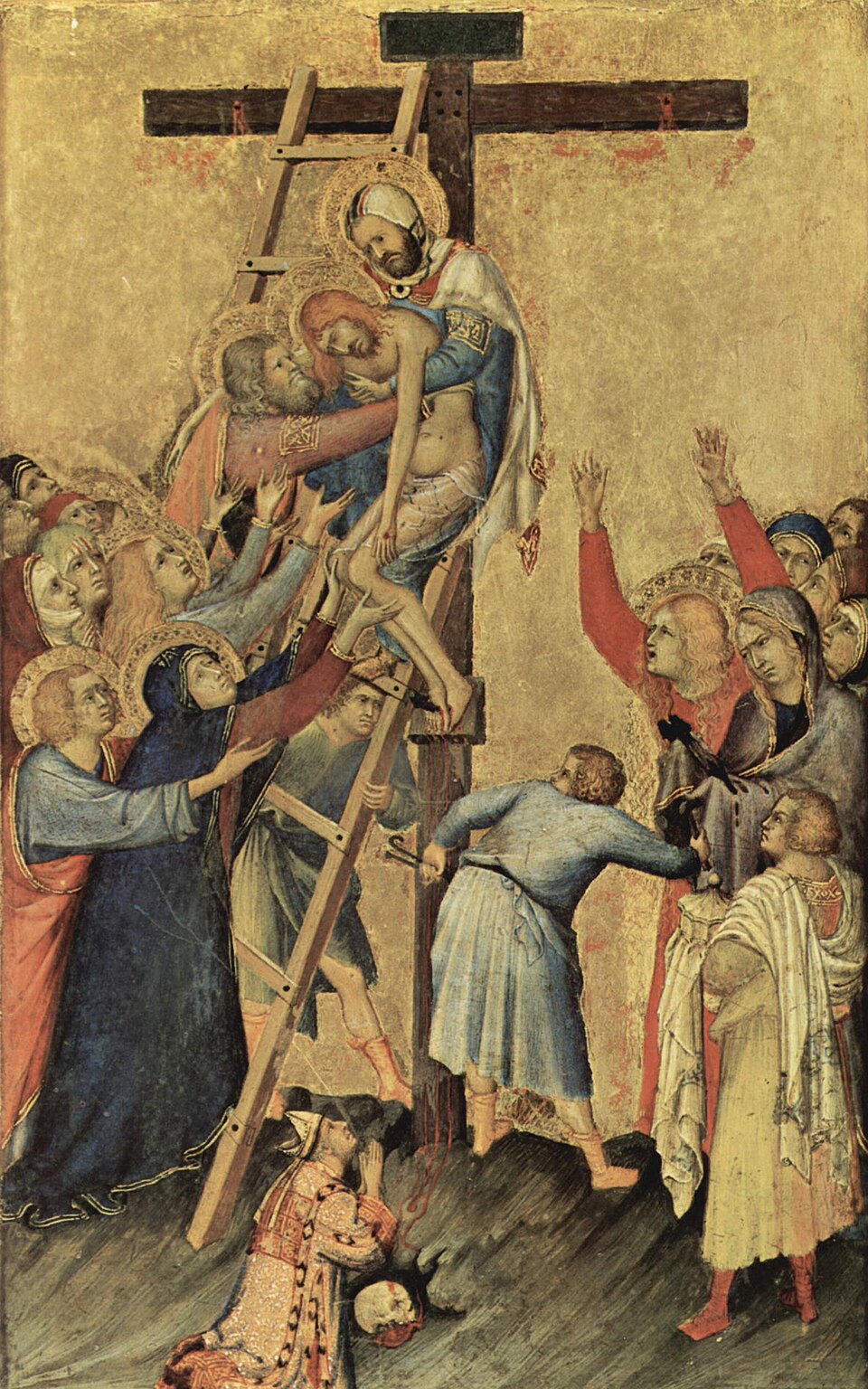
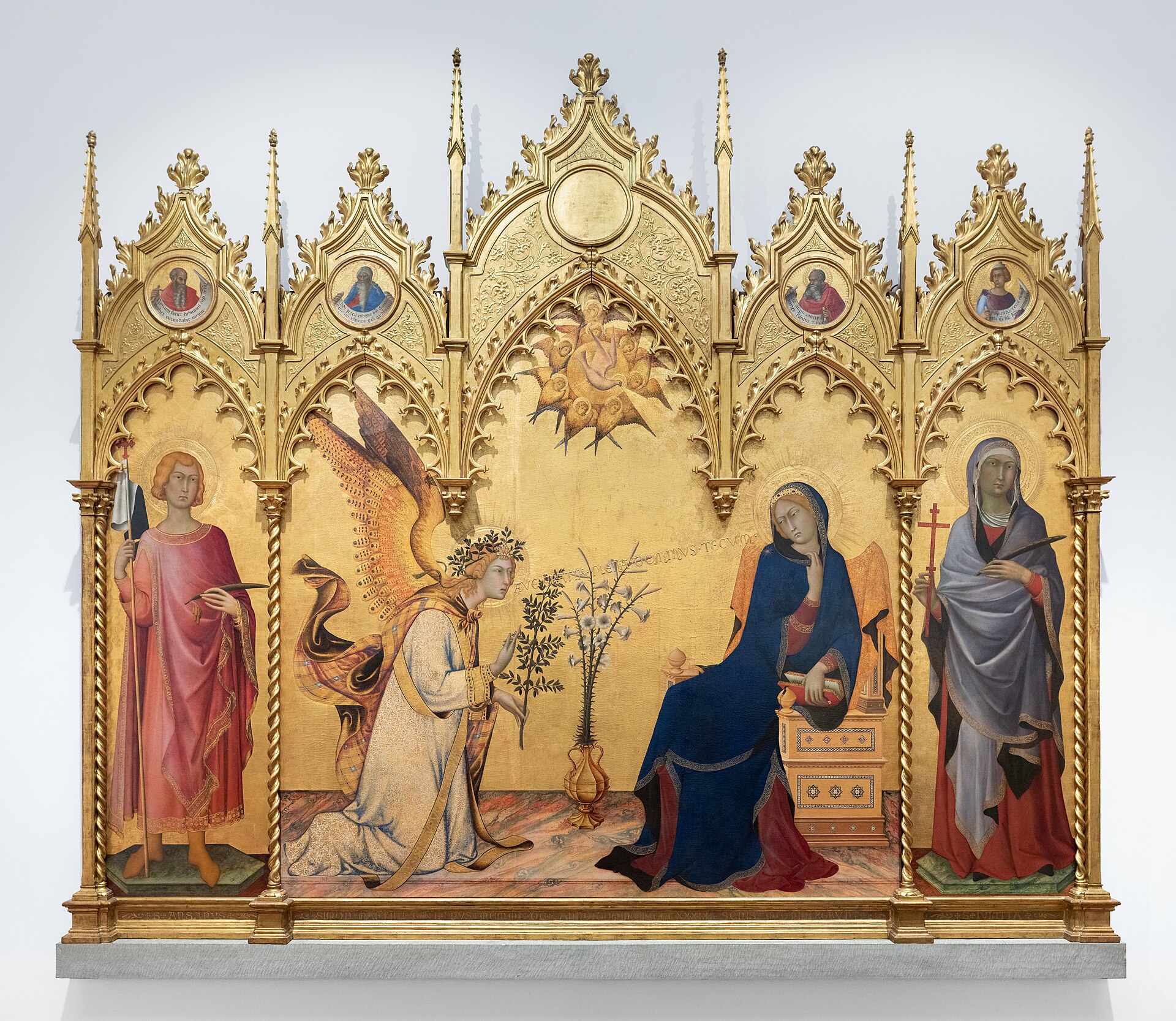
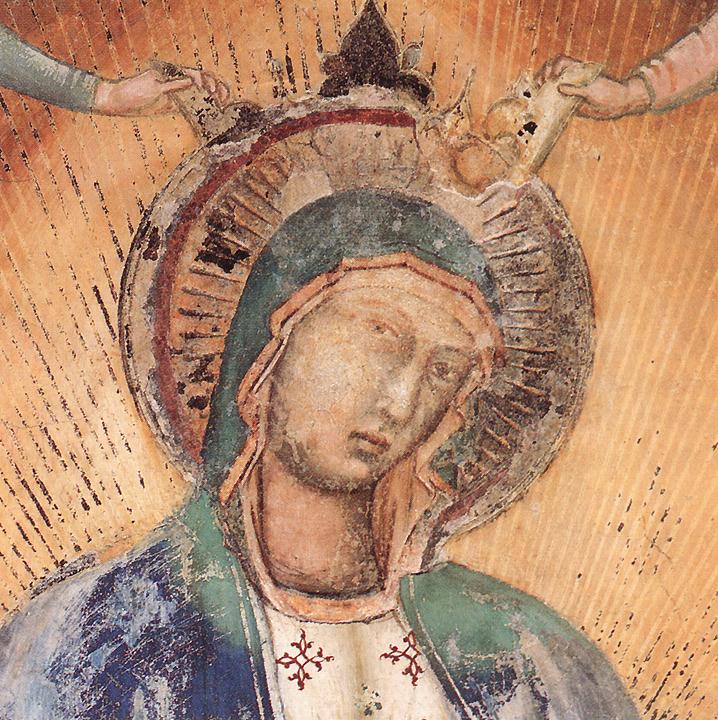
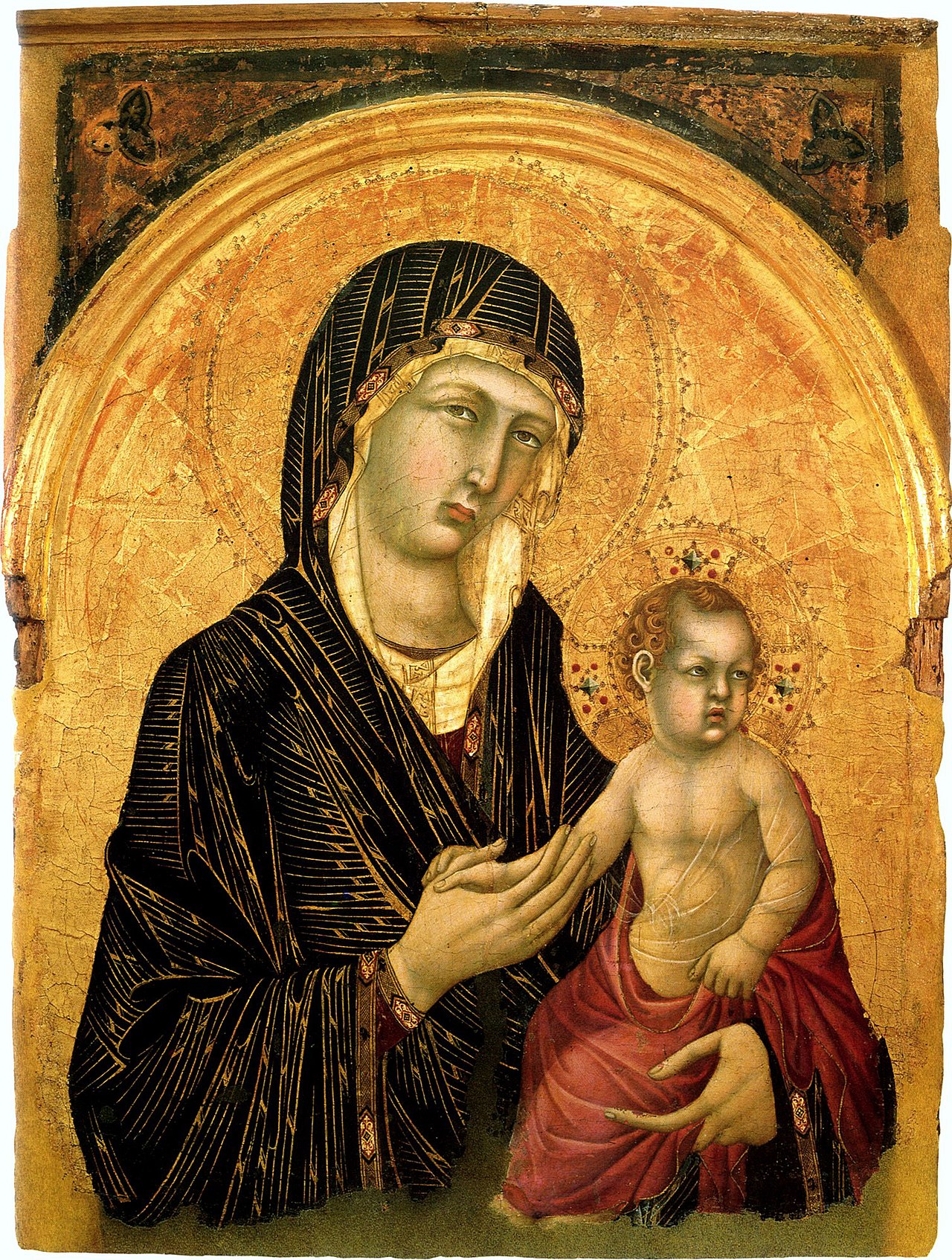
Fun fact: the frame is original, and the halos are three-dimensional - hammered and incised gold leaf applied with a technique called pastiglia, creating actual relief.
In candlelit chapels, they would have glittered and moved as the flame flickered.
The painting was designed for a specific quality of light that no museum can replicate.
Comments
Loading comments...